El ciclo de Baal Capítulo 2
El Palacio de Baal
Baal pide una casa como la de los demás dioses. Anat apela a El, y Athirat obtiene después su consentimiento. Kothar construye el palacio en el Saphon. Más adelante, Baal le pide que abra una ventana, y las montañas oyen su voz.
FuentesPase las páginas con las flechas, el teclado o deslizando el dedo.
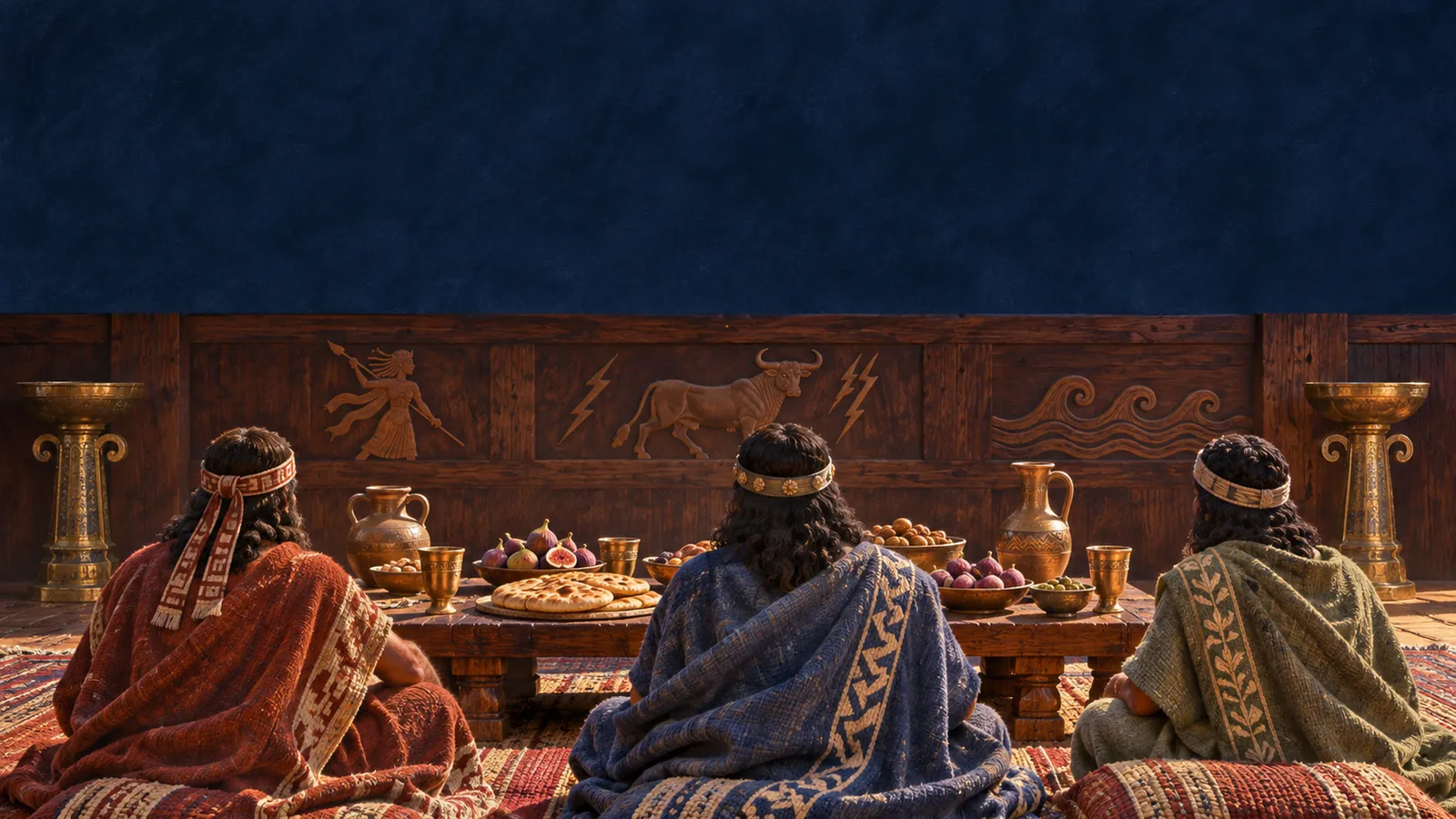
EL PALACIO DE BAAL
La parte superior de la tablilla está rota. Cuando sus palabras vuelven a leerse, ya se celebra un banquete. Los versos conservados dejan abierta la ocasión.
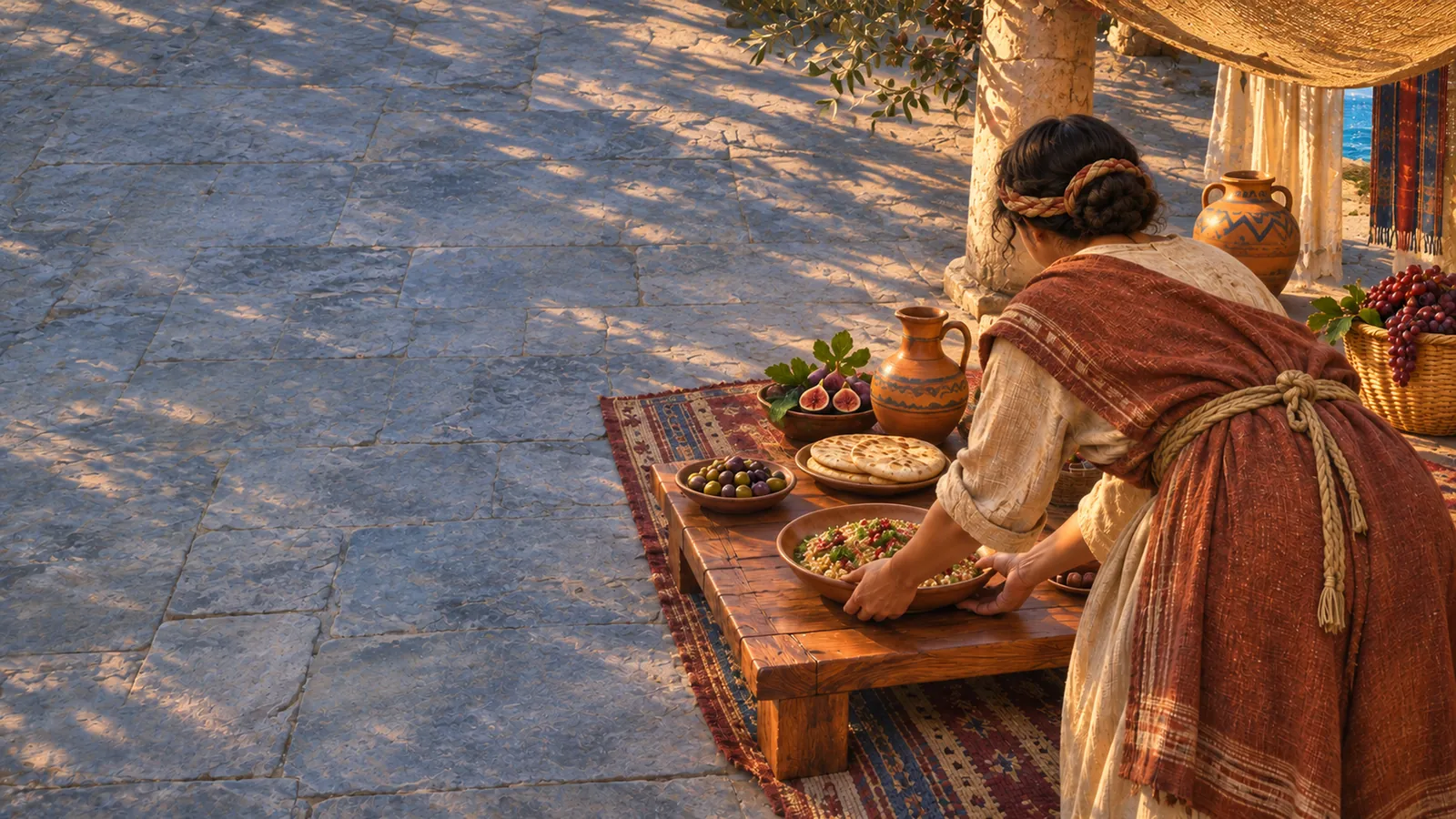
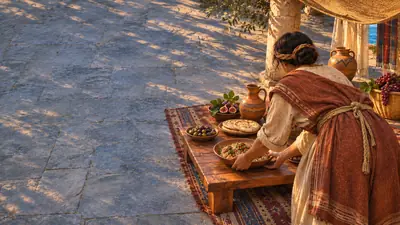
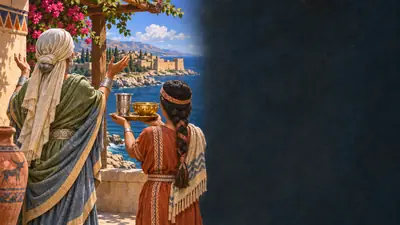
Se trae la comida al banquete. El verso se detiene en el servicio antes de pasar al vino y al canto.
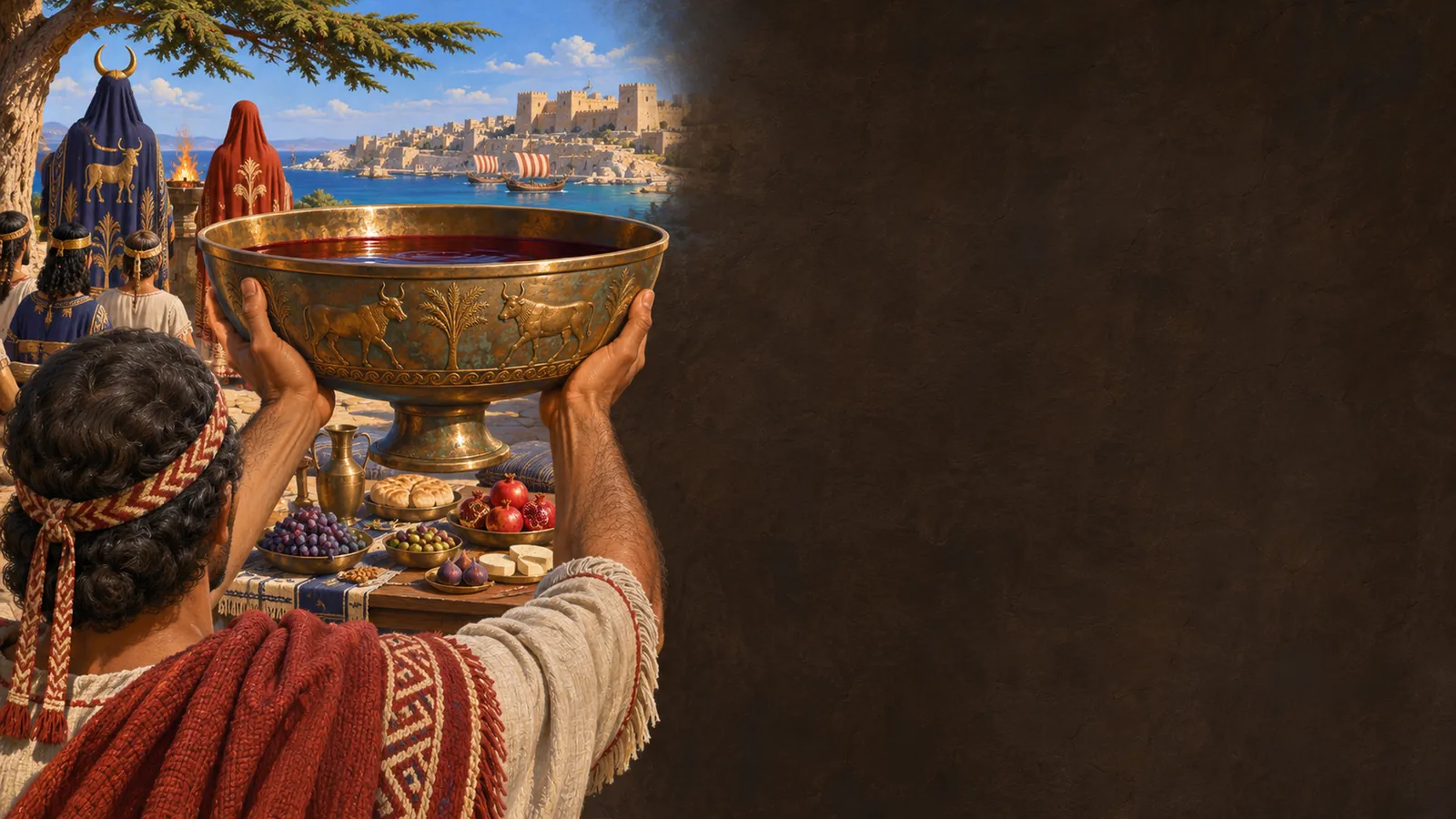
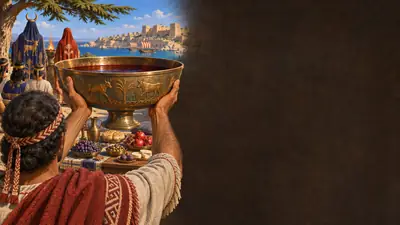
El poema describe una copa de vino tan grande que llama la atención. Su tamaño forma parte del elogio del banquete.
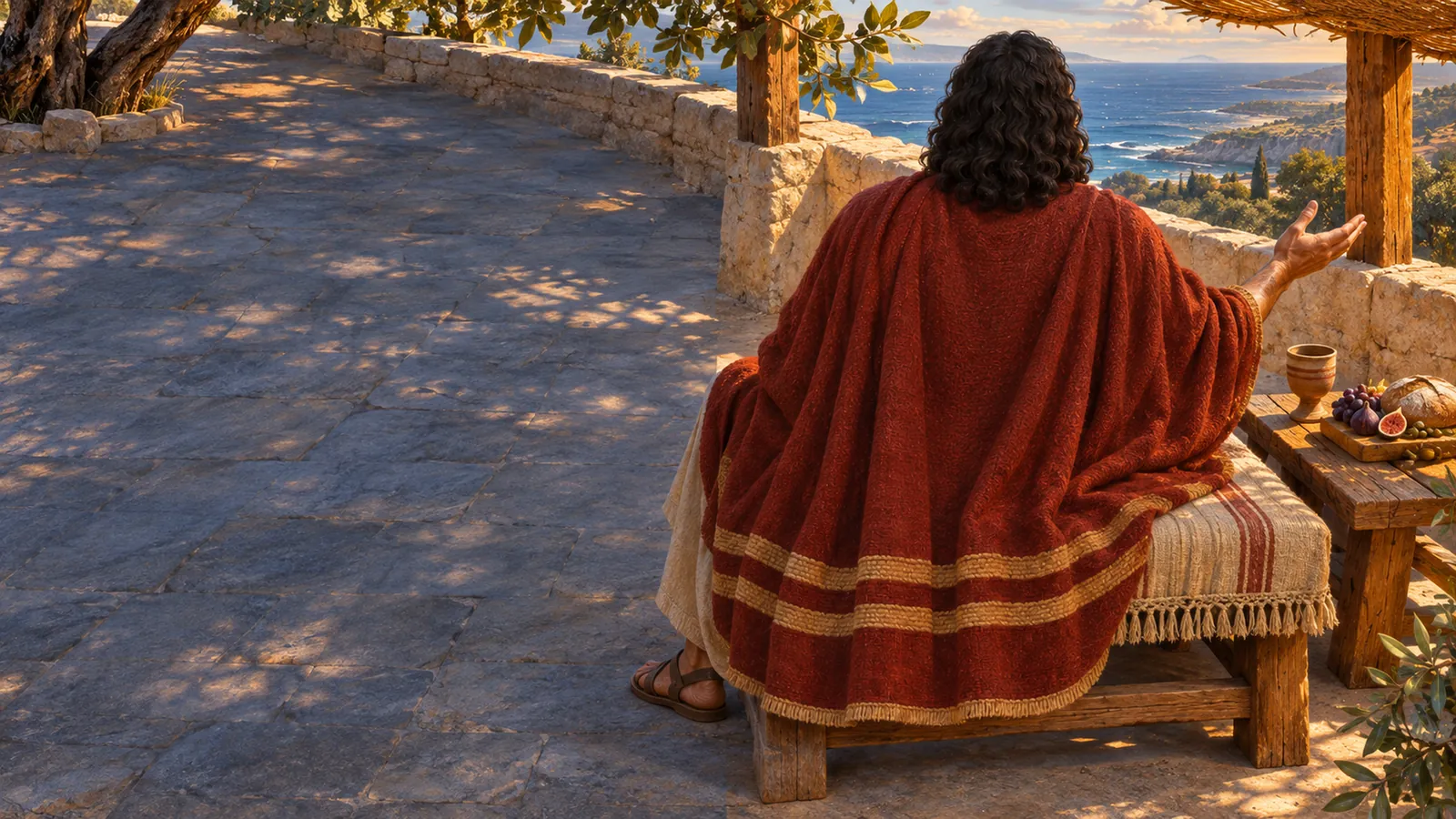
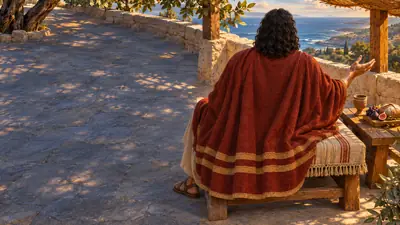
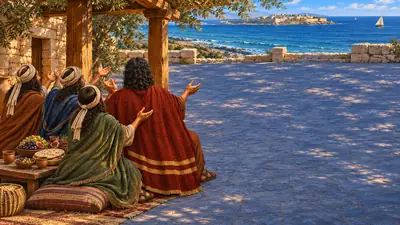
El canto se alza en el banquete. Las palabras sitúan a Baal en las alturas del monte Saphon, nombrado en esta parte del poema.
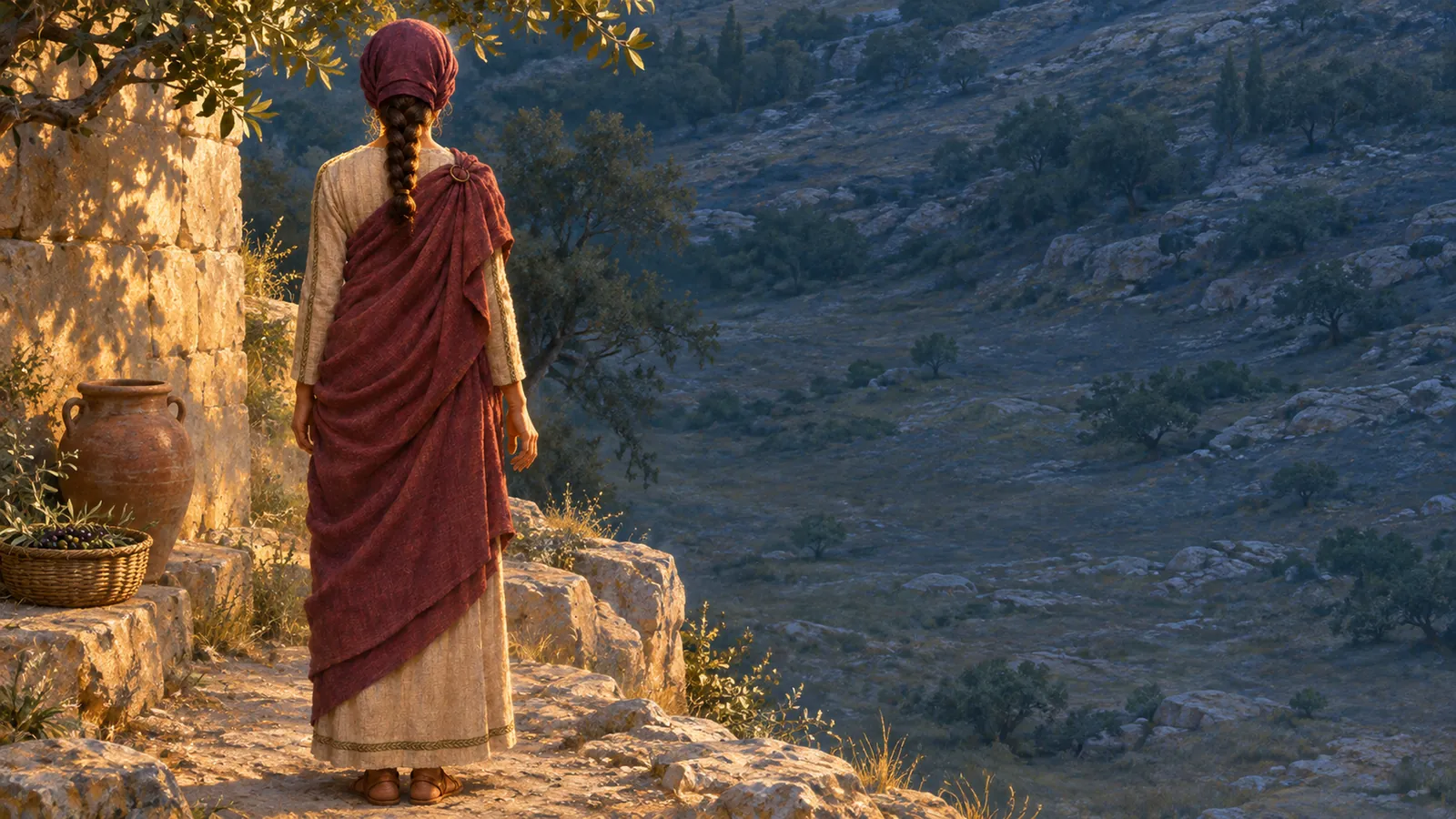
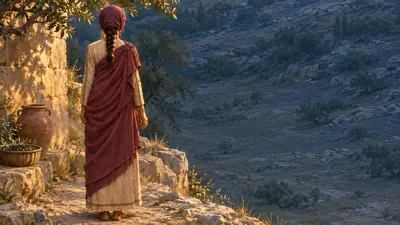
El poema pasa a un valle donde Anat mata a gente de la costa y del este. La razón del combate queda sin aclarar.
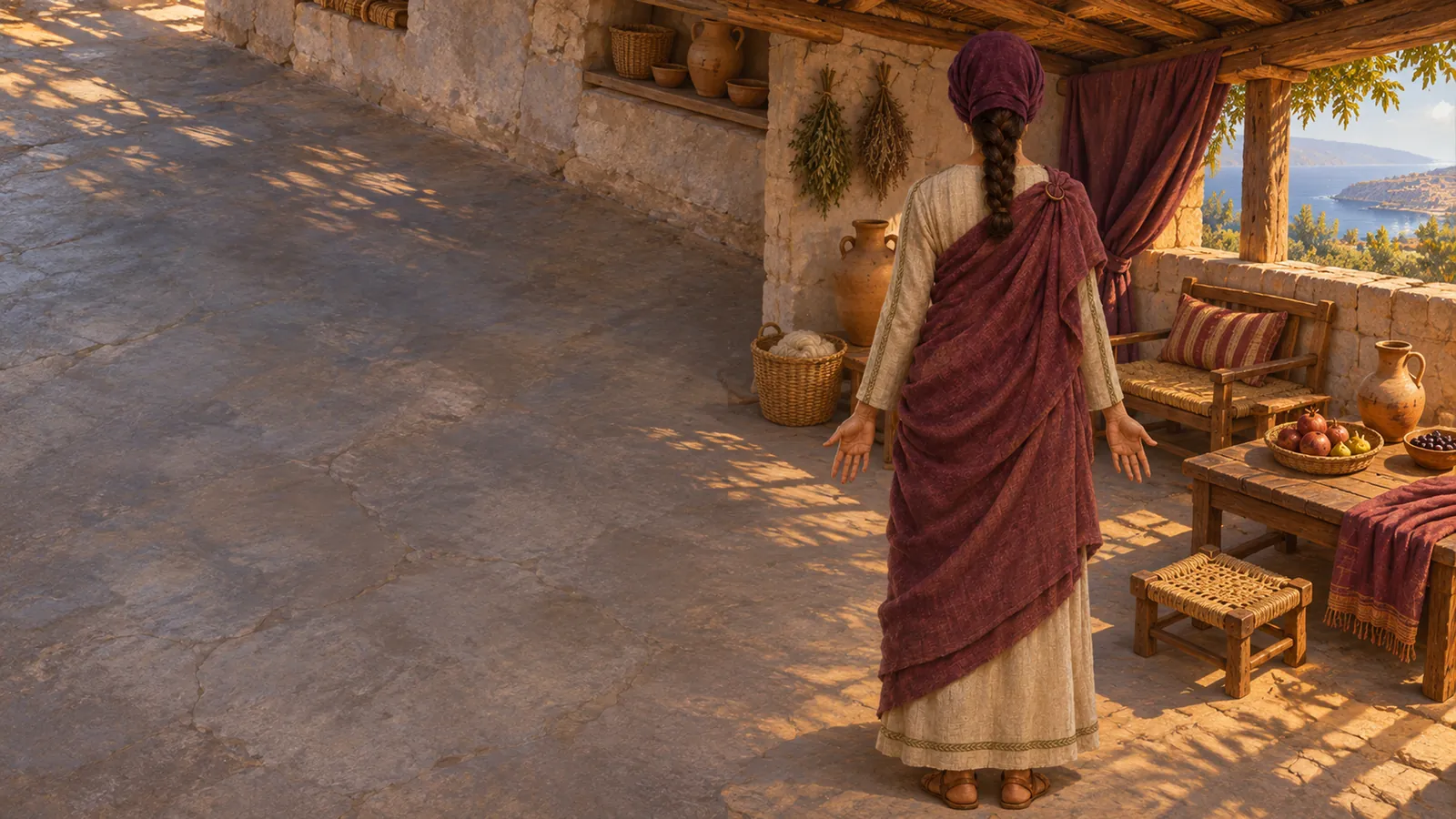
En su casa, Anat dispone las mesas y los asientos como guerreros y sigue luchando. El poema dice que se alegra en la batalla.
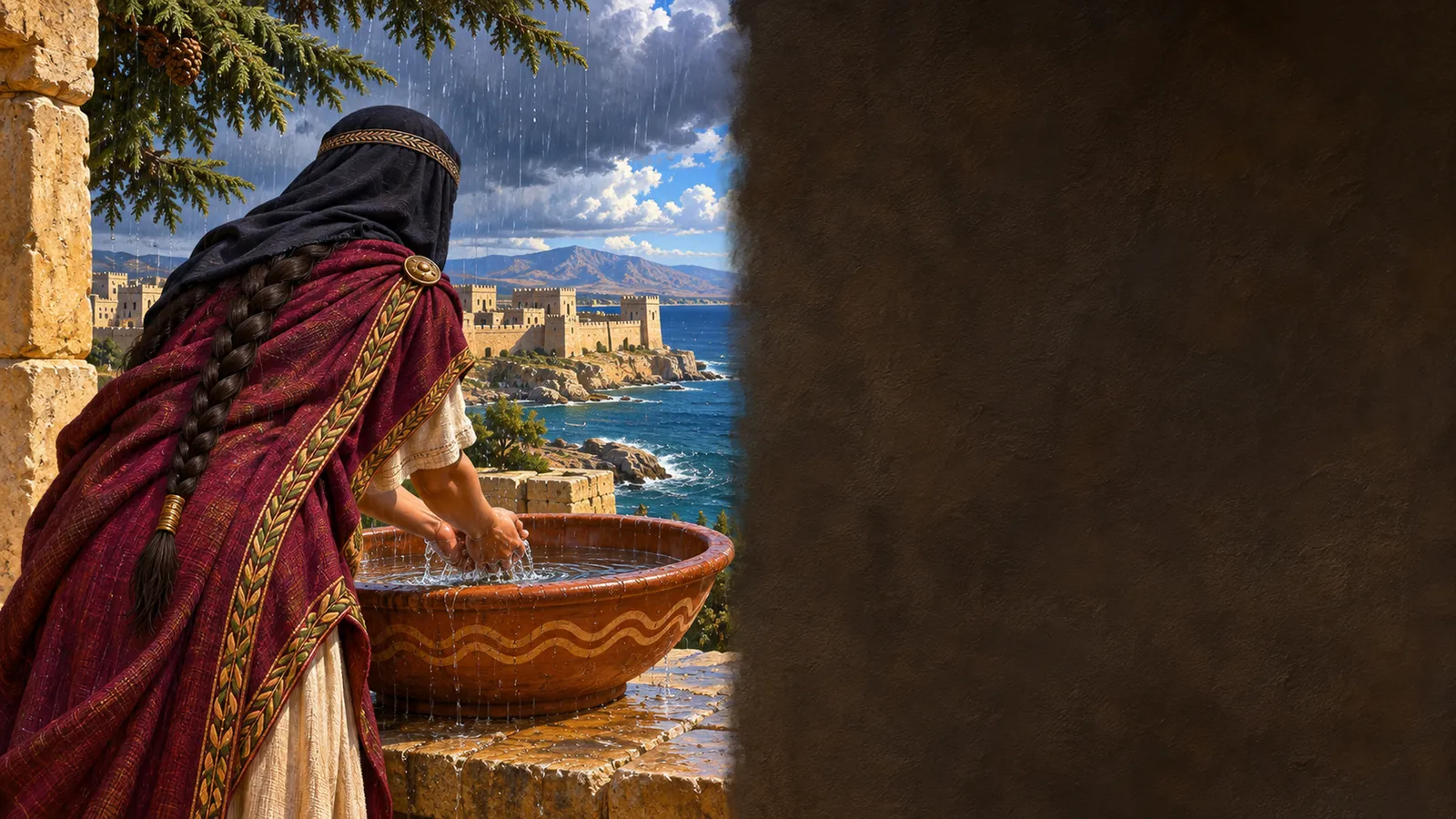
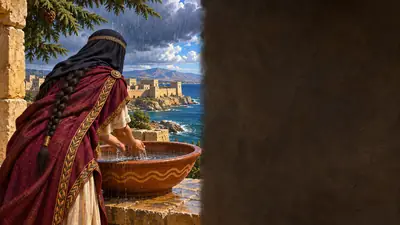
Cuando acaba la lucha, Anat se quita de las manos la sangre de los guerreros. Luego se baña en el rocío y la lluvia.
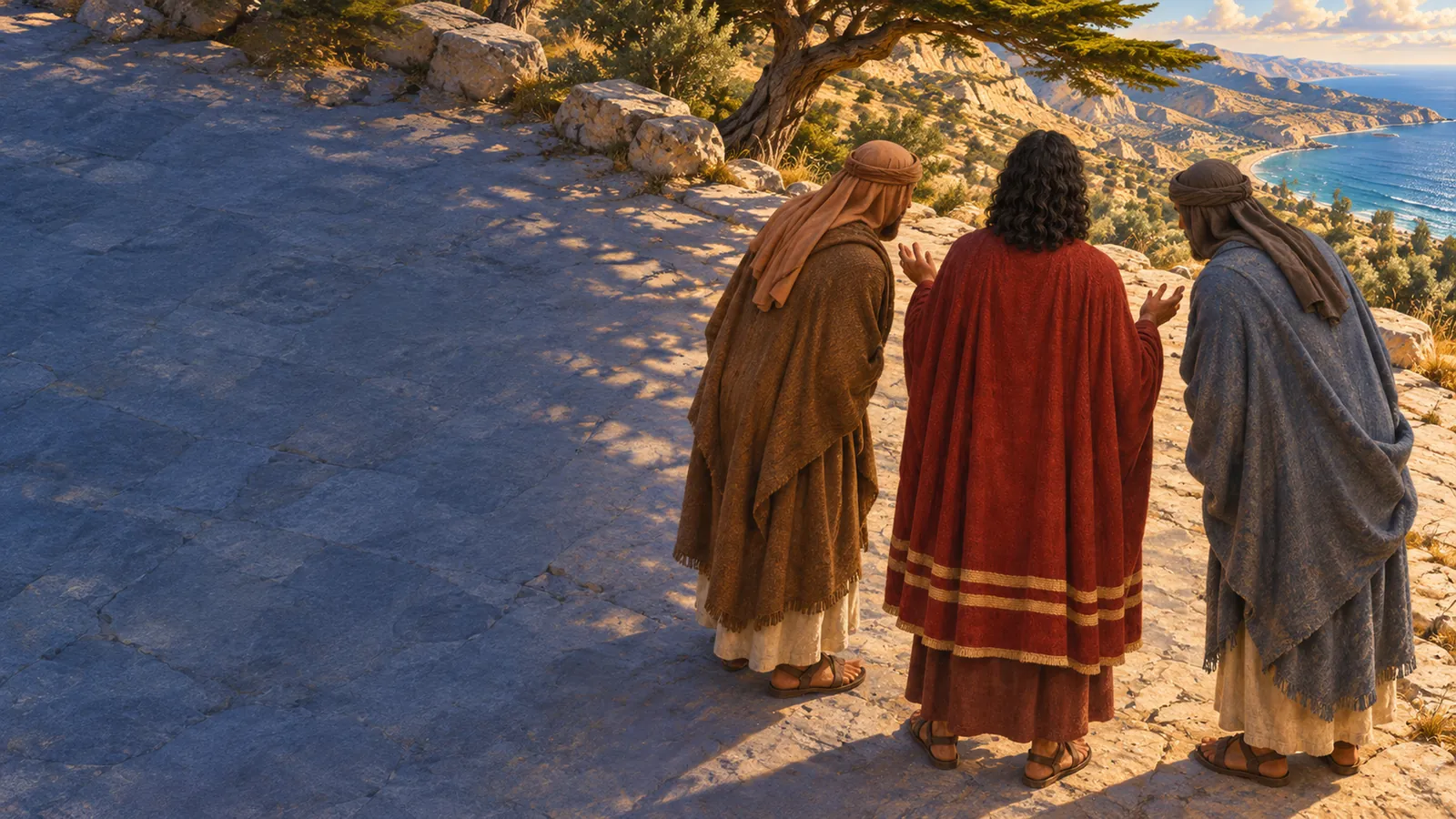
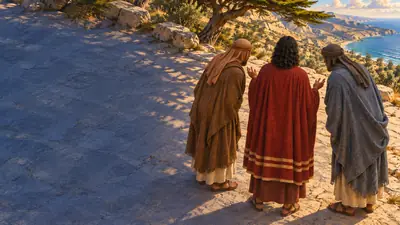
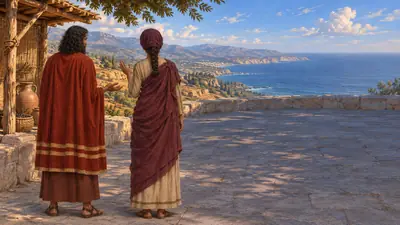
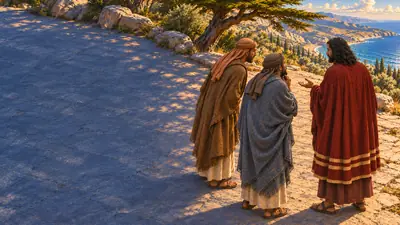
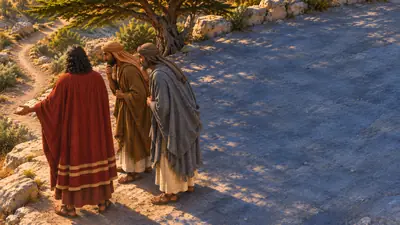
Baal envía a dos mensajeros para hablar con Anat. Les pide que se acerquen a ella con el respeto debido a quien los va a escuchar.
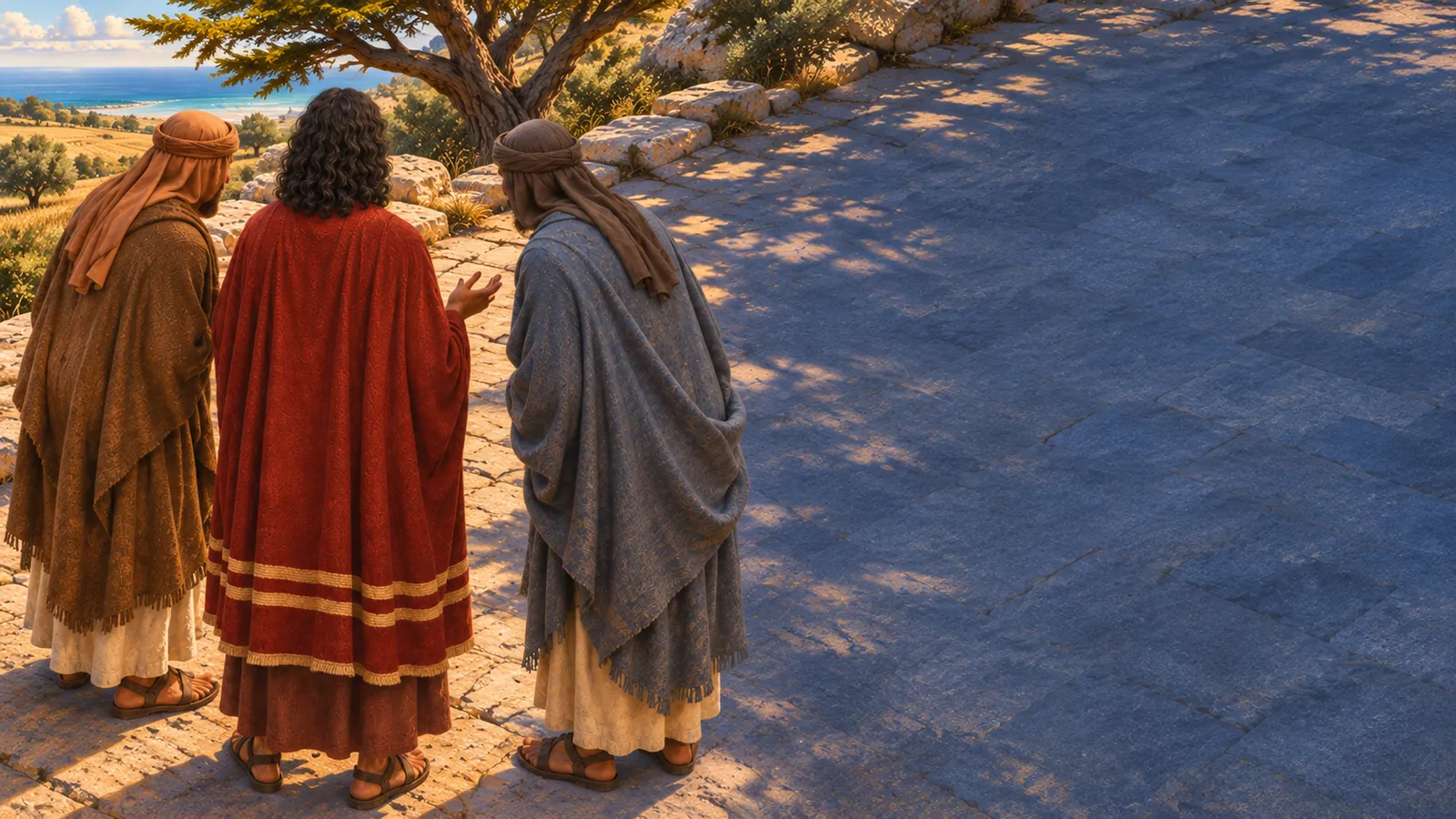
Al dar sus instrucciones a los mensajeros, Baal habla de dejar a un lado la discordia. Habla de la paz en la tierra y en los campos.
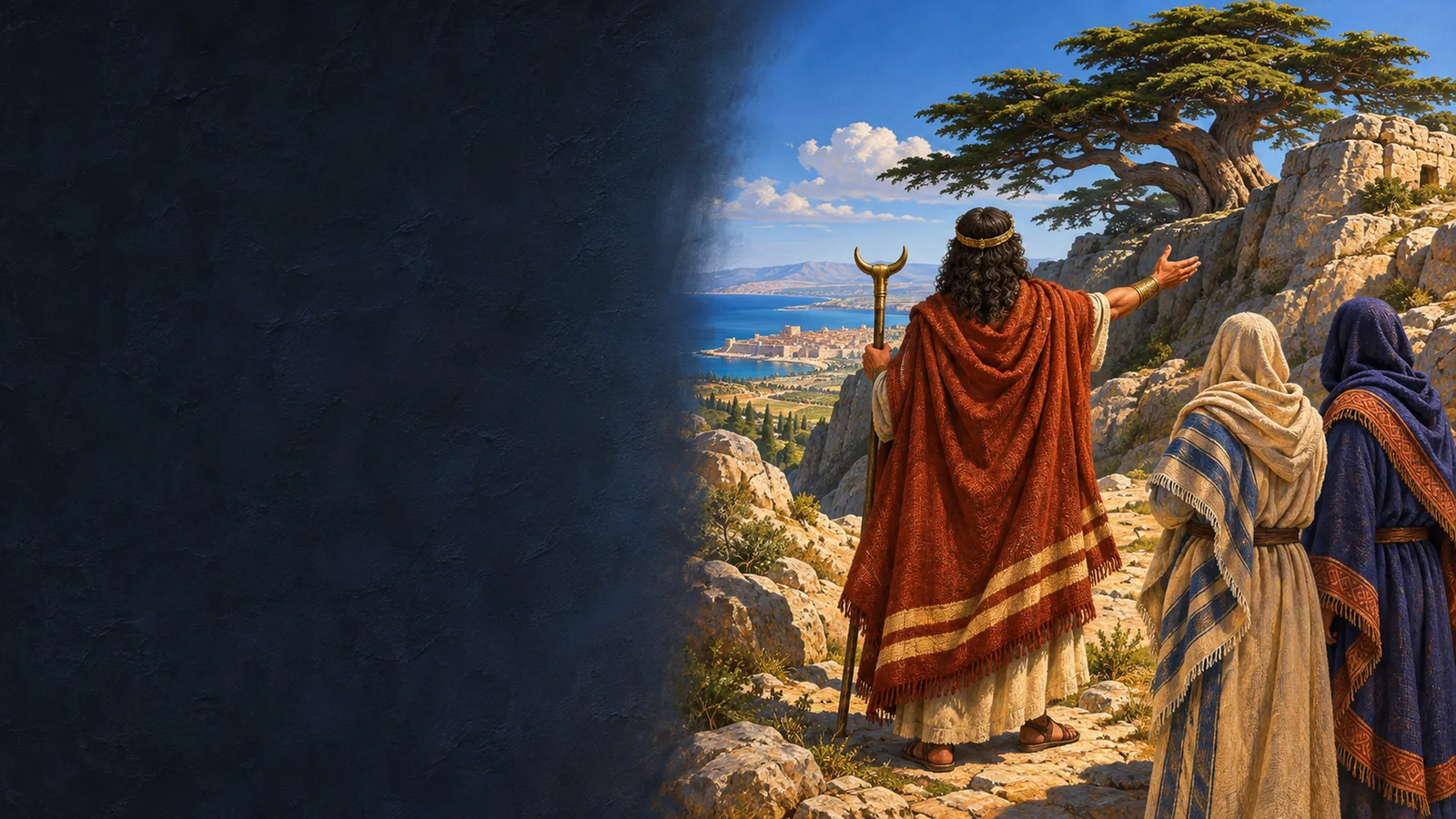
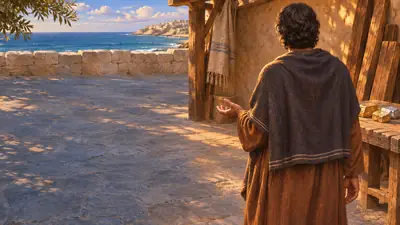
Baal tiene algo que decirle a Anat. Su mensaje habla del árbol y la piedra, y de lo que se dicen el cielo y la tierra.
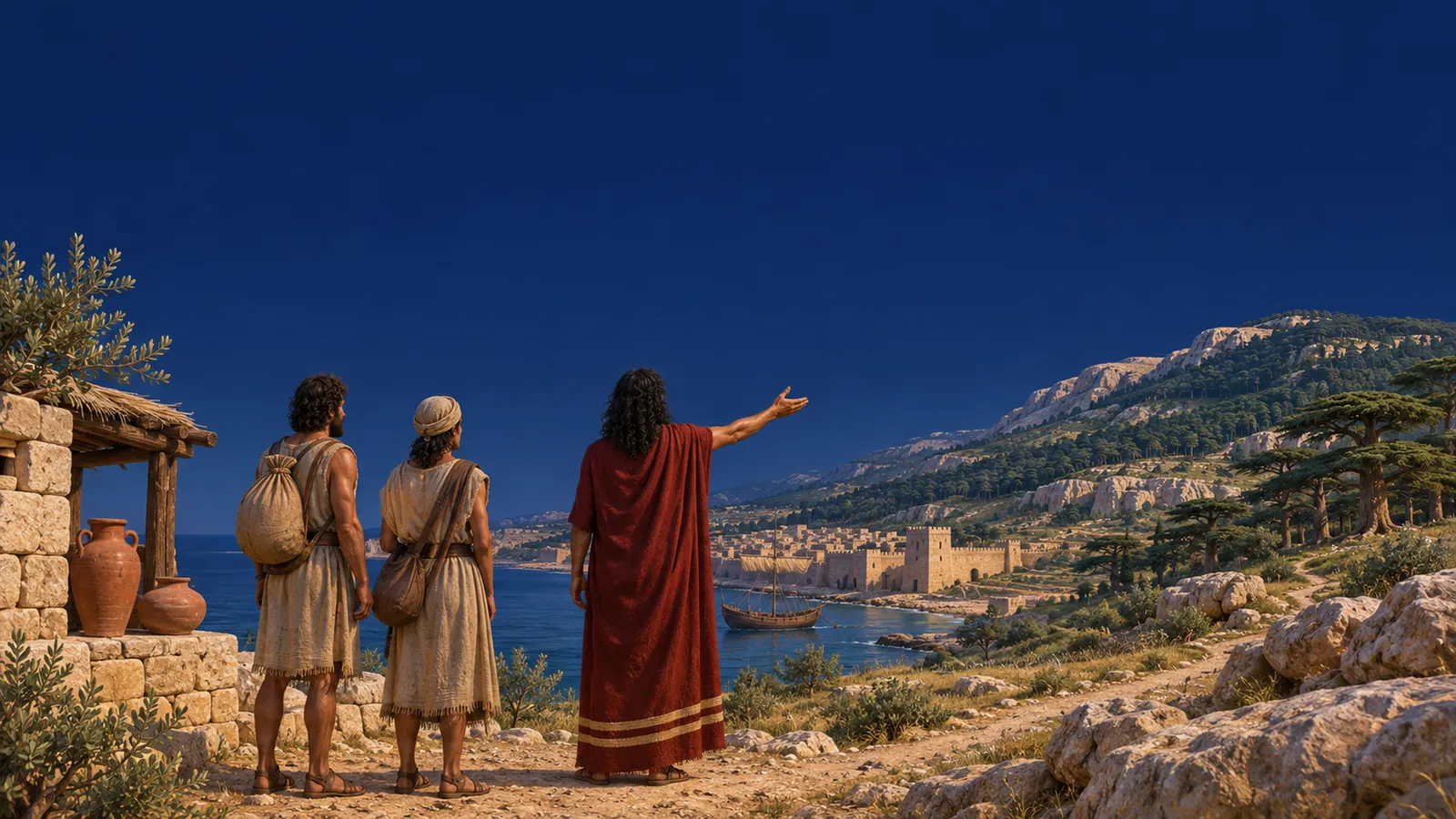
SAPHON
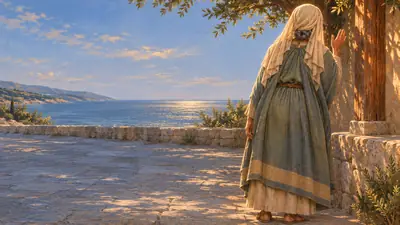
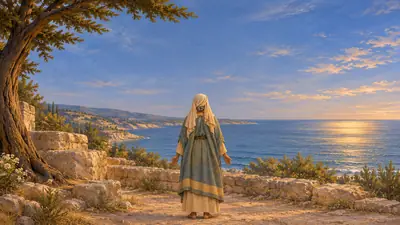
Baal pide a Anat que vaya al Saphon a escuchar lo que él sabe. Lo llama su monte sagrado y la colina que ha heredado.
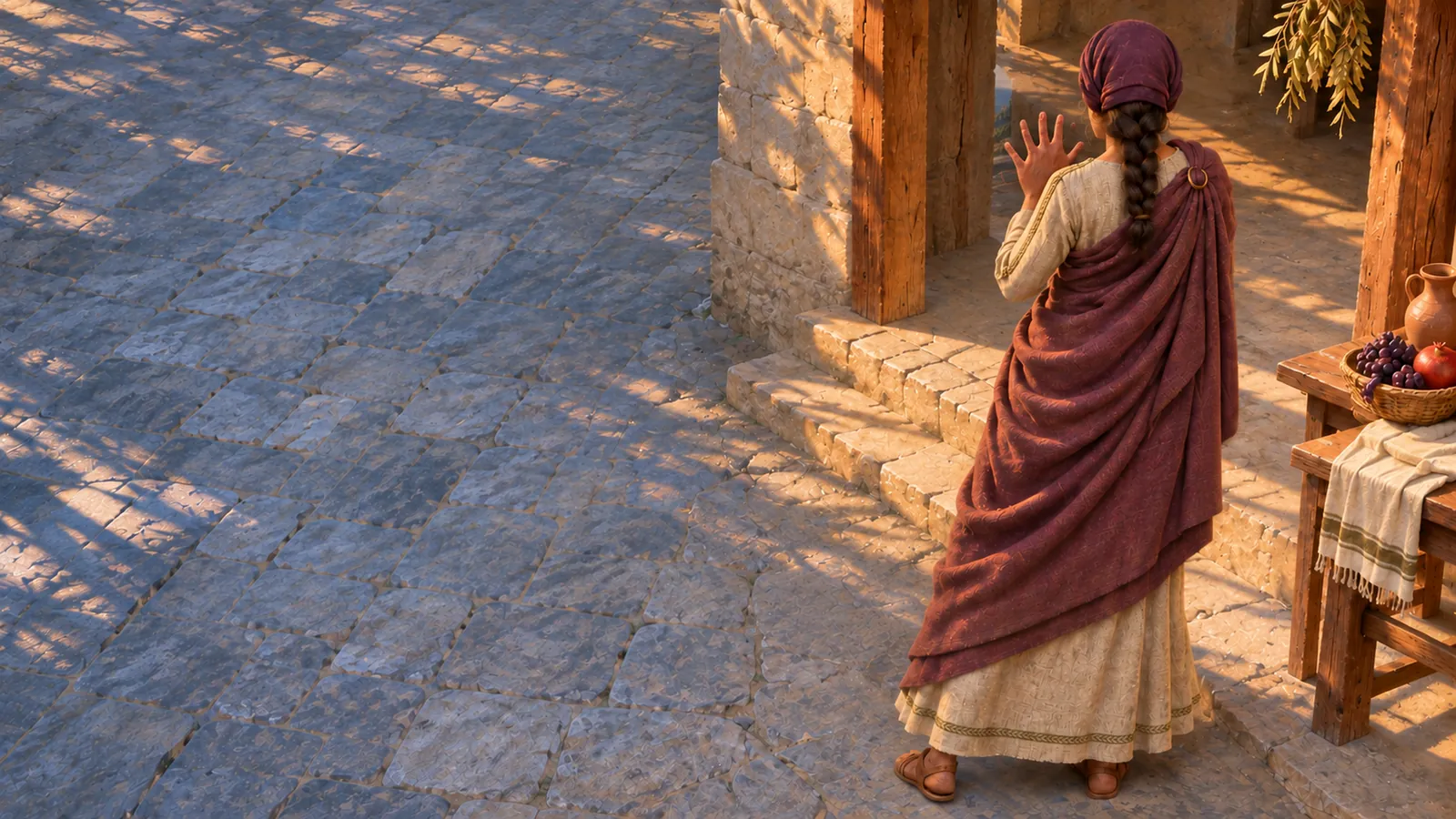
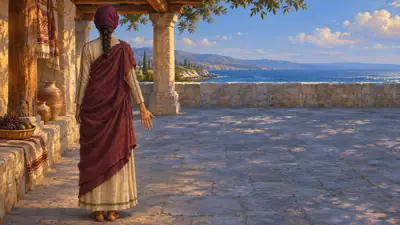
Anat ve acercarse a los mensajeros. Antes de que hablen, la vence el miedo al verlos.

Anat se pregunta qué enemigo pudo inquietar a Baal. En su pregunta recuerda a adversarios a los que venció y cuenta aquellos encuentros de otro tiempo.
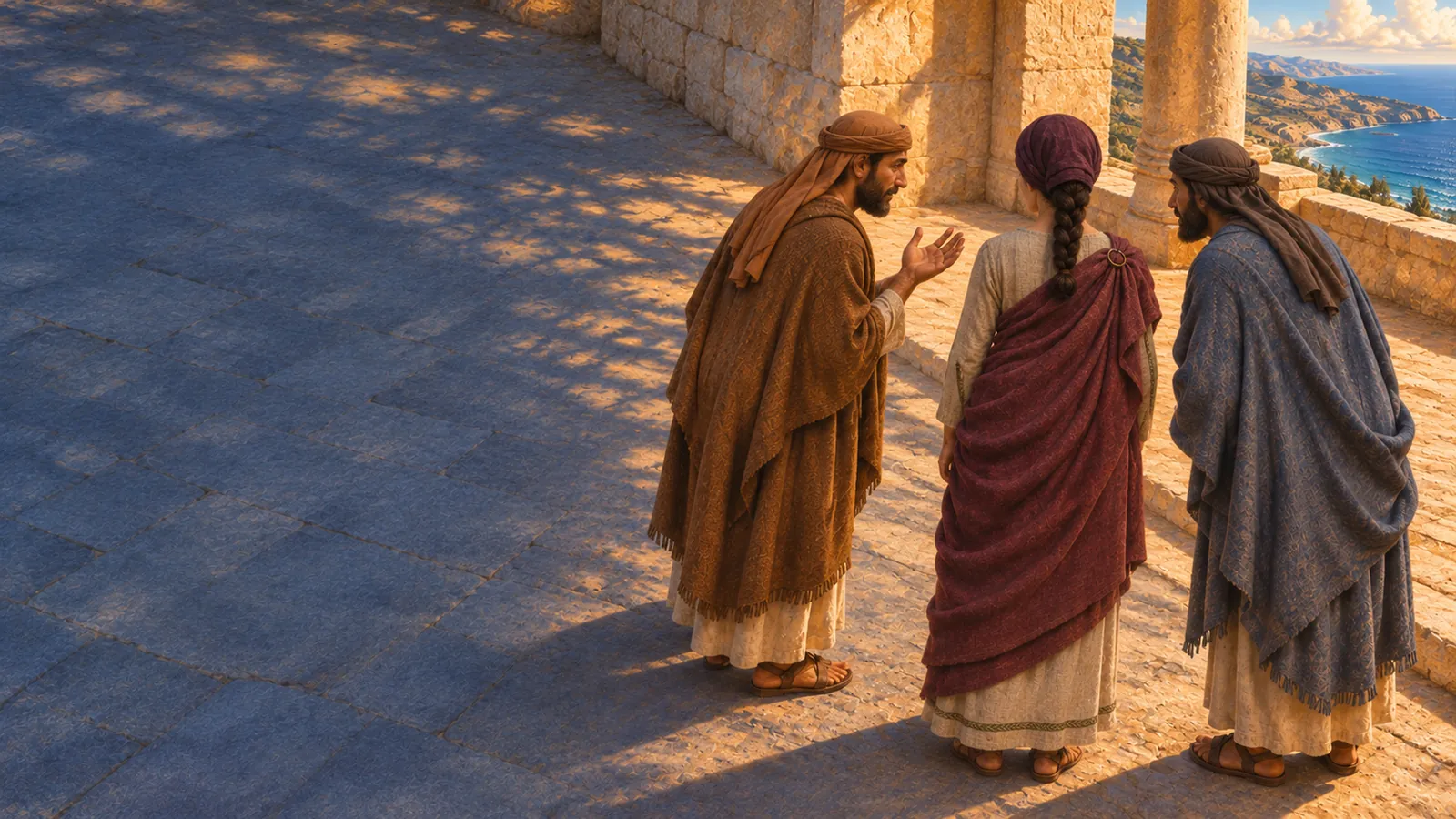
Los mensajeros transmiten las palabras que les confiaron. Baal pide a Anat que vaya a verlo al Saphon para escuchar lo que tiene que decirle.
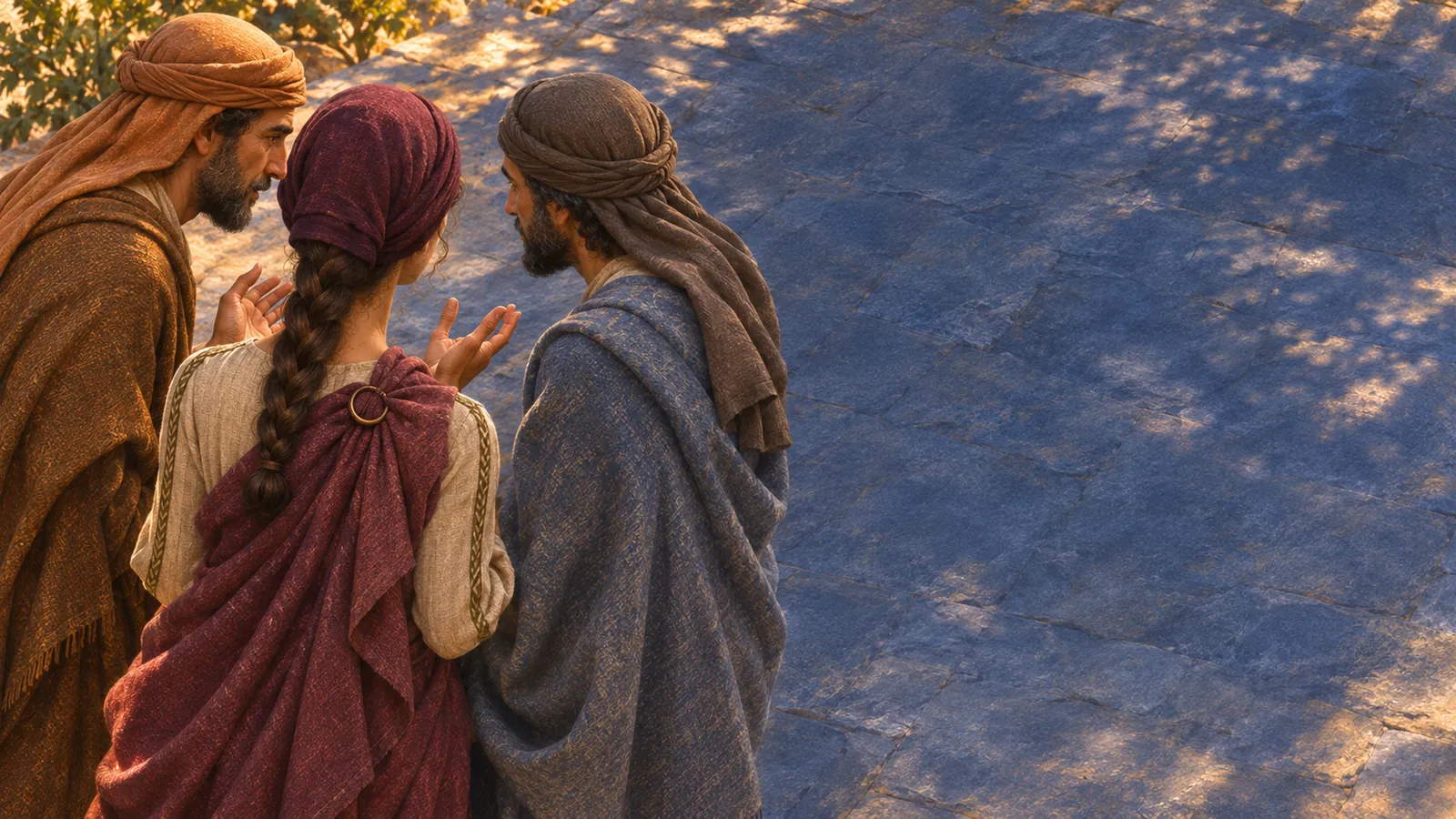
Anat responde a los mensajeros. Retoma las palabras sobre dejar de lado la discordia y les pregunta qué han venido a decirle.

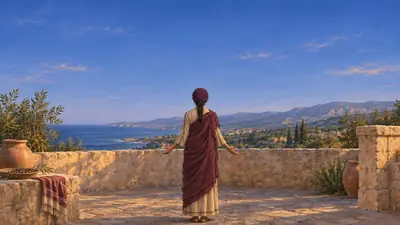
Anat dice que se dará prisa. Se dirige hacia Baal en las alturas del Saphon, y él ve venir a su hermana.
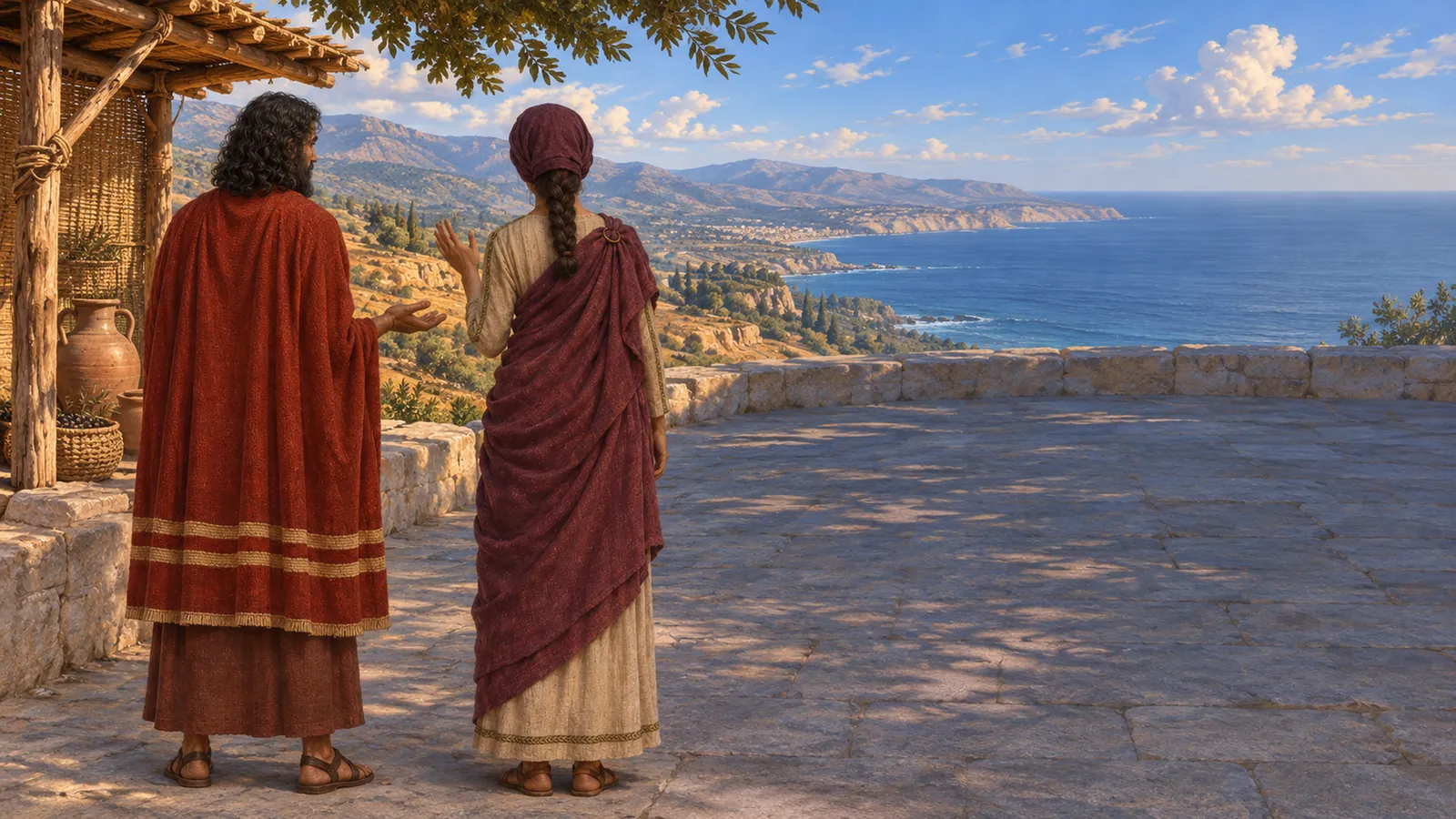
Baal carece de una casa como la de los otros dioses y de un patio como el de la familia de Athirat. Anat responde que insistirá ante El.
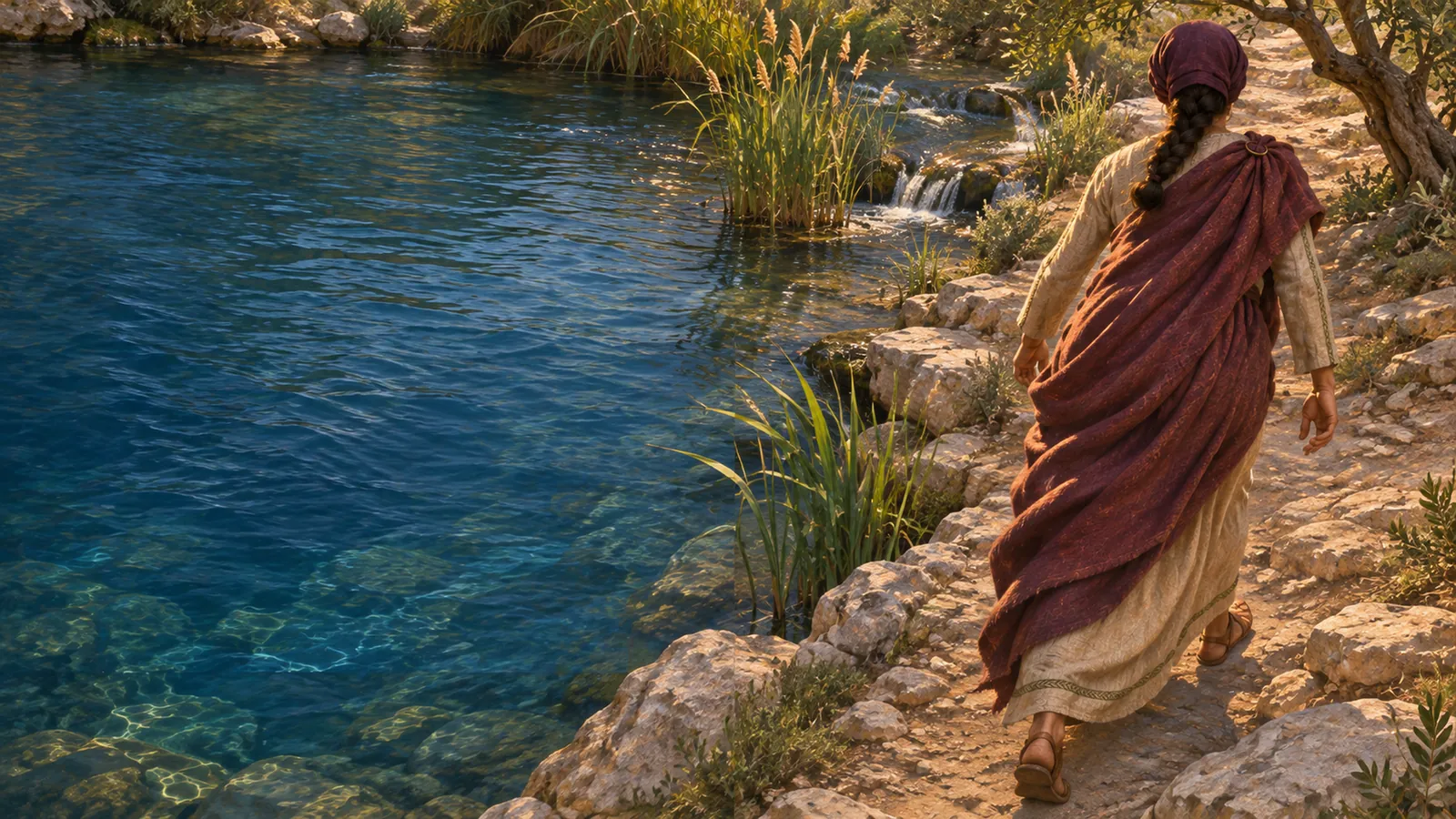
Anat dice qué hará si se le niega la casa. Parte hacia la morada de El, y los versos rotos conservan parte de su viaje.
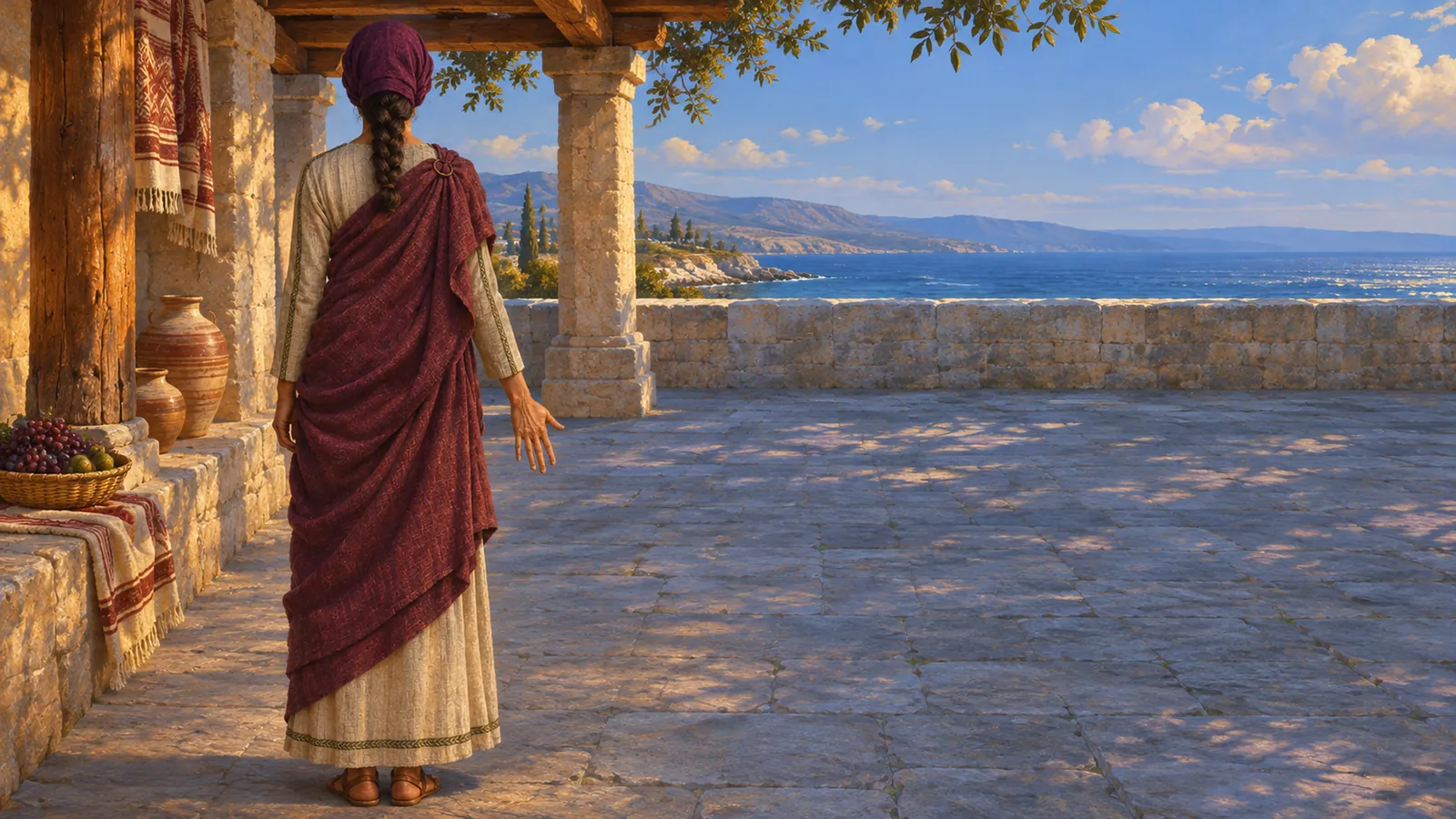
Ante El, Anat habla con ira y profiere una amenaza. El le responde y la llama hija suya.
LA PETICIÓN
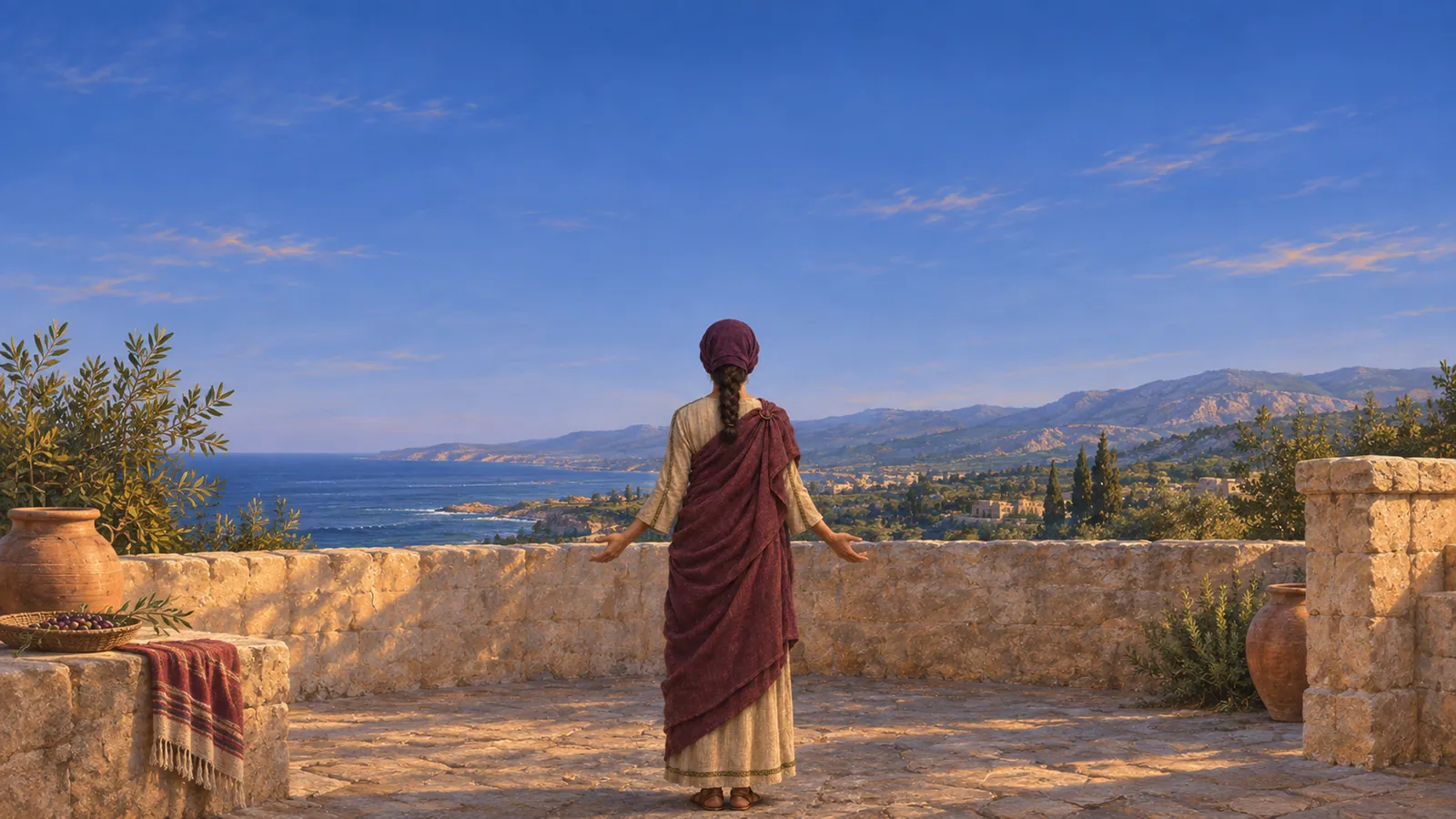
Anat alaba la sabiduría de El y vuelve a su petición. Los otros dioses tienen moradas, dice, pero Baal sigue sin una. La respuesta final de El a esta petición no se ha conservado.
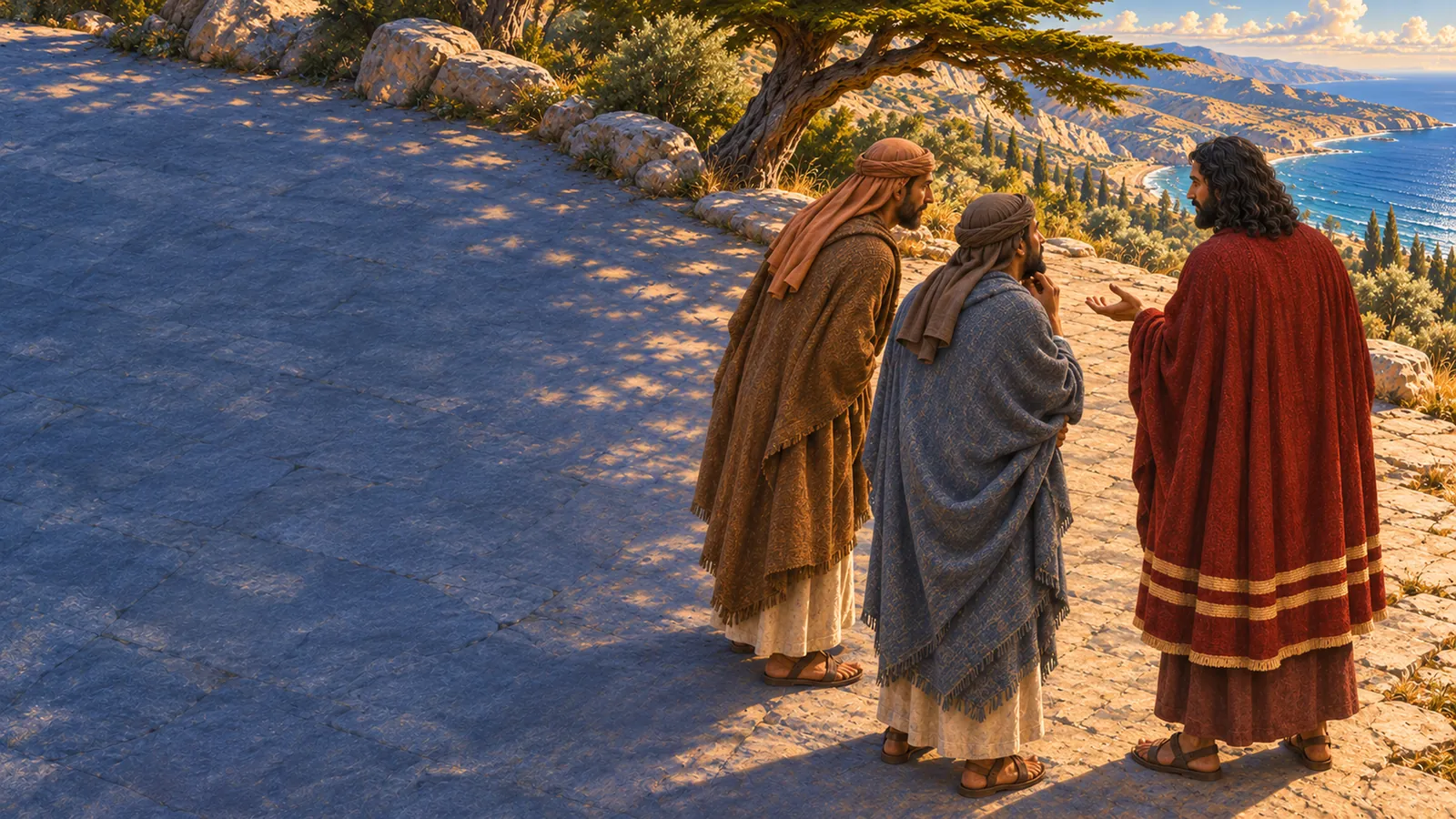
Las siguientes instrucciones conservadas hablan de un regalo para Athirat en relación con la casa. Baal llama a Gapn y Ugar para que lleven sus palabras.
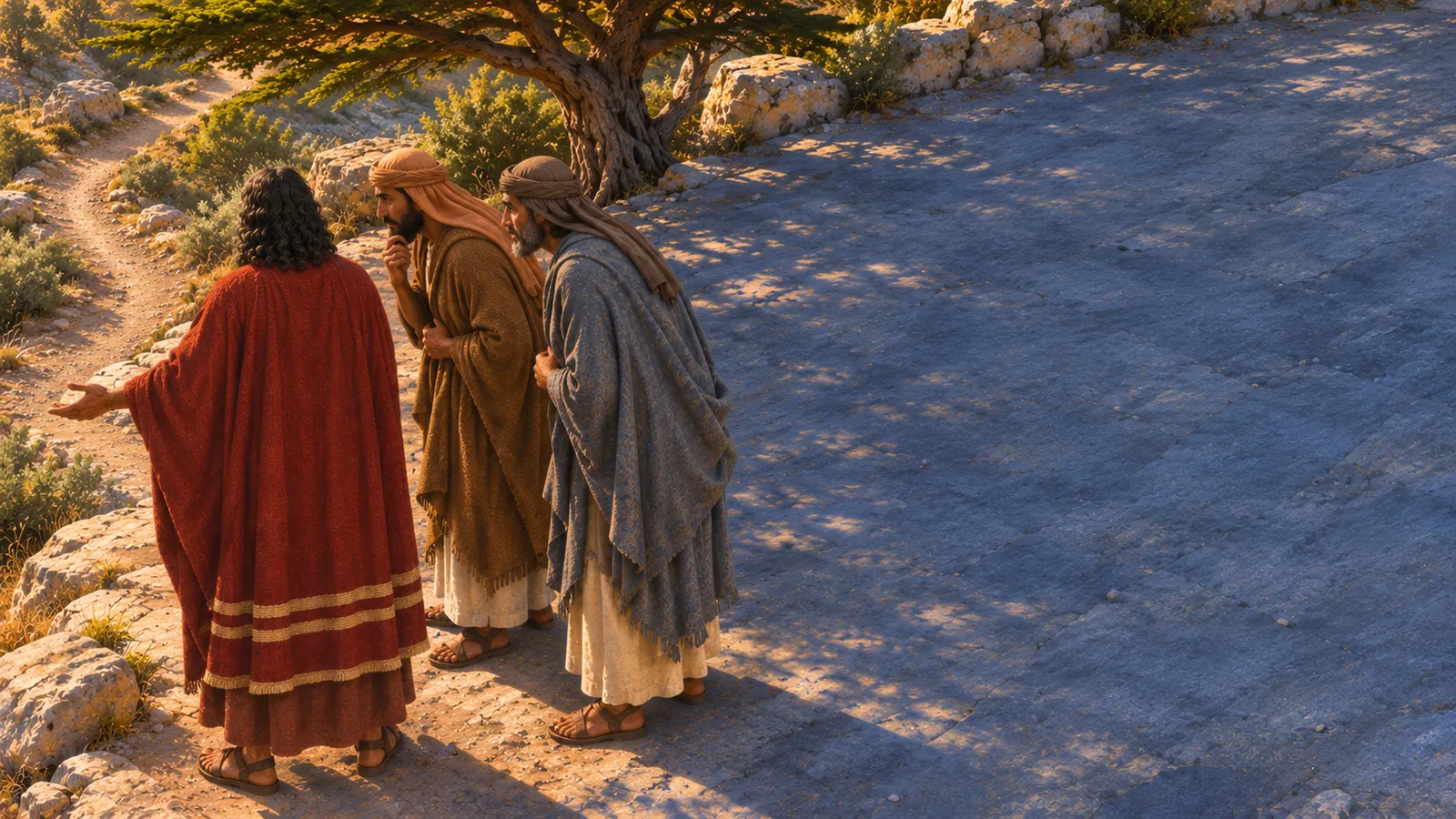
Baal dice a sus mensajeros qué camino tomar y cómo acercarse cuando lleguen. Tienen un nuevo mensaje que llevar.
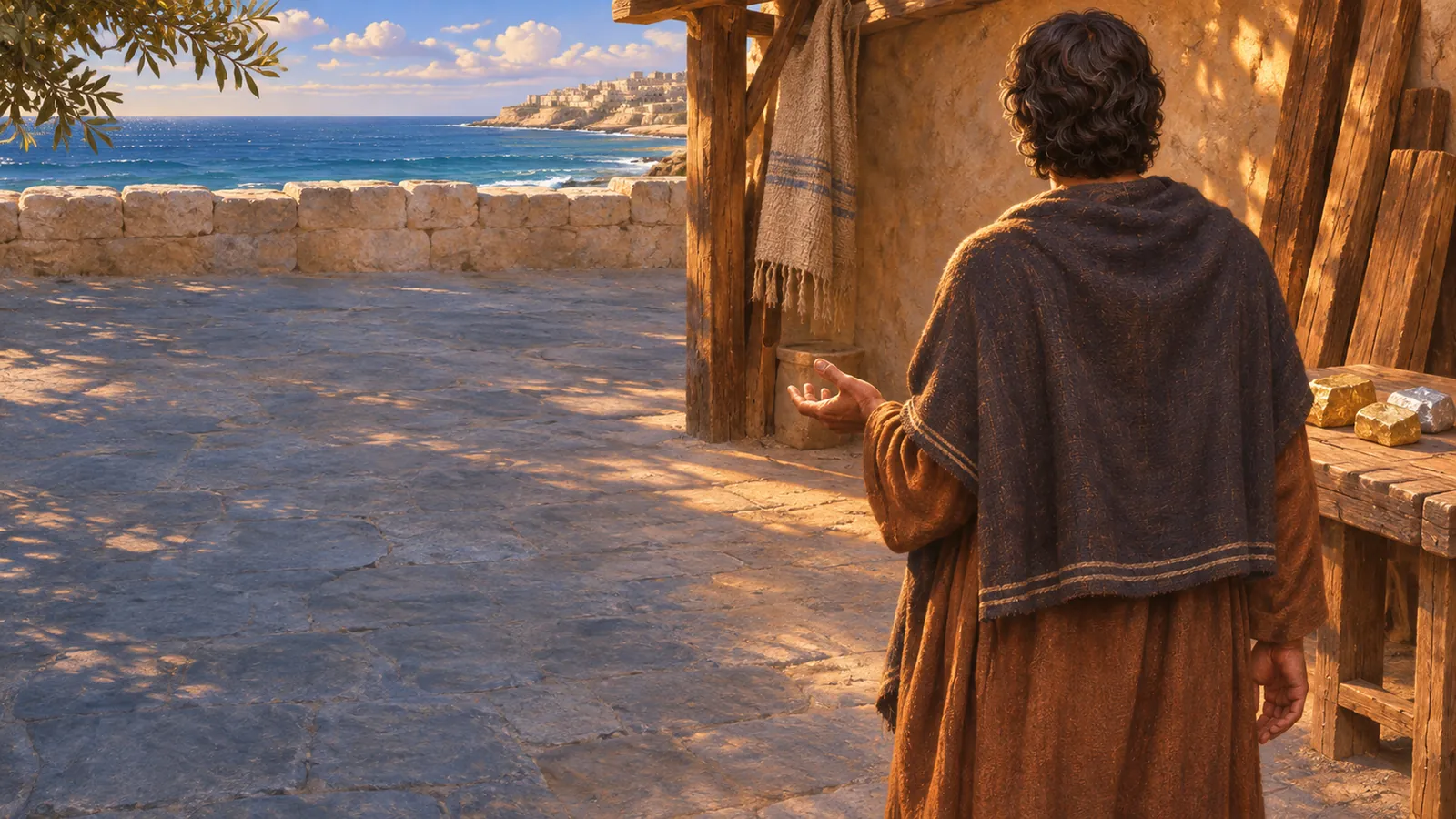
El mensaje dañado vuelve a hablar de la casa que le falta a Baal. Piden entonces a Kothar que fabrique un regalo para Athirat.
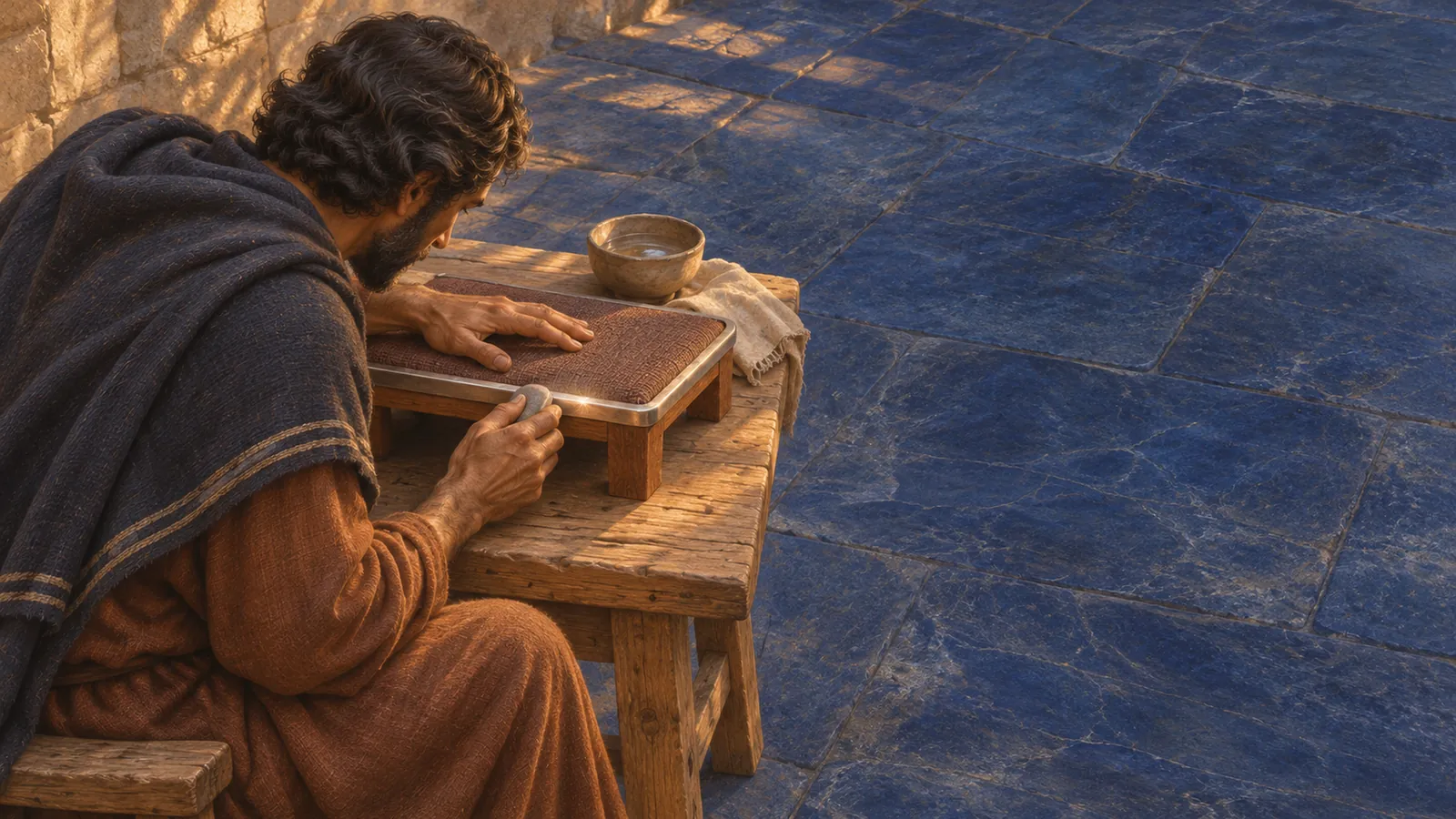
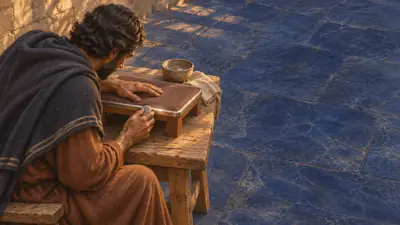
Kothar trabaja los metales preciosos. Entre los muebles que fabrica, el poema menciona una tarima, un asiento y un reposapiés.
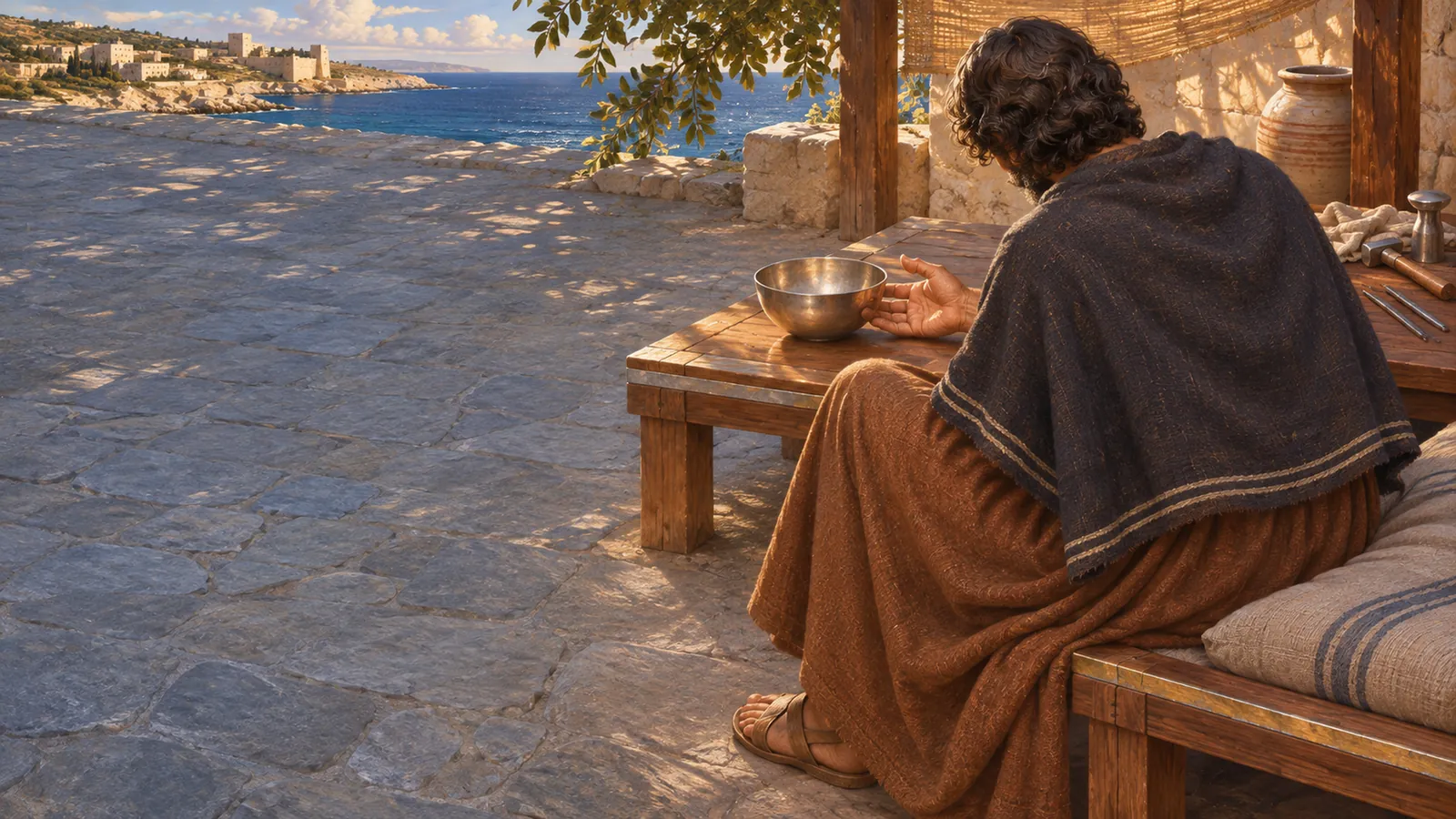
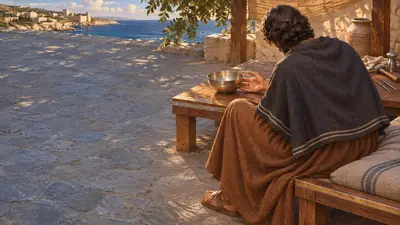
En la lista de regalos de Kothar figuran un lecho, una mesa y un cuenco de fina factura. El poema pone de relieve el esmero del trabajo.

Las palabras conservadas pasan a Athirat junto al agua. El pasaje es difícil, y las lecturas difieren sobre el trabajo con tela y fuego que describe.
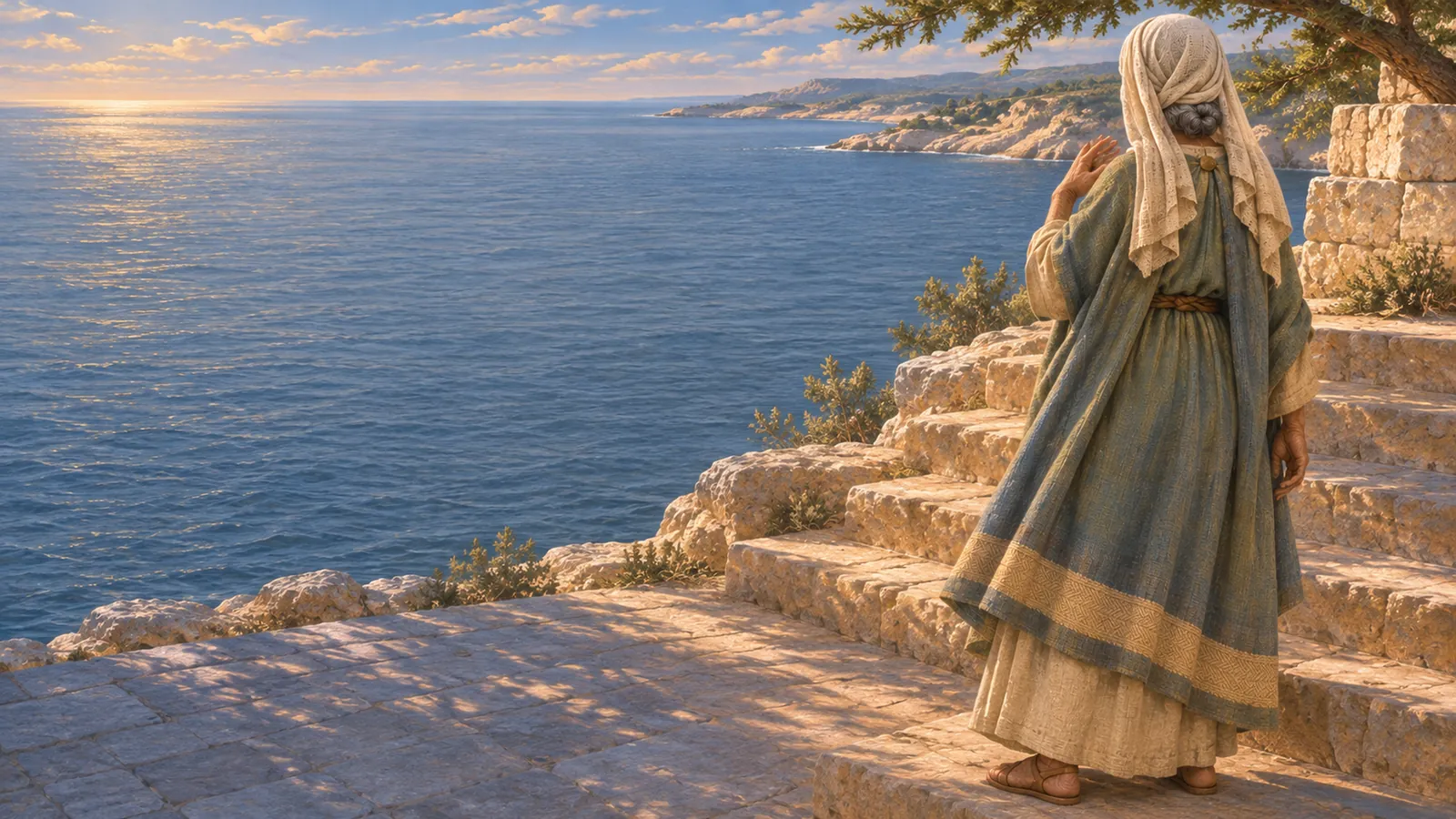
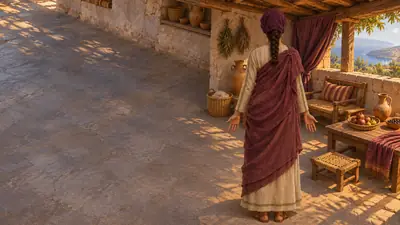
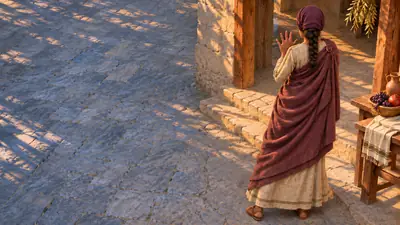
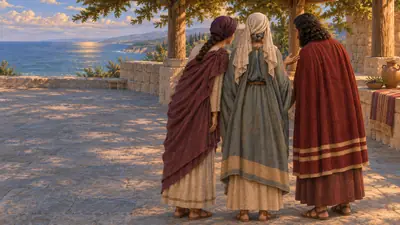
Athirat ve a Baal y a Anat acercarse. Su llegada la alarma, y teme que vengan contra sus hijos y su familia.
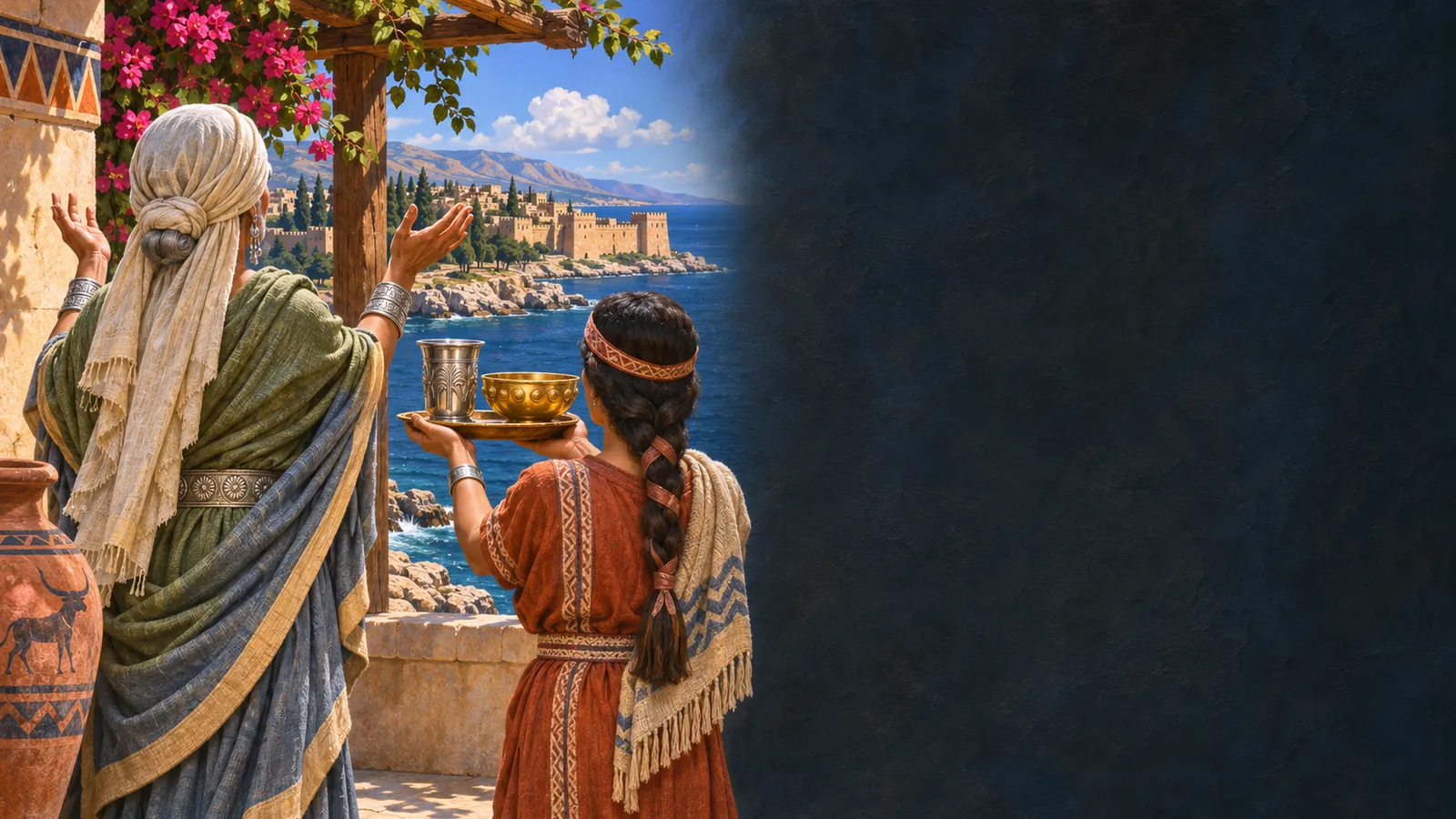
Athirat ve la plata y el brillo del oro. Su temor da paso a la alegría al señalar el trabajo del artesano.
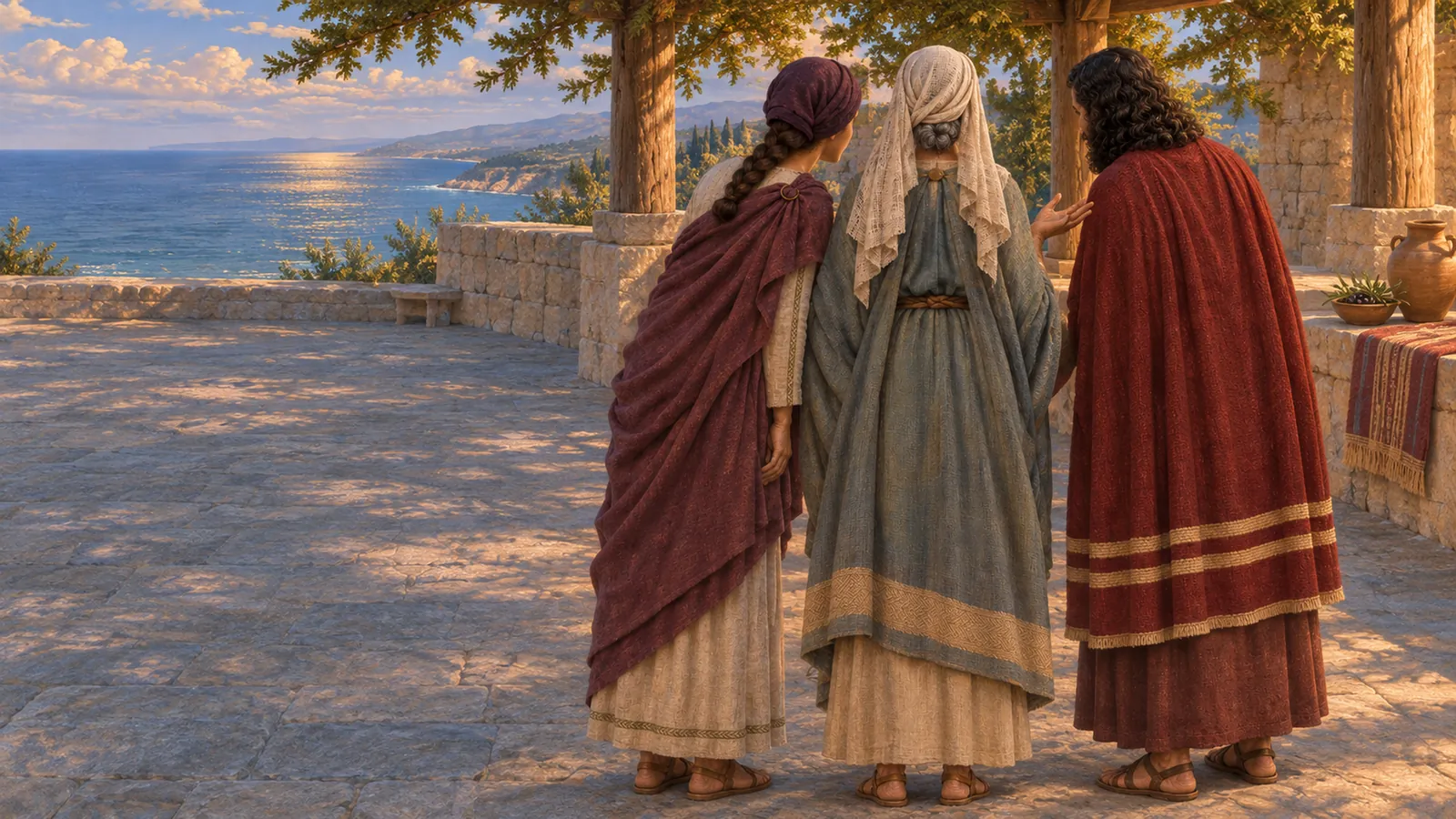
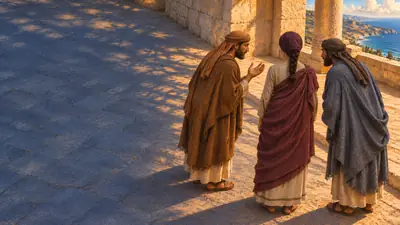
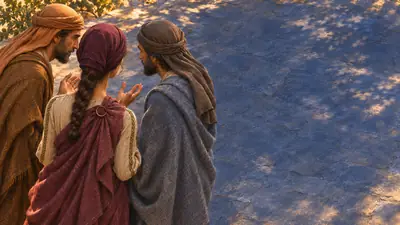
Baal y Anat vienen a pedir ayuda a Athirat. Ella les pregunta por qué acuden a ella y les dice que lleven su petición ante El.
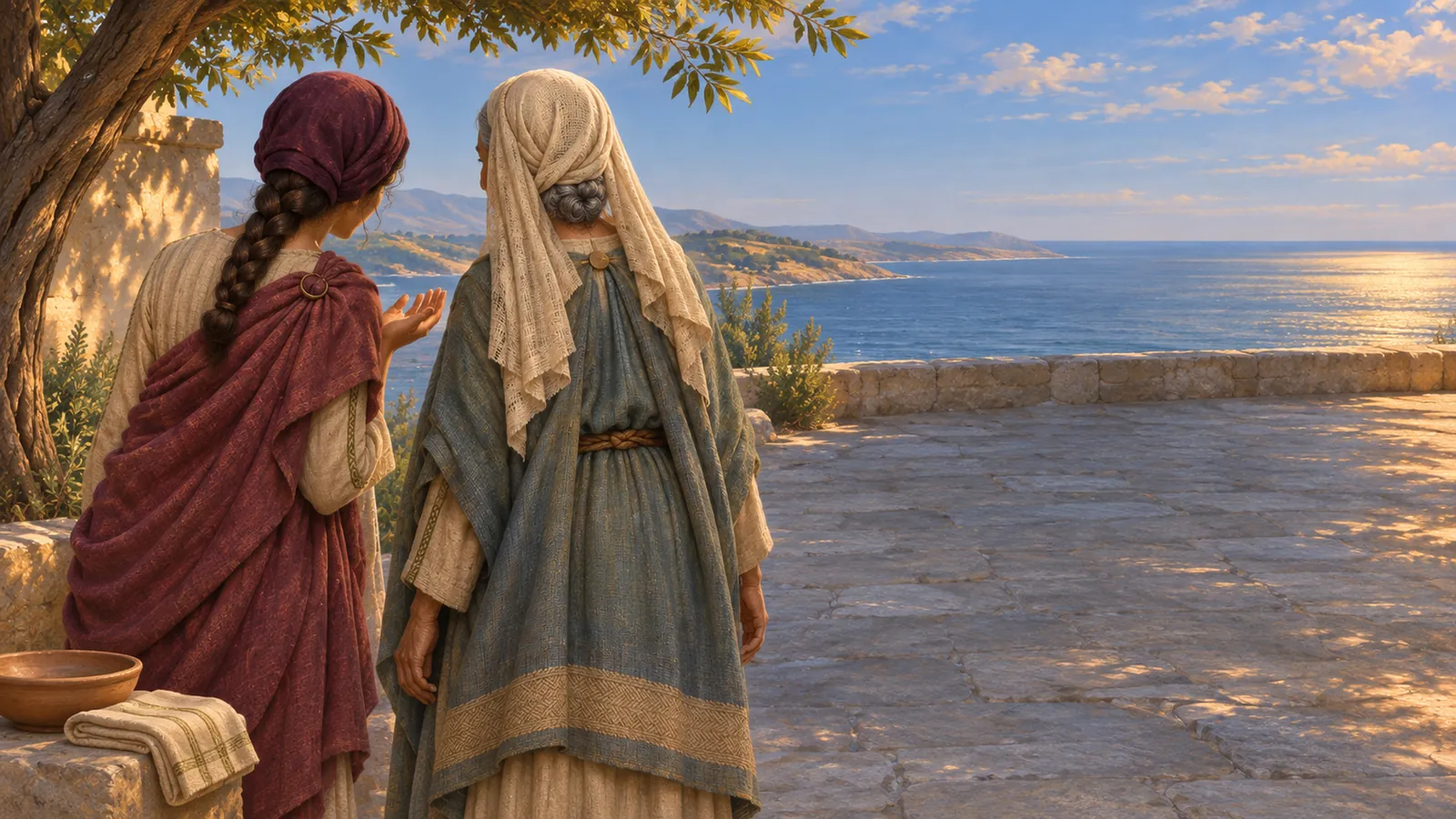
Anat retoma la petición y habla de llevar regalos a Athirat. La escena conservada pasa entonces a la hospitalidad, antes de que Athirat vaya a ver a El.

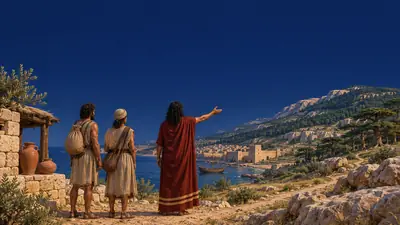
Athirat parte para hablar con El. El poema sitúa su morada en el nacimiento de los ríos, entre las fuentes de las profundidades.
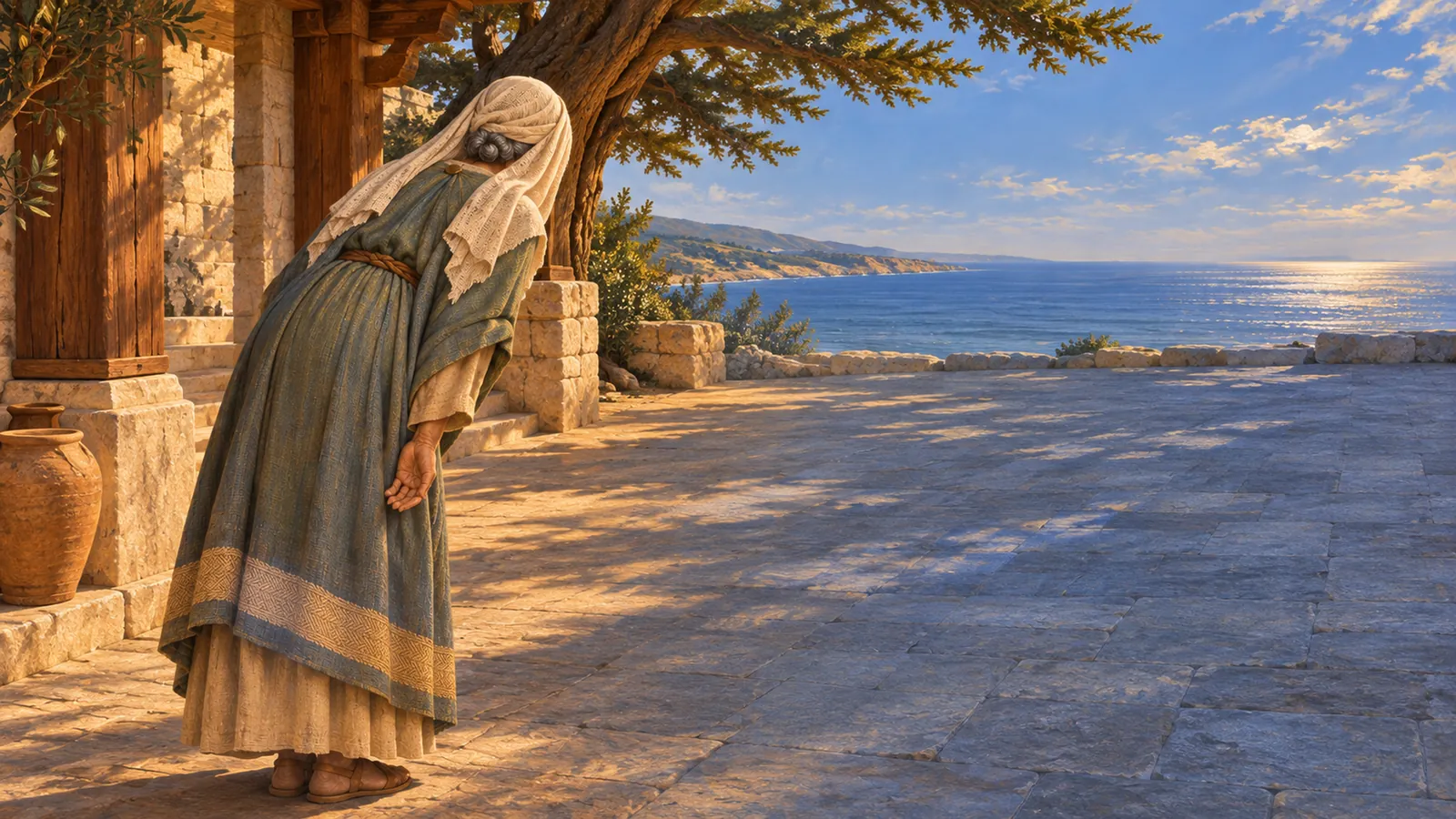
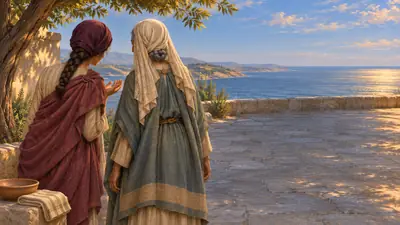
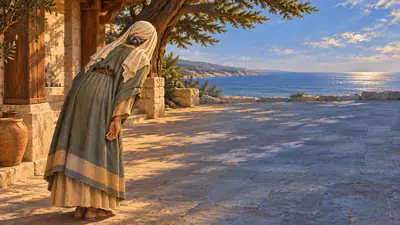
Athirat se presenta ante El en su morada. Se inclina y le muestra respeto antes de hablar en favor de Baal.
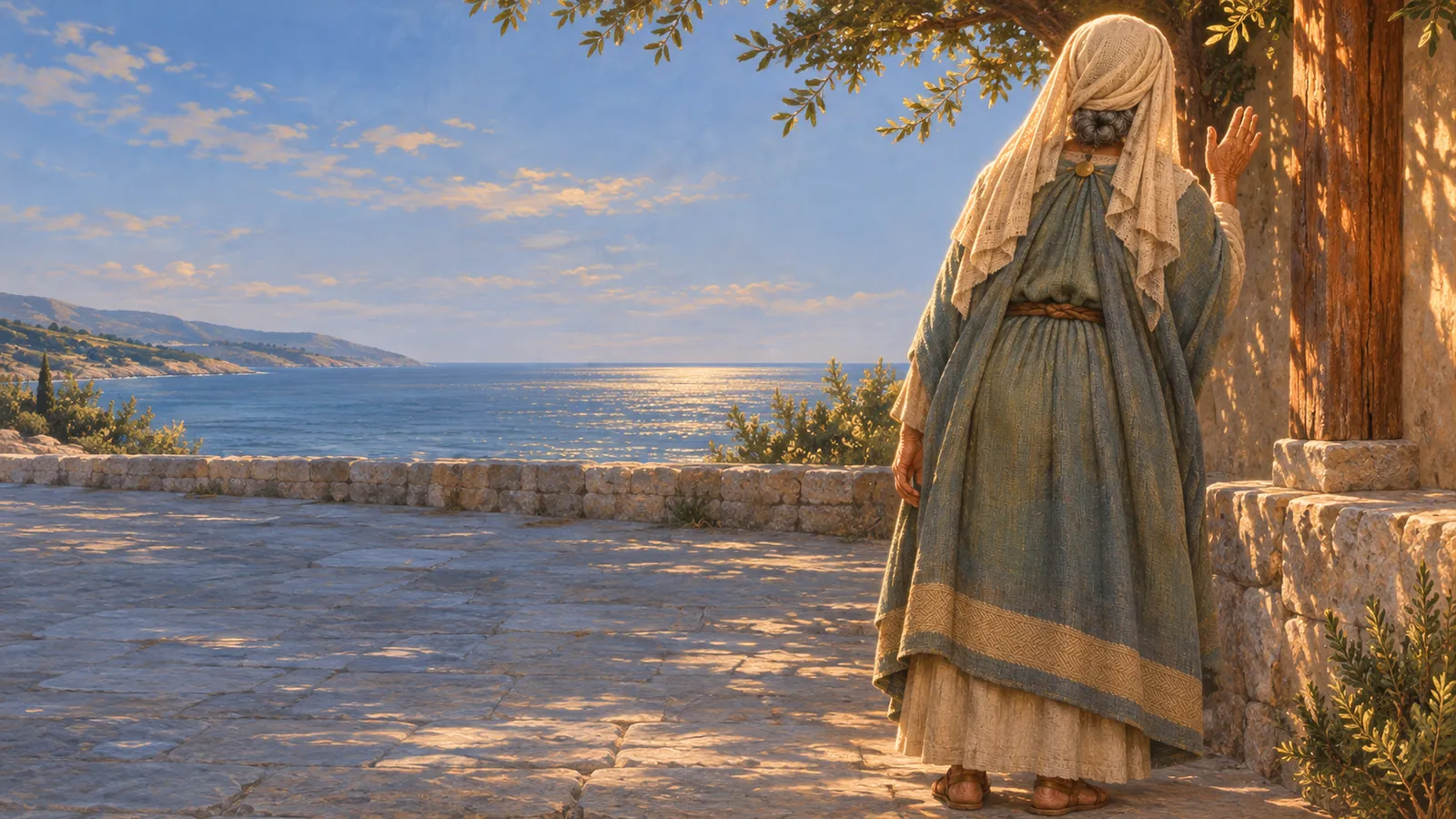
Athirat alaba la sabiduría de El e intercede ante él por Baal. Pide una morada digna de Baal entre los demás dioses.
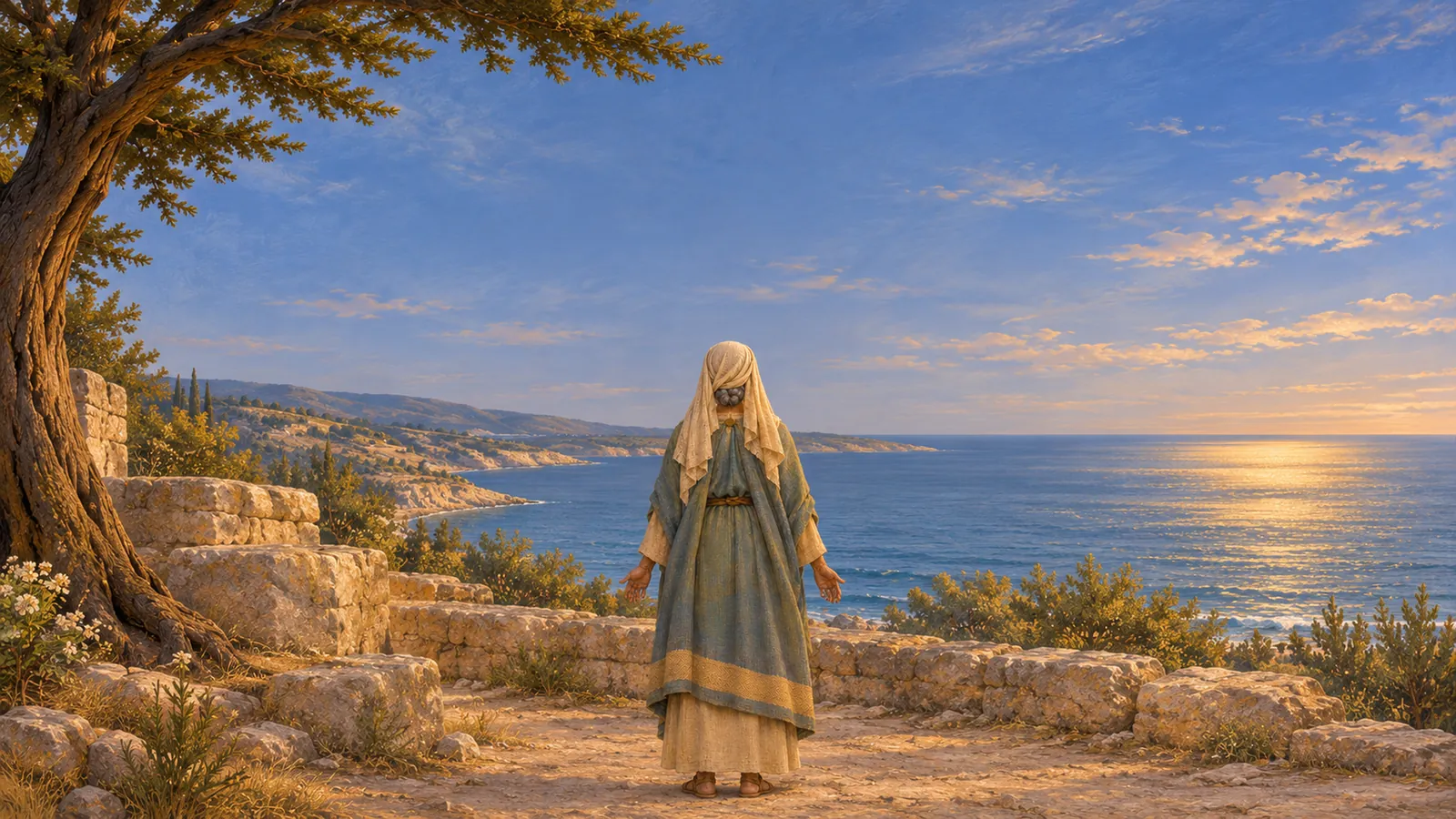
EL PERMISO
El da su consentimiento. Baal podrá tener una casa como los demás dioses y un patio como los hijos de Athirat.
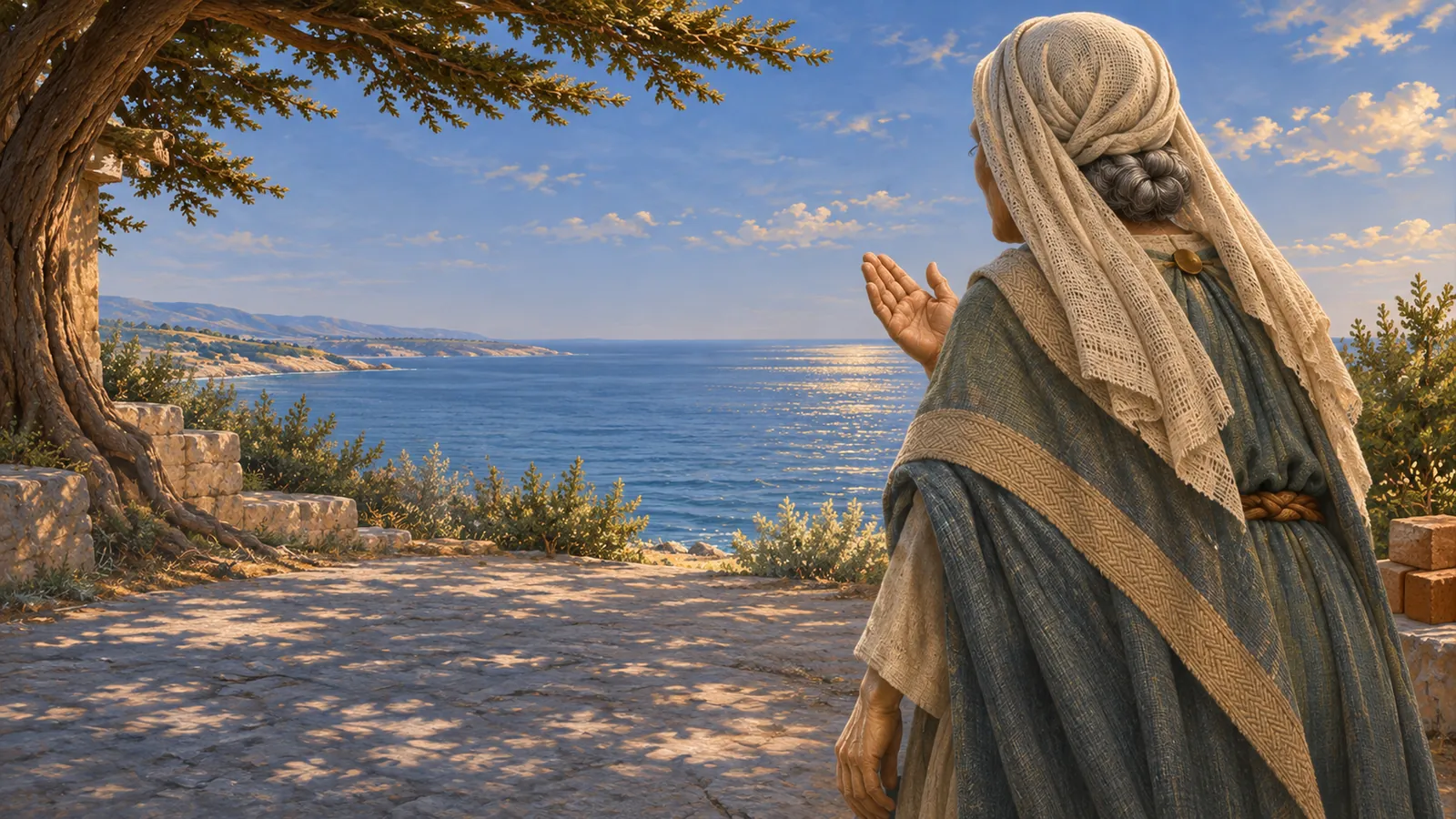
Athirat anuncia la decisión a favor de Baal. El poema habla de la casa de ladrillo que ahora podrán darle.
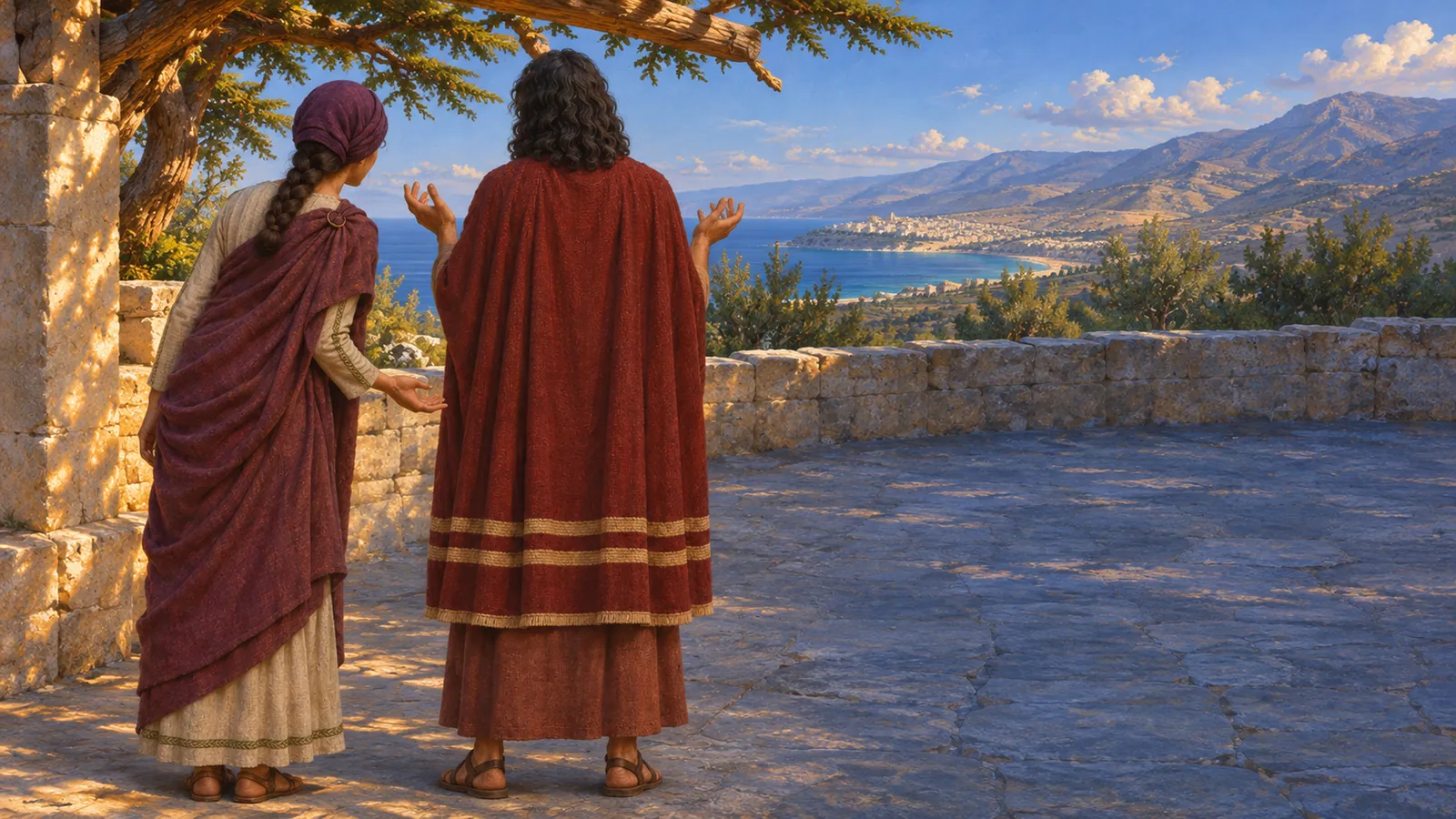
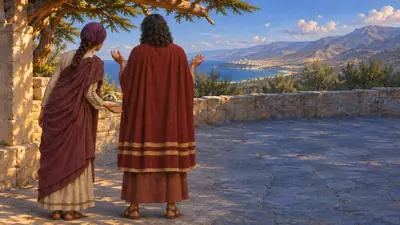
Anat va a ver a Baal con la noticia de El. Baal se alegra de poder construir la casa en el Saphon.
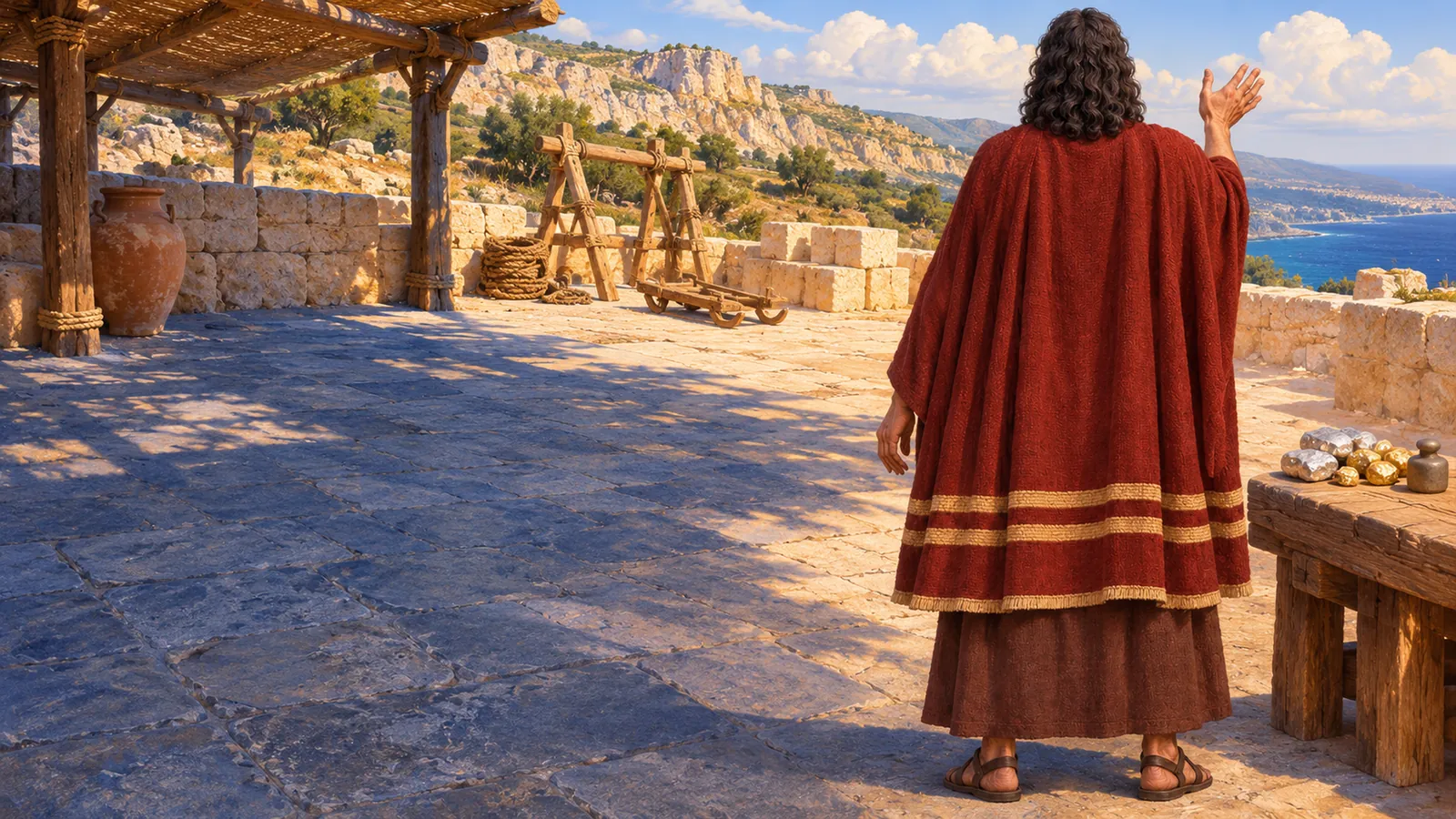
Baal llama a los mercaderes y pide suministros para la casa. El poema menciona la plata y el oro entre los materiales que reúne.
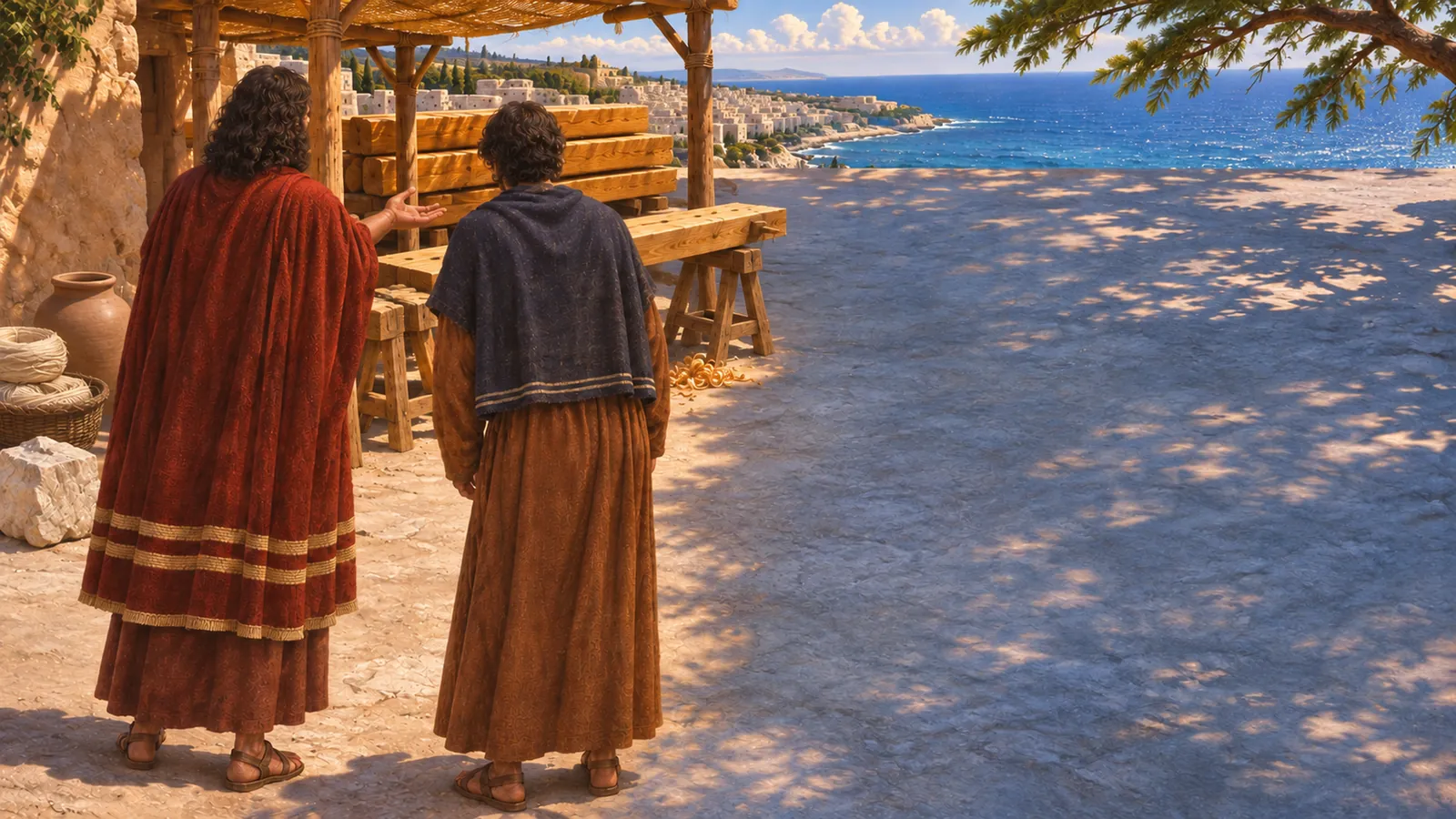
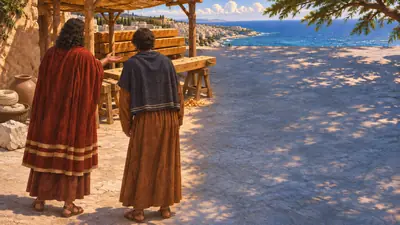
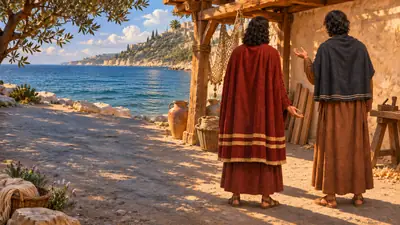
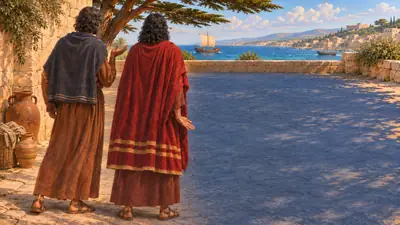
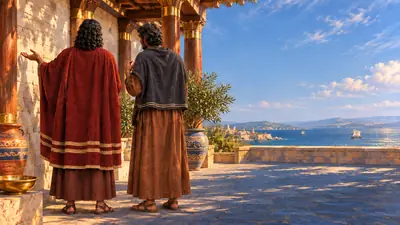
Baal se dirige a Kothar, el artesano. Le insta a construir la casa y pide que el trabajo siga adelante sin demora.
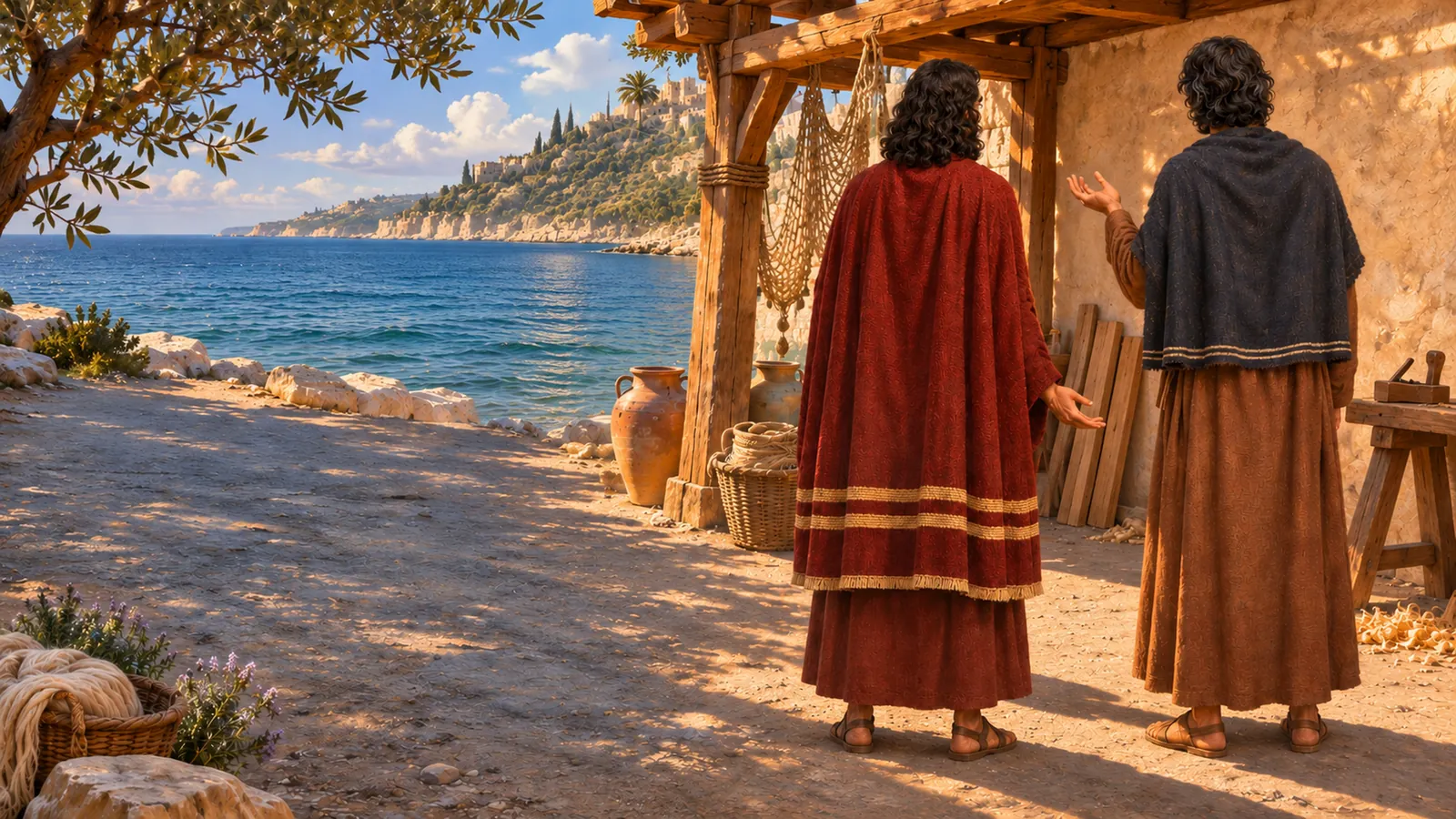
Kothar propone abrir un hueco en la casa, una ventana dentro del palacio. Baal le dice que prescinda de ella.
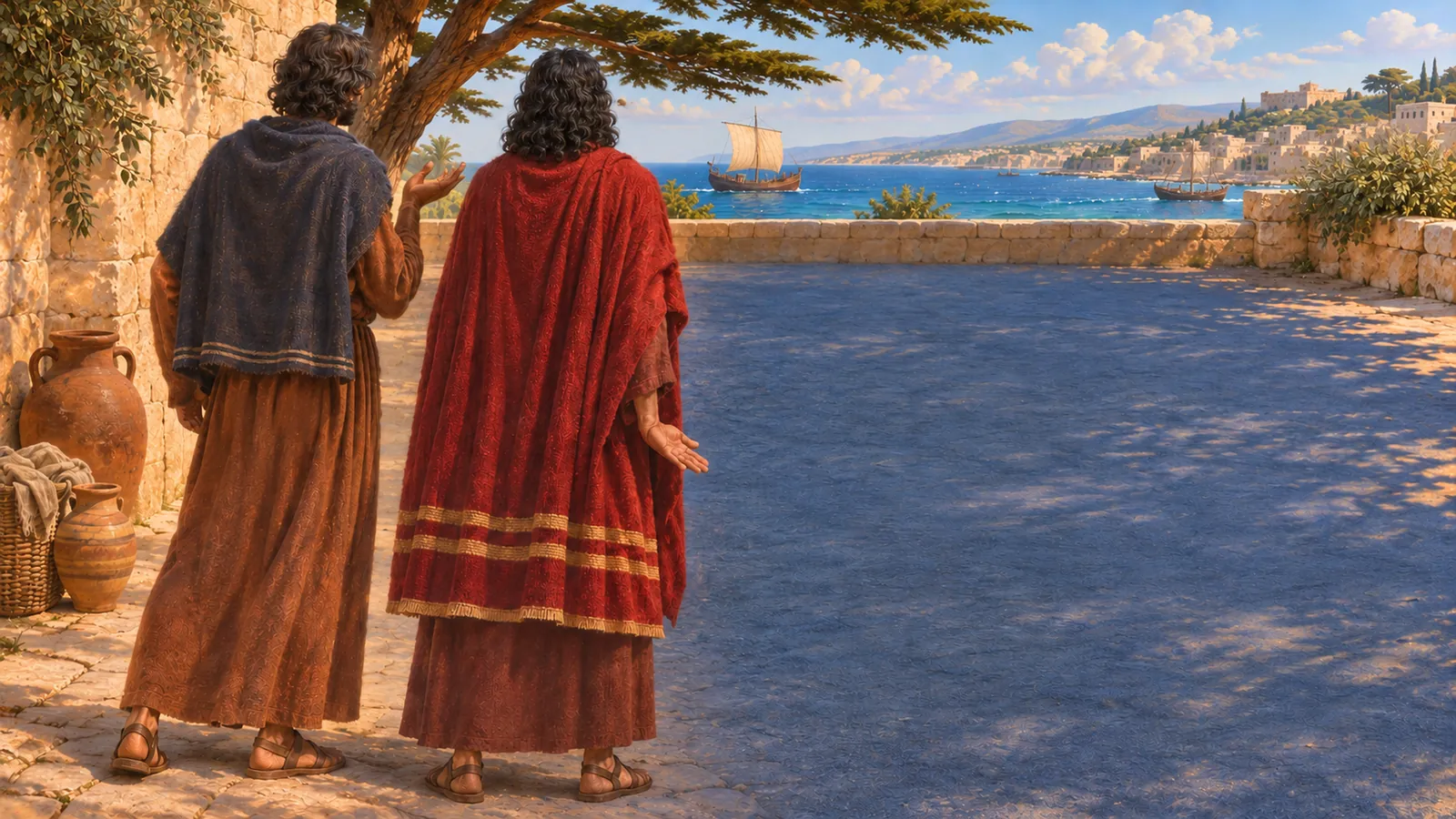
Kothar vuelve a plantear la cuestión, y Baal se niega por segunda vez. Las razones solo se conservan en parte. Kothar dice que Baal volverá a su consejo.
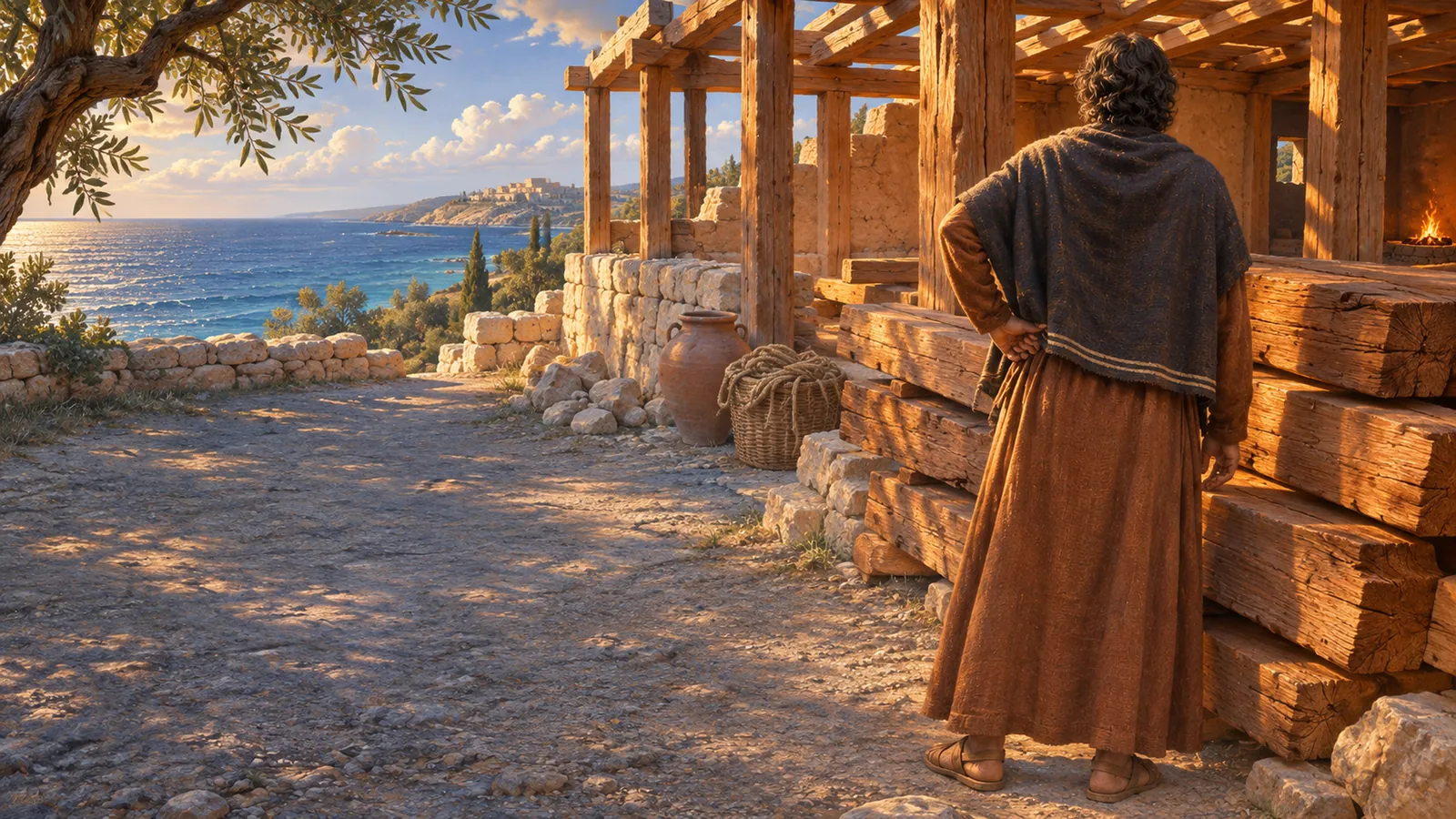
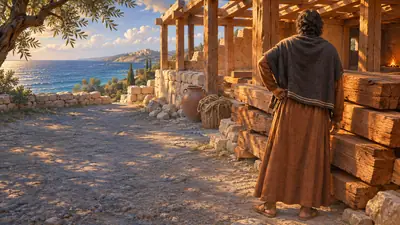
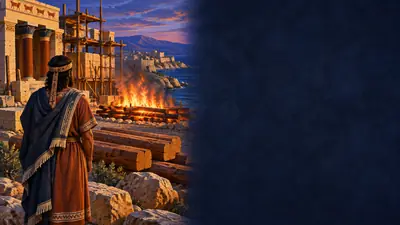
Traen madera de cedro para la casa. Luego el poema dice que encienden un fuego en su interior, mientras avanza el relato de la construcción.
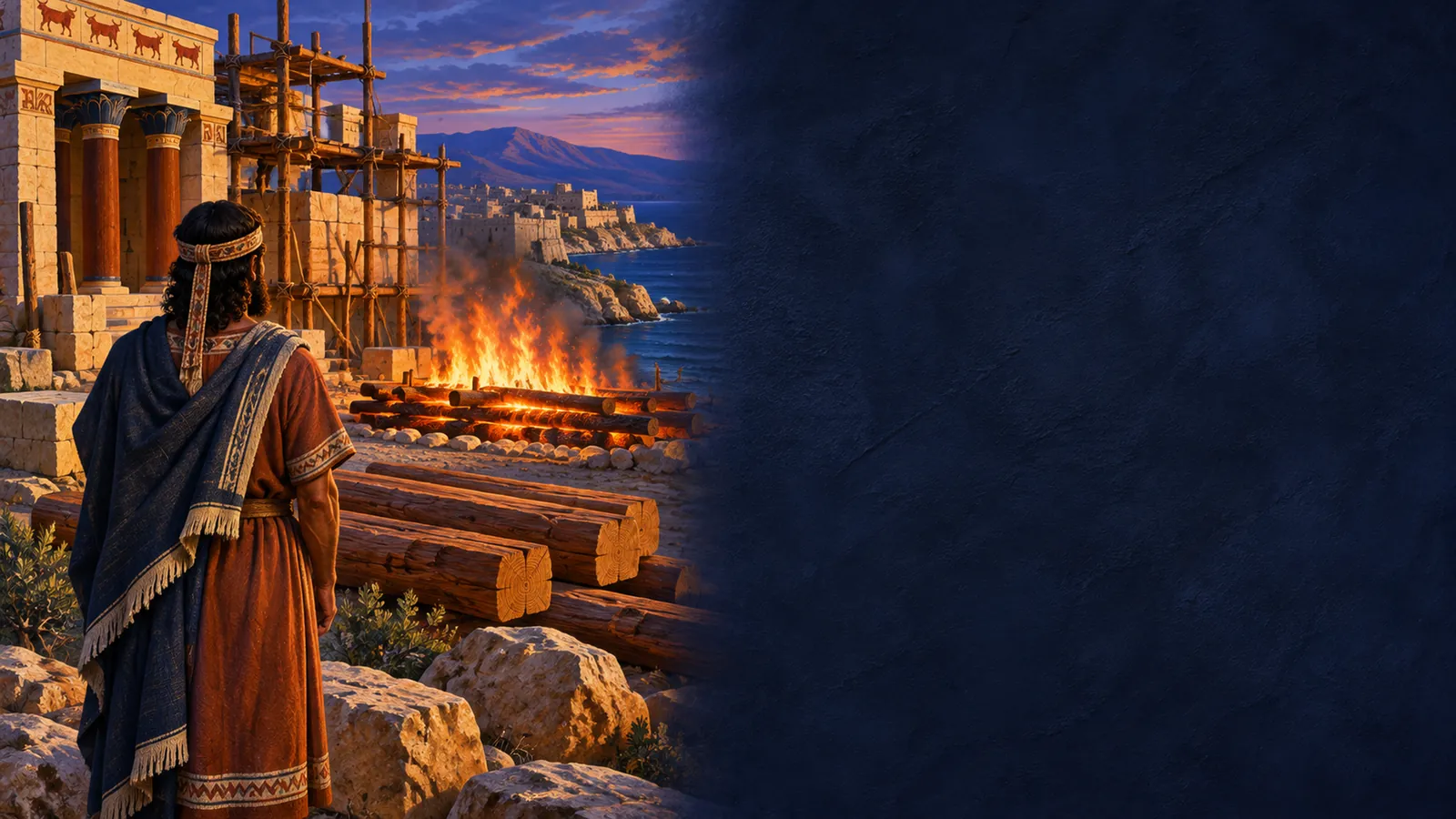
El fuego arde durante el primer y el segundo día, después durante el tercero y el cuarto. El verso cuenta del mismo modo el quinto y el sexto.
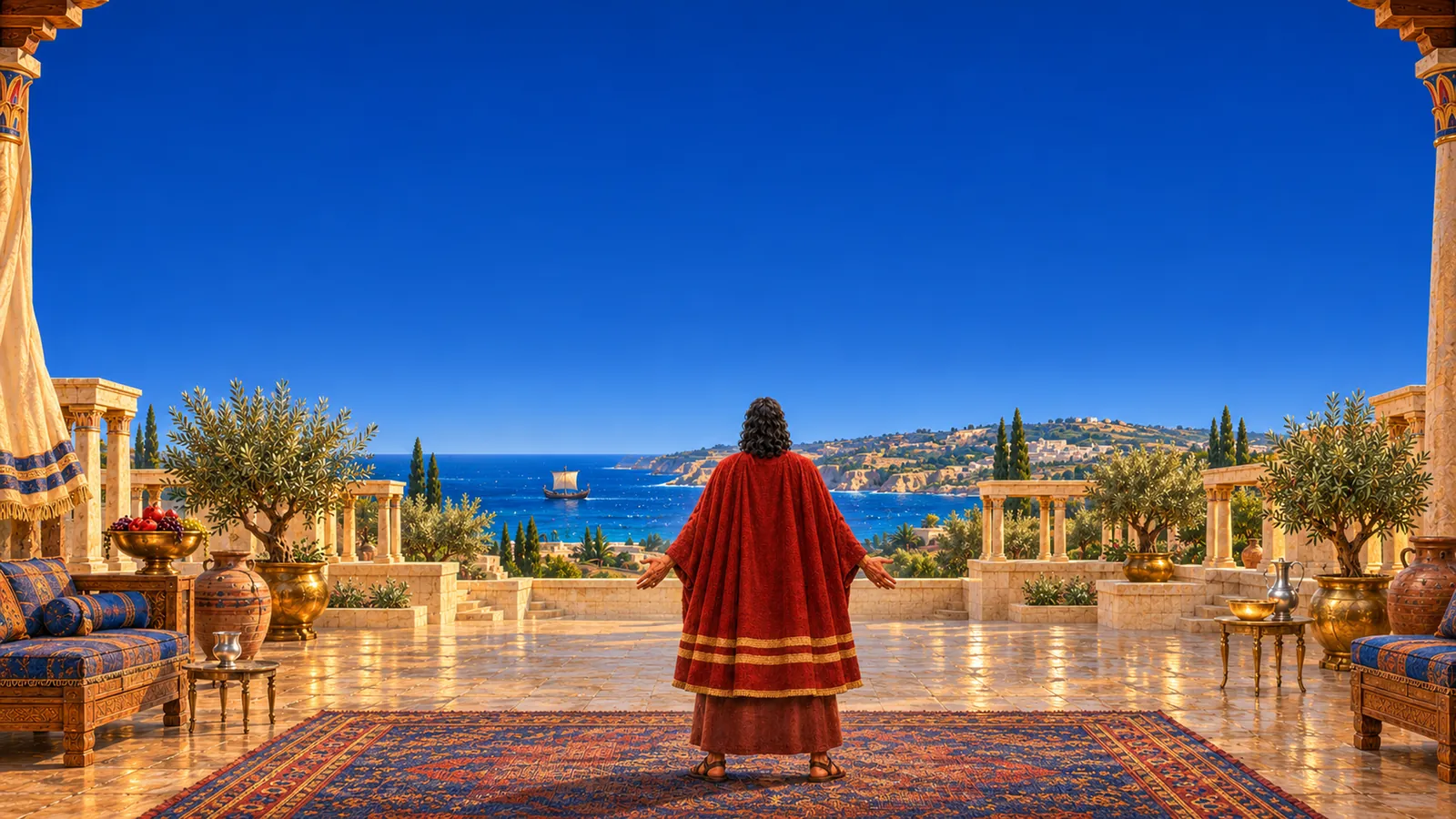
EL SÉPTIMO DÍA
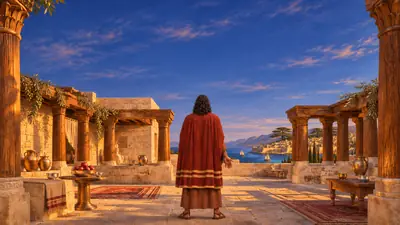
El séptimo día se apaga el fuego. Baal se alegra y habla de la casa de plata y del palacio de oro.
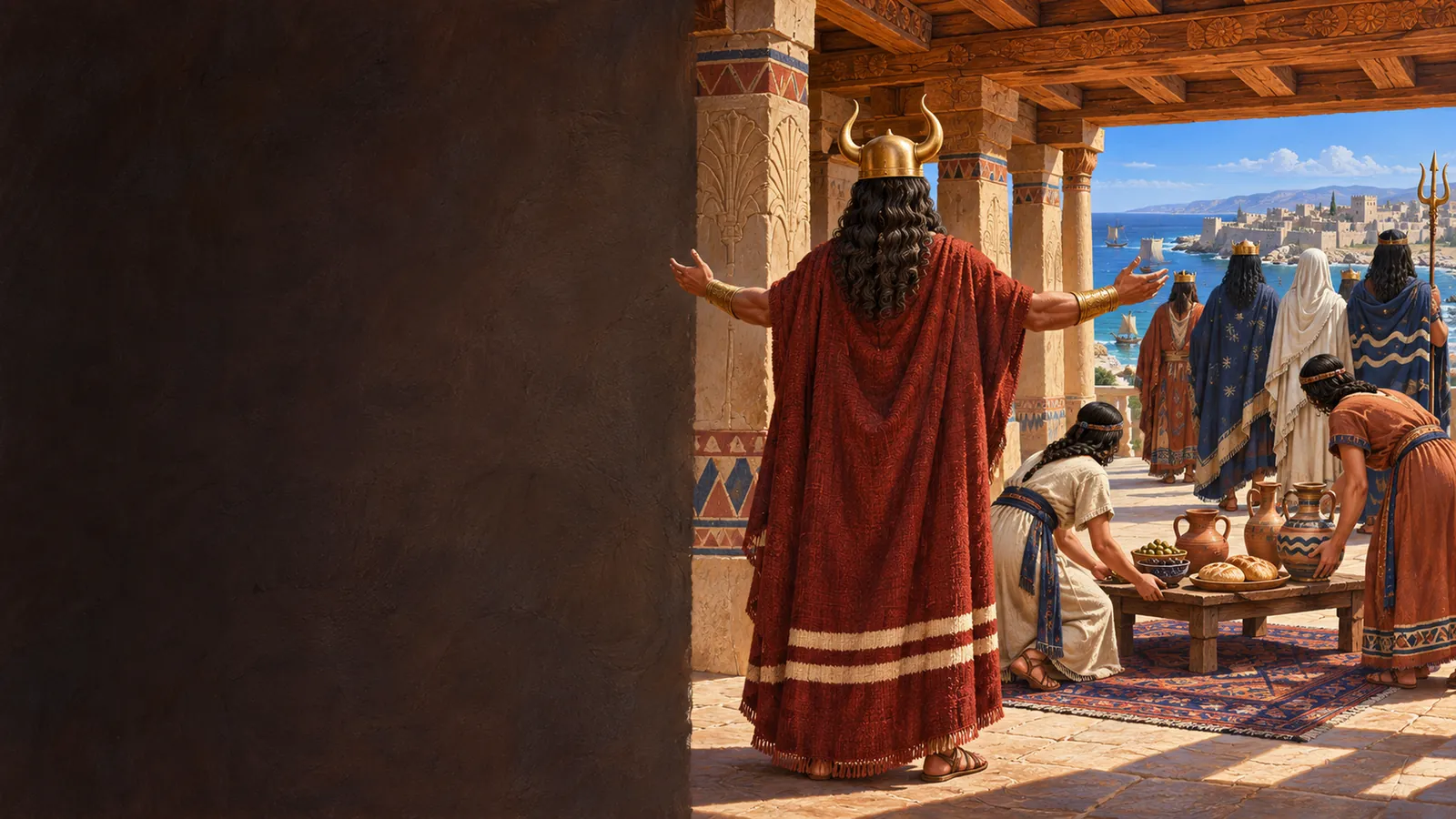
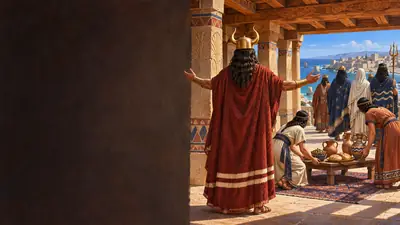
Baal prepara un banquete para celebrar la casa. Llama a sus hermanos y parientes para que entren en el palacio.
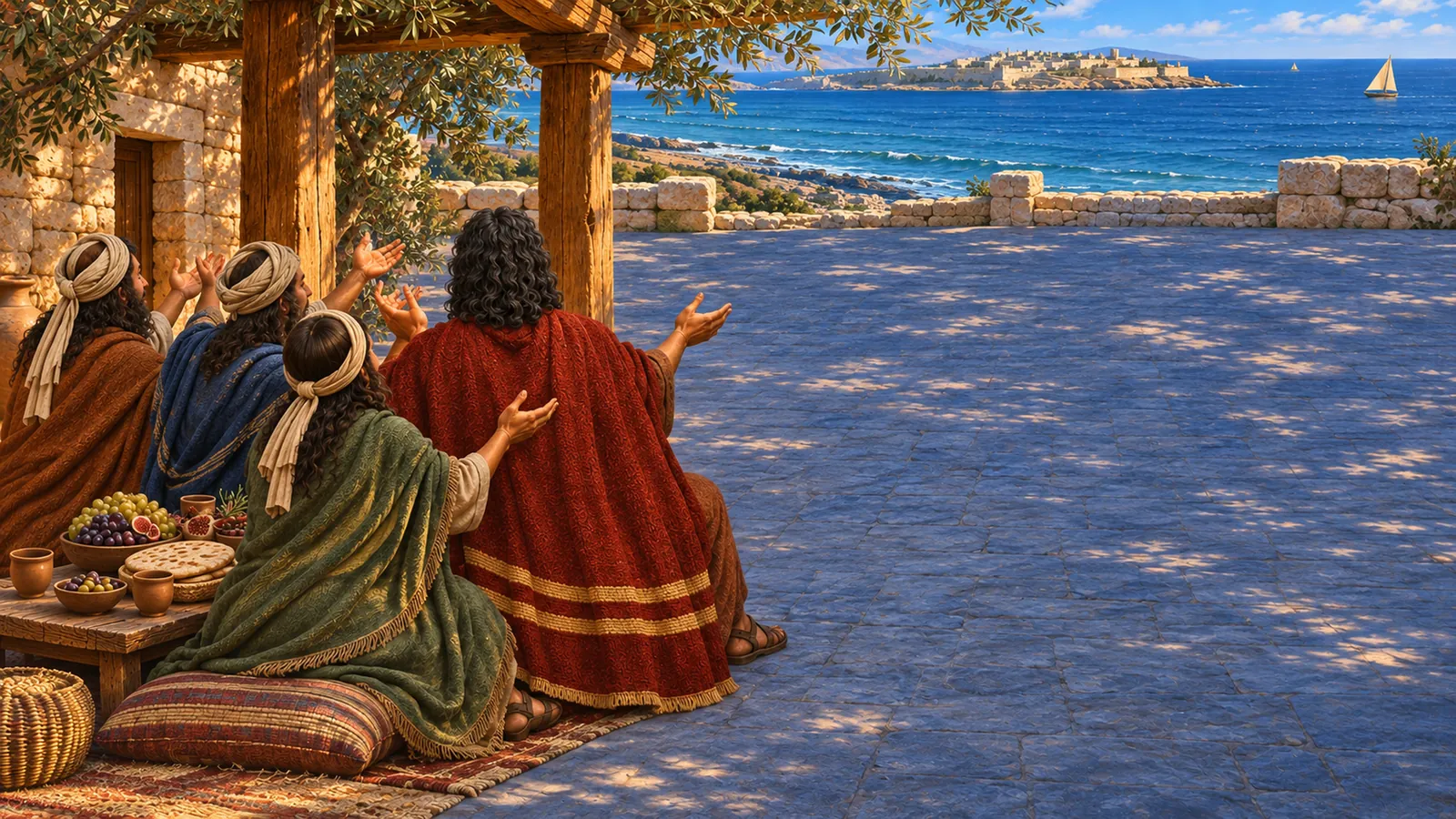
El poema cuenta a setenta hijos e hijas de Athirat entre los invitados al banquete. Dioses y diosas participan en la celebración del palacio.
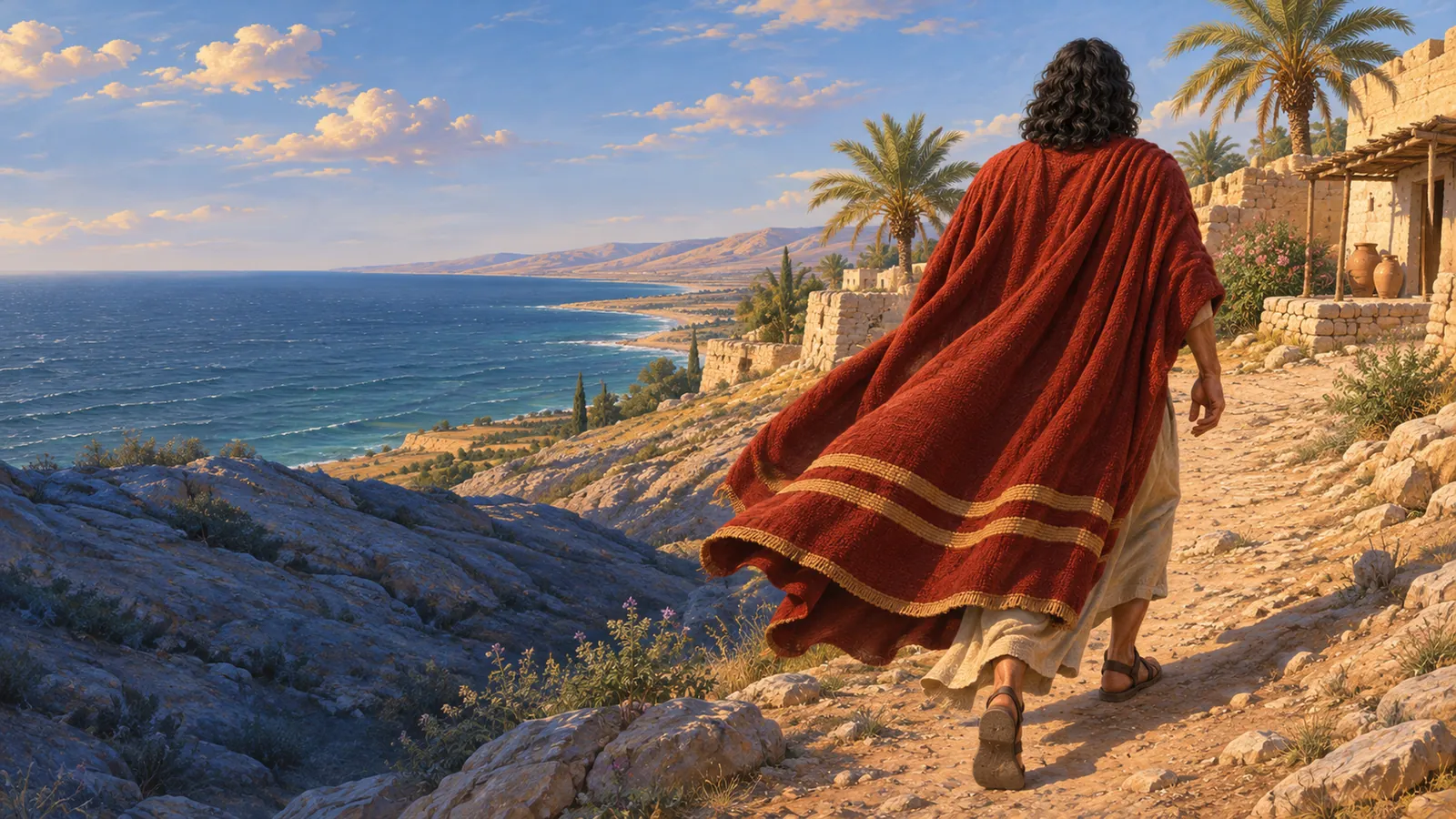
El poema sigue a Baal por ciudades y pueblos antes de que vuelva a la casa. Cuenta los lugares con el lenguaje exaltado del canto.
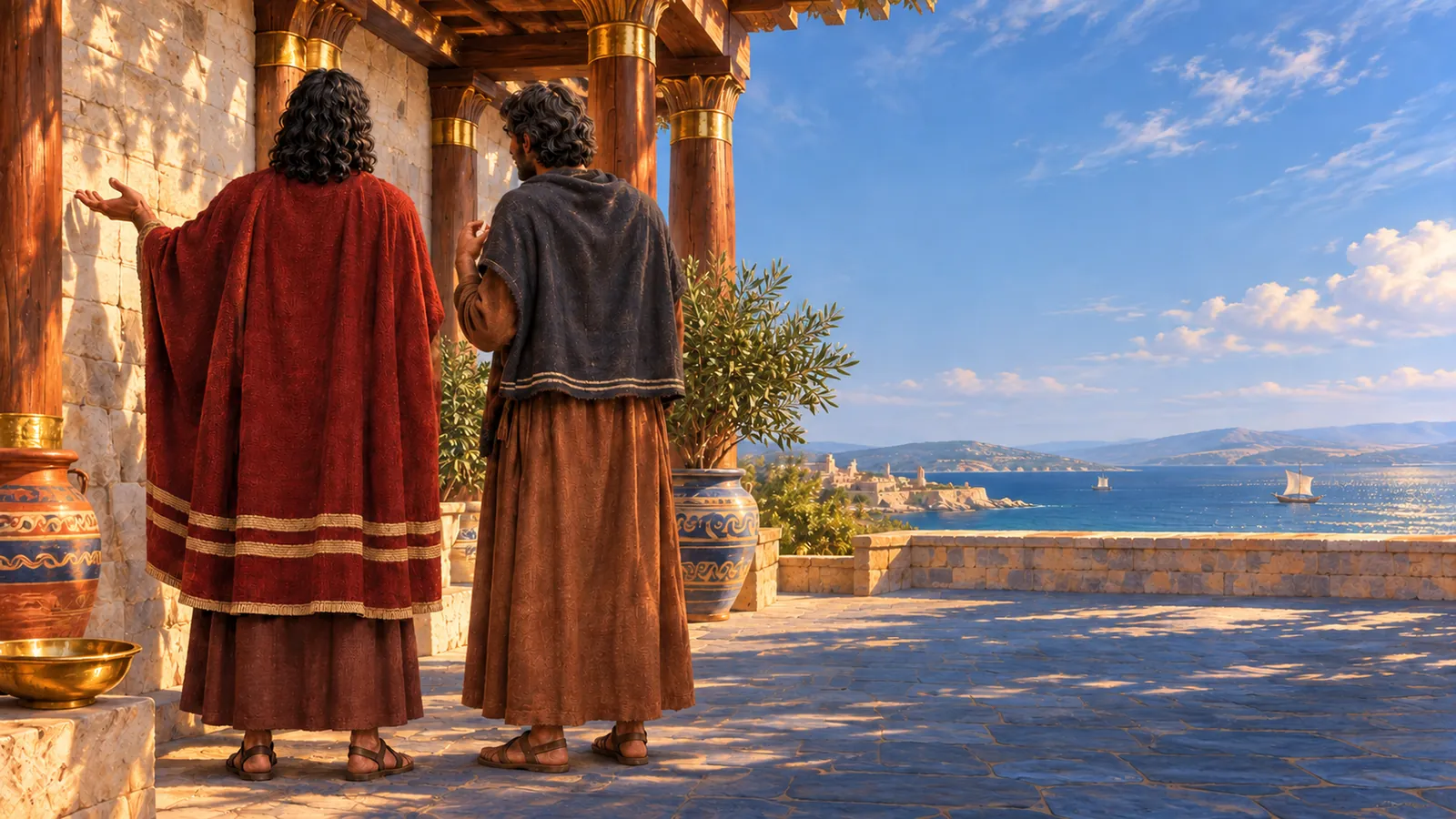
LA VENTANA
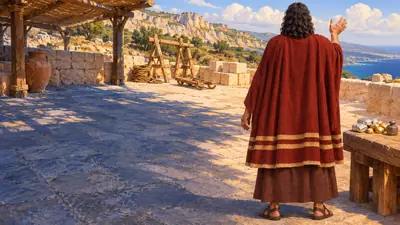
Baal acaba por decirle a Kothar que abra una ventana. Kothar ríe y le recuerda que ya le había dicho que volvería a ese consejo.
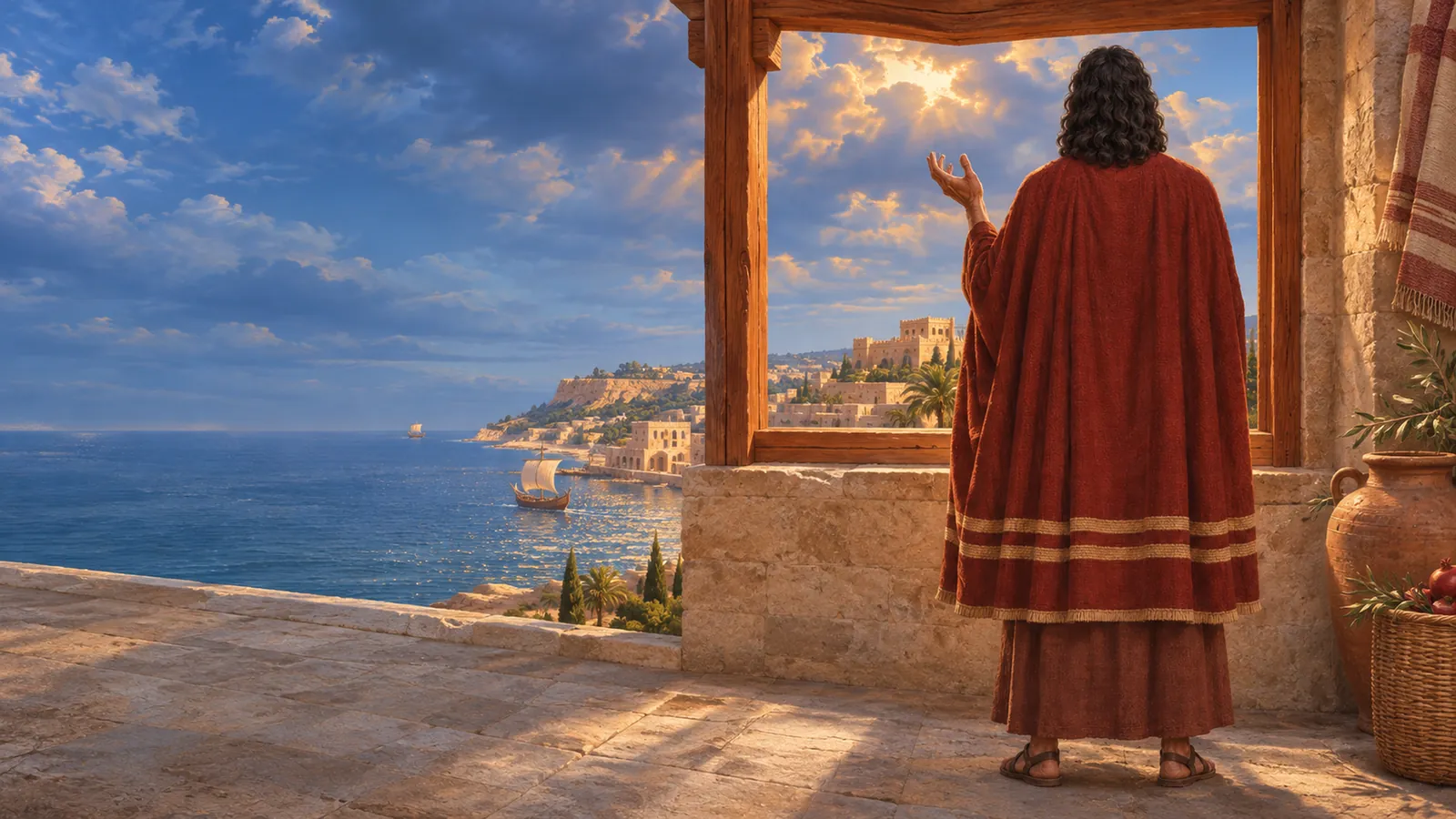
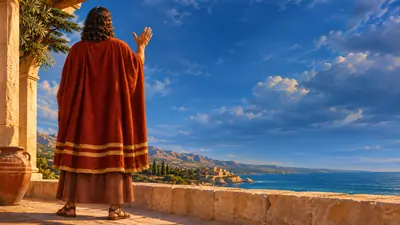
Se abre una ventana en el palacio. El poema une esa abertura a un claro entre las nubes, por el que Baal deja salir su voz.
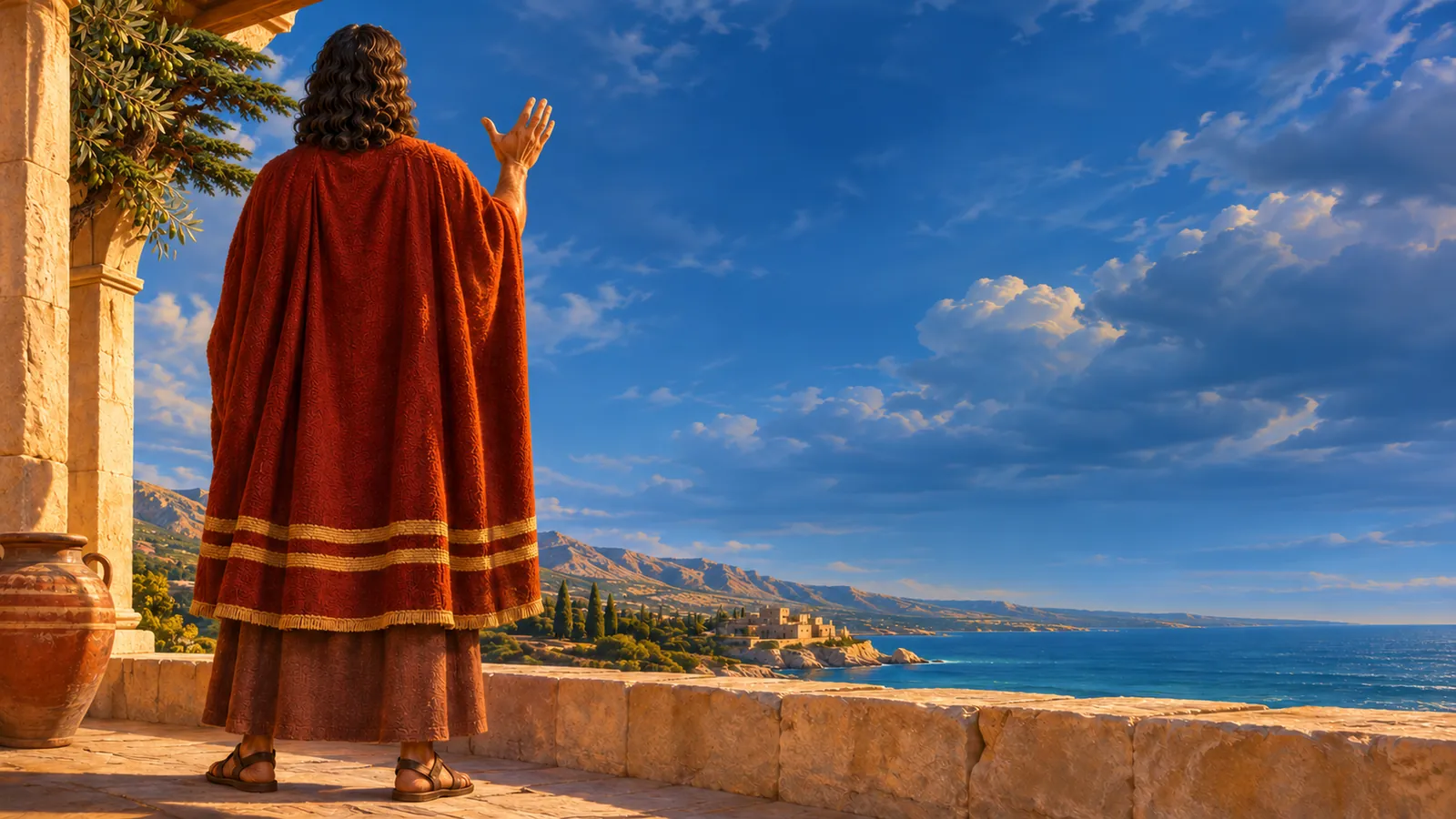
Resuena la voz de Baal. El poema cuenta cómo tiemblan las montañas y se estremecen las alturas de la tierra al oírla.
EL PALACIO
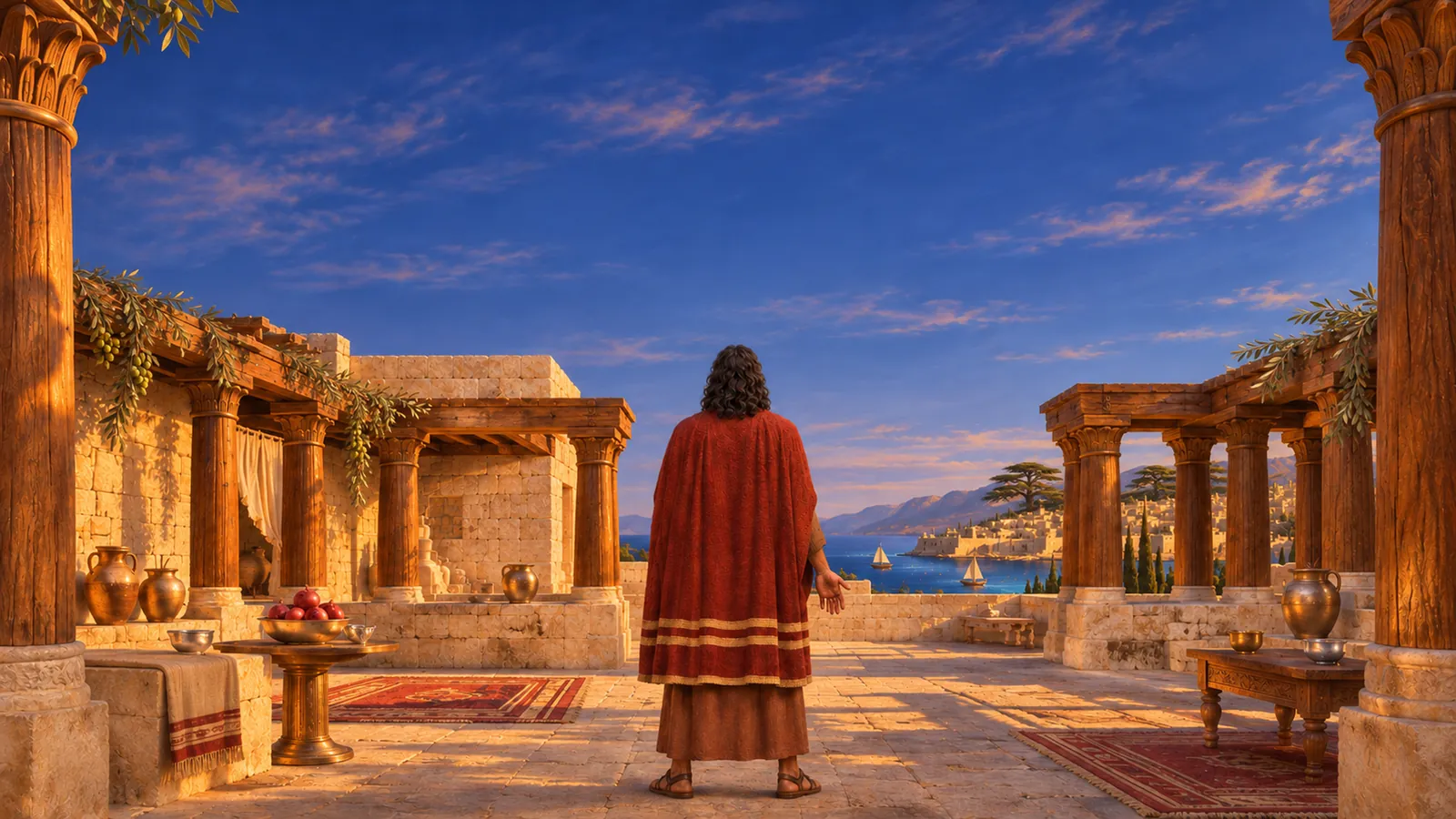
Baal ocupa su lugar en la casa. El episodio del palacio termina con Baal allí, después de que la tormenta haya resonado por la ventana.
Fin del capítulo 2
Todas las páginas











Fuentes
Page 5. The poem compares severed heads to balls and flying hands to locusts. It describes Anat fastening heads and hands to her body as trophies and wading in blood. 2; Natan-Yulzary, Reading Ugaritic Narrative-Poetry).
Ediciones consultadas
- Clemens Steinberger, Göttingen working transcription of KTU 1.3
- Göttingen EUPT, tablet concordance and joined fragments
- Mark S. Smith and Wayne T. Pitard, The Ugaritic Baal Cycle, volume II
- Cory Crawford, The question of ekphrasis in ancient Levantine narrative, pp. 296–300
- Jeffery B. Lloyd, The Goddess Anat, pp. 177–190
- Shirly Natan-Yulzary, Lady Athirat of the Sea
- Sang Youl Cho, Lesser Deities, pp. 146–147
- Anthony I. Lipscomb, Levelling a Ballast Preposition as Poetic Strategy in KTU 1.4
- G. del Olmo Lete, El vocabulario de la construcción en Ugarit
- IL Archive, Anat
- IL Archive, Athirat
- IL Archive, The Seven-Day Pattern in Ugaritic Epic
Notas sobre este relato
Pages 6–7. It then describes her washing warriors’ blood from her hands and fingers before bathing in dew and rain. 2–3; Crawford, pp. 297–298; Smith and Pitard, vol. II).
Page 13. In the account she gives of past victories, Anat names Yamm and River, the dragon, the twisting serpent and the seven-headed Shalyat among her foes. 3; Pitard, pp. 75 onward).
Page 19. Anat threatens to make El’s grey hair run with blood and his beard with gore. The word for blood in the hair line is restored in the edition. 5; Lloyd, pp. 181–187).
Los versos antiguos de cada página
- Page 1: KTU 1.3 I 1–4 and preceding loss (Steinberger p. 1; Natan-Yulzary p. 141)
- Page 2: KTU 1.3 I 5–10 (Steinberger p. 1; Natan-Yulzary p. 141)
- Page 3: KTU 1.3 I 11–17 (Steinberger p. 1; Natan-Yulzary p. 141)
- Page 4: KTU 1.3 I 18–22 (Steinberger p. 1)
- Page 5: KTU 1.3 II 3–17 (Steinberger p. 2; IL Archive Anat)
The occasion and the identity of Anat’s opponents are uncertain. - Page 6: KTU 1.3 II 17–30 (Steinberger p. 2; Crawford pp. 297–298; IL Archive Anat)
The relationship between the valley and house passages is uncertain. - Page 7: KTU 1.3 II 31–41 and III 1–3 (Steinberger pp. 2–3; Smith and Pitard chapter divisions)
Parts of the washing passage require restoration. - Page 8: KTU 1.3 III 9–14 (Steinberger p. 3; Deluty p. 70; Pitard, opening discussion)
- Page 9: KTU 1.3 III 15–19 (Steinberger p. 3; Lloyd discussion of III–IV, pp. 178–180)
Some words in the message are restored in the edition. - Page 10: KTU 1.3 III 20–26 (Crawford pp. 299–300, quoting Smith and Pitard; Steinberger p. 3)
- Page 11: KTU 1.3 III 27–31 (Crawford pp. 299–300, quoting Smith and Pitard; Steinberger p. 3)
- Page 12: KTU 1.3 III 32–37 (Deluty pp. 70–71; Steinberger p. 3)
- Page 13: KTU 1.3 III 38–47 (Pitard pp. 75 onward; Steinberger p. 3)
Anat’s list of foes contains disputed names and parallel descriptions. - Page 14: KTU 1.3 IV 10–20 (Lloyd pp. 177–179; Steinberger p. 4)
The repeated message is partly restored from the earlier version. - Page 15: KTU 1.3 IV 21–32 (Lloyd pp. 178–180; Steinberger p. 4)
- Page 16: KTU 1.3 IV 33–42 (Lloyd pp. 179–181; Steinberger p. 4)
- Page 17: KTU 1.3 IV 43–55 (Lloyd pp. 180–181; Steinberger p. 4; Cho on dwelling clauses)
The tablet is damaged here. The house formula is partly restored from its repetitions. - Page 18: KTU 1.3 V 1–18 (Lloyd pp. 180–182; Steinberger p. 5)
The description of the journey is fragmentary. - Page 19: KTU 1.3 V 19–27 (Lloyd pp. 181–187; IL Archive Anat; Steinberger p. 5)
- Page 20: KTU 1.3 V 30–43 and following loss (Lloyd pp. 181–187; IL Archive Anat; Steinberger pp. 5–6)
The end of the first audience is damaged. - Page 21: KTU 1.3 VI 1–7, including joined RS 3.364 (Pardee join as documented in Steinberger p. 6 and Smith and Pitard contents)
The joined fragment RS 3.364 preserves the beginning of this passage. - Page 22: KTU 1.3 VI 18–25 (Steinberger pp. 6–7; Smith and Pitard chapter divisions)
Several place references in the instructions are uncertain. - Page 23: KTU 1.4 I 1–22, chiefly 9–11 and 20–22 (Crawford pp. 296–297; Natan-Yulzary p. 135)
The opening of Tablet IV contains damage. - Page 24: KTU 1.4 I 23–35 (Crawford pp. 296–297 and table)
- Page 25: KTU 1.4 I 36–43 (Crawford p. 297, table)
Several decorative terms have competing readings. - Page 26: KTU 1.4 II 3–11 (Natan-Yulzary pp. 131–141; Crawford p. 297)
The actions in these lines are interpreted differently. - Page 27: KTU 1.4 II 12–26 (Deluty pp. 70–72; Crawford pp. 297–298; IL Archive Athirat)
- Page 28: KTU 1.4 II 28–31 (Crawford p. 298)
- Page 29: KTU 1.4 III 23–32 (Lloyd pp. 188–190; IL Archive Athirat)
- Page 30: KTU 1.4 III 33–44 (Lloyd pp. 188–190)
- Page 31: KTU 1.4 IV 15–22 (Segert selected text; Lipiński on IV 21–22)
- Page 32: KTU 1.4 IV 23–40, chiefly 26 (Noegel, p. 107; Smith and Pitard contents)
- Page 33: KTU 1.4 IV 41–55 (Cho on the house formula; Steinberger n. 17 for IV 41–42 parallel; IL Archive Athirat)
- Page 34: KTU 1.4 IV 59–V 1 (Cho’s direct translation pp. 146–147)
- Page 35: KTU 1.4 V 2–12 (Del Olmo Lete on V 10–11, Smith and Pitard contents)
- Page 36: KTU 1.4 V 20–35 (IL Archive Anat and Athirat; Crawford p. 298)
- Page 37: KTU 1.4 V 35–44 (Lipscomb on V 36–37; Crawford p. 298)
- Page 38: KTU 1.4 V 45–57, chiefly 51–54 (Crawford pp. 298–299; Del Olmo Lete on V 56; Smith and Pitard contents)
- Page 39: KTU 1.4 V 58–65 (Lipscomb pp. 49–51, Smith and Pitard contents)
- Page 40: KTU 1.4 VI 1–15 (Kim pp. 126–128 quoting Smith; Crawford p. 299 n. 54)
Baal’s explanation after his second refusal is damaged. - Page 41: KTU 1.4 VI 16–23 (Crawford p. 299; Lipscomb p. 49)
- Page 42: KTU 1.4 VI 24–31 (Lipscomb p. 54, direct translation; IL Archive seven-day study)
- Page 43: KTU 1.4 VI 32–38 (Lipscomb pp. 54–55; Crawford p. 299; Del Olmo Lete on VI 34–35)
- Page 44: KTU 1.4 VI 39–45 (Lipscomb p. 51 on VI 44–45; Smith and Pitard contents)
- Page 45: KTU 1.4 VI 46–59 (IL Archive Athirat on VI 44–46; Crawford p. 299; Smith and Pitard contents)
- Page 46: KTU 1.4 VII 7–14 (De Gruyter, The Song of the Sea, p. 153; Heiser pp. 203–204 quoting Smith and Pitard)
Some numbers and nearby words are broken. - Page 47: KTU 1.4 VII 14–25 (Kim pp. 127–128 quoting Smith; Lipscomb on VII 17–19)
- Page 48: KTU 1.4 VII 25–30 (Crawford pp. 299–300 quoting Smith and Pitard)
- Page 49: KTU 1.4 VII 31–35 (Crawford p. 299 quoting Smith and Pitard)
Parts of the description are restored. - Page 50: KTU 1.4 VII 42 (Del Olmo Lete p. 109; Noegel p. 106; Smith and Pitard boundary)
The verb in the final line can be understood as dwelling, sitting enthroned or returning.
Ilustraciones hechas por IL Archive con herramientas de IA; el texto se basa en las fuentes antiguas (véanse las fuentes al final de cada capítulo).