El ciclo de Baal Capítulo 3
Baal y Mot
Baal envía un mensaje a Mot. Tras una laguna en la tablilla, unos mensajeros anuncian a El la muerte de Baal, y Anat lo llora. El sueño de El le da esperanza. Baal está de vuelta cuando se reanuda el texto, y Shapash habla antes de que termine la lucha.
FuentesPase las páginas con las flechas, el teclado o deslizando el dedo.
BAAL Y MOT
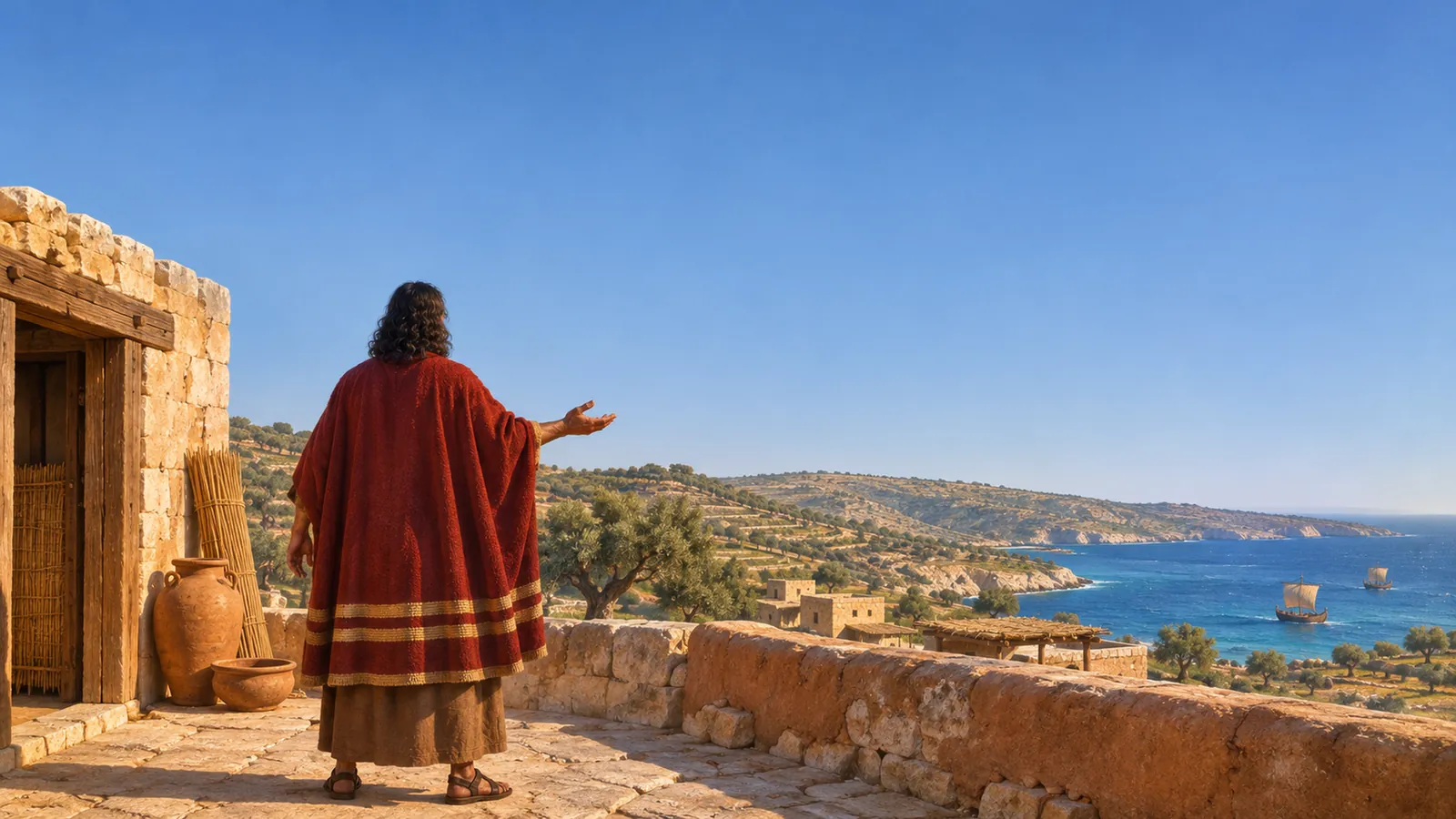
Baal pregunta quién puede ejercer el poder en el reino del que ahora habla. Su pregunta abre el intercambio que llevará sus palabras hasta Mot.
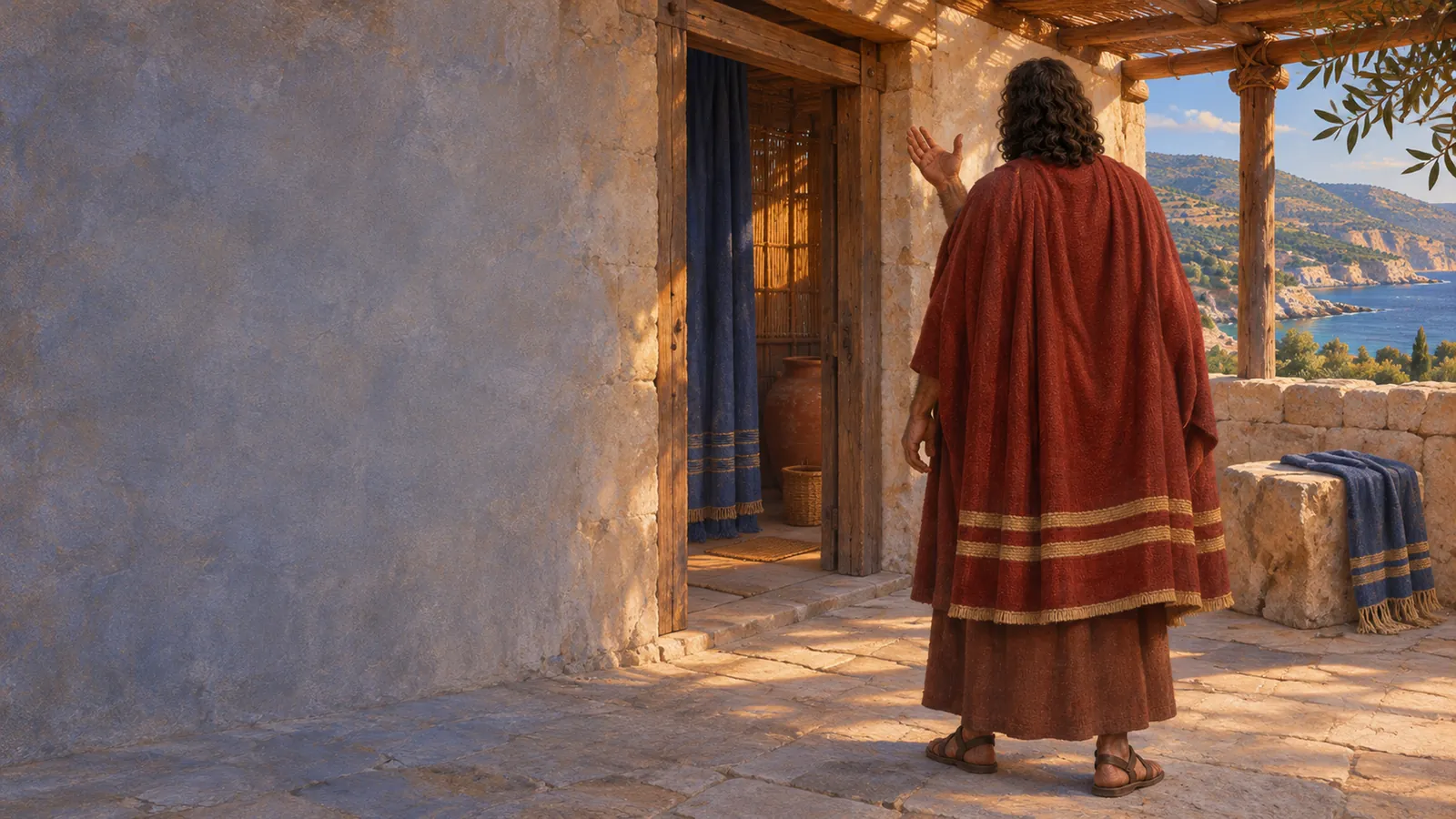
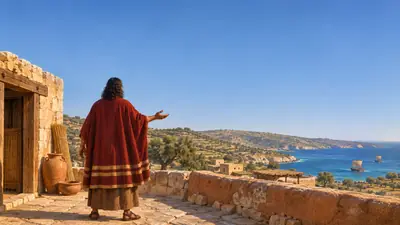
Baal dice que enviará un emisario a Mot. Habla de llevar sus palabras hasta quien ha de oírlas.

Baal reclama el dominio entre los dioses. Dice que sostiene a dioses y personas y sacia a los muchos habitantes de la tierra.
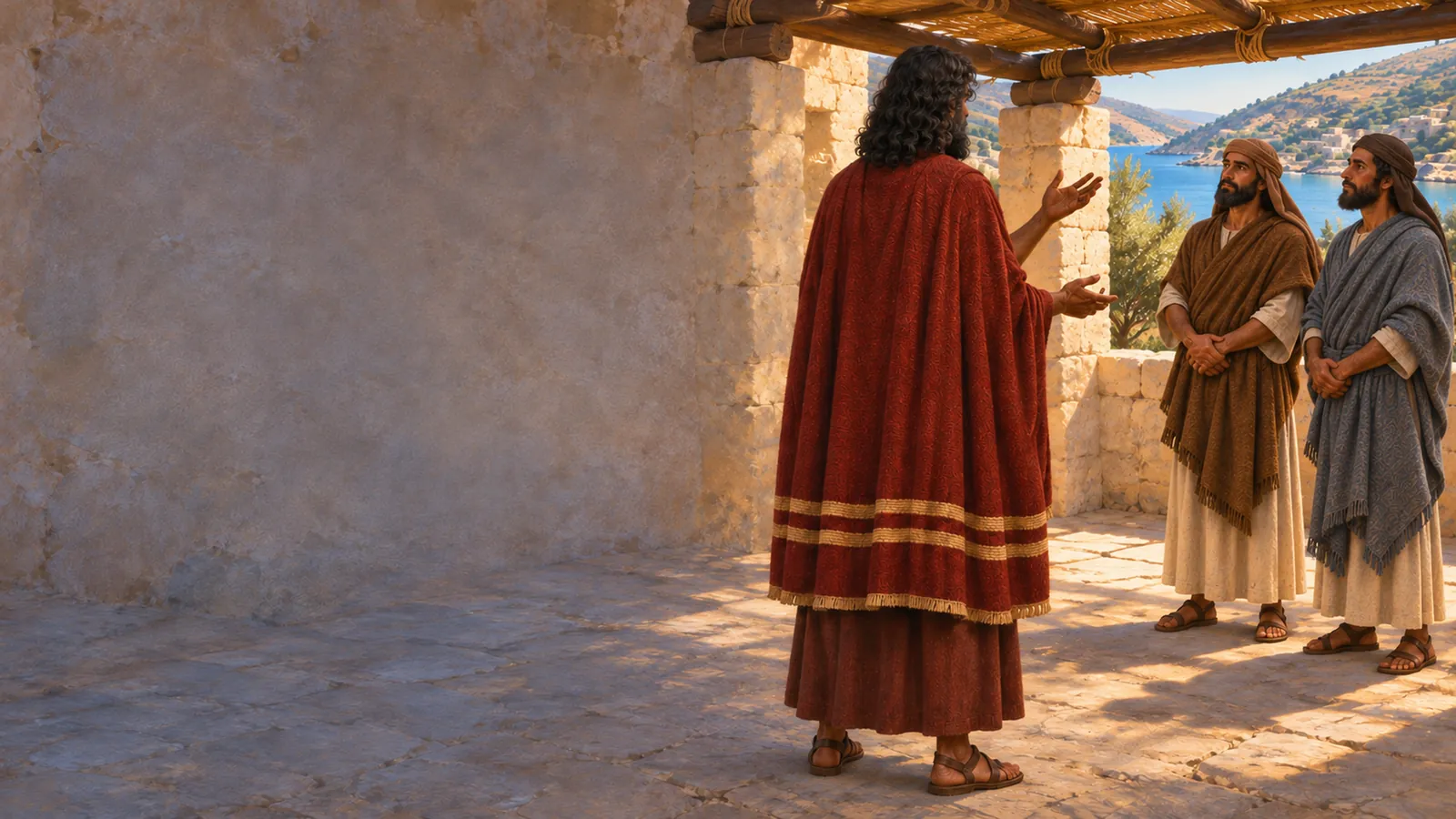
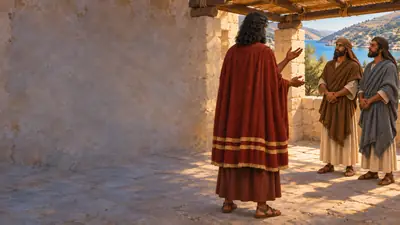
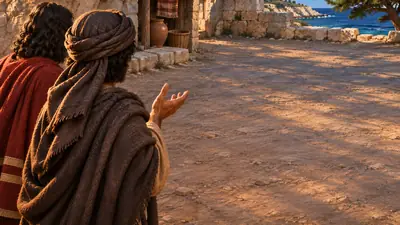
Baal llama a sus mensajeros, Gapn y Ugar, para que escuchen sus instrucciones. Parte de las palabras que los describen está dañada.

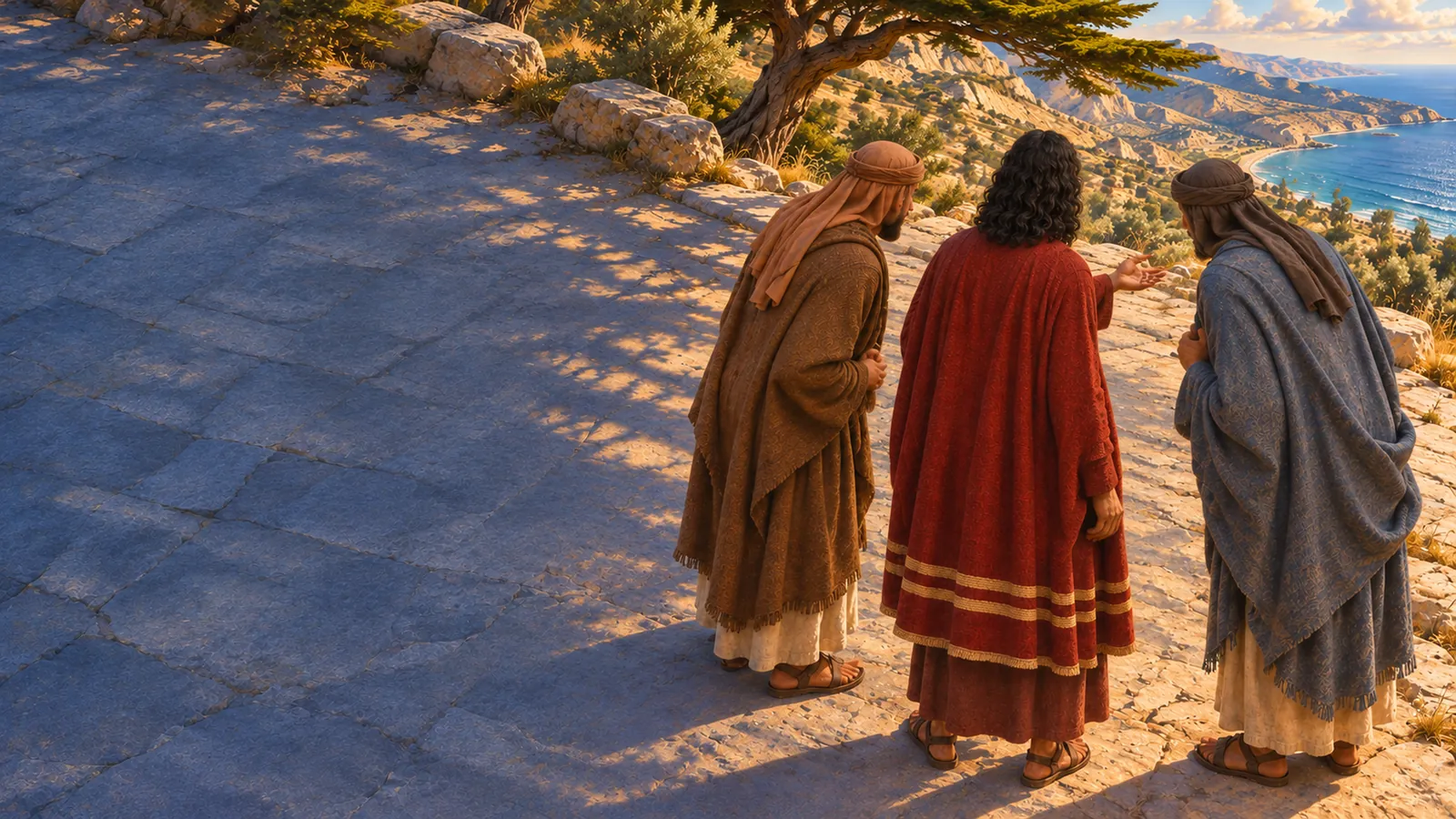
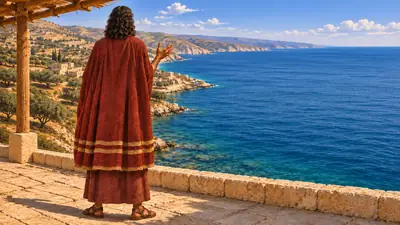
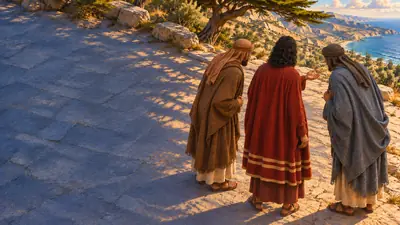
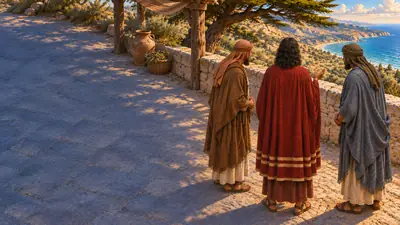
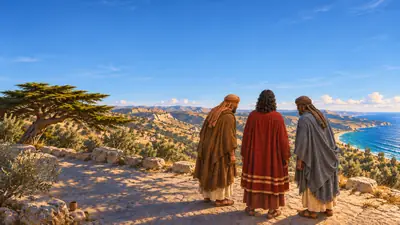
Baal dice a los mensajeros que se dirijan hacia dos colinas. El poema sitúa las colinas en el borde de la tierra, en la ruta de sus instrucciones.
Baal les dice que bajen al reino de Mot. Habla de la ciudad de Mot y del lugar bajo donde tiene su asiento.

Baal les pide a sus enviados que tengan cuidado. Les advierte del peligro de acercarse demasiado a Mot.
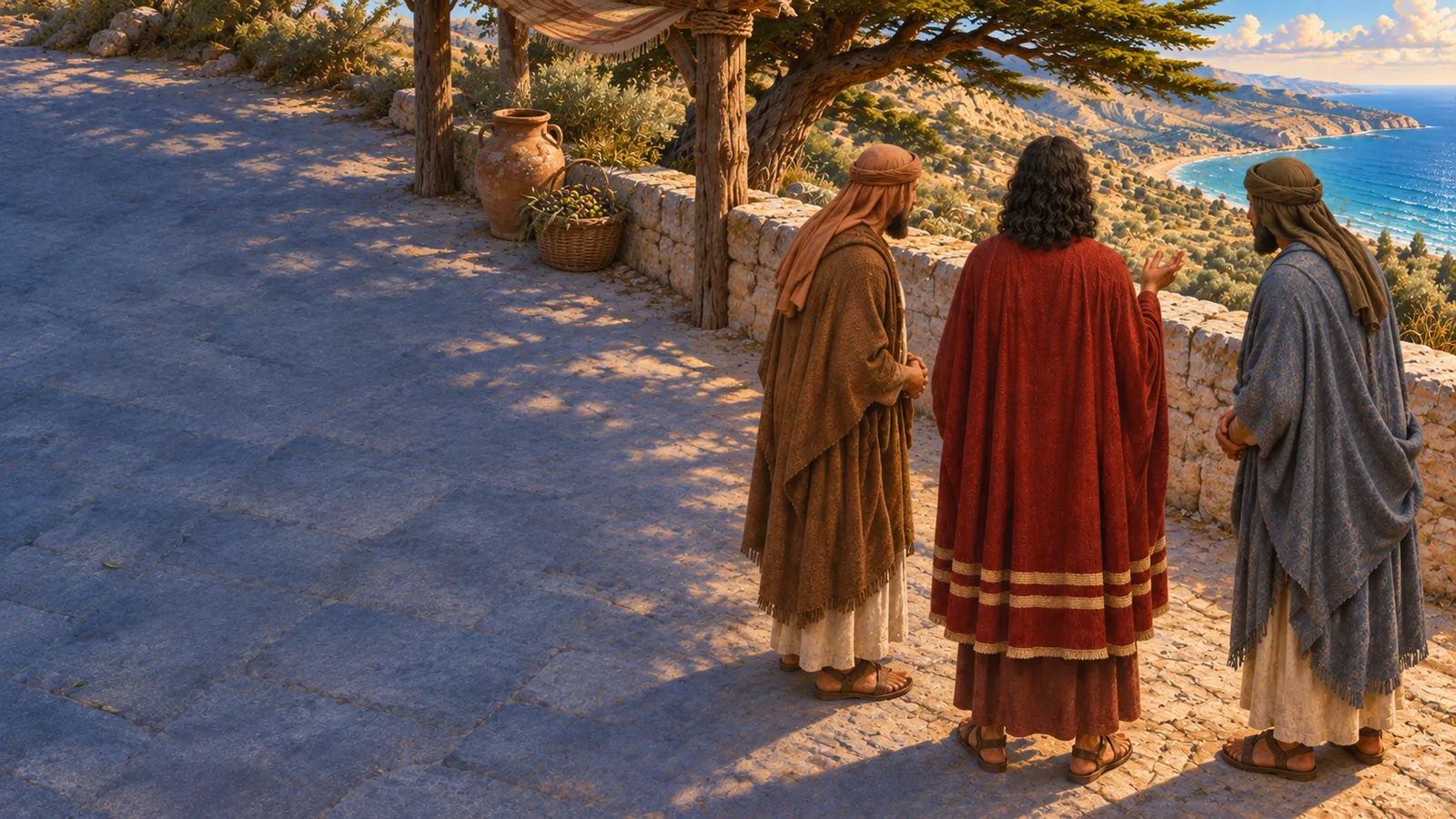
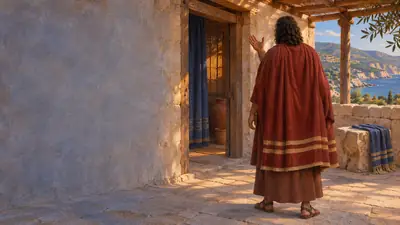
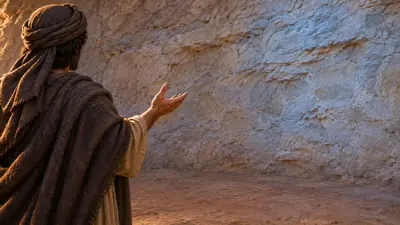
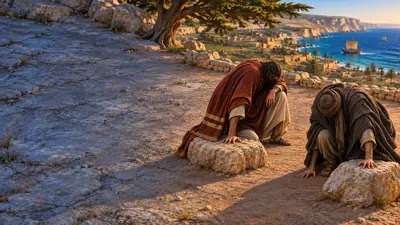
Baal les dice que se inclinen ante Mot desde lejos. Han de honrarlo antes de entregar el mensaje.

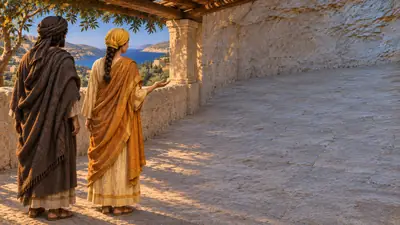
Baal da a los enviados las palabras que han de pronunciar. En el comienzo conservado del mensaje le dice a Mot que ha construido su casa.
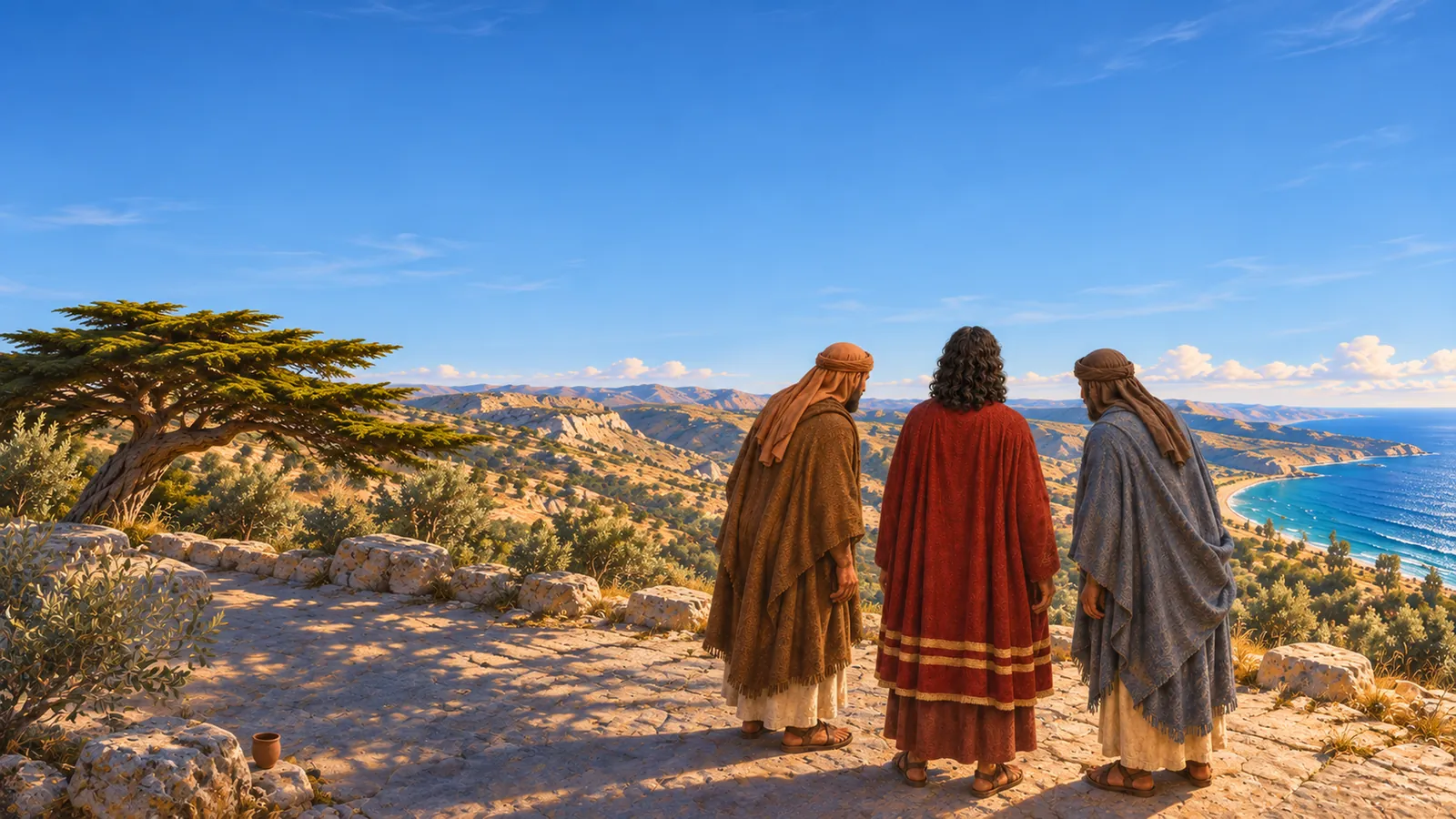
EL MENSAJE ROTO
El final del mensaje de Baal está dañado. Las palabras conservadas dejan abierta la cuestión de si ya había invitado a Mot a un banquete.
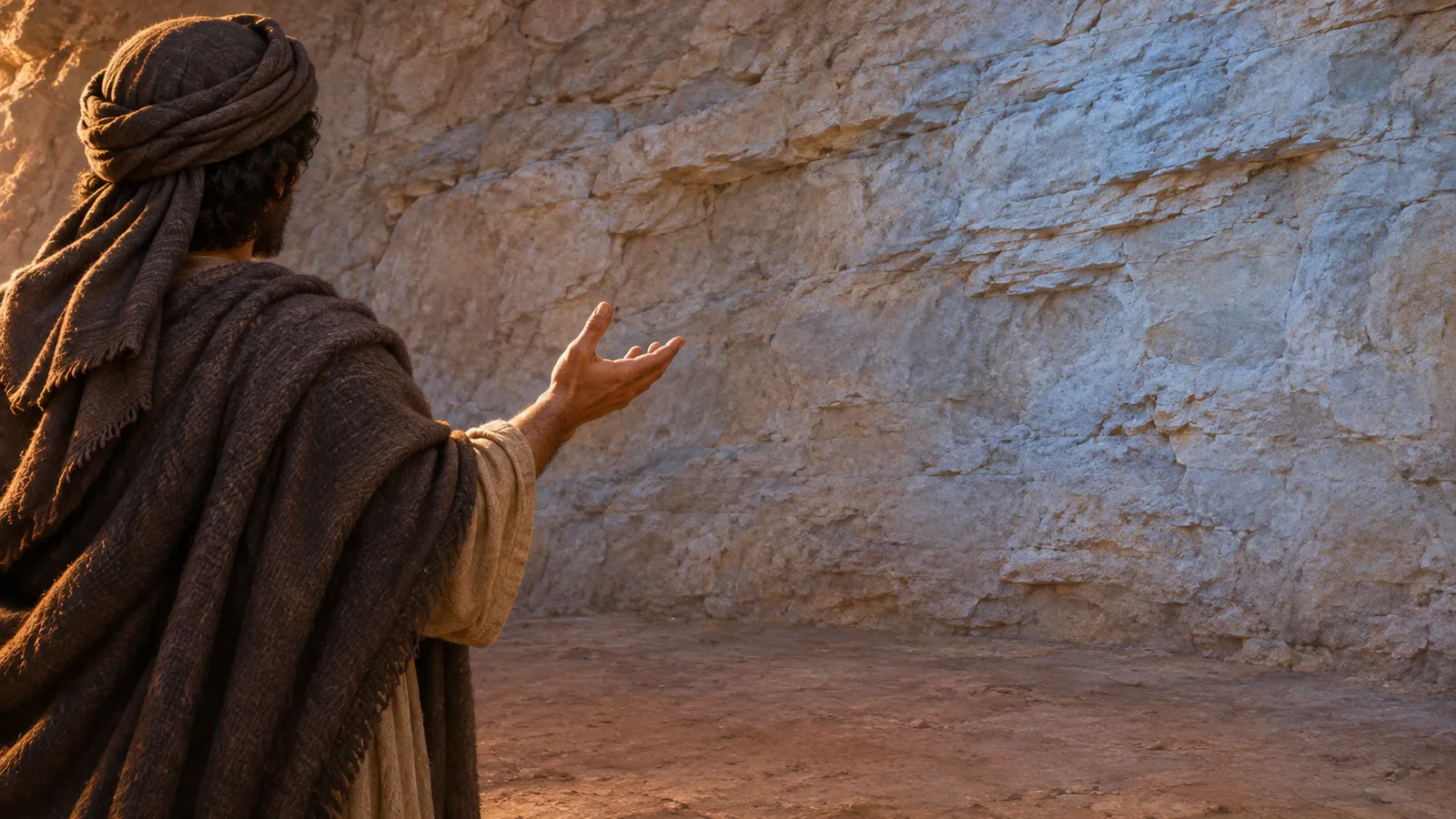
La siguiente tablilla comienza en medio de la respuesta de Mot. Parte de lo que dice aquí se oye de nuevo cuando los mensajeros vuelven ante Baal.
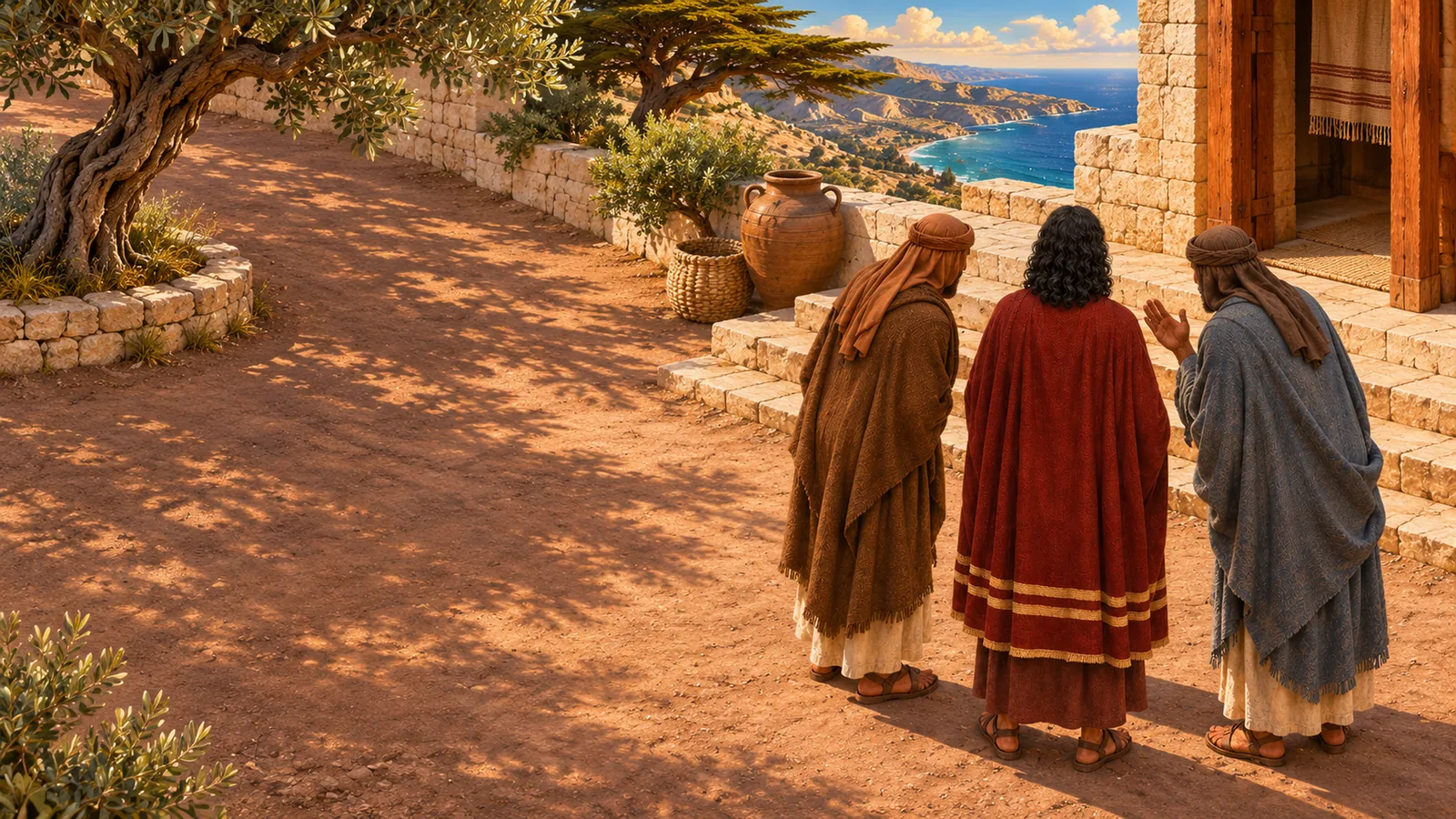
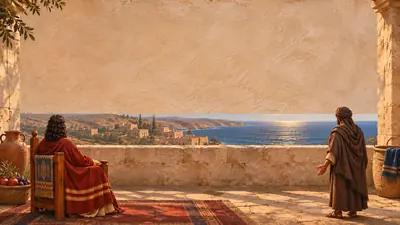
Los mensajeros regresan a Baal y repiten lo que dijo Mot. Las palabras que siguen son de Mot, transmitidas por los enviados.
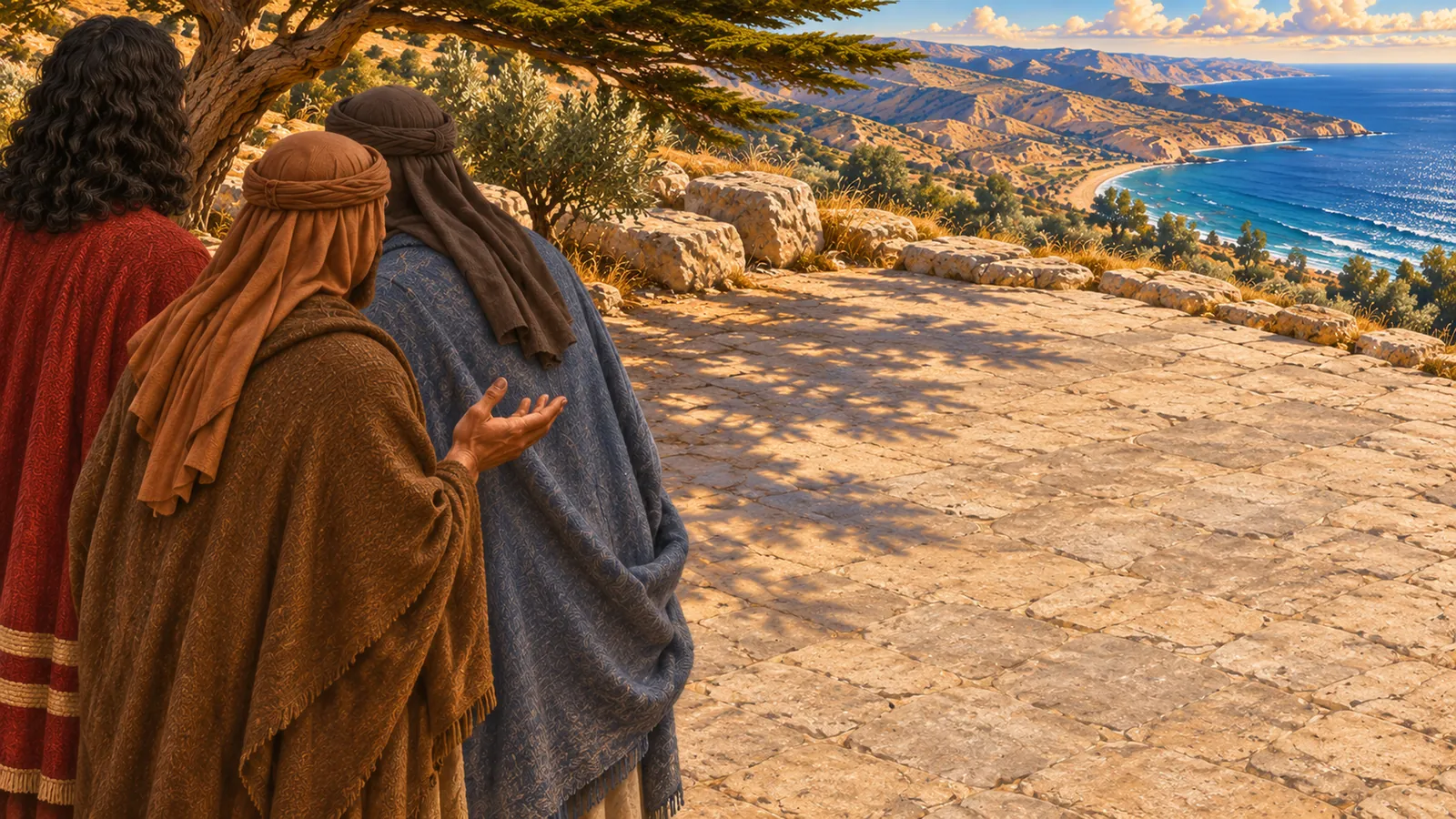
En la respuesta que repiten los mensajeros, Mot habla de un apetito inmenso. Lo compara con el hambre y la sed de los animales en la espesura.
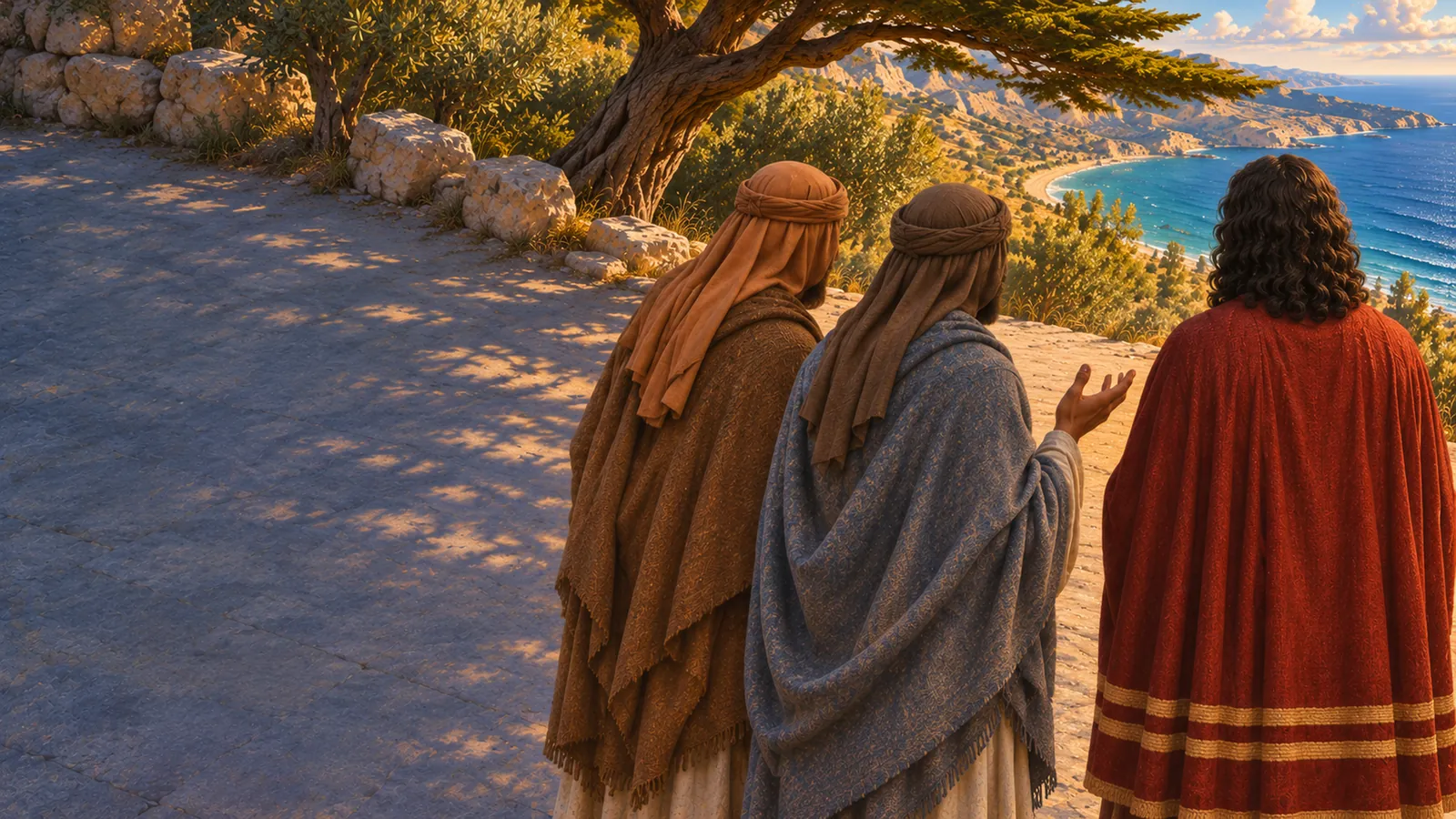
En el mensaje, Mot pide a Baal que lo invite a un banquete con los suyos. Habla de comida para comer y de vino para beber.
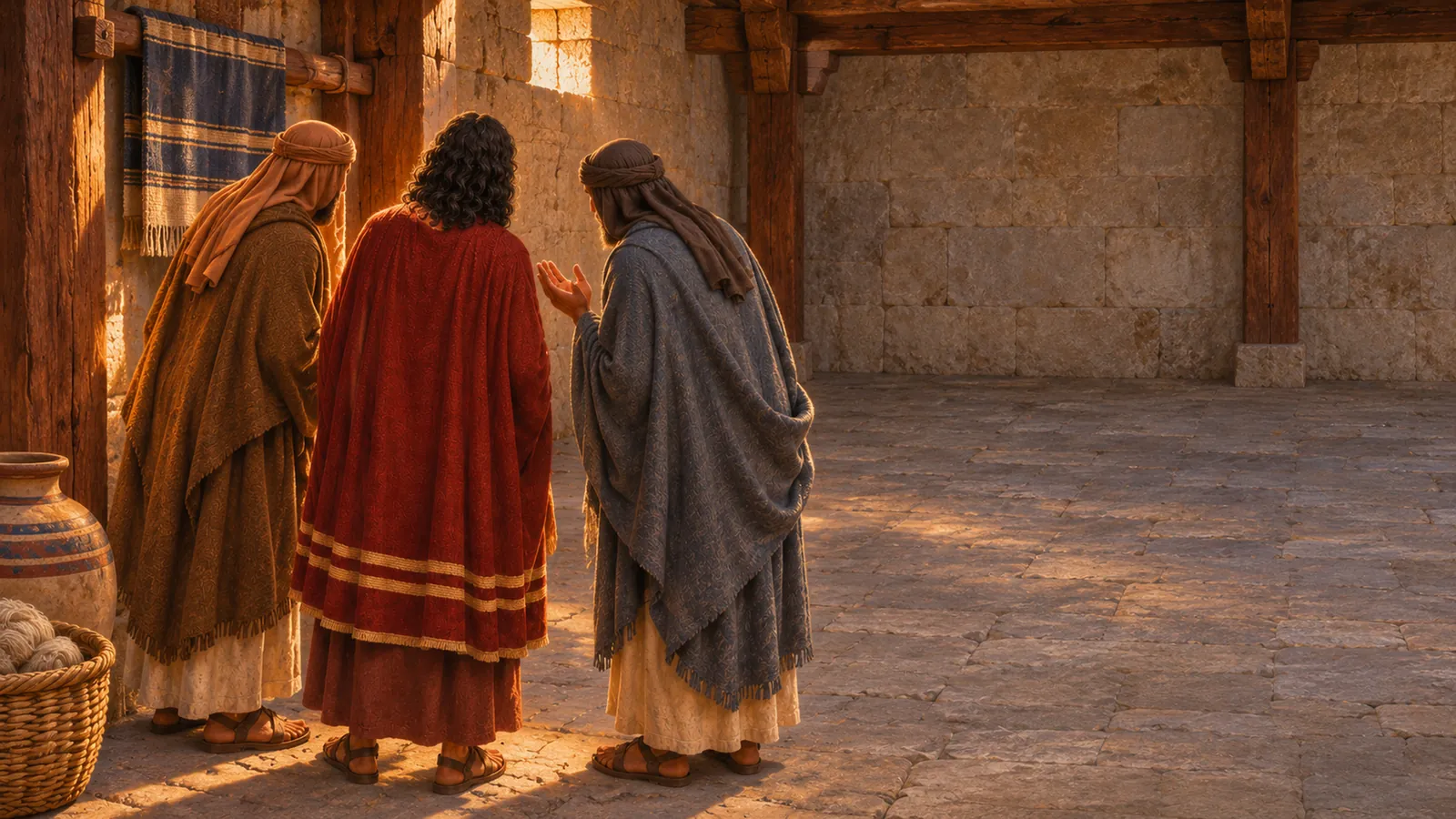
El relato de los mensajeros pasa a la amenaza de Mot contra Baal. El poema presenta el peligro en palabras del propio Mot antes de contar el miedo de Baal.
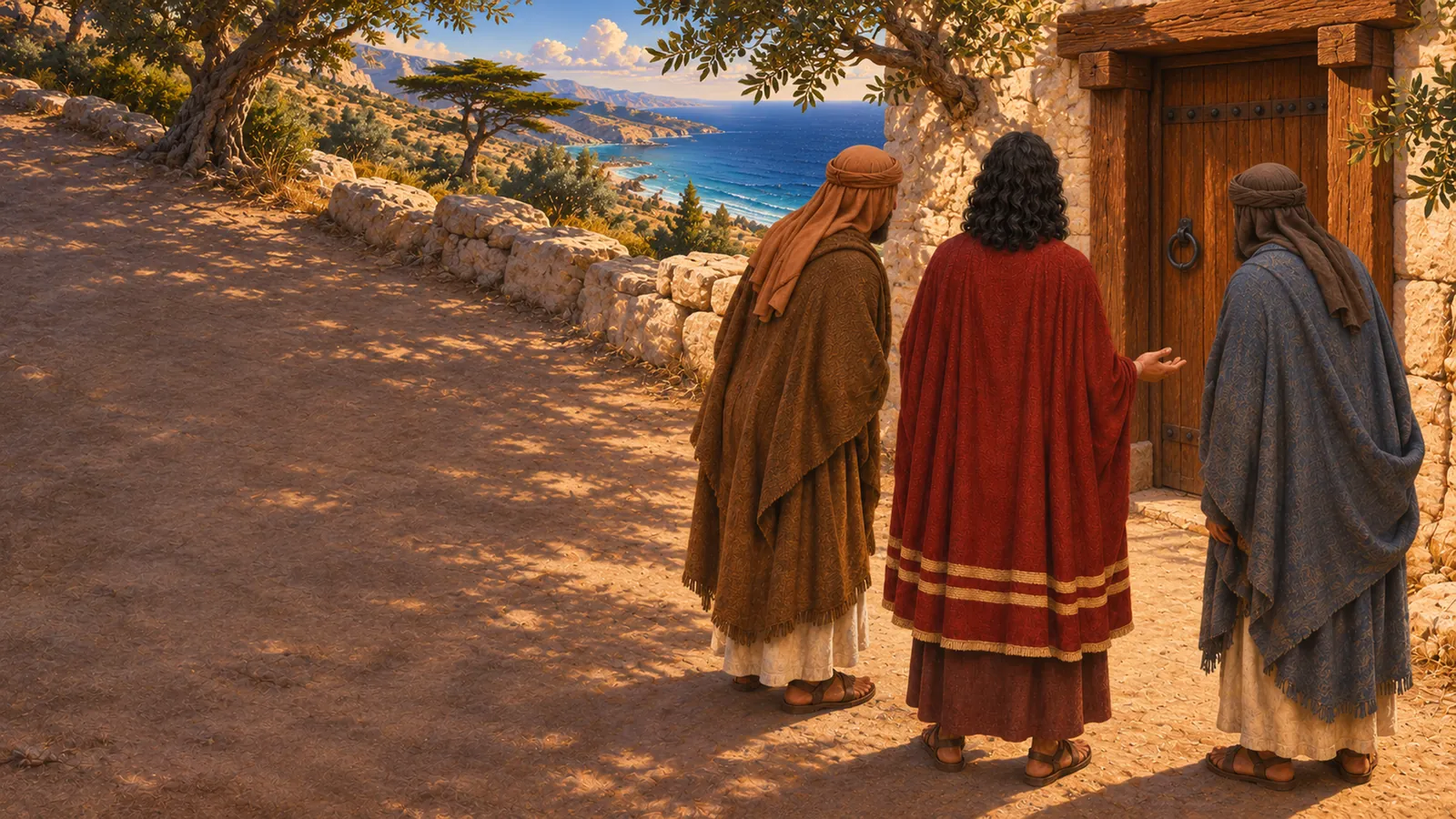
Baal tiene miedo. Envía de vuelta a los mensajeros ante Mot con una breve respuesta, en la que se pone a su servicio.
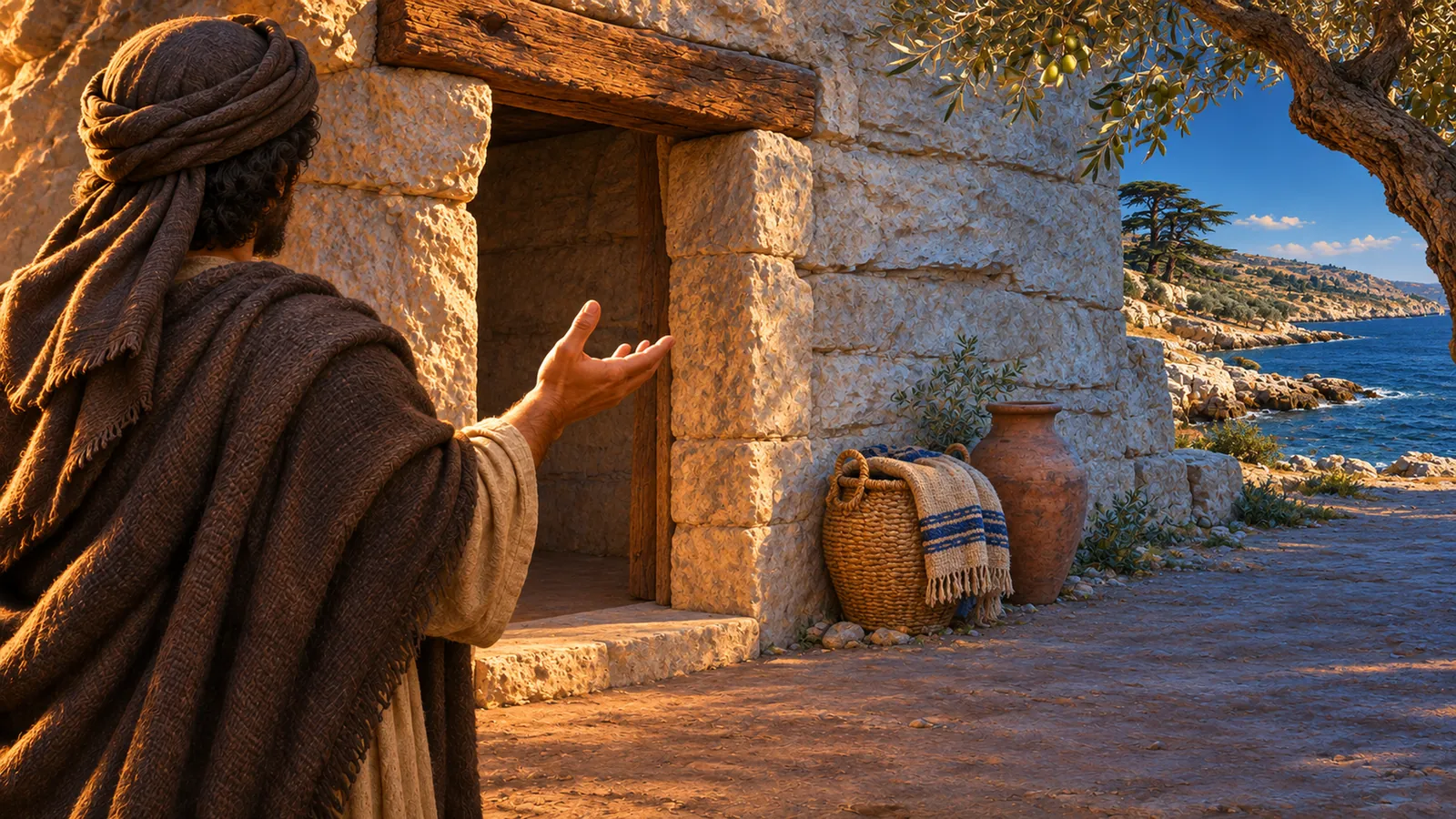
Mot se alegra al oír la respuesta. Sus palabras sobre el banquete pueden entenderse como si la invitación ya hubiera llegado o como la espera de recibirla.
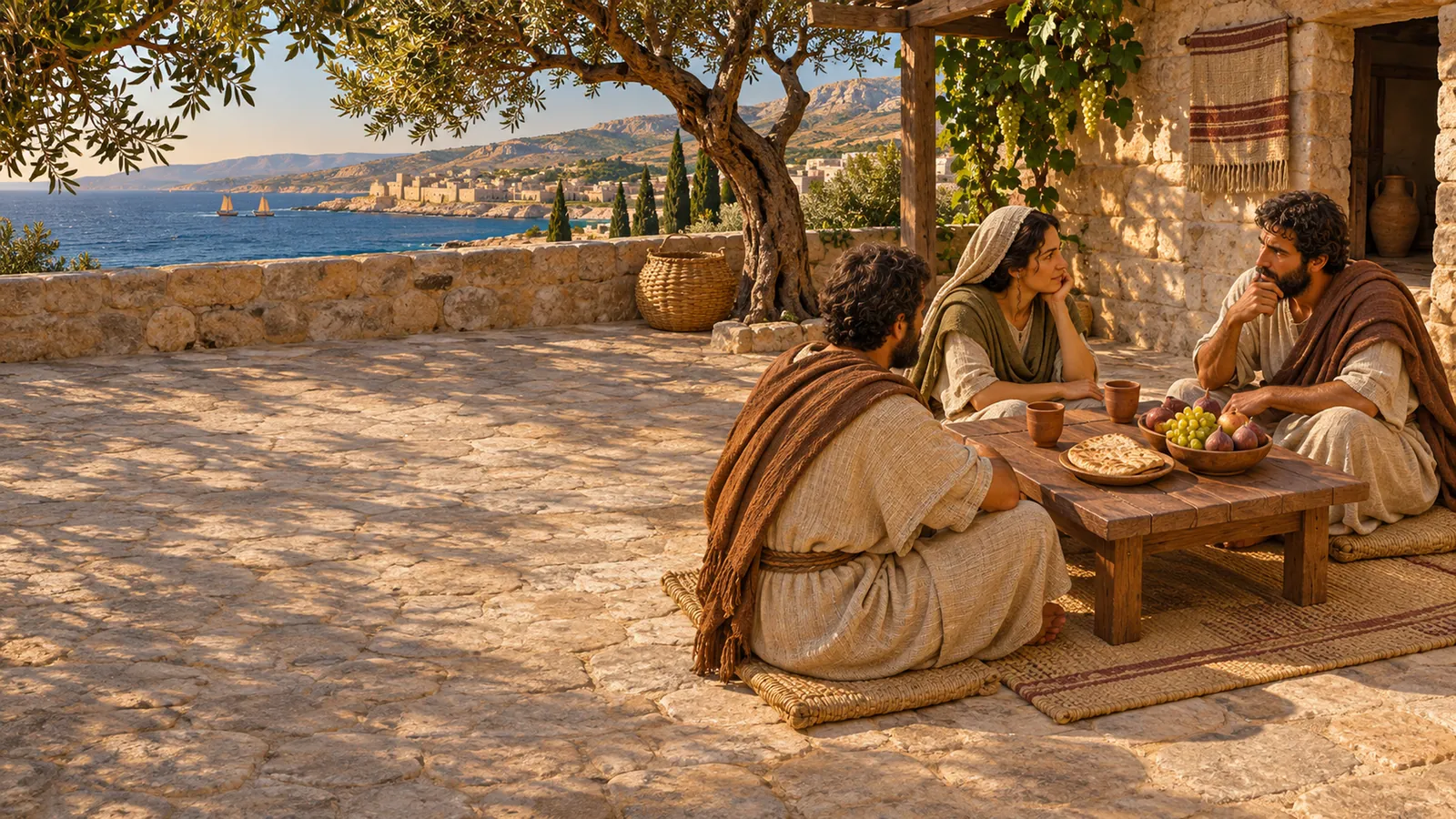
Las columnas dañadas que siguen contienen palabras sobre un banquete. Se conserva demasiado poco para contar todo el intercambio o saber cómo comenzó la ocasión.
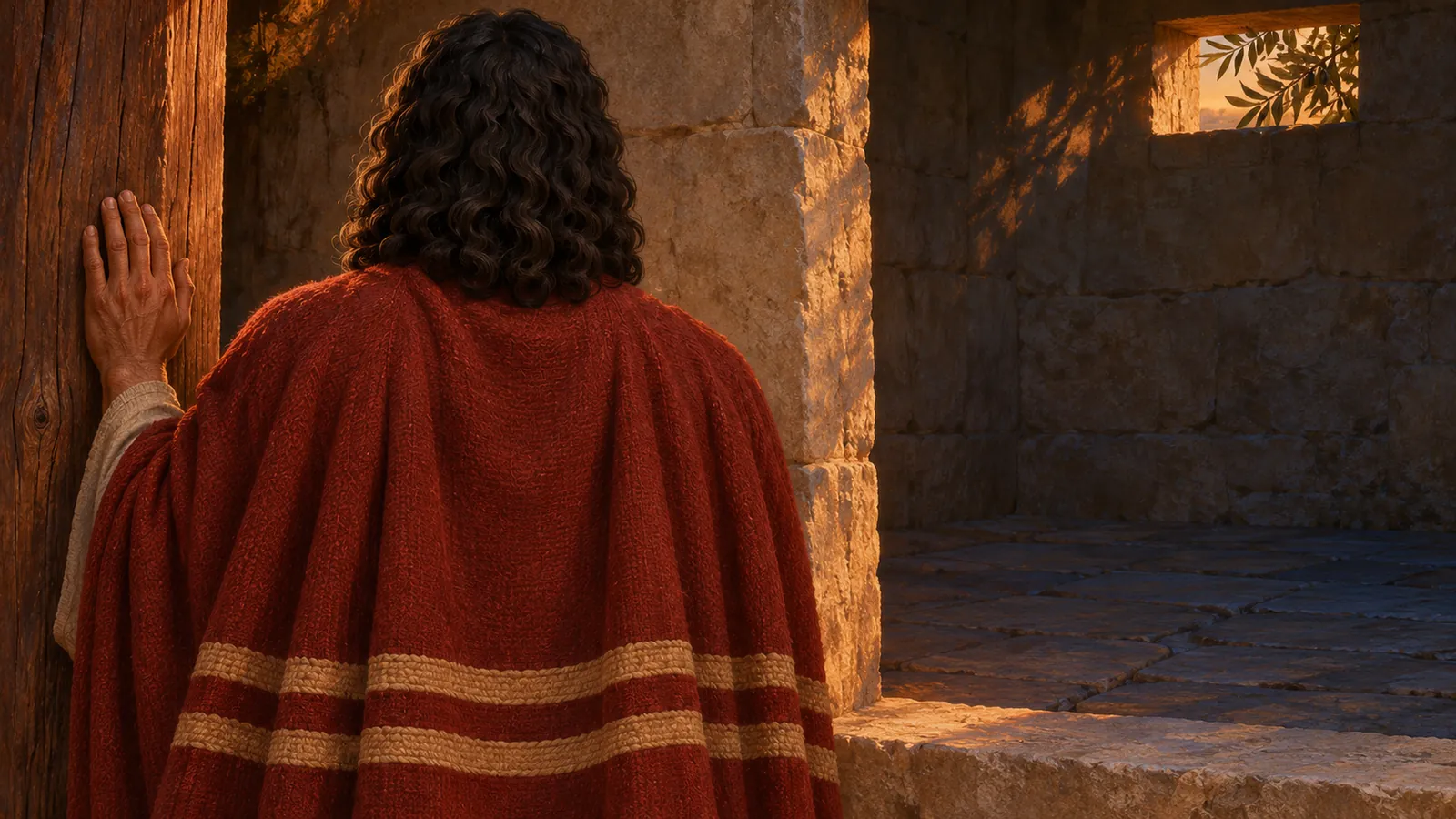
Alguien le ordena a Baal que descienda al mundo subterráneo. De las instrucciones se conserva lo suficiente para oír la orden, aunque no se sabe quién habla.
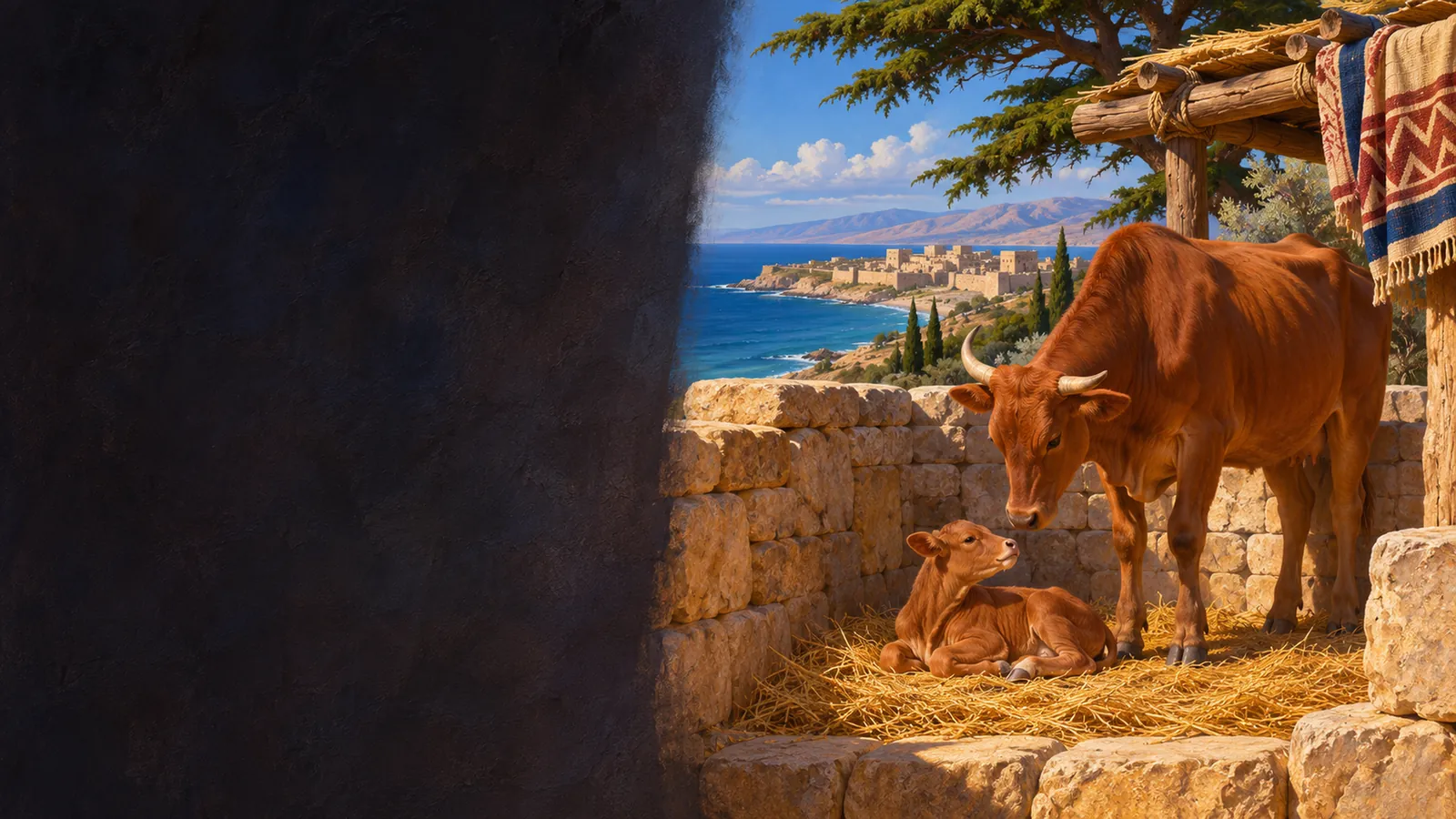
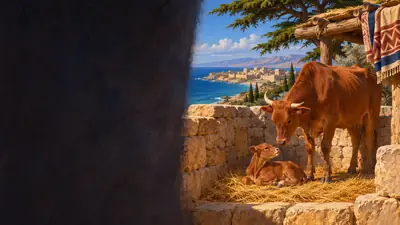
Baal se acuesta con una novilla, que le da un hijo. Después de una laguna llega el informe a El.
LA NOTICIA
Cuando los versos vuelven a ser legibles, unos mensajeros hablan con El. Le dicen que han encontrado muerto a Baal.
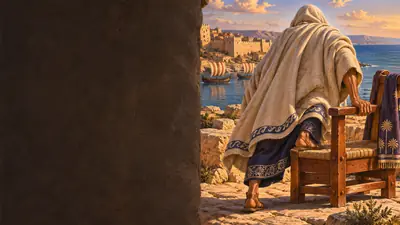
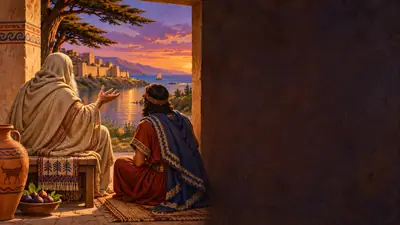
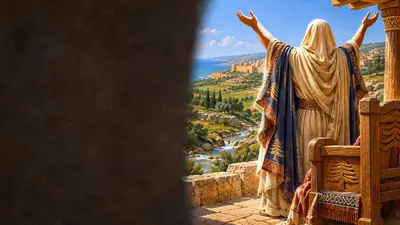
El oye la noticia y baja de su asiento. En su duelo, se sienta en el suelo.
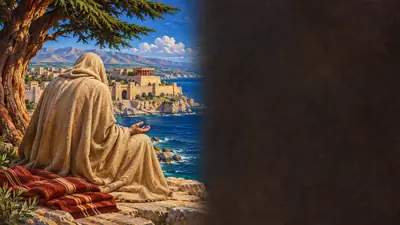
El llora a Baal. Habla de seguirlo bajo tierra, y sus palabras son parte de su duelo.
El poema pasa a Anat entre las colinas. Allí encuentra ella misma a Baal muerto, tal como los mensajeros habían contado a El.
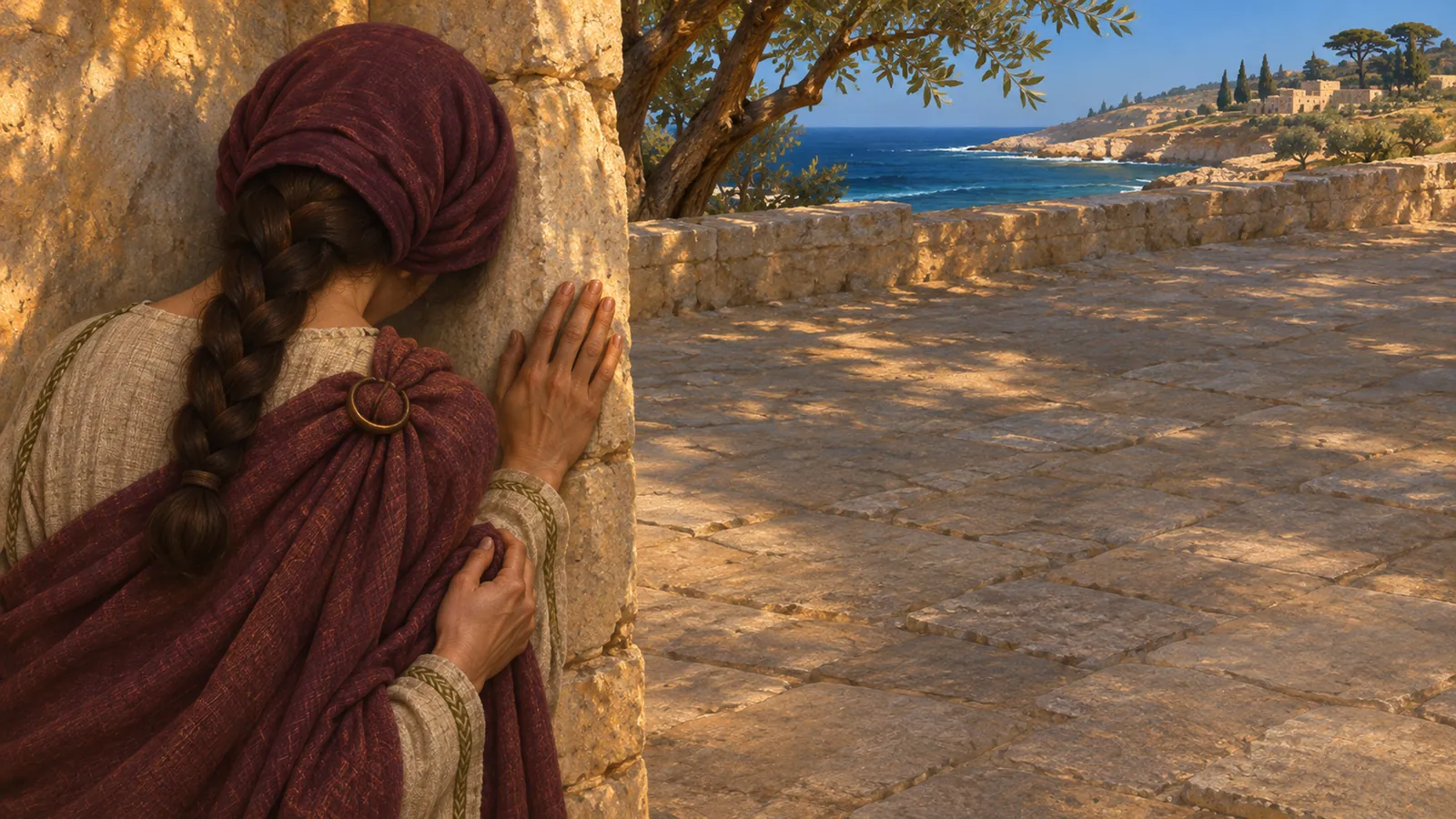
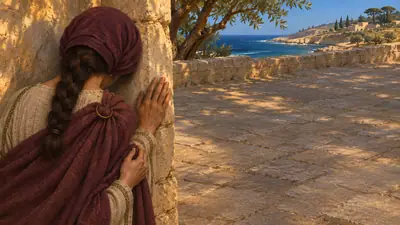
El duelo de Anat continúa en la sexta tablilla. Sus palabras y su pena recuerdan el lamento de El al oír la noticia.
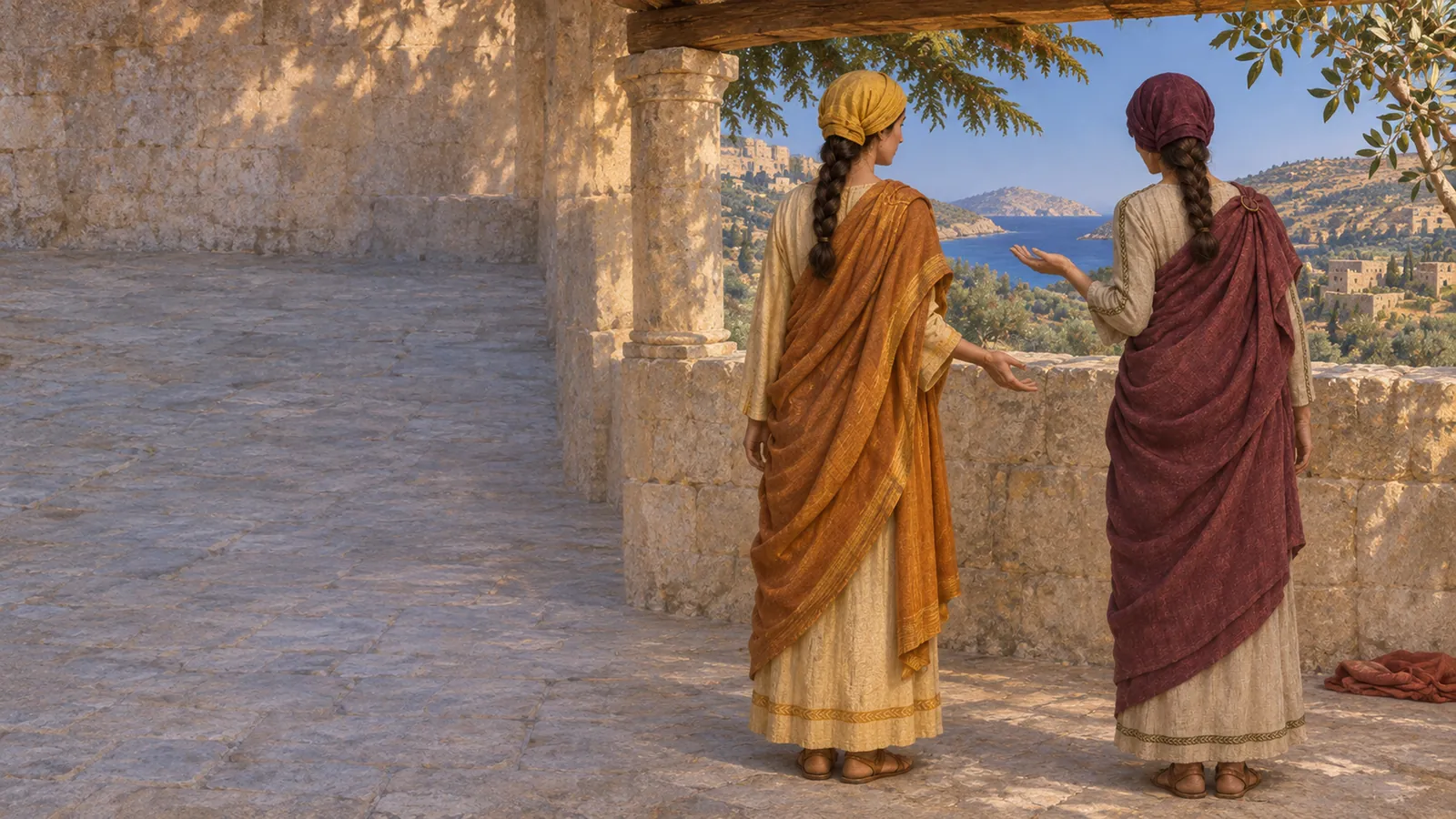
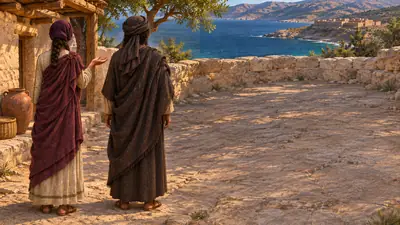
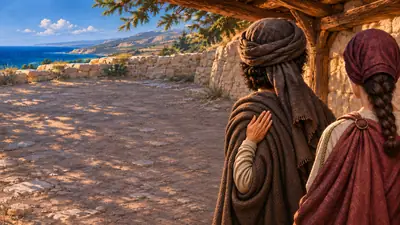
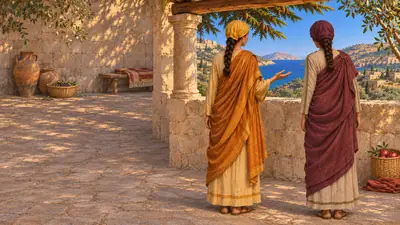
Shapash acude a Anat. Anat le pide ayuda para poder llevarse a Baal y darle sepultura.

Anat lleva a Baal a las alturas del Saphon. Allí lo llora y le da sepultura.
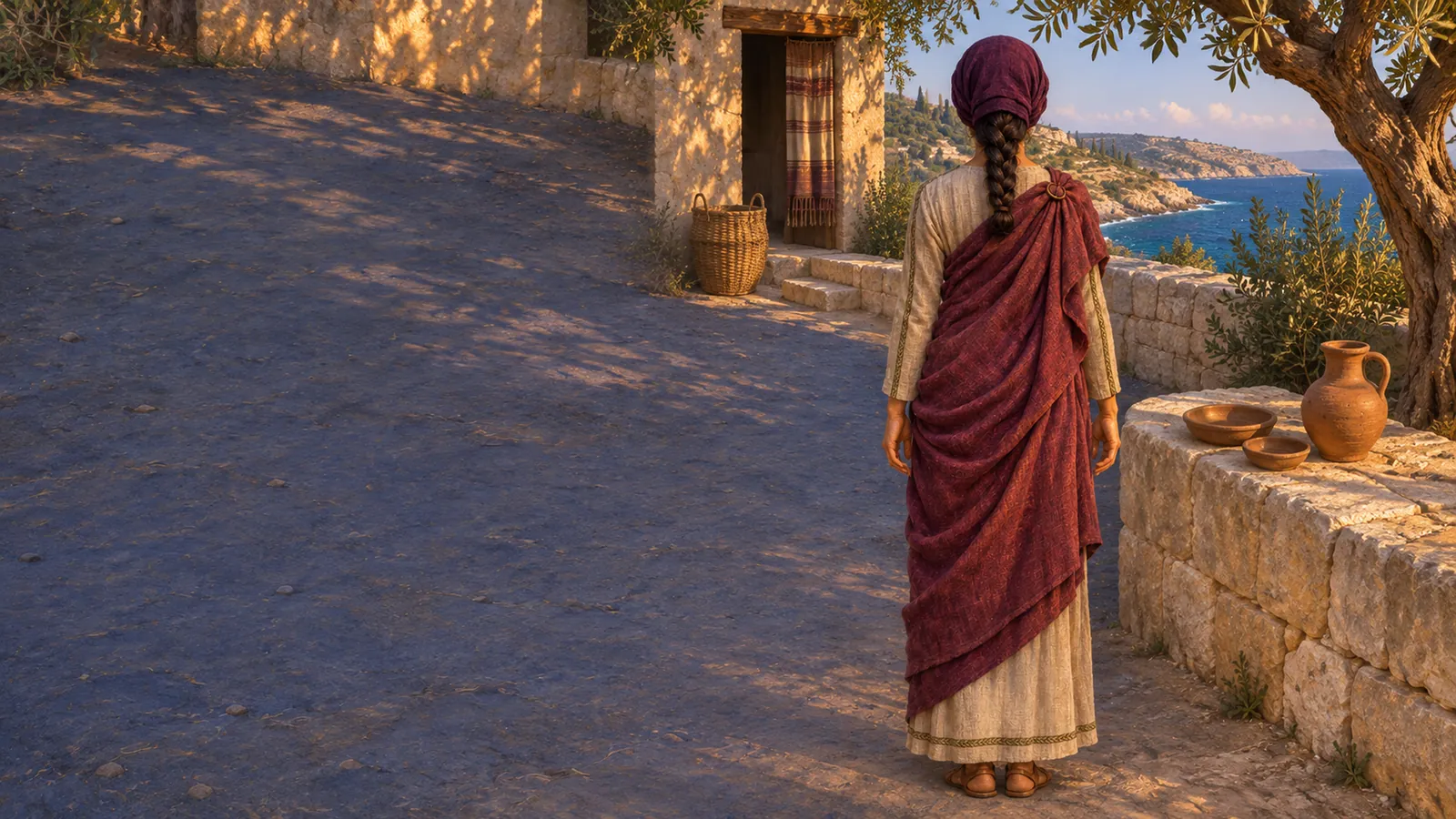
Después de dar sepultura a Baal, Anat hace ofrendas funerarias. El poema las describe grupo por grupo.
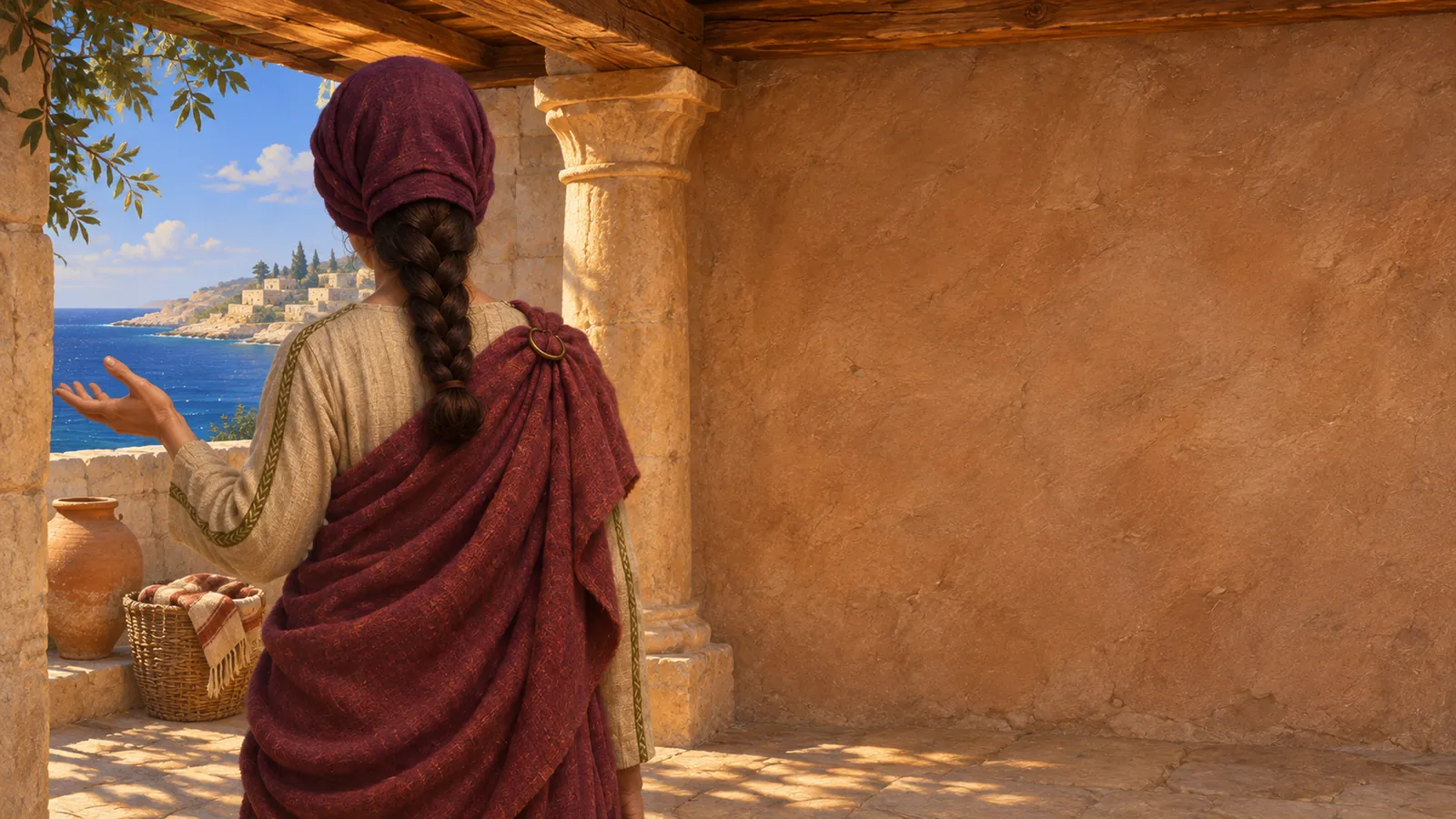
Anat habla con El después del entierro. Declara que el poderoso Baal ha muerto y nombra en sus palabras a Athirat y a sus hijos.
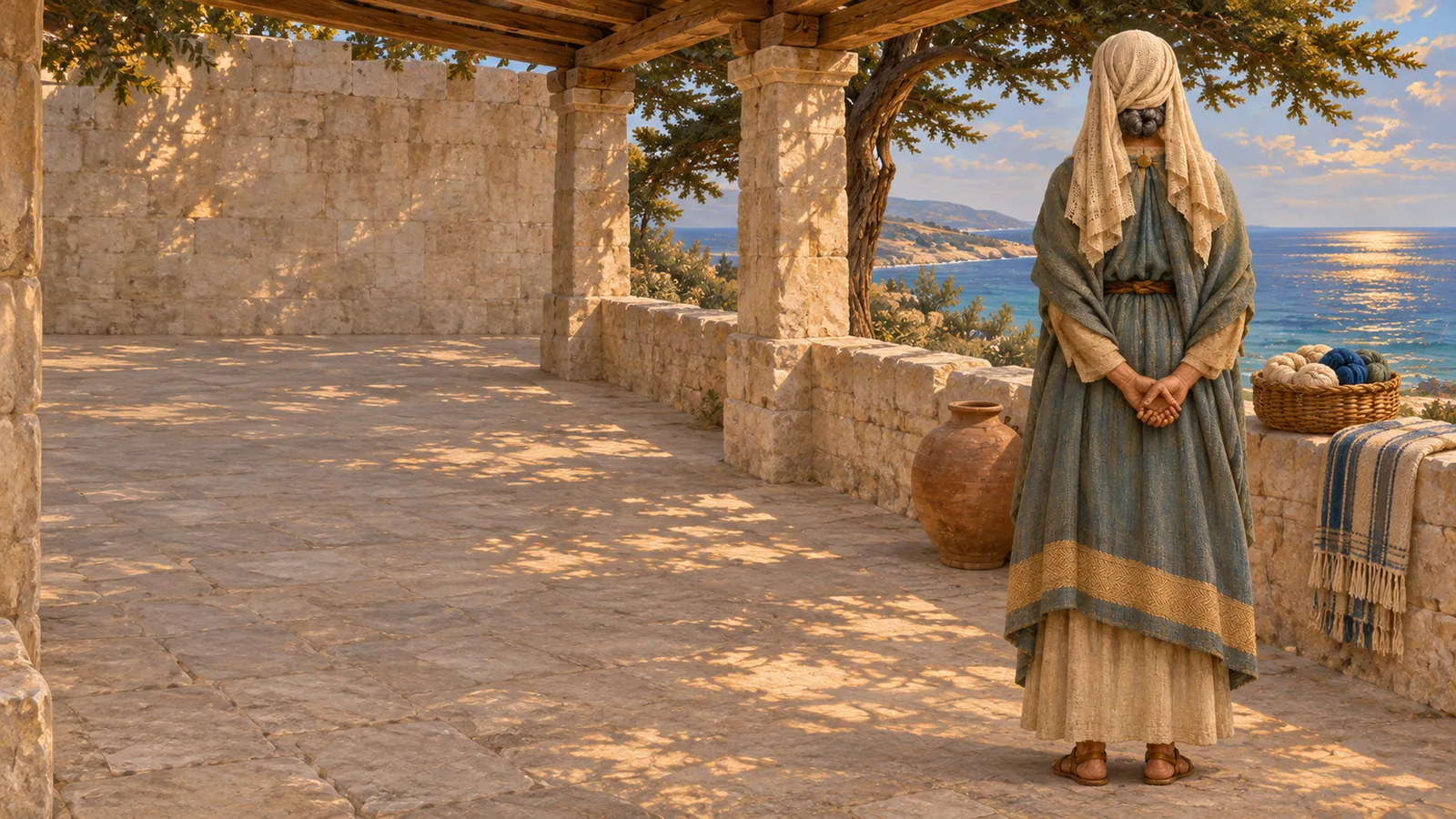
El pide a Athirat que busque a alguien para ocupar el lugar de Baal. La conversación pasa de su muerte a quién ocupará su asiento.
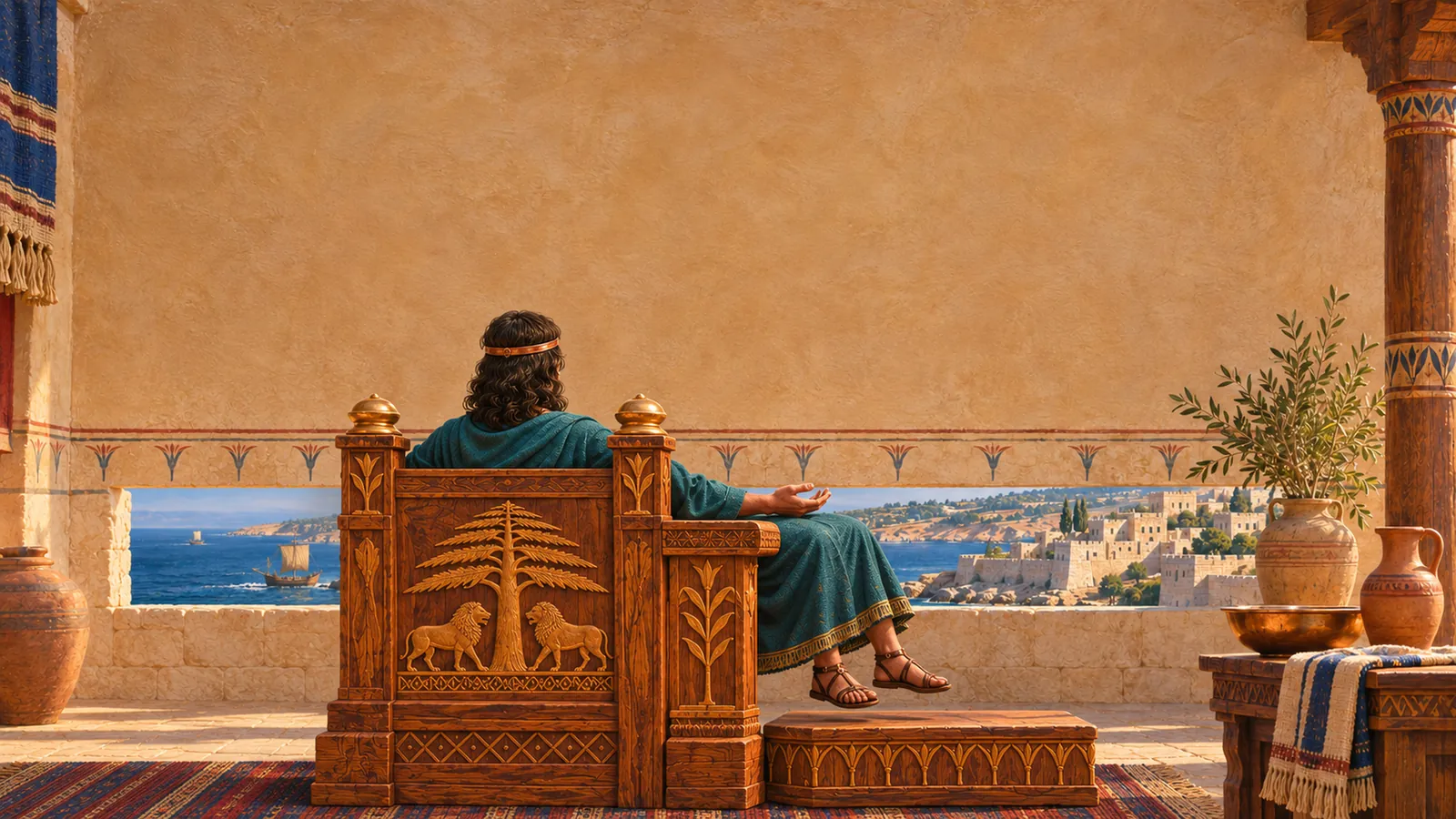
EL TRONO
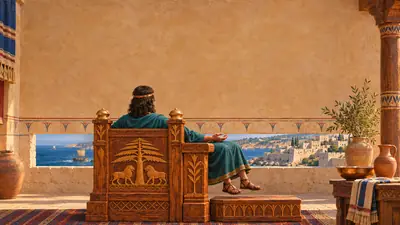
Athtar ocupa el asiento de Baal, pero sus pies no alcanzan el reposapiés. Declara que no puede gobernar desde el Saphon y baja del asiento.
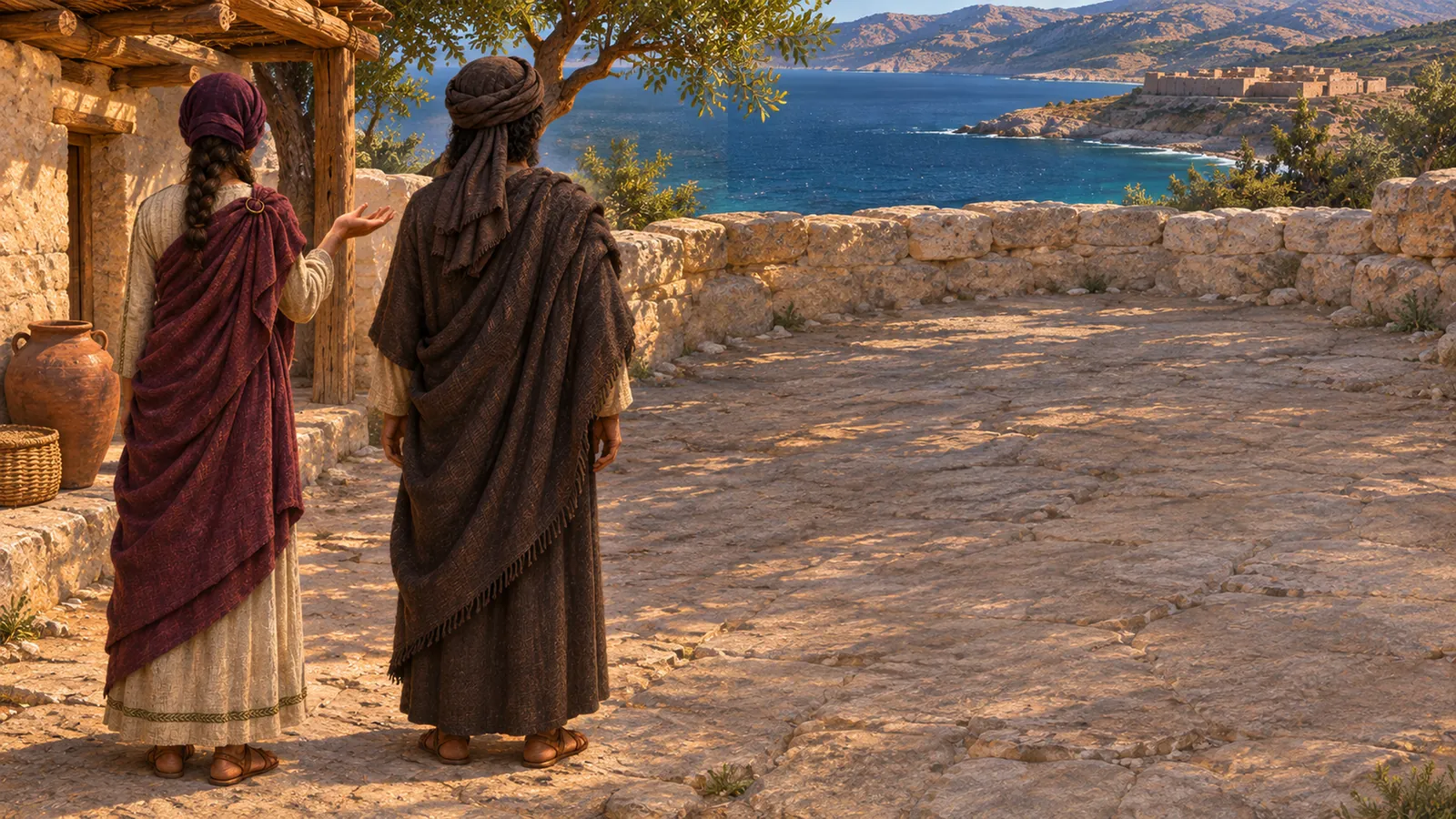
Anat busca a Baal. Cuando se encuentra con Mot, exige que se lo devuelva.
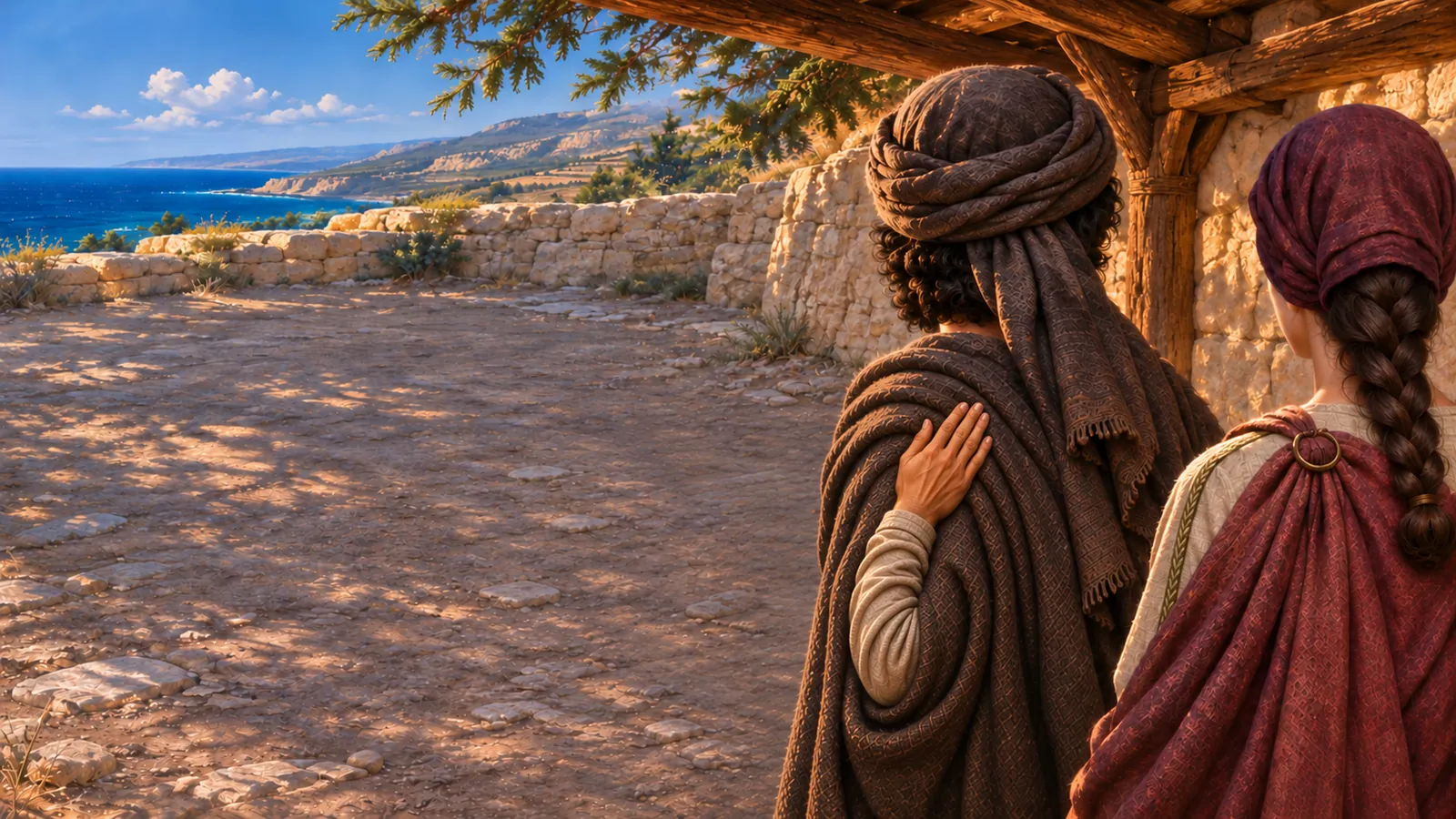
Mot le dice a Anat que encontró a Baal en el despoblado y lo trituró en su boca. Así cuenta la muerte de Baal.
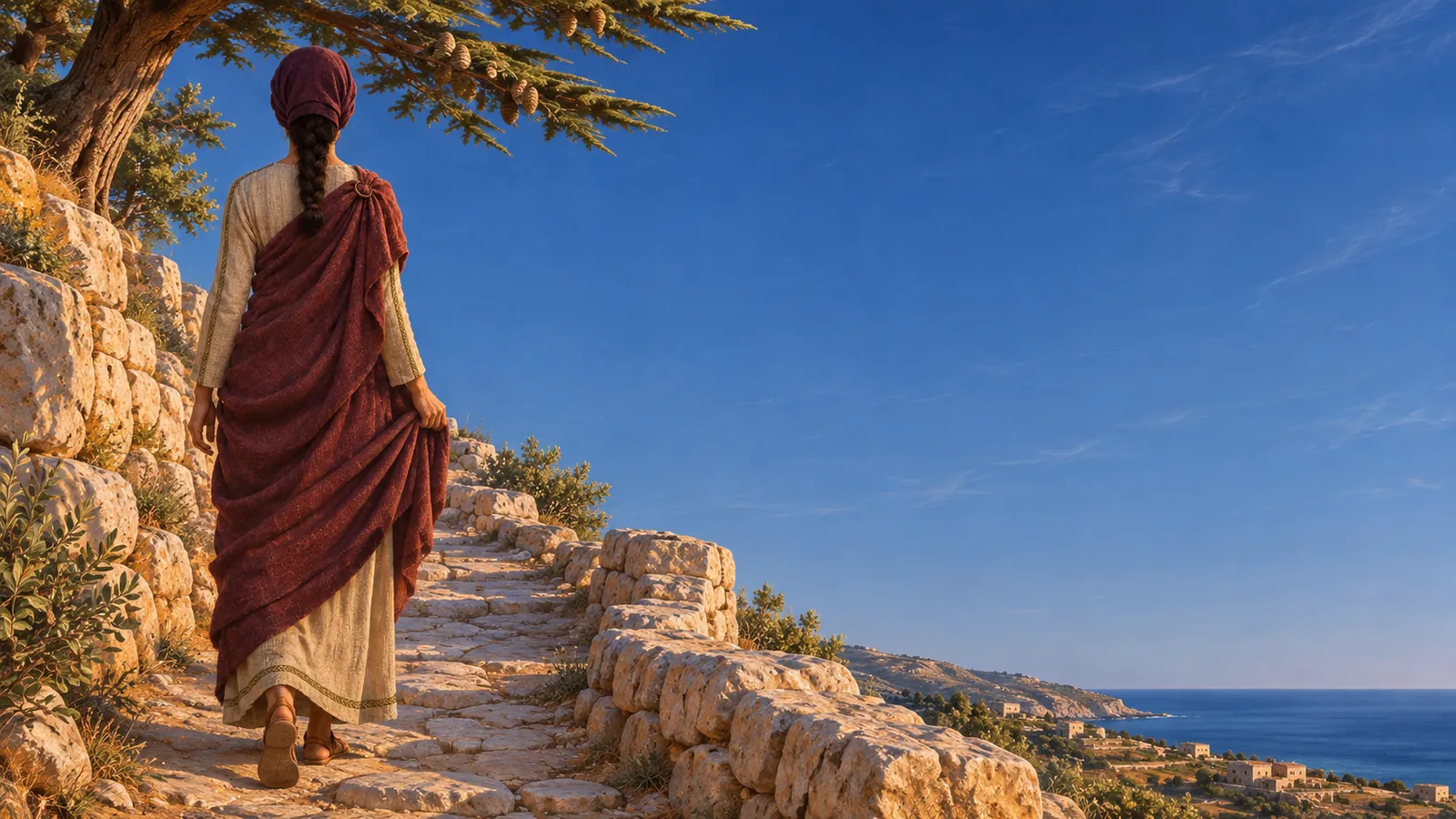
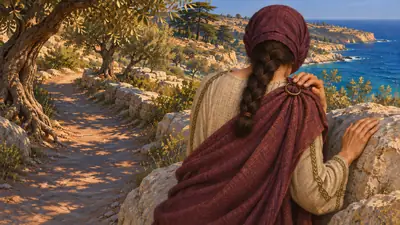
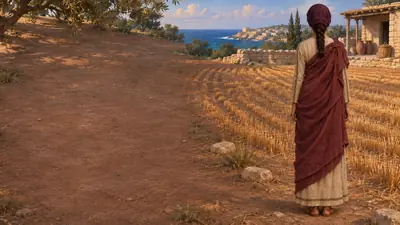
Pasan los días y se hacen meses, y Anat sigue buscando a Baal. El poema compara su añoranza con la de una madre animal por su cría.
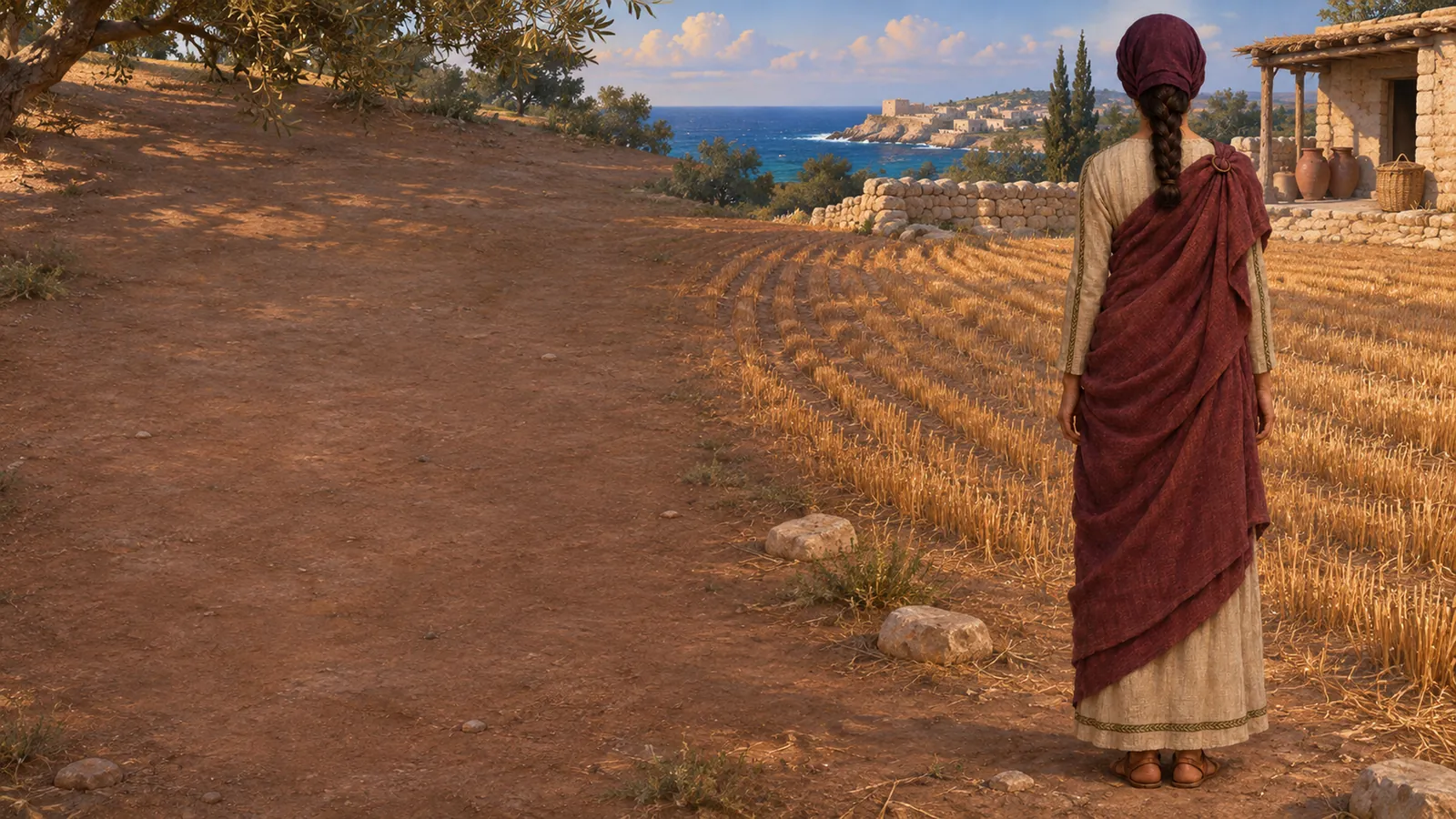
Anat agarra a Mot y lo mata. El poema describe cómo lo corta, lo quema y lo muele con imágenes tomadas de la cosecha.
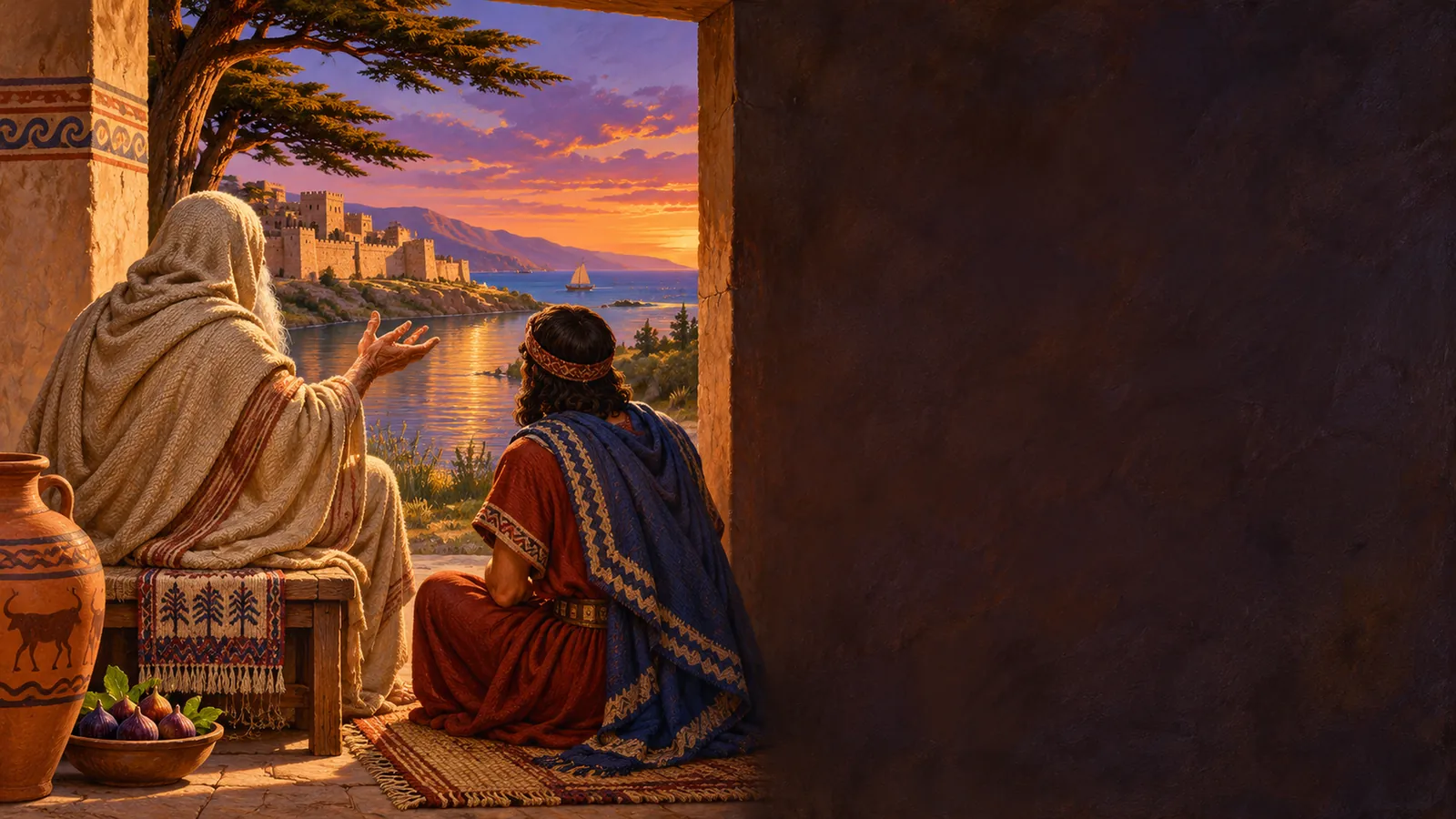
El dice que, si Baal vive, lo sabrá por un sueño. Habla de aceite que cae del cielo y de miel en los cauces.

EL SUEÑO DE EL
El tiene el sueño. En él, llueve aceite del cielo y corre miel por los cauces, las señales que esperaba.
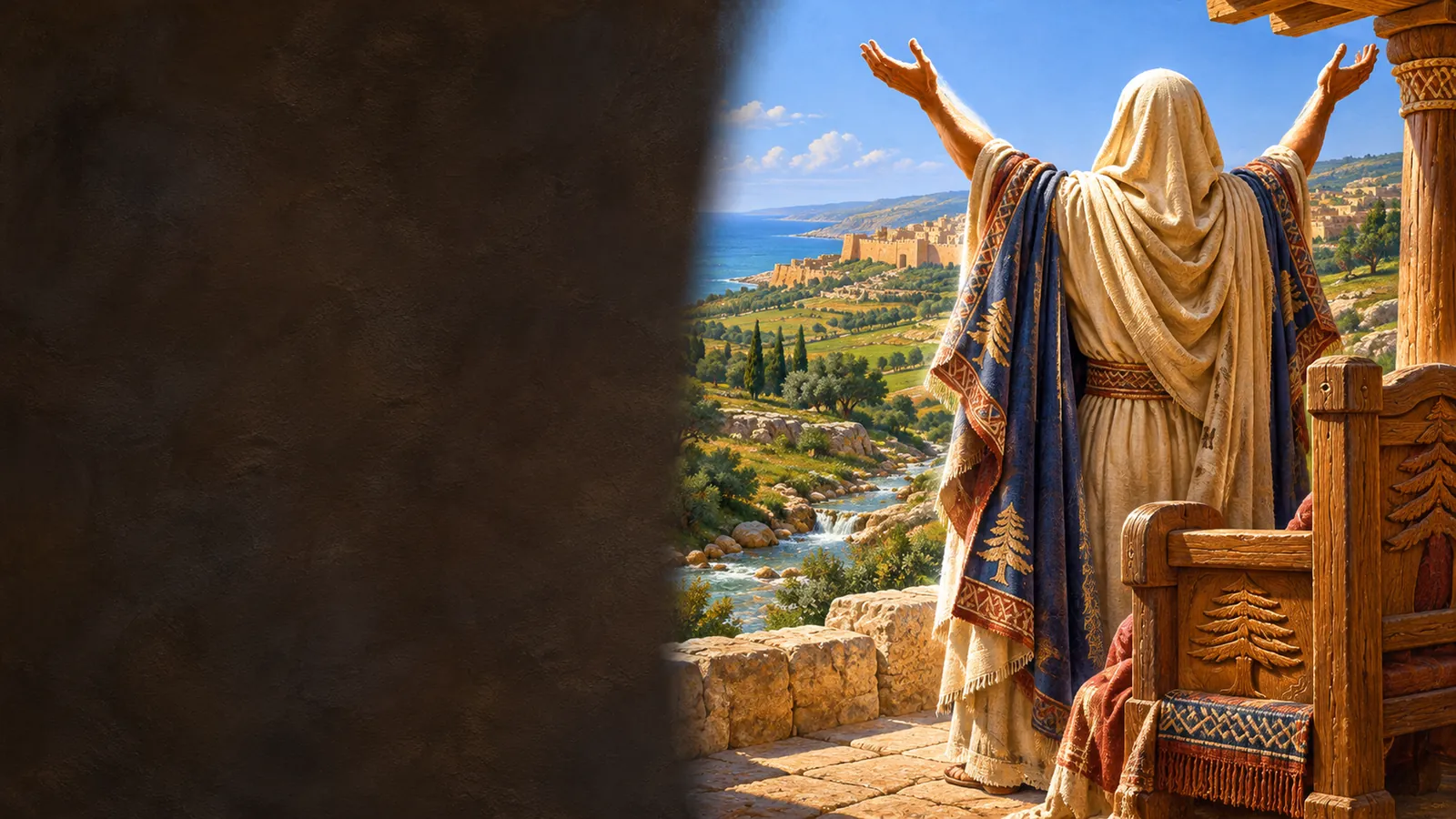
El se alegra al ver las señales. El sueño le permite descansar, dice, porque el poderoso Baal está vivo.
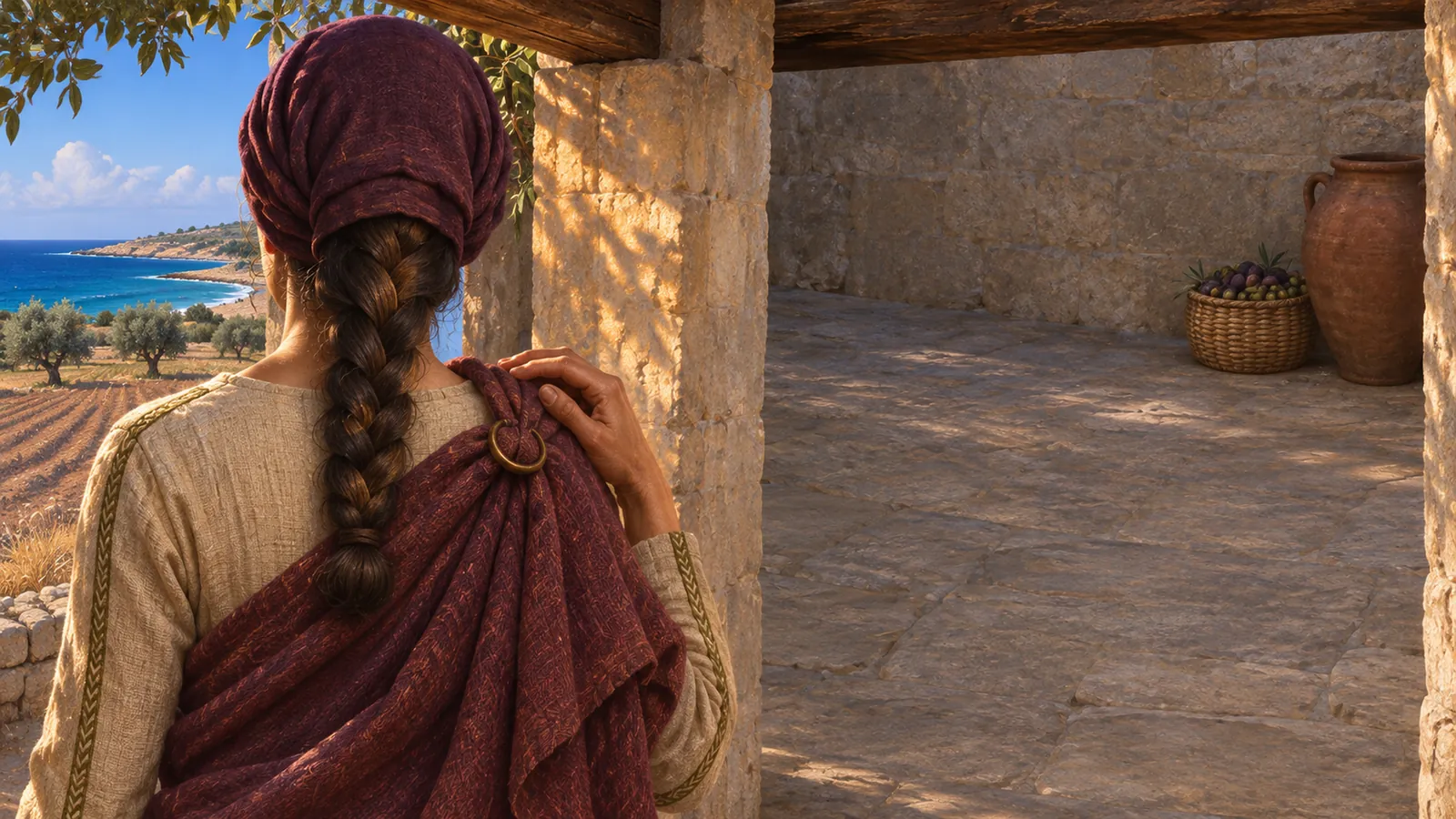
El llama a Anat y le dice que hable con Shapash. Menciona los surcos secos y pregunta dónde puede hallarse a Baal.
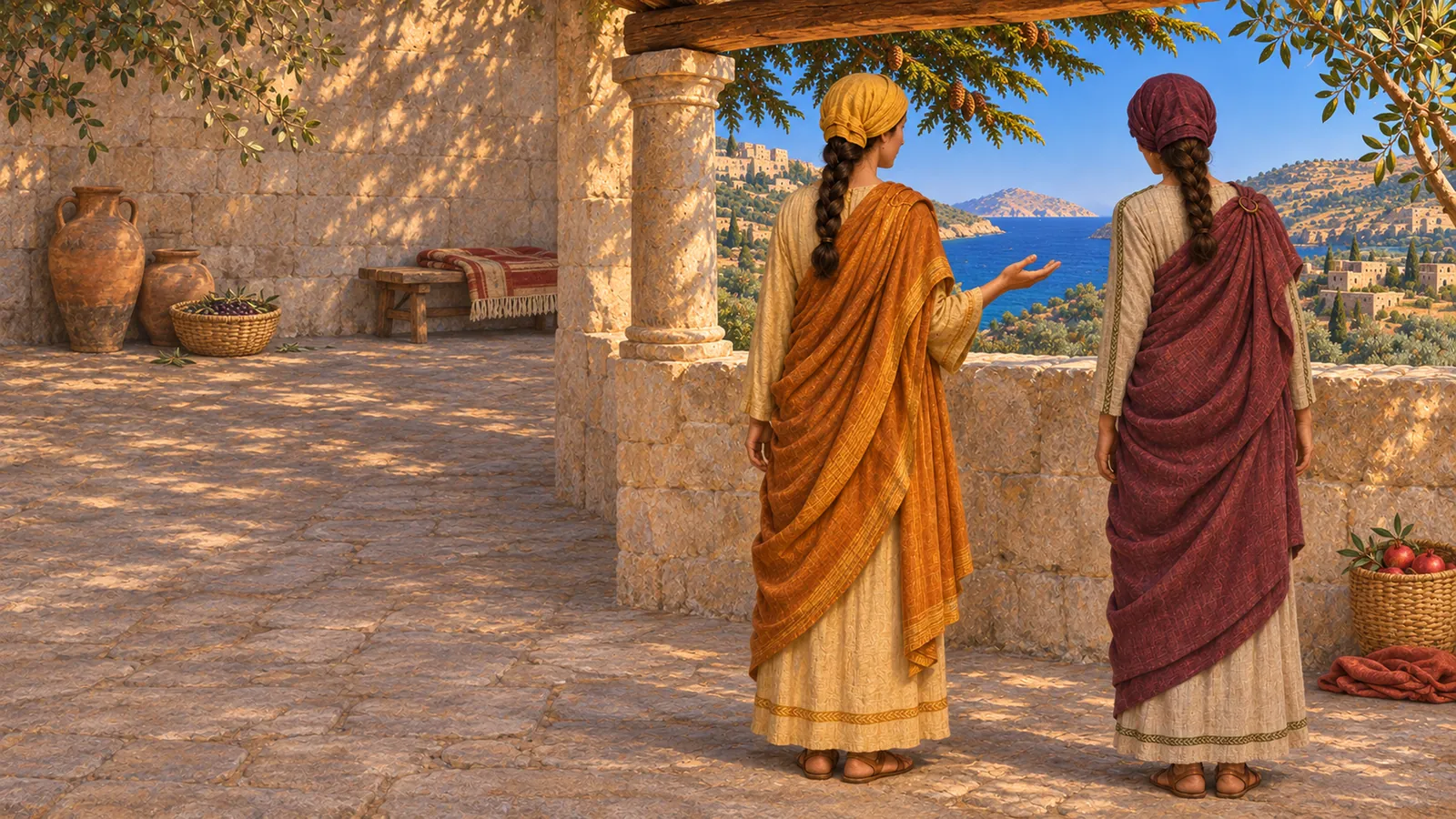
Shapash acepta buscar a Baal. El intercambio conservado anuncia la búsqueda antes de que el texto vuelva a interrumpirse.
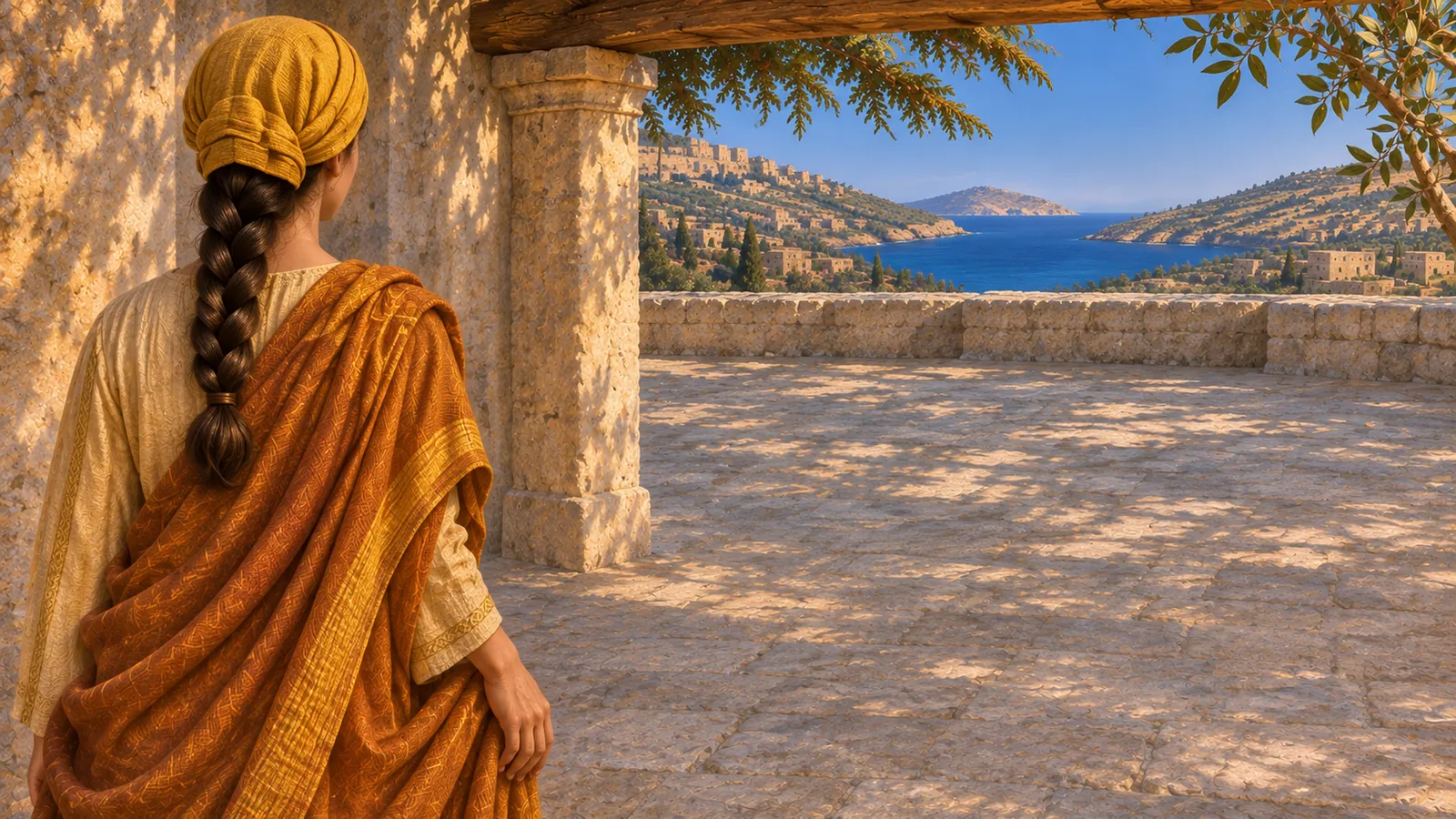
El texto se interrumpe después de que Shapash acepta buscarlo. Las palabras conservadas dejan abierto lo que sucedió entre su promesa y el regreso de Baal.

BAAL REGRESA
Cuando el poema vuelve a ser legible, Baal derriba a los hijos de Athirat y ocupa su lugar en el trono.
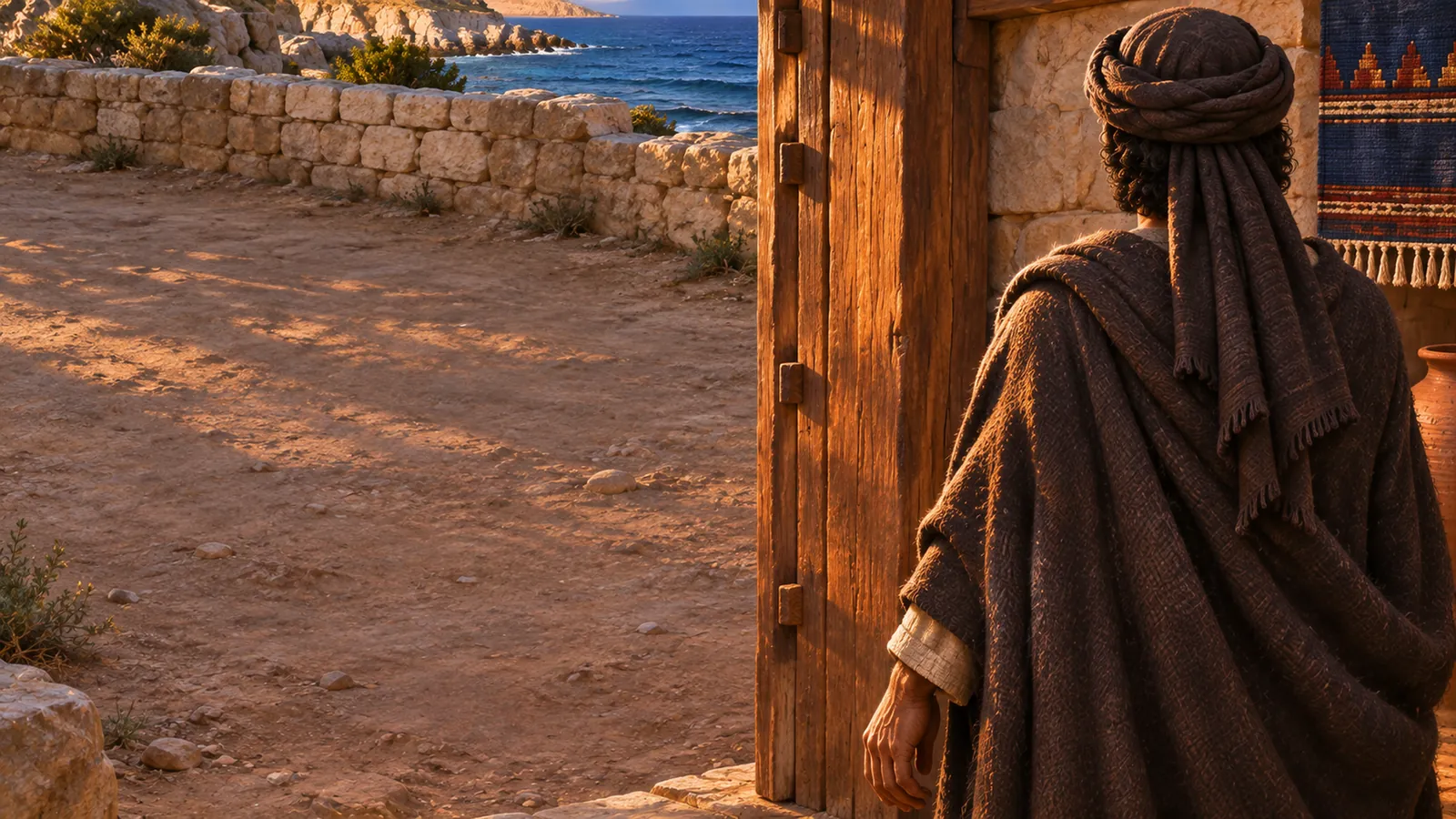
Llega el séptimo año en la cuenta del poema. Mot reaparece tras su derrota y se reanuda la disputa con Baal.
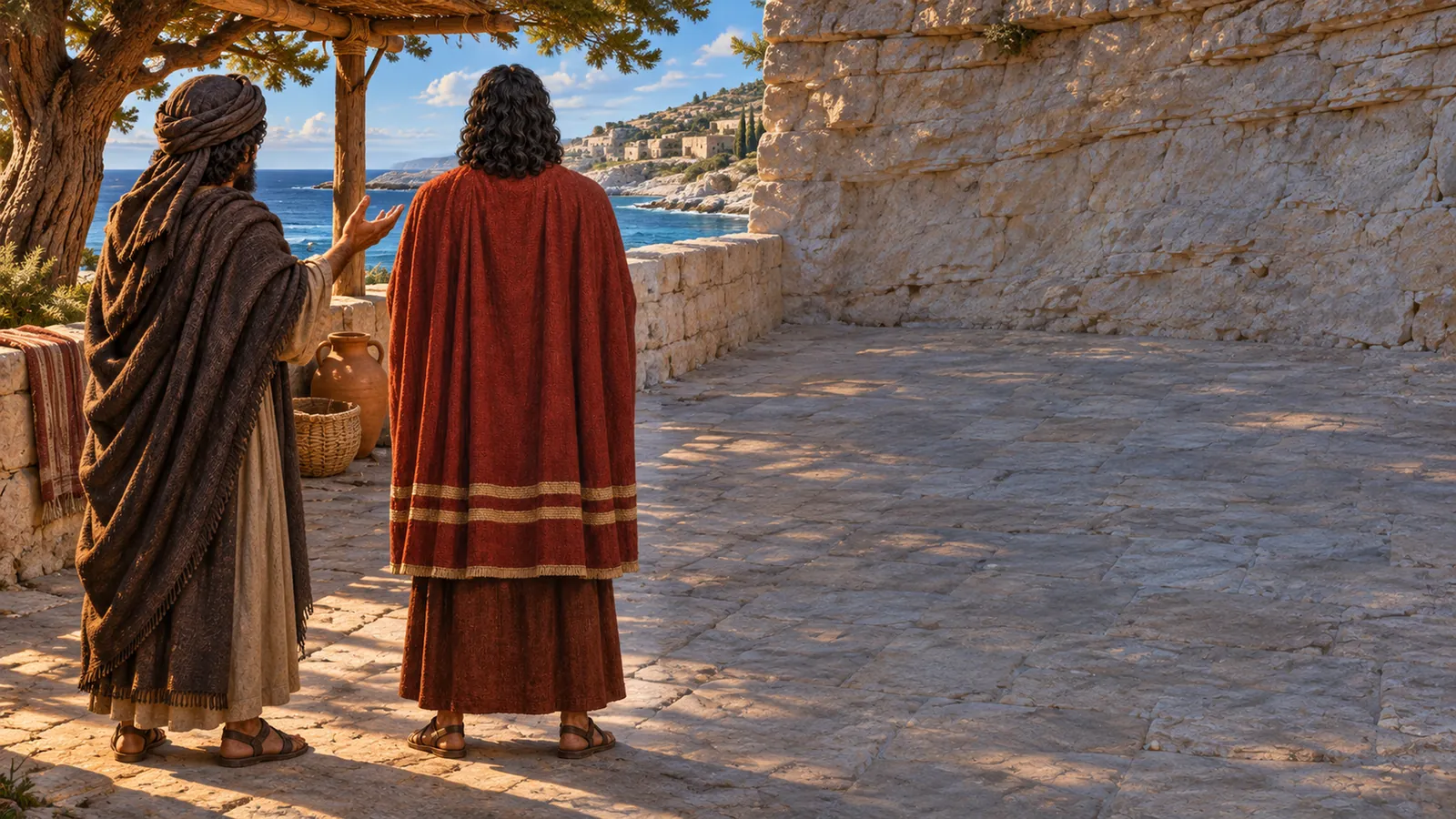
Mot encara a Baal por lo que sufrió. Lo considera responsable y recuerda su derrota con algunas de las imágenes usadas antes.
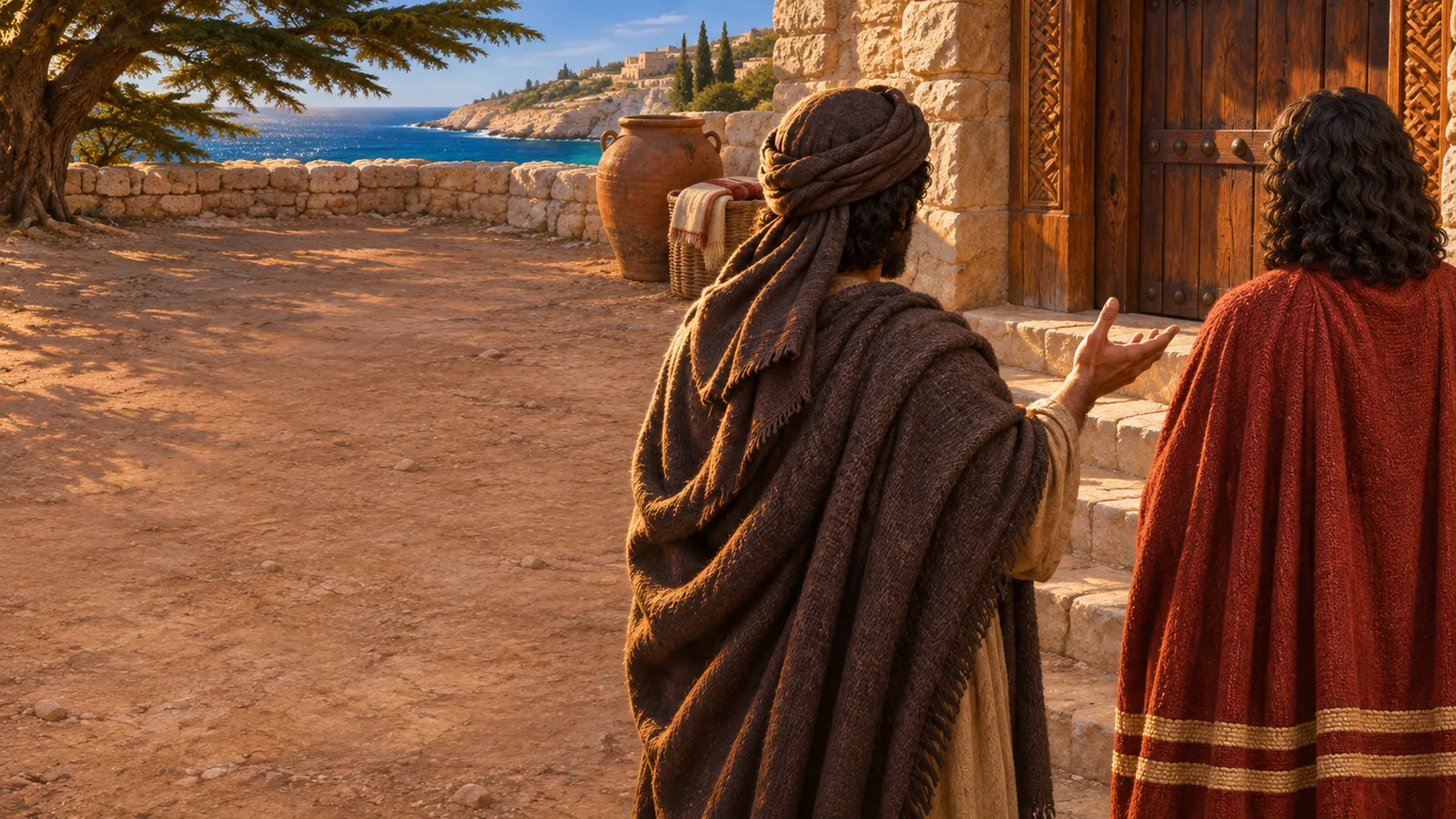
Mot exige a uno de los hermanos de Baal. Dice que, si Baal se niega, lanzará su apetito contra la humanidad.
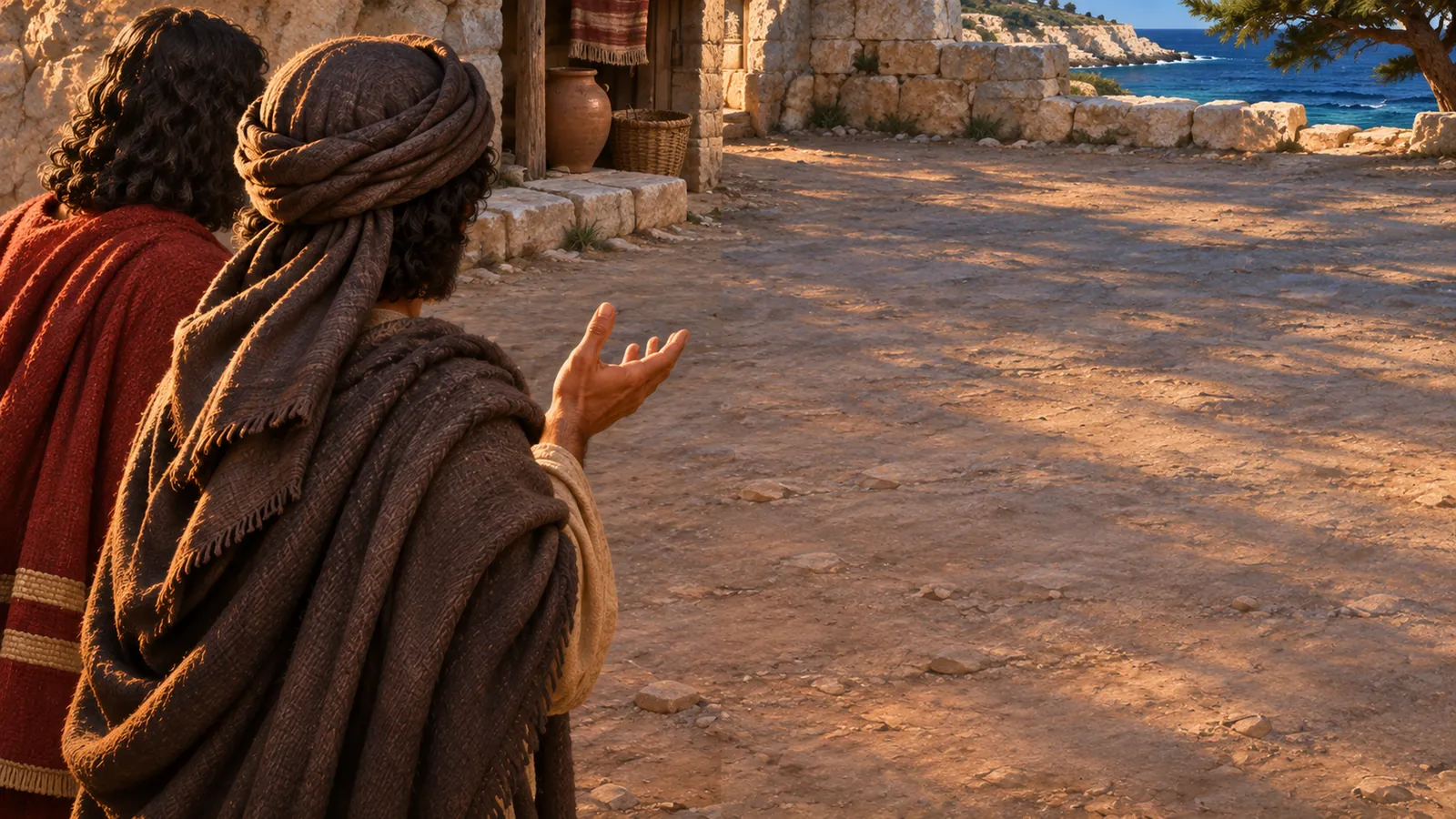
Mot dice que le dieron a sus propios hermanos para comer y culpa a Baal. Una laguna separa esta queja de su petición anterior.
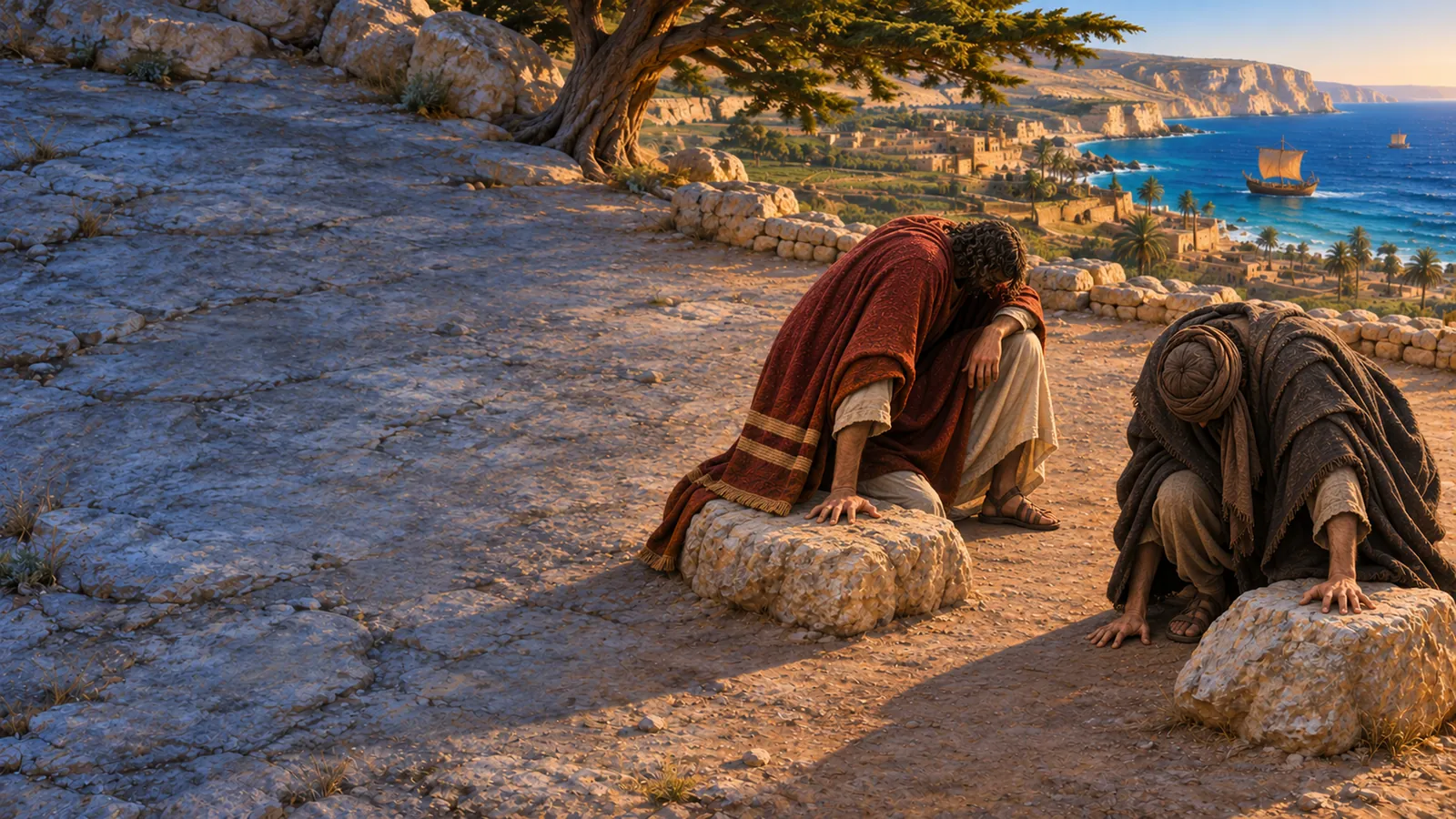
Baal y Mot luchan, y ninguno se impone. El poema da el mismo desenlace para los dos. Ambos caen.
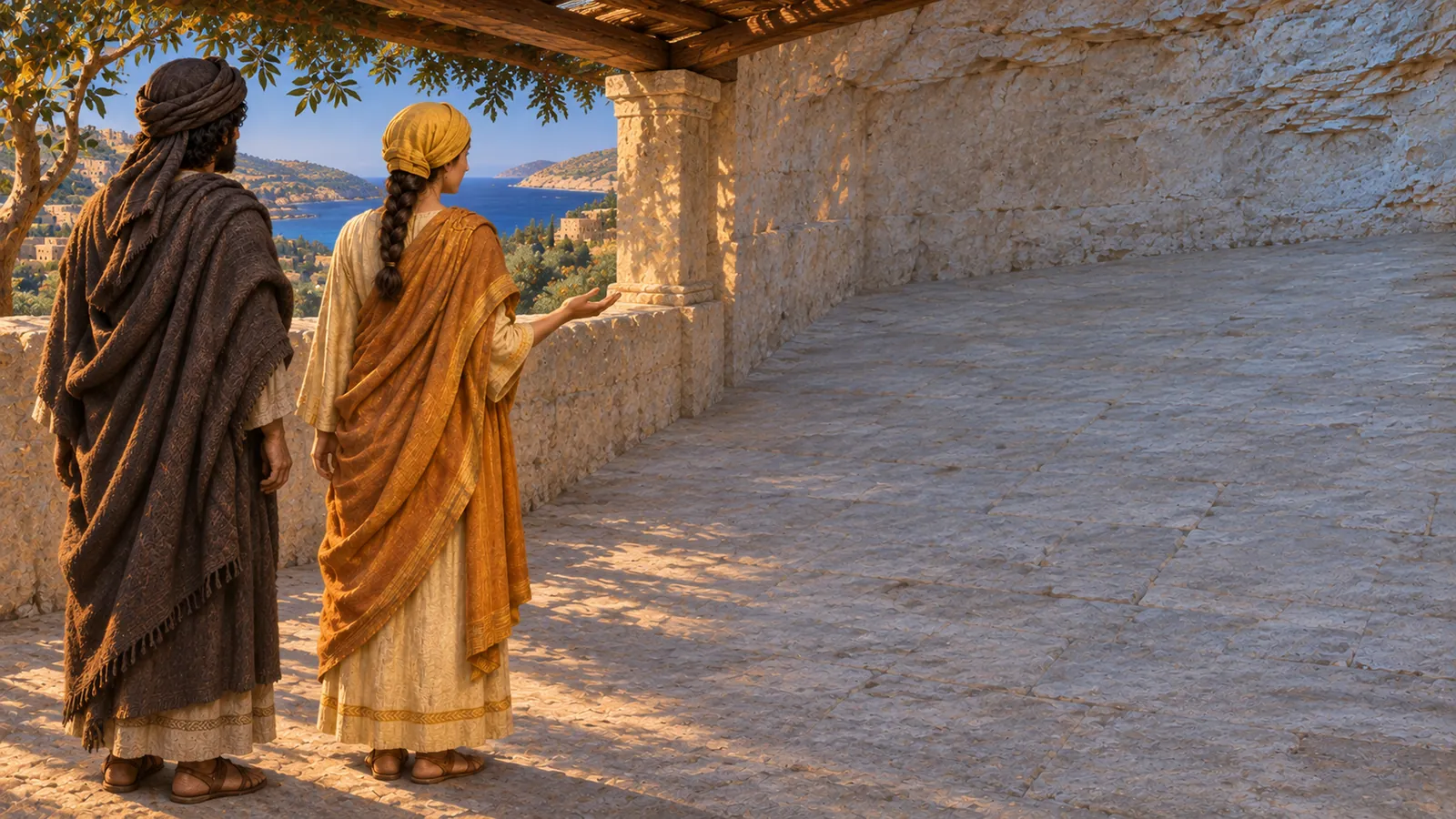
Shapash habla con Mot. Le advierte que El puede derribar su trono y quitarle el poder que posee.
MOT CEDE
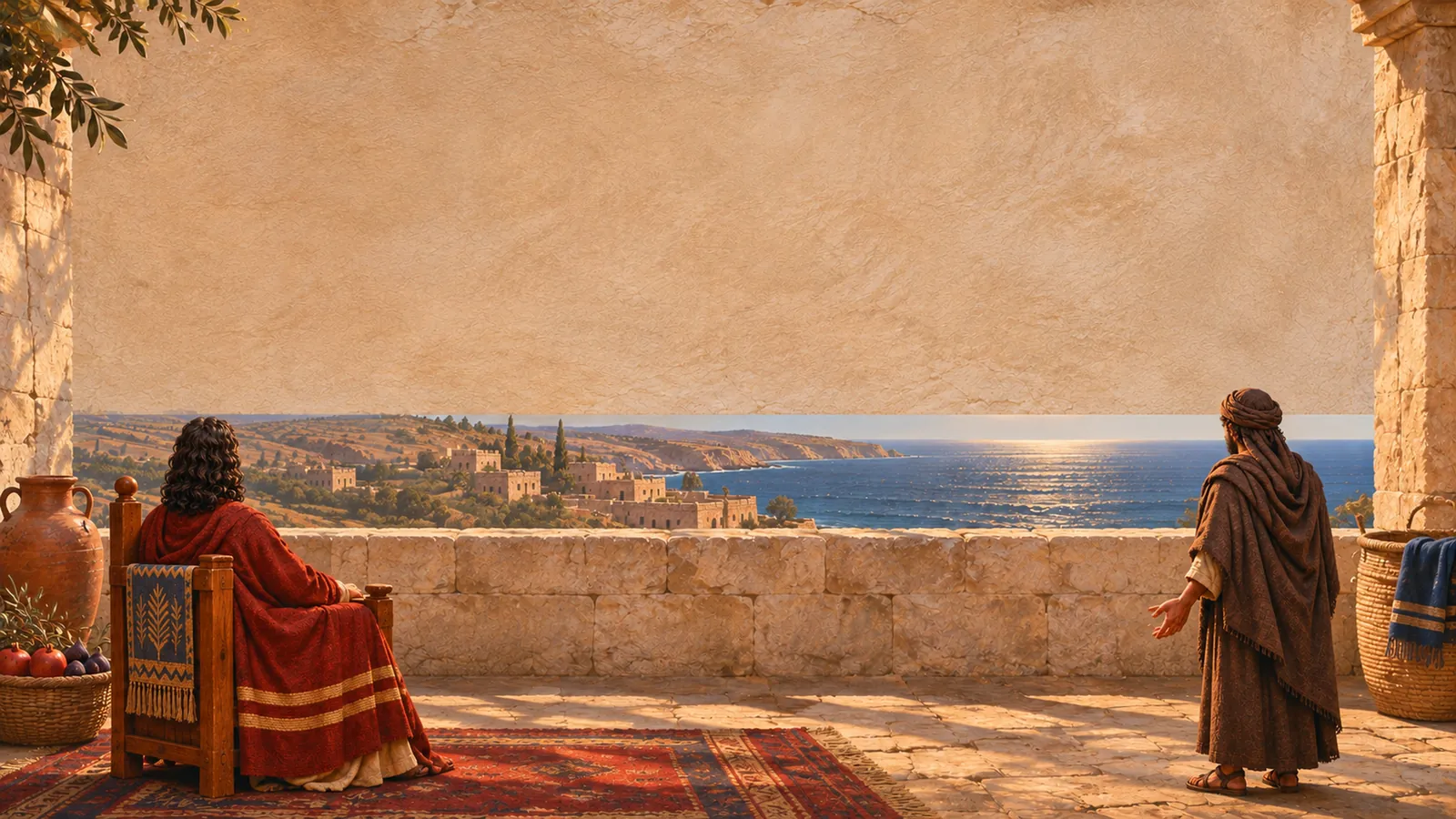
Mot tiene miedo al oír a Shapash y cede. Dice que Baal debe volver a sentarse en el trono de su reino.
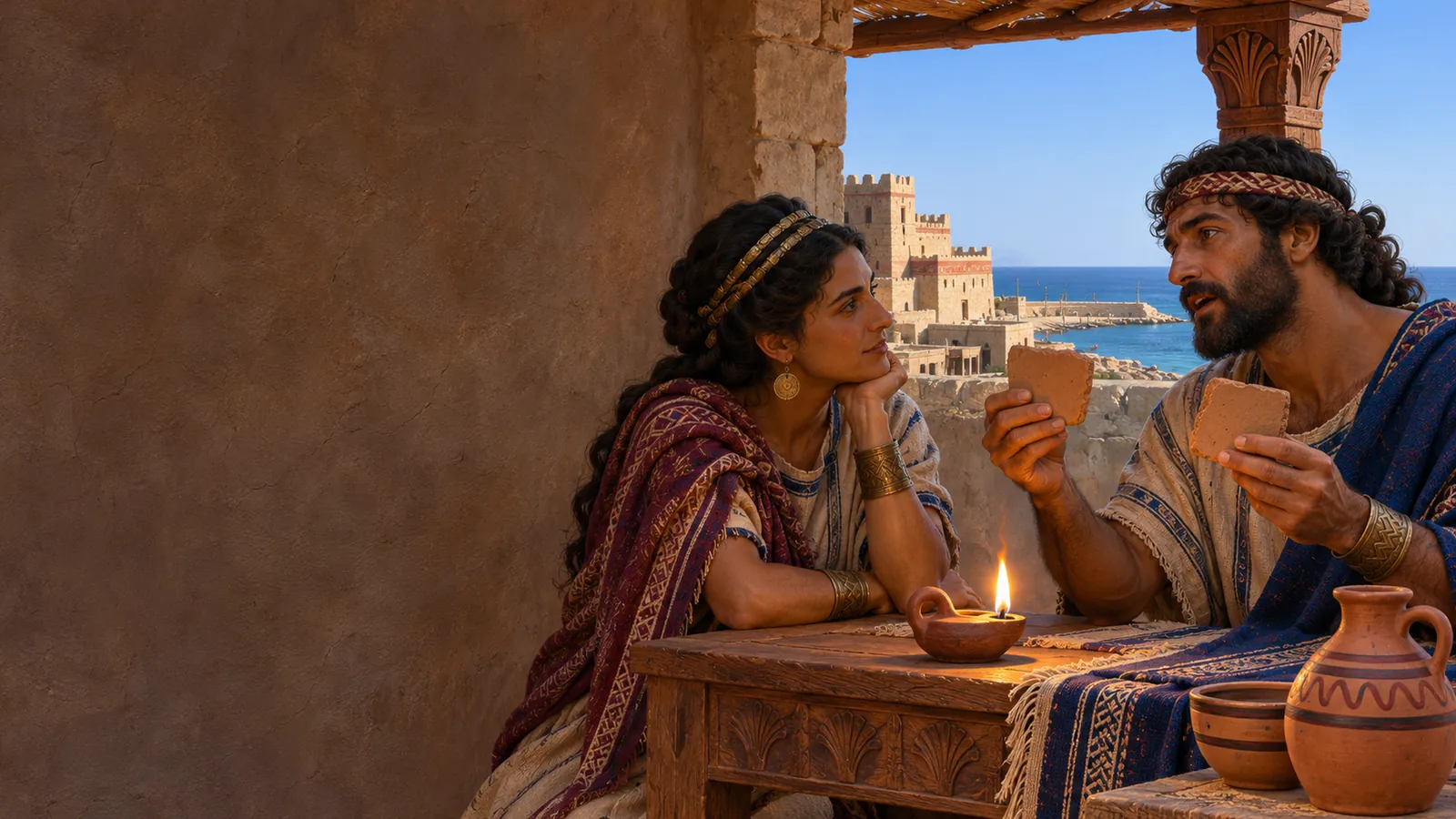
Después de las últimas palabras de Mot, un pasaje dañado lleva al cierre del poema. Sigue sin saberse a quién se dirigen las primeras palabras de ese cierre.
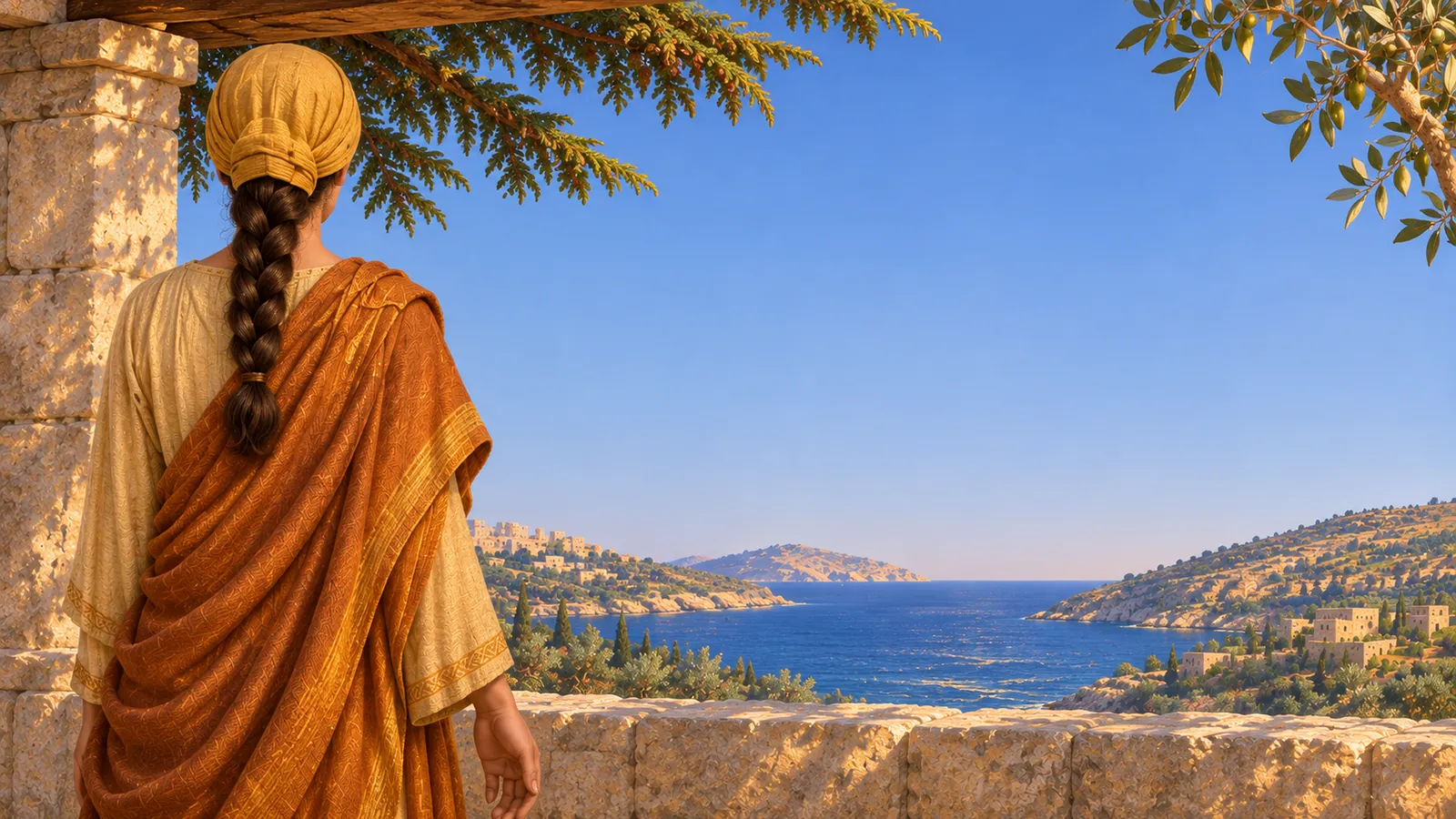
Los versos finales se dirigen a Shapash. En palabras de alabanza, hablan de seres divinos y muertos venerados reunidos a su alrededor.

A SHAPASH
Los versos finales nombran a Kothar como compañero de Shapash. El poema antiguo acaba con estas palabras dirigidas a ella, cuando Baal y Mot ya han callado.
Fin del capítulo 3
Todas las páginas











Fuentes
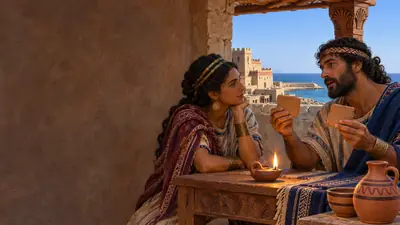
Page 20. The heifer is in the wild, in the field called šḥlmmt in the text. She bears Baal a son, whom he clothes, before the passage breaks. 2–3, following Smith 1997, p. 148).
Ediciones consultadas
- Göttingen EUPT, tablet concordance
- Mark S. Smith and Wayne T. Pitard, The Ugaritic Baal Cycle, volume II, pp. 650–711
- Louvre, Tablet V of the Baal Cycle, AO 16641 and AO 16642
- Louvre, Tablet VI of the Baal Cycle, AO 16636
- Tzvi Abusch and David P. Wright, The Meaning and Sense of the Ugaritic Baal–Mot Conflict Narrative
- Koowon Kim, When Even the Gods Do Not Know, pp. 46–49
- Meindert Dijkstra, Ba’lu and His Antagonists, on CTA 6 V 1–6
- Noga Ayali-Darshan, The Death of Mot and His Resurrection, pp. 7–9
- Noga Ayali-Darshan, The Closing Hymn of the Ugaritic Baal Cycle
- IL Archive, Tablet Six of the Baal Cycle
- IL Archive, Athtar
Notas sobre este relato
Pages 22–23. El pours dust on himself, puts on mourning cloth and cuts his skin with a stone. 3–4; Schniedewind and Hunt, §6.2).
Page 25. Anat cuts herself in mourning in words echoing El’s mourning. 3–4).
Page 28. Anat slaughters animals as funeral offerings for Baal. The passage counts seventy each of wild oxen, cattle, sheep, deer, goats and asses. 3–4; Smith 1997, p. 152).
Page 33. Mot likens taking Baal in his mouth to taking a lamb and compares crushing him in his throat to crushing a kid. 156).
Page 35. The poem says Anat splits, winnows, burns, grinds and sows Mot. In one reading birds eat him. 7–9; Abusch and Wright, pp. 4–5).
Los versos antiguos de cada página
- Page 1: KTU 1.4 VII 43–44 (Smith and Pitard, pp. 650–651)
The word for the realm can mean earth or the world below. - Page 2: KTU 1.4 VII 45–49 (Smith and Pitard, pp. 650–651)
- Page 3: KTU 1.4 VII 49–52 (Smith and Pitard, pp. 650–651)
- Page 4: KTU 1.4 VII 52–56 (Smith and Pitard, pp. 650–651, 692–696)
- Page 5: KTU 1.4 VIII 1–6 (Smith and Pitard, pp. 702–704)
- Page 6: KTU 1.4 VIII 7–14 (Smith and Pitard, pp. 702–704)
- Page 7: KTU 1.4 VIII 14–24 (Smith and Pitard, pp. 703–704)
- Page 8: KTU 1.4 VIII 24–29 (Smith and Pitard, pp. 703–704)
- Page 9: KTU 1.4 VIII 29–37 (Smith and Pitard, pp. 703–705)
The references to silver and gold at the end of the passage depend partly on restoration from a parallel. - Page 10: KTU 1.4 VIII 38–49 and following loss (Smith and Pitard, pp. 704–710; Abusch and Wright, pp. 1–2)
Smith and Pitard also identify a possible scribal omission in this part of the tablet. - Page 11: KTU 1.5 I 1–8 (Abusch and Wright, pp. 1–2, discussing Smith and Pardee)
- Page 12: KTU 1.5 I 9–12 (Abusch and Wright, pp. 1–2)
- Page 13: KTU 1.5 I 12–22 (Abusch and Wright, pp. 1–2; parallel discussed by Smith and Pitard on 1.4 VIII)
- Page 14: KTU 1.5 I 22–27 (Abusch and Wright, pp. 1–2; parallel discussed by Smith and Pitard on 1.4 VIII)
- Page 15: KTU 1.5 I 27–35 (Abusch and Wright, pp. 1–2)
- Page 16: KTU 1.5 II 7–19 (Abusch and Wright, pp. 1–2, discussing Smith and Pardee)
Baal’s message of submission is preserved. - Page 17: KTU 1.5 II 20–24 (Abusch and Wright, pp. 1–2, contrasting Smith and Pardee)
The translations differ on the timing of the invitation. - Page 18: KTU 1.5 III–IV, selected fragments (Abusch and Wright, pp. 2–3)
This feast passage survives in fragments. - Page 19: KTU 1.5 V 4–17 (Abusch and Wright, pp. 2–3)
The speaker of the command is uncertain. - Page 20: KTU 1.5 V 17–26 and V–VI break (Abusch and Wright, pp. 2–3, following Smith 1997, p. 148)
- Page 21: KTU 1.5 VI 1–10 (Abusch and Wright, pp. 3–4)
- Page 22: KTU 1.5 VI 11–15 (Abusch and Wright, pp. 3–4)
- Page 23: KTU 1.5 VI 16–25 (Abusch and Wright, pp. 3–4)
The wording can express El’s grief without describing a rescue. - Page 24: KTU 1.5 VI 25–31 (Abusch and Wright, pp. 3–4)
- Page 25: KTU 1.6 I 1–8 (Abusch and Wright, pp. 3–4)
- Page 26: KTU 1.6 I 8–15 (Abusch and Wright, pp. 3–4)
- Page 27: KTU 1.6 I 15–18 (Abusch and Wright, pp. 3–4)
- Page 28: KTU 1.6 I 18–31 (Abusch and Wright, pp. 3–4)
- Page 29: KTU 1.6 I 39–43 (Abusch and Wright, pp. 3–4)
- Page 30: KTU 1.6 I 43–55 (Abusch and Wright, pp. 4–5)
The reading of a possible first candidate in line 48 remains disputed. - Page 31: KTU 1.6 I 56–65 (Abusch and Wright, pp. 4–5; IL Archive, Athtar)
- Page 32: KTU 1.6 II 4–14 (Abusch and Wright, pp. 4–5)
The start of the column is damaged. - Page 33: KTU 1.6 II 15–23 (Abusch and Wright, pp. 3–5)
- Page 34: KTU 1.6 II 24–30 (Ayali-Darshan, pp. 7–8; Abusch and Wright, pp. 4–5)
- Page 35: KTU 1.6 II 30–37 (Ayali-Darshan, pp. 7–9; Abusch and Wright, pp. 4–5)
The final lines of this encounter have competing readings. - Page 36: KTU 1.6 III 1–9 (Kim, pp. 46–47)
- Page 37: KTU 1.6 III 10–13 (Kim, pp. 46–47)
- Page 38: KTU 1.6 III 14–21 (Kim, pp. 47–48)
- Page 39: KTU 1.6 III 22–24 and IV 1–5 (Kim, pp. 47–49)
- Page 40: KTU 1.6 IV 6–24 (Abusch and Wright, pp. 4–5, following Smith)
The end of the column is damaged. - Page 41: KTU 1.6 IV–V break (Abusch and Wright, p. 5)
The surviving text leaves the means of Baal’s return uncertain. - Page 42: KTU 1.6 V 1–6 (Dijkstra; Abusch and Wright, p. 5)
- Page 43: KTU 1.6 V 8–11 (Abusch and Wright, p. 5; Ayali-Darshan, pp. 89–90)
- Page 44: KTU 1.6 V 11–19 (Ayali-Darshan, pp. 8–9; Abusch and Wright, p. 5)
- Page 45: KTU 1.6 V 20–25 (Abusch and Wright, p. 5)
- Page 46: KTU 1.6 V–VI break and VI 9–16 (Abusch and Wright, pp. 5–6)
- Page 47: KTU 1.6 VI 16–22 (Ayali-Darshan, pp. 89–90)
- Page 48: KTU 1.6 VI 23–29 (Ayali-Darshan, pp. 89–91)
- Page 49: KTU 1.6 VI 30–35 (Ayali-Darshan, pp. 90–91)
- Page 50: KTU 1.6 VI 35–45 (Ayali-Darshan, pp. 79–83, 90–92; Abusch and Wright, pp. 5–6)
The addressee of the opening lines of the closing passage is disputed. - Page 51: KTU 1.6 VI 45–49 (Ayali-Darshan, pp. 79–82)
- Page 52: KTU 1.6 VI 49–53 (Ayali-Darshan, pp. 82–83, 91–92)
Several other names and verbs in the closing lines are disputed.
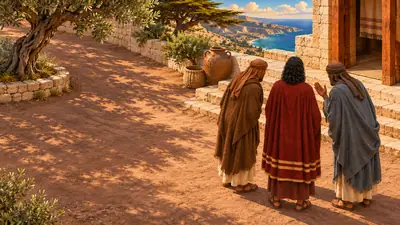
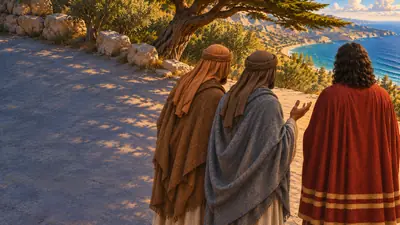
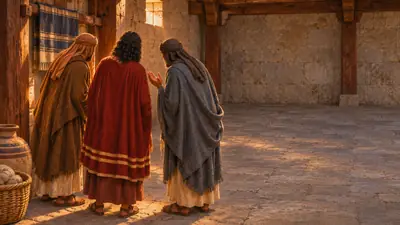
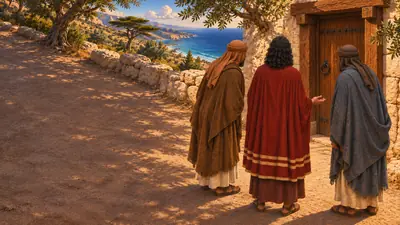
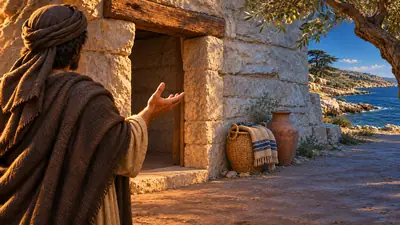
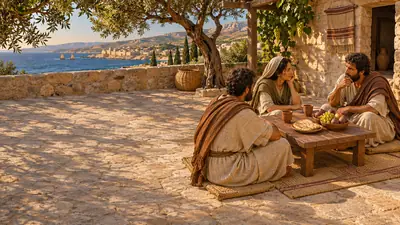
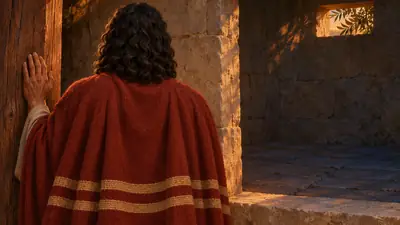
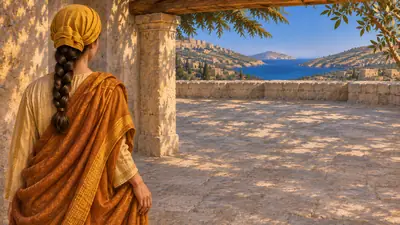
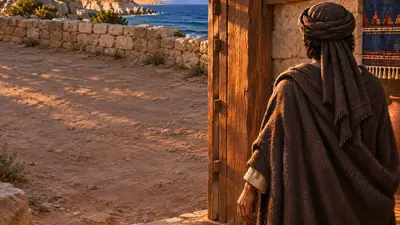
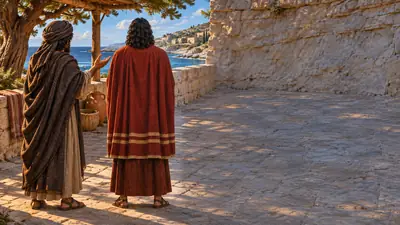
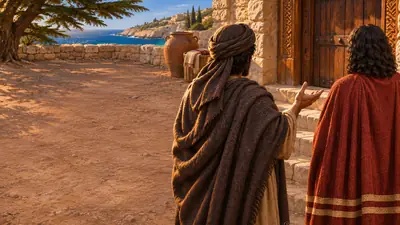
Ilustraciones hechas por IL Archive con herramientas de IA; el texto se basa en las fuentes antiguas (véanse las fuentes al final de cada capítulo).