Entidad
Ningishzida y Gizzida
Página de referencia que vincula un nombre, grupo o concepto con los materiales que lo tratan.
Traducción automática. Lea el original en inglés.
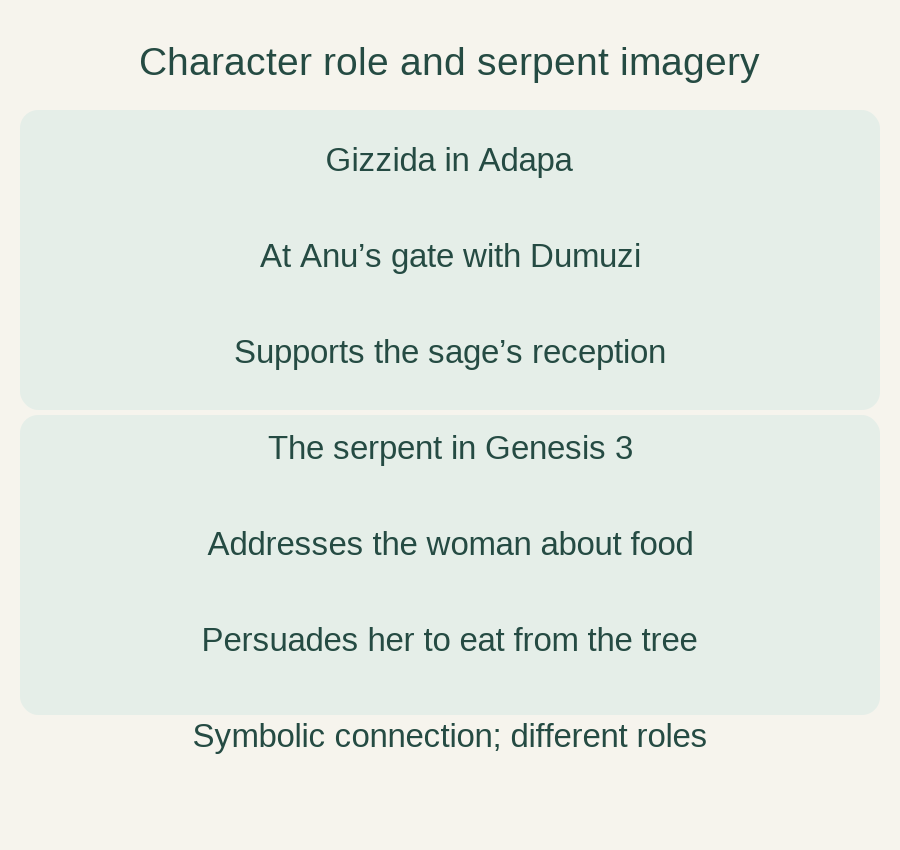
Ningishzida es un dios mesopotámico llamado Gizzida en el relato de Adapa, donde él y Dumuzi apoyan al sabio en la puerta de Anu.
Última revisión:
Texto
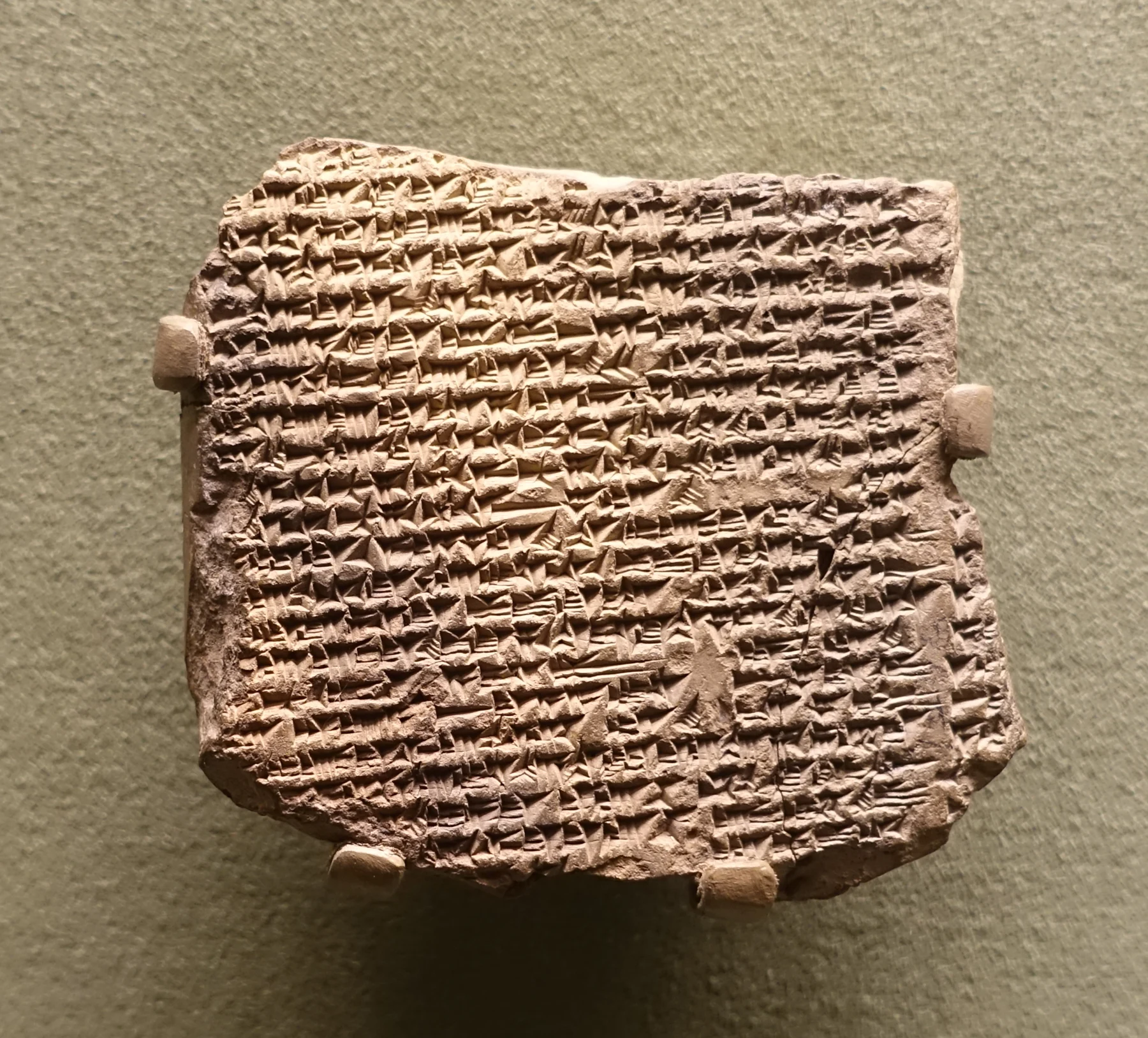
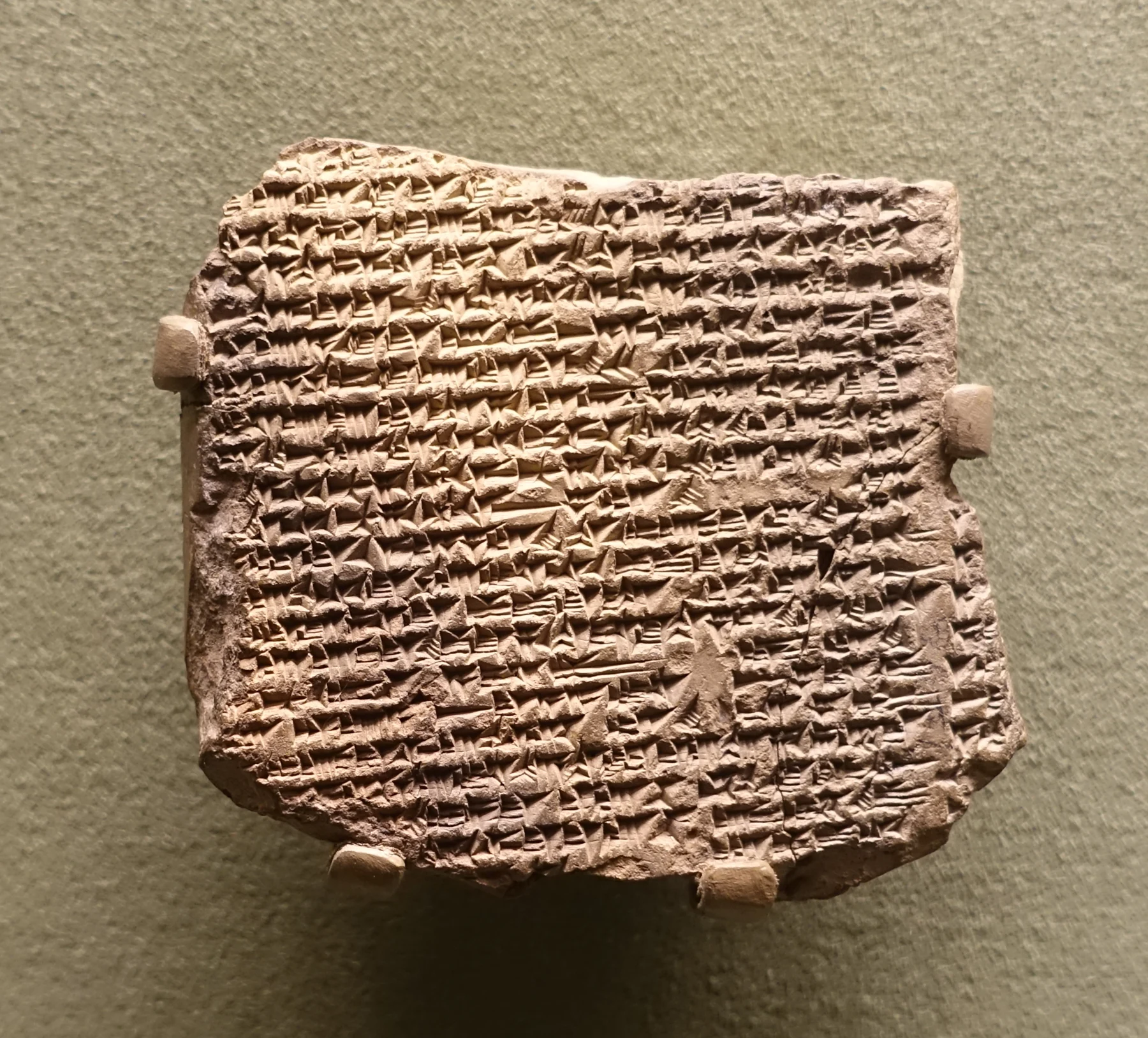
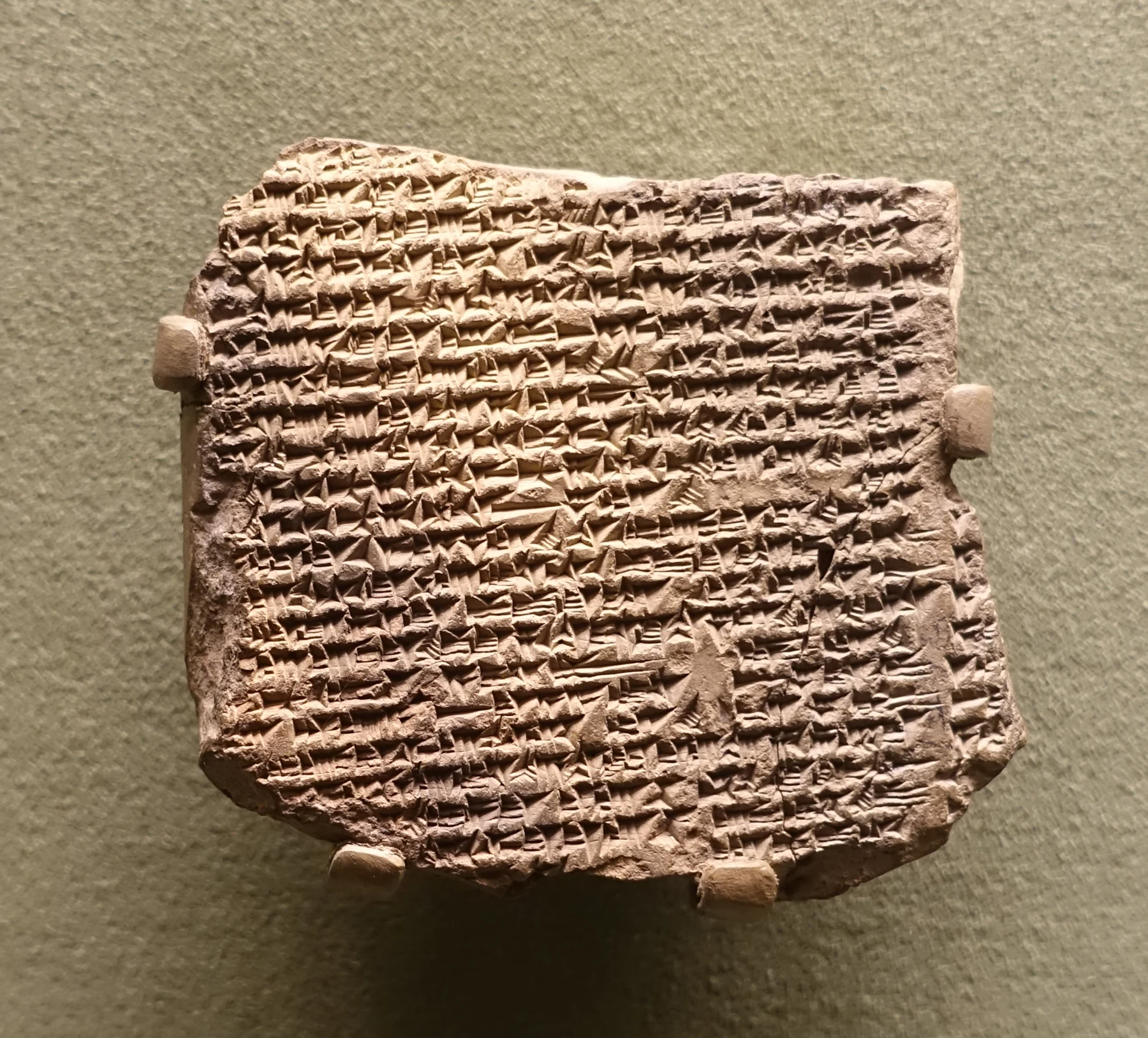
Ningishzida es un dios de las tradiciones mesopotámicasMesopotamiaHistorical region associated with the Tigris and Euphrates: Uruk, Ur, Eridu, cuneiform, Sumer, Akkad, Babylon and Assyria, their languages and cults, and the limits of archaeological evidence.Glosario · Pulse para leer la explicación, llamado Gizzida en Adapa y el viento del surAdapa y el viento del surDivergent Sumerian and Akkadian witnesses recount Adapa’s disabling of the South Wind, his ascent and his refusal of life’s food; immortality, Ea’s intentions and the sage’s fate remain debated.Glosario · Pulse para leer la explicación. Se sitúa con DumuziDumuzi / TammuzDumuzi is a deity of ancient Mesopotamian traditions associated with shepherding and Inanna; Tammuz appears as the name in later linguistic and textual traditions.Glosario · Pulse para leer la explicación junto a la puerta de AnuAn / AnuAn is the Sumerian sky god, called Anu in Akkadian. The sign AN by itself does not identify him: it also denotes sky or divinity.Glosario · Pulse para leer la explicación. Las palabras de duelo de AdapaAdapaAdapa is a sage of Eridu in Mesopotamian tradition, associated with Ea. The South Wind story, audience with Anu, and ritual sources give him distinct roles; they do not establish his identity with Adam or the first human.Glosario · Pulse para leer la explicación por la ausencia de ellos les ganan su apoyo para su aparición. Este papel pertenece a la etiqueta del encuentro celeste, y no a la persuasión de la serpiente del Génesis para que coma. [1]
Hay pruebas anteriores de su culto. GudeaGudeaRuler of Lagash in the late third millennium BCE, whose inscriptions document temple construction and the name Anunna.Glosario · Pulse para leer la explicación, gobernante de Lagaš, le dedicó una vasija de clorita, Louvre AO190, datada por el museo hacia 2120–2110 a. n. e. Lleva imágenes de serpientes. Esa conexión simbólica permite la comparación, pero no establece que toda serpiente de un texto posterior represente al mismo dios. [2]
Referencias y notas
- Catalogue and displayed transliteration read. CDLI gives the broad period about 1400–1100 BCE; Izre’el specifies the fourteenth century. SEAL1557 metadata and lines 29–34, 60–70 also consulted. No independent Akkadian translation or cuneiform collation claimed. CDLI P270855; EA356 / VAT00348; obverse 1′–36′, reverse 1–35 Volver al texto ↑
- Catalogue, chlorite material, date, dedication to Ningishzida, serpent imagery and Girsu provenance read. Symbolism does not identify Genesis’s serpent as the same god. Museum photo copyright is not a general reuse licence. Louvre, Gudea’s libation vessel, AO190; about 2120–2110 BCE, dedication and iconography Volver al texto ↑
Proponer una corrección · Proponga una fuente para este registro
Citar este registro
IL Archive, «Ningishzida y Gizzida», https://ilarchive.com/es/entities/ningishzida-gizzida
Seguir leyendo
Lecturas relacionadas