Adapa Capítulo 1
Adapa y el viento del sur
Adapa, un sabio de Eridu, alza la voz contra el viento del sur y es llamado al cielo para responder por sus actos. En la corte de Anu recibe una oferta cuyo sentido difiere de lo que Ea le había hecho esperar.
FuentesPase las páginas con las flechas, el teclado o deslizando el dedo.
ADAPA
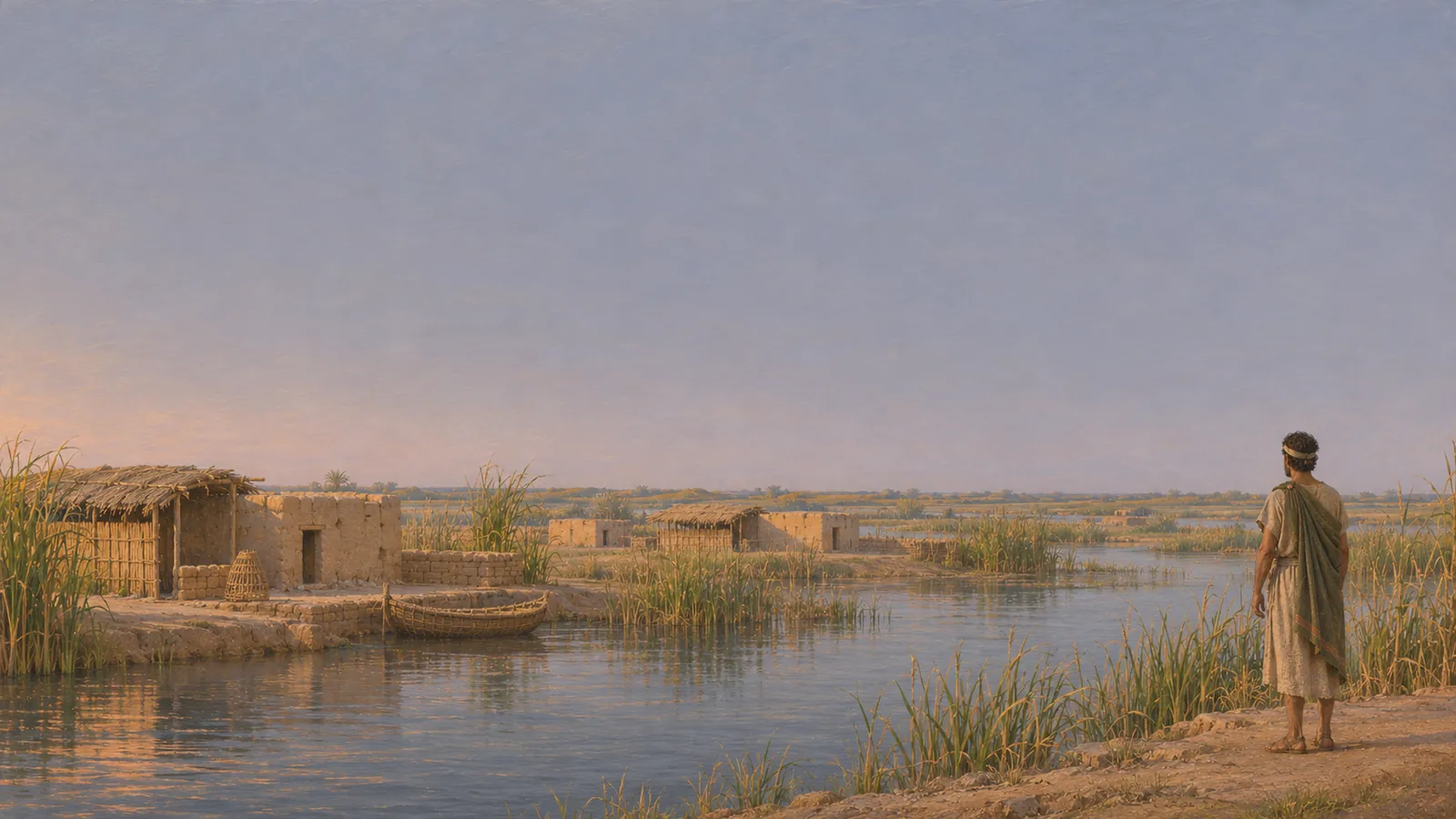
En Eridu, una ciudad junto a las aguas, vivía un sabio llamado Adapa. Pertenecía a la casa de Ea.
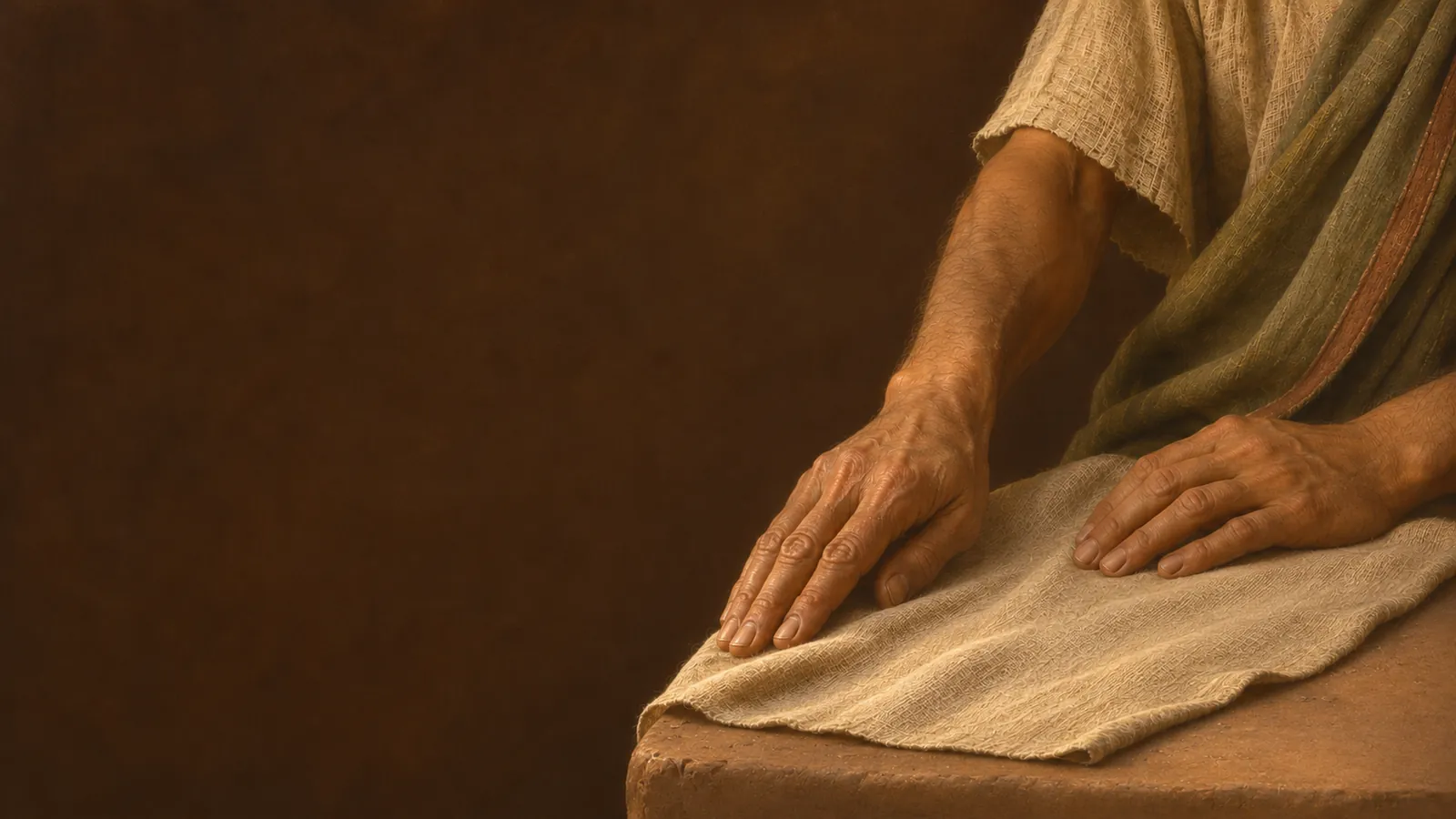
Ea dio al sabio un gran entendimiento. El poema antiguo dice que aquel don de sabiduría no incluía la vida sin fin.
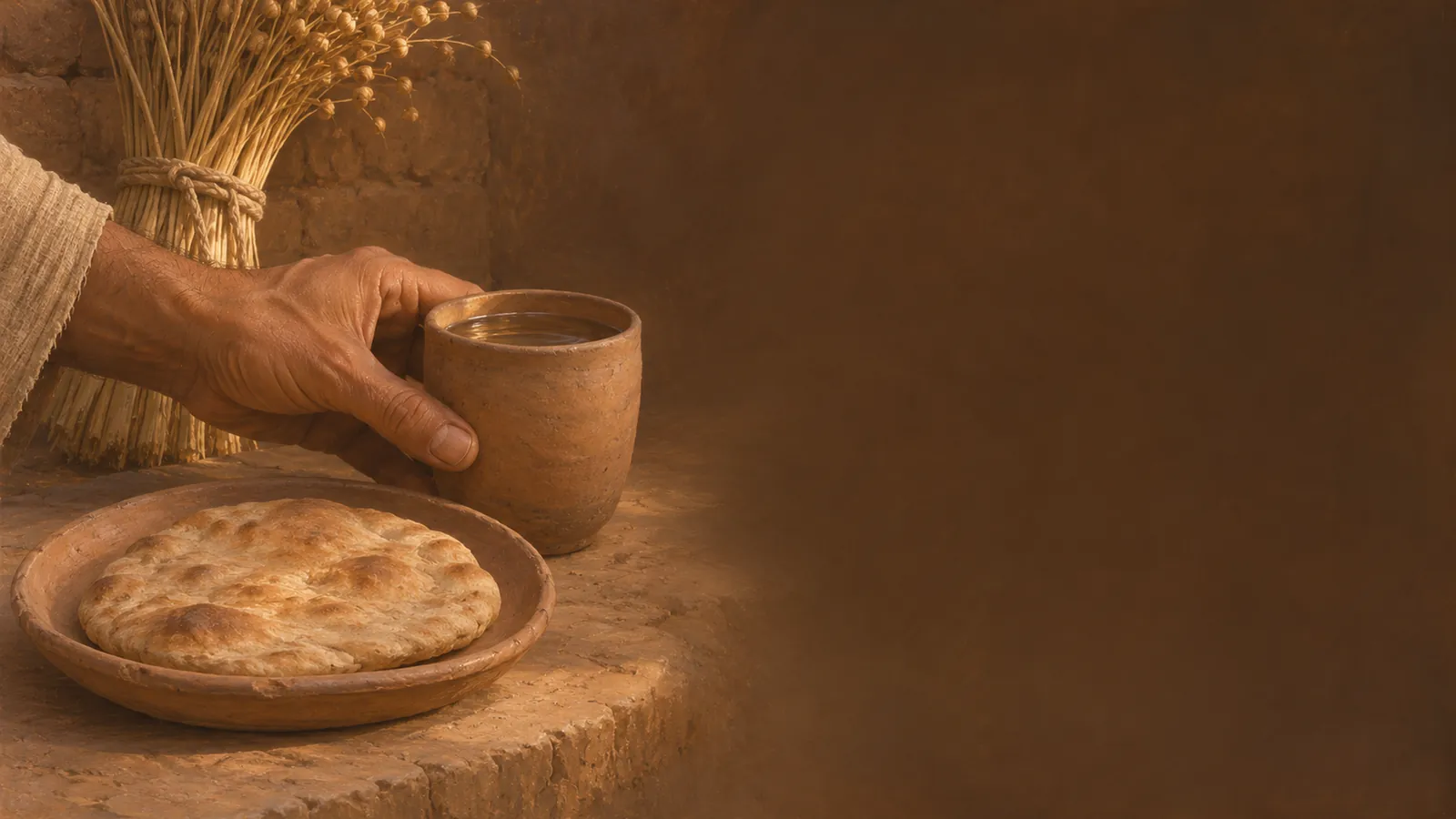
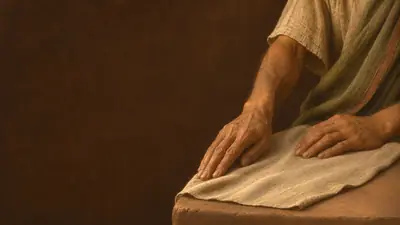
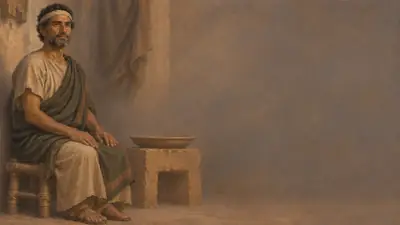
Adapa trabajaba con los panaderos de Eridu. Cada día preparaba comida y agua y ponía la mesa para la casa de Ea.
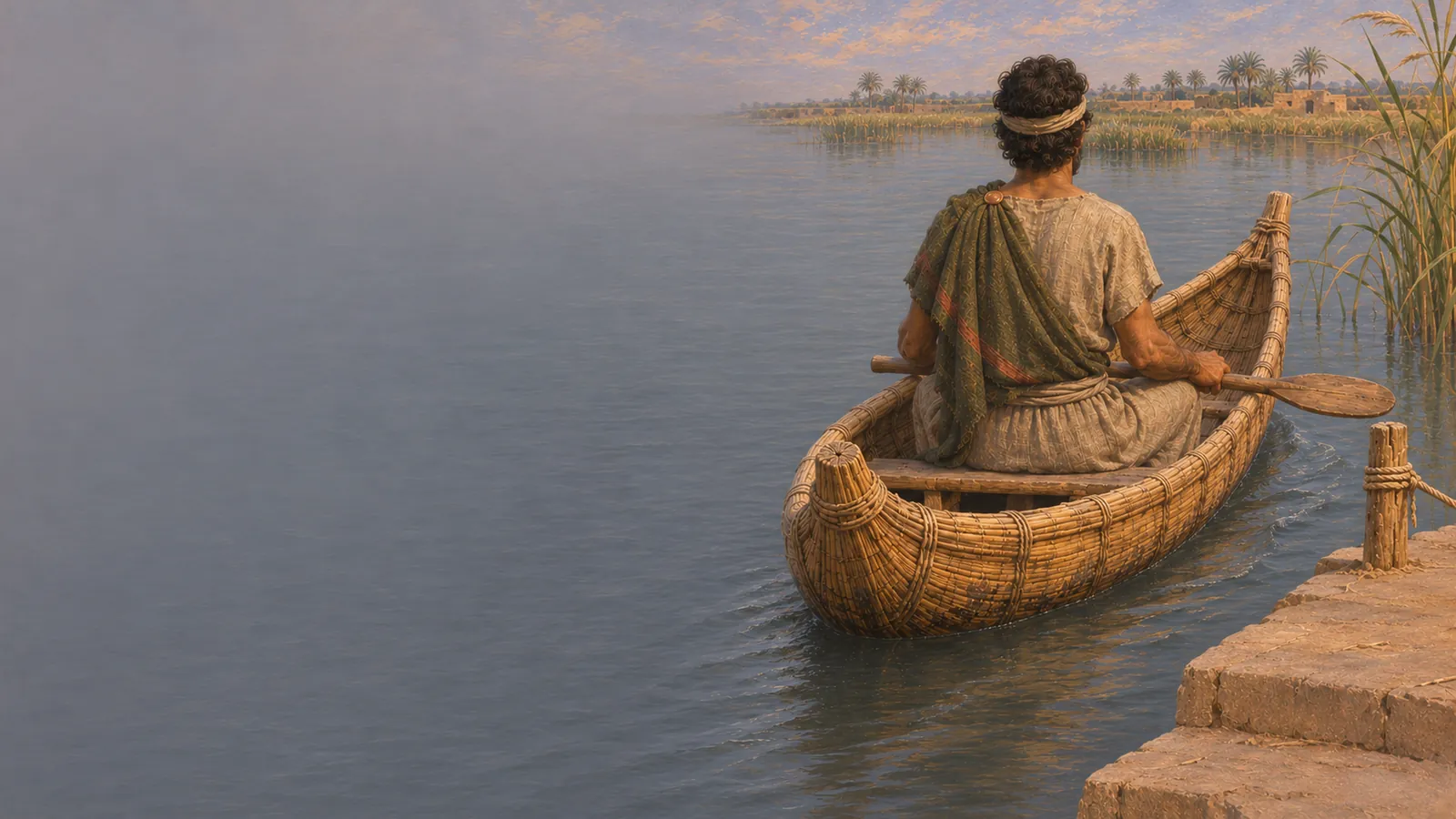
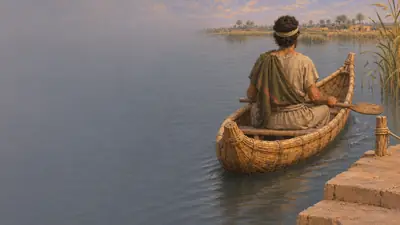
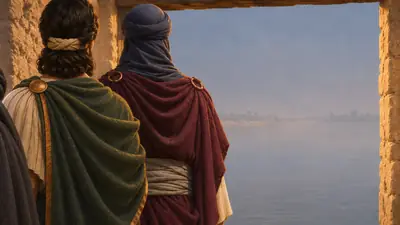
Adapa también pescaba para Eridu. Subió a su bote en el embarcadero y lo guio hacia las aguas abiertas.
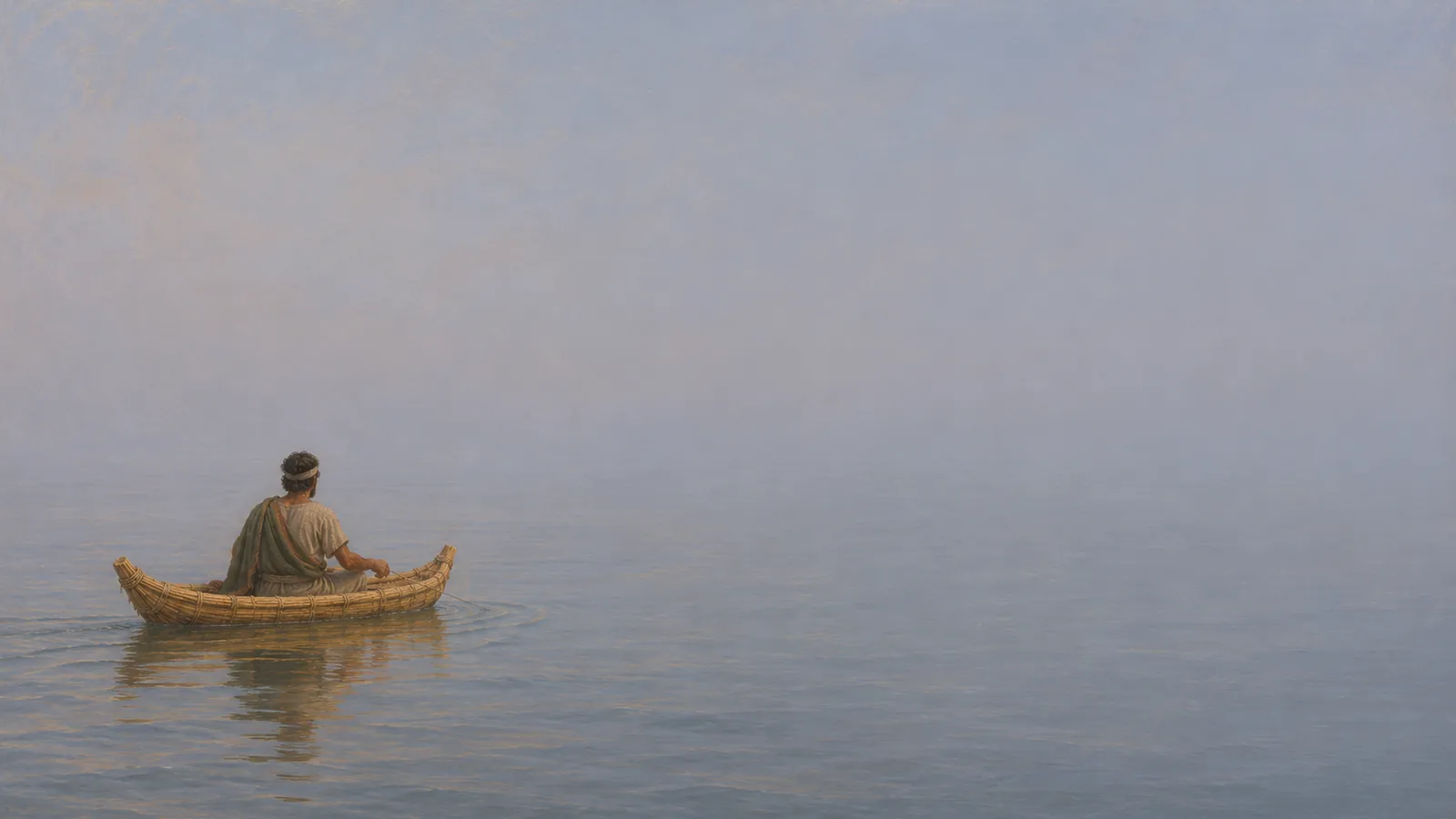
Adapa estaba lejos de la orilla, pescando para la casa de su señor. Más tarde, ante Anu, comenzaría su relato con aquella tarea de todos los días.
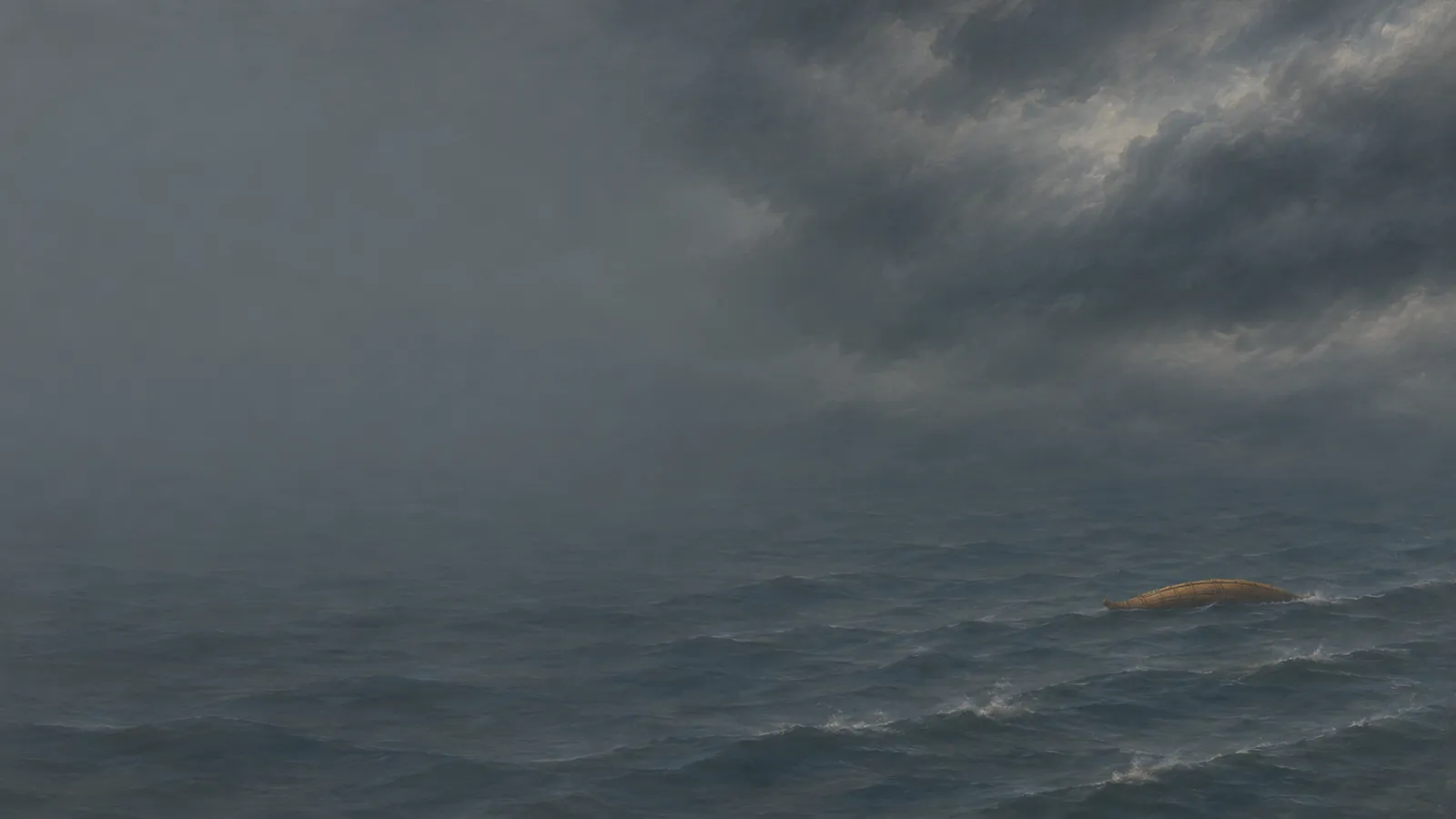
El viento del sur se abatió sobre él en aguas abiertas. Adapa le contaría a Anu que lo había hundido en las profundidades.

Adapa dijo que el agua lo arrastró hasta la casa de su señor. El verso antiguo deja aquel lugar en la penumbra.

La ira se apoderó de Adapa. Se dirigió al viento del sur y dijo que le rompería el ala que lo llevaba.

Apenas habló Adapa, se quebró el ala del viento del sur. Una palabra había obrado sin que interviniera ninguna mano.

EL SILENCIO
Durante siete días el viento del sur no sopló hacia la tierra. Su ausencia duró lo suficiente para que Anu se diera cuenta.
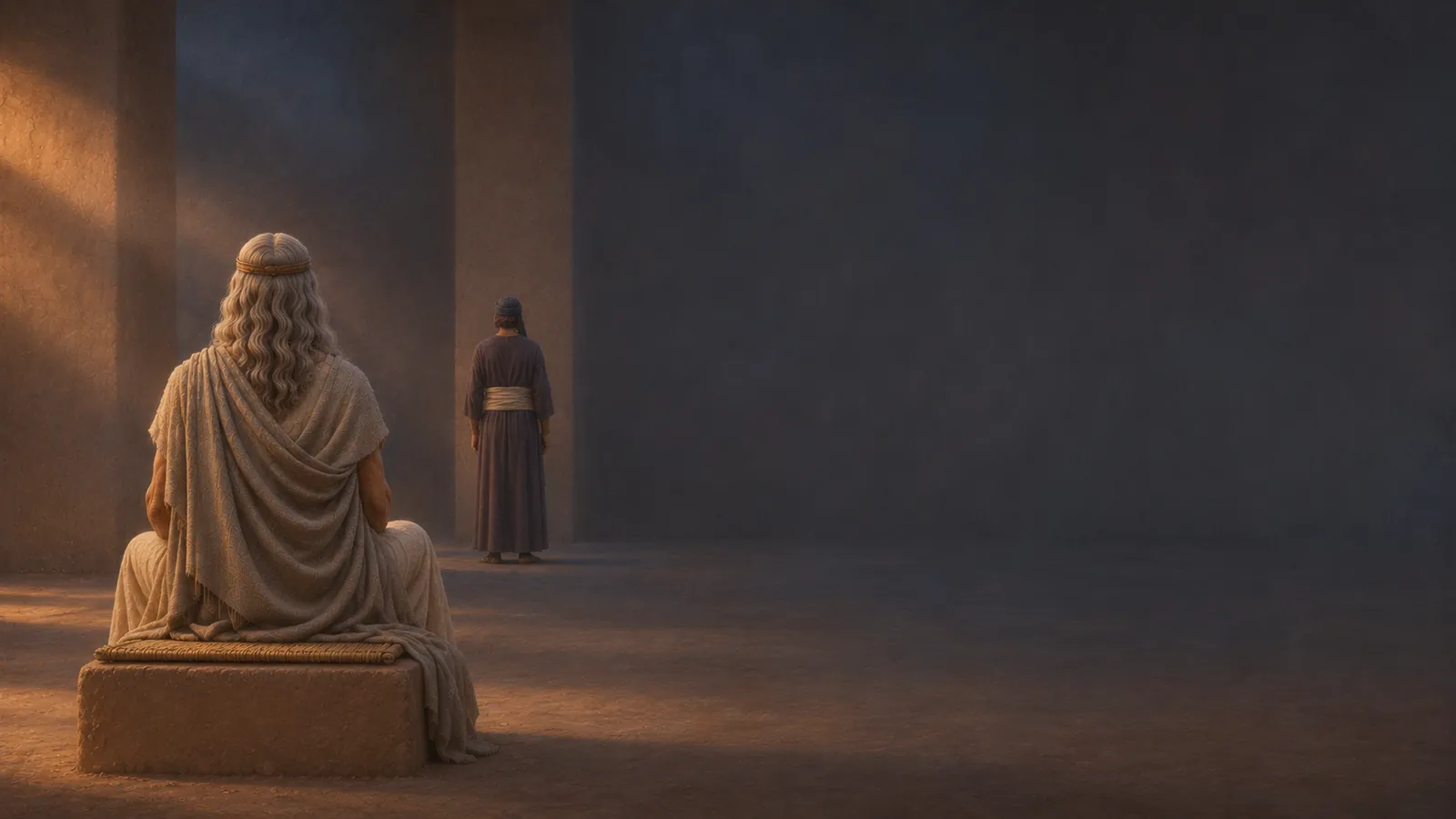
En el cielo, Anu llamó a su ministro Ilabrat. Quería saber por qué el viento del sur ya no llegaba a la tierra.

Anu había notado que habían pasado siete días. Preguntó a su ministro qué había impedido que soplara el viento del sur durante tanto tiempo.
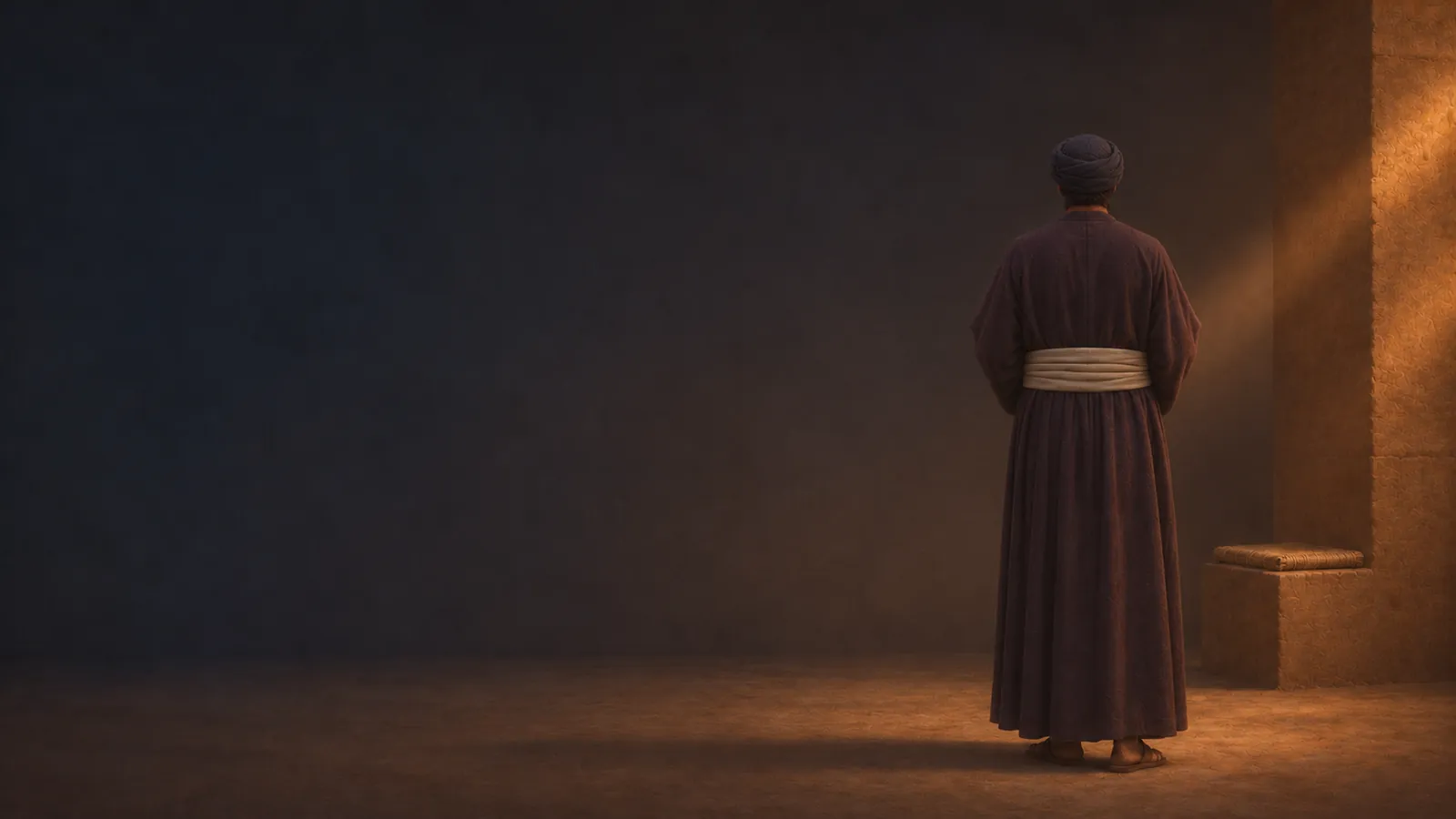
Ilabrat tenía una respuesta para su señor. Adapa, el hijo de Ea, había quebrado el ala del viento del sur.

Anu oyó el informe y dio una voz. El soberano del cielo se levantó de su asiento al saber quién había detenido el viento.
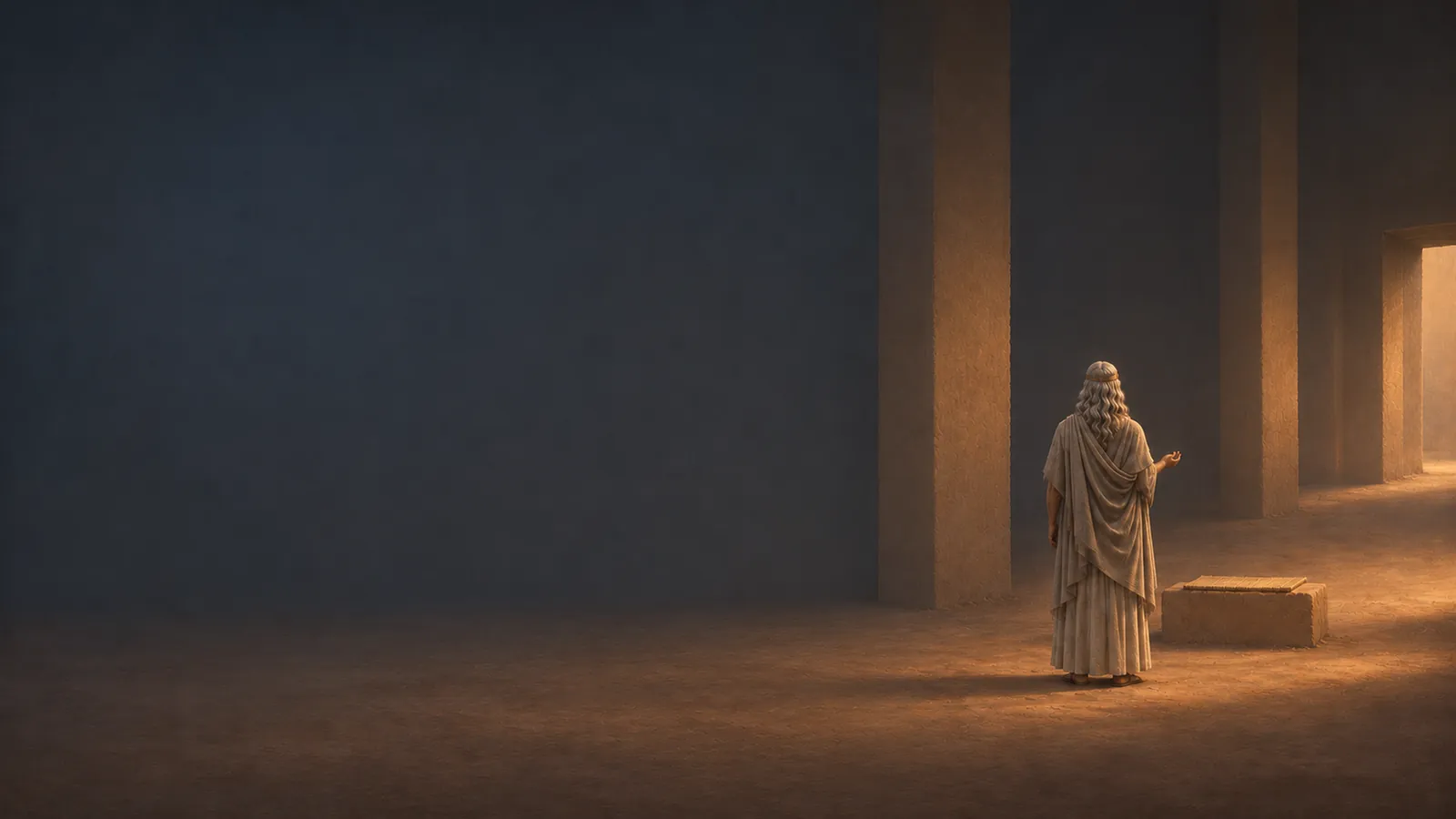
Anu quiso que llevaran a Adapa ante él. Ahora habría que responder en el cielo por la ausencia del viento.
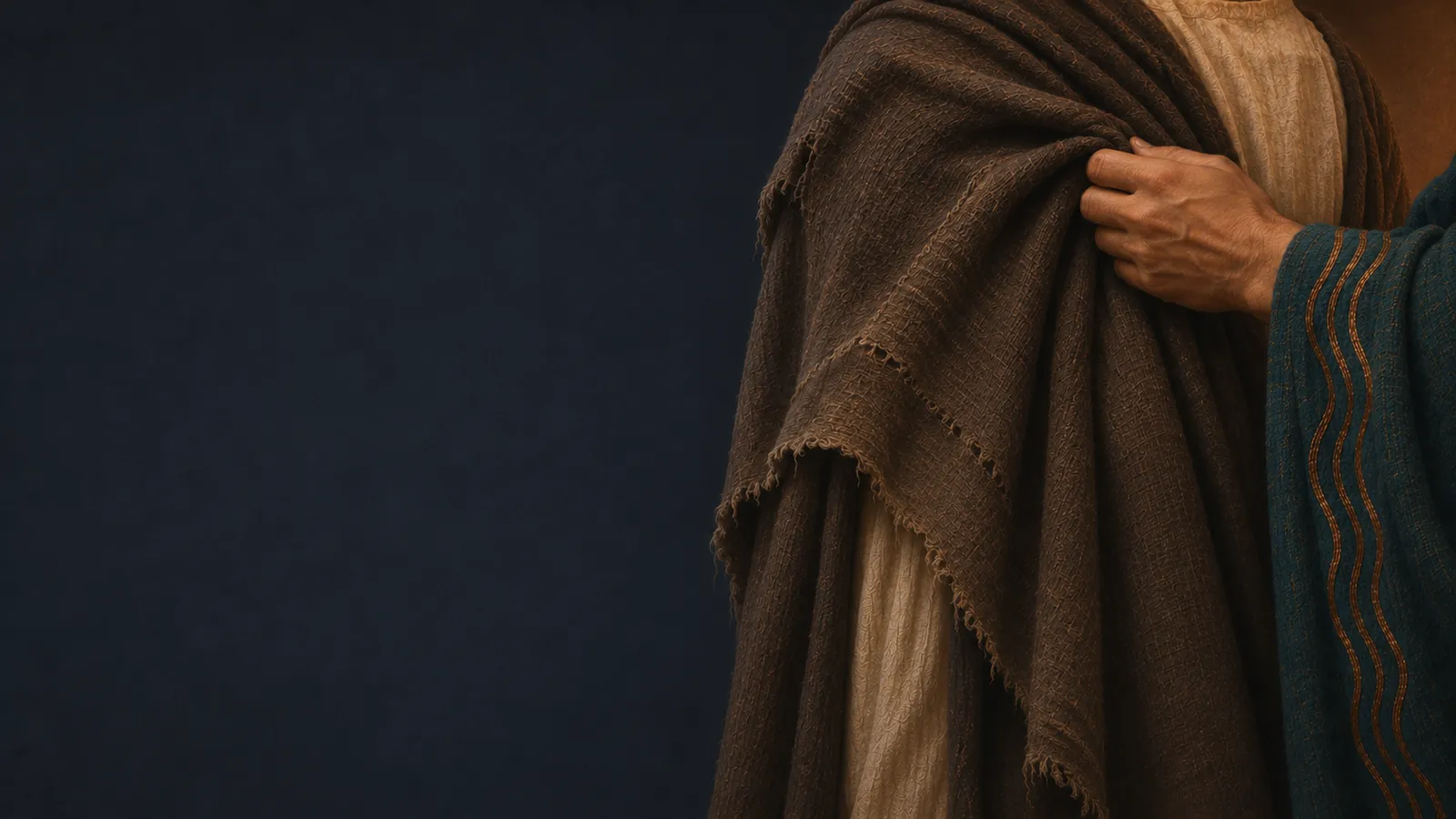
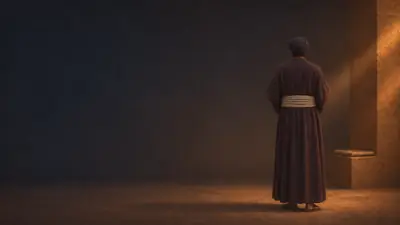
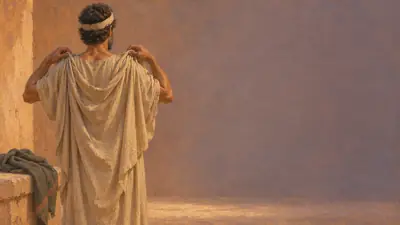
Ea preparó a Adapa para partir. Hizo que llevara el pelo desarreglado y lo vistió con ropa que lo señalaría como un hombre de luto.
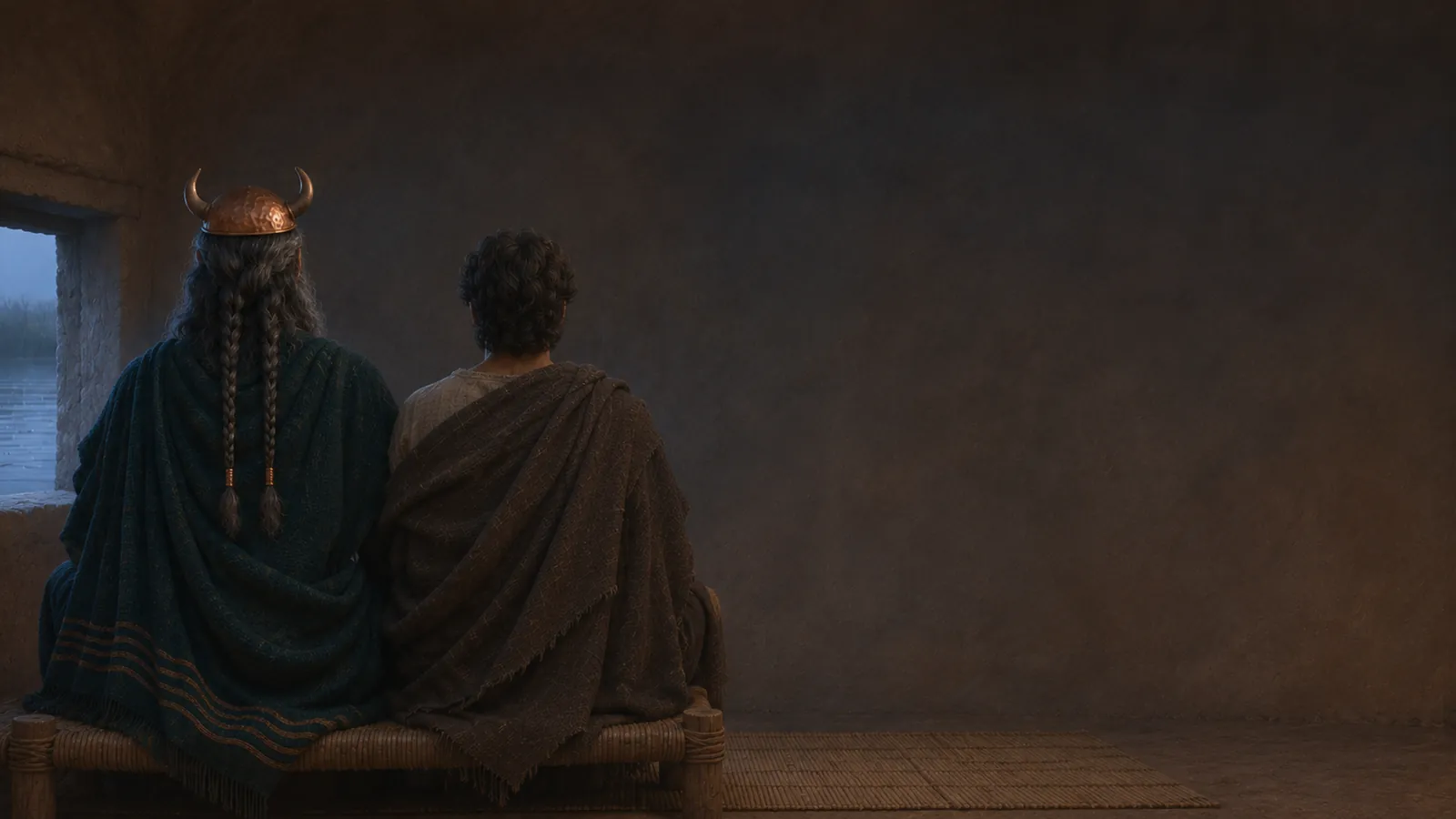
Ea dijo a Adapa que iba a presentarse ante Anu. Antes de llegar al soberano del cielo, tendría que cruzar la puerta.
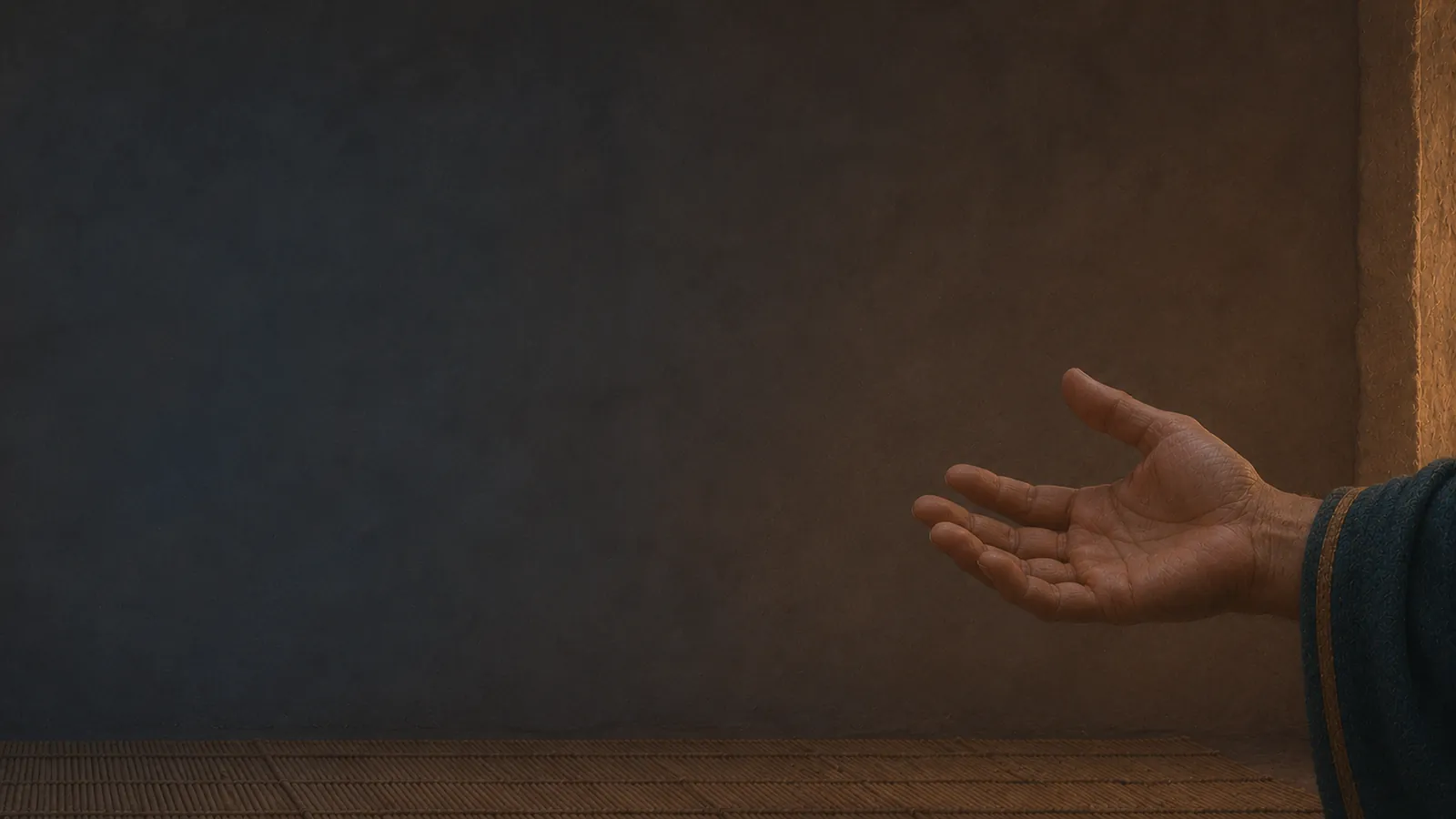
Dos dioses estarían en la puerta, le dijo Ea. Dumuzi y Gizzida verían su ropa y le preguntarían por quién guardaba luto.
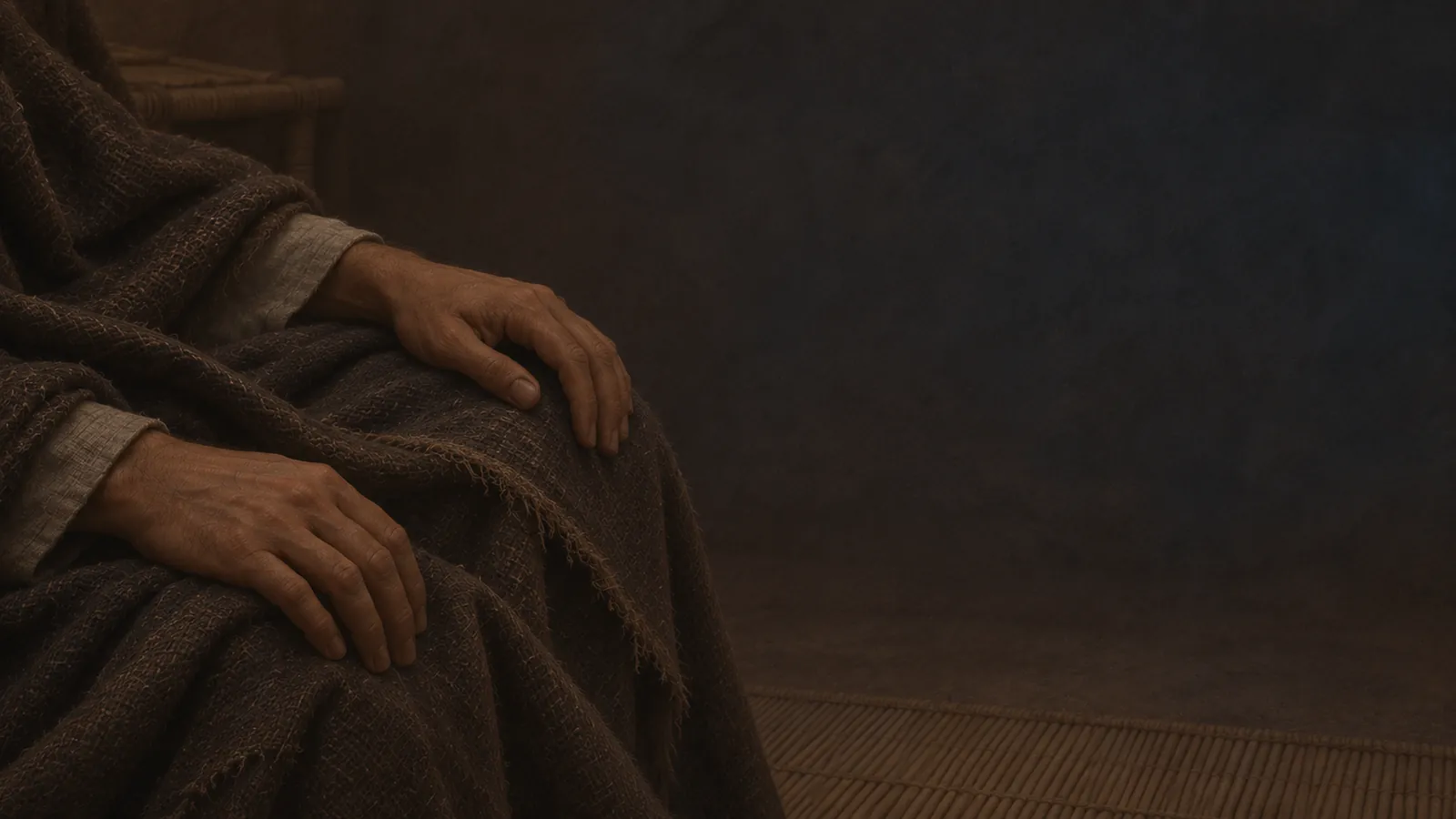
Ea le indicó cómo responder. Debía decir que dos dioses faltaban en la tierra y nombrar a Dumuzi y Gizzida.
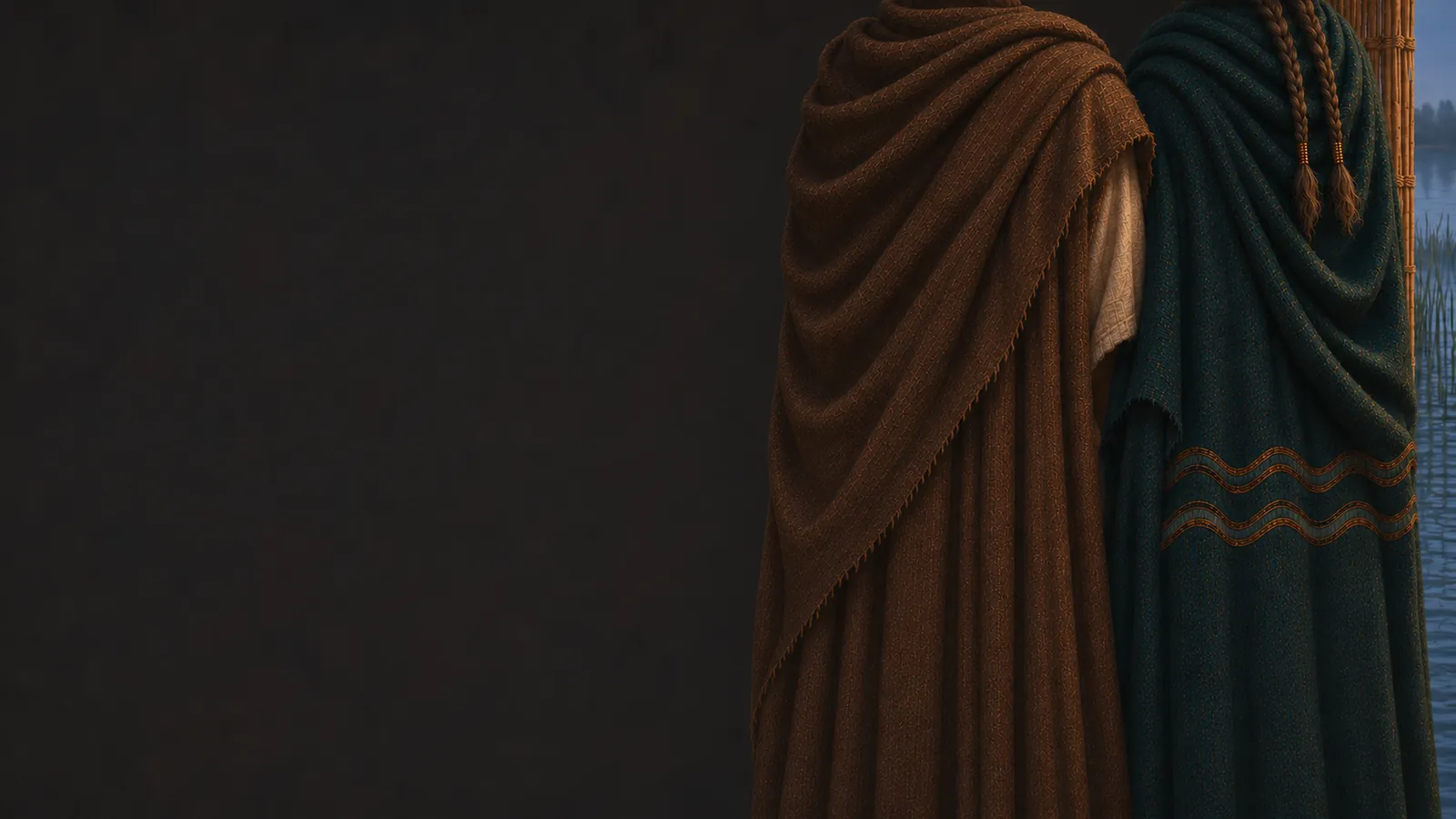
Ea dijo que los dos dioses sonreirían al oír la respuesta. Esperaba que hablaran bien de Adapa ante Anu.
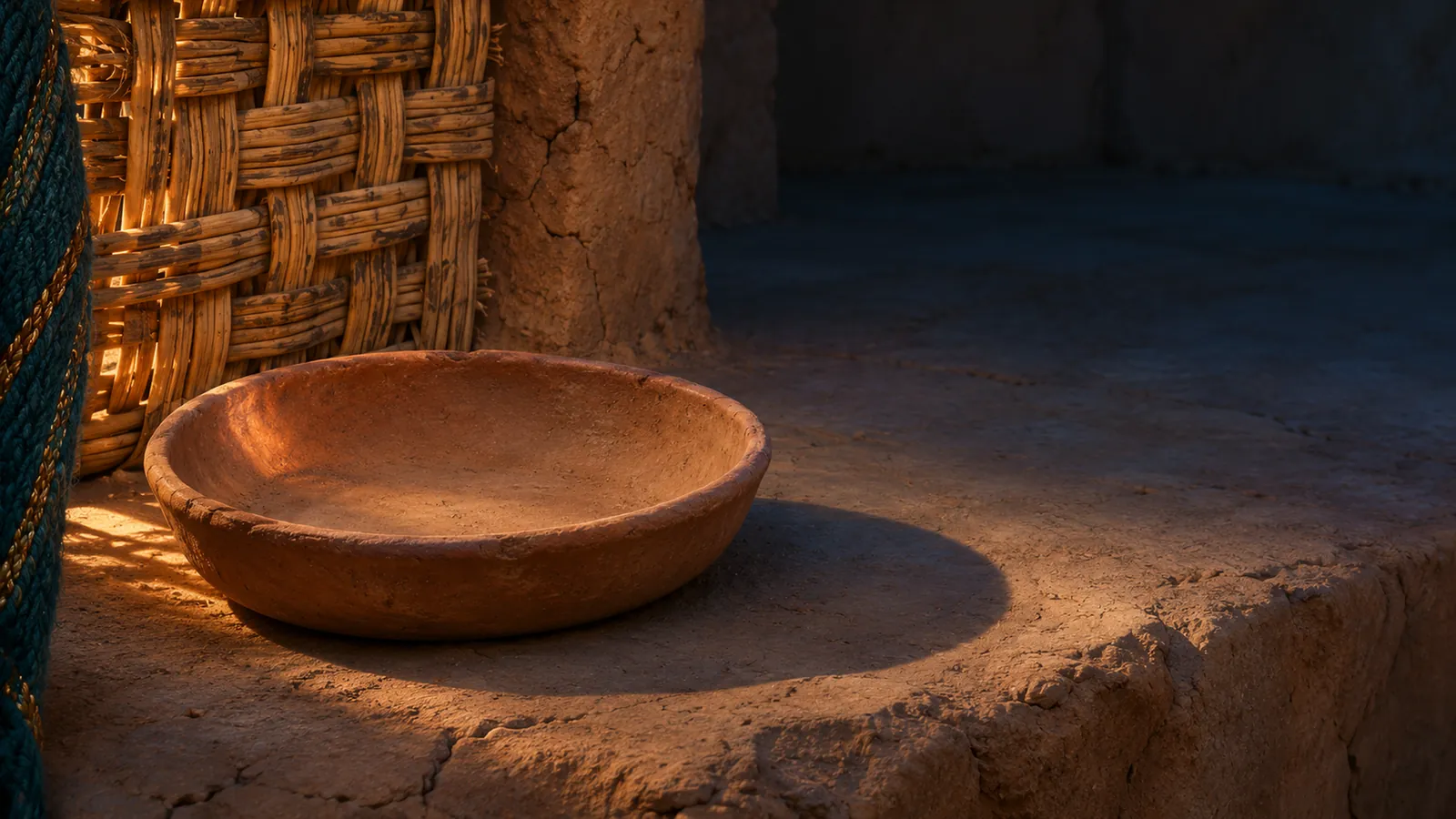
Cuando Adapa estuviera ante Anu, dijo Ea, le ofrecerían comida. Ea le advirtió que comerla significaría la muerte.
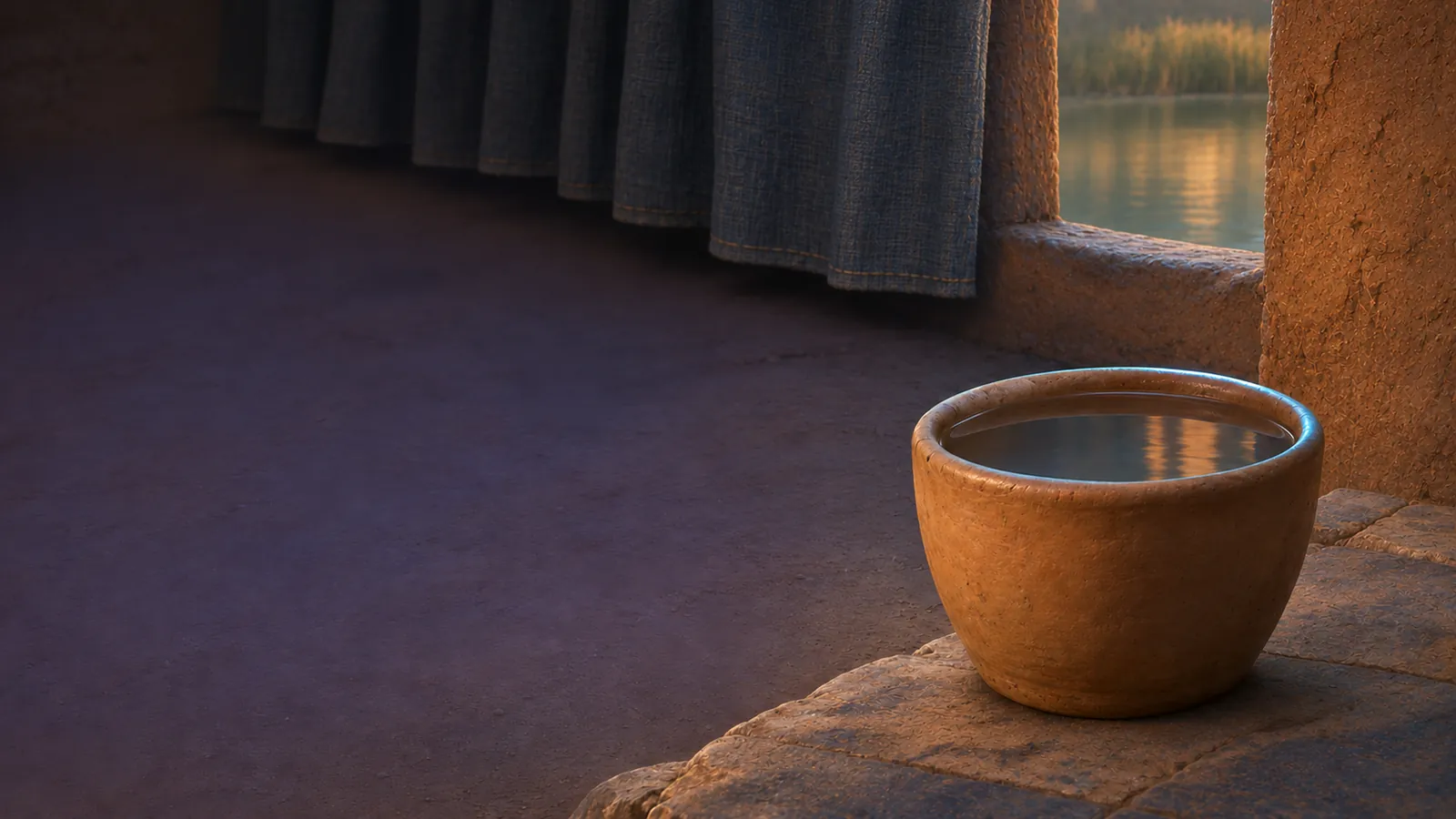
Ea le hizo la misma advertencia sobre el agua. Le sirvieran lo que le sirvieran en el cielo, Adapa debía dejarlo intacto.
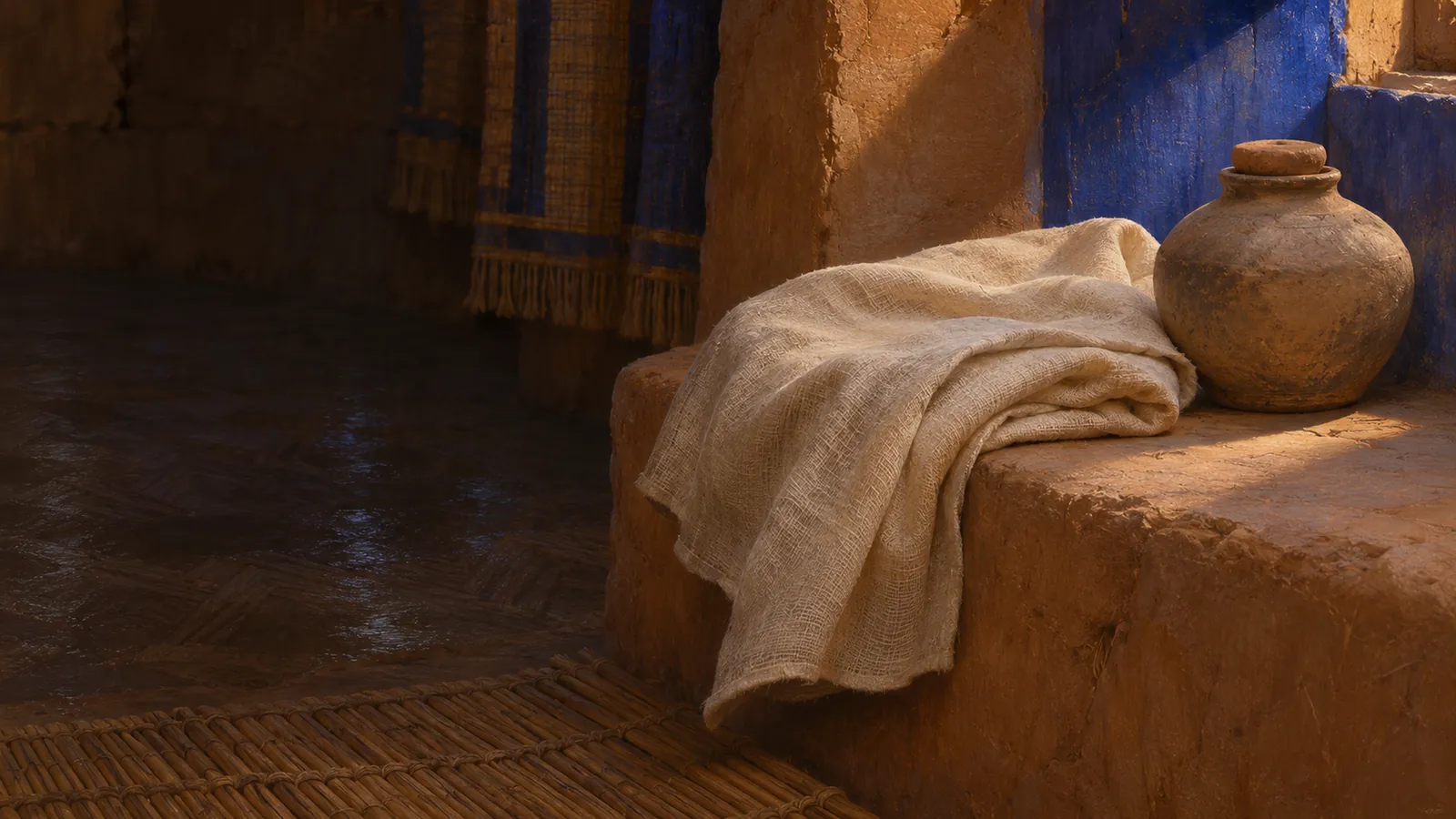
Si le ofrecían ropa, debía ponérsela. Si le ofrecían aceite, podía ungirse con él. Ea le pidió que recordara cada instrucción.
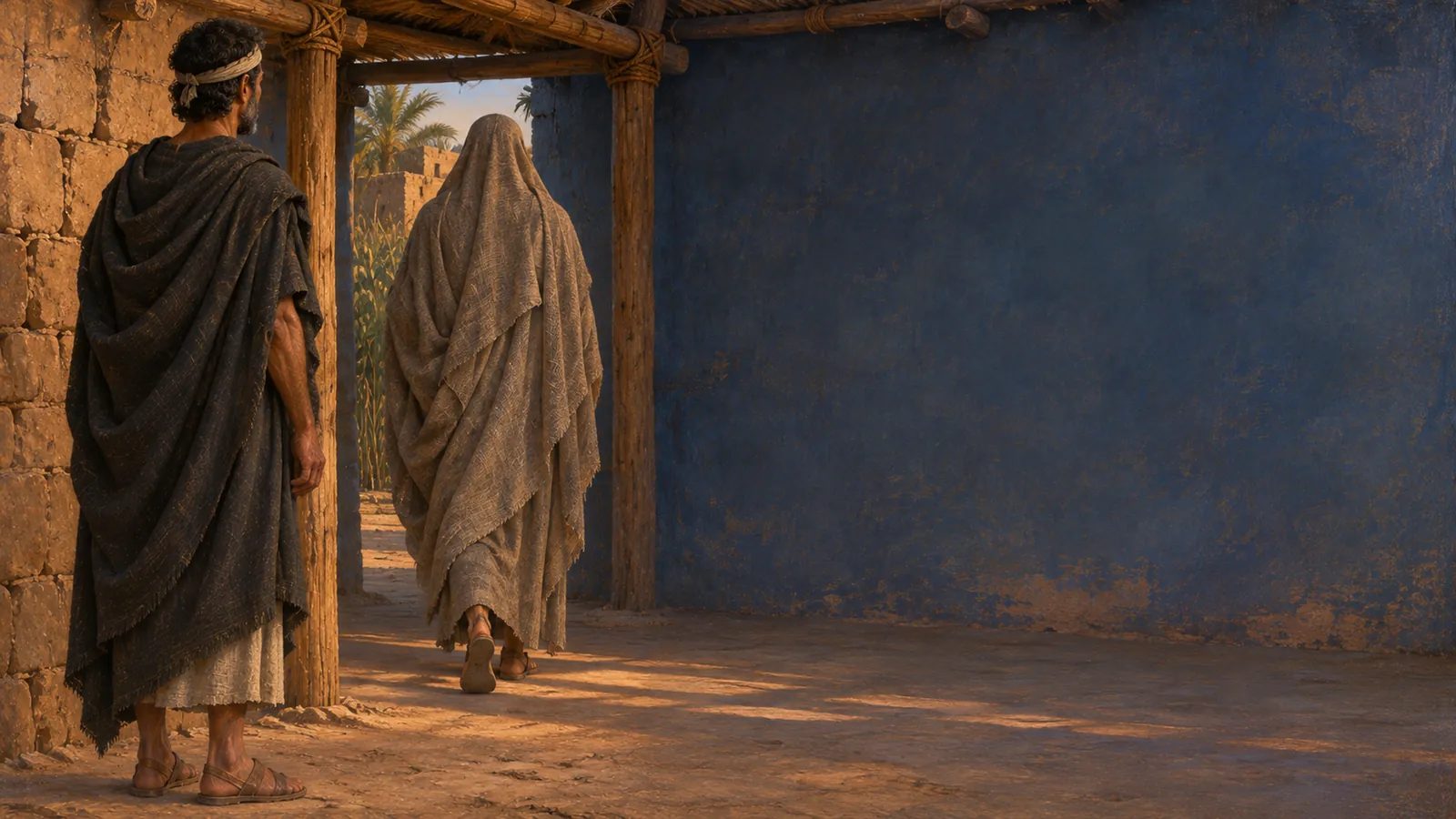
El mensajero de Anu llegó cuando las palabras de Ea aún estaban frescas. Adapa había quebrado el ala del viento del sur y lo reclamaban en el cielo.
EL CIELO
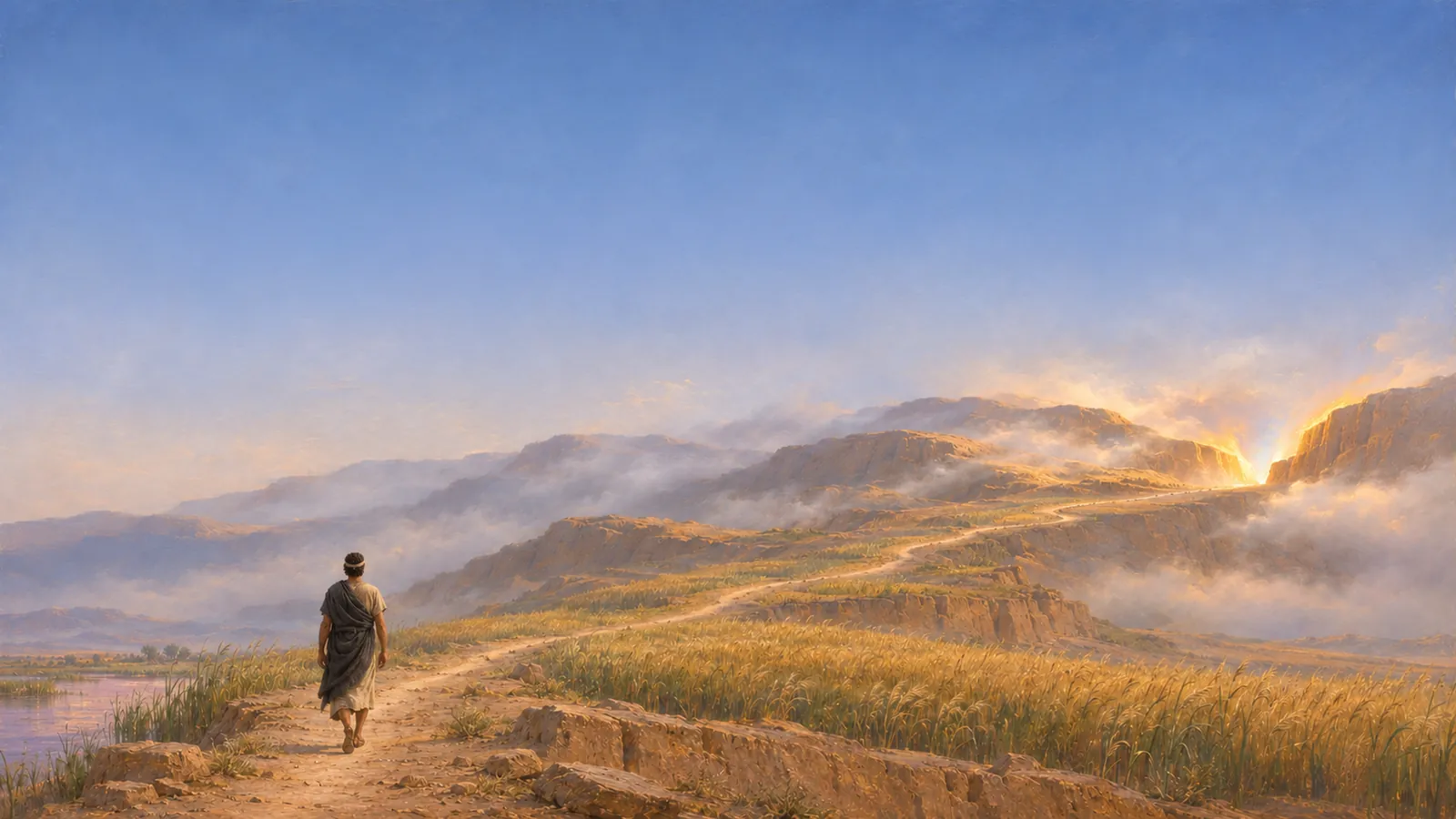
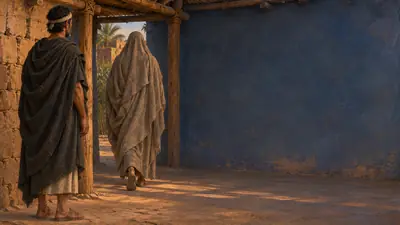
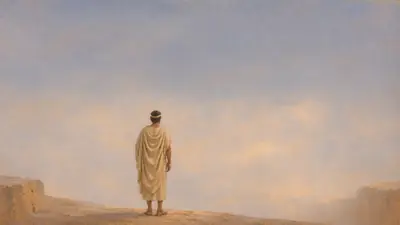
Adapa fue puesto en el camino del cielo. Subió como había dicho Ea hasta acercarse a la puerta de Anu.
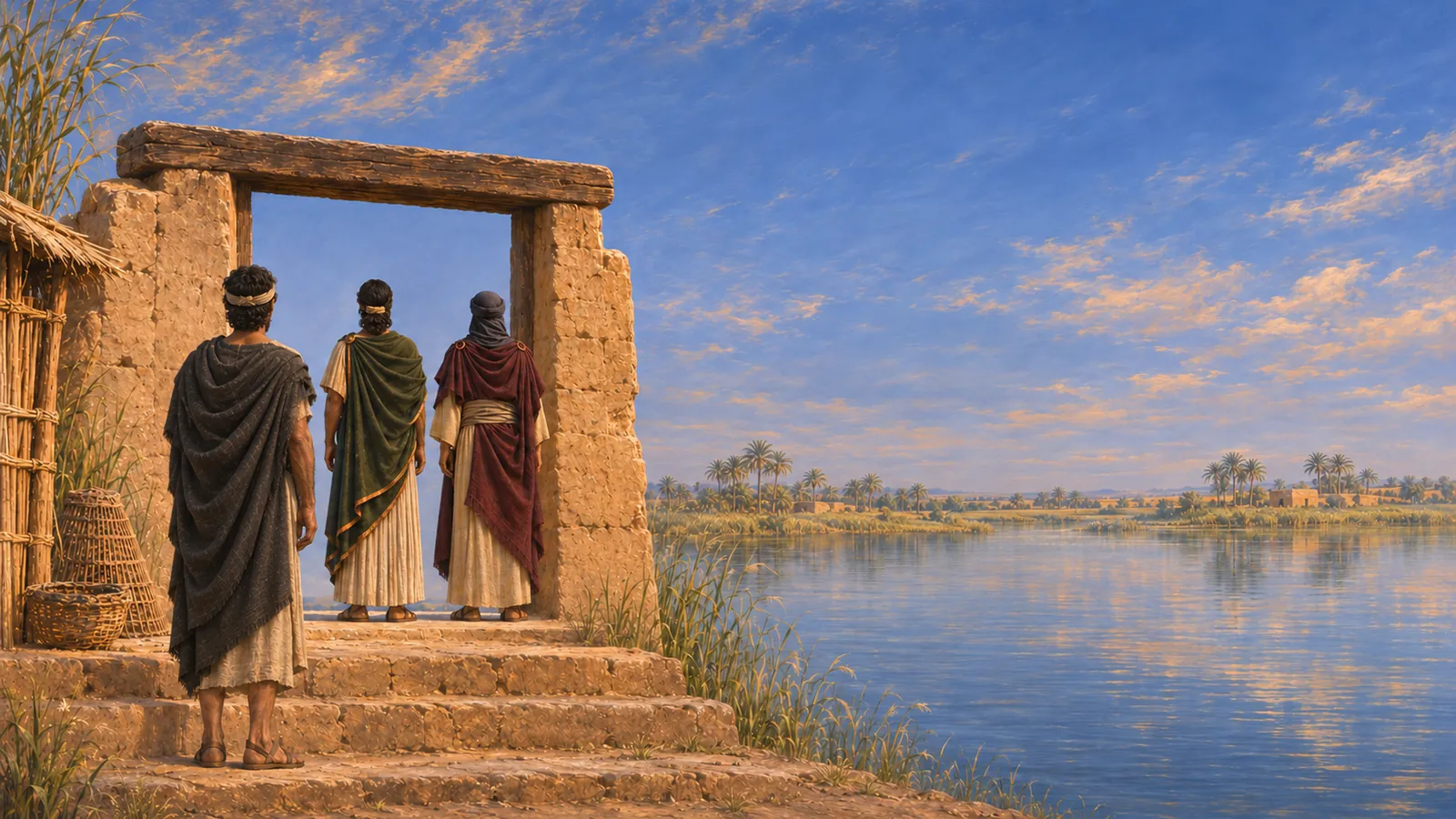
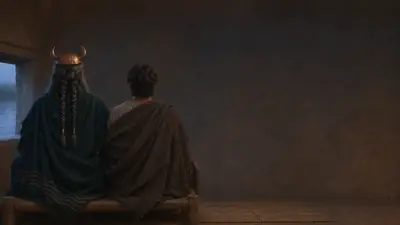
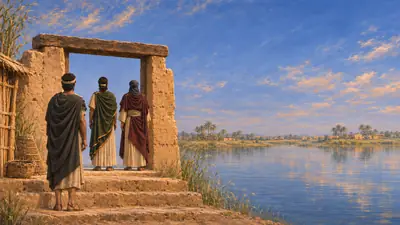
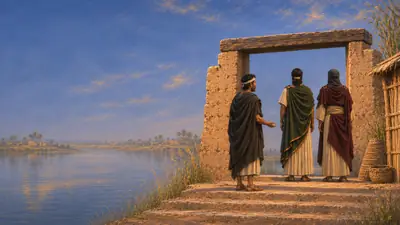
En la puerta estaban Dumuzi y Gizzida, tal como había dicho Ea. Vieron a Adapa con su ropa de luto.
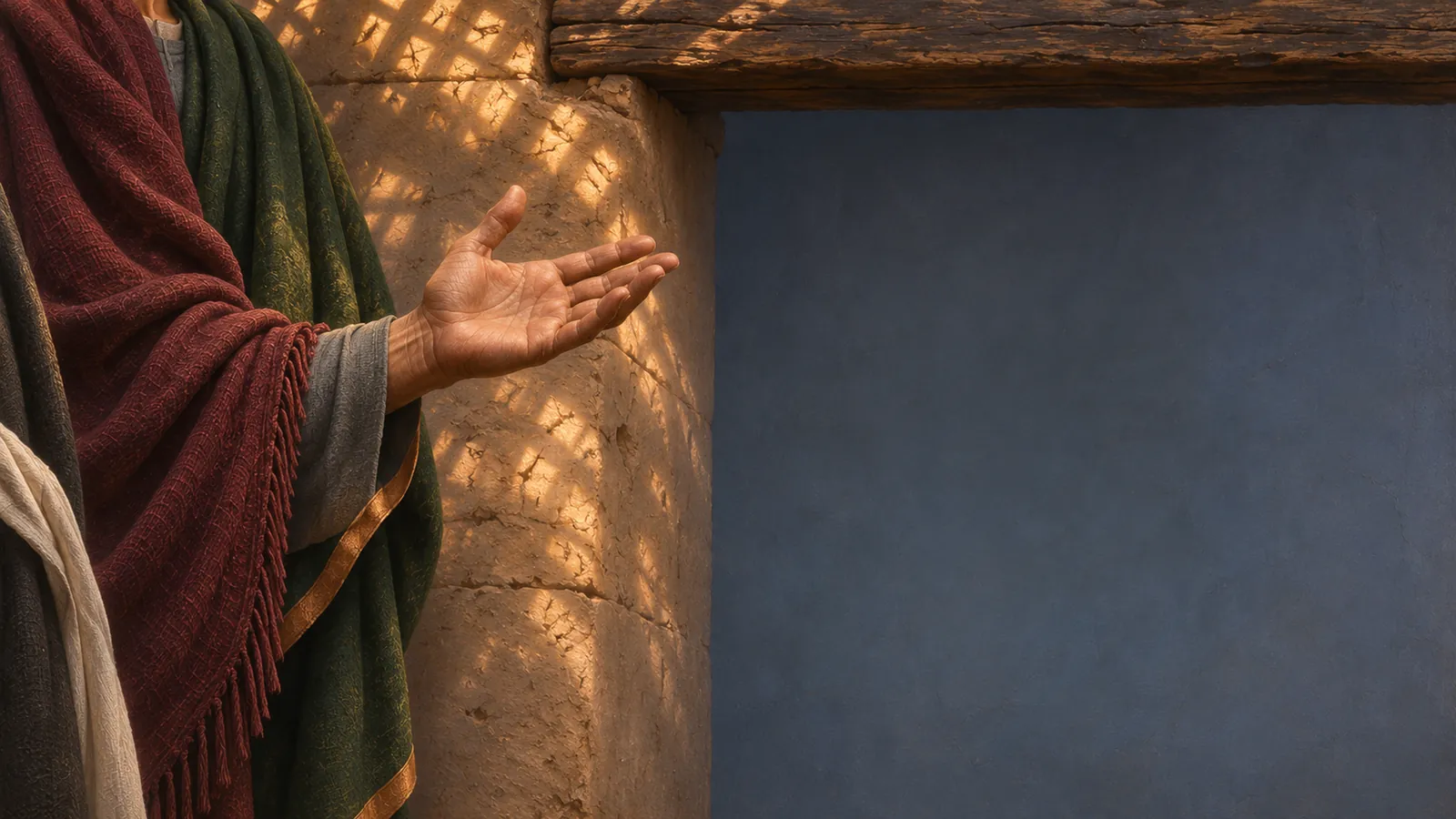
Los dos dioses lo llamaron. Le preguntaron a Adapa qué lo había cambiado y por quién llevaba aquella ropa de luto.
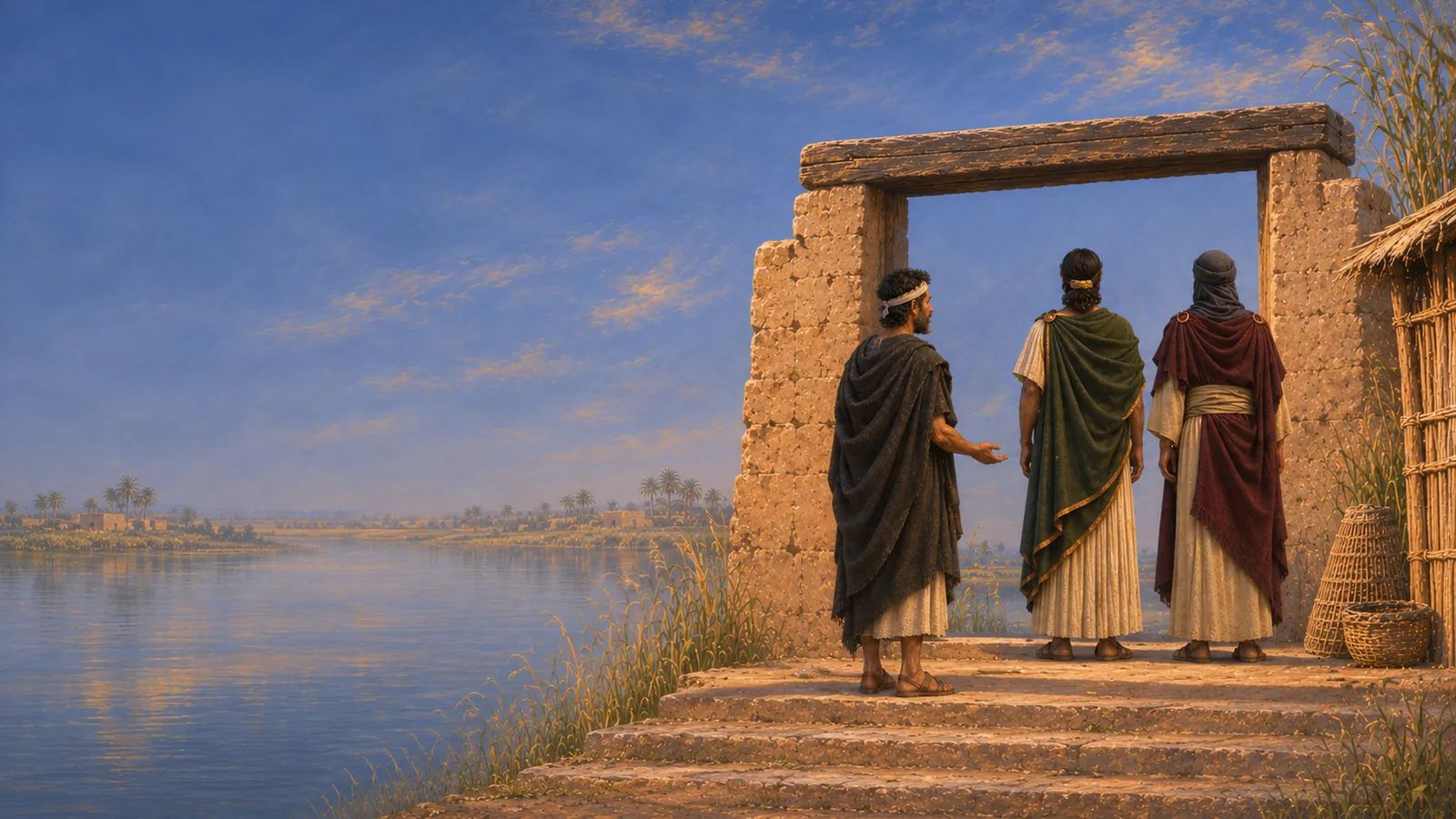
Adapa dio la respuesta que Ea le había enseñado. Dos dioses faltaban en la tierra, dijo, y por ellos vestía de luto.
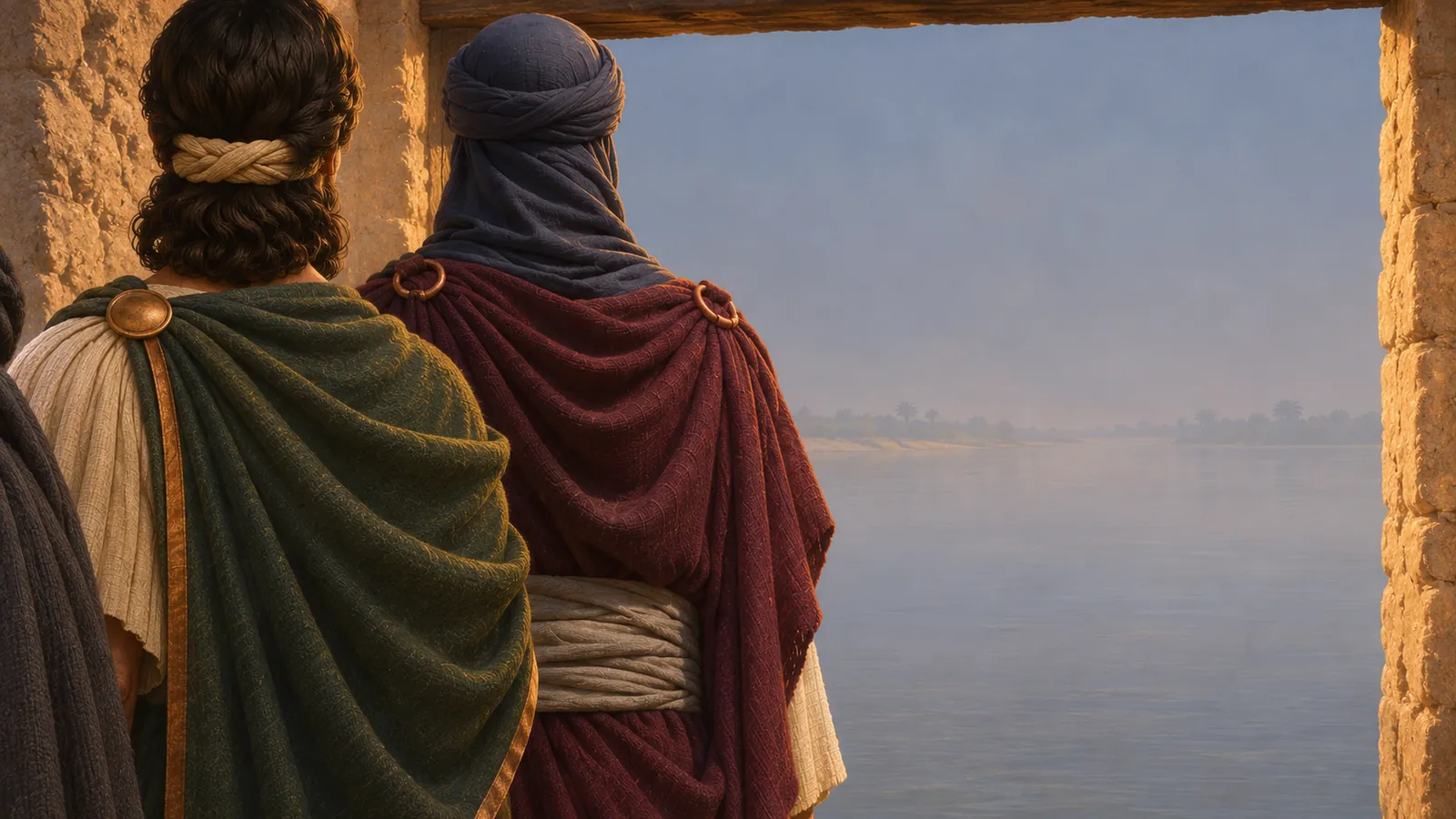
Le preguntaron quiénes faltaban. Cuando Adapa nombró a Dumuzi y Gizzida, los dos dioses se miraron y sonrieron.
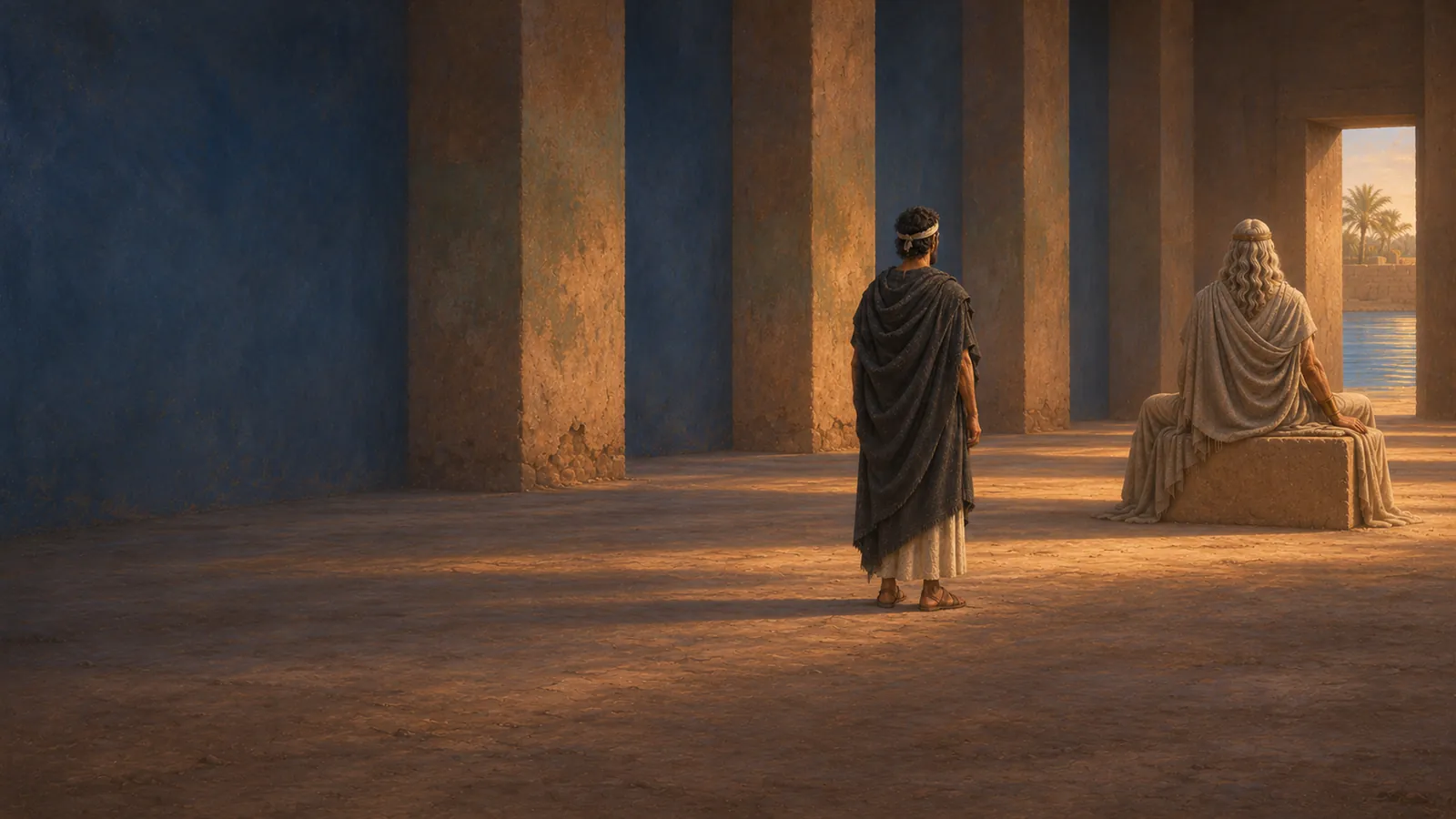
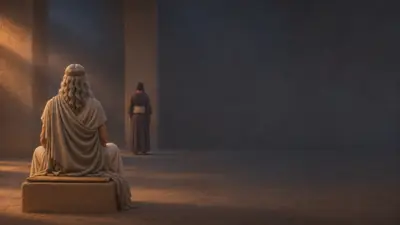
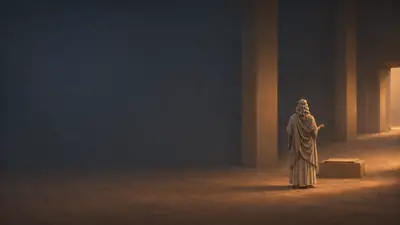
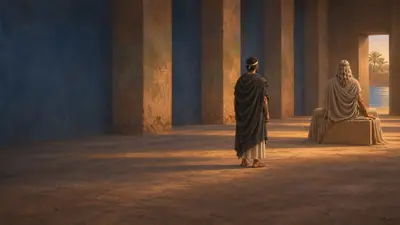
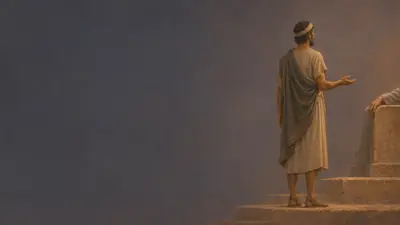
Adapa se presentó ante Anu. El soberano del cielo lo llamó y le preguntó por qué había quebrado el ala del viento del sur.
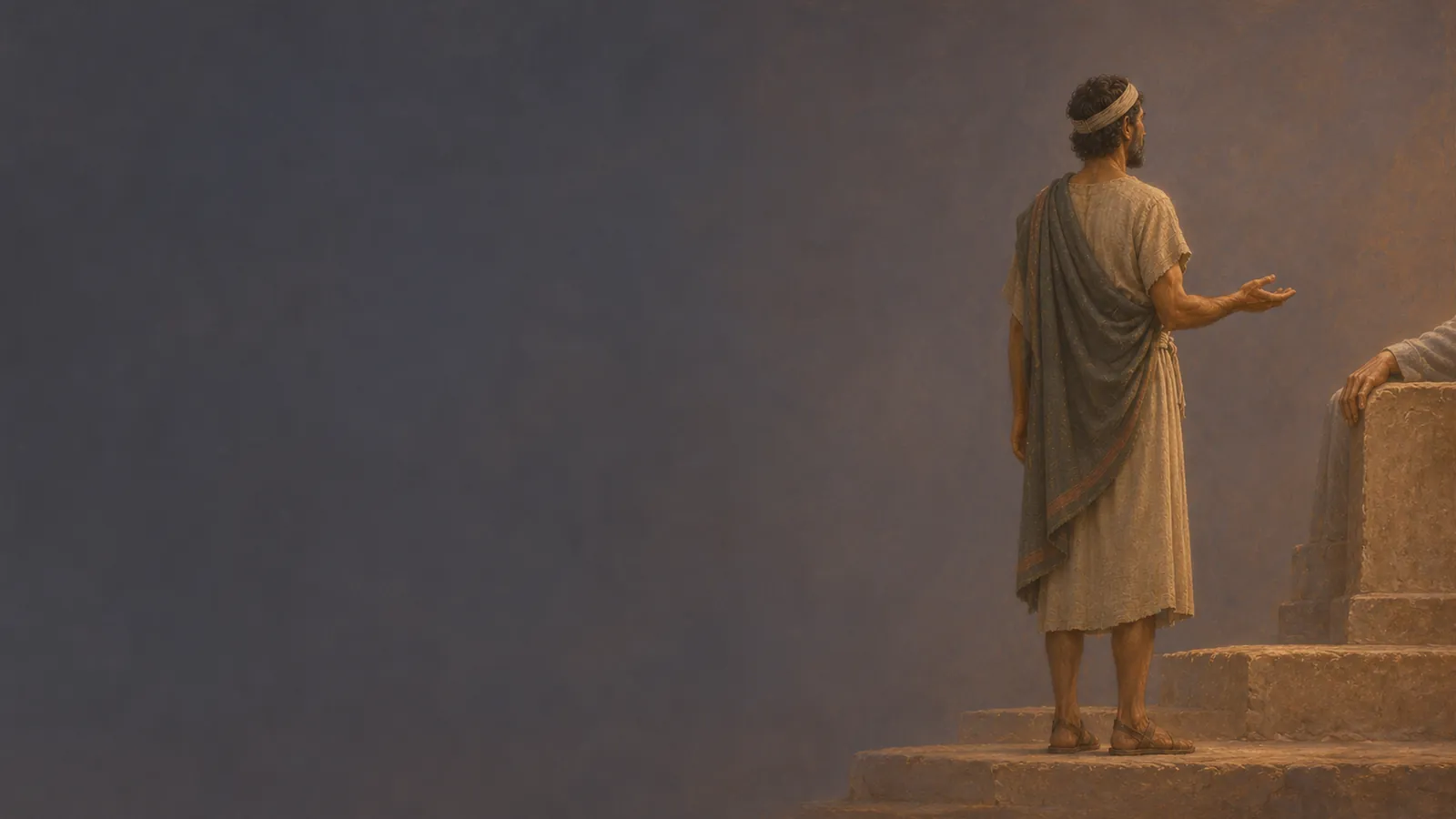
Adapa dijo que pescaba para la casa de su señor. El viento lo había hundido en el agua y, en su ira, lo había maldecido.
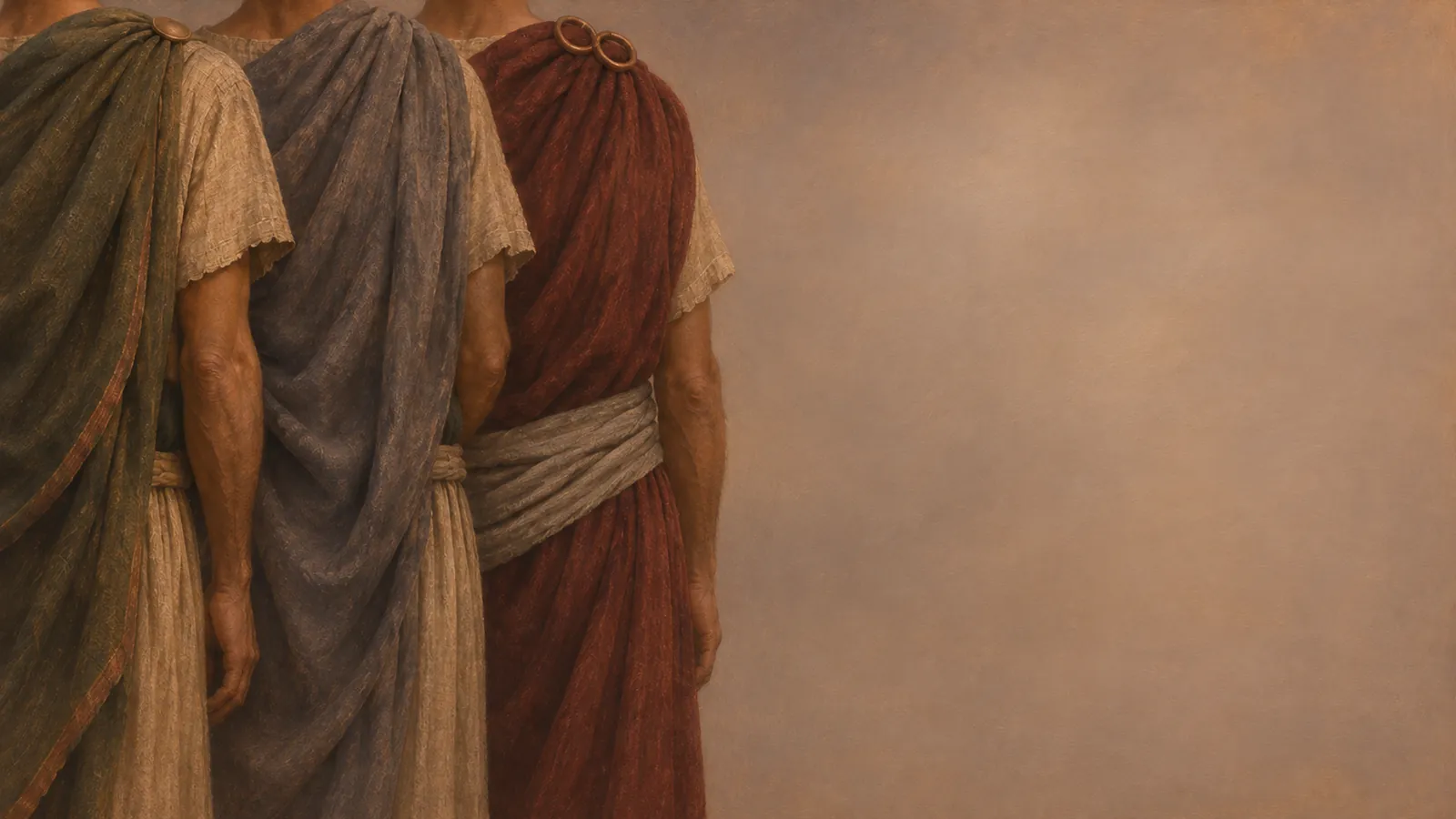
Dumuzi y Gizzida se pusieron a ambos lados de Adapa y hablaron en su favor. Sus palabras llegaron a Anu y la sala quedó en silencio.

Anu se preguntó qué le había mostrado Ea a un humano del cielo y de la tierra. Luego preguntó qué podían hacer los dioses por Adapa.
LA VIDA
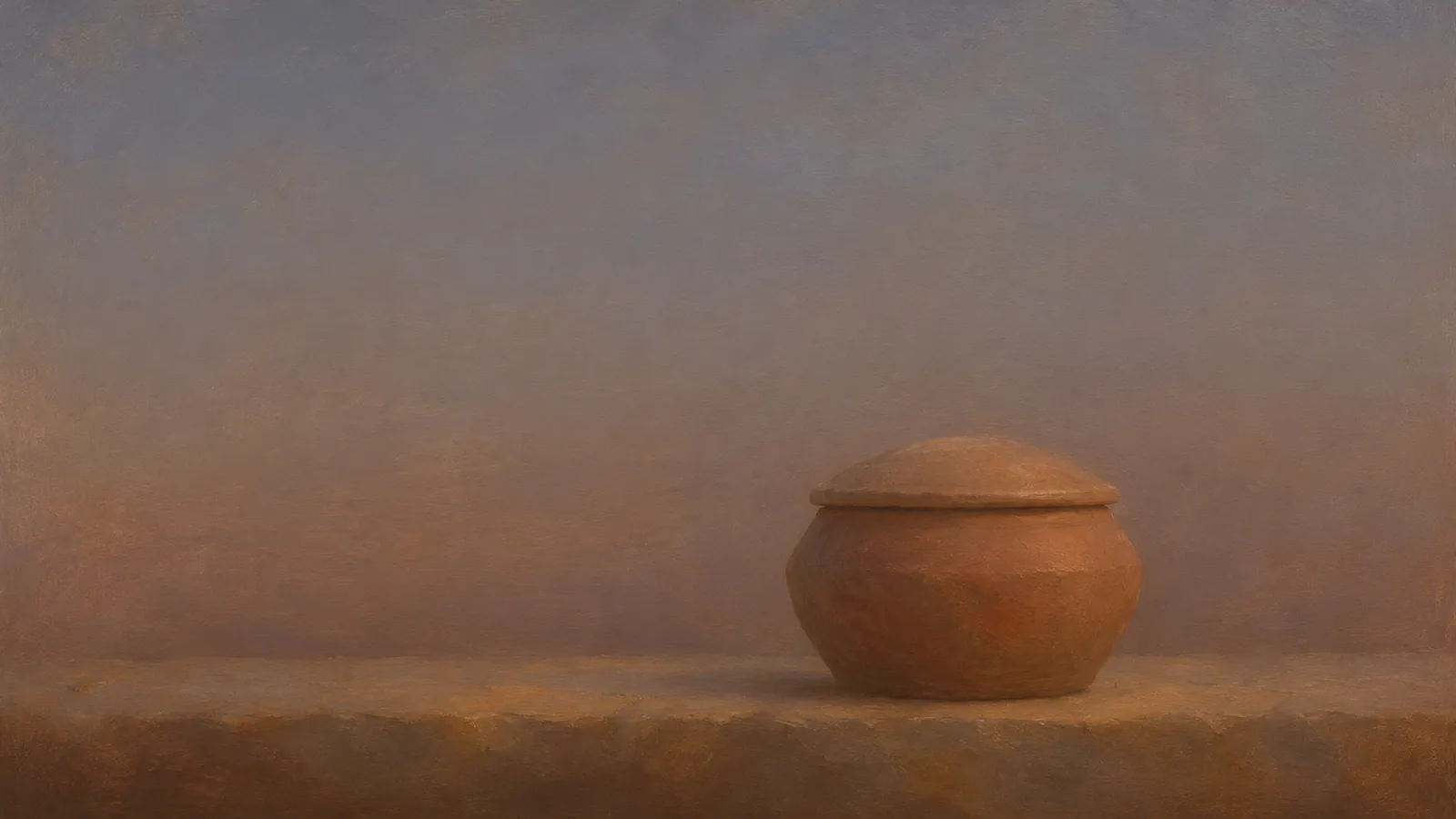
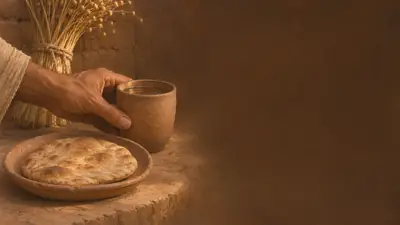
Anu dio su propia orden. Pidió que trajeran el alimento de la vida para que Adapa pudiera comer.
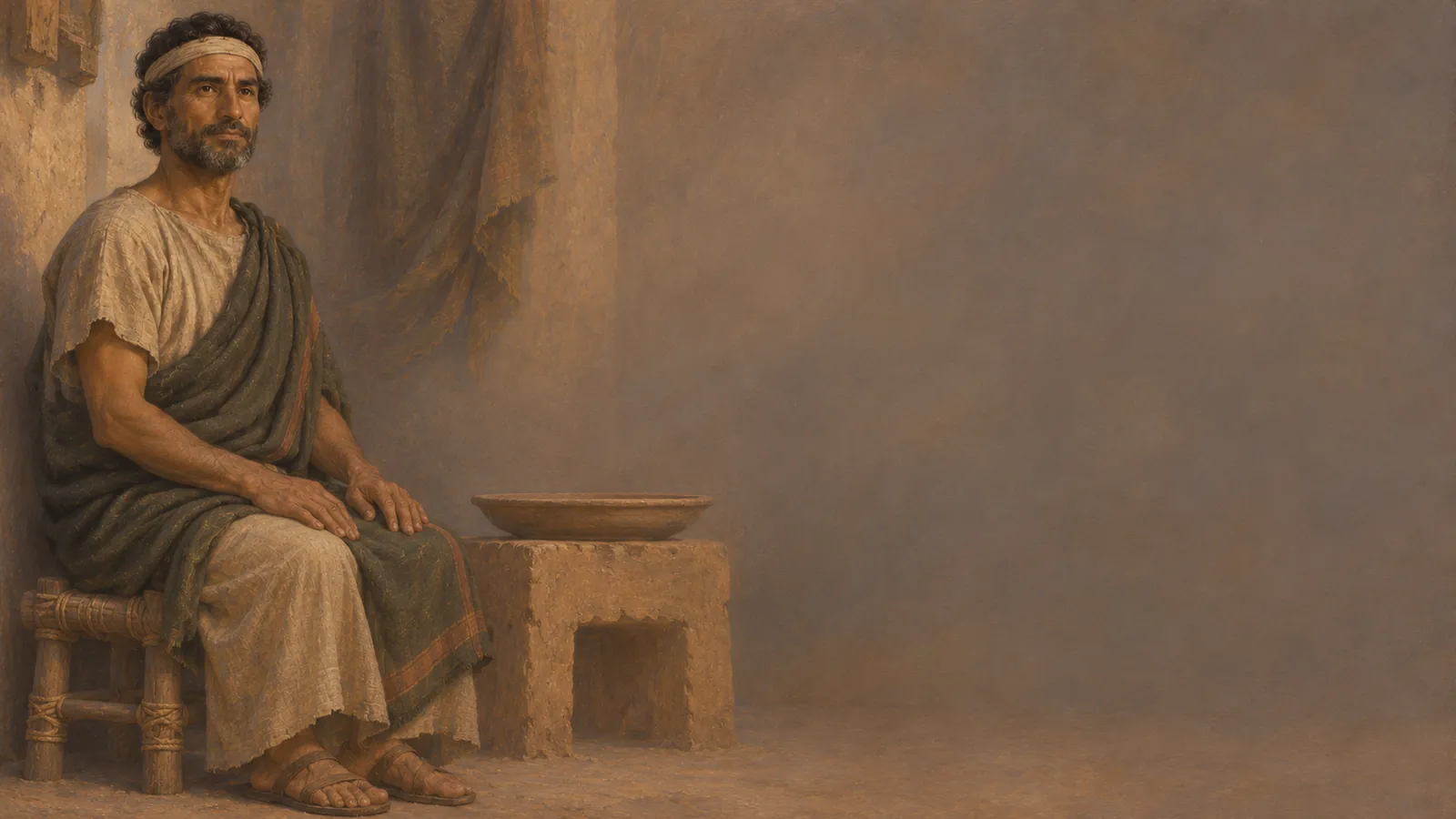
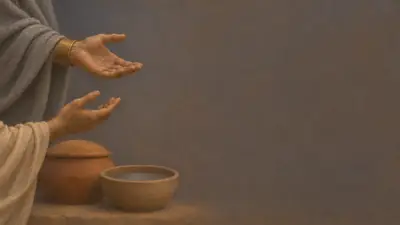
Pusieron el alimento de la vida delante de Adapa. Recordó la advertencia de Ea y dejó intacta la ofrenda.
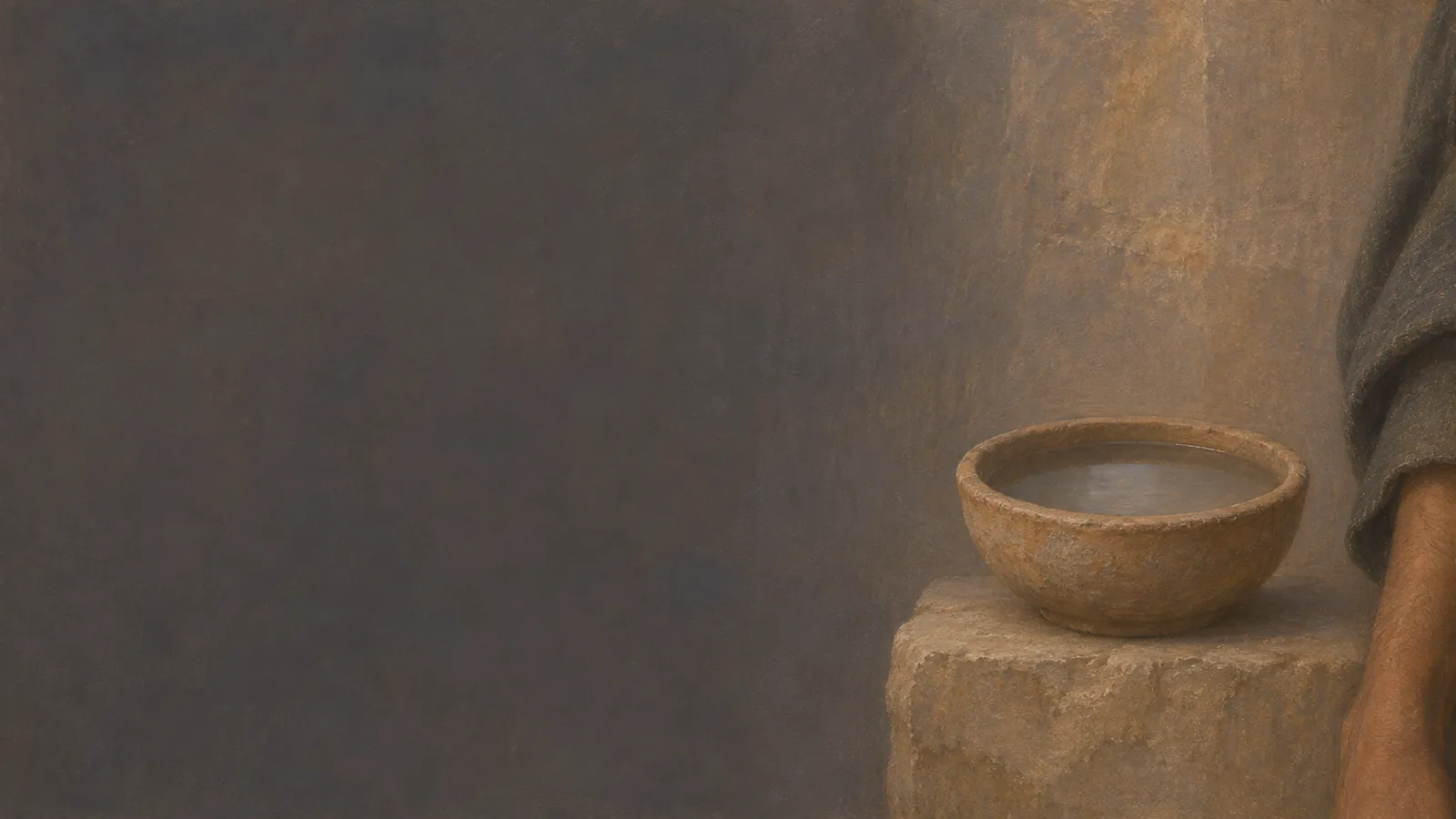
Luego le trajeron el agua de la vida. Se atuvo a lo que Ea le había dicho y no bebió.
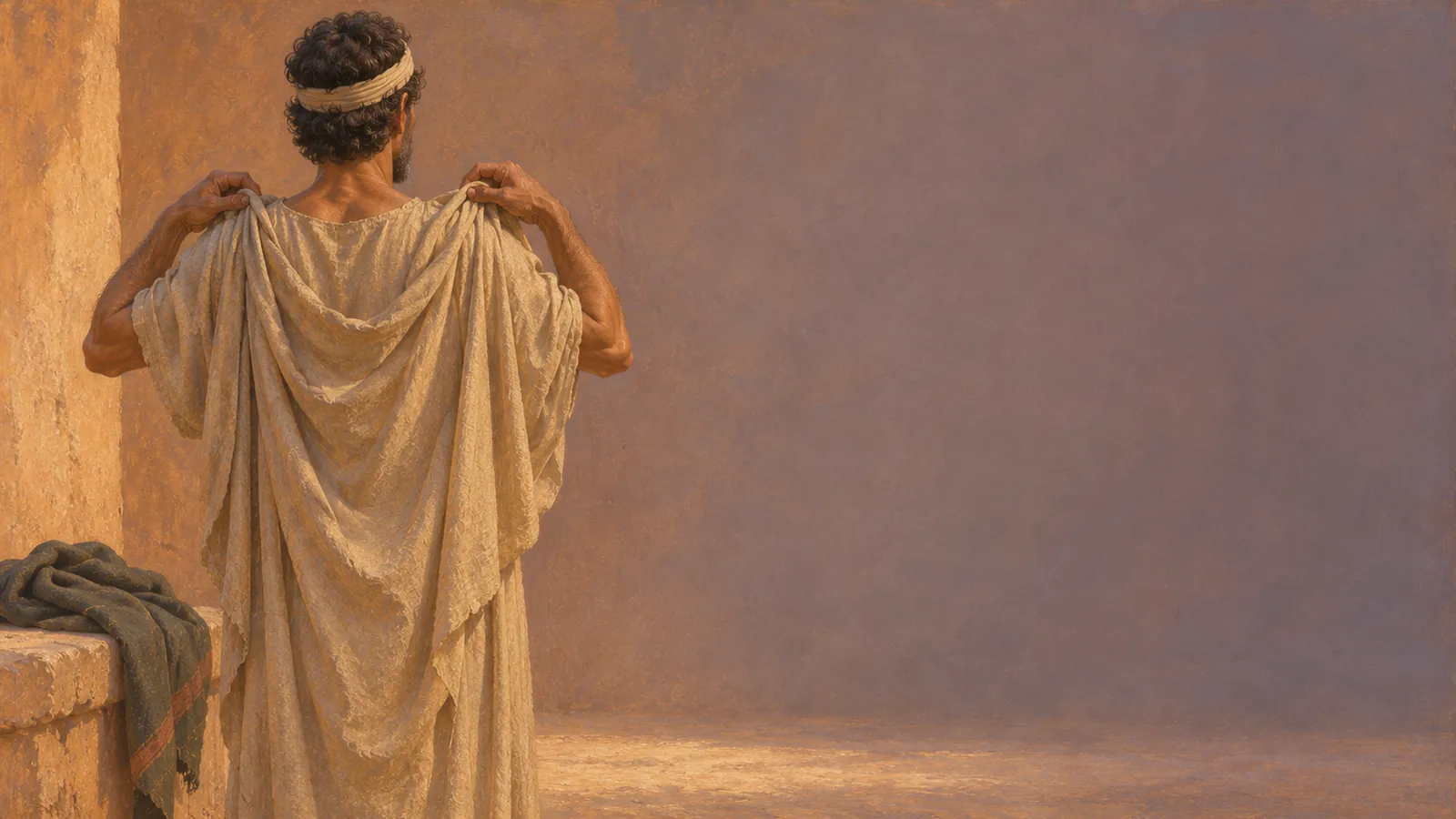
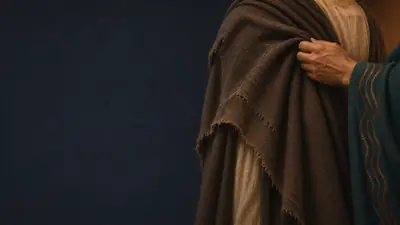
Le trajeron una prenda a Adapa y se la puso. Era uno de los regalos que Ea le había dicho que aceptara.
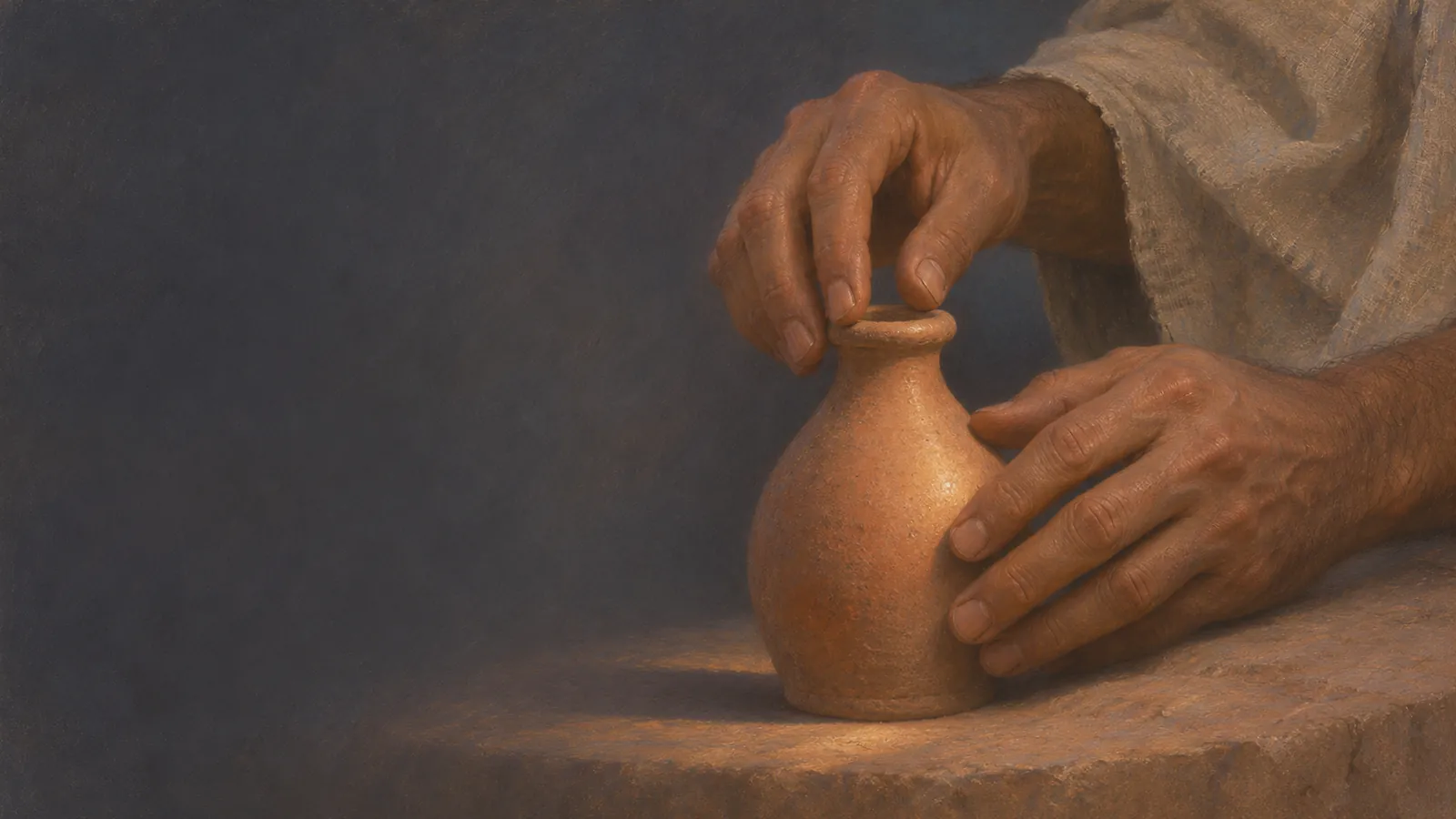
Después de la prenda trajeron aceite. Adapa lo aceptó y se ungió con él, tal como Ea le había dicho.
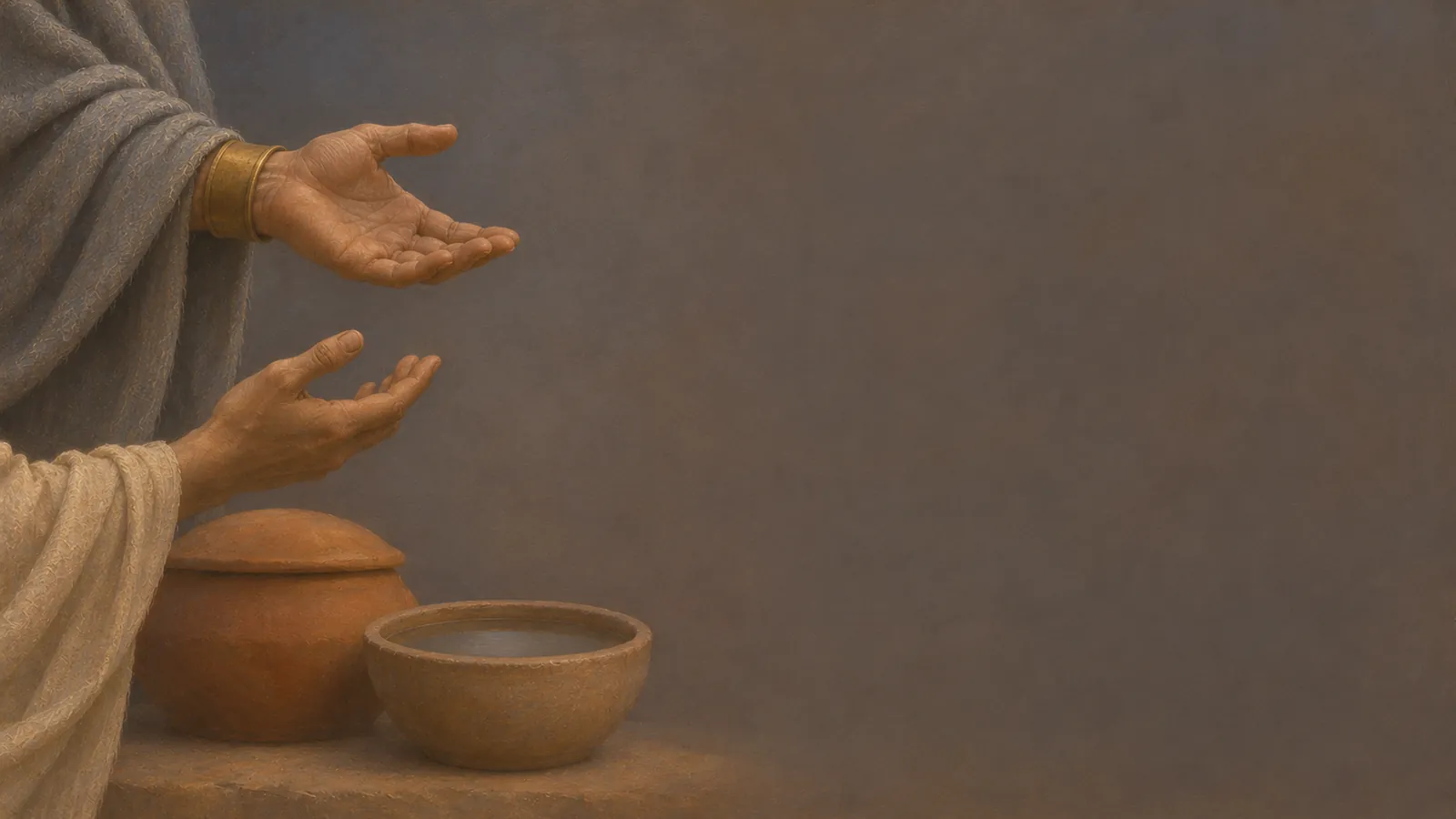
Anu rio y preguntó por qué Adapa se había negado a comer o beber. Adapa respondió que su señor Ea le había dicho que rechazara ambas cosas.
LA ROTURA
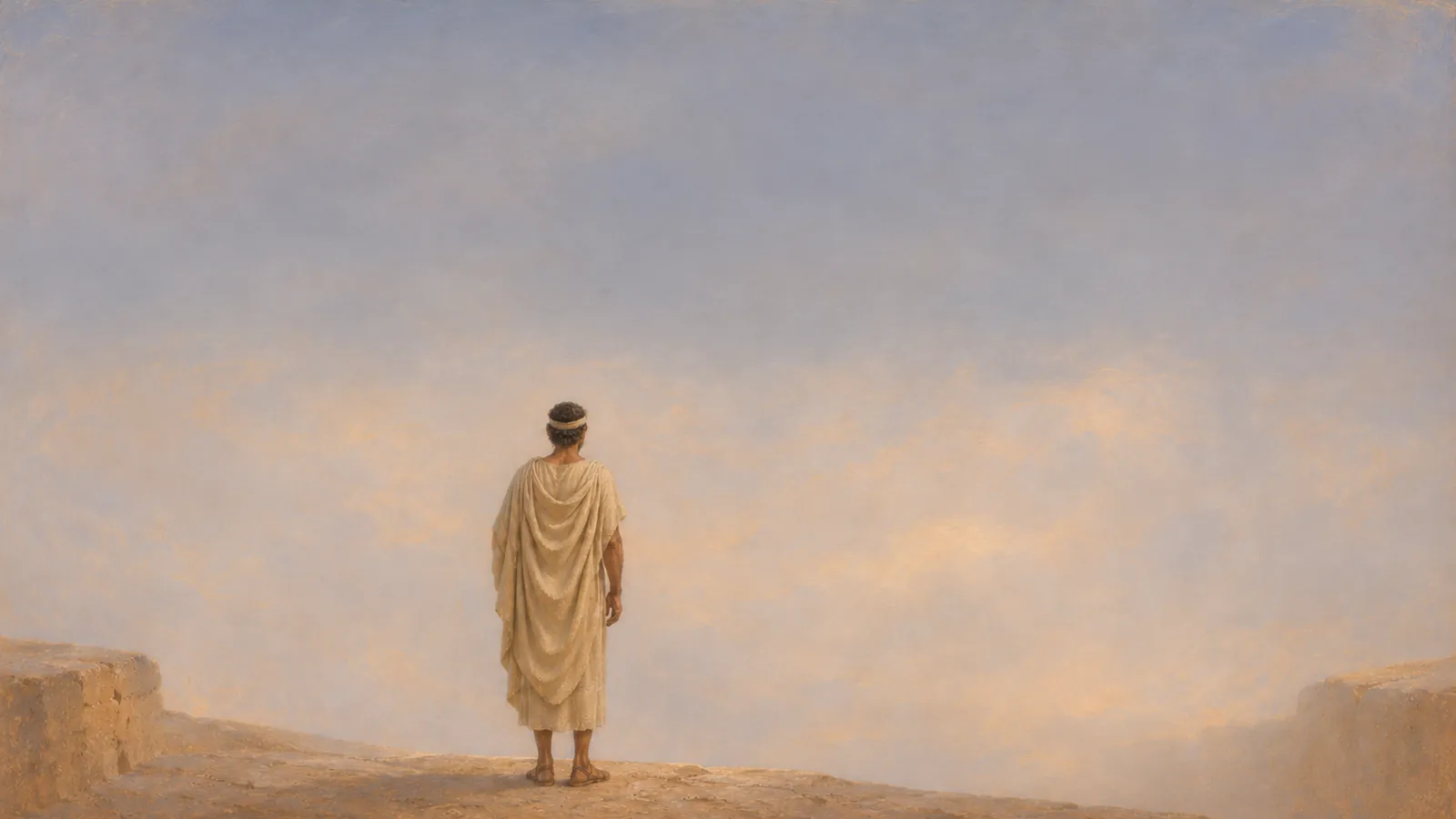
El verso dañado parece ordenar que lleven a Adapa de vuelta abajo. La tablilla de Amarna se interrumpe antes de que sepamos adónde fue.
Un fragmento de Nínive da otro giro a la historia. Parece poner a Adapa bajo la autoridad de Anu y prometerle un honor duradero.
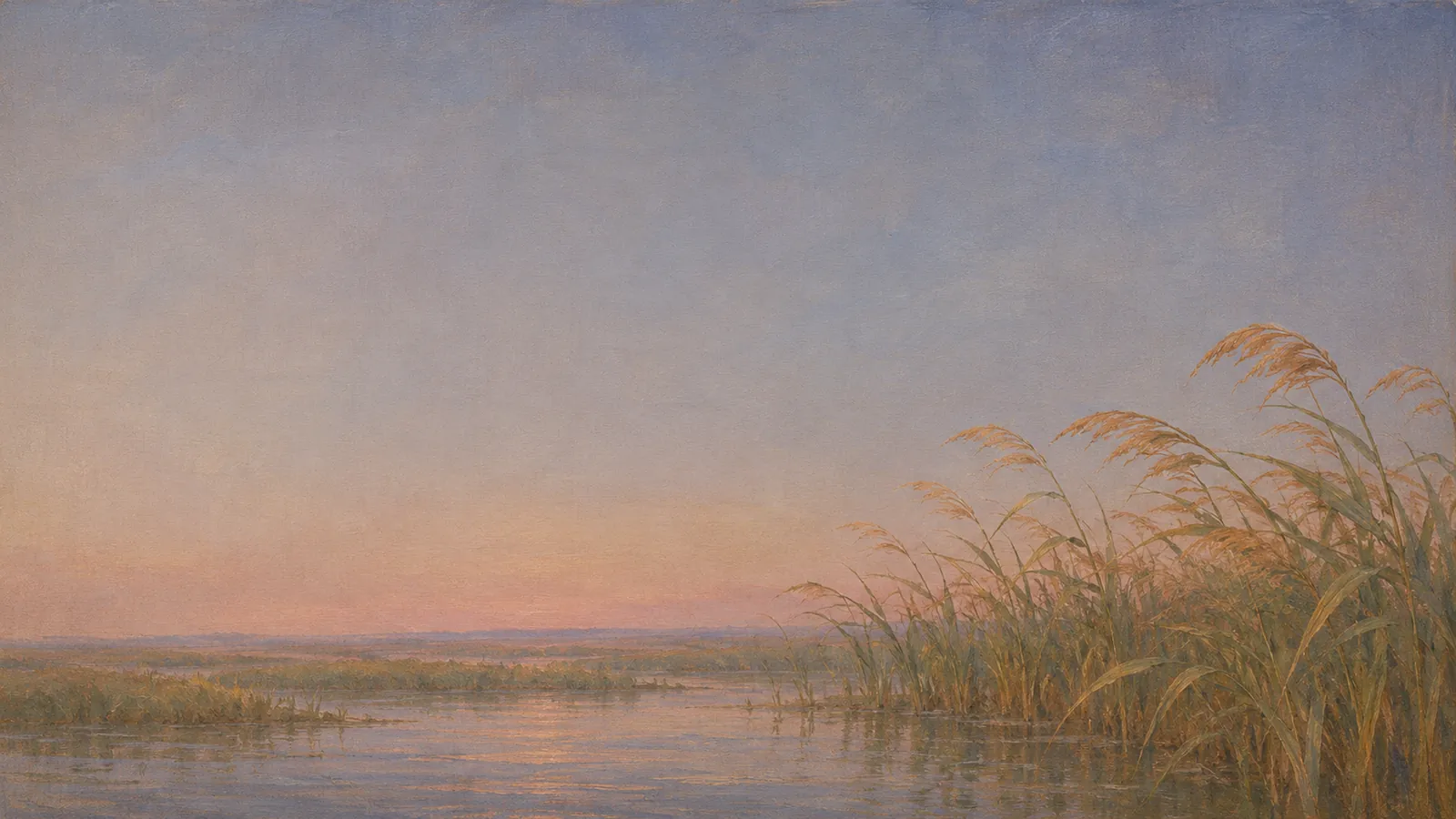
En el relato sumerio de Tell Haddad, los dioses hablan de recomponer el ala del viento. La historia se cierra con palabras sobre el viento y la curación.
Fin del capítulo 1
Todas las páginas















Fuentes
Ediciones consultadas
- Shlomo Izre’el, The Amarna Scholarly Tablets, EA 356, pp. 43–50. Open edition hosted by NYU Libraries
- Hebrew University, Sources of Early Akkadian Literature. EA 356 transliteration and continuous line numbering
- Albert T. Clay, A Hebrew Deluge Story in Cuneiform, pp. 39–41. Edition of MLC 1296, digitized by ETANA
- Yale Babylonian Collection, Babylonian Records IV, no. 3. Cuneiform copy of MLC 1296
- Electronic Babylonian Library, Adapa, Standard Babylonian fragments
- Amar Annus, The Story of the Watchers as a Counter Narrative. Transliteration and discussion of K.8214 rev. 7′–14′
- Cuneiform Digital Library Initiative, Q002295. Sumerian composite with transliteration and line translations
- Antoine Cavigneaux, Une version sumérienne de la légende d’Adapa. Edition of the Tell Haddad tablets
- IL Archive, Adapa
Los versos antiguos de cada página
- Page 1: Nineveh A (MLC 1296) 5′–9′
The opening comes from the Nineveh fragment MLC 1296. The surviving opening at Amarna is broken. - Page 2: Nineveh A (MLC 1296) 2′–8′
- Page 3: Nineveh A (MLC 1296) 9′–14′
- Page 4: Nineveh A (MLC 1296) 15′–22′
The quay’s name is left aside because the wording is damaged. - Page 5: Amarna EA 356 rev. 49′–51′
The Amarna opening is broken. - Page 6: Amarna EA 356 rev. 51′–53′
- Page 7: Amarna EA 356 rev. 52′–53′
- Page 8: Amarna EA 356 obv. 1′–5′ and rev. 53′–54′
The first words of the curse are broken. The text does not narrate a rescue. - Page 9: Amarna EA 356 obv. 5′–6′
- Page 10: Amarna EA 356 obv. 6′–9′
- Page 11: Amarna EA 356 obv. 7′–8′
Ilabrat is named in Amarna. - Page 12: Amarna EA 356 obv. 8′–10′
- Page 13: Amarna EA 356 obv. 10′–12′
- Page 14: Amarna EA 356 obv. 12′–13′
The exclamation varies in translation. - Page 15: Amarna EA 356 obv. 13′–14′, 34′–36′
The command is partly restored. - Page 16: Amarna EA 356 obv. 14′–16′
The preparation is partly restored. - Page 17: Amarna EA 356 obv. 16′–19′
The instructions about the ascent have gaps, with a parallel in the later encounter. - Page 18: Amarna EA 356 obv. 19′–23′ and rev. 38′–42′
The names in the counsel are restored from the later encounter. - Page 19: Amarna EA 356 obv. 21′–25′
The planned answer names the two gods as absent. - Page 20: Amarna EA 356 obv. 25′–28′
Several words in the forecast are damaged. - Page 21: Amarna EA 356 obv. 28′–30′
The phrase naming death belongs to Ea’s warning. - Page 22: Amarna EA 356 obv. 30′–31′
- Page 23: Amarna EA 356 obv. 31′–34′
Tell Haddad uses different language for the third offer, and its reading is disputed. - Page 24: Amarna EA 356 obv. 34′–36′
- Page 25: Amarna EA 356 rev. 37′–38′
The word for the road is partly restored. - Page 26: Amarna EA 356 rev. 38′–40′
- Page 27: Amarna EA 356 rev. 40′–42′
The gods’ exclamation varies among translations. - Page 28: Amarna EA 356 rev. 42′–44′
The Tell Haddad composite uses stronger wording in its own dialogue. - Page 29: Amarna EA 356 rev. 44′–46′
- Page 30: Amarna EA 356 rev. 46′–49′
- Page 31: Amarna EA 356 rev. 49′–54′
- Page 32: Amarna EA 356 rev. 54′–56′
The wording of their speech is damaged. - Page 33: Amarna EA 356 rev. 57′–60′
- Page 34: Amarna EA 356 rev. 60′–61′
The text does not name a specific dish. - Page 35: Amarna EA 356 rev. 61′–62′
- Page 36: Amarna EA 356 rev. 62′–63′
Some wording in the two refusals is restored. - Page 37: Amarna EA 356 rev. 63′–64′
The corresponding words in Tell Haddad are disputed. - Page 38: Amarna EA 356 rev. 64′–65′
- Page 39: Amarna EA 356 rev. 66′–69′
The force of Anu’s remark about life is debated. - Page 40: Amarna EA 356 rev. 69′–71′
The verb of return is partly restored. A completed return is not preserved. - Page 41: Nineveh D (K.8214) rev. 7′–14′
The damaged fragment is read as service under Anu or as protection from him. This is a different witness. - Page 42: Tell Haddad Sumerian account, CDLI Q002295 173–190
These line numbers belong to the editorial composite. Its close concerns the wind’s restoration and healing.
Ilustraciones hechas por IL Archive con herramientas de IA; el texto se basa en las fuentes antiguas (véanse las fuentes al final de cada capítulo).