Entity
Ningishzida and Gizzida
A reference page linking a name, group, or concept to the materials that discuss it.
Ningishzida is a Mesopotamian god called Gizzida in Adapa’s story, where he and Dumuzi support the sage at Anu’s gate.
Last reviewed:
Text
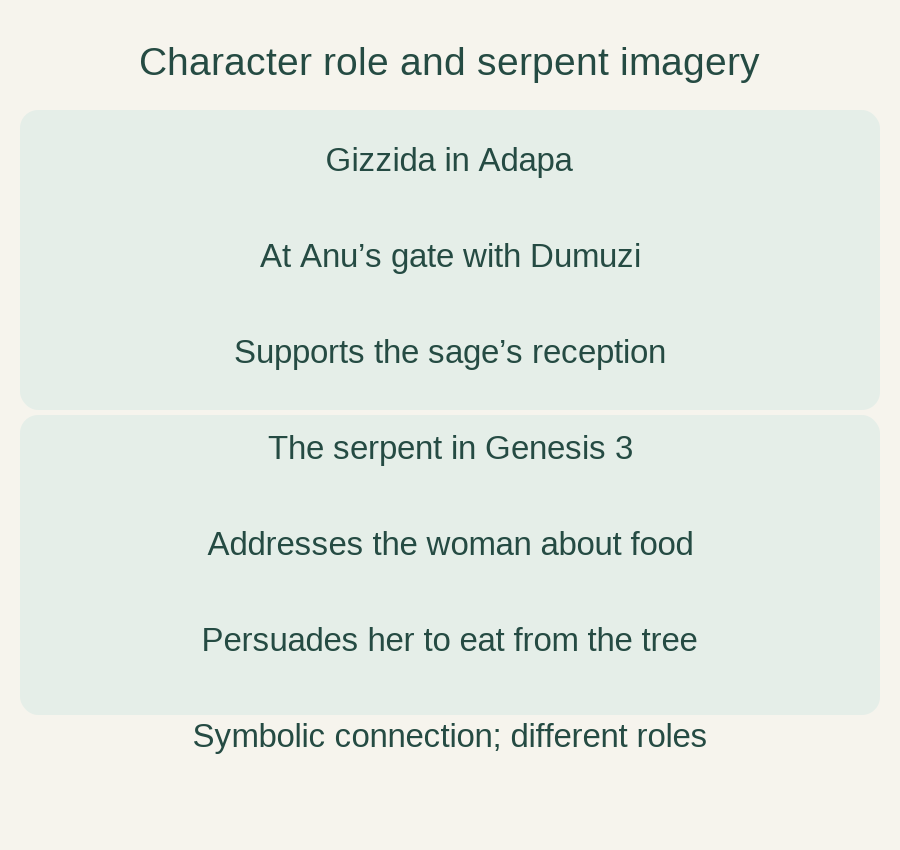
Ningishzida is a god of MesopotamianMesopotamiaHistorical region associated with the Tigris and Euphrates: Uruk, Ur, Eridu, cuneiform, Sumer, Akkad, Babylon and Assyria, their languages and cults, and the limits of archaeological evidence.Glossary · Click to read the explanation traditions, called Gizzida in Adapa and the South WindAdapa and the South WindDivergent Sumerian and Akkadian witnesses recount Adapa’s disabling of the South Wind, his ascent and his refusal of life’s food; immortality, Ea’s intentions and the sage’s fate remain debated.Glossary · Click to read the explanation. He stands with DumuziDumuzi / TammuzDumuzi is a deity of ancient Mesopotamian traditions associated with shepherding and Inanna; Tammuz appears as the name in later linguistic and textual traditions.Glossary · Click to read the explanation at AnuAn / AnuAn is the Sumerian sky god, called Anu in Akkadian. The sign AN by itself does not identify him: it also denotes sky or divinity.Glossary · Click to read the explanation’s gate. AdapaAdapaAdapa is a sage of Eridu in Mesopotamian tradition, associated with Ea. The South Wind story, audience with Anu, and ritual sources give him distinct roles; they do not establish his identity with Adam or the first human.Glossary · Click to read the explanation’s words of mourning for their absence win their support for his appearance. This role belongs to the heavenly encounter’s etiquette, rather than the Genesis serpent’s persuasion to eat. [1]
Earlier evidence attests his worship. GudeaGudeaRuler of Lagash in the late third millennium BCE, whose inscriptions document temple construction and the name Anunna.Glossary · Click to read the explanation, ruler of Lagash, dedicated a chlorite vessel to him, Louvre AO190, dated by the museum to about 2120–2110 BCE. It bears serpent imagery. That symbolic connection permits comparison, but does not establish that every serpent in a later text represents the same god. [2]
References and notes
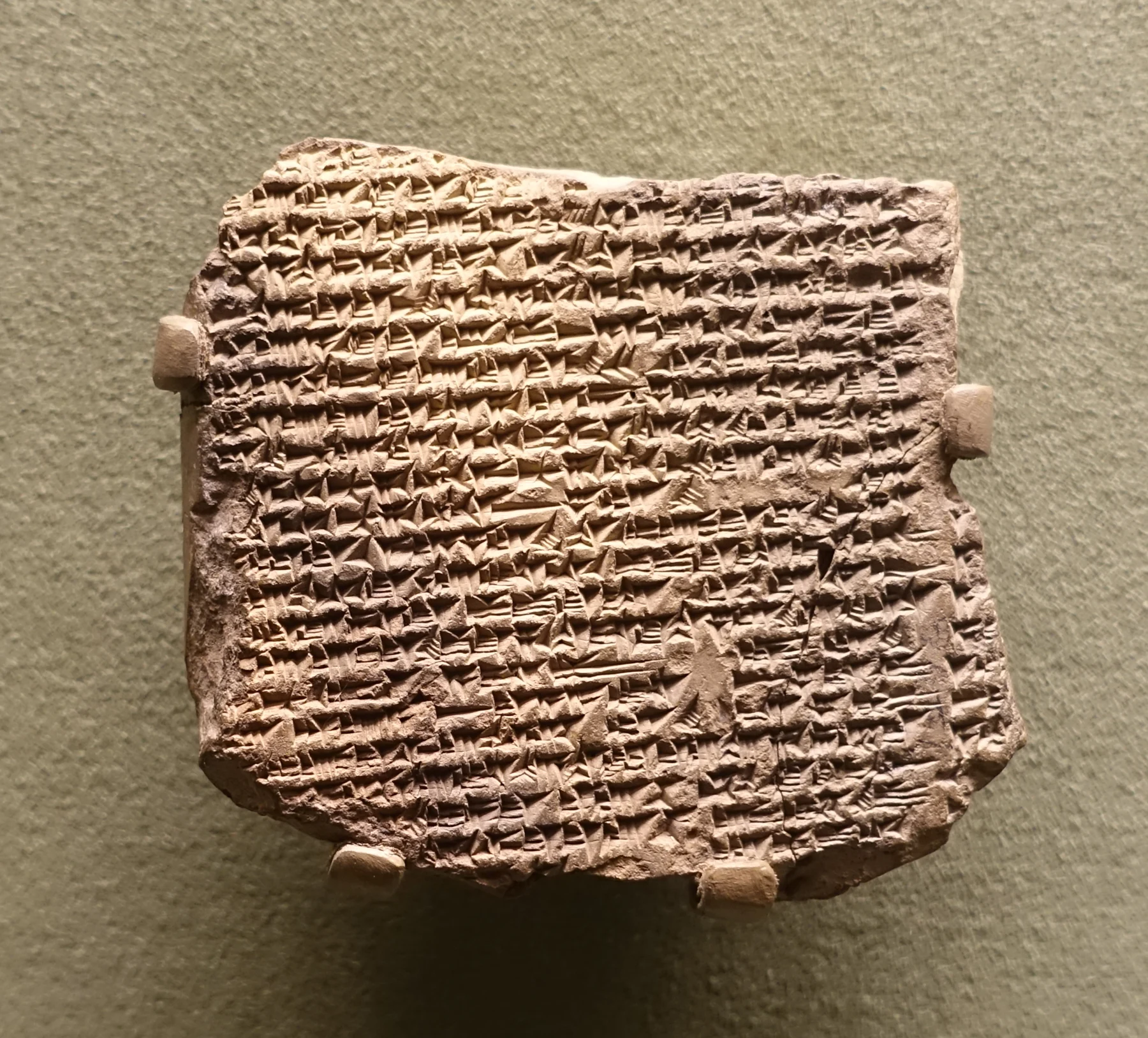
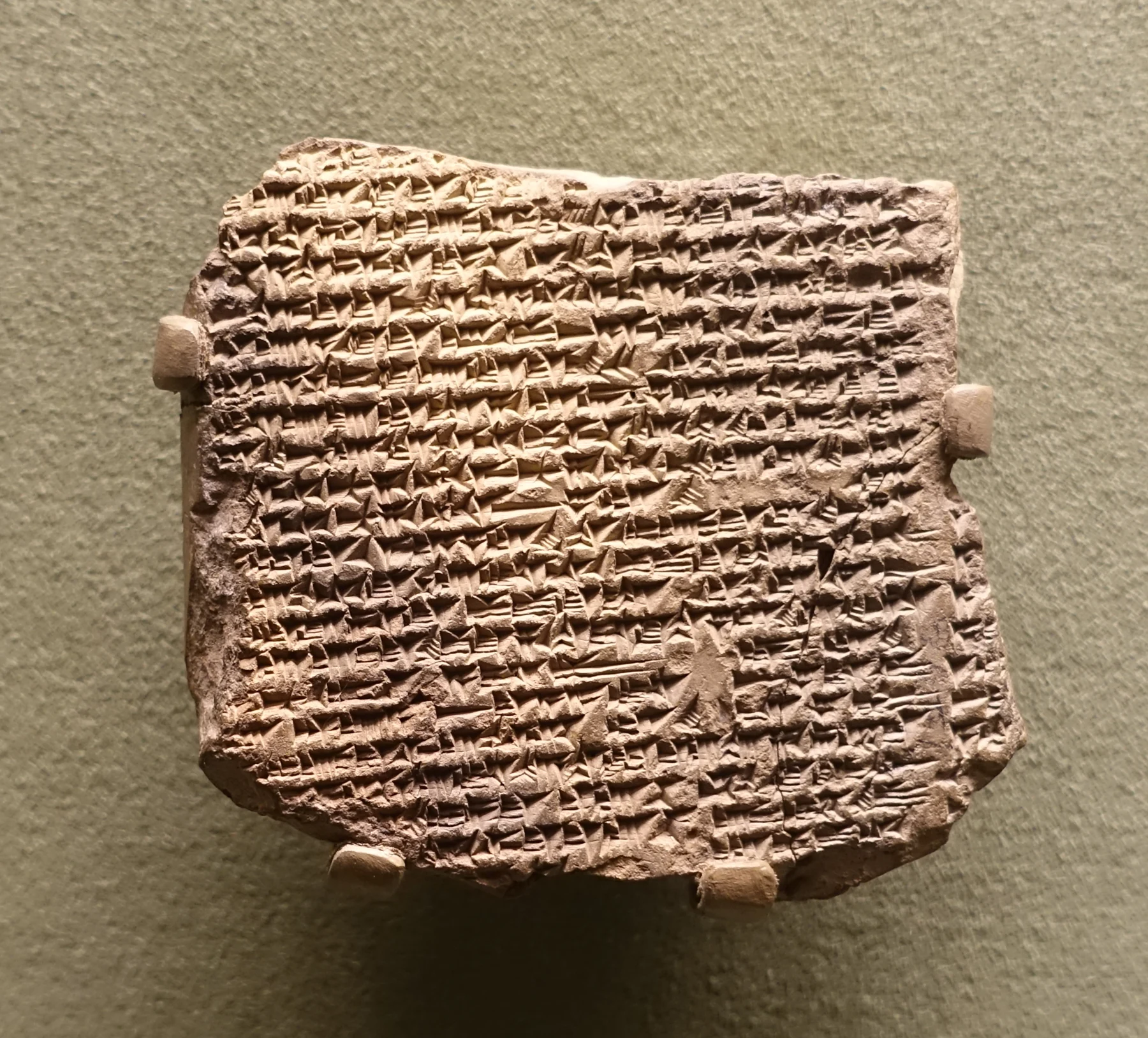
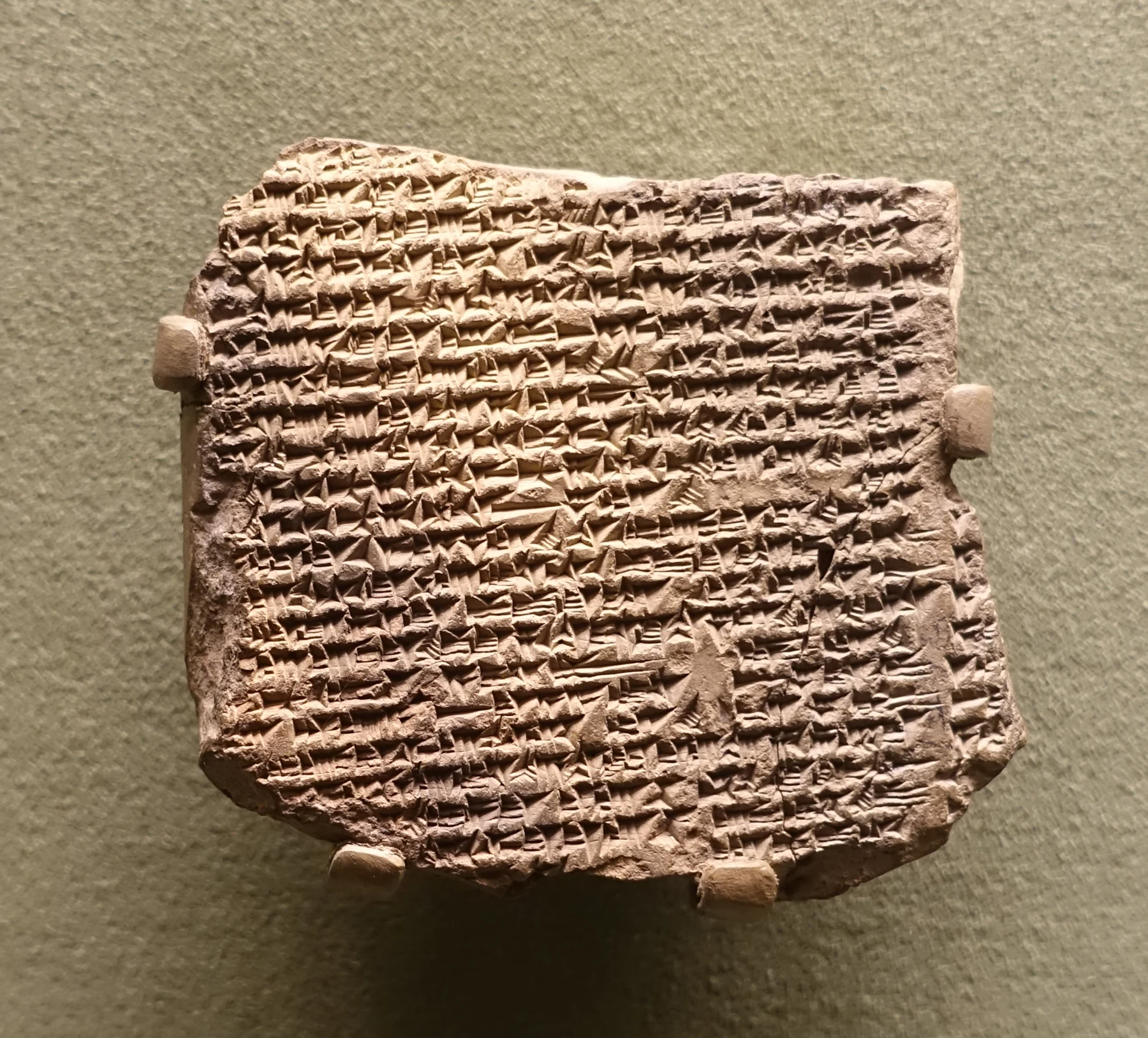
- Catalogue and displayed transliteration read. CDLI gives the broad period about 1400–1100 BCE; Izre’el specifies the fourteenth century. SEAL1557 metadata and lines 29–34, 60–70 also consulted. No independent Akkadian translation or cuneiform collation claimed. CDLI P270855; EA356 / VAT00348; obverse 1′–36′, reverse 1–35 Return to the text ↑
- Catalogue, chlorite material, date, dedication to Ningishzida, serpent imagery and Girsu provenance read. Symbolism does not identify Genesis’s serpent as the same god. Museum photo copyright is not a general reuse licence. Louvre, Gudea’s libation vessel, AO190; about 2120–2110 BCE, dedication and iconography Return to the text ↑
Suggest a correction · Suggest a source for this record
Cite this record
IL Archive, «Ningishzida and Gizzida», https://ilarchive.com/en/entities/ningishzida-gizzida
Continue reading
Related readings