Adapa Chapter 1
Adapa and the South Wind
Adapa, a sage of Eridu, speaks against the South Wind and is called to heaven to answer for what he has done. At Anu’s court he faces an offer whose meaning differs from what Ea led him to expect.
SourcesTurn the pages with the arrows, the arrow keys or a swipe.
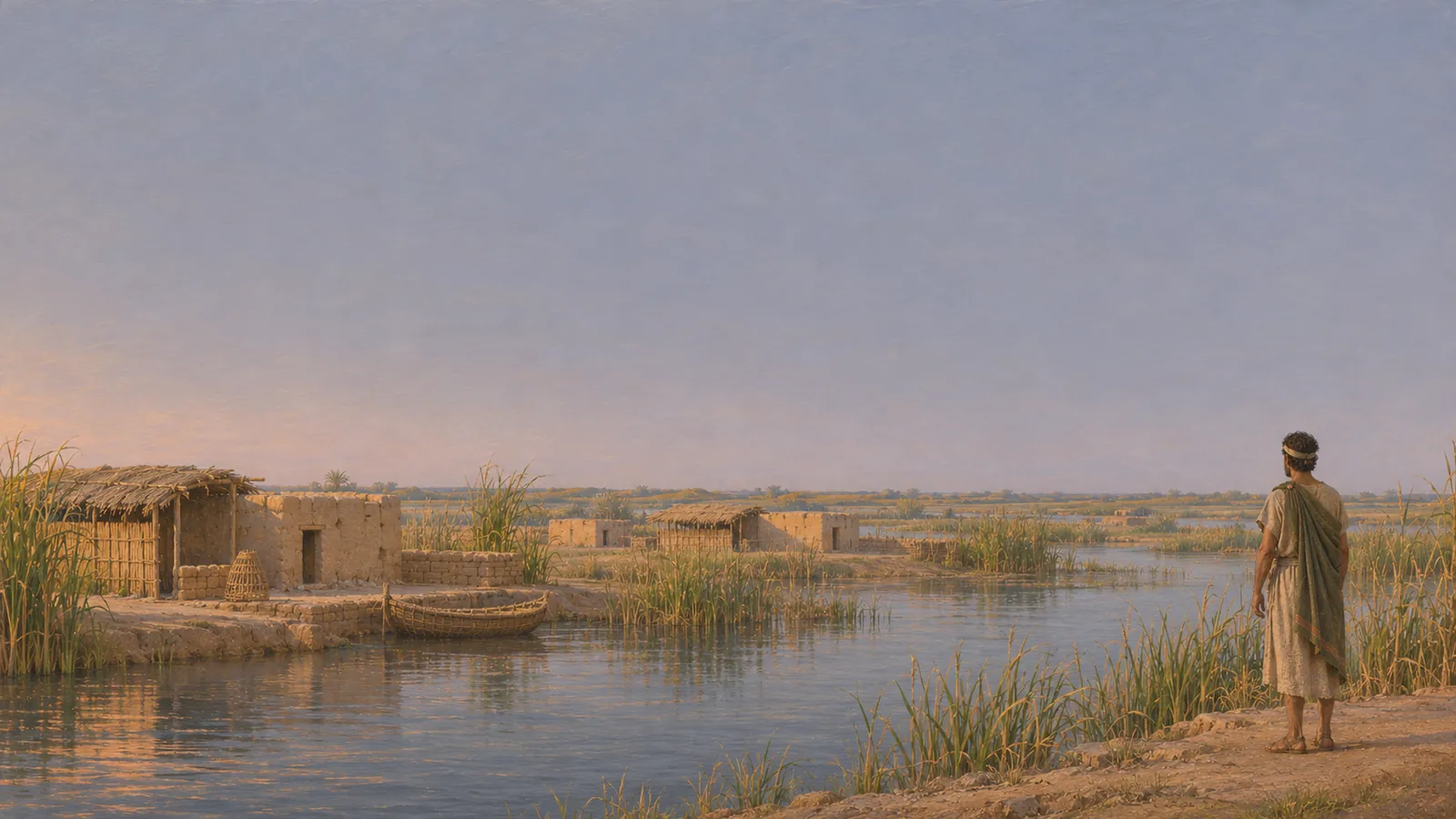
ADAPA
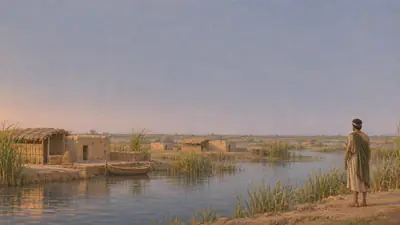
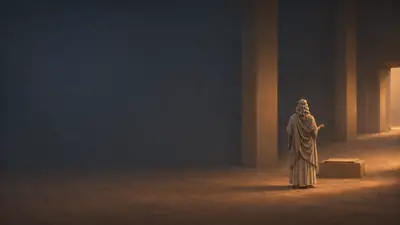
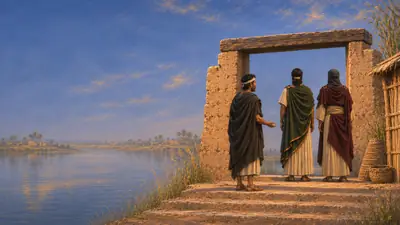
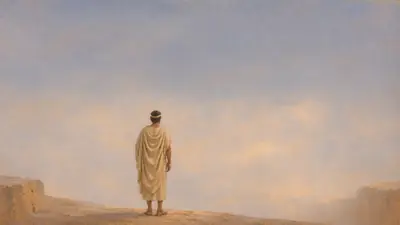
At Eridu, a city beside the waters, there lived a sage named Adapa. He belonged to the household of Ea.
Ea gave the sage a powerful understanding. The old poem says that the gift of wisdom did not include life without end.
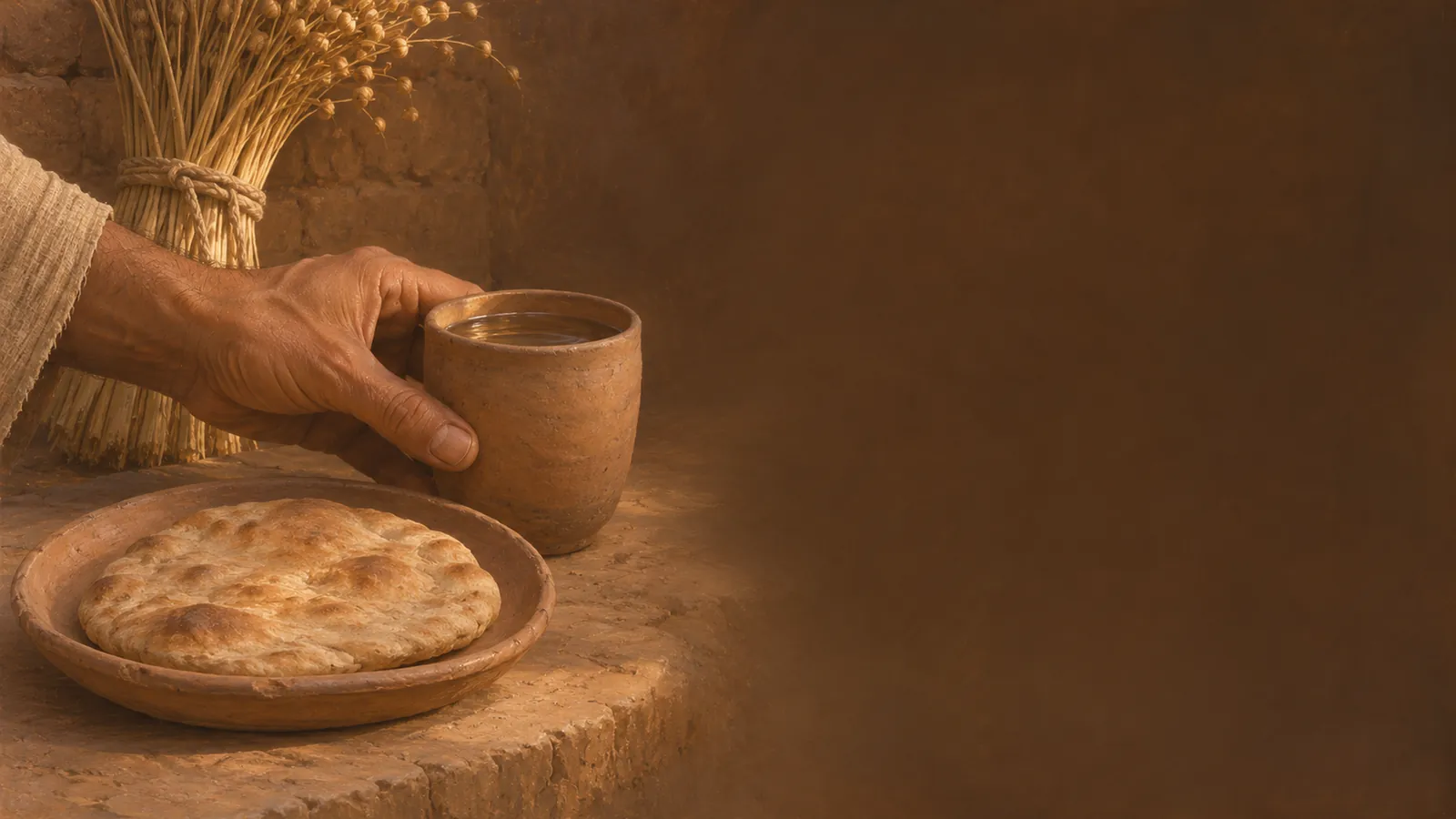
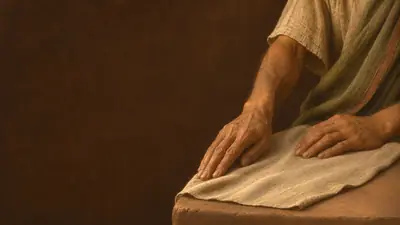
Adapa worked with the bakers of Eridu. He prepared food and water each day and laid out the table for Ea’s household.
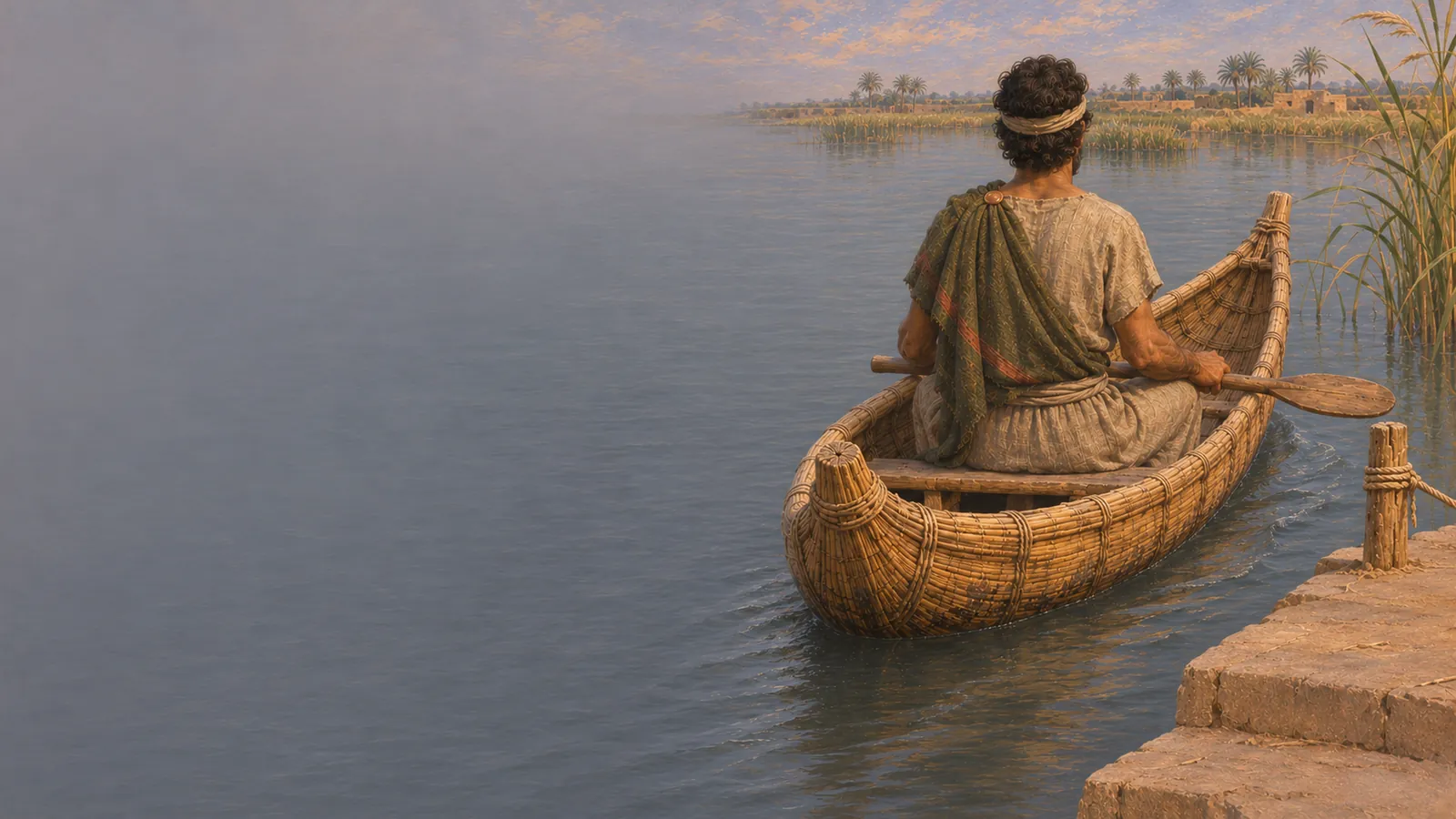
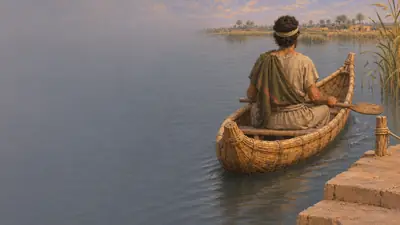
Adapa also went fishing for Eridu. He boarded his boat at the quay and guided it out toward the open water.
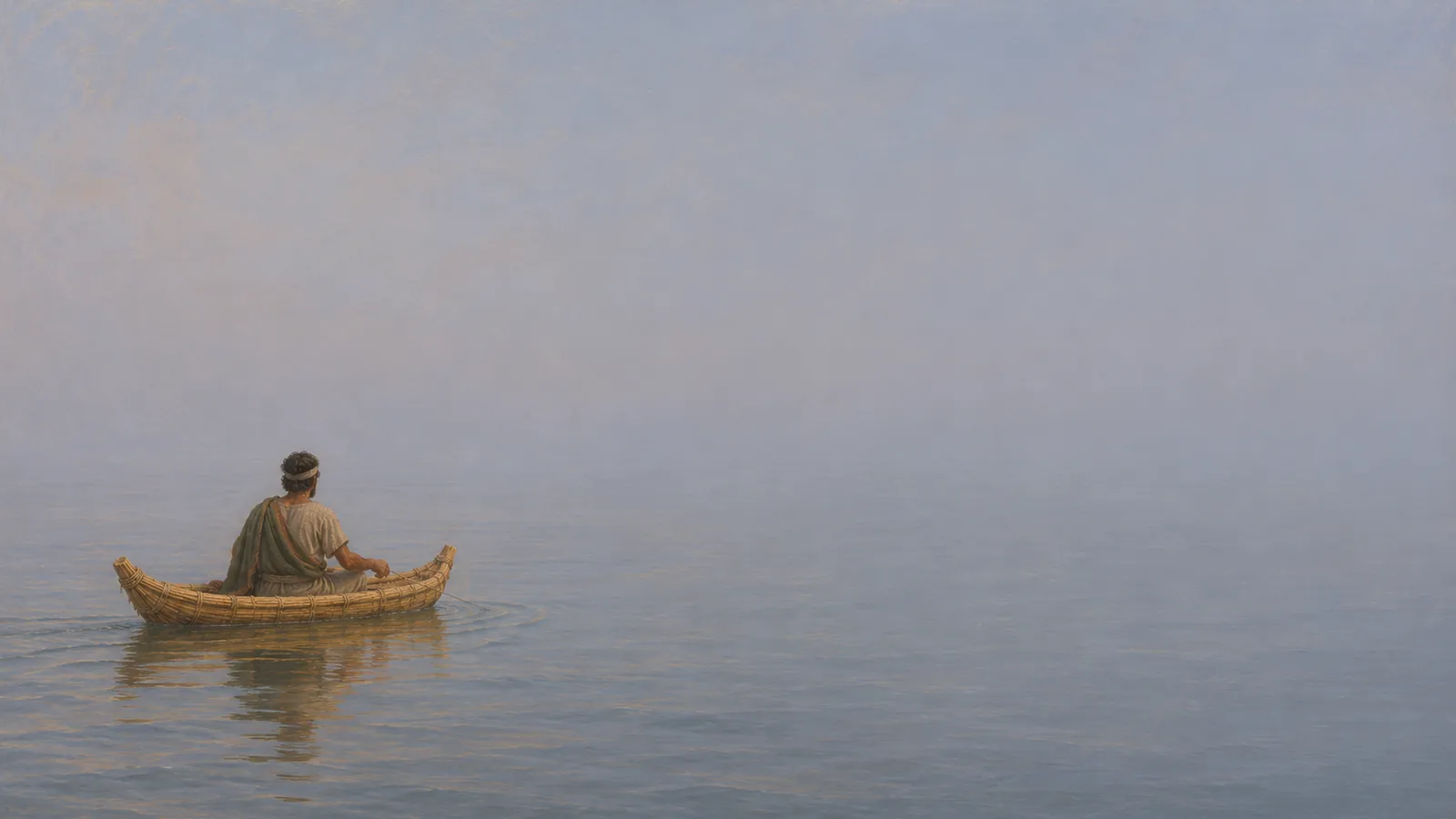
Adapa was far from the bank, fishing for his lord’s household. Later, before Anu, he would begin his account with that ordinary task.
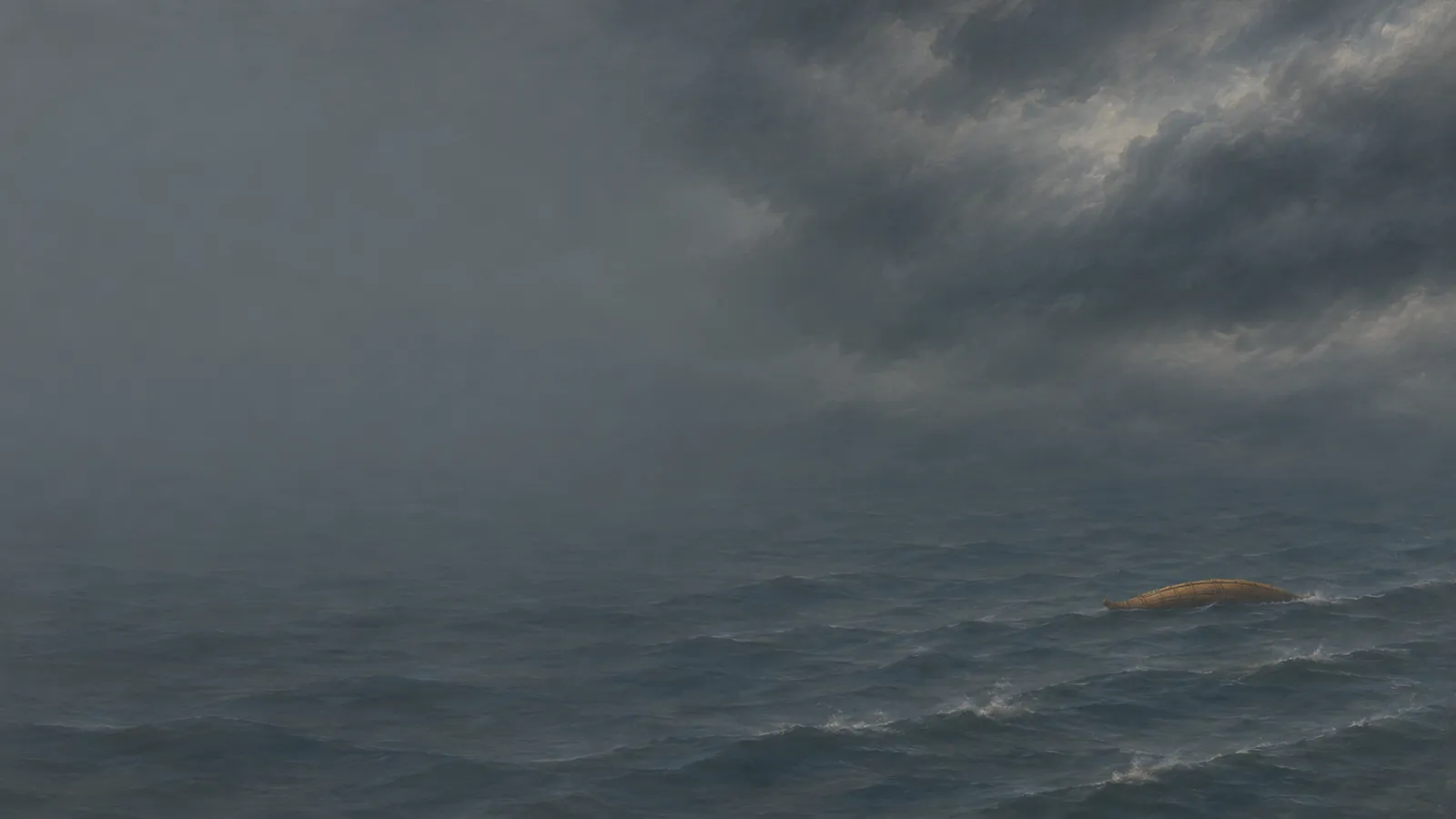
The South Wind came against him on the open water. Adapa would tell Anu that it sent him down into the depths.

Adapa said that the water took him down to his lord’s house. The old line leaves the place itself in shadow.

Anger took hold of Adapa. He spoke against the South Wind and said that he would break the wing that carried it.

No sooner had Adapa spoken than the South Wind’s wing broke. A word had done what no hand had touched.

STILLNESS
For seven days the South Wind did not blow toward the land. Its absence was long enough for Anu to take notice.
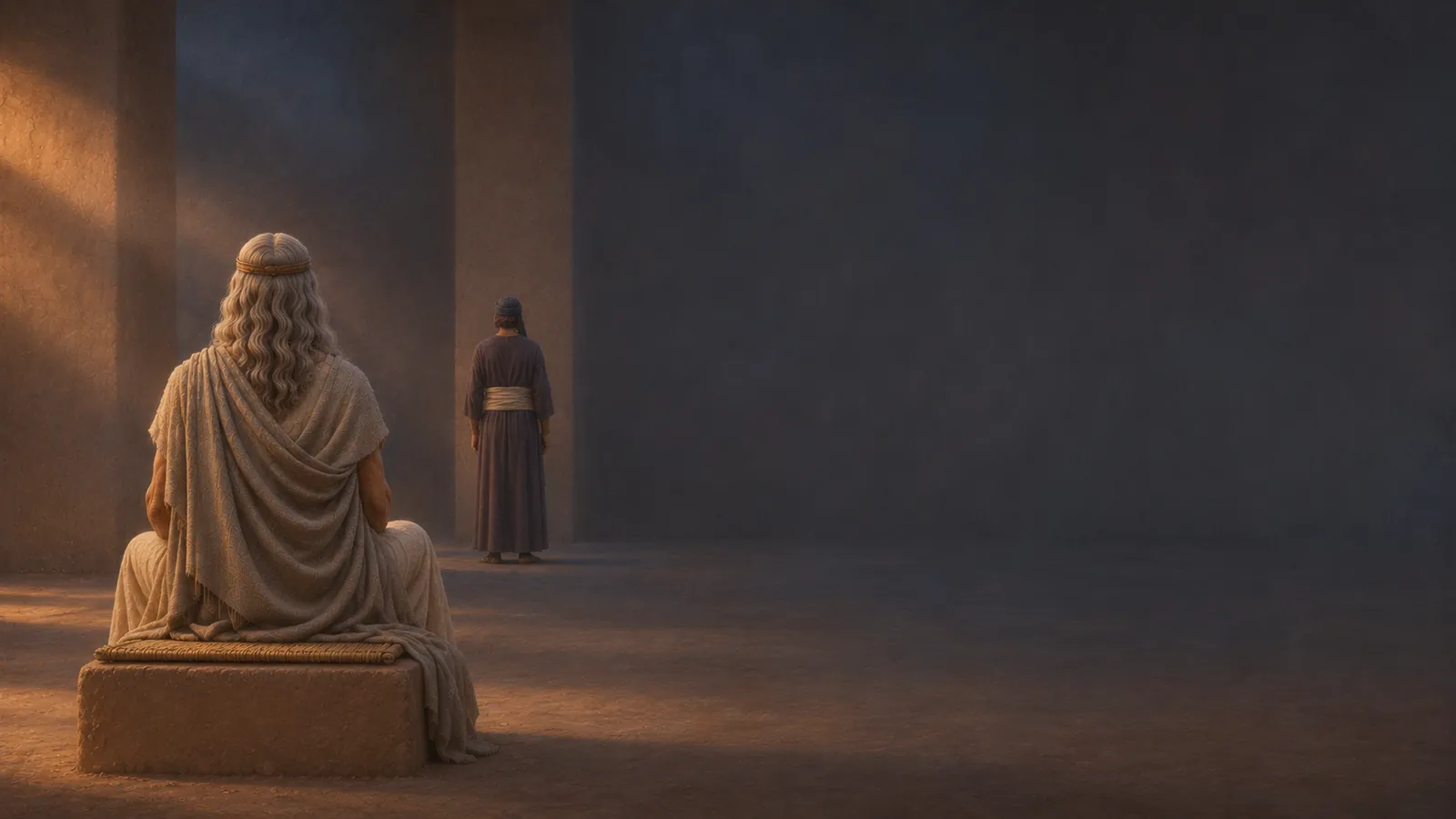
In heaven, Anu called for Ilabrat, his minister. He wanted to know why the South Wind no longer reached the land.

Anu had noticed that seven days had passed. He asked his minister what had kept the South Wind from blowing for so long.
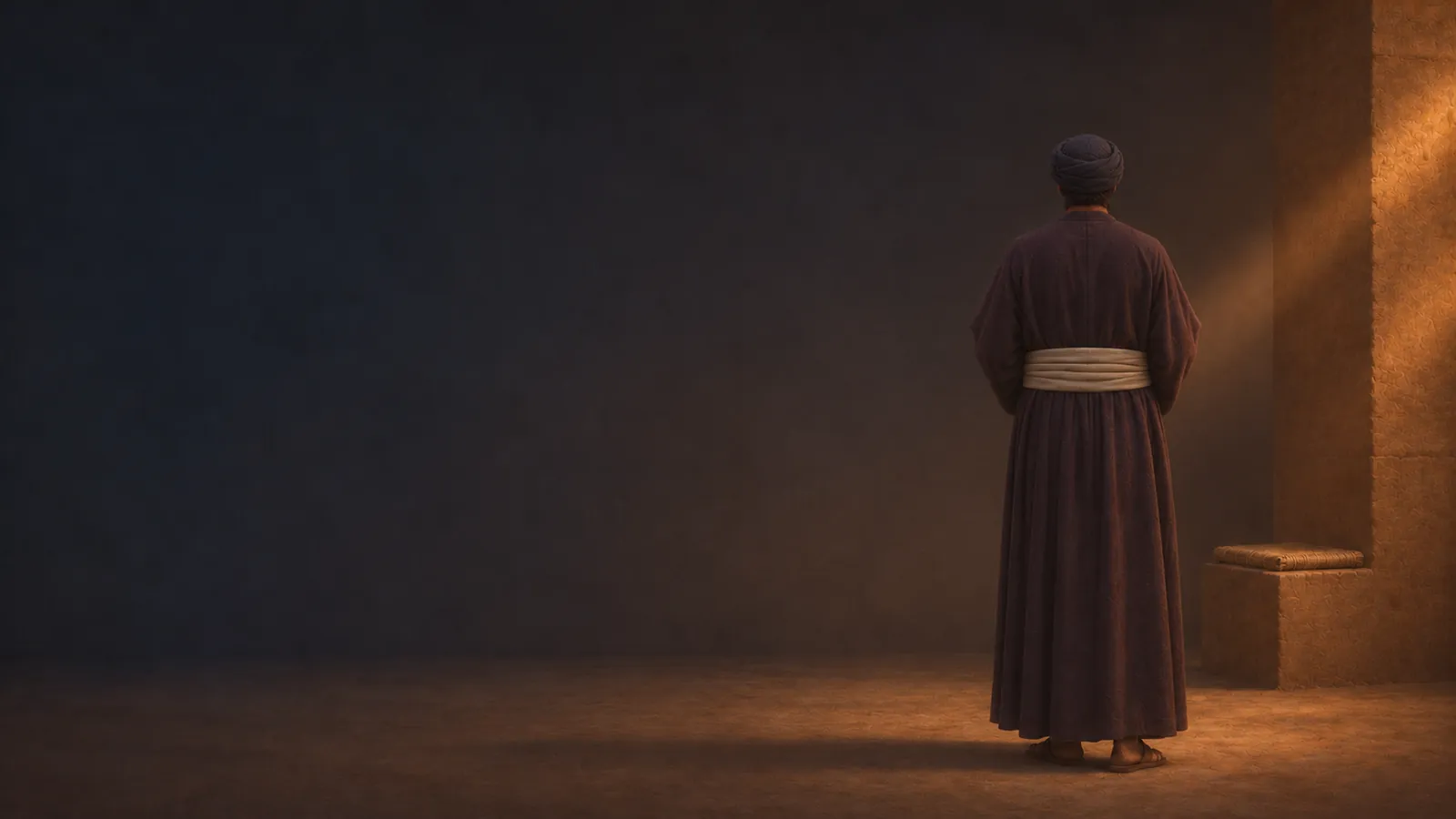
Ilabrat had an answer for his lord. It was Adapa, the son of Ea, who had broken the South Wind’s wing.

Anu heard the report and called out. The ruler of heaven rose from his seat when he learned who had stopped the wind.
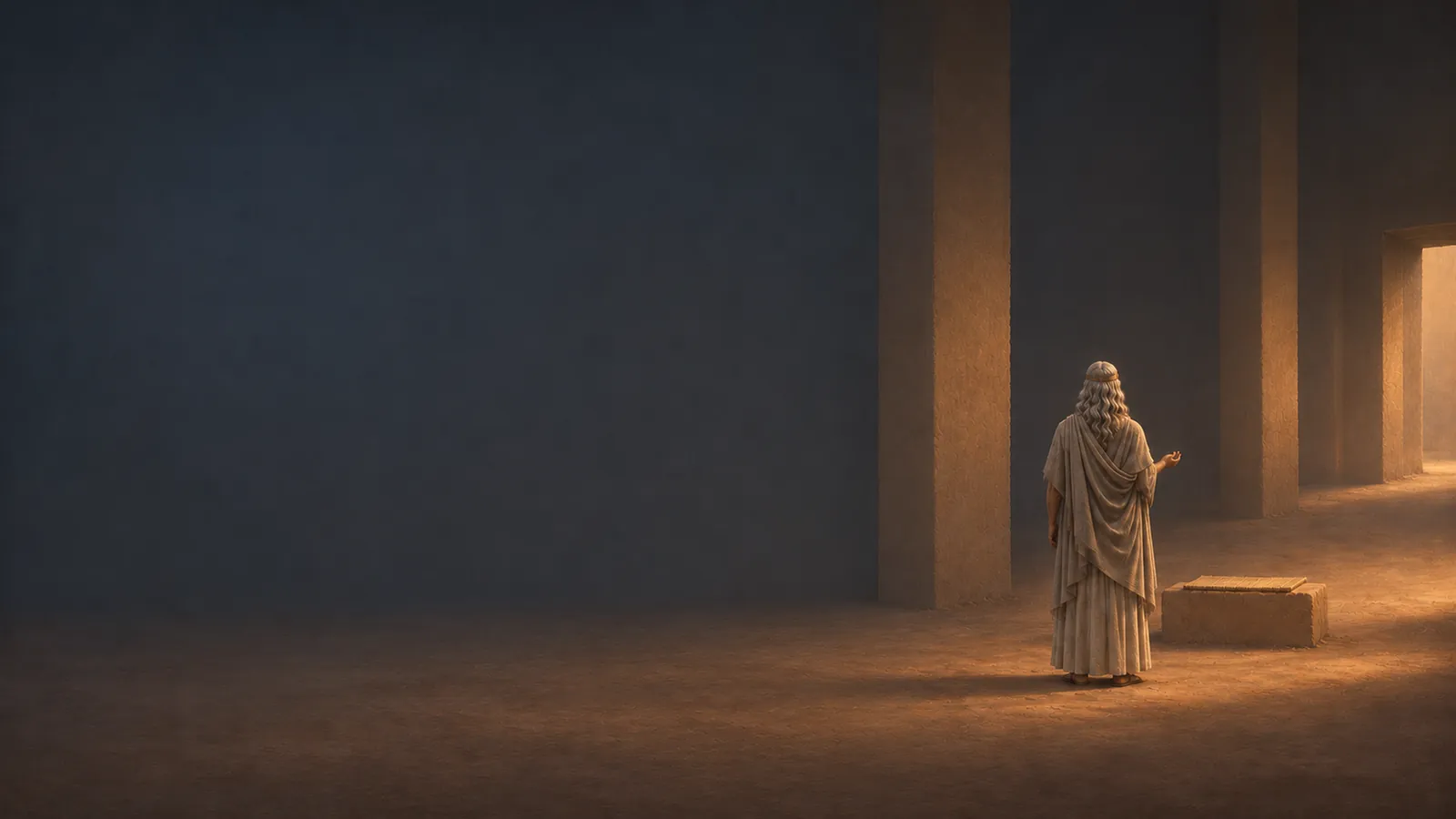
Anu wanted Adapa brought before him. The matter of the missing wind would now have to be answered in heaven.
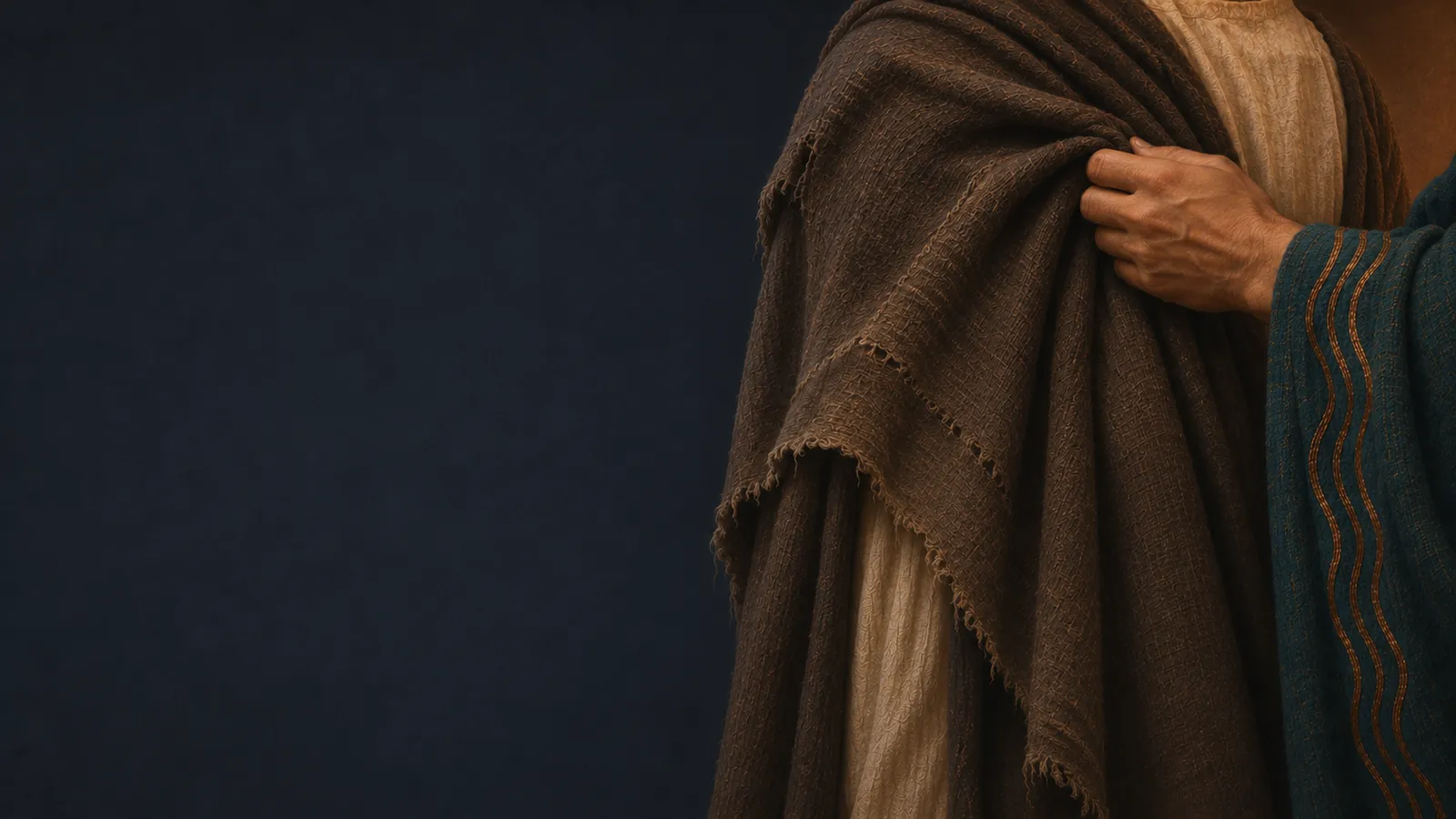
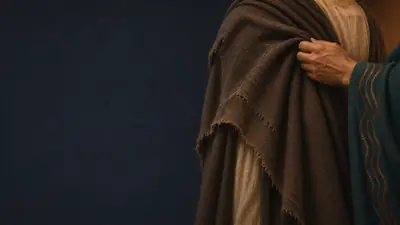
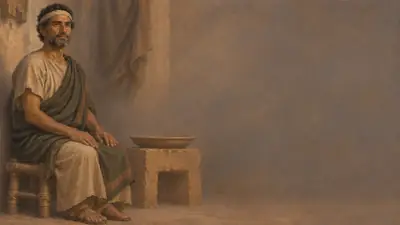
Ea made Adapa ready to go. He had him wear his hair unkempt and dressed him in clothing that would mark him as a mourner.
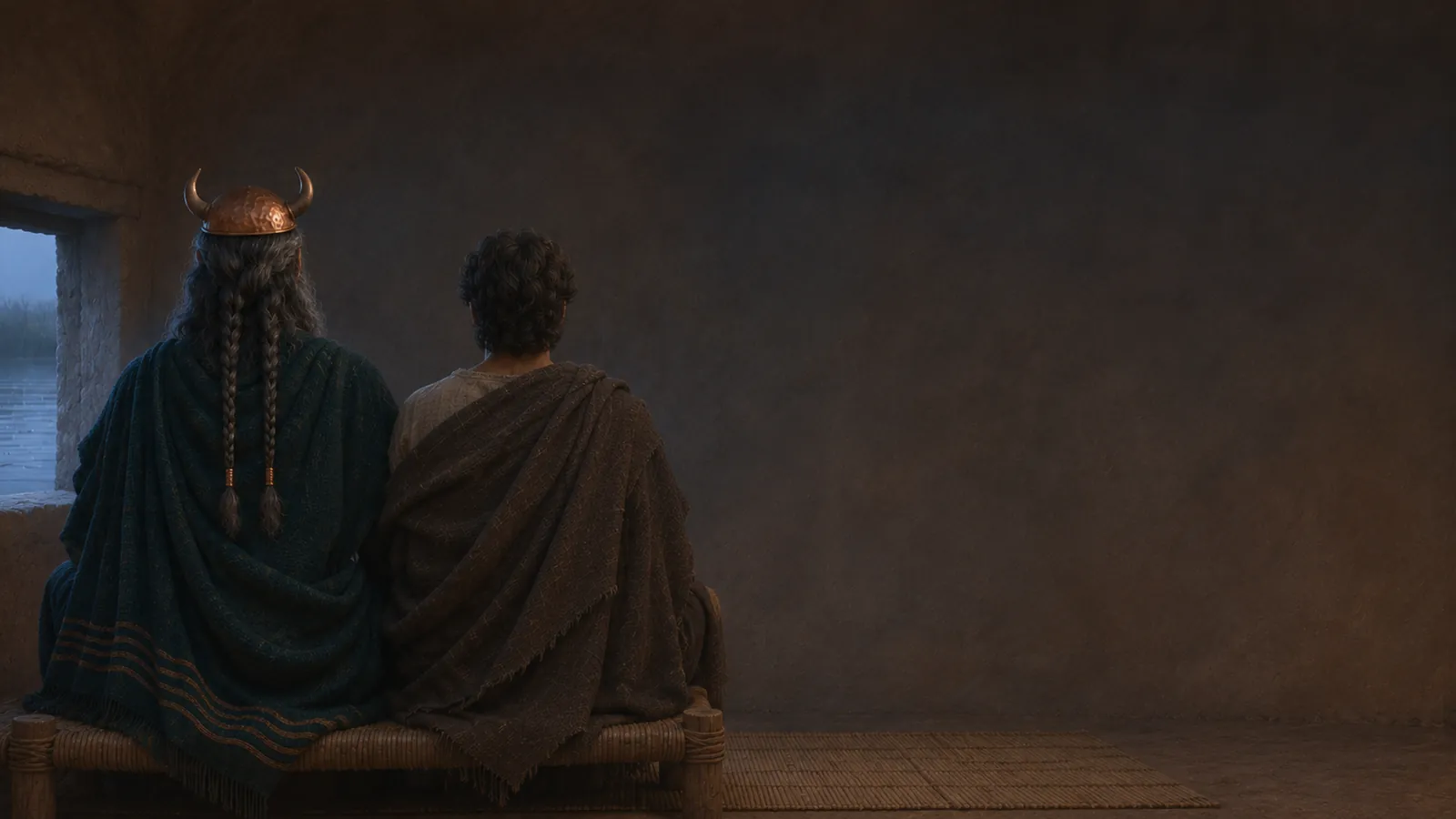
Ea told Adapa that he was going before Anu. Before he reached the ruler of heaven, he would have to pass the gate.
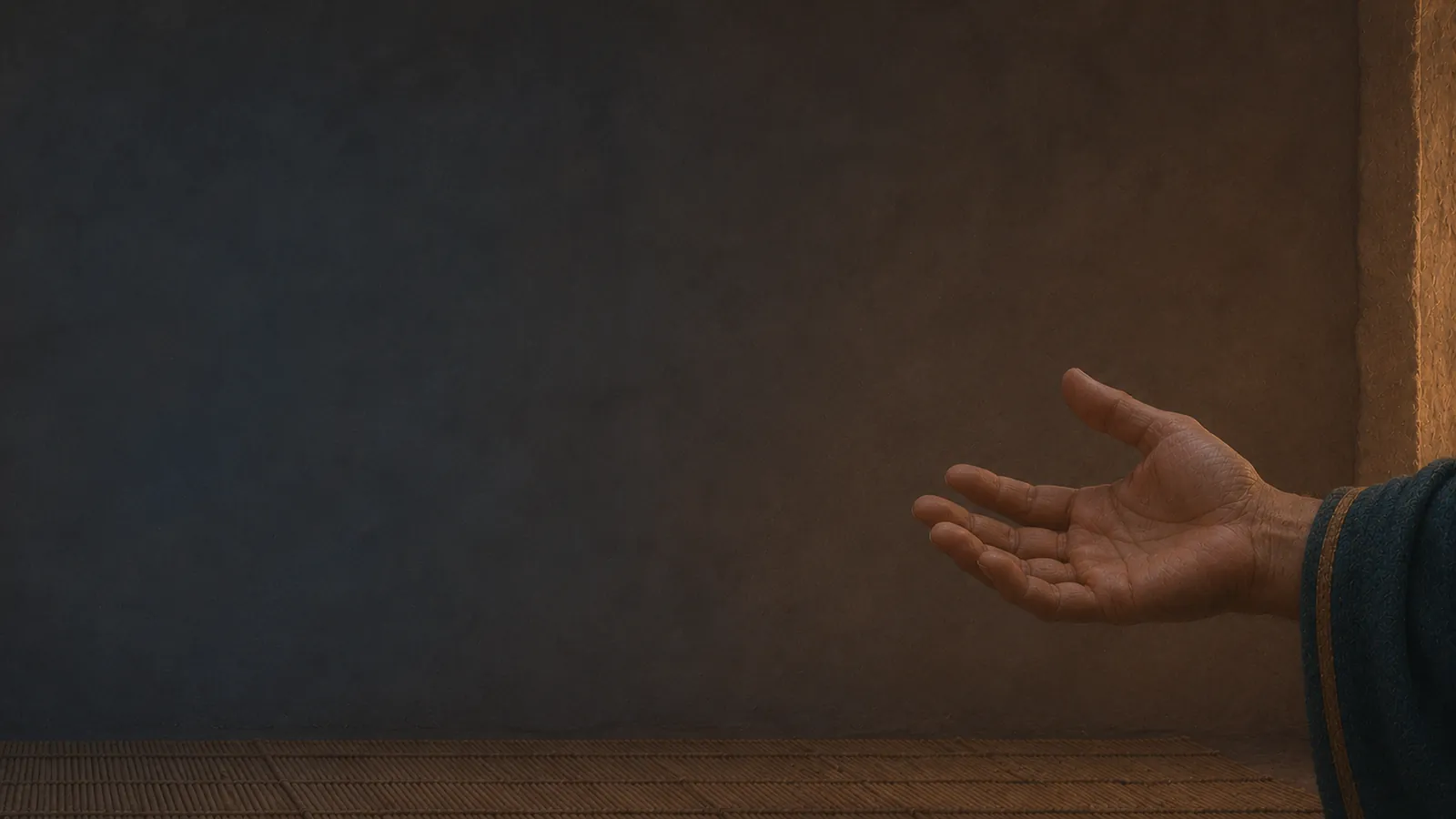
Two gods would be standing at the gate, Ea told him. Dumuzi and Gizzida would see his clothes and ask whom he mourned.
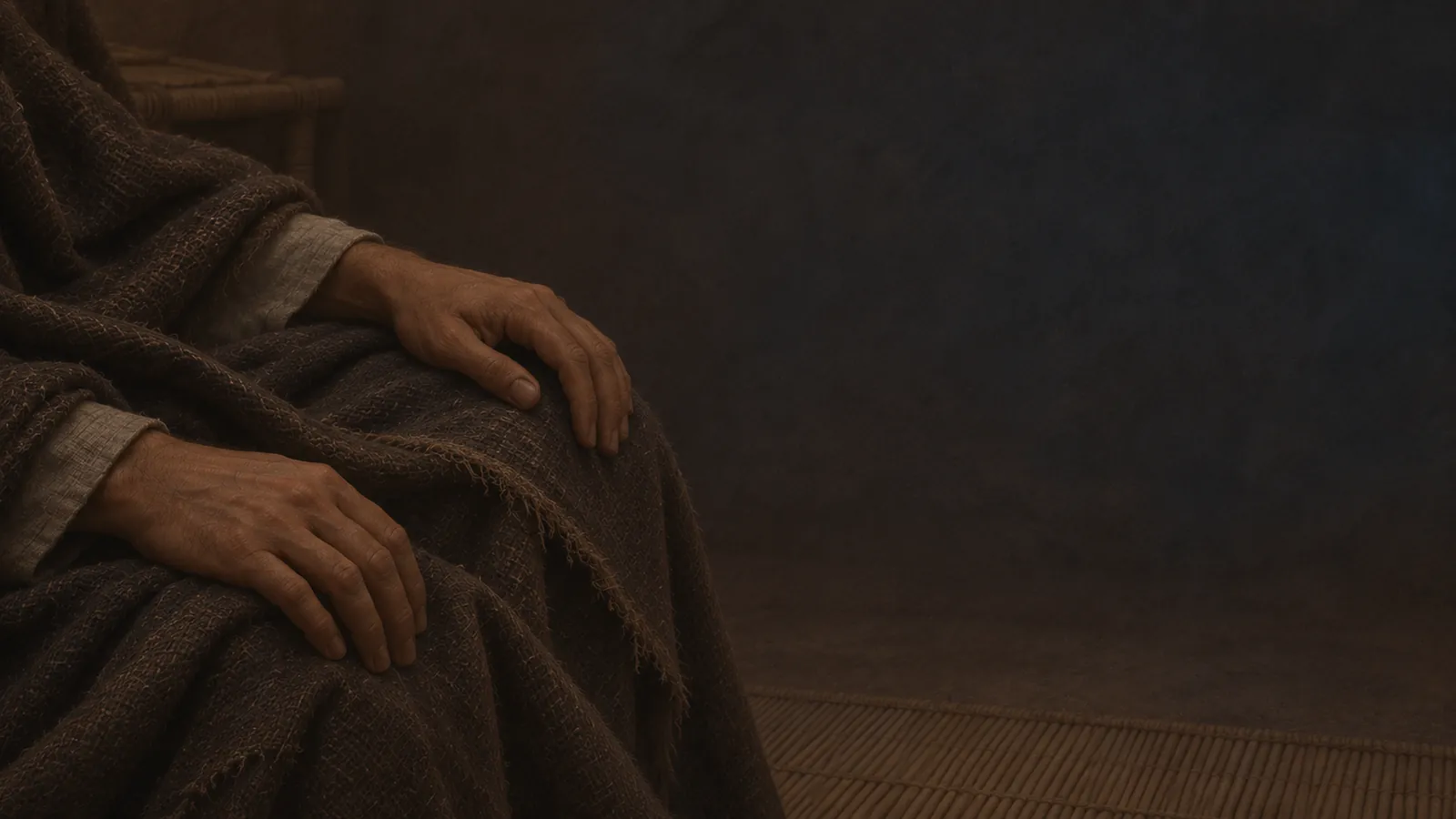
Ea told him how to answer. He was to say that two gods were missing from the land and name Dumuzi and Gizzida.
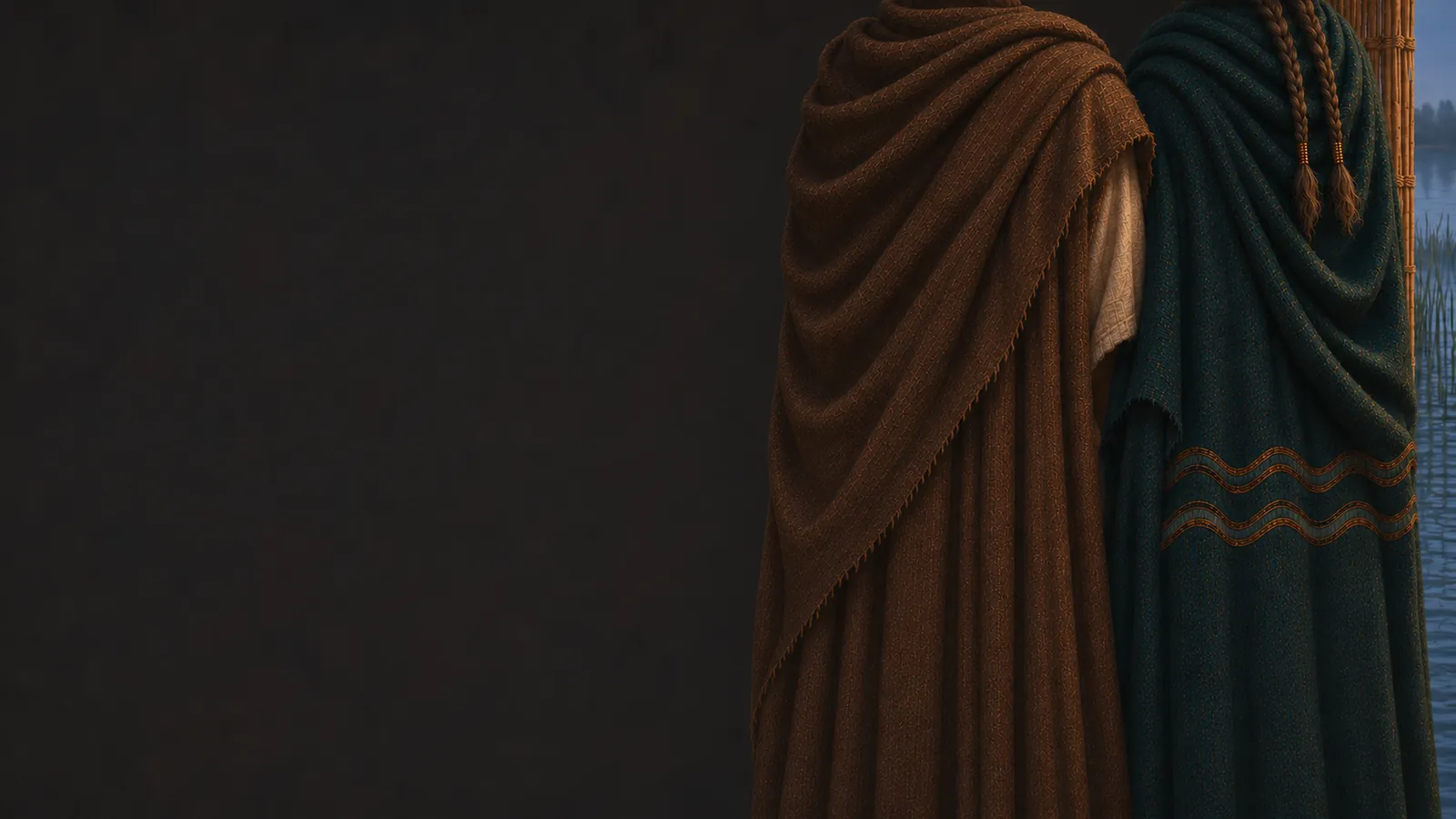
Ea said that the two gods would smile at the answer. He expected them to speak kindly of Adapa before Anu.
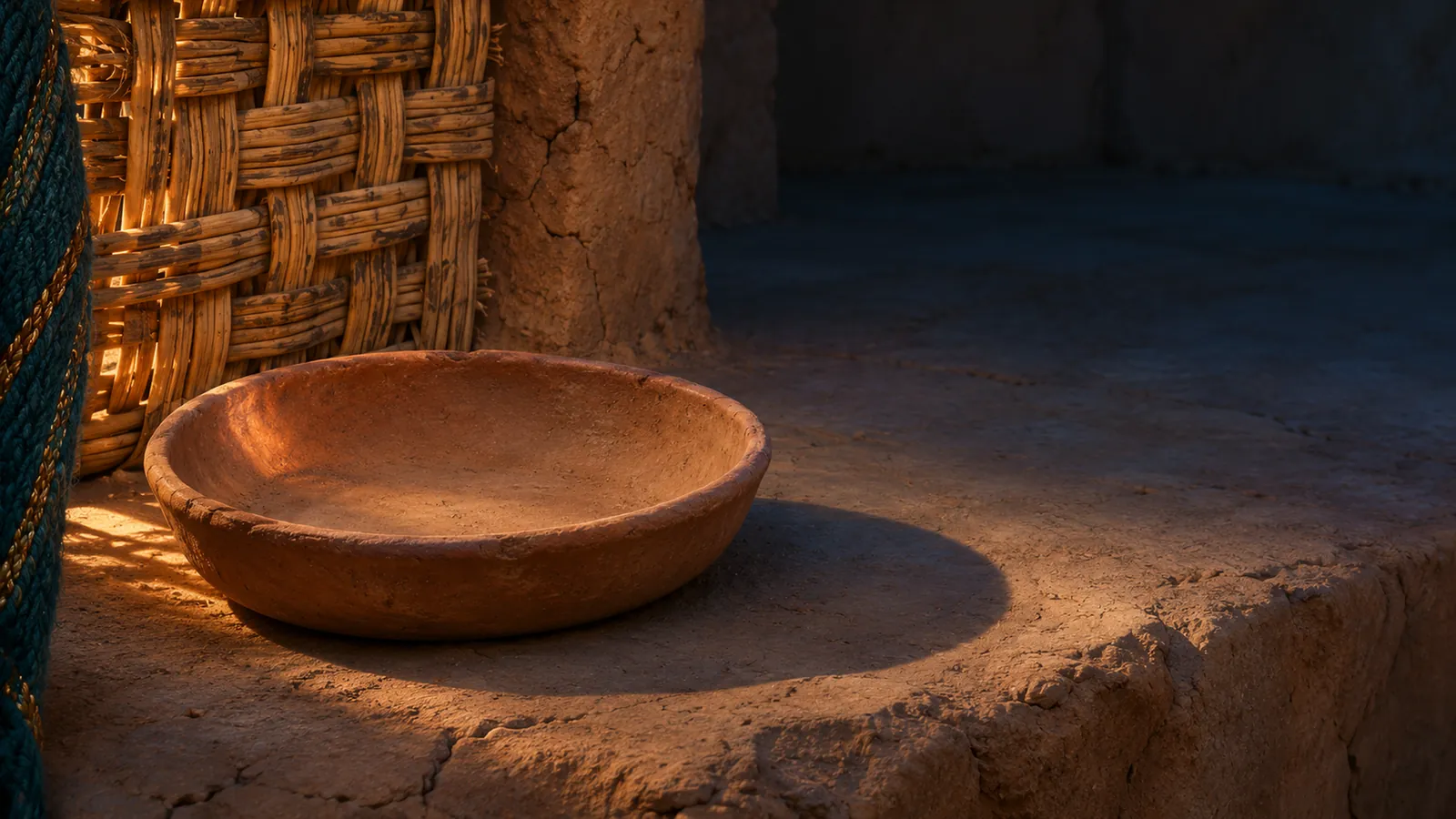
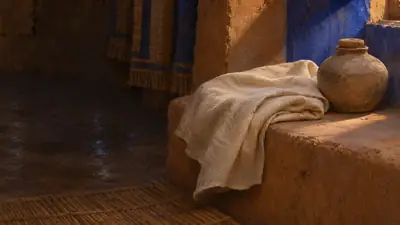
When Adapa stood before Anu, Ea said, food would be set before him. Ea warned that eating it would mean death.
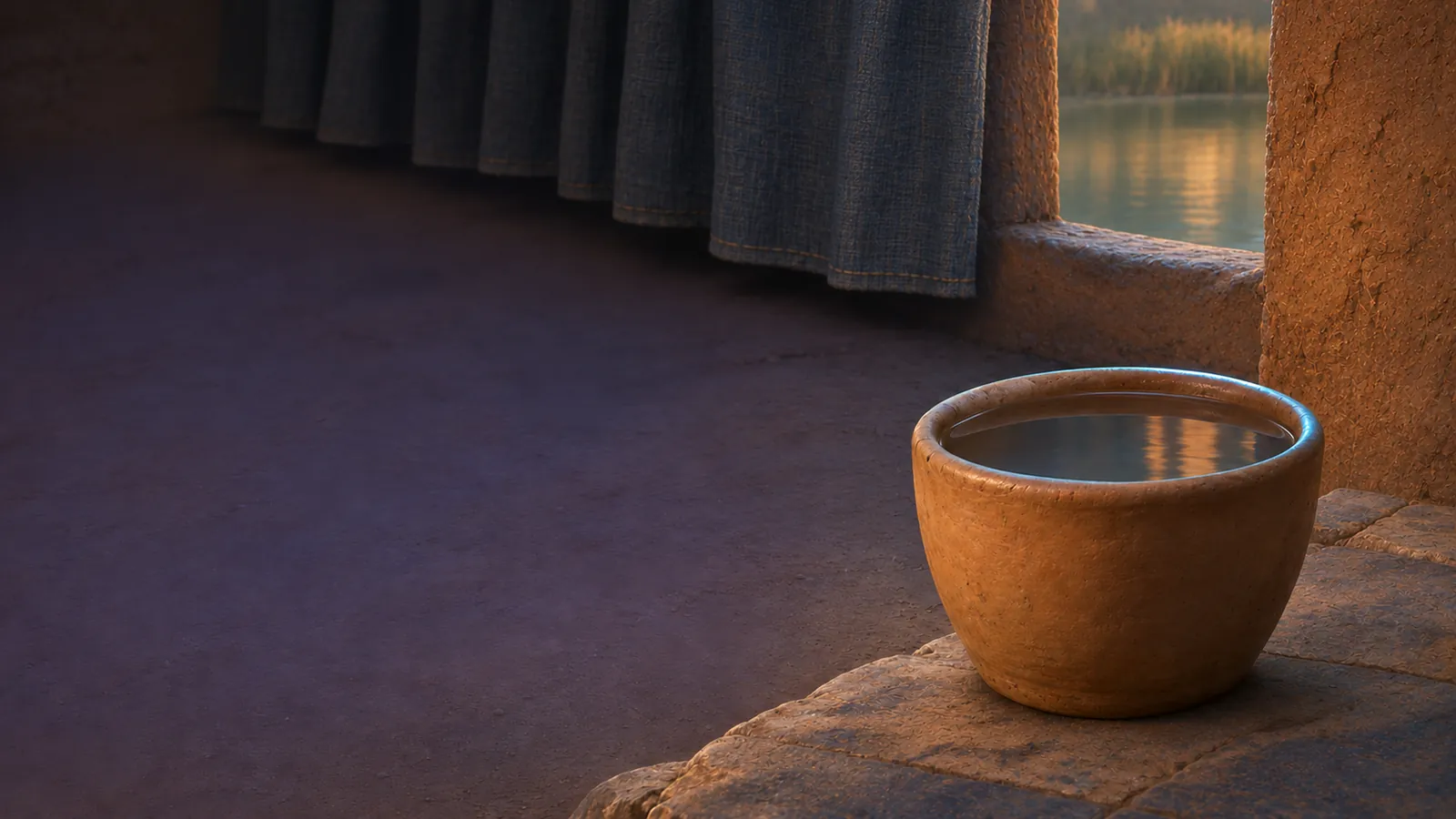
Ea gave him the same warning about the water. Whatever they poured for him in heaven, Adapa was to leave it untouched.
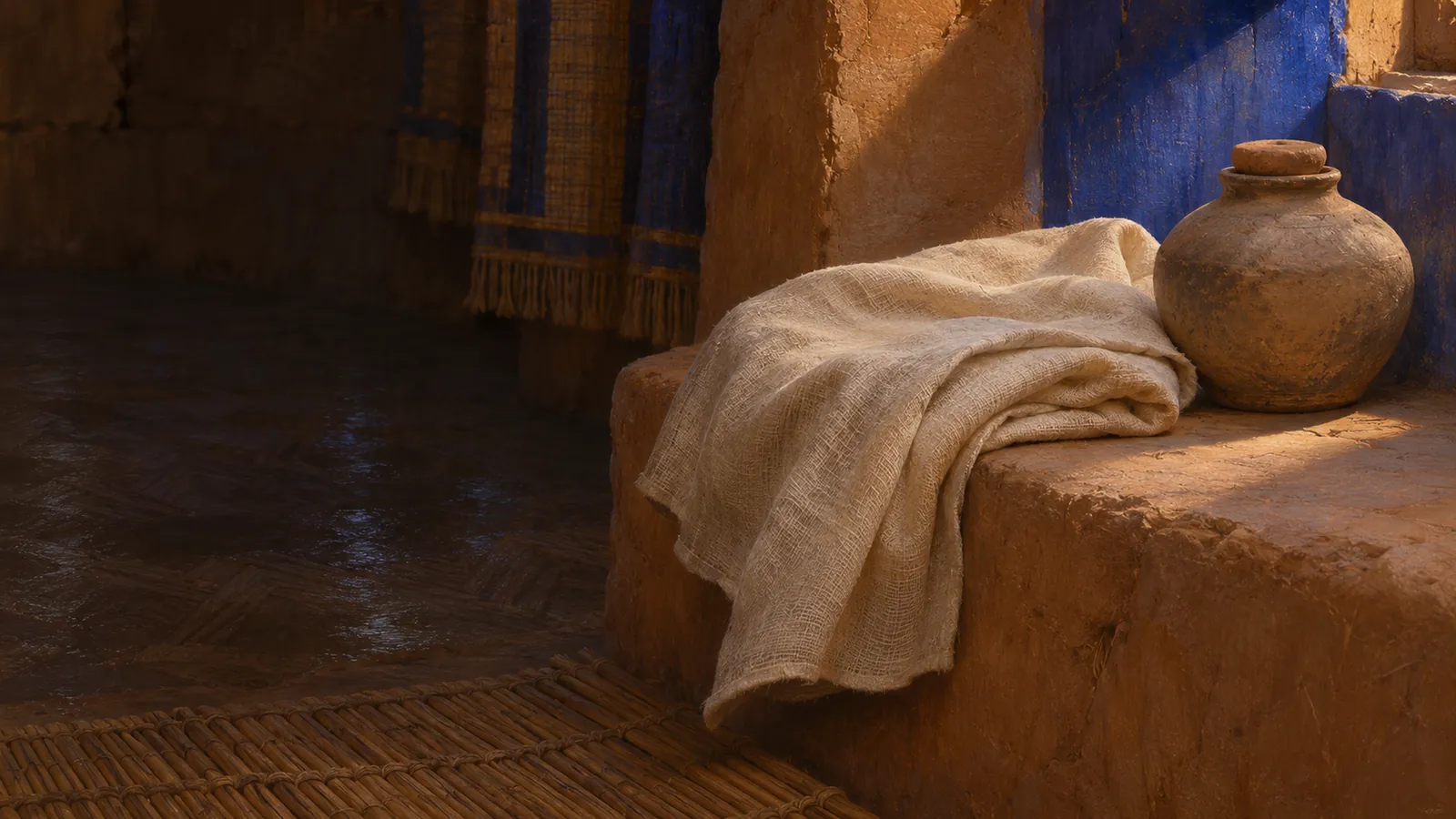
If they offered clothing, he was to put it on. If they offered oil, he could use it. Ea urged him to remember every instruction.
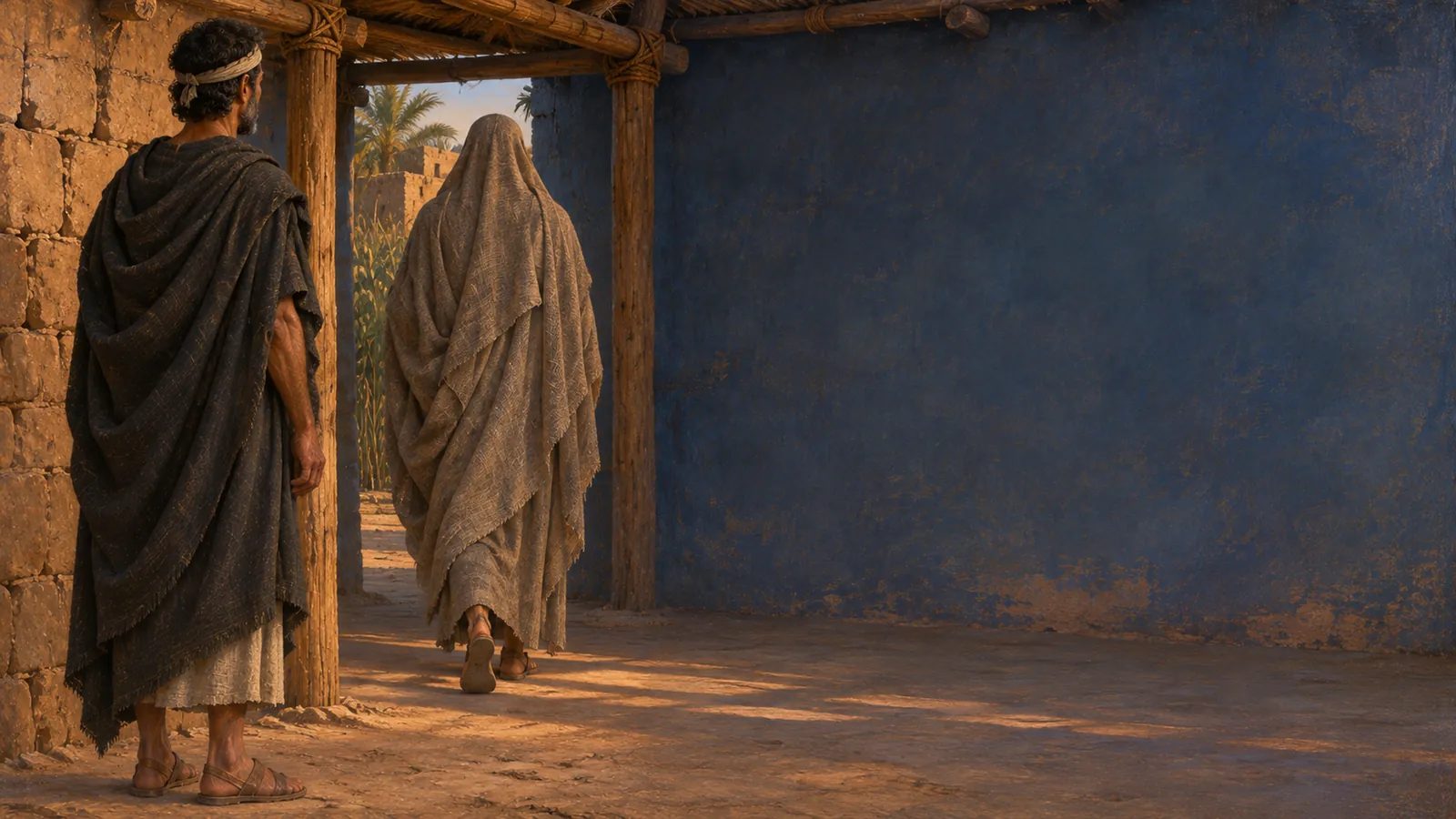
The messenger from Anu arrived while the words were still fresh. Adapa had broken the South Wind’s wing, and he was wanted in heaven.
HEAVEN
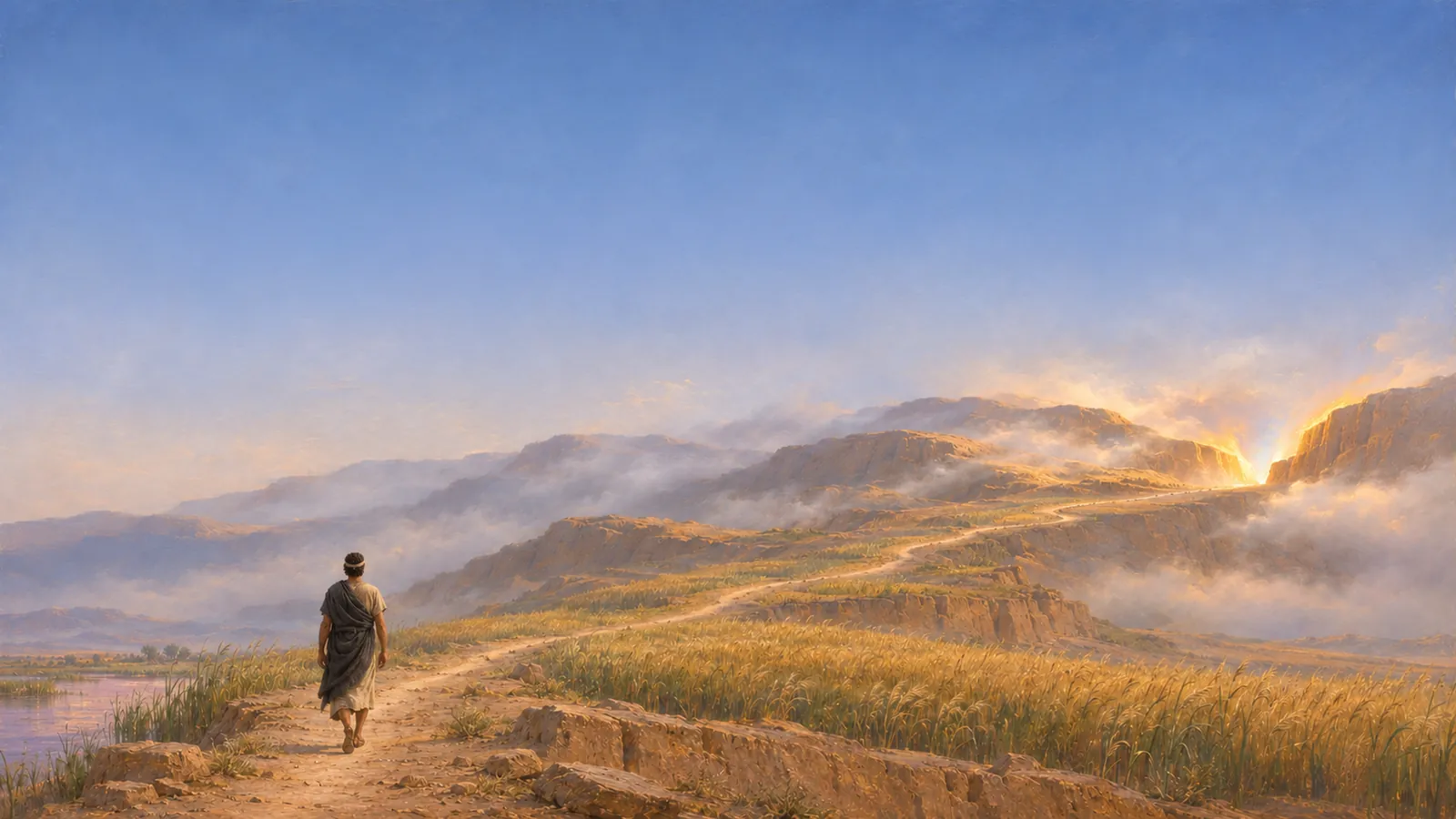
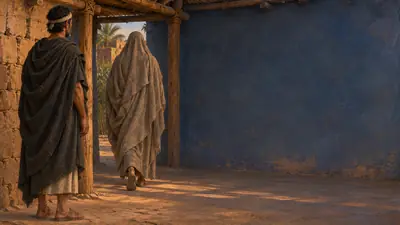
Adapa was set on the road to heaven. He went up as Ea had said, until he drew near the gate of Anu.
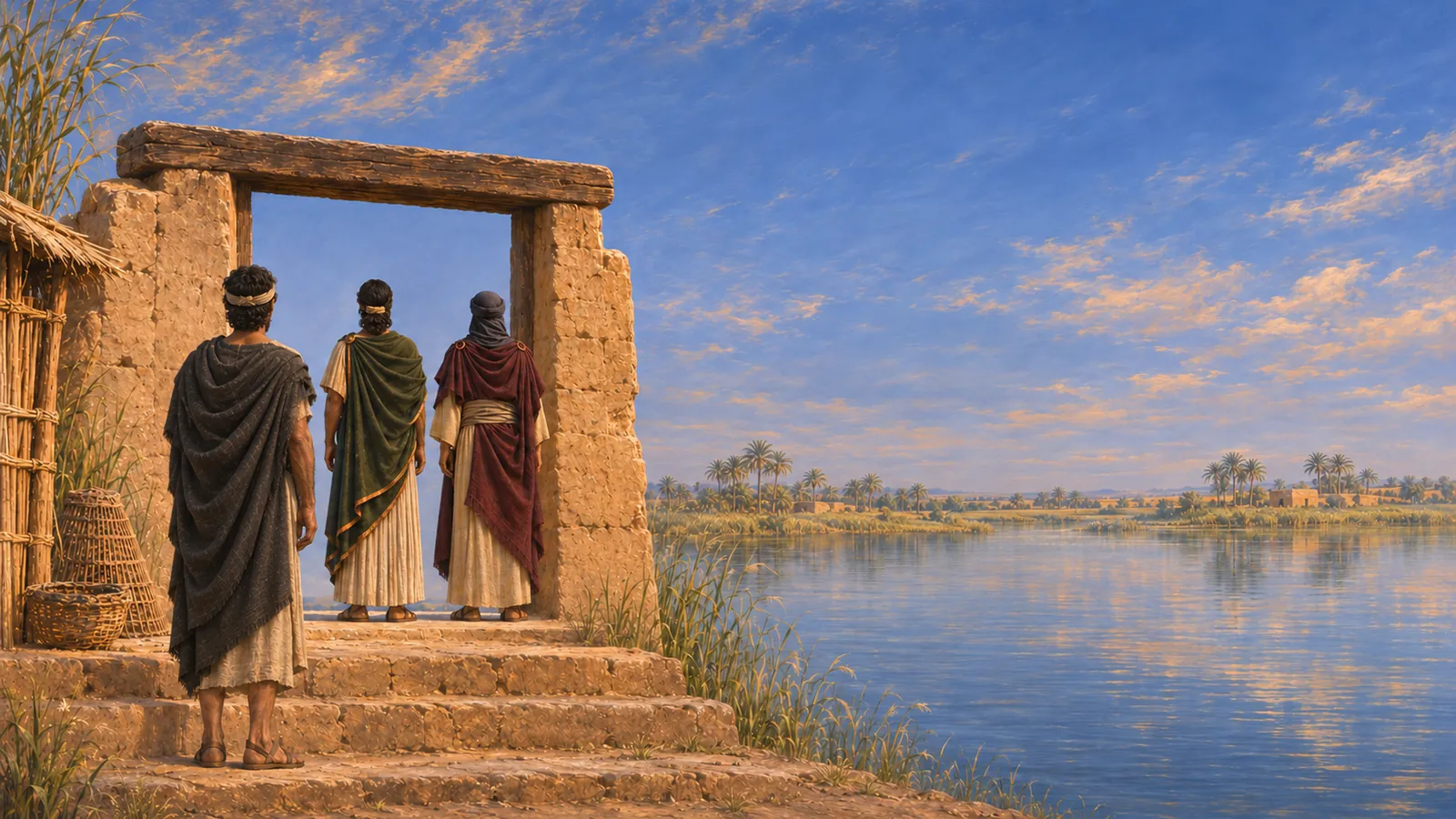
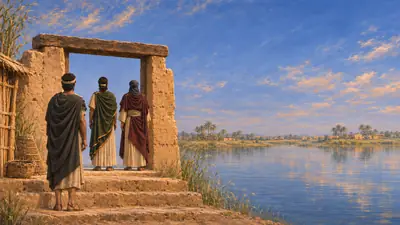
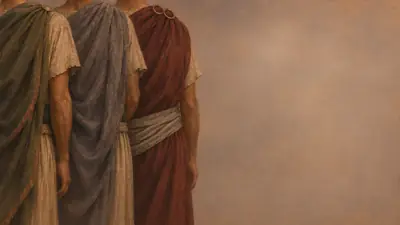
At the gate stood Dumuzi and Gizzida, just as Ea had said. They caught sight of Adapa in his mourning clothes.
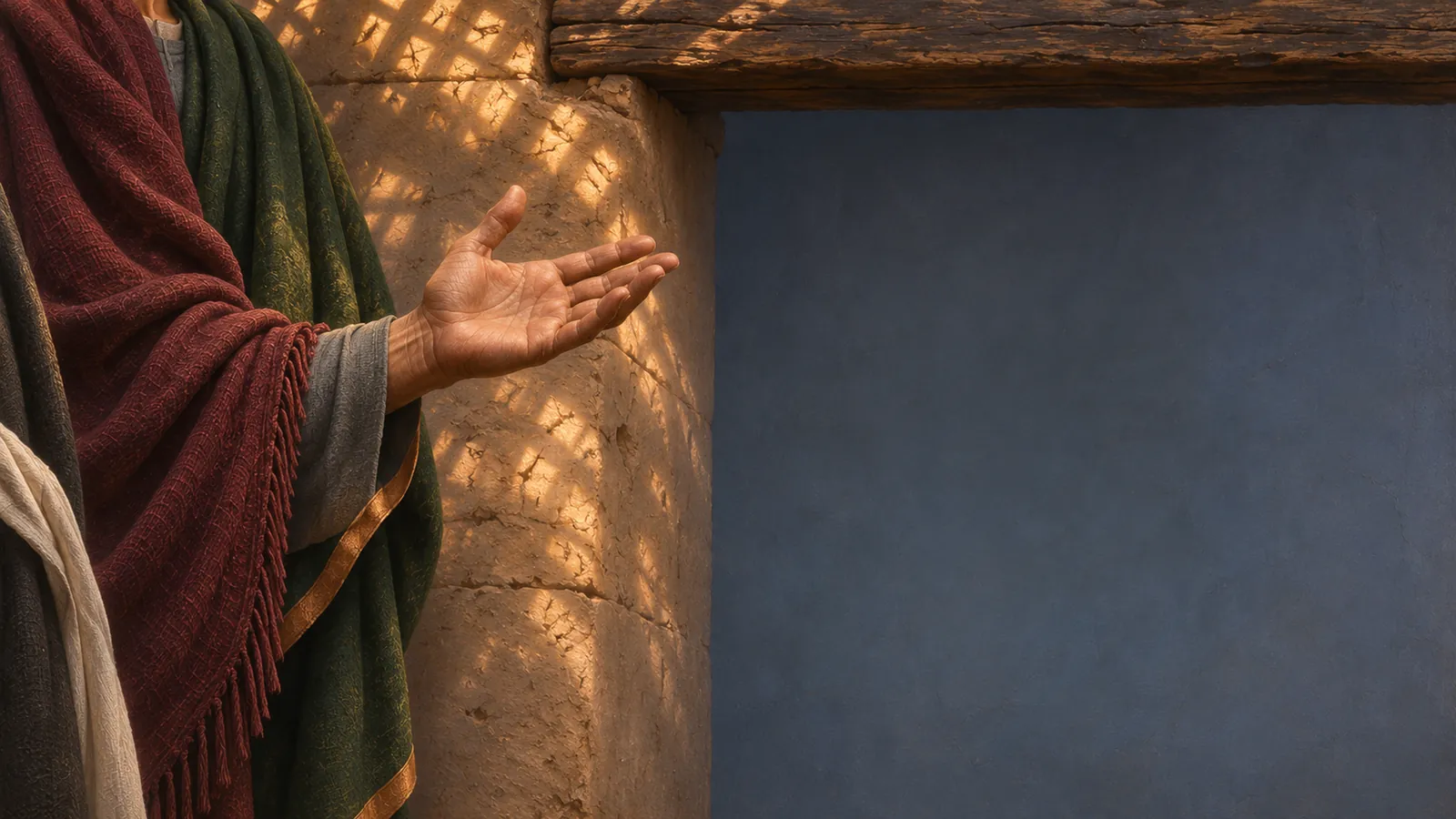
The two gods called out to him. They asked Adapa what had changed him and for whom he wore those mourning clothes.
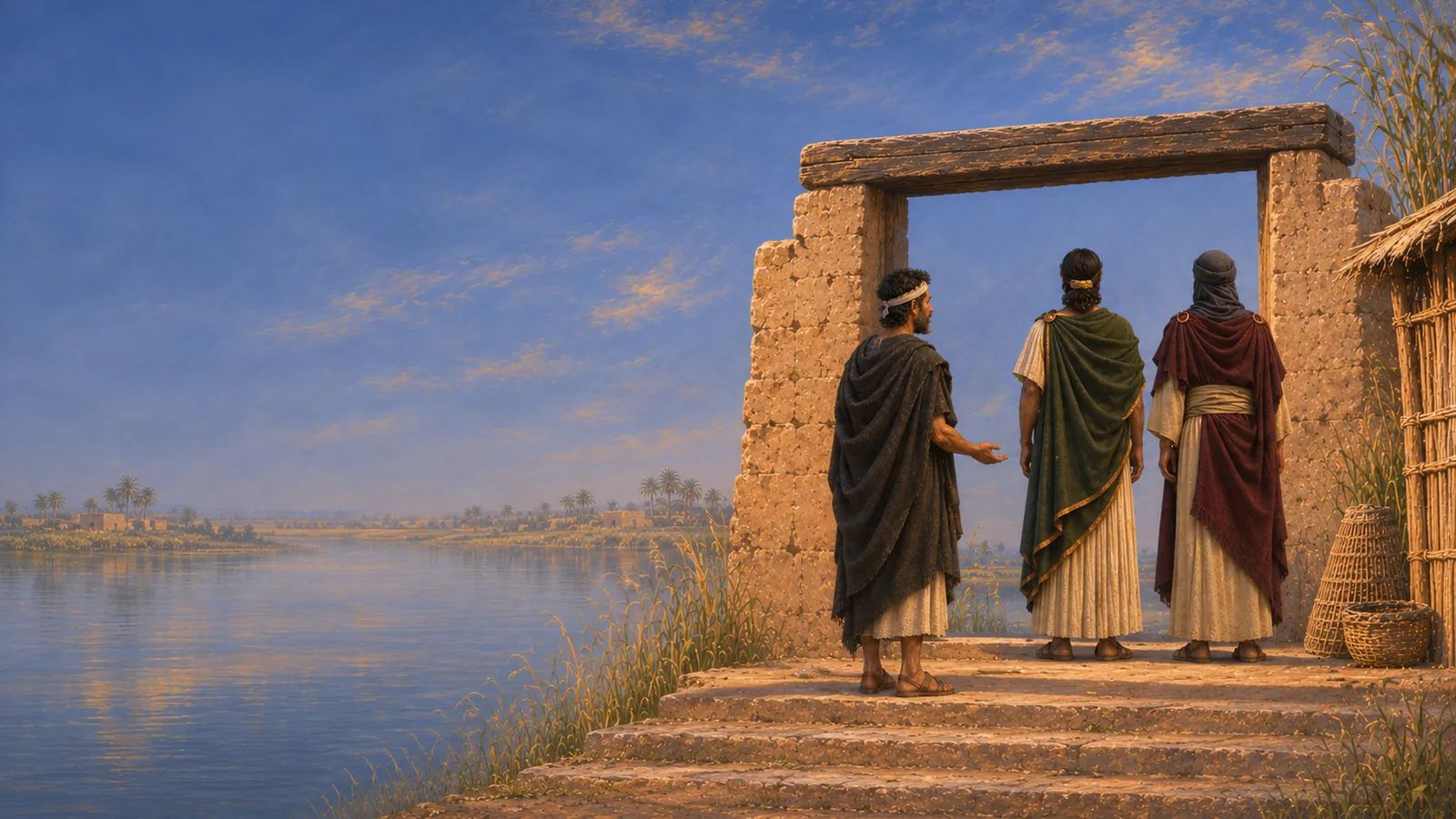
Adapa gave the answer Ea had taught him. Two gods were missing from the land, he said, and for them he wore his mourning clothes.
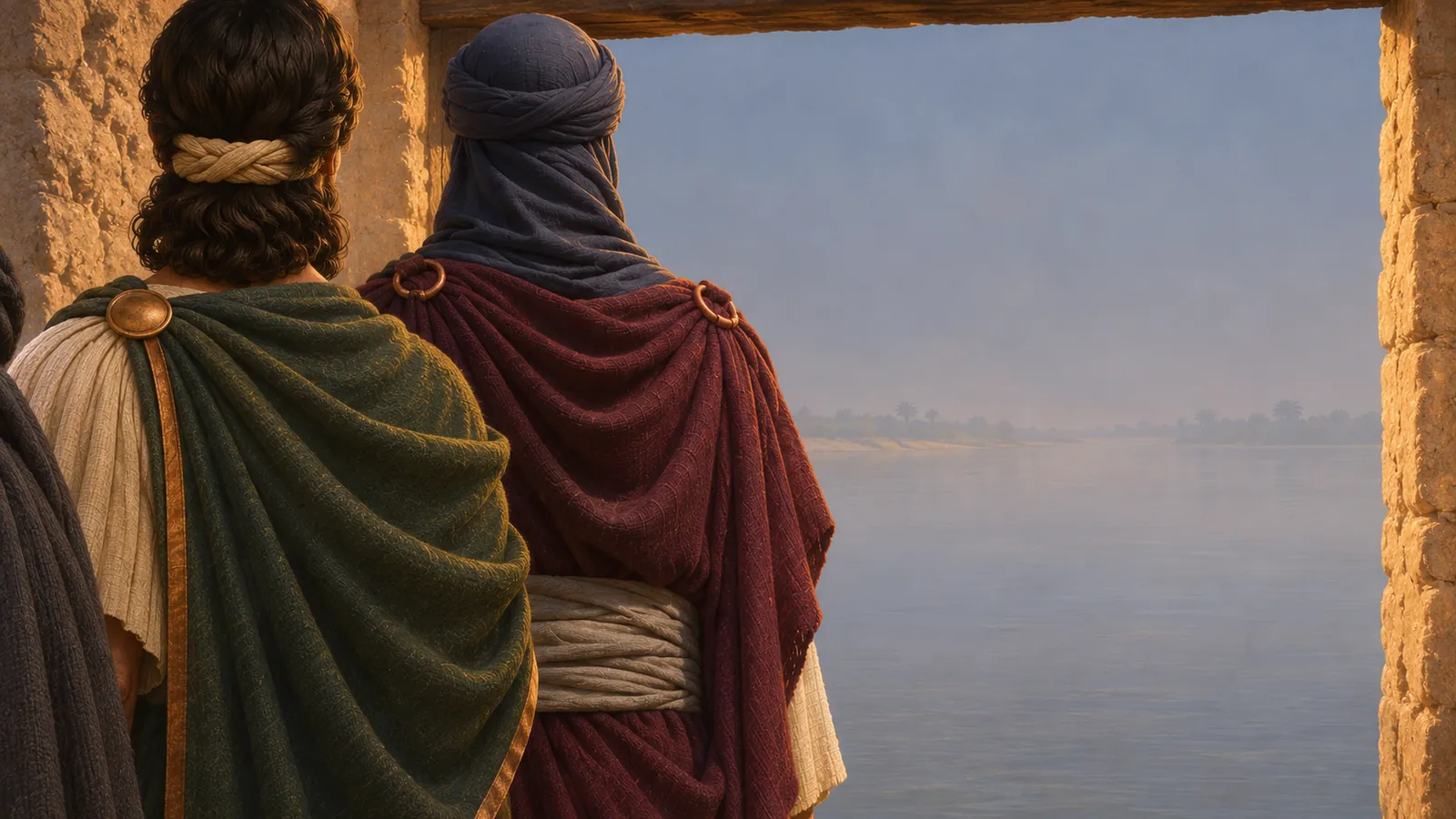
They asked him who was missing. When Adapa named Dumuzi and Gizzida, the two gods looked at each other and smiled.
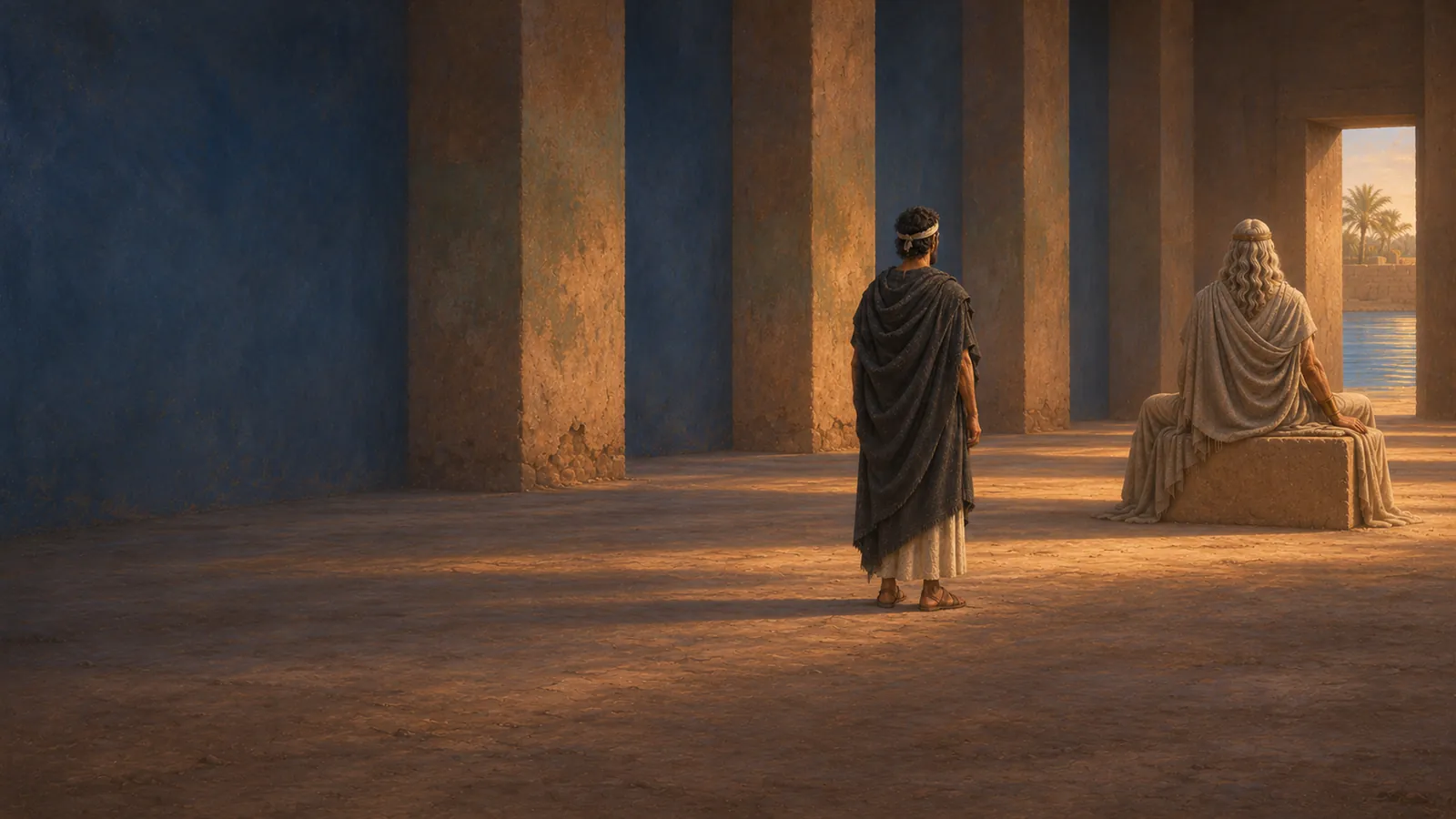
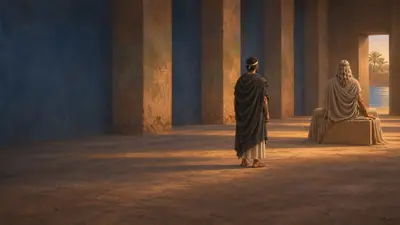
Adapa came before Anu. The ruler of heaven called to him and asked why he had broken the South Wind’s wing.
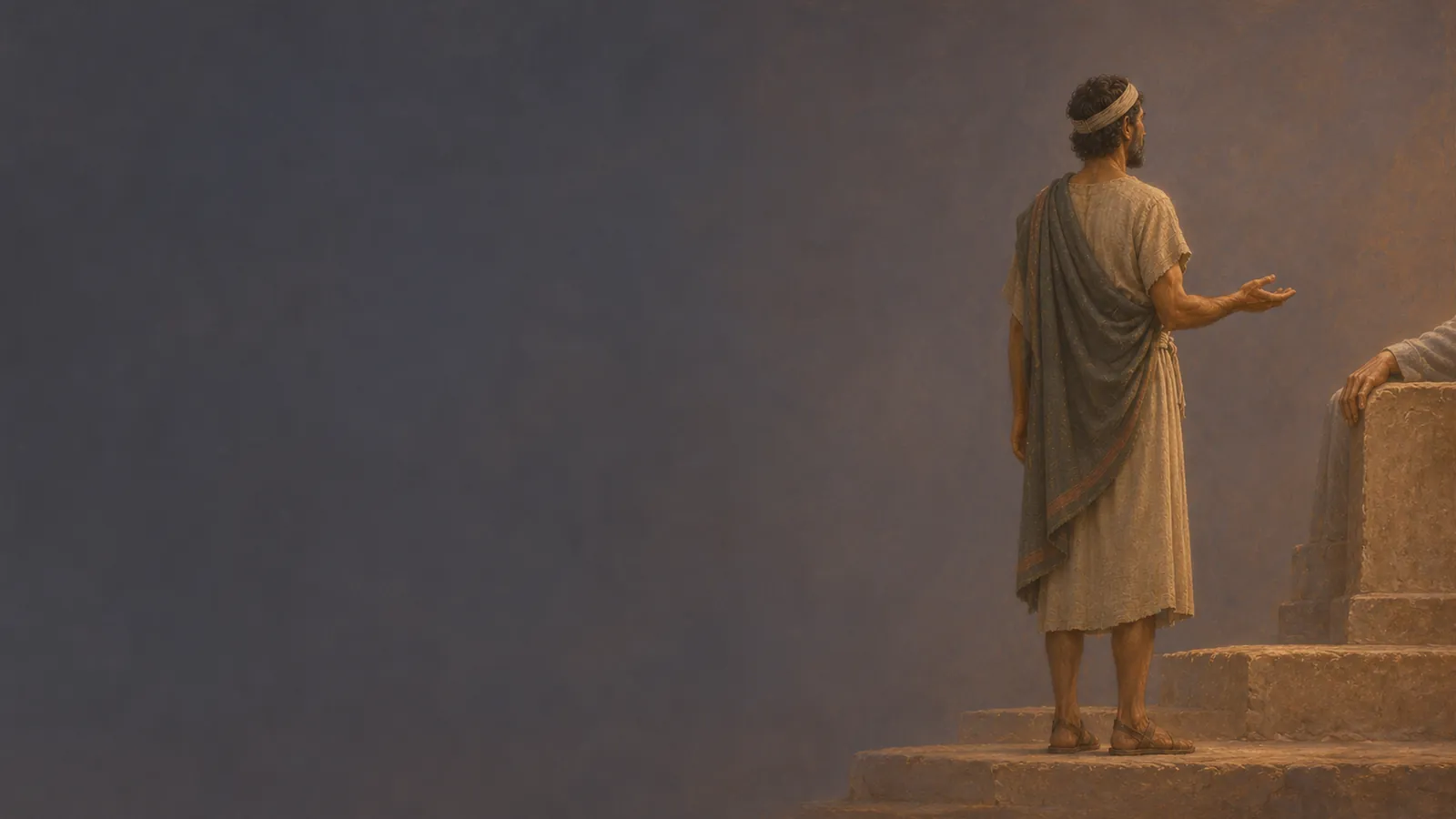
Adapa had been fishing for his lord’s household, he said. The wind had sent him down into the water, and in his anger he had cursed it.
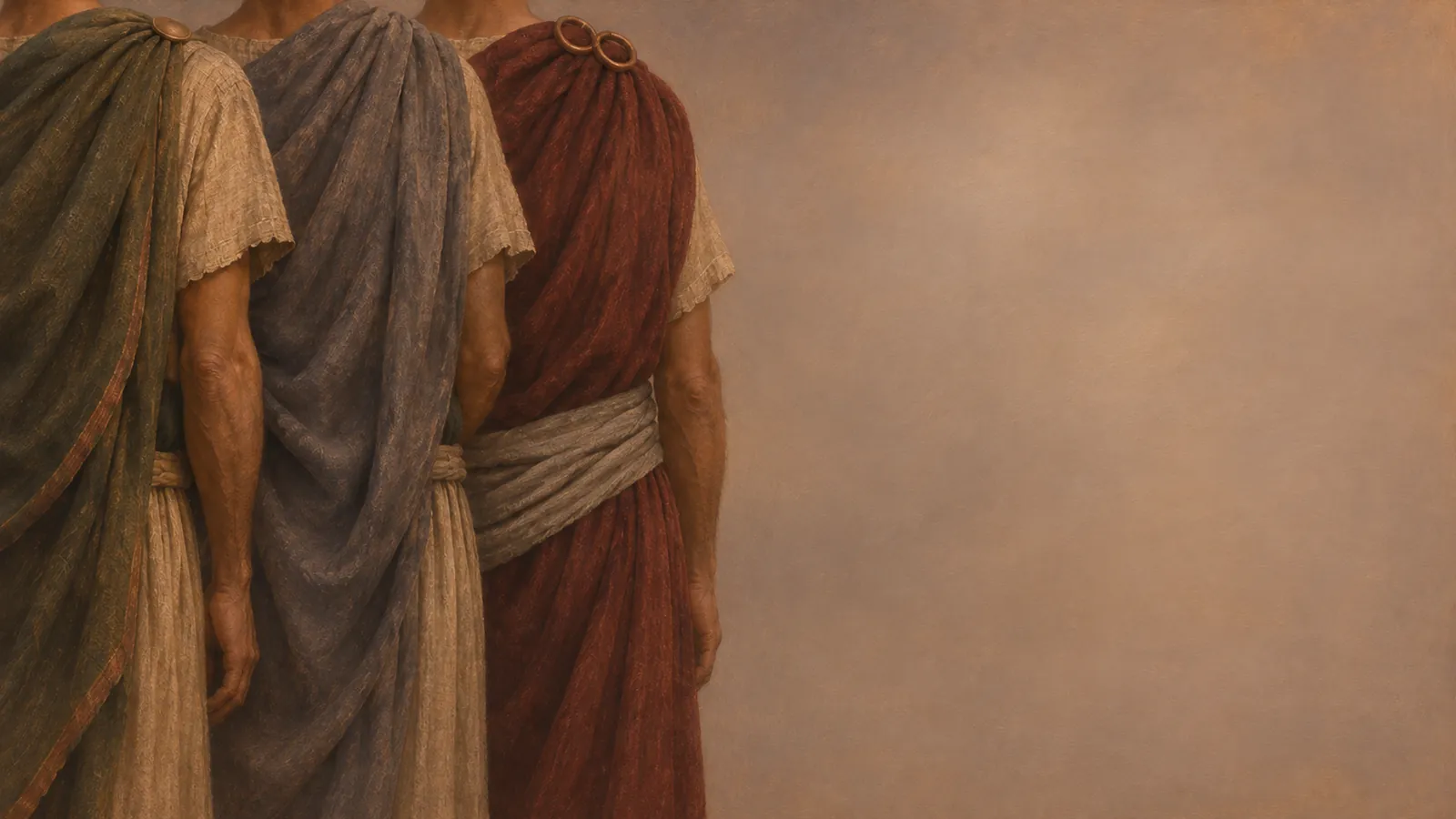
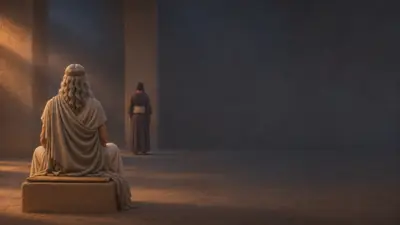
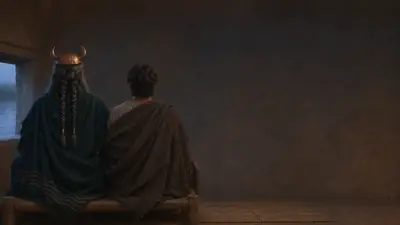
Dumuzi and Gizzida stood on either side of Adapa and spoke for him. The words reached Anu, and the room grew quiet.

Anu wondered what Ea had shown a human about heaven and earth. Then he asked what the gods could do for Adapa.
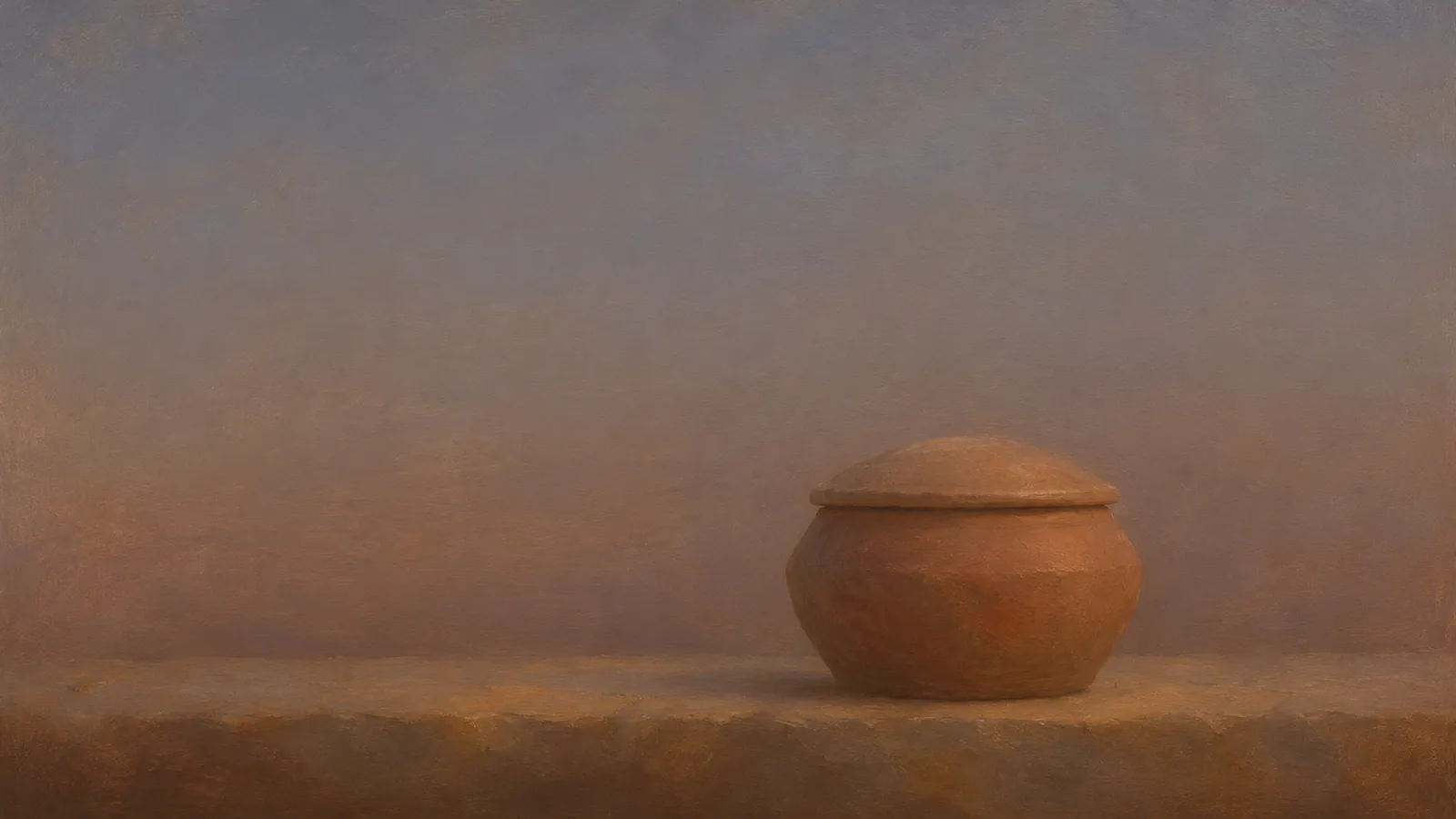
LIFE
Anu gave an order of his own. He asked that the food of life be brought so that Adapa might eat.
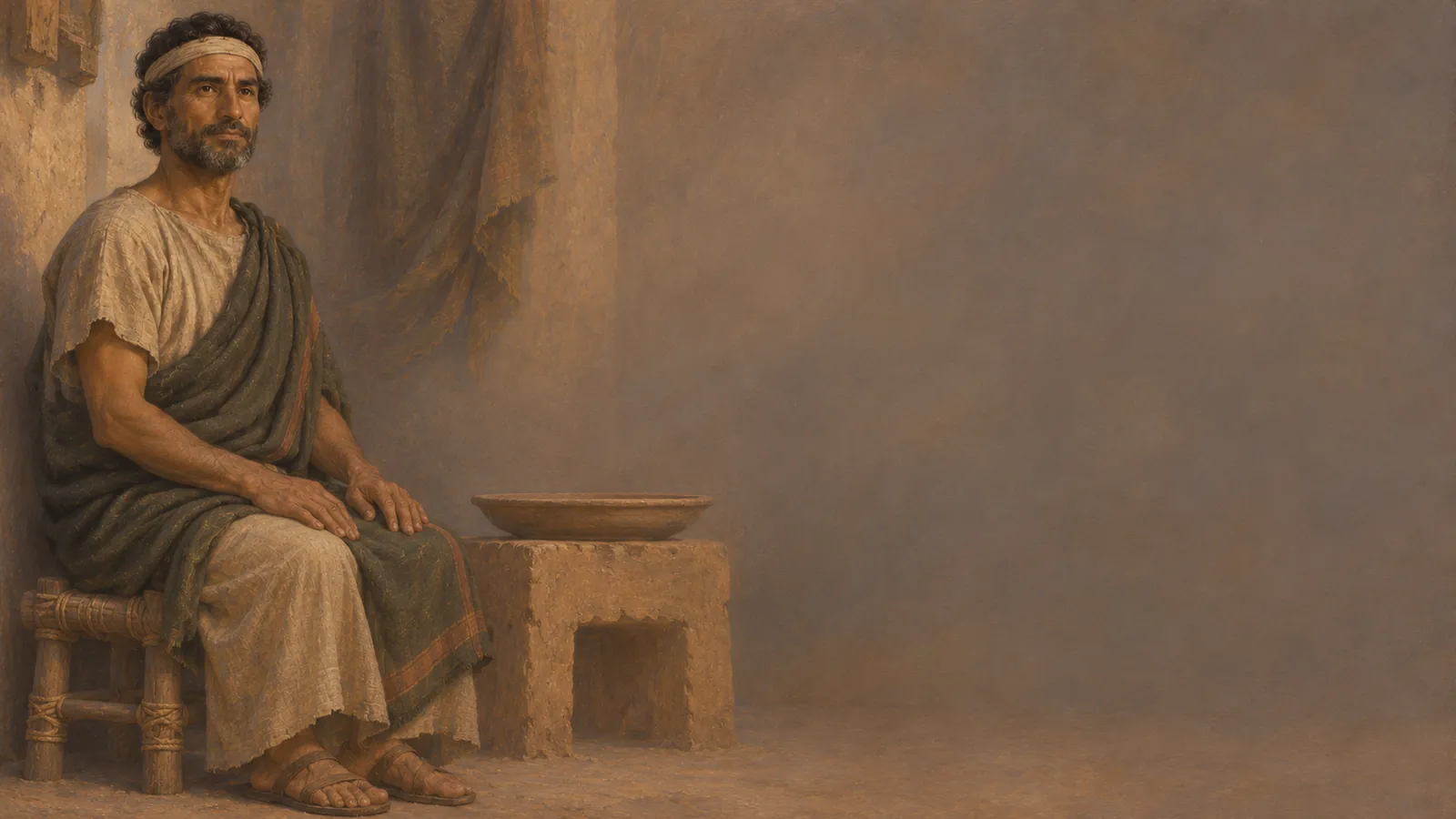
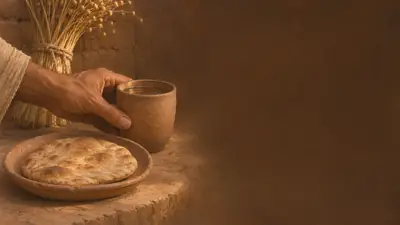
They set the food of life before Adapa. He remembered Ea’s warning and left the offering untouched.
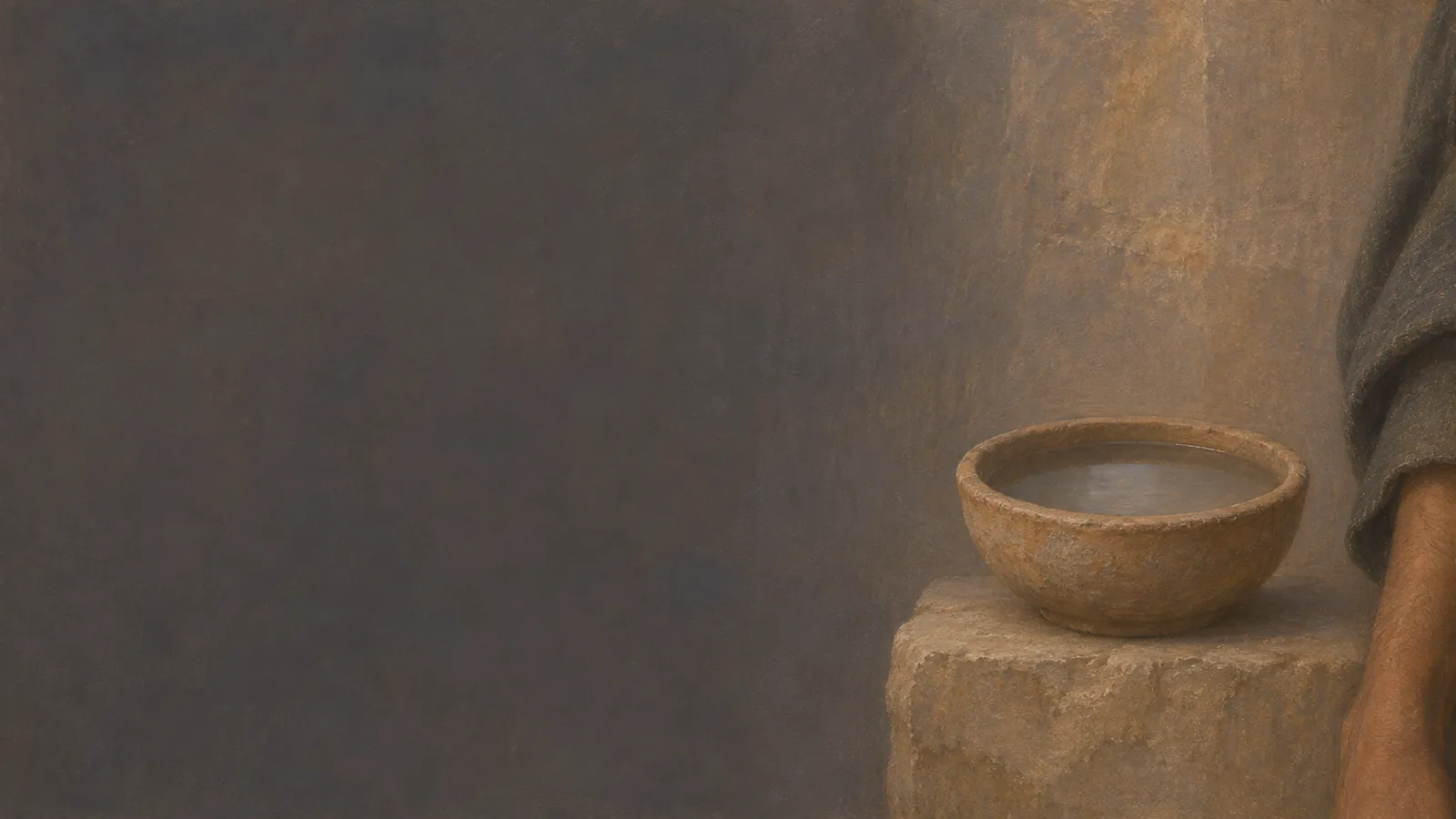
Next they brought him the water of life. He kept to what Ea had told him and did not drink.
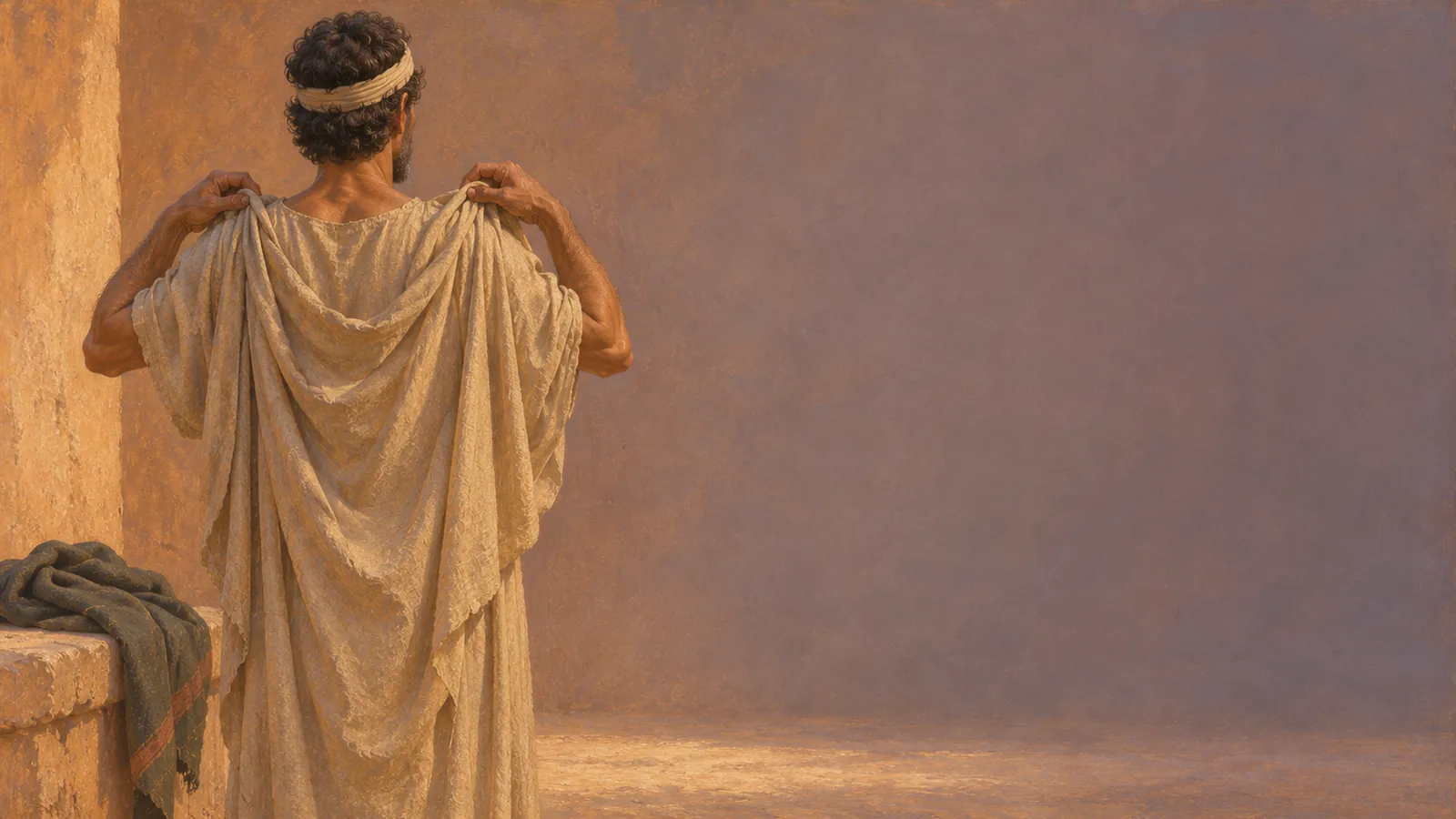
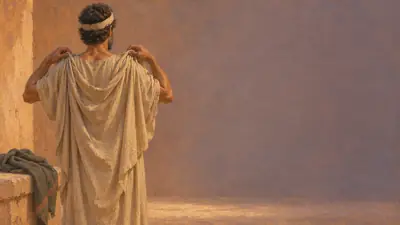
They brought Adapa a garment, and he put it on. This gift was one that Ea had told him to accept.
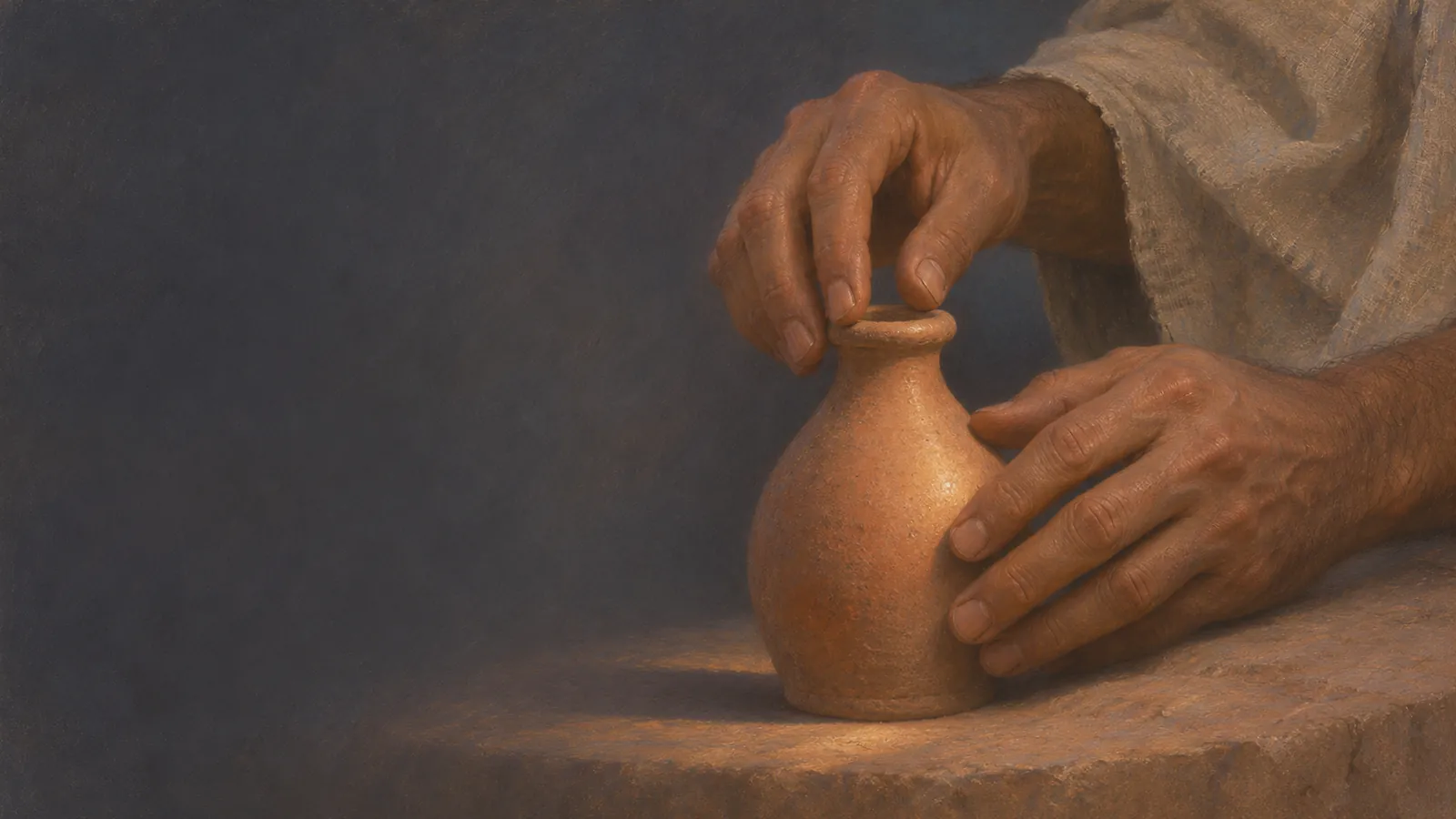
They brought oil after the garment. Adapa accepted it and anointed himself, just as Ea had told him to do.
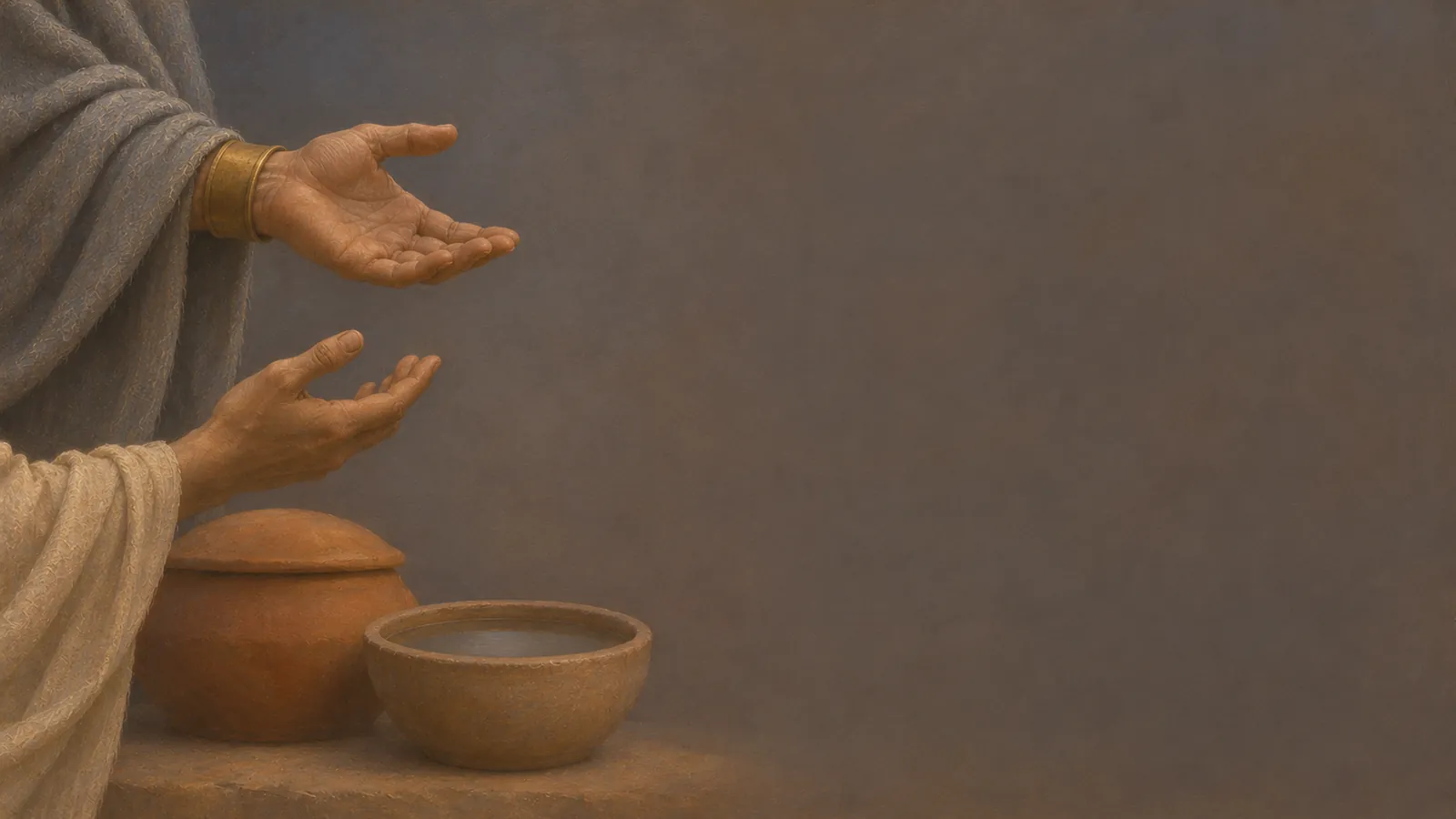
Anu laughed and asked why Adapa had refused to eat or drink. Adapa answered that Ea, his lord, had told him to refuse both.
THE BREAK
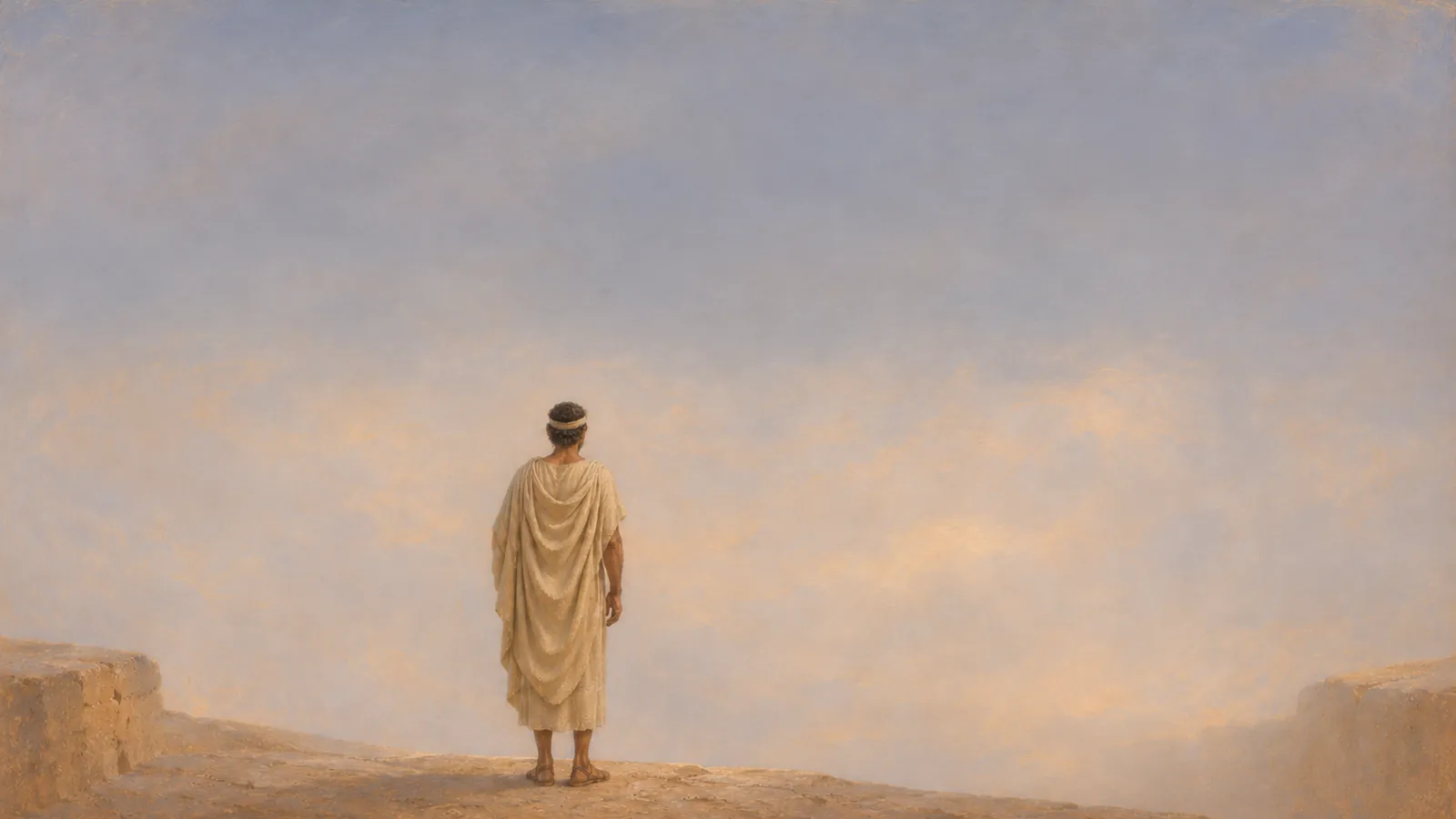
The damaged line seems to order Adapa taken back down. The Amarna tablet breaks off before we see where he went.
One fragment from Nineveh gives the story a different turn. It appears to set Adapa under Anu’s authority and to promise enduring honor.
In the Sumerian account from Tell Haddad, the gods speak of setting the wind’s wing right again. The story closes with words about the wind and healing.
End of chapter 1
All pages




















Sources
Editions consulted
- Shlomo Izre’el, The Amarna Scholarly Tablets, EA 356, pp. 43–50. Open edition hosted by NYU Libraries
- Hebrew University, Sources of Early Akkadian Literature. EA 356 transliteration and continuous line numbering
- Albert T. Clay, A Hebrew Deluge Story in Cuneiform, pp. 39–41. Edition of MLC 1296, digitized by ETANA
- Yale Babylonian Collection, Babylonian Records IV, no. 3. Cuneiform copy of MLC 1296
- Electronic Babylonian Library, Adapa, Standard Babylonian fragments
- Amar Annus, The Story of the Watchers as a Counter Narrative. Transliteration and discussion of K.8214 rev. 7′–14′
- Cuneiform Digital Library Initiative, Q002295. Sumerian composite with transliteration and line translations
- Antoine Cavigneaux, Une version sumérienne de la légende d’Adapa. Edition of the Tell Haddad tablets
- IL Archive, Adapa
Ancient lines behind each page
- Page 1: Nineveh A (MLC 1296) 5′–9′
The opening comes from the Nineveh fragment MLC 1296. The surviving opening at Amarna is broken. - Page 2: Nineveh A (MLC 1296) 2′–8′
- Page 3: Nineveh A (MLC 1296) 9′–14′
- Page 4: Nineveh A (MLC 1296) 15′–22′
The quay’s name is left aside because the wording is damaged. - Page 5: Amarna EA 356 rev. 49′–51′
The Amarna opening is broken. - Page 6: Amarna EA 356 rev. 51′–53′
- Page 7: Amarna EA 356 rev. 52′–53′
- Page 8: Amarna EA 356 obv. 1′–5′ and rev. 53′–54′
The first words of the curse are broken. The text does not narrate a rescue. - Page 9: Amarna EA 356 obv. 5′–6′
- Page 10: Amarna EA 356 obv. 6′–9′
- Page 11: Amarna EA 356 obv. 7′–8′
Ilabrat is named in Amarna. - Page 12: Amarna EA 356 obv. 8′–10′
- Page 13: Amarna EA 356 obv. 10′–12′
- Page 14: Amarna EA 356 obv. 12′–13′
The exclamation varies in translation. - Page 15: Amarna EA 356 obv. 13′–14′, 34′–36′
The command is partly restored. - Page 16: Amarna EA 356 obv. 14′–16′
The preparation is partly restored. - Page 17: Amarna EA 356 obv. 16′–19′
The instructions about the ascent have gaps, with a parallel in the later encounter. - Page 18: Amarna EA 356 obv. 19′–23′ and rev. 38′–42′
The names in the counsel are restored from the later encounter. - Page 19: Amarna EA 356 obv. 21′–25′
The planned answer names the two gods as absent. - Page 20: Amarna EA 356 obv. 25′–28′
Several words in the forecast are damaged. - Page 21: Amarna EA 356 obv. 28′–30′
The phrase naming death belongs to Ea’s warning. - Page 22: Amarna EA 356 obv. 30′–31′
- Page 23: Amarna EA 356 obv. 31′–34′
Tell Haddad uses different language for the third offer, and its reading is disputed. - Page 24: Amarna EA 356 obv. 34′–36′
- Page 25: Amarna EA 356 rev. 37′–38′
The word for the road is partly restored. - Page 26: Amarna EA 356 rev. 38′–40′
- Page 27: Amarna EA 356 rev. 40′–42′
The gods’ exclamation varies among translations. - Page 28: Amarna EA 356 rev. 42′–44′
The Tell Haddad composite uses stronger wording in its own dialogue. - Page 29: Amarna EA 356 rev. 44′–46′
- Page 30: Amarna EA 356 rev. 46′–49′
- Page 31: Amarna EA 356 rev. 49′–54′
- Page 32: Amarna EA 356 rev. 54′–56′
The wording of their speech is damaged. - Page 33: Amarna EA 356 rev. 57′–60′
- Page 34: Amarna EA 356 rev. 60′–61′
The text does not name a specific dish. - Page 35: Amarna EA 356 rev. 61′–62′
- Page 36: Amarna EA 356 rev. 62′–63′
Some wording in the two refusals is restored. - Page 37: Amarna EA 356 rev. 63′–64′
The corresponding words in Tell Haddad are disputed. - Page 38: Amarna EA 356 rev. 64′–65′
- Page 39: Amarna EA 356 rev. 66′–69′
The force of Anu’s remark about life is debated. - Page 40: Amarna EA 356 rev. 69′–71′
The verb of return is partly restored. A completed return is not preserved. - Page 41: Nineveh D (K.8214) rev. 7′–14′
The damaged fragment is read as service under Anu or as protection from him. This is a different witness. - Page 42: Tell Haddad Sumerian account, CDLI Q002295 173–190
These line numbers belong to the editorial composite. Its close concerns the wind’s restoration and healing.
Illustrations made with AI tools by IL Archive; the text is based on the ancient sources (see the sources at the end of each chapter).