Site
Tell Haddad and Me-Turan
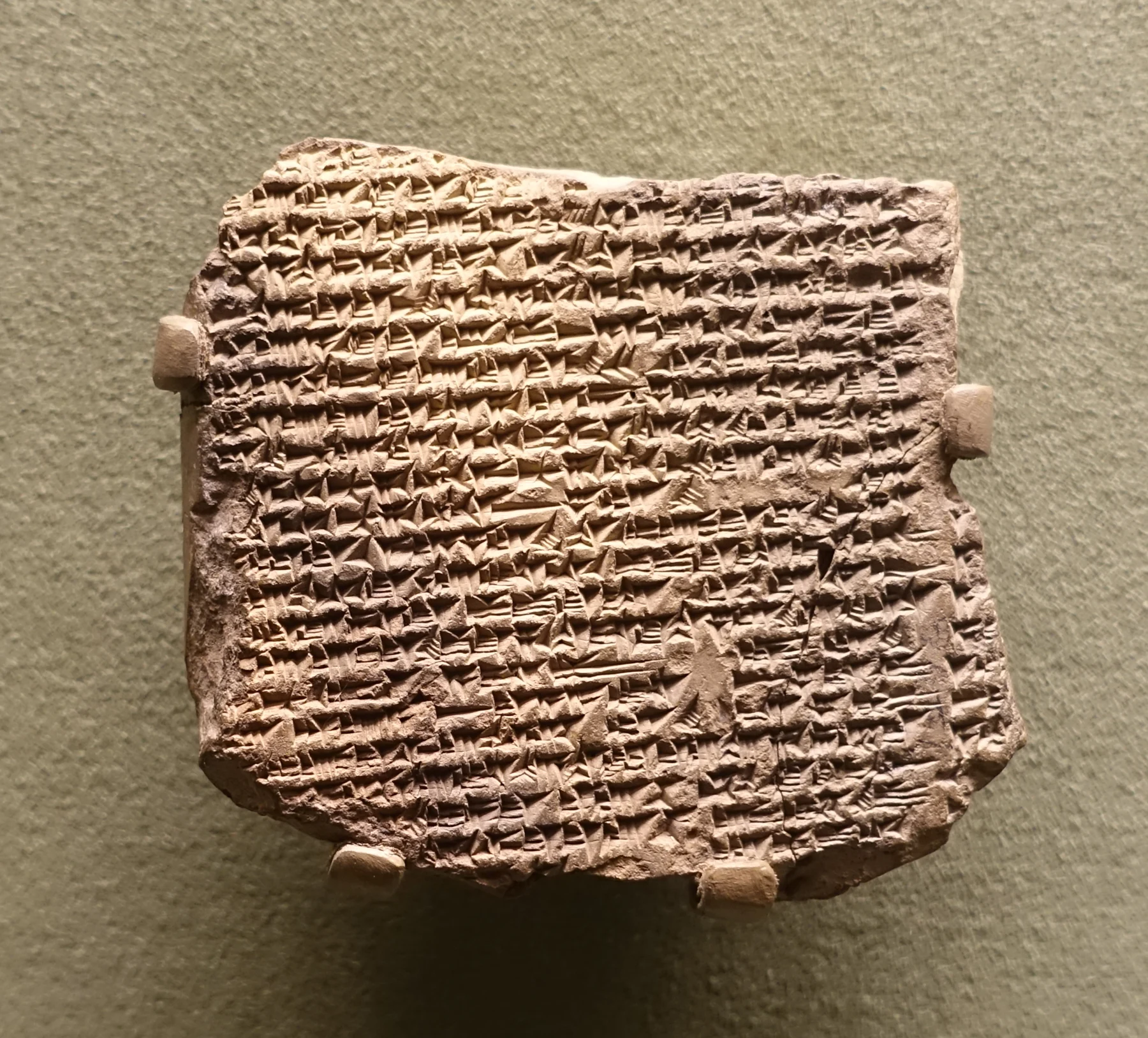
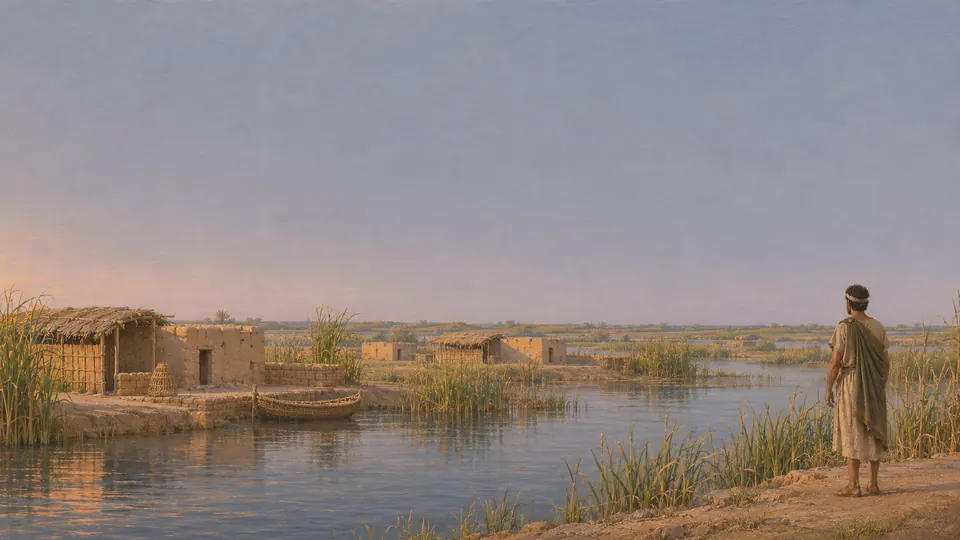
Tell Haddad is an archaeological site in Iraq’s Diyala region, associated with Tell al-Sib as ancient Me-Turan; it yielded a Sumerian Adapa witness.
Last reviewed:
Text
Tell Haddad is an archaeological site in the Diyala region of IraqIraqIraq is a modern country encompassing much of ancient MesopotamiaGlossary · Click to read the explanation, associated with Tell al-Sib as ancient Me-Turan. Old Babylonian texts of the early second millennium BCE come from this setting; the city’s name does not mean that all its tablets came from one mound. [1]
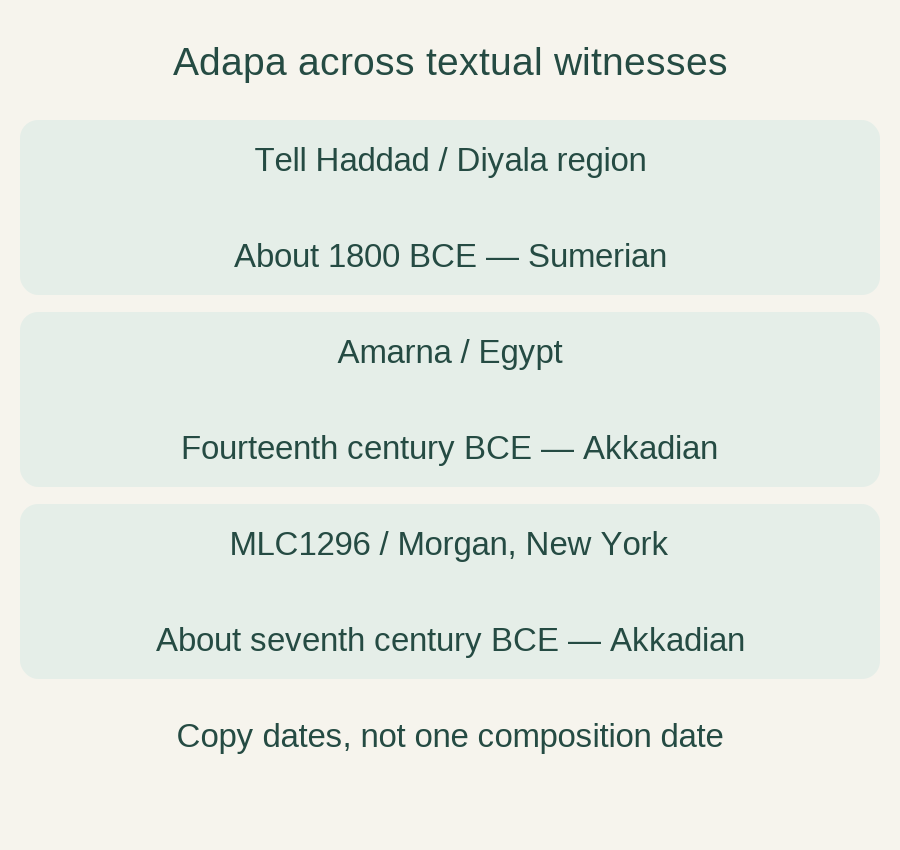
Its witnesses include a Sumerian Adapa and the South WindAdapa and the South WindDivergent Sumerian and Akkadian witnesses recount Adapa’s disabling of the South Wind, his ascent and his refusal of life’s food; immortality, Ea’s intentions and the sage’s fate remain debated.Glossary · Click to read the explanation account, dated to about 1800 BCE in the cited scholarly discussion. It differs from fourteenth-century AkkadianAkkadianAn ancient East Semitic language written in cuneiform from the third millennium BCE; its varieties include Babylonian and Assyrian, and it served in international diplomacy.Glossary · Click to read the explanation AmarnaAmarna / AkhetatenAmarna is the archaeological site of Akhetaten, Akhenaten’s fourteenth-century BCE capital in Middle Egypt, preserving royal boundary stelae, temples, houses and cemeteries.Glossary · Click to read the explanation in some gifts and its healing ritualRitualAn organised or distinguished practice meaningful to a community; it may leave traces, but its form alone does not reveal an associated doctrine.Glossary · Click to read the explanation frame. These date textual witnesses, not AdapaAdapaAdapa is a sage of Eridu in Mesopotamian tradition, associated with Ea. The South Wind story, audience with Anu, and ritual sources give him distinct roles; they do not establish his identity with Adam or the first human.Glossary · Click to read the explanation’s birth or one fixed composition. [2]
References and notes
- Public abstract on Middle Diyala, Me-Turan texts, Tell Haddad and Tell al-Sib read. Entire thesis not read. Mustafa, Glasgow thesis, 1983; public abstract only Return to the text ↑
- The author’s discussion, quoted translated portions and notes read, not a continuous translation of all lines 1–190. Distinguishes Sumerian refusal of clothing from its acceptance at Amarna and explains the healing frame. Neither Cavigneaux 2014 nor Sanders 2017 read in full. Seth L. Sanders, The First Round-Trip Journey to Heaven, 2020; discussion, selected translation through line 190, notes 1–9 Return to the text ↑
Suggest a correction · Suggest a source for this record
Cite this record
IL Archive, «Tell Haddad and Me-Turan», https://ilarchive.com/en/sites/tell-haddad-me-turan
Continue reading
Related readings