Atrahasis Capítulo 2
El muro de juncos
Una advertencia llega a Atrahasis a través de un muro de juncos, y él construye una barca cubierta para llevar la vida a través del diluvio. Cuando pasan las aguas, los dioses se enfrentan a la supervivencia de la gente y fijan nuevas condiciones para la vida humana.
Ver la películaFuentesPase las páginas con las flechas, el teclado o deslizando el dedo.
EL SUEÑO
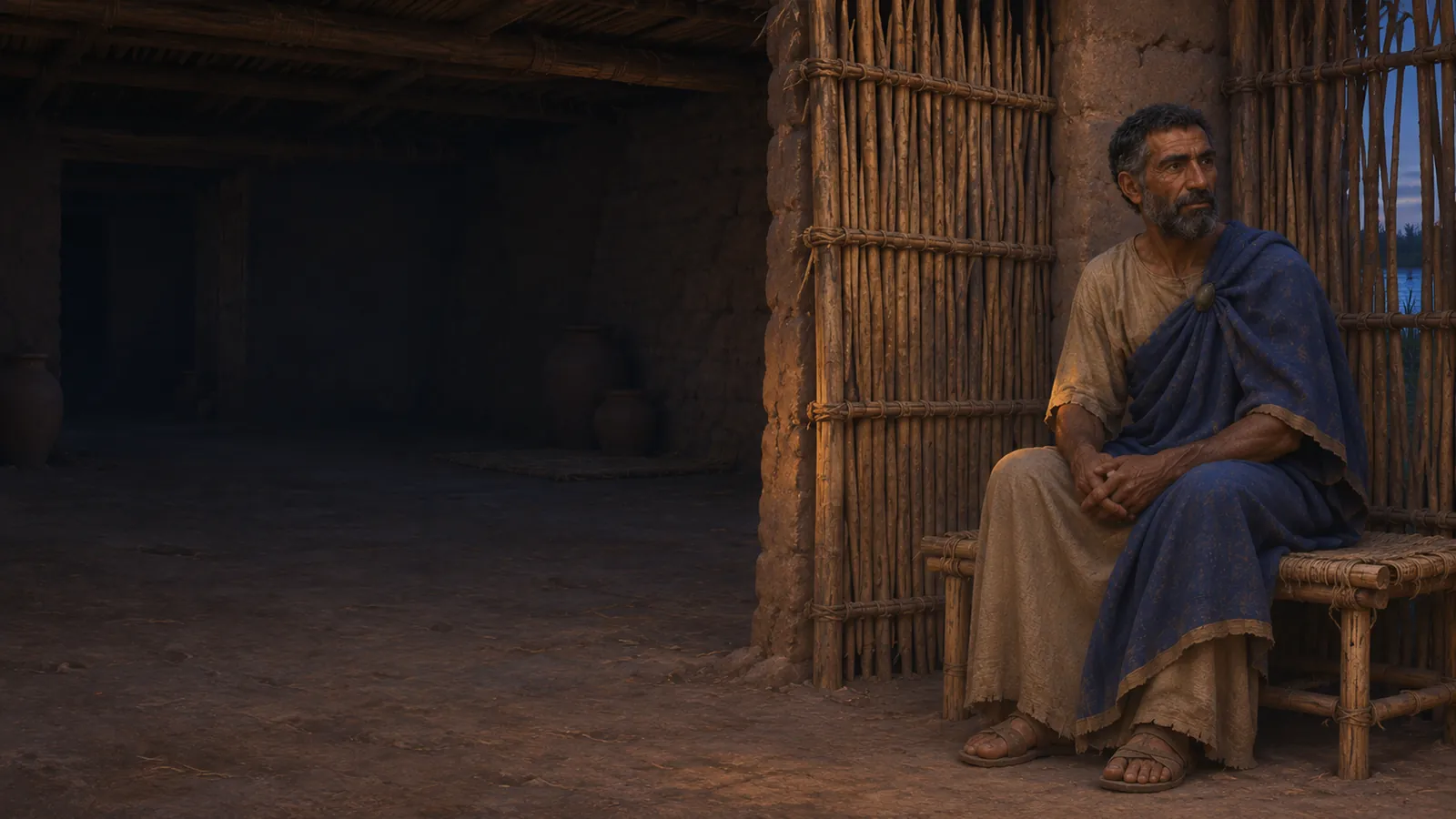
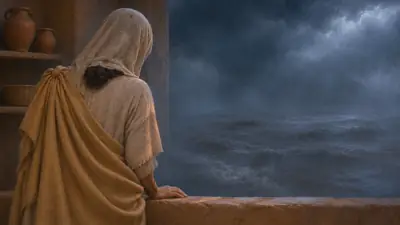
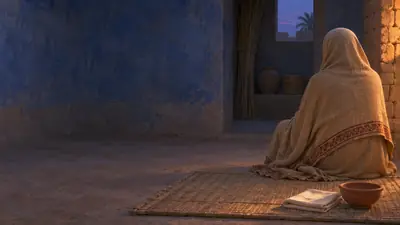
Tras la decisión de los dioses, Atrahasis aún tenía una pregunta para Enki. En las primeras líneas conservadas de esta tablilla, le pide que le explique qué significaba un sueño.
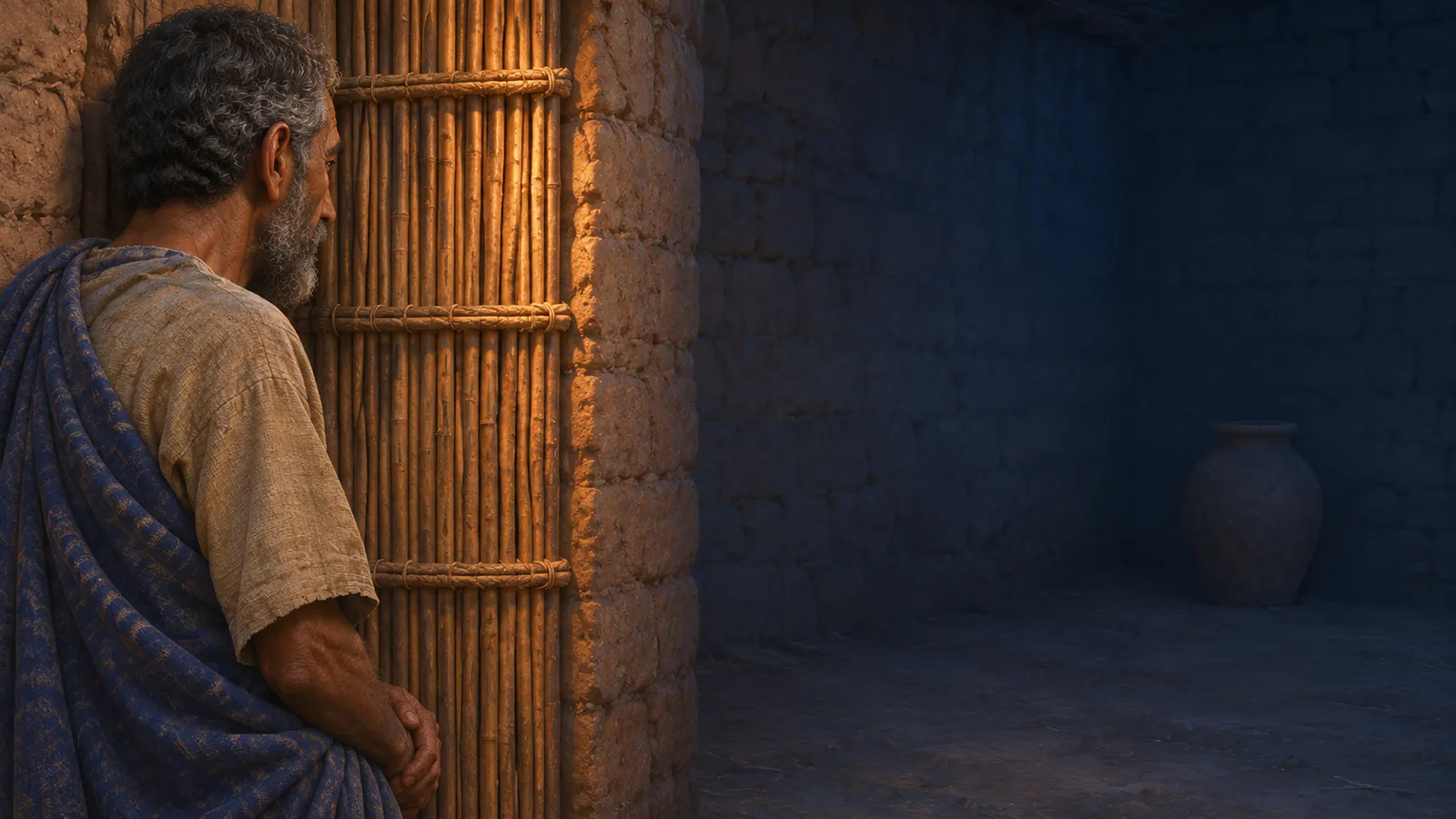
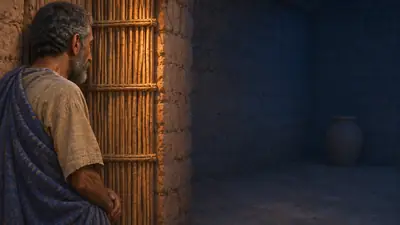
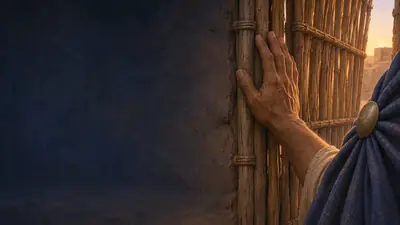
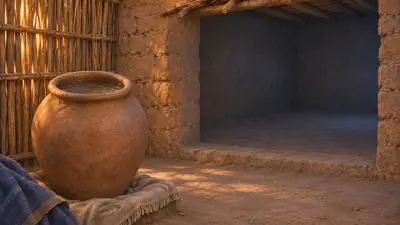
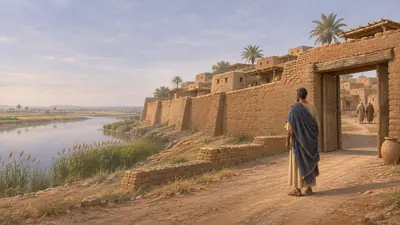
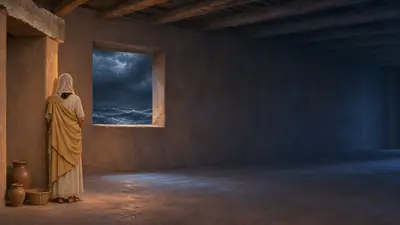
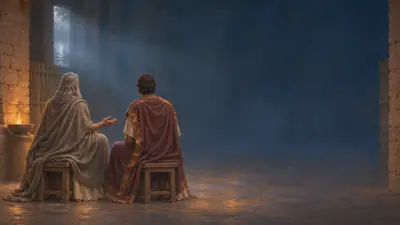
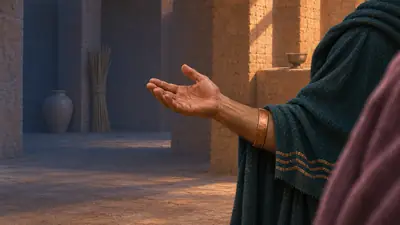
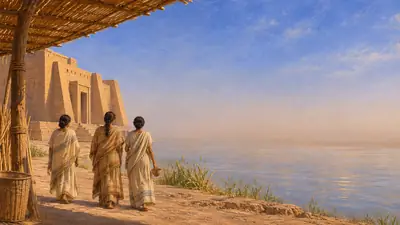
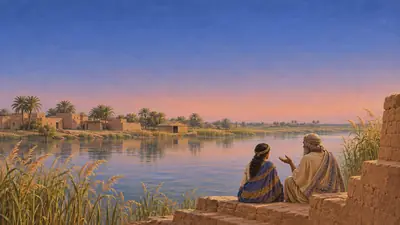
La respuesta fue para la pared de juncos. Enki le habló como si pudiera escuchar y retener cada palabra. Atrahasis estaba allí para oírlo.
LA PARTIDA
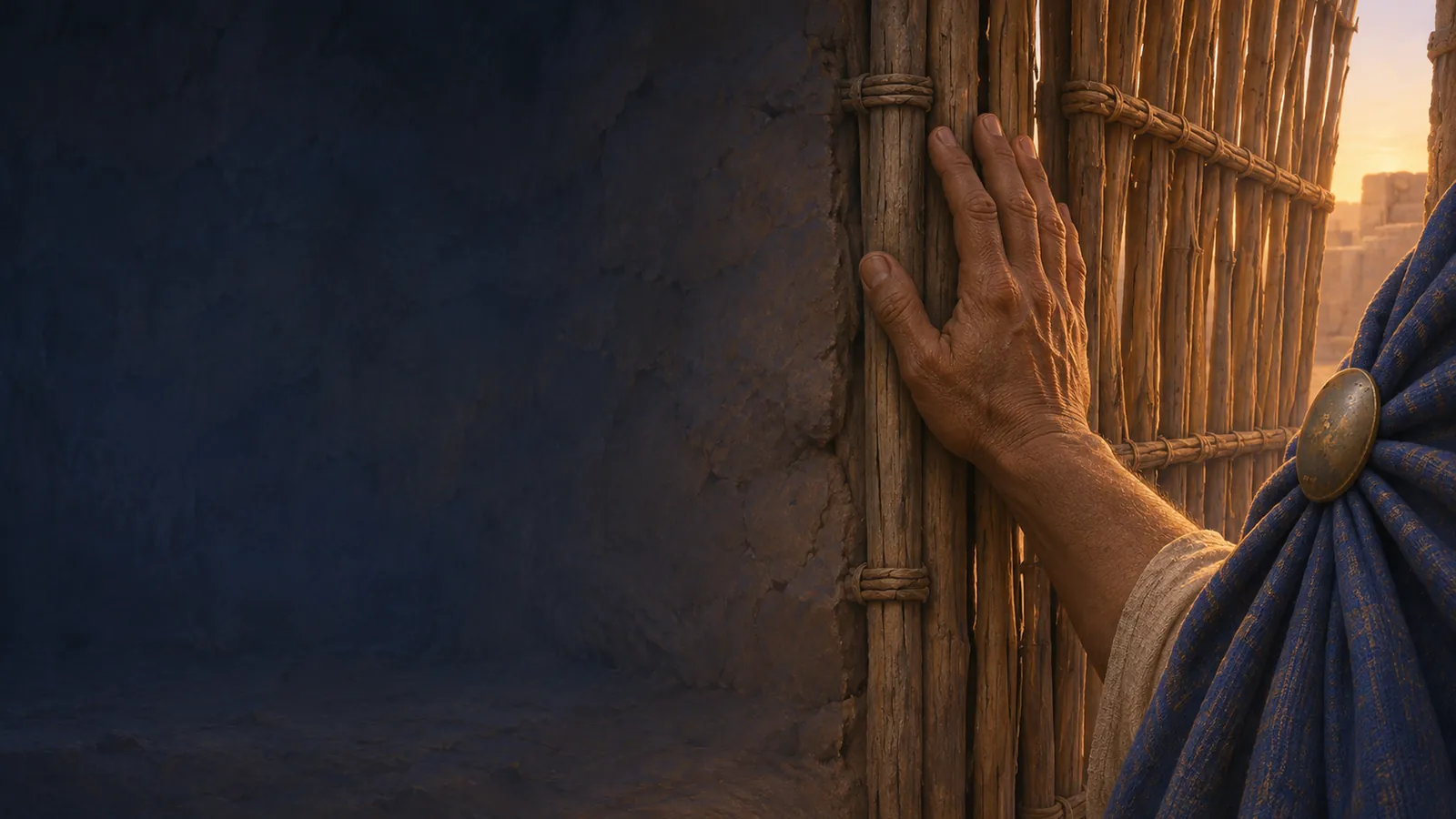
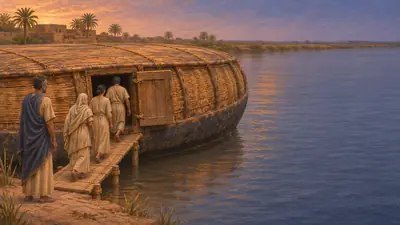
La voz habló de una casa que había que abandonar y de una embarcación que había que construir. Lo que podía salvarse era la vida misma.
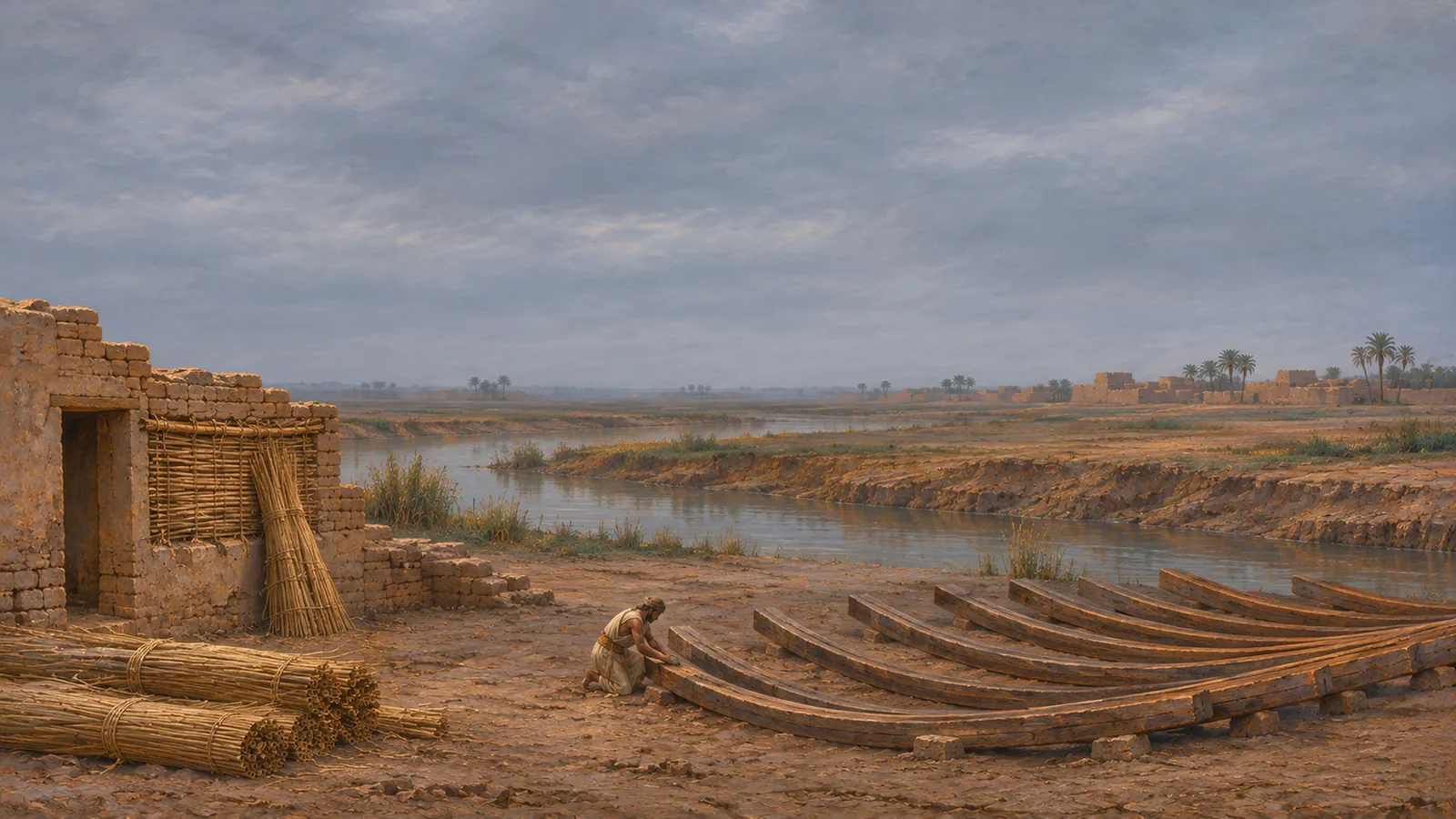
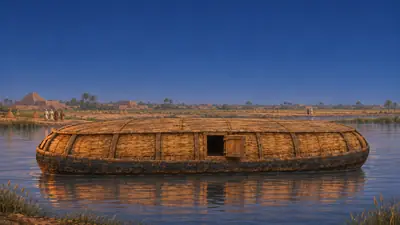
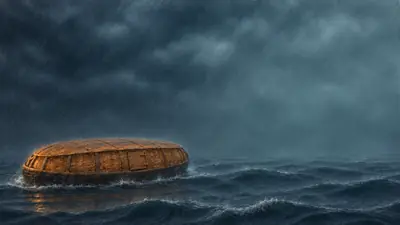
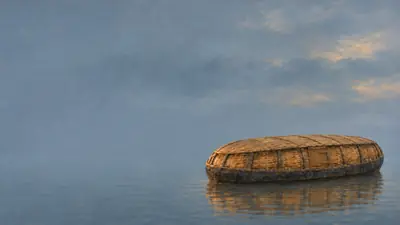
Las palabras que siguen están incompletas, pero aún se distingue parte del diseño de la embarcación. Un fragmento de la tablilla parece mencionar un círculo.
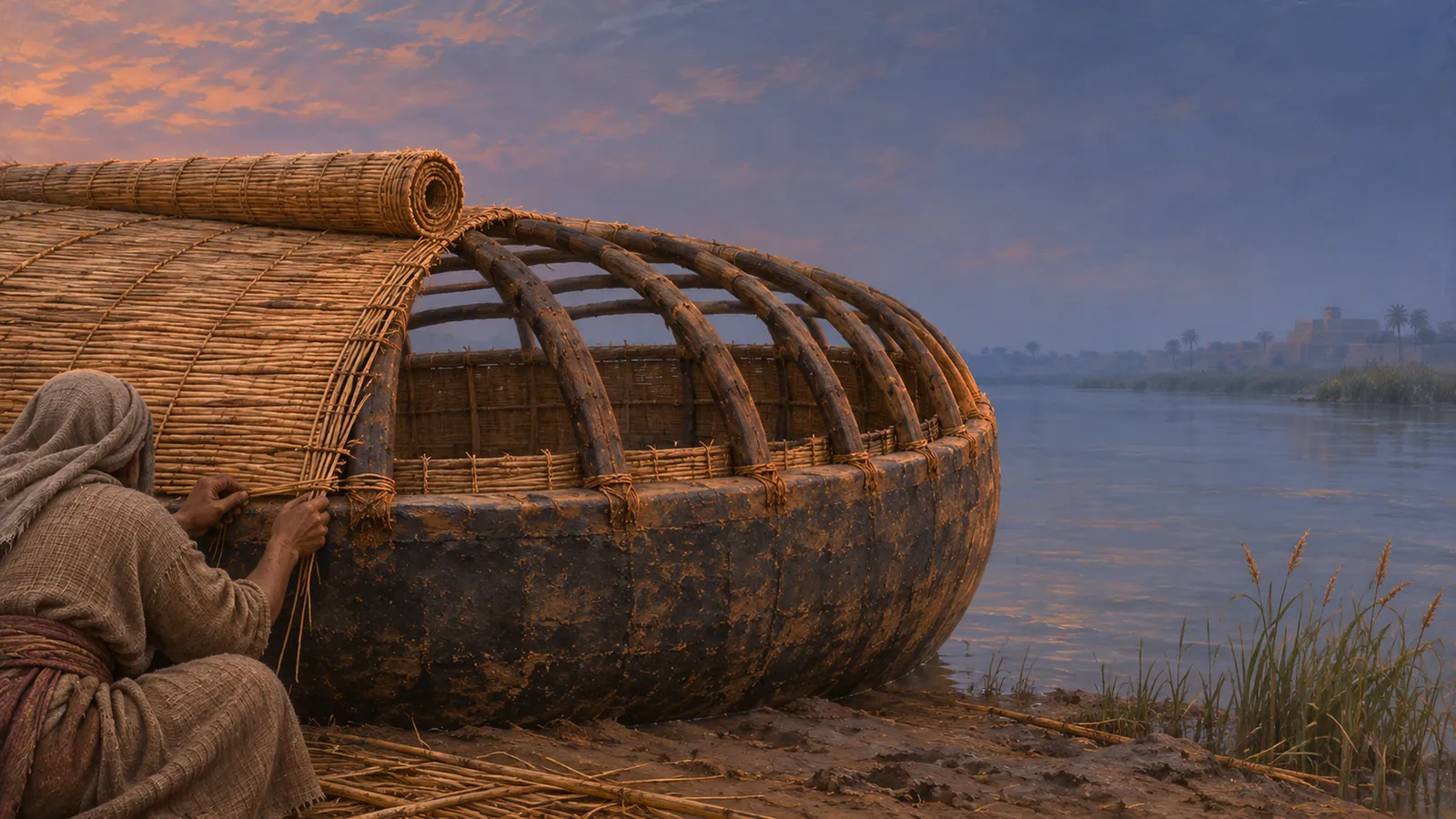
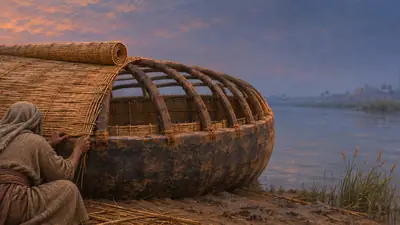
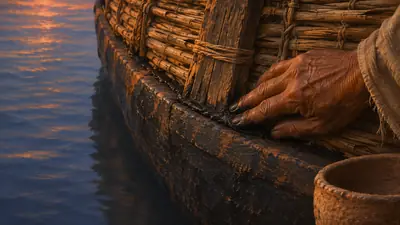
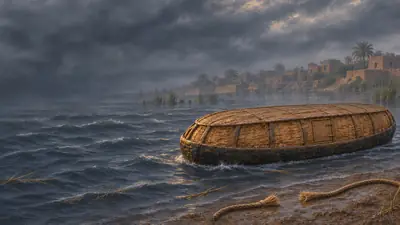
Enki le dijo que techara la embarcación para que no entrara la luz del sol. La estructura debía resistir incluso cuando llegaran las aguas.
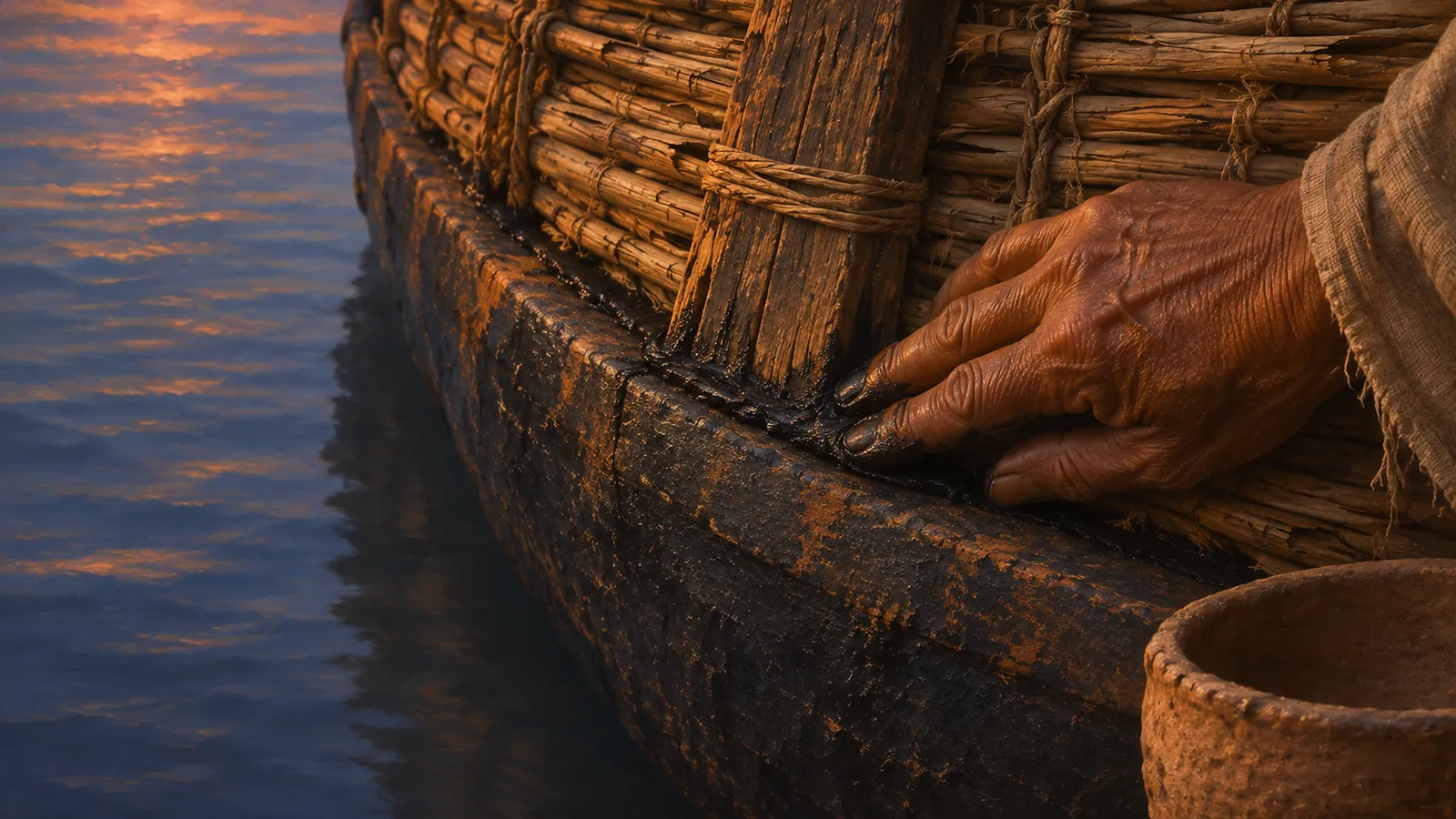
Las junturas necesitaban betún negro y resistente para que la embarcación aguantara. La voz también habló de aves y peces que llegarían en abundancia.
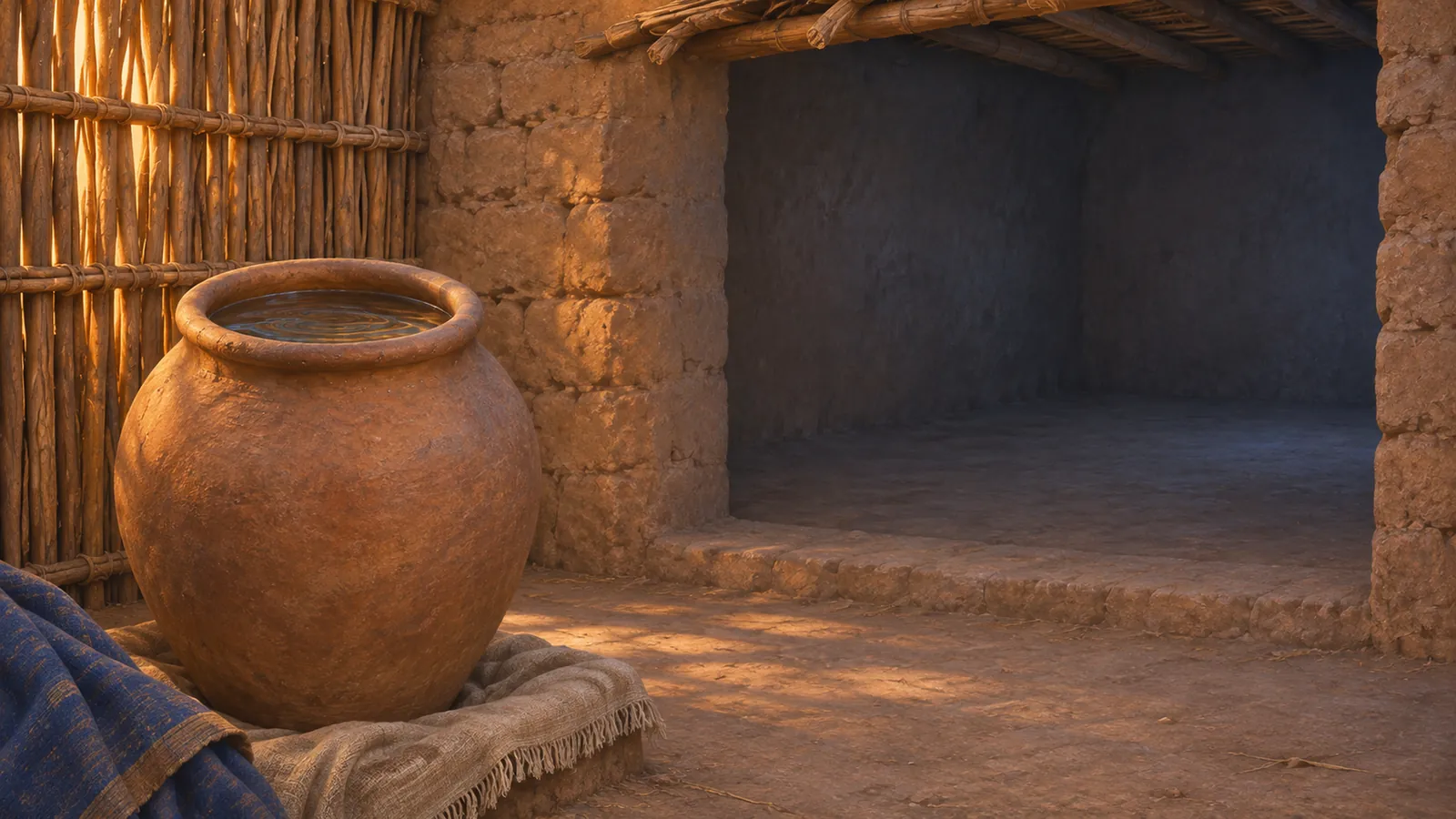
Abrieron y llenaron el reloj de agua. Enki habló a Atrahasis del diluvio que se avecinaba y de las siete noches que duraría.
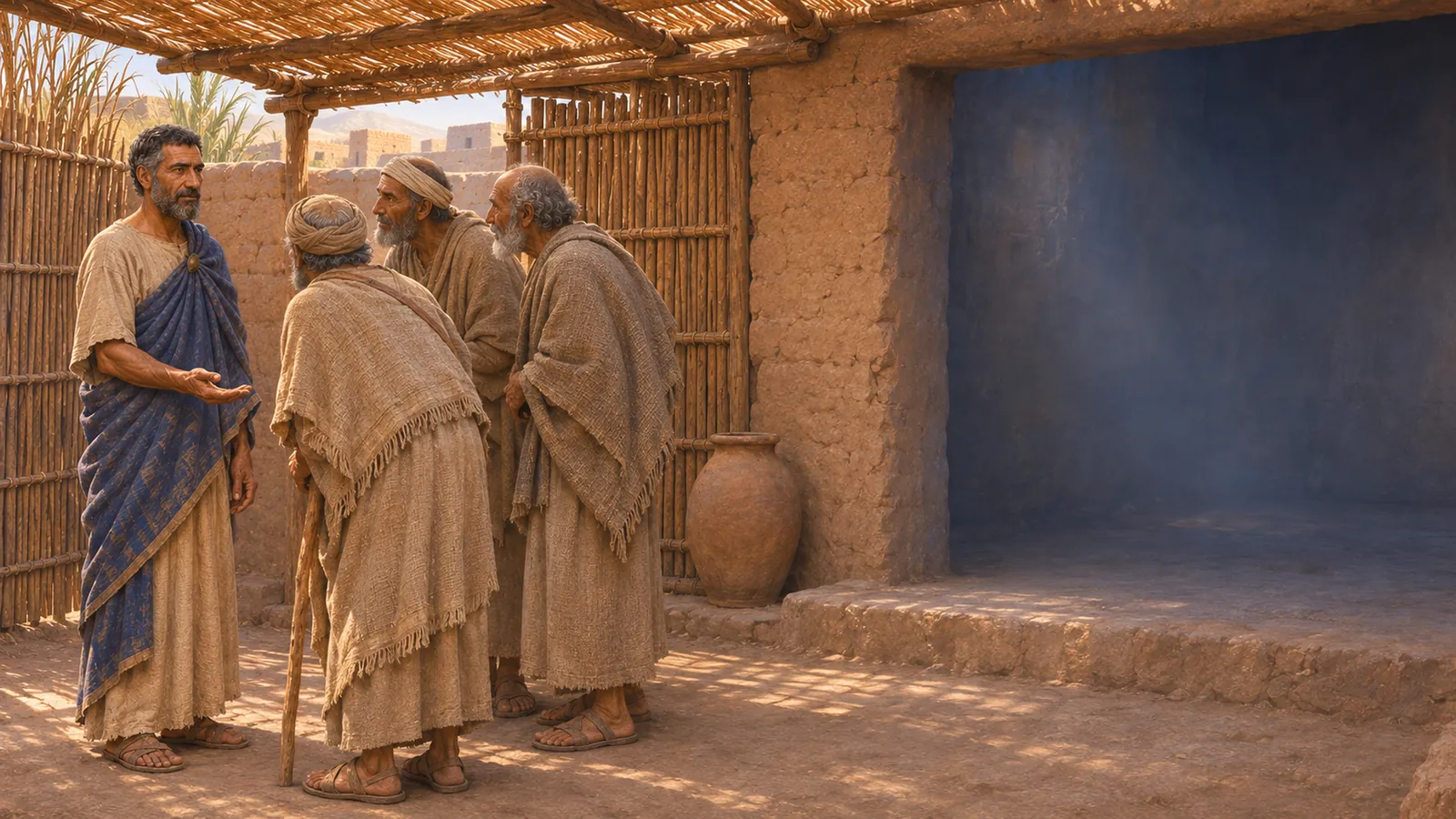
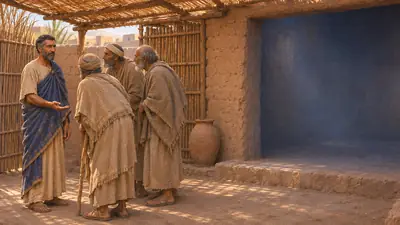
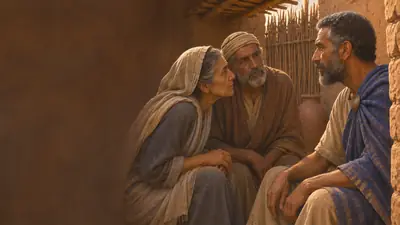
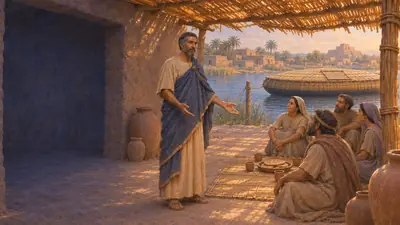
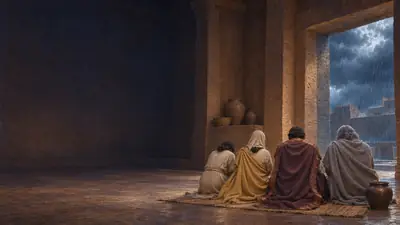
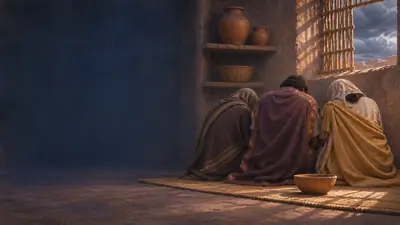
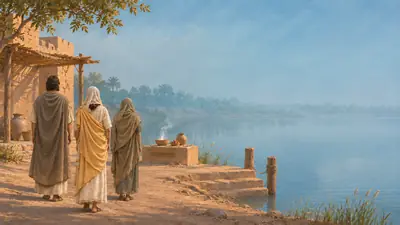
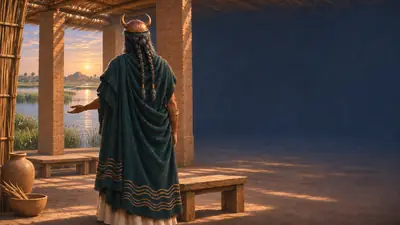
Atrahasis asimiló lo que había oído. Llamó a los ancianos a su puerta, como ya había hecho en tiempos difíciles, y les contó parte de lo sucedido.
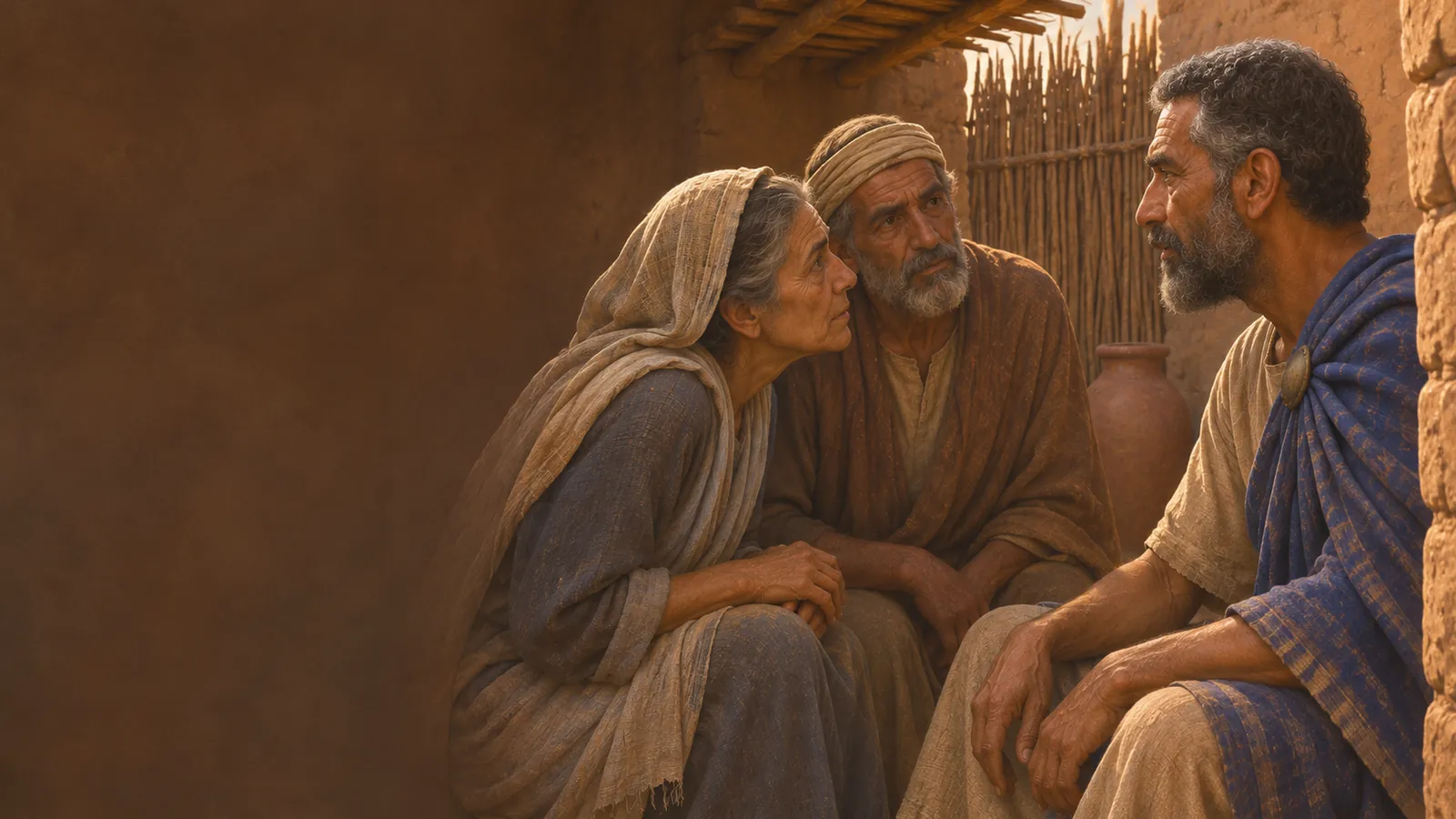
Dijo que Enki y Enlil se habían enojado el uno con el otro. Atrahasis siempre había honrado a Enki y explicó a los ancianos que así se había enterado de la disputa.
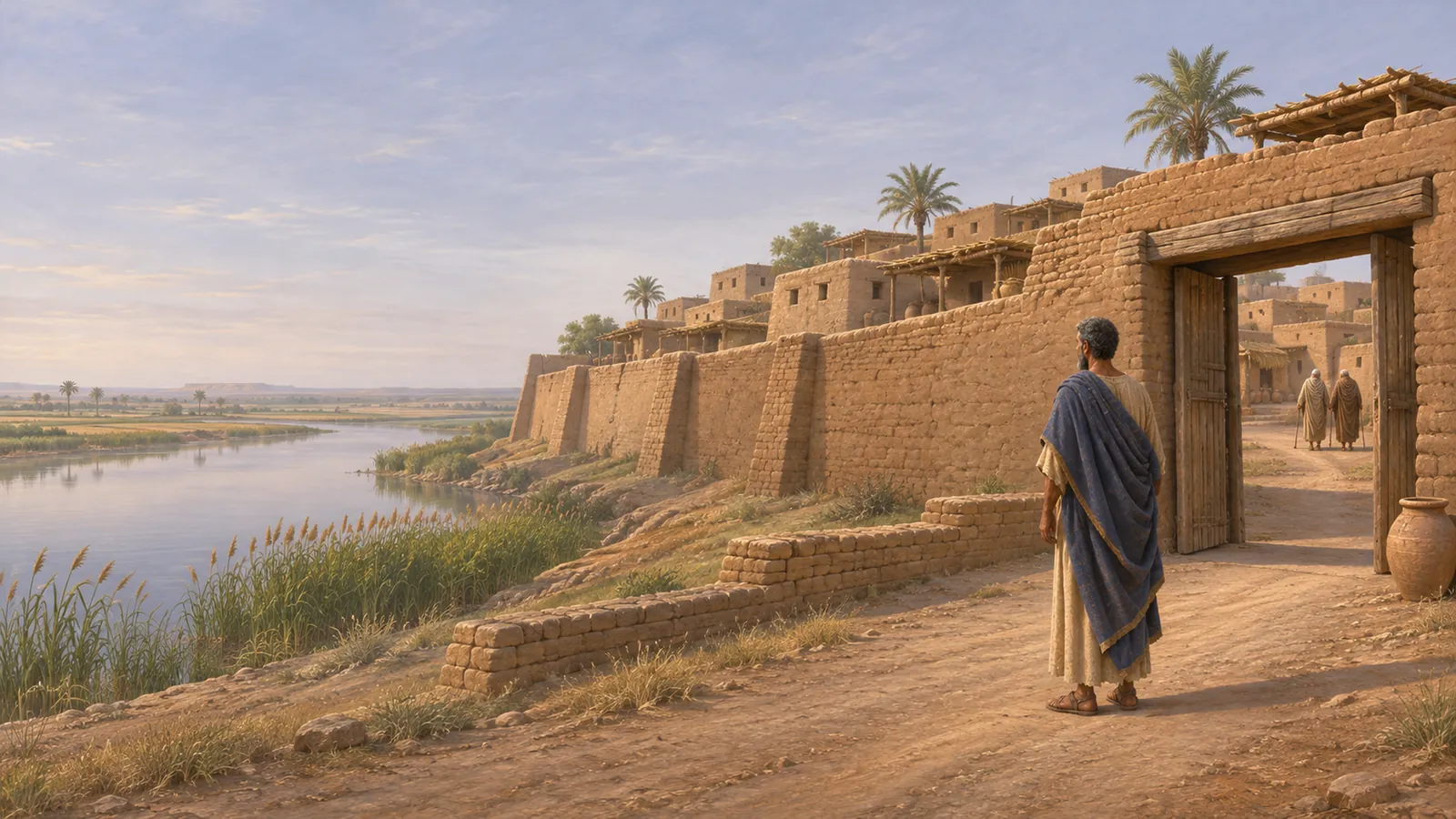
Atrahasis dijo que ya no viviría entre ellos en la tierra de Enlil. Sus palabras se vuelven hacia las aguas profundas, adonde dice que irá con Enki.
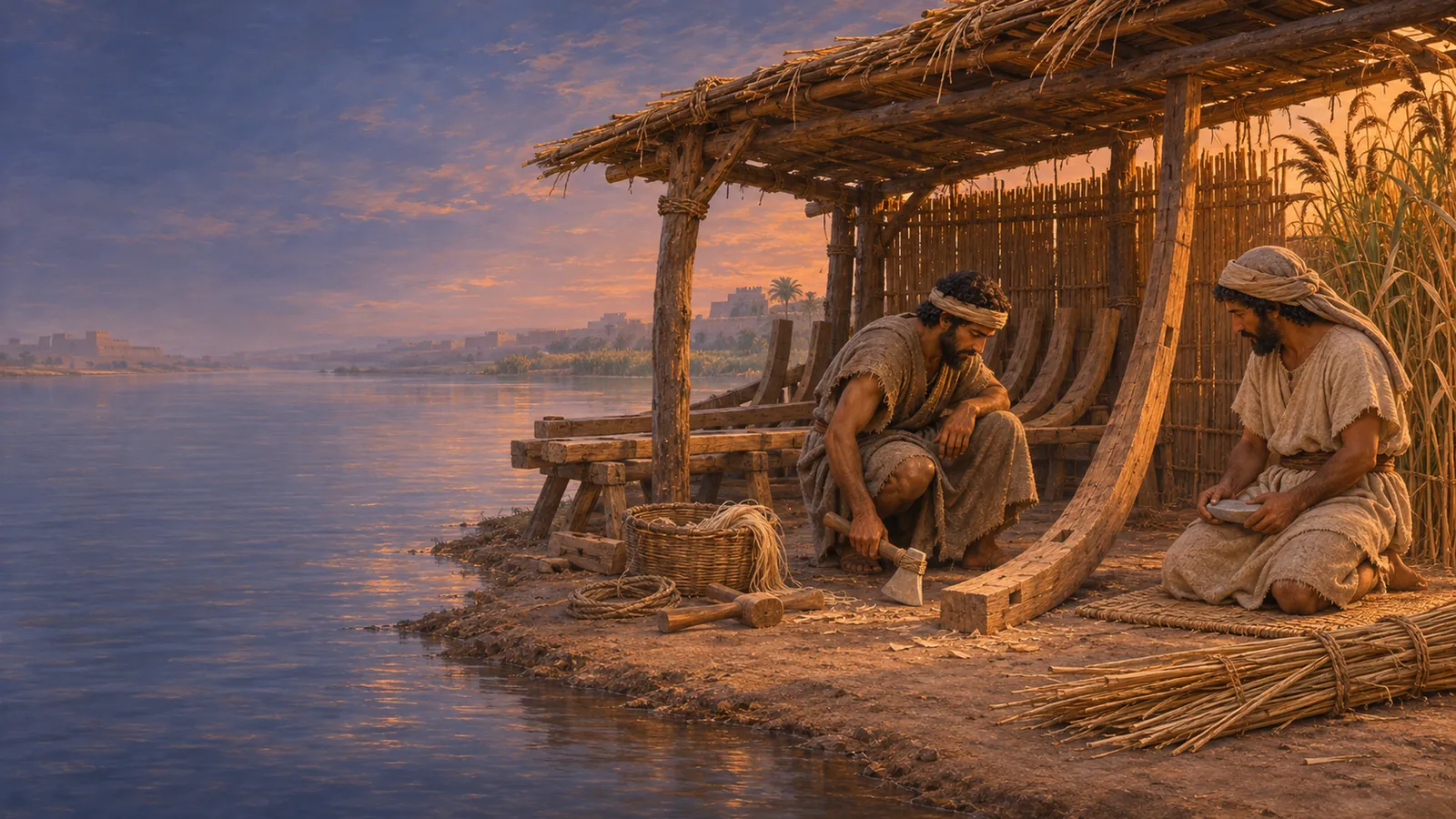
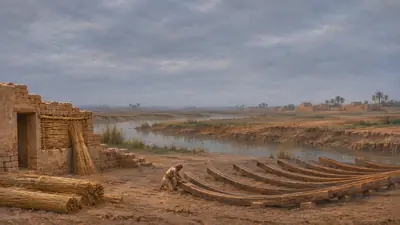
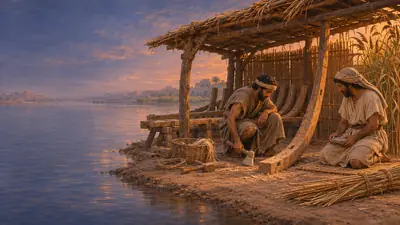
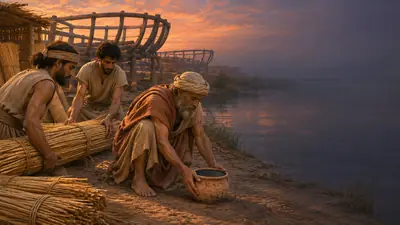
La escena cambia tras una laguna en la tablilla. Las siguientes líneas legibles nos llevan a la obra, donde un carpintero tiene su hacha y un artesano del junco trae una herramienta de piedra.
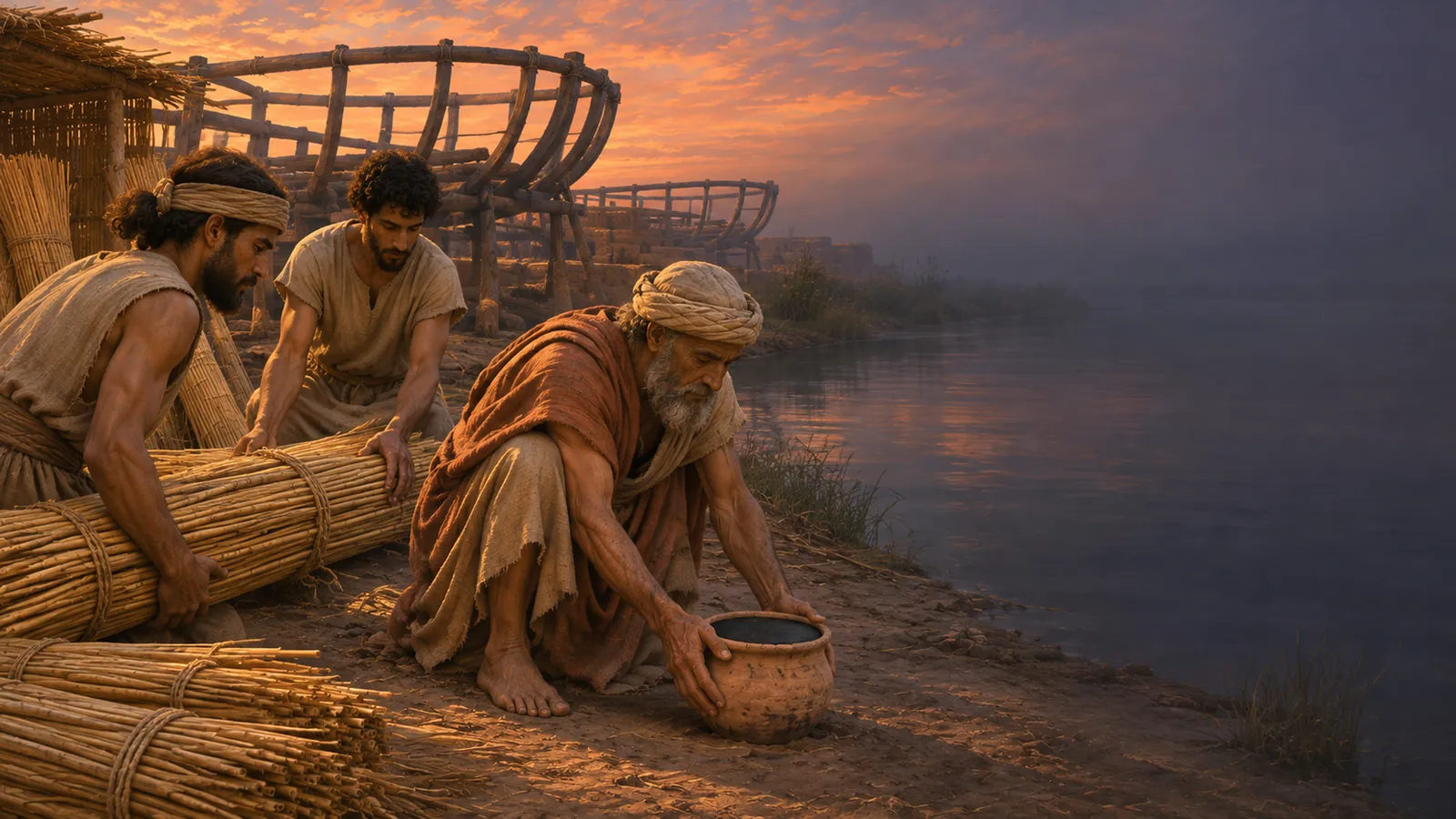
Las palabras que quedan recuerdan a más gente en el lugar de la obra. Uno llevó betún. Otro llevó lo que hacía falta, y lo que hacía falta era el trabajo de muchas manos.
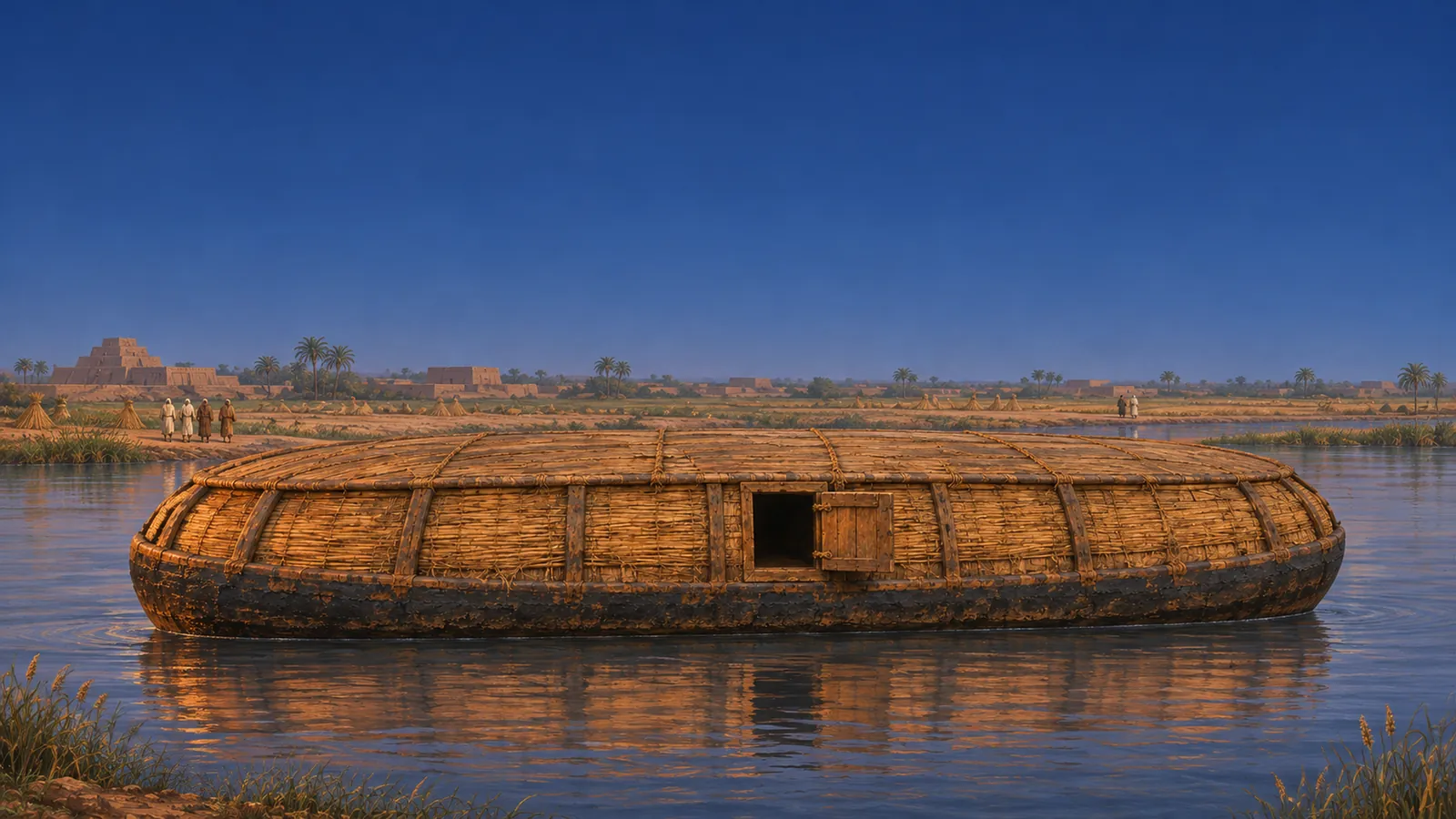
La tablilla vuelve a quedar interrumpida antes de que se cuente toda la obra. En las siguientes líneas legibles, la embarcación está lista para recibir lo que Atrahasis lleva a bordo.
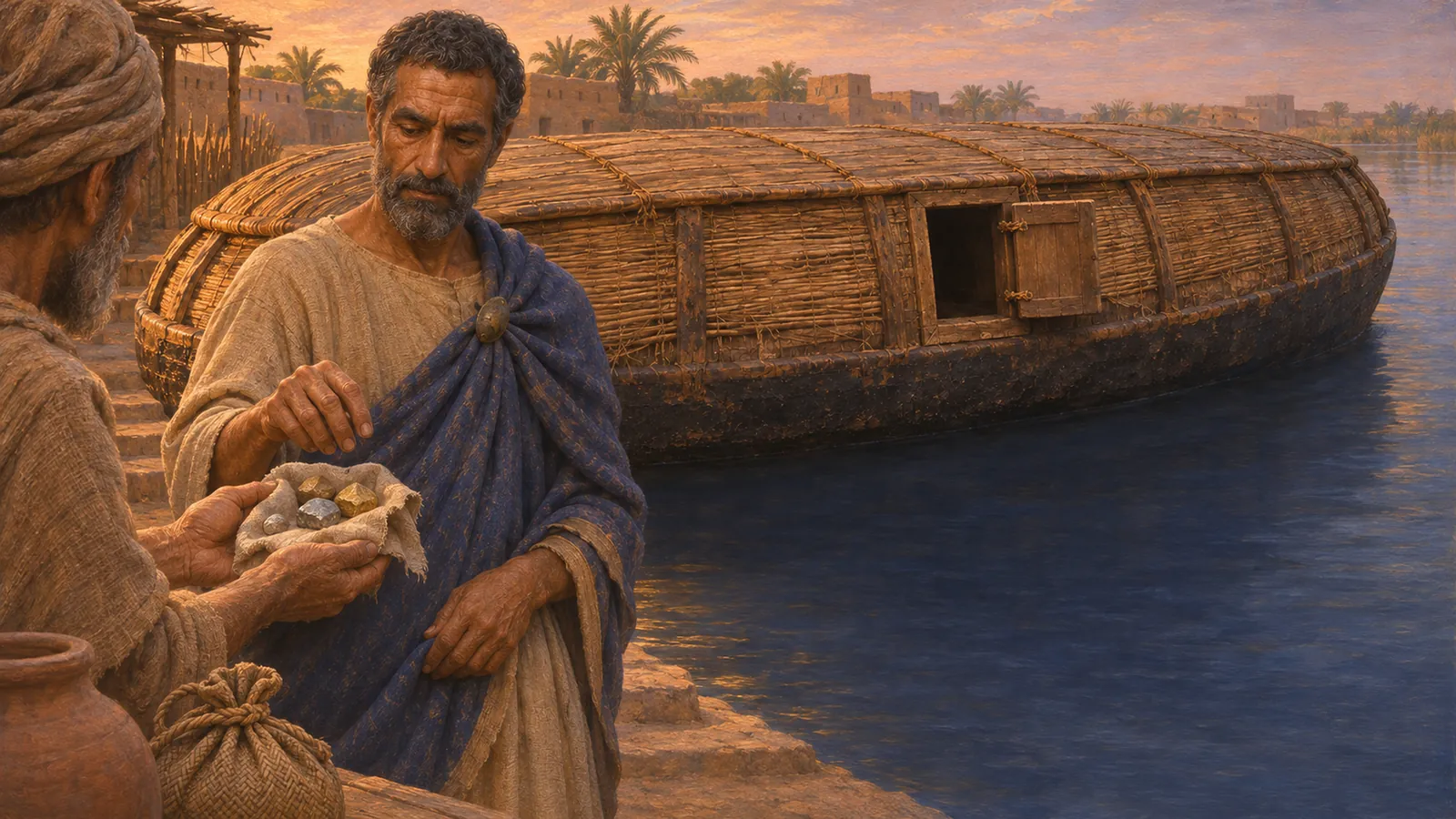
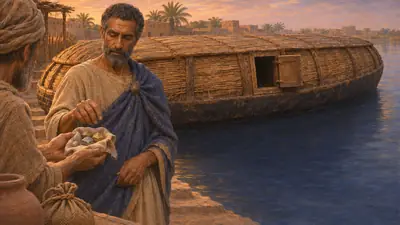
Algunas líneas sobre la carga están incompletas. Hablan de plata y oro, y luego de animales, mientras se prepara la embarcación para recibirlos a bordo.
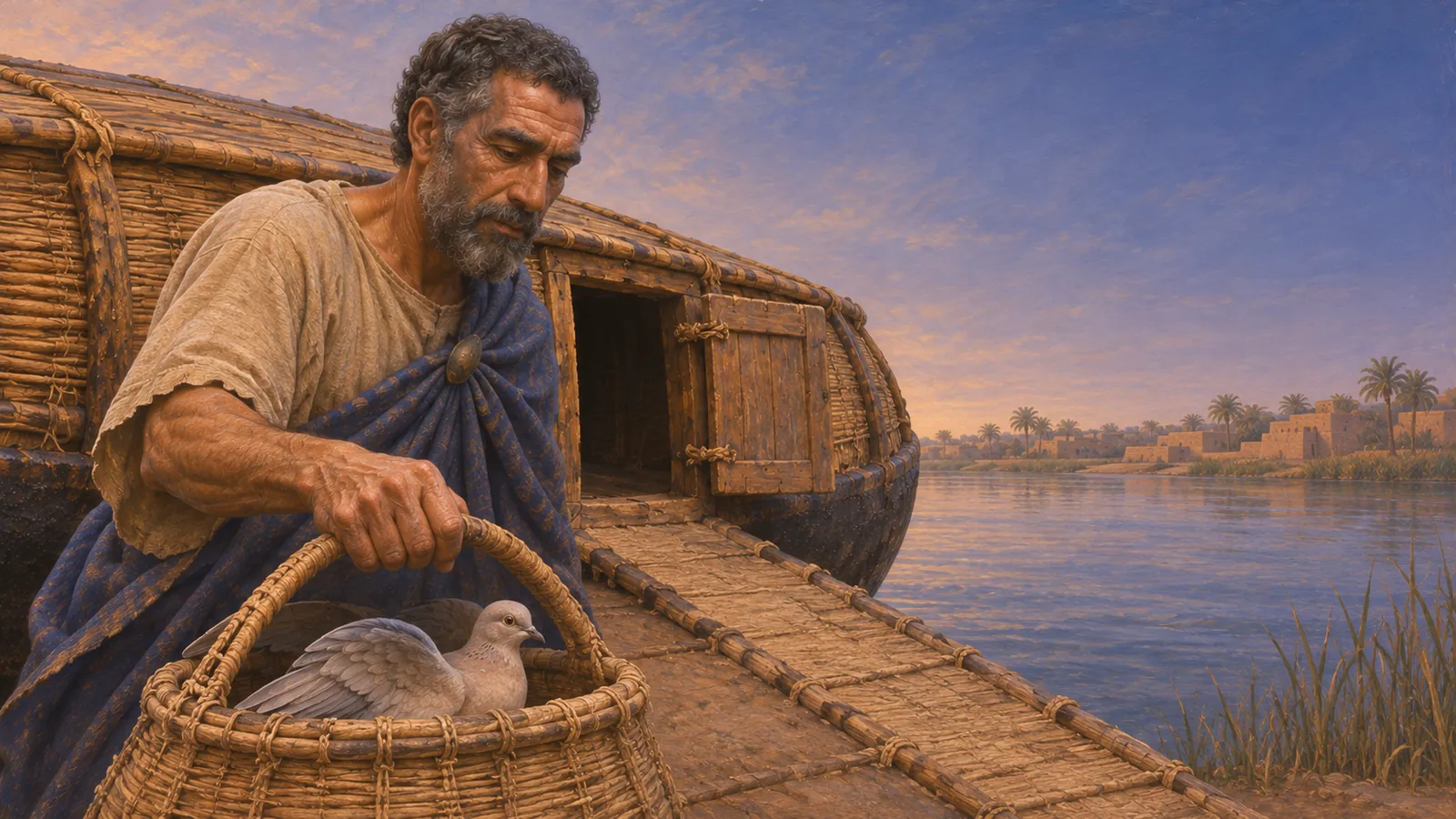
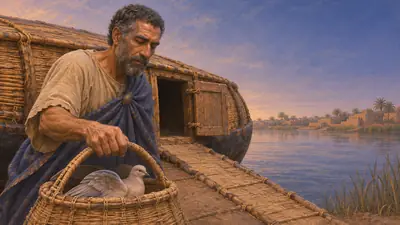
La embarcación llevaría criaturas del cielo y de la tierra. En las palabras que se conservan, Atrahasis escoge aves para el viaje.
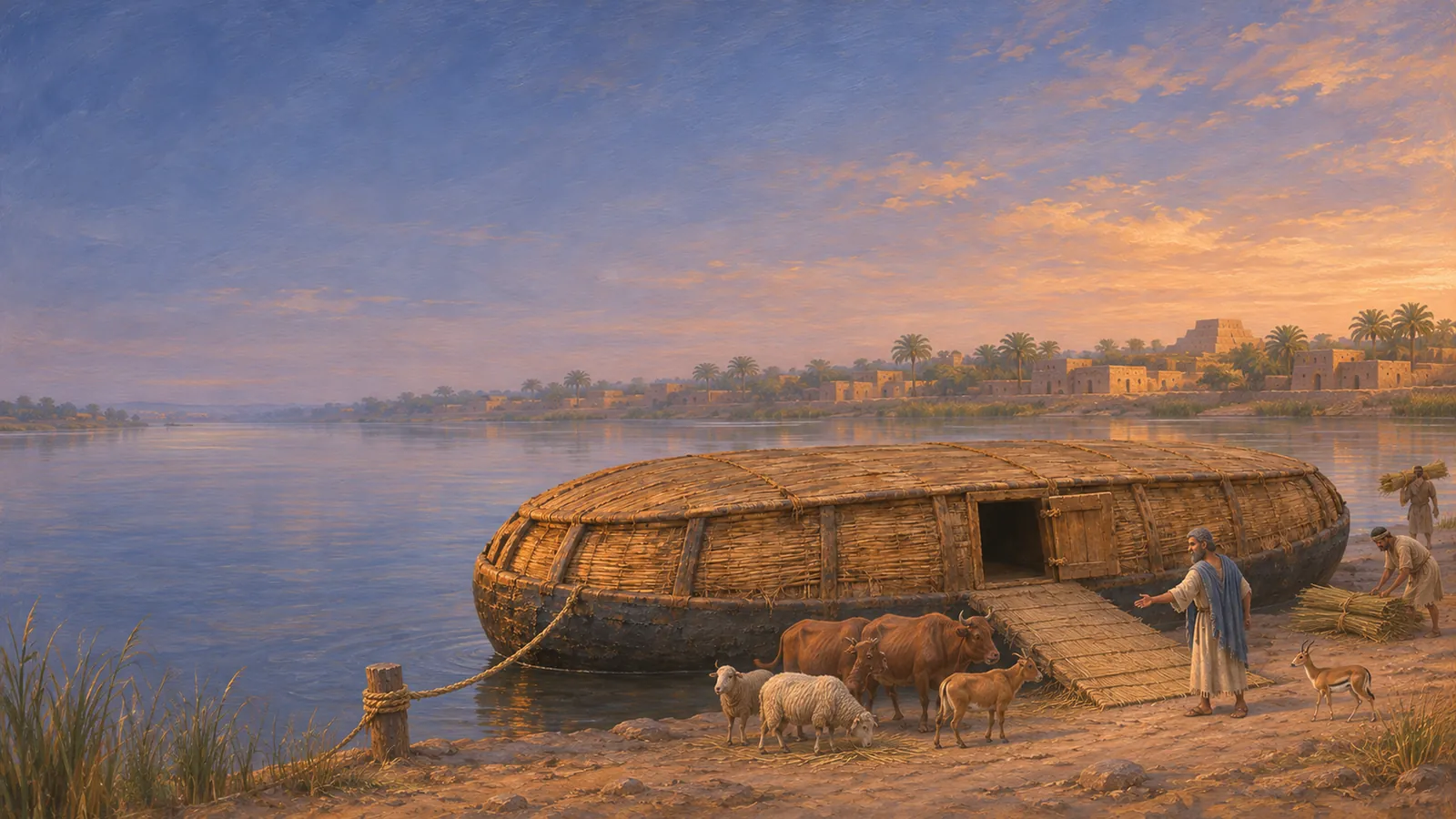
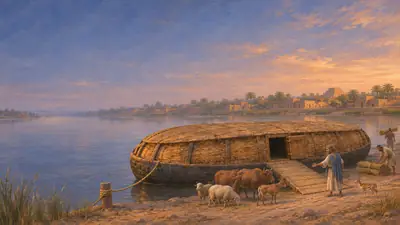
Entre la carga viva había animales de los rebaños y otros salvajes de la estepa. Las líneas dañadas también parecen situar a bordo a trabajadores expertos.
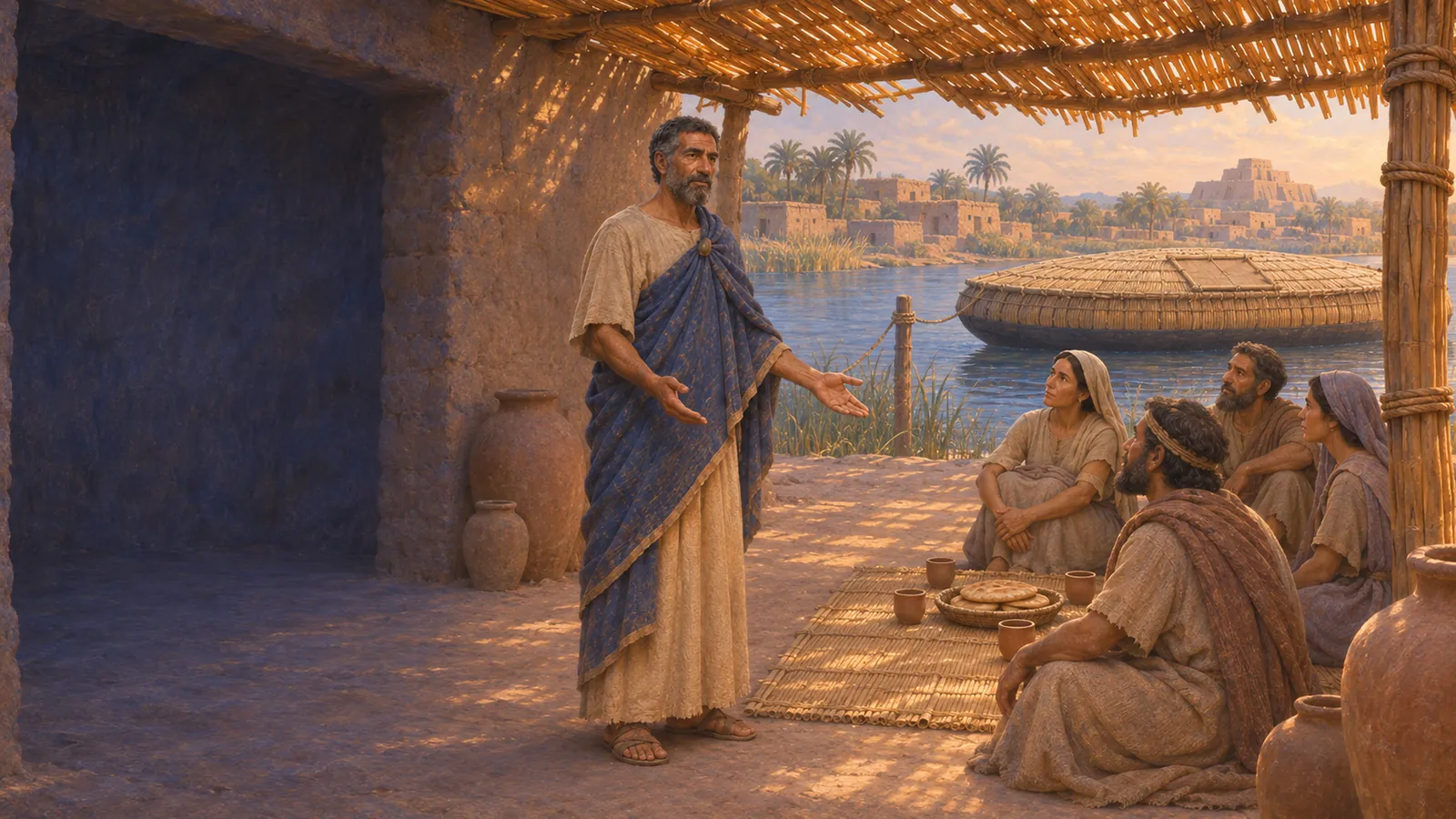
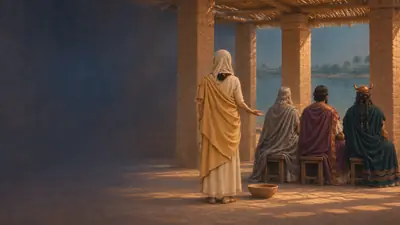
El mes tocaba a su fin. Lo que queda de la tablilla cuenta que hubo un banquete, para el que Atrahasis llamó a los suyos a sentarse y comer antes de que llegara la tormenta.
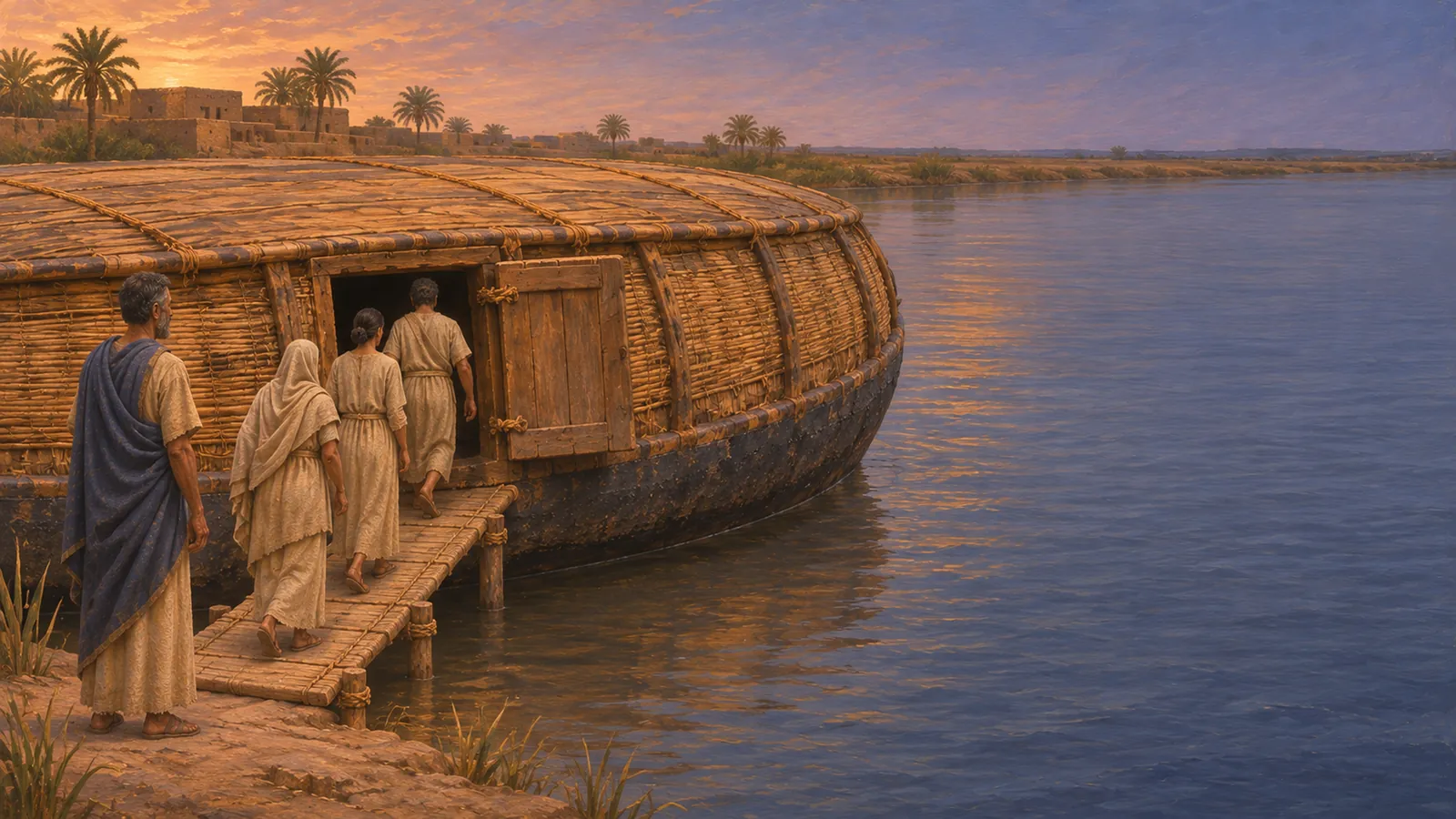
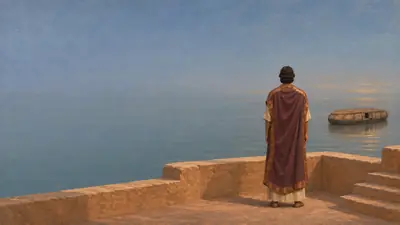
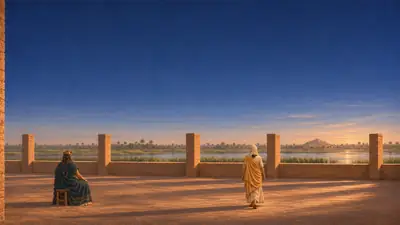
La gente comía y bebía mientras Atrahasis iba y venía entre la embarcación y la orilla. Ya había enviado a su familia a bordo.
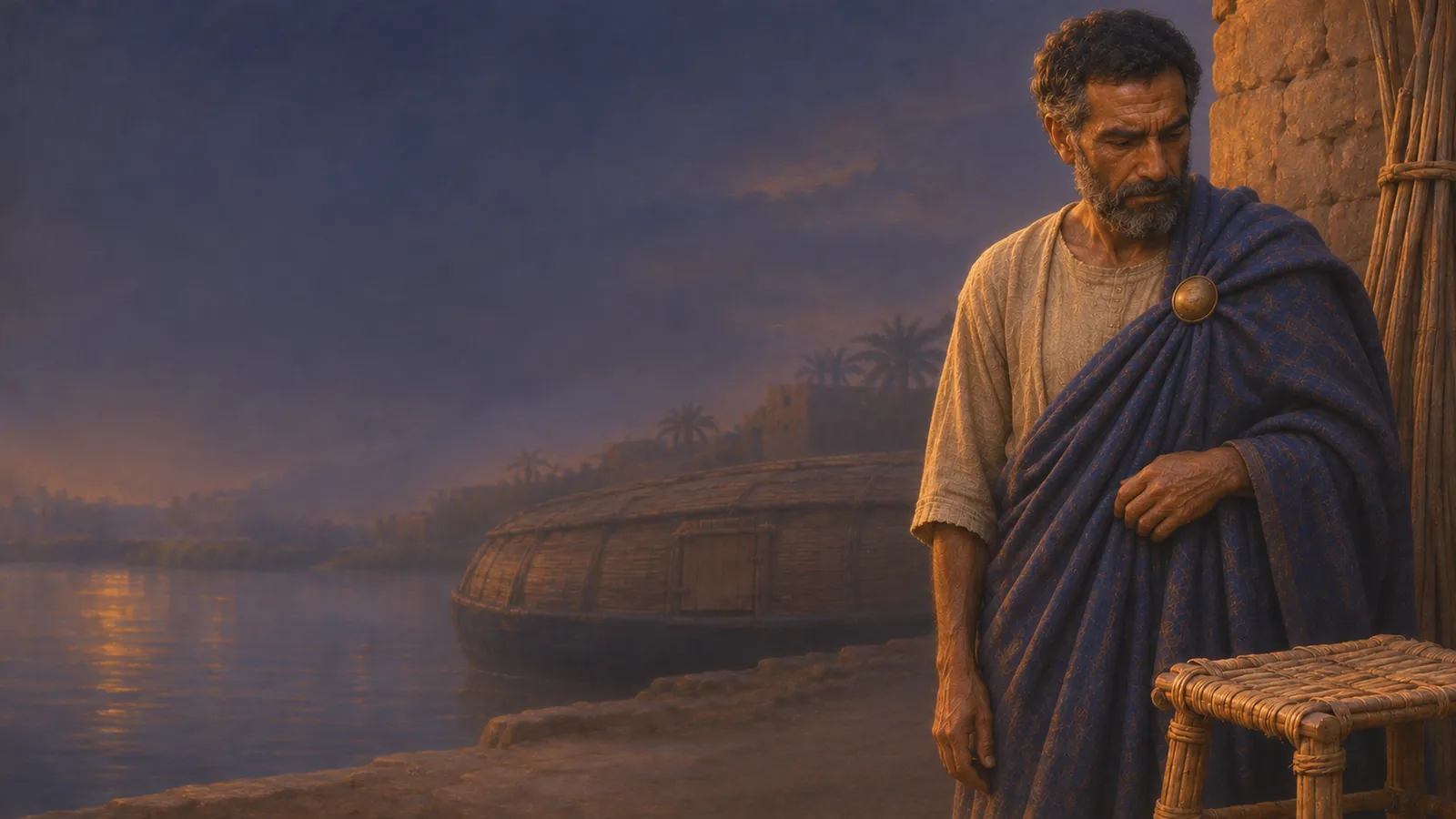
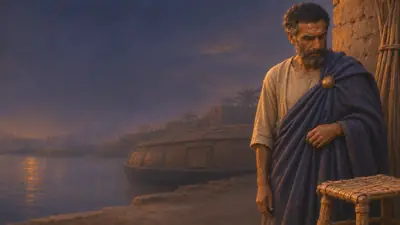
Atrahasis entraba y salía sin encontrar descanso. La tablilla nos dice cuán profunda era su angustia antes del primer trueno.
EL TRUENO
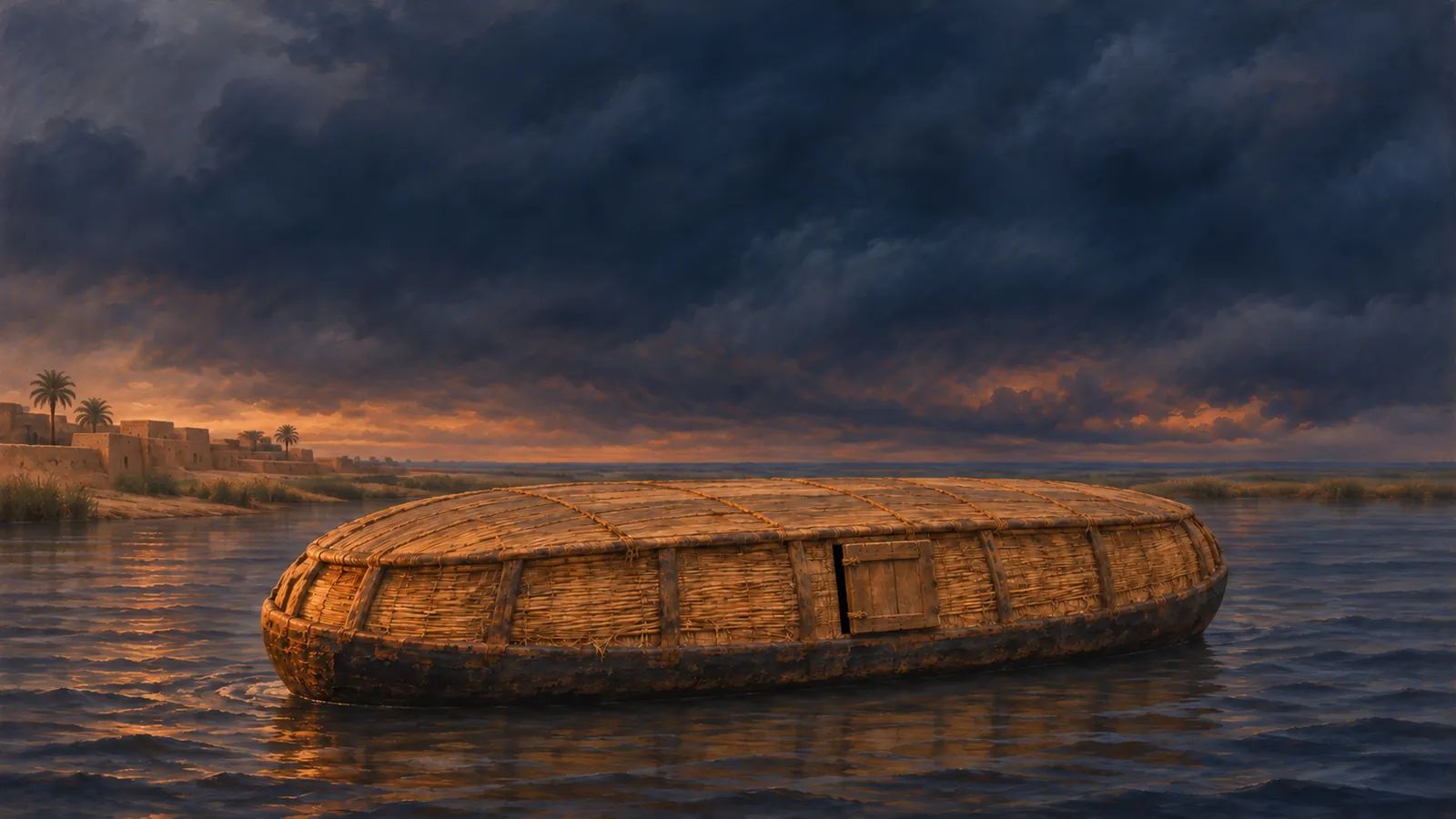
Entonces cambió el aspecto del día. El trueno de Adad llegó de entre las nubes, y quienes estaban a bordo lo oyeron al acercarse la tormenta.
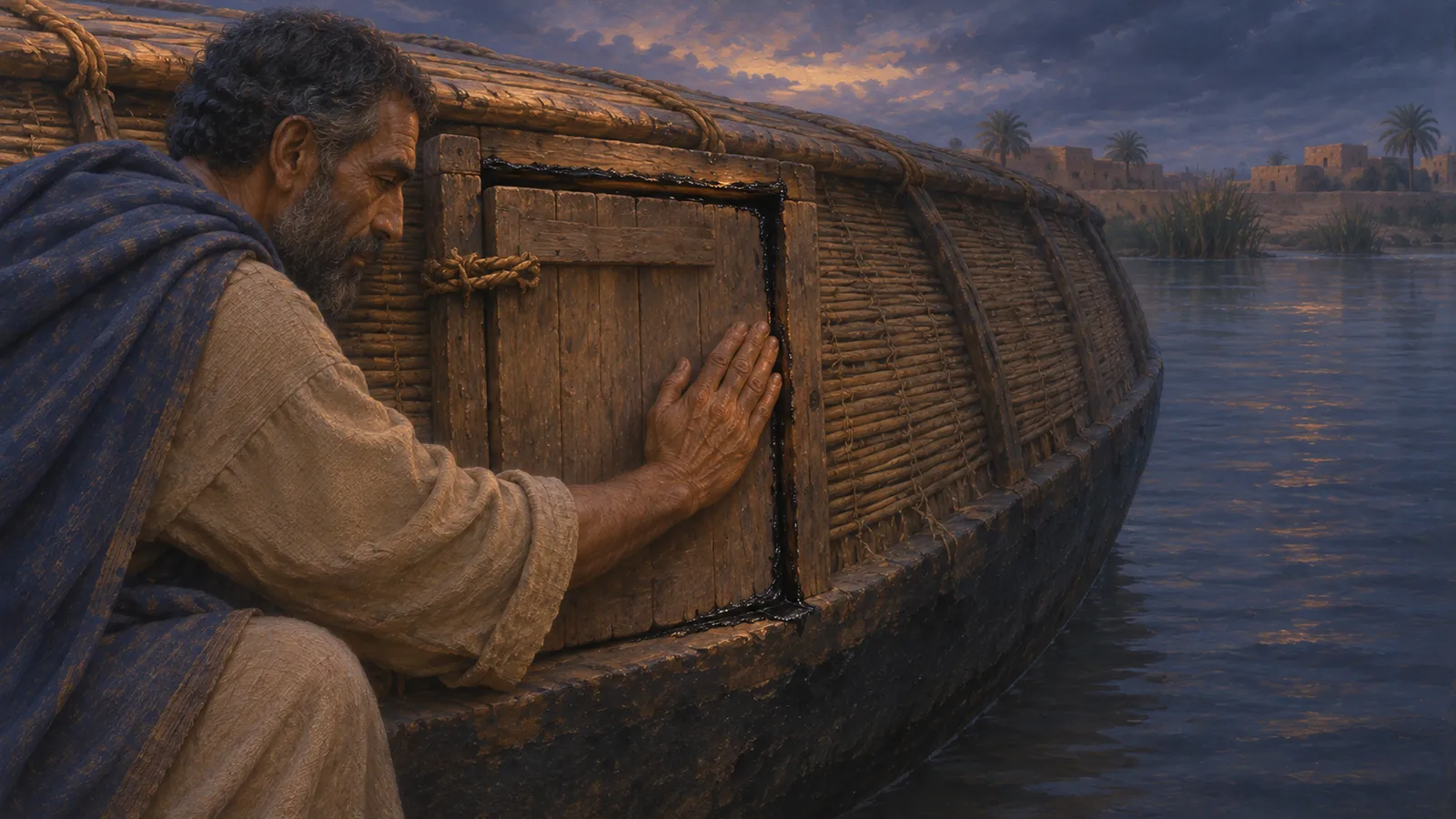
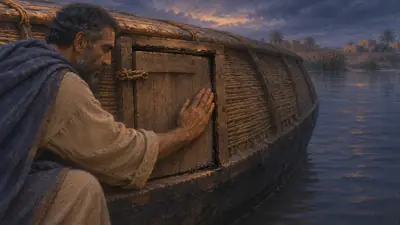
Trajeron betún para la abertura. Atrahasis selló la puerta y, en cuanto se cerró, el trueno de Adad volvió a sonar sobre la embarcación.
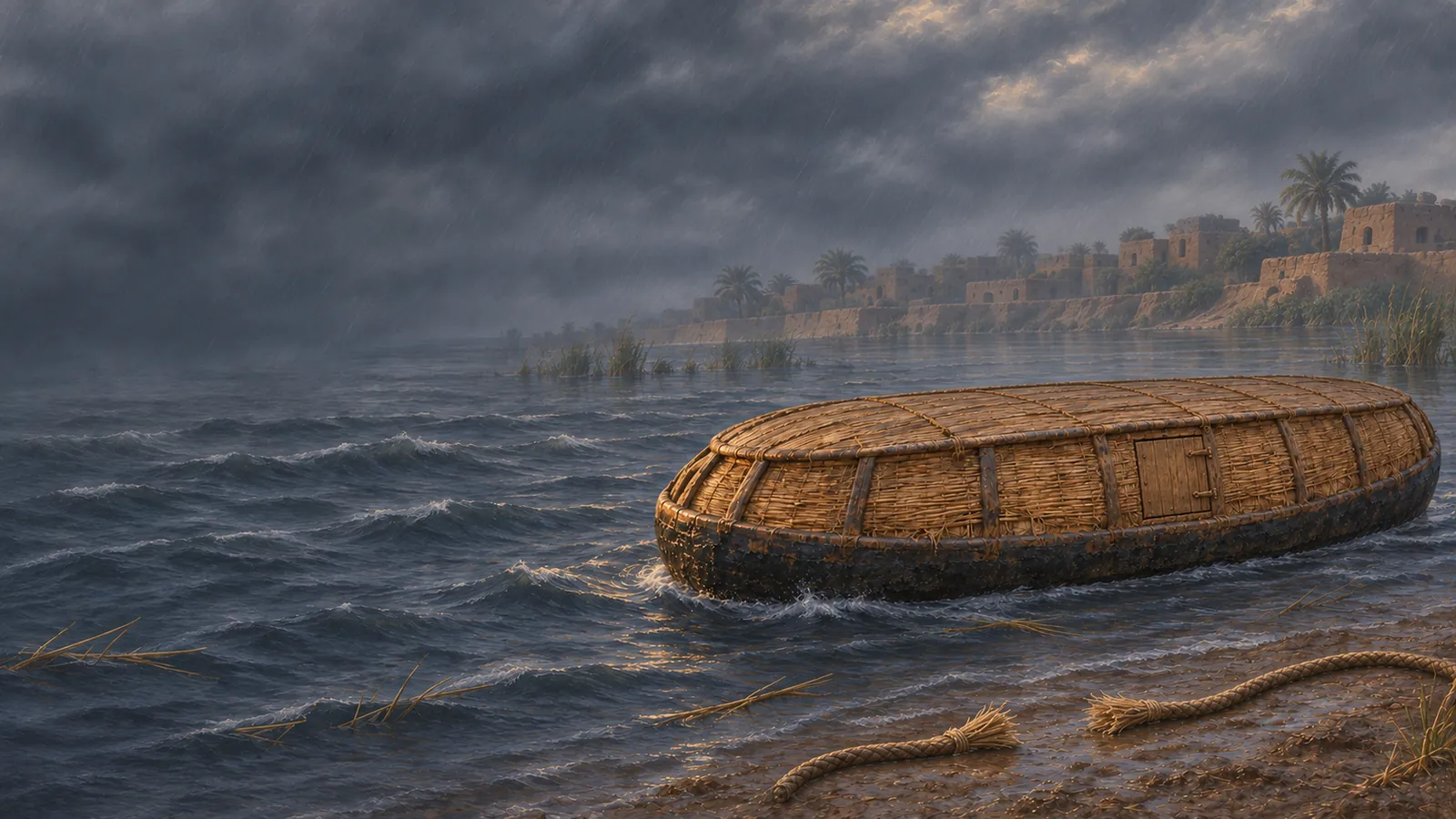
A LA DERIVA
El viento arreció con tal fuerza que rompió la amarra. La embarcación giró, ya suelta, mientras el río crecía bajo ella.
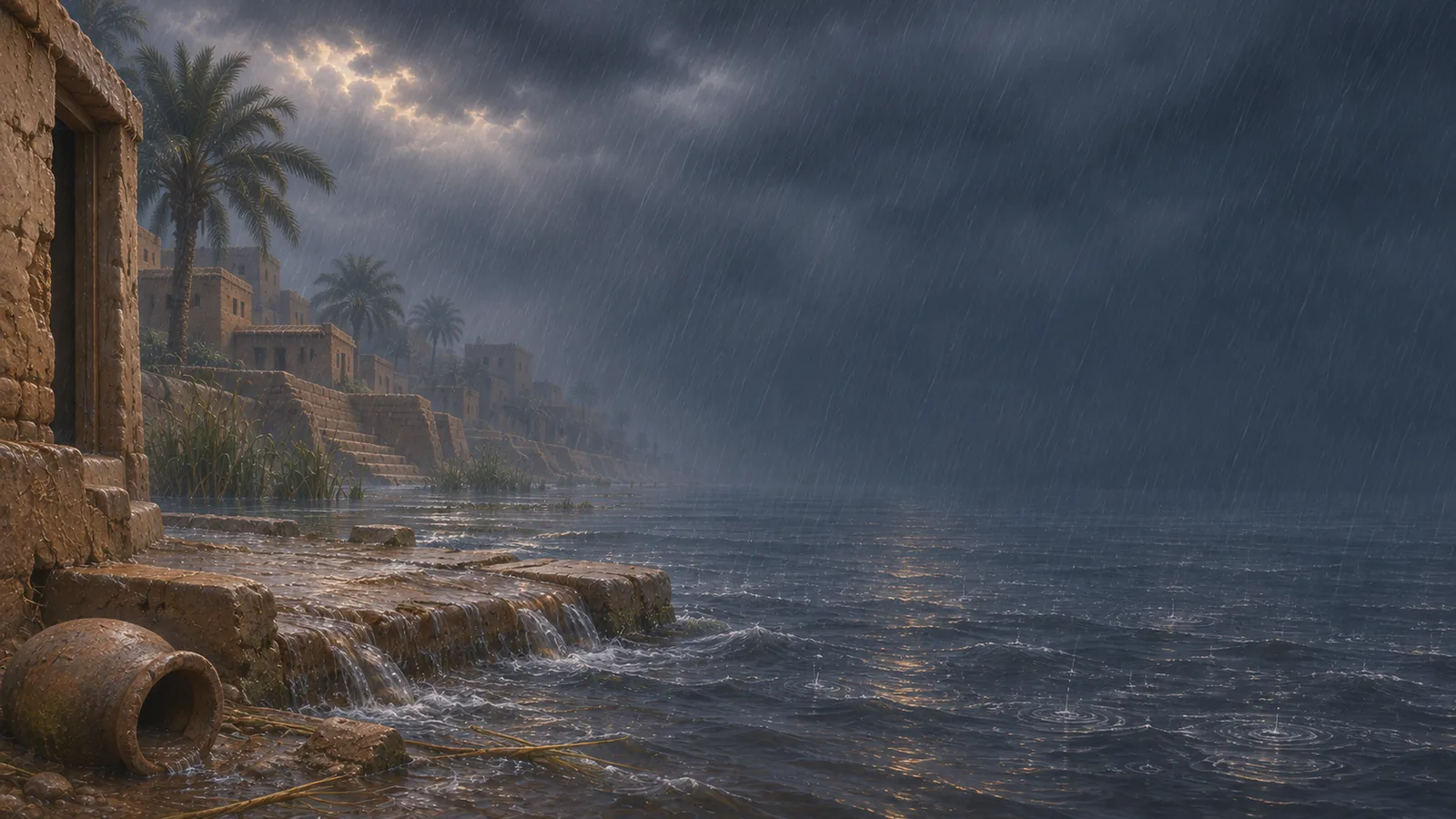
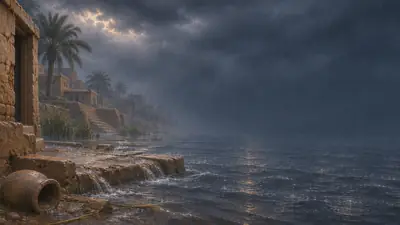
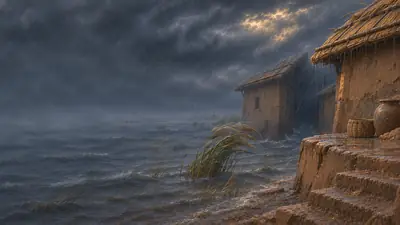
De las líneas siguientes solo quedan fragmentos. En ellos oímos la tormenta y vemos subir las aguas sobre la tierra, acallando las voces que antes la llenaban.
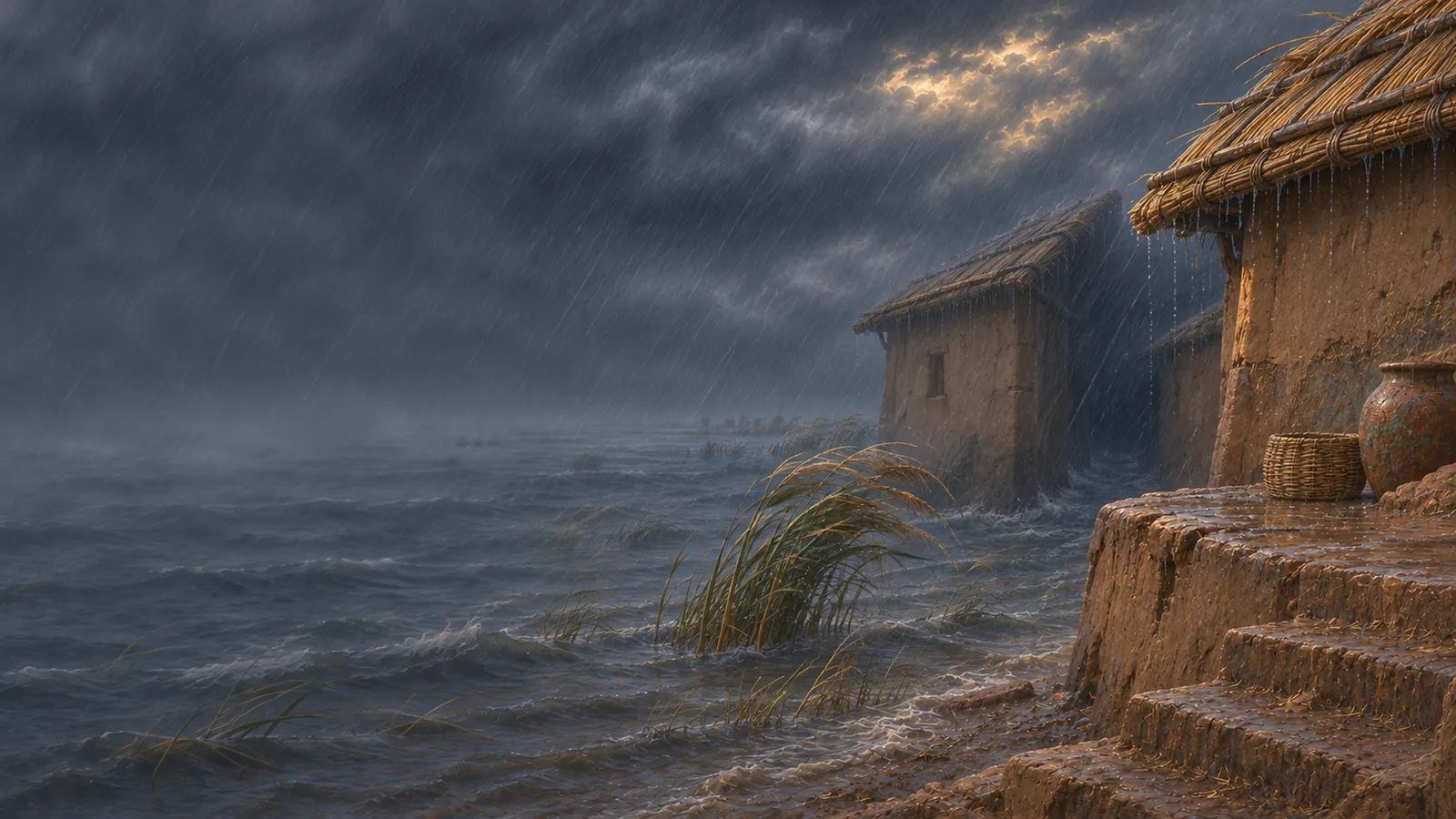
En la confusión, un hermano no podía ver a su hermano. En el relato solo quedan dos voces: el diluvio que brama como un toro y el gran viento que clama sobre él.
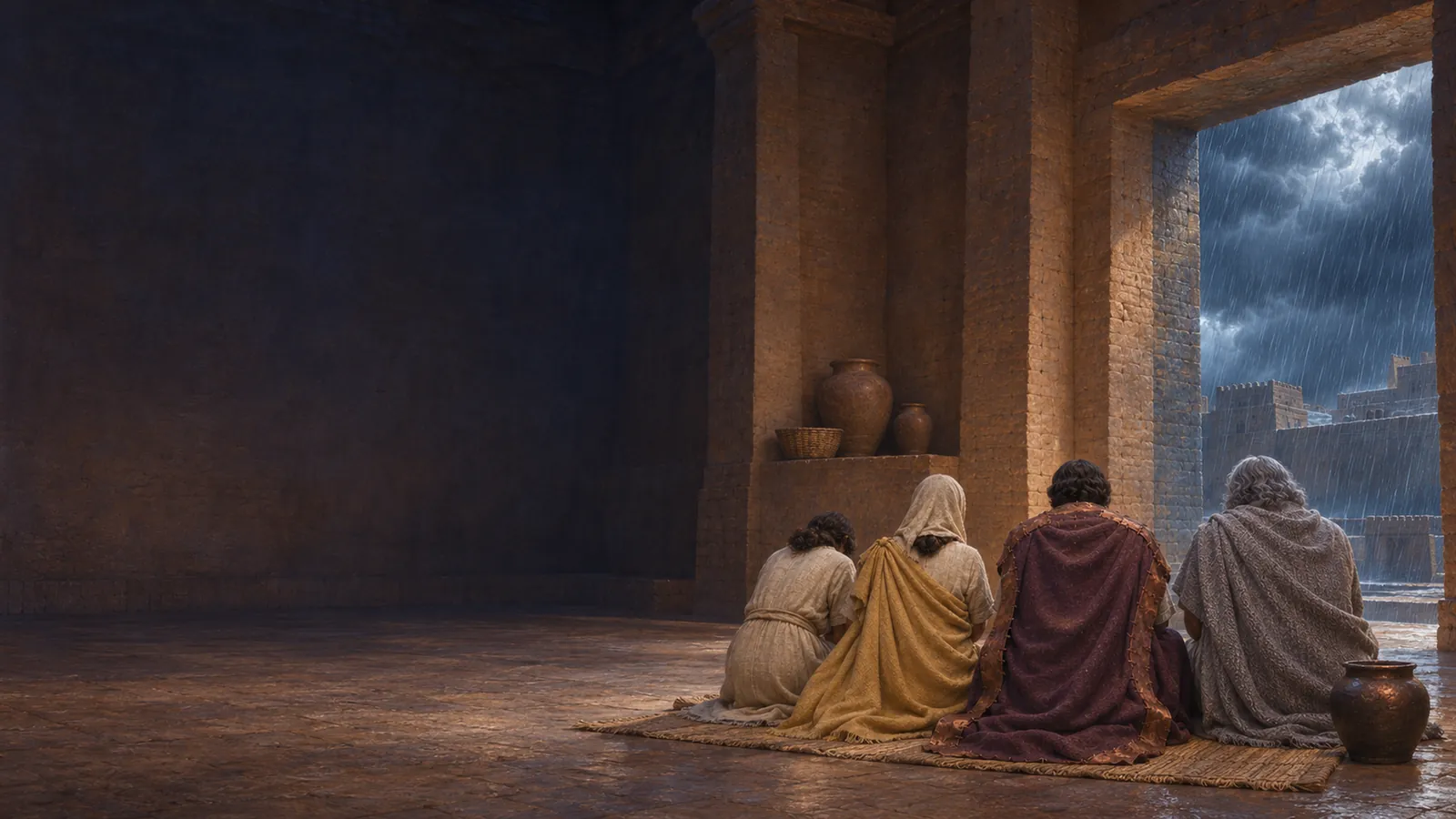
El estruendo del diluvio aterrorizó incluso a los dioses. Se apiñaron en su refugio, y el poema cuenta el hambre y la sed entre sus penas.
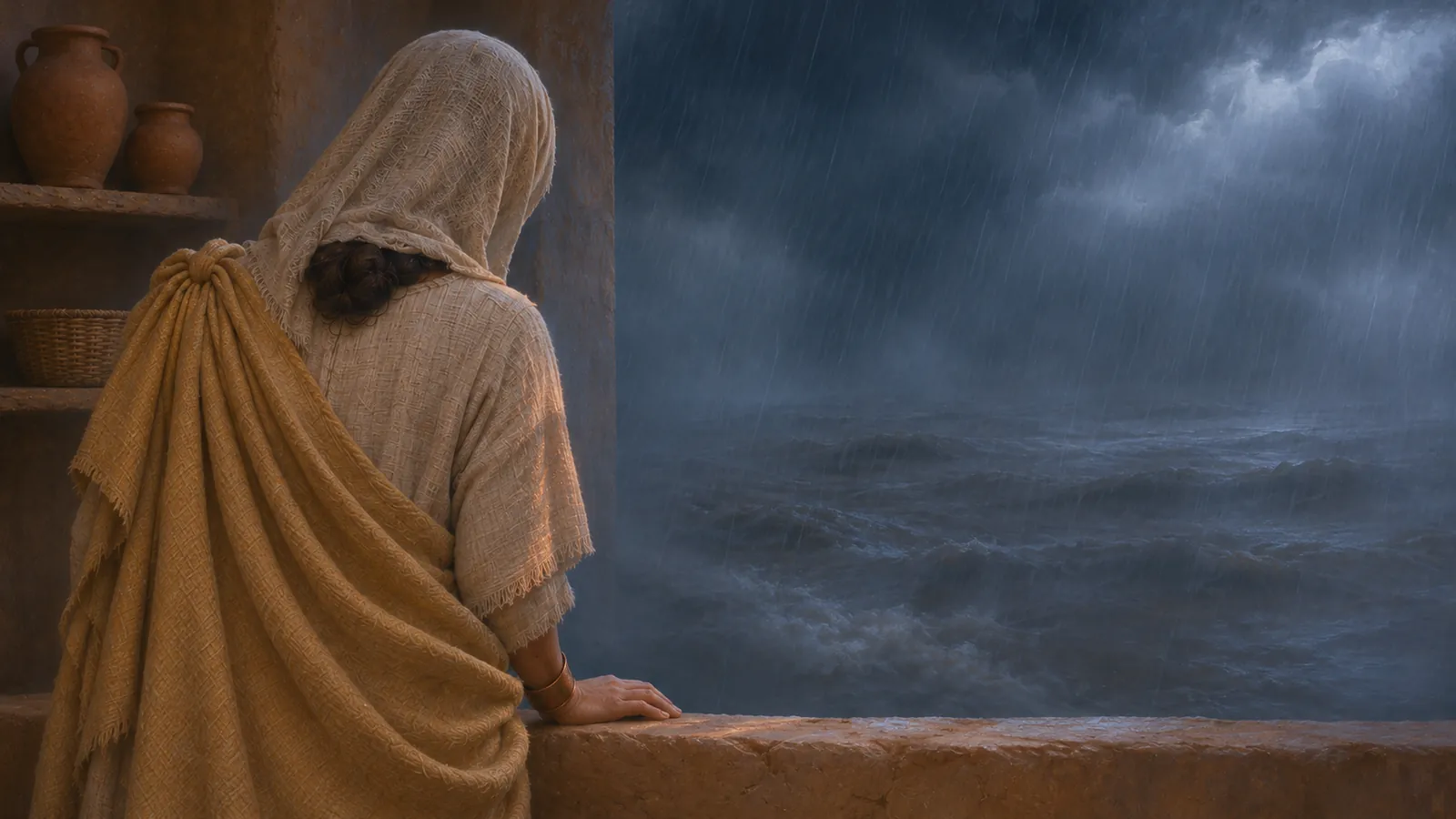
Mami vio en qué había acabado la decisión del consejo y lloró. Recordó cómo se había sumado a los demás dioses y con qué amargura lamentaba ahora sus palabras.
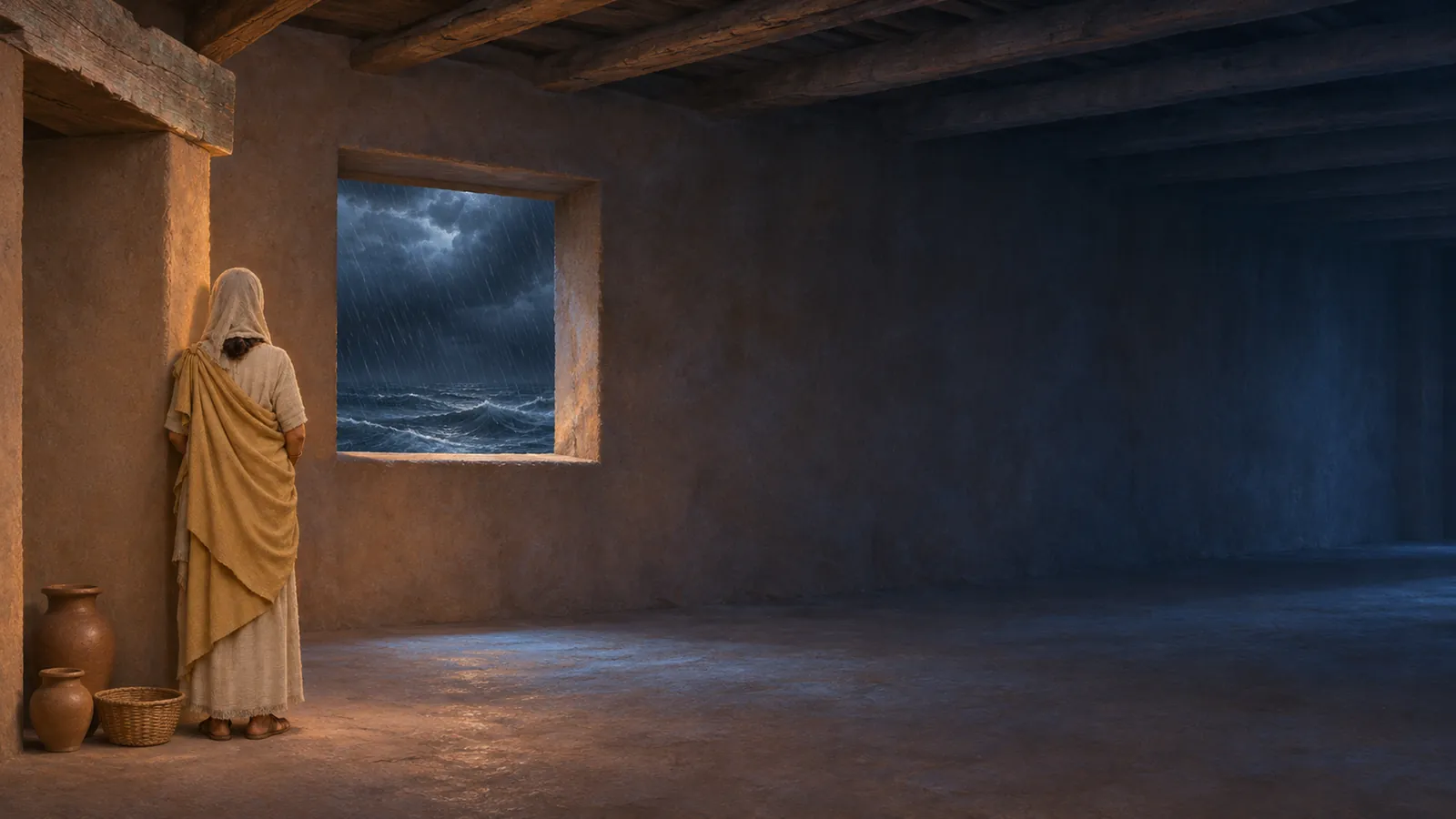
Mami dijo que su propia morada le parecía una casa de duelo. Preguntó cómo habían enviado los dioses el diluvio sin pensar en la gente de abajo.
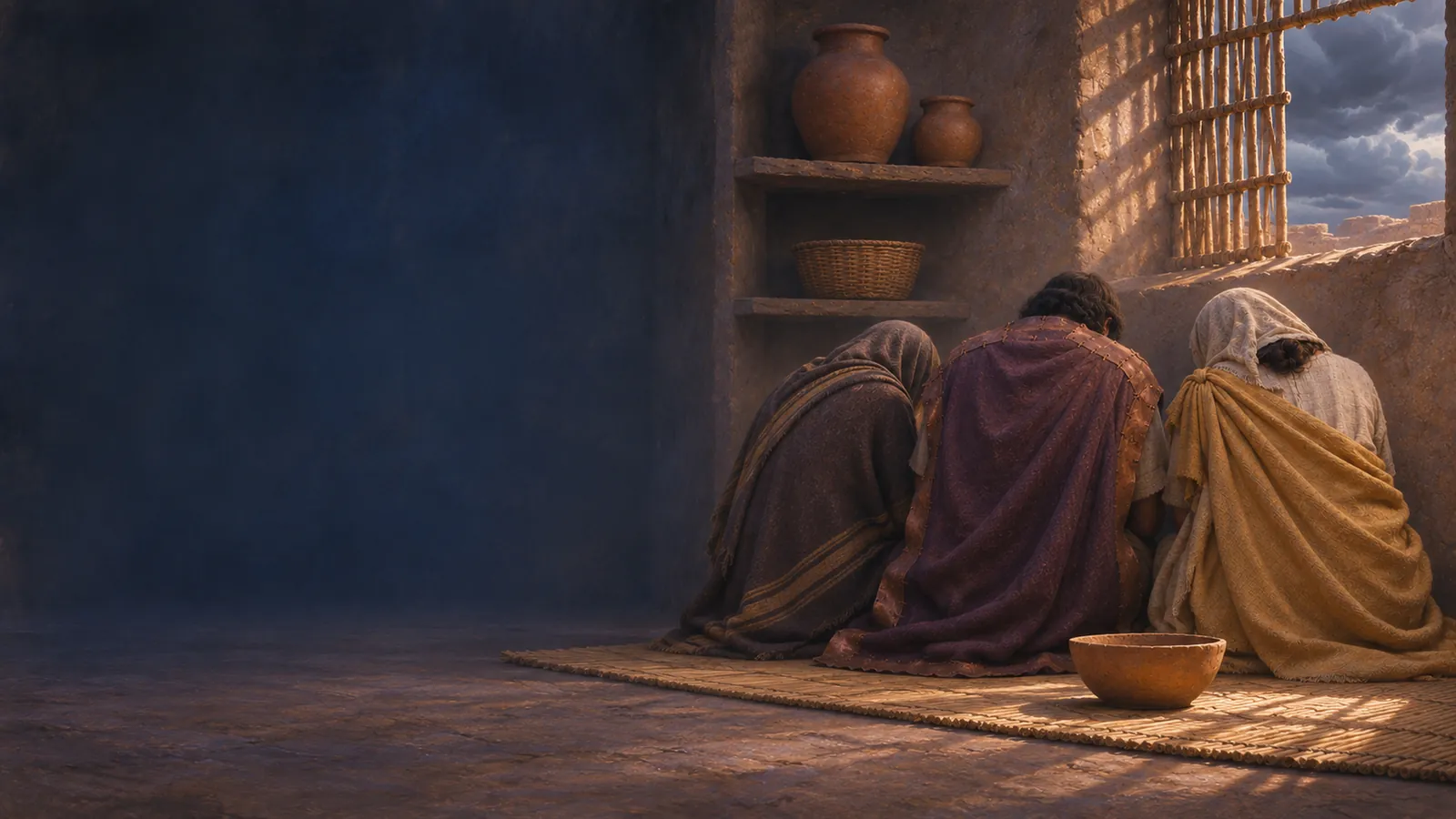
Tras una laguna, la tablilla vuelve a su lamento. Mami lloró hasta que la pena la agotó, y los otros dioses lloraron con ella por la tierra.
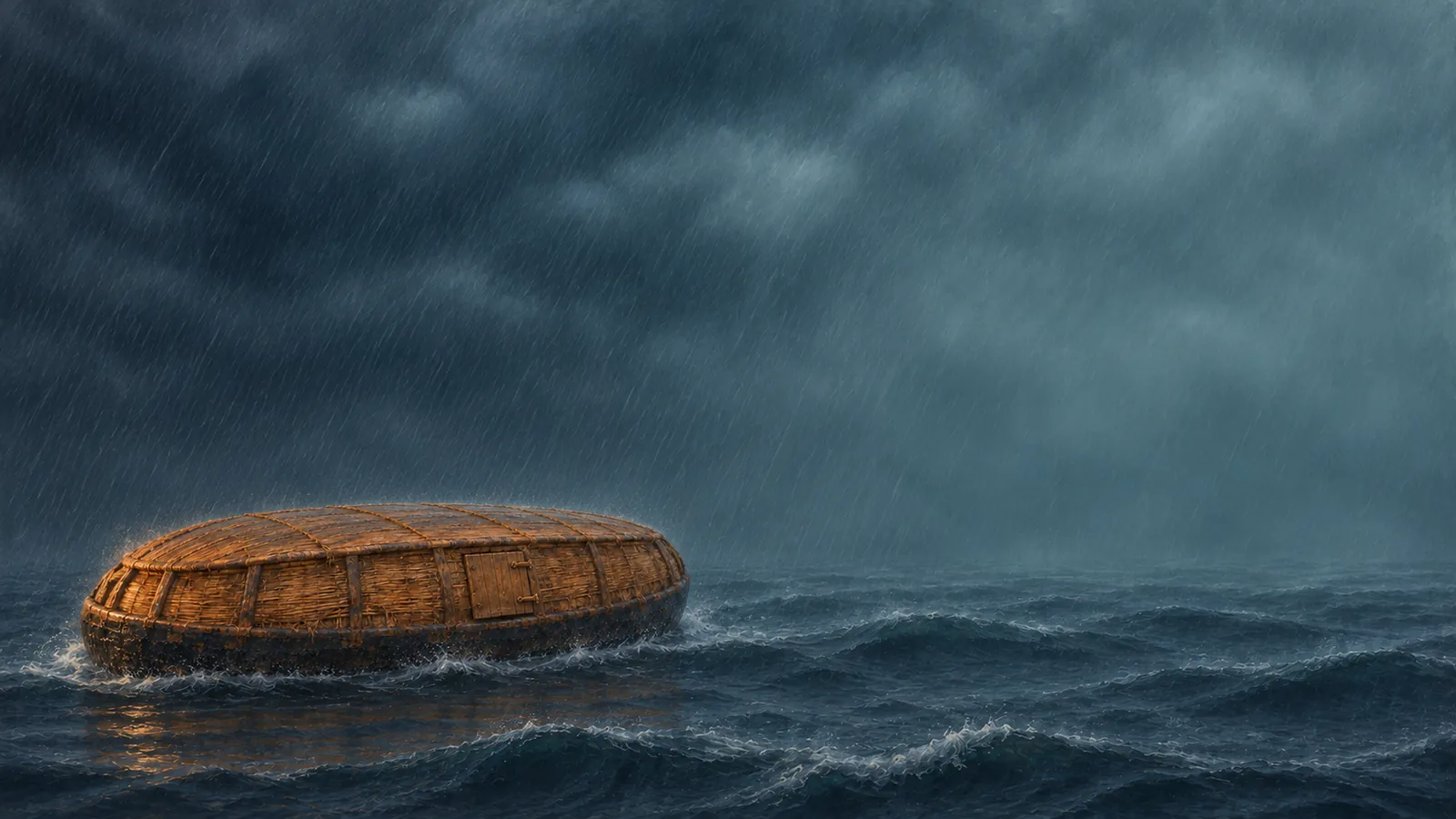
SIETE NOCHES
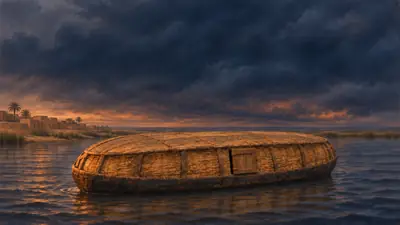
Durante siete días y siete noches persistió el aguacero. Sobre las aguas oscuras, la barca llevaba a las personas y criaturas que había acogido a bordo.
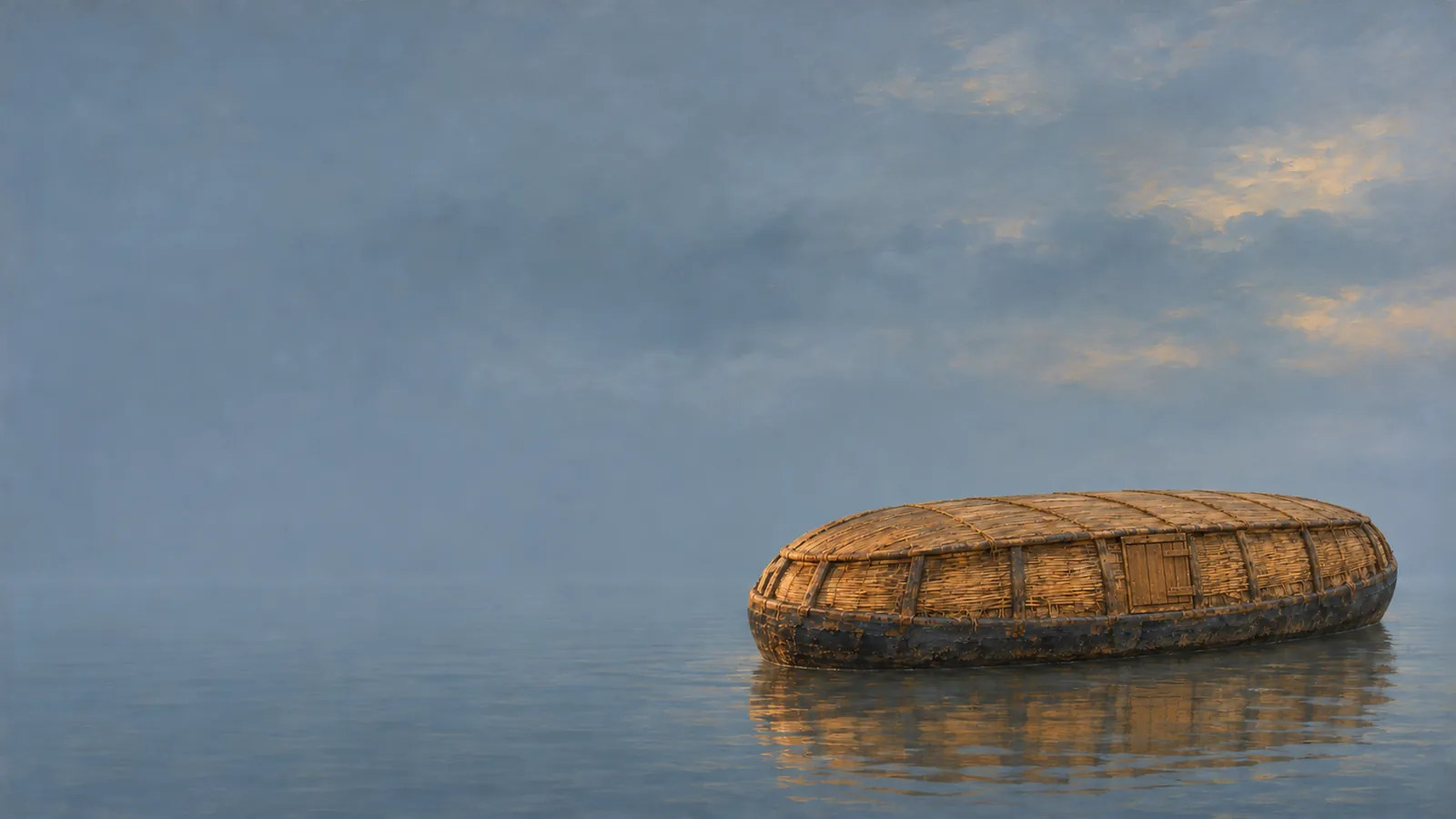
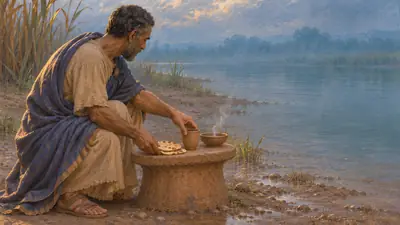
Se ha perdido buena parte del pasaje posterior a la tormenta. En la siguiente escena que se lee con claridad, Atrahasis presenta una ofrenda cuando han pasado las aguas.
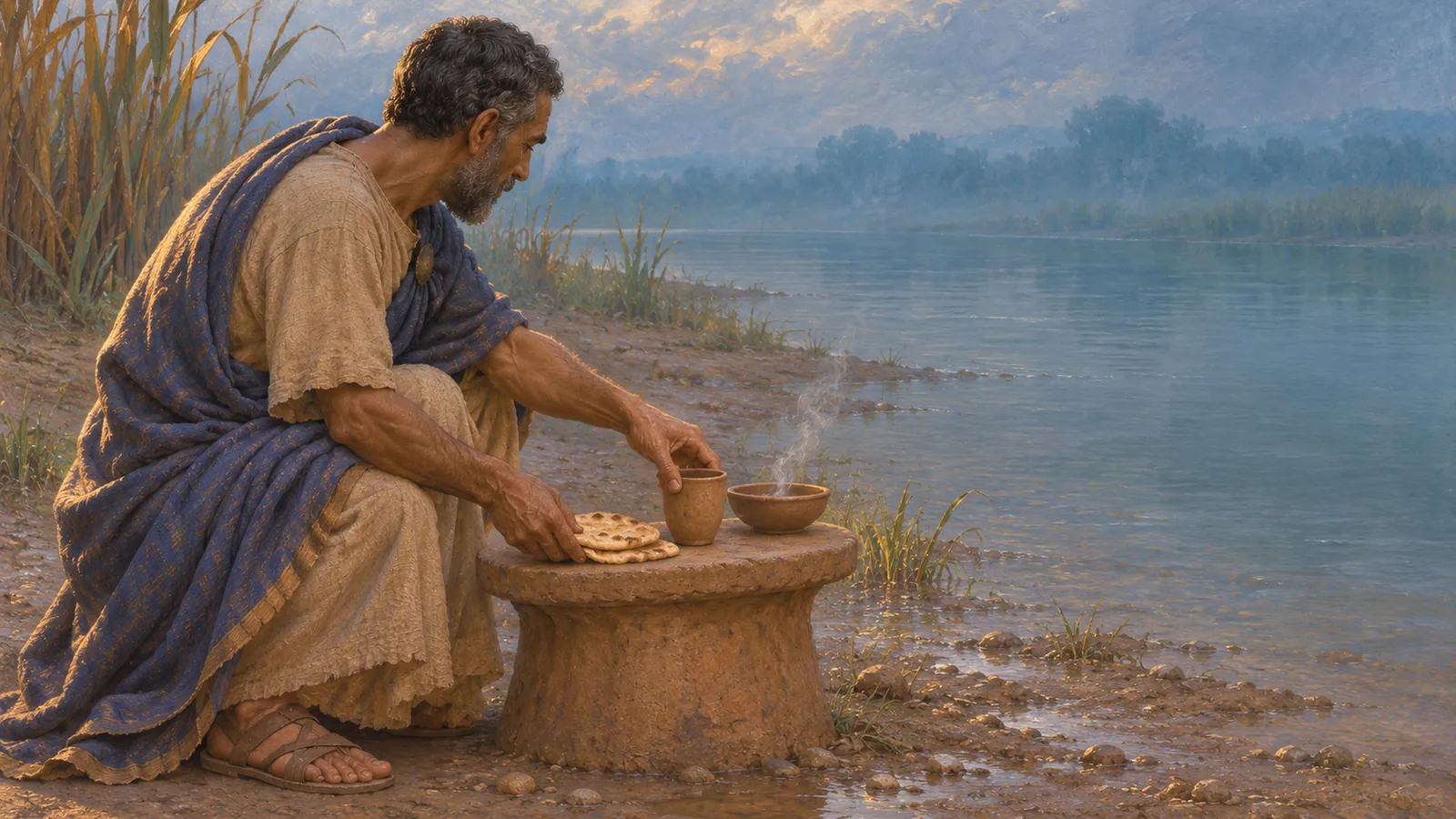
Lo primero que hace en el relato conservado tras el diluvio es presentar una ofrenda. Las palabras que nos quedan hablan de los cuatro vientos y de alimento.
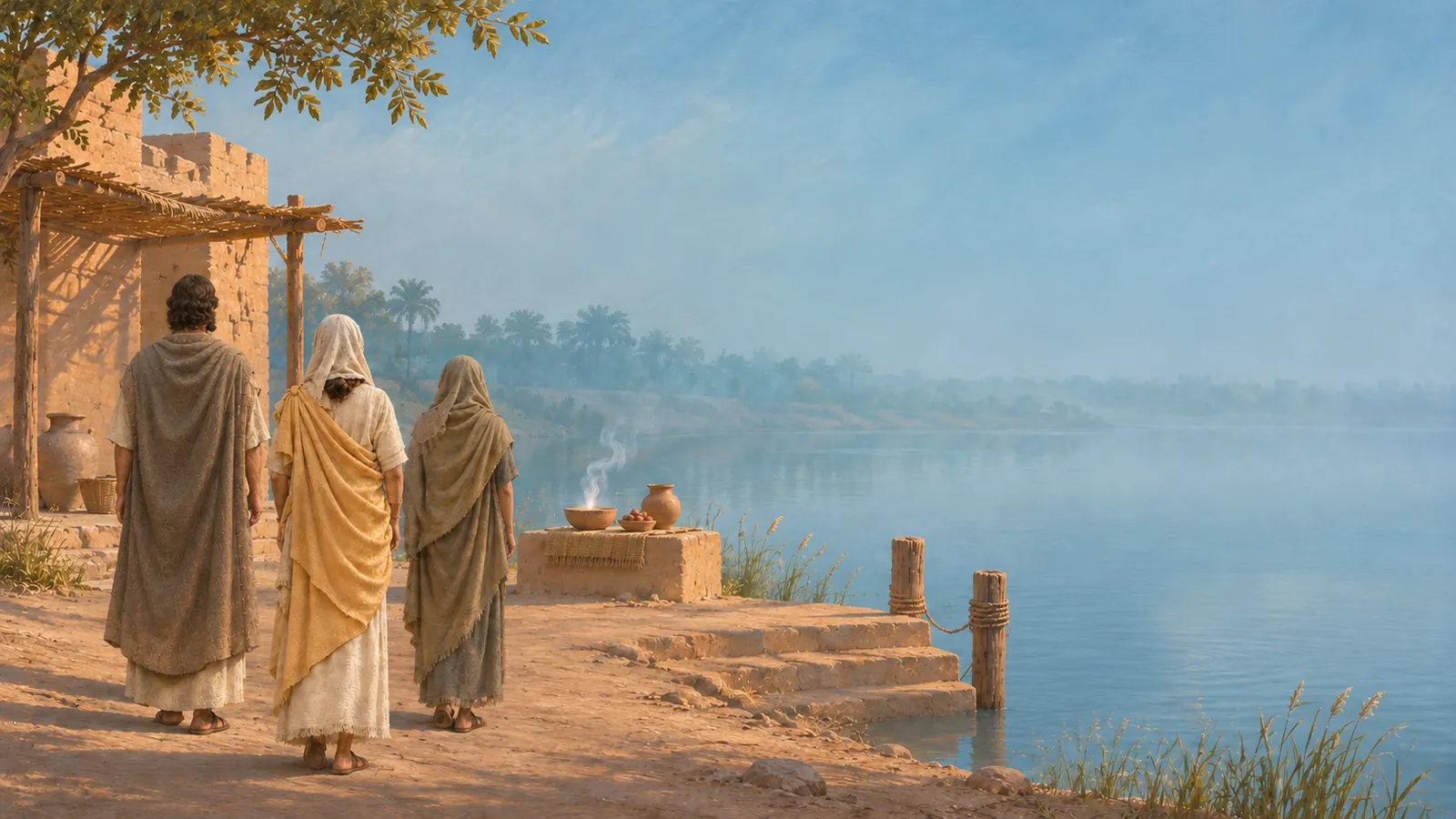
El aroma se extendió por el aire. Los dioses se acercaron a la ofrenda, y el poema compara su reunión con moscas atraídas por la comida.
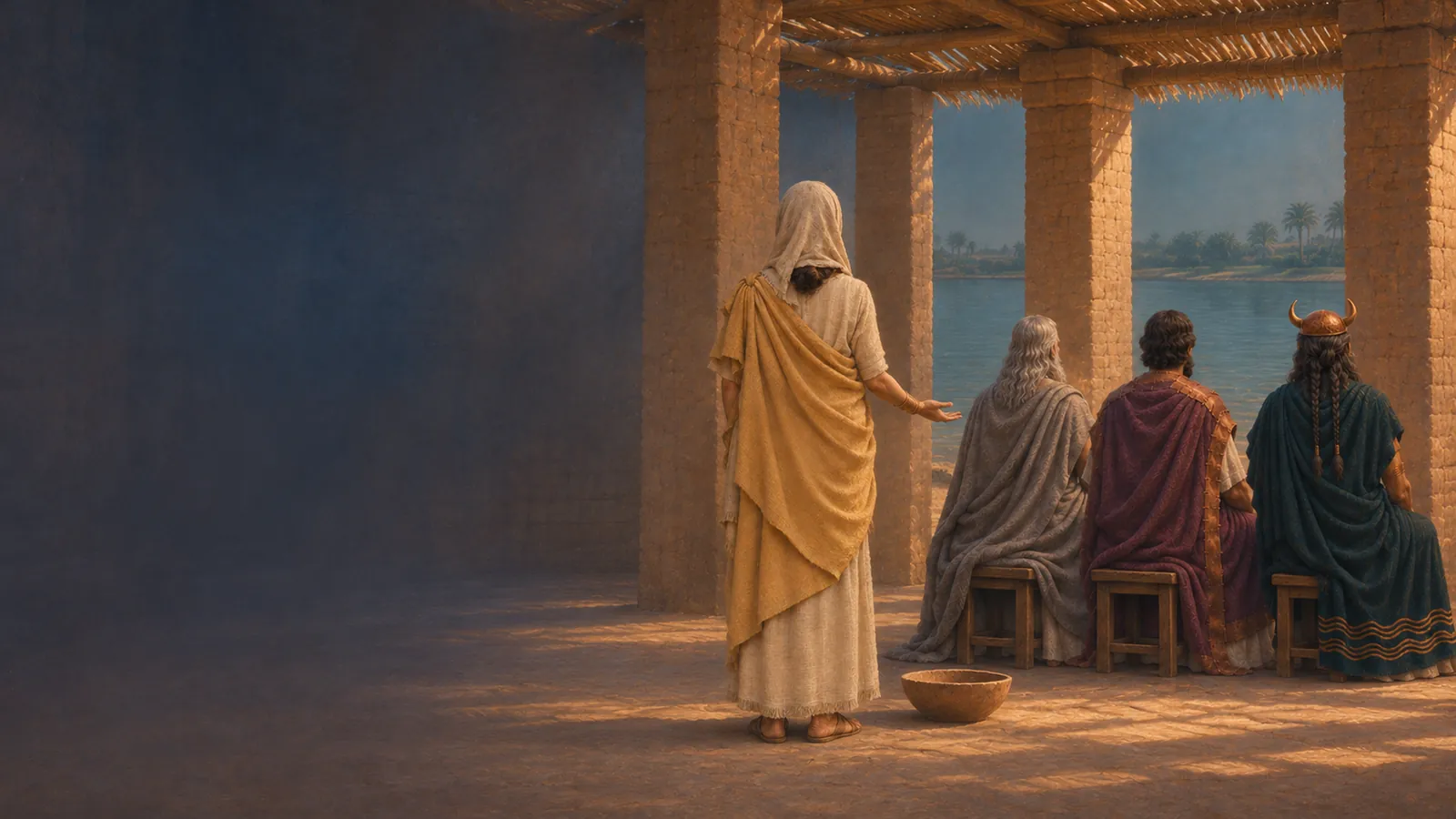
Cuando los dioses hubieron comido, Mami se levantó para protestar por cómo se había decidido el diluvio. Recordó los rostros luminosos de la gente a la que el consejo había condenado.
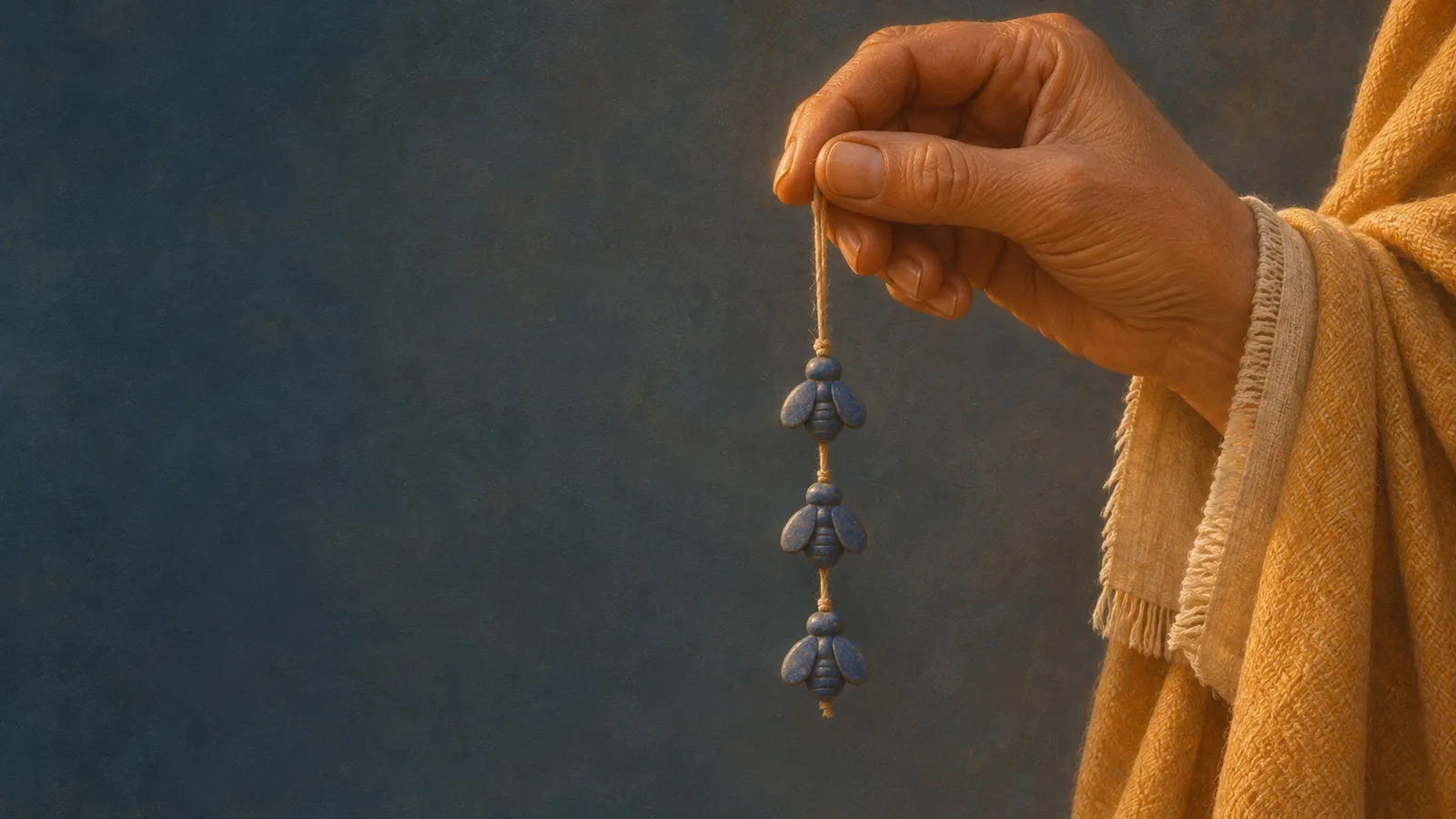
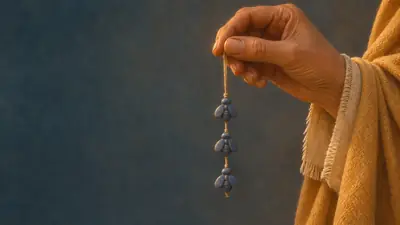
Mami se volvió hacia las figuras que Anu había puesto ante los dioses. En las líneas rotas pide llevar al cuello aquellas figuras de moscas en lapislázuli, para que se recuerden esos días.
SUPERVIVENCIA
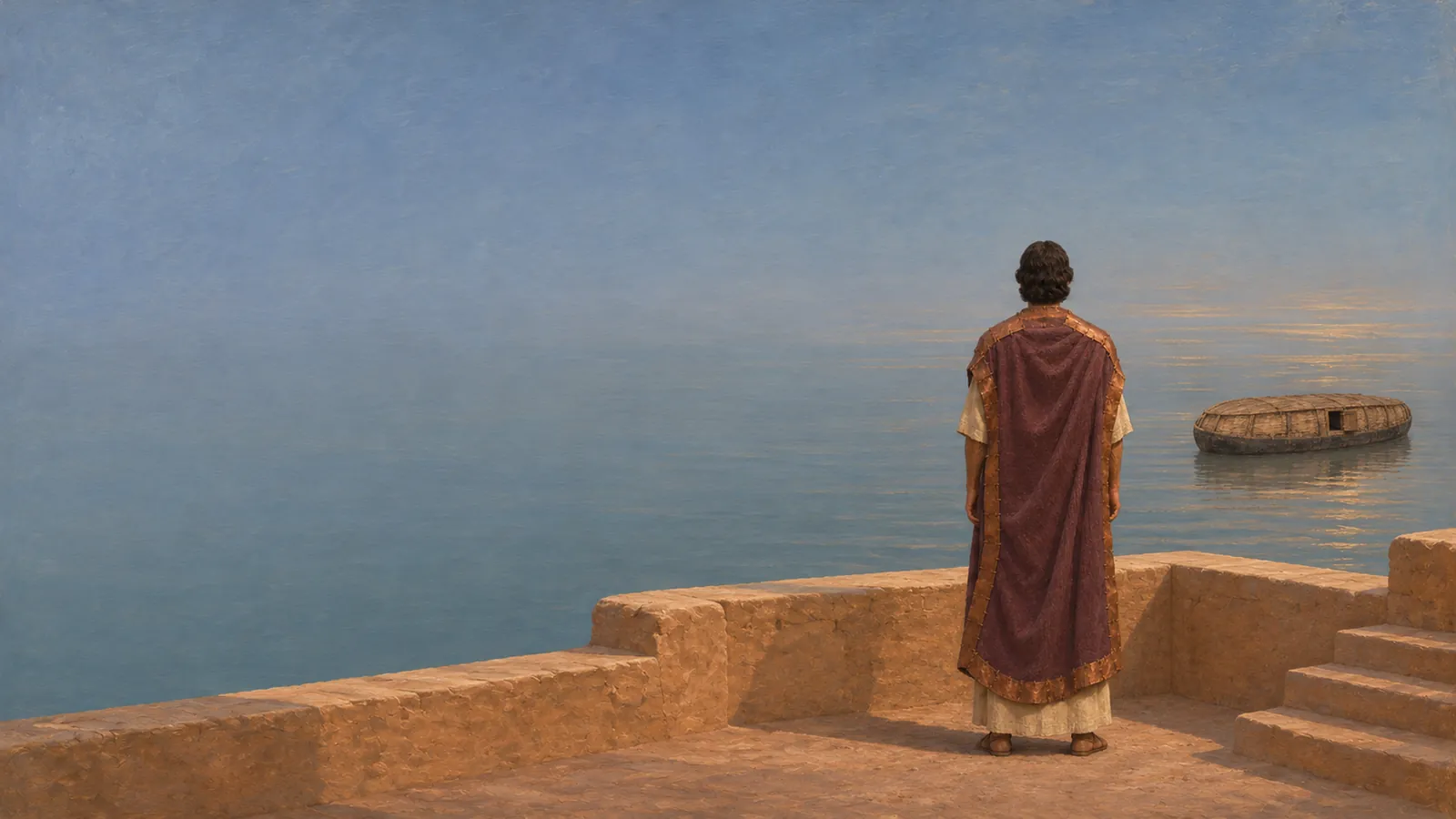
Entonces Enlil vio la barca. Se enfadó porque los dioses se habían puesto de acuerdo bajo juramento y exigió saber cómo había sobrevivido alguien a la destrucción.
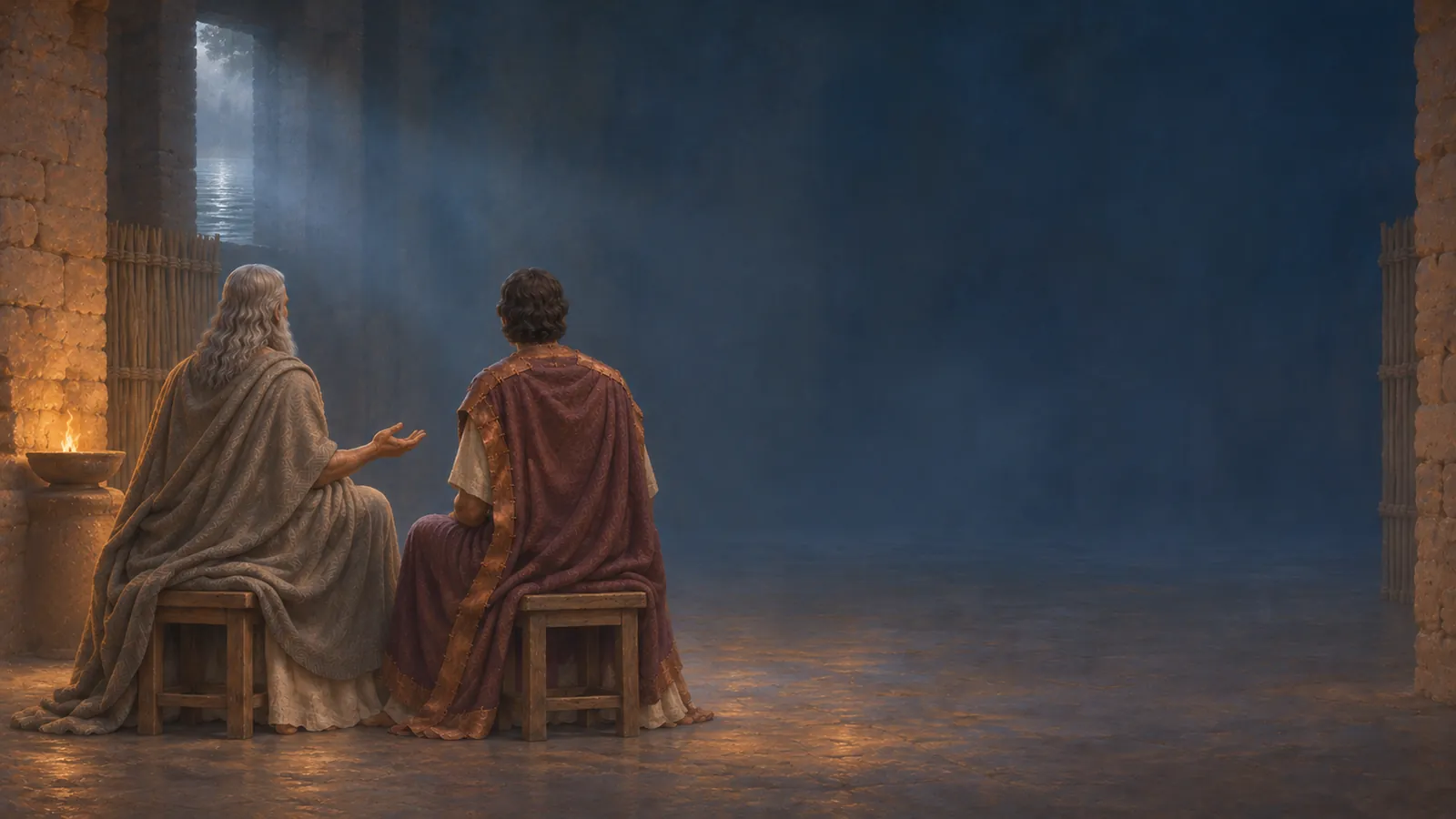
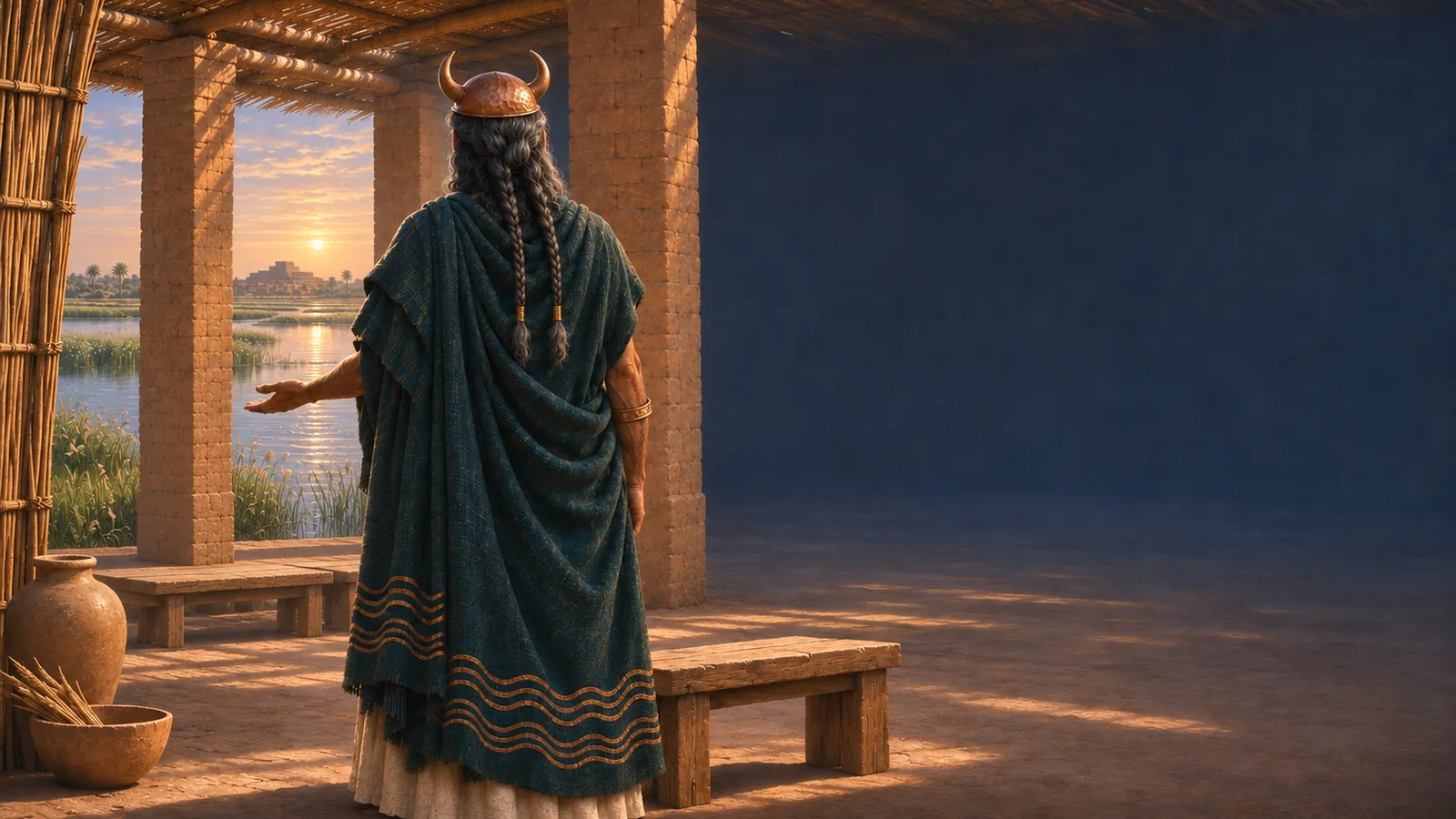
Anu respondió a Enlil con el nombre del único dios que podía haberlo hecho. Enki había dejado que el secreto llegara a un muro de juncos.
VIDA
Enki se levantó para responderles. Reconoció lo que había hecho y dijo que su propósito había sido preservar la vida.
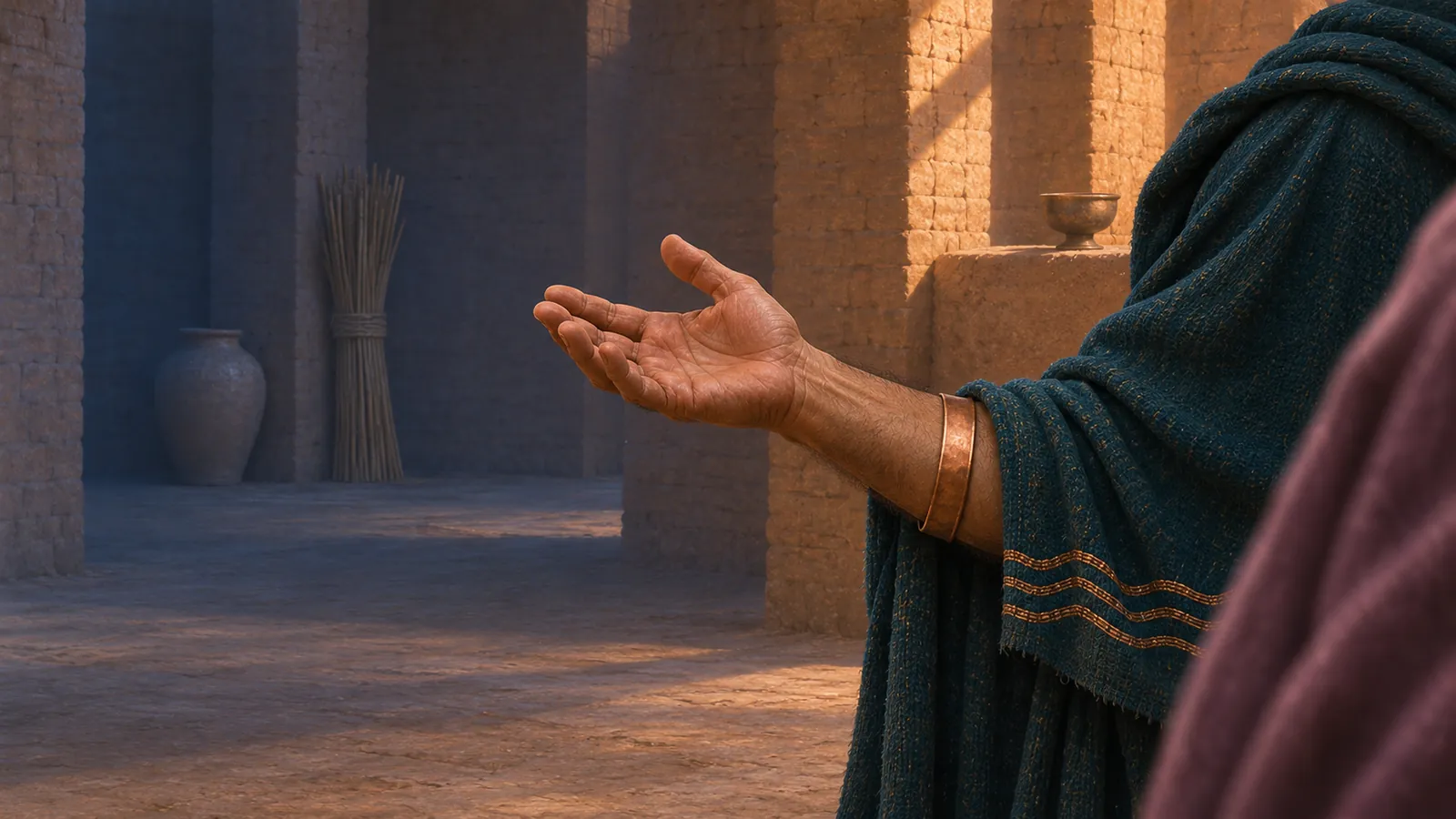
Enki cuestionó cómo se había enviado el diluvio. Si tenía que haber un castigo, dijo, que cayera sobre quien había obrado mal.
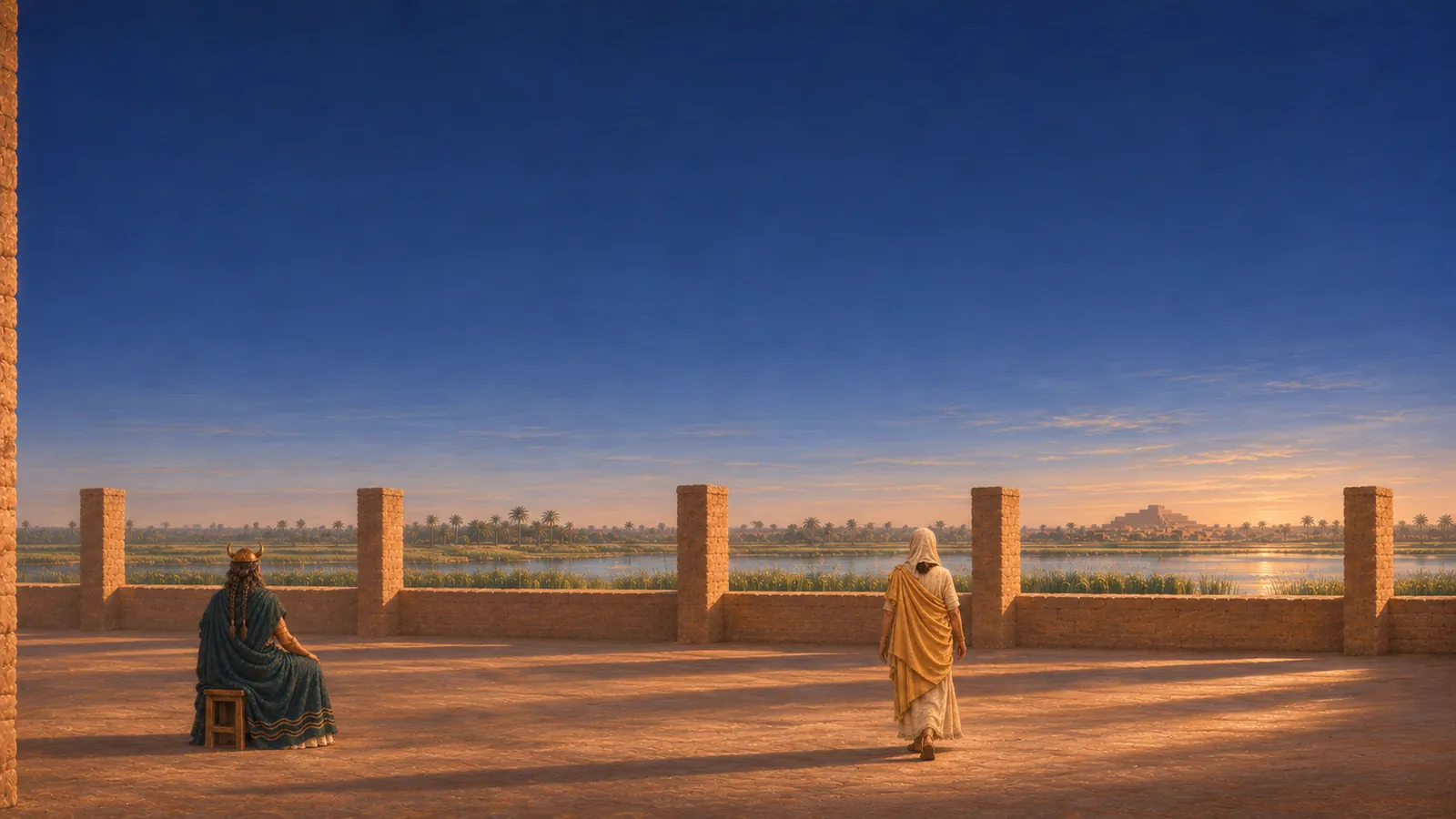
Las palabras vuelven a interrumpirse. Cuando regresan, los dioses hablan otra vez de un consejo, y se llama a Mami para que se reúna allí con Enki.
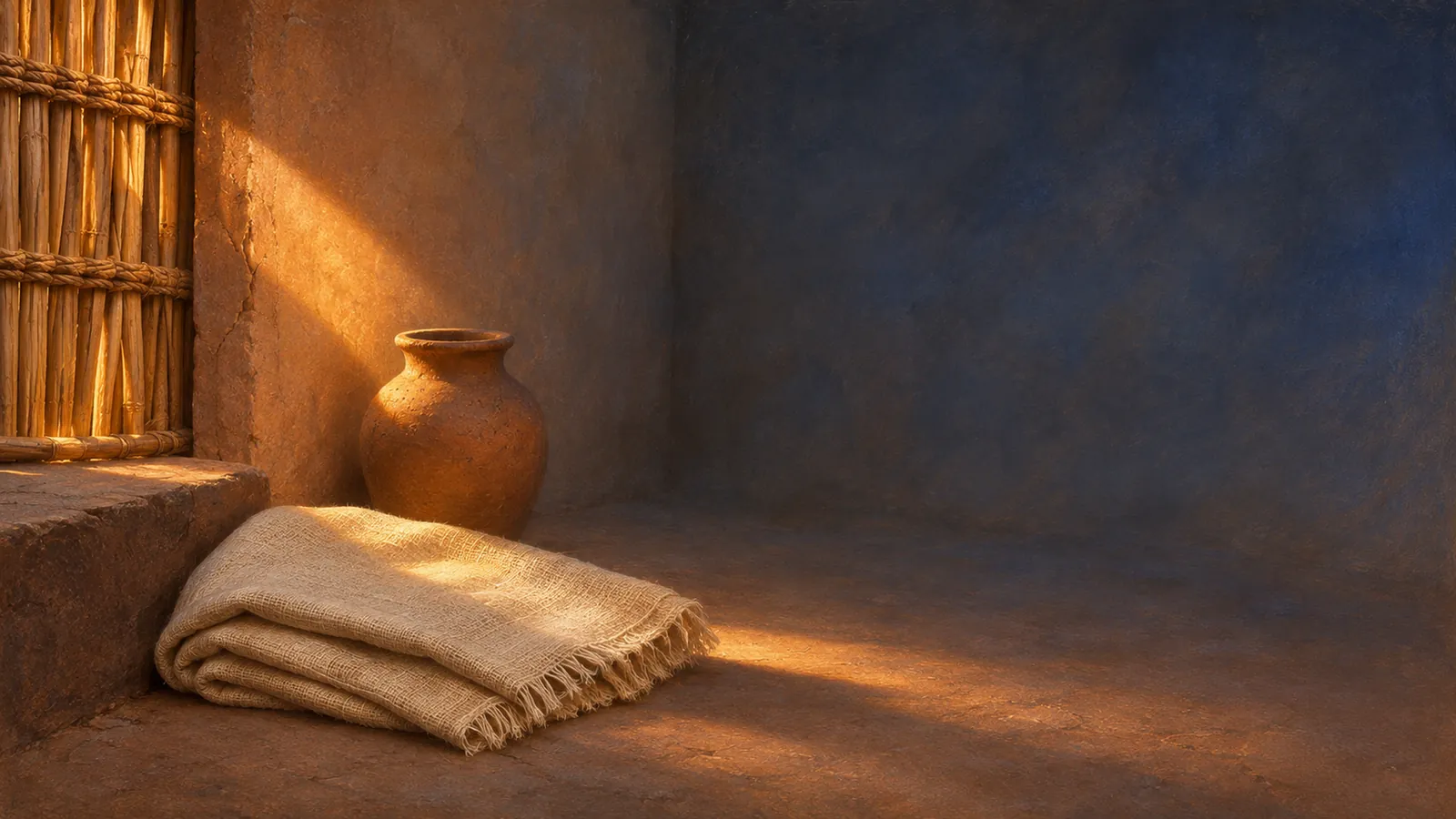
La tablilla está rota cuando Enki se dirige a Mami, que da forma a los destinos. En el pasaje conservado, la vida humana recibe un fin y la muerte llega a cada persona.
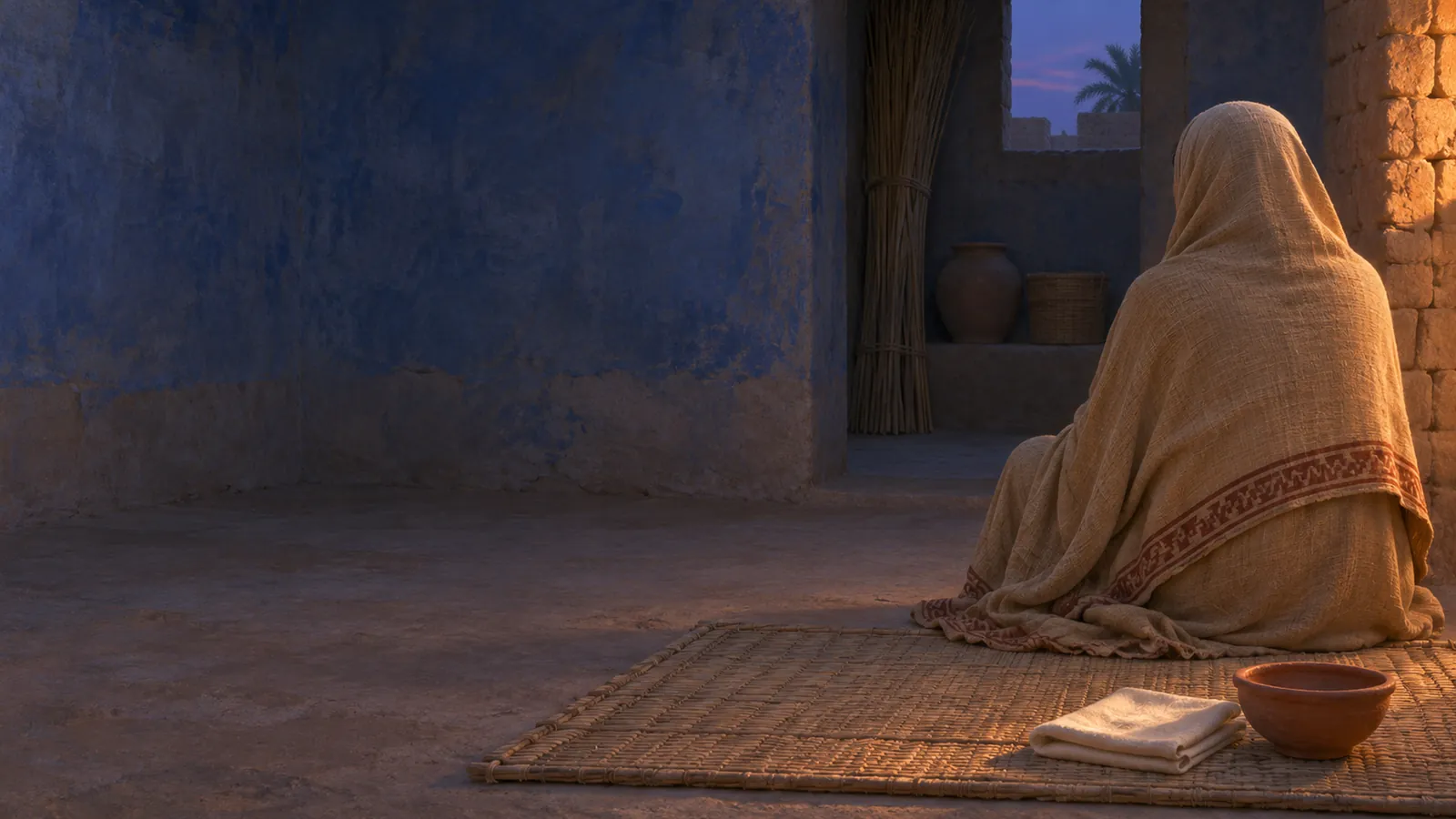
Las nuevas disposiciones hablan de mujeres que tienen hijos y de otras que no los tienen. También nombran a la demonia Pashittu, que arrebata a un bebé del regazo de su madre.
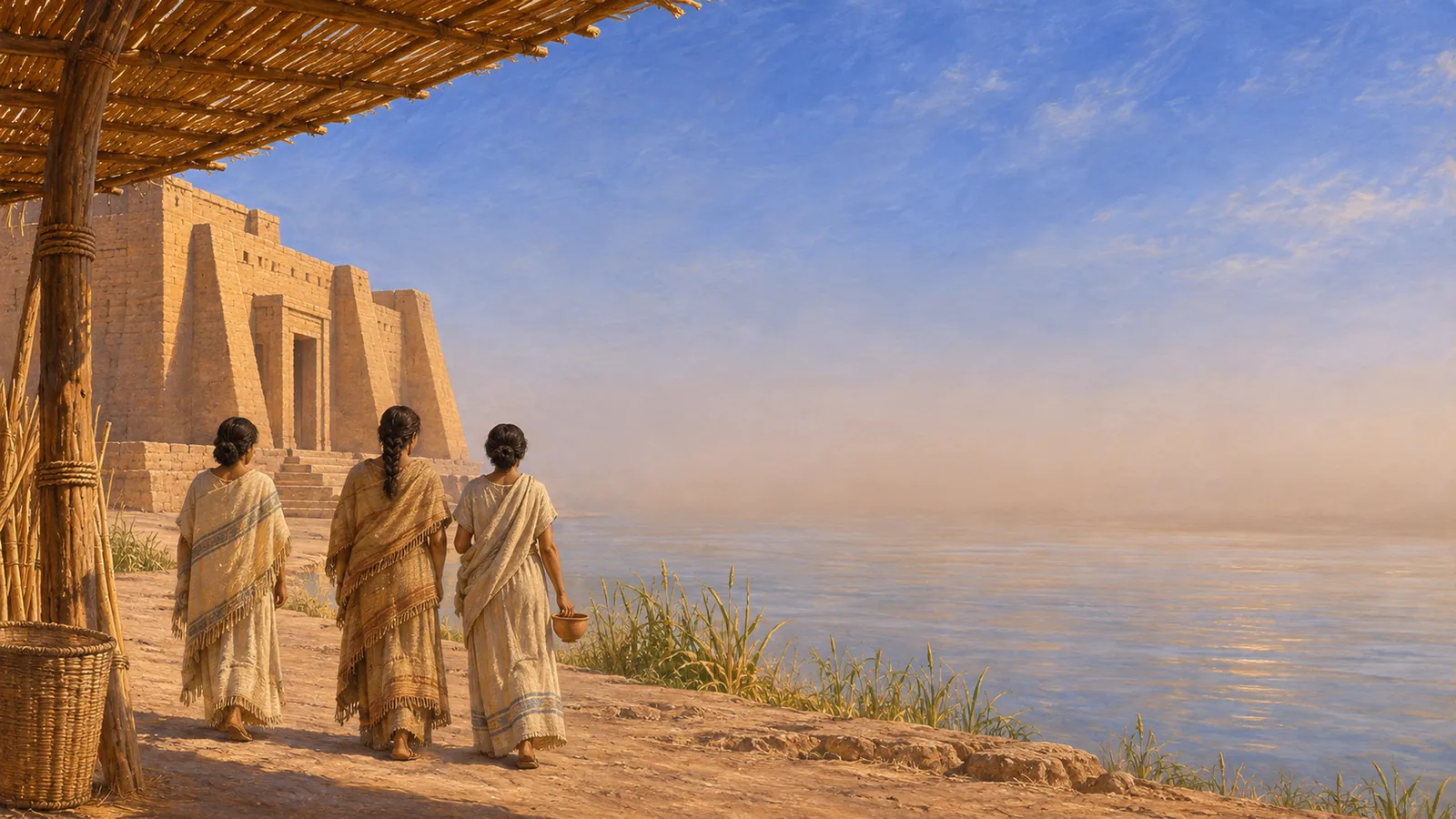
Los dioses apartan a las sacerdotisas ugbabtu, entu y egisitu. Según las disposiciones que el poema sitúa tras el diluvio, estas mujeres tienen prohibido tener hijos.
EL CANTO
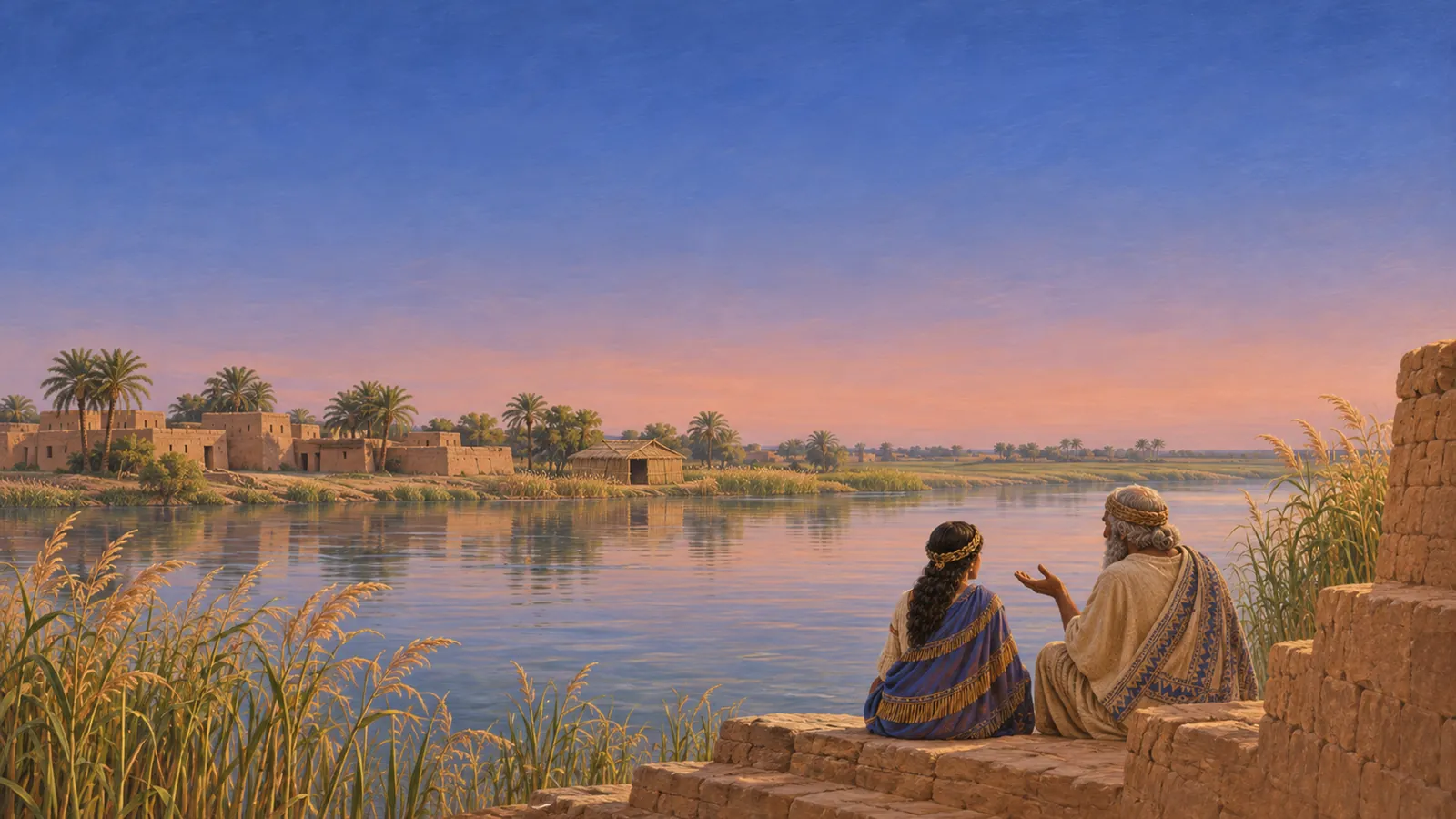
Las últimas líneas recuerdan que se envió un diluvio y que hubo quienes sobrevivieron. El canto pide que lo escuchen, y aquí dejamos la historia.
Fin del capítulo 2
Todas las páginas
Fuentes
Ediciones consultadas
- Wasserman 2020, pp. 19–38, Sippar witnesses C₁ and C₂
- SEAL 1517, Old Babylonian Atrahasis III with translation
- SEAL 39732, closing lines of Atrahasis II
- IL Archive, Atrahasis: Epic and Hero
Los versos antiguos de cada página
- Page 1: Atrahasis III C₂ i 10′–16′, Wasserman 2020
The dream language is partially restored. - Page 2: Atrahasis III C₂ i 15′–21′; C₁ vi 11–15, Wasserman 2020
- Page 3: Atrahasis III C₂ i 20′–24′, Wasserman 2020
- Page 4: Atrahasis III C₂ i 25′–27′; C₁ i 28′, Wasserman 2020
The Old Babylonian line is broken and the reading is debated. - Page 5: Atrahasis III C₁ i 29′–32′, Wasserman 2020
- Page 6: Atrahasis III C₁ i 33′–35′, Wasserman 2020
- Page 7: Atrahasis III C₁ i 36′–37′, Wasserman 2020
- Page 8: Atrahasis III C₁ i 38′–41′; compares I 385–388 and II E 25–28, SEAL
The comparison refers to the repeated gathering of elders in the Atrahasis poem. - Page 9: Atrahasis III C₁ i 42′–46′, Wasserman 2020
Part of the report is broken. - Page 10: Atrahasis III C₁ i 43′–50′, Wasserman 2020
The departure clauses are partially restored; the line with the Apsu is also fragmentary. - Page 11: Atrahasis III C₁ i 50′–C₂ ii 12′, Wasserman 2020
The tablet preserves the occupations and partially restored carried implements. - Page 12: Atrahasis III C₂ ii 11′–15′, Wasserman 2020
This passage is partially restored. - Page 13: Atrahasis III C₁ i 29′–33′; gap C₂ ii 19′–C₁ ii 29″, Wasserman 2020
The text preserves no full construction sequence. - Page 14: Atrahasis III C₁ ii 29″–38″, Wasserman 2020
The words for silver and parts of their loading are restored. - Page 15: Atrahasis III C₁ i 34′–35′; C₁ ii 34″–35″, Wasserman 2020
- Page 16: Atrahasis III C₁ ii 36″–38″, Wasserman 2020
The reading of the people as craftspeople and some animal details are uncertain. - Page 17: Atrahasis III C₁ ii 39″–44″, Wasserman 2020
The dating and invitation are partly restored. - Page 18: Atrahasis III C₁ ii 40″–45″, Wasserman 2020
- Page 19: Atrahasis III C₁ ii 43″–49″, Wasserman 2020
- Page 20: Atrahasis III C₁ ii 48″–50″, Wasserman 2020
- Page 21: Atrahasis III C₁ ii 51″–53″, Wasserman 2020
- Page 22: Atrahasis III C₁ ii 54″–55″, Wasserman 2020
The story names no single source of the rising water. - Page 23: Atrahasis III C₁ iii 3′–12′, Wasserman 2020
- Page 24: Atrahasis III C₁ iii 13′–19′, Wasserman 2020
- Page 25: Atrahasis III C₁ iii 20′–31′, Wasserman 2020
Details about the refuge are partially restored. - Page 26: Atrahasis III C₁ iii 28′–45′, Wasserman 2020
- Page 27: Atrahasis III C₁ iii 46′–54′, Wasserman 2020
- Page 28: Atrahasis III C₁ iv 1′–23′, Wasserman 2020
- Page 29: Atrahasis III C₁ iv 24′–27′; ii 34″–42″, Wasserman 2020
- Page 30: Atrahasis III C₁ iv 26′–v 30′, Wasserman 2020
The transition is a substantial lacuna. - Page 31: Atrahasis III C₁ v 30′–32′, Wasserman 2020
Parts of this action are restored. - Page 32: Atrahasis III C₁ v 34′–38′, Wasserman 2020
Parts are restored. - Page 33: Atrahasis III C₁ v 36′–45′, Wasserman 2020
- Page 34: Atrahasis III C₁ v 46′–52′; vi 1–4, Wasserman 2020
- Page 35: Atrahasis III C₁ vi 5–10, Wasserman 2020
- Page 36: Atrahasis III C₁ vi 11–15, Wasserman 2020
- Page 37: Atrahasis III C₁ vi 16–19, Wasserman 2020
The statement is partly restored in the edition. - Page 38: Atrahasis III C₁ vi 20–26, Wasserman 2020
Paraphrases damage and the restored reference to punishment. - Page 39: Atrahasis III C₁ vi 27–44′, Wasserman 2020
- Page 40: Atrahasis III C₁ vi 45′–51′, Wasserman 2020
Death and grave are editorial restorations in the critical translation. - Page 41: Atrahasis III C₁ vii 1–5, Wasserman 2020
The poem personifies infant loss as Pāšittu. - Page 42: Atrahasis III C₁ vii 6–9, Wasserman 2020
- Page 43: Atrahasis III C₁ viii 8′–19′, Wasserman 2020
Ilustraciones hechas por IL Archive con herramientas de IA; el texto se basa en las fuentes antiguas (véanse las fuentes al final de cada capítulo).