Atrahasis Capítulo 1
El peso de la tierra
Los dioses que excavaron los cauces piden alivio, y Mami prepara la arcilla de la que nacerán los seres humanos. Cuando sus voces llenan la tierra, Atrahasis pide ayuda a Enki contra la enfermedad y la sequía.
Ver la películaFuentesPase las páginas con las flechas, el teclado o deslizando el dedo.
EL PESO DE LA TIERRA
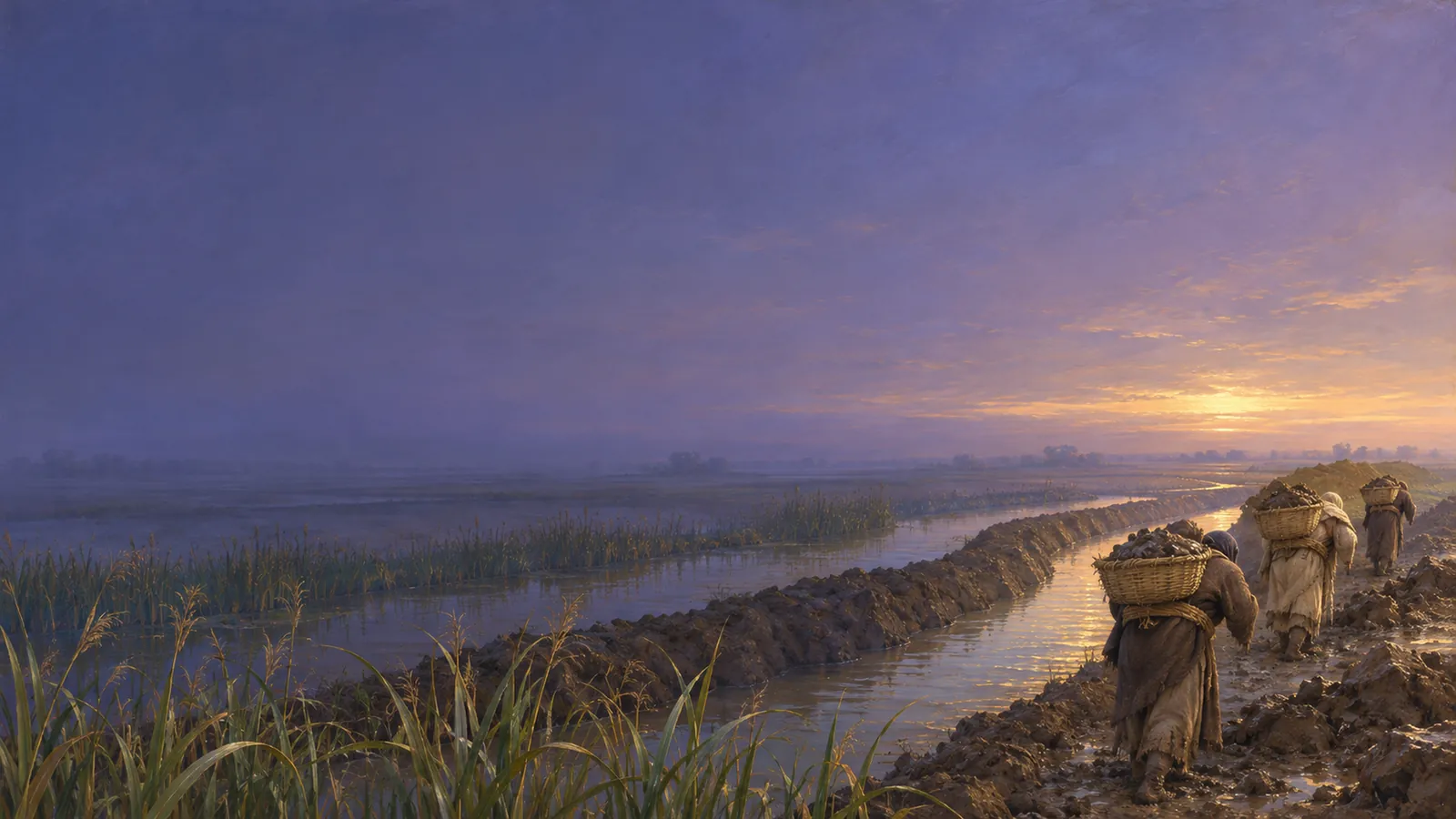
Antes de que hubiera seres humanos que labraran la tierra, los dioses hacían el trabajo ellos mismos. Cavaban y acarreaban tierra, y su peso los agotaba.
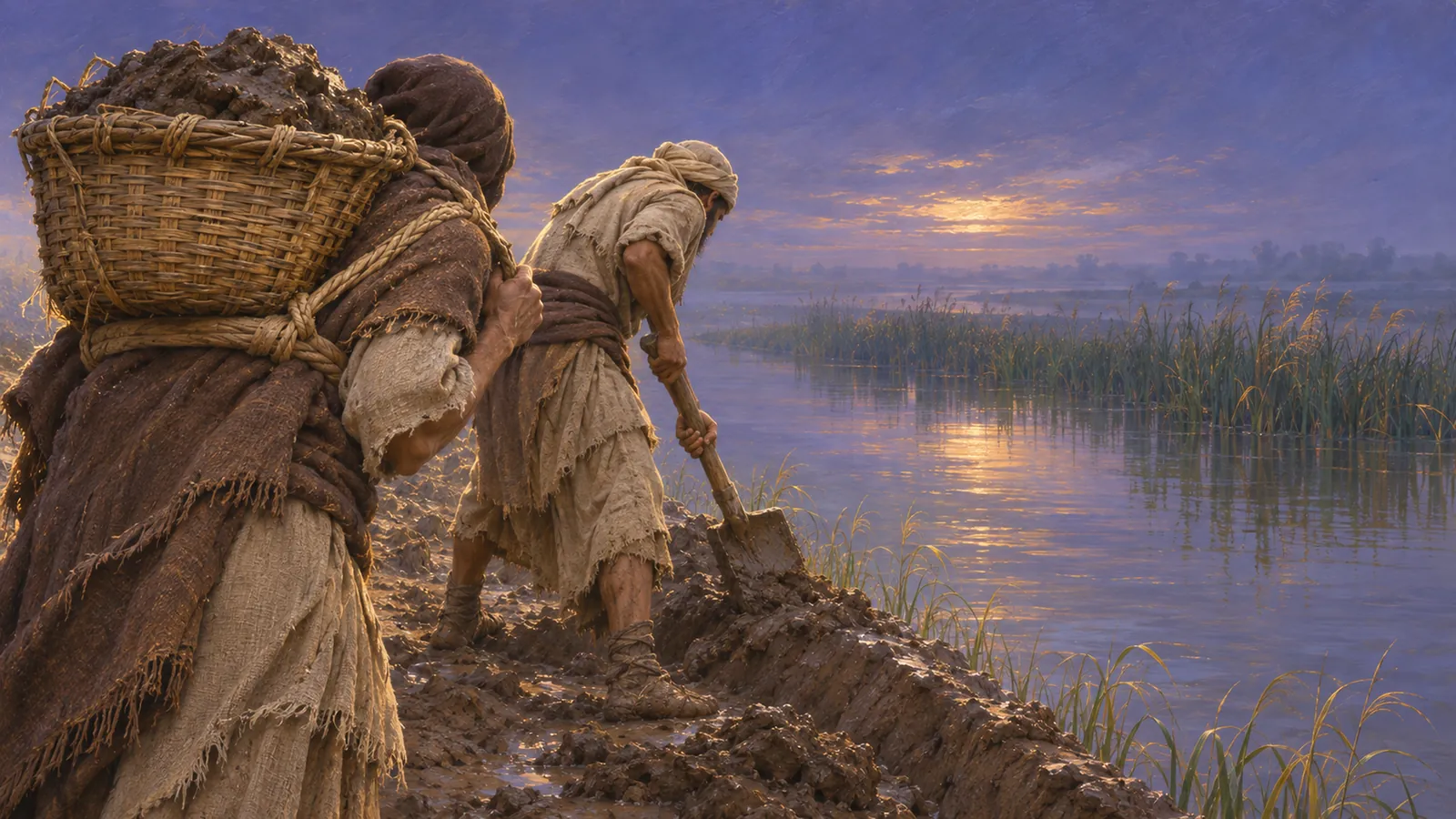
Los grandes dioses encargaron a los Igigi cavar y acarrear la tierra. Día tras día, sus hombros soportaban la carga.
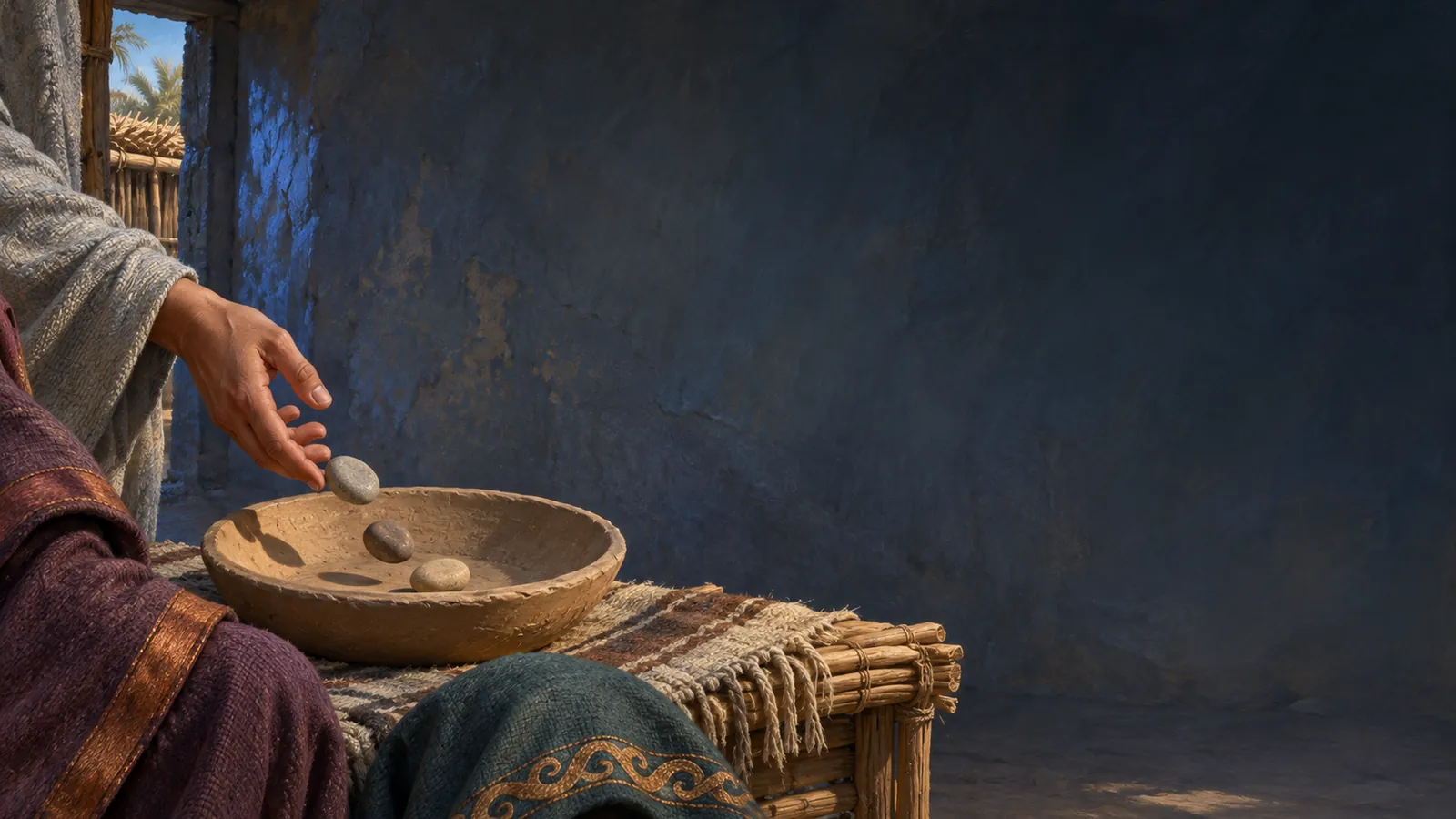
Los dioses echaron suertes. Anu subió al cielo, Enlil recibió la tierra y a Enki le confiaron la barrera que contenía el mar.
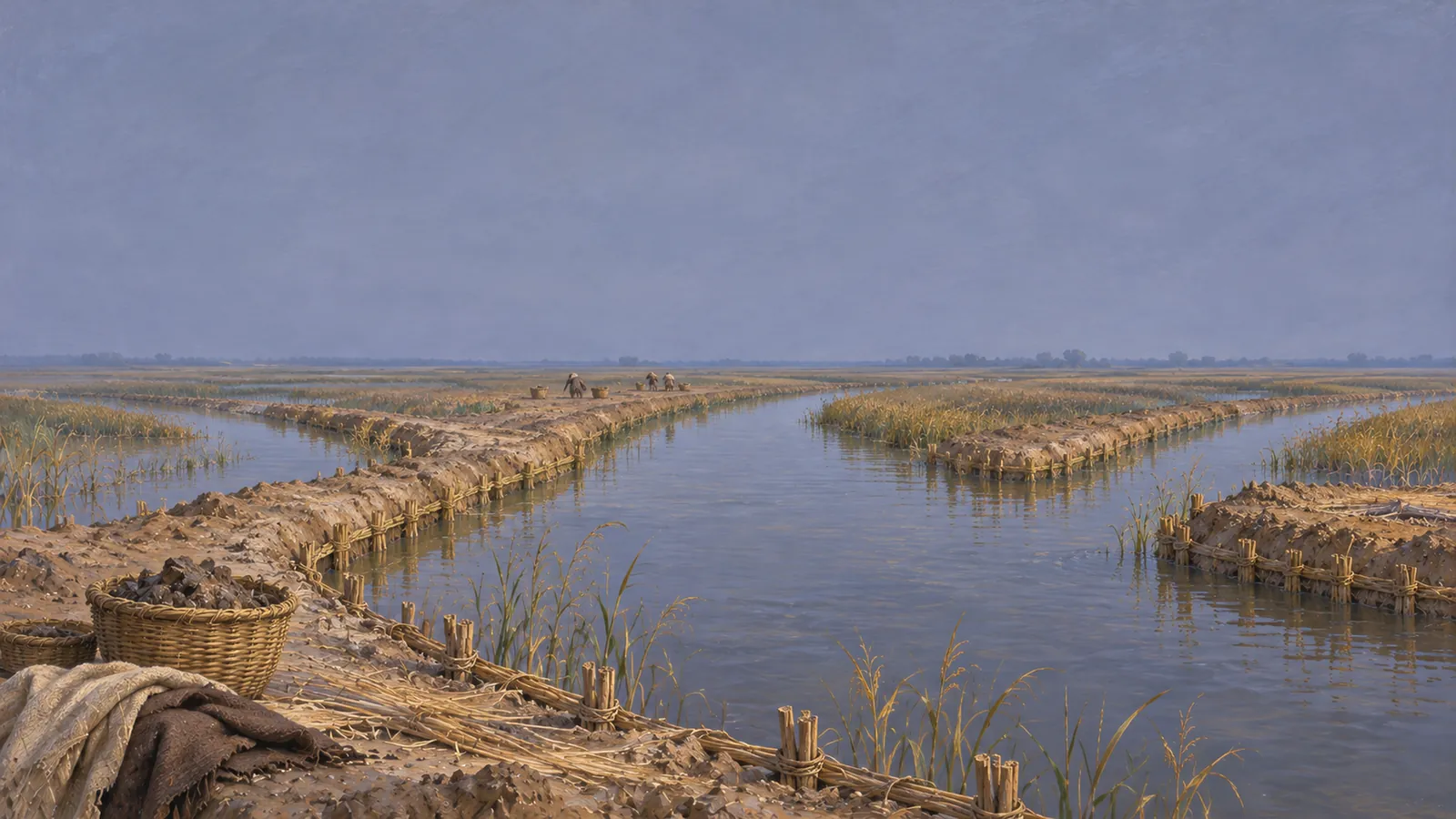
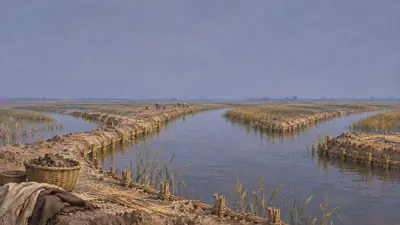
Abajo, el trabajo seguía. Los dioses que cavaban abrieron cauces por toda la tierra, y el poema recuerda aquellos canales como la vida misma de esa tierra.
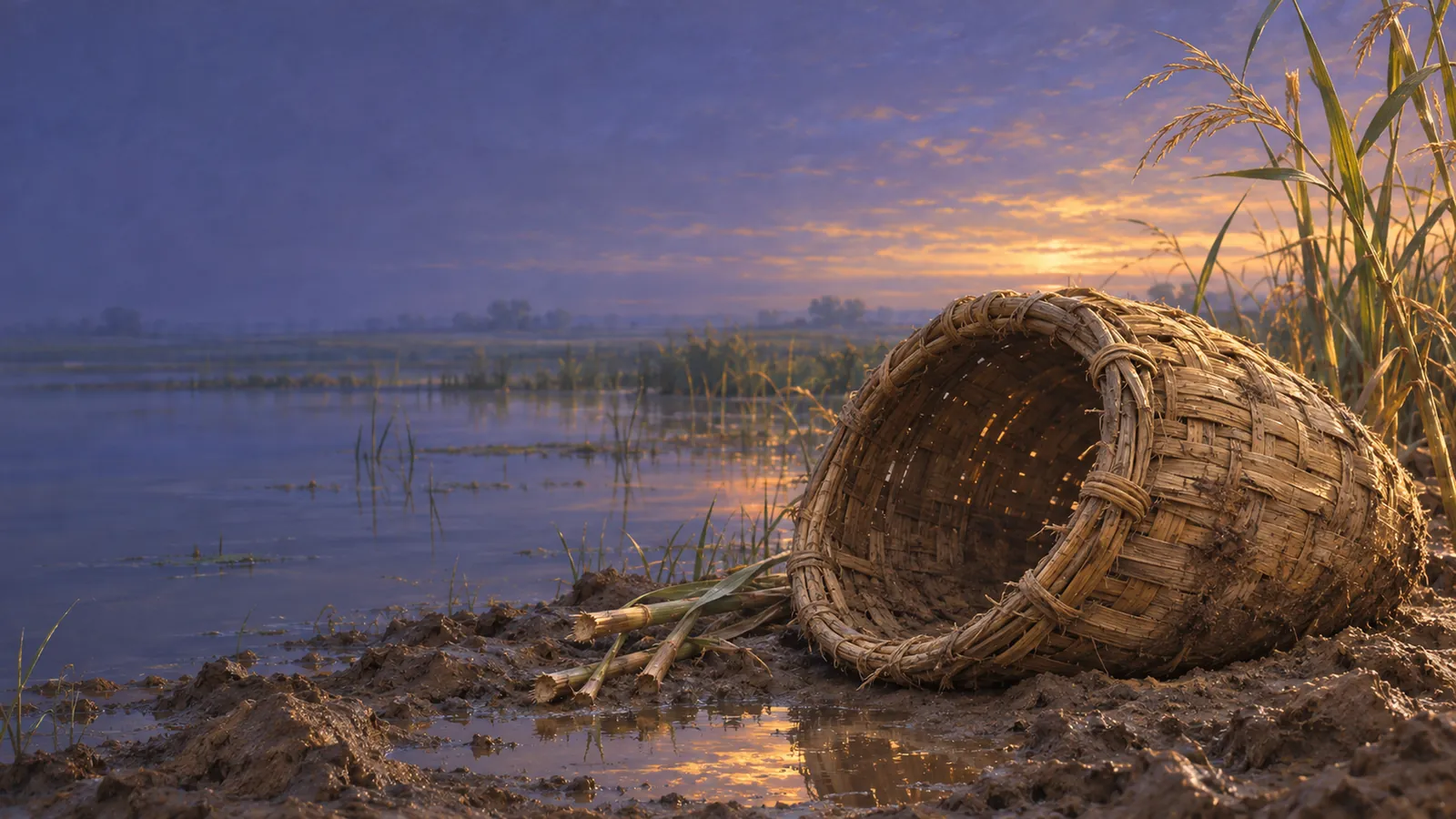
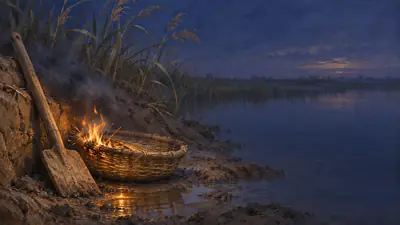
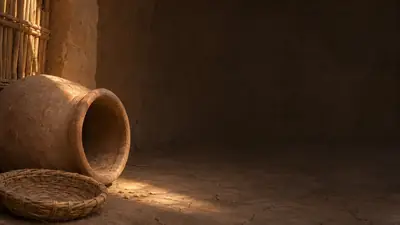
Los versos incompletos aún recuerdan las cañas con que se hacían los cestos. Para los dioses que los cargaban, aquellos cestos llegaron a significar años de duro trabajo.
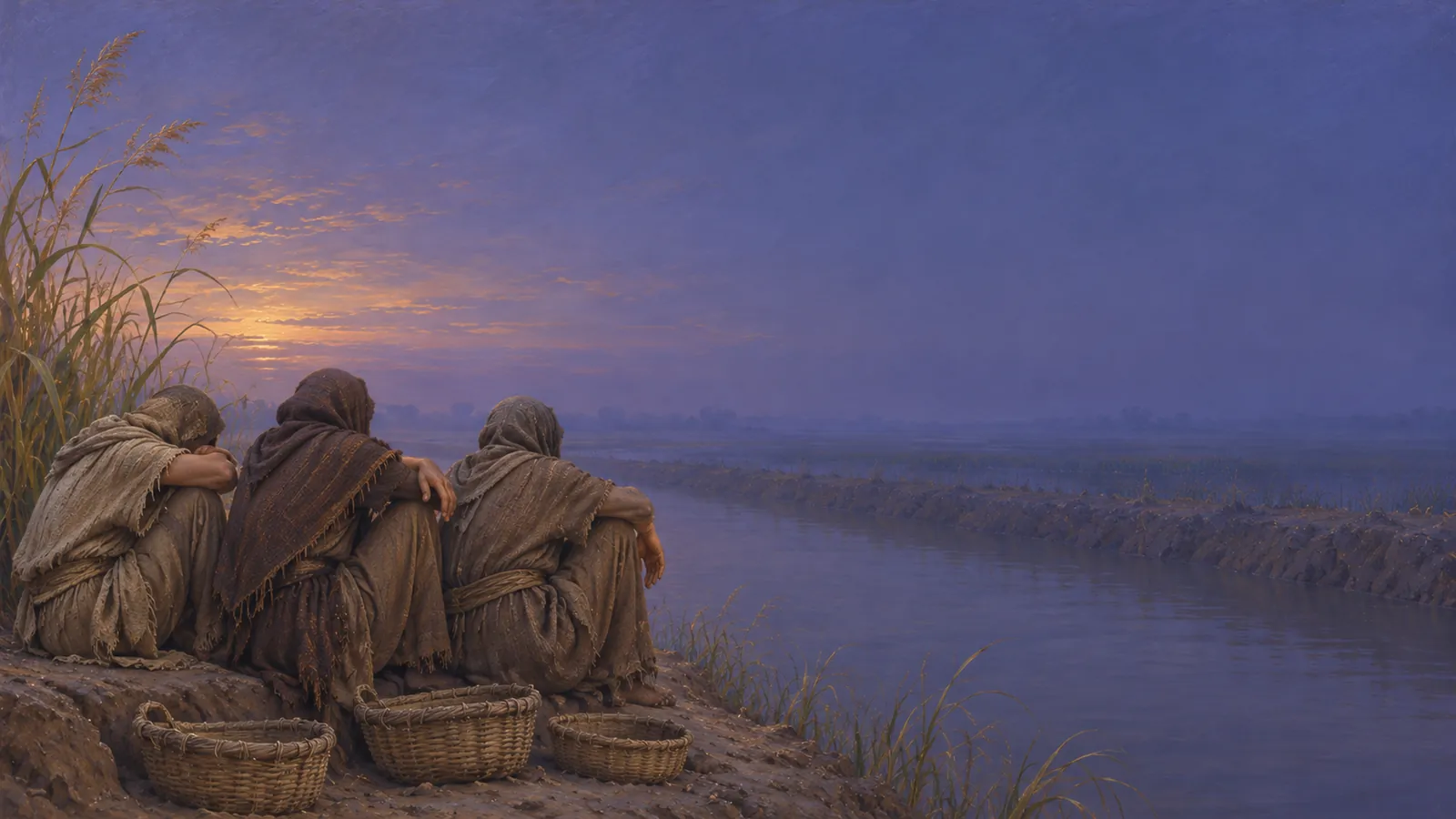
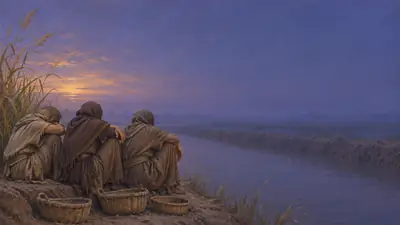
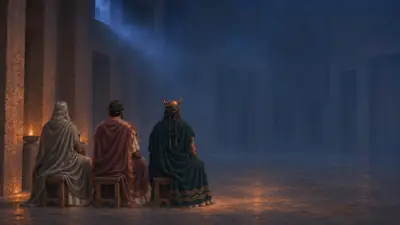
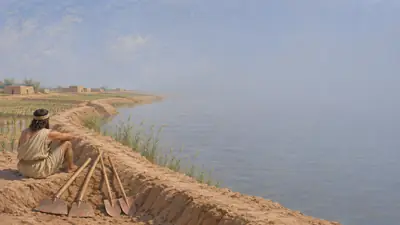
Trabajaban de día y de noche. Entonces los trabajadores se sentaron en la propia excavación y empezaron a decir en voz alta cuánto les había costado aquel trabajo.
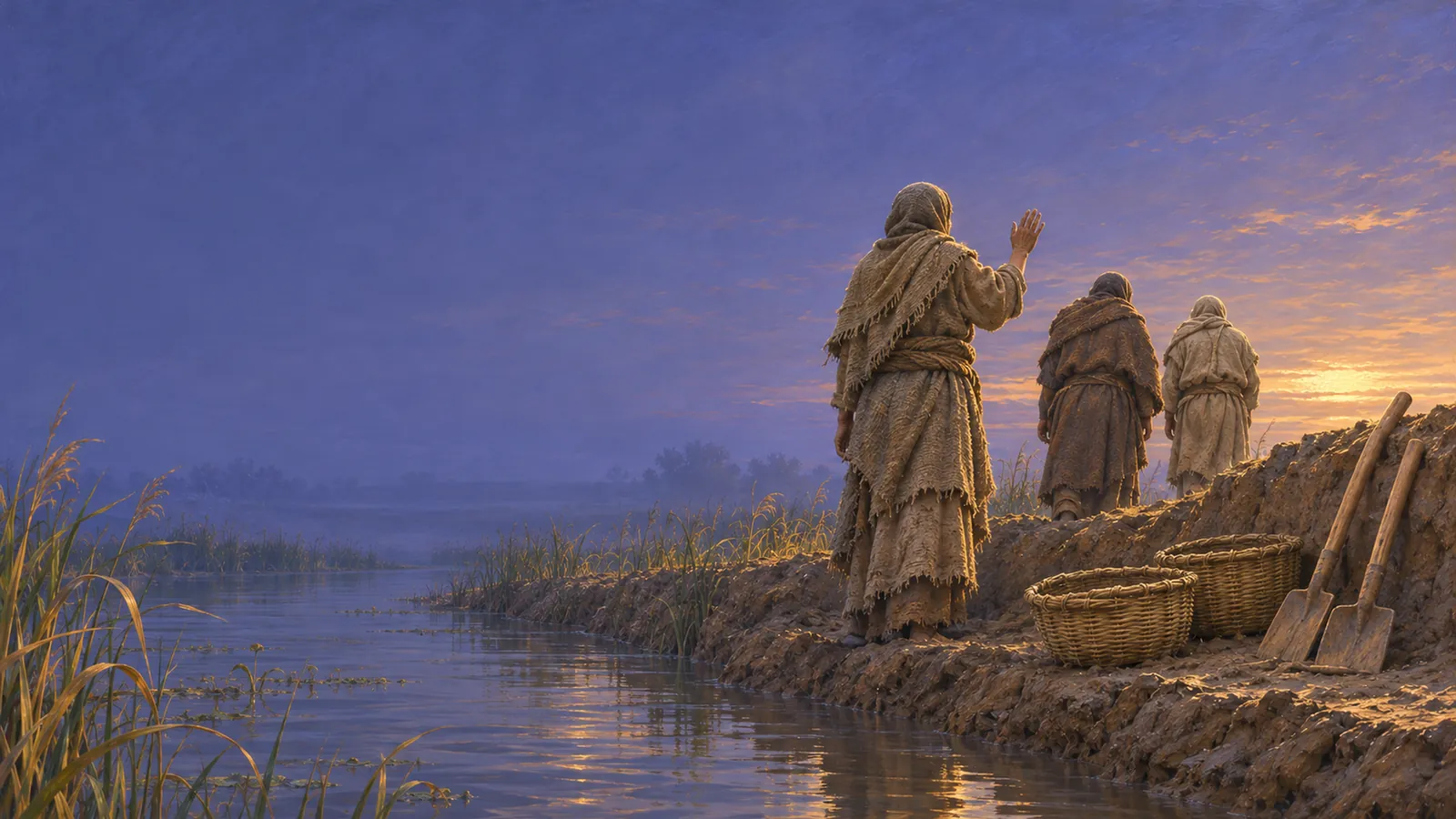
Entre los trabajadores, una voz llamó a los demás a dejar la excavación y enfrentarse a Enlil. Querían que respondiera por la carga que les había hecho soportar.
LAS HERRAMIENTAS EN LLAMAS
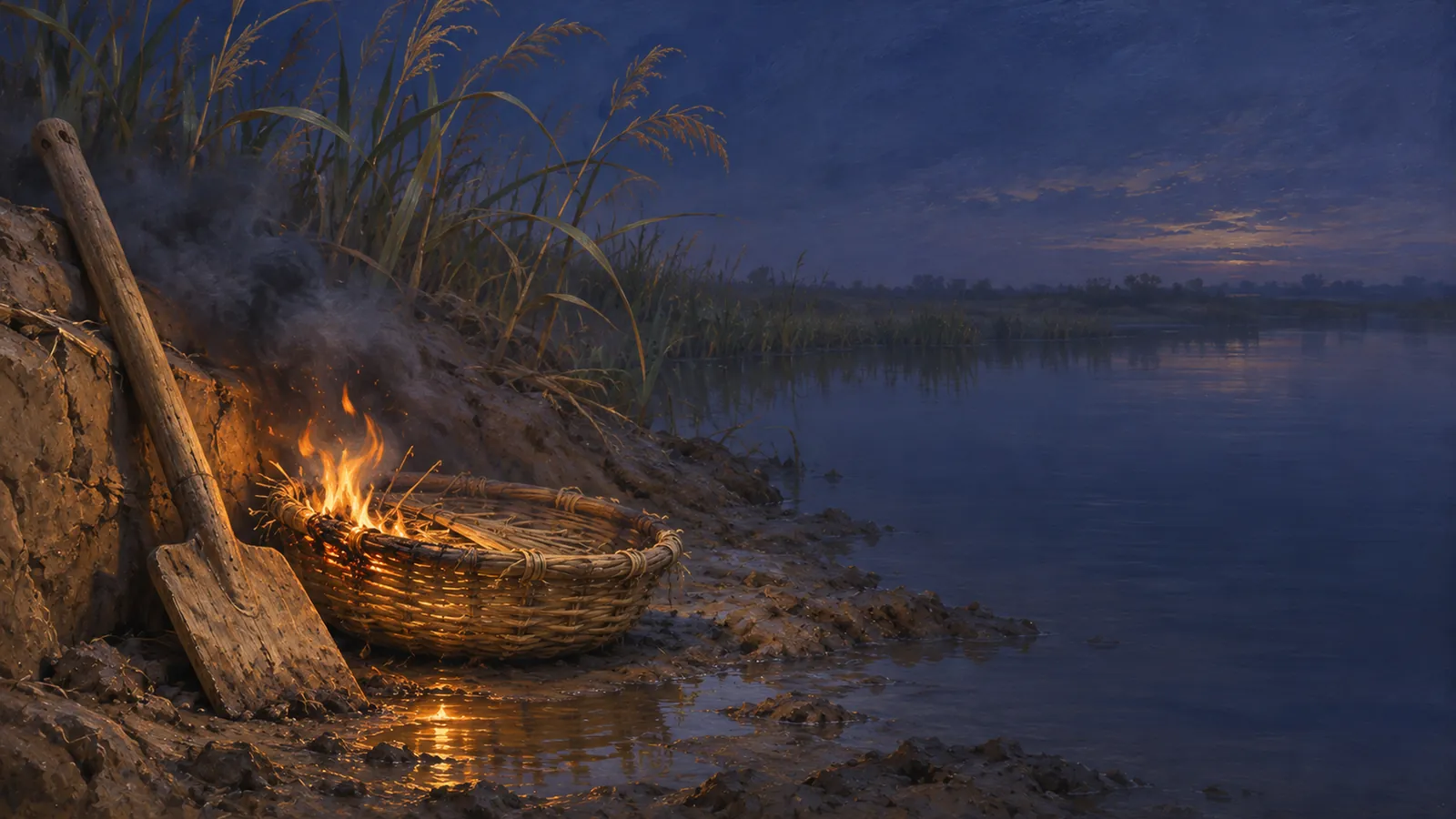
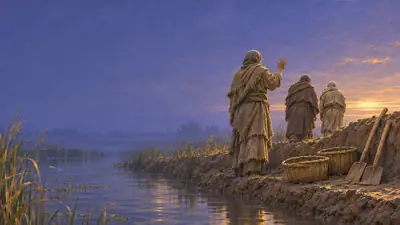
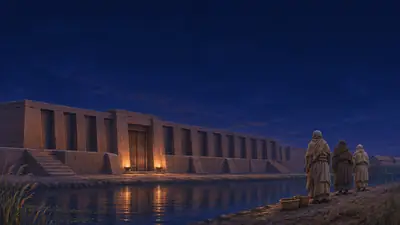
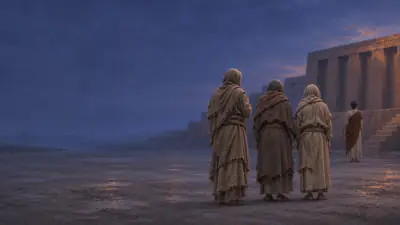
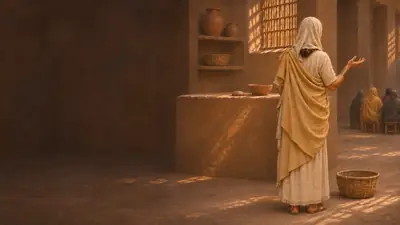
Los trabajadores oyeron el llamado. Echaron al fuego sus palas y sus cestos de carga y fueron juntos a la puerta del santuario de Enlil.
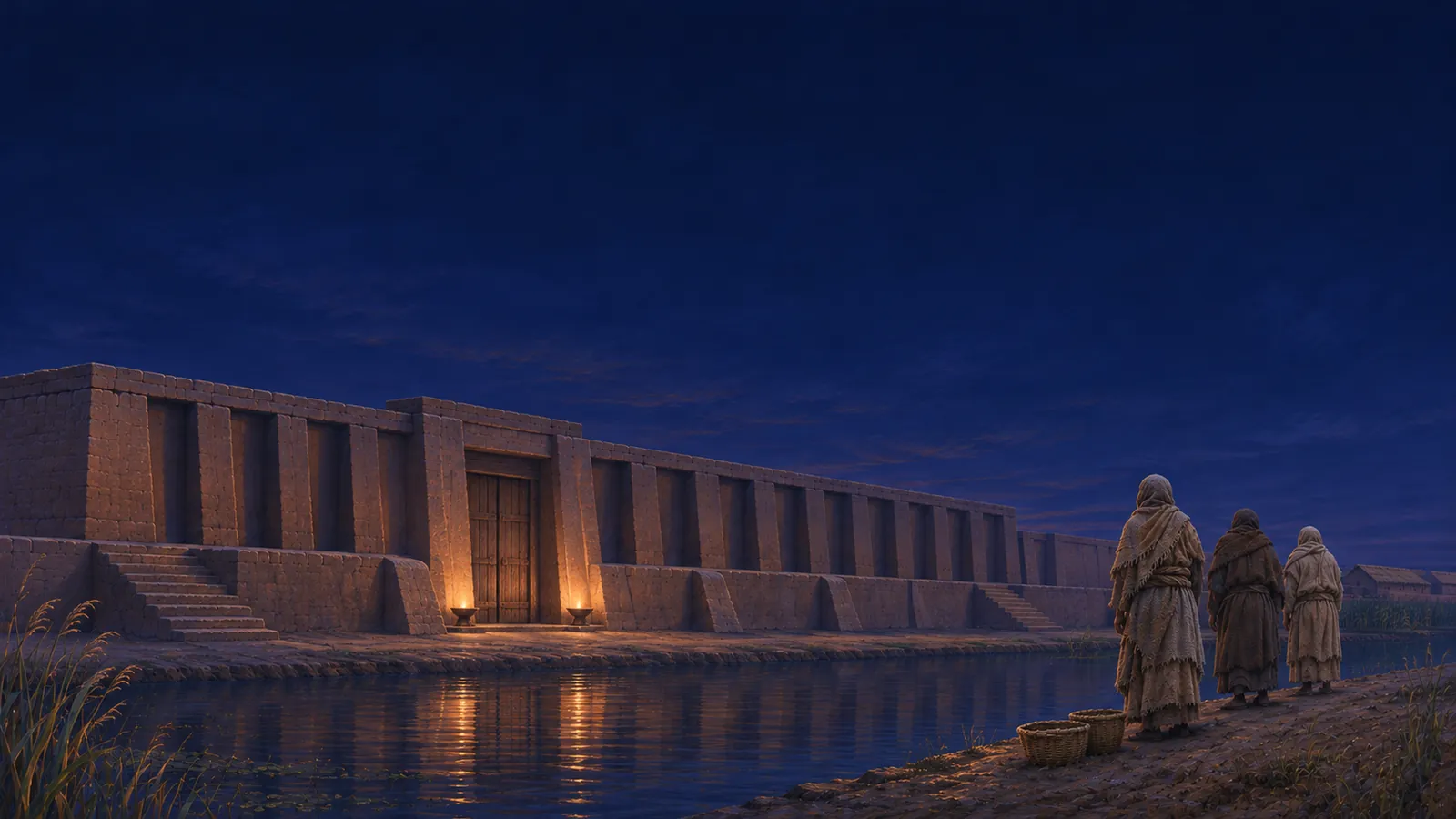
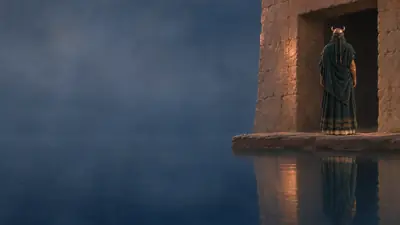
Era la mitad de la guardia nocturna cuando los trabajadores rodearon el Ekur. Dentro de su morada, Enlil aún no había oído lo que se congregaba ante su puerta.
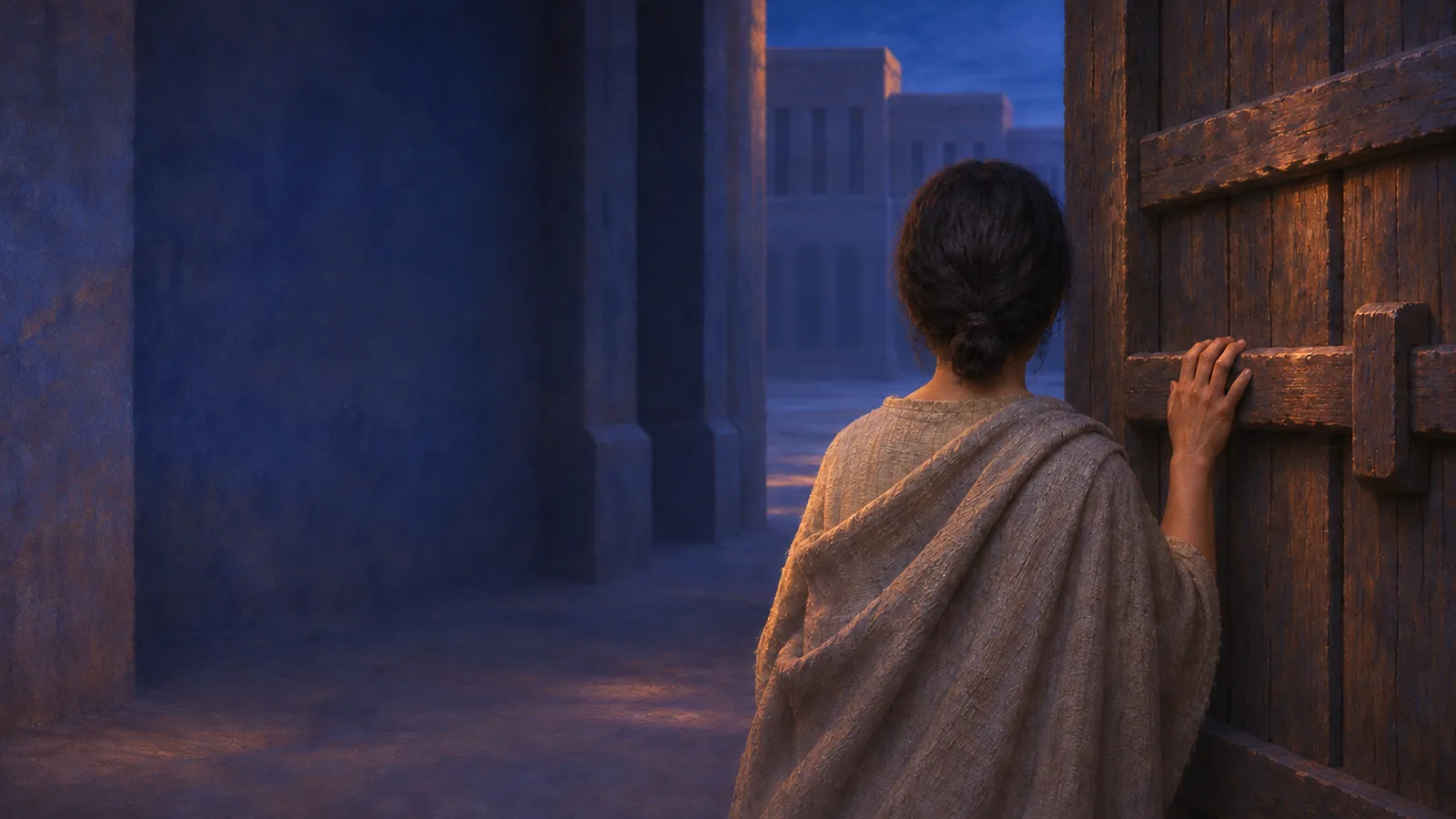
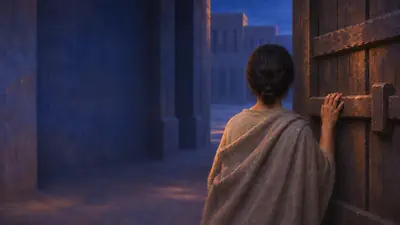
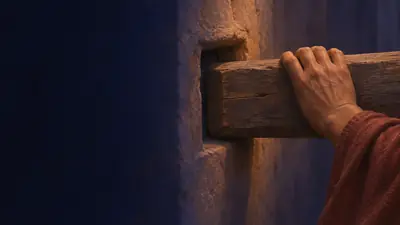
En la puerta, Kalkal puso la mano en el cerrojo y fue a despertar a Nuska. Los dos escucharon las voces de los trabajadores que estaban fuera.
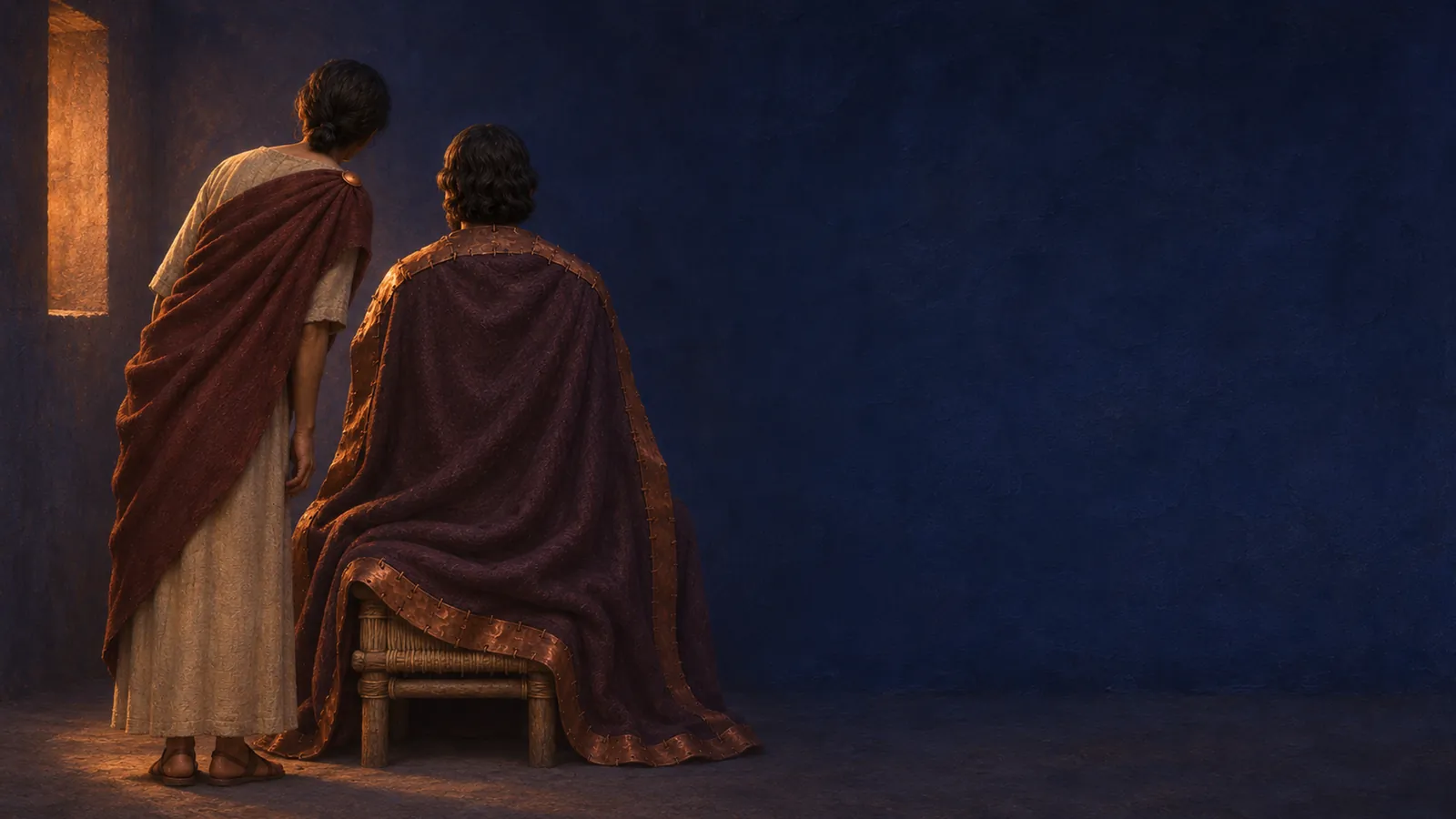
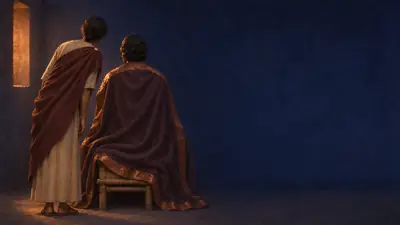
Nuska despertó a su señor y le dijo que la casa estaba rodeada. La disputa que había empezado en la excavación había llegado a la propia puerta de Enlil.
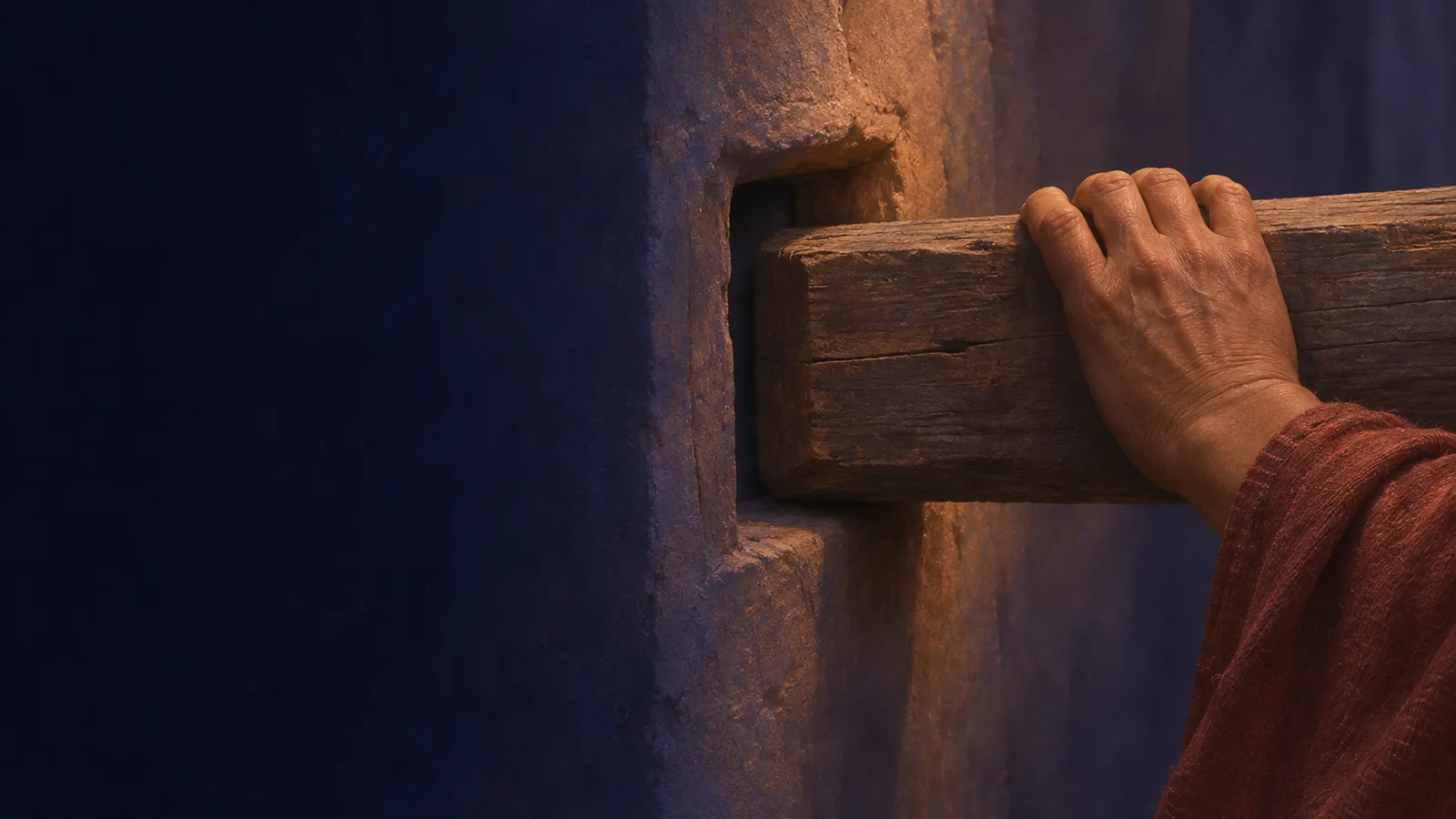
Enlil le ordenó a Nuska que atrancara la puerta, tomara sus armas y se plantara ante él. Nuska hizo lo que le habían mandado. Fuera, los trabajadores seguían esperando.
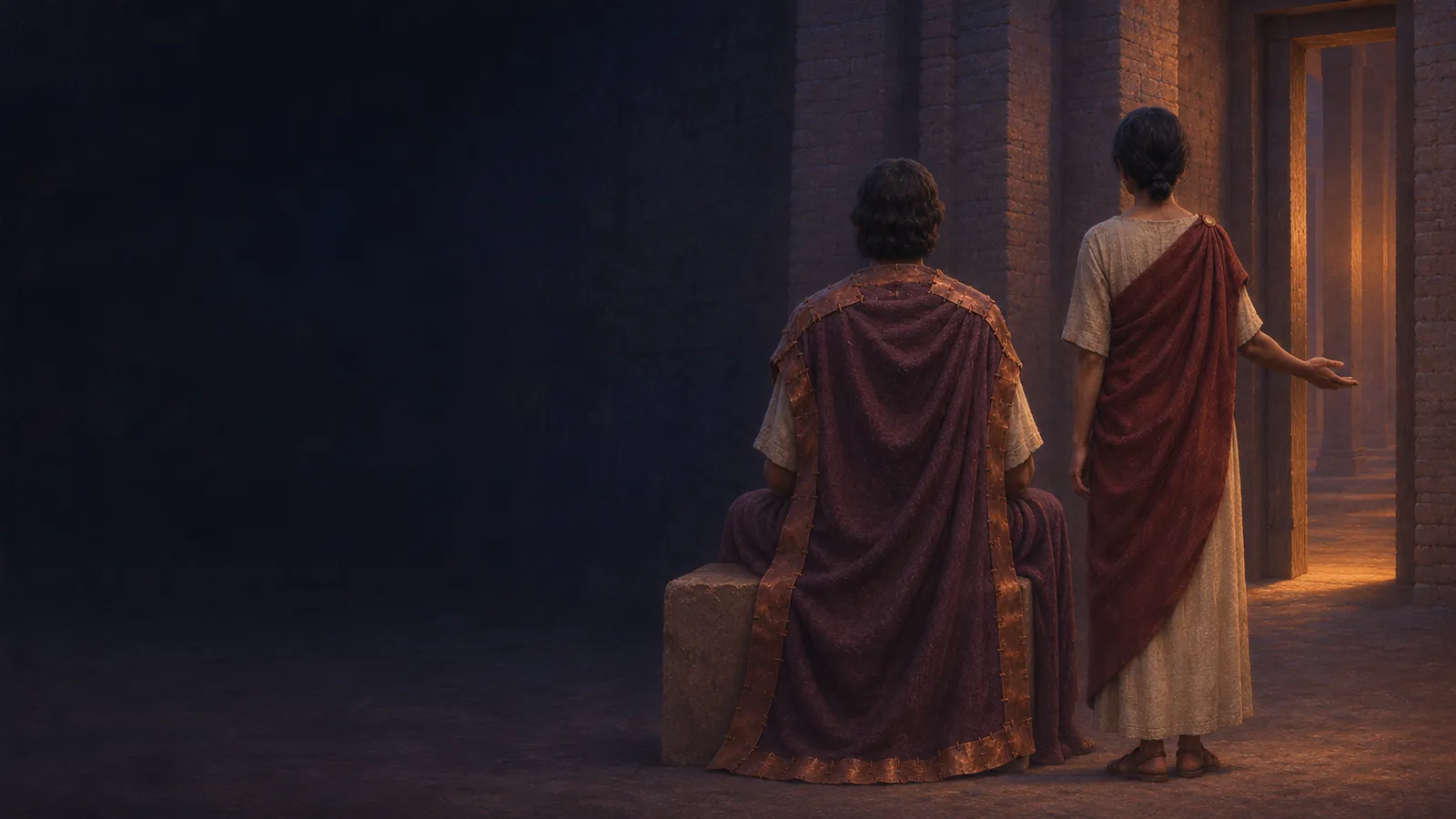
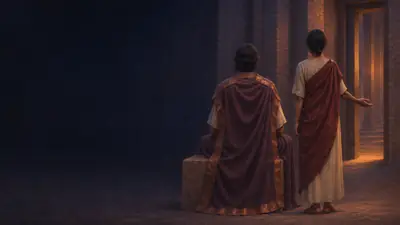
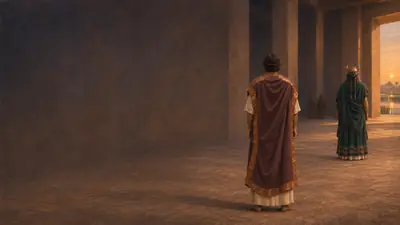
Nuska vio lo asustado que estaba su señor. Lo instó a hacer bajar a Anu y llamar a Enki a su presencia, para que los dioses pudieran escuchar juntos lo sucedido.
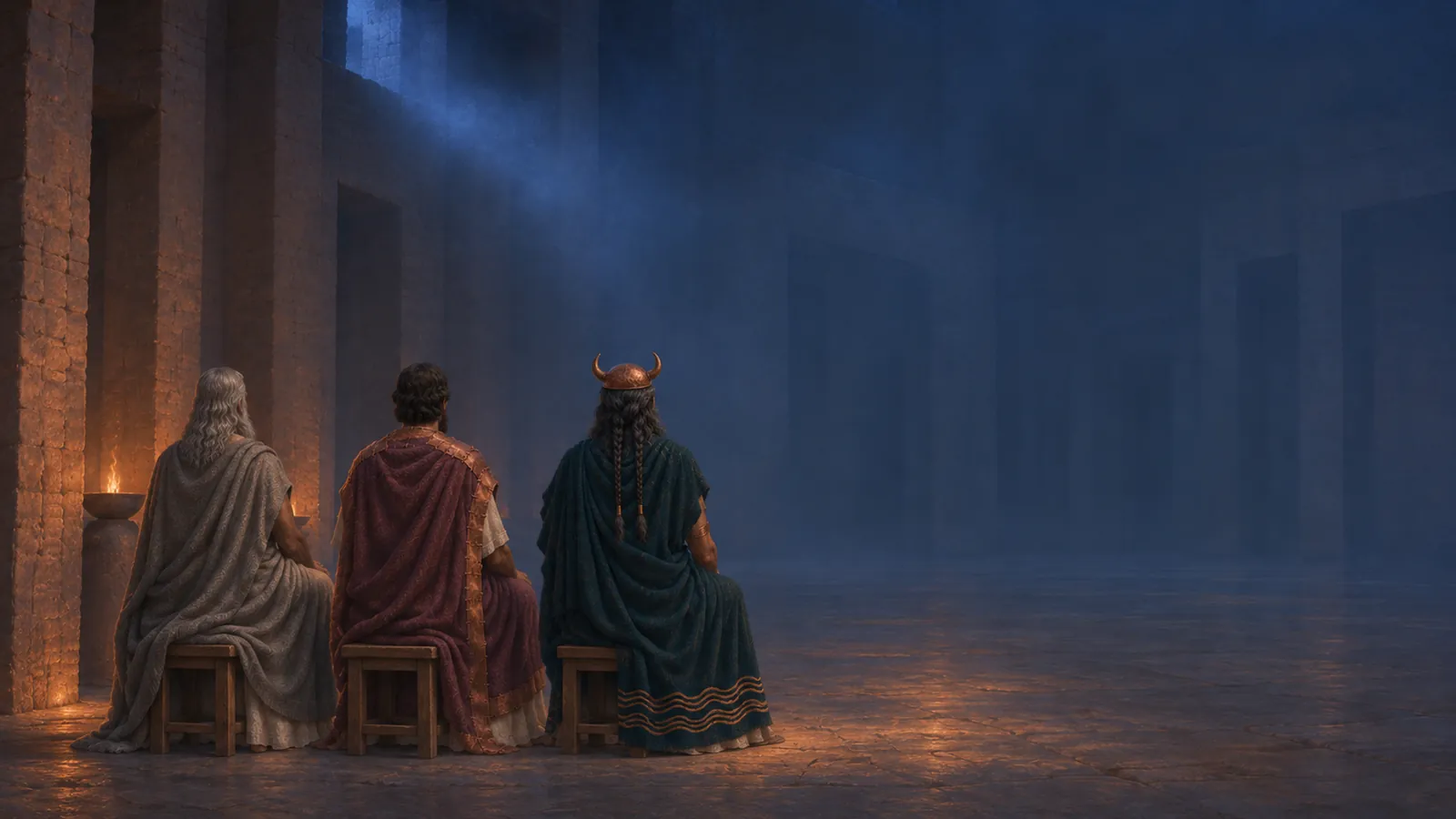
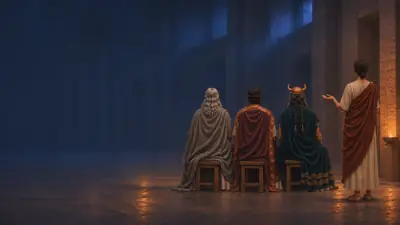
Enlil preguntó al consejo por qué se habían levantado los trabajadores contra él. Anu lo instó a que enviara a Nuska afuera y oyera de los propios trabajadores qué los había llevado hasta la puerta.
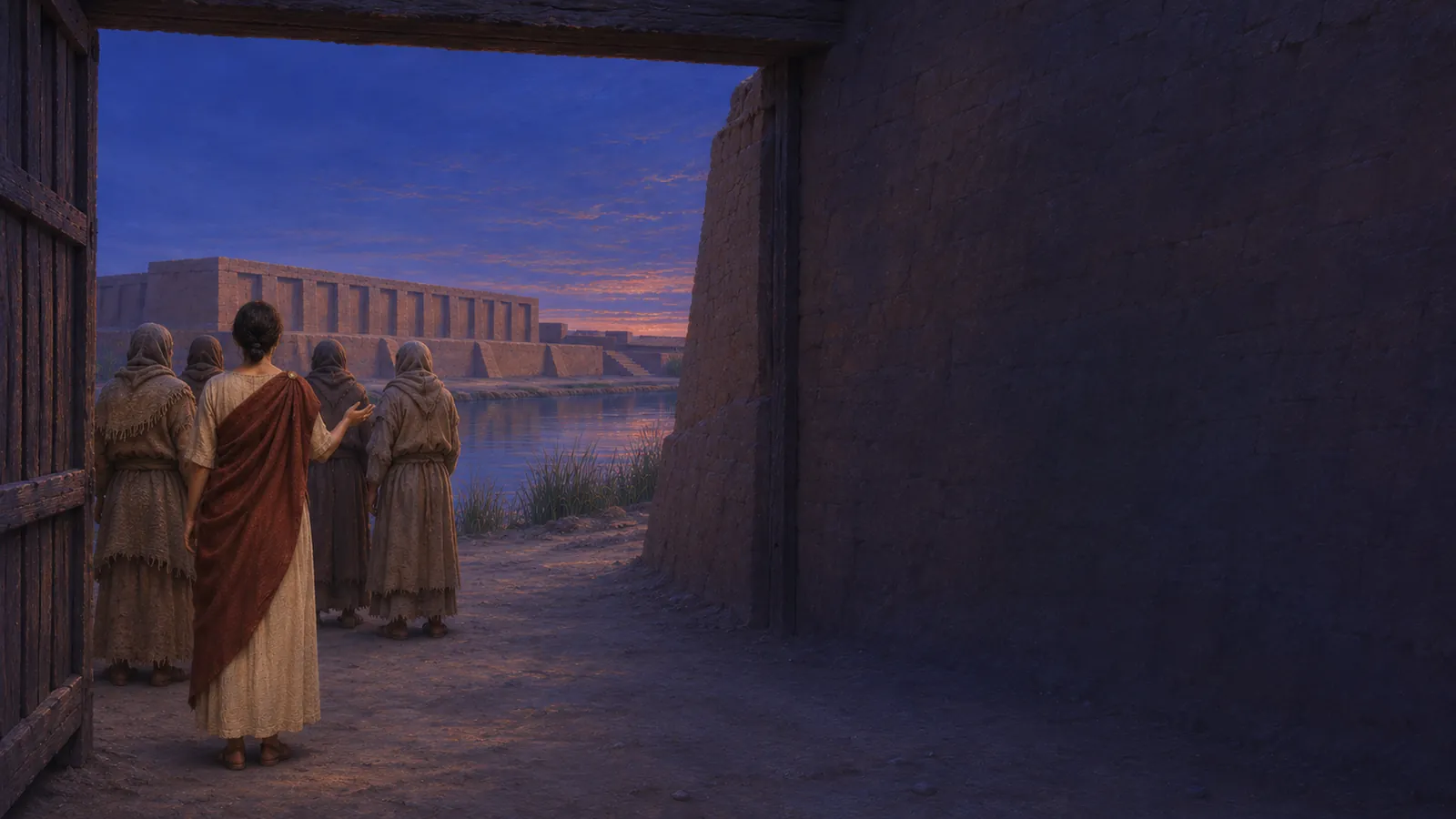
Nuska abrió la puerta, se puso ante el grupo reunido fuera y transmitió las palabras que le habían encomendado. Les preguntó qué dios los había conducido hasta allí.
TODOS NOSOTROS
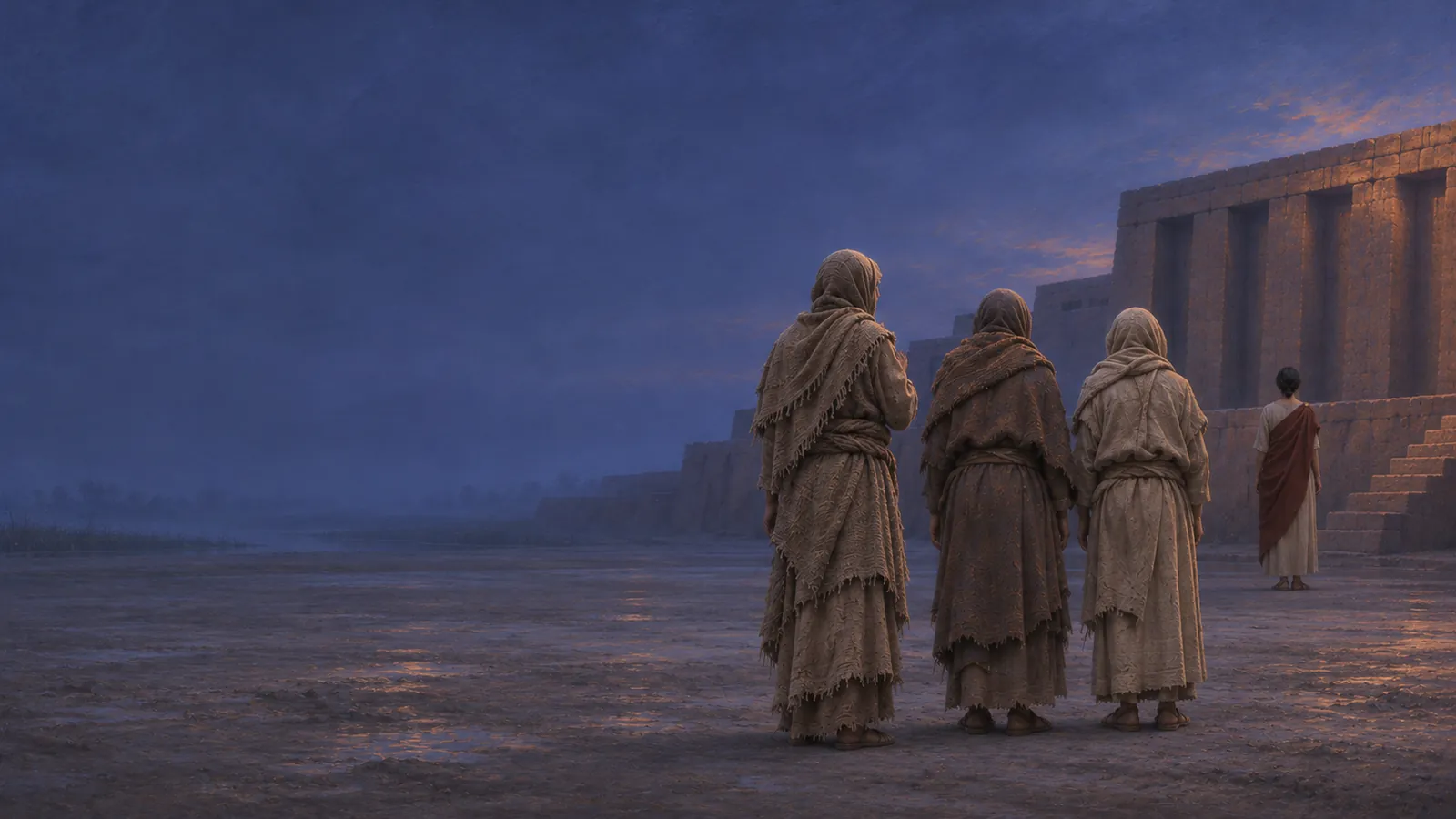
La respuesta vino de toda la cuadrilla. Se habían reunido todos en la excavación, dijeron, y el trabajo se había vuelto demasiado pesado para soportarlo.
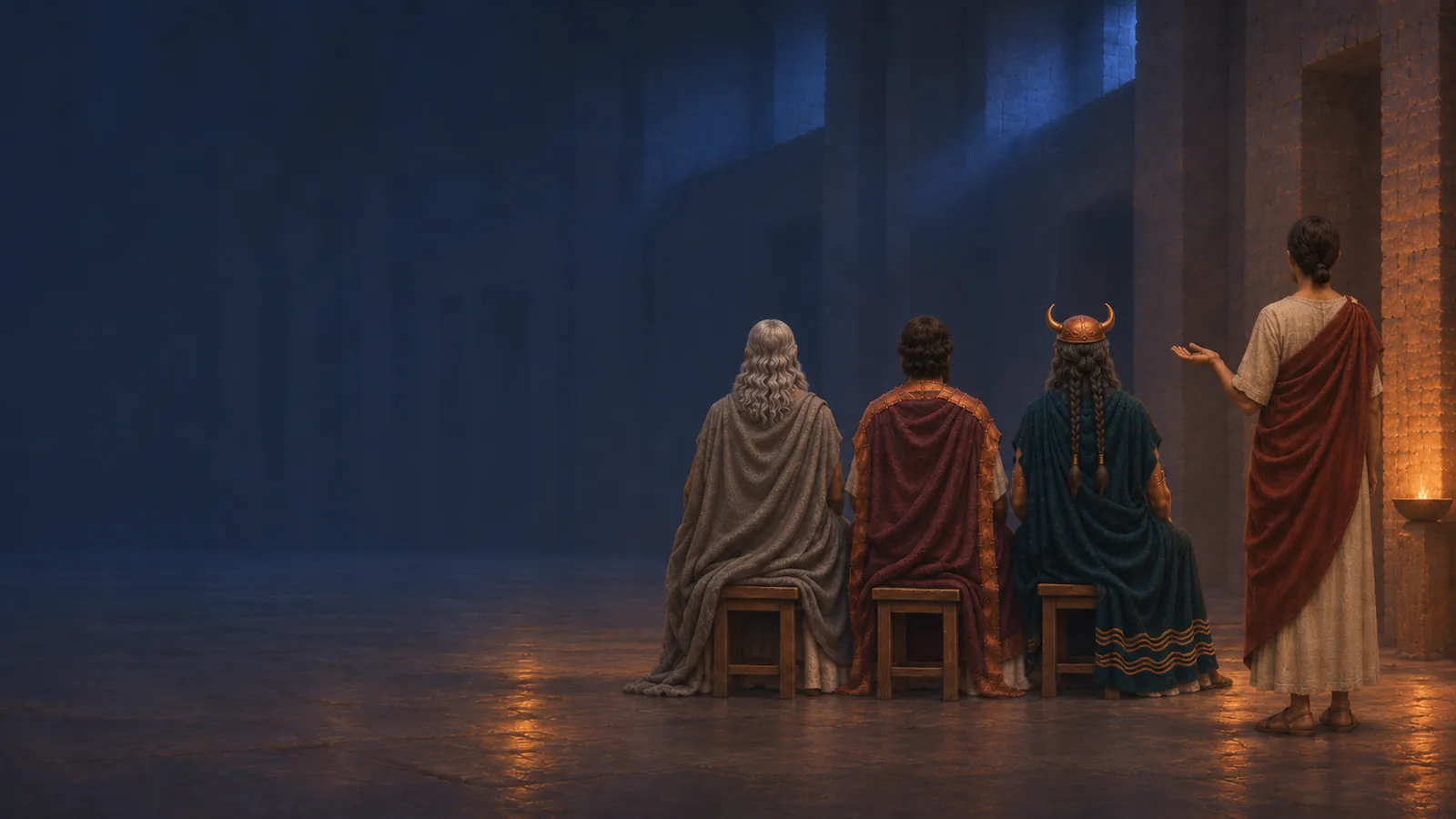
Nuska llevó las palabras de los trabajadores de vuelta a la sala del consejo. Todos y cada uno habían tomado parte, dijo. El peso de los cestos era lo que los había llevado hasta allí.
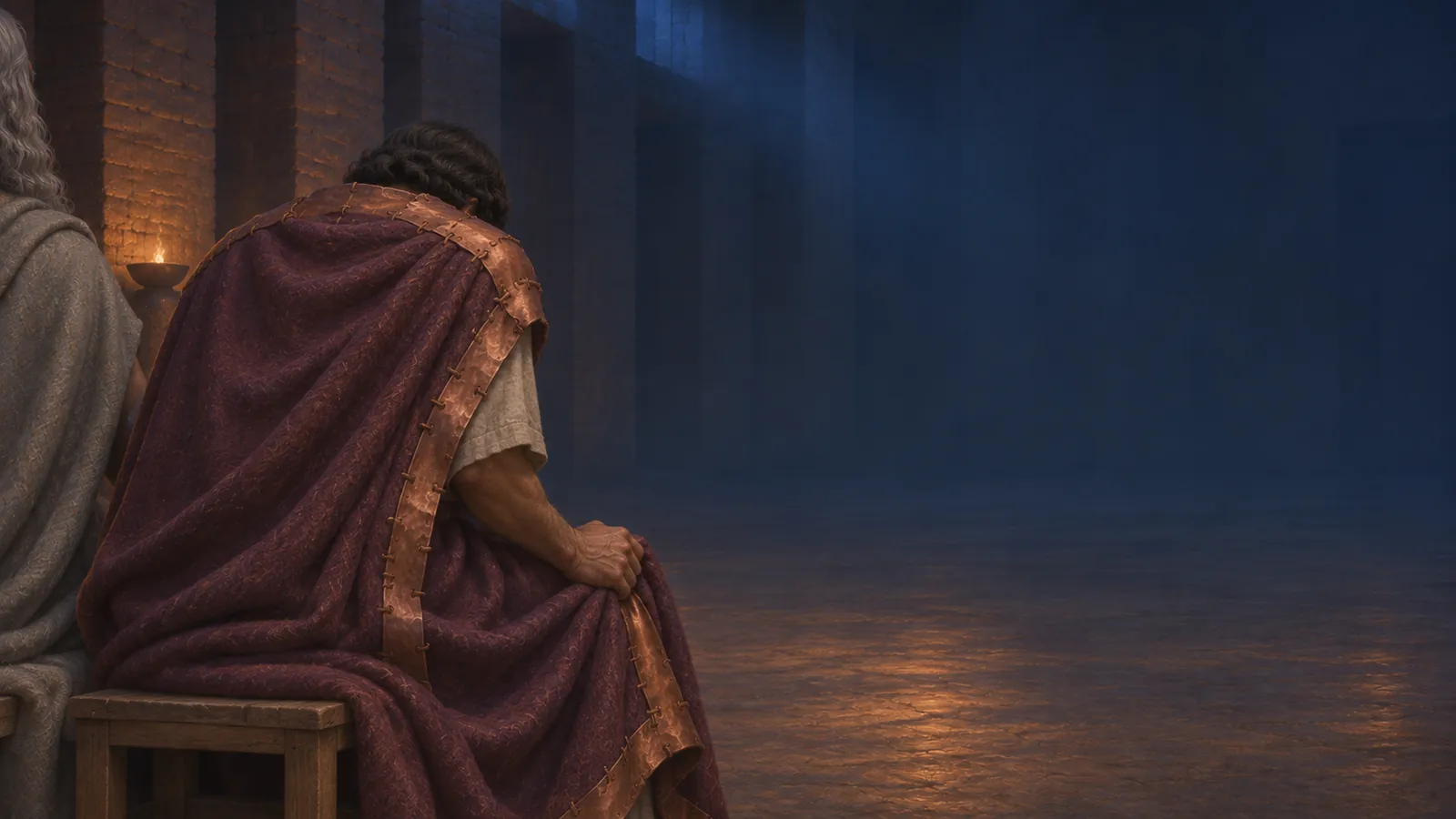
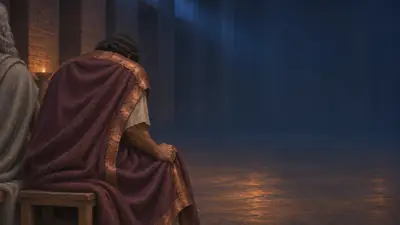
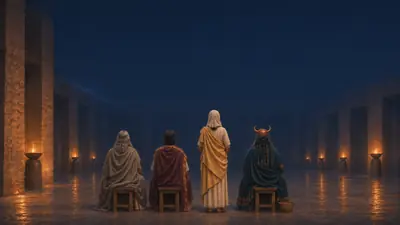
El informe hizo llorar a Enlil. Se volvió hacia Anu y habló de subir al cielo con él, dejando que el consejo decidiera qué hacer.
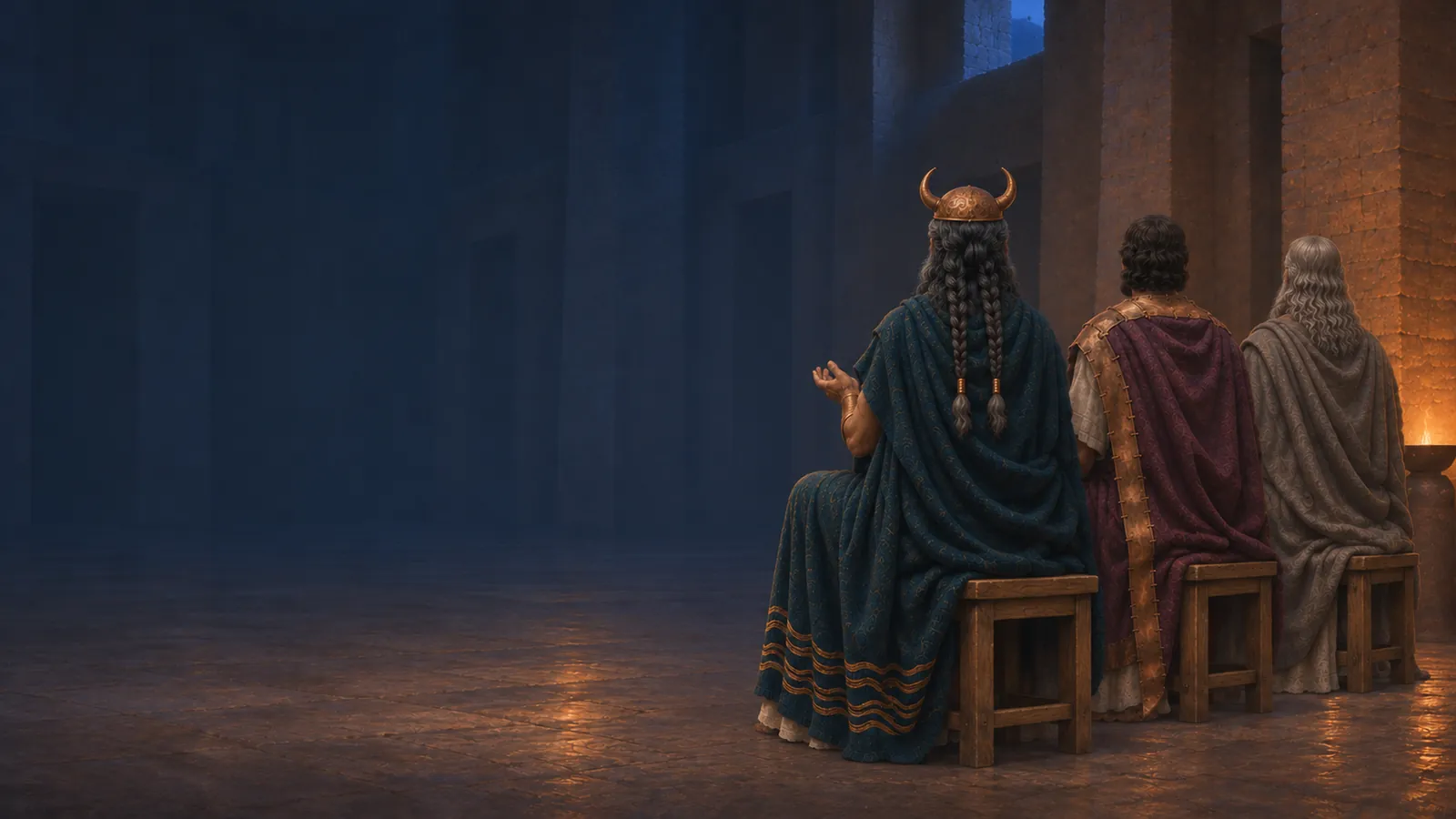
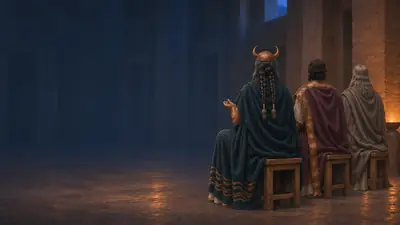
Enki preguntó cómo podía alguien culpar a los trabajadores. Su labor era demasiado pesada, dijo, y todos los reunidos podían oír ahora cuánto les había costado.
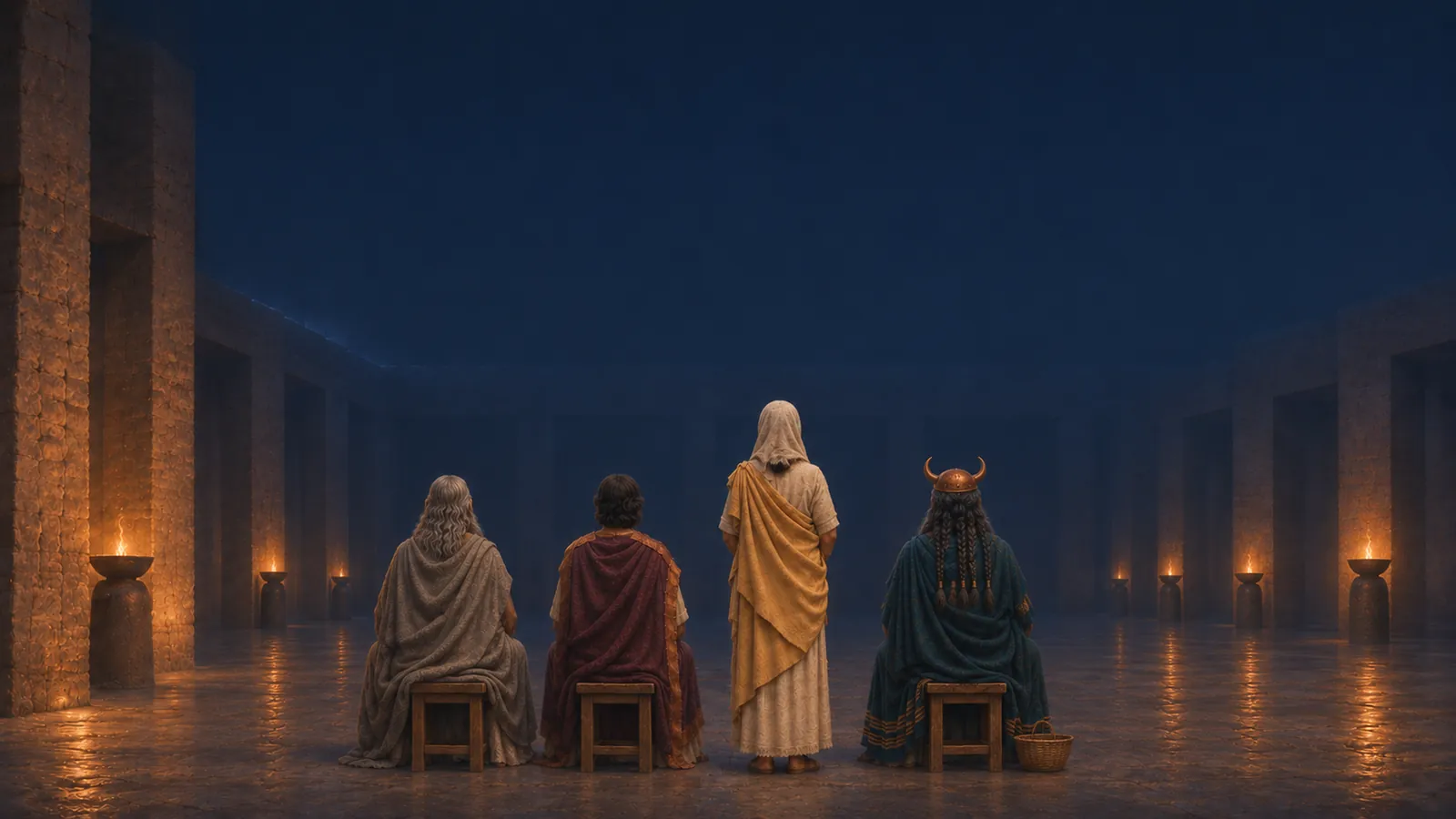
Alguien tendría que seguir cargando el cesto. Los dioses le pidieron a Mami, la sabia partera, que trajera seres humanos al mundo y pusiera el trabajo sobre sus hombros.
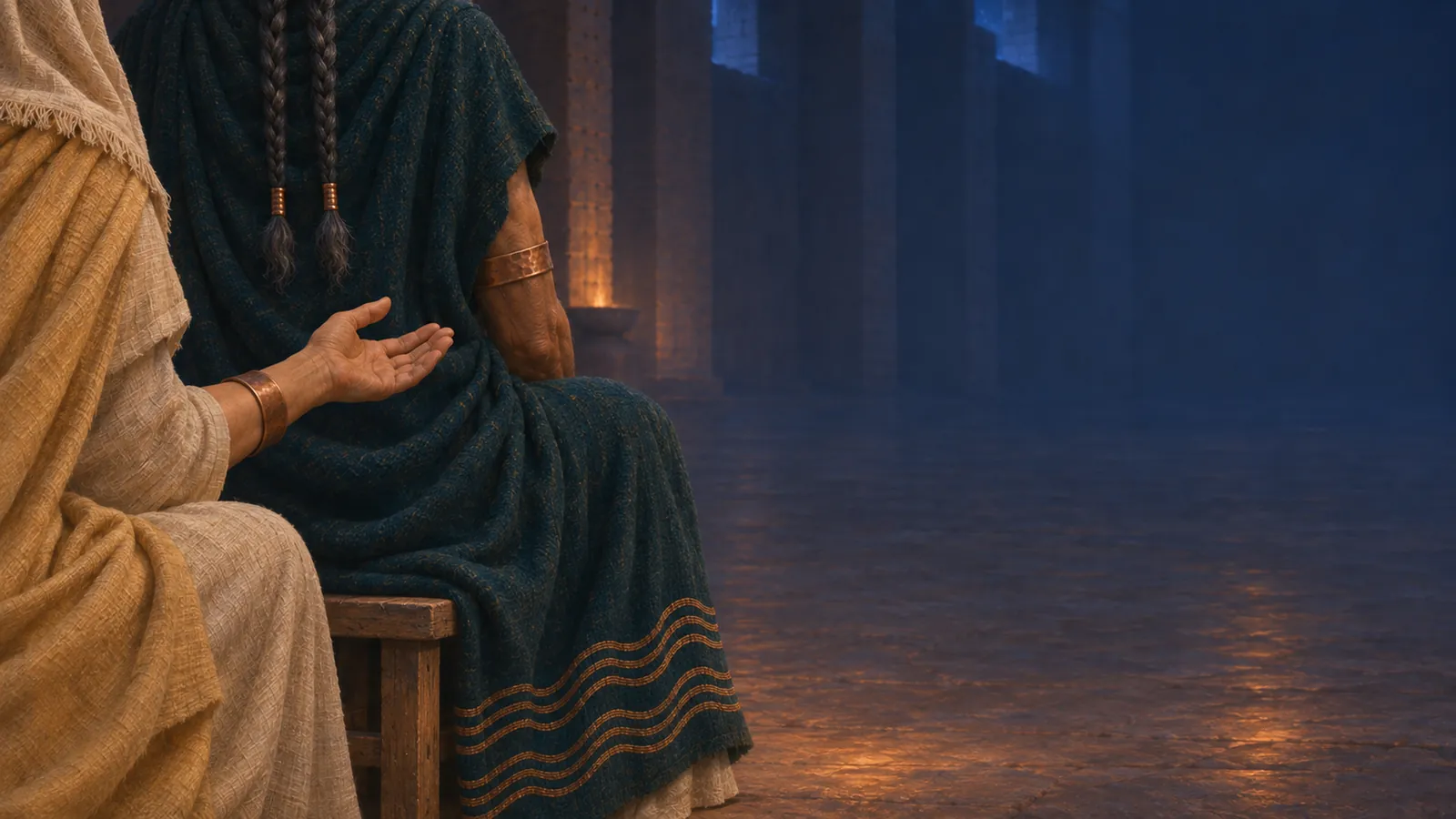
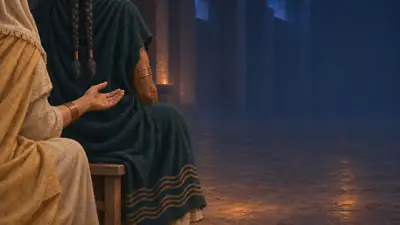
Mami le devolvió la pregunta a Enki. Él era quien conocía la labor de purificación, dijo. Que le diera la arcilla, y ella haría su parte.
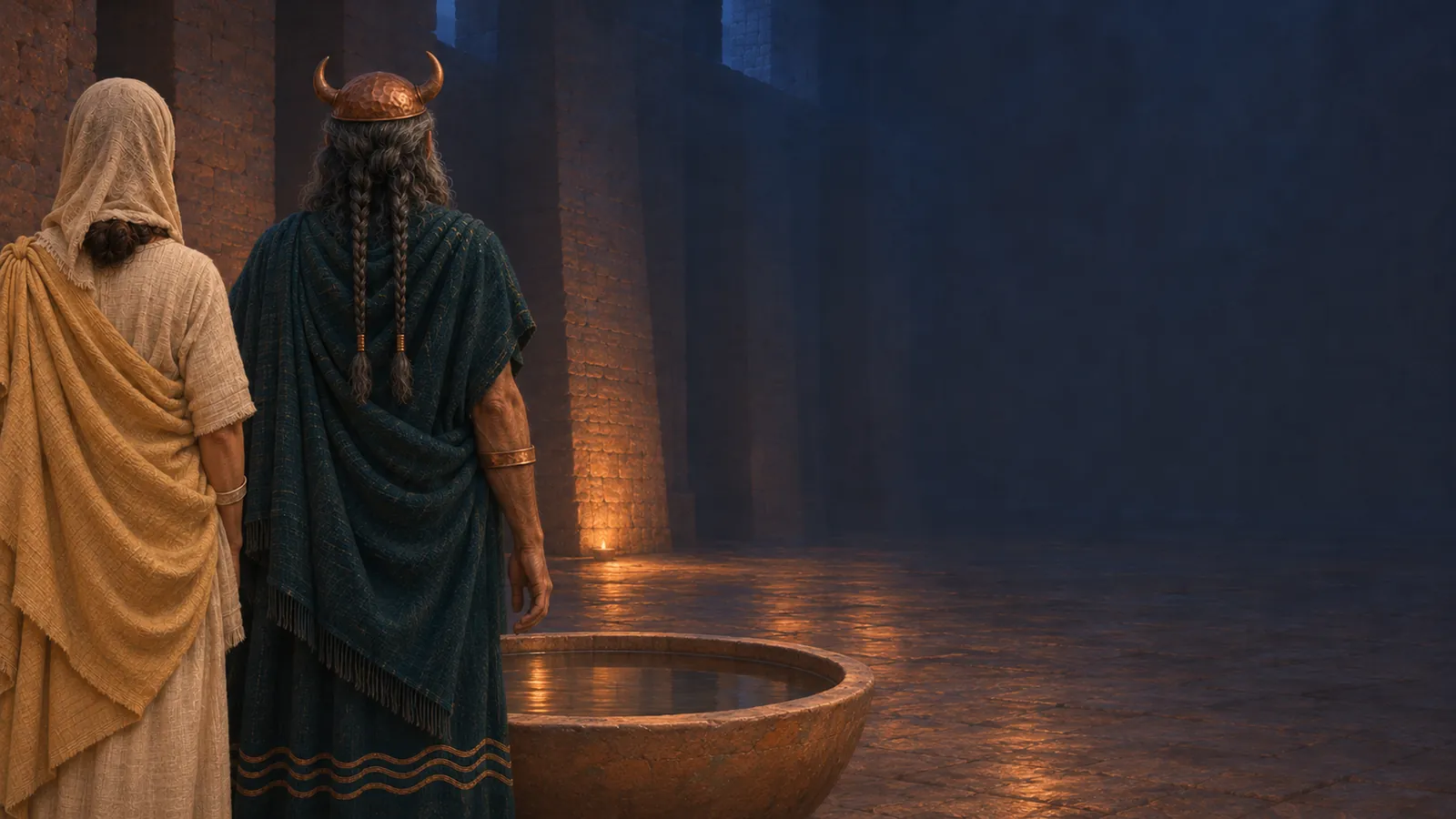
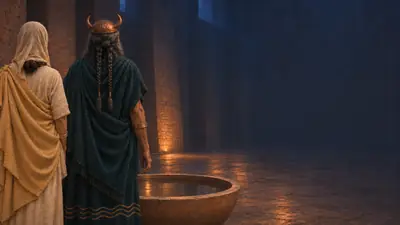
Enki dispuso un baño de purificación que se repetiría en días señalados. La nueva arcilla, dijo, guardaría en sí algo de un dios. La asamblea dio su aprobación.
ARCILLA Y MEMORIA
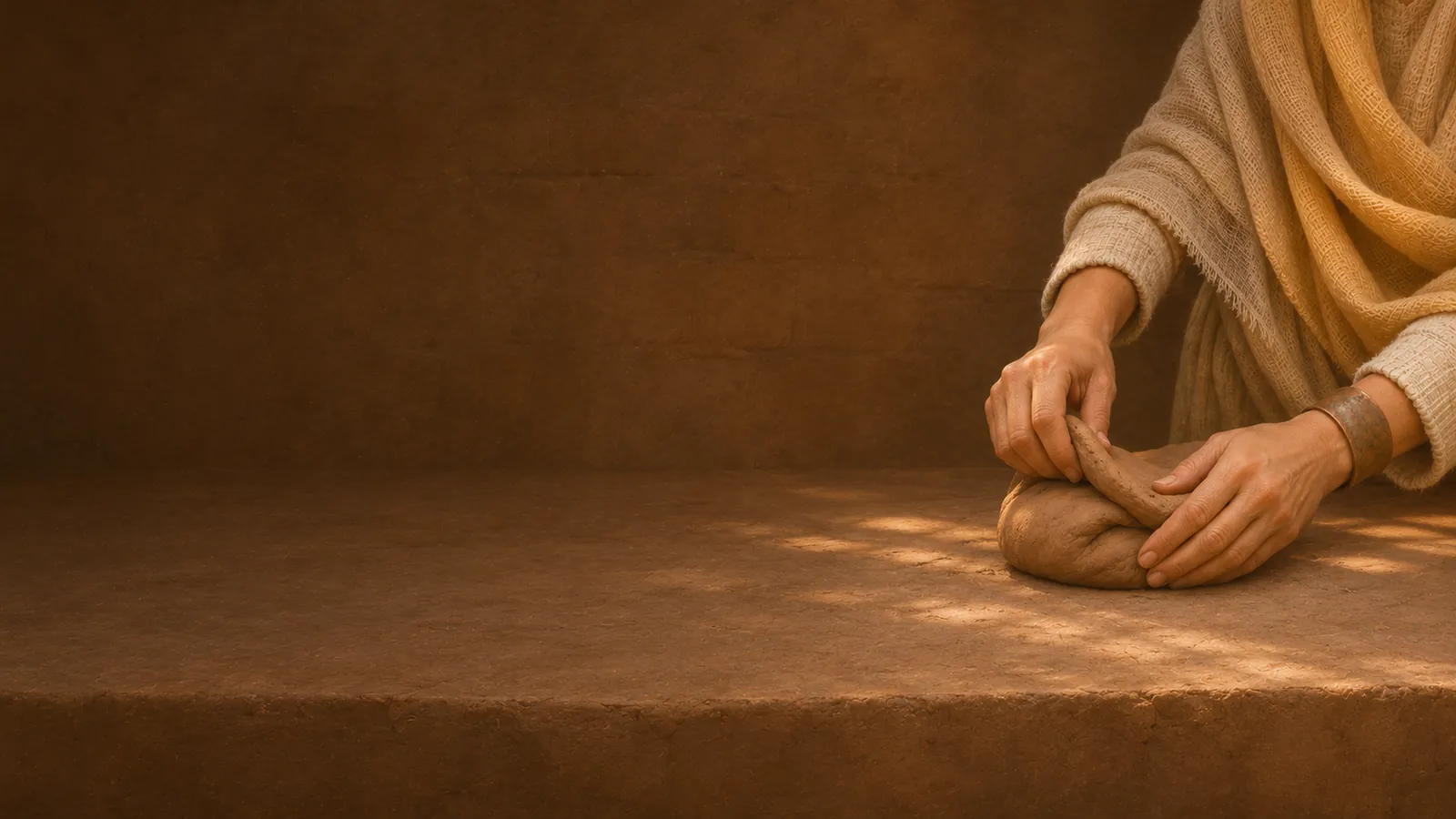
En la asamblea se dio muerte a uno de los dioses. Mami mezcló su carne y su sangre con arcilla, y el poema dice que su espíritu perduraría como un recuerdo entre los vivos.
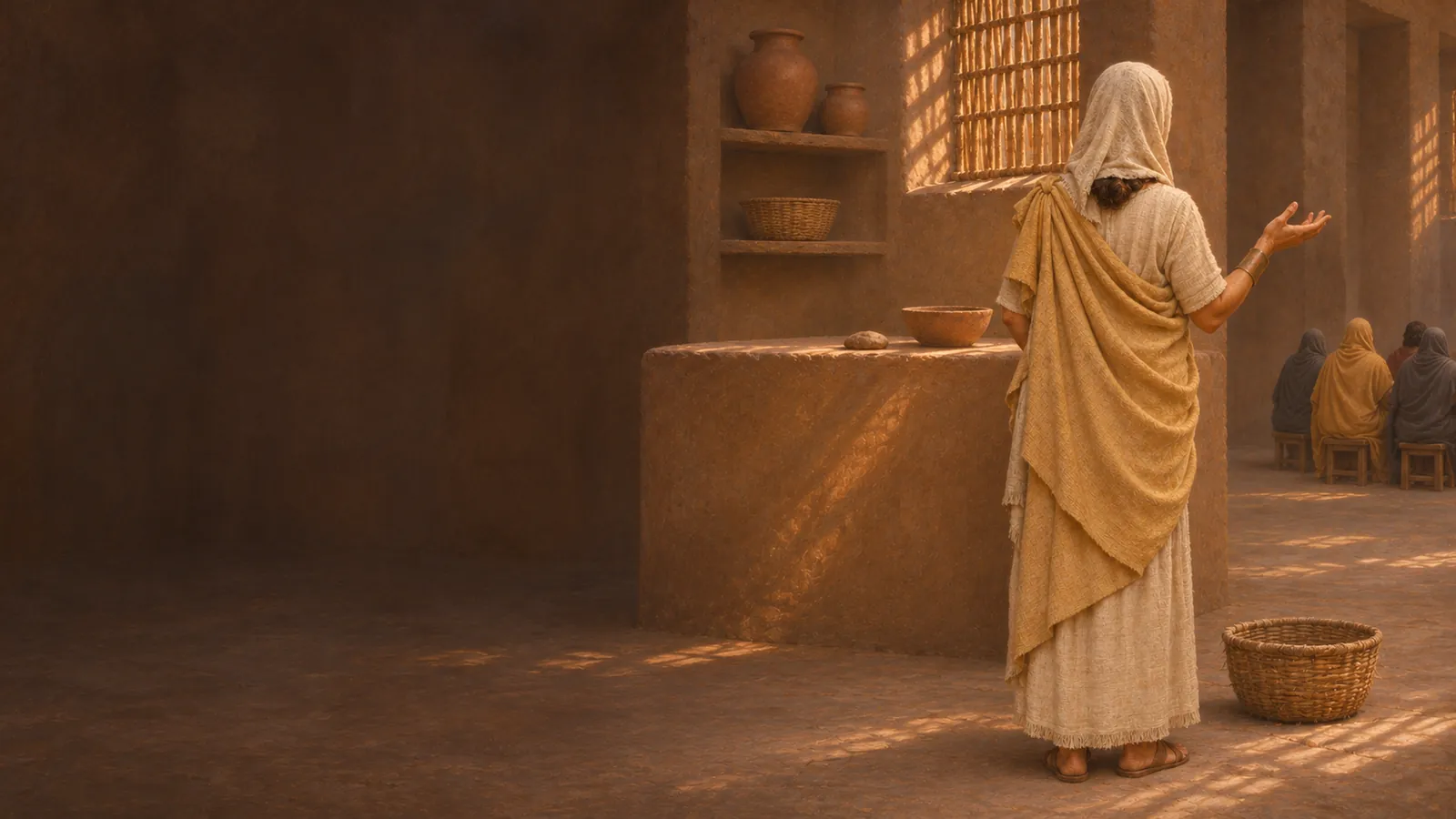
Cuando la arcilla estuvo preparada, Mami les dijo a los dioses que les había quitado el peso del trabajo. El cesto pasaría a la humanidad. Los dioses quedaban libres del yugo.
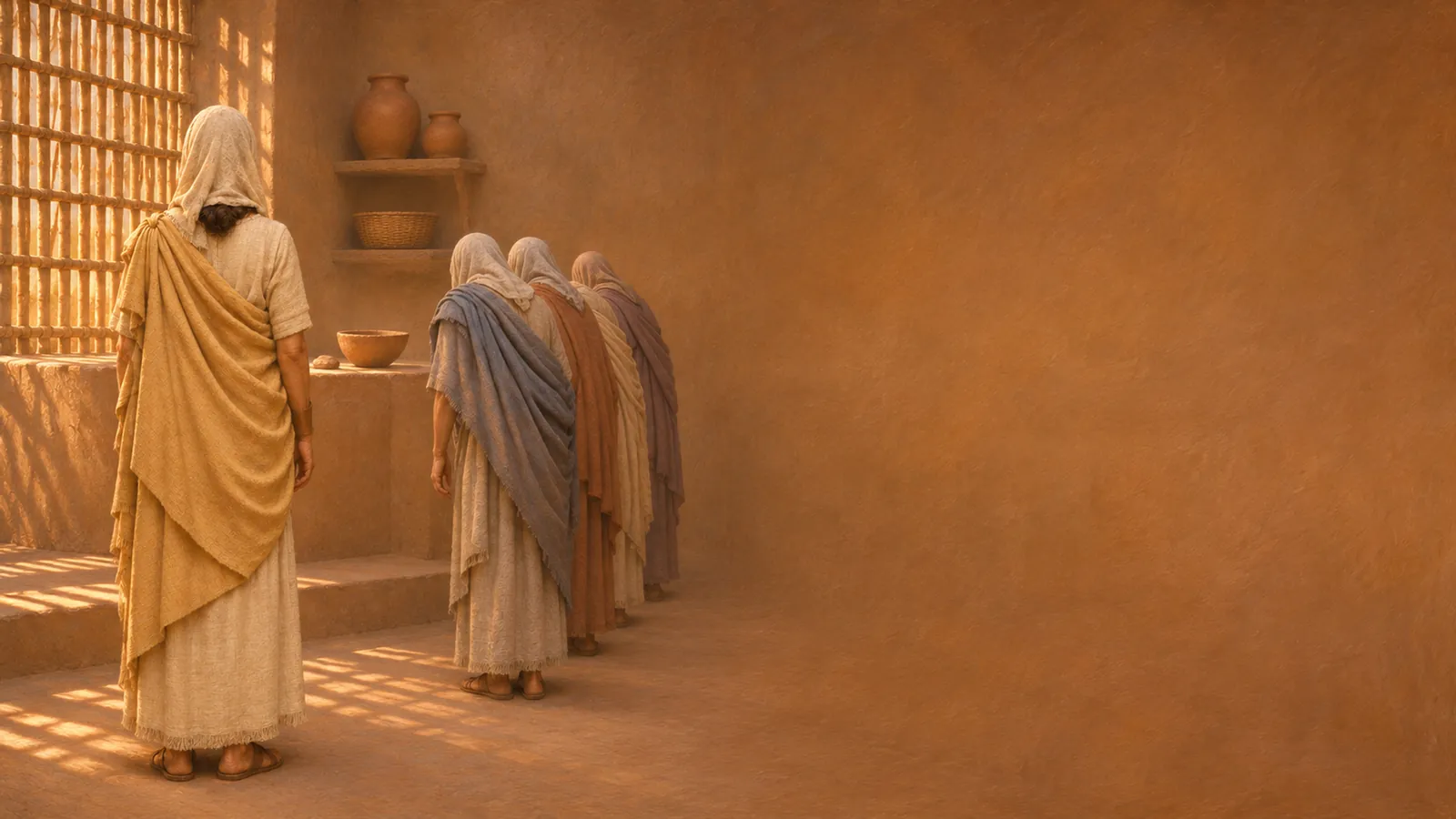
Los dioses se adelantaron para honrar a Mami. Hasta entonces, dijeron, la habían llamado Mami. Ahora la llamarían Señora de Todos los Dioses.
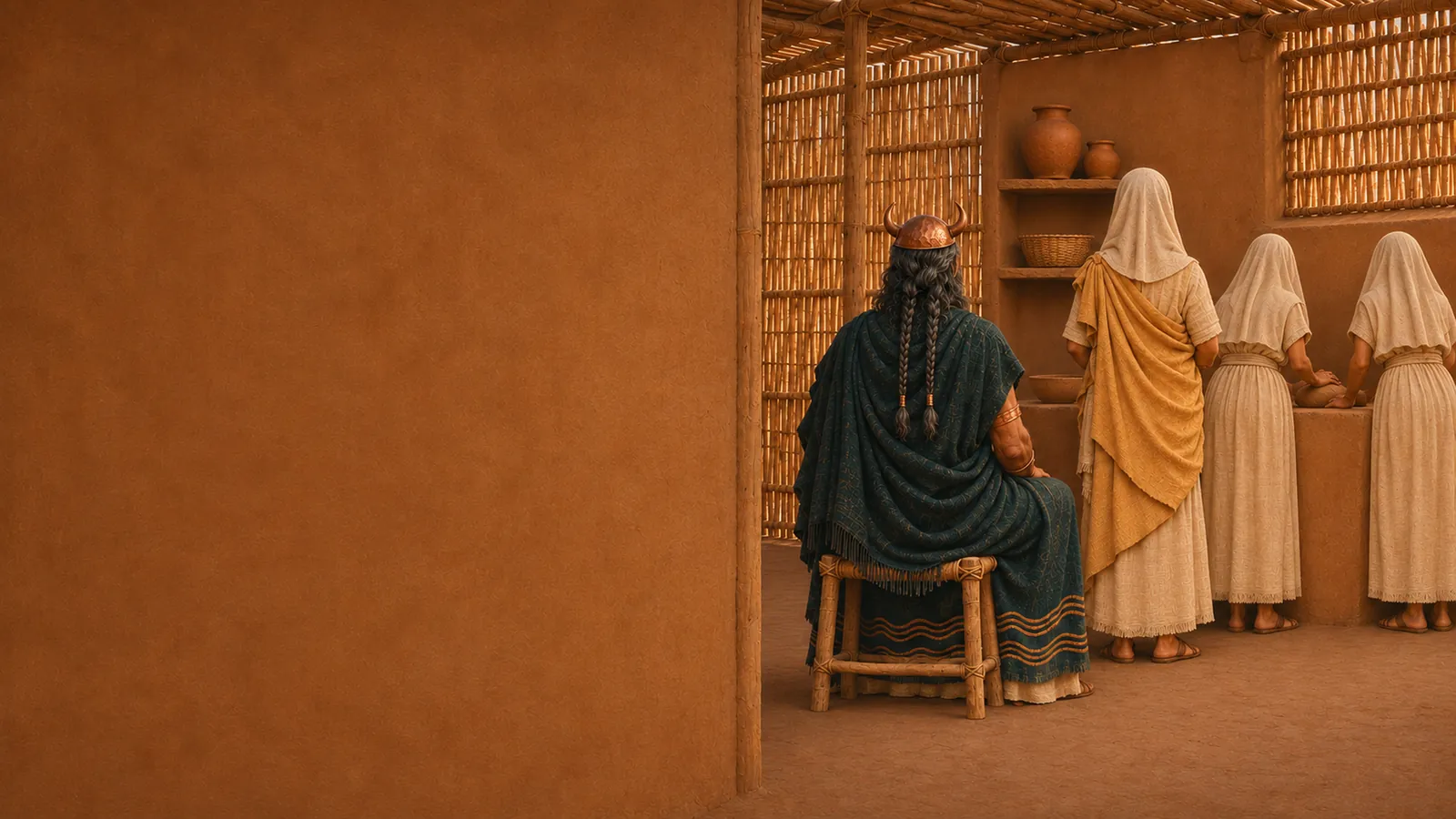
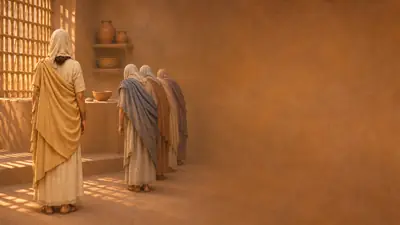
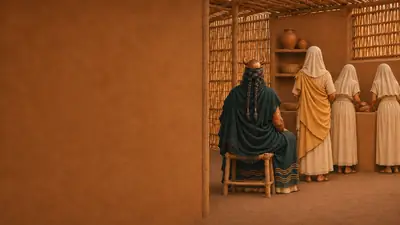
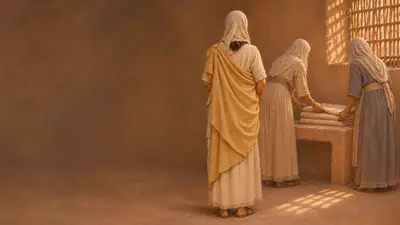
Enki entró con Mami en la Casa del Destino. Las parteras se reunieron allí para trabajar la arcilla. Con Enki sentado ante ella, Mami pronunció el conjuro sobre la arcilla.
SIETE Y SIETE
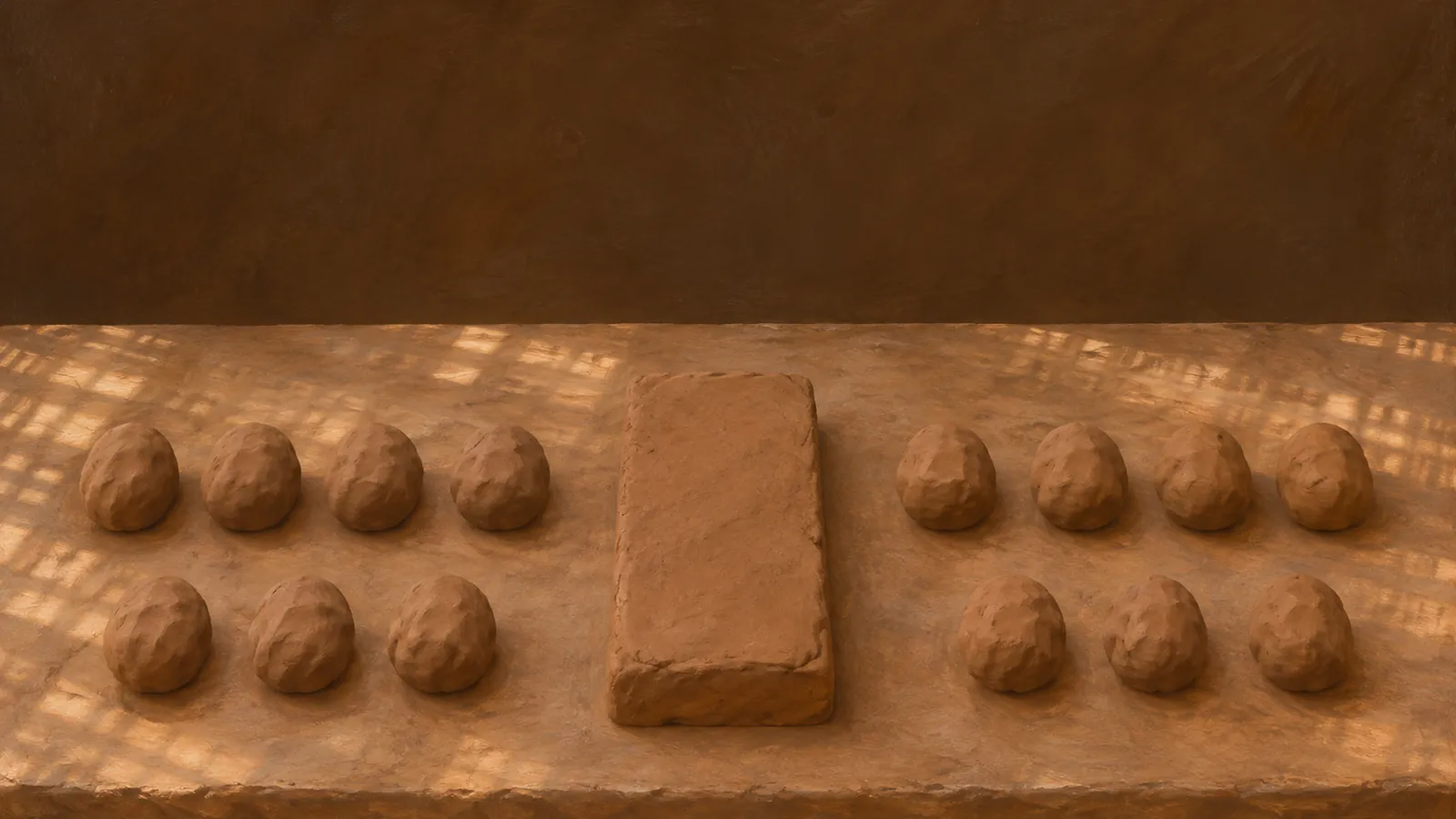
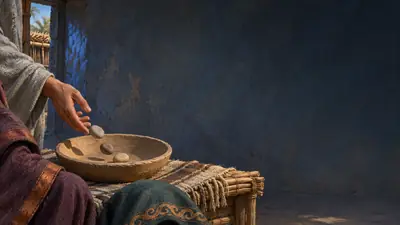
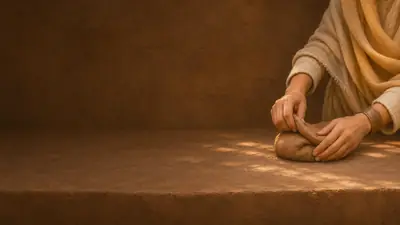
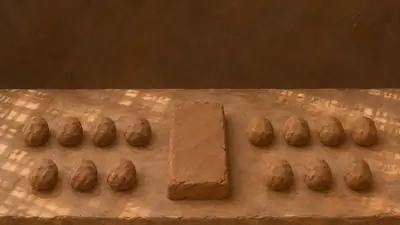
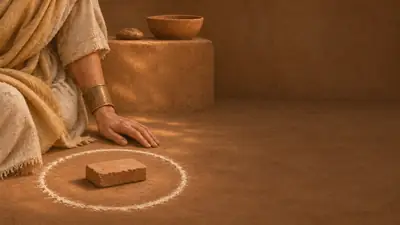
Mami separó con los dedos catorce trozos de arcilla. Puso siete a un lado y siete al otro, con un ladrillo en el espacio entre ambos.
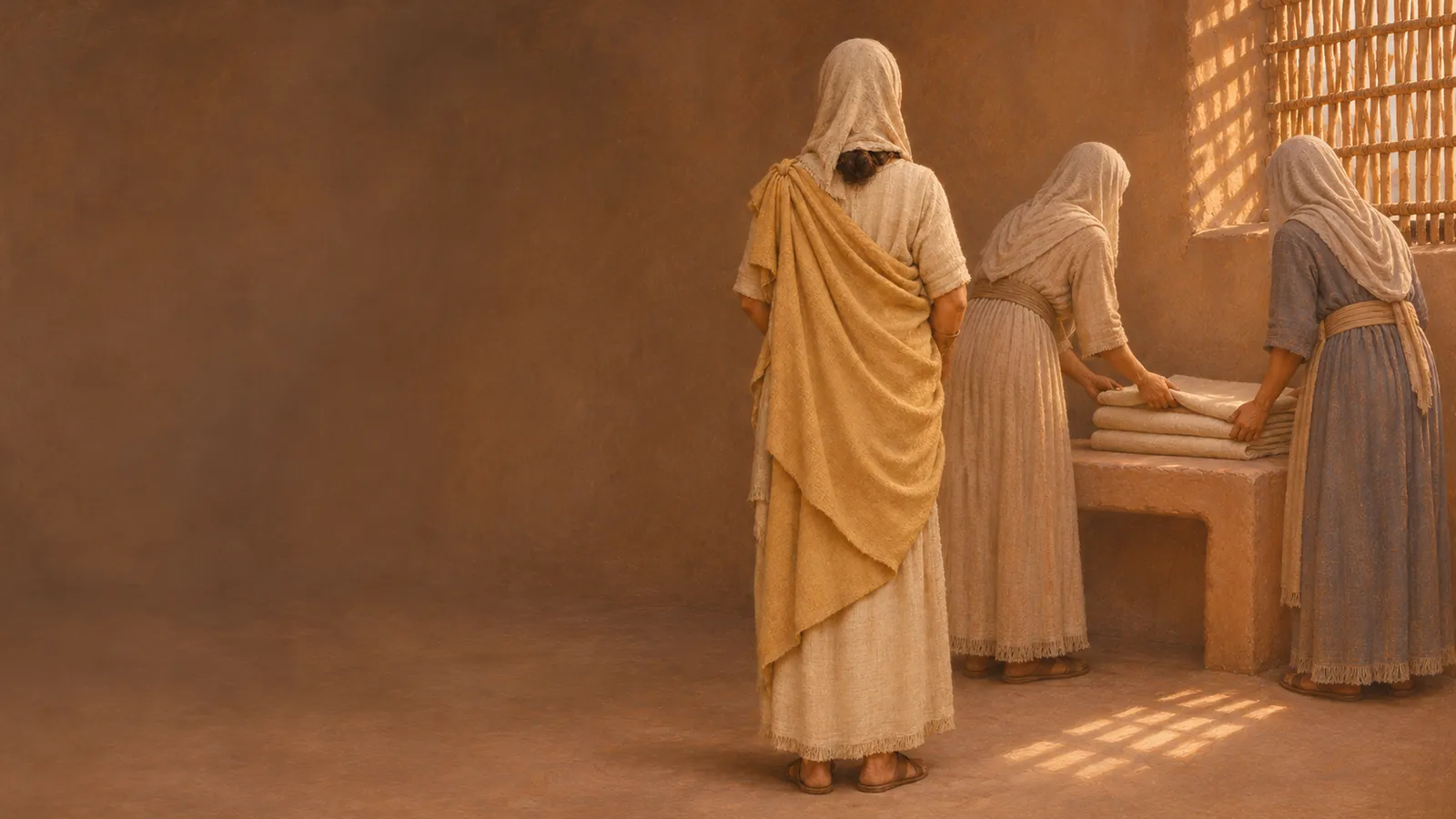
El poema recuerda a siete niños y siete niñas en el principio. Mami habló de lo que vendría después, cuando crecieran y empezaran a elegir con quién compartir la vida.
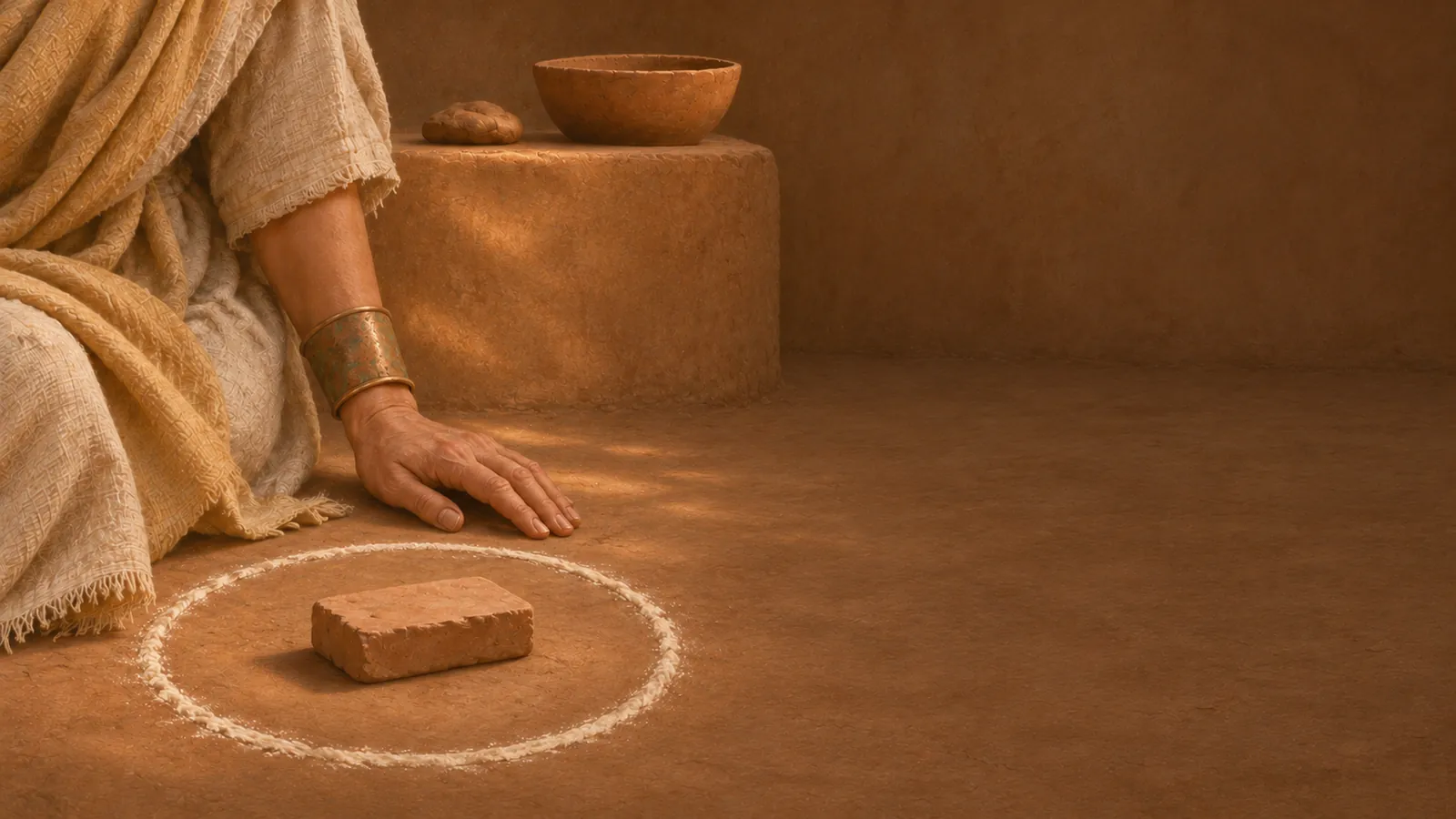
Cuando llegó el mes señalado, la comadrona cumplió su labor con alegría. Nintu dio su bendición, trazó un círculo con harina y colocó en él un ladrillo.
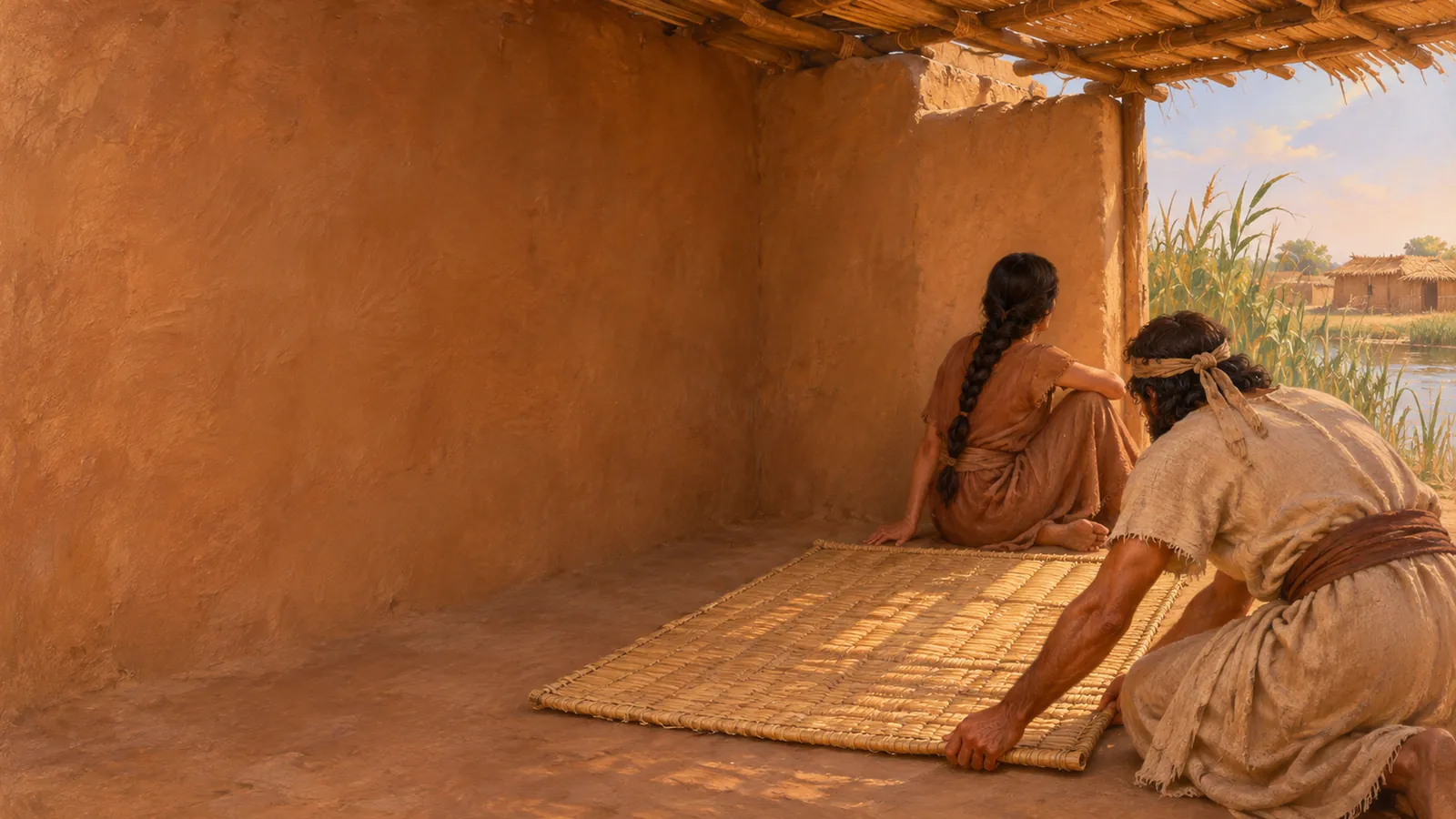
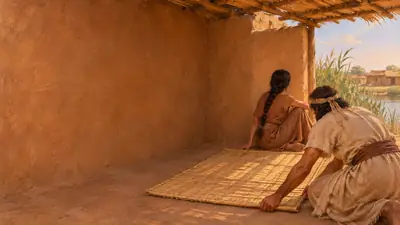
El fragmento conservado de la tablilla habla de una estera de juncos y de elegir pareja. Invita a celebrar cuando las personas comienzan su vida en común.
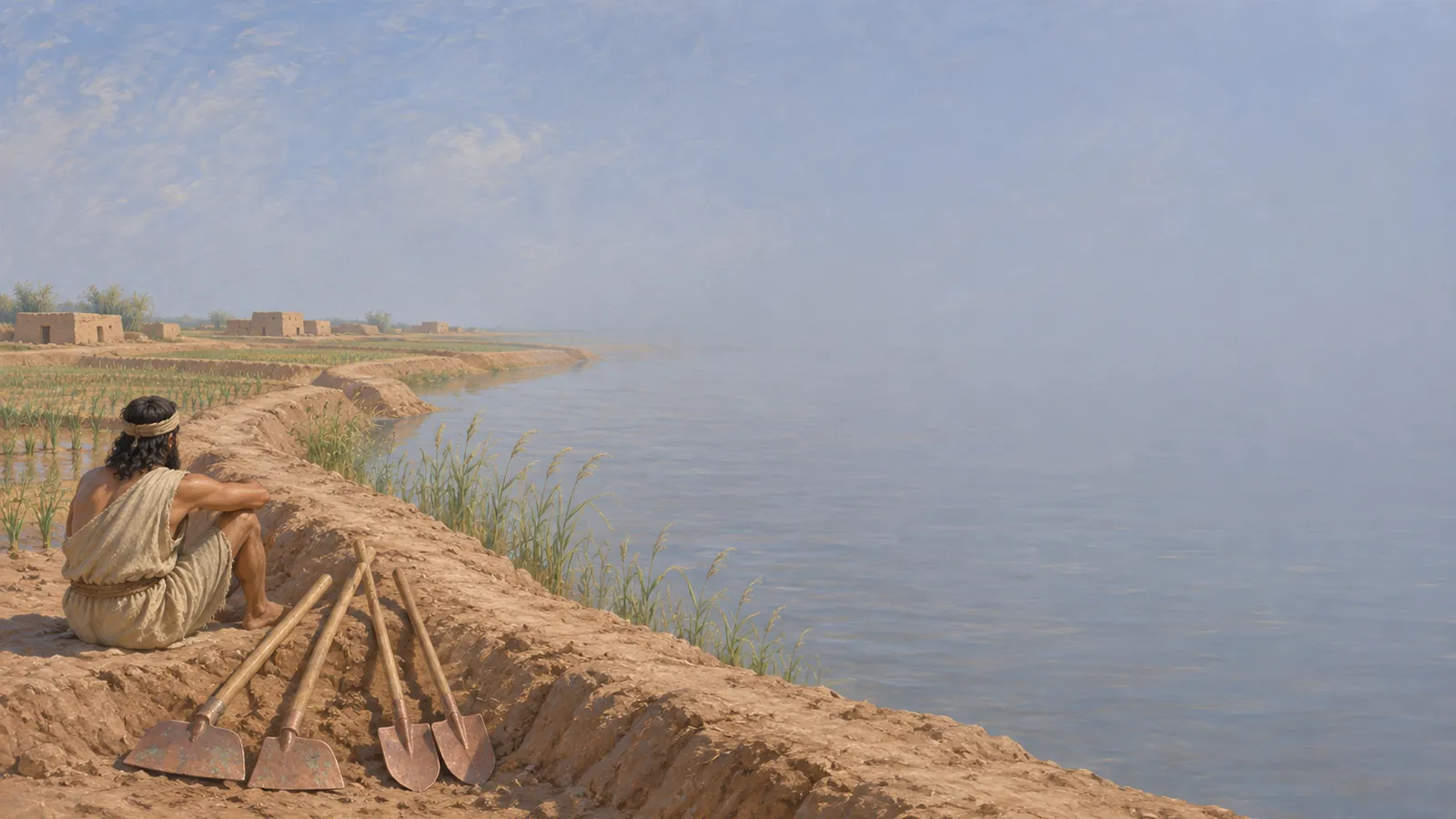
Aquí se ha perdido parte de la tablilla. Cuando las líneas vuelven a leerse, hay azadas y palas nuevas y grandes diques para el trabajo que dará de comer a la gente.
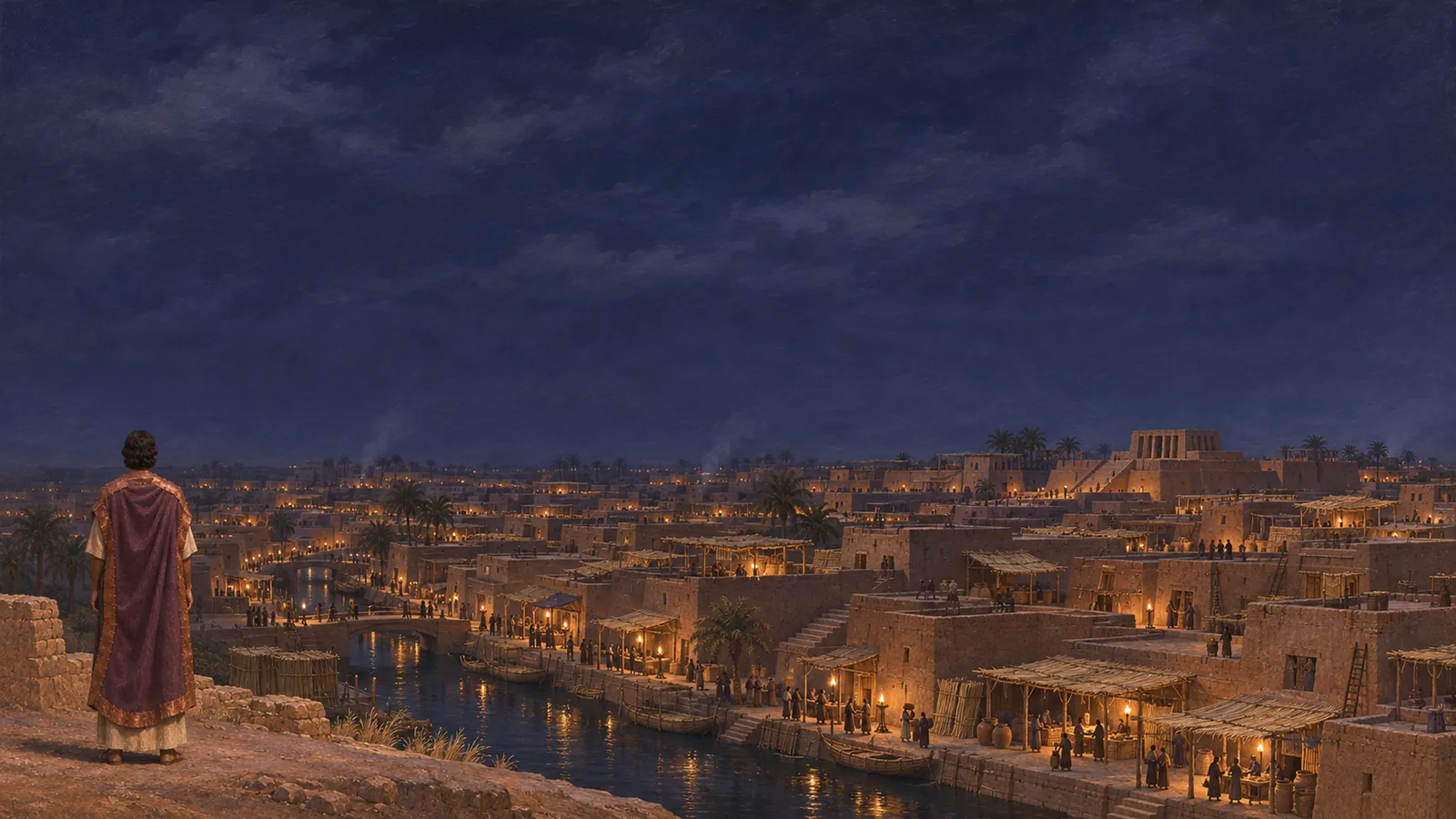
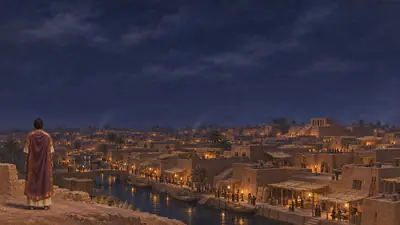
Con el tiempo, la tierra se llenó de gente. Su ruido se alzó como el bramido de un toro y, por la noche, no dejaba dormir a Enlil.
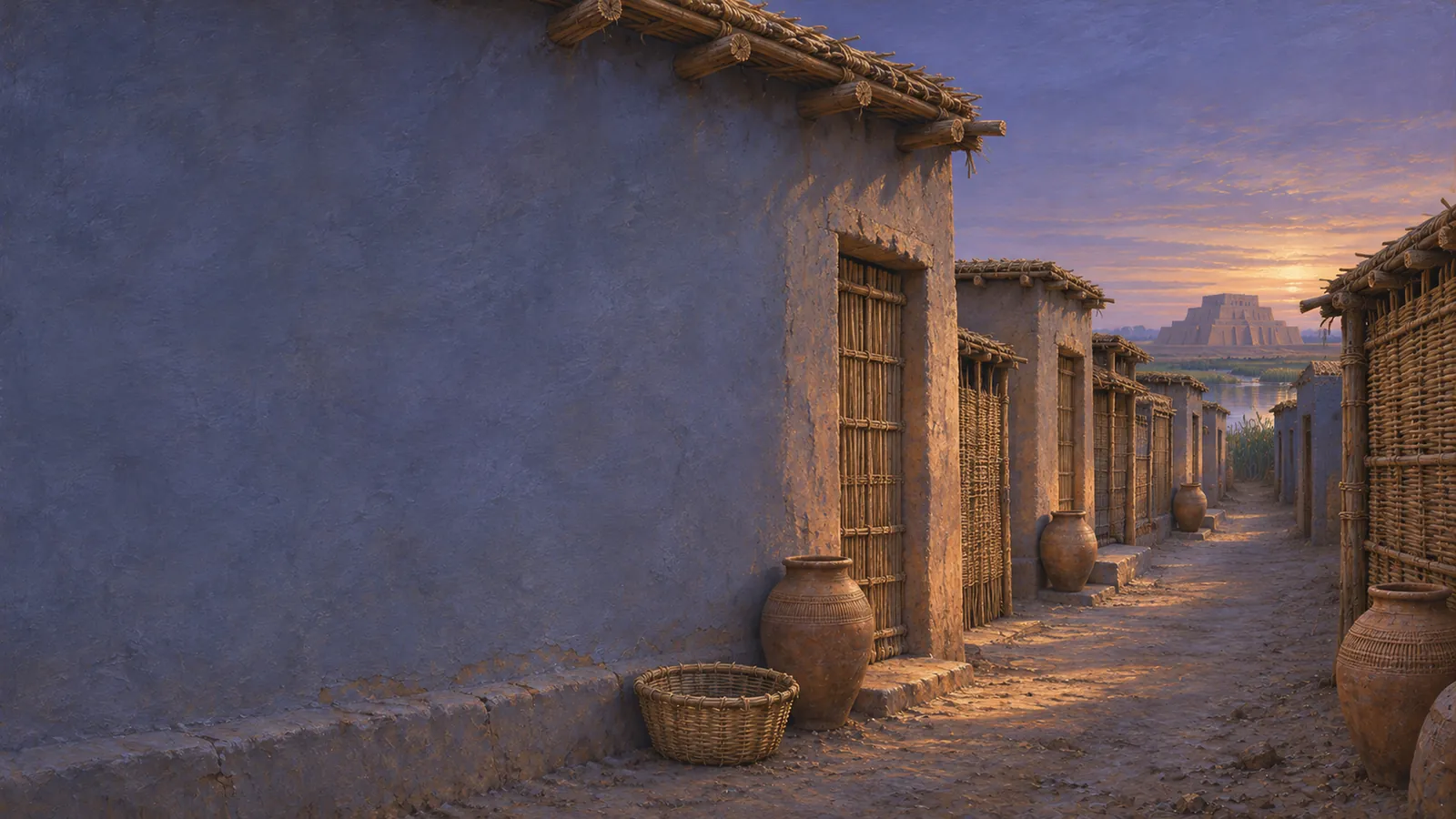
Enlil dijo a los dioses cuánto le atormentaba el ruido. Pidió a Namtar que enviara enfermedad y escalofríos por toda la tierra hasta que el estruendo se apagara.
ATRAHASIS
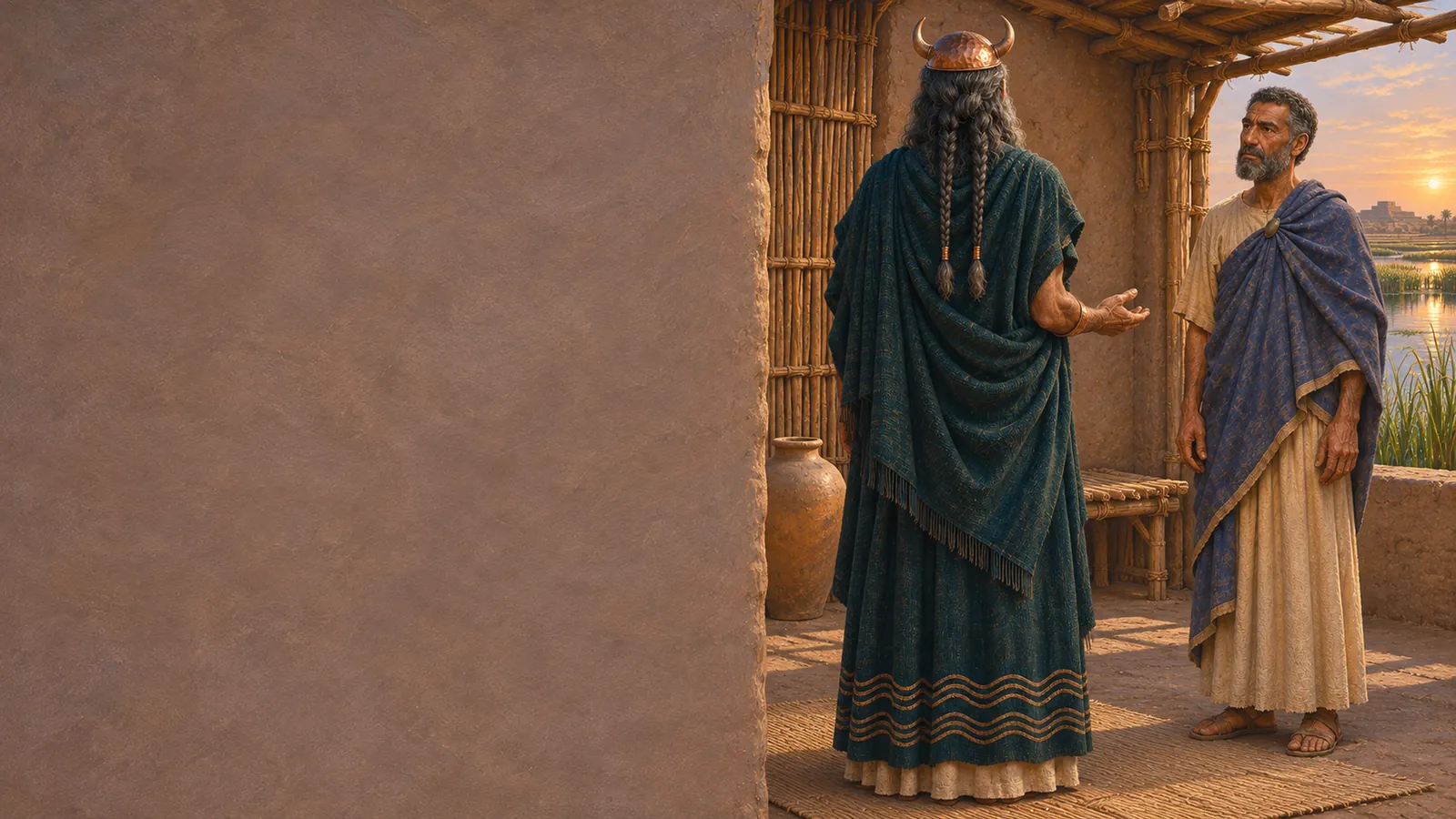
Había un hombre llamado Atrahasis que hablaba con Enki, y Enki le respondía. Aquel hombre llevó ahora a su dios la voz de un país que gemía de enfermedad.
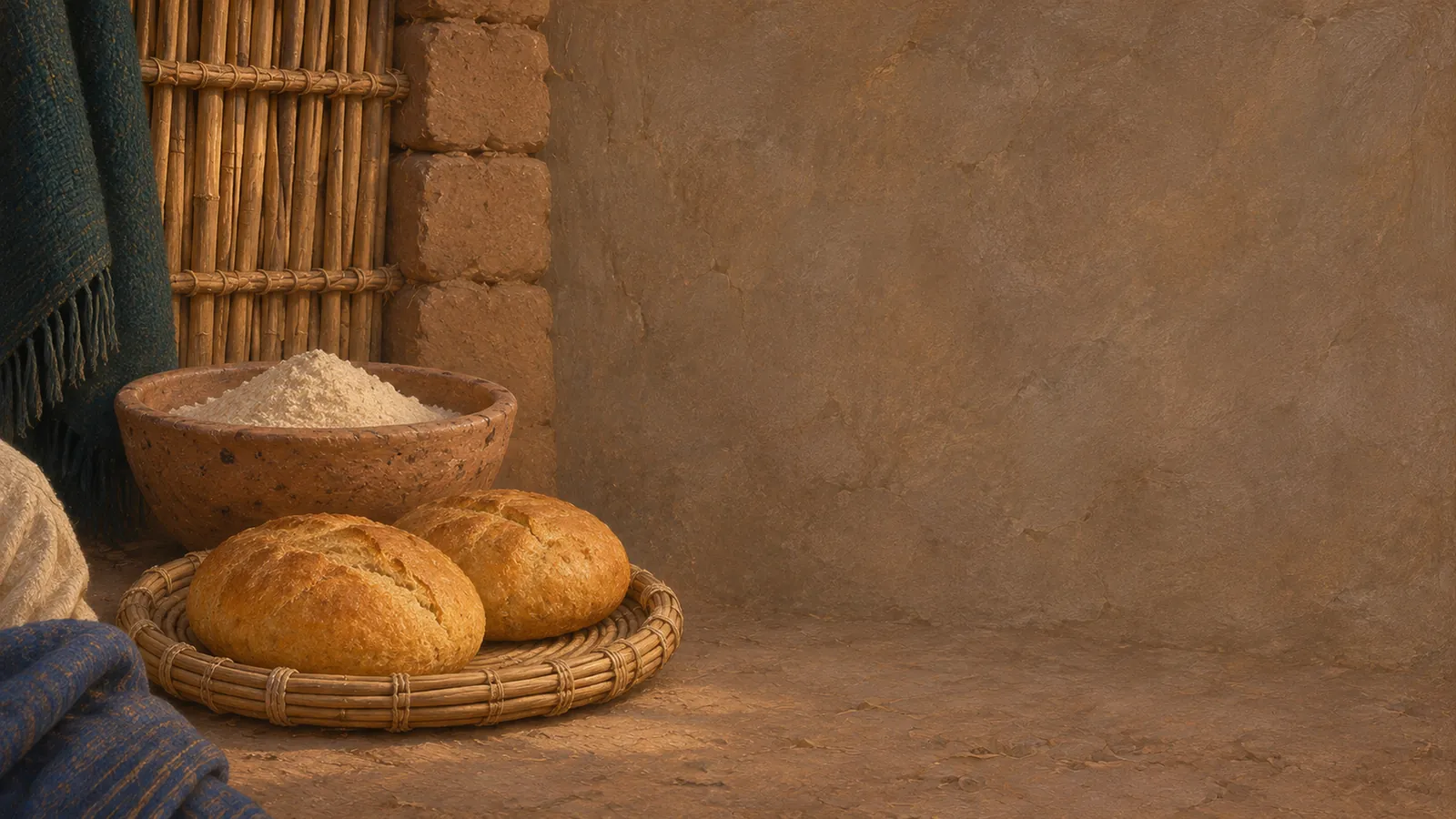
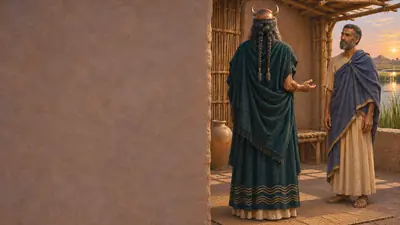
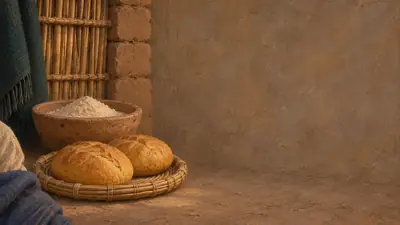
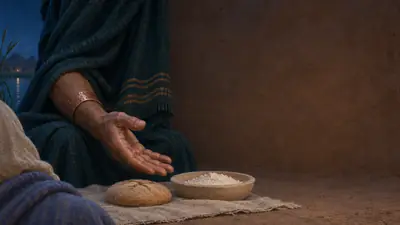
Enki le dijo a Atrahasis qué hacer. Debía reunir a los ancianos y hacer que enviaran a la gente ante Namtar con pan cocido y una ofrenda de harina.
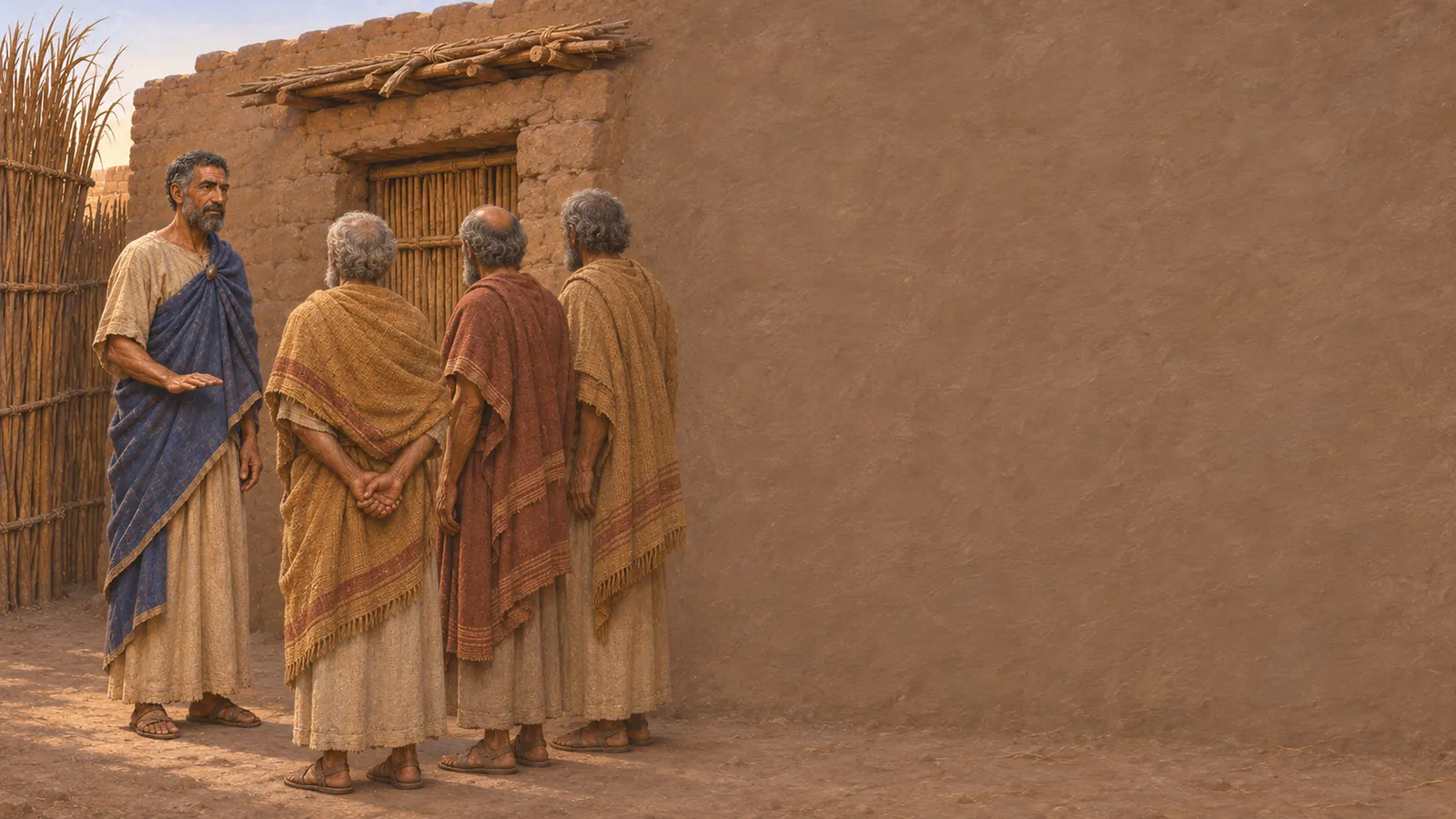
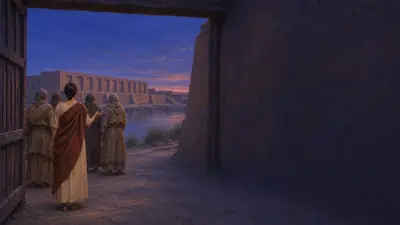
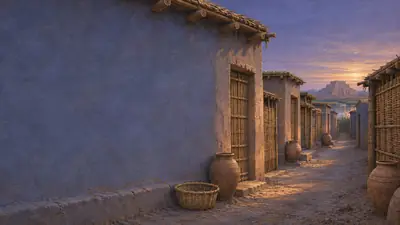
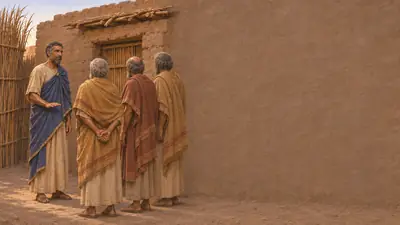
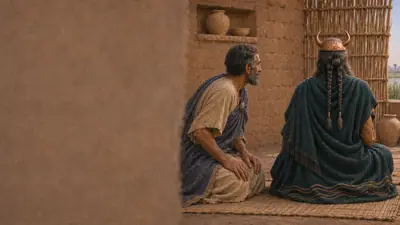
Atrahasis reunió a los ancianos en su propia puerta. Les transmitió las palabras de Enki para que los pregoneros llevaran su consejo por toda la ciudad.
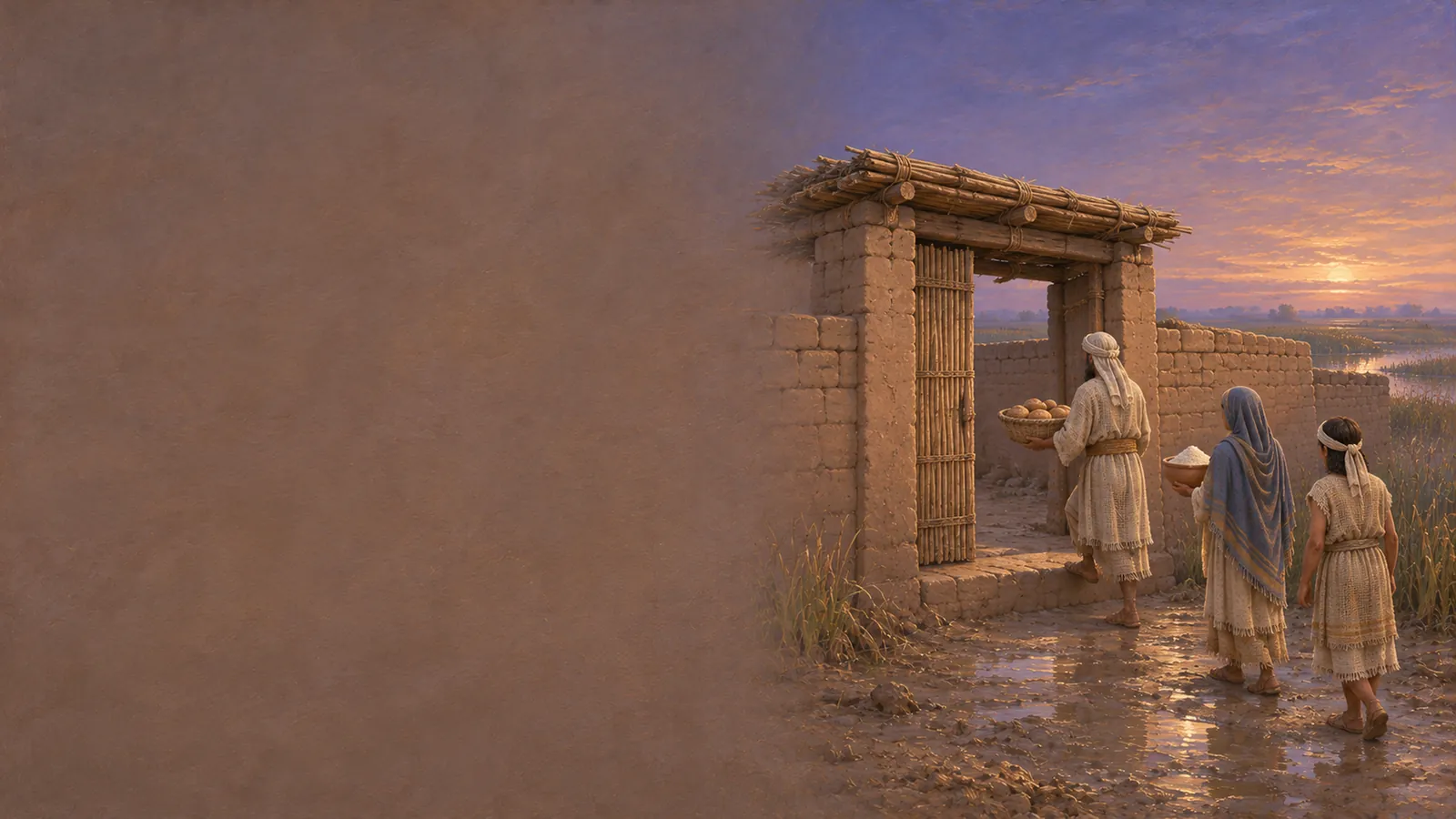
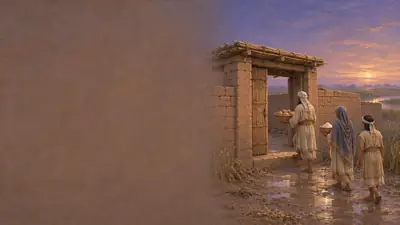
Los ancianos escucharon y la ciudad levantó un templo a Namtar. Salieron los pregoneros y la gente llevó a su puerta sus panes y su harina.
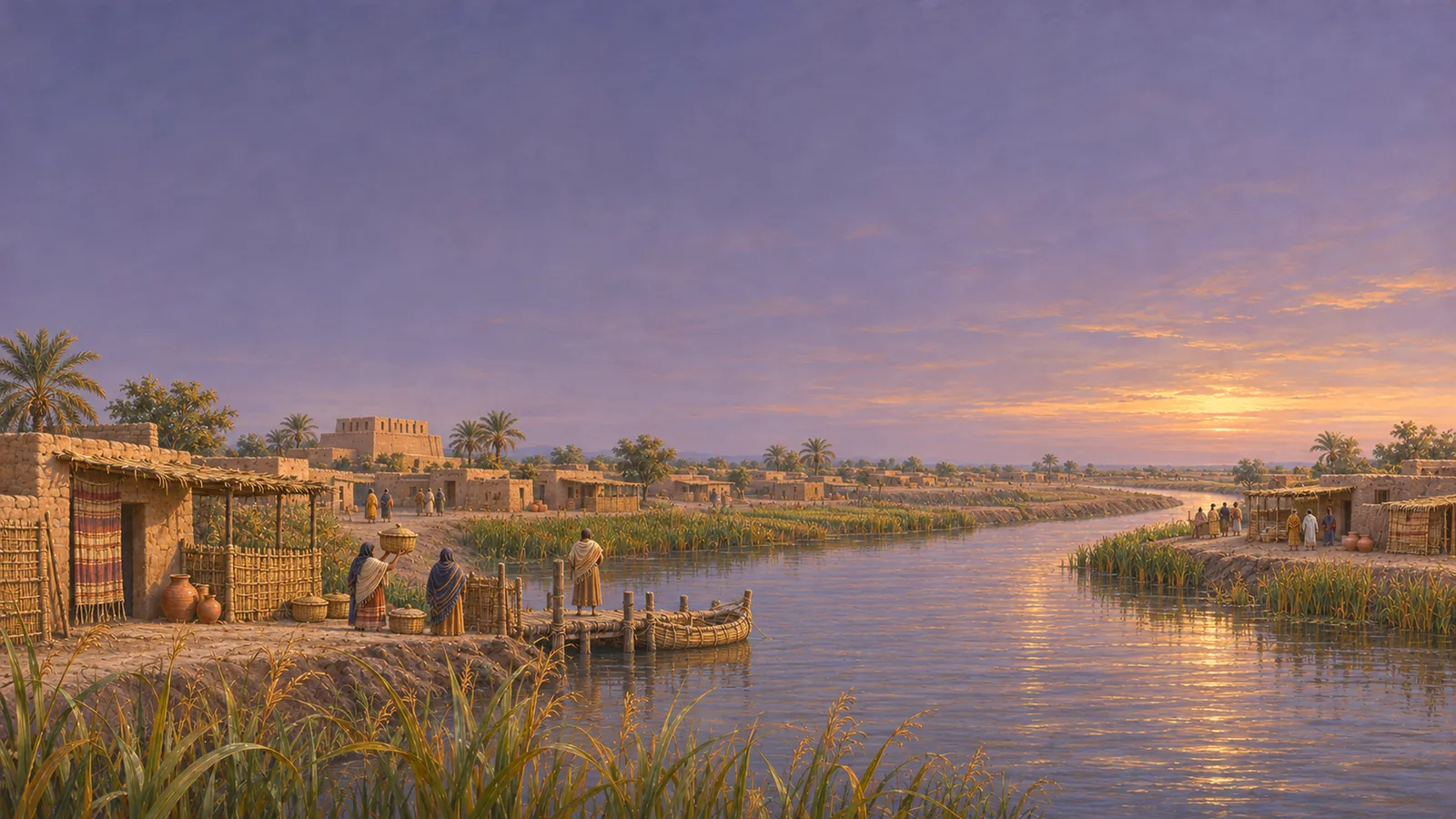
Namtar aceptó la ofrenda y dejó a la gente. Regresaron los días de salud, nacieron niños y pronto volvieron a alzarse sus voces de antes.
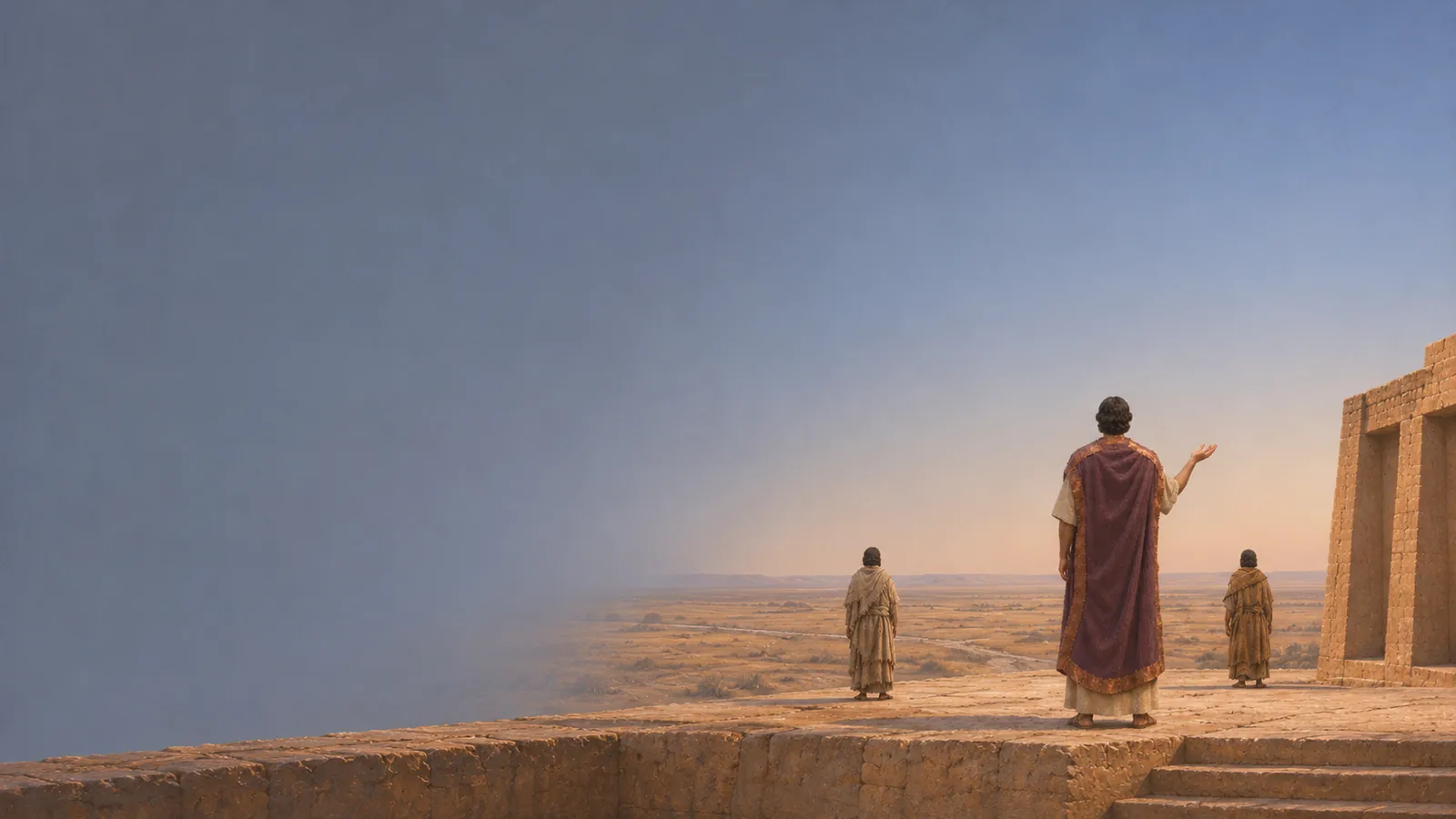
SEQUÍA
Las voces volvieron a alzarse hasta alcanzar a Enlil. Ordenó que se cortara el sustento de la tierra, que Adad retuviera la lluvia y que el suelo se secara.
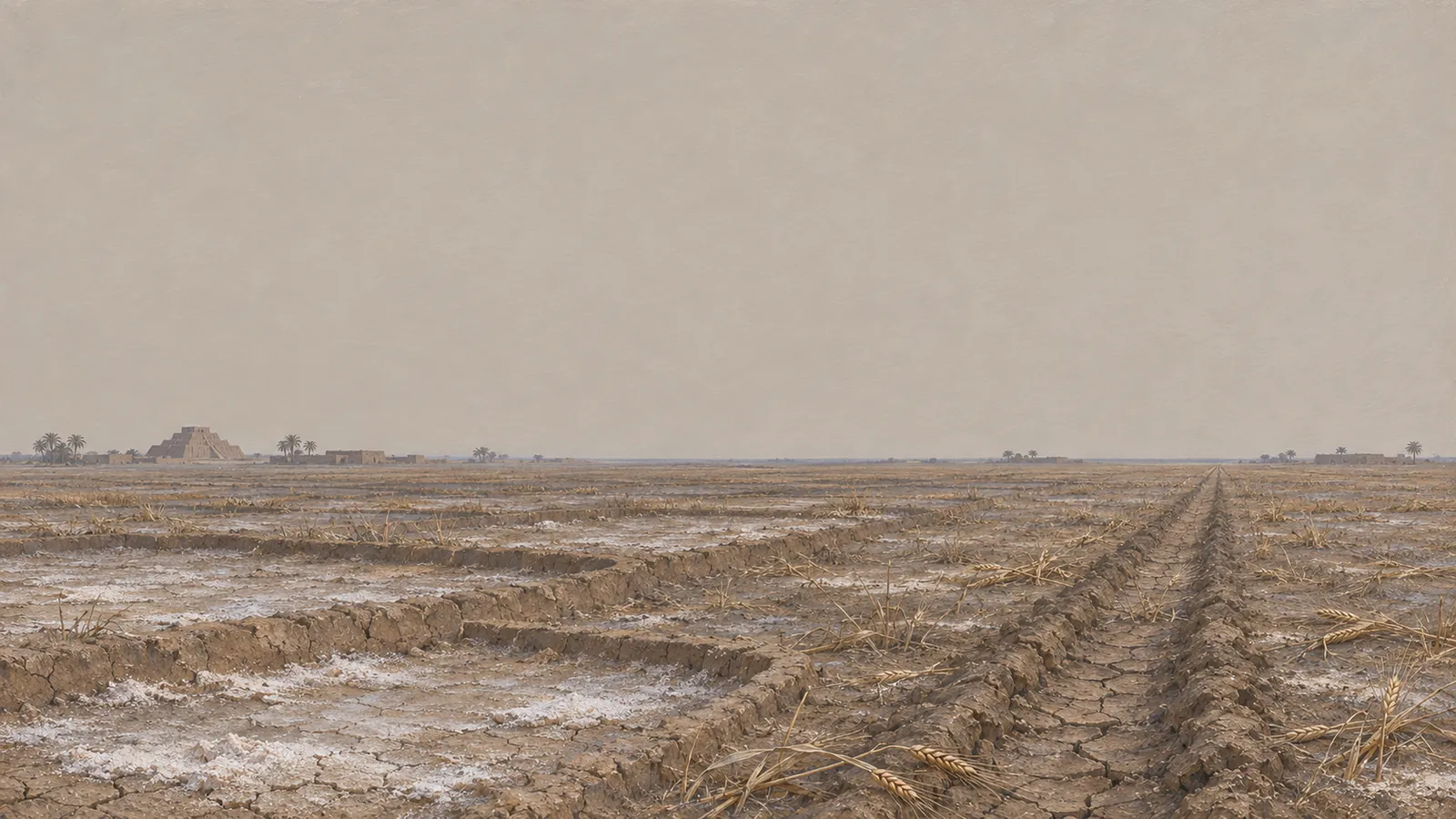
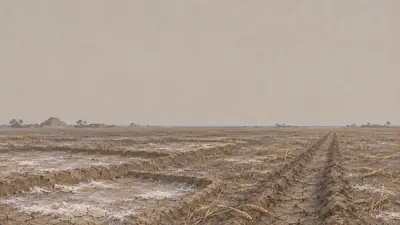
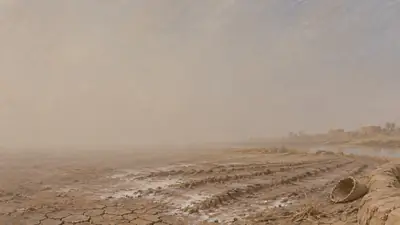
Las nubes no trajeron alivio. El cereal se malogró y la tierra oscura se volvió blanca de sal. La tierra apenas podía alimentar a quienes vivían en ella.
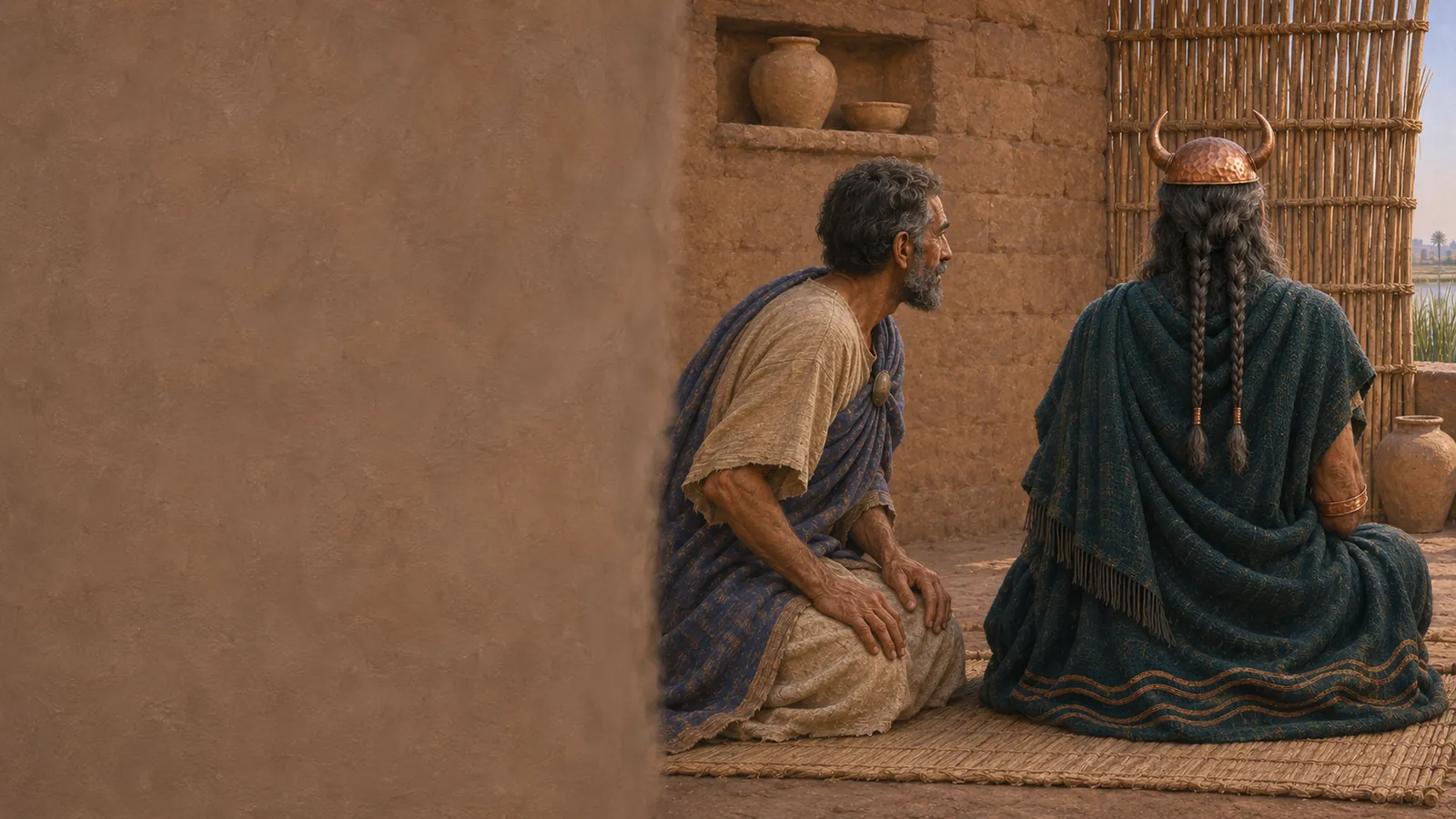
Atrahasis vio lo que había hecho el hambre y volvió a hablar con Enki. Se ha perdido buena parte de lo que dijo, pero las siguientes líneas legibles nos dan la respuesta de Enki.
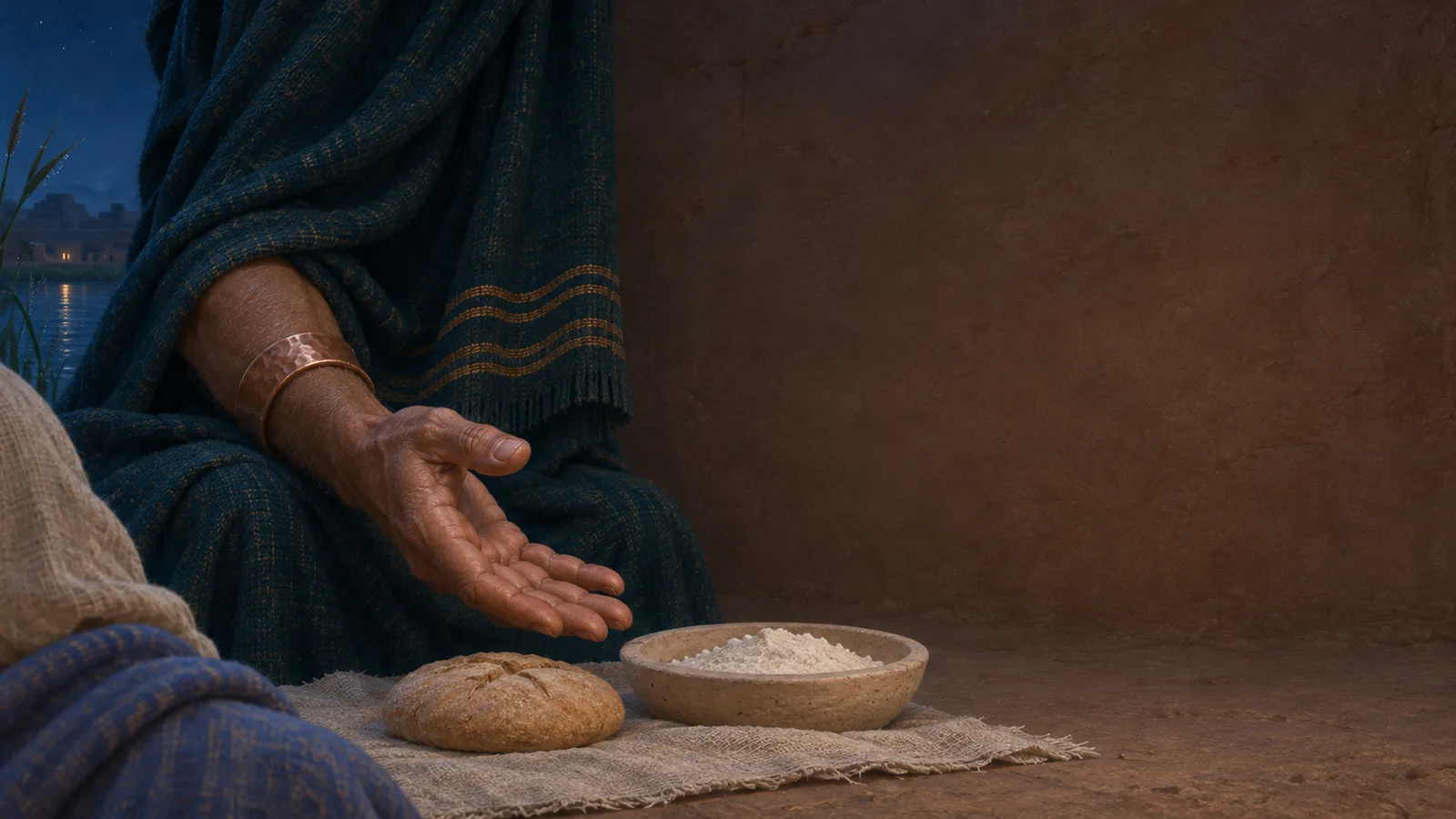
Enki dijo a Atrahasis que enviara a la gente a la puerta de Adad con pan y harina. Aunque se retuviera la lluvia, un poco de rocío nocturno ayudaría a los campos a brotar de nuevo.
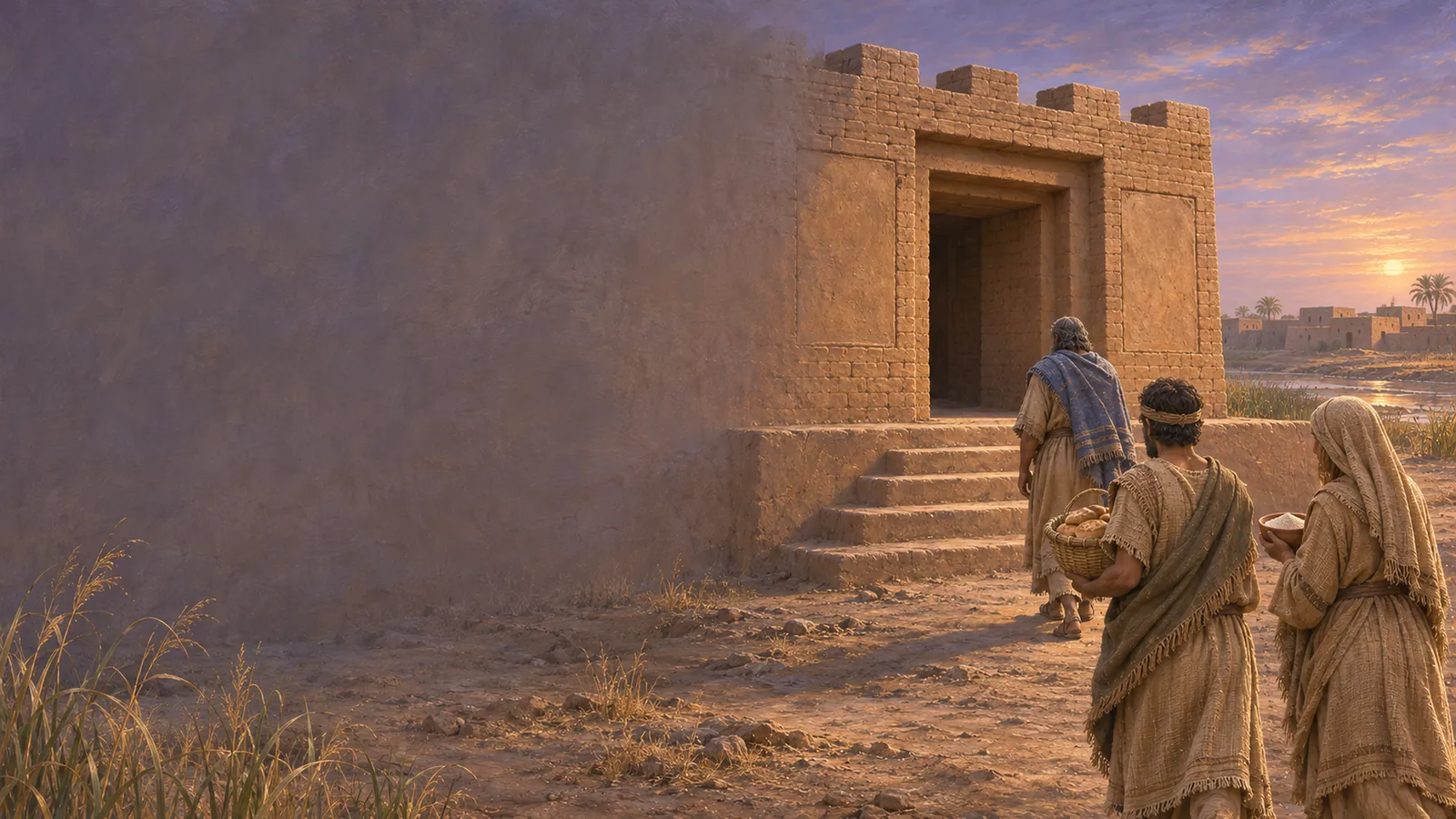
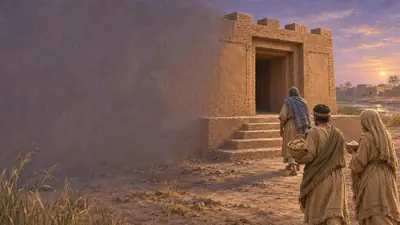
Atrahasis reunió a los ancianos y les dio el consejo de Enki. Los pregoneros lo llevaron por la ciudad y la gente llevó sus panes y su harina al nuevo templo de Adad.
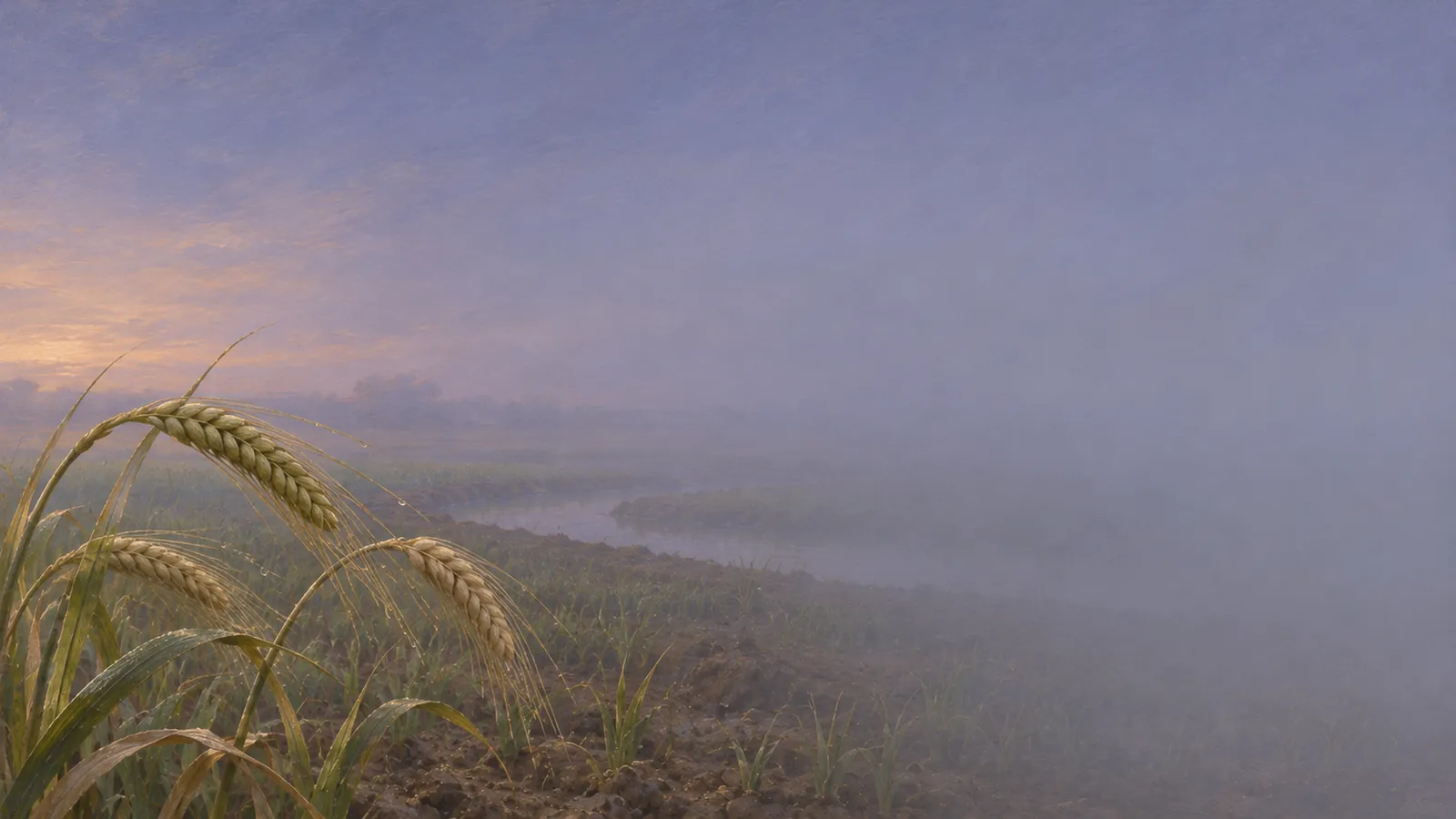
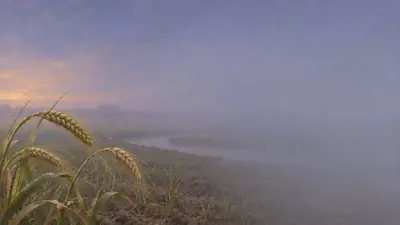
La mañana traía niebla y, de noche, caía rocío en los campos. La tierra volvió a dar cosechas. La gente se recuperó y Enlil pronto volvió a oír alzarse sus voces de antes.
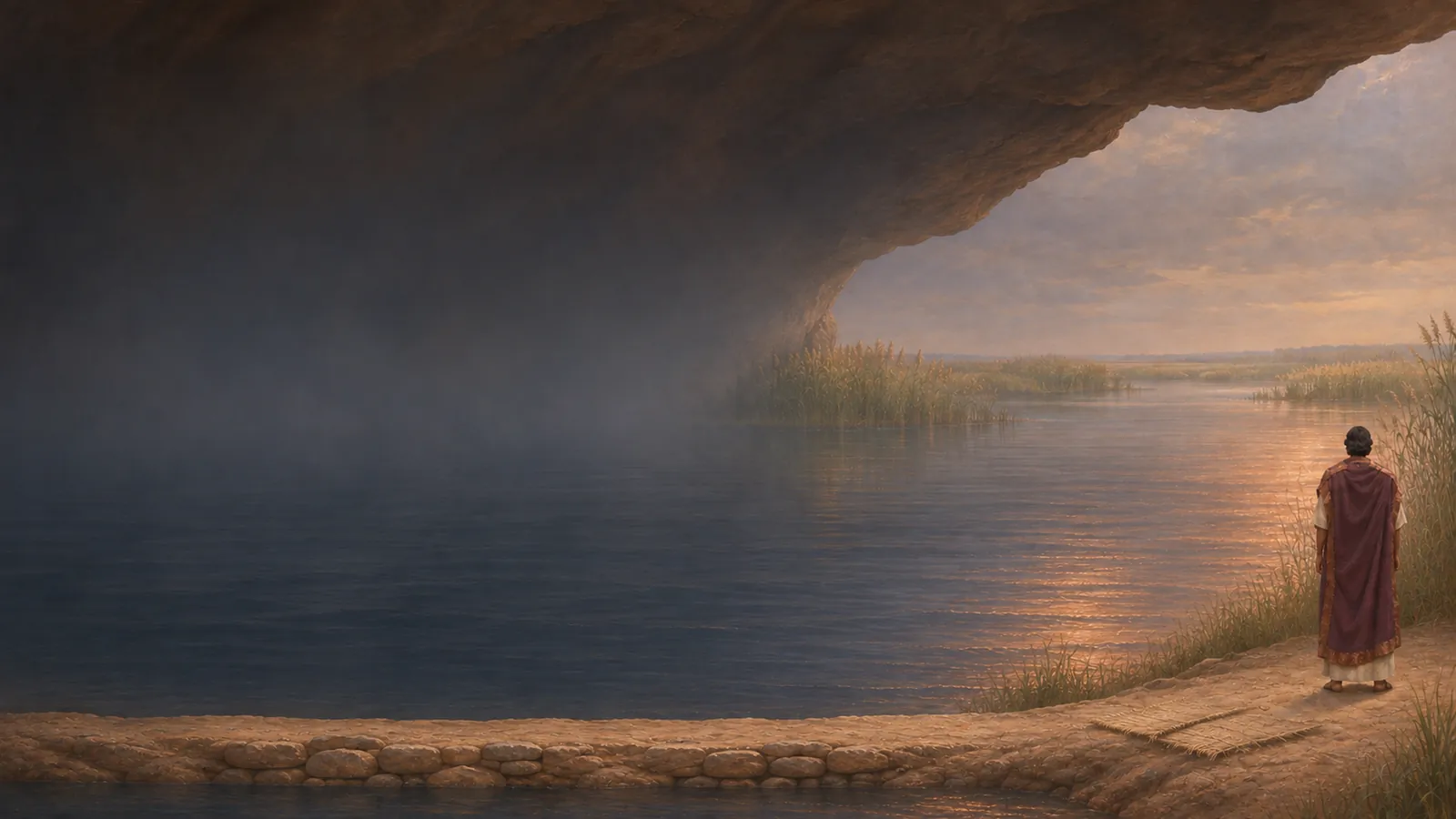
Esta vez Enlil quiso poner guardias en todo el mundo. Asignó vigilantes a las alturas y a la tierra, y encargó a Enki y a sus compañeros la barrera que retenía el mar.
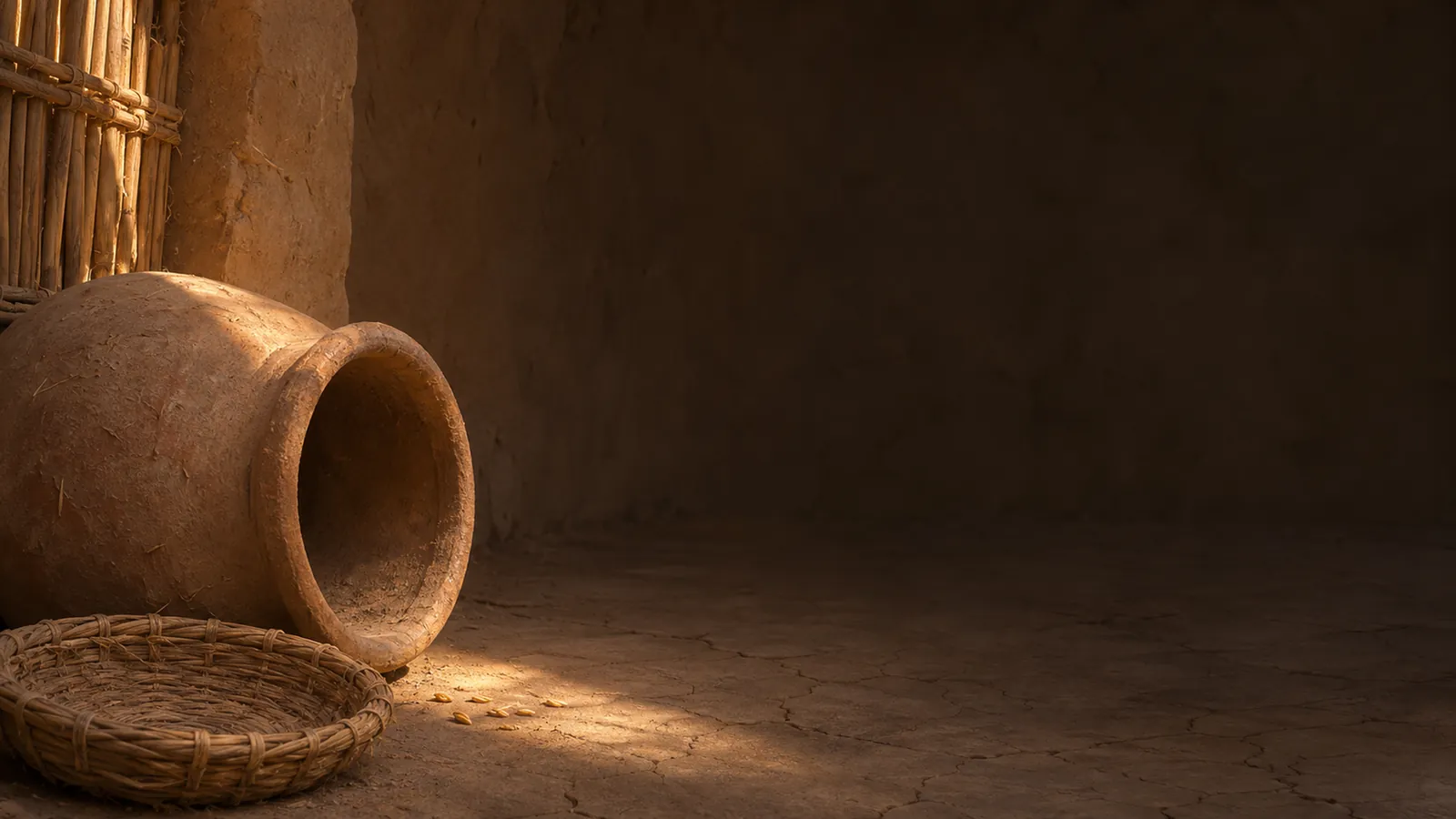
Las cosechas vuelven a perderse y el poema cuenta los años de hambre. En un pasaje dañado, se sirve a una hija como alimento y las personas se comen unas a otras.
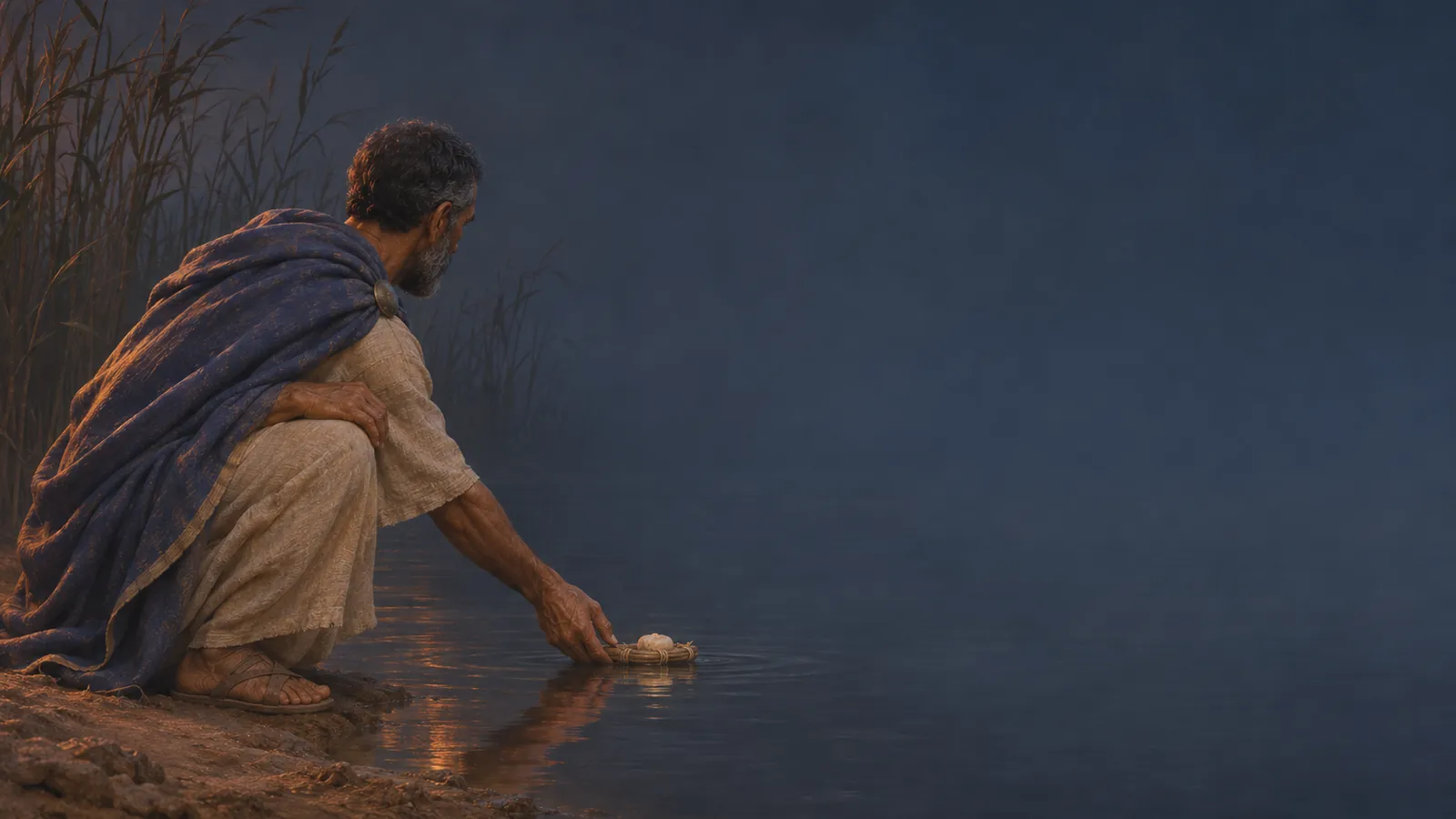
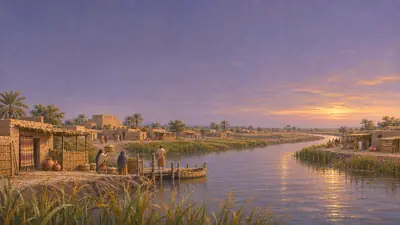
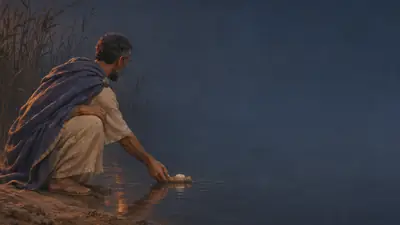
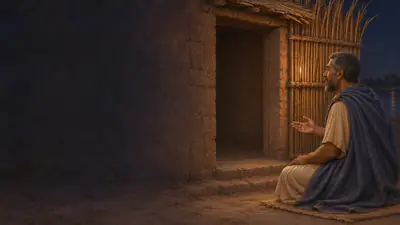
Atrahasis lloró y pidió a Enki que le respondiera en un sueño. De noche hizo una ofrenda junto al río y pidió al agua que llevara su don hasta su dios.
ABISMO
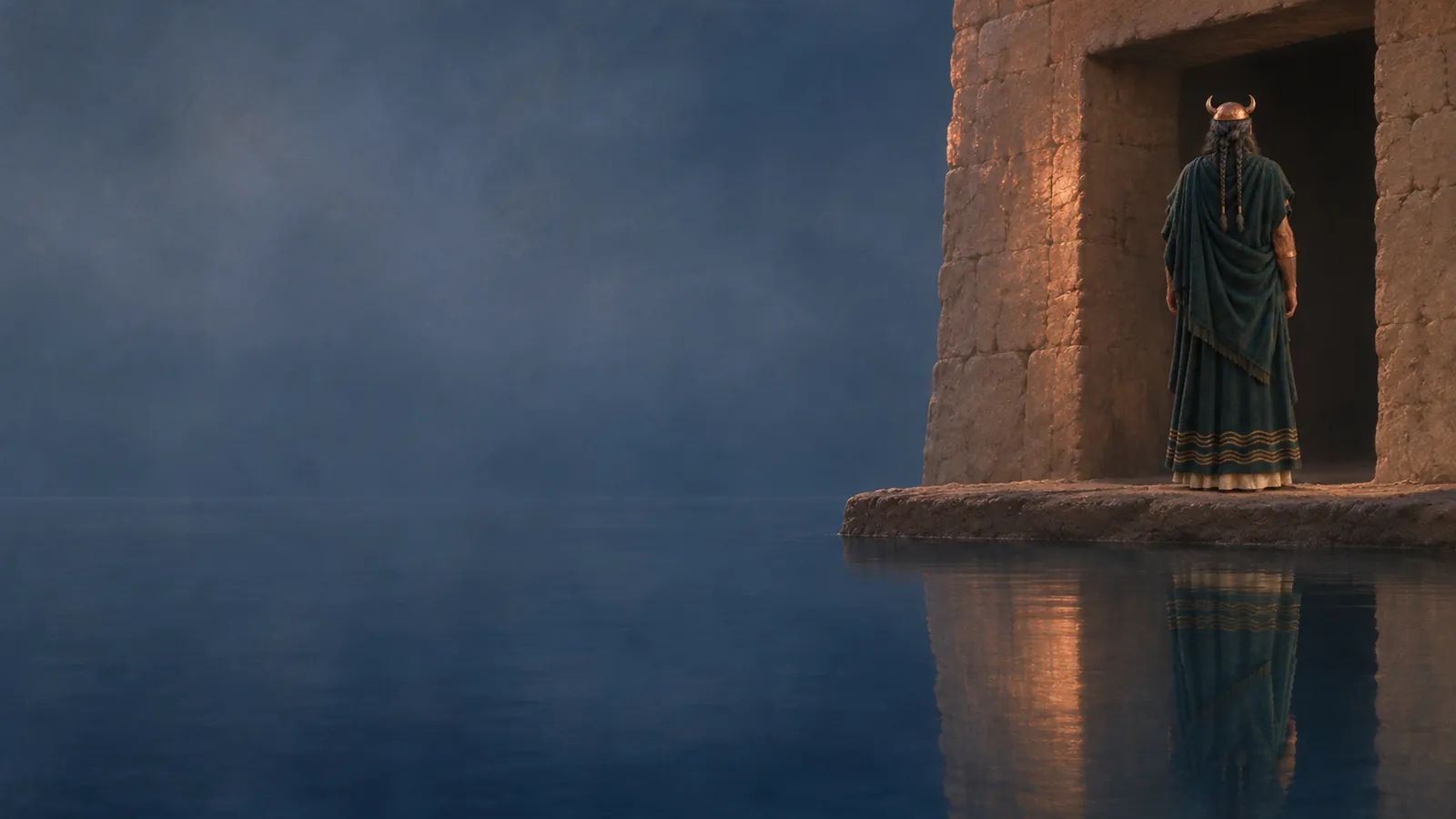
El poema dice que la voz del hombre bajó hasta el Apsu y que Enki la oyó allí. Envió mensajeros a preguntar cómo le iba a la tierra.
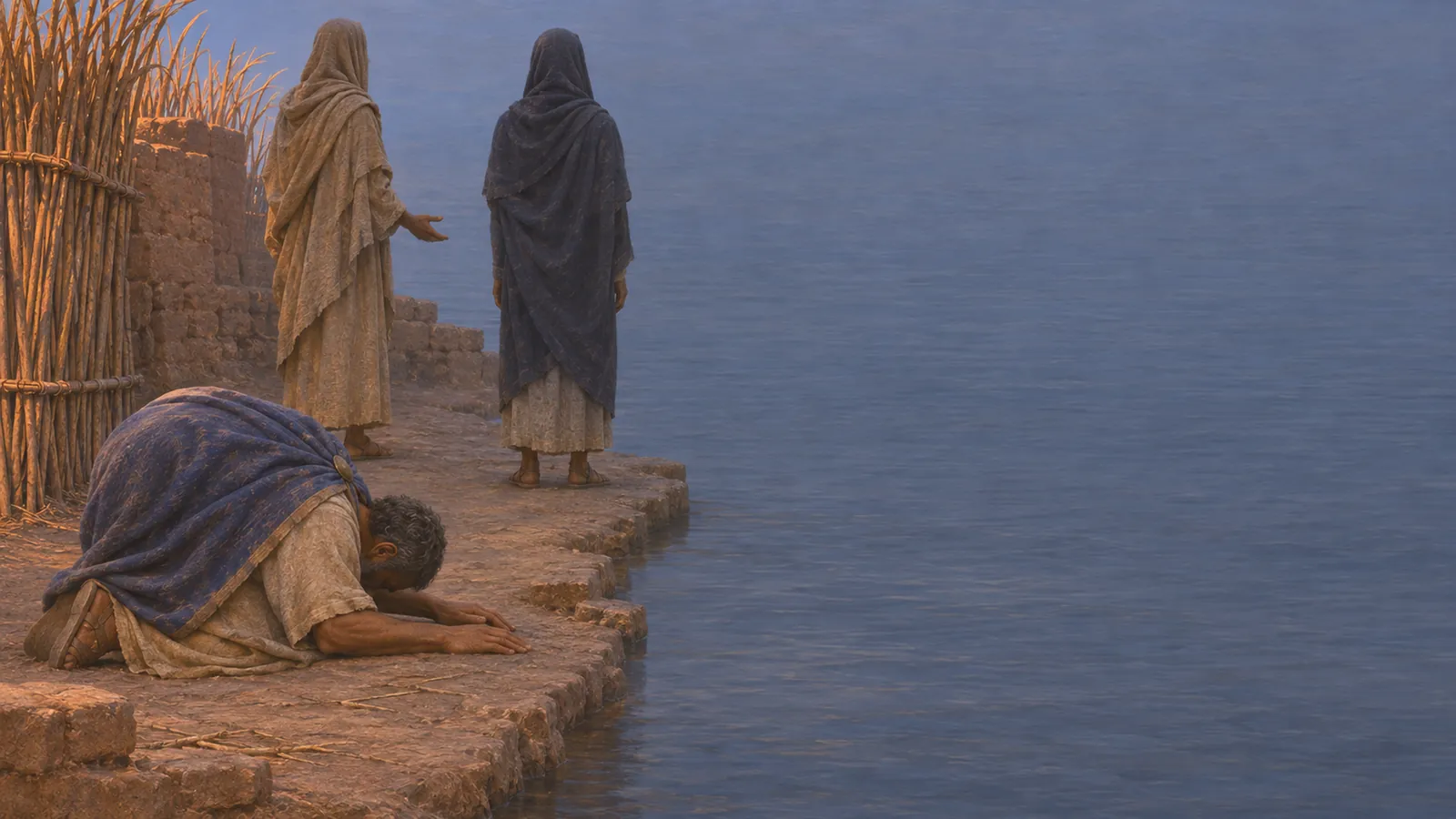
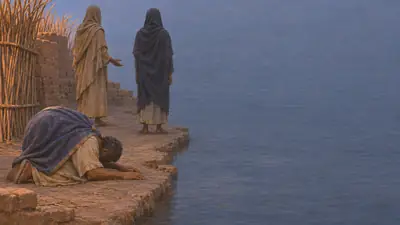
Los mensajeros cruzaron las aguas y llegaron al muelle. Dijeron a Atrahasis que su ofrenda había llegado a Enki. Él se inclinó y besó el suelo ante ellos.
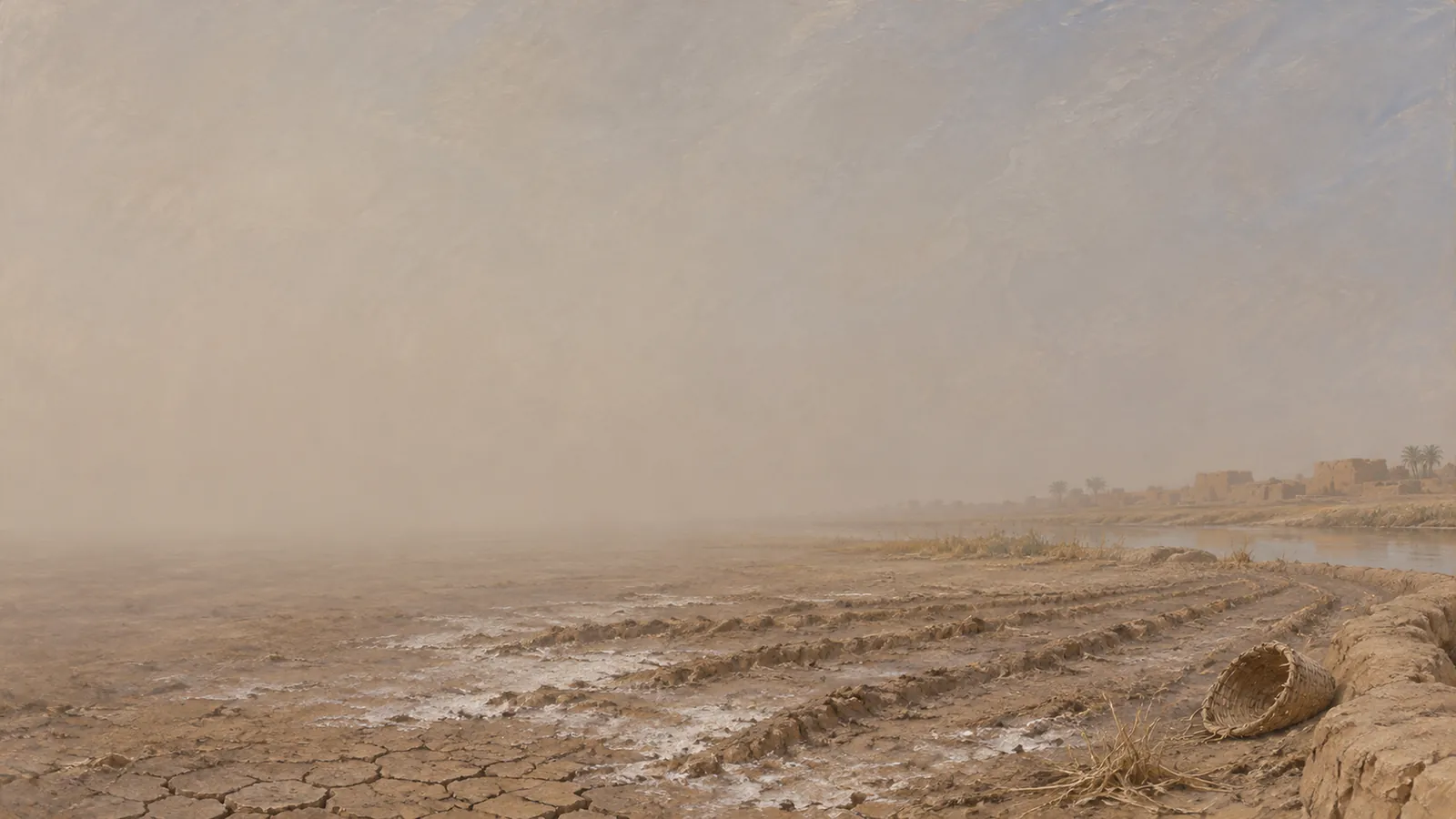
El diálogo que sigue está dañado. Enki envía a su ministro, y llegan noticias de las lluvias fallidas, los campos ahogados por la sal y el grano que la gente ha agotado.
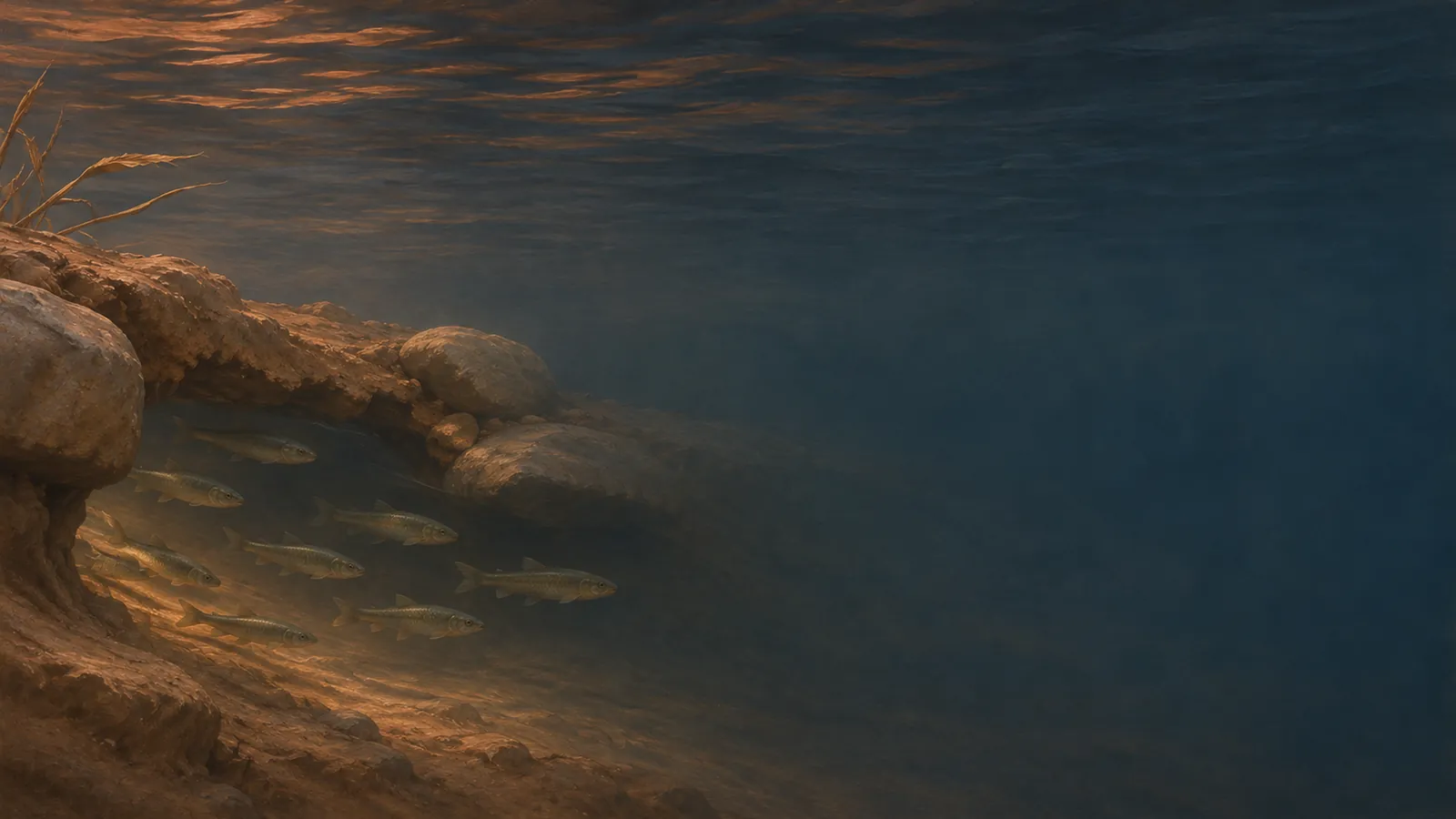
Los fragmentos siguientes cuentan que unos peces pasaron por una barrera rota y que la comida volvió a llegar a la gente. En el consejo, Enlil dice que Enki dejó escapar aquella abundancia.
JURAMENTO
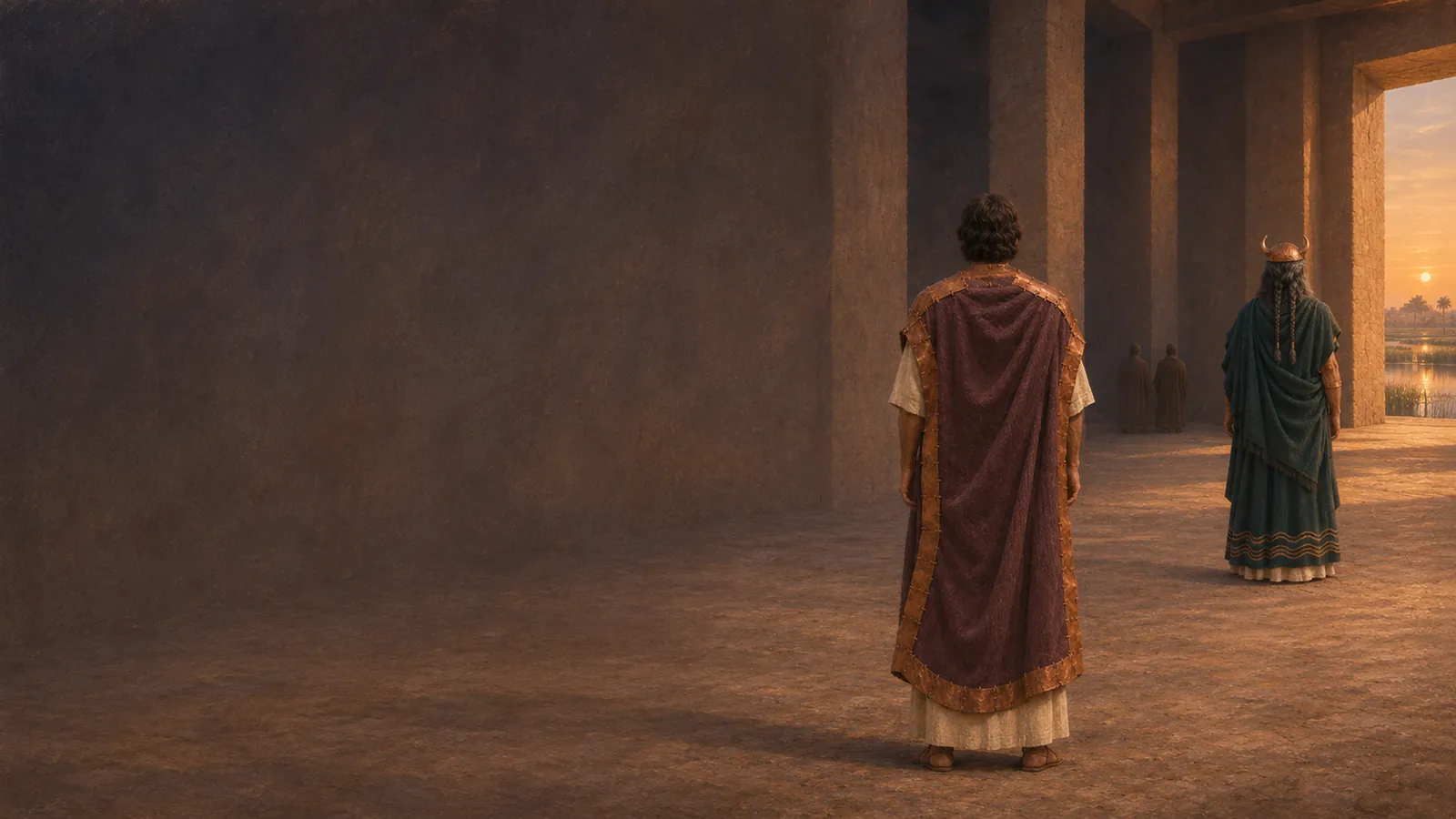
La siguiente decisión del consejo fue enviar un diluvio. Los dioses querían atar a Enki con un juramento, pero las líneas rotas conservan su protesta cuando le piden que se vuelva contra su propia gente.

Las voces de la asamblea se vuelven difíciles de seguir. La tablilla rota aún habla de aguas que se desbordarán y de una tarea que se cumplirá en la luna nueva.
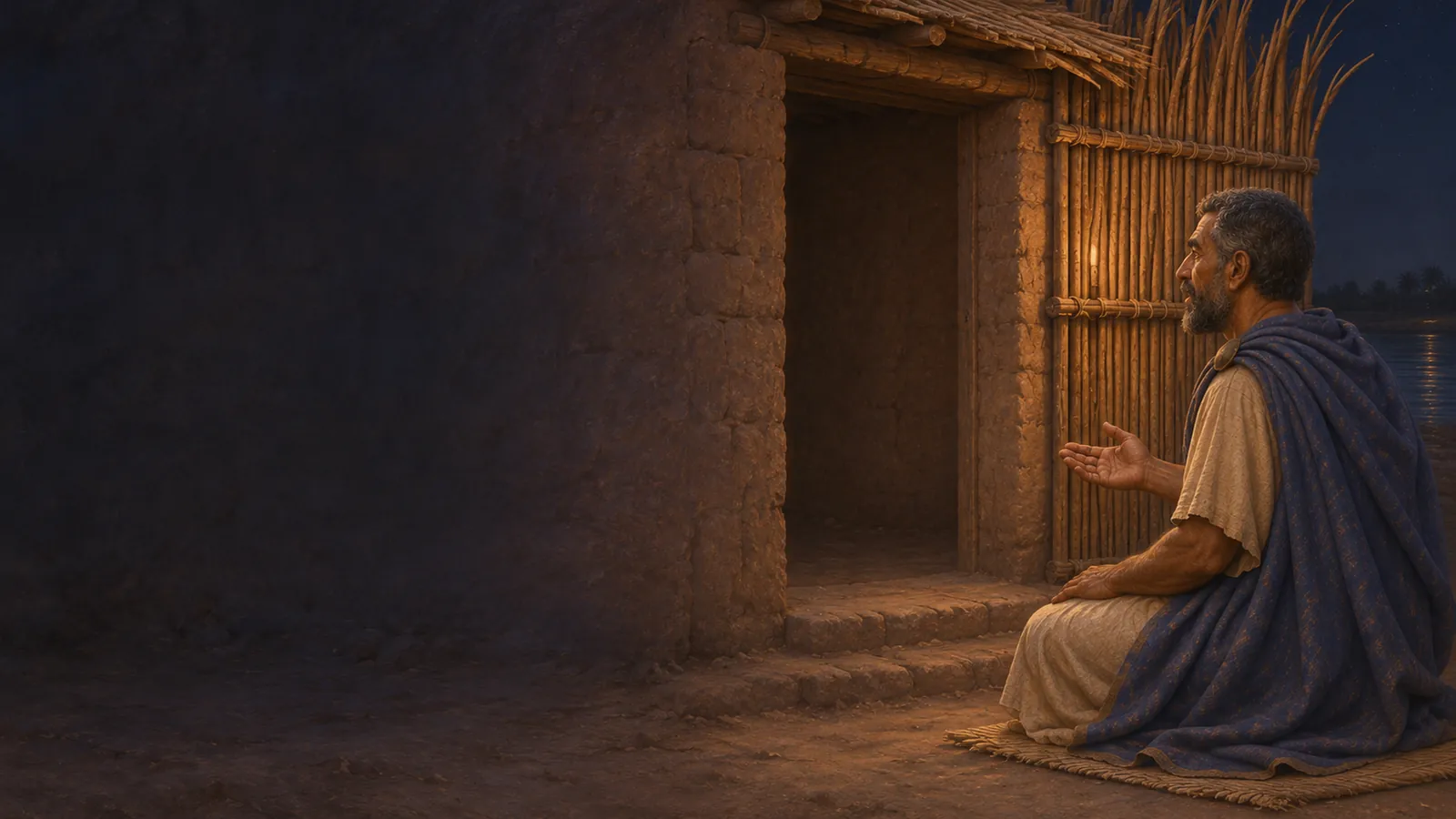
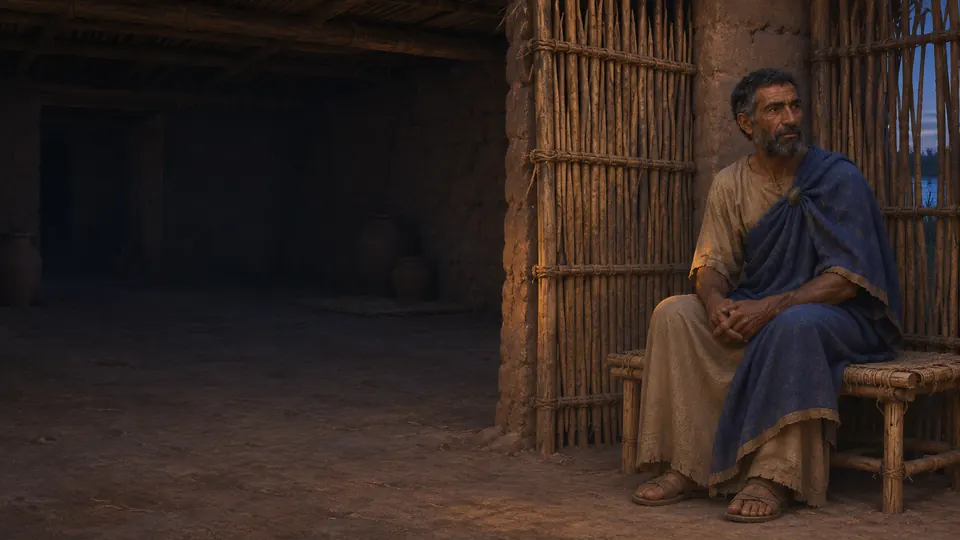
Los dioses habían resuelto la destrucción. Al final de esta tablilla, un solo hombre sigue hablando con Enki. ¿Qué podría decirle Enki ahora, con un juramento entre ambos?
Fin del capítulo 1
Todas las páginas




Fuentes
On page 46, the fragmentary famine lines preserve the serving of a daughter as food and the consuming of one person by another (Atrahasis II, section E 78q–78w, SEAL 39732). Parts of the lines are restored, and the retelling condenses them to one sentence.
Ediciones consultadas
- SEAL 1515, Atrahasis I with translation and manuscript apparatus
- SEAL 39732, Atrahasis II with translation and manuscript apparatus
- SEAL 1516, Old Babylonian Sippar Tablet II witness
- SEAL 1518, Old Babylonian Larsa Tablet II–III fragment
- Wasserman 2020, Old Babylonian Atra-ḫasīs and Flood recensions, pp. 16–19
- IL Archive, Atrahasis: Epic and Hero
Notas sobre este relato
On page 23, the slain god is Wē in the SEAL reading of the Sippar passage, traditionally read We-ila. The Igigi spit on the clay after Mami mixes it with his flesh and blood (Atrahasis I 223–234, SEAL 1515). The retelling gives the killing and mixing.
Los versos antiguos de cada página
- Page 1: Atrahasis I 1–4, SEAL 1515
- Page 2: Atrahasis I 1–6, 37–38, SEAL 1515
- Page 3: Atrahasis I 7–18, SEAL 1515
- Page 4: Atrahasis I 19–26, SEAL 1515
The Tigris and Euphrates are partly restored here. - Page 5: Atrahasis I 33–38, SEAL 1515
Reeds are explicated in the SEAL translation. The exact numeral for the duration varies by witness. - Page 6: Atrahasis I 37–42, SEAL 1515
- Page 7: Atrahasis I 43–63, SEAL 1515
The name Wē is preserved in the composite, with variation in the witnesses. - Page 8: Atrahasis I 63–69, SEAL 1515
- Page 9: Atrahasis I 68–73, SEAL 1515
The Ekur appears by name in line 73. - Page 10: Atrahasis I 74–77, SEAL 1515
The verb following Kalkal’s inspection is fragmentary. - Page 11: Atrahasis I 78–83, SEAL 1515
- Page 12: Atrahasis I 84–90, SEAL 1515
- Page 13: Atrahasis I 91–104, SEAL 1515
- Page 14: Atrahasis I 103–123, SEAL 1515
- Page 15: Atrahasis I 124–143, SEAL 1515
- Page 16: Atrahasis I 144–152, SEAL 1515
- Page 17: Atrahasis I 153–165, SEAL 1515
- Page 18: Atrahasis I 166–173, SEAL 1515
The later part of Enlil’s response is fragmentary. - Page 19: Atrahasis I 174–180, SEAL 1515
The speaker is Ea in the composite. Several later witnesses assign the speech to Anu. - Page 20: Atrahasis I 181–197, SEAL 1515
- Page 21: Atrahasis I 198–203, SEAL 1515
- Page 22: Atrahasis I 204–222, SEAL 1515
- Page 23: Atrahasis I 213–217, 223–230, SEAL 1515
The victim is Wē in the Sippar tradition, Alla in other witnesses. - Page 24: Atrahasis I 231–245, SEAL 1515
- Page 25: Atrahasis I 244–248, SEAL 1515
- Page 26: Atrahasis I 249–255, SEAL 1515
- Page 27: Atrahasis I 255–260, SEAL 1515
The later Neo-Assyrian witness supplies the fourteen pieces, their arrangement and the central brick. - Page 28: Atrahasis I 260b–260g, 265–276, SEAL 1515
The later Neo-Assyrian witness supplies the seven-and-seven births. - Page 29: Atrahasis I 277–295, SEAL 1515
- Page 30: Atrahasis I 296–308, SEAL 1515
The events around these customs are fragmentary. - Page 31: Atrahasis I 309–339, SEAL 1515
- Page 32: Atrahasis I 351–359, SEAL 1515
The comparison is a simile. - Page 33: Atrahasis I 357–363f, SEAL 1515
- Page 34: Atrahasis I 364–371, SEAL 1515
- Page 35: Atrahasis I 372–384, SEAL 1515
- Page 36: Atrahasis I 385–400, SEAL 1515
- Page 37: Atrahasis I 400–409, SEAL 1515
The temple and action toward line 412 are partly restored in the composite. - Page 38: Atrahasis I 407–416, SEAL 1515
Some lines are restored. - Page 39: Atrahasis II A 1–20, SEAL 39732
- Page 40: Atrahasis II A 14–20, B 7–18, SEAL 39732
II A survives in Old Babylonian and later copies. - Page 41: Atrahasis II D 1–11, E 1–10, SEAL 39732
Its closing address and the opening of Segment E are damaged. - Page 42: Atrahasis II E 9–24, SEAL 39732
The instructions in E 9–24 are primarily preserved in later copies. The Old Babylonian text repeats the advice and preserves the relief at II E 32–60. - Page 43: Atrahasis II E 25–53, SEAL 39732
- Page 44: Atrahasis II E 54–70, SEAL 39732
- Page 45: Atrahasis II E 63–78, SEAL 39732
Different witnesses vary as to which gods guard the middle region. - Page 46: Atrahasis II, Seg. E 78q–78w, SEAL 39732 (fragmentary); E 144–156 for the wider famine episode
- Page 47: Atrahasis II E 79–105, SEAL 39732
The surviving account names the gift but leaves its container unspecified. - Page 48: Atrahasis II E 106–113, SEAL 39732
- Page 49: Atrahasis II E 114–131, SEAL 39732
- Page 50: Atrahasis II E 132–168, SEAL 39732
Usmû is named as Enki’s minister. The dialogue and several stages of the famine are fragmentary. - Page 51: Atrahasis II G 14–35, 42–49, 55–62, 73–93, SEAL 39732; C₀ i–ii, Wasserman 2020
The surviving exchanges differ by witness and include Enki’s account of the gatekeepers. - Page 52: Atrahasis II H 9–16, I 3–5, SEAL 39732; C₀ iii 1–8, Wasserman 2020
The longer oath sequence in Segment G is supplemented by a Middle Babylonian witness. The protest is preserved in Old Babylonian witnesses D and C₀. - Page 53: Atrahasis II H 20–31, SEAL 39732; C₀ iii 7–20, Wasserman 2020
The month’s dark transition is used without settling a precise astronomical reading. - Page 54: Atrahasis II I 1–7, SEAL 39732
Atrahasis addresses his lord in the closing preserved line; C₀ iii–iv and Tablet III carry the transition onward.
Ilustraciones hechas por IL Archive con herramientas de IA; el texto se basa en las fuentes antiguas (véanse las fuentes al final de cada capítulo).