El relato de Kirta Capítulo 1
El voto de Kirta
Tras perder a su familia, Kirta sigue las indicaciones de un sueño y hace un voto a Athirat. Años más tarde, su familia lo cuida durante una enfermedad y, una vez recuperado Kirta, Yassib le disputa el trono.
FuentesPase las páginas con las flechas, el teclado o deslizando el dedo.
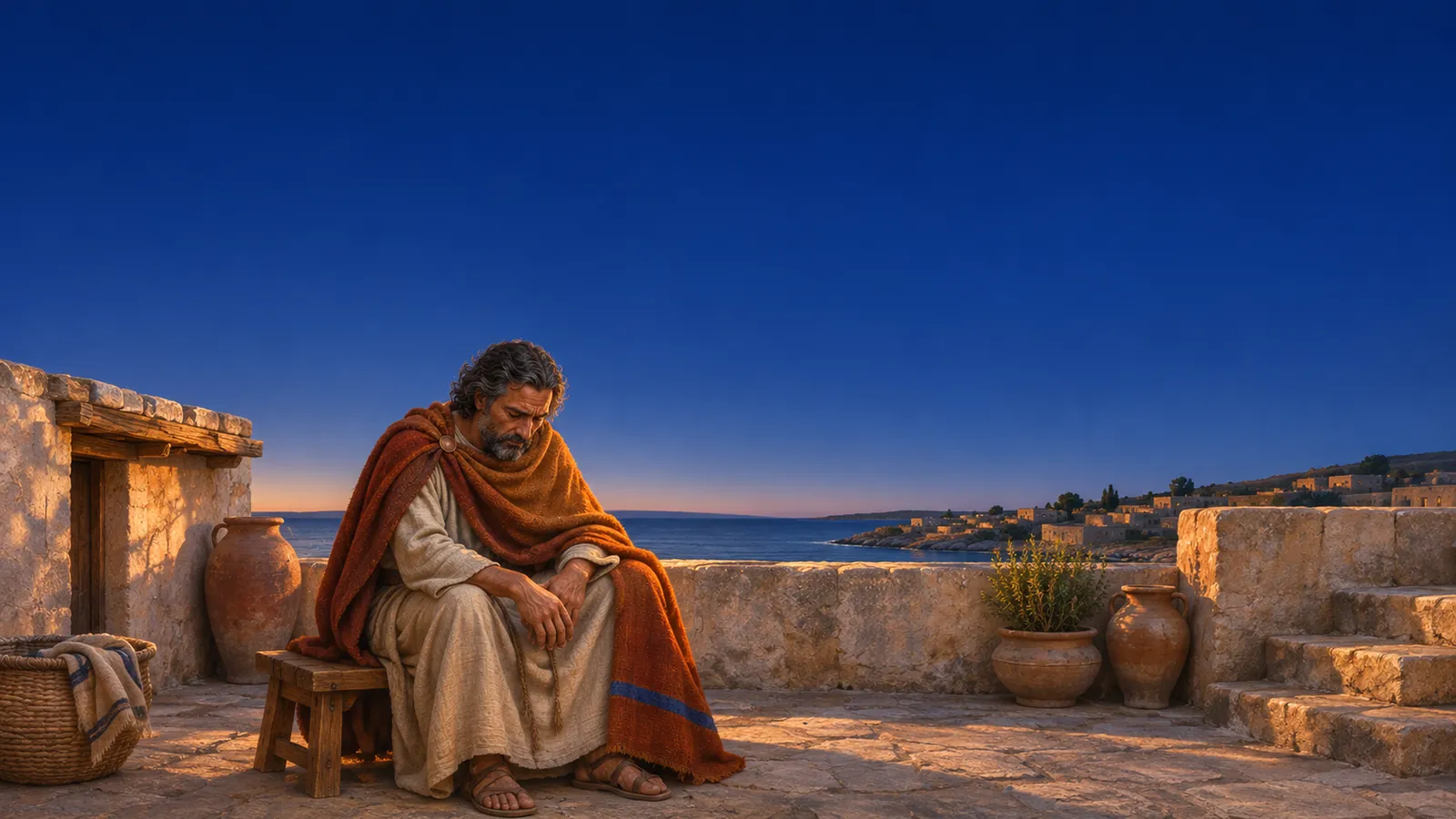
EL VOTO DE KIRTA
Falta parte del comienzo. En los versos que podemos leer, la casa de Kirta ha sufrido pérdidas y el futuro de su linaje es incierto.
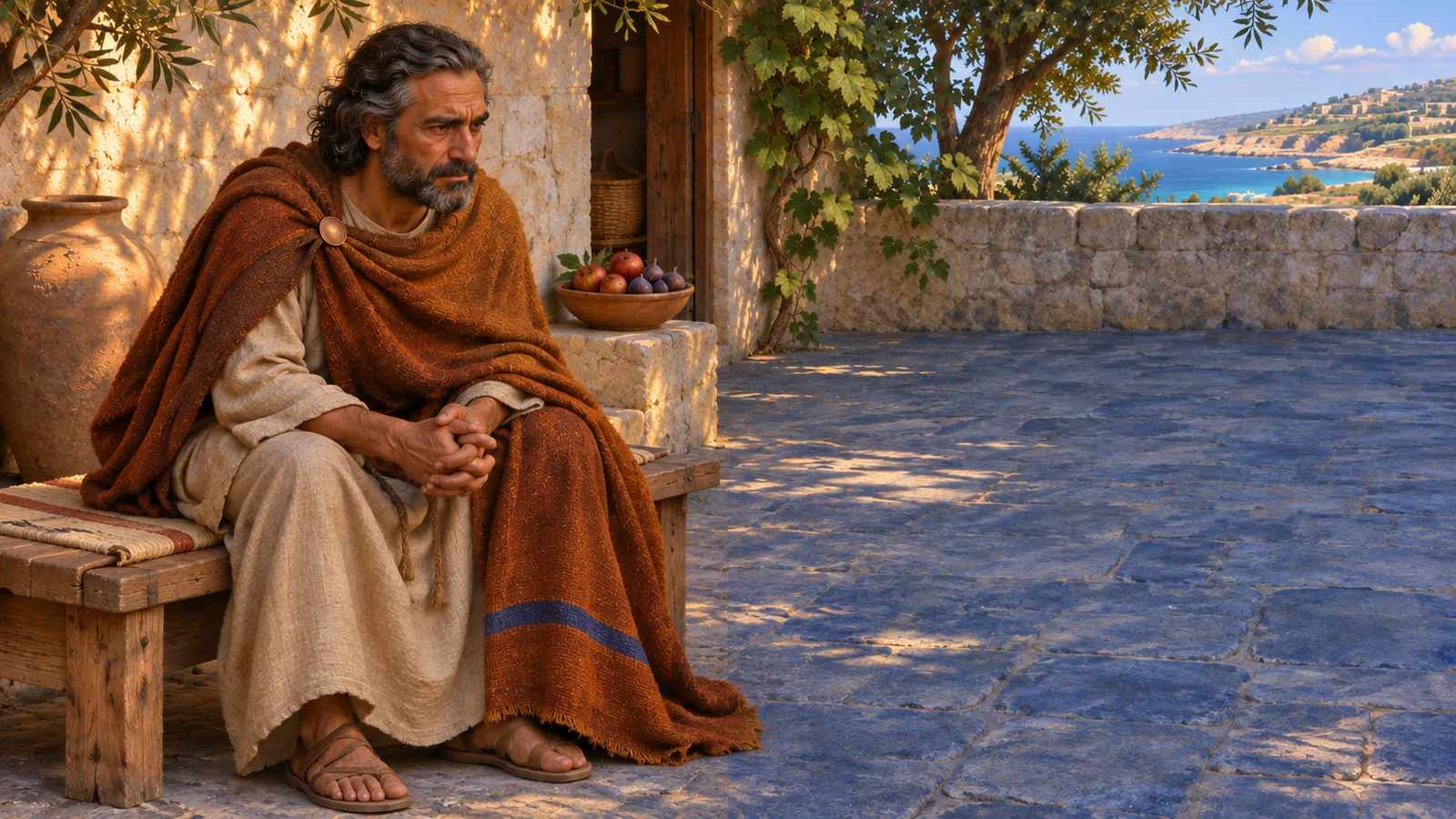
La enfermedad, la peste, el mar y la espada se llevan a miembros de la familia de Kirta, que queda solo con su dolor.
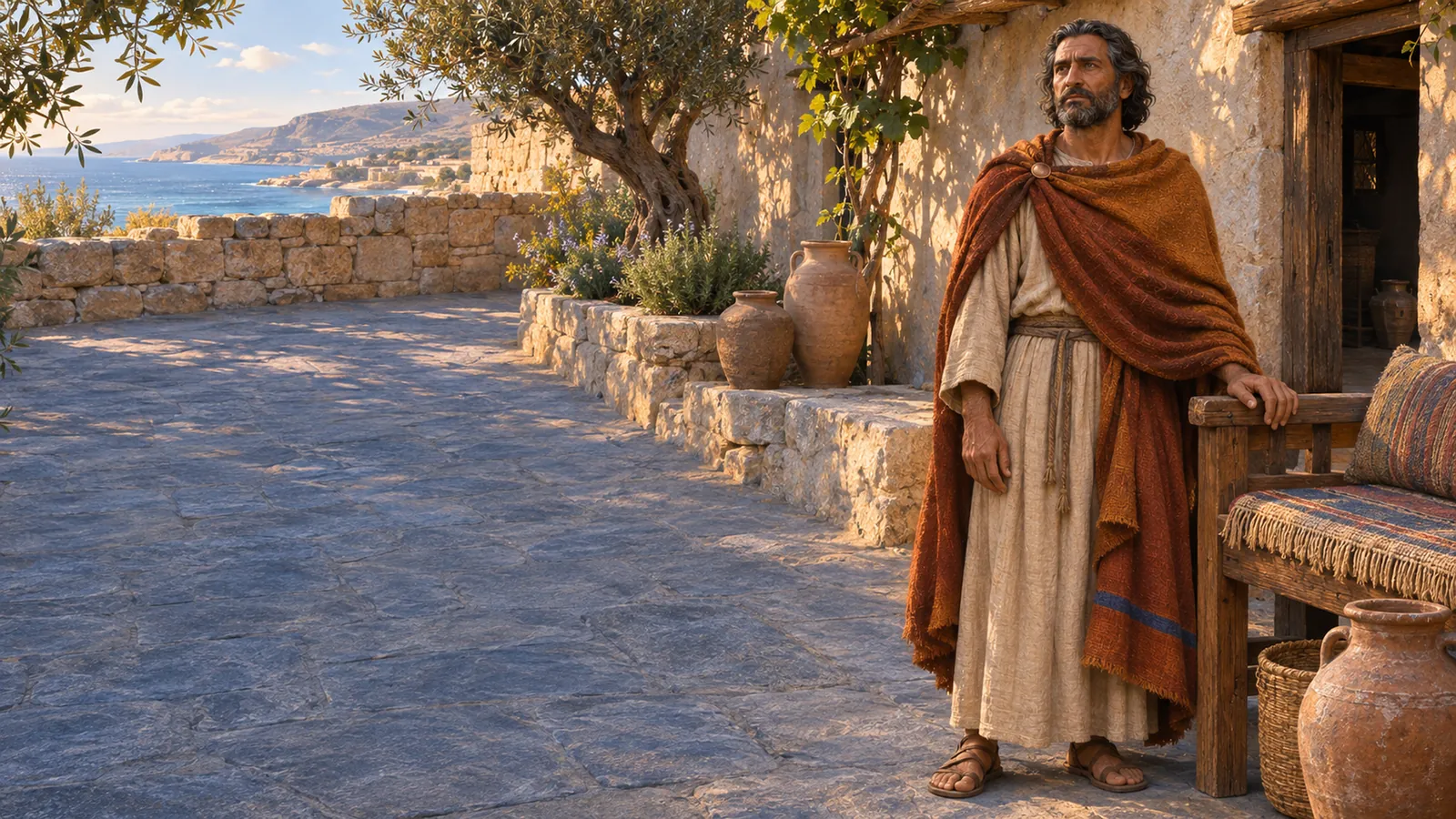
Kirta no tiene a nadie que continúe su linaje. El futuro de su casa queda abierto.
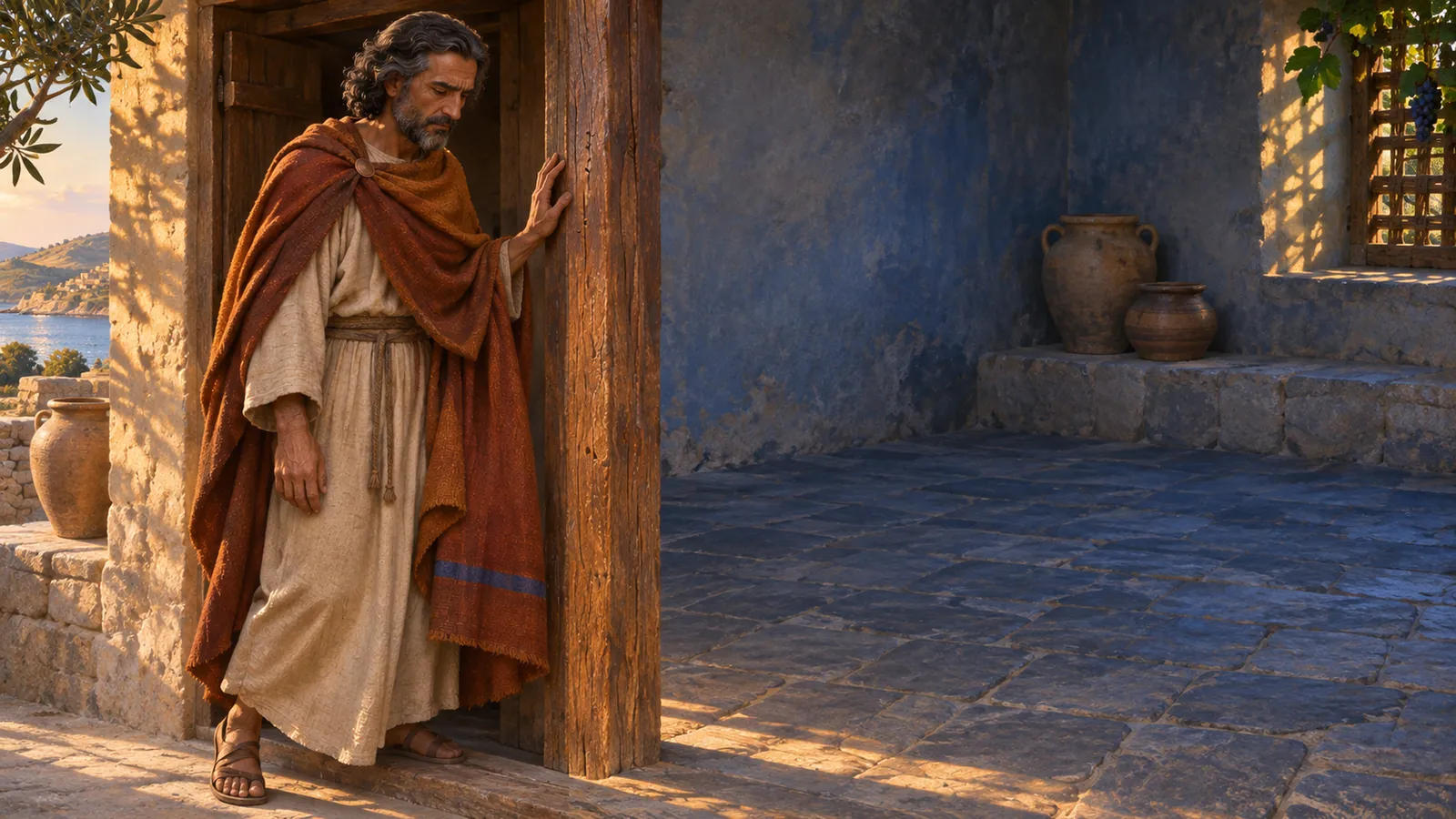
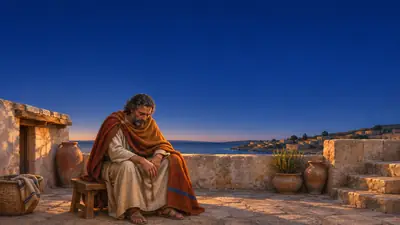
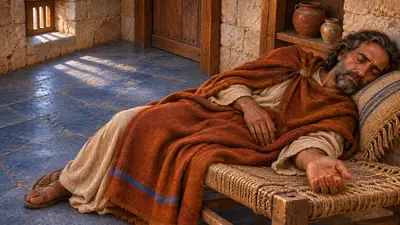
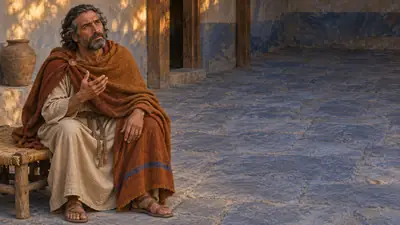
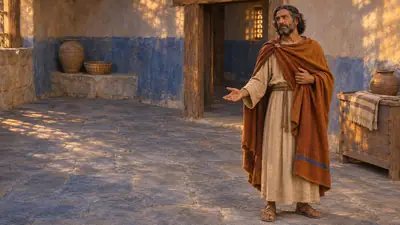
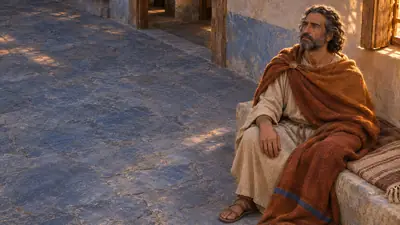
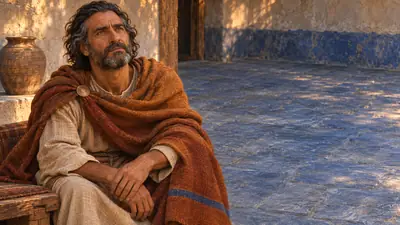
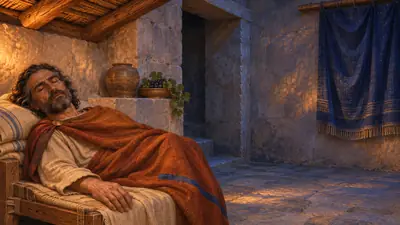
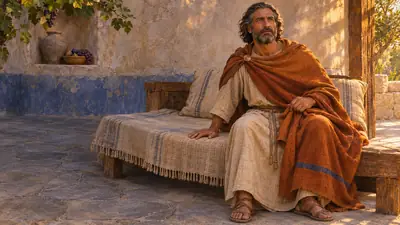
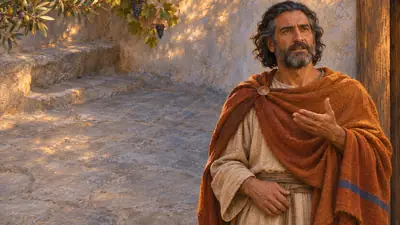
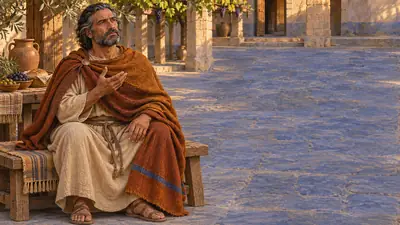
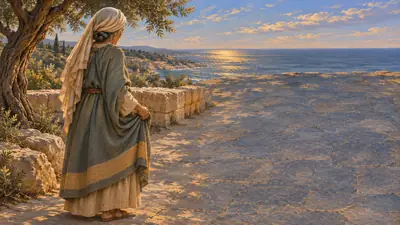
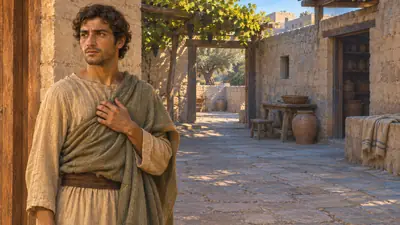
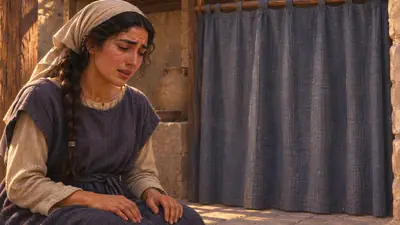
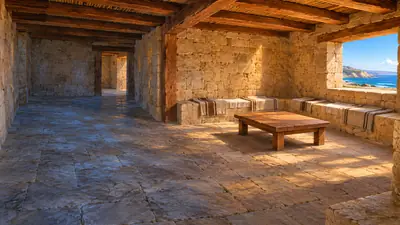
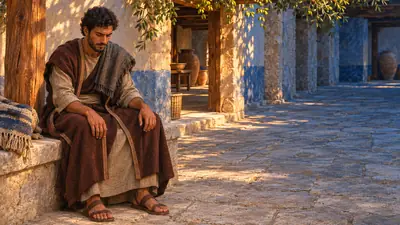
Kirta entra en la habitación interior. Allí, apartado del resto de la casa, da rienda suelta a su tristeza.
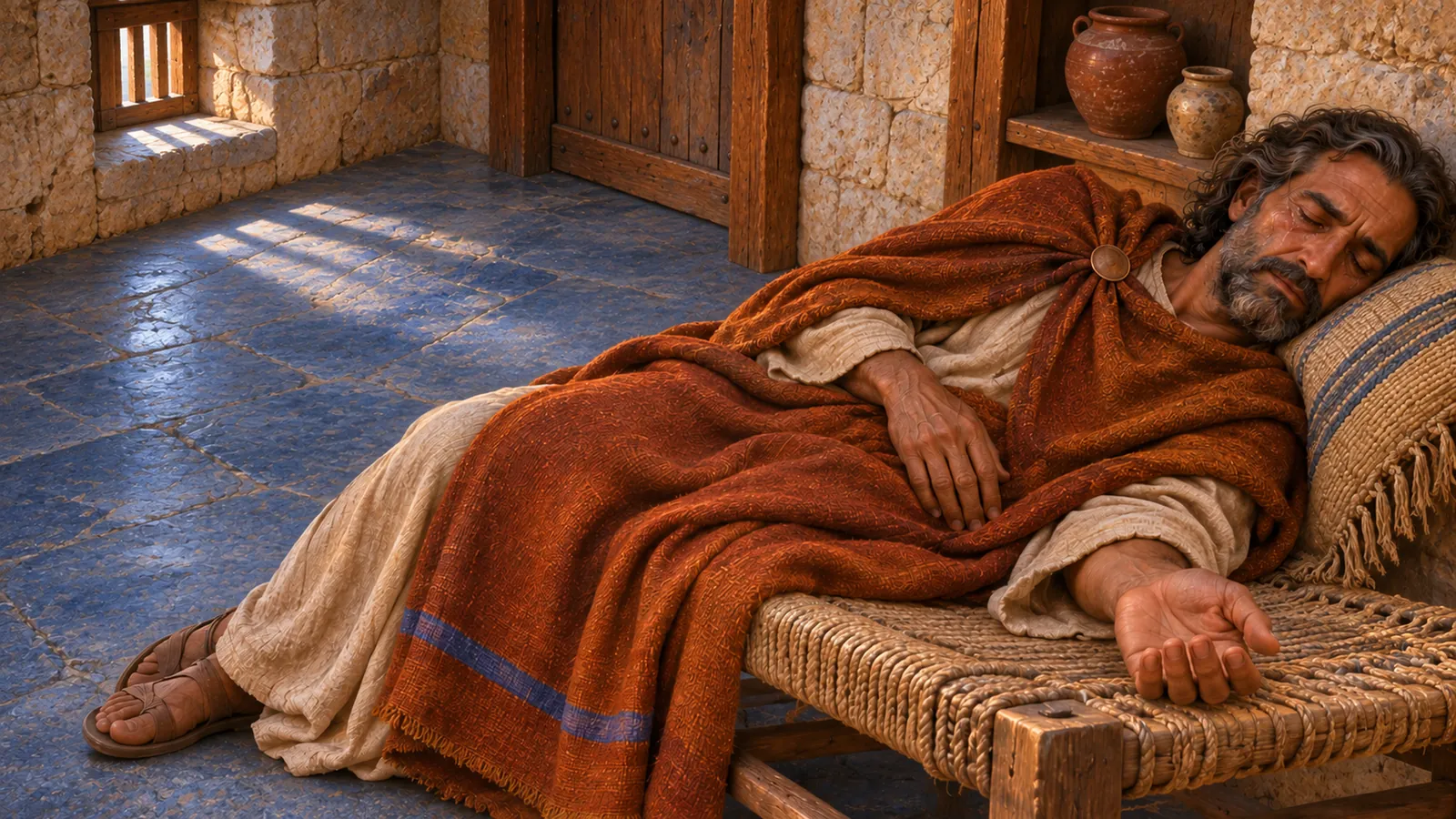
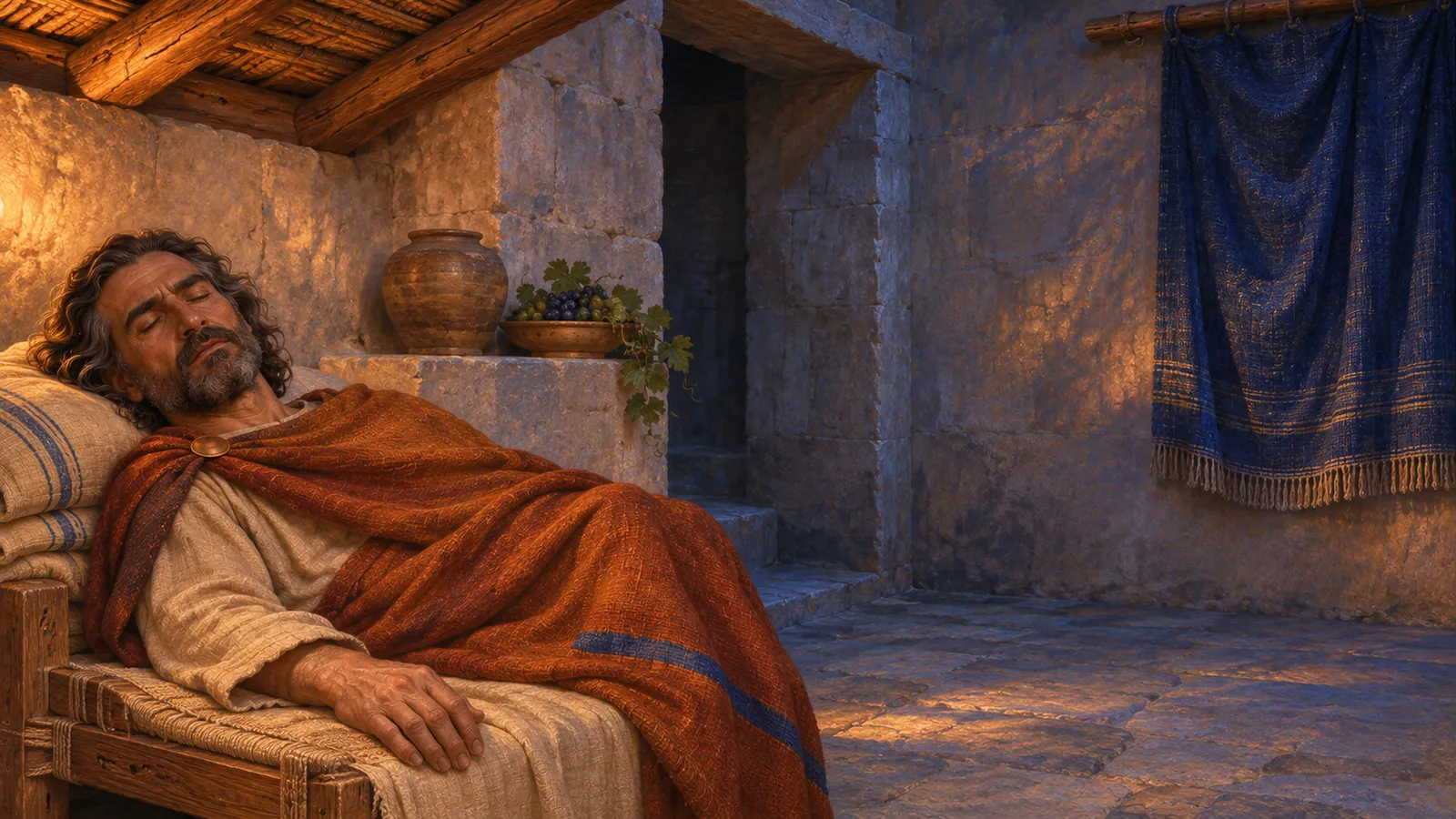
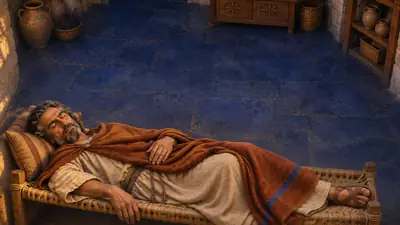
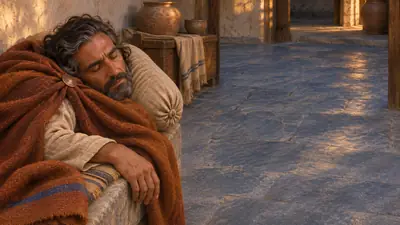
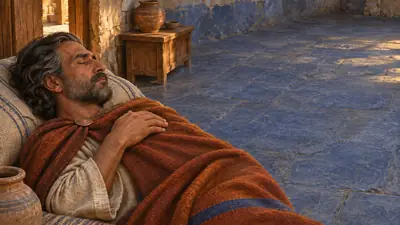
El poema se queda con Kirta mientras llora. Al fin se duerme y su tristeza da paso a un sueño.
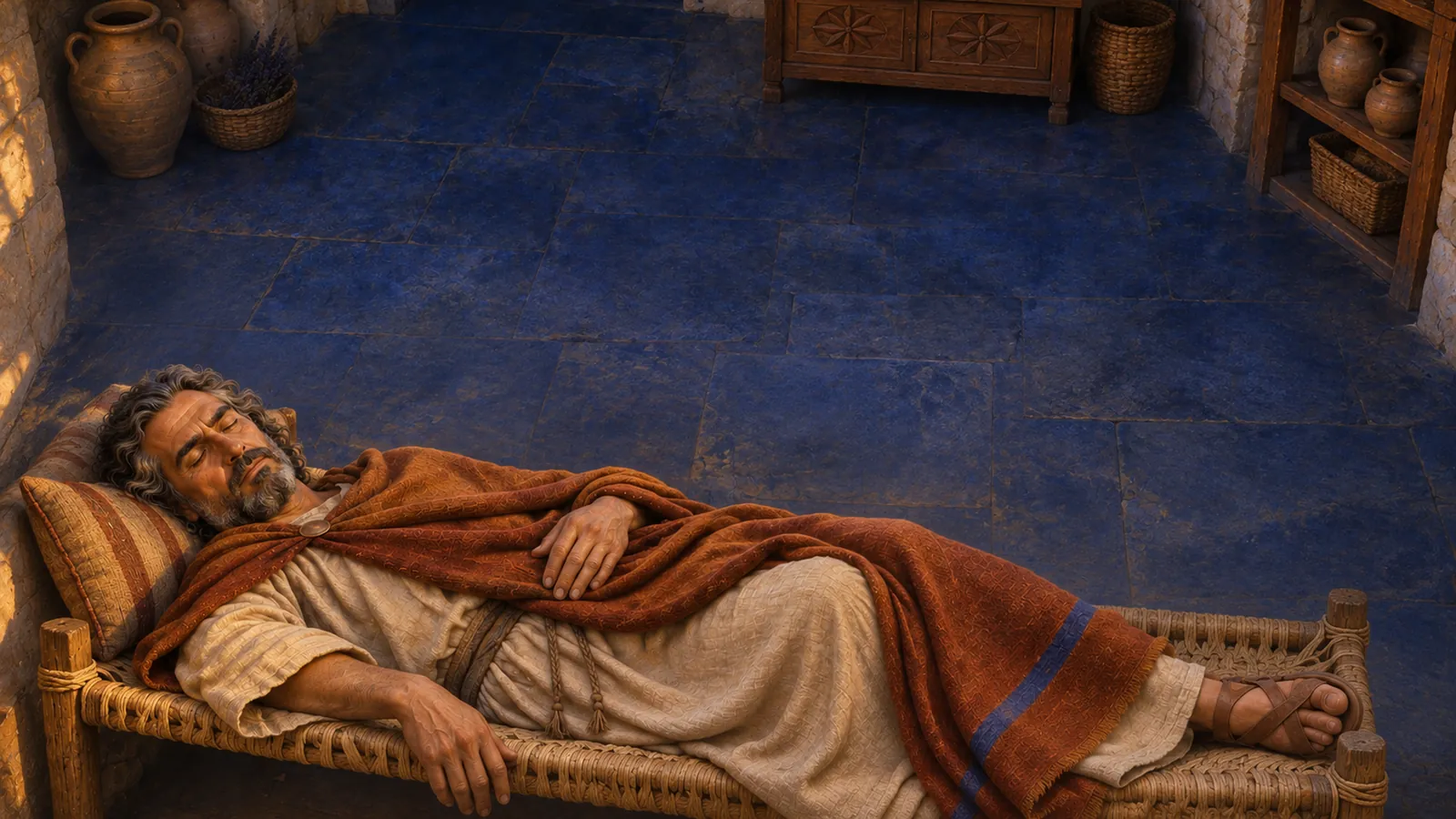
EL EN EL SUEÑO
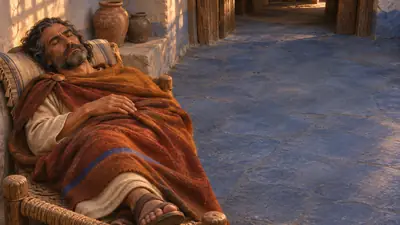
Mientras Kirta duerme, El se le acerca en un sueño. La habitación está en calma y el poema pasa del dolor de Kirta a las palabras de El.
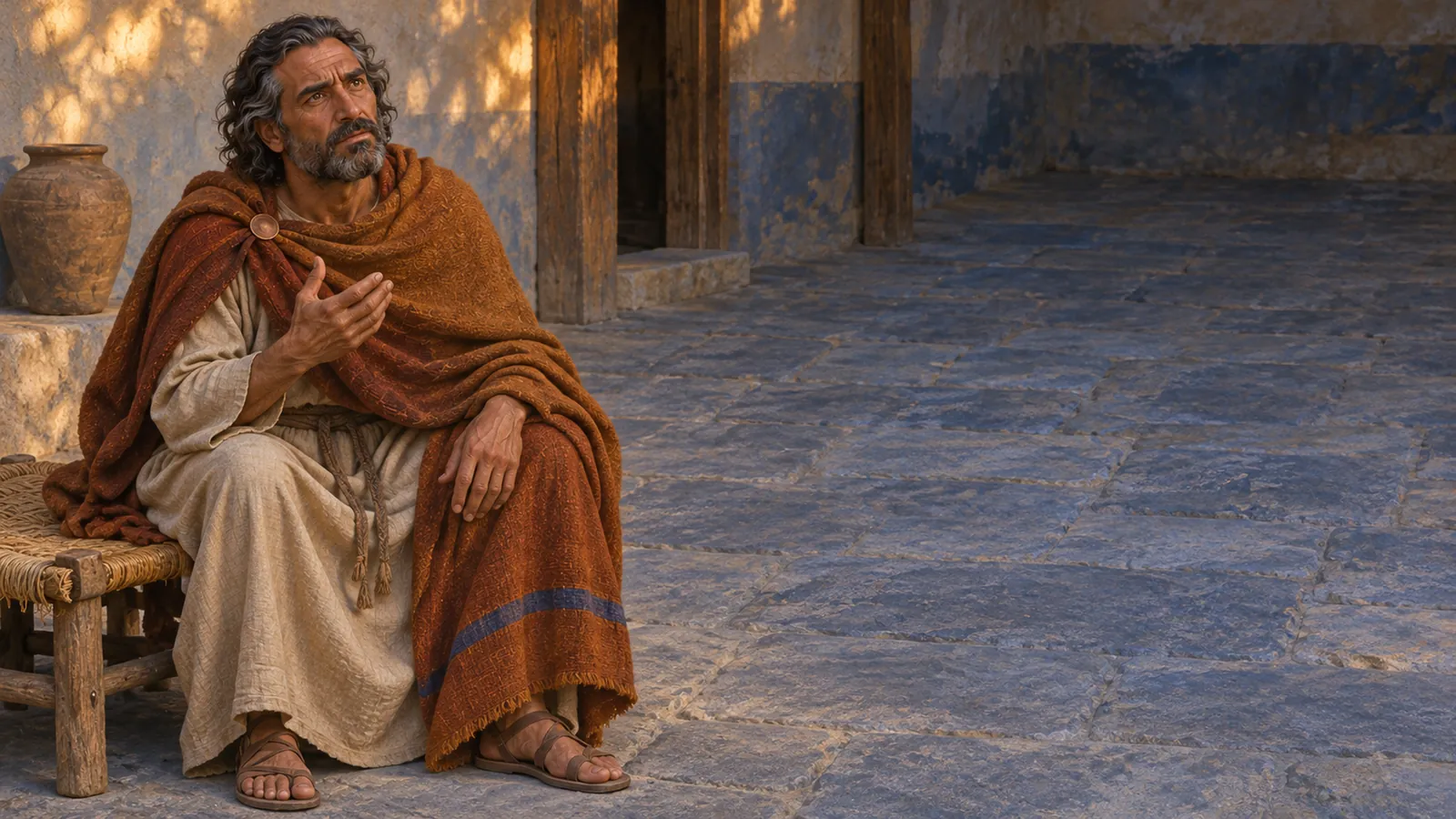
En el sueño, El le pregunta a Kirta por qué llora y qué le ha causado tanta tristeza. Con esas preguntas comienza su conversación.
Las preguntas de El se vuelven hacia las riquezas. Menciona los bienes preciosos que podría desear un rey y pregunta a Kirta qué aliviaría su tristeza.
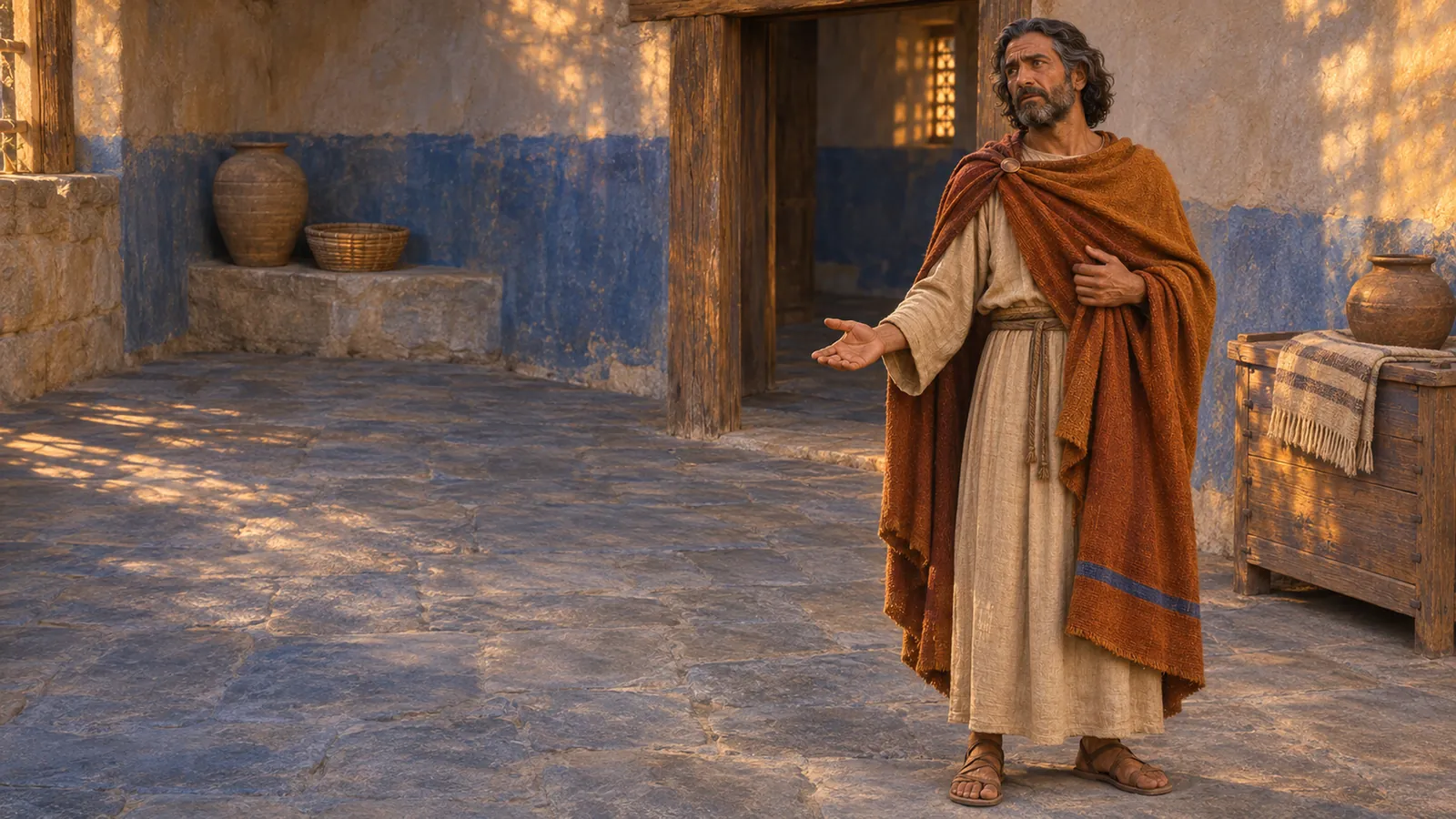
Kirta responde que las riquezas de nada le sirven en su tristeza. Desea una familia y alguien que continúe su linaje.
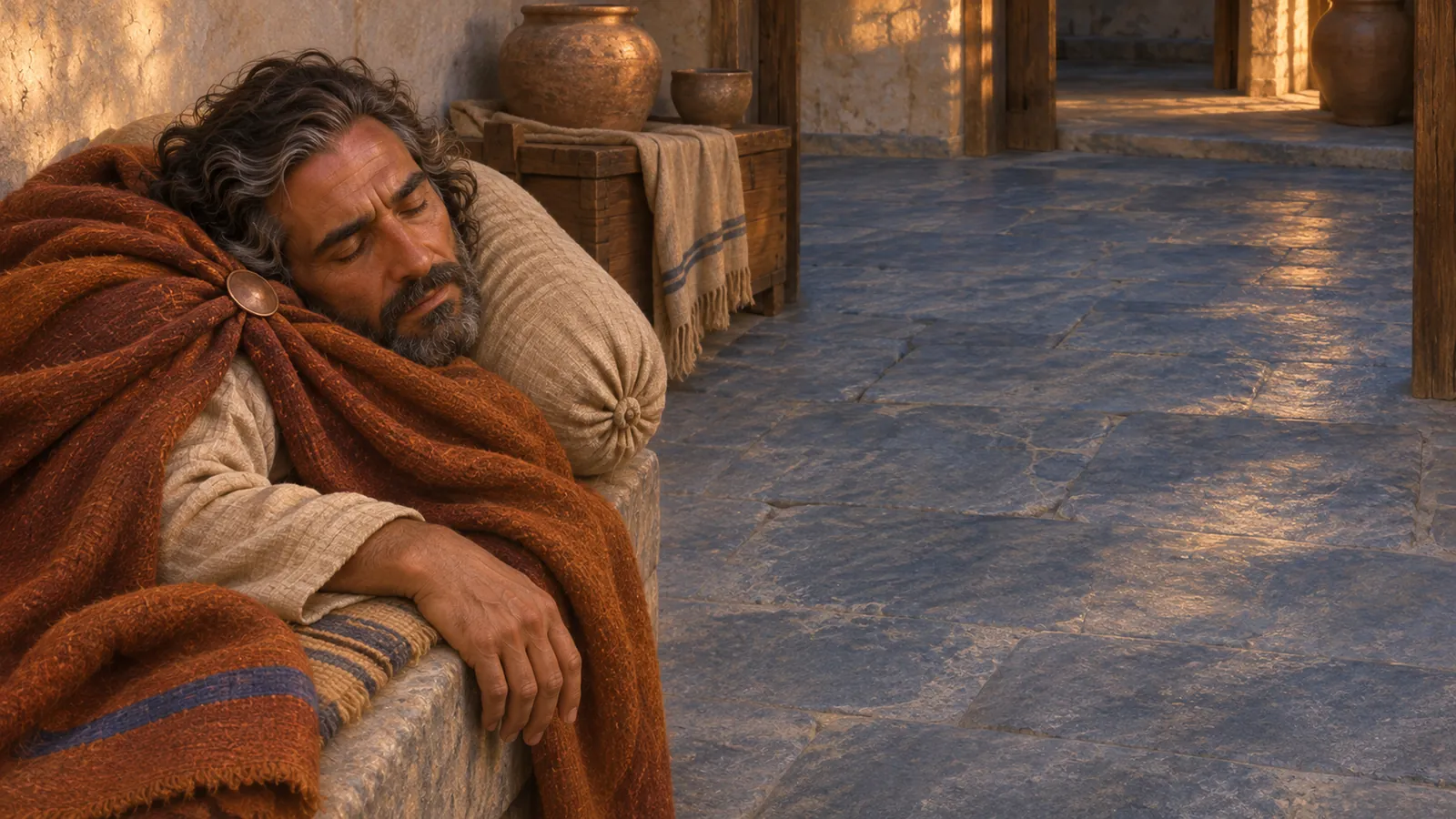
El le dice a Kirta que deje de llorar y se prepare. Esas palabras aún pertenecen al sueño, mientras Kirta sigue dormido.
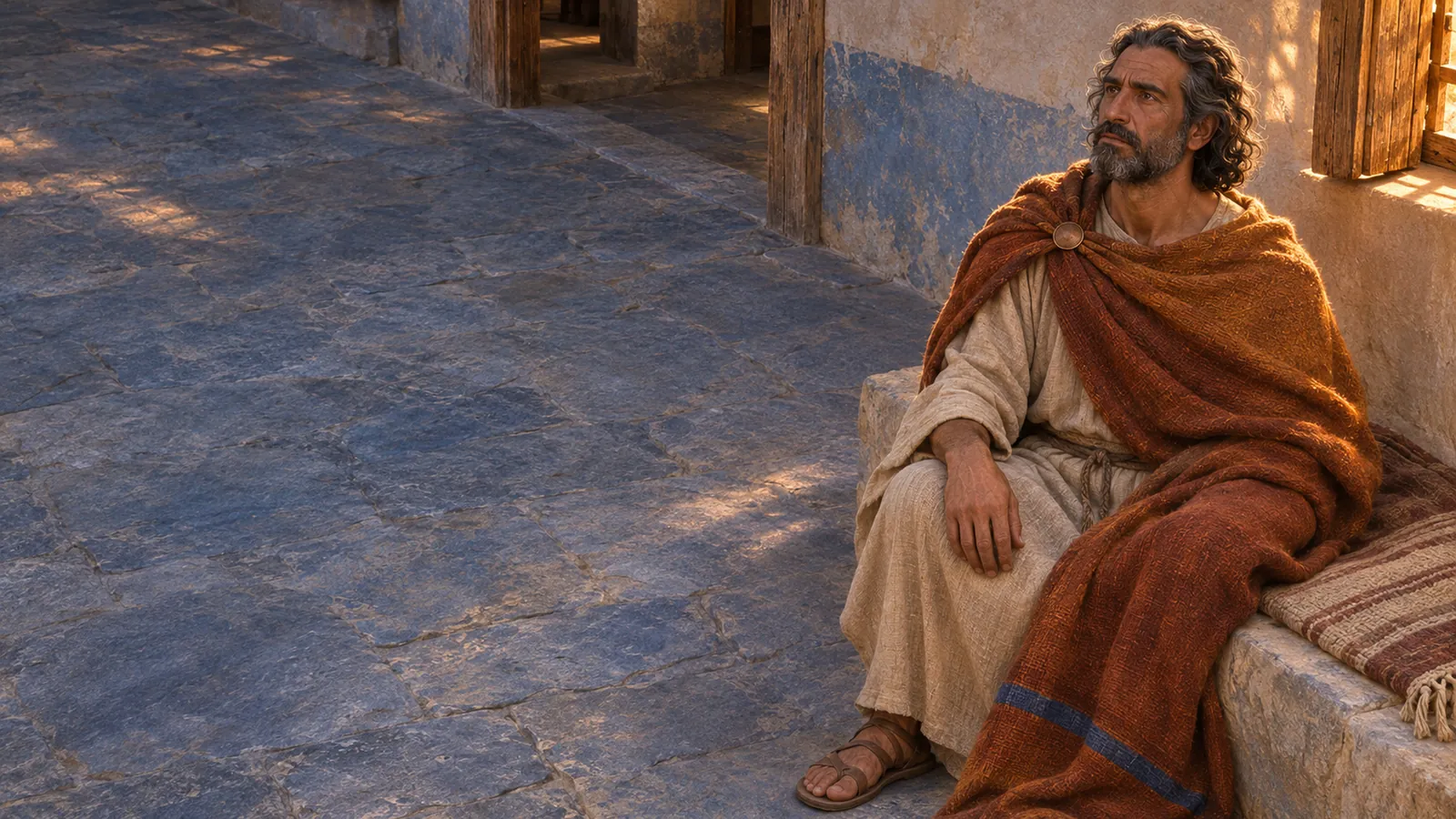
El le dice a Kirta que reúna lo necesario para una ofrenda. Luego sigue indicándole lo que debe preparar.
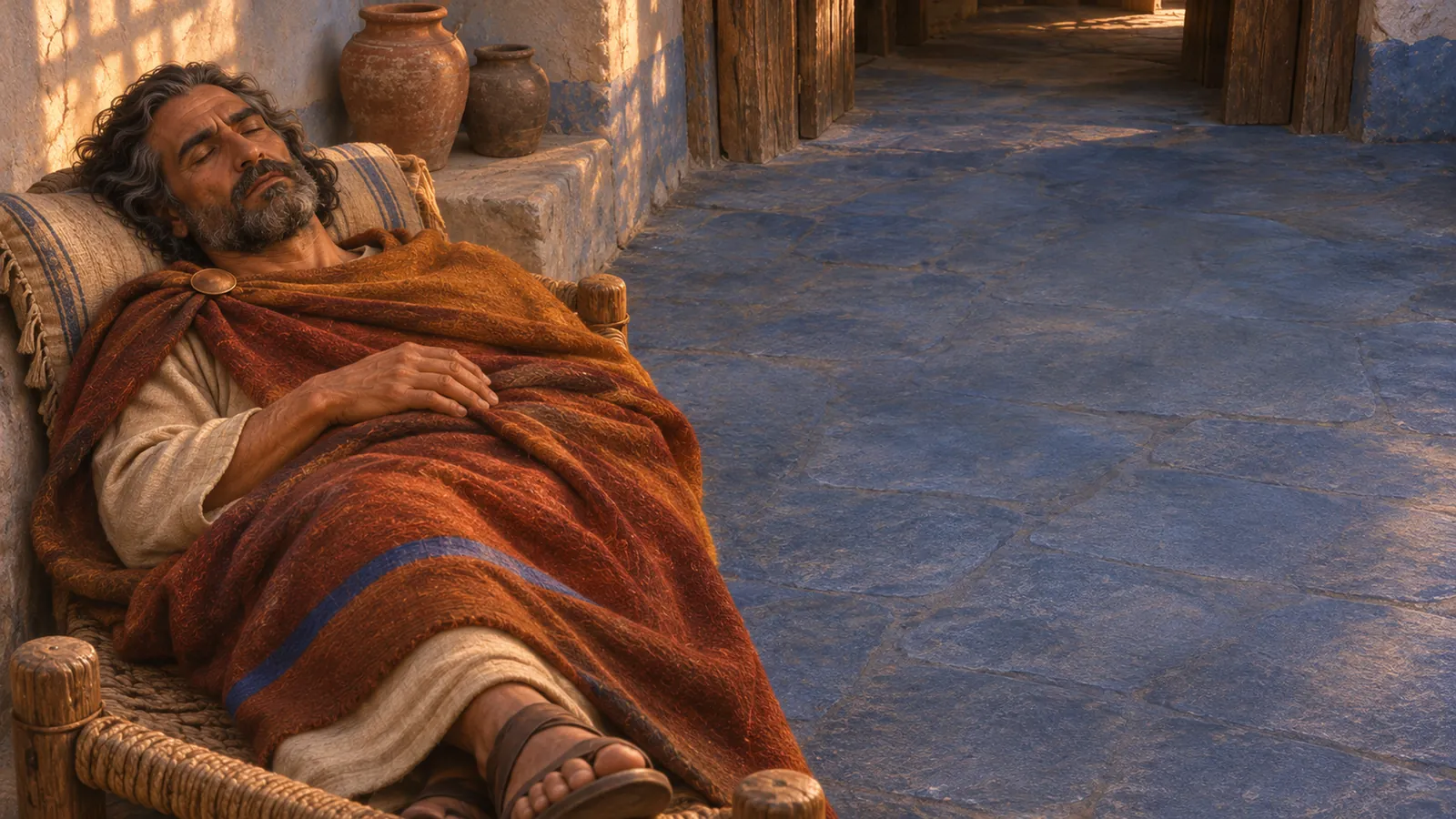
En el sueño, Kirta oye los nombres de El y Baal en las indicaciones para la ofrenda. Aún no ha despertado para hacer lo que oye.
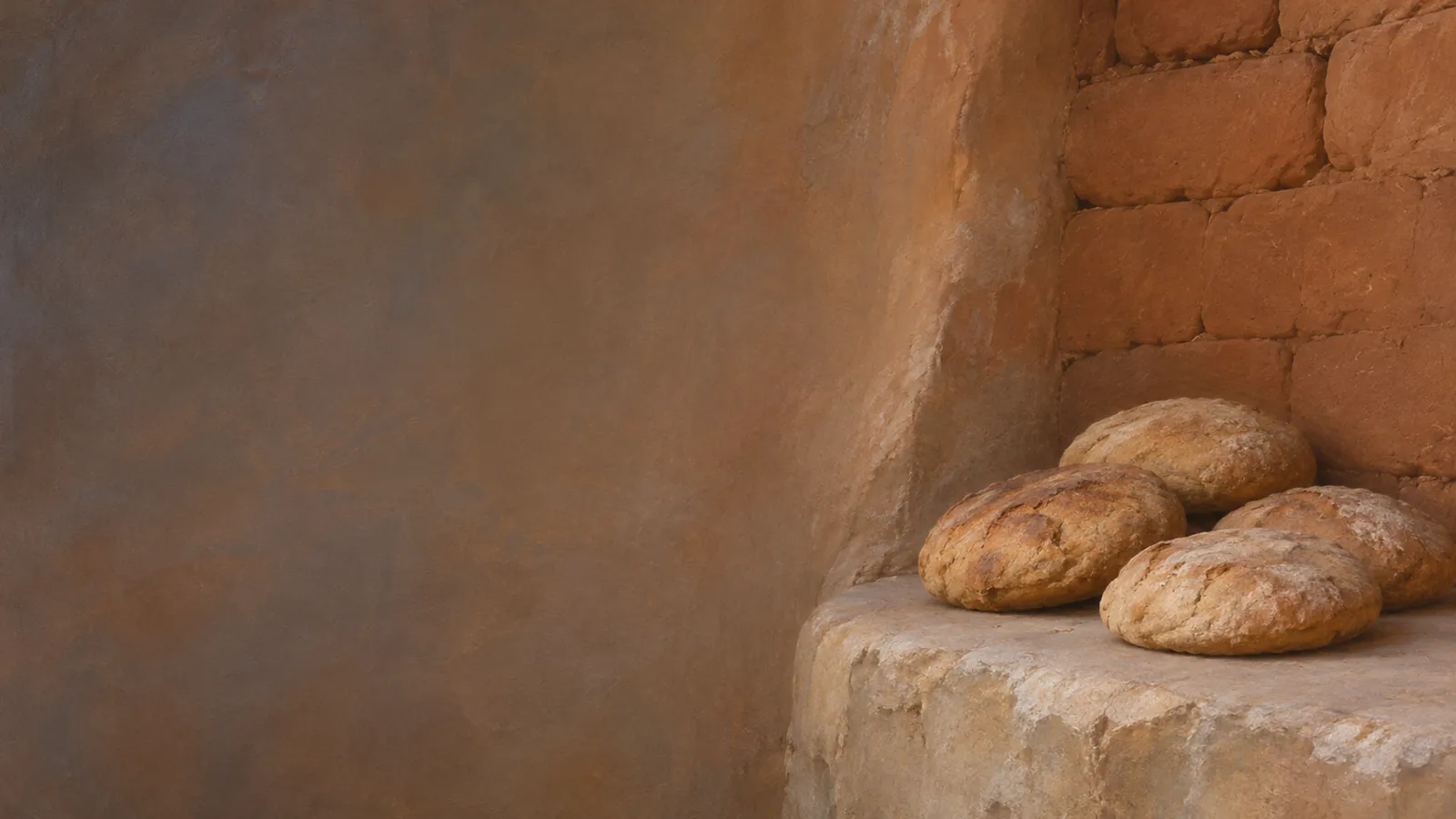
Las palabras de El pasan a las provisiones para el viaje. En el sueño se pide que el pan esté listo antes de que Kirta parta.
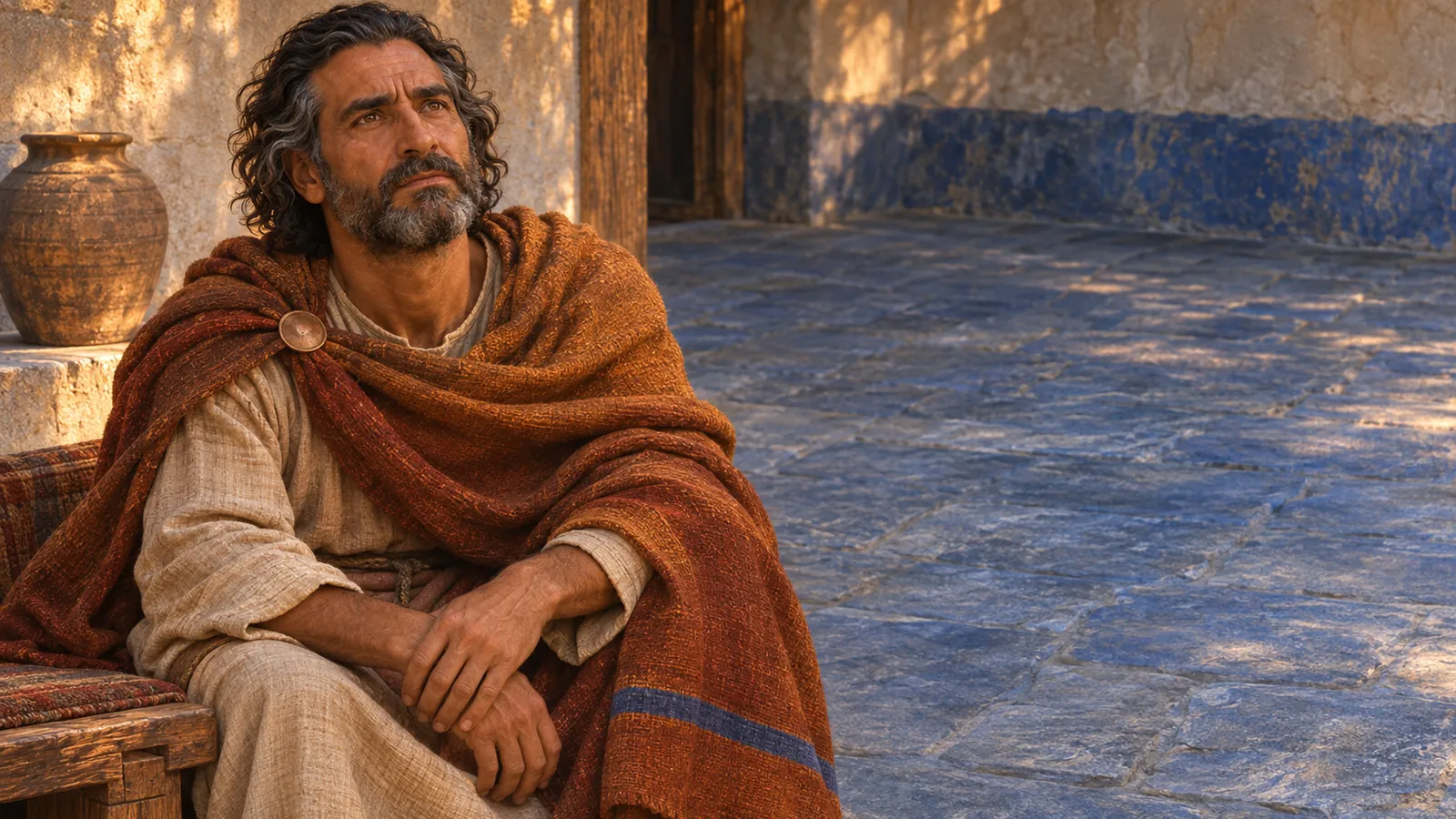
El le dice a Kirta que reúna a mucha gente para el viaje. Las cifras del sueño dan una idea de hasta dónde ha de llegar el llamamiento.
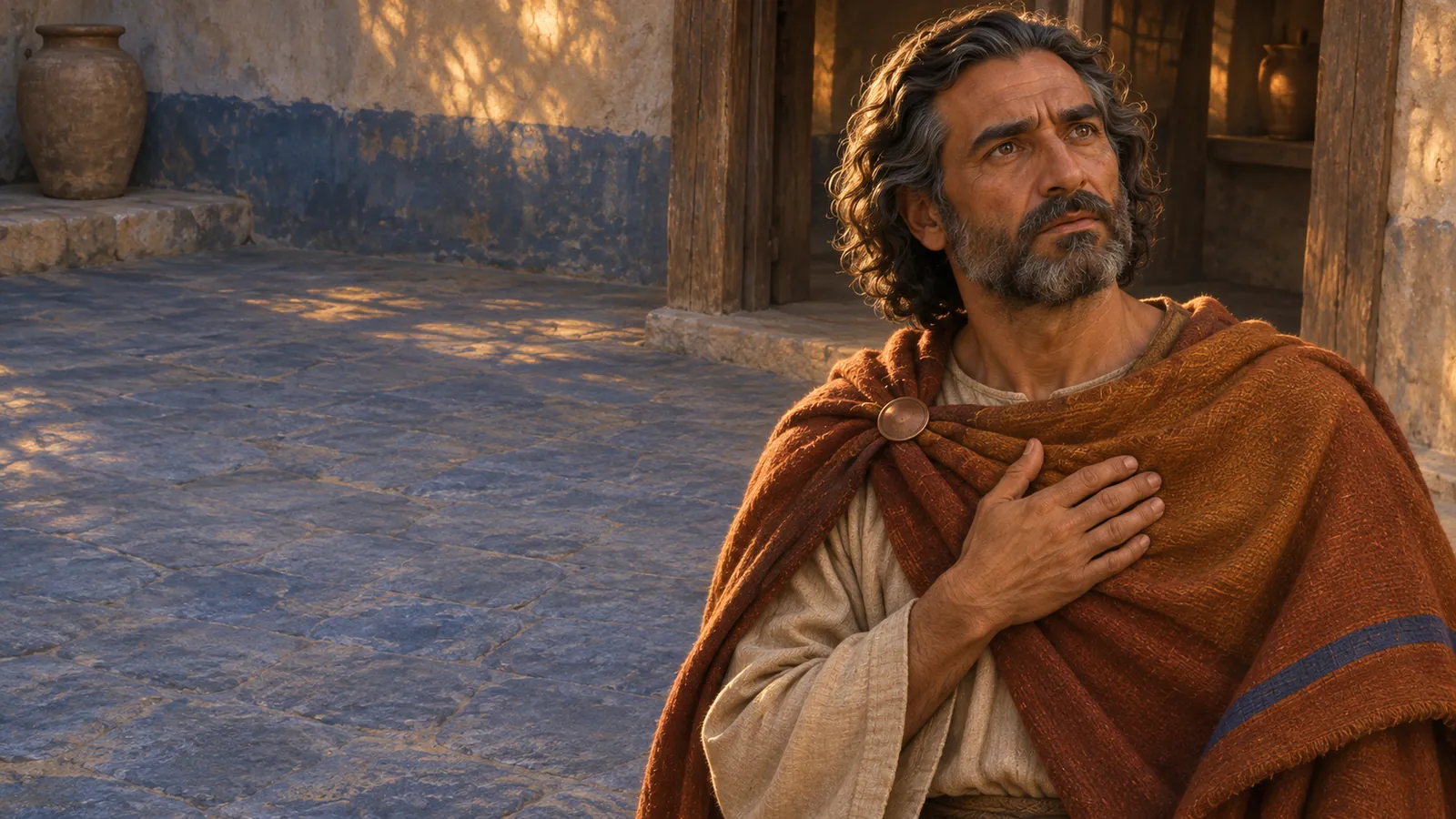
El sueño dice hasta dónde debe llegar el llamamiento. Pasa de casa en casa mientras El habla del viaje.
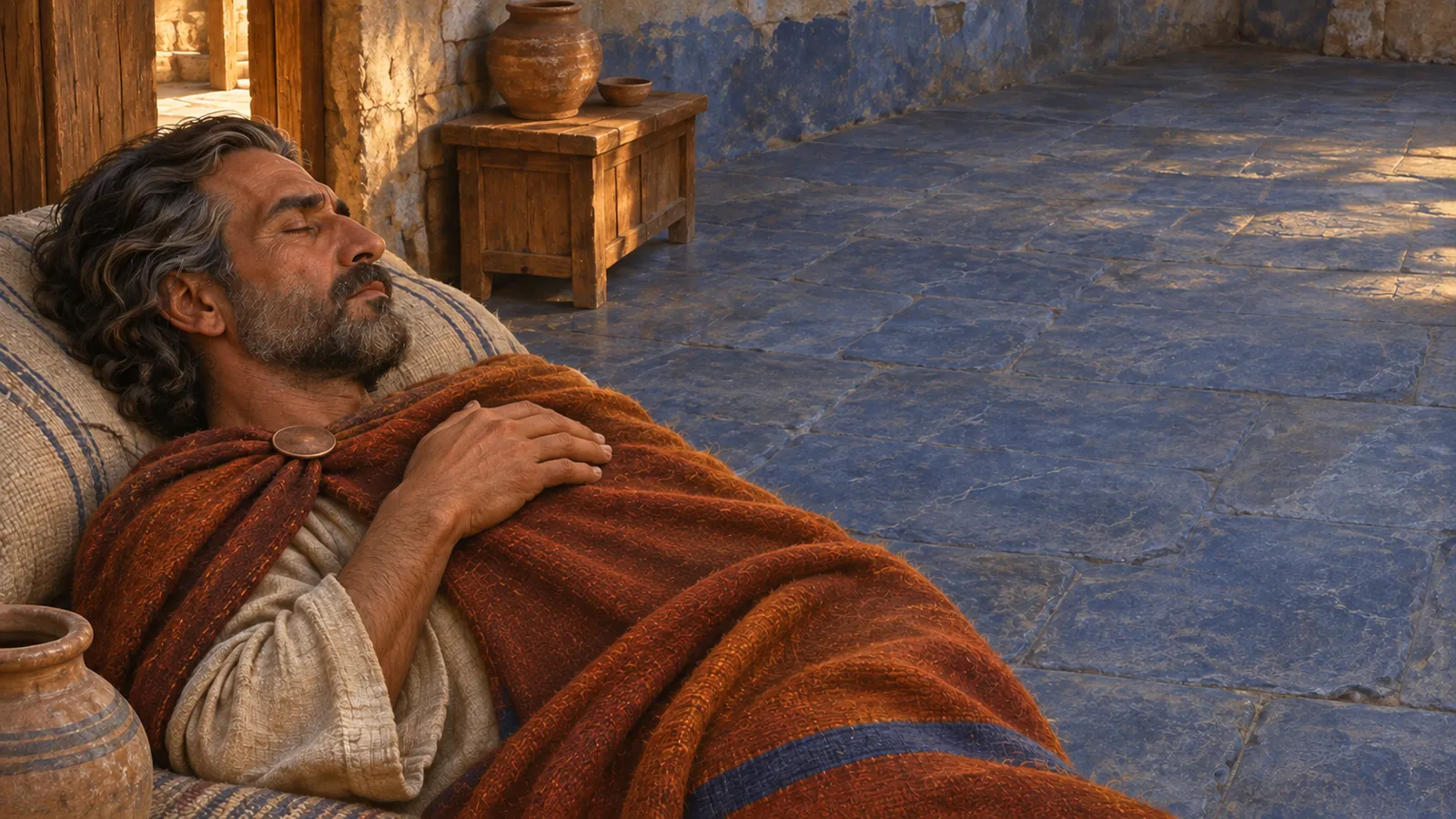
El nombra a Udum y cuenta los días que vienen. En el sueño, la llegada de Kirta ejerce presión sobre Udum y se prevé un intercambio de mensajes.
El sueño anuncia un mensaje de Pabil que ofrece riquezas. Kirta se negará a renunciar a lo que busca a cambio de ellas.
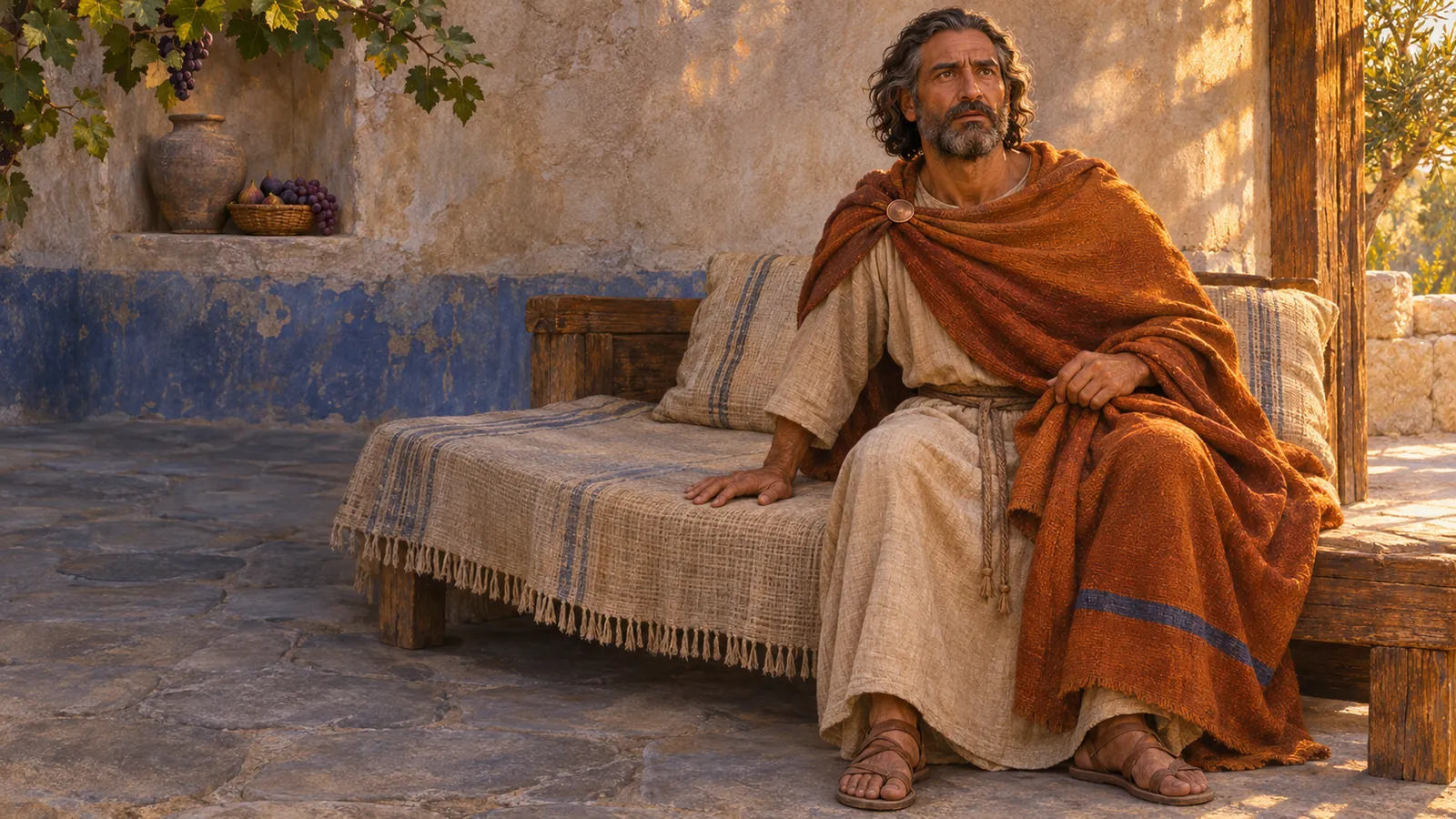
Kirta despierta del sueño. A partir de aquí, el poema cuenta lo que hace después de oír las palabras de El.
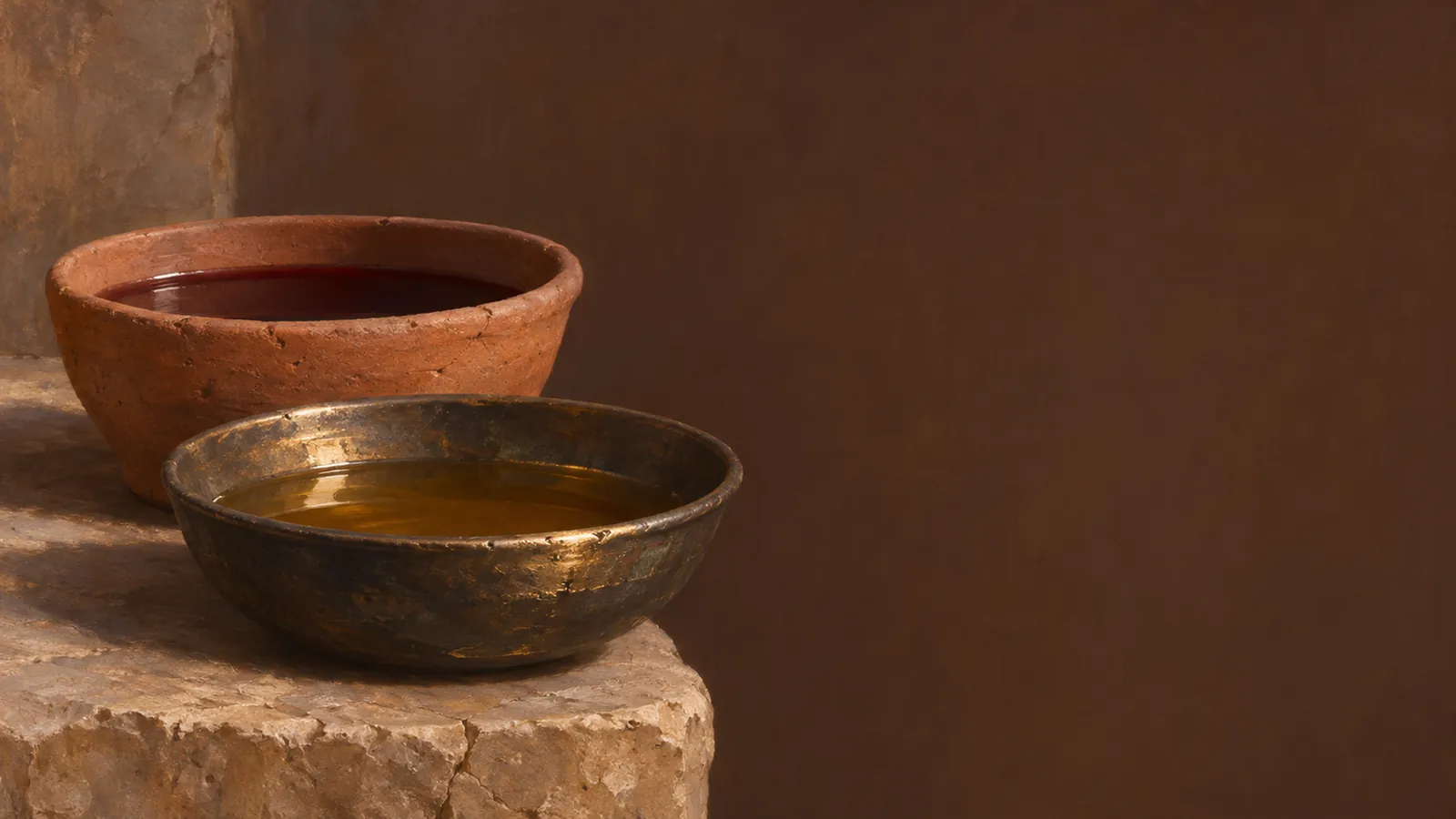
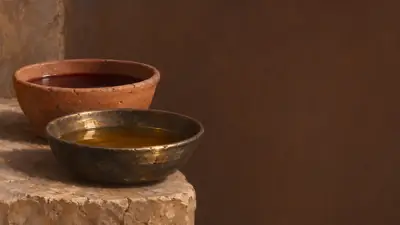
Kirta se prepara. Aparta vino y miel en recipientes y comienza los preparativos que oyó en el sueño.
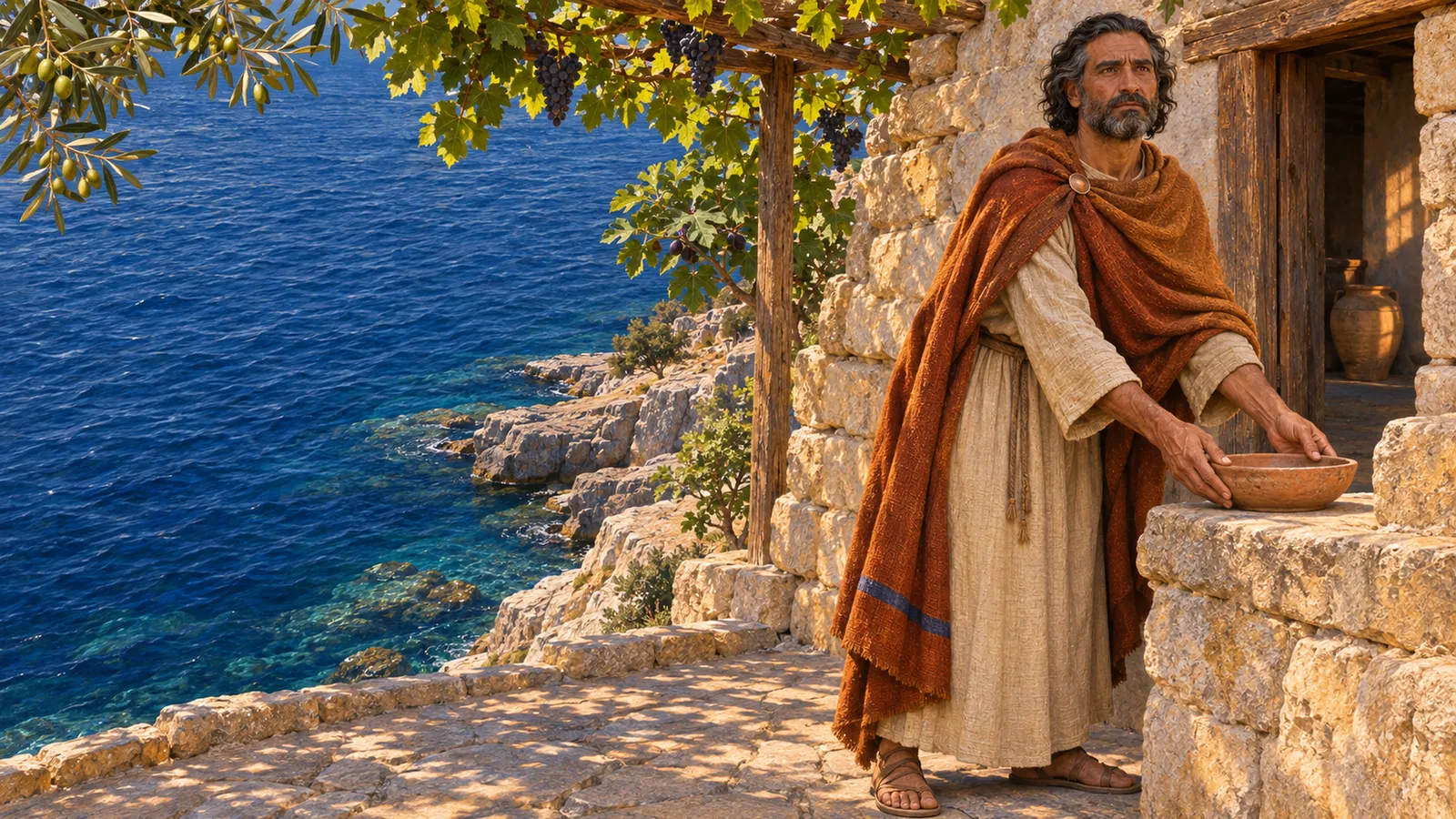
Kirta va a presentar la ofrenda, tal como se le indicó en el sueño. Los versos conservados no dan una respuesta inmediata.
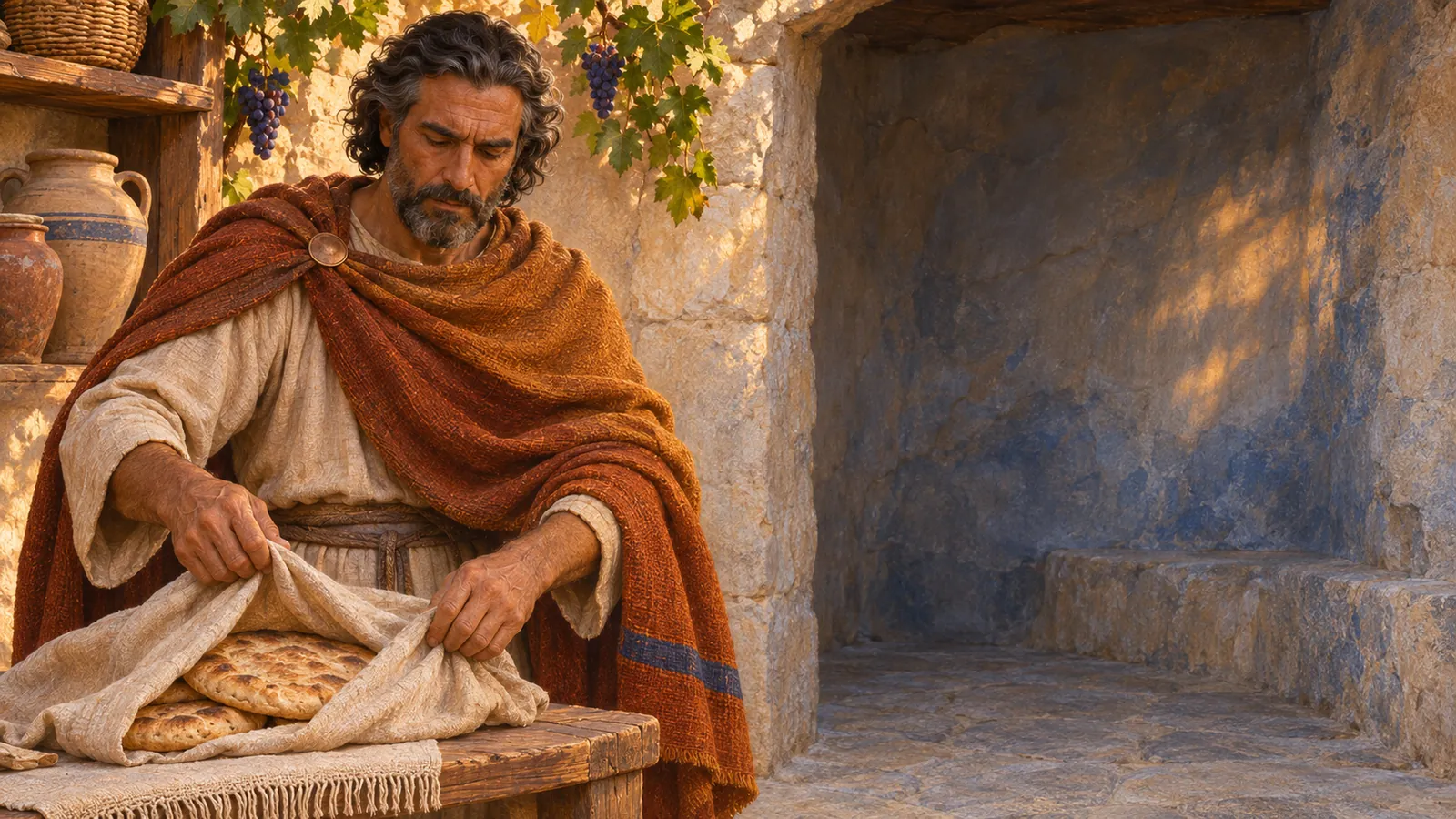
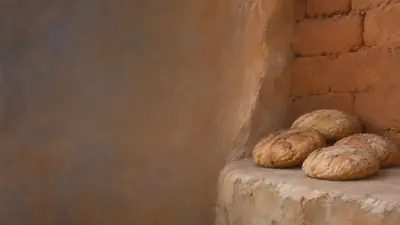
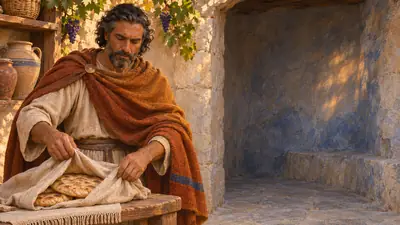
Kirta prepara el pan para el viaje. Las provisiones del sueño pasan ahora a formar parte de lo que hace.
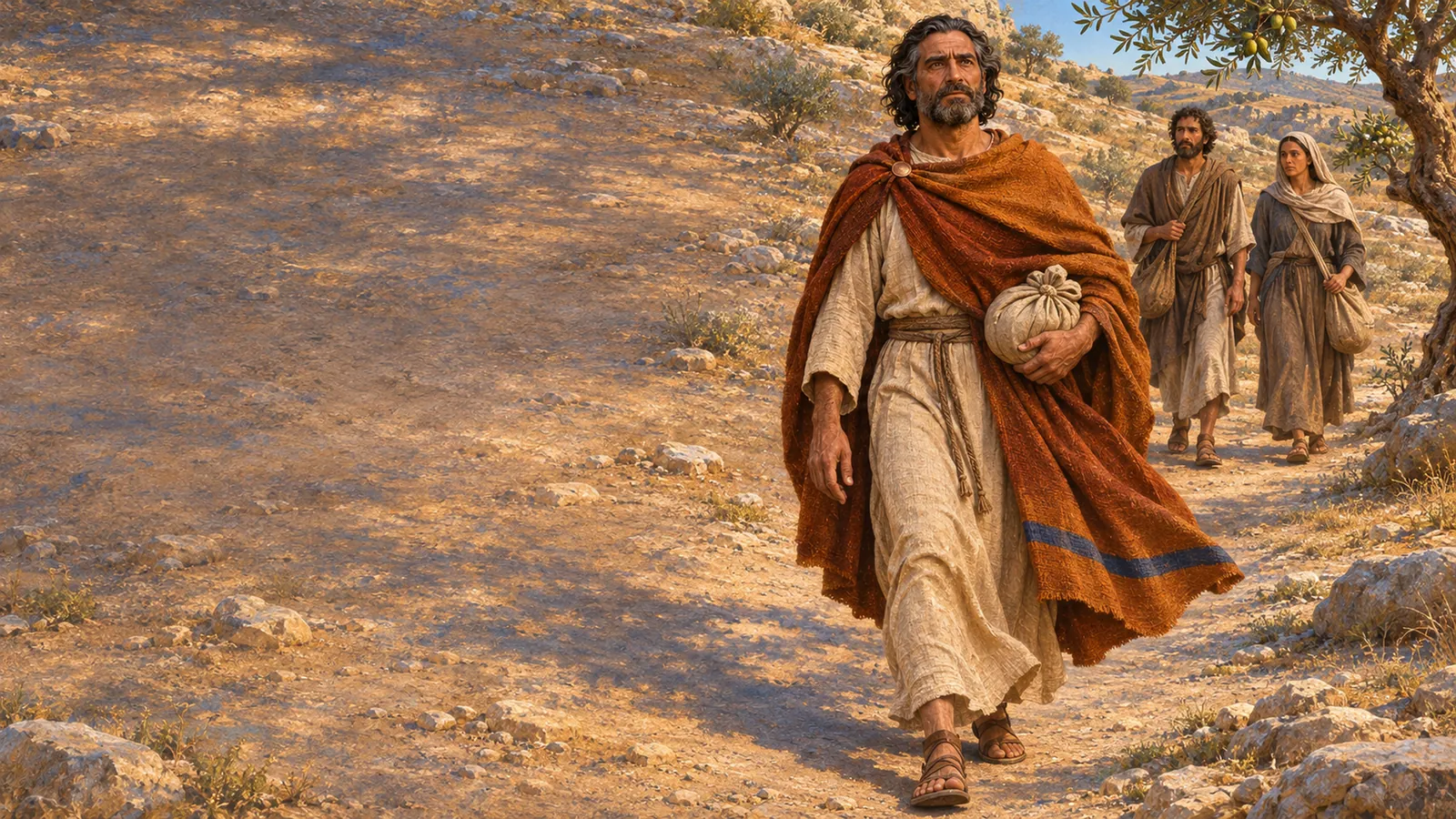
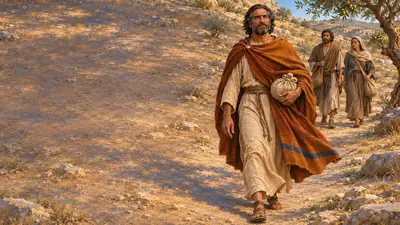
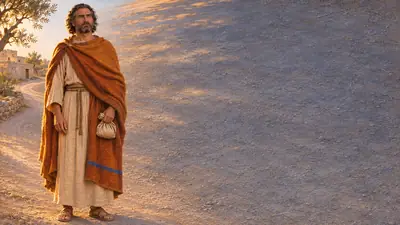
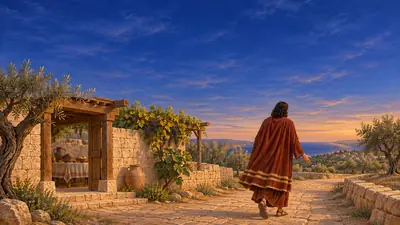
Kirta y sus acompañantes se ponen en marcha. El poema pasa de los preparativos a los días que pasan en el camino.
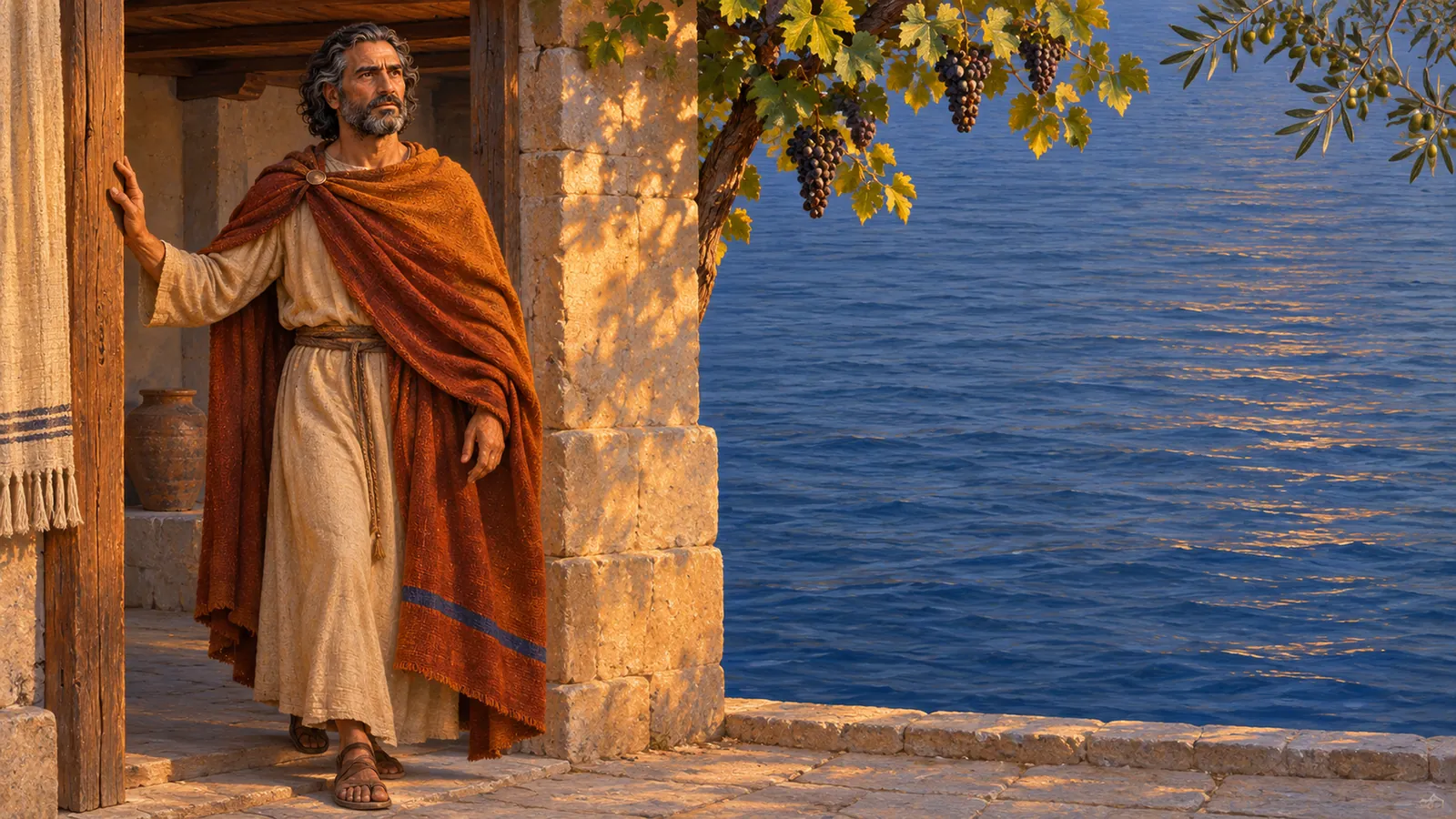
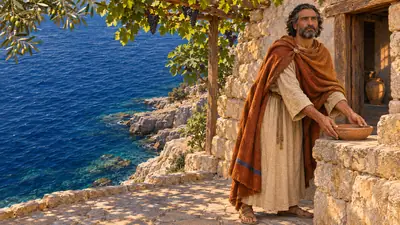
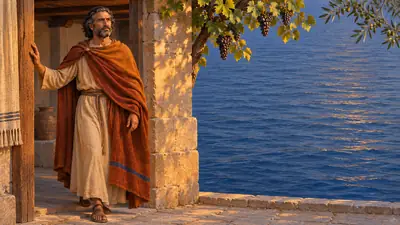
La tercera tarde, Kirta llega al santuario de Athirat, cuyo nombre vincula aquí el poema con Tiro y Sidón.
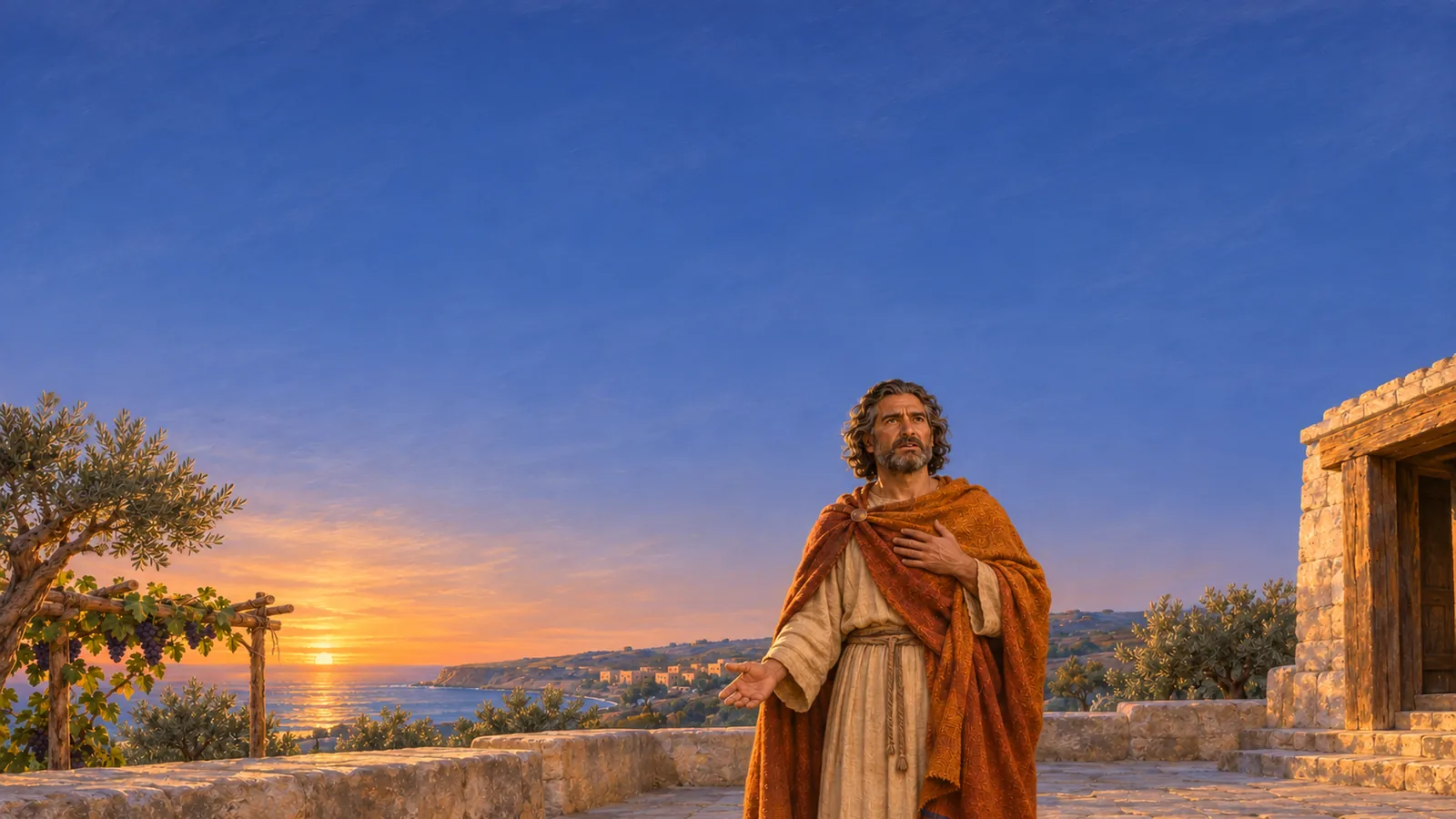
EL VOTO
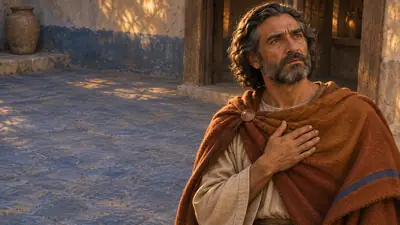
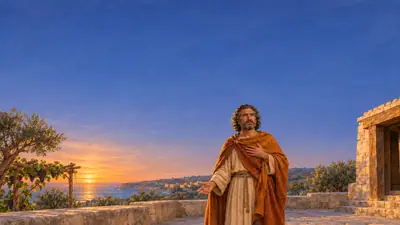
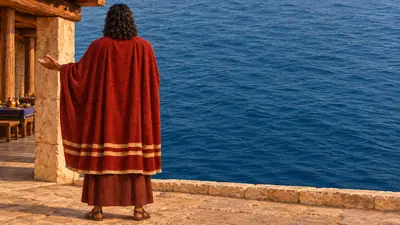
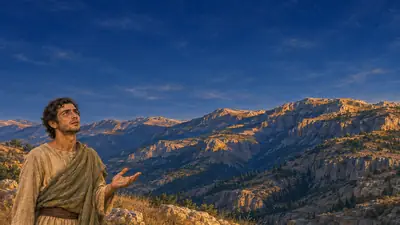
Kirta se detiene en el santuario de Athirat y le hace un voto. Esto ocurre en el camino, después de que despierta del sueño.
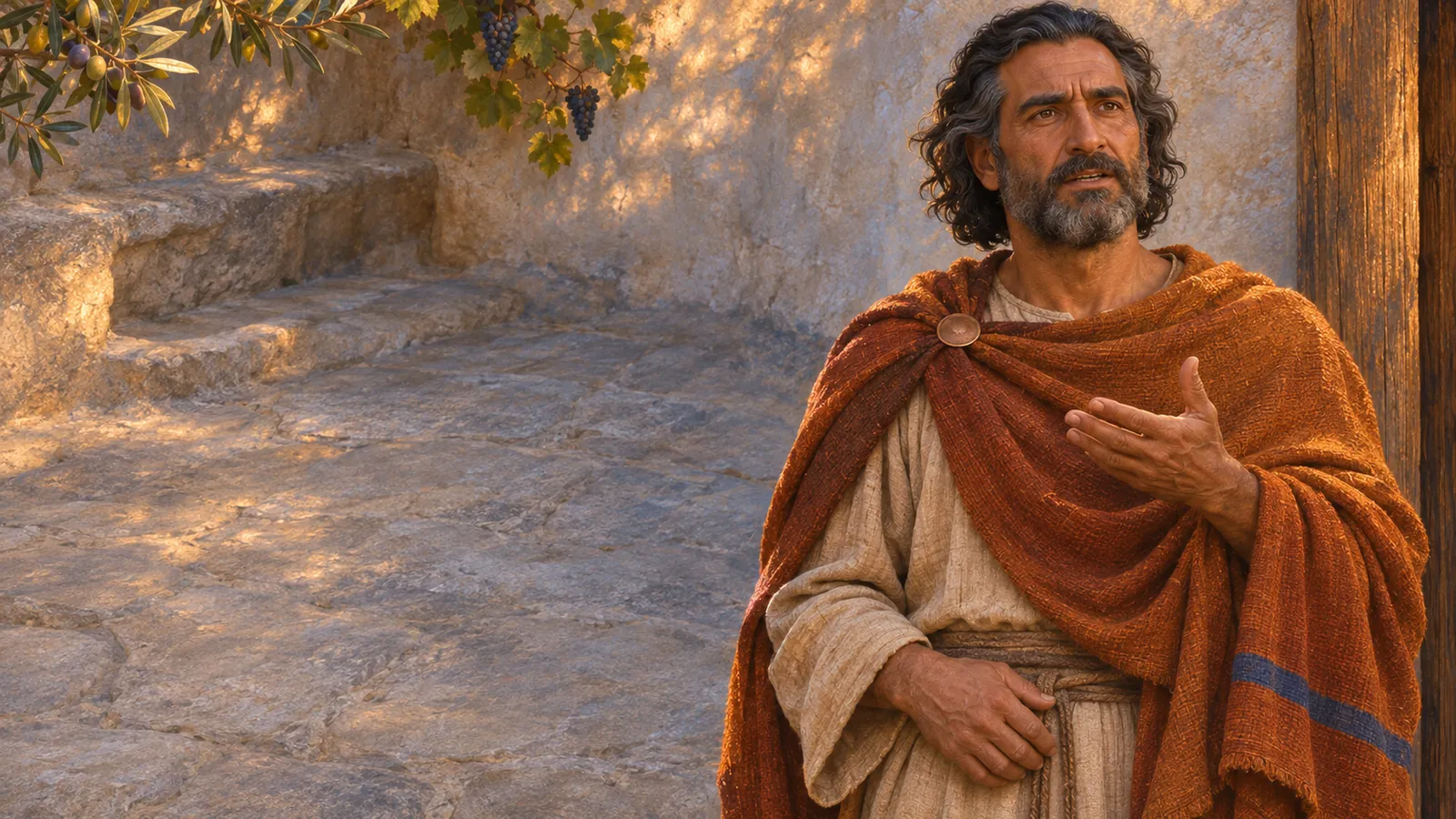
Kirta le promete a Athirat plata y oro si consigue lo que busca. Su promesa depende de cómo termine el viaje.
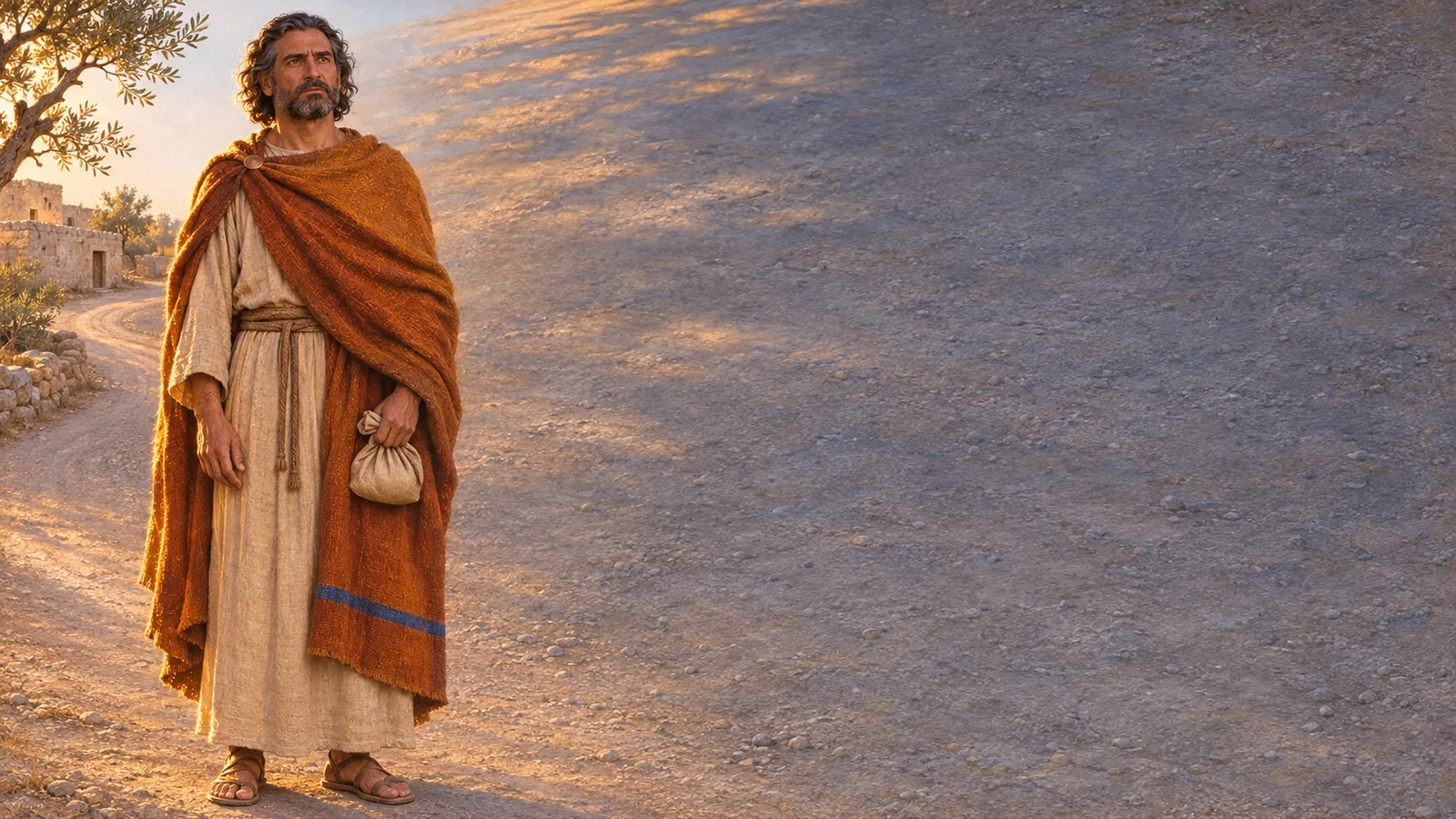
Se reanuda la cuenta de los días y el viaje llega a Udum. La mañana del séptimo día, el relato pasa a Pabil.
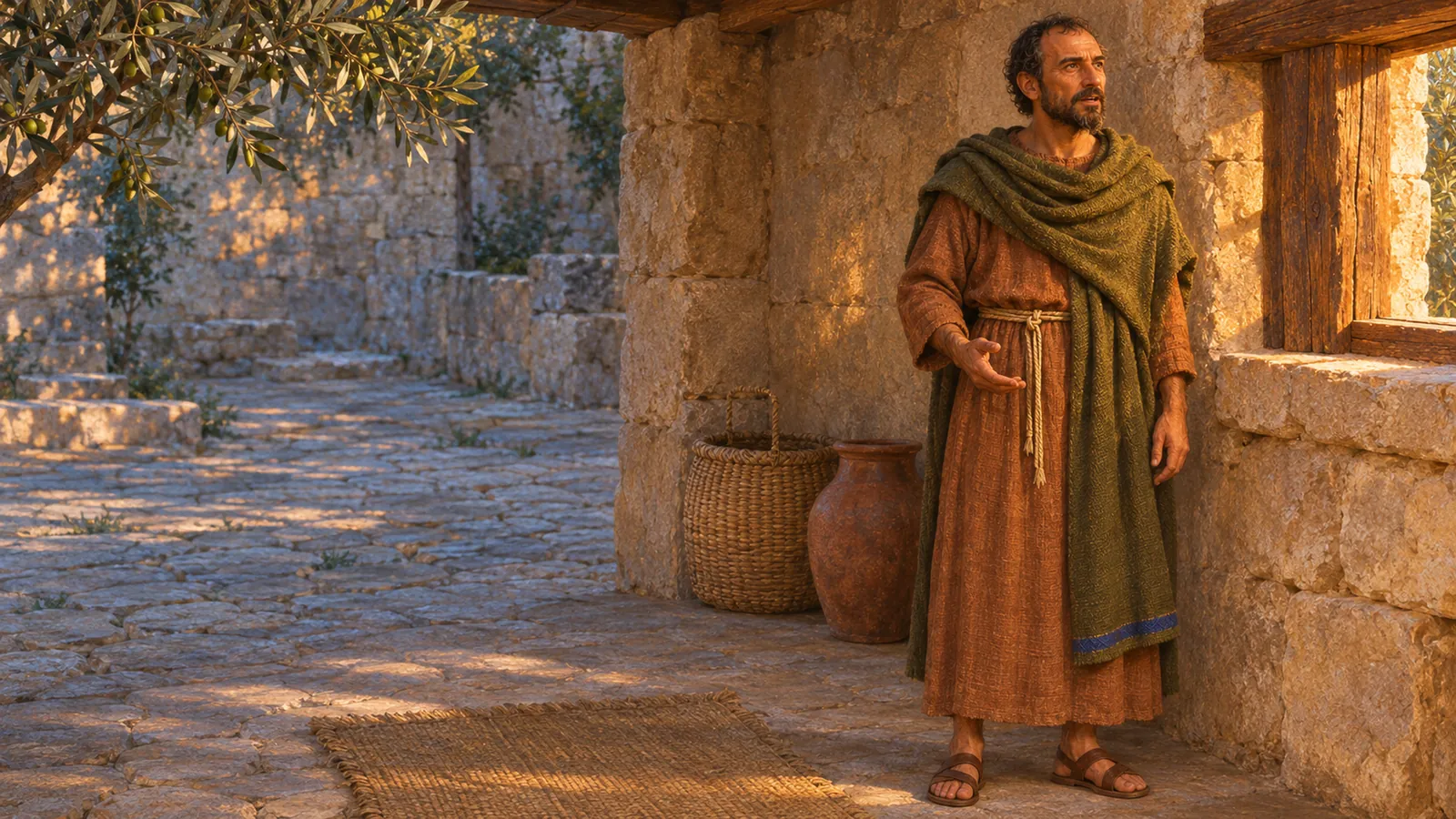
Al amanecer, Pabil oye los sonidos de los animales. Llama en voz alta mientras el poema sigue la mañana desde su lado.
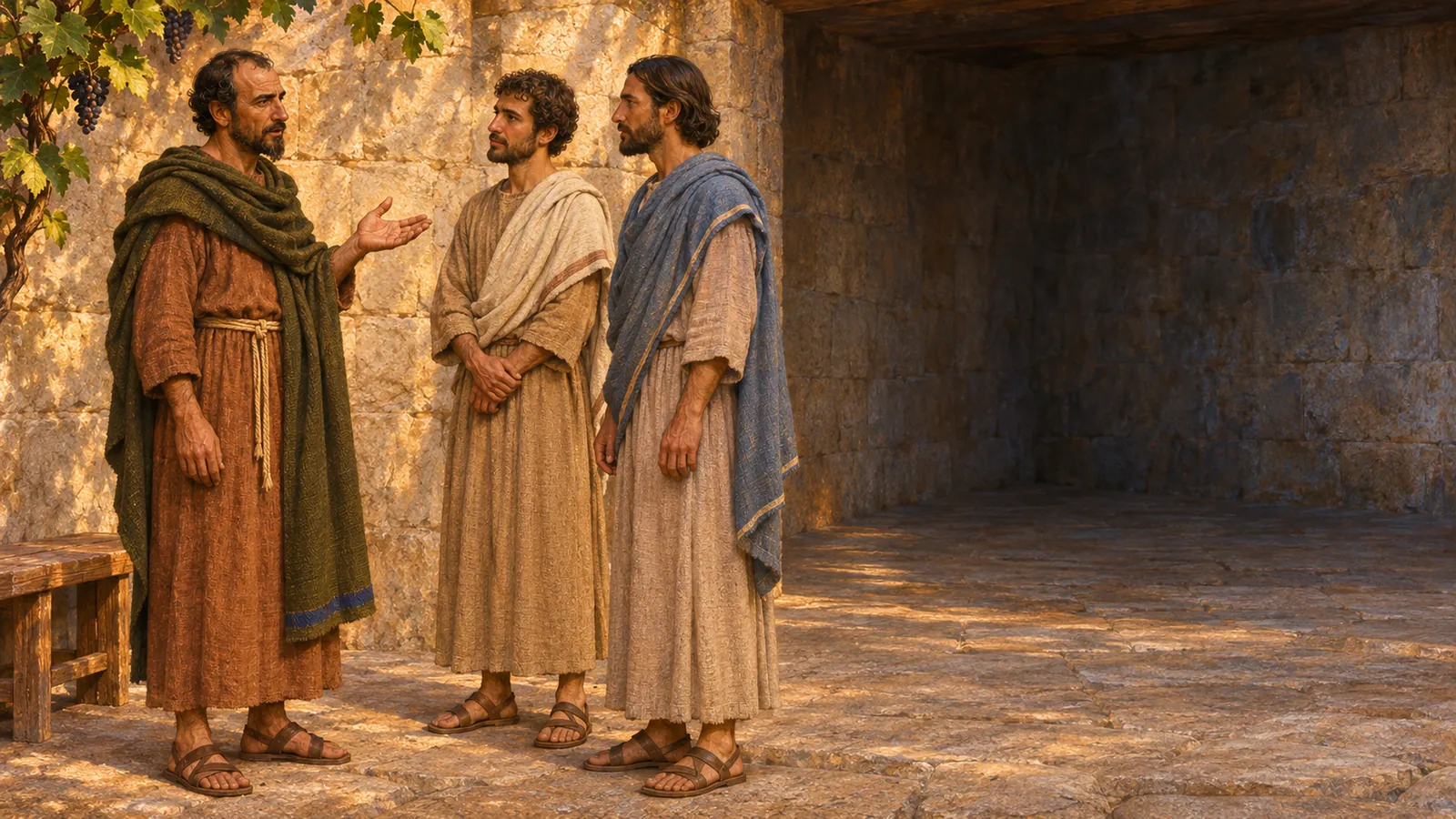
Cuando las palabras vuelven a ser claras, Pabil le ofrece riquezas a Kirta y le pide que se marche. La oferta se transmite en un mensaje.
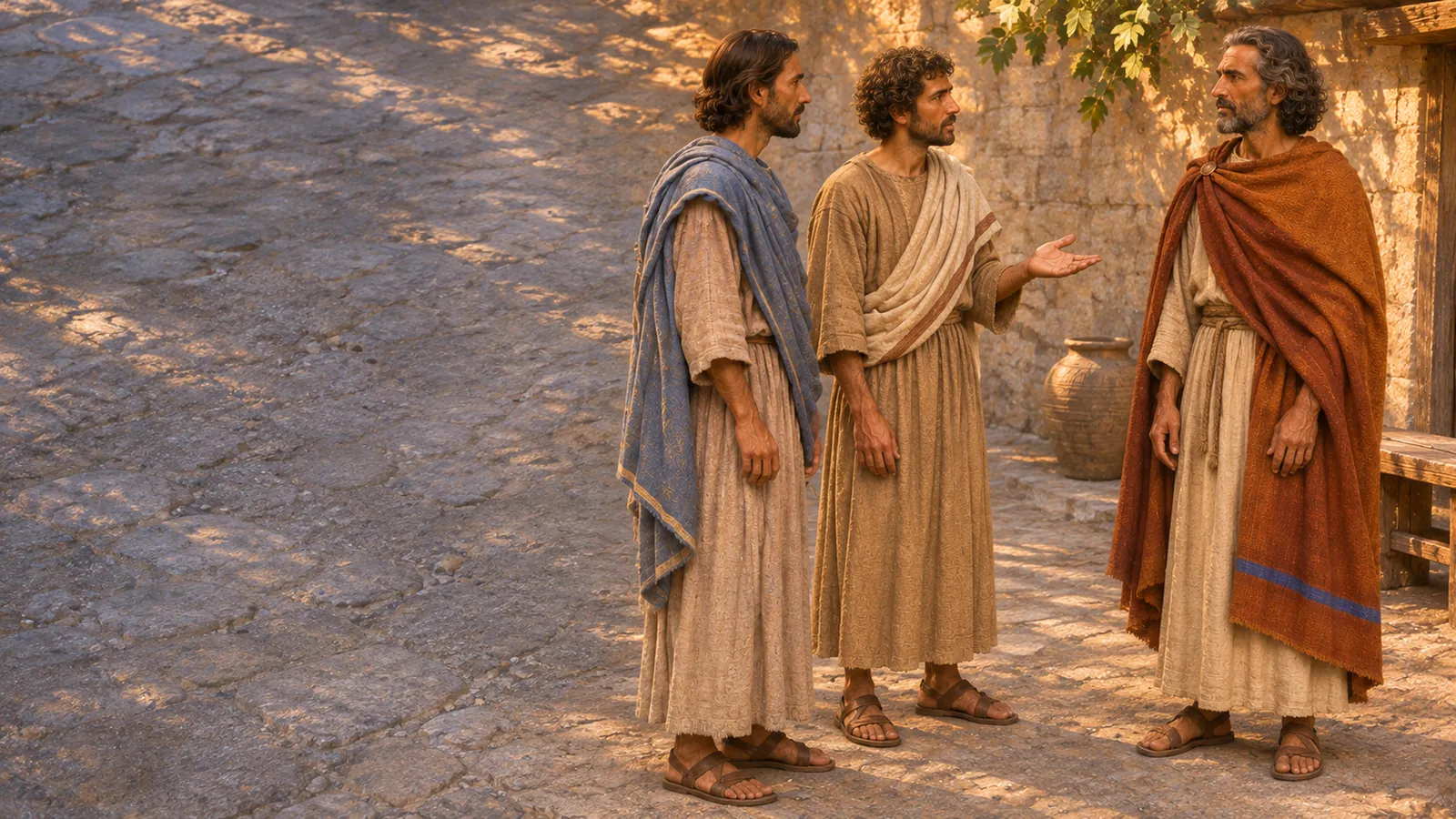
Los enviados de Pabil llevan sus palabras a Kirta. Cuando llegan ante él, repiten la oferta que debían transmitirle.
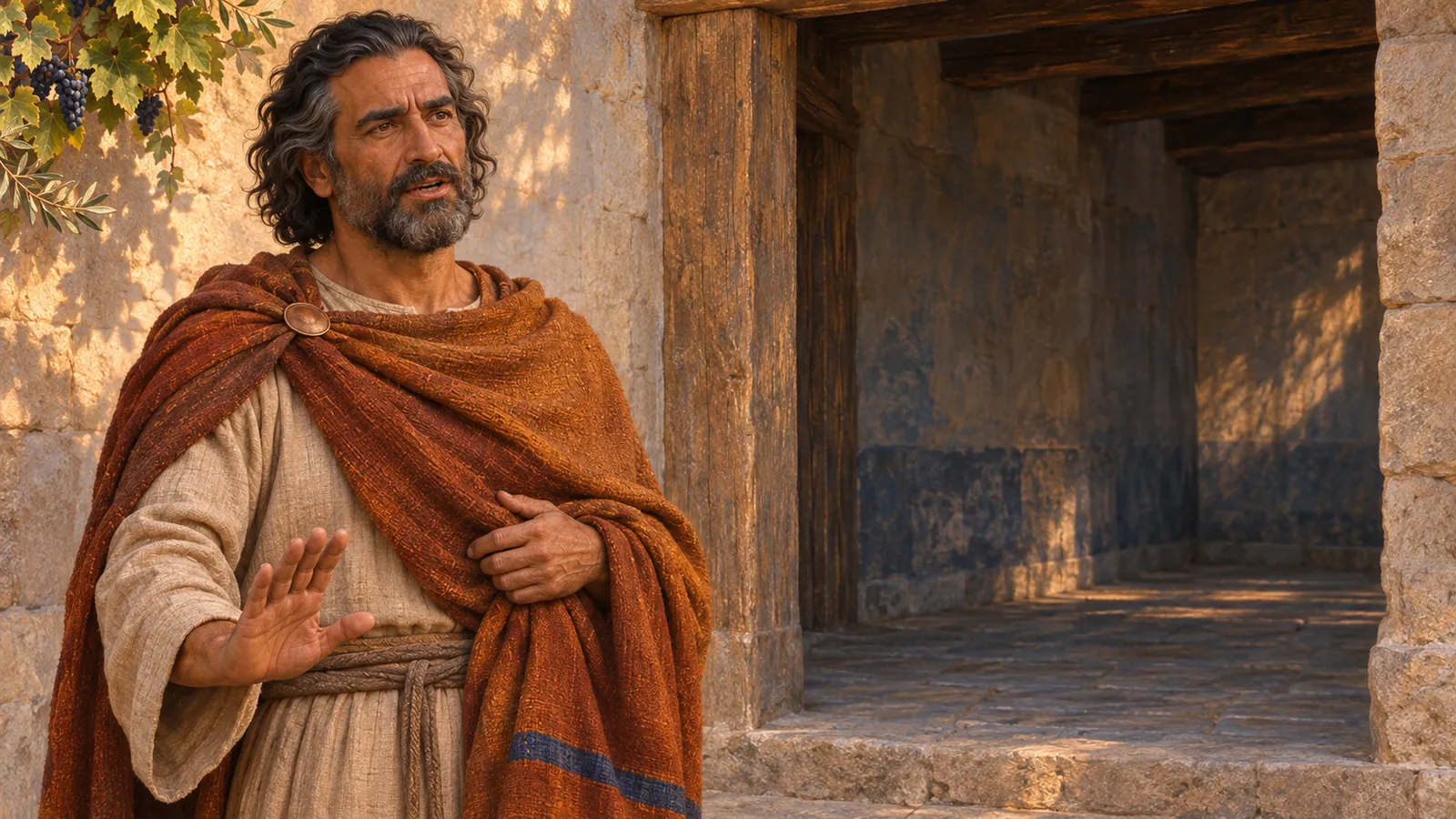
Kirta rechaza la oferta de Pabil y le envía su respuesta. El intercambio recuerda la negativa que El había anunciado en el sueño.
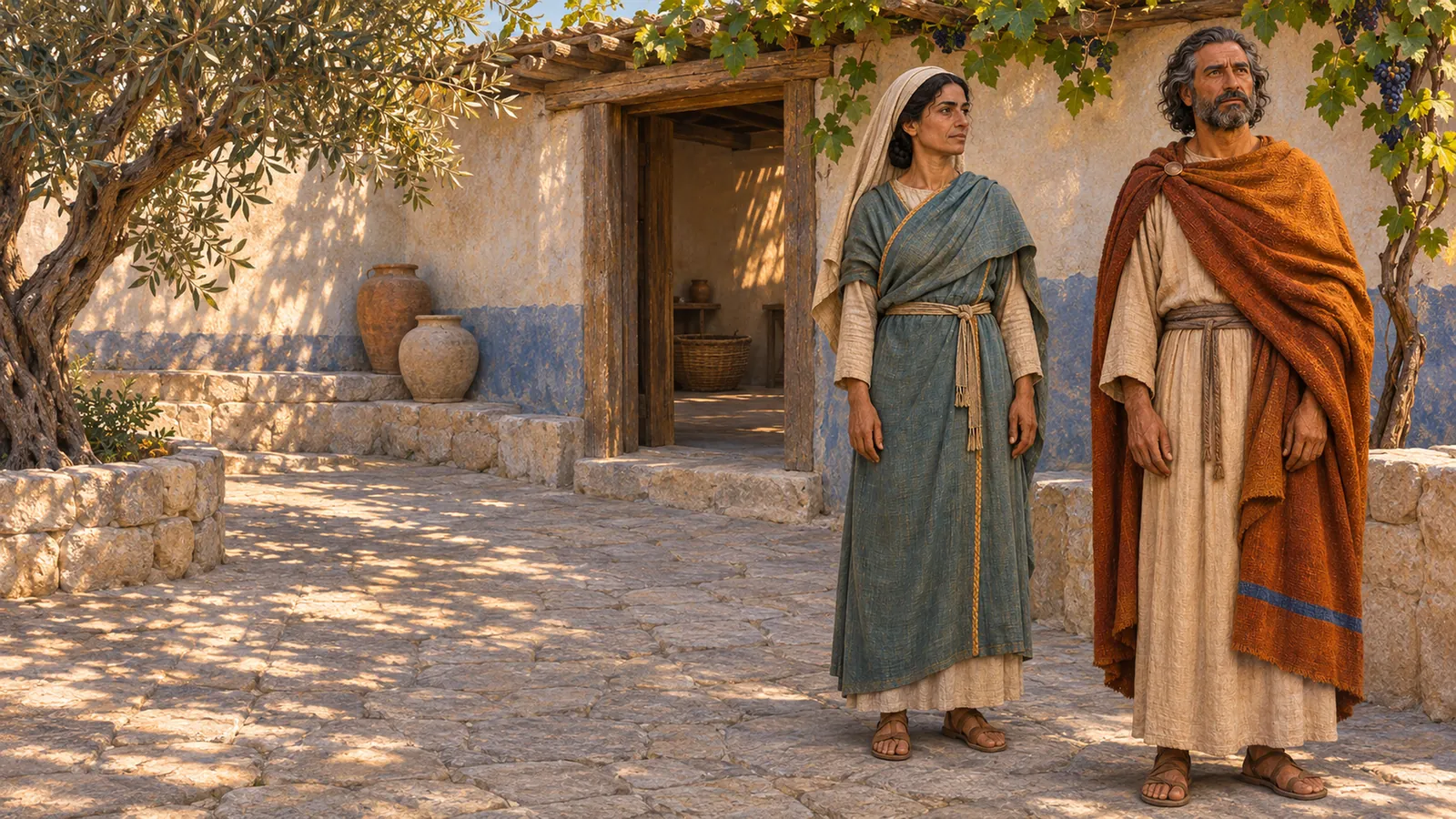
Pabil cede ante la presión de Kirta y Hurriya se convierte en su esposa, aunque el pasaje que enlaza estos hechos está dañado.
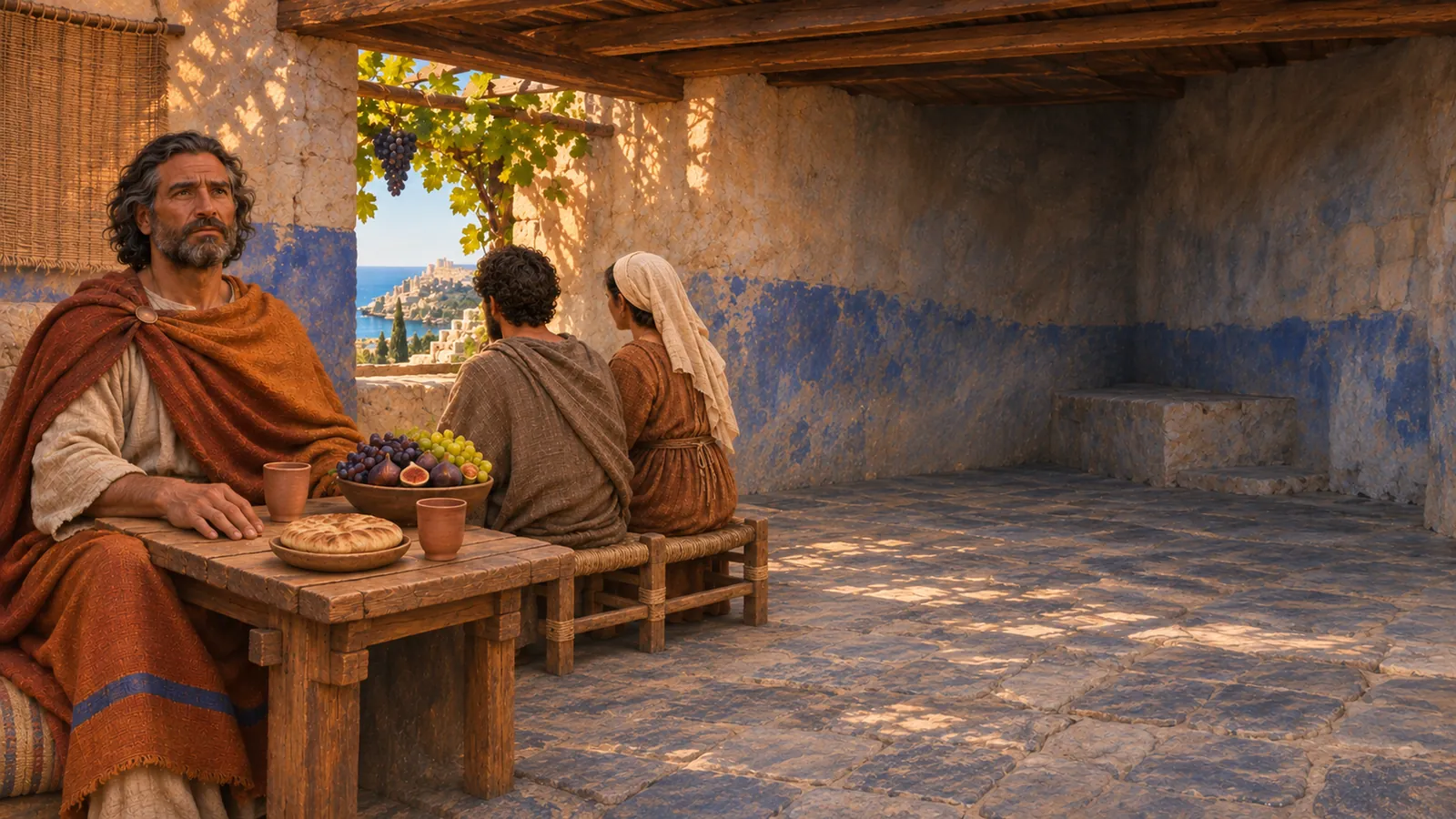
Tras otra laguna, el poema vuelve a una reunión y a un banquete. Se habla de la comida mientras se reúnen los invitados.
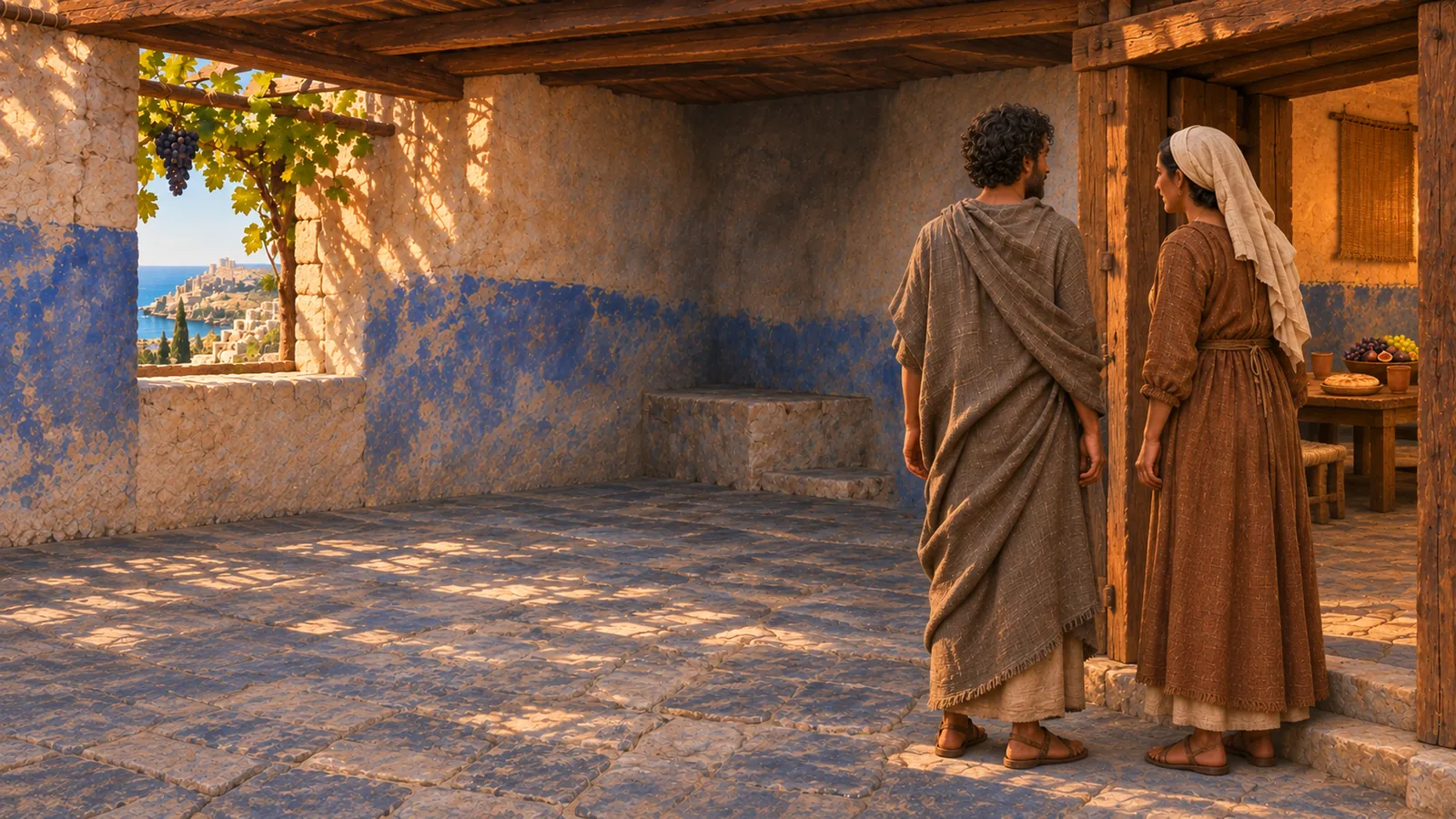
El poema se detiene junto a las puertas mientras se reúnen los invitados. Pronto se pedirá una bendición para Kirta.
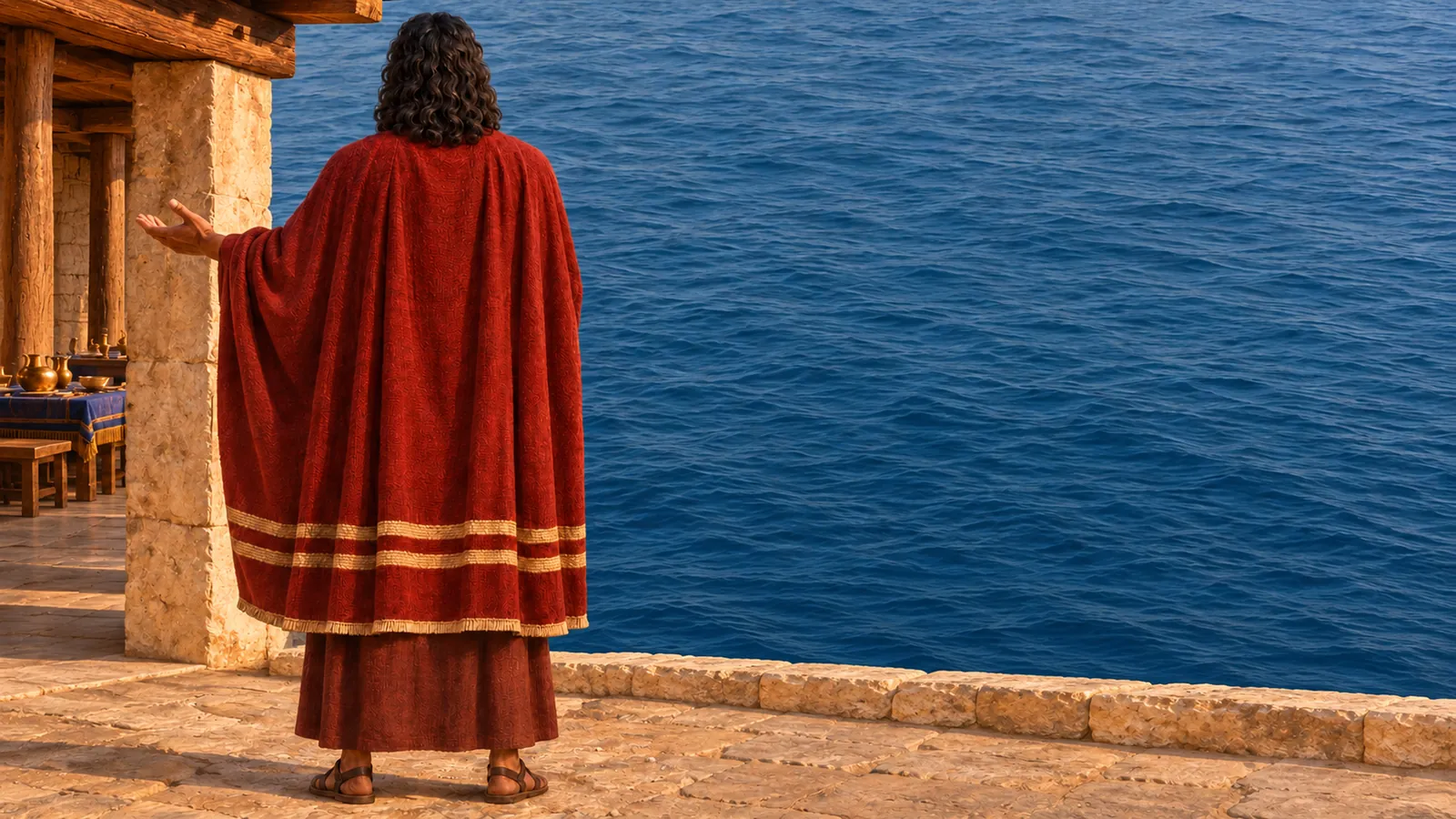
Mientras los invitados siguen reunidos en la sala, Baal le pide a El que bendiga a Kirta.
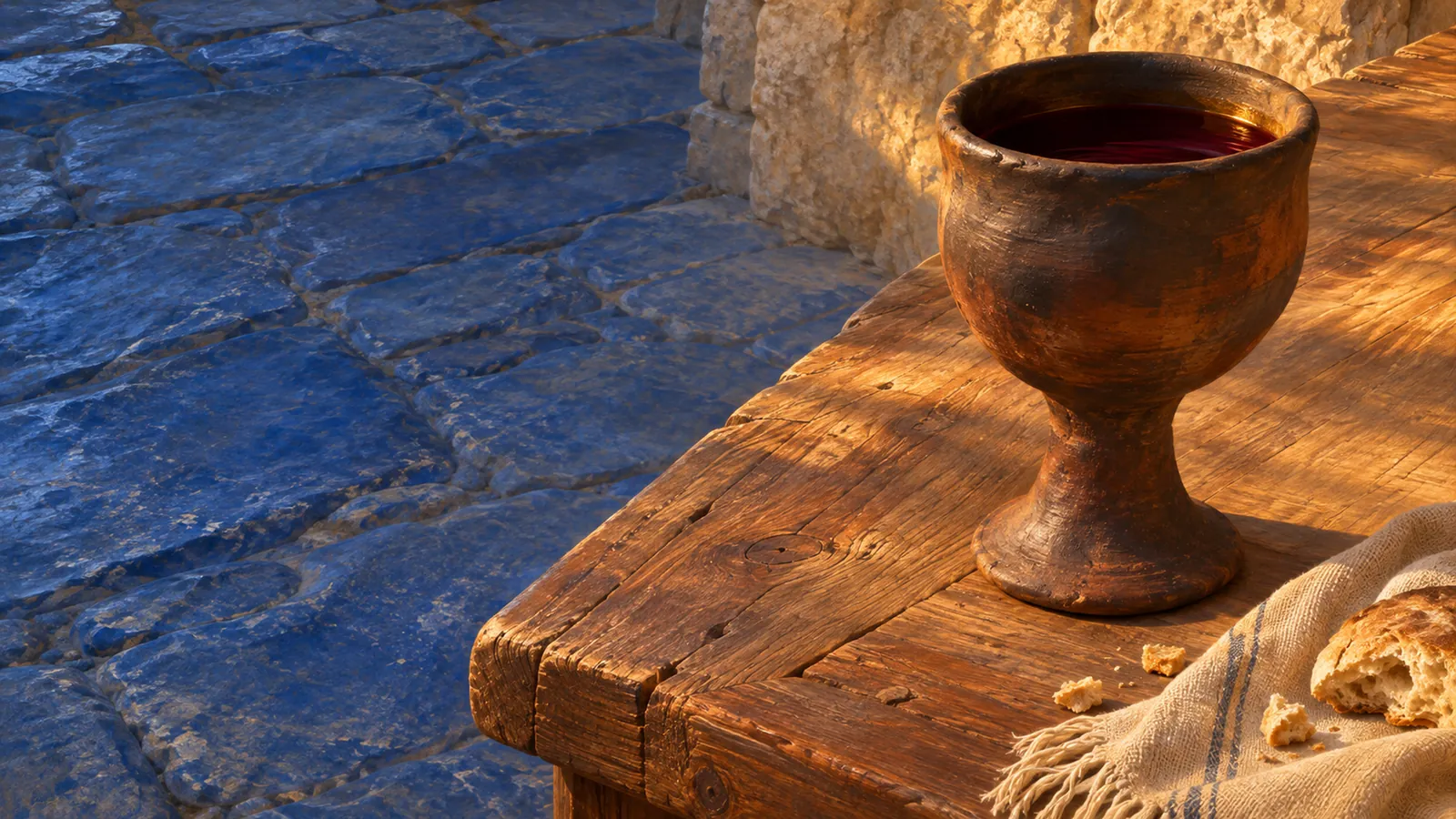
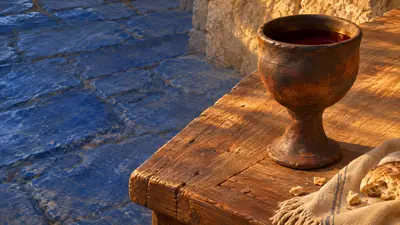
El toma una copa y comienza su bendición. Se dirige a Kirta ante los reunidos, y el relato se detiene a escuchar sus palabras.
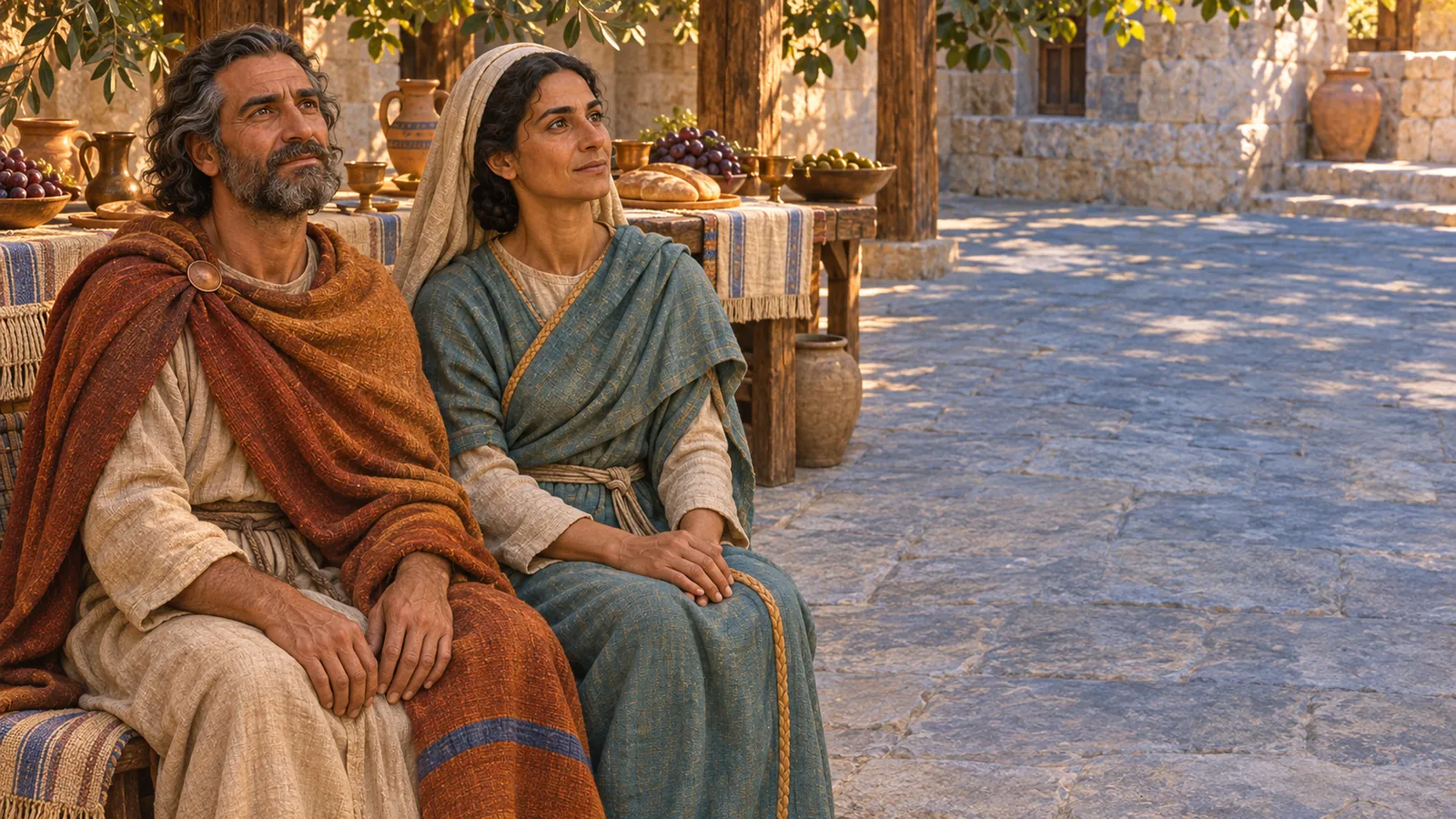
La bendición anuncia que habrá hijos en la casa de Kirta. Sus palabras también nombran una asamblea de seres venerados del pasado.
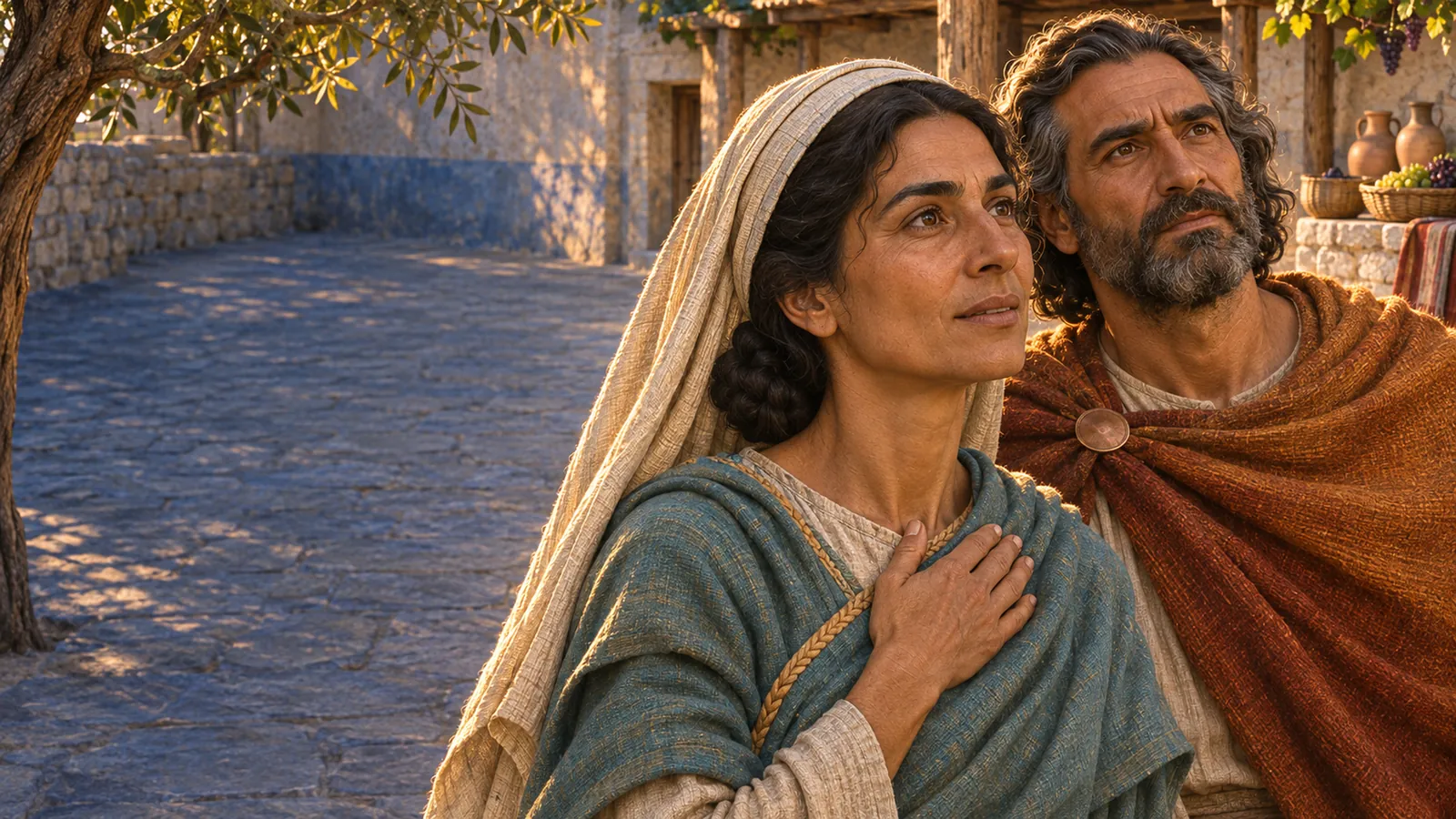
La bendición de El continúa con hijas e hijos. A la casa que al comienzo del poema parecía carecer de futuro se le promete una nueva generación.
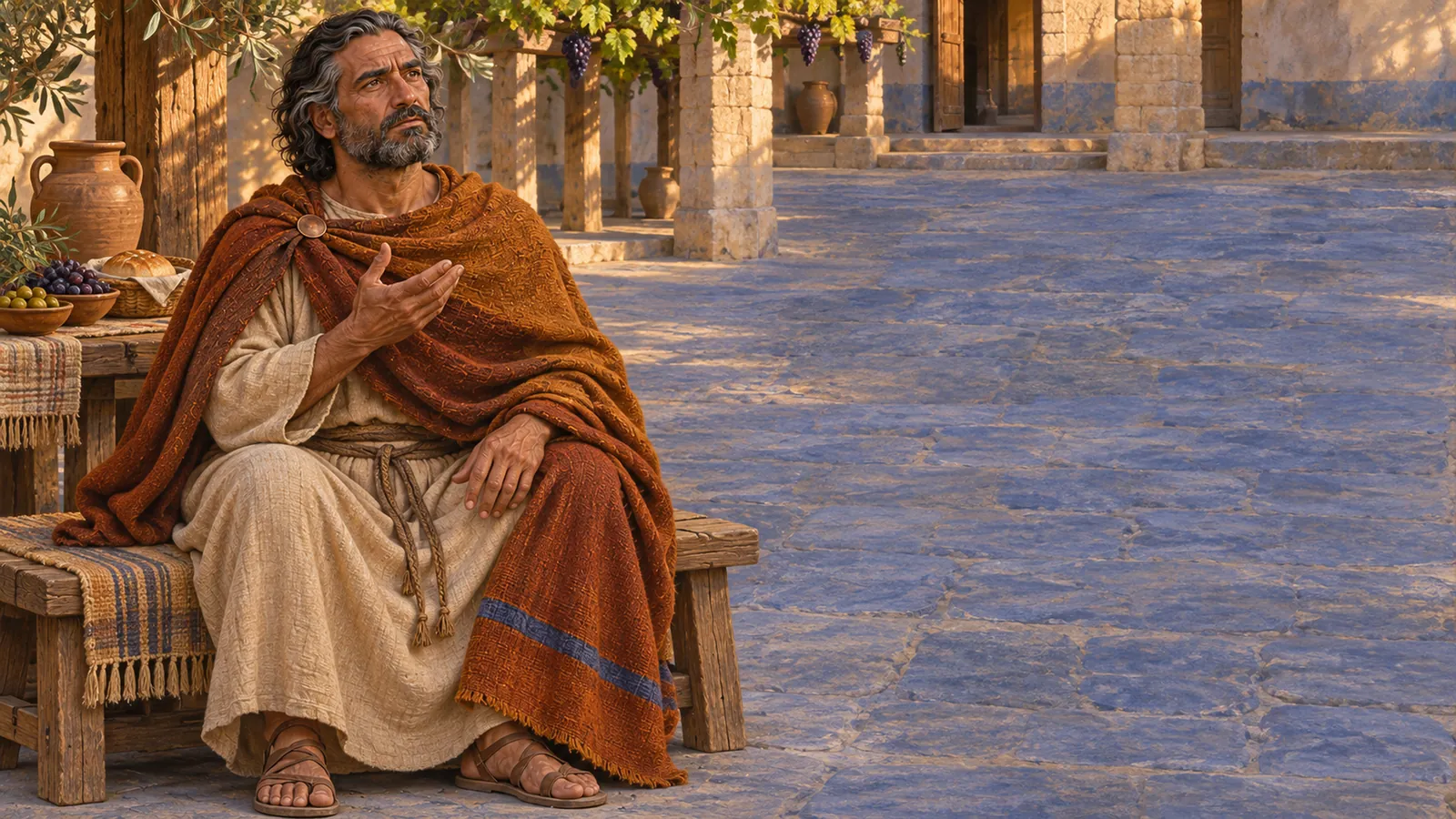
La bendición de El concede al menor el rango de primogénito. El poema lo dice en la bendición, mucho antes de la disputa por el trono de Kirta.
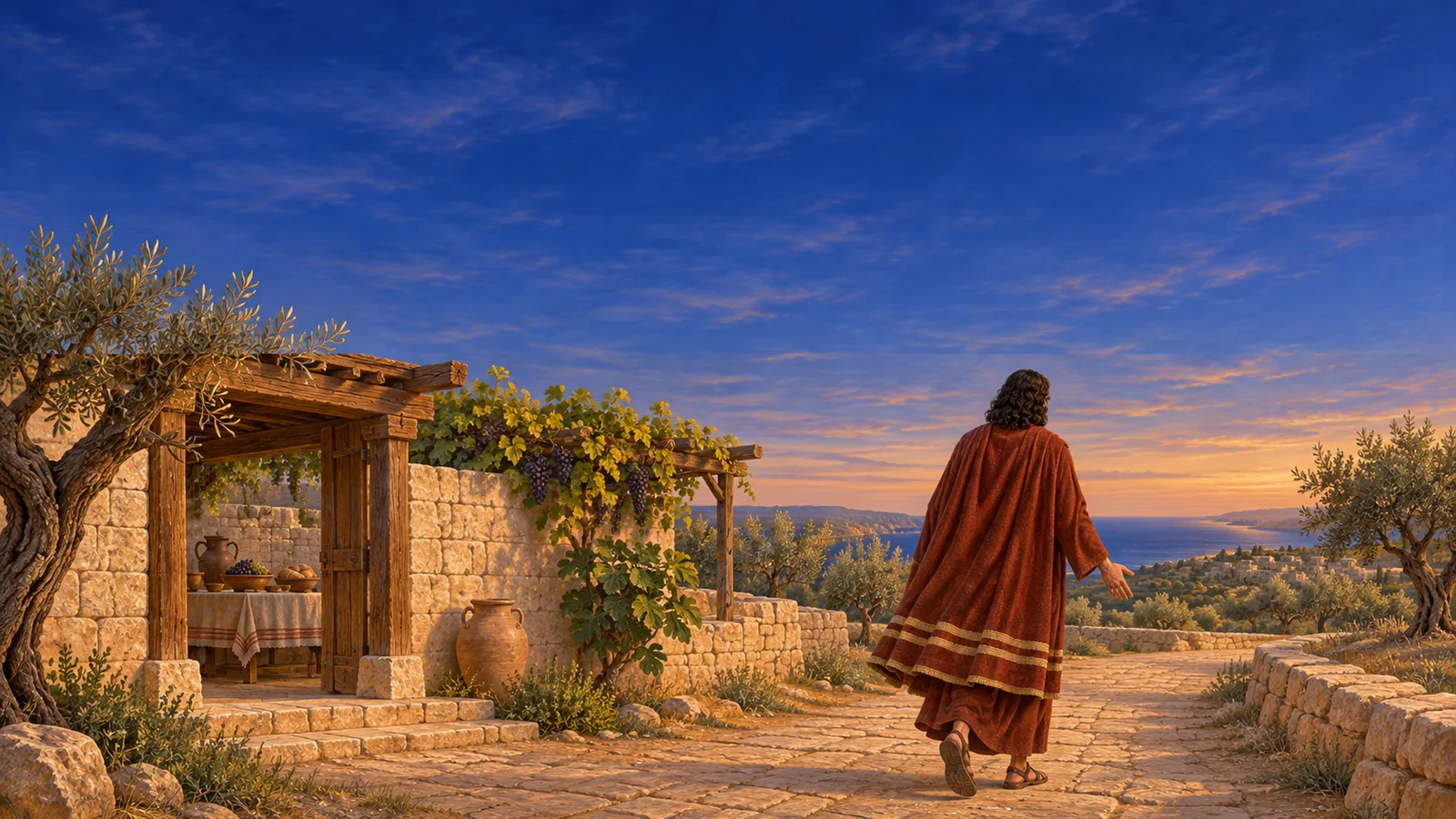
Los reunidos añaden sus bendiciones. Una vez pronunciadas las palabras, los dioses regresan a sus moradas y el banquete llega a su fin.
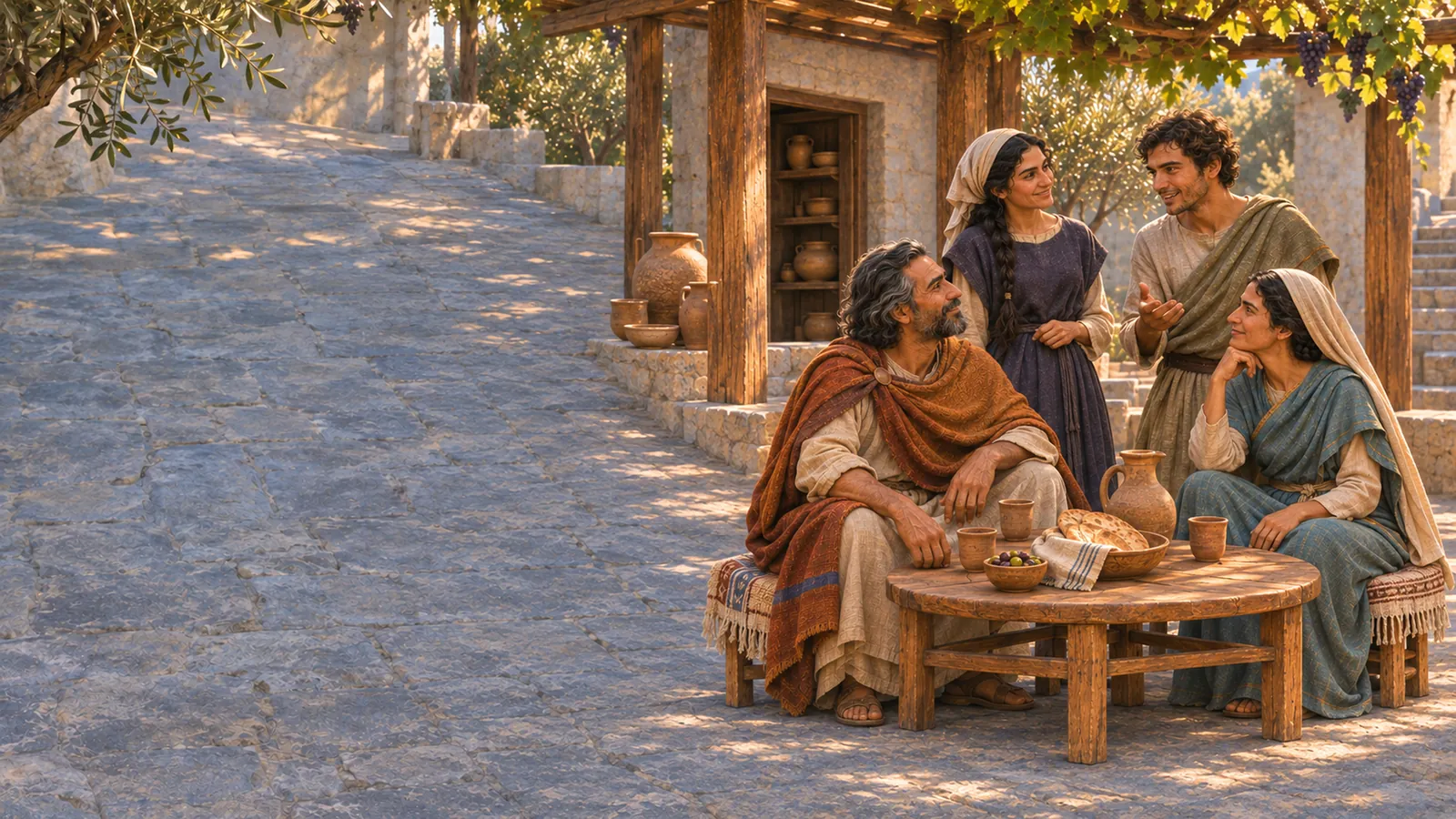
Pasan los años. El poema habla de los hijos en la casa de Kirta y Hurriya y recuerda la bendición que prometía una nueva generación.
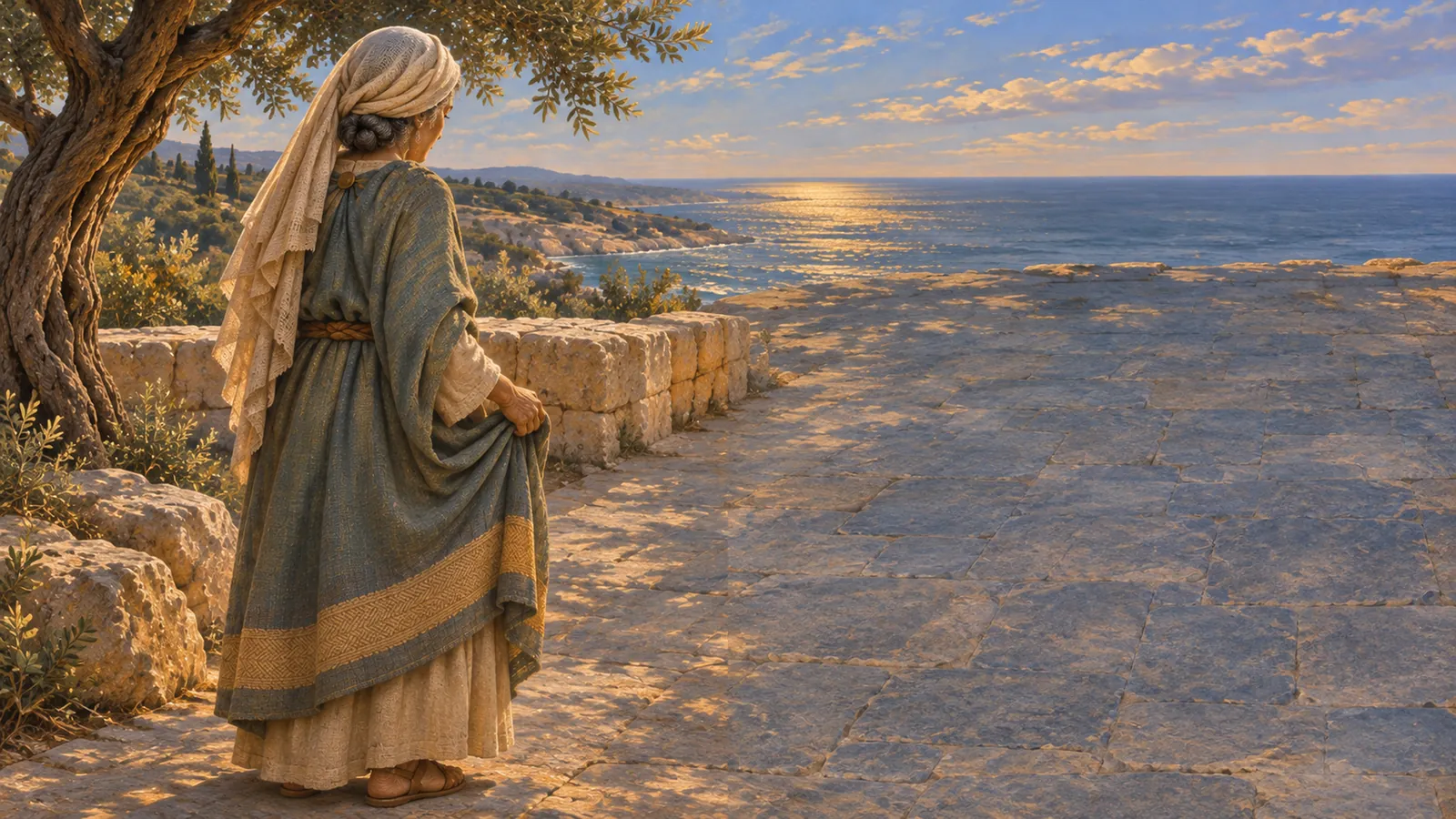
EL VOTO
Tras esos años, Athirat recuerda el voto que Kirta le hizo. La promesa sigue sin cumplirse. Las líneas siguientes se vuelven difíciles de leer.
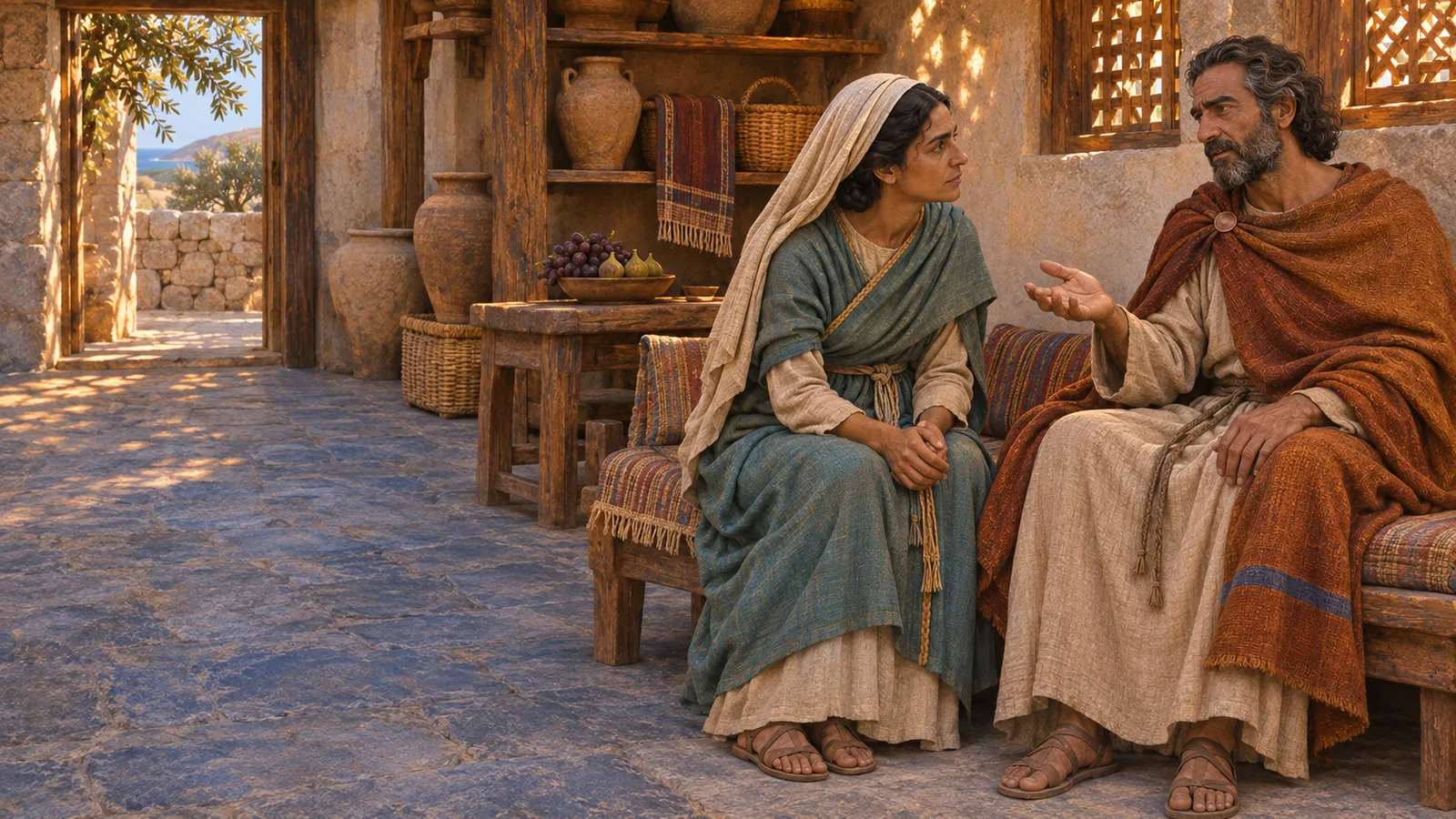
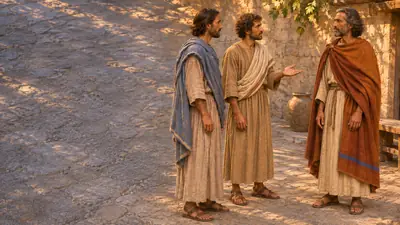
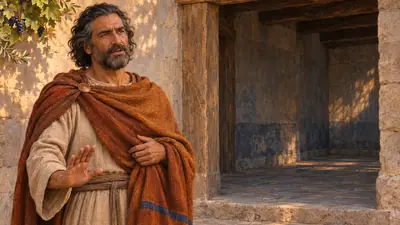
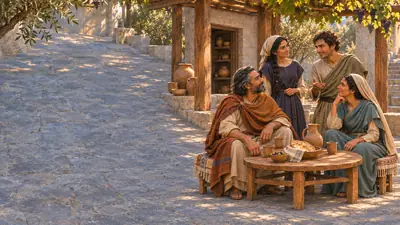
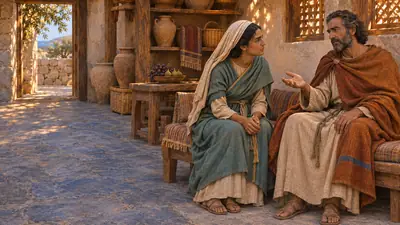
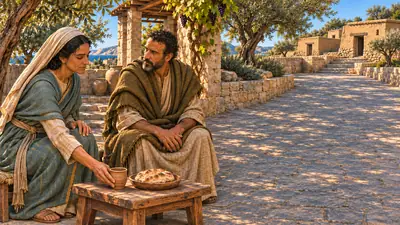
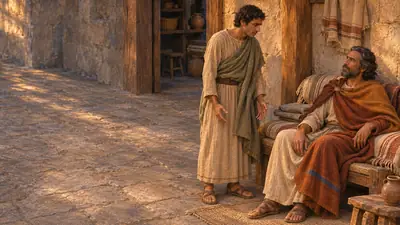
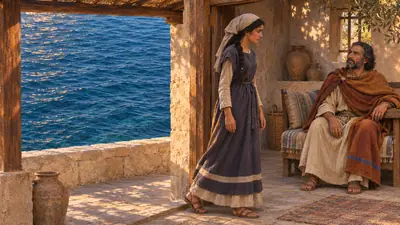
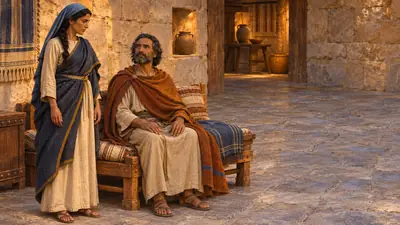
Kirta está gravemente enfermo. Pide a Hurriya que invite a gente a la casa y les prepare una comida. Ella se hace cargo de la reunión.
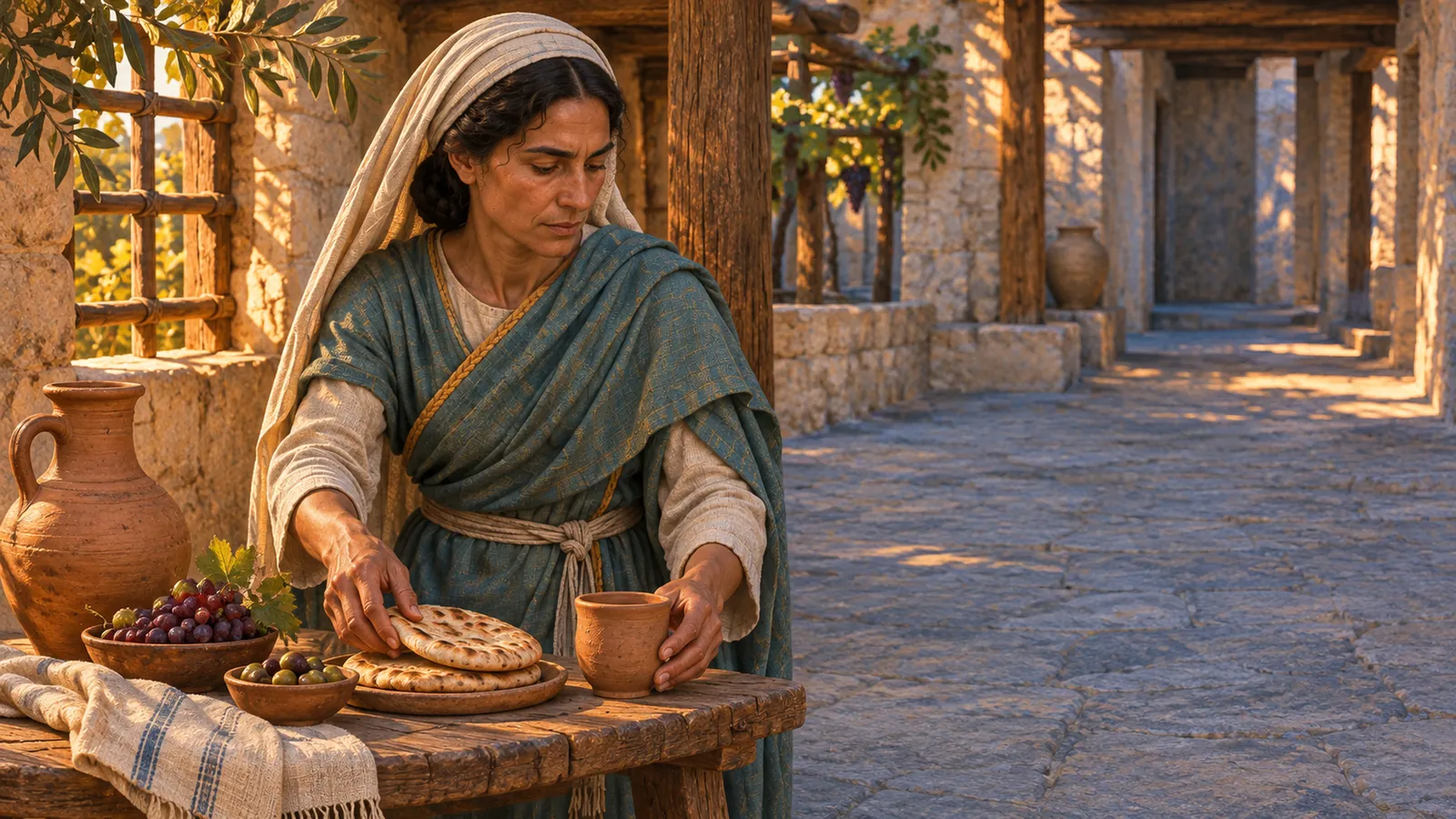
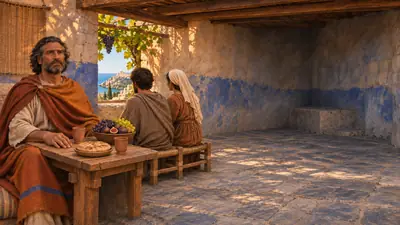
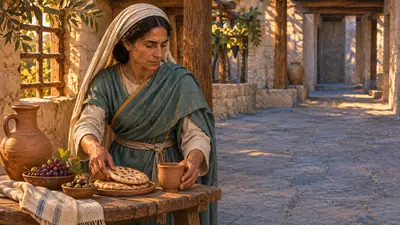
Hurriya realiza los preparativos que Kirta le pidió. El poema sigue su labor mientras la casa se dispone a ofrecer comida y bebida a los invitados.
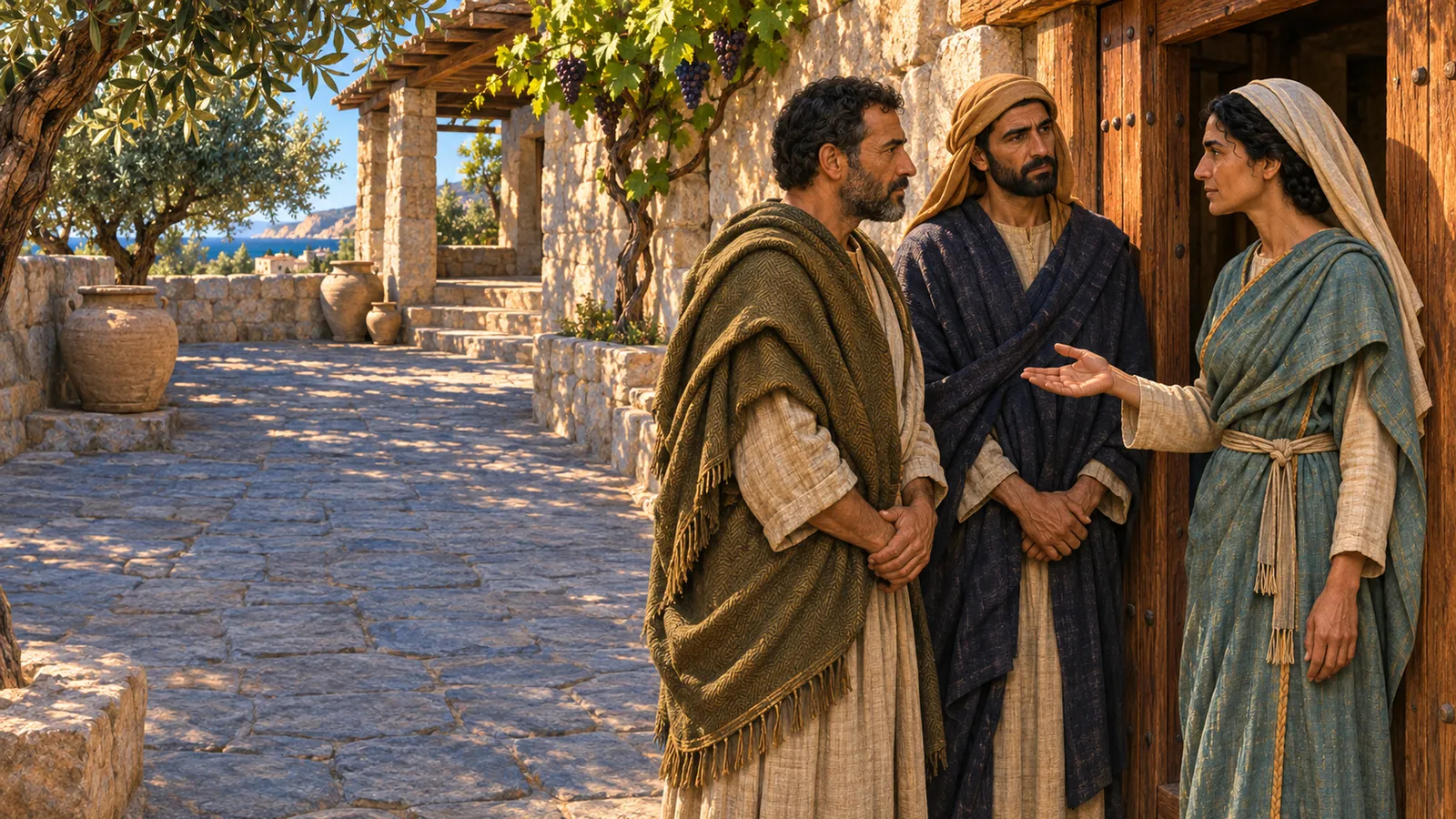
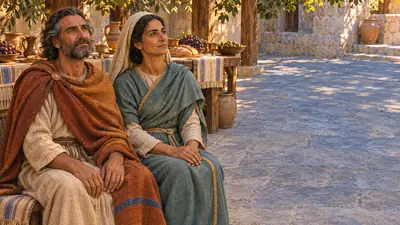
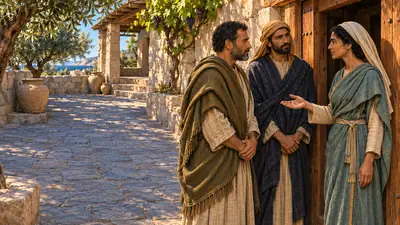
Hurriya hace entrar a los notables en nombre de Kirta. El poema lo dice dos veces y luego describe el lugar en que ella recibe a los invitados.
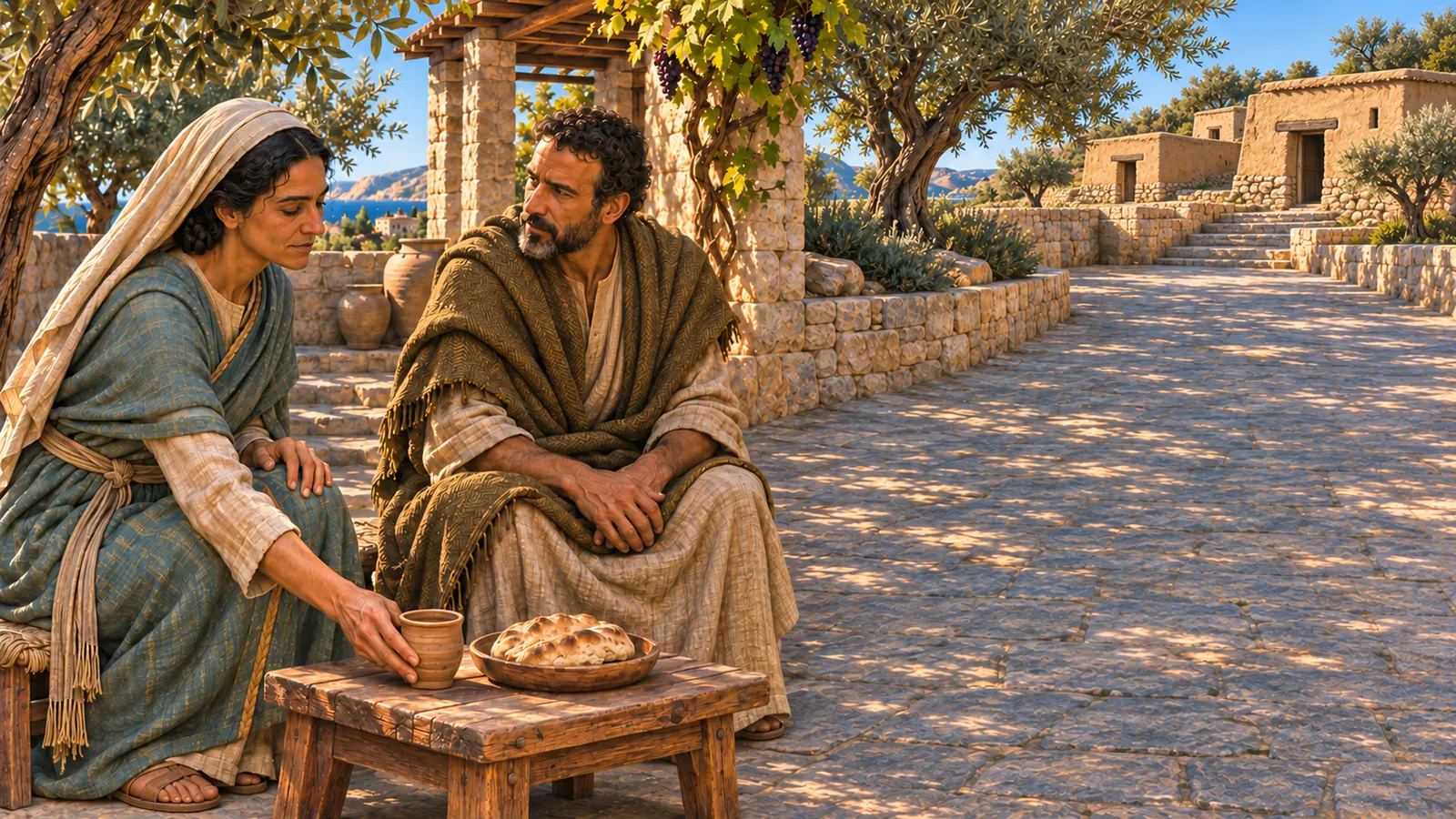
Parte del intercambio se pierde al final de la columna. Cuando las líneas vuelven a ser claras, el poema regresa a la hospitalidad de Hurriya y a la comida.
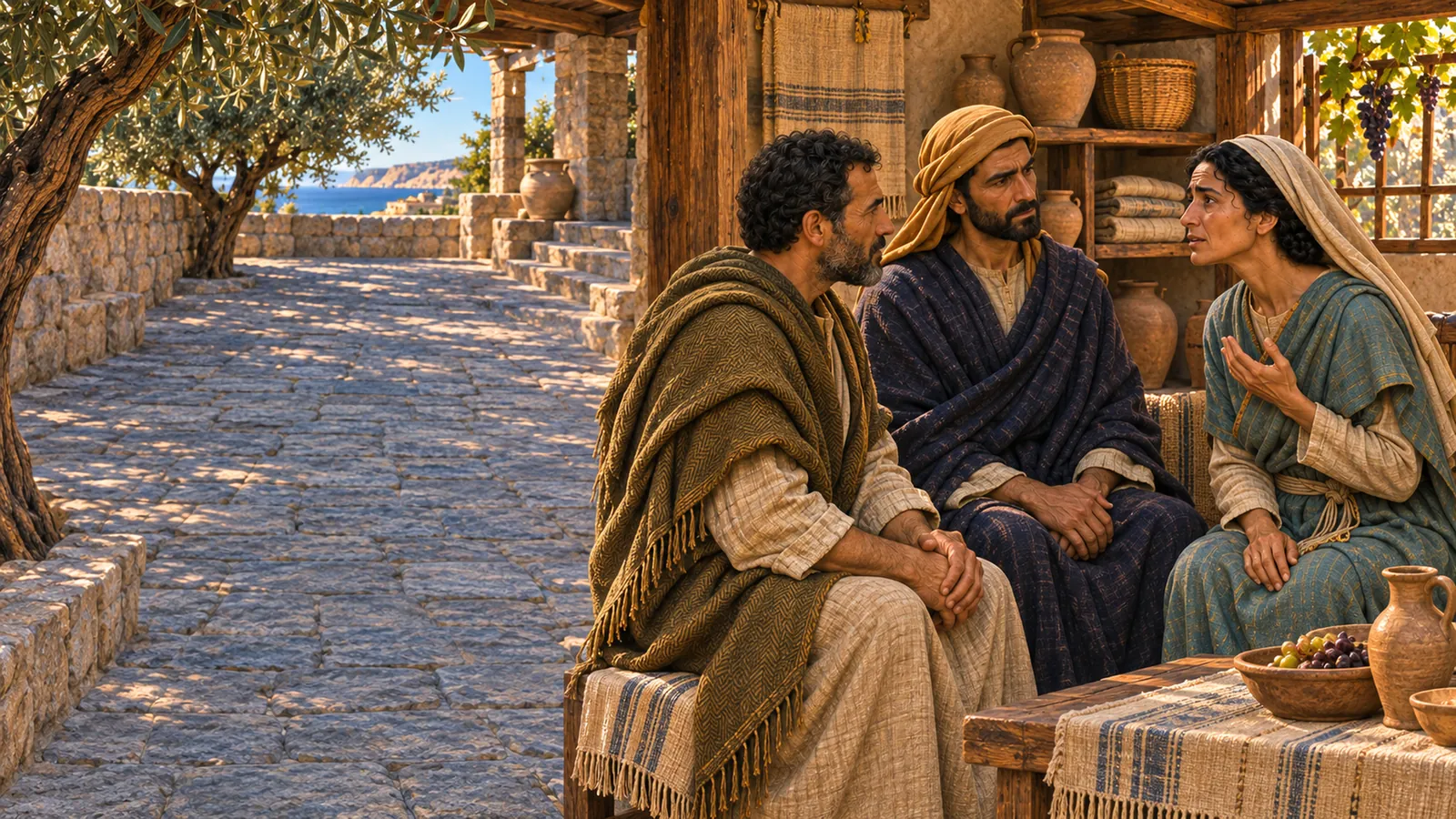
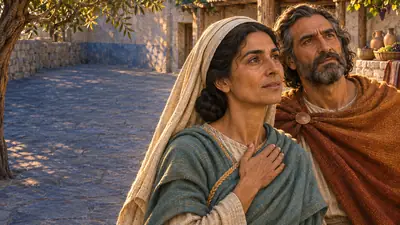
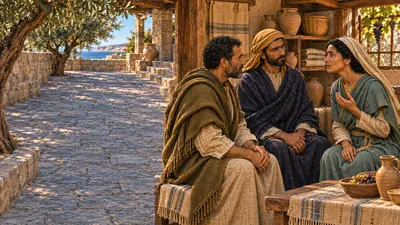
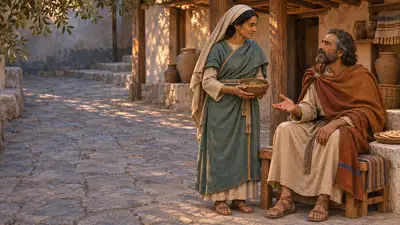
Hurriya pide a los invitados que bendigan a Kirta. Les pide que compartan el dolor de la familia, pues teme que muera.
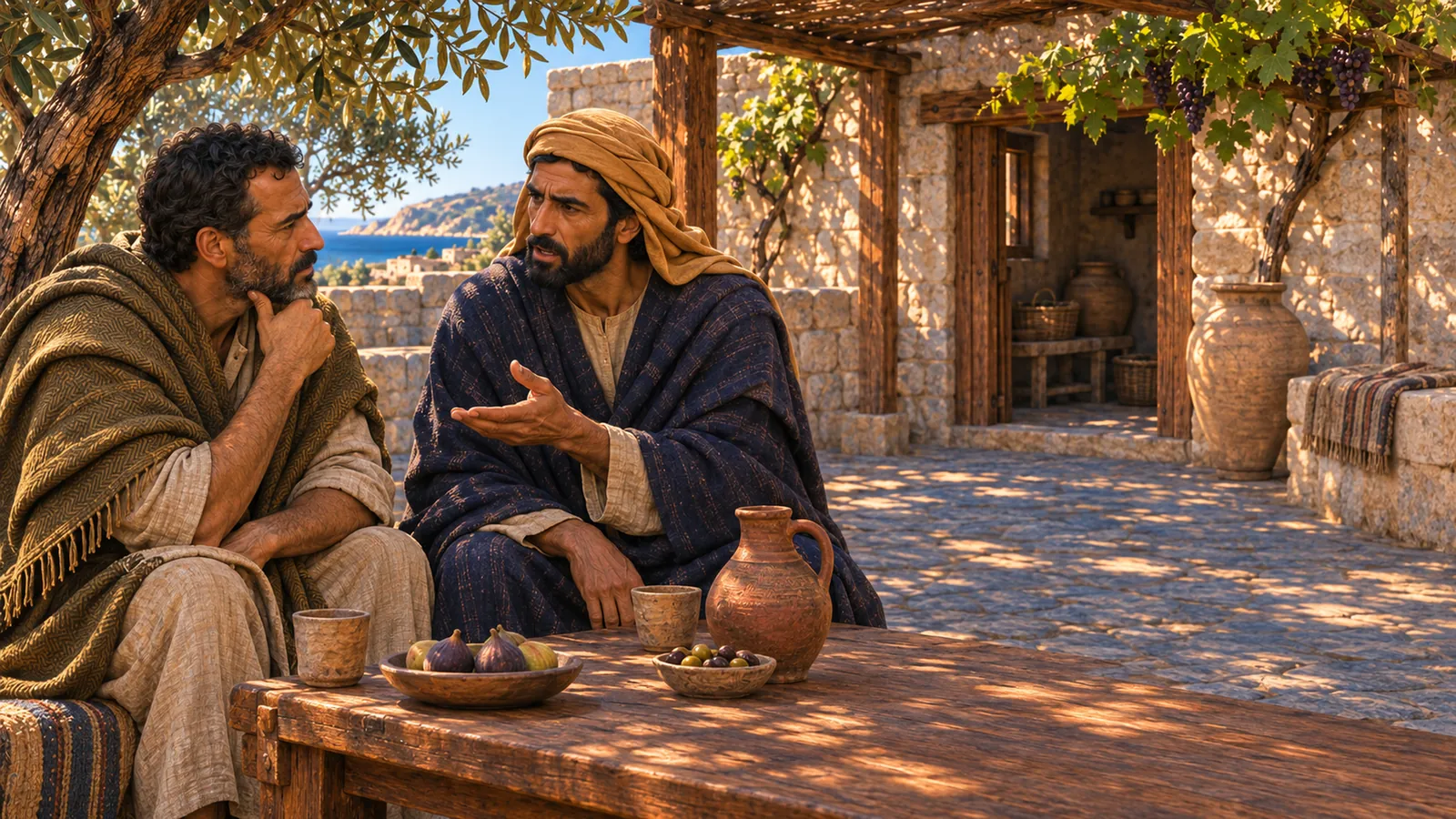
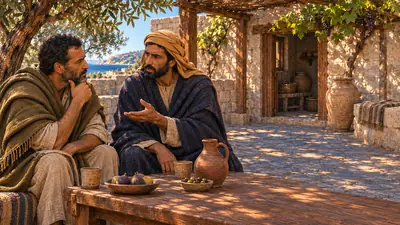
En una lectura de las palabras dañadas, los invitados nombran a Yassib como alguien que podría ocupar el lugar de Kirta. El intercambio trata de quién podría gobernar.
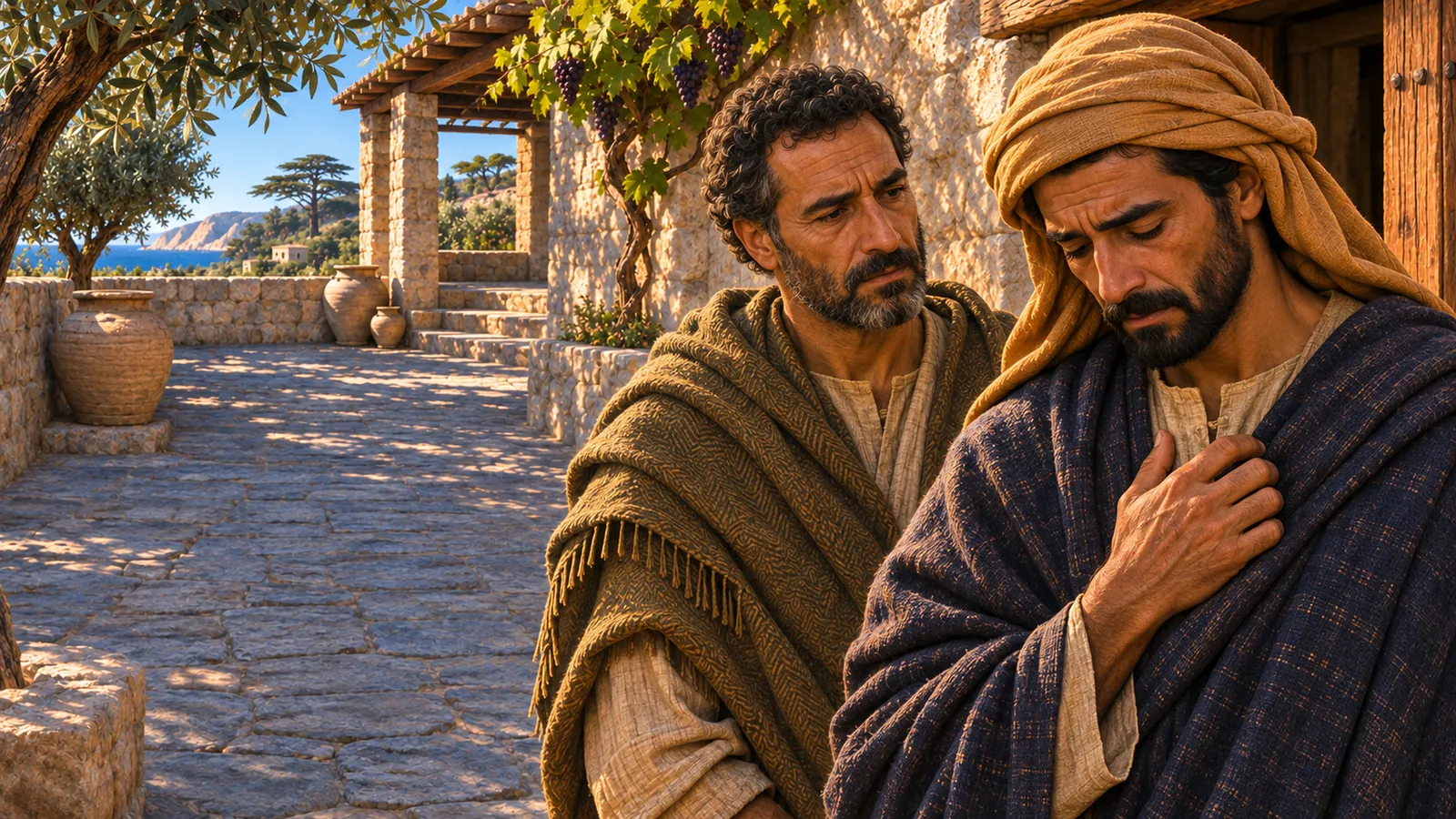
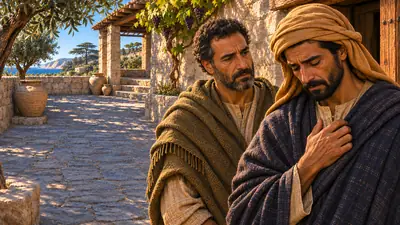
Lo que queda de la columna deja entrever el dolor de los invitados. Después se pierden muchas líneas, y la historia de Kirta pasa a otra tablilla.
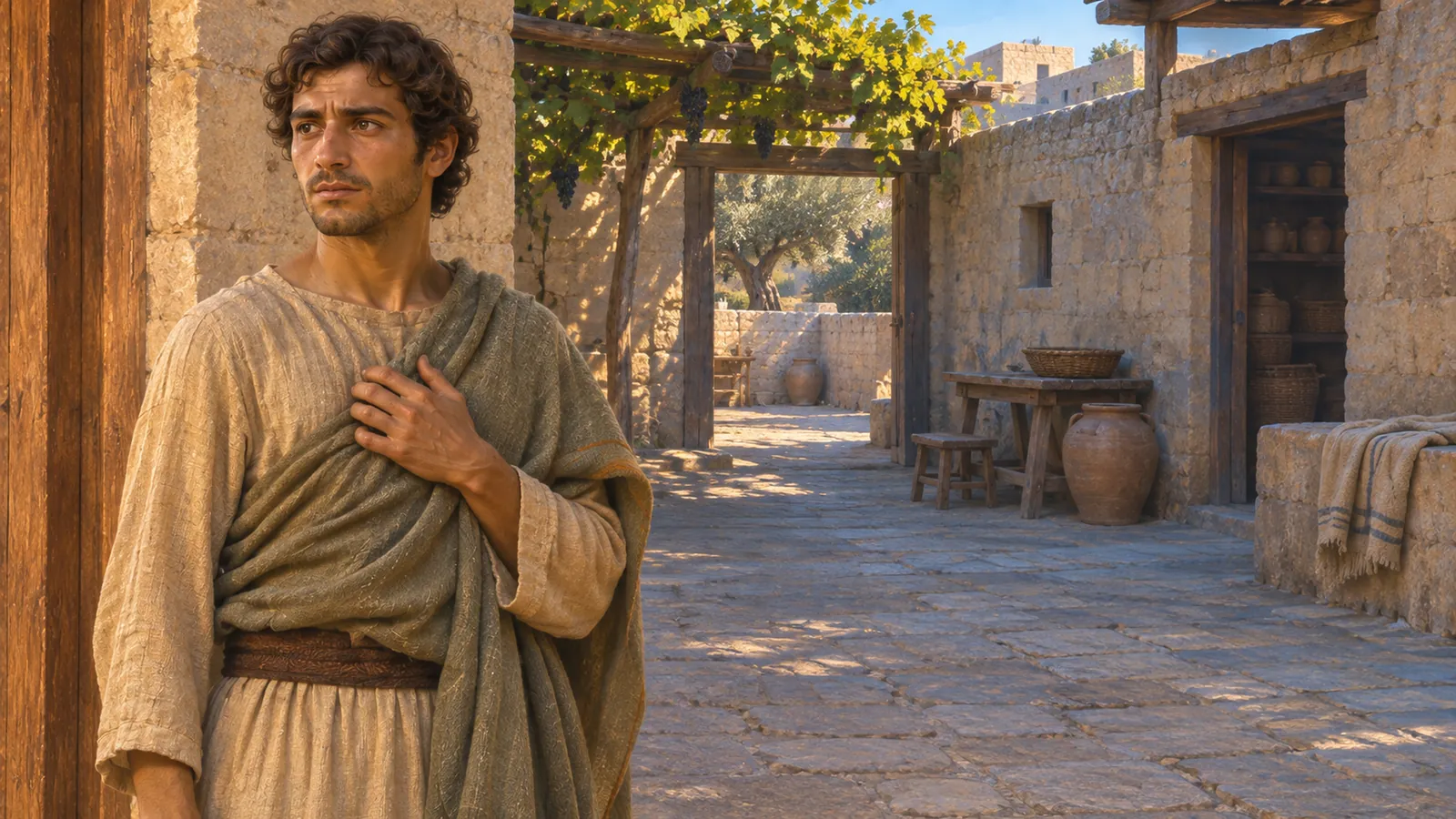
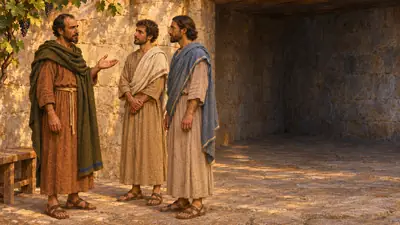
En la tablilla siguiente habla Ilhau, hijo de Kirta. Teme que su padre muera, y su primer lamento llega antes de que entre a verlo.
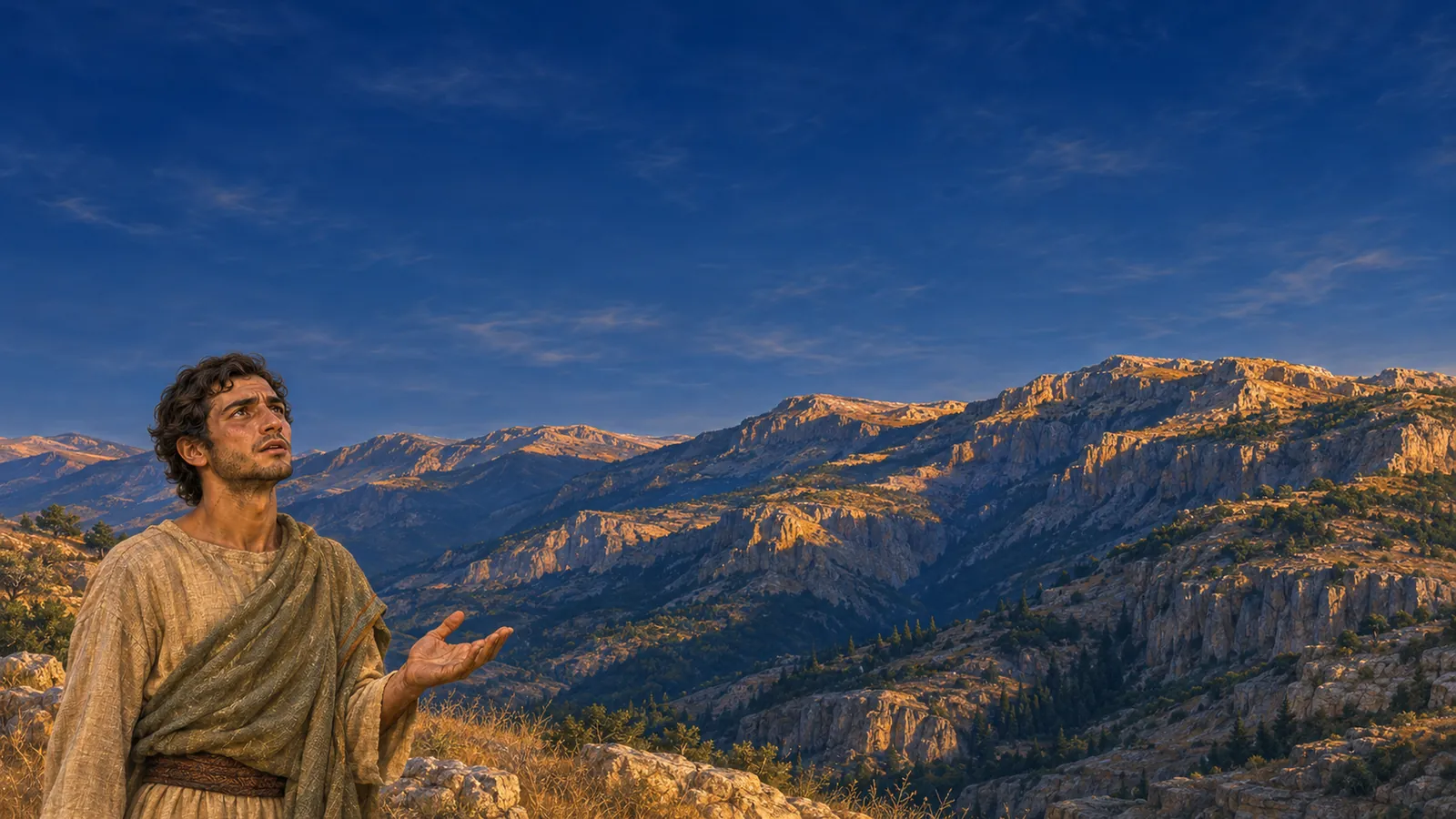
En su lamento, Ilhau pide a las montañas que lloren por su padre. El verso nombra al Safón y da a las colinas un lugar en su dolor.
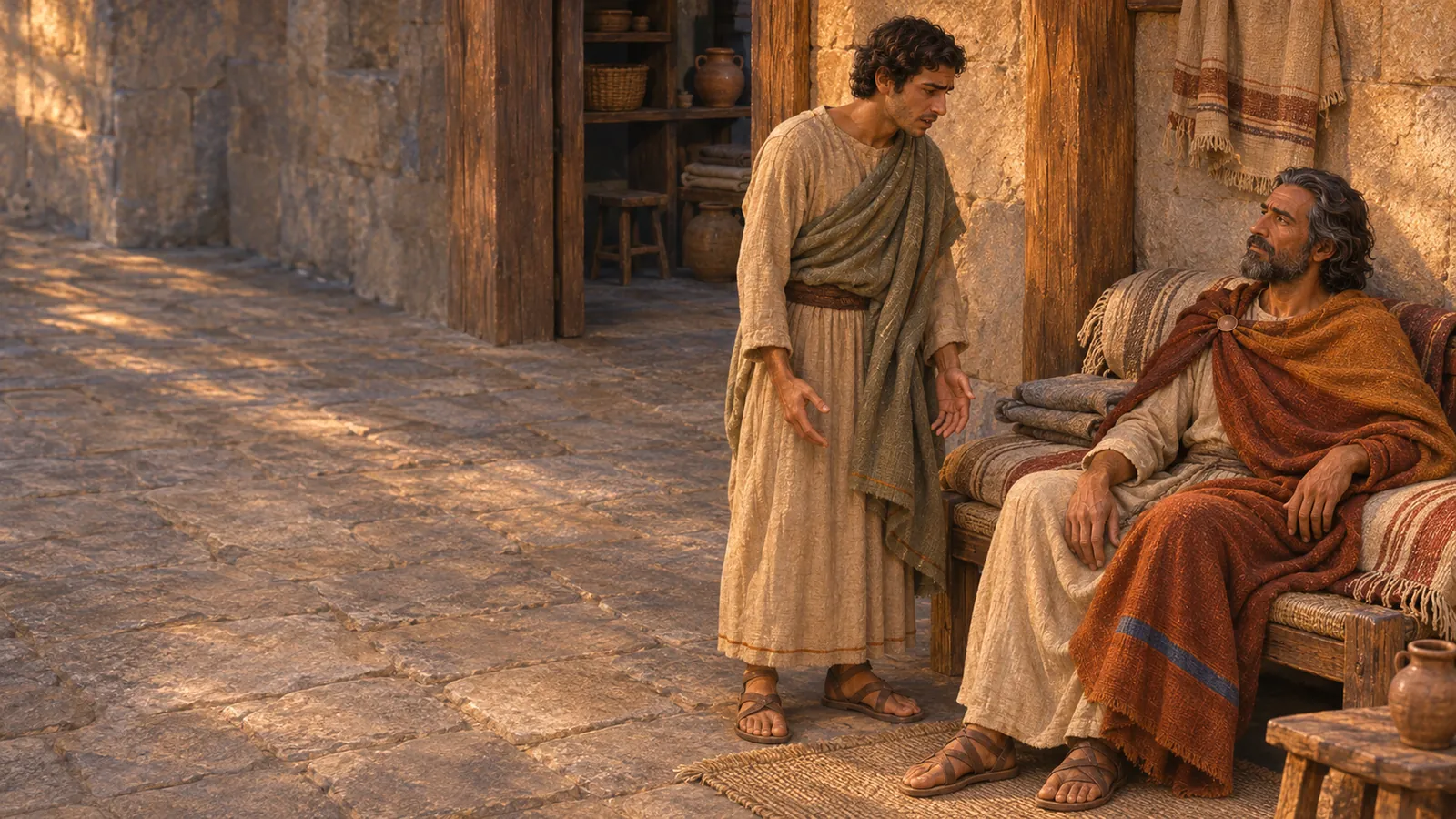
Ilhau se presenta ante su padre, afligido. Vuelve a hablar del dolor que siente al pensar que puede perder a Kirta.
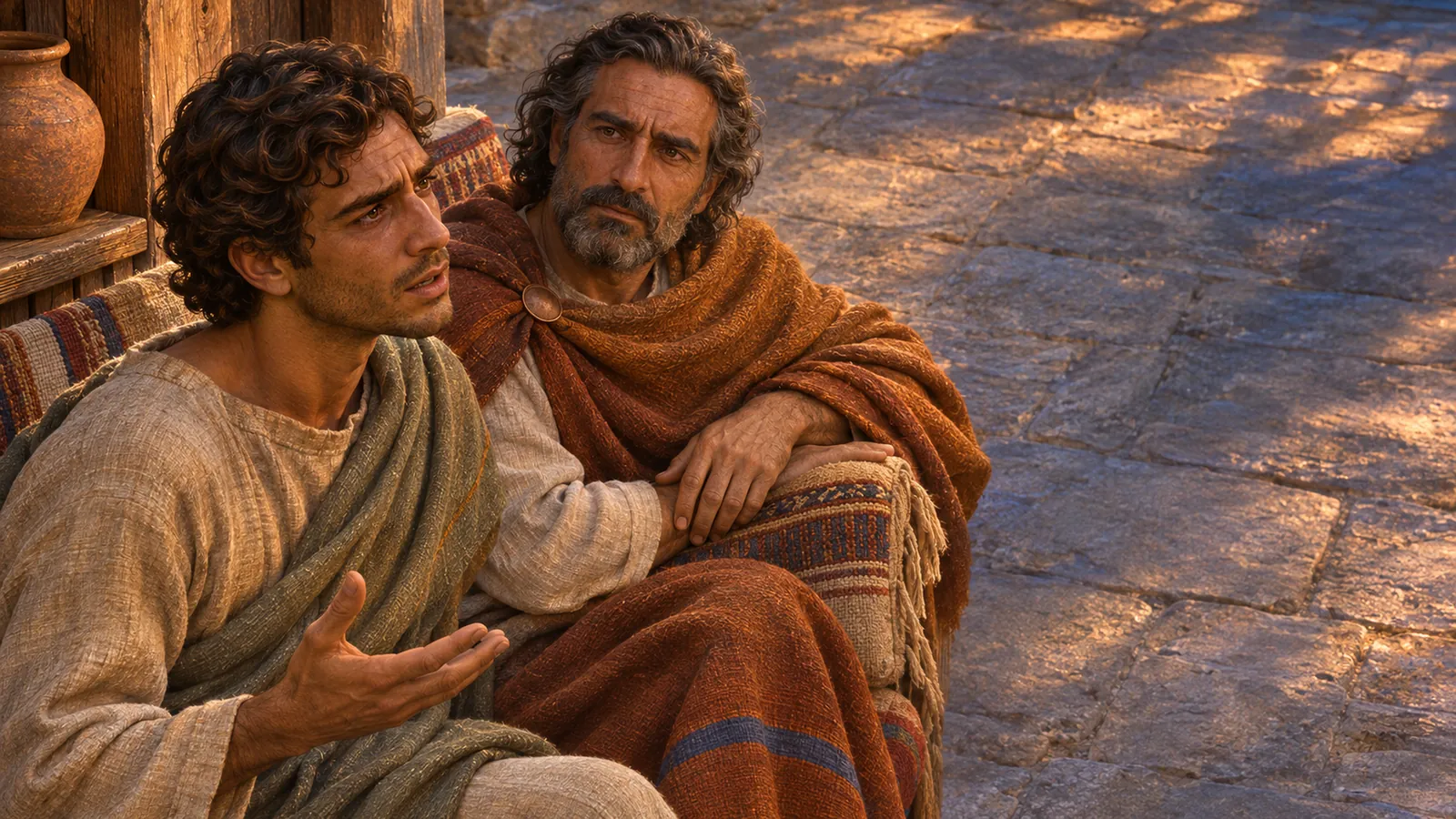
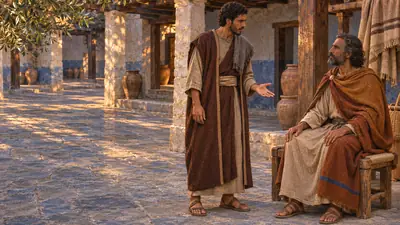
Ilhau pregunta cómo puede morir alguien llamado hijo de El. Al hablar con Kirta, sus preguntas expresan el dolor de un hijo por su padre.
THITMANIT
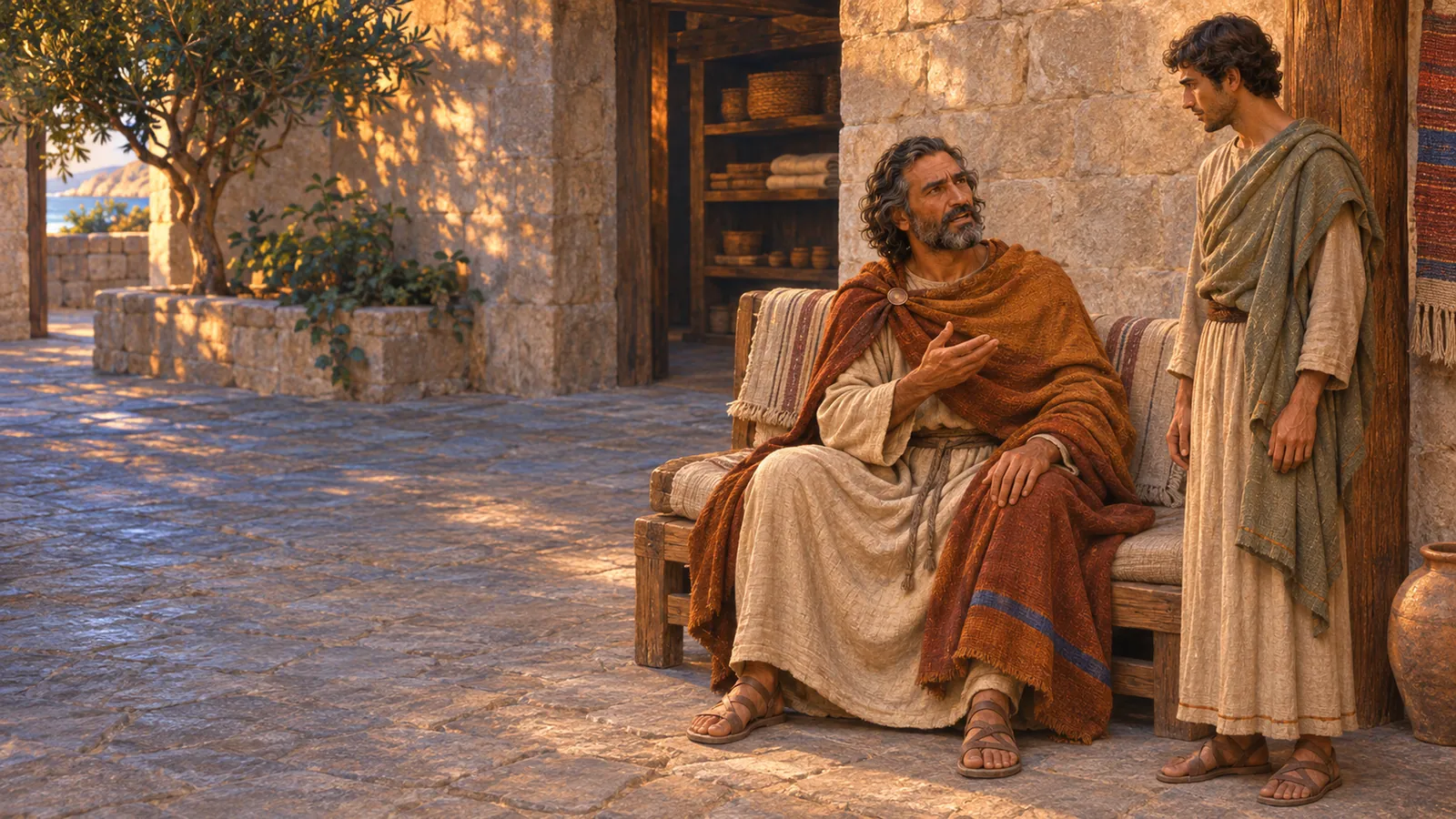
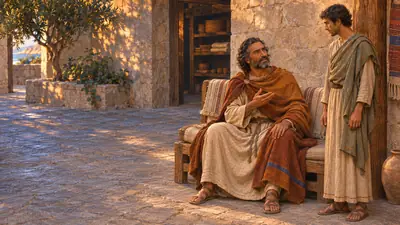
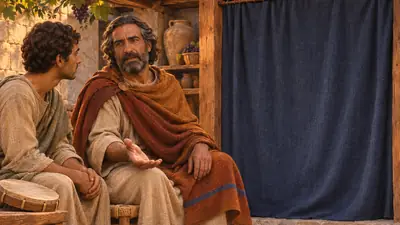
Kirta responde a Ilhau y le dice que llame a su hermana Thitmanit. Le dice que él sabe cuánto se preocupa ella por su padre.
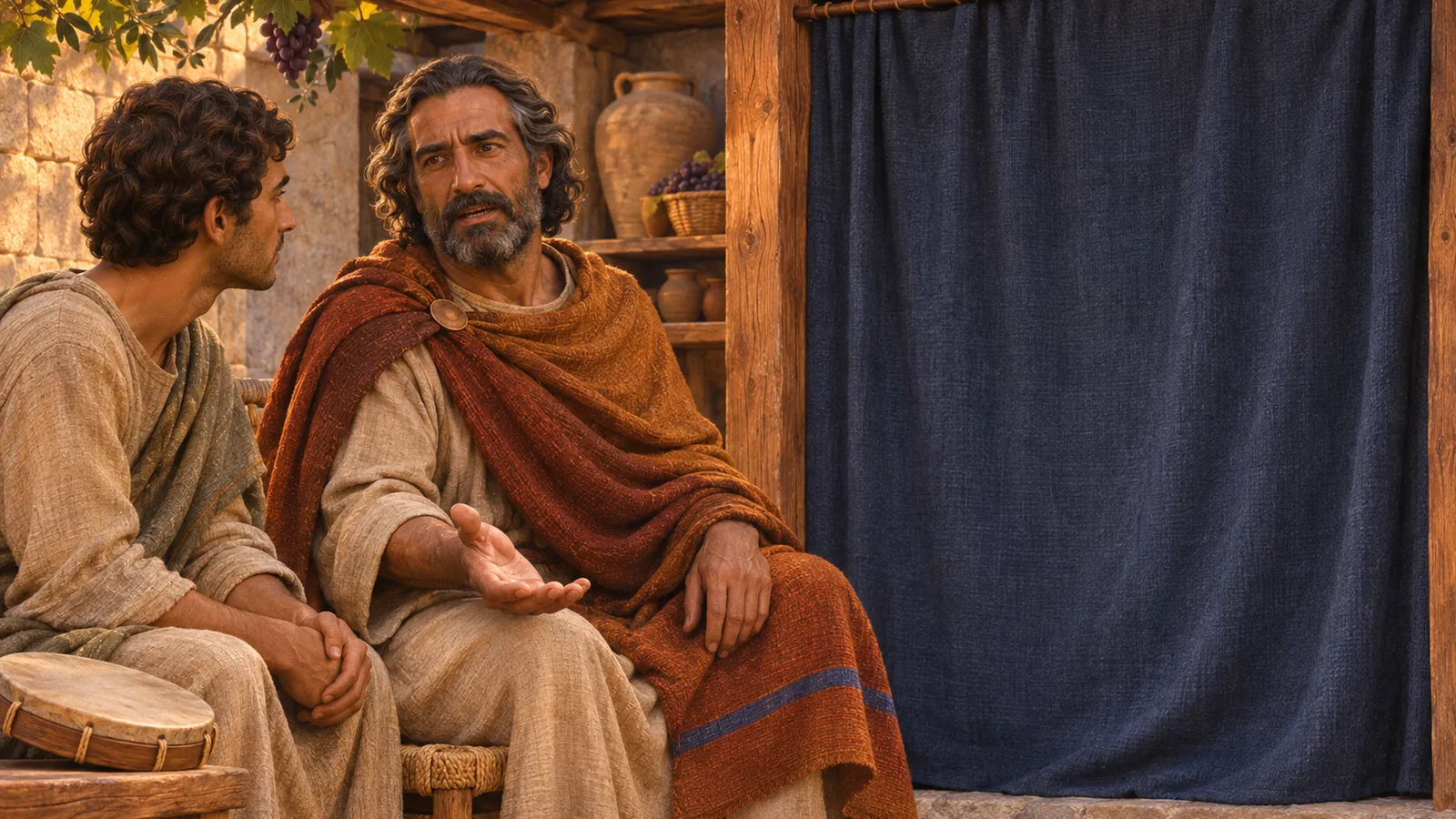
Kirta le dice a Ilhau que hable a Thitmanit de un banquete. Pide que venga con su música y le da a Ilhau las palabras que debe transmitirle.
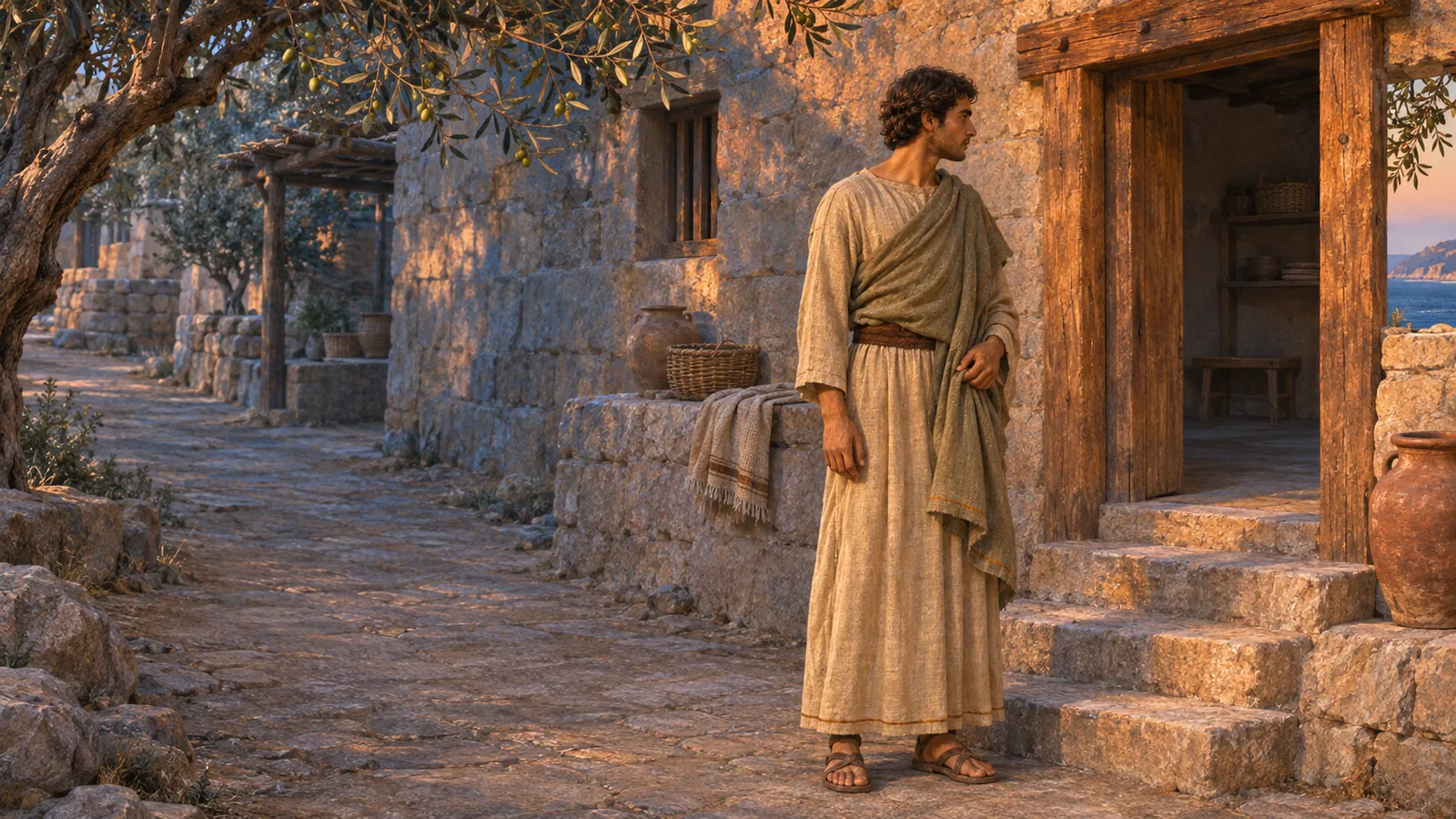
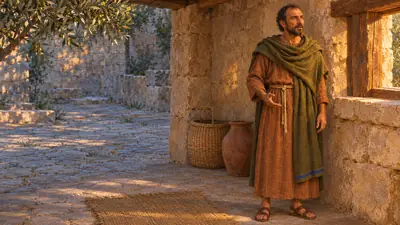
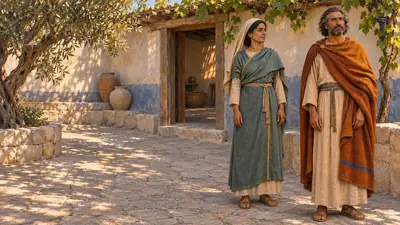
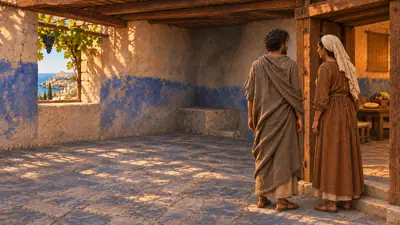
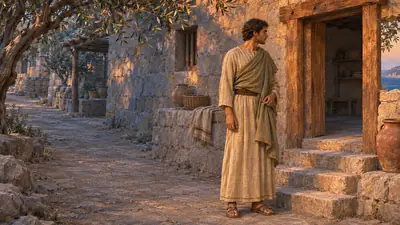
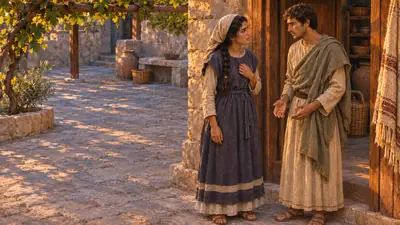
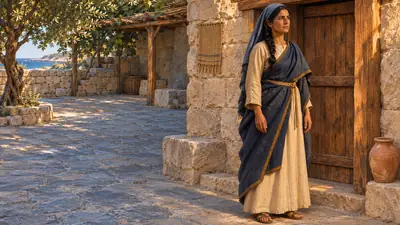
Al caer la tarde, Ilhau va a casa de su hermana. Thitmanit ha salido a sacar agua, y él encuentra el umbral vacío.
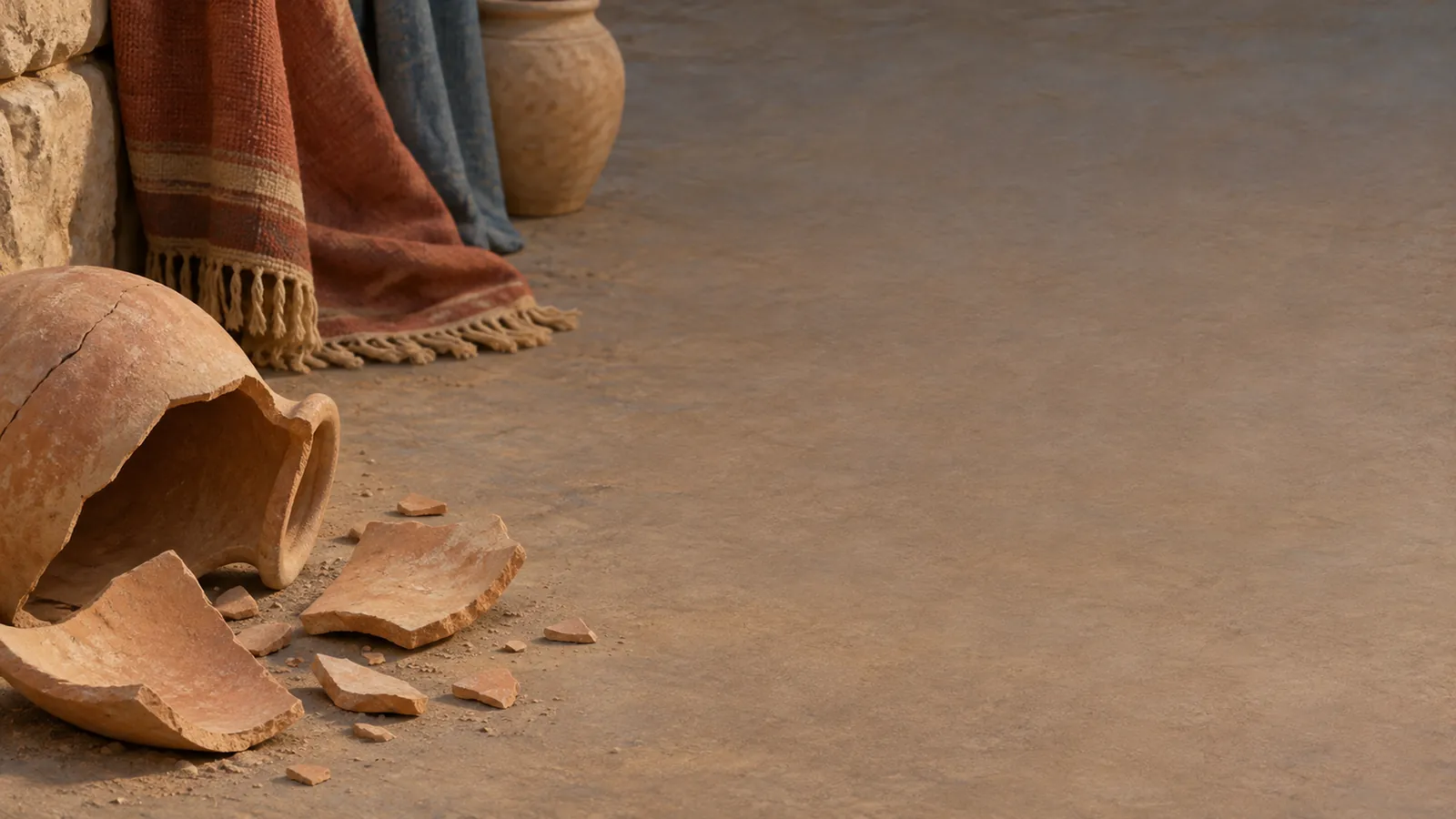
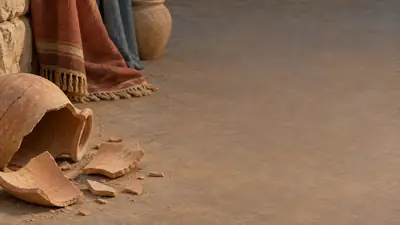
Thitmanit ve a Ilhau en el umbral y se sobresalta. Su cántaro cae al suelo y se rompe antes de que hable con su hermano.
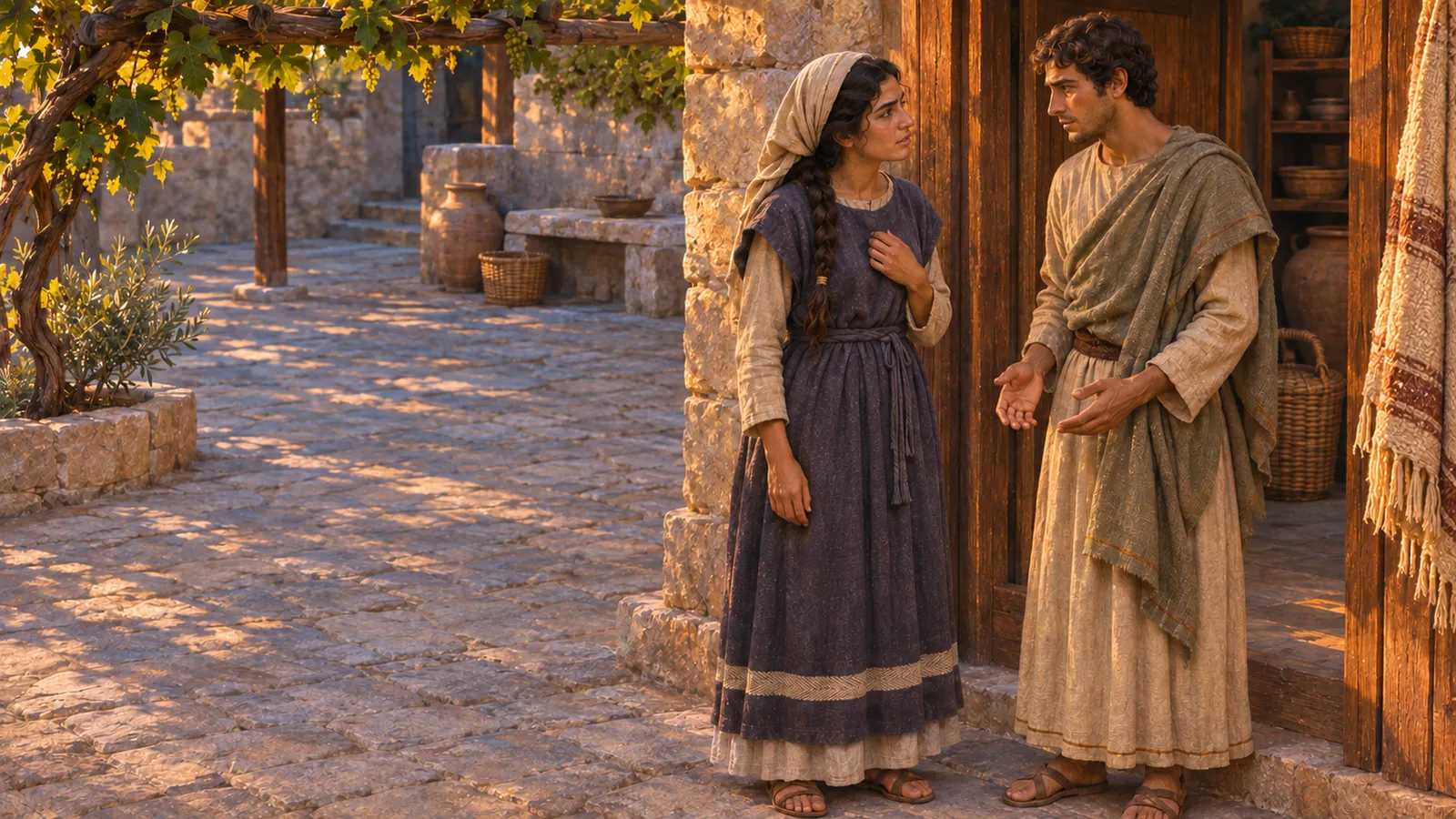
Thitmanit pregunta si Kirta está enfermo. Ilhau responde primero hablando de un banquete. Tras una laguna, ella descubre la gravedad de la enfermedad de su padre.
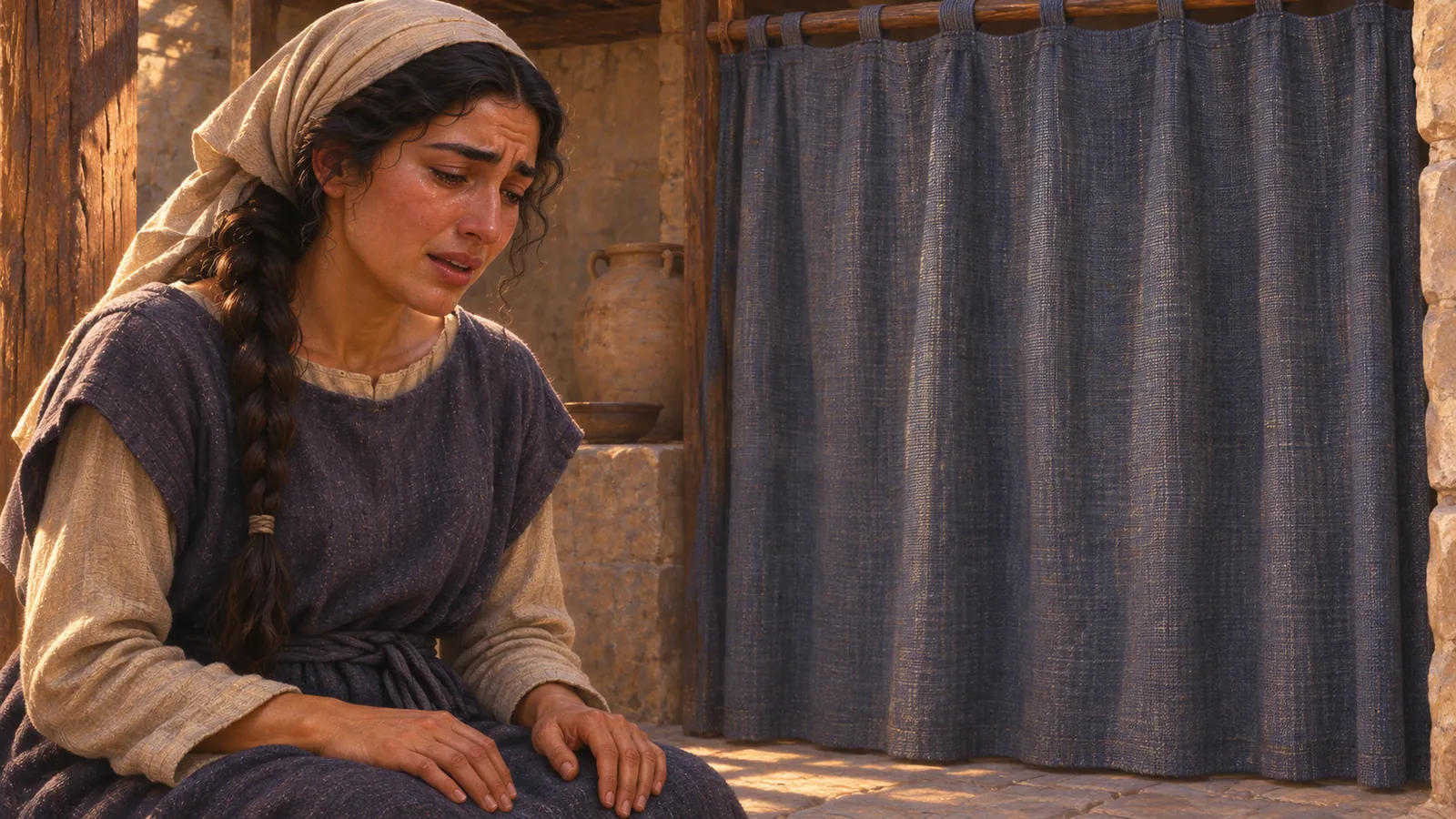
Thitmanit solloza y alza la voz. Los versos dañados se detienen en su dolor antes de que el poema pase a las palabras de su lamento.
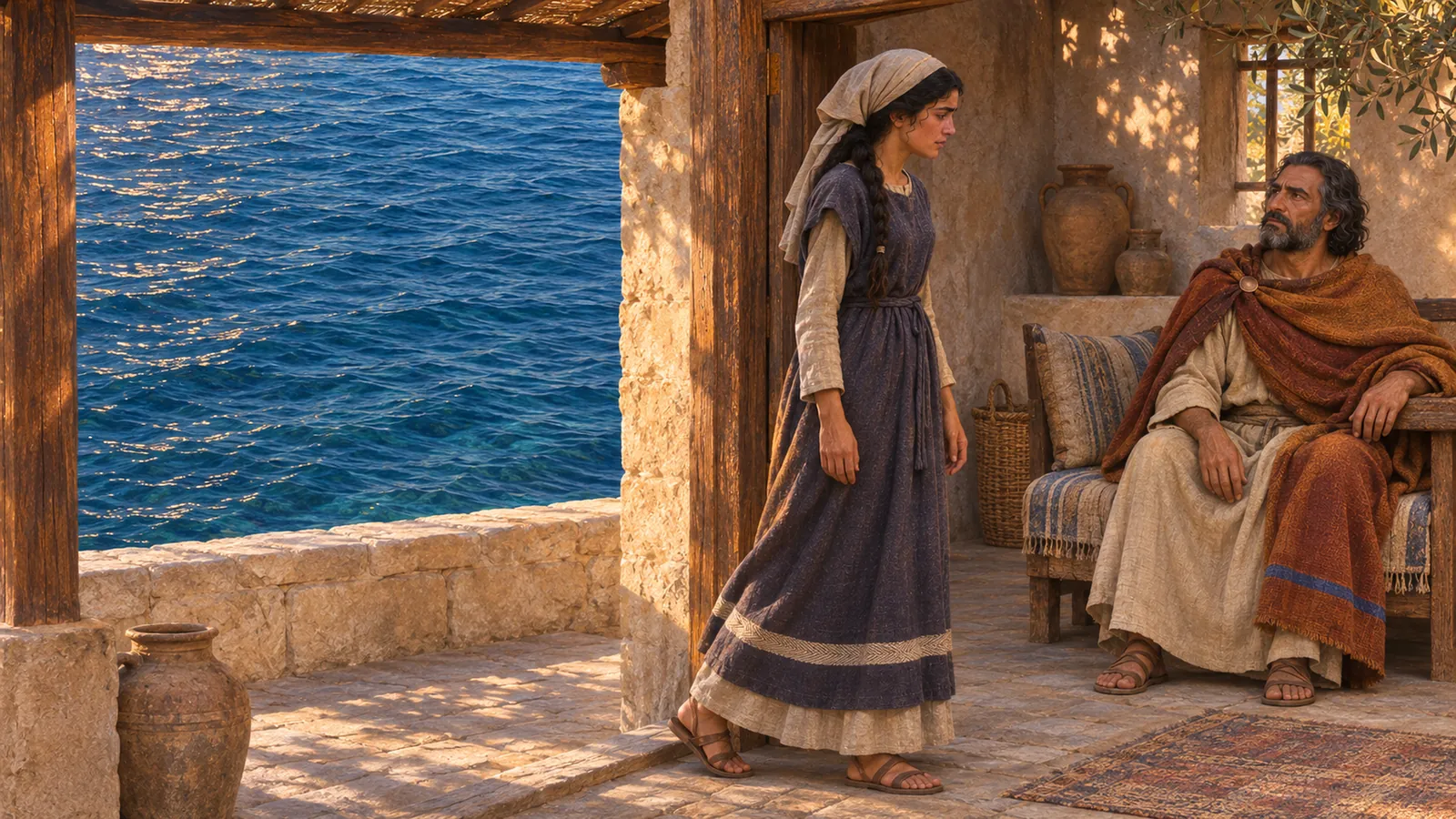
El lamento de Thitmanit se hace eco de las palabras de su hermano. Cuando acaba de hablar, entra a ver a Kirta en su aposento.
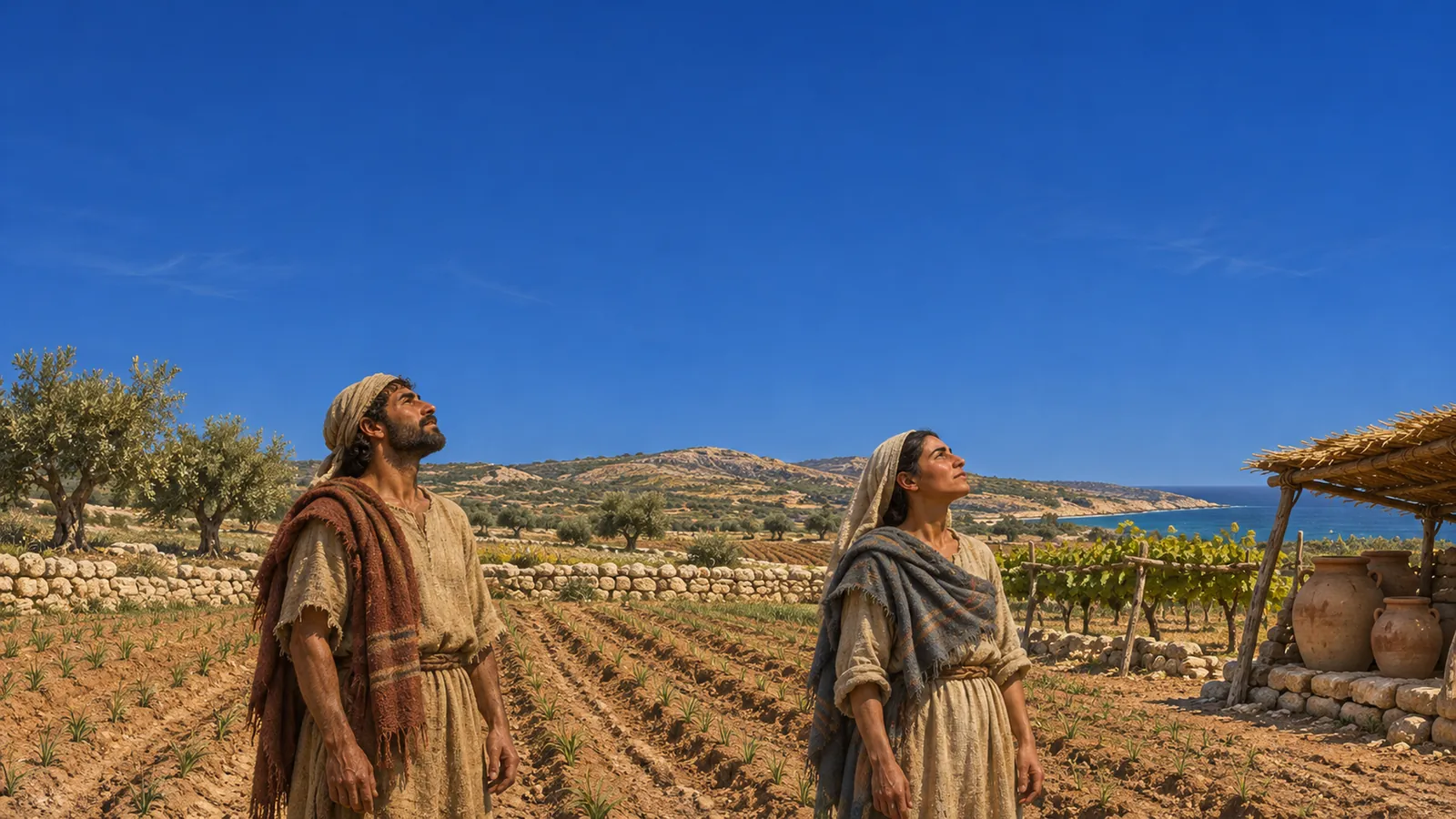
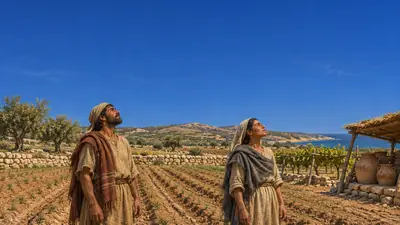
Tras una laguna, el poema habla de la lluvia y de los trabajadores del campo que alzan la vista. Se menciona la escasez en los graneros antes de que el relato vuelva a El.
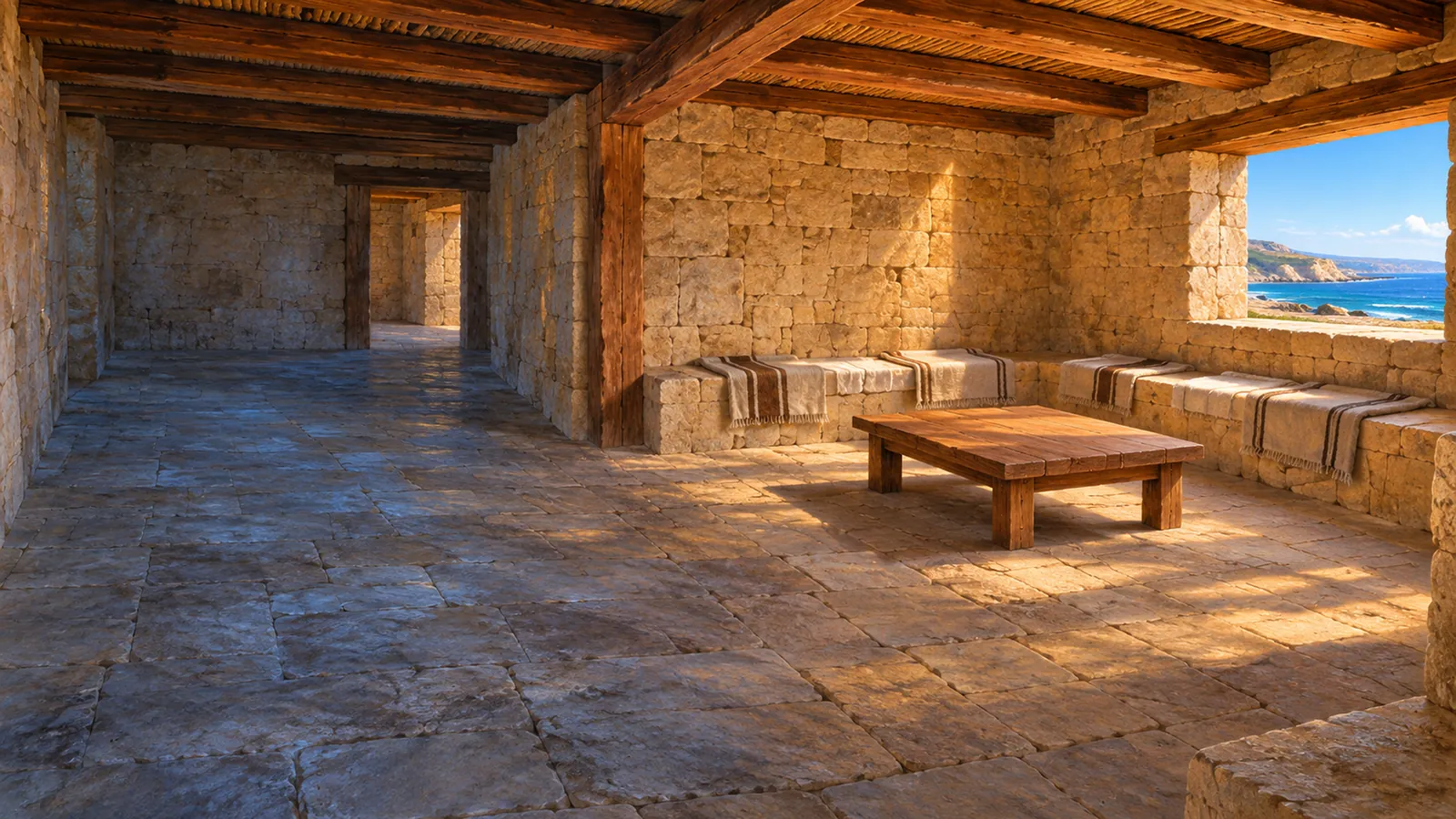
El pregunta a la asamblea quién puede ahuyentar la enfermedad de Kirta. Lo pregunta una y otra vez. Nadie responde, y El les dice que se sienten.
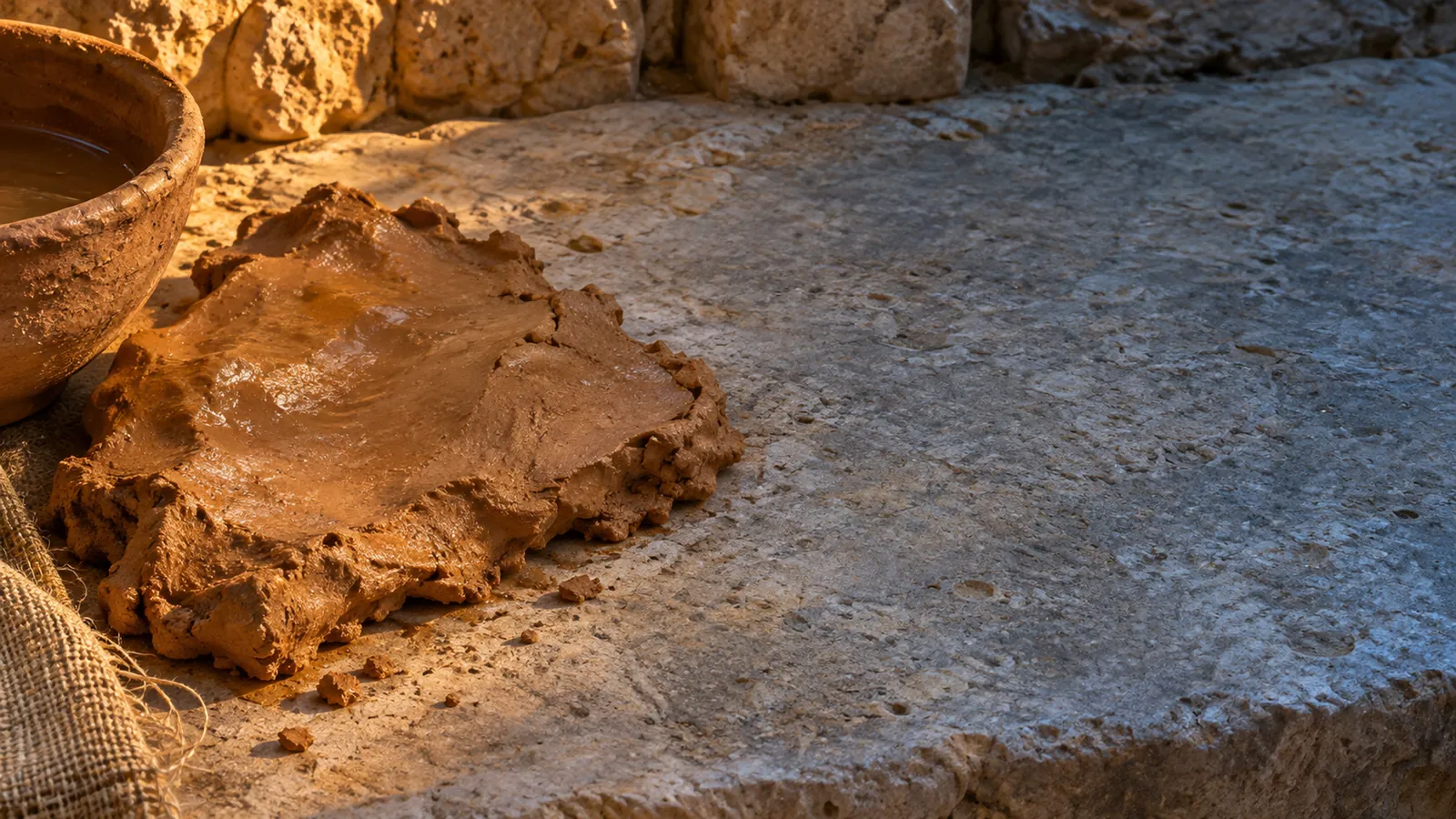
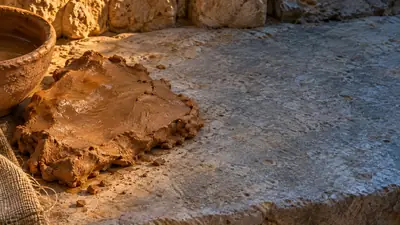
Cuando nadie responde, El toma arcilla y moldea a Shatiqatu. El poema se detiene en la tierra de la que le da forma.
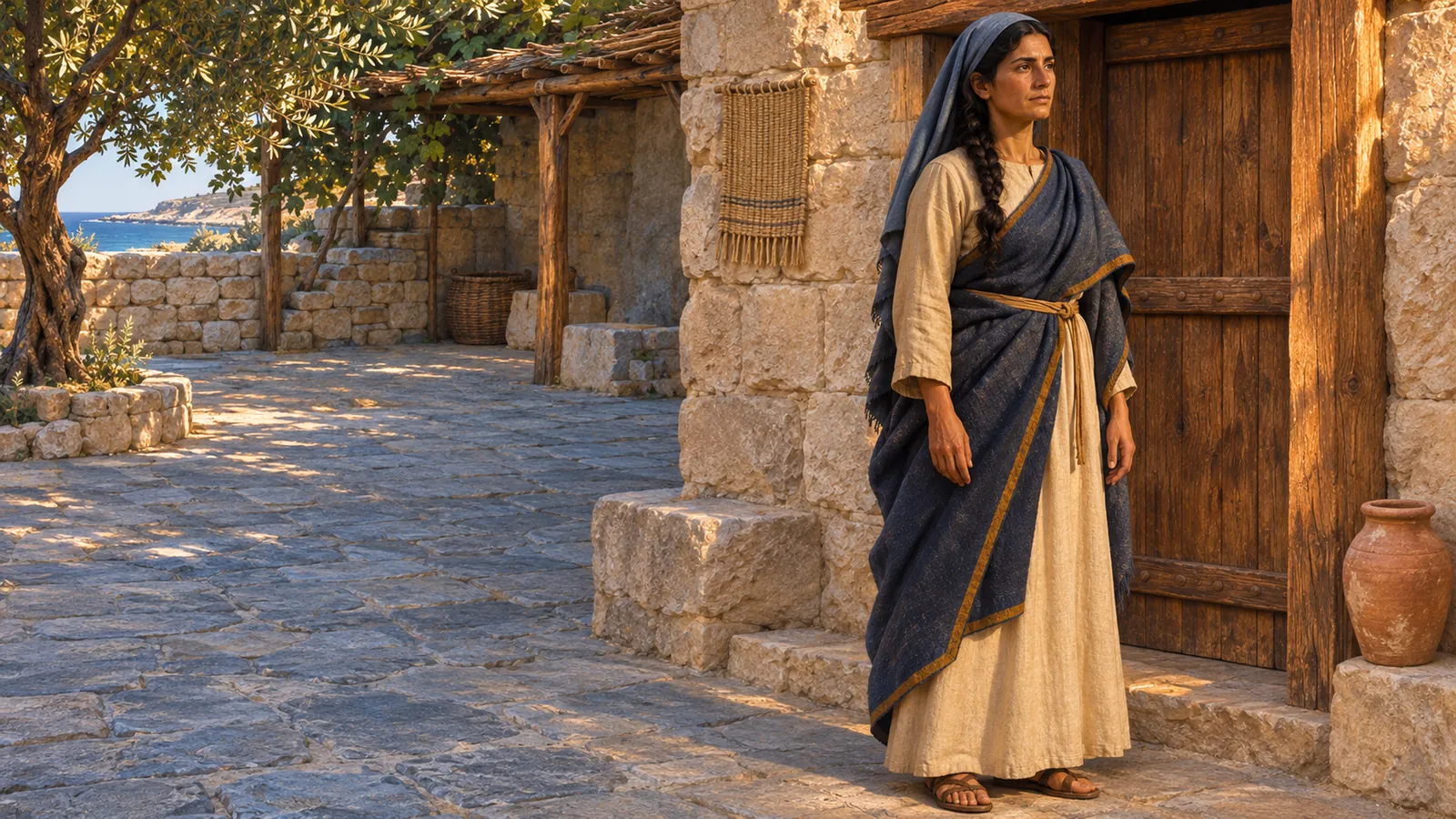
El nombra a Shatiqatu y la envía a ayudar a Kirta. Se ha perdido parte de su encargo. Los versos siguientes hablan de su poder frente a la Muerte.
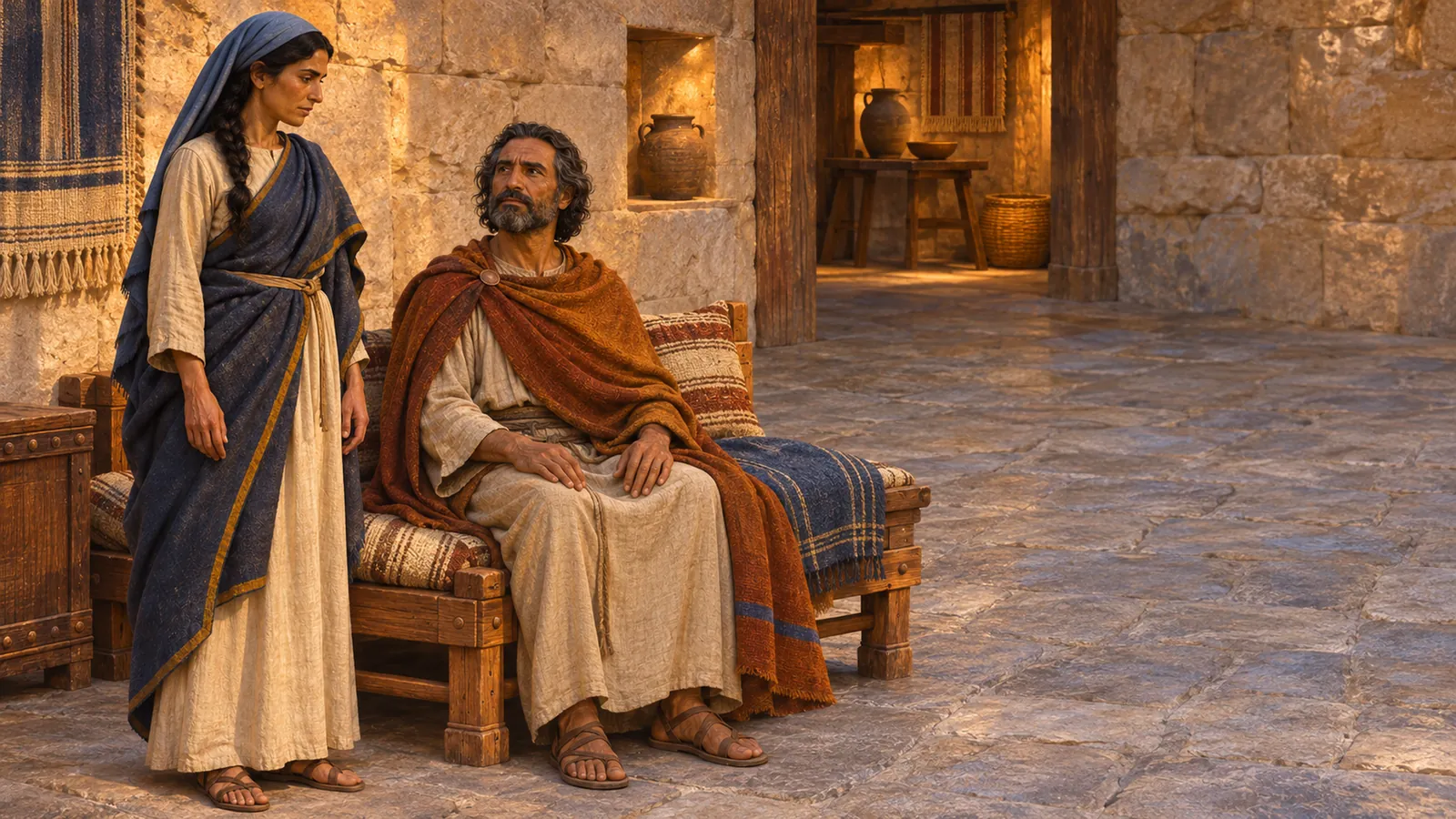
LA RECUPERACIÓN
Shatiqatu entra en la casa de Kirta. Los versos son difíciles en algunos lugares, pero le atribuyen el fin de su enfermedad.
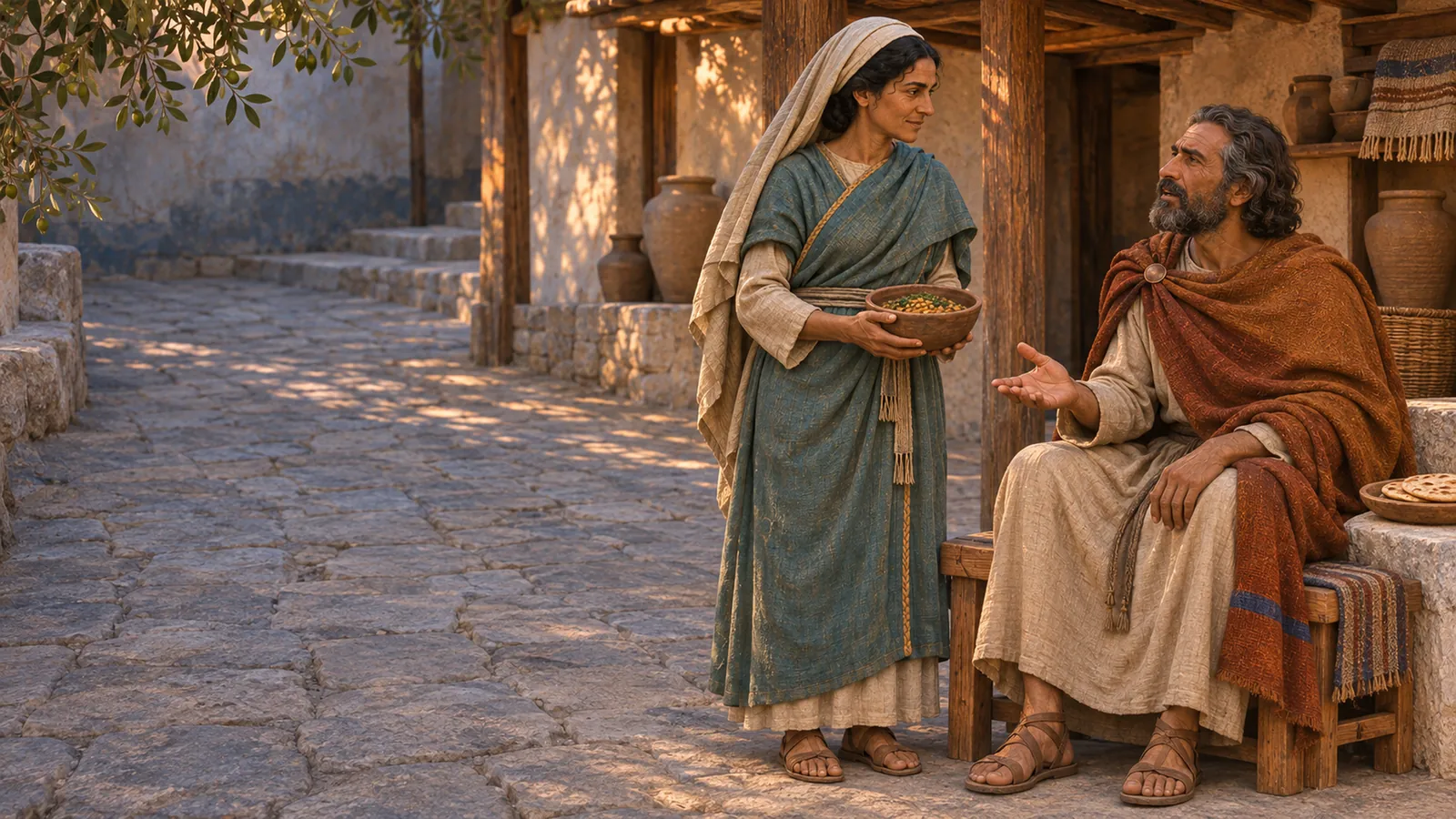
Kirta vuelve a hablar y le pide comida a Hurriya. Ella la prepara y, al cabo de poco tiempo, el poema vuelve a Kirta en su asiento.
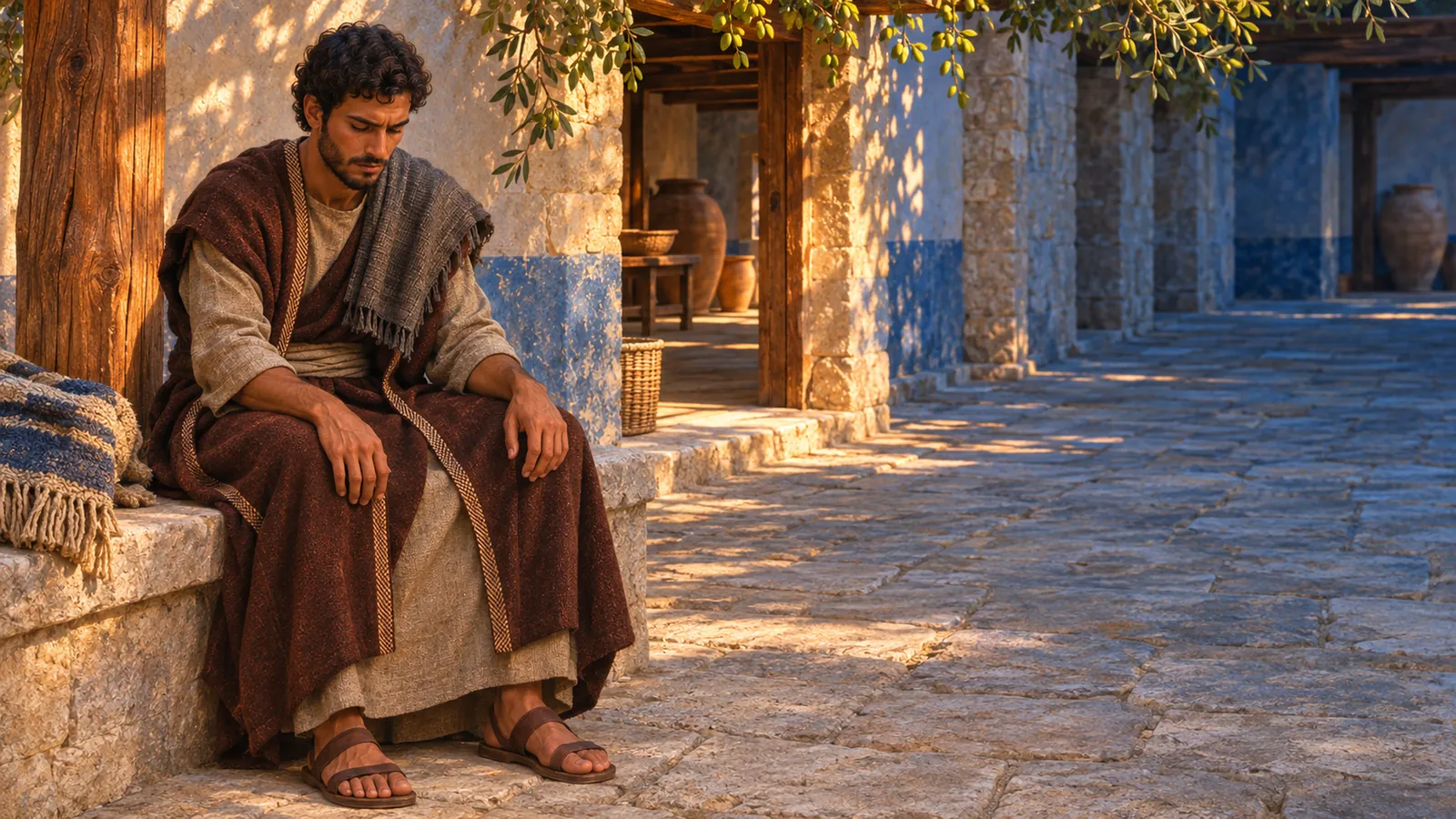
Yassib se sienta en el palacio y considera cómo dirigirse a su padre. El poema adelanta las palabras de su desafío antes de que las diga en voz alta.
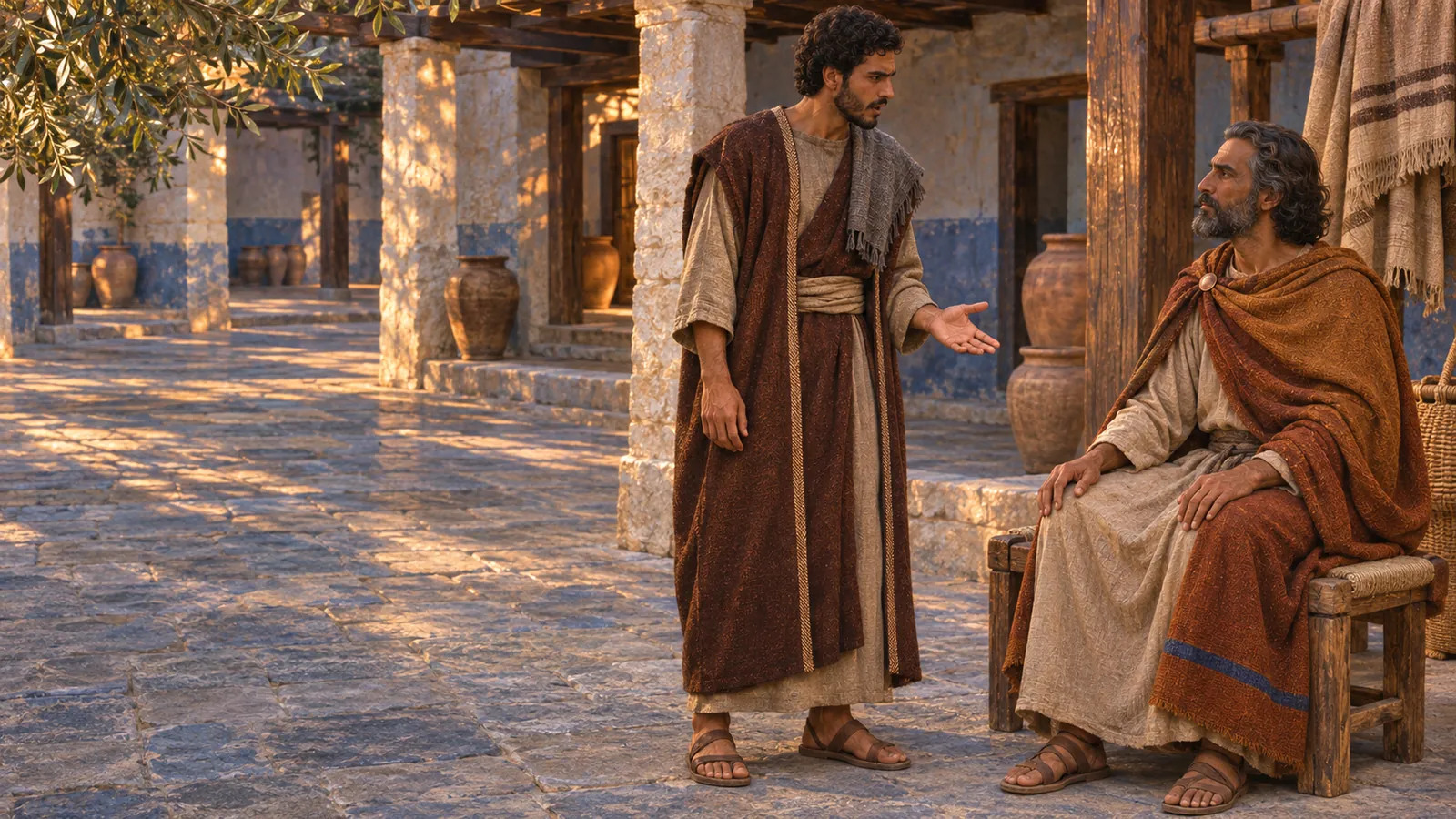
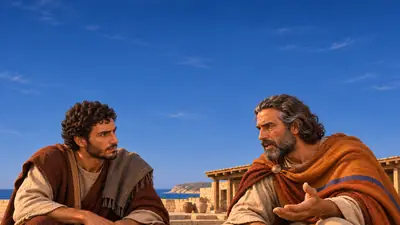
Yassib comparece ante Kirta y habla de los deberes de un rey. Acusa a su padre de desatender a quienes necesitan justicia, entre ellos las viudas y los huérfanos.
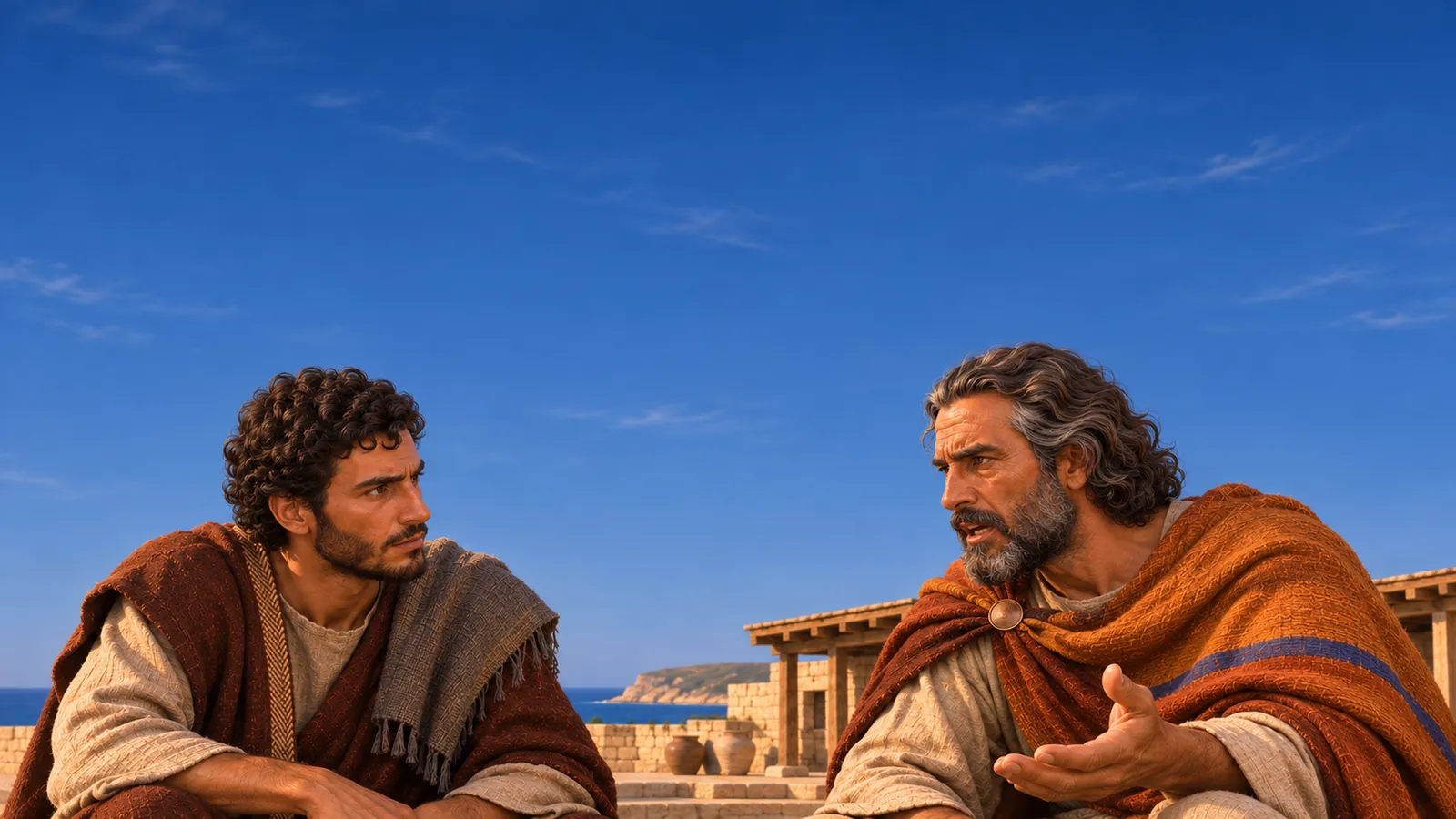
LAS ÚLTIMAS PALABRAS
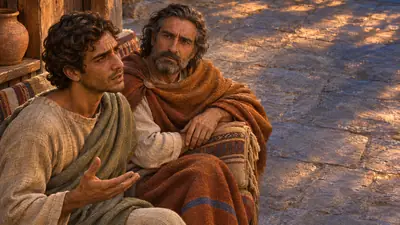
Yassib pide ocupar el lugar de su padre. Kirta responde con una maldición. El relato conservado termina con esas palabras y deja abierta la sucesión.
Fin del capítulo 1
Todas las páginas
Fuentes
Page 2. The list of deaths includes illness, pestilence, the sea and the sword. Natan-Yulzary reads an additional cause as childbirth.
Ediciones consultadas
- Göttingen EUPT, introductions and concordance for the Kirta tablets
- Göttingen EUPT, Tablet I of Kirta, KTU 1.14
- Göttingen EUPT, Tablet II of Kirta, KTU 1.15
- Göttingen EUPT, Tablet III of Kirta, KTU 1.16
- Clemens Steinberger, Ugaritic poetic forms with numbered readings of the vow and challenge
- Scott B. Noegel, Kirtu’s Allusive Dream
- Shirly Natan-Yulzary, Reading Ugaritic Narrative-Poetry
- Shirly Natan-Yulzary, The Role of Thitmanit as a Mourner in the Kirta Epic
- Theodore J. Lewis, The Shaʿtiqatu Narrative from the Ugaritic Story about the Healing of King Kirta
- Shirly Natan-Yulzary, Twice-used Songs and Other Oral Traditions in Ugaritic Epics
- IL Archive, Tale of Kirta
- IL Archive, Six Days, Then the Seventh
Notas sobre este relato
Page 68. Kirta invokes Horon and Athtart in a curse asking that Yassib’s head be struck and that he fall in his prime. 65).
Pages 11–12 and 19–20. The dream calls for a lamb, a kid and a bird as sacrificial offerings, and Kirta later carries out the offering.
Los versos antiguos de cada página
- Page 1: KTU 1.14 I before 6 and I 6–12 (Göttingen EUPT; Noegel, Narrator)
The opening is damaged. - Page 2: KTU 1.14 I 13–21 (Göttingen EUPT; Noegel, Narrator)
The precise relationships in these lines are debated. - Page 3: KTU 1.14 I 21–25 (Göttingen EUPT; Noegel, Narrator)
- Page 4: KTU 1.14 I 26–29 (Göttingen EUPT; Noegel, Narrator)
- Page 5: KTU 1.14 I 29–35 (Göttingen EUPT; Noegel, Narrator)
- Page 6: KTU 1.14 I 35–38 (Göttingen EUPT; Noegel, Narrator)
- Page 7: KTU 1.14 I 38–43 (Göttingen EUPT; Noegel, Kirtu’s Allusive Dream)
Some question wording varies by edition. - Page 8: KTU 1.14 I 43–51 (Göttingen EUPT; Noegel, Kirtu’s Allusive Dream)
- Page 9: KTU 1.14 I 51b–II 5 (Göttingen EUPT; Noegel, Kirtu’s Allusive Dream)
- Page 10: KTU 1.14 II 6–12 (Göttingen EUPT; Noegel, Kirtu’s Allusive Dream)
- Page 11: KTU 1.14 II 13–21 (Göttingen EUPT; Noegel, Kirtu’s Allusive Dream)
- Page 12: KTU 1.14 II 22–26 (Göttingen EUPT; Noegel, Kirtu’s Allusive Dream; Noegel, Narrator)
- Page 13: KTU 1.14 II 27–34 (Noegel, Kirtu’s Allusive Dream; Natan-Yulzary, Reading Ugaritic Narrative-Poetry)
- Page 14: KTU 1.14 II 35–42 (Noegel, Kirtu’s Allusive Dream; Natan-Yulzary, Reading Ugaritic Narrative-Poetry)
- Page 15: KTU 1.14 II 43–III 1 (Noegel, Kirtu’s Allusive Dream; Natan-Yulzary, Reading Ugaritic Narrative-Poetry)
- Page 16: KTU 1.14 III 2–21 (Noegel, Kirtu’s Allusive Dream; Natan-Yulzary, Reading Ugaritic Narrative-Poetry)
- Page 17: KTU 1.14 III 22–49 (Noegel, Kirtu’s Allusive Dream; Natan-Yulzary, Reading Ugaritic Narrative-Poetry)
- Page 18: KTU 1.14 III 50–52 (Noegel, Kirtu’s Allusive Dream; Natan-Yulzary, Reading Ugaritic Narrative-Poetry)
- Page 19: KTU 1.14 III 52–IV 2 (Noegel, Kirtu’s Allusive Dream; Noegel, Narrator)
- Page 20: KTU 1.14 IV 2–8 (Noegel, Kirtu’s Allusive Dream; Noegel, Narrator)
- Page 21: KTU 1.14 IV 8–12 (Noegel, Kirtu’s Allusive Dream; Noegel, Narrator)
- Page 22: KTU 1.14 IV 13–32a (Noegel, Kirtu’s Allusive Dream; Natan-Yulzary, Reading Ugaritic Narrative-Poetry; Noegel, Narrator)
- Page 23: KTU 1.14 IV 32b–36a (Göttingen EUPT; Steinberger, Glossar)
- Page 24: KTU 1.14 IV 36b–39 (Göttingen EUPT; Noegel, Kirtu’s Allusive Dream; Steinberger, Glossar)
- Page 25: KTU 1.14 IV 40–43b (Göttingen EUPT; Steinberger, Glossar)
- Page 26: KTU 1.14 IV 44–V 6 (Noegel, Kirtu’s Allusive Dream; Natan-Yulzary, Reading Ugaritic Narrative-Poetry; Noegel, Narrator)
- Page 27: KTU 1.14 V 6–14 (Noegel, Narrator)
- Page 28: KTU 1.14 V 15–26 and 27–45 (Noegel, Narrator; Noegel, Kirtu’s Allusive Dream)
Part of the transition is damaged. - Page 29: KTU 1.14 V 46–VI 15 (Noegel, Narrator)
- Page 30: KTU 1.14 VI 16–36 (Noegel, Kirtu’s Allusive Dream; Noegel, Narrator)
- Page 31: KTU 1.14 VI 36–end and 1.15 I 1′–7′, II 21′–22′ (Göttingen EUPT; Noegel, Narrator)
The words linking the reply to the later marriage are damaged. - Page 32: KTU 1.15 I following loss to II 3′–7′ (Göttingen EUPT; Noegel, Narrator)
The surviving passage resumes with a feast. - Page 33: KTU 1.15 II 8′–11′ (Göttingen EUPT; Noegel, Narrator)
- Page 34: KTU 1.15 II 11′–15′ (Göttingen EUPT; Steinberger, Glossar; Noegel, Narrator)
- Page 35: KTU 1.15 II 16′–20′ (Göttingen EUPT; Noegel, The Narrator, p. 61)
- Page 36: KTU 1.15 II 21′–end and III 1′–5′ (Göttingen EUPT and EUPT-Lab; Noegel, p. 61)
Identifying the honored beings more precisely would depend on the reading of the epithets. - Page 37: KTU 1.15 III 6′–12′ (Göttingen EUPT; Noegel, pp. 61–62)
- Page 38: KTU 1.15 III 13′–16′ (Göttingen EUPT; Natan-Yulzary, JANES 35, p. 83)
- Page 39: KTU 1.15 III 17′–19′ (Göttingen EUPT; Noegel, pp. 61–62)
- Page 40: KTU 1.15 III 20′–25′ (Göttingen EUPT and EUPT-Lab; Noegel, p. 62)
The poem compresses several years into a short passage. - Page 41: KTU 1.15 III 25′–30′ (Göttingen EUPT; Natan-Yulzary, JANES 35, pp. 82–83; Noegel, p. 62)
The tablet places the remembrance beside Kirta’s illness, with damage in the transition. - Page 42: KTU 1.15 IV 1′–9′ (Göttingen EUPT; Noegel, p. 62)
- Page 43: KTU 1.15 IV 14′–16′ (Göttingen EUPT; Noegel, p. 62)
- Page 44: KTU 1.15 IV 17′–25′ (Göttingen EUPT and Steinberger, EUPT-Lab; Noegel, p. 62)
- Page 45: KTU 1.15 IV end–V 7 (Göttingen EUPT; Noegel, pp. 62–63)
- Page 46: KTU 1.15 V 8–14 (Göttingen EUPT; Noegel, p. 62)
- Page 47: KTU 1.15 V 17–22 (Göttingen EUPT; Noegel, pp. 62–63)
The wording is difficult. - Page 48: KTU 1.15 VI 1–10 and following loss (Göttingen EUPT; Noegel, pp. 62–63)
Much of the column is broken away. - Page 49: KTU 1.16 I 1–5 (Steinberger, EUPT-Lab; Natan-Yulzary, Thitmanit; Noegel, p. 63)
- Page 50: KTU 1.16 I 6–12 (Natan-Yulzary, Thitmanit; Noegel, pp. 62–63)
- Page 51: KTU 1.16 I 11–17 (Natan-Yulzary, Thitmanit; Noegel, p. 63)
- Page 52: KTU 1.16 I 17–23 (Natan-Yulzary, Thitmanit; Lewis, pp. 188–190; Noegel, p. 63)
The words are Ilhau’s questions. - Page 53: KTU 1.16 I 24–35 (Natan-Yulzary, Thitmanit; Noegel, pp. 62–63)
- Page 54: KTU 1.16 I 36–45 (Natan-Yulzary, Thitmanit; Noegel, p. 63)
- Page 55: KTU 1.16 I 46–51 (Steinberger, EUPT-Lab; Natan-Yulzary, Thitmanit; Noegel, p. 63)
- Page 56: KTU 1.16 I 51–55 (Natan-Yulzary, Thitmanit; Noegel, p. 63)
The text records the jar falling. - Page 57: KTU 1.16 I 56–62 and II 17–25 (Natan-Yulzary, Thitmanit; Noegel, pp. 62–64)
- Page 58: KTU 1.16 II 26–36 (Natan-Yulzary, Thitmanit; Lewis; Noegel, p. 63)
The comparisons in this passage survive in fragments. - Page 59: KTU 1.16 II 37–51 (Natan-Yulzary, Thitmanit; Noegel, pp. 63–64)
- Page 60: KTU 1.16 III 1–16 and IV 17 onward (Noegel, p. 64; Lewis, p. 190)
The words about rain and the speech in the following column are fragmentary. - Page 61: KTU 1.16 V 9–25 (Lewis, pp. 190–192; Noegel, p. 64)
- Page 62: KTU 1.16 V 25–40 (Lewis, pp. 191–196; Noegel, p. 64)
The account is damaged in places. - Page 63: KTU 1.16 V 41–52 and VI 1–2 (Lewis, pp. 194–198; Noegel, p. 64)
- Page 64: KTU 1.16 VI 2–14 (Lewis, pp. 197–211; Noegel, p. 64)
- Page 65: KTU 1.16 VI 14–24 (Noegel, pp. 64–65; Lewis, transition at VI 14)
- Page 66: KTU 1.16 VI 25–38 (Steinberger, EUPT-Lab; Natan-Yulzary, Twice-used Songs; Noegel, p. 65)
The lines give Yassib’s contemplated speech. - Page 67: KTU 1.16 VI 39–50 (Steinberger, EUPT-Lab; Natan-Yulzary, Twice-used Songs; Noegel, p. 65)
The accusations are Yassib’s words. - Page 68: KTU 1.16 VI 50–58, with separate colophon (Steinberger, EUPT-Lab; Noegel, p. 65; IL Archive, Tale of Kirta)
Kirta’s curse is the last surviving exchange. The scribal notice names Ilimilku separately.
Ilustraciones hechas por IL Archive con herramientas de IA; el texto se basa en las fuentes antiguas (véanse las fuentes al final de cada capítulo).