Ancient text · Contextual definition
Tale of Kirta
A text for line-by-line reading, with transliteration, translation, and resources.
- Region
- Ugarit / Ras Shamra
Ugaritic poetic narrative in three tablets about King Kirta, his family and a vow; KTU1.16 names Ilimilku, without proving he invented all its traditions.
Last reviewed:
Text
Introduction
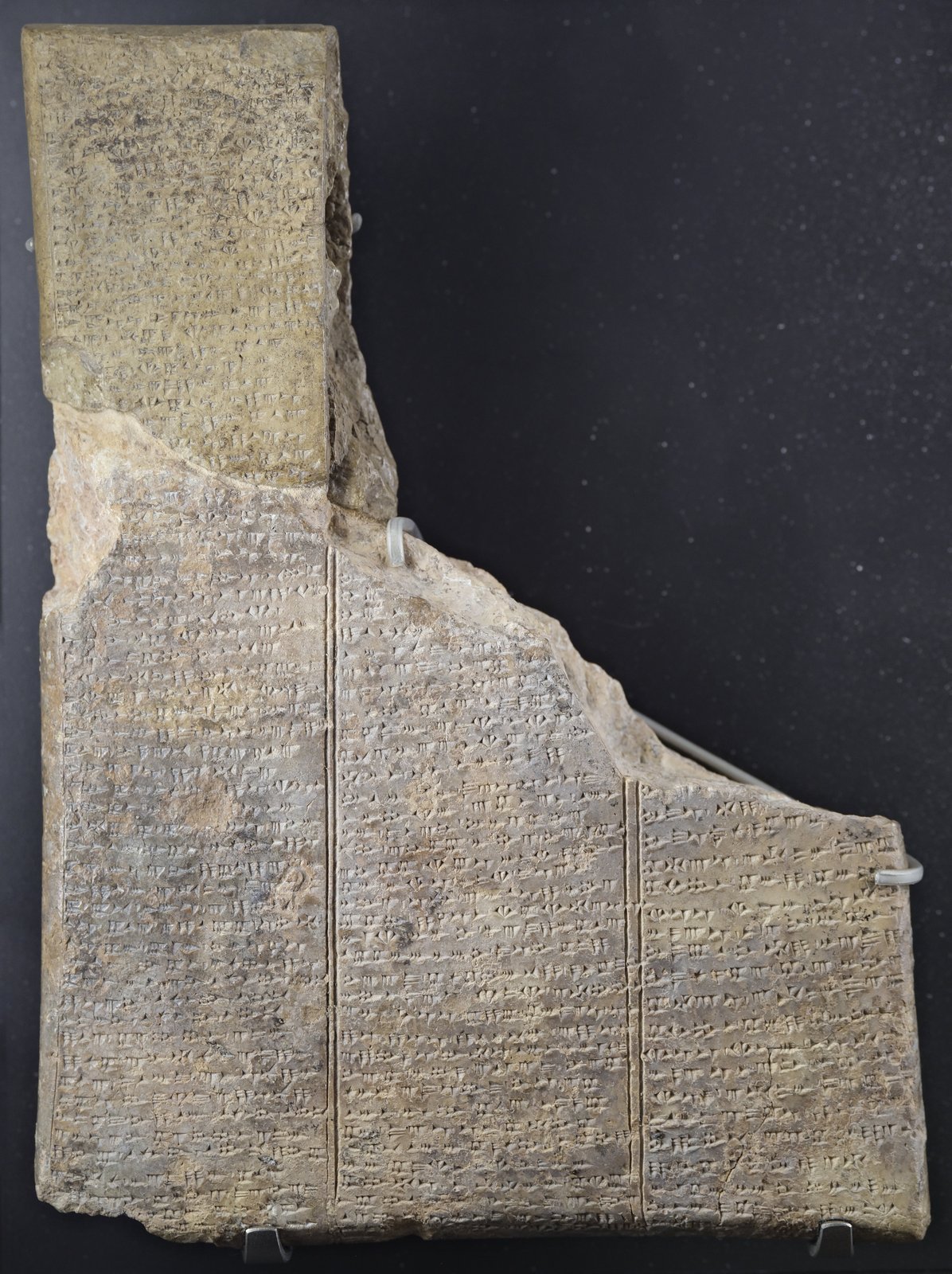
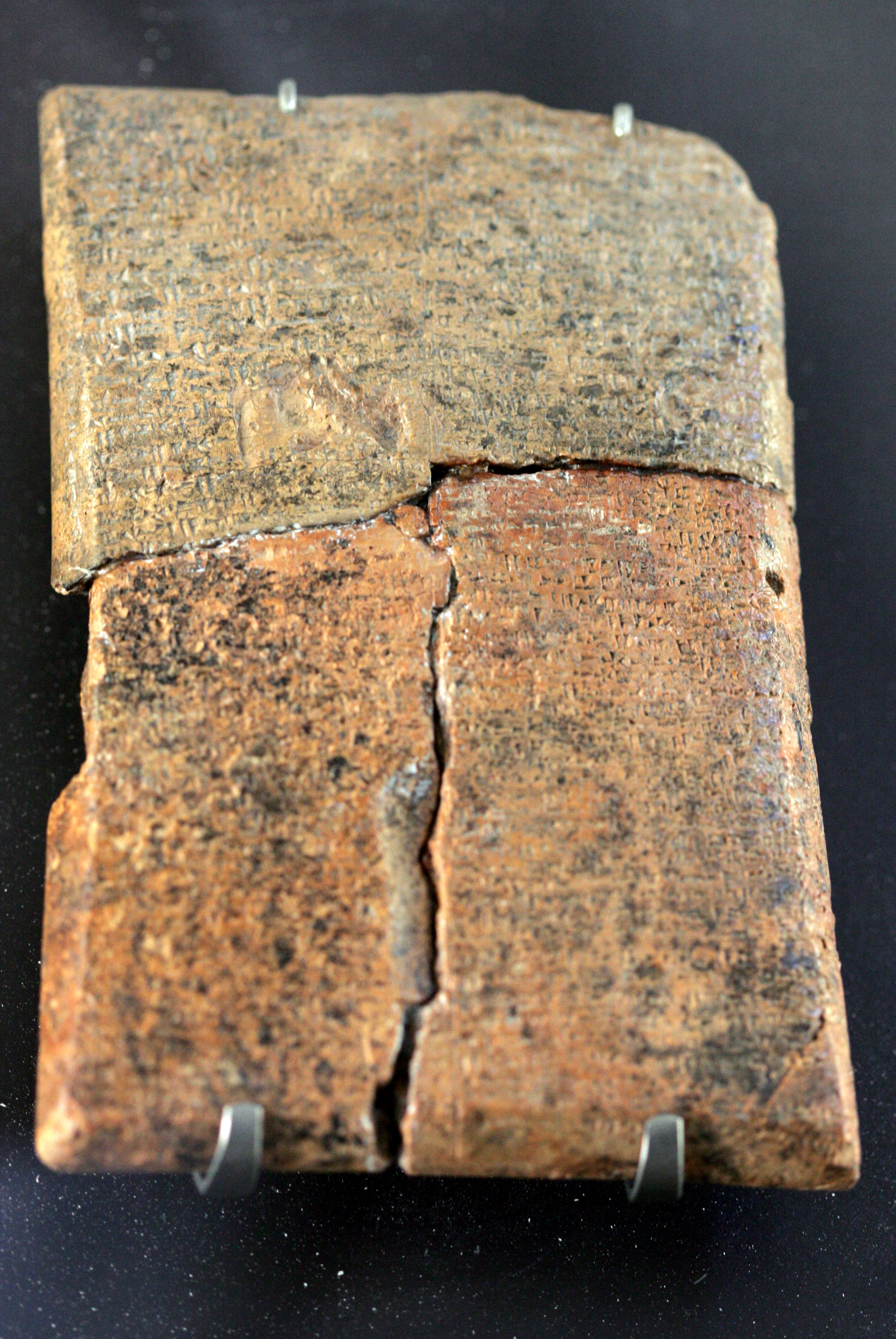
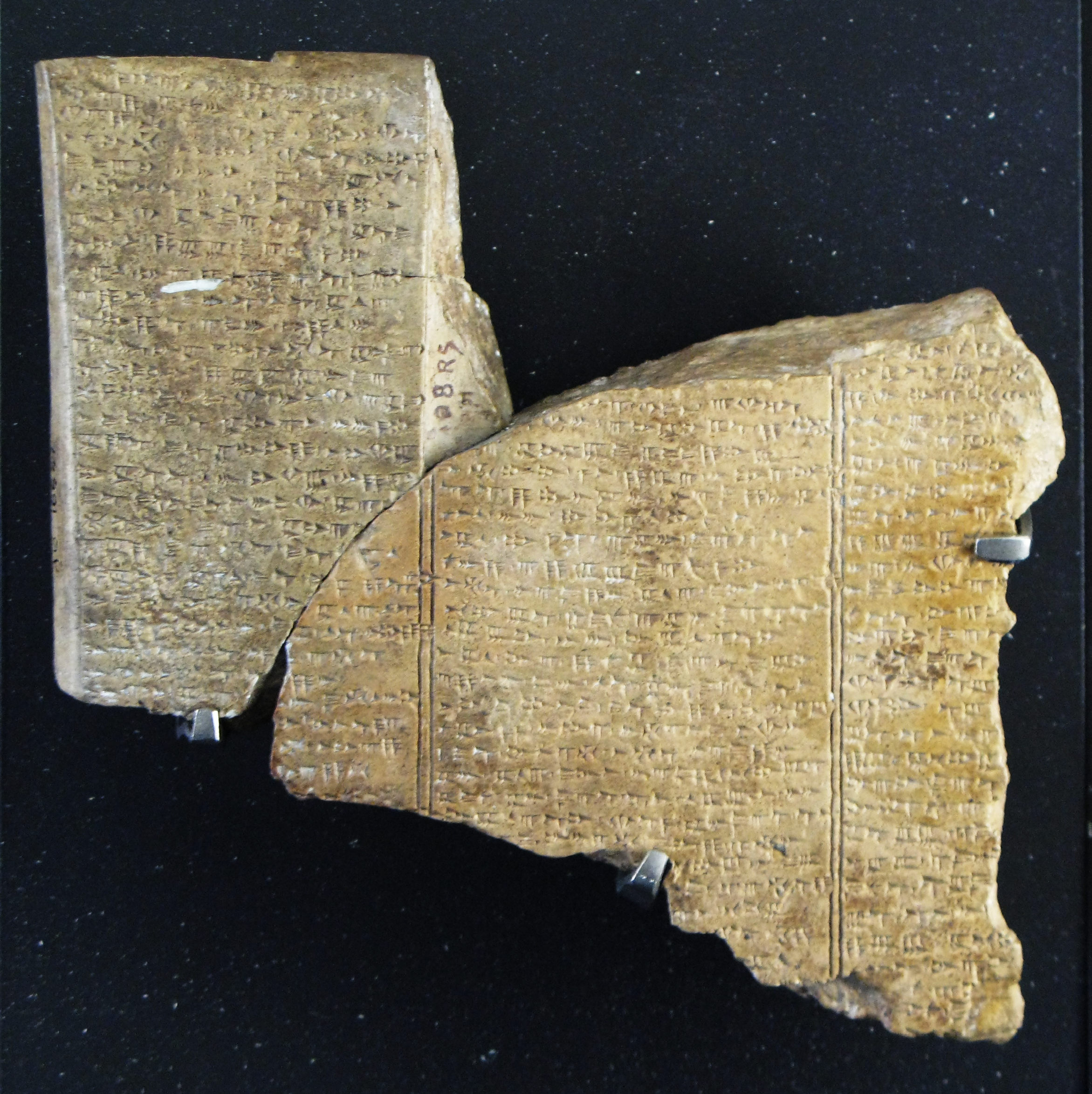
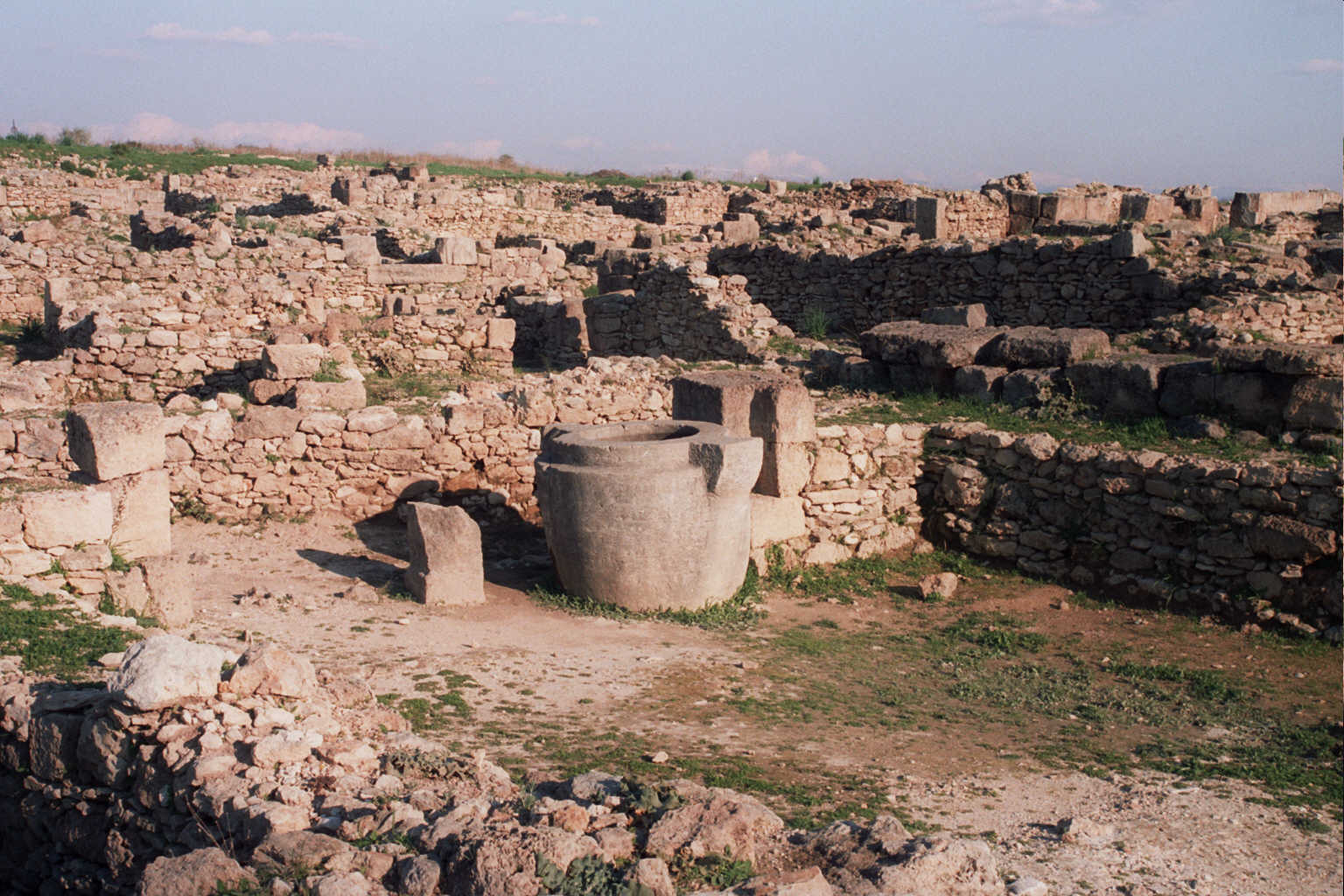
The Tale of Kirta, also called the Epic of Keret, is a poetic work in UgariticUgaritic languageAncient Semitic language preserved in Ugarit’s tablets on the Syrian coast, from the fourteenth–twelfth centuries BCE, written in a cuneiform alphabet.Glossary · Click to read the explanation, preserved on three tablets from UgaritUgaritAncient city and kingdom at Ras Shamra on the Syrian coast, flourishing between the fourteenth and early twelfth centuries BCE and preserving multilingual archives.Glossary · Click to read the explanation, numbered KTUKTU: Ugaritic Text ReferencesAbbreviation for a modern edition of alphabetic cuneiform texts. Its text references can be cross-identified with find numbers such as RS or RIH; they are not dates.Glossary · Click to read the explanation 1.14–1.16 in modern editions. It concerns King Kirta’s loss and restoration of his family and the consequences of an unfulfilled vow to the goddess AthiratAthiratA prominent goddess commonly understood as El’s consort in Ugaritic texts; she bears the progenitress epithet and intercedes for Baal’s palace.Glossary · Click to read the explanation. It is a literary narrative about family, kingship and obligations to the gods, not a record establishing a historical king’s biography. [1]
The colophon of KTU 1.16, an identifying note added to the tablet, explicitly names the scribe IlimilkuIlimilkuUgaritic scribe associated with the Baal Cycle, Kirta and Aqhat; handwriting and colophons aid attribution. His work alone does not date the traditions’ origins.Glossary · Click to read the explanation. Writing the tablet group is attributed to him, but attribution of the copy does not establish that he invented every element of the story. The tablets belong to Ugarit’s Late Bronze AgeLate Bronze AgeAn archaeological period around 1600–1200 BCE in much of the Near East, with international diplomacy, exchange and religious diversity; its endpoints vary by region.Glossary · Click to read the explanation culture. The precise dating of the scribe’s activity remains debated and cannot become a certain date for the story’s origins. [2]
References and notes
- West Semitic Research Project, University of Southern California, Ugaritic Texts catalogue. PDF pages5–7: entries KTU1.14–1.19, excavation numbers and descriptions; these entries read, not the entire catalogue. Return to the text ↑
- Mark S. Smith and Wayne T. Pitard, The Ugaritic Baal Cycle, vol.II, Brill, 2009. p.725: complete KTU1.16 colophon and damaged KTU1.17 colophon; pp.7–8 and11–14: dating and limits of attribution. Return to the text ↑
Archive records may be reviewed and refined as better evidence or sources become available. Suggest a correction
Suggest a correction · Suggest a source for this record
Cite this record
IL Archive, «Tale of Kirta», https://ilarchive.com/en/texts/kirta-epic
Continue reading