Tale of Kirta Chapter 1
The Vow of Kirta
After losing his family, Kirta follows a dream and makes a vow to Athirat. Years later, his family cares for him through an illness, and after his recovery Yassib challenges him for the throne.
SourcesTurn the pages with the arrows, the arrow keys or a swipe.
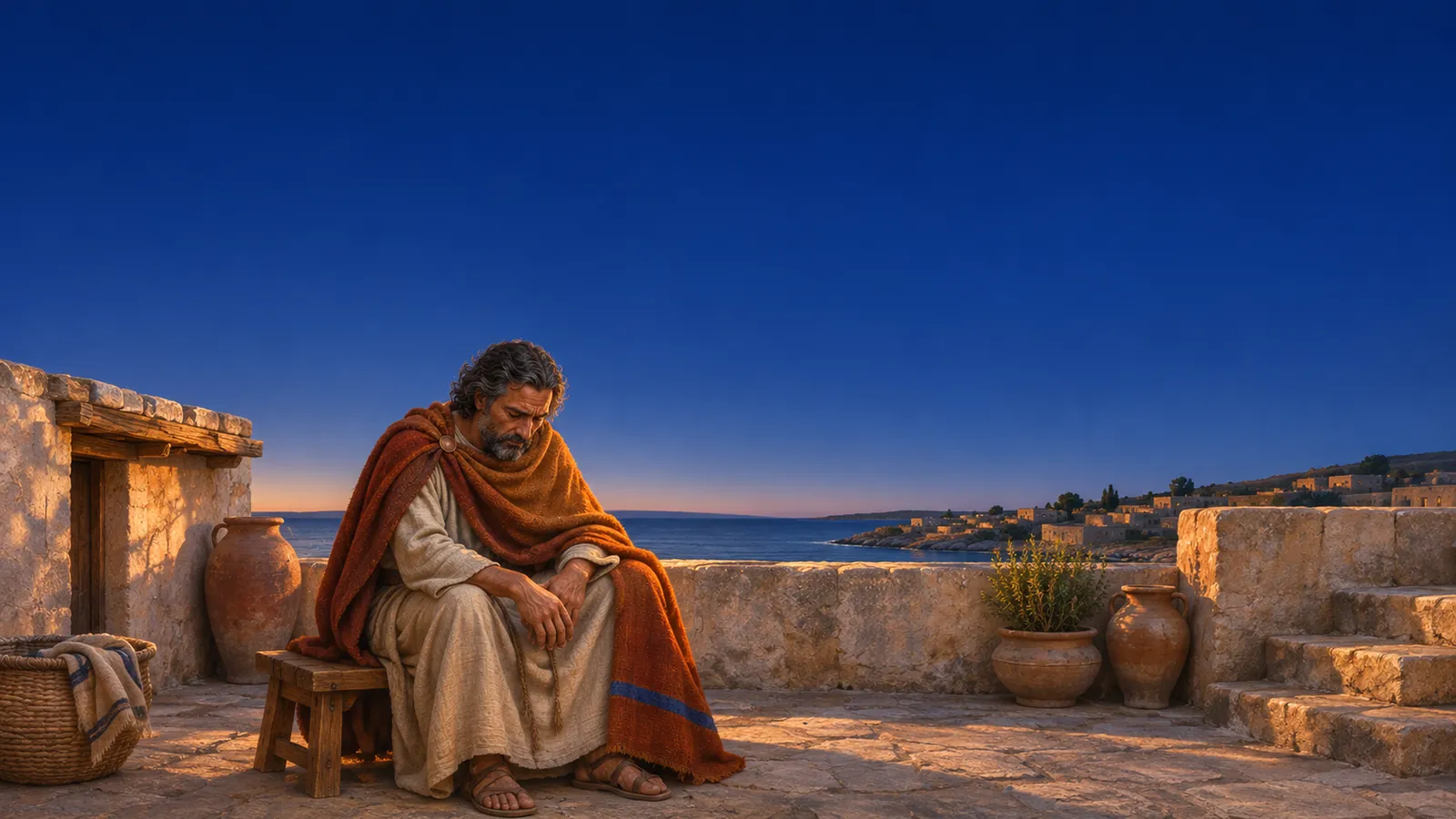
THE VOW OF KIRTA
Part of the opening is missing. In the lines we can read, Kirta’s house has known loss, and the future of his line is uncertain.
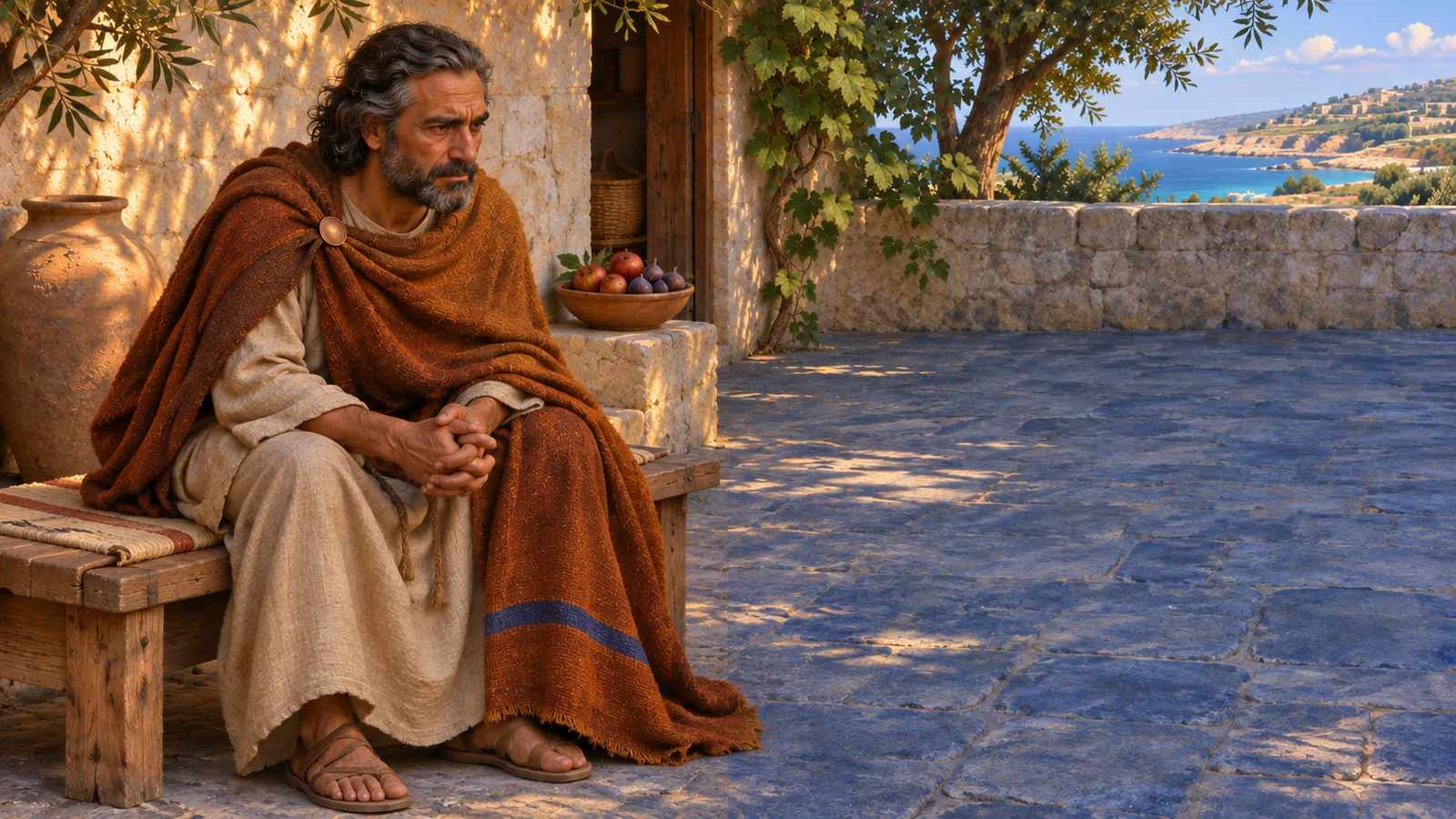
Illness, plague, the sea and the sword take members of Kirta’s family, leaving him alone in grief.
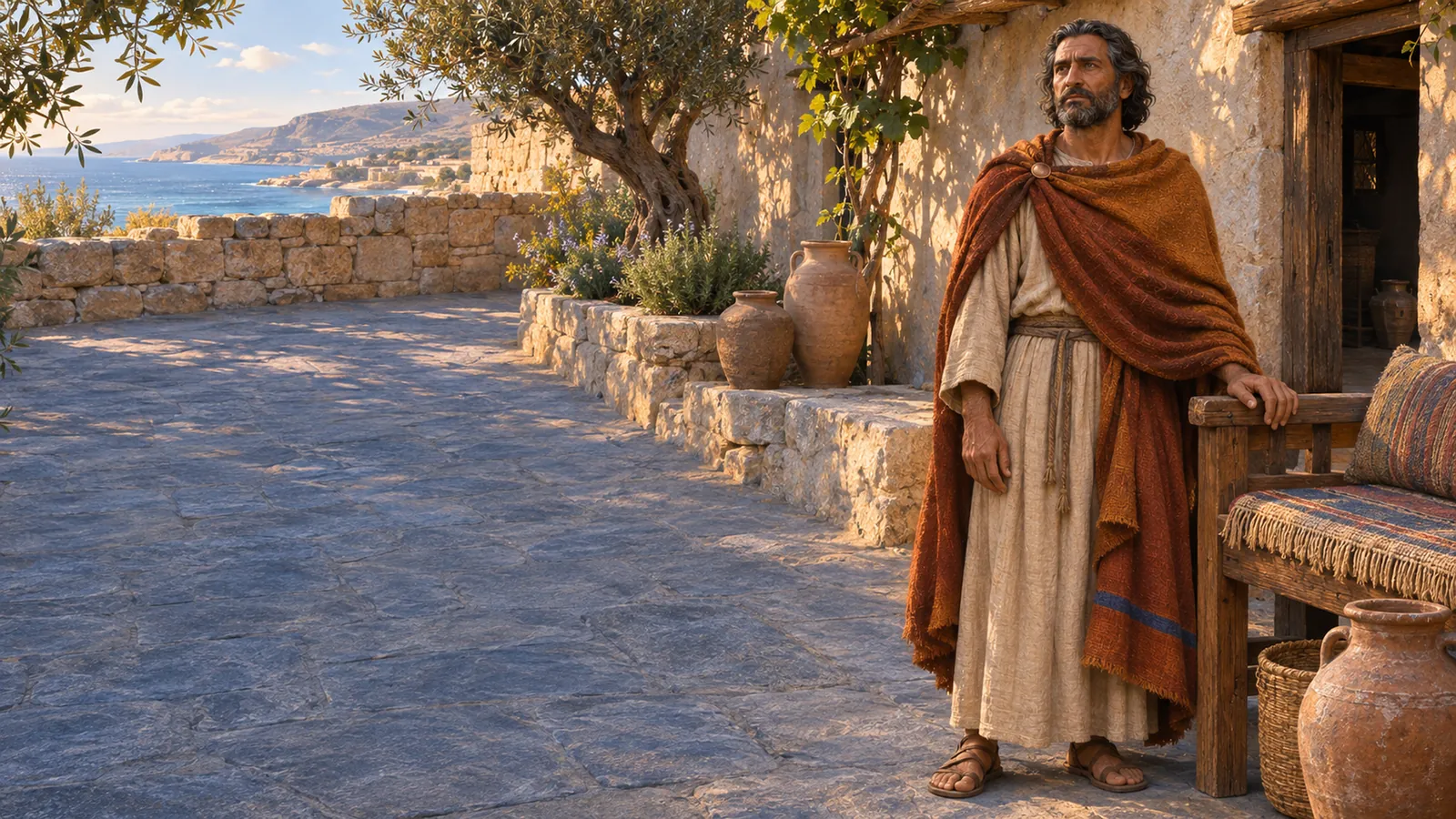
Kirta has no one to carry on his line. The future of his house is left open.
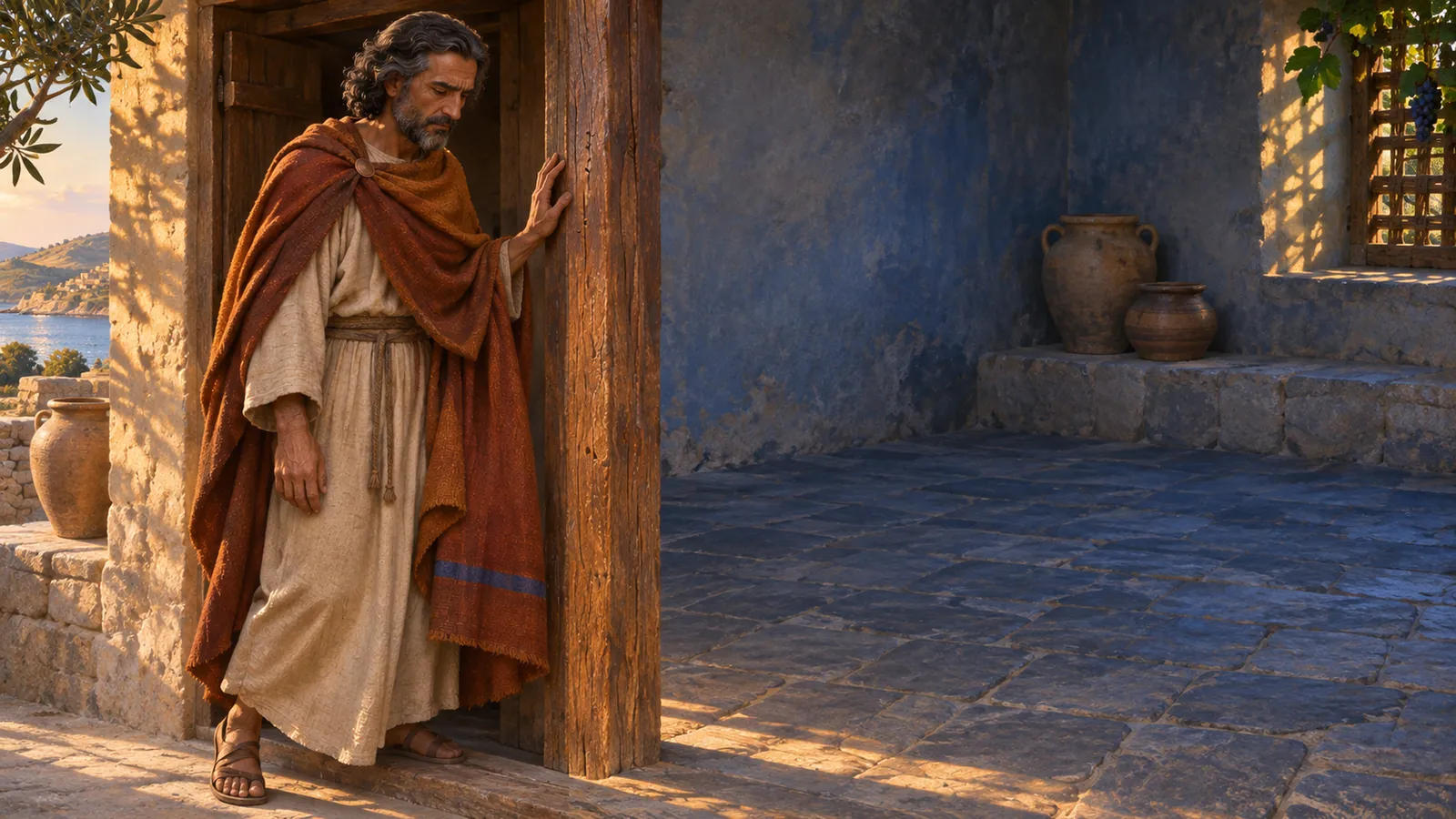
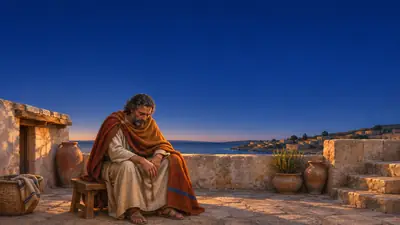
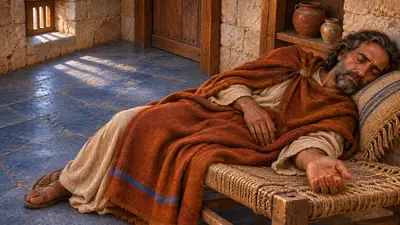
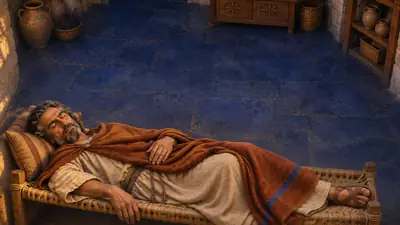
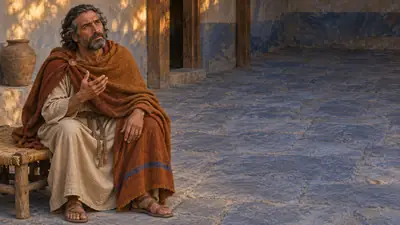
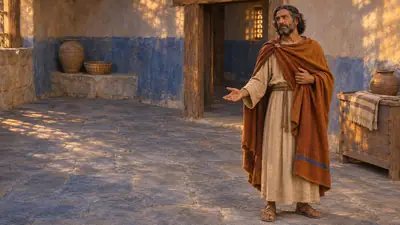
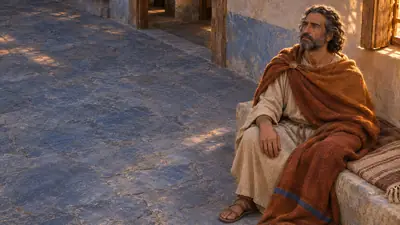
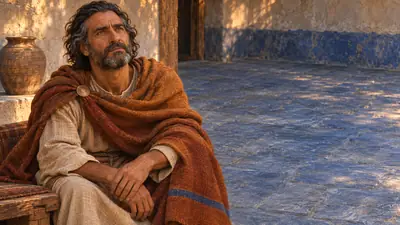
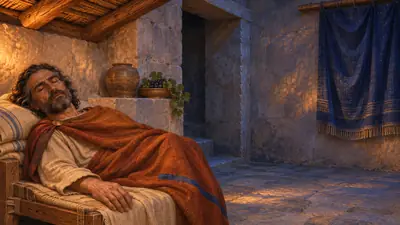
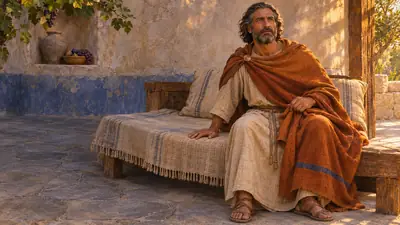
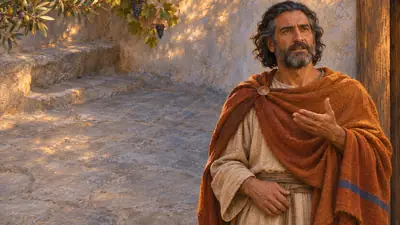
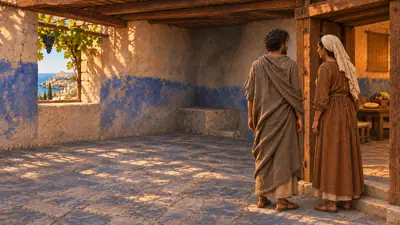
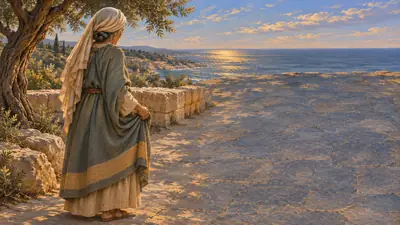
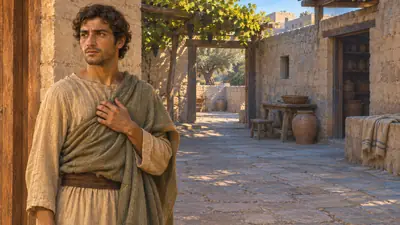
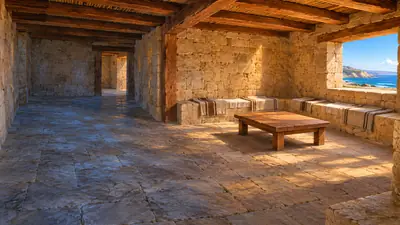
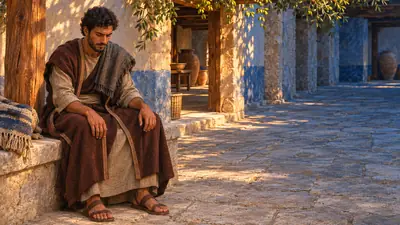
Kirta goes into the inner room. There, away from the rest of the house, he gives way to his grief.
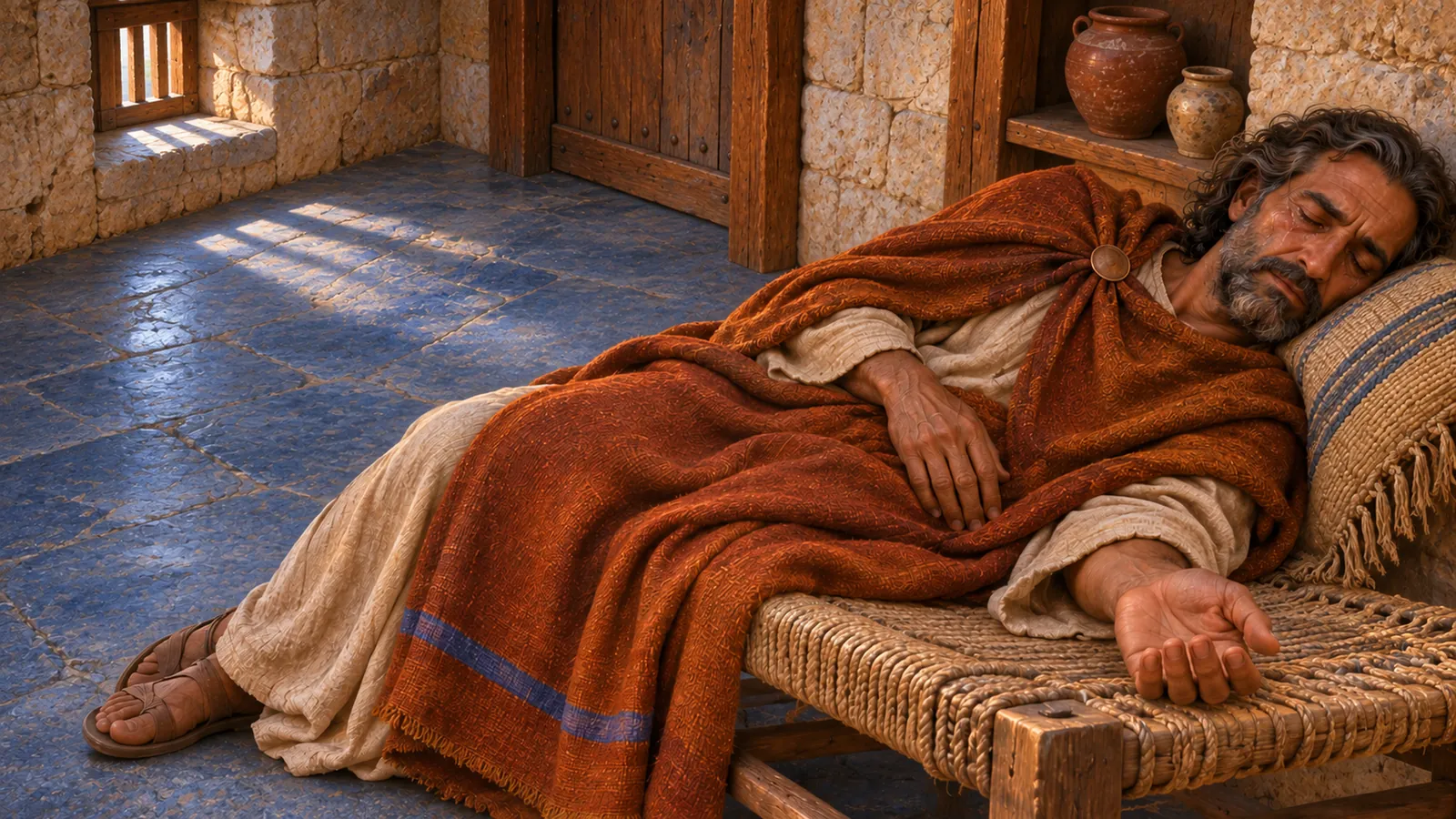
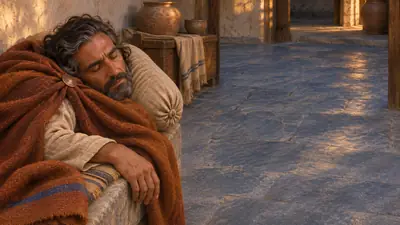
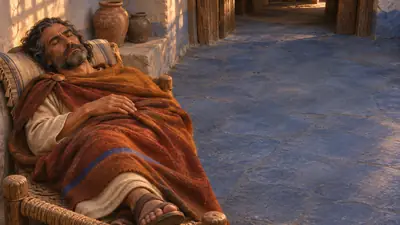
The poem stays with Kirta as he weeps. At last he falls asleep, and his grief gives way to a dream.
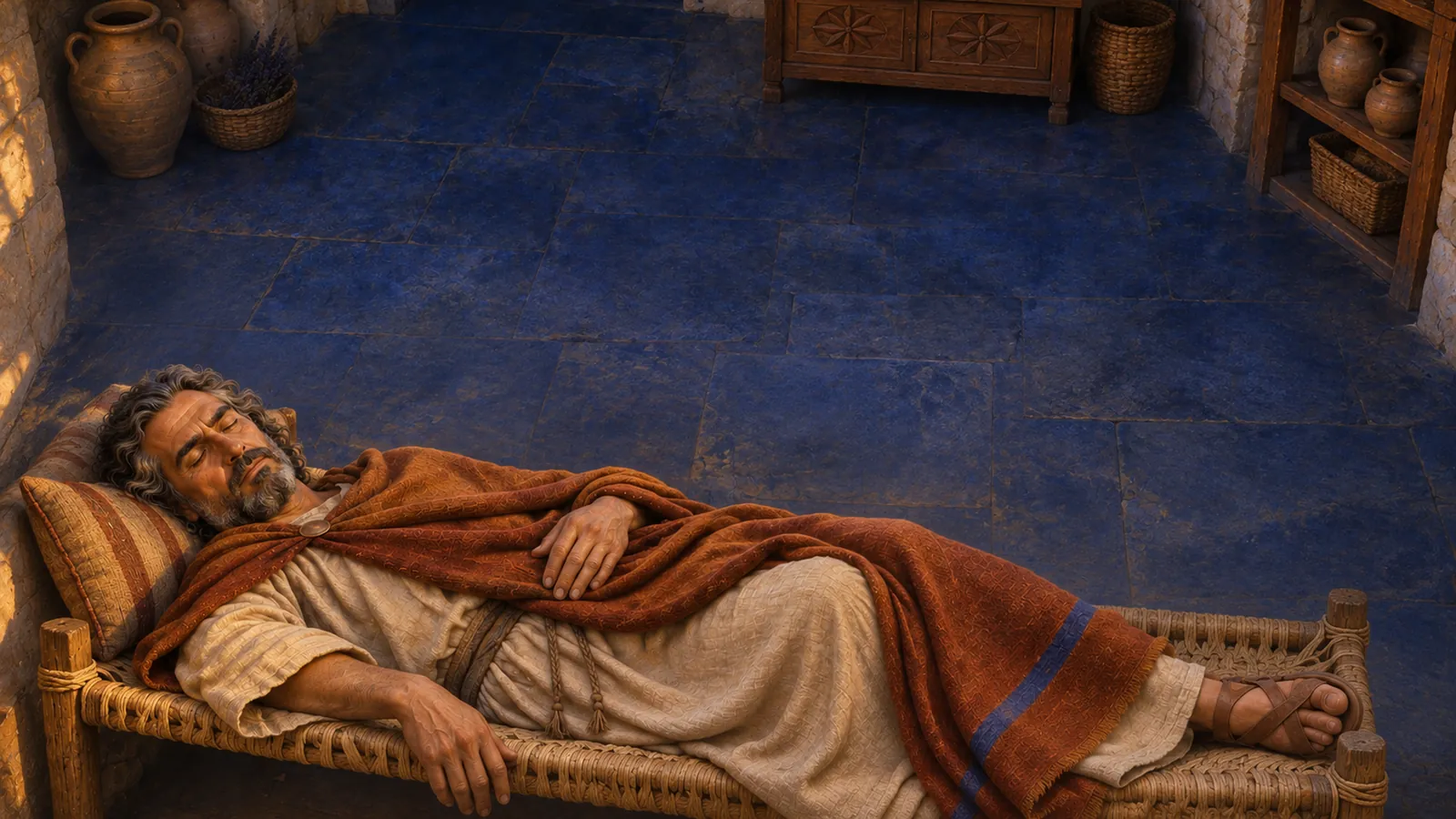
EL IN THE DREAM
As Kirta sleeps, El comes near in a dream. The room is still, and the poem turns from Kirta’s grief to El’s words.
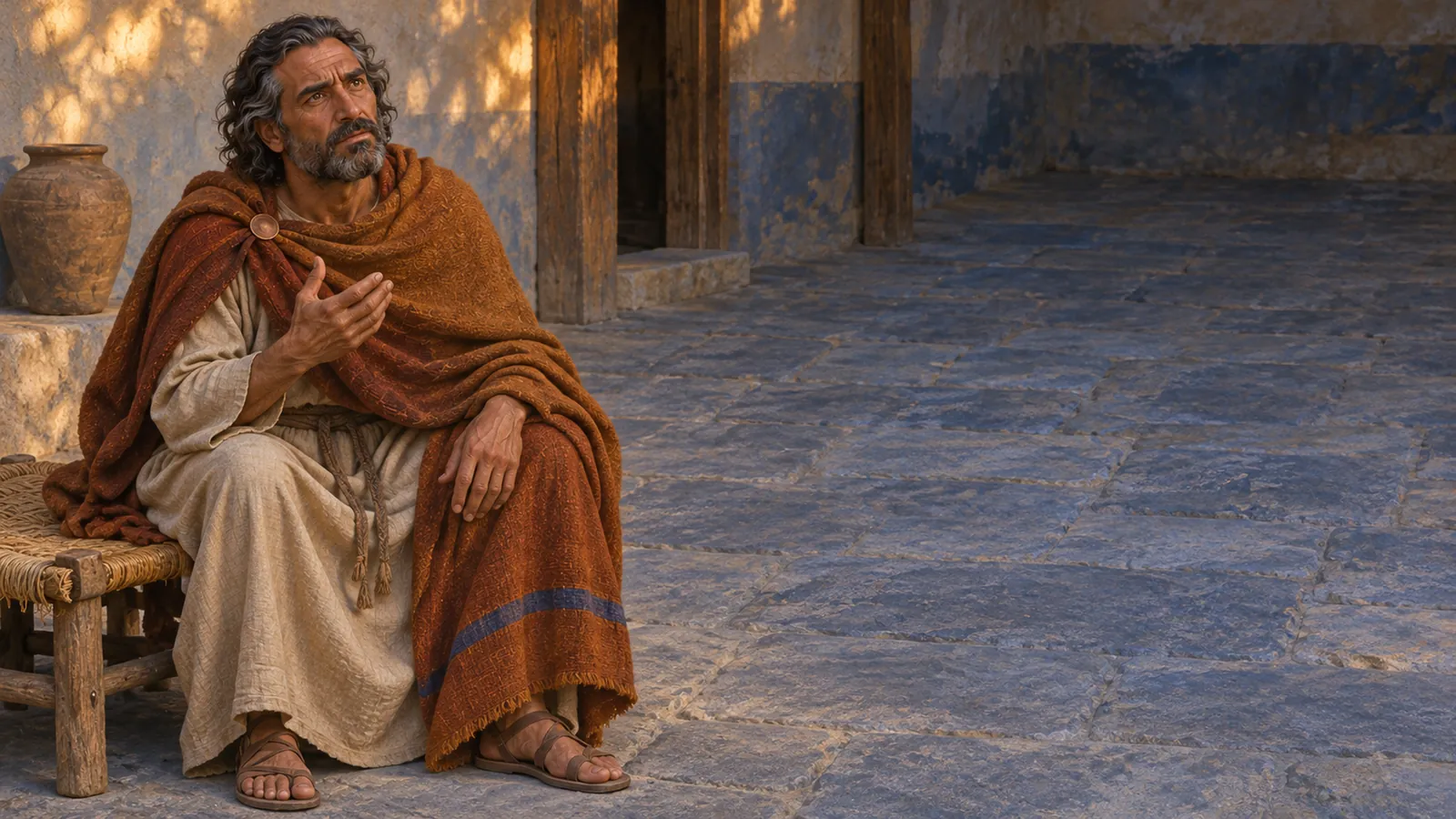
In the dream, El asks Kirta why he weeps and what has brought him such sorrow. The questions open their exchange.
El’s questions turn to riches. He names the precious things a king might desire as he asks Kirta what would ease his grief.
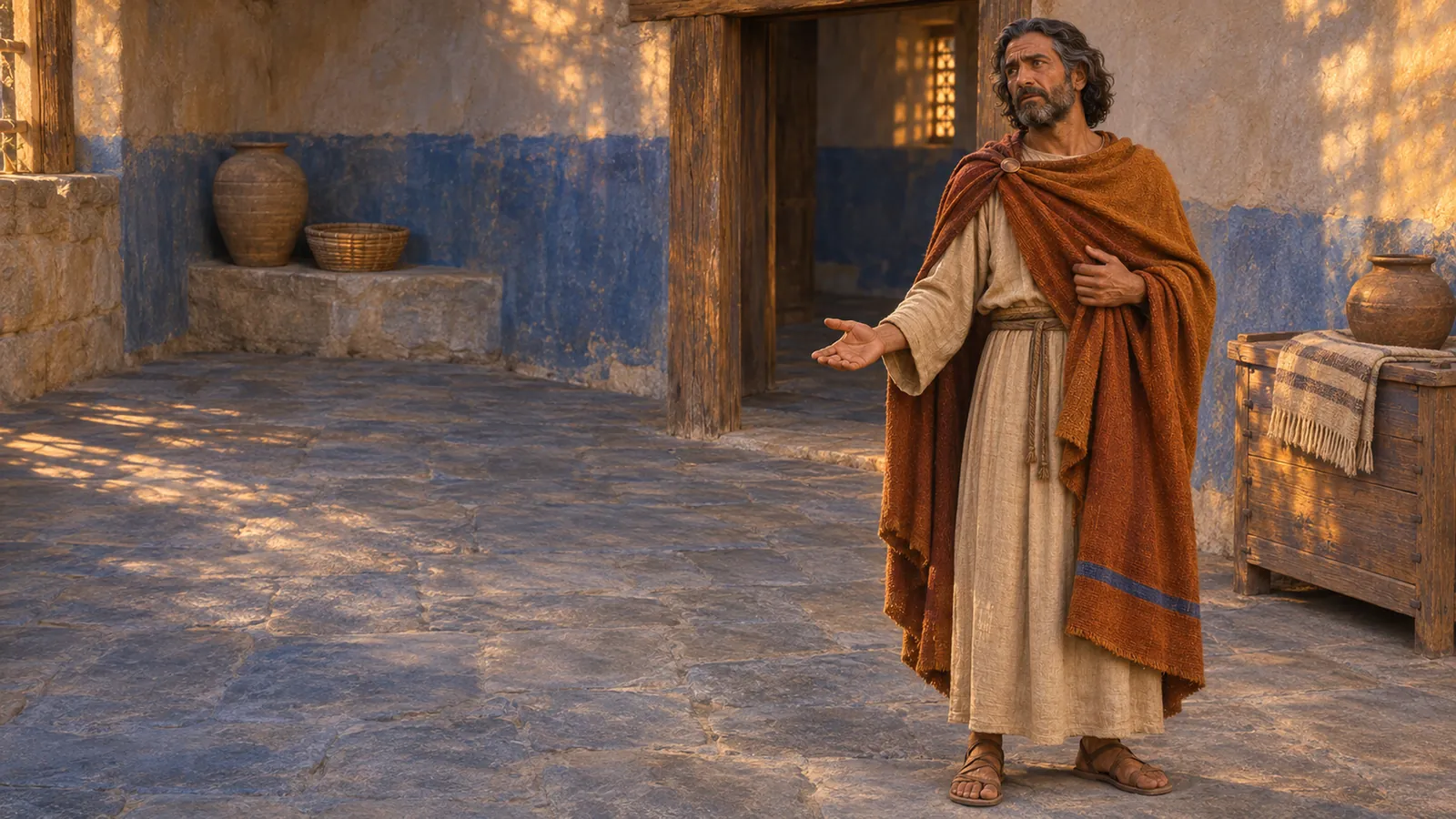
Kirta answers that riches are of no use to him in his sorrow. He wants a family and someone to continue his line.
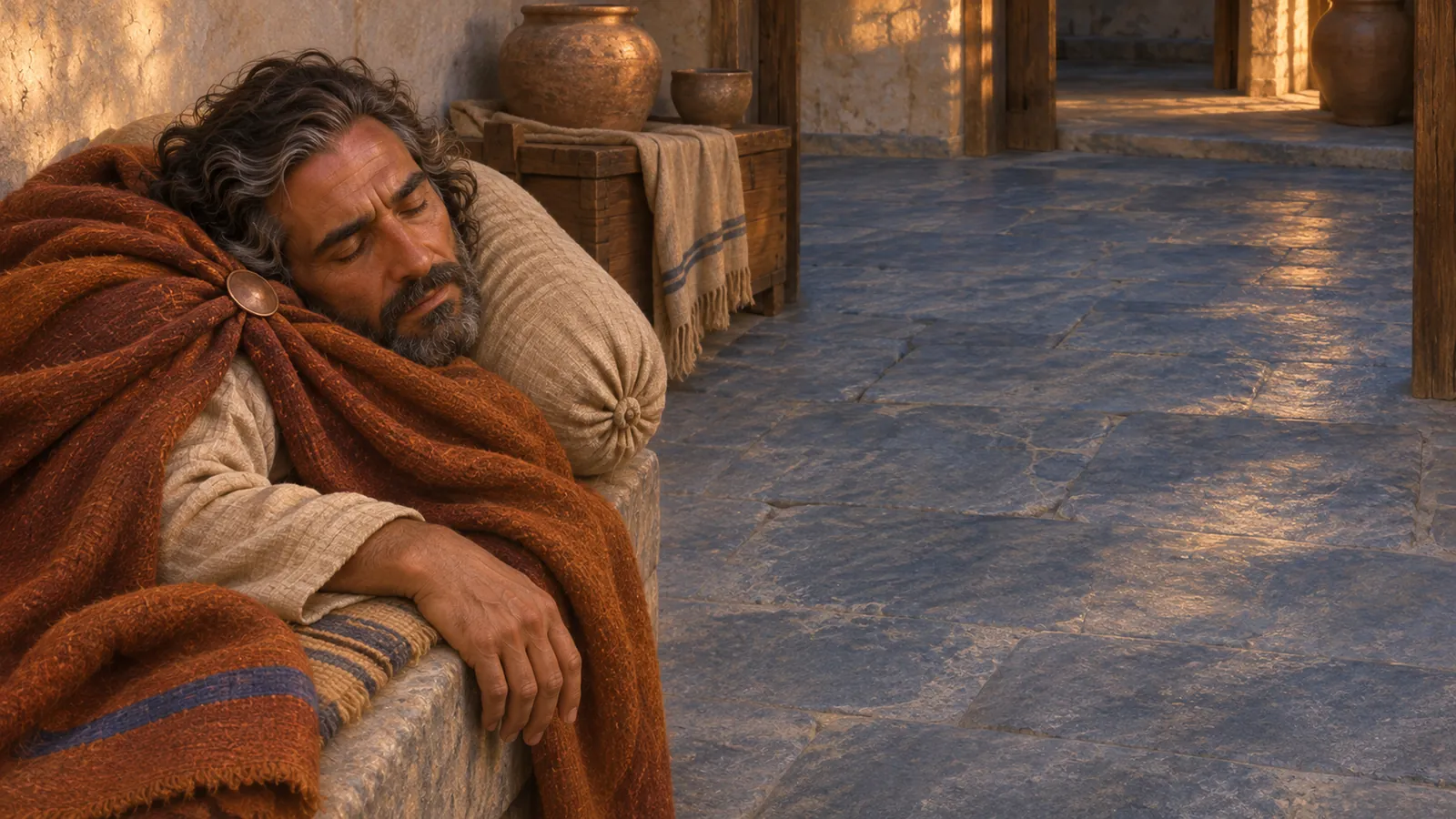
El tells Kirta to stop weeping and make ready. The words still belong to the dream, while Kirta lies asleep.
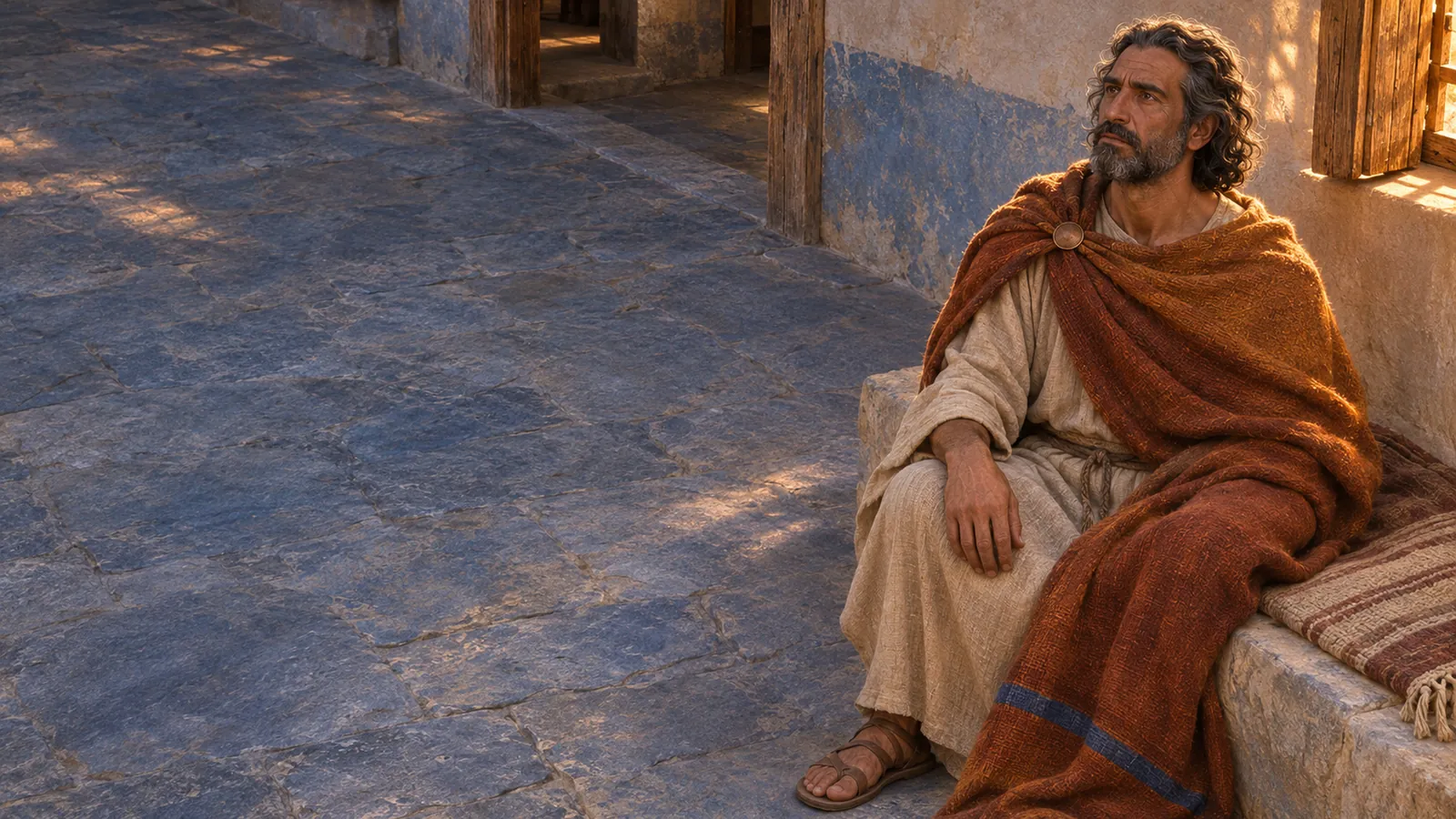
El tells Kirta to gather what he needs for an offering. He continues with the preparations that are to come.
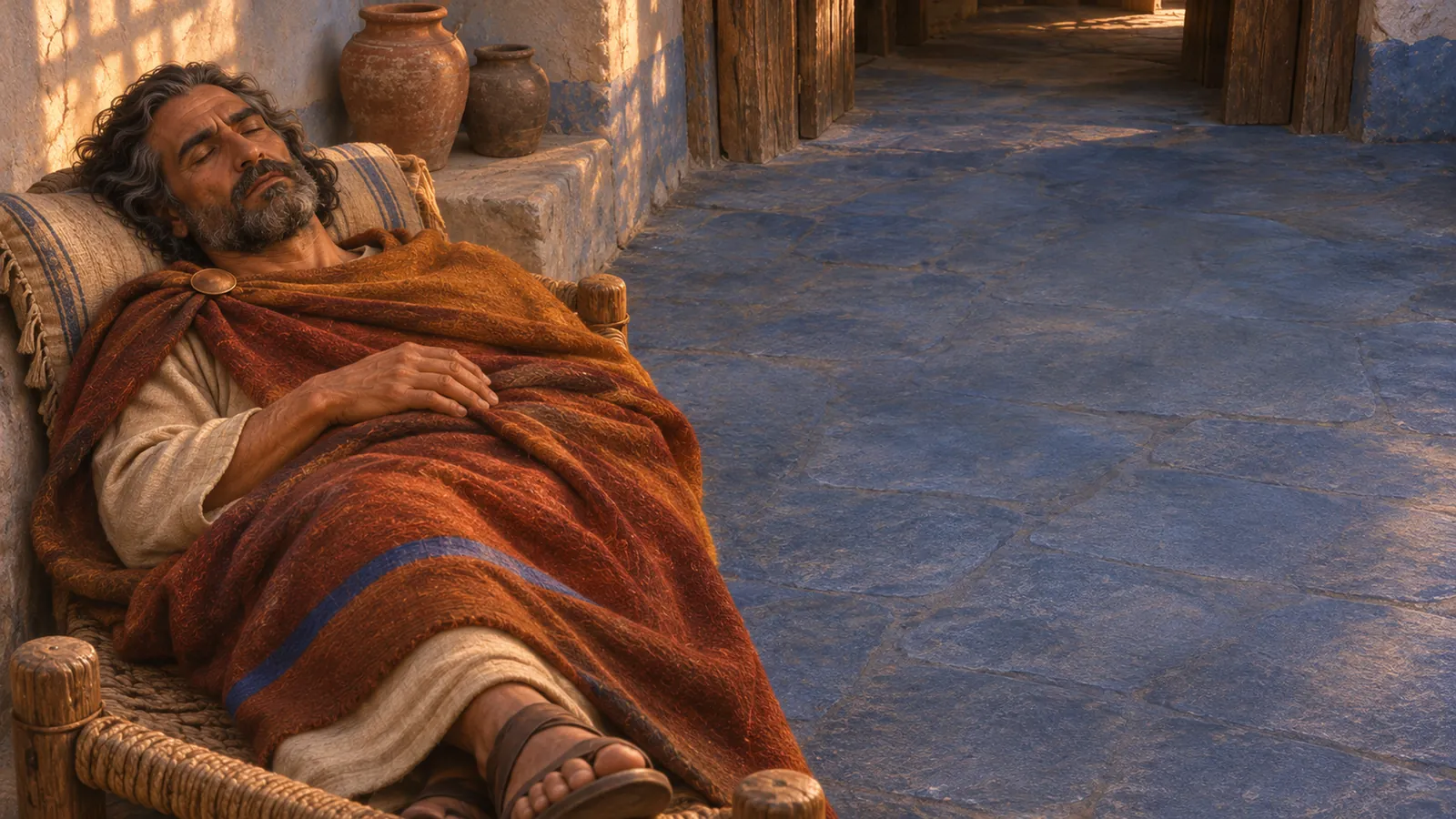
In the dream, Kirta hears El and Baal named in the directions for the offering. He has yet to wake and act on what he hears.
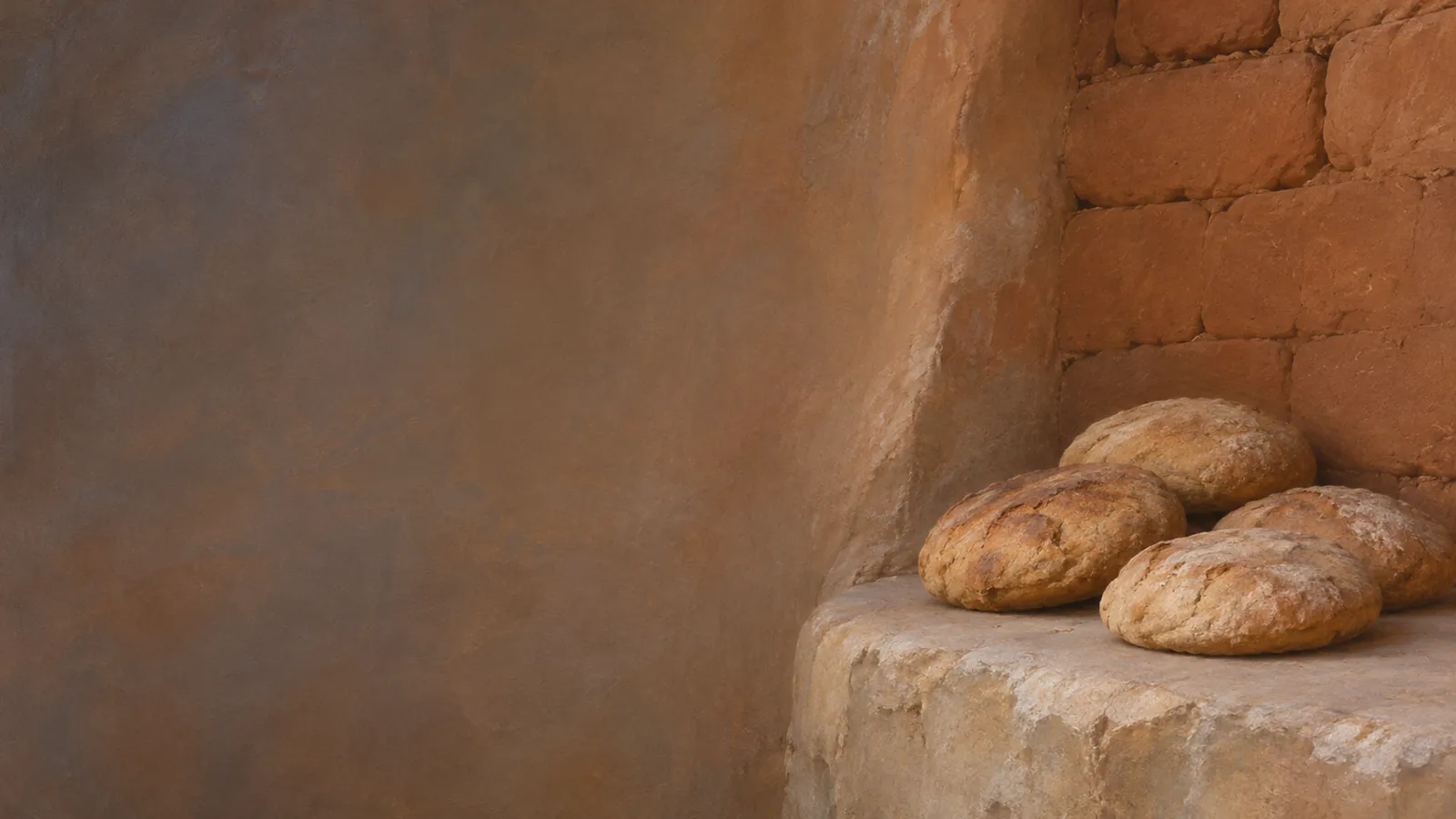
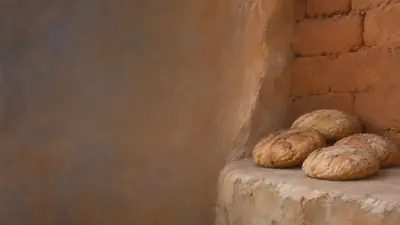
El’s words turn to food for the journey. The dream calls for bread to be made ready before Kirta sets out.
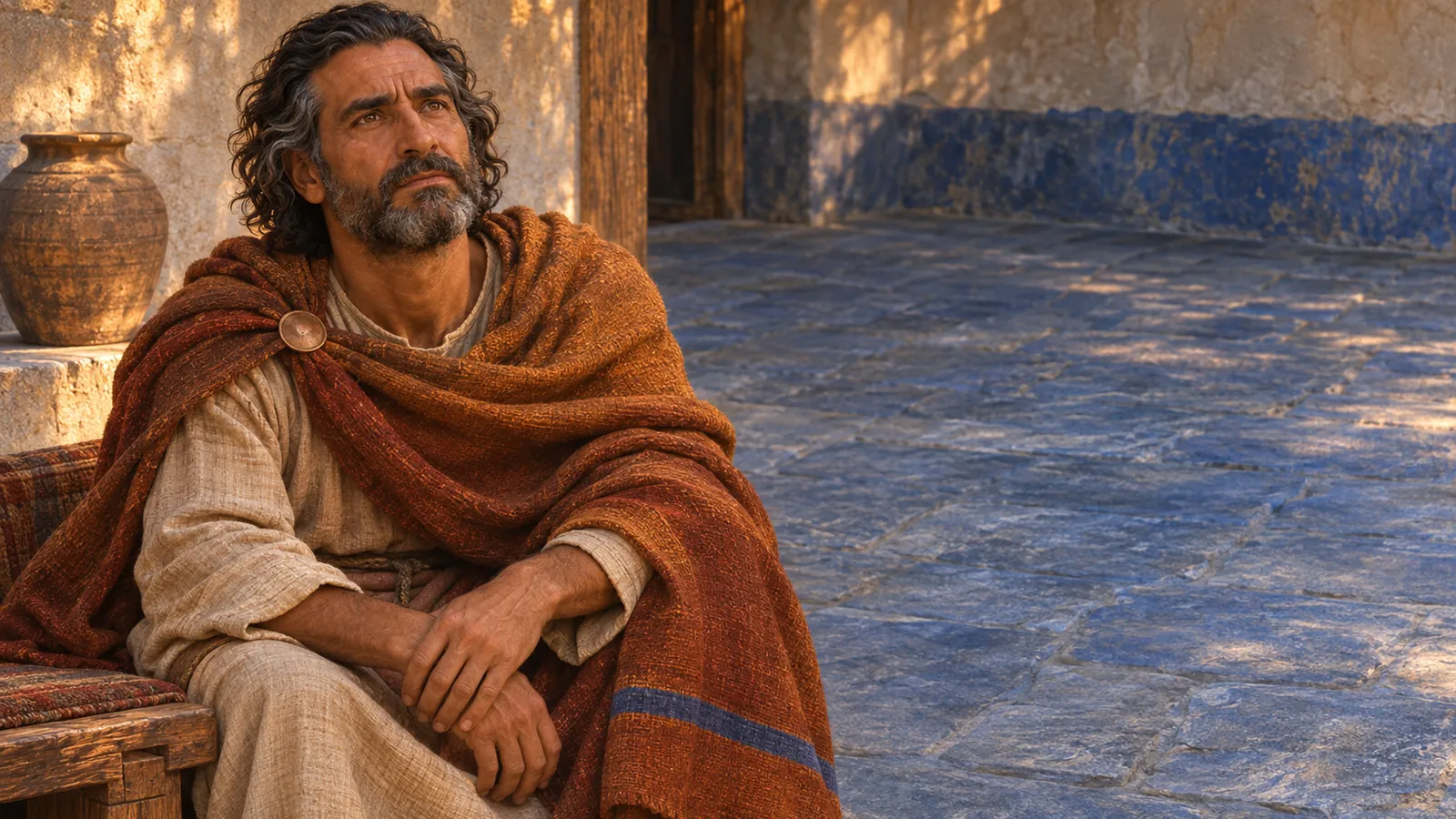
El tells Kirta to gather a great company for the journey. The numbers in the dream give a sense of how far the call will reach.
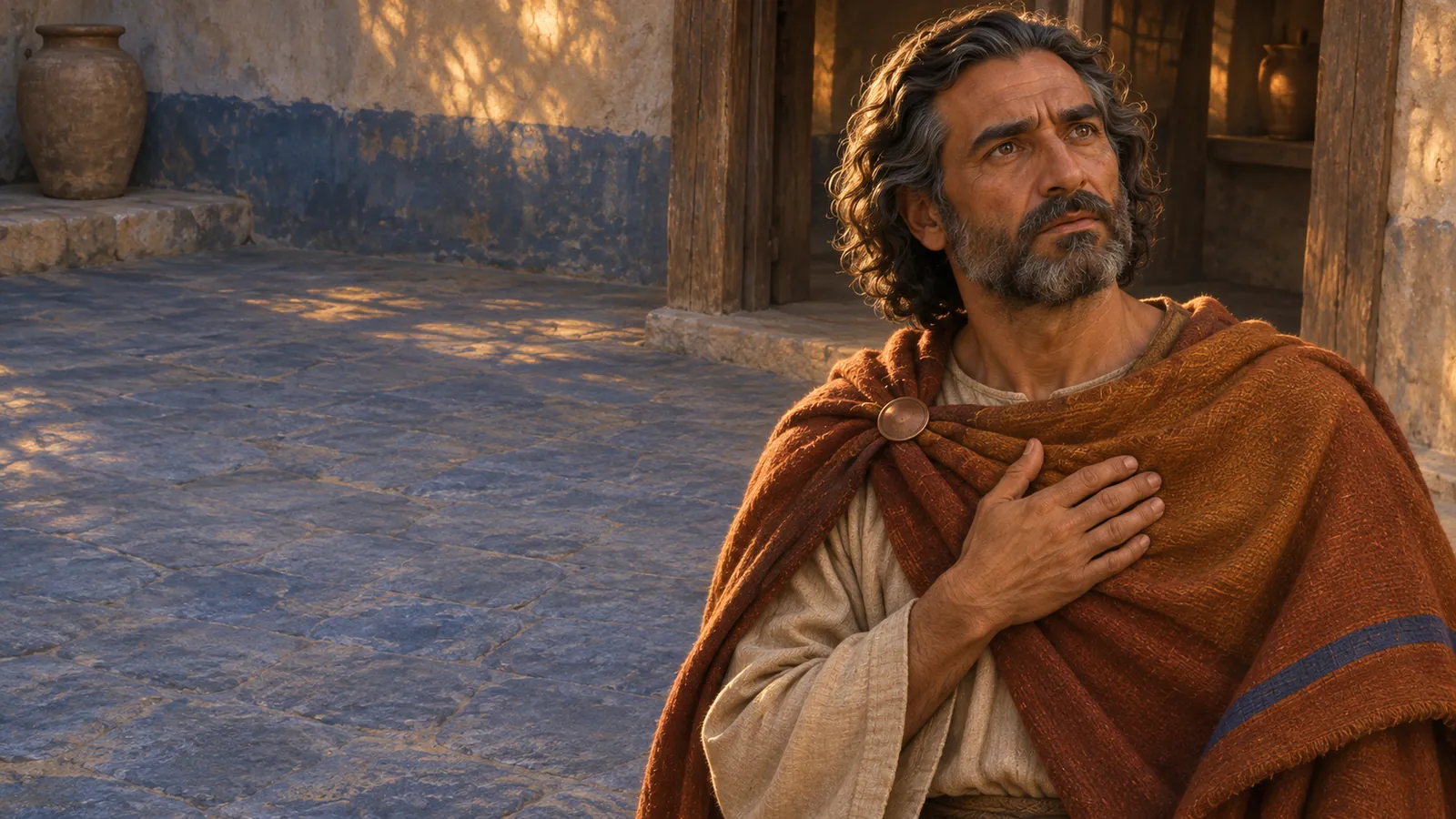
The dream tells how widely the call is to go. It reaches from household to household as El speaks of the journey.
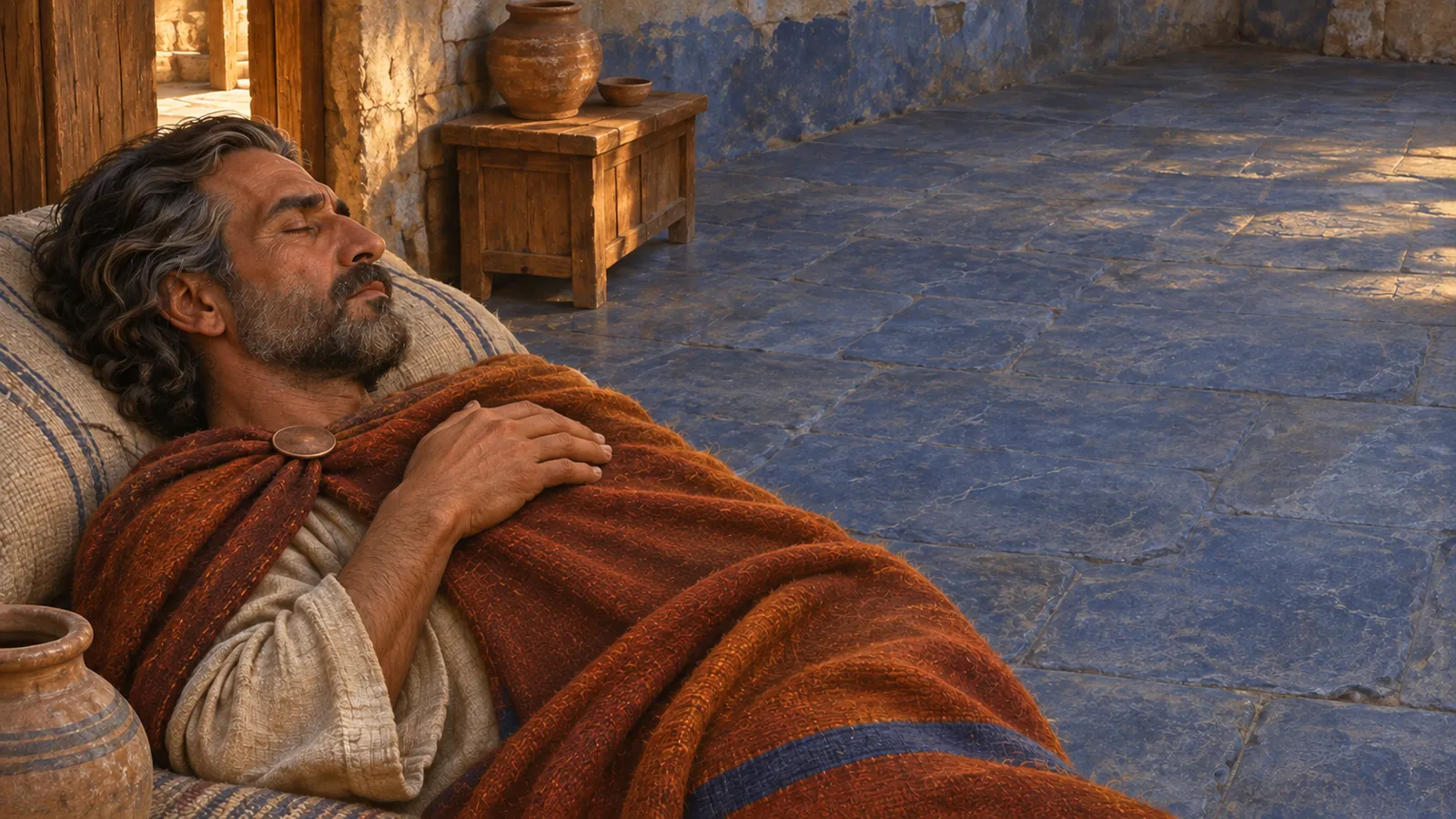
El names Udum and counts the days ahead. In the dream, Kirta’s arrival puts pressure on Udum, and messages are to pass between them.
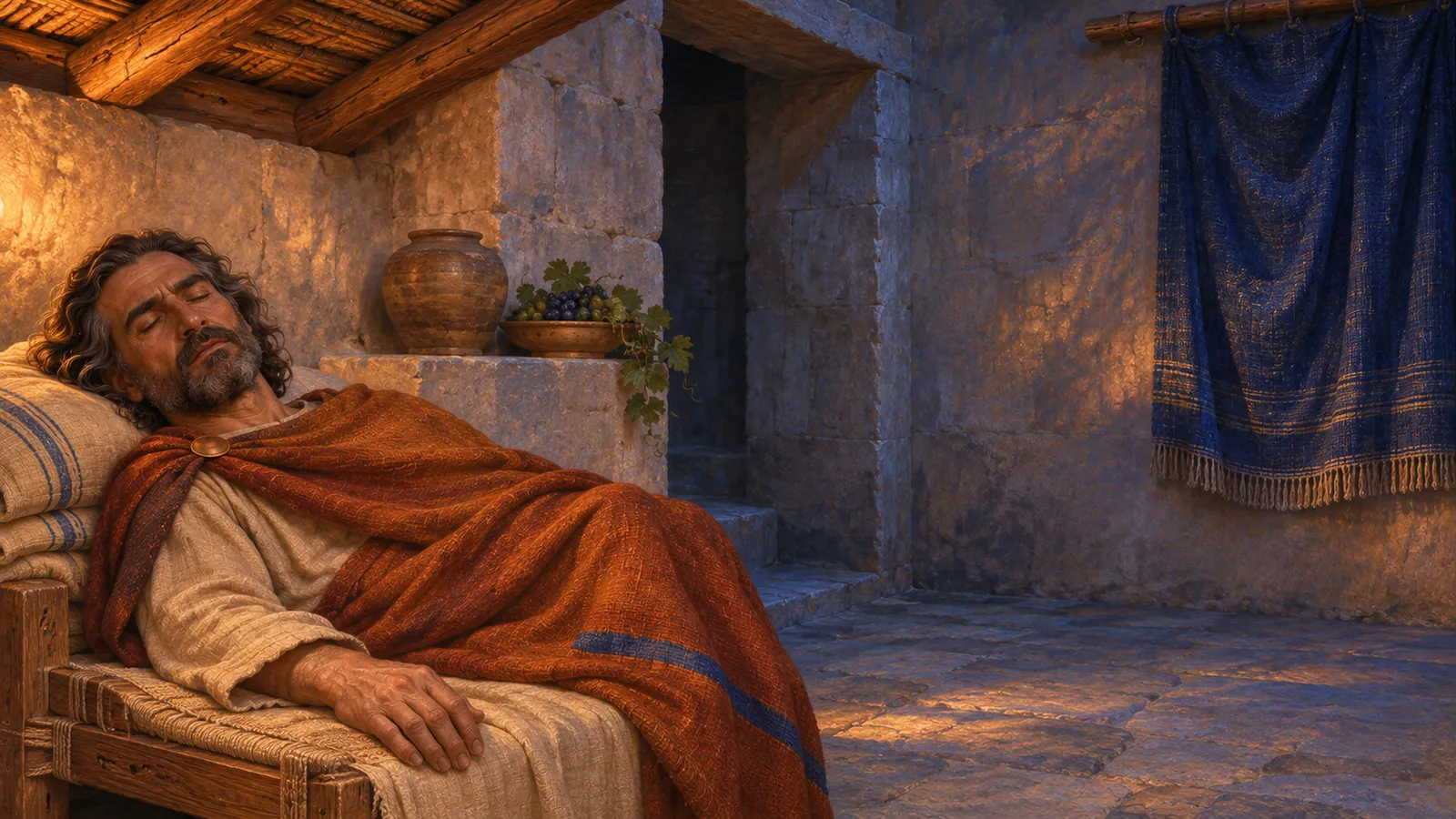
The dream tells of a message from Pabil offering wealth. Kirta will refuse to give up what he seeks for riches.
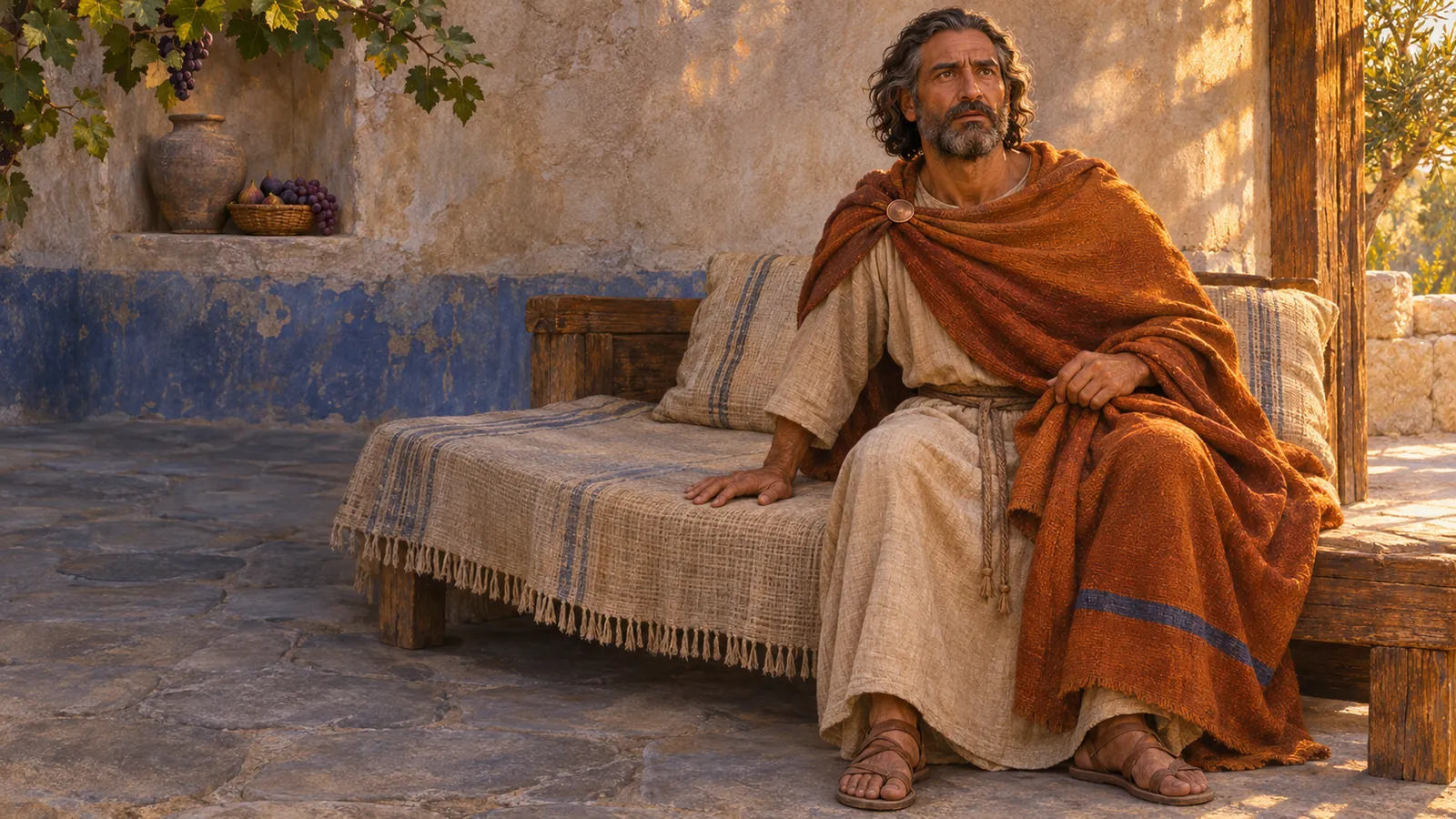
Kirta wakes from his dream. From here the poem tells what he does after hearing El’s words.
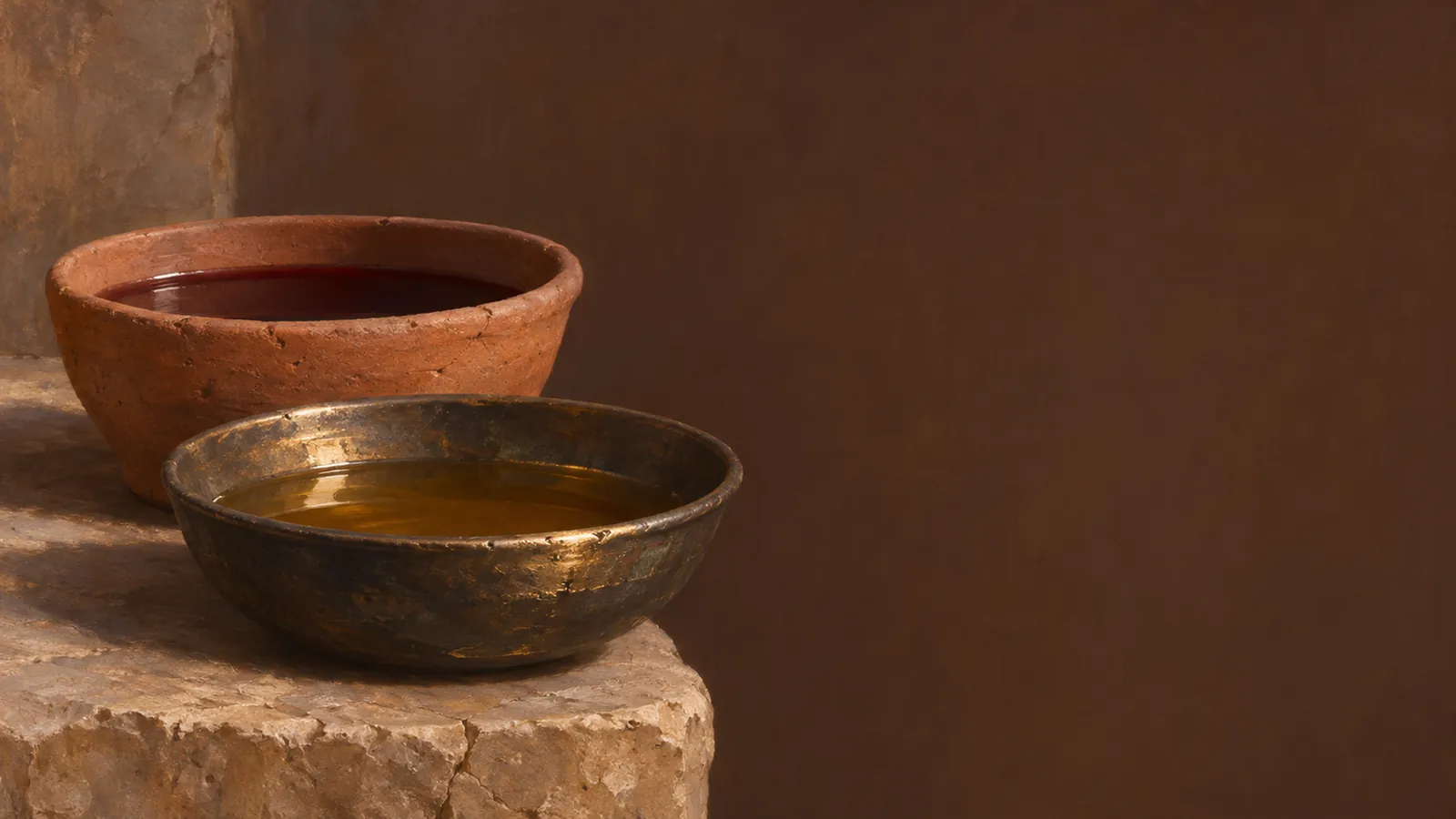
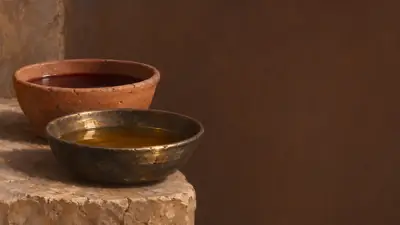
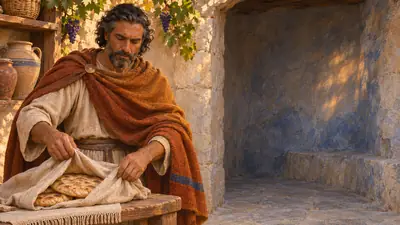
Kirta makes ready. He sets aside wine and honey in vessels, beginning the preparations he heard in the dream.
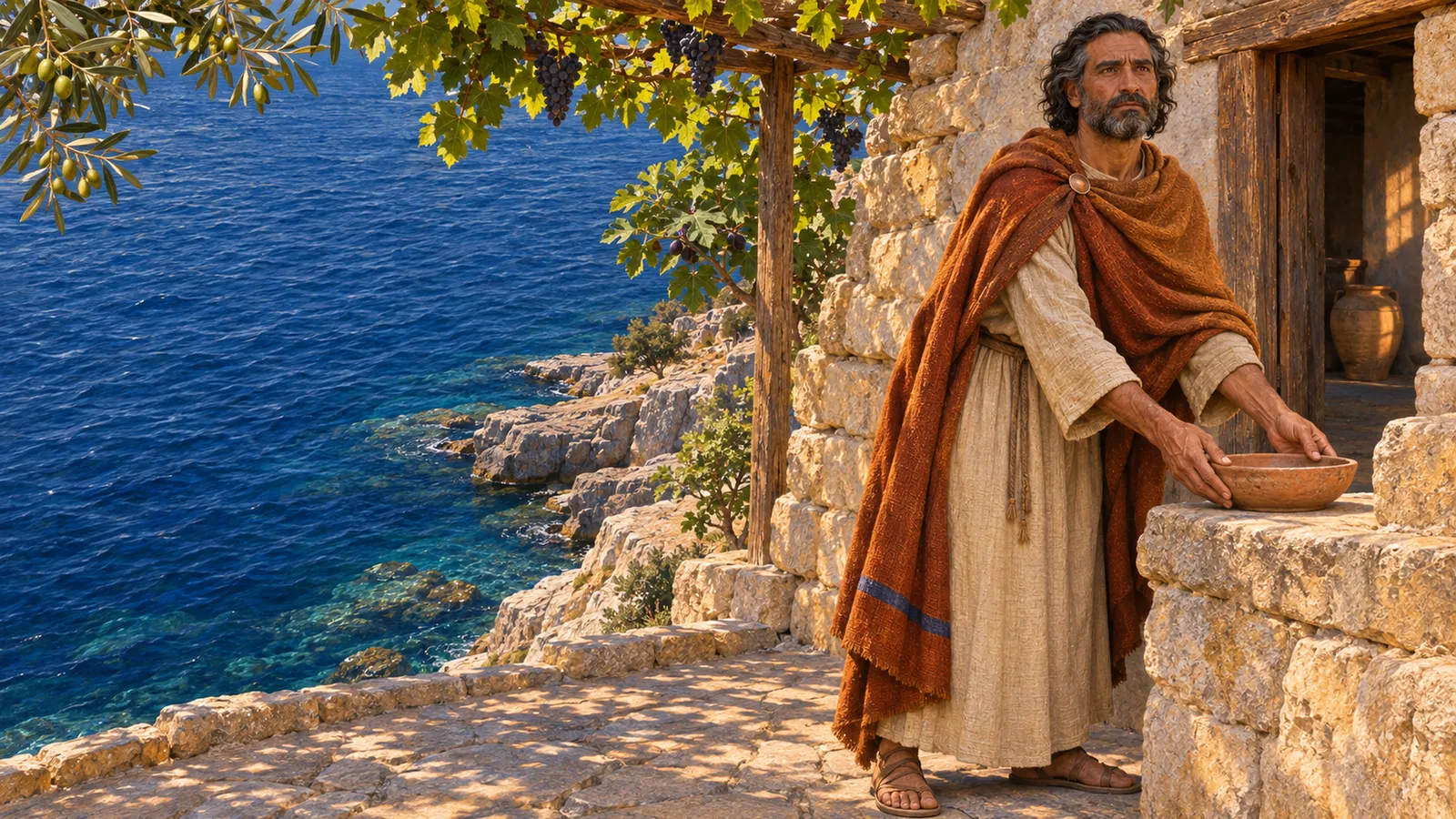
Kirta goes to present the offering, as he was told in the dream. The surviving lines give no immediate answer.
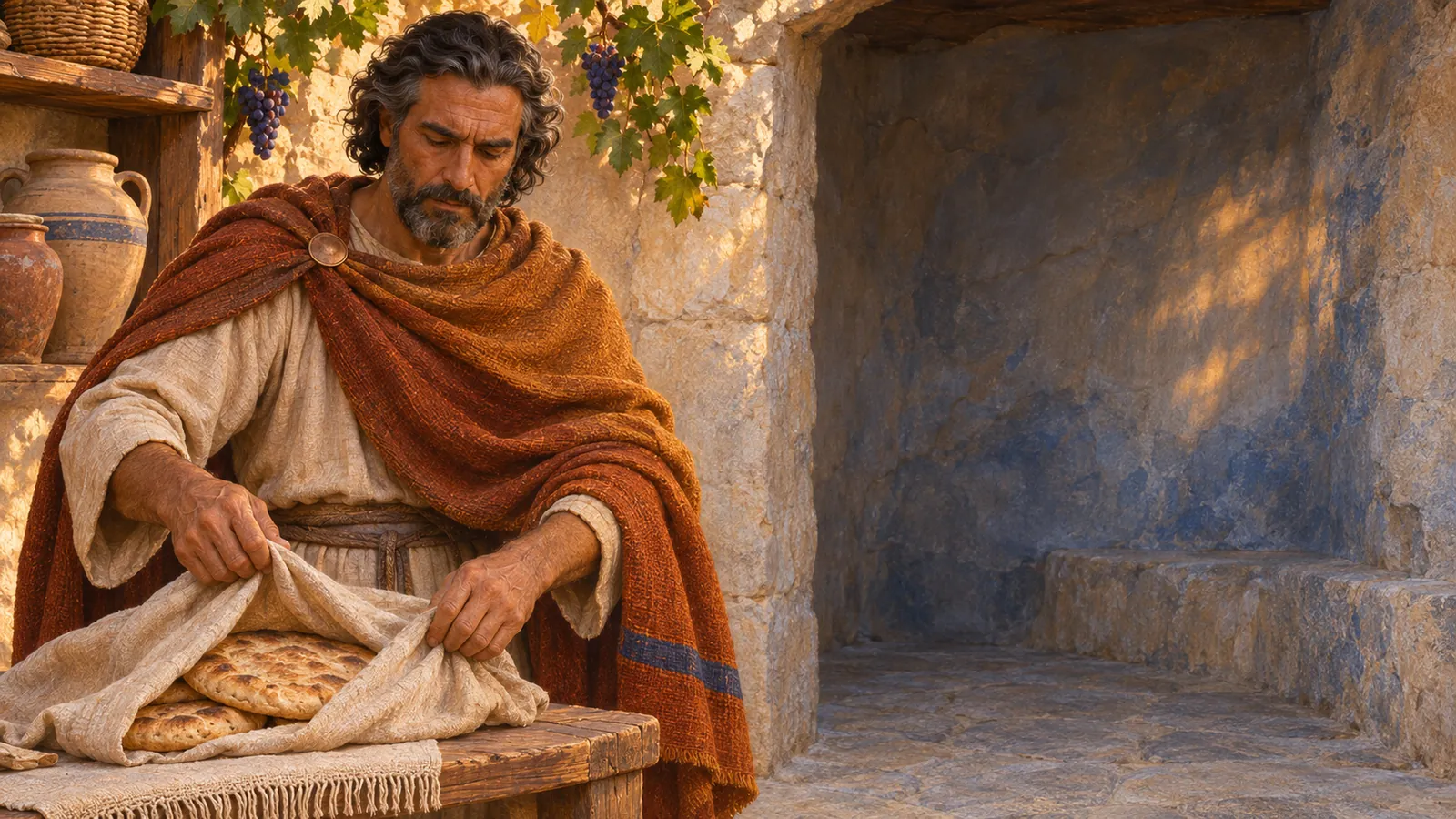
Kirta makes ready the bread for the journey. Now the provisions in the dream become part of what he does.
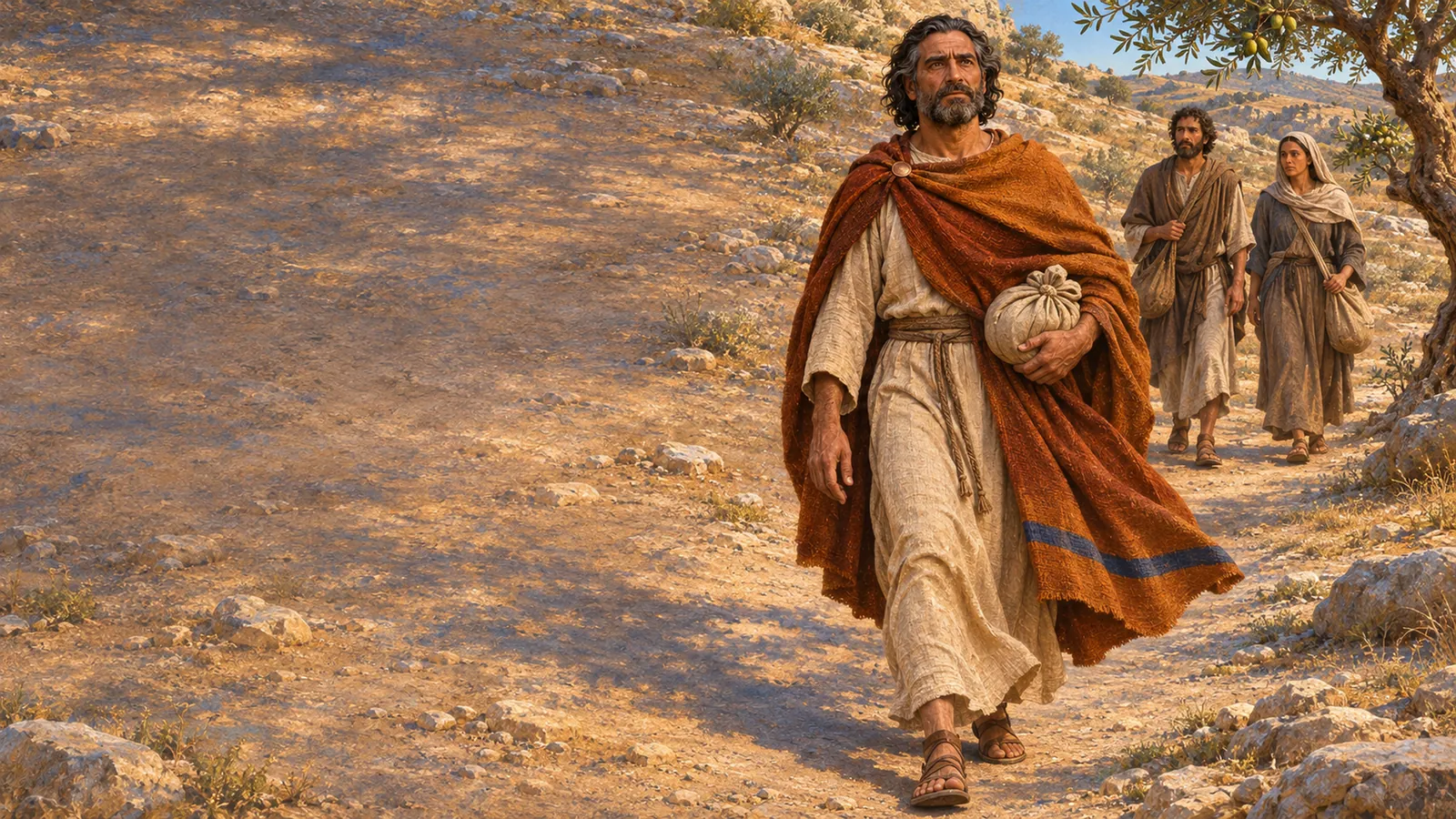
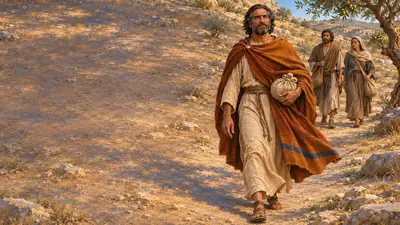
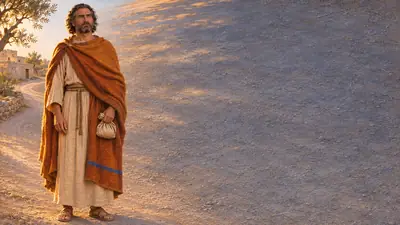
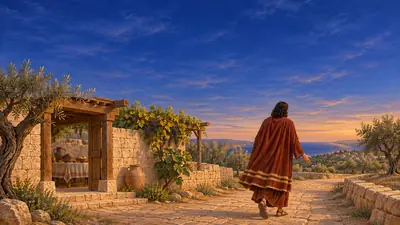
Kirta and his company set out. The poem turns from their preparations to the days they spend on the road.
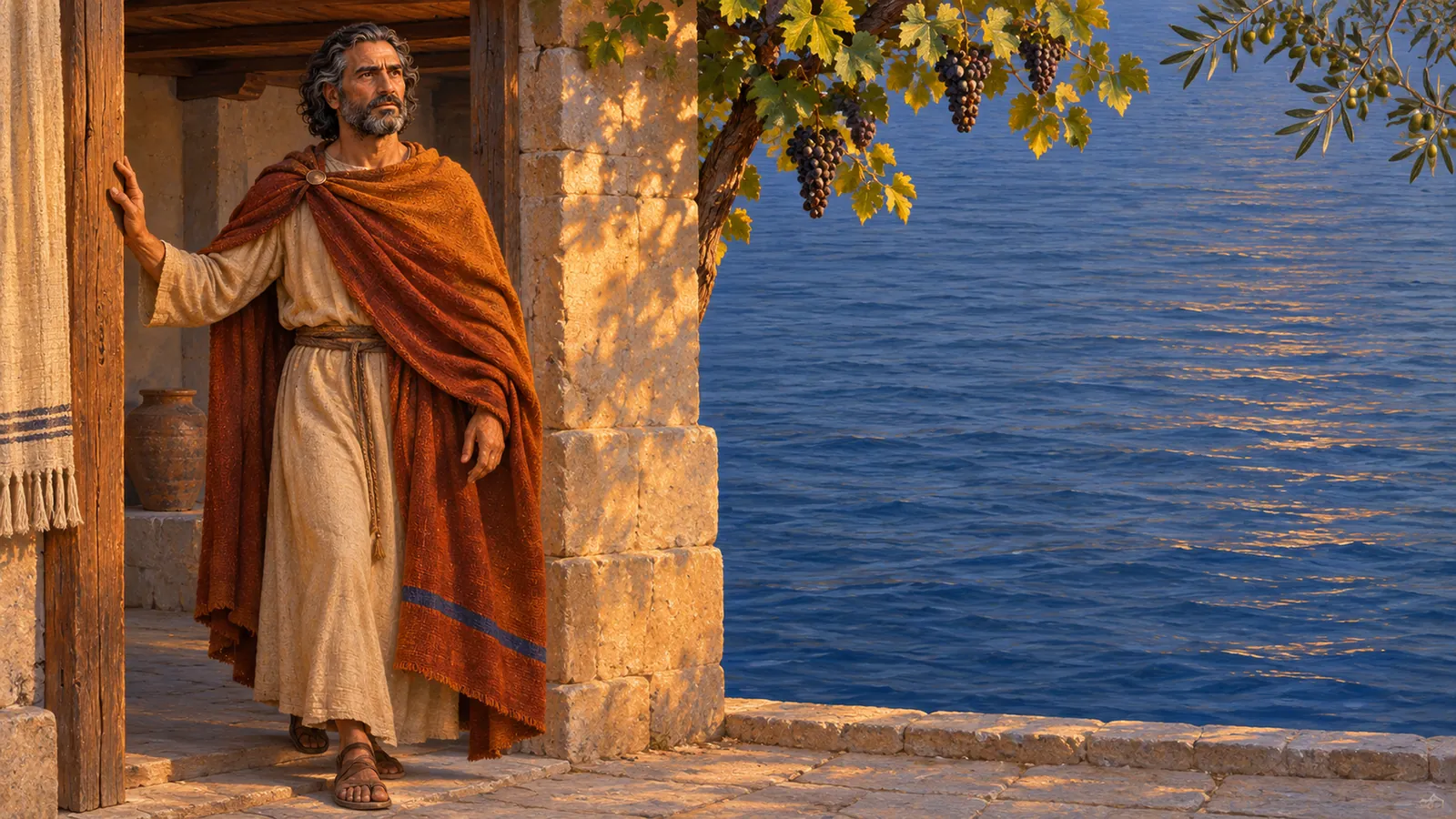
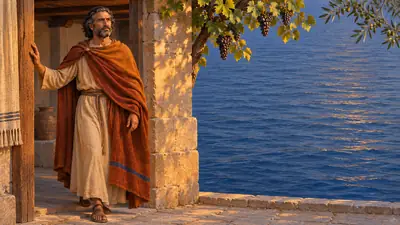
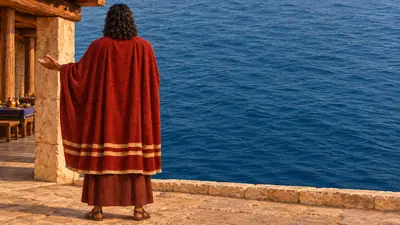
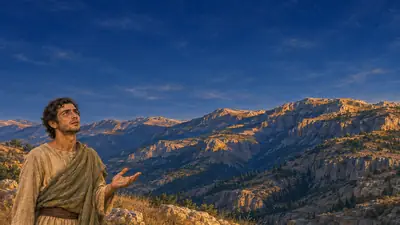
On the third evening, Kirta comes to the sanctuary of Athirat, whose name the poem links here with Tyre and Sidon.
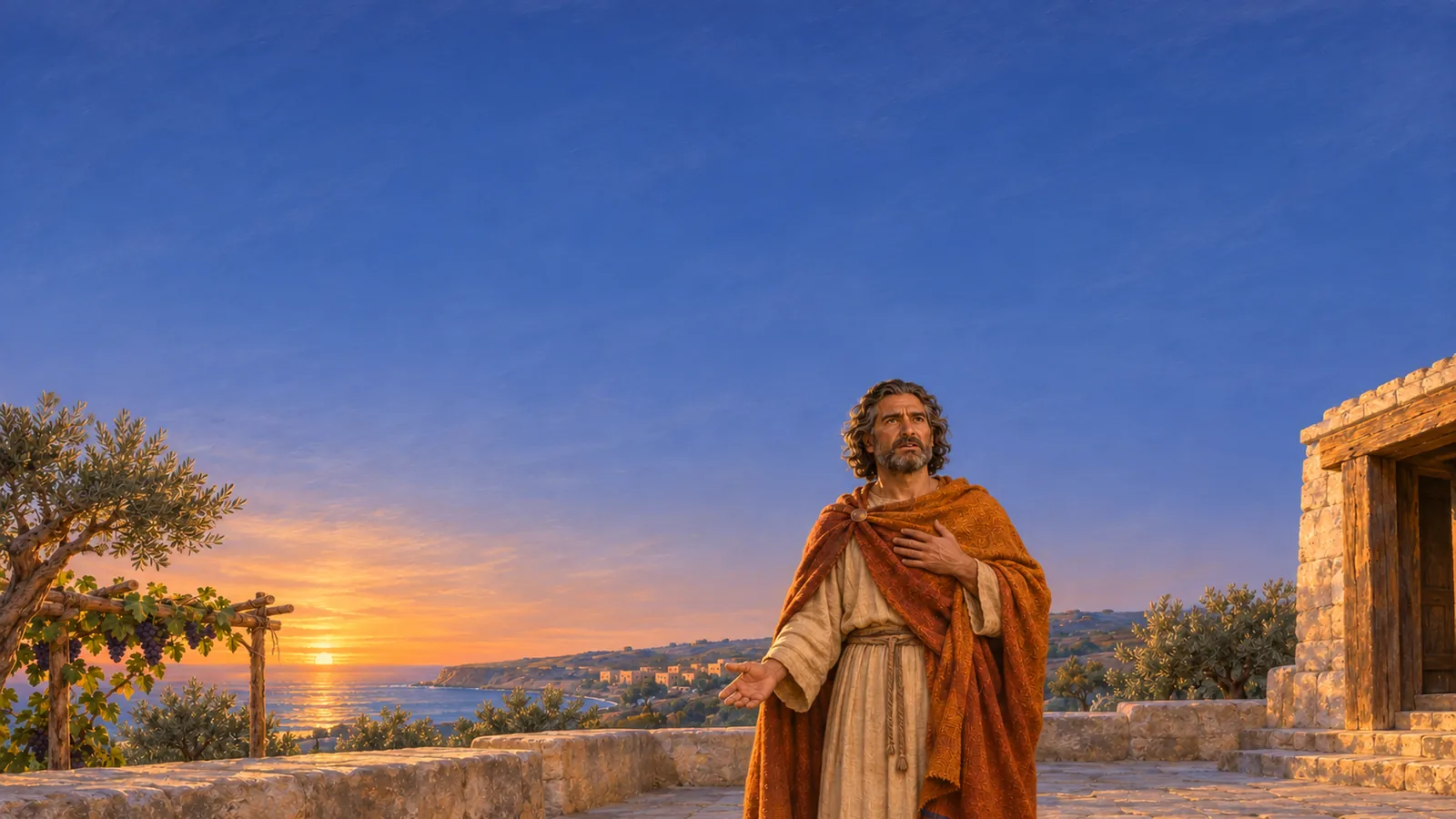
THE VOW
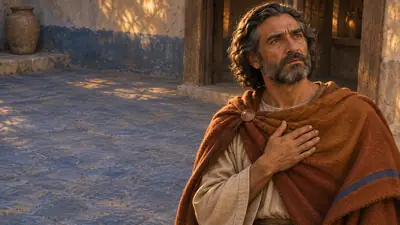
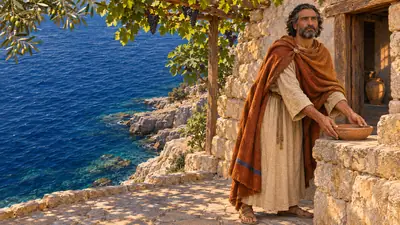
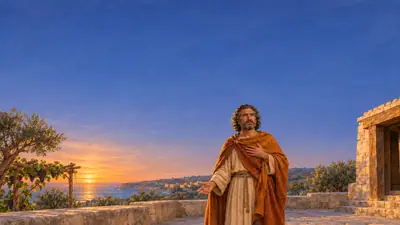
Kirta pauses at Athirat’s sanctuary and makes a vow to her. This happens on the road, after he has woken from the dream.
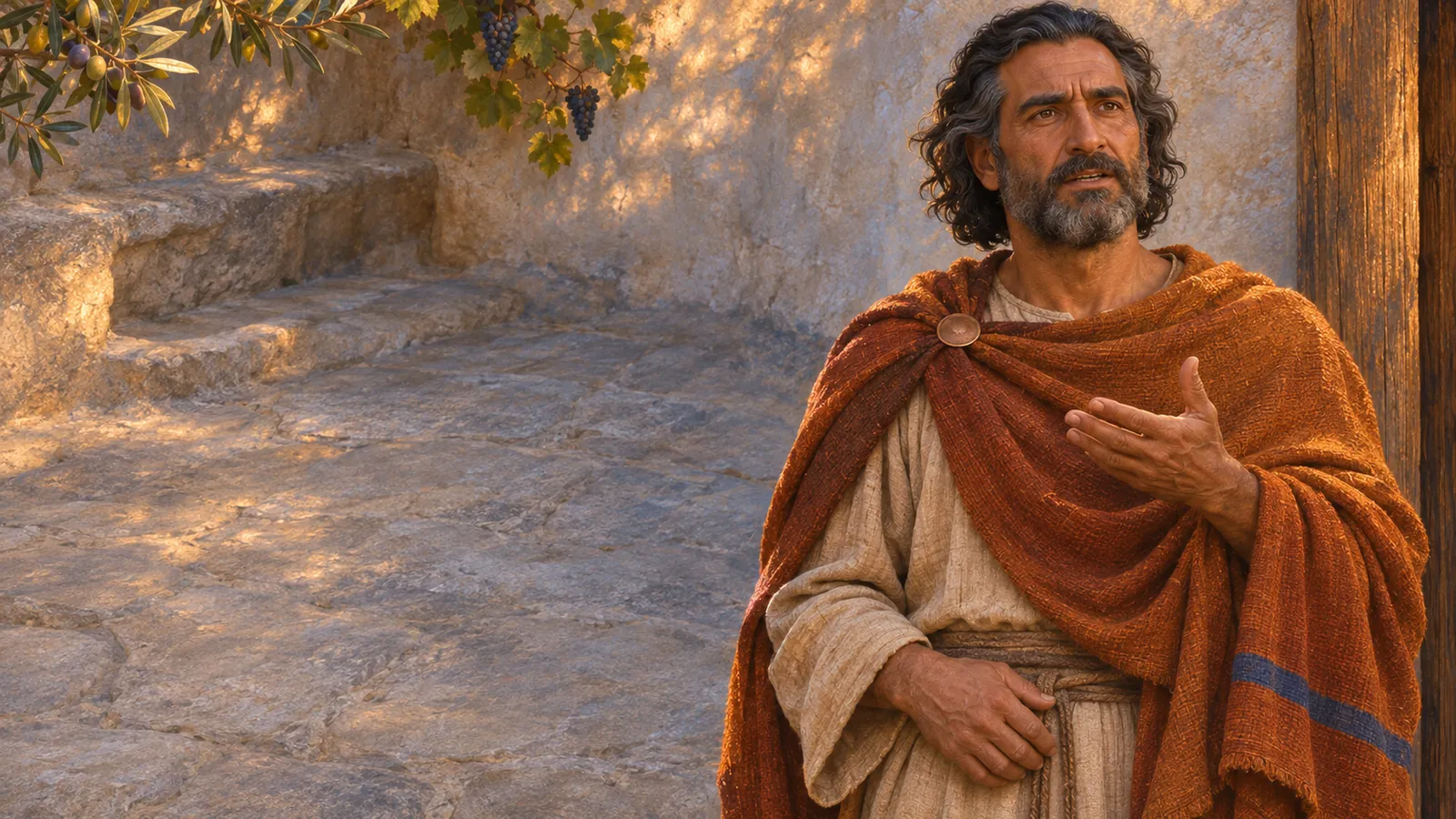
Kirta promises Athirat silver and gold if he gains what he has sought. His promise hangs on how the journey ends.
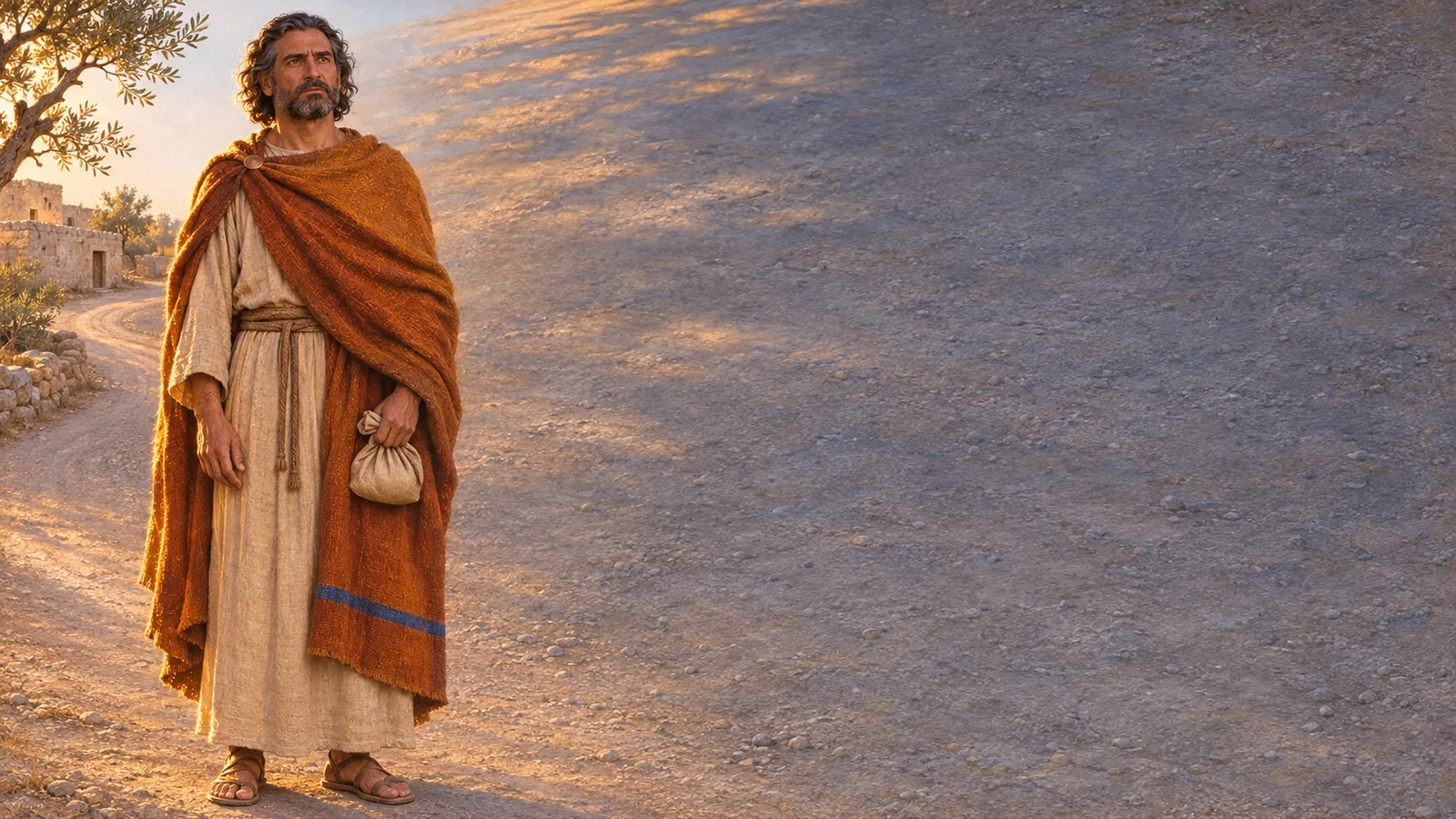
The counting of the days resumes, and the journey reaches Udum. On the seventh morning the story turns to Pabil.
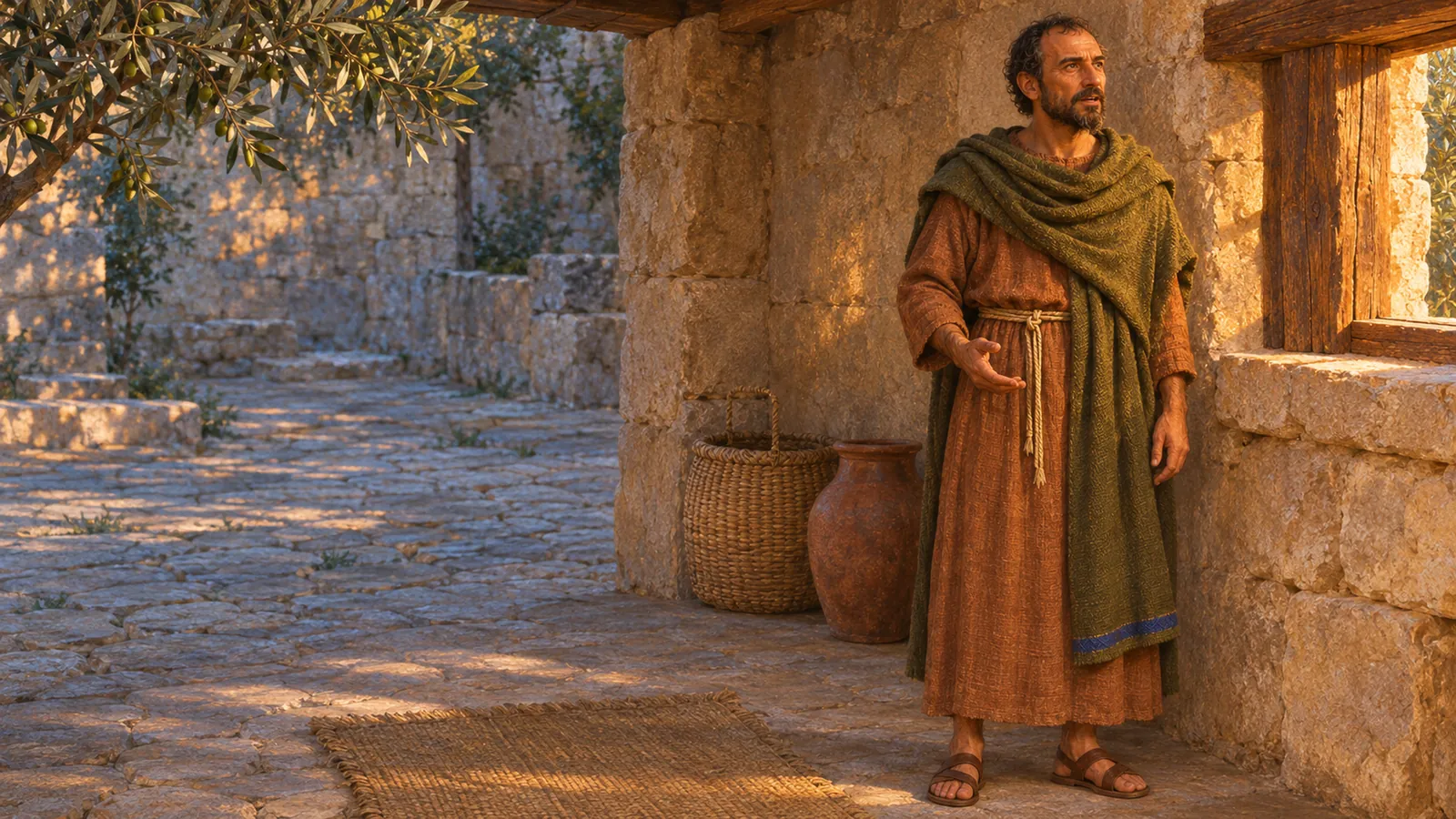
Pabil hears the sounds of animals at dawn. He calls out as the poem follows the morning from his side.
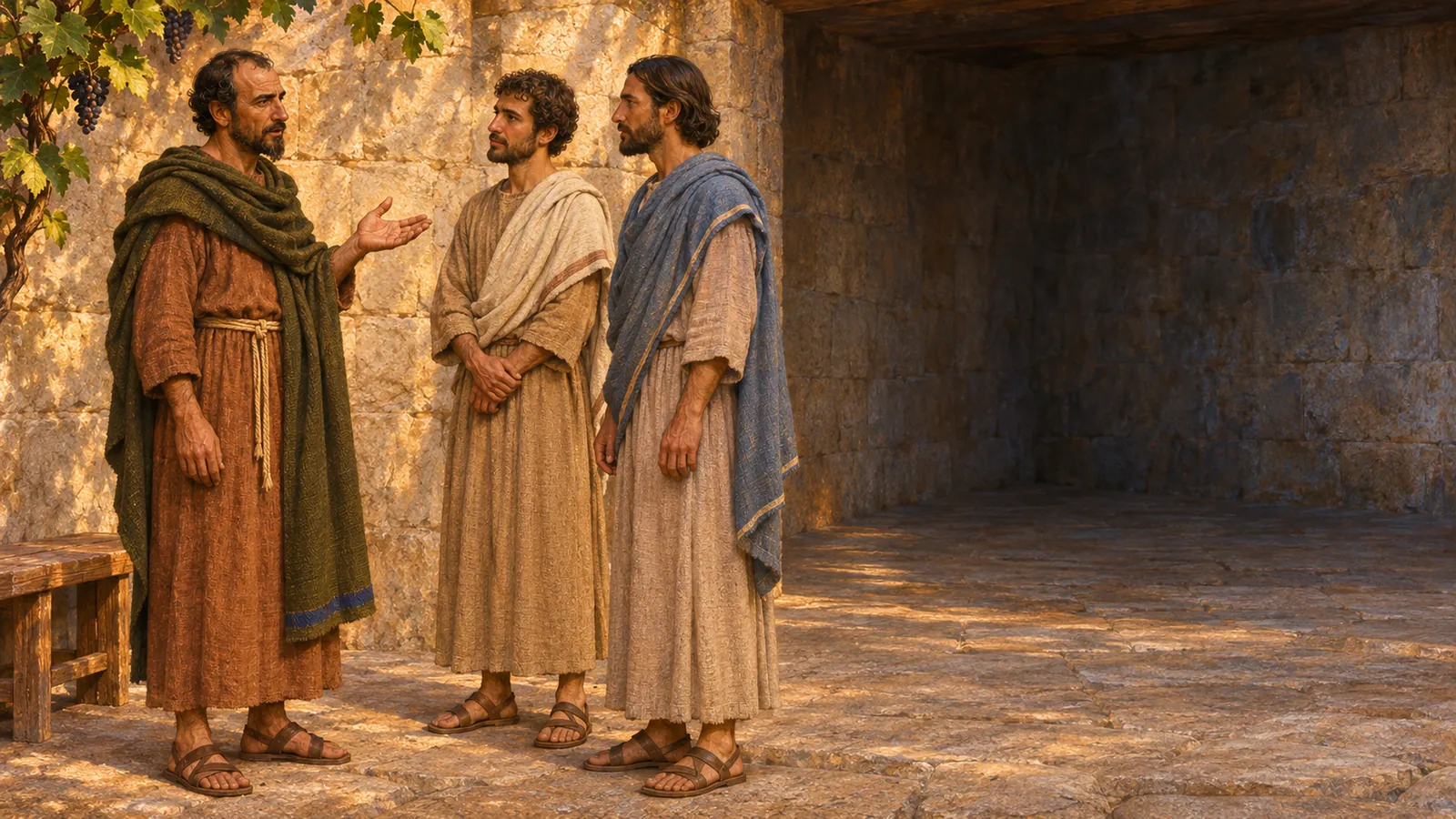
When the words become clear again, Pabil offers Kirta wealth and asks him to leave. The offer is carried in a message.
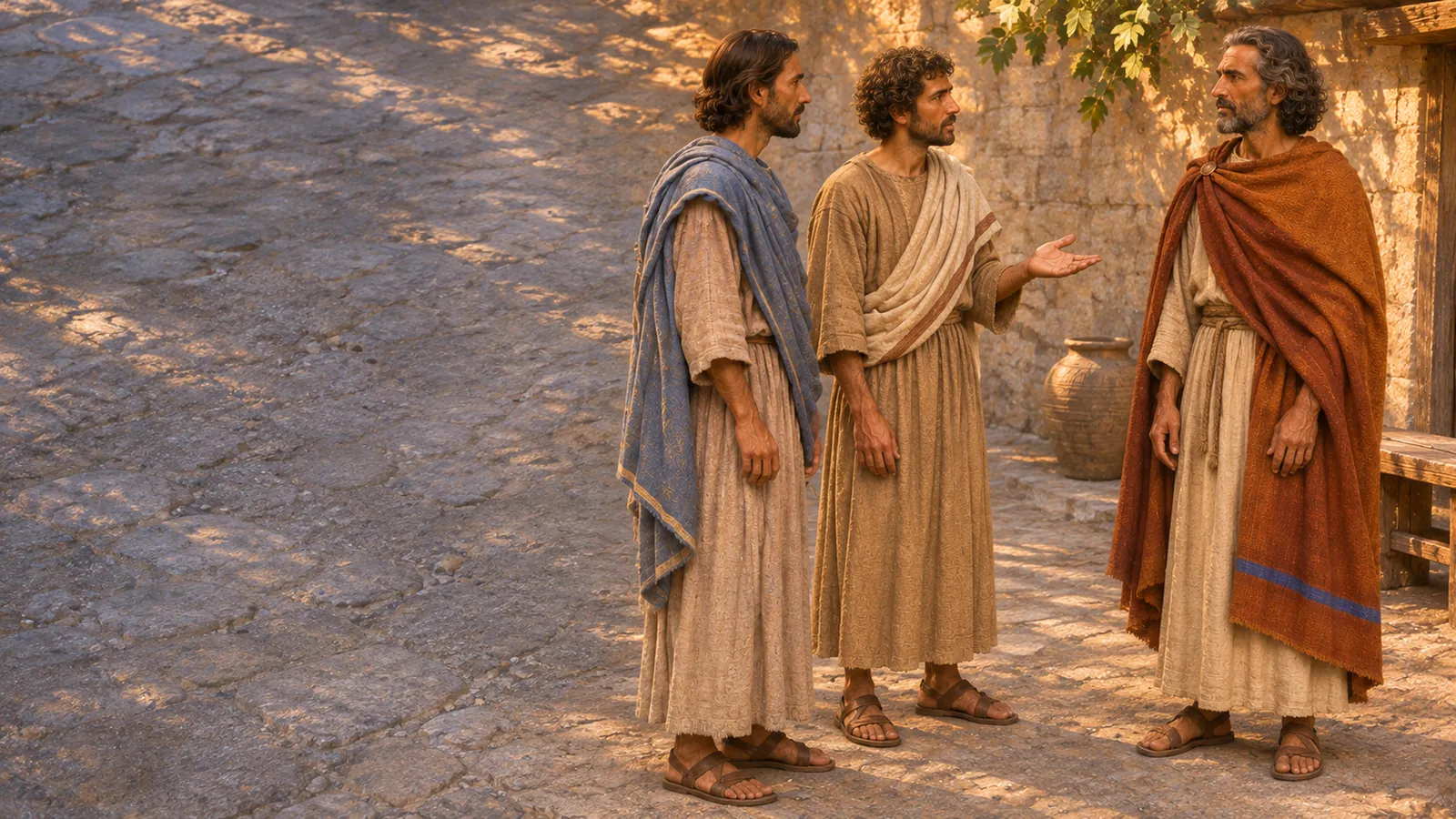
Pabil’s envoys take his words to Kirta. When they reach him, they repeat the offer they were sent to deliver.
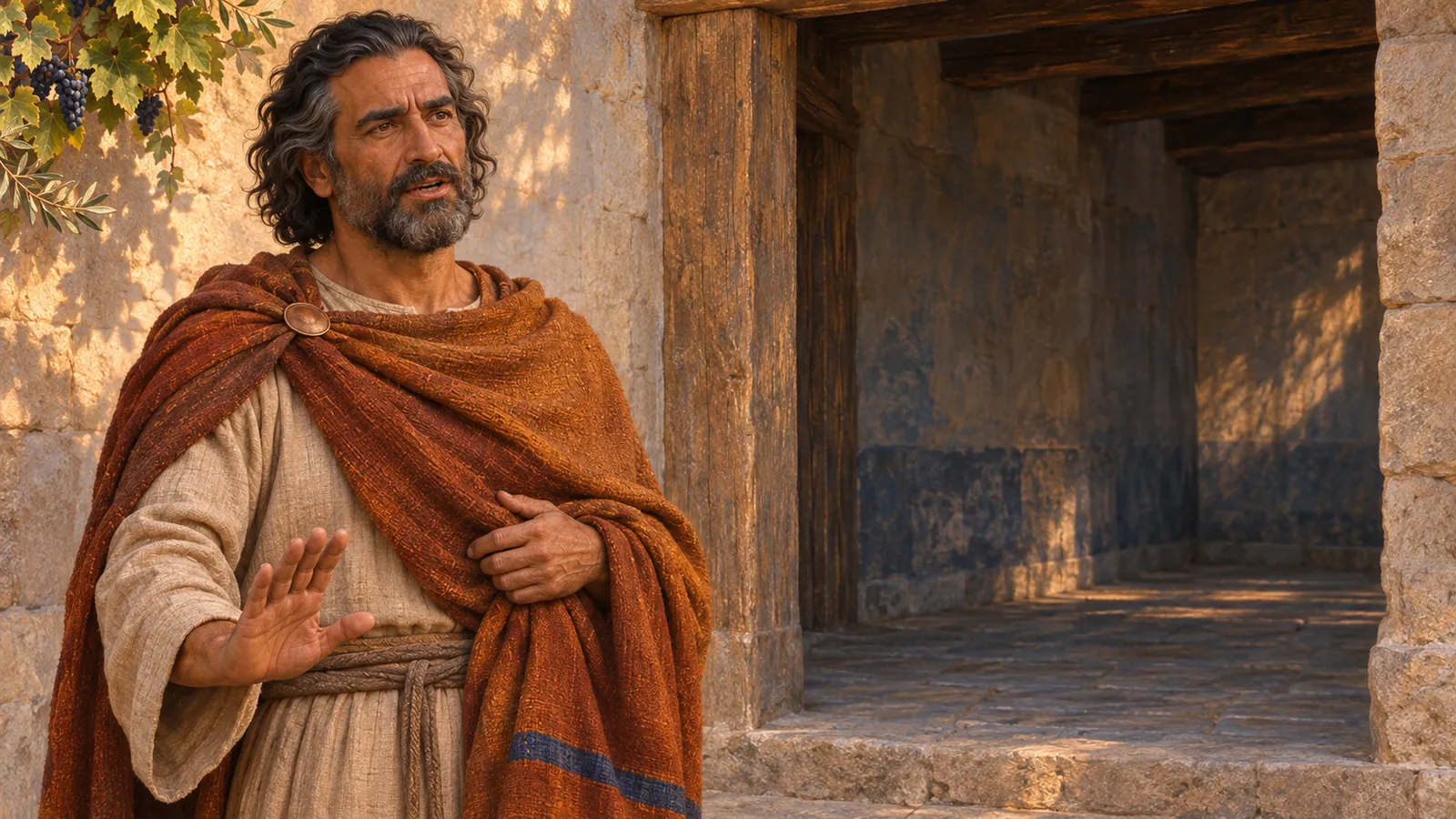
Kirta turns down Pabil’s offer and sends back his reply. The exchange recalls the refusal that El foretold in the dream.
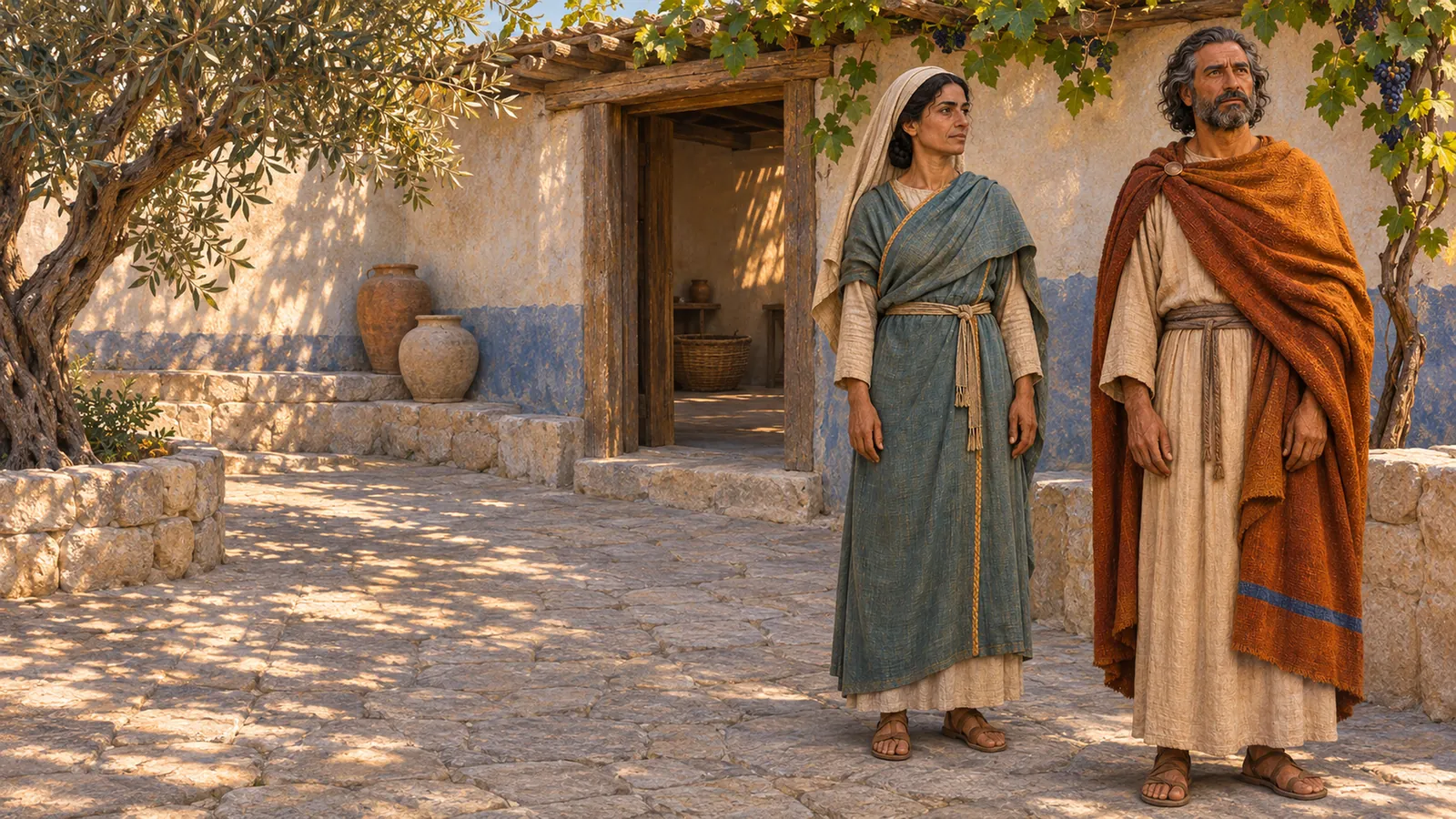
Pabil yields under Kirta’s pressure, and Hurriya becomes Kirta’s wife, though the passage linking these events is damaged.
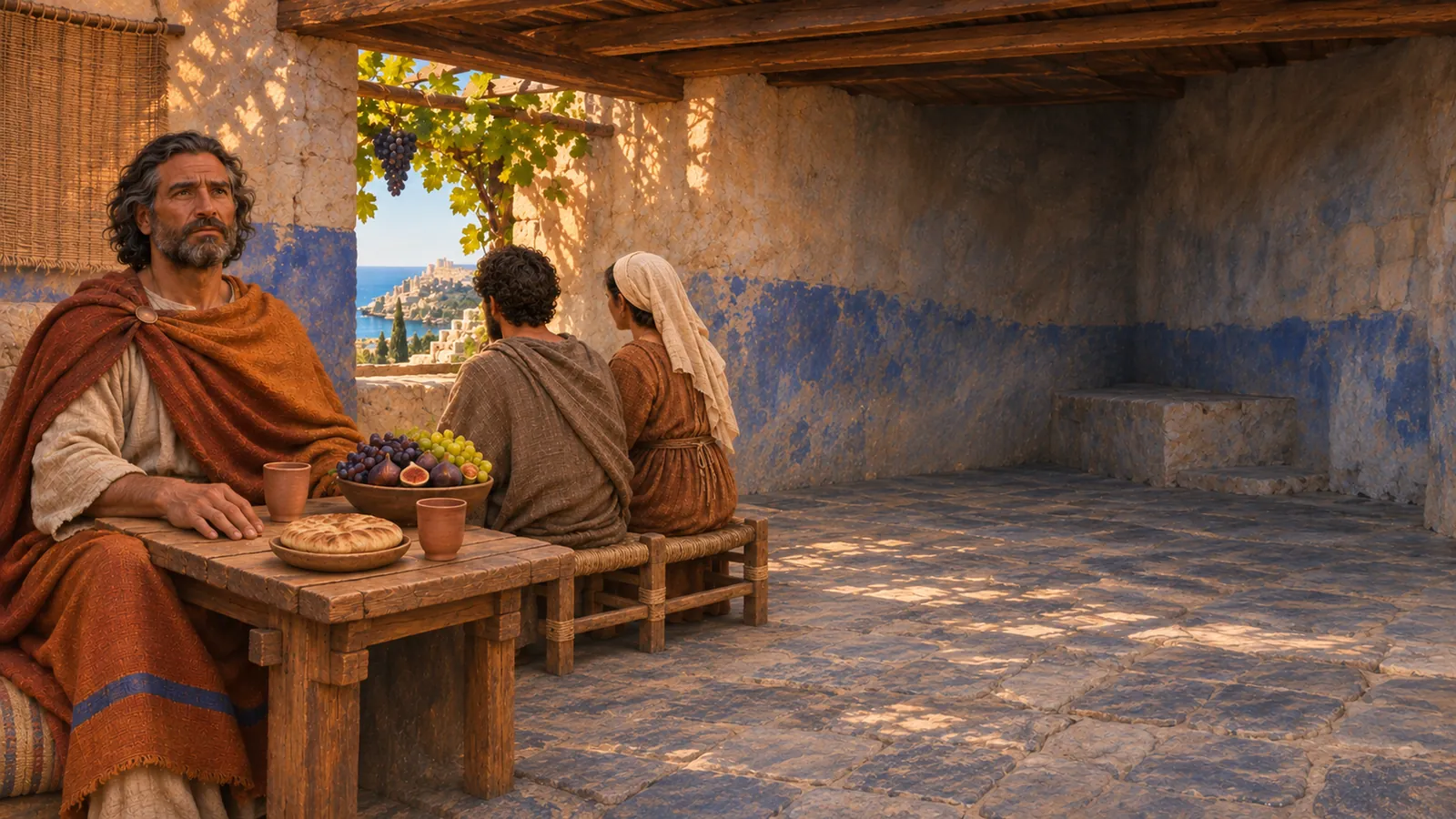
Across another gap, the poem returns to a gathering and a feast. We hear of the meal as the guests assemble.
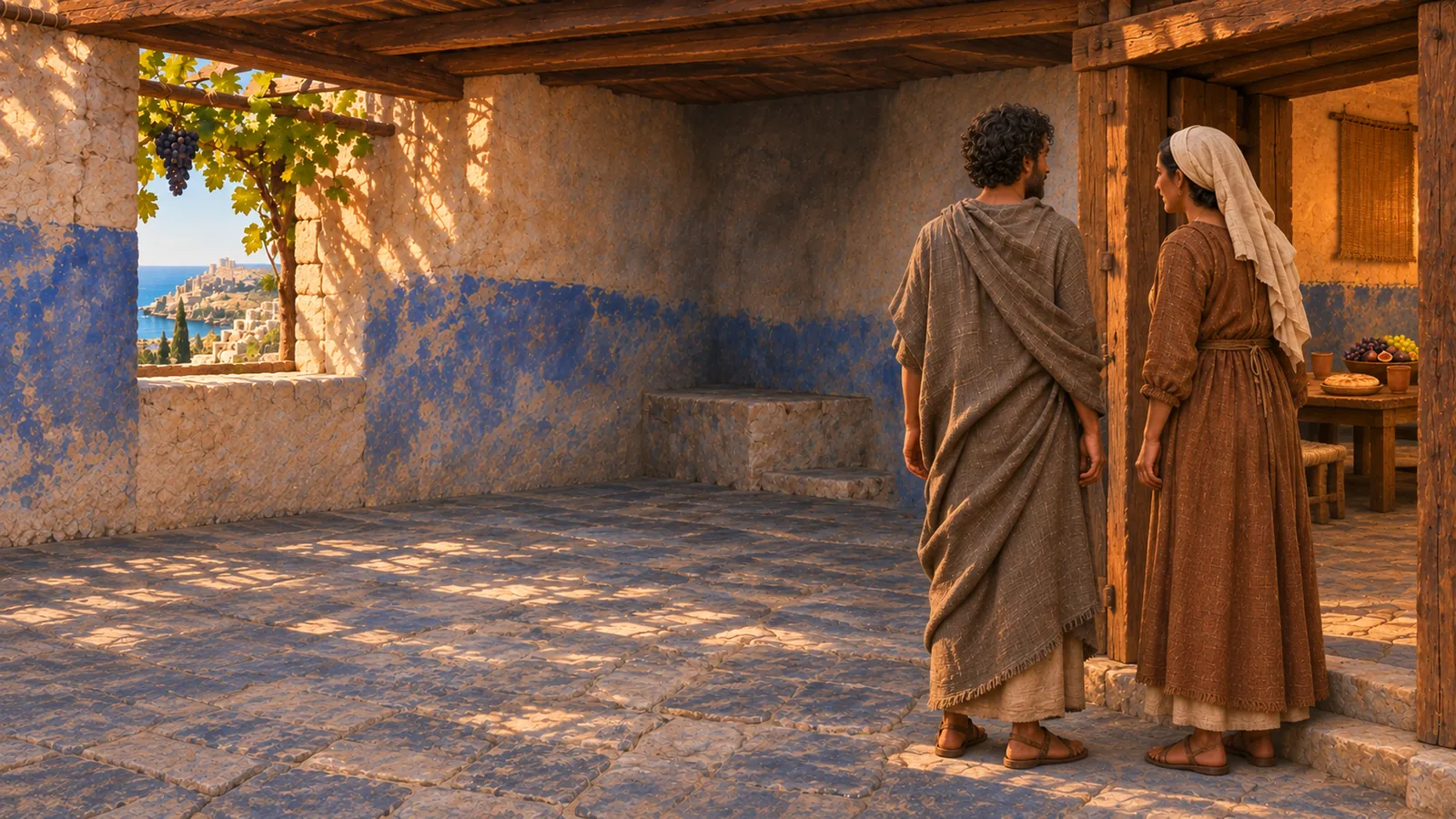
The poem pauses at the doors as the guests gather. A blessing will soon be asked for Kirta.
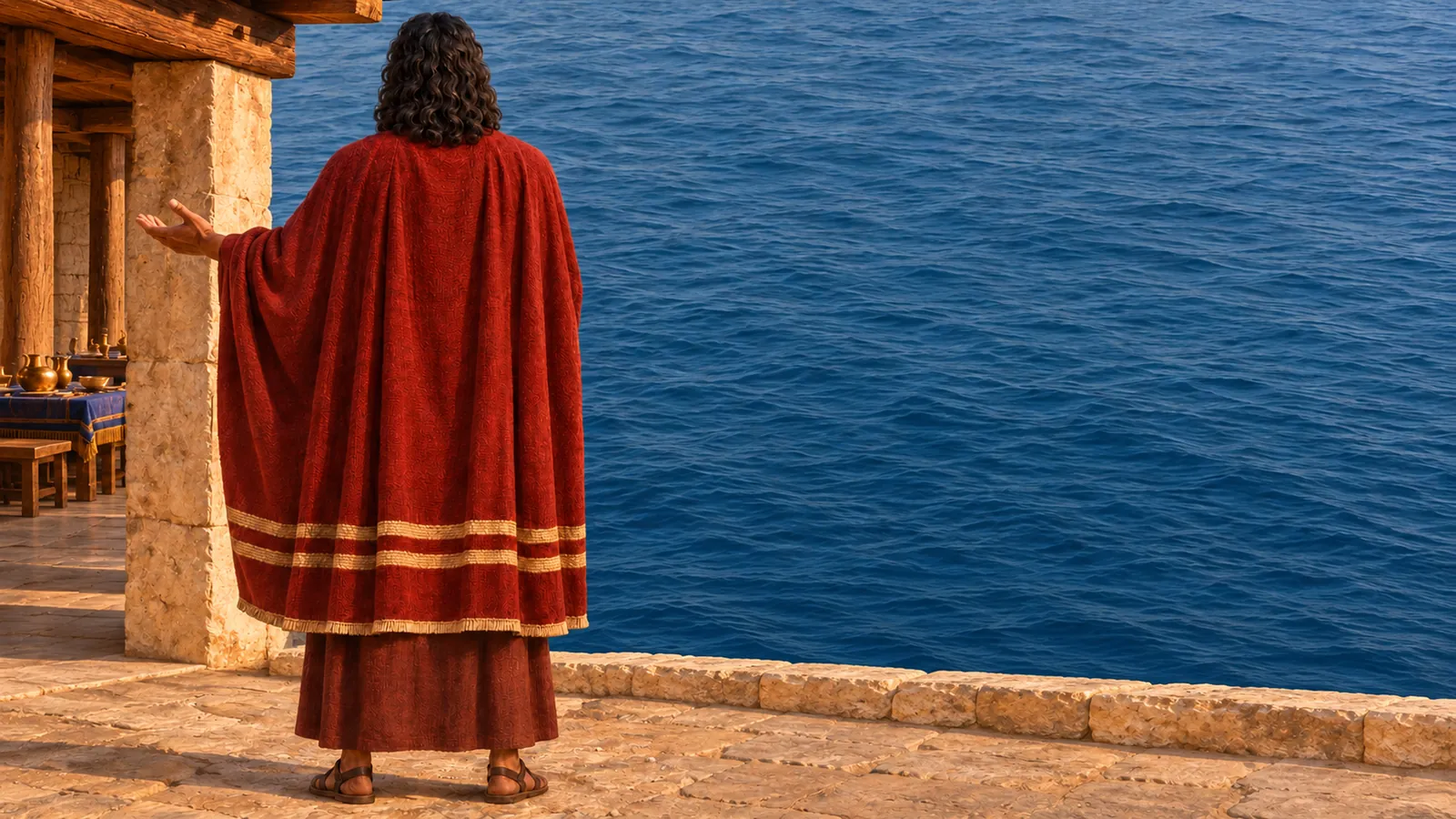
While the guests are still gathered in the hall, Baal asks El to bless Kirta.
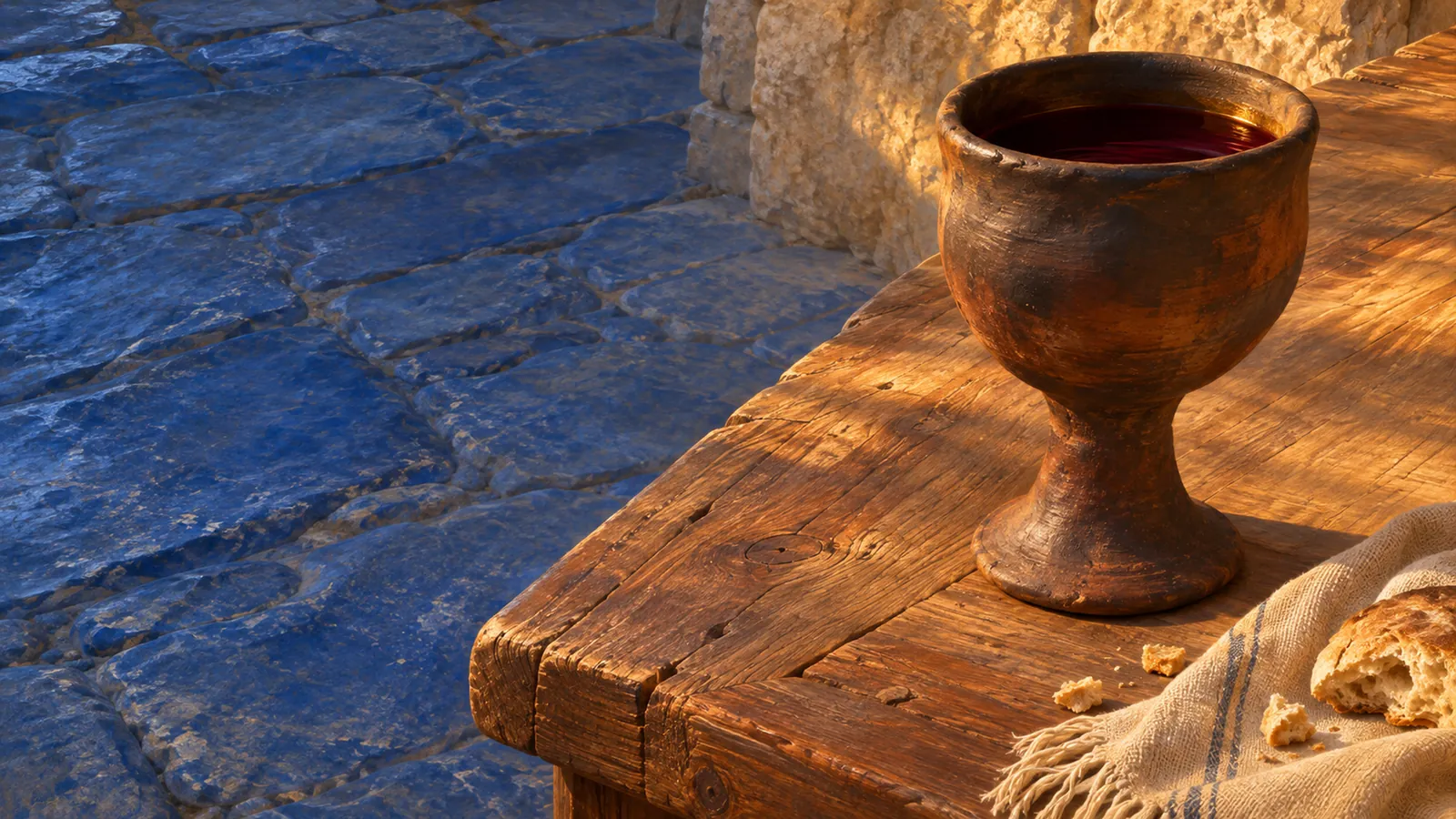
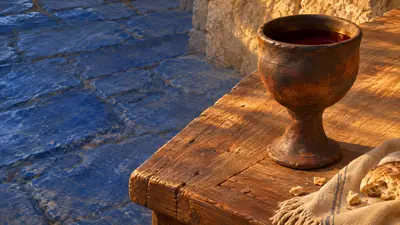
El takes a goblet and begins his blessing. He speaks to Kirta in the gathered company, and the story pauses to hear his words.
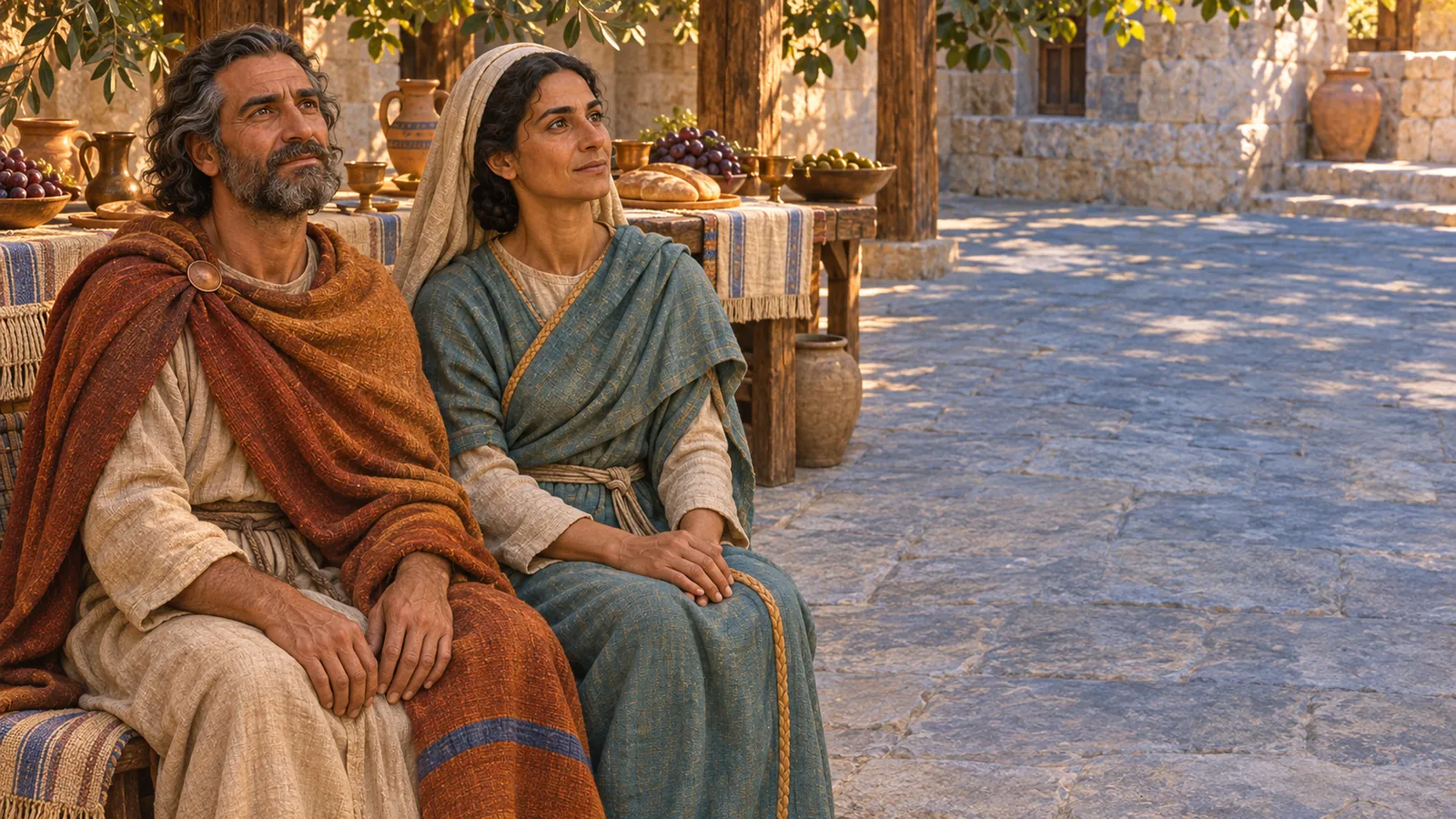
The blessing looks forward to children in Kirta’s house. Its words also name an assembly of honored beings from the past.
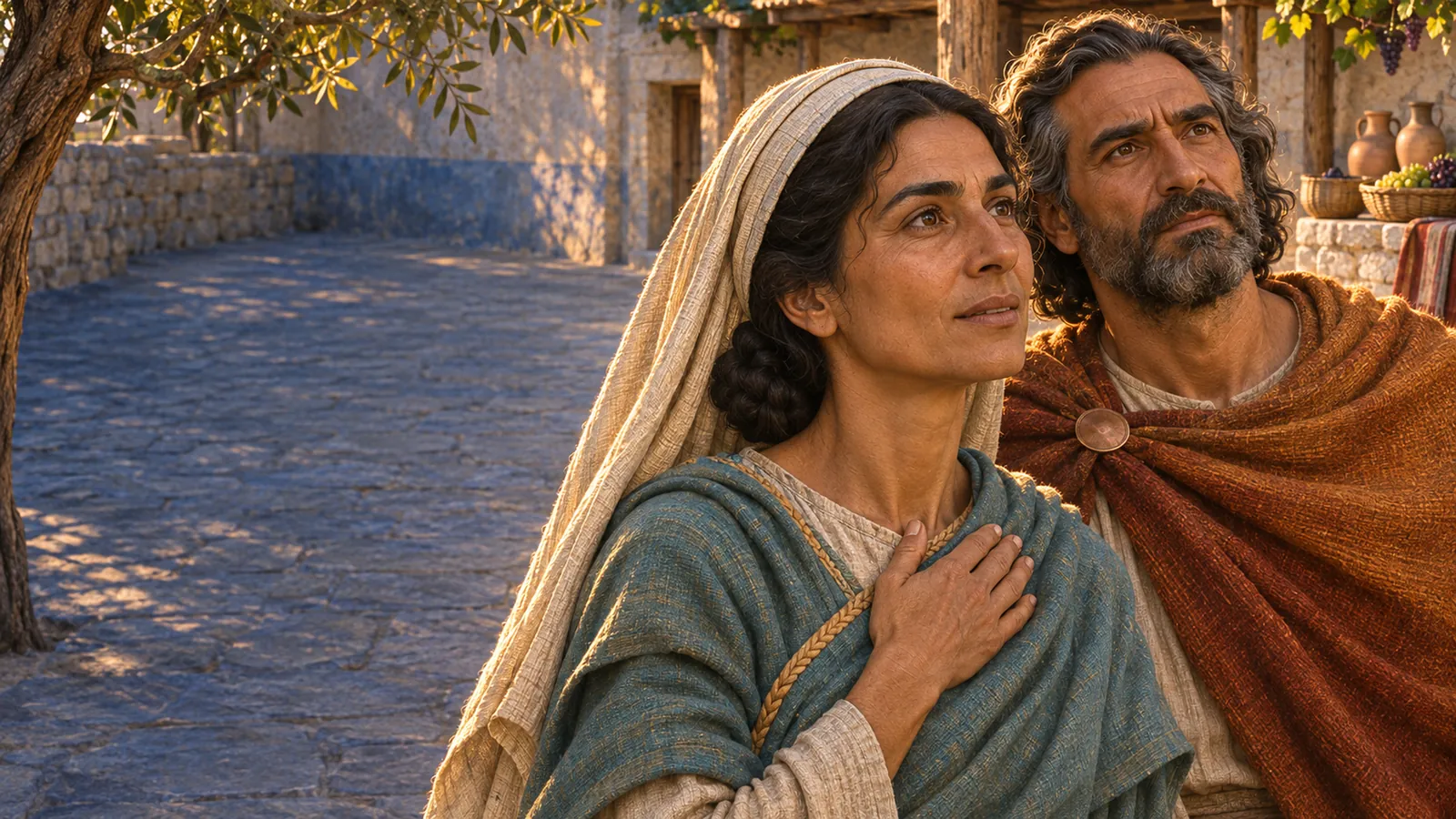
El’s blessing continues with daughters and sons. The house that seemed to have no future at the beginning of the poem is promised a new generation.
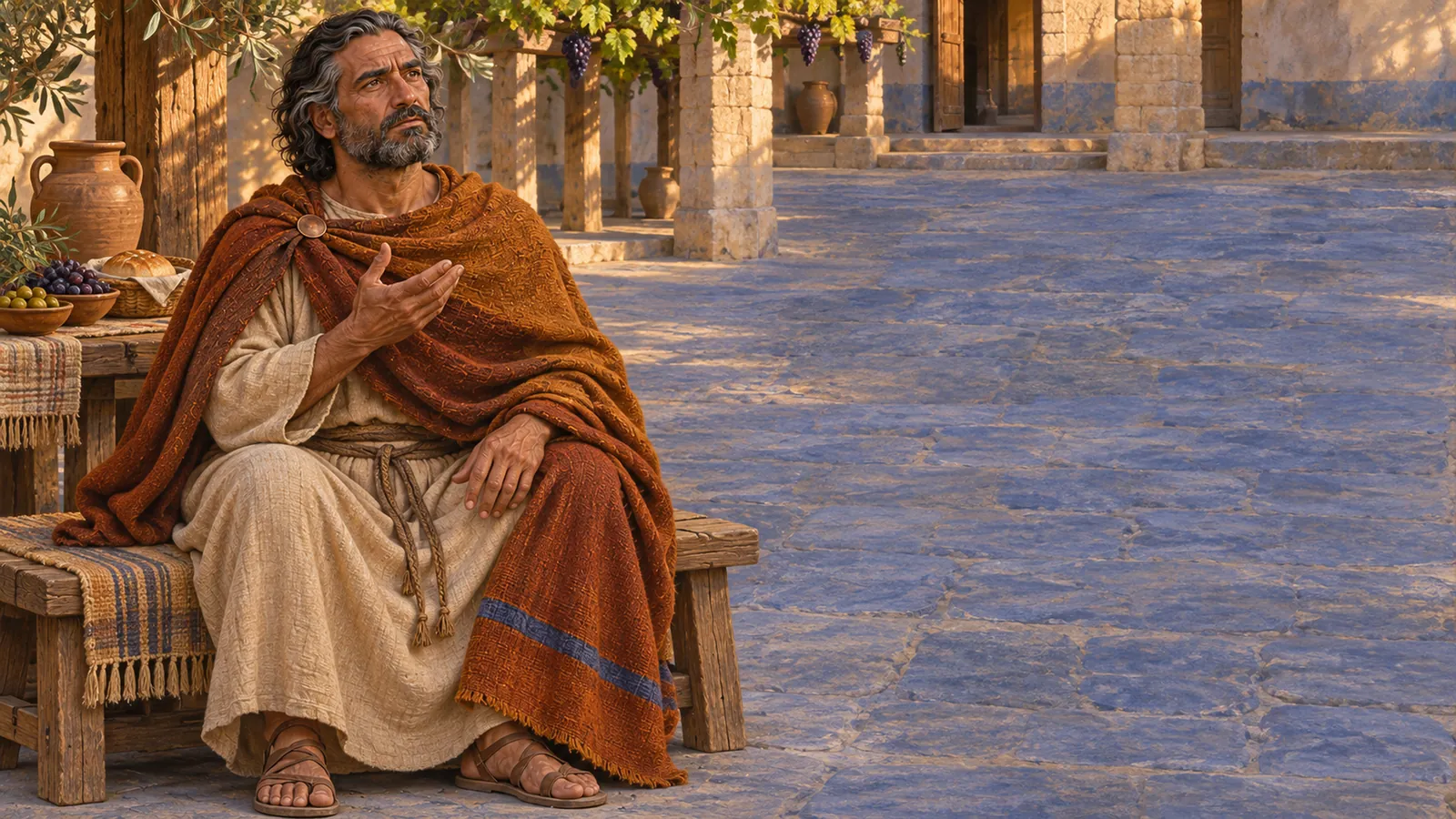
El’s blessing gives the youngest the standing of a firstborn. The poem speaks of this in the blessing, long before the dispute over Kirta’s throne.
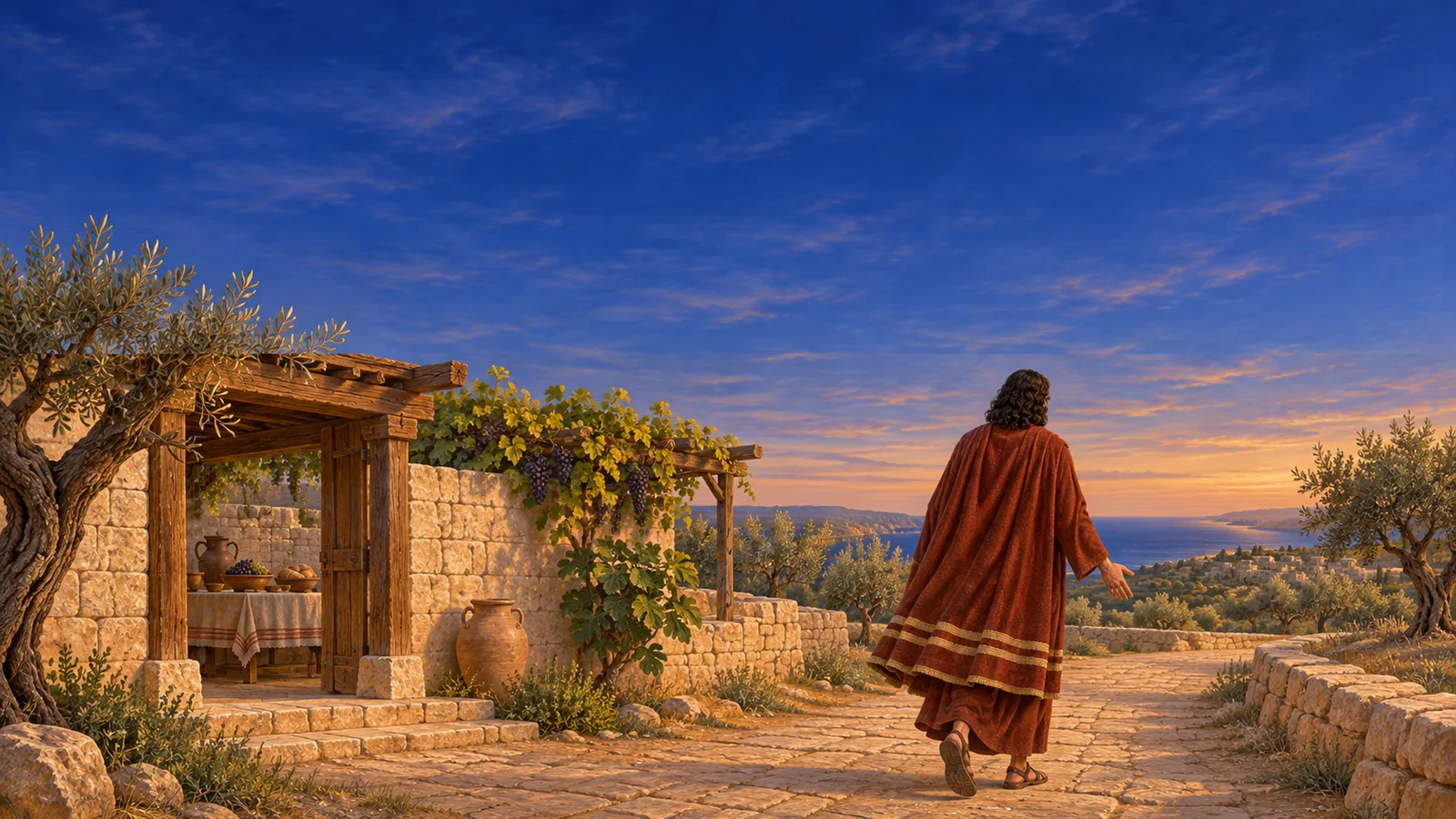
Those who have gathered add their blessings. When the words are spoken, the gods go back to their dwellings and the feast comes to a close.
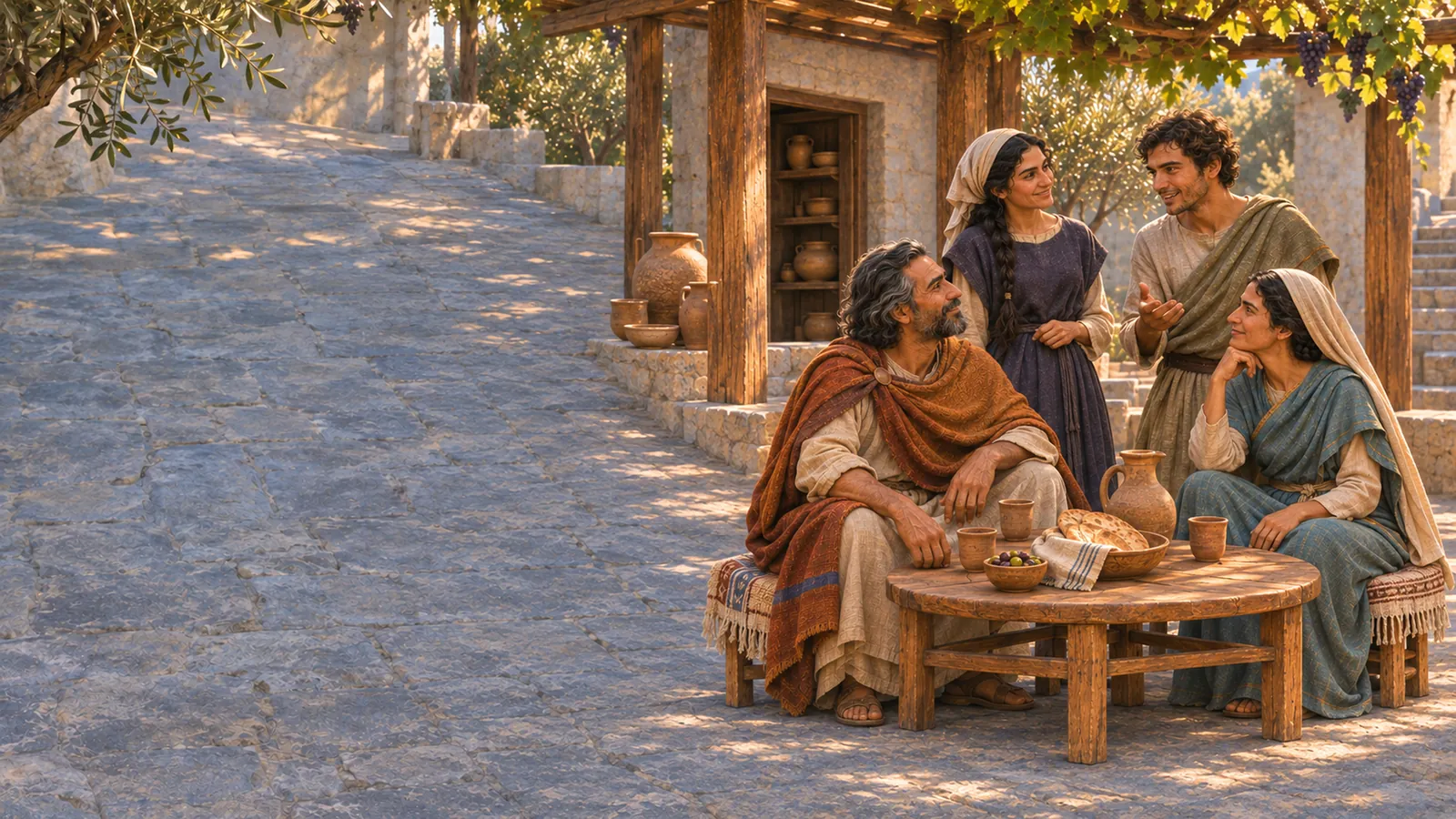
Years pass. The poem tells of children in Kirta and Hurriya’s house and recalls the blessing that promised a new generation.
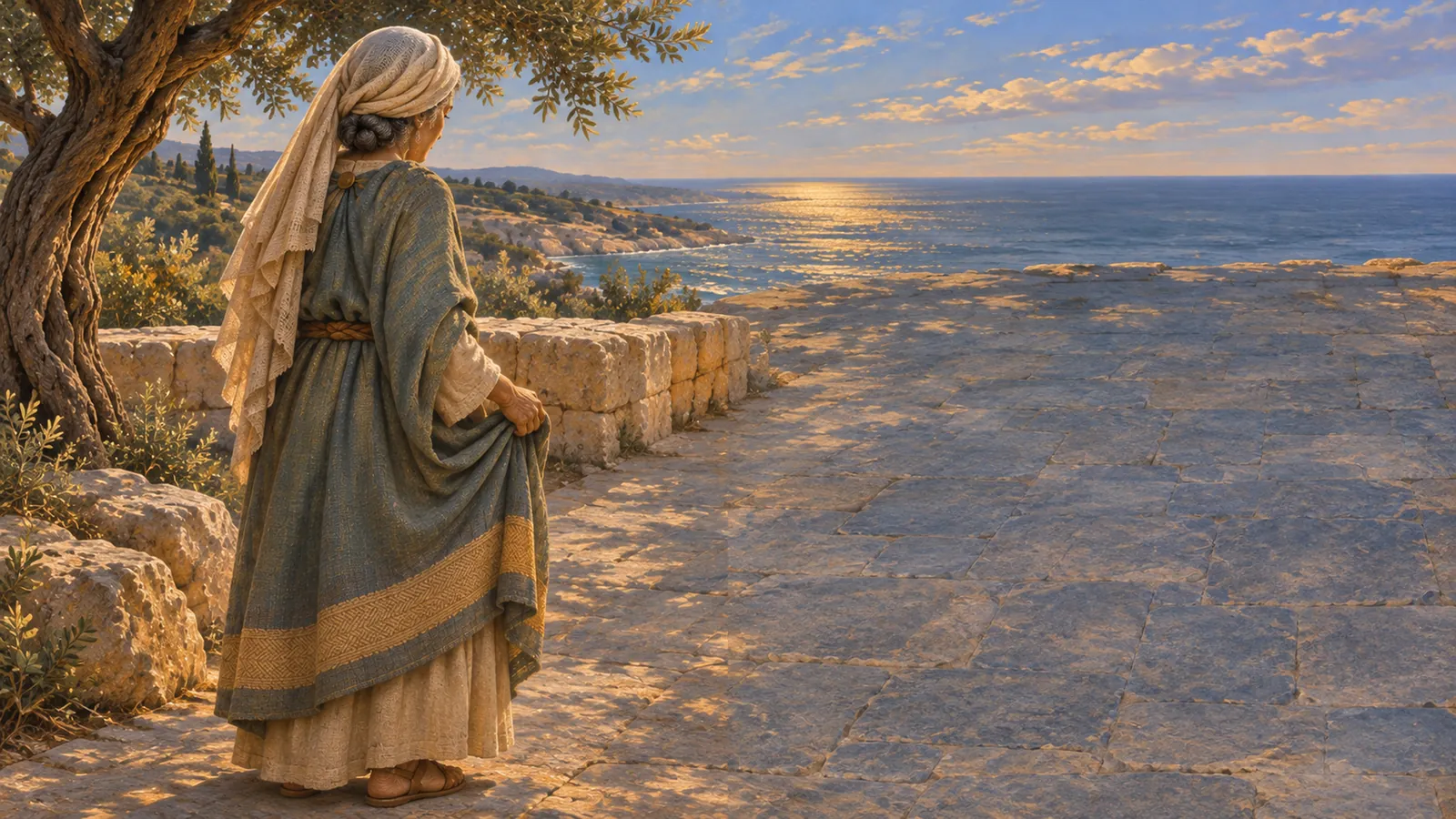
THE VOW
After those years, Athirat remembers the vow Kirta made to her. The promise is still unfulfilled. The lines that follow grow hard to read.
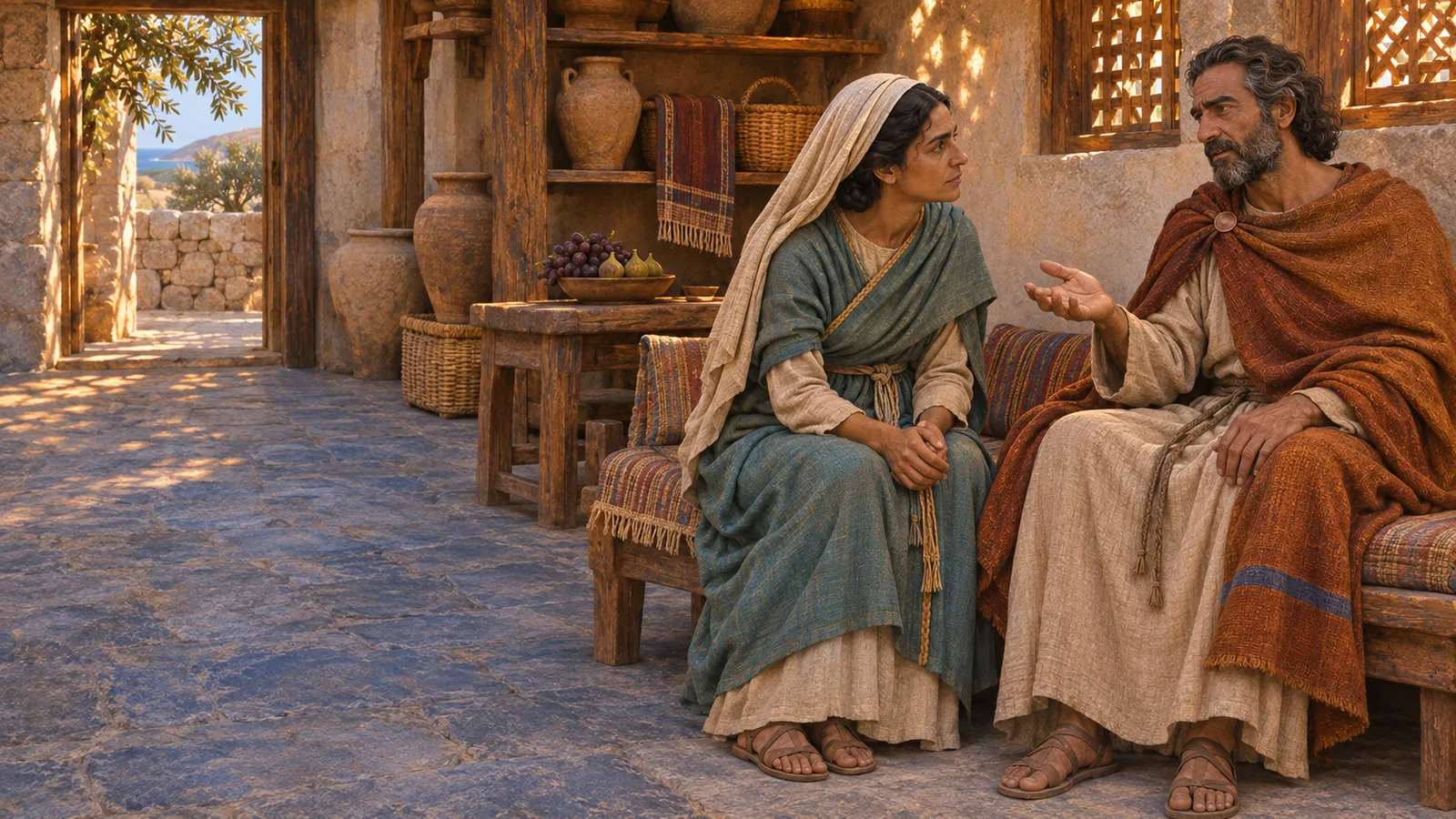
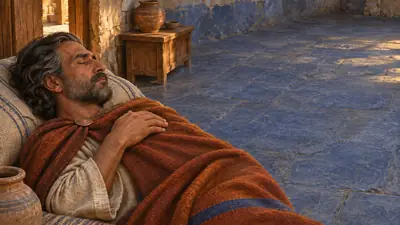
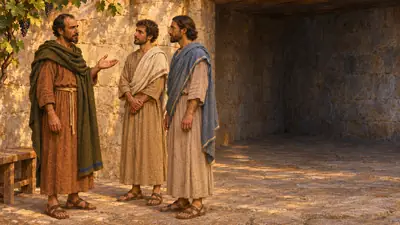
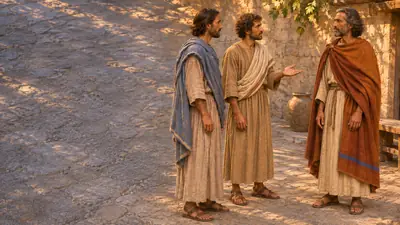
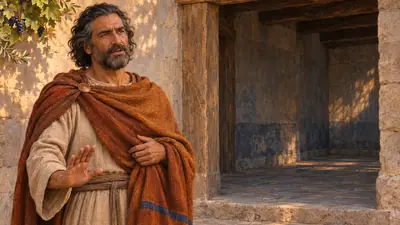
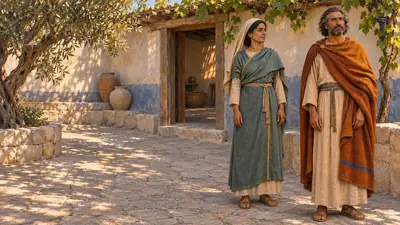
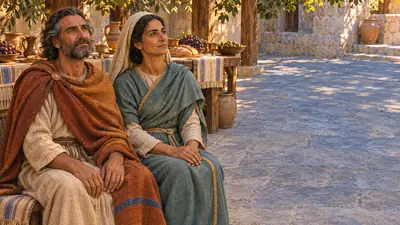
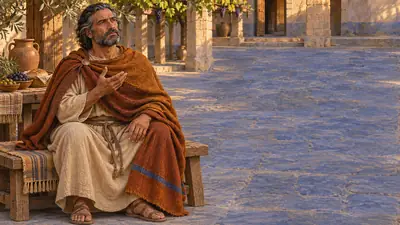
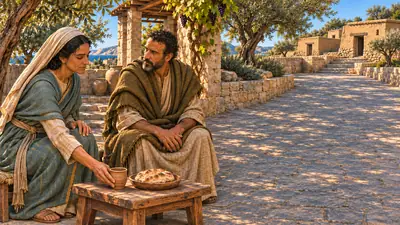
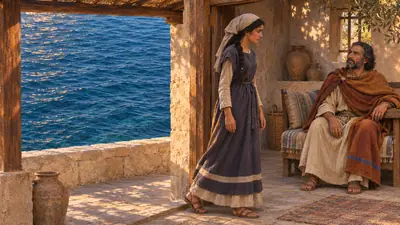
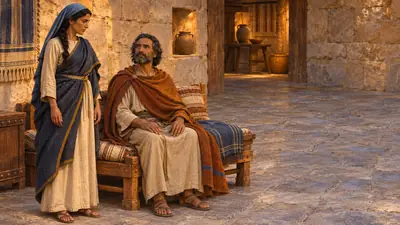
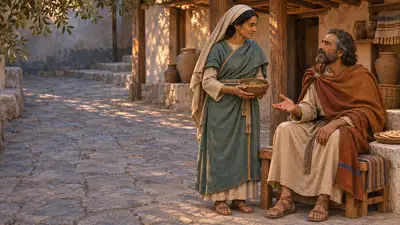
Kirta is gravely ill. He asks Hurriya to bring people to the house and prepare a meal for them. She takes charge of the gathering.
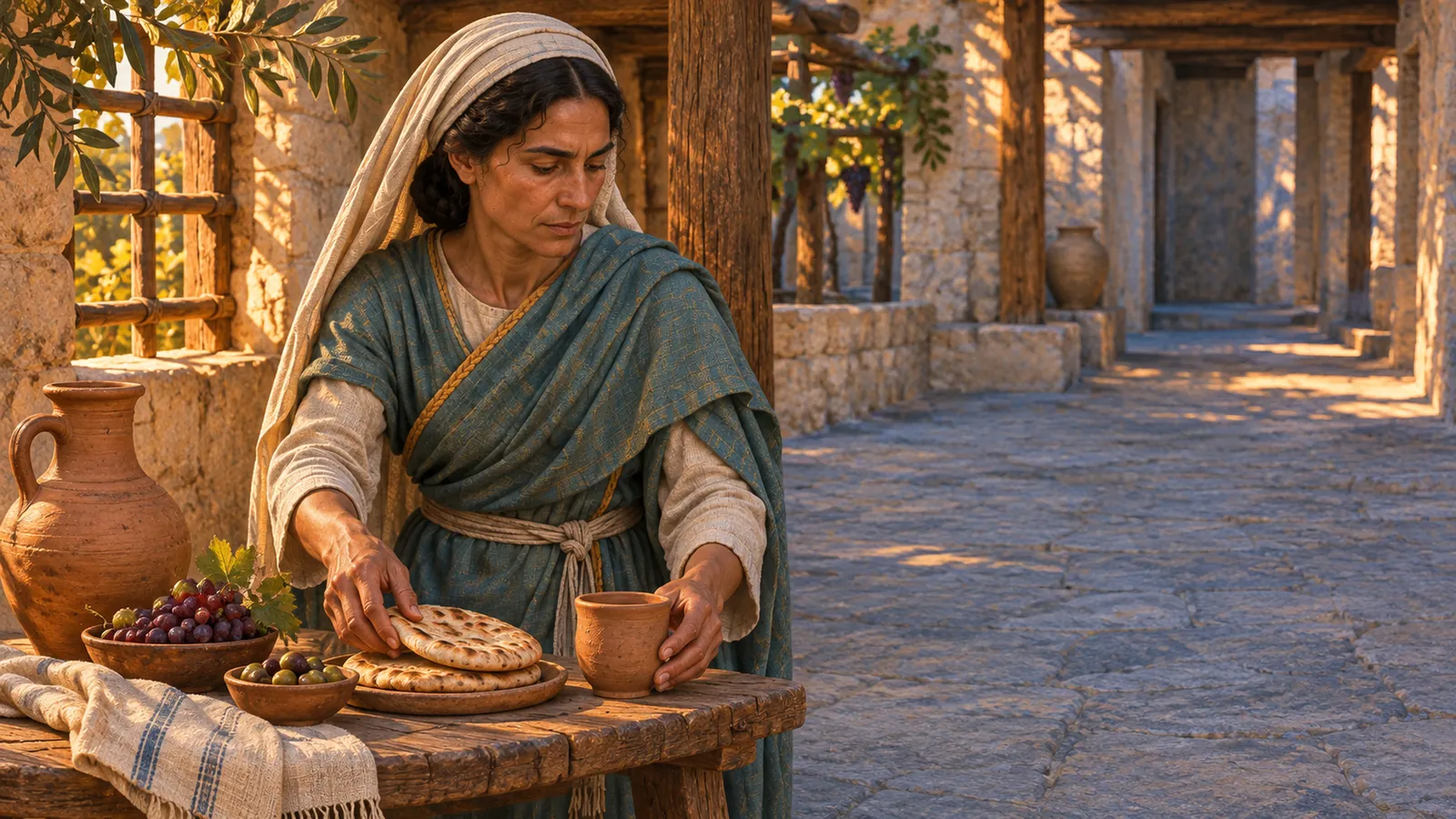
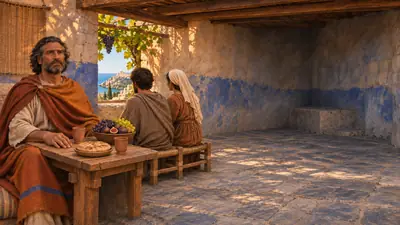
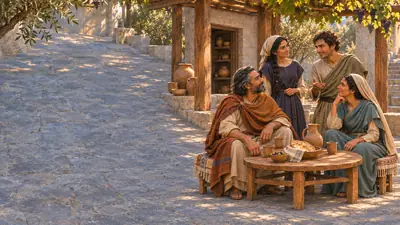
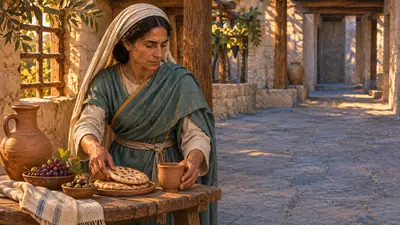
Hurriya makes the preparations Kirta asked for. The poem follows her work as the house is made ready to offer food and drink to the guests.
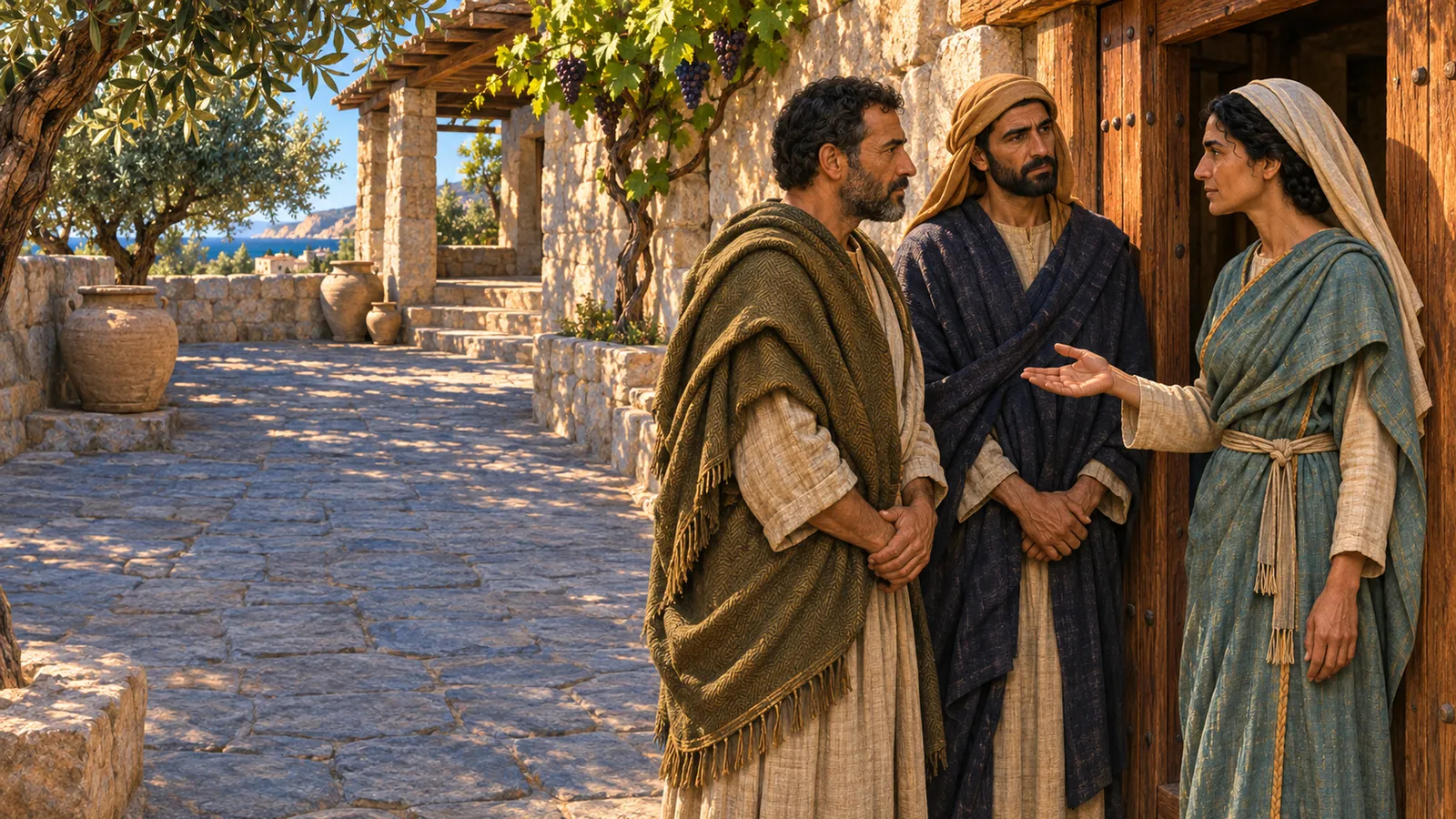
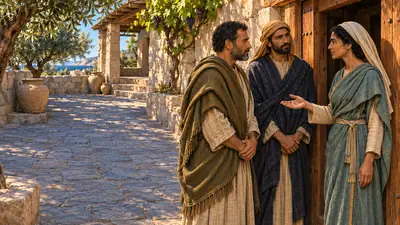
Hurriya brings the leading people inside on Kirta’s behalf. The poem says this twice, then describes the place where she receives the guests.
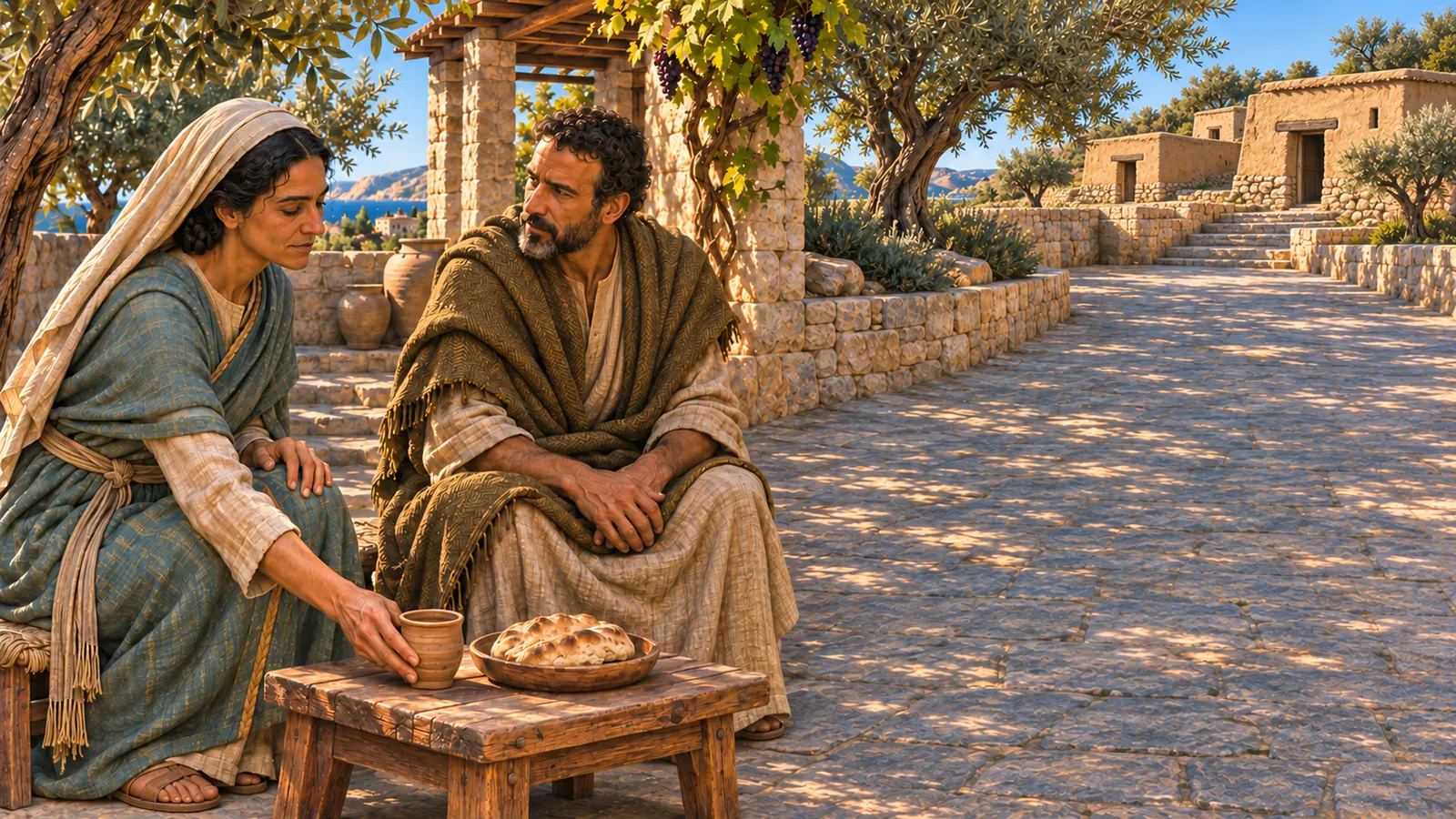
Part of the exchange is lost at the end of the column. When the lines become clear again, the poem returns to Hurriya’s hospitality and the meal.
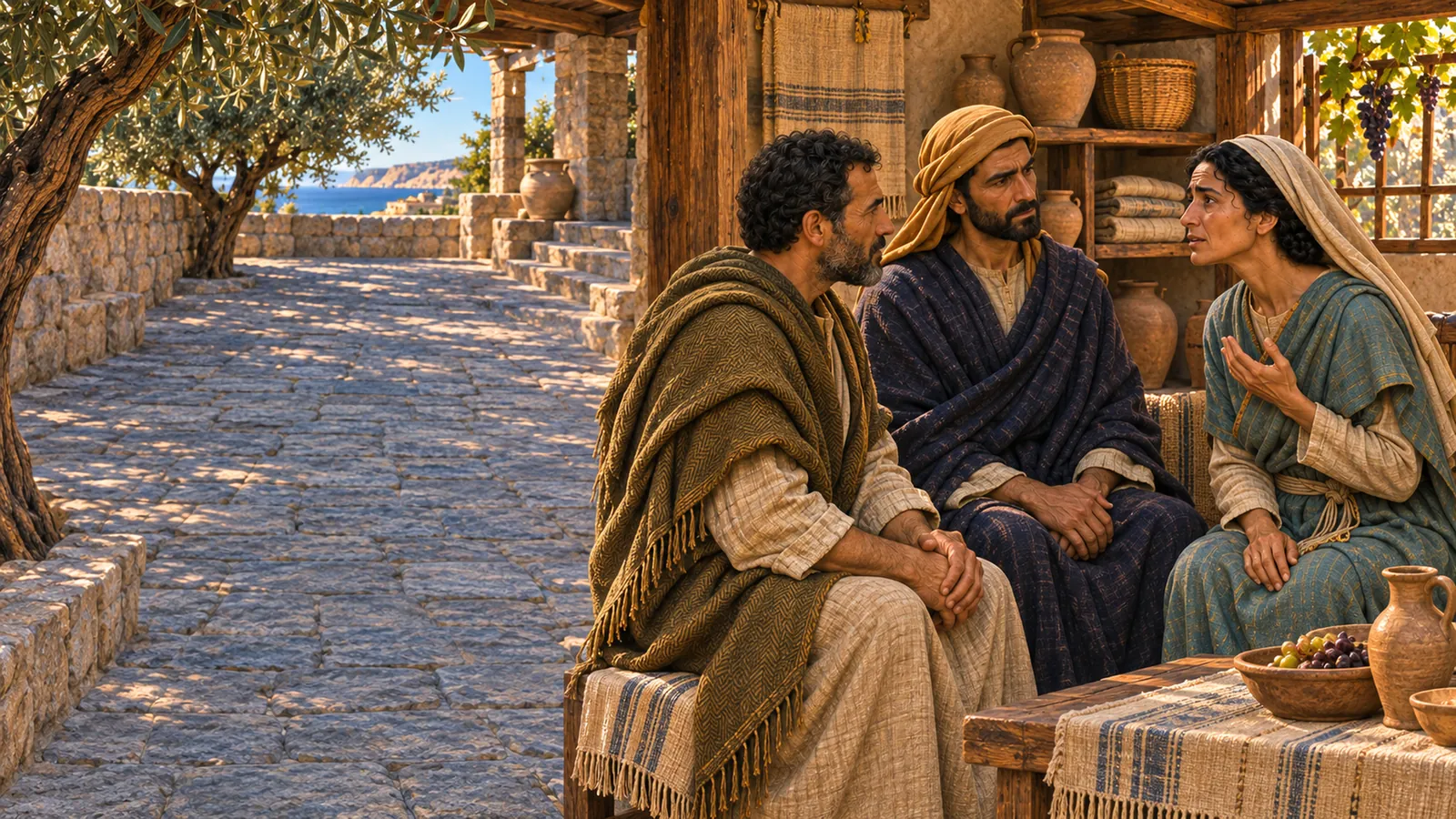
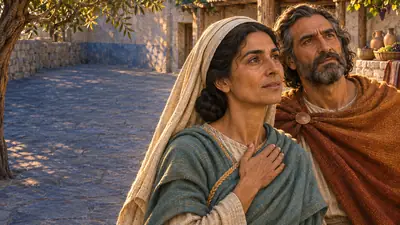
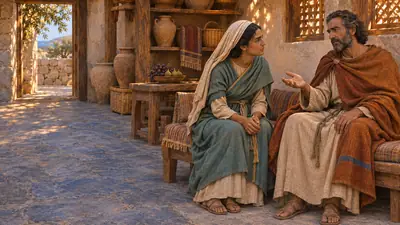
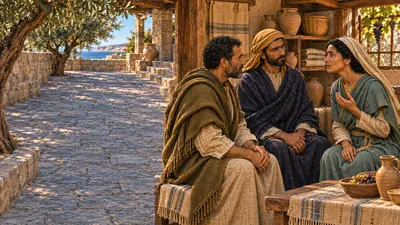
Hurriya asks the guests to bless Kirta. She asks them to share the family’s grief, because she fears that he may die.
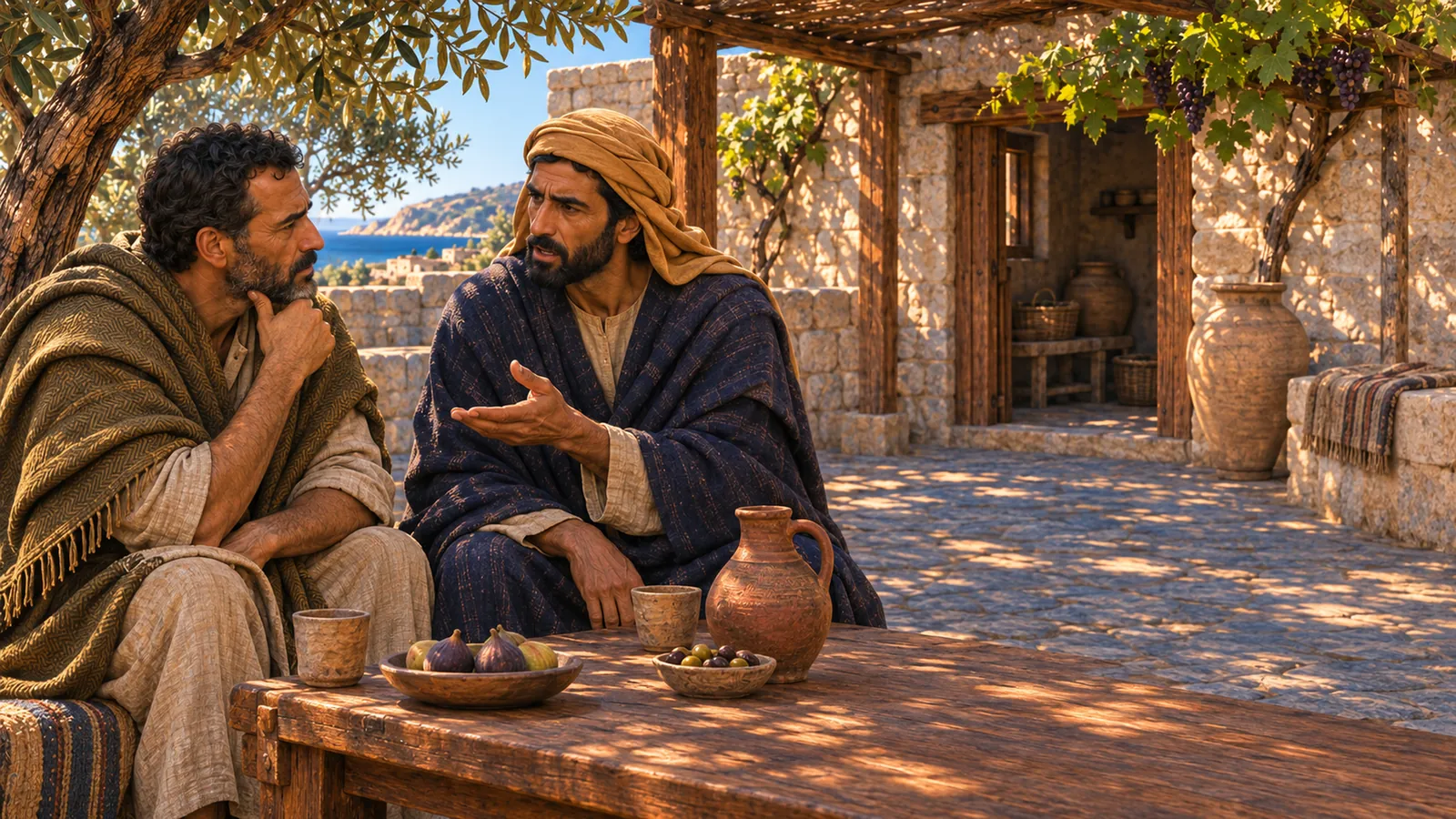
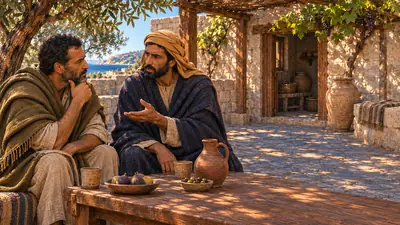
In one reading of the damaged words, the guests name Yassib as someone who could take Kirta’s place. The exchange is about who might rule.
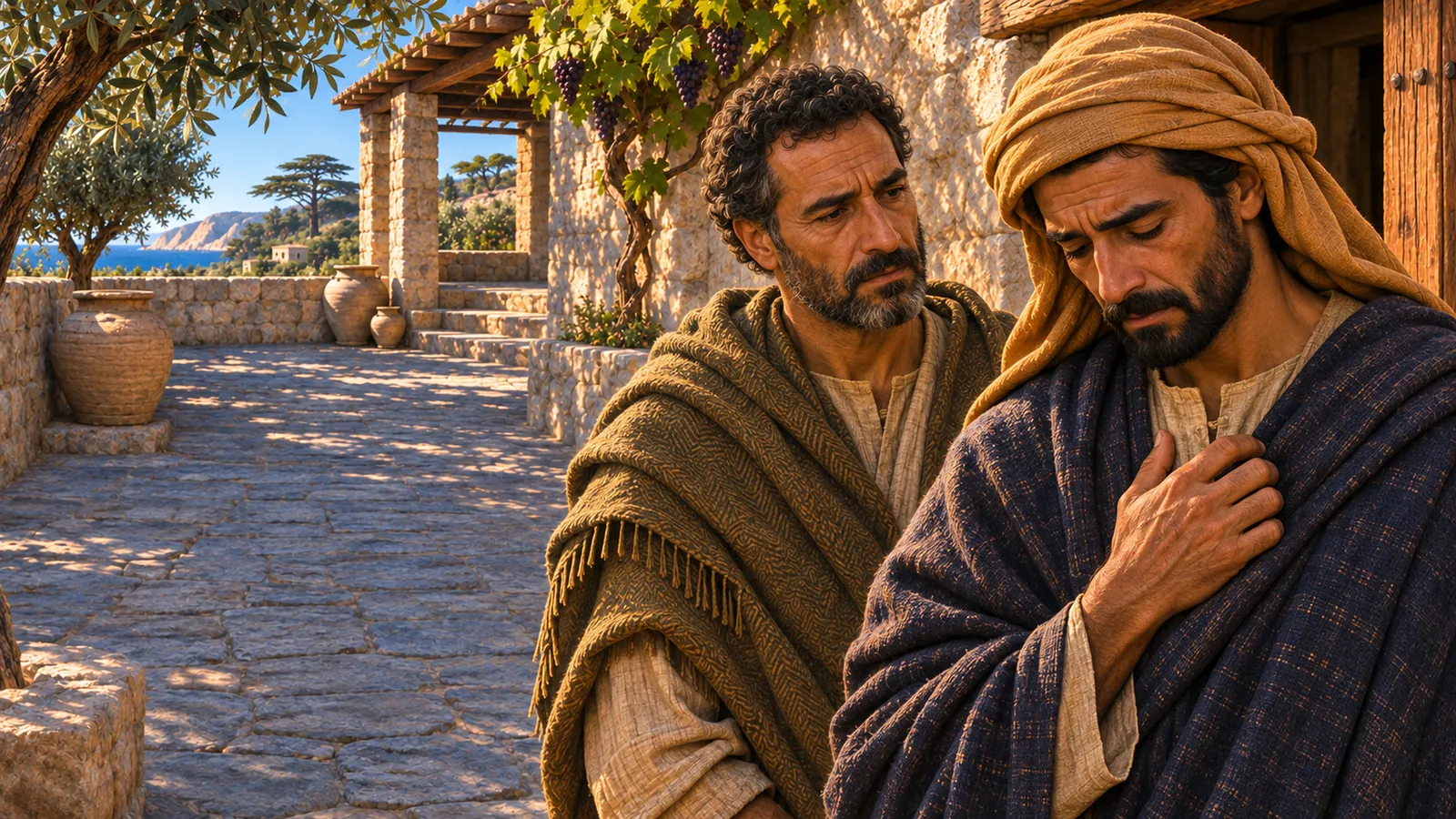
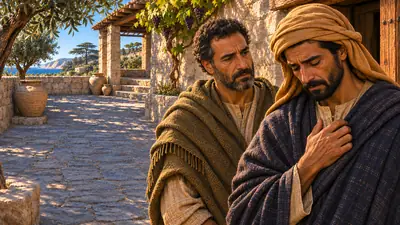
What remains of the column gives a glimpse of the guests’ grief. Then many lines are lost, and the story of Kirta passes into another tablet.
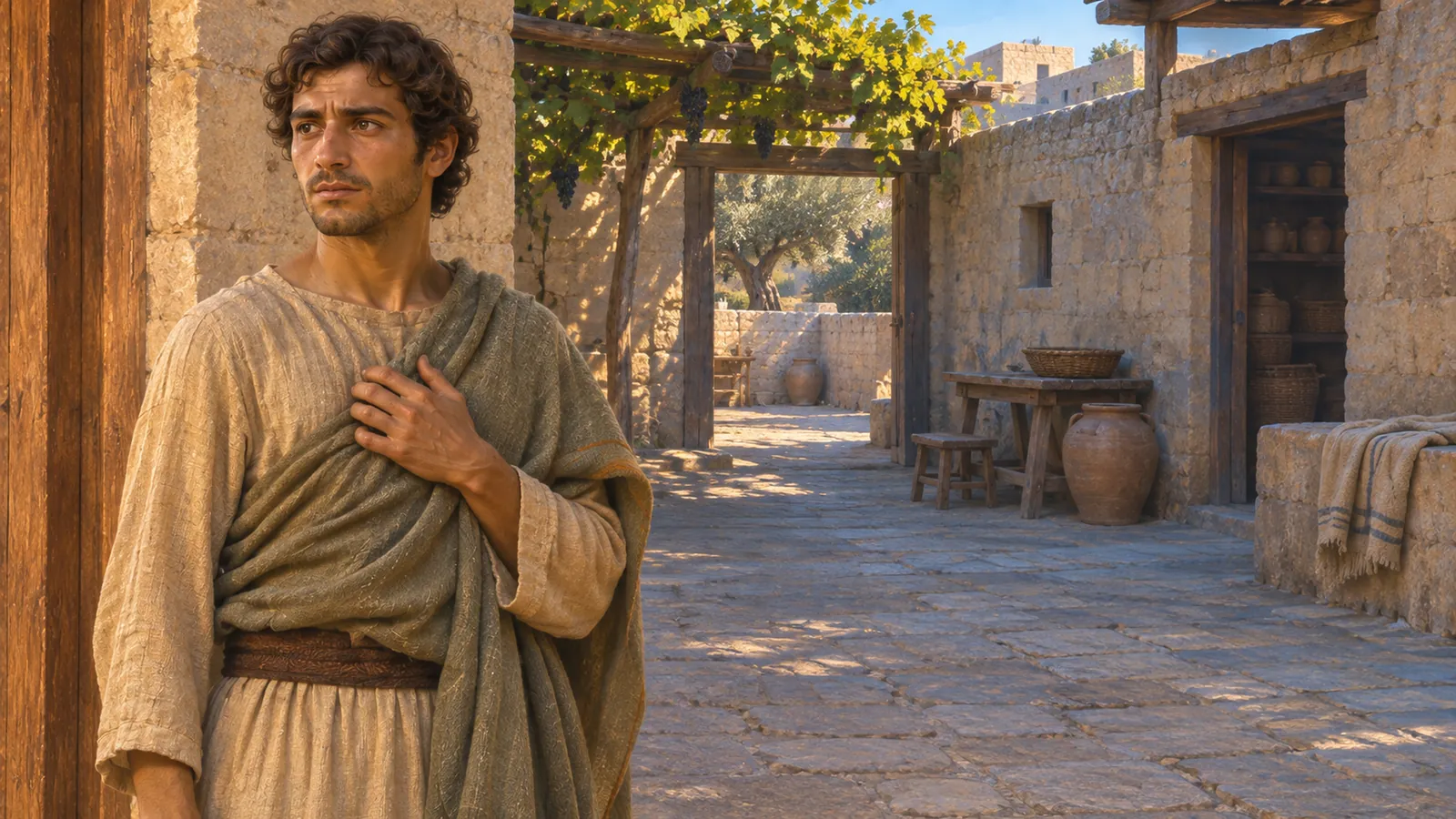
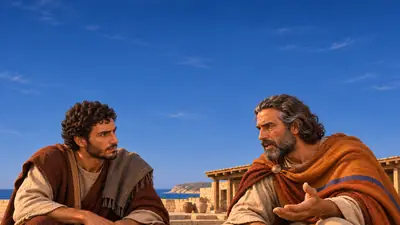
On the next tablet, Kirta’s son Ilhau speaks. He fears that his father may die, and his first lament comes before he goes in to see him.
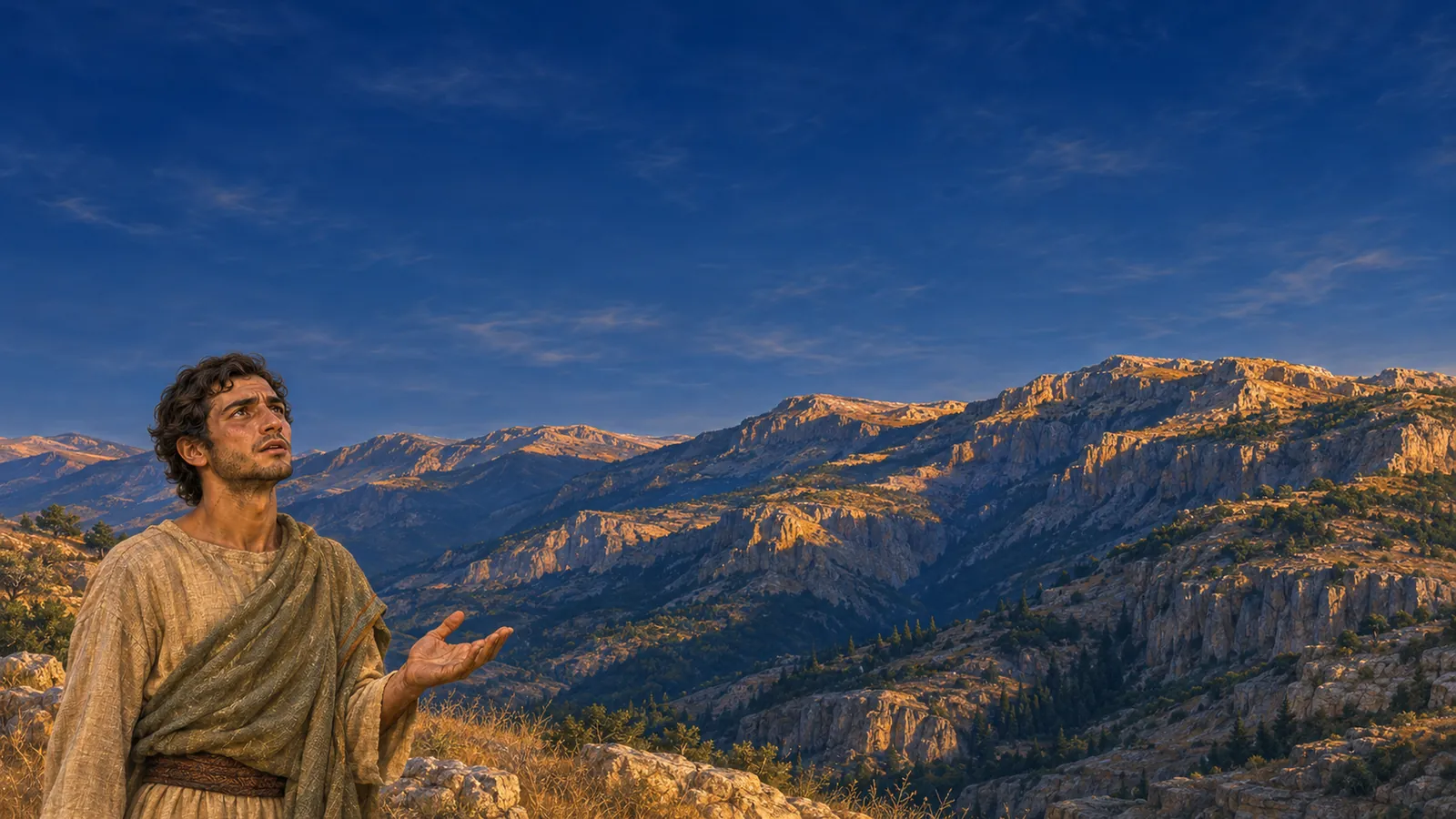
Ilhau’s lament calls on the mountains to grieve for his father. Saphon is named in the verse, and the words give the hills a place in his sorrow.
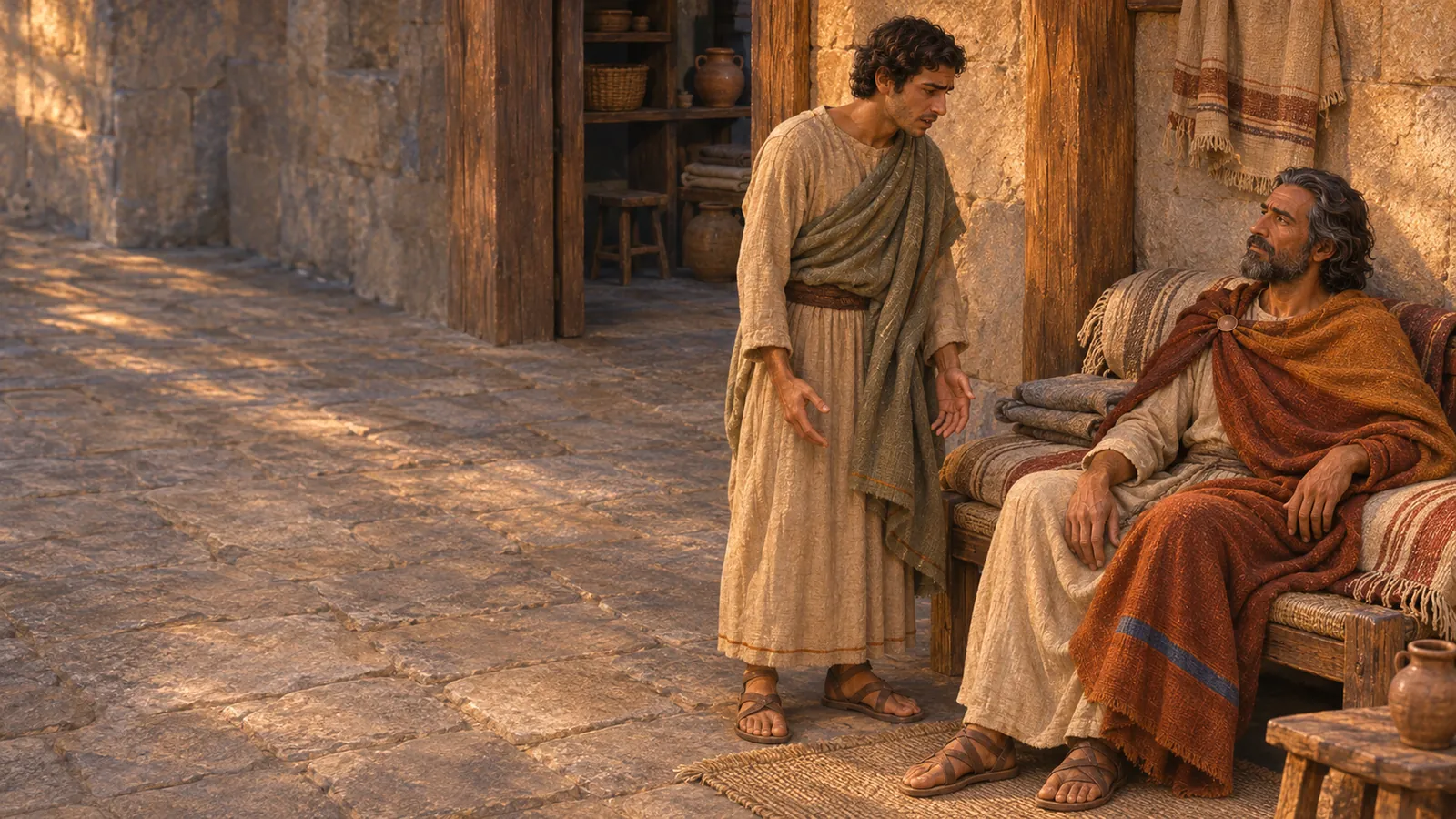
Ilhau comes before his father in distress. He speaks again of the grief he feels at the thought of losing Kirta.
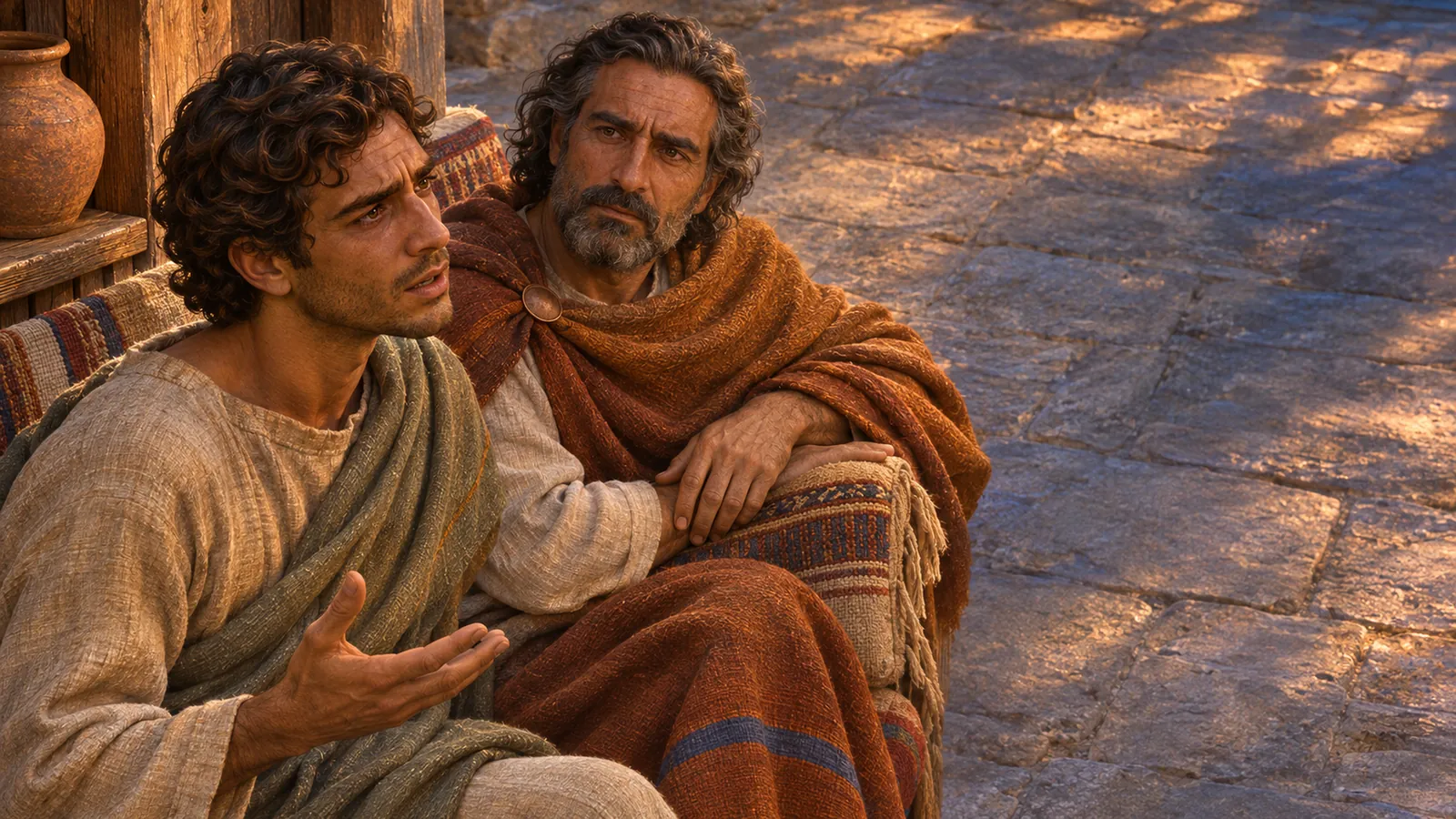
Ilhau asks how someone called a son of El can die. His questions express a son’s grief for his father as he speaks to Kirta.
THITMANIT
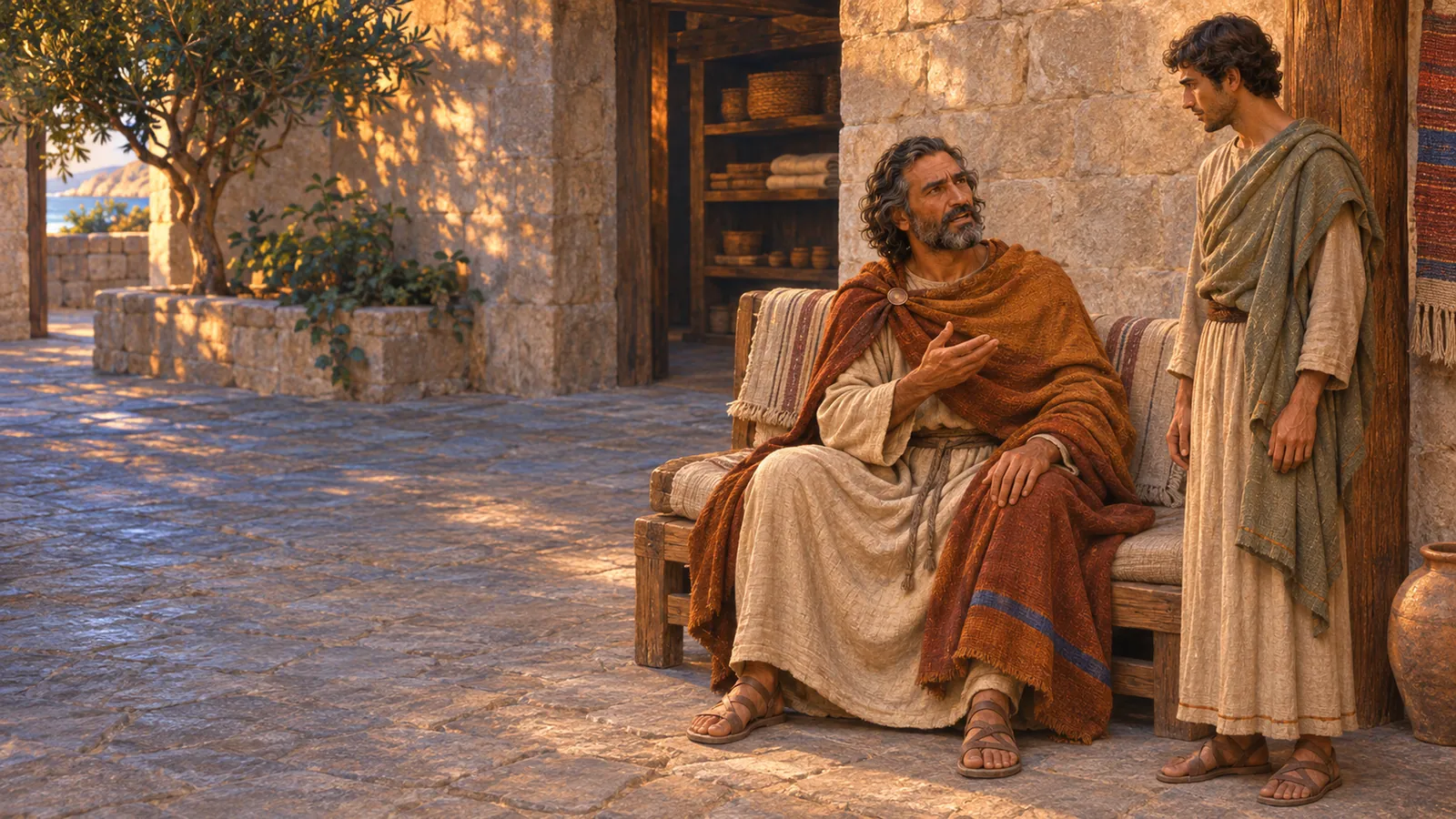
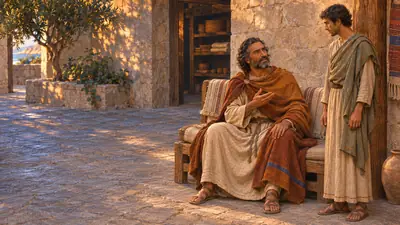
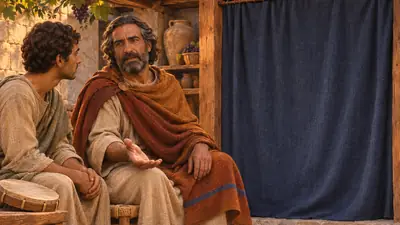
Kirta answers Ilhau and tells him to call his sister Thitmanit. He says that Ilhau knows how much she cares for him.
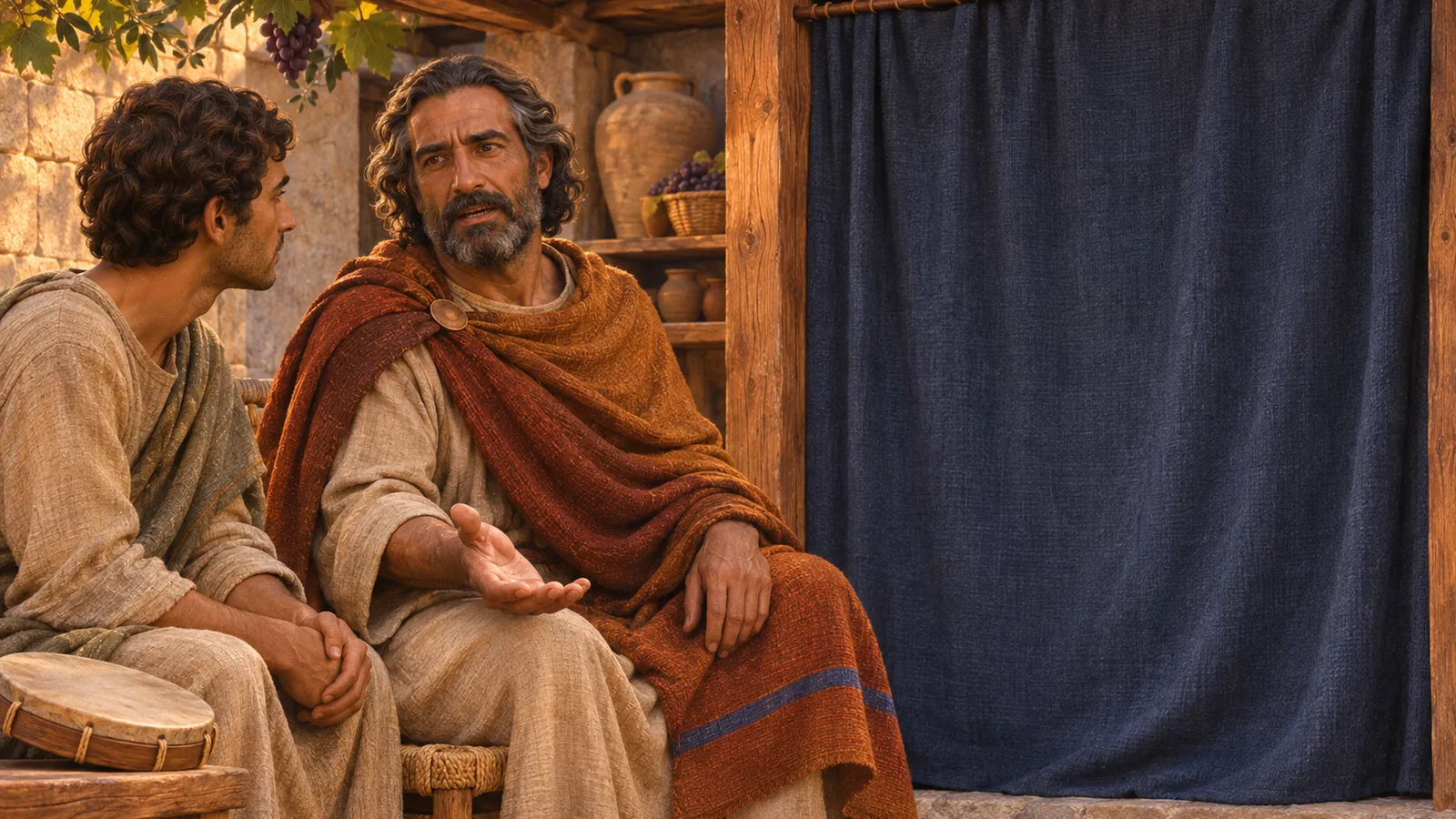
Kirta tells Ilhau to speak to Thitmanit about a feast. He asks that she come with her music, and gives Ilhau the words to carry to her.
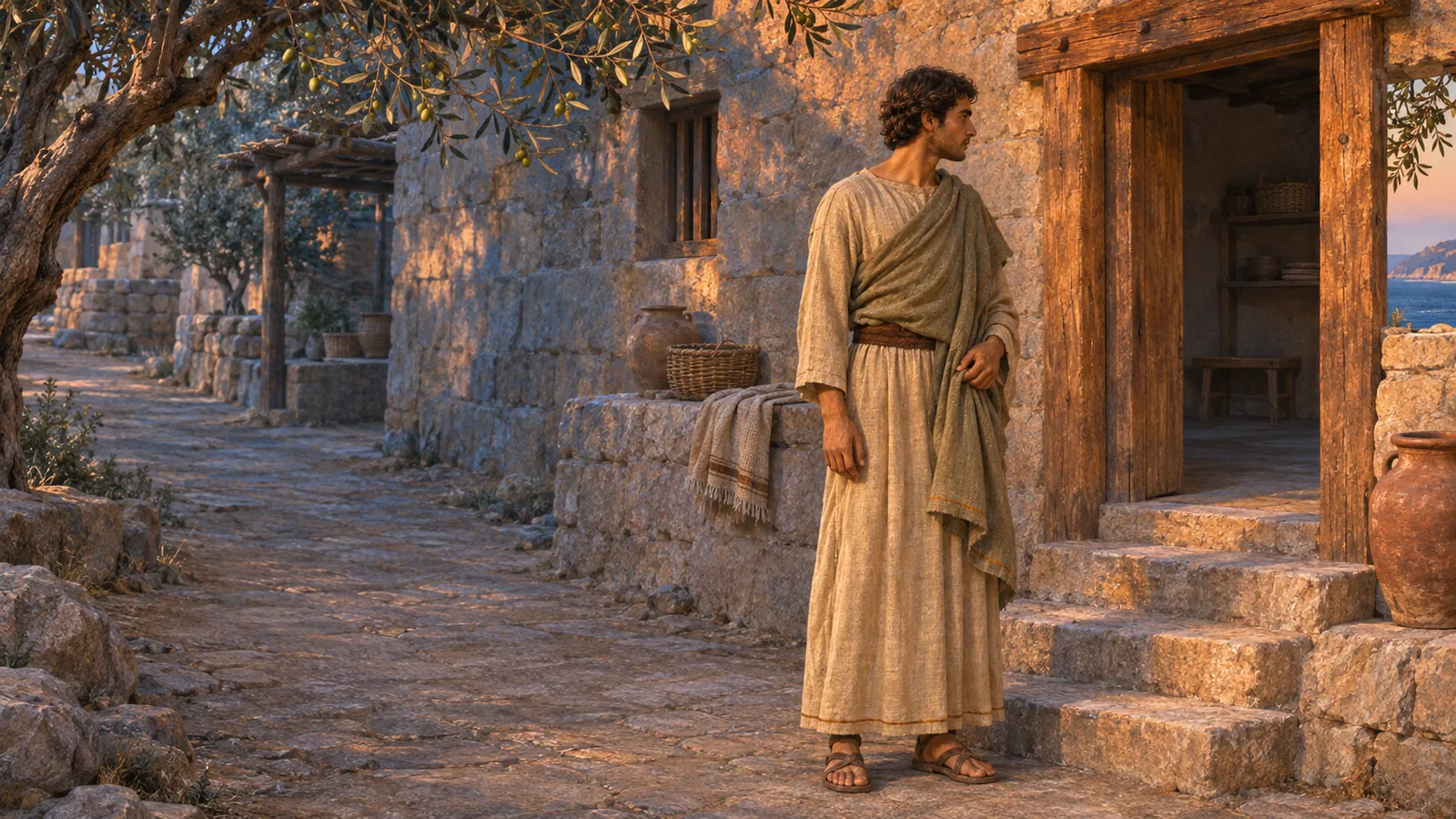
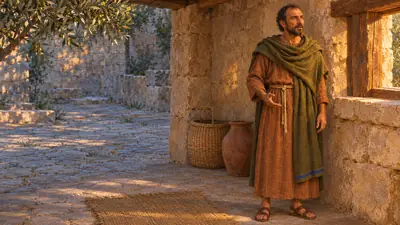
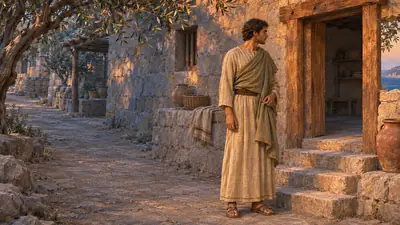
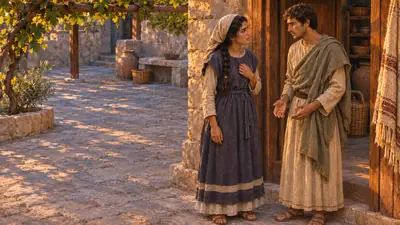
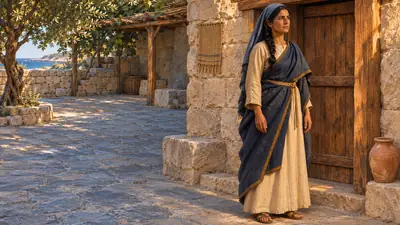
Ilhau goes to his sister’s house as evening falls. Thitmanit is away drawing water, and he finds her doorway empty.
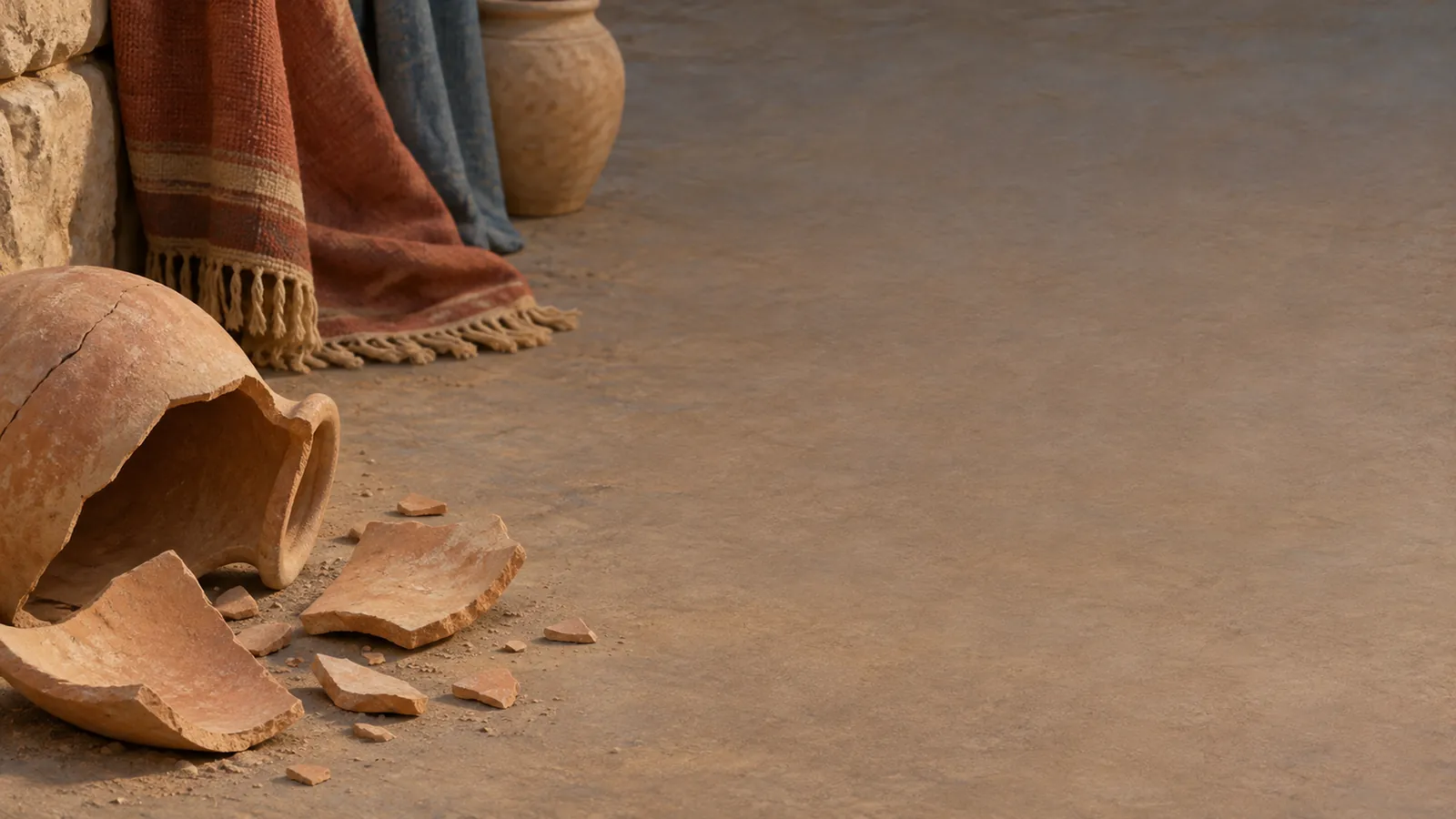
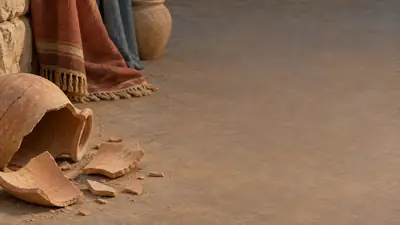
Thitmanit sees Ilhau at the doorway and is startled. Her water jar falls to the ground and breaks, before she and her brother speak.
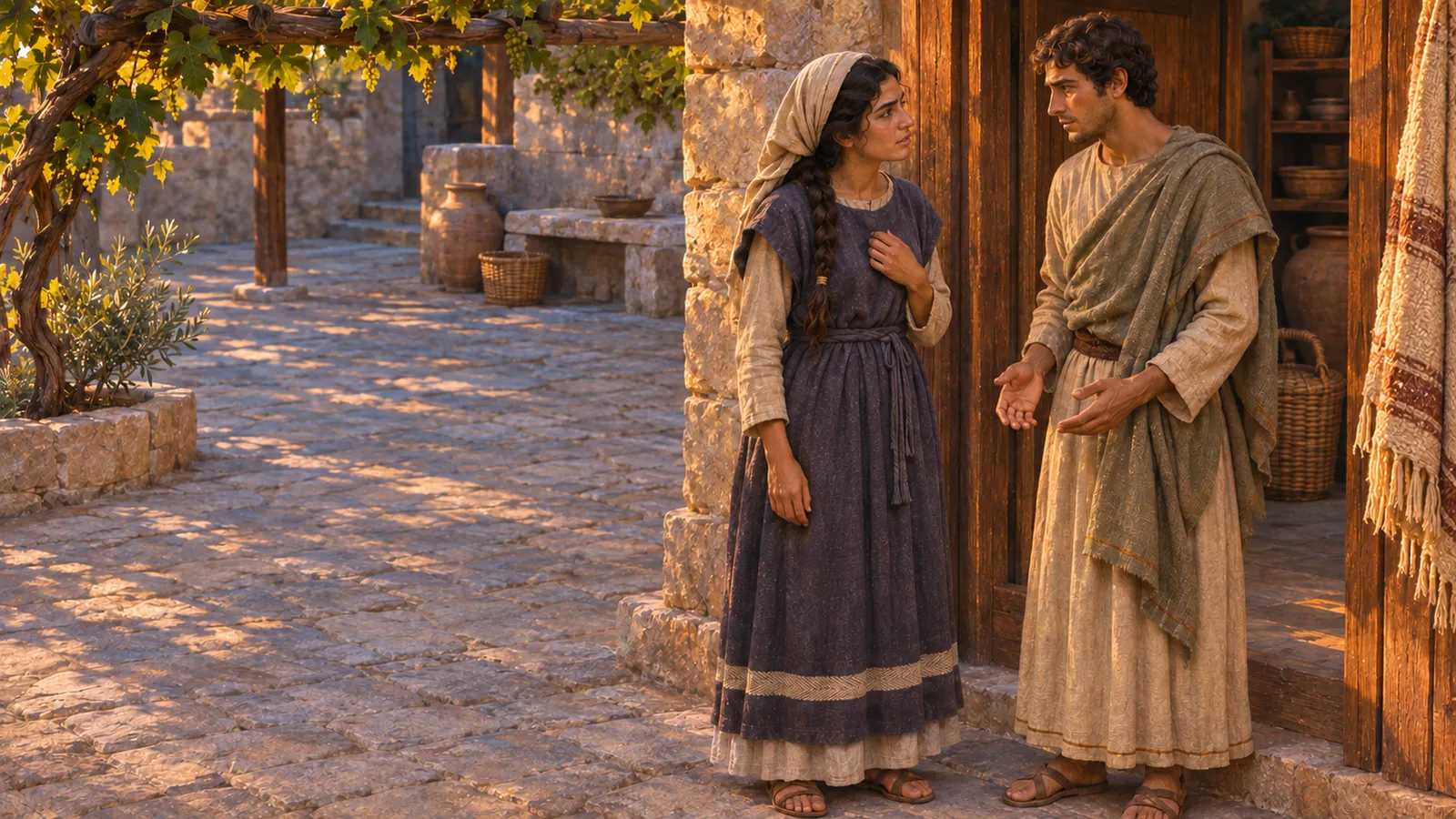
Thitmanit asks whether Kirta is ill. Ilhau answers at first with words about a feast. After a break, she learns how ill her father is.
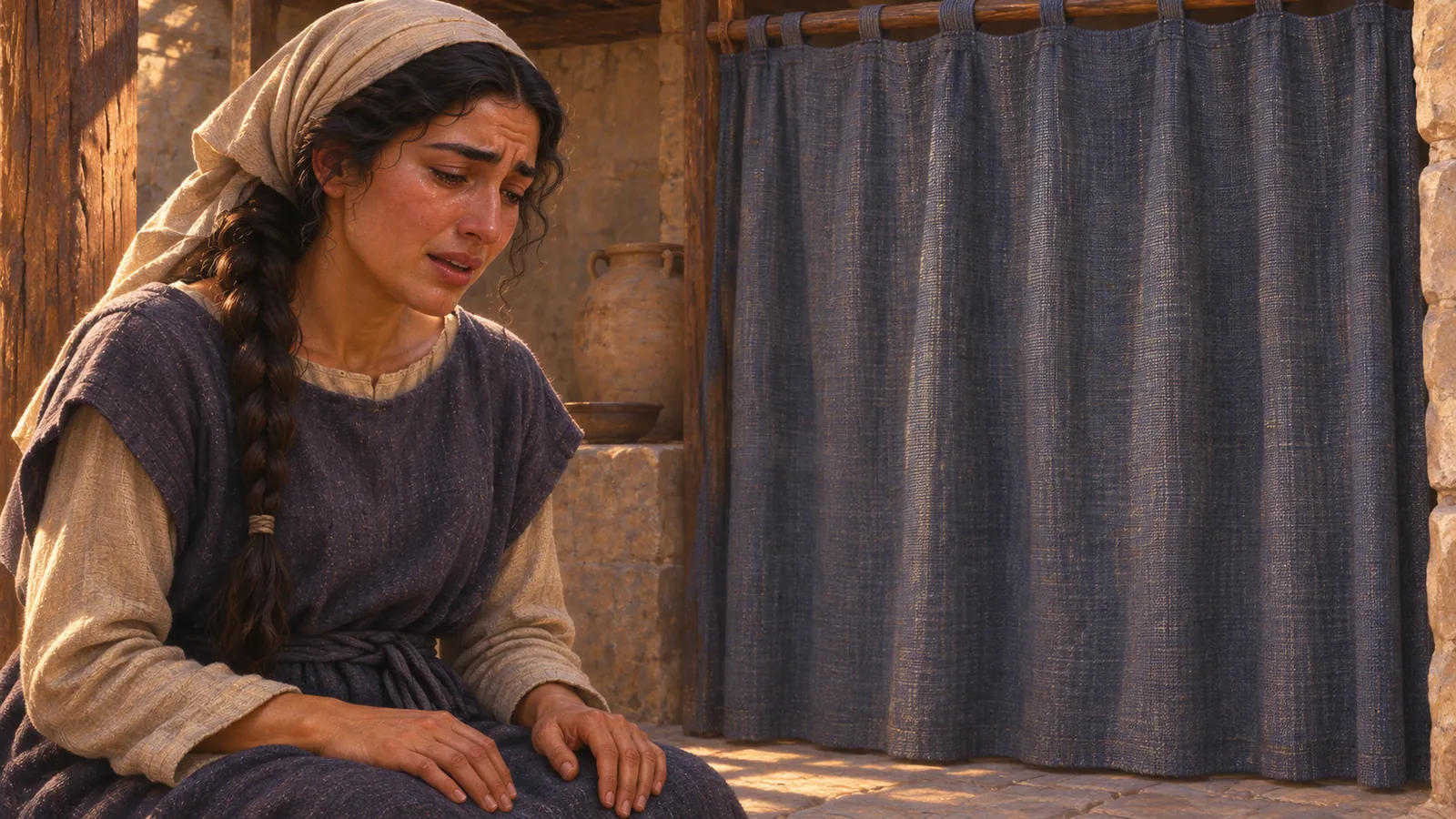
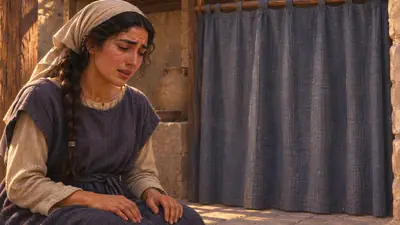
Thitmanit sobs and raises her voice. The broken lines linger over her grief before the poem turns to the words of her own lament.
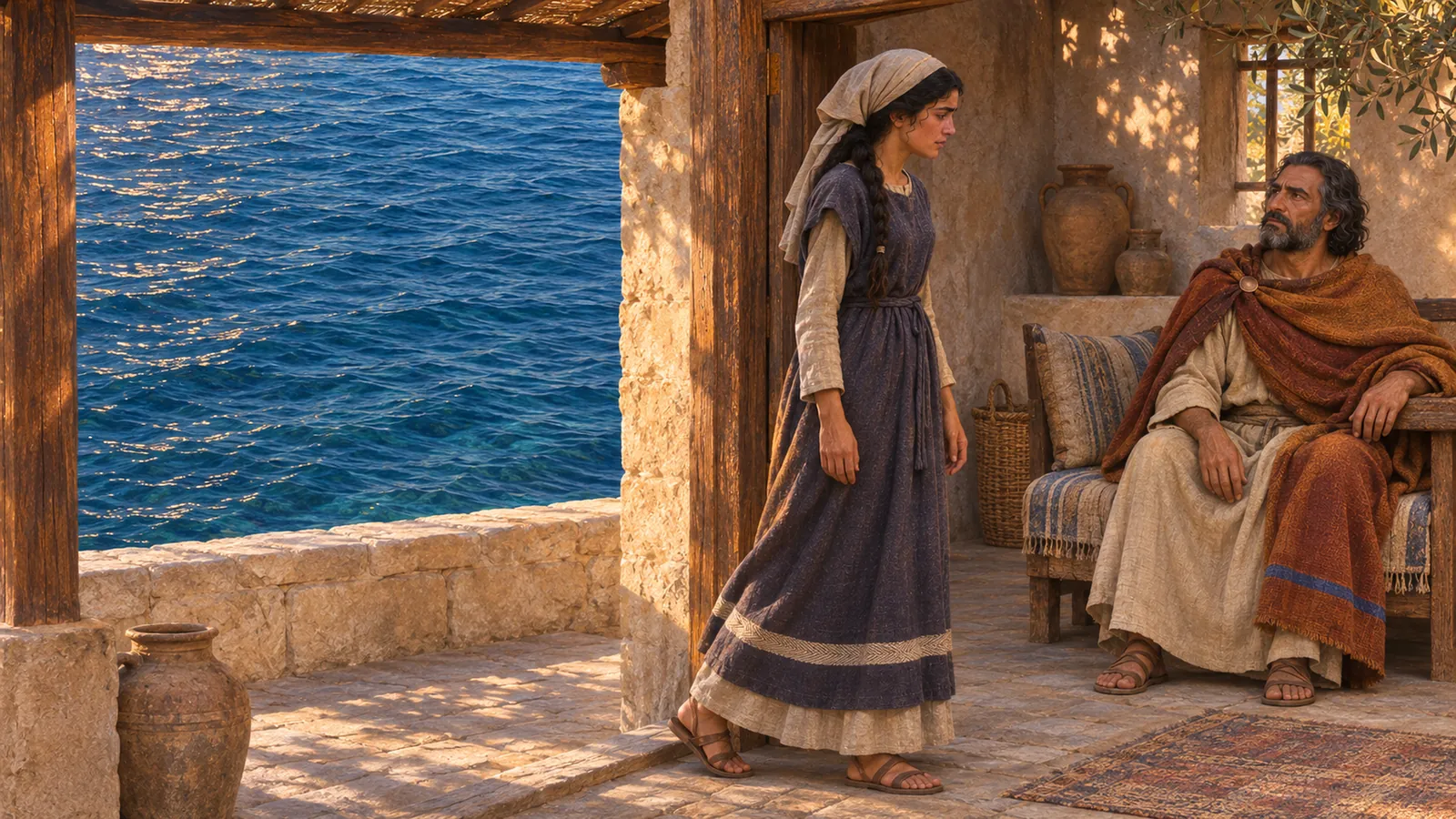
Thitmanit’s lament echoes the words of her brother. When she has spoken, she goes in to see Kirta in his own chamber.
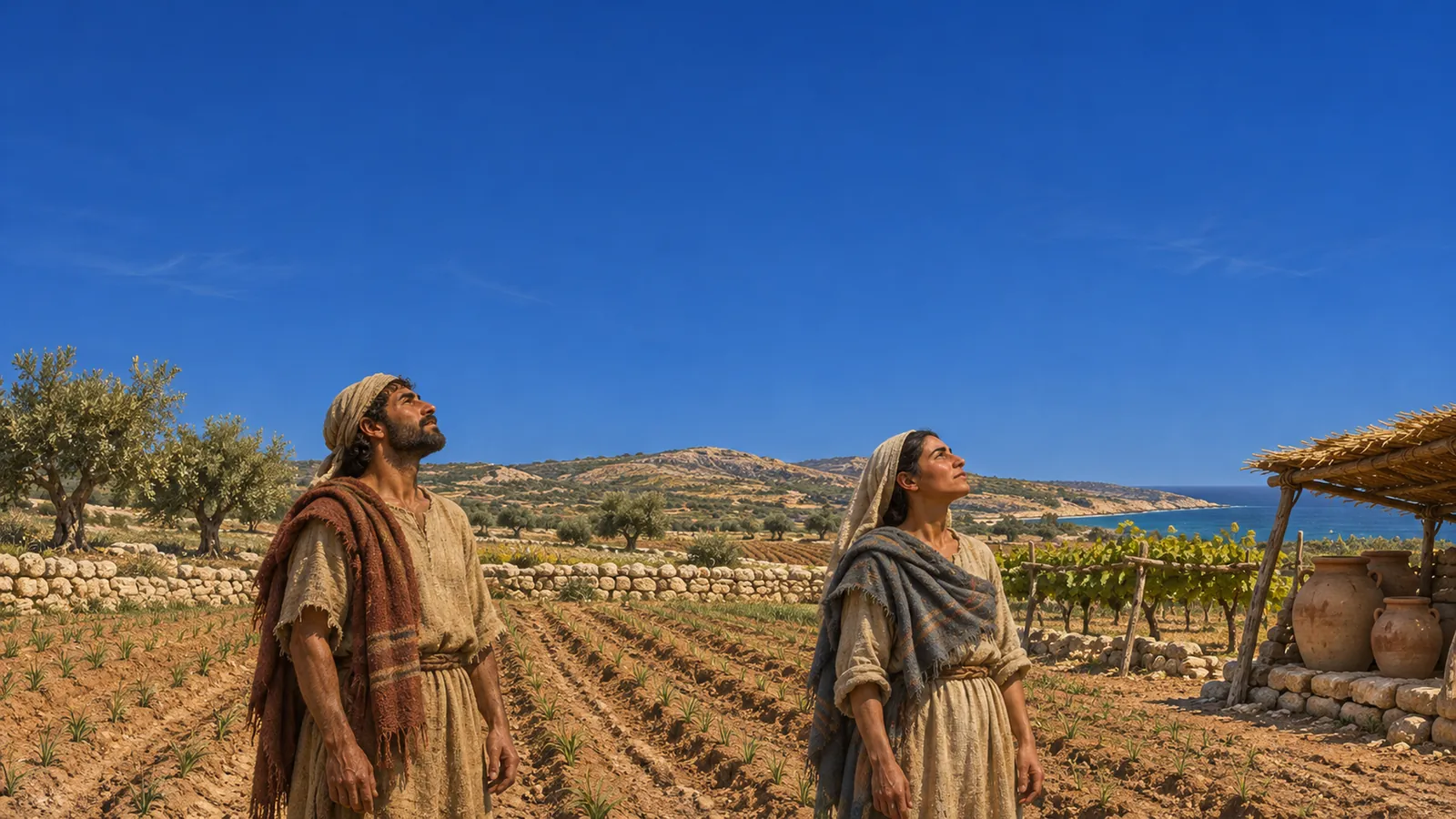
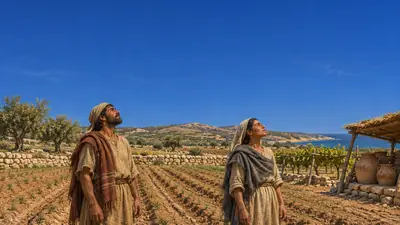
After a break, the poem speaks of rain and field workers looking up. There are words about a shortage in the storehouses before the story returns to El.
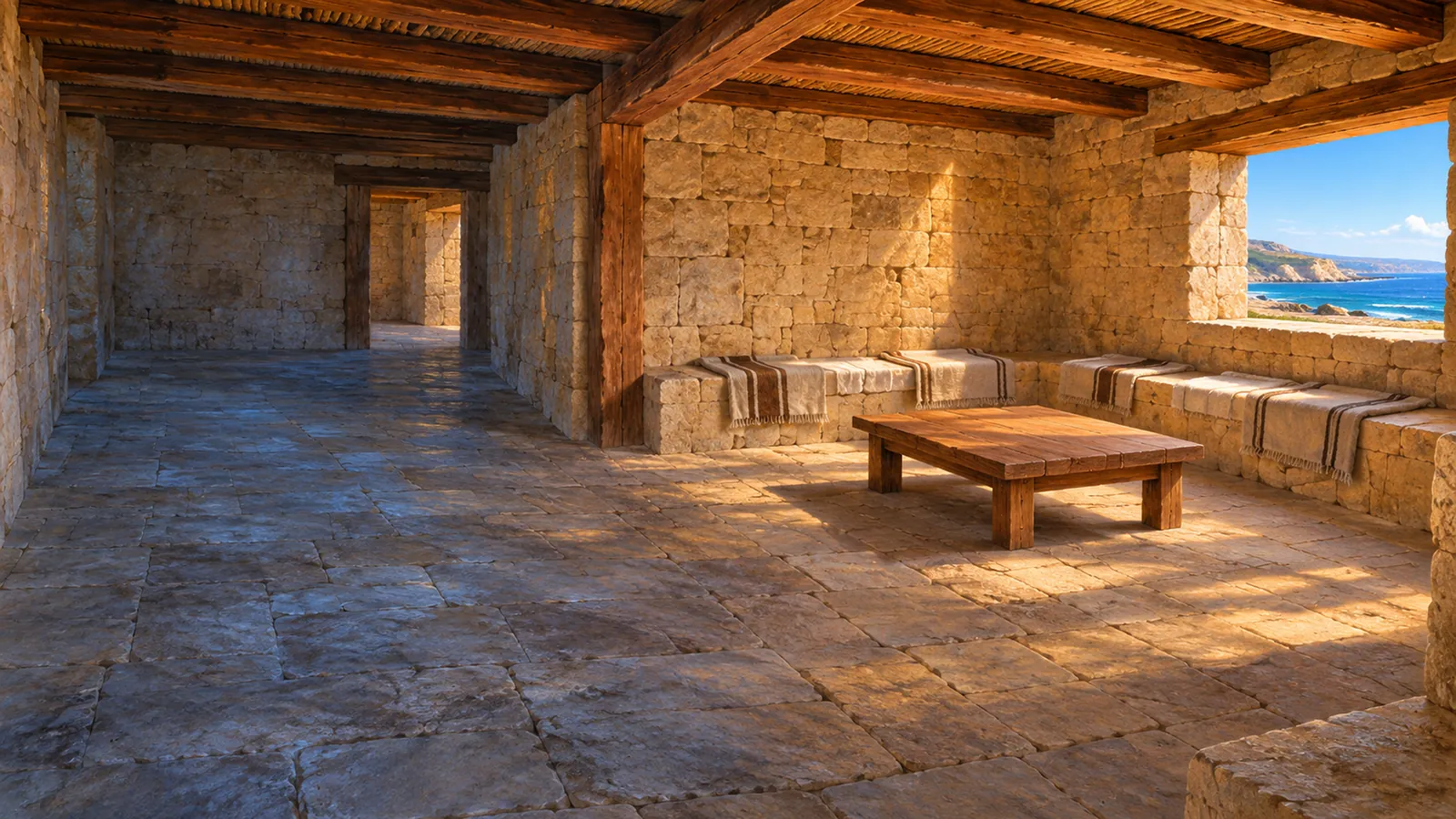
El asks the assembly who can drive away Kirta’s illness. He asks again and again. No one answers, and El tells them to sit.
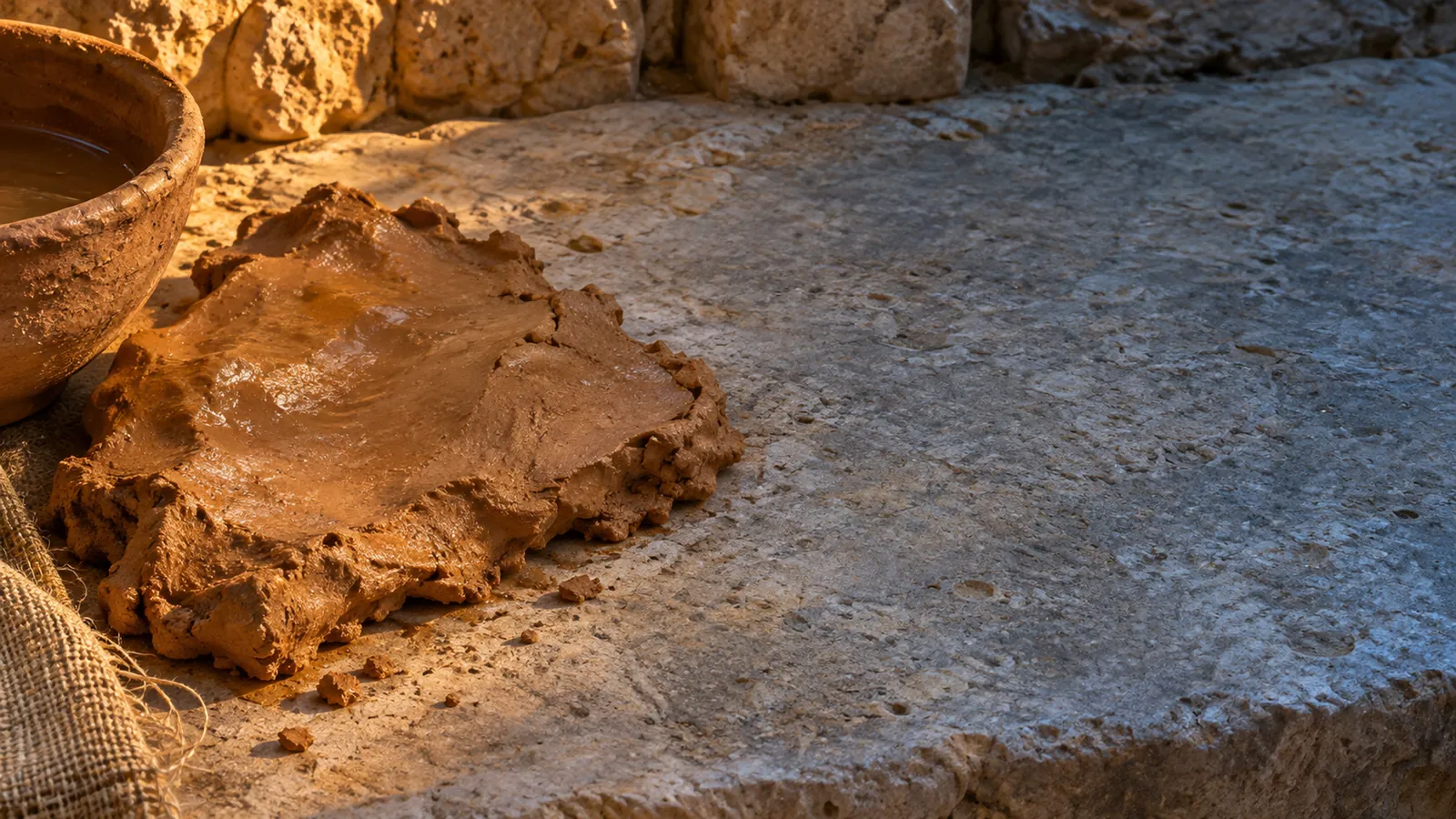
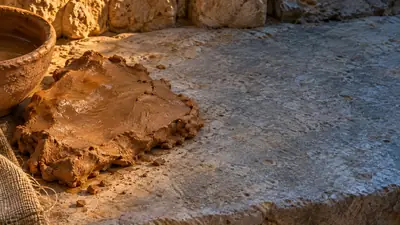
When no one answers, El takes clay and makes Shatiqatu. The poem lingers on the earth from which he brings her into being.
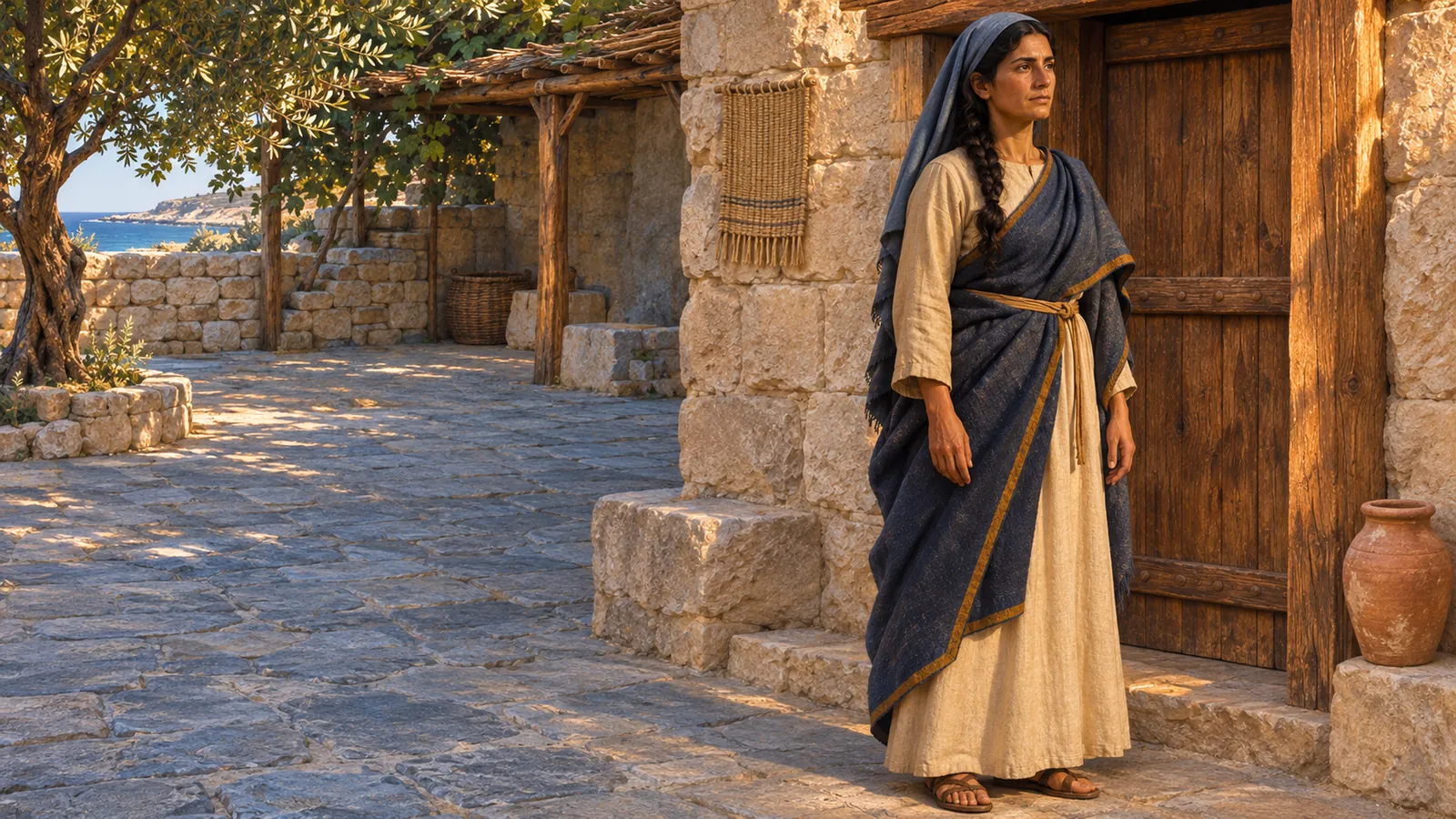
El names Shatiqatu and sends her to help Kirta. Part of his charge has been lost. The next lines speak of her power against Death.
RECOVERY
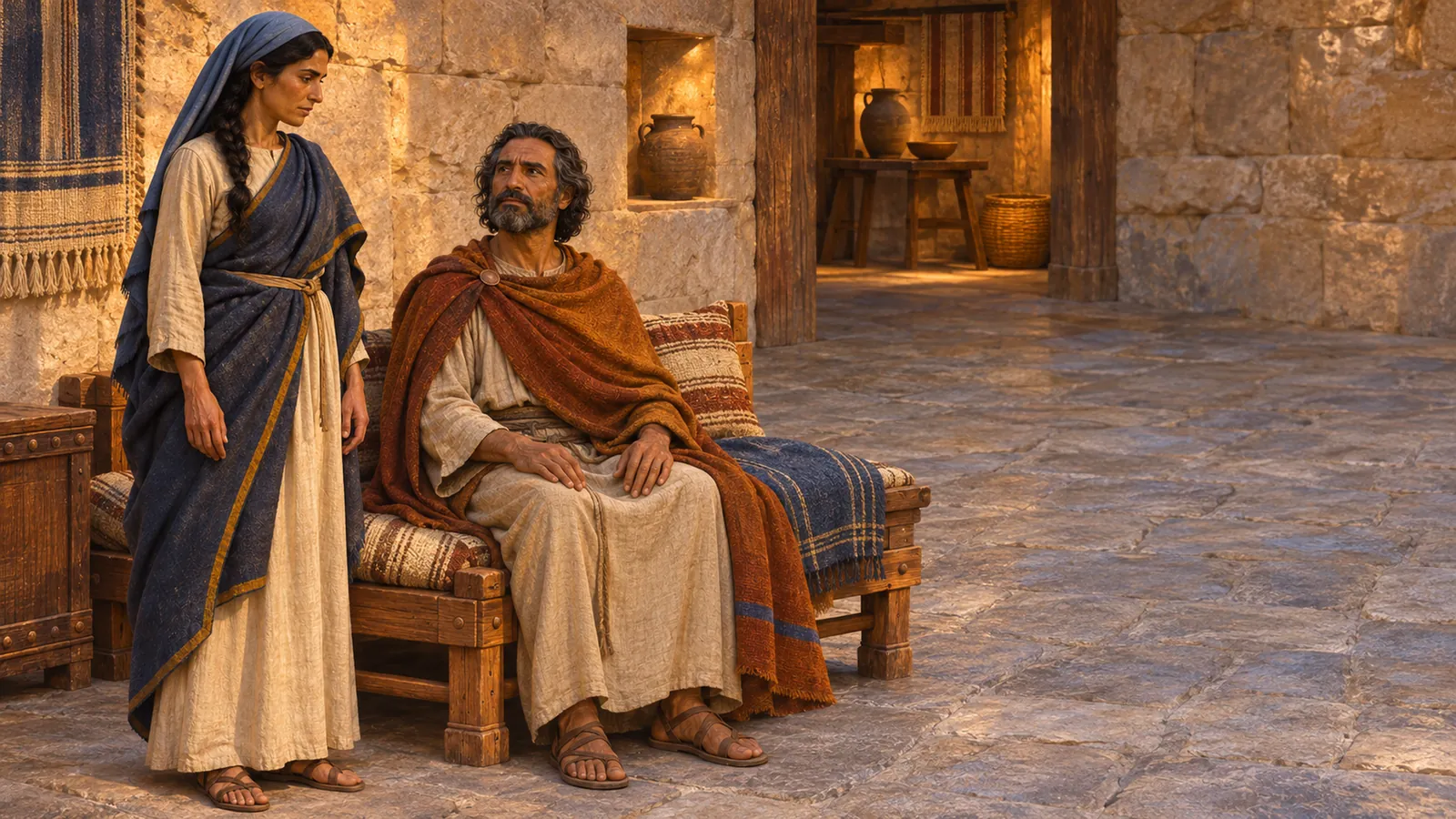
Shatiqatu enters Kirta’s house. The lines are difficult in places, yet they credit her with bringing his illness to an end.
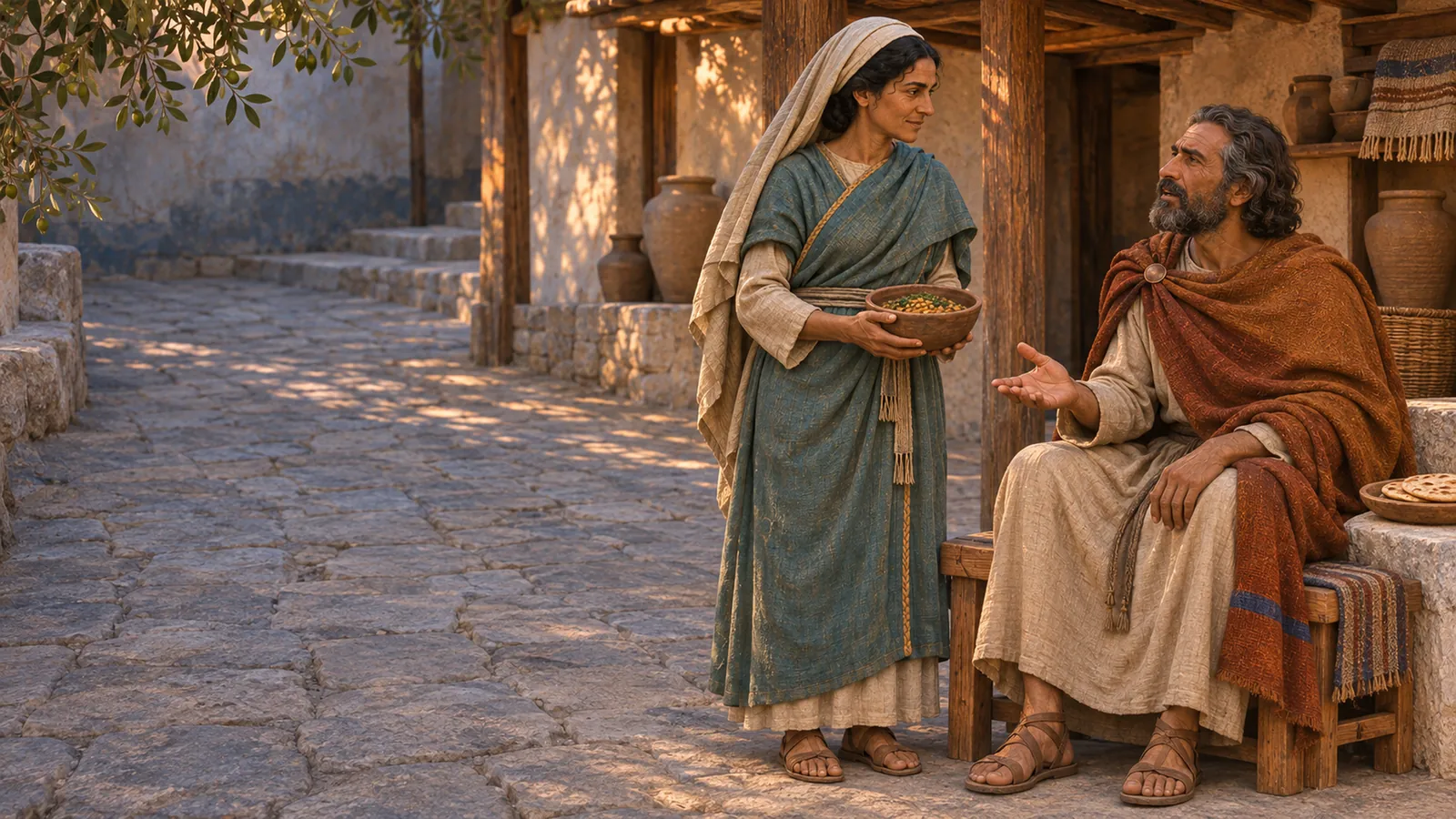
Kirta speaks again and asks Hurriya for food. She prepares it, and the poem returns to Kirta in his seat after a short passage of time.
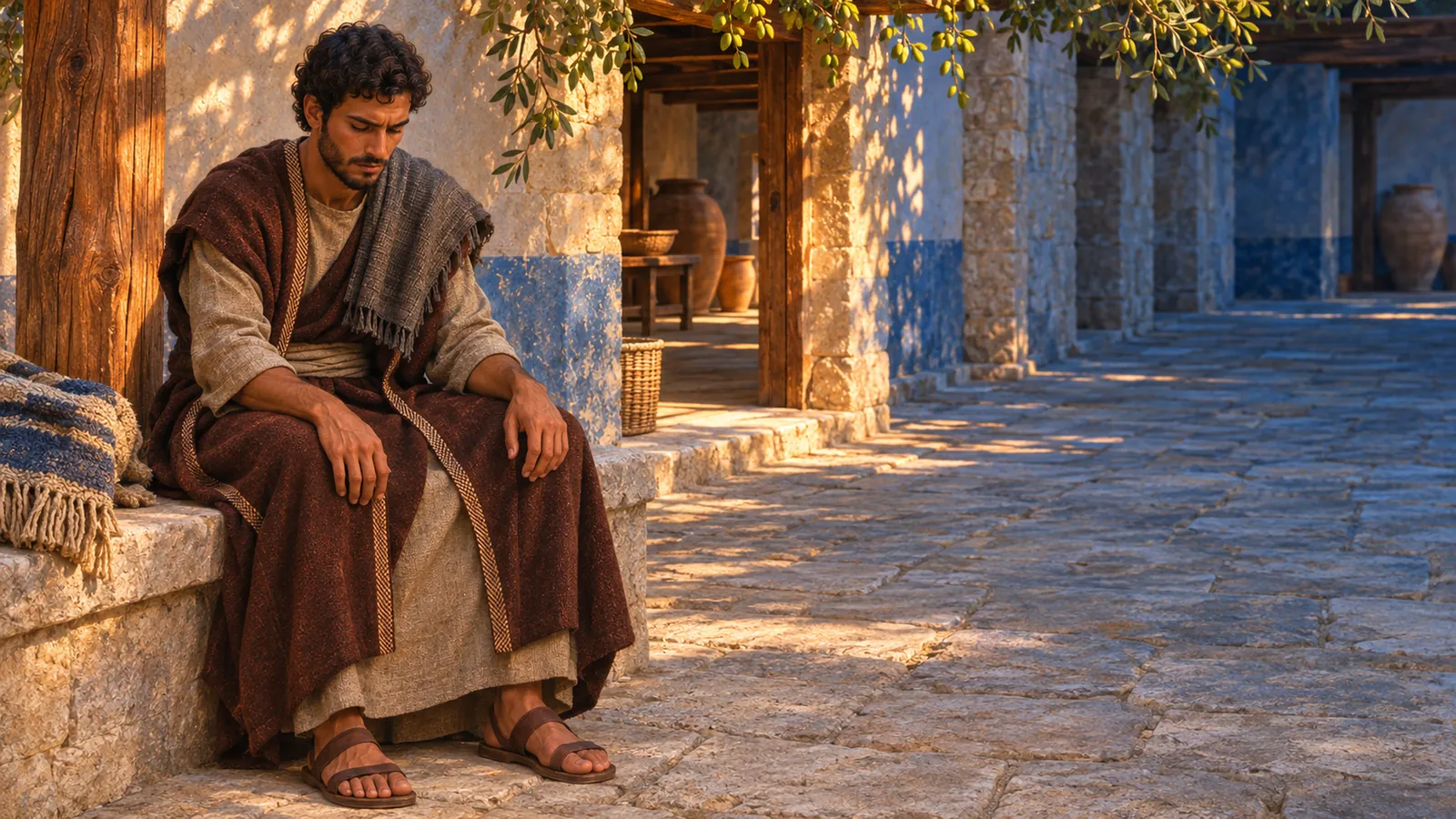
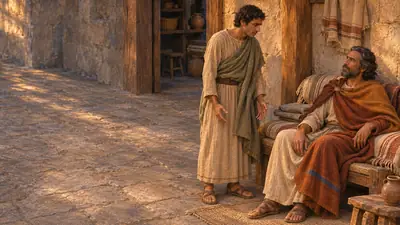
Yassib sits in the palace and considers how to address his father. The poem gives the words of his proposed challenge before he speaks them aloud.
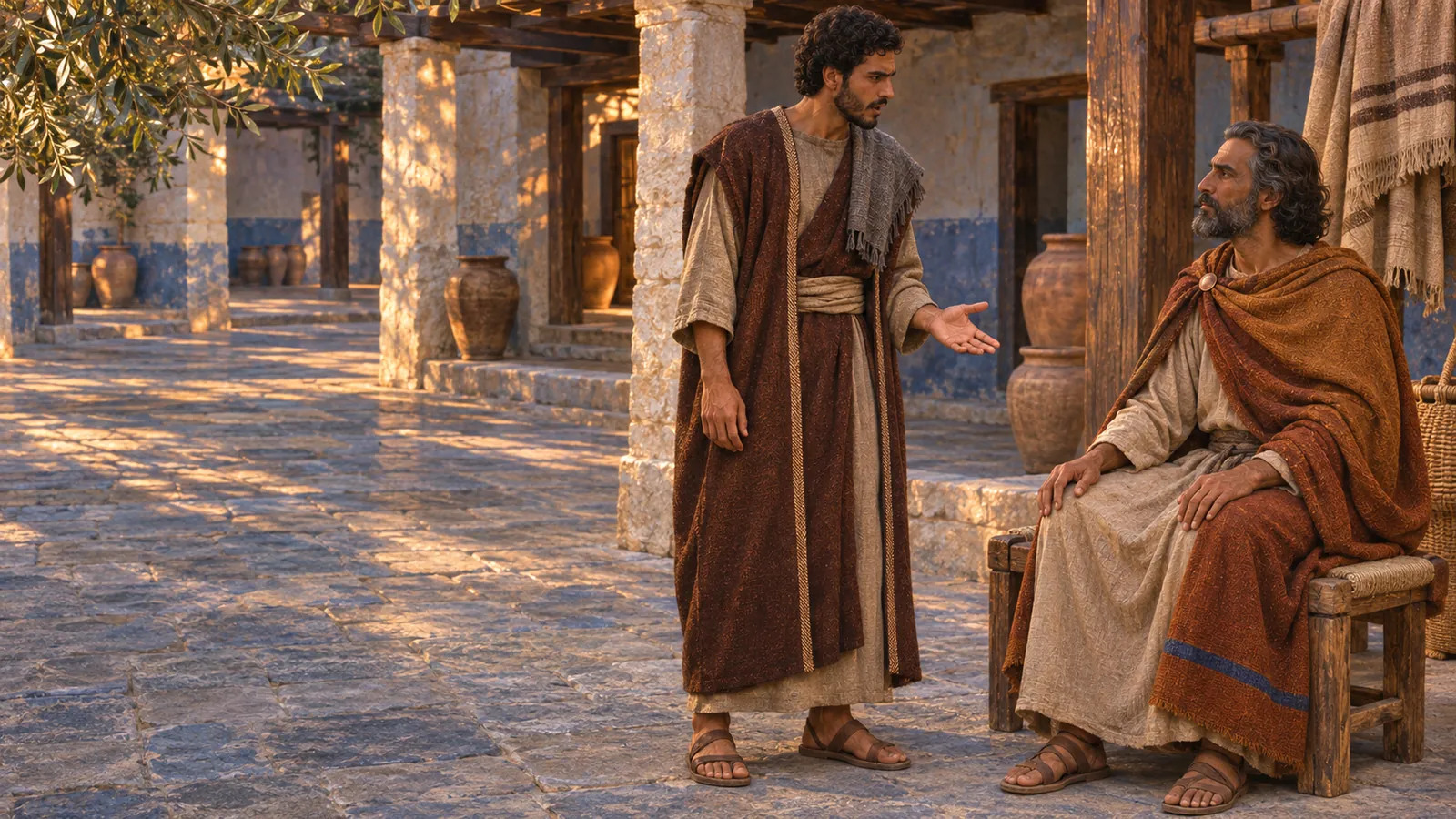
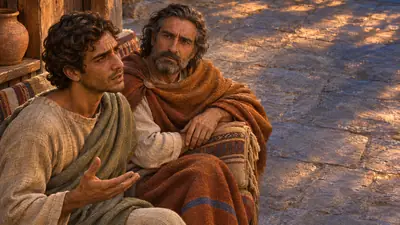
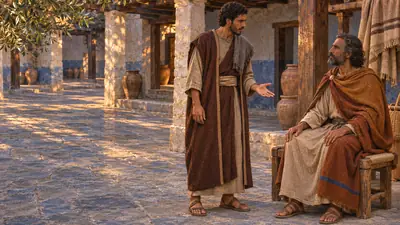
Yassib goes before Kirta and speaks about the duties of a king. He accuses his father of overlooking people who need justice, including widows and orphans.
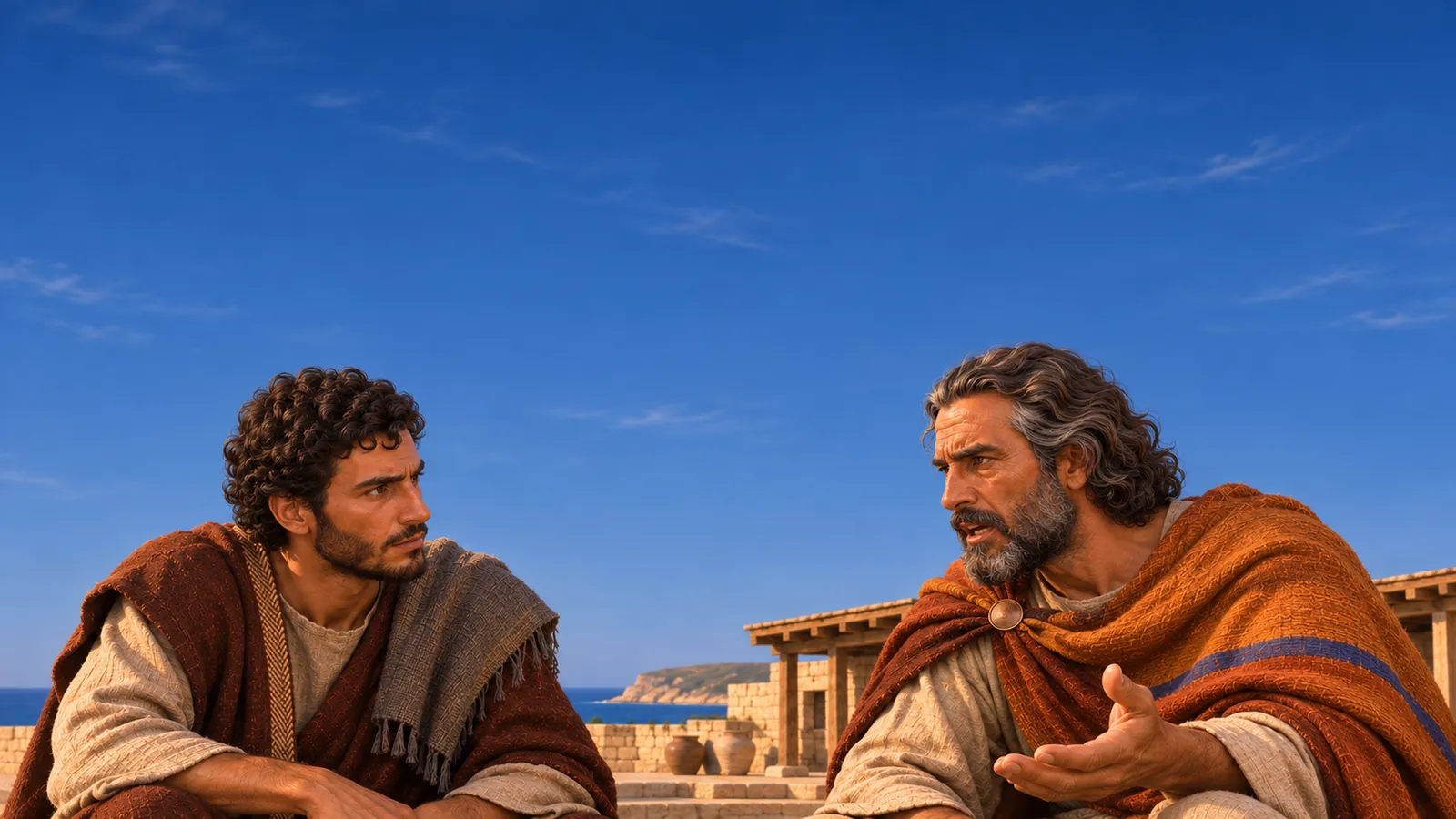
THE LAST WORDS
Yassib asks to take his father’s place. Kirta answers him with a curse. The surviving story ends with those words, leaving the succession open.
End of chapter 1
All pages
Sources
Page 2. The list of deaths includes illness, pestilence, the sea and the sword. Natan-Yulzary reads an additional cause as childbirth.
Editions consulted
- Göttingen EUPT, introductions and concordance for the Kirta tablets
- Göttingen EUPT, Tablet I of Kirta, KTU 1.14
- Göttingen EUPT, Tablet II of Kirta, KTU 1.15
- Göttingen EUPT, Tablet III of Kirta, KTU 1.16
- Clemens Steinberger, Ugaritic poetic forms with numbered readings of the vow and challenge
- Scott B. Noegel, Kirtu’s Allusive Dream
- Shirly Natan-Yulzary, Reading Ugaritic Narrative-Poetry
- Shirly Natan-Yulzary, The Role of Thitmanit as a Mourner in the Kirta Epic
- Theodore J. Lewis, The Shaʿtiqatu Narrative from the Ugaritic Story about the Healing of King Kirta
- Shirly Natan-Yulzary, Twice-used Songs and Other Oral Traditions in Ugaritic Epics
- IL Archive, Tale of Kirta
- IL Archive, Six Days, Then the Seventh
Notes on this retelling
Page 68. Kirta invokes Horon and Athtart in a curse asking that Yassib’s head be struck and that he fall in his prime. 65).
Pages 11–12 and 19–20. The dream calls for a lamb, a kid and a bird as sacrificial offerings, and Kirta later carries out the offering.
Ancient lines behind each page
- Page 1: KTU 1.14 I before 6 and I 6–12 (Göttingen EUPT; Noegel, Narrator)
The opening is damaged. - Page 2: KTU 1.14 I 13–21 (Göttingen EUPT; Noegel, Narrator)
The precise relationships in these lines are debated. - Page 3: KTU 1.14 I 21–25 (Göttingen EUPT; Noegel, Narrator)
- Page 4: KTU 1.14 I 26–29 (Göttingen EUPT; Noegel, Narrator)
- Page 5: KTU 1.14 I 29–35 (Göttingen EUPT; Noegel, Narrator)
- Page 6: KTU 1.14 I 35–38 (Göttingen EUPT; Noegel, Narrator)
- Page 7: KTU 1.14 I 38–43 (Göttingen EUPT; Noegel, Kirtu’s Allusive Dream)
Some question wording varies by edition. - Page 8: KTU 1.14 I 43–51 (Göttingen EUPT; Noegel, Kirtu’s Allusive Dream)
- Page 9: KTU 1.14 I 51b–II 5 (Göttingen EUPT; Noegel, Kirtu’s Allusive Dream)
- Page 10: KTU 1.14 II 6–12 (Göttingen EUPT; Noegel, Kirtu’s Allusive Dream)
- Page 11: KTU 1.14 II 13–21 (Göttingen EUPT; Noegel, Kirtu’s Allusive Dream)
- Page 12: KTU 1.14 II 22–26 (Göttingen EUPT; Noegel, Kirtu’s Allusive Dream; Noegel, Narrator)
- Page 13: KTU 1.14 II 27–34 (Noegel, Kirtu’s Allusive Dream; Natan-Yulzary, Reading Ugaritic Narrative-Poetry)
- Page 14: KTU 1.14 II 35–42 (Noegel, Kirtu’s Allusive Dream; Natan-Yulzary, Reading Ugaritic Narrative-Poetry)
- Page 15: KTU 1.14 II 43–III 1 (Noegel, Kirtu’s Allusive Dream; Natan-Yulzary, Reading Ugaritic Narrative-Poetry)
- Page 16: KTU 1.14 III 2–21 (Noegel, Kirtu’s Allusive Dream; Natan-Yulzary, Reading Ugaritic Narrative-Poetry)
- Page 17: KTU 1.14 III 22–49 (Noegel, Kirtu’s Allusive Dream; Natan-Yulzary, Reading Ugaritic Narrative-Poetry)
- Page 18: KTU 1.14 III 50–52 (Noegel, Kirtu’s Allusive Dream; Natan-Yulzary, Reading Ugaritic Narrative-Poetry)
- Page 19: KTU 1.14 III 52–IV 2 (Noegel, Kirtu’s Allusive Dream; Noegel, Narrator)
- Page 20: KTU 1.14 IV 2–8 (Noegel, Kirtu’s Allusive Dream; Noegel, Narrator)
- Page 21: KTU 1.14 IV 8–12 (Noegel, Kirtu’s Allusive Dream; Noegel, Narrator)
- Page 22: KTU 1.14 IV 13–32a (Noegel, Kirtu’s Allusive Dream; Natan-Yulzary, Reading Ugaritic Narrative-Poetry; Noegel, Narrator)
- Page 23: KTU 1.14 IV 32b–36a (Göttingen EUPT; Steinberger, Glossar)
- Page 24: KTU 1.14 IV 36b–39 (Göttingen EUPT; Noegel, Kirtu’s Allusive Dream; Steinberger, Glossar)
- Page 25: KTU 1.14 IV 40–43b (Göttingen EUPT; Steinberger, Glossar)
- Page 26: KTU 1.14 IV 44–V 6 (Noegel, Kirtu’s Allusive Dream; Natan-Yulzary, Reading Ugaritic Narrative-Poetry; Noegel, Narrator)
- Page 27: KTU 1.14 V 6–14 (Noegel, Narrator)
- Page 28: KTU 1.14 V 15–26 and 27–45 (Noegel, Narrator; Noegel, Kirtu’s Allusive Dream)
Part of the transition is damaged. - Page 29: KTU 1.14 V 46–VI 15 (Noegel, Narrator)
- Page 30: KTU 1.14 VI 16–36 (Noegel, Kirtu’s Allusive Dream; Noegel, Narrator)
- Page 31: KTU 1.14 VI 36–end and 1.15 I 1′–7′, II 21′–22′ (Göttingen EUPT; Noegel, Narrator)
The words linking the reply to the later marriage are damaged. - Page 32: KTU 1.15 I following loss to II 3′–7′ (Göttingen EUPT; Noegel, Narrator)
The surviving passage resumes with a feast. - Page 33: KTU 1.15 II 8′–11′ (Göttingen EUPT; Noegel, Narrator)
- Page 34: KTU 1.15 II 11′–15′ (Göttingen EUPT; Steinberger, Glossar; Noegel, Narrator)
- Page 35: KTU 1.15 II 16′–20′ (Göttingen EUPT; Noegel, The Narrator, p. 61)
- Page 36: KTU 1.15 II 21′–end and III 1′–5′ (Göttingen EUPT and EUPT-Lab; Noegel, p. 61)
Identifying the honored beings more precisely would depend on the reading of the epithets. - Page 37: KTU 1.15 III 6′–12′ (Göttingen EUPT; Noegel, pp. 61–62)
- Page 38: KTU 1.15 III 13′–16′ (Göttingen EUPT; Natan-Yulzary, JANES 35, p. 83)
- Page 39: KTU 1.15 III 17′–19′ (Göttingen EUPT; Noegel, pp. 61–62)
- Page 40: KTU 1.15 III 20′–25′ (Göttingen EUPT and EUPT-Lab; Noegel, p. 62)
The poem compresses several years into a short passage. - Page 41: KTU 1.15 III 25′–30′ (Göttingen EUPT; Natan-Yulzary, JANES 35, pp. 82–83; Noegel, p. 62)
The tablet places the remembrance beside Kirta’s illness, with damage in the transition. - Page 42: KTU 1.15 IV 1′–9′ (Göttingen EUPT; Noegel, p. 62)
- Page 43: KTU 1.15 IV 14′–16′ (Göttingen EUPT; Noegel, p. 62)
- Page 44: KTU 1.15 IV 17′–25′ (Göttingen EUPT and Steinberger, EUPT-Lab; Noegel, p. 62)
- Page 45: KTU 1.15 IV end–V 7 (Göttingen EUPT; Noegel, pp. 62–63)
- Page 46: KTU 1.15 V 8–14 (Göttingen EUPT; Noegel, p. 62)
- Page 47: KTU 1.15 V 17–22 (Göttingen EUPT; Noegel, pp. 62–63)
The wording is difficult. - Page 48: KTU 1.15 VI 1–10 and following loss (Göttingen EUPT; Noegel, pp. 62–63)
Much of the column is broken away. - Page 49: KTU 1.16 I 1–5 (Steinberger, EUPT-Lab; Natan-Yulzary, Thitmanit; Noegel, p. 63)
- Page 50: KTU 1.16 I 6–12 (Natan-Yulzary, Thitmanit; Noegel, pp. 62–63)
- Page 51: KTU 1.16 I 11–17 (Natan-Yulzary, Thitmanit; Noegel, p. 63)
- Page 52: KTU 1.16 I 17–23 (Natan-Yulzary, Thitmanit; Lewis, pp. 188–190; Noegel, p. 63)
The words are Ilhau’s questions. - Page 53: KTU 1.16 I 24–35 (Natan-Yulzary, Thitmanit; Noegel, pp. 62–63)
- Page 54: KTU 1.16 I 36–45 (Natan-Yulzary, Thitmanit; Noegel, p. 63)
- Page 55: KTU 1.16 I 46–51 (Steinberger, EUPT-Lab; Natan-Yulzary, Thitmanit; Noegel, p. 63)
- Page 56: KTU 1.16 I 51–55 (Natan-Yulzary, Thitmanit; Noegel, p. 63)
The text records the jar falling. - Page 57: KTU 1.16 I 56–62 and II 17–25 (Natan-Yulzary, Thitmanit; Noegel, pp. 62–64)
- Page 58: KTU 1.16 II 26–36 (Natan-Yulzary, Thitmanit; Lewis; Noegel, p. 63)
The comparisons in this passage survive in fragments. - Page 59: KTU 1.16 II 37–51 (Natan-Yulzary, Thitmanit; Noegel, pp. 63–64)
- Page 60: KTU 1.16 III 1–16 and IV 17 onward (Noegel, p. 64; Lewis, p. 190)
The words about rain and the speech in the following column are fragmentary. - Page 61: KTU 1.16 V 9–25 (Lewis, pp. 190–192; Noegel, p. 64)
- Page 62: KTU 1.16 V 25–40 (Lewis, pp. 191–196; Noegel, p. 64)
The account is damaged in places. - Page 63: KTU 1.16 V 41–52 and VI 1–2 (Lewis, pp. 194–198; Noegel, p. 64)
- Page 64: KTU 1.16 VI 2–14 (Lewis, pp. 197–211; Noegel, p. 64)
- Page 65: KTU 1.16 VI 14–24 (Noegel, pp. 64–65; Lewis, transition at VI 14)
- Page 66: KTU 1.16 VI 25–38 (Steinberger, EUPT-Lab; Natan-Yulzary, Twice-used Songs; Noegel, p. 65)
The lines give Yassib’s contemplated speech. - Page 67: KTU 1.16 VI 39–50 (Steinberger, EUPT-Lab; Natan-Yulzary, Twice-used Songs; Noegel, p. 65)
The accusations are Yassib’s words. - Page 68: KTU 1.16 VI 50–58, with separate colophon (Steinberger, EUPT-Lab; Noegel, p. 65; IL Archive, Tale of Kirta)
Kirta’s curse is the last surviving exchange. The scribal notice names Ilimilku separately.
Illustrations made with AI tools by IL Archive; the text is based on the ancient sources (see the sources at the end of each chapter).