Modern diagram explaining the relationship between the named passages; not a manuscript photograph or historical portrait
Texto antigo
Cave Eleven Qumran text with a first-century BCE manuscript, combining jubilee and remission in an end-time interpretation.
Variantes do nome: 11QMelchizedek: Qumran interpretation
Contexto e fontes →
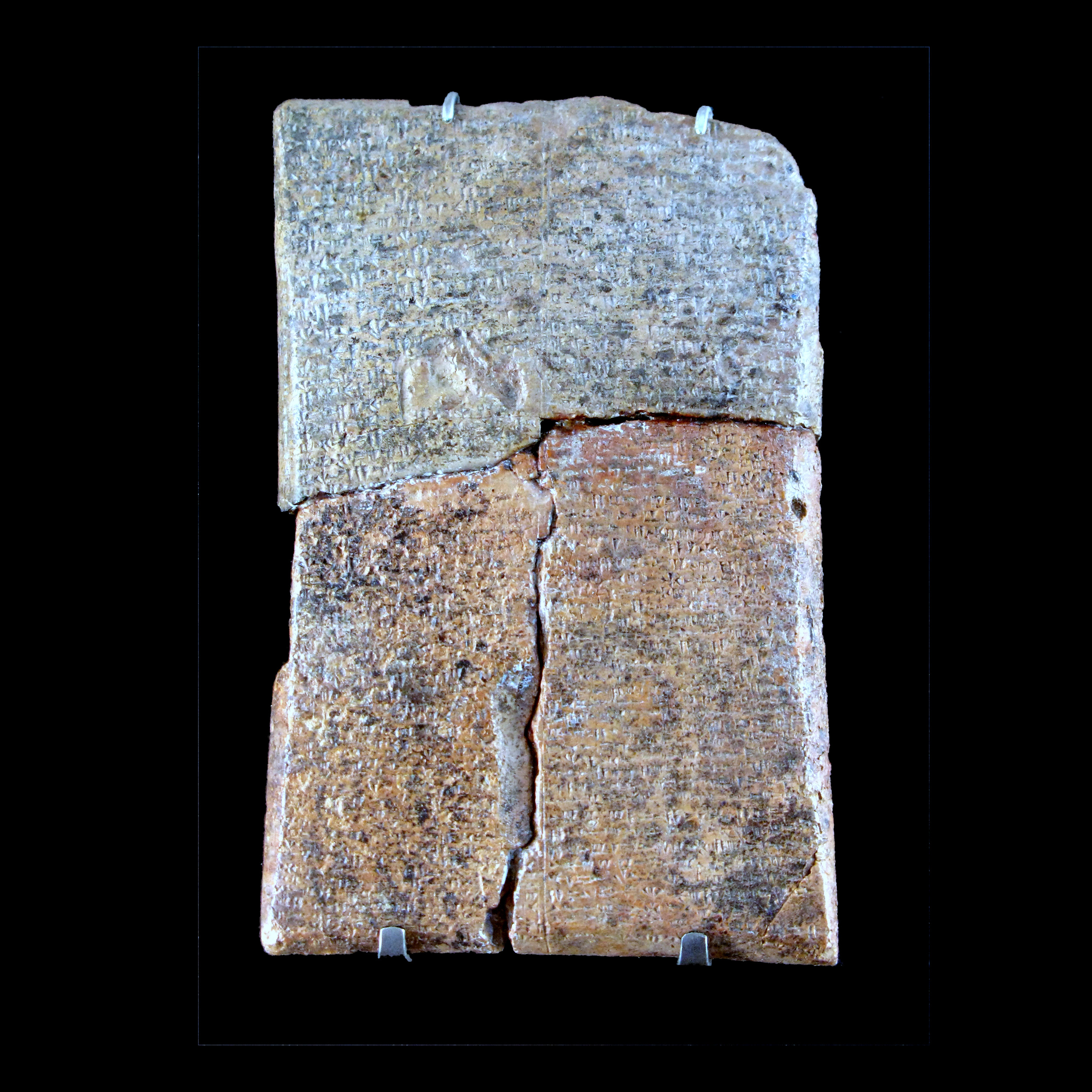
Third tablet of the Tale of Aqhat, KTU 1.19, Louvre AO 17323, from Ras Shamra; museum dating 1400–1200 BCE. This is not the first tablet, KTU 1.17, with its damaged colophon
Texto antigo
Ugaritic poetic narrative in three tablets about Aqhat, Danel’s son; attribution to Ilimilku relies on comparison, with his name restored in a damaged colophon.
Variantes do nome: Tale of Aqhat
Contexto e fontes →
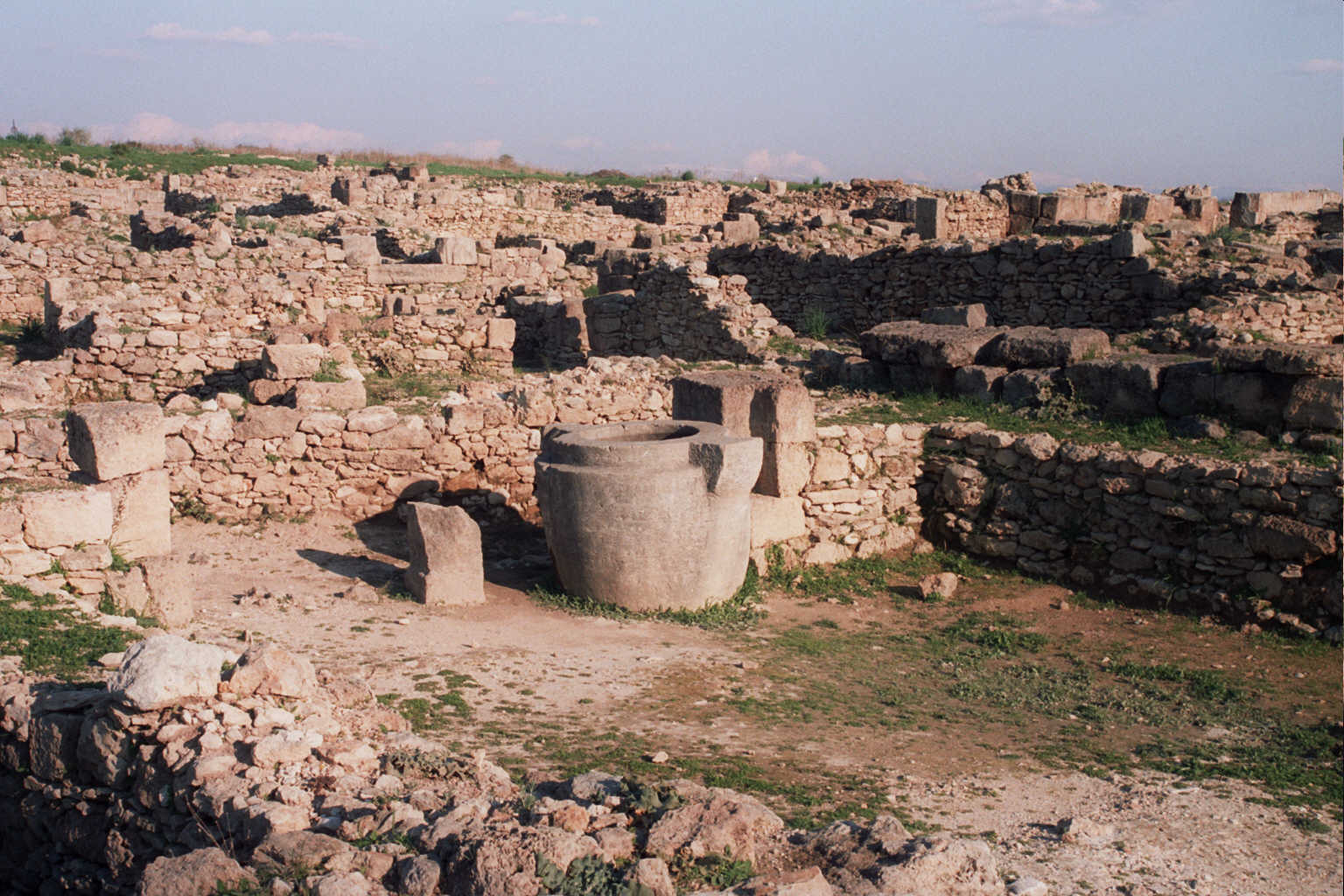
Ruins of Ugarit at Ras Shamra, photographed by Loris Romito on a 2005 trip. Context for the site that preserved the Kirta tablets, not the hero’s palace or an identified findspot; not every visible structure is dated here to the text’s writing
Texto antigo
Ugaritic poetic narrative in three tablets about King Kirta, his family and a vow; KTU1.16 names Ilimilku, without proving he invented all its traditions.
Variantes do nome: Tale of Kirta
Contexto e fontes →
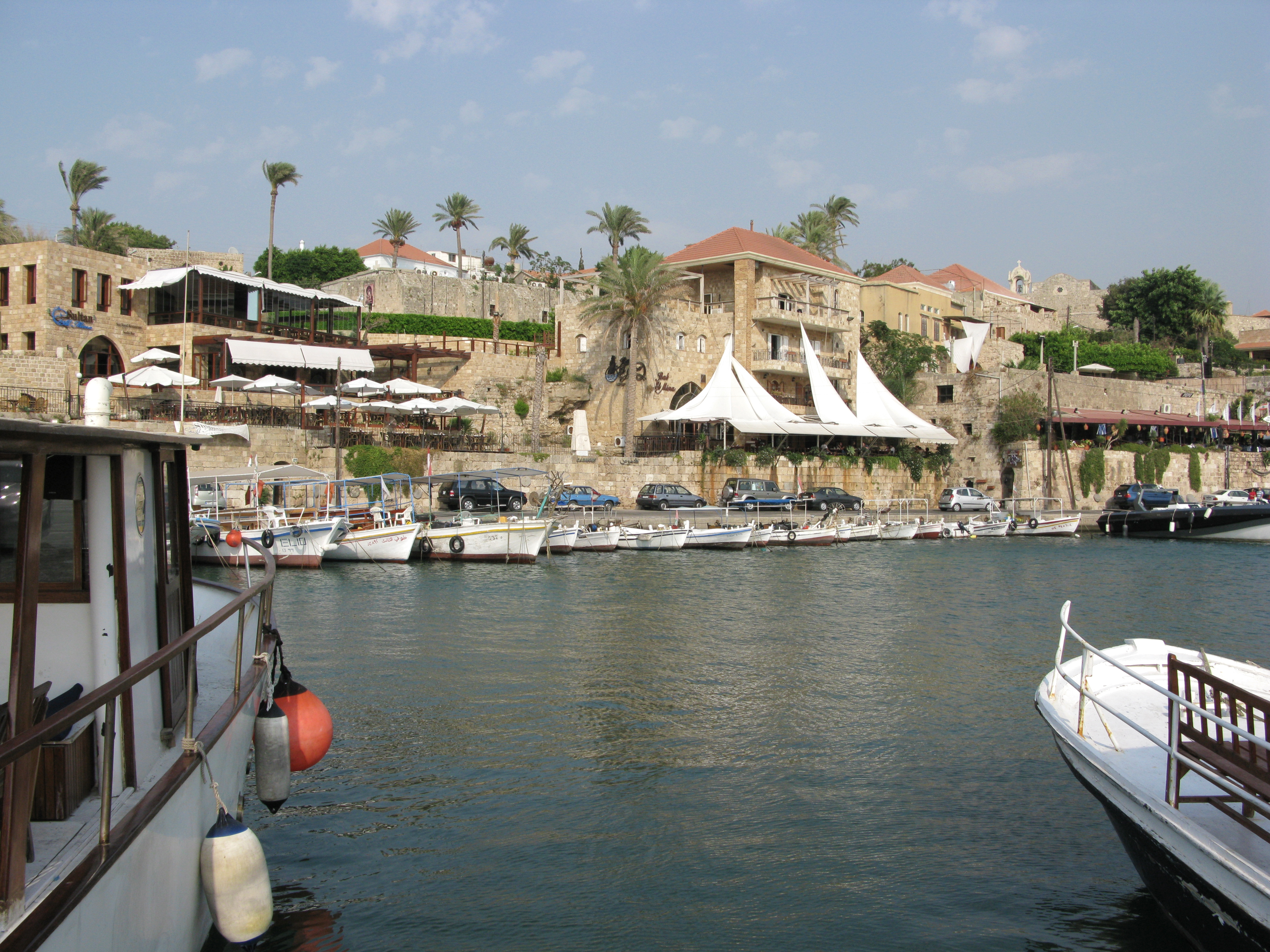
The harbour of Byblos, Lebanon, photographed on 4 September 2008. This modern view offers an example of the Levant’s Mediterranean coast. The region extends beyond this city, and its boundaries vary with period and context
Sítio
The Levant is a regional name for lands along the eastern Mediterranean
Variantes do nome: Levant, the Levant
Contexto e fontes →

Modern conceptual cover: offering bowl, smoke and a luminous bow above receding waters. Generated in 2026; neither an ancient artifact nor a depiction of a documented event
Entidade
Genesis’s covenant with Noah, descendants and animals: promised in 6:18 and proclaimed in 9:8–17, assuring no flood will again destroy all flesh, with the cloud-bow as its sign.
Variantes do nome: Noahic covenant, covenant with Noah, covenant of the bow
Contexto e fontes →
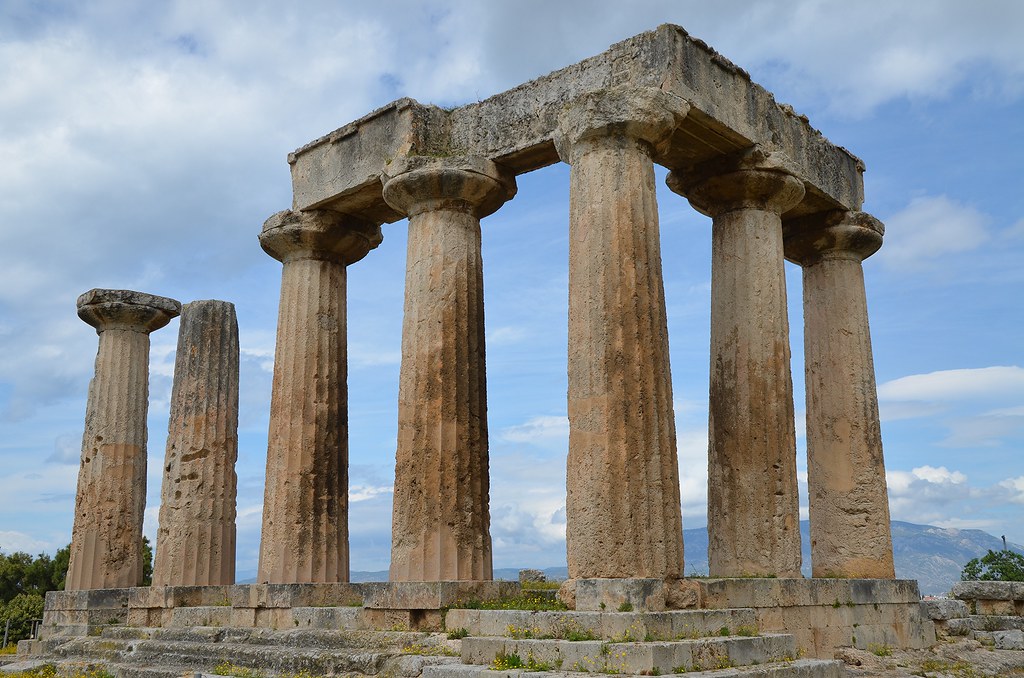
Temple of Apollo at Corinth, about540 BCE; photographed19 April2014. Greek architecture predating Paul’s first-century CE letters; a view of the site, not a depiction of the addressed community
Sítio
Corinth was an ancient Greek city with a strategic position between central Greece and the Peloponnese.
Variantes do nome: Ancient Corinth
Contexto e fontes →

Modern conceptual illustration of an offering on newly dried ground beneath an arc of light; neither an artifact photograph nor a reconstruction of a documented event. © IL Archive, CC0
Entidade
Rēaḥ nîḥōaḥ is a Hebrew expression for the pleasing odor of a burned offering presented to YHWH. Later interpretations associate it with acceptance; the phrase alone does not settle whether divine-food language is literal or symbolic.
Variantes do nome: pleasing aroma, soothing aroma, rēaḥ nîḥōaḥ
Contexto e fontes →
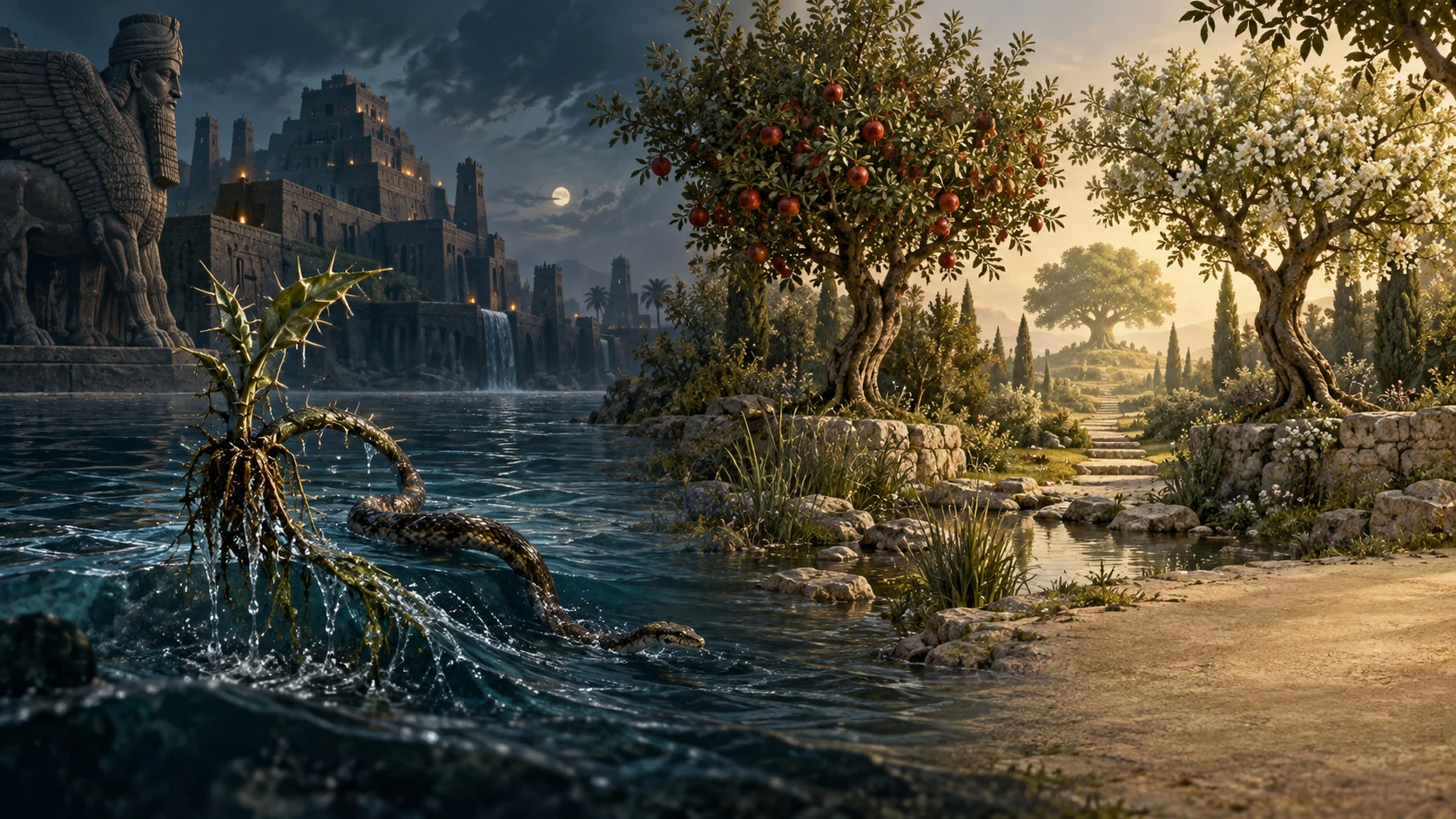
Modern conceptual illustration juxtaposing Gilgamesh’s water-borne plant with two trees in Genesis’s garden. It depicts no excavated artifact and does not establish identical stories. © IL Archive, CC0
Entidade
A thorny plant that Gilgamesh retrieves in Tablet XI and plans to test for rejuvenation, before a snake carries it away and sheds its skin. The account separates the narrative from interpretations of eating and immortality and cautiously compares the trees of Eden.
Variantes do nome: Gilgamesh’s rejuvenating plant, Gilgamesh’s plant
Contexto e fontes →
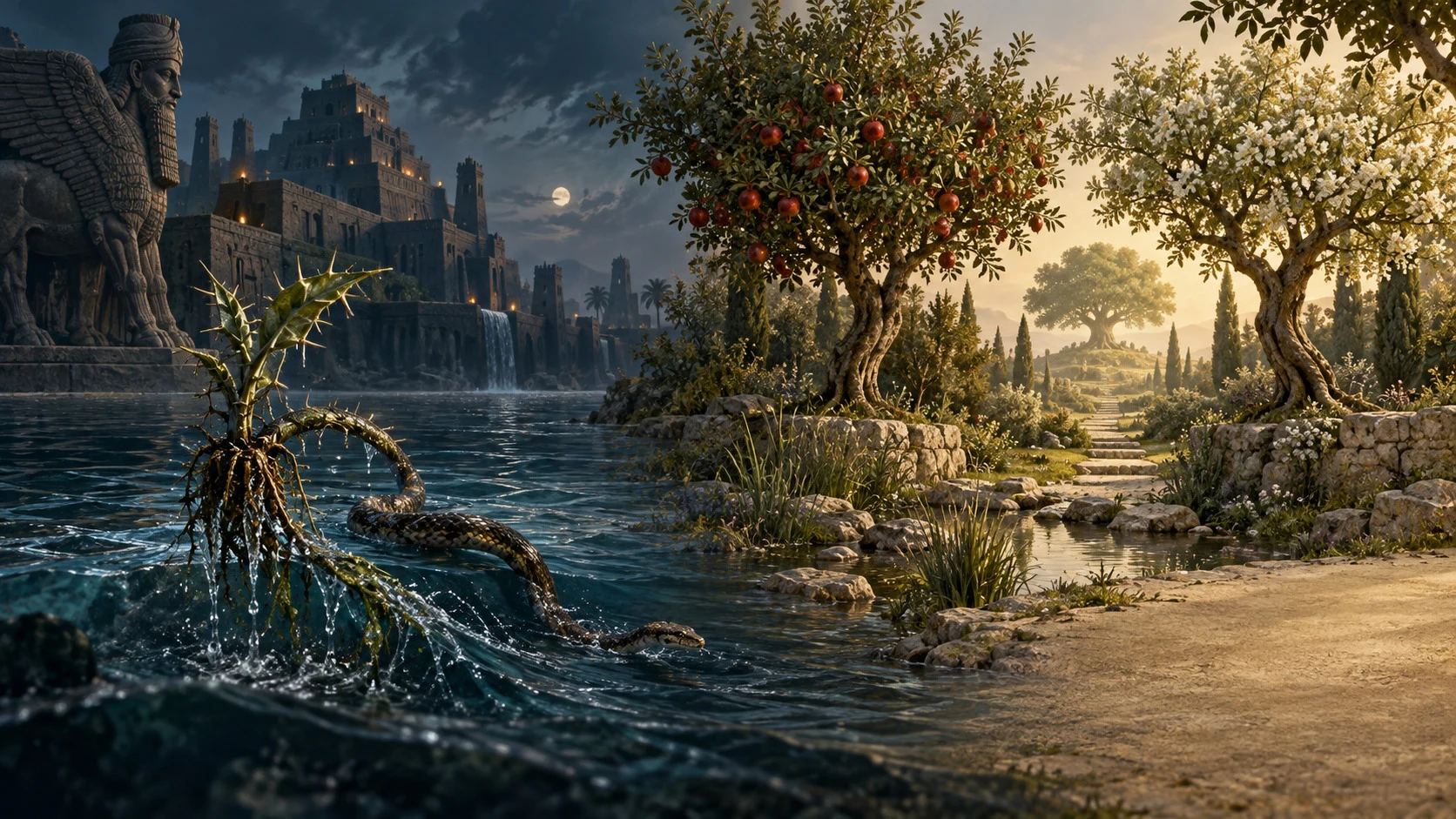
Modern interpretive illustration juxtaposing Gilgamesh’s water-borne plant and two trees in the Genesis garden. It is neither an excavated object nor a documented historical reconstruction, and it does not establish transmission between the stories
Entidade
A tree in the garden of Genesis 2–3, distinct from the tree of knowledge. After the forbidden fruit is eaten, the way to the tree of life is guarded lest humans eat from it and live forever. The text does not identify its fruit or explain precisely how it works.
Variantes do nome: tree of life
Contexto e fontes →
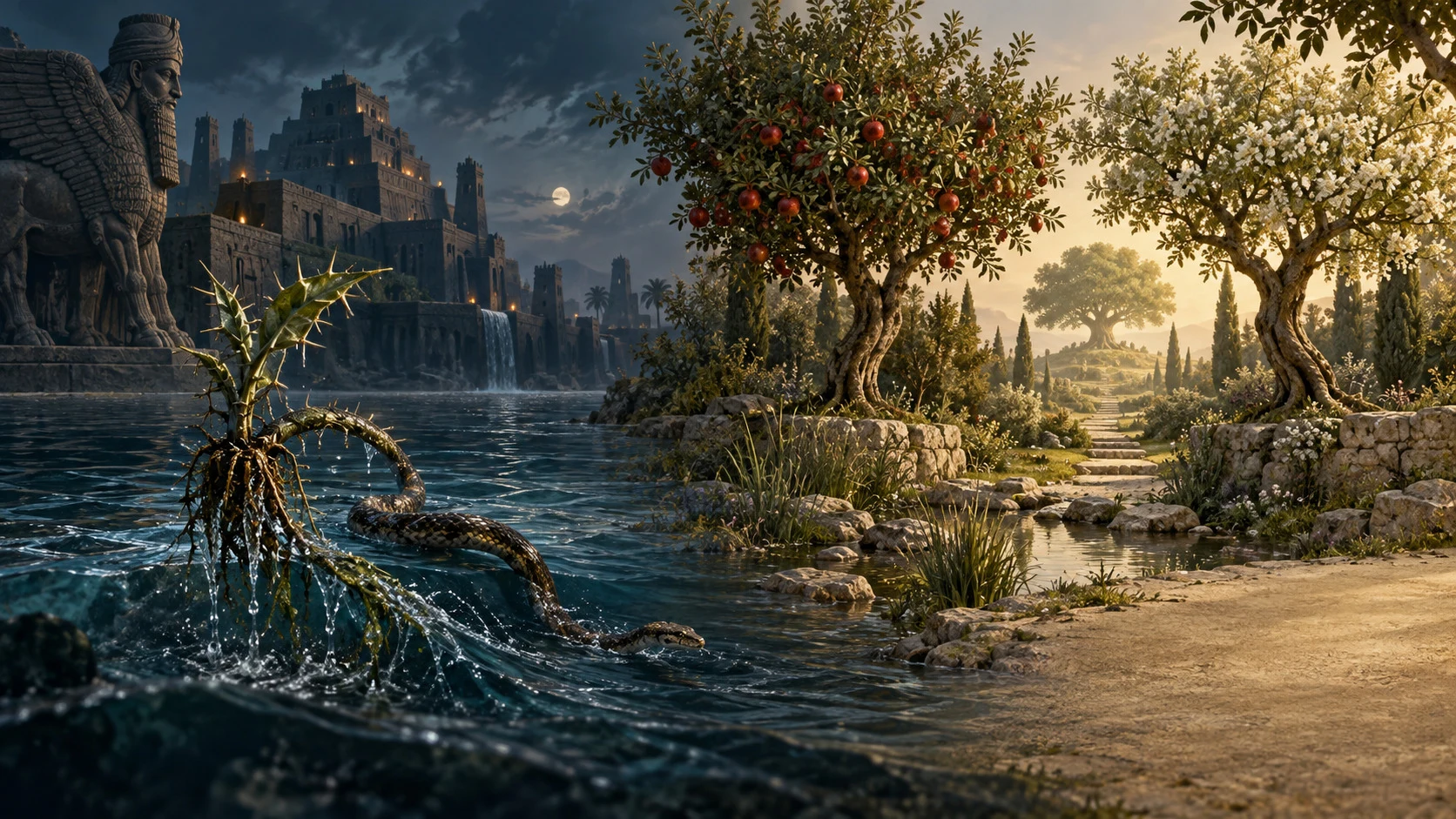
Modern AI-generated conceptual cover (2026): two imagined garden trees beside a water-borne plant recalling Gilgamesh. Coloured fruit and buildings are imaginative, not a botanical identification, an archaeological reconstruction, or proof of literary borrowing. © IL Archive, CC0
Entidade
The tree prohibited in Genesis 2:17 and eaten from in Genesis 3, narratively distinct from the tree of life; its fruit is unidentified.
Variantes do nome: tree of the knowledge of good and evil
Contexto e fontes →
Pessoa
Named translator of the 1888 English edition of Paulus Cassel's Esther commentary.
Variantes do nome: Aaron Bernstein (translator of Cassel)
Contexto e fontes →
Pessoa
Semitic-languages and Hebrew Bible scholar; Regius Professor of Hebrew at Cambridge.
Variantes do nome: Aaron J. Koller
Contexto e fontes →
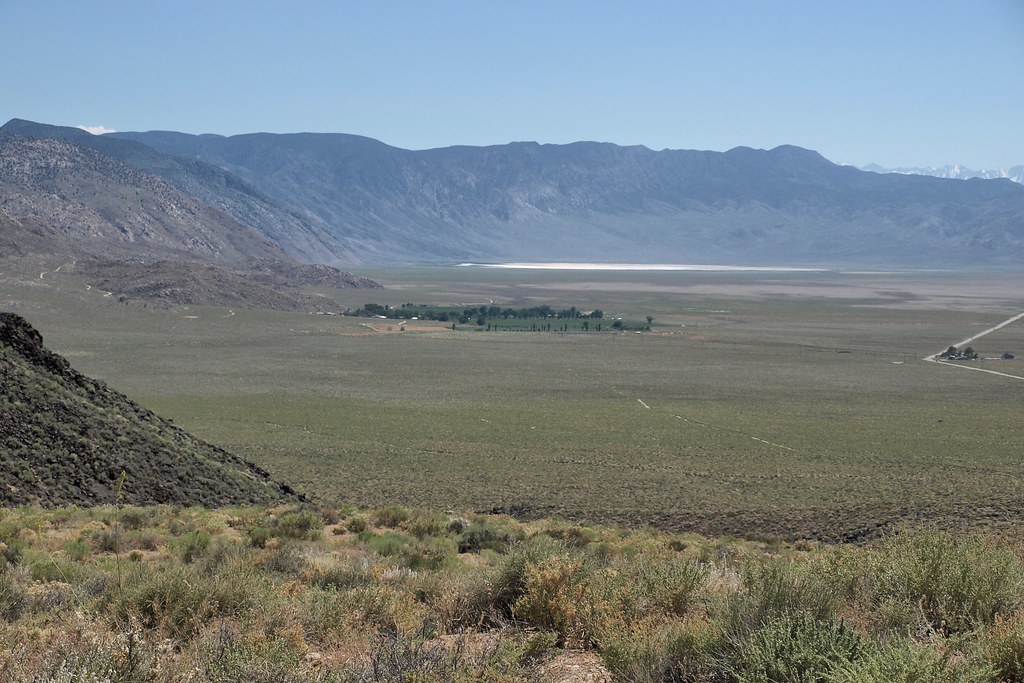
Deep Springs College and its valley in California, photographed in 2017. A view of an institution where Tugendhaft taught, rather than his portrait
Pessoa
Scholar of the ancient Near East and the relationship between religion, politics and the arts.
Variantes do nome: Aaron Tugendhaft
Contexto e fontes →
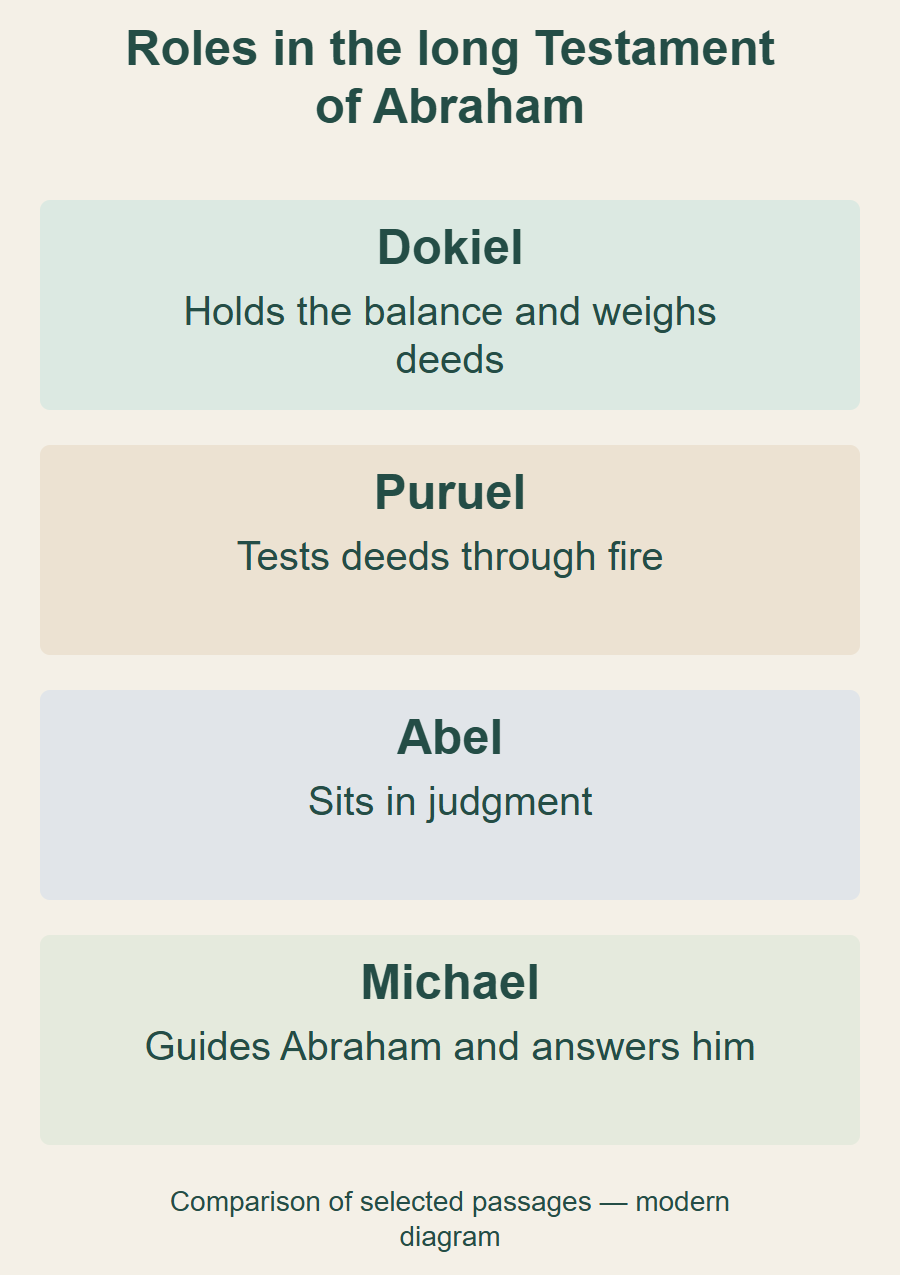
Modern chart of the long Testament of Abraham: Abel judges, Dokiel weighs, Puruel tests by fire and Michael guides Abraham; not ancient likenesses
Pessoa
Abel is Adam’s son and Cain’s brother in Genesis, and the judge in the long Testament of Abraham.
Variantes do nome: Abel
Contexto e fontes →
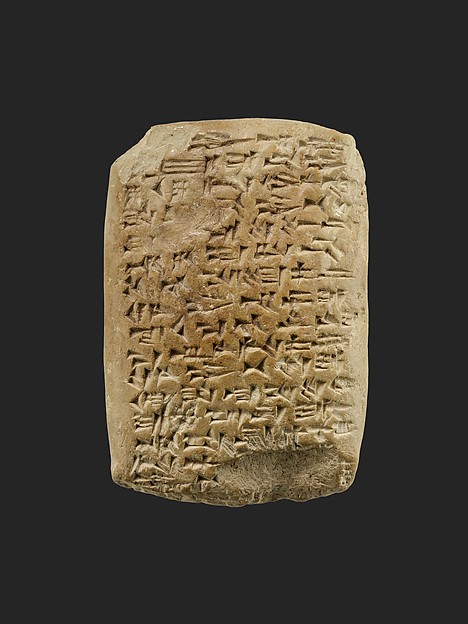
Akkadian letter from Abi-milku, ruler of Tyre, to the Egyptian king, preserved on a clay tablet from the Amarna archive. The Met dates it to about 1347–1330 BCE; object 24.2.12
Pessoa
Abi-milku was a fourteenth-century BCE ruler of Tyre, known from letters to Egypt’s king
Variantes do nome: Abi-milku, Abimilki
Contexto e fontes →
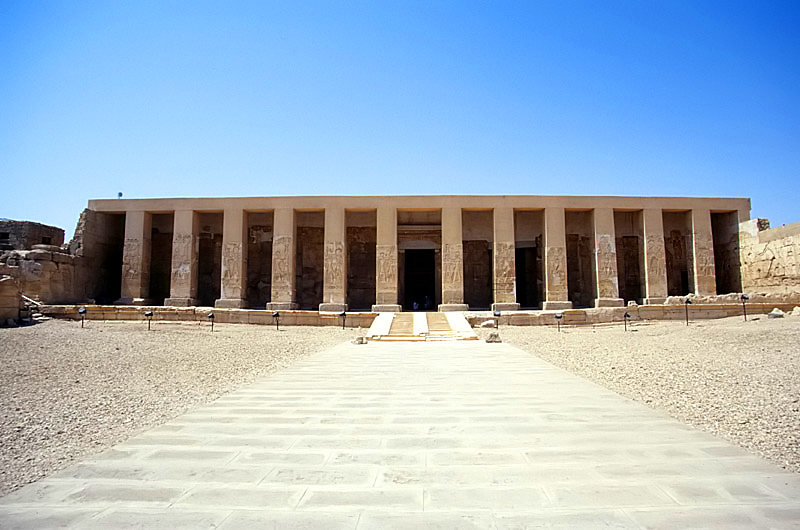
Façade of Seti I’s temple at Abydos, photographed by Roland Unger, 24 August 2000. A site photograph, not portable shrine CG 70041 used in the curtain study
Sítio
Ancient Upper Egyptian site associated with royal burials and the cult of Osiris.
Variantes do nome: Abydos in Egypt
Contexto e fontes →
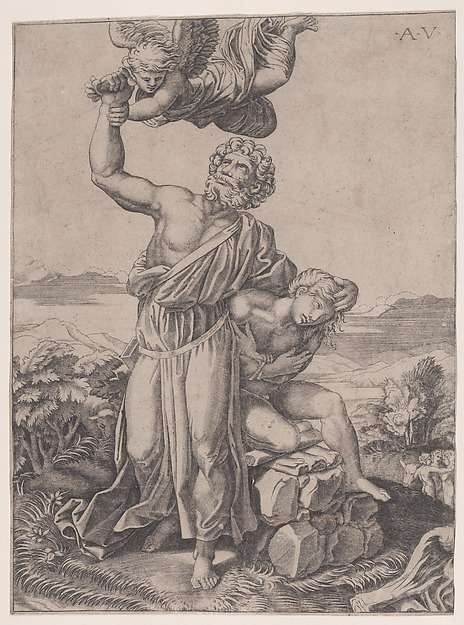
Agostino Veneziano's engraving Abraham's Sacrifice, 1516–18, The Met 17.50.16-80. Later European artistic reception, not a historical likeness
Pessoa
Central figure in Genesis, the Qur'an and Jewish, Christian and Islamic traditions; the sacrifice study compares what each text says about him.
Variantes do nome: Abram, Ibrahim
Contexto e fontes →
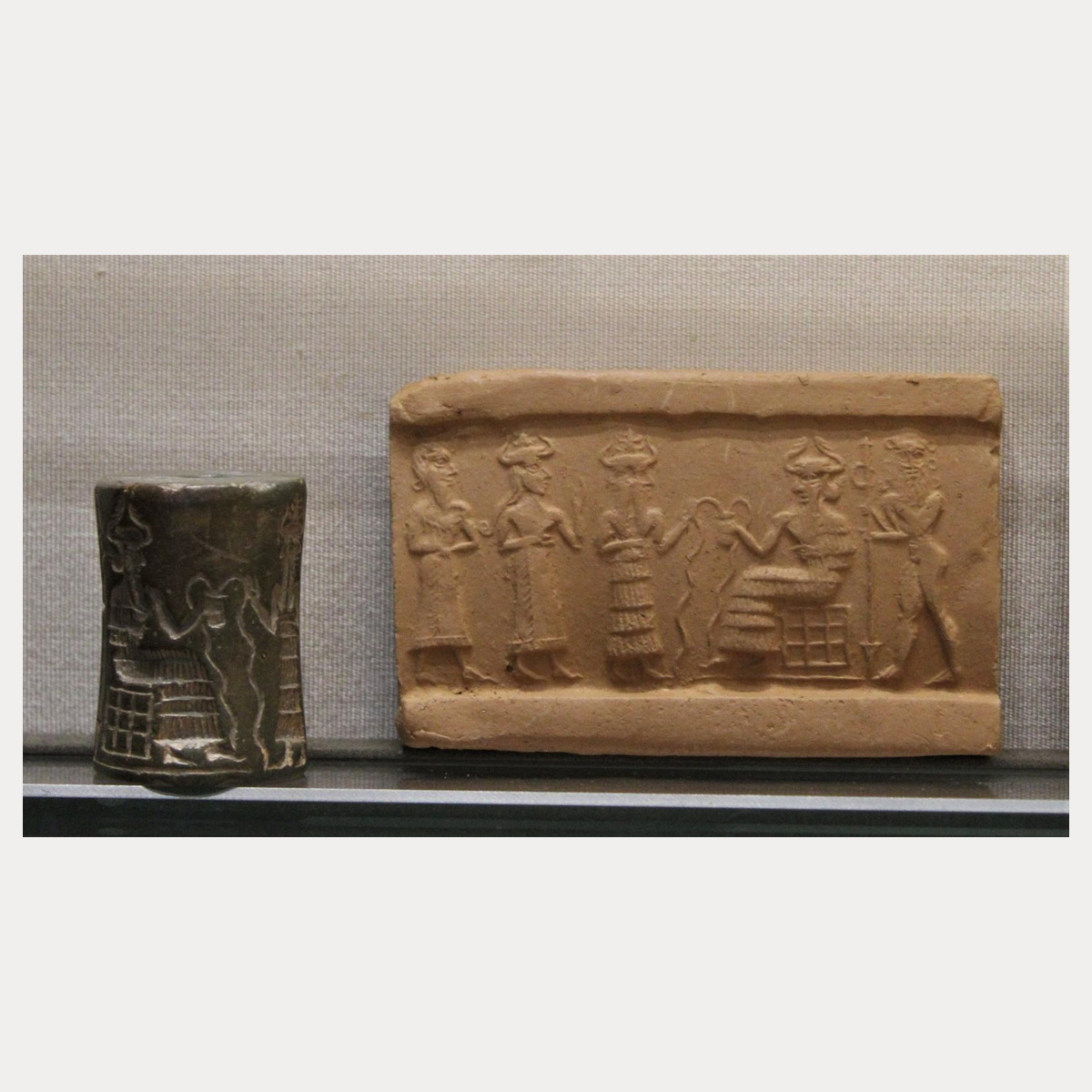
Modern square framing of an Akkadian seal and its modern impression, Louvre MNB 1905 (c. 2340–2200 BCE). The photograph is uncropped within a neutral margin; this is not an image of the Abzu itself
Entidade
Cosmic subterranean freshwater in Mesopotamian religion, associated with Enki/Ea. The name occurs in E-abzu, “House of the Abzu”, at Eridu. Distinct from the narrative figure Apsû in the Enūma eliš and unnamed excavated structures.
Variantes do nome: Abzu
Contexto e fontes →
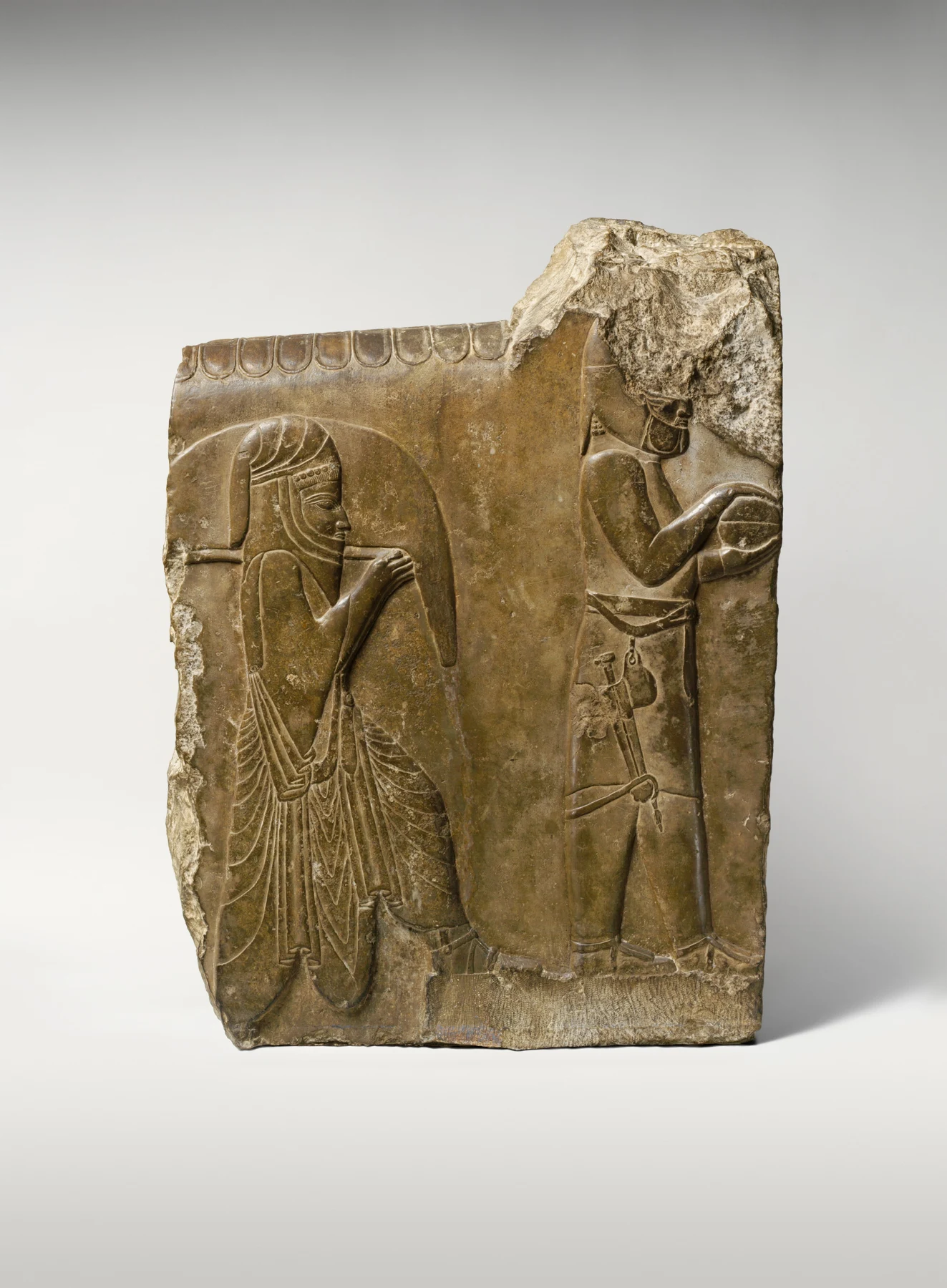
Limestone relief of two servants carrying food and drink, Persepolis, ca. 358–338 BCE, under Artaxerxes III. Metropolitan Museum, 34.158, public-domain photograph. Evidence for the representation of banquet service, not Esther, Haman or a banquet of Xerxes
Entidade
Six units (A–F) embedded in Greek Esther: Mordecai’s dream and its meaning, two royal edicts, two prayers and Esther’s audience. Hebrew and Greek comparisons reveal variant forms and the limits of historical inference.
Variantes do nome: Greek Esther additions, Greek Additions to Esther
Contexto e fontes →
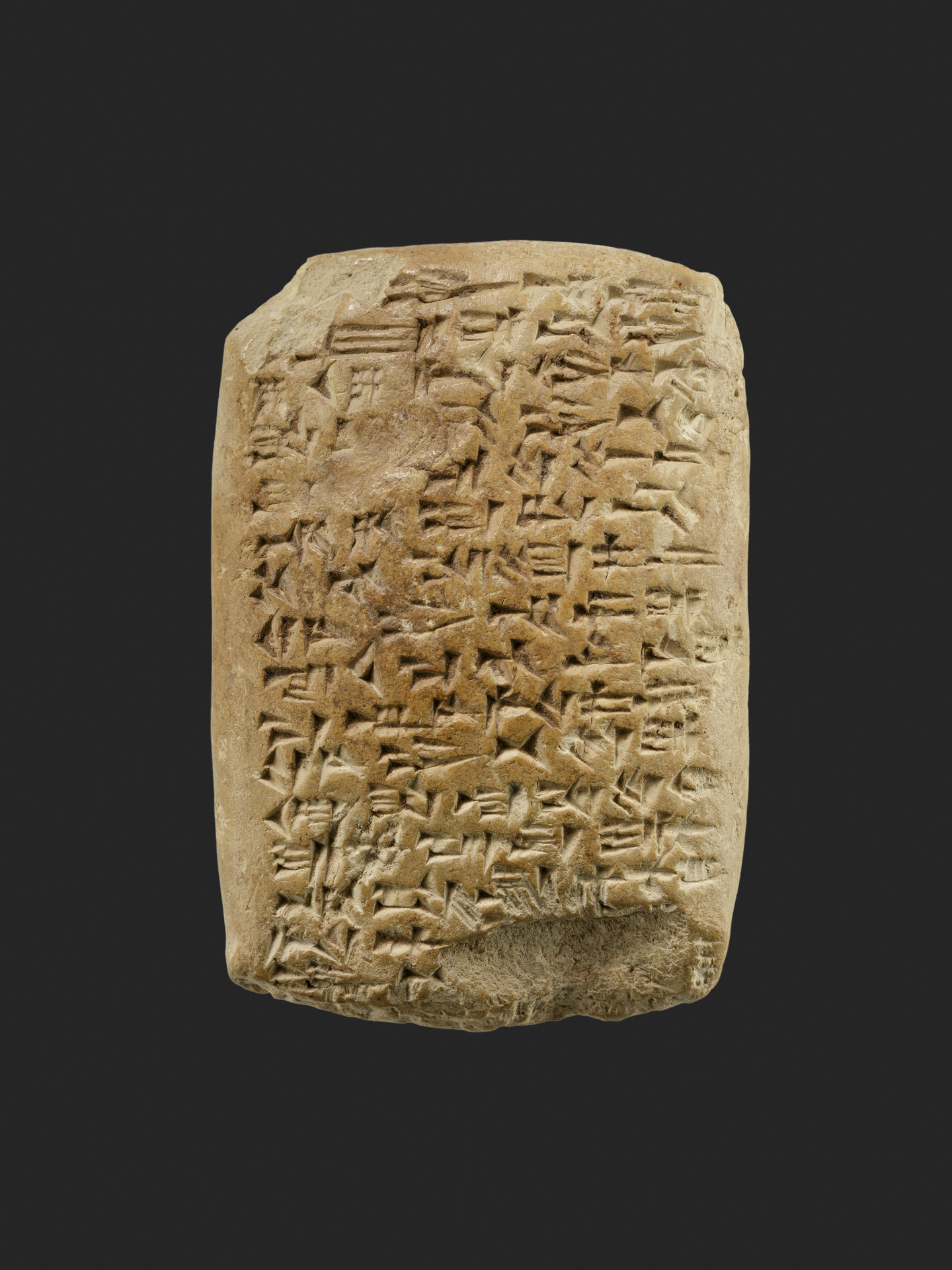
Clay tablet bearing an Akkadian cuneiform letter from Abi-milku, ruler of Tyre, to the Egyptian king; discovered at Amarna, ca. 1347–1330 BCE. The Met, 24.2.12. Evidence of diplomatic writing, not of everyone’s spoken language
Entidade
An ancient East Semitic language written in cuneiform from the third millennium BCE; its varieties include Babylonian and Assyrian, and it served in international diplomacy.
Variantes do nome: Akkadian
Contexto e fontes →
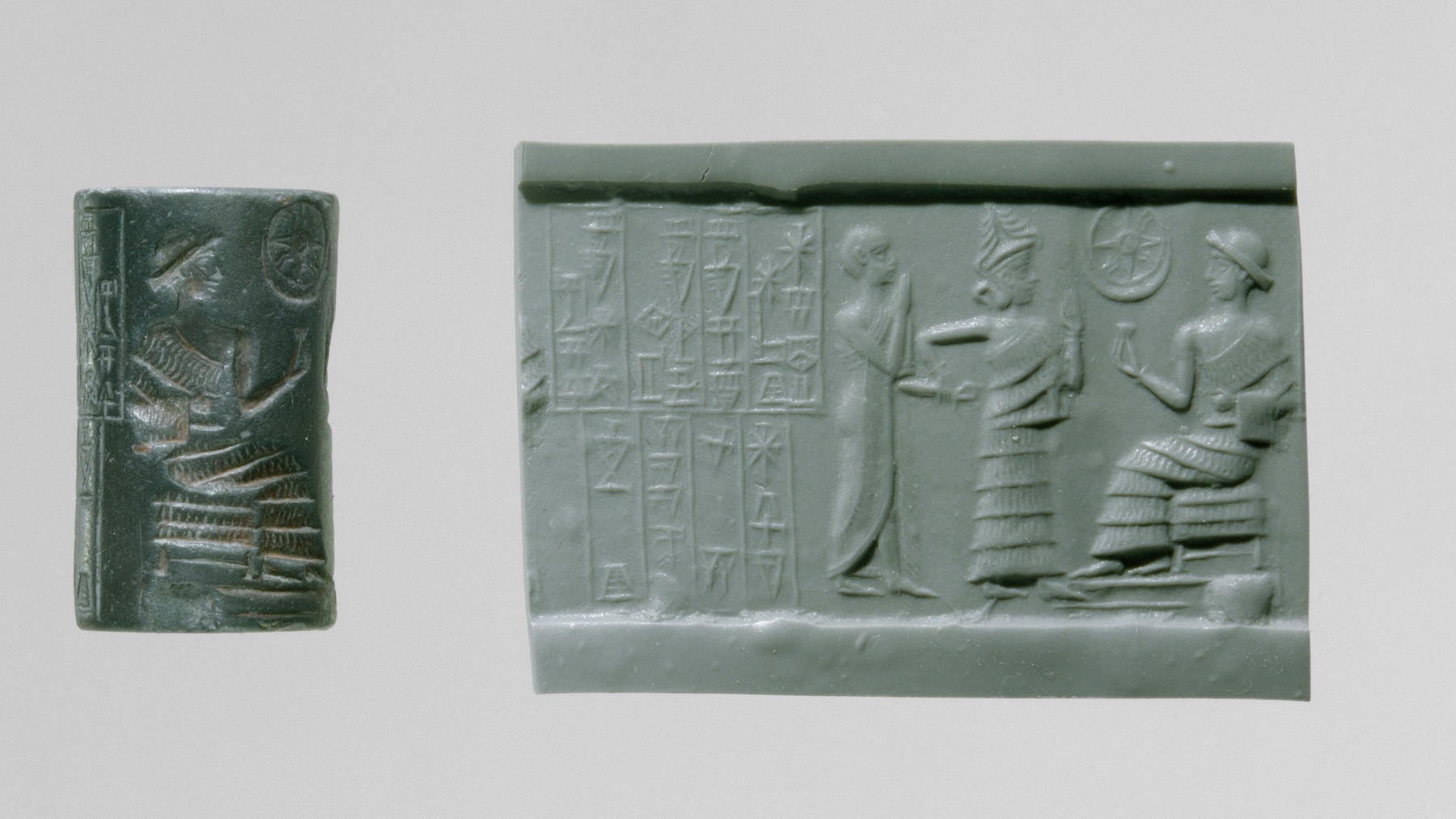
Ur III cylinder seal and modern impression (ca. 2028–2004 BCE; The Met, 1988.380.2). Its inscription names the owner Ilum-bani; it is not an identified depiction of the god El
Entidade
An Akkadian common noun meaning “god”; older case forms include ilum, ilam and ilim. It occurs in personal names but does not by itself identify Ugaritic El.
Variantes do nome: ilu, ilum, ilim
Contexto e fontes →
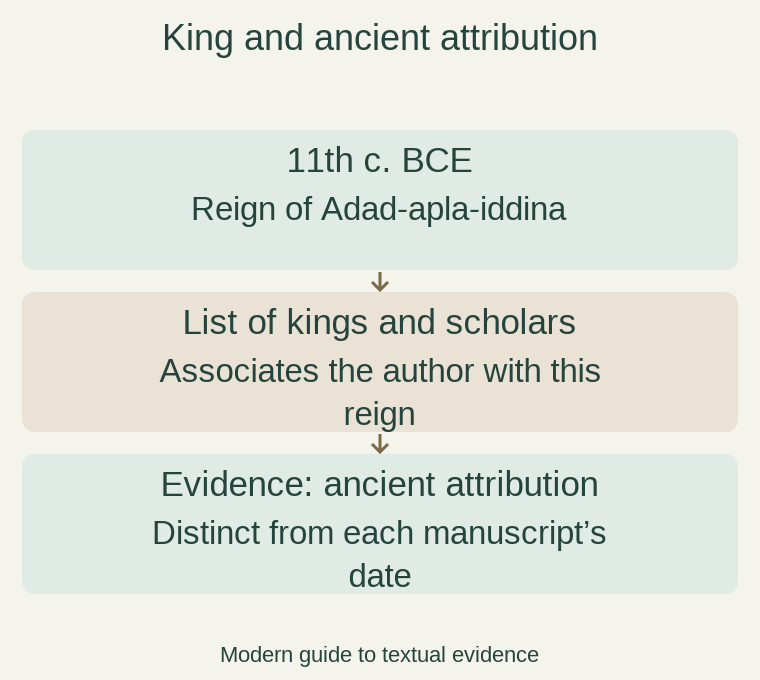
Modern explanation of the evidence: an eleventh-century BCE reign and an ancient list associating the Theodicy’s author with it. Neither king’s portrait nor list facsimile; attribution is distinct from each manuscript’s date
Pessoa
Adad-apla-iddina was an eleventh-century BCE Babylonian king.
Variantes do nome: Adad-apla-iddina
Contexto e fontes →
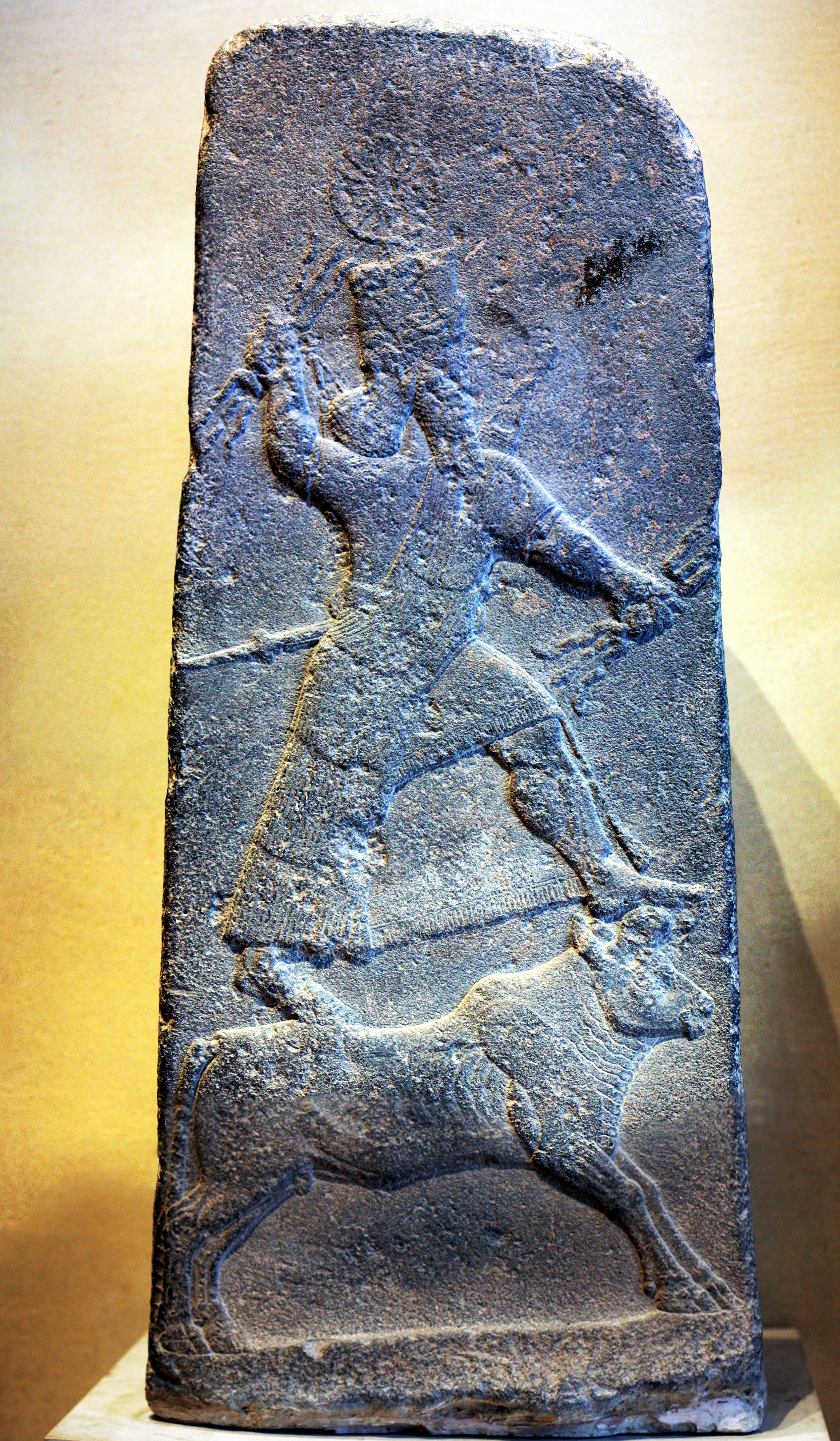
Adad standing on a bull and holding a thunderbolt; stele from Arslan Tash, northern Syria, eighth century BCE, Louvre AO13092. Photograph by Rama, 20 October 2007
Entidade
Adad is the storm god in Mesopotamian traditions, associated with rain, thunder and powers of fertility or destruction.
Variantes do nome: Adad: storm god
Contexto e fontes →
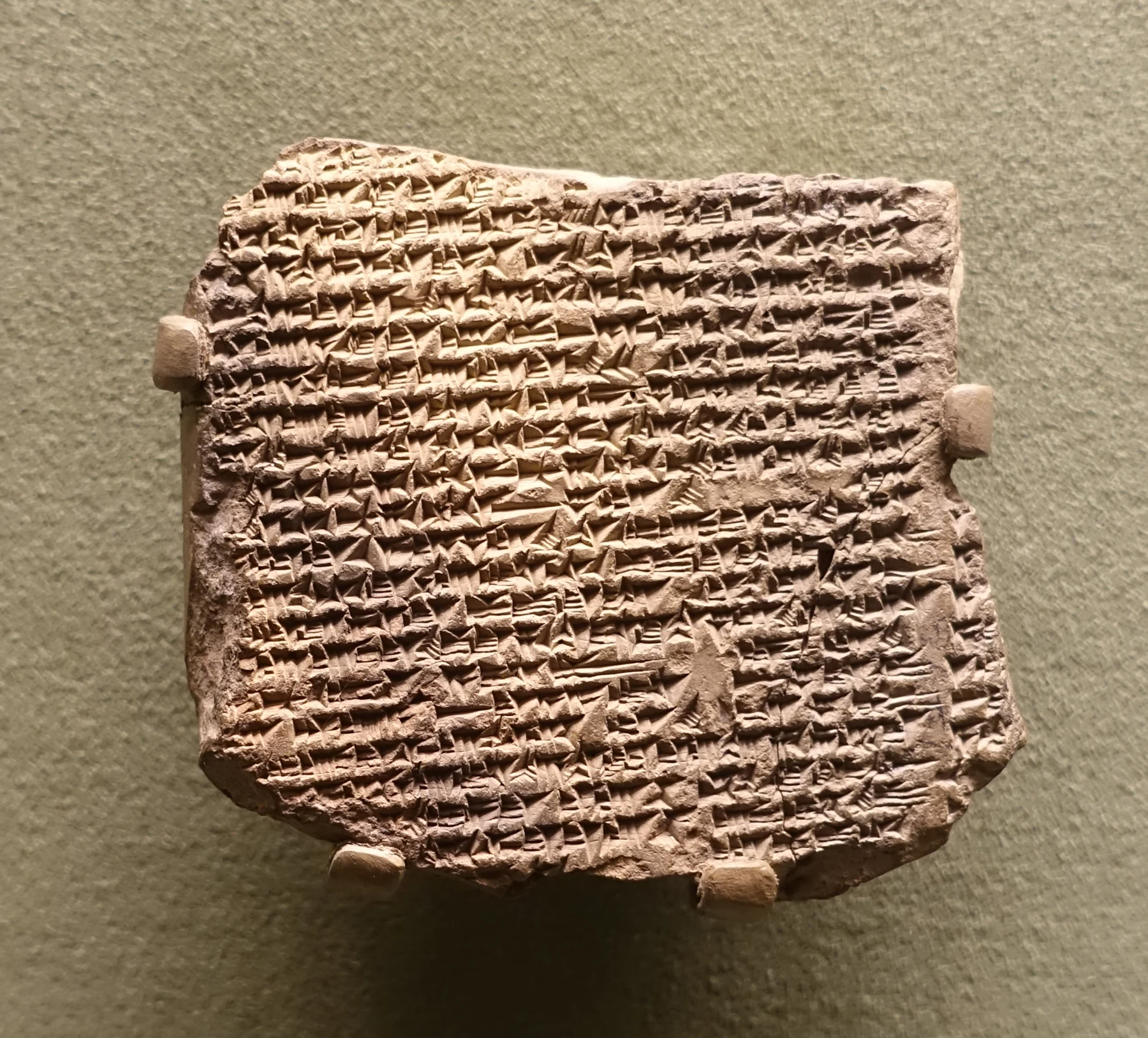
Adapa fragment A, MLC 1296, Neo-Assyrian, about the seventh century BCE, Morgan Library & Museum. Preserves the opening; not Amarna EA 356 or a portrait of Adapa or Adam. Photograph: Daderot, 2020; CC0 1.0
Entidade
Adapa is a sage of Eridu in Mesopotamian tradition, associated with Ea. The South Wind story, audience with Anu, and ritual sources give him distinct roles; they do not establish his identity with Adam or the first human.
Variantes do nome: Adapa
Contexto e fontes →
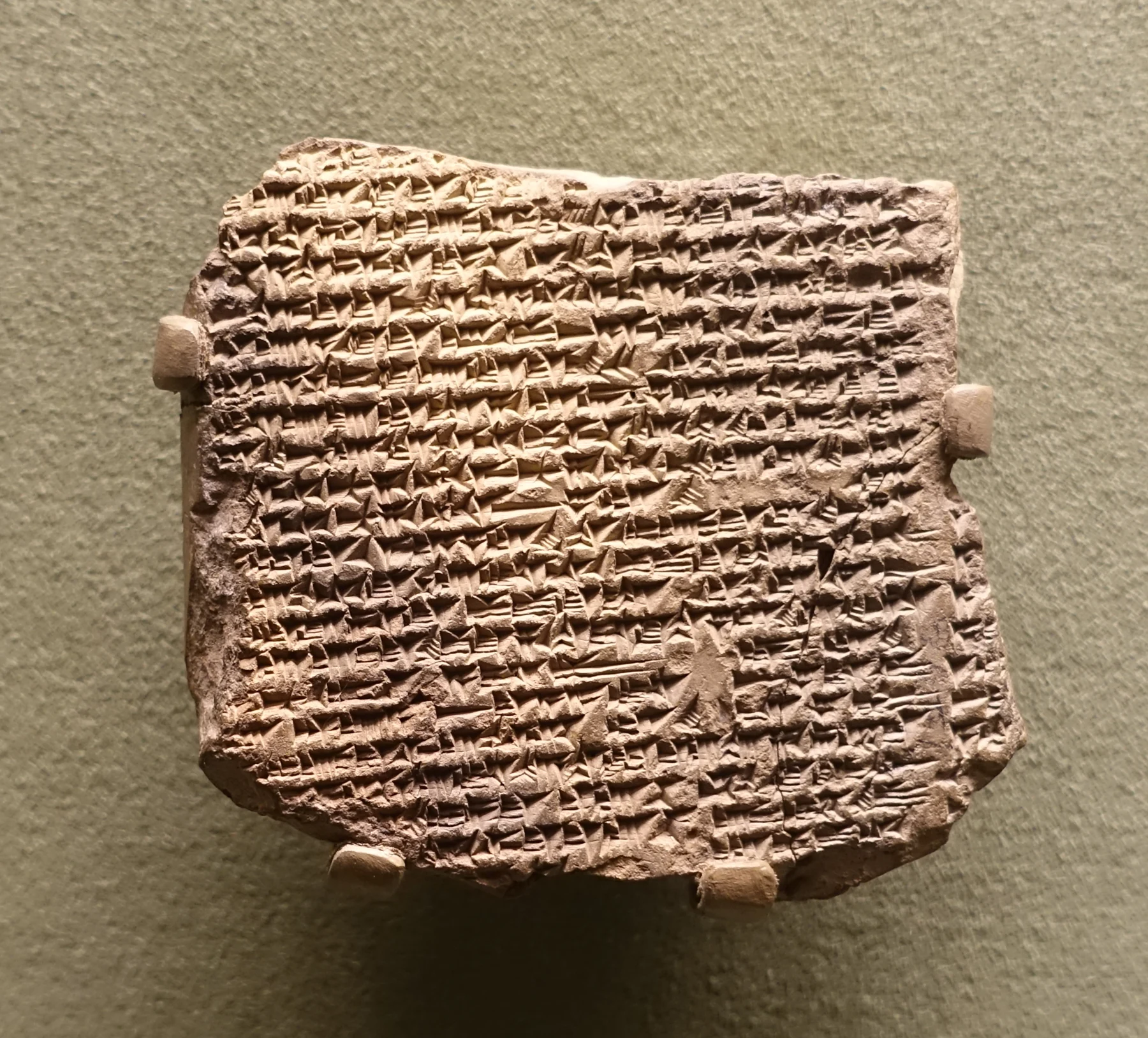
Fragment A of the Adapa narrative, MLC 1296, Neo-Assyrian, approximately seventh century BCE, Morgan Library & Museum. Preserves the opening, not Amarna EA 356 or a portrait of Adapa or Adam. Photographed by Daderot in 2020
Texto antigo
Divergent Sumerian and Akkadian witnesses recount Adapa’s disabling of the South Wind, his ascent and his refusal of life’s food; immortality, Ea’s intentions and the sage’s fate remain debated.
Variantes do nome: Adapa and the South Wind
Contexto e fontes →
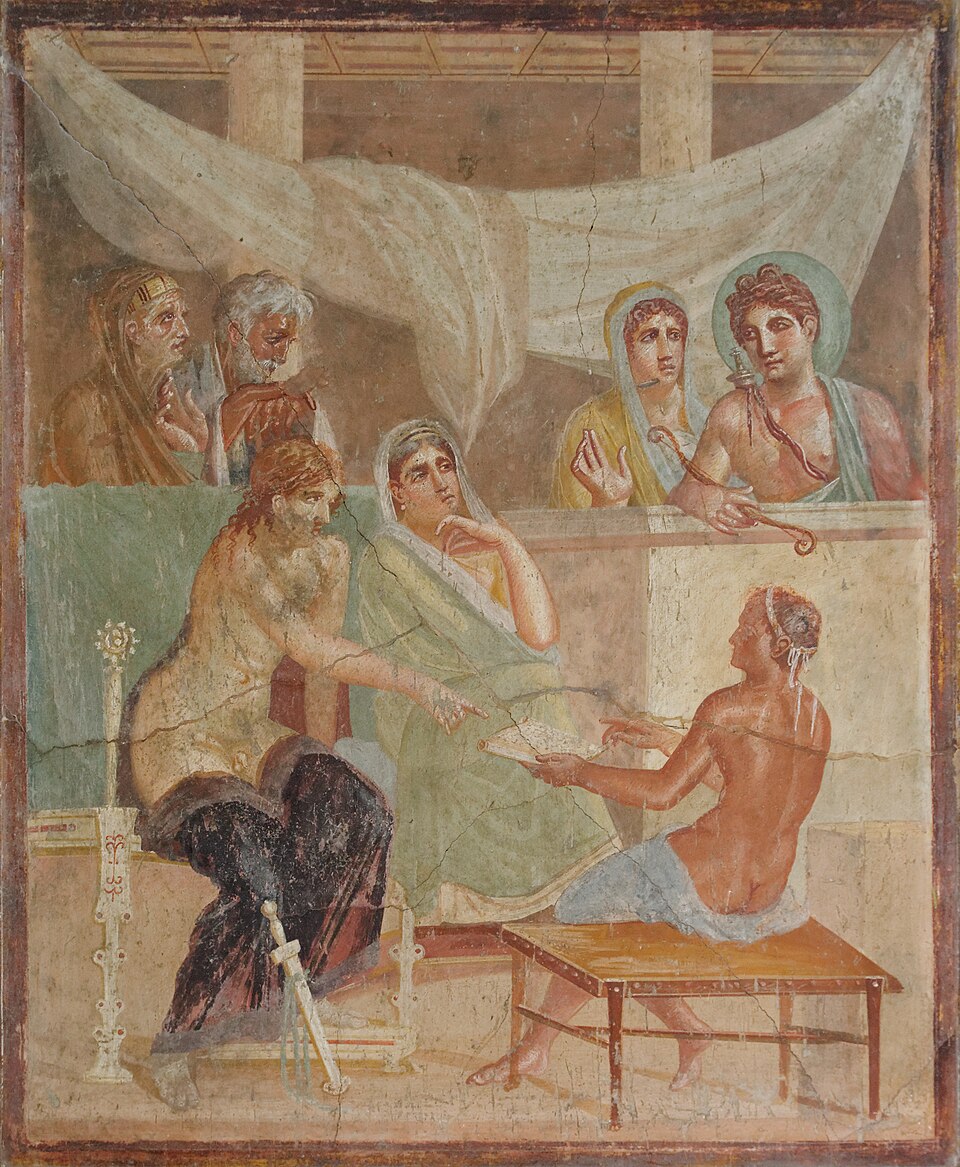
Admetus and Alcestis, first-century CE Roman fresco from the House of the Tragic Poet, Pompeii; Naples Archaeological Museum 9026. Later reception of the story, not a record of the 438 BCE performance. Published 960 px preview
Pessoa
Alcestis’s husband in Greek narrative, allowed to escape death if another person dies for him; his wife accepts the exchange.
Variantes do nome: Admetus in Alcestis
Contexto e fontes →
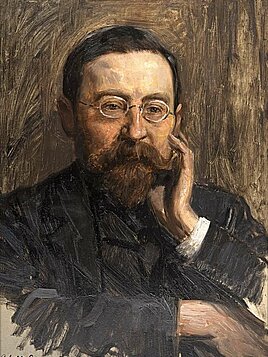
Portrait study of Adolf Erman by William Pape, about 1900–1905, Berlinische Galerie BG-M 12040/12. Detail reproduction published by the Berlin-Brandenburg Academy; historical artwork
Pessoa
Adolf Erman (1854–1937) was a German Egyptologist central to modern study of Egyptian language and its dictionary project.
Variantes do nome: Adolf Erman
Contexto e fontes →
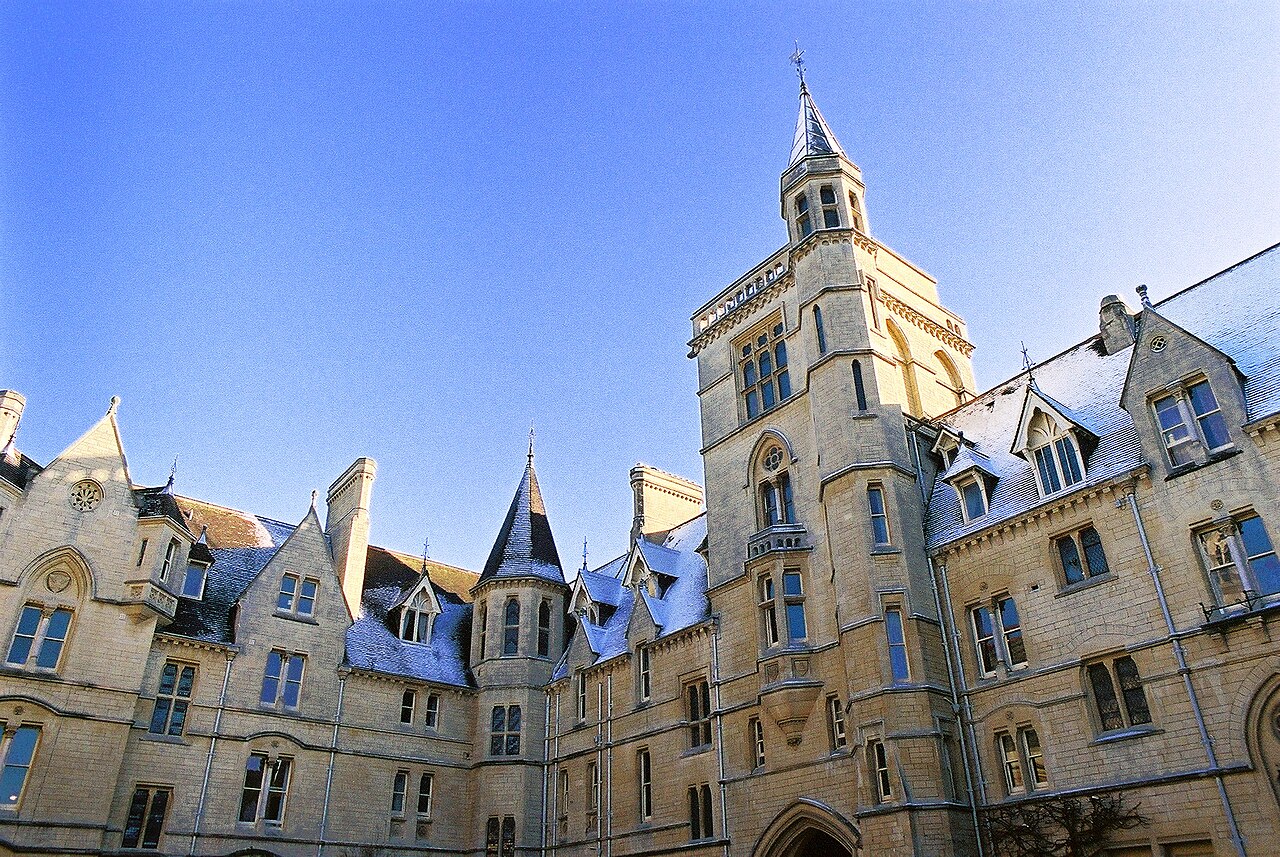
Front quadrangle of Balliol College, Oxford, 21 January 2004. A view of the college associated with Adrian Kelly; it does not establish his position in that year or locate his office
Pessoa
Professor of Ancient Greek Literature at Oxford and Balliol, researching early poetry and the traditions shaping it.
Variantes do nome: Adrian Kelly
Contexto e fontes →
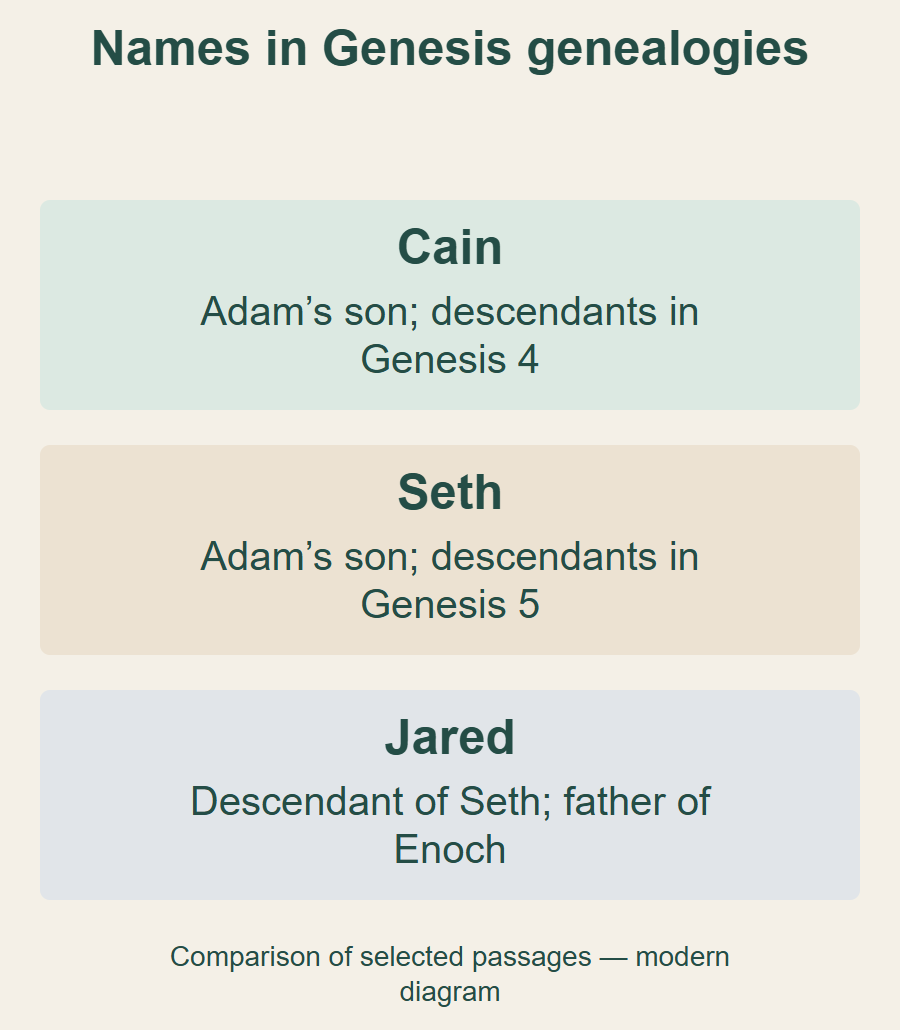
Modern chart of Cain’s and Seth’s branches from Adam and Jared’s position; textual genealogies in Genesis, not historical reconstruction
Pessoa
Adam is a figure in Genesis’s narratives of beginnings, linked with Cain, Seth and Abel.
Variantes do nome: Adam
Contexto e fontes →
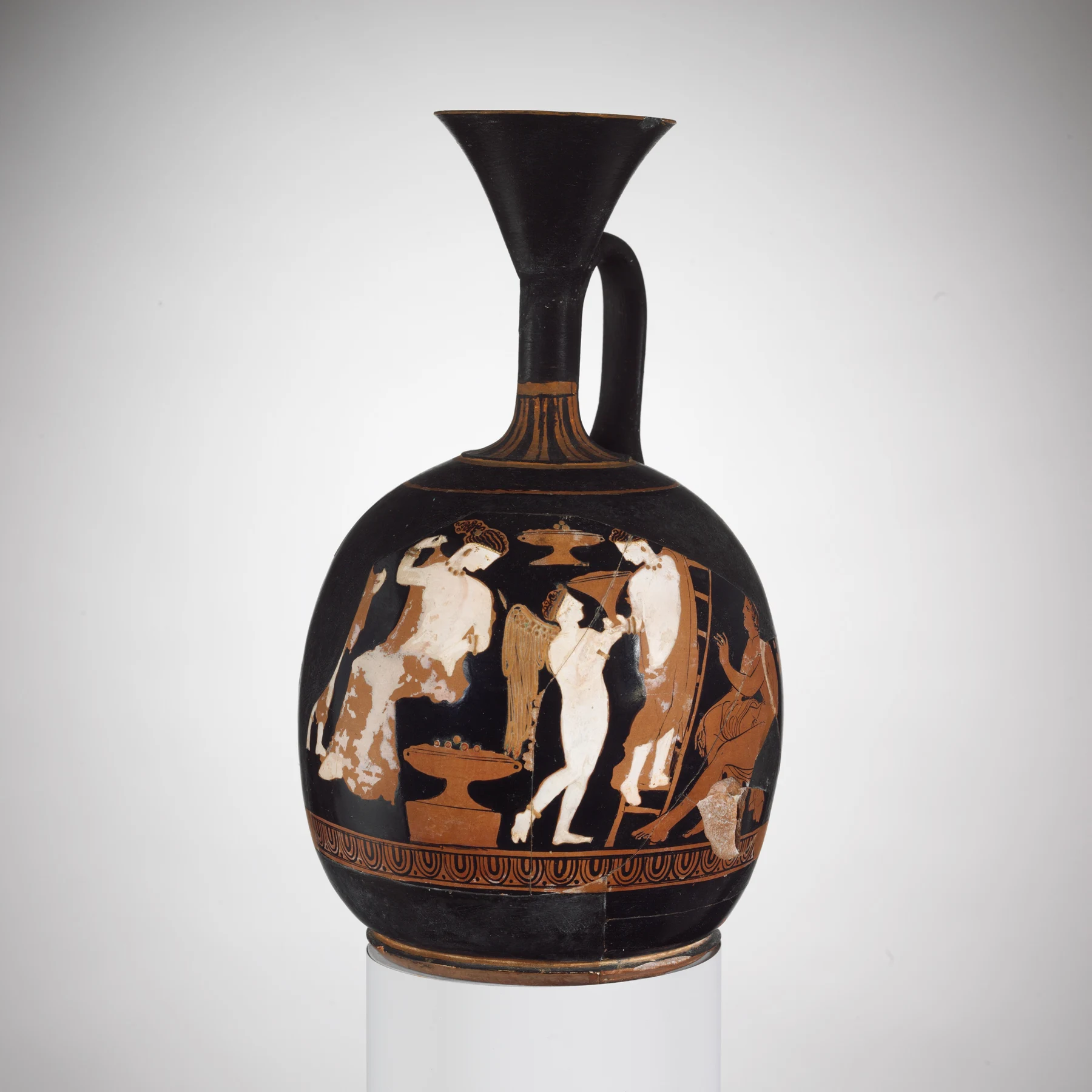
Attic red-figure oil jar, mid-fourth century BCE: a woman on a ladder receives a planter from Eros. The seated man and the other woman may represent Adonis and Aphrodite; both identifications are tentative. The Met, 22.139.26; public-domain image
Entidade
Adonia: a festival associated with Adonis, attested through women’s laments and ephemeral plantings; its surviving descriptions vary among Athens, Alexandria, and Byblos.
Variantes do nome: Adonia, Adonis festival
Contexto e fontes →
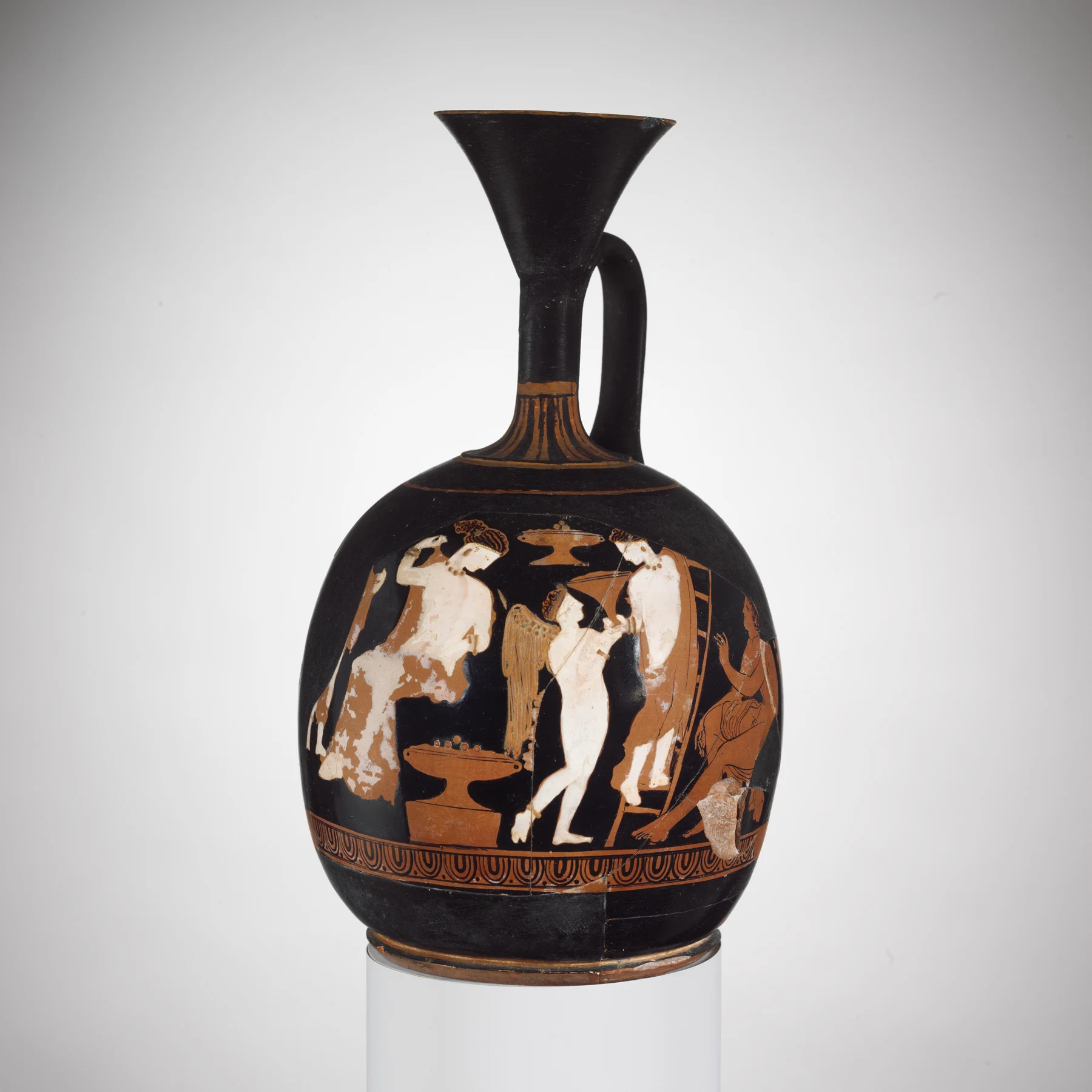
Attic red-figure oil jar, mid-4th century BCE; a woman receives a planter from Eros in a scene associated with the Adonia. Metropolitan Museum, 22.139.26; Public Domain
Entidade
A Greek mythic figure associated with Aphrodite, lament, and the Adonia; ancient sources diverge on his birth, death, divided residence, and ritual return.
Variantes do nome: Adonis
Contexto e fontes →
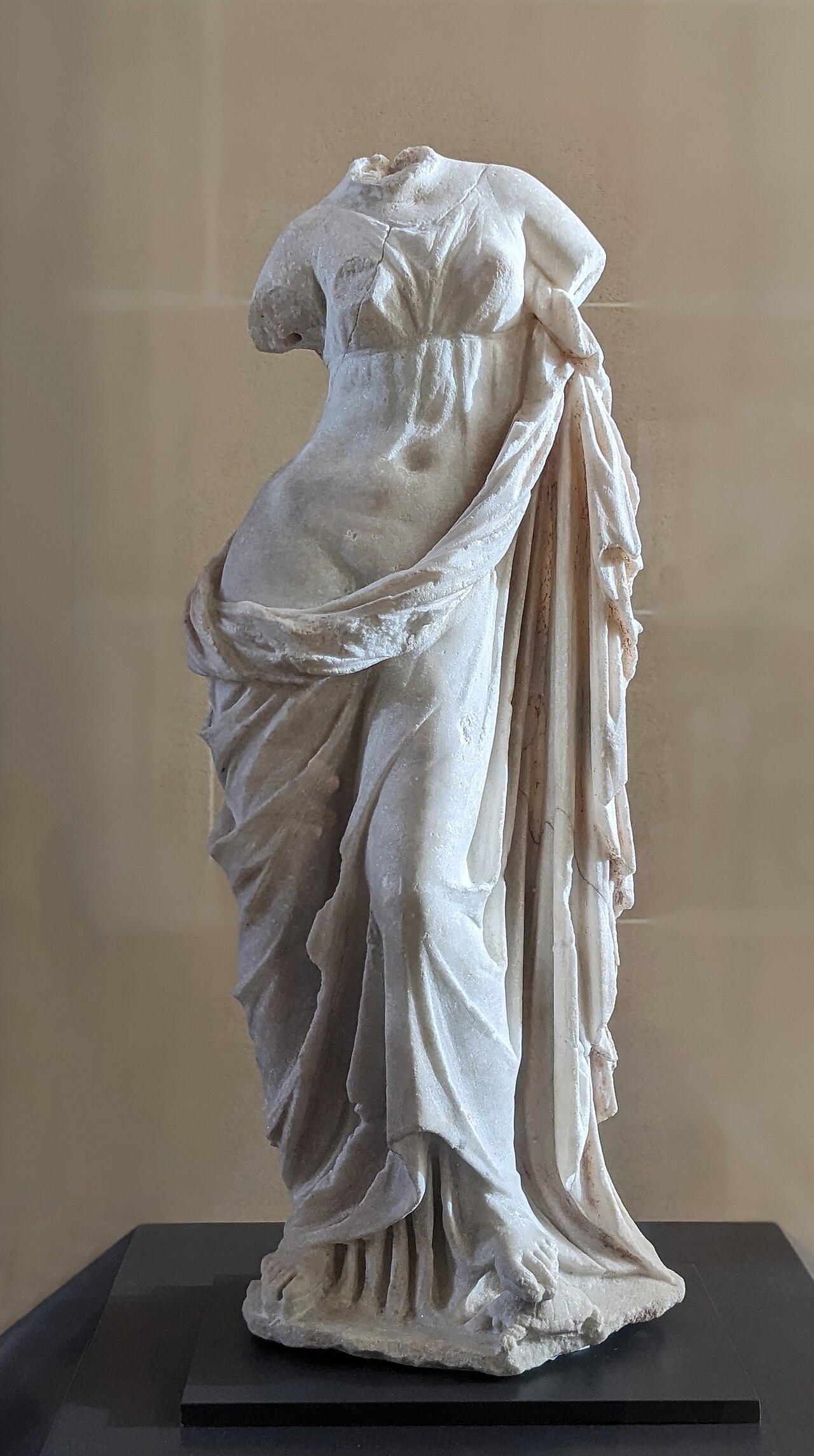
Aphrodite with a Turtle, an incomplete restored statue from Dura-Europos, about the second–third centuries CE, Louvre AO 20126. Shonagon, 5 January 2024; an object later than Hesiod’s poem
Entidade
Greek goddess whose origin Hesiod relates to foam after the assault on Ouranos.
Variantes do nome: Aphrodite
Contexto e fontes →
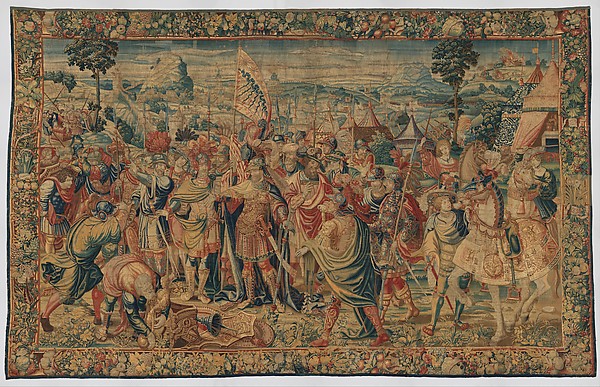
Agamemnon Musters the Greek Troops at Aulis, later European Story of Iphigenia tapestry, The Met 226955; artistic reception, not historical evidence for the figure
Pessoa
Figure of Greek narrative, commander of the expedition to Troy and Iphigenia's father in Euripides; the play does not independently establish his historicity.
Variantes do nome: Agamemnon of Mycenae
Contexto e fontes →
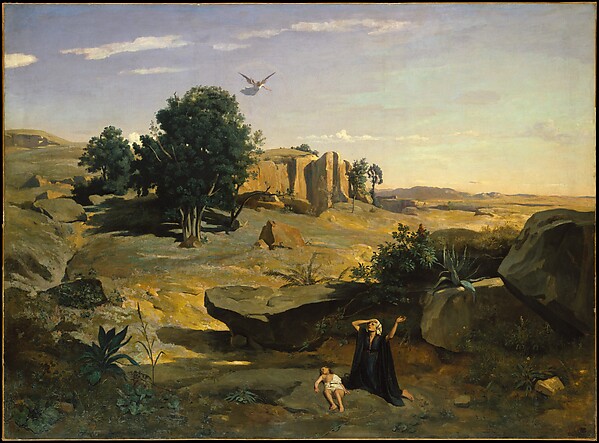
Camille Corot, Hagar in the Wilderness, 1835, The Met 38.64; later artistic depiction of Genesis, not a historical likeness
Pessoa
Figure in Genesis: an Egyptian woman in Sarah and Abraham's household and Ishmael's mother; chapters 16 and 21 narrate her flight and later expulsion and survival.
Variantes do nome: Agar
Contexto e fontes →

New symbolic illustration of a book in an imagined setting; neither Augustine, Hippo, nor a documented historical manuscript is depicted
Pessoa
Fourth- and fifth-century Christian author describing his changing grasp of nonspatial divine presence.
Variantes do nome: Augustine, Augustine of Hippo
Contexto e fontes →
Pessoa
Researcher in Arabian inscriptions, the history of Arabic and Semitic languages.
Variantes do nome: Ahmad Al-Jallad
Contexto e fontes →
Pessoa
Ahmad Tafazzoli (1937–1997) was a scholar of Middle Iranian languages and literature.
Variantes do nome: Ahmad Tafazzoli
Contexto e fontes →
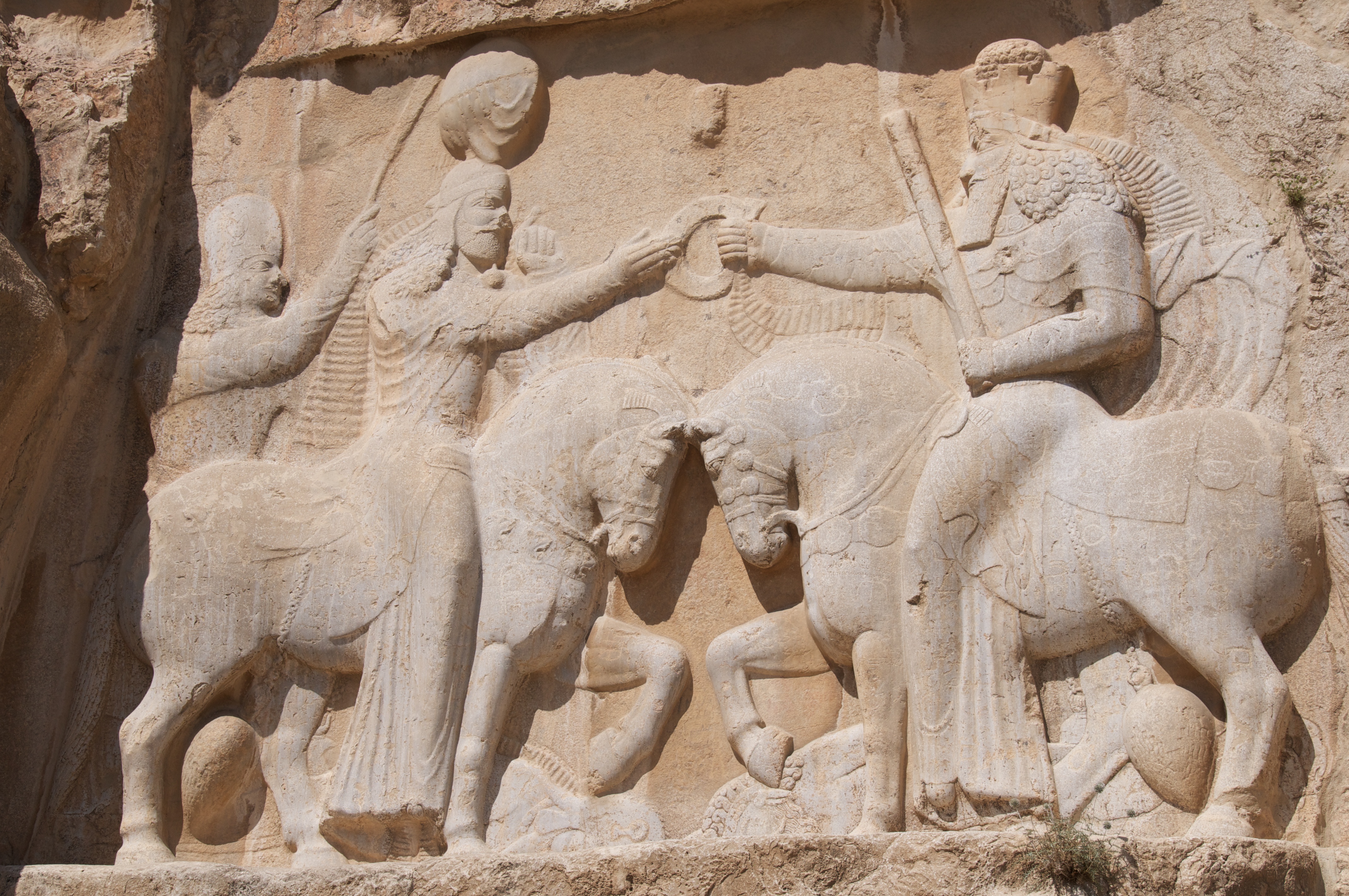
Investiture relief of Ardashir I at Naqsh-e Rustam, Iran, third century CE; Ahura Mazda at right according to the inscriptional identification. Photographed in 2010, not an image from Zarathustra’s lifetime
Entidade
Wise Lord in Iranian traditions, associated with truth, goodness and creation; not a Persian name for Yahweh.
Variantes do nome: Ahura Mazda, Ahuramazda, Ohrmazd, Ormazd
Contexto e fontes →
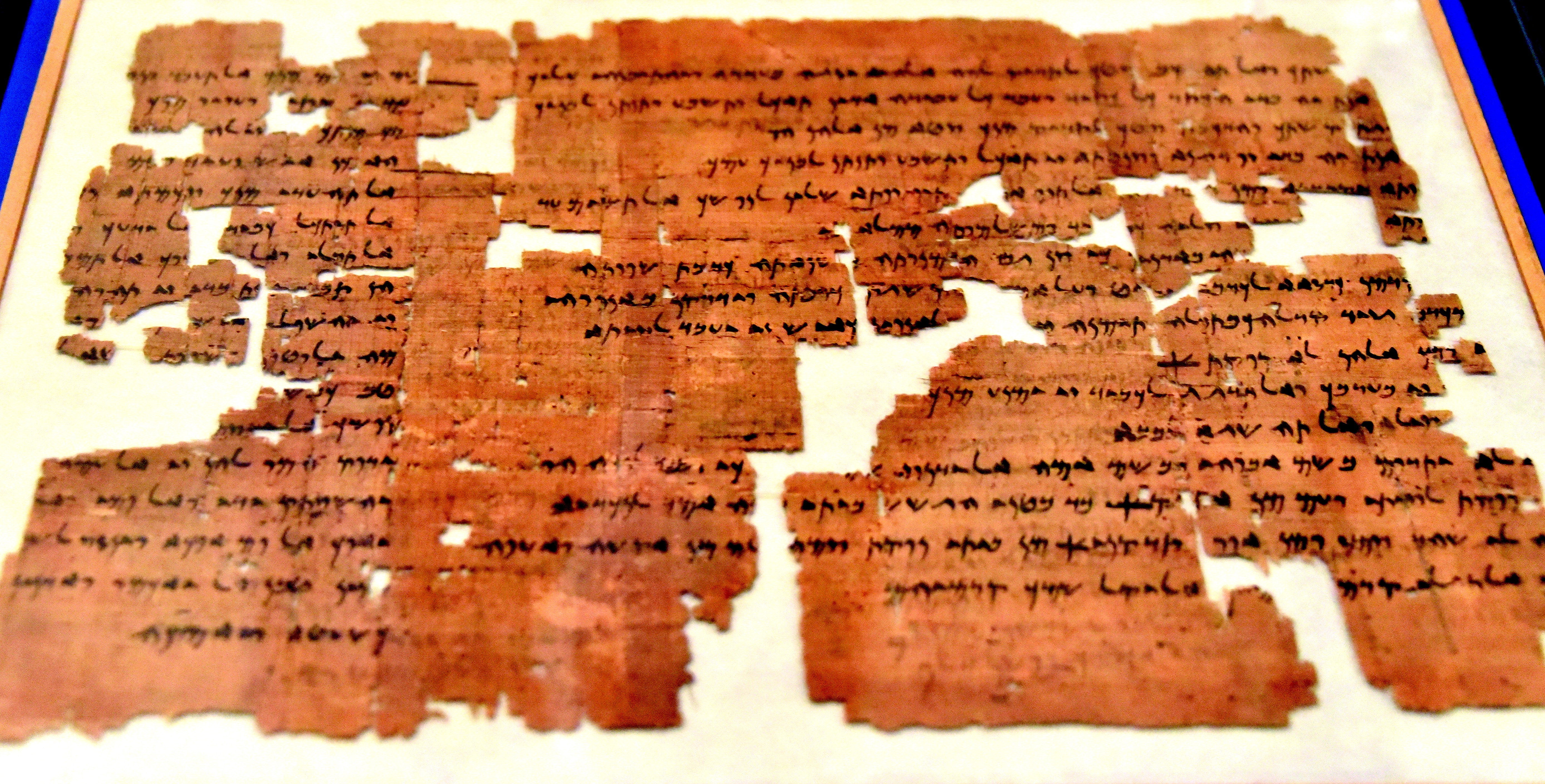
Aramaic Ahiqar papyrus P.13446/G, from Elephantine, Egypt, fifth century BCE, displayed at the Neues Museum, Berlin. Photograph by Osama Shukir Muhammed Amin, 22 July 2019; a textual witness to the story
Pessoa
Ahiqar is a wise figure in ancient Aramaic traditions.
Variantes do nome: Ahiqar the wise figure
Contexto e fontes →
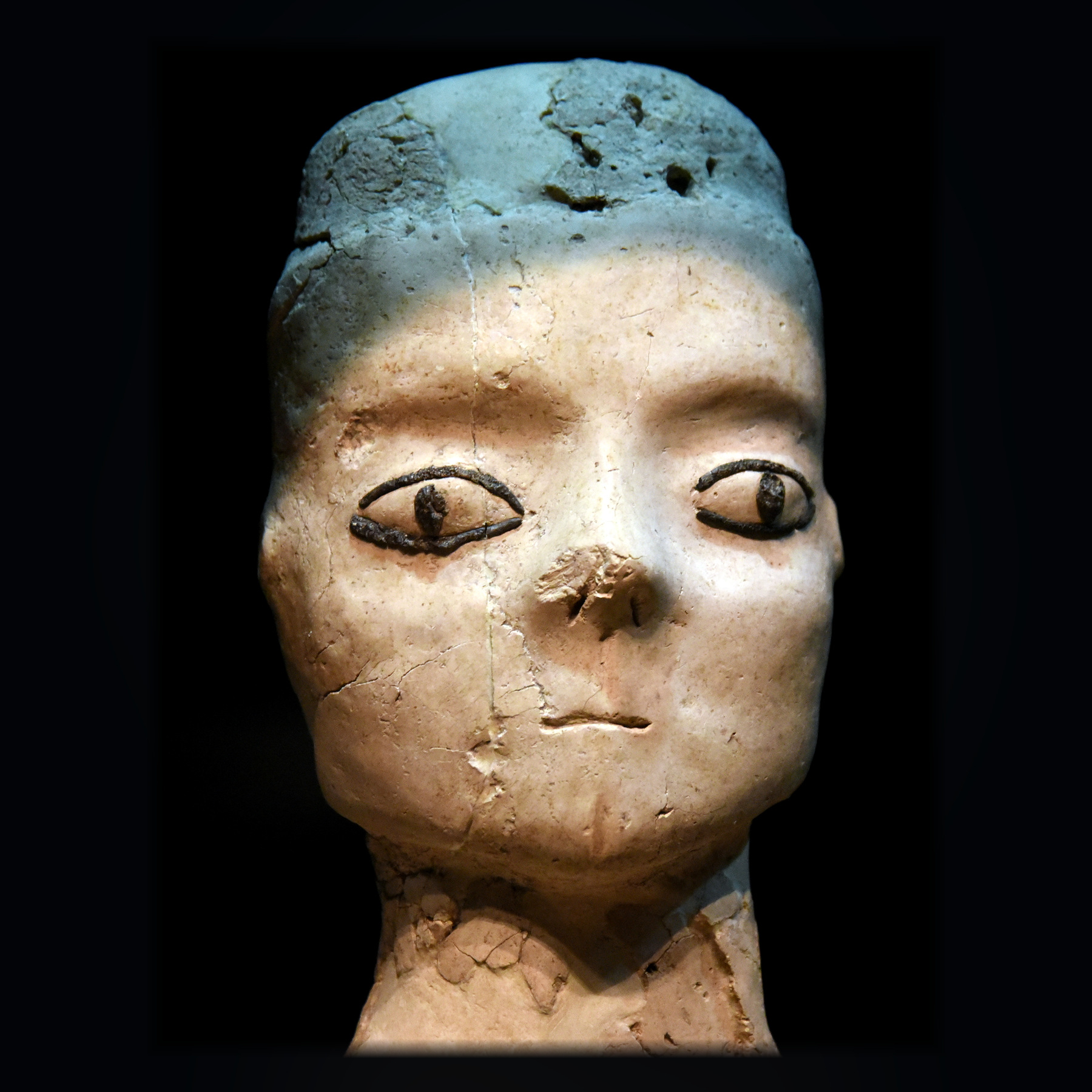
Editorial square cover derived from a museum photograph of an Ain Ghazal plaster head. Reframed with margins from the same image, without reconstructing or adding features to the object; original photograph by Osama Shukir Muhammed Amin (2018)
Sítio
Neolithic settlement near Wadi Zarqa and Amman, known for plaster-floored houses, burials and large human sculptures made from lime plaster and reeds. Its pre-pottery and pottery phases are documented; the identities and exact functions of its figures are unknown.
Variantes do nome: Ain Ghazal, ’Ain Ghazal, 'Ain Ghazal
Contexto e fontes →