Texto antigo · Contextual definition
A Lenda de Kirta
Um texto para leitura linha a linha, com transliteração, tradução e recursos.
- Região
- Ugarit / Ras Shamra
Tradução automática. Leia o original em inglês.
Narrativa poética ugarítica em três tábuas sobre o rei Kirta, sua família e um voto; o KTU1.16 menciona Ilimilku, sem provar que ele inventou todas as suas tradições.
Última revisão:
Texto
Introdução
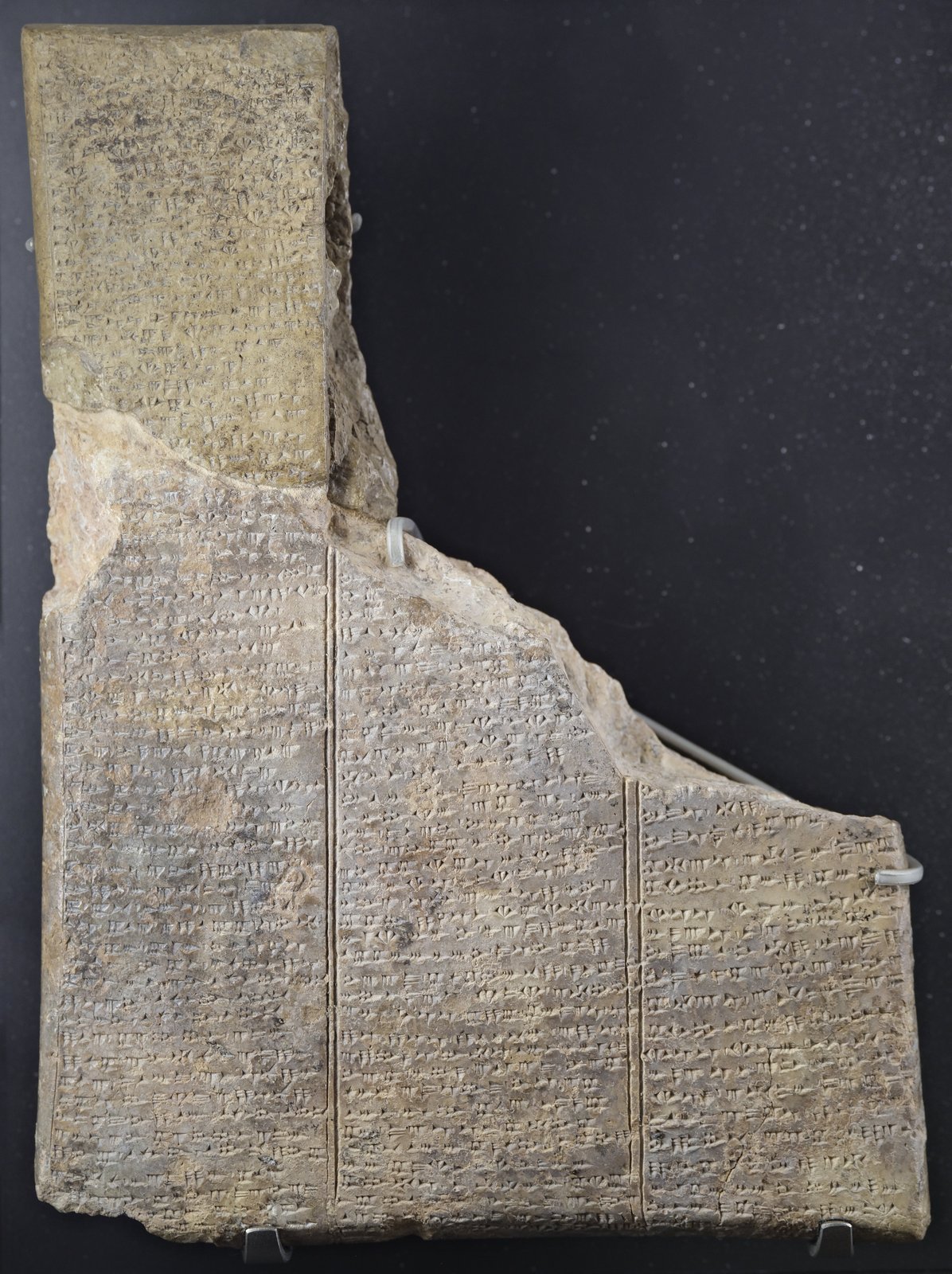
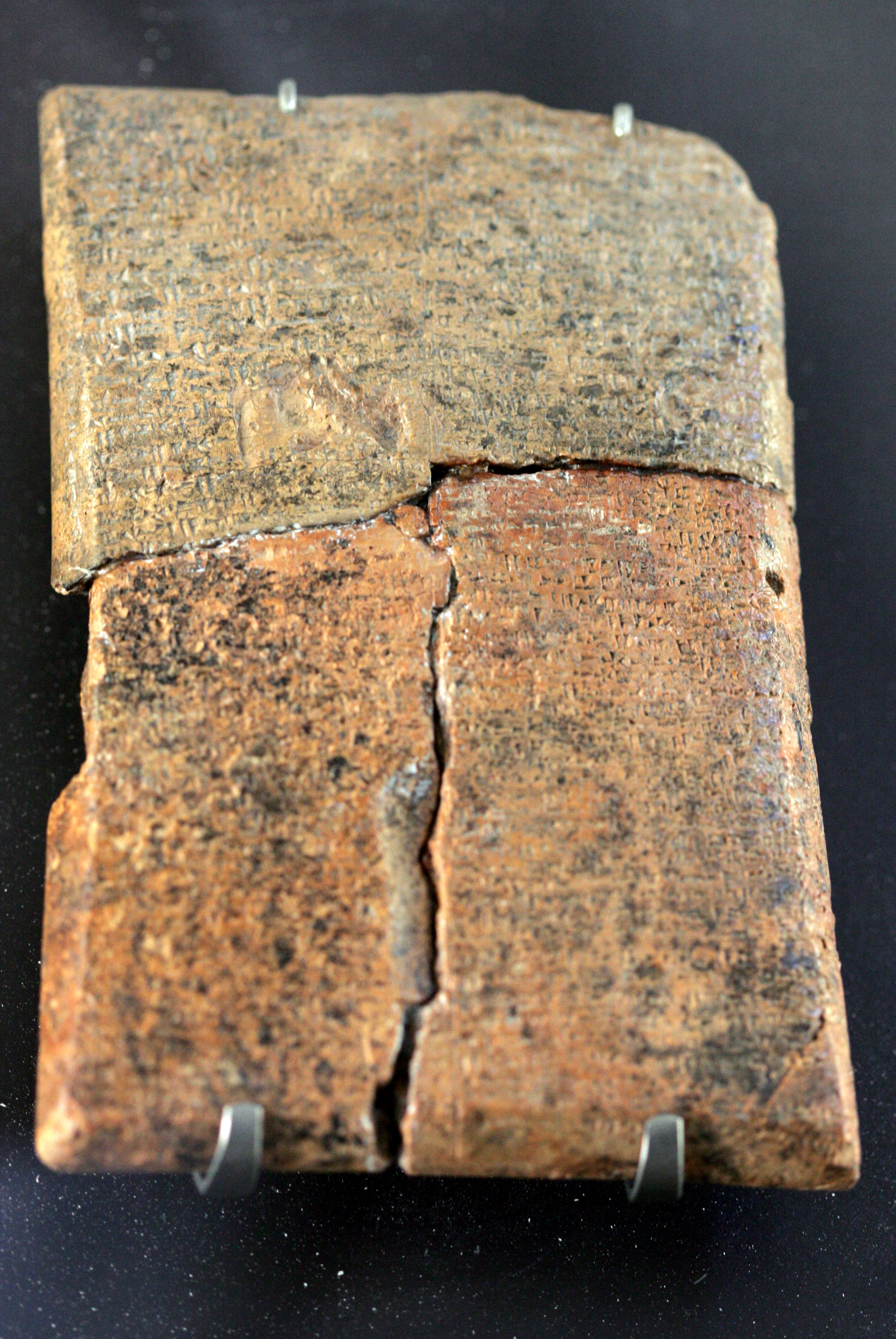
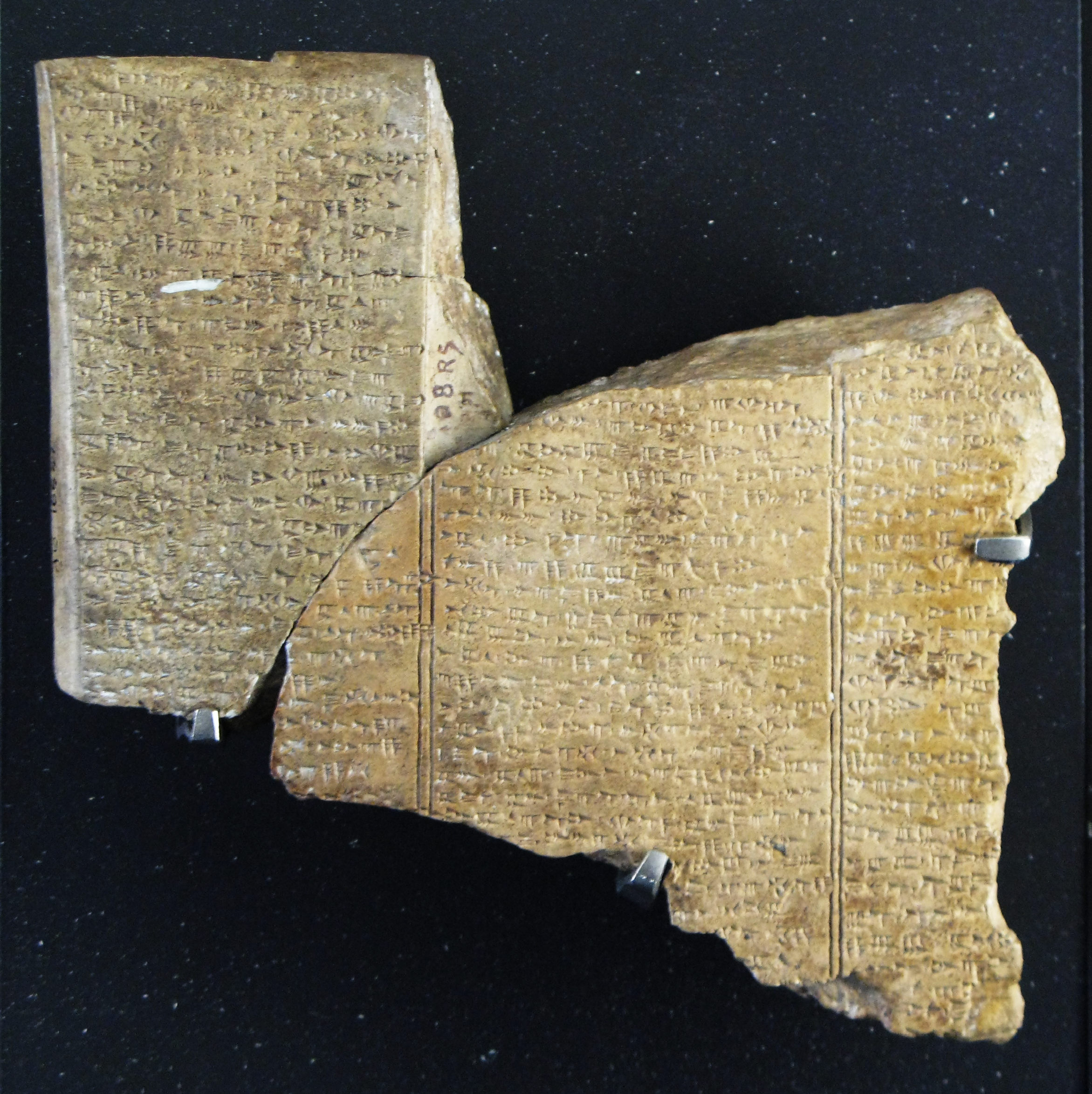
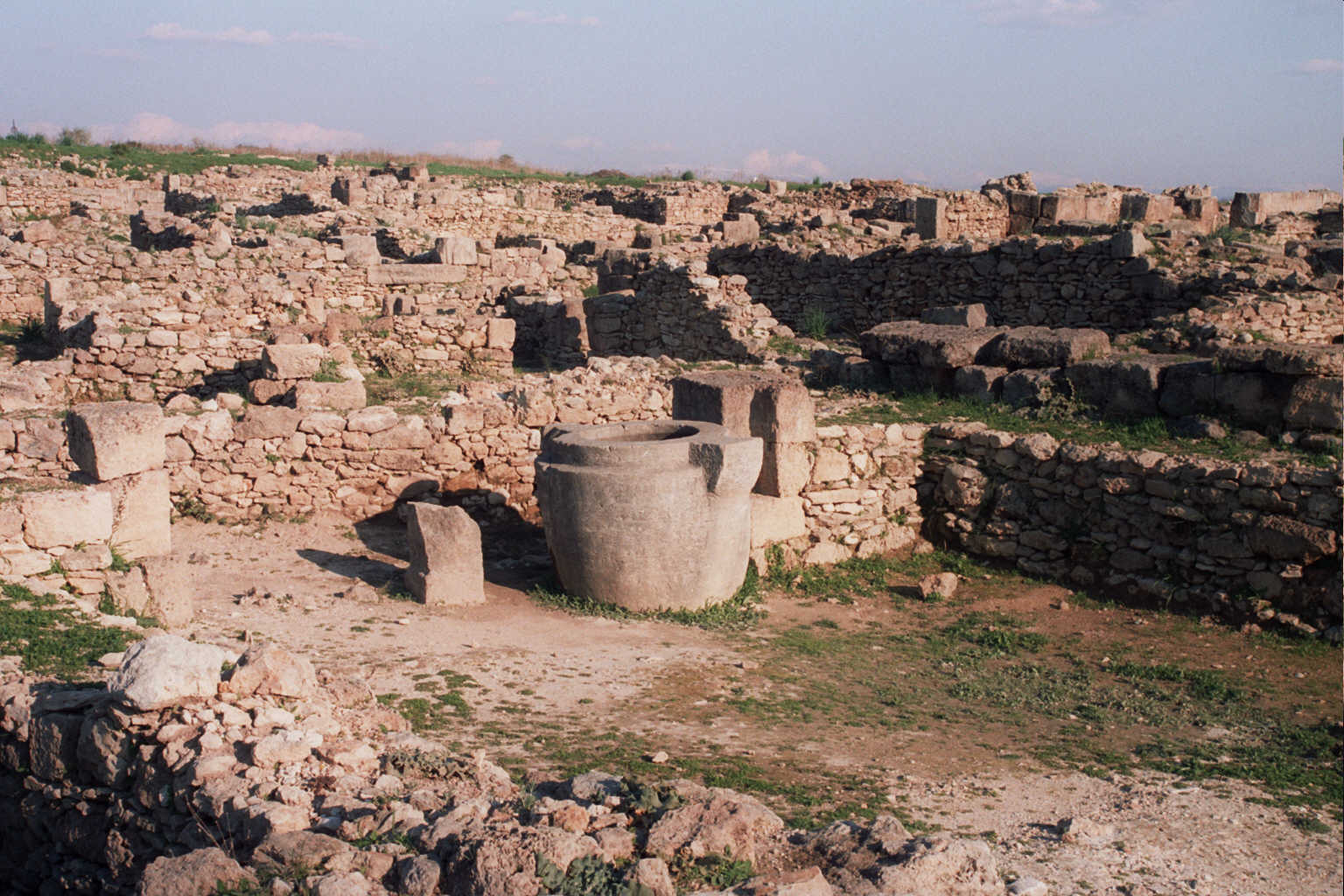
A Lenda de Kirta, também chamada Épico de Keret, é uma obra poética em ugaríticoLíngua ugaríticaAncient Semitic language preserved in Ugarit’s tablets on the Syrian coast, from the fourteenth–twelfth centuries BCE, written in a cuneiform alphabet.Glossário · Clique para ler a explicação, preservada em três tábuas de UgaritUgaritAncient city and kingdom at Ras Shamra on the Syrian coast, flourishing between the fourteenth and early twelfth centuries BCE and preserving multilingual archives.Glossário · Clique para ler a explicação, numeradas KTUKTU: referências aos textos de UgaritAbbreviation for a modern edition of alphabetic cuneiform texts. Its text references can be cross-identified with find numbers such as RS or RIH; they are not dates.Glossário · Clique para ler a explicação 1.14–1.16 nas edições modernas. Trata da perda e da restauração da família do rei Kirta e das consequências de um voto não cumprido feito à deusa AthiratAthiratA prominent goddess commonly understood as El’s consort in Ugaritic texts; she bears the progenitress epithet and intercedes for Baal’s palace.Glossário · Clique para ler a explicação. É uma narrativa literária sobre família, realeza e obrigações para com os deuses, não um registro que estabeleça a biografia de um rei histórico. [1]
O colofão da KTU 1.16, uma nota de identificação acrescentada à tábua, nomeia explicitamente o escriba IlimilkuIlimilkuUgaritic scribe associated with the Baal Cycle, Kirta and Aqhat; handwriting and colophons aid attribution. His work alone does not date the traditions’ origins.Glossário · Clique para ler a explicação. A escrita do conjunto de tábuas é atribuída a ele, mas a atribuição da cópia não estabelece que ele tenha inventado todos os elementos da história. As tábuas pertencem à cultura da Idade do Bronze Recente de Ugarit. A datação precisa da atividade do escriba permanece debatida e não pode tornar-se uma data certa para as origens da história. [2]
Referências e notas
- West Semitic Research Project, University of Southern California, Ugaritic Texts catalogue. PDF pages5–7: entries KTU1.14–1.19, excavation numbers and descriptions; these entries read, not the entire catalogue. Voltar ao texto ↑
- Mark S. Smith and Wayne T. Pitard, The Ugaritic Baal Cycle, vol.II, Brill, 2009. p.725: complete KTU1.16 colophon and damaged KTU1.17 colophon; pp.7–8 and11–14: dating and limits of attribution. Voltar ao texto ↑
Os registros do arquivo podem ser revisados e aprimorados quando surgirem evidências ou fontes melhores. Sugerir uma correção
Sugerir uma correção · Sugerir uma fonte para este registro
Citar este registro
IL Archive, «A Lenda de Kirta», https://ilarchive.com/pt/texts/kirta-epic
Continuar lendo