O conto de Kirta Capítulo 1
O voto de Kirta
Depois de perder a família, Kirta segue as indicações de um sonho e faz um voto a Athirat. Anos depois, sua família cuida dele durante uma doença e, após a recuperação de Kirta, Yassib lhe disputa o trono.
FontesVire as páginas com as setas, o teclado ou deslizando o dedo.
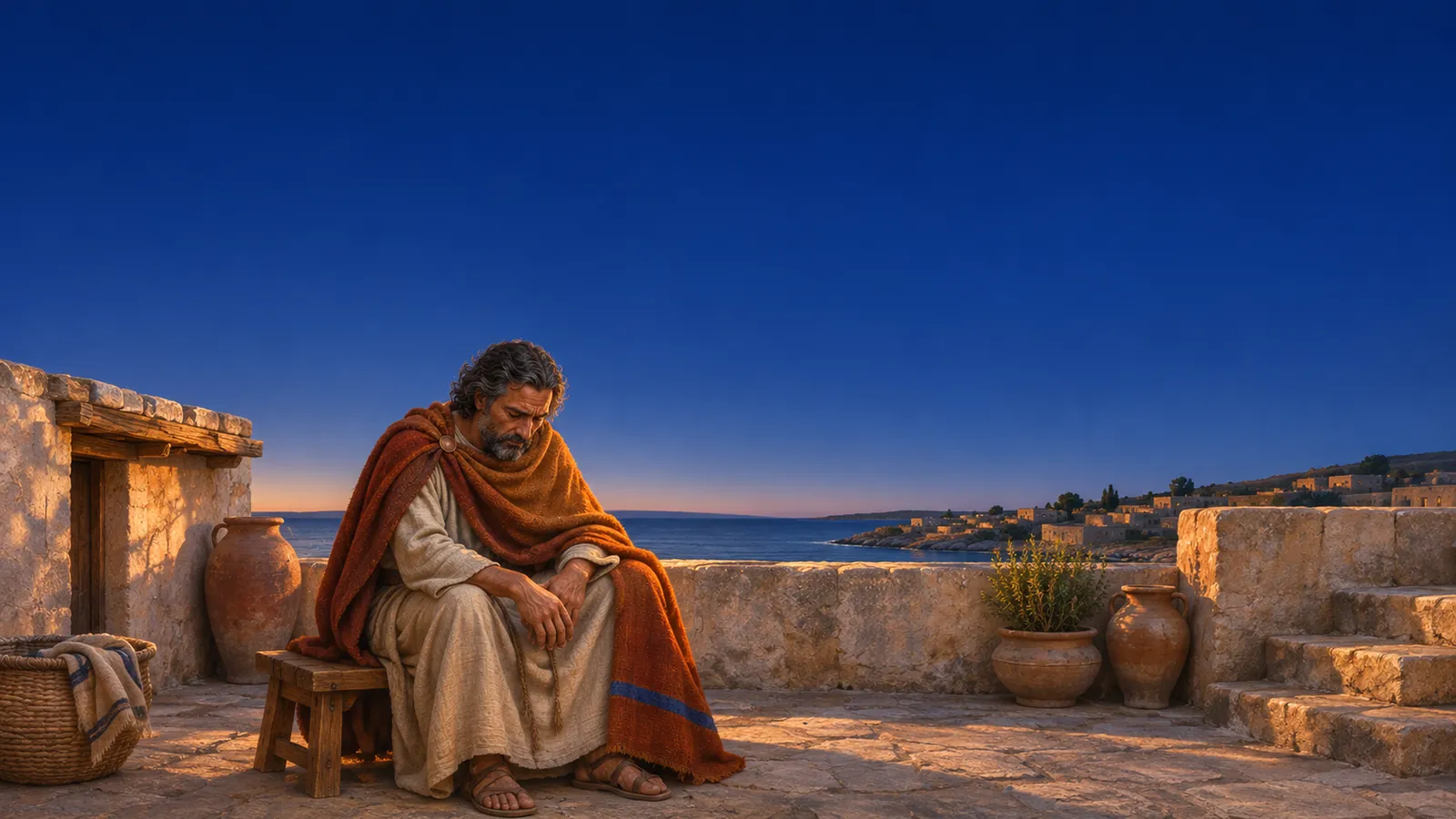
O VOTO DE KIRTA
Perdeu-se parte do início. Nos versos que podemos ler, a casa de Kirta sofreu perdas e o futuro da sua linhagem é incerto.
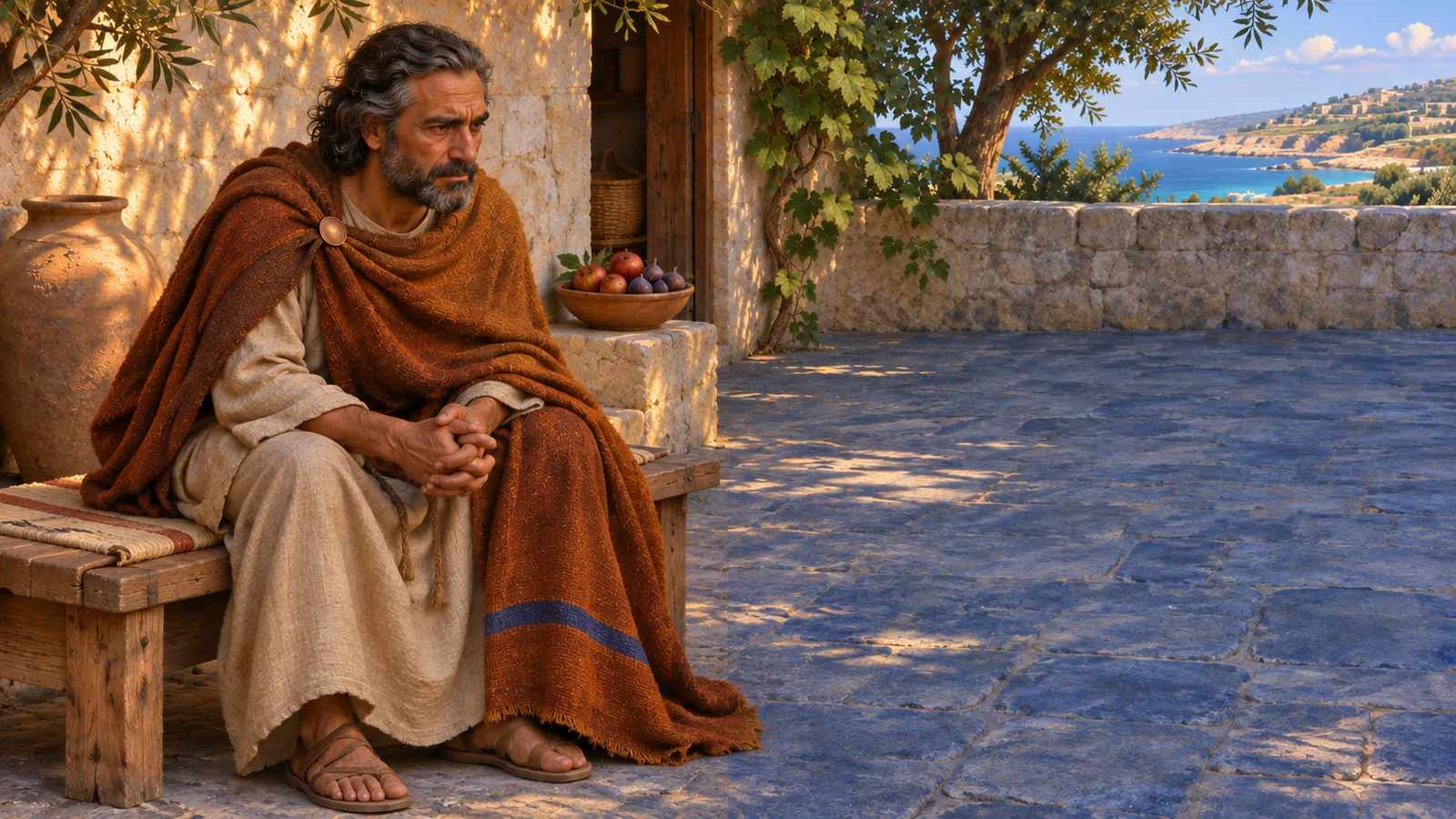
A doença, a peste, o mar e a espada levam membros da família de Kirta e o deixam sozinho com sua dor.
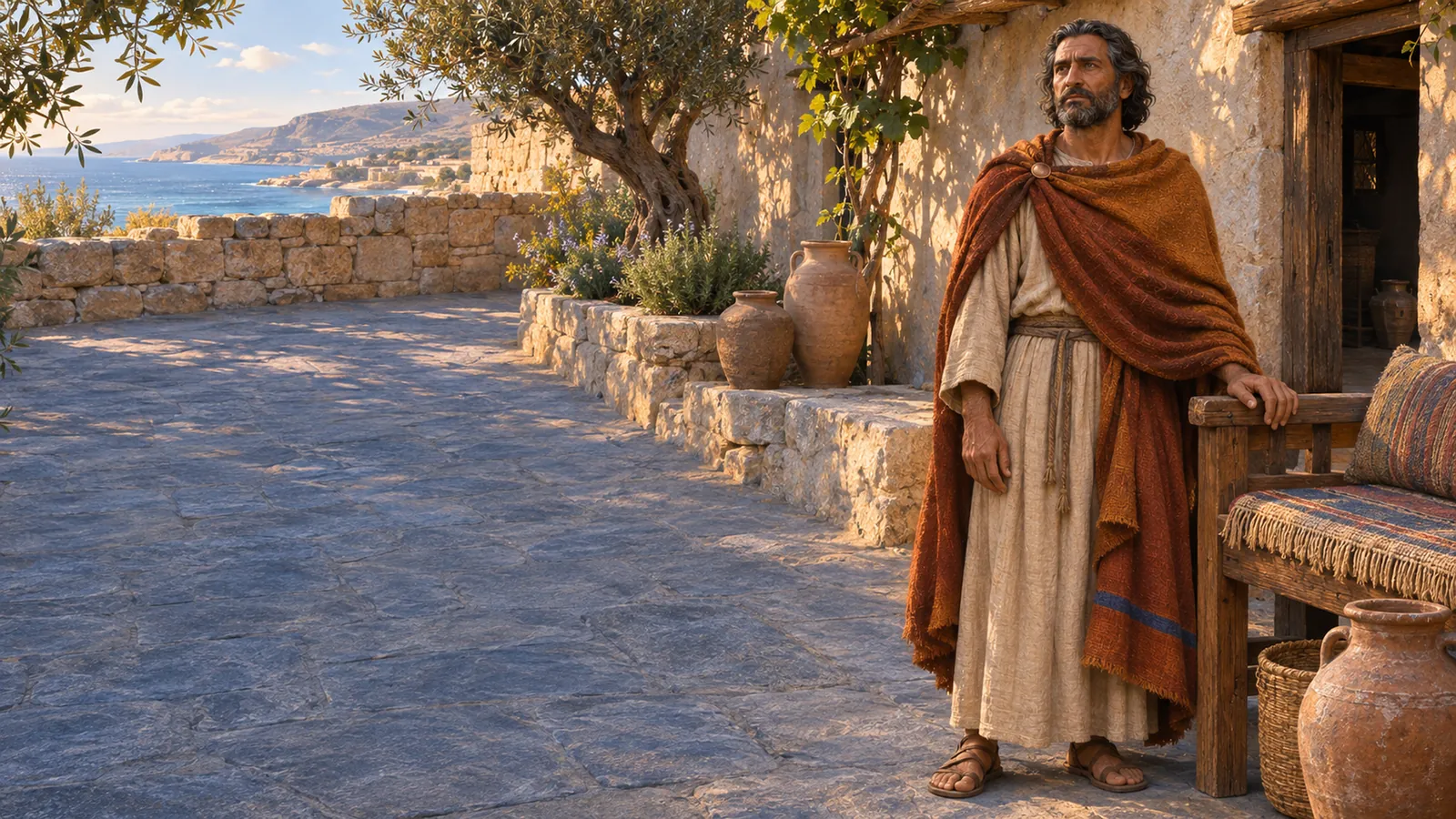
Kirta não tem ninguém que dê continuidade à sua linhagem. O futuro da sua casa fica em aberto.
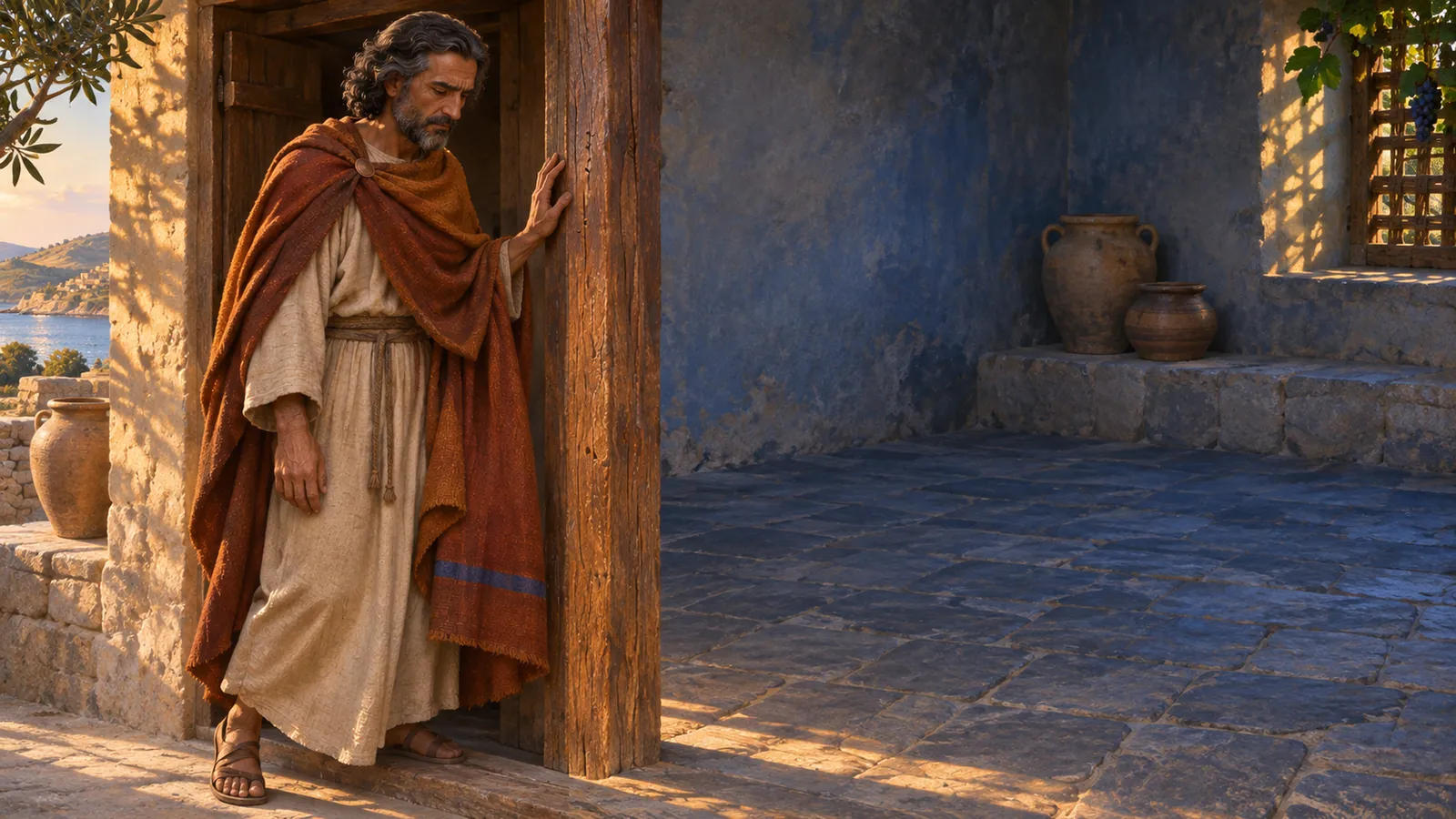
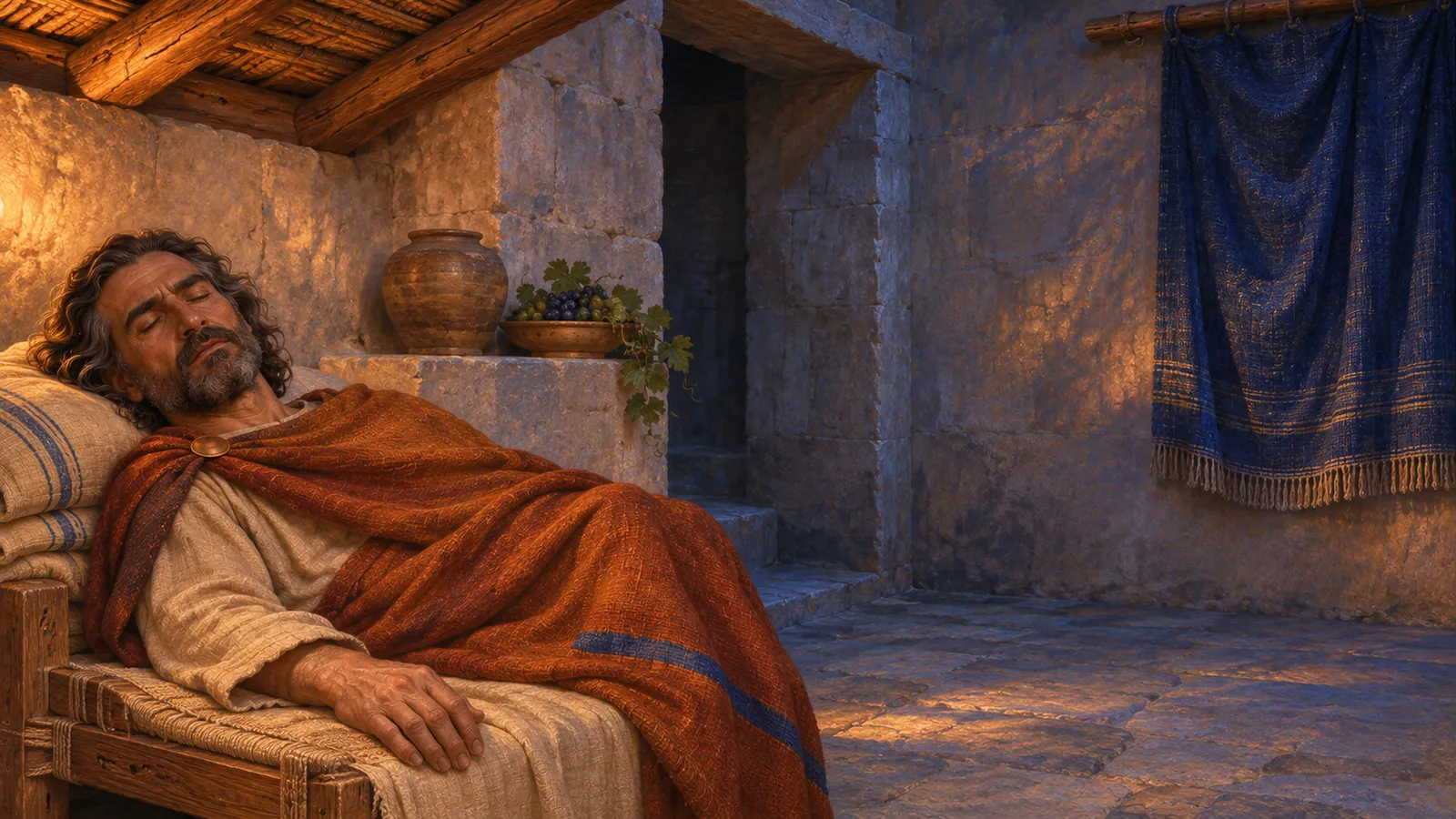
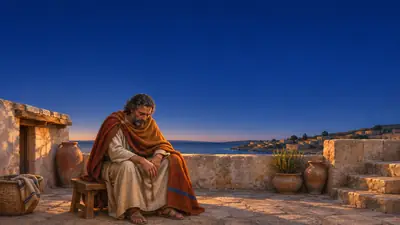
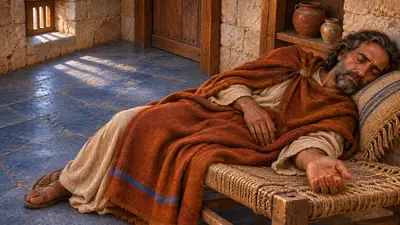
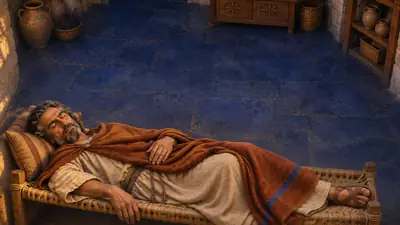
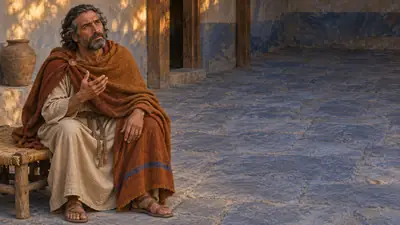
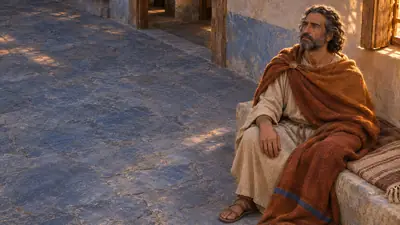
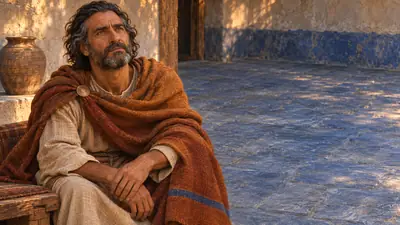
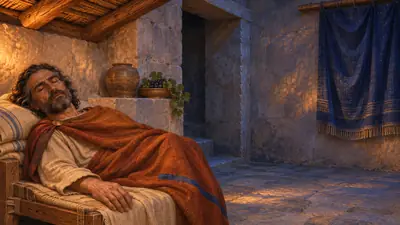
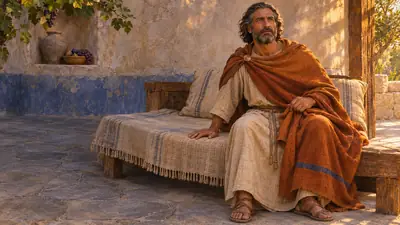
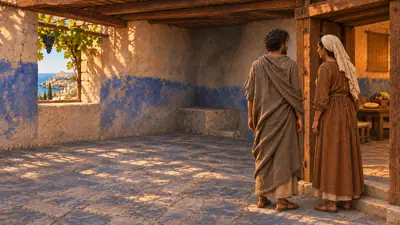
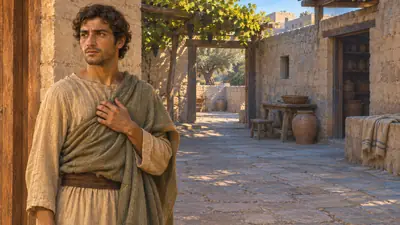
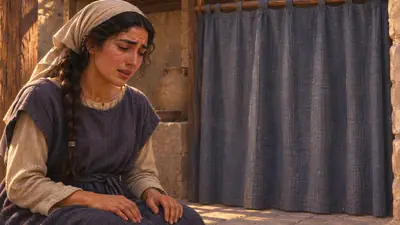
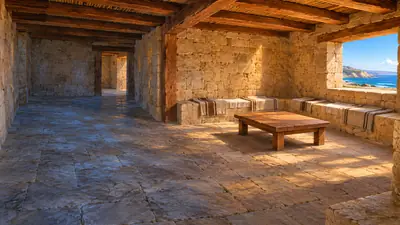
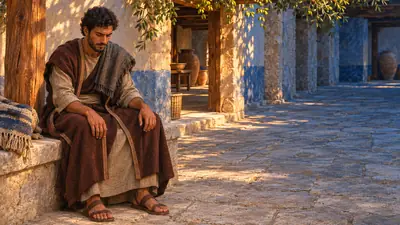
Kirta recolhe-se ao aposento interior. Ali, afastado do resto da casa, dá vazão à sua tristeza.
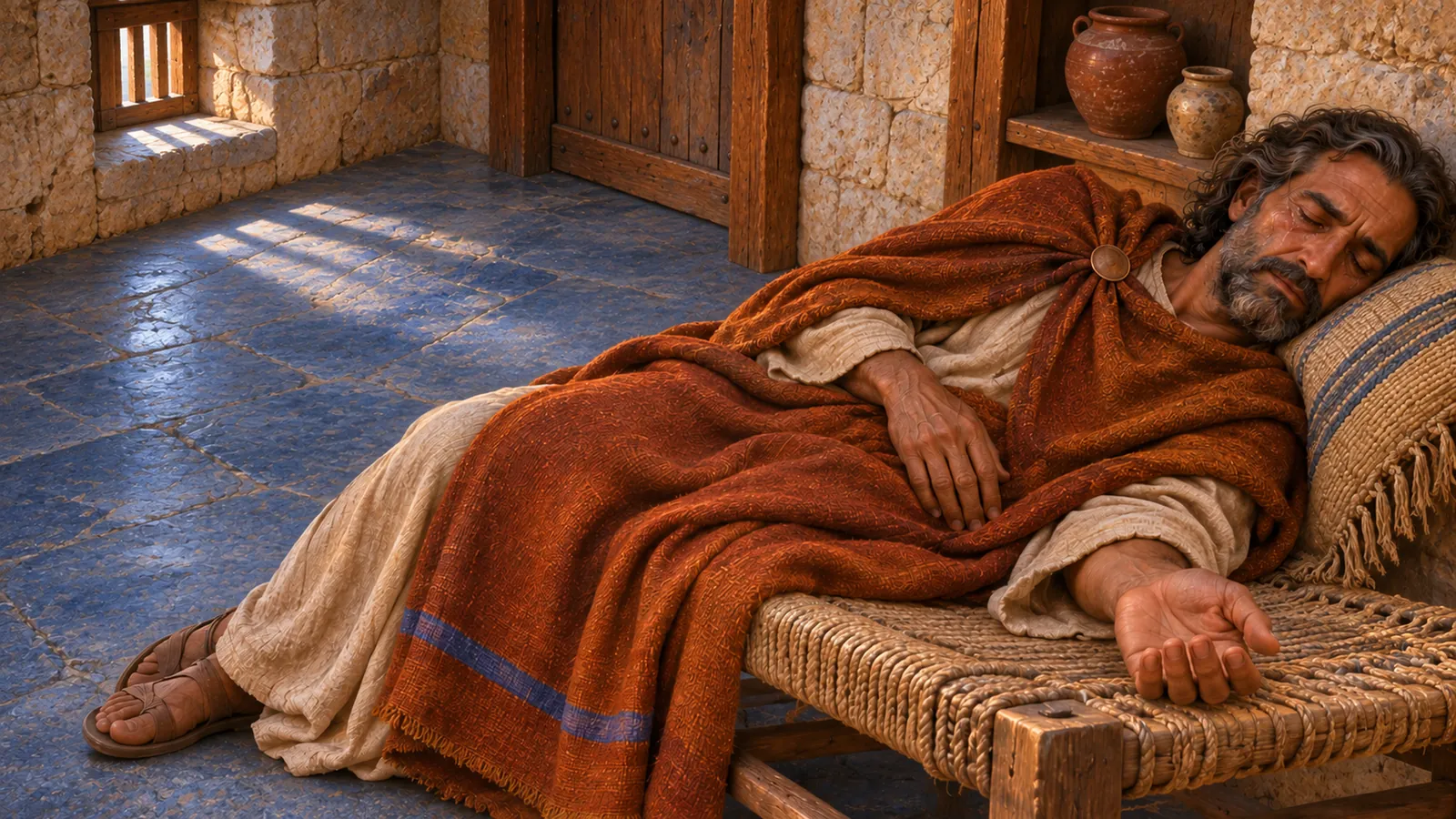
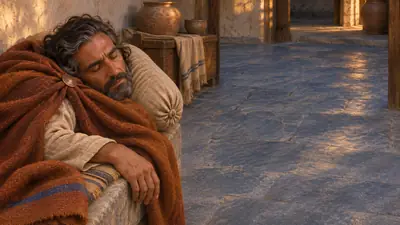
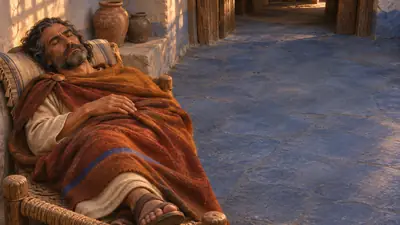
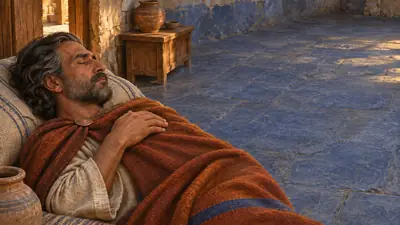
O poema demora-se junto de Kirta enquanto ele chora. Por fim, adormece, e a sua tristeza dá lugar a um sonho.
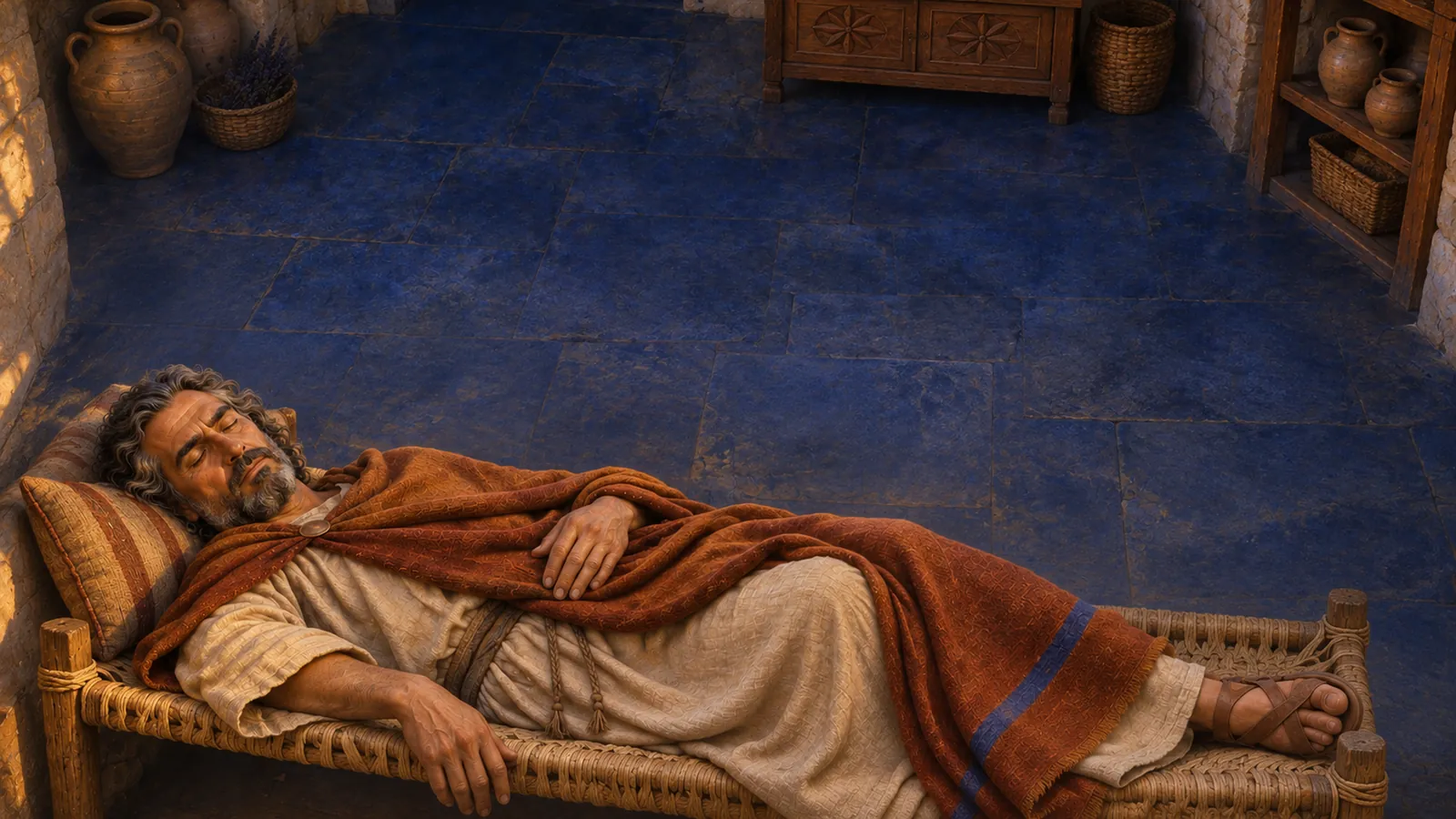
EL NO SONHO
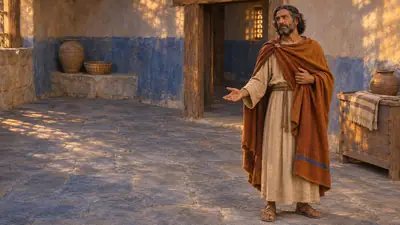
Enquanto Kirta dorme, El aproxima-se dele num sonho. O aposento está em silêncio, e o poema passa da tristeza de Kirta às palavras de El.
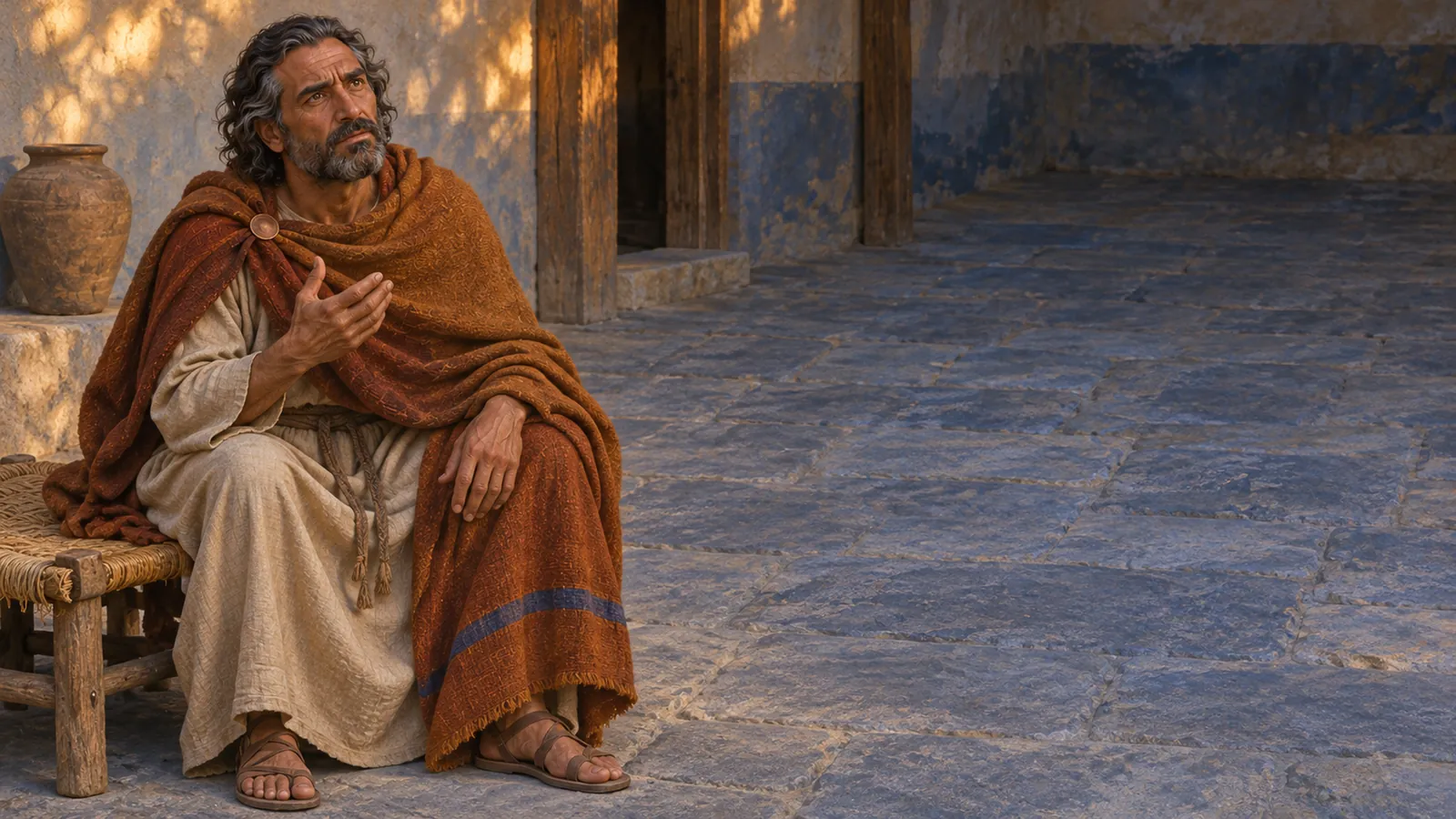
No sonho, El pergunta a Kirta por que chora e o que lhe trouxe tamanha tristeza. As perguntas dão início à conversa.
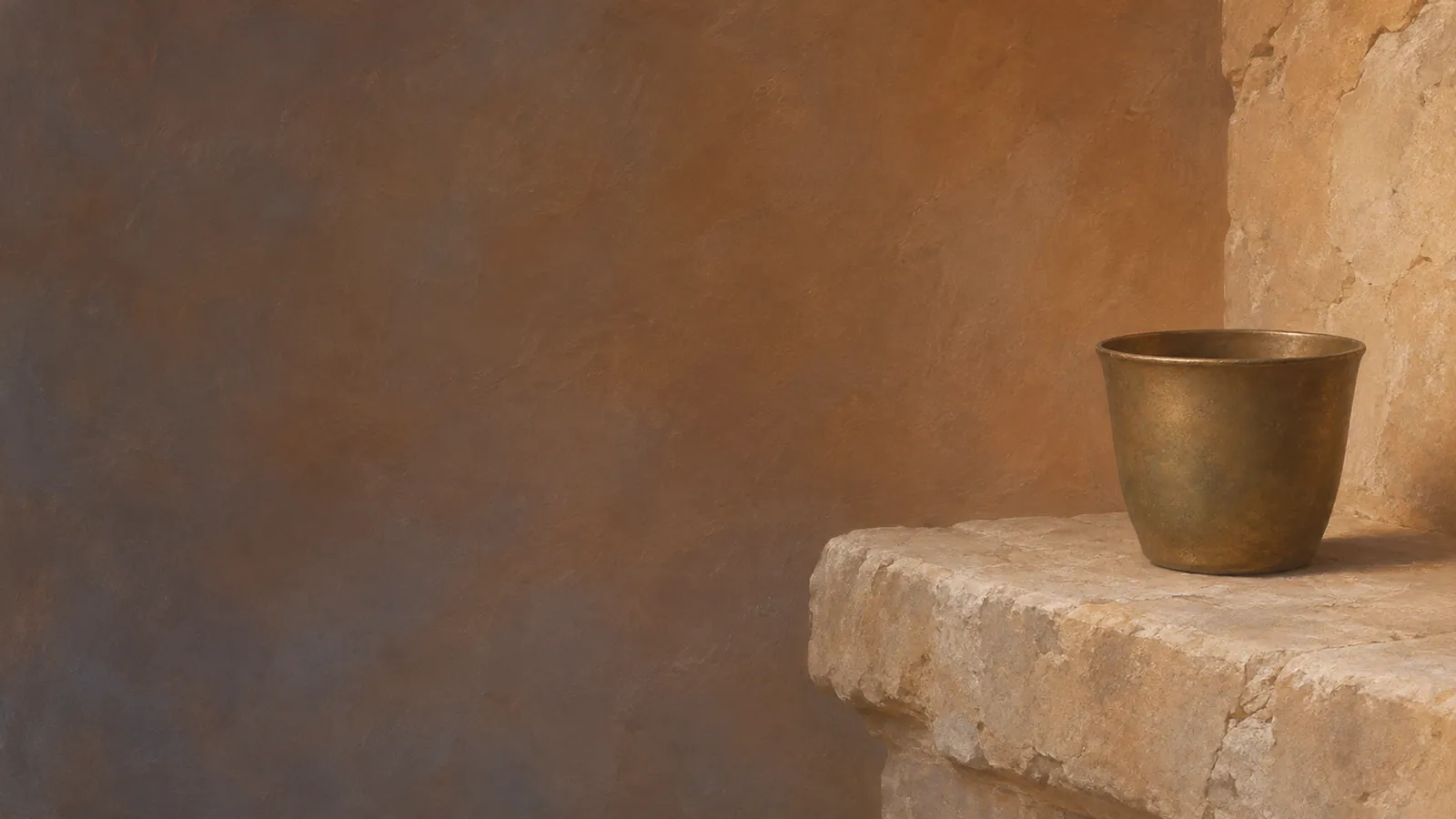
As perguntas de El voltam-se para as riquezas. Menciona os bens preciosos que um rei poderia desejar e pergunta a Kirta o que lhe aliviaria a tristeza.
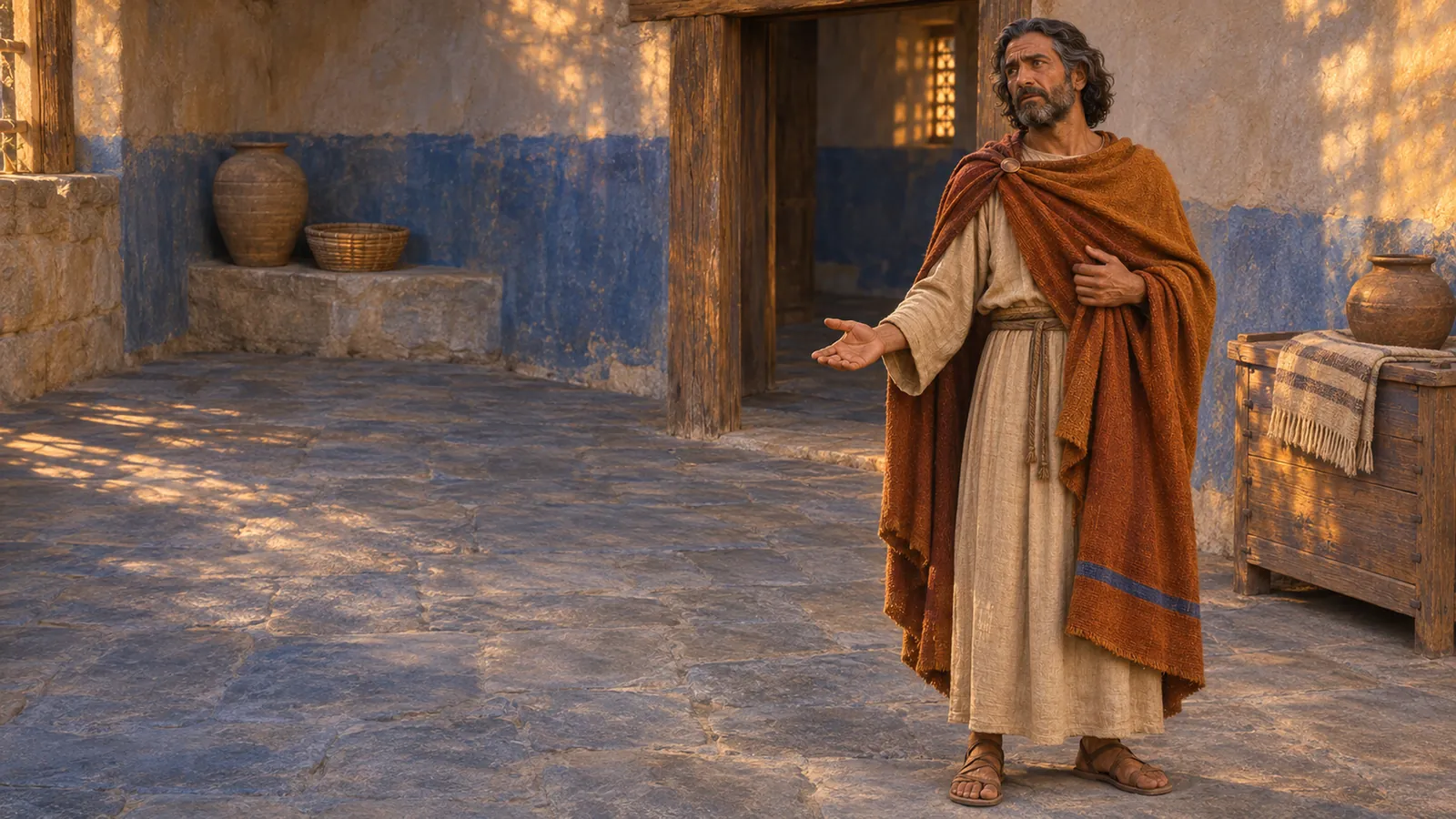
Kirta responde que as riquezas de nada lhe valem na sua tristeza. Deseja uma família e alguém que dê continuidade à sua linhagem.
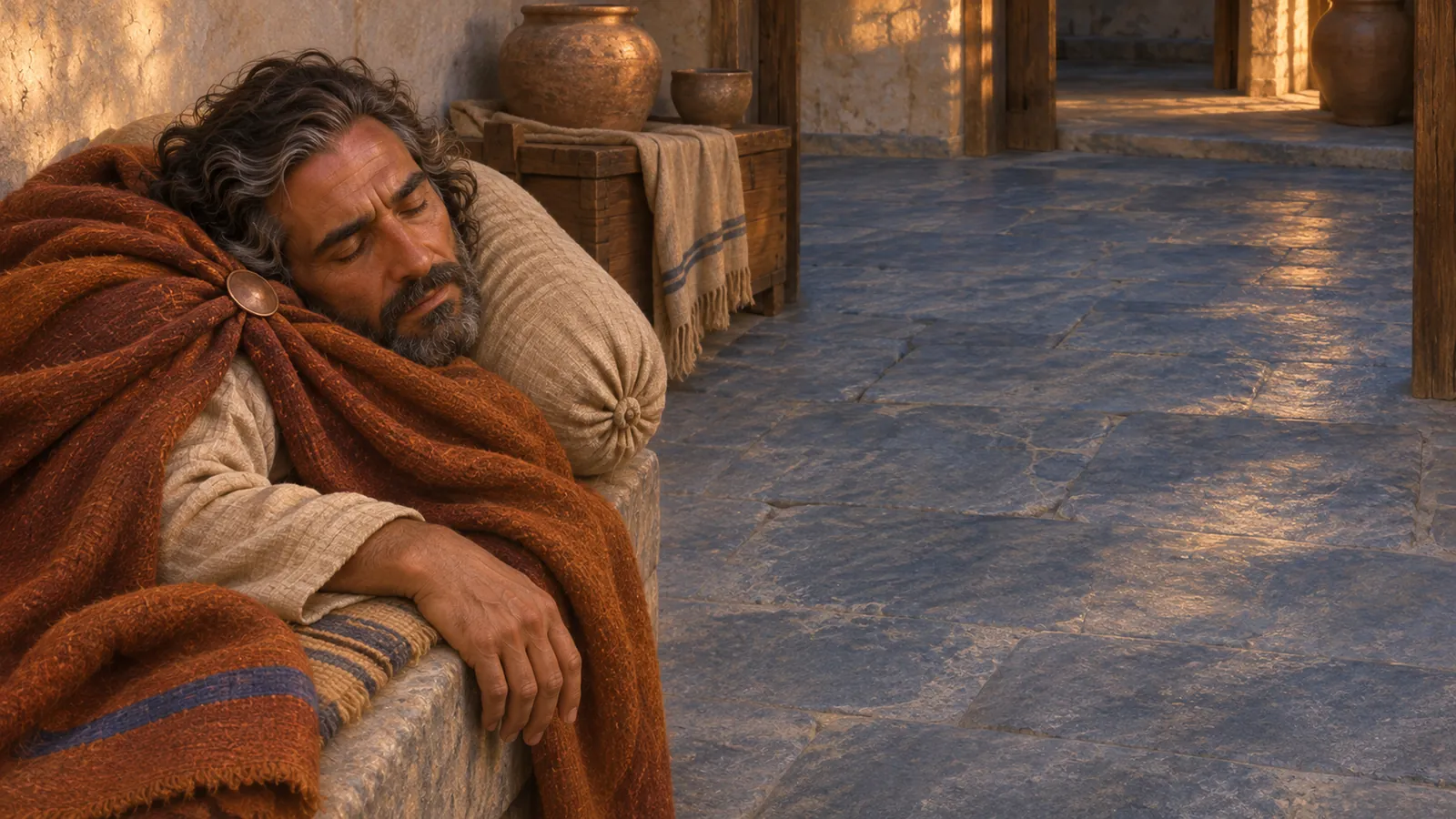
El diz a Kirta que pare de chorar e se prepare. As palavras ainda pertencem ao sonho, enquanto Kirta dorme.
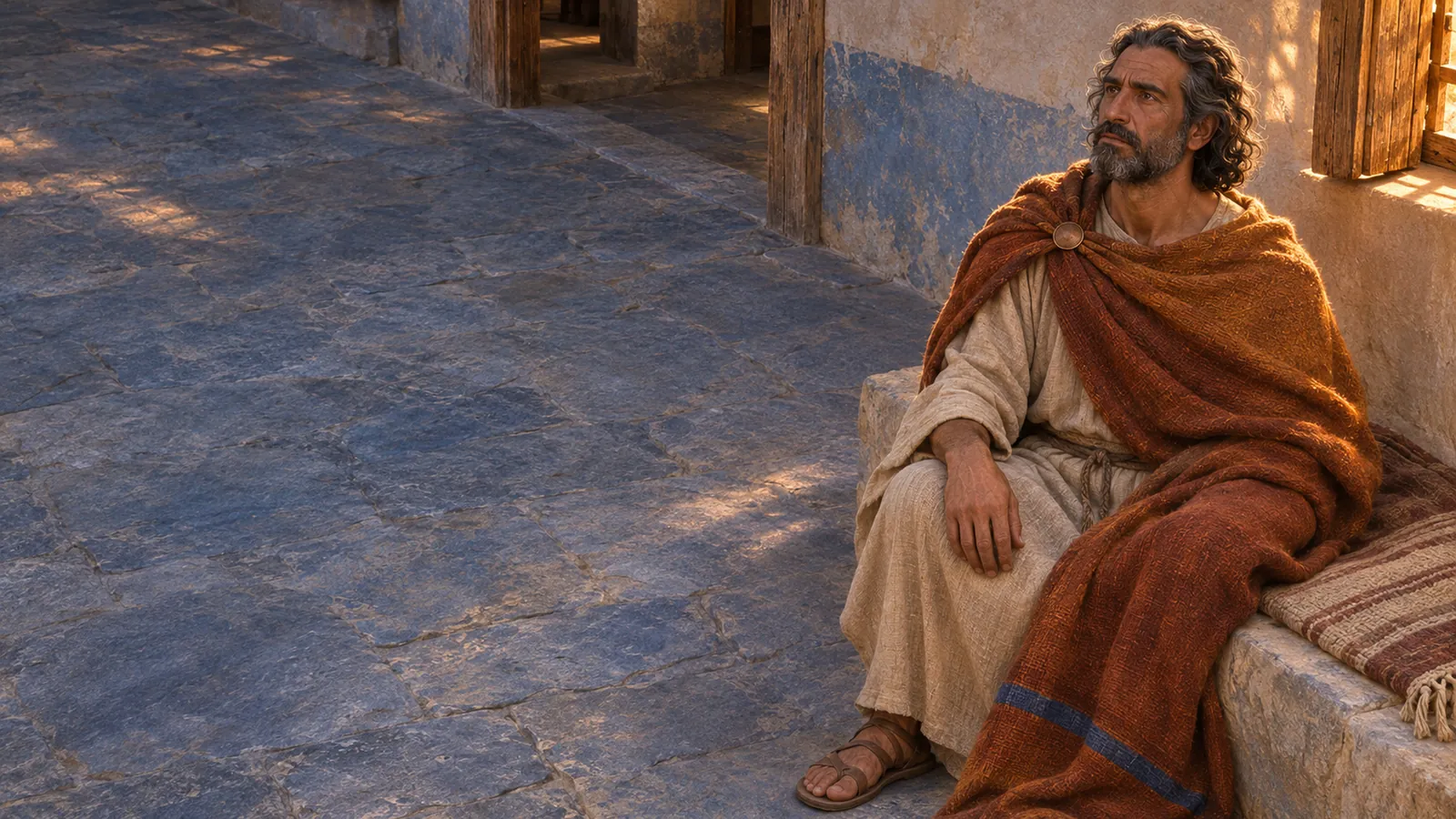
El diz a Kirta que reúna o necessário para uma oferenda. Depois indica-lhe o que mais há a preparar.
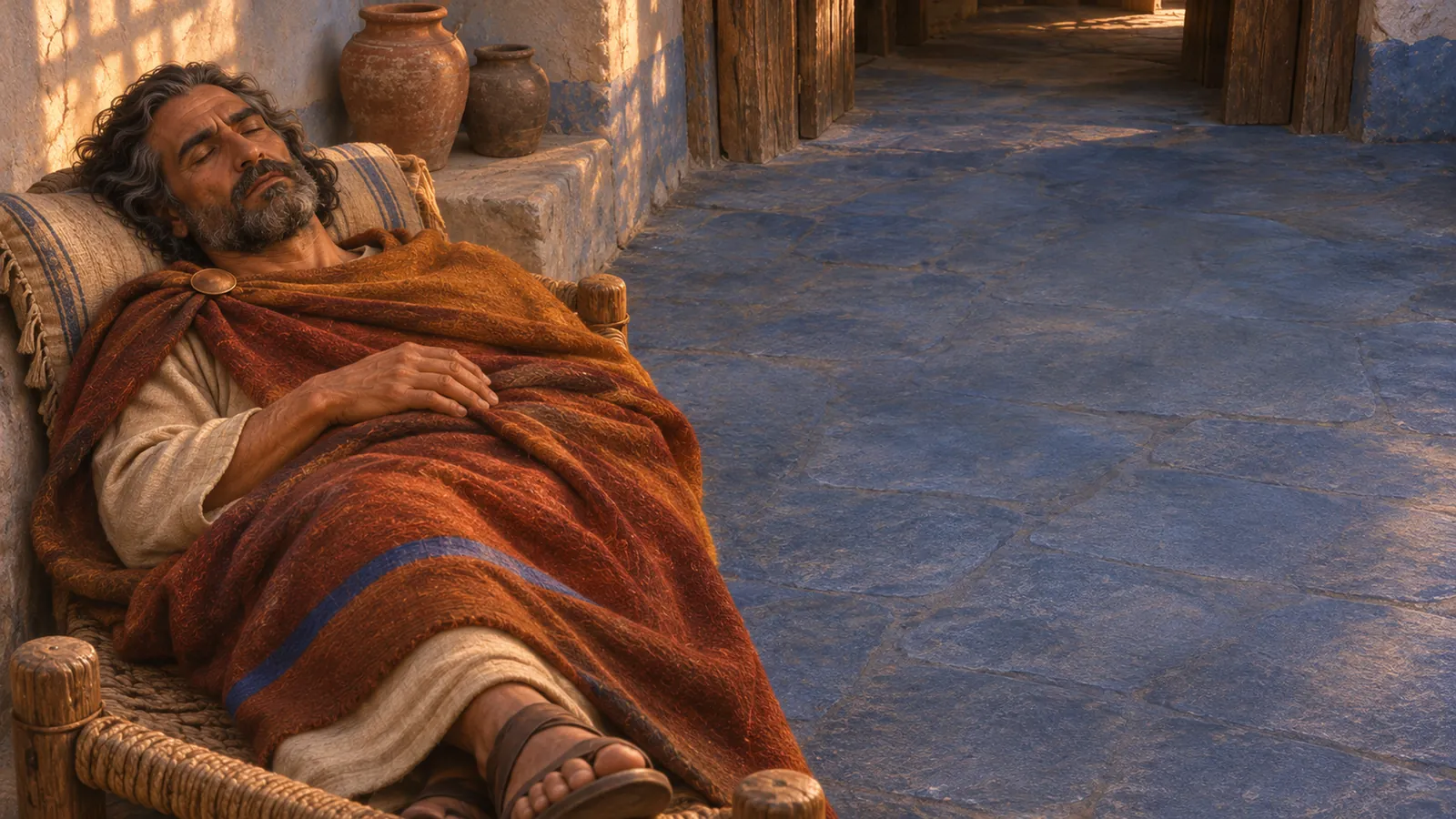
No sonho, Kirta ouve os nomes de El e Baal nas instruções para a oferenda. Ainda não acordou para pôr em prática o que ouve.
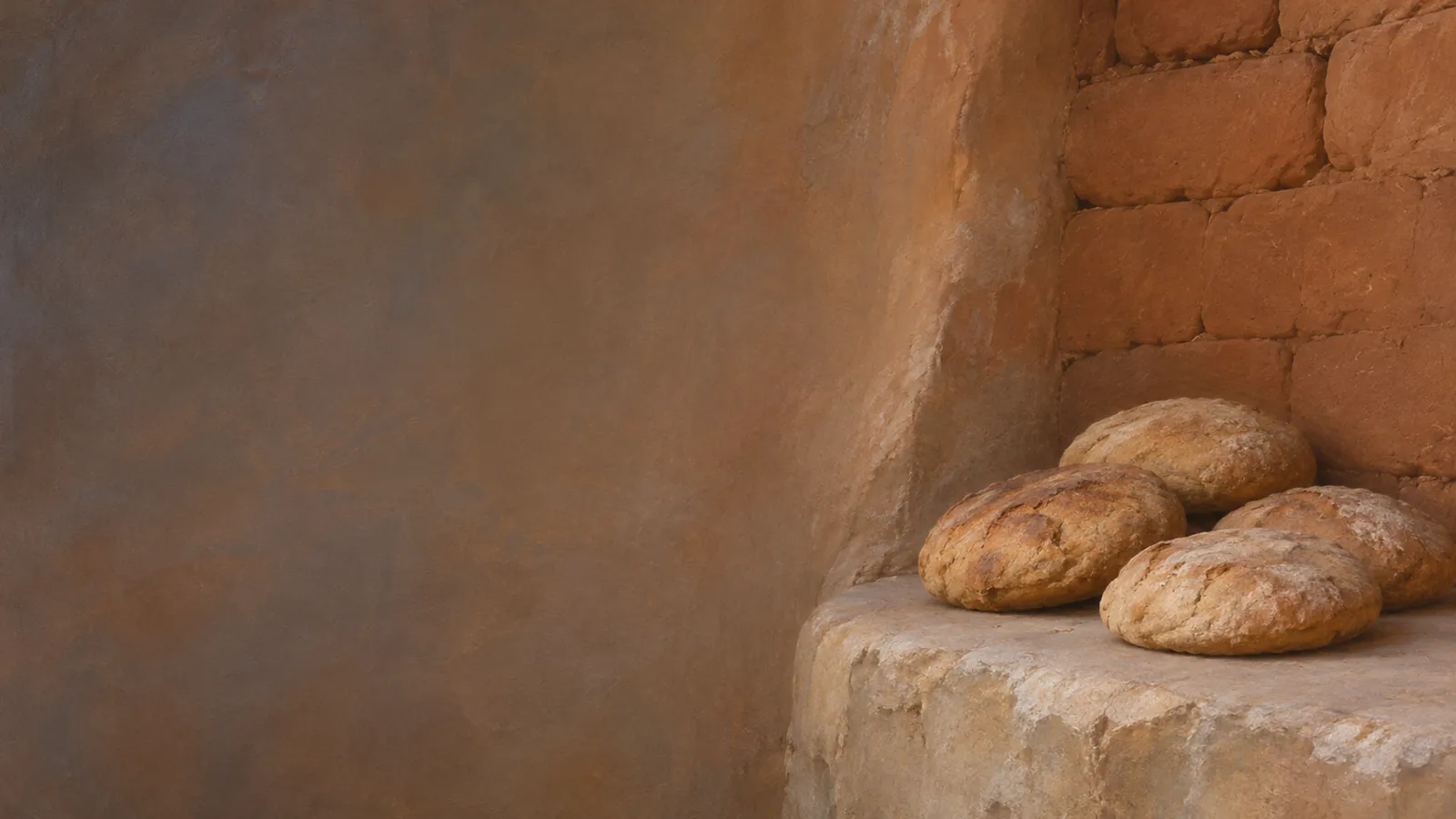
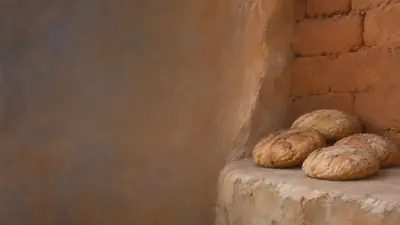
As palavras de El passam às provisões da viagem. No sonho, o pão deve ser preparado antes de Kirta partir.
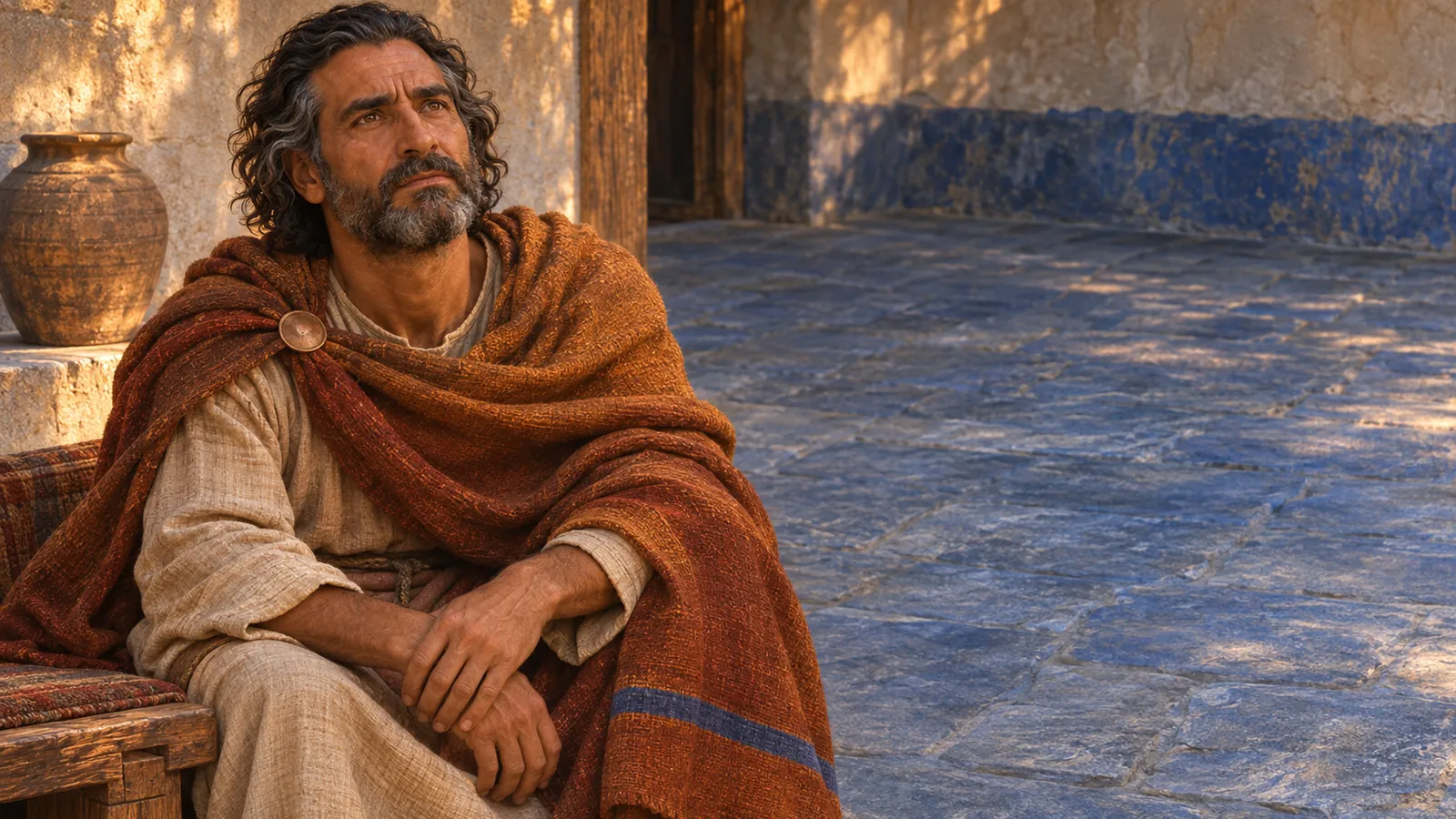
El diz a Kirta que reúna muita gente para a viagem. Os números do sonho dão uma ideia de até onde chegará o chamamento.
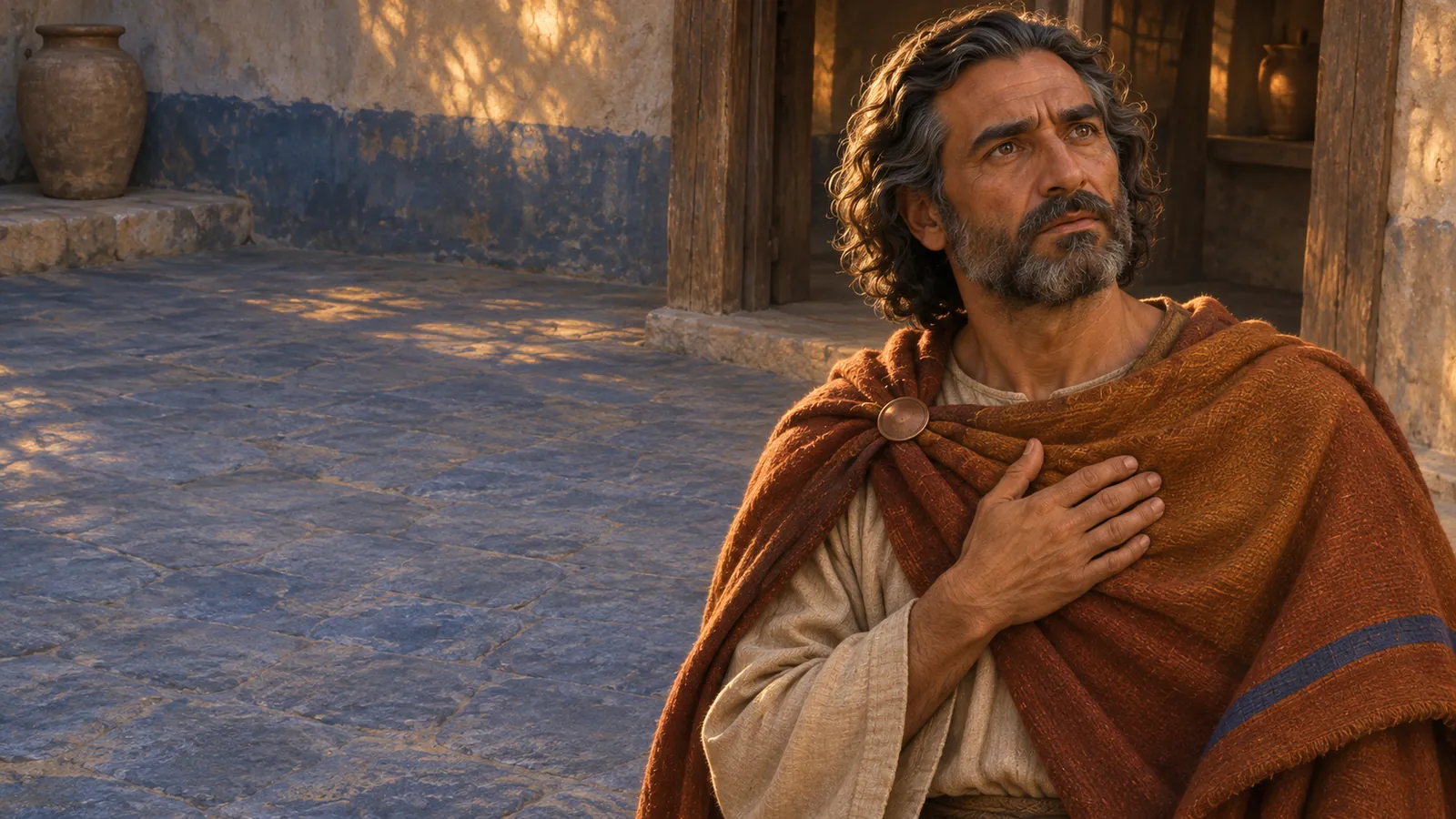
O sonho mostra quão longe o chamamento deverá chegar. Passa de casa em casa enquanto El fala da viagem.
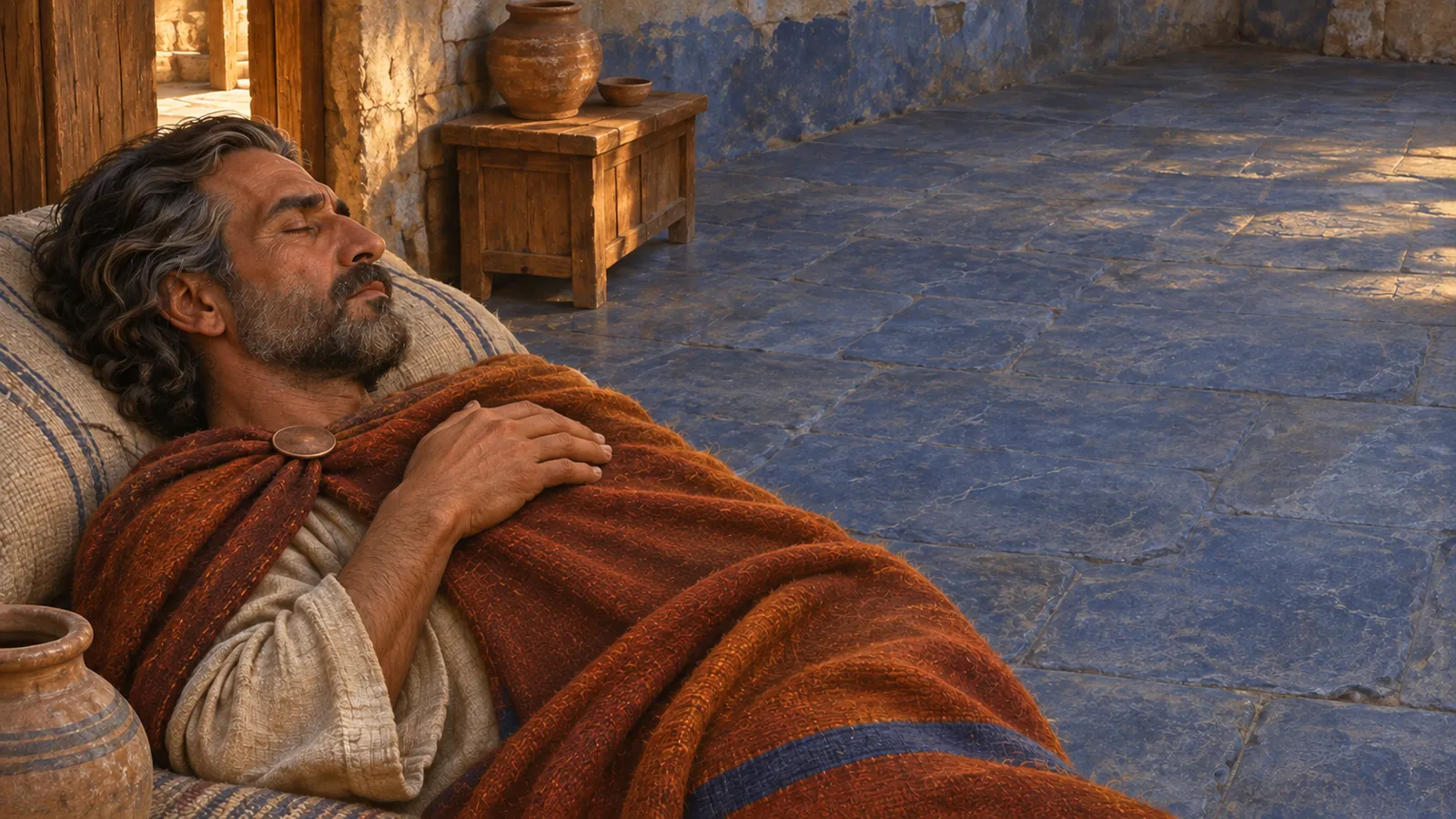
El menciona Udum e conta os dias que se seguem. No sonho, a chegada de Kirta exerce pressão sobre Udum, e há mensagens a trocar entre as duas partes.
O sonho anuncia uma mensagem de Pabil a oferecer riquezas. Kirta recusará desistir do que procura em troca delas.
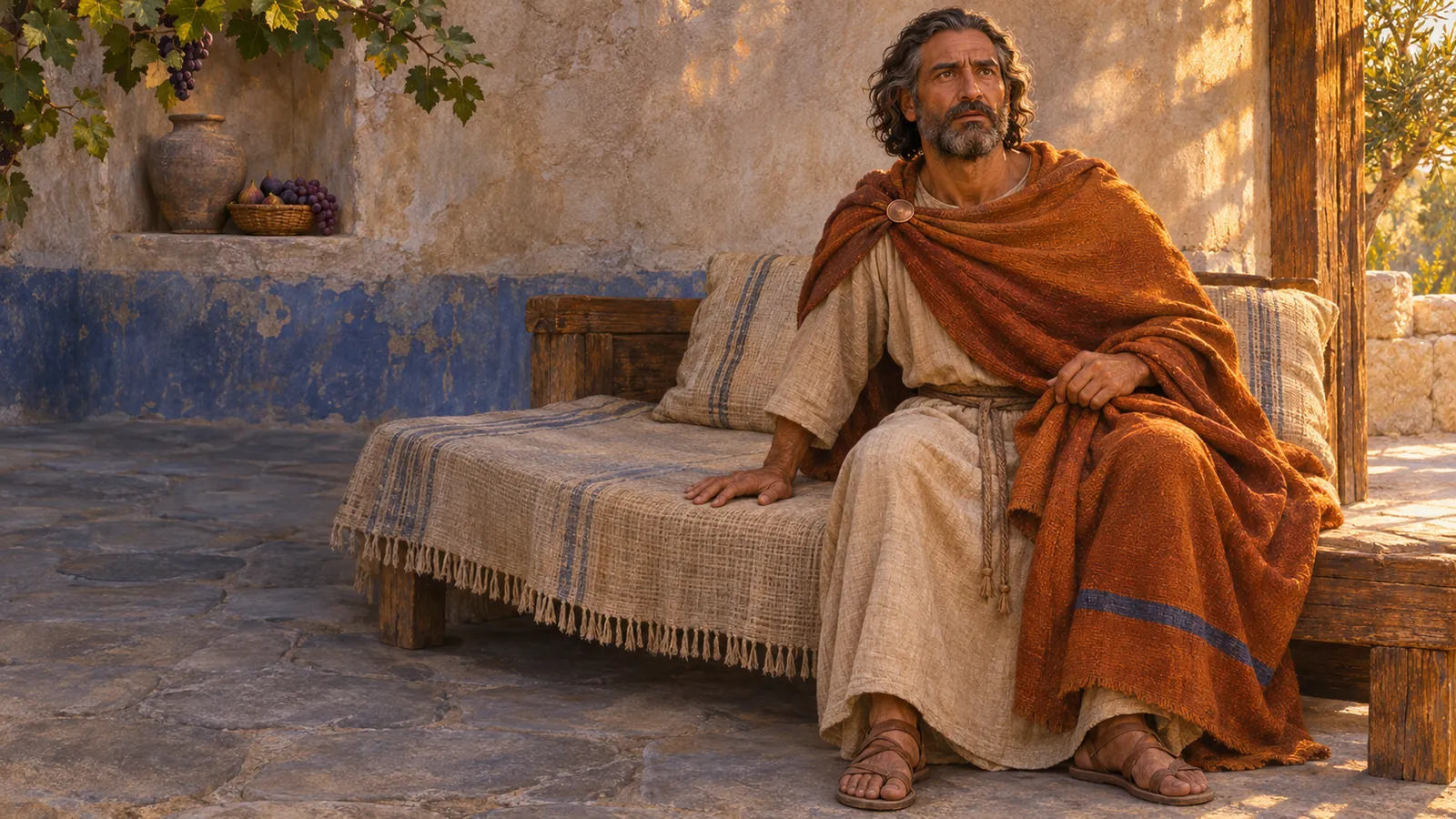
Kirta acorda do sonho. A partir daqui, o poema conta o que faz depois de ouvir as palavras de El.
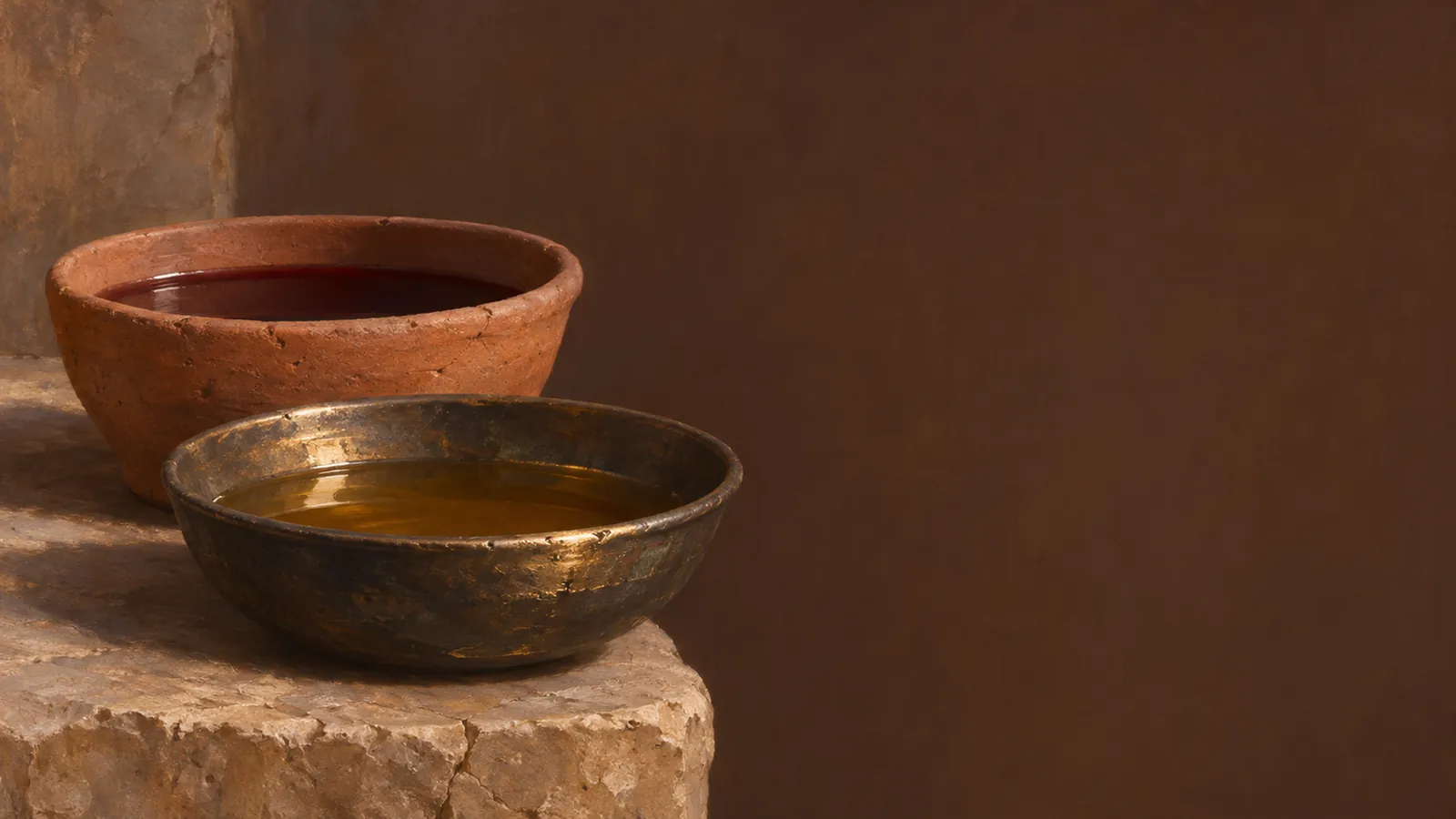
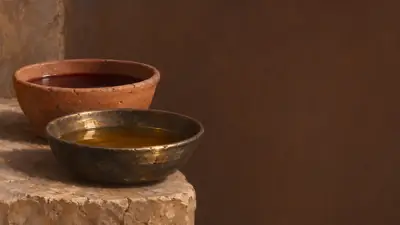
Kirta prepara-se. Separa vinho e mel em recipientes, dando início aos preparativos de que ouviu falar no sonho.
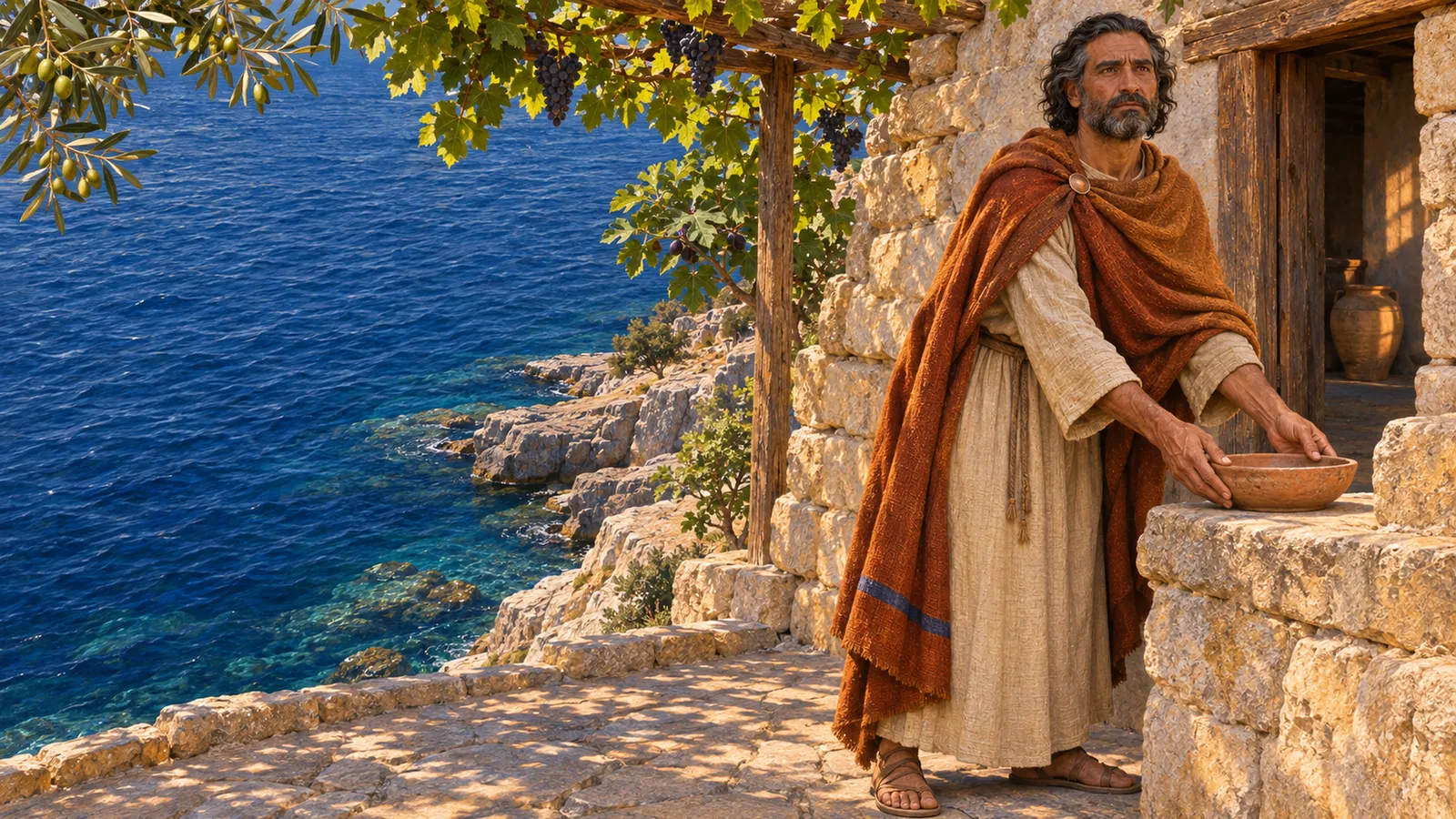
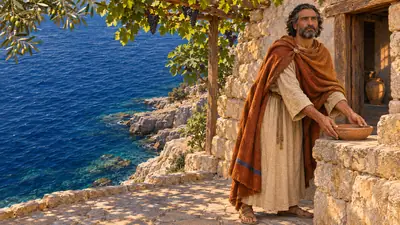
Kirta vai apresentar a oferenda, como lhe foi dito no sonho. Os versos conservados não dão uma resposta imediata.
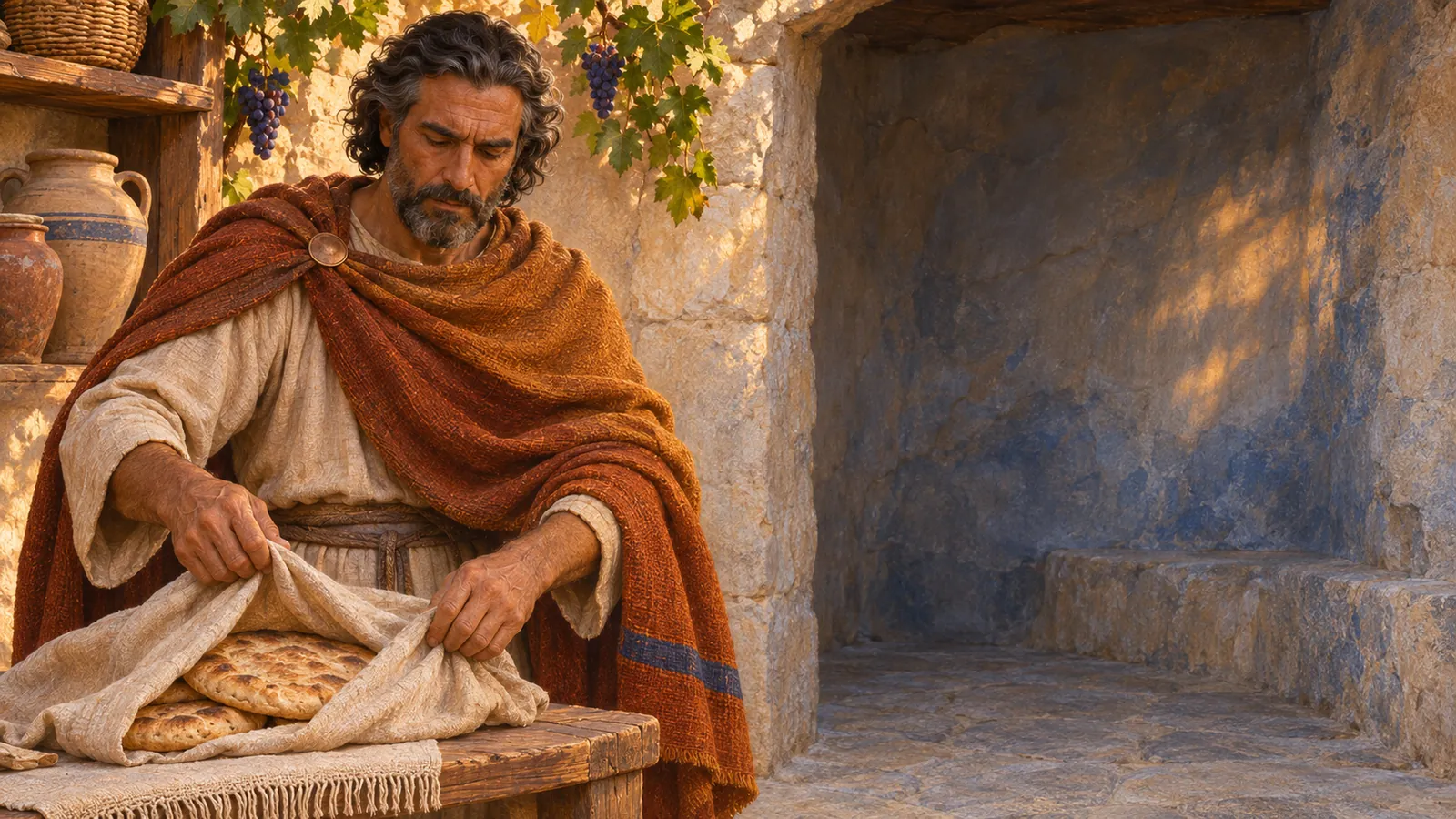
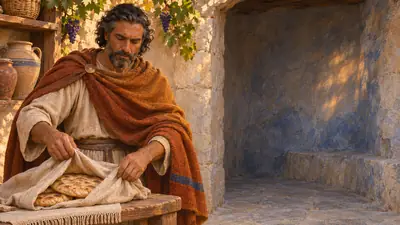
Kirta prepara o pão para a viagem. Agora, as provisões do sonho fazem parte do que ele põe em prática.
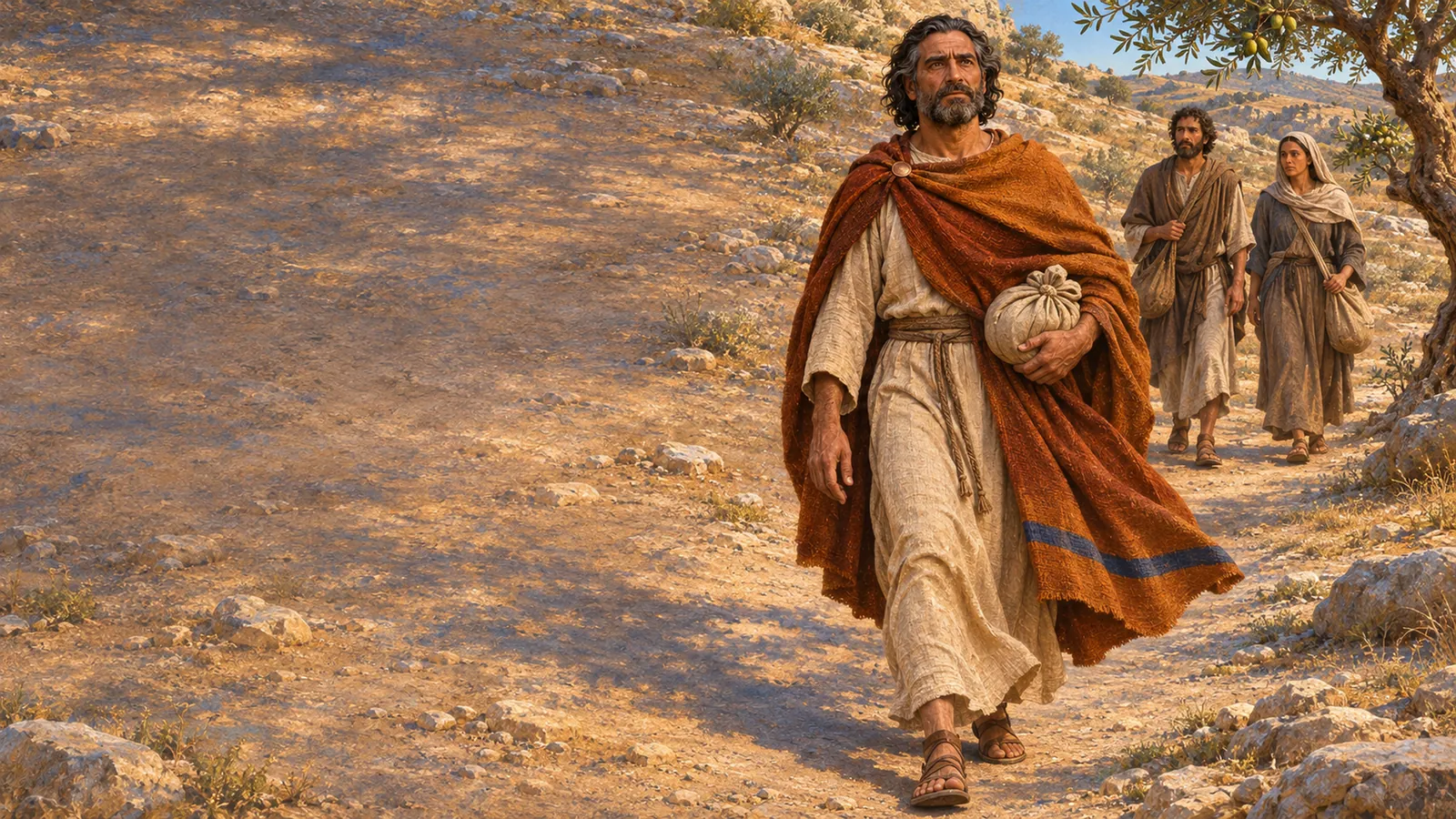
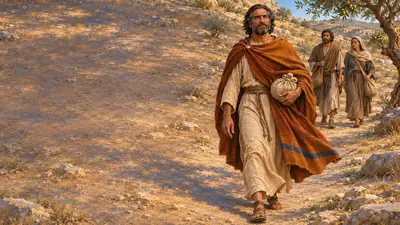
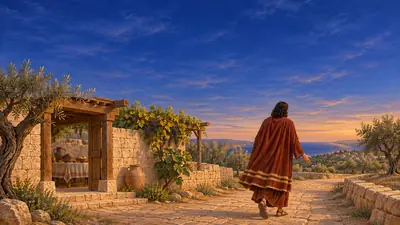
Kirta e os seus acompanhantes partem. O poema passa dos preparativos aos dias que levam pelo caminho.
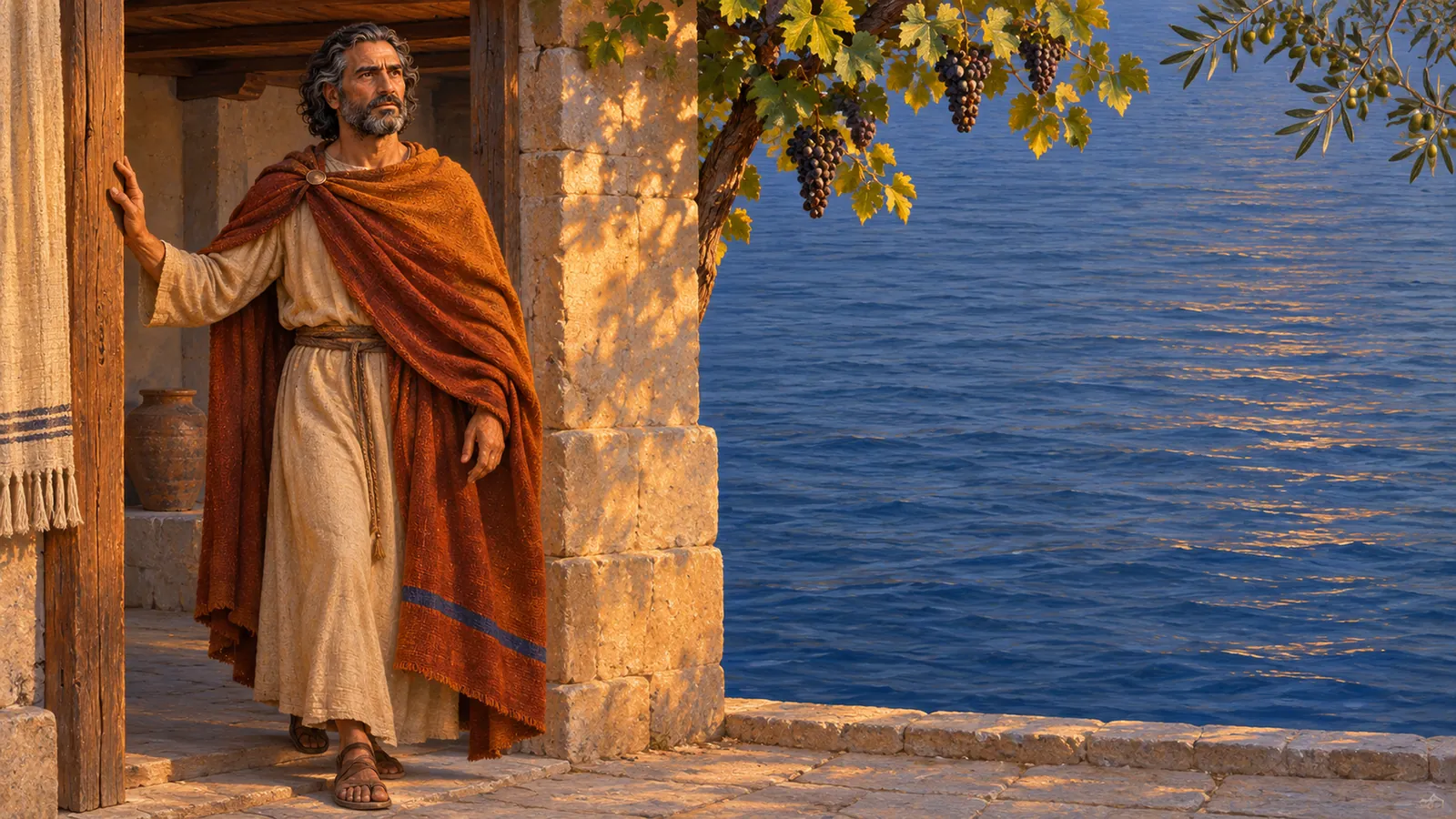
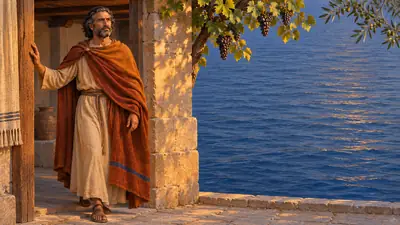
Na tarde do terceiro dia, Kirta chega ao santuário de Athirat, cujo nome o poema aqui liga a Tiro e a Sídon.
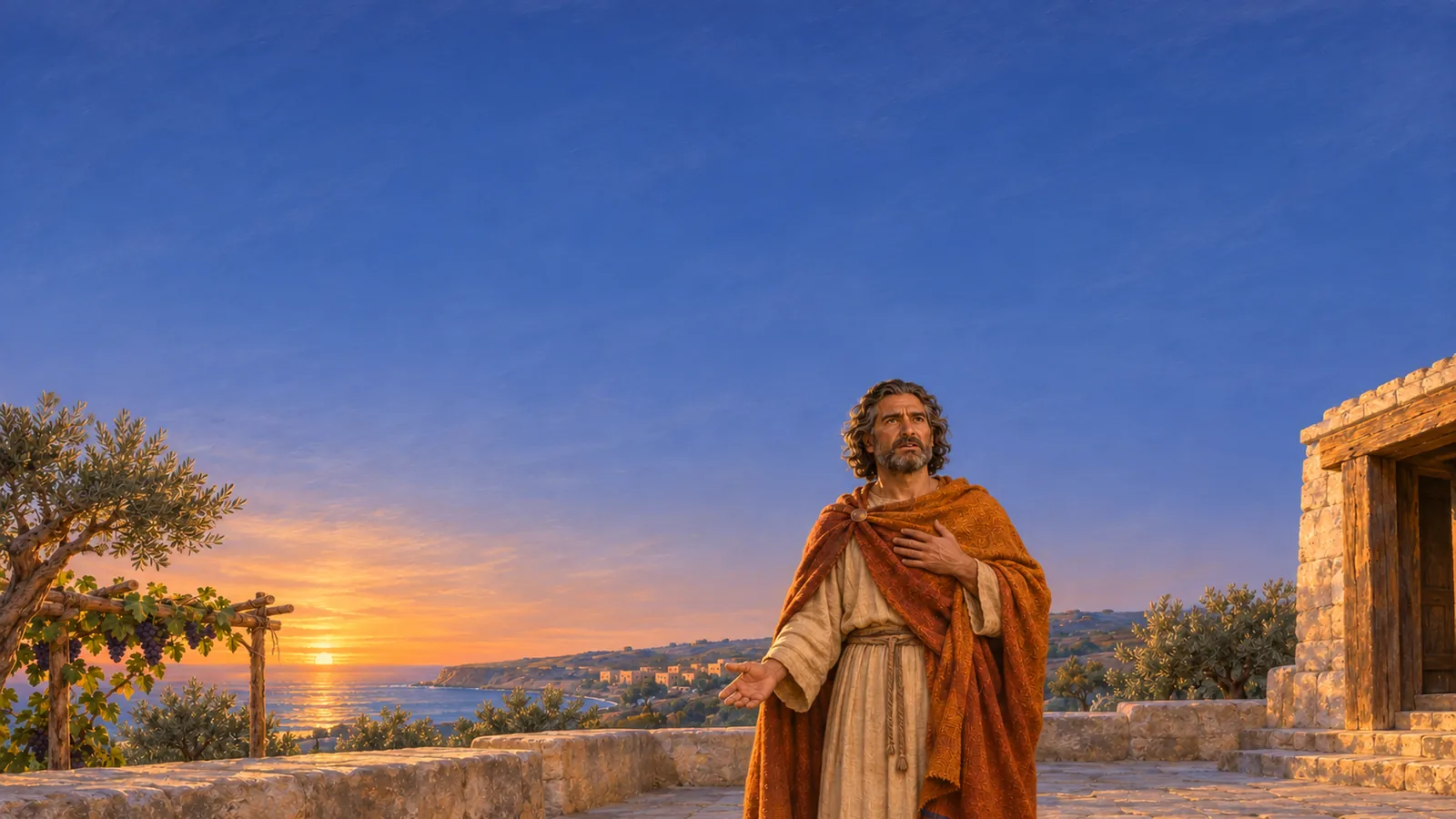
O VOTO
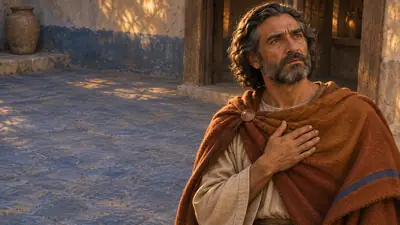
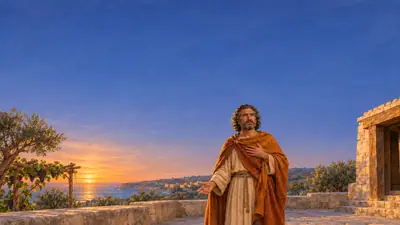
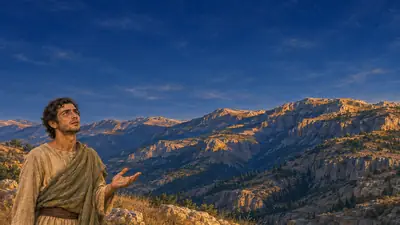
Kirta detém-se no santuário de Athirat e faz-lhe um voto. Isso acontece a caminho, depois de ter acordado do sonho.
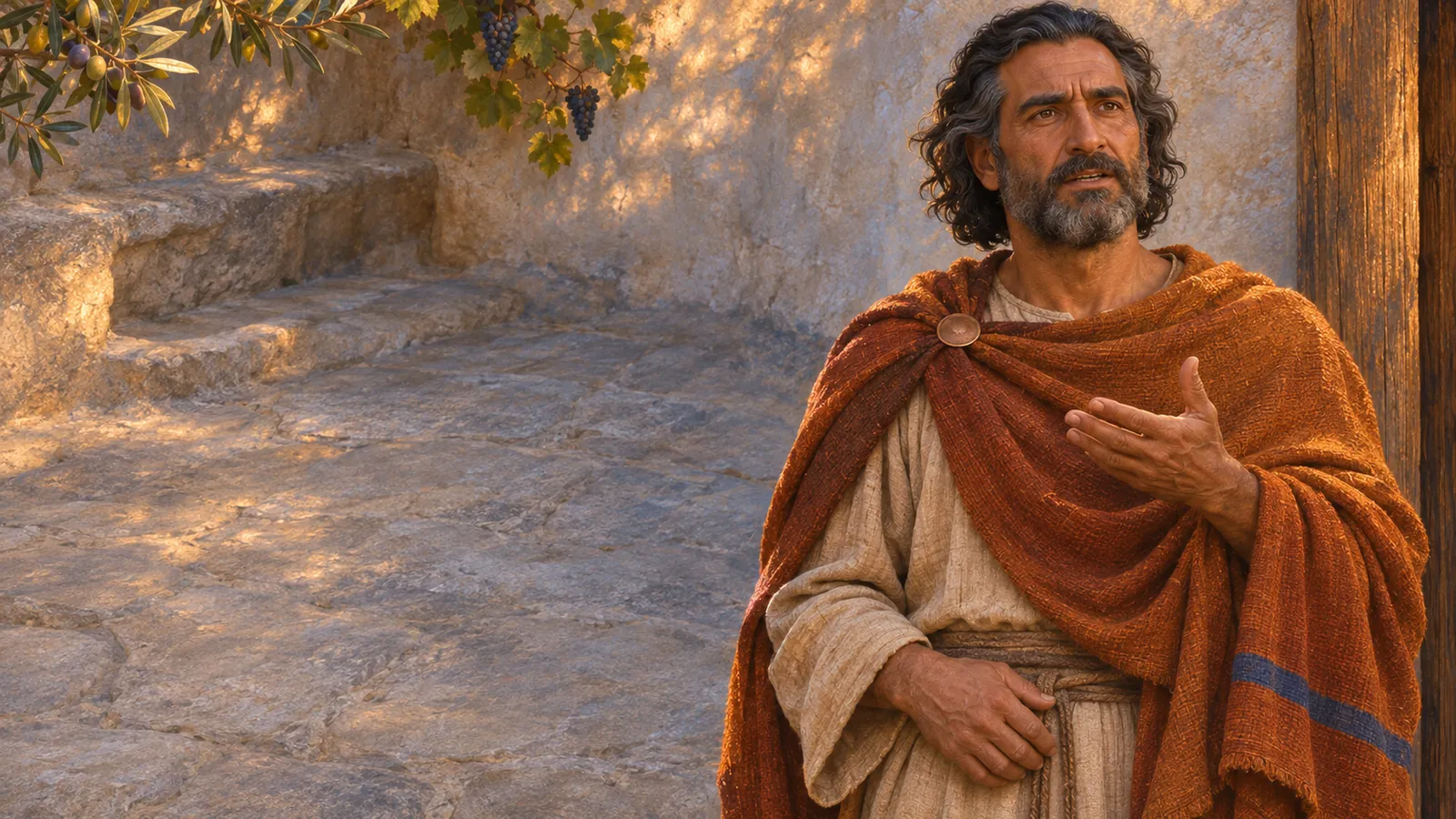
Kirta promete prata e ouro a Athirat se conseguir o que procura. A sua promessa depende do desfecho da viagem.
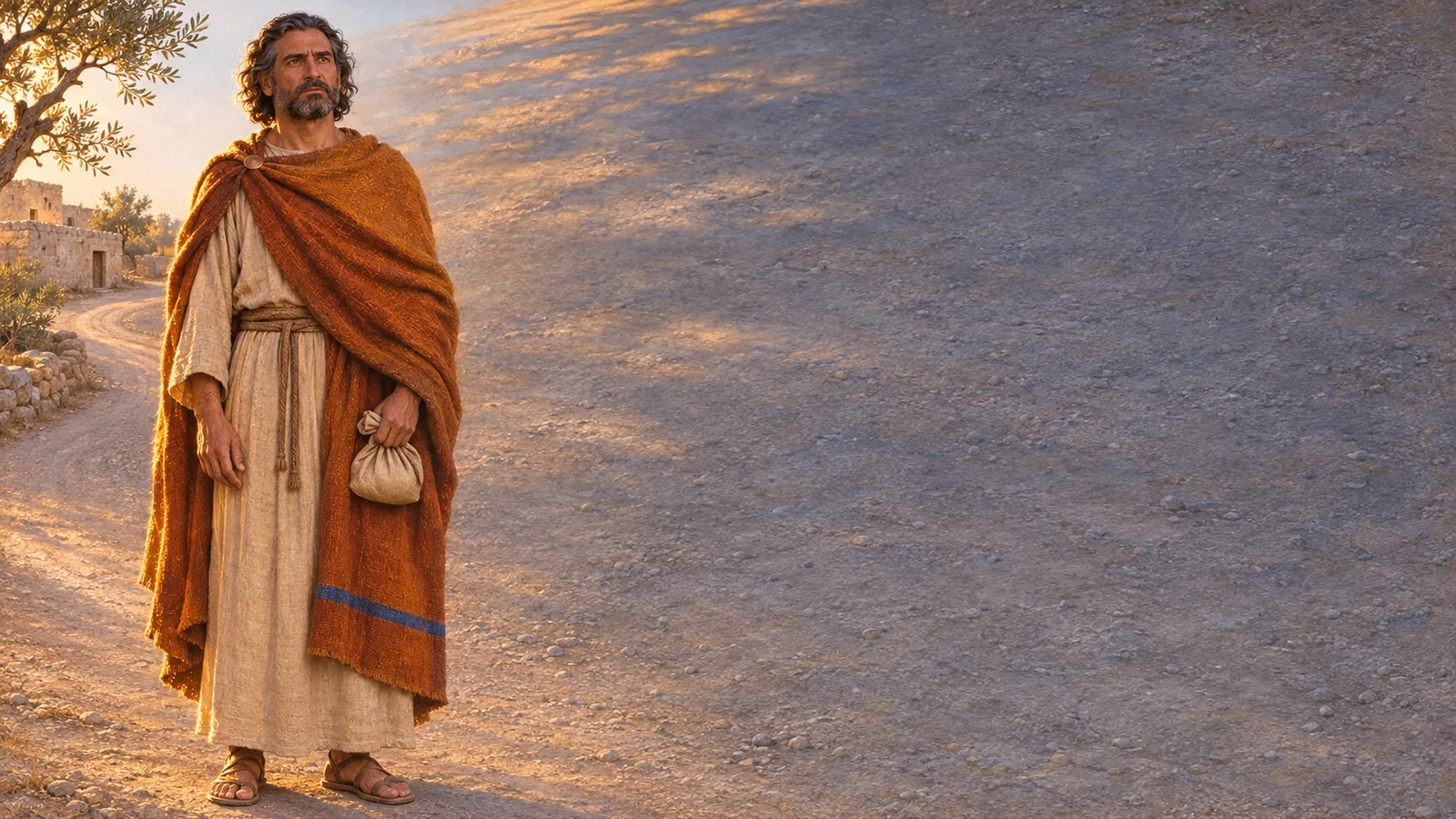
Retoma-se a contagem dos dias, e a viagem chega a Udum. Na manhã do sétimo dia, a história volta-se para Pabil.
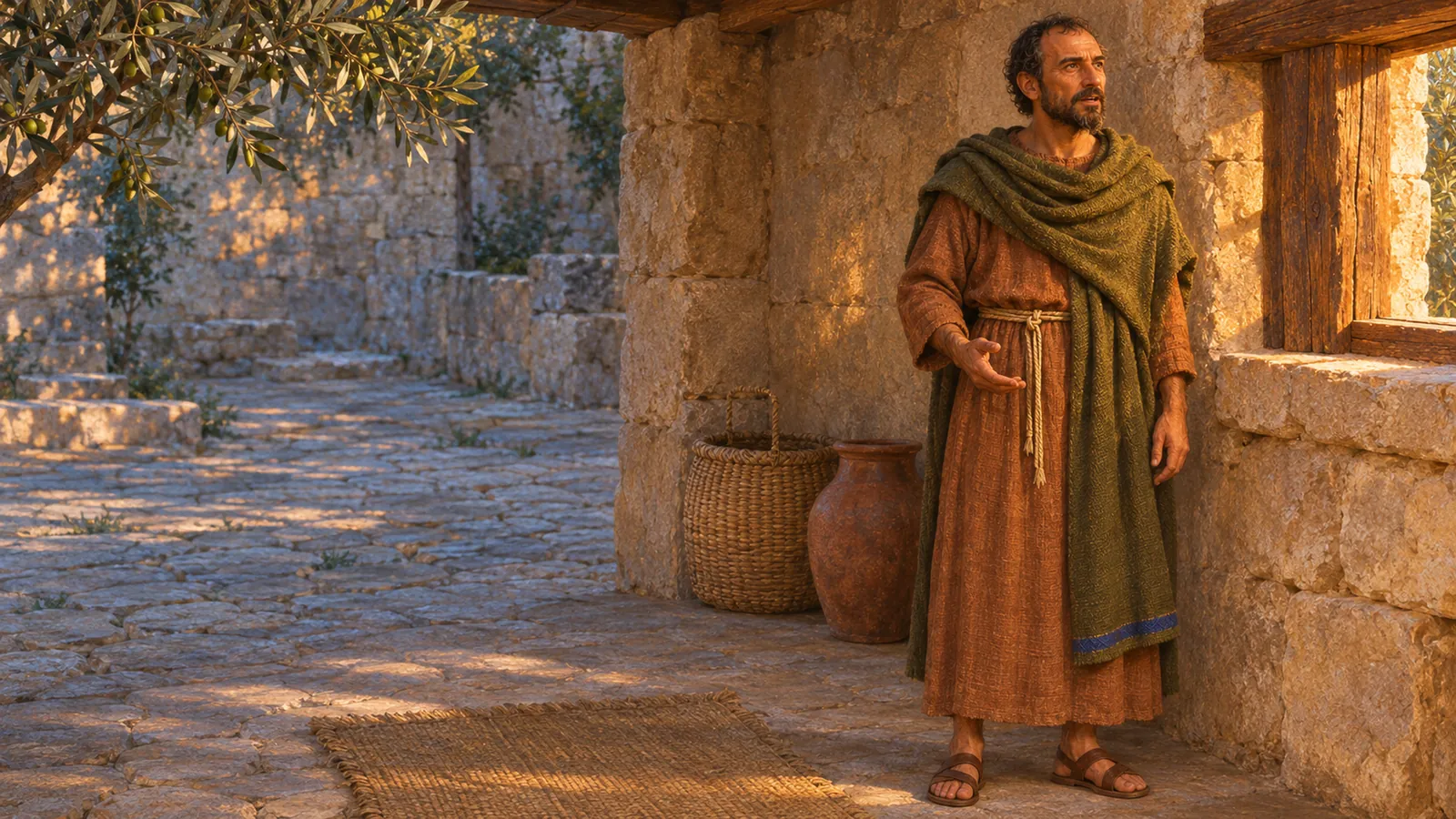
Ao amanhecer, Pabil ouve os sons dos animais. Chama em voz alta, enquanto o poema acompanha a manhã do seu lado.
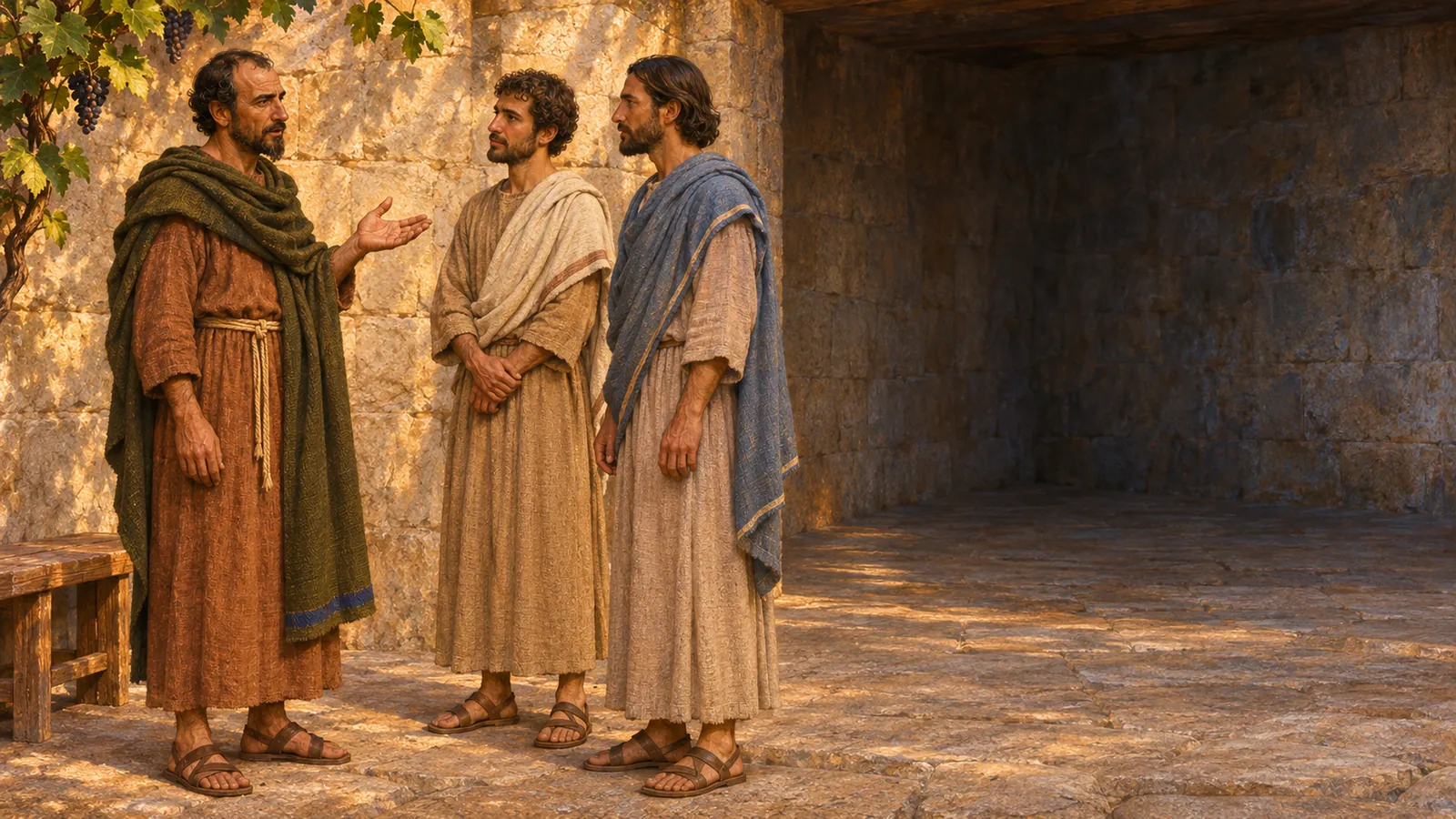
Quando as palavras voltam a ser claras, Pabil oferece riquezas a Kirta e pede-lhe que parta. A oferta é transmitida numa mensagem.
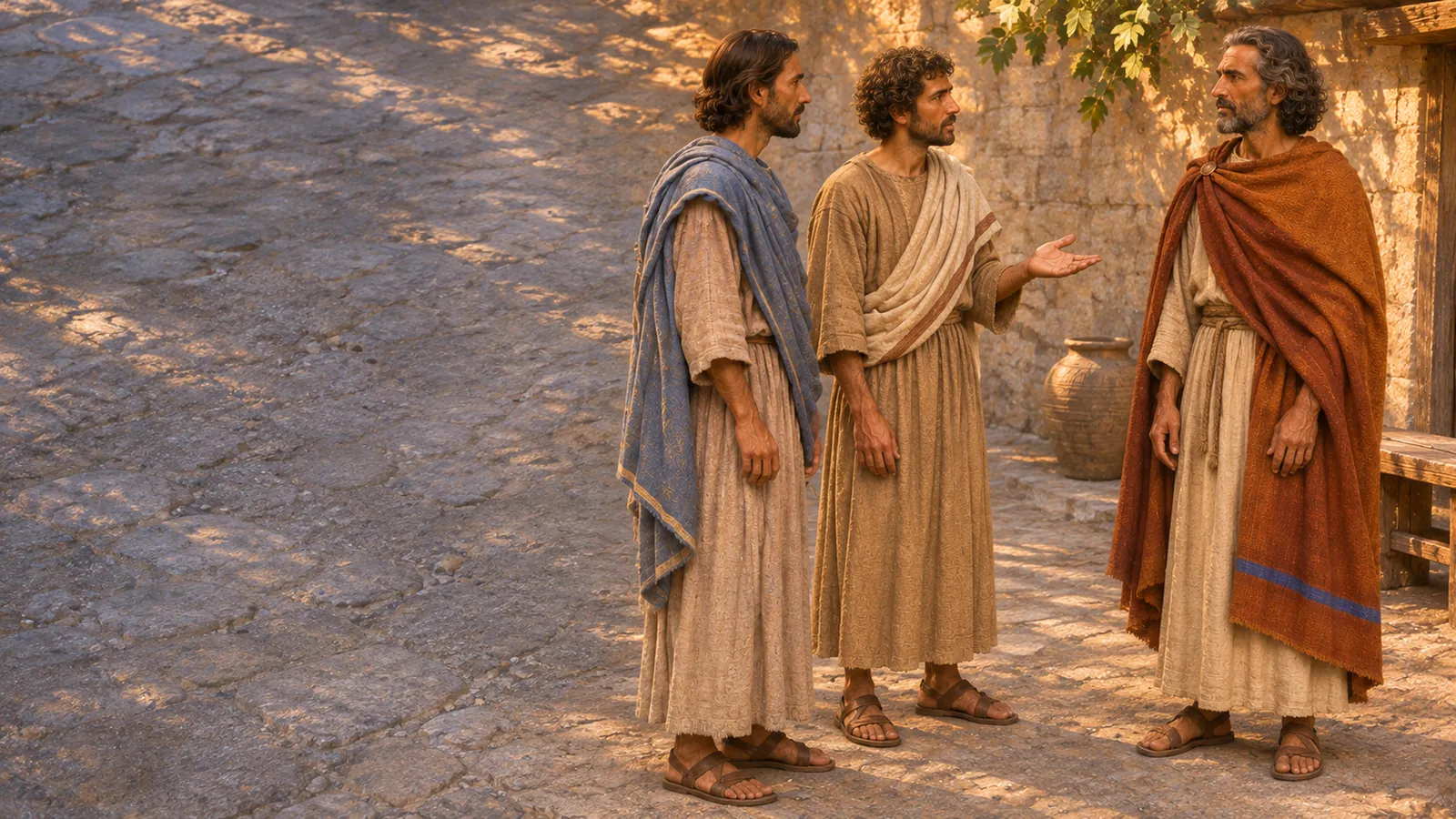
Os mensageiros de Pabil levam as suas palavras a Kirta. Quando chegam junto dele, repetem a oferta que foram encarregados de transmitir.
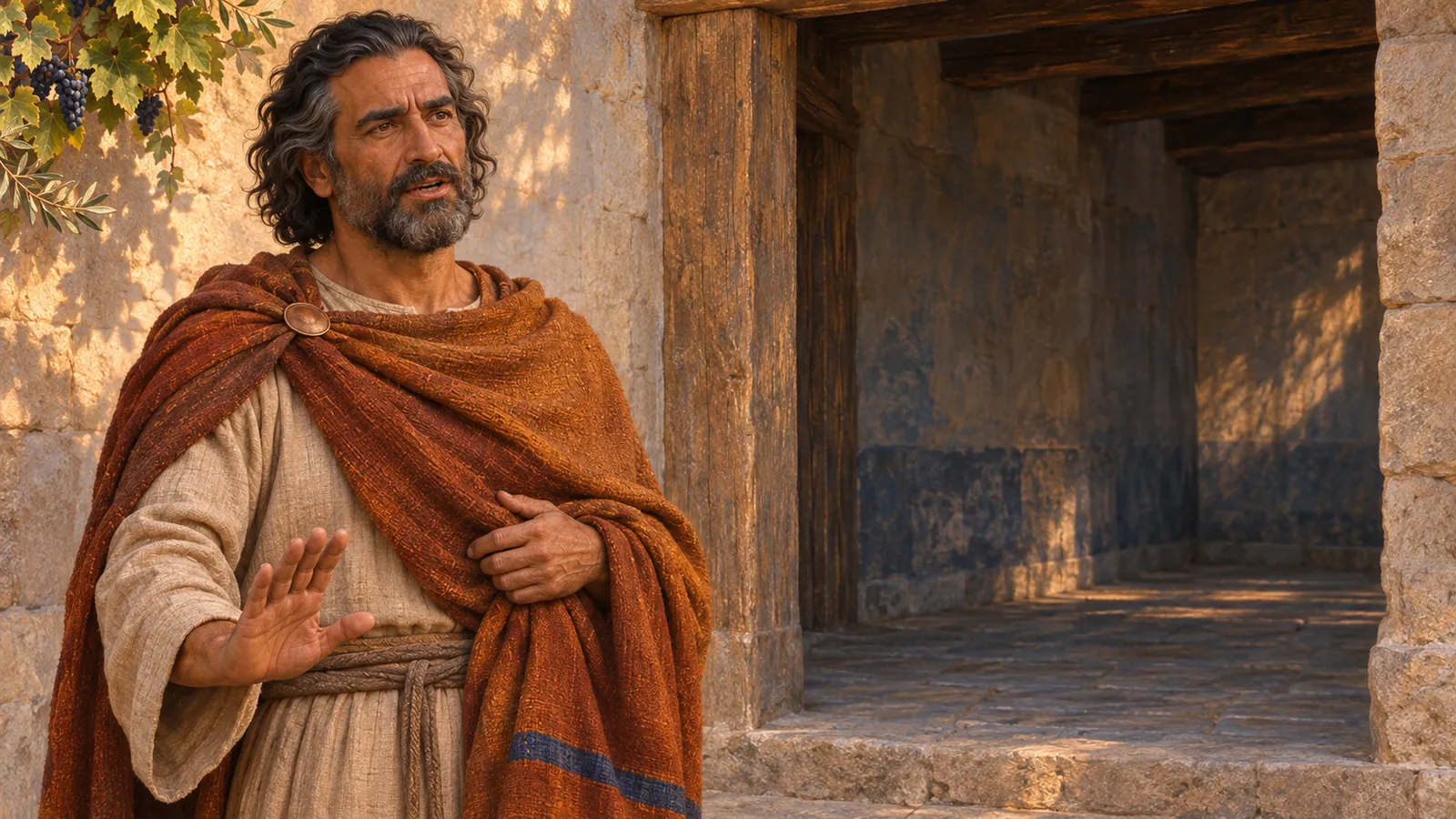
Kirta recusa a oferta de Pabil e manda-lhe a sua resposta. A troca de mensagens recorda a recusa que El tinha anunciado no sonho.
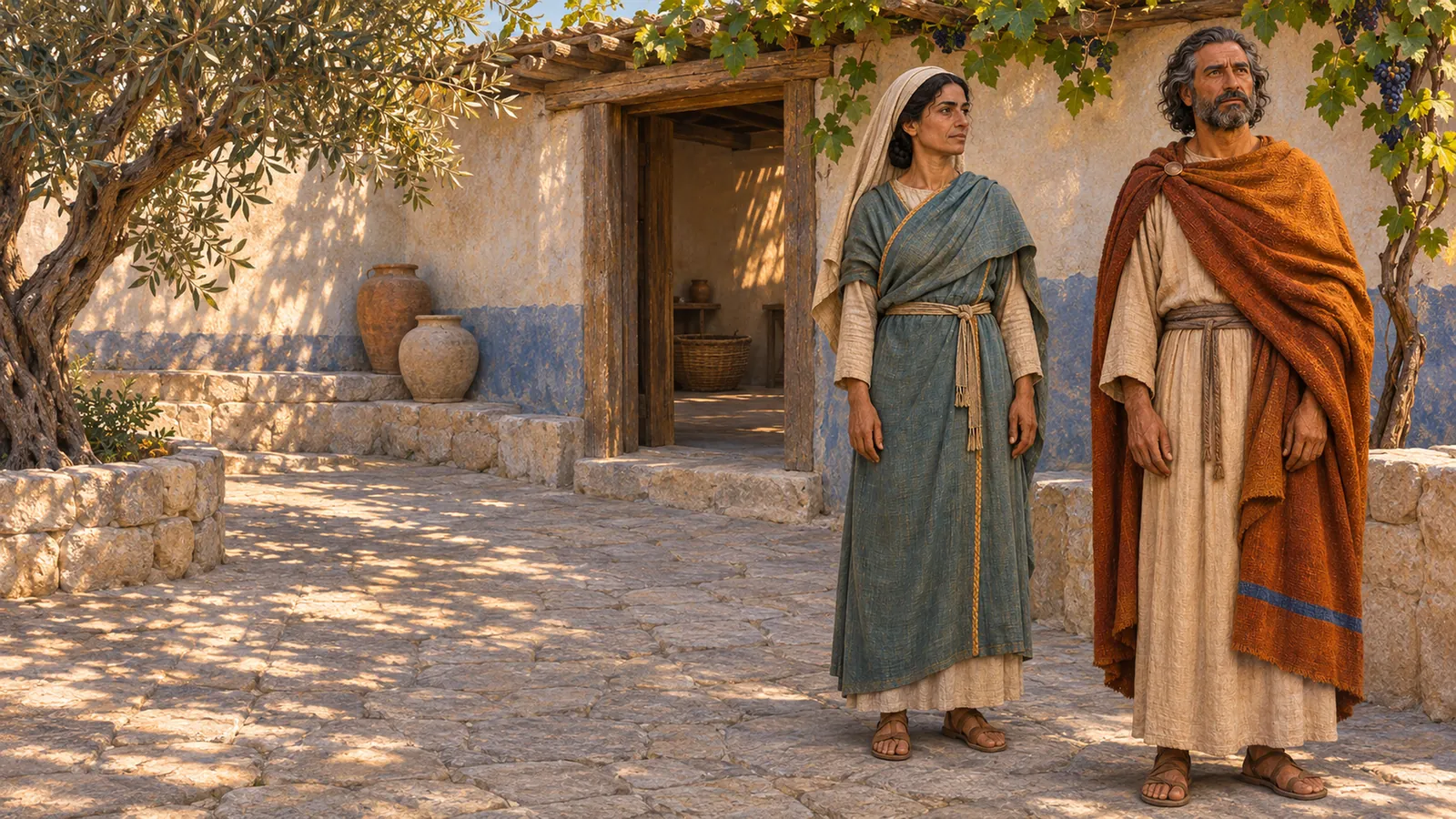
Pabil cede à pressão de Kirta, e Hurriya torna-se mulher de Kirta, embora a passagem que liga estes acontecimentos esteja danificada.
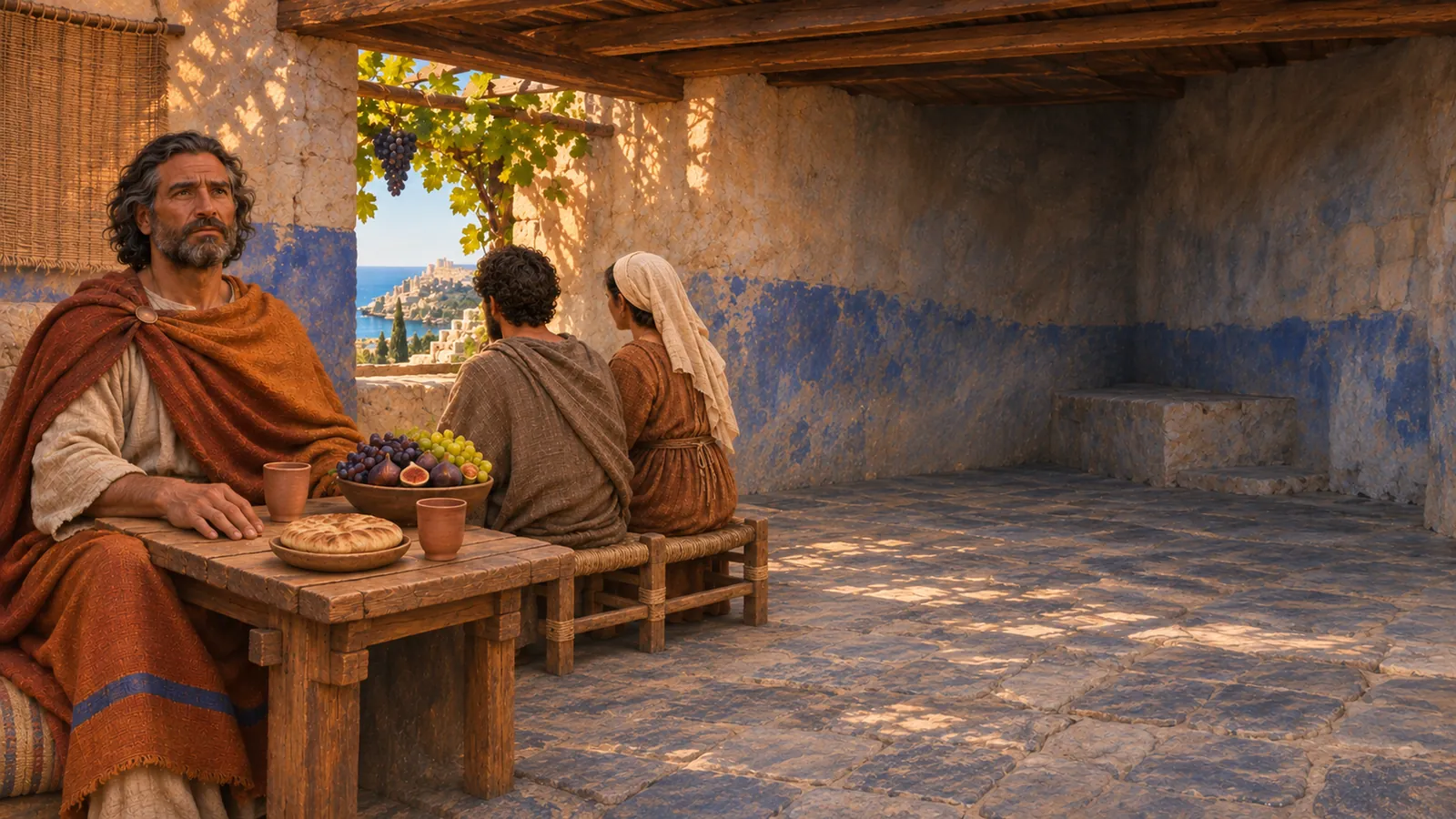
Depois de outra lacuna, o poema regressa a uma reunião e a um banquete. Ouvimos falar da refeição enquanto os convidados se juntam.
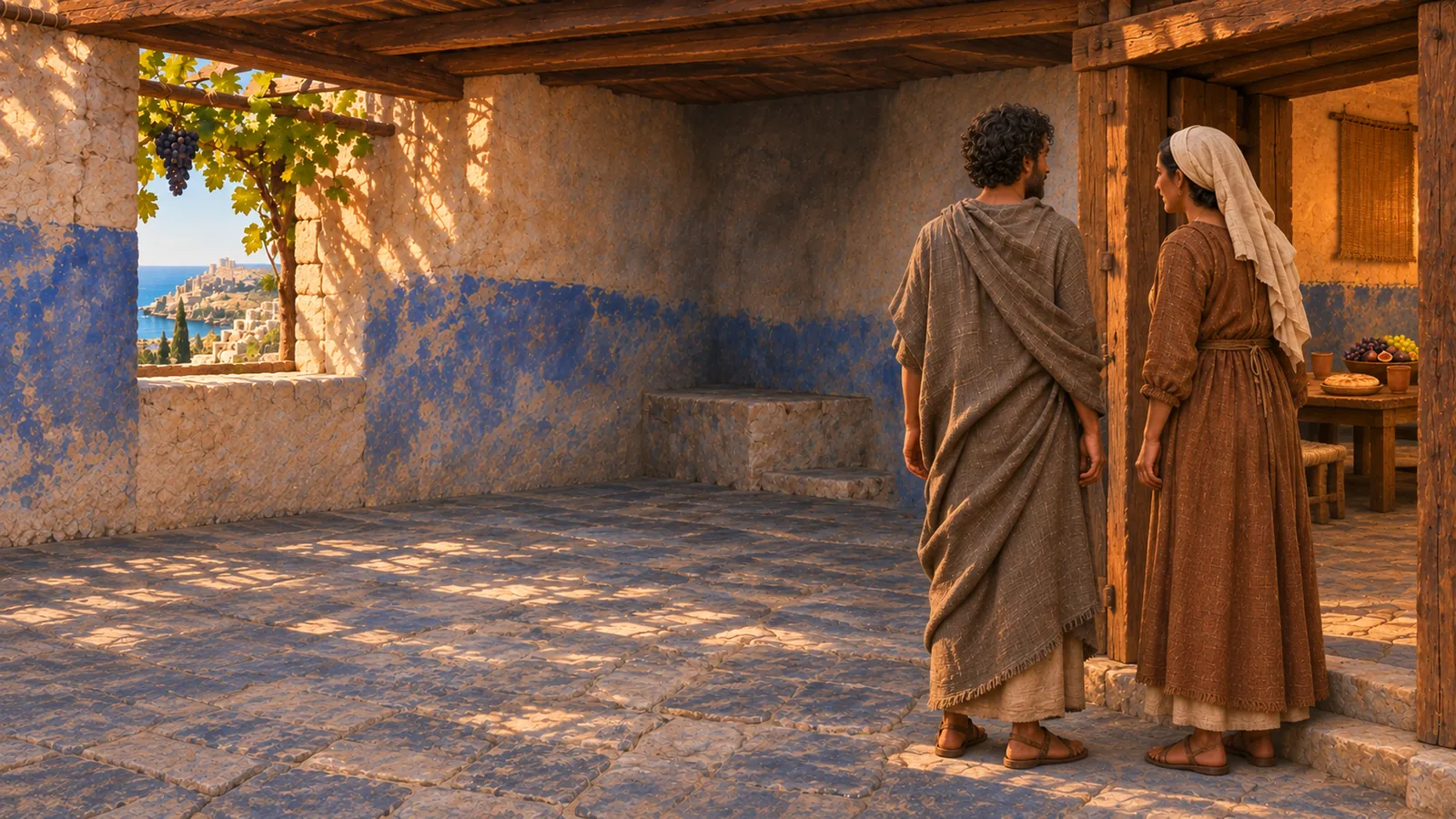
O poema detém-se às portas enquanto os convidados se juntam. Em breve será pedida uma bênção para Kirta.
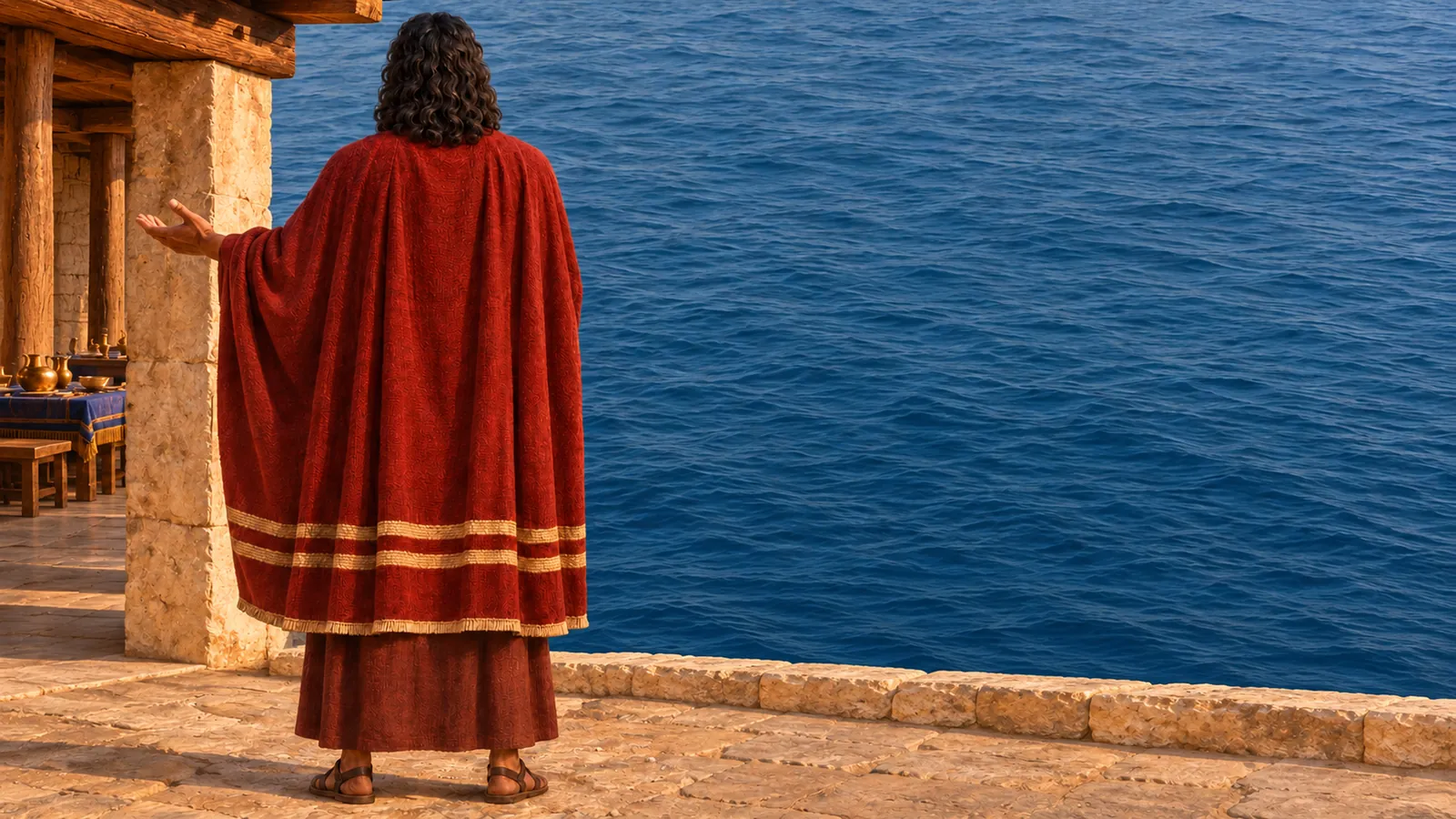
Enquanto os convidados ainda estão reunidos na sala, Baal pede a El que abençoe Kirta.
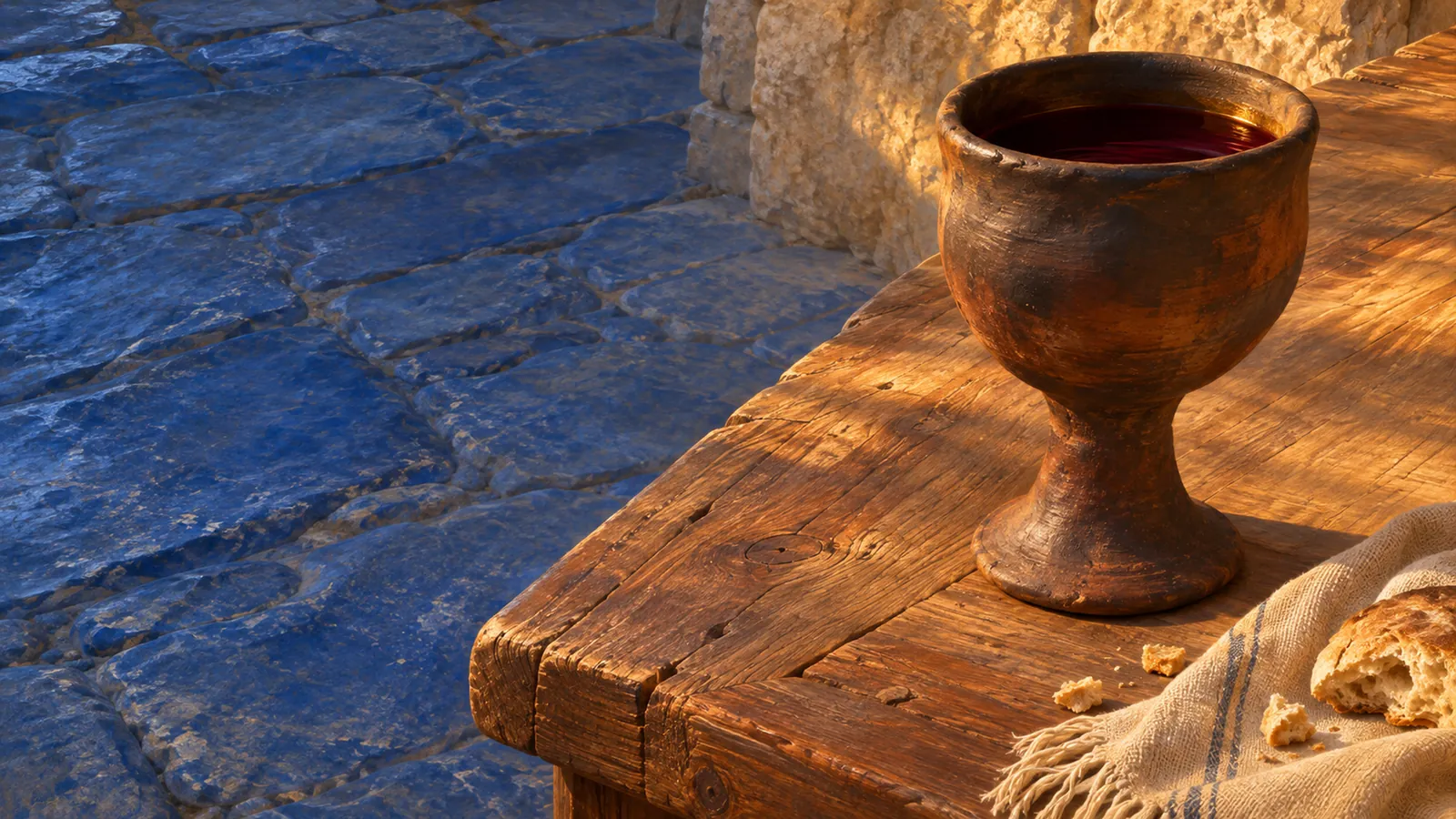
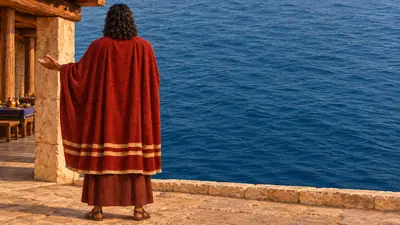
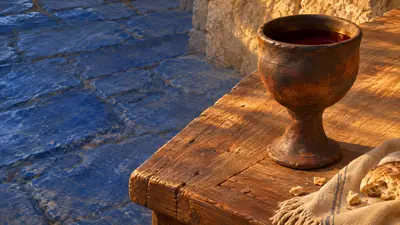
El pega uma taça e começa a sua bênção. Dirige-se a Kirta diante dos presentes, e a história faz uma pausa para ouvir suas palavras.
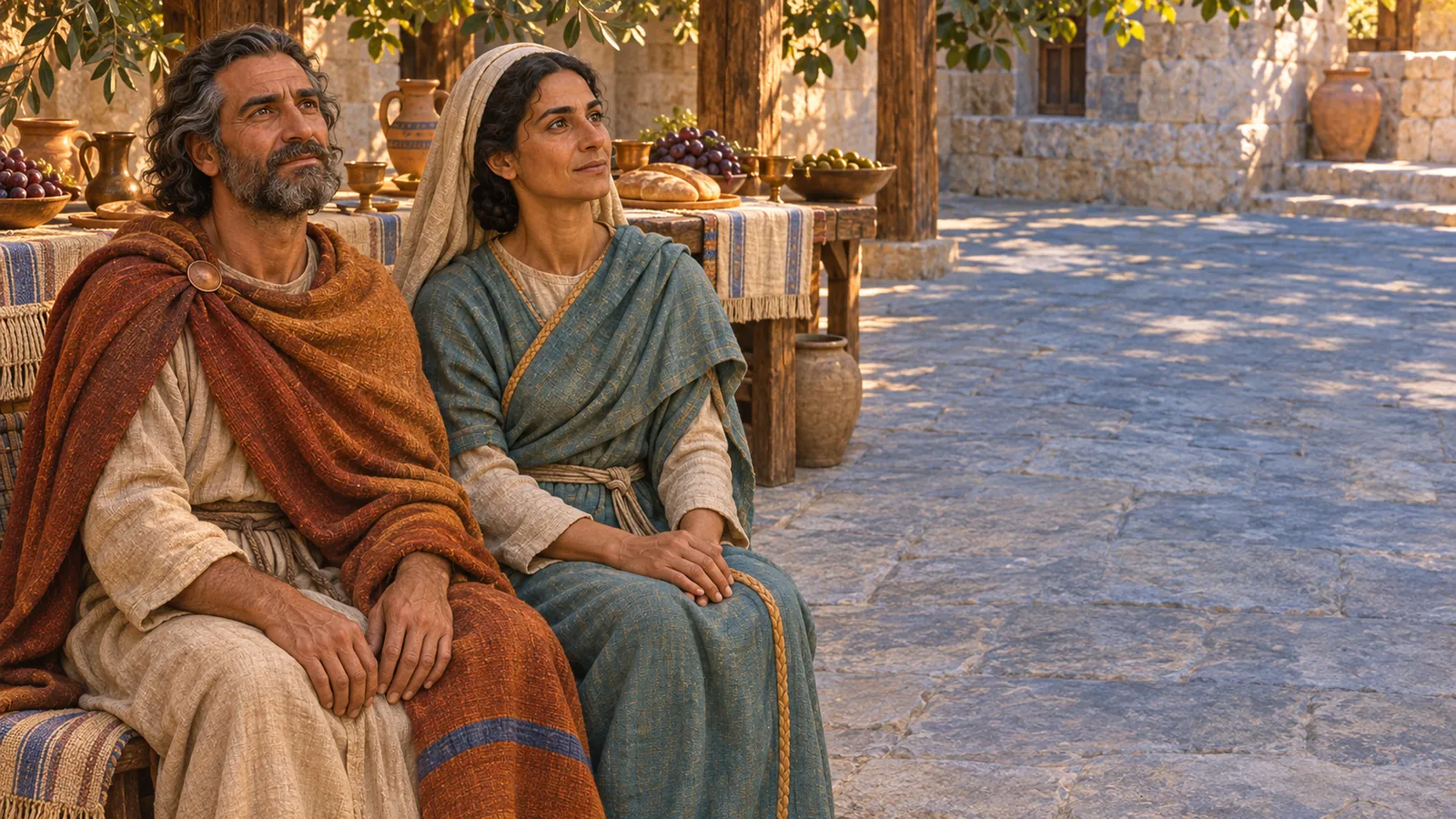
A bênção anuncia filhos na casa de Kirta. Suas palavras também nomeiam uma assembleia de seres venerados do passado.
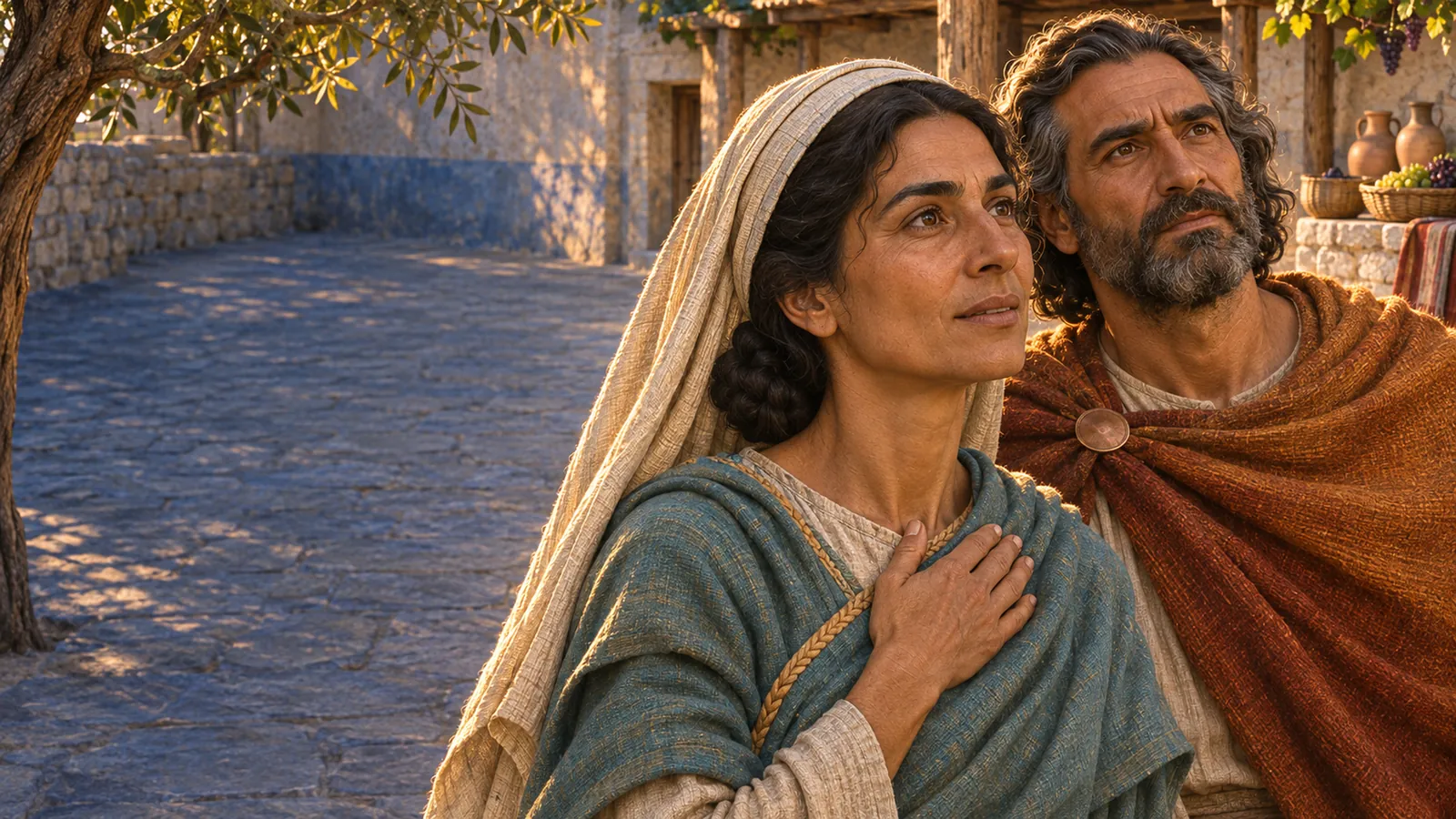
A bênção de El continua com filhas e filhos. À casa que no começo do poema parecia sem futuro promete-se uma nova geração.
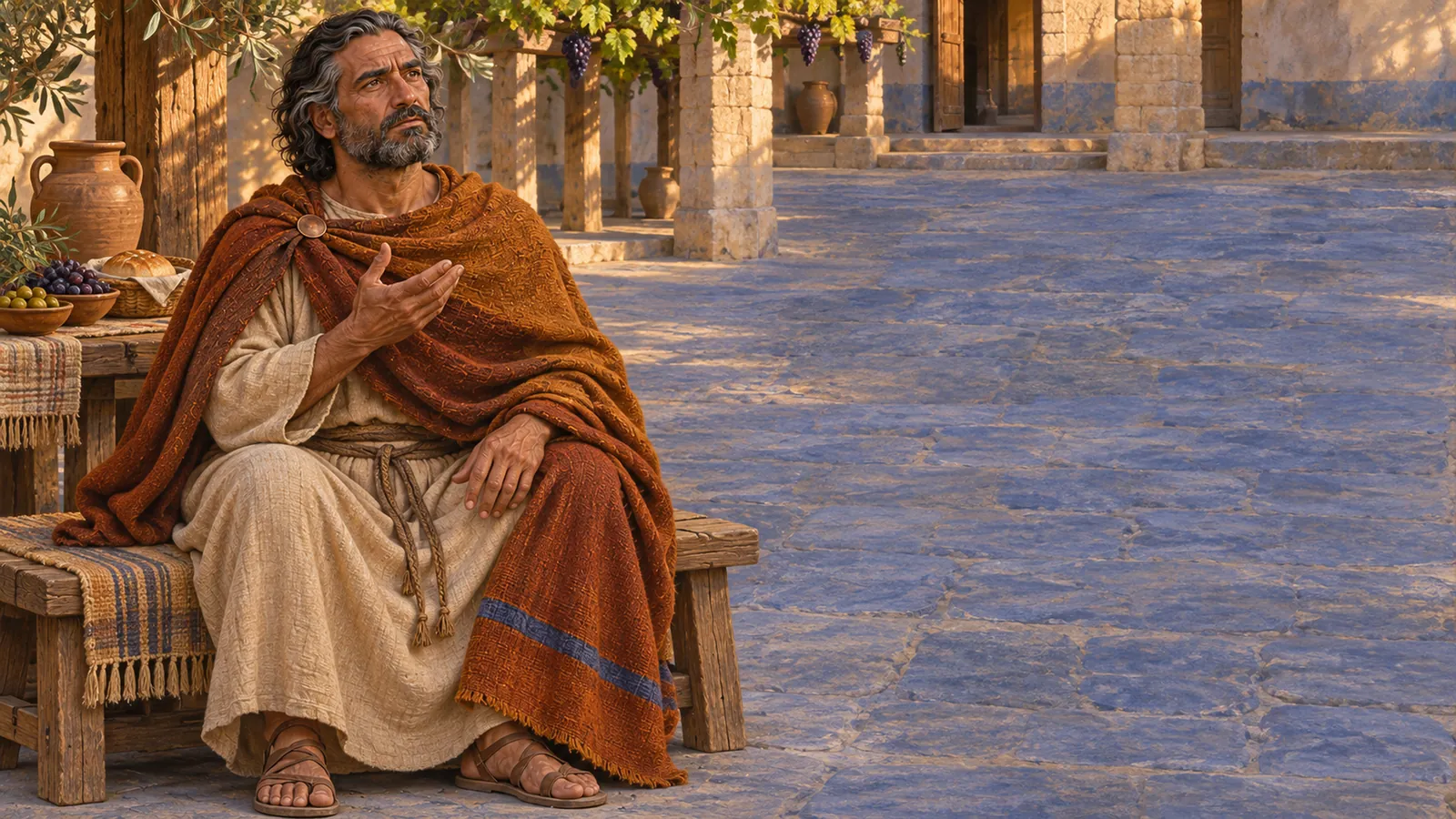
A bênção de El dá ao mais novo a posição de primogênito. O poema diz isso na bênção, muito antes da disputa pelo trono de Kirta.
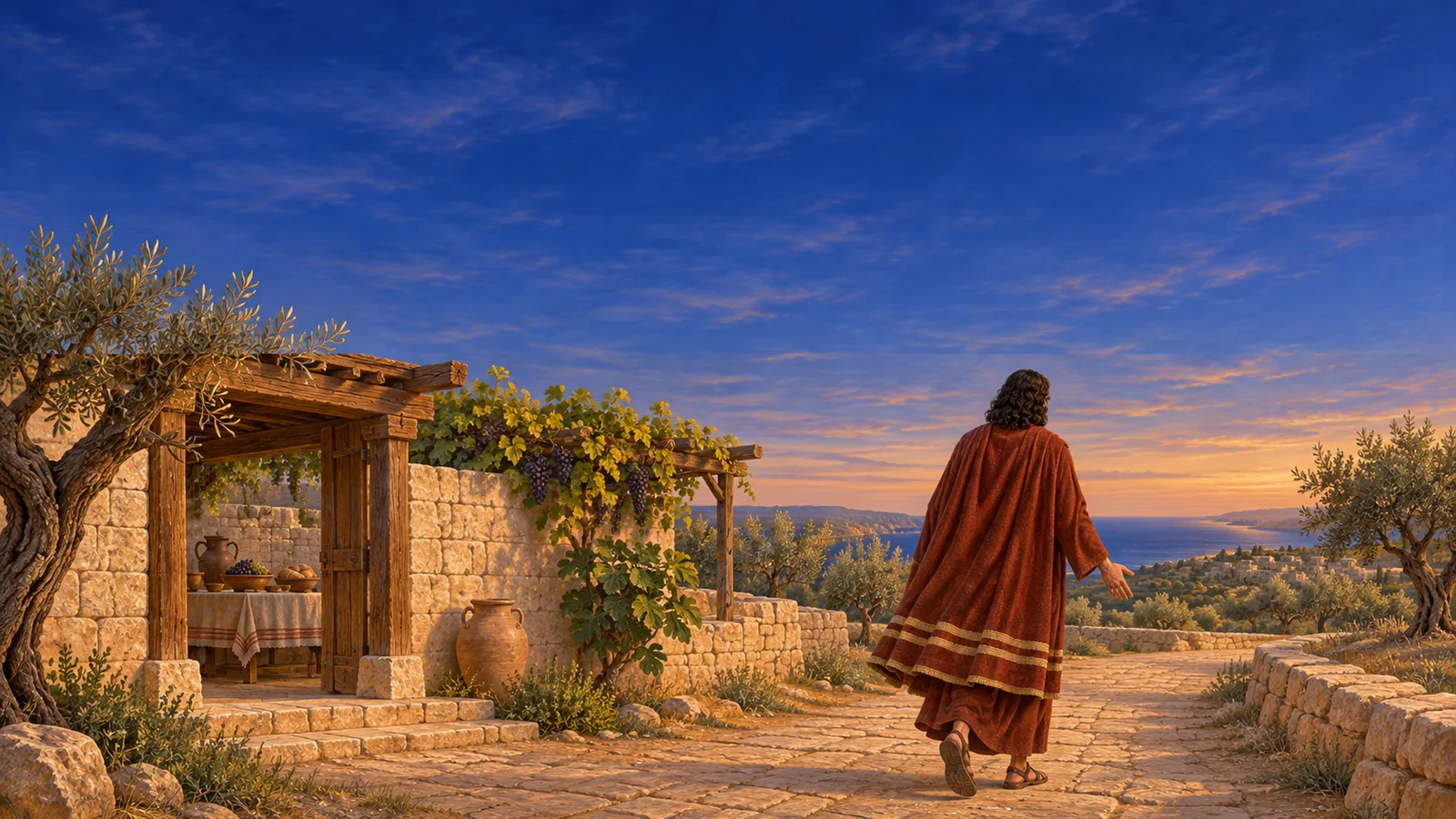
Os presentes acrescentam suas bênçãos. Depois de ditas as palavras, os deuses voltam às suas moradas e o banquete termina.
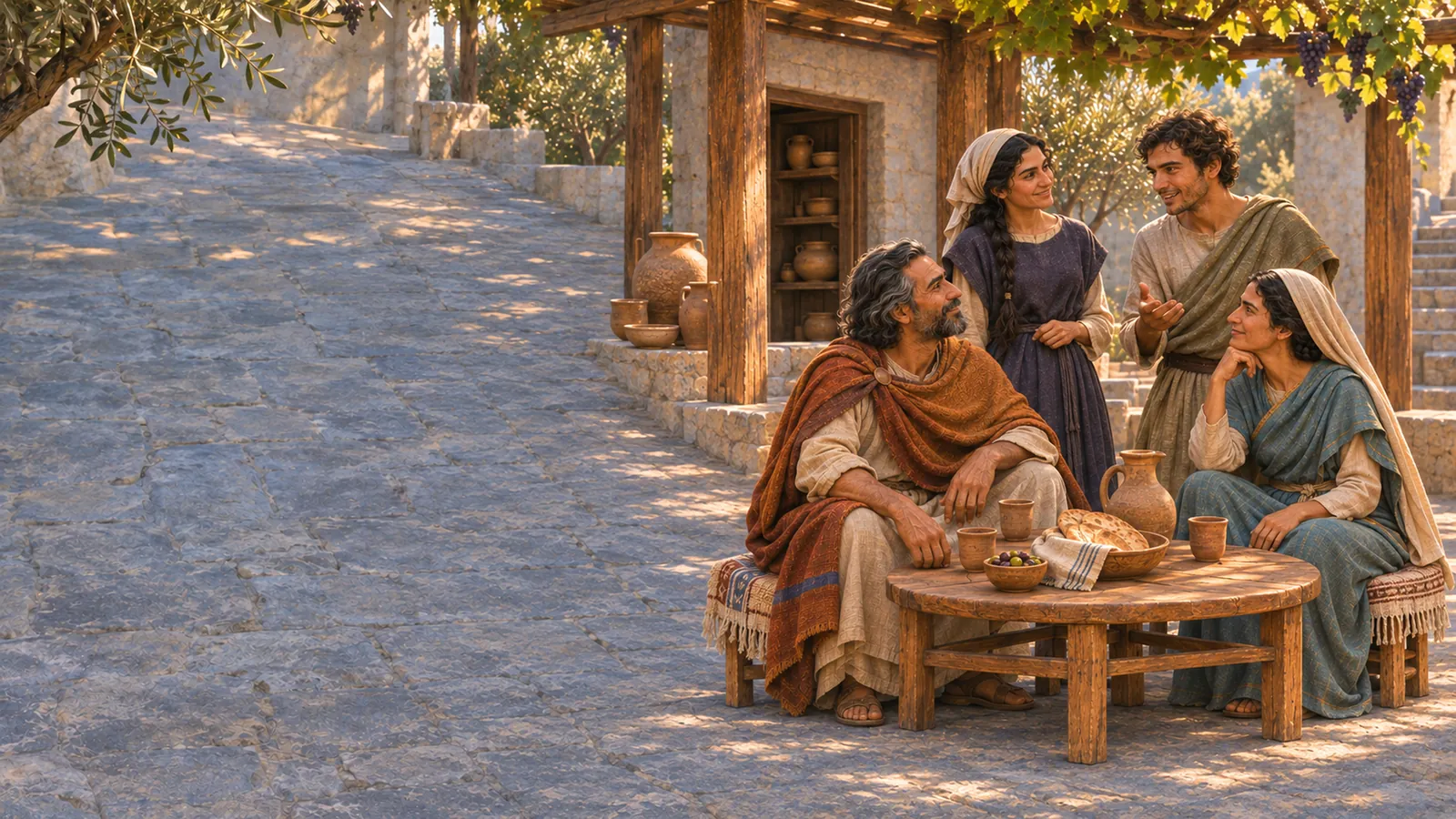
Os anos passam. O poema conta dos filhos na casa de Kirta e Hurriya e recorda a bênção que prometia uma nova geração.
O VOTO
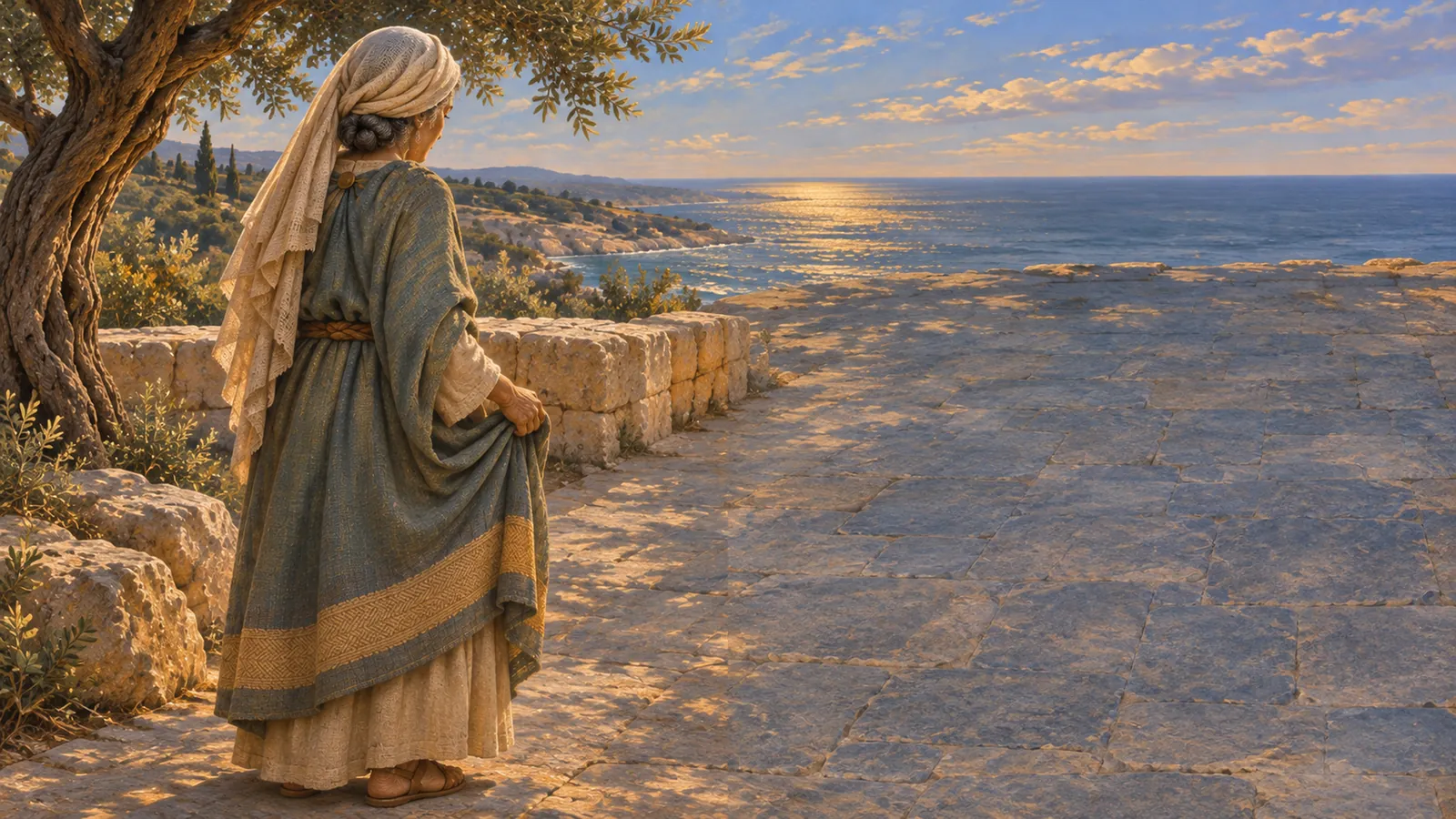
Depois desses anos, Athirat lembra o voto que Kirta lhe fez. A promessa continua por cumprir. As linhas seguintes tornam-se difíceis de ler.
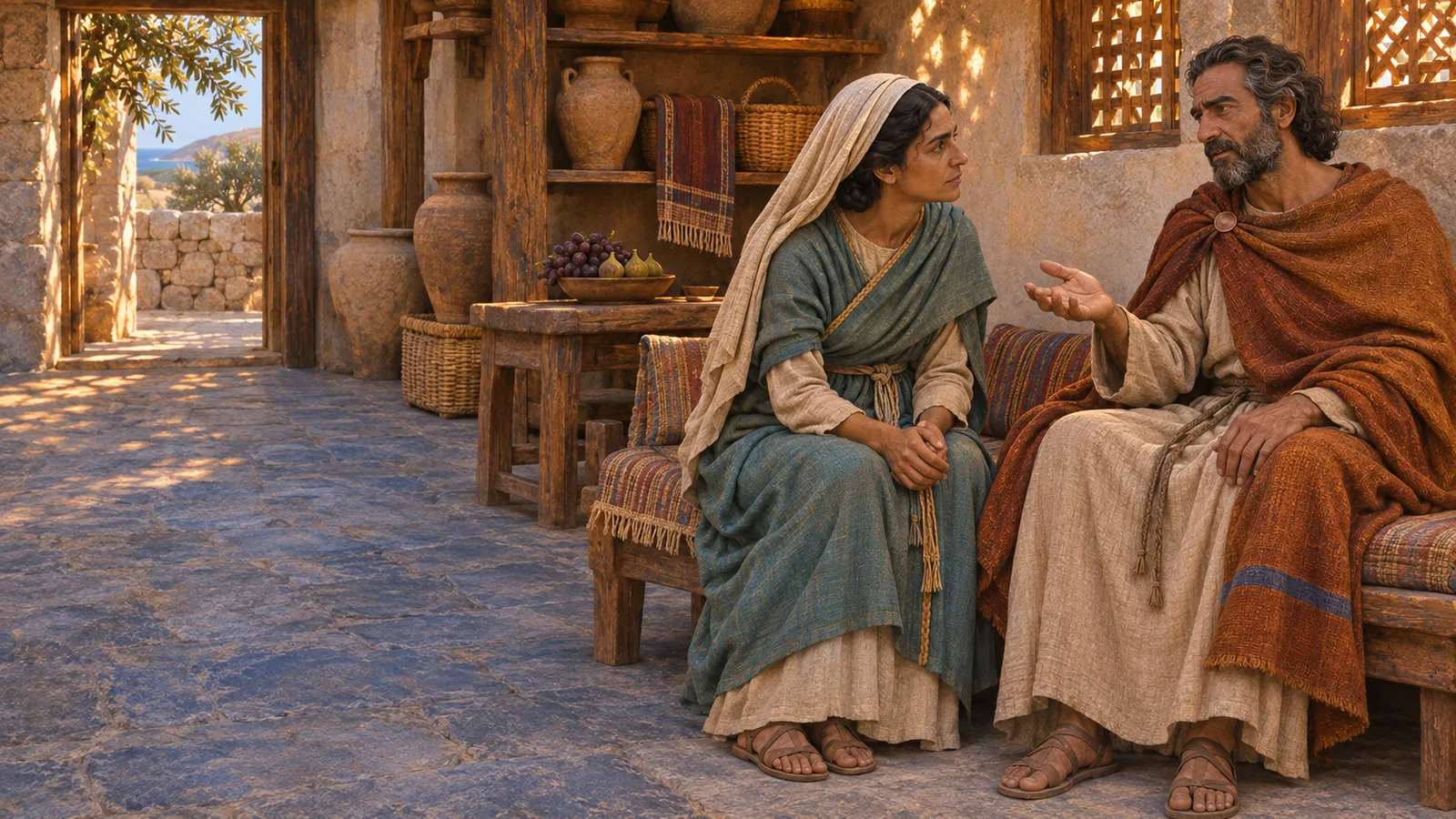
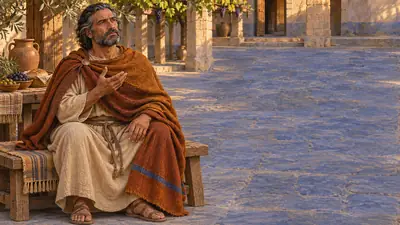
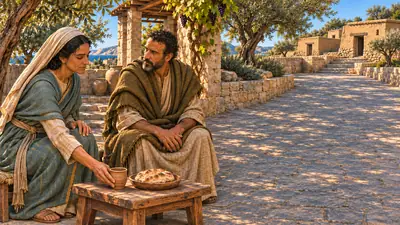
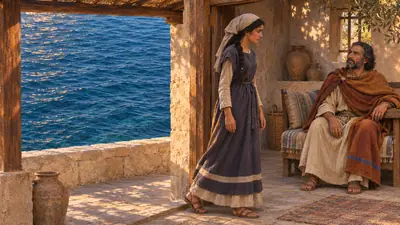
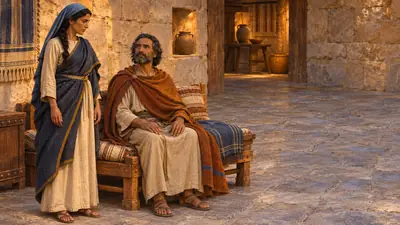
Kirta está gravemente doente. Pede a Hurriya que chame algumas pessoas à casa e prepare uma refeição. Ela se encarrega da reunião.
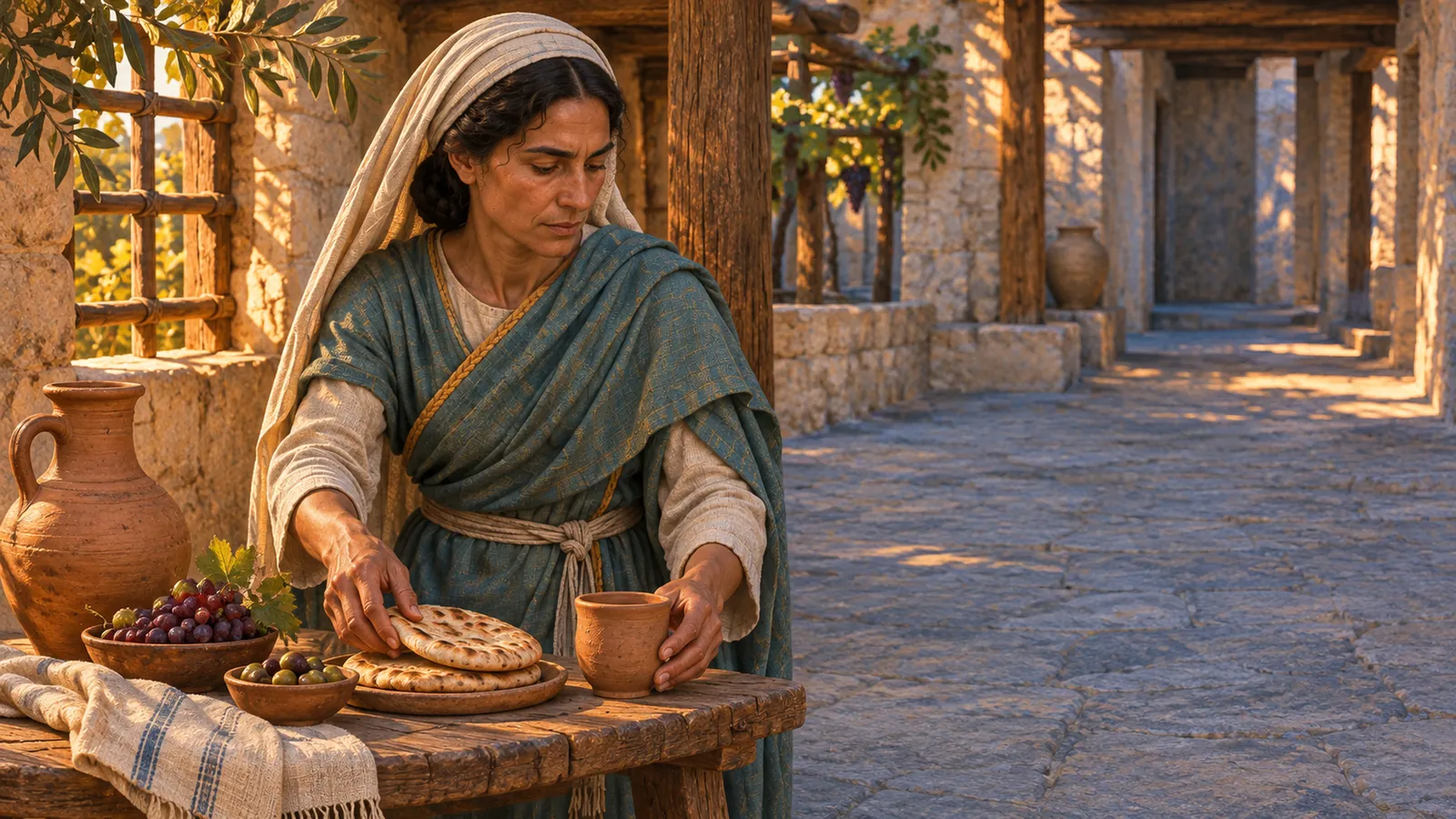
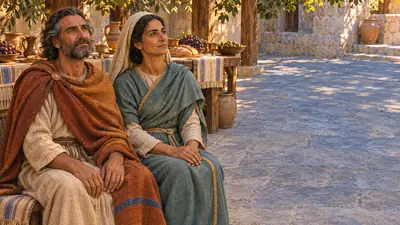
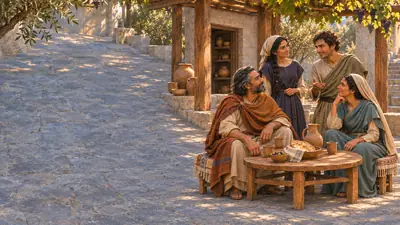
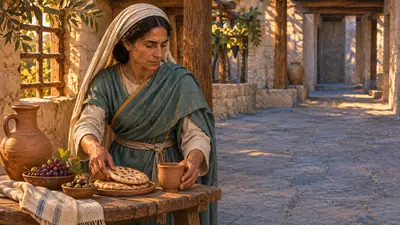
Hurriya faz os preparativos que Kirta pediu. O poema acompanha seu trabalho enquanto a casa se prepara para oferecer comida e bebida aos convidados.
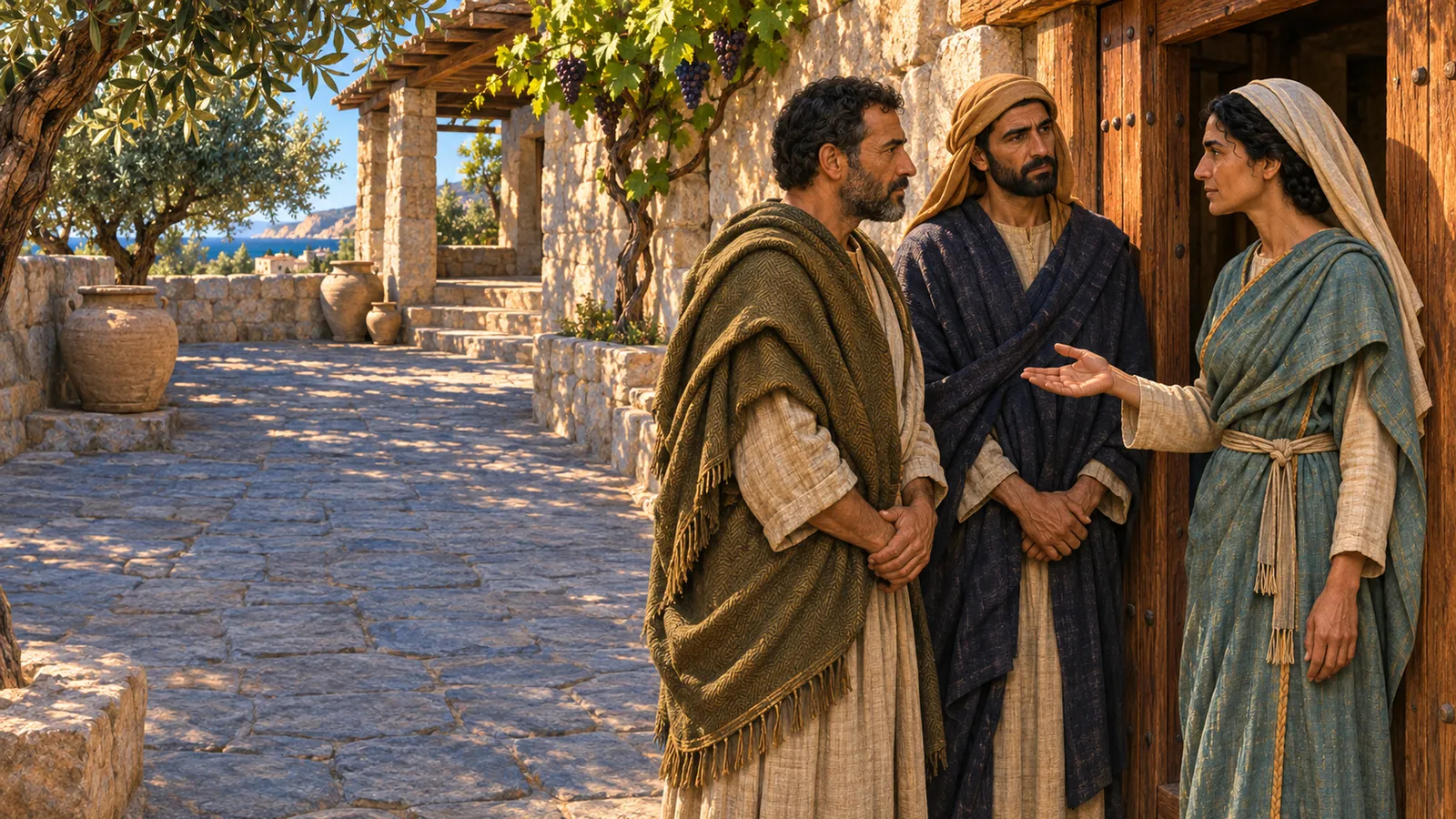
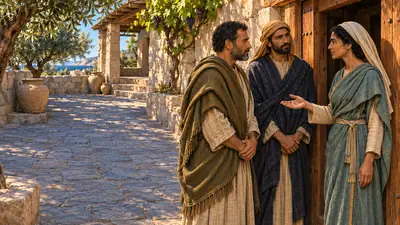
Hurriya recebe as pessoas de maior posição em nome de Kirta. O poema diz isso duas vezes e depois descreve o lugar em que ela as recebe.
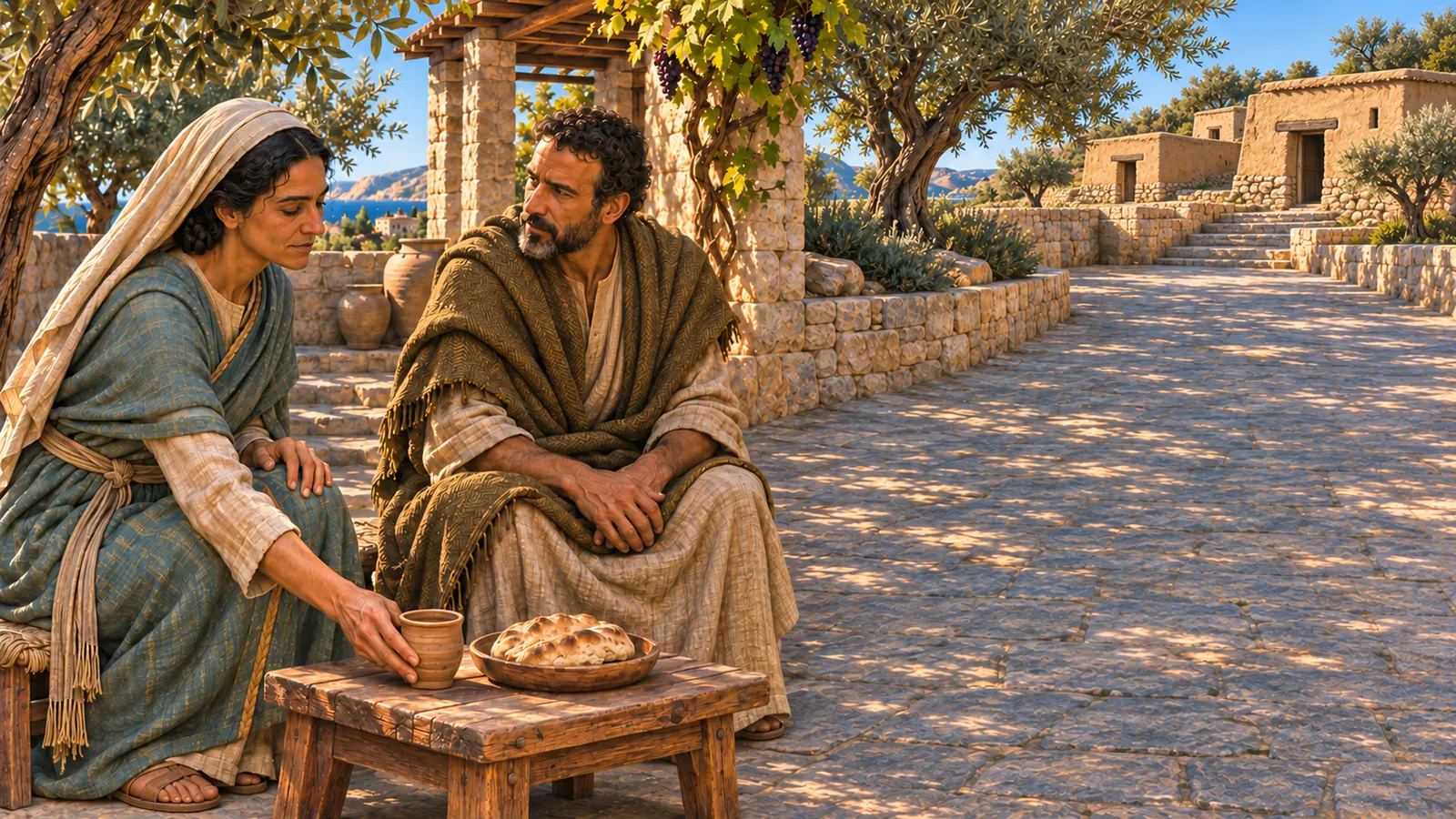
Parte da conversa se perdeu no fim da coluna. Quando as linhas voltam a ficar claras, o poema retoma a hospitalidade de Hurriya e a refeição.
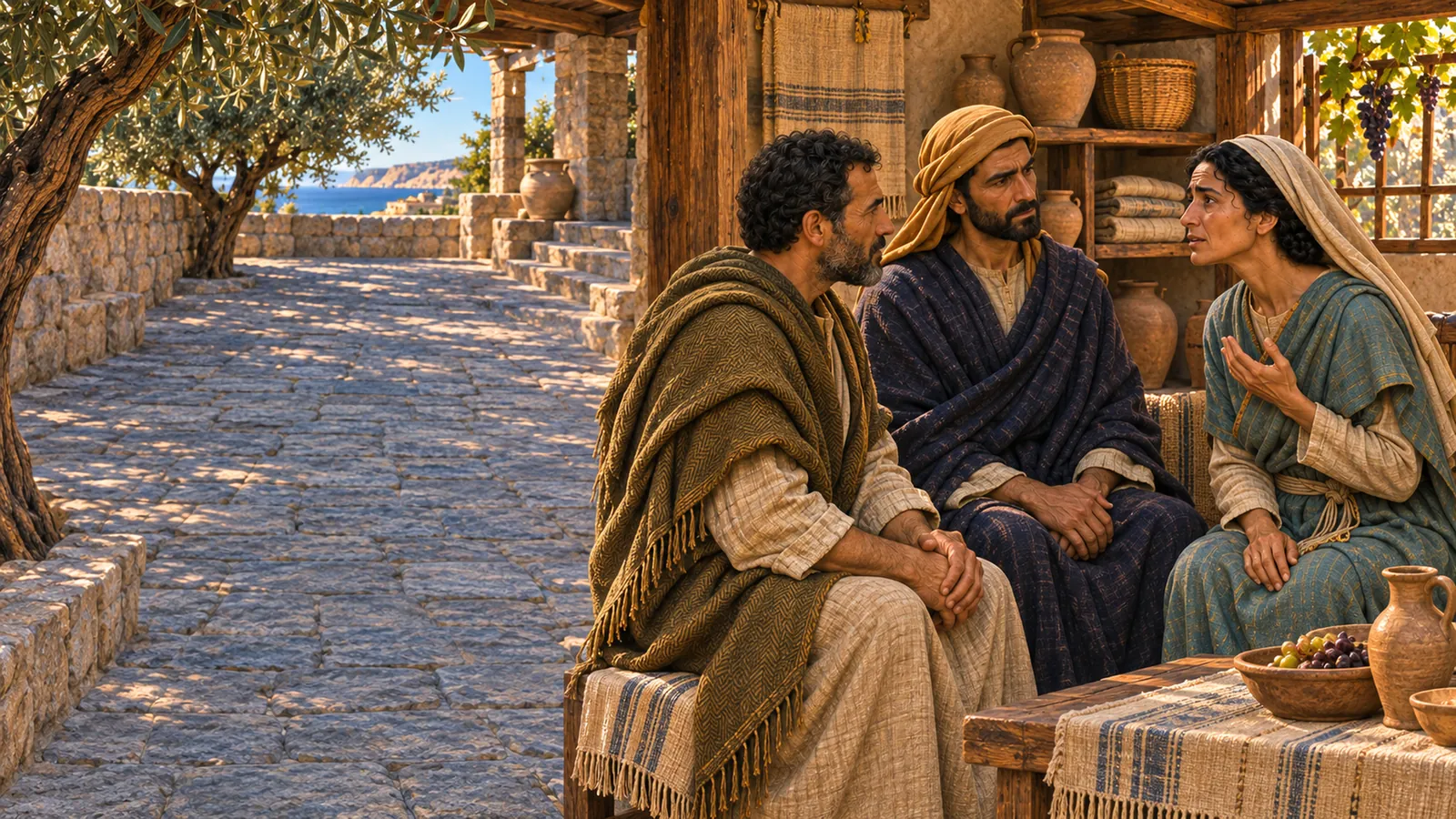
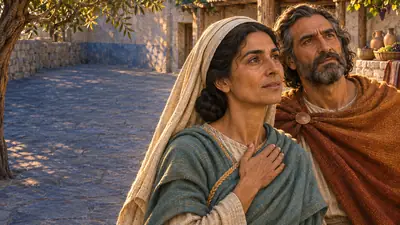
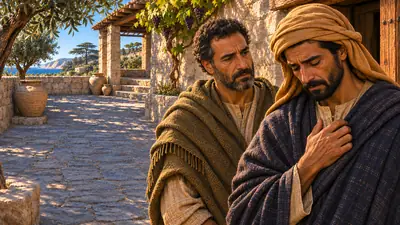
Hurriya pede aos convidados que abençoem Kirta. Pede que compartilhem a tristeza da família, pois teme que ele morra.
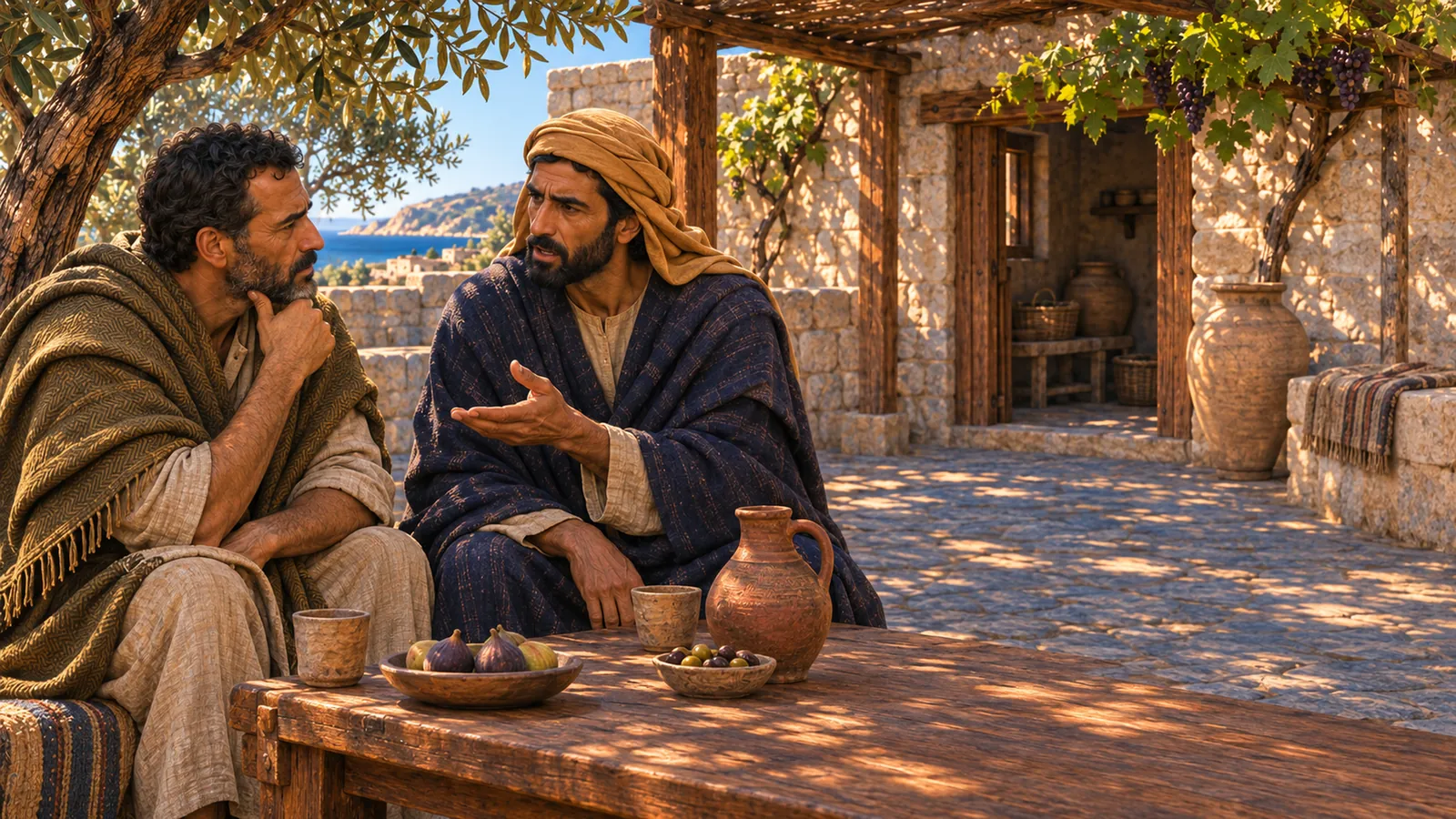
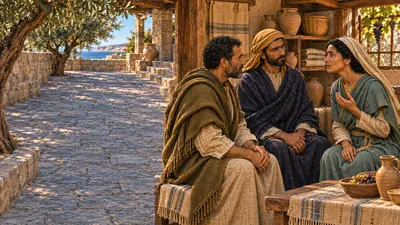
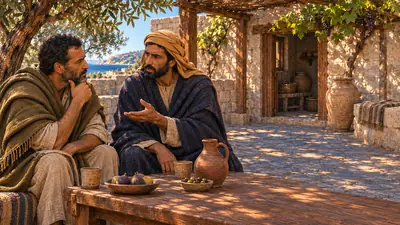
Em uma leitura das palavras danificadas, os convidados citam Yassib como alguém que poderia ocupar o lugar de Kirta. A conversa trata de quem poderia governar.
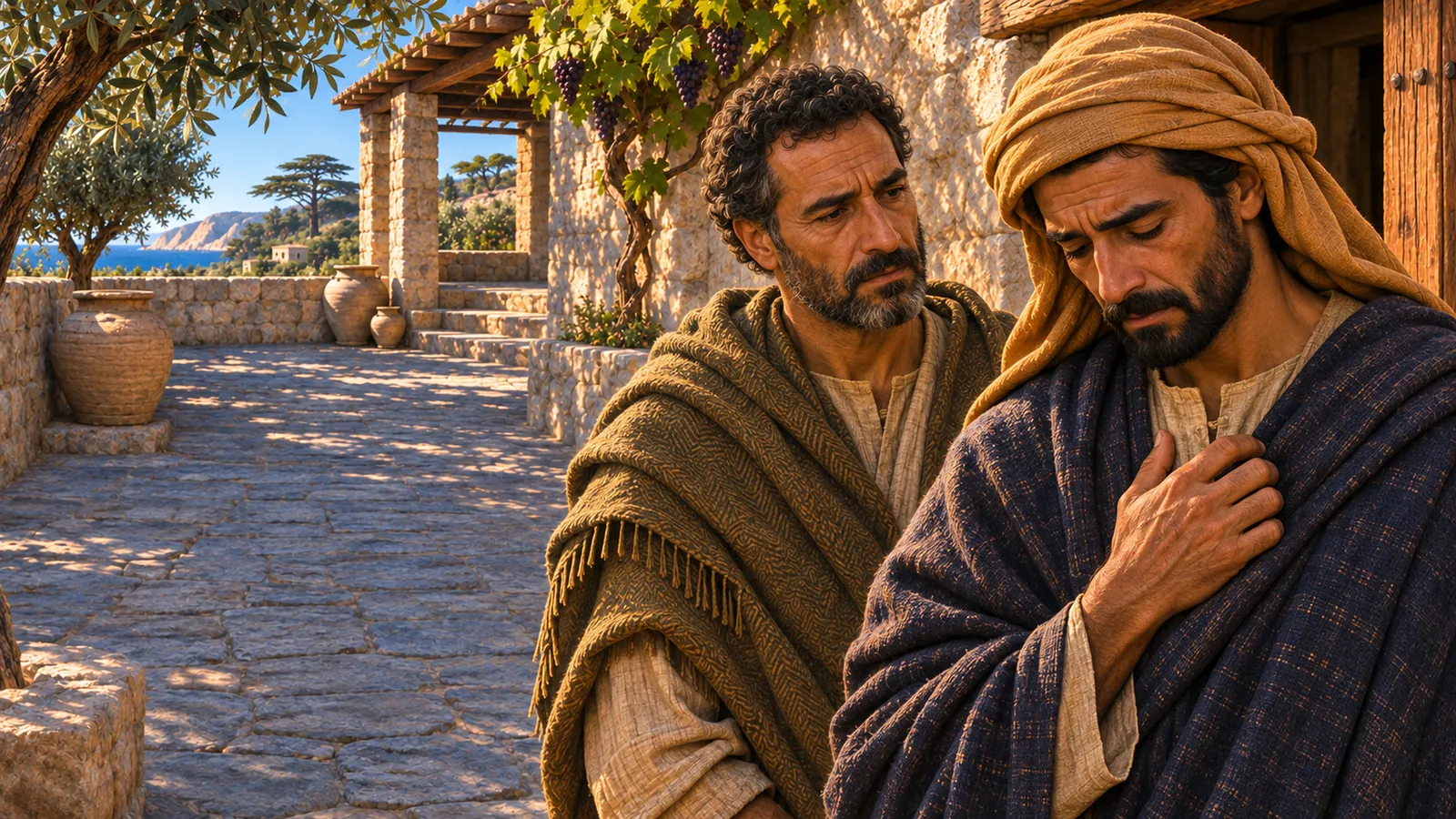
O que restou da coluna deixa entrever a tristeza dos convidados. Depois perdem-se muitas linhas, e a história de Kirta passa para outra tabuinha.
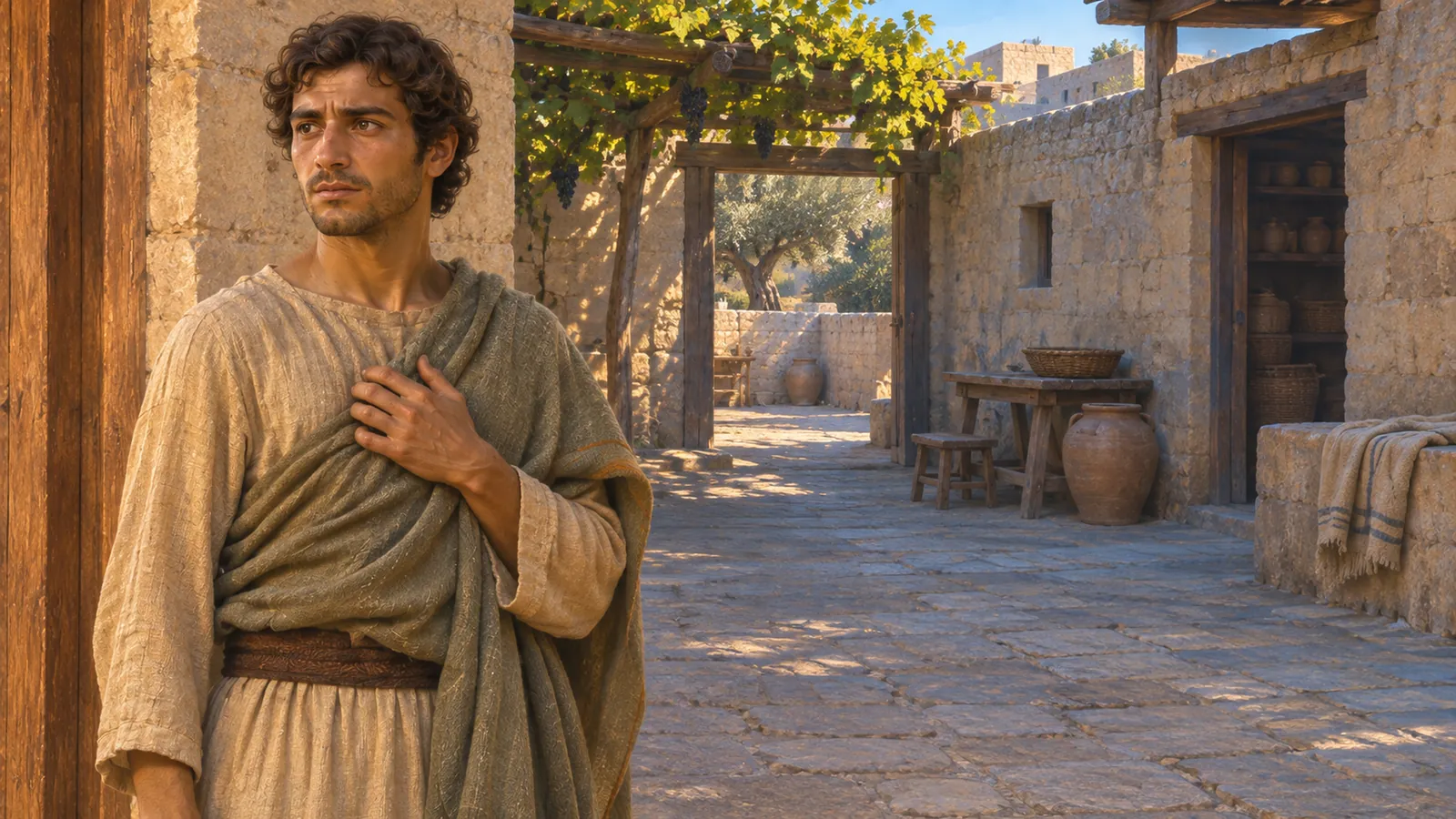
Na tabuinha seguinte, Ilhau, filho de Kirta, toma a palavra. Teme que o pai possa morrer e entoa seu primeiro lamento antes de entrar para vê-lo.
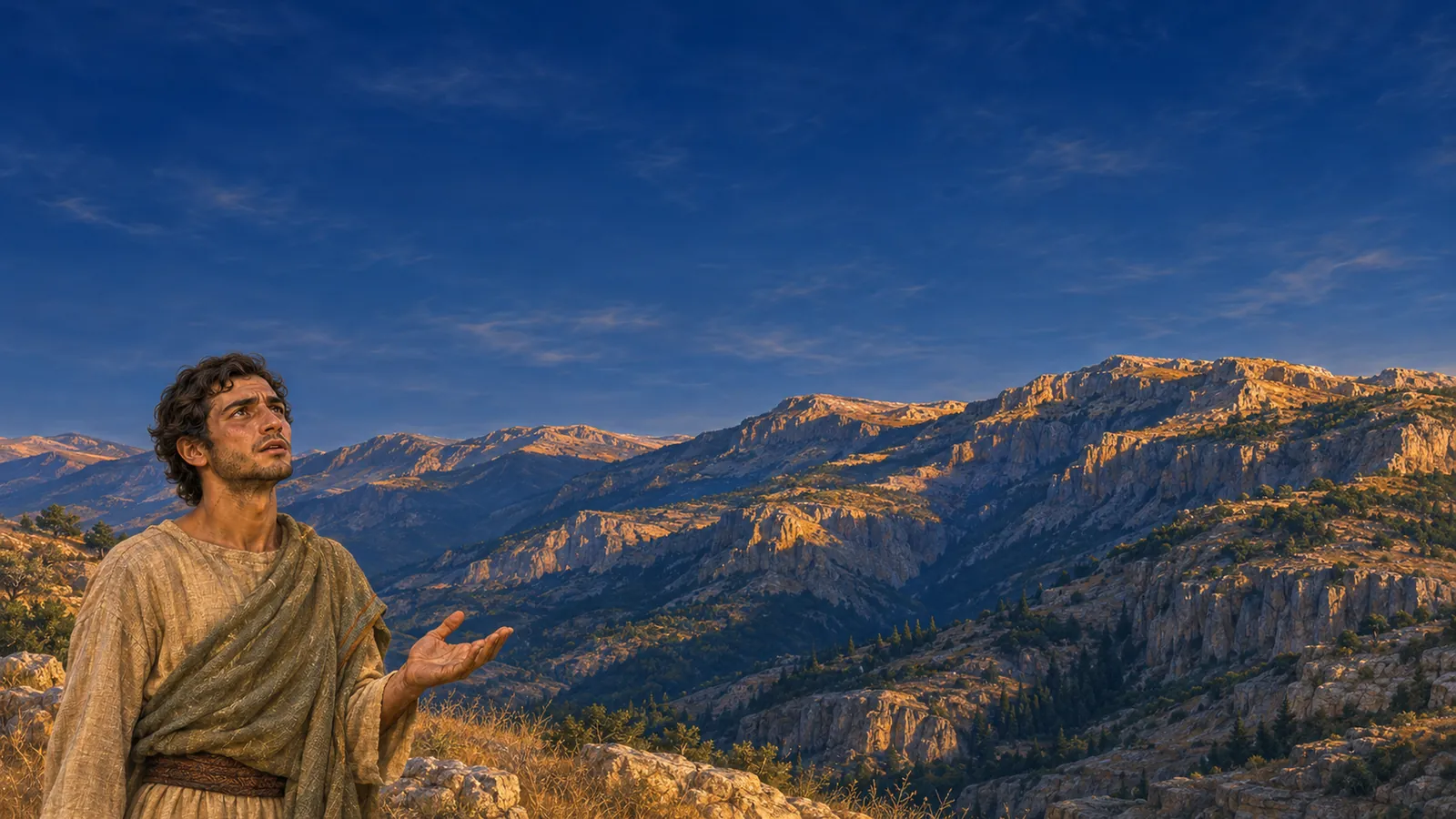
No seu lamento, Ilhau pede às montanhas que chorem por seu pai. O verso nomeia o Safon e dá às colinas um lugar na sua tristeza.
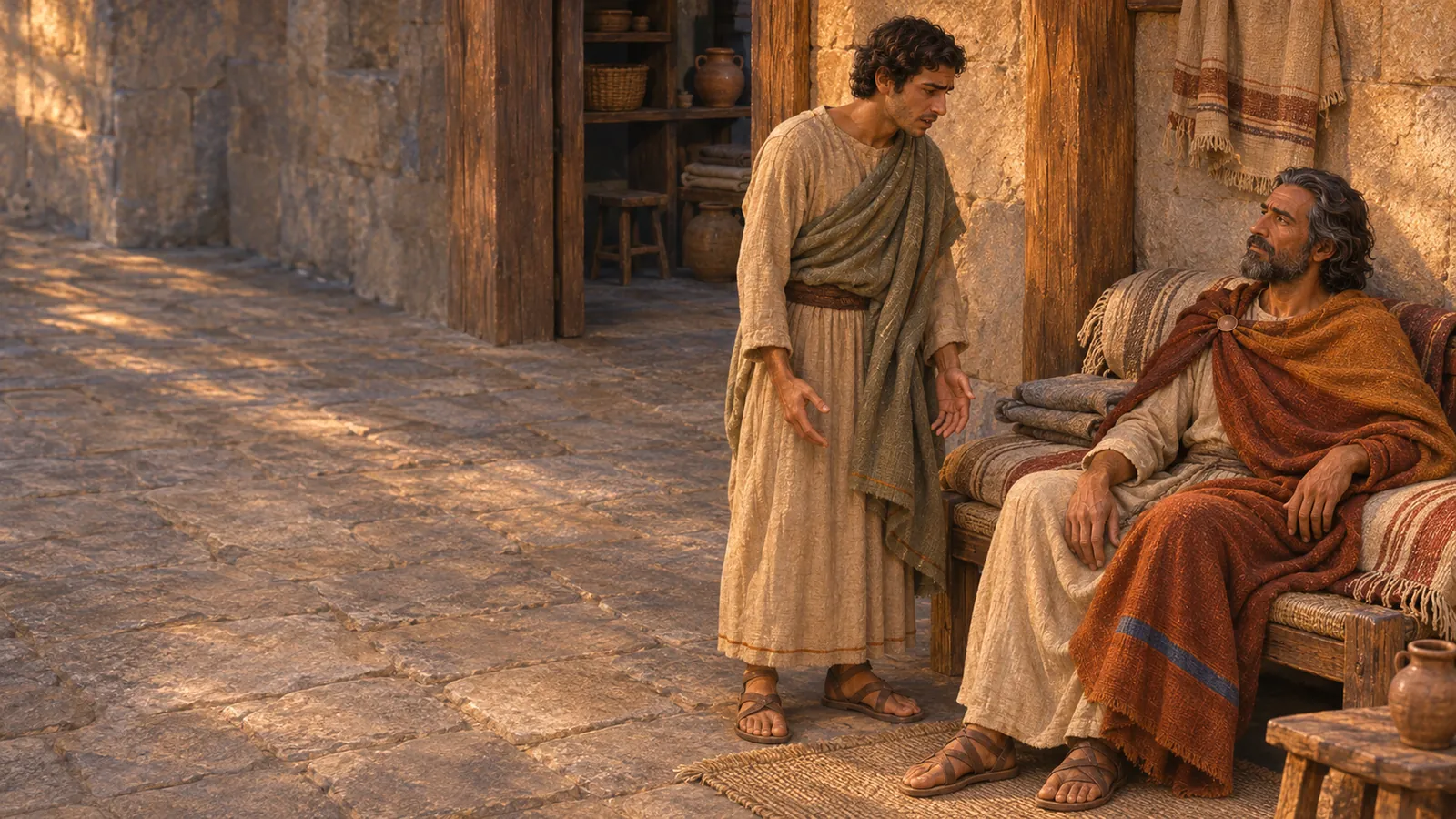
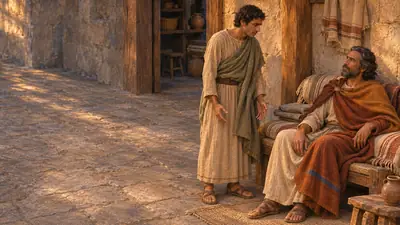
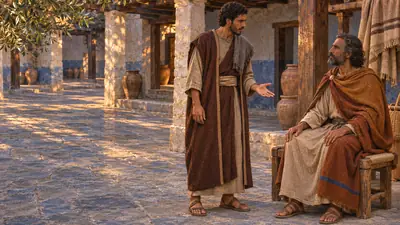
Ilhau se apresenta diante do pai, aflito. Volta a falar da tristeza que sente diante da possibilidade de perder Kirta.
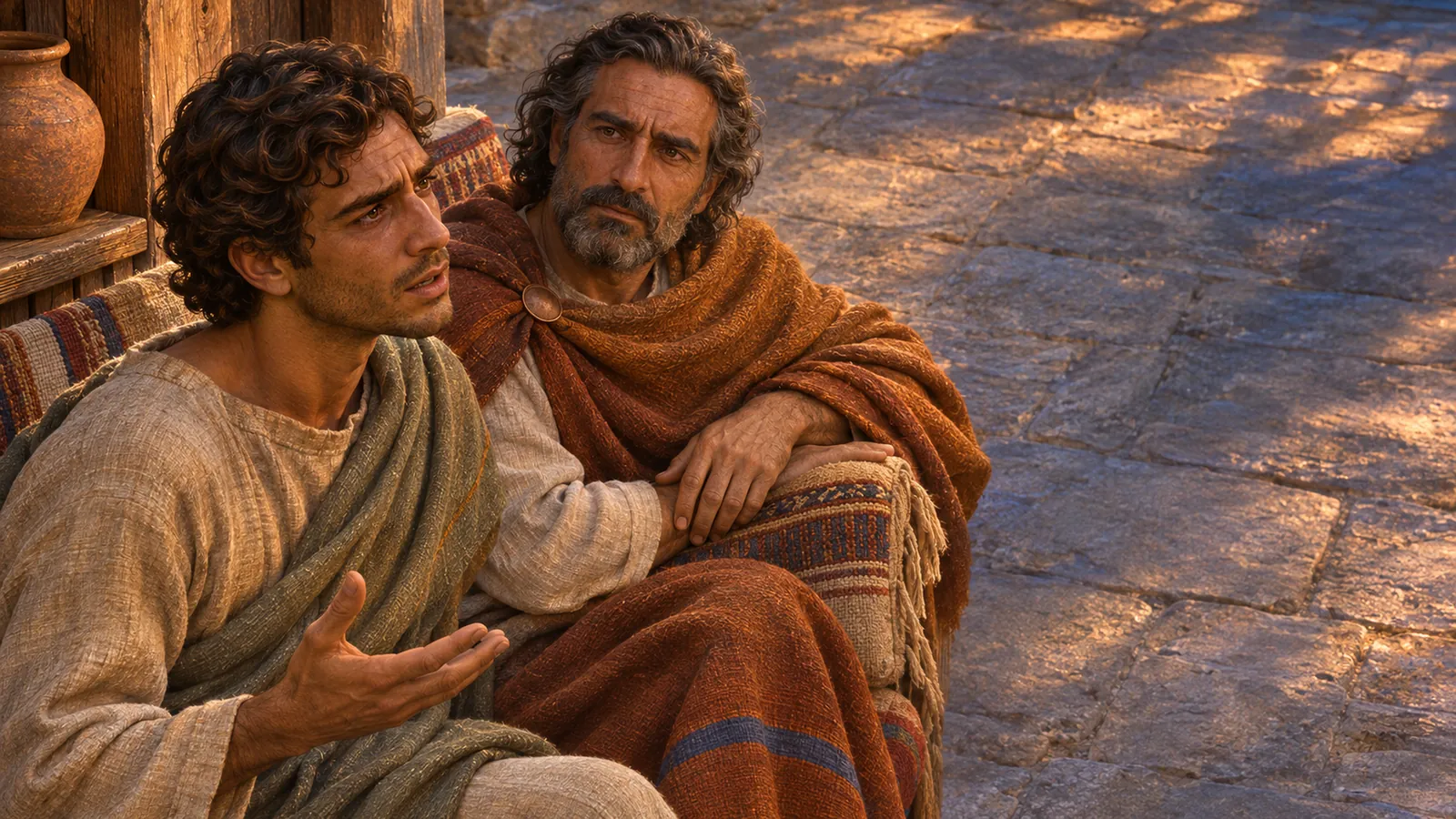
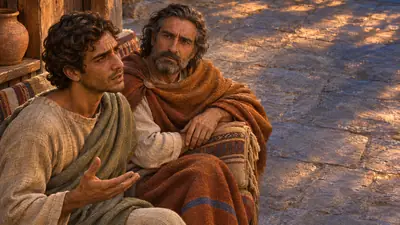
Ilhau pergunta como pode morrer alguém a quem chamam filho de El. Ao falar com Kirta, suas perguntas expressam a tristeza de um filho pelo pai.
THITMANIT
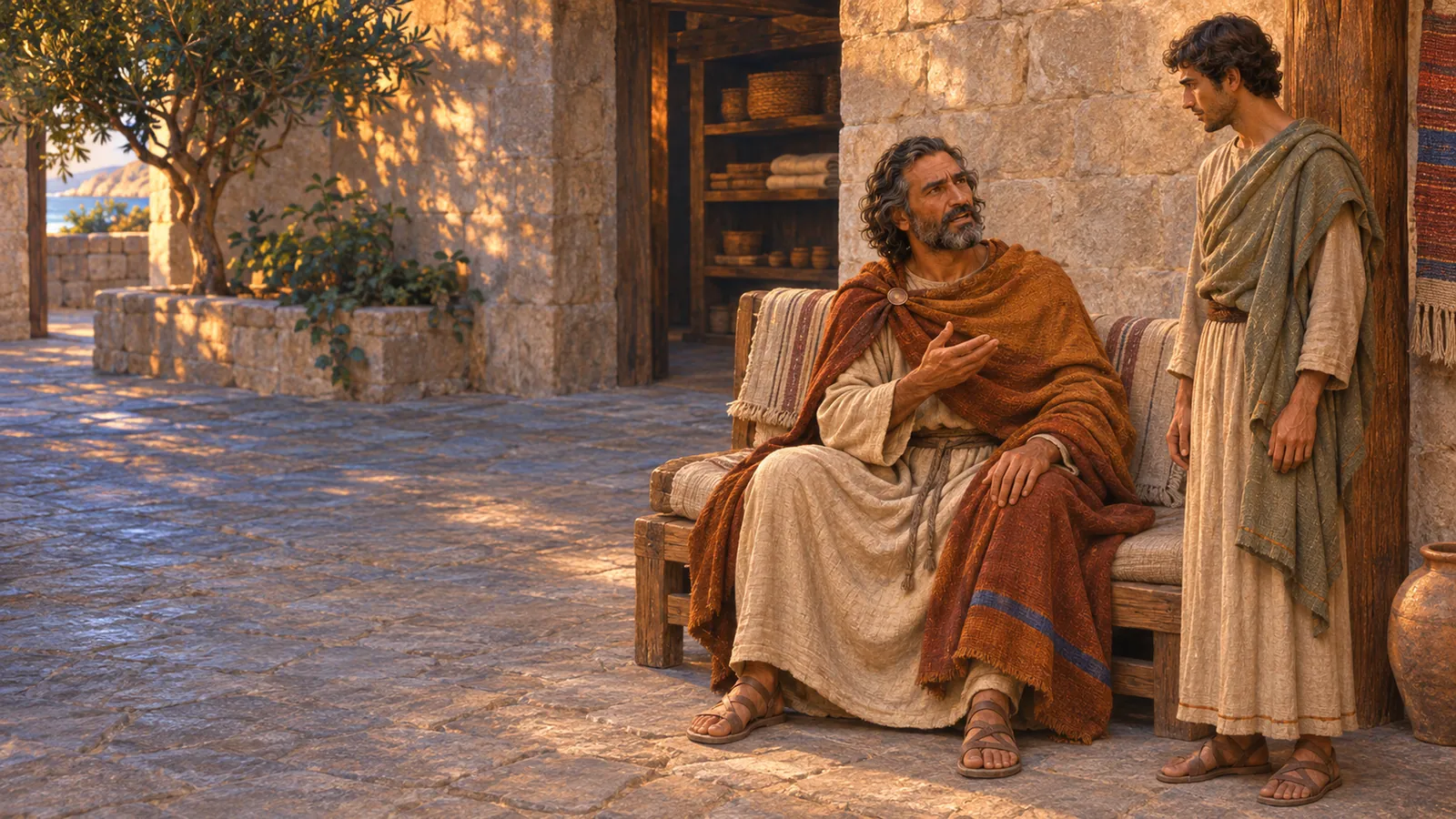
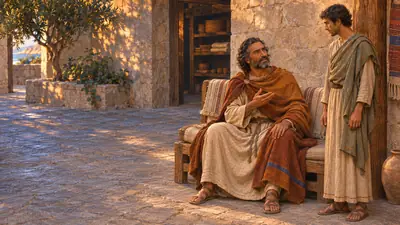
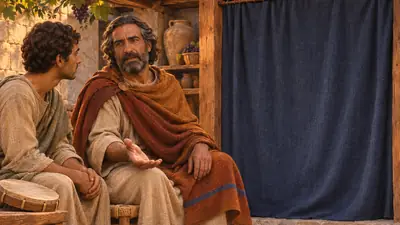
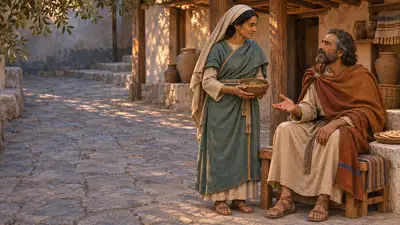
Kirta responde a Ilhau e pede que chame sua irmã Thitmanit. Diz que Ilhau sabe quanto ela se importa com o pai.
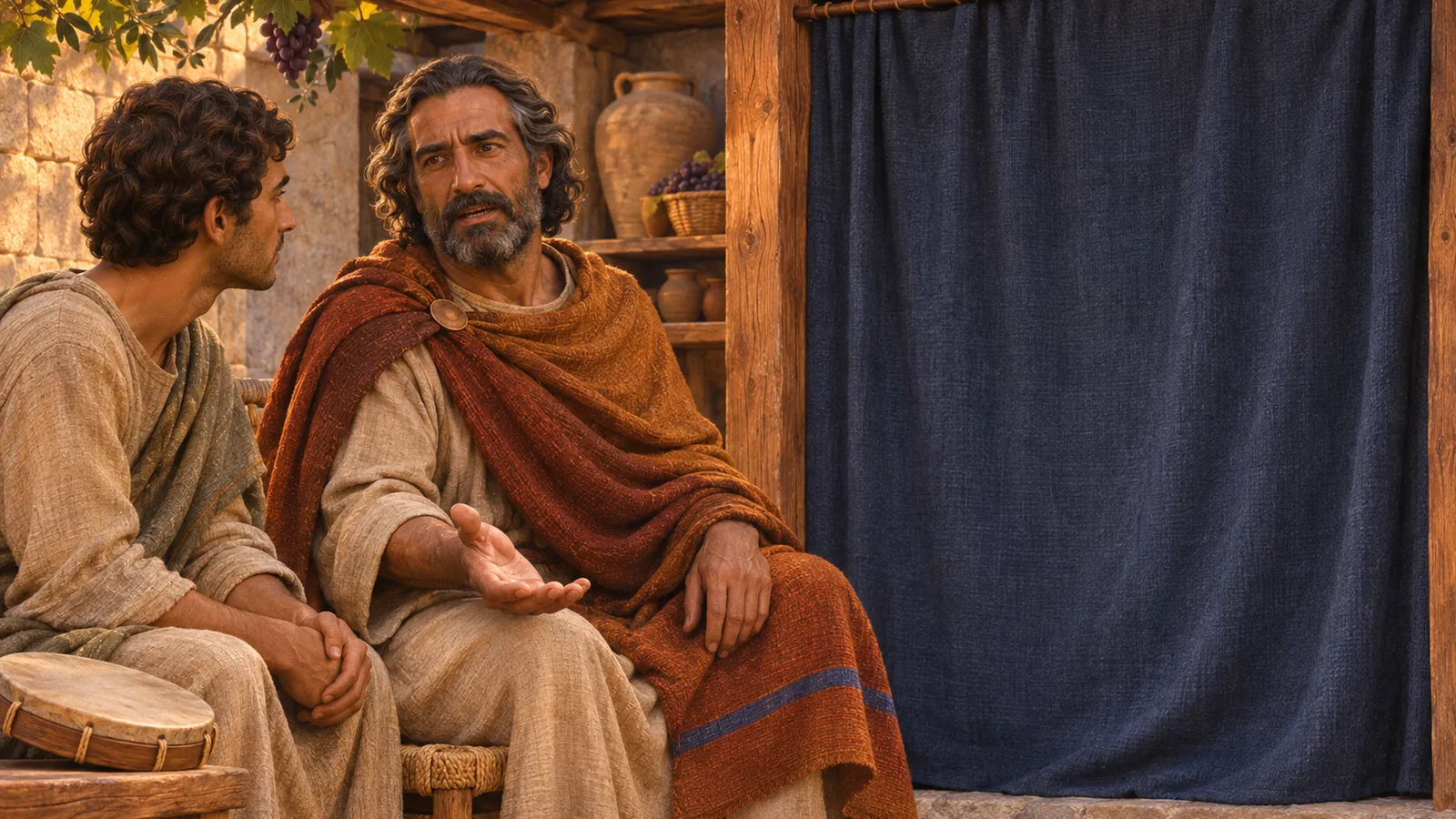
Kirta diz a Ilhau que fale a Thitmanit sobre um banquete. Pede que ela venha com sua música e dá a Ilhau as palavras que deve levar até ela.
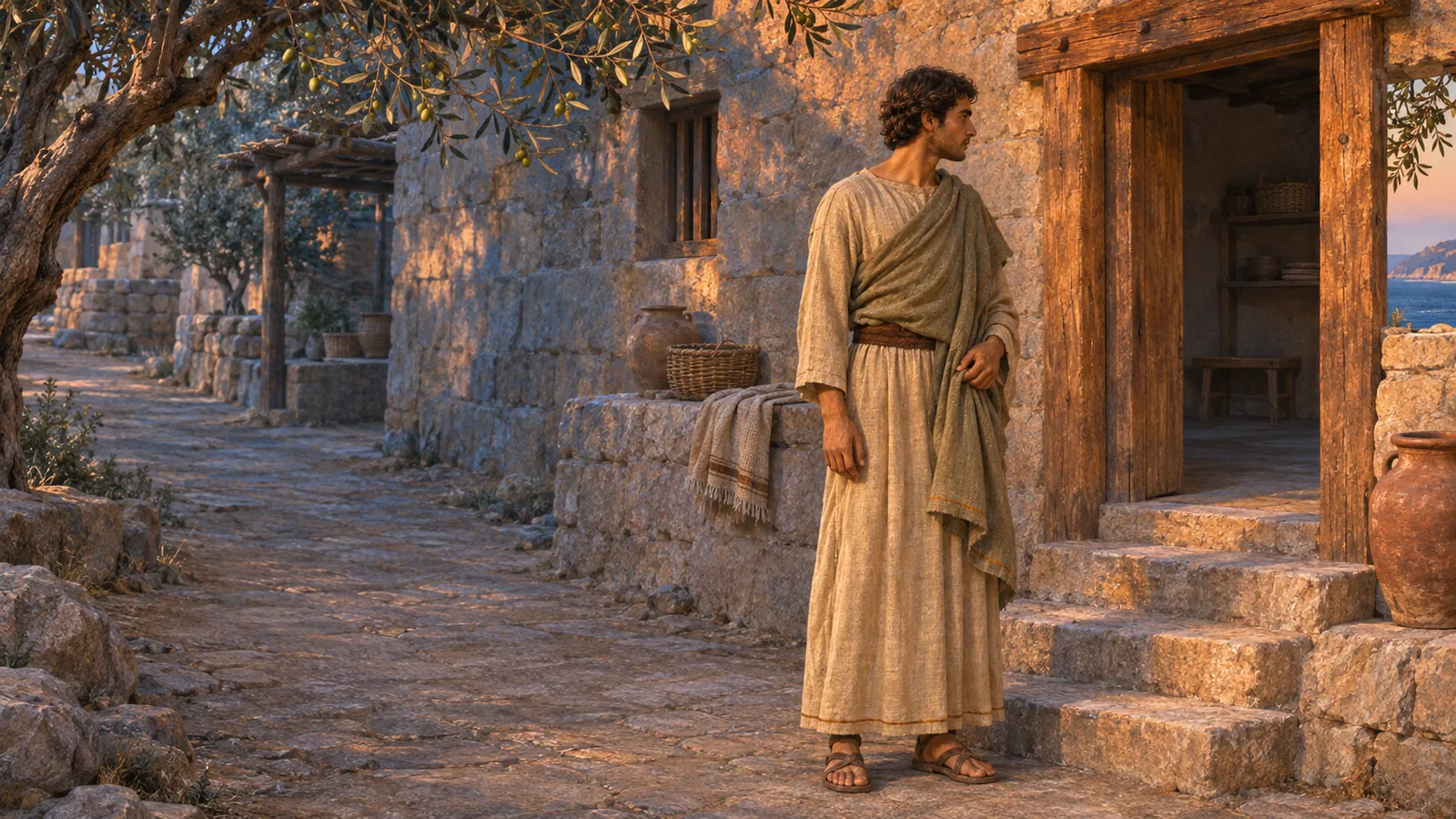
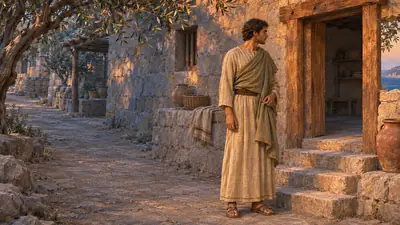
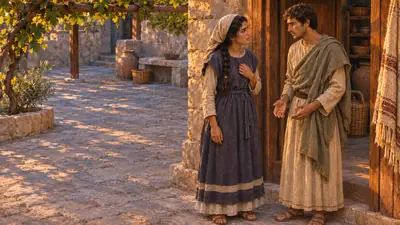
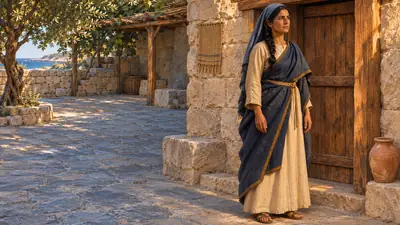
Ao cair da tarde, Ilhau vai à casa da irmã. Thitmanit saiu para buscar água, e ele não encontra ninguém à porta.
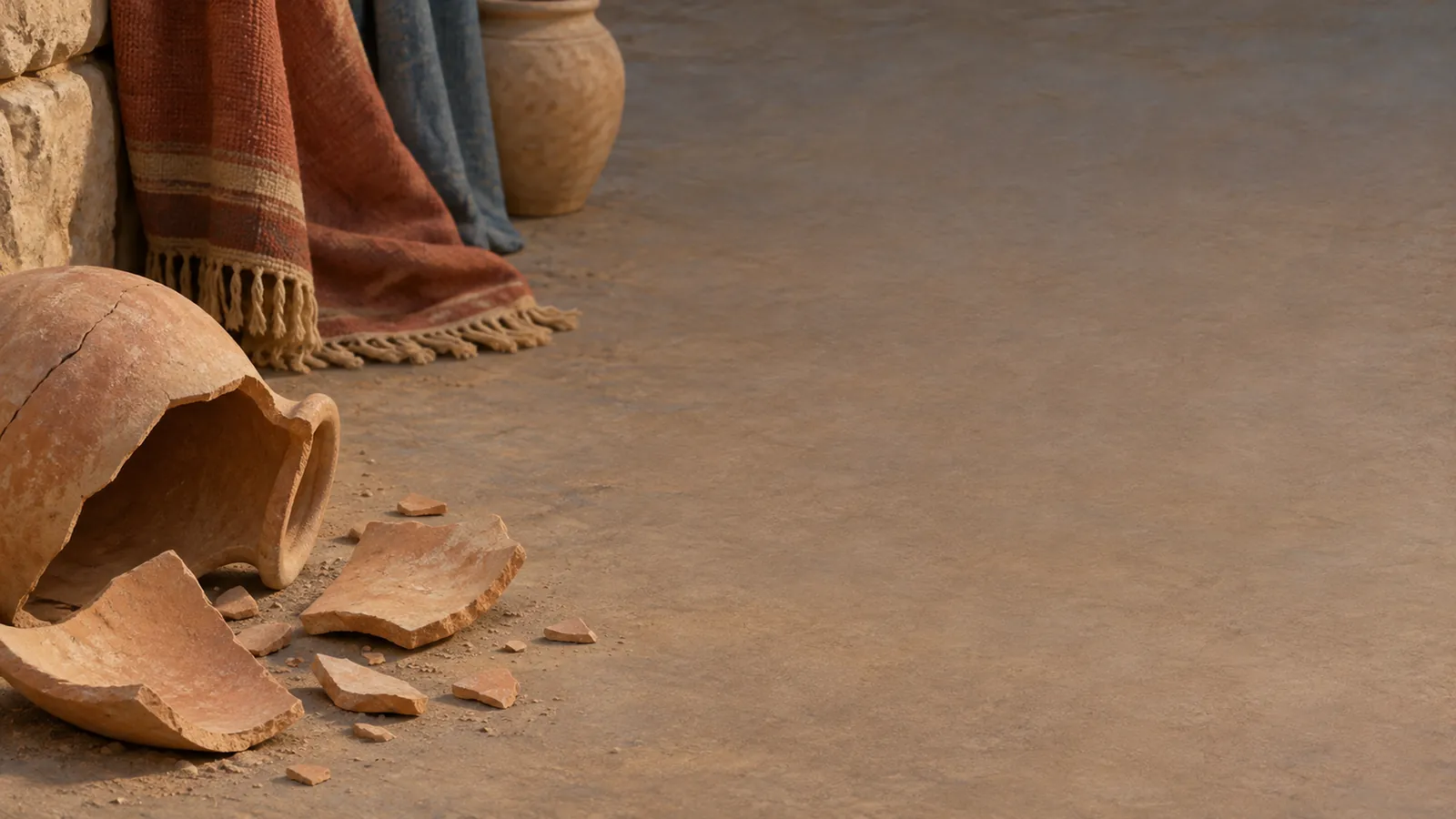
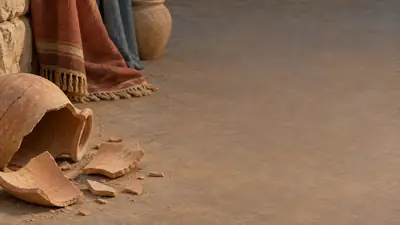
Thitmanit vê Ilhau à porta e se assusta. Seu cântaro cai no chão e se quebra antes que ela fale com o irmão.
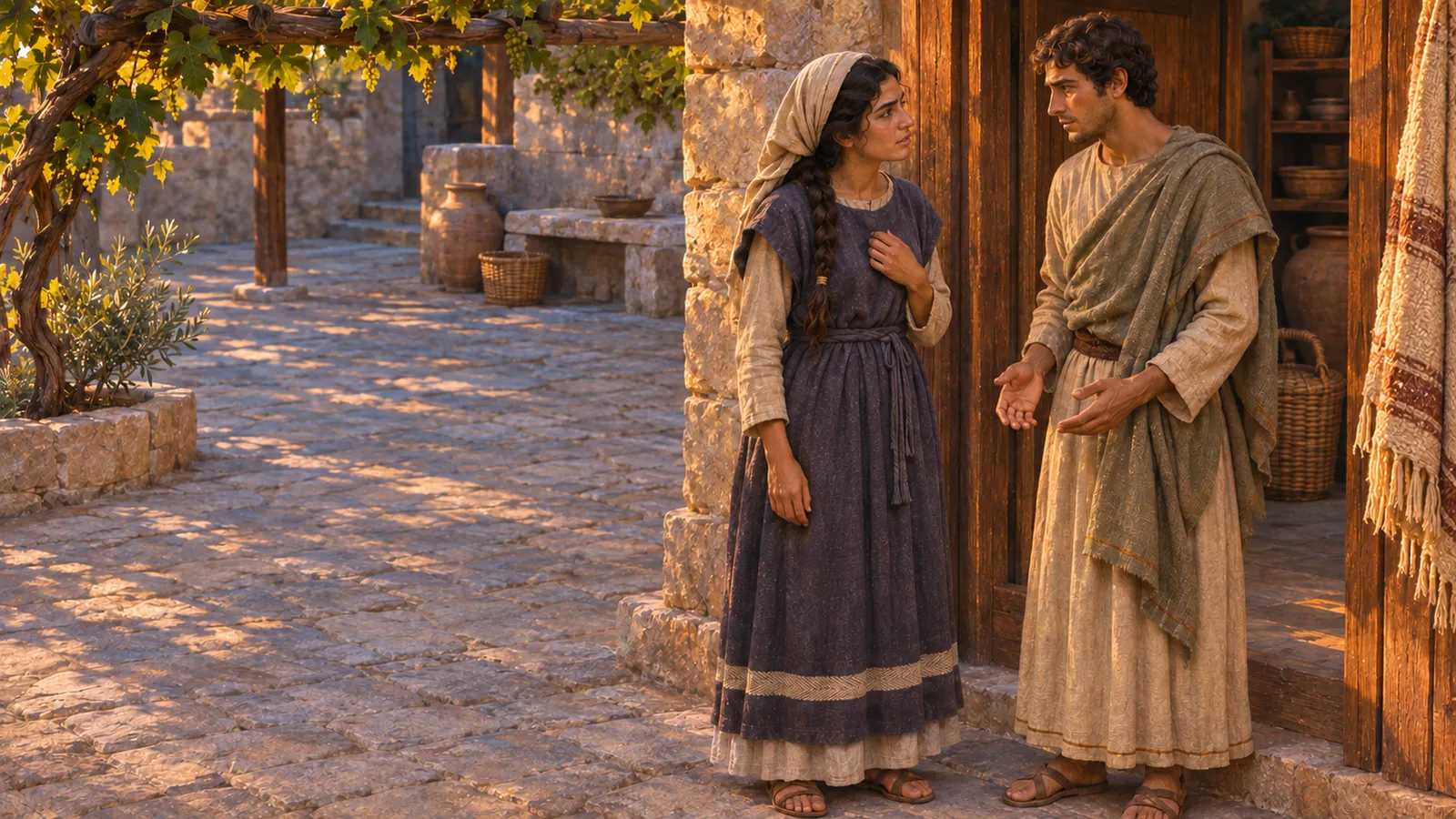
Thitmanit pergunta se Kirta está doente. Ilhau responde primeiro com palavras sobre um banquete. Depois de uma lacuna, ela fica sabendo da gravidade da doença do pai.
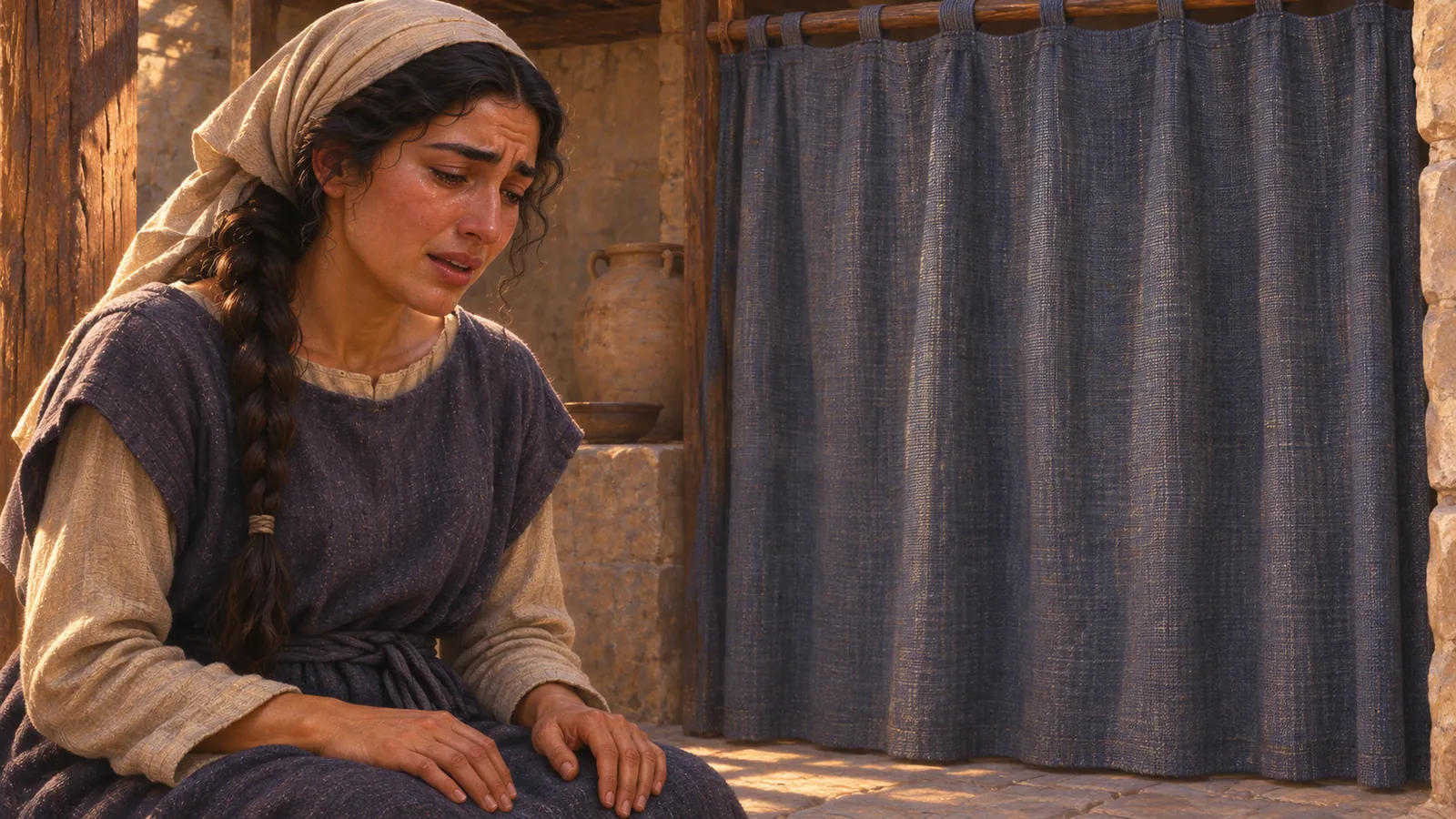
Thitmanit soluça e ergue a voz. As linhas danificadas se detêm na sua tristeza antes que o poema passe às palavras do seu lamento.
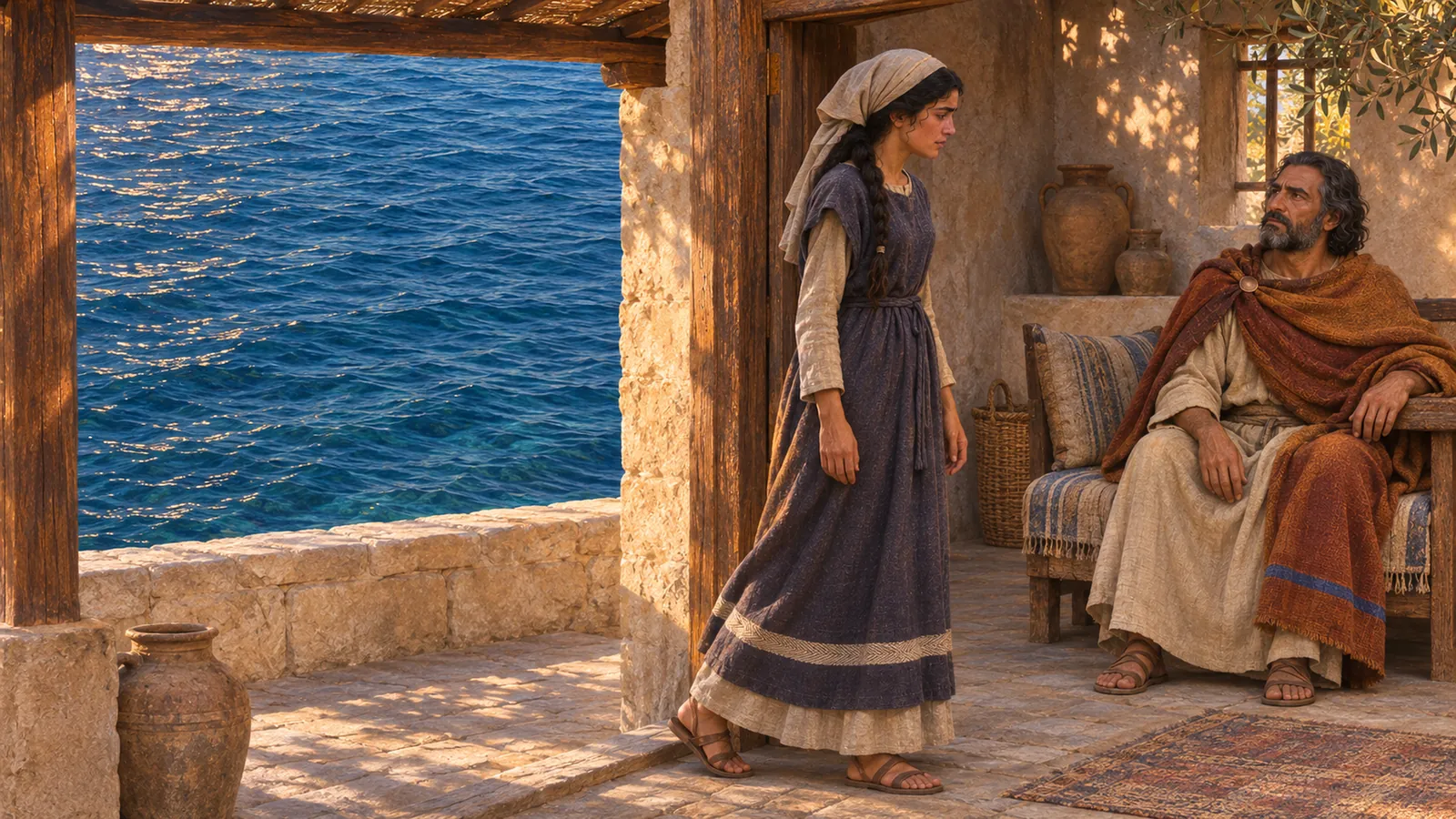
O lamento de Thitmanit ecoa as palavras do irmão. Depois de falar, ela entra para ver Kirta em seus aposentos.
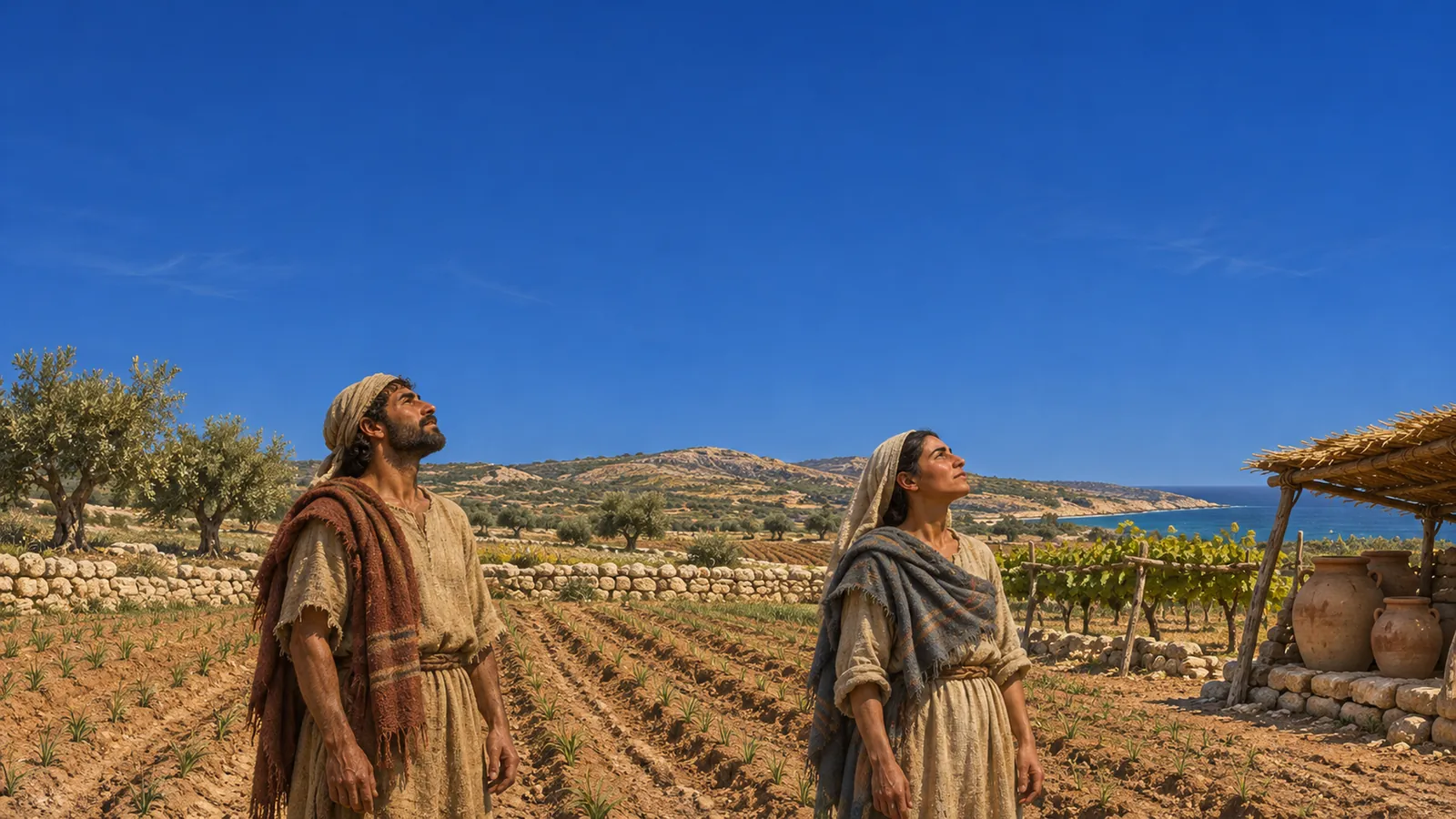
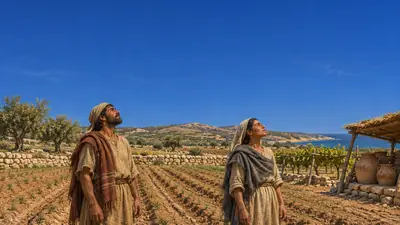
Depois de uma lacuna, o poema fala de chuva e de trabalhadores do campo que erguem os olhos. Há palavras sobre a escassez nos armazéns antes de a história voltar a El.
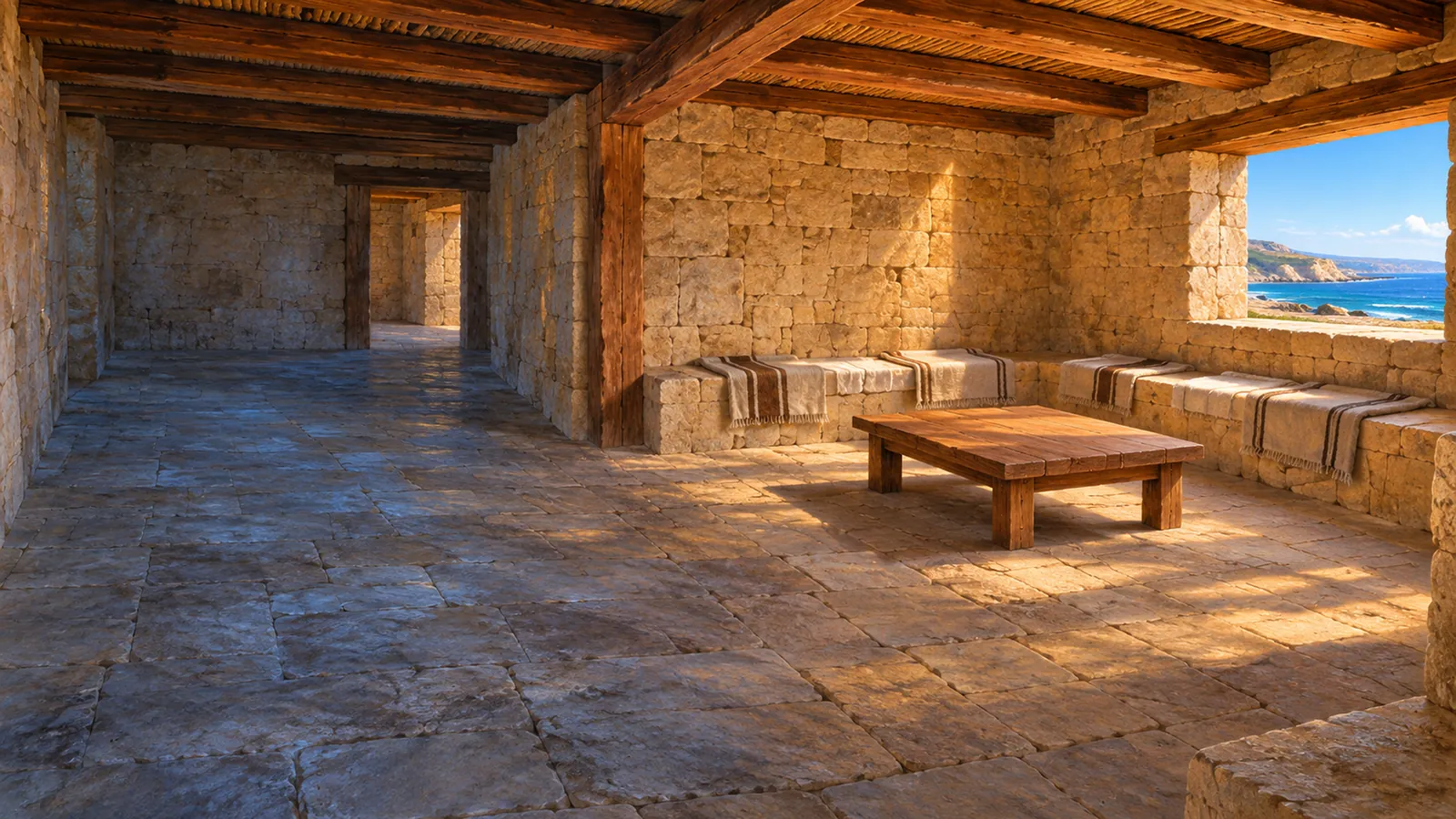
El pergunta à assembleia quem pode afastar a doença de Kirta. Repete a pergunta várias vezes. Ninguém responde, e El manda que se sentem.
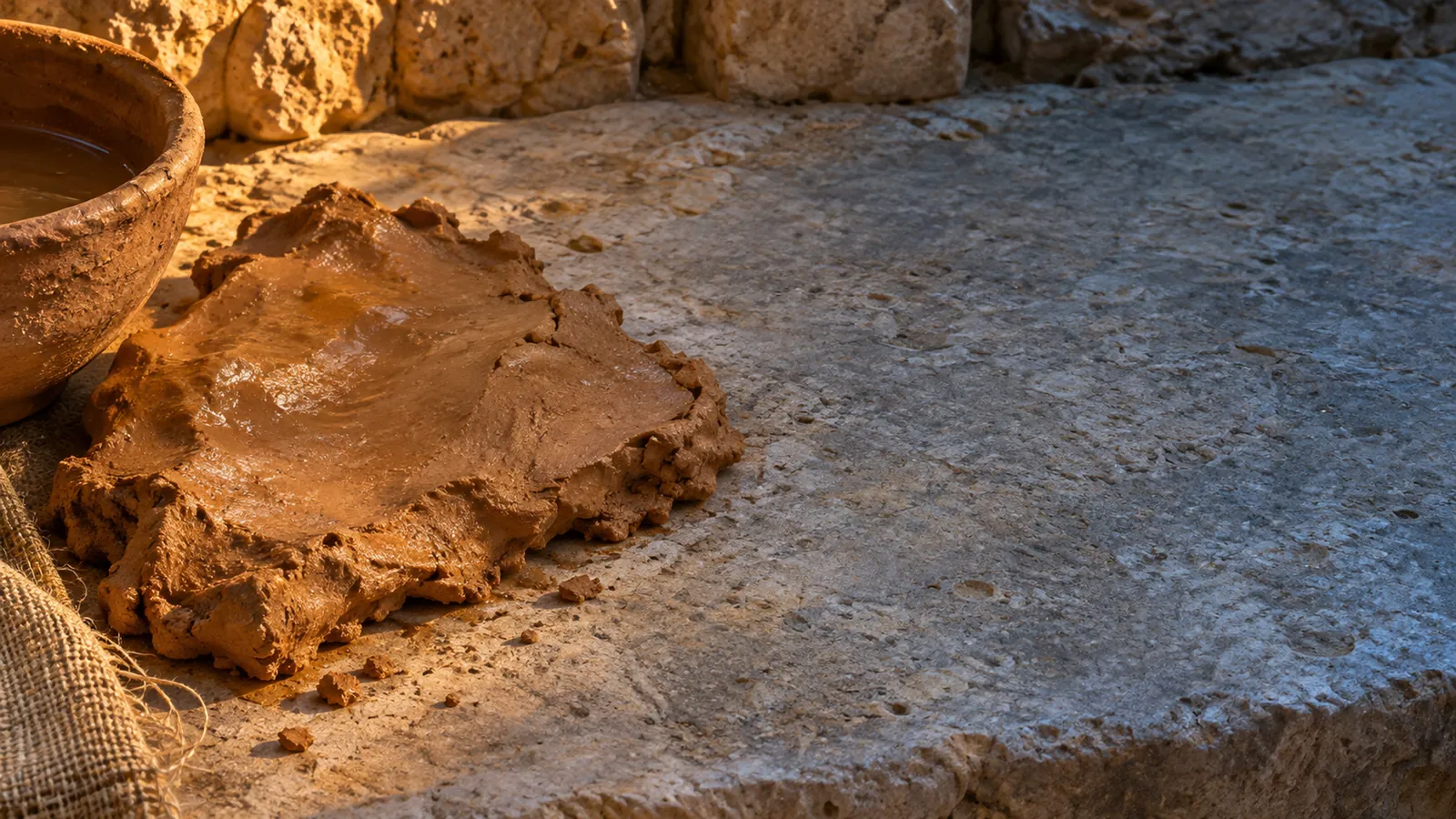
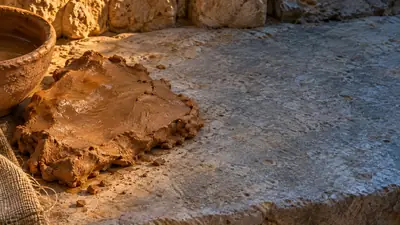
Como ninguém responde, El pega argila e molda Shatiqatu. O poema se detém na terra da qual ele a traz à existência.
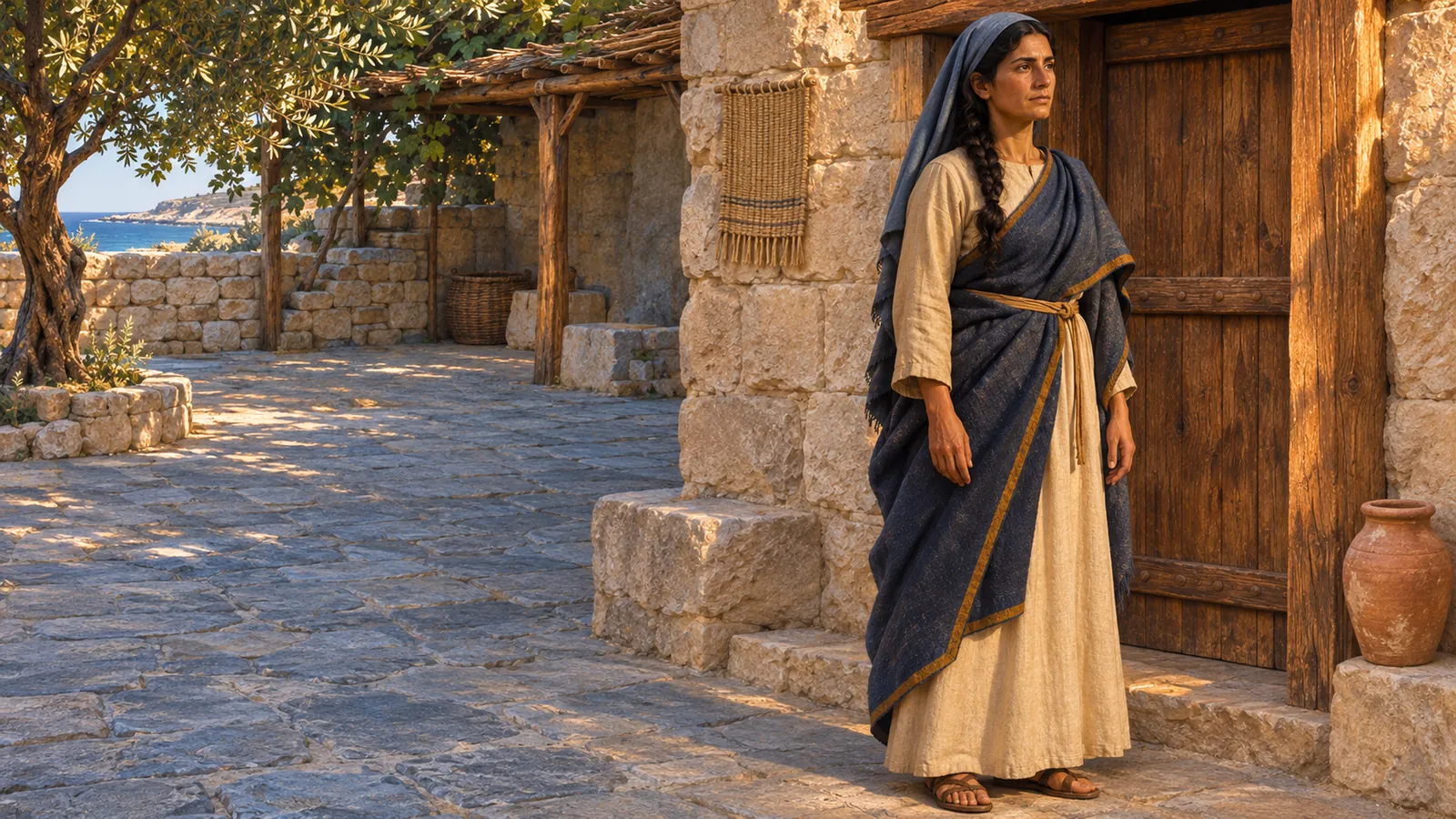
El dá nome a Shatiqatu e a envia para ajudar Kirta. Parte da sua incumbência se perdeu. Os versos seguintes falam do seu poder diante da Morte.
A RECUPERAÇÃO
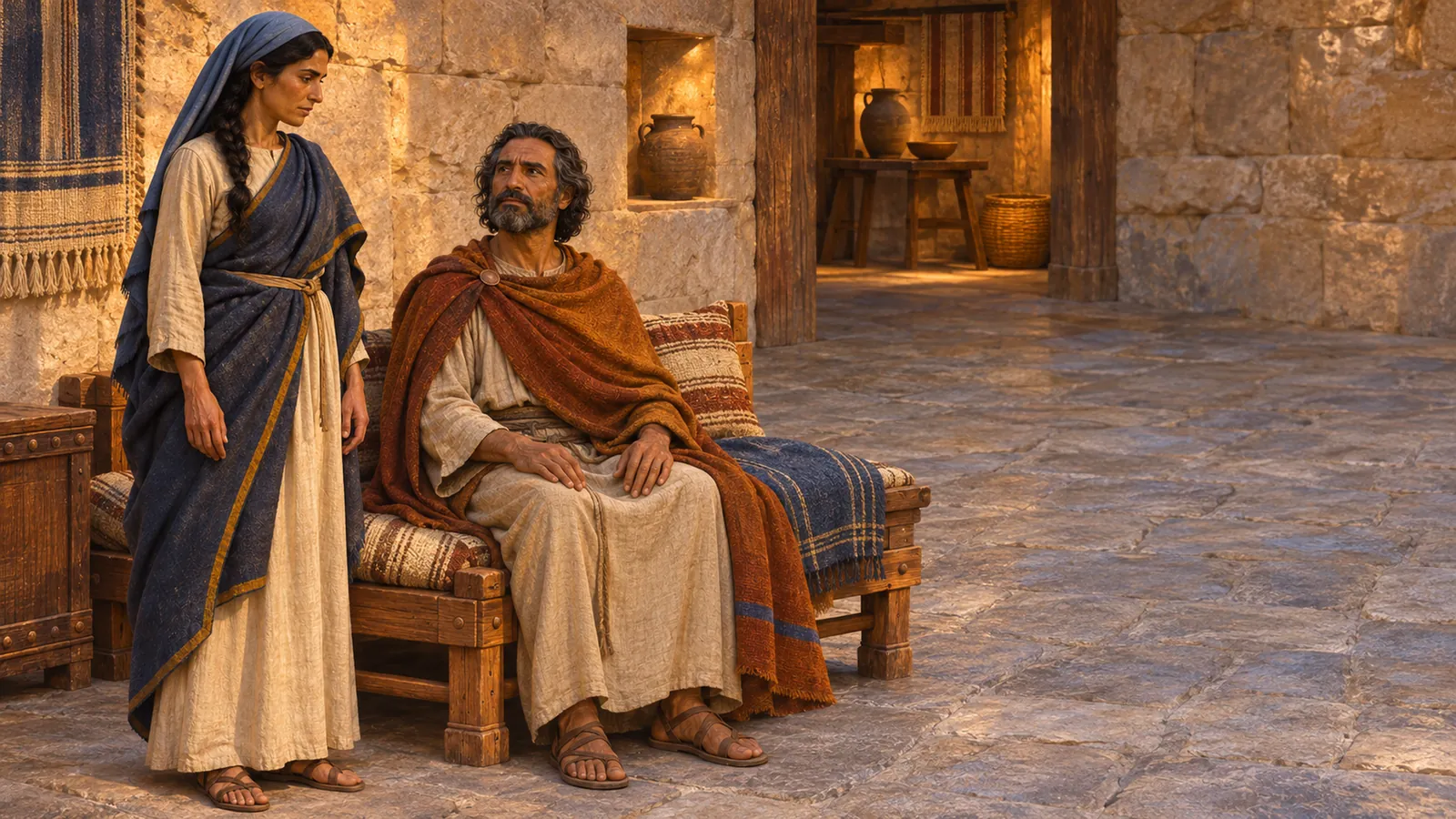
Shatiqatu entra na casa de Kirta. Os versos são difíceis em alguns trechos, mas atribuem a ela o fim da doença.
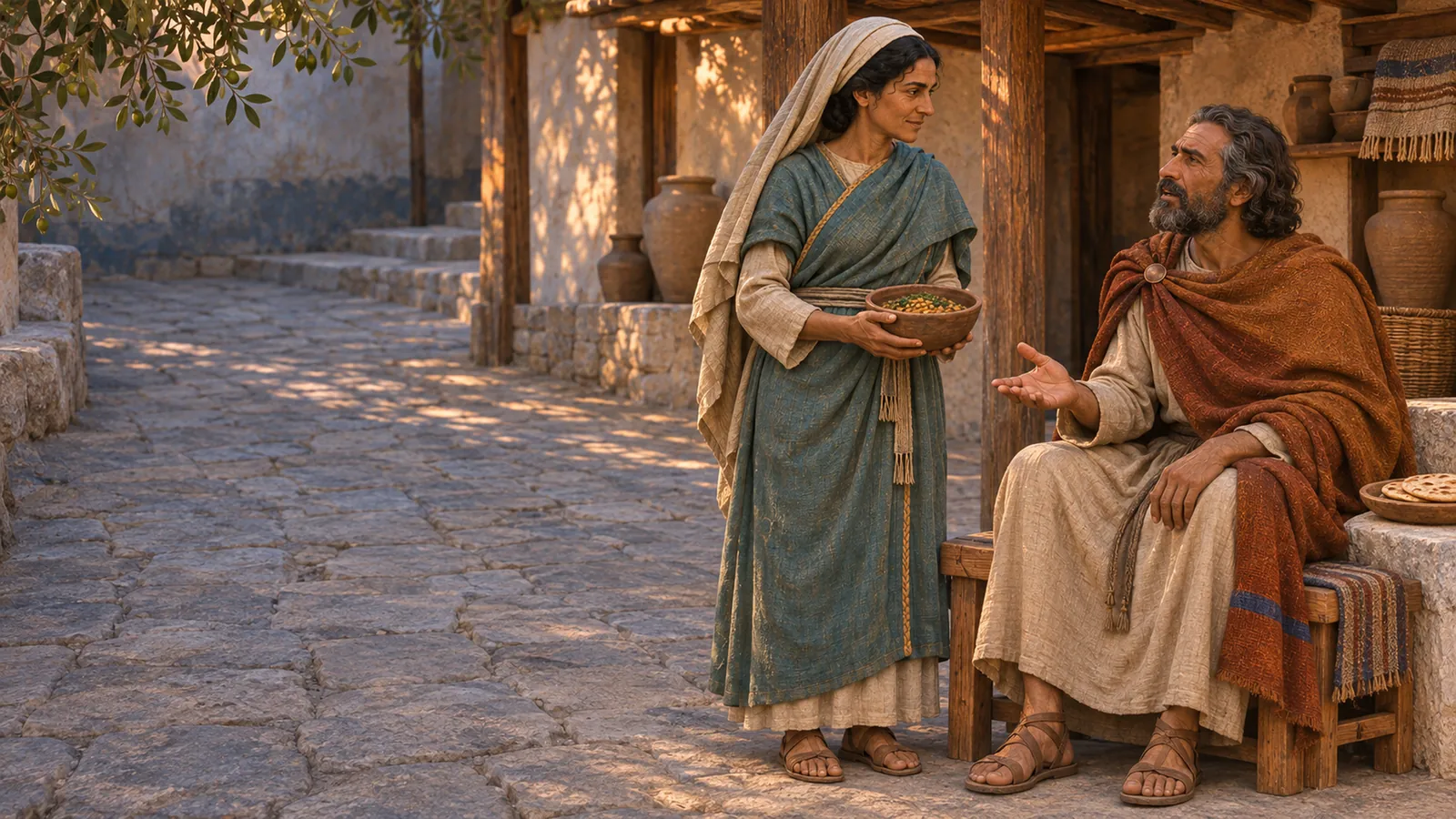
Kirta volta a falar e pede comida a Hurriya. Ela prepara a refeição e, pouco depois, o poema volta a Kirta no seu assento.
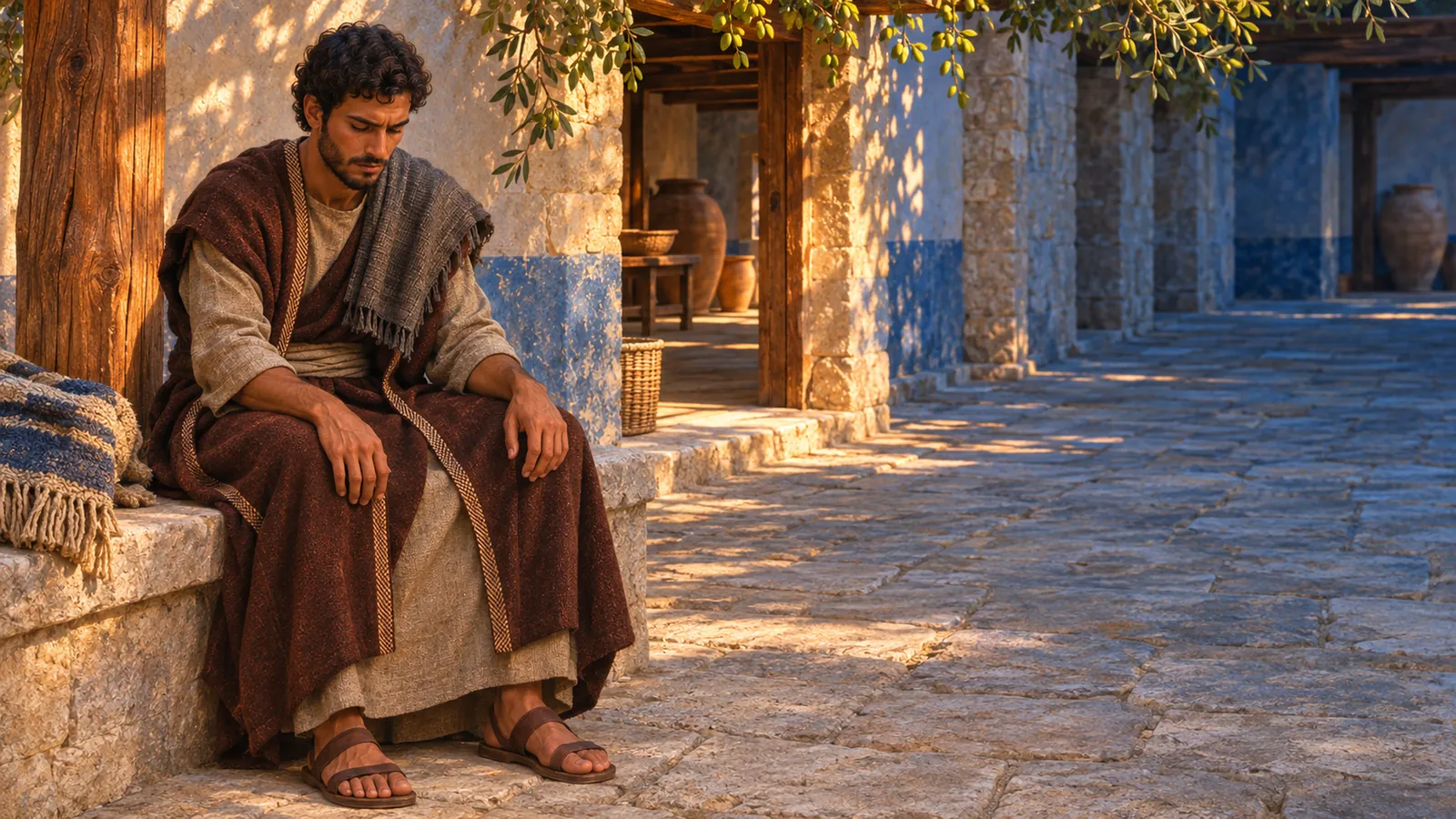
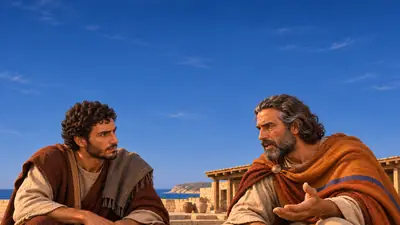
Yassib senta-se no palácio e pensa em como se dirigir ao pai. O poema apresenta as palavras do seu desafio antes de ele dizê-las em voz alta.
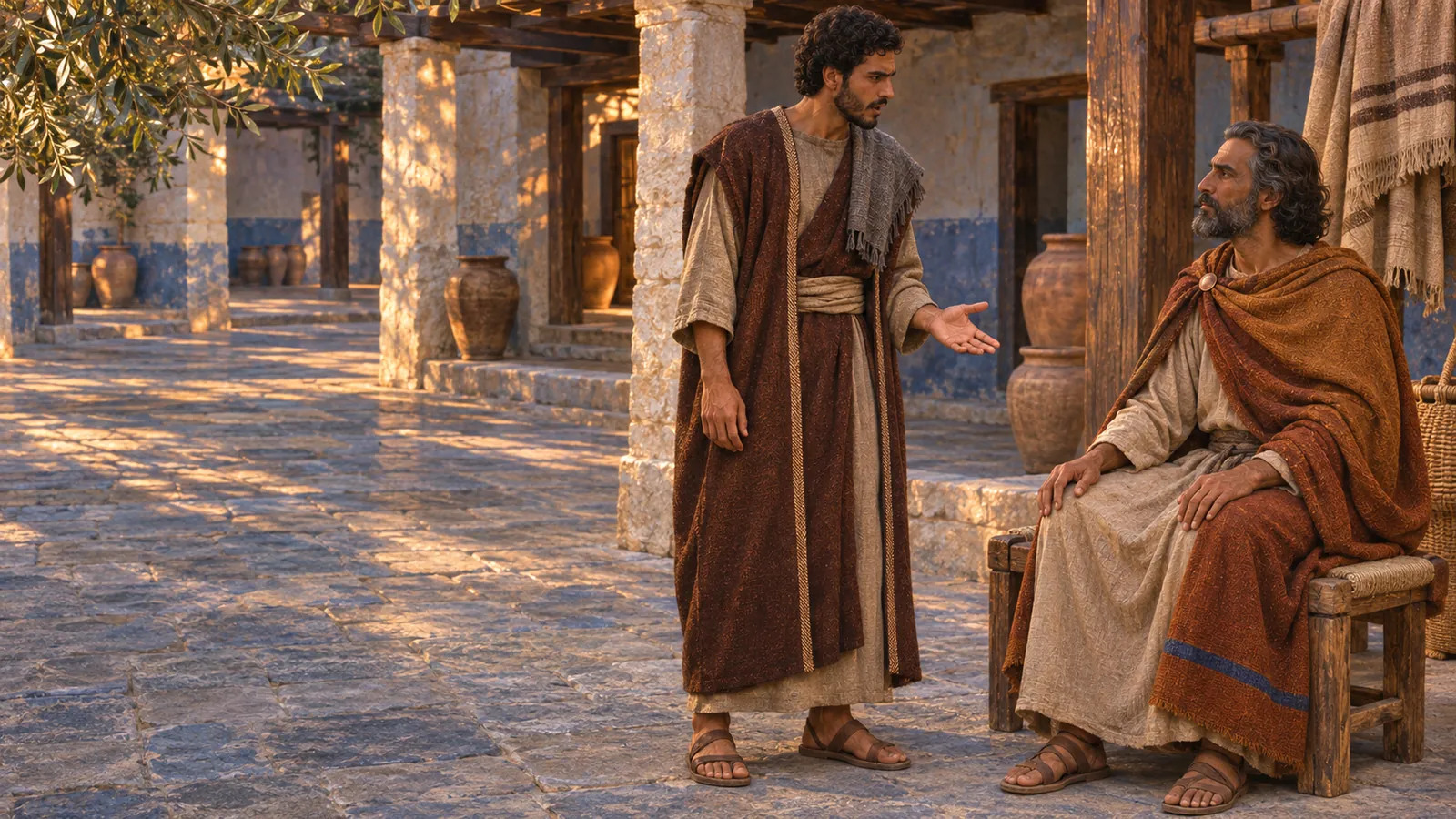
Yassib vai à presença de Kirta e fala dos deveres de um rei. Acusa o pai de desconsiderar quem precisa de justiça, entre eles viúvas e órfãos.
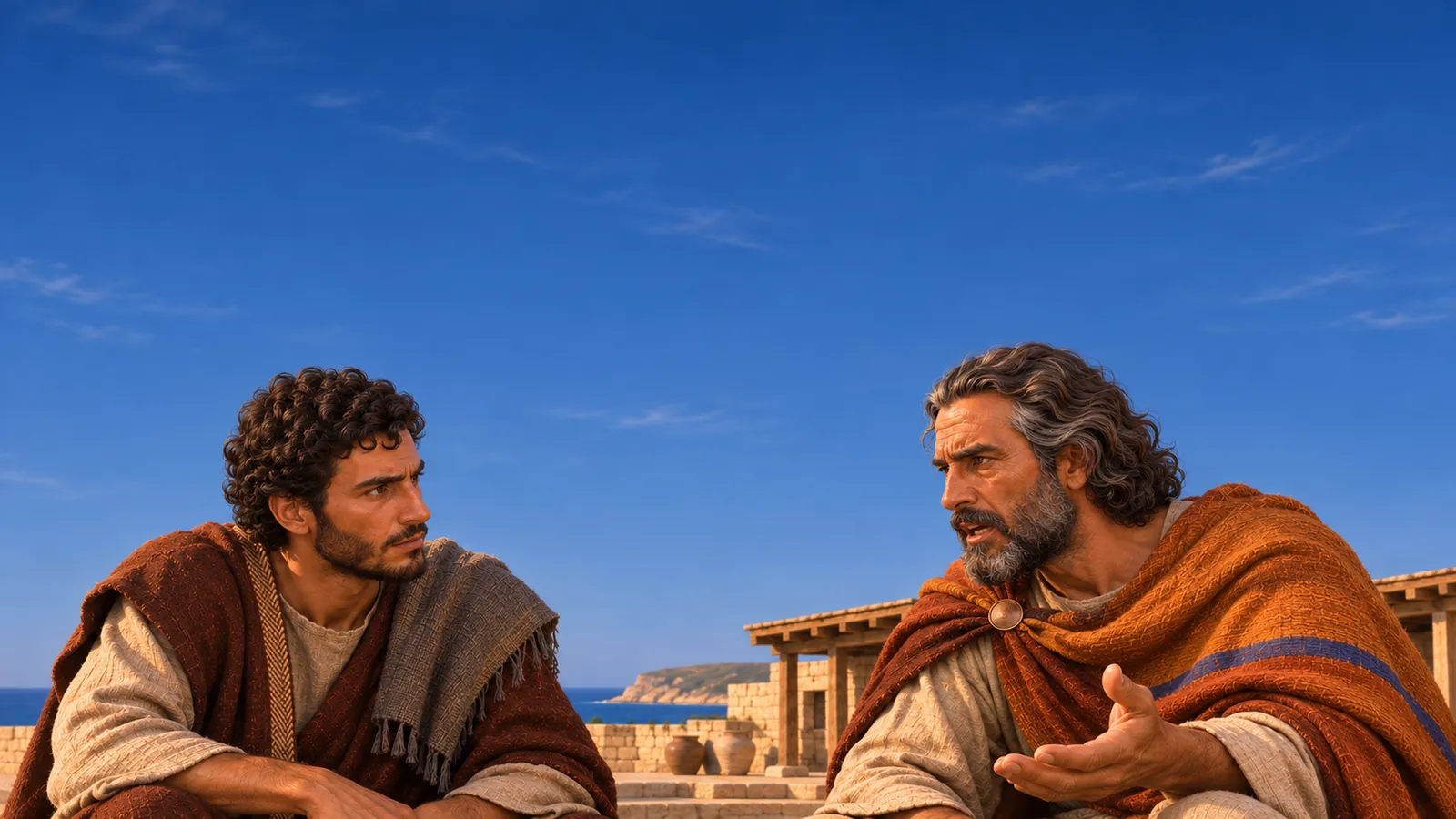
AS ÚLTIMAS PALAVRAS
Yassib pede para ocupar o lugar do pai. Kirta responde com uma maldição. O que resta da história termina com essas palavras e deixa a sucessão em aberto.
Fim do capítulo 1
Todas as páginas
Fontes
Page 2. The list of deaths includes illness, pestilence, the sea and the sword. Natan-Yulzary reads an additional cause as childbirth.
Edições consultadas
- Göttingen EUPT, introductions and concordance for the Kirta tablets
- Göttingen EUPT, Tablet I of Kirta, KTU 1.14
- Göttingen EUPT, Tablet II of Kirta, KTU 1.15
- Göttingen EUPT, Tablet III of Kirta, KTU 1.16
- Clemens Steinberger, Ugaritic poetic forms with numbered readings of the vow and challenge
- Scott B. Noegel, Kirtu’s Allusive Dream
- Shirly Natan-Yulzary, Reading Ugaritic Narrative-Poetry
- Shirly Natan-Yulzary, The Role of Thitmanit as a Mourner in the Kirta Epic
- Theodore J. Lewis, The Shaʿtiqatu Narrative from the Ugaritic Story about the Healing of King Kirta
- Shirly Natan-Yulzary, Twice-used Songs and Other Oral Traditions in Ugaritic Epics
- IL Archive, Tale of Kirta
- IL Archive, Six Days, Then the Seventh
Notas sobre este reconto
Page 68. Kirta invokes Horon and Athtart in a curse asking that Yassib’s head be struck and that he fall in his prime. 65).
Pages 11–12 and 19–20. The dream calls for a lamb, a kid and a bird as sacrificial offerings, and Kirta later carries out the offering.
Os versos antigos de cada página
- Page 1: KTU 1.14 I before 6 and I 6–12 (Göttingen EUPT; Noegel, Narrator)
The opening is damaged. - Page 2: KTU 1.14 I 13–21 (Göttingen EUPT; Noegel, Narrator)
The precise relationships in these lines are debated. - Page 3: KTU 1.14 I 21–25 (Göttingen EUPT; Noegel, Narrator)
- Page 4: KTU 1.14 I 26–29 (Göttingen EUPT; Noegel, Narrator)
- Page 5: KTU 1.14 I 29–35 (Göttingen EUPT; Noegel, Narrator)
- Page 6: KTU 1.14 I 35–38 (Göttingen EUPT; Noegel, Narrator)
- Page 7: KTU 1.14 I 38–43 (Göttingen EUPT; Noegel, Kirtu’s Allusive Dream)
Some question wording varies by edition. - Page 8: KTU 1.14 I 43–51 (Göttingen EUPT; Noegel, Kirtu’s Allusive Dream)
- Page 9: KTU 1.14 I 51b–II 5 (Göttingen EUPT; Noegel, Kirtu’s Allusive Dream)
- Page 10: KTU 1.14 II 6–12 (Göttingen EUPT; Noegel, Kirtu’s Allusive Dream)
- Page 11: KTU 1.14 II 13–21 (Göttingen EUPT; Noegel, Kirtu’s Allusive Dream)
- Page 12: KTU 1.14 II 22–26 (Göttingen EUPT; Noegel, Kirtu’s Allusive Dream; Noegel, Narrator)
- Page 13: KTU 1.14 II 27–34 (Noegel, Kirtu’s Allusive Dream; Natan-Yulzary, Reading Ugaritic Narrative-Poetry)
- Page 14: KTU 1.14 II 35–42 (Noegel, Kirtu’s Allusive Dream; Natan-Yulzary, Reading Ugaritic Narrative-Poetry)
- Page 15: KTU 1.14 II 43–III 1 (Noegel, Kirtu’s Allusive Dream; Natan-Yulzary, Reading Ugaritic Narrative-Poetry)
- Page 16: KTU 1.14 III 2–21 (Noegel, Kirtu’s Allusive Dream; Natan-Yulzary, Reading Ugaritic Narrative-Poetry)
- Page 17: KTU 1.14 III 22–49 (Noegel, Kirtu’s Allusive Dream; Natan-Yulzary, Reading Ugaritic Narrative-Poetry)
- Page 18: KTU 1.14 III 50–52 (Noegel, Kirtu’s Allusive Dream; Natan-Yulzary, Reading Ugaritic Narrative-Poetry)
- Page 19: KTU 1.14 III 52–IV 2 (Noegel, Kirtu’s Allusive Dream; Noegel, Narrator)
- Page 20: KTU 1.14 IV 2–8 (Noegel, Kirtu’s Allusive Dream; Noegel, Narrator)
- Page 21: KTU 1.14 IV 8–12 (Noegel, Kirtu’s Allusive Dream; Noegel, Narrator)
- Page 22: KTU 1.14 IV 13–32a (Noegel, Kirtu’s Allusive Dream; Natan-Yulzary, Reading Ugaritic Narrative-Poetry; Noegel, Narrator)
- Page 23: KTU 1.14 IV 32b–36a (Göttingen EUPT; Steinberger, Glossar)
- Page 24: KTU 1.14 IV 36b–39 (Göttingen EUPT; Noegel, Kirtu’s Allusive Dream; Steinberger, Glossar)
- Page 25: KTU 1.14 IV 40–43b (Göttingen EUPT; Steinberger, Glossar)
- Page 26: KTU 1.14 IV 44–V 6 (Noegel, Kirtu’s Allusive Dream; Natan-Yulzary, Reading Ugaritic Narrative-Poetry; Noegel, Narrator)
- Page 27: KTU 1.14 V 6–14 (Noegel, Narrator)
- Page 28: KTU 1.14 V 15–26 and 27–45 (Noegel, Narrator; Noegel, Kirtu’s Allusive Dream)
Part of the transition is damaged. - Page 29: KTU 1.14 V 46–VI 15 (Noegel, Narrator)
- Page 30: KTU 1.14 VI 16–36 (Noegel, Kirtu’s Allusive Dream; Noegel, Narrator)
- Page 31: KTU 1.14 VI 36–end and 1.15 I 1′–7′, II 21′–22′ (Göttingen EUPT; Noegel, Narrator)
The words linking the reply to the later marriage are damaged. - Page 32: KTU 1.15 I following loss to II 3′–7′ (Göttingen EUPT; Noegel, Narrator)
The surviving passage resumes with a feast. - Page 33: KTU 1.15 II 8′–11′ (Göttingen EUPT; Noegel, Narrator)
- Page 34: KTU 1.15 II 11′–15′ (Göttingen EUPT; Steinberger, Glossar; Noegel, Narrator)
- Page 35: KTU 1.15 II 16′–20′ (Göttingen EUPT; Noegel, The Narrator, p. 61)
- Page 36: KTU 1.15 II 21′–end and III 1′–5′ (Göttingen EUPT and EUPT-Lab; Noegel, p. 61)
Identifying the honored beings more precisely would depend on the reading of the epithets. - Page 37: KTU 1.15 III 6′–12′ (Göttingen EUPT; Noegel, pp. 61–62)
- Page 38: KTU 1.15 III 13′–16′ (Göttingen EUPT; Natan-Yulzary, JANES 35, p. 83)
- Page 39: KTU 1.15 III 17′–19′ (Göttingen EUPT; Noegel, pp. 61–62)
- Page 40: KTU 1.15 III 20′–25′ (Göttingen EUPT and EUPT-Lab; Noegel, p. 62)
The poem compresses several years into a short passage. - Page 41: KTU 1.15 III 25′–30′ (Göttingen EUPT; Natan-Yulzary, JANES 35, pp. 82–83; Noegel, p. 62)
The tablet places the remembrance beside Kirta’s illness, with damage in the transition. - Page 42: KTU 1.15 IV 1′–9′ (Göttingen EUPT; Noegel, p. 62)
- Page 43: KTU 1.15 IV 14′–16′ (Göttingen EUPT; Noegel, p. 62)
- Page 44: KTU 1.15 IV 17′–25′ (Göttingen EUPT and Steinberger, EUPT-Lab; Noegel, p. 62)
- Page 45: KTU 1.15 IV end–V 7 (Göttingen EUPT; Noegel, pp. 62–63)
- Page 46: KTU 1.15 V 8–14 (Göttingen EUPT; Noegel, p. 62)
- Page 47: KTU 1.15 V 17–22 (Göttingen EUPT; Noegel, pp. 62–63)
The wording is difficult. - Page 48: KTU 1.15 VI 1–10 and following loss (Göttingen EUPT; Noegel, pp. 62–63)
Much of the column is broken away. - Page 49: KTU 1.16 I 1–5 (Steinberger, EUPT-Lab; Natan-Yulzary, Thitmanit; Noegel, p. 63)
- Page 50: KTU 1.16 I 6–12 (Natan-Yulzary, Thitmanit; Noegel, pp. 62–63)
- Page 51: KTU 1.16 I 11–17 (Natan-Yulzary, Thitmanit; Noegel, p. 63)
- Page 52: KTU 1.16 I 17–23 (Natan-Yulzary, Thitmanit; Lewis, pp. 188–190; Noegel, p. 63)
The words are Ilhau’s questions. - Page 53: KTU 1.16 I 24–35 (Natan-Yulzary, Thitmanit; Noegel, pp. 62–63)
- Page 54: KTU 1.16 I 36–45 (Natan-Yulzary, Thitmanit; Noegel, p. 63)
- Page 55: KTU 1.16 I 46–51 (Steinberger, EUPT-Lab; Natan-Yulzary, Thitmanit; Noegel, p. 63)
- Page 56: KTU 1.16 I 51–55 (Natan-Yulzary, Thitmanit; Noegel, p. 63)
The text records the jar falling. - Page 57: KTU 1.16 I 56–62 and II 17–25 (Natan-Yulzary, Thitmanit; Noegel, pp. 62–64)
- Page 58: KTU 1.16 II 26–36 (Natan-Yulzary, Thitmanit; Lewis; Noegel, p. 63)
The comparisons in this passage survive in fragments. - Page 59: KTU 1.16 II 37–51 (Natan-Yulzary, Thitmanit; Noegel, pp. 63–64)
- Page 60: KTU 1.16 III 1–16 and IV 17 onward (Noegel, p. 64; Lewis, p. 190)
The words about rain and the speech in the following column are fragmentary. - Page 61: KTU 1.16 V 9–25 (Lewis, pp. 190–192; Noegel, p. 64)
- Page 62: KTU 1.16 V 25–40 (Lewis, pp. 191–196; Noegel, p. 64)
The account is damaged in places. - Page 63: KTU 1.16 V 41–52 and VI 1–2 (Lewis, pp. 194–198; Noegel, p. 64)
- Page 64: KTU 1.16 VI 2–14 (Lewis, pp. 197–211; Noegel, p. 64)
- Page 65: KTU 1.16 VI 14–24 (Noegel, pp. 64–65; Lewis, transition at VI 14)
- Page 66: KTU 1.16 VI 25–38 (Steinberger, EUPT-Lab; Natan-Yulzary, Twice-used Songs; Noegel, p. 65)
The lines give Yassib’s contemplated speech. - Page 67: KTU 1.16 VI 39–50 (Steinberger, EUPT-Lab; Natan-Yulzary, Twice-used Songs; Noegel, p. 65)
The accusations are Yassib’s words. - Page 68: KTU 1.16 VI 50–58, with separate colophon (Steinberger, EUPT-Lab; Noegel, p. 65; IL Archive, Tale of Kirta)
Kirta’s curse is the last surviving exchange. The scribal notice names Ilimilku separately.
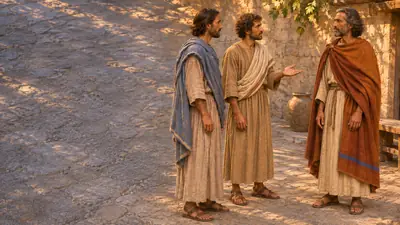
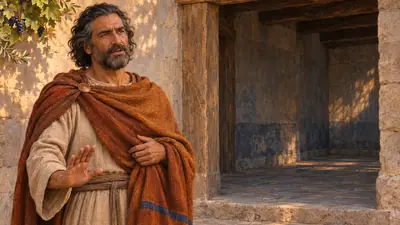
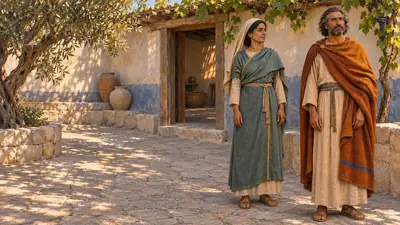
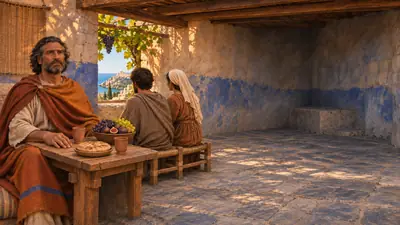
Ilustrações feitas pelo IL Archive com ferramentas de IA; o texto baseia-se nas fontes antigas (veja as fontes no fim de cada capítulo).