O conto de Aqhat Capítulo 1
O conto de Aqhat
A Danel é prometido um filho, e o arco oferecido a Aqhat desperta a atenção de Anat. Após a morte de Aqhat, Danel chora-o e Pughat vai ao acampamento de Yatipan, onde o relato que se conservou se interrompe.
FontesVire as páginas com as setas, o teclado ou deslizando o dedo.
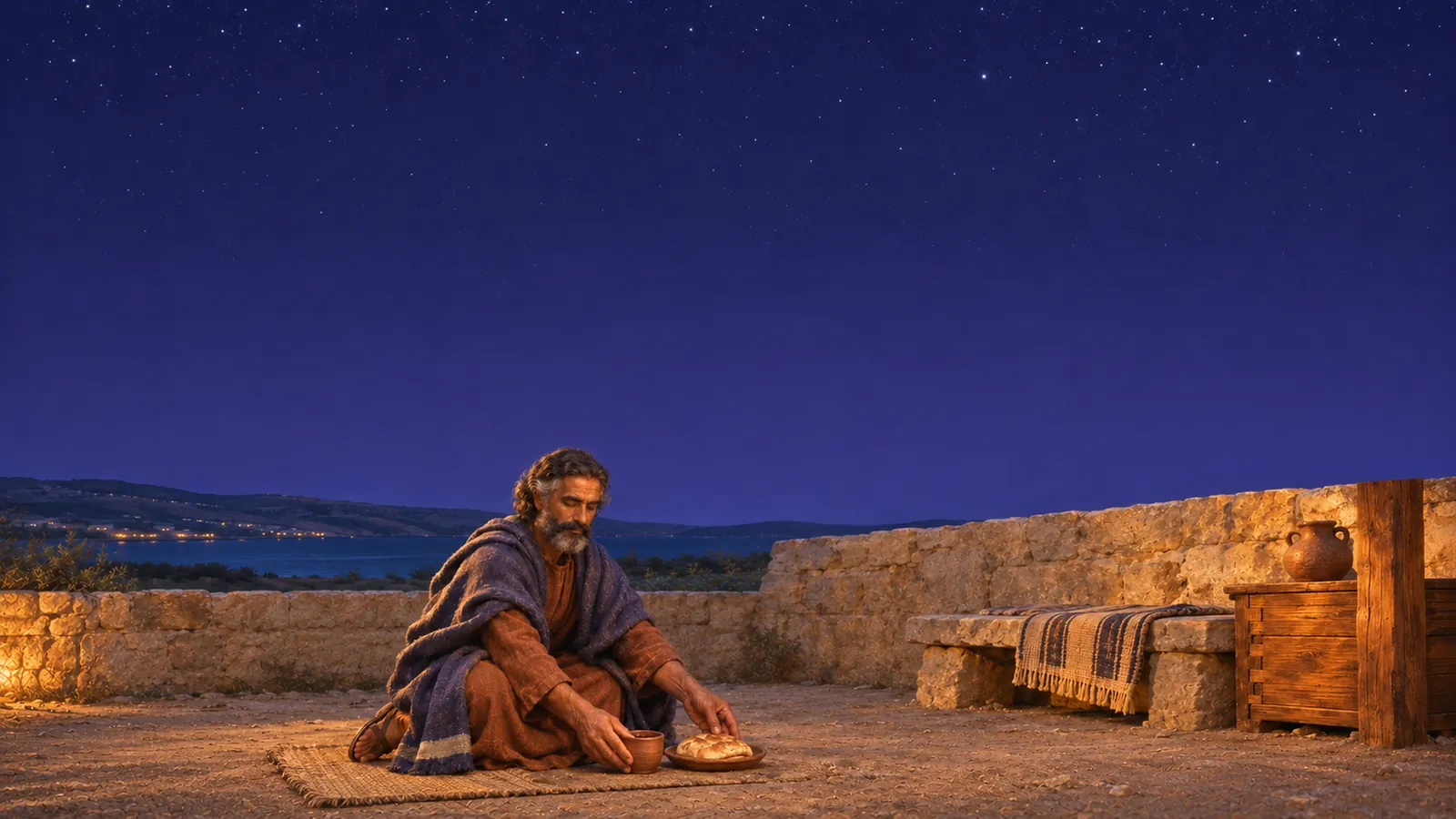
O CONTO DE AQHAT
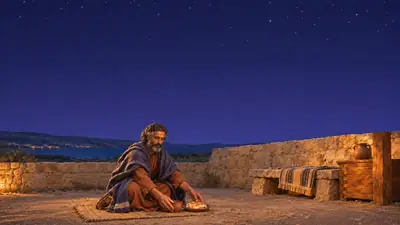
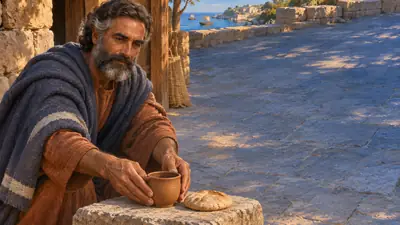
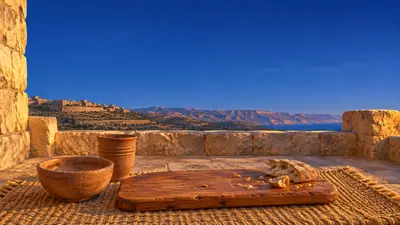
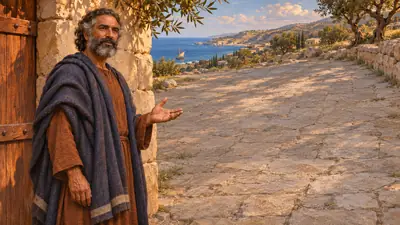
O relato começa depois de uma quebra na tabuinha. Nos primeiros versos legíveis, Danel oferece comida e bebida e deita-se para passar a noite.
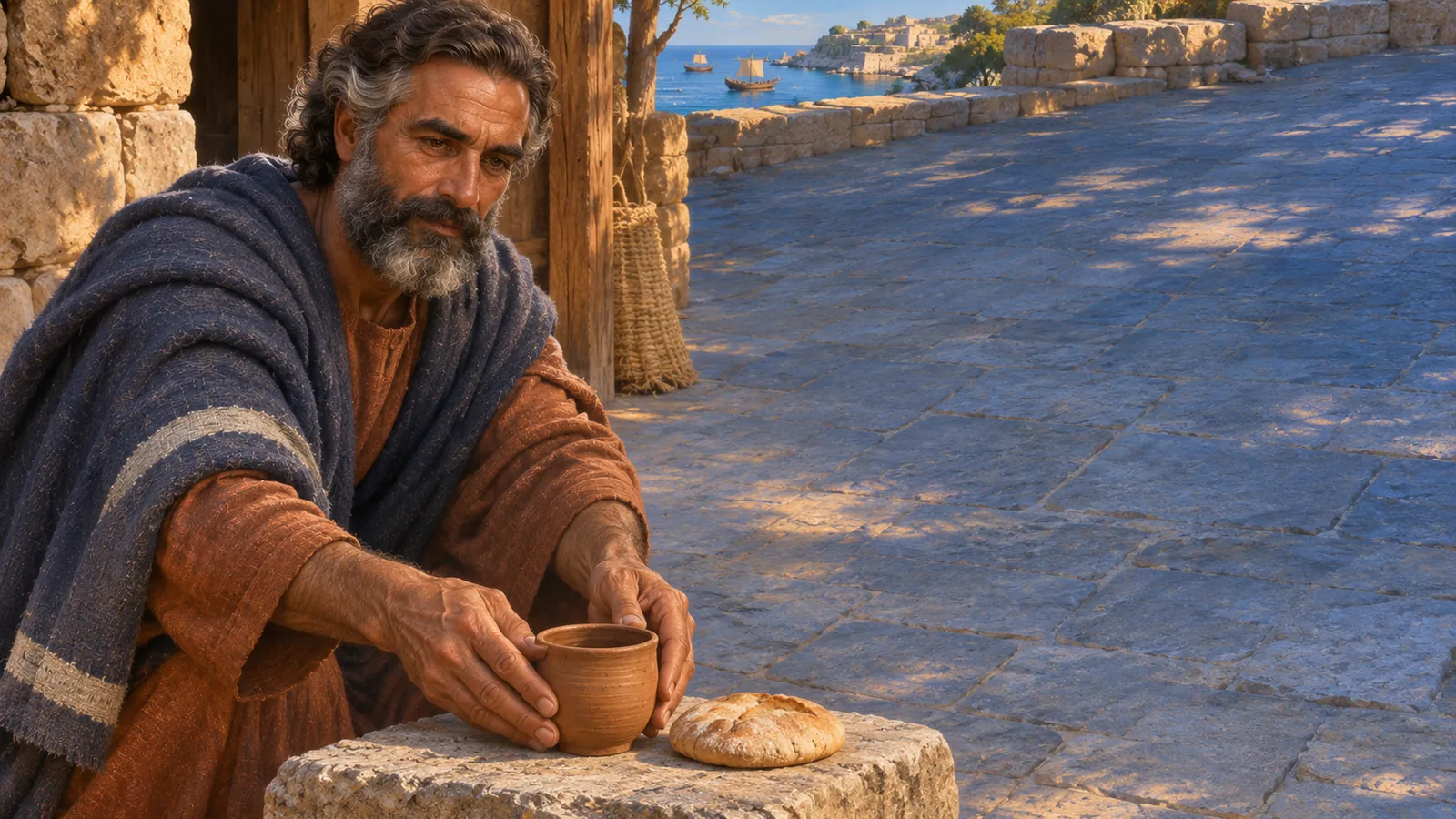
O poema conta os dias de dois em dois. A cada par de dias, Danel volta às oferendas de comida e bebida.
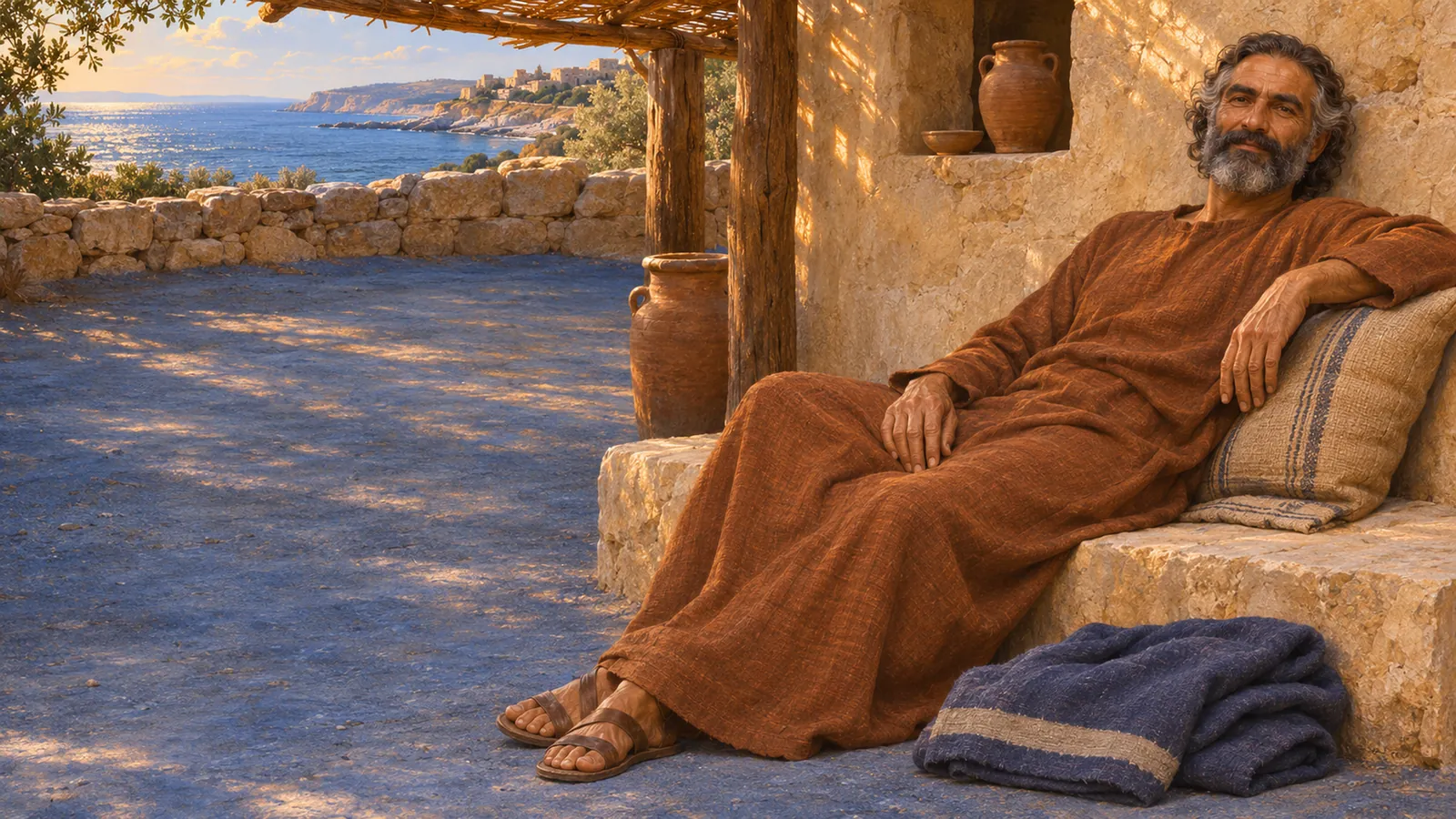
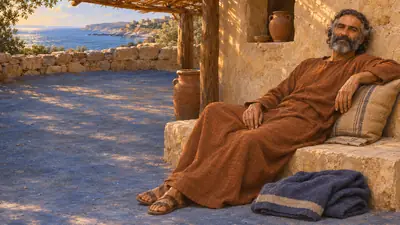
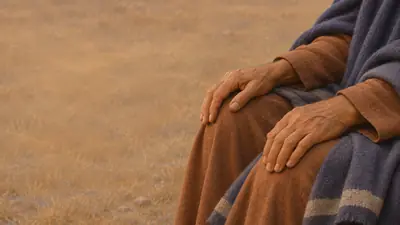
Passam os últimos dois dias da contagem do poema. Danel põe a sua veste de lado e deita-se para descansar.
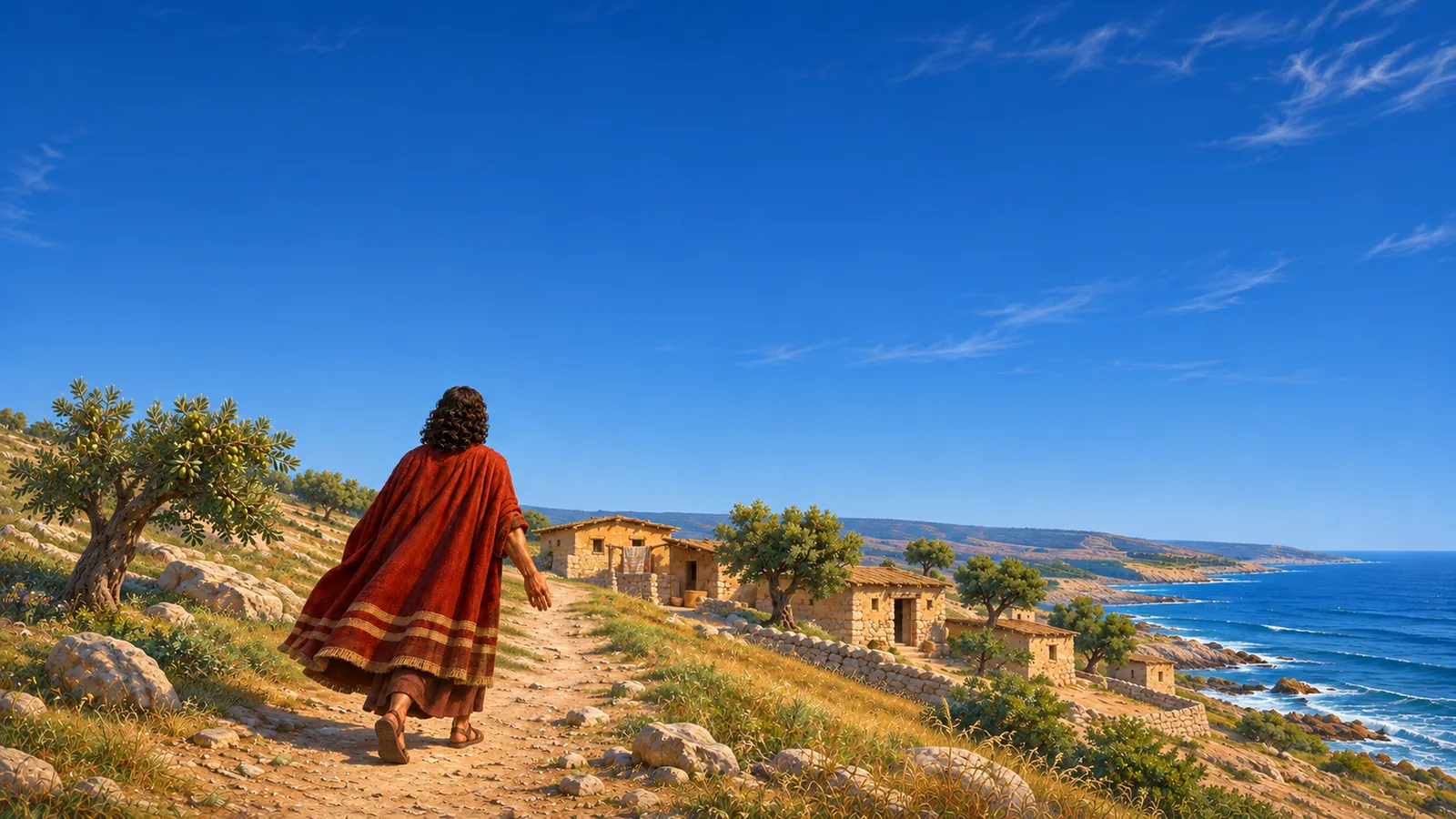
O SÉTIMO DIA
No sétimo dia, Baal aproxima-se com benevolência. O relato repetido dos dias de Danel dá lugar às palavras de Baal a El.

Baal diz a El que Danel não tem filho. Pede-lhe que o abençoe para que possa ter um.
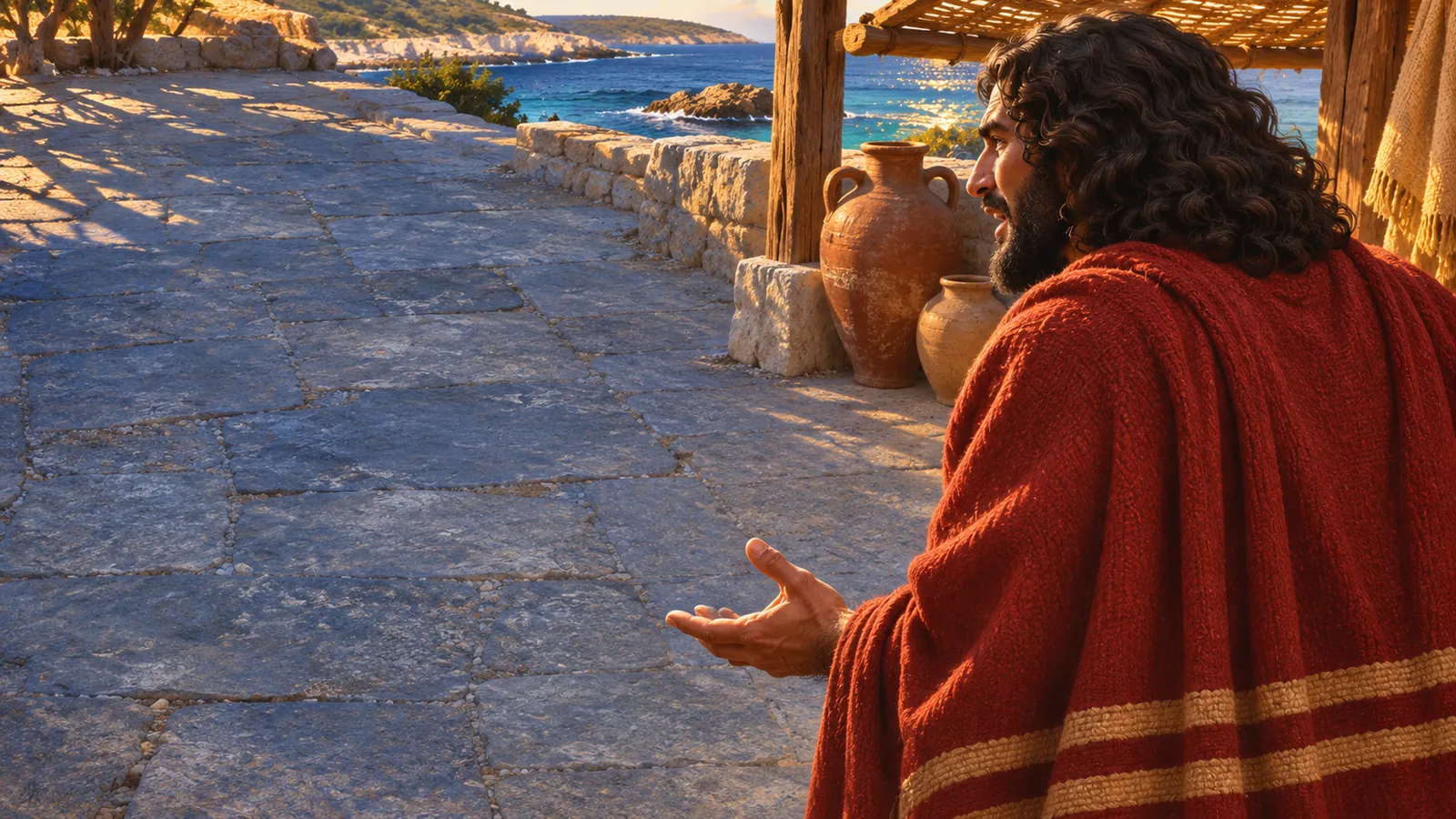
Baal diz a El o que um filho faria pelo pai e pela casa. Fala de guardar a sua memória, de lhe dar apoio e dos cuidados de todos os dias.
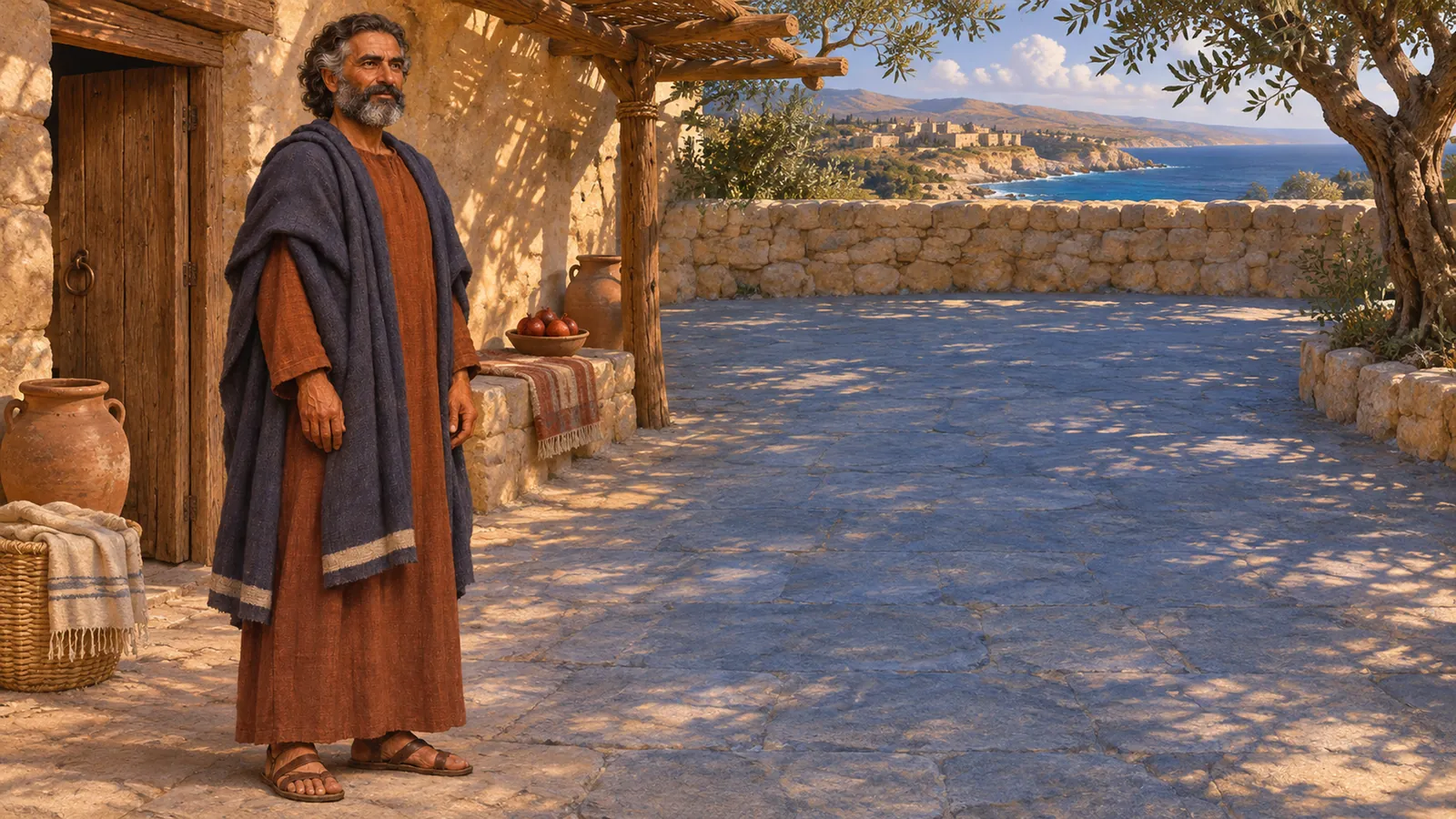
El abençoa Danel. Fala da conceção e da criança que Danel deseja, enquanto o primeiro gesto da passagem é difícil de ler.
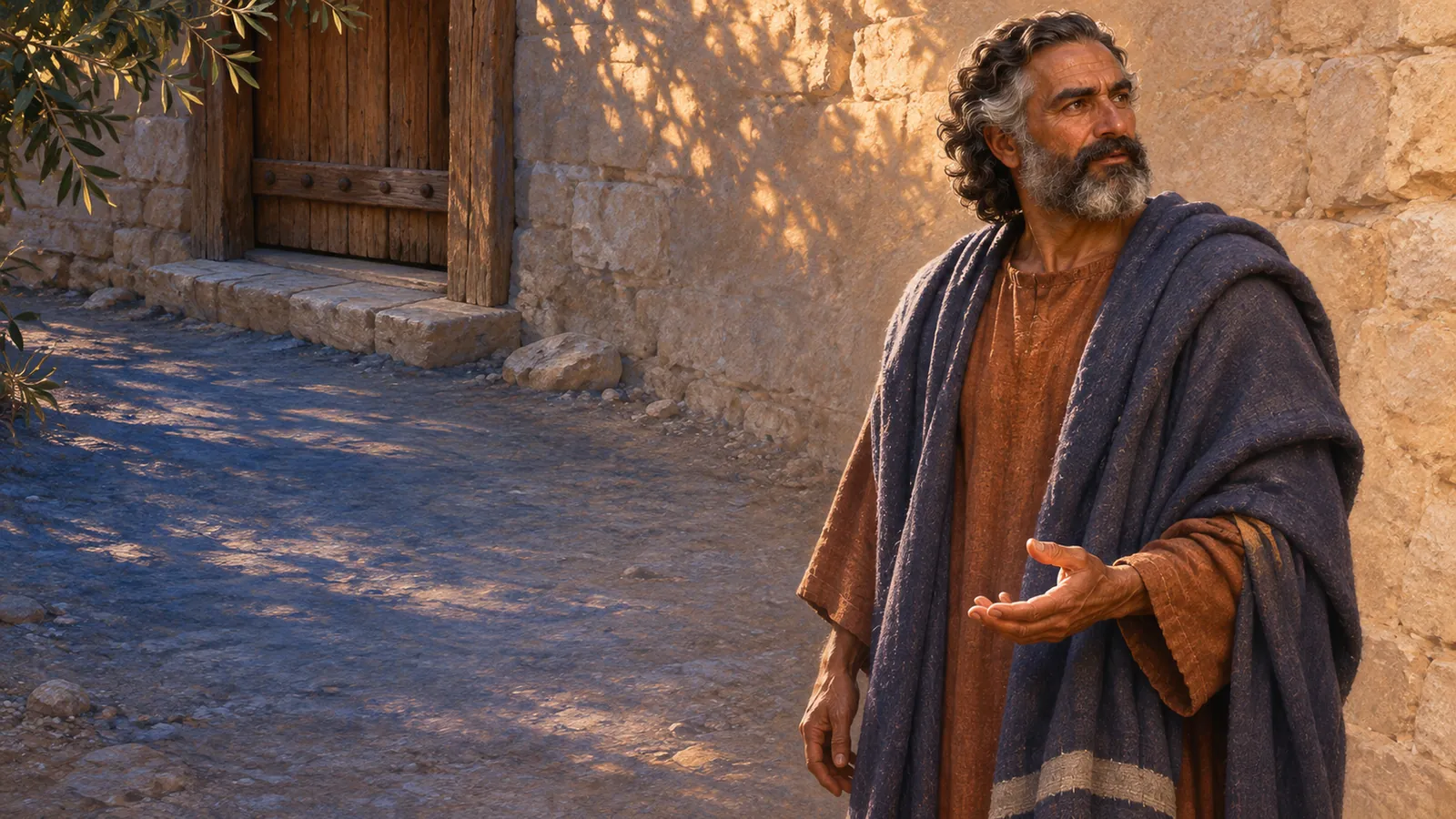
Os deveres de um filho repetem-se na bênção e nas palavras dirigidas a Danel. Na passagem danificada, Baal parece ser o portador da notícia.
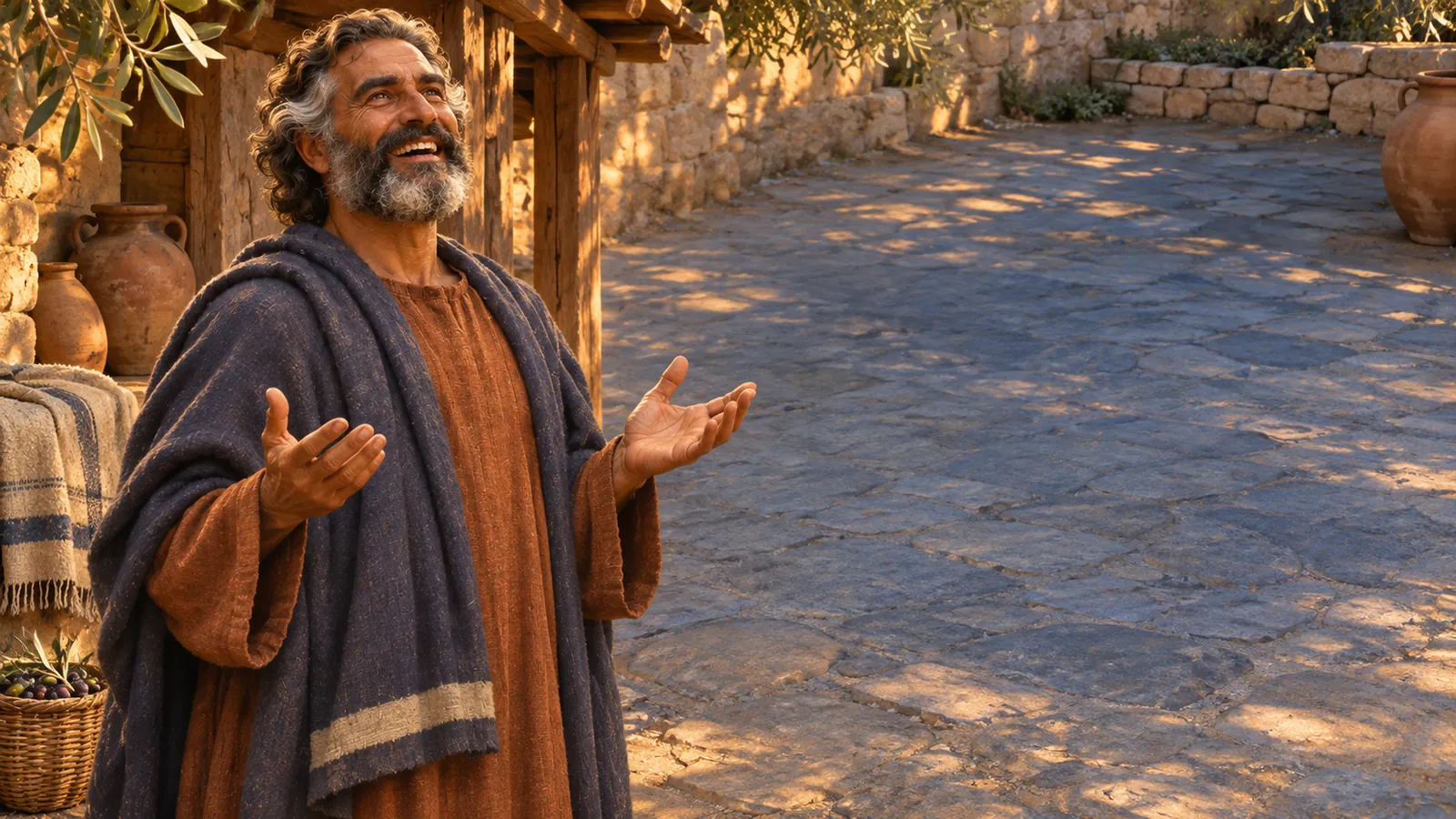
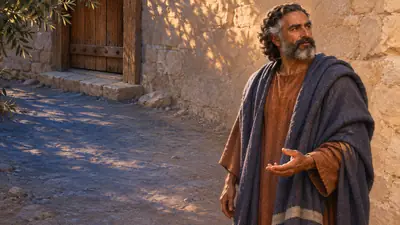
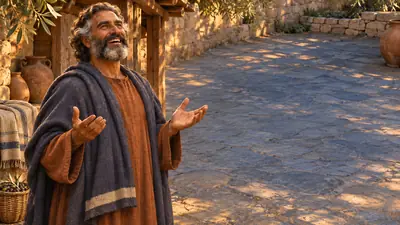
Danel alegra-se ao ouvir as palavras. Repete ele próprio os deveres, pensando no filho que espera ter.
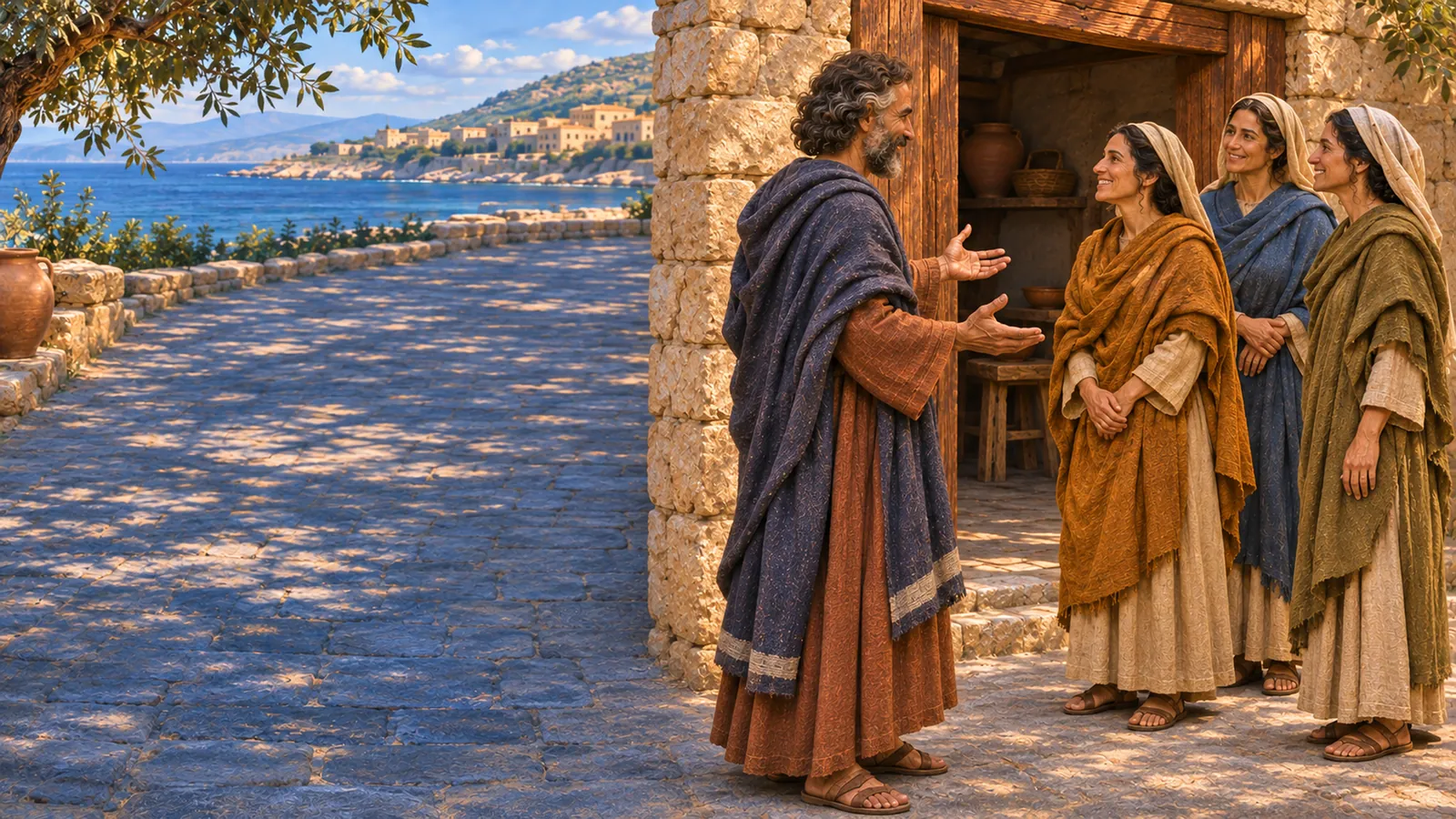
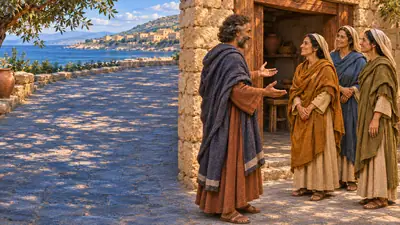
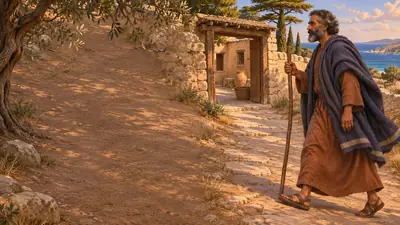
Danel regressa a casa. O poema conta como as Kotharat ali chegam como convidadas.
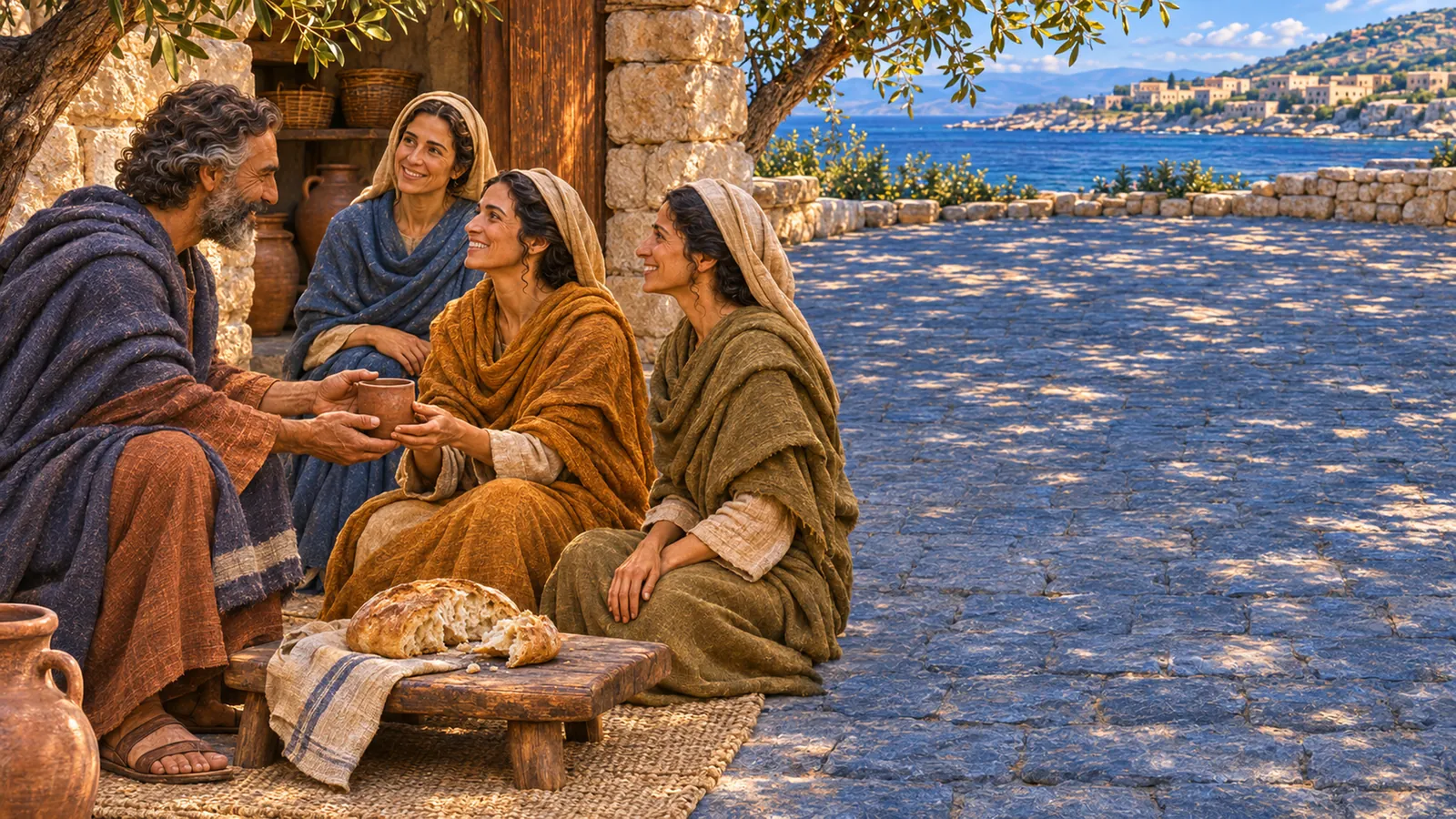
Danel recebe as Kotharat durante seis dias. No sétimo, as convidadas deixam a sua casa.
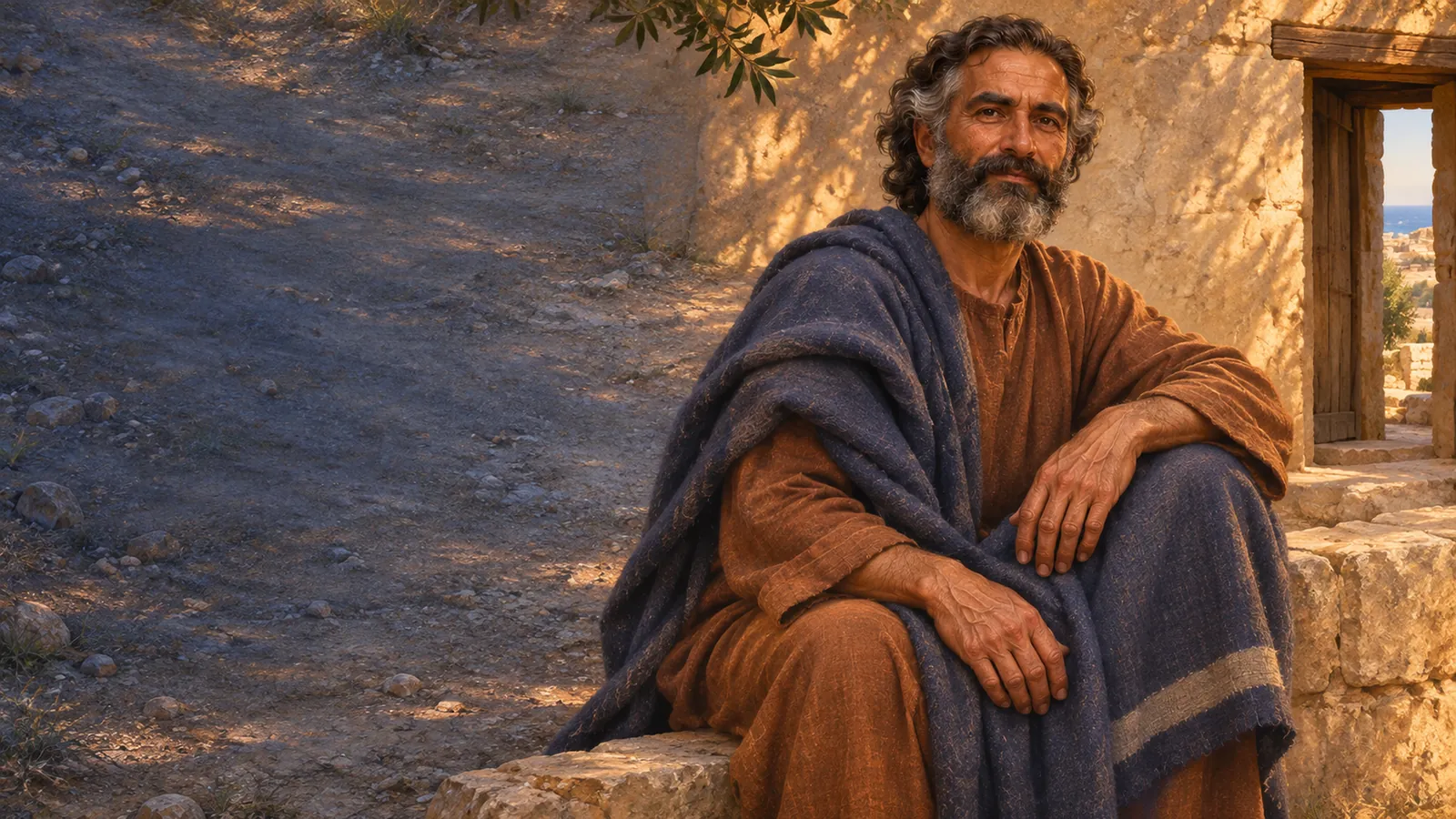
Danel conta os meses da gravidez. O relato interrompe-se aqui e recomeça mais tarde, quando Aqhat já tem idade para receber um presente.
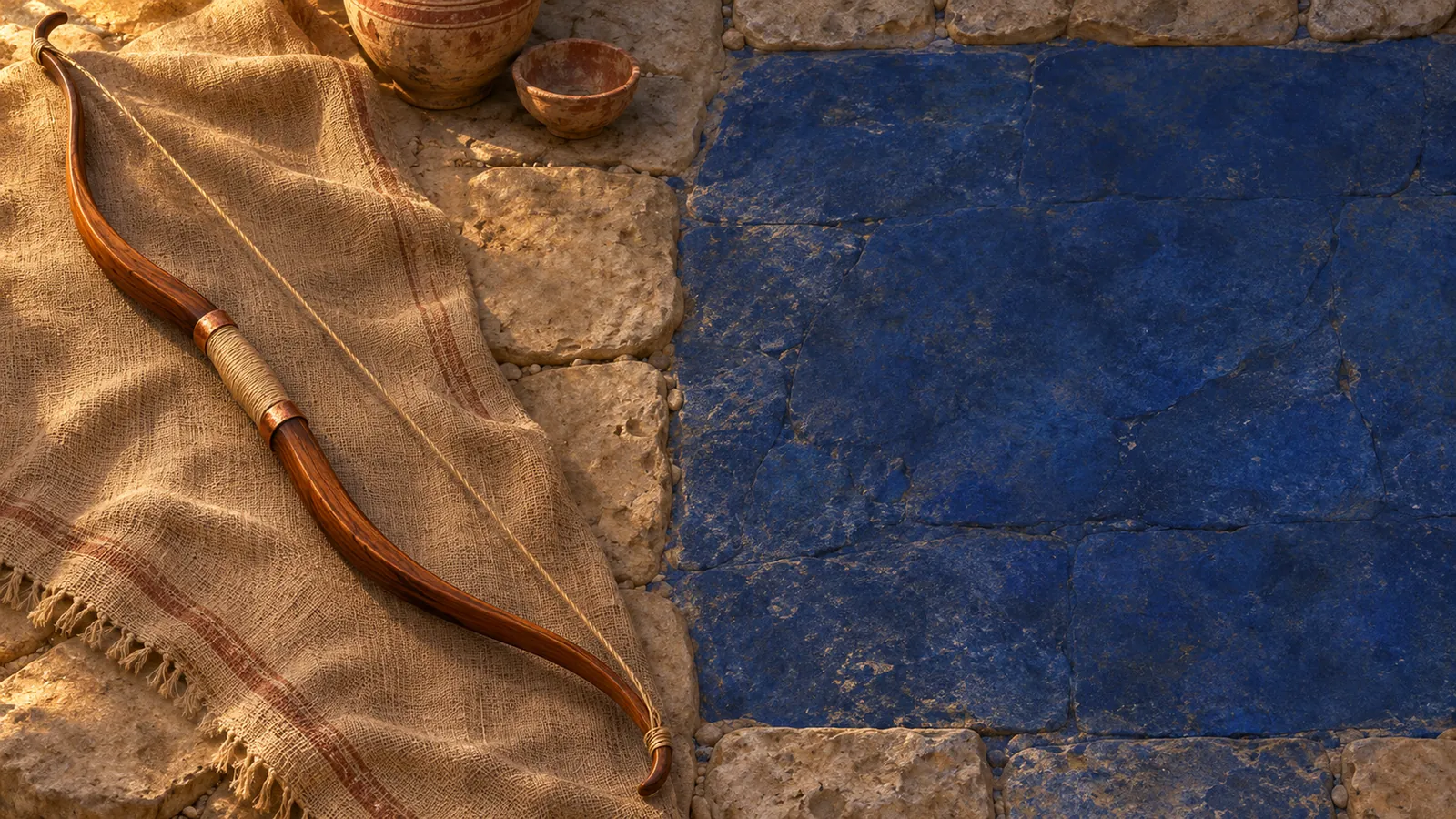
Quando o texto recomeça, menciona um arco. Conta-se outro sétimo dia, enquanto se perderam as circunstâncias anteriores desse presente.
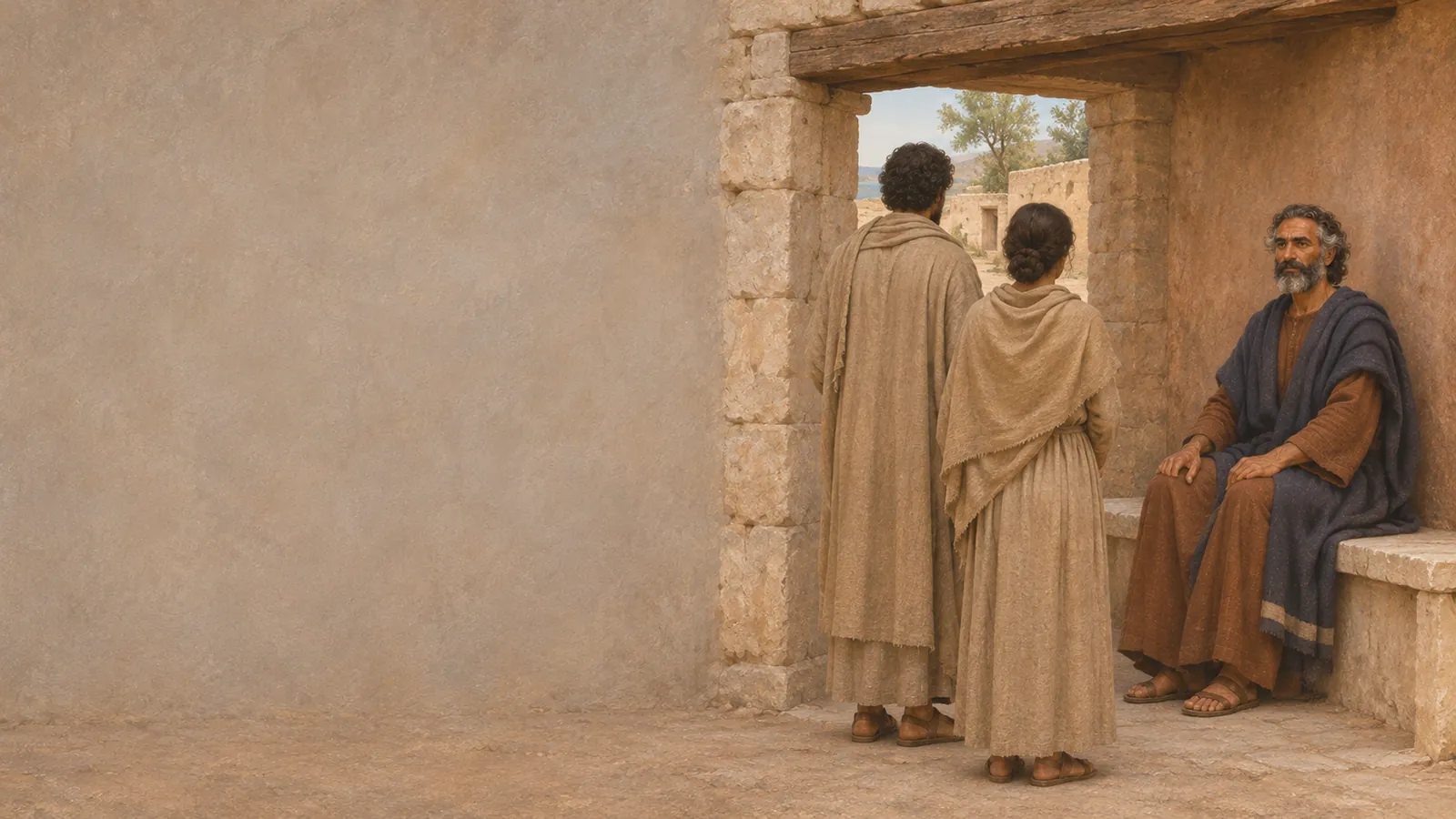
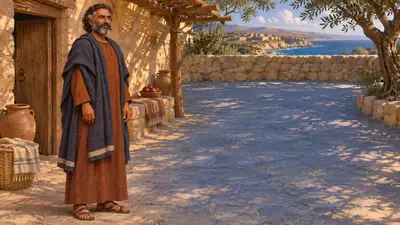
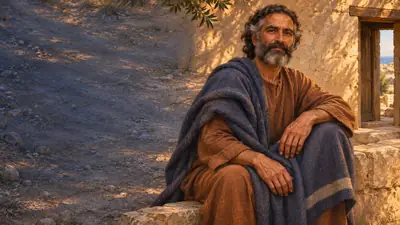
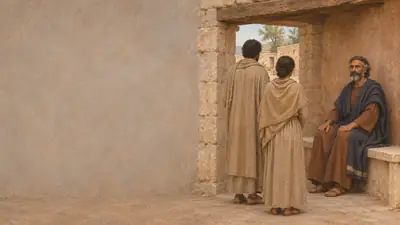
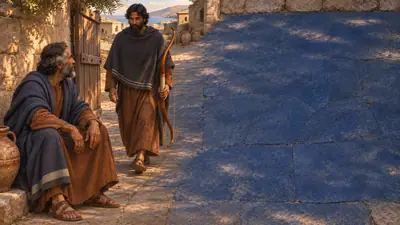
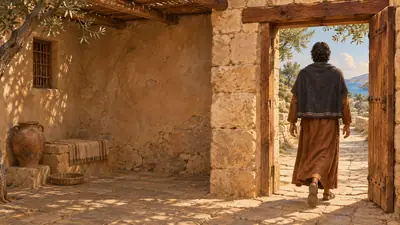
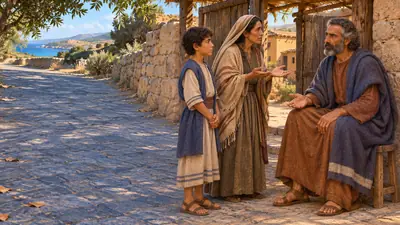
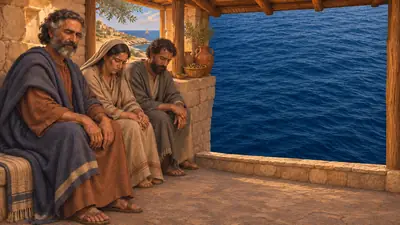
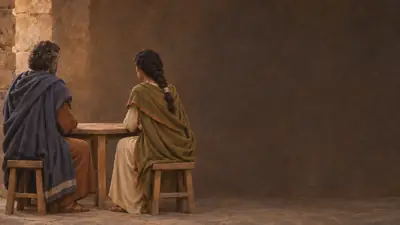
Danel senta-se junto ao portão para ouvir as causas. O poema menciona a viúva e o órfão entre aqueles que ele ali ouve.
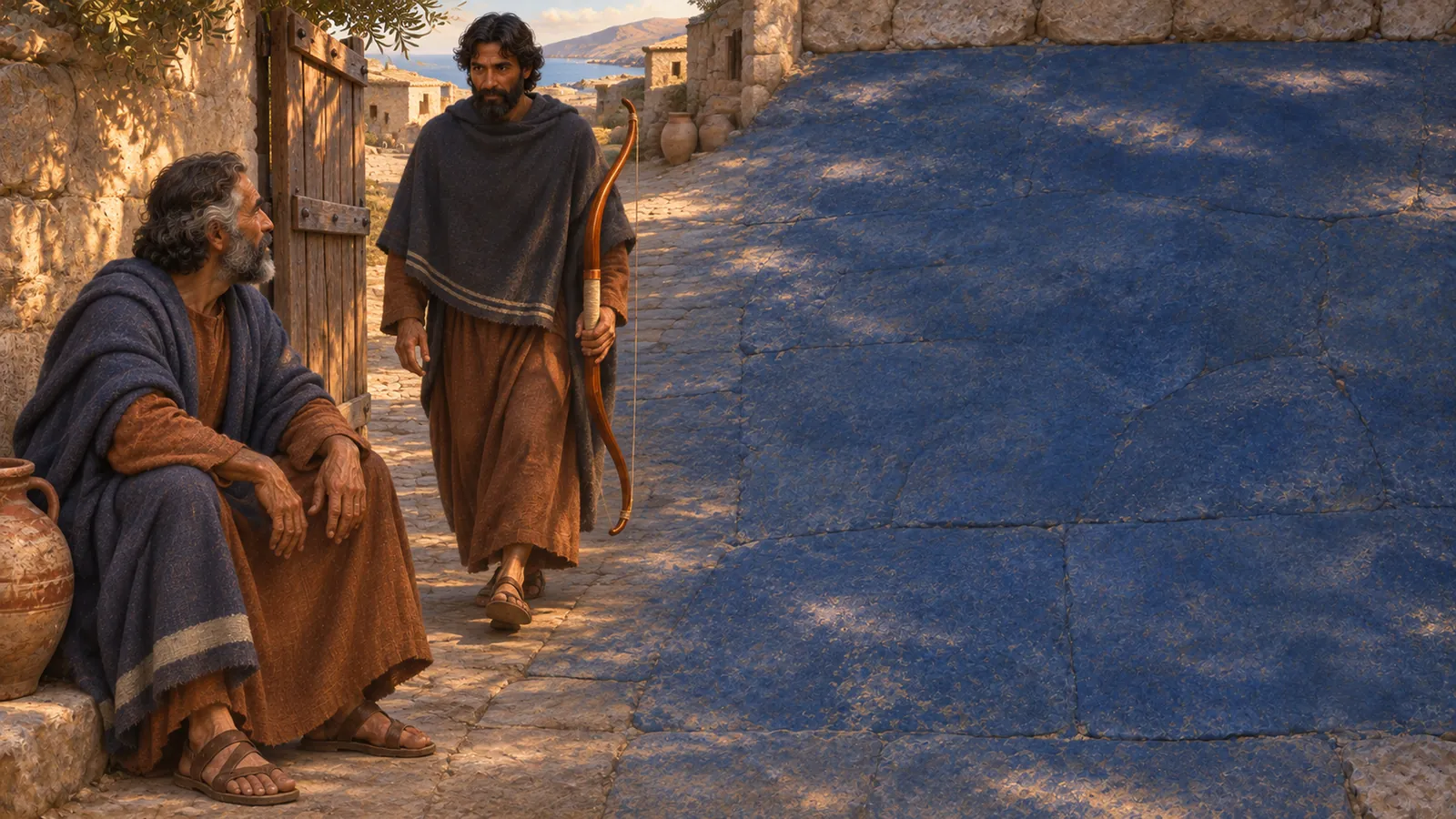
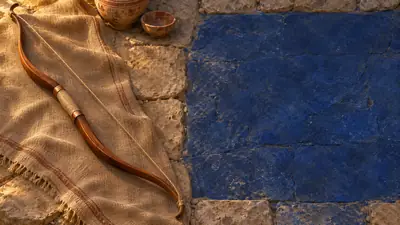
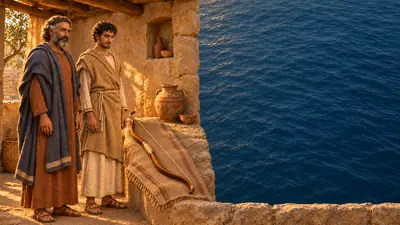
Enquanto Danel está sentado junto ao portão, vê Kothar-wa-Hasis aproximar-se. O texto diz que o artesão traz o arco.
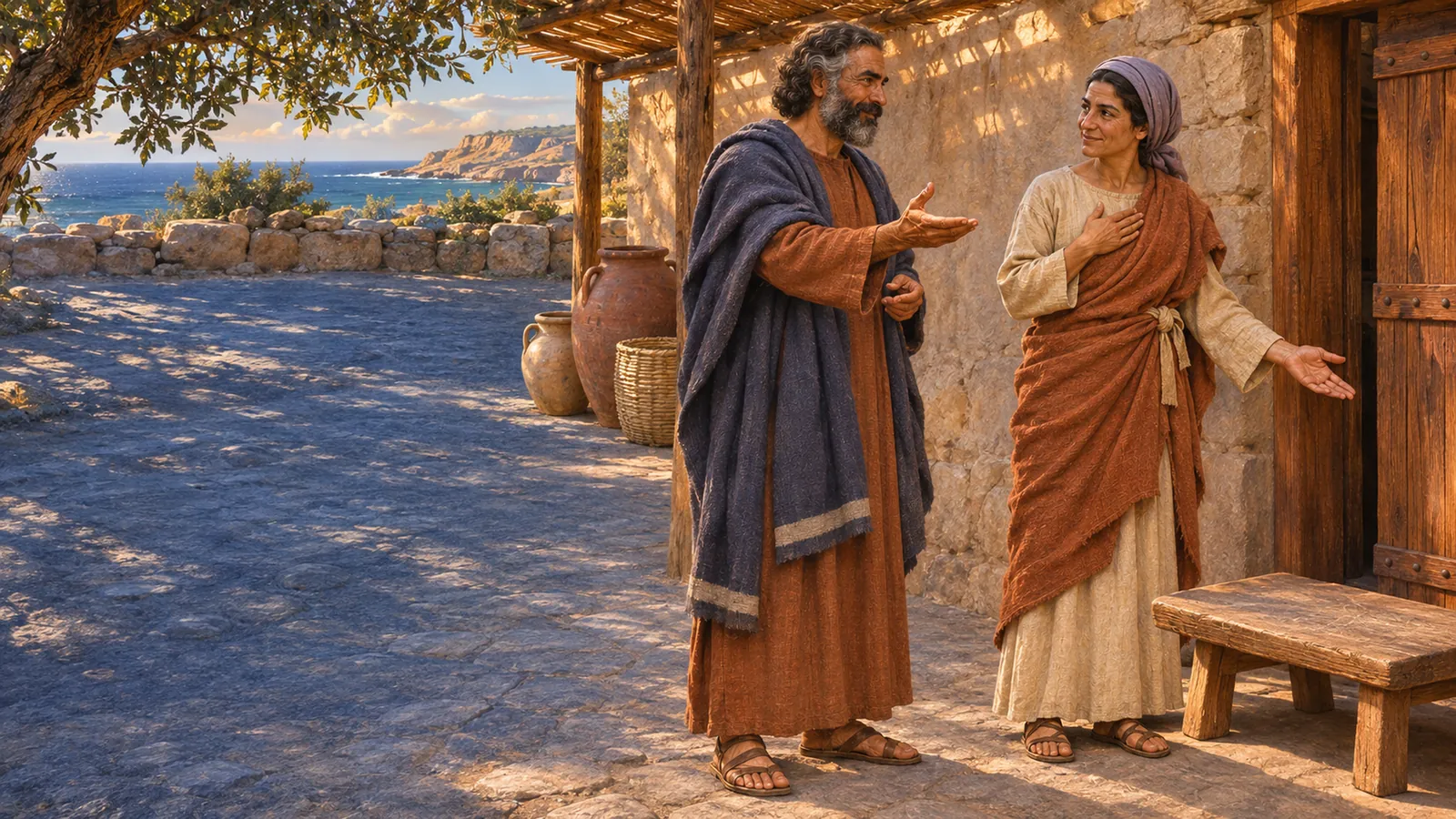
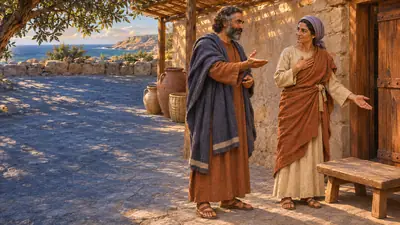
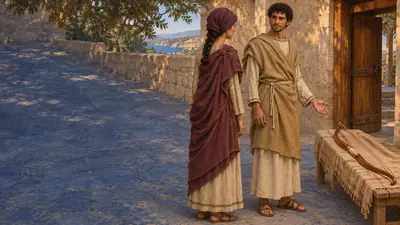
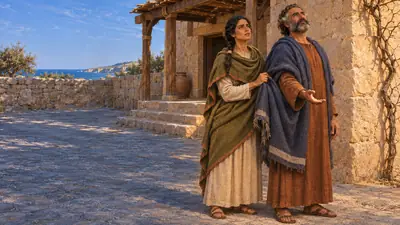
Danel pede a Danatiya que receba o artesão com hospitalidade. A passagem também lhe chama Hayyan, outro nome usado aqui para Kothar-wa-Hasis.
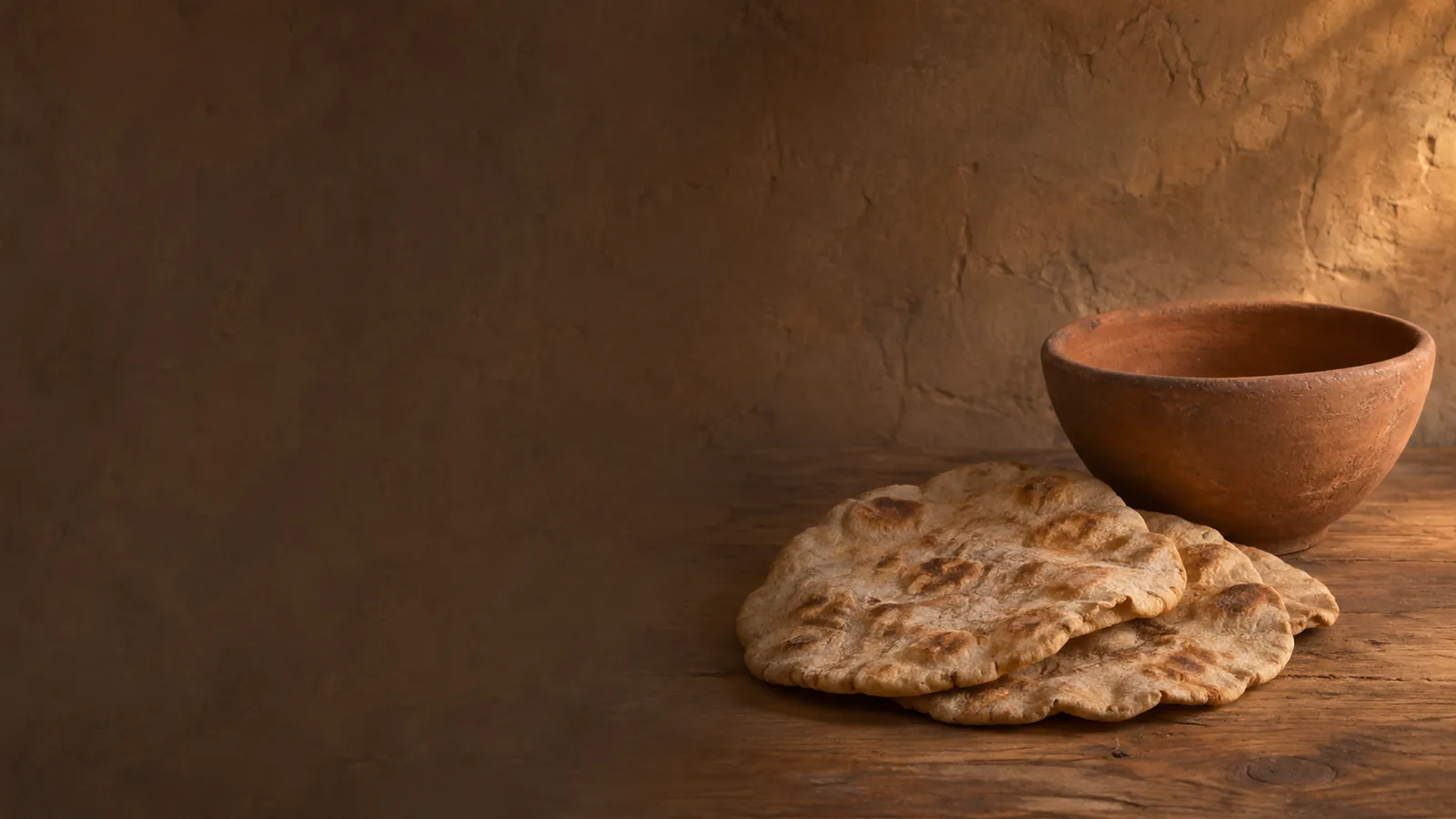
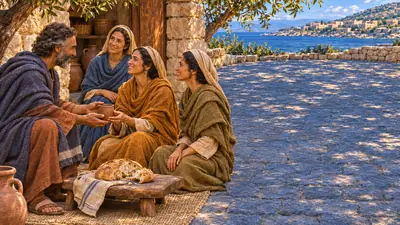
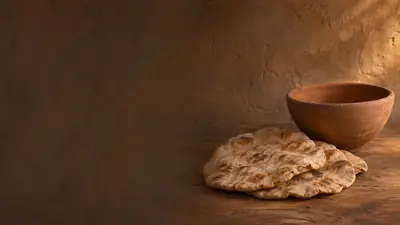
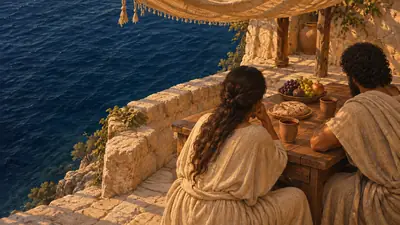
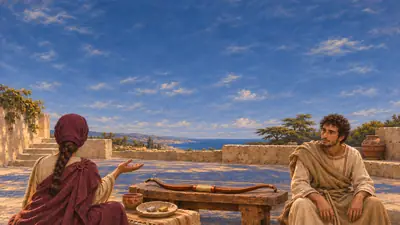
Danatiya prepara a refeição para o artesão. O poema detém-se na comida e na mesa antes de o presente ser oferecido.
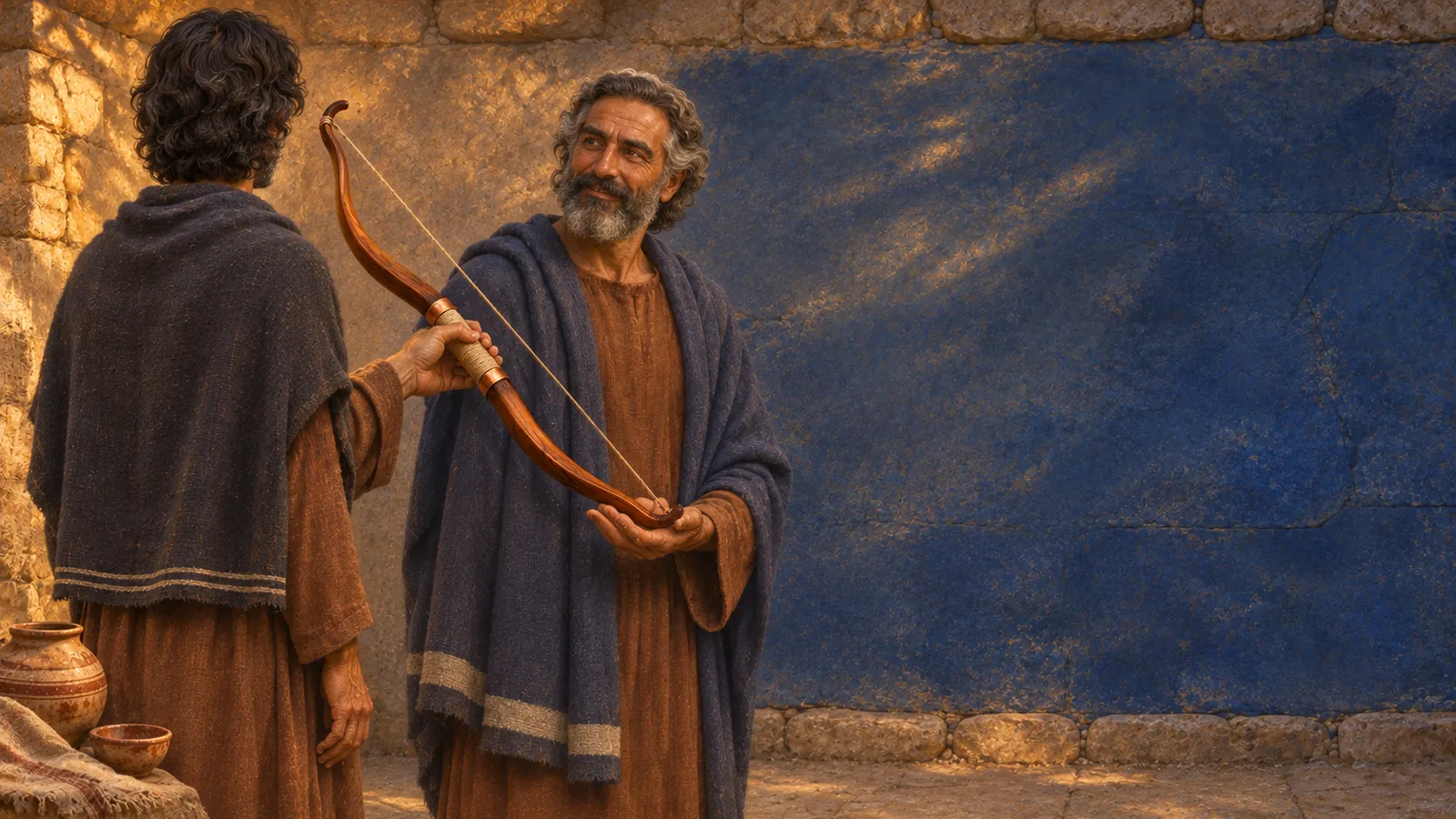
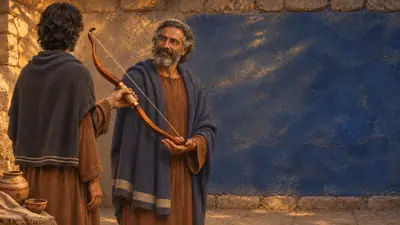
O artesão entrega o arco a Danel. O presente chega à casa durante a visita para a qual Danatiya preparou a refeição.
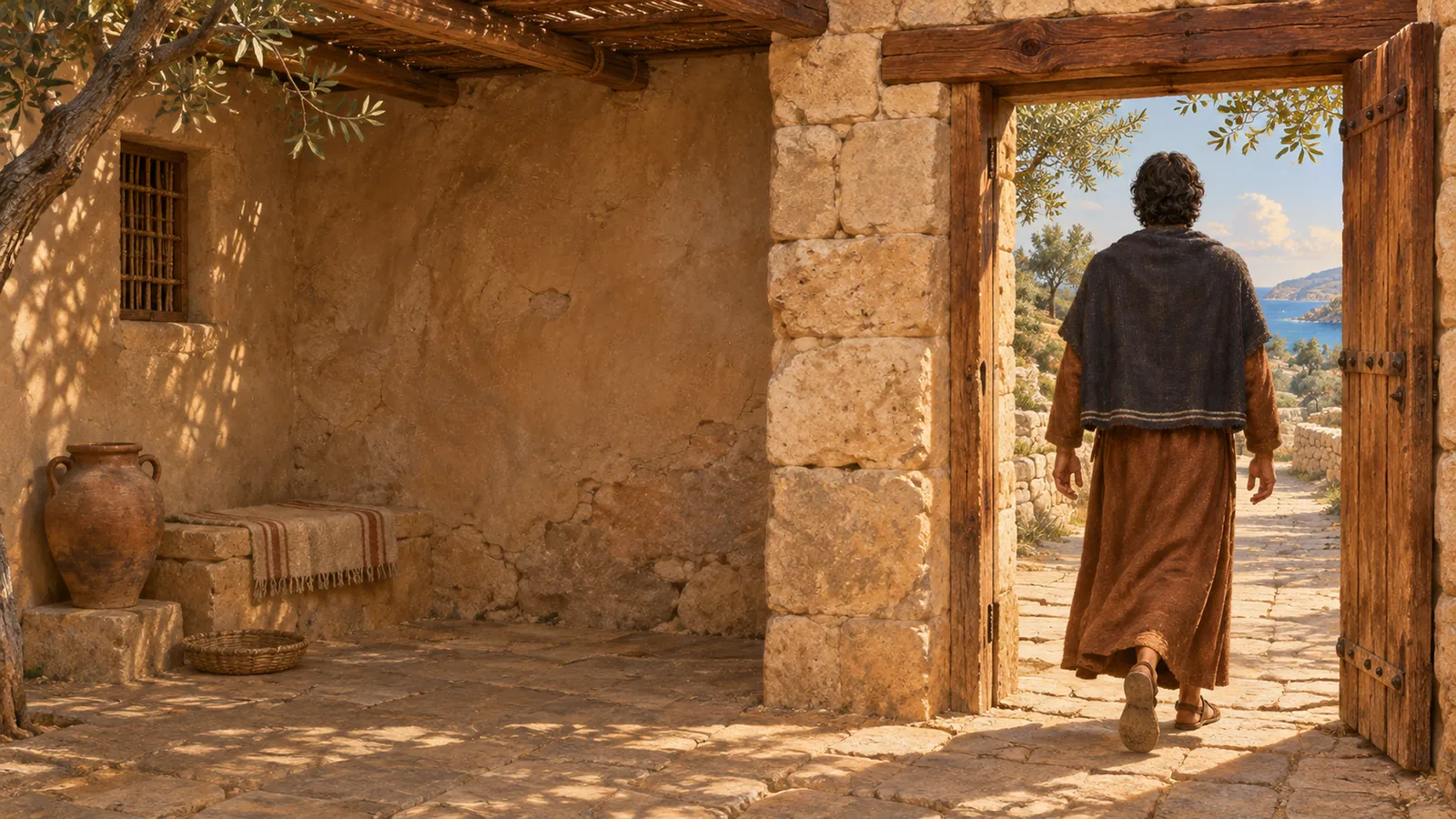
Danatiya recebe o artesão com hospitalidade. O relato da visita chega ao fim quando o artesão sai da casa de Danel.
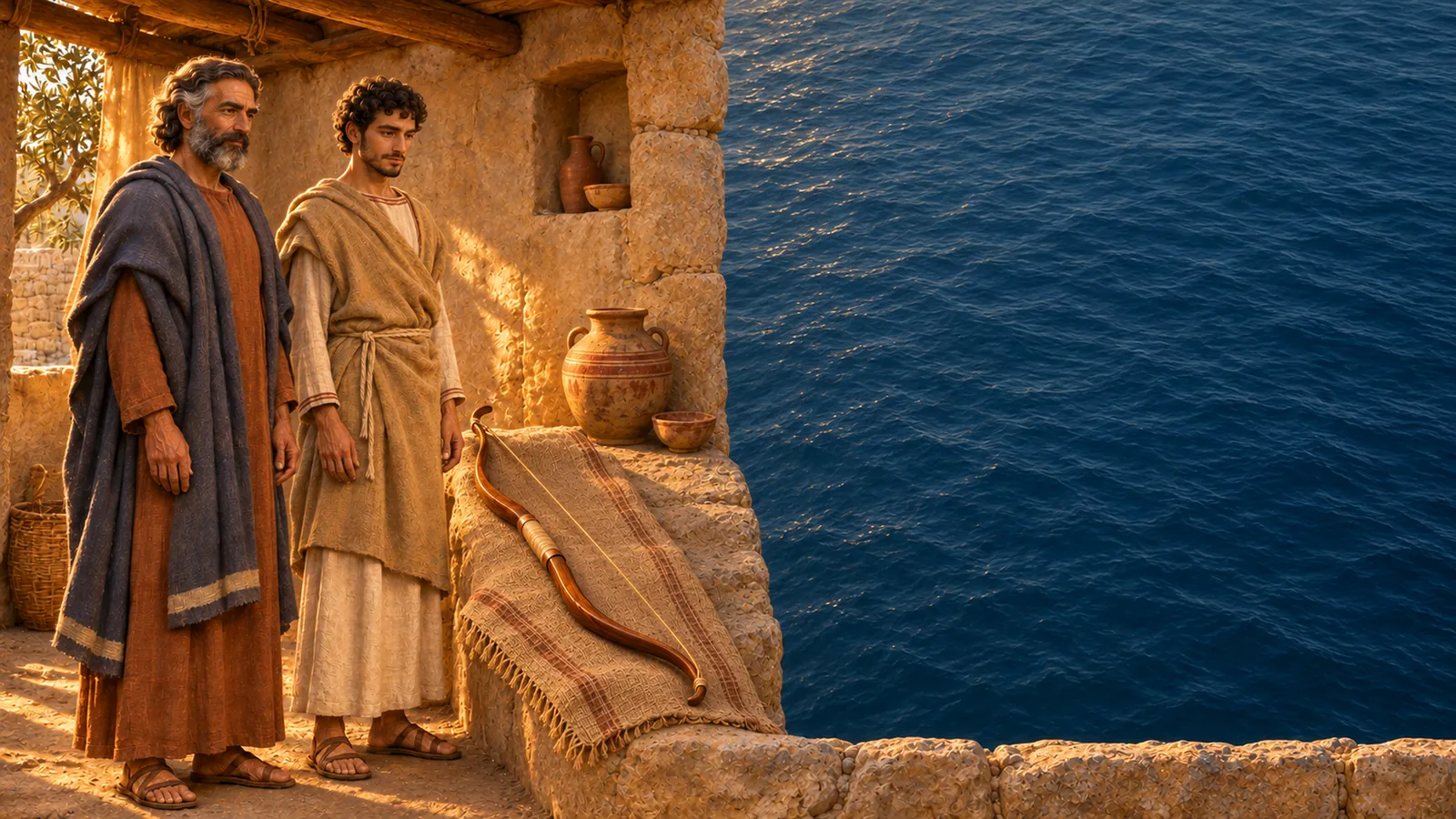
A passagem danificada parece mostrar Danel a passar o presente a Aqhat com uma bênção. Perderam-se o ato exato e parte das suas palavras.
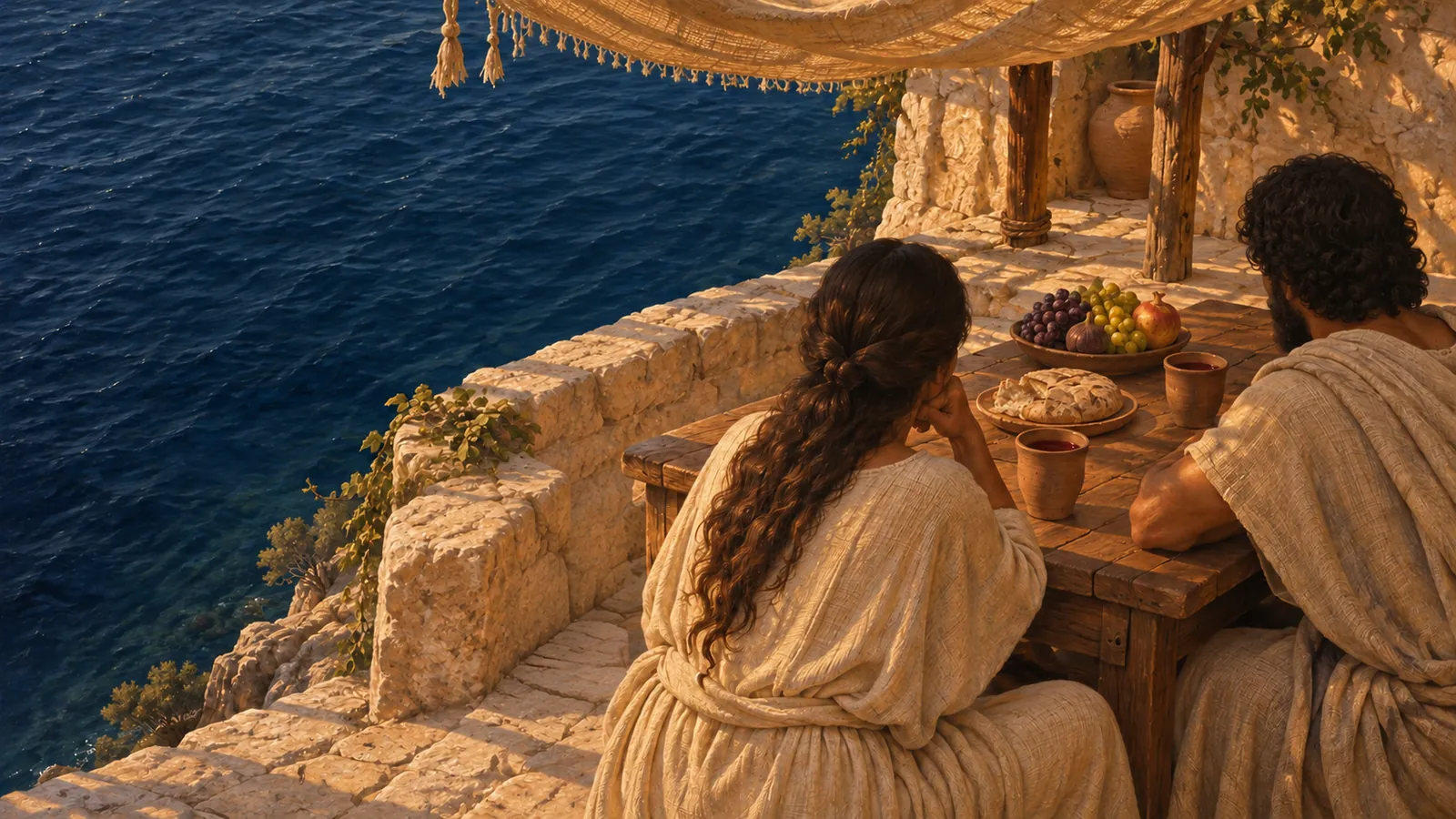
Depois de uma quebra, o texto recomeça com comida e vinho num banquete. Perderam-se o local e as circunstâncias que ali reuniram os convidados.
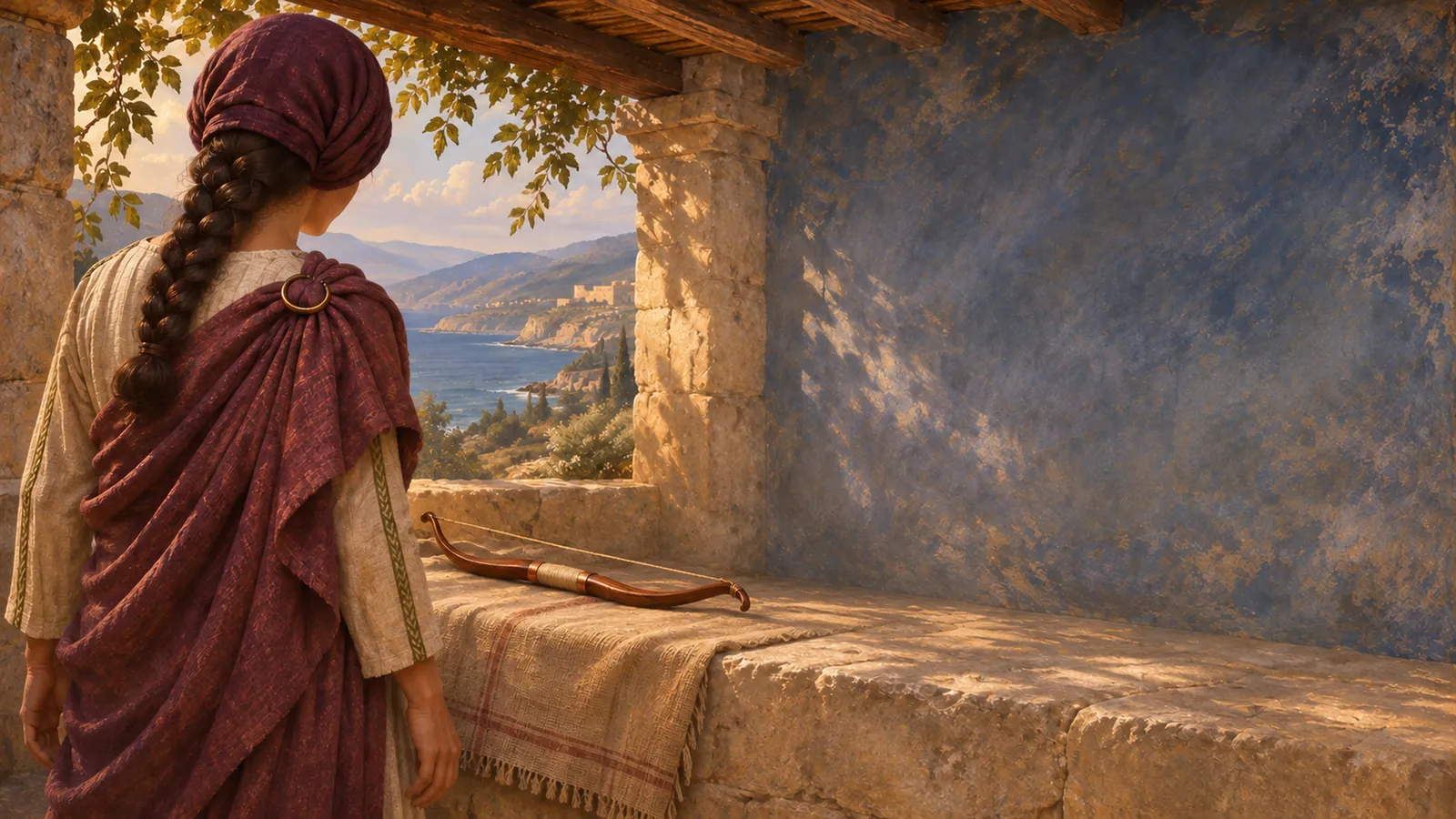
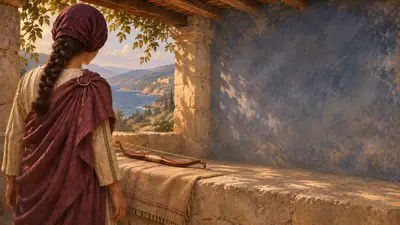
Anat repara no arco extraordinário. Os versos em torno desse momento estão danificados, e as edições divergem sobre quem pega no arco.
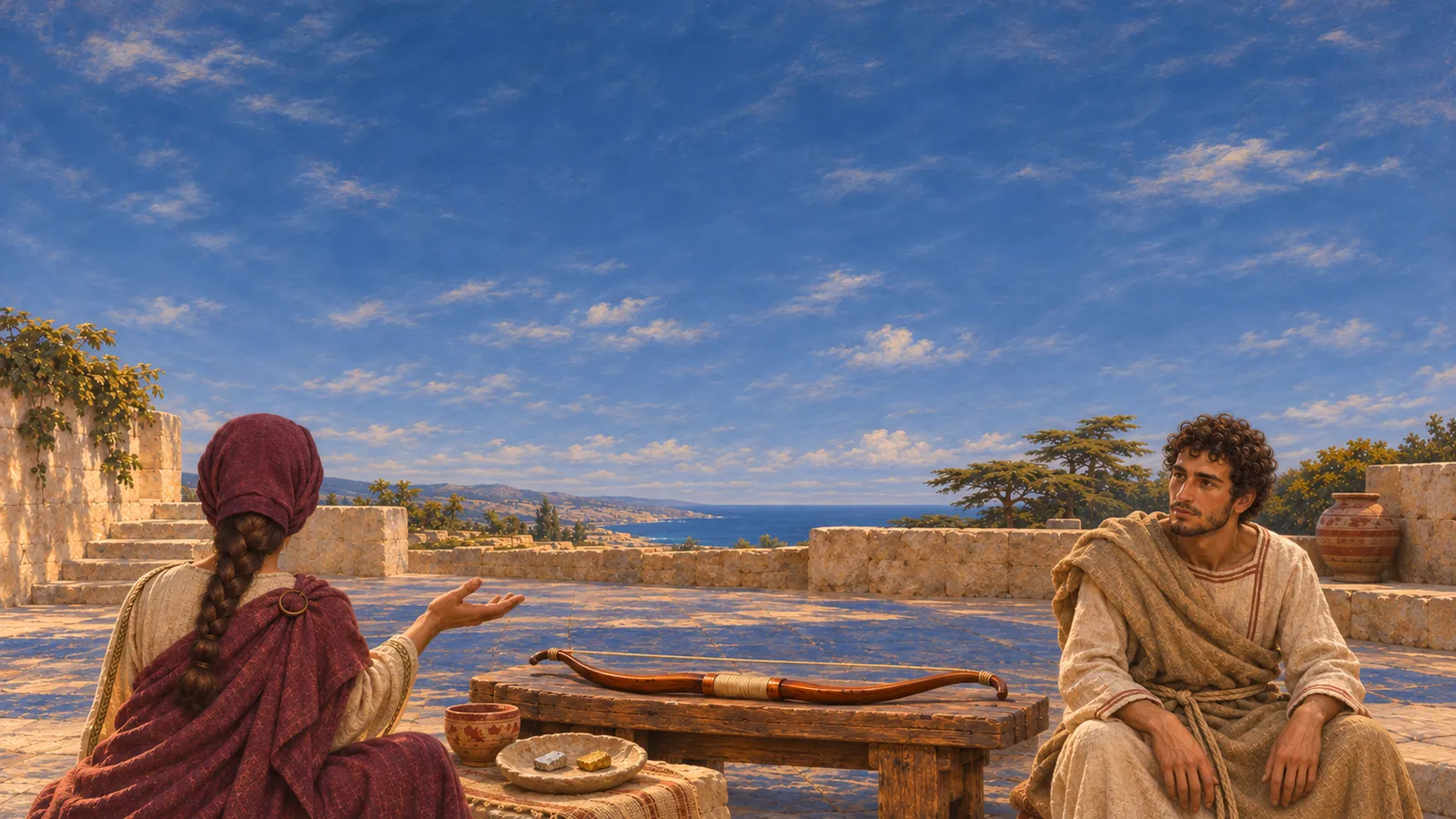
OURO E PRATA
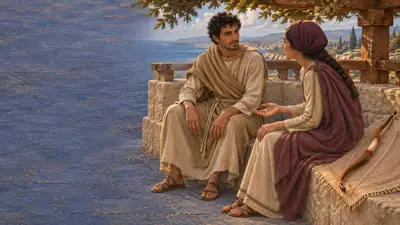
Anat oferece prata e ouro a Aqhat em troca do arco. Nomeia o que lhe daria para o obter.
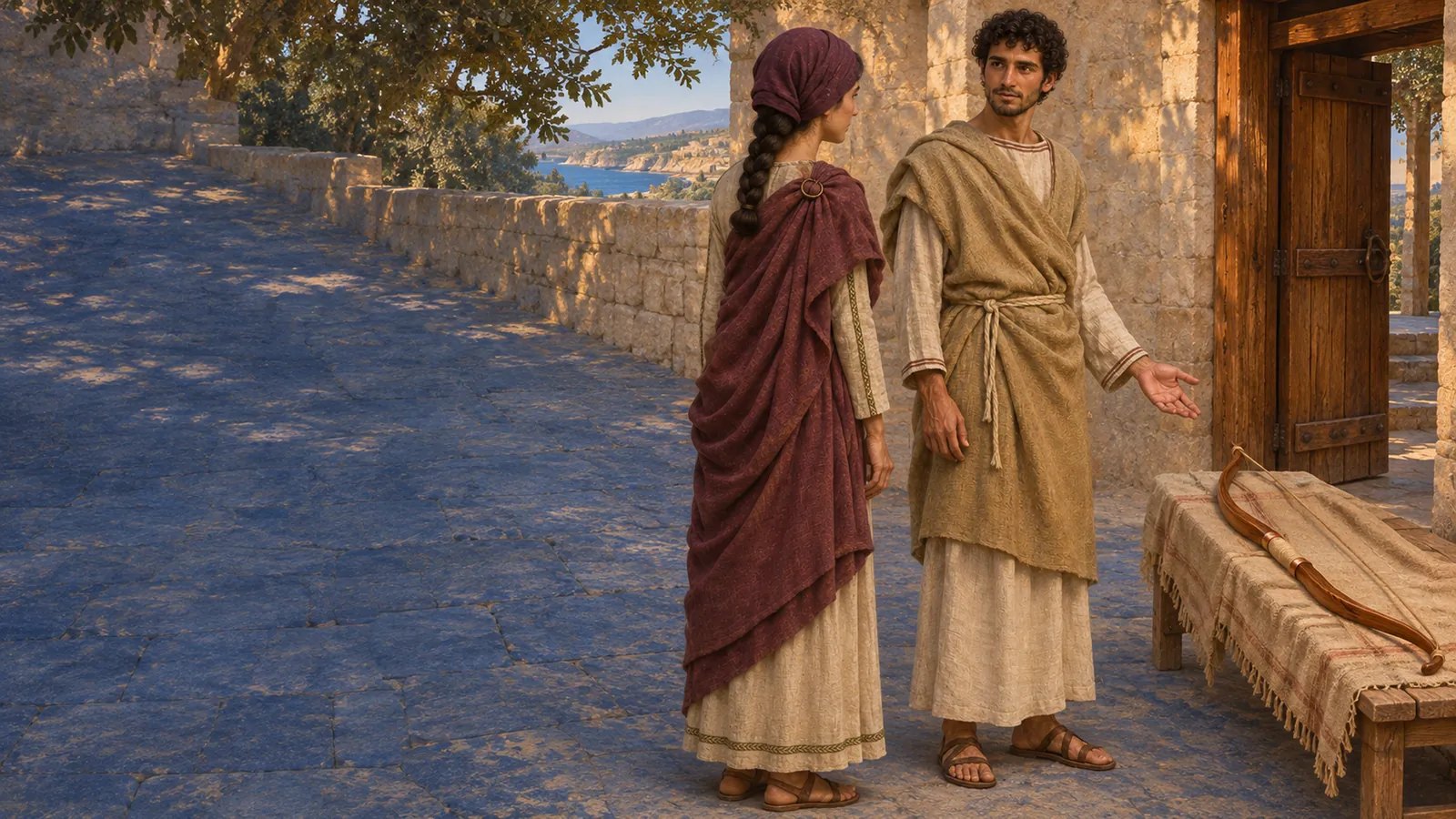
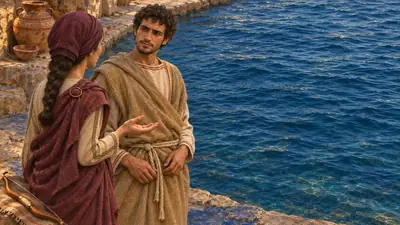
Aqhat encaminha Anat para o artesão. Diz que ela pode ir ter com ele para obter um arco seu.
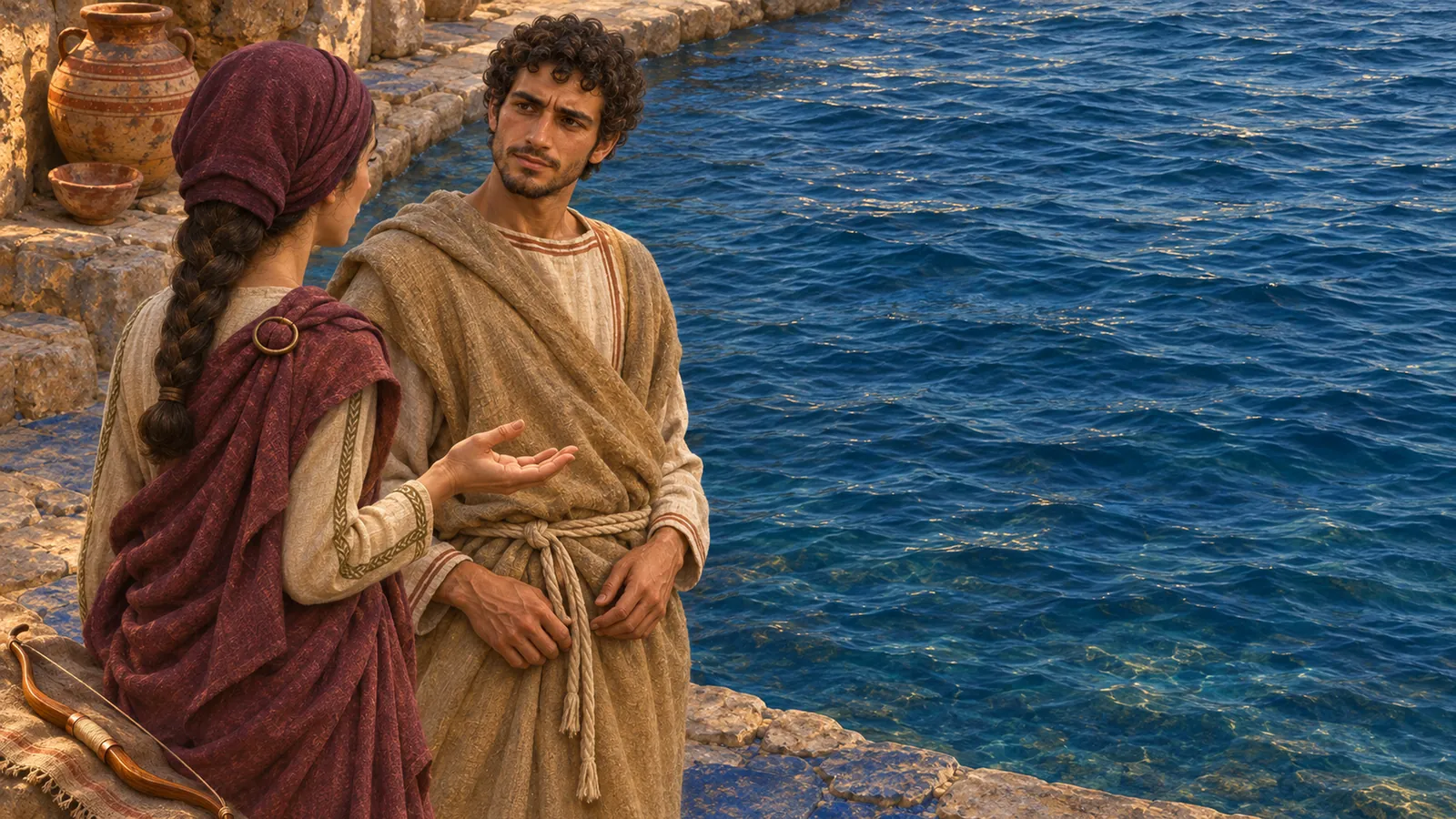
Ainda interessada no arco, Anat oferece a Aqhat uma vida sem morte. Fala dos anos que ele contaria com Baal.
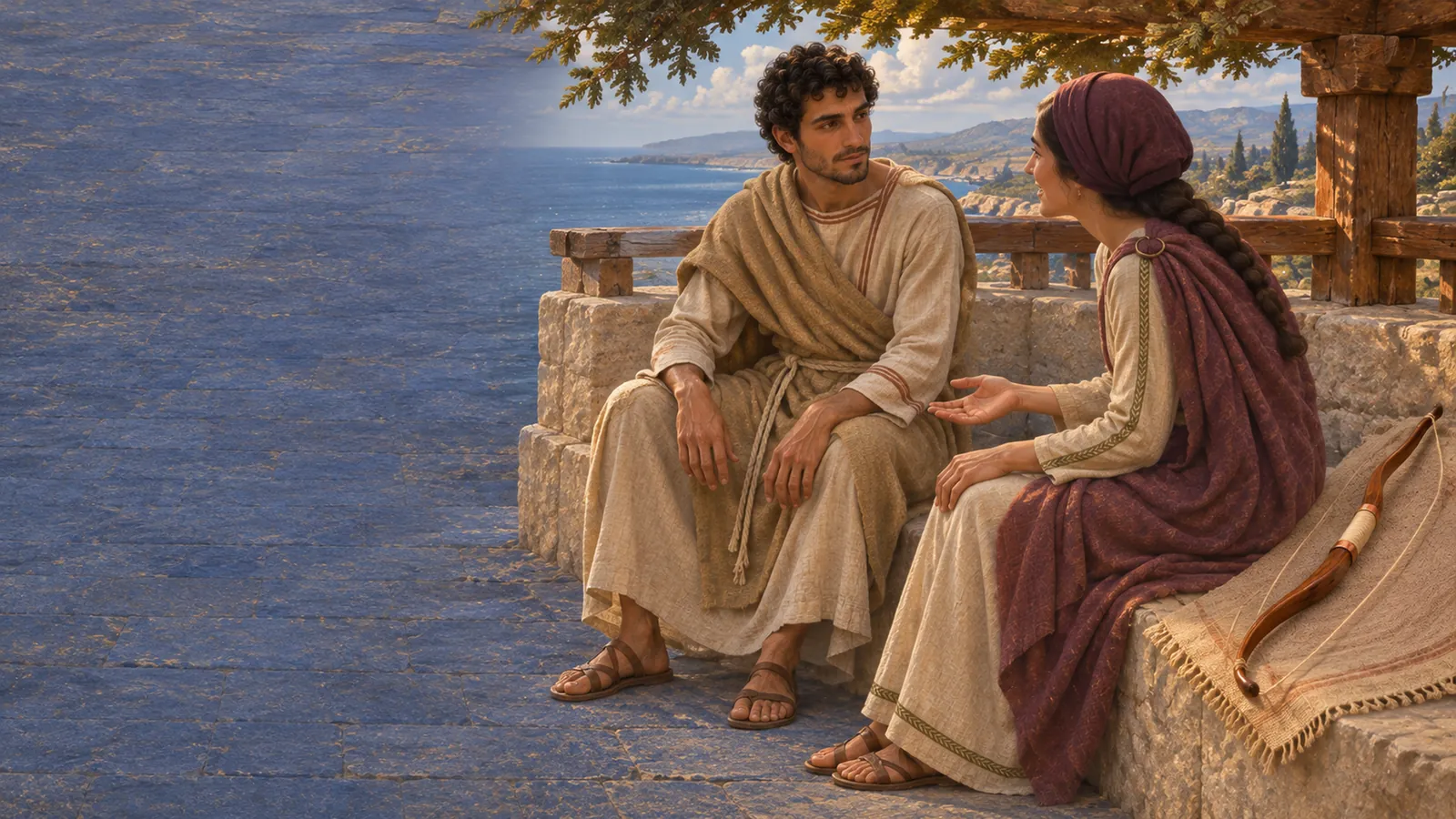
Anat desenvolve a promessa com imagens de hospitalidade e canto associadas a Baal. Fazem parte do que diz a Aqhat.
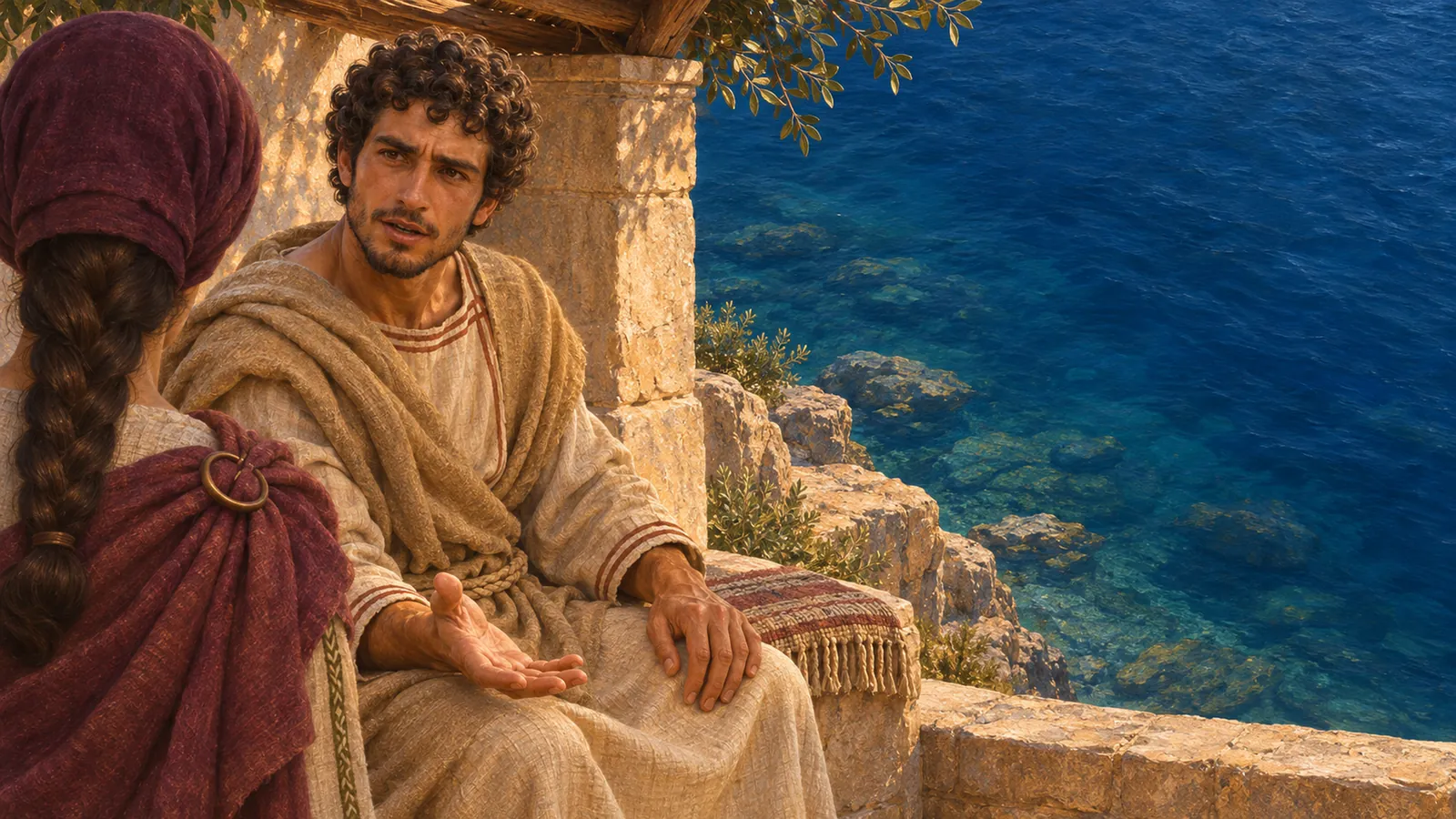
Aqhat diz que a promessa é falsa. Responde a Anat que morrerá como os outros seres humanos.
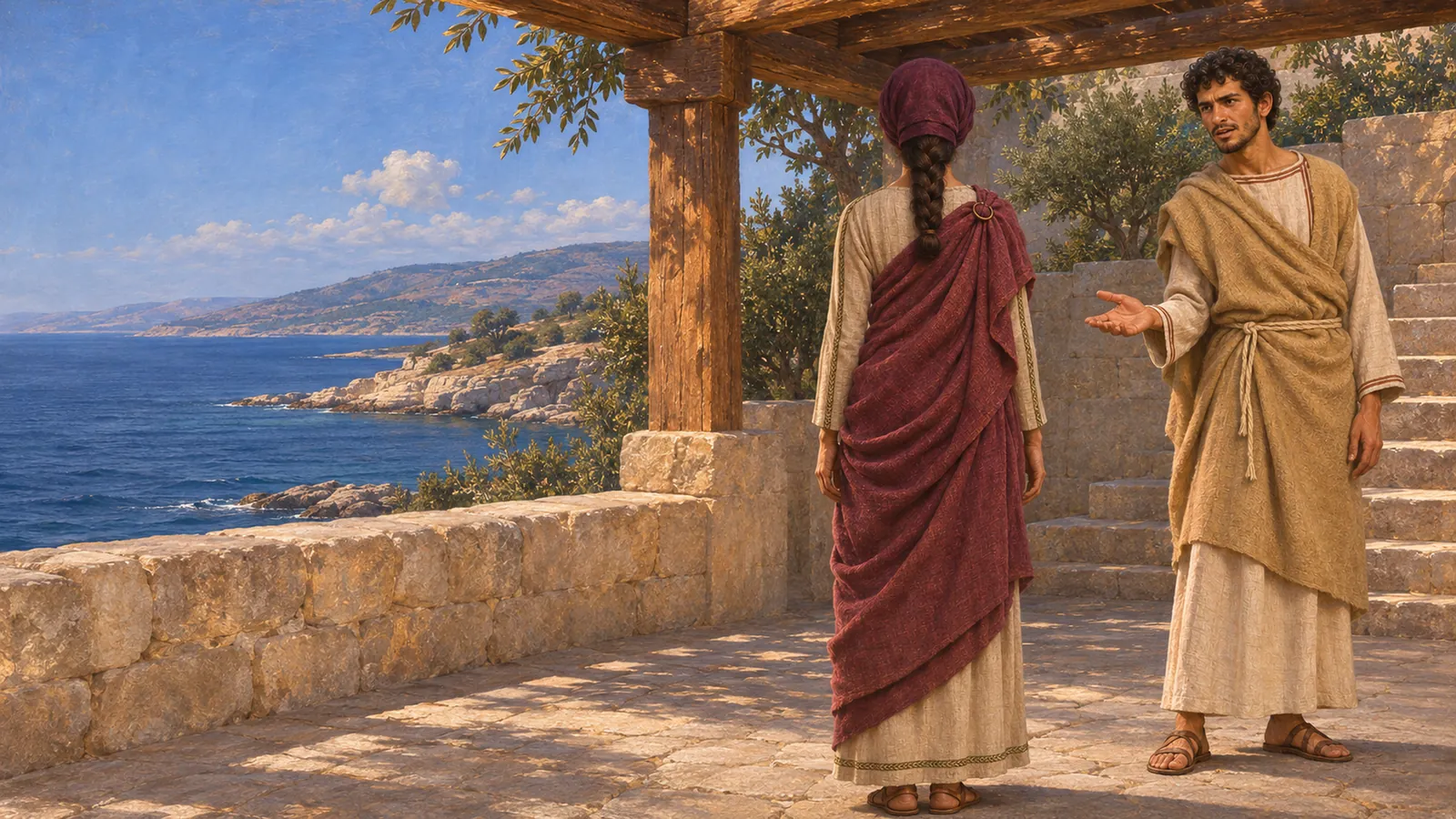
Aqhat contesta a pretensão de Anat ao arco. Na sua resposta, pergunta, nos seus próprios termos, se a caça cabe às mulheres.

Anat ri em voz alta e esconde a sua ira. Pensa em retaliação enquanto a conversa chega ao fim.

Anat vai ter com El nas nascentes dos dois rios. Presta-lhe homenagem e fala contra Aqhat.
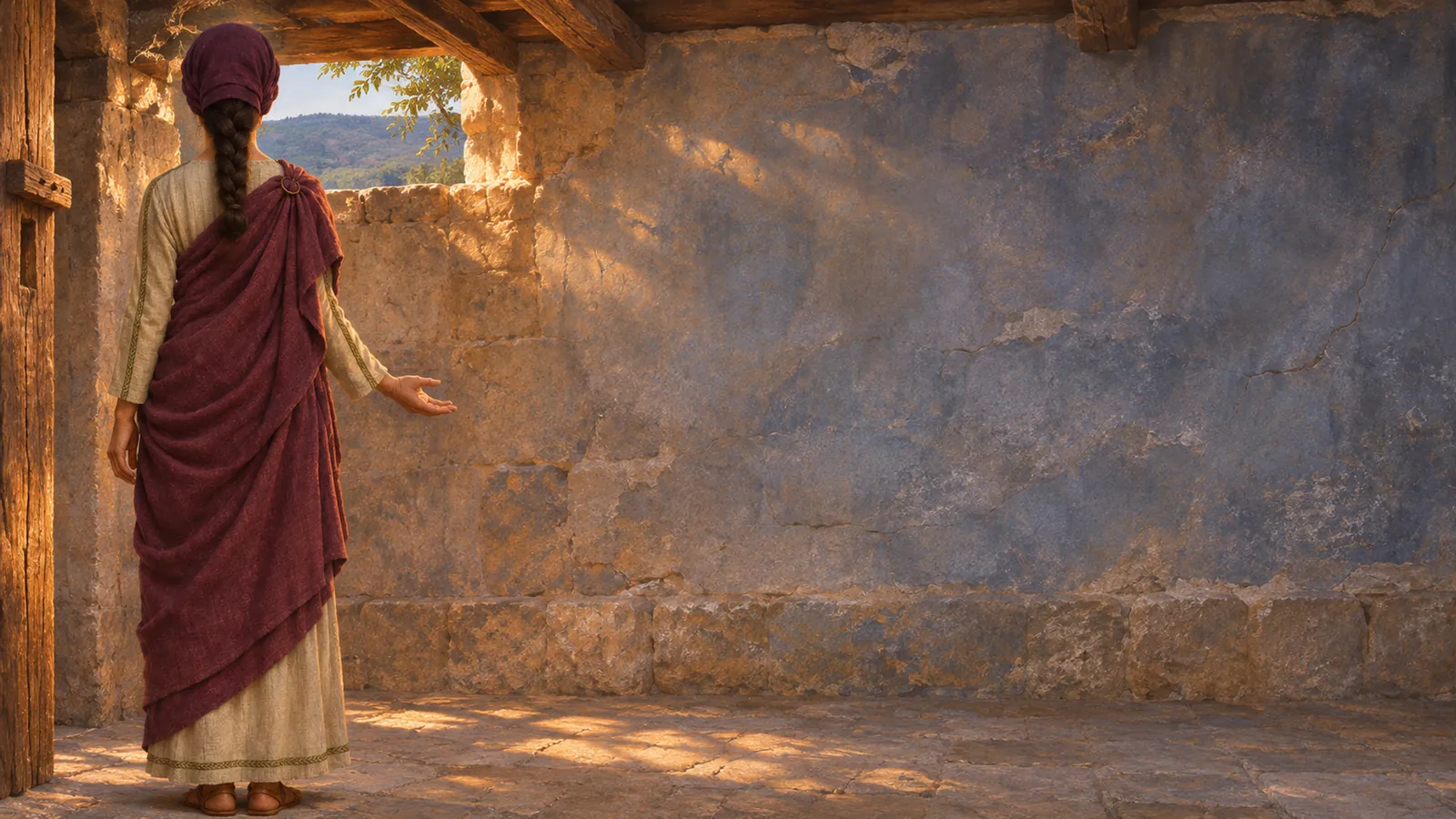
Anat começa a falar na morada de El. O fim de uma tabuinha e o início da seguinte dificultam a recuperação de parte da conversa.
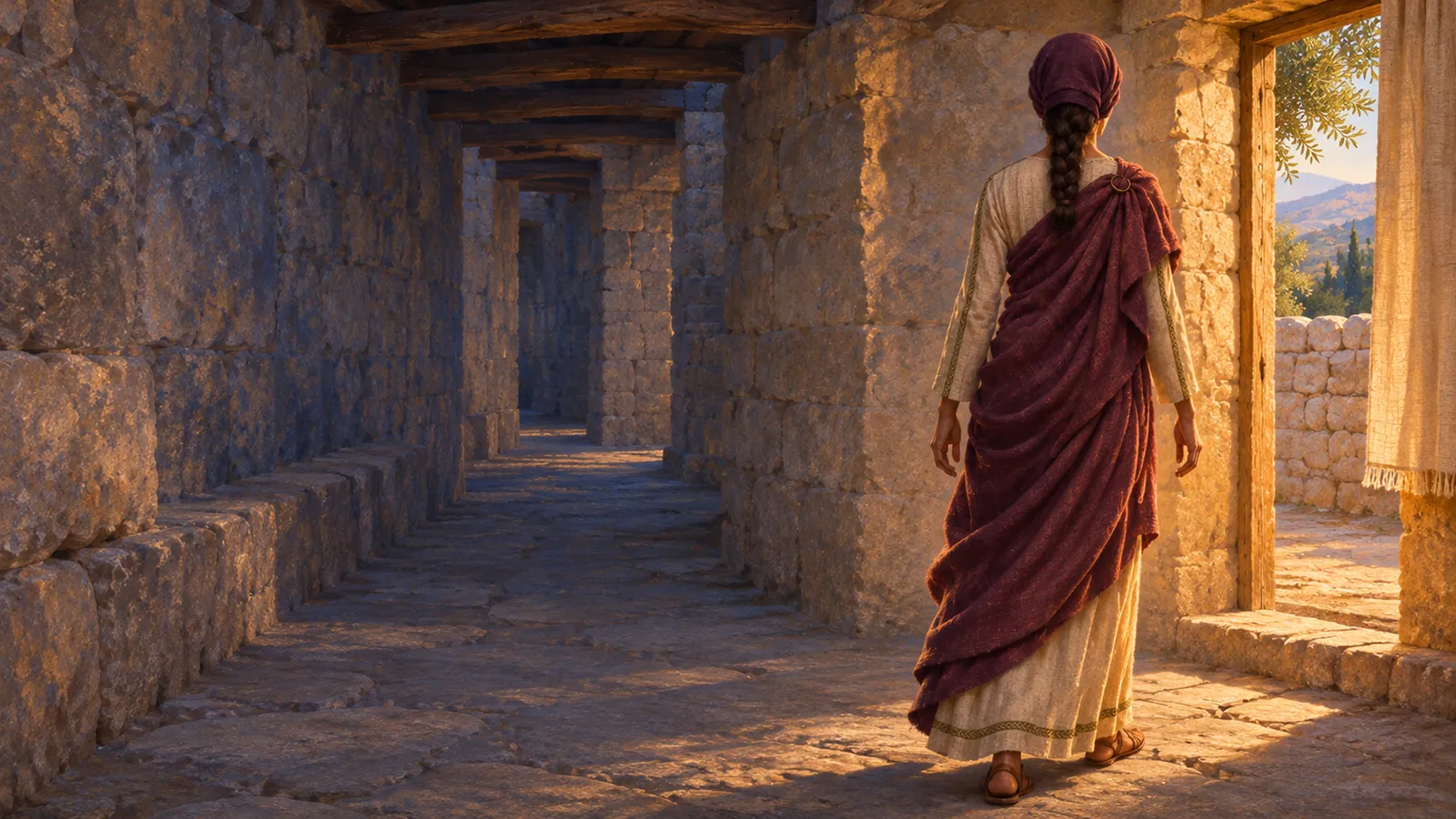
Anat ameaça El. Ele repreende-a pelas suas palavras e deixa-a seguir o seu caminho.
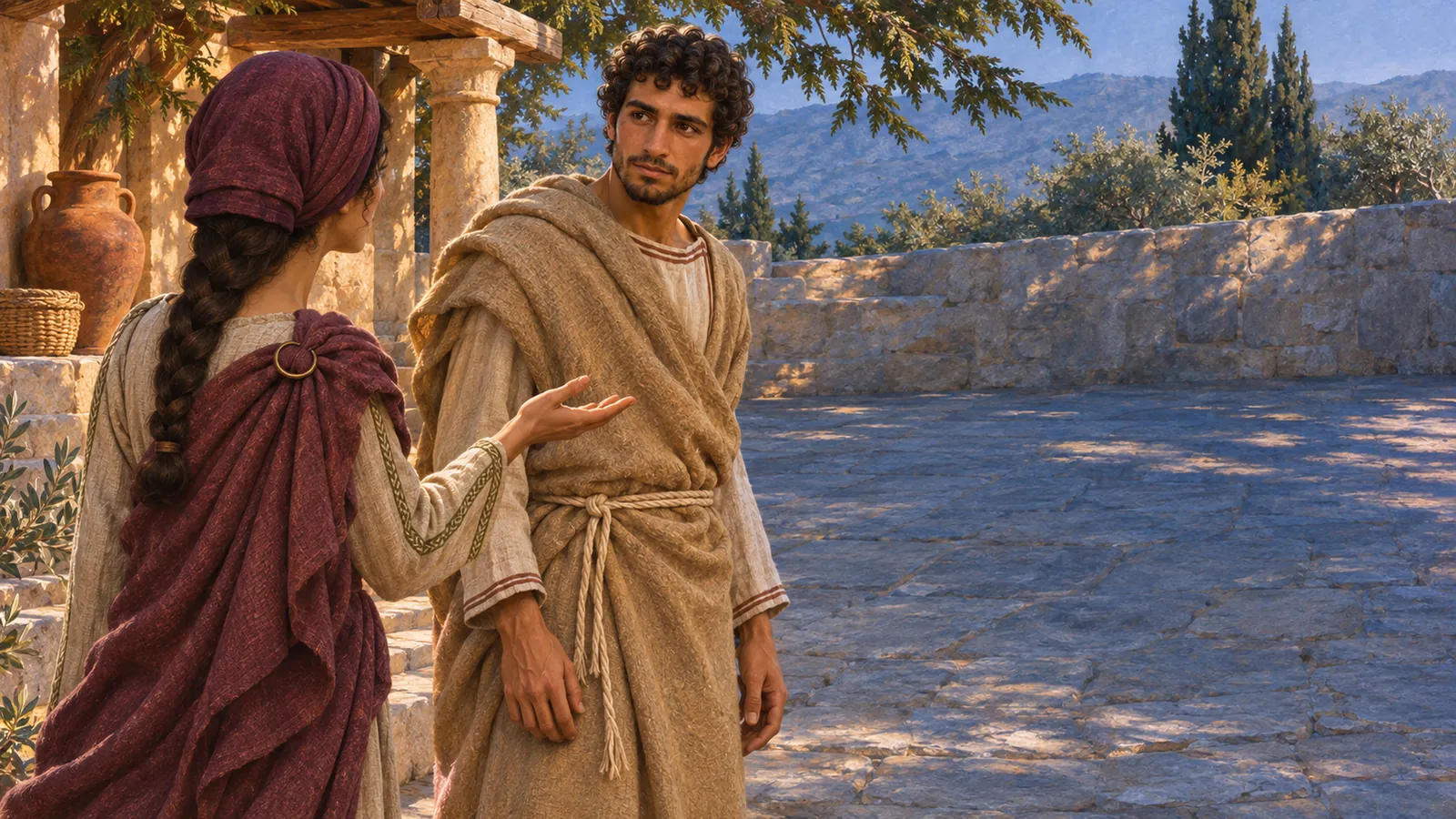
O CONVITE
Anat dirige-se a Aqhat como se falasse com alguém próximo. Convida-o a caçar e menciona Abilum. Parte das suas palavras perdeu-se.

Perderam-se as duas colunas seguintes da tabuinha. O que aconteceu entre o convite de Anat e a conversa seguinte que se conservou desapareceu da história que podemos ler.
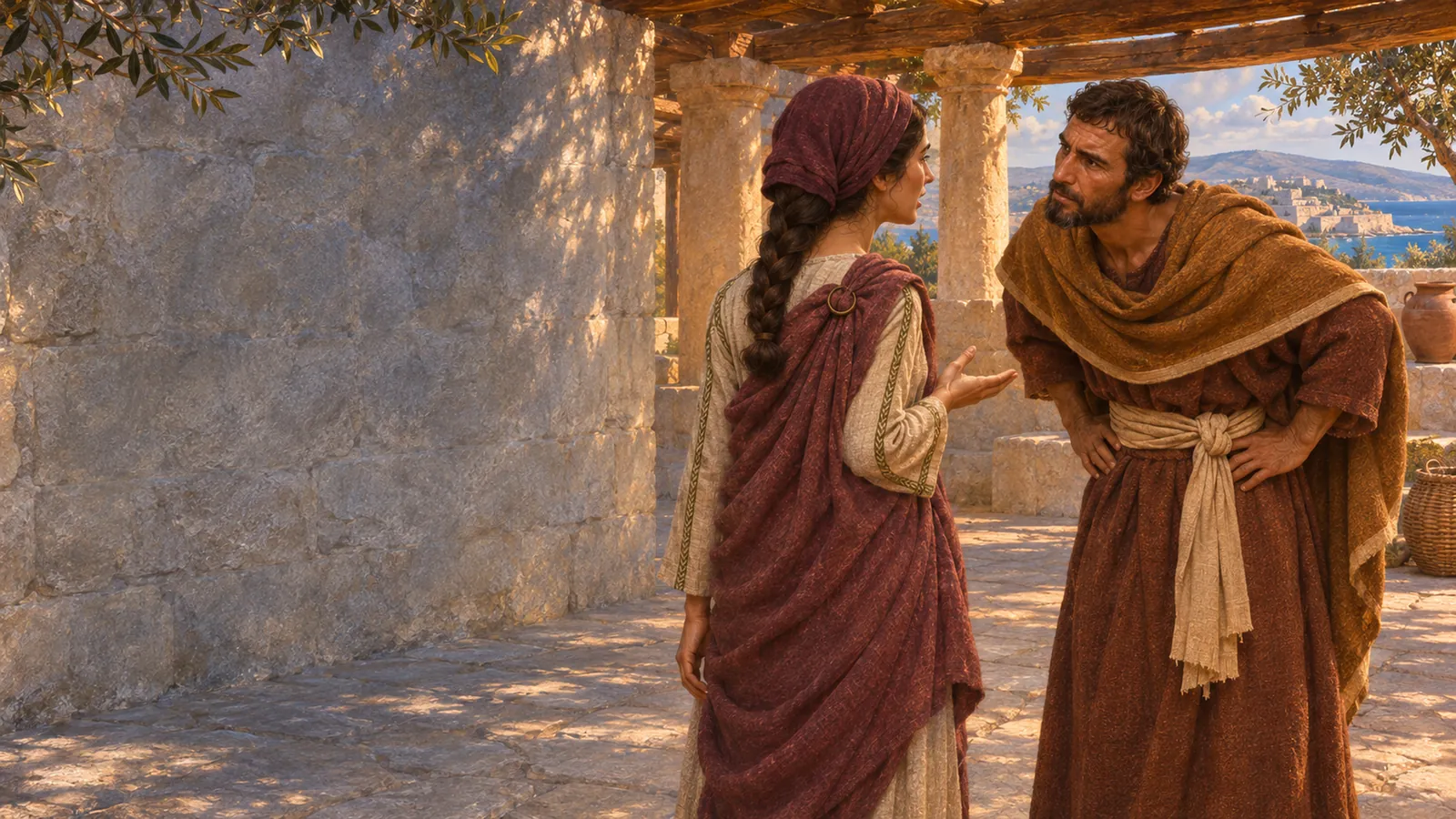
Quando o texto recomeça, Anat está a falar com Yatipan. Abilum é novamente mencionado. Segundo uma leitura, Yatipan pergunta se o arco é a causa da sua ira.
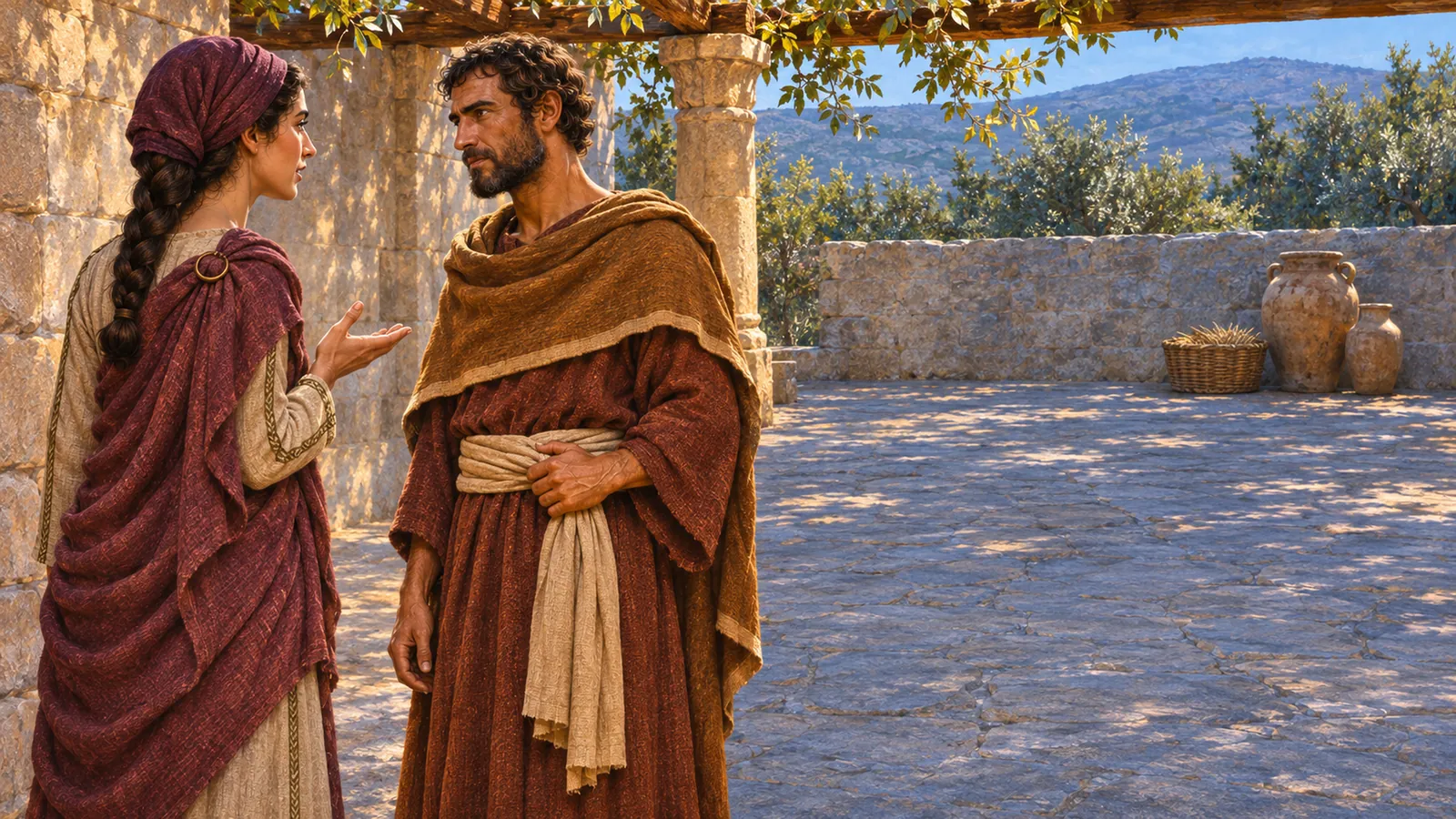
Anat diz a Yatipan que tenciona pôr fim à vida de Aqhat. Depois fala do momento em que ele se sentará para comer.
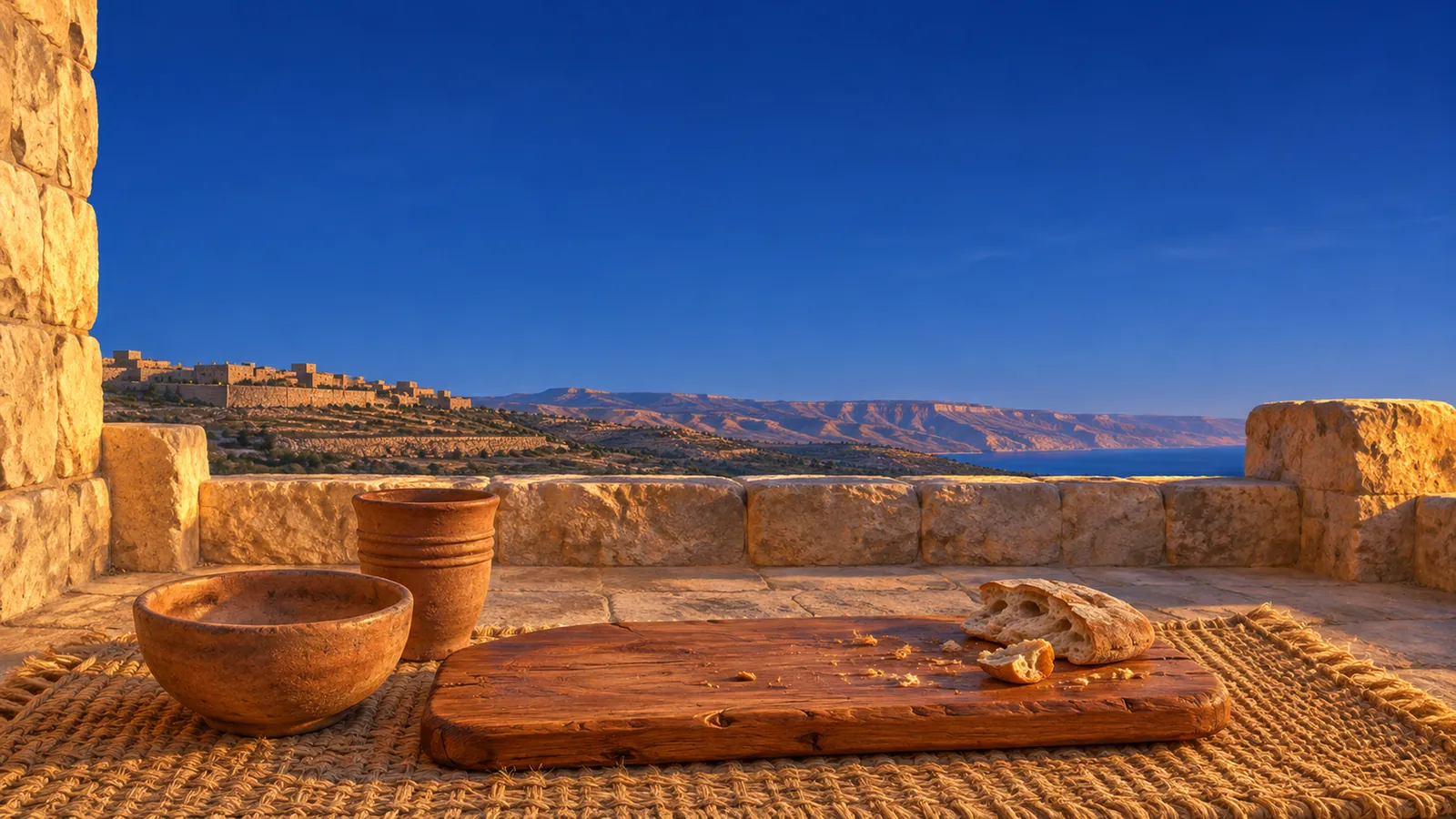
AQHAT
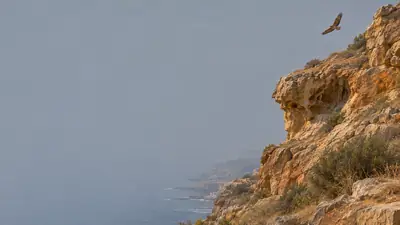
Enquanto Aqhat come, Anat sobrevoa-o entre as aves de rapina. Yatipan golpeia Aqhat na cabeça e o mata.
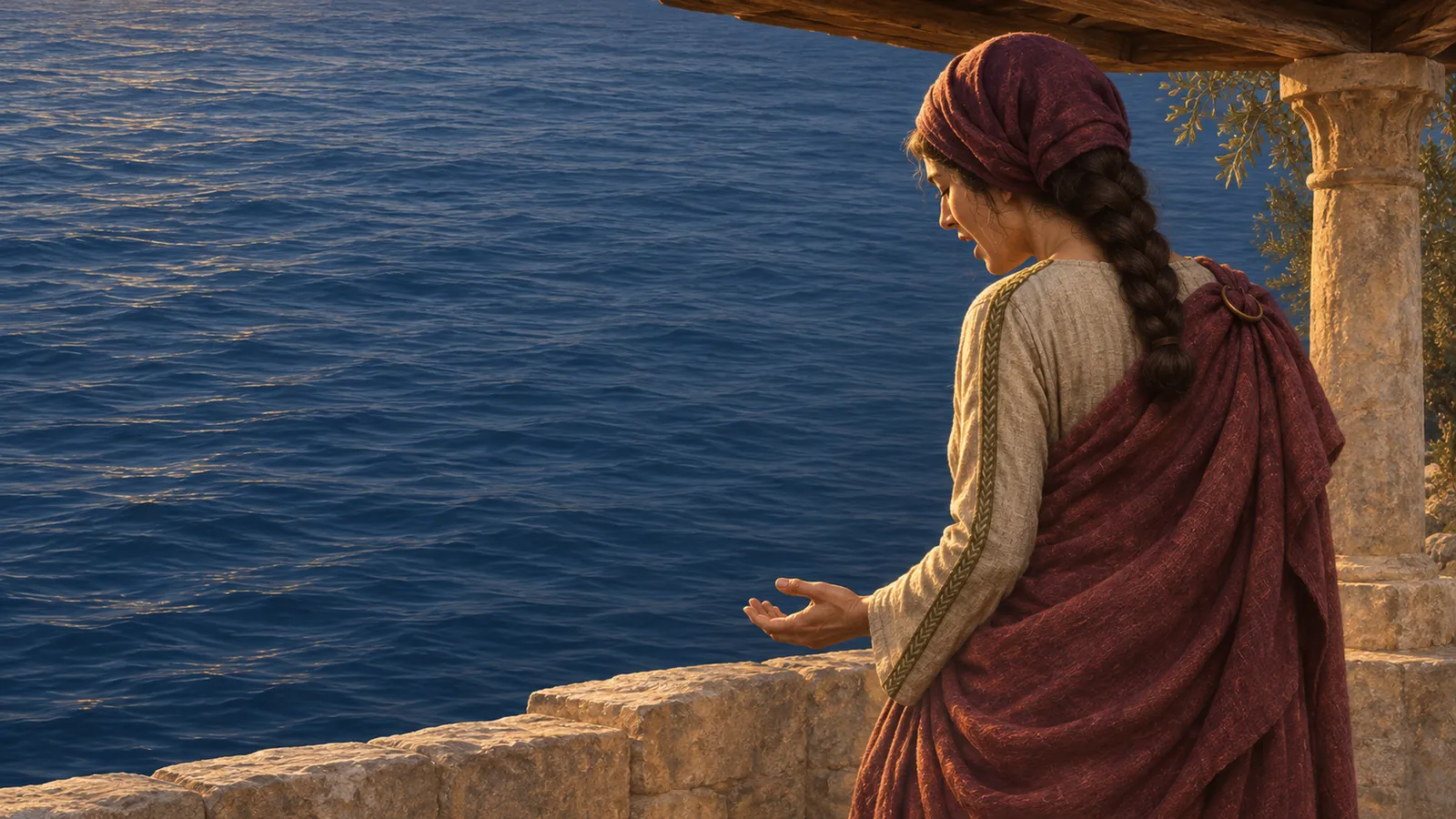
Anat começa a lamentar-se. No início da tabuinha seguinte, as linhas danificadas falam do arco que se parte e de algo que cai em águas profundas.
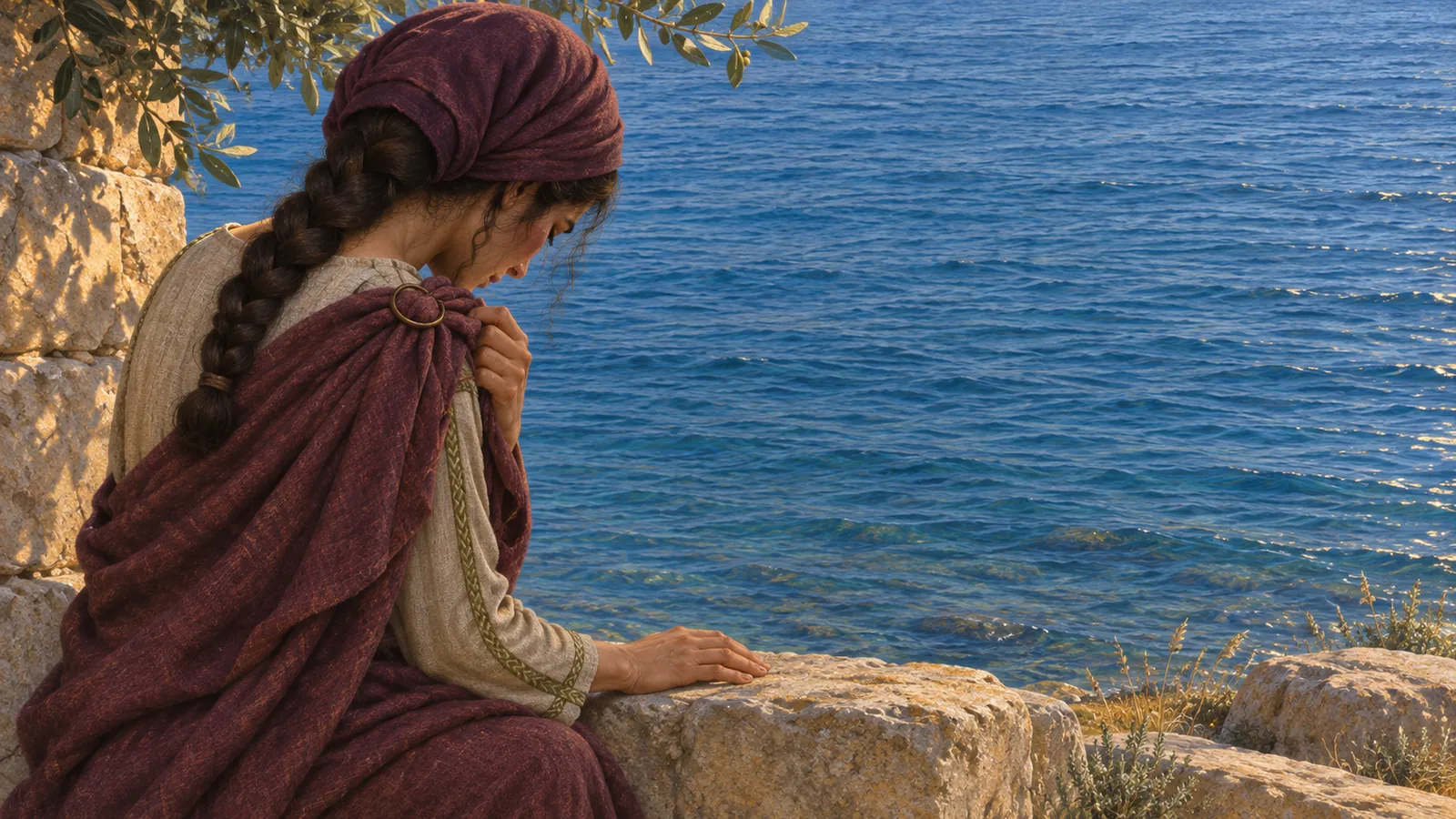
A voz de Anat volta em linhas fragmentárias. Fala de Aqhat e depois do arco que tanto quis e que não conseguiu ganhar.
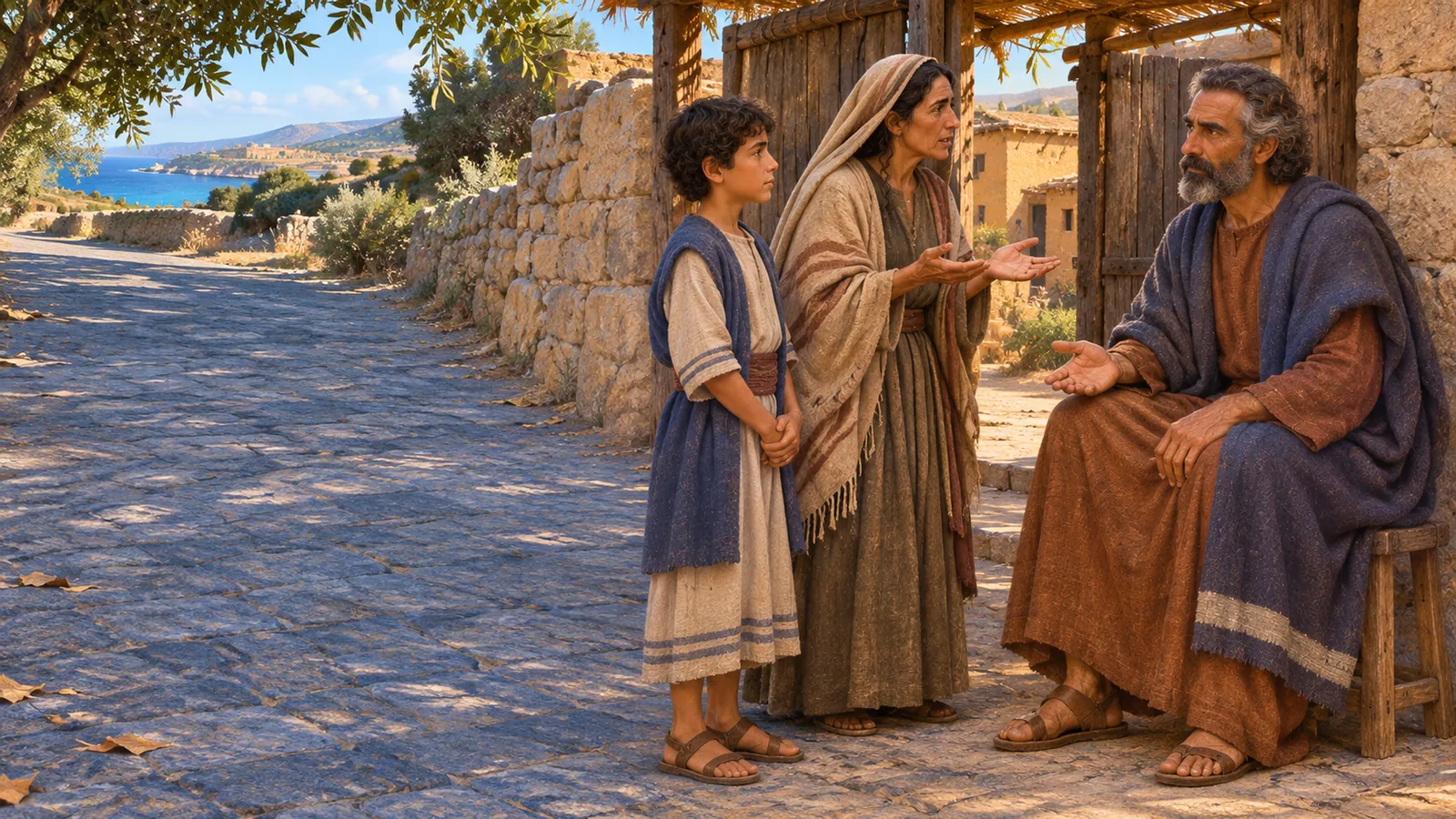
O poema conta como as culturas murcham após a morte de Aqhat. Regressa a Danel, junto à porta, onde escuta os casos da viúva e do órfão sem ainda saber o que aconteceu.
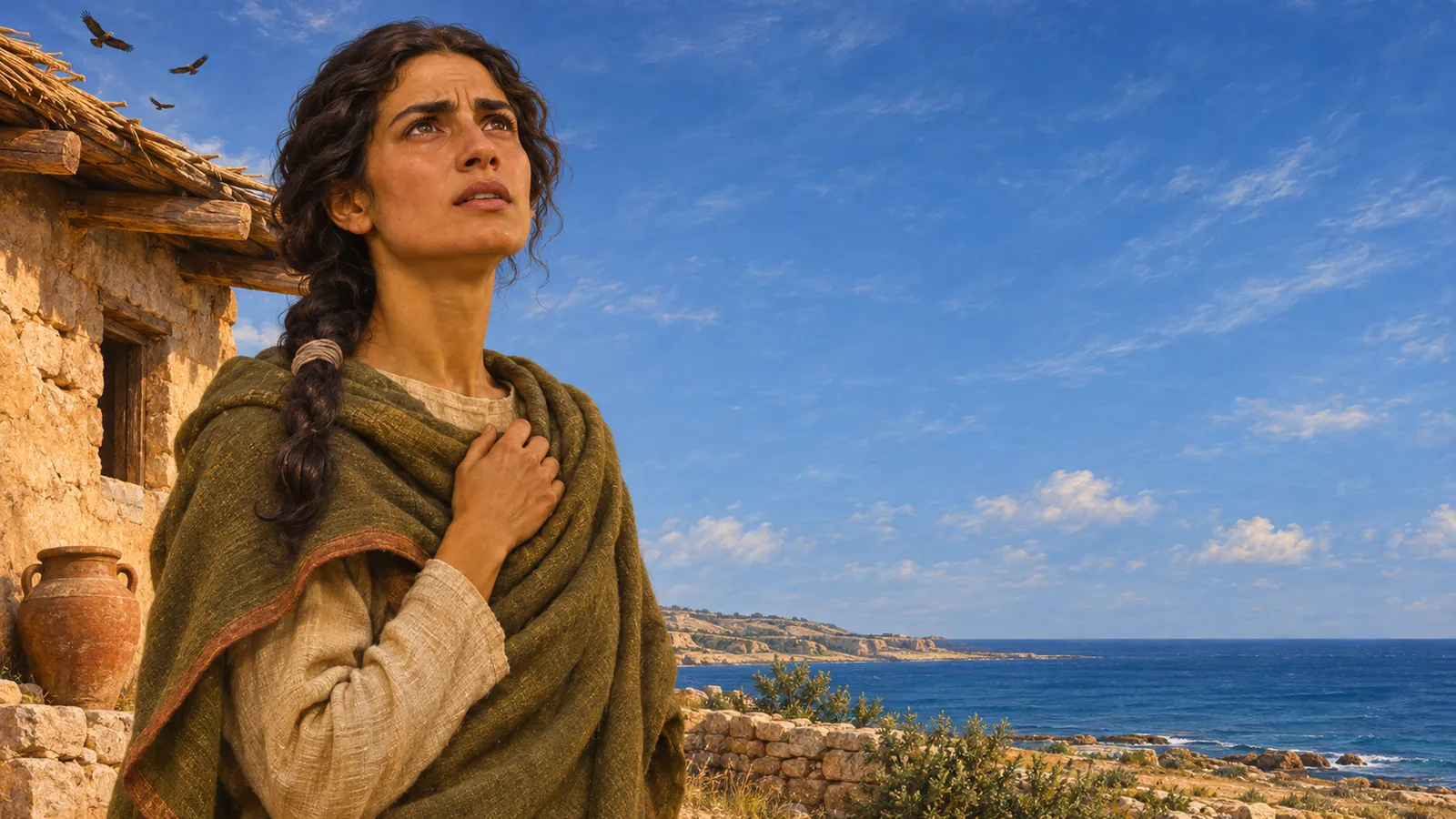
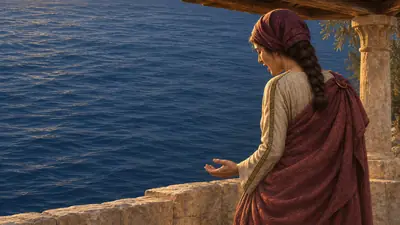
Pughat repara nas plantas murchas e vê aves a sobrevoar a casa do pai. A visão inquieta-a e ela começa a chorar.
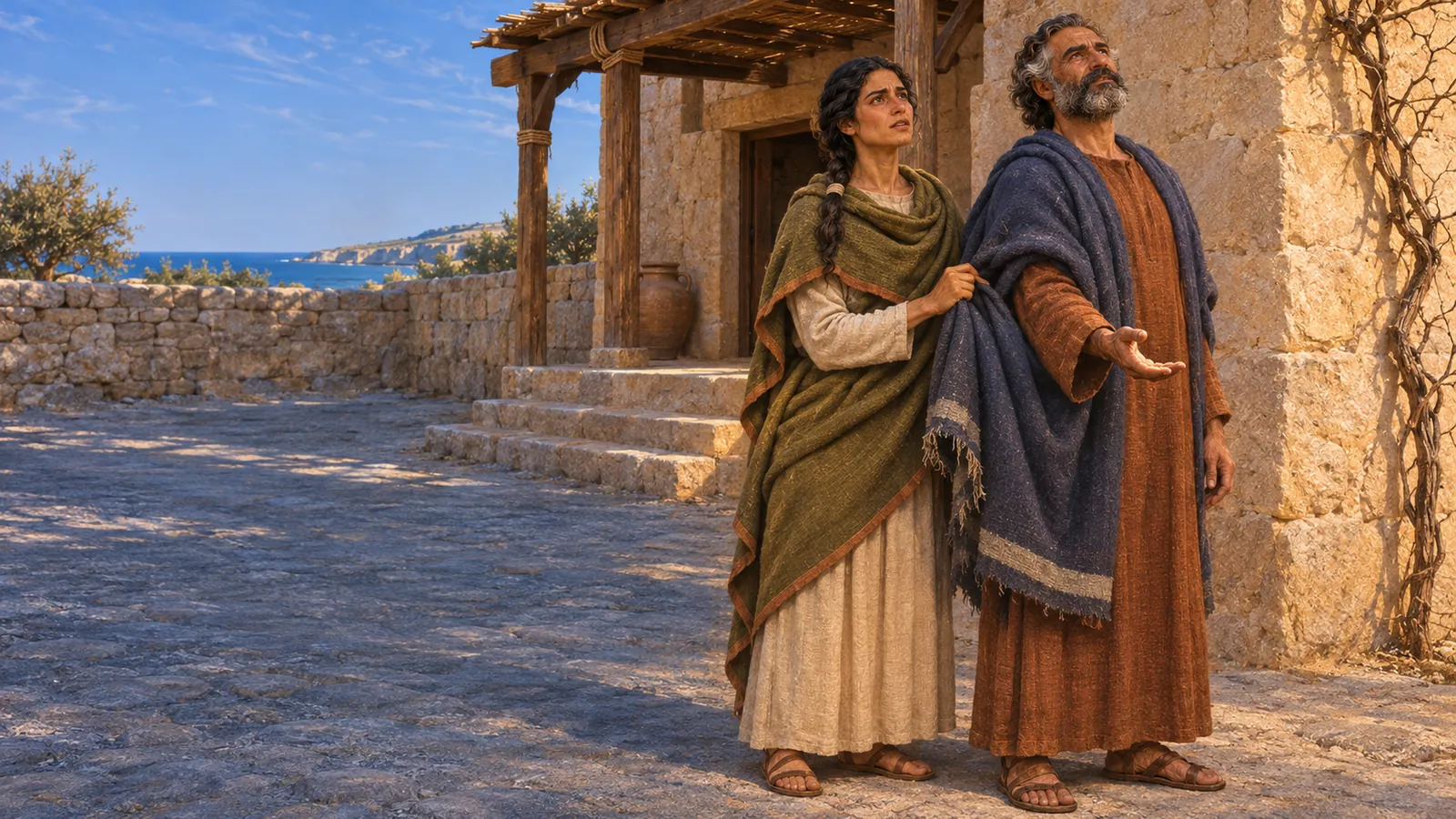
Aflita, Pughat rasga o manto do pai. Danel dirige as suas palavras às nuvens e pede chuva de verão e orvalho para as vinhas.
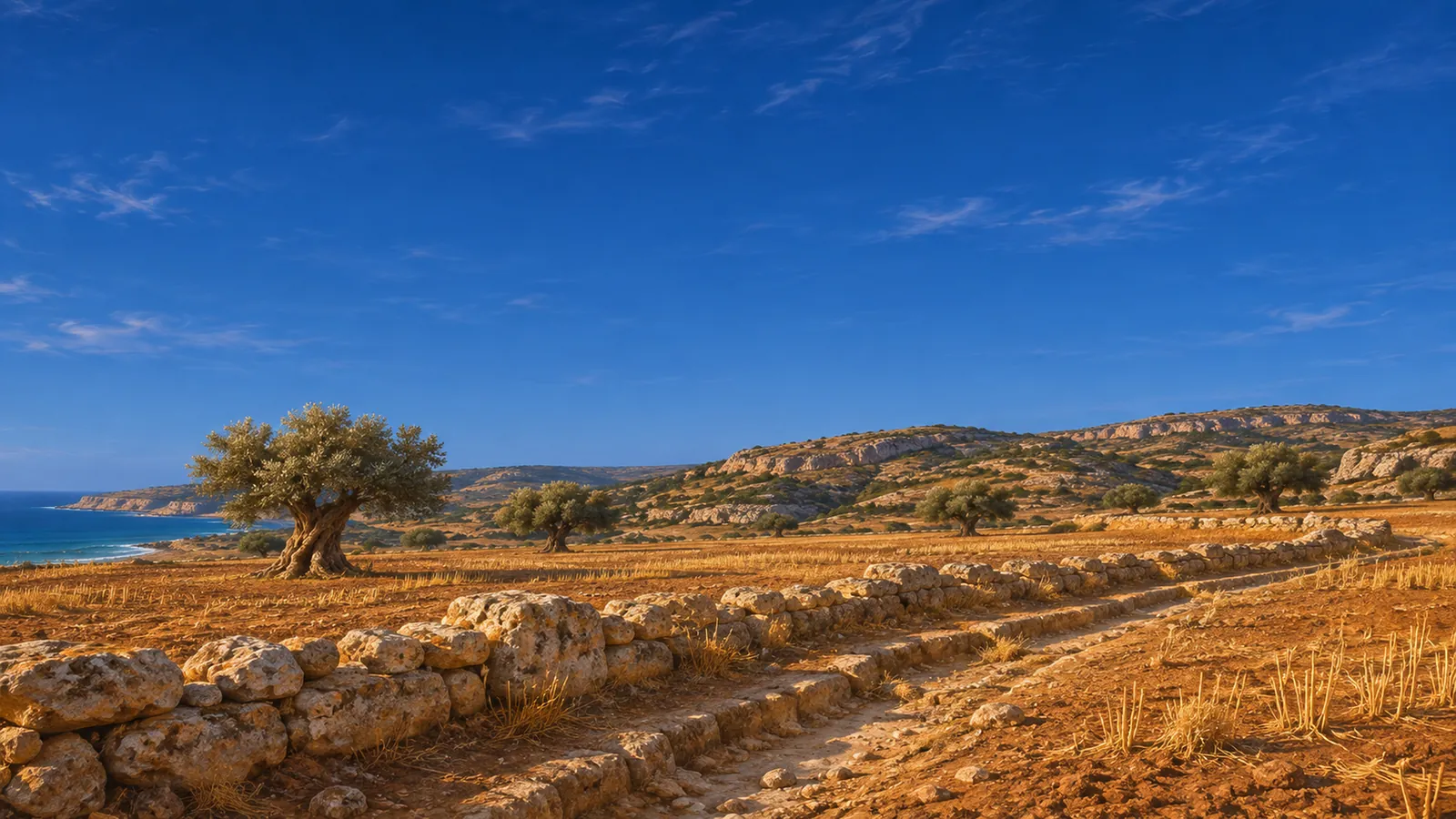
O poema conta sete anos, depois oito no verso que lhe responde. Fala de um céu sem aguaceiros, de uma terra sem orvalho e da voz ausente de Baal.
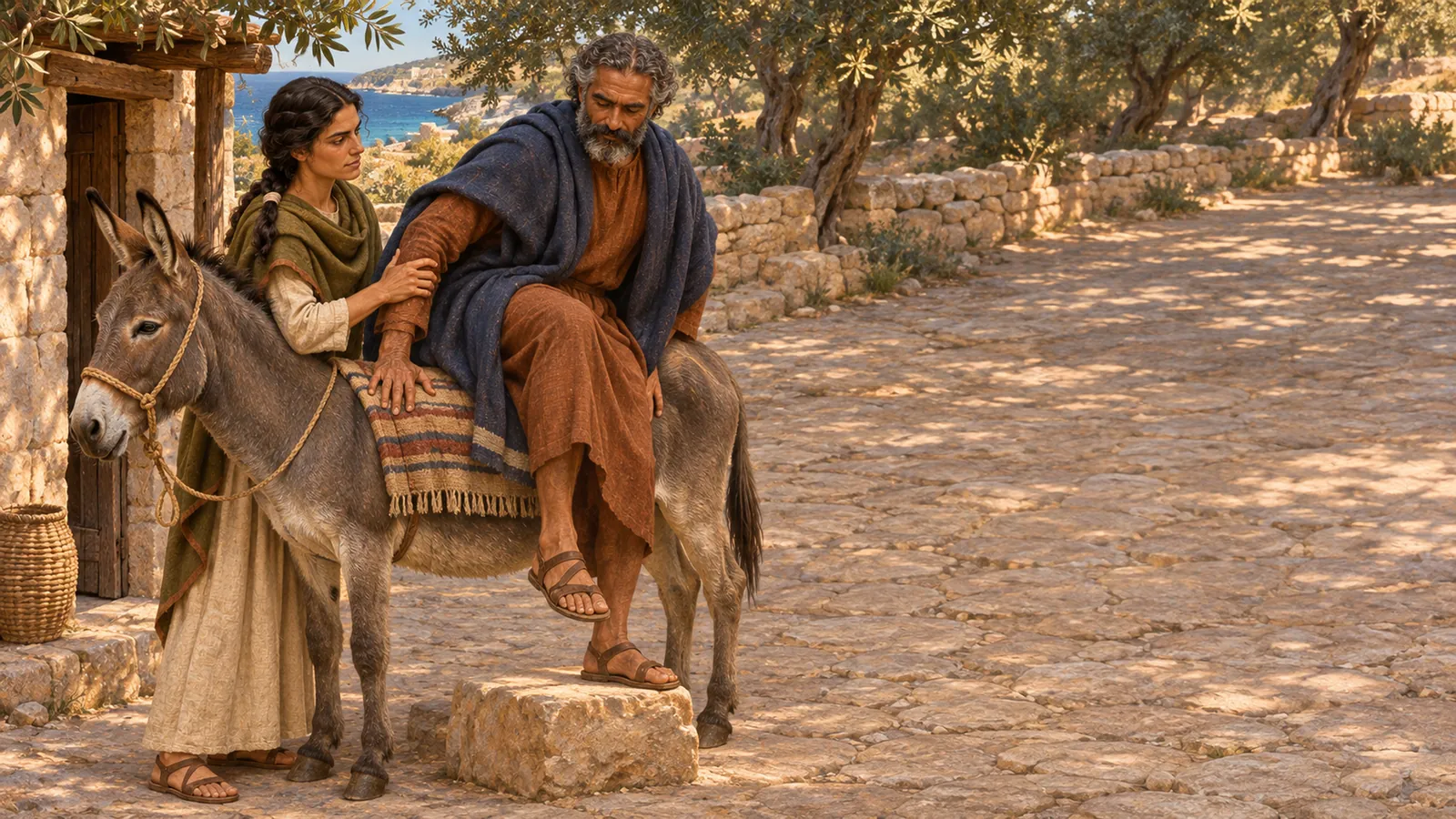
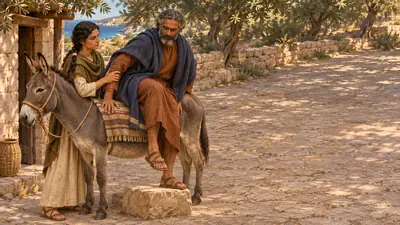
Danel chama pela filha, a que leva água e conhece o curso das estrelas. Pughat traz um burro e ajuda o pai a montar.
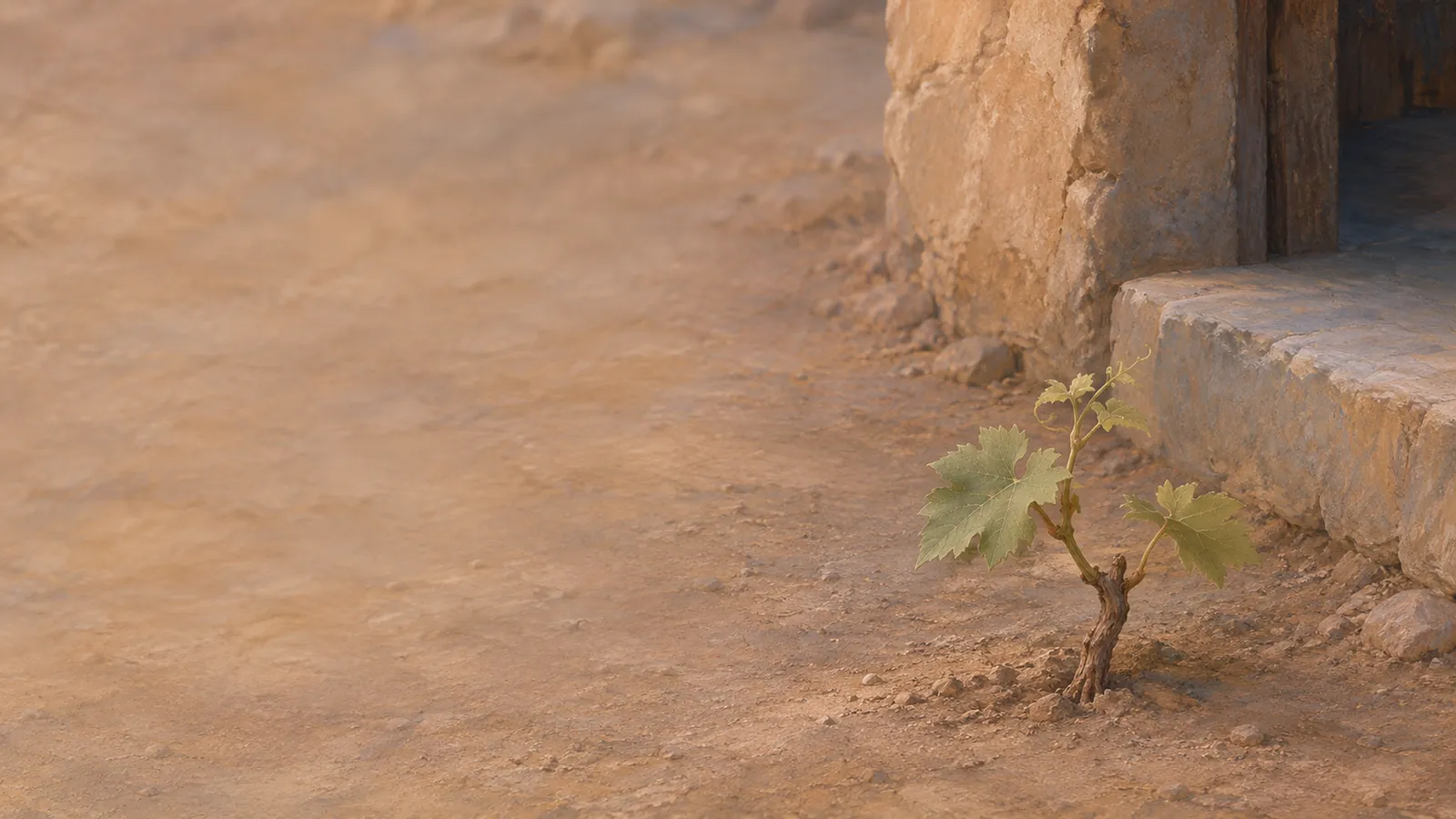
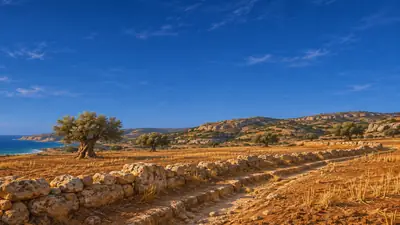
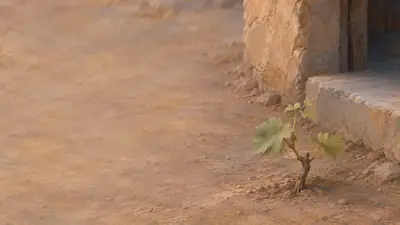
Danel chega junto de um rebento de videira em terra seca. Deseja que cresça e que Aqhat colha o seu fruto e o leve para o celeiro.
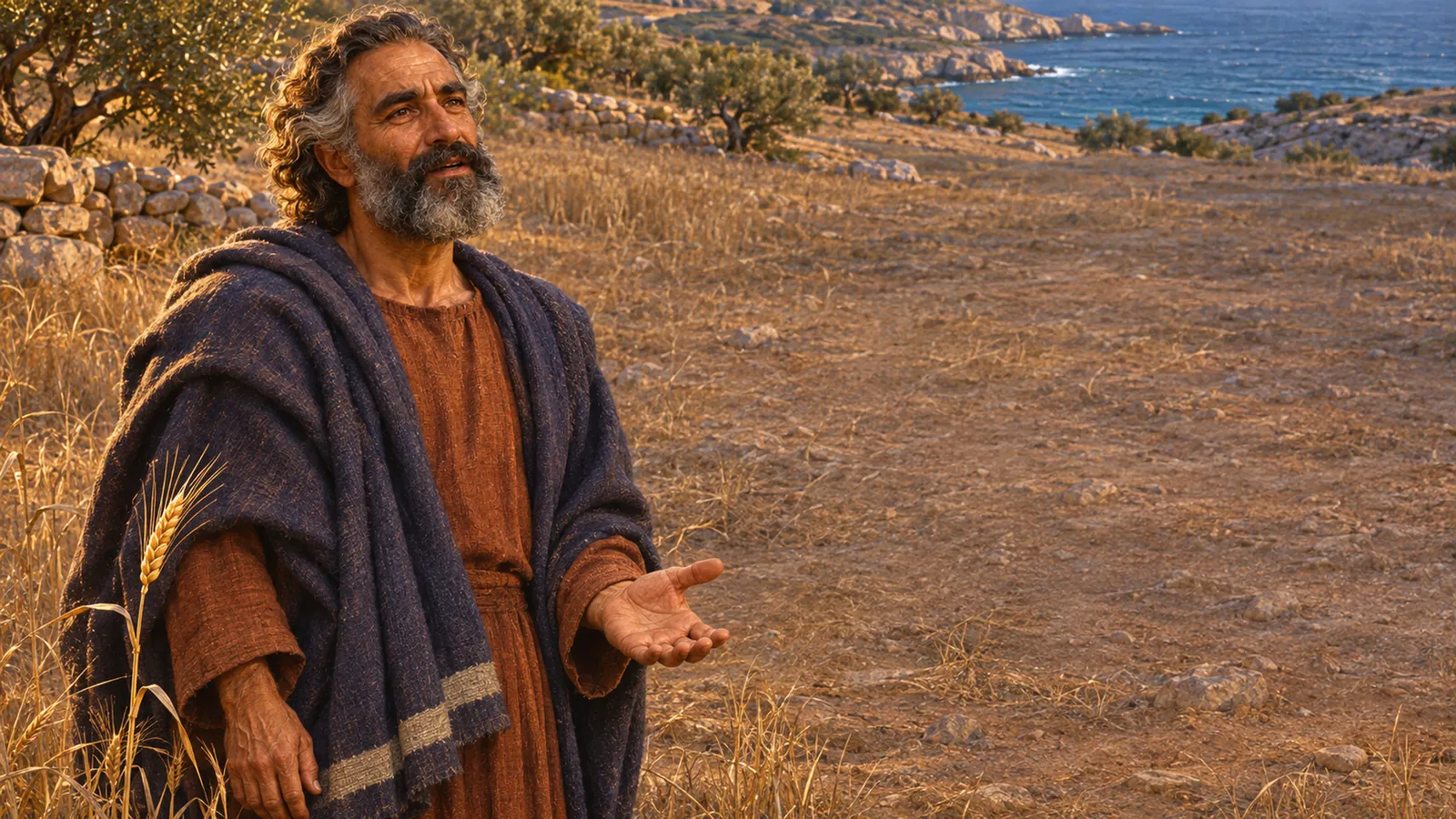
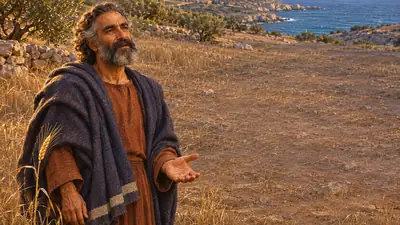
Noutro campo seco, Danel encontra uma espiga. Repete o seu desejo. Que ela cresça, diz, e que Aqhat a leve para o celeiro.
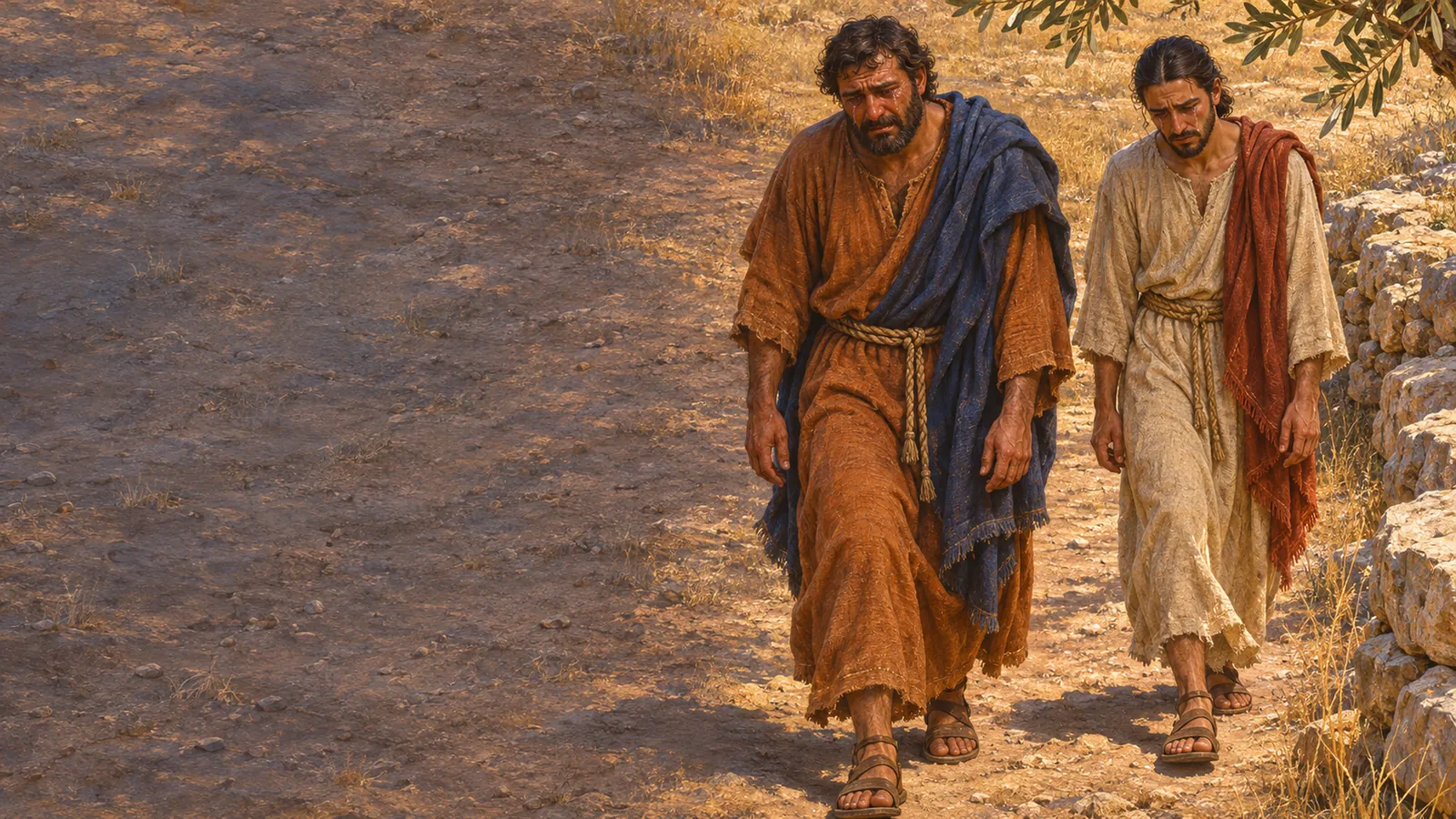
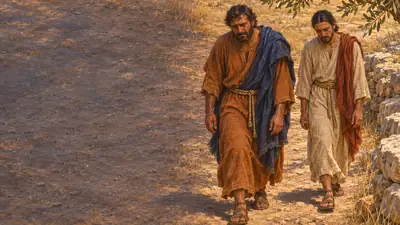
Danel ainda está a falar quando dois mensageiros surgem à vista. Os passos hesitantes e as lágrimas anunciam uma desgraça antes de qualquer deles dar a notícia.
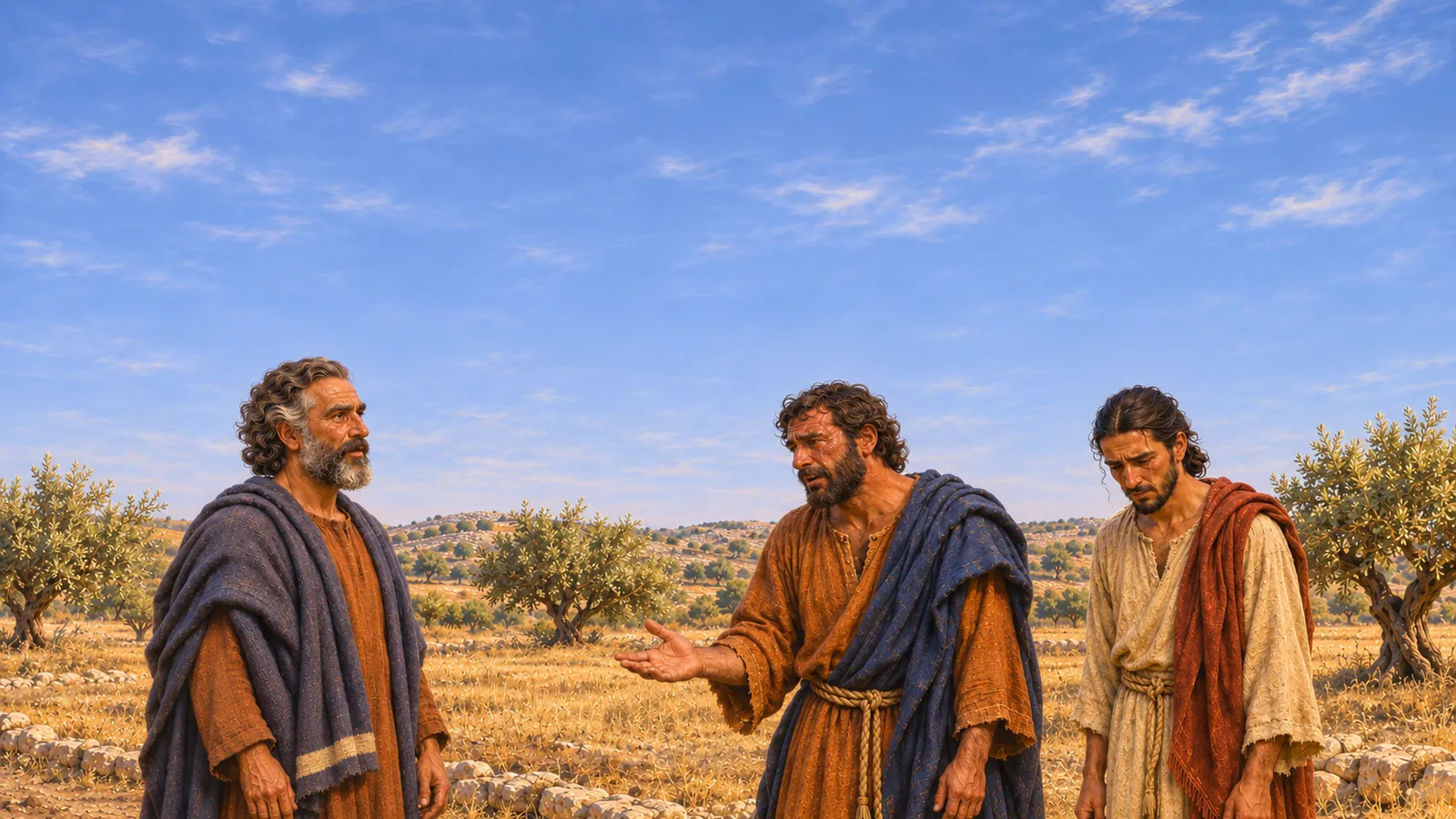
A NOTÍCIA
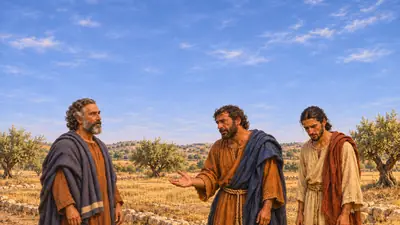
Os mensageiros dizem a Danel que Aqhat morreu. Atribuem a responsabilidade a Anat. Até ouvir a notícia, Danel ainda falava do que o filho poderia fazer.
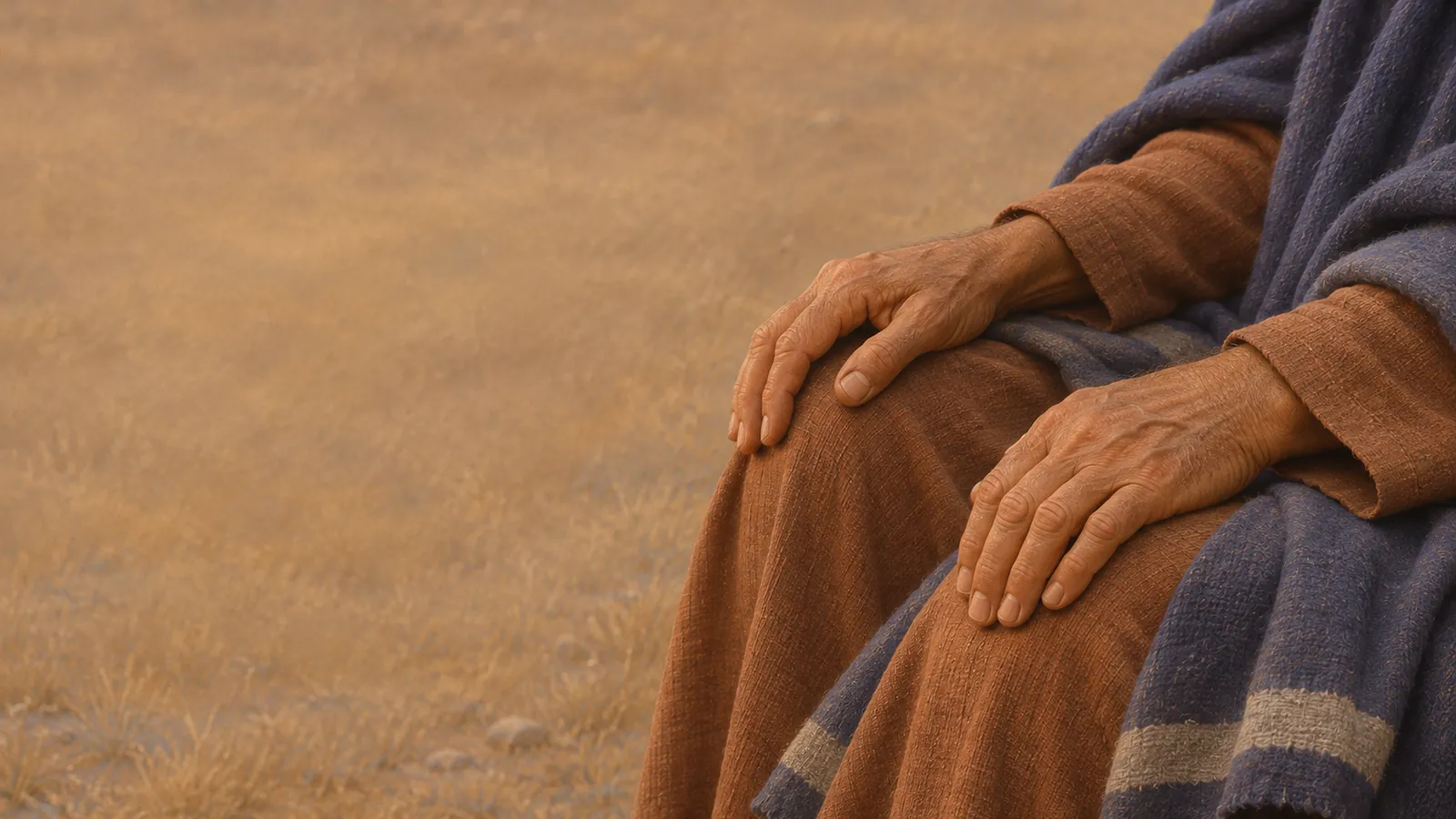
As pernas de Danel tremem e as forças abandonam-no ao ouvir a notícia. Tenta falar, mas resta pouco que se possa ler da sua primeira resposta.
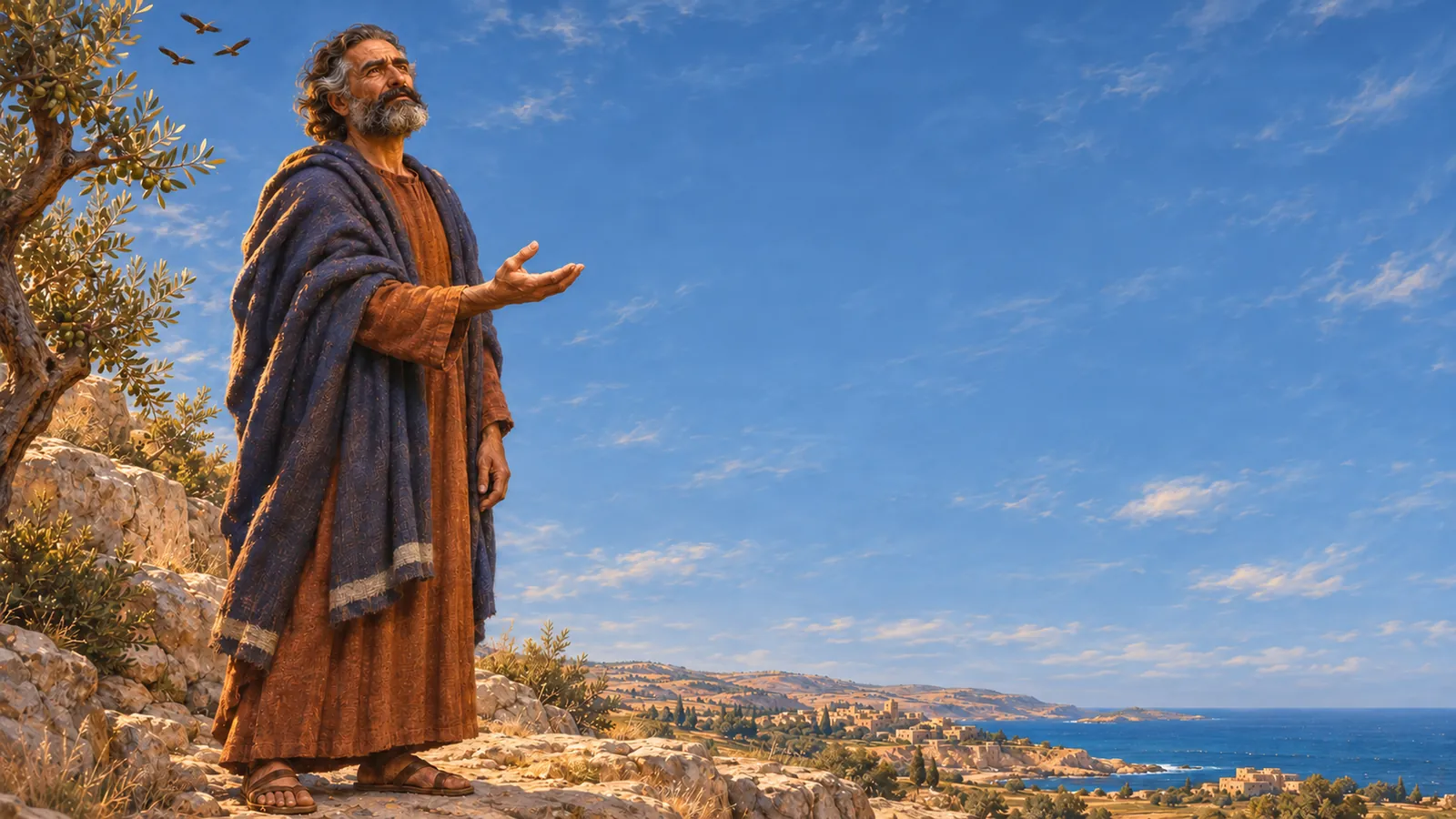
Danel vê aves de rapina acima de si e pede a Baal que lhes quebre as asas para poder procurar nelas os restos do filho. Na primeira busca, não encontra nada.
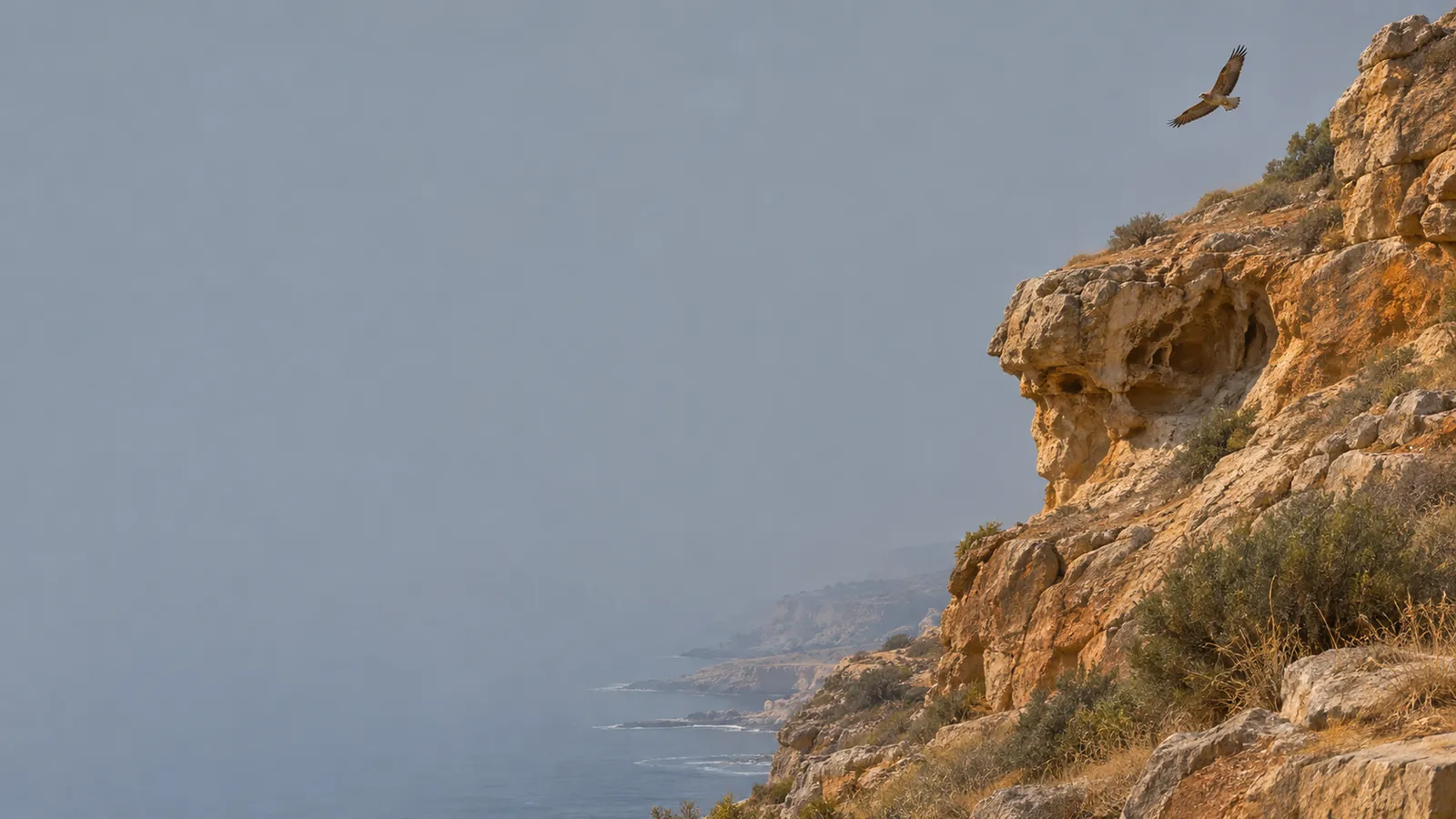
Danel volta a pedir ajuda a Baal. Desta vez o poema nomeia a ave Hargubu, mas Danel continua sem encontrar vestígios do filho.
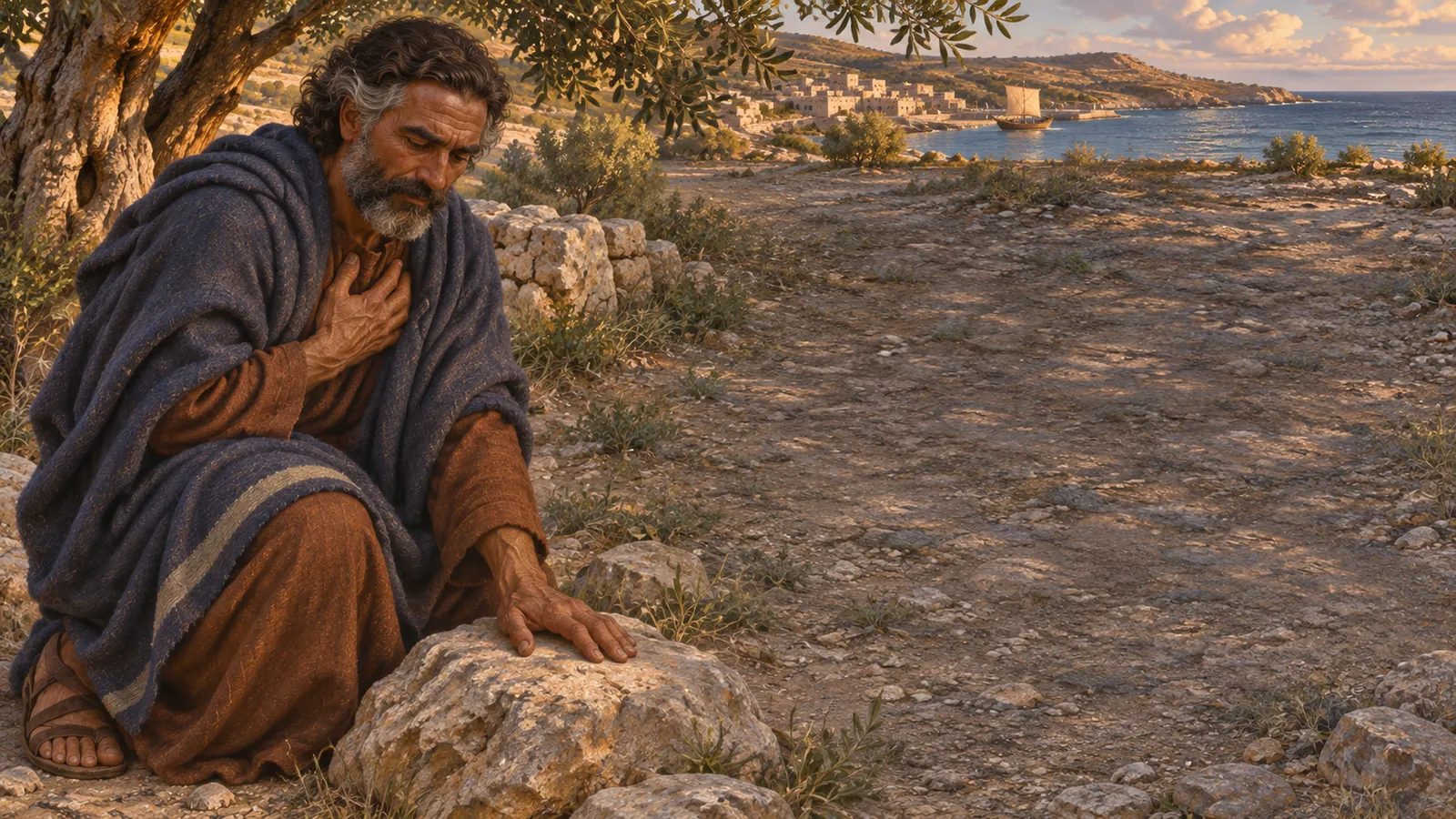
Baal quebra as asas de Ṣumalu, a mãe das aves de rapina. Danel encontra dentro dela os restos do filho e finalmente pode sepultá-lo.
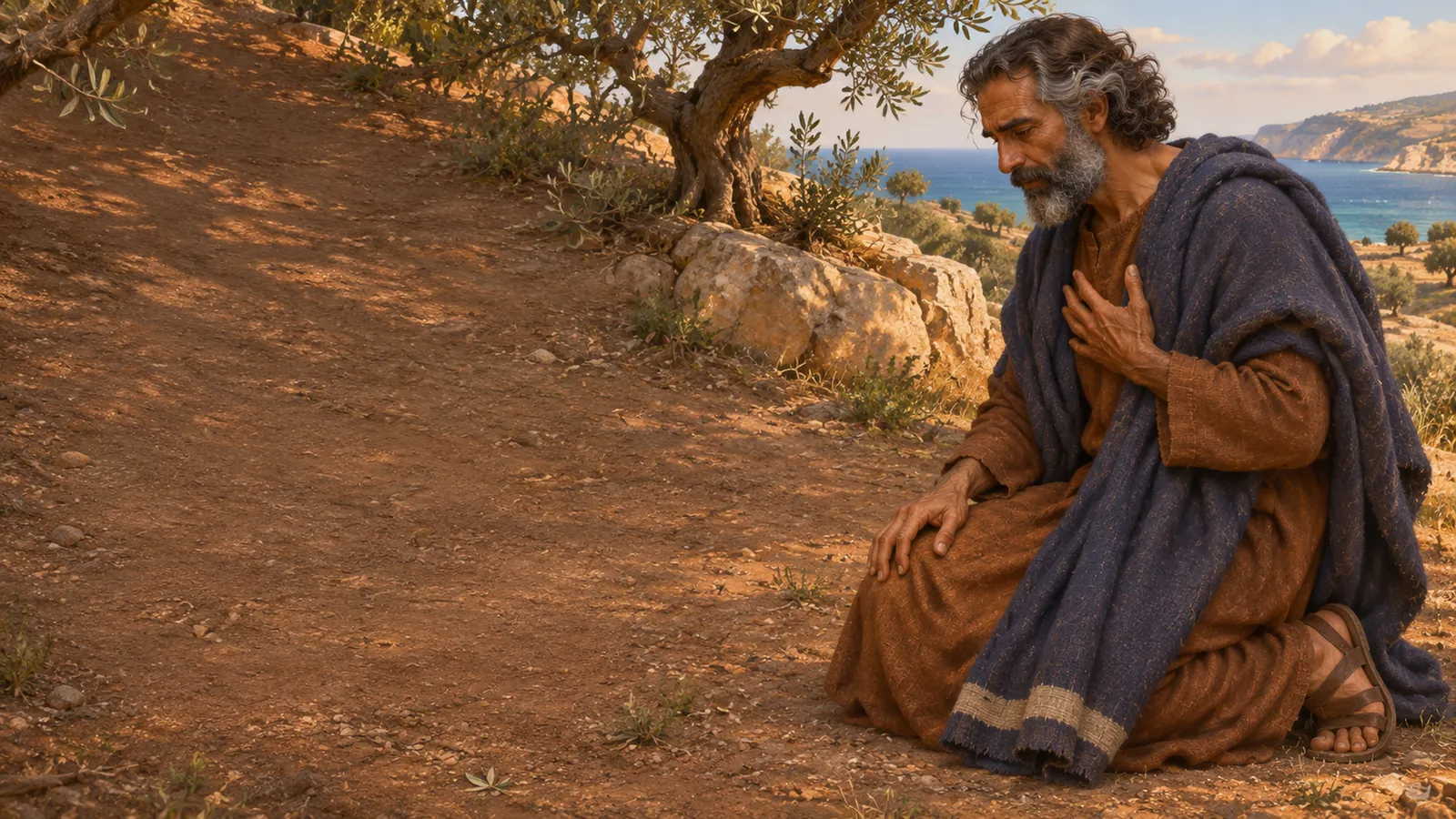
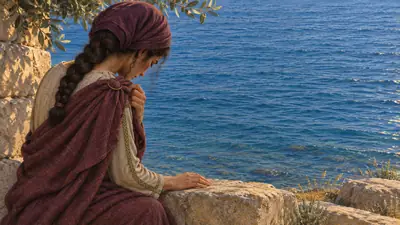
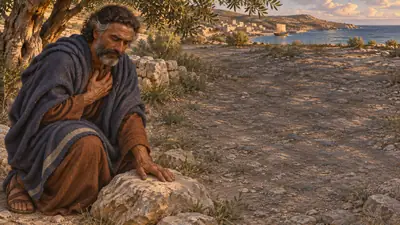
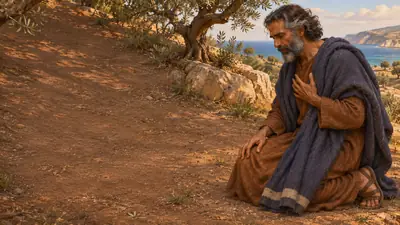
Danel chora ao sepultar Aqhat. Pede a Baal que proteja o lugar onde o filho repousa. As palavras que designam o lugar são difíceis de interpretar.
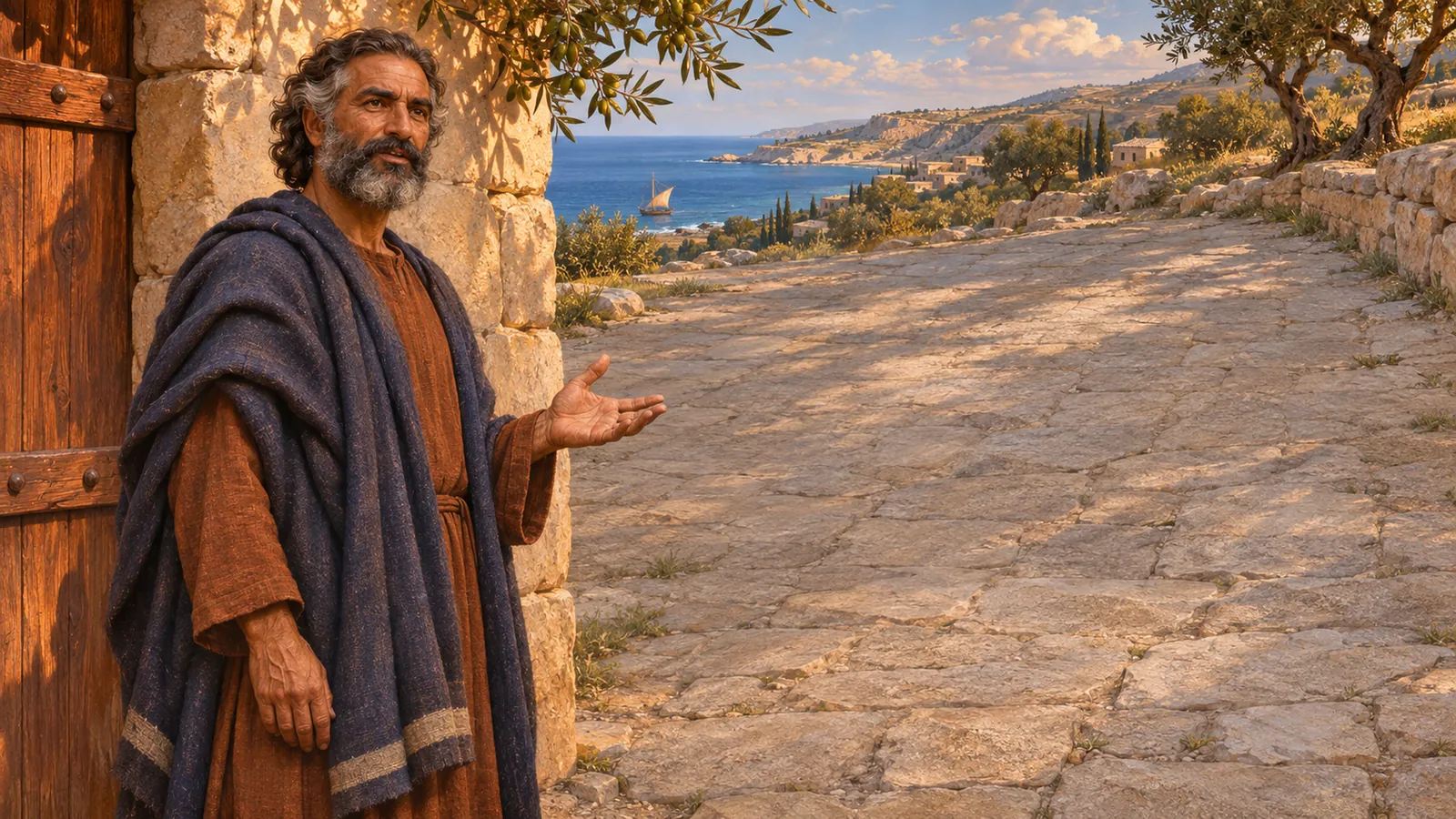
Danel amaldiçoa Qir-Mayim e depois o lugar cujo nome começa por Mararat. Em cada maldição, ele liga o lugar à morte de Aqhat.
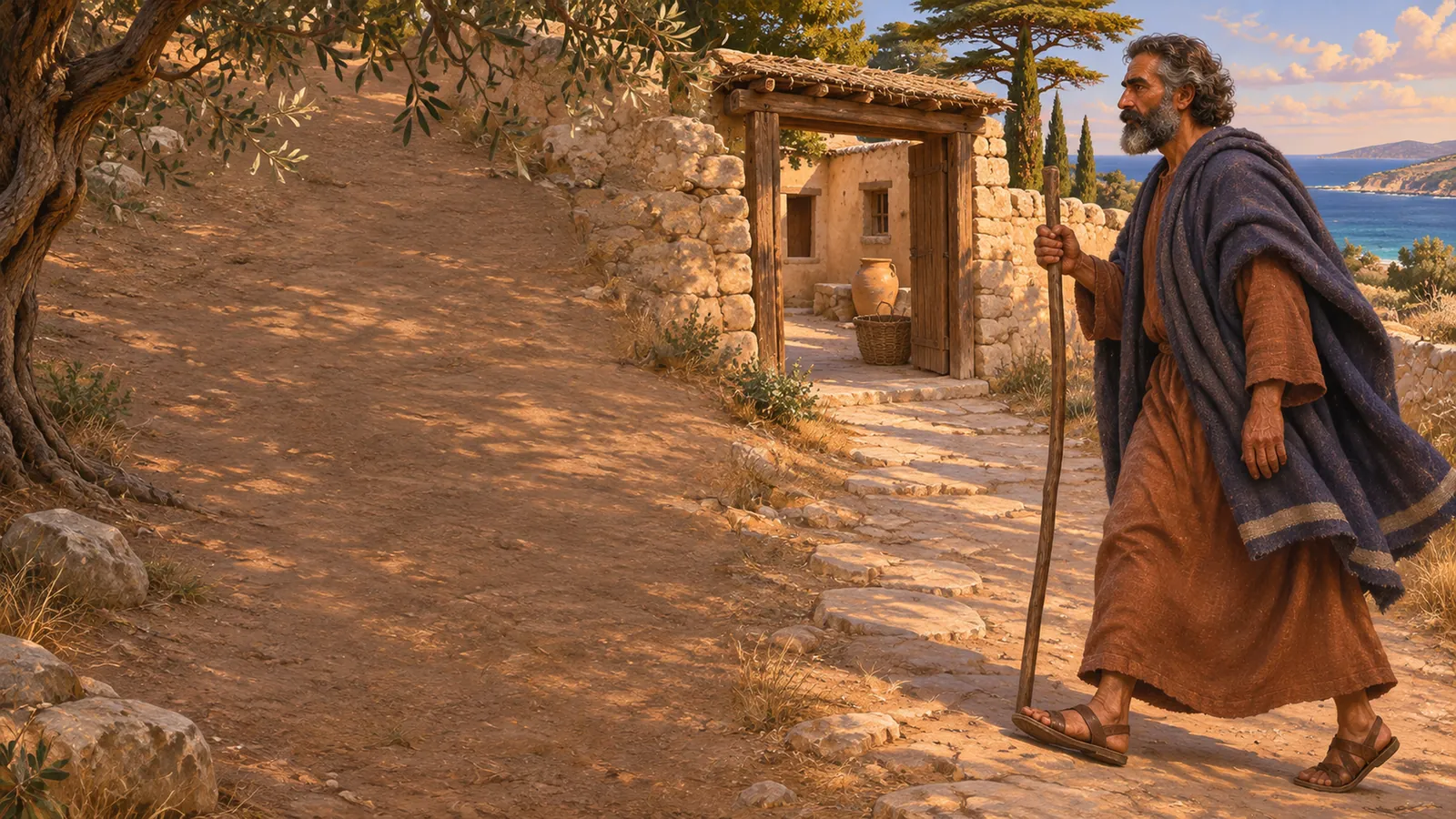
Danel segue para Abilum e também amaldiçoa essa cidade. Quando termina, retoma o cajado e volta para casa.
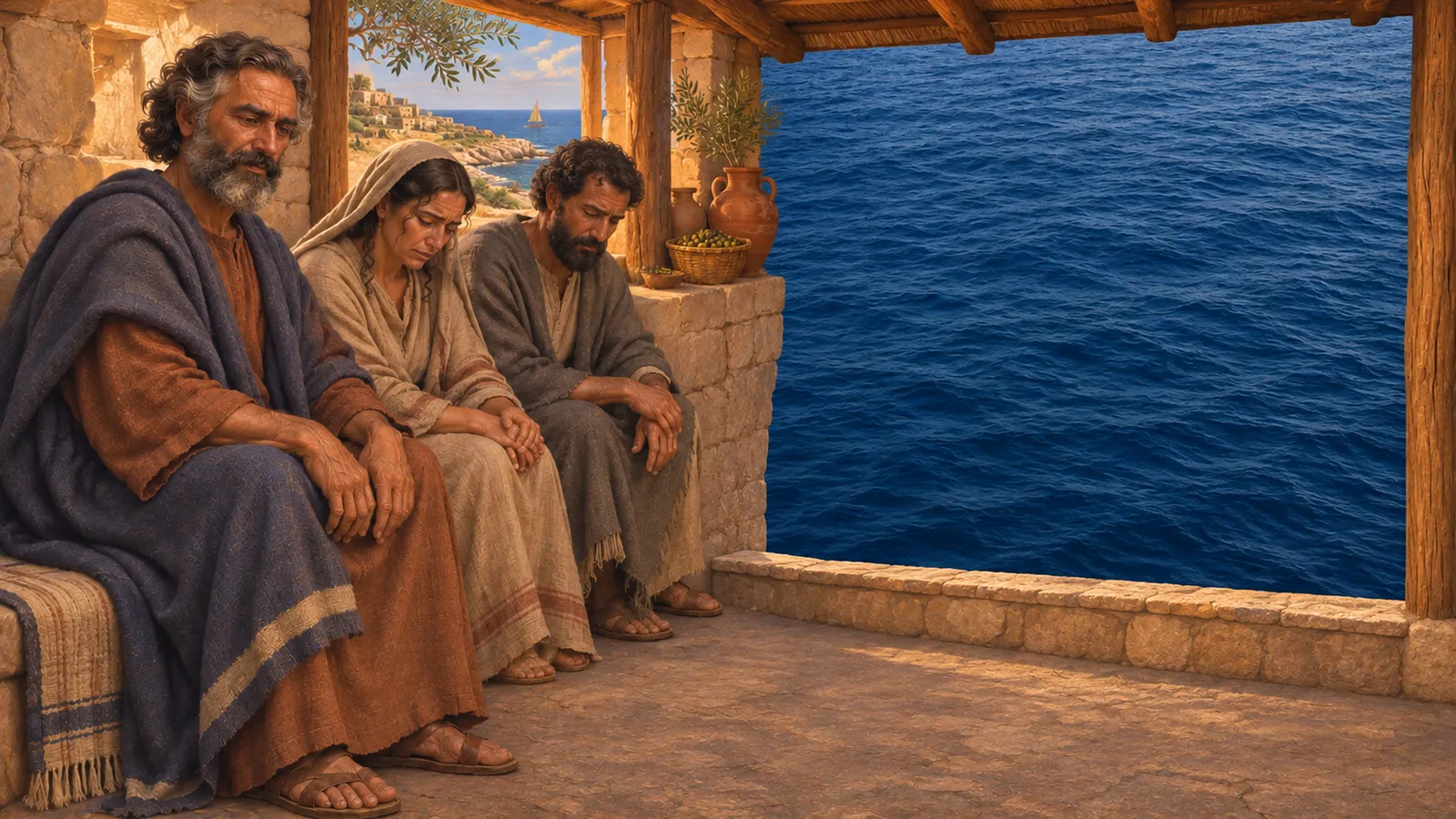
Os carpideiros vêm à casa de Danel chorar por Aqhat. Os dias tornam-se meses e os meses tornam-se anos. No sétimo ano, o poema volta a Danel.
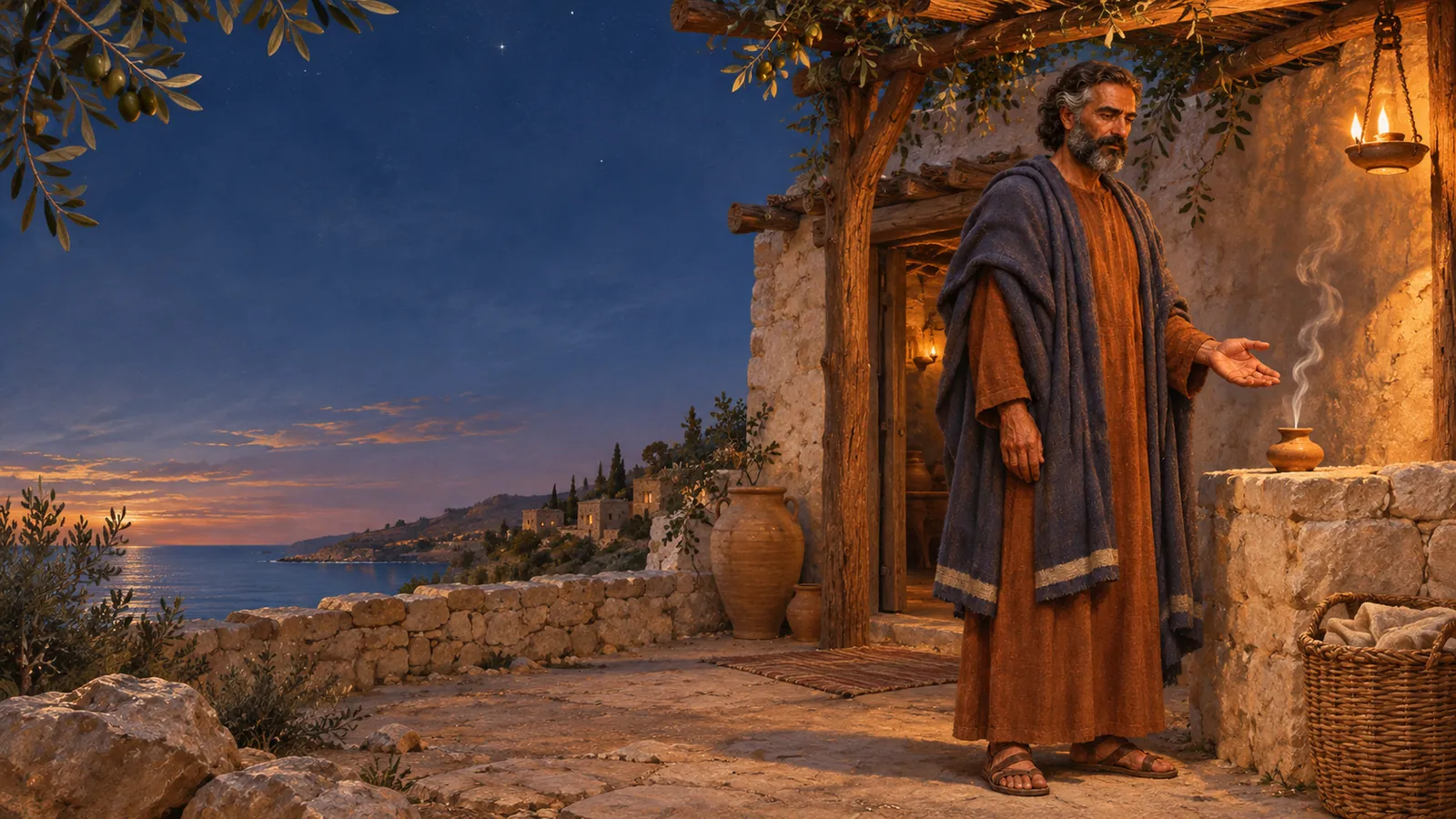
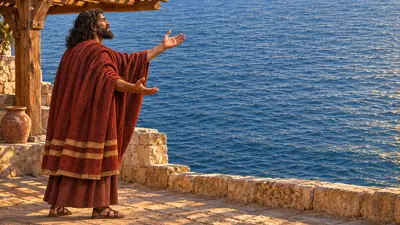
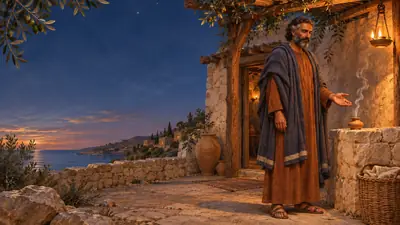
Danel pede aos carpideiros que deixem a sua casa. Volta a fazer oferendas aos deuses, e o poema fala de incenso que sobe até às estrelas.
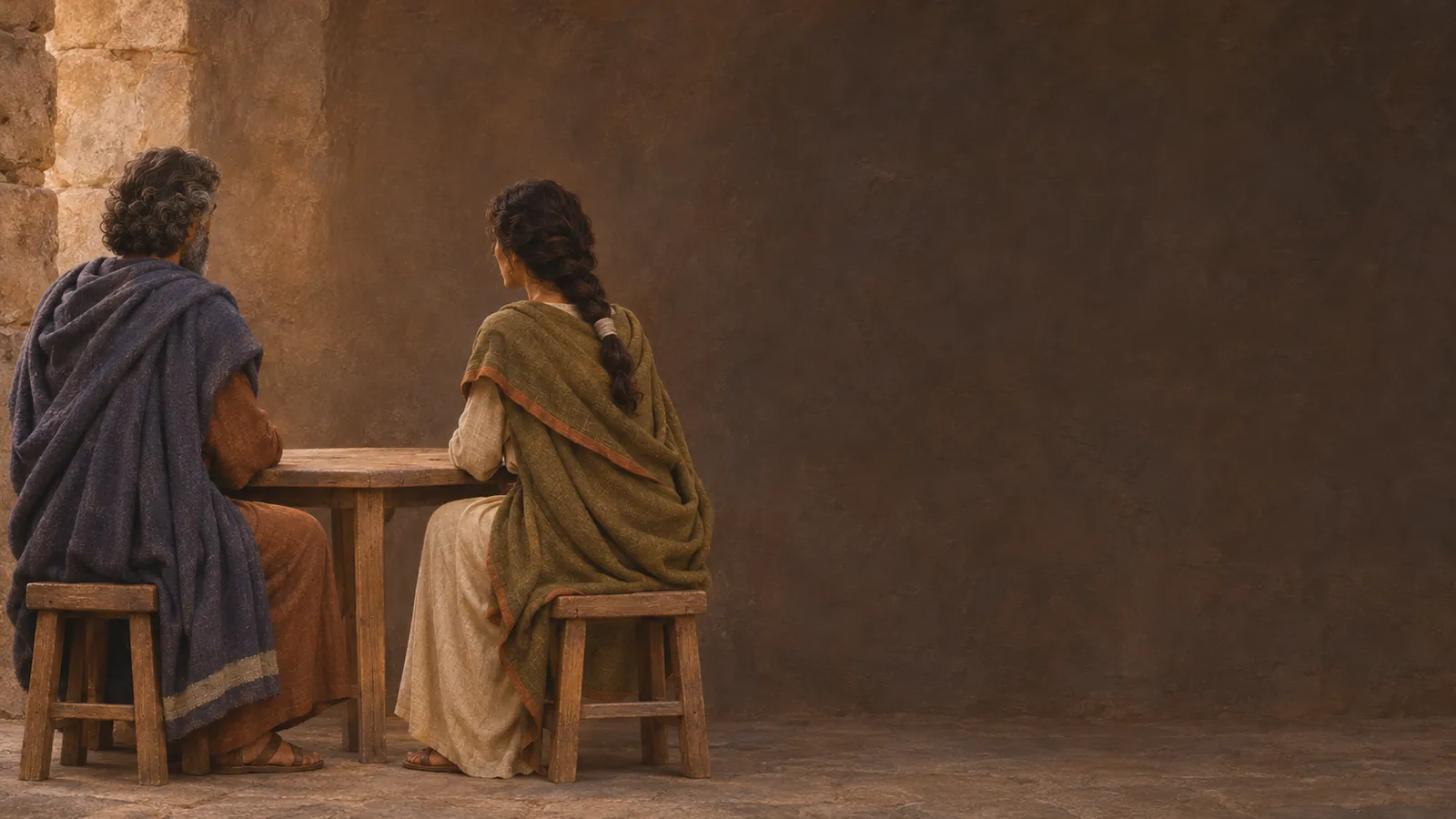
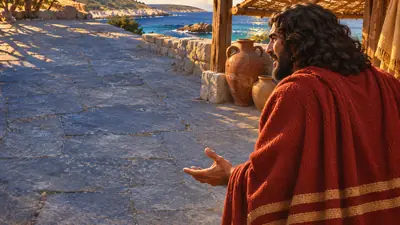
Pughat recorda a oferenda do pai. Pede-lhe a bênção para ter forças para matar quem matou seu irmão.

Danel responde à filha chamando-lhe a que leva água e conhece o curso das estrelas. A sua bênção faz eco do propósito que ela exprimiu.
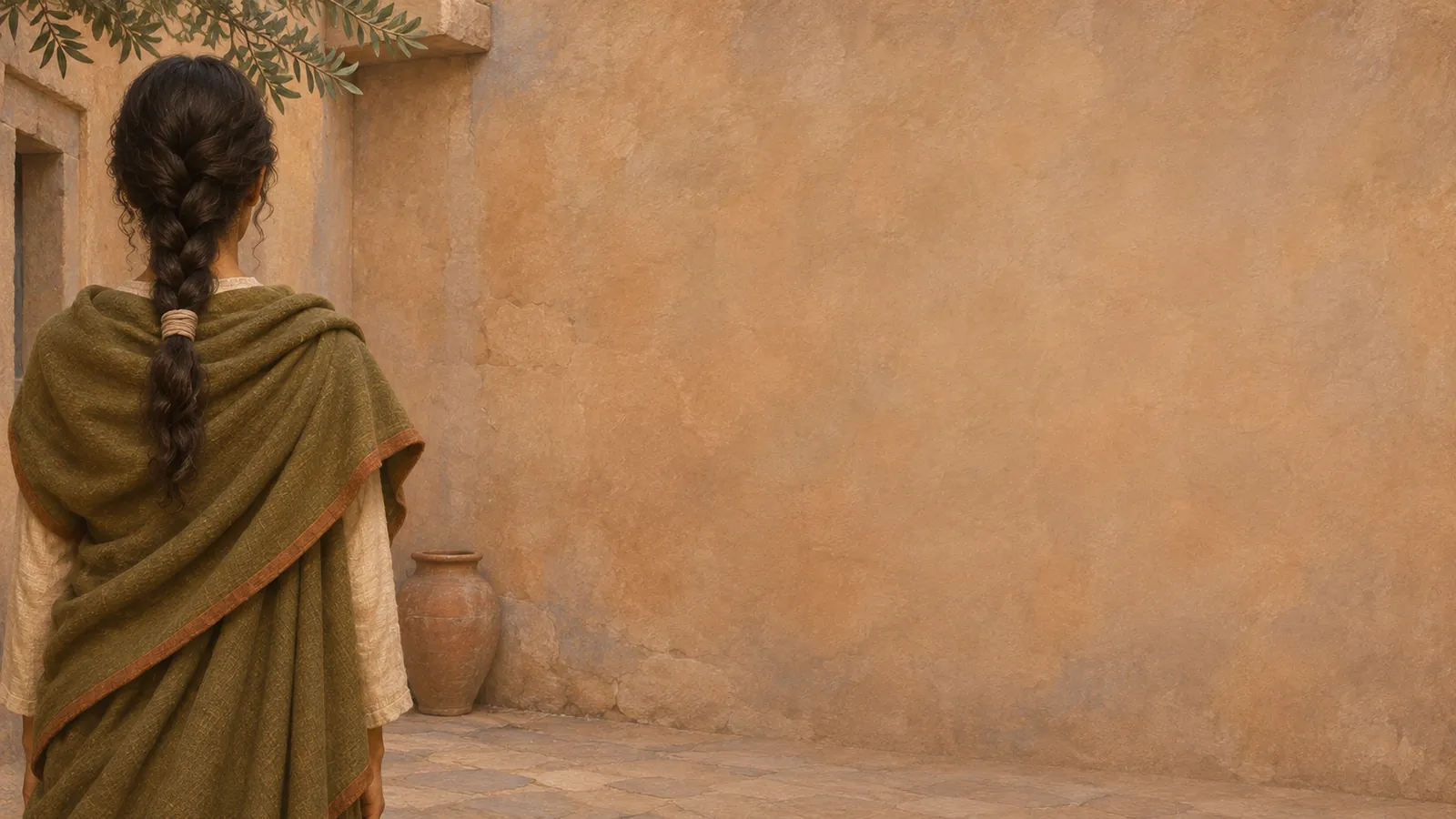
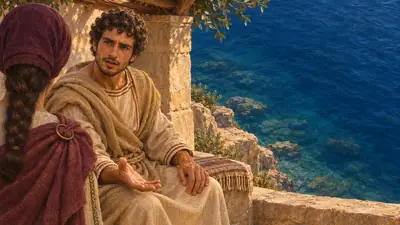
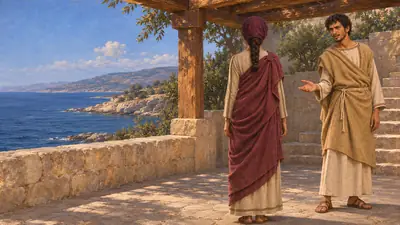
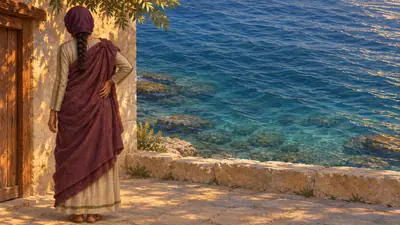
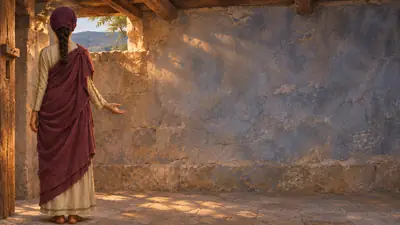
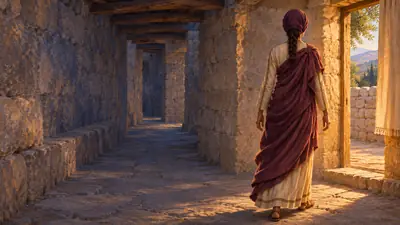
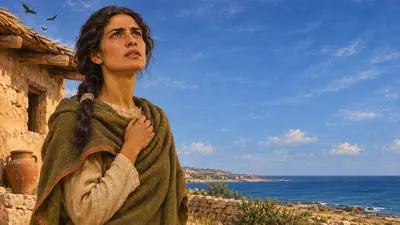
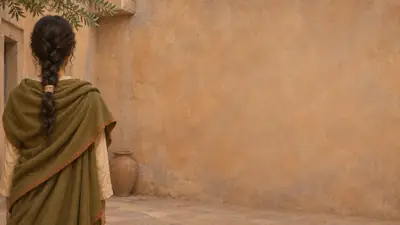
Pughat veste roupa de guerreiro e pega uma adaga e uma espada. Por cima da roupa de guerreiro, usa uma veste de mulher.
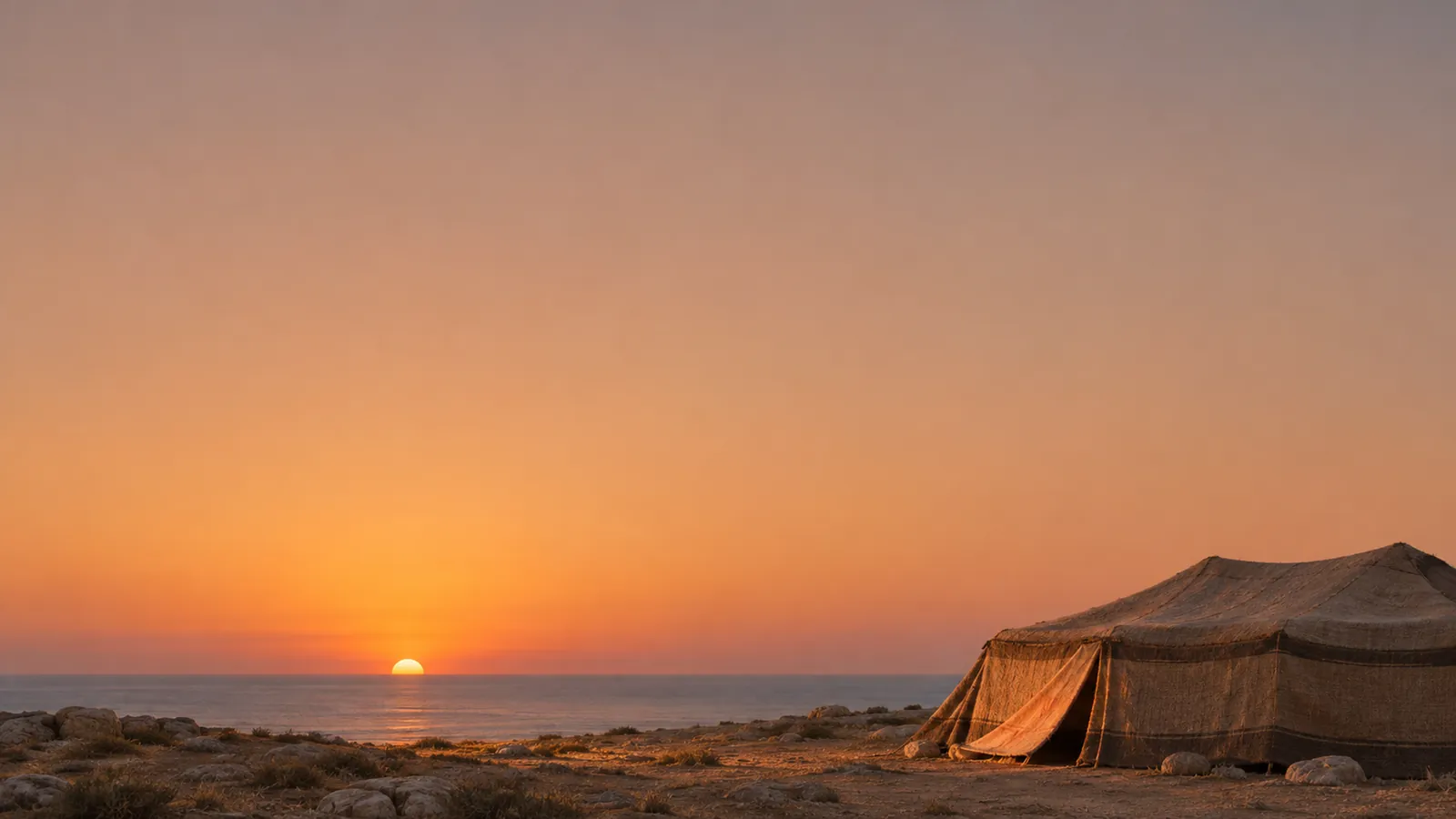
AS TENDAS
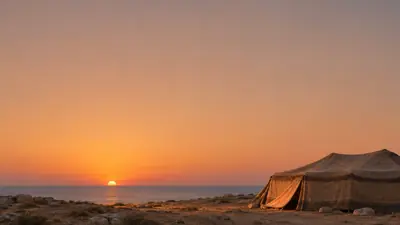
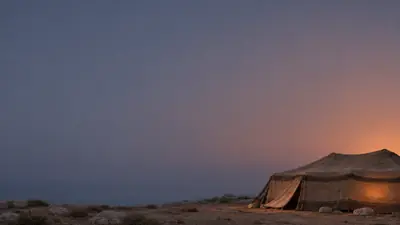
Ao pôr do sol, Pughat entra no acampamento. Yatipan recebe a notícia de que chegou uma mulher. As palavras do aviso são lidas de maneiras diferentes.
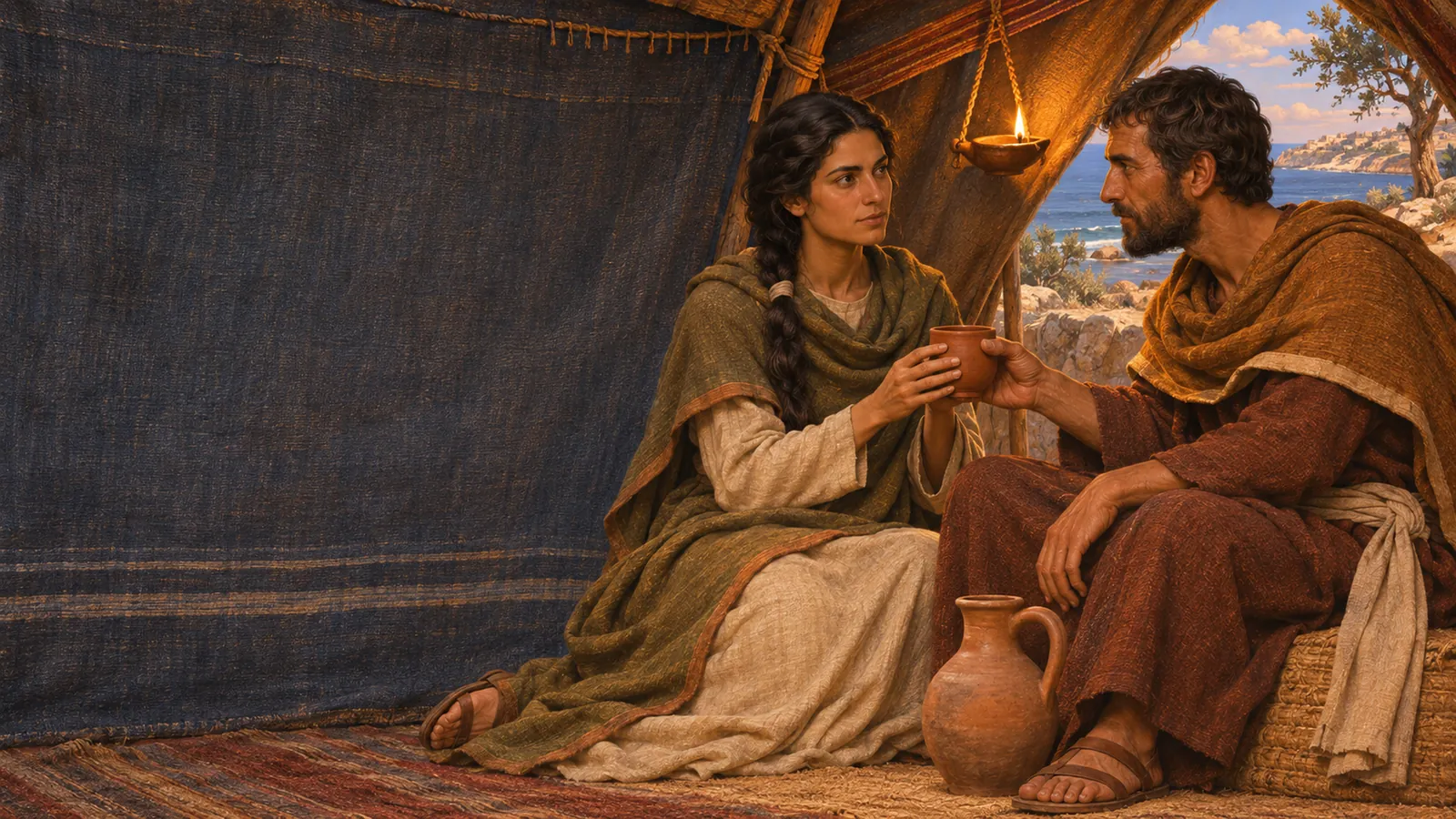
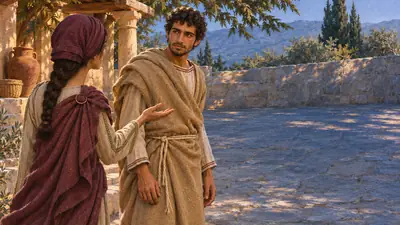
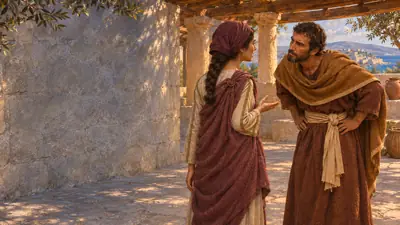
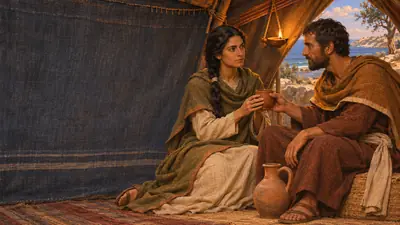
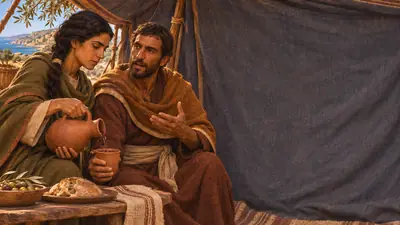
Yatipan pede vinho e diz a Pughat que lhe tire a taça da mão. Pughat pega na taça e serve-o como ele pediu.
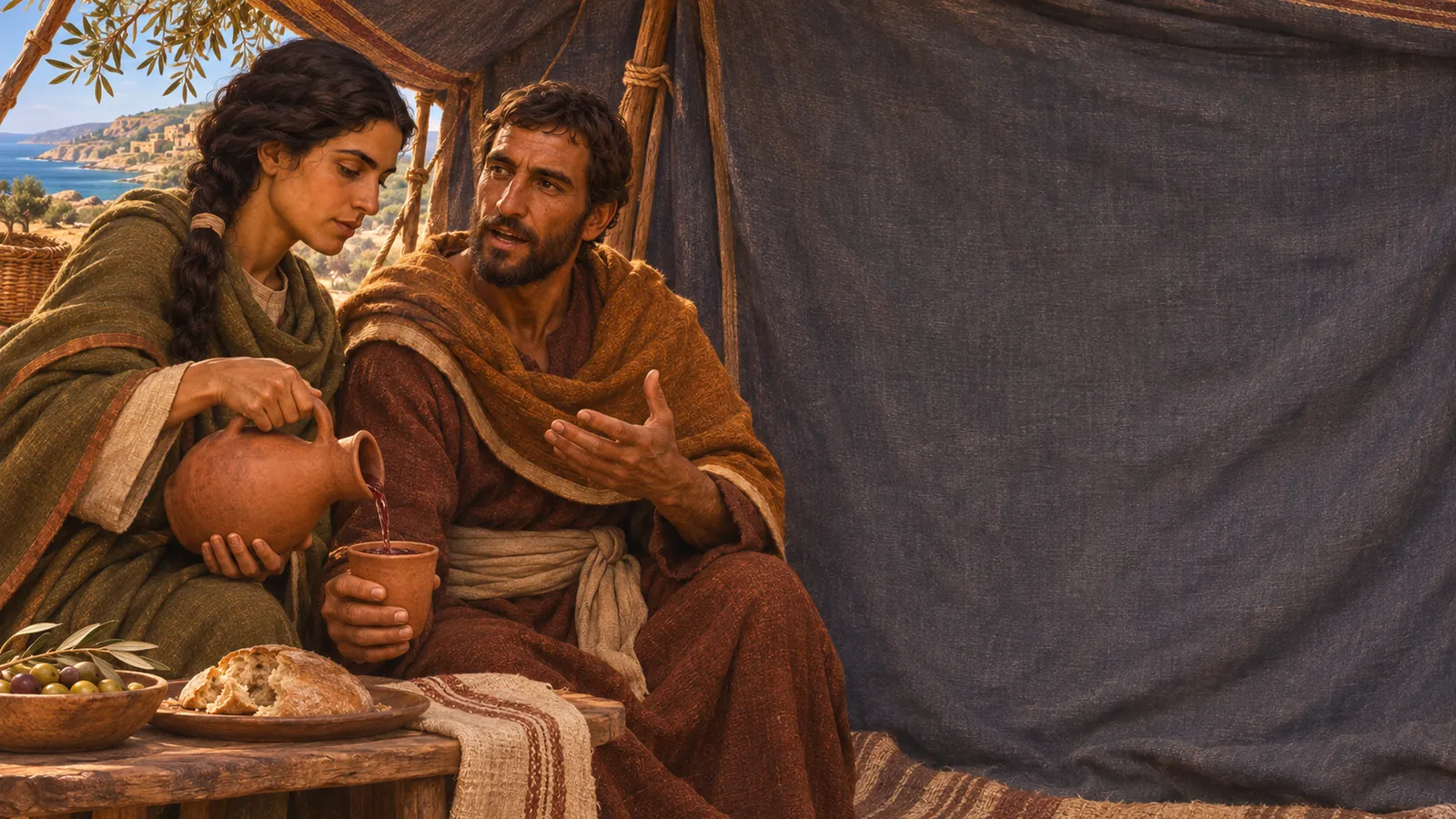
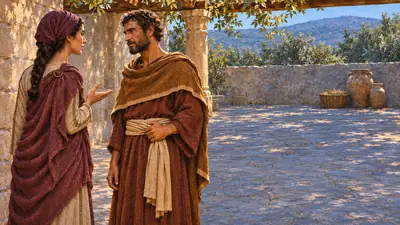
Yatipan gaba-se da mão que matou Aqhat. As linhas tornam-se mais difíceis de ler, mas um momento permanece claro. Pughat volta a servir-lhe vinho.
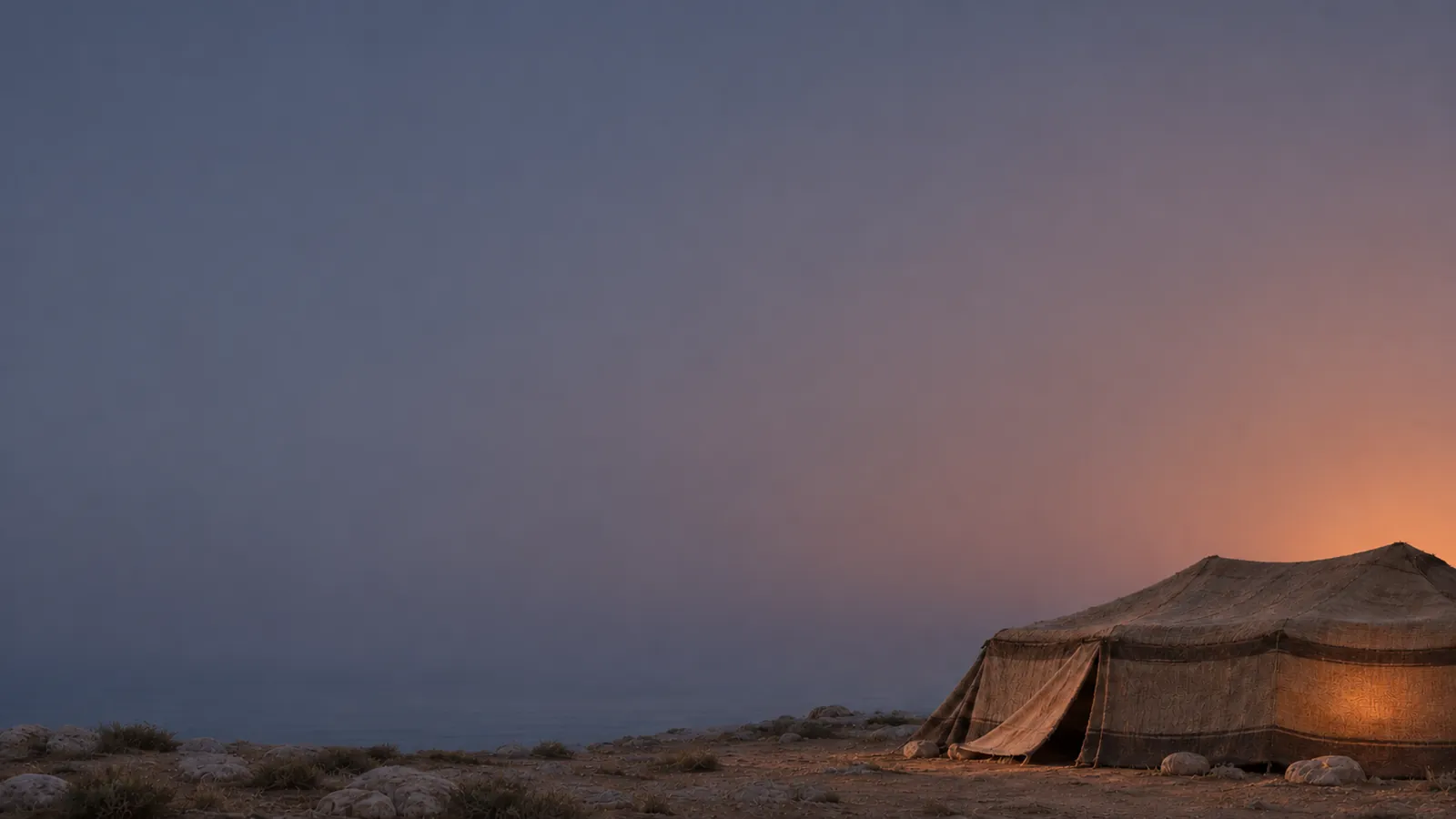
As palavras desvanecem-se quando Pughat ainda está com Yatipan. A morte do irmão levou-a ao acampamento. As tabuinhas que se conservaram deixam aqui a sua história.
Fim do capítulo 1
Todas as páginas





Fontes
Page 37. The poem describes two blows to Aqhat’s head and three over his ear and likens his departing life to breath and smoke. Some translations identify the circling birds as eagles, others as vultures (KTU 1.18 IV 27b–38; Majewski, p. 21; Husser, paras. 27–29; Natan-Yulzary, Measure for Measure).
Edições consultadas
- Marcin Majewski, Legenda o Danilu i Aqhacie, Teksty z Ugarit II, pp. 9–31
- Göttingen EUPT, table of Ugaritic tablets and concordance
- Louvre, Tablet I of the Tale of Aqhat, AO 17324
- Louvre, Tablet III of the Tale of Aqhat, AO 17323
- Reinhard Müller and Clemens Steinberger, edition and reading of KTU 1.17 VI
- Jean-Marie Husser, La mort d’Aqhat
- Shirly Natan-Yulzary, Suspense in the Epic of Aqhat
- Shirly Natan-Yulzary, Measure for Measure in the Aqhat Epic
- Wayne T. Pitard, The Reading of KTU 1.19:III:41, The Burial of Aqhat
- David P. Wright, Ritual in Narrative
- IL Archive, Tale of Aqhat
- IL Archive, Six Days, Then the Seventh
Notas sobre este reconto
Pages 50–52. Danel asks Baal to break the birds’ wings and cuts open the fallen birds to look for his son’s fat and bones. In the third search he finds the remains inside Ṣumalu. 26–28; Wright, ch. 14; Natan-Yulzary, Measure for Measure, secs. 5.6 and 5.8).
Page 32. Anat threatens to make El’s grey hair run with blood.
Page 7. In El’s blessing Danel is told to go to bed, kiss and embrace his wife, who will conceive. 3).
Os versos antigos de cada página
- Page 1: KTU 1.17 I before 1 and 1–5 (Majewski; Natan-Yulzary, Resumptive Repetition; Wright ch. 1)
- Page 2: KTU 1.17 I 5–11 (Majewski; Natan-Yulzary, Resumptive Repetition)
- Page 3: KTU 1.17 I 11–15 (Majewski; Natan-Yulzary, Resumptive Repetition)
- Page 4: KTU 1.17 I 15–16 (Majewski; Natan-Yulzary, Resumptive Repetition)
- Page 5: KTU 1.17 I 17–25 (Majewski; Kim, List of Filial Duties; Wright ch. 2)
- Page 6: KTU 1.17 I 25–33 (Majewski; Kim, List of Filial Duties; Wright ch. 2)
- Page 7: KTU 1.17 I 34–41 (Majewski; Wright ch. 3)
- Page 8: KTU 1.17 I 42–48 and II 1–9 (Majewski; Kim, List of Filial Duties; Wright chs. 2–3)
- Page 9: KTU 1.17 II 8b–24 (Majewski; Kim, List of Filial Duties; Wright ch. 3)
- Page 10: KTU 1.17 II 24–29 (Majewski; Wright ch. 4; Natan-Yulzary, Measure for Measure)
- Page 11: KTU 1.17 II 29–42 (Majewski; Natan-Yulzary, Resumptive Repetition; Wright ch. 4)
- Page 12: KTU 1.17 II 43–47 and gap before V (Majewski; Margalit; Natan-Yulzary, Resumptive Repetition; Wright ch. 4)
- Page 13: KTU 1.17 V 2–5 (Majewski; Natan-Yulzary, Resumptive Repetition)
- Page 14: KTU 1.17 V 6–8 (Majewski; Natan-Yulzary, Resumptive Repetition)
- Page 15: KTU 1.17 V 9–13 (Majewski; Natan-Yulzary, Resumptive Repetition)
- Page 16: KTU 1.17 V 13–21 (Majewski; Natan-Yulzary, Resumptive Repetition; Noegel)
- Page 17: KTU 1.17 V 21–25 (Majewski; Natan-Yulzary, Resumptive Repetition)
- Page 18: KTU 1.17 V 25–28 (Majewski; Natan-Yulzary, Resumptive Repetition)
- Page 19: KTU 1.17 V 28–33 (Majewski; Natan-Yulzary, Resumptive Repetition)
- Page 20: KTU 1.17 V 33b–39 and gap before VI (Majewski; Wright ch. 6; Müller and Steinberger)
- Page 21: KTU 1.17 VI 1–9a (Majewski; Müller and Steinberger)
- Page 22: KTU 1.17 VI 9b–16a (Majewski; Müller and Steinberger; Natan-Yulzary, Measure for Measure)
- Page 23: KTU 1.17 VI 16c–19 (Majewski; Müller and Steinberger)
- Page 24: KTU 1.17 VI 20–25a (Majewski; Müller and Steinberger)
- Page 25: KTU 1.17 VI 25b–29 (Majewski; Müller and Steinberger)
- Page 26: KTU 1.17 VI 30–33a (Majewski; Müller and Steinberger)
- Page 27: KTU 1.17 VI 33b–38 (Majewski; Müller and Steinberger; Budin)
- Page 28: KTU 1.17 VI 39–41a (Majewski; Müller and Steinberger; Budin)
- Page 29: KTU 1.17 VI 41b–45 (Majewski; Müller and Steinberger; Natan-Yulzary, Measure for Measure)
- Page 30: KTU 1.17 VI 46–52a (Majewski; Müller and Steinberger; Natan-Yulzary, Resumptive Repetition)
- Page 31: KTU 1.17 VI 52b–55 and 1.18 I 1–8 (Majewski; Müller and Steinberger; Natan-Yulzary, Measure for Measure)
- Page 32: KTU 1.18 I 9–20a (Majewski; Noegel; Natan-Yulzary, Measure for Measure)
- Page 33: KTU 1.18 I 20b–34 (Majewski, pp. 19–20; Husser, paras. 25–26)
The invitation survives in fragments. The wording and force of the kinship term are uncertain. - Page 34: KTU 1.18 II–III and opening of IV (Majewski, pp. 19–20)
- Page 35: KTU 1.18 IV 5b–15 (Majewski, p. 20; Noegel, CAT 1.18 IV 7 and 16)
This exchange is damaged. - Page 36: KTU 1.18 IV 16–27a (Majewski, pp. 20–21; Natan-Yulzary, sec. 5.6)
These are Anat’s words to Yatipan. - Page 37: KTU 1.18 IV 27b–38 (Majewski, p. 21; Husser, paras. 27–29)
The later report names Anat’s responsibility. - Page 38: KTU 1.18 IV 39–end and 1.19 I 1–7 (Majewski, pp. 21–22; Natan-Yulzary, sec. 5.2)
The damaged text associates the loss of the bow with water. - Page 39: KTU 1.19 I 8–17 (Majewski, p. 22; Wright, ch. 12)
The lament is damaged and several expressions are obscure. - Page 40: KTU 1.19 I 17–25a (Majewski, pp. 22–23; Natan-Yulzary, Suspense)
- Page 41: KTU 1.19 I 25b–35 (Majewski, p. 23; Natan-Yulzary, Suspense)
The poem records Pughat’s observations ahead of the messengers’ report. - Page 42: KTU 1.19 I 36–42 (Majewski, p. 23; Natan-Yulzary, Suspense)
Natan-Yulzary reads these words as an appeal for rain. - Page 43: KTU 1.19 I 42–48 (Majewski, p. 23; Natan-Yulzary, Suspense)
- Page 44: KTU 1.19 I 49–II 11 (Majewski, pp. 23–24; Budin, pp. 66–67)
- Page 45: KTU 1.19 II 12–18 (Majewski, p. 24; Noegel, Enallage, p. 189)
- Page 46: KTU 1.19 II 19–25 (Majewski, p. 24; Noegel, Enallage, p. 189)
Danel asks for growth and names Aqhat in the repeated wish. - Page 47: KTU 1.19 II 26–36 (Majewski, p. 25; Natan-Yulzary, Suspense)
- Page 48: KTU 1.19 II 37–44a (Majewski, pp. 25–26; Natan-Yulzary, Suspense)
- Page 49: KTU 1.19 II 44b–55 (Majewski, p. 26; Natan-Yulzary, Suspense)
Most of Danel’s reply is fragmentary. - Page 50: KTU 1.19 II 56–III 14a (Majewski, pp. 26–27; Wright, ch. 14)
The poem repeats Danel’s plea in the subsequent searches. - Page 51: KTU 1.19 III 14b–28a (Majewski, pp. 27–28; Natan-Yulzary, sec. 5.6)
The exact species varies by translation. - Page 52: KTU 1.19 III 28b–39b (Majewski, p. 28; Natan-Yulzary, secs. 5.6 and 5.8)
- Page 53: KTU 1.19 III 39b–45a (Majewski, p. 28; Pitard, pp. 31–38)
The location named in III 41 is disputed. - Page 54: KTU 1.19 III 45b–56 (Majewski, pp. 28–29; Natan-Yulzary, sec. 5.10)
The towns and imprecations belong to the poem. - Page 55: KTU 1.19 III end–IV 9a (Majewski, p. 29; Natan-Yulzary, sec. 5.10)
- Page 56: KTU 1.19 IV 9b–18 (Majewski, p. 29; Natan-Yulzary, Suspense)
- Page 57: KTU 1.19 IV 18–27 (Majewski, pp. 29–30; Budin and Noegel)
- Page 58: KTU 1.19 IV 28–35 (Majewski, p. 30; Noegel, Enallage, pp. 189–190)
- Page 59: KTU 1.19 IV 36–40 (Majewski, p. 30; Natan-Yulzary, sec. 5.1)
Some wording in Danel’s reply is restored. - Page 60: KTU 1.19 IV 41–46a (Majewski, p. 30; Budin, p. 67)
The text distinguishes two layers of clothing. - Page 61: KTU 1.19 IV 46b–53 (Majewski, p. 31; Natan-Yulzary, sec. 5.3)
Editions diverge on the announcement. - Page 62: KTU 1.19 IV 53–57 (Majewski, p. 31; Natan-Yulzary, sec. 5.3)
The text describes the first serving of wine. - Page 63: KTU 1.19 IV 57–62 (Majewski, p. 31; Natan-Yulzary, sec. 5.3; Margalit)
The closing comparison is damaged and disputed. - Page 64: KTU 1.19 IV after 62 in Majewski (pp. 31 and 263–270; Wright, ch. 18)
The surviving narrative breaks off here.
Ilustrações feitas pelo IL Archive com ferramentas de IA; o texto baseia-se nas fontes antigas (veja as fontes no fim de cada capítulo).