Atrahasis Capítulo 2
A parede de junco
Um aviso chega a Atrahasis através de uma parede de junco, e ele constrói um barco coberto para levar a vida através do dilúvio. Quando as águas recuam, os deuses reconhecem que houve sobreviventes e estabelecem novas condições para a vida humana.
Ver o filmeFontesVire as páginas com as setas, o teclado ou deslizando o dedo.
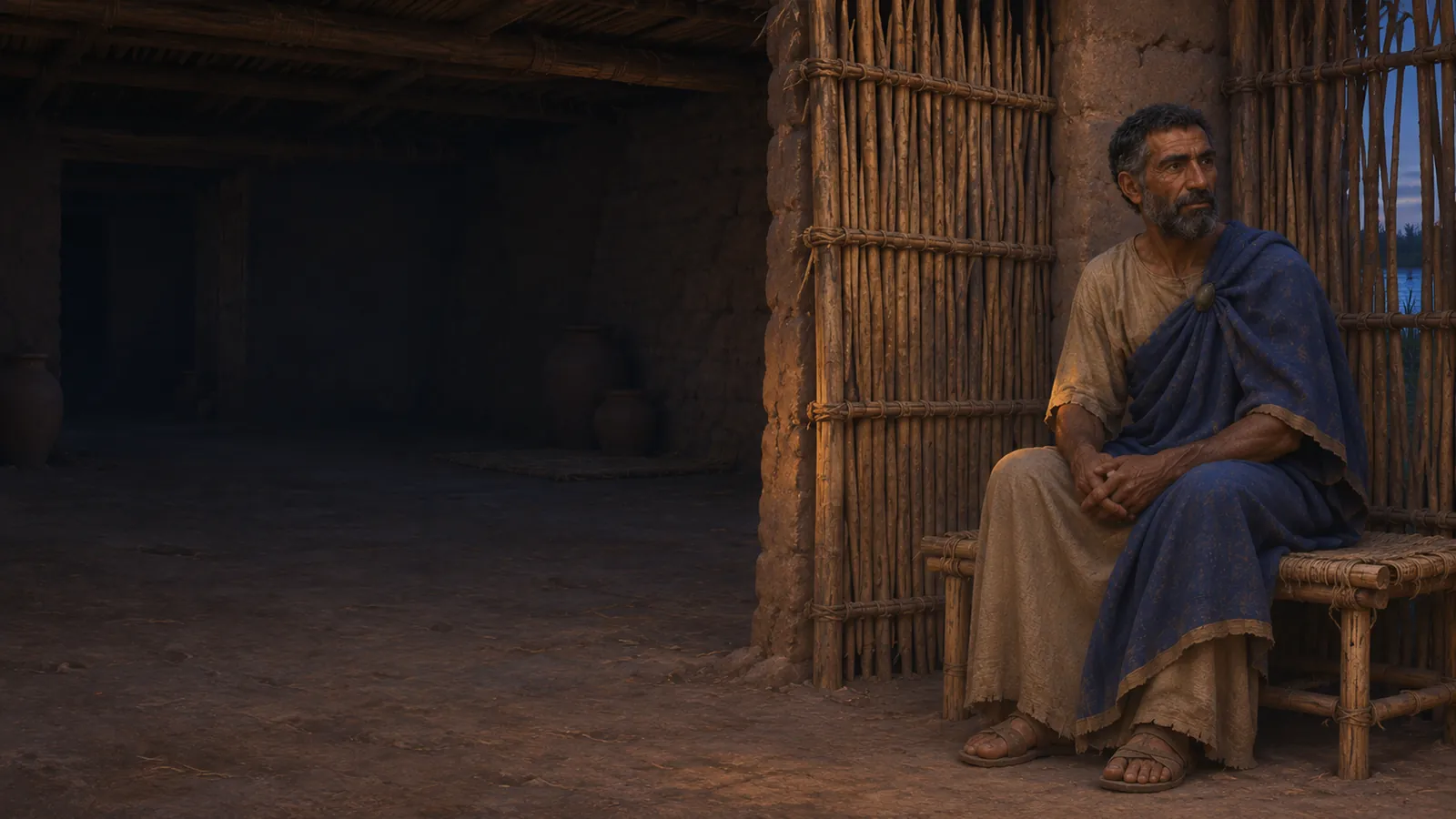
O SONHO
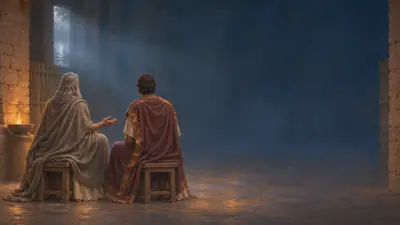
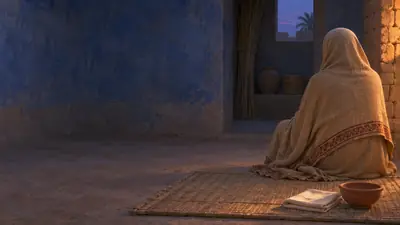
Depois da decisão dos deuses, Atrahasis ainda tinha uma pergunta para Enki. No início preservado desta tabuinha, pede-lhe que explique o significado de um sonho.
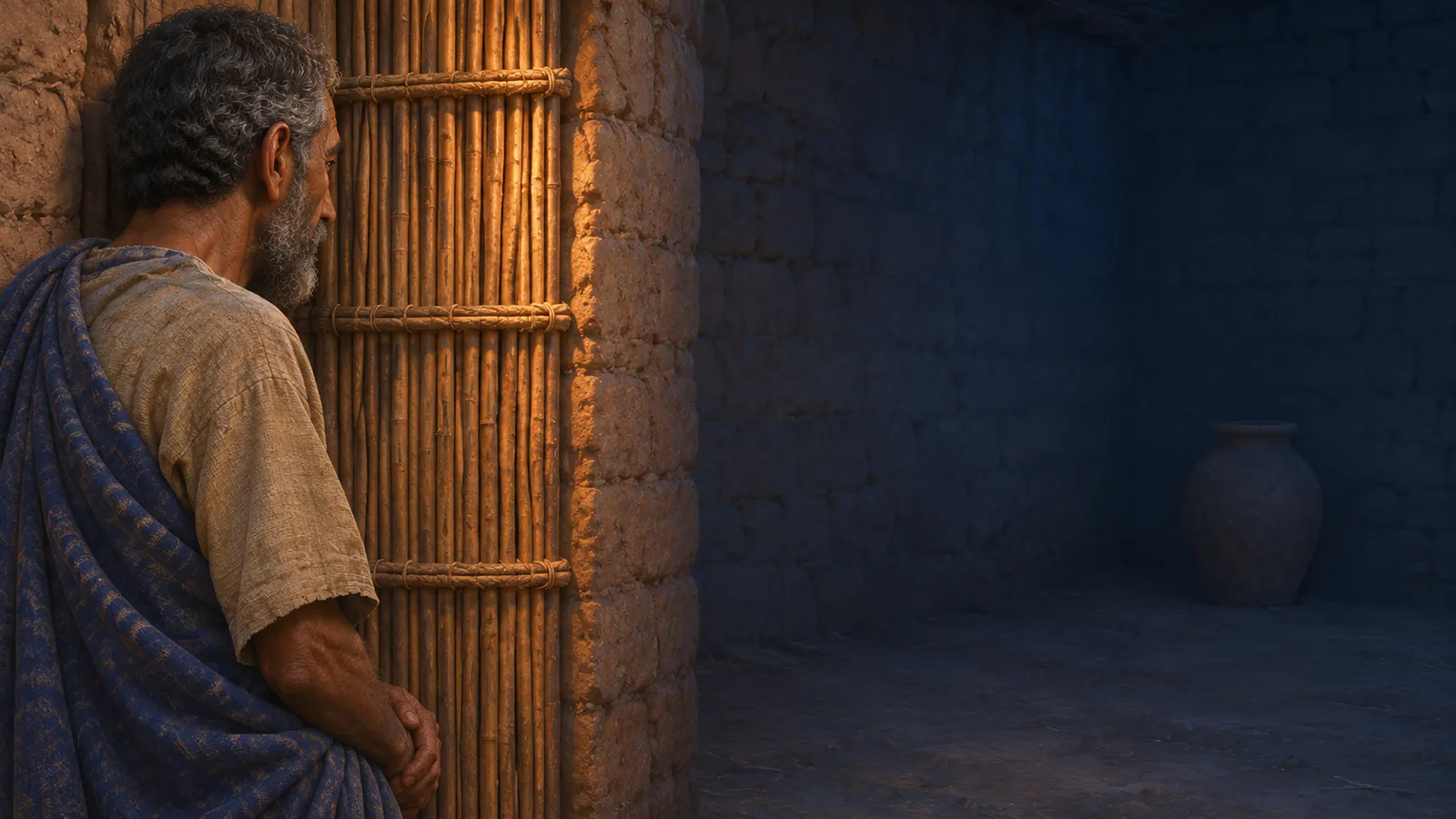
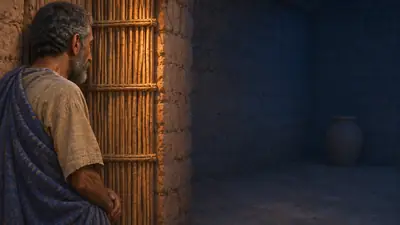
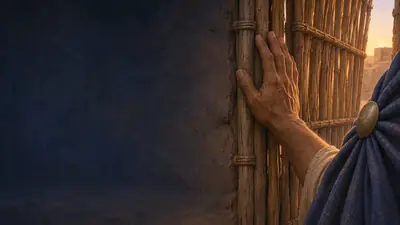
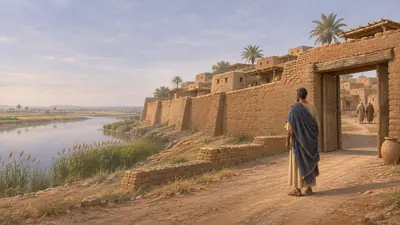
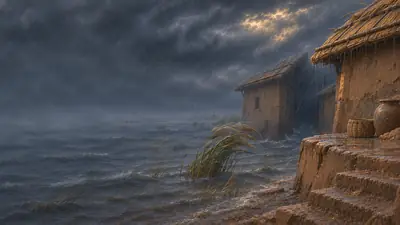
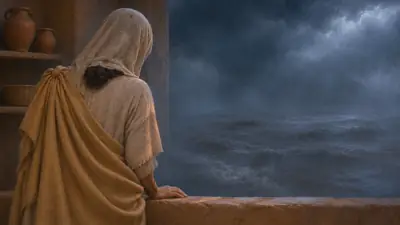
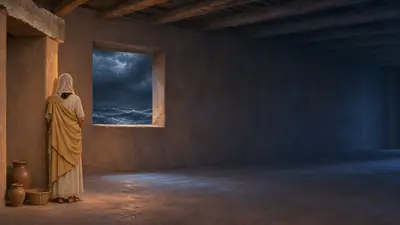
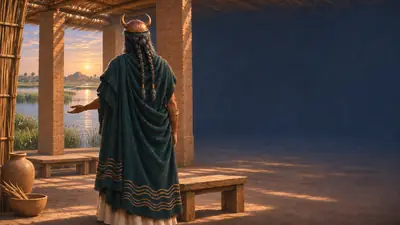
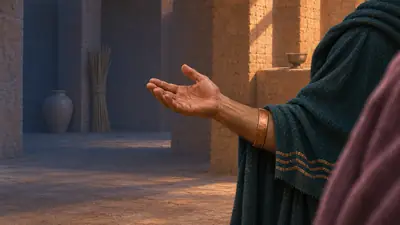
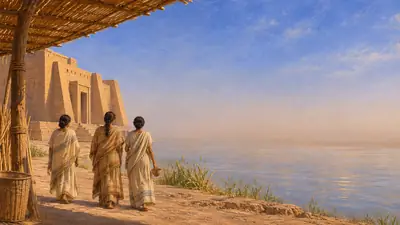
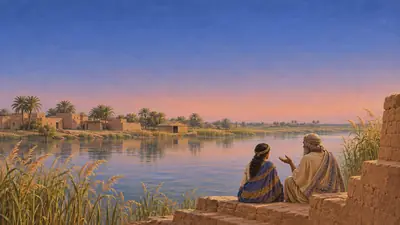
A resposta foi dirigida à parede de junco. Enki falou-lhe como se ela pudesse escutar e guardar cada palavra. Atrahasis estava ali para ouvir.
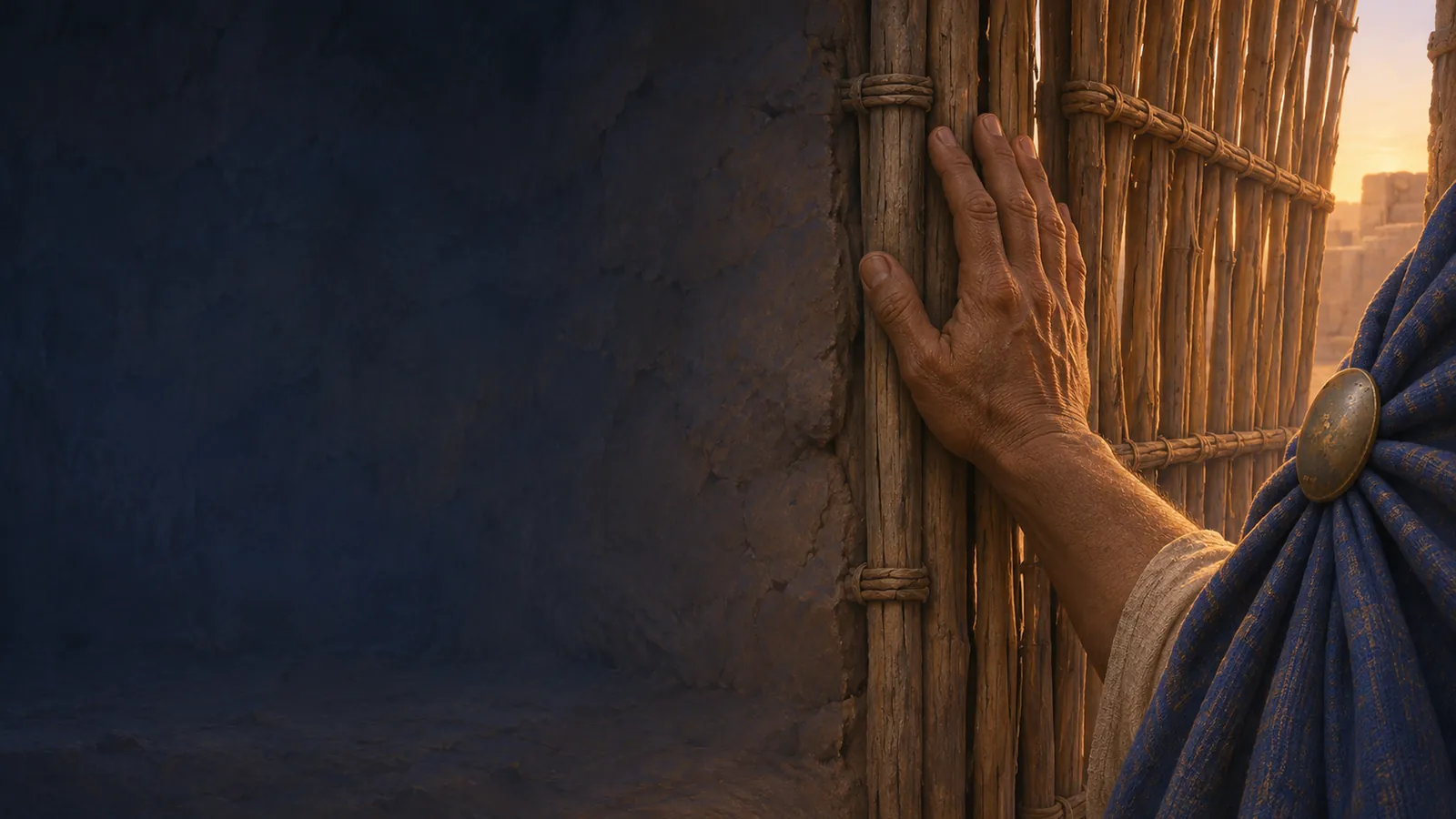
A PARTIDA
A voz falou de uma casa que era preciso deixar e de uma embarcação que era preciso construir. O que se podia salvar era a própria vida.
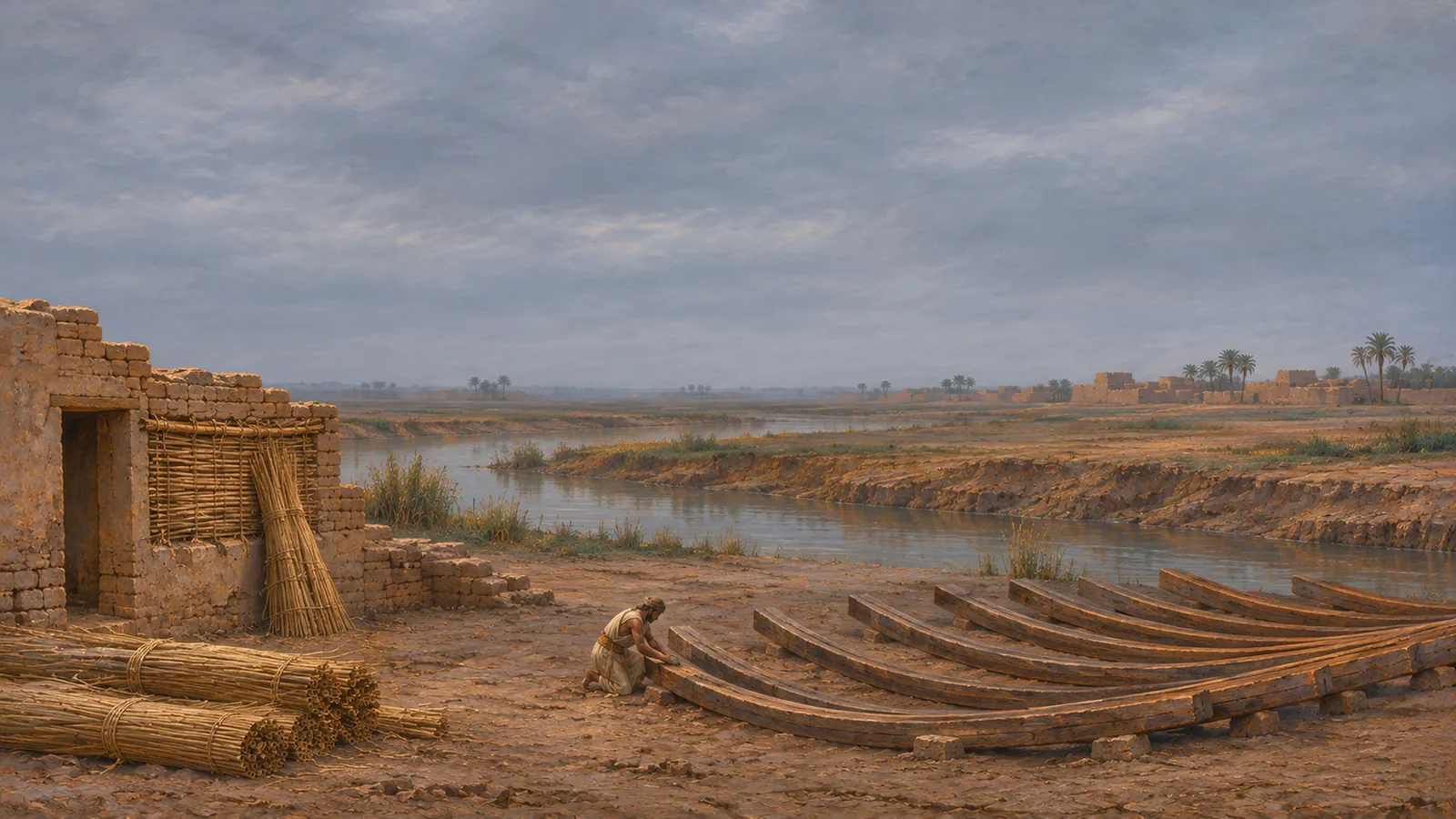
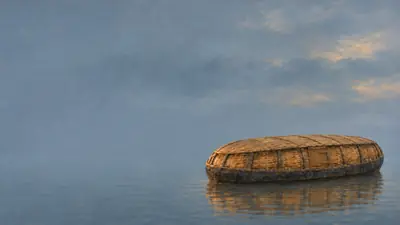
As palavras seguintes estão incompletas, mas ainda se distingue parte do desenho da embarcação. Um fragmento da tabuinha parece falar de um círculo.
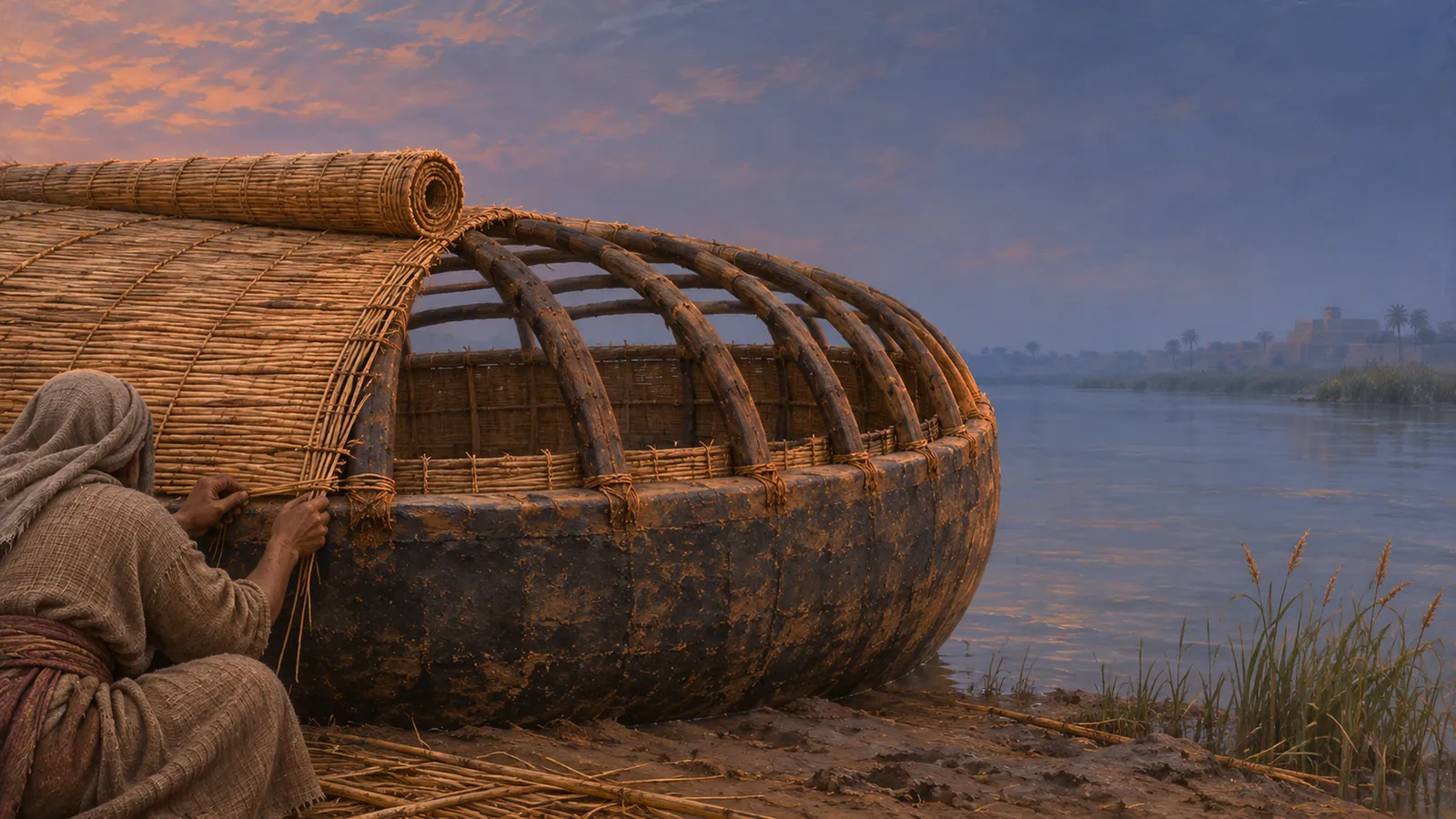
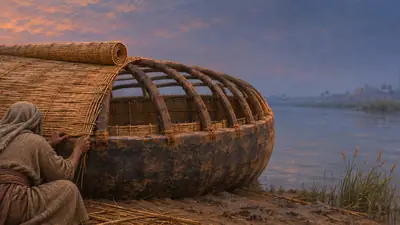
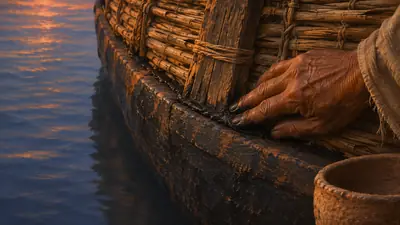
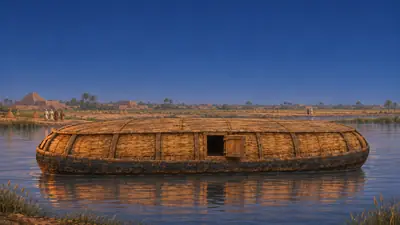
Enki disse-lhe que cobrisse a embarcação para impedir a entrada da luz do sol. A estrutura teria de resistir mesmo quando as águas chegassem.
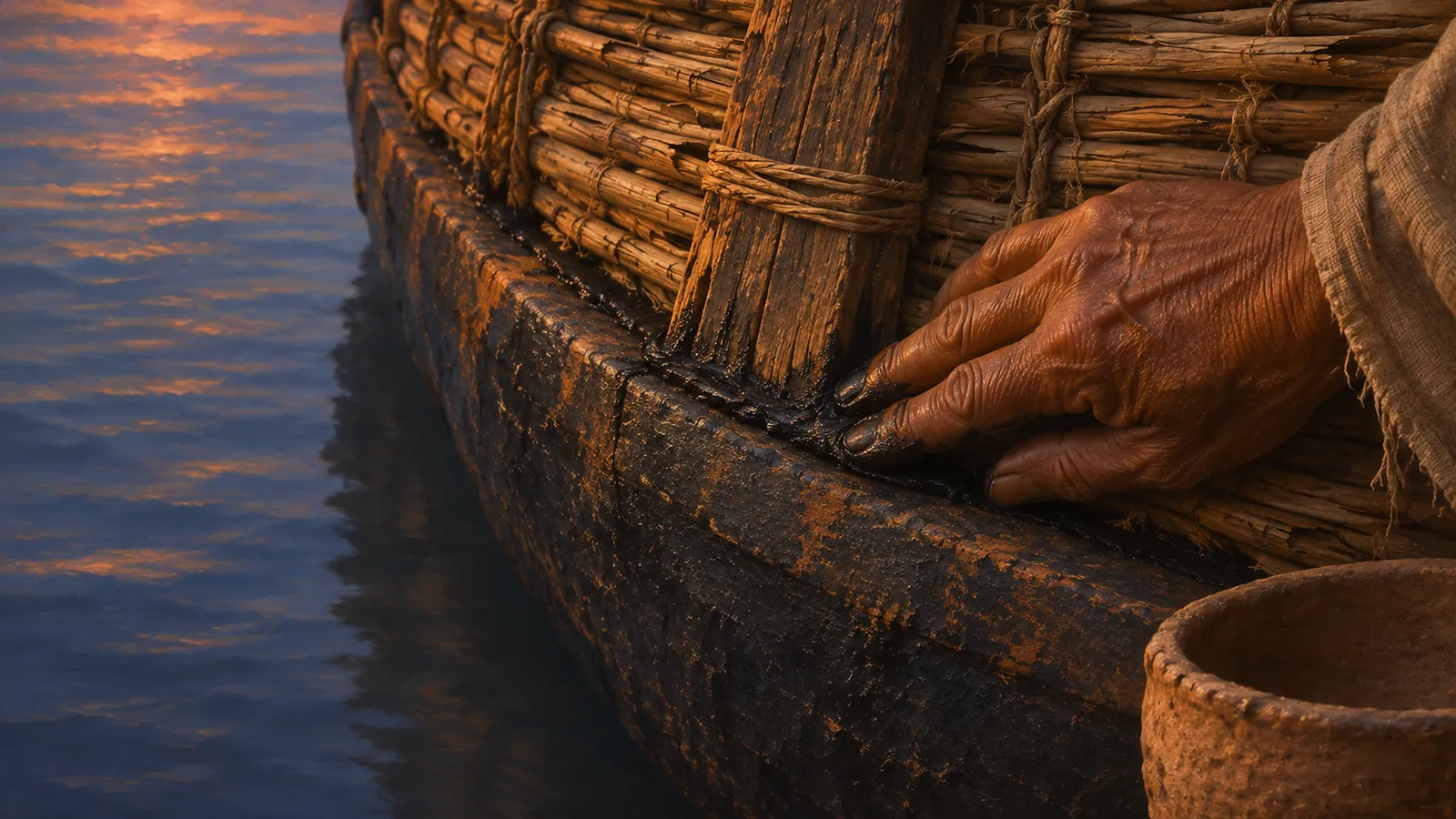
As juntas precisavam de betume negro e resistente para que a embarcação aguentasse. A voz falou também de aves e peixes que viriam em abundância.
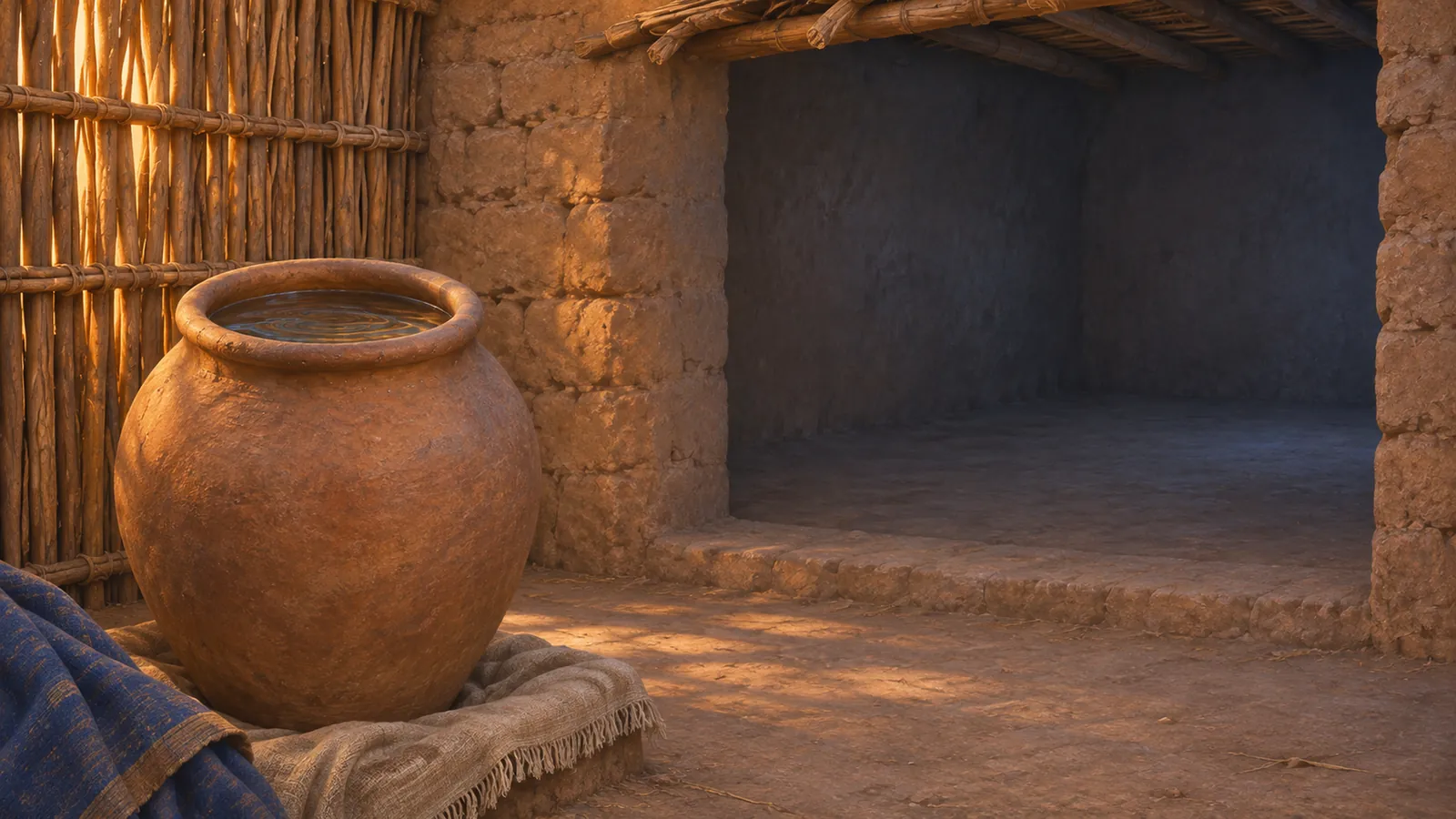
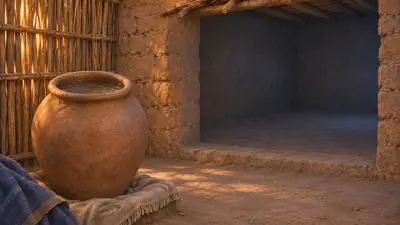
O relógio de água foi aberto e cheio. Enki falou a Atrahasis do dilúvio que se aproximava e das sete noites que duraria.
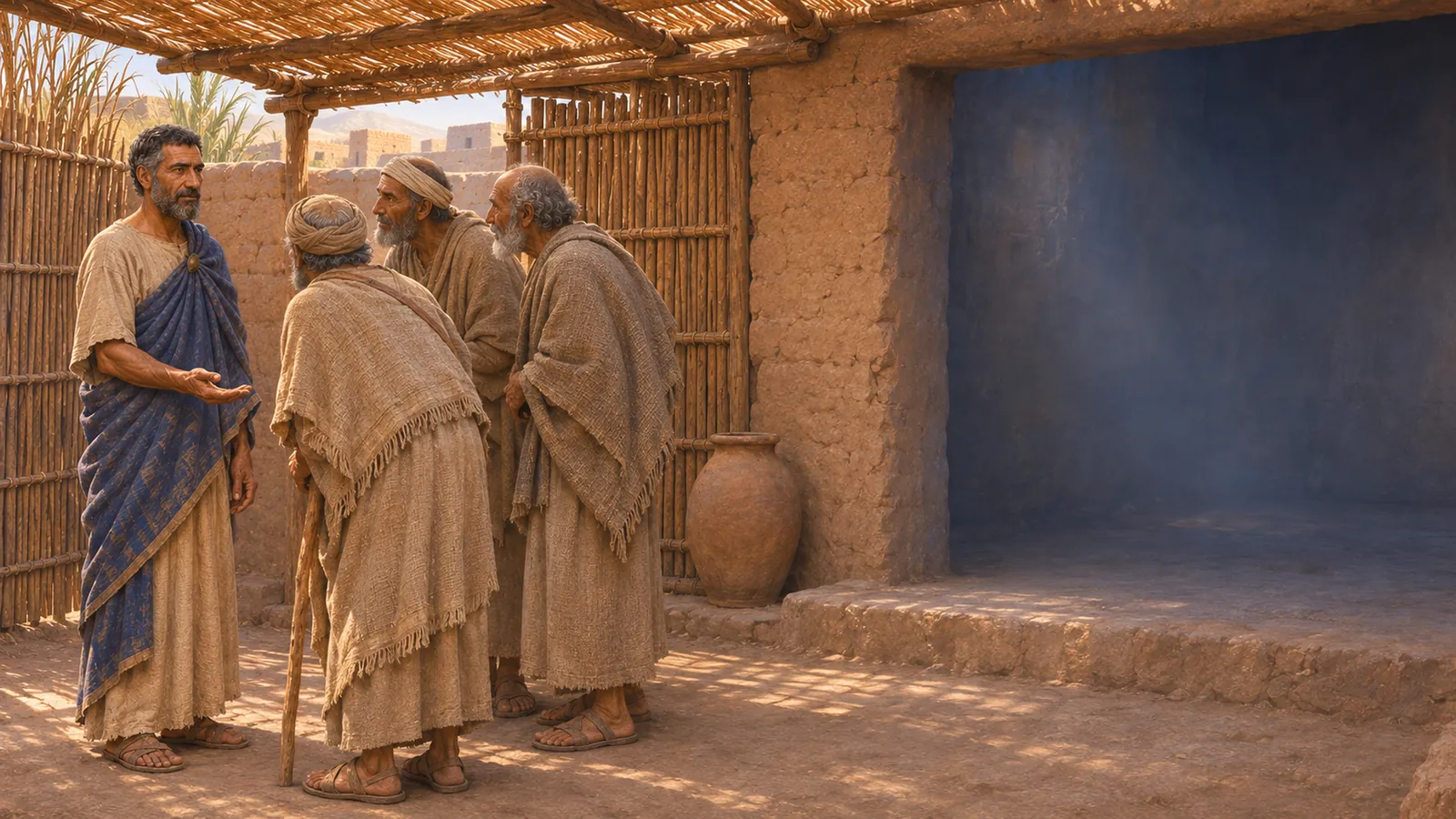
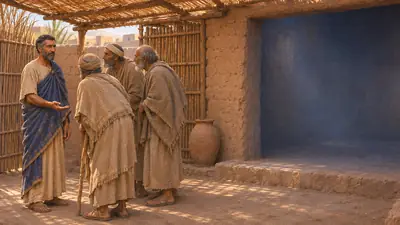
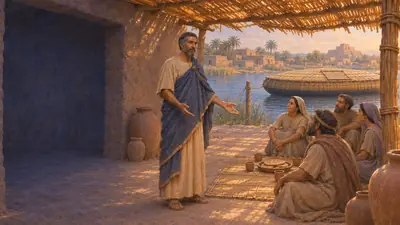
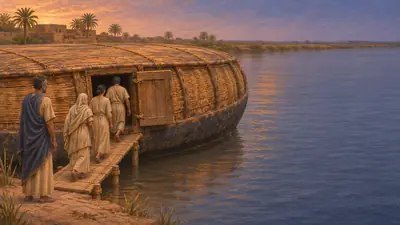
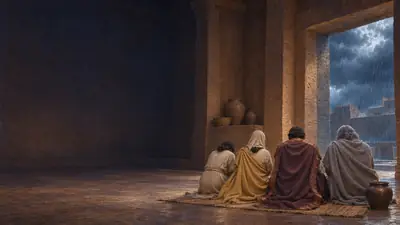
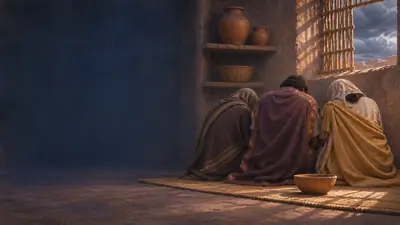
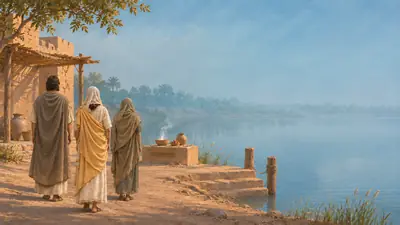
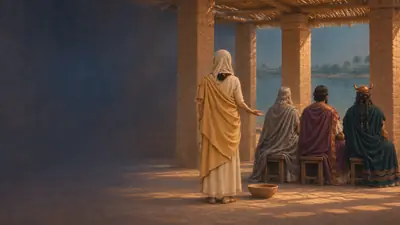
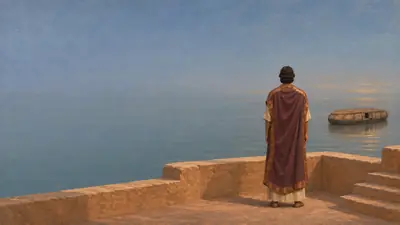
Atrahasis guardou o que tinha ouvido. Chamou os anciãos à sua porta, como já fizera noutras horas difíceis, e contou-lhes parte do que tinha acontecido.
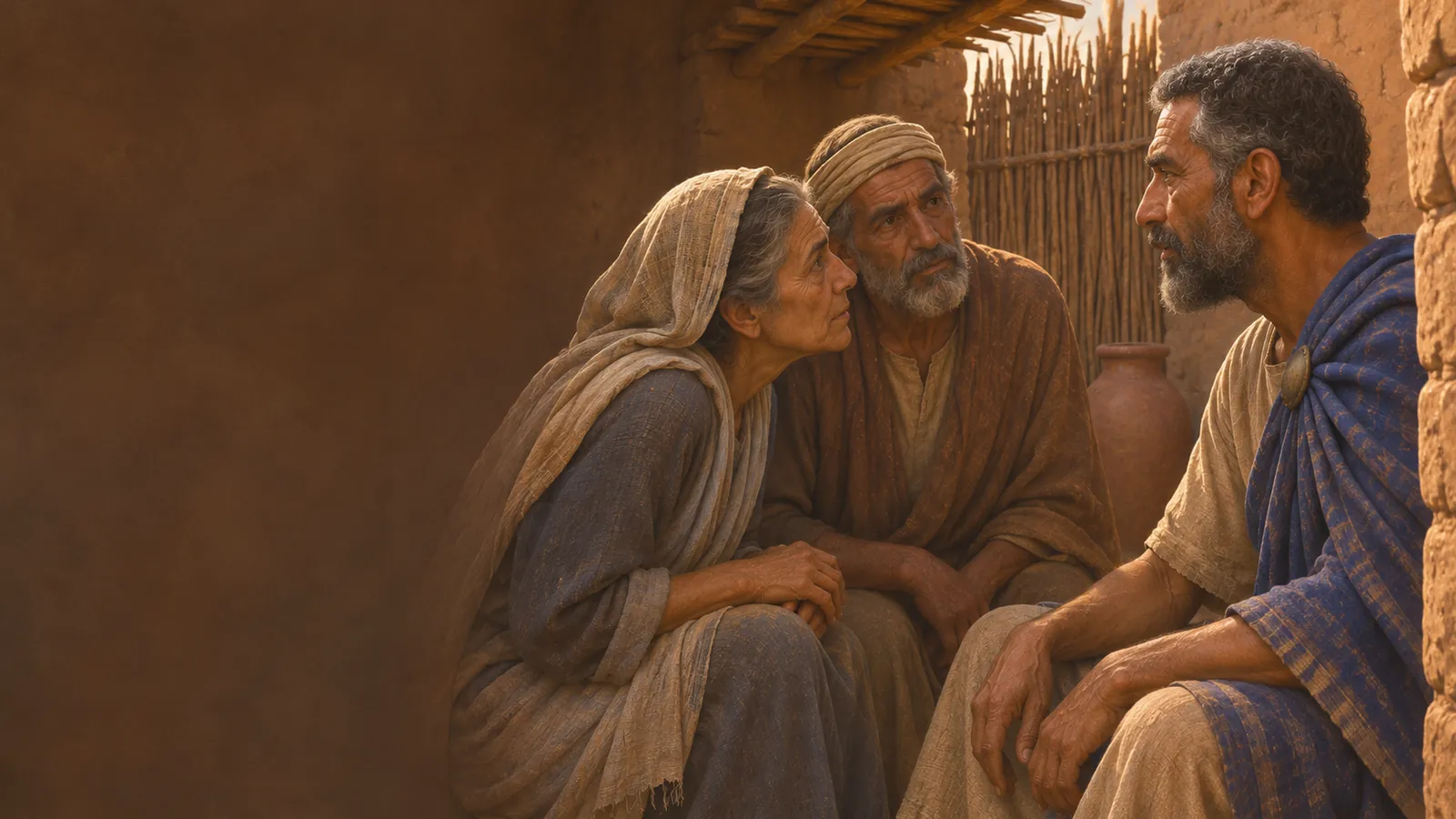
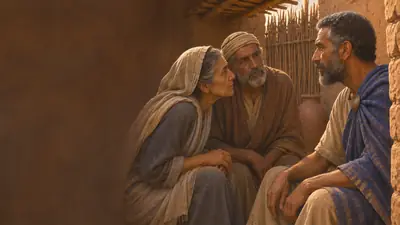
Disse que Enki e Enlil se tinham zangado um com o outro. Atrahasis sempre honrara Enki e disse aos anciãos que fora assim que soubera da disputa.
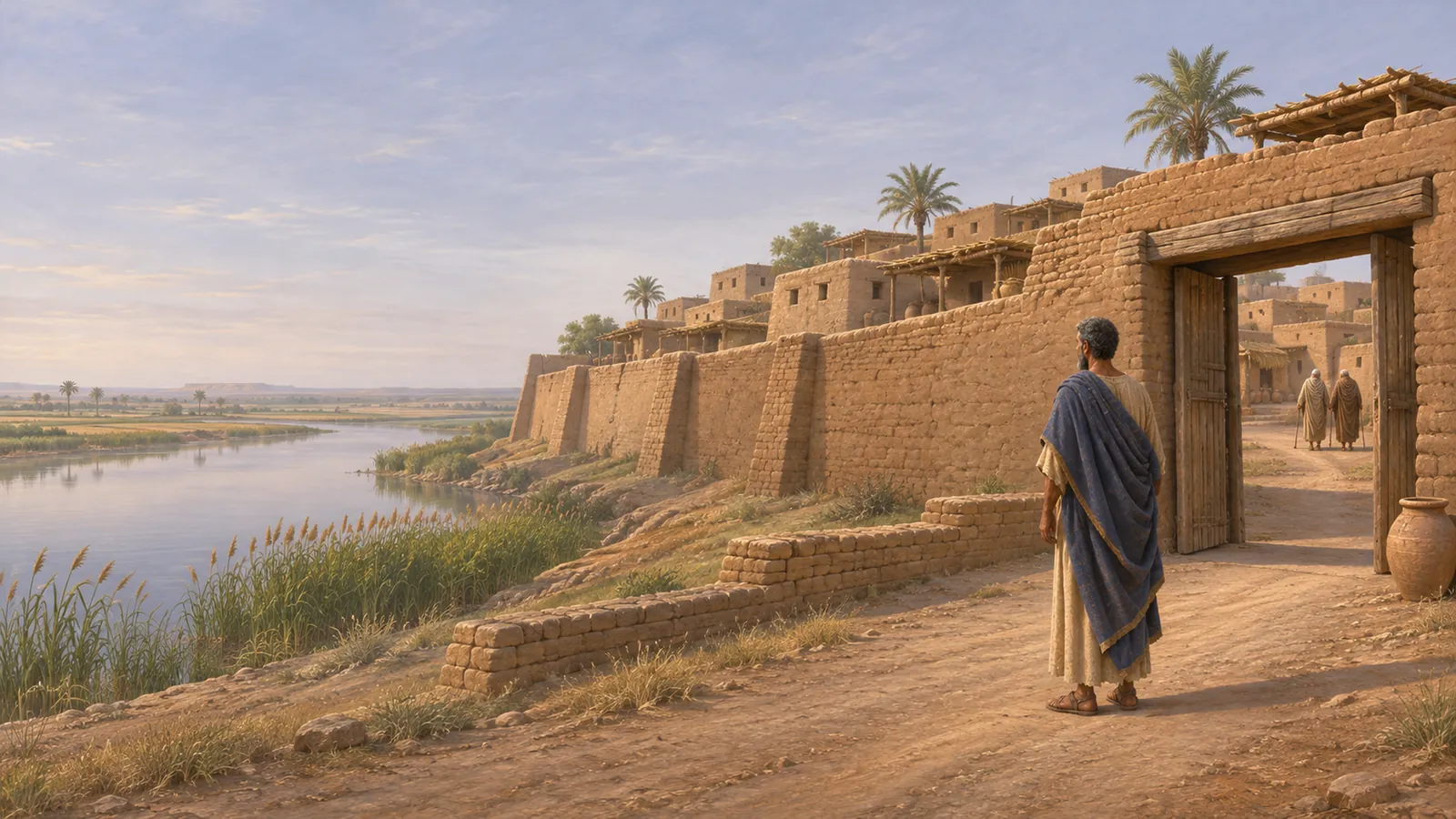
Atrahasis disse que não continuaria a viver entre eles na terra de Enlil. As suas palavras voltam-se para as águas profundas, para onde diz que irá com Enki.
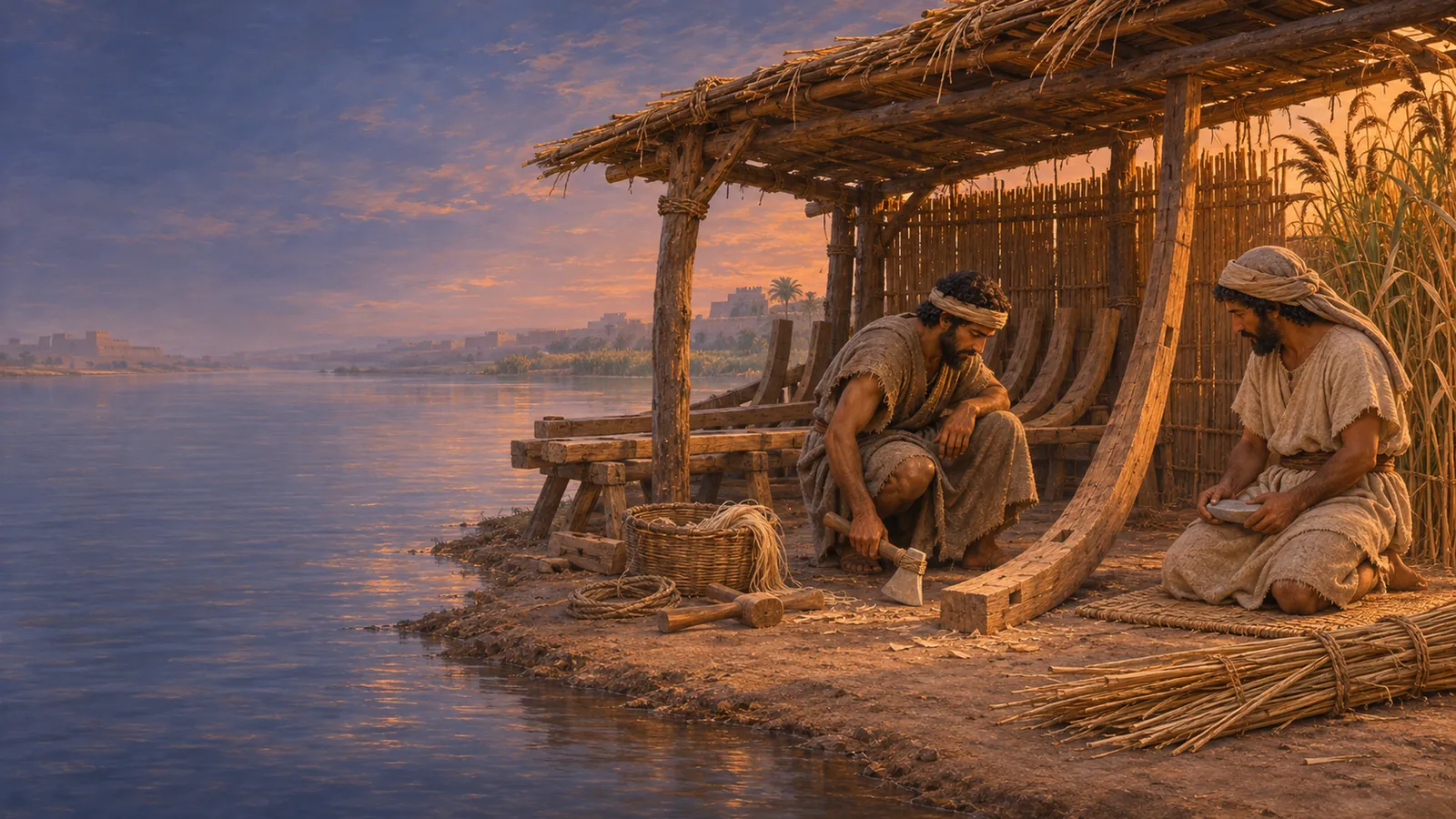
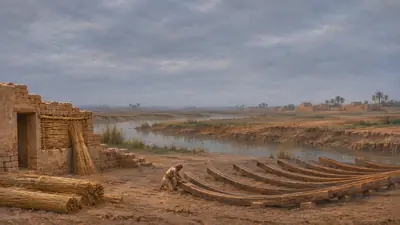
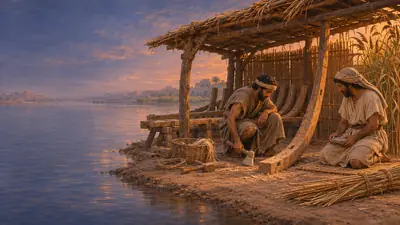
A cena muda depois de uma lacuna na tabuinha. As linhas legíveis que se seguem levam-nos ao local da obra, onde um carpinteiro tem o seu machado e um artesão do junco traz uma ferramenta de pedra.
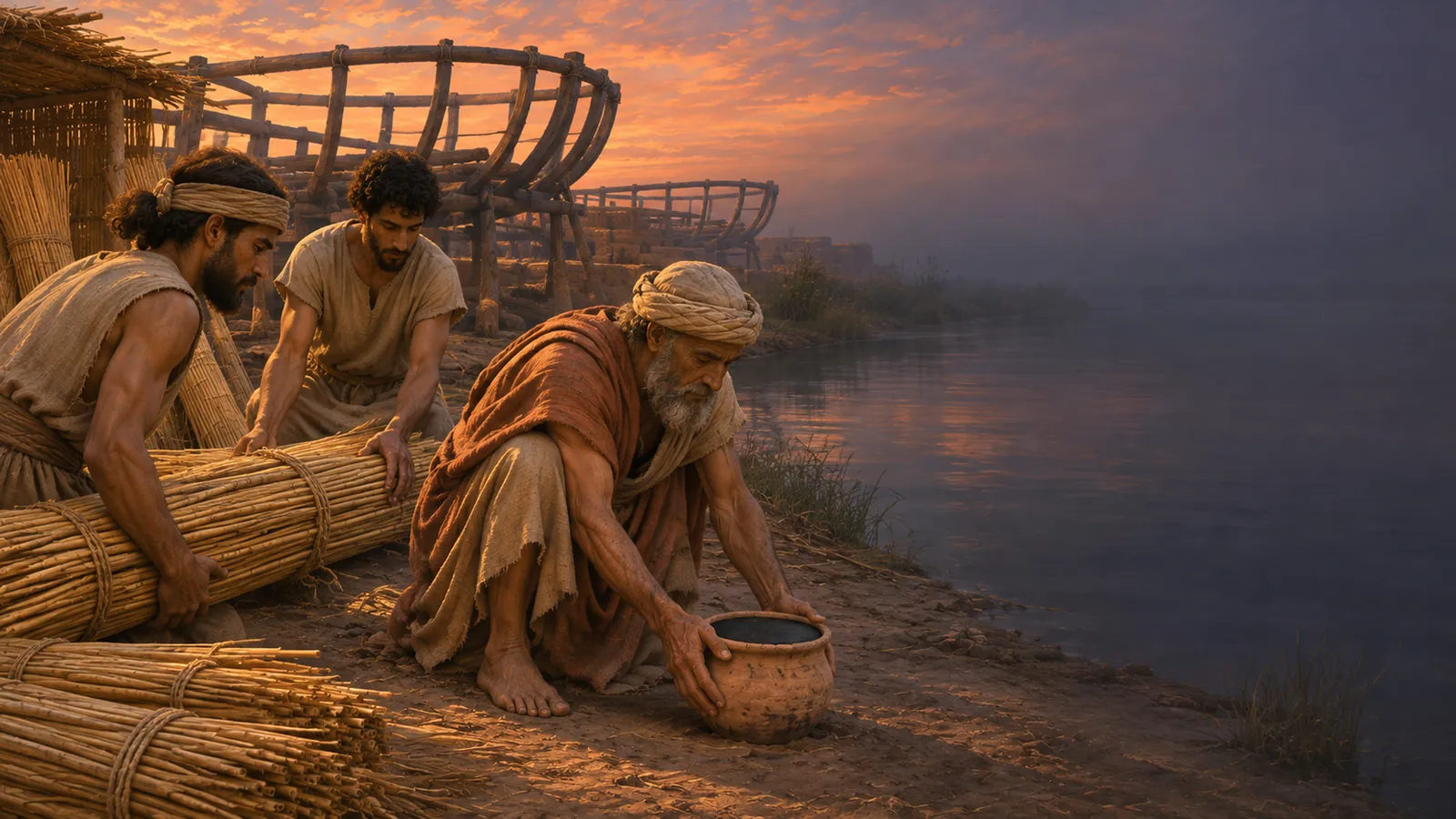
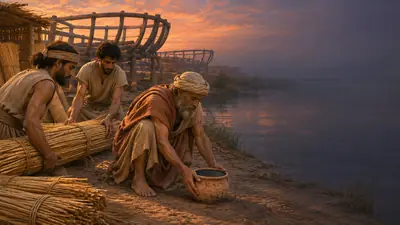
As palavras que restam lembram outras pessoas no local da obra. Uma trouxe betume. Outra trouxe o que fazia falta, e o que fazia falta era o trabalho de muitas mãos.
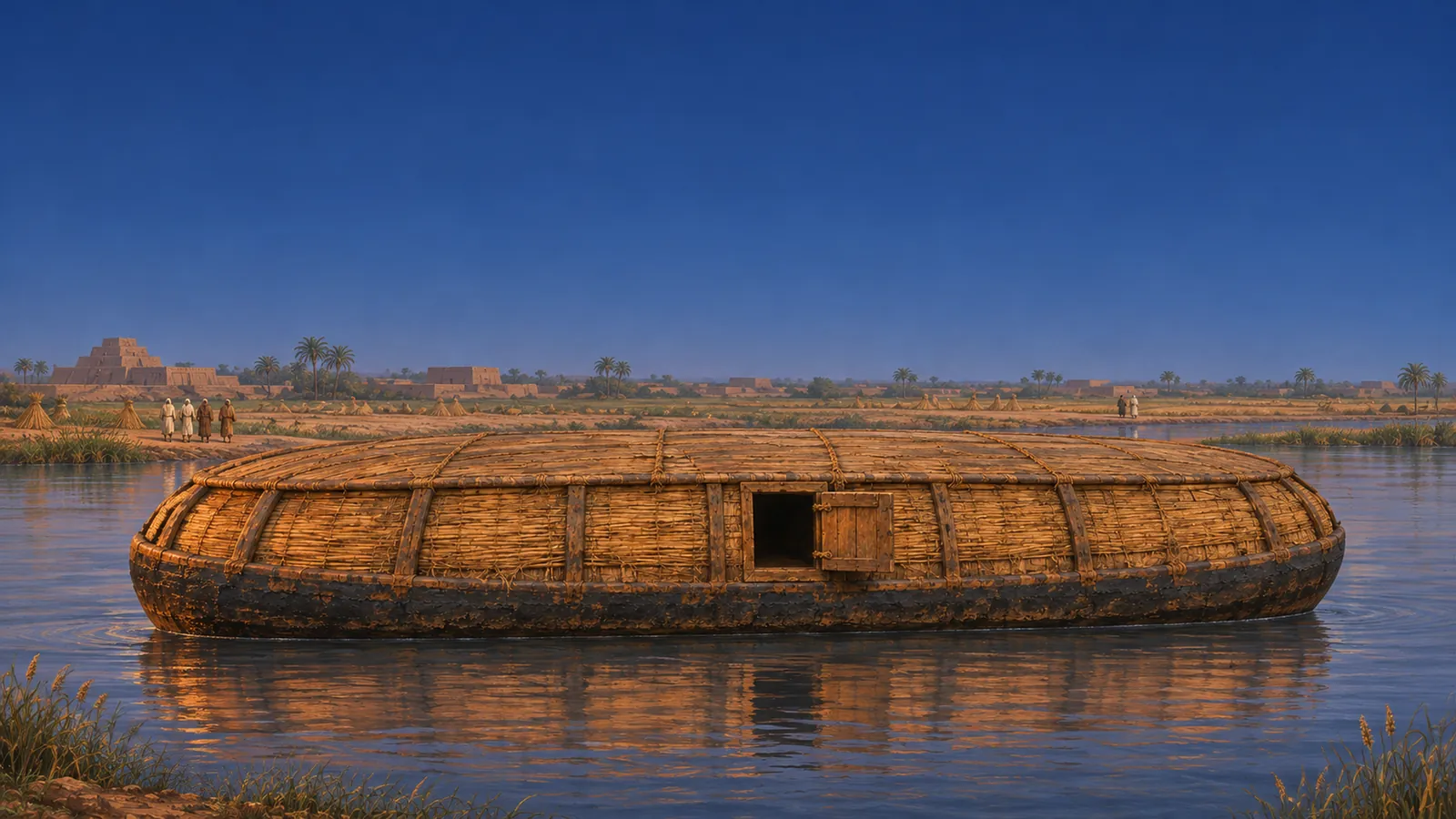
Há outra lacuna na tabuinha antes de a obra ser contada por inteiro. Nas linhas legíveis que se seguem, a embarcação está pronta para receber o que Atrahasis leva a bordo.
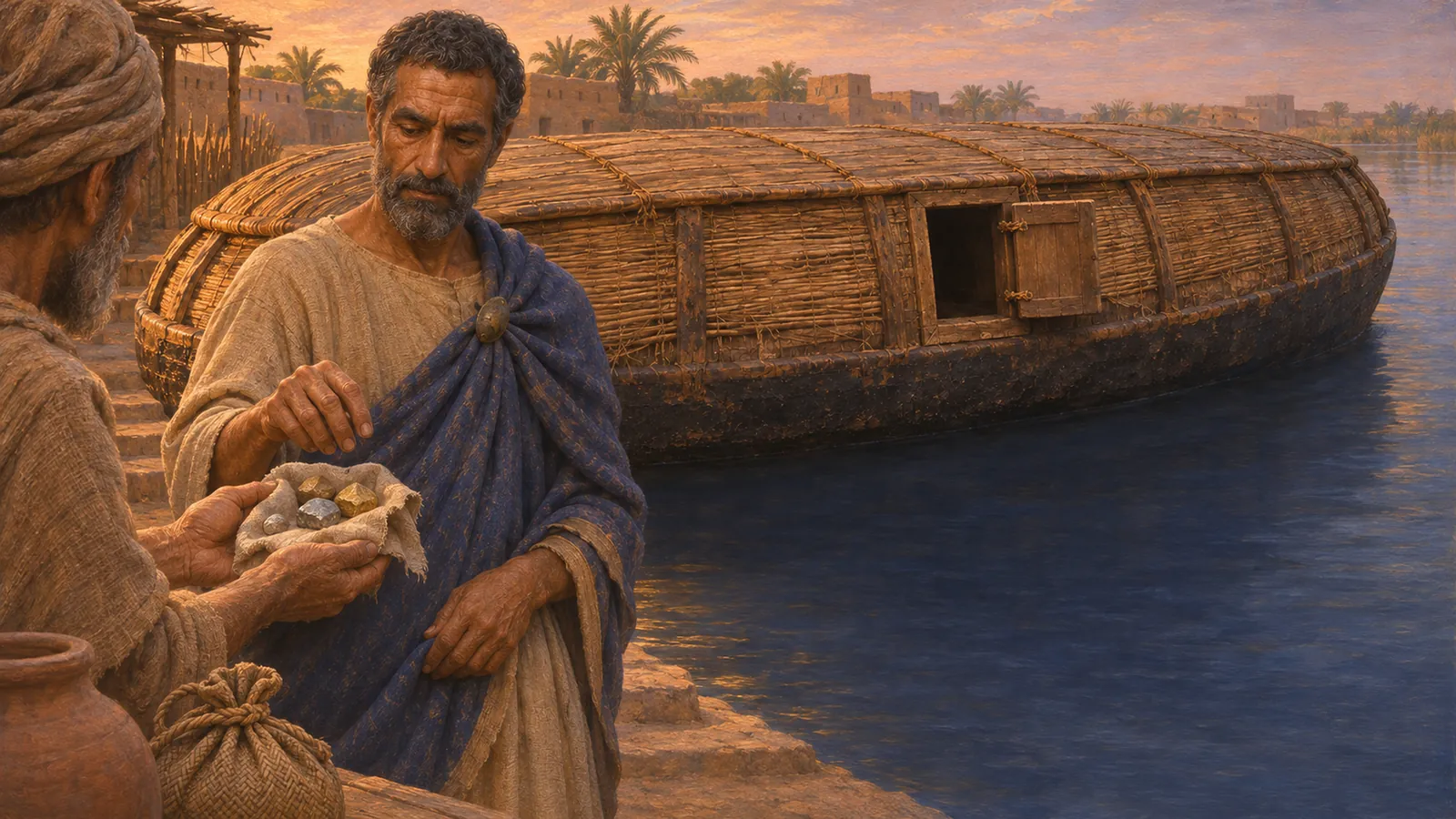
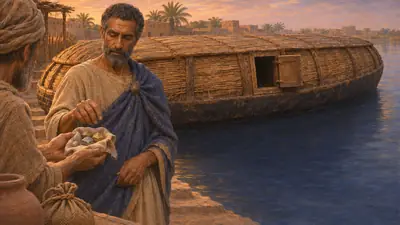
Algumas linhas sobre a carga estão incompletas. Falam de prata e ouro, e depois de animais, enquanto se preparava a embarcação para os receber a bordo.
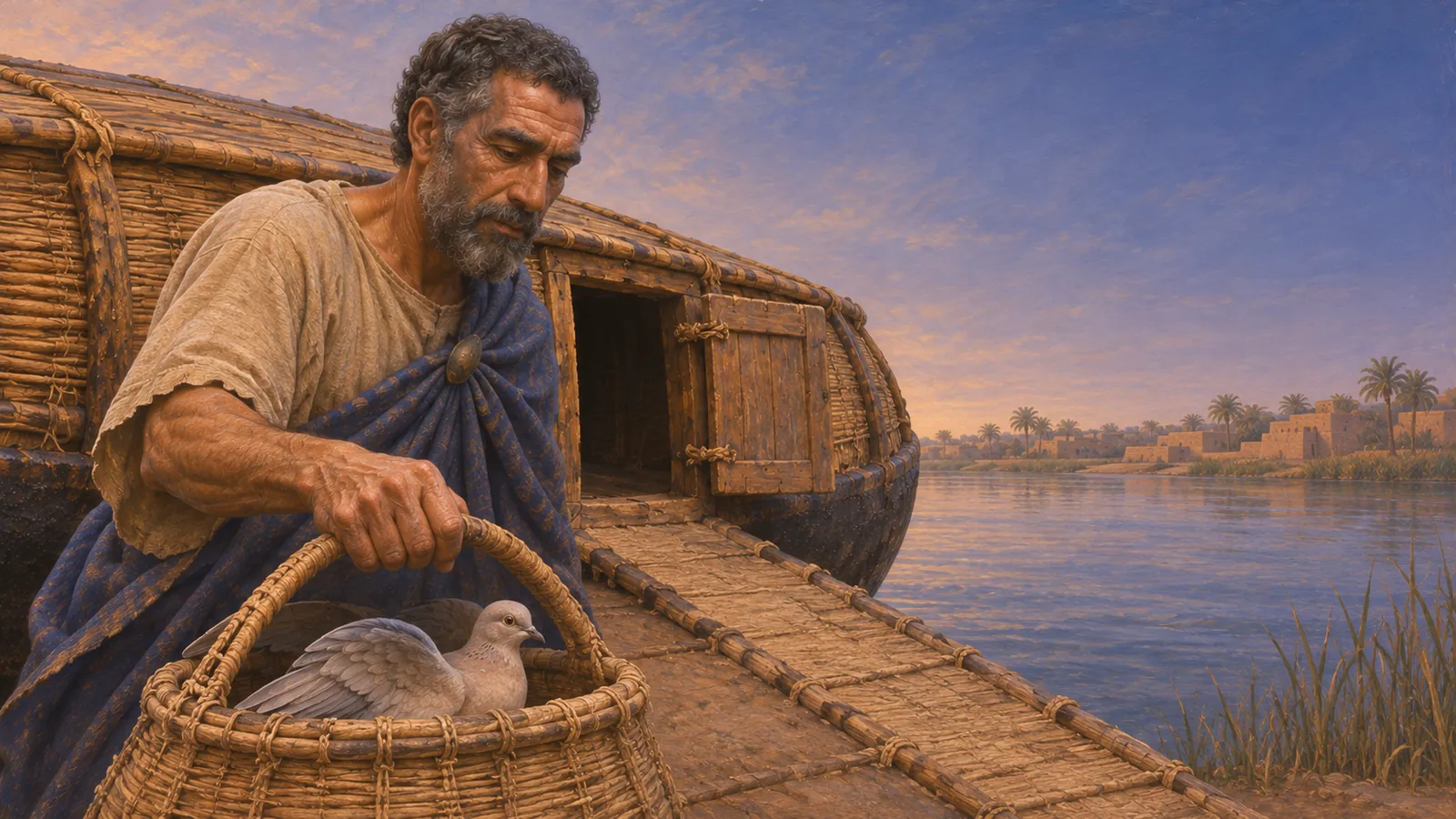
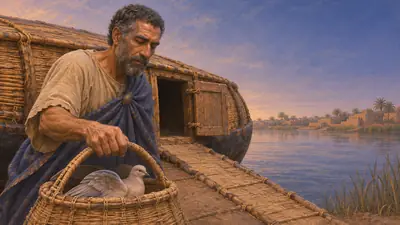
A embarcação levaria criaturas do céu e também da terra. Nas palavras que restam, Atrahasis escolhe aves para a viagem.
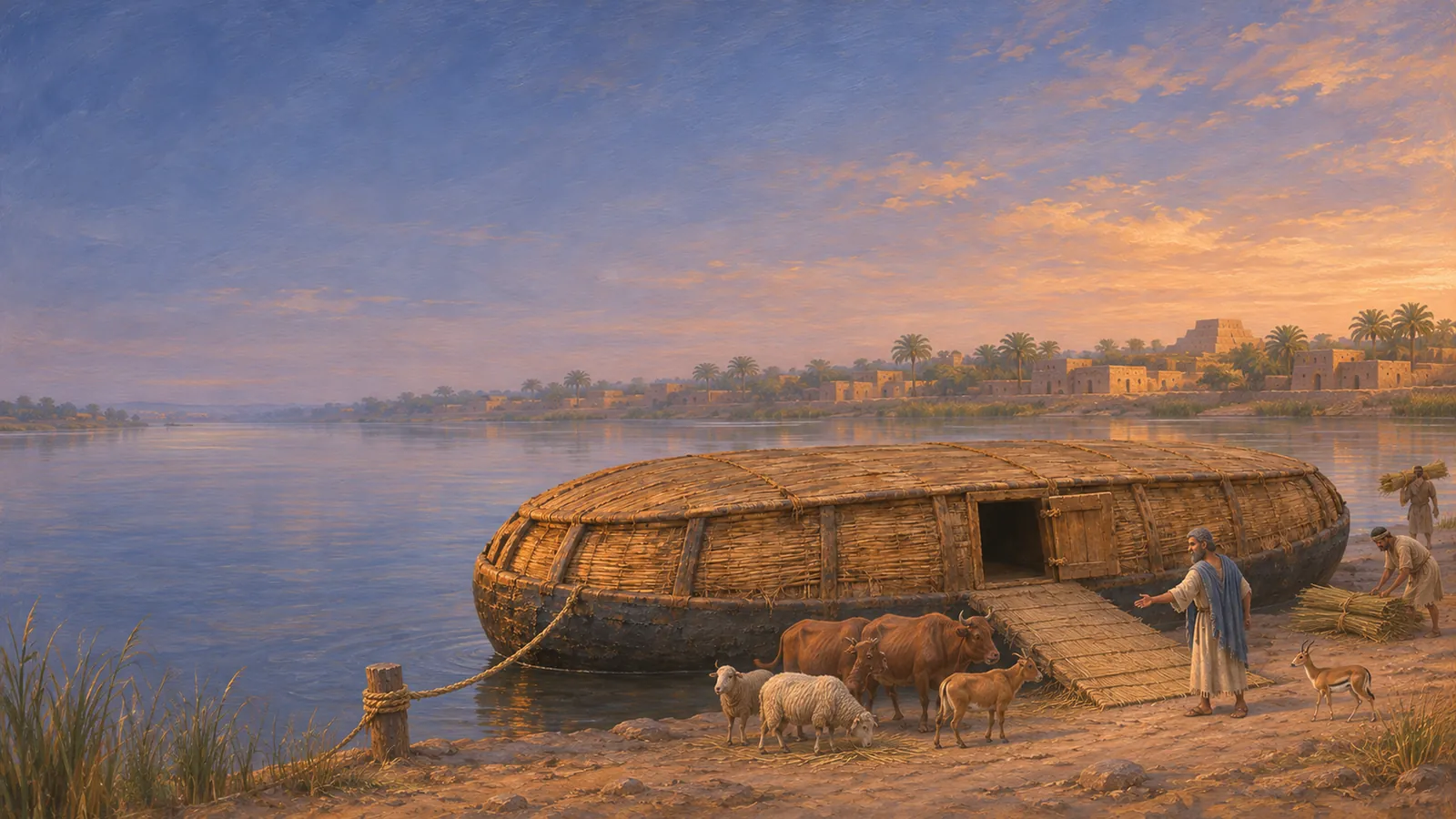
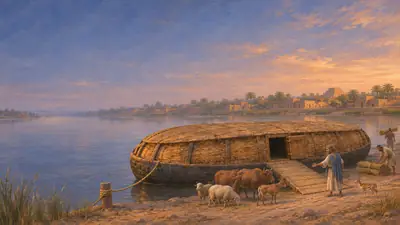
Entre a carga viva havia animais dos rebanhos e animais selvagens da estepe. As linhas danificadas parecem indicar que também iam a bordo artesãos experientes.
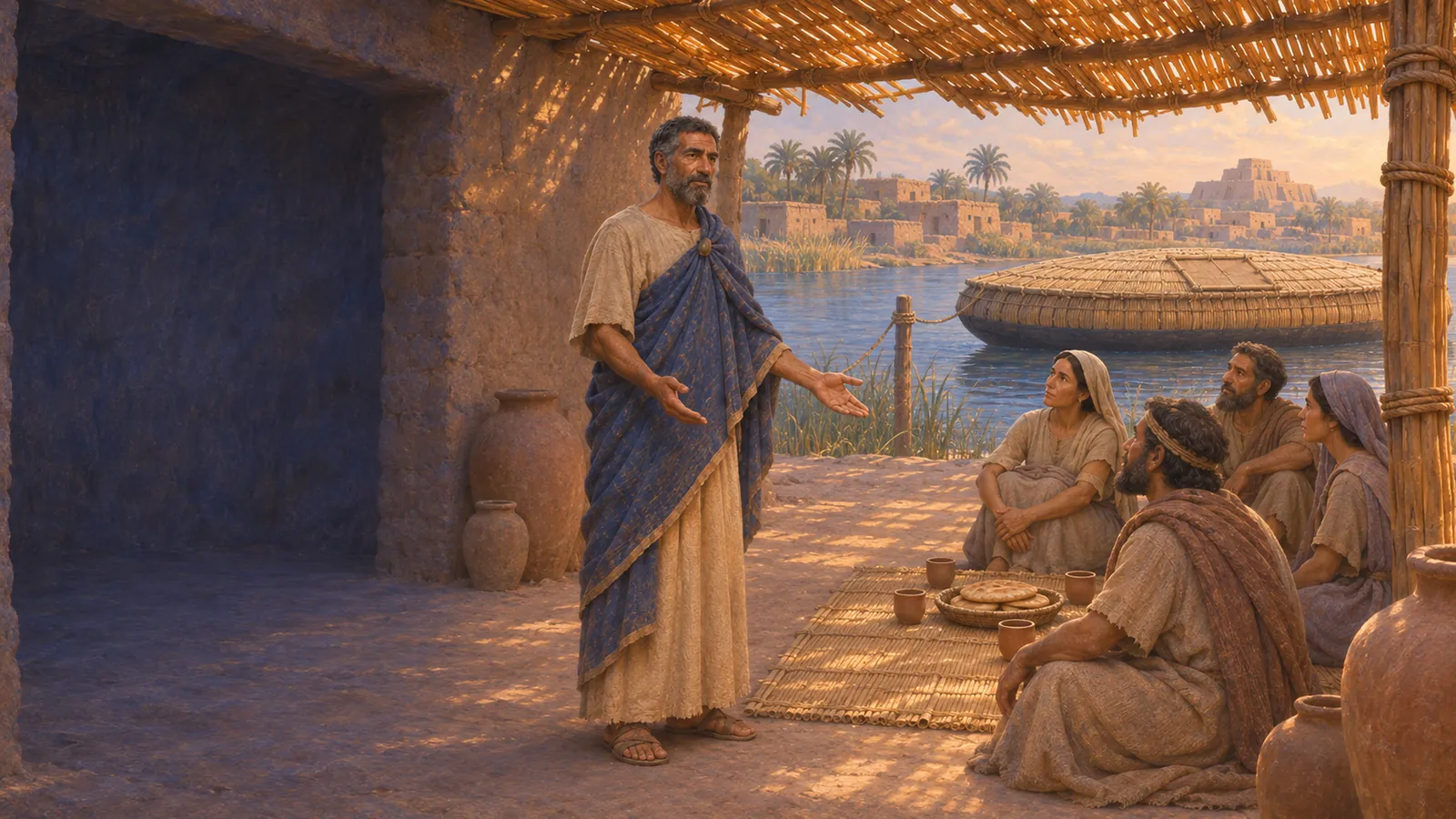
O mês chegava ao fim. O que resta da tabuinha conta que houve um banquete, para o qual Atrahasis chamou os seus a sentar-se e comer antes de chegar a tempestade.
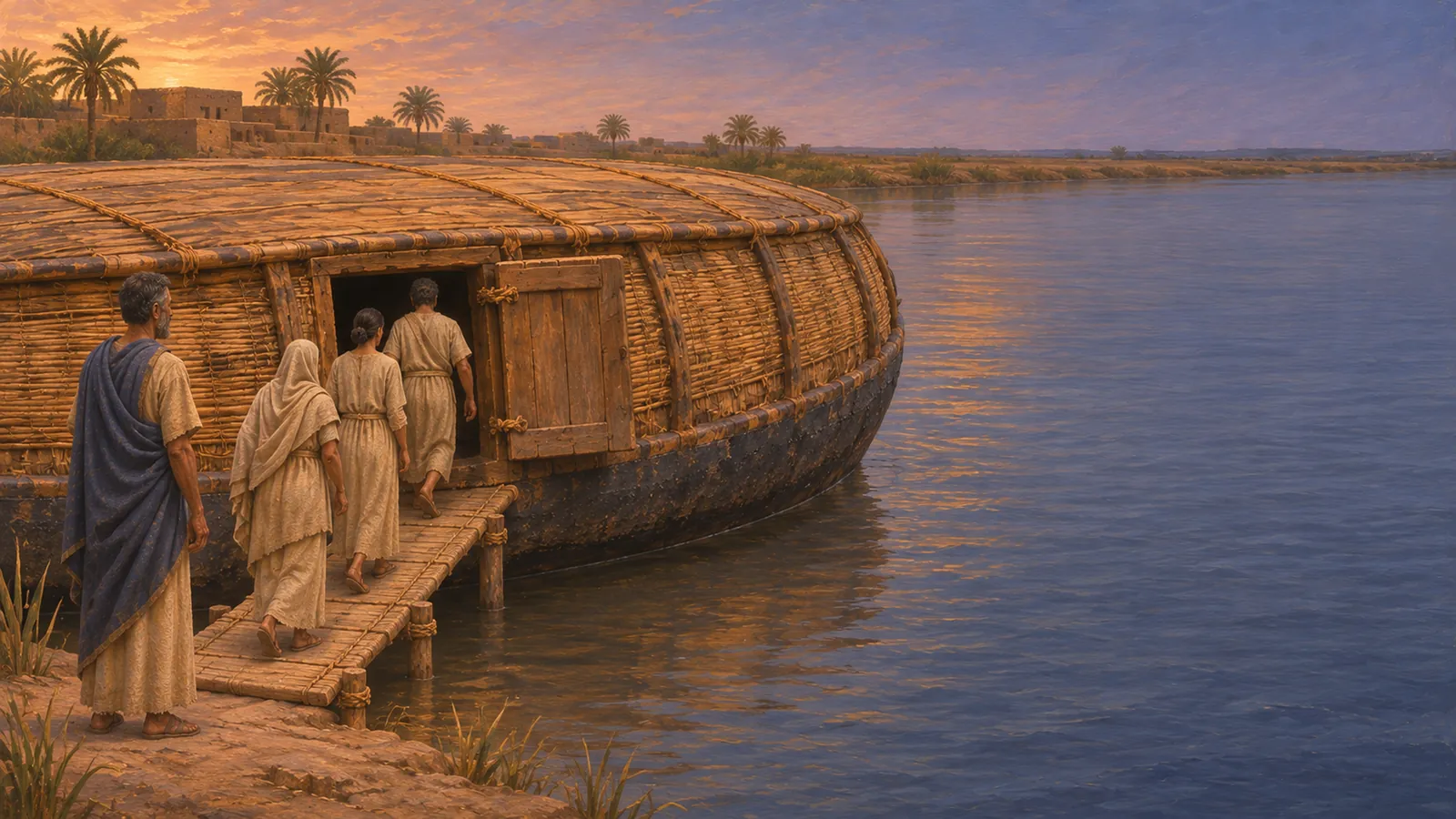
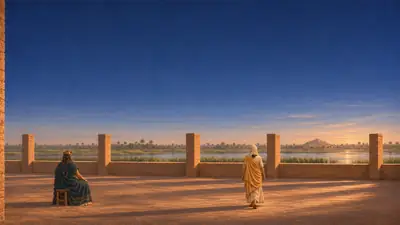
As pessoas comiam e bebiam enquanto Atrahasis ia e vinha entre a embarcação e a margem. Já tinha mandado a família para bordo.
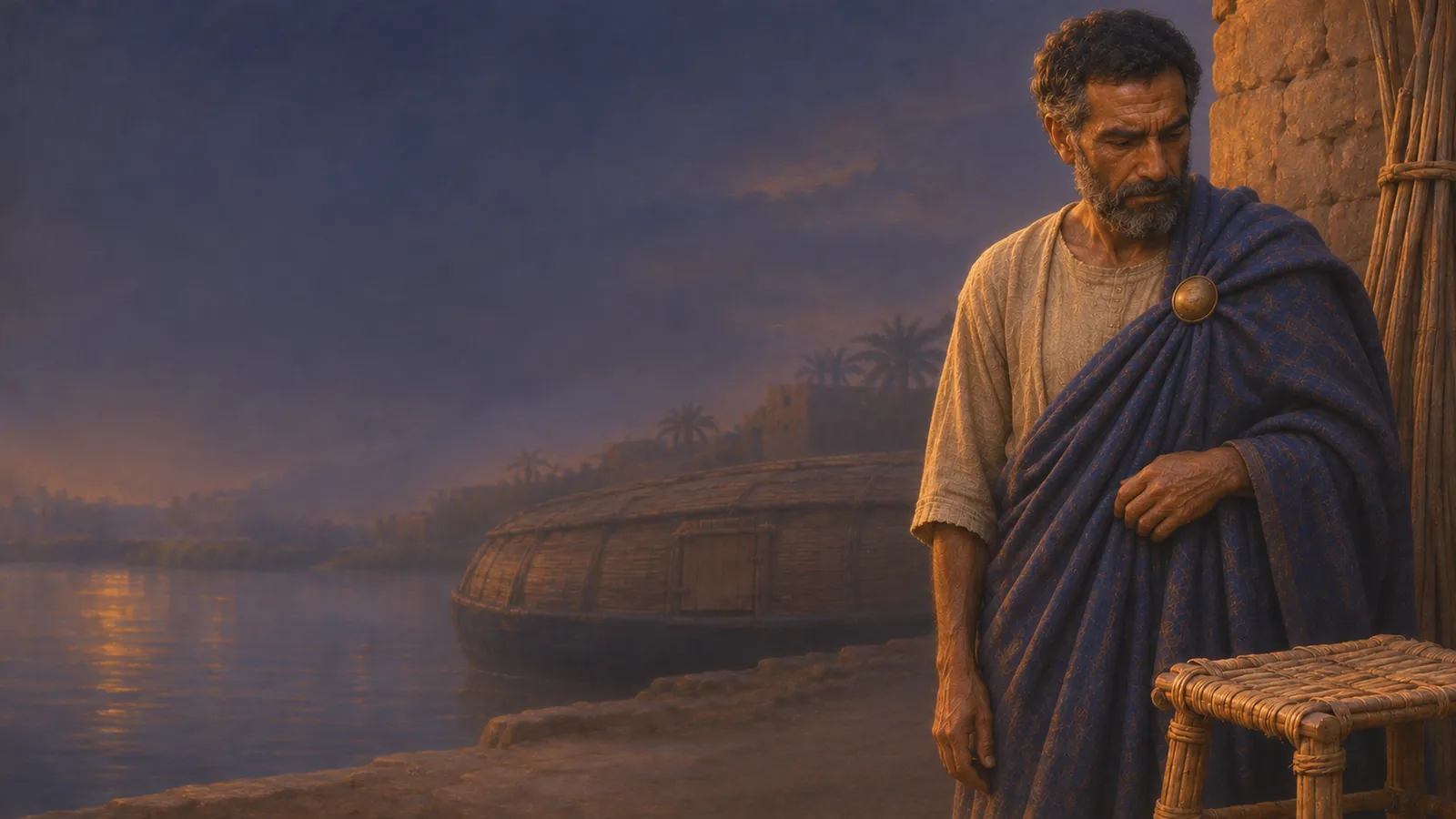
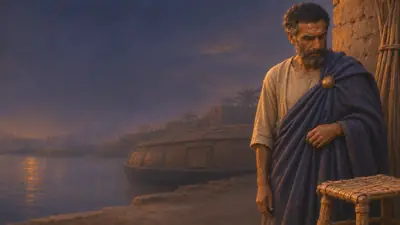
Atrahasis entrava e saía sem encontrar sossego. A tabuinha conta-nos quão profunda era a sua aflição antes do primeiro trovão.
O TROVÃO
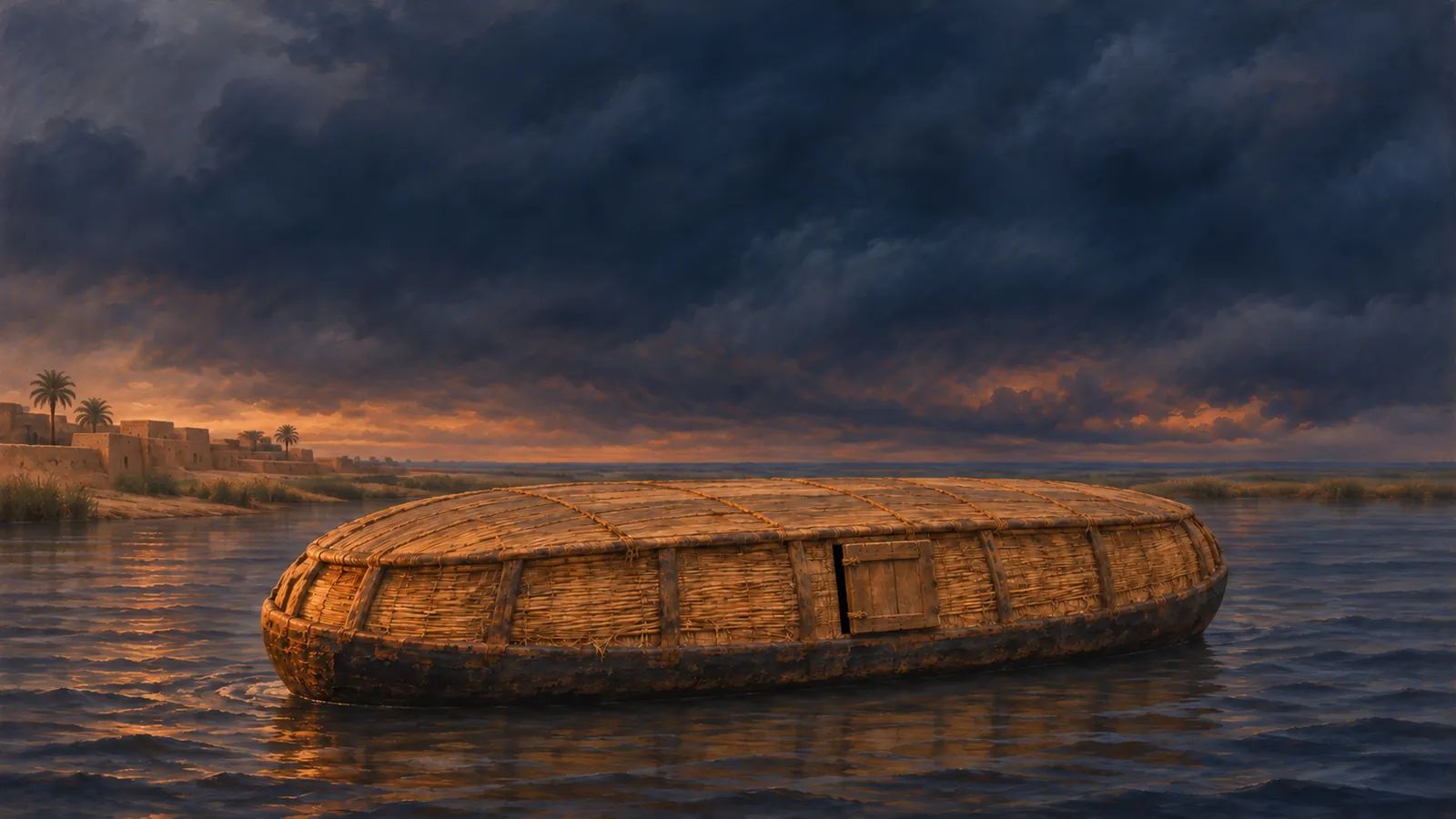
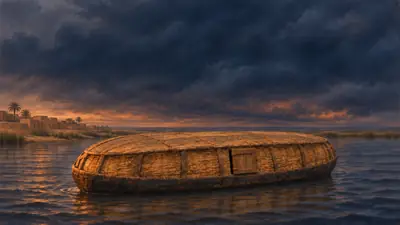
Então o dia mudou de aspeto. O trovão de Adad veio das nuvens, e quem estava na embarcação ouviu-o quando a tempestade se aproximou.
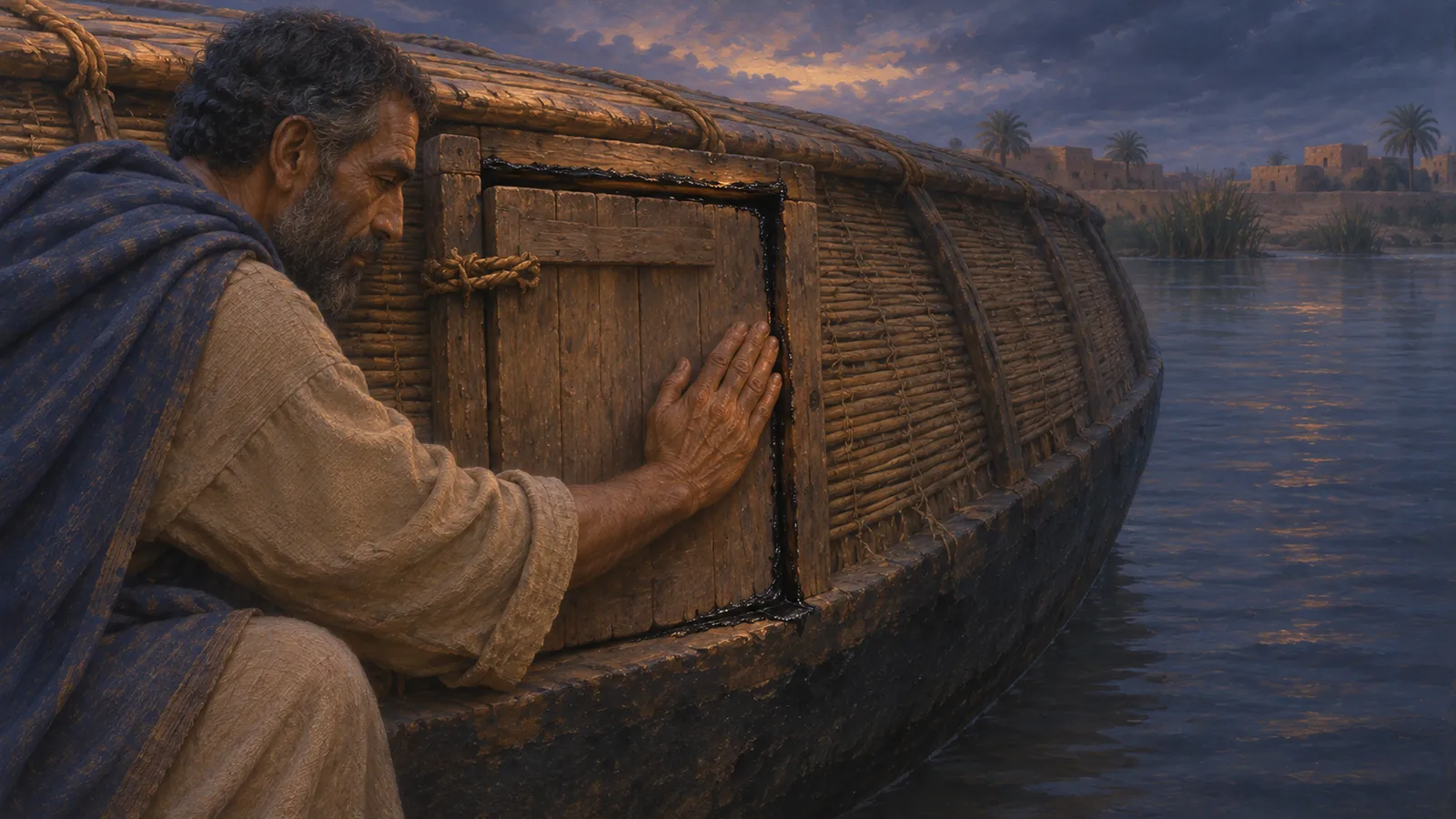
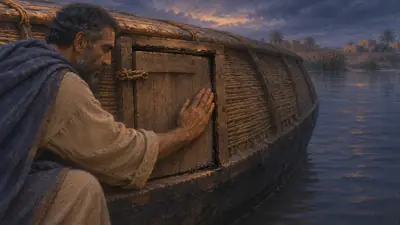
Trouxeram betume para a abertura. Atrahasis vedou a porta e, mal esta se fechou, o trovão de Adad voltou a soar sobre a embarcação.
À DERIVA
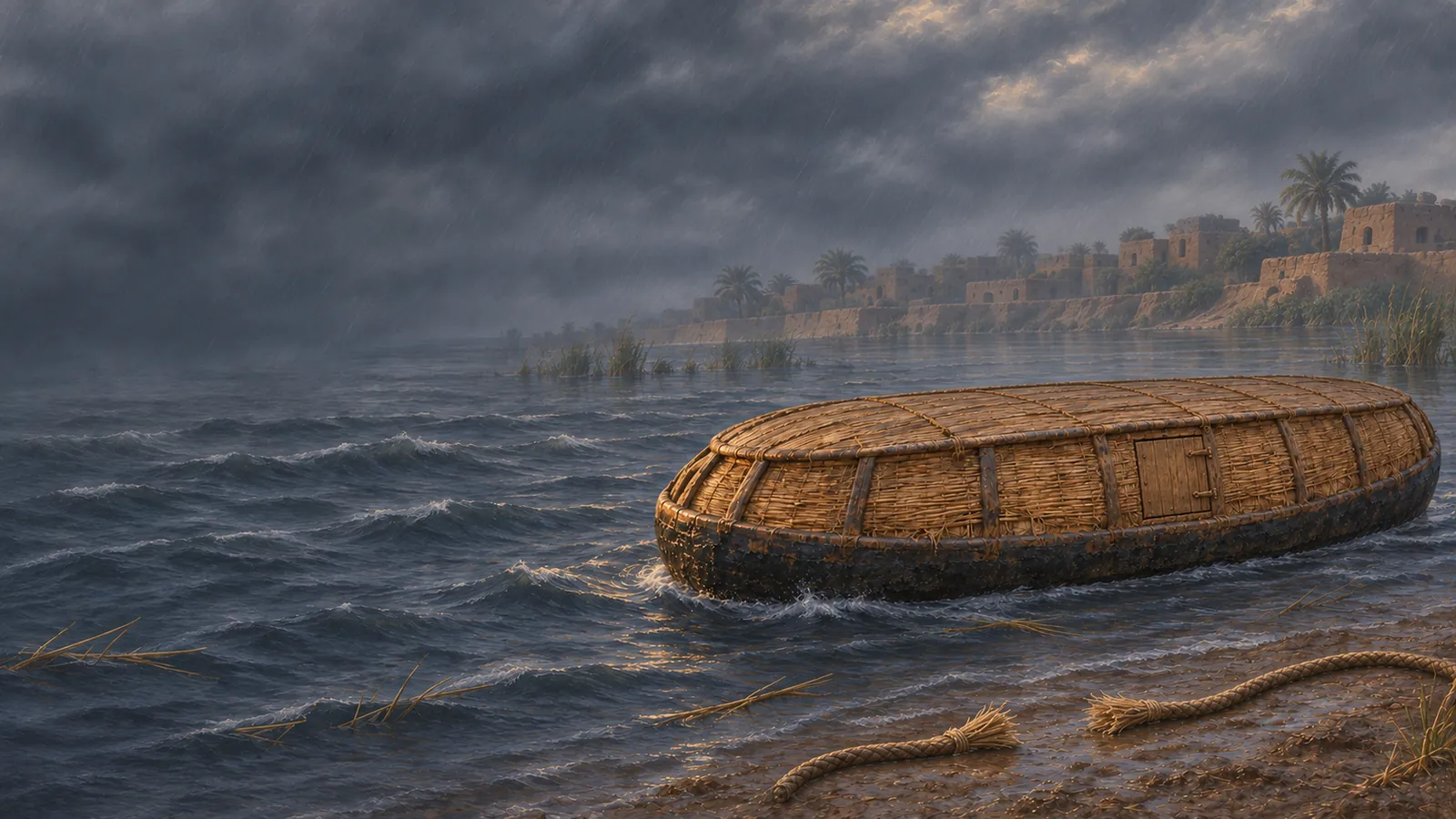
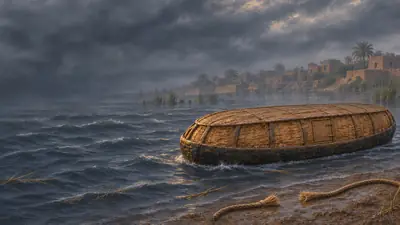
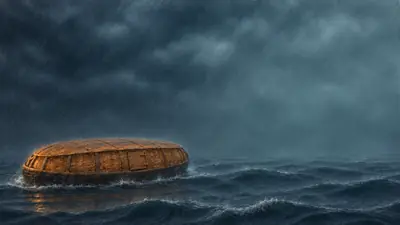
O vento levantou-se com tanta força que rompeu o cabo de amarração. A embarcação soltou-se e rodou enquanto o rio subia sob ela.
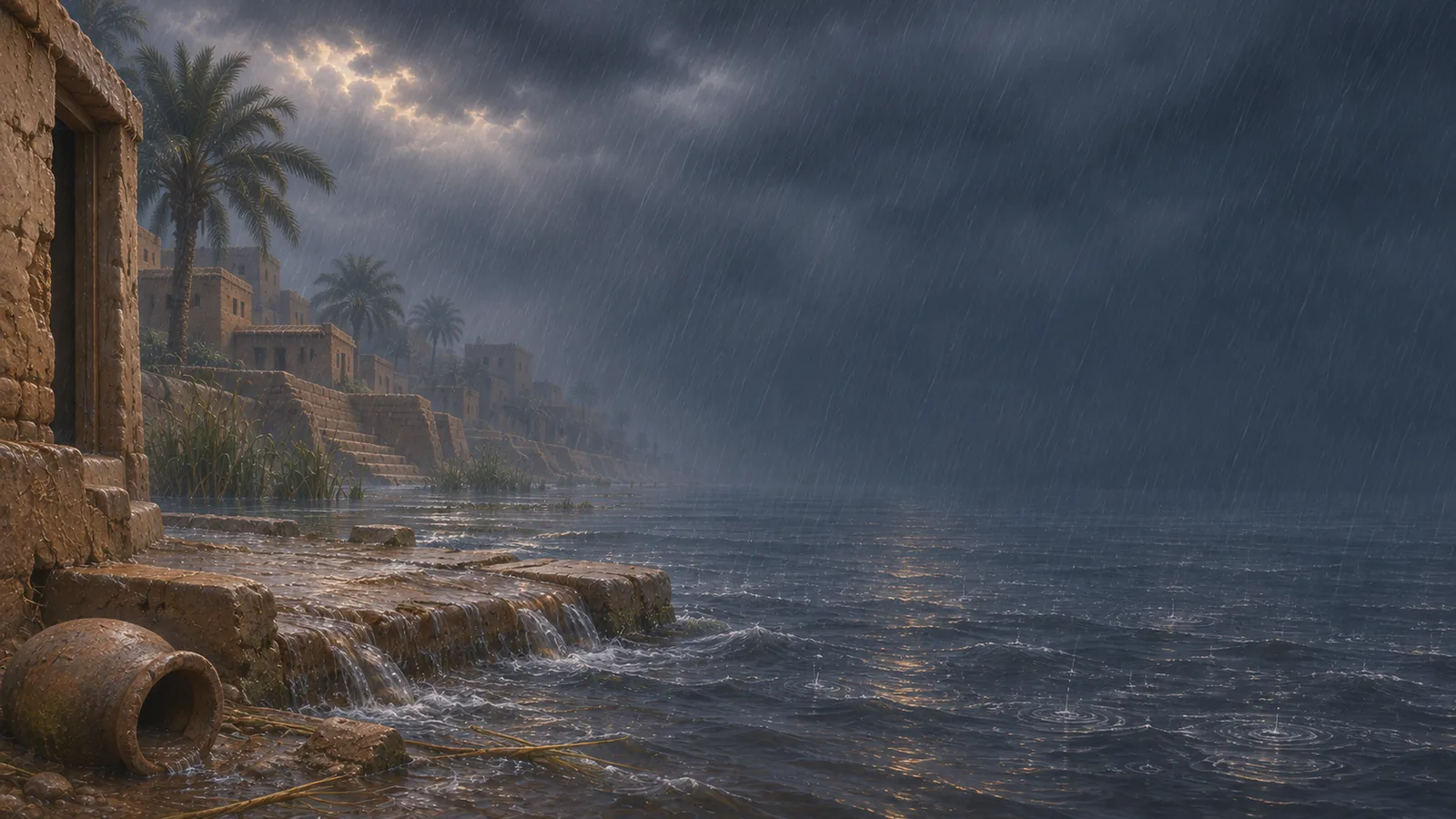
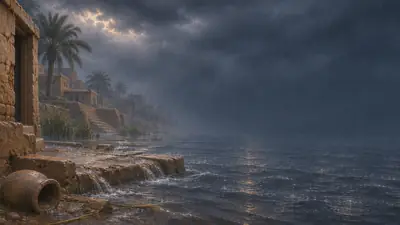
Das linhas seguintes restam apenas fragmentos. Neles ouvimos a tempestade e vemos as águas subirem sobre a terra, calando as vozes que antes a enchiam.
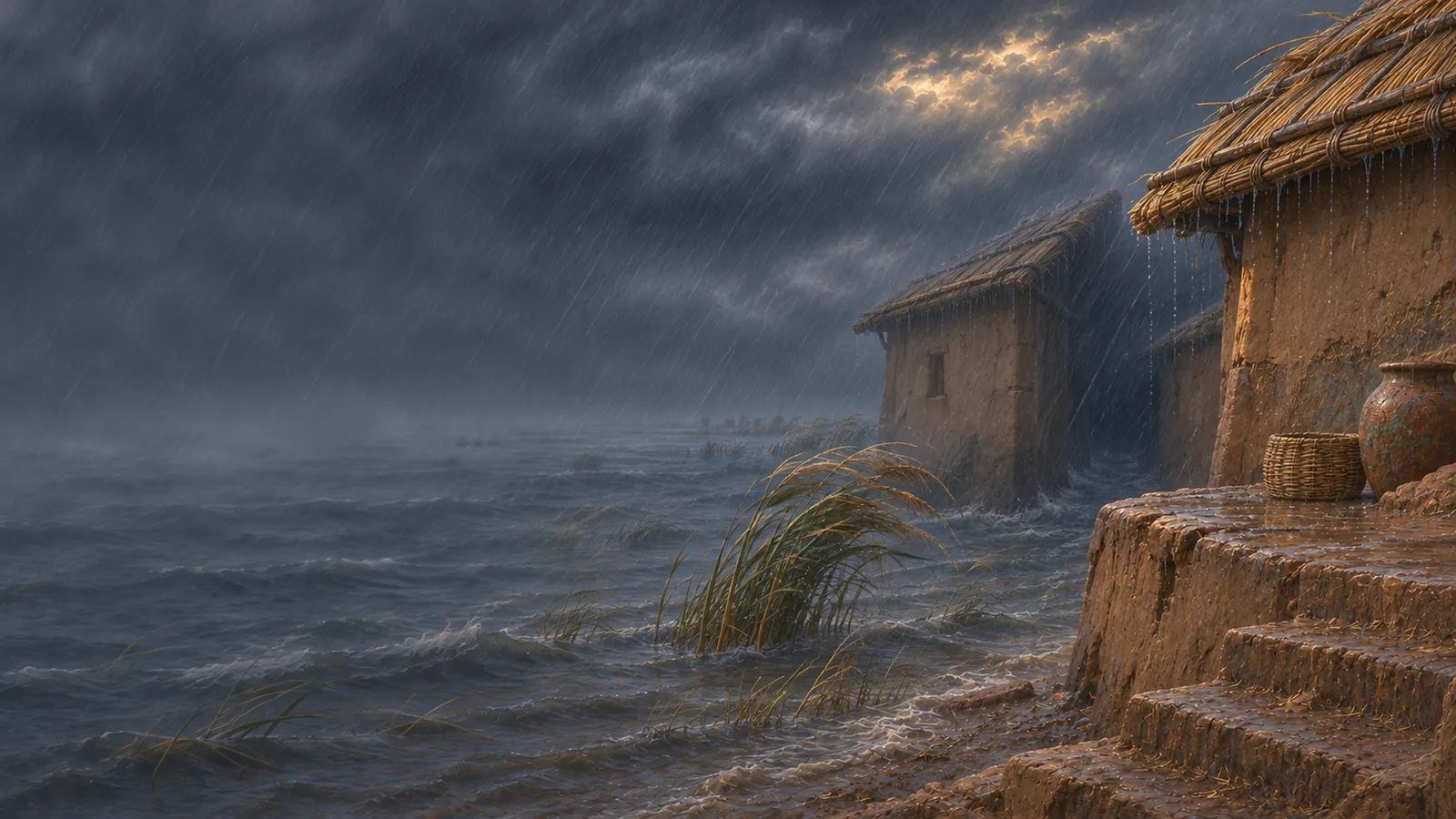
Na confusão, um irmão não conseguia ver o outro. Na narrativa restam só o dilúvio, que brame como um touro, e o vento forte, que chama por cima dele.
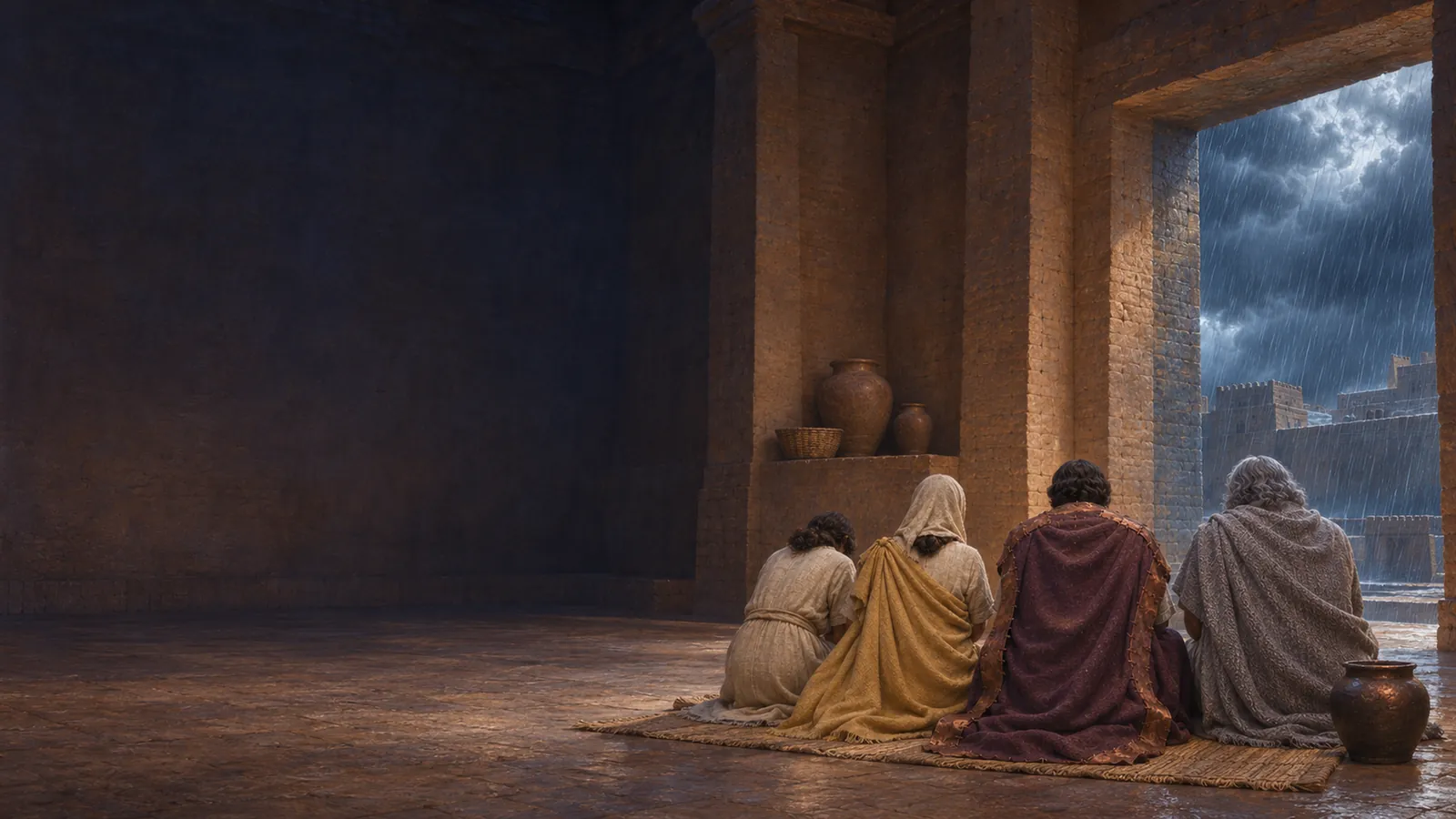
O estrondo do dilúvio aterrorizou até os deuses. Eles juntaram-se no seu refúgio, e o poema conta a fome e a sede entre as suas aflições.
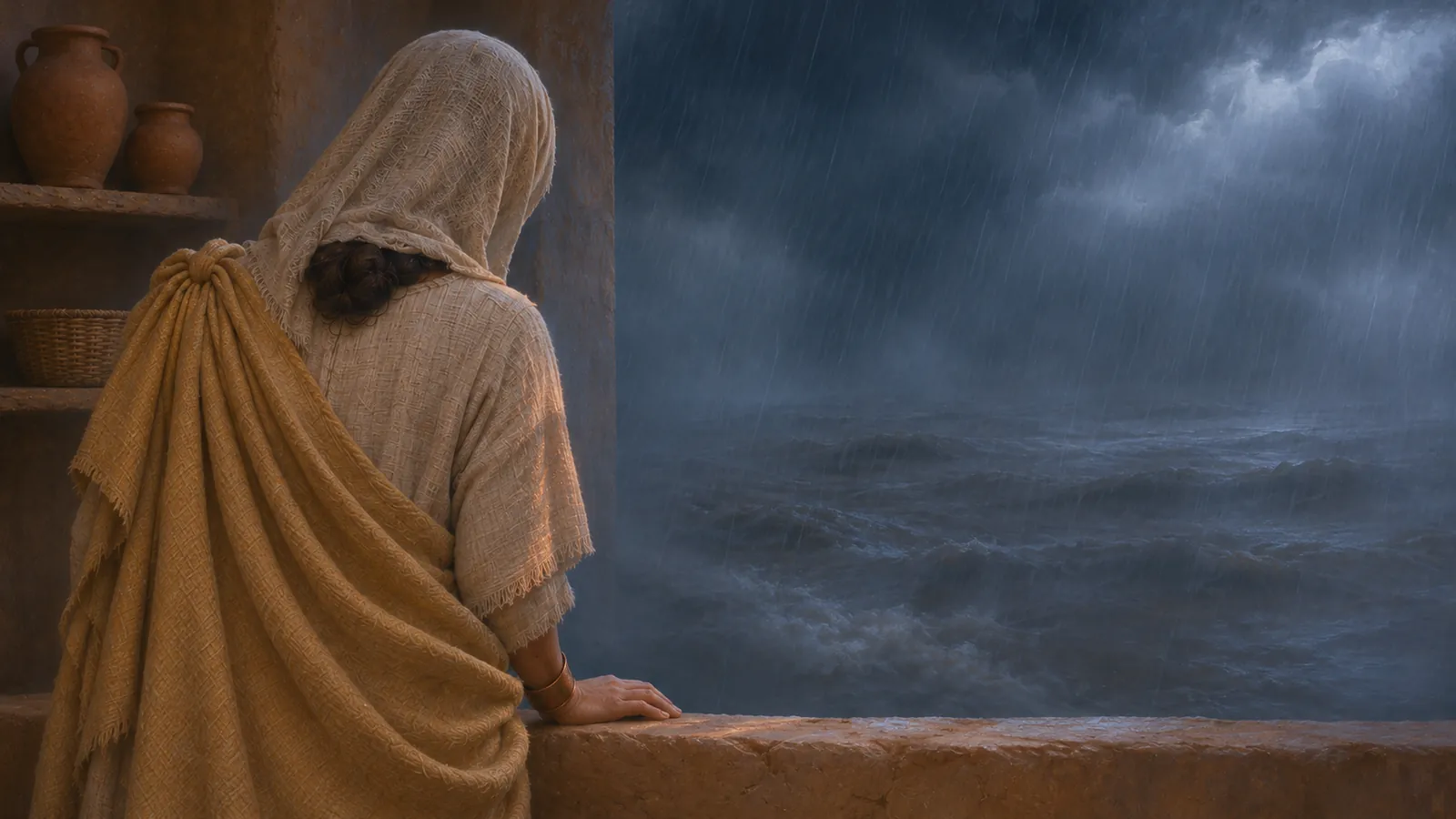
Mami viu no que dera a decisão do conselho e chorou. Lembrou-se de como se juntara aos outros deuses e de quanto agora lamentava as suas palavras.
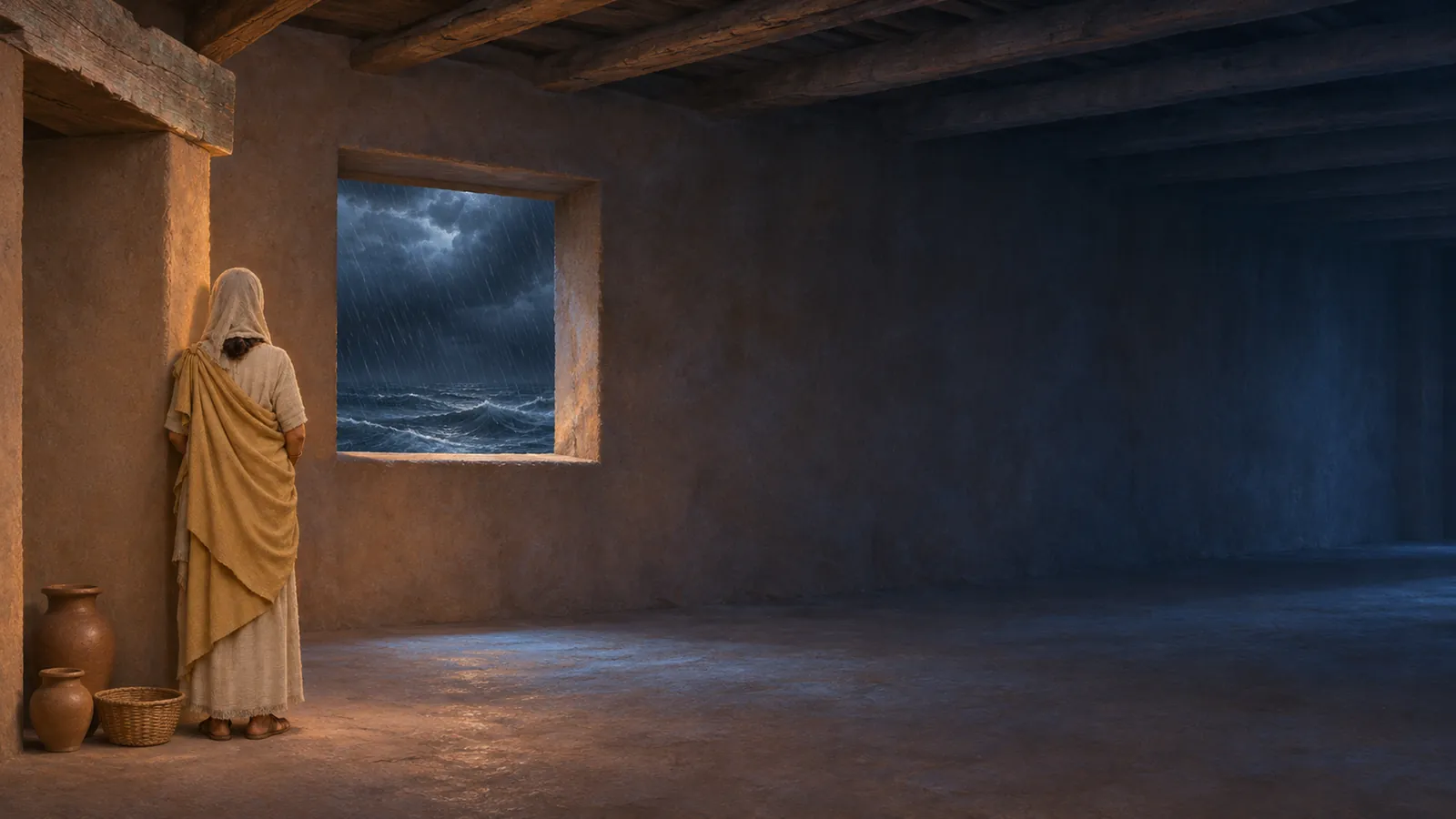
Mami disse que a sua própria morada lhe parecia uma casa de luto. Perguntou como os deuses tinham enviado o dilúvio sem pensar nas pessoas lá em baixo.
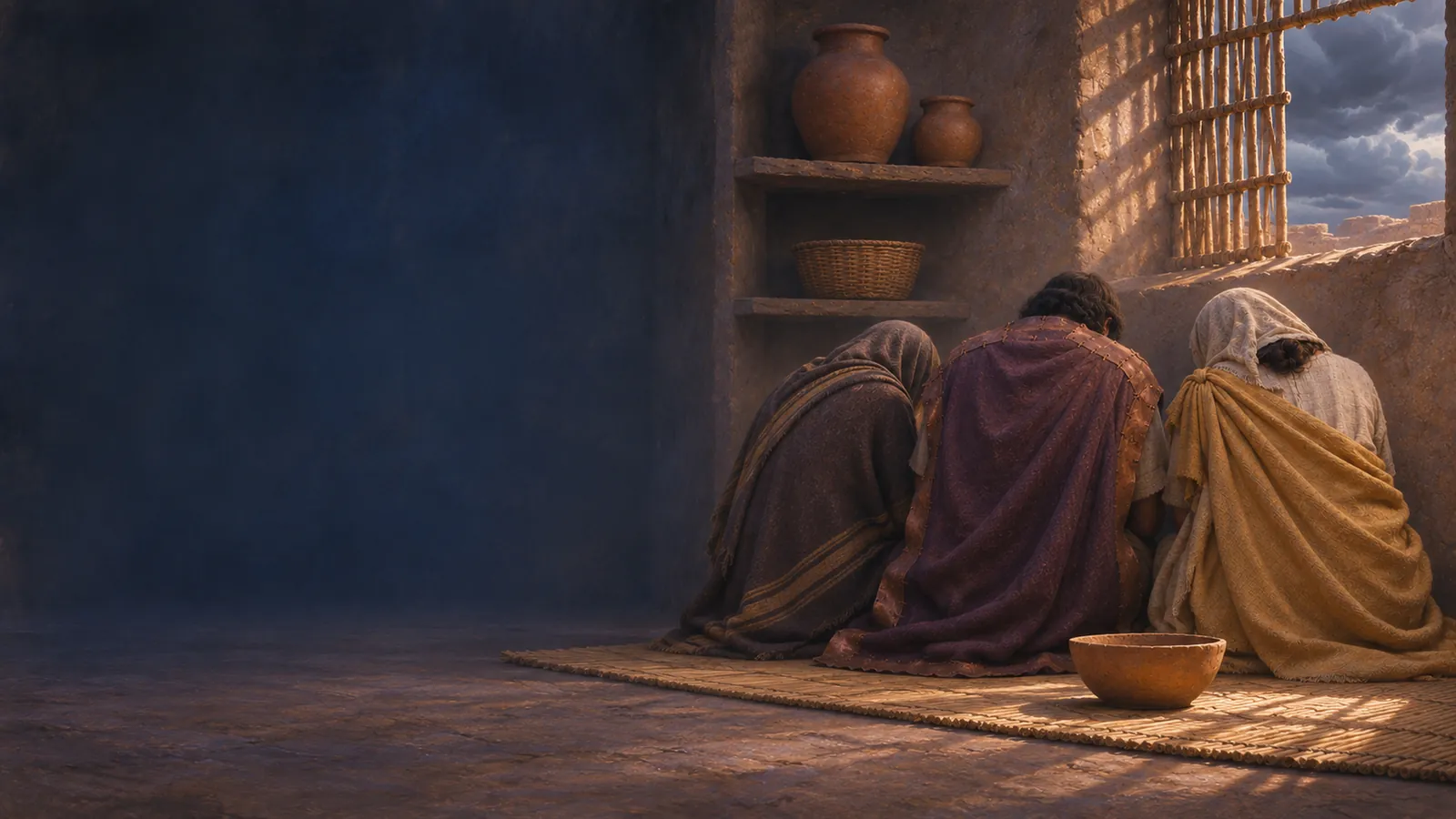
Depois de uma lacuna, a tabuinha regressa ao seu lamento. Mami chorou até que a dor a esgotasse, e os outros deuses choraram com ela pela terra.
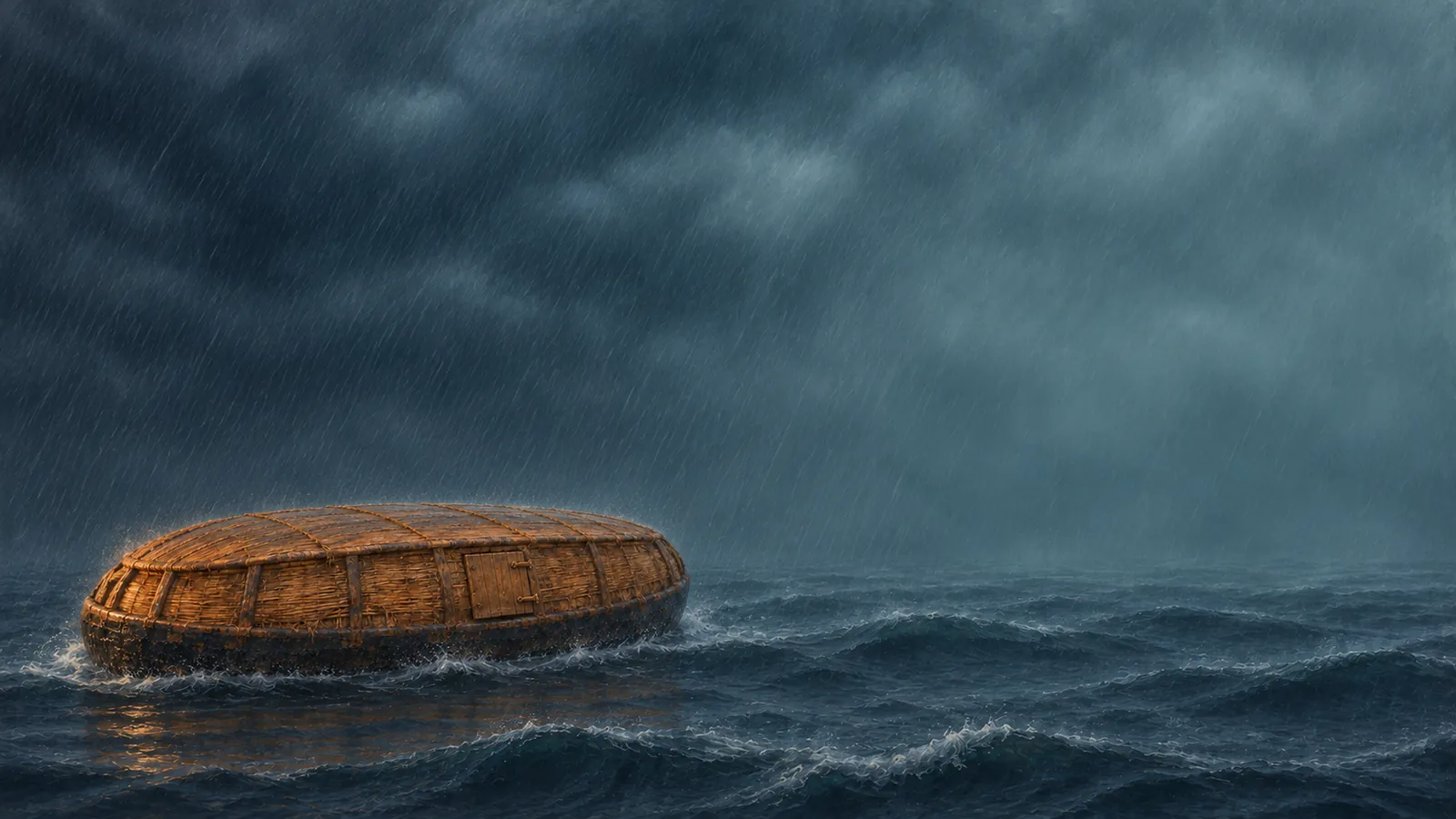
SETE NOITES
Durante sete dias e sete noites, o aguaceiro não cessou. Sobre as águas escuras, o barco levava as pessoas e os seres vivos que acolhera a bordo.
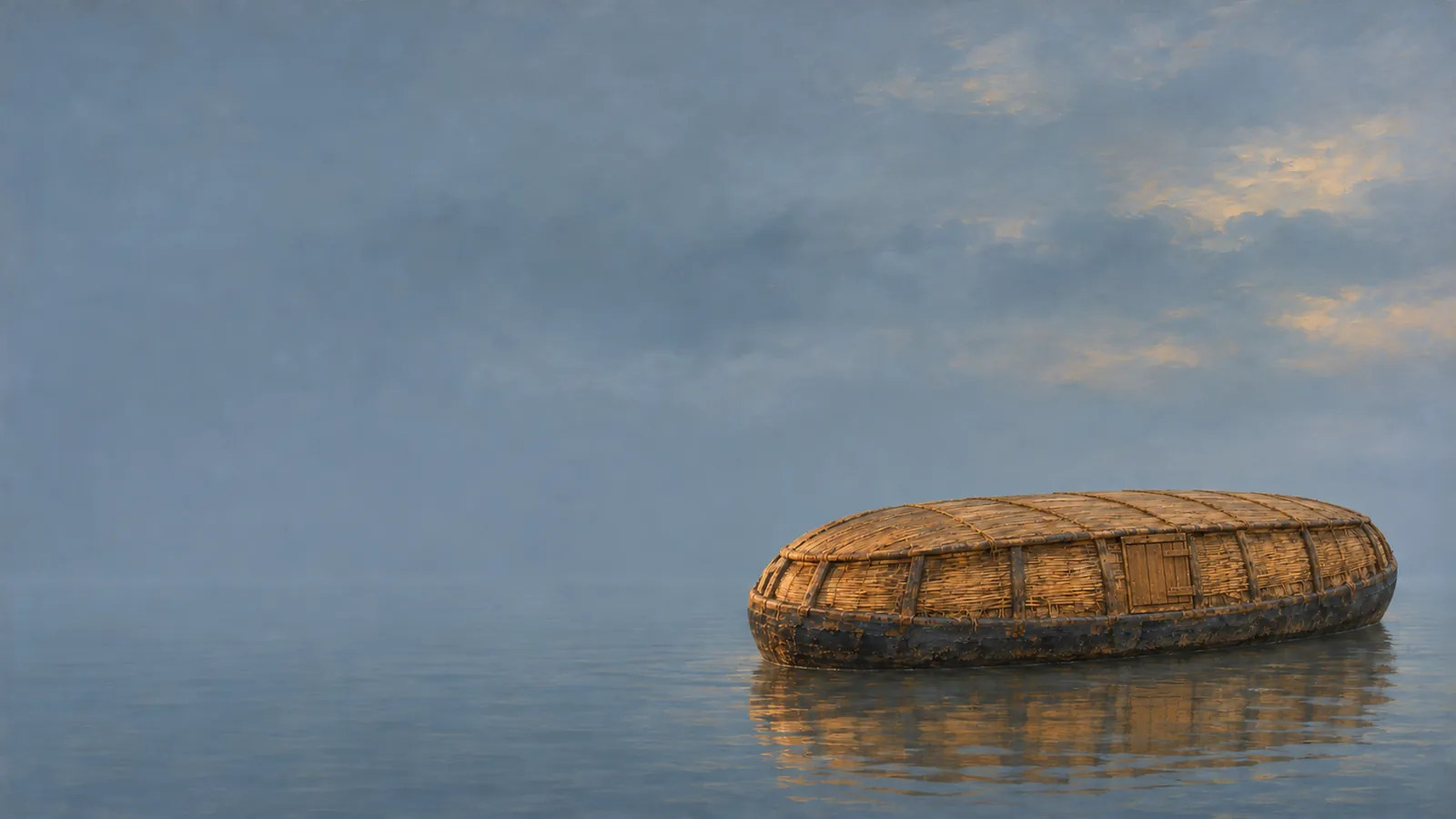
Perdeu-se grande parte do trecho que segue a tempestade. Na próxima cena que se consegue ler com clareza, Atrahasis faz uma oferta quando as águas já passaram.
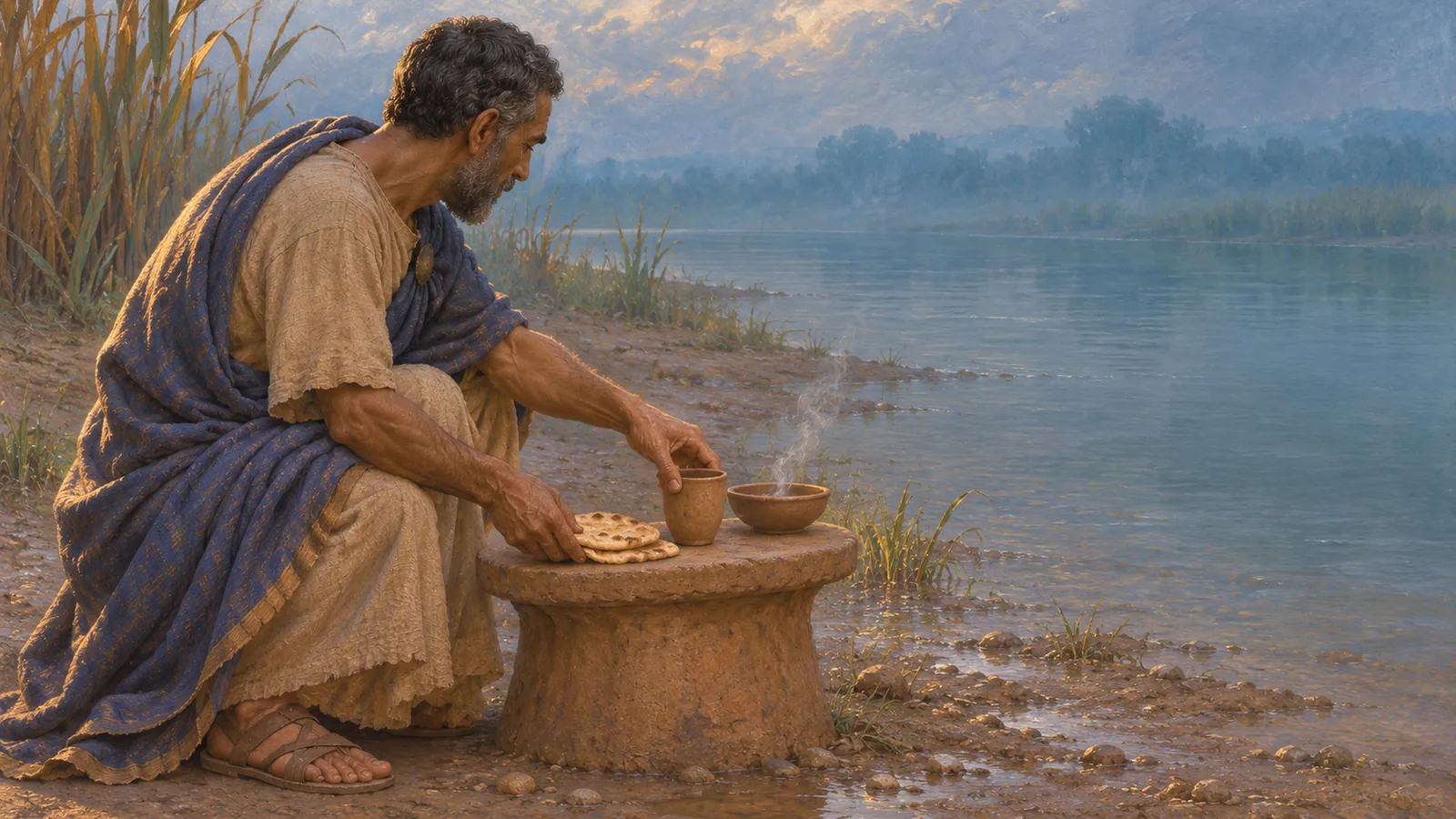
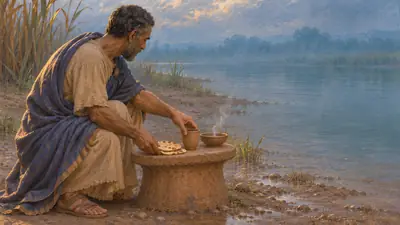
O seu primeiro gesto no relato que nos resta depois do dilúvio é fazer uma oferta. As palavras que ficaram falam dos quatro ventos e de alimento.
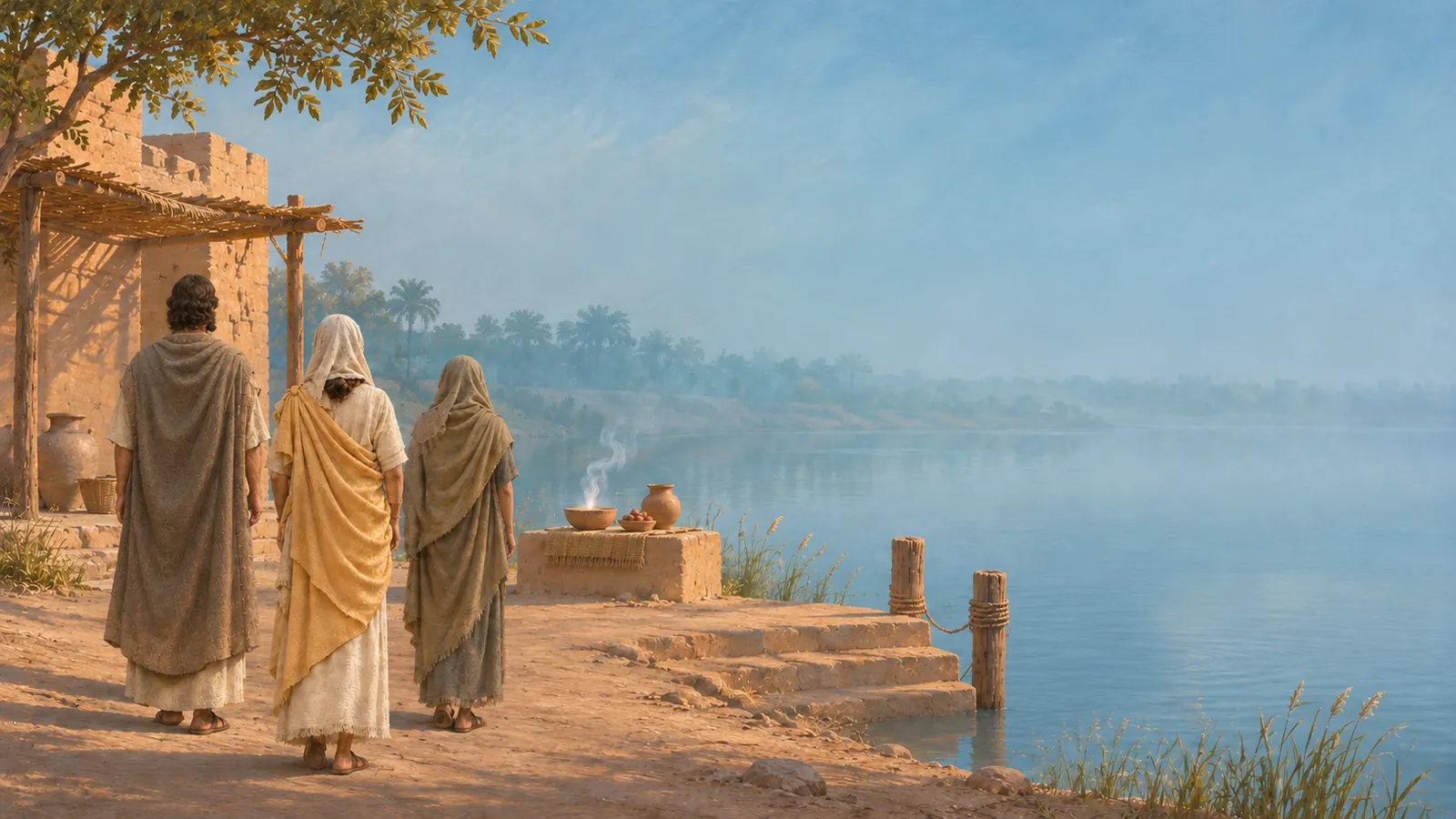
O aroma espalhou-se pelo ar. Os deuses aproximaram-se da oferta, e o poema compara a sua reunião a moscas atraídas pela comida.
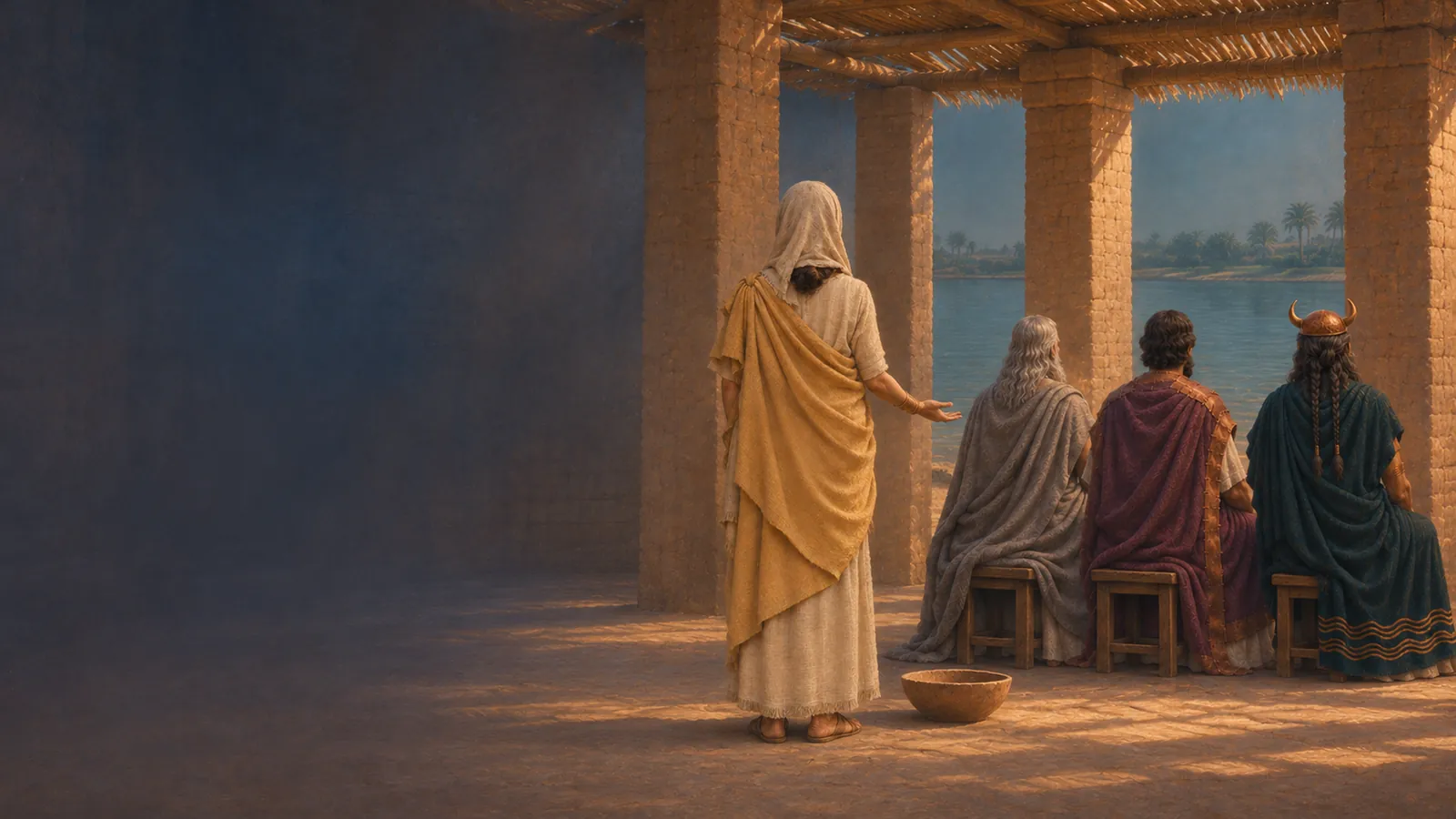
Quando os deuses acabaram de comer, Mami levantou-se e contestou a maneira como se decidira o dilúvio. Lembrou-se dos rostos luminosos das pessoas que o conselho condenara.
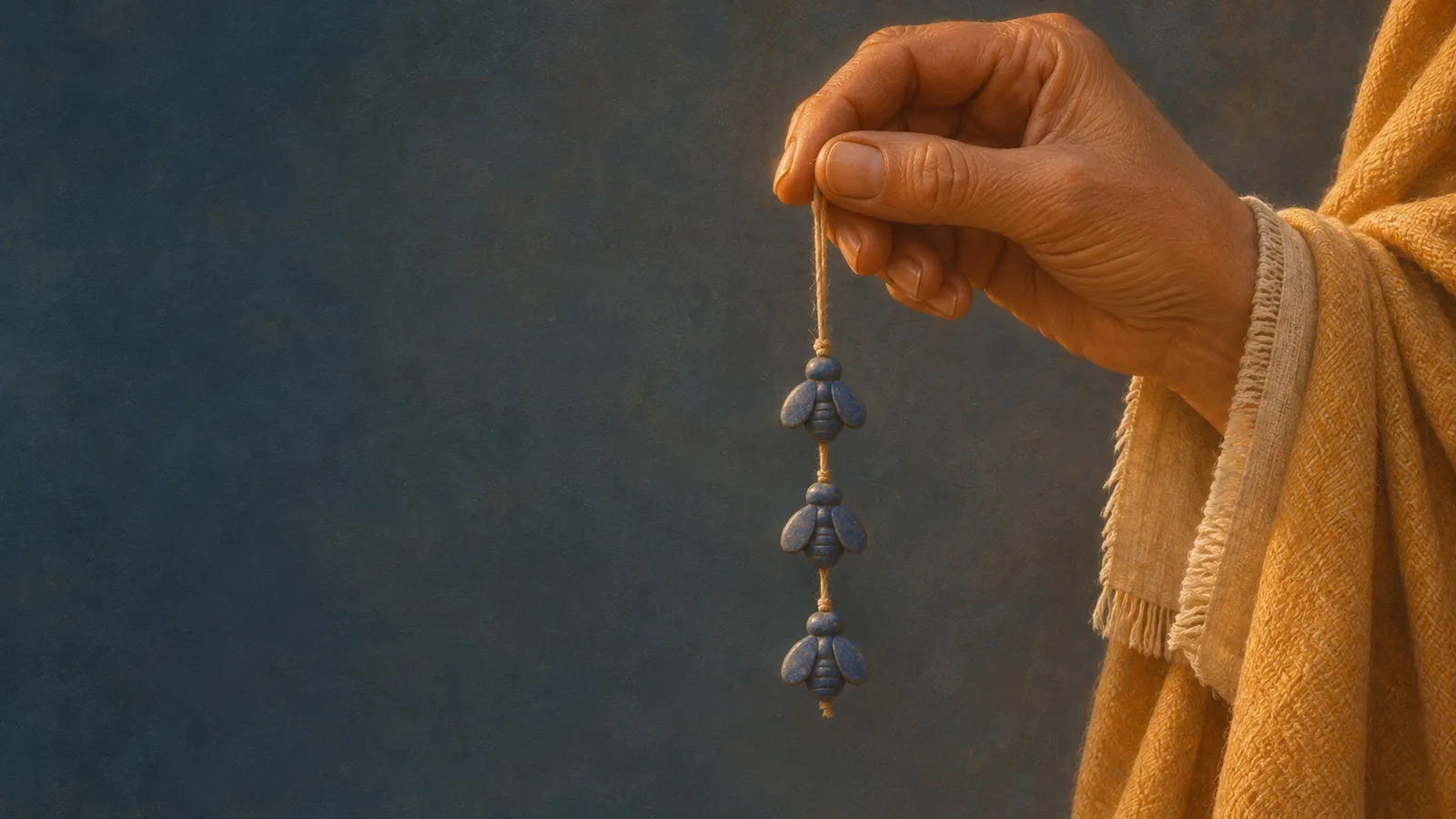
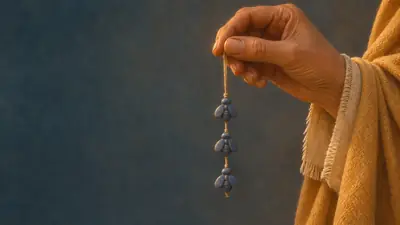
Mami voltou-se para as figuras que Anu pusera diante dos deuses. Nas linhas quebradas, pede para trazer ao pescoço essas formas de moscas em lápis-lazúli, para que aqueles dias sejam lembrados.
SOBREVIVÊNCIA
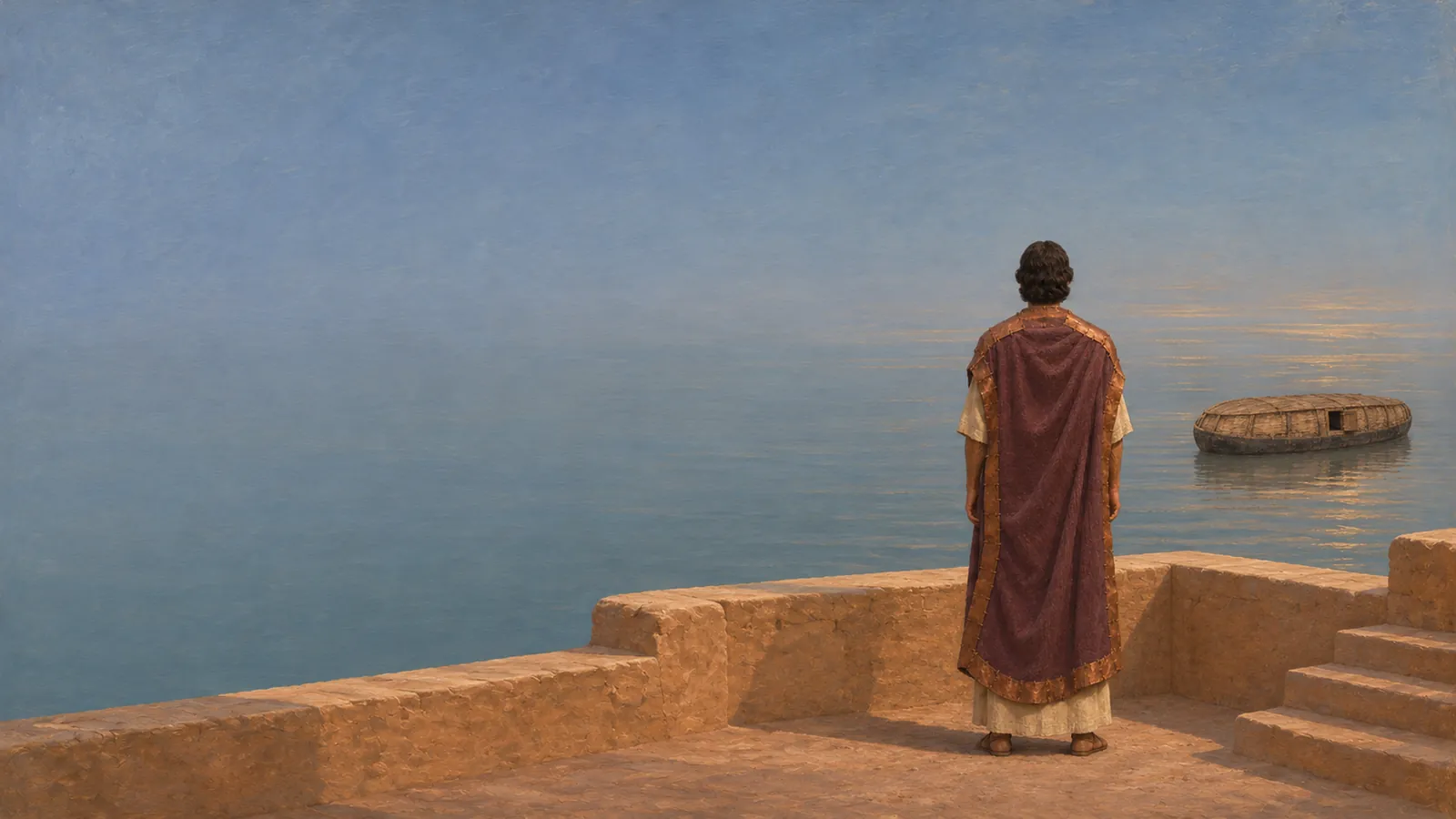
Então Enlil viu o barco. Irritou-se porque os deuses tinham chegado a acordo sob juramento, e exigiu saber como alguém sobrevivera à destruição.
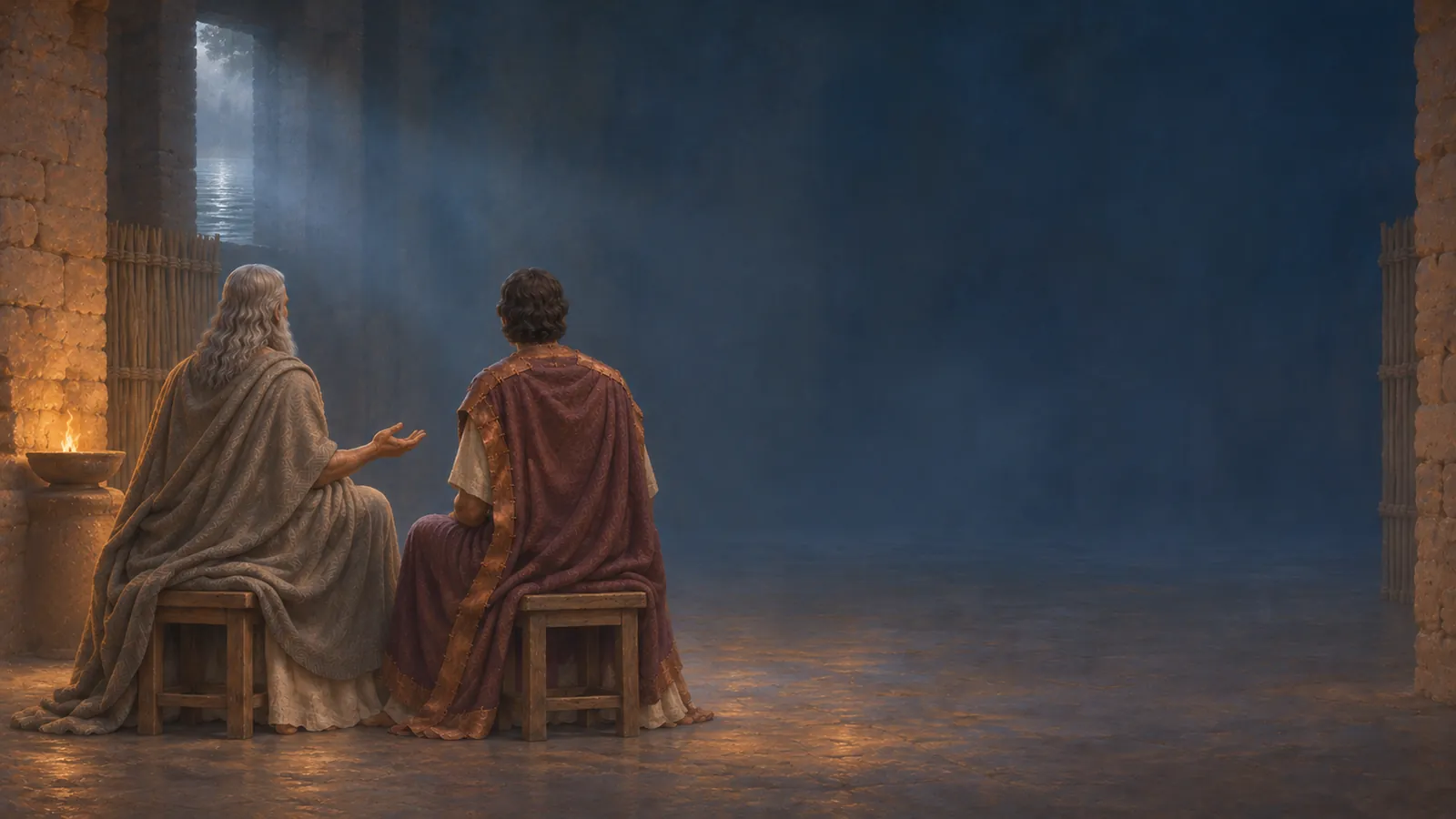
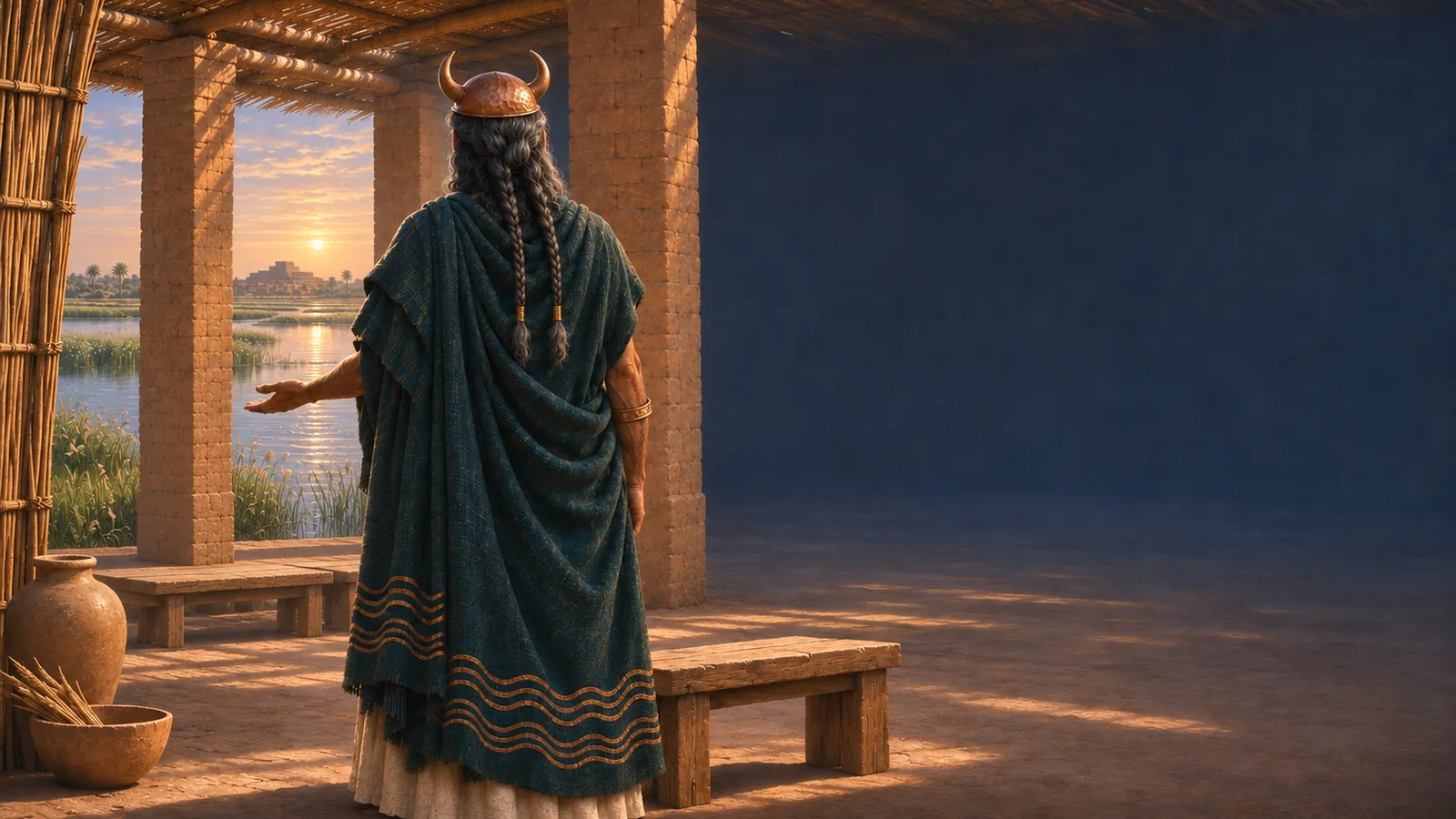
Anu respondeu a Enlil com o nome do único deus que o poderia ter feito. Enki deixara que o segredo chegasse a uma parede de junco.
VIDA
Enki levantou-se para lhes responder. Reconheceu o que fizera e disse que o seu propósito fora preservar a vida.
Enki contestou a maneira como o dilúvio fora enviado. Se tinha de haver castigo, disse, que recaísse sobre quem agira mal.
As palavras voltam a interromper-se. Quando regressam, os deuses falam de novo de um conselho, e Mami é chamada a juntar-se ali a Enki.
A tabuinha está quebrada quando Enki se dirige a Mami, que molda os destinos. No trecho que sobreviveu, a vida humana recebe um fim, e a morte chega a cada pessoa.
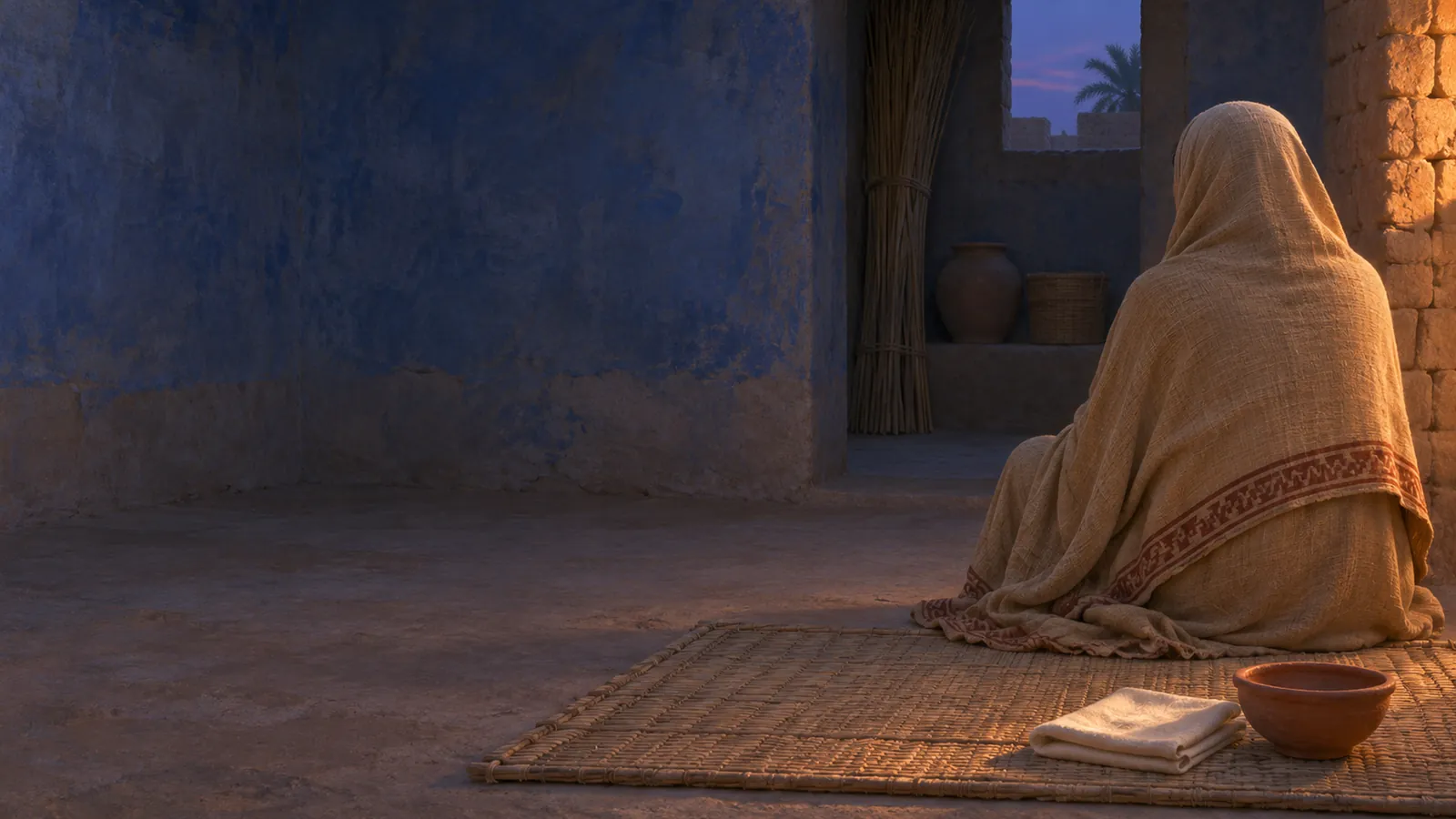
As novas condições falam de mulheres que têm filhos e de outras que não os têm. Nomeiam também a demónia Pashittu, que arrebata um bebé do colo da mãe.
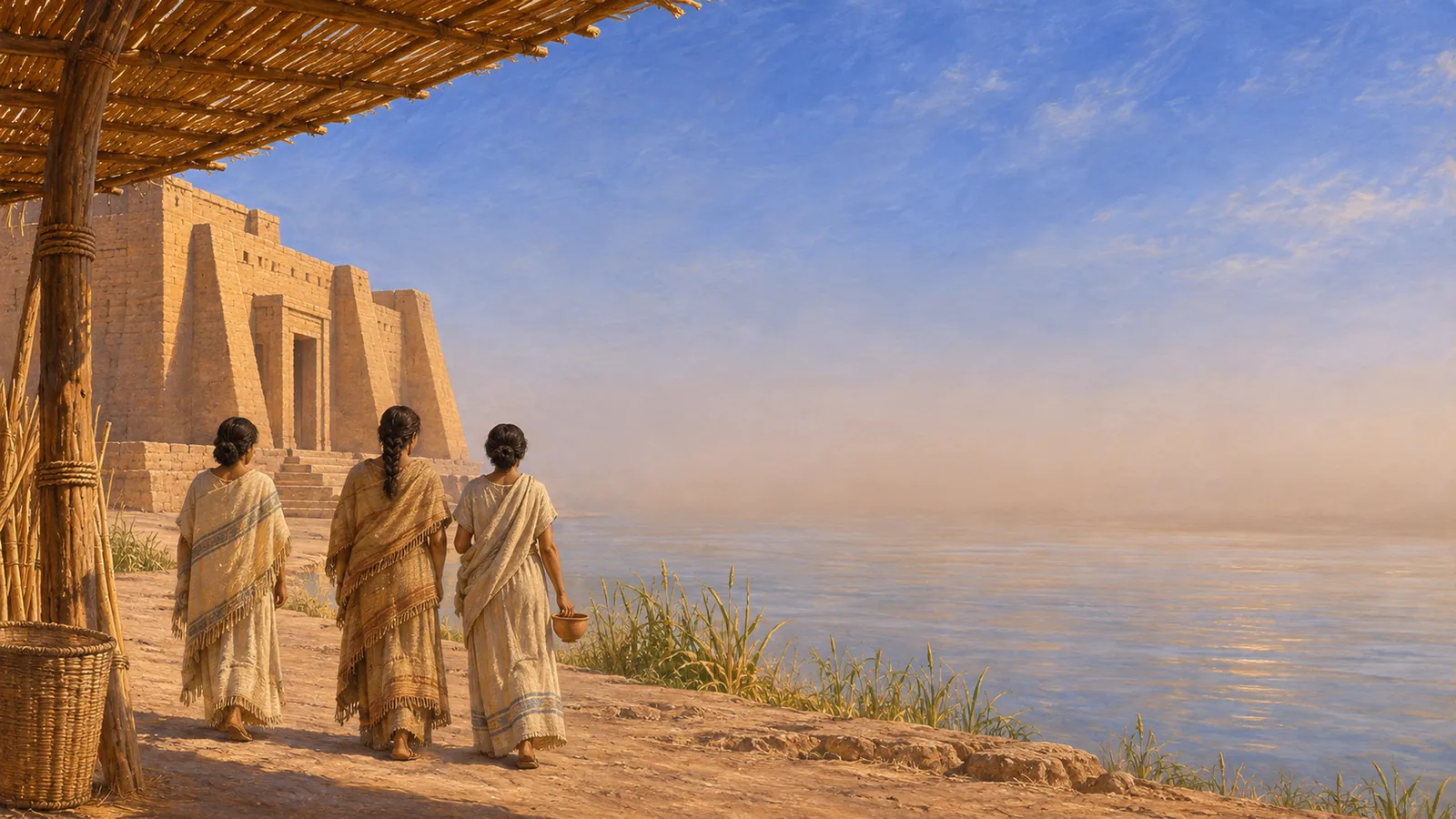
Os deuses separam as sacerdotisas ugbabtu, entu e egisitu. Pelas regras que o poema situa após o dilúvio, estas mulheres ficam proibidas de ter filhos.
A CANÇÃO
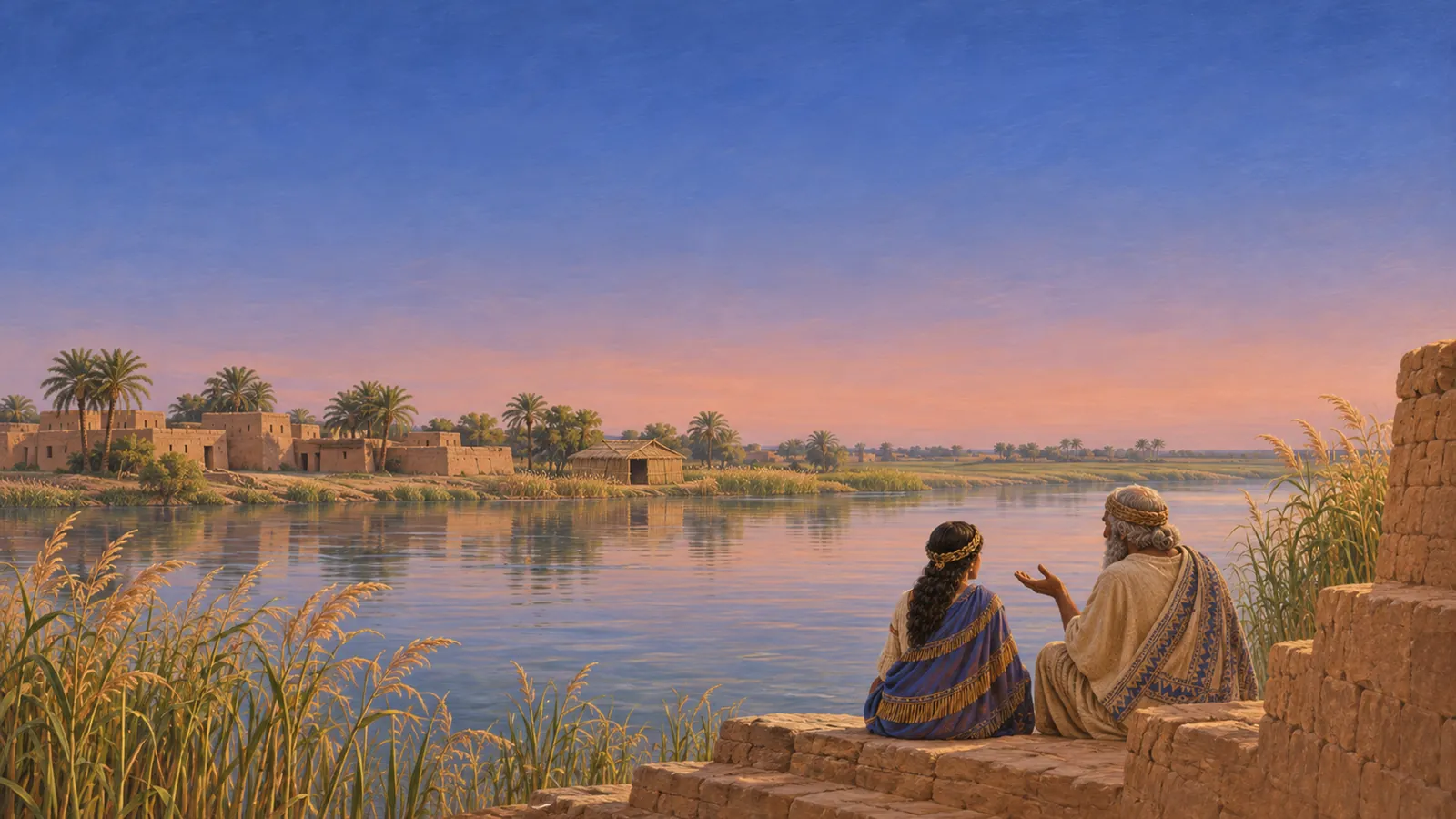
As últimas linhas recordam que foi enviado um dilúvio e que houve quem sobrevivesse. A canção pede que a escutem, e é aqui que deixamos a história.
Fim do capítulo 2
Todas as páginas
Fontes
Edições consultadas
- Wasserman 2020, pp. 19–38, Sippar witnesses C₁ and C₂
- SEAL 1517, Old Babylonian Atrahasis III with translation
- SEAL 39732, closing lines of Atrahasis II
- IL Archive, Atrahasis: Epic and Hero
Os versos antigos de cada página
- Page 1: Atrahasis III C₂ i 10′–16′, Wasserman 2020
The dream language is partially restored. - Page 2: Atrahasis III C₂ i 15′–21′; C₁ vi 11–15, Wasserman 2020
- Page 3: Atrahasis III C₂ i 20′–24′, Wasserman 2020
- Page 4: Atrahasis III C₂ i 25′–27′; C₁ i 28′, Wasserman 2020
The Old Babylonian line is broken and the reading is debated. - Page 5: Atrahasis III C₁ i 29′–32′, Wasserman 2020
- Page 6: Atrahasis III C₁ i 33′–35′, Wasserman 2020
- Page 7: Atrahasis III C₁ i 36′–37′, Wasserman 2020
- Page 8: Atrahasis III C₁ i 38′–41′; compares I 385–388 and II E 25–28, SEAL
The comparison refers to the repeated gathering of elders in the Atrahasis poem. - Page 9: Atrahasis III C₁ i 42′–46′, Wasserman 2020
Part of the report is broken. - Page 10: Atrahasis III C₁ i 43′–50′, Wasserman 2020
The departure clauses are partially restored; the line with the Apsu is also fragmentary. - Page 11: Atrahasis III C₁ i 50′–C₂ ii 12′, Wasserman 2020
The tablet preserves the occupations and partially restored carried implements. - Page 12: Atrahasis III C₂ ii 11′–15′, Wasserman 2020
This passage is partially restored. - Page 13: Atrahasis III C₁ i 29′–33′; gap C₂ ii 19′–C₁ ii 29″, Wasserman 2020
The text preserves no full construction sequence. - Page 14: Atrahasis III C₁ ii 29″–38″, Wasserman 2020
The words for silver and parts of their loading are restored. - Page 15: Atrahasis III C₁ i 34′–35′; C₁ ii 34″–35″, Wasserman 2020
- Page 16: Atrahasis III C₁ ii 36″–38″, Wasserman 2020
The reading of the people as craftspeople and some animal details are uncertain. - Page 17: Atrahasis III C₁ ii 39″–44″, Wasserman 2020
The dating and invitation are partly restored. - Page 18: Atrahasis III C₁ ii 40″–45″, Wasserman 2020
- Page 19: Atrahasis III C₁ ii 43″–49″, Wasserman 2020
- Page 20: Atrahasis III C₁ ii 48″–50″, Wasserman 2020
- Page 21: Atrahasis III C₁ ii 51″–53″, Wasserman 2020
- Page 22: Atrahasis III C₁ ii 54″–55″, Wasserman 2020
The story names no single source of the rising water. - Page 23: Atrahasis III C₁ iii 3′–12′, Wasserman 2020
- Page 24: Atrahasis III C₁ iii 13′–19′, Wasserman 2020
- Page 25: Atrahasis III C₁ iii 20′–31′, Wasserman 2020
Details about the refuge are partially restored. - Page 26: Atrahasis III C₁ iii 28′–45′, Wasserman 2020
- Page 27: Atrahasis III C₁ iii 46′–54′, Wasserman 2020
- Page 28: Atrahasis III C₁ iv 1′–23′, Wasserman 2020
- Page 29: Atrahasis III C₁ iv 24′–27′; ii 34″–42″, Wasserman 2020
- Page 30: Atrahasis III C₁ iv 26′–v 30′, Wasserman 2020
The transition is a substantial lacuna. - Page 31: Atrahasis III C₁ v 30′–32′, Wasserman 2020
Parts of this action are restored. - Page 32: Atrahasis III C₁ v 34′–38′, Wasserman 2020
Parts are restored. - Page 33: Atrahasis III C₁ v 36′–45′, Wasserman 2020
- Page 34: Atrahasis III C₁ v 46′–52′; vi 1–4, Wasserman 2020
- Page 35: Atrahasis III C₁ vi 5–10, Wasserman 2020
- Page 36: Atrahasis III C₁ vi 11–15, Wasserman 2020
- Page 37: Atrahasis III C₁ vi 16–19, Wasserman 2020
The statement is partly restored in the edition. - Page 38: Atrahasis III C₁ vi 20–26, Wasserman 2020
Paraphrases damage and the restored reference to punishment. - Page 39: Atrahasis III C₁ vi 27–44′, Wasserman 2020
- Page 40: Atrahasis III C₁ vi 45′–51′, Wasserman 2020
Death and grave are editorial restorations in the critical translation. - Page 41: Atrahasis III C₁ vii 1–5, Wasserman 2020
The poem personifies infant loss as Pāšittu. - Page 42: Atrahasis III C₁ vii 6–9, Wasserman 2020
- Page 43: Atrahasis III C₁ viii 8′–19′, Wasserman 2020
Ilustrações feitas pelo IL Archive com ferramentas de IA; o texto baseia-se nas fontes antigas (veja as fontes no fim de cada capítulo).