أيام دموزي الفصل الأول
الطقوس في أربيل
يذكر شرح شعائريّ متضرّر يوم الصراخ واليوم الذي ينهض فيه تمّوز، وقد استُكمل تاريخهما في الترجمة. ويربط المقطع موته بالشعير المحمّص، وينتهي بذكر صورة الأخ وفق قراءة مستكمَلة.
المصادرقلّب الصفحات بالأزرار أو بمفاتيح الأسهم أو بسحب الإصبع.
الطقوس في أربيل
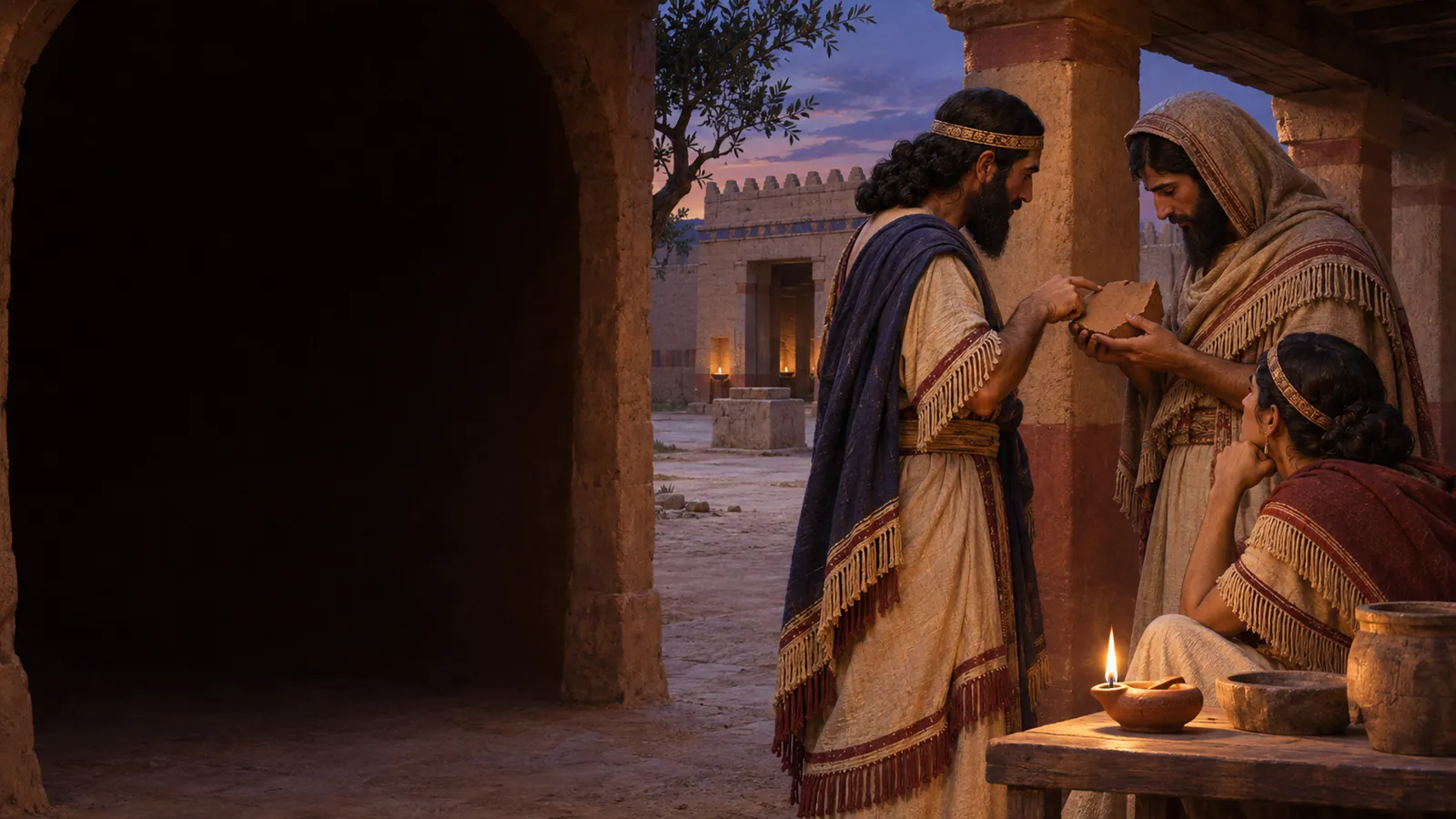
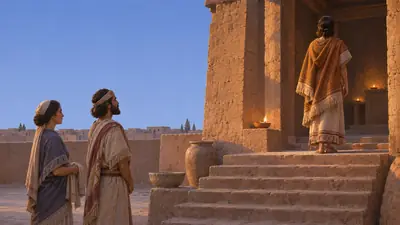
السطر الأوّل متضرّر. ويفيد ما بقي منه بأنّ شيئًا يُؤدّى حتّى اليوم الثلاثين، وقد استُكمِل جزءٌ من الفعل.
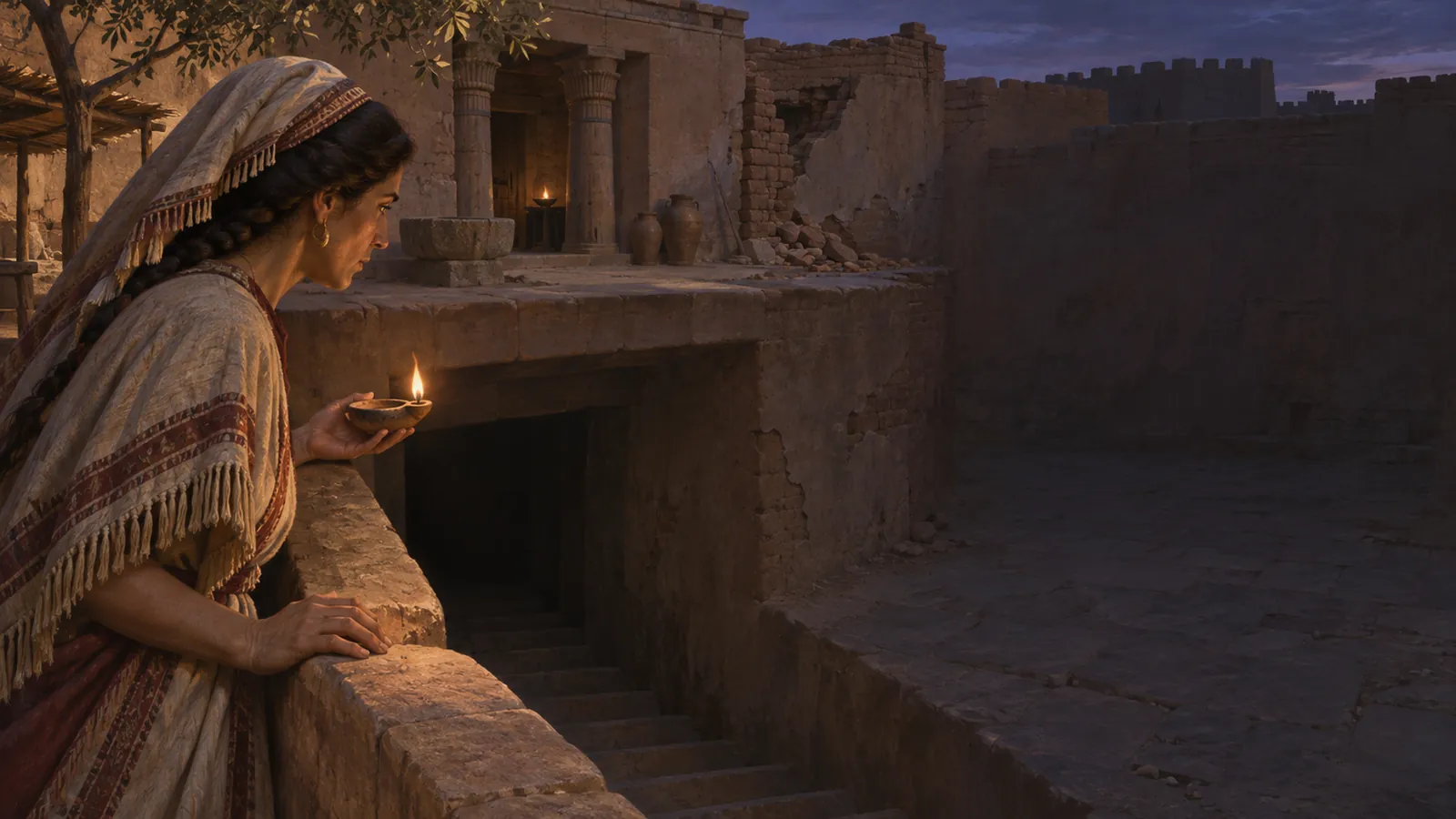
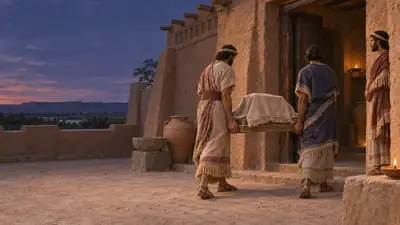
يذكر المقطع المتضرّر التالي ضربًا ونزولًا. وفُقد التاريخ وتعيين النازل ووجهته.
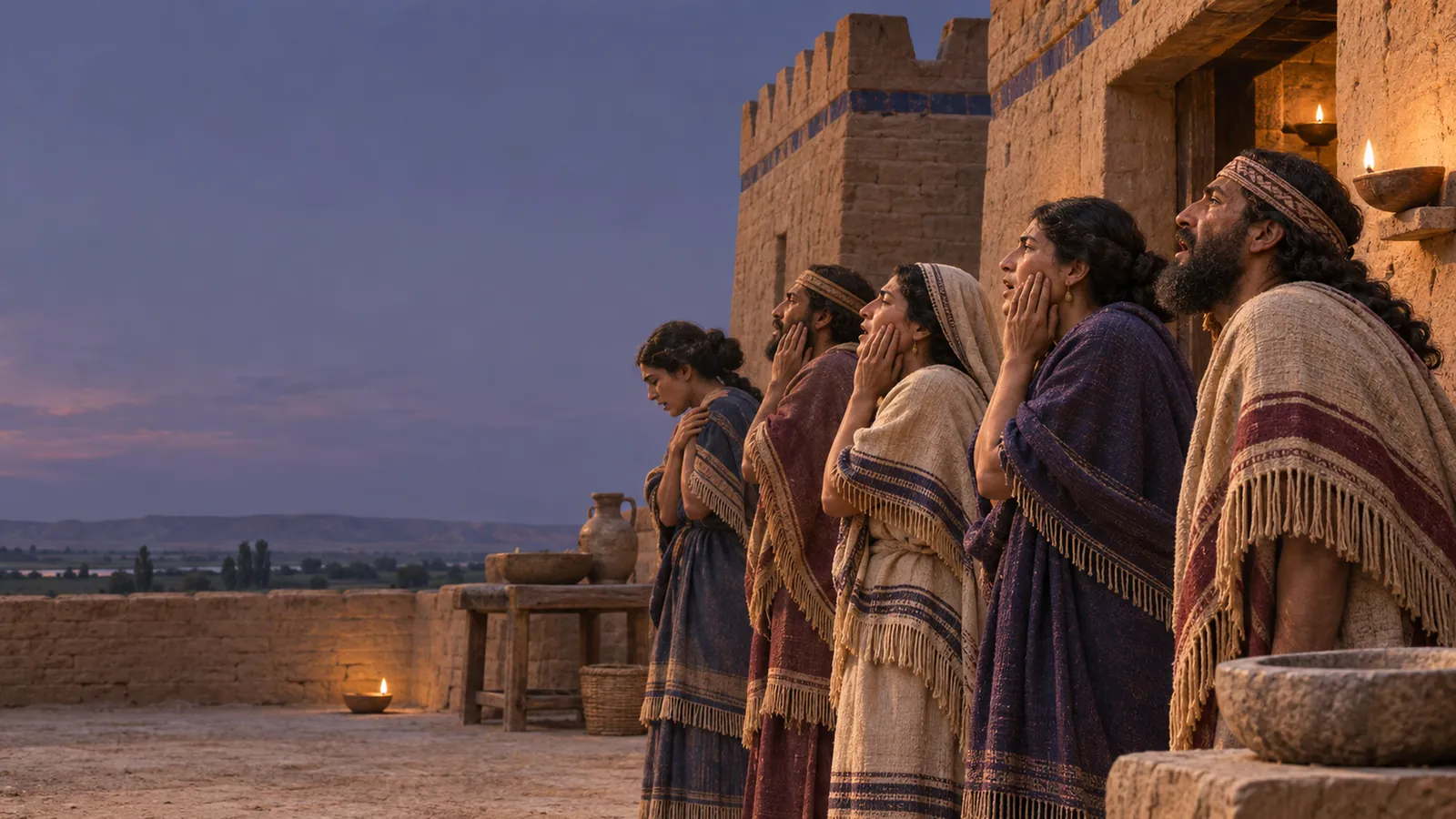
التاريخ المستكمَل هو اليوم السادس والعشرون. يسمّيه النصّ يوم الصراخ، ثمّ يذكر آنو في عبارة تنقطع.
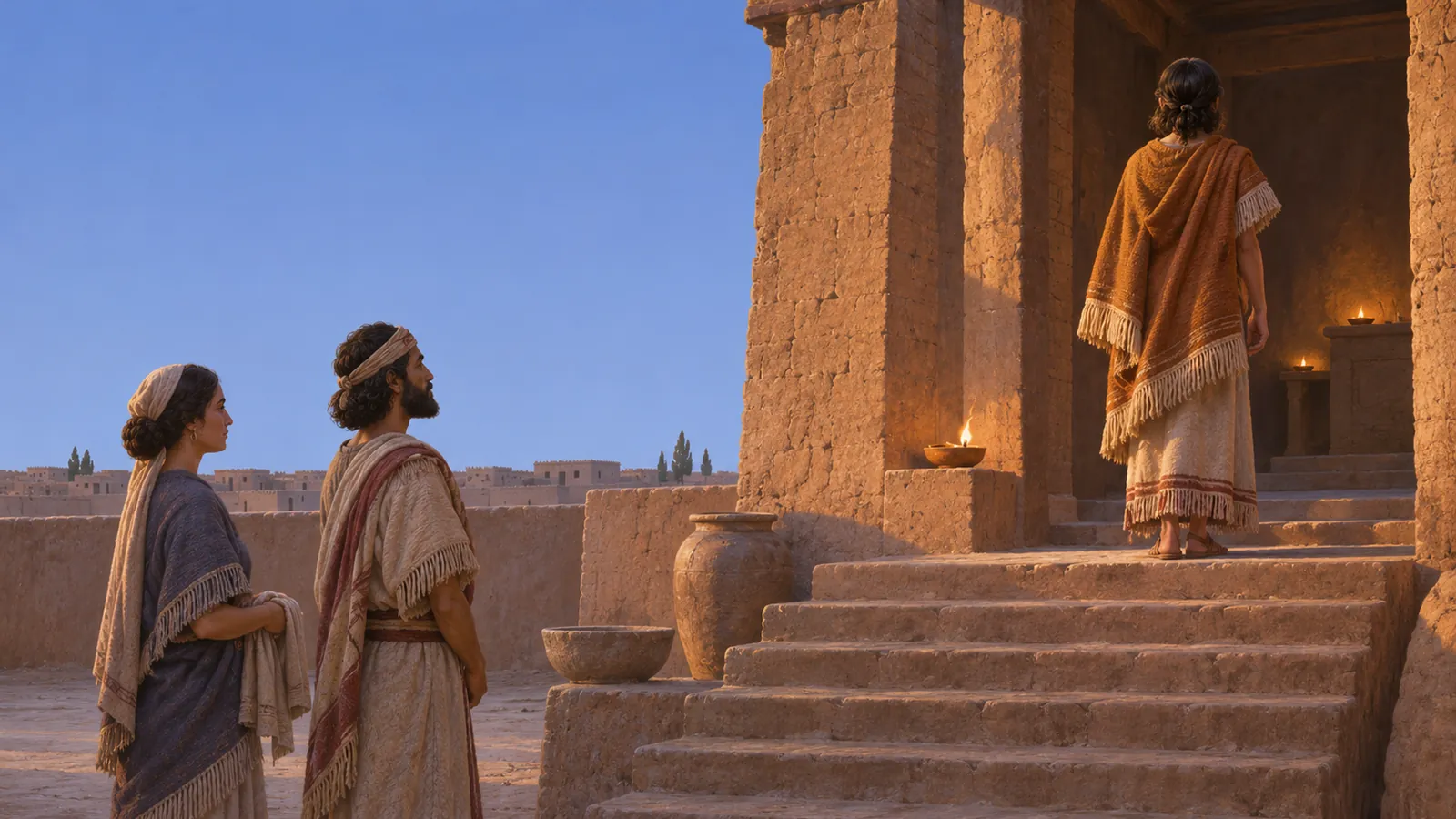
يقول المقطع إنّ تمّوز ينهض استجابةً لطلب في اليوم الثامن والعشرين، وهو تاريخ مستكمَل. وفُقد من النصّ تعيين صاحب الطلب.
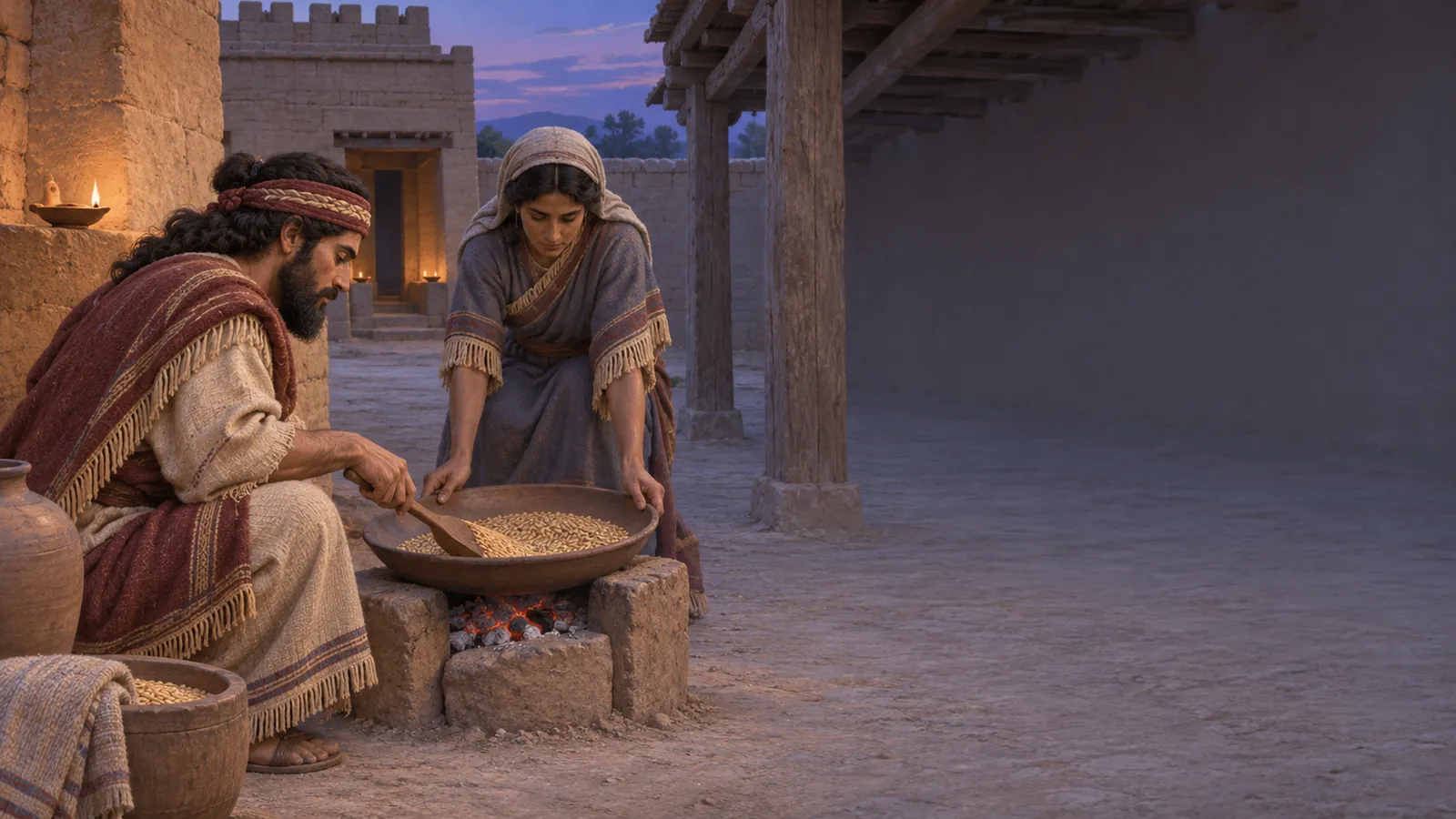
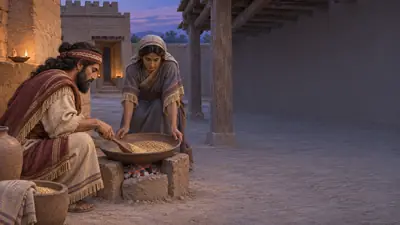
يقول التعليق إنّ موت تمّوز هو الشعير المحمّص. وقد استكملت إيهارا في ترجمتها جزءًا من الكلمة التي تفيد الموت.
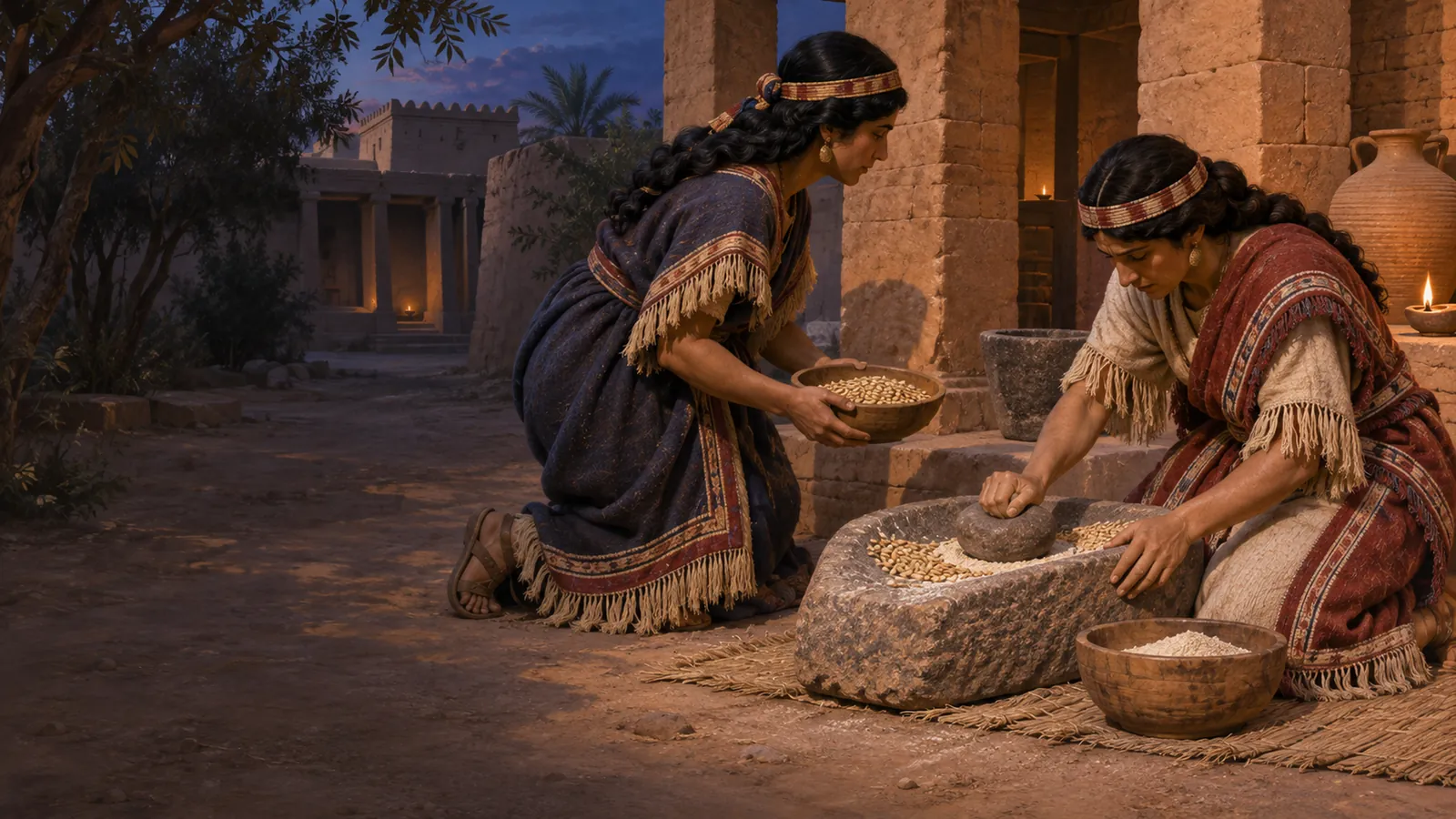
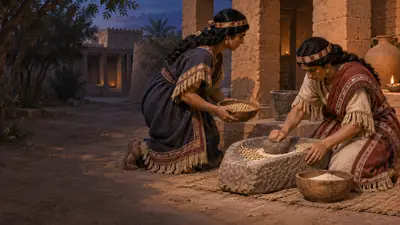
في قراءة إيهارا يلقون الشعير نحو دموزي حين يطحنونه بحجارة الرَّحى. ويقرأ ليفينغستون الفعل المختلف فيه بمعنى الحرق.
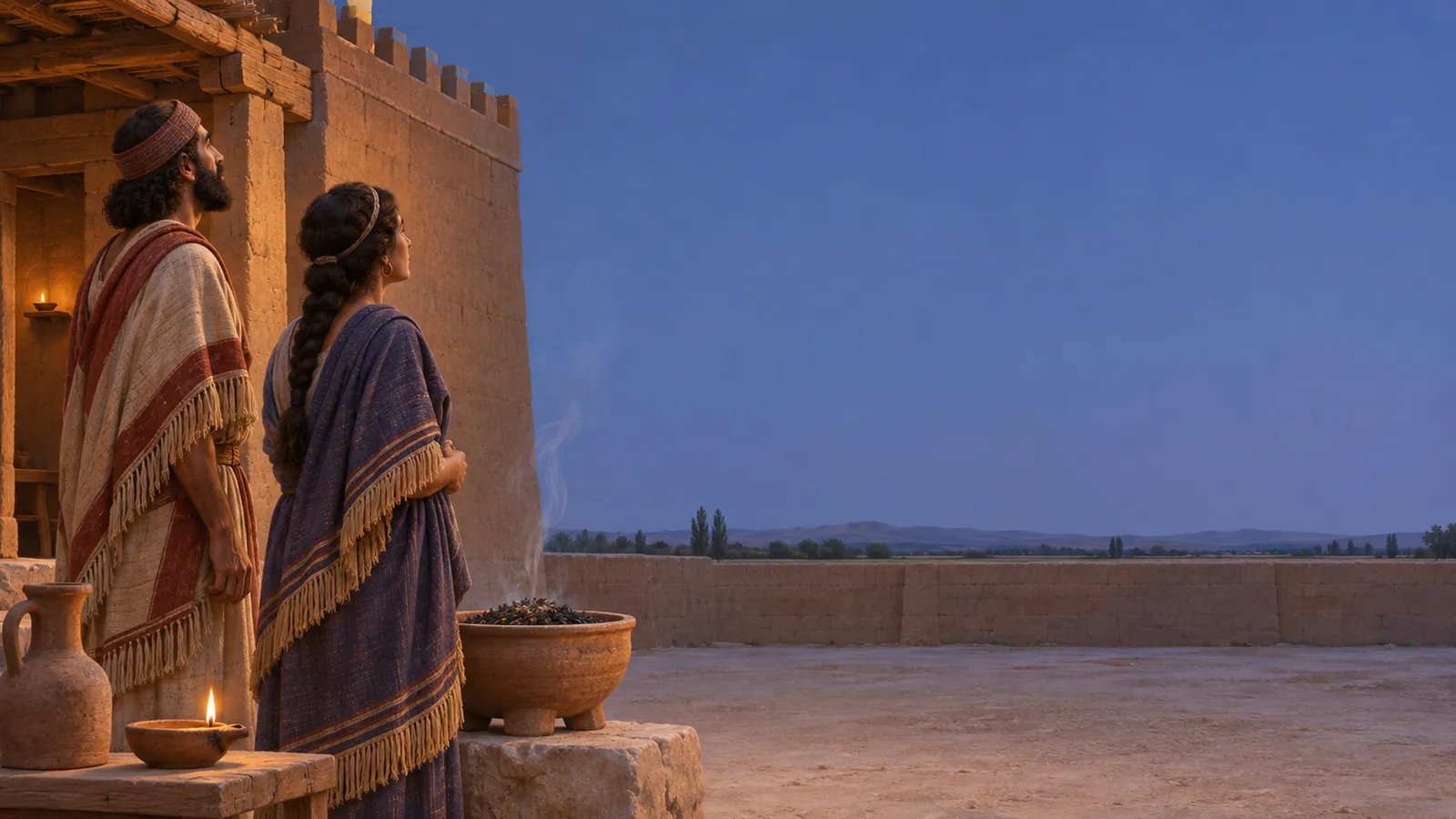
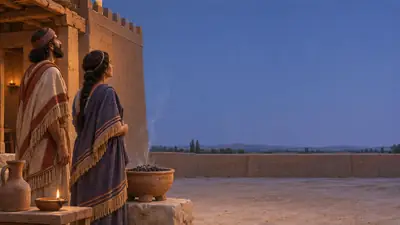
يقول التعليق إنّ الأجزاء المحترقة الناتجة تصعد إلى المناطق العليا، كما يُقال.
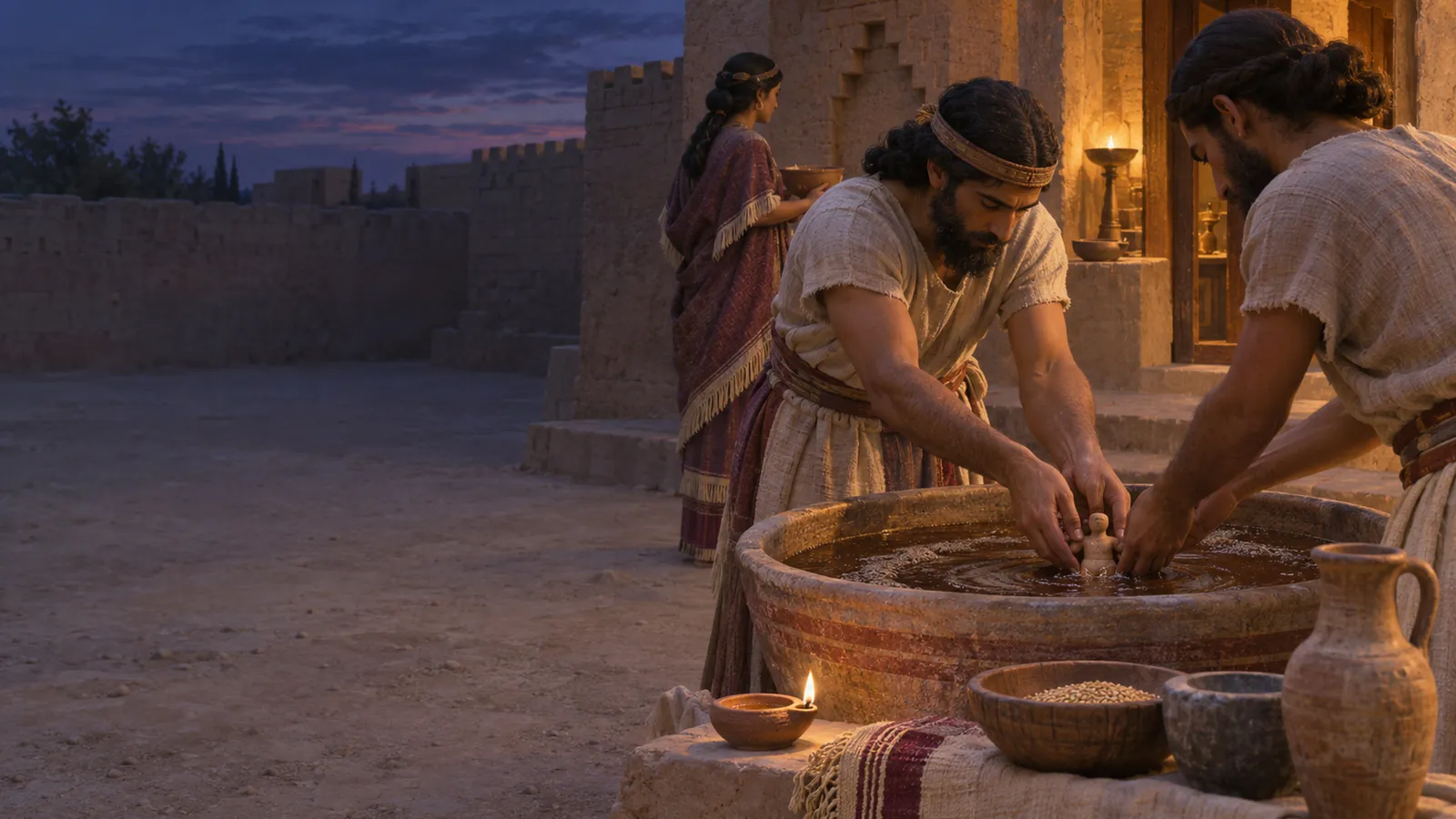
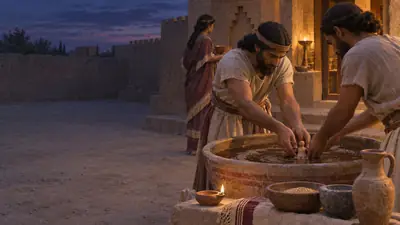
يقول المقطع إنّهم ينقعون صورة أخيك في الجعة. واستكملت إيهارا في ترجمتها الألفاظ التي تفيد أنّها صورة.
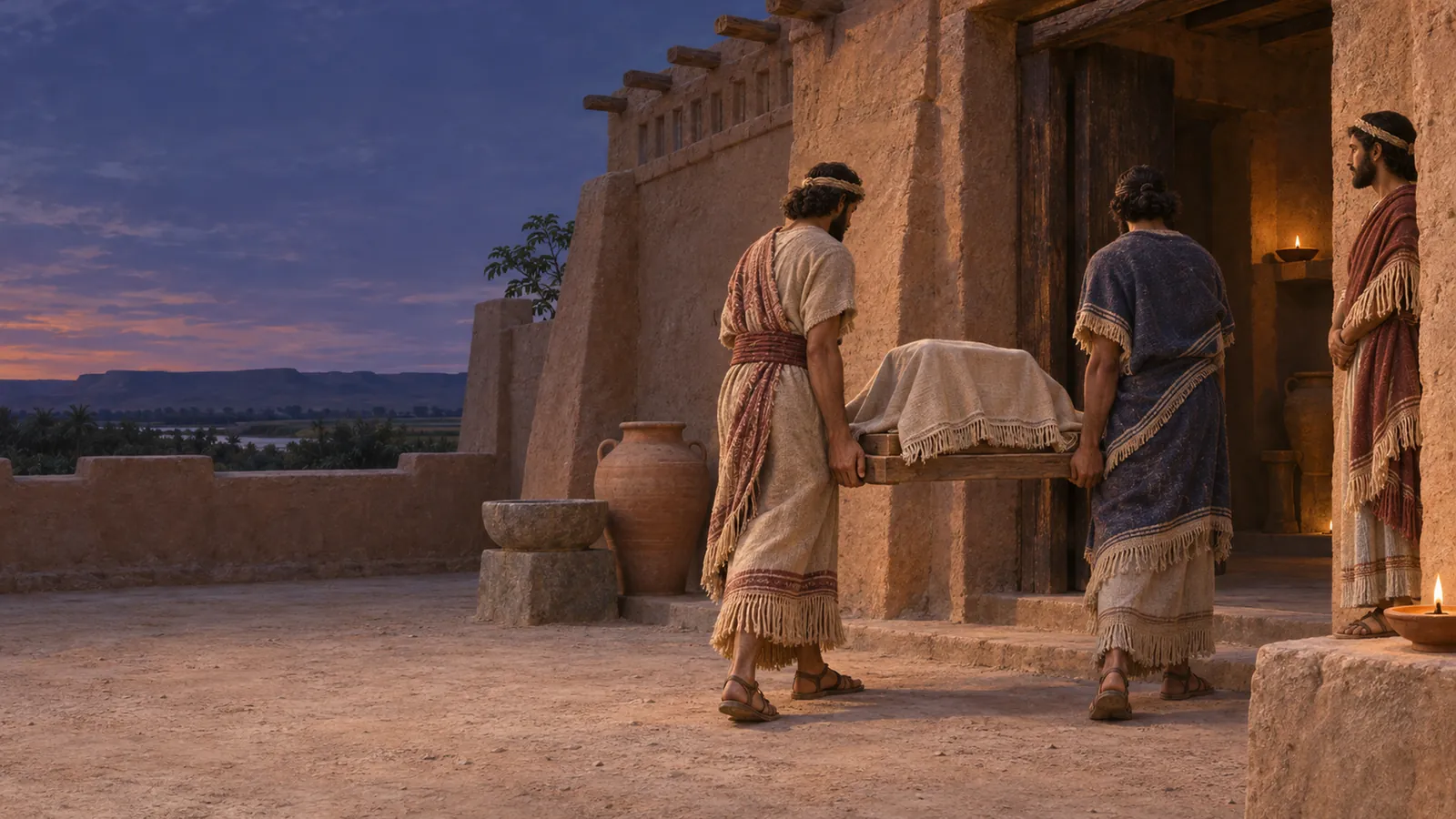
في تلك القراءة ترفع الصورة جسد الأخ. ويُختَم المقطع بعبارة «كما يُقال».
نهاية الفصل الأول
كل الصفحات
المصادر
المصادر والملاحظات مكتوبة بالإنجليزية كما وردت في المراجع.
97 of ORIENT 59 (2024), SAA 3, no. 38, reverse 2–8. Ehara identifies the Neo-Assyrian text as a commentary on the rites of the Egašankalama temple of Ištar at Arba’il. The surviving details, damaged sections and restored dates are attributed in the notes. Ehara’s note 8 discusses different readings of the verb in the barley passage.
الطبعات المعتمدة
- Satoko Ehara, ORIENT 59 (2024), p. 97 and note 8
- ORIENT 59, article bibliographic record and open full text
- ORIENT 59, the open article PDF, p. 97
ملاحظات على هذه الرواية
through the thirtieth day. An opening break leaves the activity unspecified. Ehara prints part of the verb in brackets as [perfor]med and gives the duration through the thirtieth day.
the striking and descent. The printed supplies and breaks are [The …th day is], [when…] and [to…]. The text mentions a striking and a descent. The date, what goes down and where are left open.
the day of screaming. Ehara supplies [The 26th day]. The entry calls it the day of screaming.
the rising of Tammuz. Ehara supplies [The 28th day]. Tammuz rises at a request and a break follows where the requester would be identified. The next clause refers to his death. The name Dumuzi appears in the subsequent barley action.
roasted barley and the disputed verb. Ehara prints [de]ath and identifies it with the roasted barley. The next clause describes throwing the barley toward Dumuzi. In note 8 Ehara prints the phrase *ina NA4 meš ki i-qa-mu-⌈šú⌉*. She follows Thorkild Jacobsen in reading *qamû* as grinding and interprets the stones as millstones. Alasdair Livingstone reads burning. Ehara refers to Livingstone, *Court Poetry and Literary Miscellanea*, SAA 3 (1989), p. 98, and Jacobsen, “Religious Drama in Ancient Mesopotamia” (1975), p. 72. The English rendering and alternative stay distinct.
the upper regions. The burned parts that are produced go up to the upper regions, followed by “as it is said.” The quoted clause leaves the parts unspecified.
the brother and the closing formula. The same subject lifts the brother’s body. The excerpt ends with its second “as it is said.” The brother’s identity remains open.
الأسطر القديمة وراء كل صفحة
- Page 1: Ehara 2024, ORIENT 59, p. 97, SAA 3 no. 38, reverse 2–8, opening through day thirty
- Page 2: Ehara 2024, ORIENT 59, p. 97, SAA 3 no. 38, reverse 2–8, striking and descent
- Page 3: Ehara 2024, ORIENT 59, p. 97, SAA 3 no. 38, reverse 2–8, restored day twenty-six and damaged Anu clause
- Page 4: Ehara 2024, ORIENT 59, p. 97, SAA 3 no. 38, reverse 2–8, restored day twenty-eight and Tammuz’s rising
- Page 5: Ehara 2024, ORIENT 59, p. 97, SAA 3 no. 38, reverse 2–8, death and roasted barley
- Page 6: Ehara 2024, ORIENT 59, p. 97, SAA 3 no. 38, reverse 2–8, barley thrown toward Dumuzi, note 8
- Page 7: Ehara 2024, ORIENT 59, p. 97, SAA 3 no. 38, reverse 2–8, burned parts rise to the upper regions
- Page 8: Ehara 2024, ORIENT 59, p. 97, SAA 3 no. 38, reverse 2–8, brother’s image and soaking in beer
- Page 9: Ehara 2024, ORIENT 59, p. 97, SAA 3 no. 38, reverse 2–8, the brother’s body and closing formula
الرسوم من صنع أرشيف إيل بأدوات الذكاء الاصطناعي؛ والنص مبني على المصادر القديمة (انظر المصادر في آخر كل فصل).