إنكي وننماح الفصل الأول
التحدّيان
في عرض ثوركيلد ياكوبسن، تشكّل ننماح ستّة أشخاص من الطين، ويجد إنكي لكلٍّ منهم سبيلًا إلى الرزق. يتبادل إنكي وننماح الدورين. ويتتبّع هذا المقطع خلافهما حتّى شكوى ننماح وحكمها والخاتمة المتضرّرة.
المصادرقلّب الصفحات بالأزرار أو بمفاتيح الأسهم أو بسحب الإصبع.
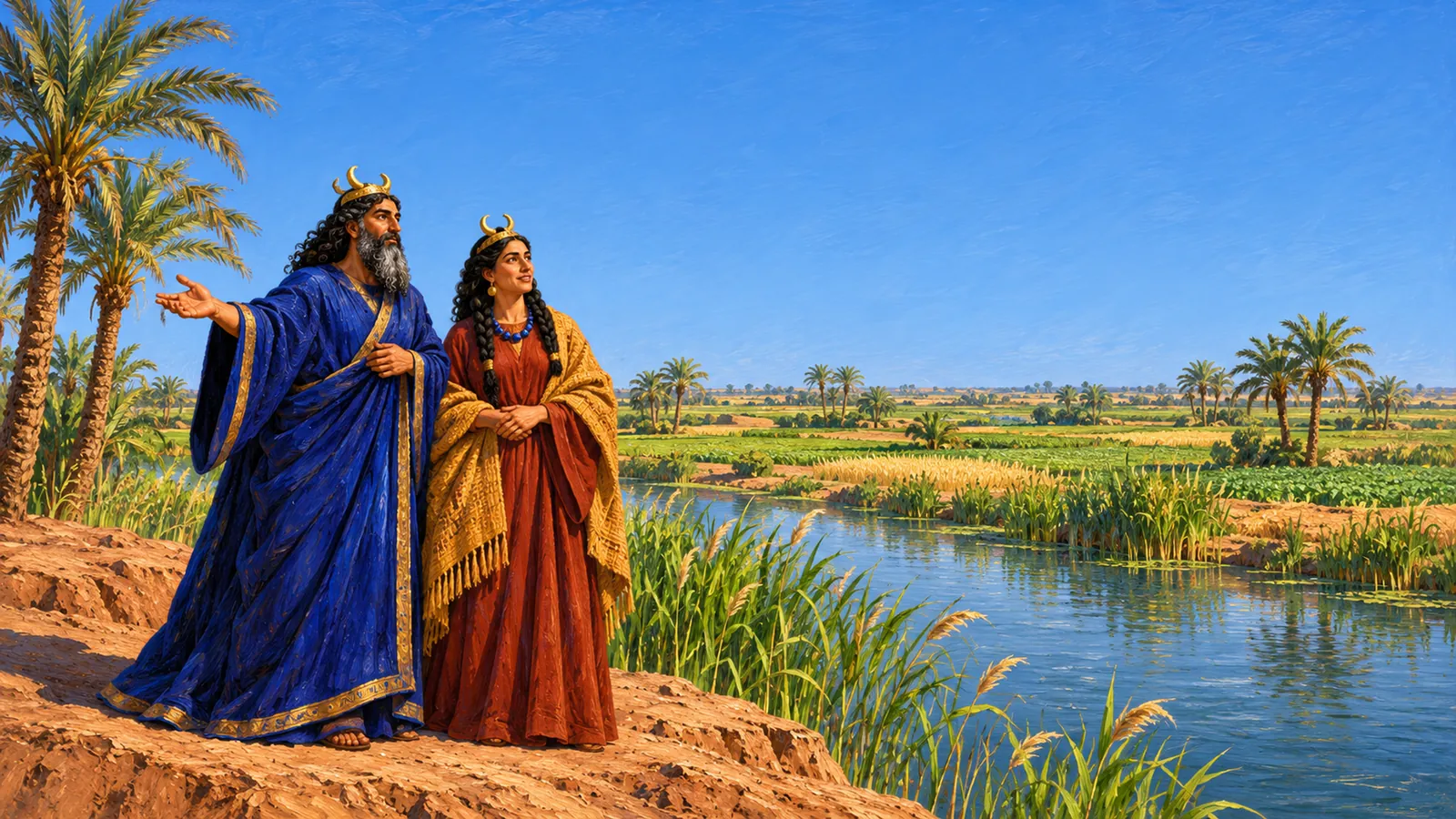
السماء والأرض
يقدّم ثوركيلد ياكوبسن إنكي، إله المياه العذبة، وننماح، وهو اسمٌ لإلهة الأرض ننخورساج. وتضع الأبيات الأولى قصّتهما في الأيّام والليالي التي تلت انفصال السماء عن الأرض.
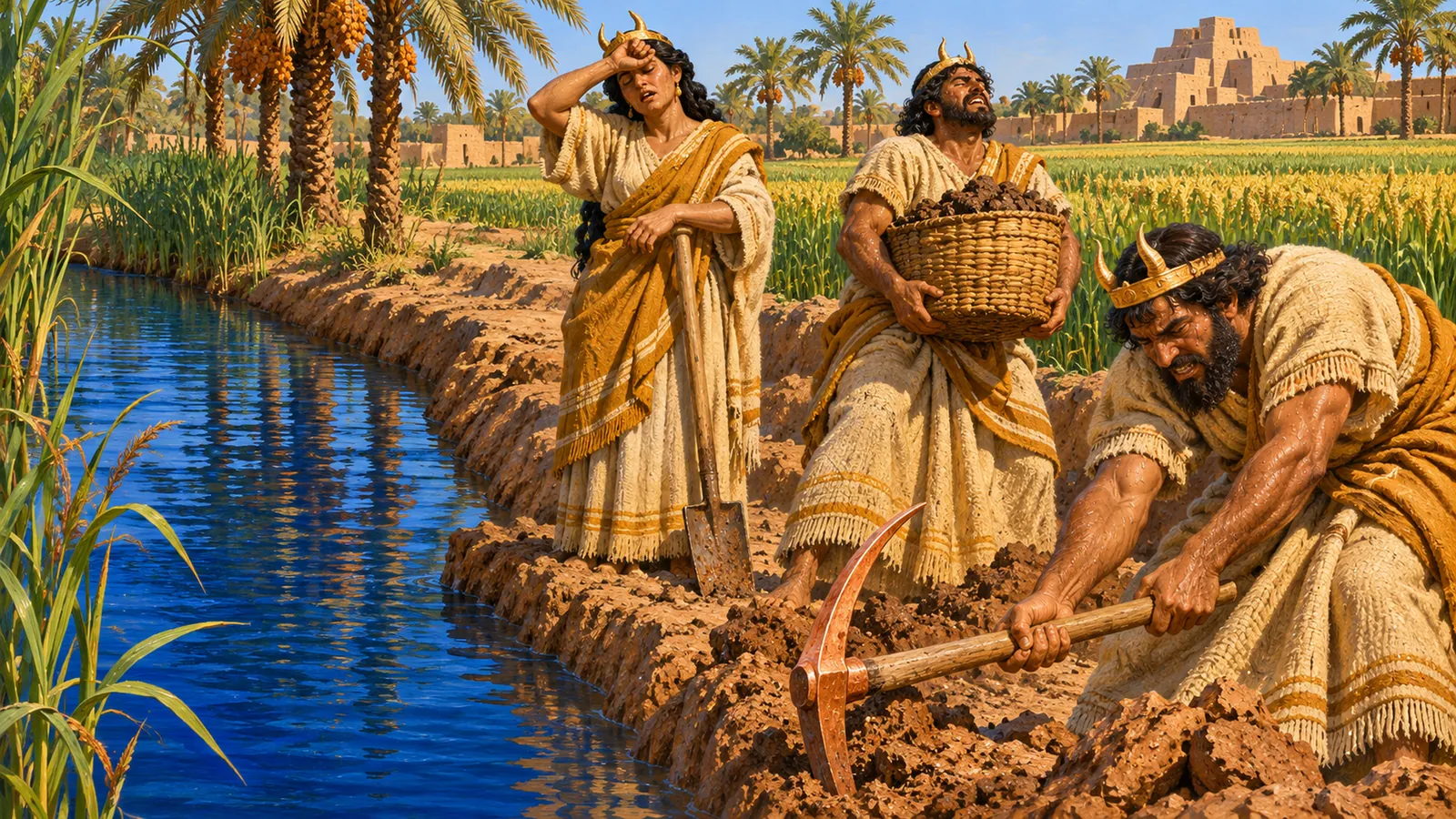
في عرض ياكوبسن، كانت الآلهة تعمل لتأمين قوتها. فكانت تستخدم المناجل والمعاول وتحفر القنوات، وكانت تكره هذا العناء.
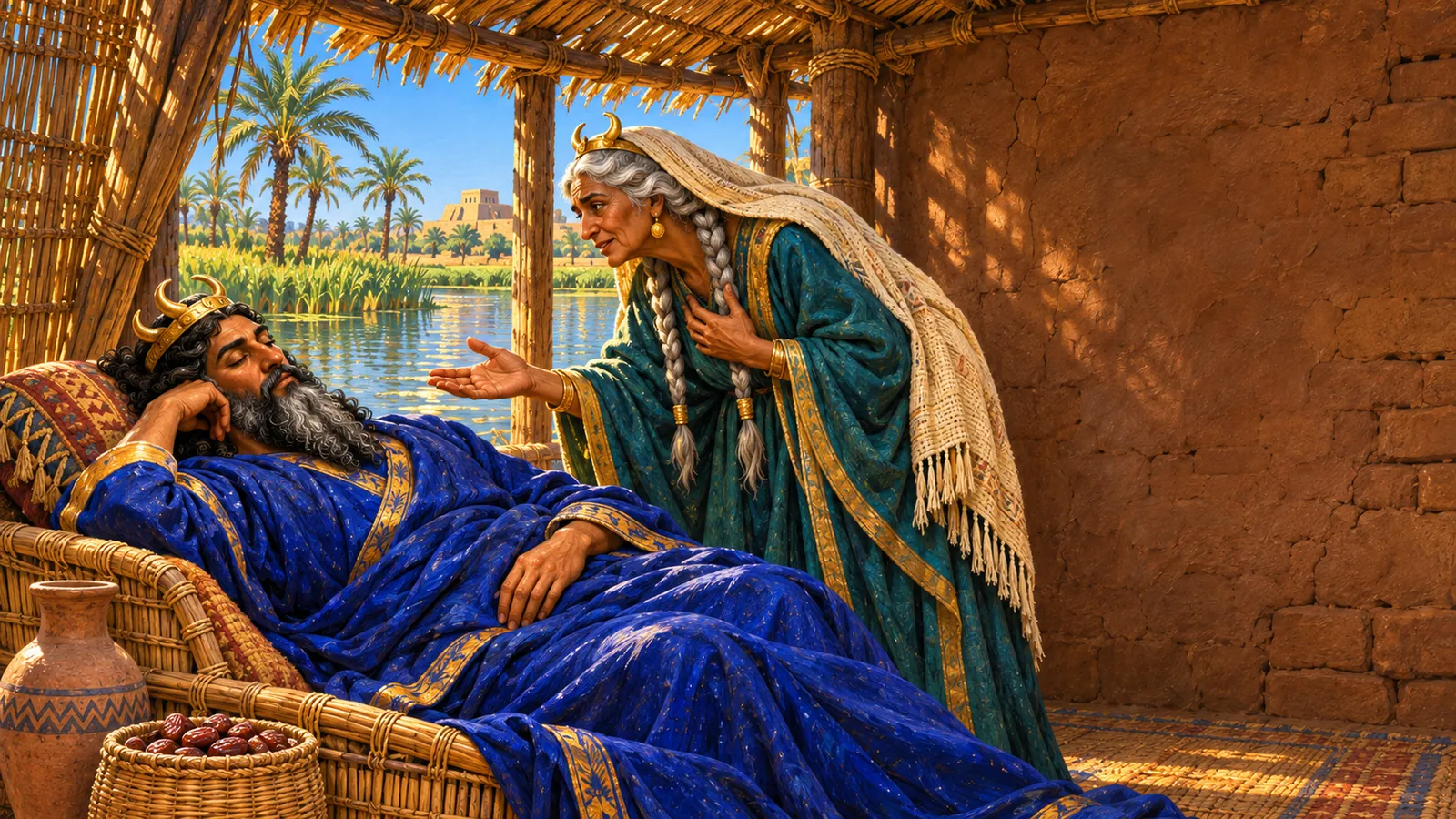
تلجأ الآلهة إلى إنكي وهو مستغرقٌ في النوم. وتنقل إليه أمّه نامّو شكواها، وهي التي يربطها ياكوبسن بالغمر المائيّ.
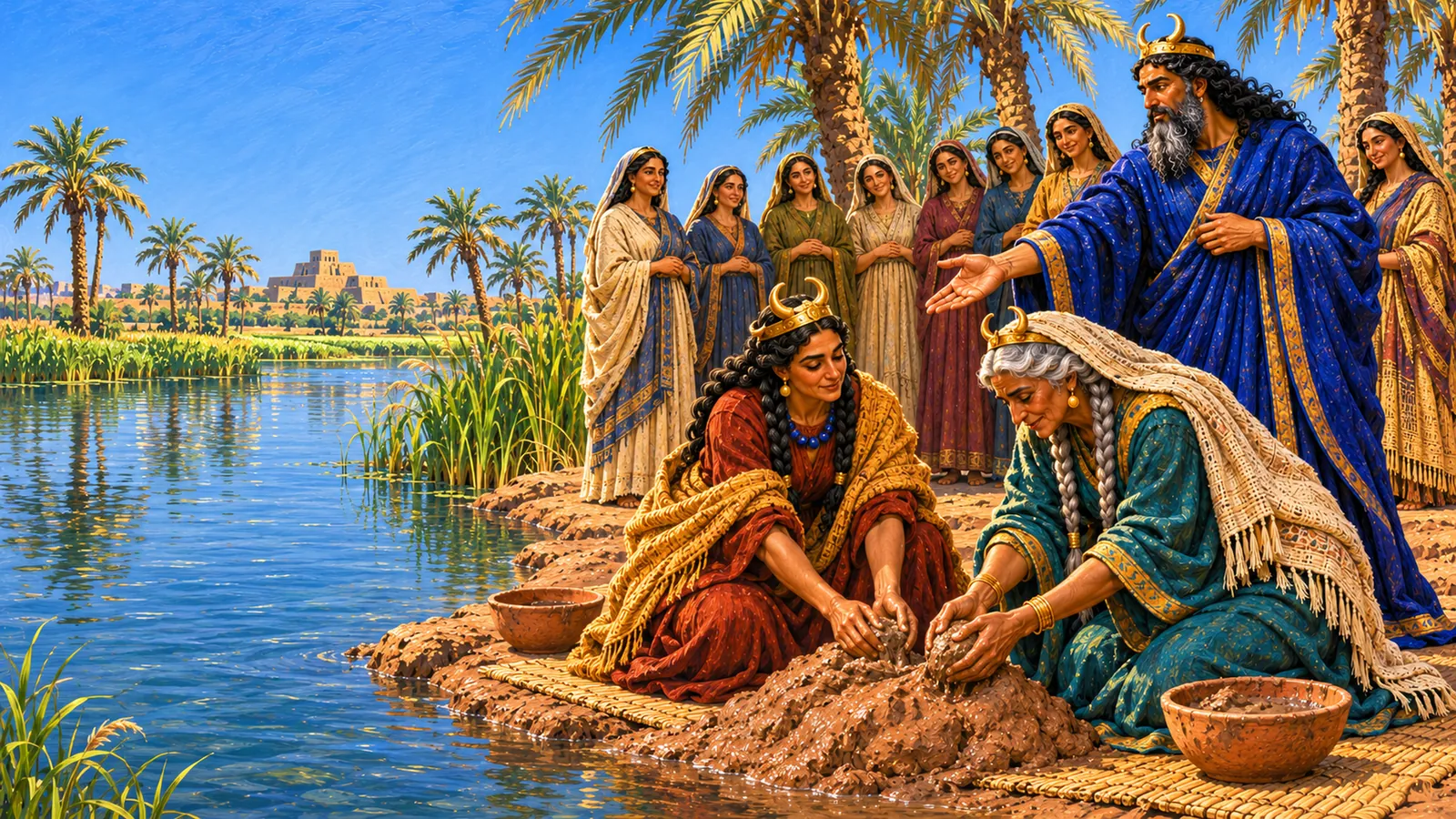
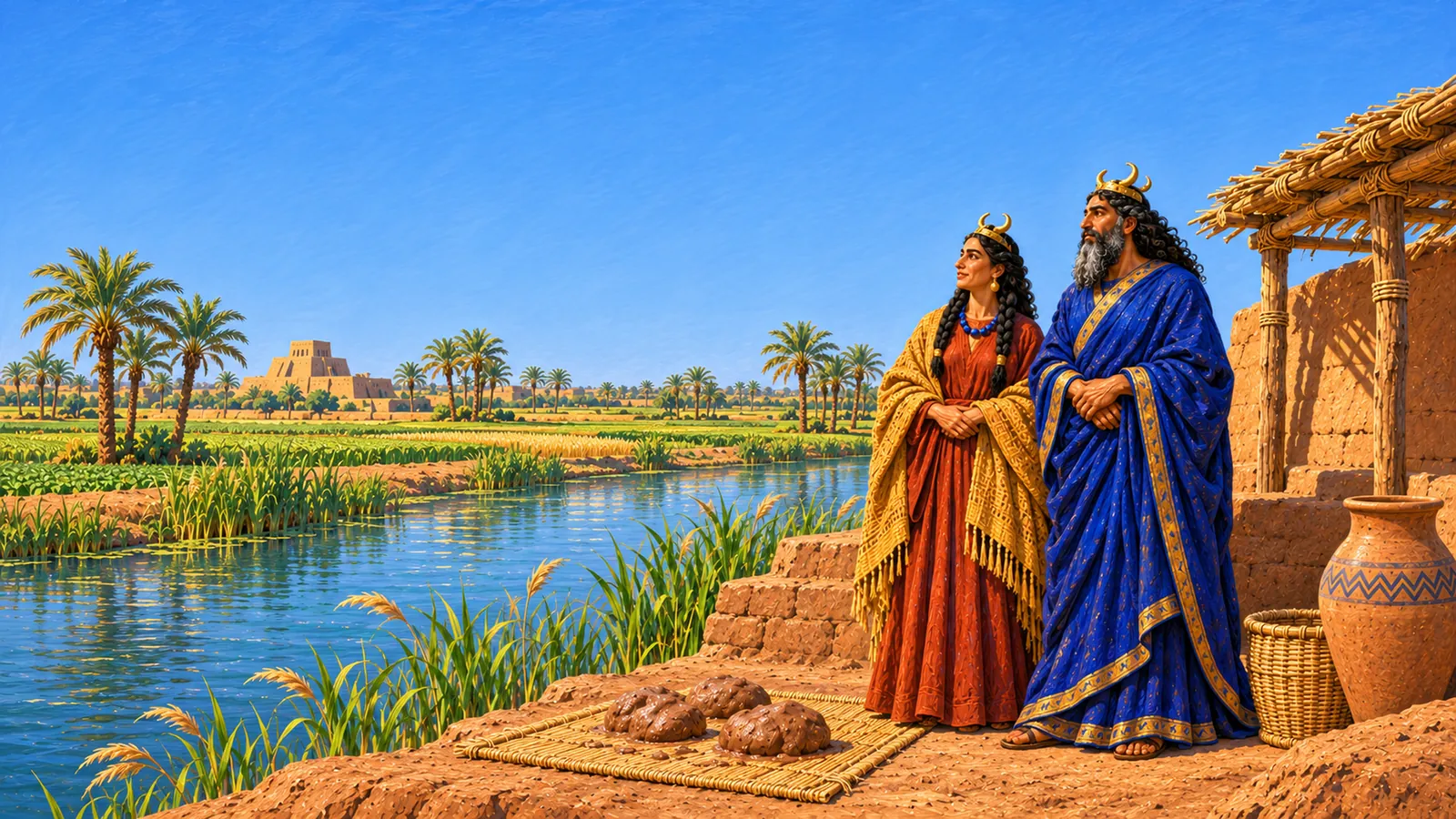
يأمر إنكي نامّو بالاستعداد لولادة الطين الذي فوق الأبسو. ويوضح ياكوبسن أنّ الطين فوق المياه العميقة تحت الأرض، وأنّ ننماح وثماني إلهات أخريات سيُساعِدنَ نامّو.
فجوة
تحجب فجوةٌ كبيرة كيفيّة خلق البشر. ويرجّح ياكوبسن أنّ الطين وُلد أوّلًا، ثمّ شُكّل منه البشر.
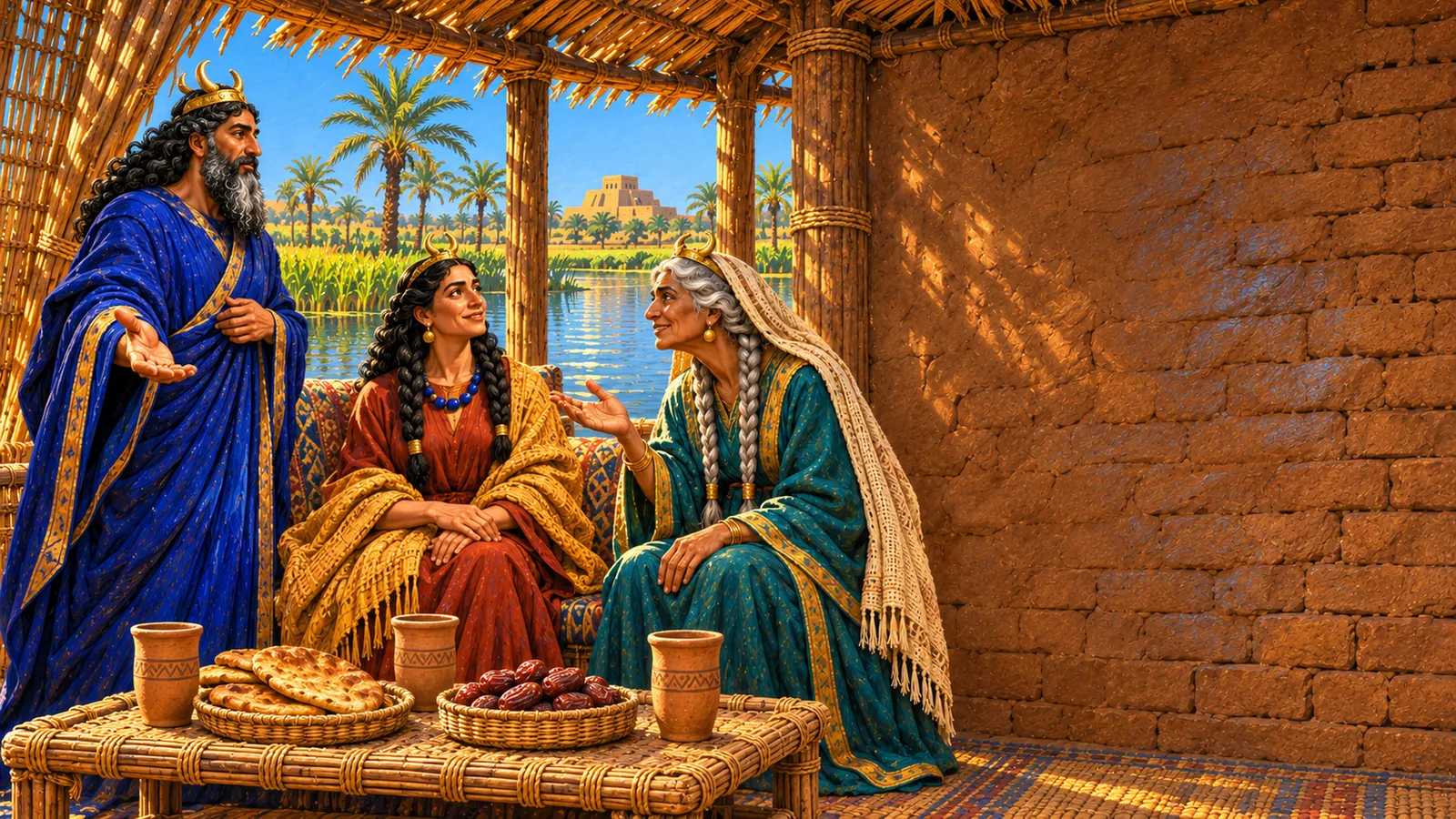
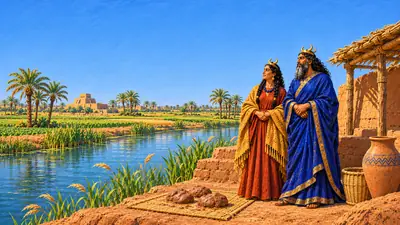
حين يستأنف النصّ، يروي ياكوبسن أنّ إنكي يُعدّ وليمةً لننماح ونامّو. وتشيد الآلهة بمهارته، ويرجّح ياكوبسن أنّ الوليمة كانت احتفالًا بالولادة.
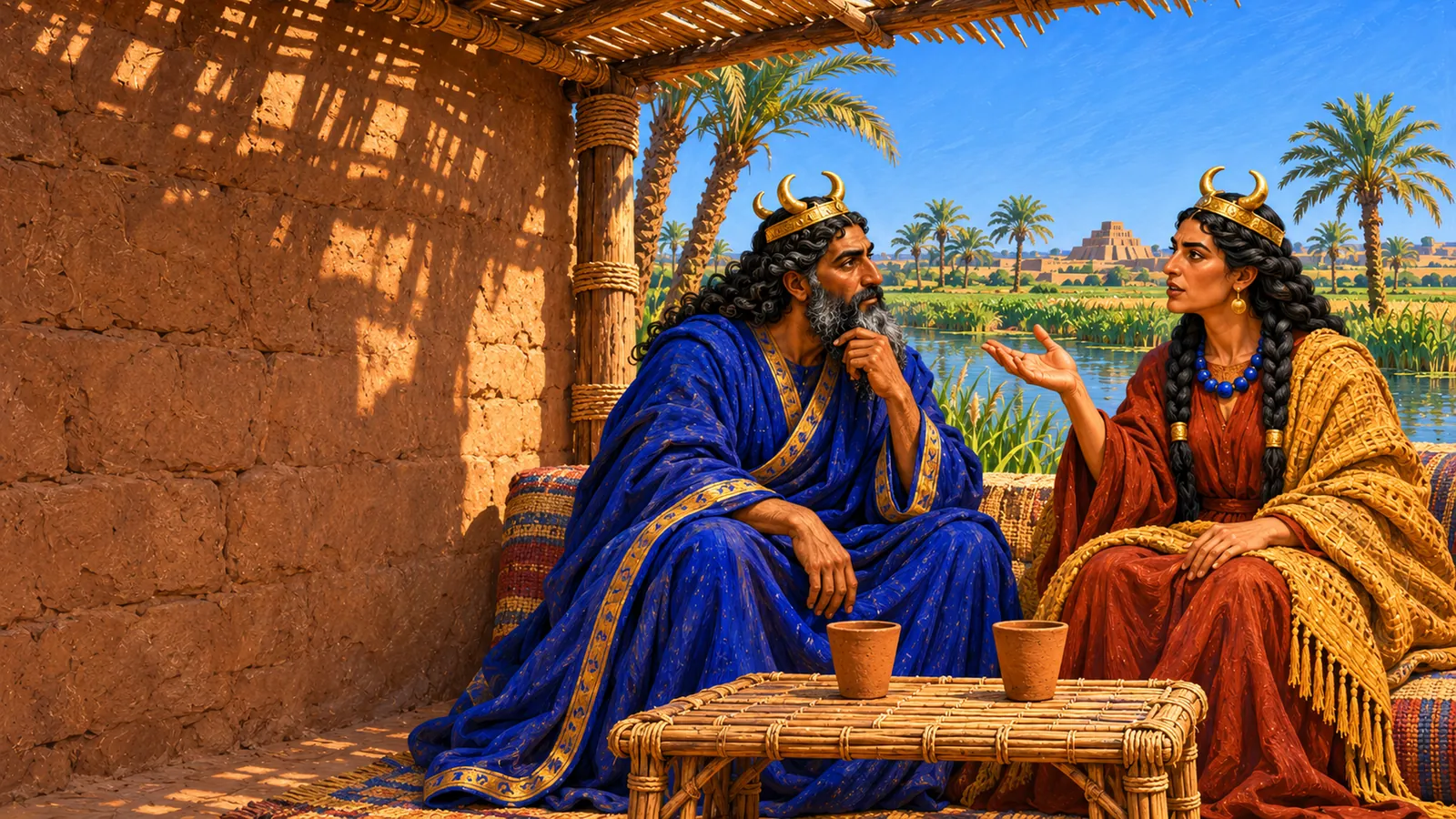
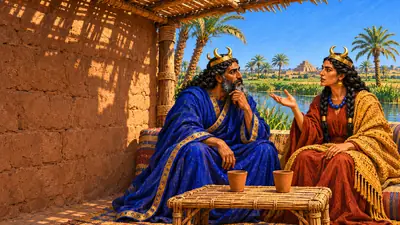
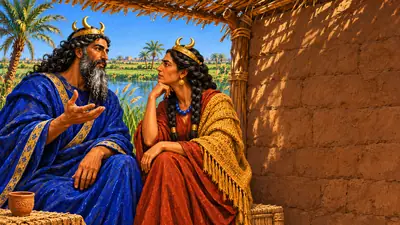
بعد أن تشرب ننماح الجعّة مع إنكي، تسأل عن مقدار ما يمكن أن يكون في الجسد البشريّ من صلاح أو سوء. وتقول إنّها تستطيع أن تمنحه مصيرًا حسنًا أو سيّئًا كما تشاء.
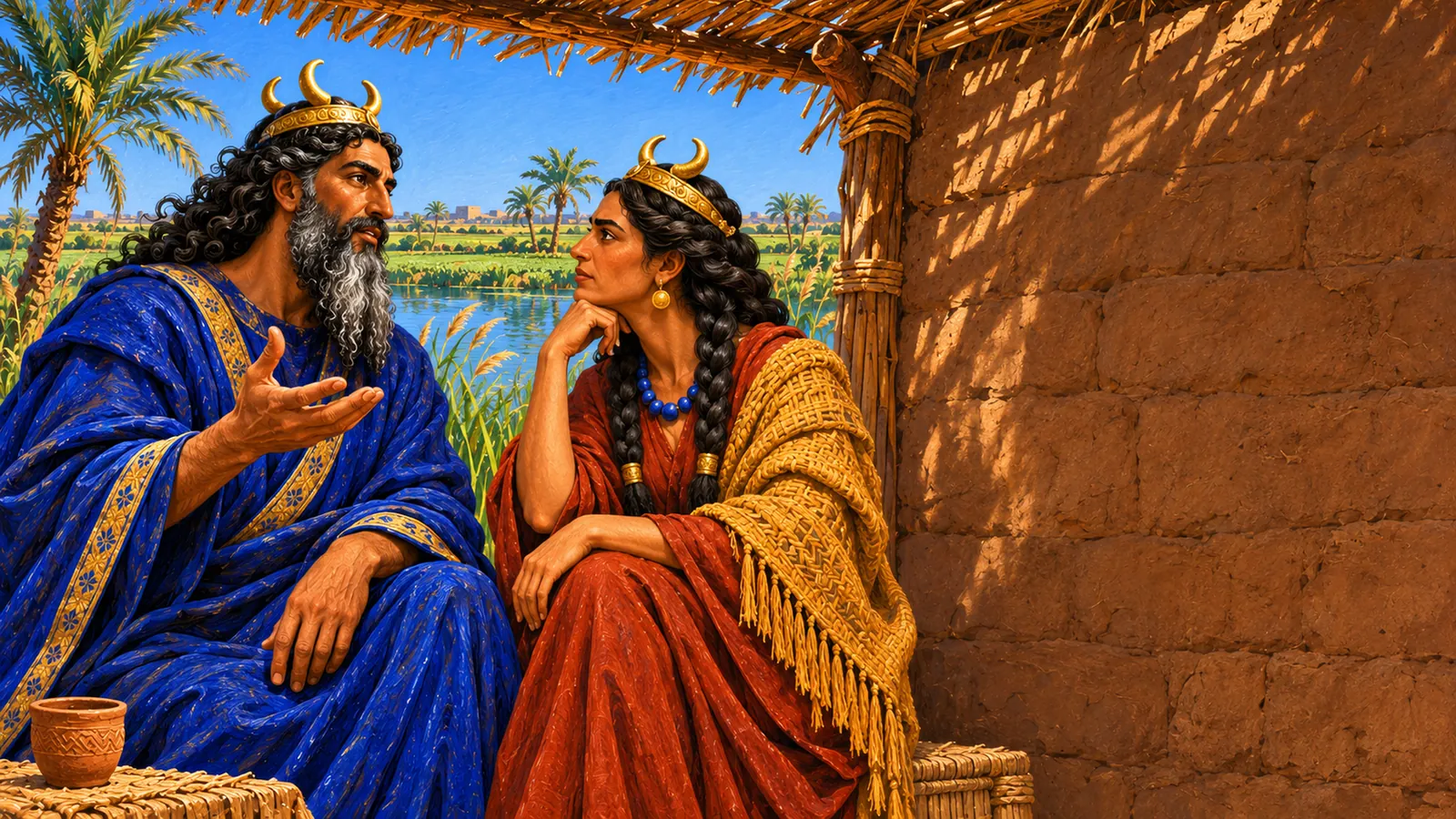
يقول إنكي إنّه سيواجه المصير الذي تختاره ننماح، حسنًا كان أم سيّئًا. وتشير الطبعة إلى أنّ معنى الفعل المترجم بما يفيد الموازنة غير مؤكّد.
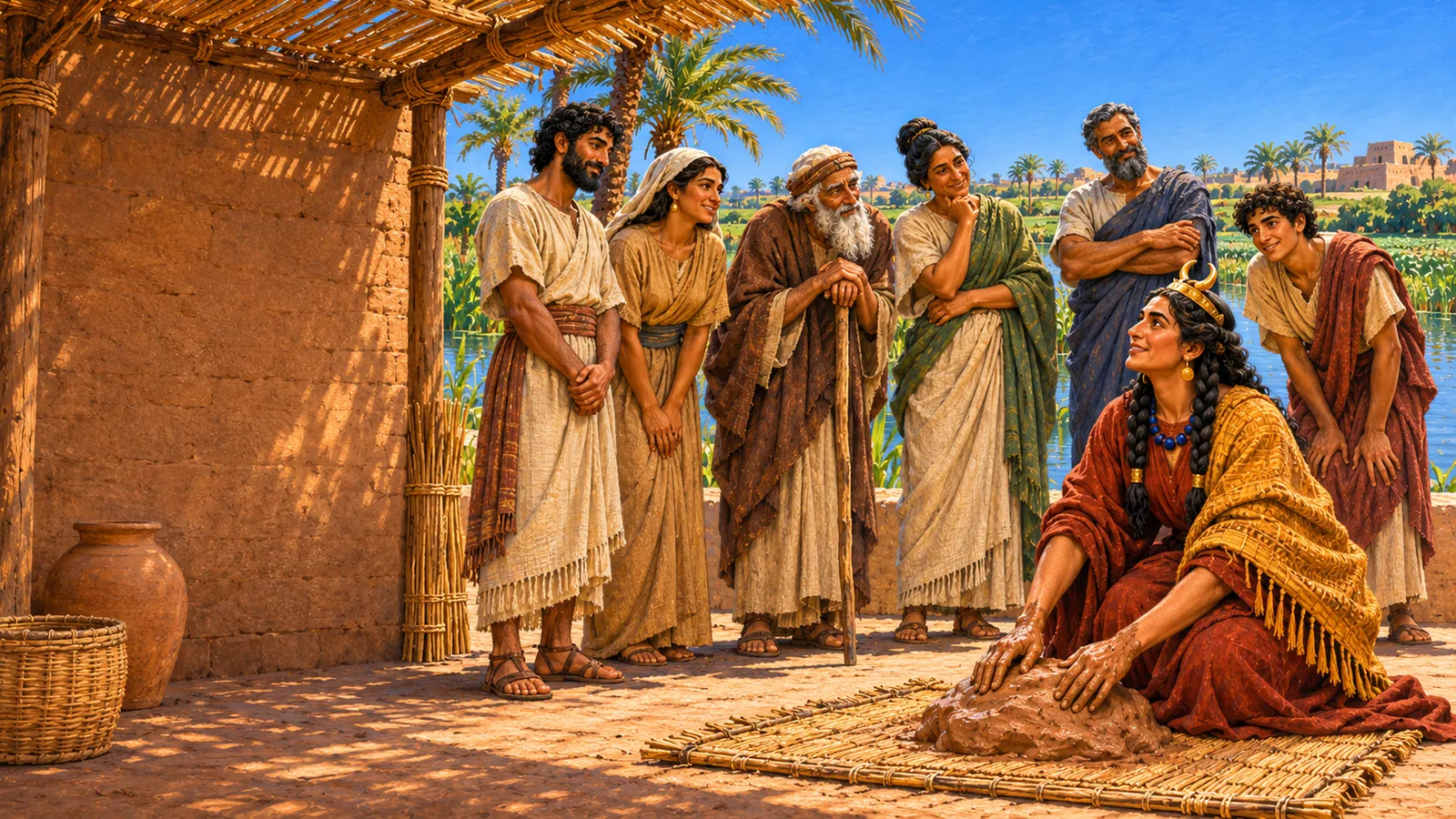
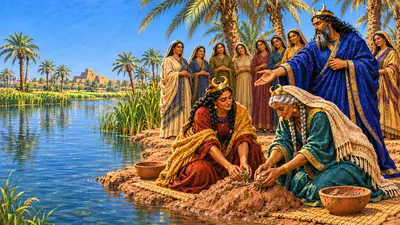
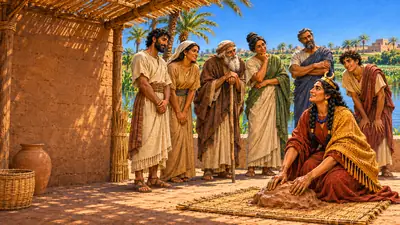
يقول ياكوبسن إنّ ننماح تشكّل ستّة أشخاص من الطين. ومنهم رجلٌ لا يستطيع حبس بوله، وامرأةٌ لا تستطيع الإنجاب، وشخصٌ بلا أعضاء جنسيّة ذكريّة أو أنثويّة.
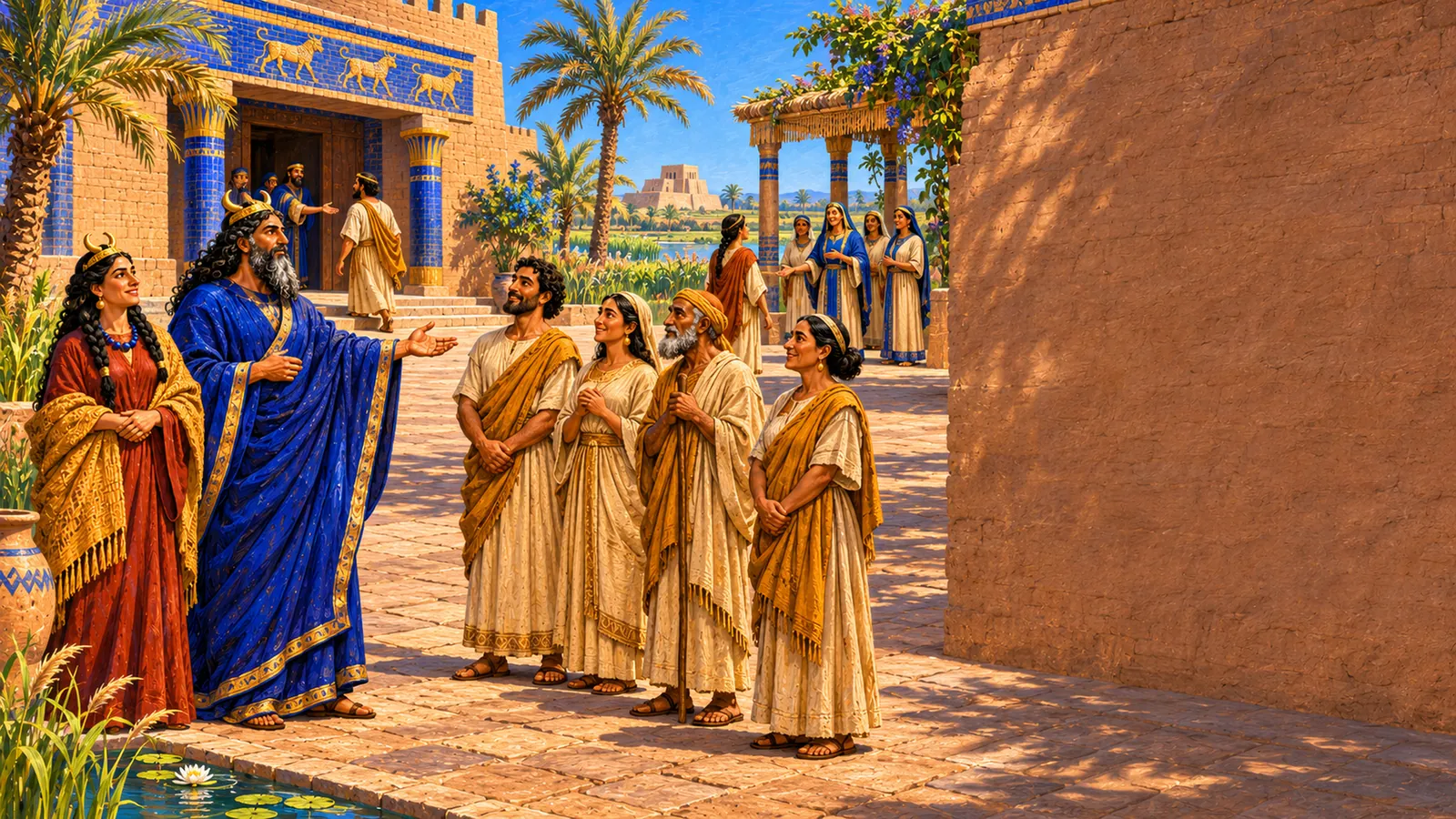
يقول ياكوبسن إنّ إنكي يجد للستّة جميعًا سبيلًا للرزق. فيدخل أحدهم في خدمة الملك، وتنضمّ واحدةٌ منهم إلى حاشية الملكة.
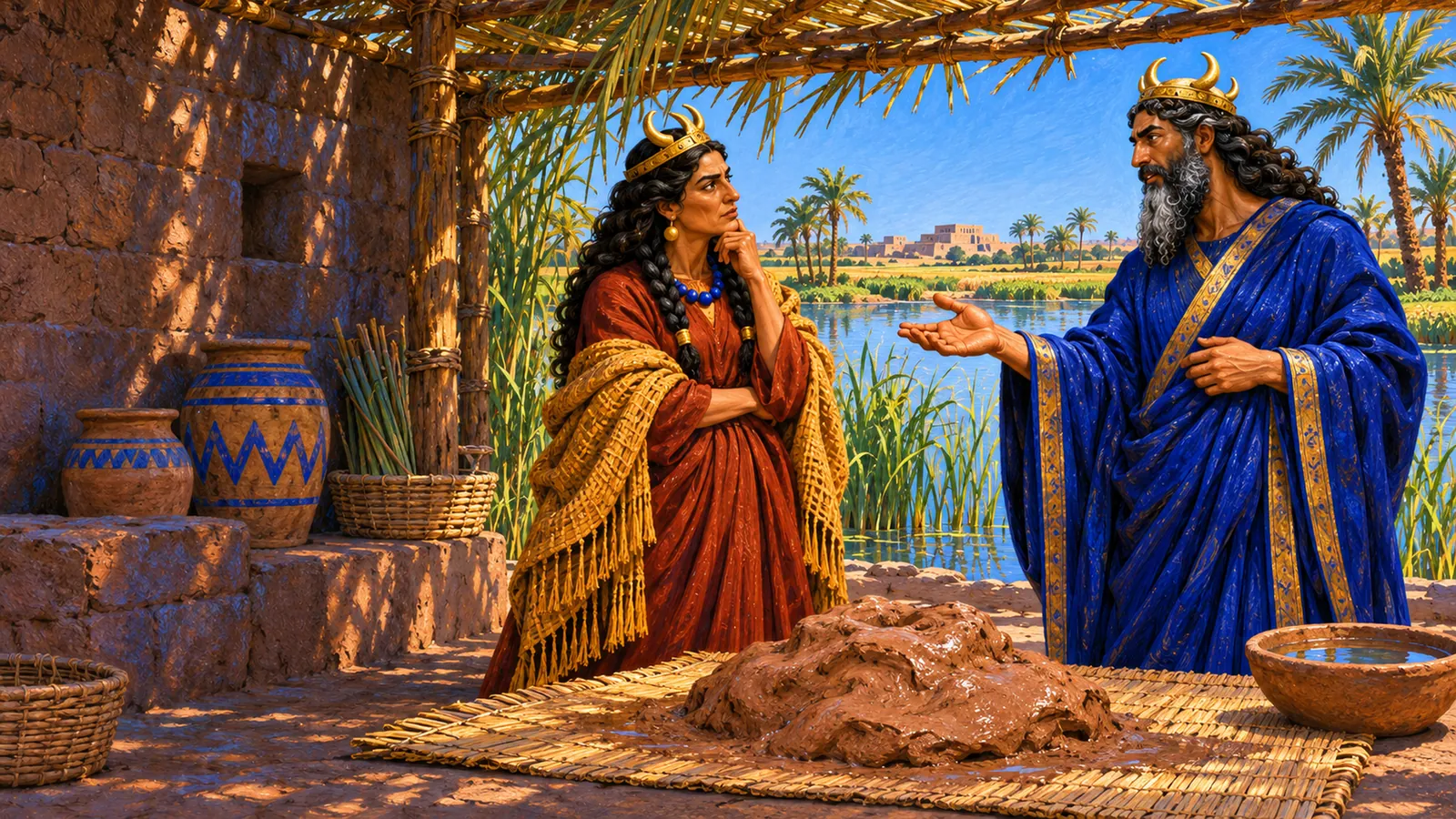
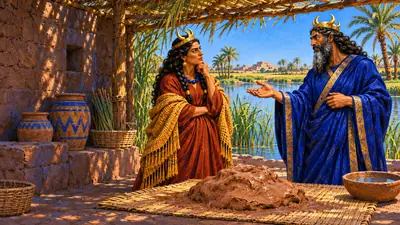
يقول ياكوبسن إنّ إنكي يتبادل الدور مع ننماح، ويطلب منها أن تجد سبيلًا للرزق لمن يشكّلهم. وقد تضرّر المقطع الذي يتناول محاولته الأولى، فلم تُعرف تفاصيلها.
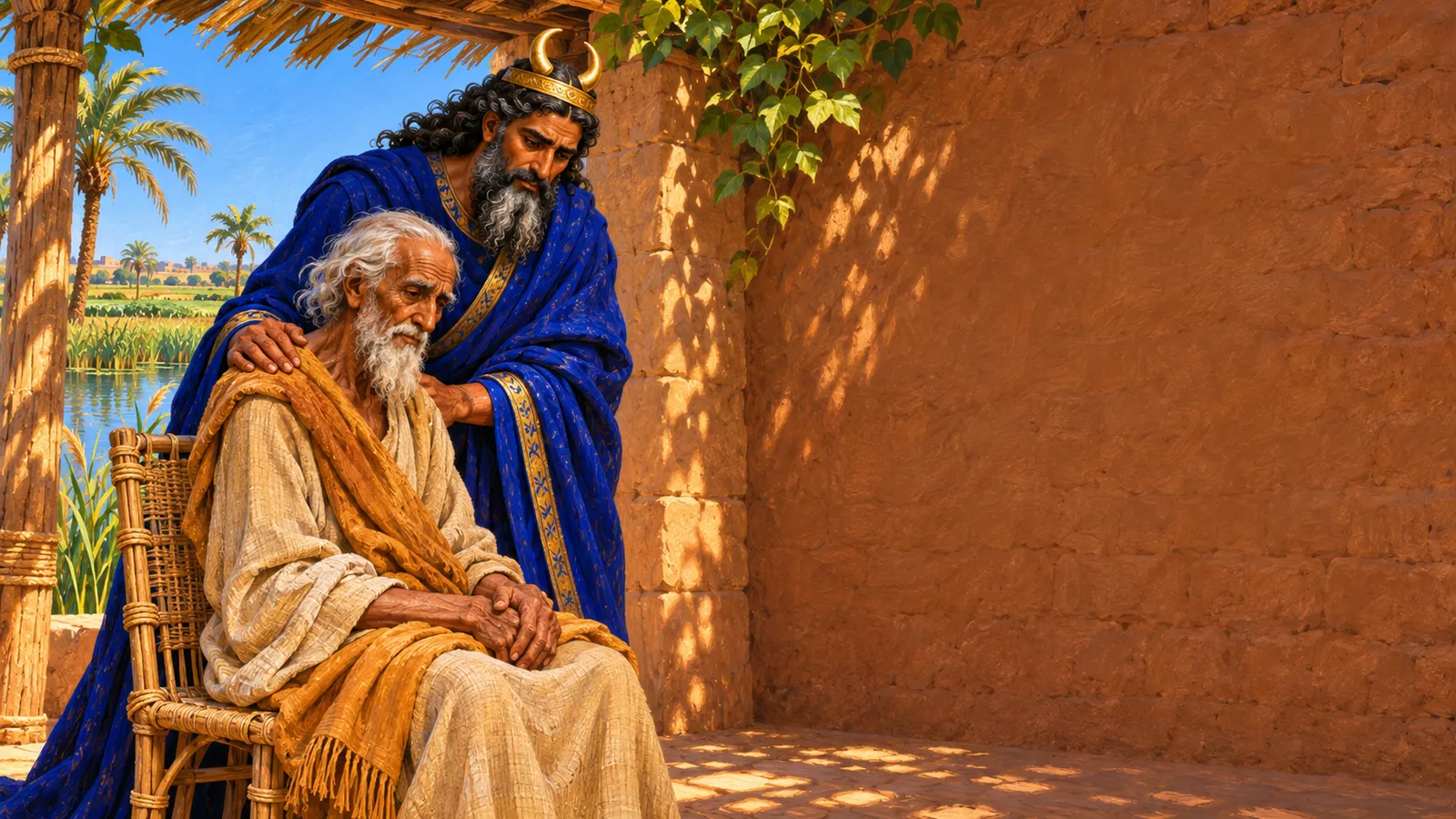
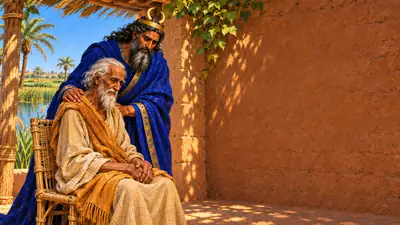
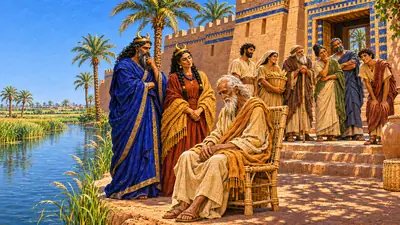
يصف ياكوبسن هيئة إنكي الثانية بأنّها رجل طاعن في السنّ، ويفسّر اسمه بمعنى «يومي بعيد». ويصف مرض عينيه وألم كبده وقلبه وارتجاف يديه وانحسار حياته.
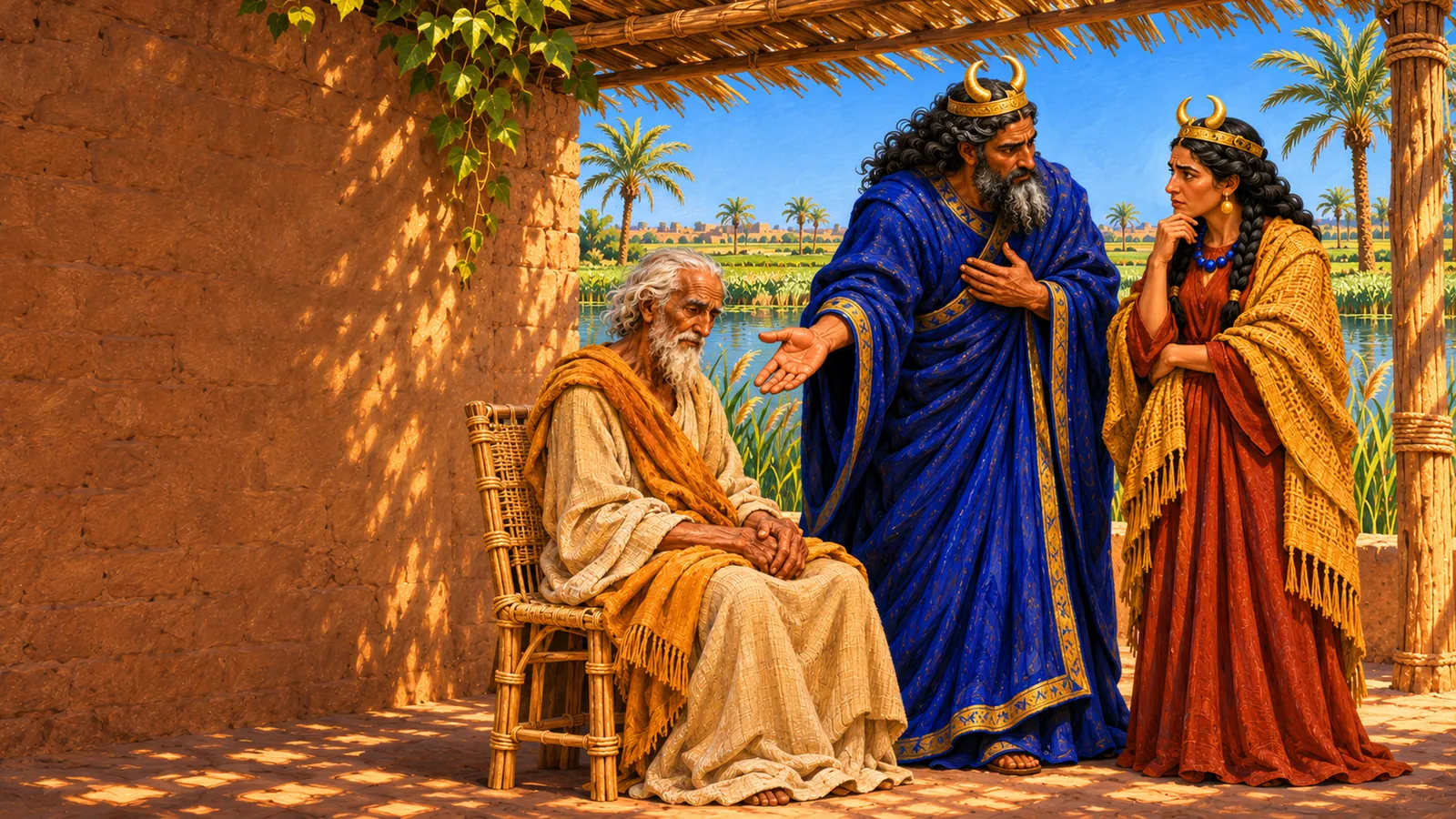
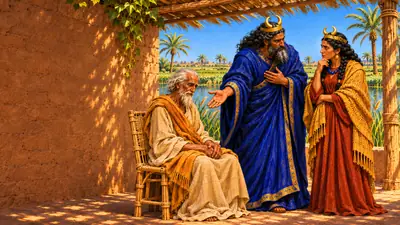
يقول إنكي إنّه عيّن لمَن صنعتهم ننماح نصيبًا أتاح لهم العيش. ويطلب منها أن تفعل الشيء نفسه للرجل الذي صنعه.
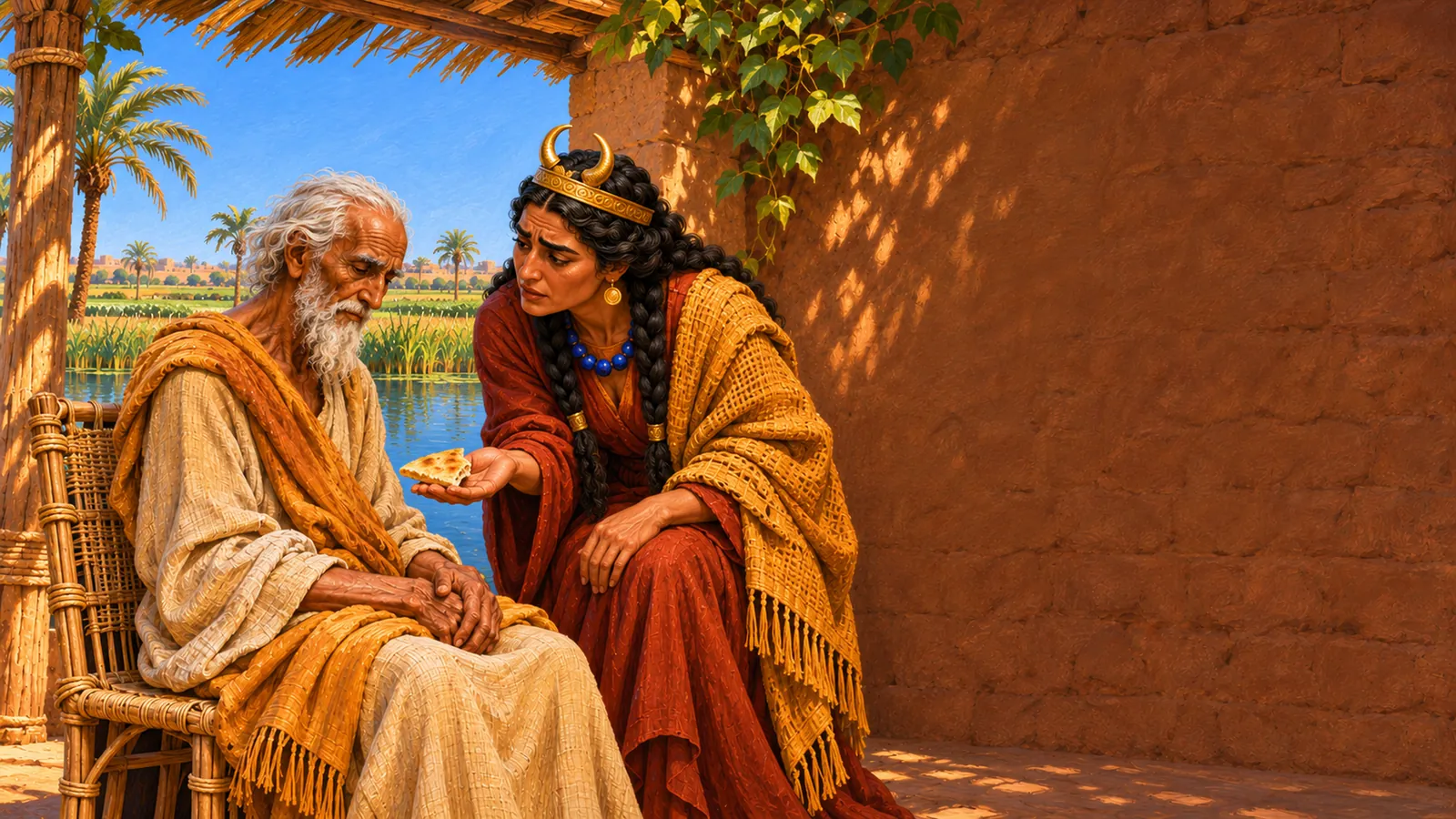
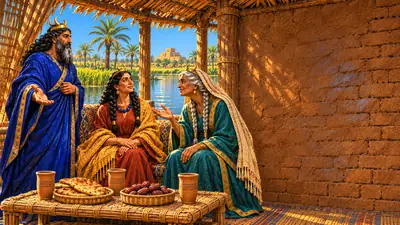
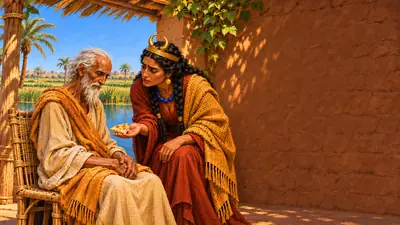
يقول ياكوبسن إنّ الرجل لا يستطيع الإجابة عن سؤال ننماح. ولا يستطيع أيضًا أن يمدّ يده إلى الخبز الذي تقدّمه له.
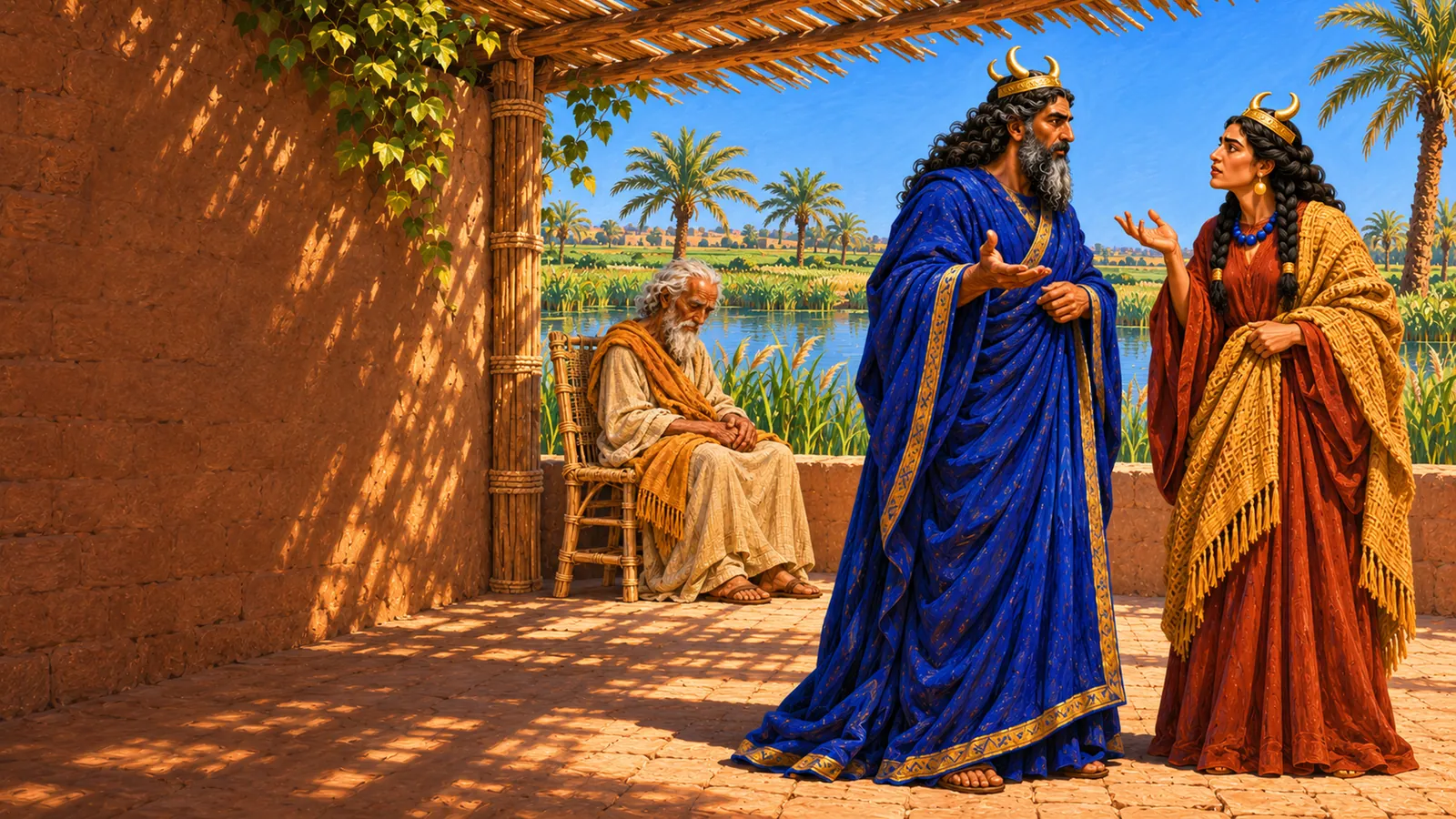
في رواية ياكوبسن تقول ننماح إنّ الرجل الذي صنعه إنكي ليس حيًّا. ويذكّرها إنكي بأنّه وجد سبلًا للعيش لمن صنعتهم. ثمّ يقطع تلف النصّ رواية الخصام.
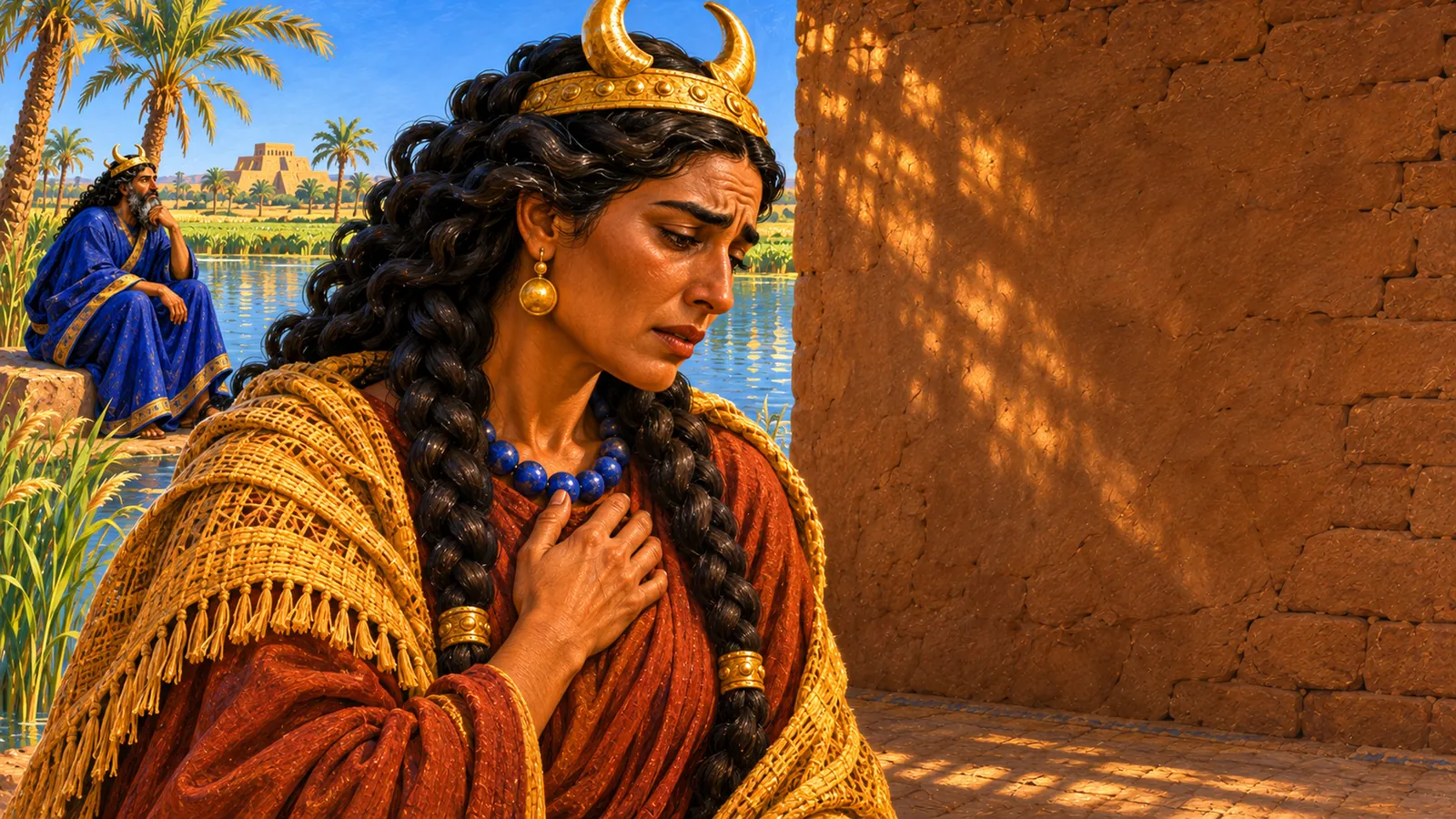
يربط ياكوبسن هيئة إنكي الثانية بمشقّات الشيخوخة. ويتساءل هل أجّجت آثار الهيئتين في أرض ننماح ومدينتها ضيقها أم أهانها إنكي مرّةً أخرى. ويظلّ السبب غير واضح بسبب تلف النصّ.
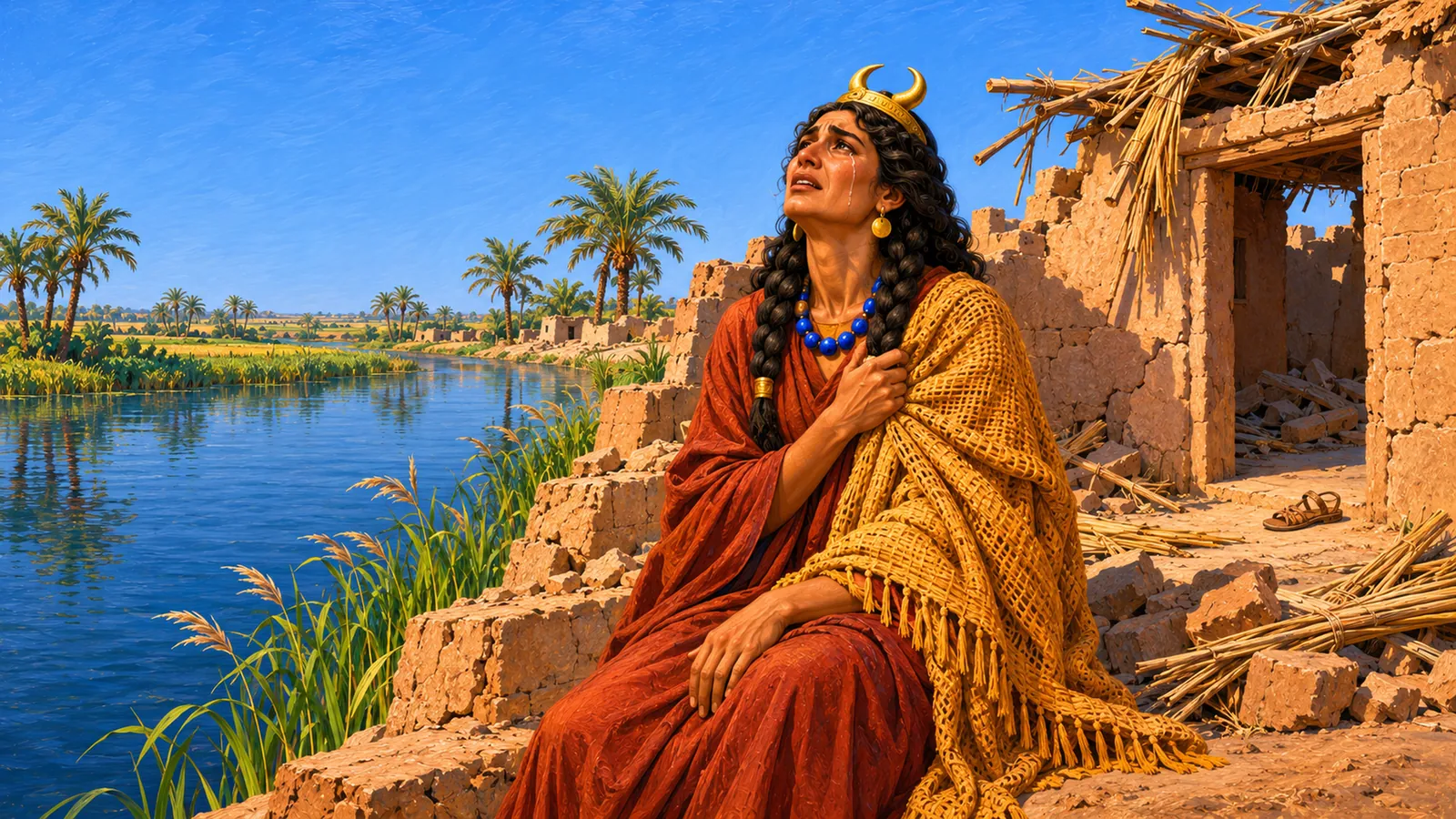
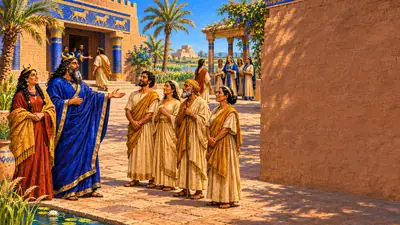
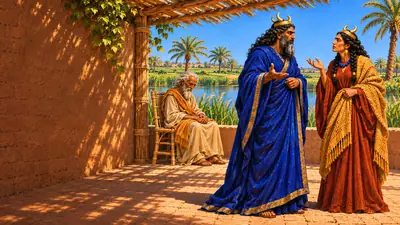
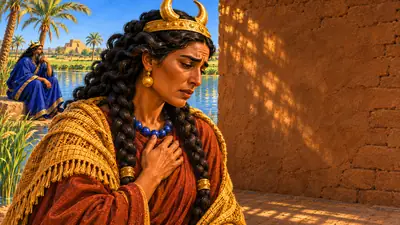
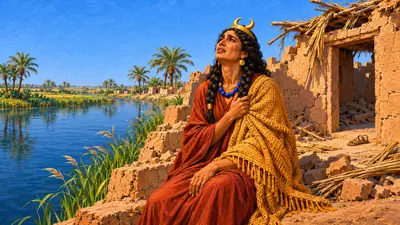
تقول ننماح إنّ مدينتها دُمّرت وبيتها خُرّب وأطفالها أُخذوا أسرى. وتقول إنّها أُجبرت على مغادرة إيكور وإنّها لا تزال عاجزةً عن الإفلات من سلطان إنكي. ويضع ياكوبسن علامة استفهام عند لفظ «هاربة» في قراءته.
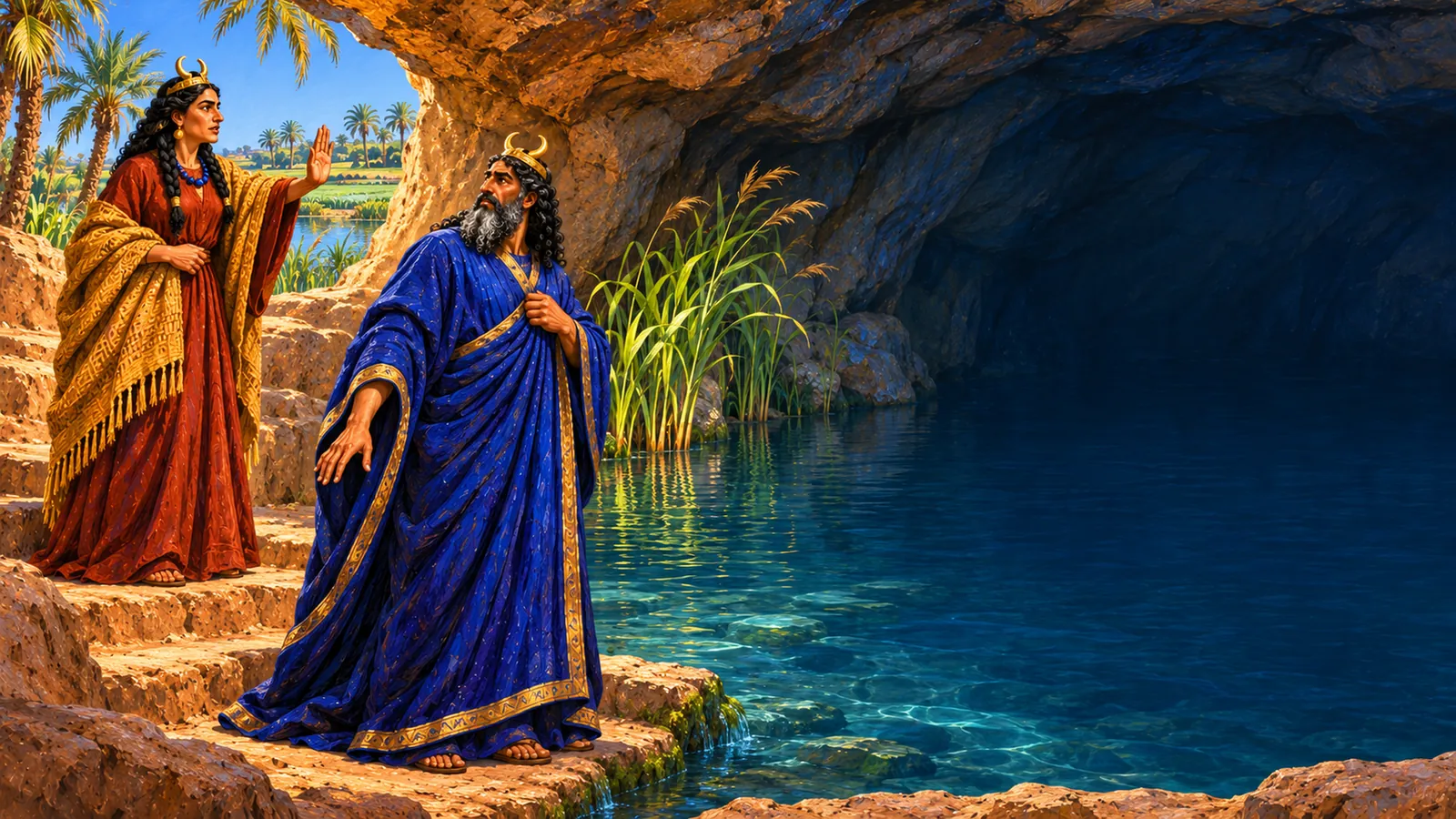
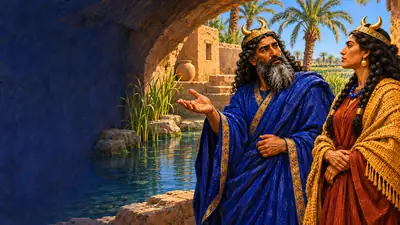
تحرّم ننماح على إنكي أن يسكن في السماء أو على الأرض. ويقرأ ياكوبسن اللعنة بوصفها تفسيرًا لوجود المياه العذبة تحت الأرض.
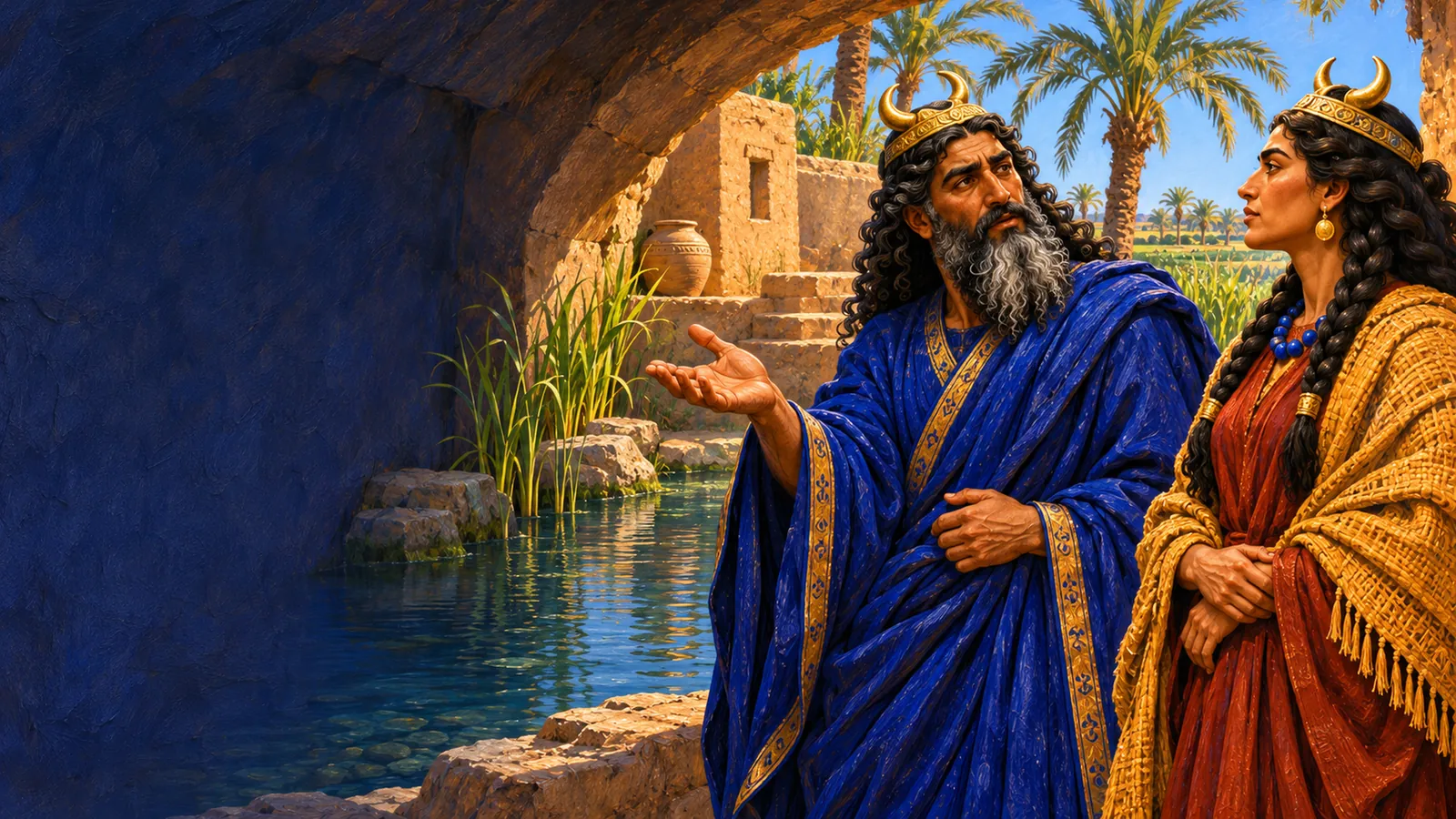
يسأل إنكي مَن يستطيع تغيير أمرٍ صدر عن ننماح. ويفهم ياكوبسن من ذلك أنّ حكمها مُلزِم.
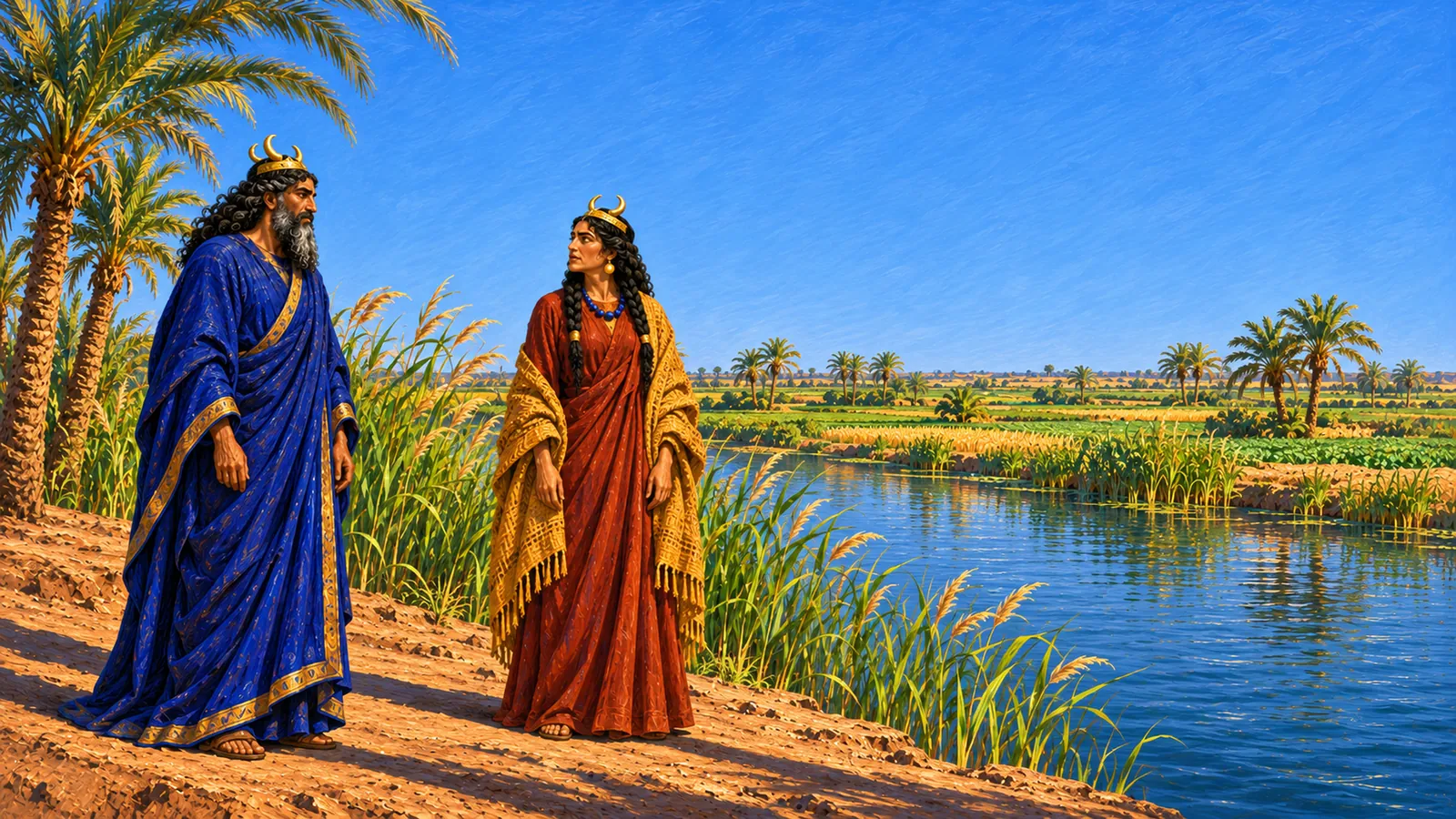
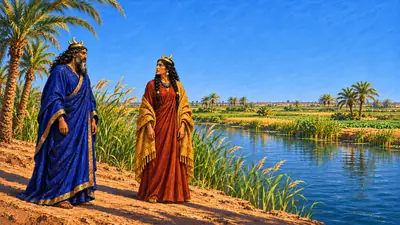
يقول ياكوبسن إنّ النصّ يستمرّ، لكنّه مجزّأ وعسير القراءة. ويرجّح إمكان تخفيف الحكم وحدوث مصالحة بينهما.
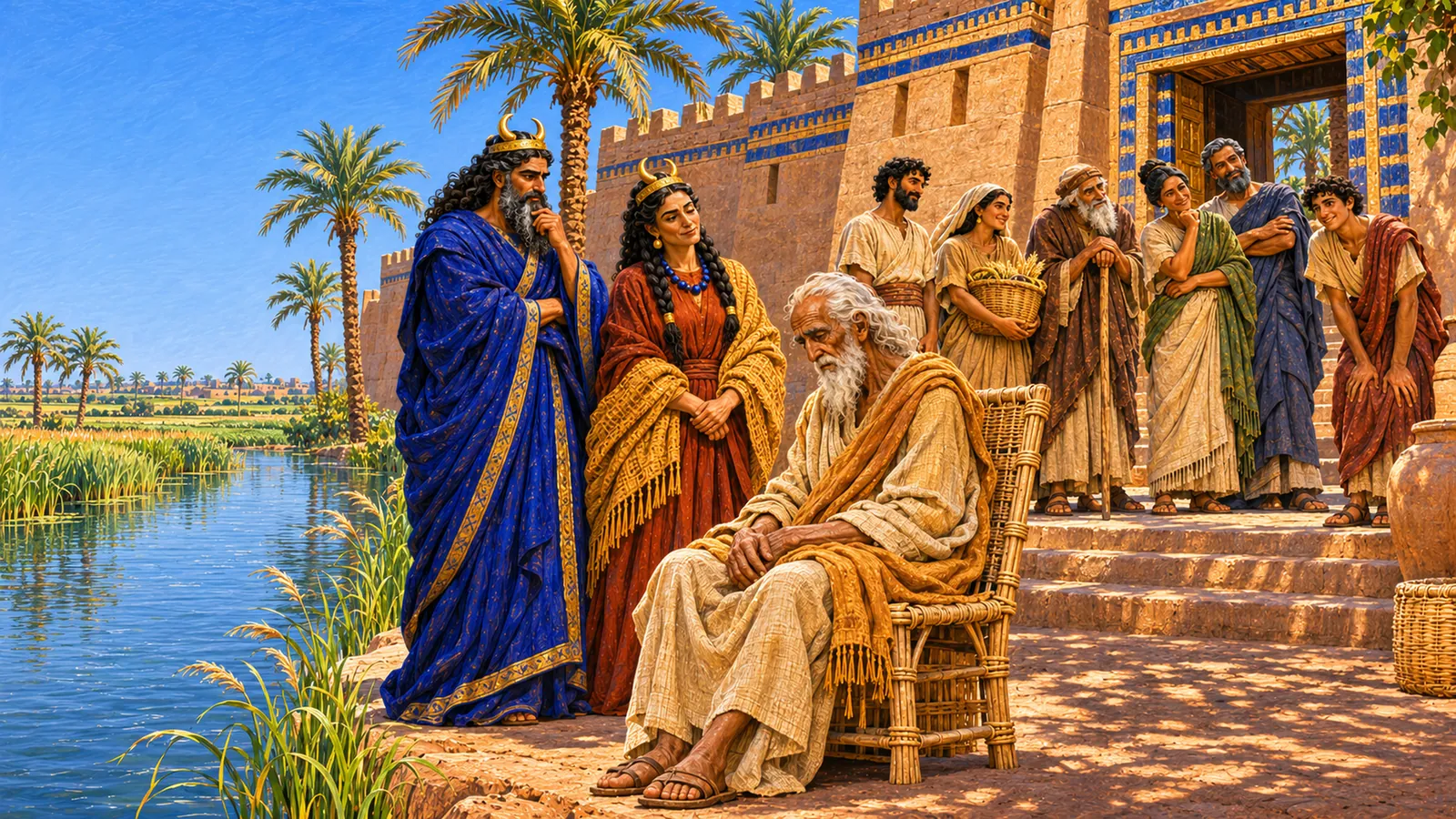
يقرأ ياكوبسن الحكاية بوصفها تفسيرًا لأدوار اجتماعيّة مرتبطة بالاختلافات الجسديّة ولمشقّات الشيخوخة. ويقارن بين سبل العيش التي وجدها إنكي لمن صنعتهم ننماح وبين تحدّيه هو، الذي تظلّ نتيجته غير مؤكّدة.
نهاية الفصل الأول
كل الصفحات

المصادر
المصادر والملاحظات مكتوبة بالإنجليزية كما وردت في المراجع.
This reading follows Thorkild Jacobsen’s subsection on Enki and Ninmah in The Cosmos as a State, The Intellectual Adventure of Ancient Man, University of Chicago Press, 1946, first Phoenix edition 1977, pp. 161–165. The book credits H. A. Groenewegen Frankfort for the English poetic form (preface p. vi and p. 184, note 3). Chapter note 26 on p. 184 refers to Kramer’s Mythology, note 73.
الطبعات المعتمدة
- University of Chicago, The Intellectual Adventure of Ancient Man
- Jacobsen’s printed subsection, pp. 161–165
- Chapter notes 3 and 26, p. 184
ملاحظات على هذه الرواية
Page 1, opening. Jacobsen’s introduction on pp. 161–162 describes Enki as the god of sweet water and gives Ninmah as an epithet of Ninhursaga. The opening translated lines repeat the separation of sky and earth across a pair of lines on days and nights. The book credits H. A. Groenewegen Frankfort with the English form of the poem selections (preface p. vi and p. 184, note 3).
Pages 2–3, labor and Nammu’s appeal. The prose following the opening selection on p. 162 recounts the gods’ agricultural toil, the canals they dig and their appeal to Enki. Nammu is Enki’s mother in the account and Jacobsen associates her with the watery deep.
Page 4, the clay and the apsu. A short quotation within the prose on p. 162 locates the clay above the apsu. Jacobsen glosses this as the level above the underground waters and adds the account of Ninmah and eight other goddesses helping Nammu. His prose compares the severing of the clay to that of a newborn from its mother.
Pages 5–6, the gap and feast. The p. 162 break leaves the making of human beings uncertain. Jacobsen’s suggestion about clay being born before humans are formed is conjectural. The proposed reason for the feast is another conjecture.
Pages 7–8, the first challenge. The printed passage on p. 162 sets the exchange after Ninmah and Enki drink beer. Parentheses mark “really” within her question about the human body. The edition places a question mark after the verb rendered “balance” in Enki’s reply.
Pages 9–10, physical descriptions and livelihoods. Jacobsen’s prose on p. 163 gives three examples among the six people Ninmah forms. The person without male or female sexual organs is assigned to the king’s service, and the woman who cannot bear children joins the queen’s attendants. Jacobsen proposes that the former is a eunuch. That identification is conjectural.
Page 11, reversal and the first attempt. Jacobsen’s prose on p. 163 describes Enki taking up the shaping of people, while Ninmah is asked to determine their lot. The text is damaged where Enki’s first attempt would be described.
Page 12 · p. Jacobsen reads the second as a very old man and glosses his name “my day is remote.” The spoken version uses the clearly readable gloss because the extracted transliteration from the scan is uncertain. Jacobsen’s description mentions eye disease, pain in the liver and heart, trembling hands, and life ebbing away.
Pages 13–14 · p. 163, translated challenge and explanatory prose. Enki says that he assigned the people Ninmah made a lot allowing them to subsist and asks her to find such a lot for the man he made. Jacobsen’s narrative says the man cannot reply to Ninmah’s question or reach for the bread she offers.
Pages 15–16 · pp. 163–164, the interrupted quarrel and Jacobsen’s conjectures. Jacobsen reports that Ninmah says the man is not alive. A break interrupts the quarrel.
Page 17 · p. 164, translated lament. In the printed translation, “fugitive” has a question mark. The still shows an intact doorway.
Pages 18–19 · p. 164, the curse and translated reply. Ninmah forbids Enki from dwelling in heaven or on earth. Jacobsen links this to the sweet waters beneath the earth and compares the decree with one in the separate Tilmun narrative. Enki asks who could alter a command from Ninmah. Jacobsen reads his reply in terms of the binding force of a divine decree.
Page 20 · p. 164, the fragmentary continuation. Jacobsen says that the text continues but is difficult to read. He suggests the sentence may have been eased and a reconciliation may have followed. The wording keeps both as conjectures.
Page 21 · pp. 164–165, Jacobsen’s closing interpretation. His historical interpretation mentions eunuchs and hierodules. It ends before the next category of myths.
الأسطر القديمة وراء كل صفحة
- Page 1: Jacobsen, “Enki and Ninmah,” 1977 Phoenix ed., pp. 161–162, framing prose and opening verse
- Page 2: Jacobsen, “Enki and Ninmah,” 1977 Phoenix ed., p. 162, prose on the gods’ work
- Page 3: Jacobsen, “Enki and Ninmah,” 1977 Phoenix ed., p. 162, prose on Nammu and Enki
- Page 4: Jacobsen, “Enki and Ninmah,” 1977 Phoenix ed., p. 162, short translated phrase and surrounding prose
- Page 5: Jacobsen, “Enki and Ninmah,” 1977 Phoenix ed., p. 162, lacuna and Jacobsen’s inference
Dark homogeneous matte mud plaster covers the upper two thirds, undisturbed by the roof edge, doorway lines, or lit seams. - Page 6: Jacobsen, “Enki and Ninmah,” 1977 Phoenix ed., p. 162, Jacobsen’s account of the resumed text
- Page 7: Jacobsen, “Enki and Ninmah,” 1977 Phoenix ed., p. 162, translated feast scene and Ninmah’s challenge
- Page 8: Jacobsen, “Enki and Ninmah,” 1977 Phoenix ed., p. 162, Enki’s translated reply
- Page 9: Jacobsen, “Enki and Ninmah,” 1977 Phoenix ed., p. 163, Jacobsen’s summary of Ninmah’s figures
- Page 10: Jacobsen, “Enki and Ninmah,” 1977 Phoenix ed., p. 163, Jacobsen’s prose on the people’s roles
- Page 11: Jacobsen, “Enki and Ninmah,” 1977 Phoenix ed., p. 163, role reversal and damaged passage
- Page 12: Jacobsen 1977, The Intellectual Adventure of Ancient Man, ch. V, Enki and Ninmah, p. 163, Jacobsen’s prose on Enki’s second figure
- Page 13: Jacobsen 1977, The Intellectual Adventure of Ancient Man, ch. V, Enki and Ninmah, p. 163, translated answering challenge
- Page 14: Jacobsen 1977, The Intellectual Adventure of Ancient Man, ch. V, Enki and Ninmah, p. 163, Jacobsen’s prose on Ninmah’s tests
- Page 15: Jacobsen 1977, The Intellectual Adventure of Ancient Man, ch. V, Enki and Ninmah, p. 163, Jacobsen’s prose and break in the quarrel
- Page 16: Jacobsen 1977, The Intellectual Adventure of Ancient Man, ch. V, Enki and Ninmah, p. 164, Jacobsen’s conjectural bridge
- Page 17: Jacobsen 1977, The Intellectual Adventure of Ancient Man, ch. V, Enki and Ninmah, p. 164, Ninmah’s translated lament
The low wider left area remains even continuous natural lapis-grey shade on matte clay, with no opening line, brick detail, bright spot or shape through the reserve. - Page 18: Jacobsen 1977, The Intellectual Adventure of Ancient Man, ch. V, Enki and Ninmah, p. 164, Ninmah’s quoted curse and Jacobsen’s interpretation
- Page 19: Jacobsen 1977, The Intellectual Adventure of Ancient Man, ch. V, Enki and Ninmah, p. 164, Enki’s quoted reply
- Page 20: Jacobsen 1977, The Intellectual Adventure of Ancient Man, ch. V, Enki and Ninmah, p. 164, Jacobsen’s account of the broken ending
- Page 21: Jacobsen 1977, The Intellectual Adventure of Ancient Man, ch. V, Enki and Ninmah, pp. 164–165, Jacobsen’s closing interpretation
الرسوم من صنع أرشيف إيل بأدوات الذكاء الاصطناعي؛ والنص مبني على المصادر القديمة (انظر المصادر في آخر كل فصل).