إنكي ونظام العالم الفصل الأول
إنكي ينظّم ضيعة العالم
يعيد هذا العرض المصوّر صياغة نثر ثوركيلد ياكوبسن عن عناية إنكي بالأنهار والأمطار والزراعة والبناء والحيوان. والتشبيه الختاميّ من قراءة ياكوبسن، إذ يشبّه تنظيم هذه الأعمال المختلفة بتدبير ضيعةٍ كبيرة.
المصادرقلّب الصفحات بالأزرار أو بمفاتيح الأسهم أو بسحب الإصبع.
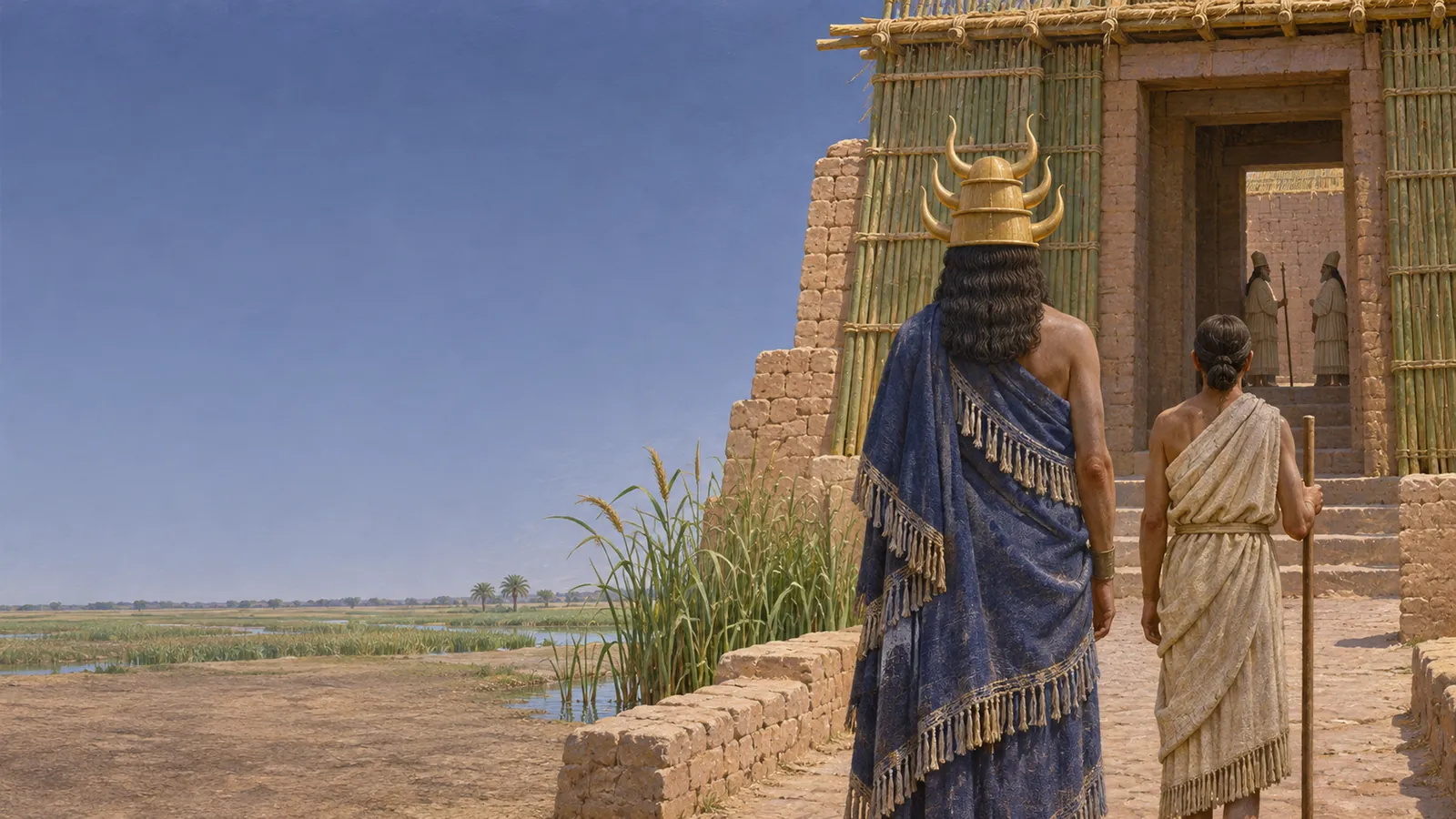
عرض ياكوبسن
تستند هذه الحلقة إلى عرض ثوركيلد ياكوبسن النثريّ المنشور، وتعيد صياغته. ويقول ياكوبسن إنّ البداية فُقدت، ويرجّح أنّها كانت تروي كيف عيّن آنو وإنليلُ إنكي.
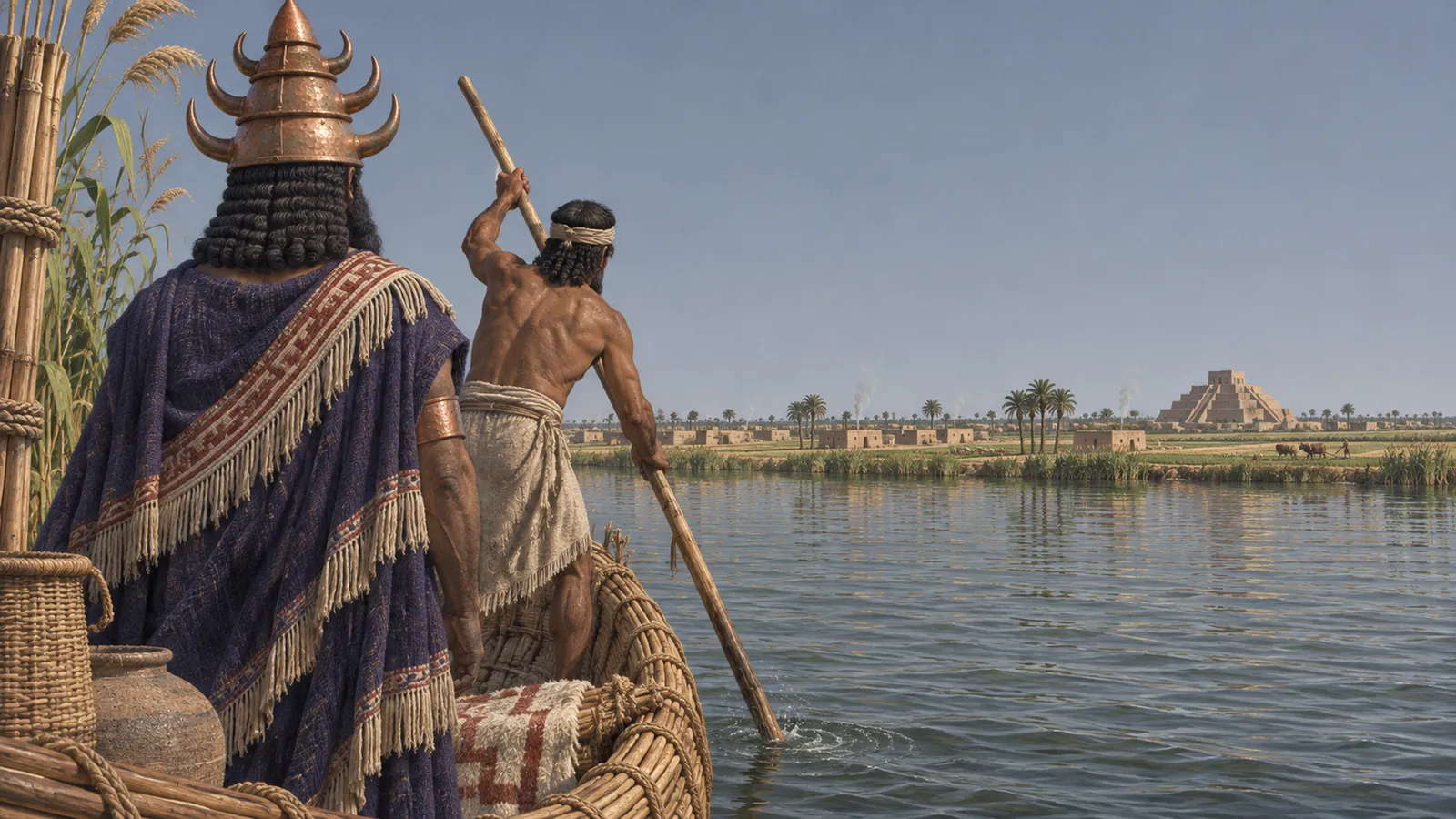
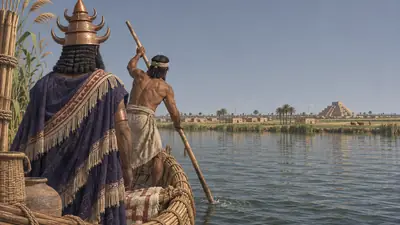
عندما يعود النصّ مقروءًا، يروي ياكوبسن أنّ إنكي يتفقّد أراضيه. وهي تشمل، في عرض ياكوبسن، معظم العالم المعروف آنذاك، ويزور إنكي أهمّ مناطقها الإداريّة.
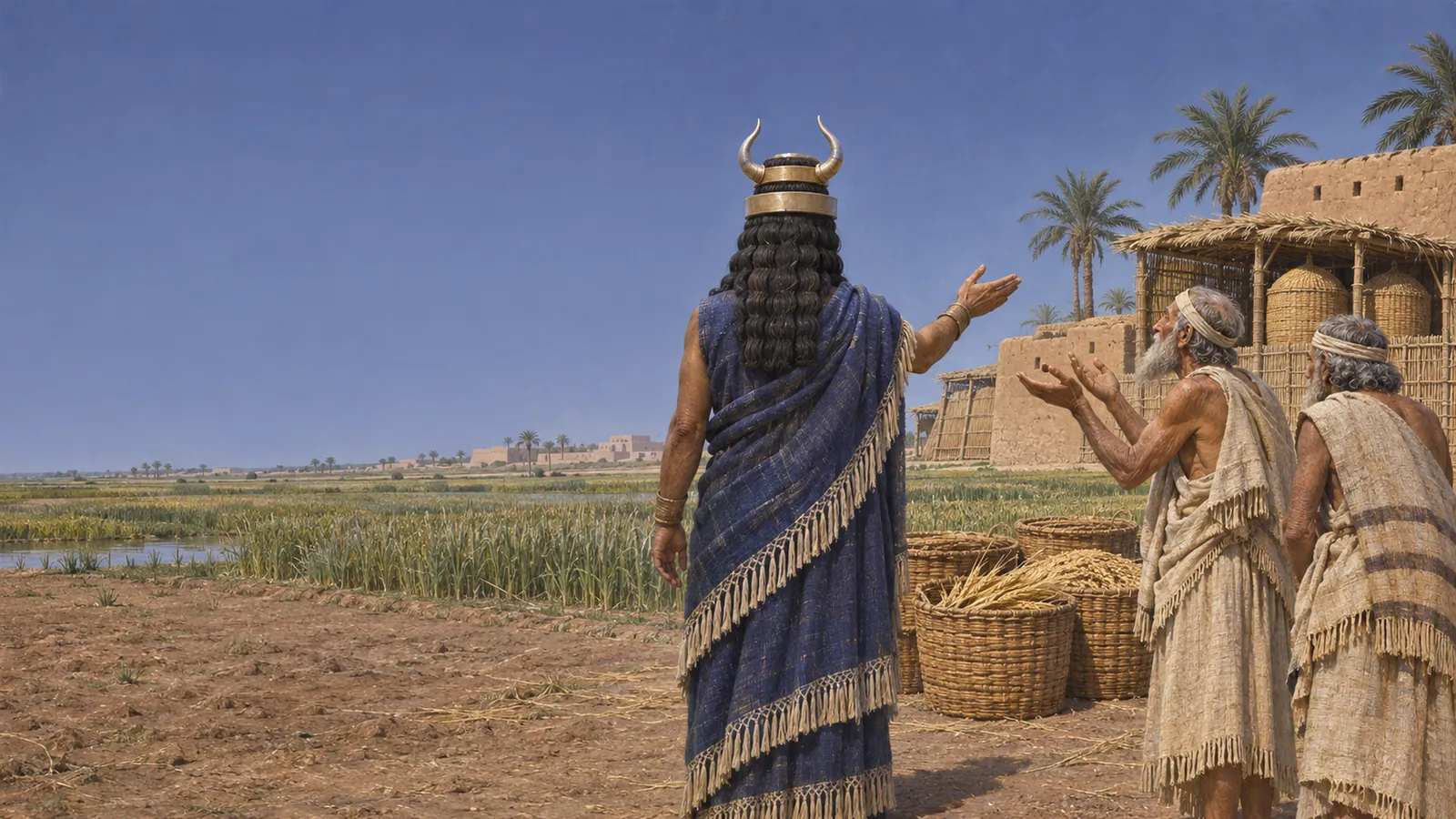
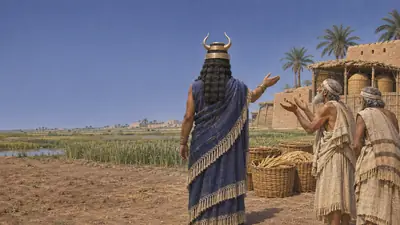
يقول ياكوبسن إنّ إنكي يتوقّف في كلّ بلدٍ ويباركه. فتمنح البركة ذلك البلد الرخاء وتؤكّد الوظائف الخاصّة به.
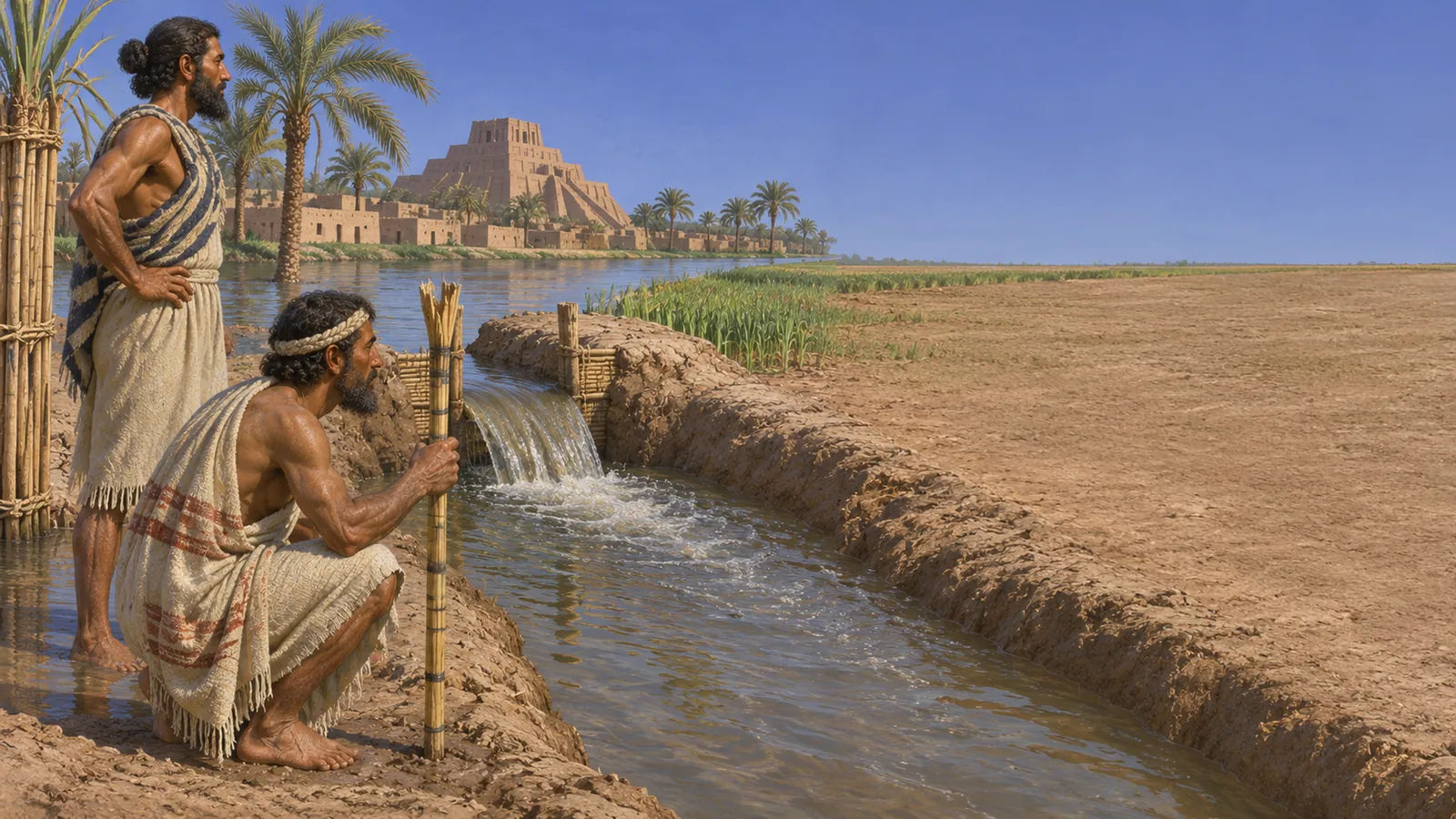
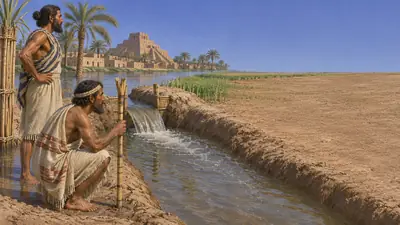
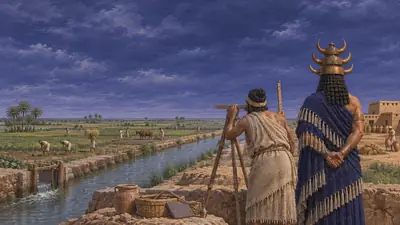
في عرض ياكوبسن، يتّجه إنكي إلى المياه وما يتّصل بها. فيملأ الفرات ودجلة بماءٍ صافٍ ويكلّف إلهًا بالإشراف عليهما.
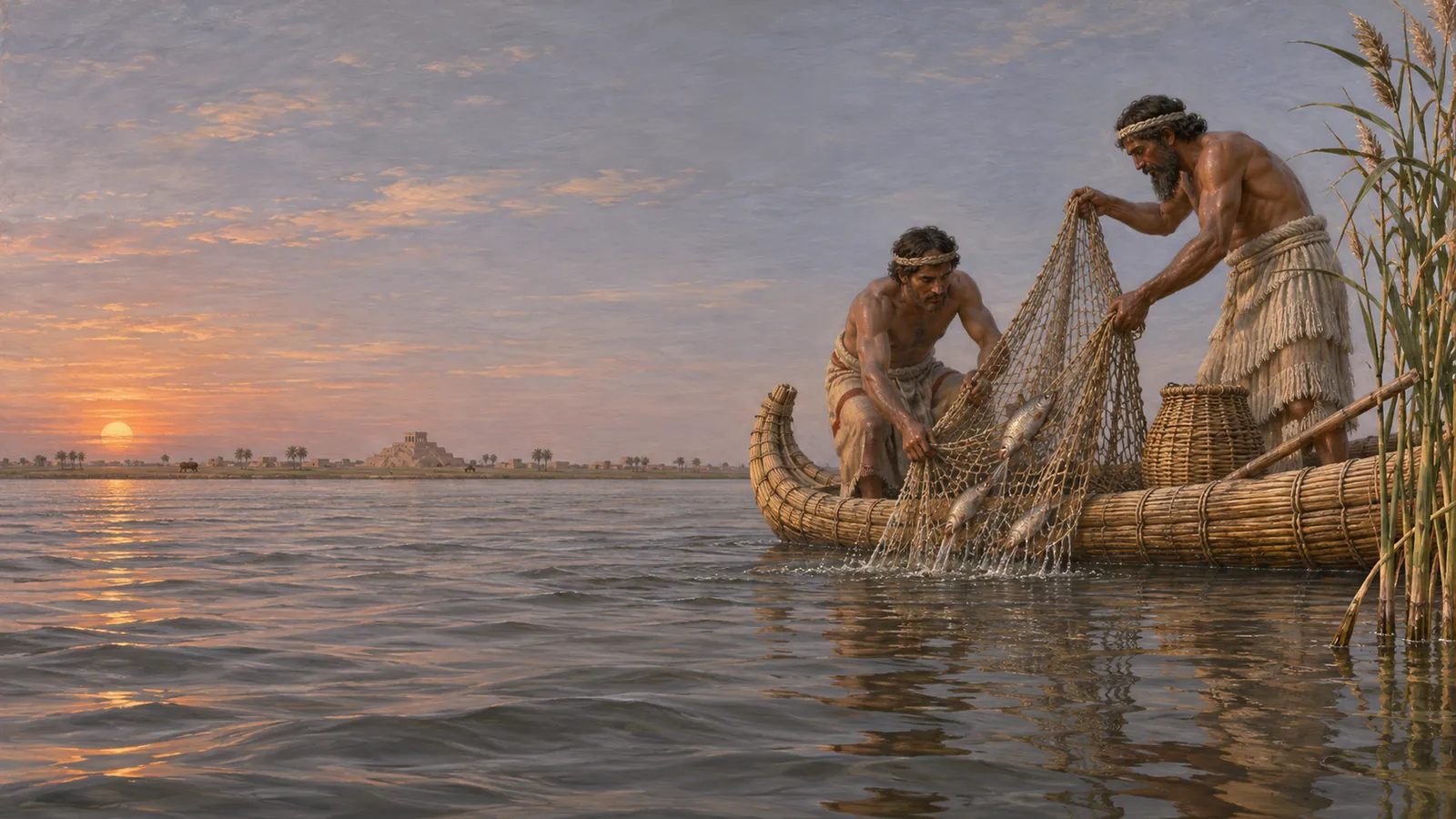
السمك والقصب
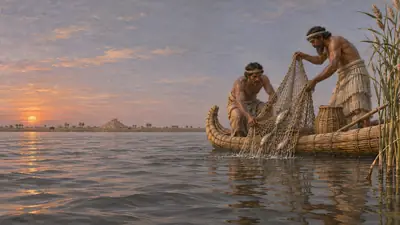
يقول ياكوبسن إنّ إنكي يملأ النهرين بالسمك ويُقيم أجماتٍ من القصب. ويكلّف إلهًا آخر برعاية السمك والقصب.
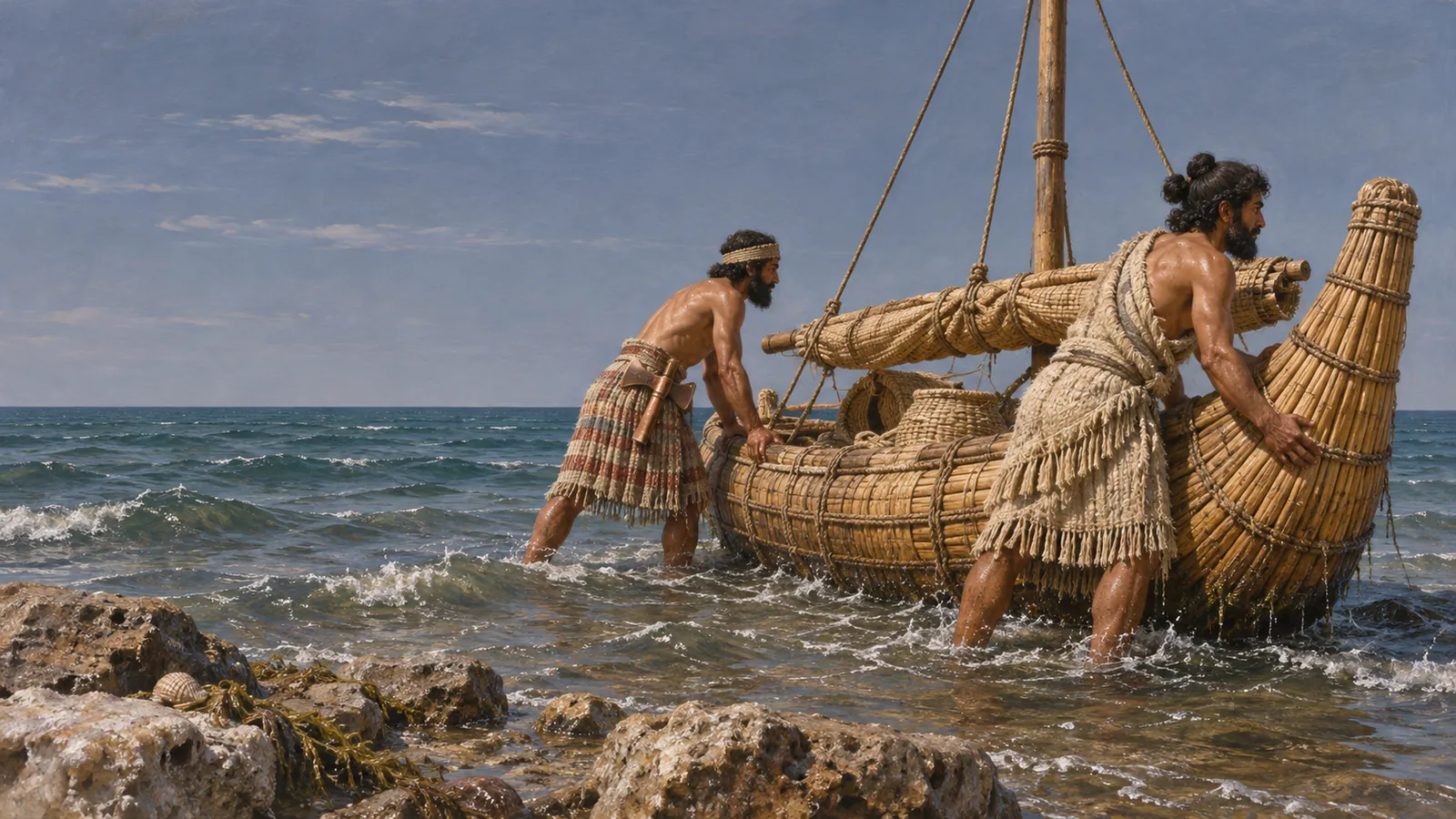
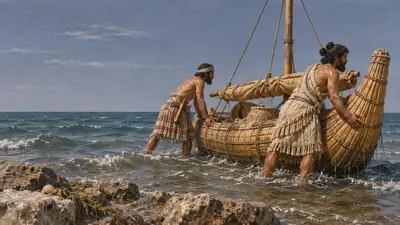
يروي ياكوبسن بعد ذلك أنّ إنكي ينظّم البحر ويكلّف إلهًا بالإشراف عليه. ولا يسمّي عرضه البحر ولا الإله الموكّل به.
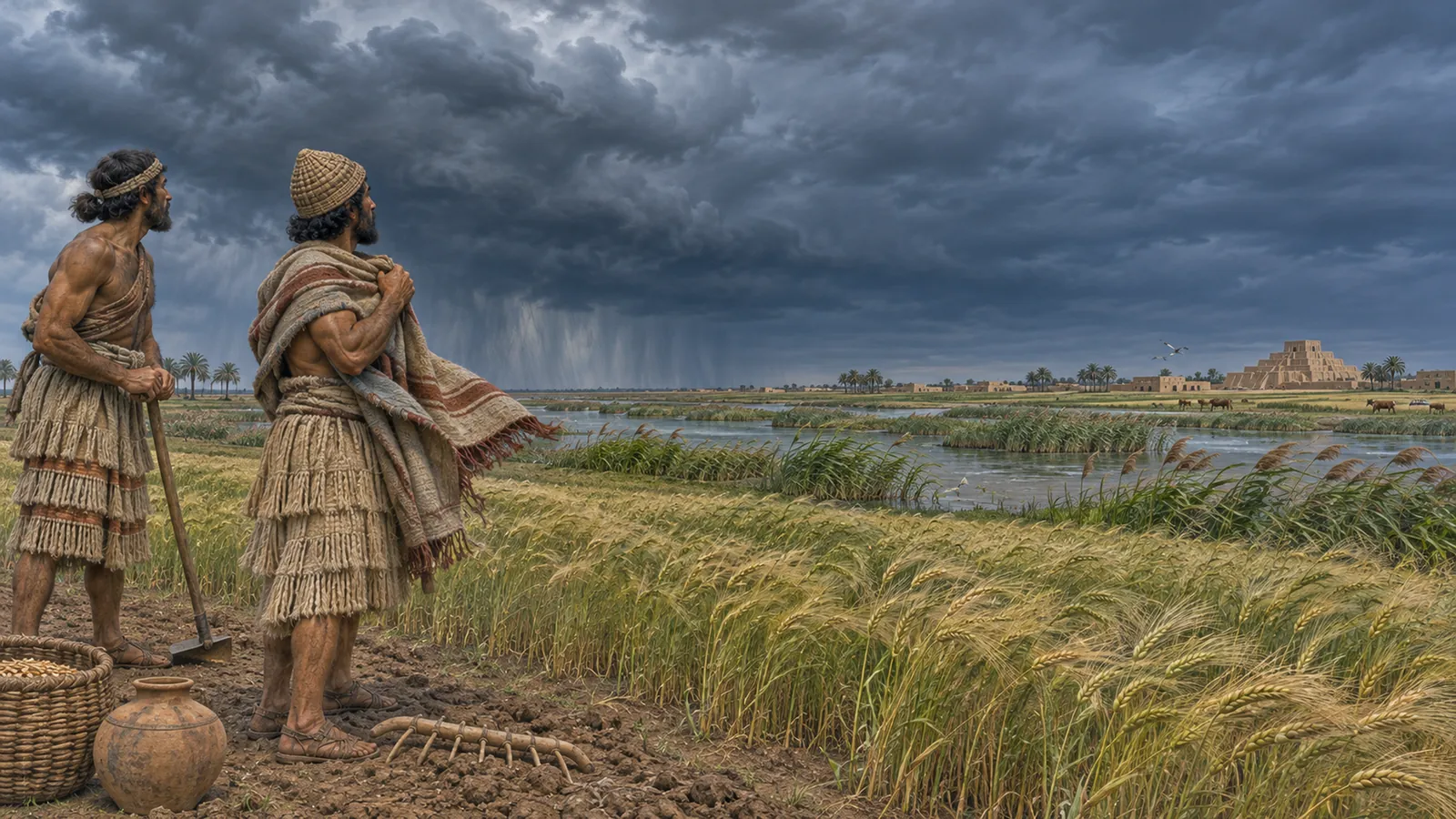
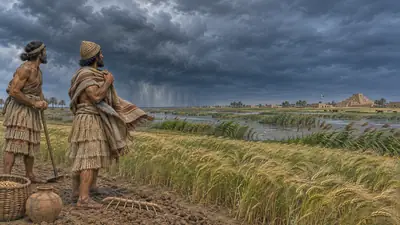
في عرض ياكوبسن، ينتقل إنكي من العمل على تنظيم البحر إلى الرياح التي تأتي بالأمطار.
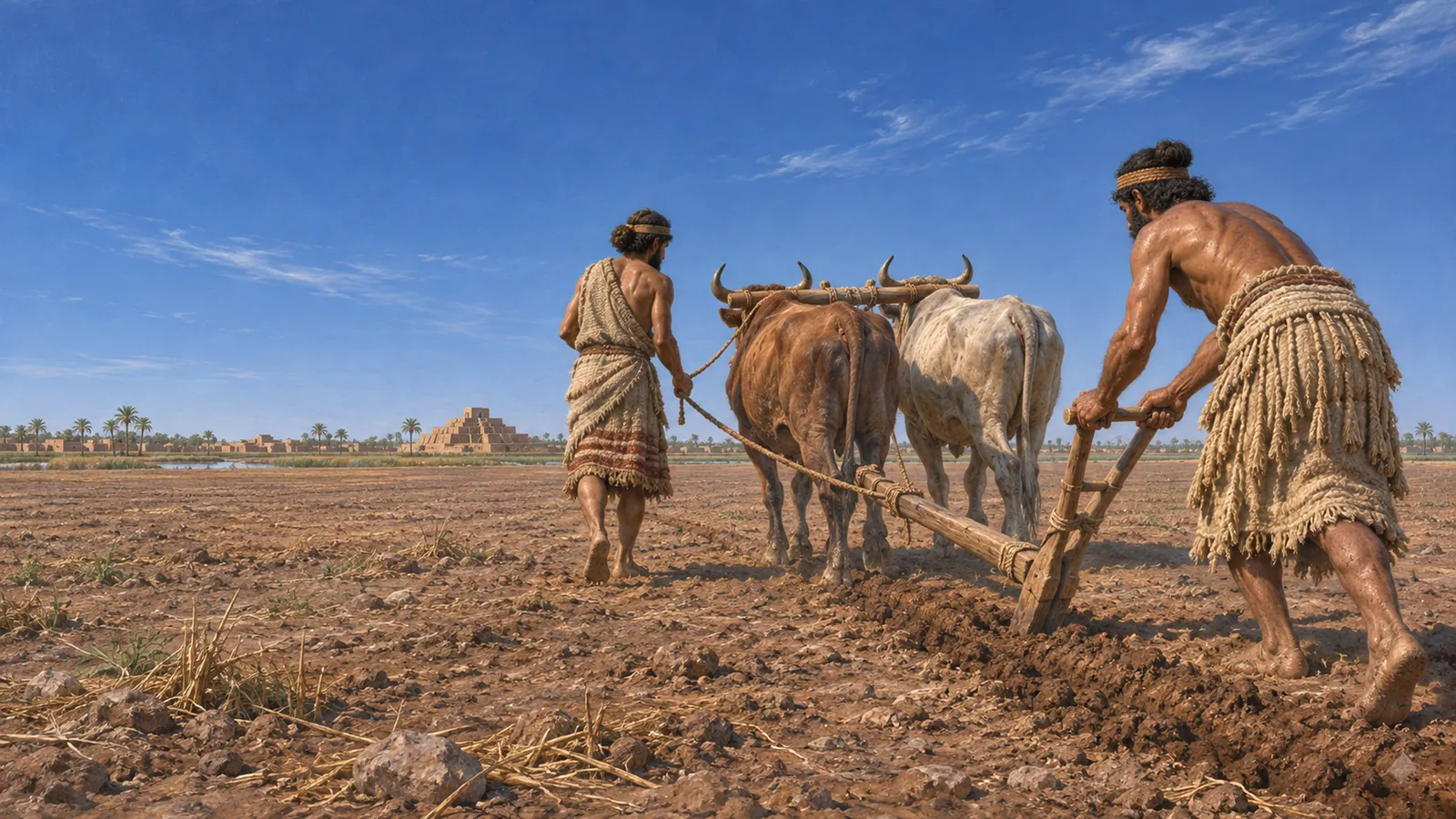
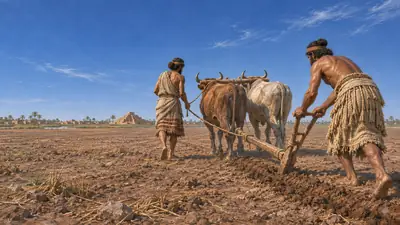
ينتقل عرض ياكوبسن بعد ذلك إلى الزراعة. فيُعنى إنكي بعمل المحراث ويفتح الأتلام في الحقول.
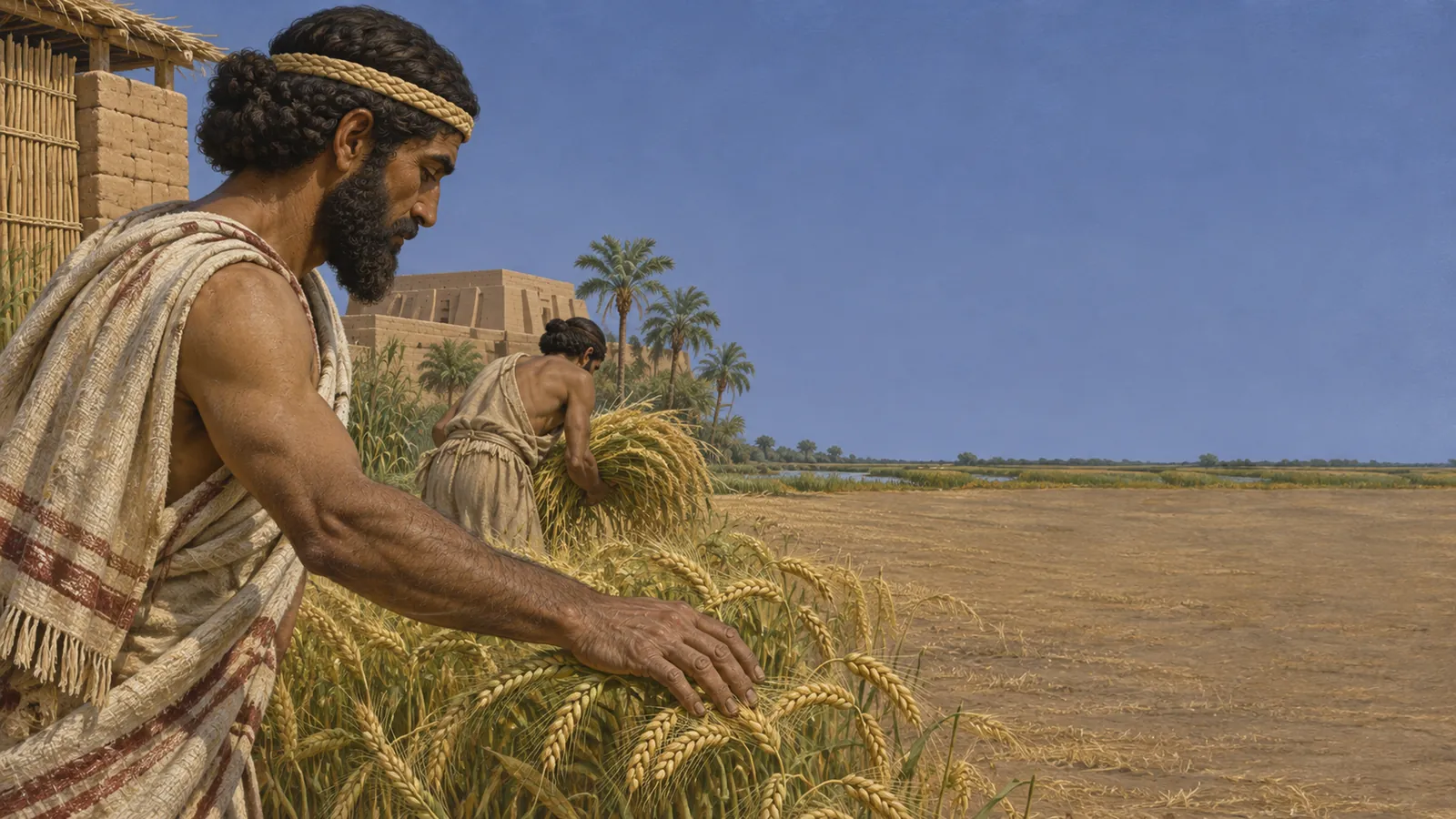
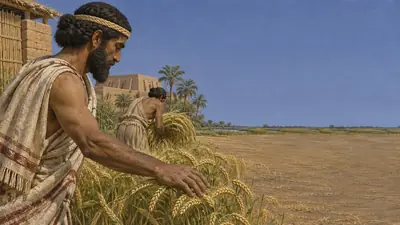
في رواية ياكوبسن عن تنظيم الزراعة، يترك إنكي الحَبّ ينمو في الحقل.
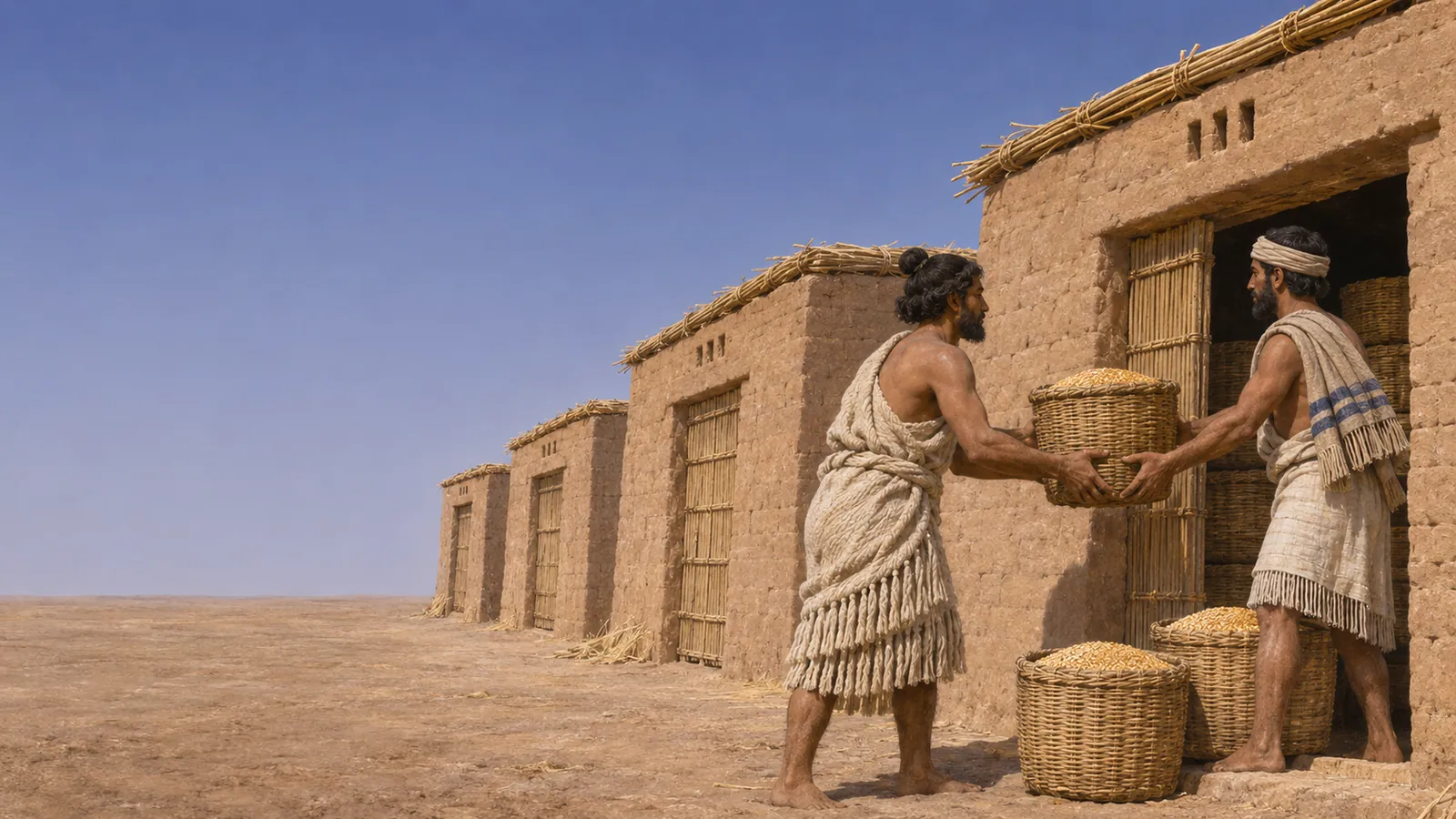
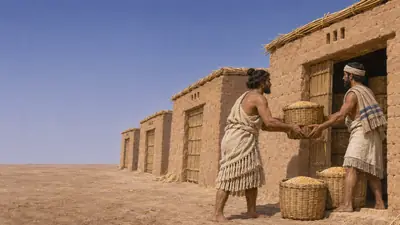
تأتي بعد ذلك مهمّة التخزين في رواية ياكوبسن. ويرتّب إنكي مخازن الحبوب في صفّ.
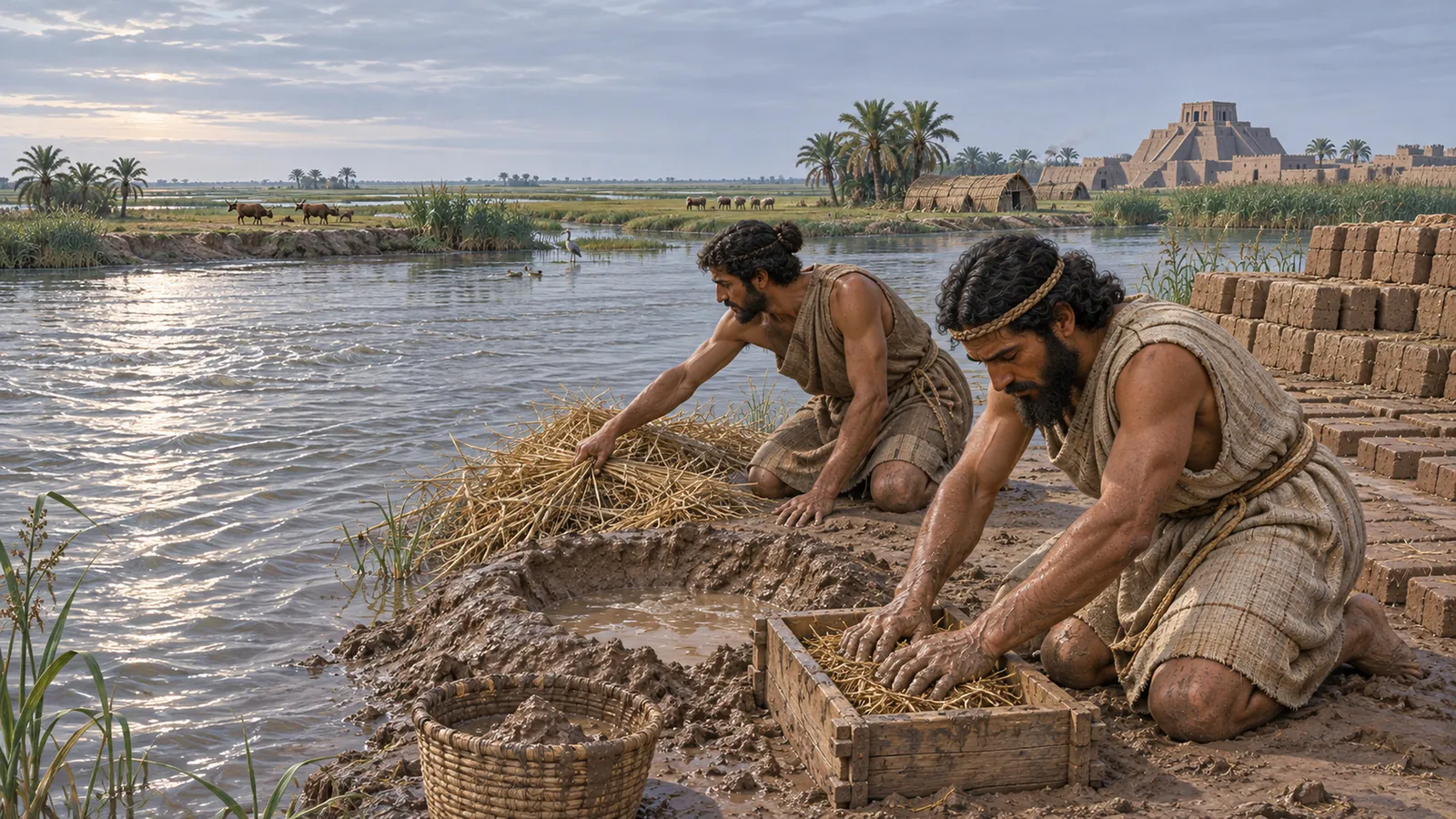
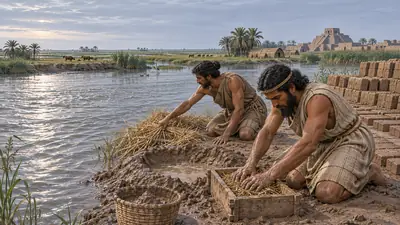
يقول ياكوبسن إنّ إنكي ينتقل من الحقول إلى المدن والقرى ويعيّن إله اللَّبِن للإشراف على صناعة الطوب. ولا تذكر الرواية اسمًا شخصيًّا لهذا الإله.
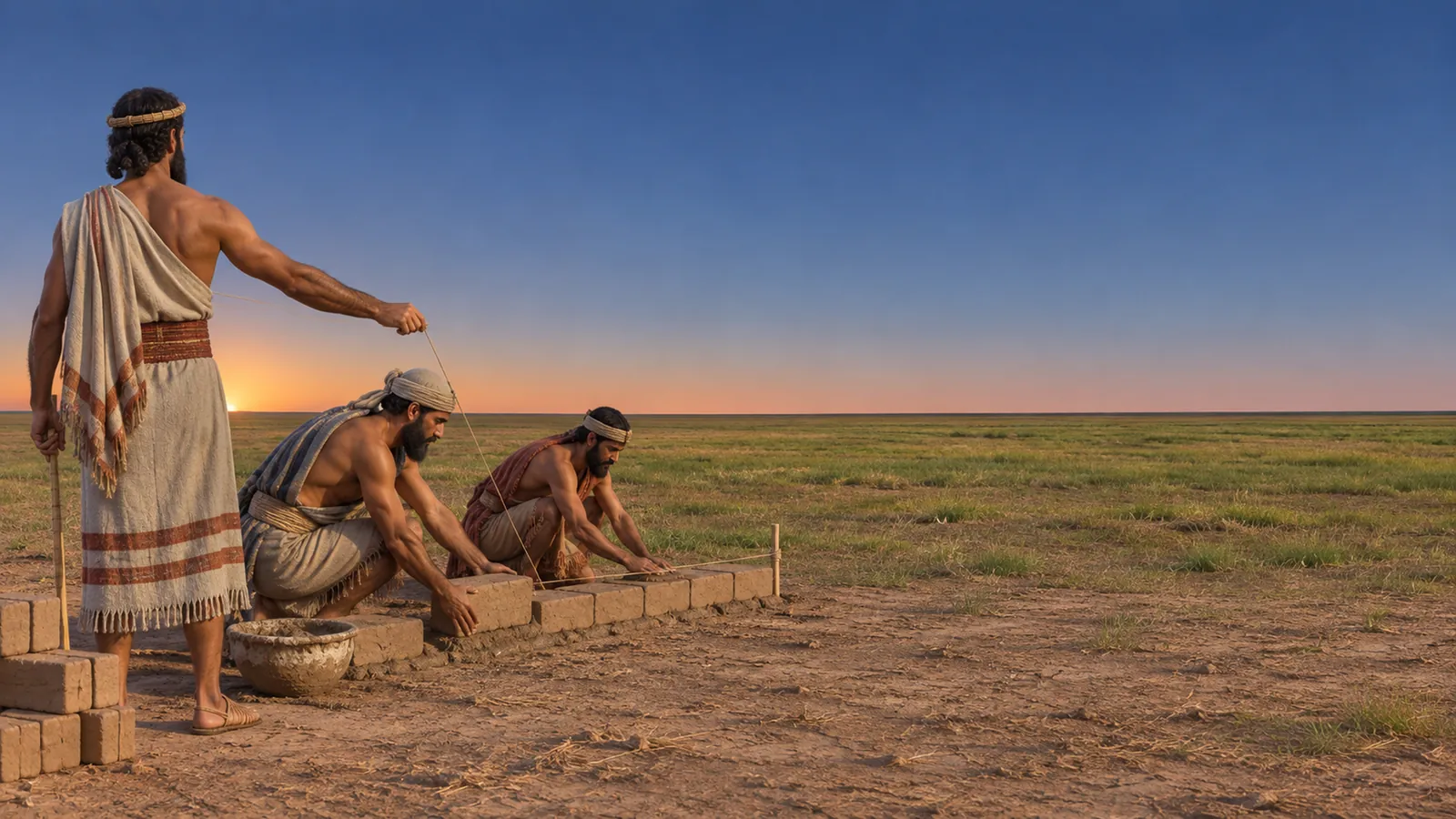
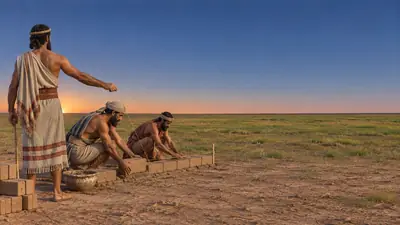
في رواية ياكوبسن يضع إنكي الأساسات ويبني الجدران. ويعيّن موشداما، كبير البنّائين الإلهيّ، للإشراف على العمل.
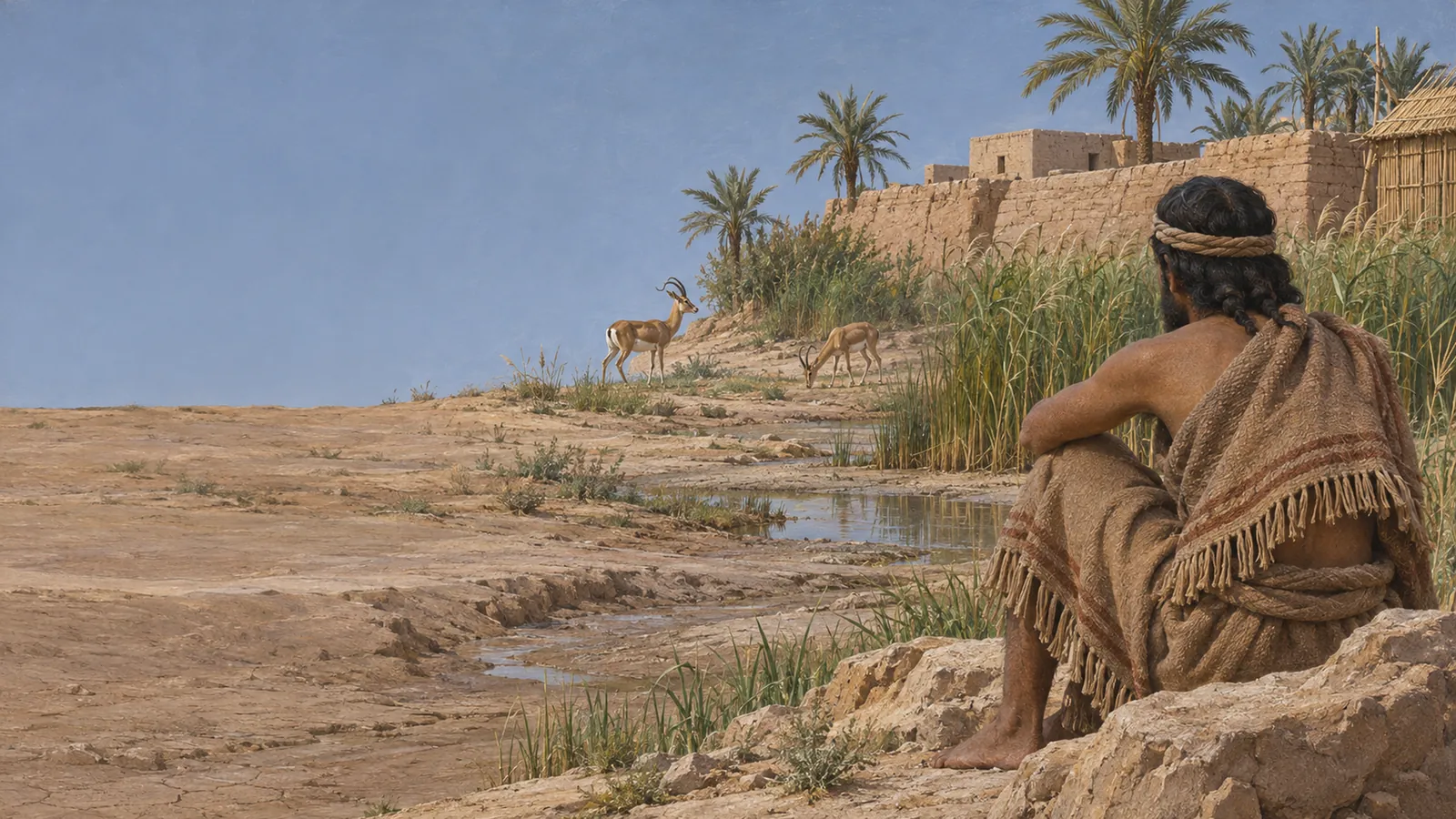
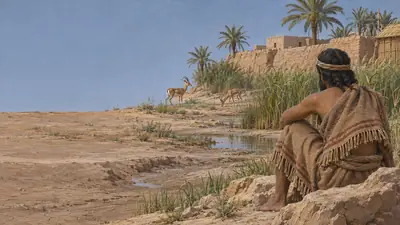
ثمّ ينتقل ياكوبسن إلى الحديث عن الصحراء، حيث يضع إنكي الحيوانات البرّيّة في رعاية الإله سوموكان.
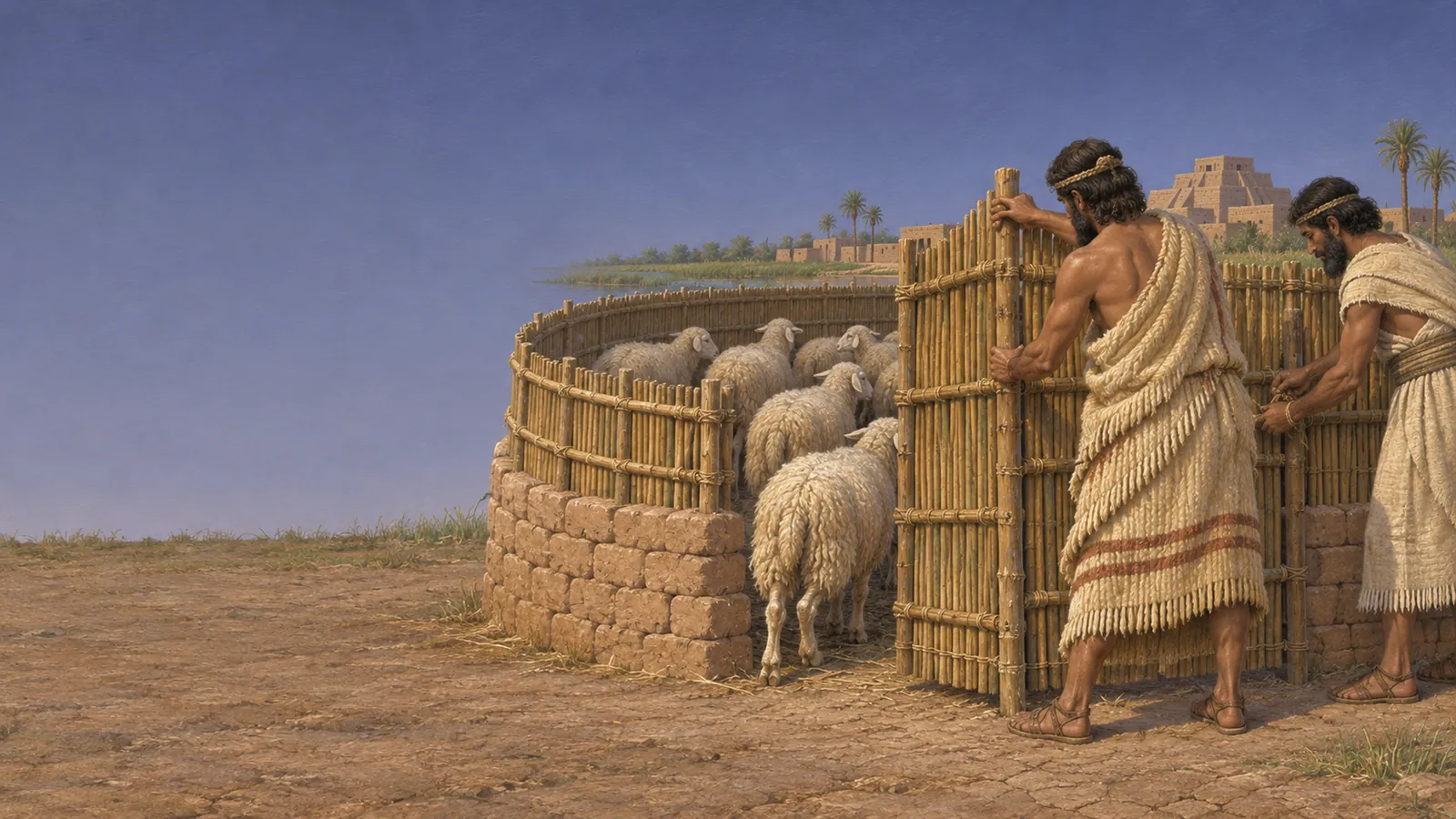
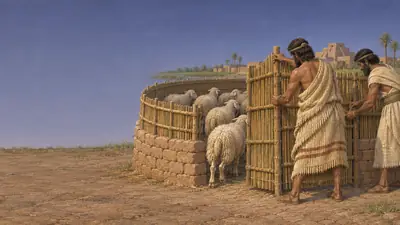
يقول ياكوبسن إنّ إنكي يبني حظائر وزرائب للأغنام وسائر الحيوانات المستأنسة. ويضعها في رعاية الإله الراعي دموزي، الذي يسمّيه ياكوبسن أيضًا تمّوز.
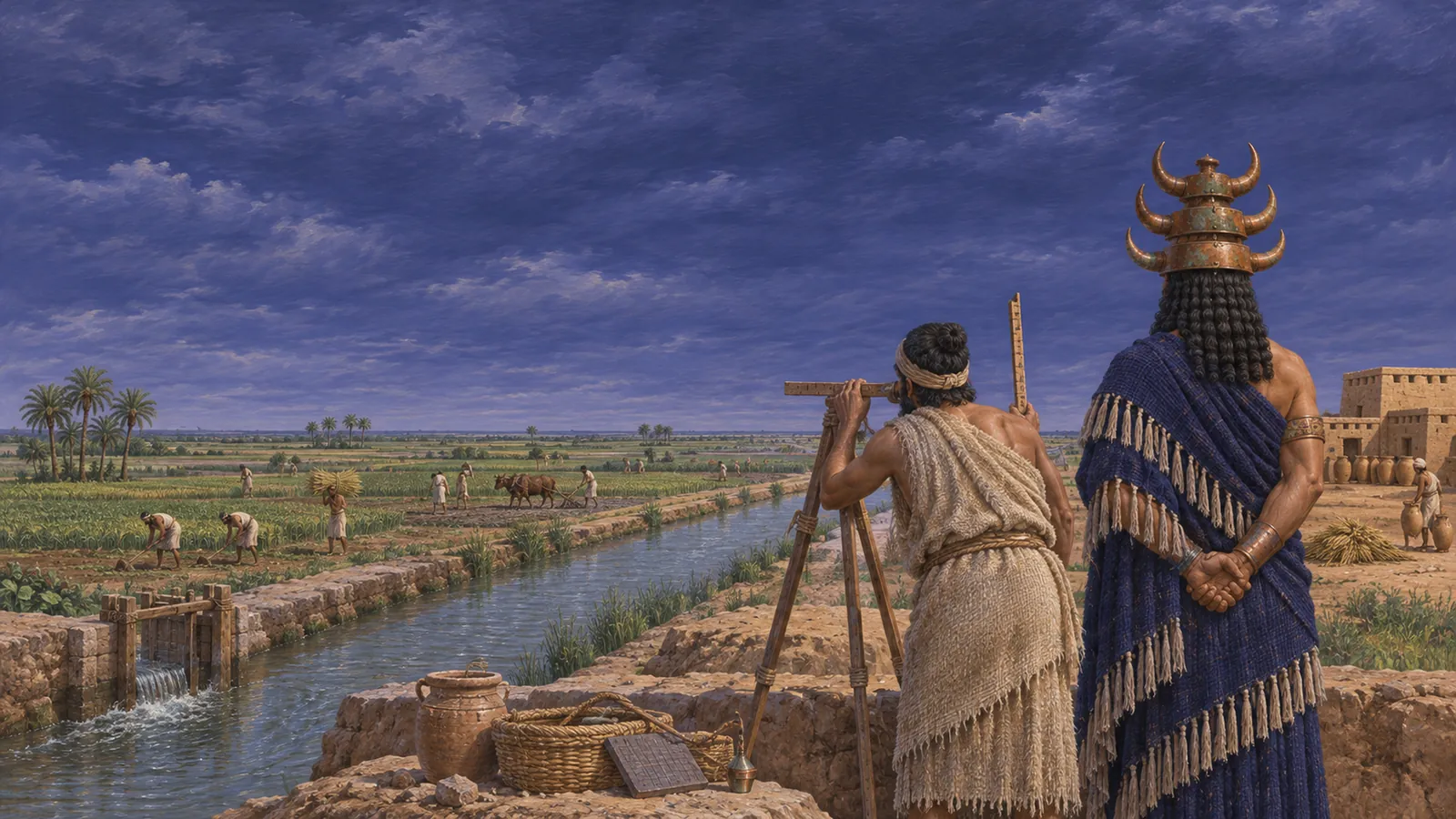
ضيعة العالم
يعرض ياكوبسن إنكي بوصفه مَن أنشأ الأنشطة الرئيسيّة في اقتصاد بلاد الرافدين ووضعها موضع العمل وعيّن لها مشرفين من الآلهة. ويشبّه هذا النظام في الطبيعة بضيعة يديرها مدير كفء.
نهاية الفصل الأول
كل الصفحات
المصادر
المصادر والملاحظات مكتوبة بالإنجليزية كما وردت في المراجع.
160–161. Chapter note 25 directs readers to Kramer’s Mythology, note 59. Jacobsen’s subsection gives a prose summary and an interpretation. The ancient poem itself has no directly translated verses under this heading. Jacobsen explicitly treats the original opening as conjectural.
الطبعات المعتمدة
- University of Chicago, The Intellectual Adventure of Ancient Man
- Jacobsen’s printed subsection, pp. 160–161
- Chapter note 25, p. 184
ملاحظات على هذه الرواية
Page 1, attribution and the lost opening. 160. Jacobsen reports that the beginning is lost. He proposes that it probably described how Anu and Enlil appointed Enki. Note 25 on p. 184 refers to note 59 in Samuel Noah Kramer’s *Sumerian Mythology*.
Pages 2–3, territory and prosperity. Jacobsen resumes his account on p. 160 with Enki’s tour and visits to the larger administrative areas. He describes Enki stopping in each country and assigning it prosperity and particular functions by his blessing. The countries and functions remain unspecified in these sentences.
Pages 4–5, rivers, fish and reeds. Jacobsen gives the names Euphrates and Tigris and describes the clear water and one divine overseer. He then separates the stocking of fish and the establishment of stands of cane from the previous act, giving those resources to another overseer. Jacobsen does not supply the names of either overseer here.
Pages 6–7, sea and rain. The sentence across pp. 160–161 gives responsibility for the sea to another divine overseer. Both the sea and its overseer are unnamed. On p. 161, Jacobsen next mentions the winds that bring rain. The passage gives no named season.
Page 8, the plow and the furrows. The summary on p. 161 then turns to Enki’s concern with the plow and the opening of furrows.
p. 161, first paragraph. Jacobsen says that Enki lets grain grow on the field after the work involving the plow and furrows. He sets granaries side by side.
p. 161, first paragraph. Enki moves from the fields to town and village in Jacobsen’s account. He appoints the brick god to oversee brickmaking. Jacobsen gives that god no personal name here. Enki lays foundations and builds walls, appointing Mushdama, the divine master builder, to oversee this work.
p. 161, second paragraph. Jacobsen says the wild animals of the desert are placed under the god Sumukan. Enki builds pens and sheepfolds for the domestic animals and puts them in the charge of the shepherd god Dumuzi, whom Jacobsen also calls Tammuz. These names belong to Jacobsen’s printed account.
p. 161, end of second paragraph. Jacobsen sums up Enki’s work as establishing economic activities in Mesopotamia, getting them started and appointing divine overseers. His comparison interprets natural order as a well-run estate. The selection ends before the heading for the distinct Enki and Ninmah story.
الأسطر القديمة وراء كل صفحة
- Page 1: Jacobsen, “Enki Organizes the World Manor,” 1977 Phoenix ed., p. 160, subsection opening and conjecture
- Page 2: Jacobsen, “Enki Organizes the World Manor,” 1977 Phoenix ed., p. 160, first paragraph, Enki’s inspection
- Page 3: Jacobsen, “Enki Organizes the World Manor,” 1977 Phoenix ed., p. 160, second paragraph, visits and blessings
- Page 4: Jacobsen, “Enki Organizes the World Manor,” 1977 Phoenix ed., p. 160, second paragraph, river water and oversight
- Page 5: Jacobsen, “Enki Organizes the World Manor,” 1977 Phoenix ed., p. 160, second paragraph, fish and canebrakes
- Page 6: Jacobsen, “Enki Organizes the World Manor,” 1977 Phoenix ed., pp. 160–161, sentence on the sea
- Page 7: Jacobsen, “Enki Organizes the World Manor,” 1977 Phoenix ed., p. 161, first paragraph, winds and rain
- Page 8: Jacobsen, “Enki Organizes the World Manor,” 1977 Phoenix ed., p. 161, first paragraph, plow and furrows
- Page 9: Jacobsen 1977, The Intellectual Adventure of Ancient Man, ch. V, Enki Organizes the World Manor, p. 161, first paragraph, grain
- Page 10: Jacobsen 1977, The Intellectual Adventure of Ancient Man, ch. V, Enki Organizes the World Manor, p. 161, first paragraph, storage
- Page 11: Jacobsen 1977, The Intellectual Adventure of Ancient Man, ch. V, Enki Organizes the World Manor, p. 161, first paragraph, the brick god
- Page 12: Jacobsen 1977, The Intellectual Adventure of Ancient Man, ch. V, Enki Organizes the World Manor, p. 161, first paragraph, building and Mushdama
- Page 13: Jacobsen 1977, The Intellectual Adventure of Ancient Man, ch. V, Enki Organizes the World Manor, p. 161, second paragraph, desert and Sumukan
- Page 14: Jacobsen 1977, The Intellectual Adventure of Ancient Man, ch. V, Enki Organizes the World Manor, p. 161, second paragraph, domestic animals and Dumuzi
- Page 15: Jacobsen 1977, The Intellectual Adventure of Ancient Man, ch. V, Enki Organizes the World Manor, p. 161, second paragraph, Jacobsen’s closing comparison
الرسوم من صنع أرشيف إيل بأدوات الذكاء الاصطناعي؛ والنص مبني على المصادر القديمة (انظر المصادر في آخر كل فصل).