نشيد لإنكي الفصل الأول
المشورة والماء والمدن
يمدح صوت مجهول في نشيد سومري مشورة إنكي وسلطته الممنوحة من آنو وإنليل ورعايته للماء والحقول والسكّان المستقرّين. تكيّف هذه القراءة الاقتباس المحدّد الذي يقدّمه ثوركيلد ياكوبسن بصياغة ه أ غرونفيغن فرانكفورت الشعريّة بالإنجليزيّة في نصّ سنة ١٩٤٦ المعاد إصداره سنة ١٩٧٧. وتحتفظ بعلامة الحذف الداخليّة المطبوعة.
المصادرقلّب الصفحات بالأزرار أو بمفاتيح الأسهم أو بسحب الإصبع.
نشيد
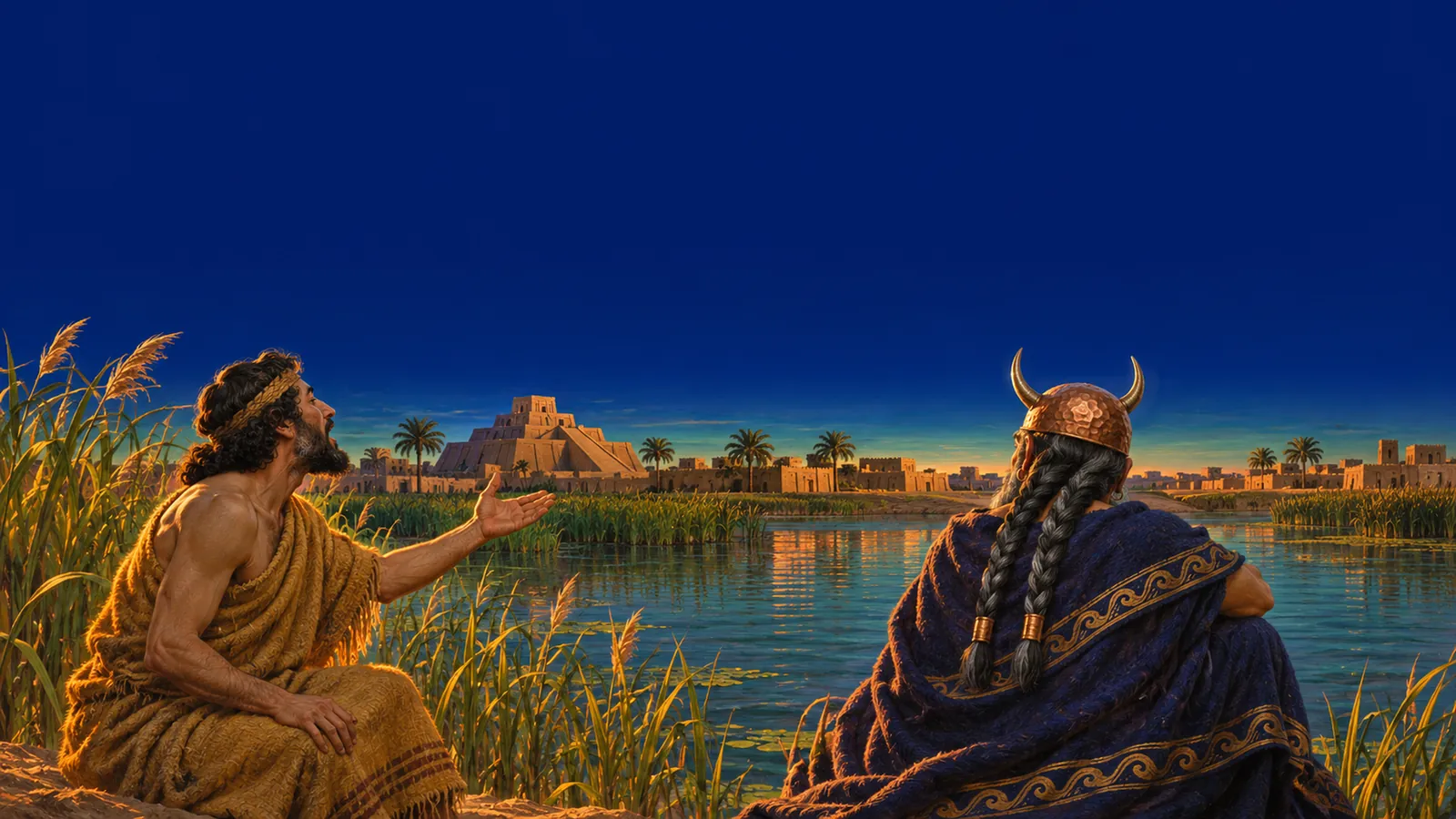
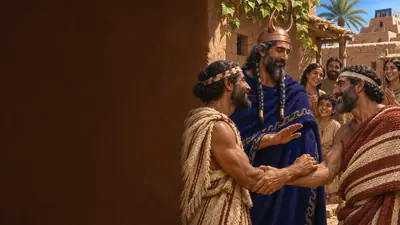
يخاطب صوت مجهول في نشيد سومري إنكي. ورغم استغراقه في الفكر وسكونه، يمتدحه النشيد بقدرته على إدراك كلّ شيء.
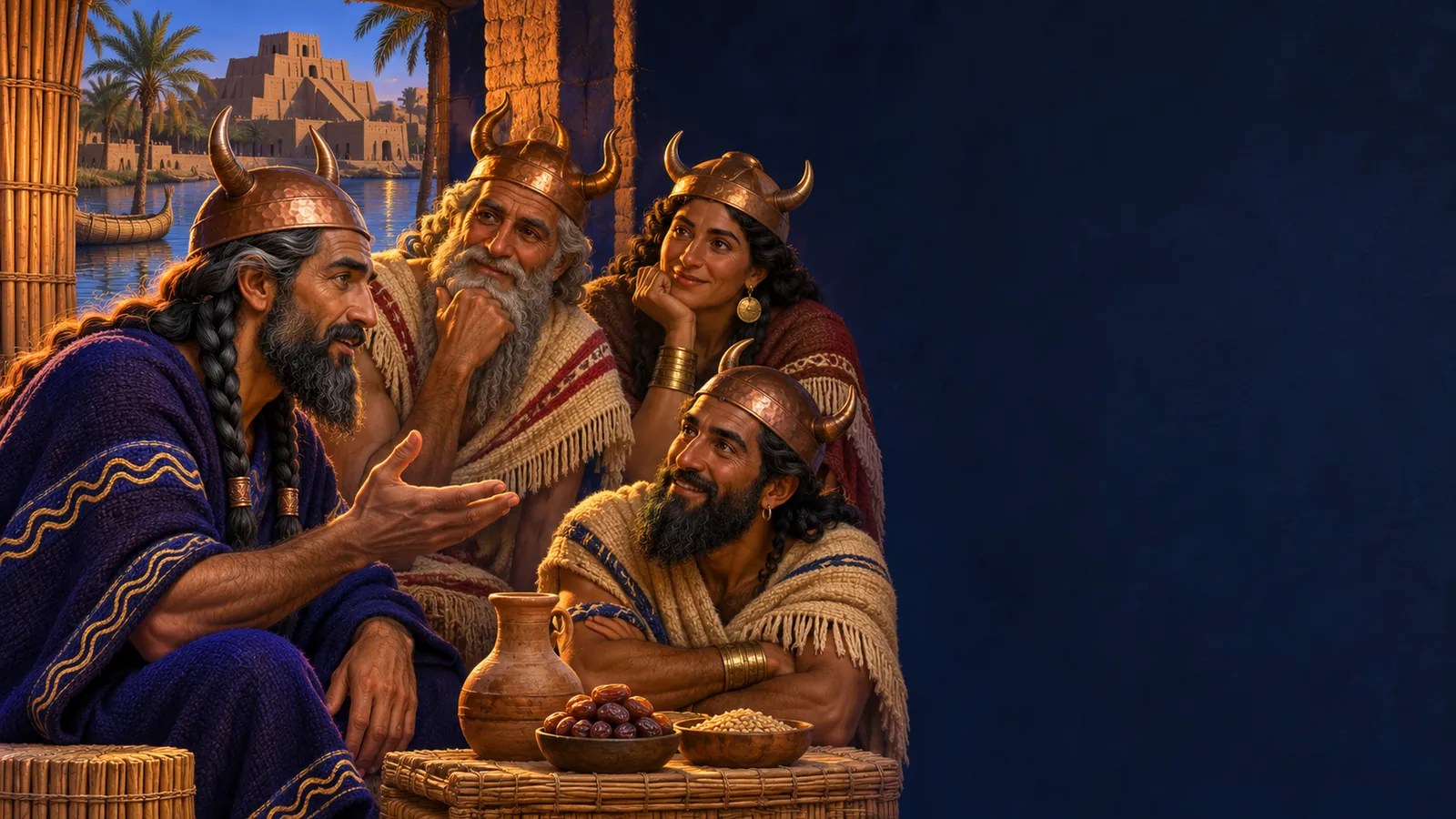
يمدح النشيد إدراك إنكي بوصفه بلا حدود. ويصفه بأنّه المشورة السامية للأنوناكي.
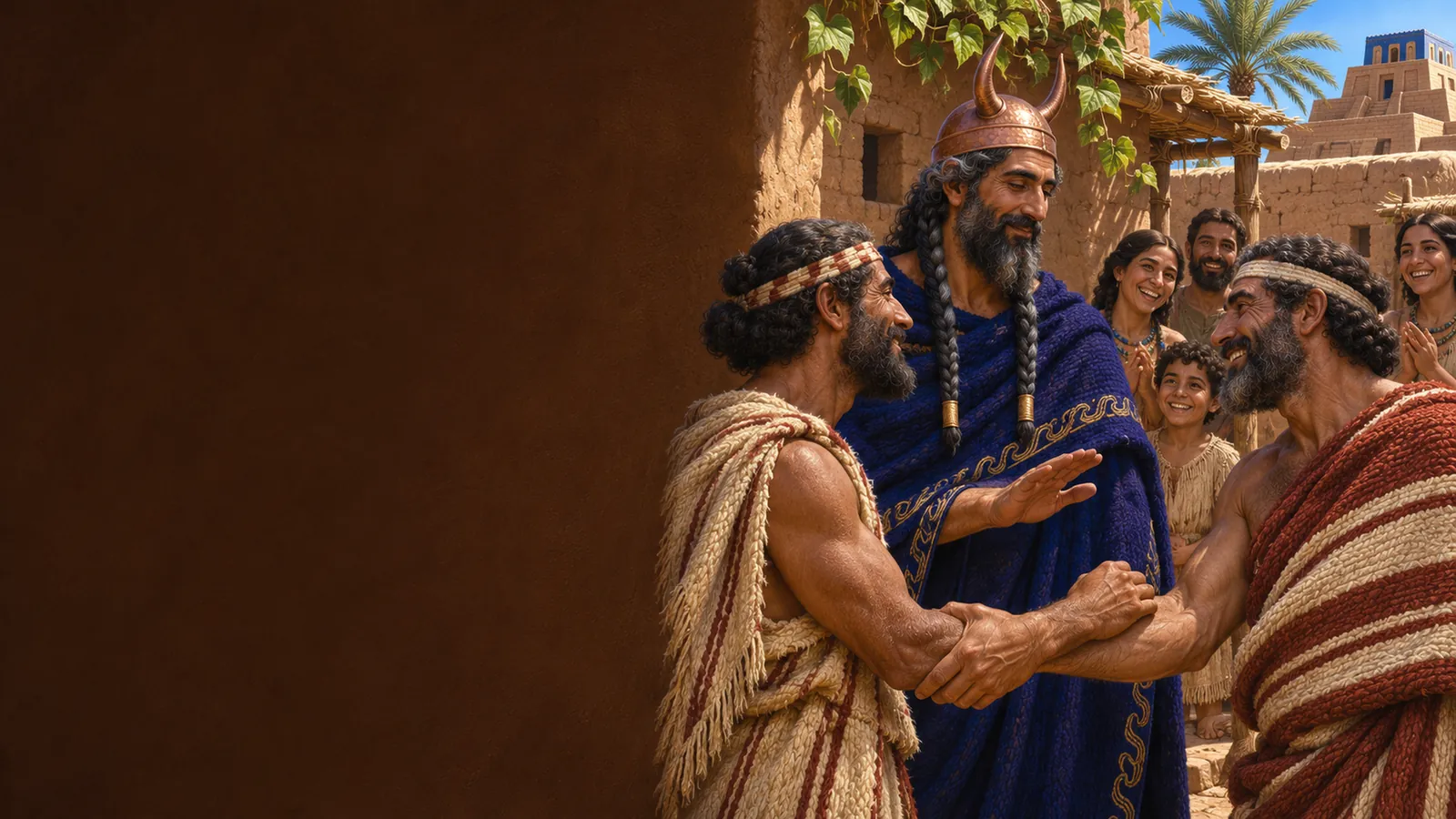
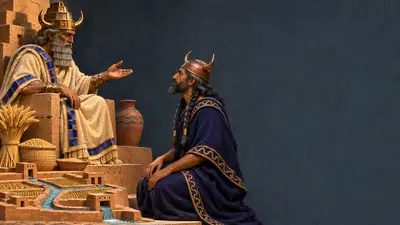
يمتدح النشيد إنكي بأنّه ينال الطاعة بفهمه. ويستخدم حكمته في المصالحة واتّخاذ القرار.
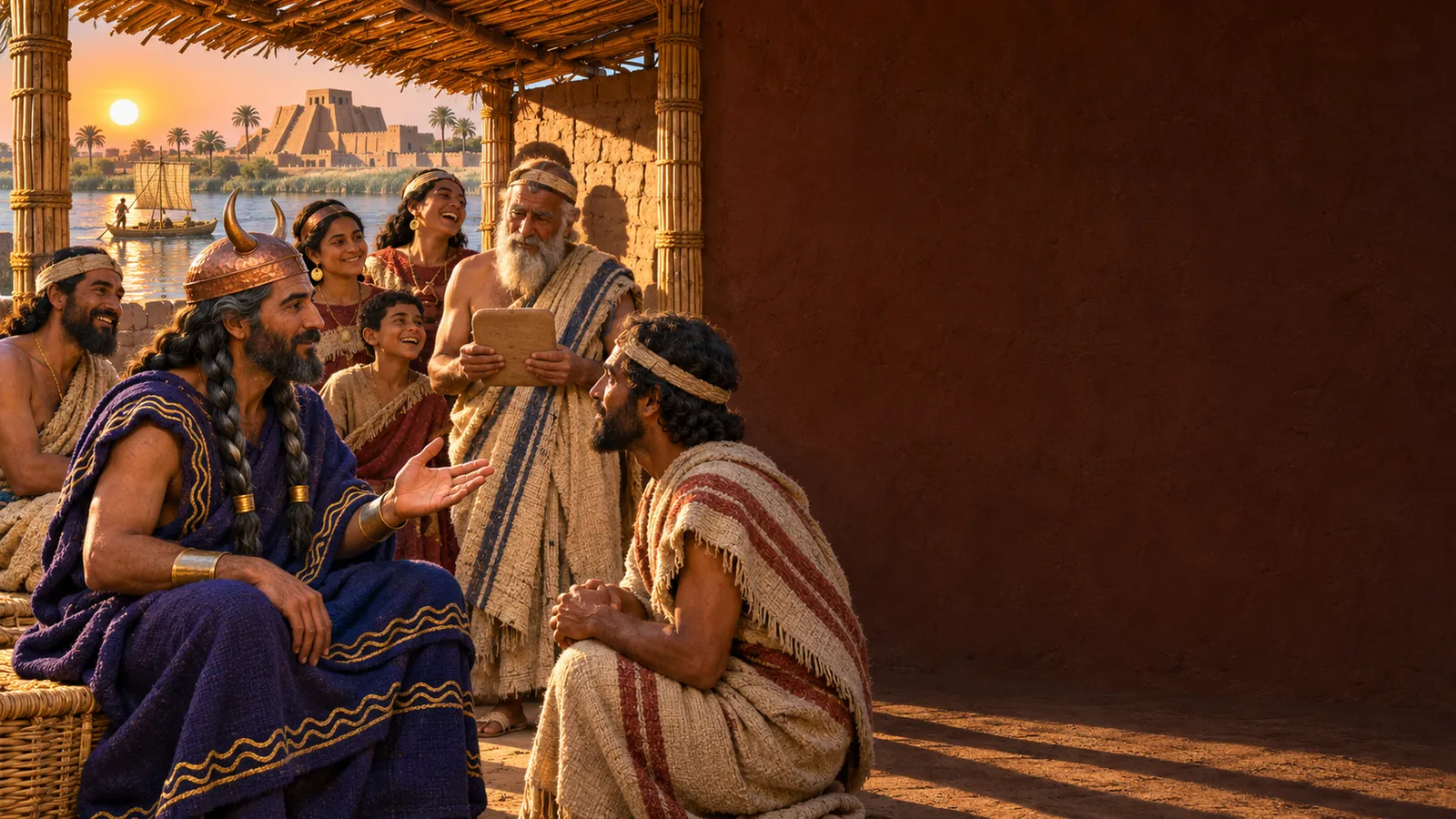
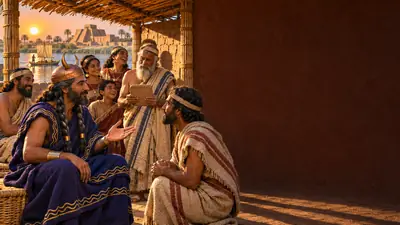
يمدحه النشيد لتسوية النزاعات القانونيّة وتقديم المشورة طوال النهار، من شروق الشمس إلى غروبها.
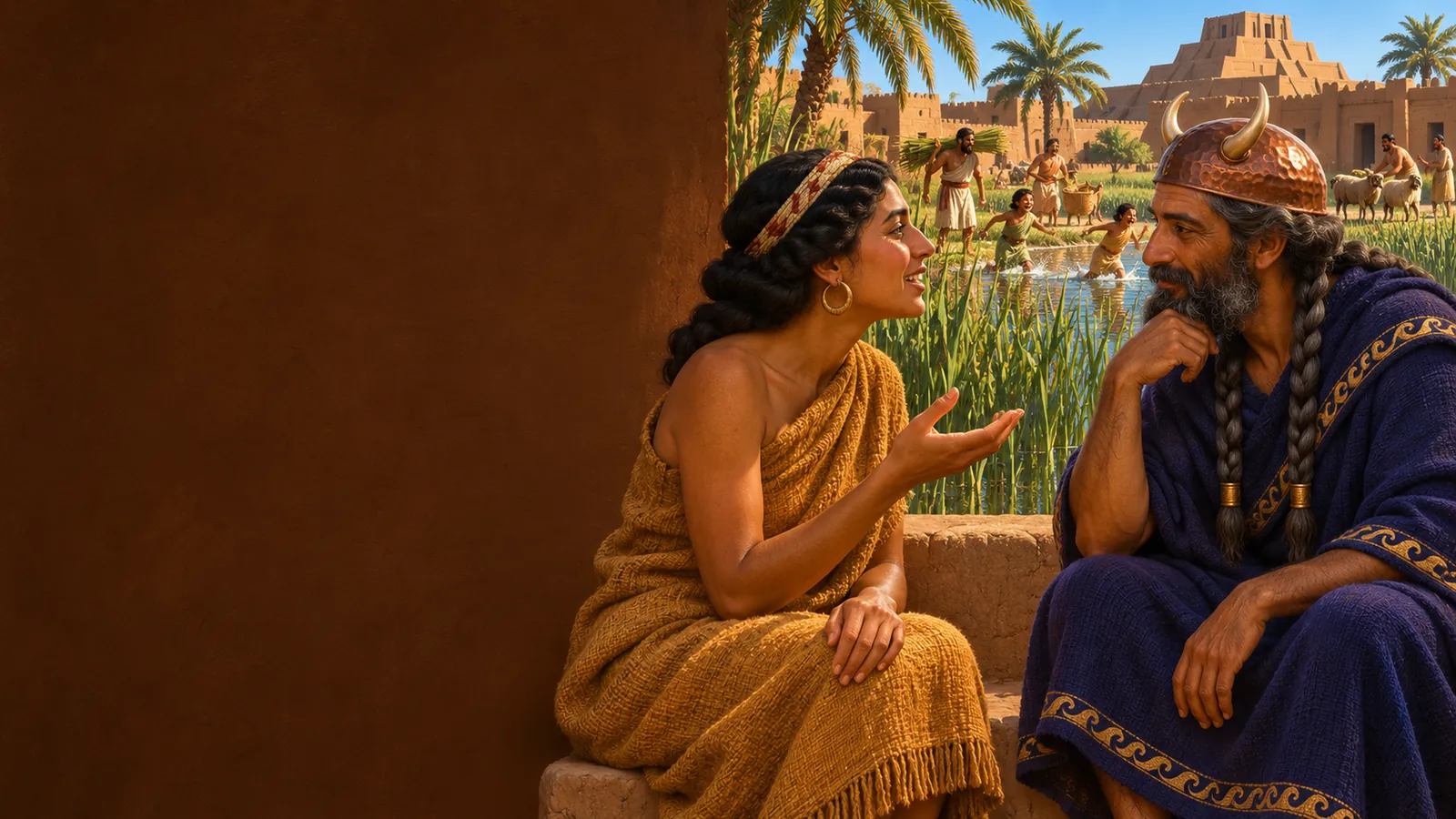
يُخاطَب إنكي بوصفه سيّد الكلام الحكيم. ثمّ يعلن الصوت المجهول عزمه على مديحه.

يسمّي النشيد آنو والد إنكي. ويصف آنو بأنّه ملك أوّل وحاكم على عالم لم يتشكّل بعد.
السلطة
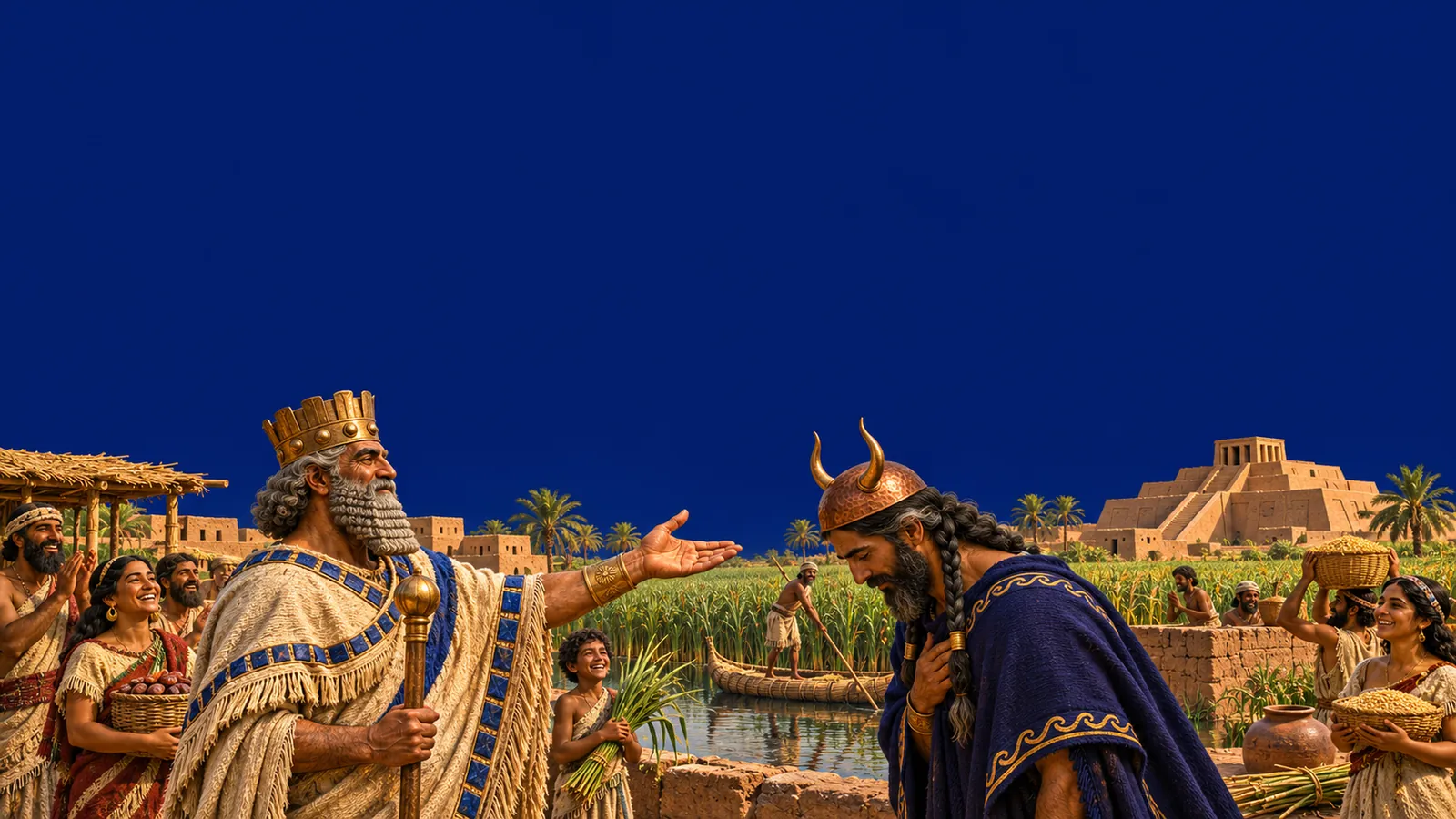
يخوّل آنو إنكي أن يوجّه ويشكّل في السماء وعلى الأرض. ويقول النشيد إنّه يرفعه إلى السيادة عليهما.

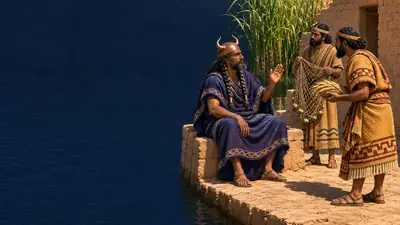
يسند النشيد إلى إنكي تنظيف مصبَّي دجلة والفرات. ويصف هذين المصبّين بأنّهما نقيّان.

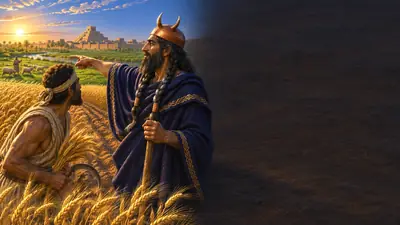
تشمل واجباته جعل النبات وفيرًا والغيوم كثيفة. وعليه أيضًا أن يمدّ جميع الحقول المحروثة بالماء الغزير.
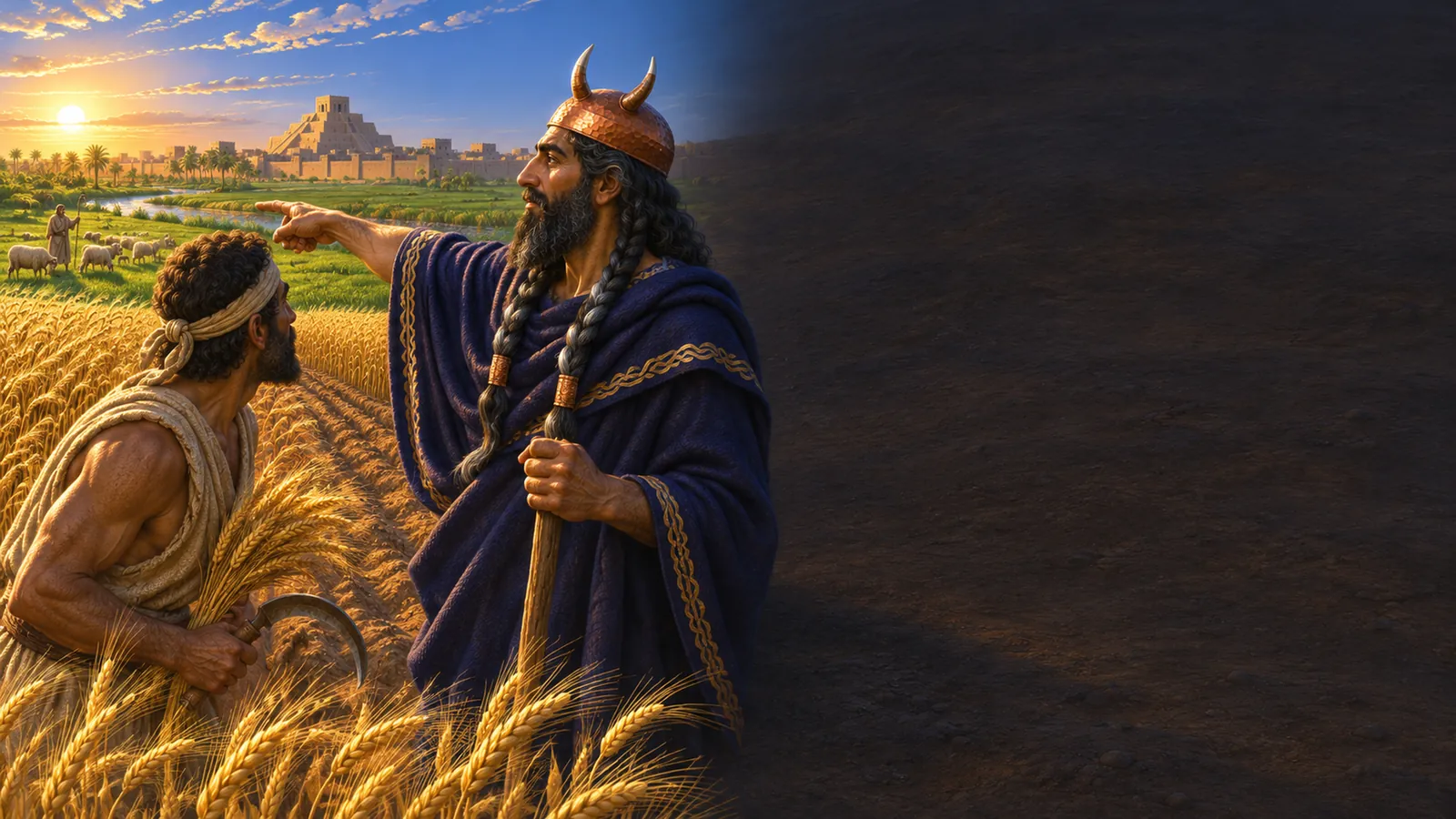
يكلّف النشيد إنكي بإنبات الحبوب في الأخاديد وجعل المرعى وفيرًا في الصحراء.
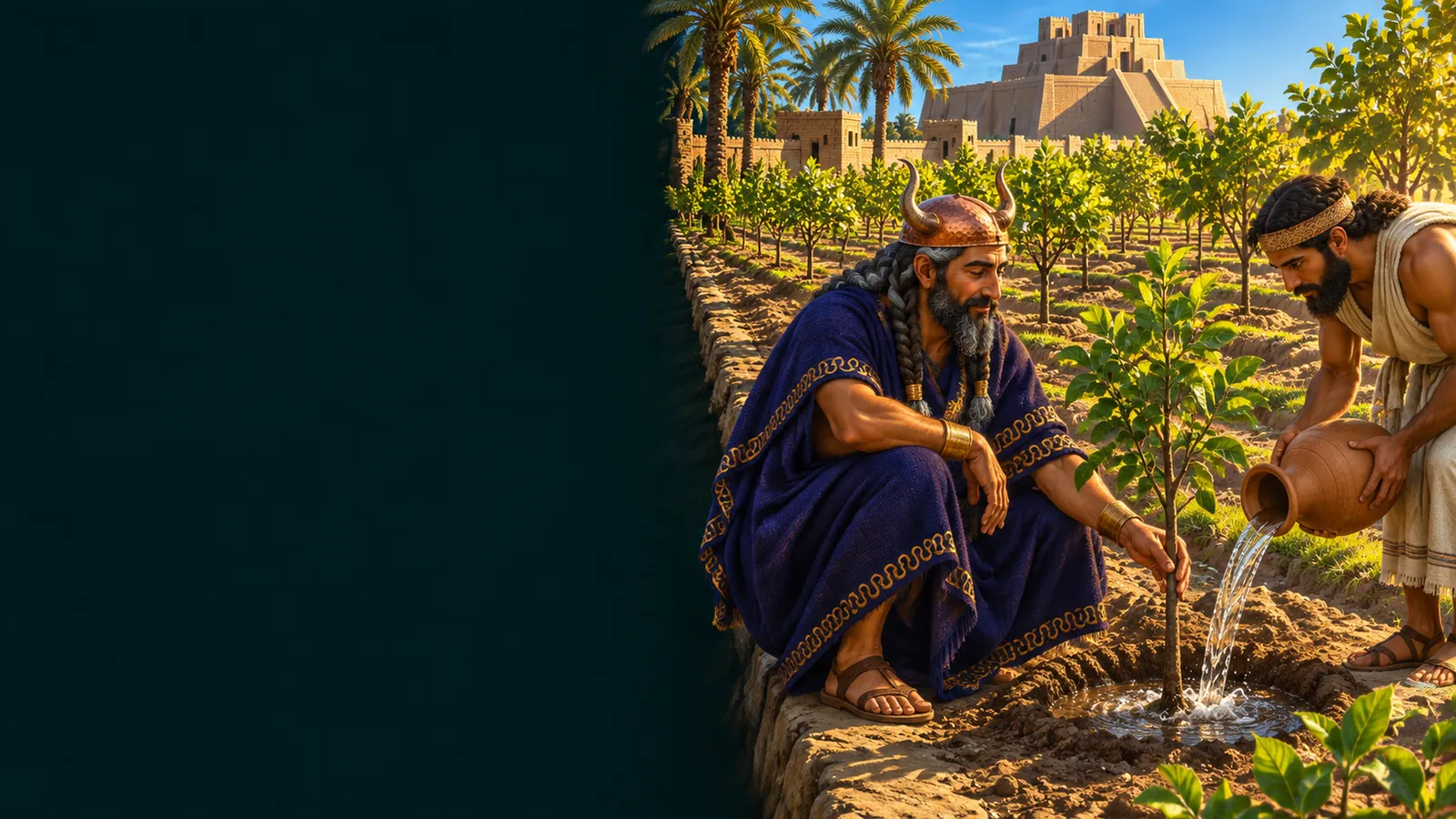
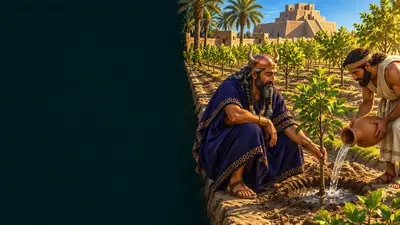
ينسب النشيد إلى إنكي إنبات الأشجار الصغيرة في المغارس والبساتين. ويصفها بأنّها مغروسة بكثافة، كأنّها غابة.
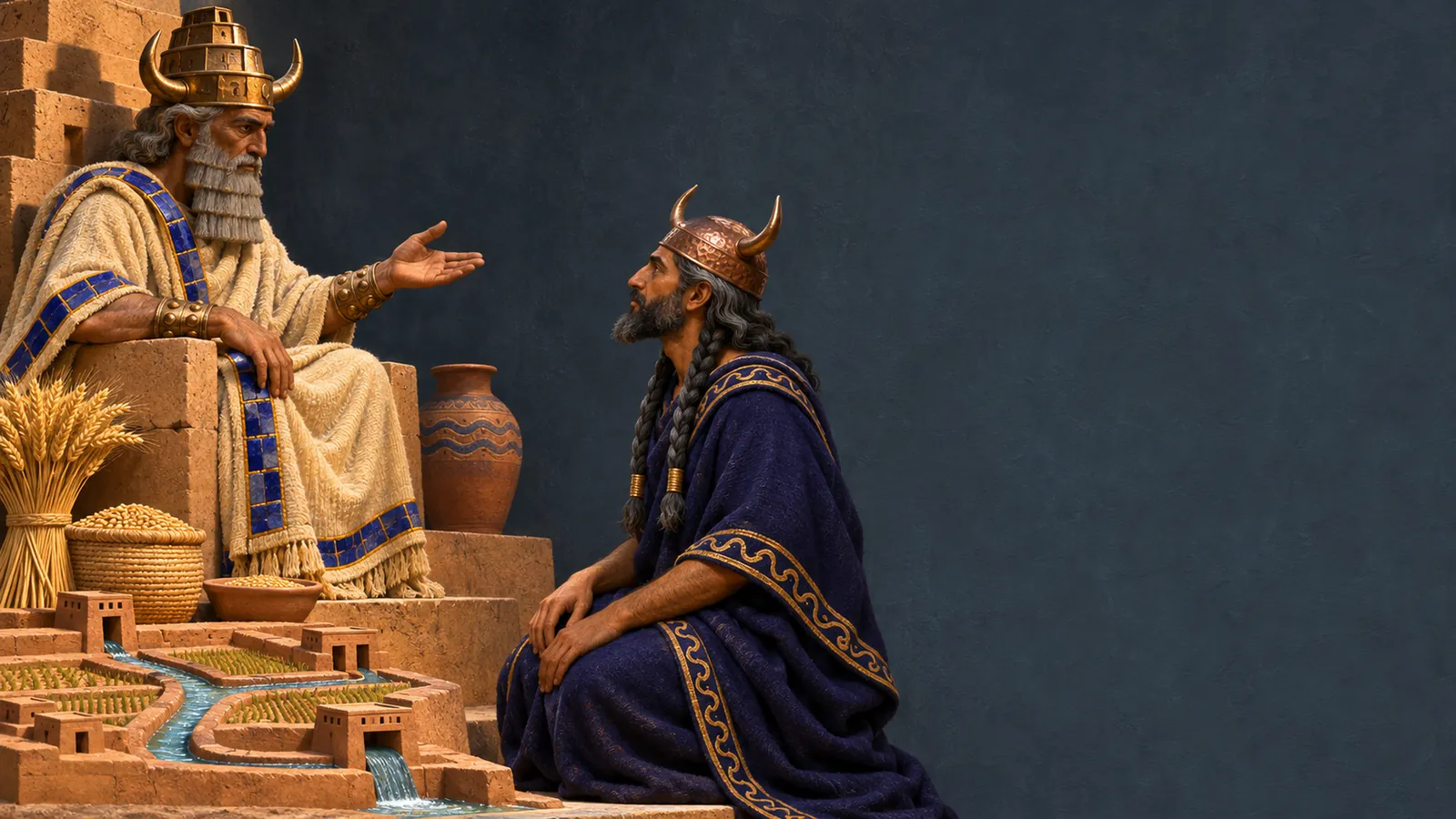
يعود الصوت إلى آنو، ملك الآلهة، ويقول إنّه عهد إلى إنكي بهذه الأعمال.
الاسم
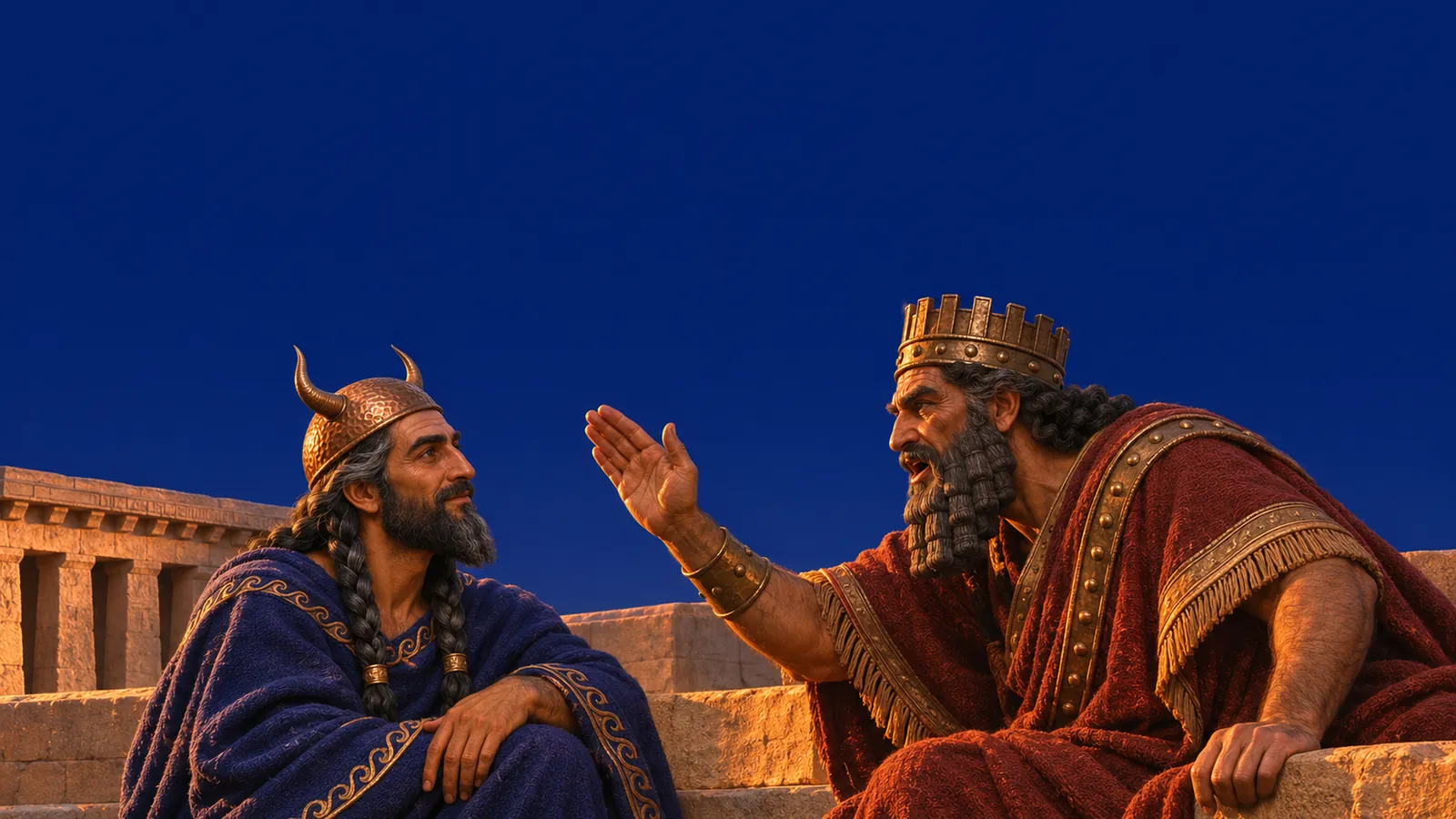
يقول النشيد إنّ إنليل منح إنكي اسمه القويّ الذي يبعث على الرهبة. وتلي ذلك علامة حذف في النصّ الإنجليزيّ المطبوع.
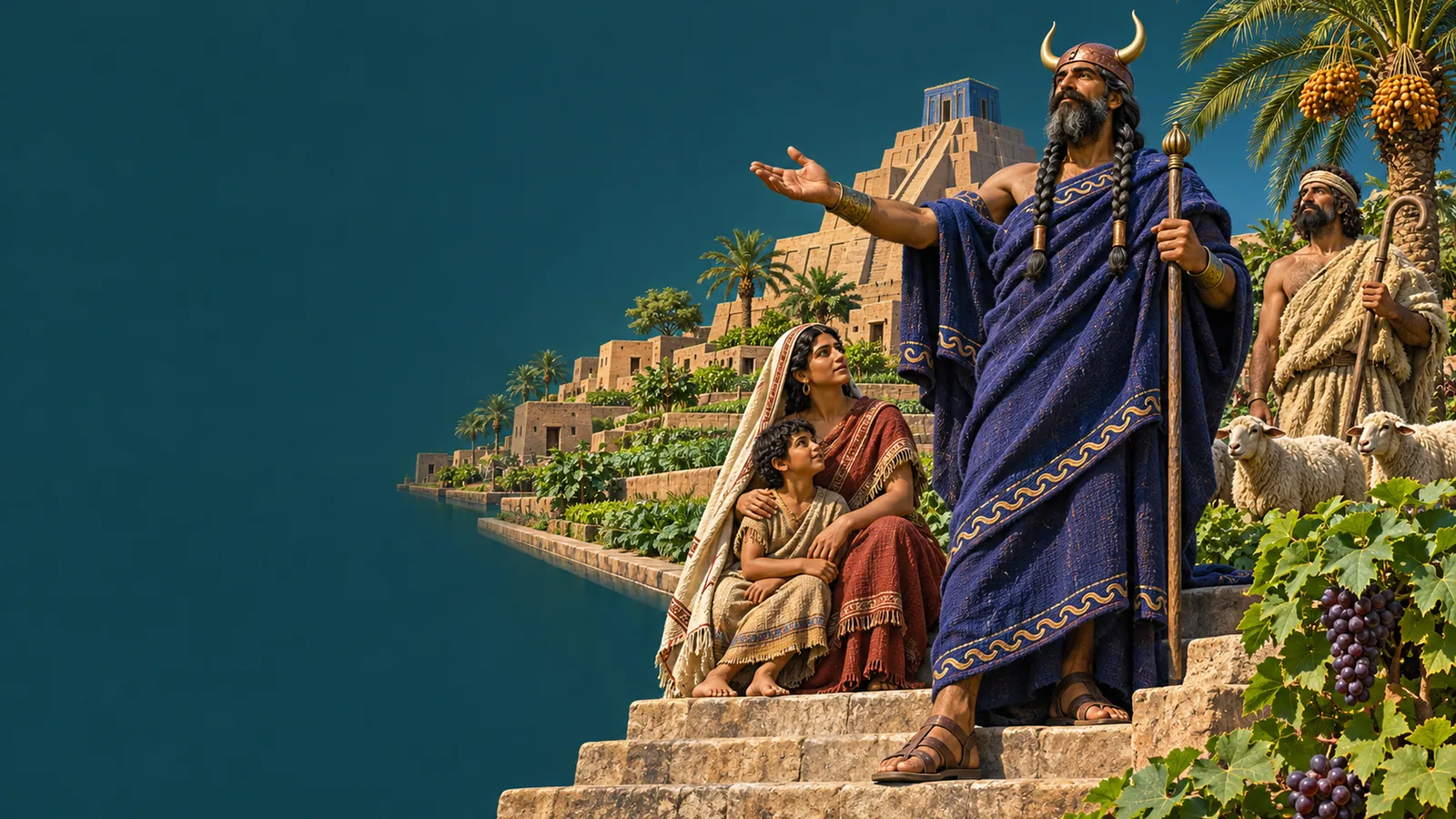
يدعو النشيد إنكي حاكمًا على كلّ ما وُلد. ثمّ يصفه بأنّه إنليل أصغر.

يدعو النشيد إنكي الأخ الأصغر لمن يسمّيه الإله الأوحد في السماء والأرض.
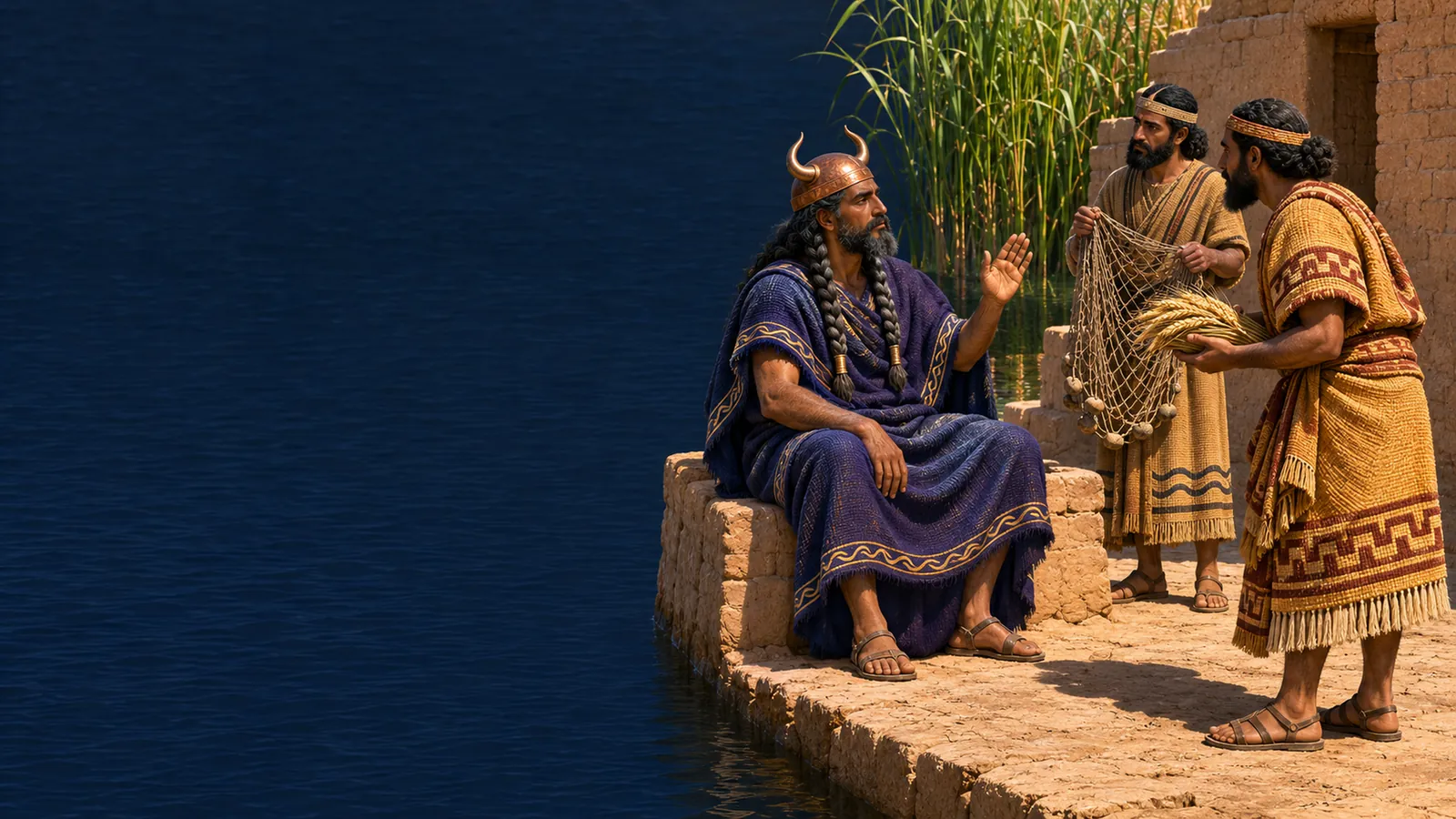
يقول الصوت إنّ إنكي مُنح سلطة تقرير أقدار الشمال والجنوب، مثل من سبق مديحه.
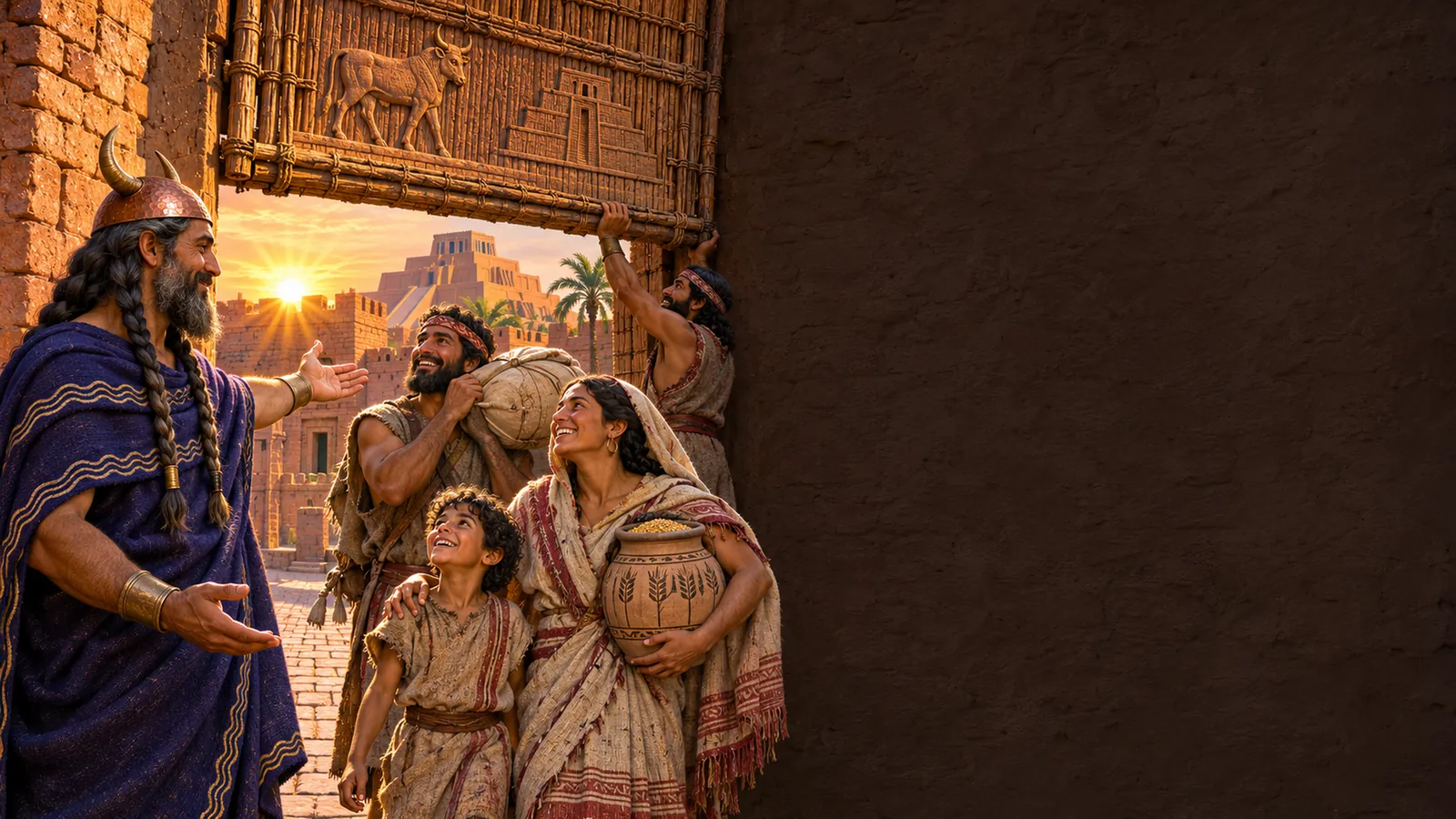
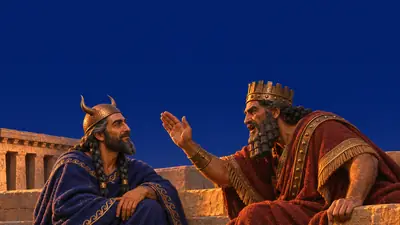
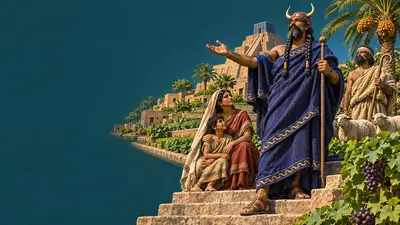
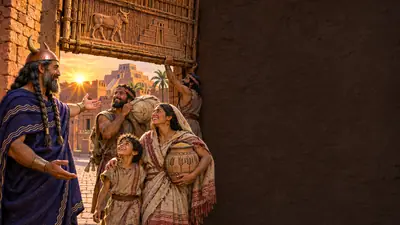
يقول النشيد إنّ قرارات إنكي العادلة وأقواله تجعل المدن المهجورة أماكن يسكنها الناس من جديد.

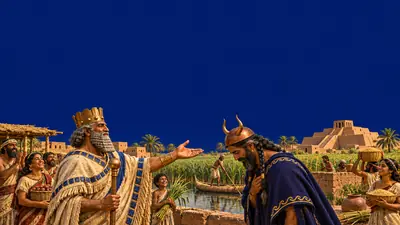
يخاطب الصوت سيّده الآن باسم سابارا. ويتحدّث عن أناس لا يُحصَون أُسكنوا في أنحاء البلاد الواسعة.

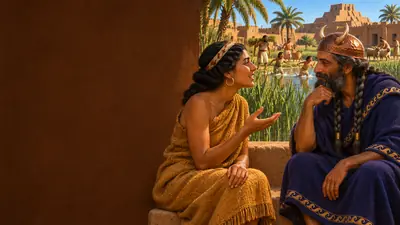
يقول النشيد إنّ إنكي يُعنى بقوت الناس الذين أُسكنوا. ويصفه بأنّه أبٌ لهم.
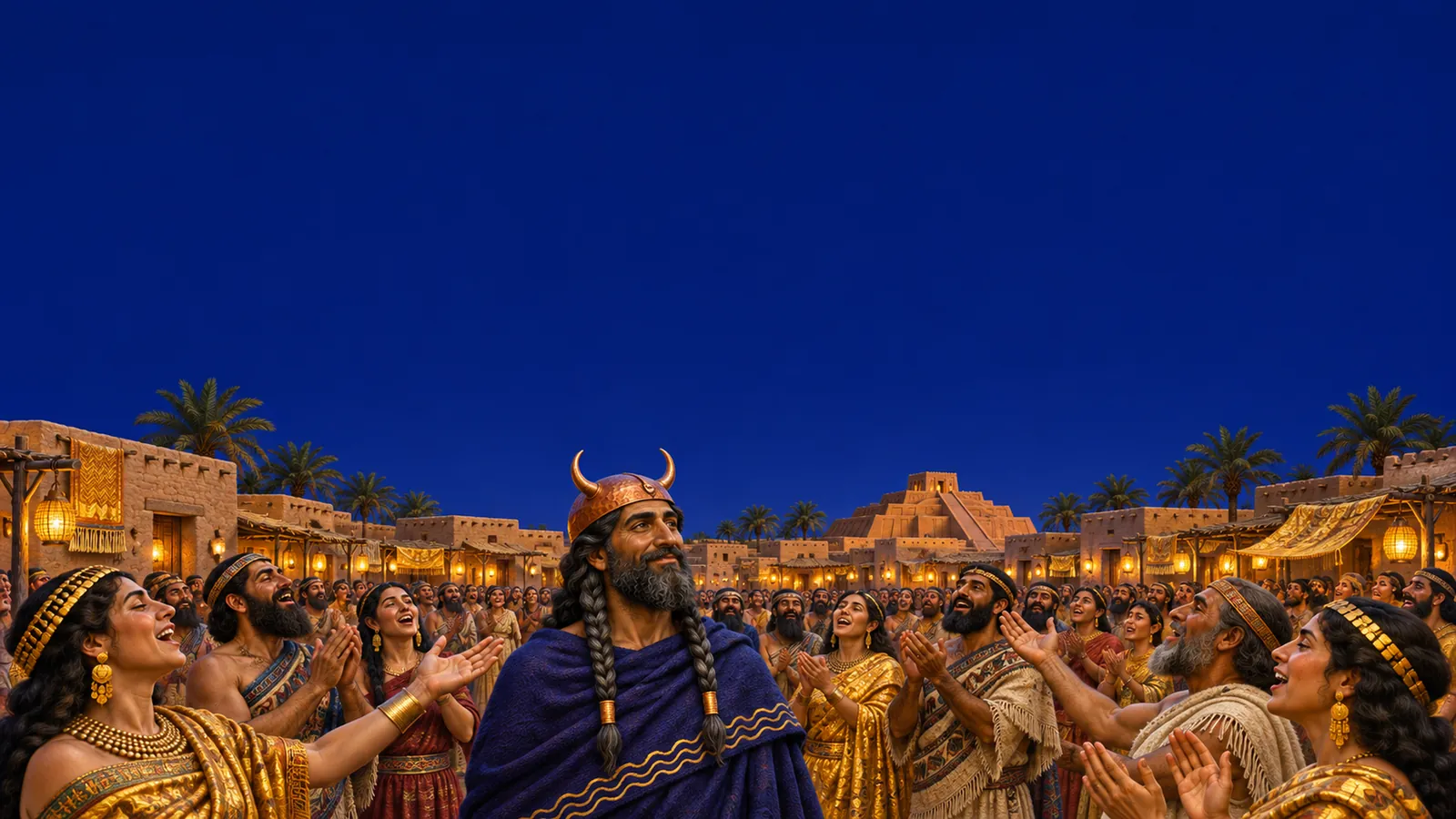
المديح
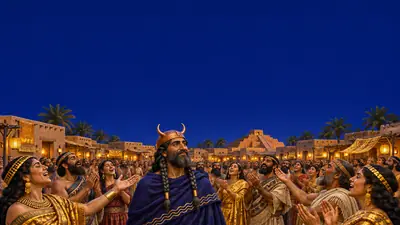
يُختتم المقطع المقتبس بمديح الناس عظمةَ من يدعونه سيّدهم وإلههم.
نهاية الفصل الأول
كل الصفحات






المصادر
المصادر والملاحظات مكتوبة بالإنجليزية كما وردت في المراجع.
This chapter paraphrases the hymn excerpt printed by Thorkild Jacobsen on pp. 147–148 of The Intellectual Adventure of Ancient Man. His note 22 cites CT XXXVI, plate 31, lines 1–20. The preface credits H A Groenewegen Frankfort with the poetic English of Sumerian and Akkadian translations in chapters V–VII. The 1946 main text is retained in the 1977 Phoenix edition. The title A Hymn to Enki is descriptive editorial wording. A printed ellipsis follows Enlil’s grant of the name. The chapter preserves that break, follows the kinship formula as printed, and ends at the people’s praise before Jacobsen’s next prose section.
الطبعات المعتمدة
- University of Chicago, The Intellectual Adventure of Ancient Man
- Jacobsen’s quoted Sumerian hymn, printed pp. 147–148
- Source note 22 and poetic-rendering credit, printed p. 184
ملاحظات على هذه الرواية
opening invocation. He is praised for perceiving everything while absorbed in thought and immobile. The opening eye metaphor accompanies that penetrating perception.
invocation continued. Enki’s awareness is limitless, and the hymn calls him the exalted counsel of the Anunnaki. The localized word for counsellor expresses the counsel-giving epithet in natural language.
last lines on the page. The knowing addressee exacts obedience when he turns his understanding toward conciliation and decision. This remains praise within the hymn.
continuation across the page break. The decision clause leads into settlement of legal strife and counsel from sunrise until sunset.
conclusion of the opening address. Enki is master of prudent words. The anonymous speaker then states in the first person the intention to give praise.
Anu passage begins. Anu is named as Enki’s father and described as a pristine king and ruler over an inchoate world. This is the hymn’s praise of Anu within its address to Enki.
Anu’s commission. Anu empowers Enki in heaven and on earth to guide and form, and elevates him to lordship over them.
first water duty. Enki is to clear the pure mouths of the Tigris and Euphrates. The printed reading is clear. The two rivers are explicitly named, and pure is their epithet here.
next agricultural clauses. Vegetation is to be plentiful, clouds dense and water abundant for all ploughlands.
paired clauses before the saplings passage. Grain rises in furrows, and pasture becomes abundant in the desert. The printed agricultural word is corn. The sapling and orchard clauses belong to page 11 in the continuing fragment.
Page 11, CT XXXVI, plate 31, lines 1–20, tree clauses on p. 148. The source credits the addressee with saplings sprouting in plantations and orchards, planted densely like a forest.
Page 12, same inclusive range, Anu’s commission restated. Anu, identified as king of the gods, entrusts the acts just described to Enki. This repeats the commission after the passage on cultivation.
Page 13, same inclusive range, Enlil’s grant and printed break. The English passage says Enlil grants his potent, awe-inspiring name and then prints an ellipsis. The book gives no explanation of the break.
Pages 14–15, same inclusive range, the following praise and kinship formula. The next clause makes him the younger brother of the one described as the sole god in heaven and earth.
Page 16, same inclusive range, the fates clause. The excerpt gives neither named geographic borders nor a separate identification of that antecedent.
Page 17, same inclusive range, deserted cities.
Page 18, same inclusive range, Sabara and settlement. The printed address is Sabara, followed by countless people settled throughout the country far and wide. The name is retained as it appears in the hymn, without an additional identification.
Pages 19–20, same inclusive range, closing sustenance and praise. The addressee attends to the people’s sustenance and is compared to a father. The final printed line gives their praise of their lord and god. This is the endpoint of the selected excerpt.
The names in the catalogue tags identify the source context.
الأسطر القديمة وراء كل صفحة
- Page 1: Jacobsen, The Intellectual Adventure of Ancient Man, first Phoenix ed. (1977; main text 1946), p. 147, quotation opening, address to Enki and perception during thought and immobility; CT XXXVI, plate 31, inclusive lines 1–20, cited in note 22 on p. 184; poetic English by H A Groenewegen Frankfort
- Page 2: Jacobsen, The Intellectual Adventure of Ancient Man, first Phoenix ed. (1977; main text 1946), p. 147, quotation invocation continued, limitless awareness and exalted counsel of the Anunnaki; CT XXXVI, plate 31, inclusive lines 1–20, cited in note 22 on p. 184; poetic English by H A Groenewegen Frankfort
- Page 3: Jacobsen, The Intellectual Adventure of Ancient Man, first Phoenix ed. (1977; main text 1946), p. 147, end of printed page within the quotation, knowing, obedience, conciliation and decision; CT XXXVI, plate 31, inclusive lines 1–20, cited in note 22 on p. 184; poetic English by H A Groenewegen Frankfort
- Page 4: Jacobsen, The Intellectual Adventure of Ancient Man, first Phoenix ed. (1977; main text 1946), pp. 147–148, phrase continues across the page break into settlement of legal strife and counsel from sunrise to sunset; CT XXXVI, plate 31, inclusive lines 1–20, cited in note 22 on p. 184; poetic English by H A Groenewegen Frankfort
- Page 5: Jacobsen, The Intellectual Adventure of Ancient Man, first Phoenix ed. (1977; main text 1946), p. 148, opening address concludes with prudent words and the speaker’s first-person promise of praise; CT XXXVI, plate 31, inclusive lines 1–20, cited in note 22 on p. 184; poetic English by H A Groenewegen Frankfort
- Page 6: Jacobsen, The Intellectual Adventure of Ancient Man, first Phoenix ed. (1977; main text 1946), p. 148, Anu passage begins, father, pristine kingship and rule over an inchoate world; CT XXXVI, plate 31, inclusive lines 1–20, cited in note 22 on p. 184; poetic English by H A Groenewegen Frankfort
- Page 7: Jacobsen, The Intellectual Adventure of Ancient Man, first Phoenix ed. (1977; main text 1946), p. 148, Anu’s commission, authority to guide and form in heaven and on earth and elevation to lordship; CT XXXVI, plate 31, inclusive lines 1–20, cited in note 22 on p. 184; poetic English by H A Groenewegen Frankfort
- Page 8: Jacobsen, The Intellectual Adventure of Ancient Man, first Phoenix ed. (1977; main text 1946), p. 148, first assigned water duty, clearing the pure mouths of the Tigris and Euphrates; CT XXXVI, plate 31, inclusive lines 1–20, cited in note 22 on p. 184; poetic English by H A Groenewegen Frankfort
The tall right reserve is physically continuous deep indigo water, detailed only by fine low-contrast silt beneath it and gentle natural surface variation, without a bank line or hard bright ripple. - Page 9: Jacobsen, The Intellectual Adventure of Ancient Man, first Phoenix ed. (1977; main text 1946), p. 148, next agricultural clauses, plentiful verdure, dense clouds and abundant water for all ploughlands; CT XXXVI, plate 31, inclusive lines 1–20, cited in note 22 on p. 184; poetic English by H A Groenewegen Frankfort
- Page 10: Jacobsen, The Intellectual Adventure of Ancient Man, first Phoenix ed. (1977; main text 1946), p. 148, paired clauses before the saplings passage, grain lifting in furrows and abundant pasture in the desert; CT XXXVI, plate 31, inclusive lines 1–20, cited in note 22 on p. 184; poetic English by H A Groenewegen Frankfort
- Page 11: Jacobsen, The Intellectual Adventure of Ancient Man, first Phoenix ed. (1977; main text 1946), p. 148, CT XXXVI, plate 31, lines 1–20 (note 22, p. 184), tree clauses, plantations and orchards
- Page 12: Jacobsen, The Intellectual Adventure of Ancient Man, first Phoenix ed. (1977; main text 1946), p. 148, CT XXXVI, plate 31, lines 1–20 (note 22, p. 184), commission restated, Anu king of the gods
- Page 13: Jacobsen, The Intellectual Adventure of Ancient Man, first Phoenix ed. (1977; main text 1946), p. 148, CT XXXVI, plate 31, lines 1–20 (note 22, p. 184), Enlil grants the name, immediately before the printed ellipsis
- Page 14: Jacobsen, The Intellectual Adventure of Ancient Man, first Phoenix ed. (1977; main text 1946), p. 148, CT XXXVI, plate 31, lines 1–20 (note 22, p. 184), praise after the ellipsis, ruler of all born and younger Enlil
- Page 15: Jacobsen, The Intellectual Adventure of Ancient Man, first Phoenix ed. (1977; main text 1946), p. 148, CT XXXVI, plate 31, lines 1–20 (note 22, p. 184), kinship formula following the younger Enlil designation
- Page 16: Jacobsen, The Intellectual Adventure of Ancient Man, first Phoenix ed. (1977; main text 1946), p. 148, CT XXXVI, plate 31, lines 1–20 (note 22, p. 184), authority clause, fates of North and South
- Page 17: Jacobsen, The Intellectual Adventure of Ancient Man, first Phoenix ed. (1977; main text 1946), p. 148, CT XXXVI, plate 31, lines 1–20 (note 22, p. 184), resettlement clause, deserted cities reinhabited
- Page 18: Jacobsen, The Intellectual Adventure of Ancient Man, first Phoenix ed. (1977; main text 1946), p. 148, CT XXXVI, plate 31, lines 1–20 (note 22, p. 184), Sabara address and people settled far and wide
- Page 19: Jacobsen, The Intellectual Adventure of Ancient Man, first Phoenix ed. (1977; main text 1946), p. 148, CT XXXVI, plate 31, lines 1–20 (note 22, p. 184), penultimate clauses, sustenance and father comparison
- Page 20: Jacobsen, The Intellectual Adventure of Ancient Man, first Phoenix ed. (1977; main text 1946), p. 148, CT XXXVI, plate 31, lines 1–20 (note 22, p. 184), final printed line, praise by the people
الرسوم من صنع أرشيف إيل بأدوات الذكاء الاصطناعي؛ والنص مبني على المصادر القديمة (انظر المصادر في آخر كل فصل).