إنليل ونينليل الفصل الأول
القمر وإخوته
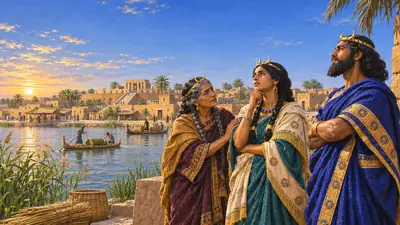
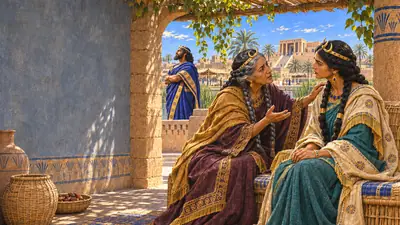
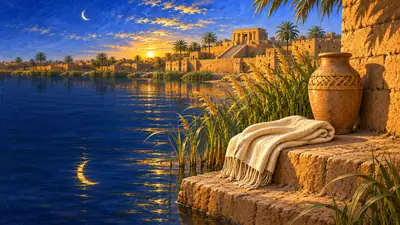
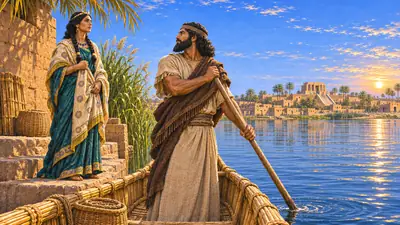
في نيبور، تحذّر أمّ نينليل ابنتها من القناة. وبعد أن يغتصب إنليل نينليل، ينفيه مجمع الآلهة فتتبعه نحو العالم السفليّ. يتتبّع عرض ثوركيلد ياكوبسن أصل إله القمر وإخوته الثلاثة المرتبطين بالعالم السفليّ. وقد تضرّر الموضع الذي يرد فيه اسم الأخ الثالث.
المصادرقلّب الصفحات بالأزرار أو بمفاتيح الأسهم أو بسحب الإصبع.
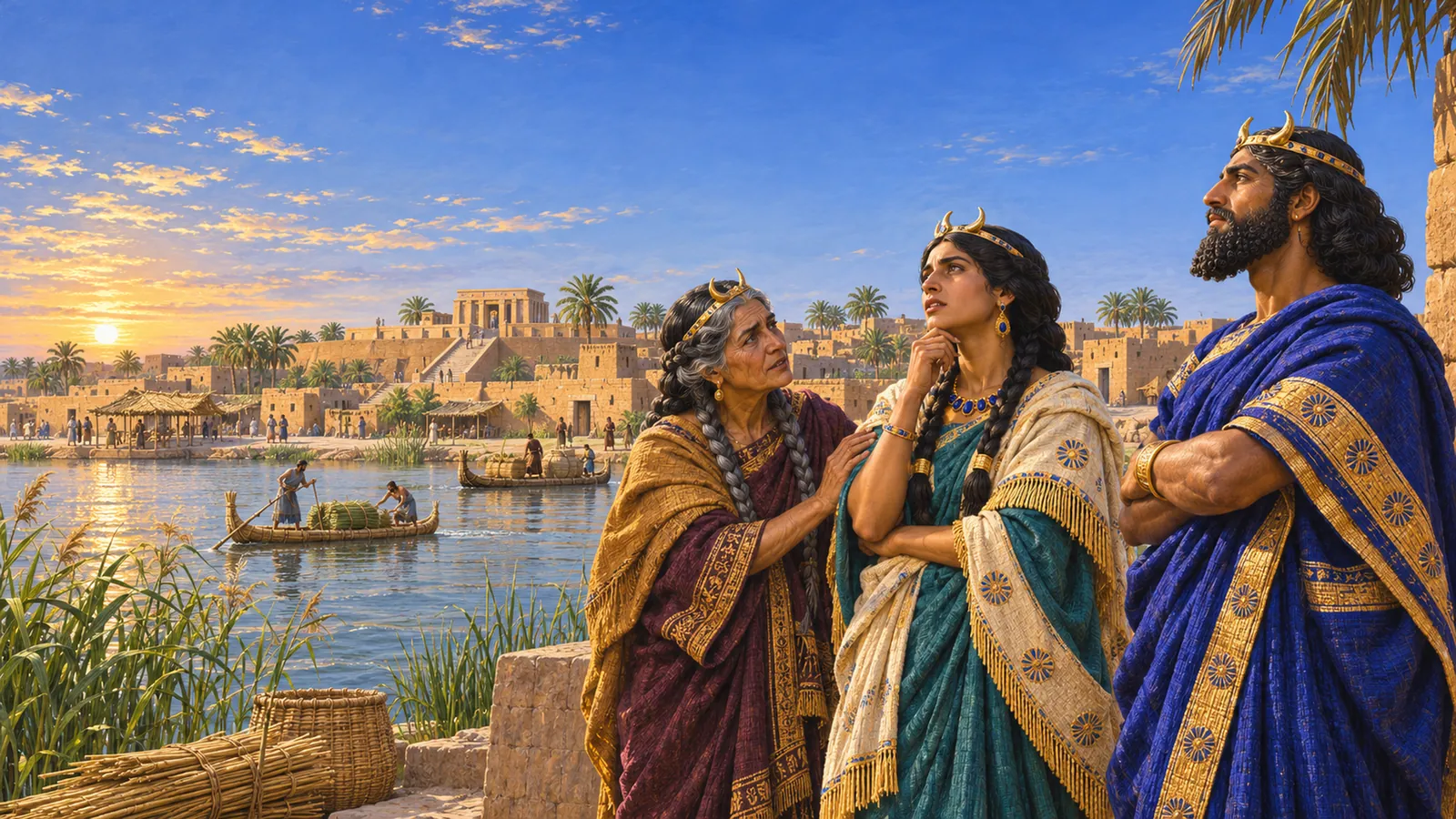
القمر وإخوته
في رواية توركيلد ياكوبسن تبدأ الحكاية في نيبور عند مطلع الزمان. وتسأل كيف نشأ سين، إله القمر، ولماذا يرتبط إخوته الثلاثة بالعالم السفلي.
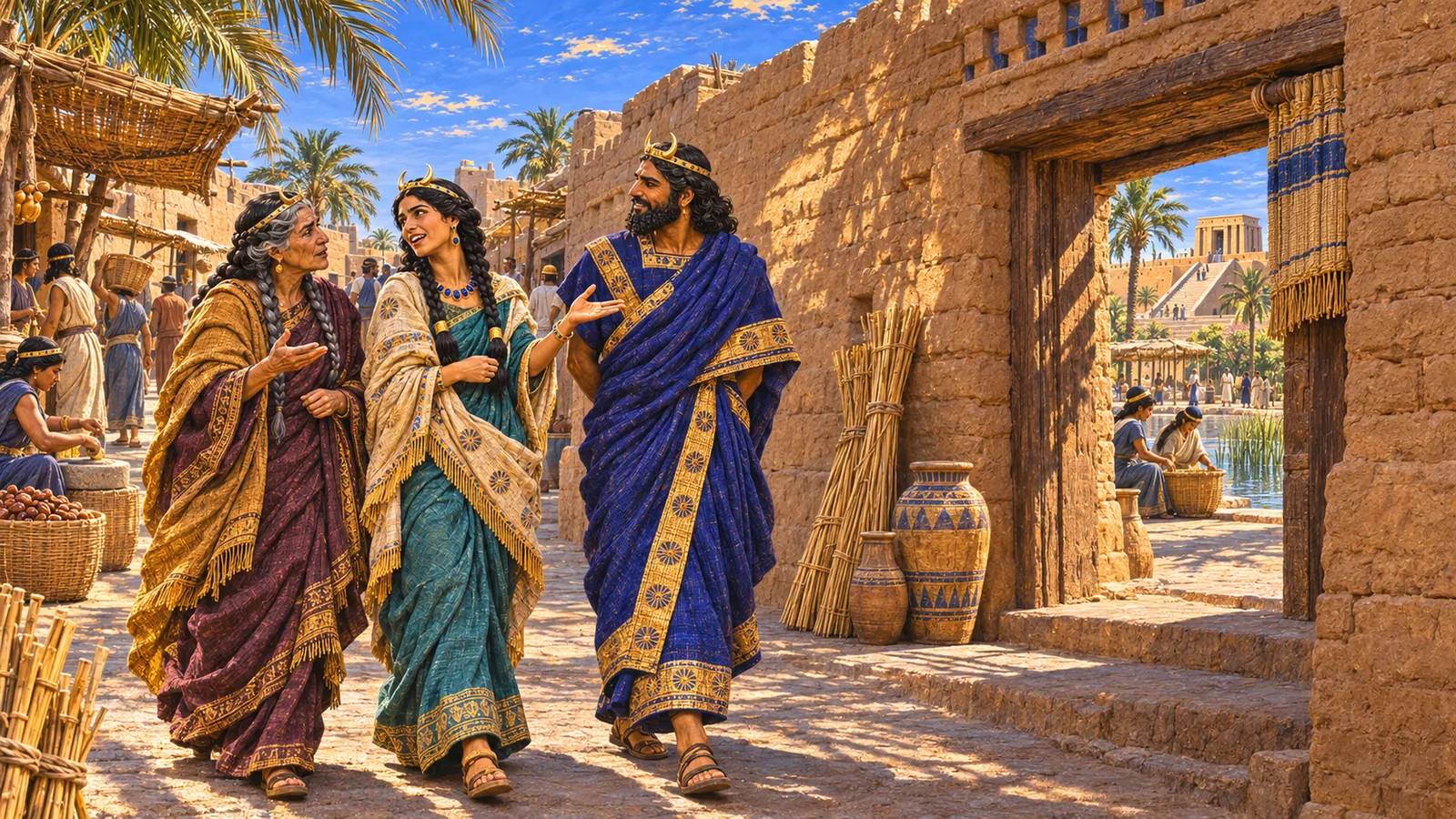
تتحدّث الأبيات عن السكن في هذه المدينة، فتسمّيها أوّلًا دورانكي ثمّ دورغيشيمّار. ويعرّف ياكوبسن الاسمين بأنّهما اسمان لنيبور.
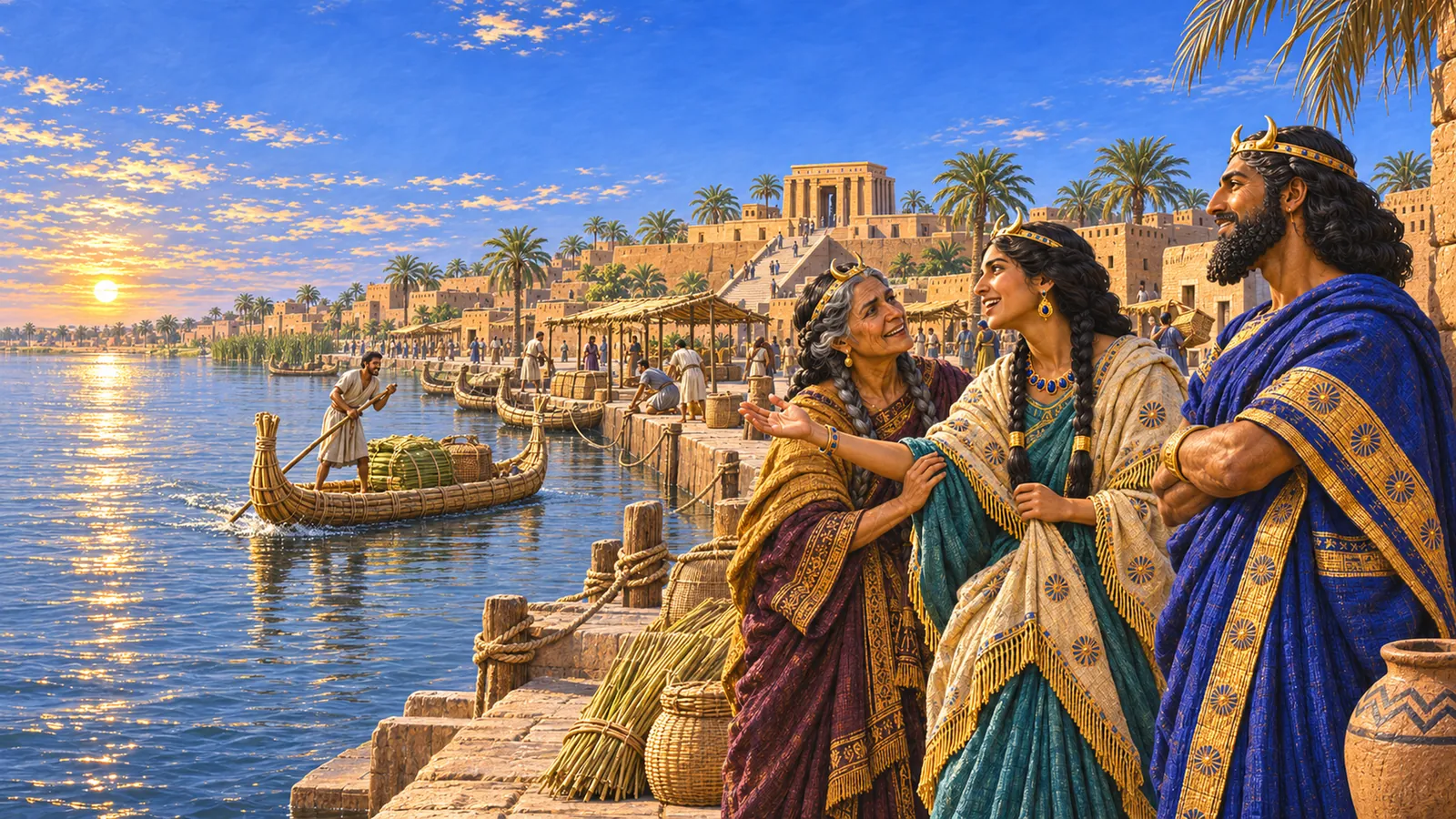
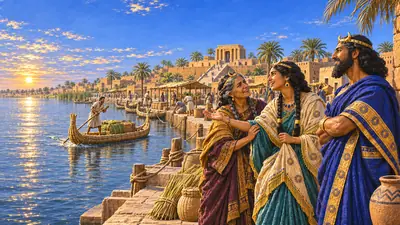
تسمّي الأبيات إِدسالّا نهر المدينة الصافي، وكارغِشتِنّا رصيفها، وكاروسار مرفأها.
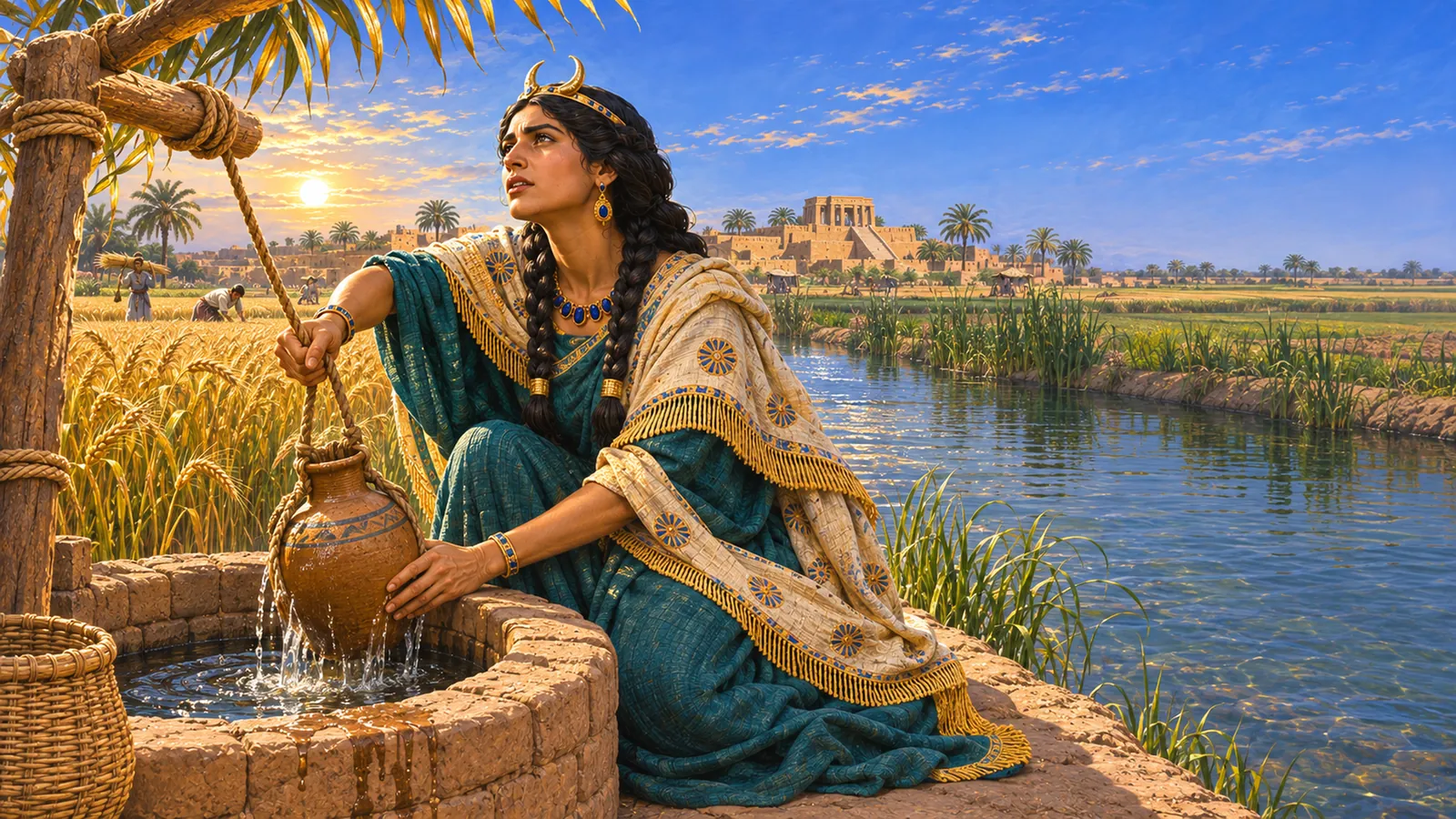
تقول الأبيات إنّ بولال بئر الماء العذب وإنّ نونبيردو القناة المتلألئة. وإذا قِيسَت الحقول المزروعة فإنّ مساحة كلٍّ منها تبلغ عشرة إيكو على الأقلّ.
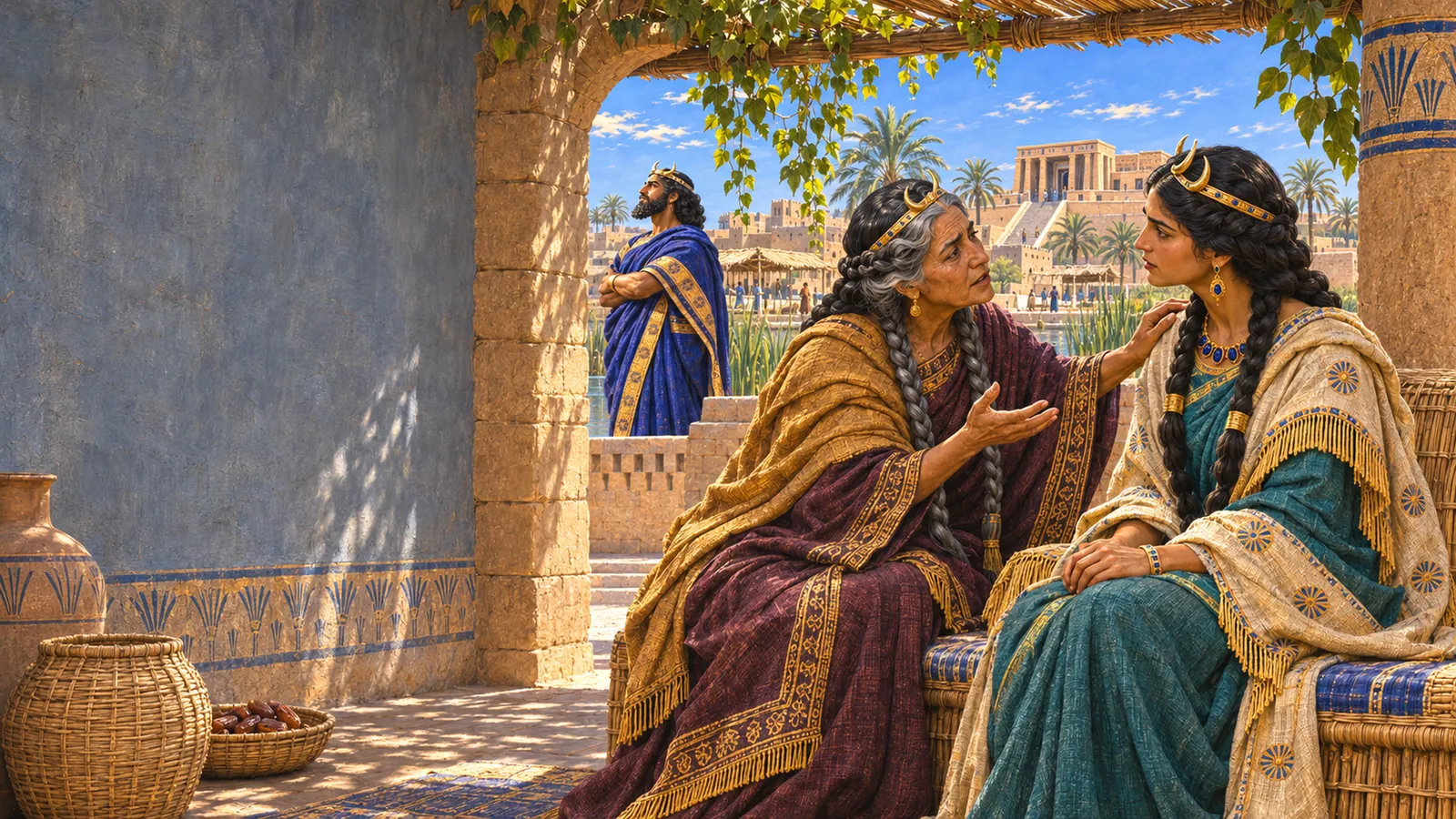
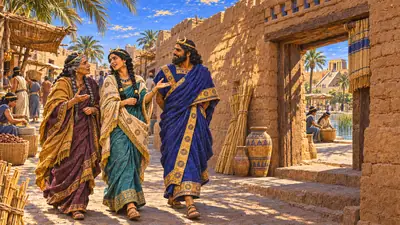
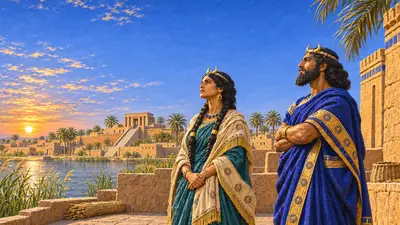
تذكر الأبيات إنليل بوصفه الشابّ في المدينة ونينليل بوصفها الشابّة فيها. وتسمّي نينشِبارغونو أمّ نينليل.
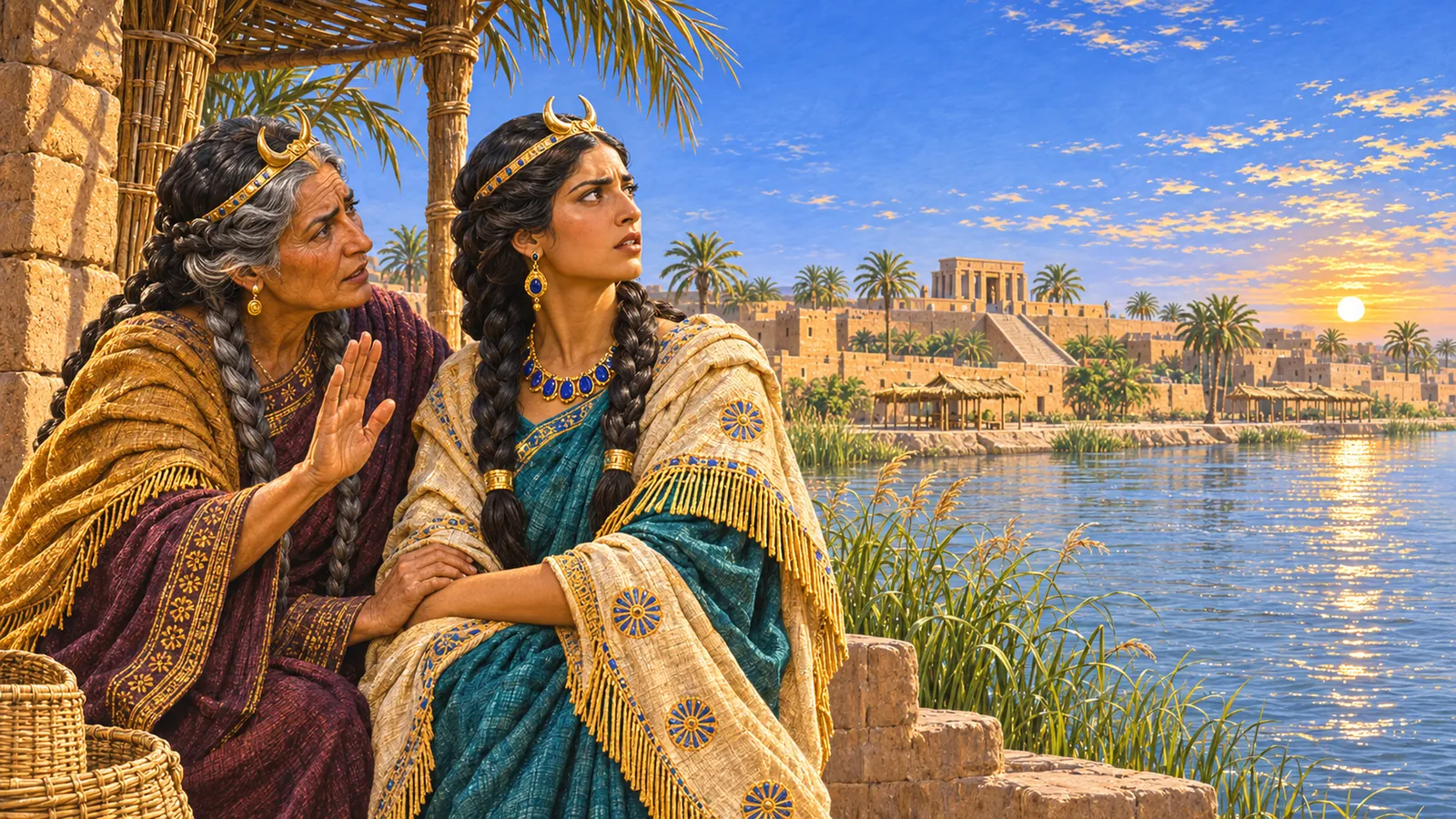
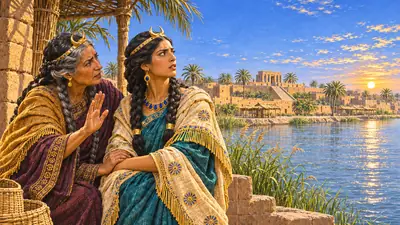
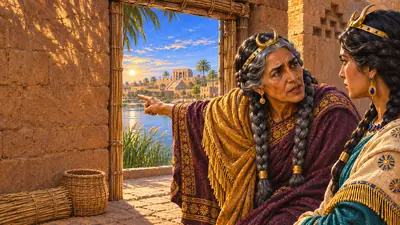
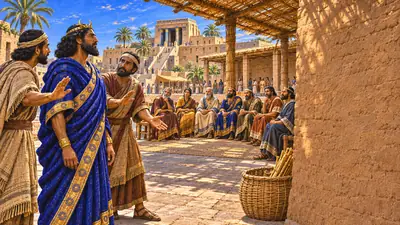
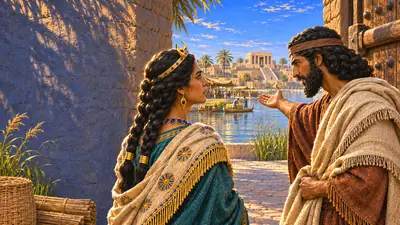
تحذّر نينشِبارغونو ابنتها نينليل مرارًا من الاغتسال في المجرى الصافي. وتقول لها أيضًا ألّا تصعد إلى ضفّة قناة نونبيردو.
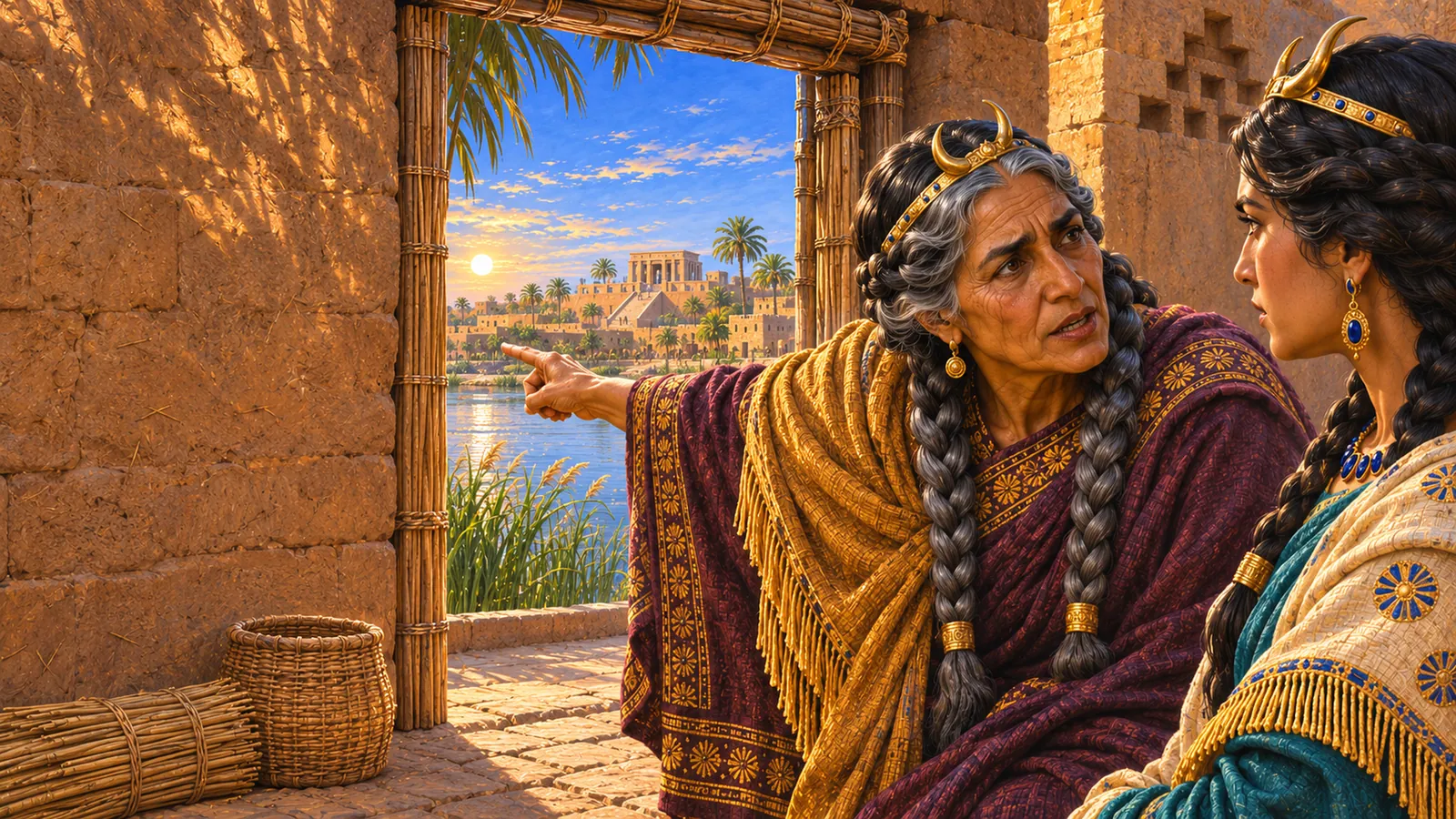
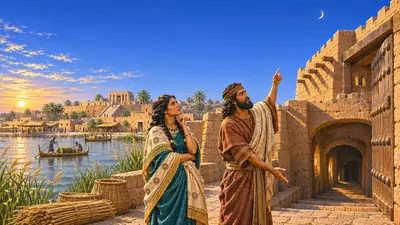
تحذّرها من أنّ إنليل سيرى نينليل ويعانقها ويقبّلها. وتسمّيه الأب إنليل، الجبل العظيم ومقرّر المصائر.
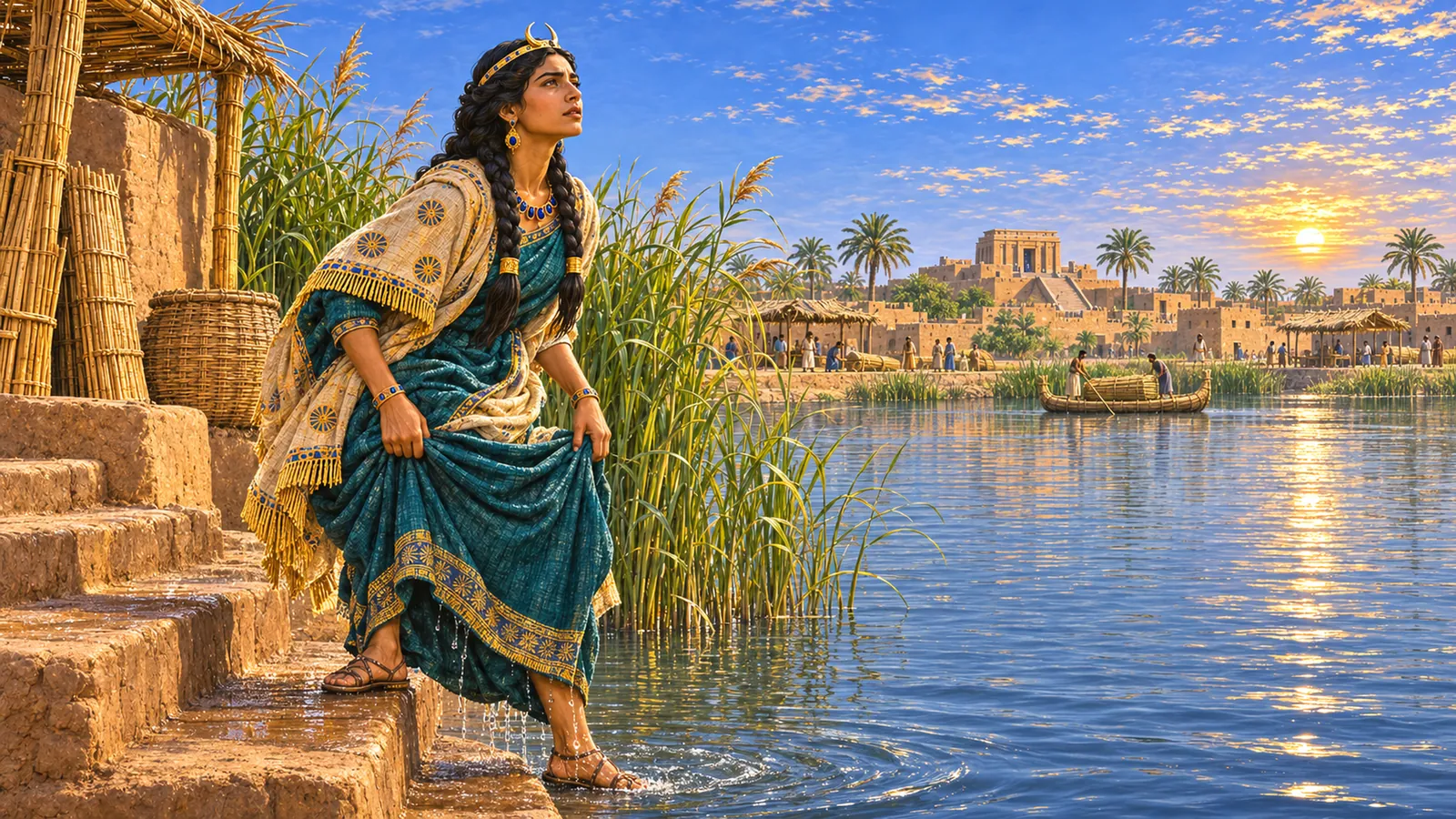
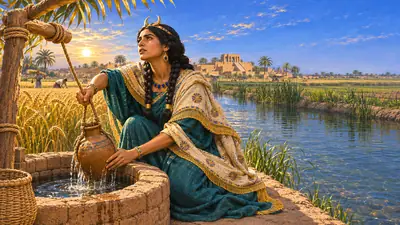
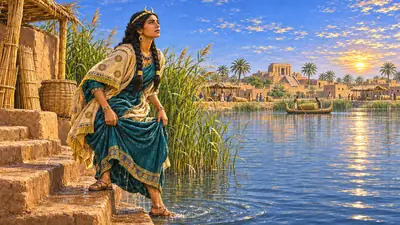
تسأل الأبيات إن كانت نينليل قد استمعت إلى أمّها. ثمّ تقول إنّها تغتسل في المجرى الصافي وتصعد إلى ضفّة نونبيردو.
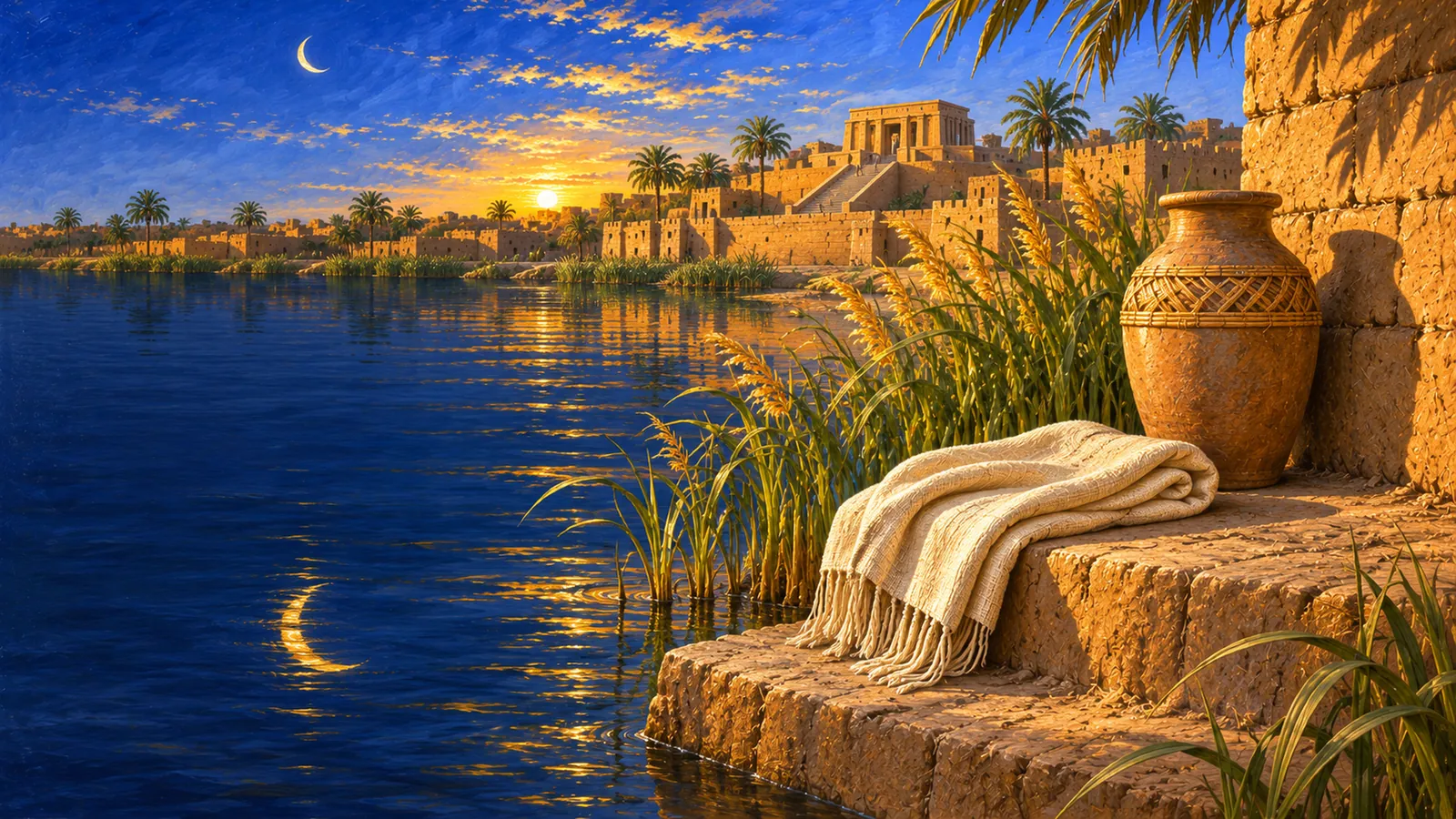
يقول ياكوبسن إنّ إنليل اغتصب نينليل بعدما رفضته، وإنّها حملت بسين، إله القمر.
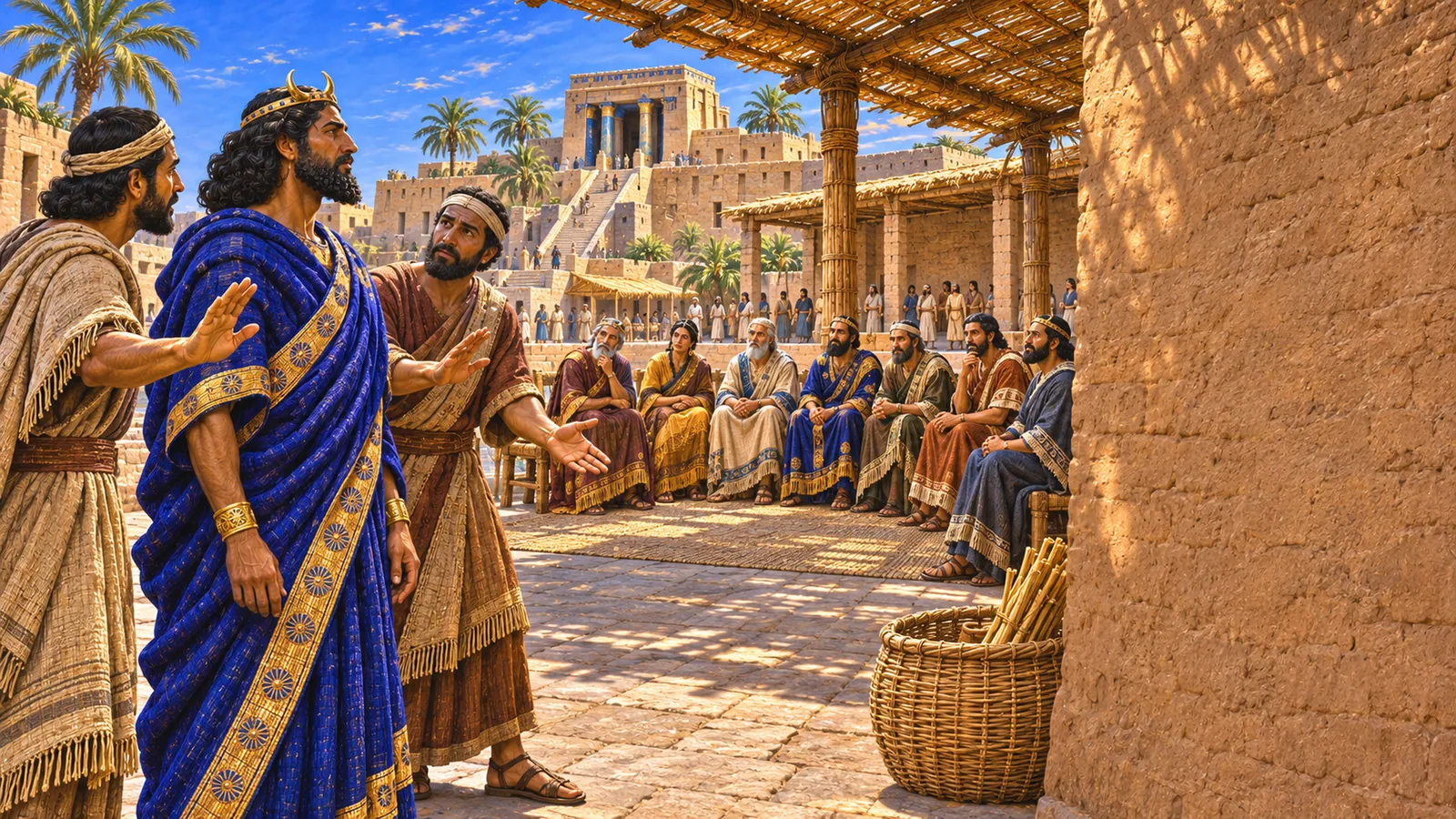
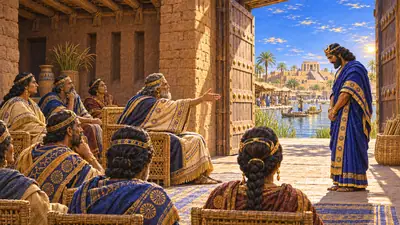
تقول الأبيات إنّ إنليل يدخل كي أور ويُقبَض عليه هناك. وتأمر باعتقاله الآلهة الخمسون العظمى والآلهة السبعة التي يكون لقولها الفصل.
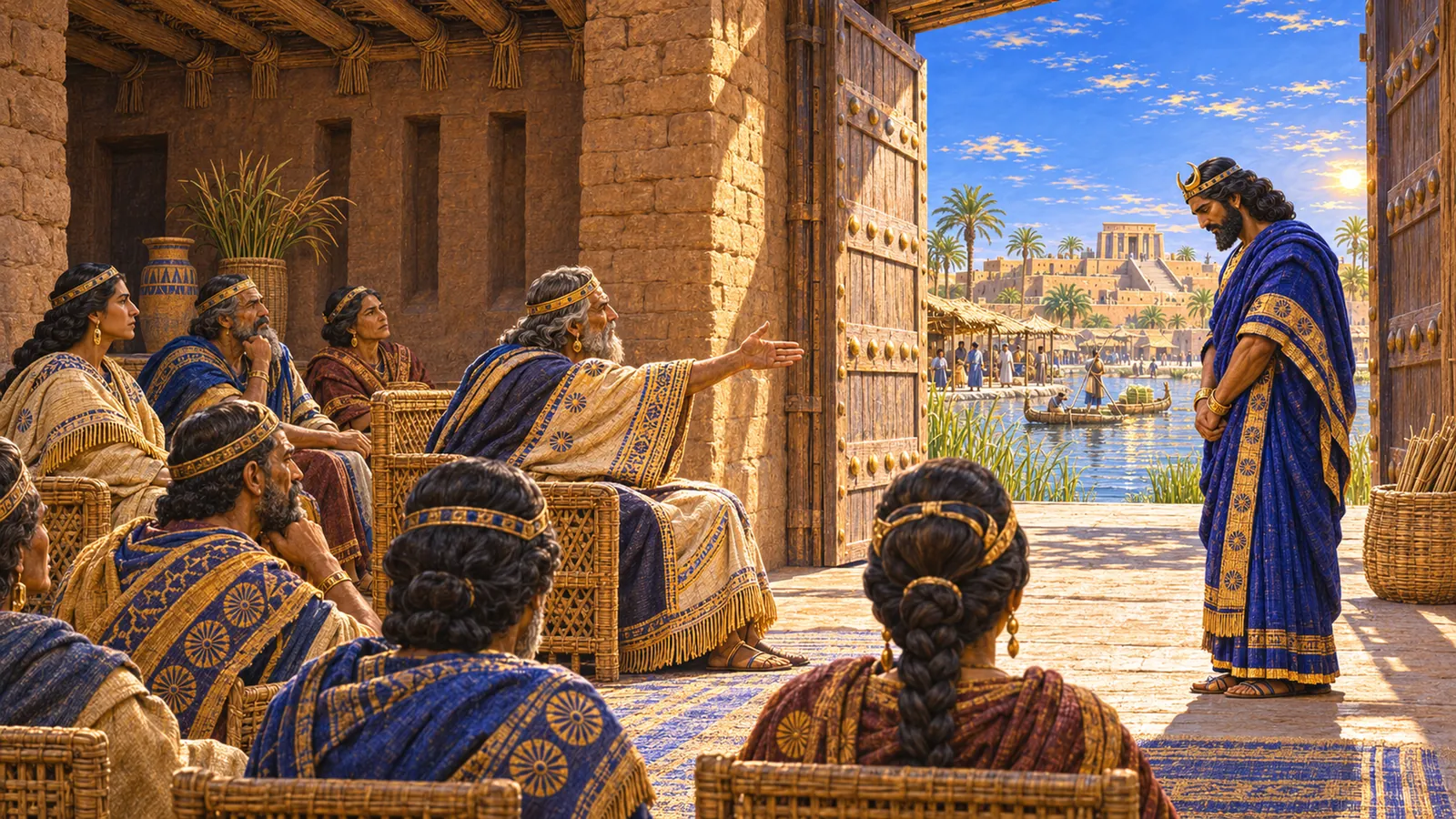
يأمر المجلس إنليل، الذي يُدعى أيضًا نونامنير، بأن يغادر المدينة. ويفسّر ياكوبسن اللفظ الذي يستخدمه المجلس بأنّه يعني شخصًا واقعًا تحت محظورٍ يتعلّق بالجنس.
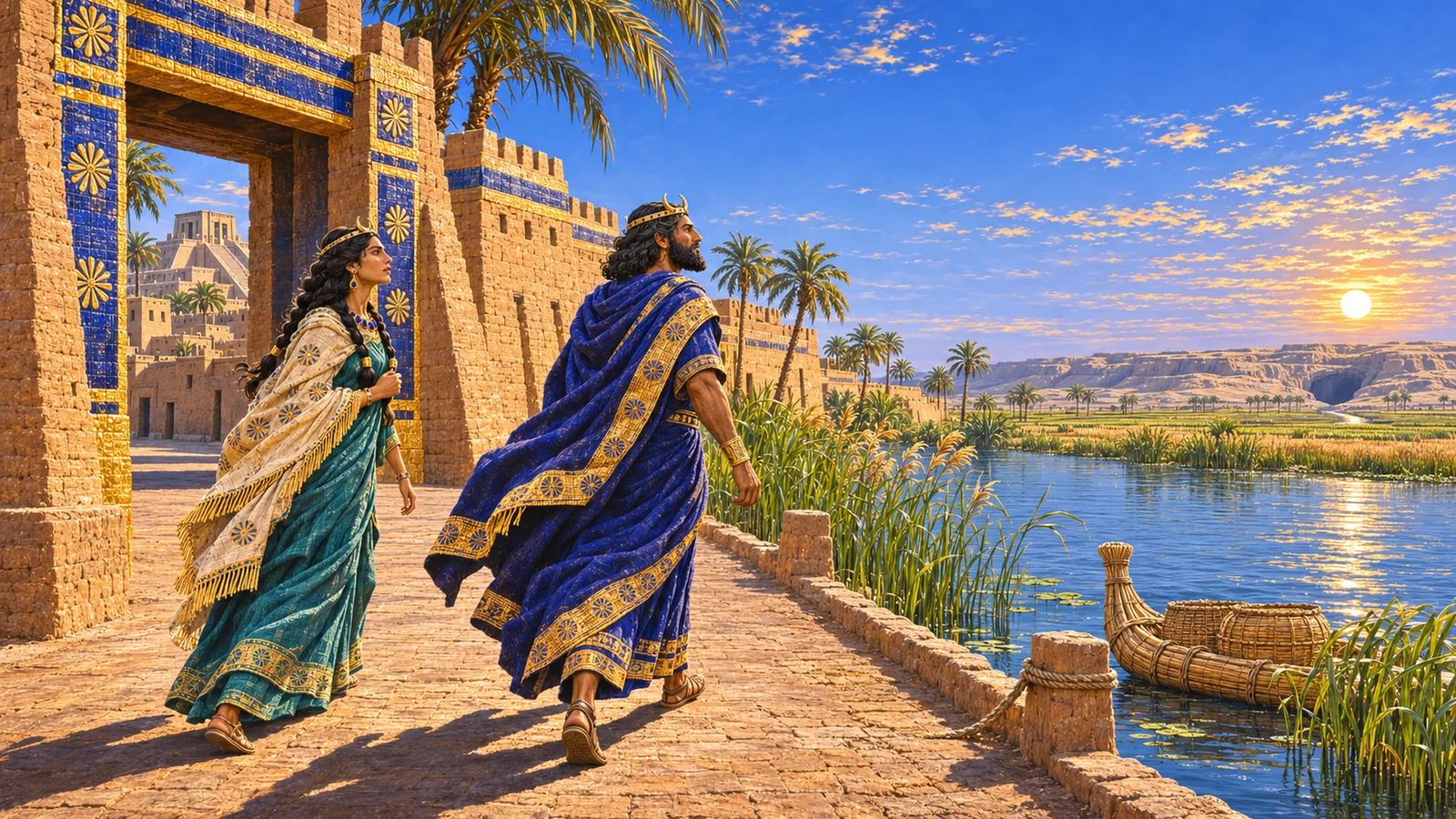
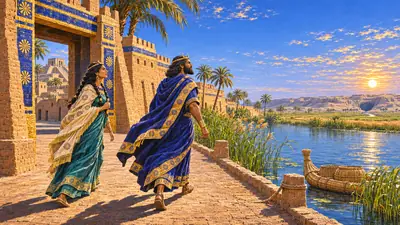
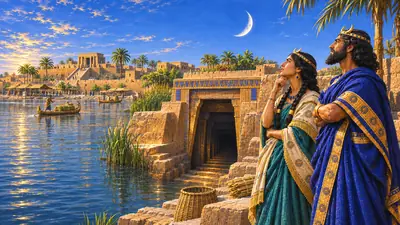
يمتثل إنليل للحكم ويغادر. ويقول ياكوبسن إنّه يتّجه إلى العالم السفلي، وتقول الأبيات إنّ نينليل تتبعه.
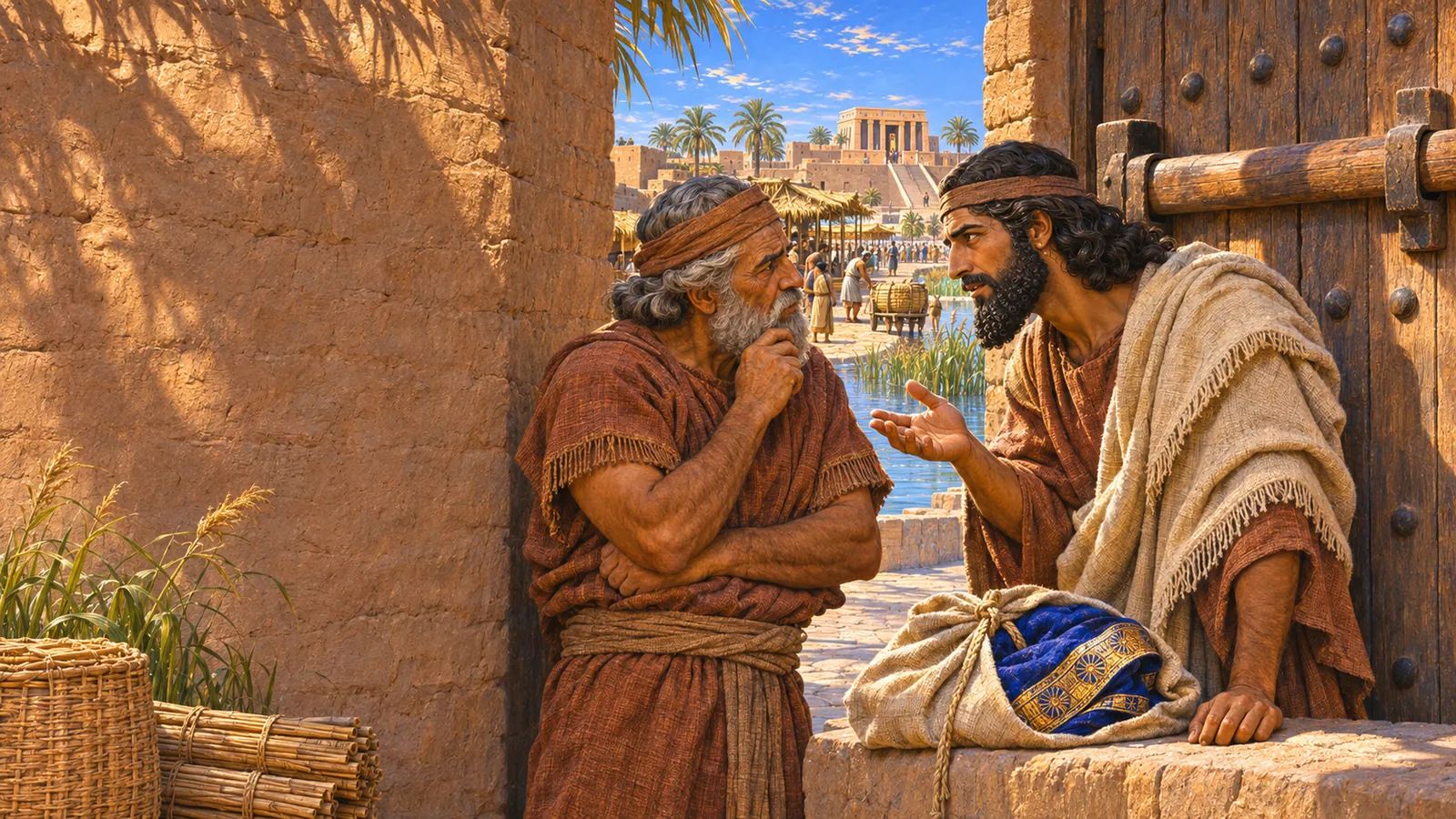
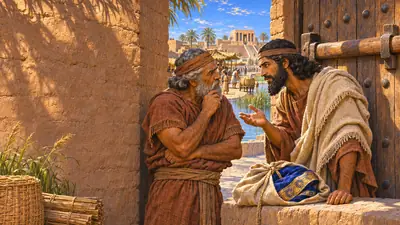
يرى ياكوبسن أن إنليل يخشى أن يسيء آخرون إلى نينليل. ويقول إن إنليل يأخذ مكان حارس الباب ويتّخذ هيئته ويأمره بكتمان مكانه.
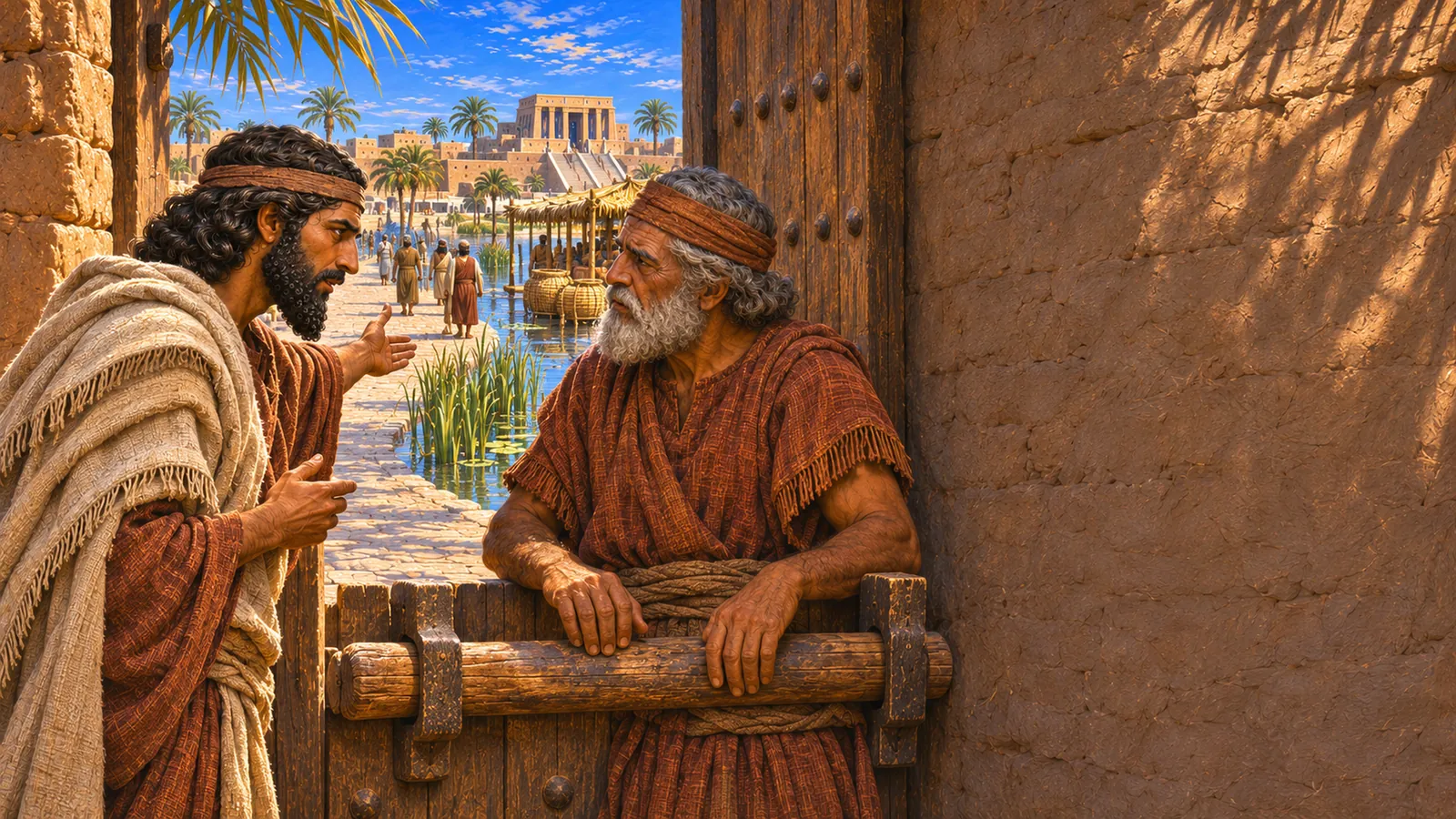
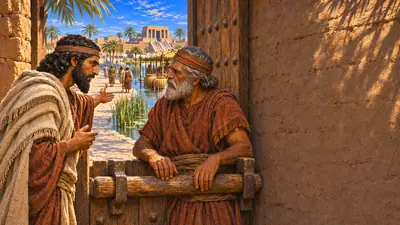
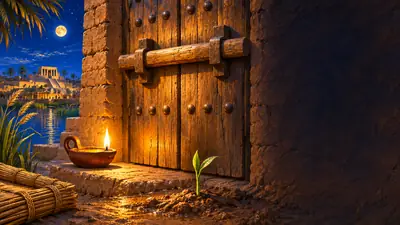
ينادي إنليل حارس الباب والقفل والمزلاج والمزلاج المقدّس. ويقول إن الملكة نينليل آتية ويأمر الحارس بألّا يخبرها بمكانه إن سألت.
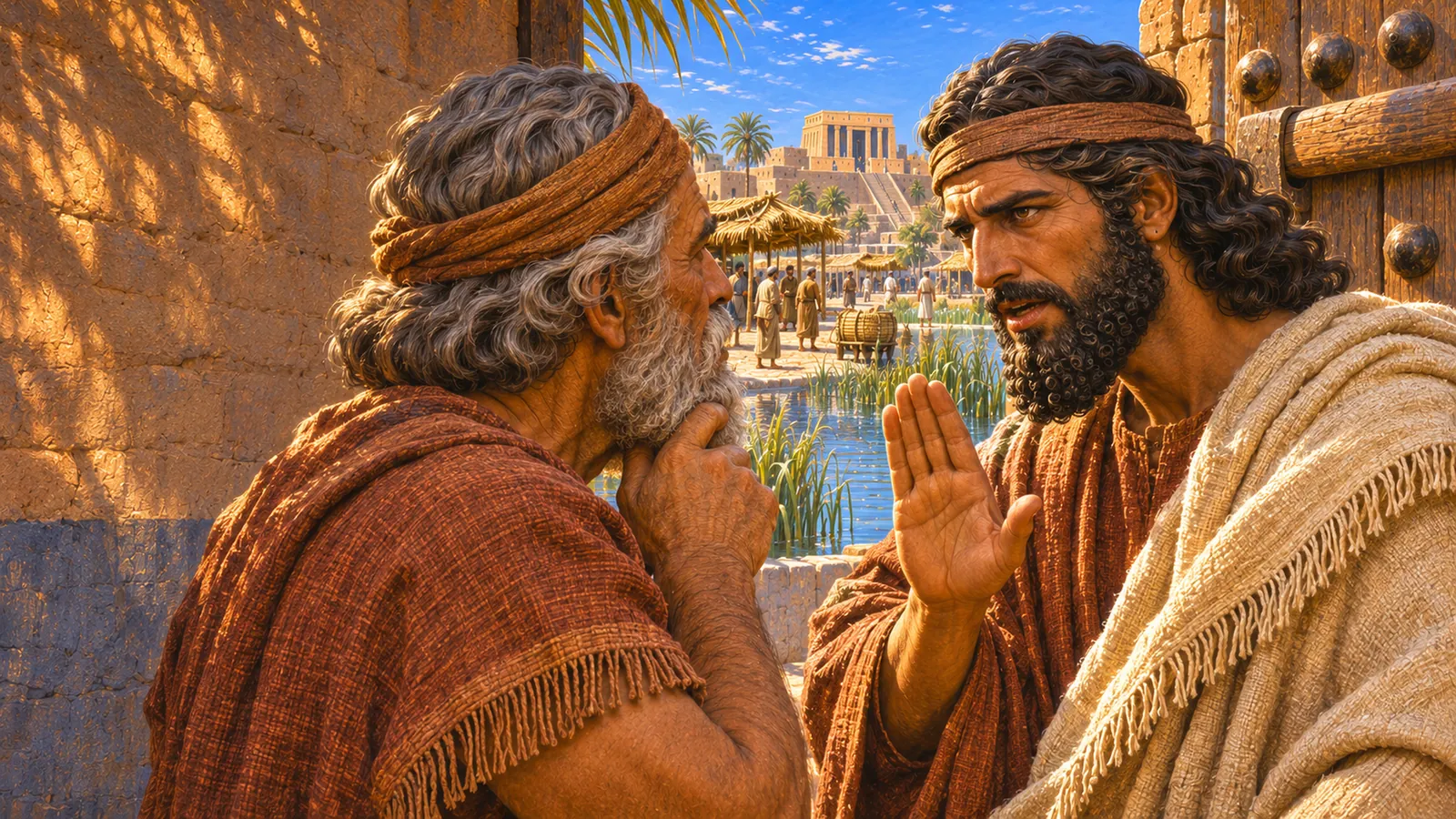
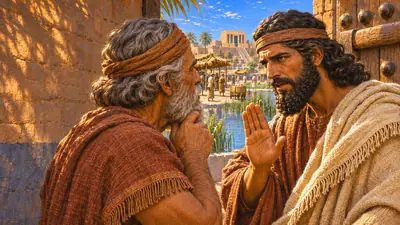
يخاطب إنليل الحارس مرة أخرى ويخبره أن نينليل آتية. وينهاه عن معانقتها أو تقبيلها. ويصف إنليل في كلامه نظرته السابقة إليها بأنها علامة على الحظوة.
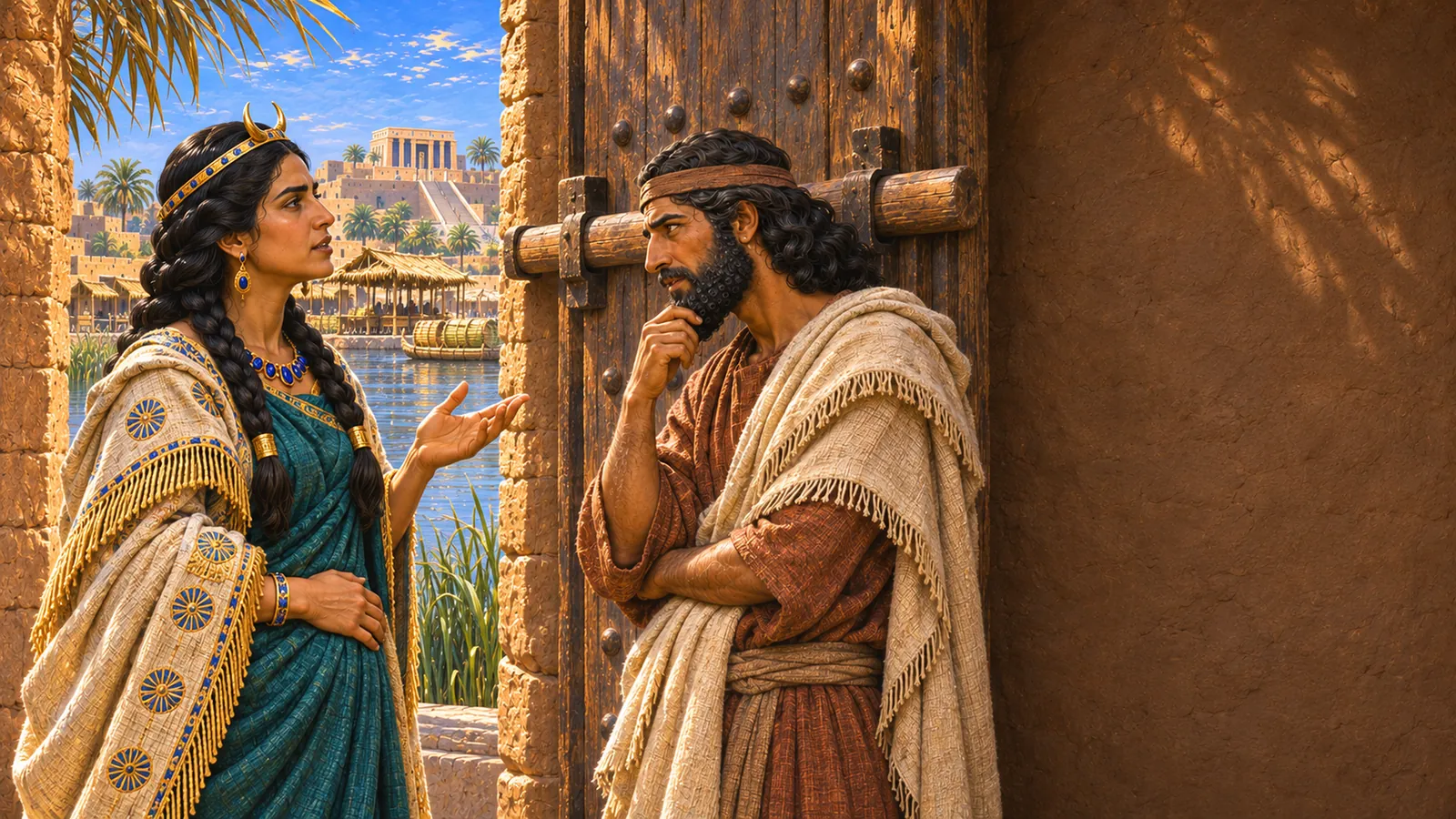
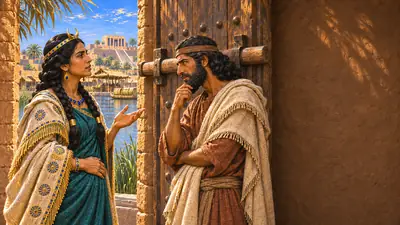
يقول ياكوبسن إن نينليل تظنّ أن إنليل المتنكّر هو حارس الباب. ويزعم أن ملكه أوصى بها، فتجيبه بأنها ملكته وأنها تحمل سين ابن إنليل.
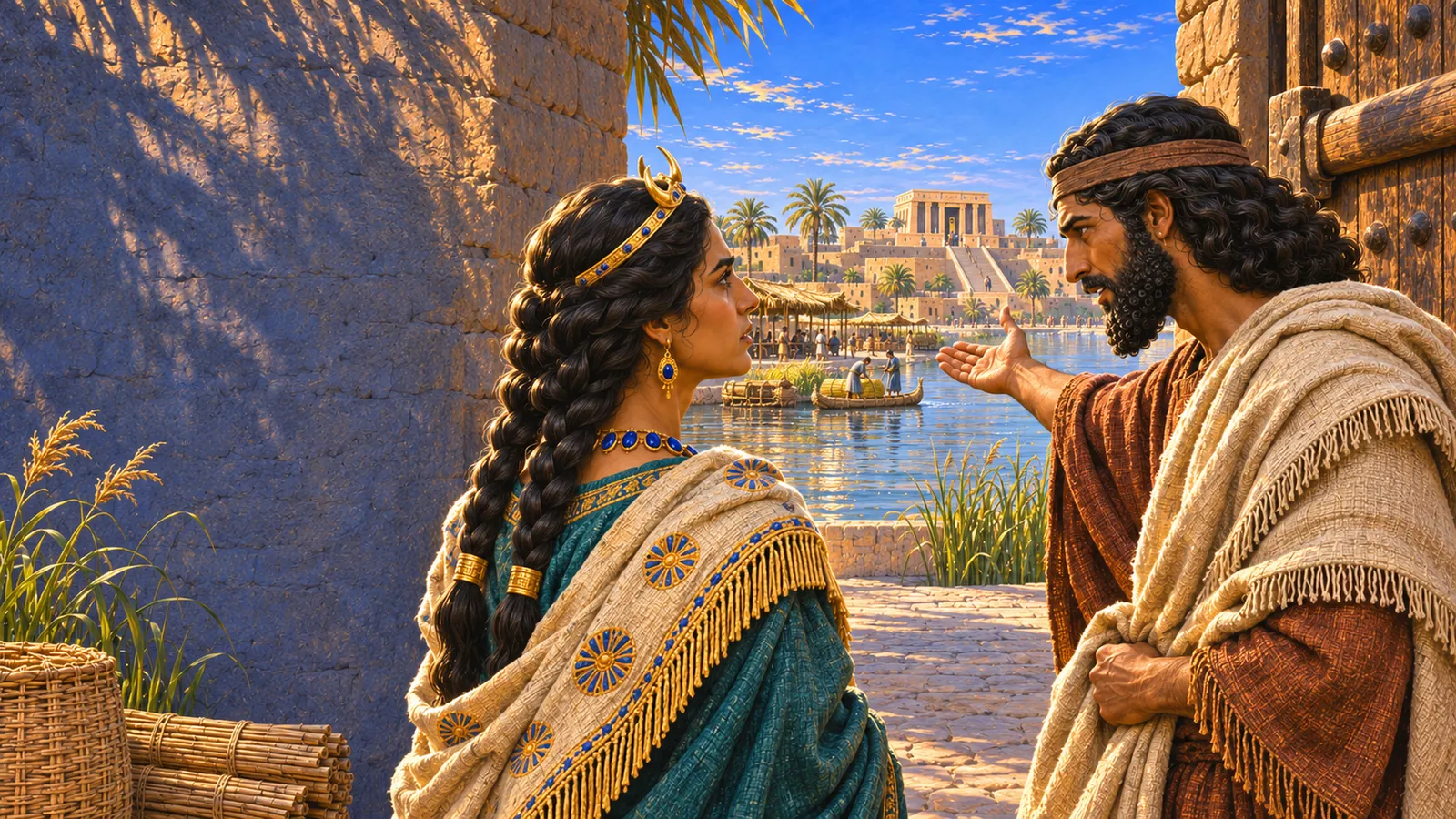
يرى ياكوبسن أن حارس الباب المتنكّر قد يتظاهر بالخوف على سين. ويقترح الحارس أن يولد طفل آخر للعالم السفلي بدلًا من إله القمر.
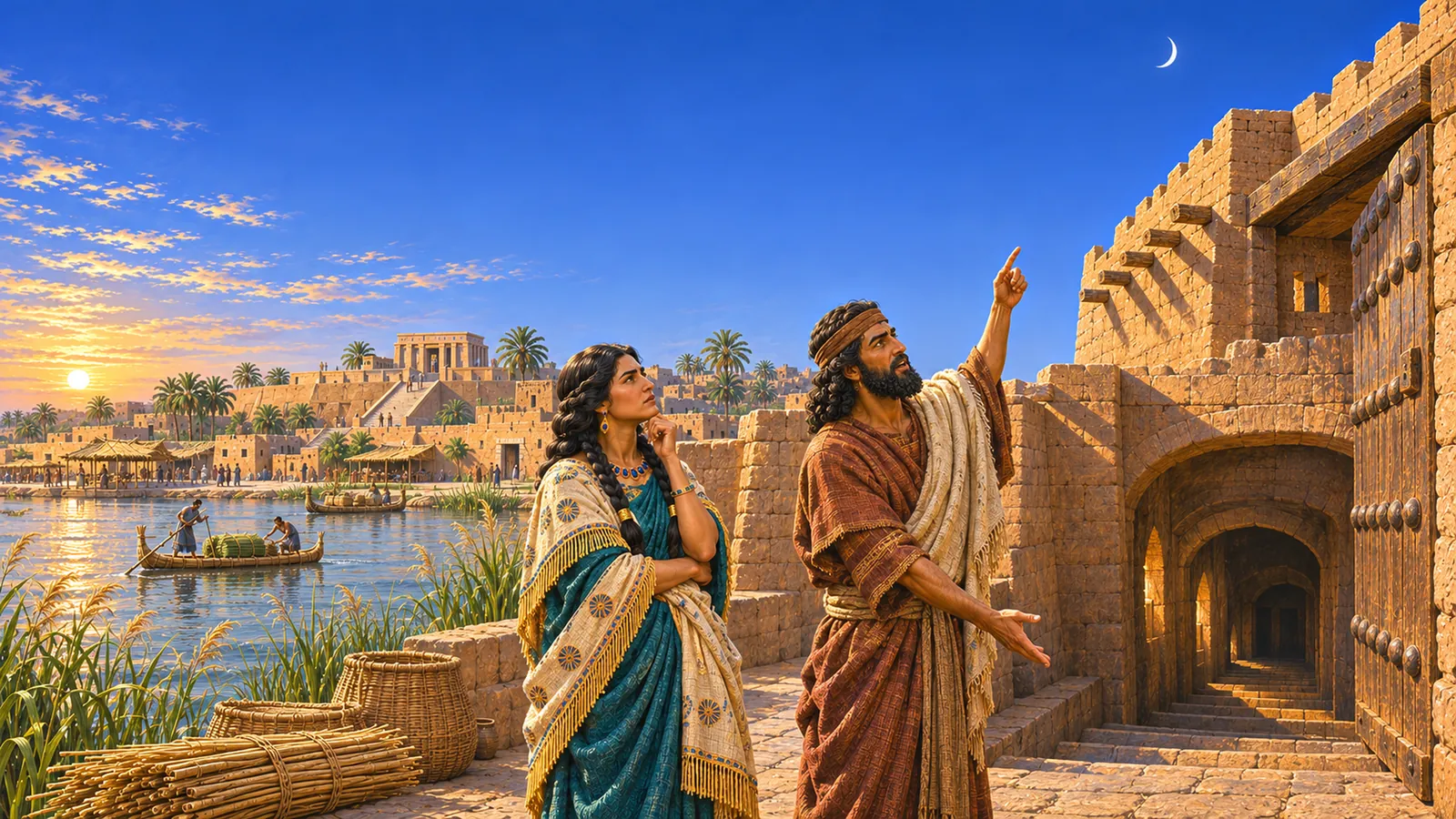
يتمنّى المتكلّم المتنكّر أن يصعد ابن الملك العزيز إلى السماء. ويقول إن ابنه يذهب إلى العالم السفلي ويأخذ مكان ابن الملك.
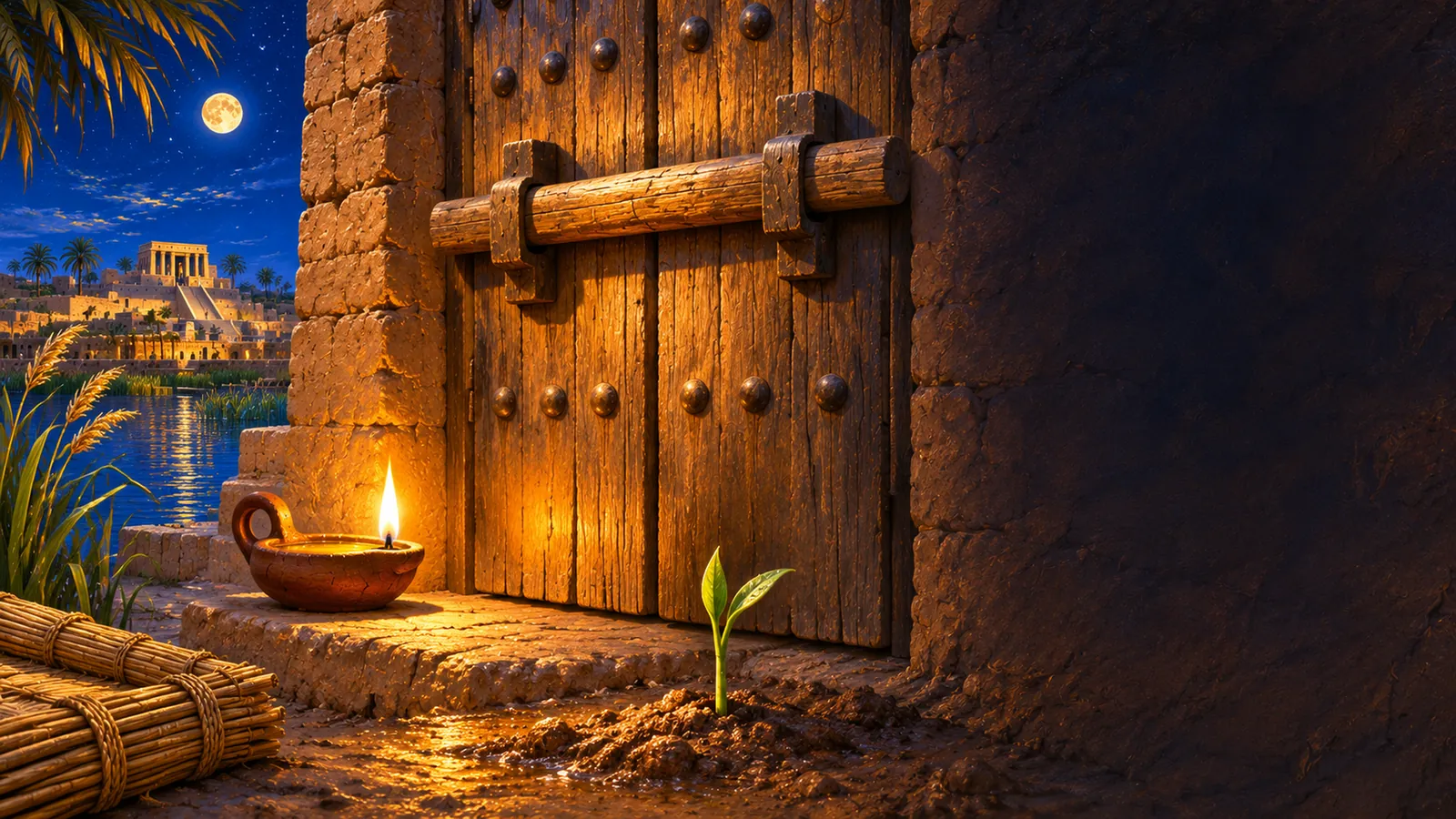
يقول ياكوبسن إن إنليل يقيم علاقة جنسية مع نينليل وهو متنكّر في هيئة حارس الباب، فتحمل بمِسلامتائيا الذي يعرّفه ياكوبسن بأنه أخو سين.
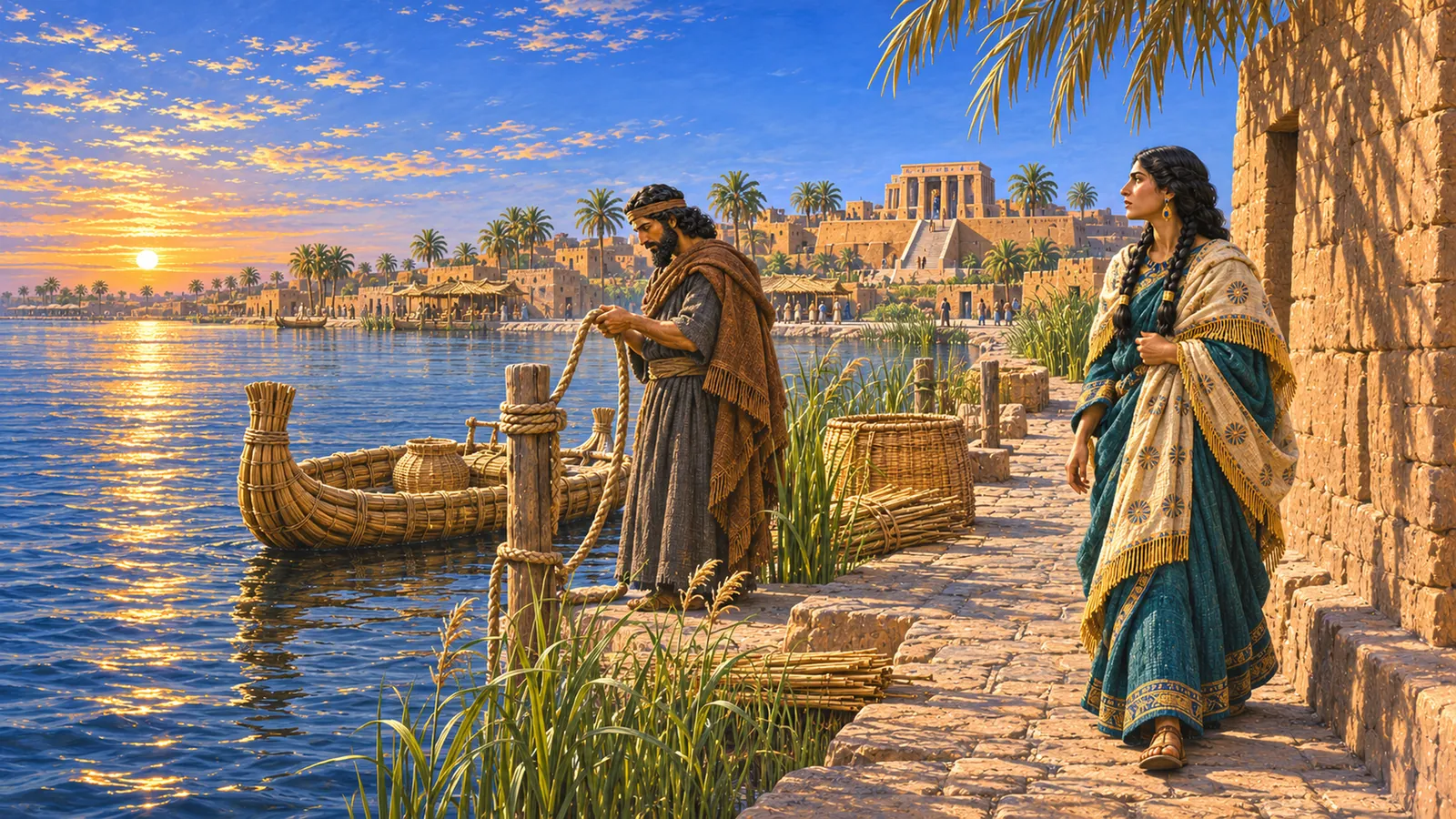
في رواية ياكوبسن تتبع نينليل إنليل وهو يمضي في طريقه. وينتحل هيئة رجل نهر العالم السفلي، فتحمل نينليل بنينازو في ذلك اللقاء.
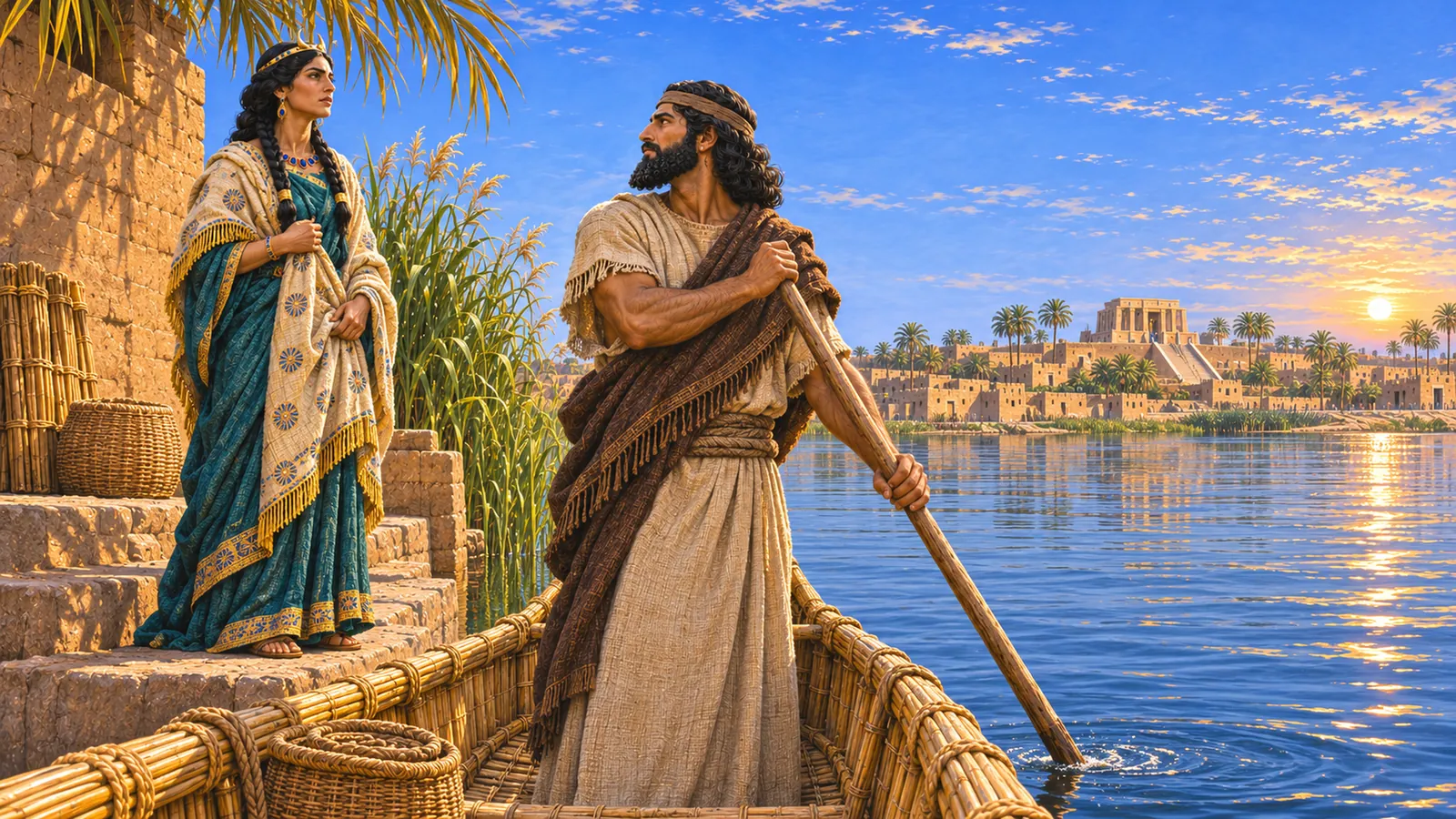
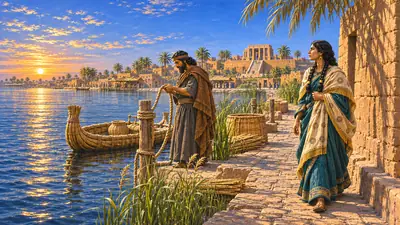
يقول ياكوبسن إن إنليل يتّخذ هيئة ربّان المعبر، فتحمل نينليل بإله آخر من آلهة العالم السفلي. واسم الابن تالف في قراءة ياكوبسن.
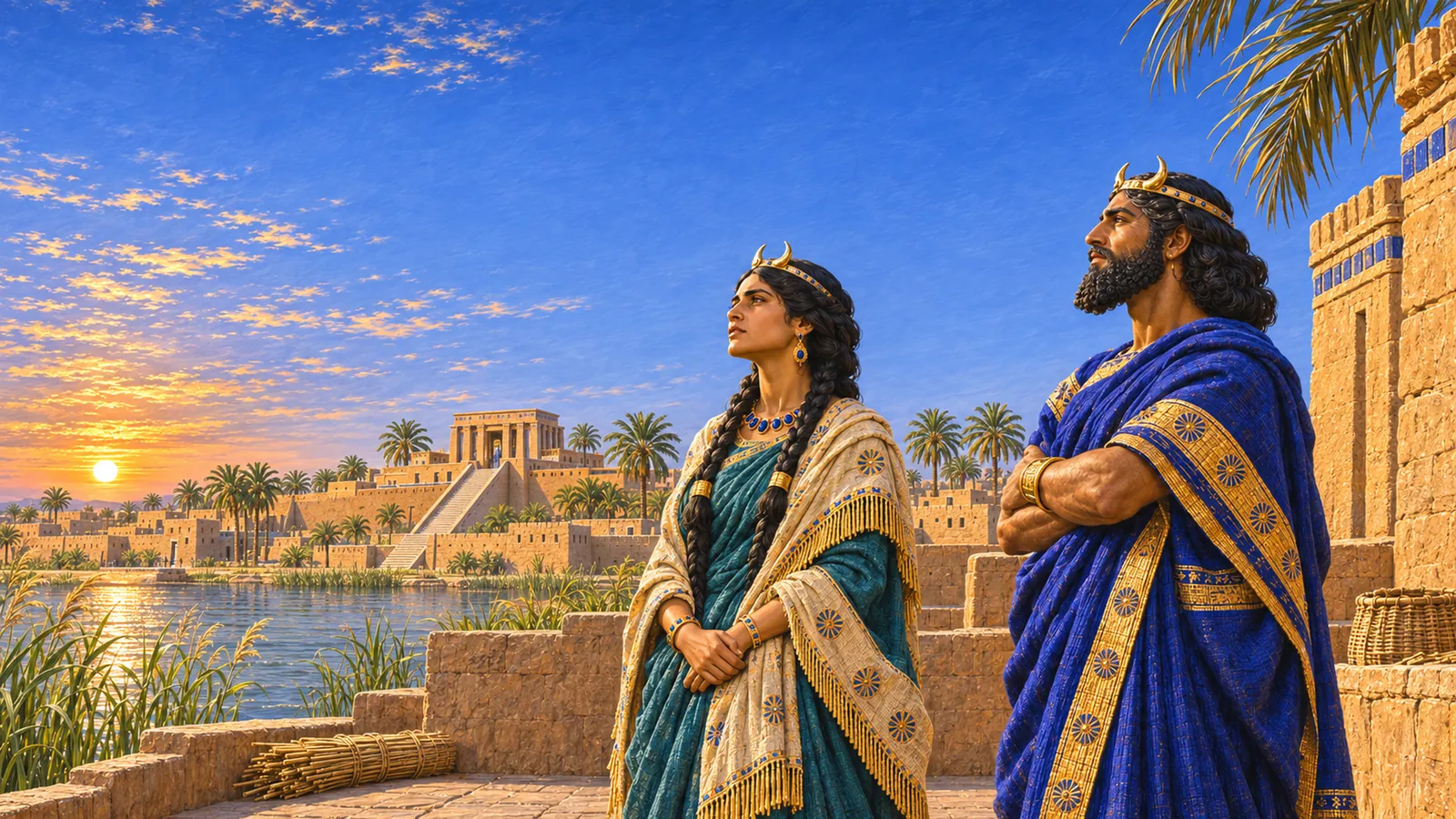
الترنيمة الختامية
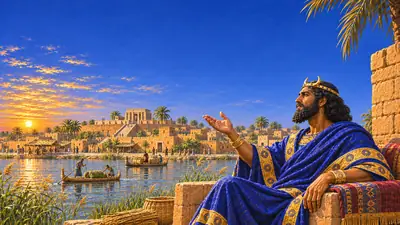
تصف الترنيمة إنليل بالسيّد والملك، وتقول إن كلمته، حتى كلمته المندفعة، لا تتغيّر. وتختتم بمديح الأمّ نينليل والأب إنليل.
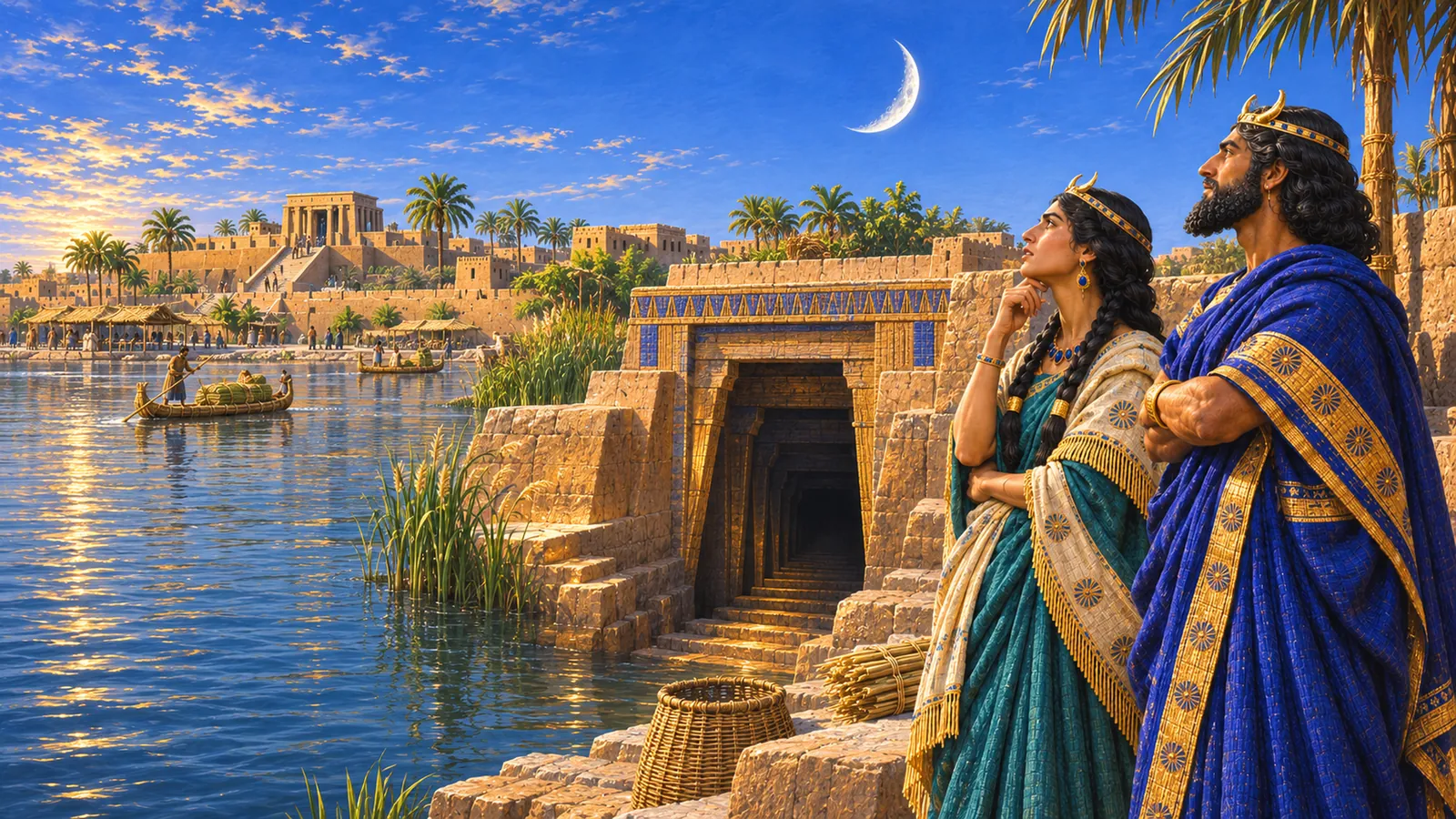
في قراءة ياكوبسن، تفسّر الحكاية أصل سين وإخوته الثلاثة. ويربط اختلاف عوالمهم بنفي إنليل ورحلته نحو العالم السفلي.
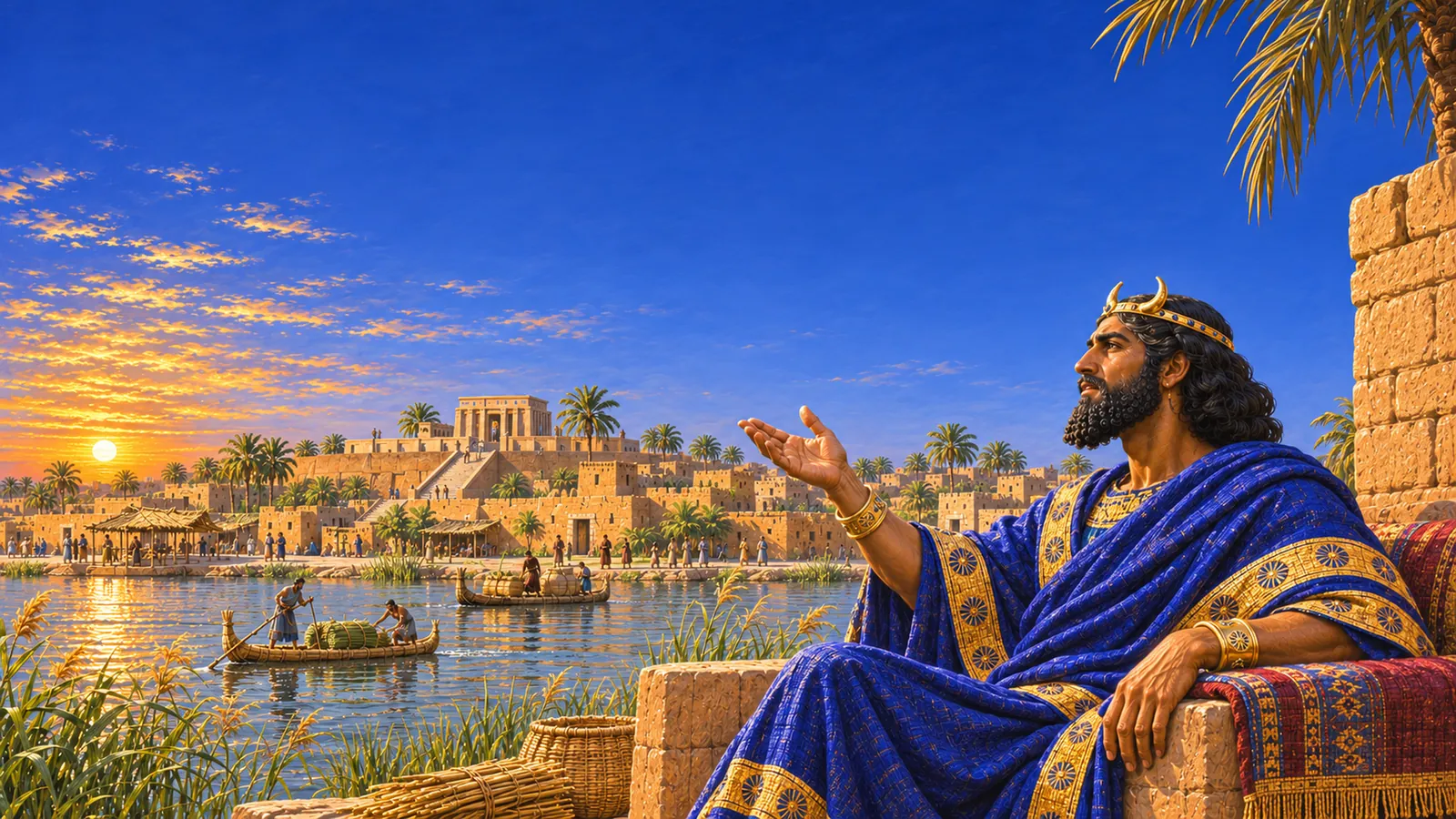
الكلمة النافذة
يقرأ ياكوبسن قرار إنليل بوصفه نافذًا، ويرى في الترنيمة الأخيرة مديحًا لتلك القوّة. ويربط القرار بما تقوله الحكاية عن طبع إنليل.
نهاية الفصل الأول
كل الصفحات
المصادر
المصادر والملاحظات مكتوبة بالإنجليزية كما وردت في المراجع.
This reading follows Thorkild Jacobsen’s subsection on Enlil and Ninlil in The Cosmos as a State, The Intellectual Adventure of Ancient Man, University of Chicago Press, 1946, first Phoenix edition 1977, pp. 152–156. The book credits H. A. Groenewegen Frankfort for the English poetic form (preface p. vi and p. 184, note 3). Chapter note 23 on p. 184 refers to Kramer’s Mythology, notes 47 and 48.
الطبعات المعتمدة
- University of Chicago, The Intellectual Adventure of Ancient Man
- Jacobsen’s selection, pp. 152–156
- Chapter notes 3 and 23, p. 184
ملاحظات على هذه الرواية
Pages 01–02 · p. 152, opening prose and first verse selection. Jacobsen frames the story around the origin of Sin, the moon, and the moon’s three brothers connected with the underworld. He identifies Nippur by the names Duranki and Durgishimmar, which open the verse. The preposition before each name is printed in parentheses.
Pages 03–05 · p. 152, first verse selection. The river is Idsalla, the quay Kargeshtinna, the harbor Karusar, the sweet-water well Pulal and the canal Nunbirdu. The verse gives at least ten *iku* for each tilled field when measured. It introduces Enlil, Ninlil and Ninshebargunu as inhabitants and identifies Ninshebargunu as Ninlil’s mother.
Pages 06–07 · pp. 152–153, second verse selection. Ninshebargunu repeatedly warns Ninlil about bathing and going up to the bank of the Nunbirdu. She predicts Enlil’s gaze and advance. In the verse the title “father Enlil” appears with “great mountain” and the one who determines fates. Printed dots interrupt the accompanying epithet before “shepherd.”
Page 08 · p. 153, third verse selection. The verse asks whether Ninlil listened and says that she bathes and climbs the Nunbirdu bank. Jacobsen prints “young” in parentheses in the bathing line.
Page 09 · p. 153, Jacobsen’s prose. Jacobsen describes the rape after Ninlil refuses Enlil and says she becomes pregnant with Sin.
Pages 10–11 · p. 153, connecting prose and fourth verse selection. The verse describes the arrest of Enlil in Kiur by the fifty great gods and the seven whose words are decisive. Jacobsen renders its term “ravisher” and explains its wider sense as a person under a taboo relating to sexual matters.
Page 12 · p. 153, connecting prose and fifth verse selection. Enlil leaves in accordance with the sentence, going toward the underworld in Jacobsen’s prose. Ninlil follows in the translated verse. The words “in obedience” appear twice in parentheses in the verse.
Page 13, Jacobsen, Phoenix edition, p. 154, Jacobsen’s connecting prose. The setup comes from Jacobsen’s connecting prose. The fear of what others might do is his explanation. He says Enlil takes the gatekeeper’s position and appearance and tells him to say nothing if Ninlil asks.
Page 14, Jacobsen, Phoenix edition, p. 154, first gatekeeper address. The first address names gate, bolt, lock and sacred bolt. The speaker calls Ninlil the gatekeeper’s queen and orders him to conceal where Enlil is if she asks.
Page 15, Jacobsen, Phoenix edition, p. 154, second gatekeeper address. The second address repeats the epithets and the announcement that Ninlil is coming. It calls her sweet and beautiful, forbids embracing and kissing, and uses Enlil’s own words about favor and his shining gaze.
Page 16, Jacobsen, Phoenix edition, p. 154, Jacobsen’s connecting prose. He says that the supposed gatekeeper claims that Enlil recommended her to him. She identifies herself as his queen and says she carries Sin.
Page 17, Jacobsen, Phoenix edition, p. 154, Jacobsen’s connecting prose. Jacobsen marks the possible pretense explicitly. The disguised Enlil proposes that a son belong to the underworld in place of Sin. Distinguish this proposal from the final praise.
Page 18, Jacobsen, Phoenix edition, p. 154, substitution verse. The translated lines include the supplies my and own in parentheses, and the words changeling for. The royal child goes to heaven and the other son to the underworld in the proposed arrangement.
Page 19, Jacobsen, Phoenix edition, p. 154, Jacobsen’s connecting prose. Jacobsen describes the encounter in his prose and says Ninlil becomes pregnant with Meslamtaea. The speaker is Enlil using the gatekeeper’s appearance. The encounter is stated without physical particulars.
Page 20, Jacobsen, Phoenix edition, p. 154–155, Jacobsen’s connecting prose. The prose carries Ninlil’s pursuit across the page break.
Page 21, Jacobsen, Phoenix edition, p. 155, Jacobsen’s connecting prose. Jacobsen then gives the ferryman as the last guise. A further underworld god is conceived. He says damage prevents identification of the name in the text he is using.
Page 22, Jacobsen, Phoenix edition, p. 155, closing hymn. The praise calls Enlil lord and king and repeats the unalterable quality of his word. Jacobsen renders the second mention as impetuous. The translated excerpts end here.
Page 23, Jacobsen, Phoenix edition, p. 155–156, Jacobsen’s interpretation. He relates the difference between the moon god and his three brothers to the place of Enlil’s banishment and later journey. This reading does not resolve Ninlil’s later life.
Page 24, Jacobsen, Phoenix edition, p. 156, Jacobsen’s closing interpretation. Jacobsen connects Enlil’s character to the events prompting his decree. He explains the hymn as affirming the binding word. The story stops within this subsection at the end of printed page 156.
الأسطر القديمة وراء كل صفحة
- Page 1: Jacobsen 1977, The Intellectual Adventure of Ancient Man, ch. V, The Myth of Enlil and Ninlil, p. 152, Jacobsen’s opening prose
- Page 2: Jacobsen 1977, The Intellectual Adventure of Ancient Man, ch. V, The Myth of Enlil and Ninlil, p. 152, first verse selection, city names
- Page 3: Jacobsen 1977, The Intellectual Adventure of Ancient Man, ch. V, The Myth of Enlil and Ninlil, p. 152, first verse selection, river, quay and harbor
- Page 4: Jacobsen 1977, The Intellectual Adventure of Ancient Man, ch. V, The Myth of Enlil and Ninlil, p. 152, first verse selection, well, canal and fields
- Page 5: Jacobsen 1977, The Intellectual Adventure of Ancient Man, ch. V, The Myth of Enlil and Ninlil, p. 152, first verse selection, three inhabitants
- Page 6: Jacobsen 1977, The Intellectual Adventure of Ancient Man, ch. V, The Myth of Enlil and Ninlil, pp. 152–153, second verse selection, bathing and bank warning
- Page 7: Jacobsen 1977, The Intellectual Adventure of Ancient Man, ch. V, The Myth of Enlil and Ninlil, p. 153, second verse selection, warning continued
- Page 8: Jacobsen 1977, The Intellectual Adventure of Ancient Man, ch. V, The Myth of Enlil and Ninlil, p. 153, third verse selection, stream and canal bank
- Page 9: Jacobsen 1977, The Intellectual Adventure of Ancient Man, ch. V, The Myth of Enlil and Ninlil, p. 153, Jacobsen’s prose, assault after refusal and pregnancy
- Page 10: Jacobsen 1977, The Intellectual Adventure of Ancient Man, ch. V, The Myth of Enlil and Ninlil, p. 153, Jacobsen’s prose and fourth verse selection, arrest
- Page 11: Jacobsen 1977, The Intellectual Adventure of Ancient Man, ch. V, The Myth of Enlil and Ninlil, p. 153, fourth verse selection, verdict, and Jacobsen’s lexical note
The left is a continuous natural dark blue-grey shaded plain clay surface through the whole reserve with no dividing line, bright patch, objects, shape or marks. - Page 12: Jacobsen 1977, The Intellectual Adventure of Ancient Man, ch. V, The Myth of Enlil and Ninlil, p. 153, Jacobsen’s prose and fifth verse selection, departure and pursuit
- Page 13: Jacobsen, The Cosmos as a State, Phoenix ed. 1977, p. 154, Jacobsen’s connecting prose
- Page 14: Jacobsen, The Cosmos as a State, Phoenix ed. 1977, p. 154, first gatekeeper address
- Page 15: Jacobsen, The Cosmos as a State, Phoenix ed. 1977, p. 154, second gatekeeper address
- Page 16: Jacobsen, The Cosmos as a State, Phoenix ed. 1977, p. 154, Jacobsen’s connecting prose
- Page 17: Jacobsen, The Cosmos as a State, Phoenix ed. 1977, p. 154, Jacobsen’s connecting prose
- Page 18: Jacobsen, The Cosmos as a State, Phoenix ed. 1977, p. 154, substitution verse
- Page 19: Jacobsen, The Cosmos as a State, Phoenix ed. 1977, p. 154, Jacobsen’s connecting prose
- Page 20: Jacobsen, The Cosmos as a State, Phoenix ed. 1977, p. 154–155, Jacobsen’s connecting prose
- Page 21: Jacobsen, The Cosmos as a State, Phoenix ed. 1977, p. 155, Jacobsen’s connecting prose
- Page 22: Jacobsen, The Cosmos as a State, Phoenix ed. 1977, p. 155, closing hymn
- Page 23: Jacobsen, The Cosmos as a State, Phoenix ed. 1977, p. 155–156, Jacobsen’s interpretation
Left is uninterrupted calm dark indigo natural river haze with no glare, fine horizon or lines. - Page 24: Jacobsen, The Cosmos as a State, Phoenix ed. 1977, p. 156, Jacobsen’s closing interpretation
Very wide quiet southern Mesopotamian river horizon at full evening, with short line of weathered stone-and-clay revetment only in lower right.
الرسوم من صنع أرشيف إيل بأدوات الذكاء الاصطناعي؛ والنص مبني على المصادر القديمة (انظر المصادر في آخر كل فصل).