القاعة الناطقة الفصل الأول
أسماء الباب
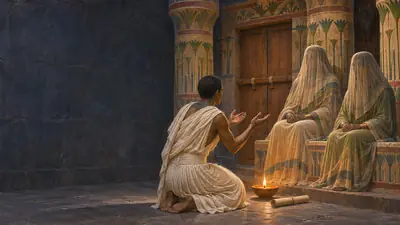
في برديّة نو، يناشد أحد الموتى أهل قاعة ماعت المزدوجة، ويتخيّل أن يُدعى إلى الدخول. عند العتبة يطرح الباب والأرضيّة وحارس الباب أسئلتهم. ثمّ يطرح تحوت لغزًا أخيرًا قبل أن يعده بذكر اسمه.
المصادرقلّب الصفحات بالأزرار أو بمفاتيح الأسهم أو بسحب الإصبع.
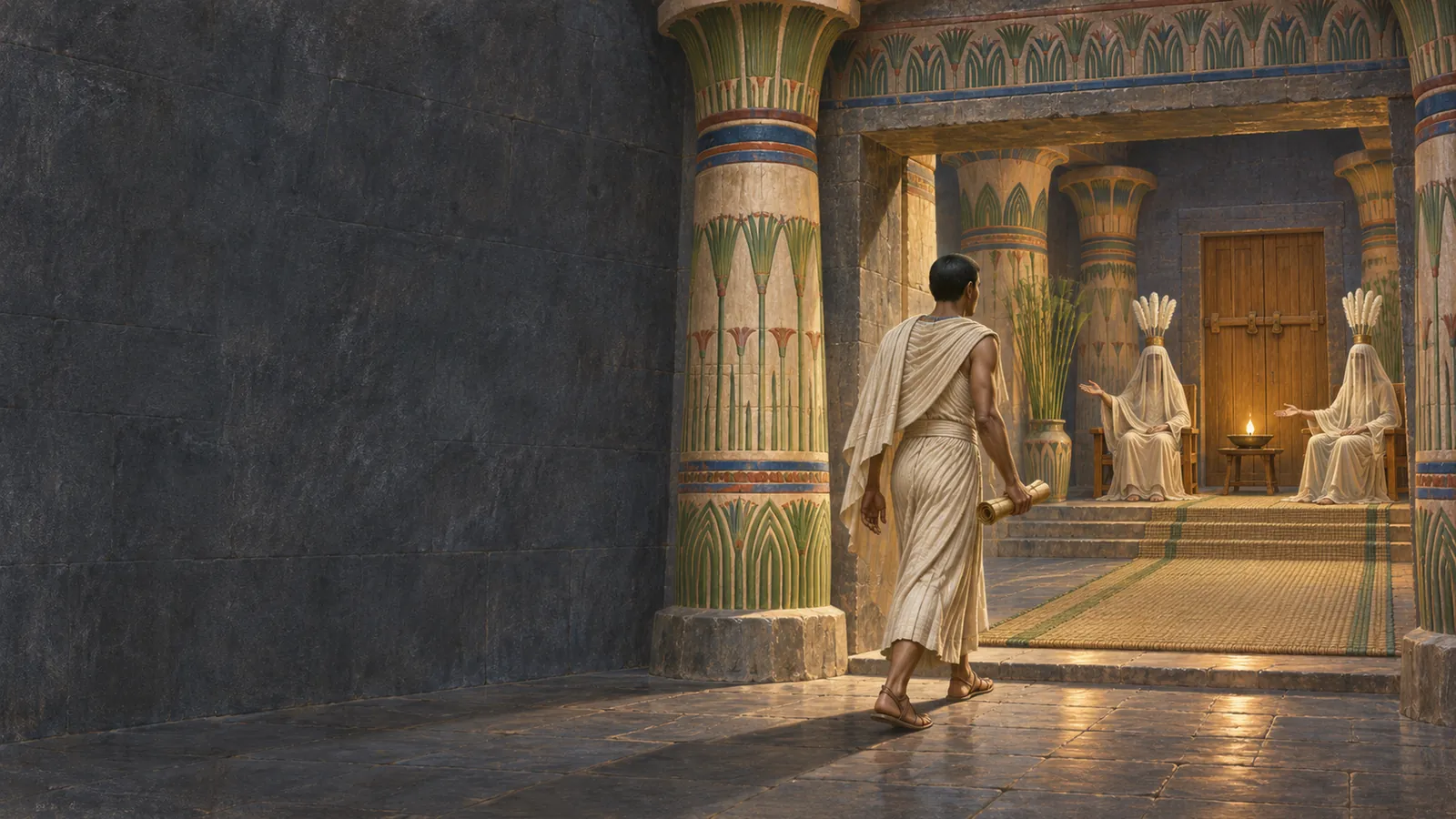
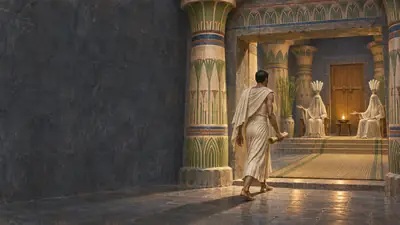
القاعة
يتحدّث المتوفّى في برديّة نو عن قاعة الإلهتَين ماعتي. وتتبع هذه التلاوة ترجمة واليس بدج المنشورة عام 1908.
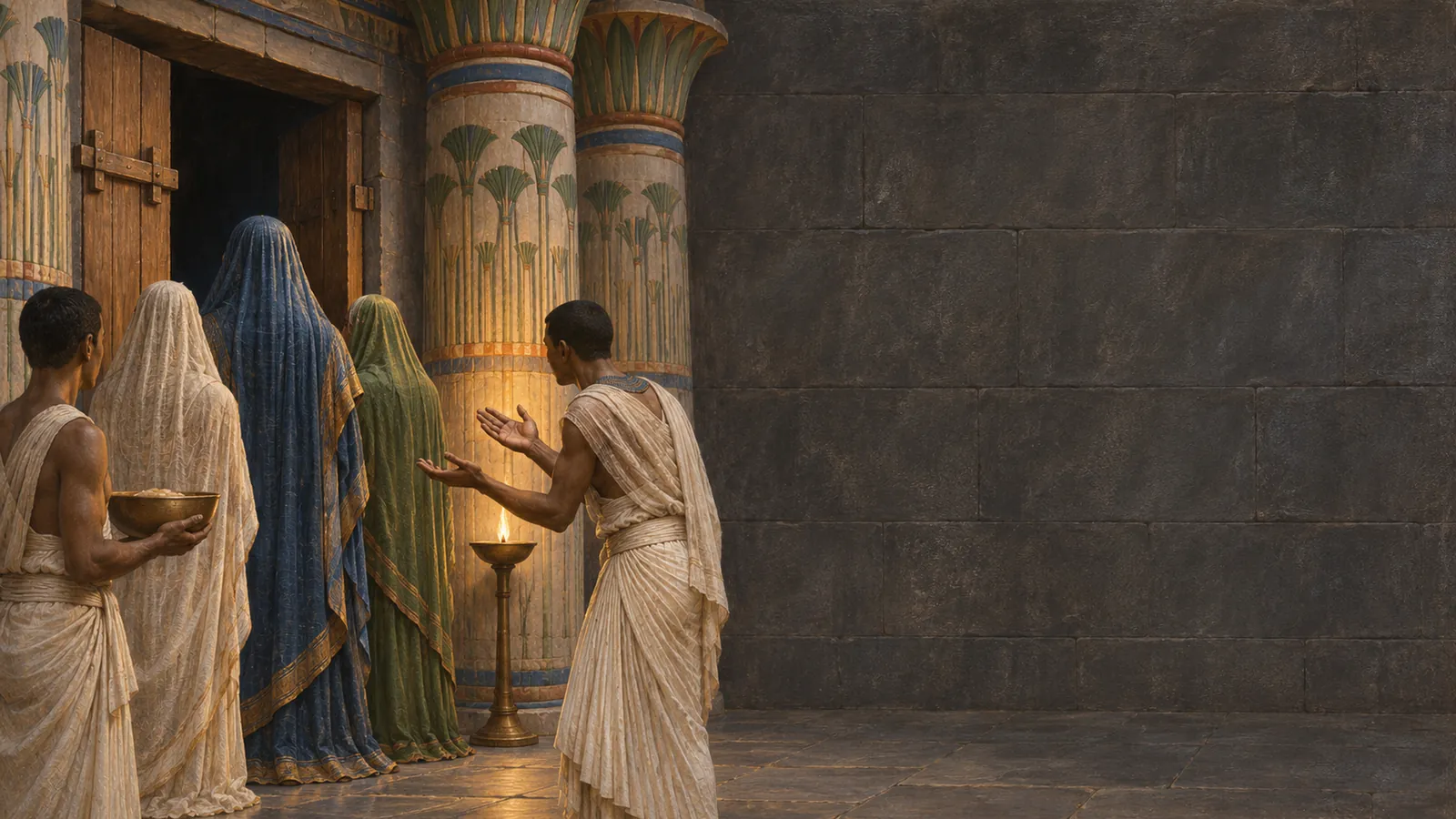
يا آلهة هذه القاعة، أعرفكم وأعرف أسماءكم. فلا تدعوني أقع تحت سكاكينكم، ولا تعرضوا سيّئاتي على الإله الذي تصحبونه.
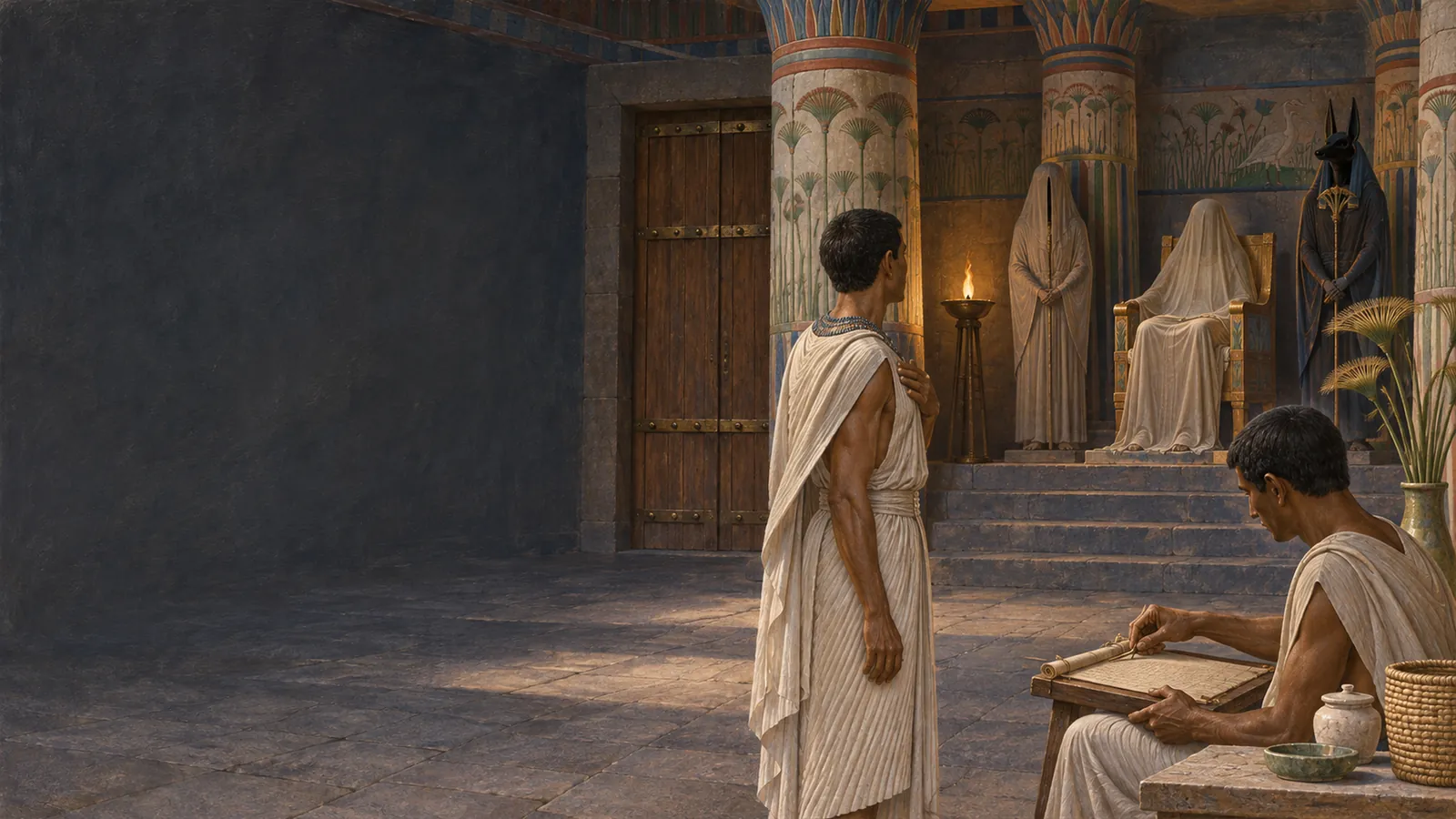
أعلنوني صادق القول أمام نب إر تبر، فقد عملتُ بالحقّ والصدق في مصر. وما لعنتُ الإله، فلا يلحق بي أذى من جهة الملك.
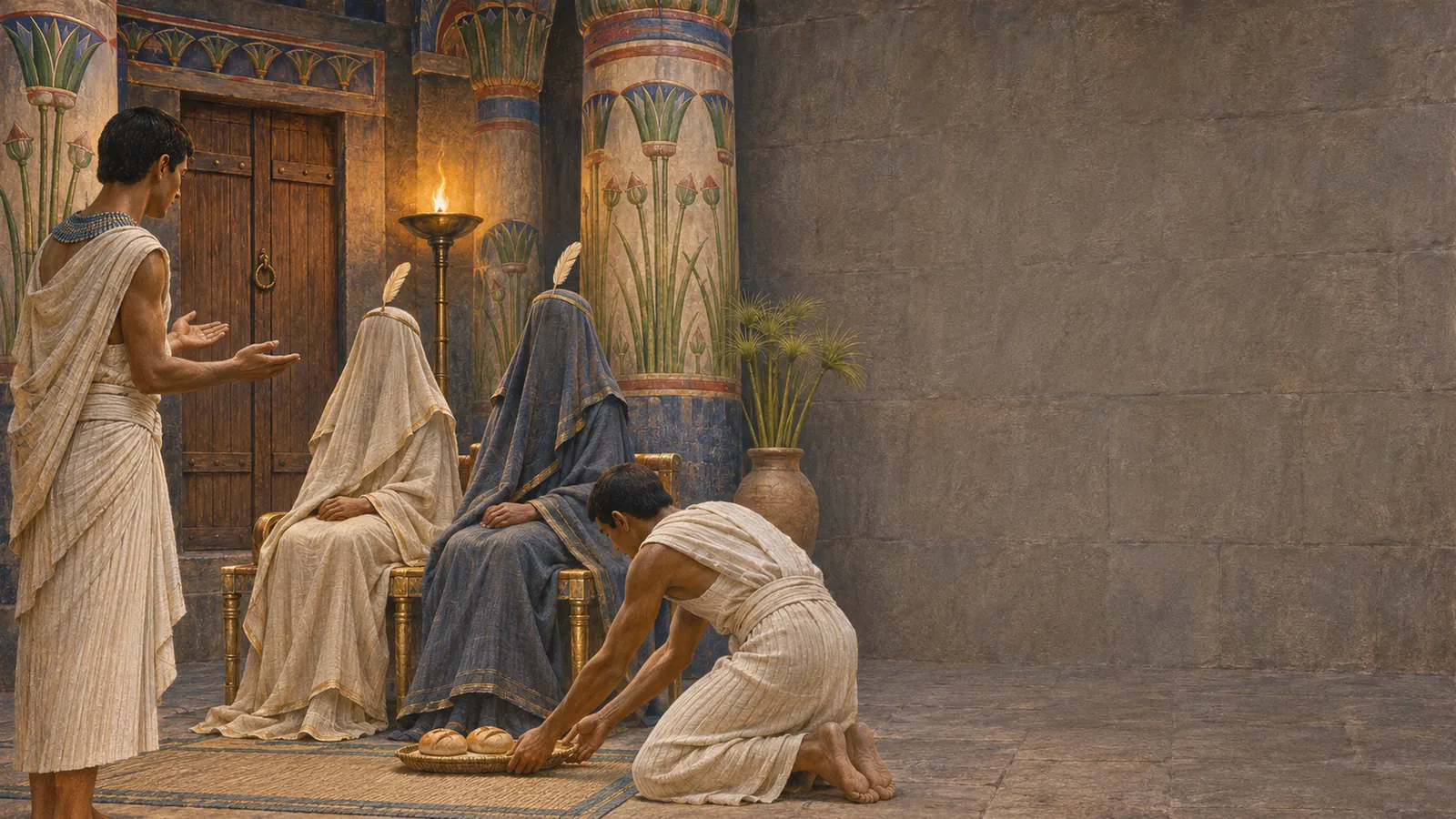
أحيّيكم يا آلهة قاعة ماعتي. لا شرّ فيكم، وأنتم تقتاتون الحقّ والصدق في حضرة حورس.
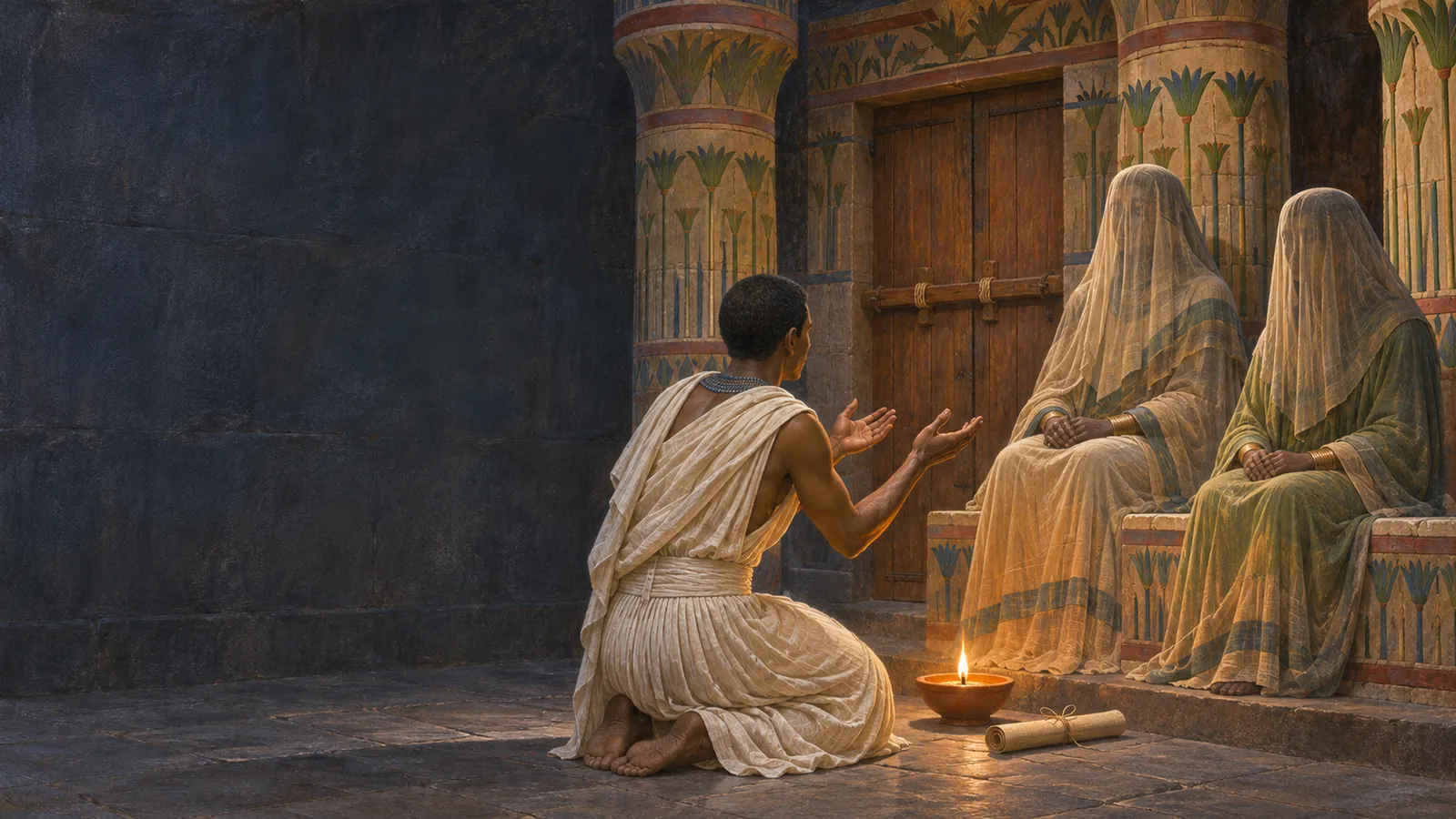
نجّوني من بابا الذي يقتات أحشاء ذوي القوّة يوم الحساب. ودعوني آتِ إليكم، فما اقترفتُ ذنبًا ولا شرًّا، وما شهدتُ زورًا.
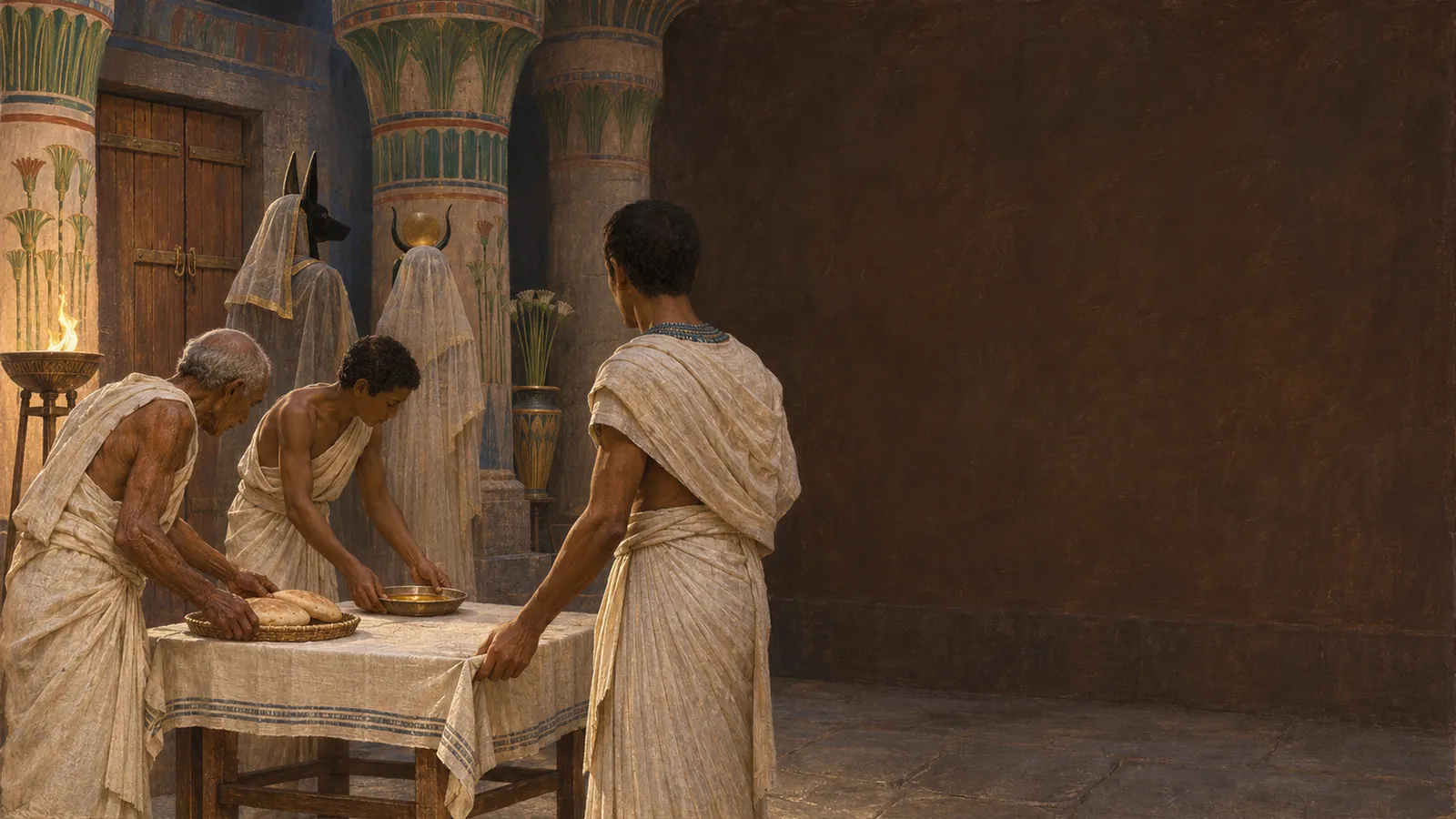
أحيا على الحقّ والصدق، فهما غذائي. وقد فعلتُ ما يطلبه الناس وما يُرضي الآلهة.
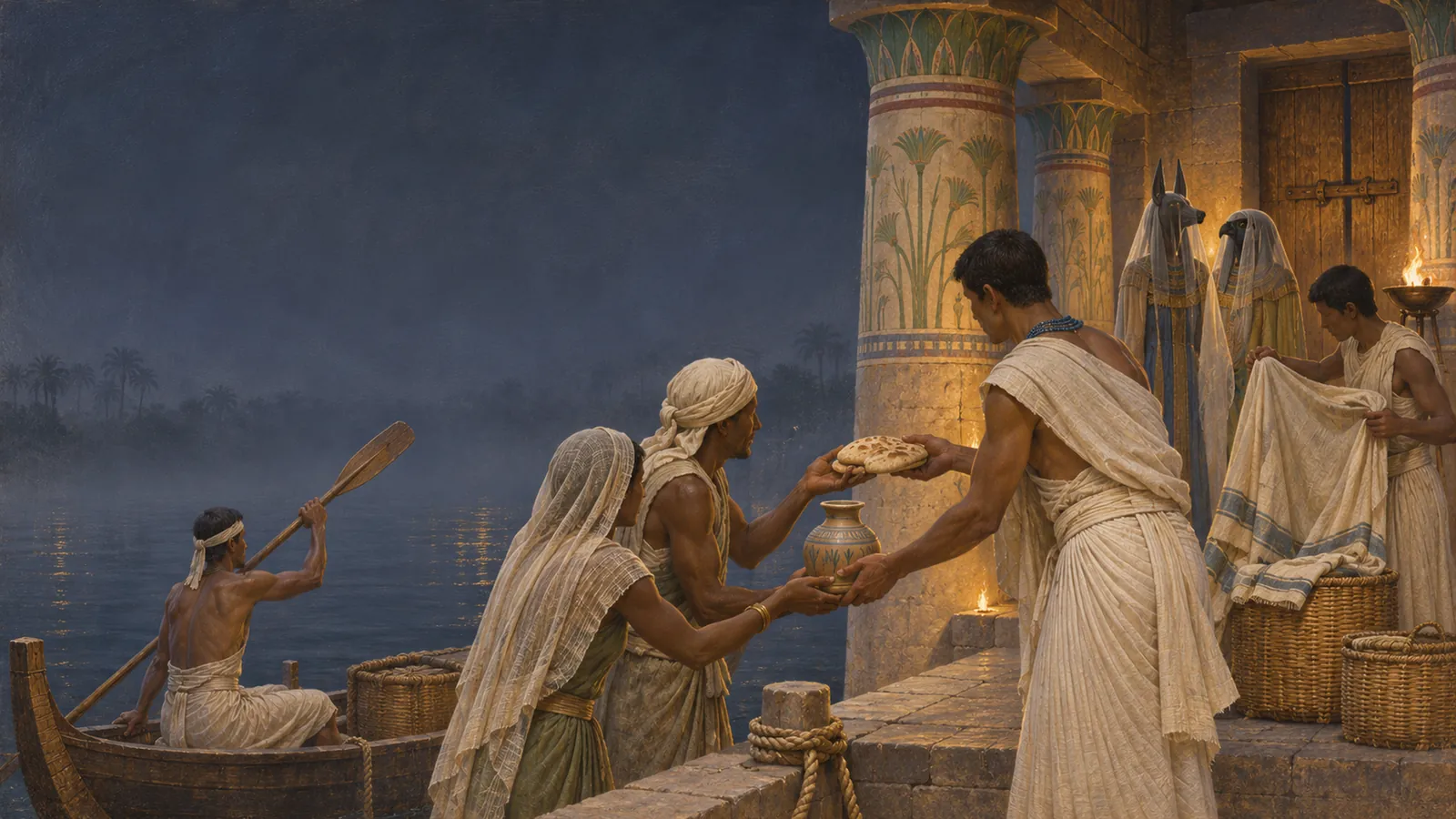
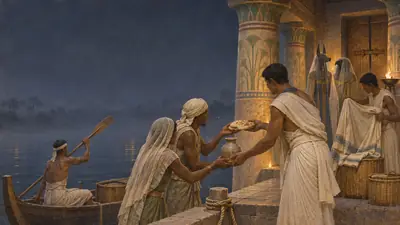
أعطيتُ الجائع خبزًا، والعطشان ماءً، ومن لا ثياب له كساءً، والملّاح قاربًا.
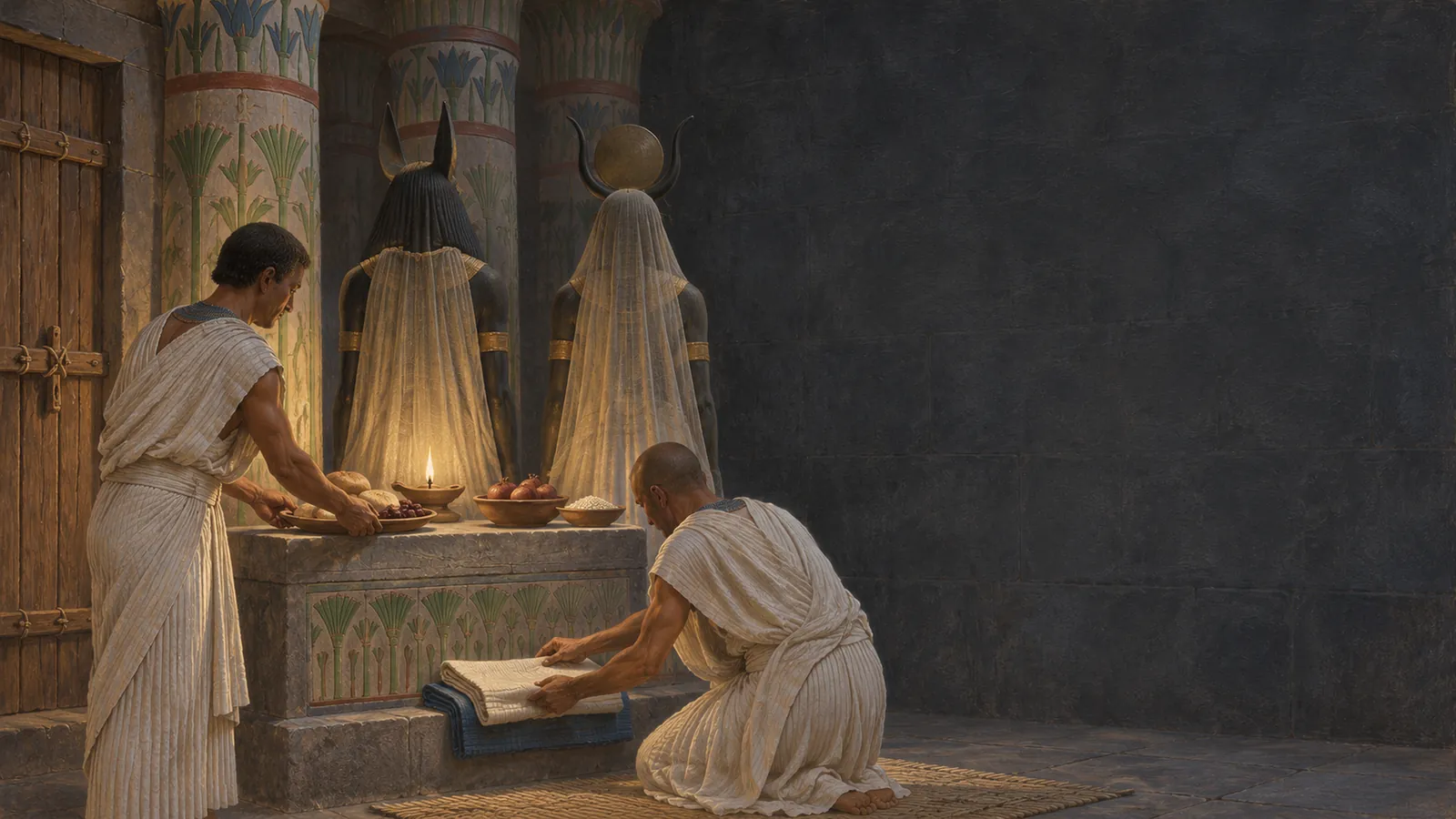
قدّمتُ القرابين للآلهة وهيّأتُ الطعام للموتى. فكونوا حُماتي ولا توجّهوا إليّ اتّهامًا. فمي طاهر ويداي طاهرتان، فليُحيّني بالسلام من يراني.
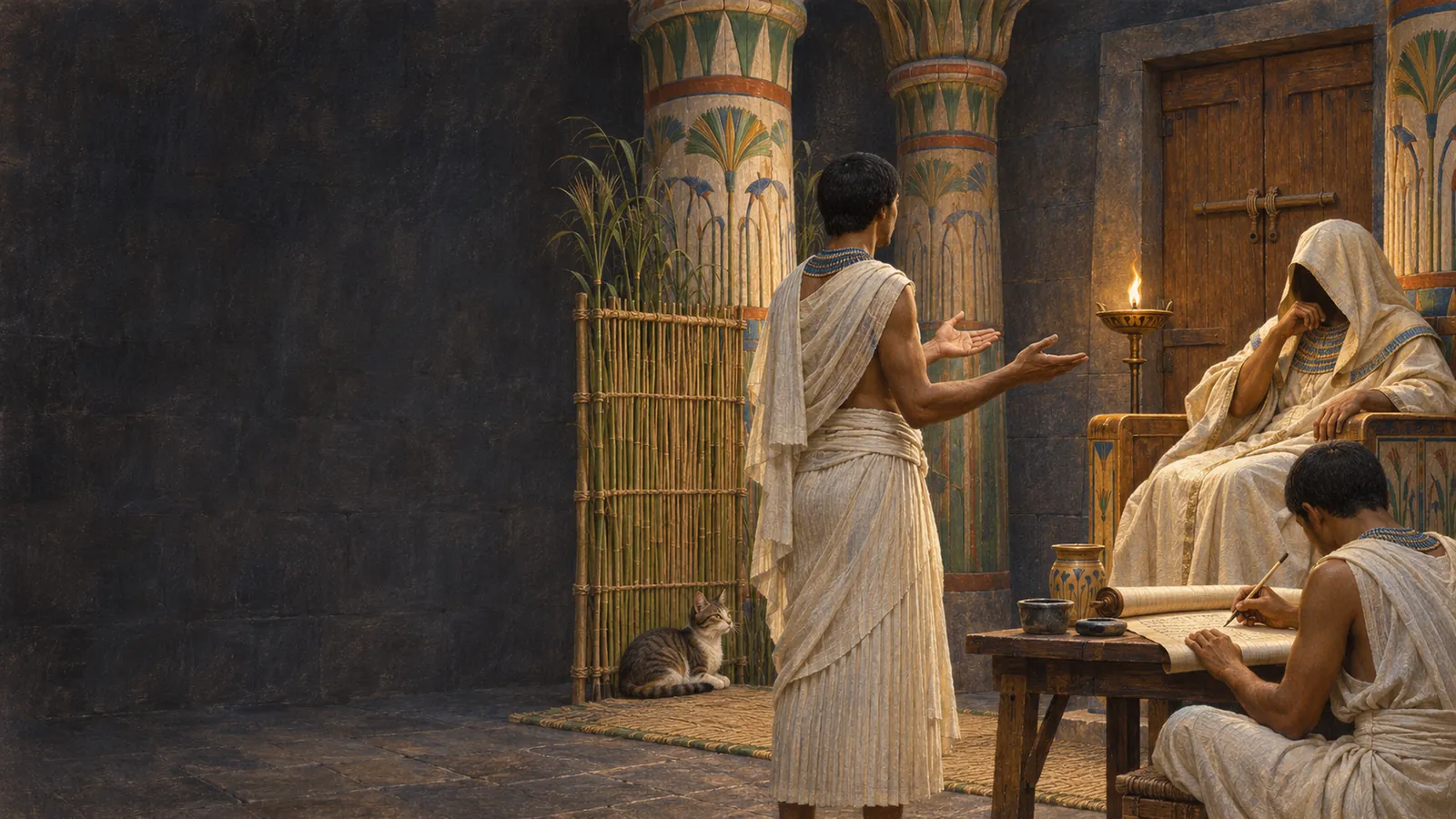
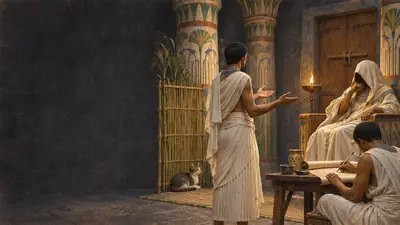
سمعتُ القول العظيم الذي خاطبت به الأرواحُ القطَّ في بيت حبت رع. وشهدتُ أمام حرا ف حا ف، فأصدر قرارًا.
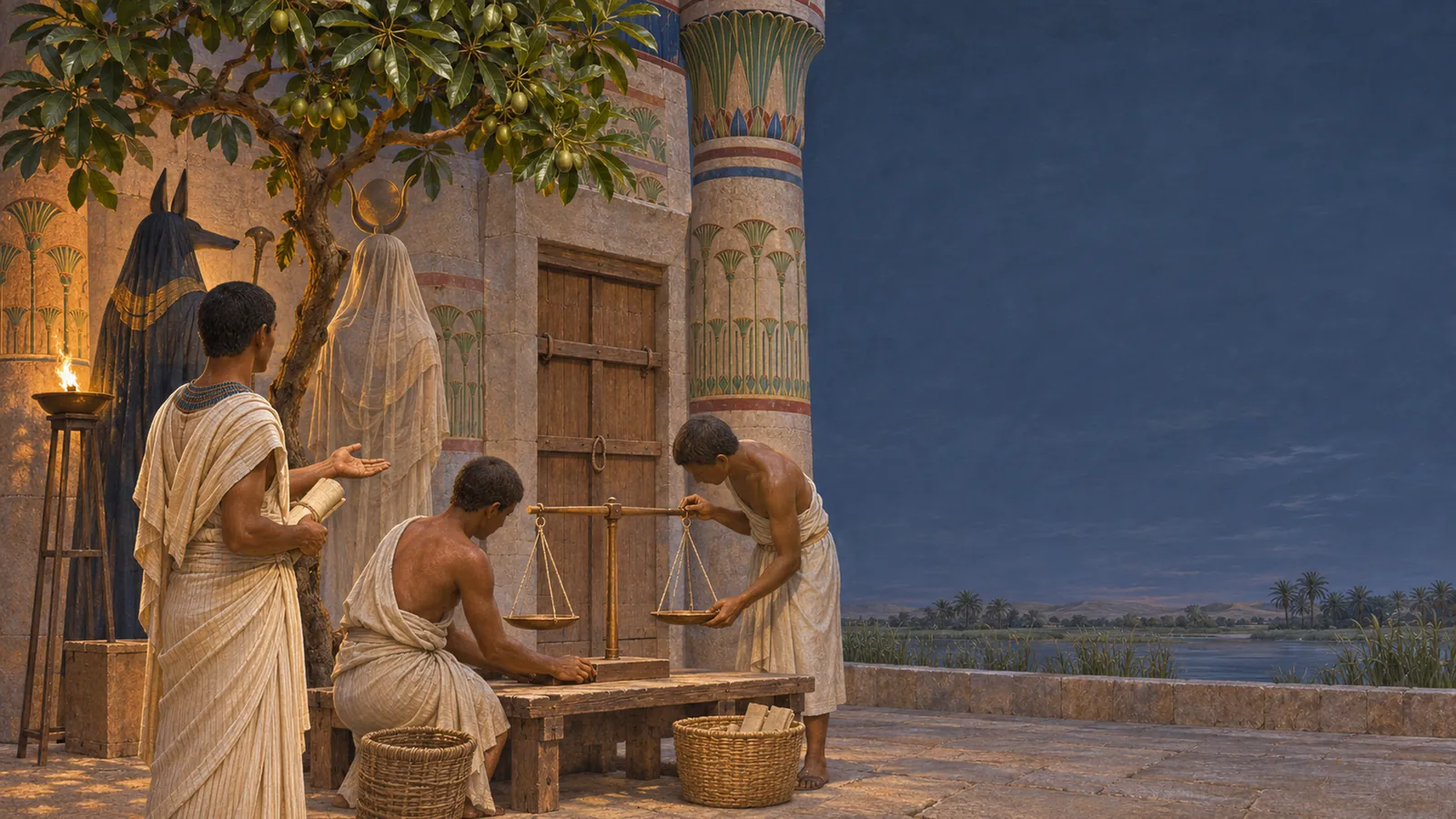
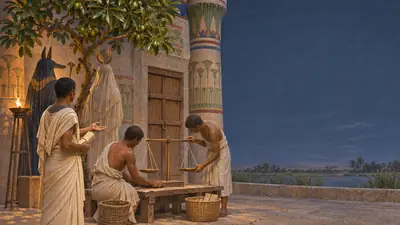
رأيتُ ما تظلّله شجرة البِرسيا في رِستاو. وقد جئتُ لأعلن الحقّ والصدق وأنصب الميزان في أوكِرت.
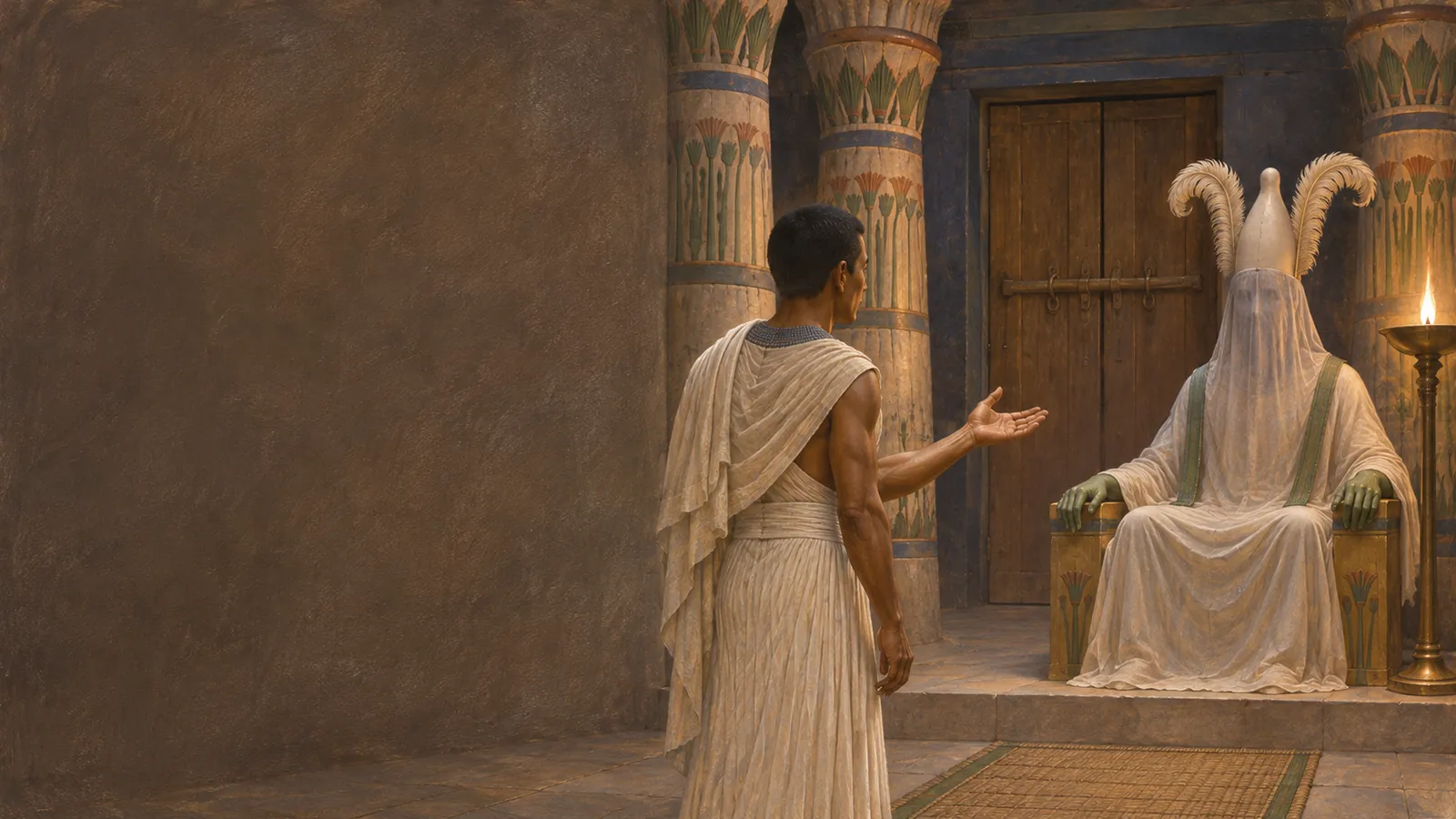
يا أوزيريس، سيّد الرياح وسيّد تاج آتفو، نجّني من رسلك الذين يجلبون المصائب. فقد عملتُ بالحقّ والصدق لسيّد الحقّ والصدق.
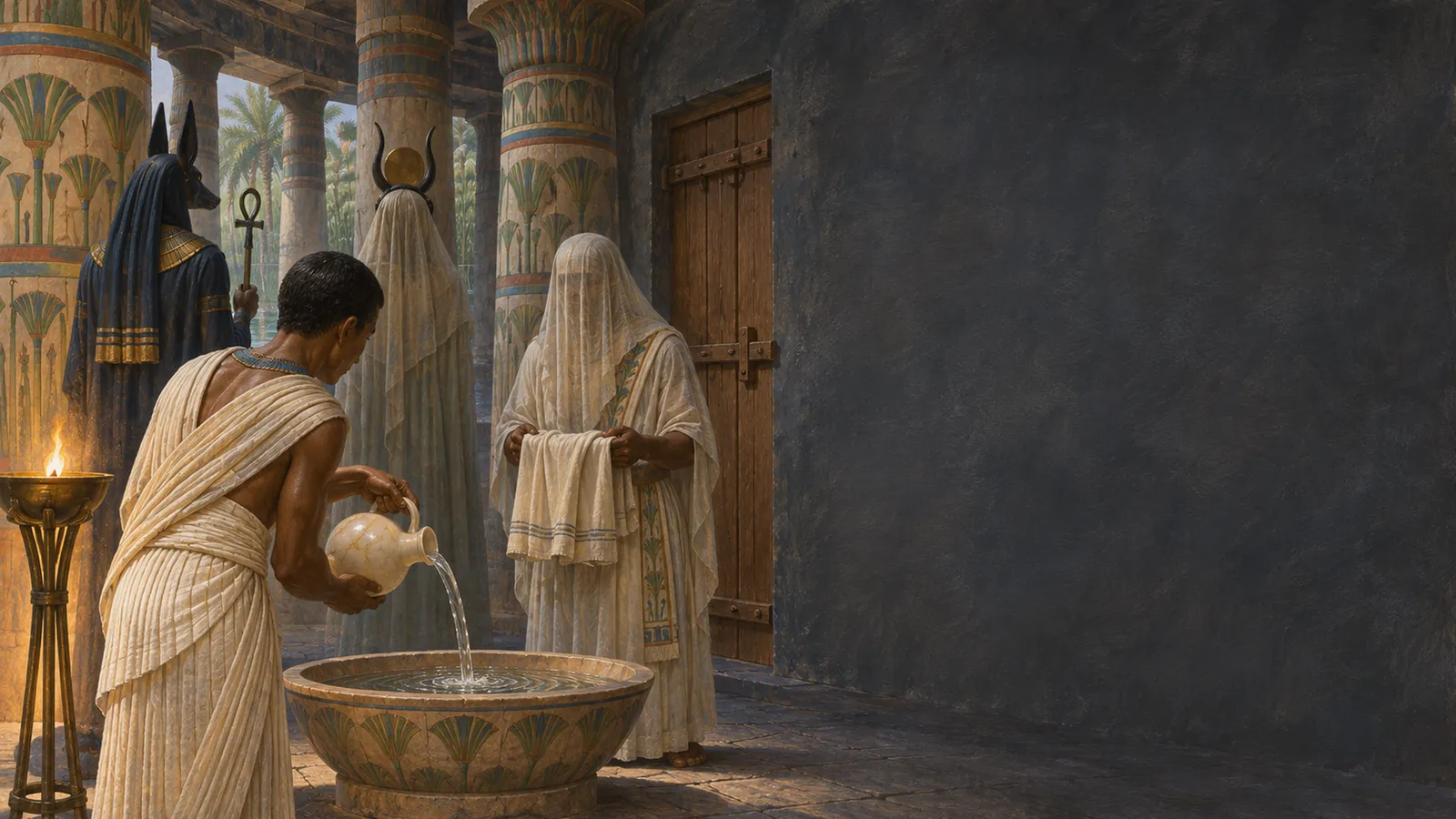
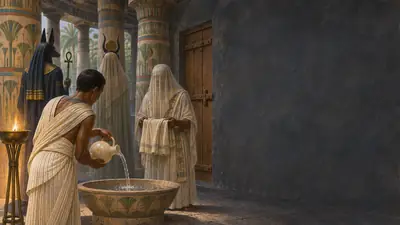
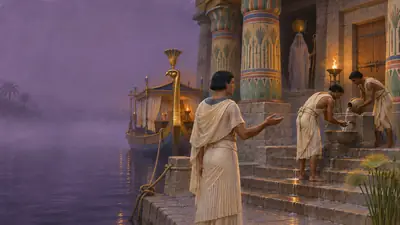
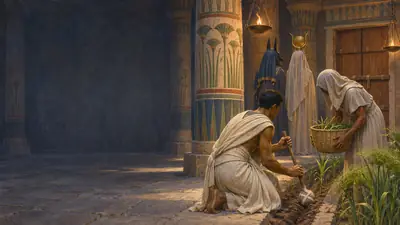
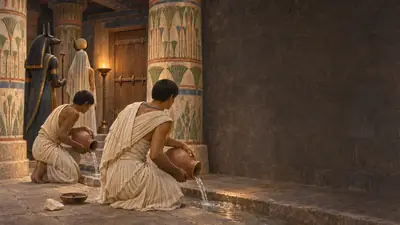
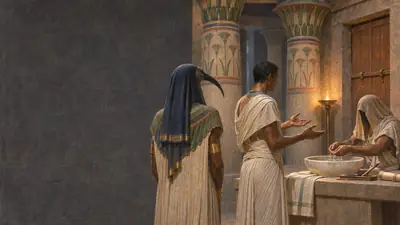
طهّرتُ نفسي بسكب الماء في الطقس، وتطهّر باطني في بركة الحقّ والصدق. وما من جزء من جسدي إلا وفيه الحقّ والصدق.
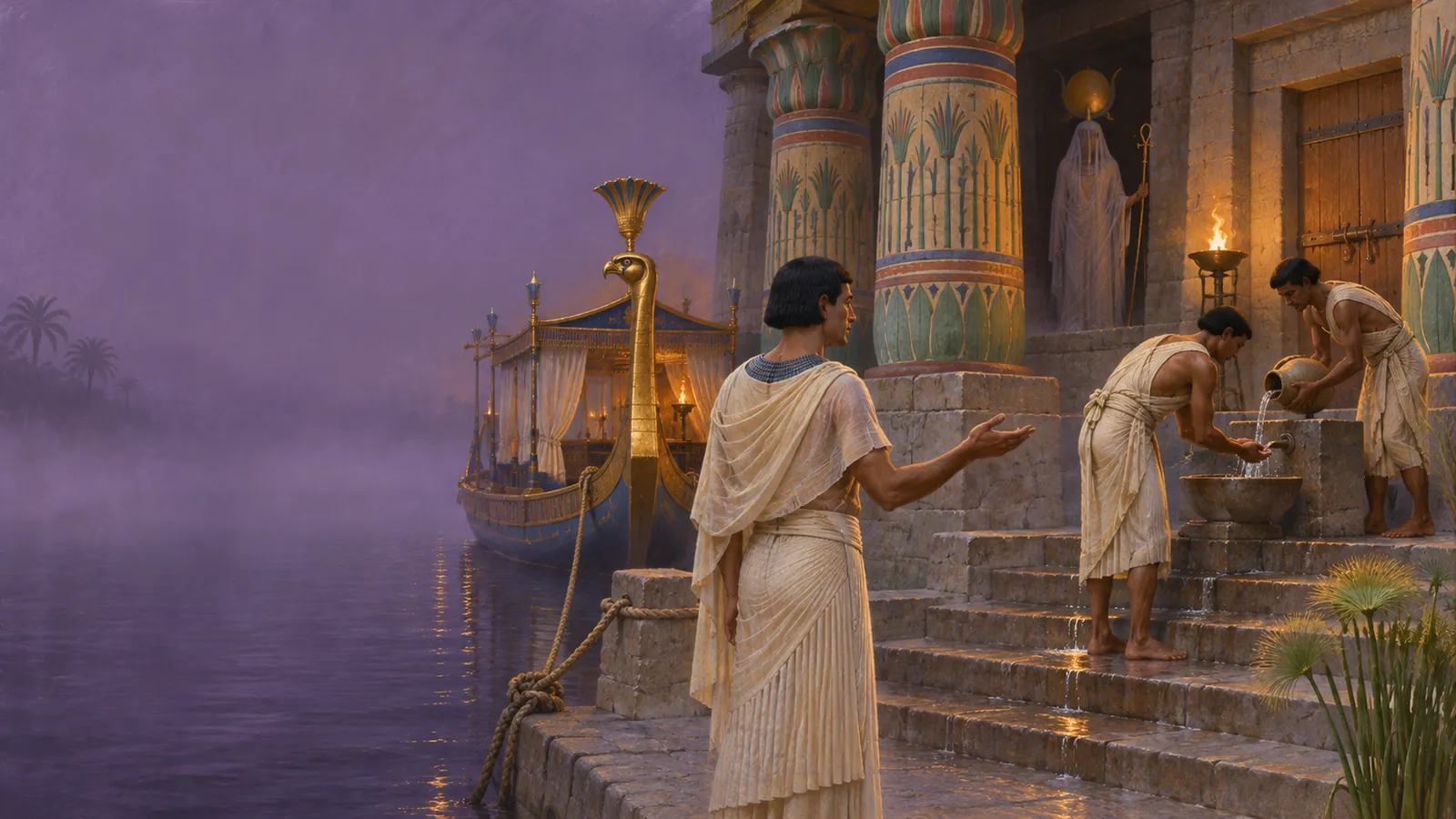
تطهّرتُ في بركة الجنوب واستَرحتُ في مدينة الشمال. وفي حقل الجراد يستحمّ ملّاحو رع في الساعة الثانية من الليل والساعة الثالثة من النهار.
اسم
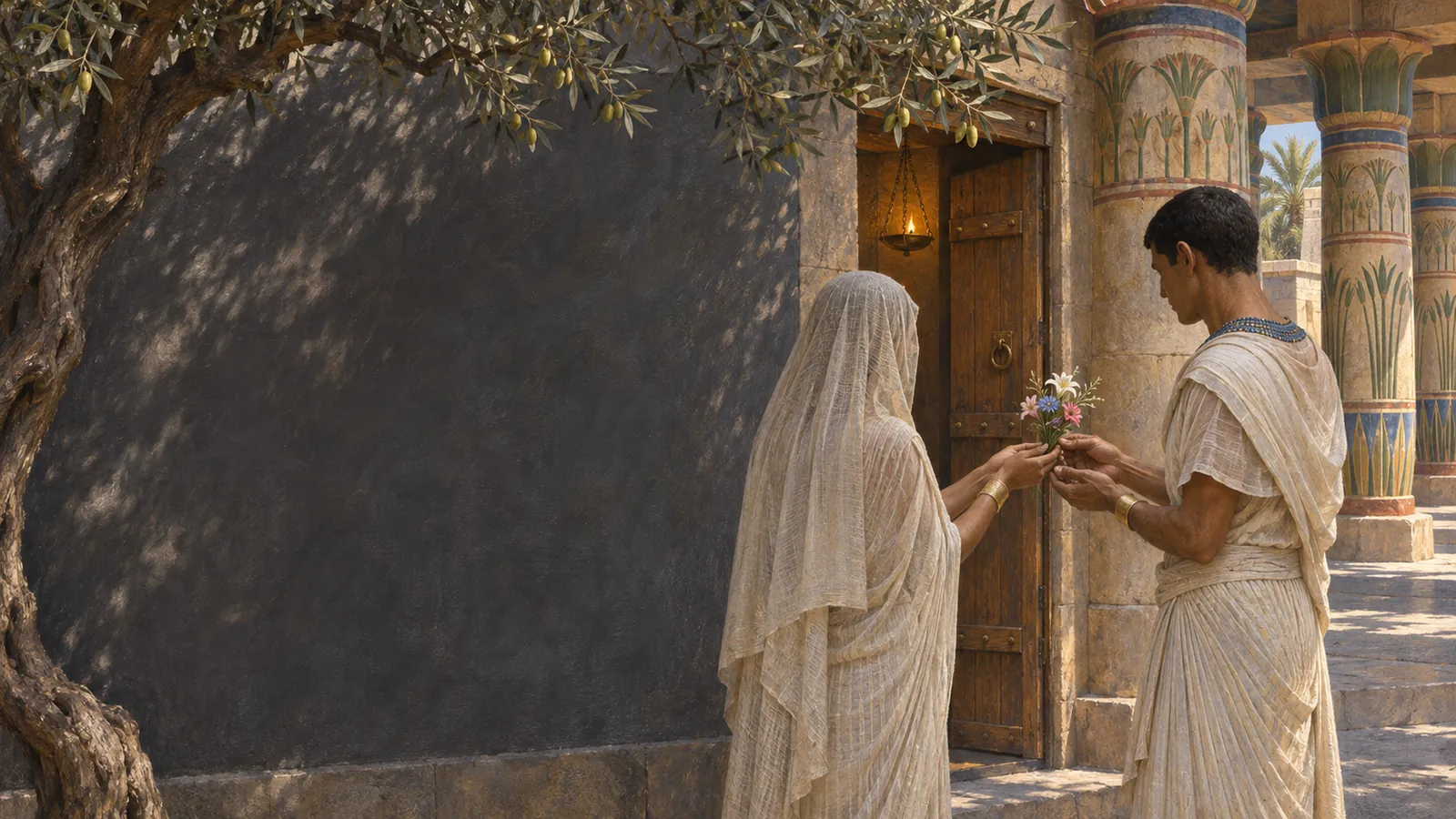
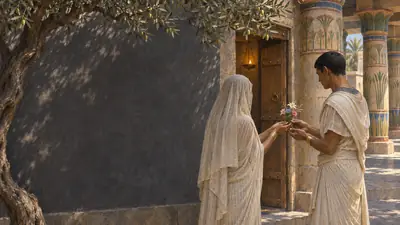
أرجو أن تسألني الآلهة عن اسمي. وسأجيب بأنّي من أُعطي الأزهار، والساكن في شجرة زيتونه. ثمّ فليقولوا لي أن أمضي.
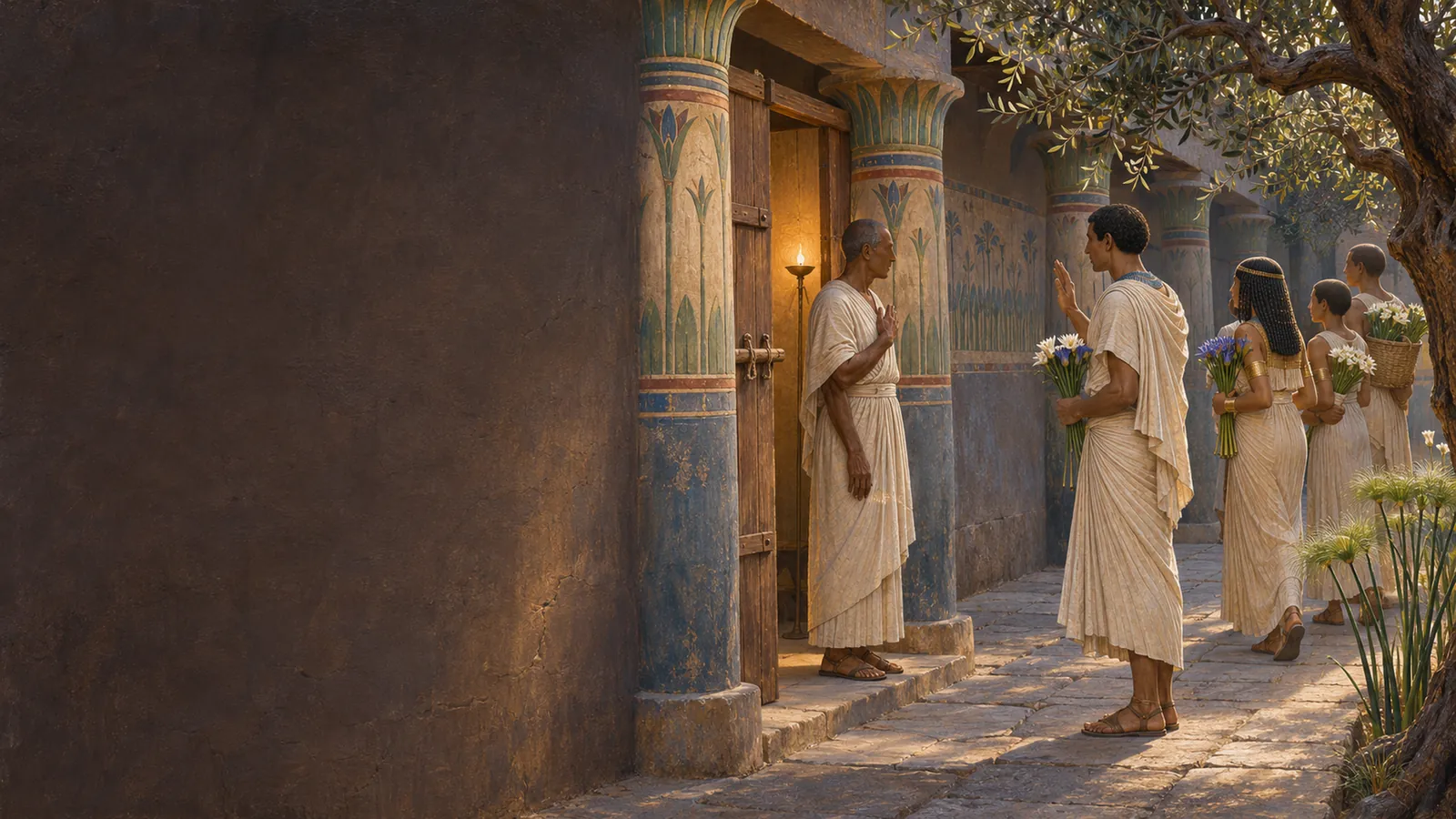
سأمضي إلى المدينة الواقعة شمال شجرة الزيتون. ولو سألوني عمّا سأراه هناك لذكرت الساق والفخذ، وطلبت أن أرى الفرح في بلاد الفنخو.
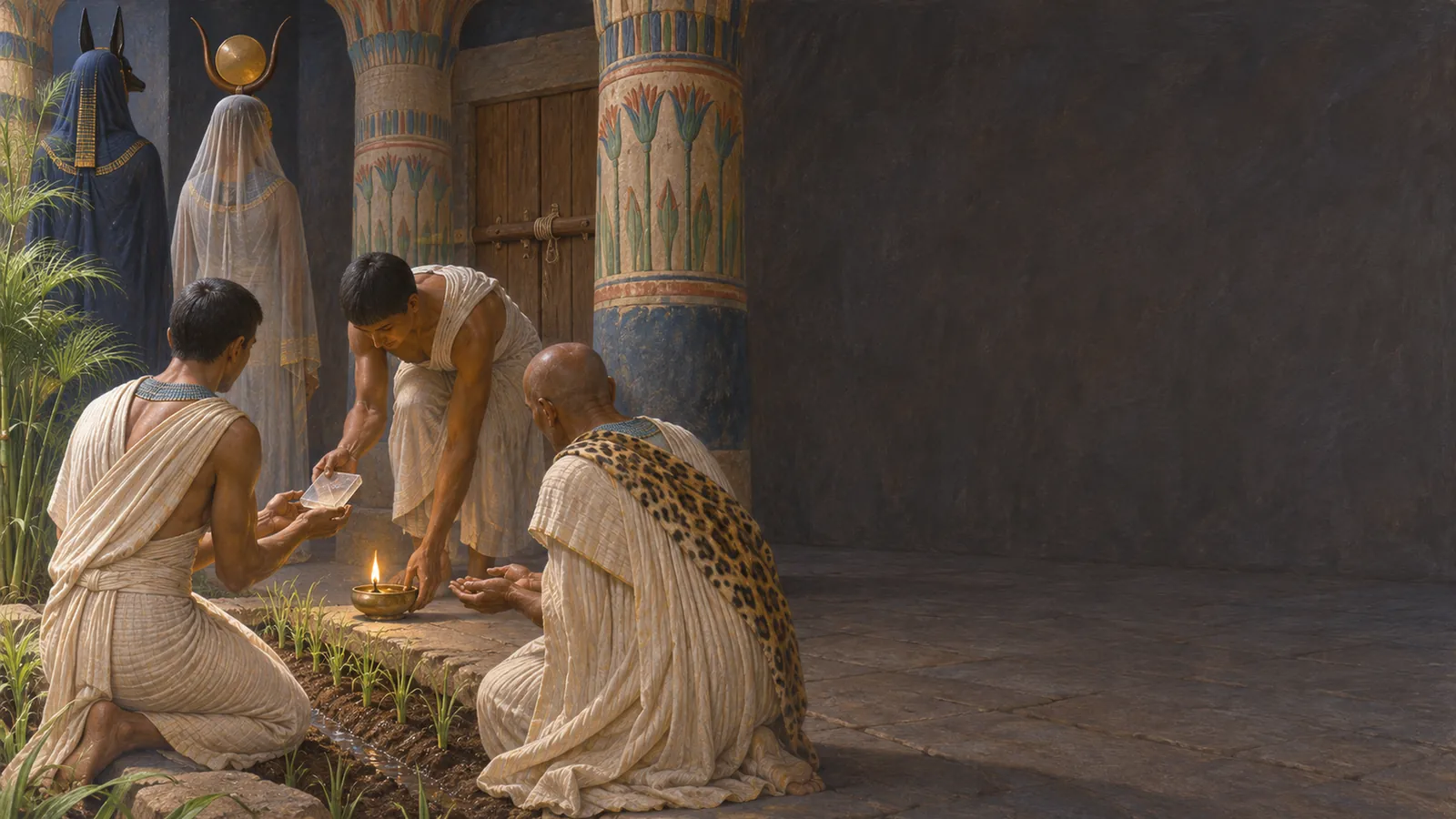
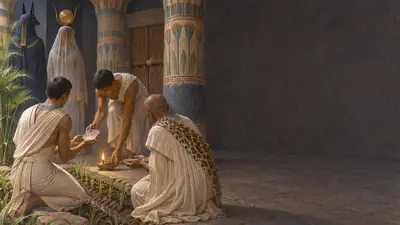
سيعطونني لهبًا متّقدًا ولوحًا من البلّور. وسأدفنهما إلى جوار ثَلْم ماعت، بوصفهما أشياءَ للّيل.
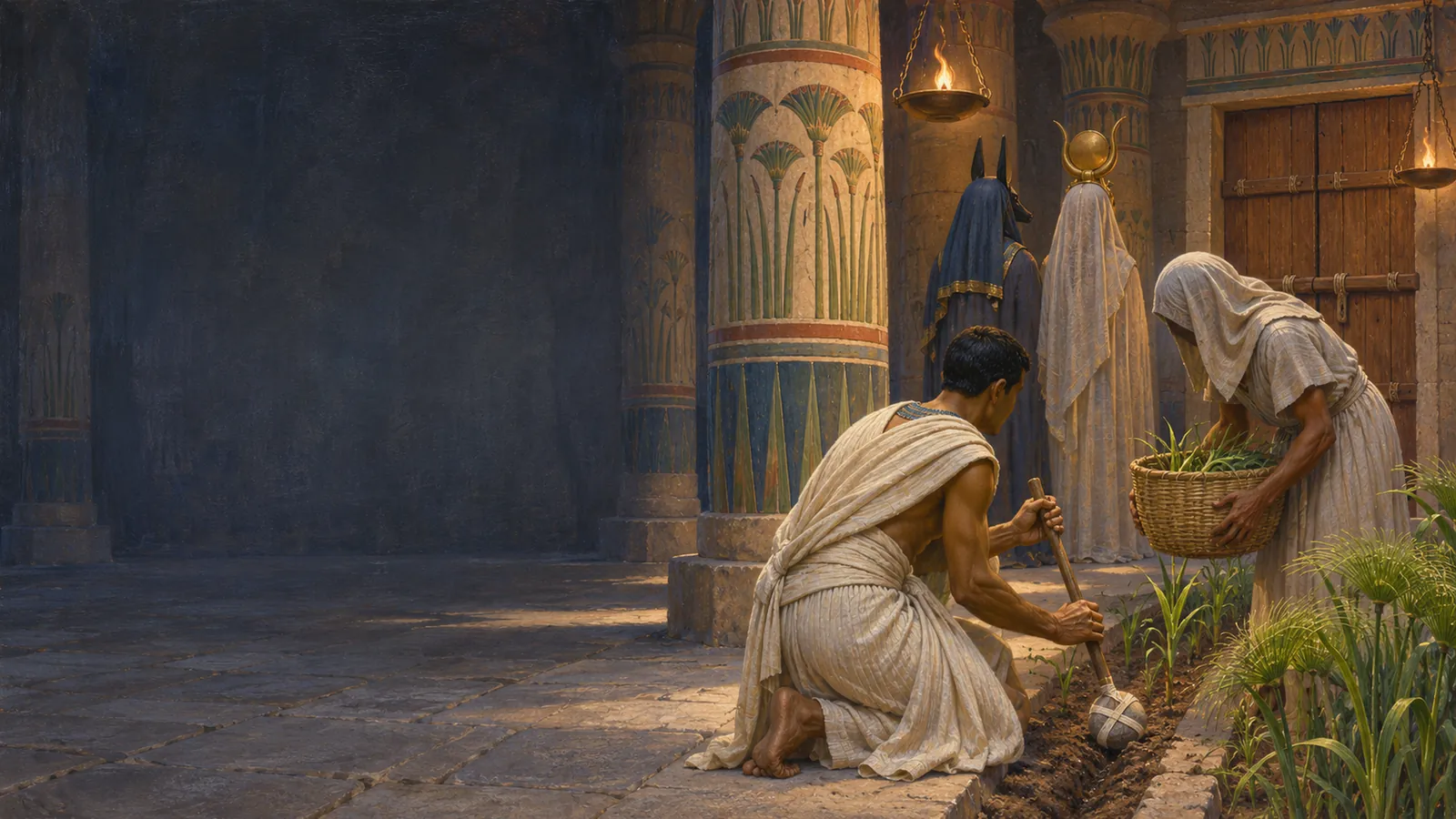
لو سألوني عمّا سأجده إلى جوار ثَلْم ماعت، لذكرت صولجانًا من الصوّان اسمه واهب الهواء.
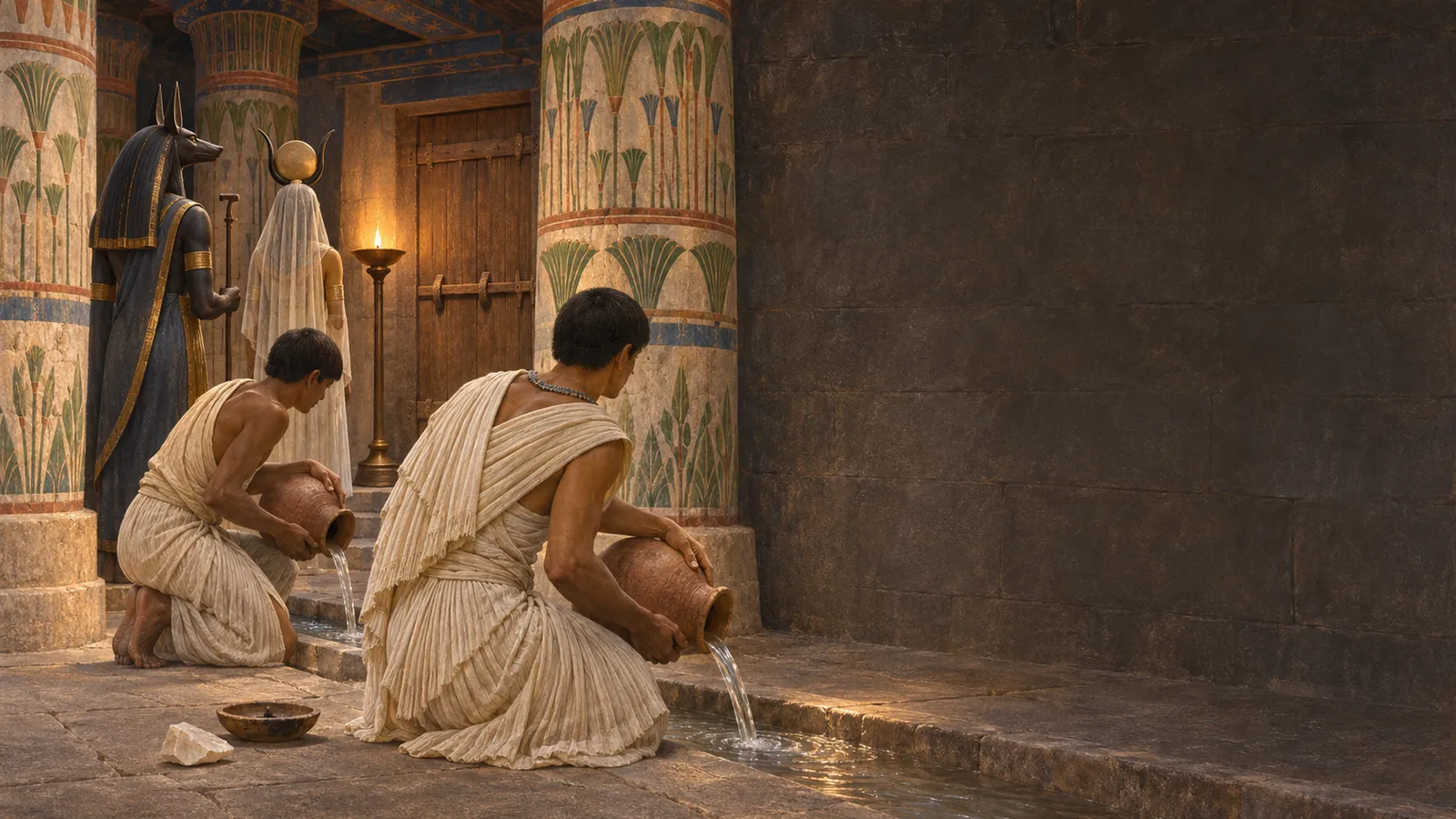
بعد دفنهما سأتلو عليهما كلماتٍ في الثَّلْم. وسأطفئ النار وأكسر اللوح وأُنشئ بركةً من ماء.
الباب
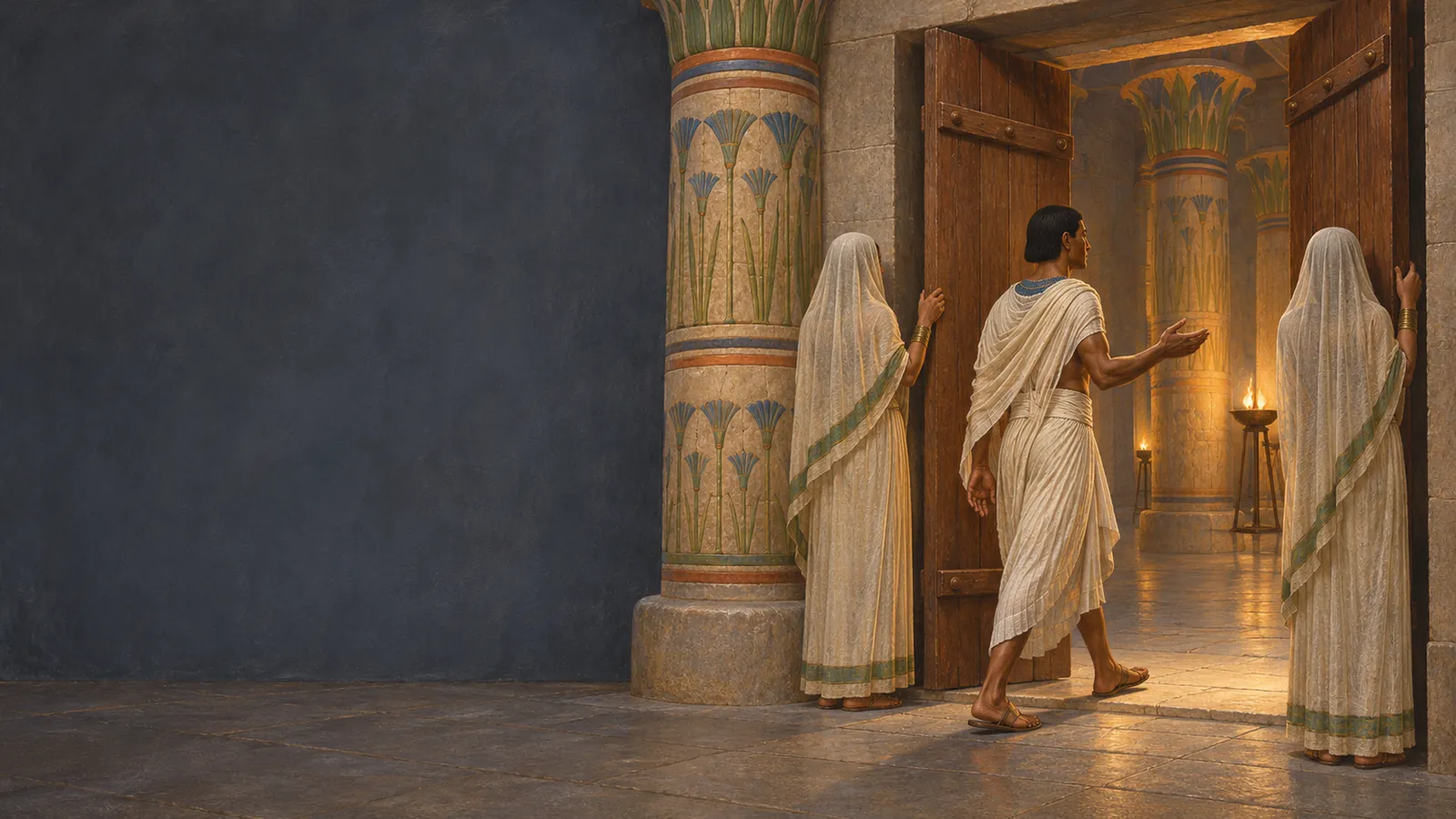
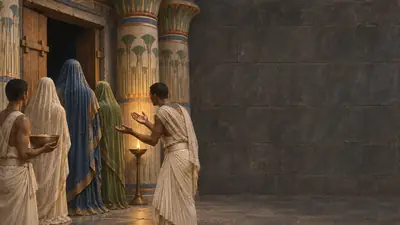
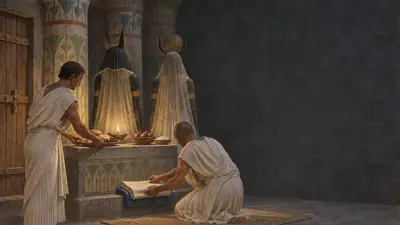
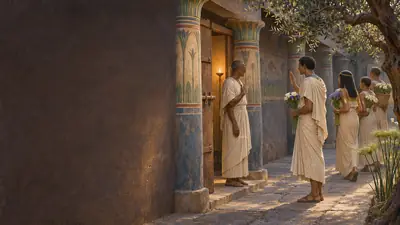
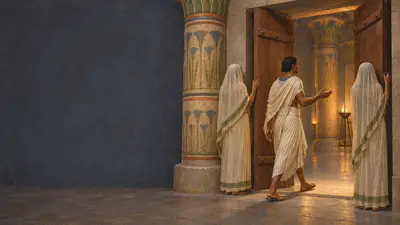
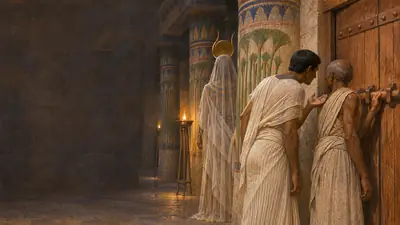
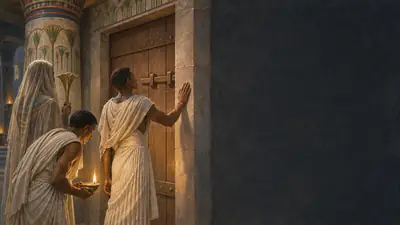
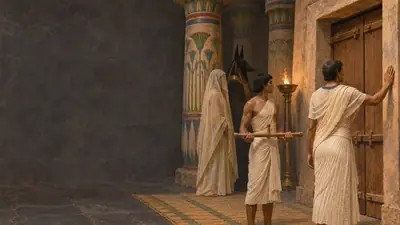
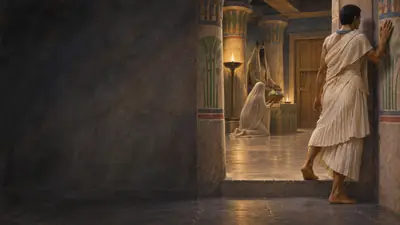
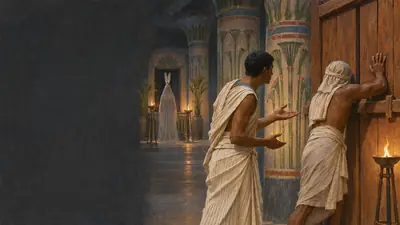
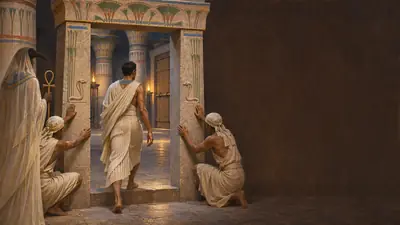
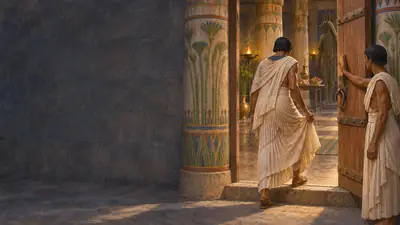
لتدعُني الآلهة إلى الدخول من باب قاعة الإلهتين ماعتي، لأنّني أعرفهم. وفي الحوار الذي يلي ذلك تتكلّم أجزاء القاعة.
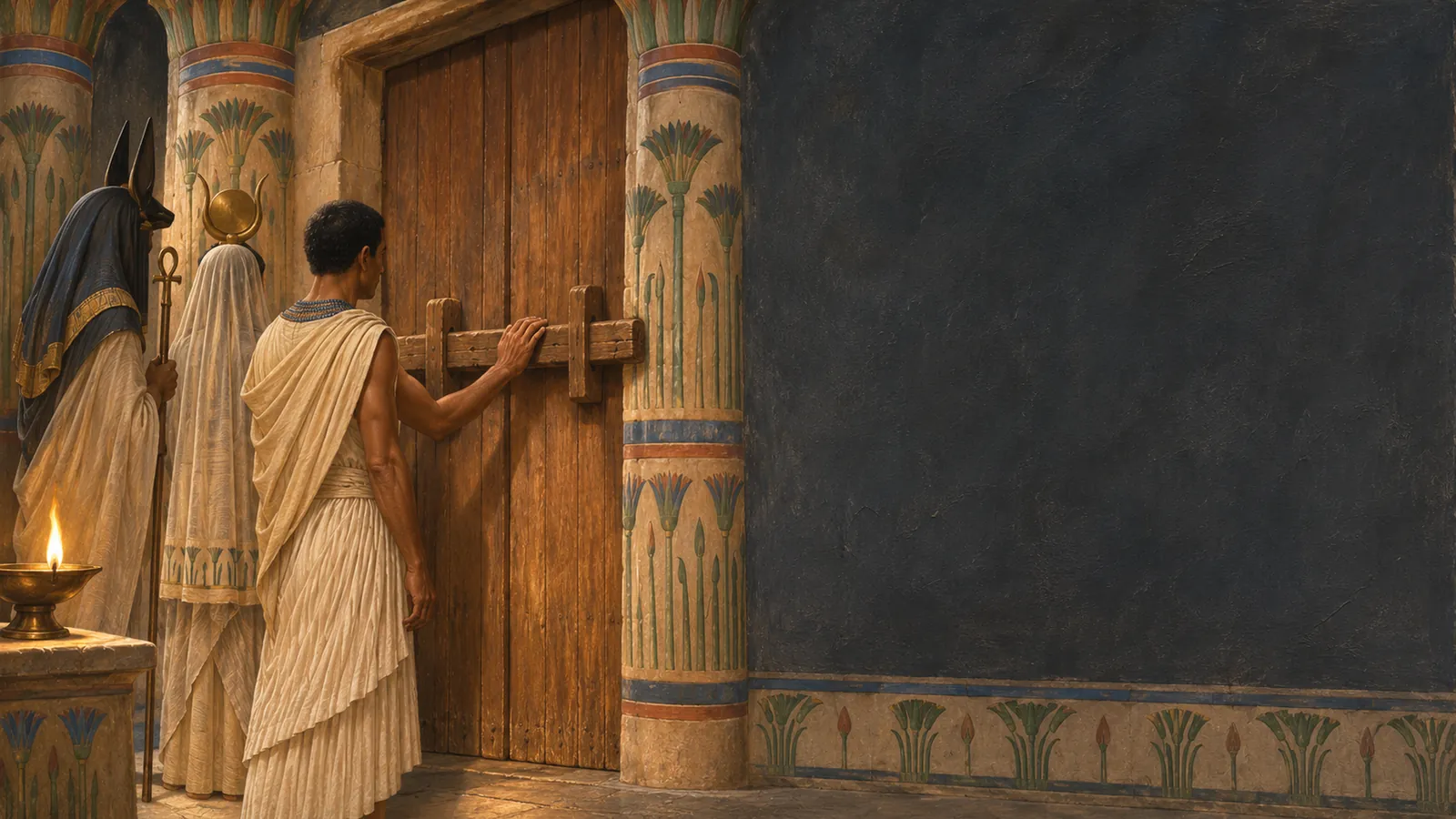
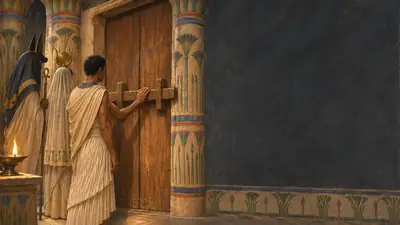
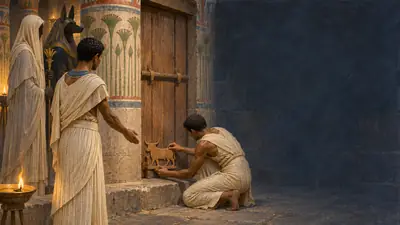
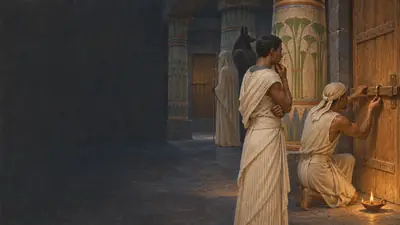
تقول مزاليج الباب للمتوفّى في الحوار إنّه لن يستطيع المرور من خلالها إلّا إذا ذكر أسماءها.
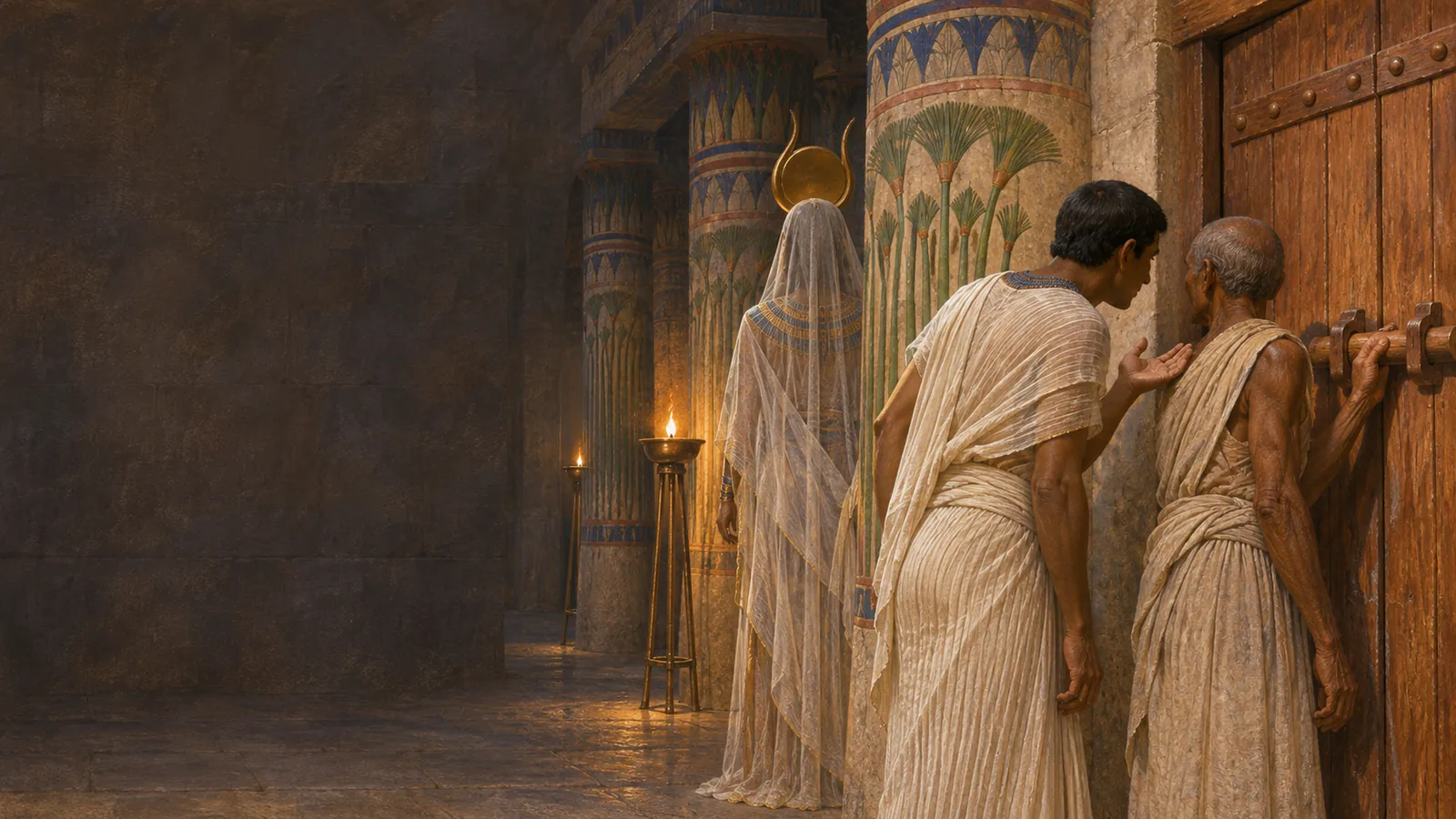
يجيب المتوفّى مزاليج الباب. ويسمّيها لسان موضع الحقّ والحقيقة.
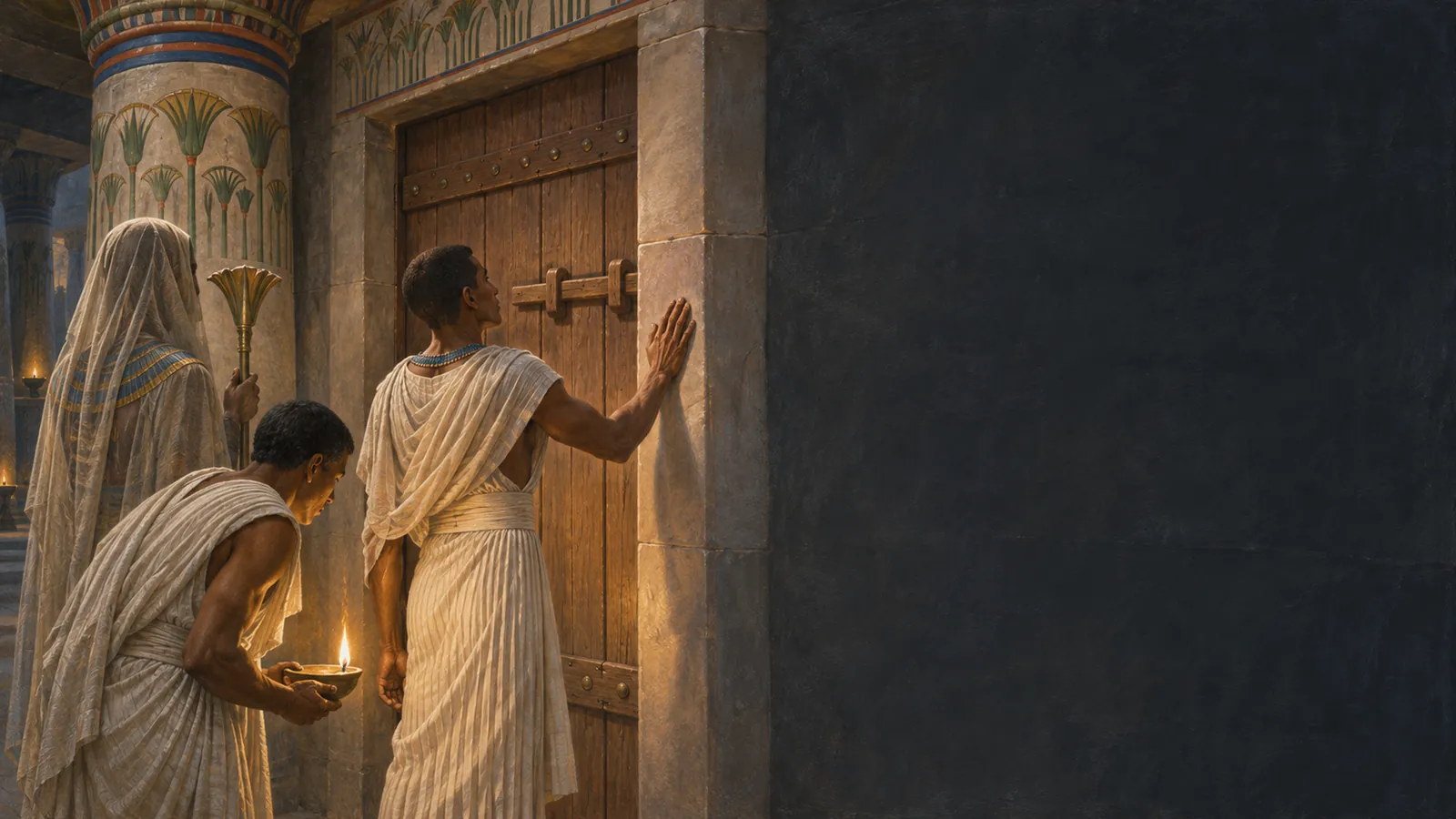
ثمّ تتكلّم عضادة الباب اليمنى في الحوار. وتقول للمتوفّى إنّ عليه أن يذكر اسمها قبل أن يمرّ.
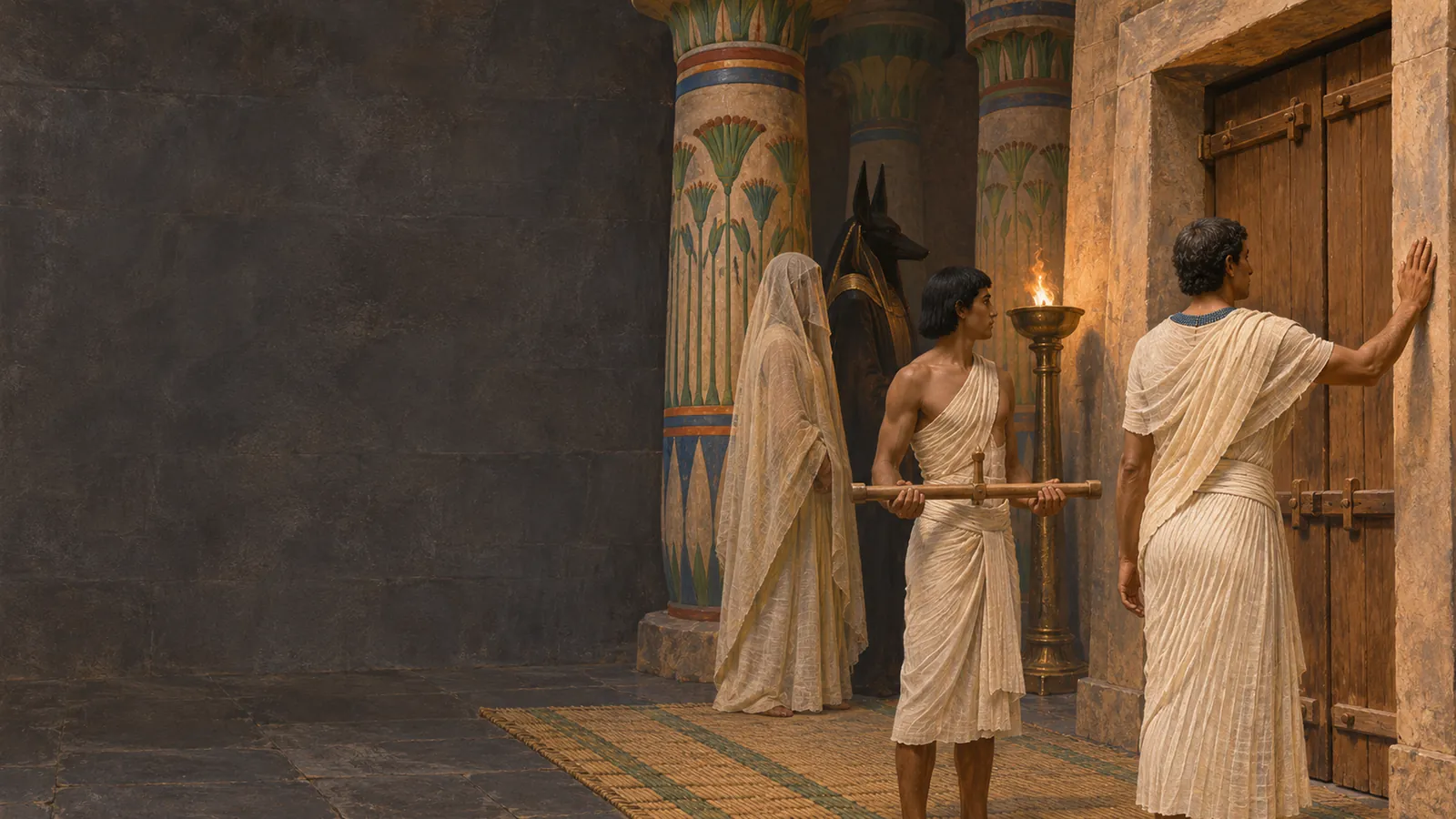
يجيب المتوفّى عضادة الباب اليمنى ويسمّيها ميزان مَن يرفع الحقّ والحقيقة.
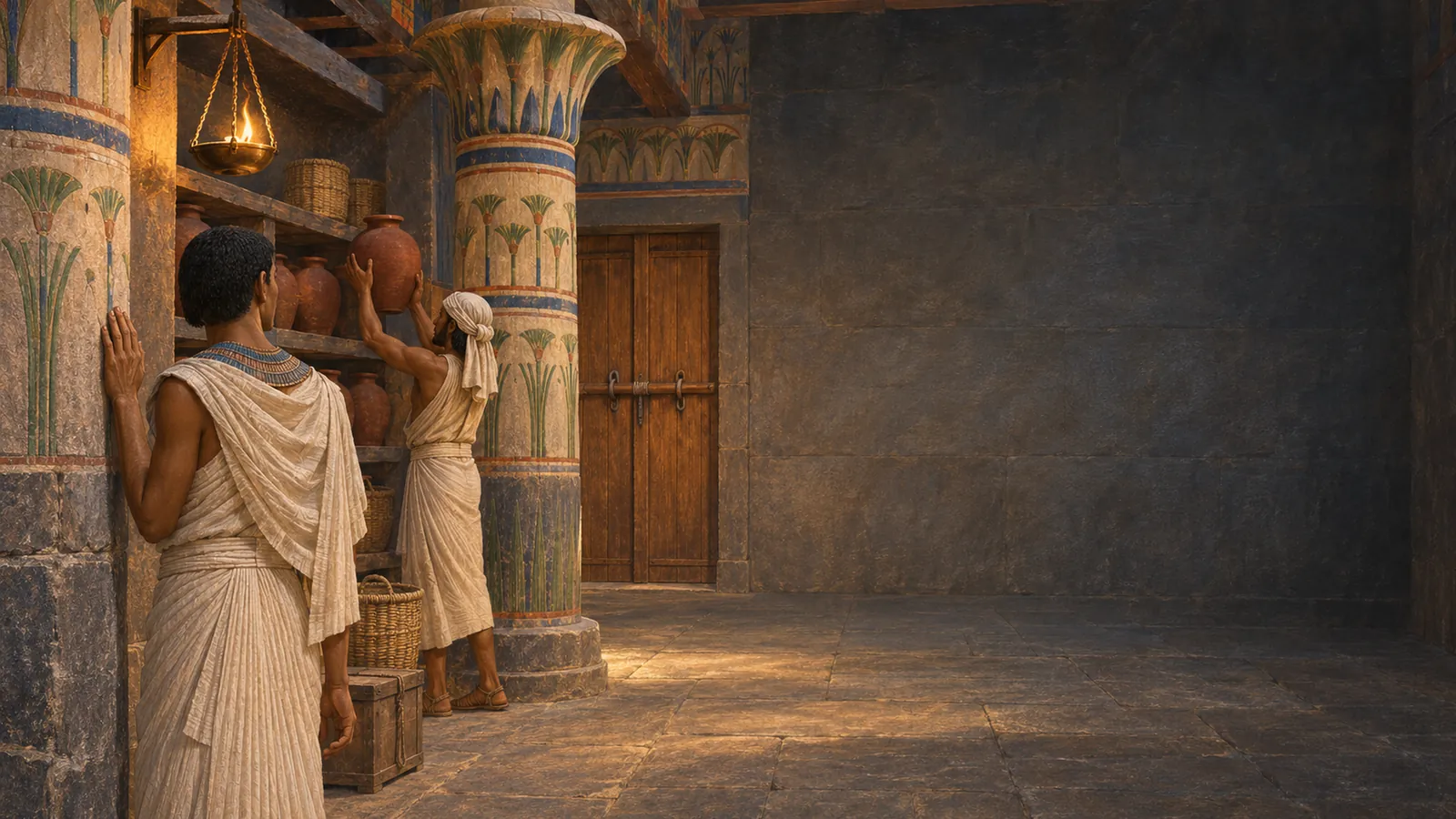
يطلب القائم الأيسر من الميت أن يذكر اسمه قبل أن يدعه يدخل. فيجيبه: «ميزان الخمر».
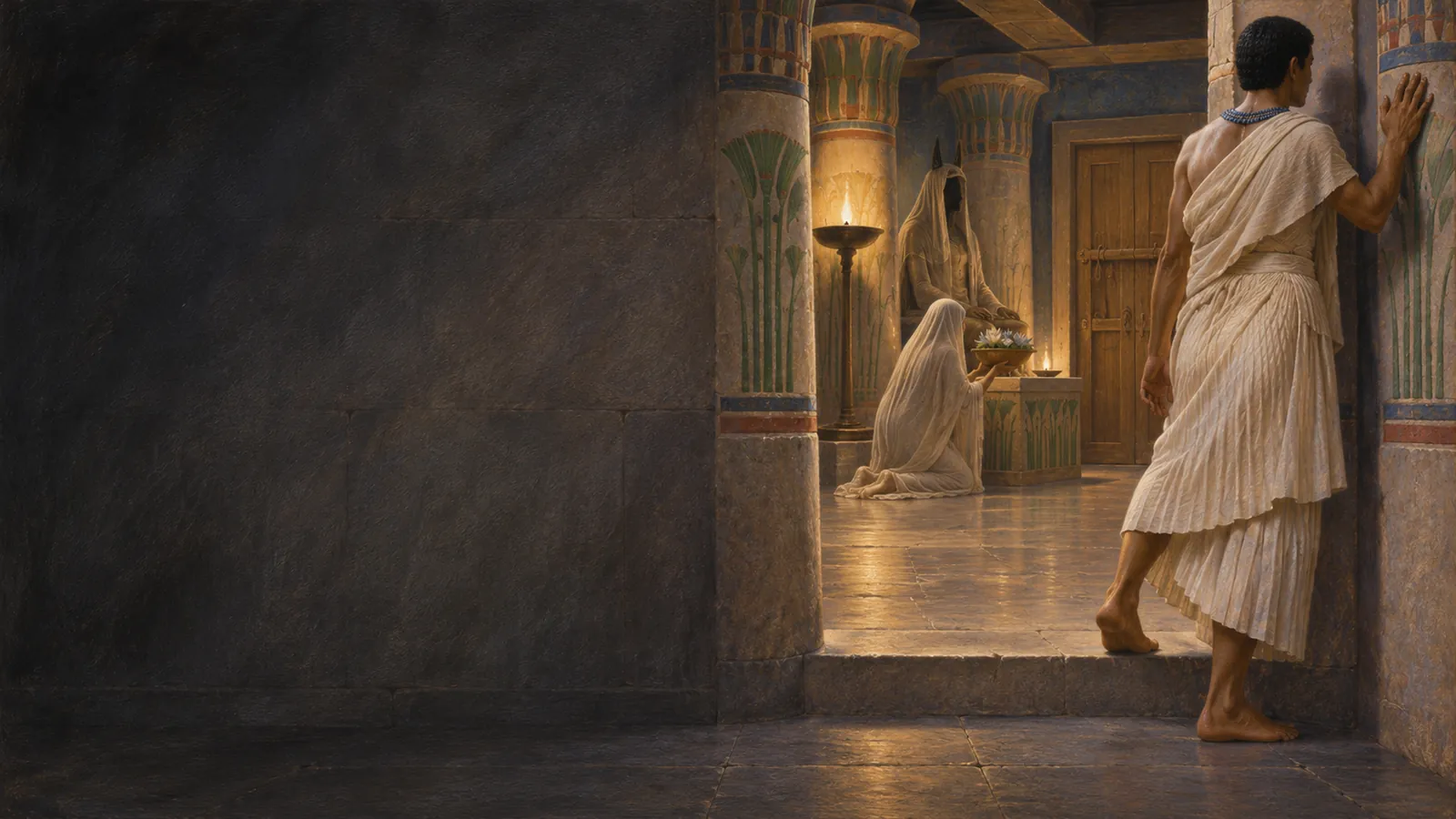
تقول العتبة للميت: «لن أدعك تتجاوزني حتى تخبرني باسمي».
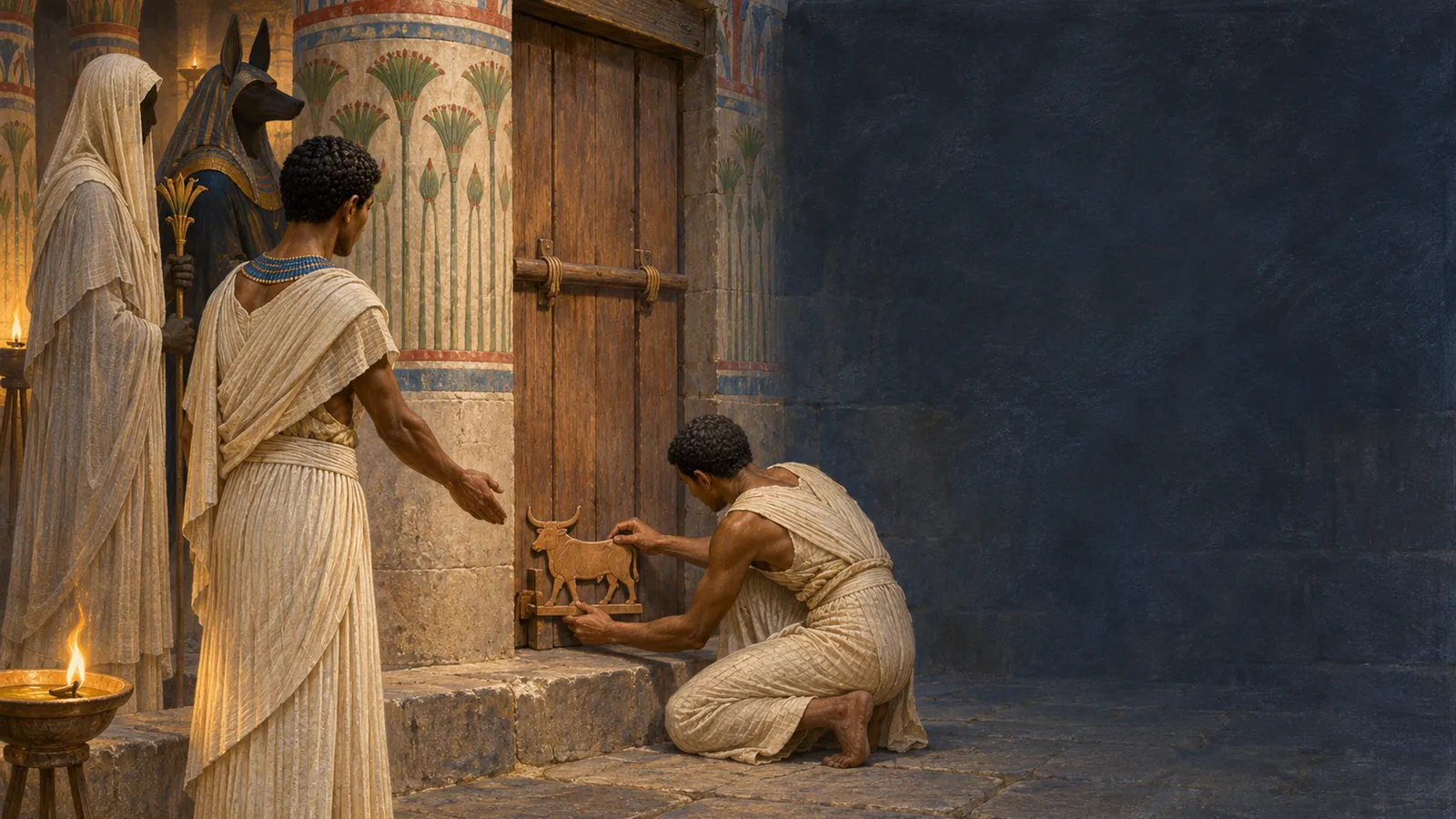
تنتظر العتبة أن تسمع اسمها. فيقول لها الميت: «اسمك ثور الإله سِب».
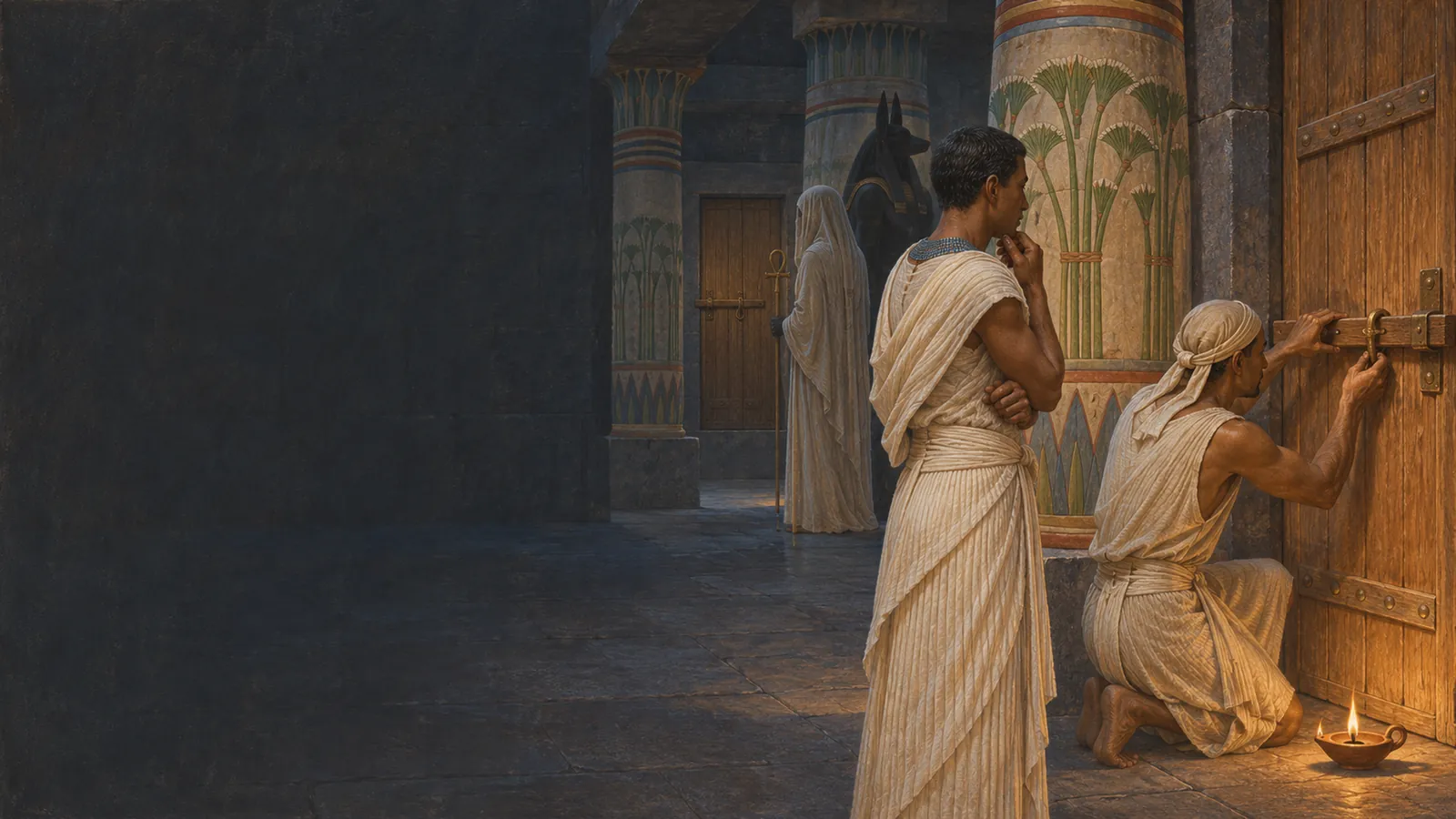
يقول المِغلاق إنّه لن ينفتح حتّى يذكر الميت اسمه. فيجيبه: «عظم ساق أمّه».
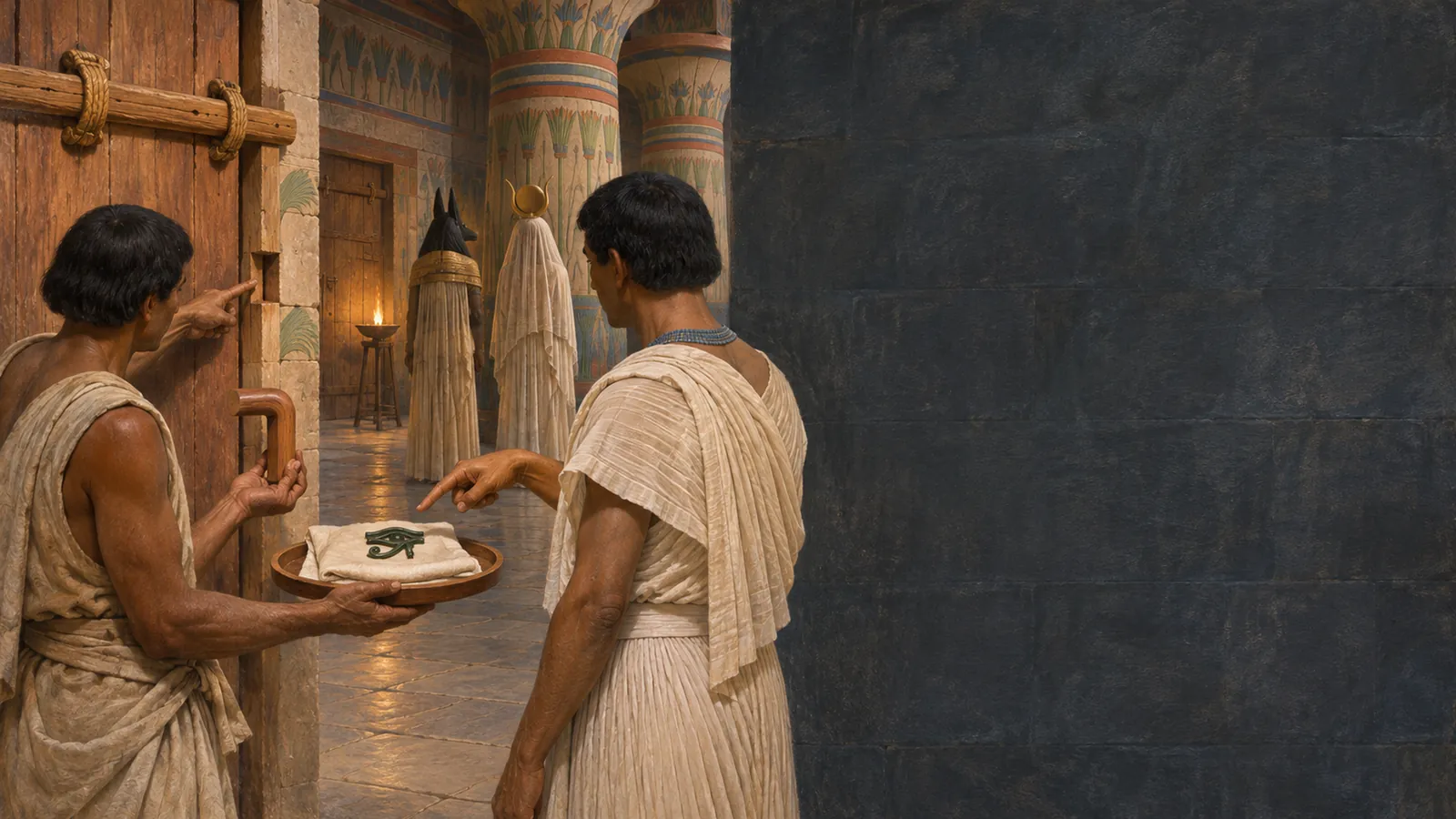
يقول تجويف الباب إنّه لن ينفتح حتّى يسمع اسمه. فيسمّيه الميت العين الحيّة لسِبِك، سيّد باخاو.
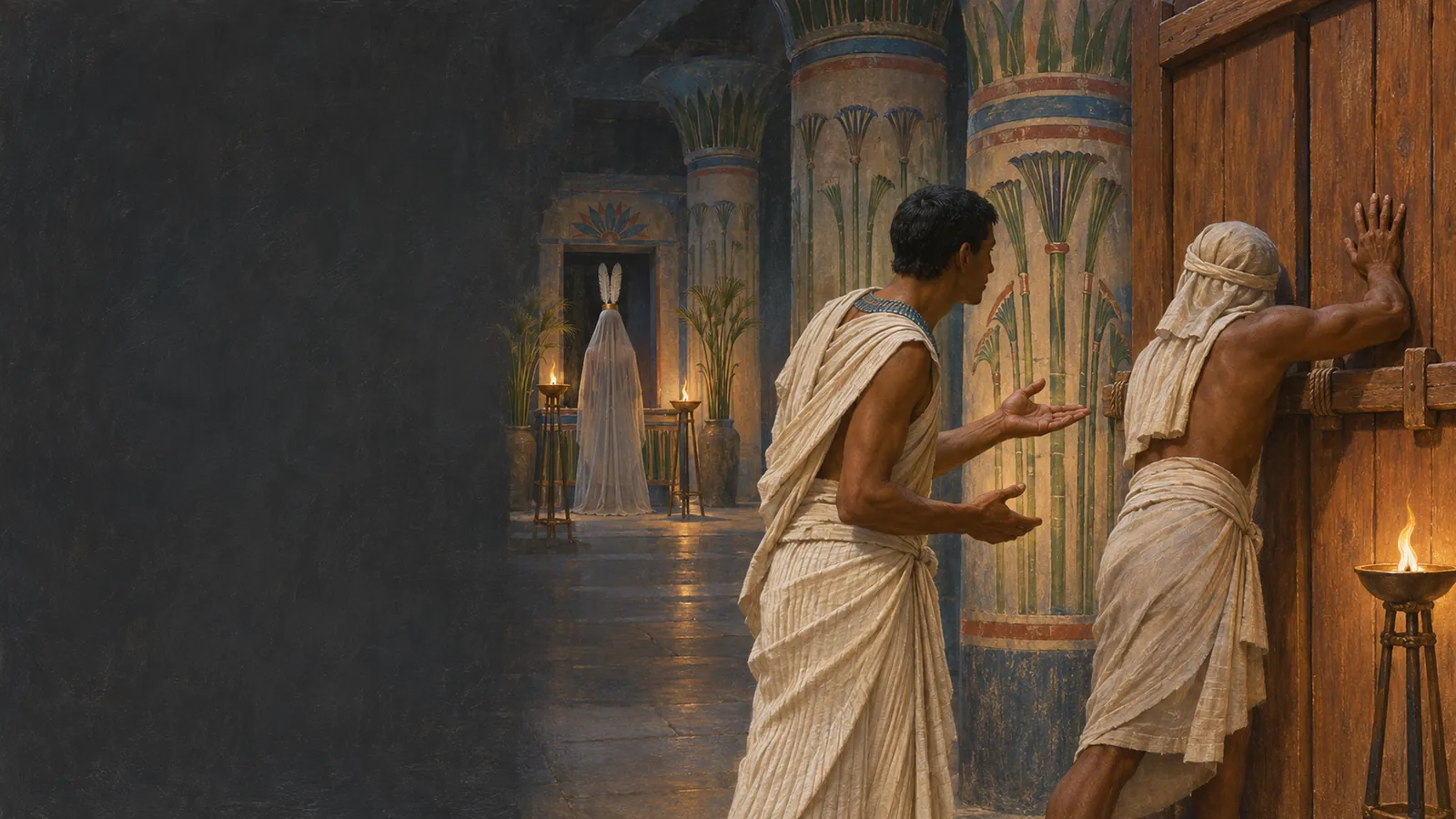
يطلب البوّاب أيضًا أن يسمع اسمه قبل أن يفتح. فيسمّيه الميت مِرفق شو حين يتّخذ موضعه لحماية أوزيريس.
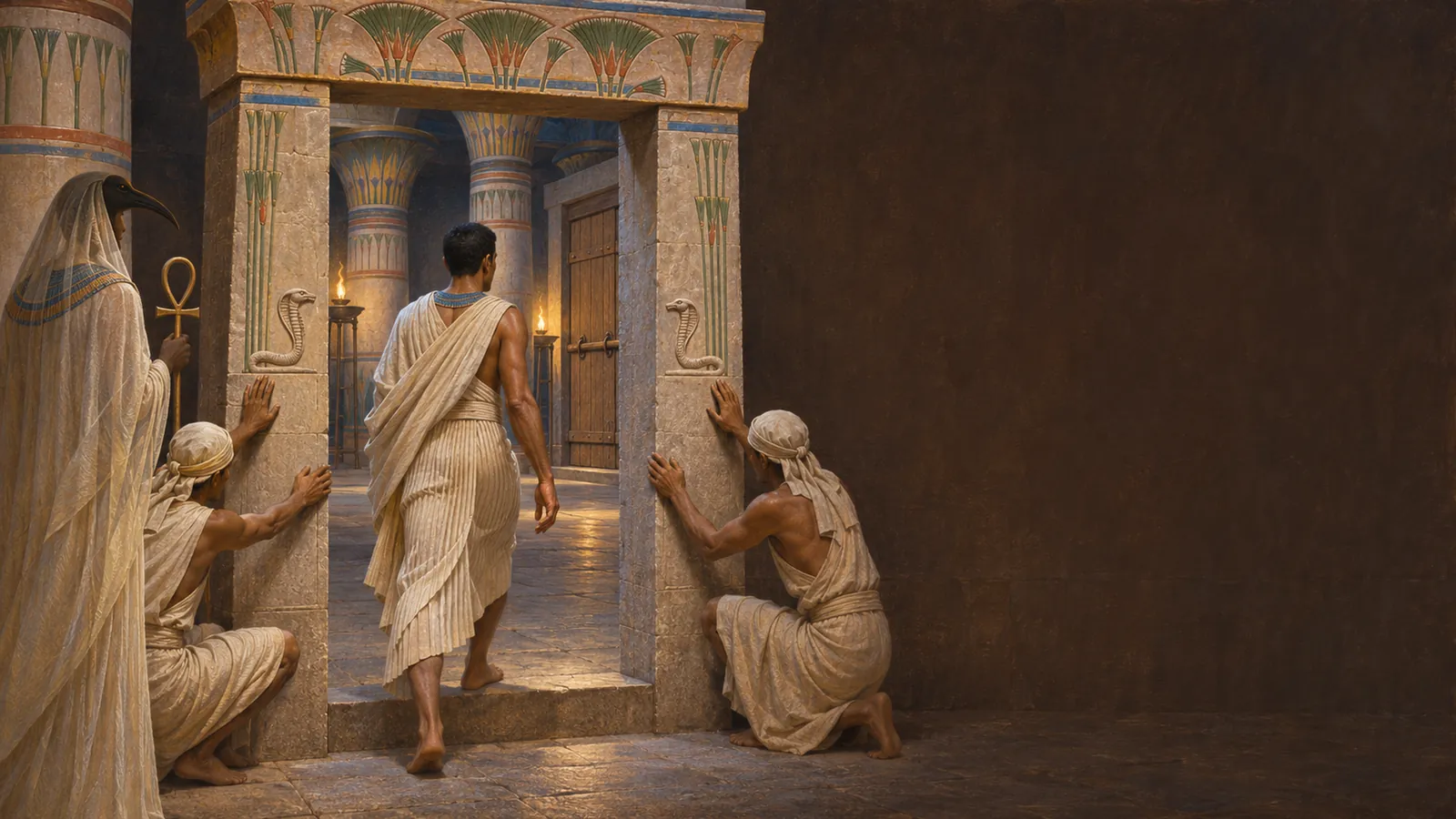
يتكلّم القائمان معًا ويسألان الميت عن اسمهما. فيسمّيهما أبناء الربّات في هيئة أفاعي الكوبرا. وحين يذكر اسمهما، يأذنان له بالعبور.
الأرضيّة
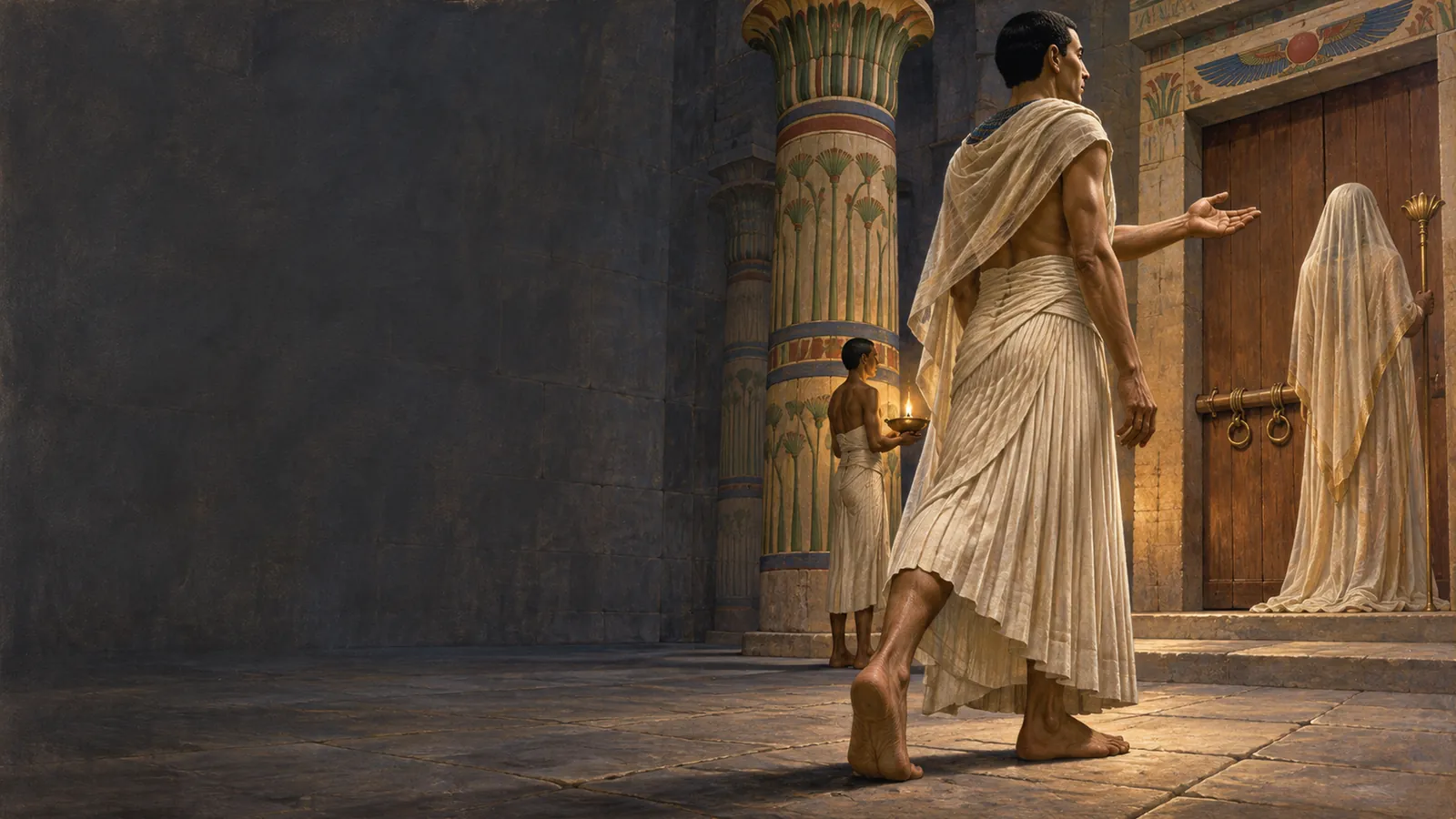
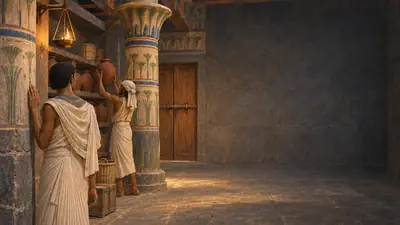
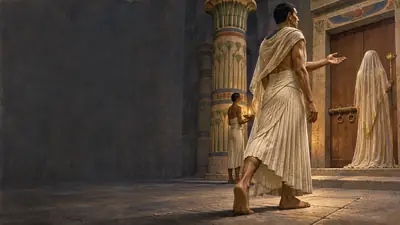
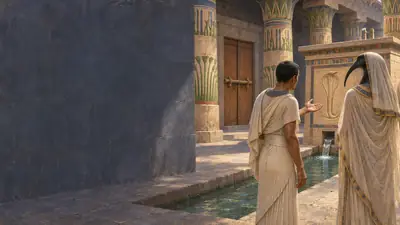
تقول الأرضيّة إنّها صامتة ومقدّسة. ولن تدع الميت يطؤها حتّى يخبرها باسم كلّ قدم من قدميه.
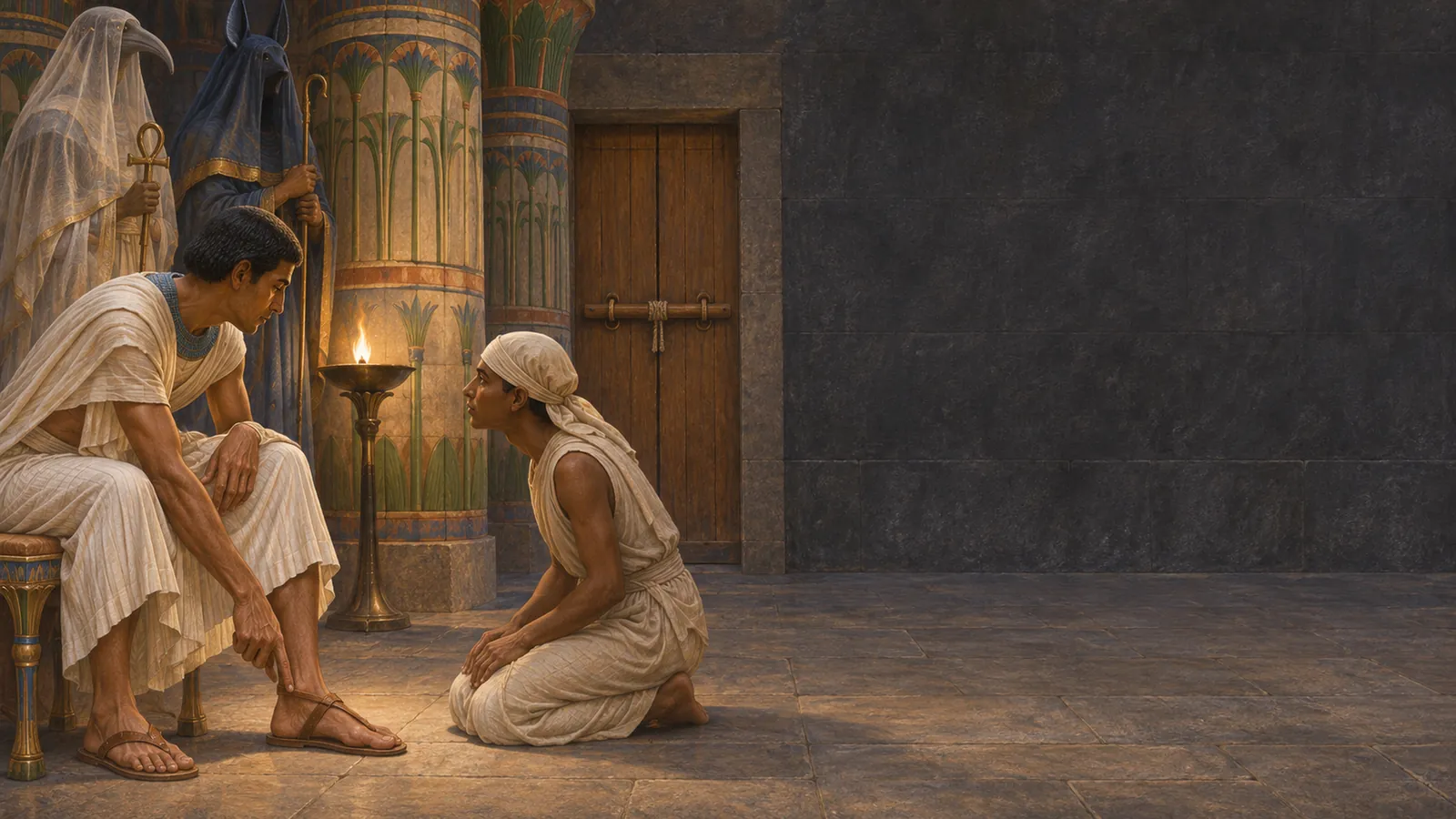
يذكر الميت للأرضيّة اسمين. يسمّي قدمه اليمنى مسافر الإله خاس، وقدمه اليسرى عصا الربّة حتحور.
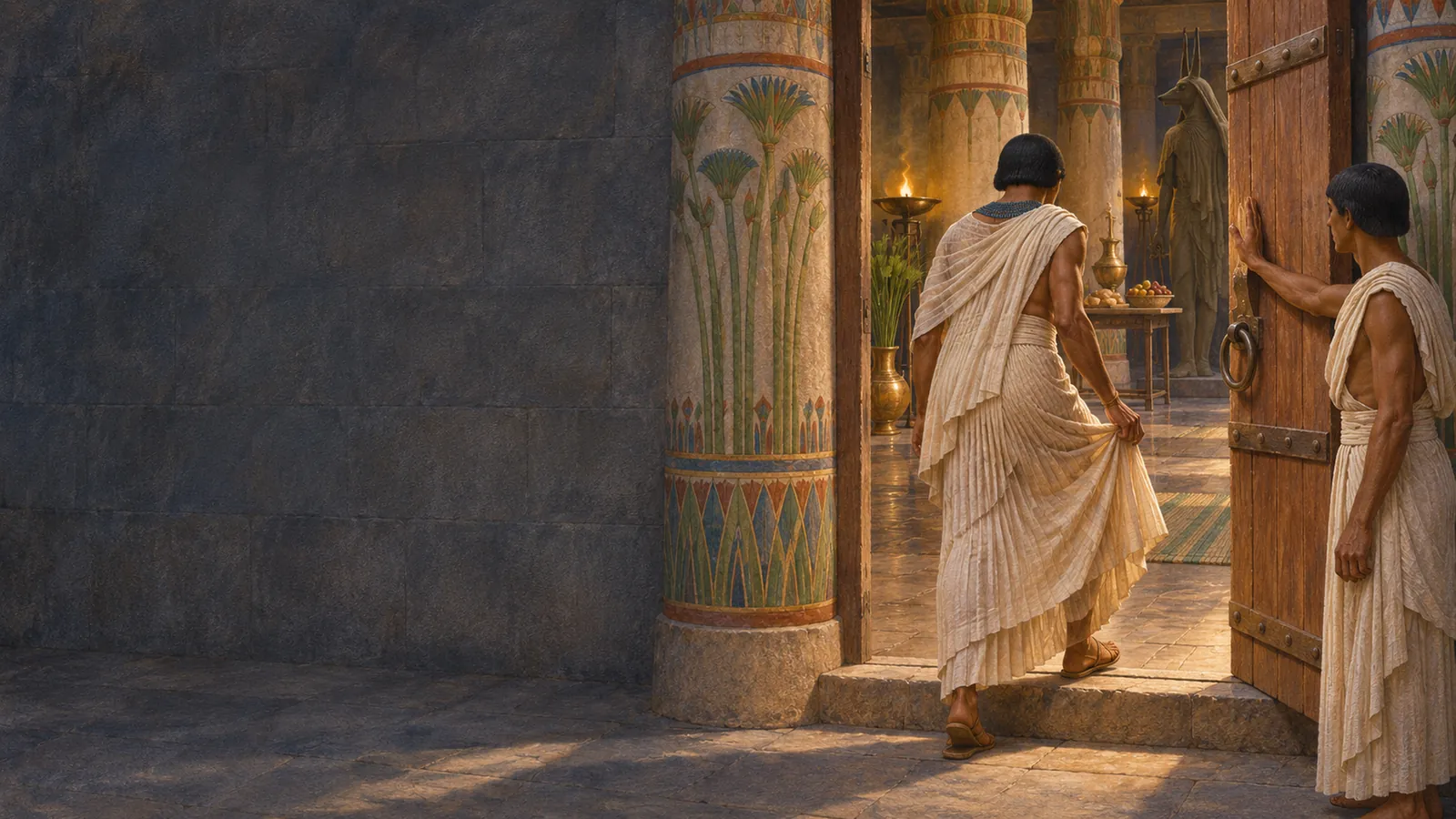
تسمع الأرضيّة الاسمين، ثمّ تجيب الميت: «أنت تعرفني، فاعبر من فوقي».
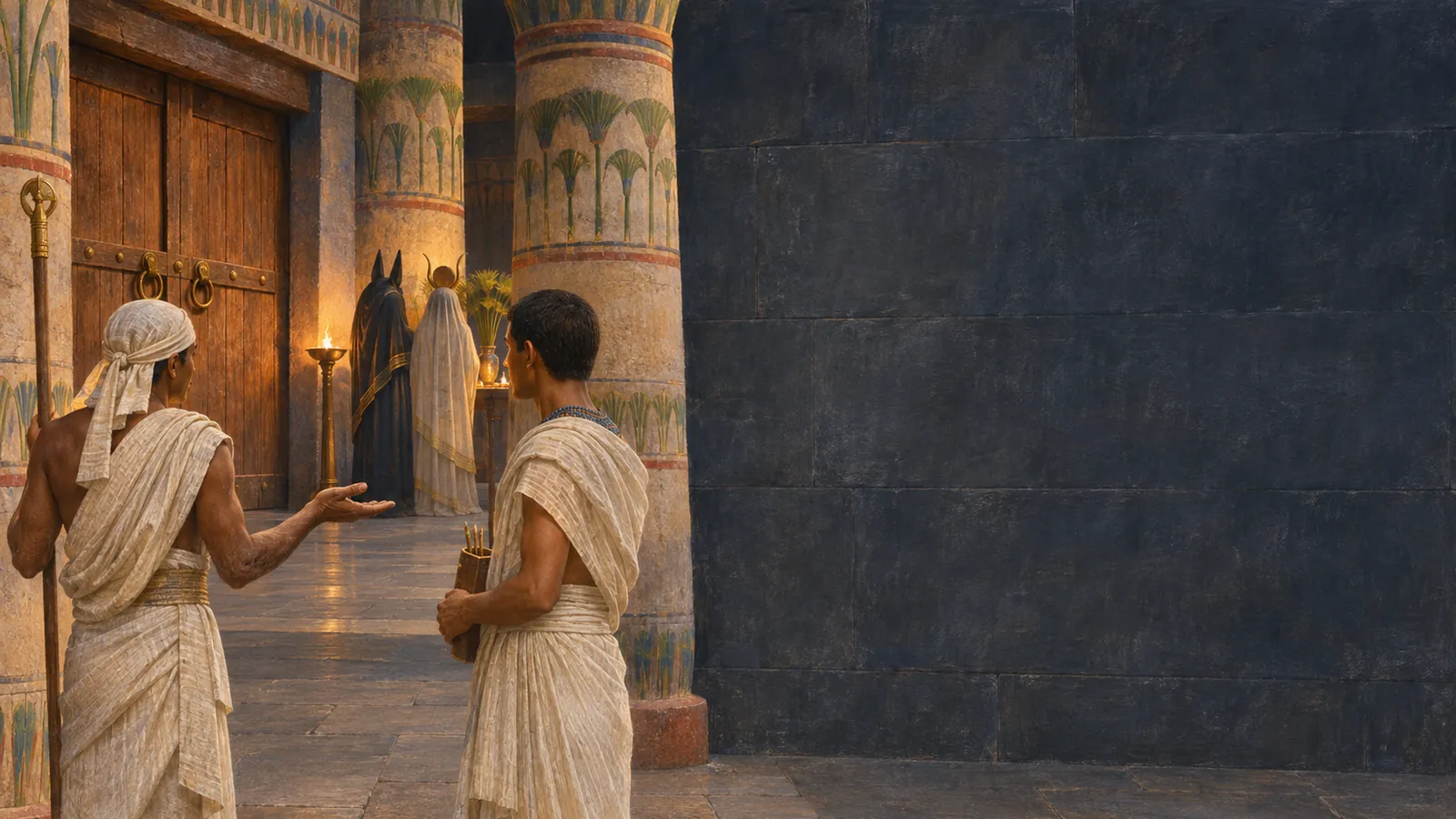
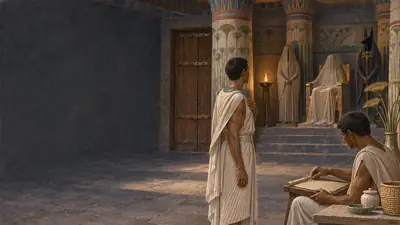
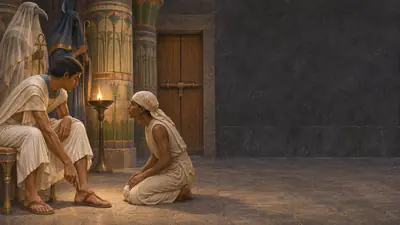
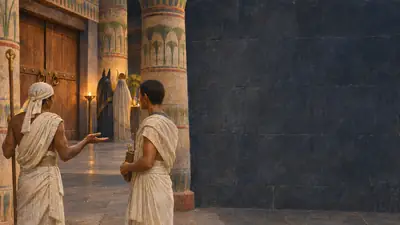
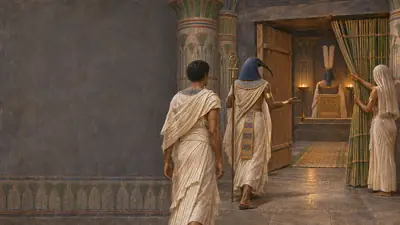
يقول حارس الباب: «لن أتلقّى اسمك حتى تخبرني باسمي». فيجيبه المتكلّم: «أنت مُميّز القلوب وفاحص الأحشاء».
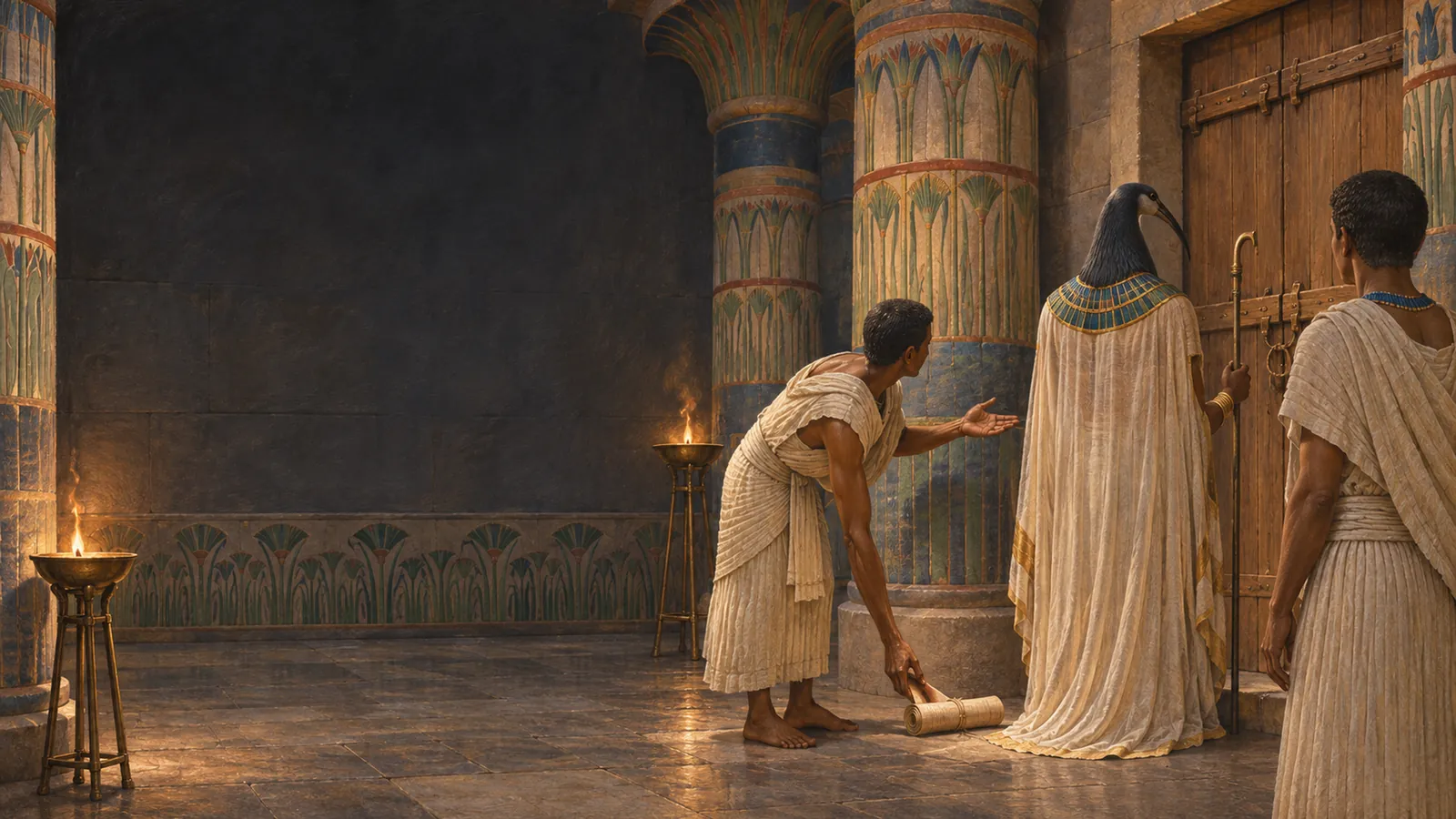
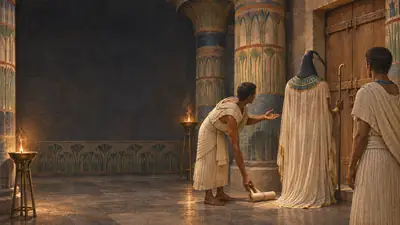
يسأل حارس الباب عن الإله الذي يقيم في ساعته. يجيب المتكلّم: «ماو تاوي». وحين يسأله الحارس مَن هو ماو تاوي، يقول: «إنّه تحوت».
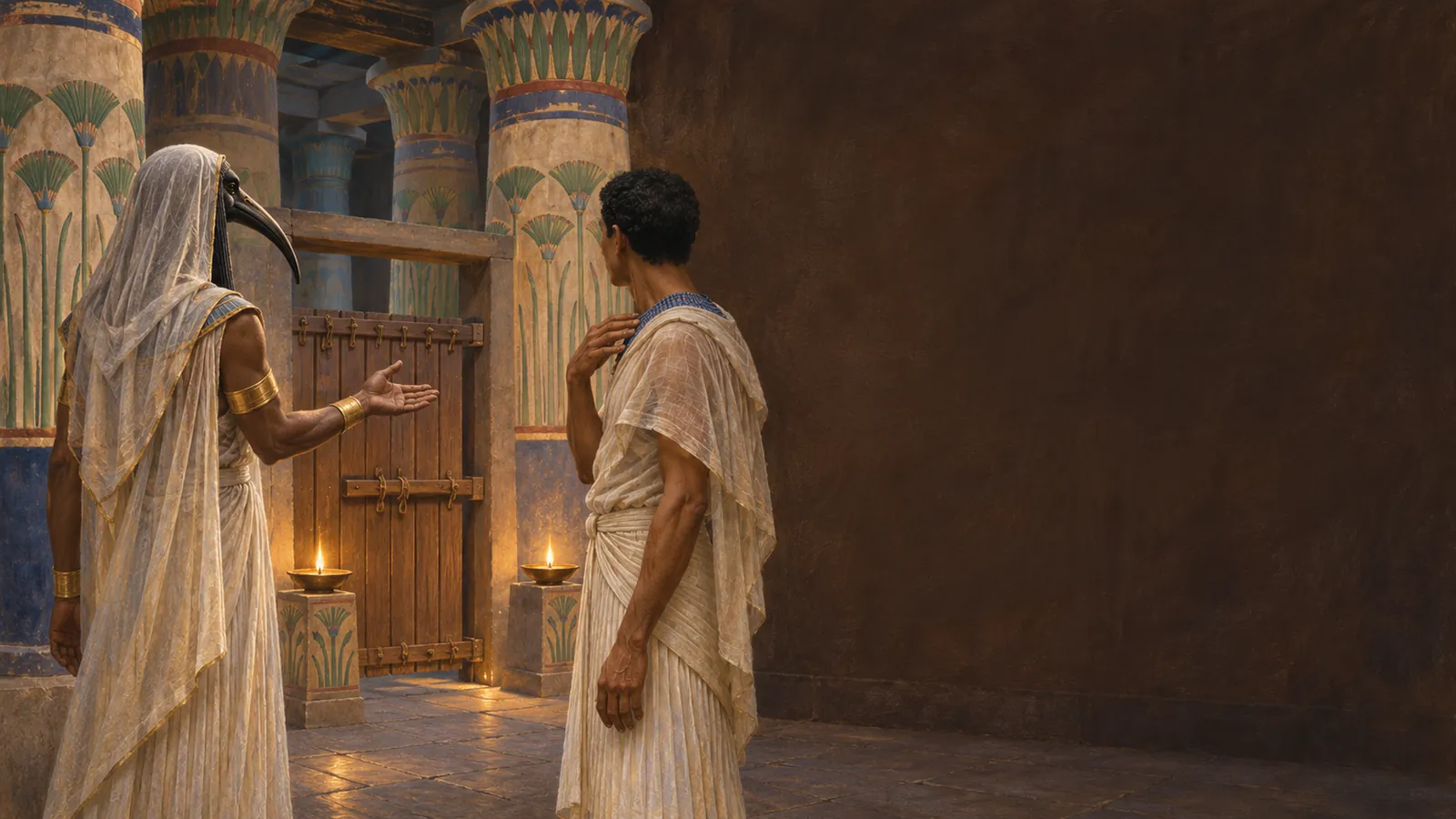
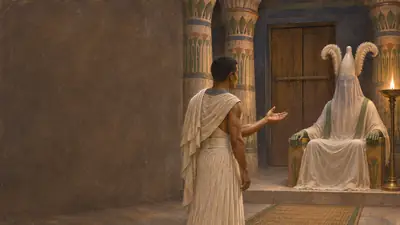
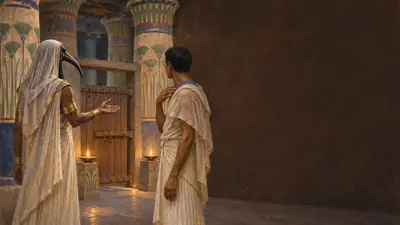
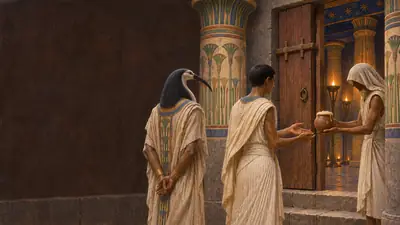
يقول تحوت: «تقدَّم. لماذا جئت؟». فيجيب المتكلّم: «جئتُ، وأنا أمضي إلى الأمام ليُذكَر اسمي».
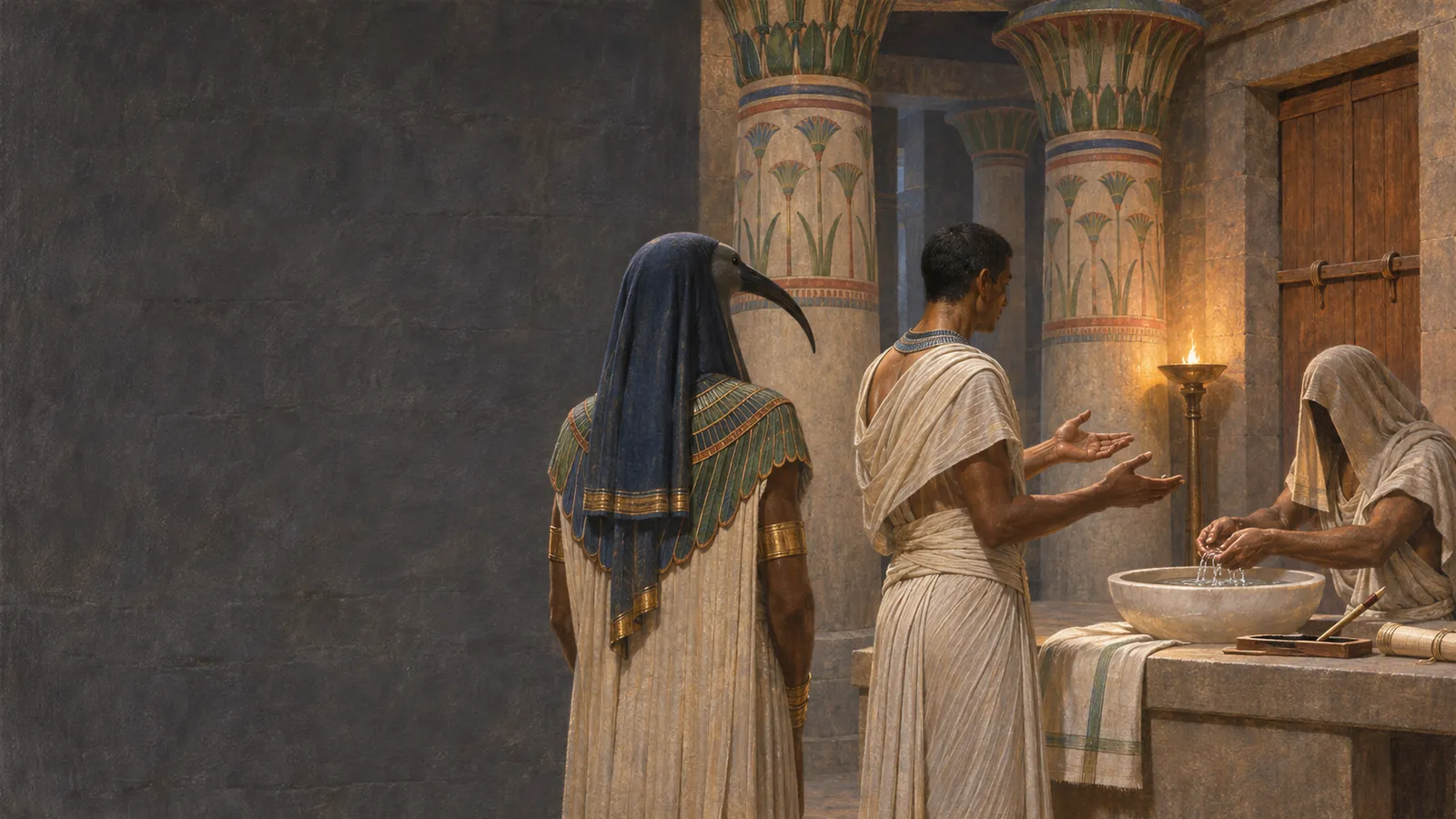
يسأله تحوت عن الحال التي جاء عليها. يقول المتكلّم إنّه تطهّر وحُفظ من الأفعال المؤذية، وإنّه ليس ممّن يرتكبونها.
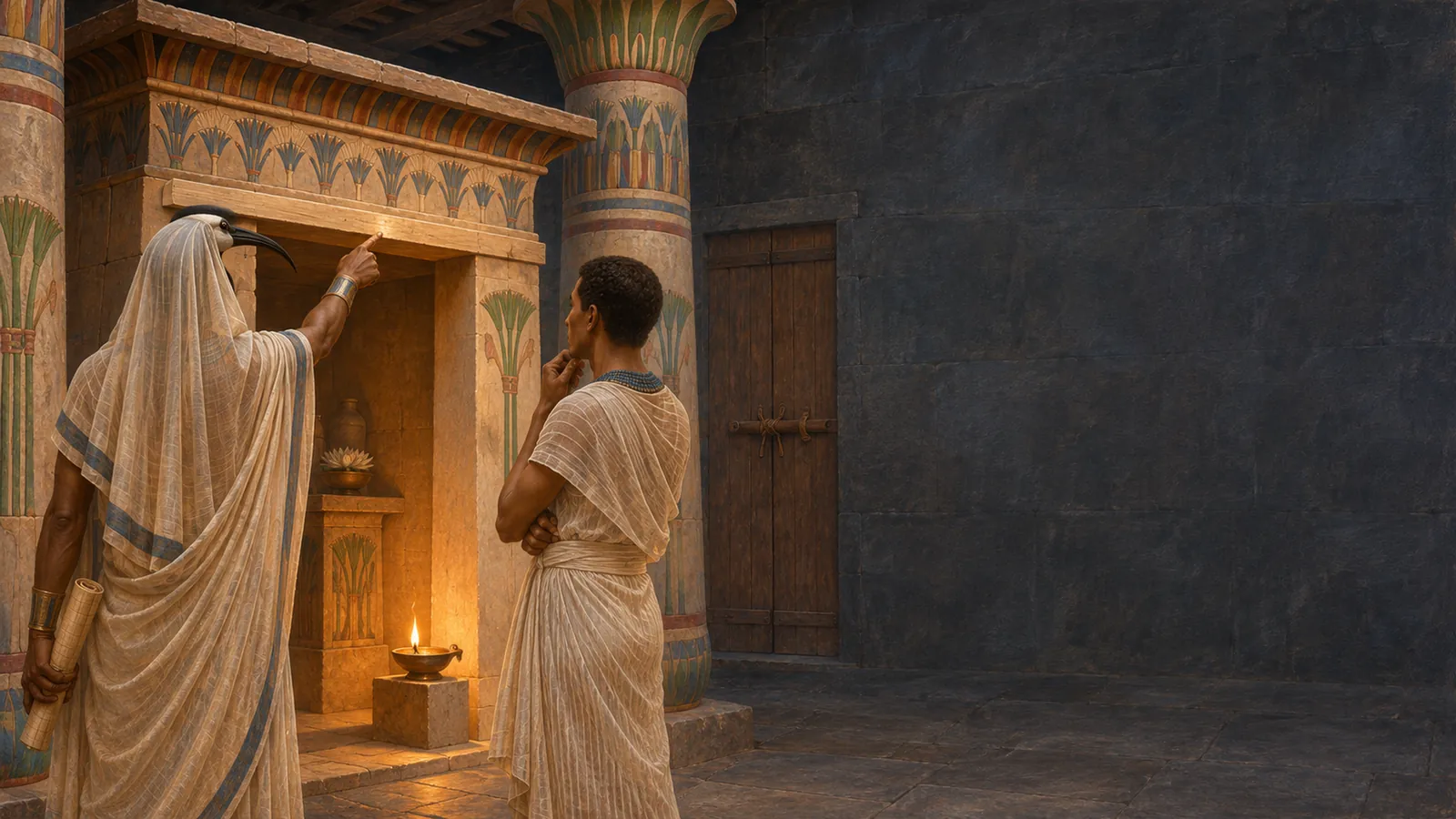
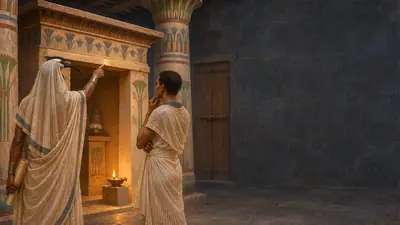
يقول تحوت إنّه سيذكر الاسم. ثم يسأل عن بيتٍ سقفه من نار.
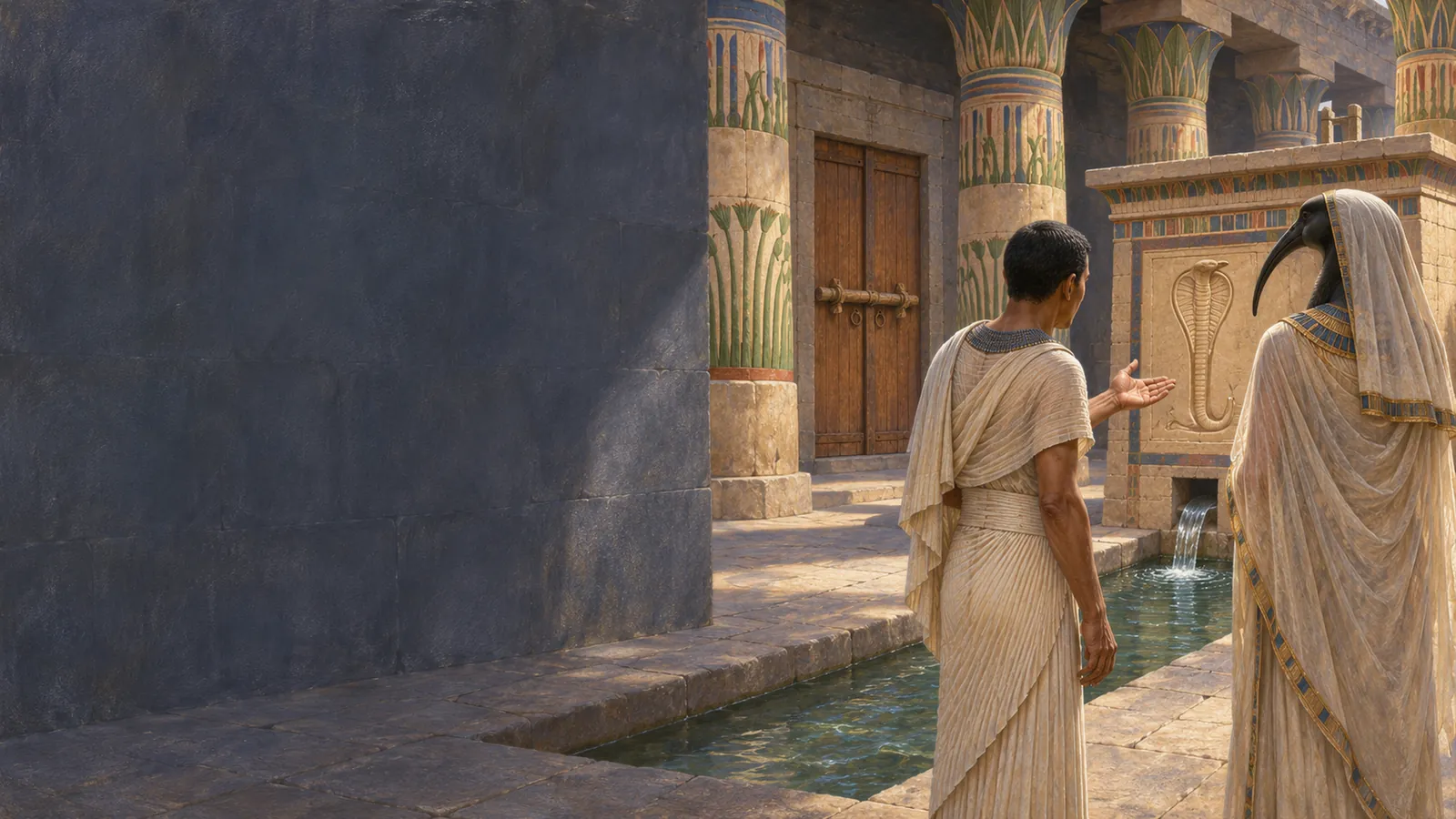
يقول تحوت إنّ جدرانه أفاعي كوبرا حيّة، وإنّ أرضيّته مجرى ماء. ثم يعود فيسأل المتكلّم: «مَن هو؟».
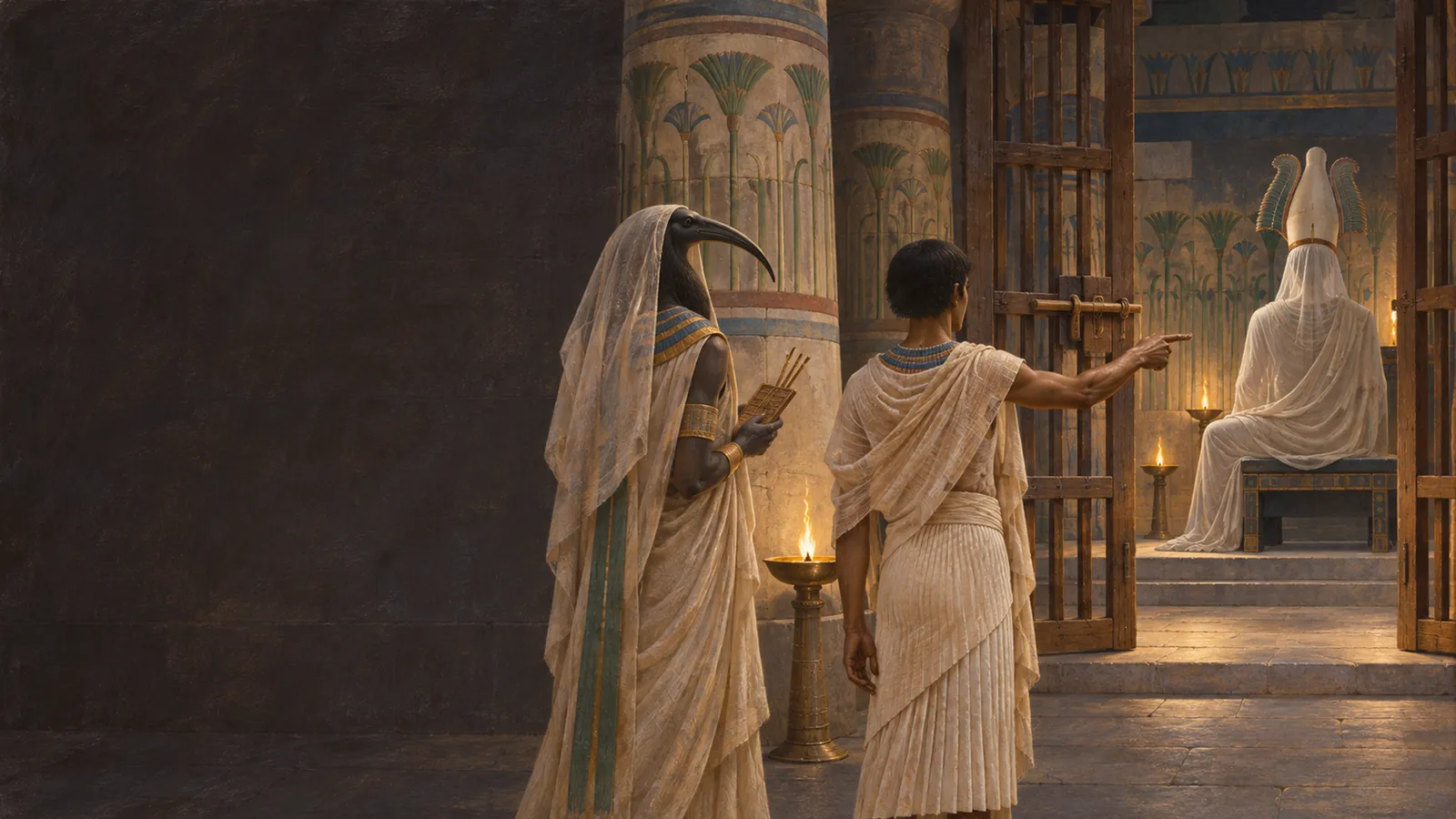
أوزيريس
سمع المتكلّم لغز البيت الغريب، فلم يُجب تحوت إلّا باسمٍ واحد: «إنّه أوزيريس».
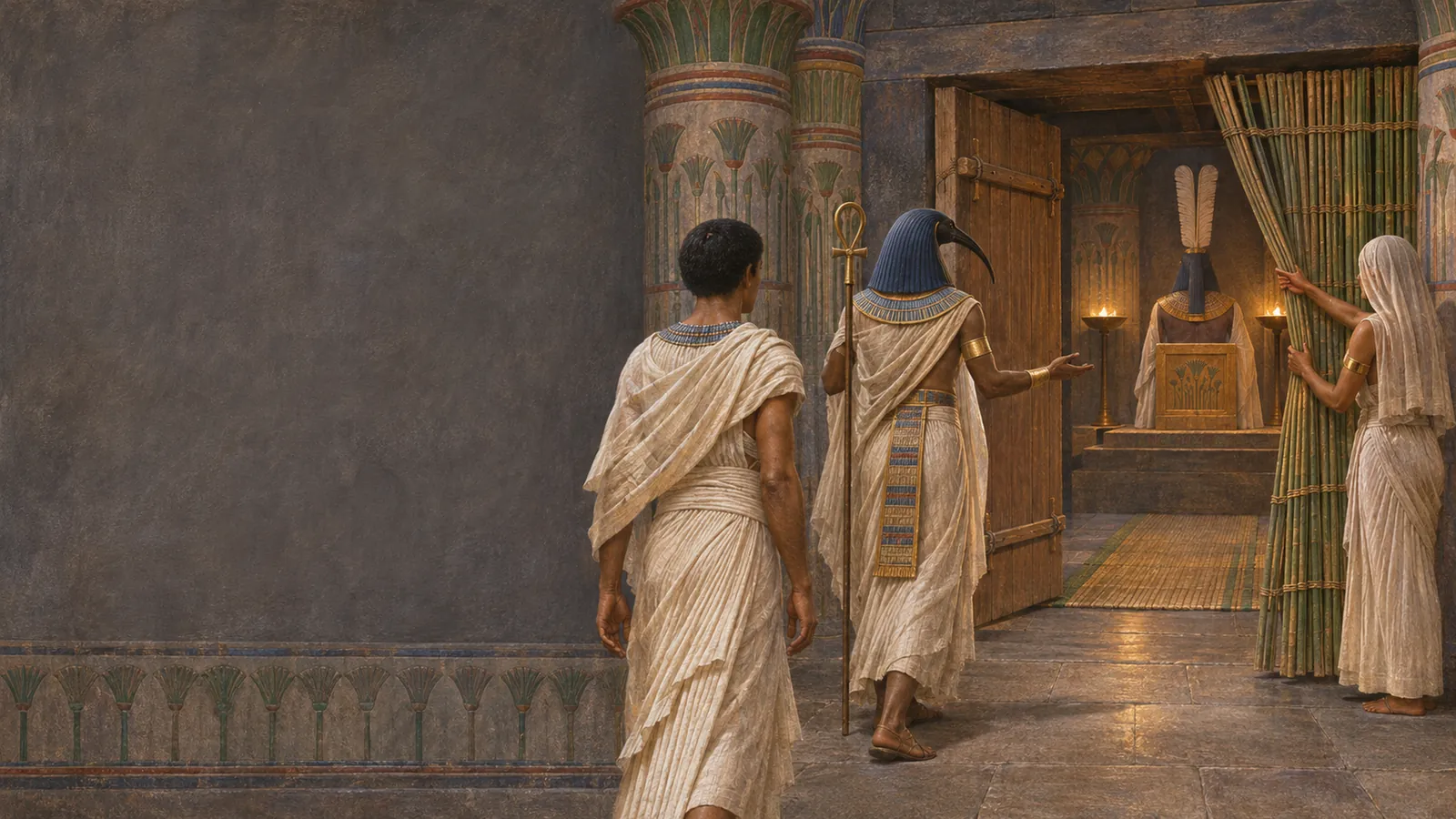
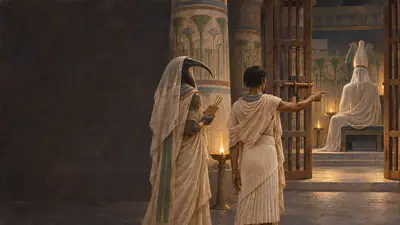
يدعو تحوت المتكلّم إلى التقدّم. ويعده بأنّ اسمه سيُذكَر أمام أوزيريس.
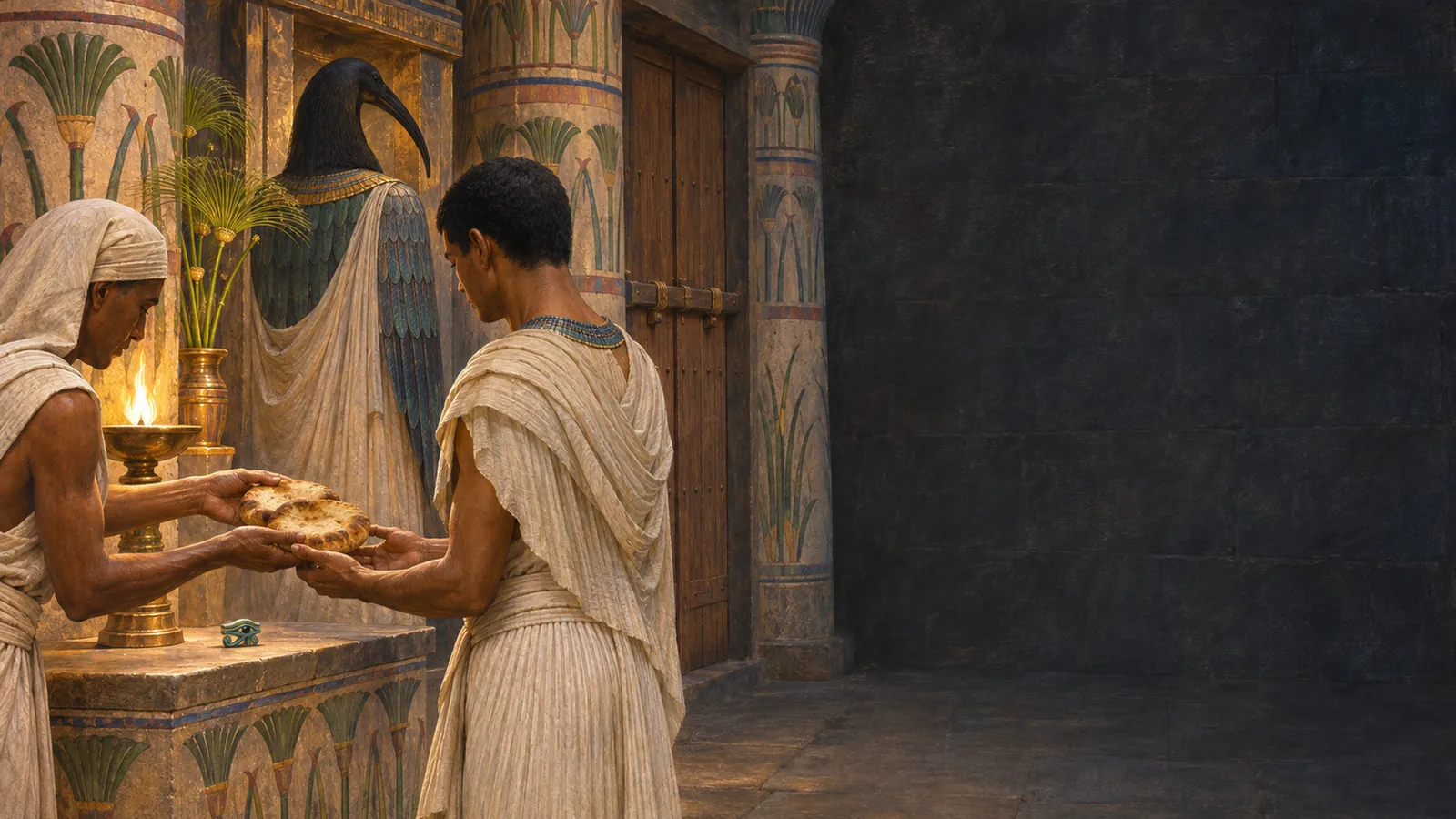
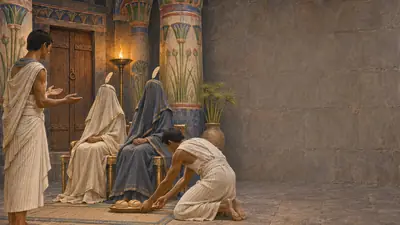
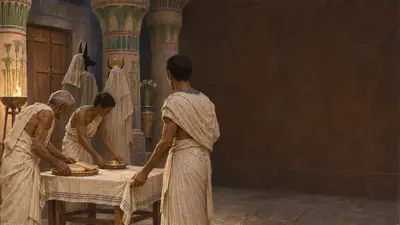
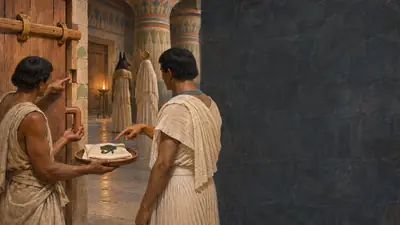
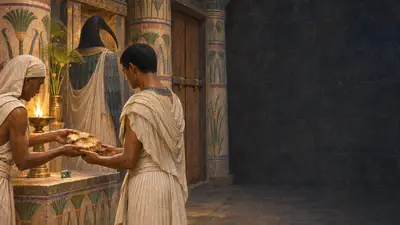
يخبر تحوت المتكلّم الآن من أين ستأتيه أقراص الخبز. ويقول في وعده إنّ مصدرها عين رع.
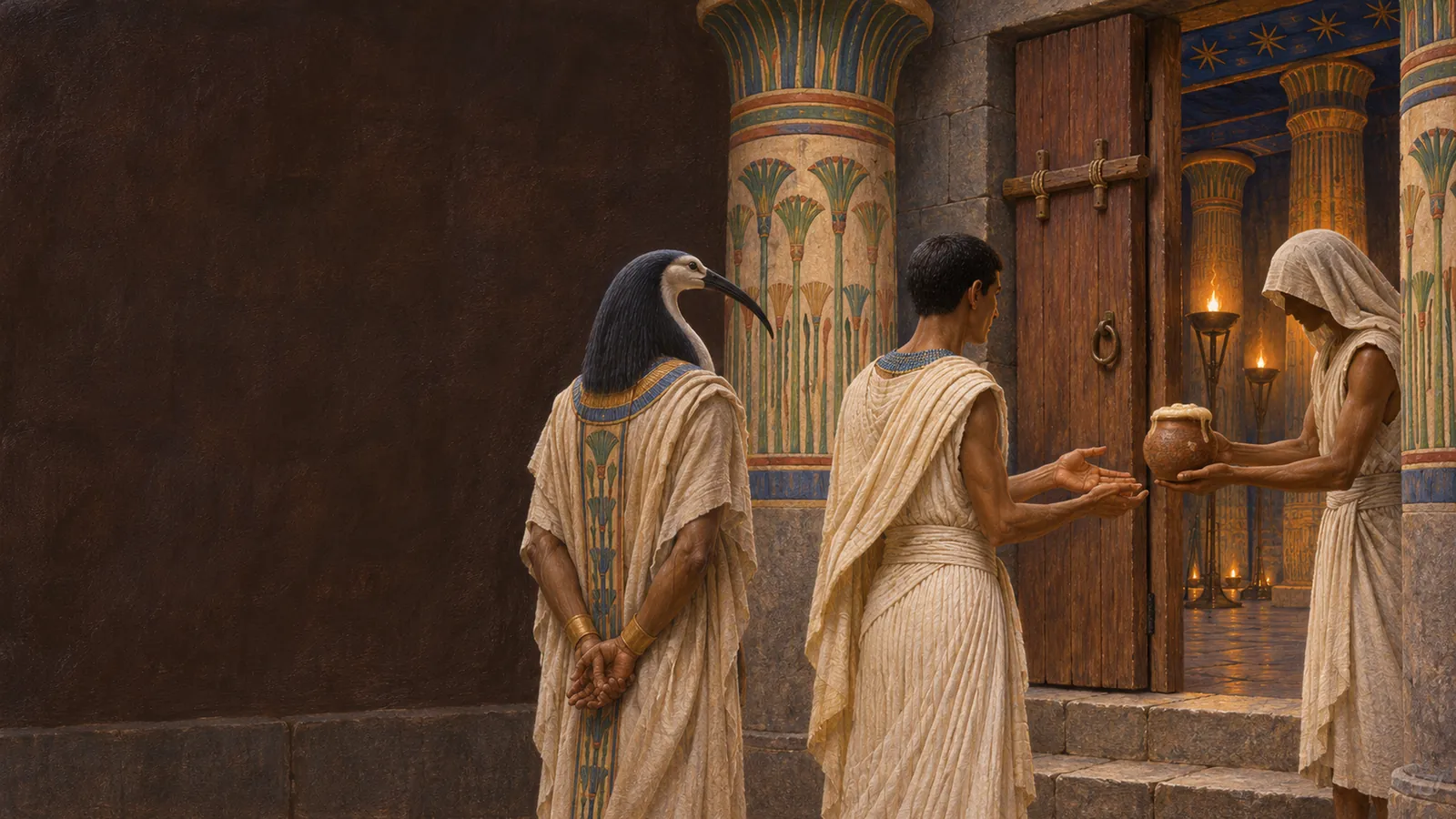
بعد أقراص الخبز يأتي الوعد بالجعّة. ويقول تحوت إنّ هذا الشراب سيأتي أيضًا من عين رع.
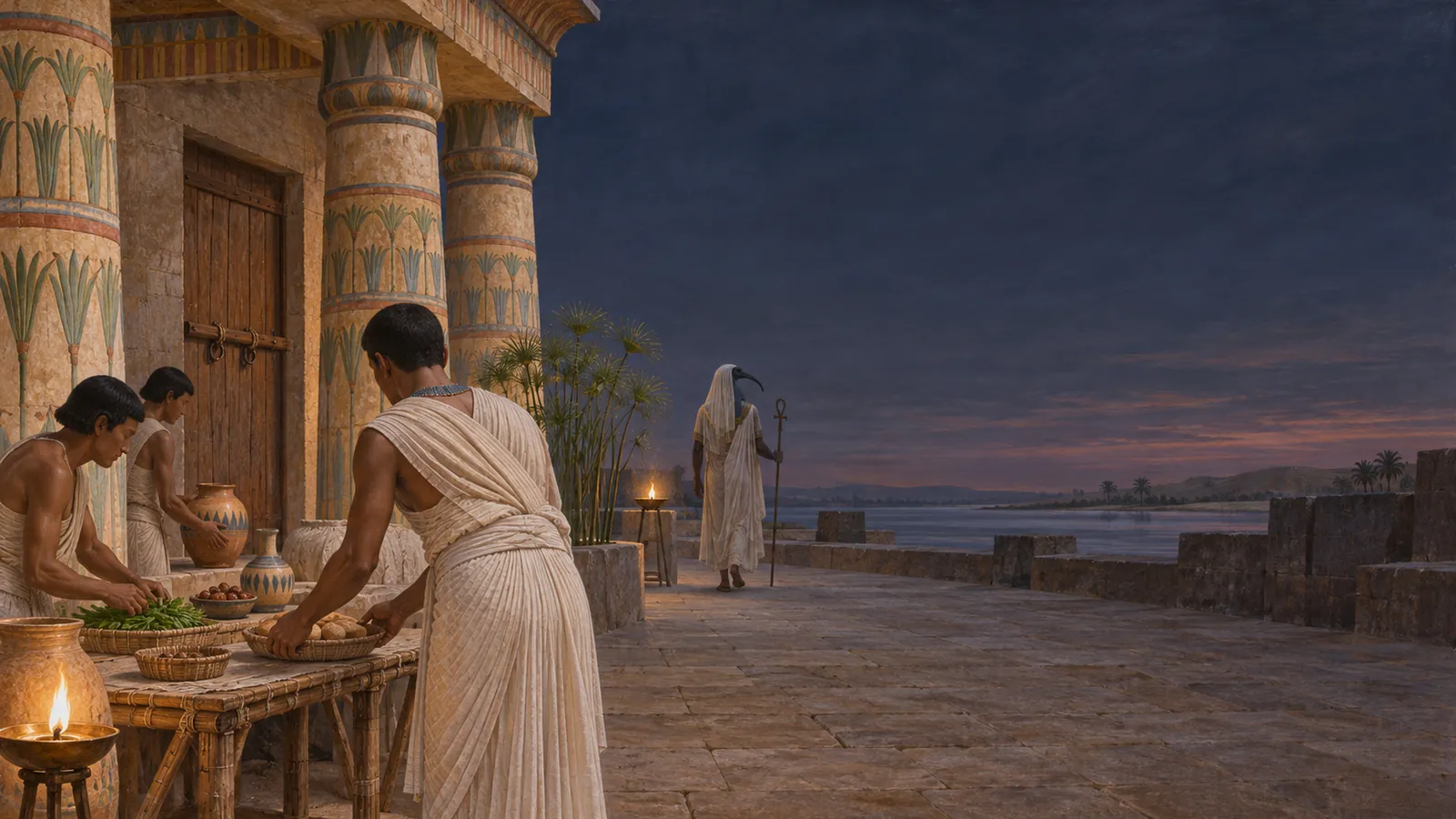
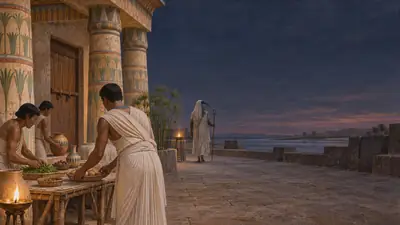
آخر ما يعد به تحوت أنّ القرابين الجنائزيّة للمتكلّم على الأرض ستأتي أيضًا من عين رع. وبهذه الكلمات ينتهي الفصل.
نهاية الفصل الأول
كل الصفحات
المصادر
المصادر والملاحظات مكتوبة بالإنجليزية كما وردت في المراجع.
**Edition.** E. A. Wallis Budge, *Egyptian Ideas of the Future Life*, third edition (1908), chapter IV, “The Judgment of the Dead.” Budge identifies the recited speech as a reading from the Papyrus of Nu. [Project Gutenberg ebook 11277](https://www.gutenberg.org/ebooks/11277)
الطبعات المعتمدة
- E. A. Wallis Budge, Egyptian Ideas of the Future Life, third edition, 1908, Chapter IV
- The Papyrus of Nu’s concluding speech, in the Project Gutenberg reading
- Budge’s reference for the Papyrus of Nu, British Museum No. 10477
ملاحظات على هذه الرواية
The claims, requests and possible replies in the following pages remain the deceased speaker’s words.
**P02, 3635–3639.** The deceased says that he knows both the dwellers and their names.
He names Ta-mera, glossed by Budge as Egypt. He denies cursing God and asks to escape harm through the king.
**P04, 3644–3647.** The gods of the Hall are free of evil and feed on right and truth before Horus. The spoken account condenses Budge’s parallel descriptions of living and feeding on right and truth. Budge places Horus in his divine disk.
**P05, 3647–3654 and footnote 120.** The deceased asks to be rescued from Baba, whom Budge identifies in a footnote as Osiris’s firstborn son. His translation says Baba feeds on the entrails of mighty ones on the day of reckoning. The spoken account keeps that fact and combines the following denials of faults, sin and evil. The final appeal against harm includes a bracketed word in Budge.
**P06, 3654–3660.** The deceased says right and truth sustain him. He describes fulfilling human commands and doing what pleases the gods. Budge brackets wording linking the two and supplies connecting words in the following clause about being at peace with the god by doing his will.
**P07, 3660–3663.** The four gifts are bread, water, clothing and a boat. Budge brackets “shipwrecked” before mariner.
**P08, 3663–3669.** The deceased gives holy offerings to the gods and funerary meals to the beatified dead. It condenses the repeated greeting of peace.
**P09, 3669–3674 and footnote 121.** The deceased says he heard the spiritual bodies speak a powerful word to the Cat at Hapt-re. Budge identifies the Cat as Ra and describes a variant with an ass, identified as Osiris, speaking instead. The deceased says that he testified before Hra-f-ha-f, who gave a decision, with the possessive bracketed by Budge. The decision’s content is unstated here.
“Persea” retains Budge’s tree name without identifying a modern species.
The deceased addresses him as lord of the Atefu crown and Lord of the Winds.
**P12, 3685–3690.** The deceased describes several washings, including the cleansing of his breast and hinder parts. Budge brackets “[immersed]” in the passage about the inward parts and the Pool of Right and Truth. The final claim that right and truth are present throughout his body remains.
Ra’s divine sailors bathe at the second hour of the night and third hour of the day. The spoken account condenses the concluding reference to the gods’ satisfaction.
**P14, 3695–3701.** The deceased imagines being called forward and asked who he is and what his name is. The next page continues the prospective exchange.
Page 15. In the recited exchange, the speaker says he would pass to the city north of the olive tree. His answer names “The Leg and the Thigh,” and he asks to see rejoicing in the land of the Fenkhu.
Page 16. The question is what they would give him and what he would do with it. He names a fiery flame and a crystal tablet. He says he would bury them by the furrow of Māāat as “Things for the night.”
Page 17. When asked what he would find there, he names a flint sceptre called “Giver of Air.” The named object belongs to his reply.
Page 18. The speaker says he would recite words over the flame and crystal tablet in the furrow. He would extinguish the fire, break the tablet and make a pool of water. The verbs are what he says he would do in the prospective exchange.
Page 19. The deceased asks the gods to tell him to enter the Hall of the Māāti goddesses because he knows them. In the invitation he asks to hear, the gods speak of his knowing them. Budge then introduces the dialogue between the Hall’s parts and the deceased.
Page 20. The bolts say they would withhold passage unless the deceased gives their names. The edition identifies the door bolts as the speakers.
Page 21. The deceased gives the plural bolts one name. Budge prints it as “Tongue of the place of Right and Truth.”
Page 22. The right post next asks for its own name as the condition for passage. This is the speaker labelled “Right post” in the edition.
Page 23. The deceased names it “Scale of the lifter up of right and truth.” The scale is a name in his reply.
### The door fittings and the floor
### The Doorkeeper, Thoth, and the last promises
الأسطر القديمة وراء كل صفحة
- Page 1: Budge 1908, chapter IV, Papyrus of Nu, Nu attribution, 3629–3631
- Page 2: Budge 1908, chapter IV, Papyrus of Nu, First petition, 3635–3639
- Page 3: Budge 1908, chapter IV, Papyrus of Nu, First petition, 3639–3642
- Page 4: Budge 1908, chapter IV, Papyrus of Nu, Second petition, 3644–3647
- Page 5: Budge 1908, chapter IV, Papyrus of Nu, Second petition, 3647–3654
- Page 6: Budge 1908, chapter IV, Papyrus of Nu, Second petition, 3654–3660
- Page 7: Budge 1908, chapter IV, Papyrus of Nu, Second petition, 3660–3663
- Page 8: Budge 1908, chapter IV, Papyrus of Nu, Second petition, 3663–3669
- Page 9: Budge 1908, chapter IV, Papyrus of Nu, Second petition, 3669–3674
- Page 10: Budge 1908, chapter IV, Papyrus of Nu, Second petition, 3674–3678
- Page 11: Budge 1908, chapter IV, Papyrus of Nu, Third petition, 3680–3685
- Page 12: Budge 1908, chapter IV, Papyrus of Nu, Third petition, 3685–3690
- Page 13: Budge 1908, chapter IV, Papyrus of Nu, Third petition, 3690–3695
- Page 14: Budge 1908, chapter IV, Papyrus of Nu, Third petition, 3695–3701
- Page 15: Budge 1908, chapter IV, Papyrus of Nu, Third petition, 3701–3706
- Page 16: Budge 1908, chapter IV, Papyrus of Nu, Third petition, 3707–3713
- Page 17: Budge 1908, chapter IV, Papyrus of Nu, Third petition, 3714–3717
- Page 18: Budge 1908, chapter IV, Papyrus of Nu, Third petition, 3718–3723
- Page 19: Budge 1908, chapter IV, Papyrus of Nu, Third petition and dialogue heading, 3724–3730
- Page 20: Budge 1908, chapter IV, Papyrus of Nu, concluding dialogue, lines 3734–3735
- Page 21: Budge 1908, chapter IV, Papyrus of Nu, concluding dialogue, lines 3737–3738
- Page 22: Budge 1908, chapter IV, Papyrus of Nu, concluding dialogue, lines 3740–3741
- Page 23: Budge 1908, chapter IV, Papyrus of Nu, concluding dialogue, lines 3743–3744
- Page 24: Budge 1908, Chapter IV, Papyrus of Nu, concluding dialogue, lines 3746–3749
- Page 25: Budge 1908, Chapter IV, Papyrus of Nu, concluding dialogue, lines 3751–3752
- Page 26: Budge 1908, Chapter IV, Papyrus of Nu, concluding dialogue, lines 3754
- Page 27: Budge 1908, Chapter IV, Papyrus of Nu, concluding dialogue, lines 3756–3758
- Page 28: Budge 1908, Chapter IV, Papyrus of Nu, concluding dialogue, lines 3760–3763
- Page 29: Budge 1908, Chapter IV, Papyrus of Nu, concluding dialogue, lines 3765–3768
- Page 30: Budge 1908, Chapter IV, Papyrus of Nu, concluding dialogue, lines 3770–3776
- Page 31: Budge 1908, Chapter IV, Papyrus of Nu, concluding dialogue, lines 3778–3781
- Page 32: Budge 1908, Chapter IV, Papyrus of Nu, concluding dialogue, lines 3783–3785
- Page 33: Budge 1908, Chapter IV, Papyrus of Nu, concluding dialogue, lines 3787–3788
- Page 34: Budge 1908, Chapter IV, Papyrus of Nu, concluding dialogue, lines 3790–3794
- Page 35: Budge 1908, Chapter IV, Papyrus of Nu, concluding dialogue, lines 3796–3803
- Page 36: Budge 1908, Chapter IV, Papyrus of Nu, concluding dialogue, lines 3805–3808
- Page 37: Budge 1908, Chapter IV, Papyrus of Nu, concluding dialogue, lines 3810–3814
- Page 38: Budge 1908, Chapter IV, Papyrus of Nu, concluding dialogue, lines 3816–3818
- Page 39: Budge 1908, Chapter IV, Papyrus of Nu, concluding dialogue, lines 3818–3820
- Page 40: Budge 1908, Chapter IV, Papyrus of Nu, concluding dialogue, lines 3822
- Page 41: Budge 1908, Chapter IV, Papyrus of Nu, concluding dialogue, lines 3824–3825
- Page 42: Budge 1908, Chapter IV, Papyrus of Nu, concluding dialogue, lines 3825–3826
- Page 43: Budge 1908, Chapter IV, Papyrus of Nu, concluding dialogue, lines 3827–3828
- Page 44: Budge 1908, Chapter IV, Papyrus of Nu, concluding dialogue, lines 3829–3835
الرسوم من صنع أرشيف إيل بأدوات الذكاء الاصطناعي؛ والنص مبني على المصادر القديمة (انظر المصادر في آخر كل فصل).