رثاء أور الفصل الأول
الالتماس أمام المجمع
تتحدّث نينغال عن أور في مقطعين قدّمهما ثوركيلد ياكوبسن، وصاغت ه. أ. غرونفيغن فرانكفورت ترجمتهما في شعرٍ إنجليزيّ. ويمضي خوفها من العاصفة إلى التماسٍ أمام مجمع الآلهة. وينتهي المقطعان المختاران بقرار تدمير أور وقتل سكّانها.
المصادرقلّب الصفحات بالأزرار أو بمفاتيح الأسهم أو بسحب الإصبع.
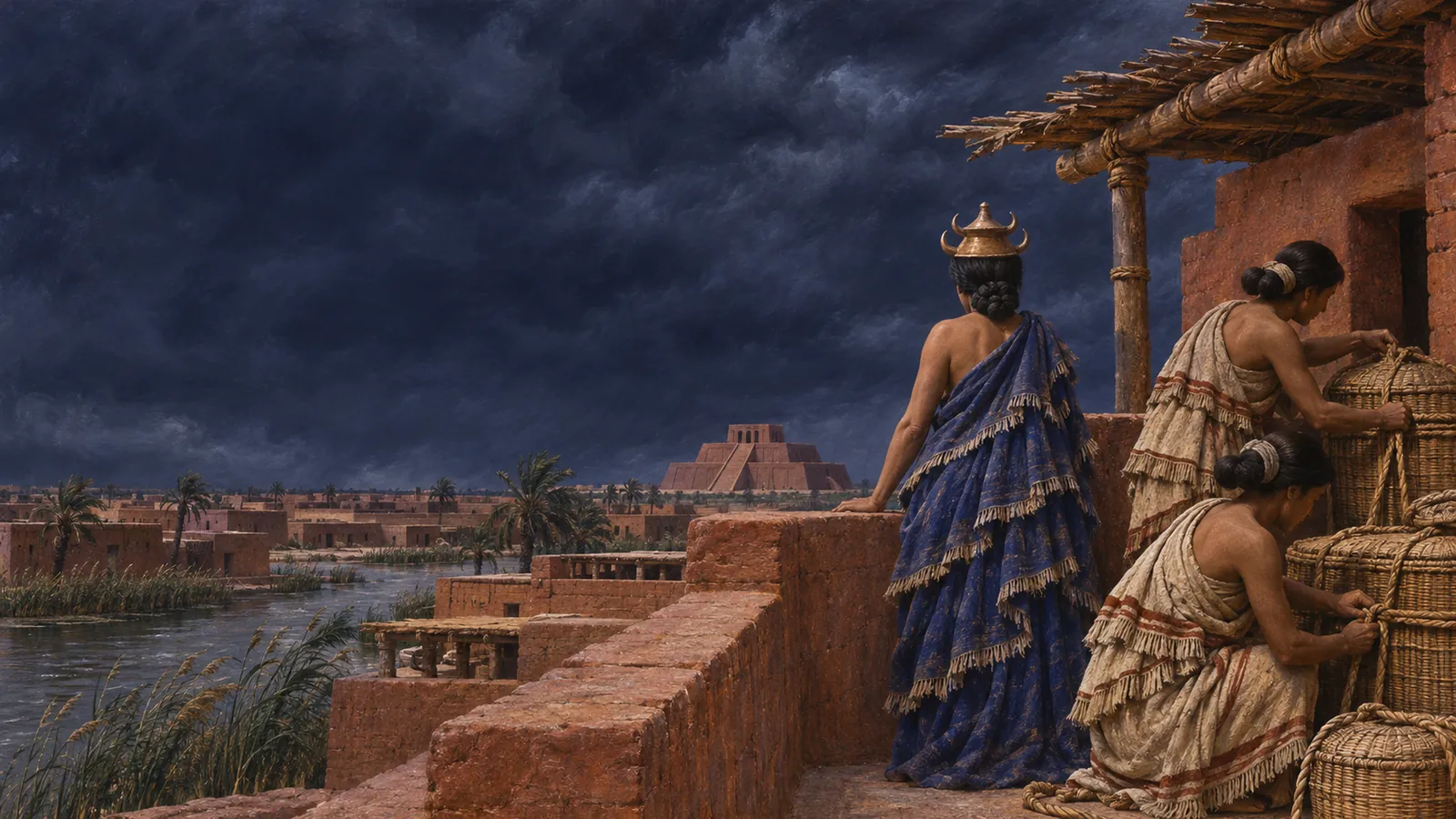
نينغال
يقدّم ثوركيلد ياكوبسن مقطعين تتحدّث فيهما نينغال، إلهة أور، عن مدينتها. وقد صاغت ه أ غرونفيغن فرانكفورت ترجمتَيهما في شعرٍ إنجليزيّ.
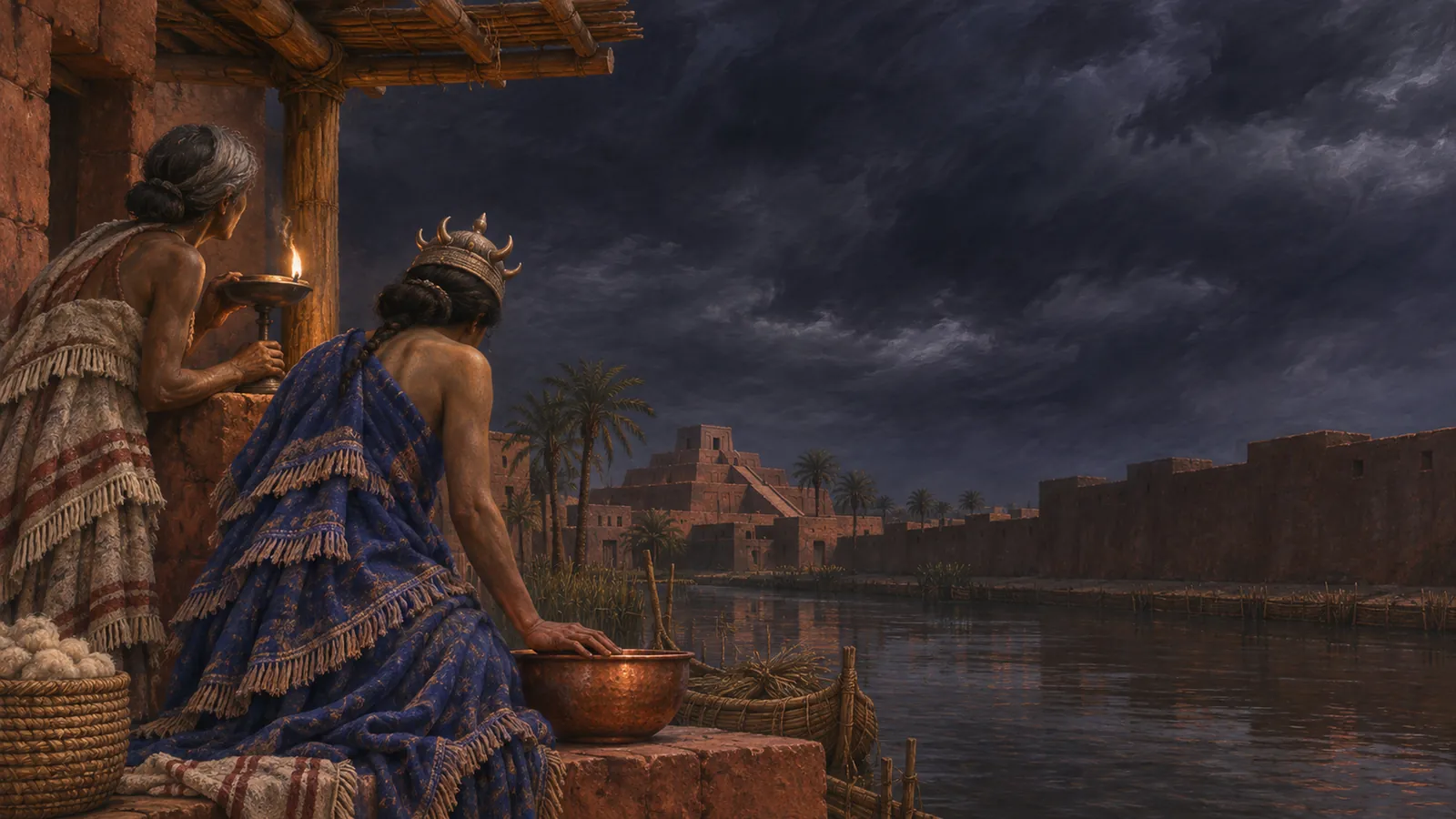
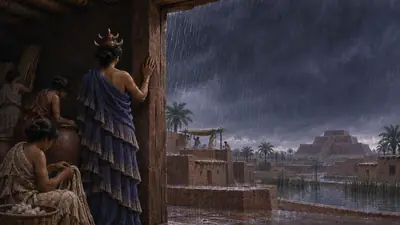
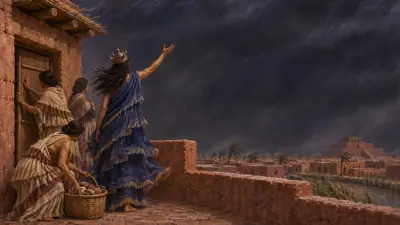
تحزن نينغال ليوم عاصفةٍ صار من نصيبها. وتتحدّث بوصفها امرأةً تصف ذلك اليوم عبئًا أثقلته الدموع.
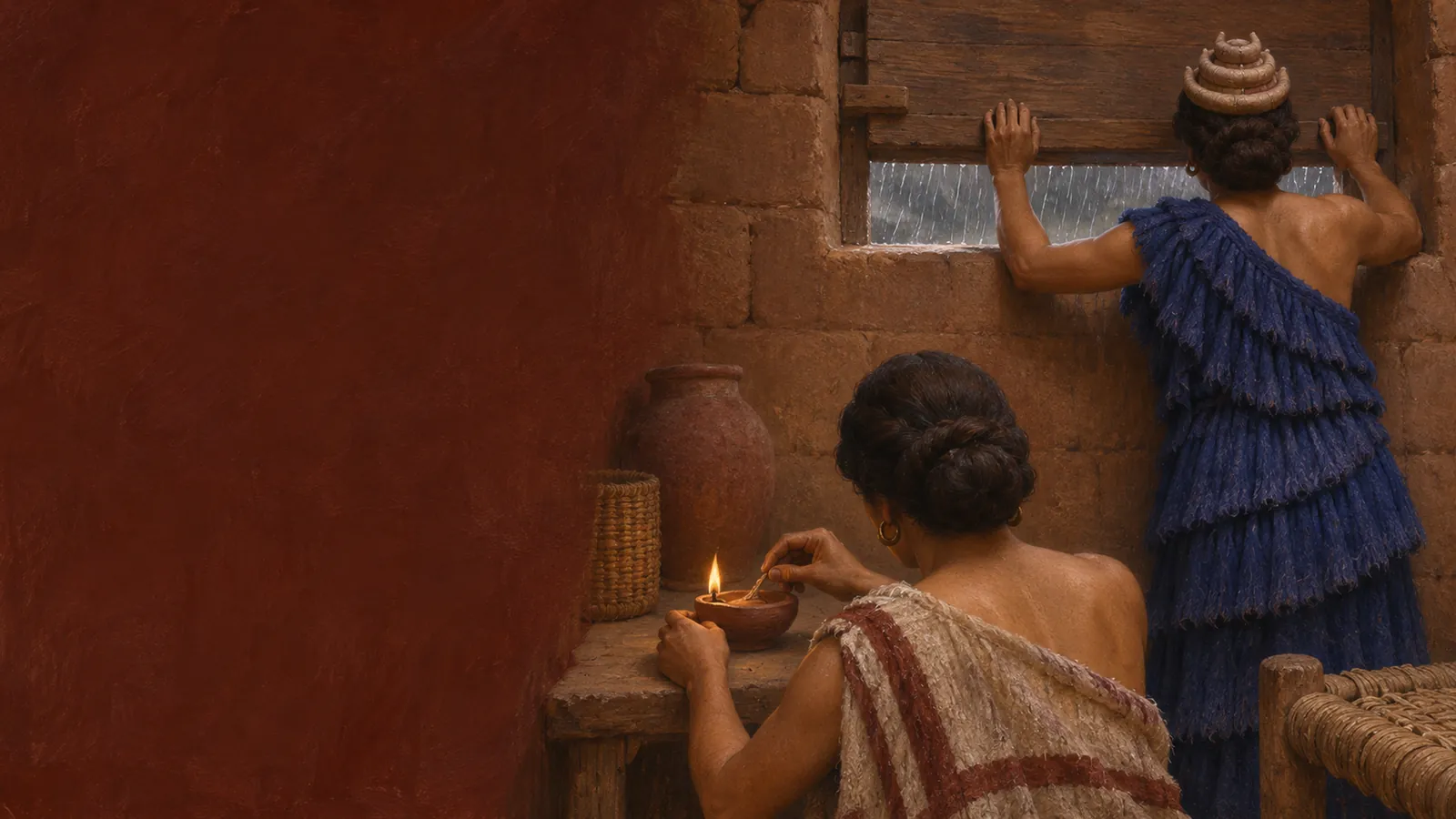
يعود صوتها مرّةً أخرى إلى يوم العاصفة. وتقول نينغال إنّها ترتجف أمامه وتصفه بأنّه يومٌ قاسٍ.
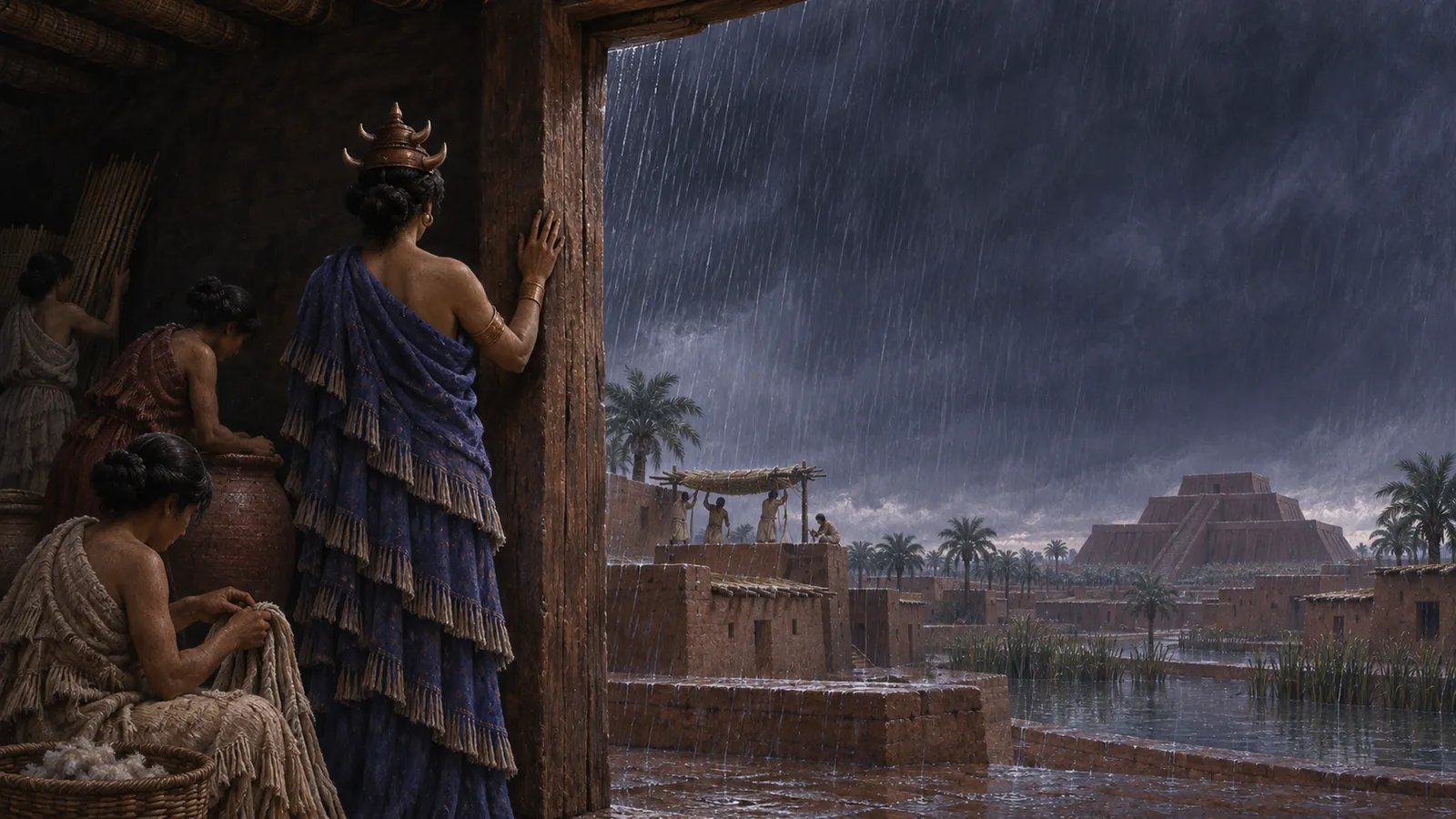
تقول نينغال إنّها لا تستطيع الفرار ممّا قُدّر لها في يوم العاصفة ذلك.
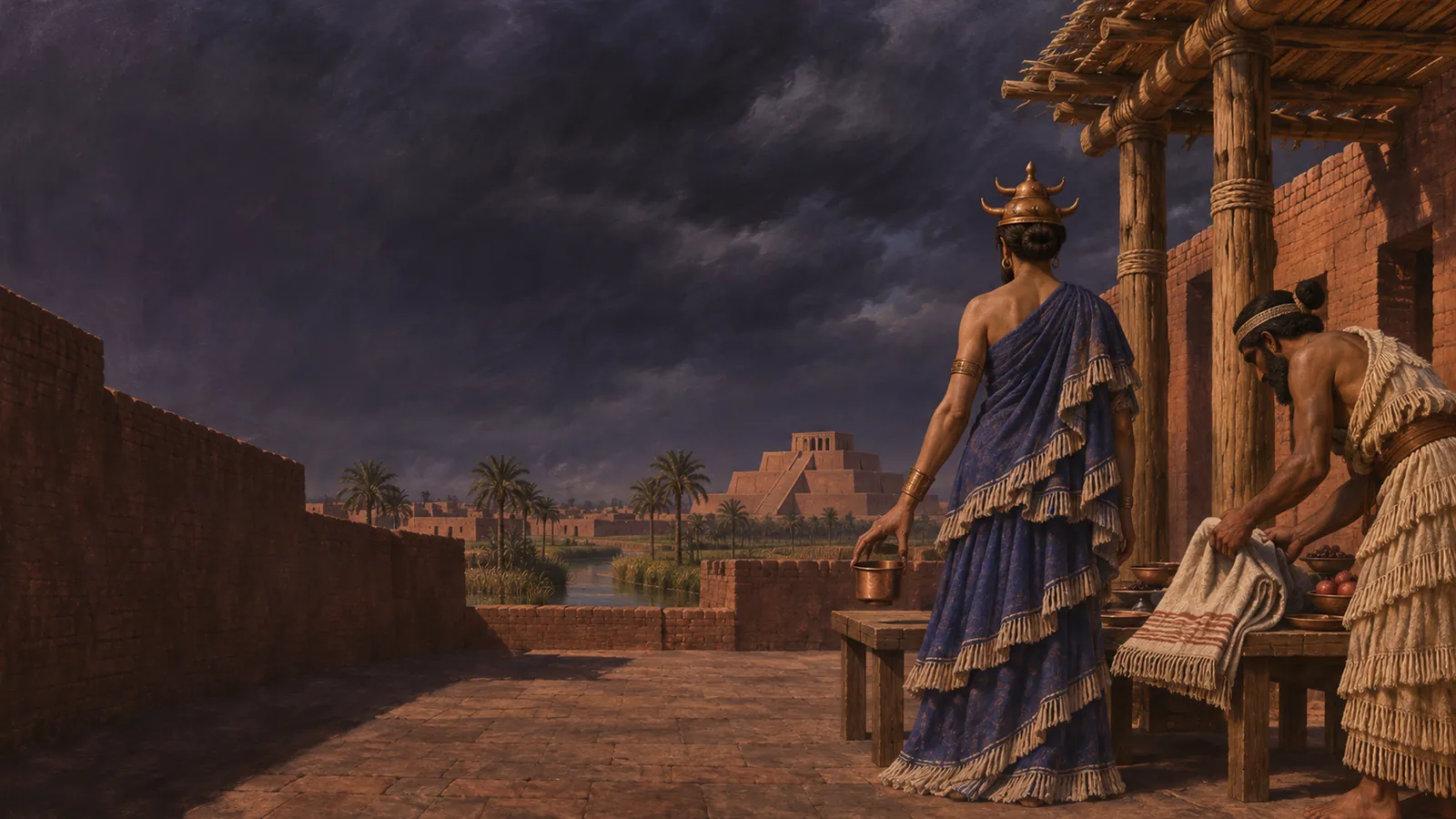
تقول نينغال إنّها لم تعد ترى فجأةً أيّامًا سعيدة في عهدها. ويتكرّر هذا المعنى في رثائها.
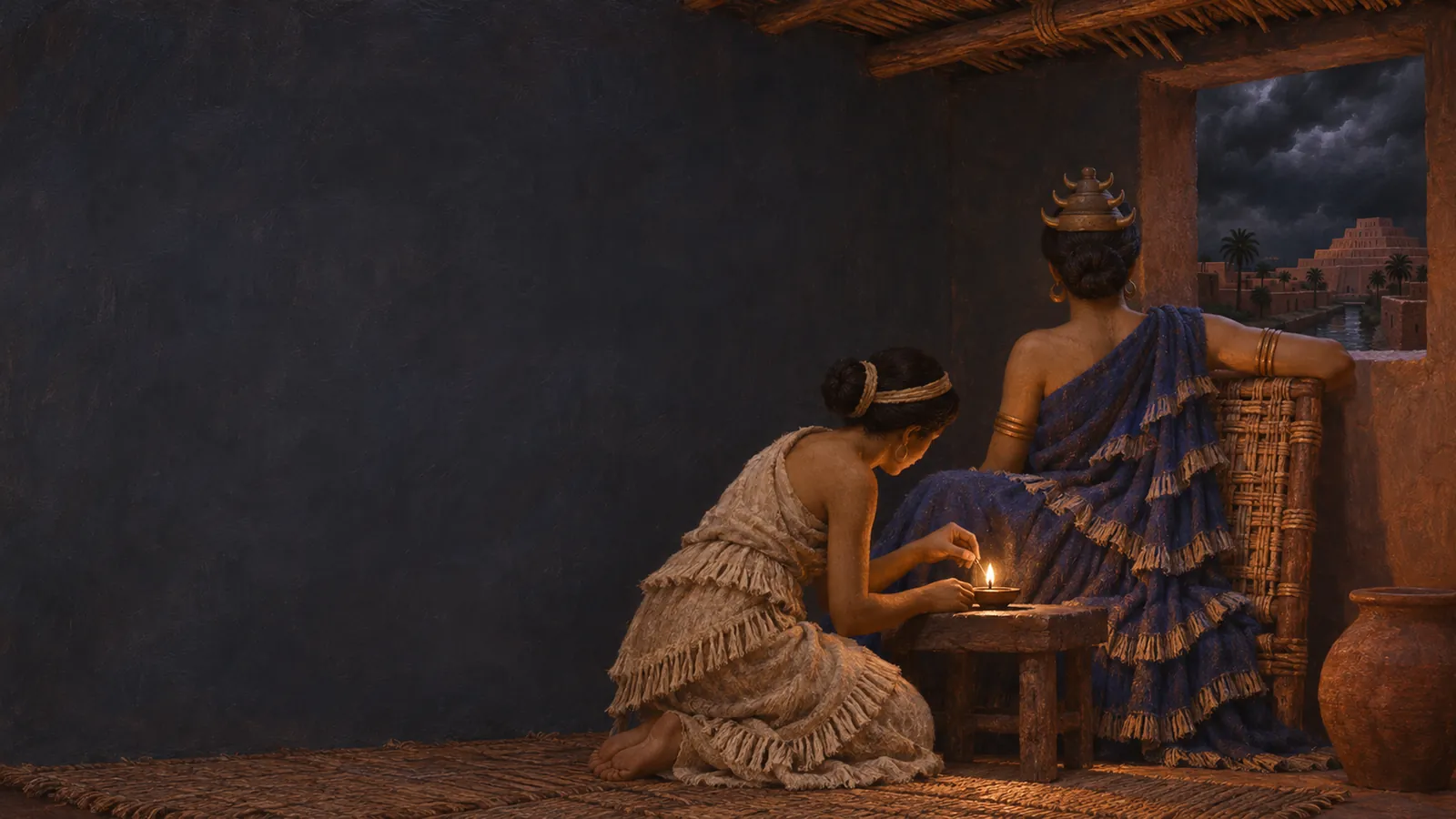
ليلة البكاء
ترتجف نينغال أمام ليلة البكاء المرير التي تنتظرها. وتقول إنّها لا تستطيع الفرار ممّا تحمله لها تلك الليلة.
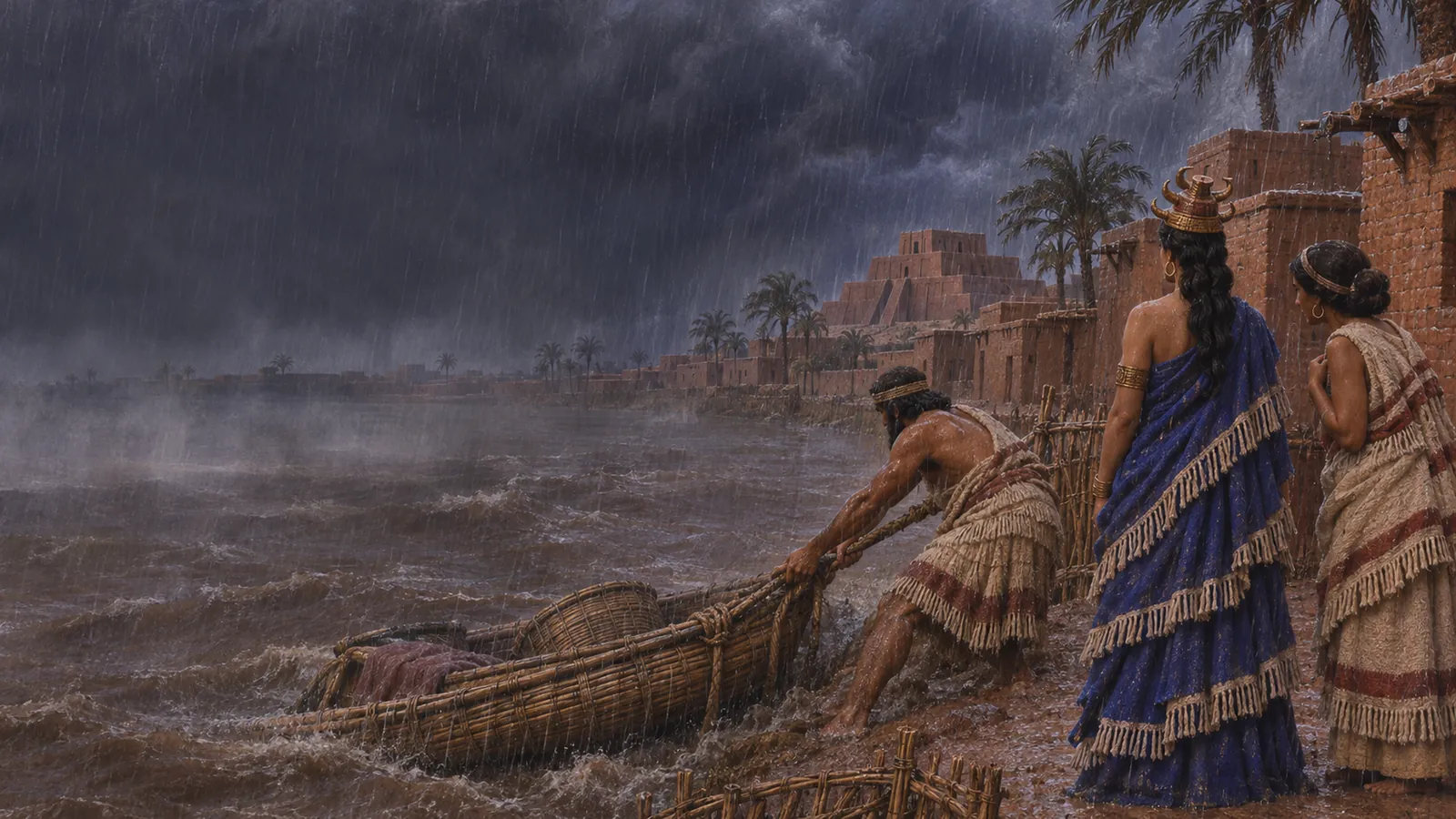
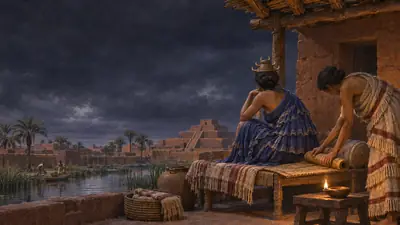
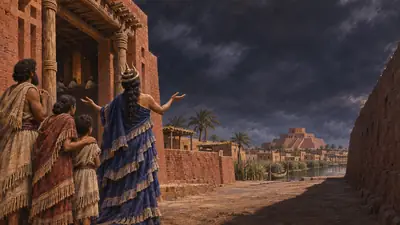
تقول نينغال إنّ الخوف يثقل عليها. وتفزع من خراب العاصفة، وتشبّه دمارها بالطوفان.
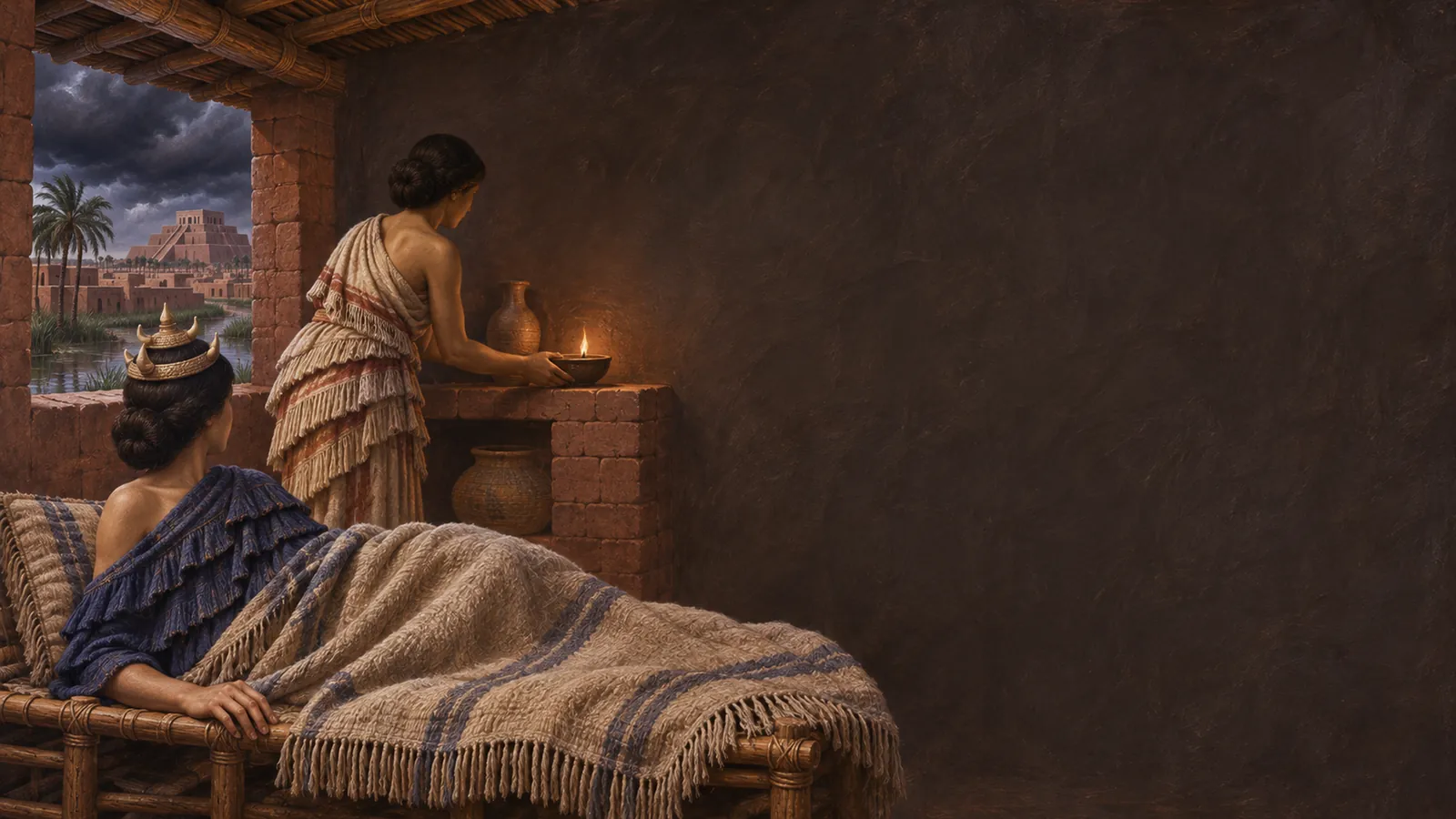
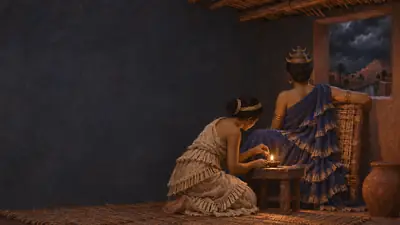
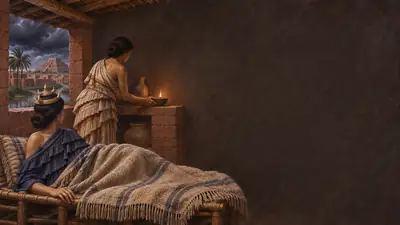
تتحدّث نينغال عن وجودها على مضجعها ليلًا. وتقول إنّها لا تُمنح أحلامًا هناك.
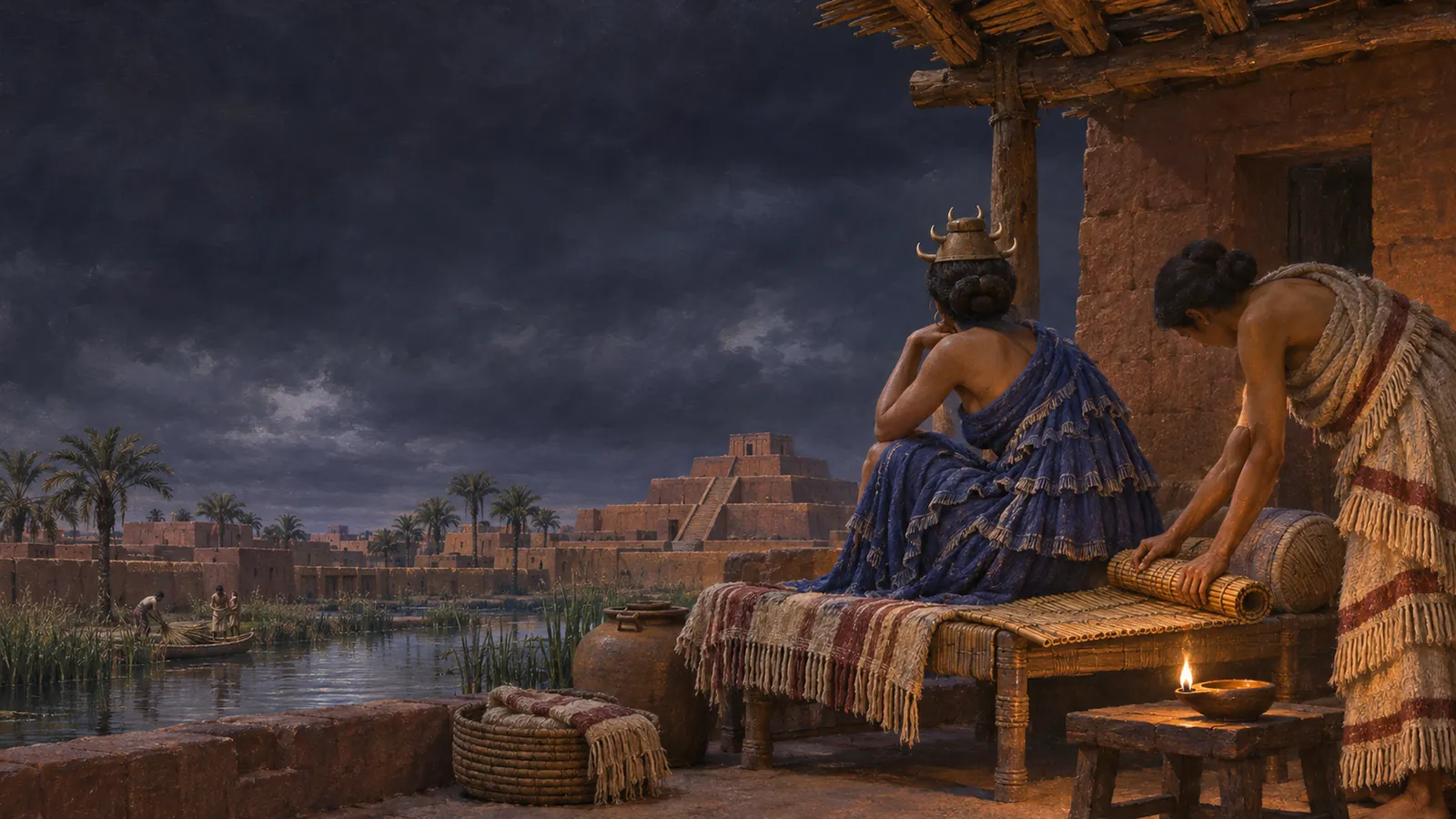
تعود نينغال إلى ذكر المضجع في رثائها. وتقول إنّها لا تُمنح النسيان هناك أيضًا.
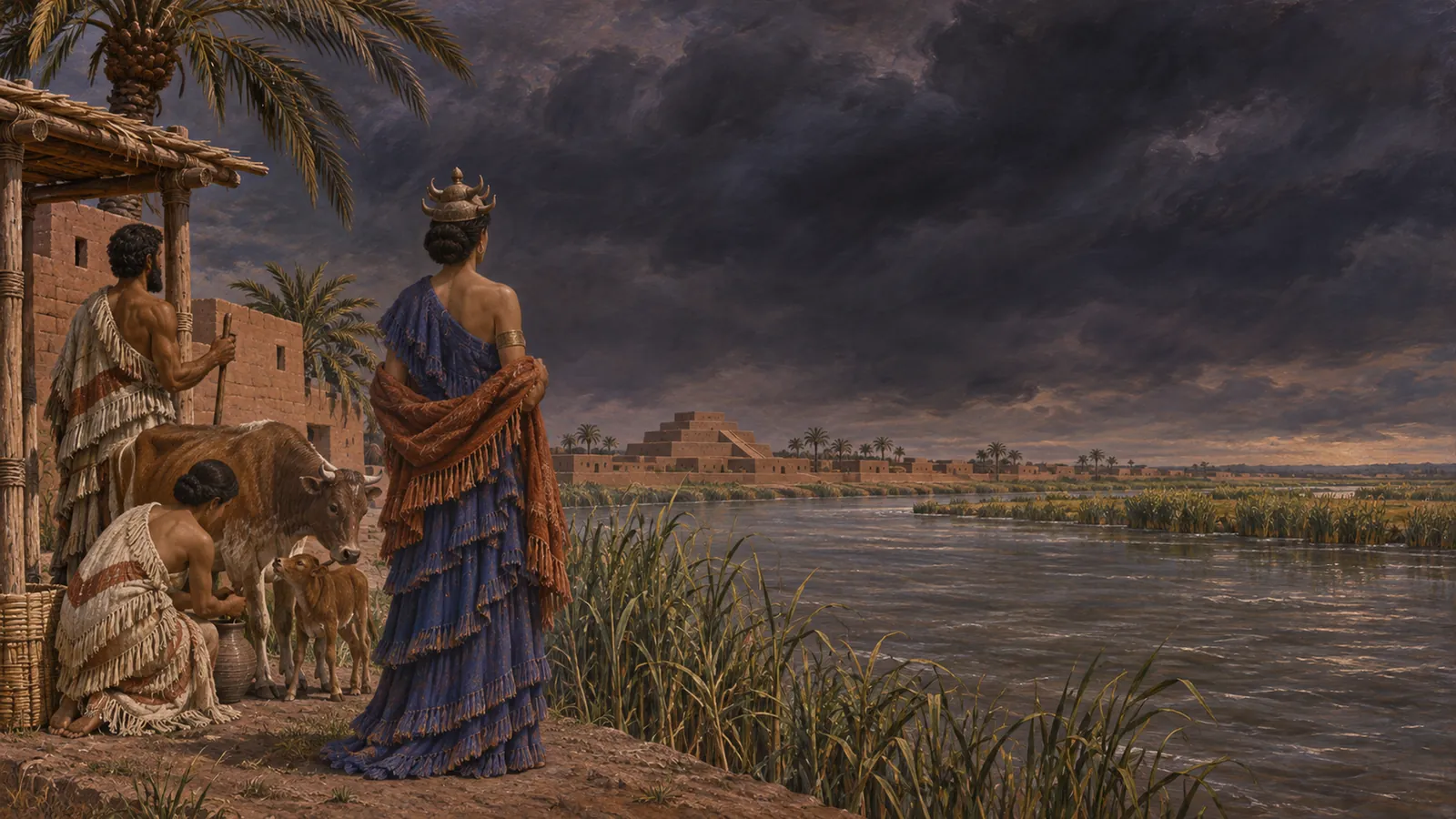
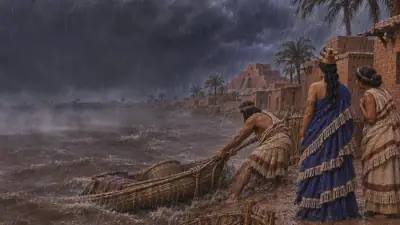
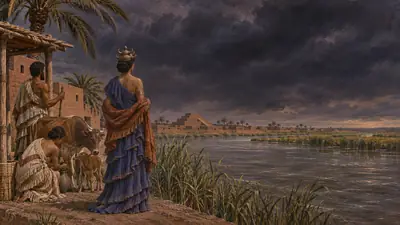
تقول نينغال إنّ البكاء المرير قد كُتب على أرضها. وحتّى لو بحثت في الأرض كلّها كبقرةٍ تبحث عن عجلها، فلن تستطيع إعادة قومها.
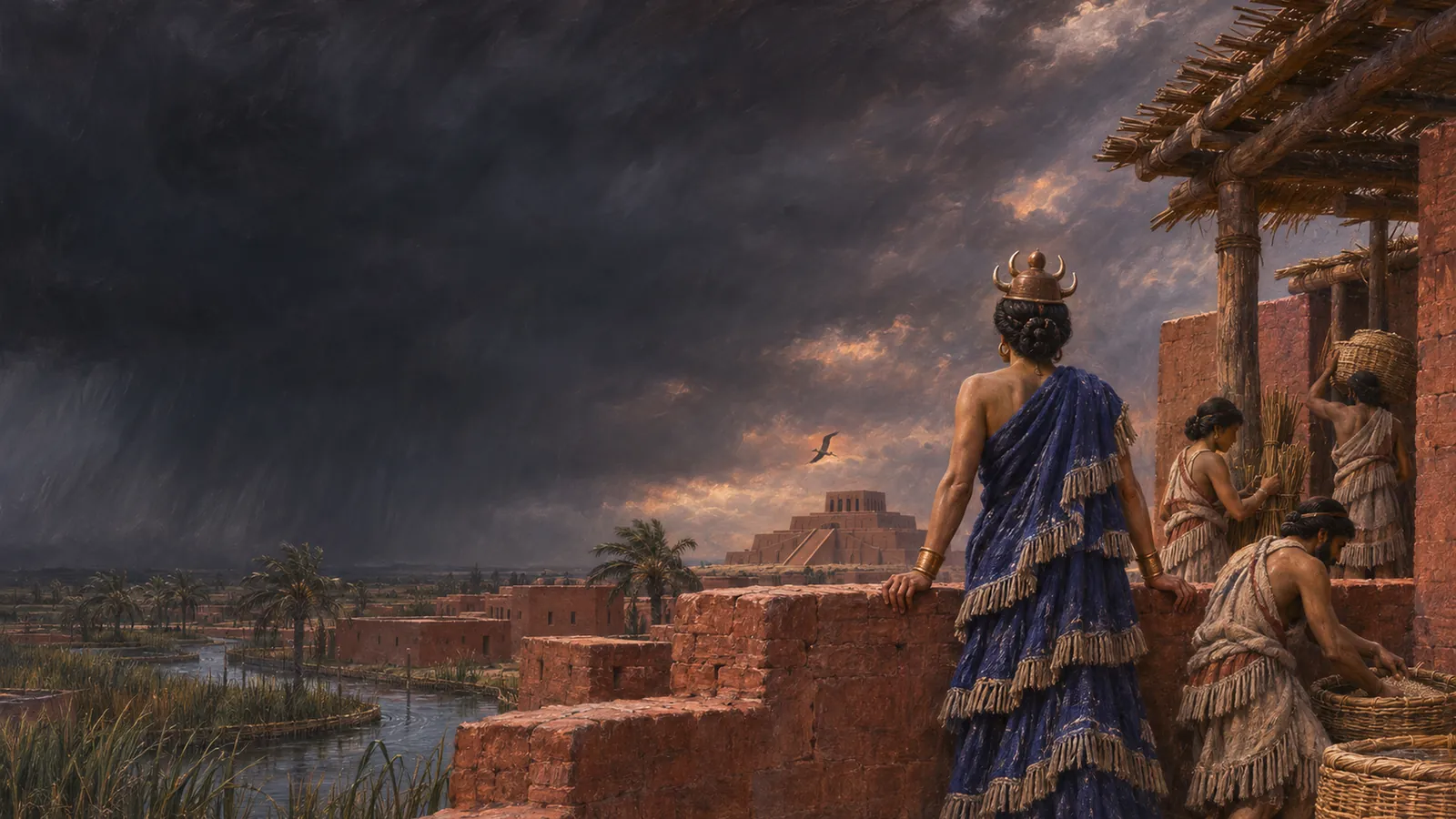
تقول نينغال إنّ مرارة الحزن قُدّرت لمدينتها. وحتّى لو بسطت جناحيها وطارت إليها كالطير، لَدُمّرت المدينة من أساسها ولهلكت أور.
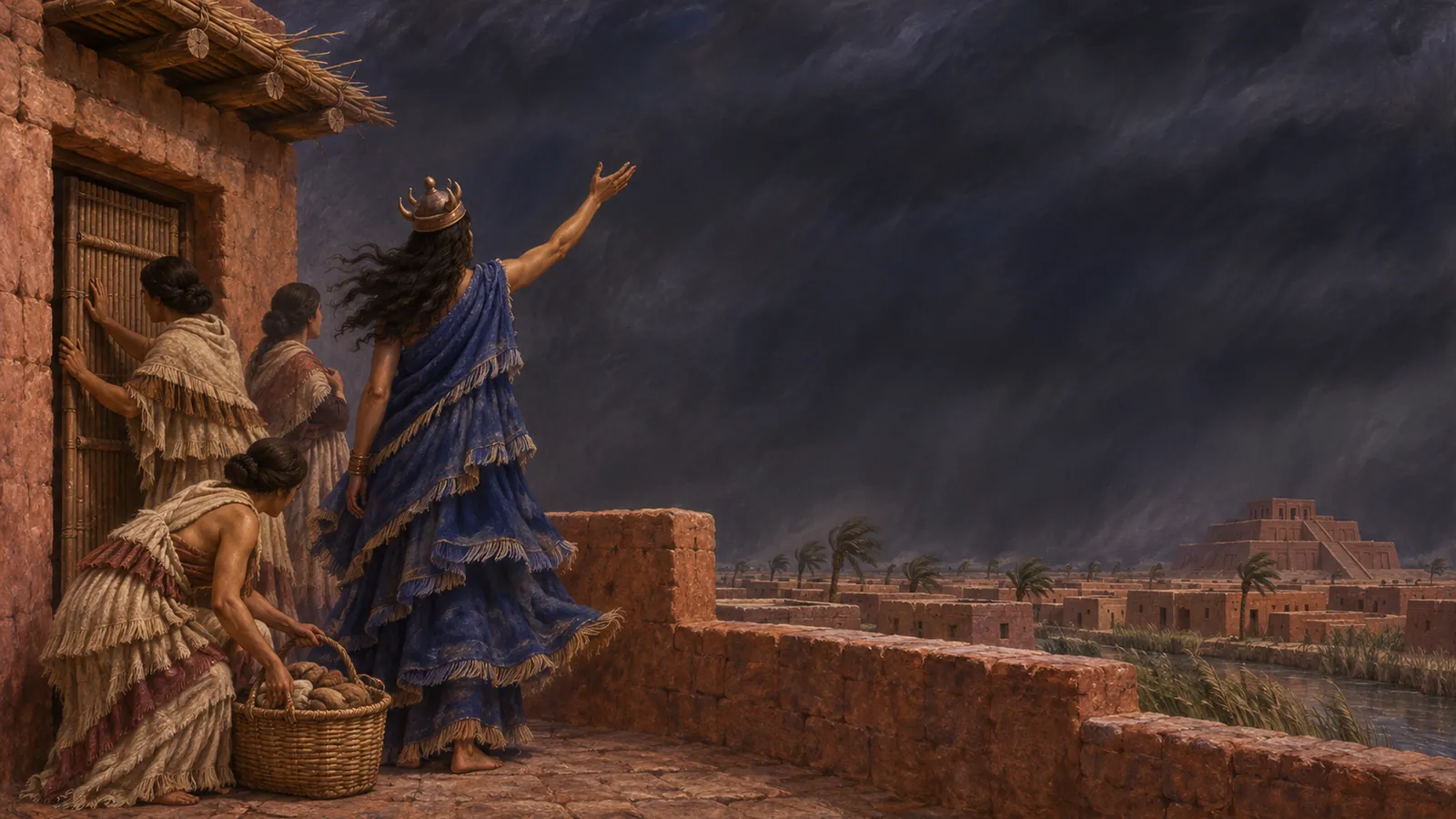
تقول نينغال إنّ يوم العاصفة رفع يده. وحتّى لو صرخت به أن يعود إلى صحرائه، لبقي ثقل العاصفة جاثمًا عليها.
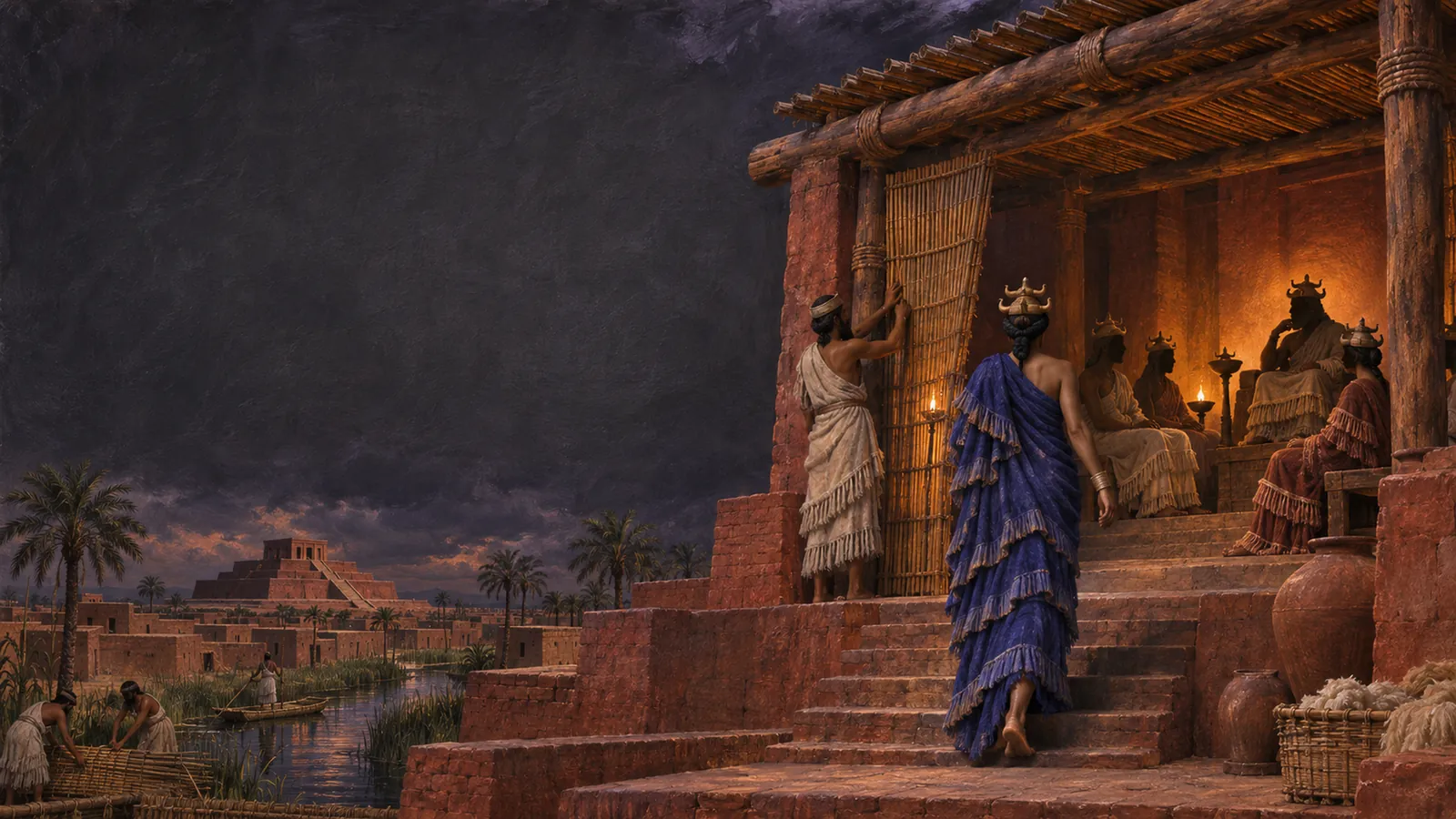
المجمع
يصف ياكوبسن في مقطع الربط الحديث فشل التماسات نينغال إلى آنو وإنليل، ثمّ إلى المجمع. ويترك اختياره الأسطر القديمة من مئة وثلاثة عشر إلى مئة وواحد وخمسين خارج المقطعين المقتبسين.
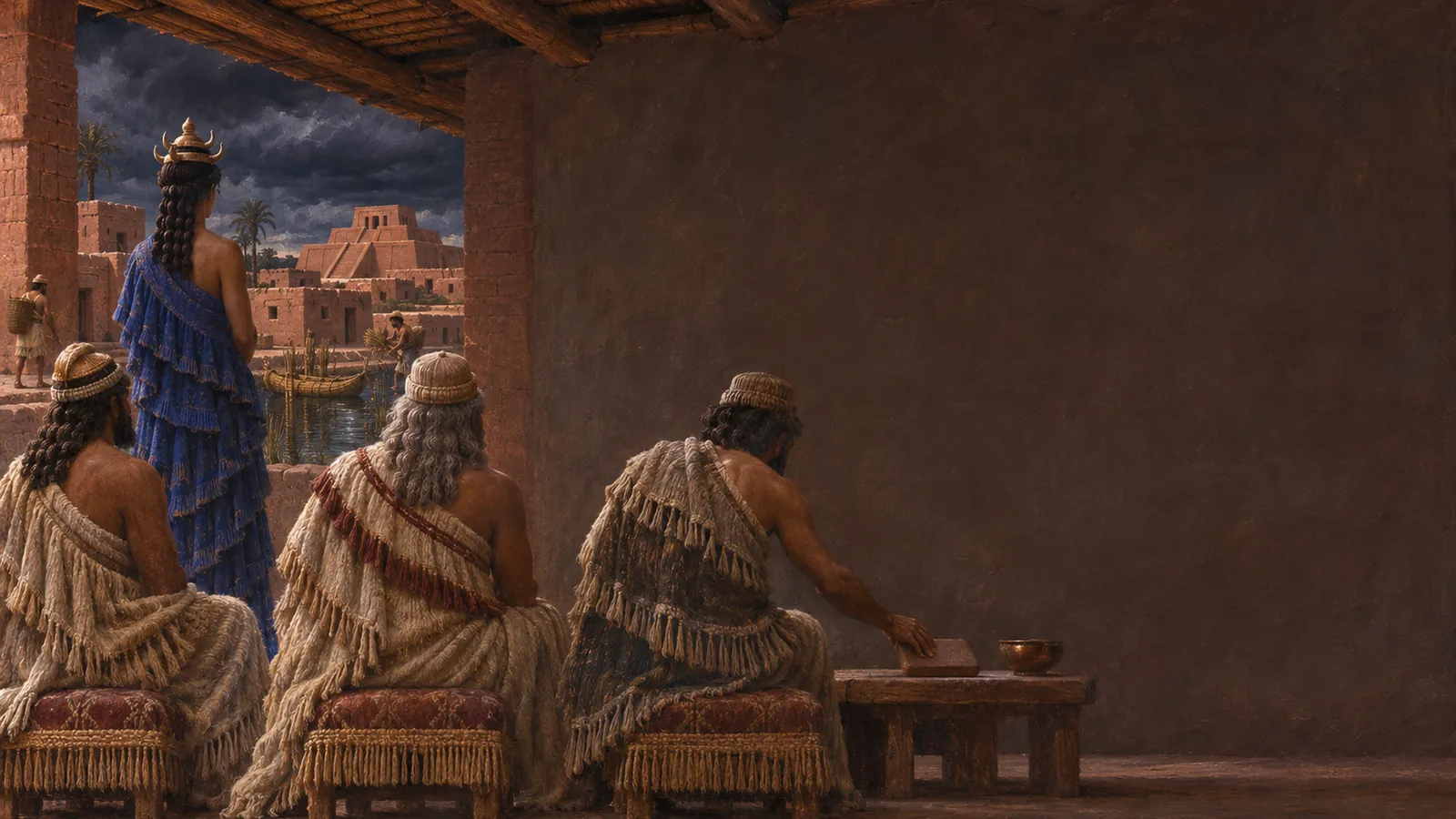
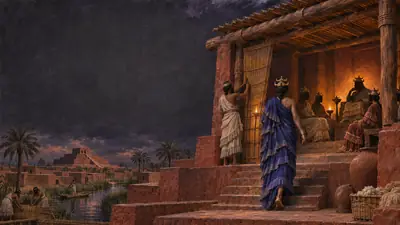
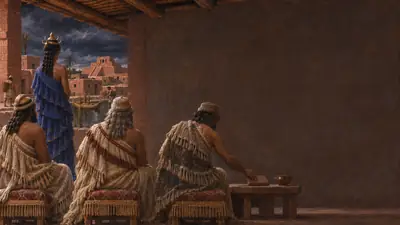
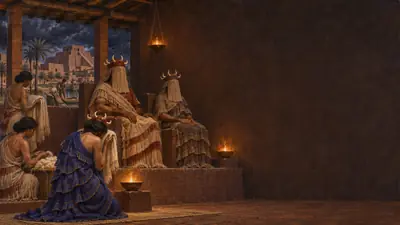
تصف نينغال المجمع قبل أن ينهض، والأنوناكي ما زالوا جالسين. وتقول الصياغة الإنجليزيّة إنّهم يُلزمون أنفسهم بتأييد القرار.
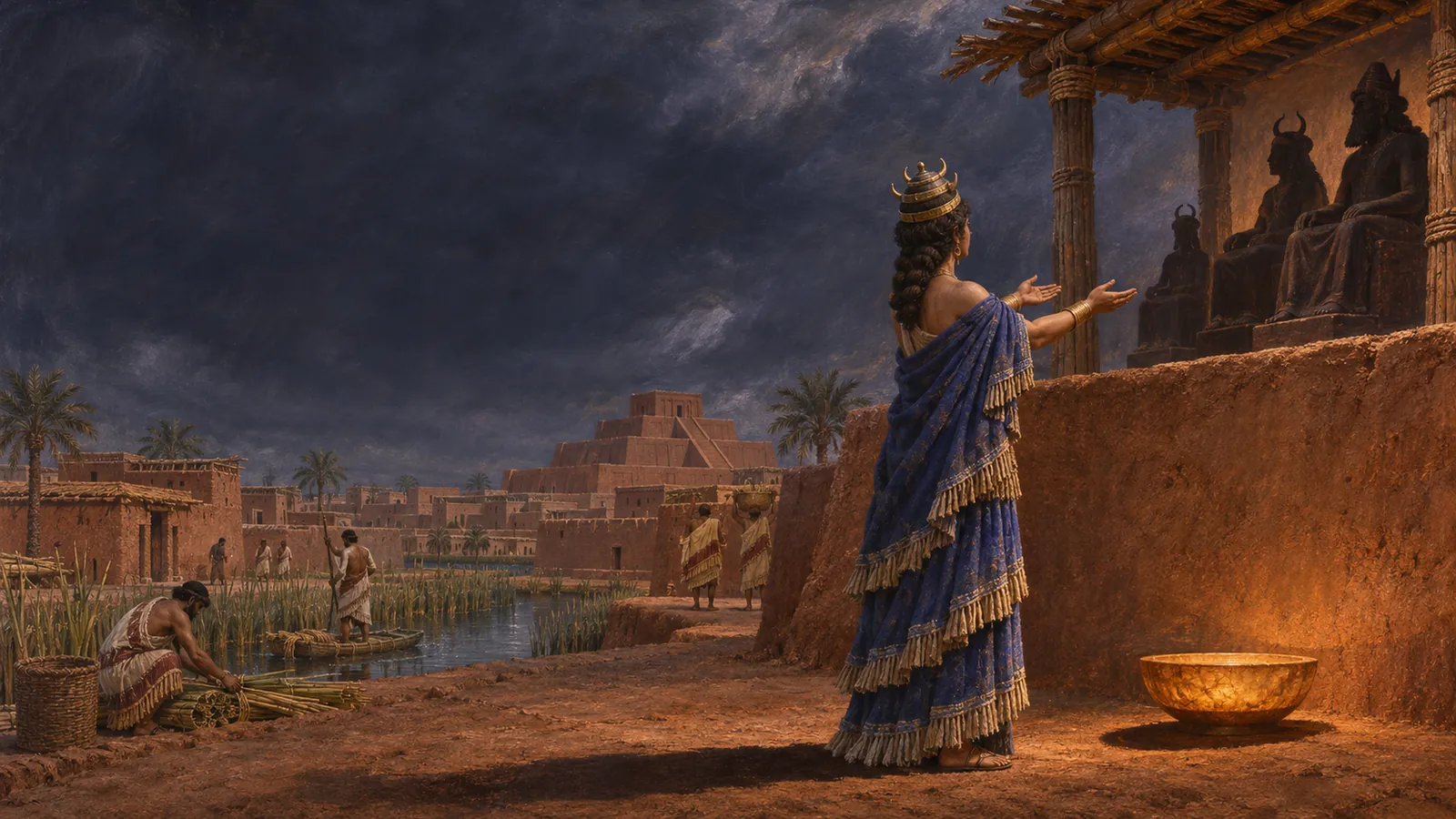
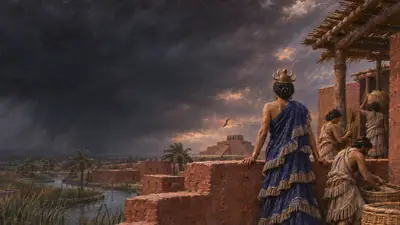
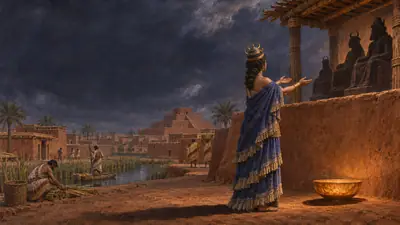
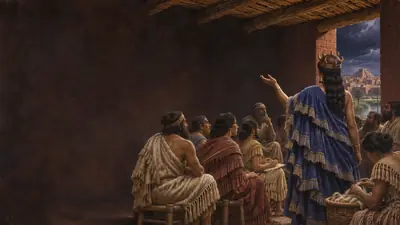
تقول نينغال إنّها تجرّ قدميها وتمدّ ذراعيها أمام المجمع الجالس وهي تقدّم التماسها.
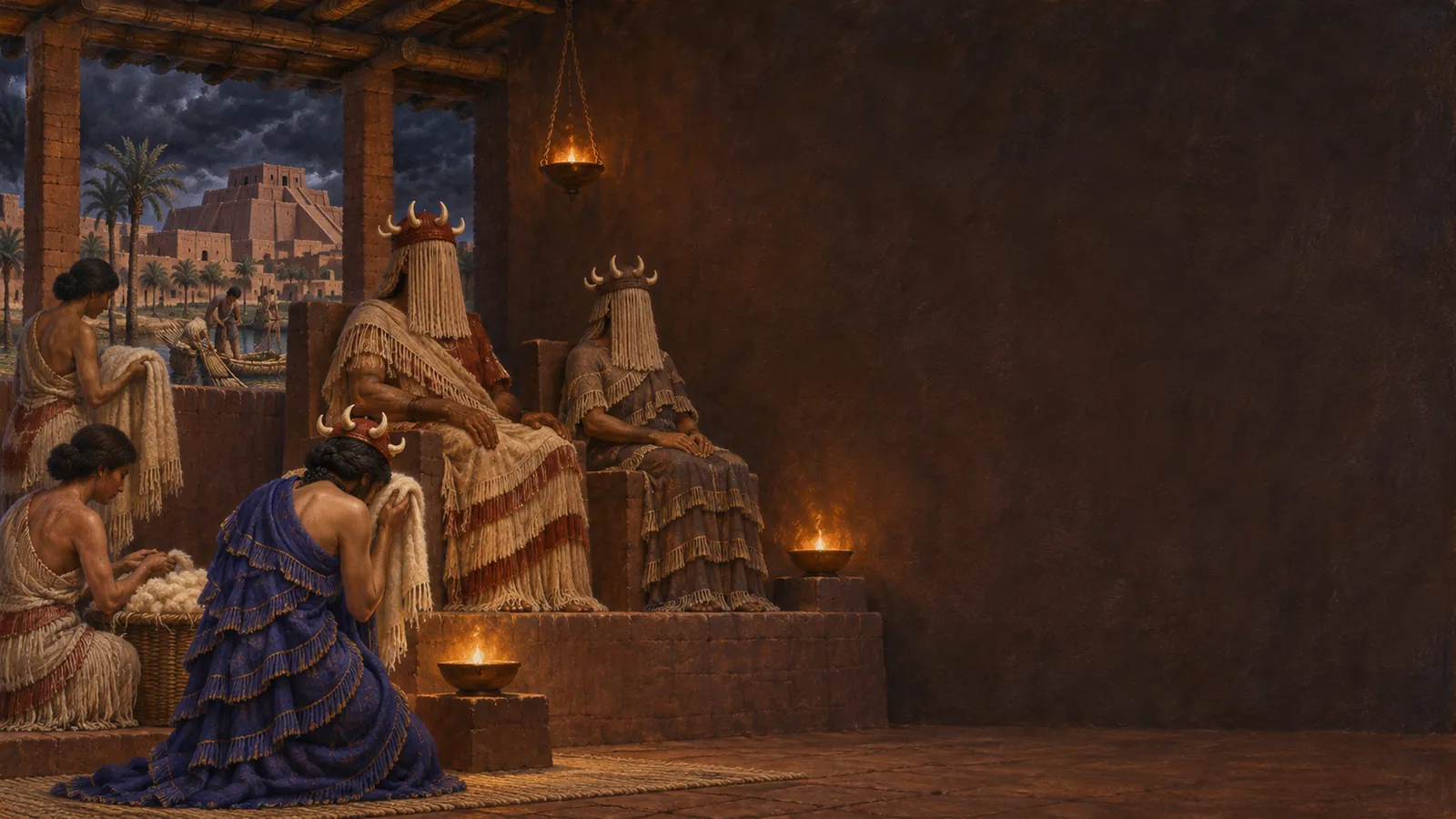
تقول نينغال إنّها تذرف دموعها أمام آنو. ثمّ تقول إنّها هي نفسها تندب أمام إنليل.
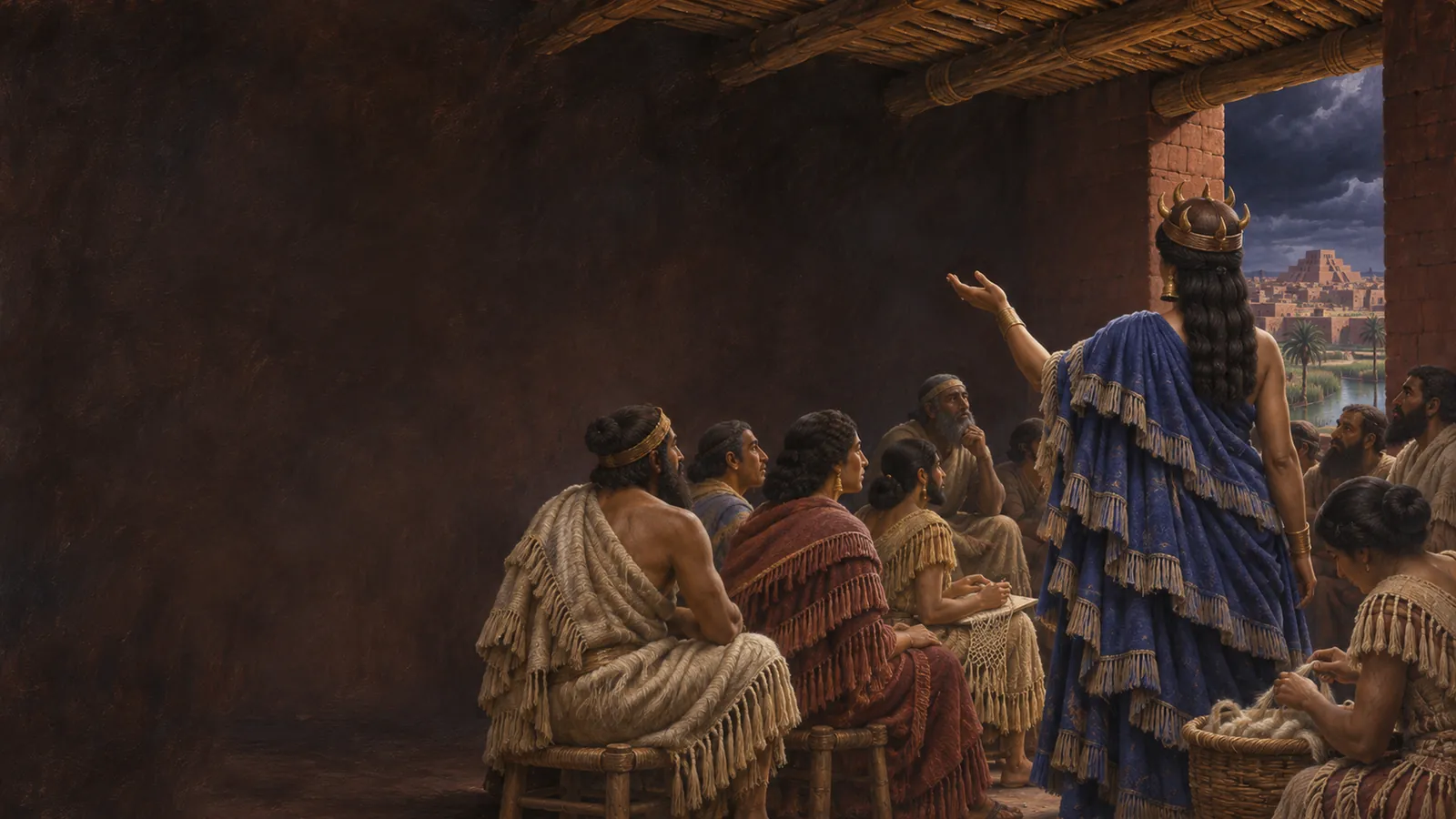
تلتمس نينغال ألّا تُدمَّر مدينتها. وتكرّر التماسها وتسمّي أور، طالبةً أن تُحفَظ المدينة.
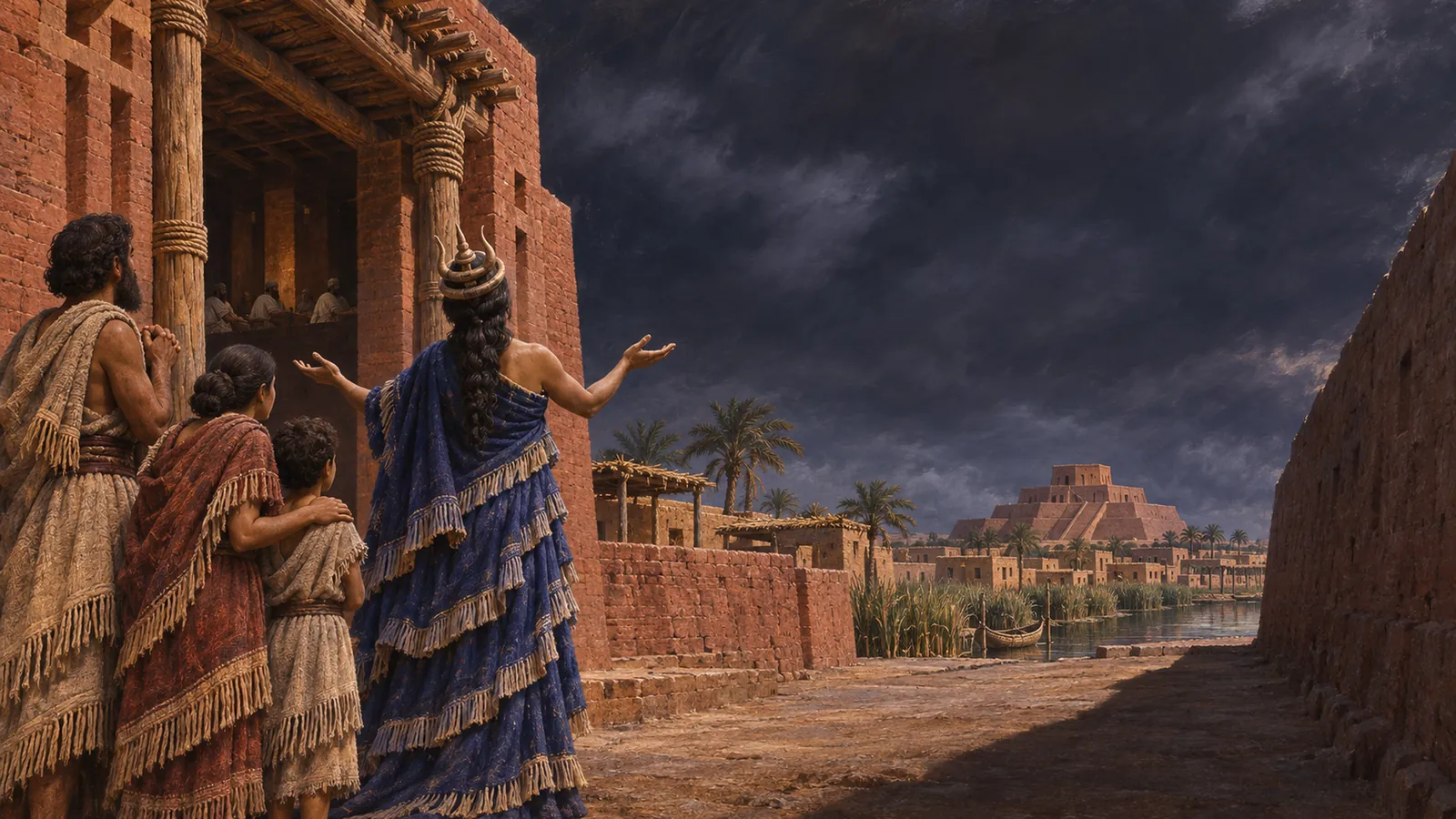
ثمّ تلتمس نينغال النجاة لأهل المدينة. وتقول للمجمع إنّ سكّانها ينبغي ألّا يُقتلوا.
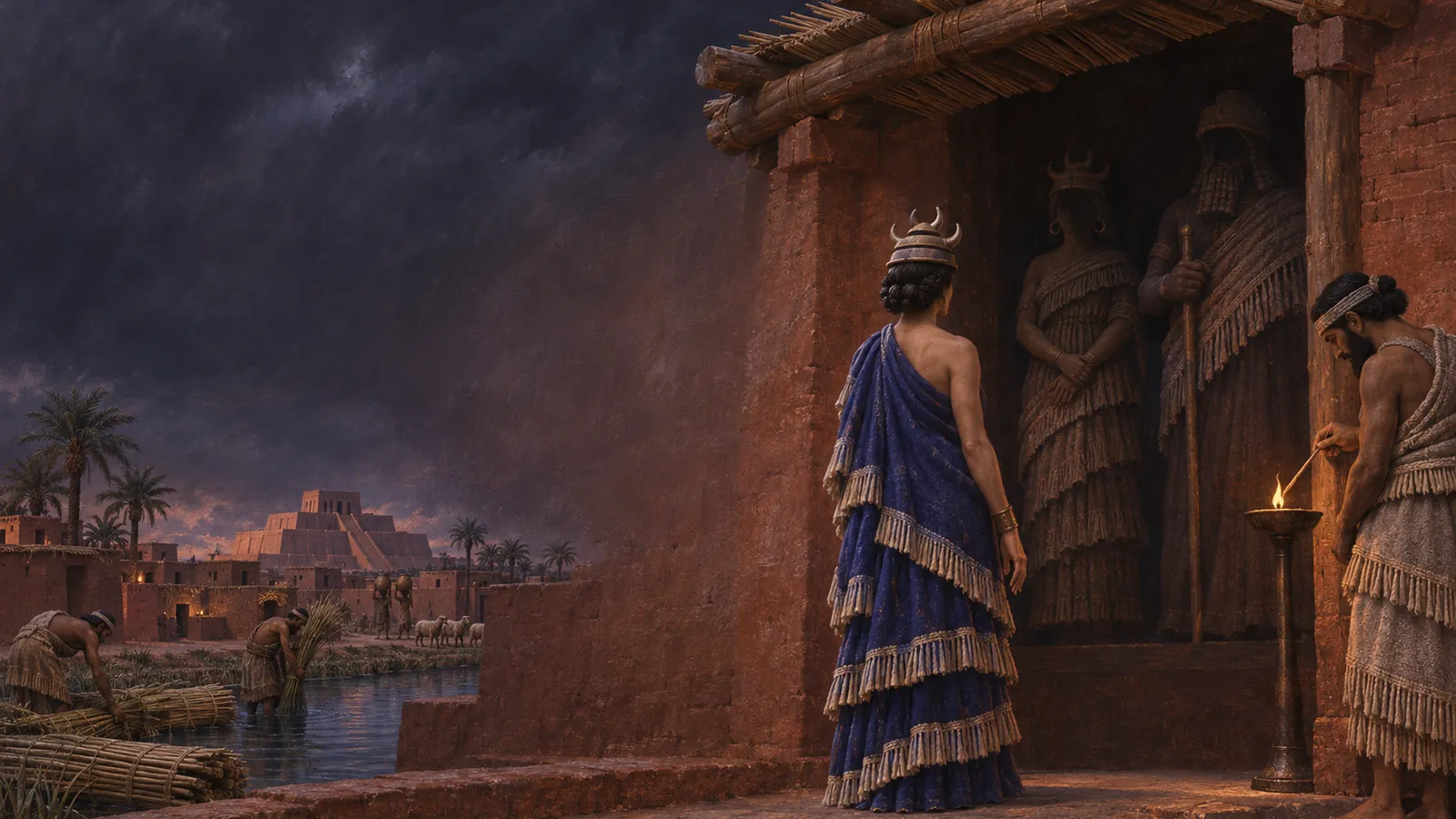
تقول نينغال إنّ آنو لا يستجيب لكلماتها. ولا يقدّم إنليل جوابَ موافقة يسكّن قلبها.
القرار
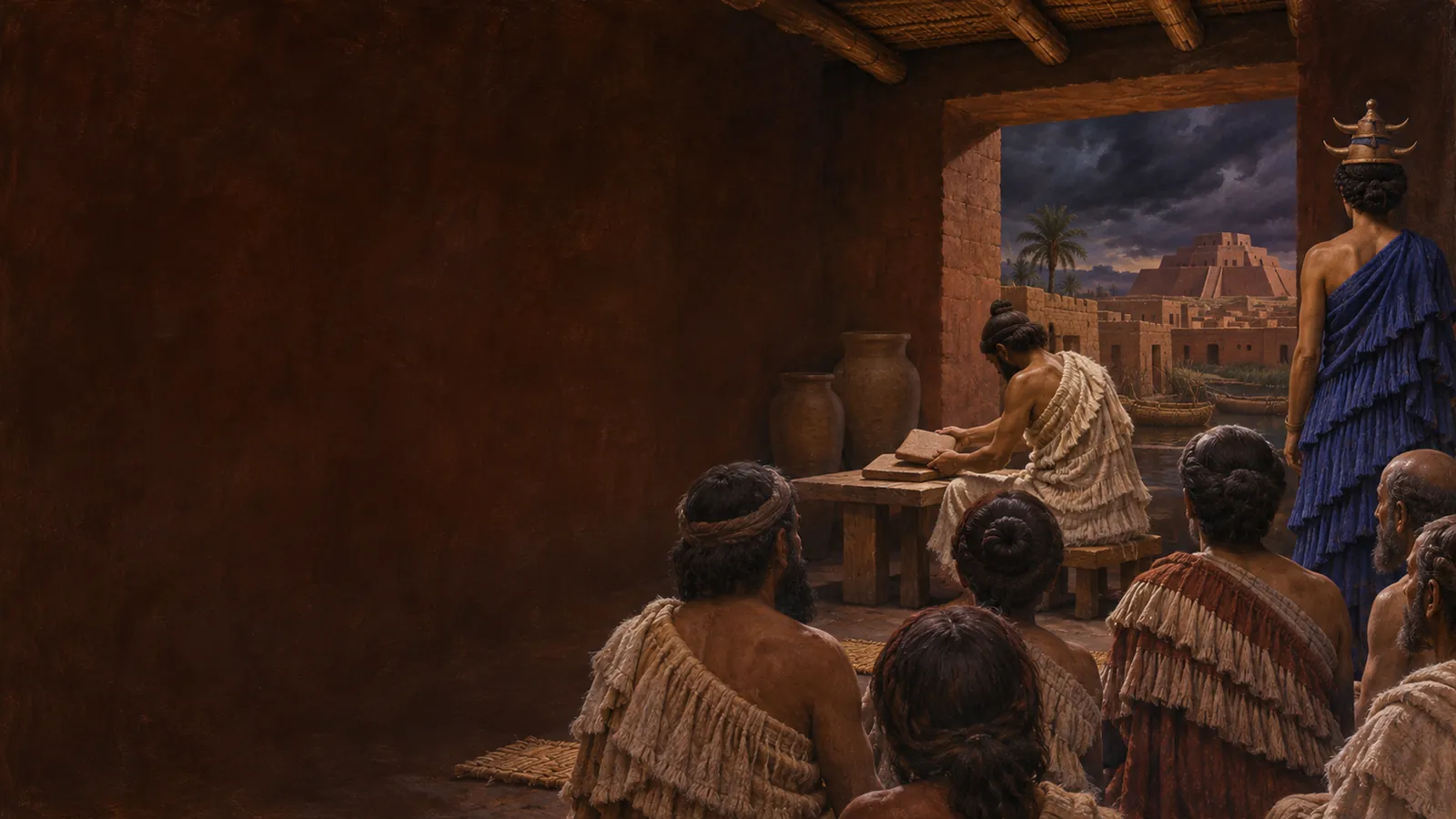
تقول نينغال إنّ المجمع يأمر بتدمير مدينتها أور. ويقضي بأن يُقتل سكّان المدينة.
نهاية الفصل الأول
كل الصفحات
المصادر
المصادر والملاحظات مكتوبة بالإنجليزية كما وردت في المراجع.
This reading follows two translated selections printed by Thorkild Jacobsen in The Intellectual Adventure of Ancient Man, pp. 196–197. The preface credits H. A. Groenewegen Frankfort with the poetic rendering of translations in chapters V–VII. The main text dates to 1946, retained in the first Phoenix edition of 1977. Jacobsen’s notes cite Samuel Noah Kramer, Assyriological Studies XII, pp. 26 and 28, ancient lines 88–112, then p. 32, lines 152–164. Individual ancient line numbers are absent from the printed quotations. Lines 113–151 are outside this modern selection. The second quotation ends with the decree against Ur and its inhabitants.
الطبعات المعتمدة
- University of Chicago, The Intellectual Adventure of Ancient Man
- Jacobsen’s two printed selections, pp. 196–197
- Source notes 12–13, printed p. 201
ملاحظات على هذه الرواية
Page 1, Jacobsen’s lead-in on p. 196. Jacobsen presents Ningal, the goddess of Ur, as the speaker of the following quotation. 197. His notes on p. 201 cite Kramer, AS XII, pp. 26 and 28, lines 88–112, and p. 32, lines 152–164. The preface credits H. A. Groenewegen Frankfort with the English poetic rendering of the translations in chapters V–VII. The first Phoenix edition dates to 1977 and retains the main text published in 1946.
Page 2, first quotation, lines 88–112, opening storm-day formulas. Ningal grieves over the day of storm described as destined for her and laid upon her, burdened with tears. She calls herself a woman.
Page 3, first quotation, lines 88–112, trembling and cruelty. Repeated storm-day formulas describe Ningal trembling before the coming day and call it cruel.
Page 4, first quotation, lines 88–112, the fate of the day. Ningal says she cannot flee the day’s fatality.
Page 5, first quotation, lines 88–112, happy days.
Page 6, first quotation, lines 88–112, the night formula. Ningal trembles and says she cannot flee what is destined for that night.
Page 7, first quotation, lines 88–112, the flood comparison. Ningal says that dread of the storm’s destruction weighs on her and compares its force to a flood.
Pages 8–9, first quotation, lines 88–112, the couch. On her couch at night, Ningal says that neither dreams nor oblivion are granted to her.
Page 10, first quotation, lines 88–112, the cow comparison. Ningal says bitter weeping is destined for her land.
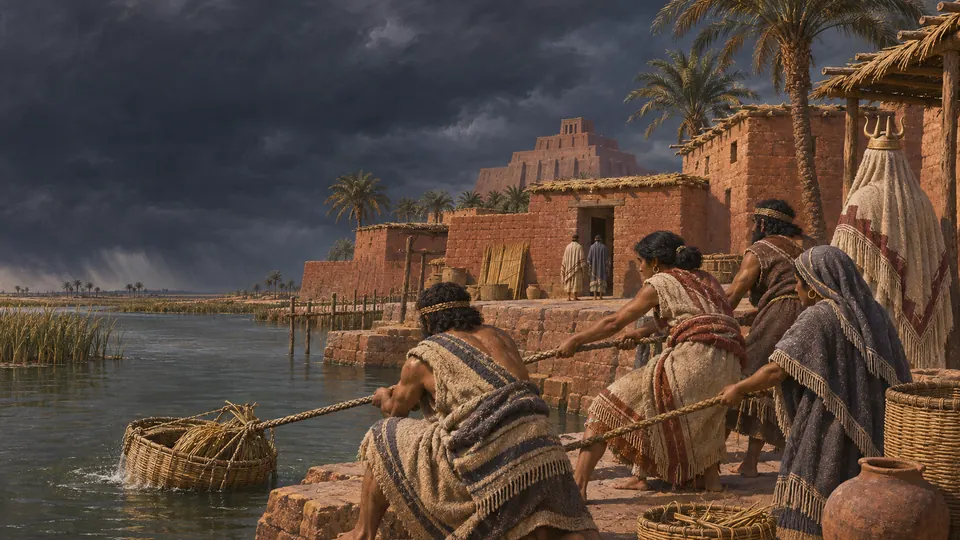
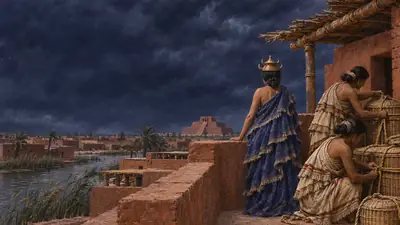
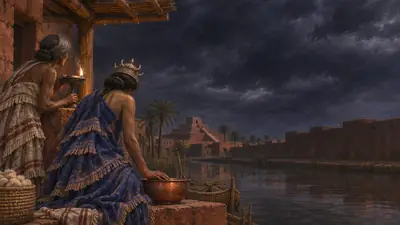
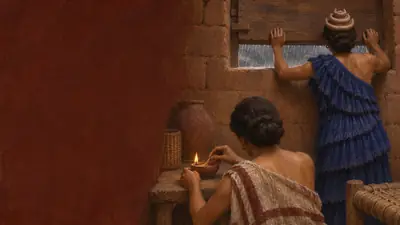
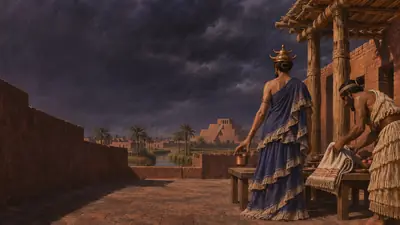
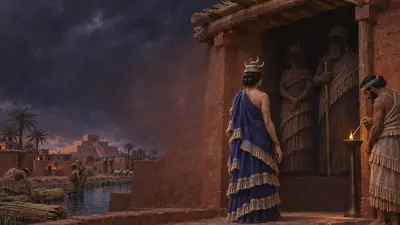
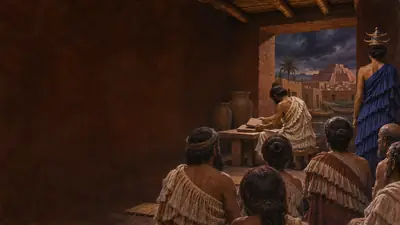
Ningal appears from behind as she watches the storm, searches the riverbanks and pleads before the assembly.
first quotation, lines 88–112 as cited in note 12. Ningal says sorrow is destined for her city. She imagines spreading wings and flying there like a bird, yet the city would still be destroyed on its foundations and Ur would perish. The quotation continues across the page break. The inclusive range is Jacobsen’s own citation, with no individual ancient line numbers printed beside the translated lines.
The storm day raises its hand. This closes the first printed excerpt.
Jacobsen’s connecting paragraph. Ancient lines 113–151 lie outside this modern selection. This interval is an editorial omission between excerpts.
beginning of the second quotation, lines 152–164 as cited in note 13. The assembly remains seated. The rendering explains the Anunnaki’s binding themselves with a parenthetical statement about upholding the decision.
second quotation, cited lines 152–164. Ningal describes dragging her feet and stretching out her arms before the assembly.
second quotation, cited lines 152–164. Ningal sheds tears before Anu and mourns before Enlil. Their order and the distinction between the two clauses are retained.
second quotation, cited lines 152–164. The plea against the destruction of her city is repeated, with Ur named in the second plea.
second quotation, cited lines 152–164. Ningal asks that the inhabitants not be killed. This is her appeal in the poem.
second quotation, cited lines 152–164. Anu does not heed her words and Enlil gives no approving answer to comfort her.
The divine assembly gives the instruction to destroy the city and decrees that its inhabitants be killed. The selection ends with that decree.
الأسطر القديمة وراء كل صفحة
- Page 1: Jacobsen, The Intellectual Adventure of Ancient Man, first Phoenix ed. (1977; main text 1946), p. 196, Jacobsen’s lead-in to the two selected passages; poetic rendering by H. A. Groenewegen Frankfort
- Page 2: Jacobsen, The Intellectual Adventure of Ancient Man, first Phoenix ed. (1977; main text 1946), p. 196, first quotation, Kramer lines 88–112, storm-day opening; poetic rendering by H. A. Groenewegen Frankfort
- Page 3: Jacobsen, The Intellectual Adventure of Ancient Man, first Phoenix ed. (1977; main text 1946), p. 196, first quotation, Kramer lines 88–112, repeated trembling formula; poetic rendering by H. A. Groenewegen Frankfort
- Page 4: Jacobsen, The Intellectual Adventure of Ancient Man, first Phoenix ed. (1977; main text 1946), p. 196, first quotation, Kramer lines 88–112, inability to flee the day; poetic rendering by H. A. Groenewegen Frankfort
- Page 5: Jacobsen, The Intellectual Adventure of Ancient Man, first Phoenix ed. (1977; main text 1946), p. 196, first quotation, Kramer lines 88–112, repeated happy-days clause; poetic rendering by H. A. Groenewegen Frankfort
- Page 6: Jacobsen, The Intellectual Adventure of Ancient Man, first Phoenix ed. (1977; main text 1946), p. 196, first quotation, Kramer lines 88–112, night formula; poetic rendering by H. A. Groenewegen Frankfort
- Page 7: Jacobsen, The Intellectual Adventure of Ancient Man, first Phoenix ed. (1977; main text 1946), p. 196, first quotation, Kramer lines 88–112, dread and flood comparison; poetic rendering by H. A. Groenewegen Frankfort
- Page 8: Jacobsen, The Intellectual Adventure of Ancient Man, first Phoenix ed. (1977; main text 1946), p. 196, first quotation, Kramer lines 88–112, couch and dreams; poetic rendering by H. A. Groenewegen Frankfort
- Page 9: Jacobsen, The Intellectual Adventure of Ancient Man, first Phoenix ed. (1977; main text 1946), p. 196, first quotation, Kramer lines 88–112, couch and oblivion; poetic rendering by H. A. Groenewegen Frankfort
- Page 10: Jacobsen, The Intellectual Adventure of Ancient Man, first Phoenix ed. (1977; main text 1946), p. 196, first quotation, Kramer lines 88–112, land’s weeping and cow simile; poetic rendering by H. A. Groenewegen Frankfort
- Page 11: Jacobsen, The Intellectual Adventure of Ancient Man, 1946 text / 1977 Phoenix ed., pp. 196–197, first quotation; n. 12, p. 201 cites Kramer AS XII, lines 88–112
- Page 12: Jacobsen, The Intellectual Adventure of Ancient Man, 1946 text / 1977 Phoenix ed., pp. 196–197, first quotation; n. 12, p. 201 cites Kramer AS XII, lines 88–112
- Page 13: Jacobsen, The Intellectual Adventure of Ancient Man, 1946 text / 1977 Phoenix ed., p. 197, modern connecting paragraph between quoted lines 88–112 and 152–164
- Page 14: Jacobsen, The Intellectual Adventure of Ancient Man, 1946 text / 1977 Phoenix ed., p. 197, second quotation; n. 13, p. 201 cites Kramer AS XII, lines 152–164
- Page 15: Jacobsen, The Intellectual Adventure of Ancient Man, 1946 text / 1977 Phoenix ed., p. 197, second quotation; n. 13, p. 201 cites Kramer AS XII, lines 152–164
- Page 16: Jacobsen, The Intellectual Adventure of Ancient Man, 1946 text / 1977 Phoenix ed., p. 197, second quotation; n. 13, p. 201 cites Kramer AS XII, lines 152–164
- Page 17: Jacobsen, The Intellectual Adventure of Ancient Man, 1946 text / 1977 Phoenix ed., p. 197, second quotation; n. 13, p. 201 cites Kramer AS XII, lines 152–164
- Page 18: Jacobsen, The Intellectual Adventure of Ancient Man, 1946 text / 1977 Phoenix ed., p. 197, second quotation; n. 13, p. 201 cites Kramer AS XII, lines 152–164
- Page 19: Jacobsen, The Intellectual Adventure of Ancient Man, 1946 text / 1977 Phoenix ed., p. 197, second quotation; n. 13, p. 201 cites Kramer AS XII, lines 152–164
- Page 20: Jacobsen, The Intellectual Adventure of Ancient Man, 1946 text / 1977 Phoenix ed., p. 197, second quotation; n. 13, p. 201 cites Kramer AS XII, lines 152–164
الرسوم من صنع أرشيف إيل بأدوات الذكاء الاصطناعي؛ والنص مبني على المصادر القديمة (انظر المصادر في آخر كل فصل).