ترنيمة لنانشه الفصل الأول
ميزان العدالة
تمدح هذه الترنيمة السومريّة نانشه لرعايتها اليتيم والأرملة واللاجئ، وتذكر المؤن اللازمة لطقوسها. وتصف تفقّد الخدم في رأس السنة. ثم تورد الأحكام وتوحيد المكاييل قبل أن تُختتم بالمديح.
المصادرقلّب الصفحات بالأزرار أو بمفاتيح الأسهم أو بسحب الإصبع.
ترنيمة لنانشه
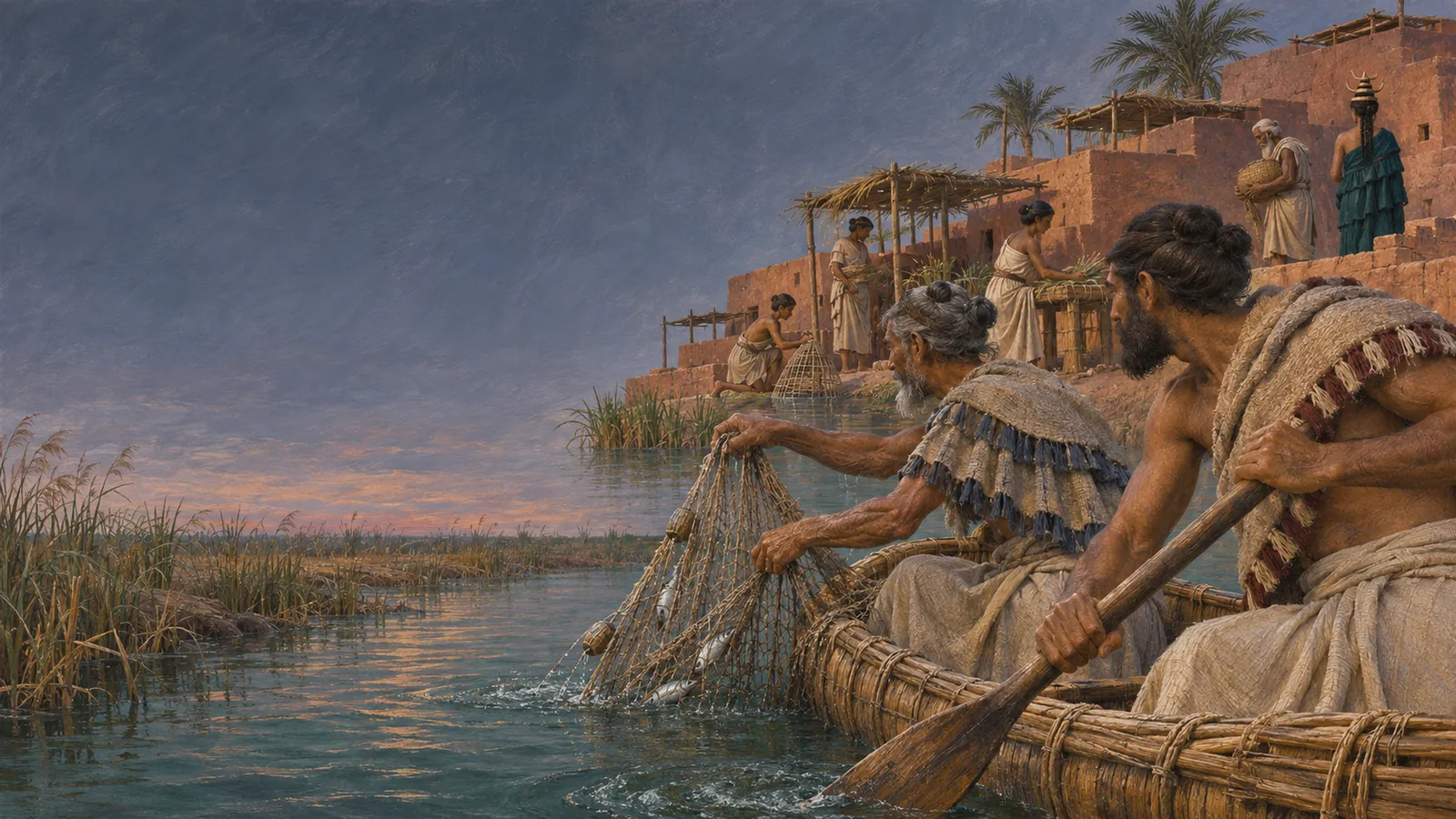
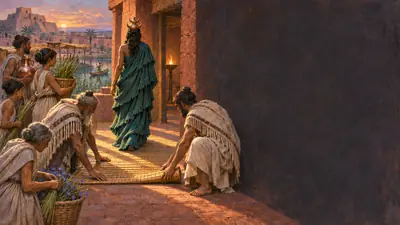
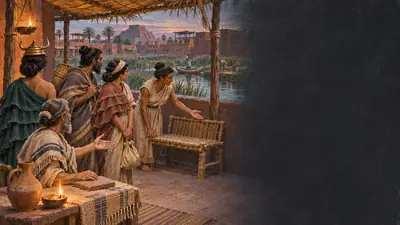
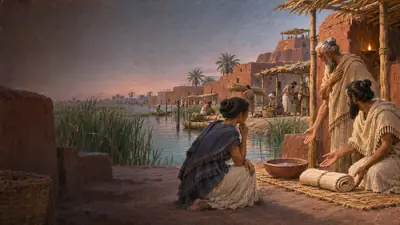
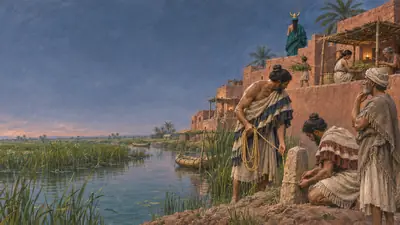
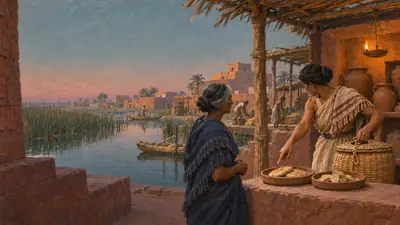
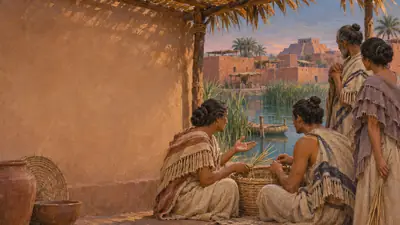
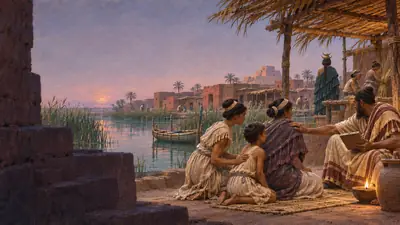
تبدأ الترنيمة في مدينة نيغين المقدّسة، حيث تظهر قواها. ويشبّهها المنشد بمرتفع يعلو من الماء.
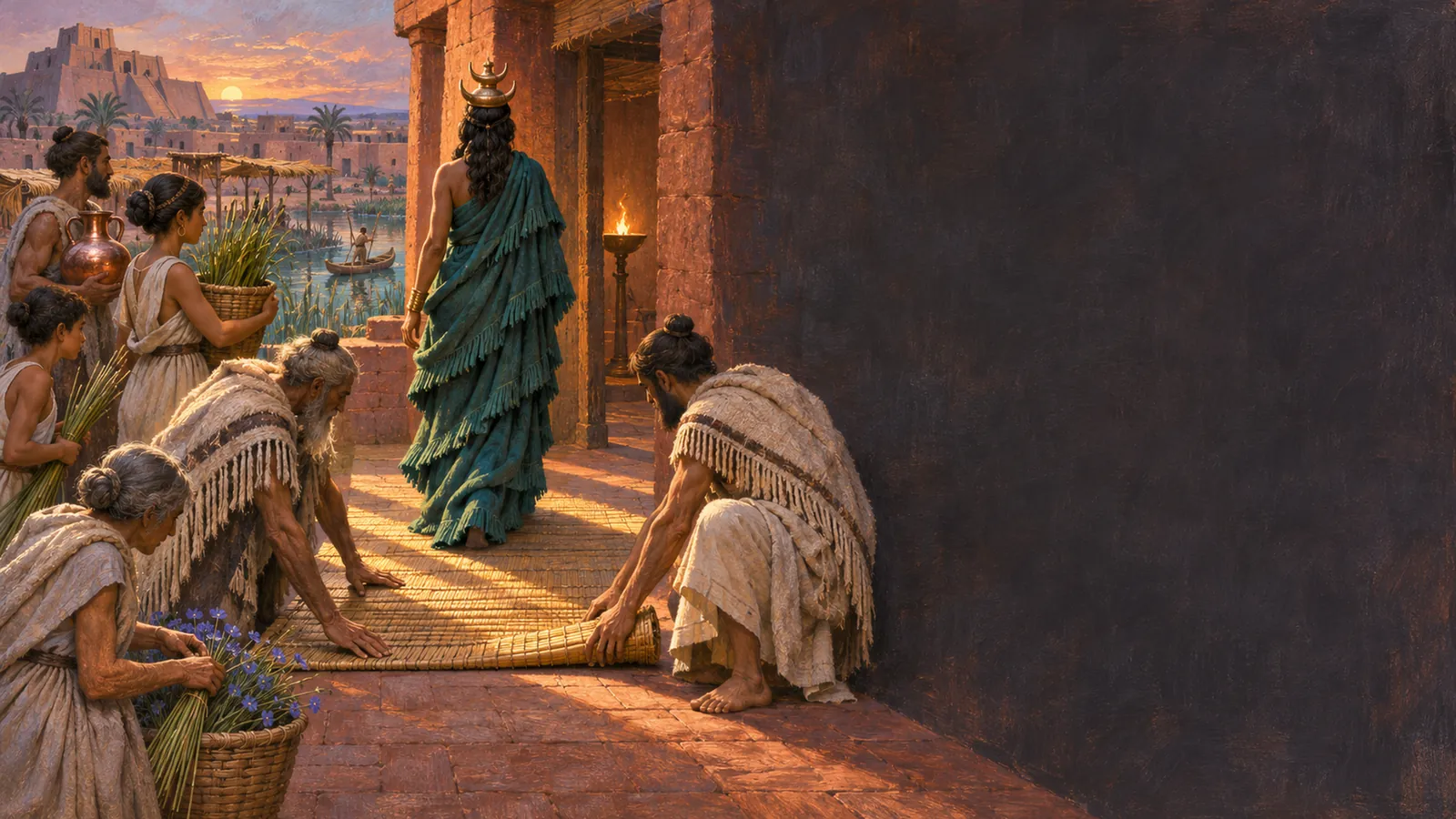
يعلو الضوء معبد نيغين الحصين، وتُقام فيه طقوس نانشه. وتقول الترنيمة إنّ السيّدة، المولودة في أريدو، ستعود الآن.
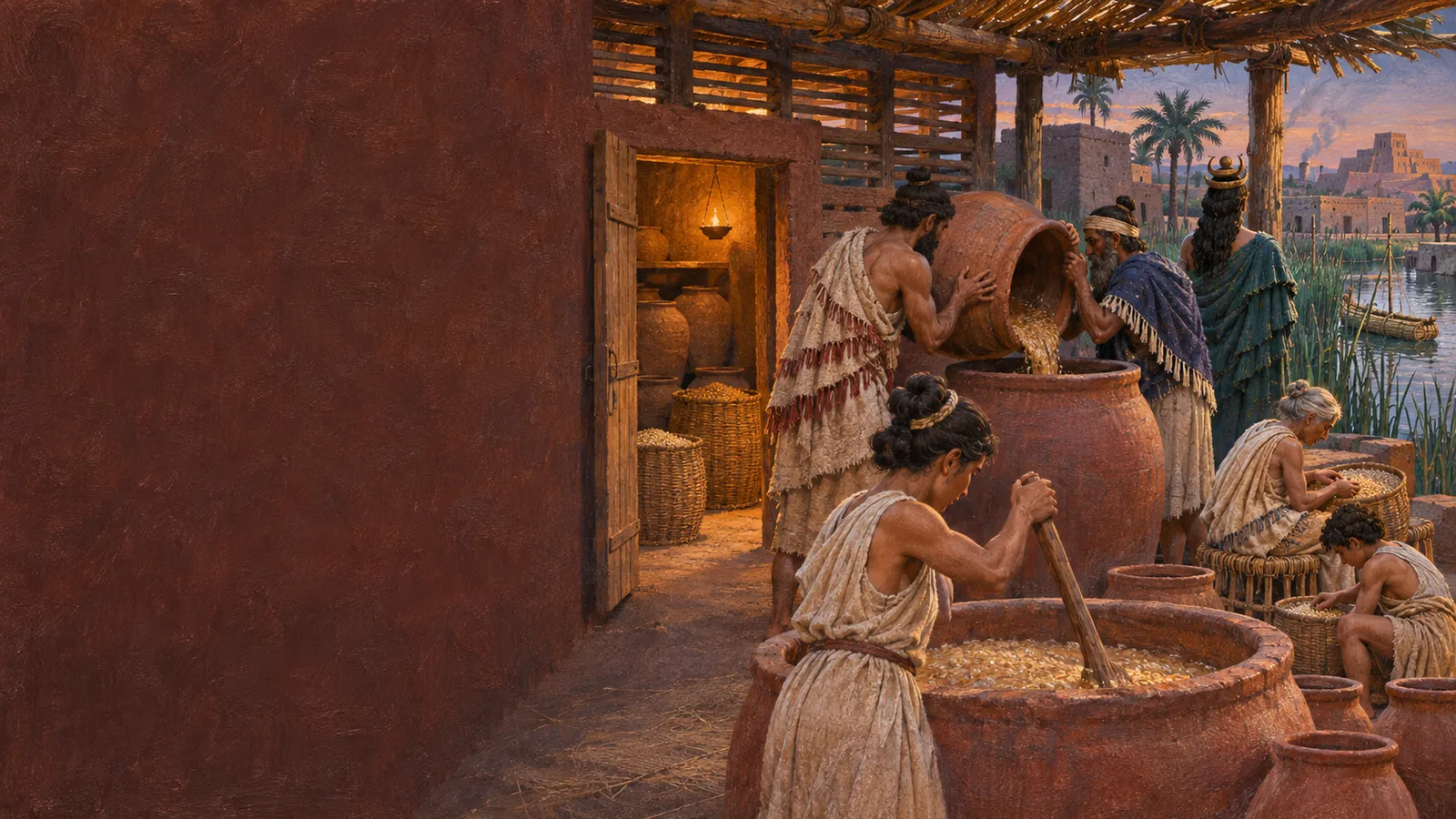
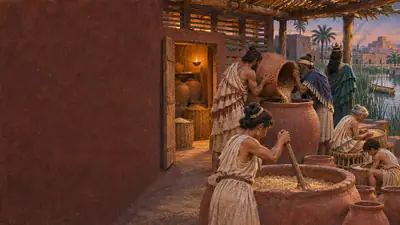
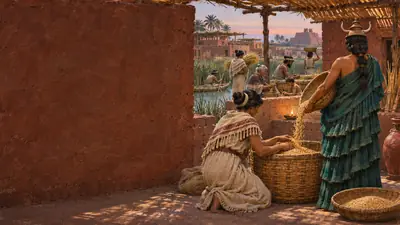
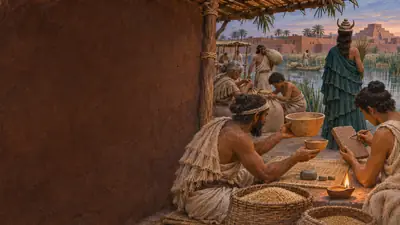
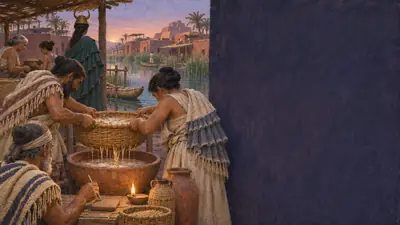
يرد ذكر هريس الجعة والخميرة في عبارات غير مؤكّدة. وتقول الترنيمة إنّ نانشه تملأ المخازن، ثم تورد تشبيهًا متضرّرًا بين العسل والصمغ.
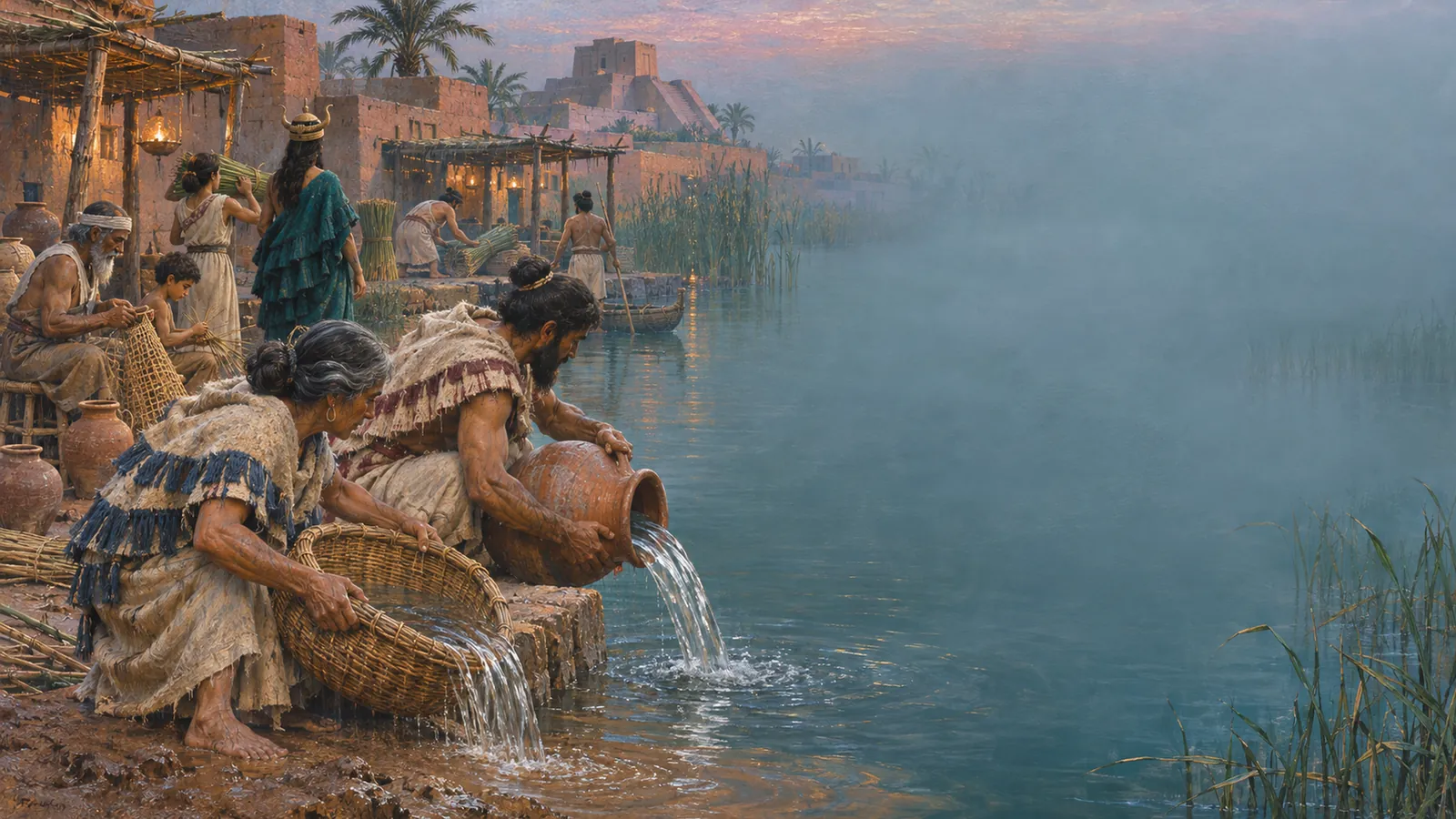
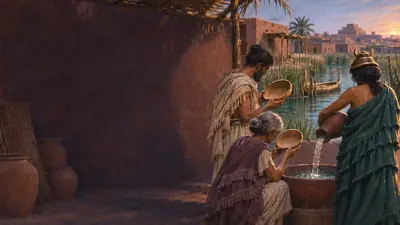
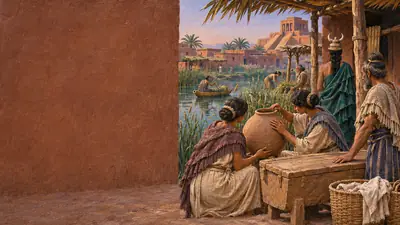
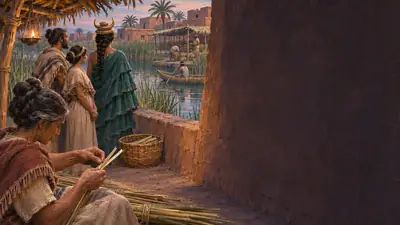
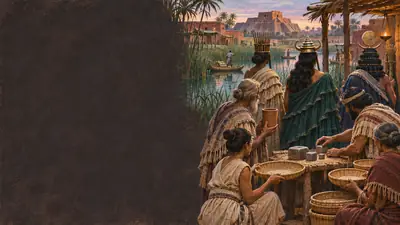
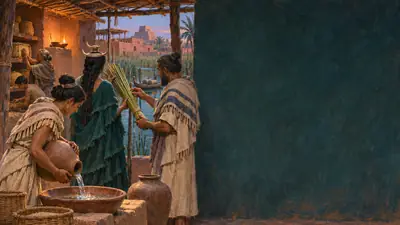
ينسب المنشد إلى نانشه الأوعية التي لا ينقطع ماؤها. وتغطّي سلال تحمل ذخائر البلاد الأرض كما يغطّيها طمي النهر.
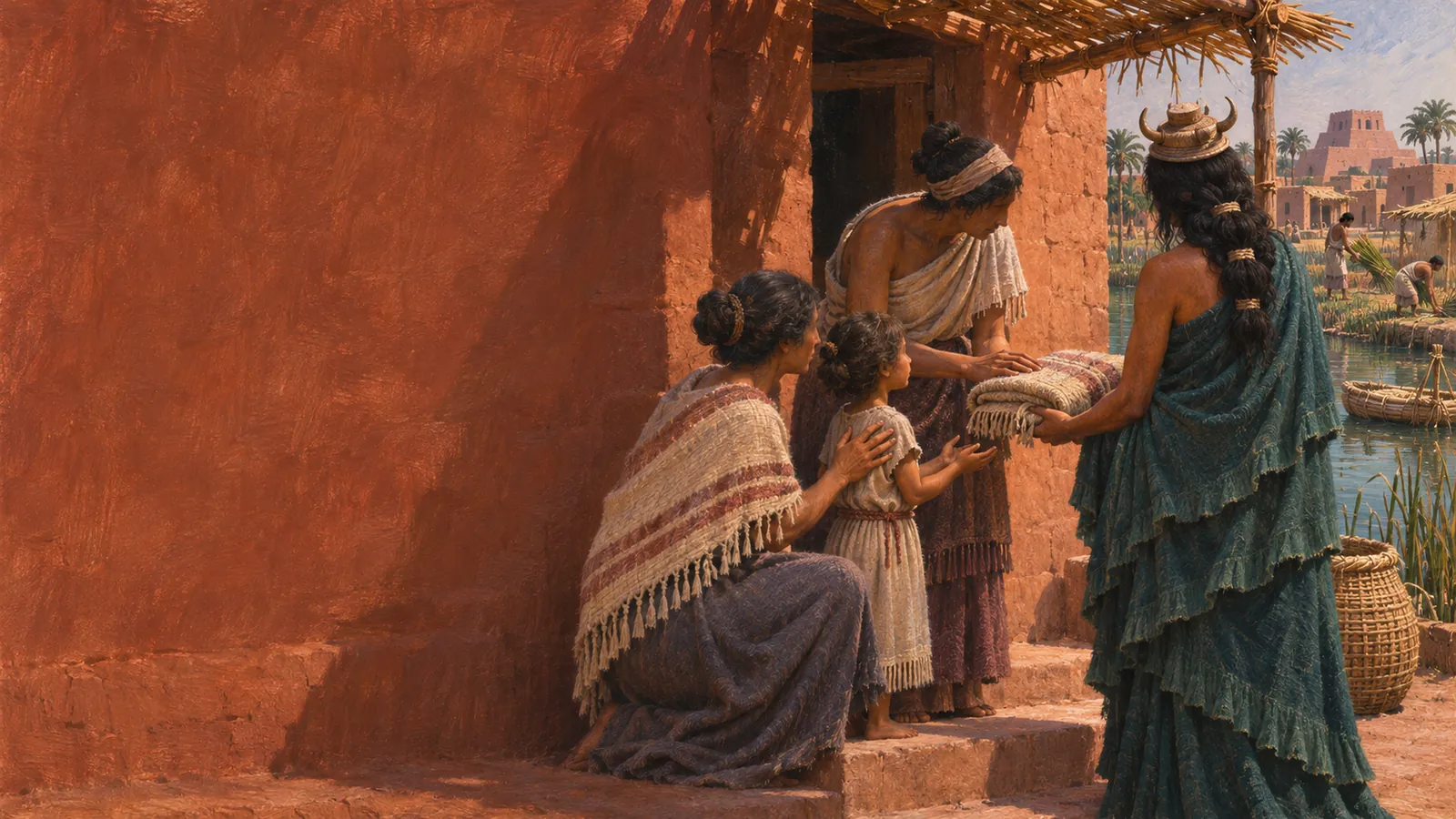
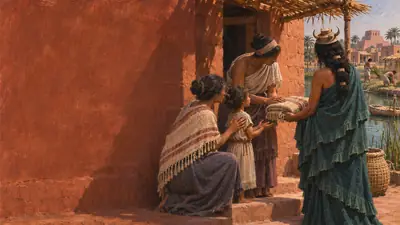
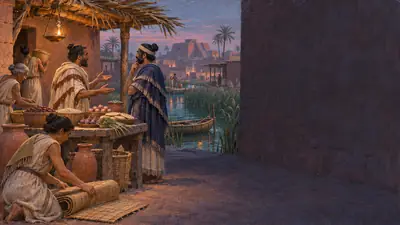
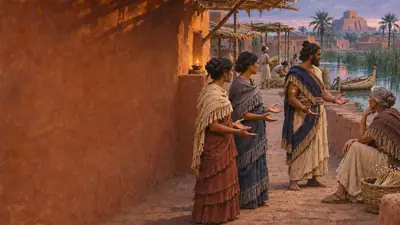
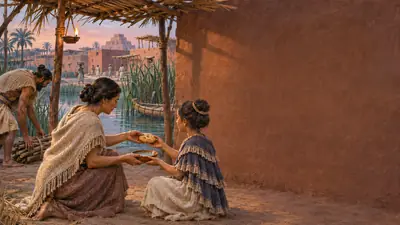
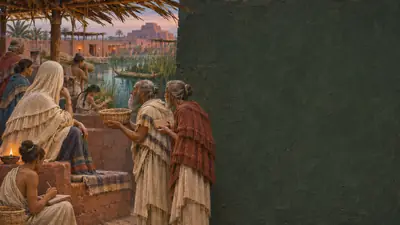
تمدح الترنيمة نانشه لرعايتها الأرملة ولكونها كالأمّ لليتيم. ولعلّها تقول أيضًا إنّ نانشه تذكر من يعين الآخرين.
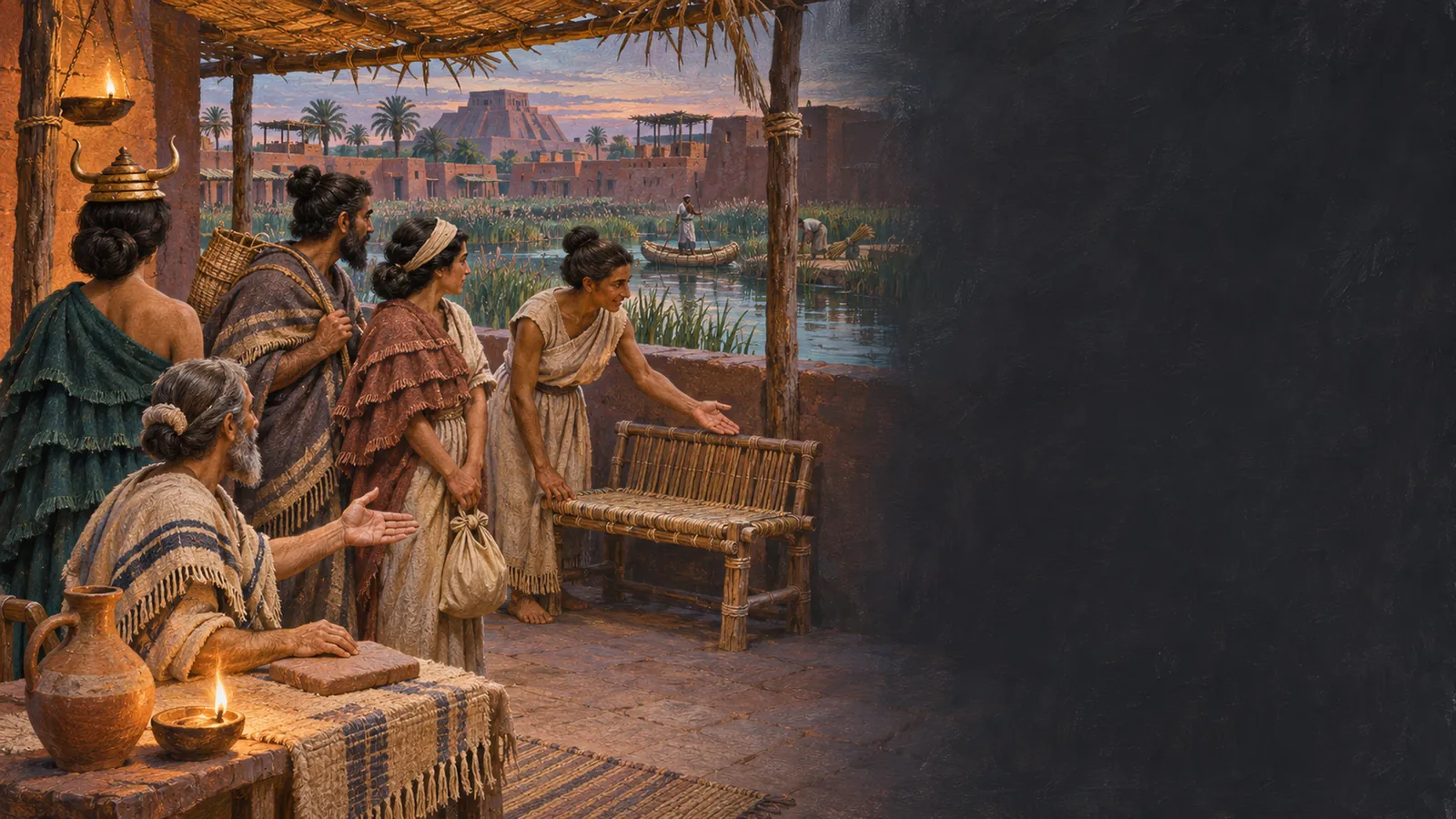
يمدح المنشد نانشه لأنّها تجد المشورة لمن وقع في العبوديّة بسبب الدَّين، وتمنح اللاجئين الحماية.
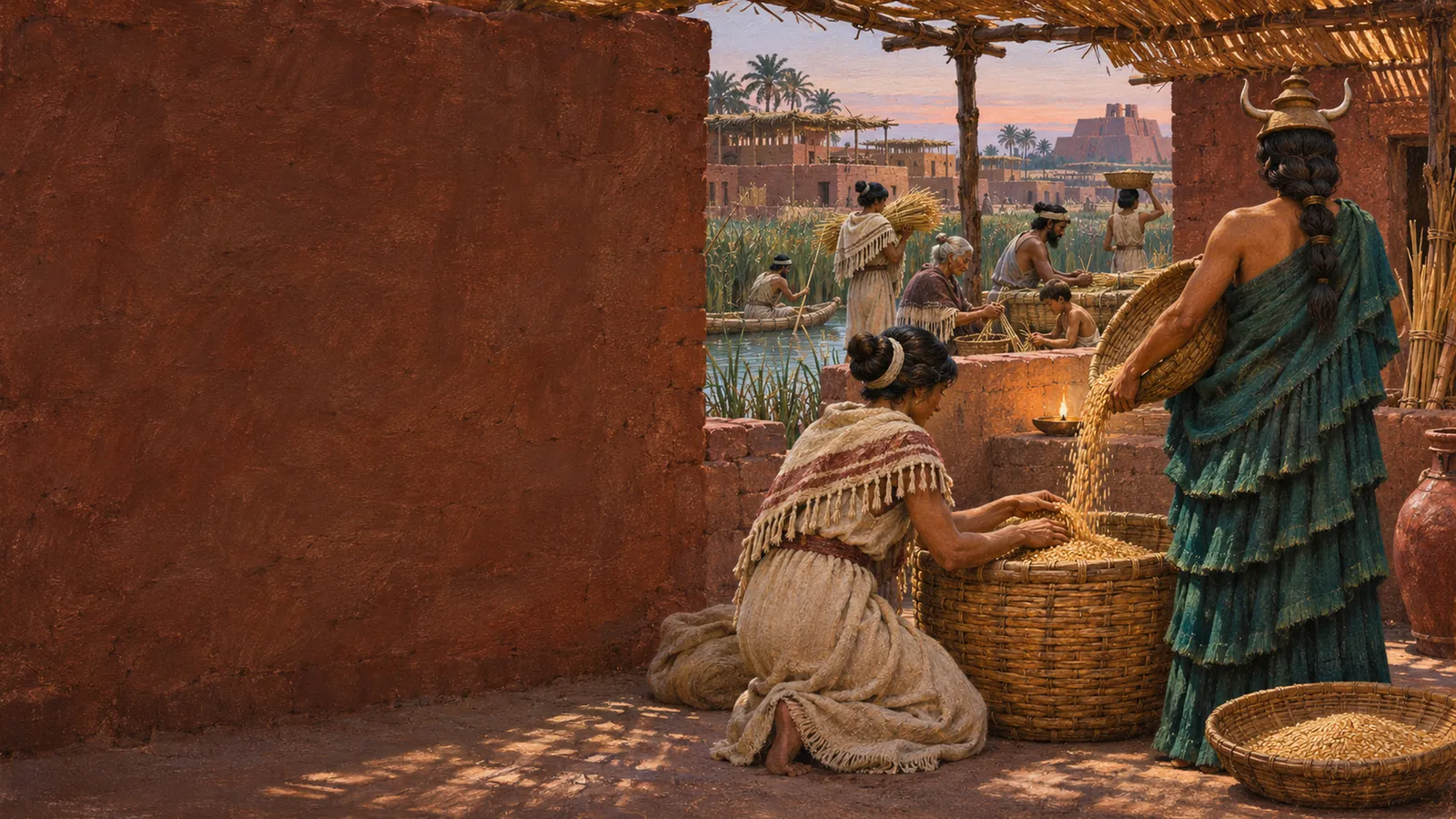
تقول الترنيمة إنّ نانشه تبحث عن موضع للضعيف. وتملأ سلّته التي يجمع فيها، وتجعل وعاءه يعود عليه بالنفع.
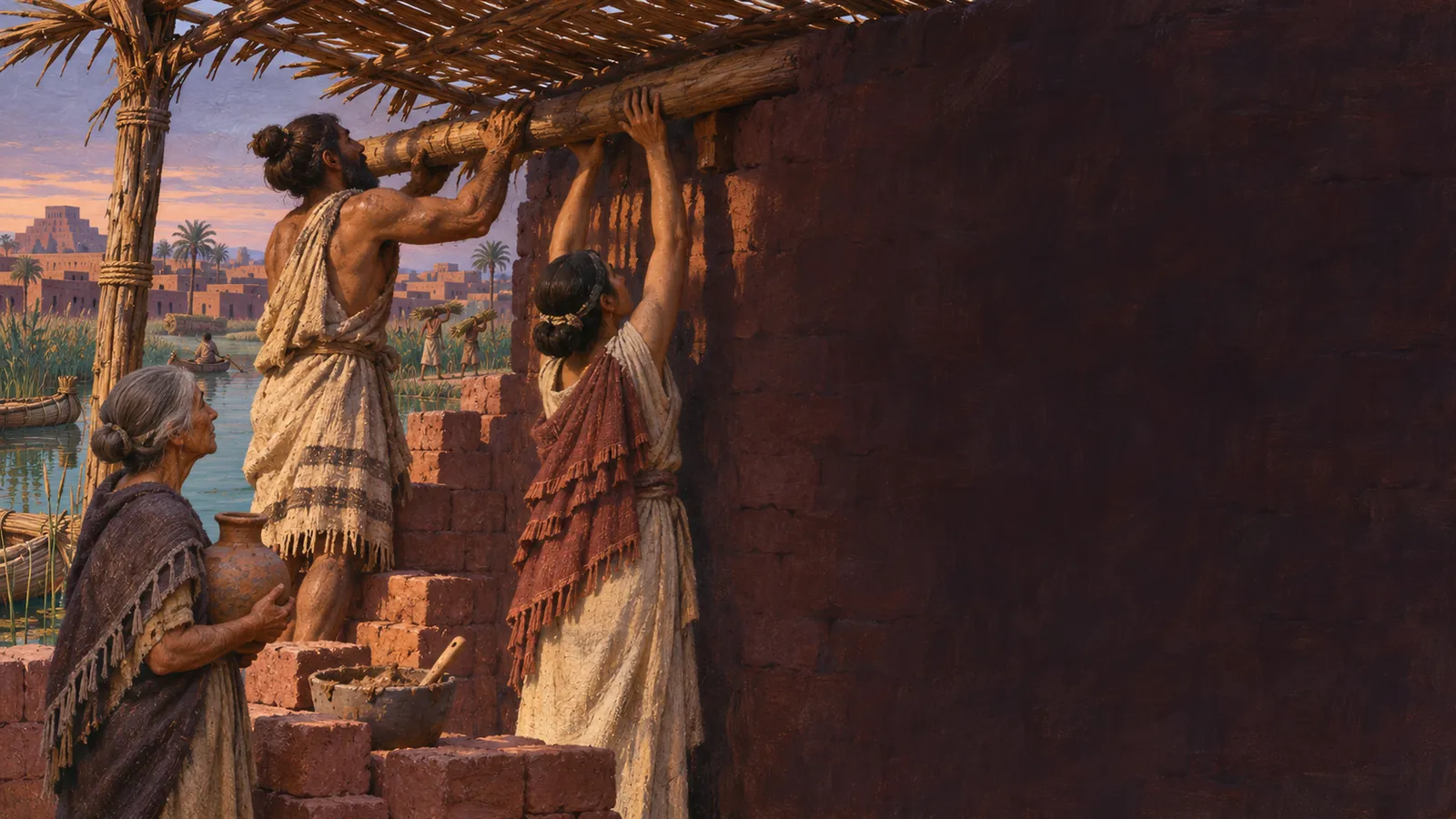
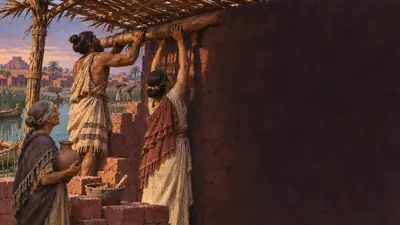
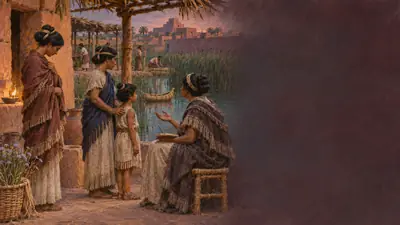
تقول الترنيمة إنّ نانشه تختار للمرأة التي تصفها بالصلاح، وقد سلكت سبيلها، شابًّا ميسورًا. وتقيم للأرملة التي لم تستطع الزواج مرّةً أخرى بيتًا آمنًا كأنّه سقف يؤويها.
لجش
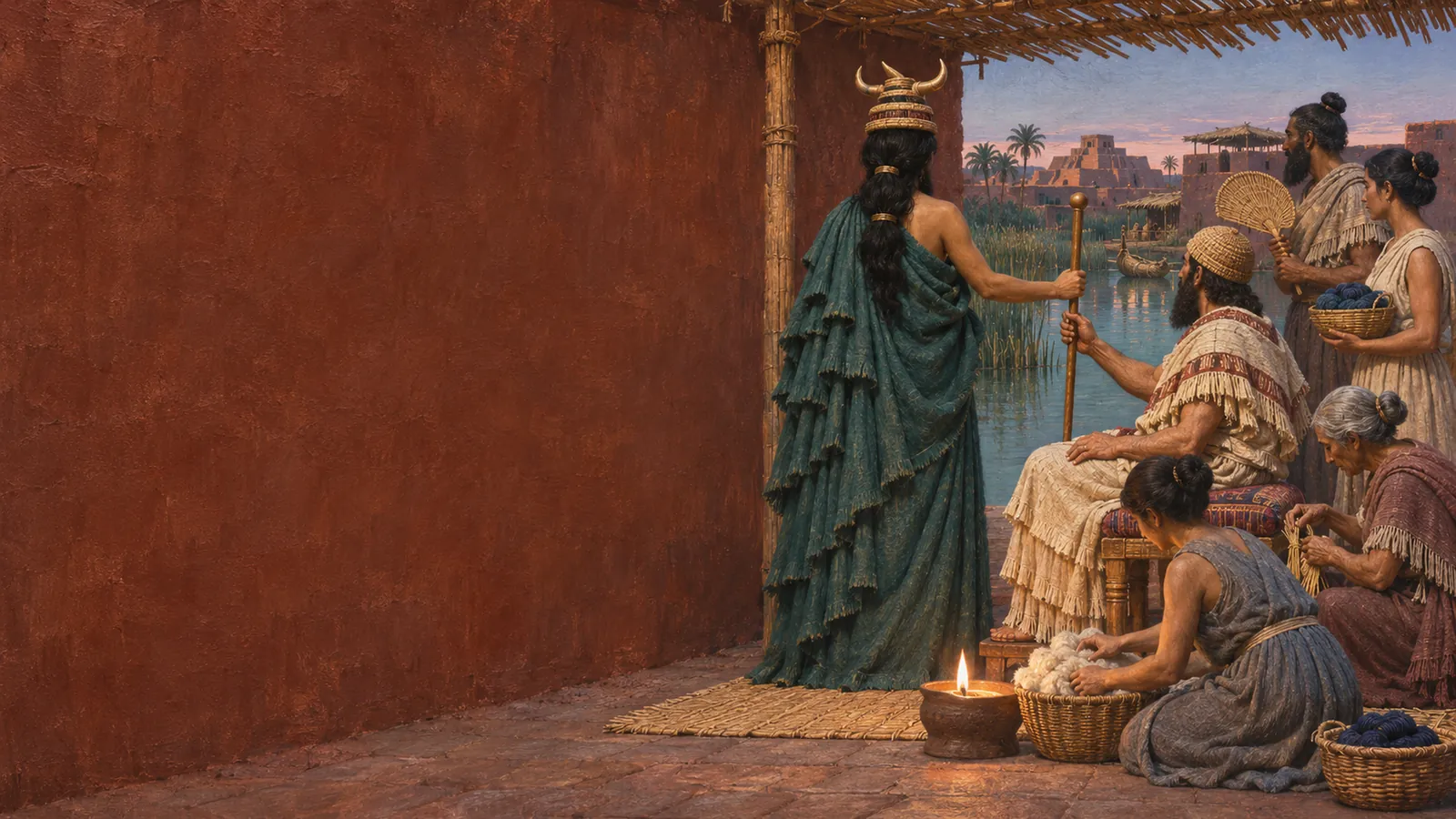
تقول الترنيمة إنّ لجش تفيض رخاءً في حضرة نانشه. وتُجلس أور-نانشه على العرش، وتمنح الراعي صولجانًا رفيعًا.
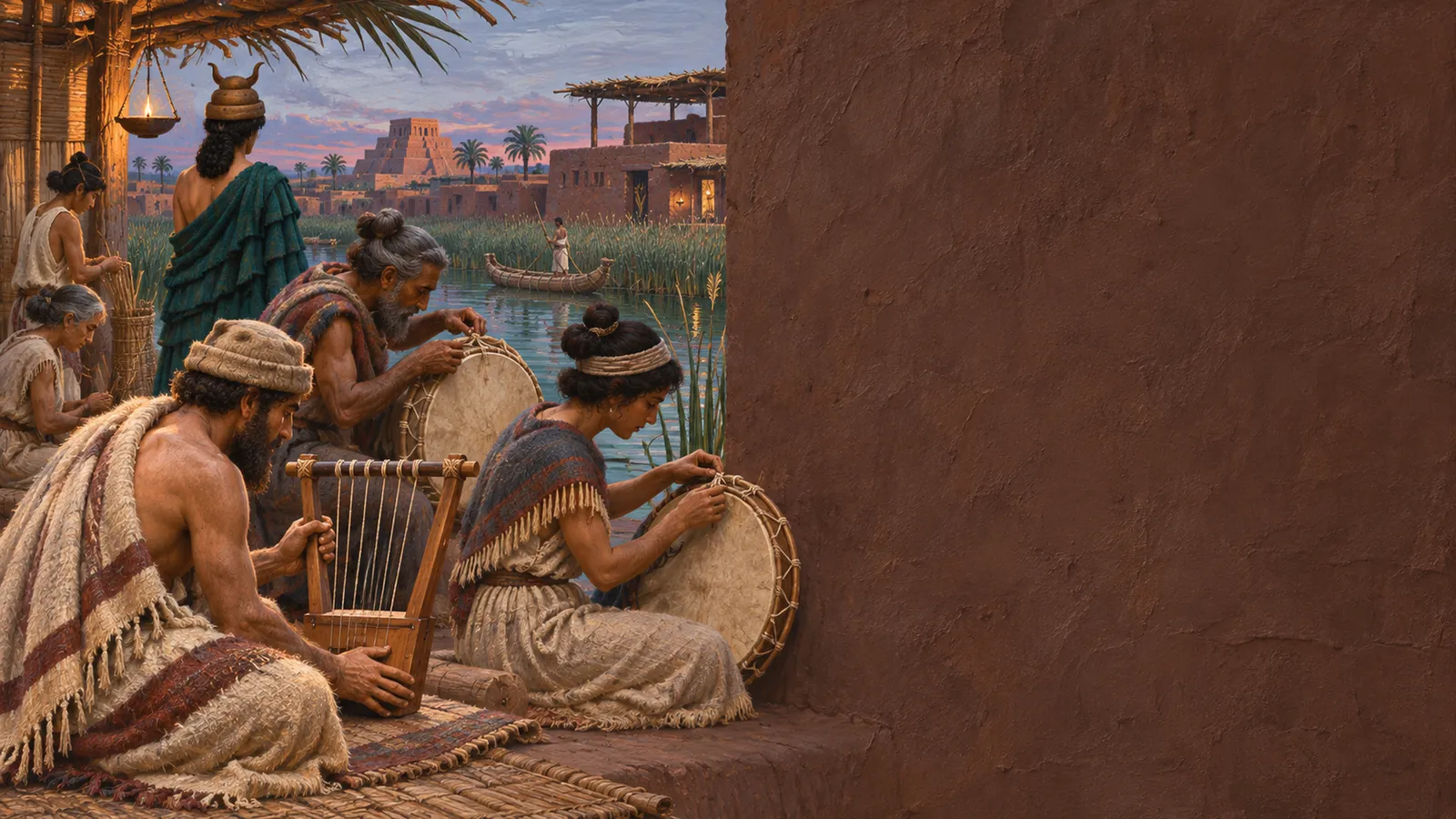
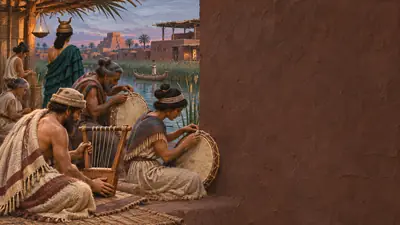
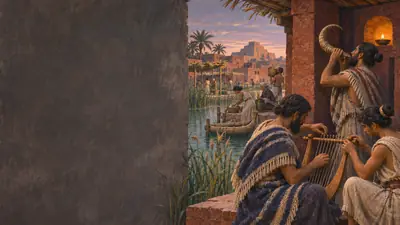
تقول الترنيمة إنّ نانشه تمنح كوديا قواها. ويضع الآلة المسمّاة بقرة الوفرة، ولعلّها قيثارة، بين طبول التيغي، ثم يضع بجوارها طبلًا من نوع بالاغ.
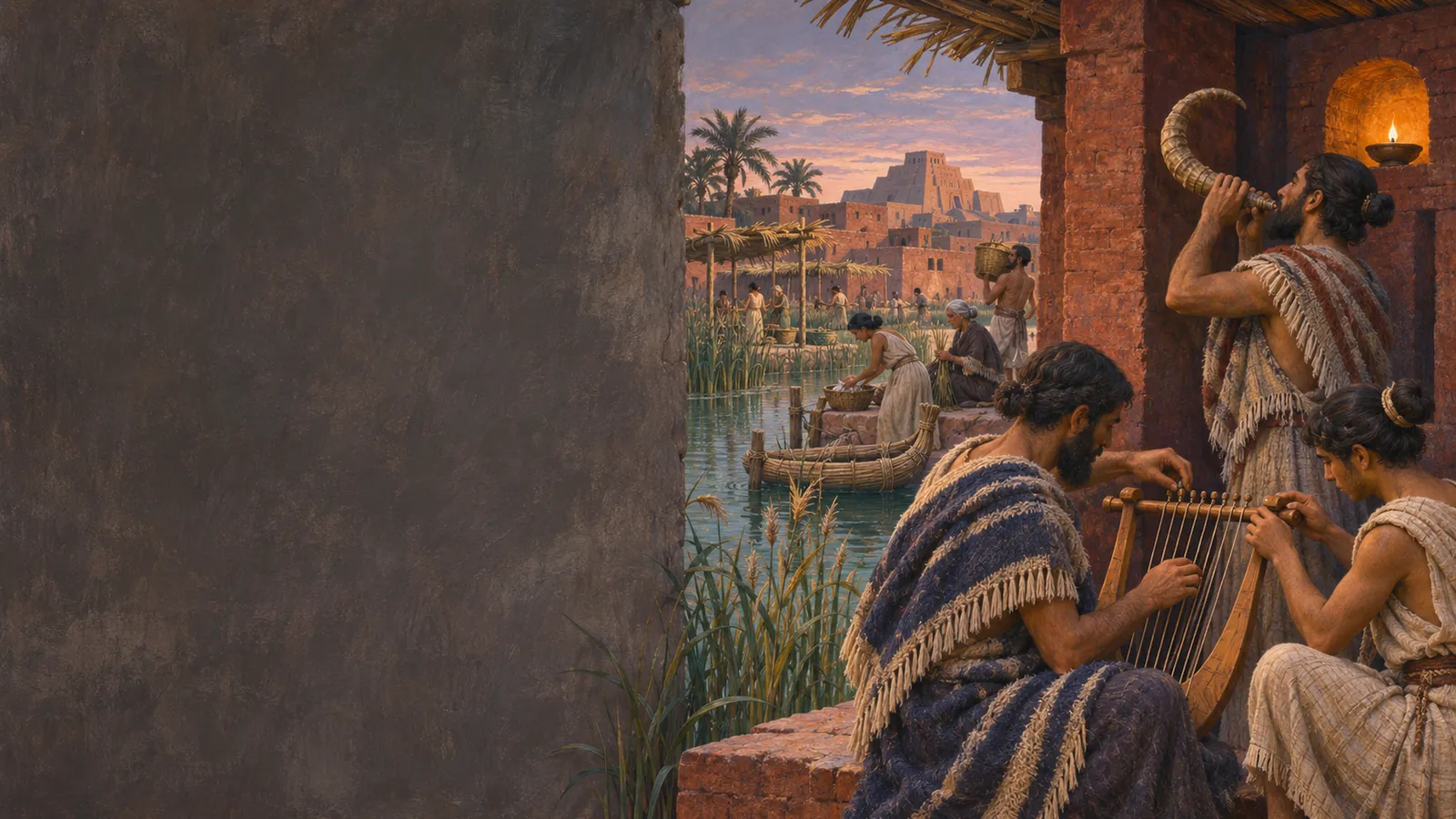
فيما تتردّد الأناشيد المقدّسة، تمدح آلة الكينتور المعبد. ويعزف كبير الموسيقيّين ببوق من قرن وعل، وتذكر أنشودة سيرارا القوى التي ينالها بيتها من الأبزو.
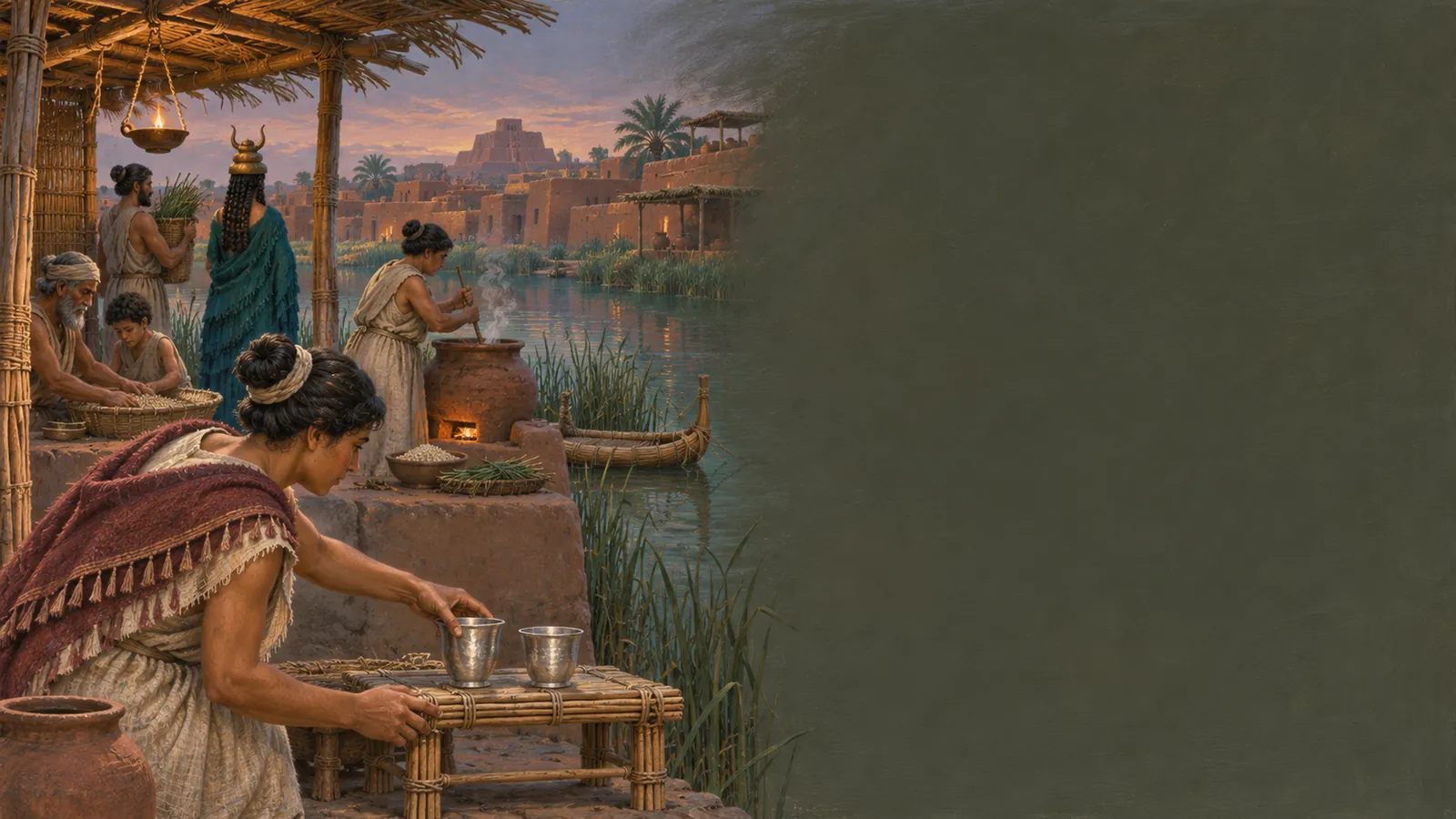
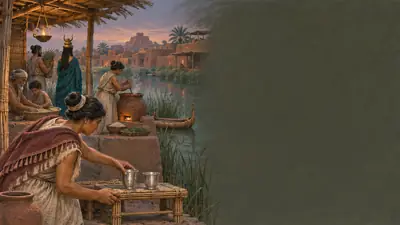
يدخل مفسّر الأحلام غرفةً في المعبد ويهيّئ كؤوسًا فضّيّة لامعة. وفي السطور المتضرّرة التي تلي ذلك، يعدّ طبّاخ المعبد طعامًا ساخنًا وآخر باردًا.
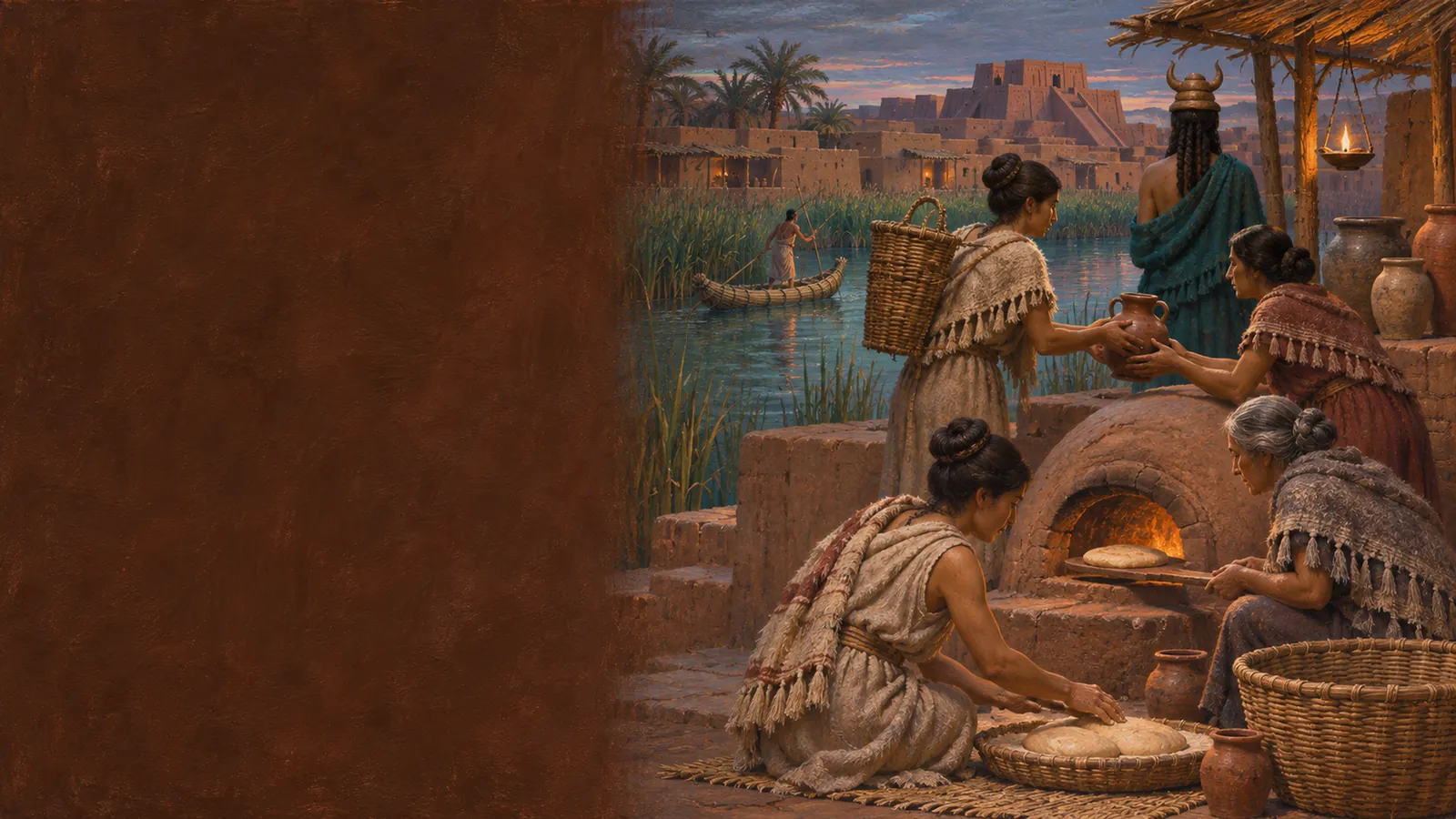
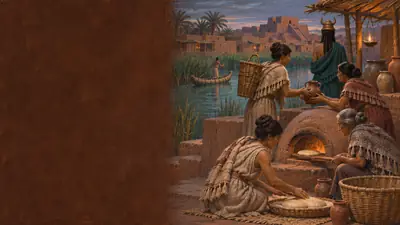
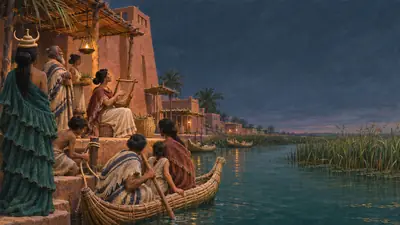
يصل اللحم في أوعية كبيرة، ويُجلب ماء بارد من قناة سيرارا، وتصل لوازم العيد ونبيذ الريف. ثم تقول الترنيمة إنّ لفرن نانشه الكبير طنينًا.
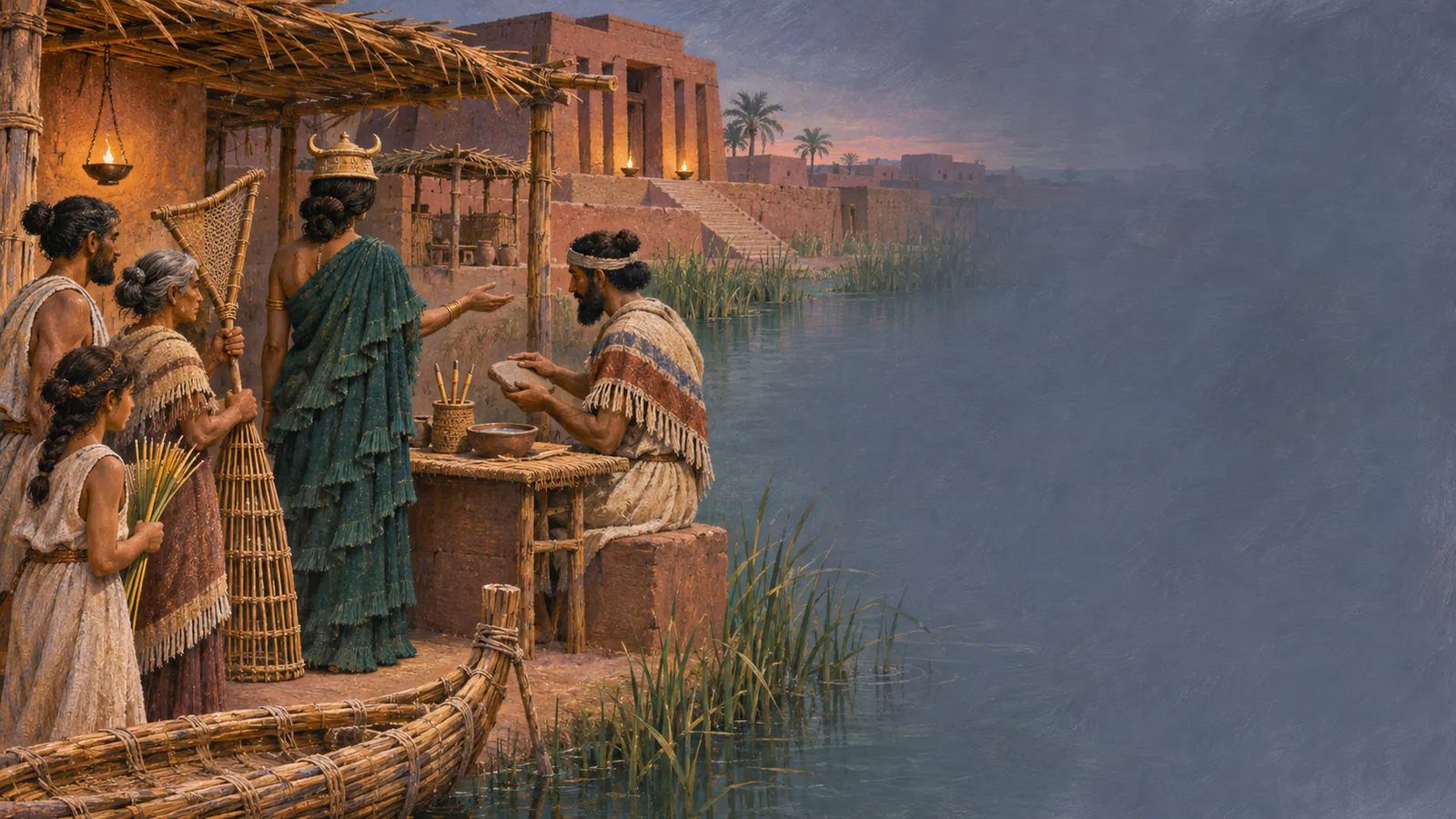
تسمّي الترنيمة نانشه كبيرةَ بيت إنليل، وسيّدةَ الوفرة، وابنةَ إنكي. وتقول إنّها هي التي ستُجري التعيينات.
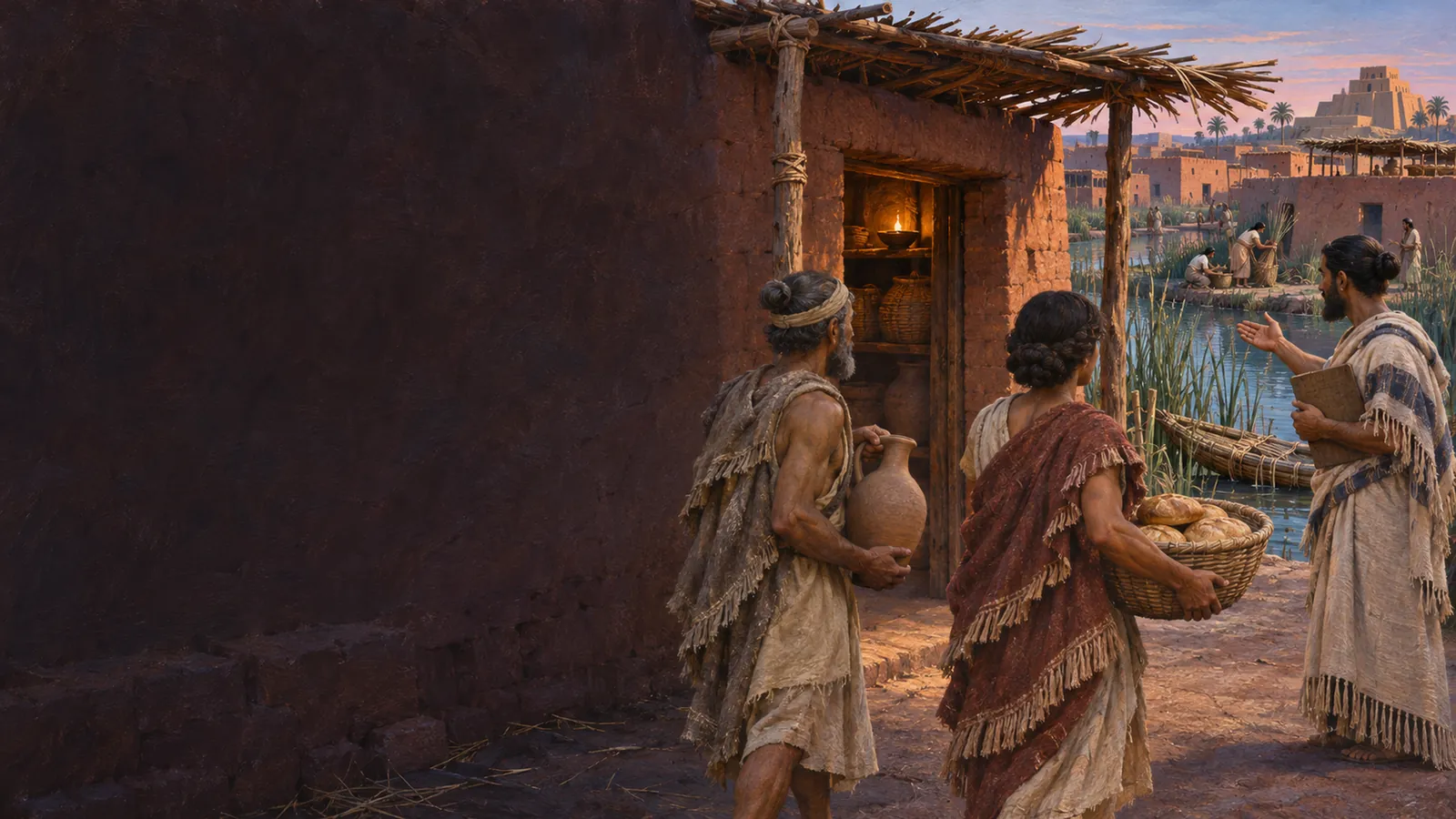
وتقول الترنيمة إنّ القرابين المعتادة ومؤن البيت اليوميّة تصل بانتظام من بورساغ بعد أن تُجري نانشه التعيينات.
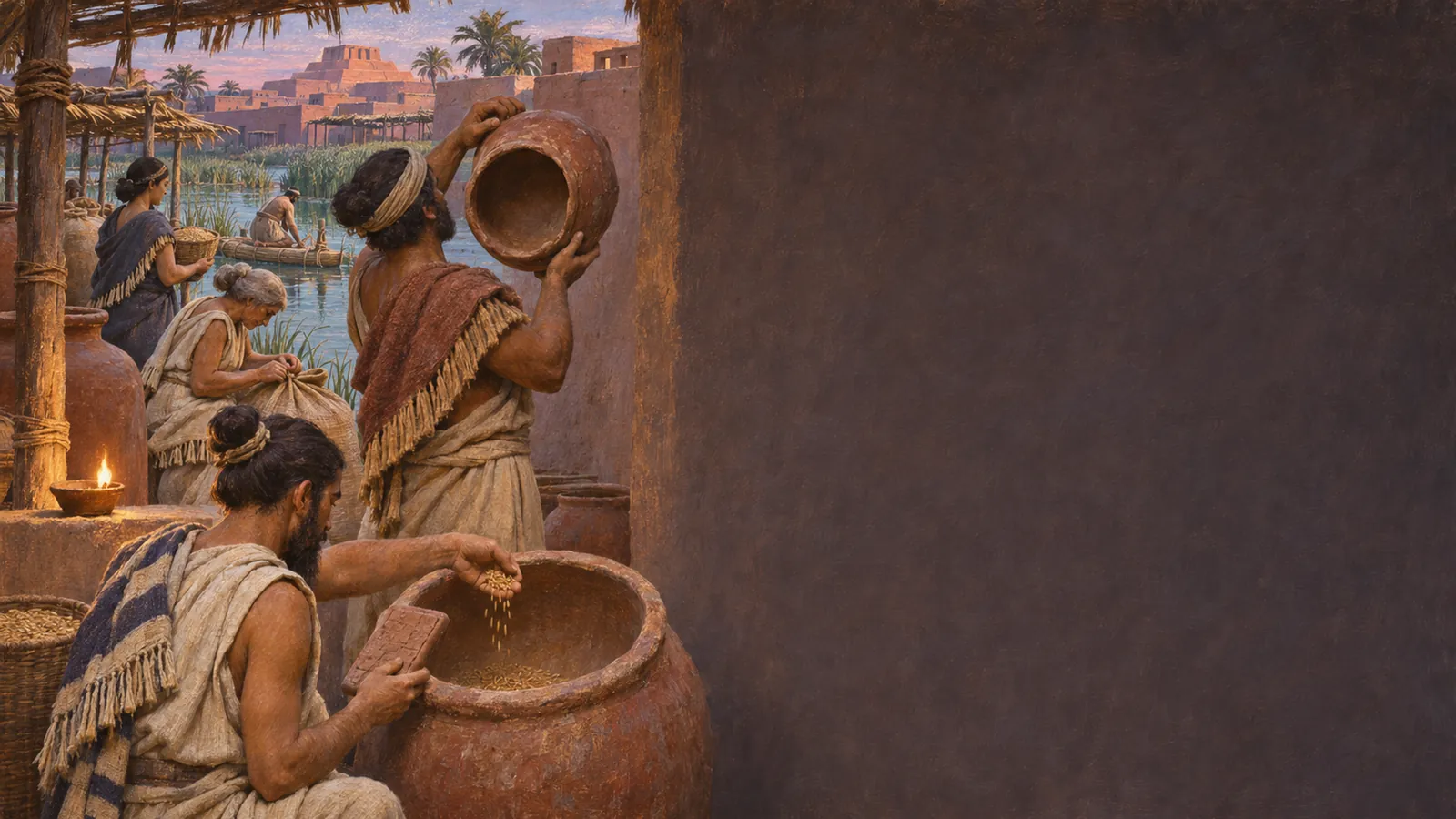
تذكر السطور المتضرّرة احتمال نقص الحبوب، وأوعيةً لا ماء فيها. وفي هذه الحال لا ينال المسؤول عن القرابين المعتادة حصّةً إضافيّة.
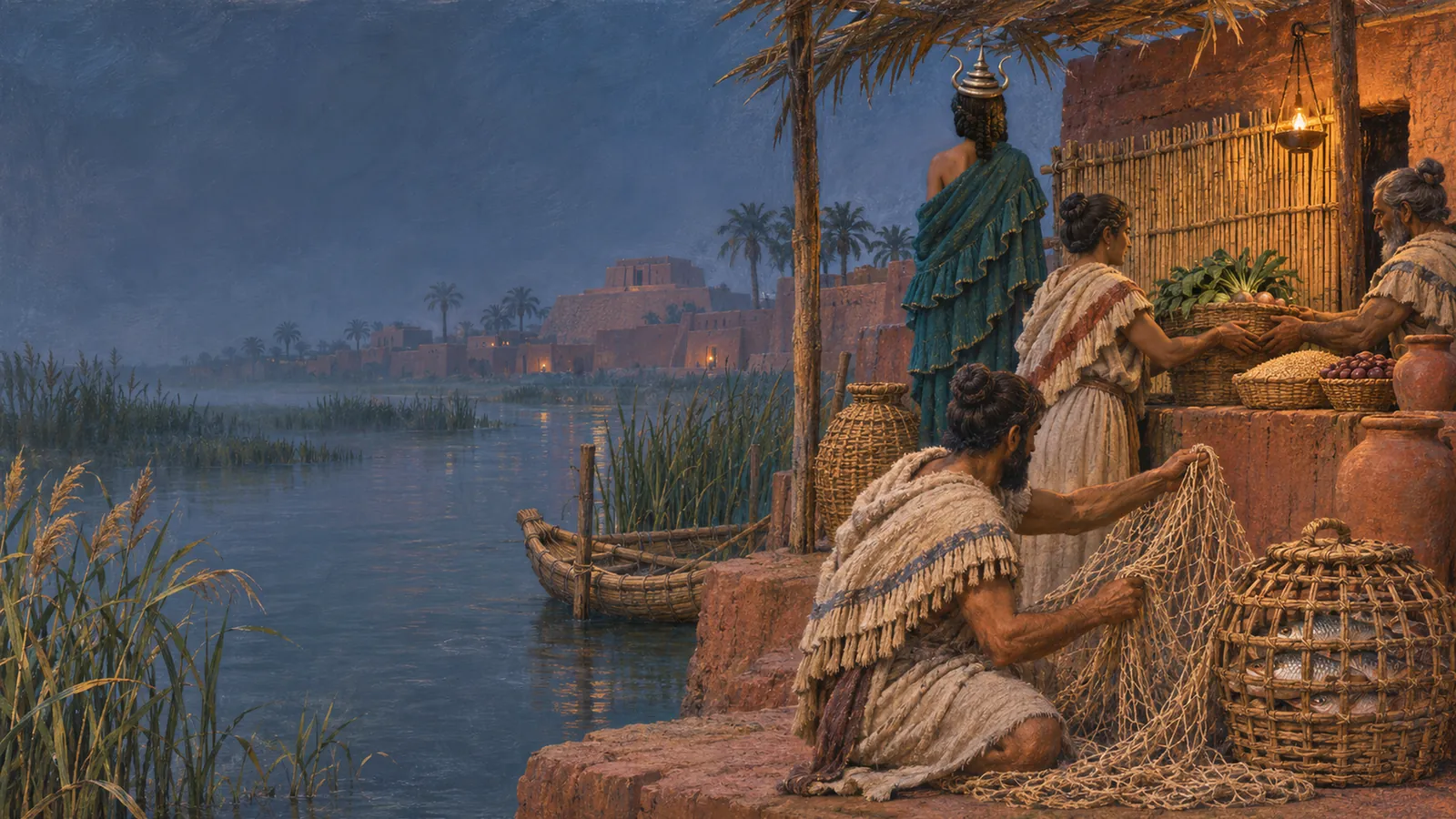
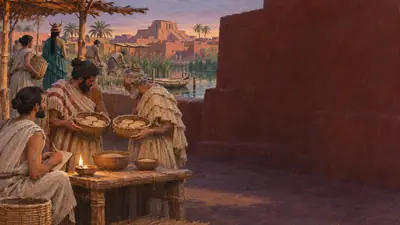
تذكر الترنيمة الطعام والشراب، وما بقي من القرابين، ورسوم السمك، وأحواض القصب، وما جُمع من الحديقة. وفيها عبارة غير مؤكّدة عمّا يجوز أن يلامس ذلك. وتقول إنّه لا يجوز أخذ خبز المعابد لتوزيعه حصصًا.
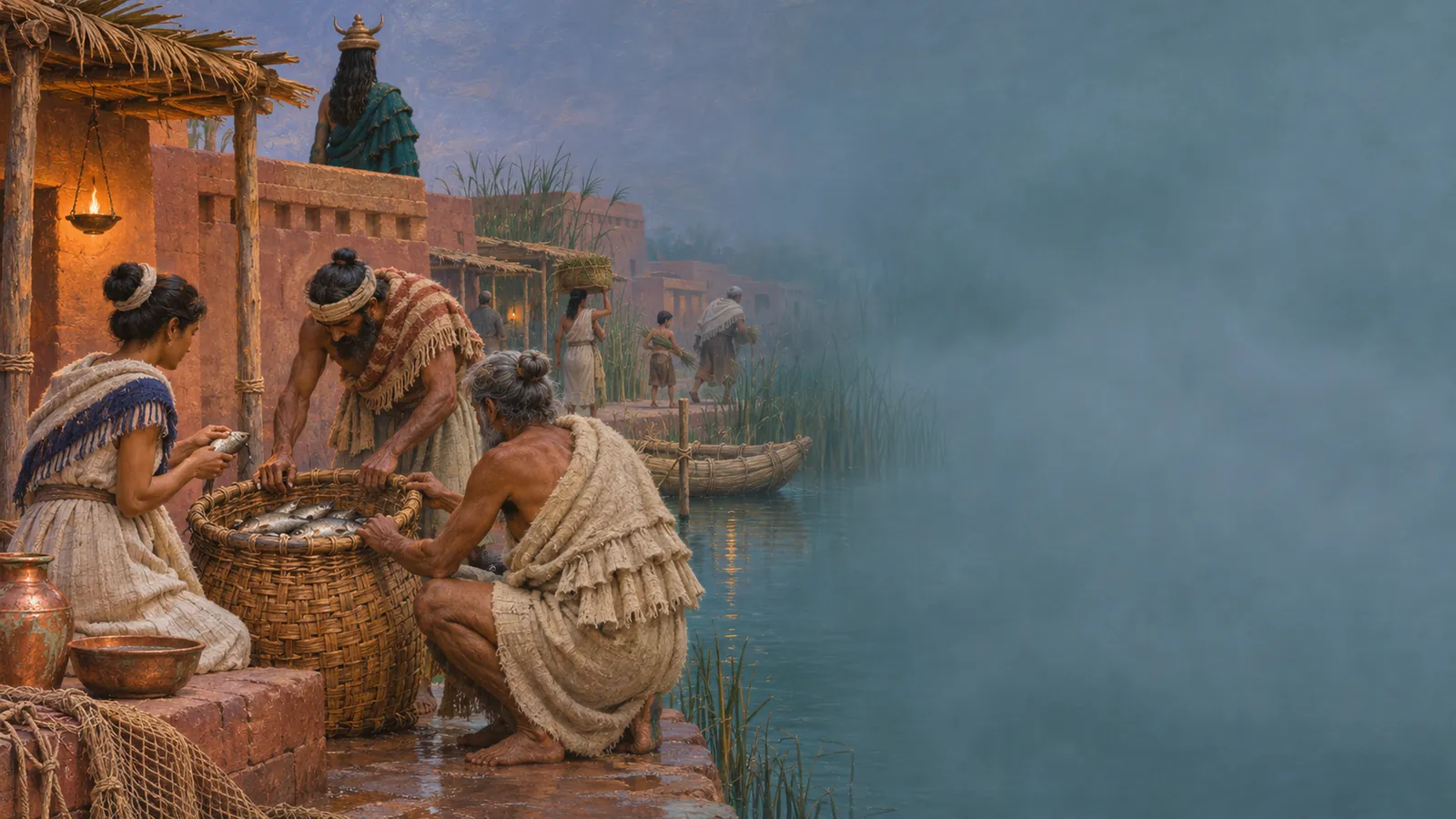
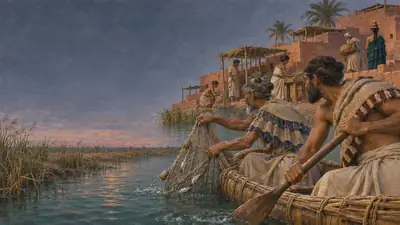
ينبغي أن تستمرّ الاستعدادات لعيد البواكير في المعبد. وتدعو الترنيمة إلى تعيين من يجلب الدهن والحليب والسمك، وتجعل إيصال السمك مهمّةً يوميّة.
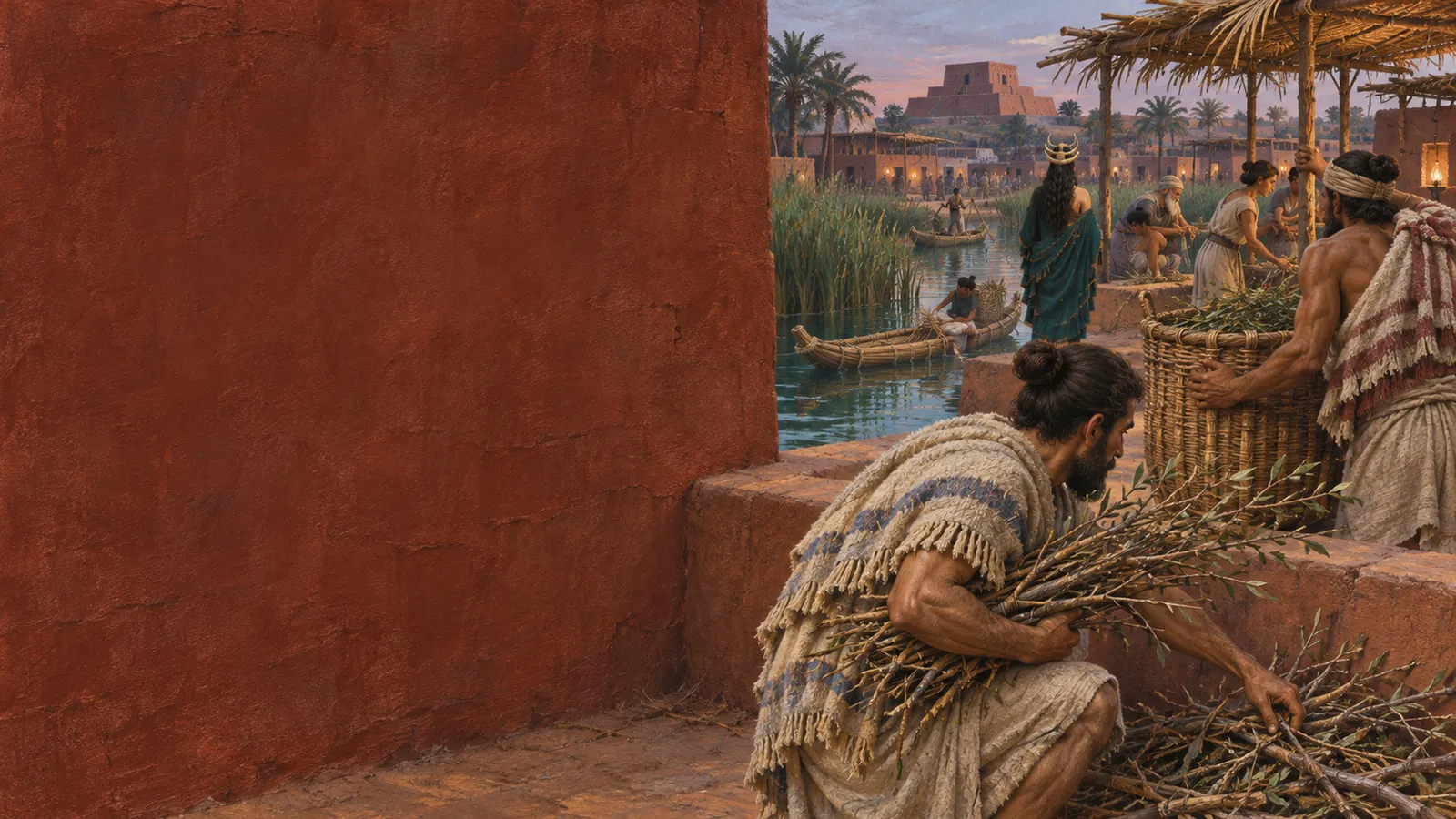
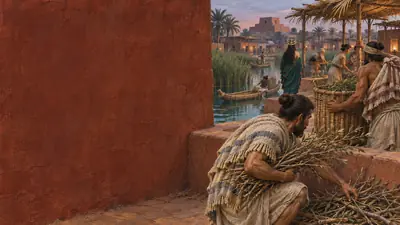
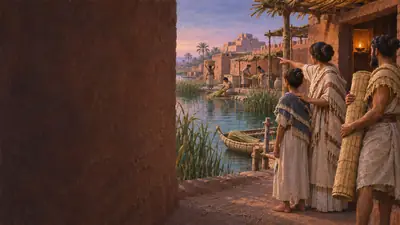
يأتي حامل بالحطب من الريف المفتوح. وتجعله الترنيمة يخزّنه على جوانب البيت وفي زواياه.
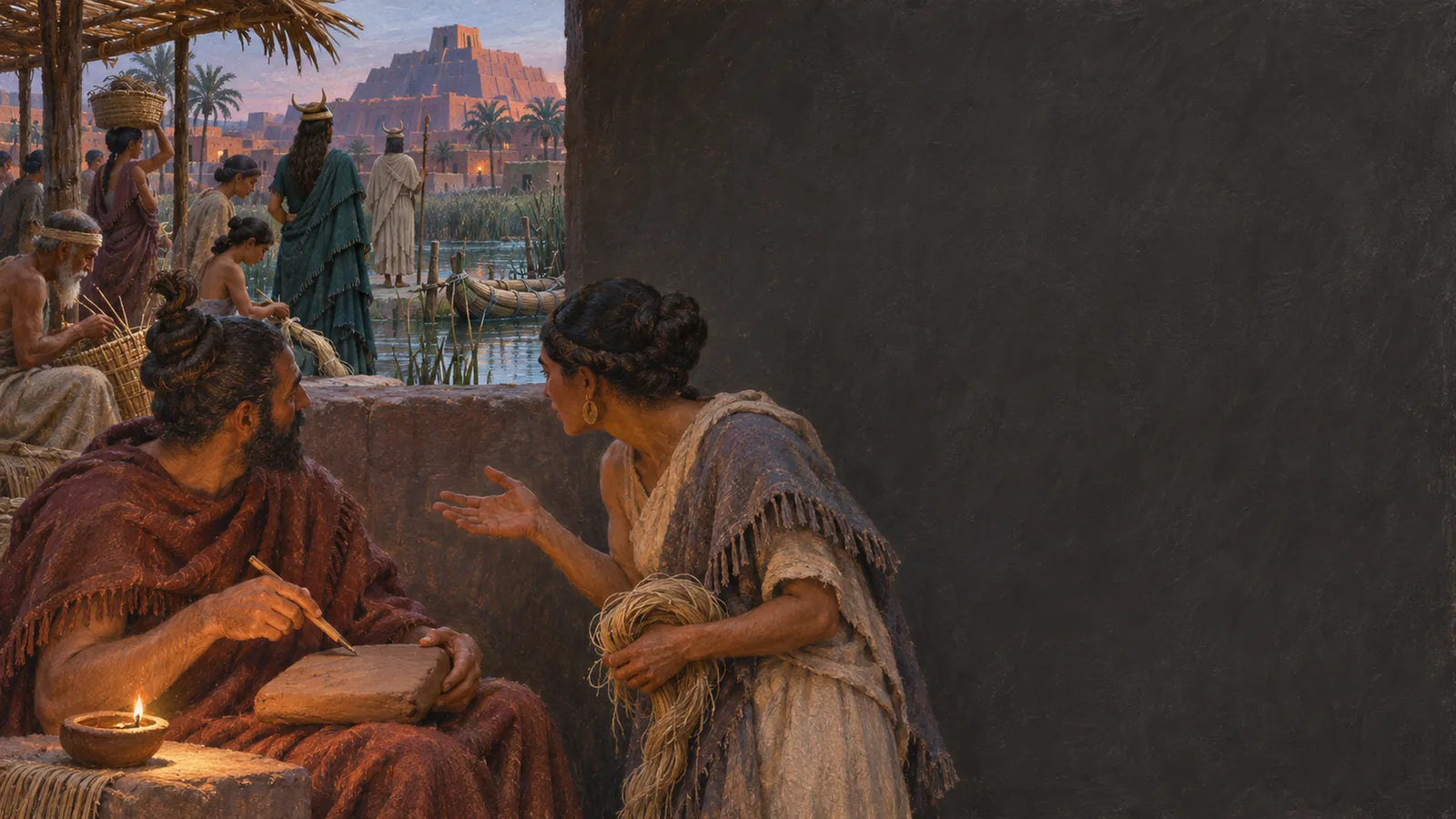
تسمّي الترنيمة هندورساجا، المولود لأوتو، قيّمًا على بيت نانشه. وتتحدّث عمّن يؤكّد الكلام أو يعارضه. وتبقى العبارة عن المجيء من الخارج غير مؤكّدة.
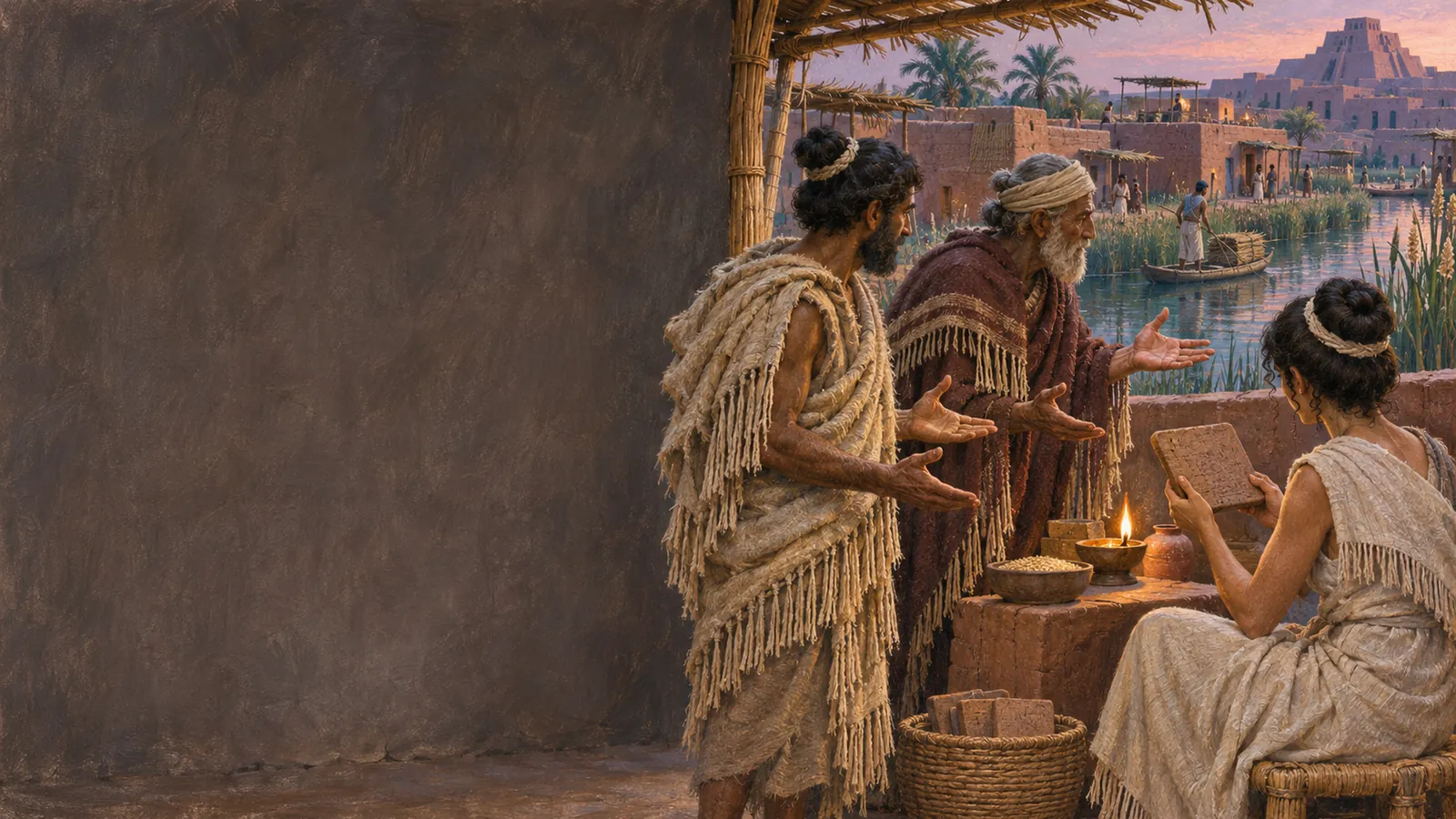
يميّز هندورساجا بين الأعمال الحسنة والسيّئة. وتأتي بعدها كلمات تالفة لا يظهر فيها سوى جزء من اسم إلهة وإشارة إلى ولد لسوين.
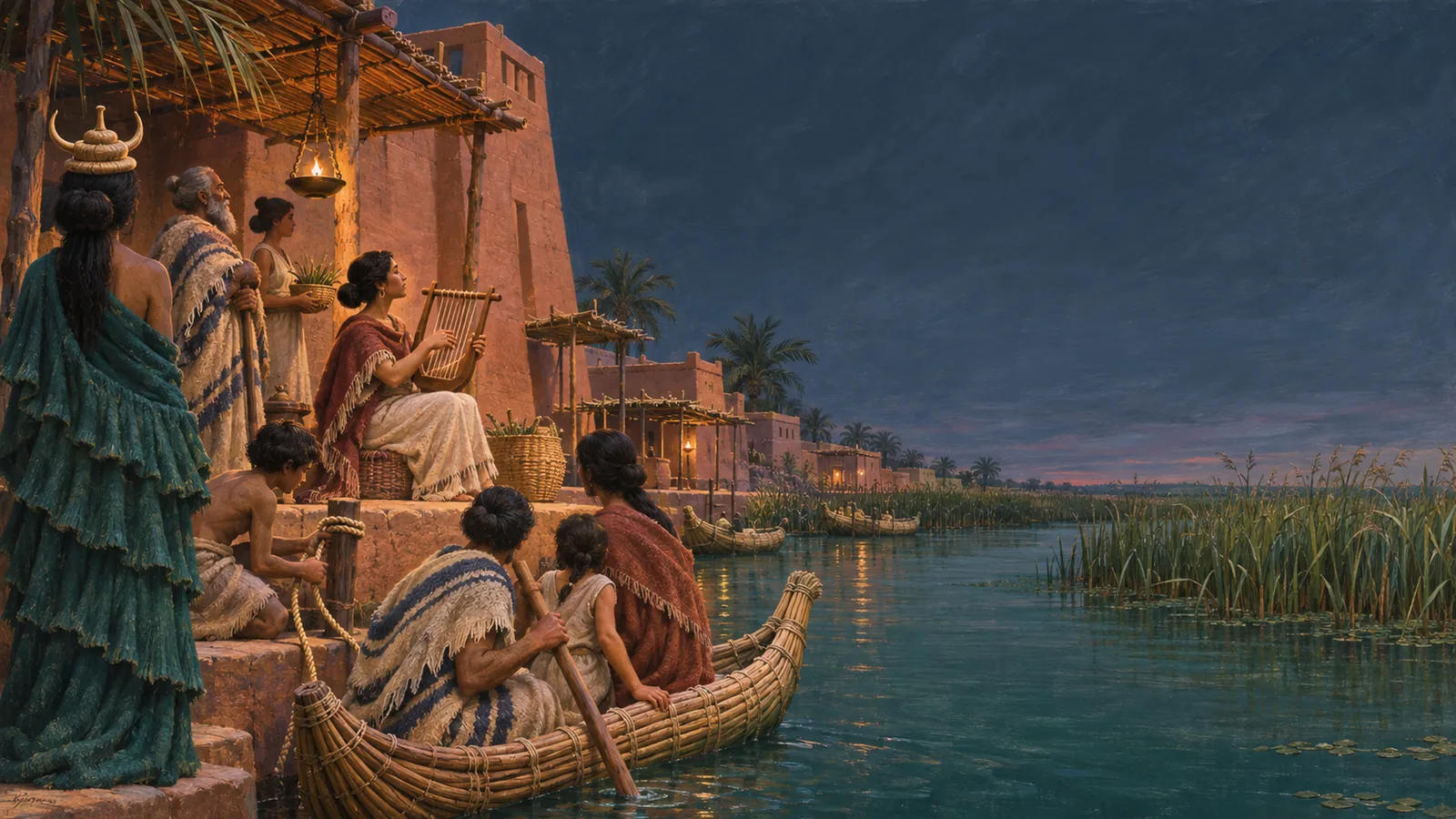
يدعو المنشد كلّ البلاد إلى مديح نانشه، السيّدة التي تصيب في أوامرها ولا يمكن أن تُنتزع منها قواها المقدّسة.
رأس السنة
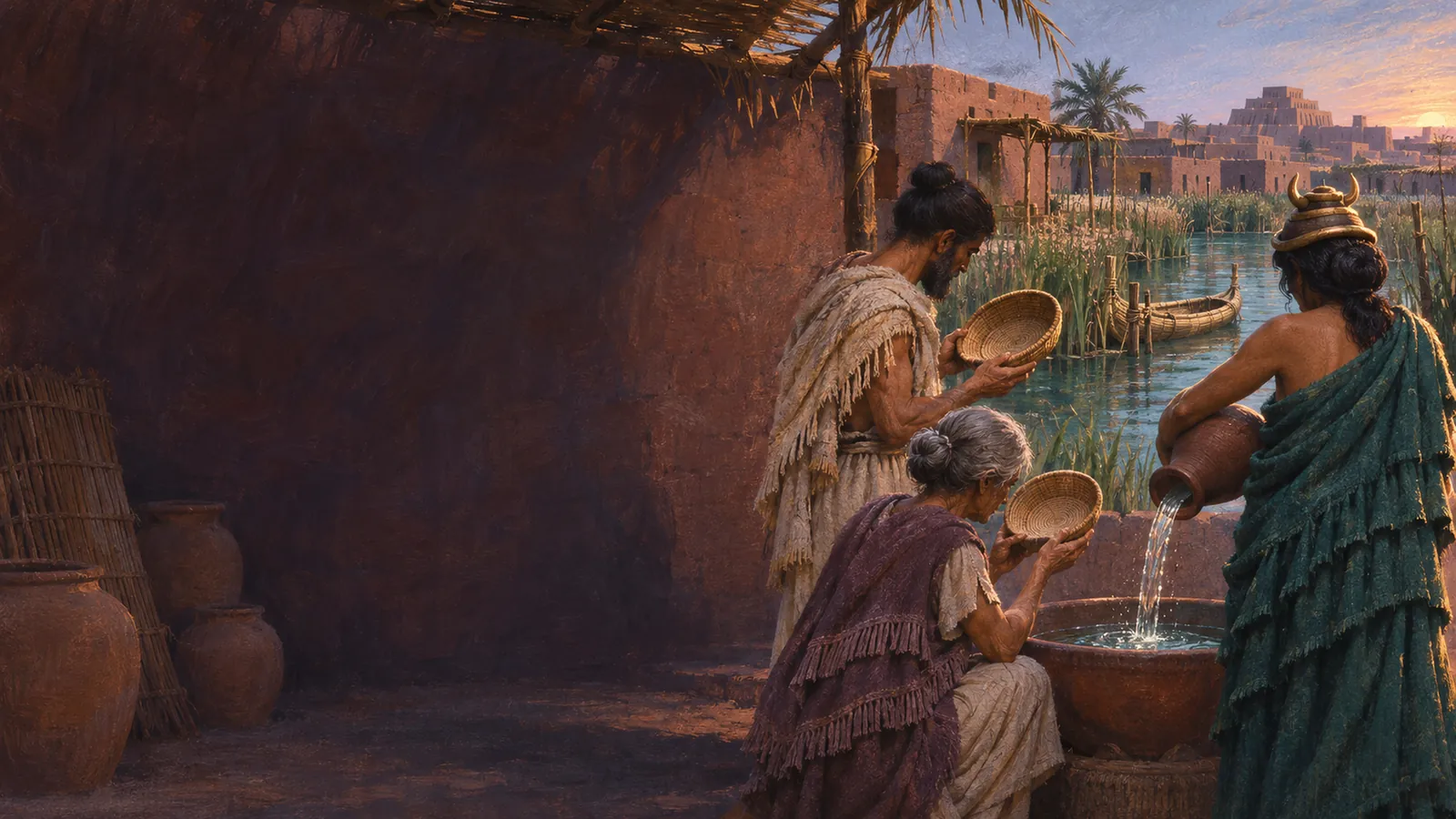
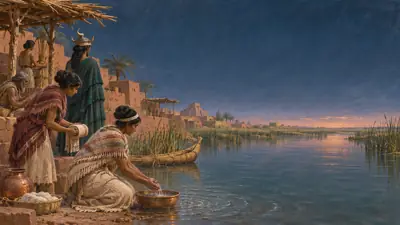
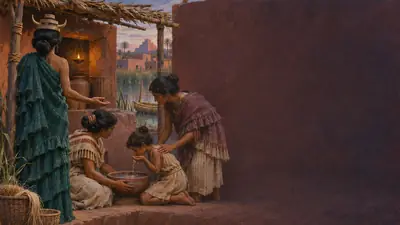
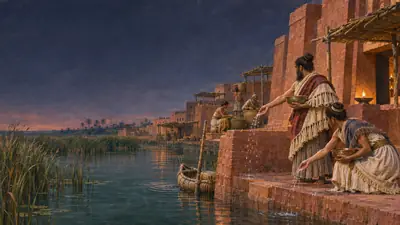
عند رأس السنة تسكب نانشه الماء، لكنّ جزءًا من ذلك السطر ضاع. وفي اليوم الذي تُفحص فيه أوعية الحصص، تفحص الخدم أيضًا قبل تعيينهم.
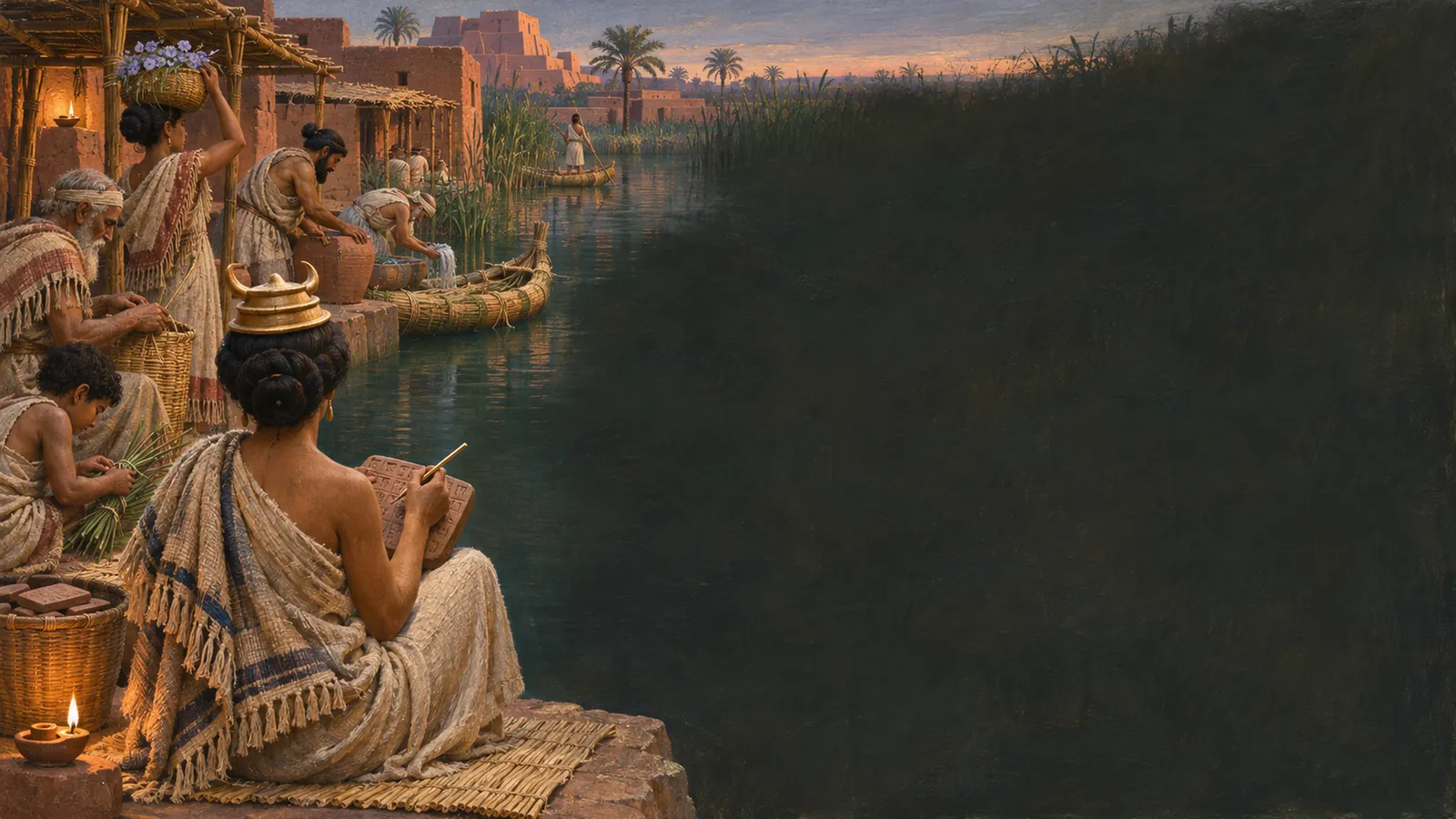
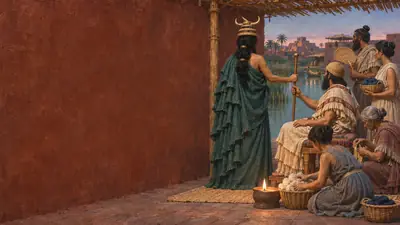
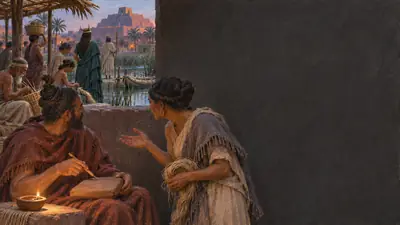
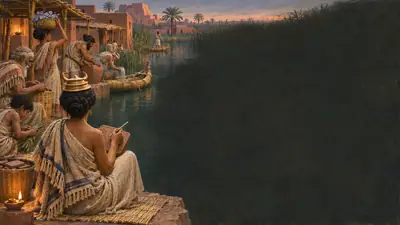
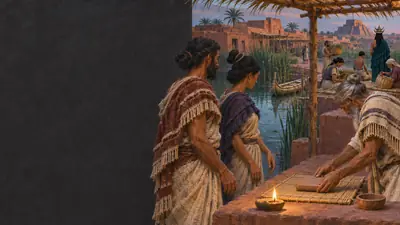
تضع نيسابا، كبيرة الكتبة، الألواح الثمينة على ركبتيها وتأخذ مِرقمًا من ذهب. ثمّ تصفّ الخدم في صفّ واحد أمام نانشه.
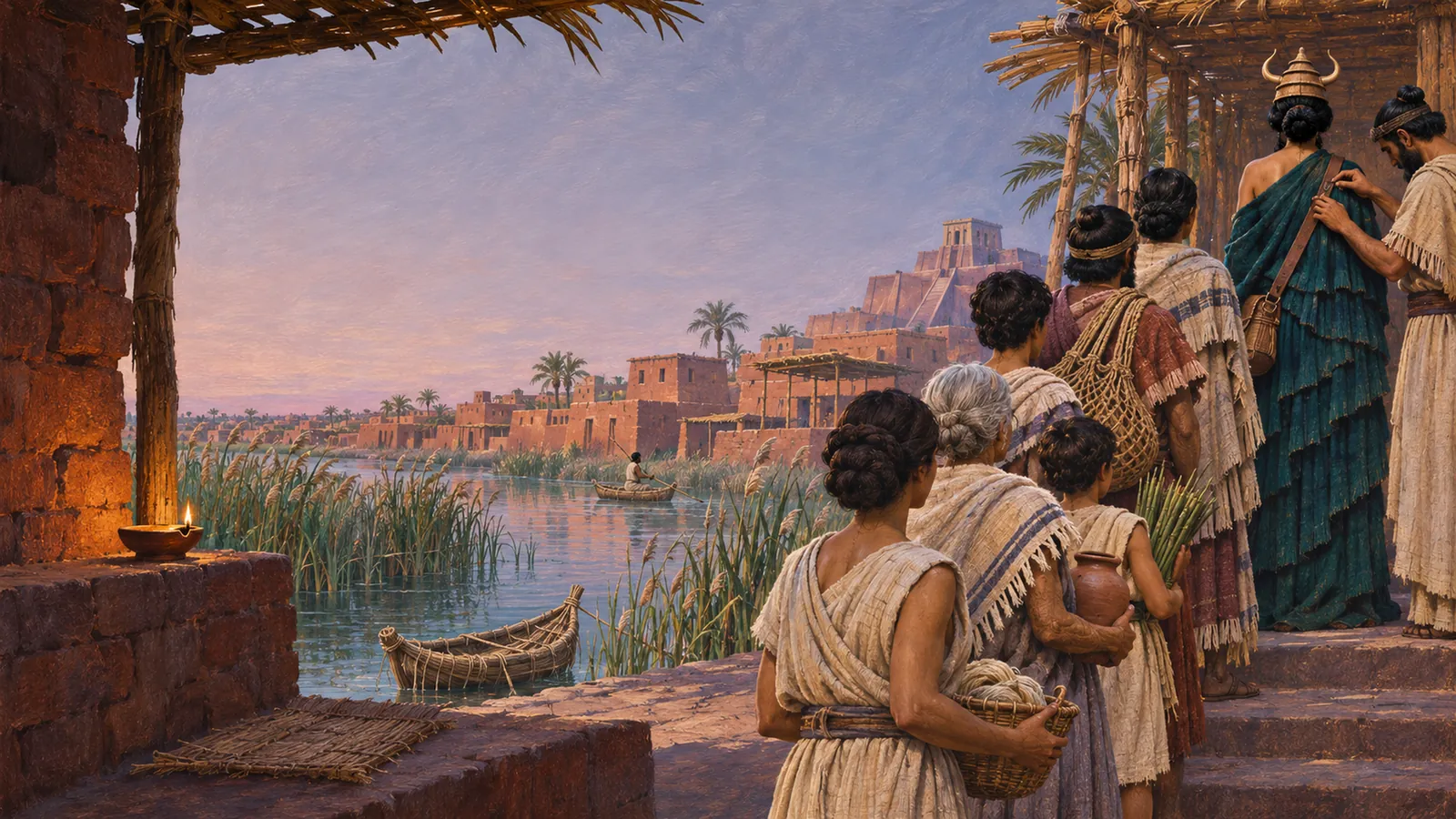
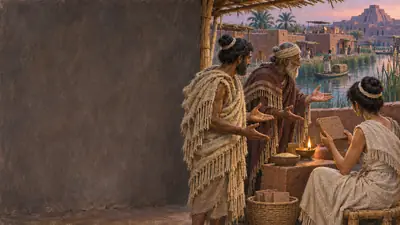
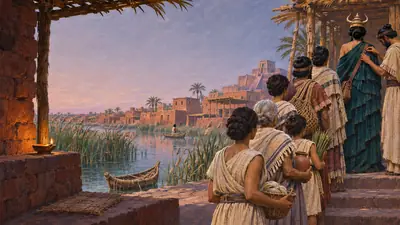
يصطفّ الخدم أمام نانشه. ويُبتّ في ما إذا كان لابس الجلد يستطيع الدخول بجلده، ولابس الكتّان يستطيع المرور بكتّانه.
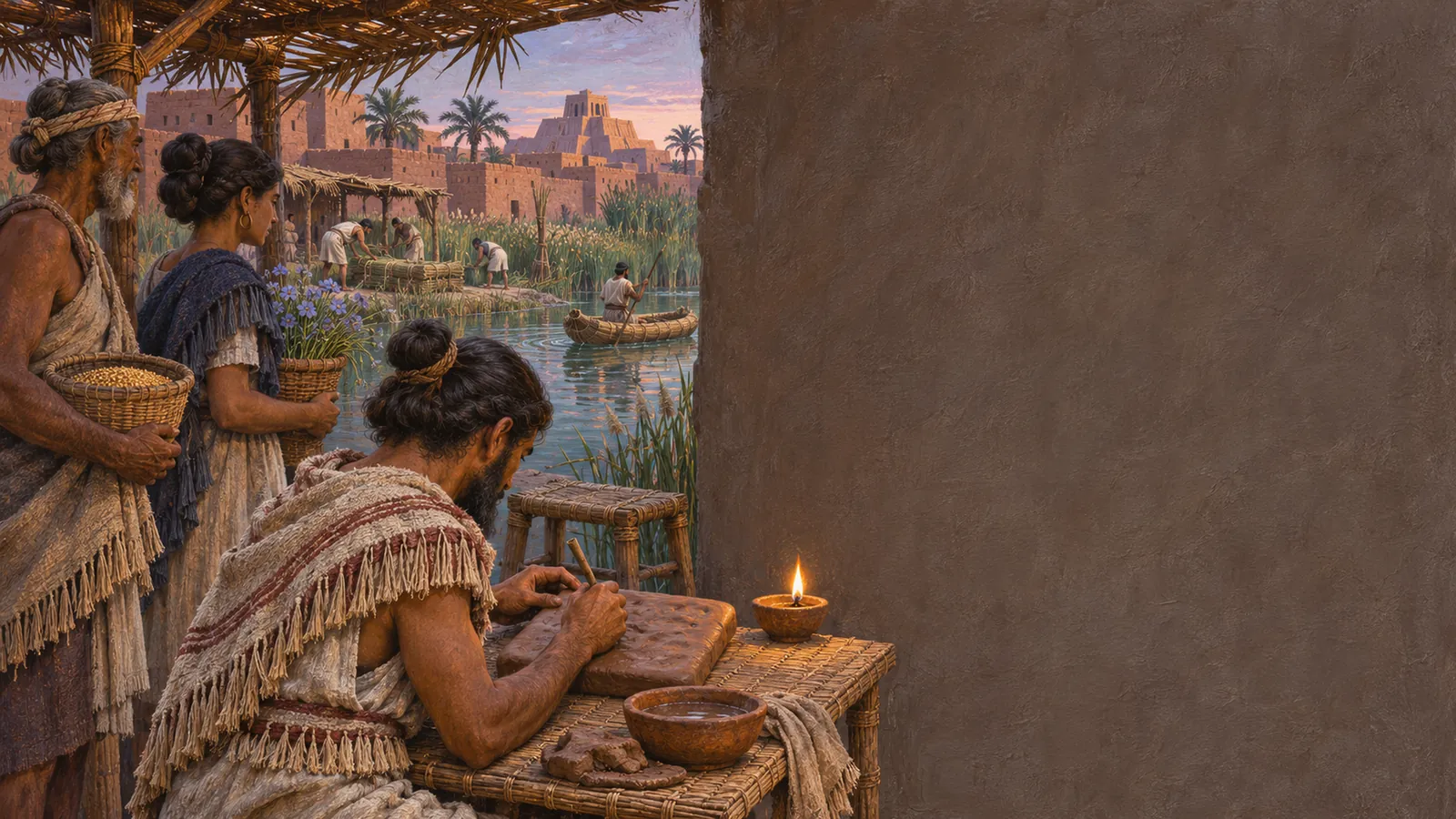
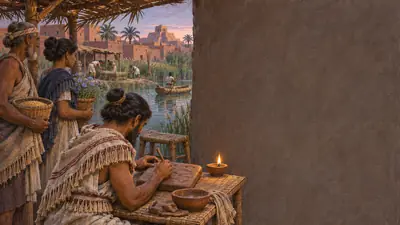
يفقد الخادم الذي أُبلغ عن فراره منصبه. ويسجّل هايا الخادم الأمين على لوح ويمحو اسم امرأة حُكم بأنّها لم تعد خادمة السيّدة.
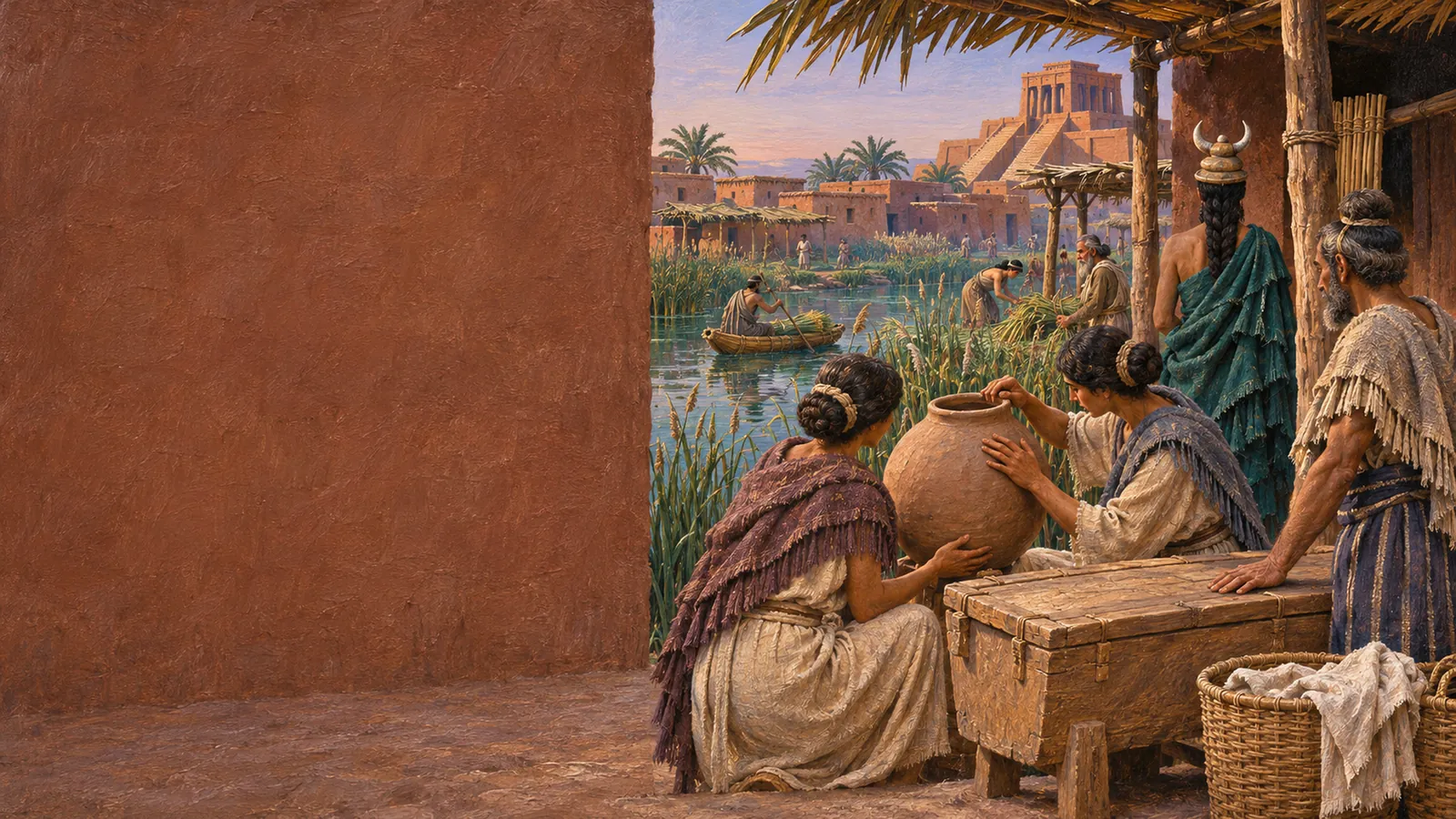
تذكر التعليمات الناقصة أوعية جافّة وطرقًا مختلّة وحوض عجن غير نظيف. وتنقطع عبارات عن النار والتعاويذ. ويُعزل كاهن «تشيتا أبا» الذي يؤدّي خدمته.
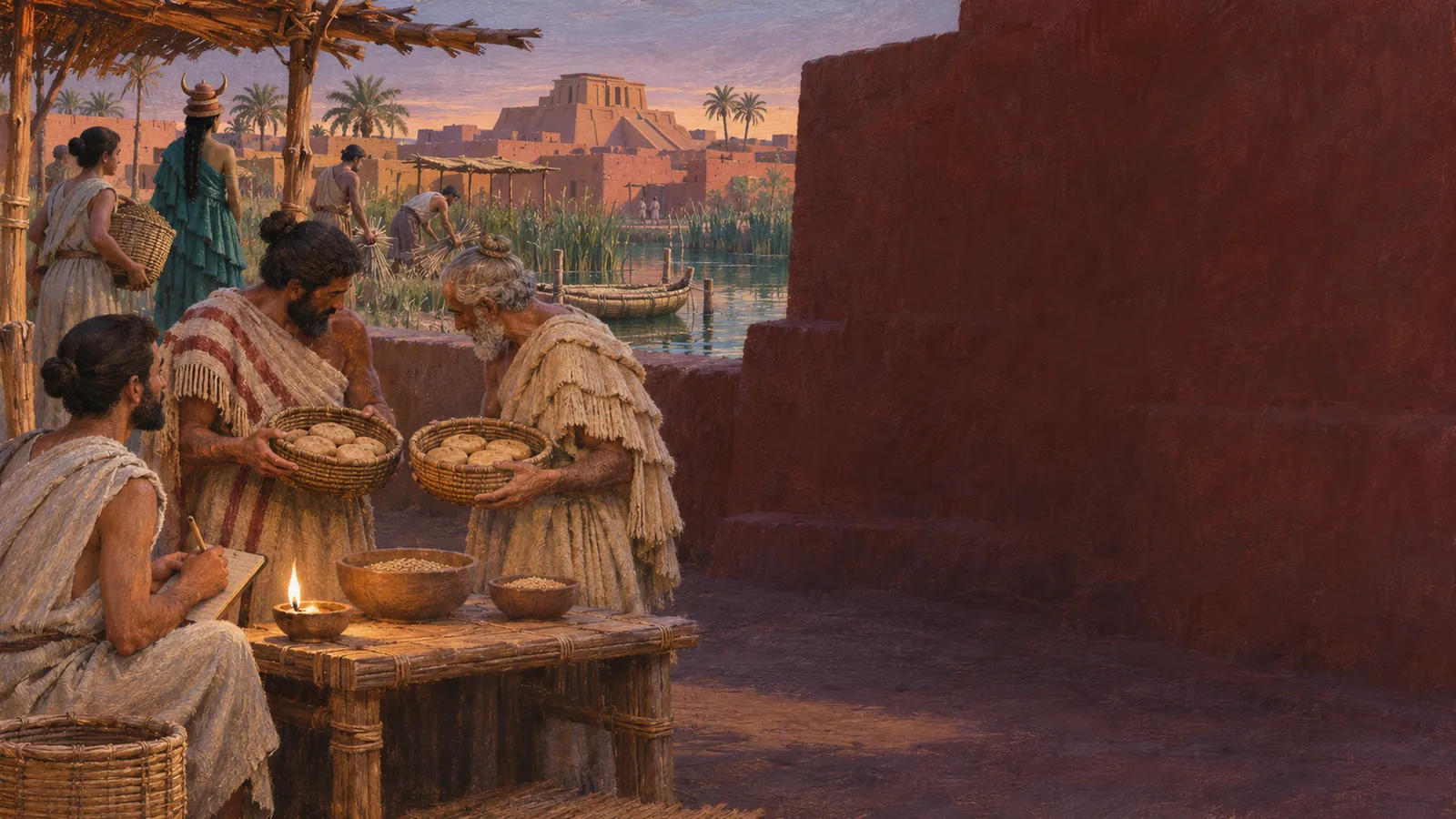
تُقدّم شكوى بحقّ الكاهن الذي يوزّع الطعام. ويقصّر كاهن آخر في خدمته، بحسب قراءة غير مؤكّدة في بعض أجزائها. ويذكر المقطع أنّ الحصص التالية تُمنع.
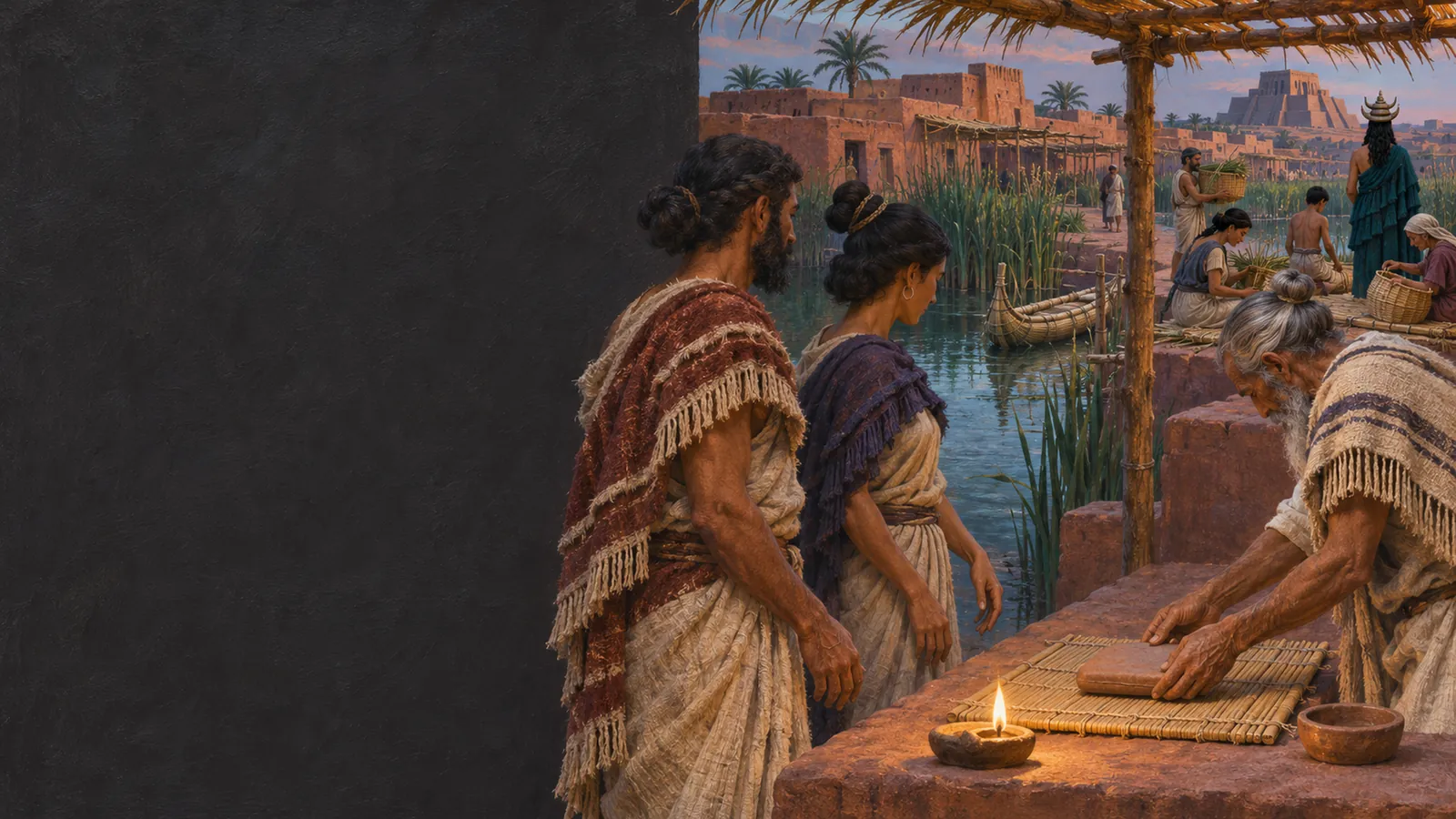
تصف الترنيمة هذه التعليمات بأنّها نهائيّة، وتقول إنّه لا يجوز أن يُضاف شيء إلى الطقوس. وتبقى الكلمات الأخيرة في المقطع غير واضحة.
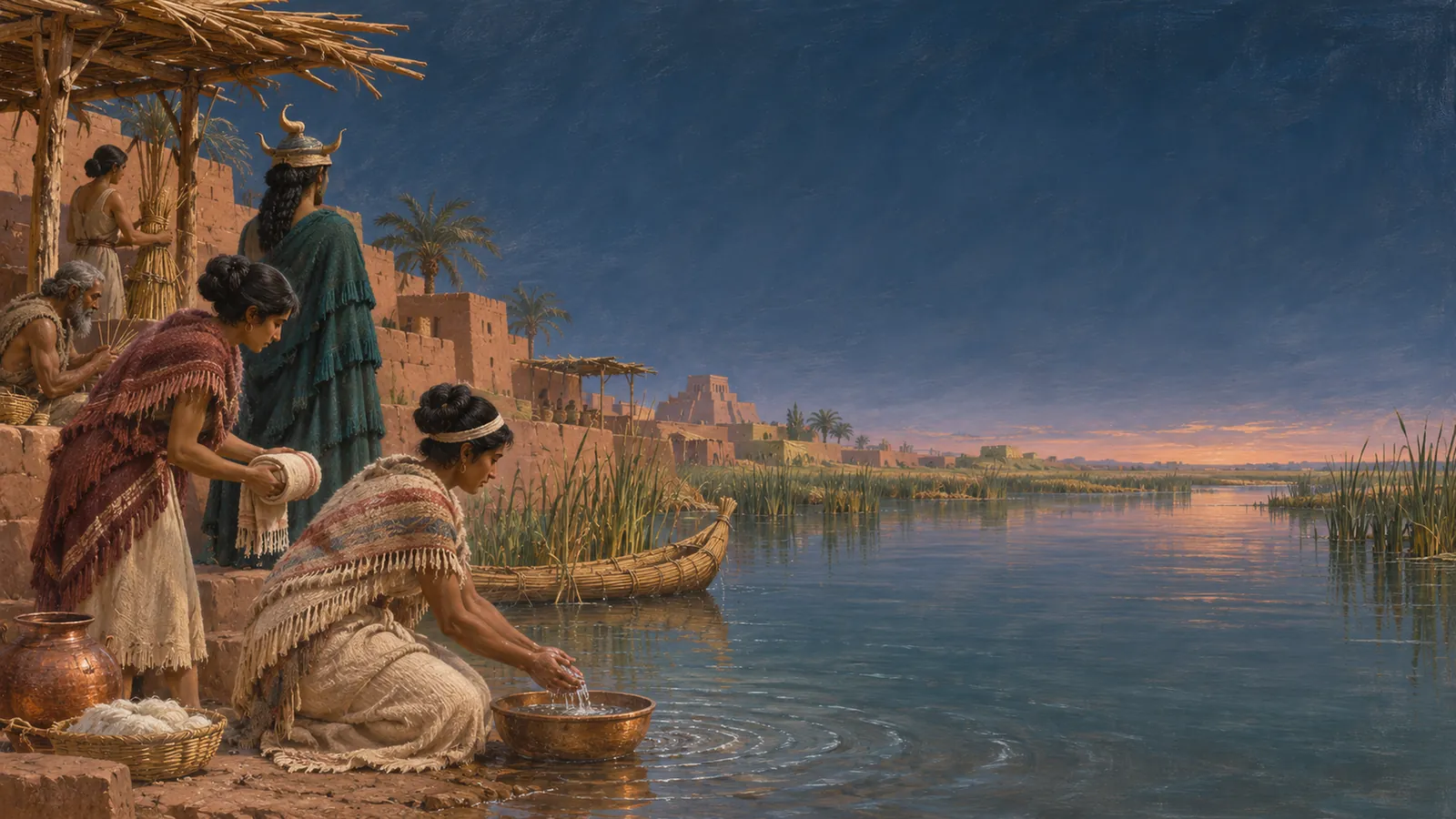
تقول الترنيمة إنّ نهر المحنة عند بيت نانشه يطهّر المرء. ثمّ تتحدّث، بكلمات ناقصة، عن رسائل وأغانٍ خرجت من الأبزو.
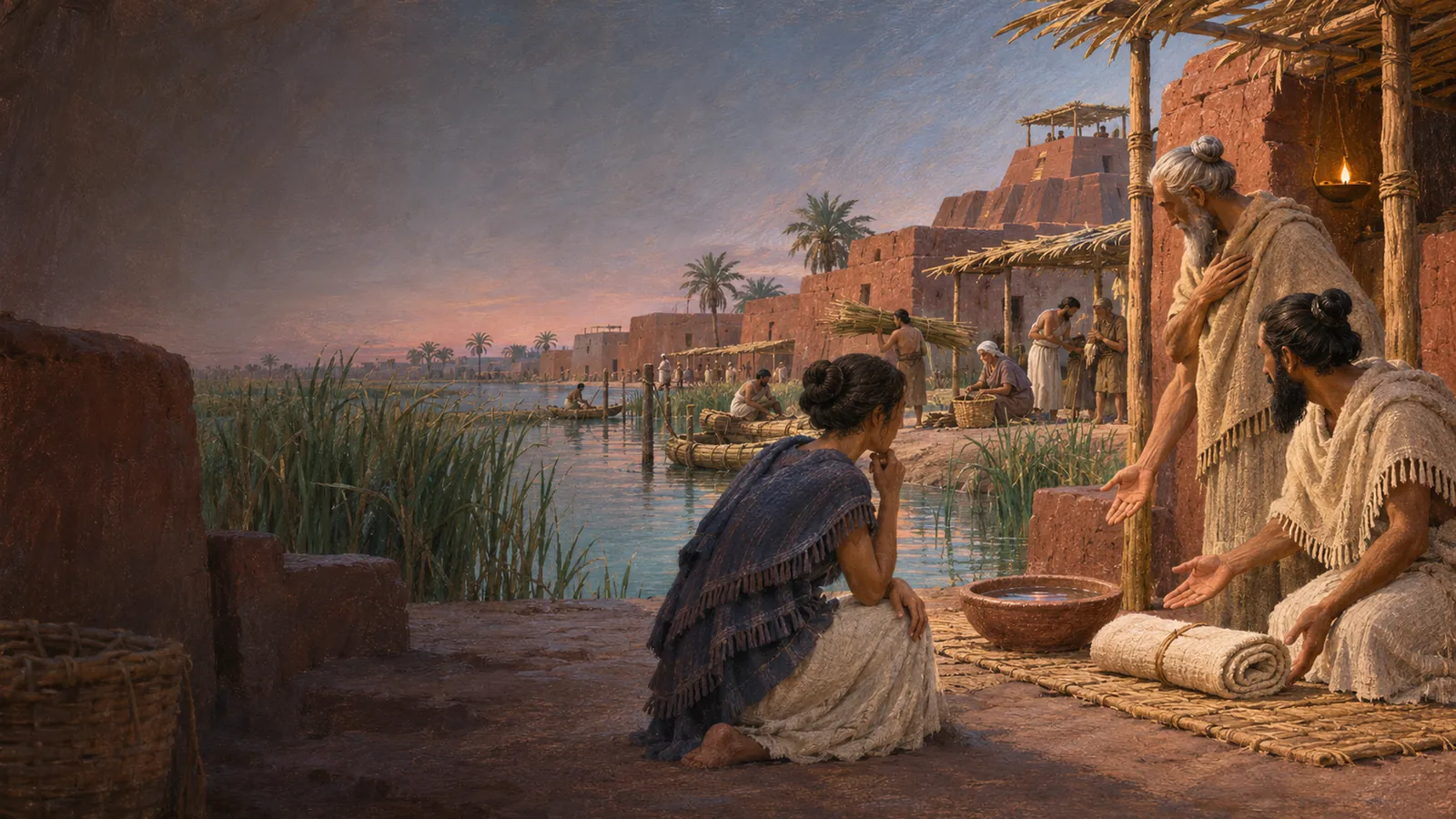
يختار كهنةٌ طقوس التطهير في قراءة تستفهم عنها الطبعة. وتمنع الترنيمة الكلام المعاند أو المهدِّد حين تعود إلى ألفاظ الطقوس.
الحدود
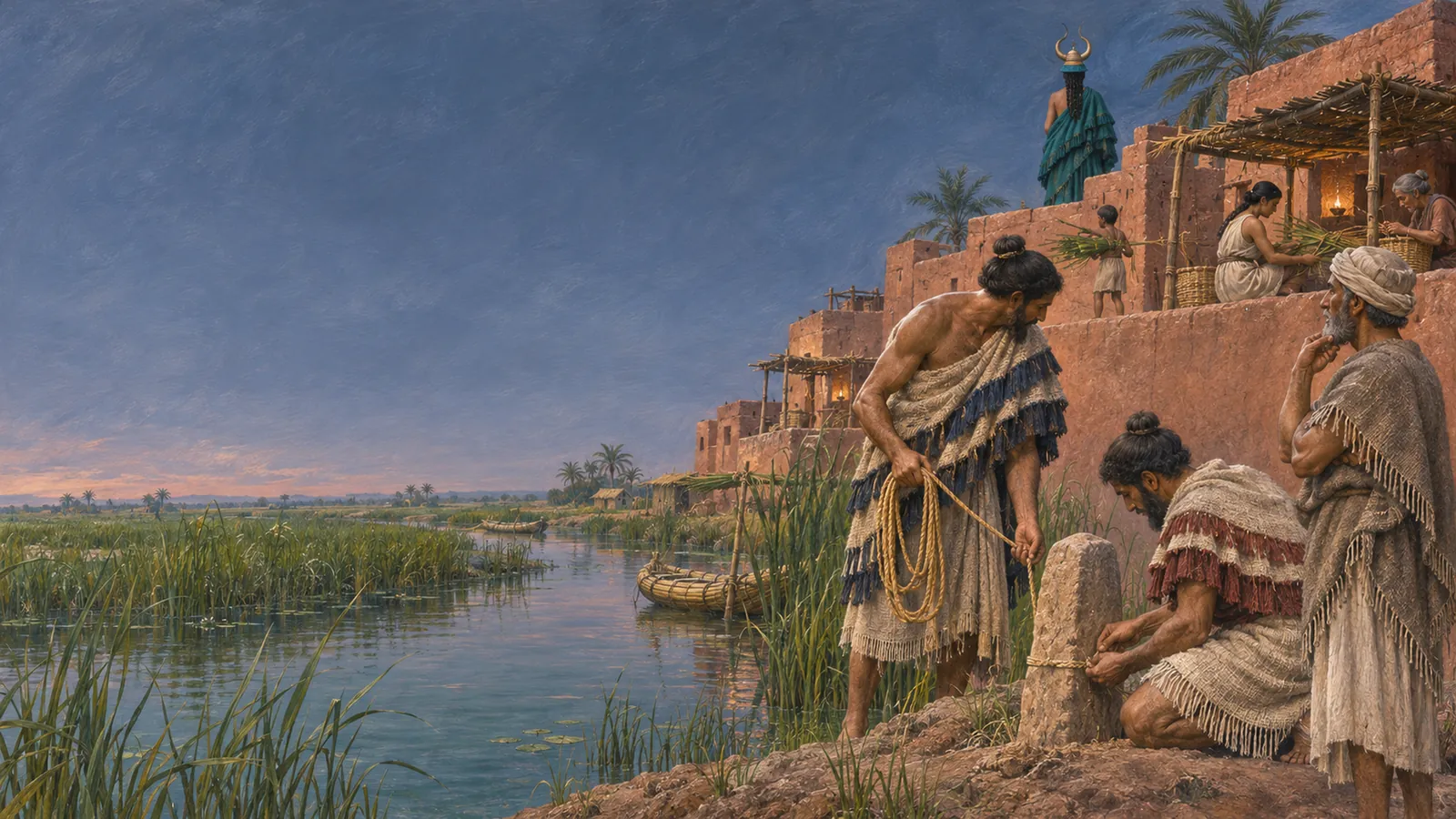
تذكر الترنيمة من يرتكب العنف أو يغيّر حدًّا مرسومًا. ولعلّ إحدى الشذرات تصف مدّ اليد بالقوّة. والكلام عن الأساس الثابت وموضع القَسَم متضرّر.
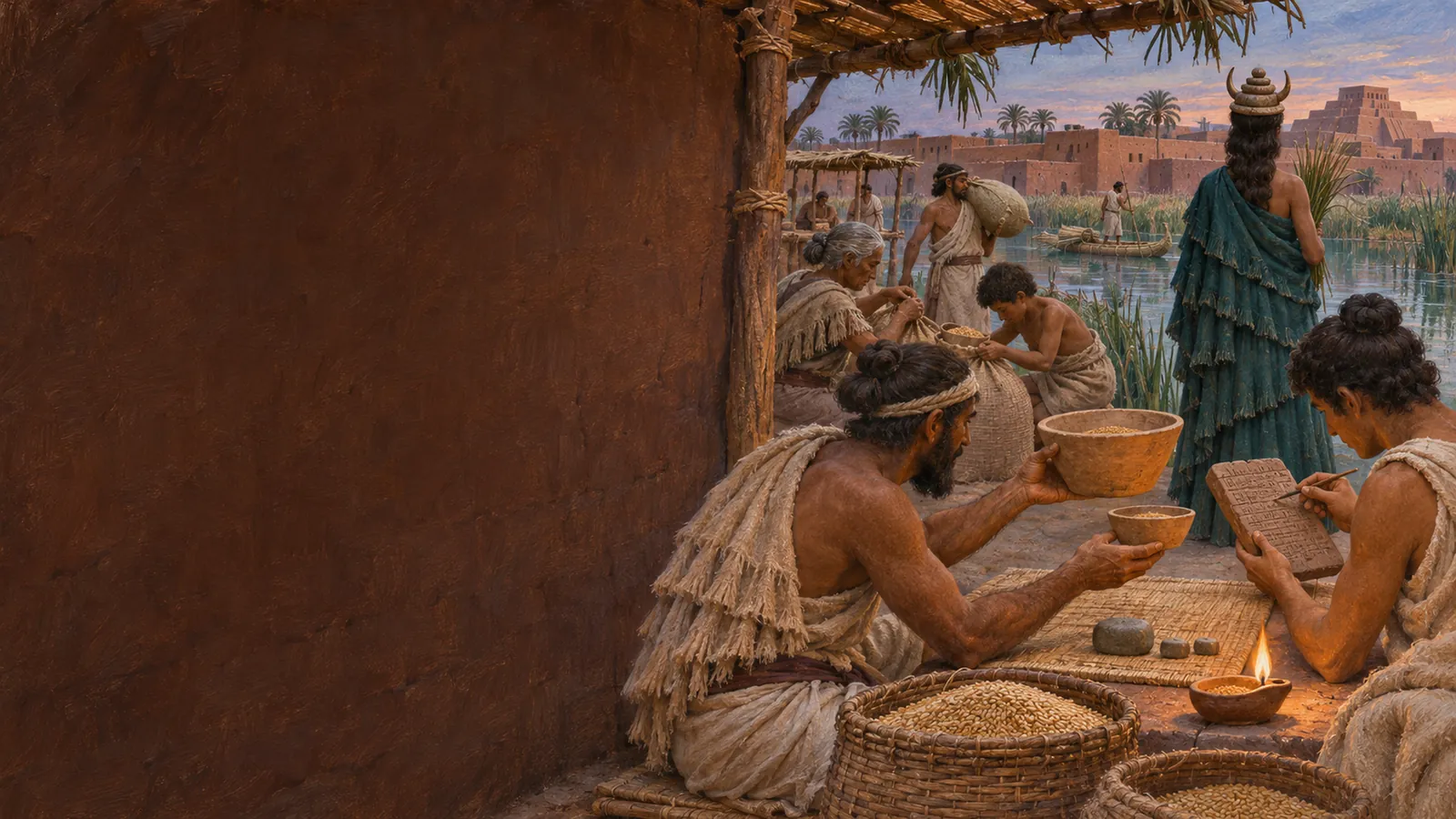
لعلّ الترنيمة تصف استعمال وزن صغير بدل وزن كبير، ومكيال بان صغير بدل مكيال كبير. وتتحدّث أيضًا عن الرغبة في المزيد بعد الحصول على شيء.
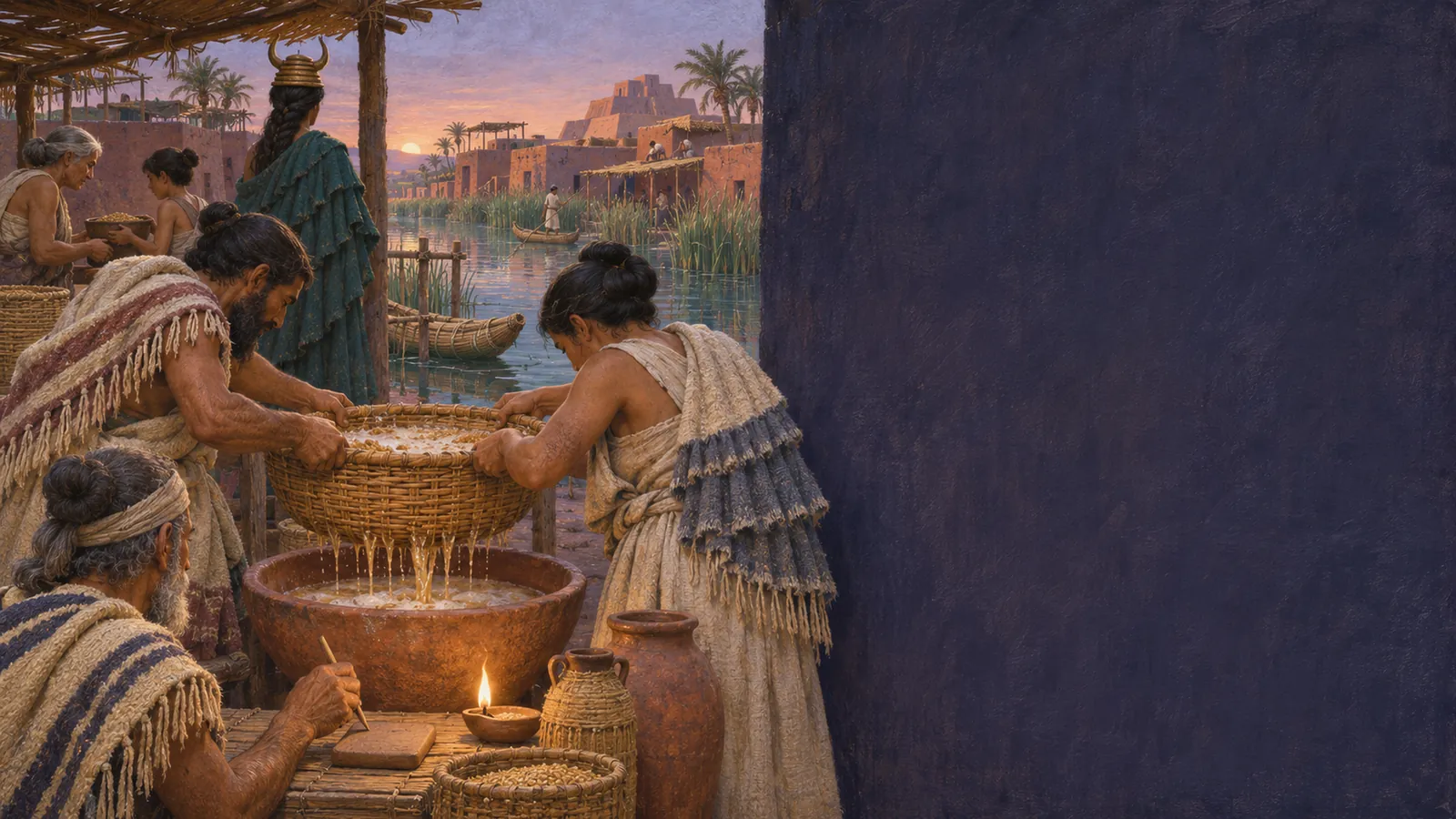
تصف الترنيمة أناسًا أكلوا أو شربوا من غير أن يقولوا ذلك، ثم يعدون بتقديم وعاء وتصفية الجعة. وتلي ذلك عبارات متضرّرة عن خادمة وشخص لا يُؤتمن.
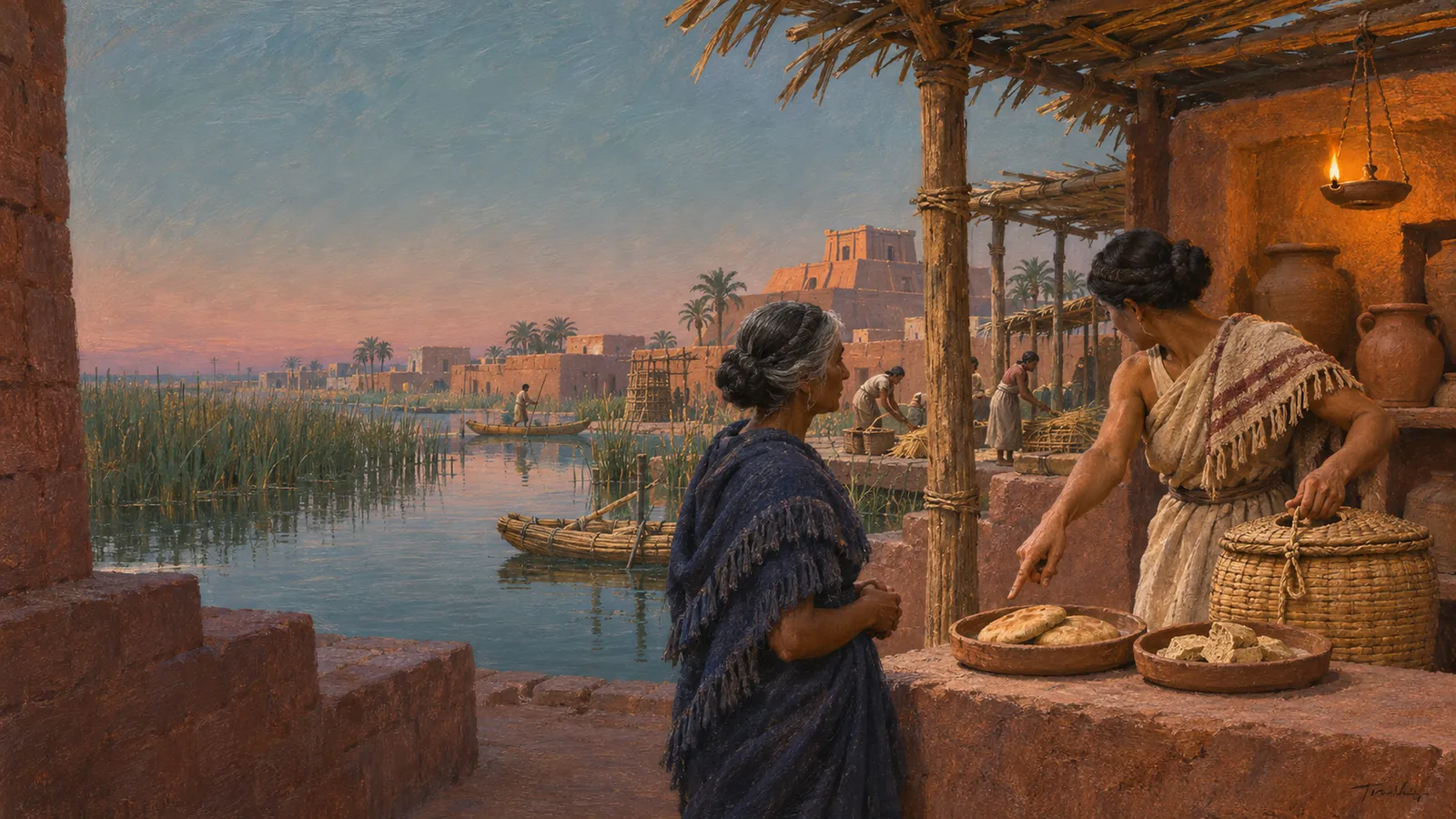
في هذا المقطع، يطلب شخصٌ طعامًا أو شرابًا، فتحرمه نانشه من الخبز بالدهن أو البيض اللامع. وصياغة الكلام عن تقديم الطعام وعن المخالفة غير مؤكّدة.
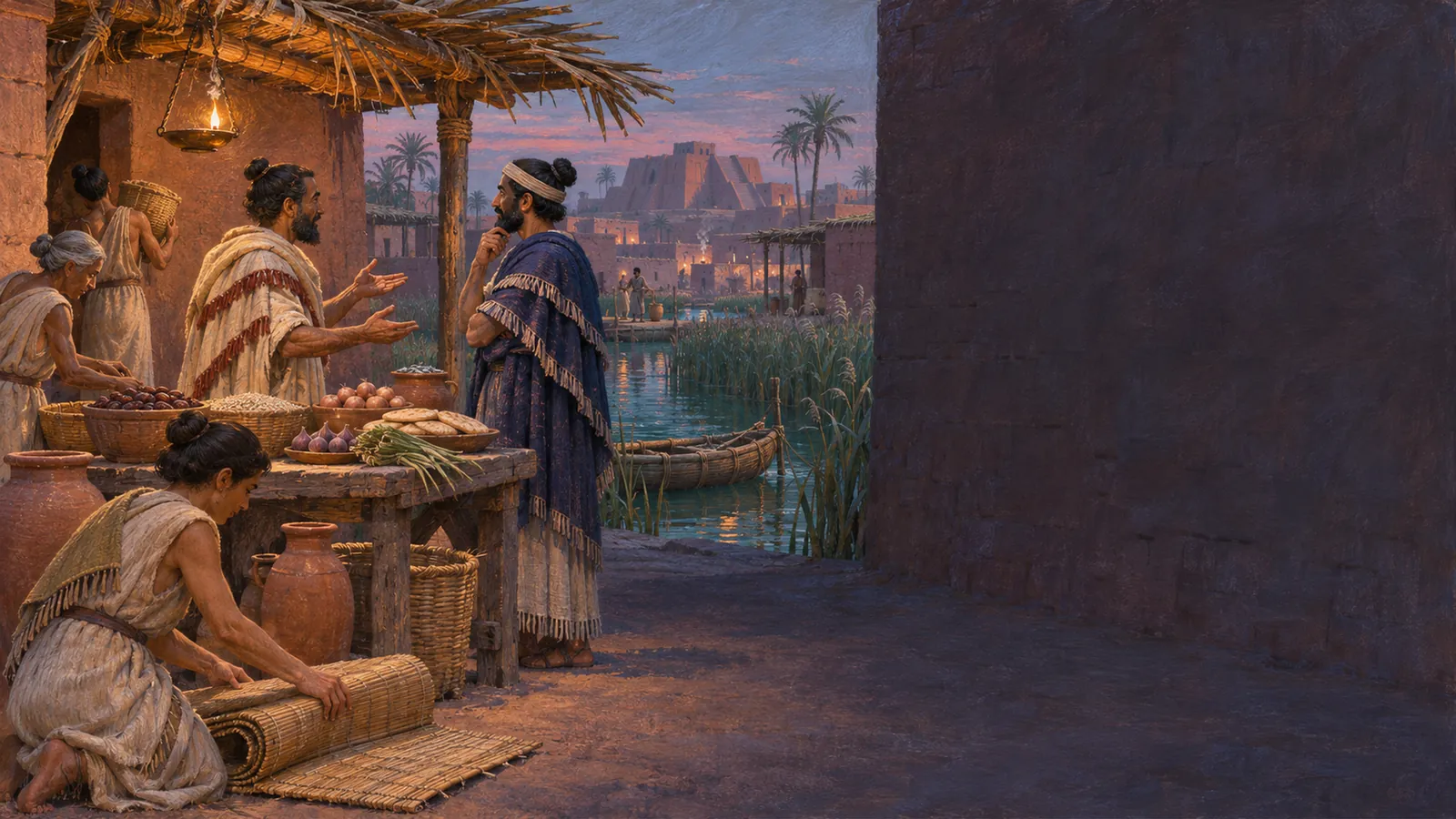
تتناول السطور المتضرّرة ما يقع إذا سُمح لشخص ارتكب العنف بأن يأكل. وبقي منها ذكر العينين وفم عاجز عن الحركة وقدمين تجرّان على الأرض.
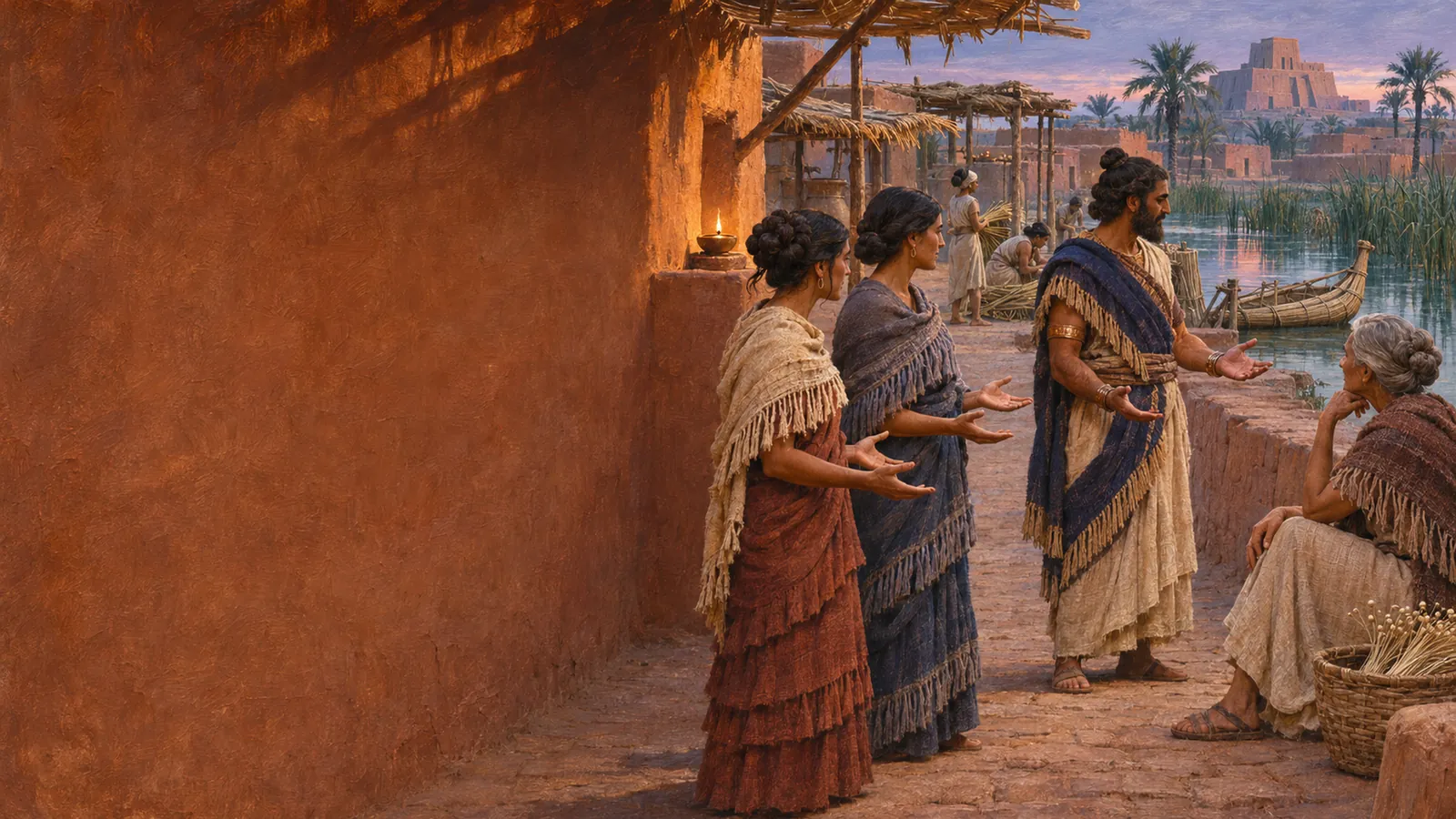
تذكر سطور متضرّرة أخرى شخصًا ذا نفوذ، وغنيًّا في الطريق، ورجلًا متزوّجًا. وتذكر زوجته وأرملةً، فيما فُقدت الكلمات التي تربط بينهما. وترد بعد ذلك عبارات عن الغضب والسخرية.
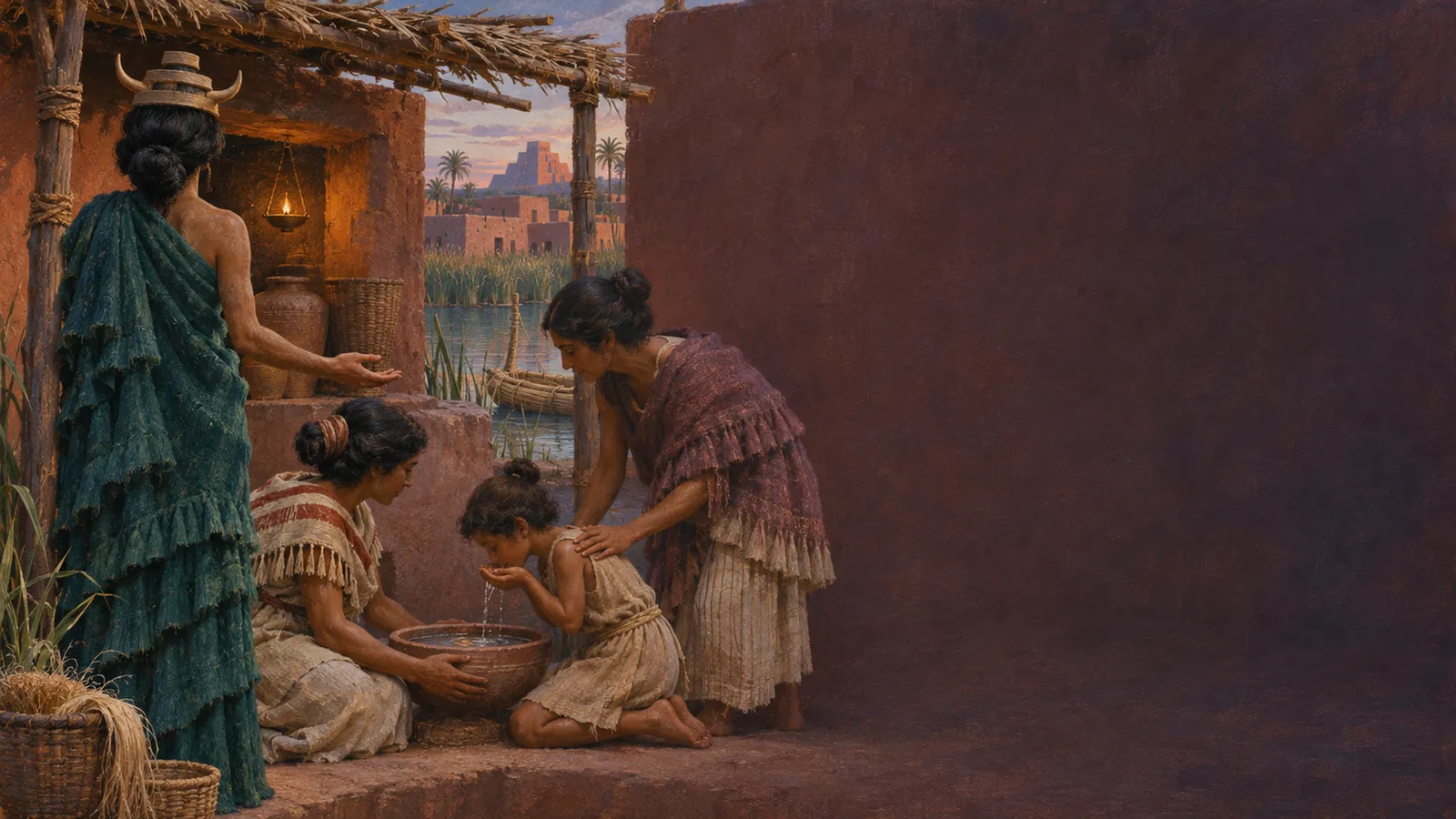
تقول الترنيمة إنّ نانشه ترى ما في القلوب. وتذكر سطور متضرّرة يتيمًا وأرملةً، ثم تتحدّث عن طفل مشرّد يُسلَّم إلى الأقوياء، وعن الأقوياء يُسلَّمون إلى من لا قوّة لهم.
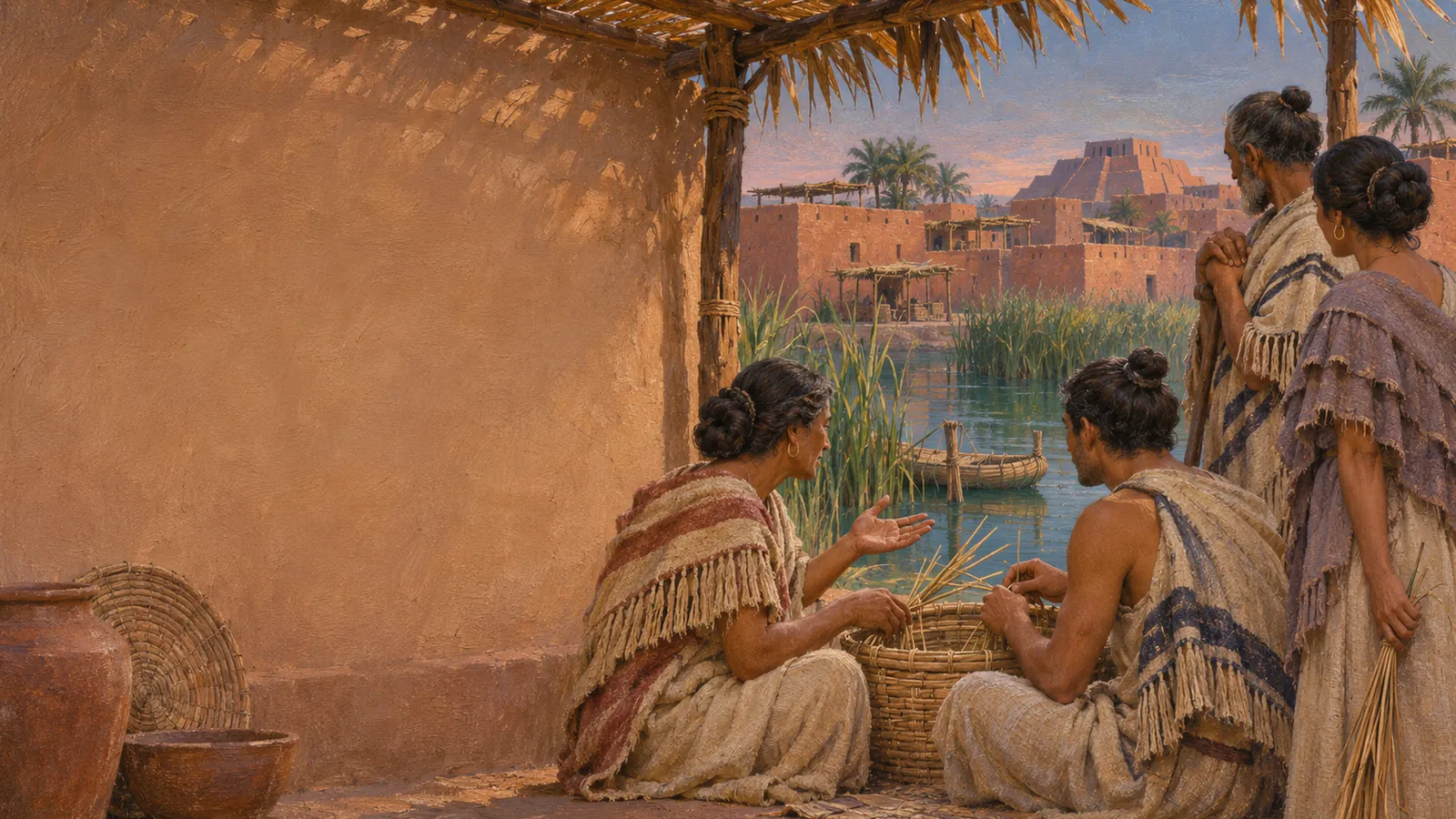
تذكر الترنيمة أمًّا توبّخ طفلها، وطفلًا يجيب أمّه بعناد. وتذكر أيضًا أخًا أصغر يتكلّم ضدّ أخيه الأكبر أو يردّ على أبيه بوقاحة.
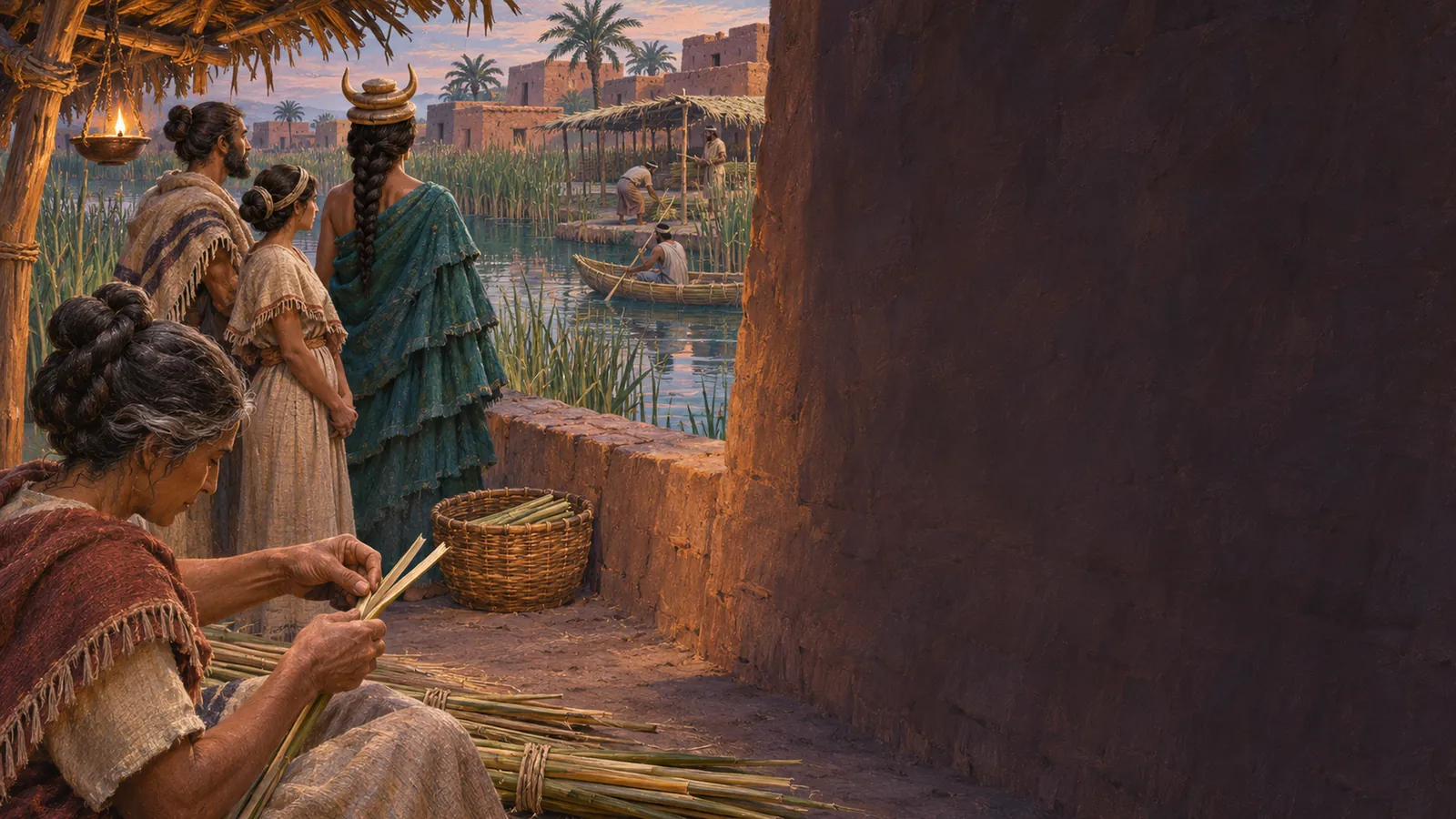
تقول الترنيمة إنّ نانشه ترى ما في قلب البلاد كأنّها قصبة مشقوقة. والسطر الأخير في هذا المقطع غير واضح.
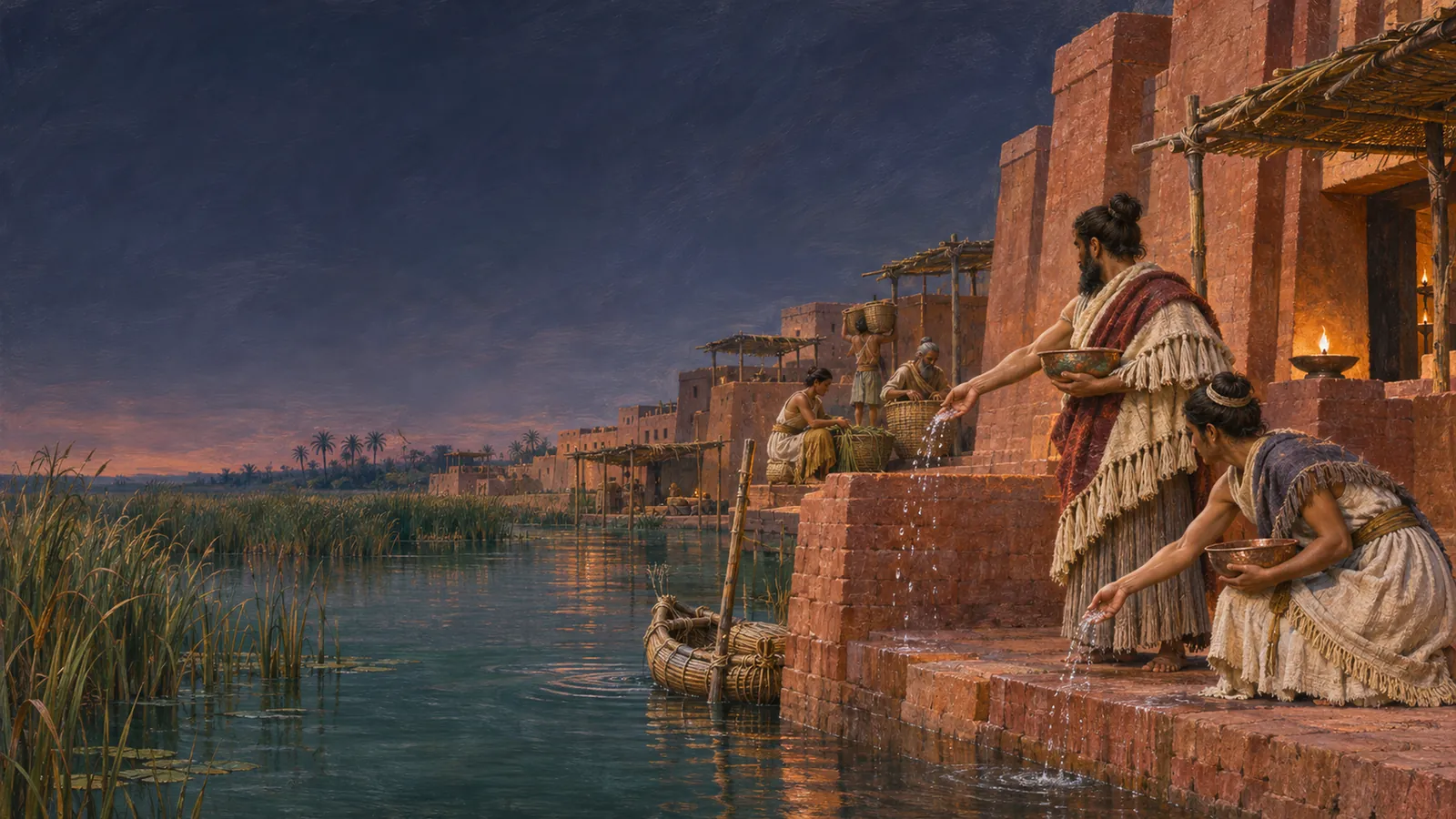
تسمّي سطور متضرّرة المنادي هندورساجا والروح الحامية دومو-تور-شوغي. وتذكر بيت نانشه في سيرارا وقد رُشّ بالماء. وتضرّر كلام آخر عمّا يجري، ولعلّه يجري ليلًا.
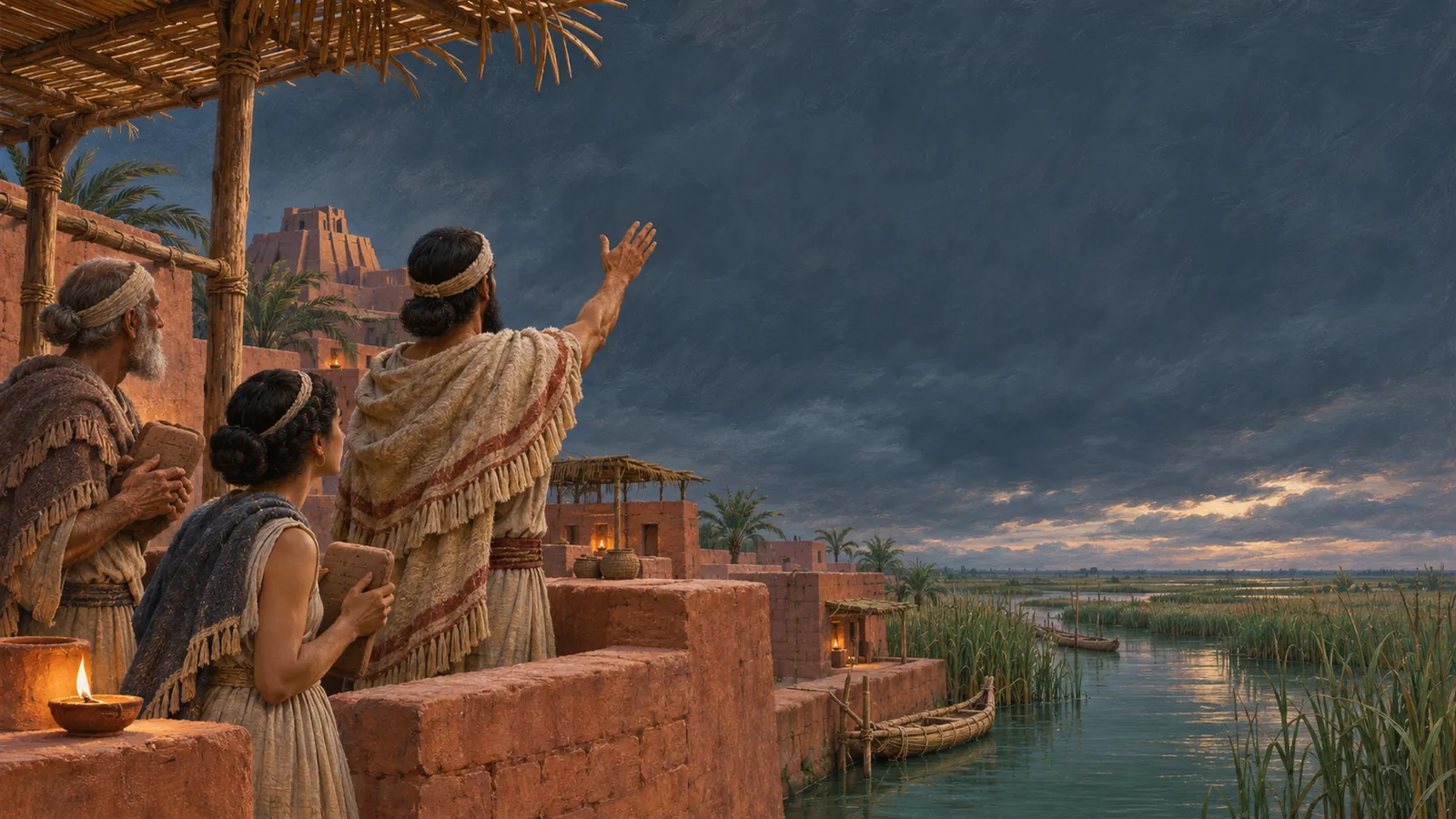
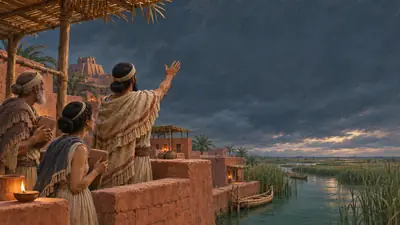
يعلن هندورساجا أحكام بيت نانشه. وتشبّهها الترنيمة بدخان كثيف يستقرّ فوق الأرض وسُحب متراكمة تحجب السماء، ثم تقول إنّ هندورساجا يمزّق تلك السُّحب.
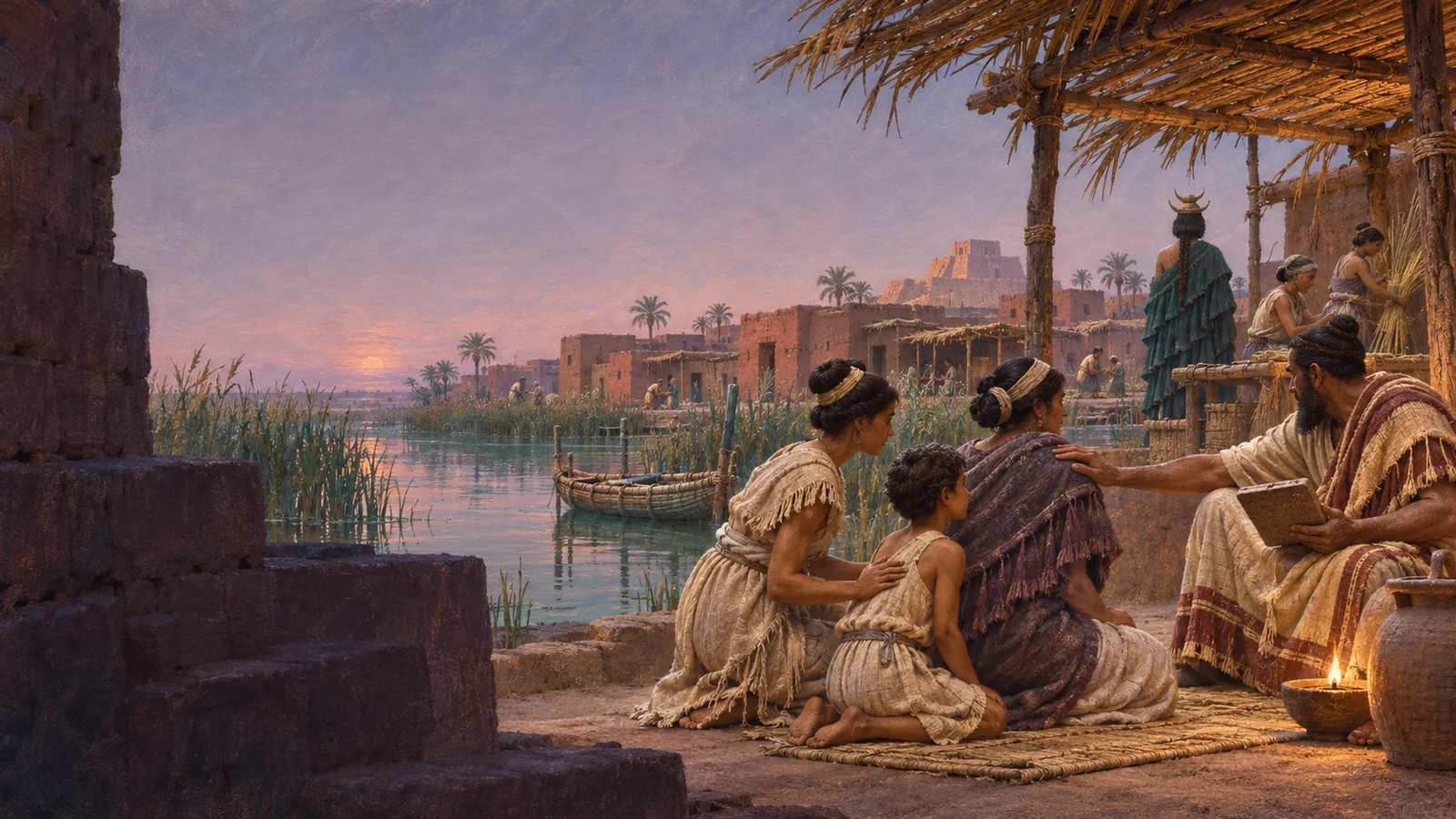
تقول الترنيمة إنّ هندورساجا يميّز العادل من المسيء. وتمدح قدرته على إنصاف اليتيم كما يُنصف الأرملة.
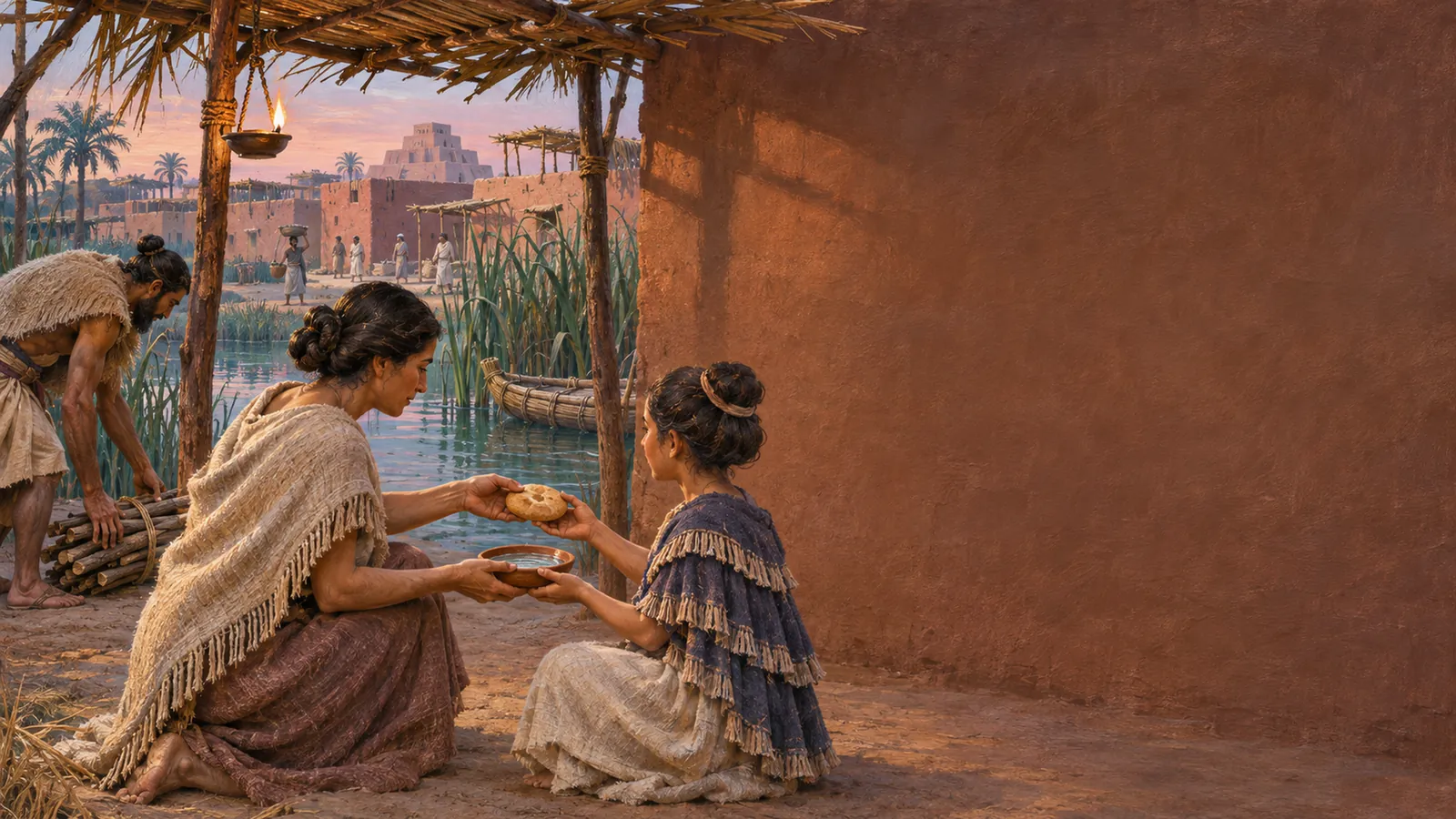
تبدأ قضيّة بأمّ أعطت طفلها ممّا كان لديها من طعام وشراب. ثمّ يأتي كلام ناقص عن حمولة من الحطب.
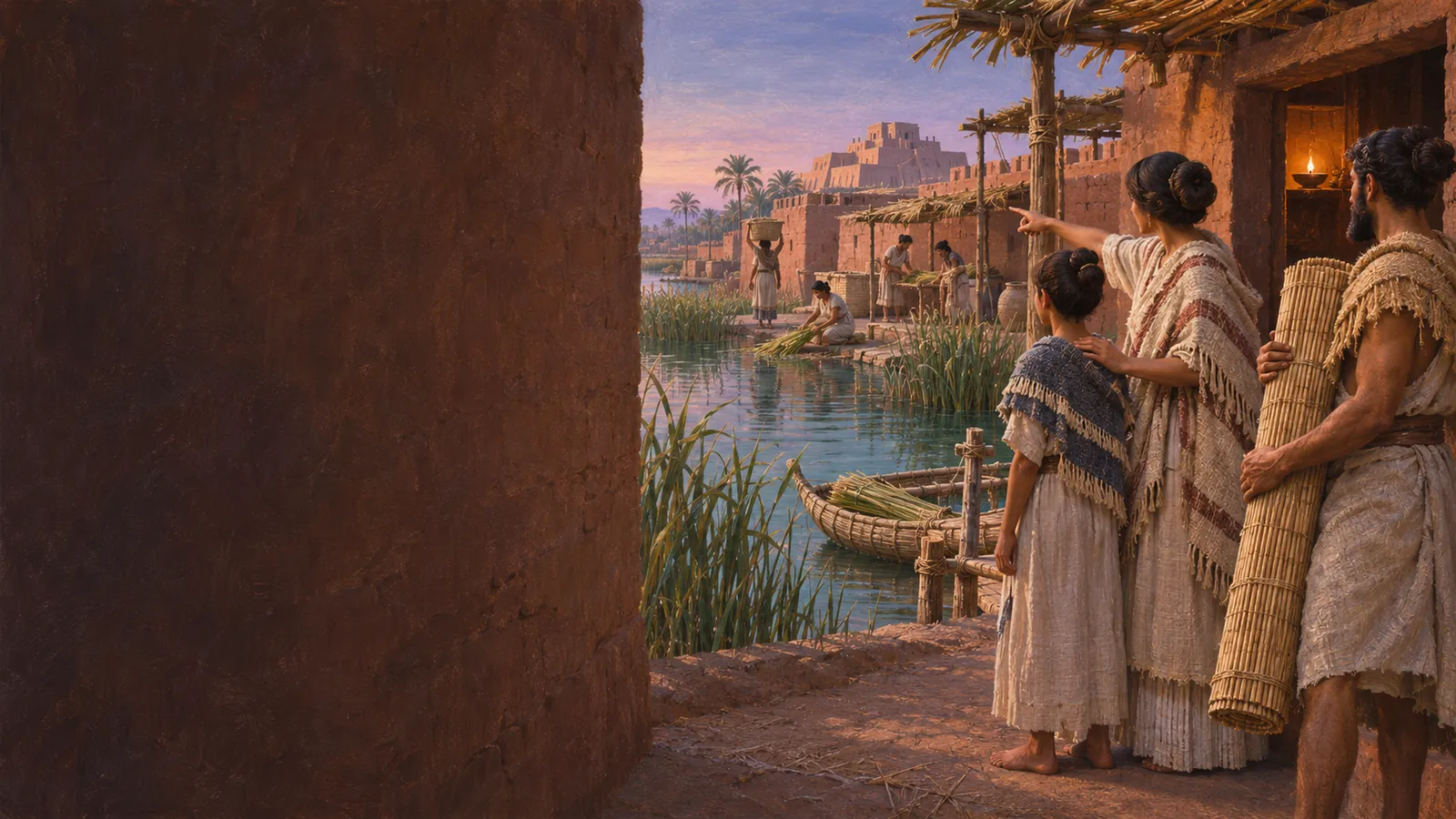
يقول السطر الباقي إنّ الطفل لم يخاطب أمّه بغضب. وأمرته أن يذهب إلى المكان الذي وقع فيه الخطأ.
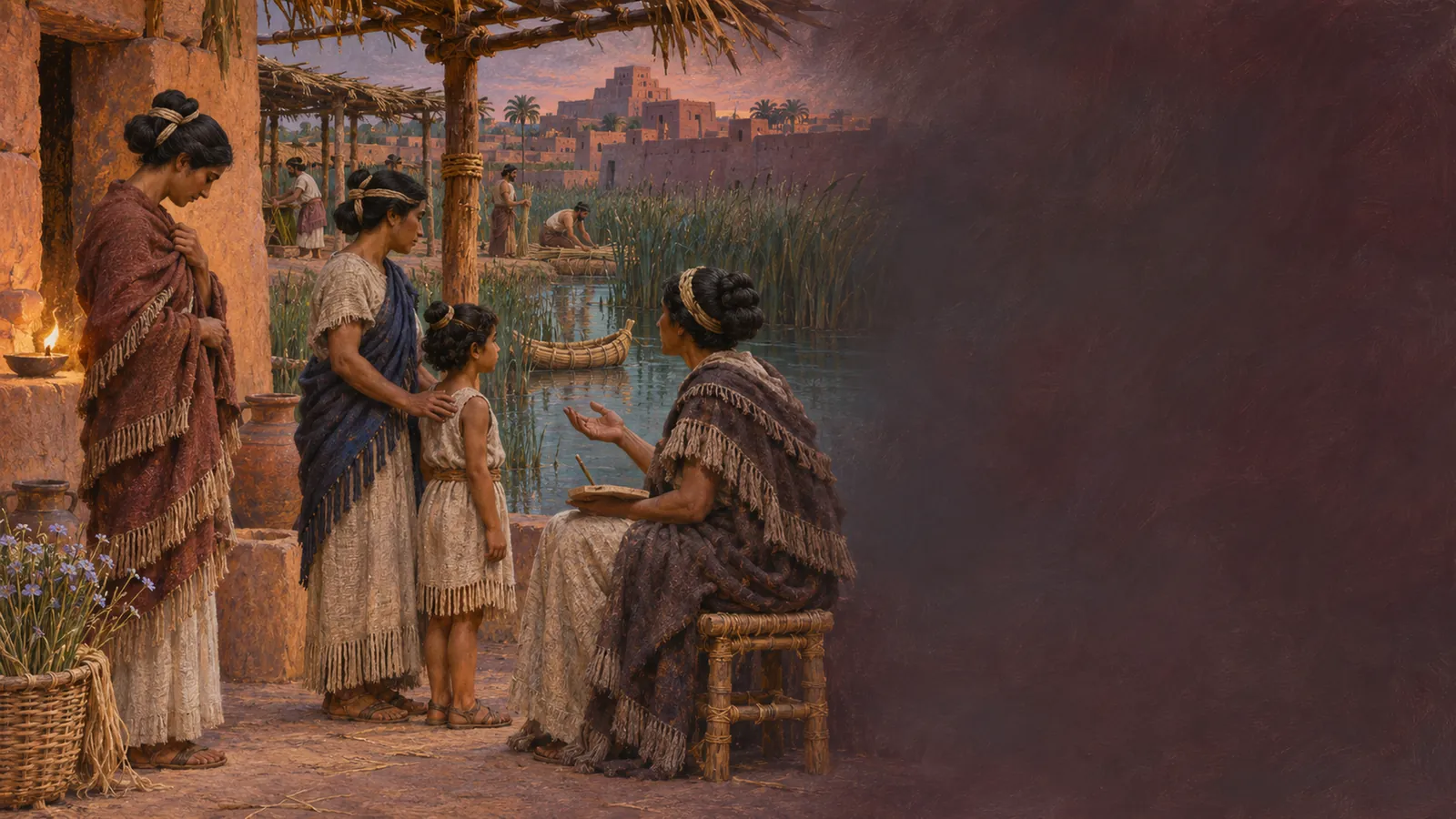
ضربت الأمّ طفلها، وتذكّر الترنيمة بأنّها كانت قد أرضعته. وضاع جزء من السطر الذي يذكر الضربة.
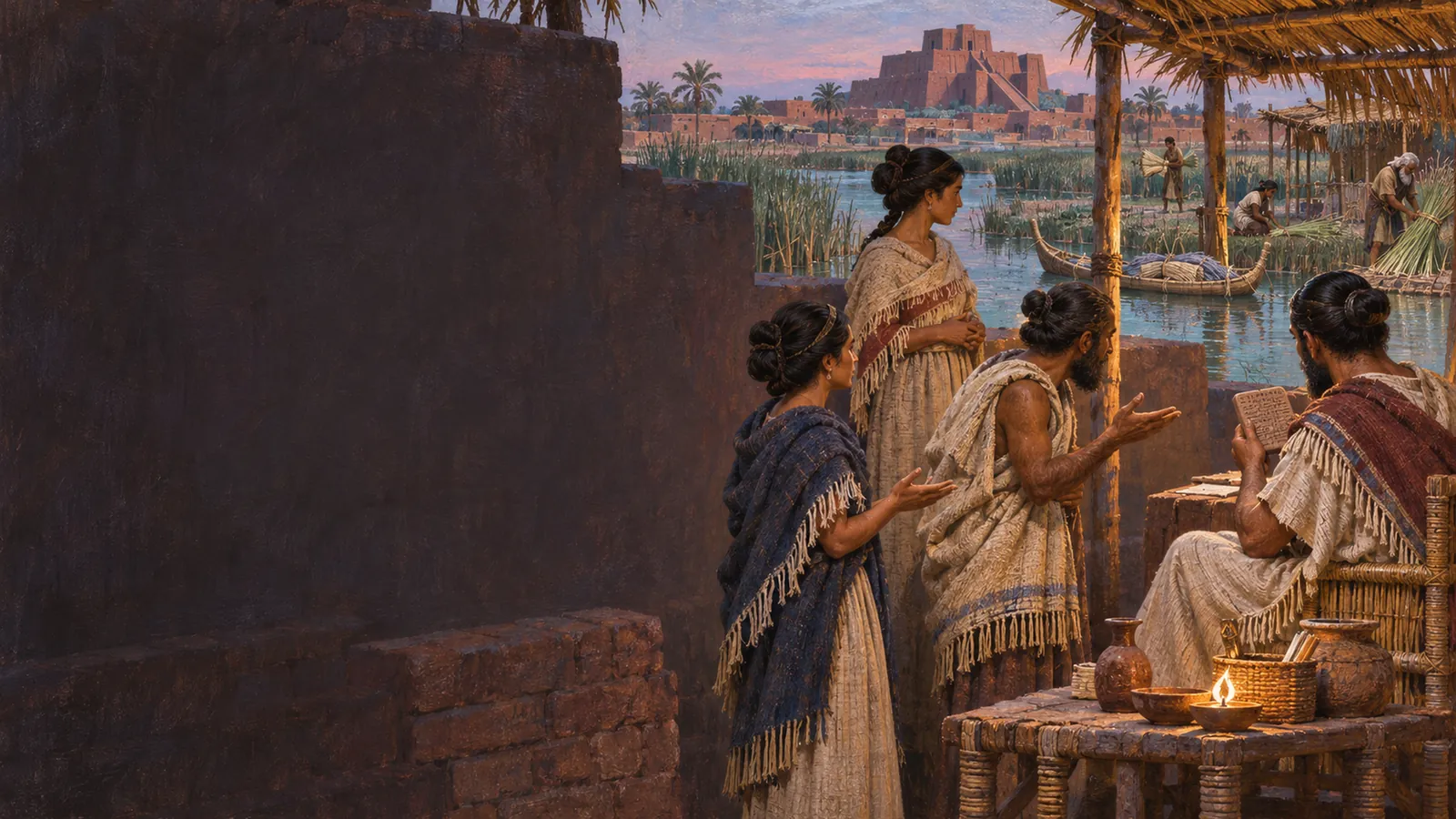
فحص هندورساجا شهادتَيهما وألقى اللوم على الأمّ. وتقول الترنيمة إنّ ثقل ذلك اللوم يعسر احتماله وإنّه لا إله لها تدعوه في صلاتها.
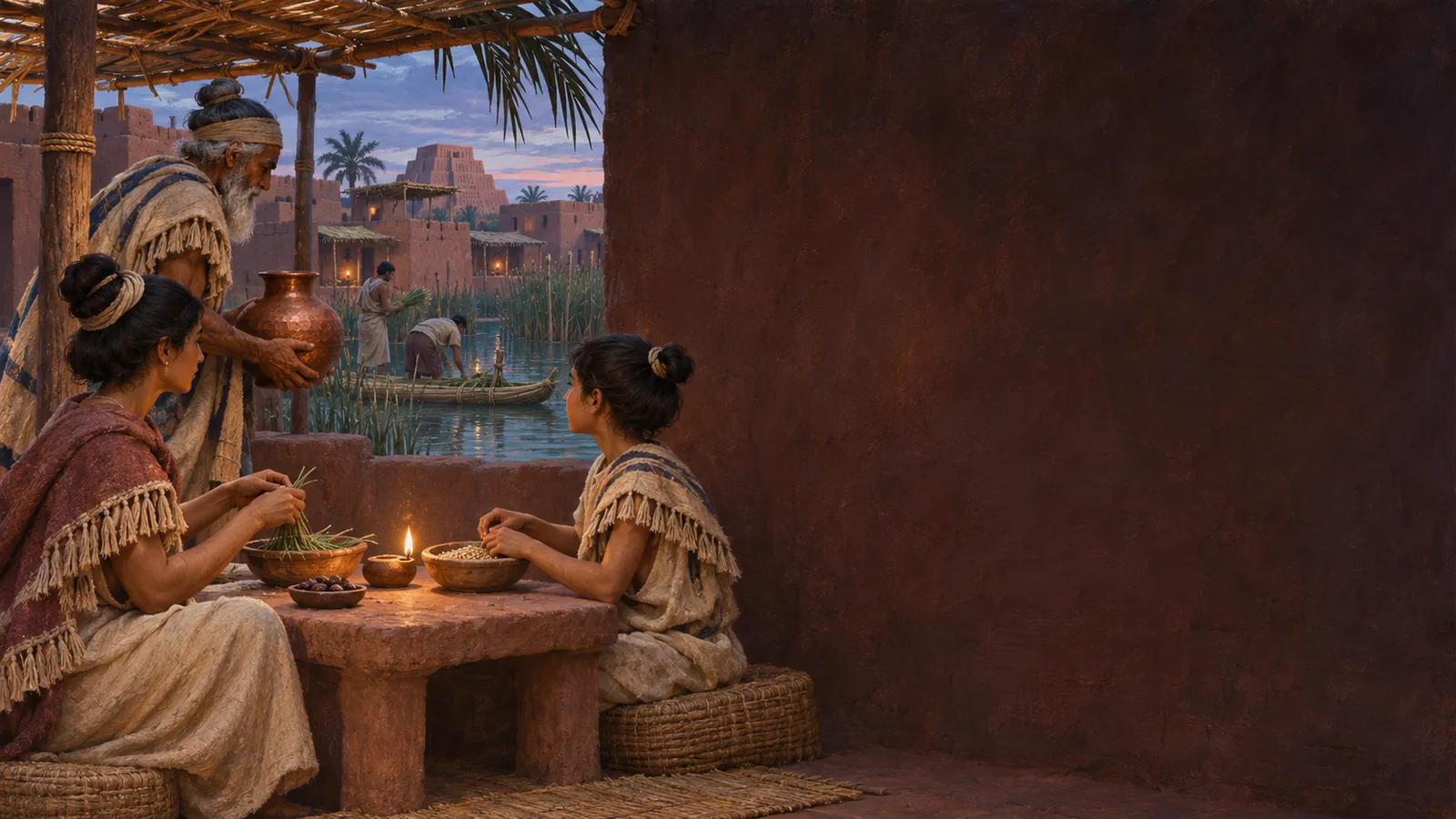
تروي قضيّة ثانية خبر أمّ لم تعطِ طفلها ممّا كان لديها من طعام أو شراب. وفي السطور الباقية يخاطبها الطفل بغضب.
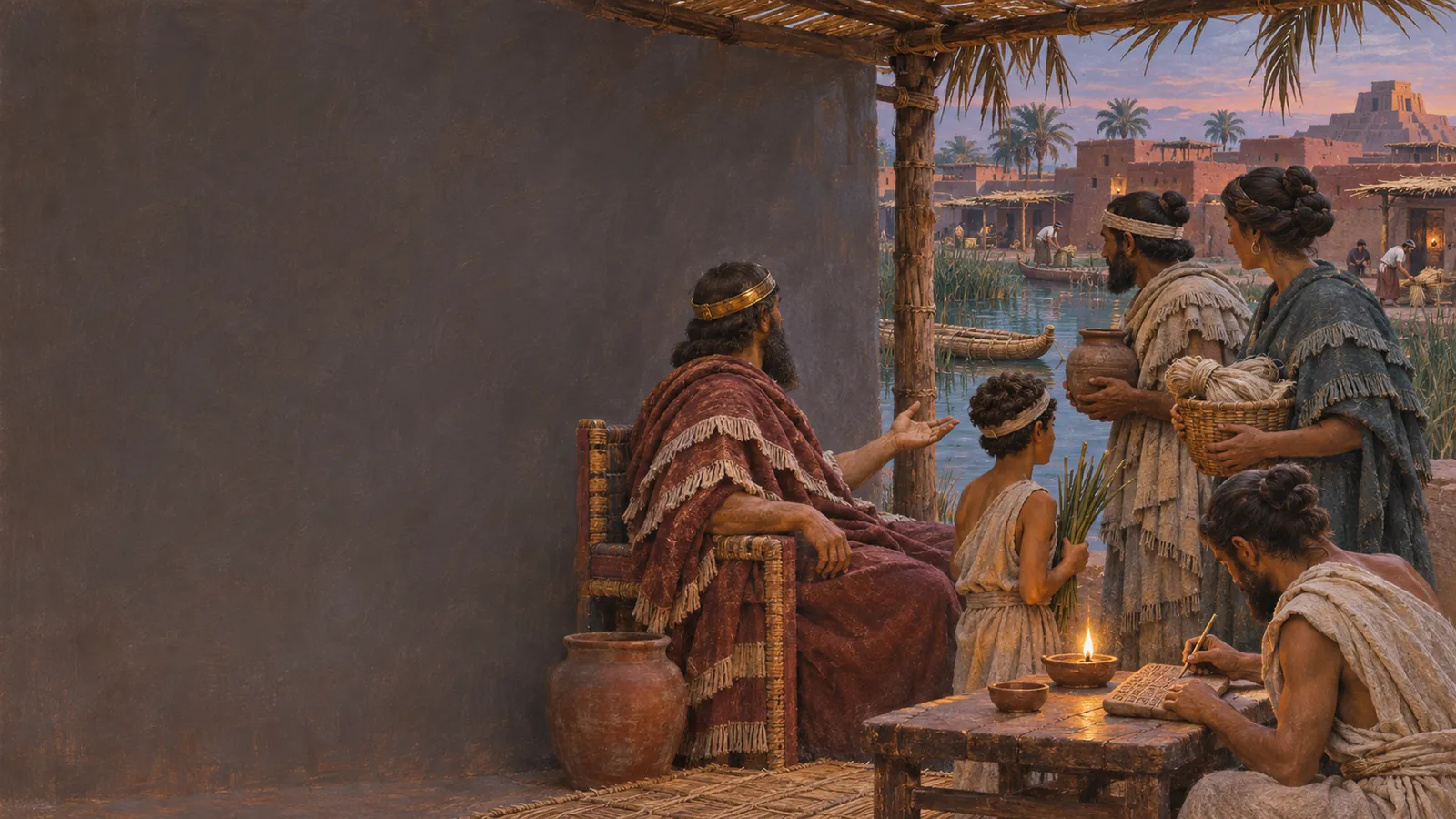
في القضيّة الثانية يردّ هندورساجا الطفل مراعاةً لأمّه. وتشبّه الترنيمة حال المرء بماء في مكان قذر، والردّ بنبذ التربة الحامضة للحبّ.
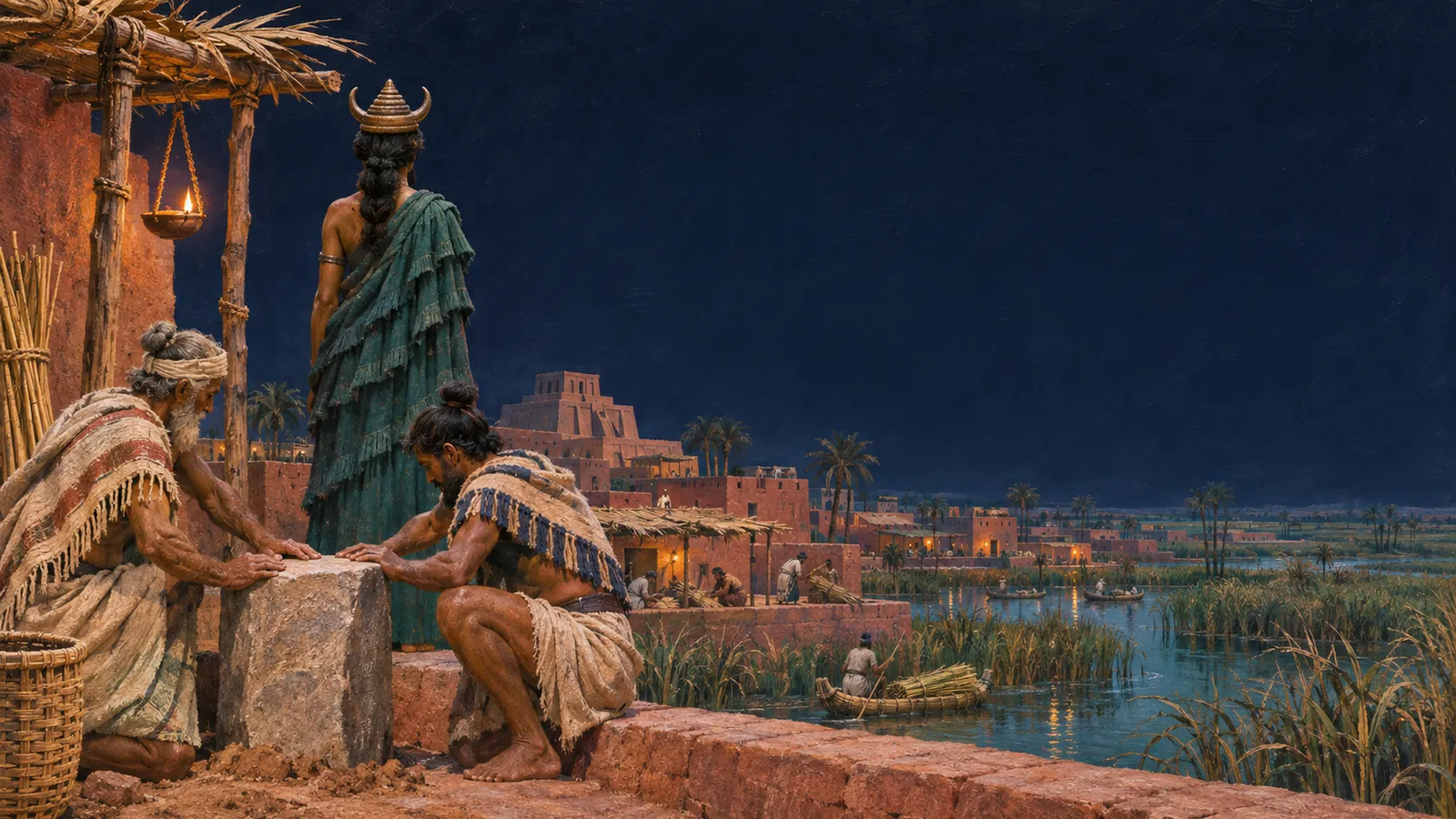
تمدح الترنيمة حارسةً للحدود وخبيرة بكلام العدل. وتذكر لجش وجاتومدوغ في عبارات ناقصة، ثمّ تضع السيّدة في سيرارا وهي تنظر إلى قواها.
المكيال
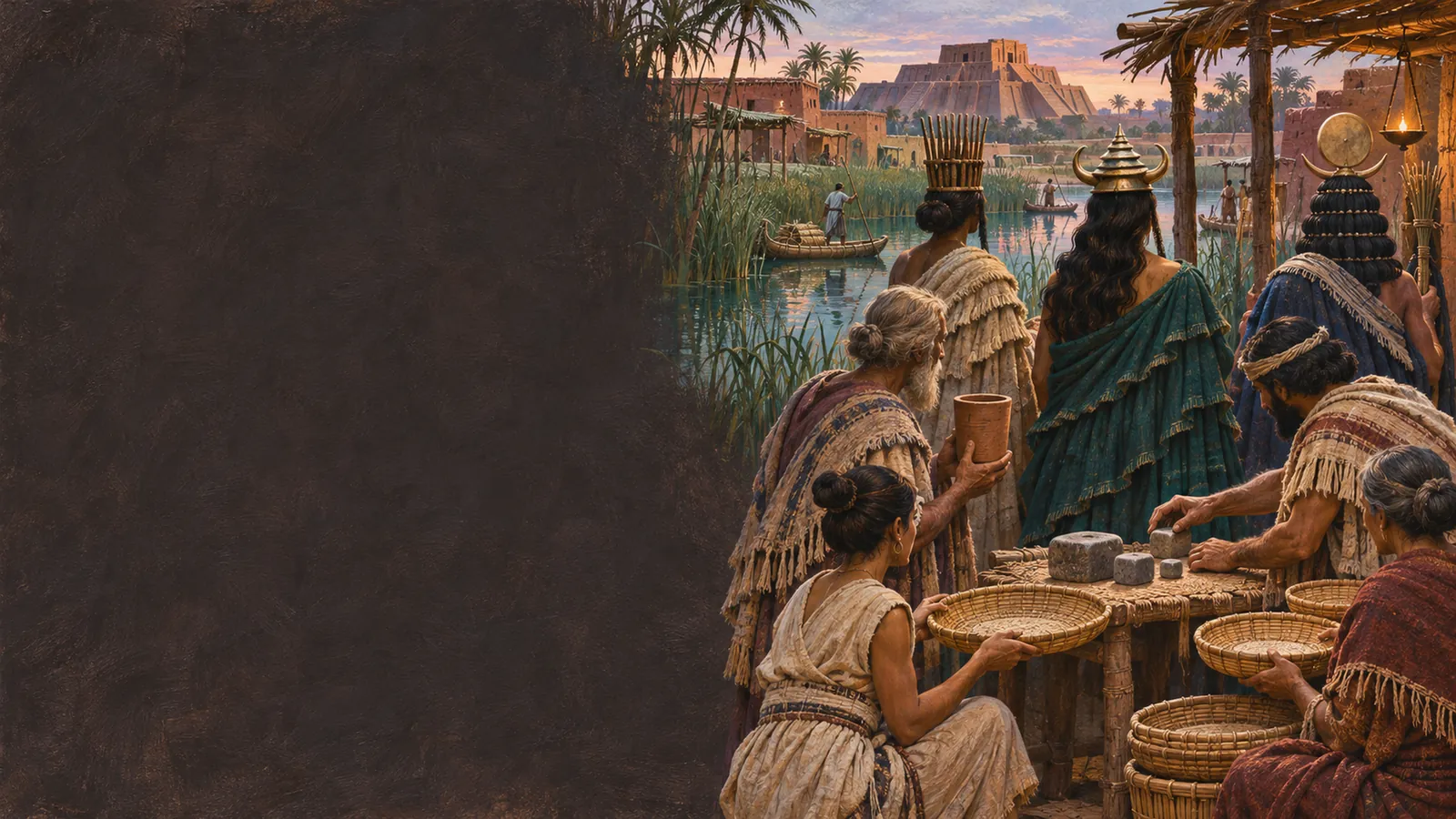
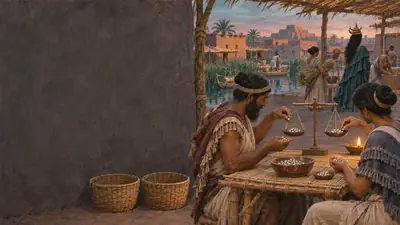
في سيرارا تجتمع الآلهة عند البيت المرتبط بالأبزو. وتضع أوزانًا معياريّة للفضّة وحجمًا موحّدًا للسلال القصبيّة ومكيال بان متّفقًا عليه.
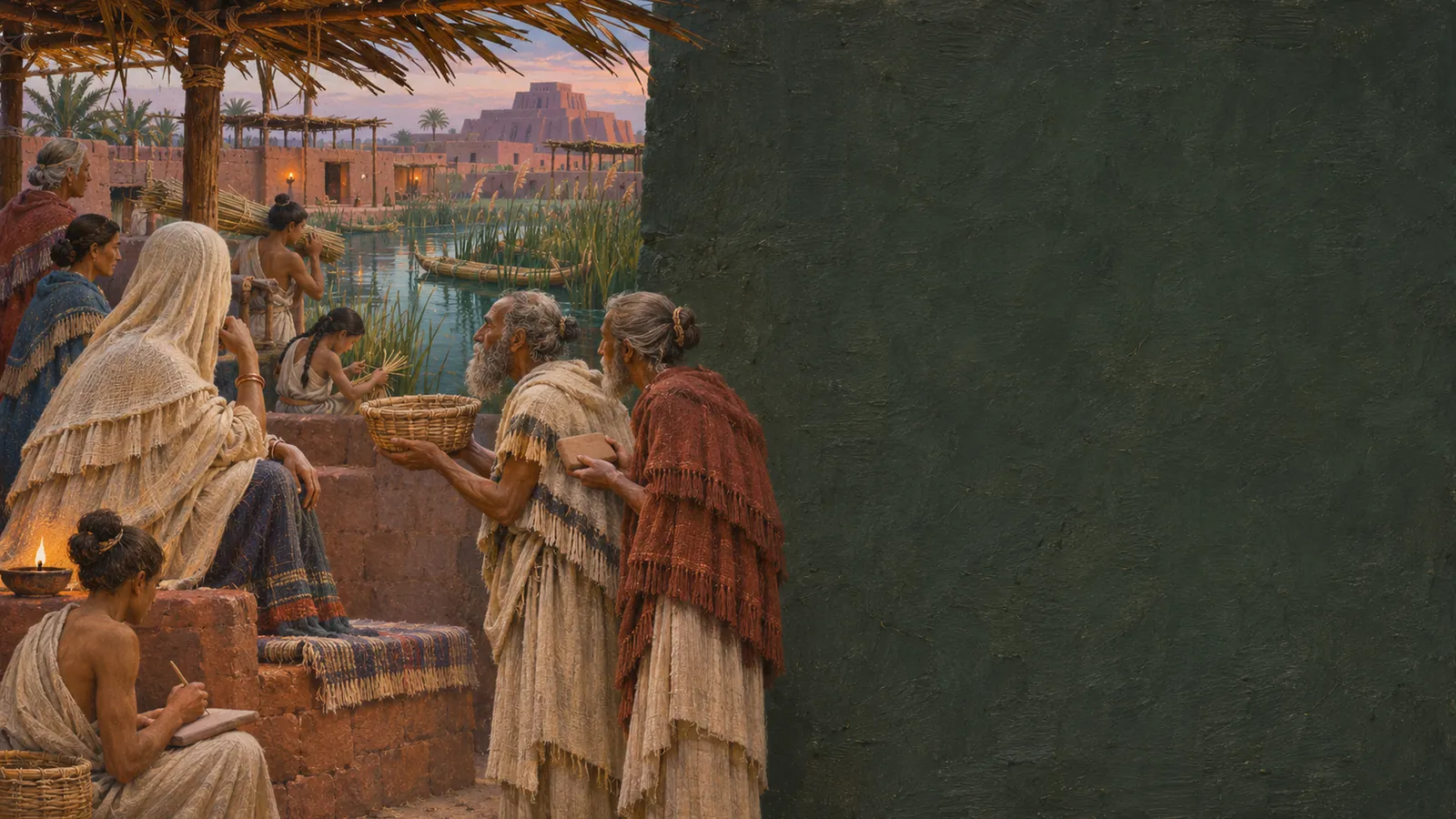
تسمّي الترنيمة إشتاران قاضيًا عادلًا في الخصومات. وتذكر نينغيشزيدا في عبارة ناقصة، قبل سطرين تضع الترجمة علامةً على عدم وضوحهما.
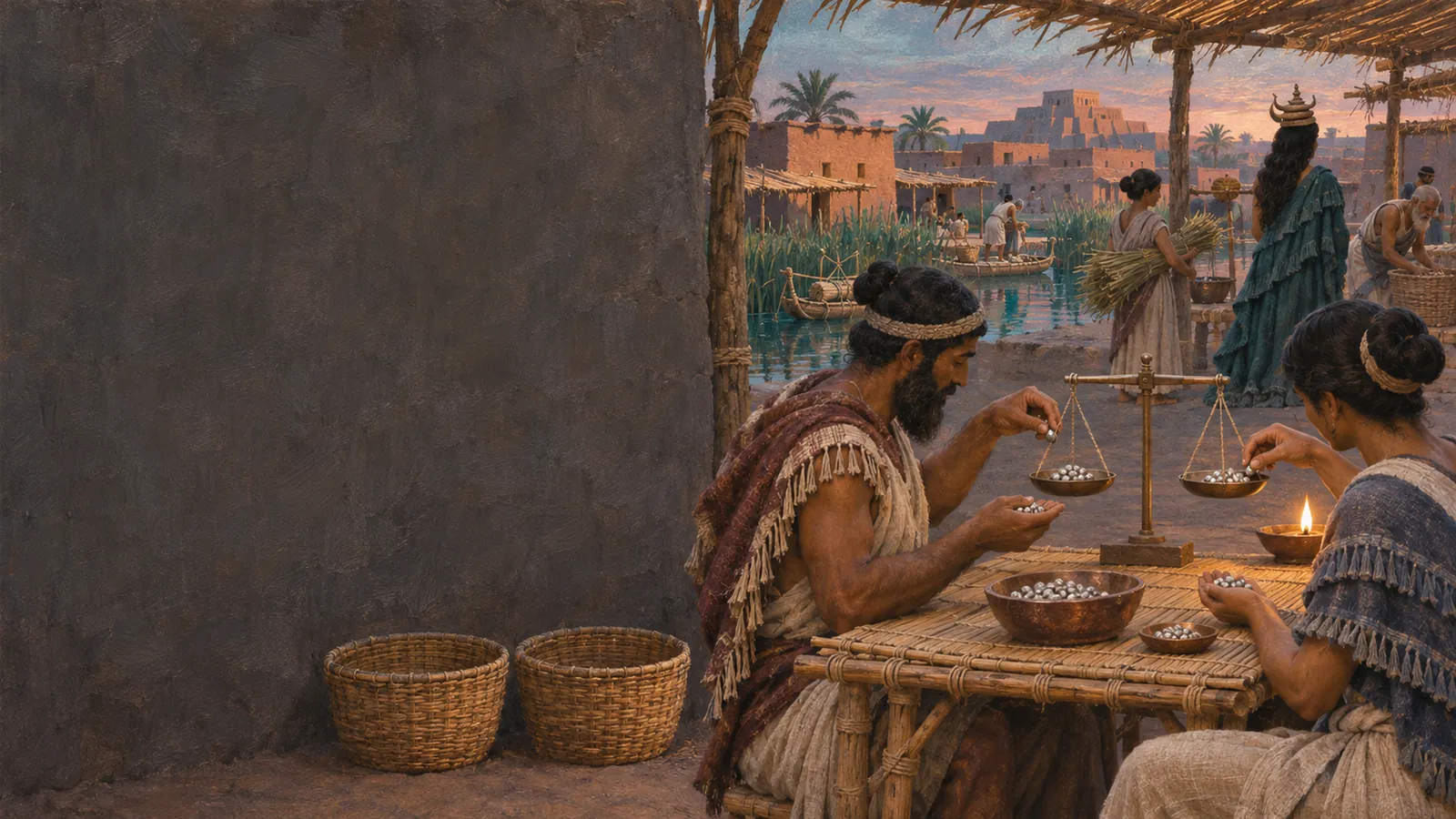
تكرّر الترنيمة الاتّفاق على وزن الفضّة بالأوزان نفسها، وصنع السلال القصبيّة على حجم واحد، واستخدام مكيال البان نفسه في البلاد.
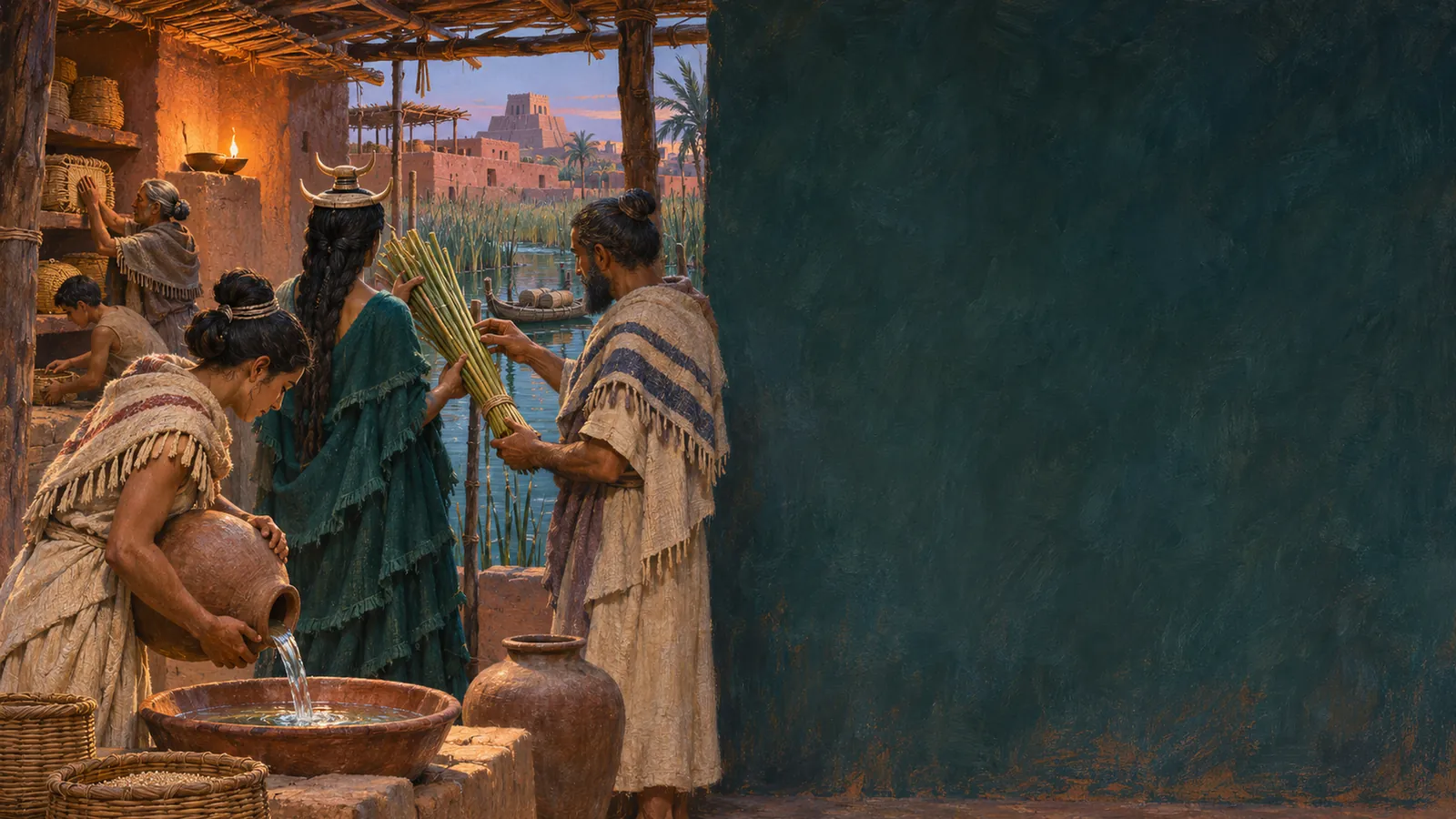
تعود السطور التالفة إلى المخازن والماء الجاري والأوعية القصبيّة التي لا تفرغ. وتكلّف نانشه هندورساجا بمهمّة. وتبقى صياغتها الدقيقة غير مؤكّدة في الترجمة.
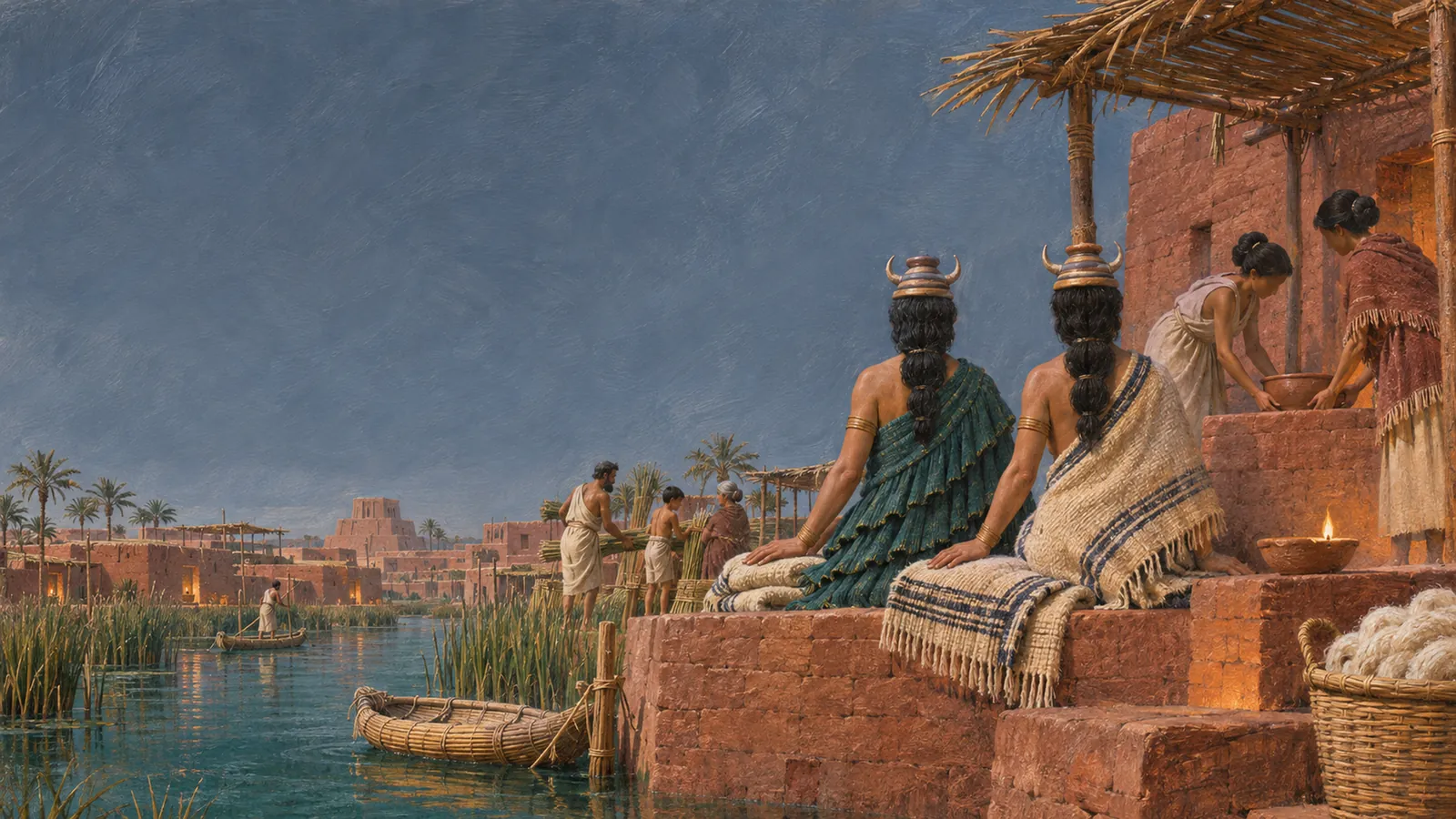
تمدح الترنيمة قوى نانشه بوصفها أعظم من سائر القوى. وينظر إليها آن مبتهجًا وهي تجلس مع إنليل على المصطبة التي تُحدّد فيها الأقدار.
المديح
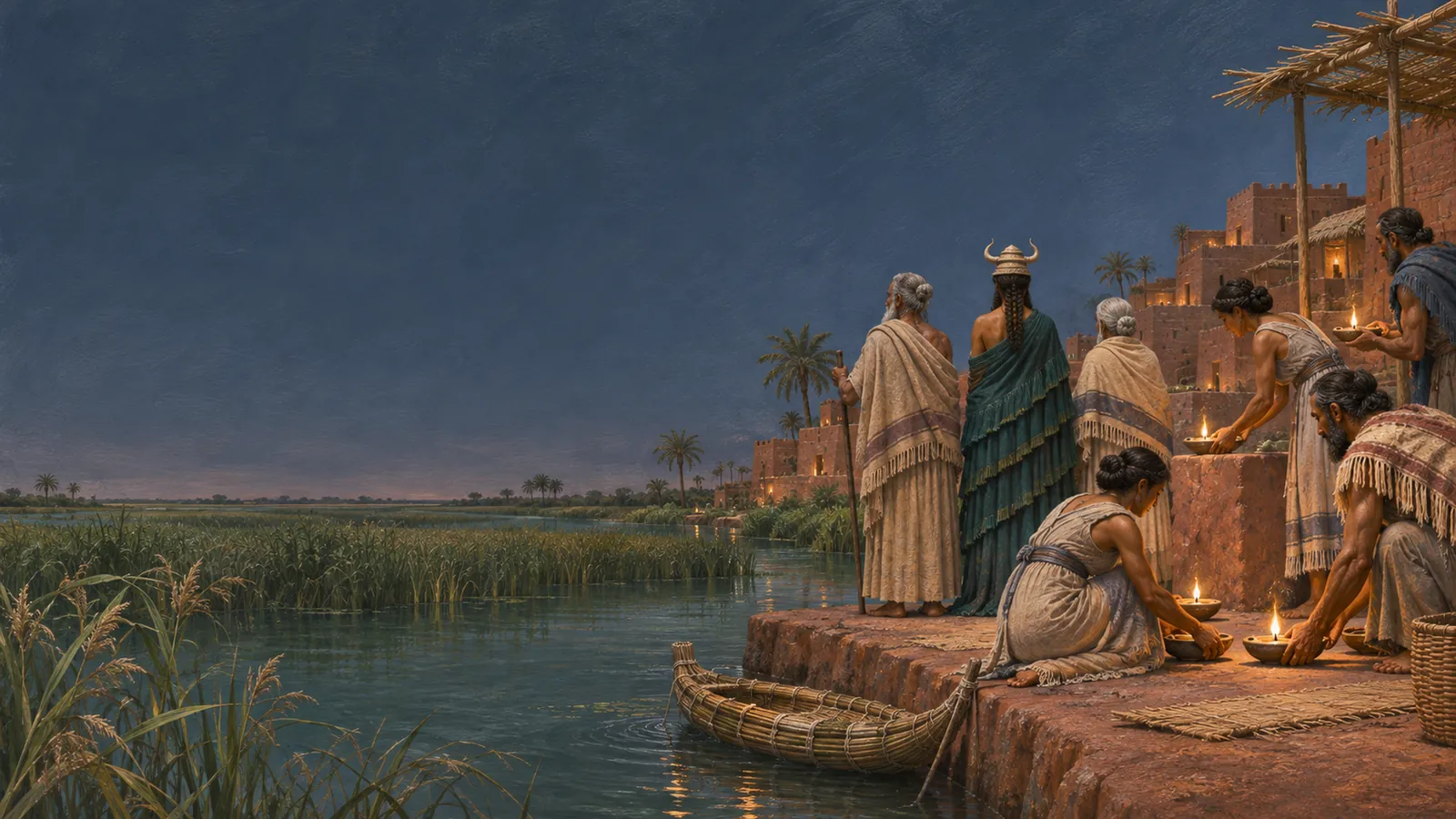
يحدّد إنكي قدرًا لنانشه. وتسمّيها الترنيمة في آخر مرّة المولودة في أريدو، ثمّ تختتم بمديحها.
نهاية الفصل الأول
كل الصفحات


المصادر
المصادر والملاحظات مكتوبة بالإنجليزية كما وردت في المراجع.
Page citations use the printed paragraph ranges. The Oxford translation records variant, broken and uncertain readings, and the printed headings move directly from 212–221 to 223–231. The translation body prints Nance, Nijin, Eridug and Lagac for Nanshe, Nigin, Eridu and Lagash.
الطبعات المعتمدة
- Oxford ETCSL 4.14.1, A hymn to Nanshe, English translation
- Oxford ETCSL 4.14.1, Sumerian composite text
- Oxford ETCSL 4.14.1, New Year inspection, lines 94–112
- Oxford ETCSL 4.14.1, first family judgment, lines 193–211
ملاحظات على هذه الرواية
Pages 1–2, lines 1–9. The singer likens Nigin to a height rising from the water. The hymn identifies Nanshe as born in Eridu and says she is to return.
Pages 3–4, lines 10–19. Oxford queries the beer mash and yeast expressions. The composite says the storehouses bulge, with one manuscript giving the verb prosper. The honey and resin comparison and the final epithet are broken. The edition marks two unclear lines.
Pages 5–8, lines 20–31. The likely reference to remembering someone who helps others is queried. The hymn gives Nanshe’s care for orphan and widow, advice for a person in debt bondage, protection for refugees and aid for the weak. It describes her choosing a young man of means for the righteous woman on her path and providing a secure house for the widow who could not remarry.
Pages 9–11, lines 32–46. The passage leaves the word cennu untranslated and names Ur-Nanshe and Gudea separately. Cow of Abundance is the instrument that Oxford identifies tentatively as a lyre. Tigi, balaj and kintur retain the edition’s forms.
Pages 12–13, lines 47–58. The silver cups are called ecde cups in the edition. Several phrases about the cook, oven and shovel are broken. The hymn gives the arrival of meat in large bowls, water from the Sirara canal, festival goods and country wine. It compares the humming oven with a great dining hall.
Pages 14–15, lines 59–64. Oxford renders one of Nanshe’s honorifics as matriarch of Enlil and names her as a child of Enki. Another epithet is damaged. Bursaj is the place from which regular offerings and daily provisions come after the appointments.
Pages 16–17, lines 65–75. The opening conditional is queried. The hymn mentions food and drink already distributed, unused offerings, fish dues, a damaged phrase with an iku of reed beds, nuts and greens. The restriction on touching them is uncertain. The prohibition on carrying away shrine bread as a ration is followed by fragmentary mentions of choice beer and cool water.
Page 18, lines 76–82. The hymn specifies deliveries of fat, milk and fish for the ongoing first-fruits festival, and makes the fish courier a daily assignment. The next page follows the source’s next sentence on the delivery of firewood.
Page 19, 76–82. The following rule on the firewood carrier continues the instruction that first-fruit preparations should persist. Firewood goes to the sides and corners of the house.
Pages 20–21, 83–91. Oxford marks the clause about coming from outside uncertain. Hendursaja is named caretaker and child born to Utu, with nearby damage. The continuation has a partly preserved goddess name and a reference to a child of Suen among broken lines about evil utterance.
Page 22, 92–93. The short invocation praises Nanshe’s right commands and inalienable divine powers.
Pages 23–24, 94–112. The libation’s recipient is broken. The ration bowls are inspected and Nanshe examines the servants during appointment. Nisaba handles tablets and a gold stylus.
Pages 25–26, 94–112. The servant line, decisions over leather and linen, and accusations of flight appear in that order. Some status and witness words are queried and the employer-employee language is broken. Haia registers the faithful servant and deletes the entry of a woman regarded as no longer the mistress’s servant.
Pages 27–29, 113–129. Failing provisions and maintenance, opening clauses on fire and incantations, the cited offices and the withholding of further rations belong to the same damaged passage. Oxford names the cita-aba, susbu and sajja roles. The exact failings of the latter include a queried statement about making Nanshe’s songs and thoughts manifest. One unclear line follows the final instructions.
Pages 30–31, 130–136. The text attributes cleansing to the river of the ordeal. It mentions the abzu, oracular messages, holy songs and the enkum and ninkum priests, querying their choice of purification rites. Specific wording is damaged. Neither a specific procedure nor a verdict is assigned.
Pages 32–35, ETCSL 4.14.1, 137–153. The hymn names violence and altering a marked border. The forceful reaching, firm foundation and oath wording have uncertain or broken phrases, followed by an unclear line. The small weights and ban measures are queried. They stand next to more acquisition, a failure to acknowledge eating or drinking, promised hospitality and damaged clauses about a god’s maidservant and an untrustworthy person. The person asking for service is denied bread with fat or shining eggs. The language of service and the reference to a violation are queried.
Pages 36–37, 154–162. A damaged conditional concerns a violent person who is allowed to eat. The eyes are mentioned in a broken phrase, while Oxford gives a paralyzed mouth and shuffling feet. Broken clauses mention the powerful and rich, a married man, his wife, a widow, anger and mockery. The relationships and governing action words are incomplete.
Pages 38–40, 163–174. The hymn praises Nanshe for seeing into hearts. It has damaged clauses about an orphan and a widow, then names a waif delivered to the powerful and the powerful delivered to the powerless. The hymn likens discernment to seeing into the land’s heart as into a split reed. The final line is unclear.
Page 41, 175–180. Hendursaja and Dumu-tur-cugi are named as herald and protector in a damaged sequence. The surviving wording mentions the house in Sirara sprinkled with water. Who does what elsewhere in the passage and the nighttime reading are uncertain.
Pages 42–43, 181–192. Hendursaja’s authority and decrees are described with smoke and cloud comparisons. The hymn says he distinguishes the just and wicked and can bring justice to orphan and widow.
Pages 44–47, ETCSL 4.14.1, 193–211. The first case gives food and drink. An unclear line follows, and words about a firewood carrier are damaged. The surviving speech clause is negative and the descriptive phrase about looks is queried. The mother ordered the child to the place of the offence and struck him at a damaged location. He had been nursed by her. Oxford marks two further unclear lines before the judge evaluates the testimony, blames the mother and gives the closing statement about prayer.
Pages 48–49, 212–221. The second conditional preserves the mother’s failure to give food and drink, an unclear line, broken wood-delivery wording and the child speaking with anger. Hendursaja rejects him for her sake, with uncertain language in the comparison to water and acid soil. The final clause is broken. Oxford’s next printed group begins at 223.
Page 50, 223–231. Relationships among the boundary guarantor, the just words, the foundation of Lagash and Jatumdug are damaged. The later clauses mention the lady at Sirara who determines fates like Enlil and looks at her powers.
Pages 51–52, 232–240. The gods gather in the Sirara house endowed with powers from the abzu. The text names standards for weights, reed baskets and the ban measure. The judge Ishtaran and Ningishzida are printed Ictaran and Ninjiczida by Oxford. The last lines are damaged and two are explicitly marked unclear.
Pages 53–54, 241–250. The first three standards recur in the text. The clauses about the rites, storerooms and the condition of the vessels are damaged. One uncertain reading says Nanshe commissions her herald Hendursaja to make them profitable.
Pages 55–56, 251–255. The speaker directly addresses Nanshe with praise. An, Enlil and Enki are named in that sequence. The last words turn to Nanshe, child born in Eridu.
الأسطر القديمة وراء كل صفحة
- Page 1: ETCSL 4.14.1, lines 1–9
- Page 2: ETCSL 4.14.1, lines 1–9
- Page 3: ETCSL 4.14.1, lines 10–19
- Page 4: ETCSL 4.14.1, lines 10–19
- Page 5: ETCSL 4.14.1, lines 20–31
- Page 6: ETCSL 4.14.1, lines 20–31
- Page 7: ETCSL 4.14.1, lines 20–31
- Page 8: ETCSL 4.14.1, lines 20–31
- Page 9: ETCSL 4.14.1, lines 32–46
- Page 10: ETCSL 4.14.1, lines 32–46
- Page 11: ETCSL 4.14.1, lines 32–46
- Page 12: ETCSL 4.14.1, lines 47–58
- Page 13: ETCSL 4.14.1, lines 47–58
- Page 14: ETCSL 4.14.1, lines 59–64
- Page 15: ETCSL 4.14.1, lines 59–64
- Page 16: ETCSL 4.14.1, lines 65–75
- Page 17: ETCSL 4.14.1, lines 65–75
- Page 18: ETCSL 4.14.1, lines 76–82
- Page 19: ETCSL 4.14.1, lines 76–82
- Page 20: ETCSL 4.14.1, lines 83–91
- Page 21: ETCSL 4.14.1, lines 83–91
- Page 22: ETCSL 4.14.1, lines 92–93
- Page 23: ETCSL 4.14.1, lines 94–112
- Page 24: ETCSL 4.14.1, lines 94–112
- Page 25: ETCSL 4.14.1, lines 94–112
- Page 26: ETCSL 4.14.1, lines 94–112
- Page 27: ETCSL 4.14.1, lines 113–129
- Page 28: ETCSL 4.14.1, lines 113–129
- Page 29: ETCSL 4.14.1, lines 113–129
- Page 30: ETCSL 4.14.1, lines 130–136
- Page 31: ETCSL 4.14.1, lines 130–136
- Page 32: ETCSL 4.14.1, lines 137–153
- Page 33: ETCSL 4.14.1, lines 137–153
- Page 34: ETCSL 4.14.1, lines 137–153
- Page 35: ETCSL 4.14.1, lines 137–153
- Page 36: ETCSL 4.14.1, lines 154–162
- Page 37: ETCSL 4.14.1, lines 154–162
- Page 38: ETCSL 4.14.1, lines 163–174
- Page 39: ETCSL 4.14.1, lines 163–174
- Page 40: ETCSL 4.14.1, lines 163–174
- Page 41: ETCSL 4.14.1, lines 175–180
- Page 42: ETCSL 4.14.1, lines 181–192
- Page 43: ETCSL 4.14.1, lines 181–192
- Page 44: ETCSL 4.14.1, lines 193–211
- Page 45: ETCSL 4.14.1, lines 193–211
- Page 46: ETCSL 4.14.1, lines 193–211
- Page 47: ETCSL 4.14.1, lines 193–211
- Page 48: ETCSL 4.14.1, lines 212–221
- Page 49: ETCSL 4.14.1, lines 212–221
- Page 50: ETCSL 4.14.1, lines 223–231
- Page 51: ETCSL 4.14.1, lines 232–240
- Page 52: ETCSL 4.14.1, lines 232–240
- Page 53: ETCSL 4.14.1, lines 241–250
- Page 54: ETCSL 4.14.1, lines 241–250
- Page 55: ETCSL 4.14.1, lines 251–255
- Page 56: ETCSL 4.14.1, lines 251–255
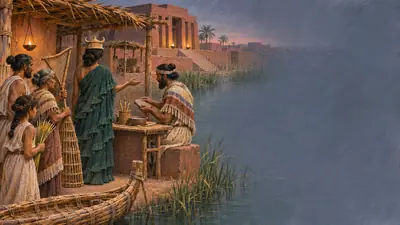
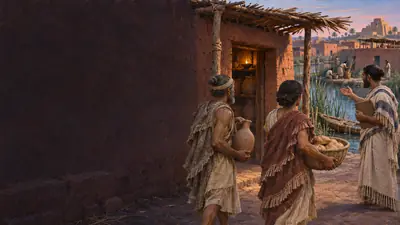
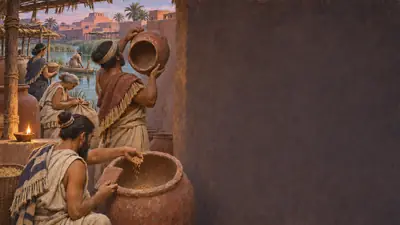
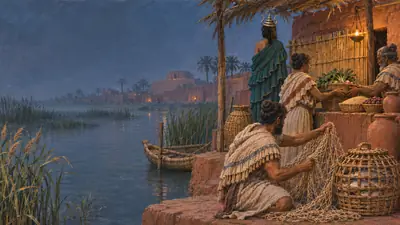
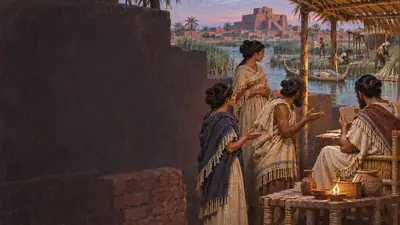
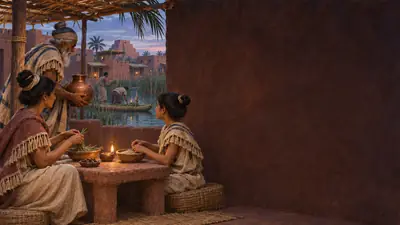
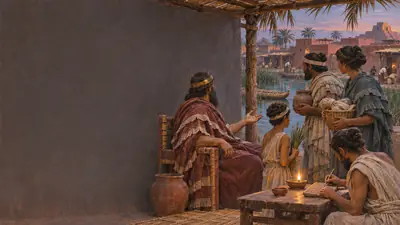
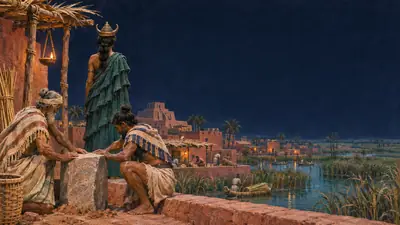
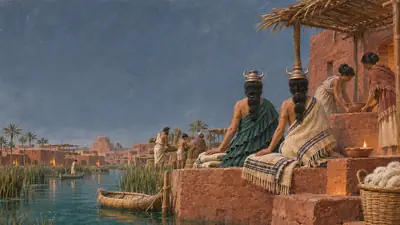
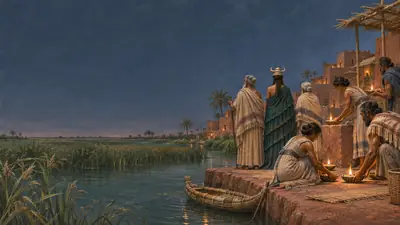
الرسوم من صنع أرشيف إيل بأدوات الذكاء الاصطناعي؛ والنص مبني على المصادر القديمة (انظر المصادر في آخر كل فصل).