اثنان وأربعون إقرارًا الفصل الأول
أمام الاثنين والأربعين
يخاطب المتوفّى في بردية نو اثنين وأربعين سامعًا، واحدًا تلو الآخر. ويذكر أعمالًا يقول إنّه لم يرتكبها. ترد الإقرارات بحسب ترتيبها المطبوع في ترجمة واليس بدج المنشورة عام 1908. وتوضّح ملاحظات المصادر بعض قراءاته.
المصادرقلّب الصفحات بالأزرار أو بمفاتيح الأسهم أو بسحب الإصبع.
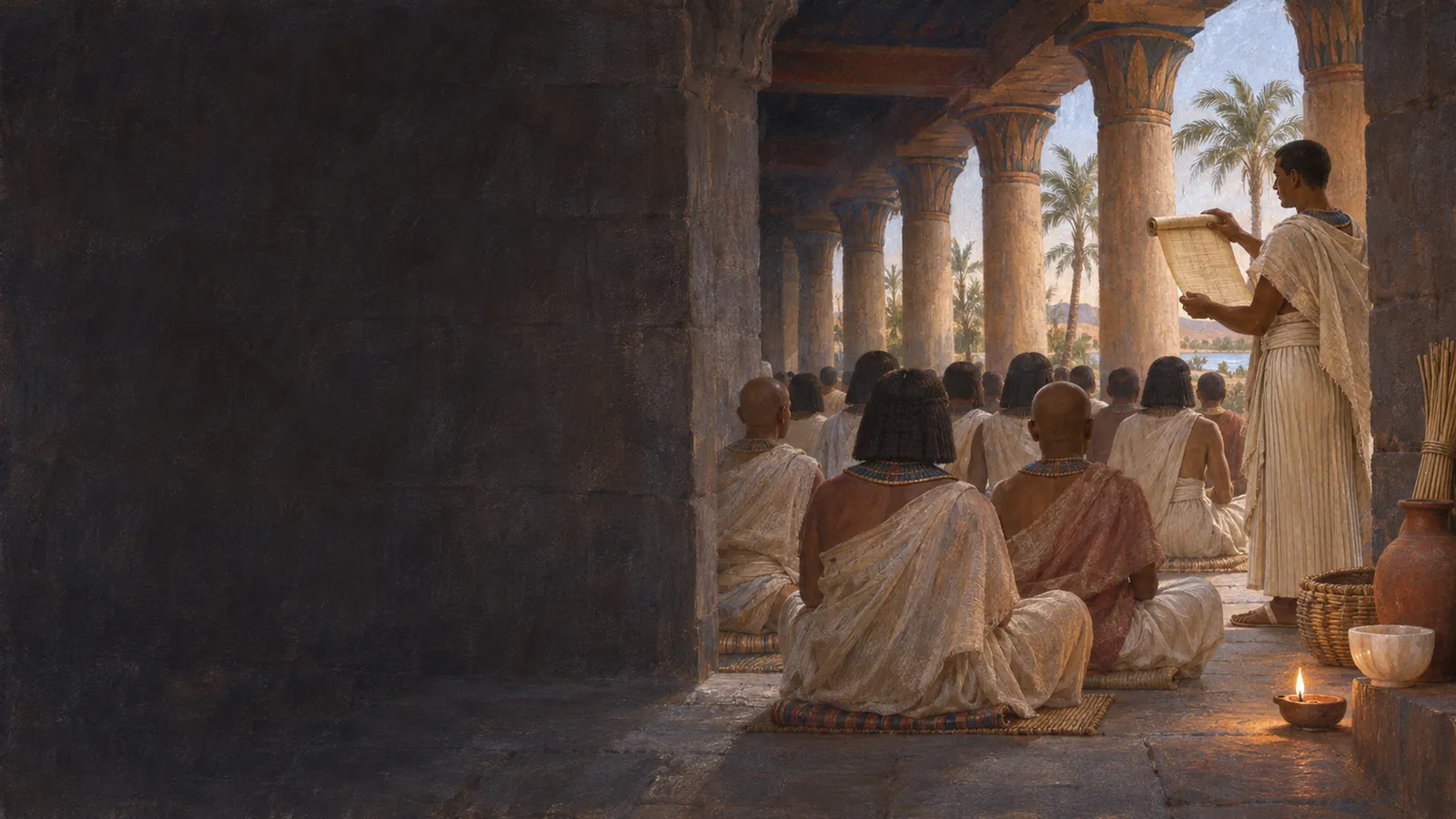
اثنان وأربعون إقرارًا
يخاطب المتوفّى في بردية نو اثنين وأربعين سامعًا، واحدًا تلو الآخر. وتتبع هذه التلاوة ترجمة واليس بدج المنشورة عام 1908.
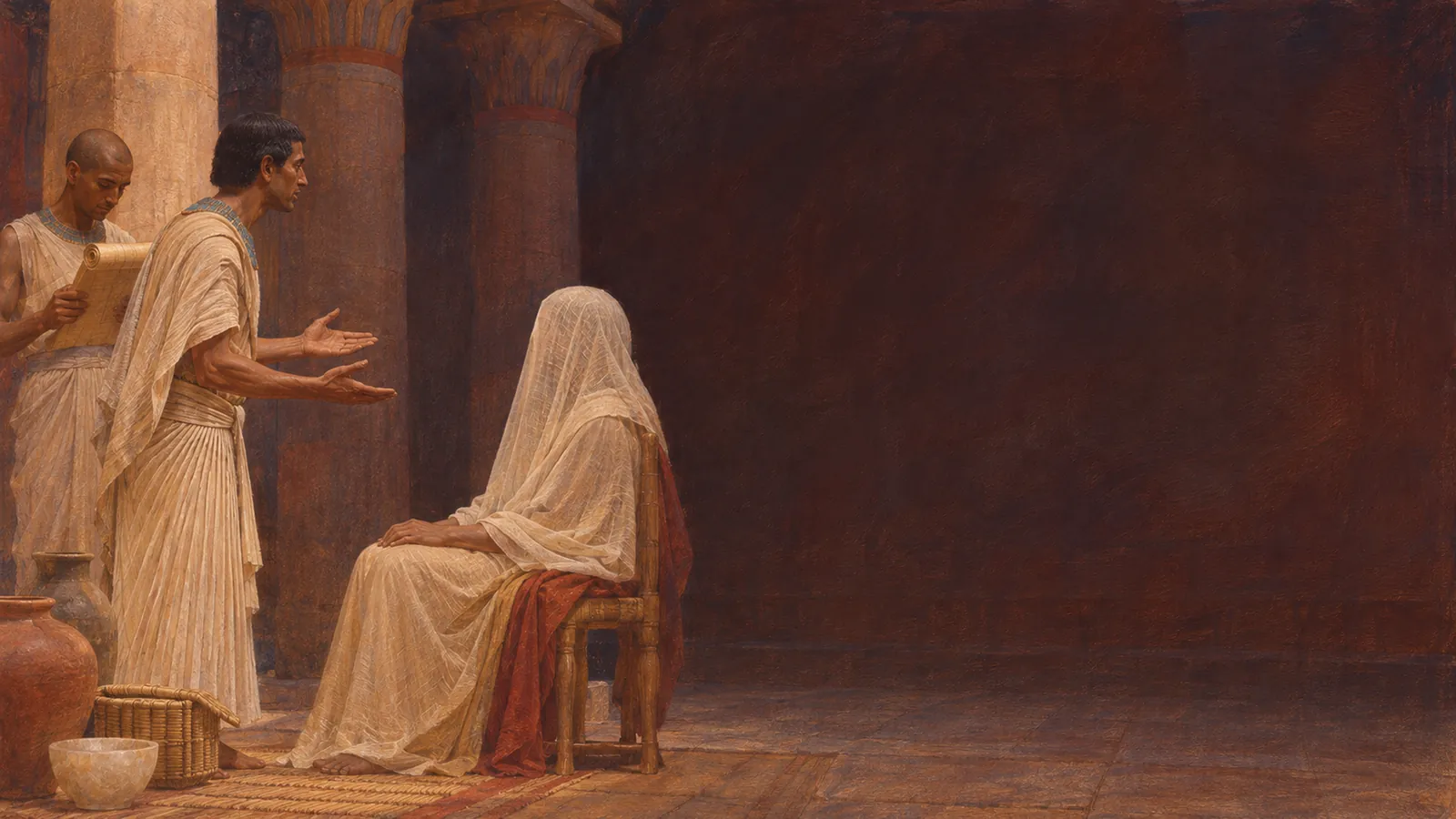
أحيّيك يا أوسخ نمتت، يا من تخرج من أنو. ما ارتكبتُ إثمًا.
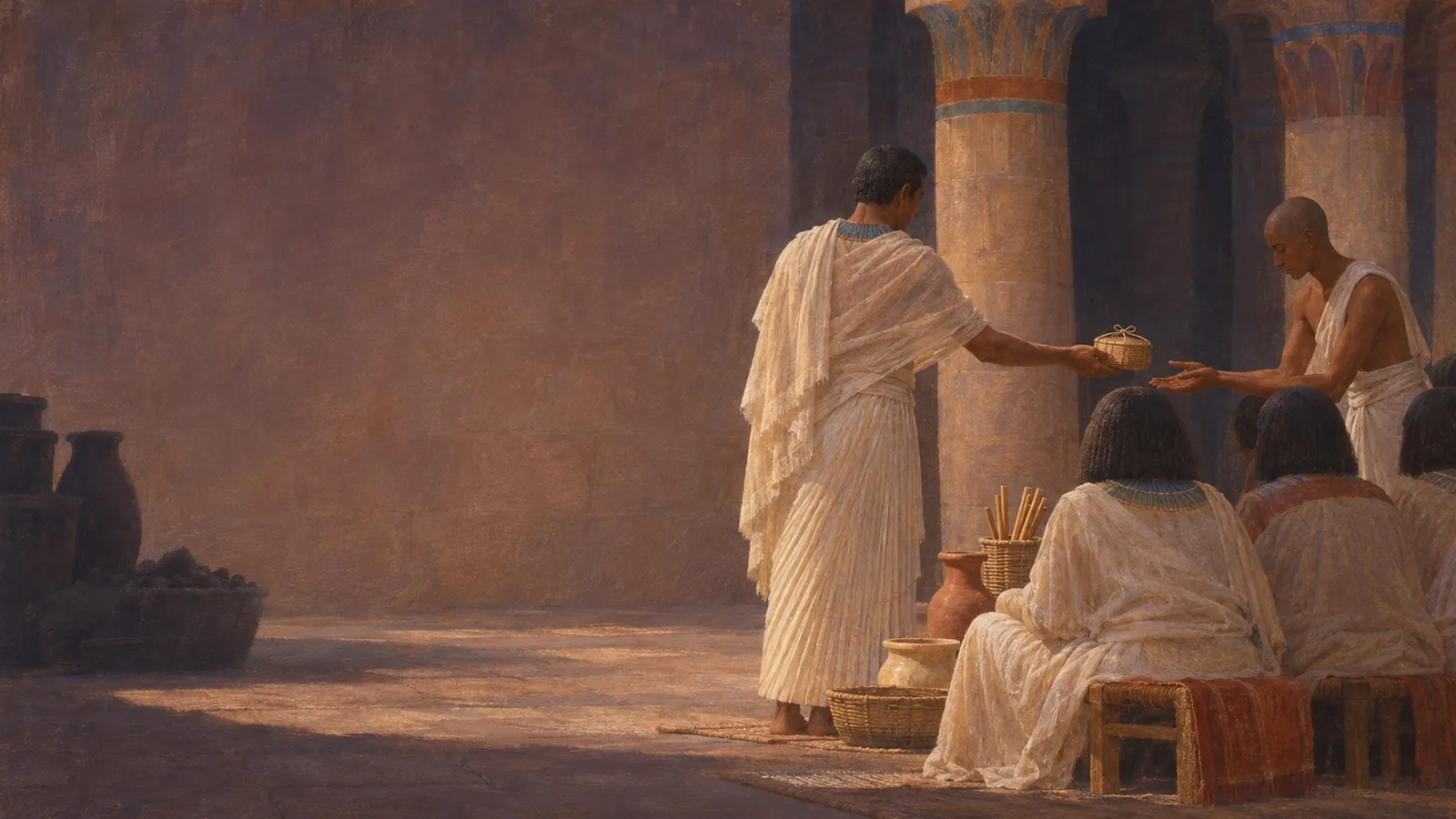
أحيّيك يا هبت سشِت، يا من تخرج من خر آبا. ما سلبتُ أحدًا بالعنف.
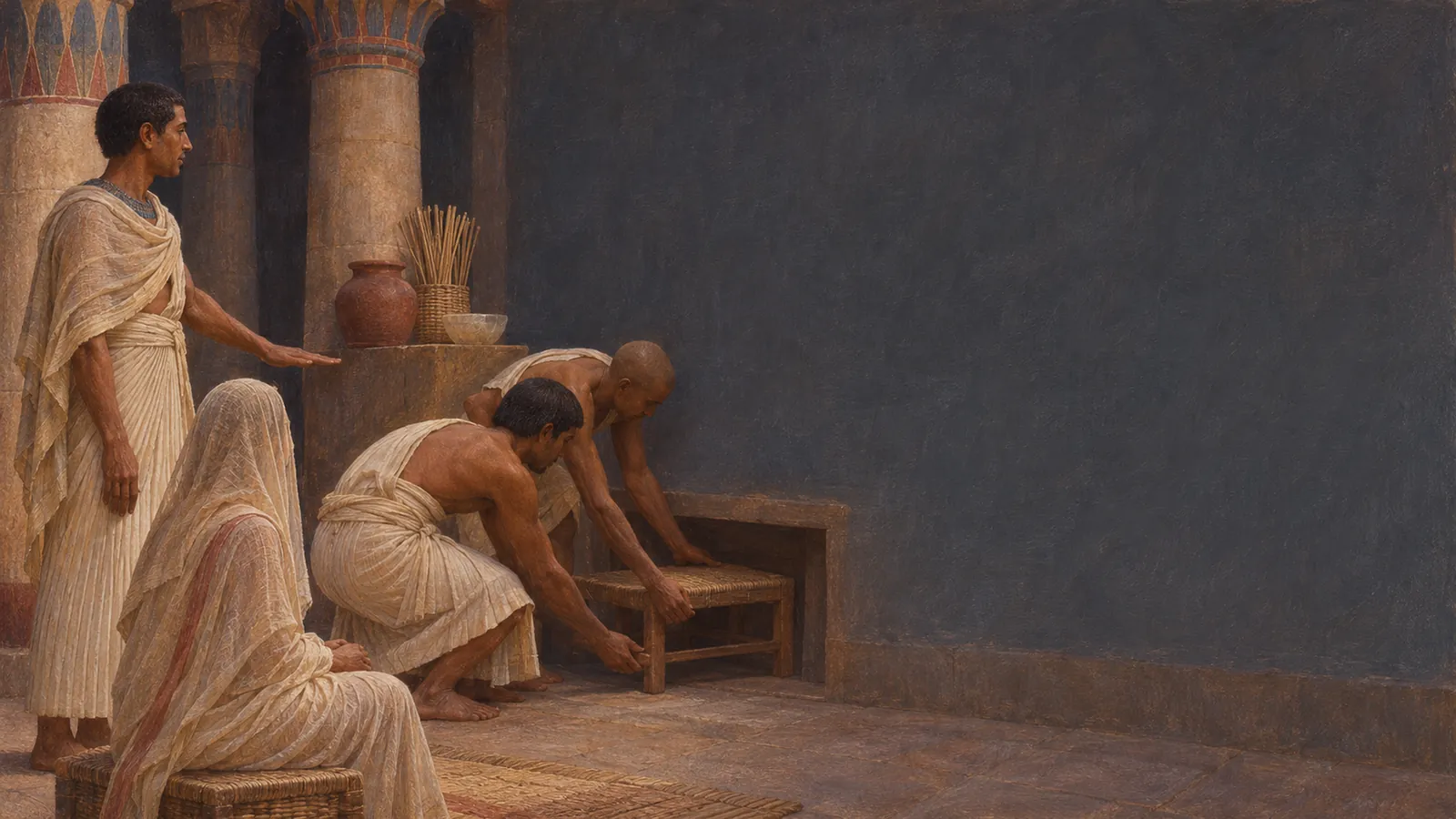
أحيّيك يا فنتي، يا من تخرج من خمنّو. ما اعتديتُ على أحد بالعنف.
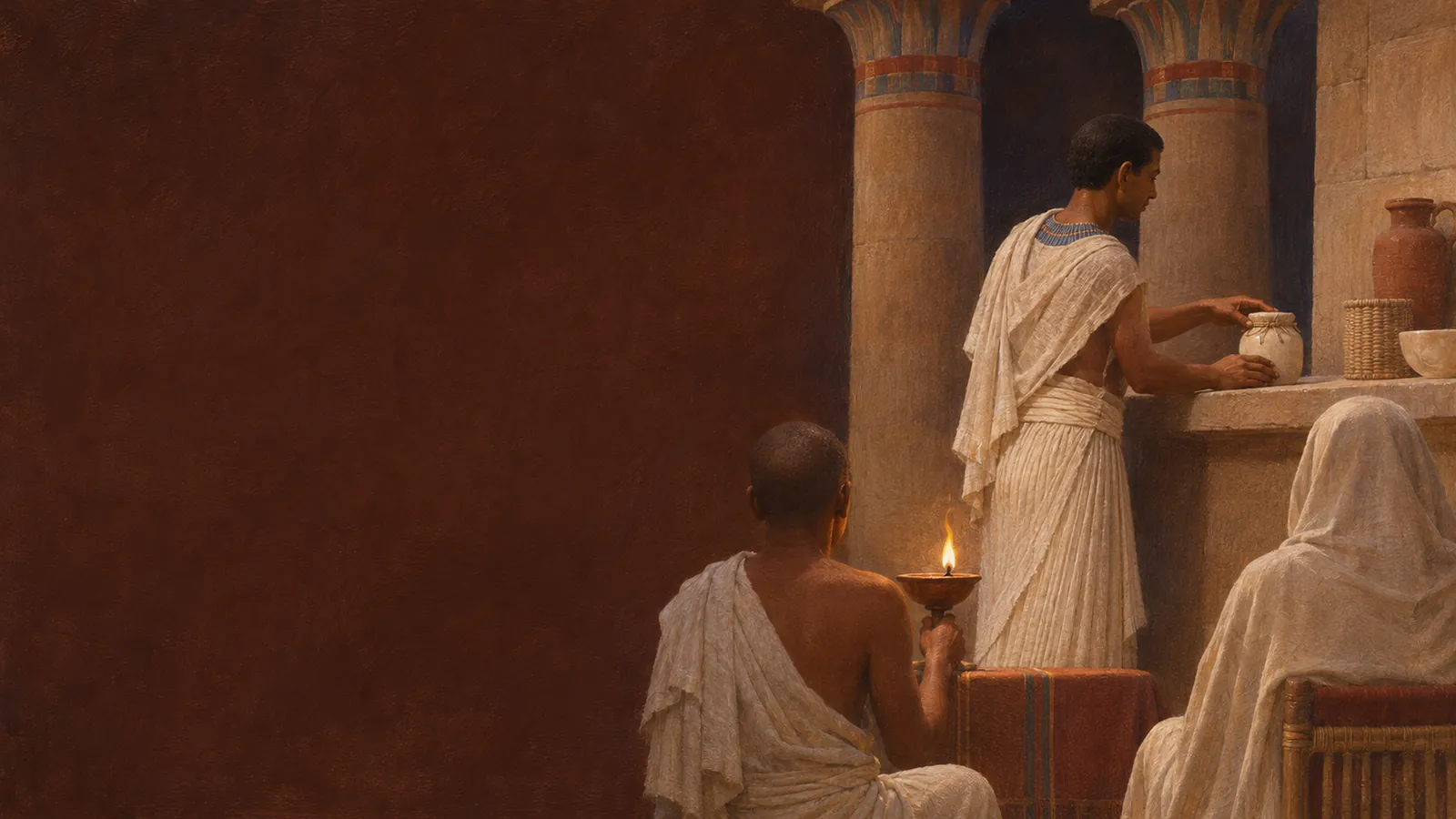
أحيّيك يا آم خايبيتو، يا من تخرج من مغارة قررت. ما ارتكبتُ سرقة.
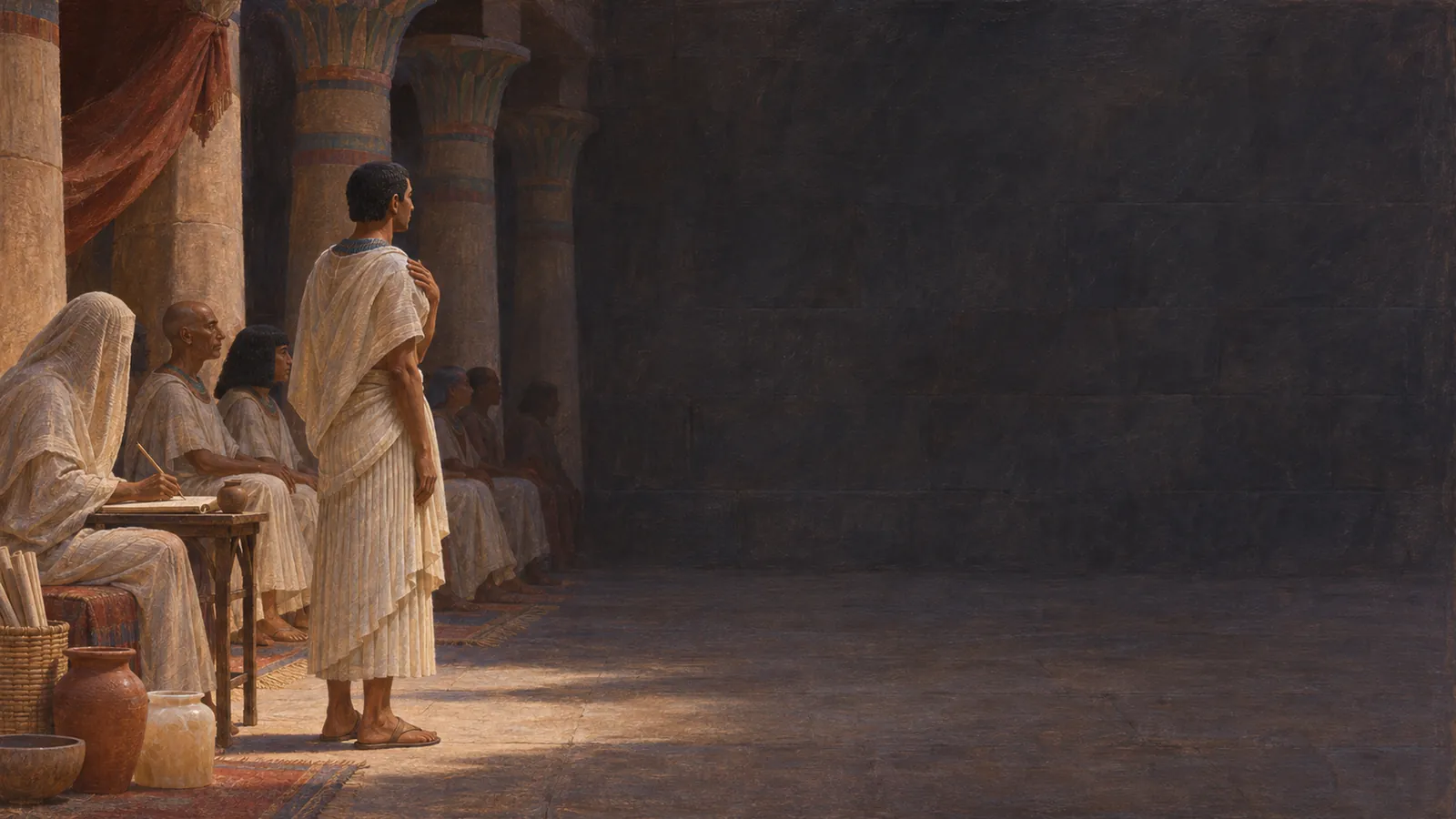
أحيّيك يا نها برا، يا من تخرج من رستاو. ما قتلتُ رجلًا ولا امرأةً.
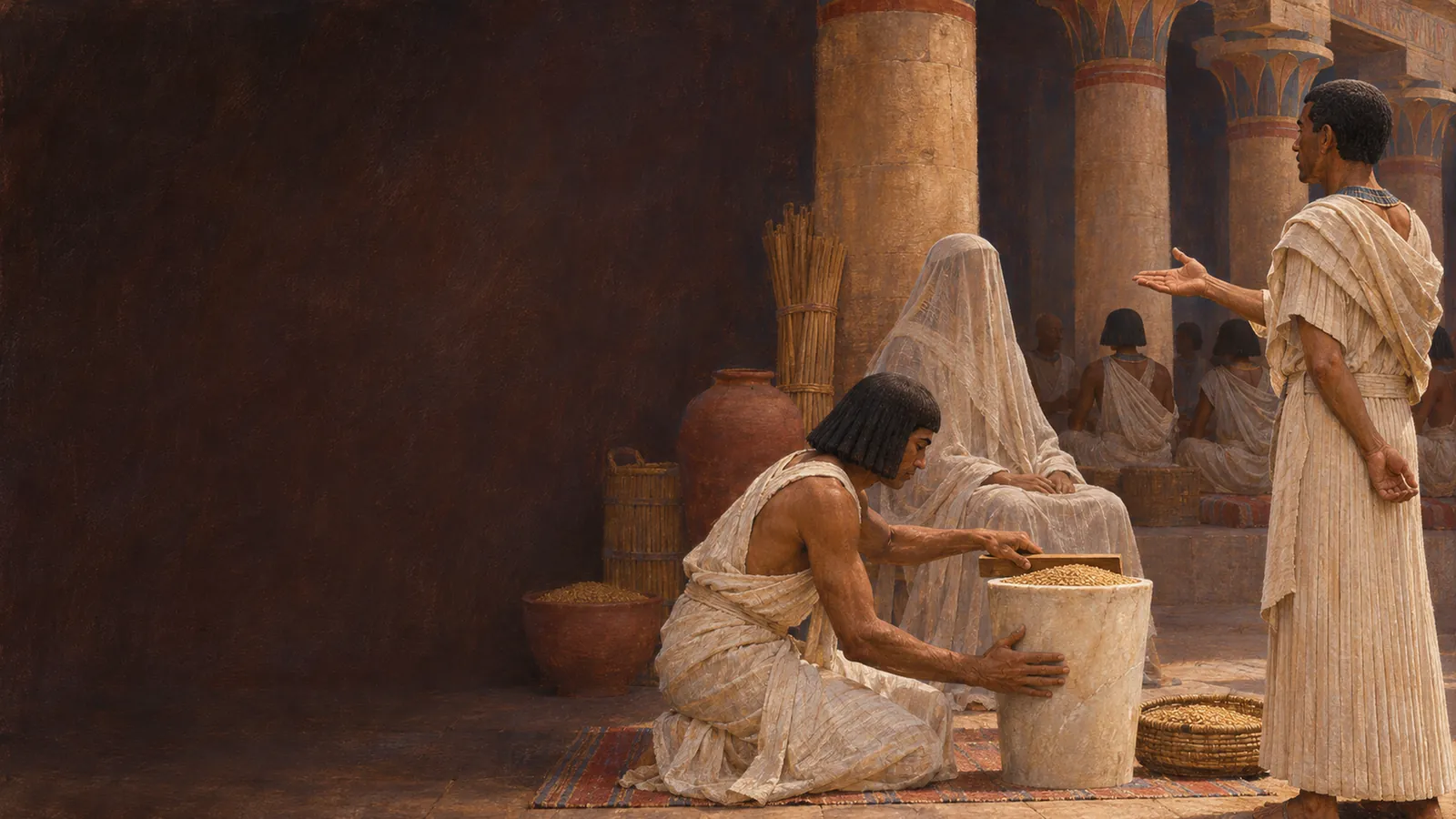
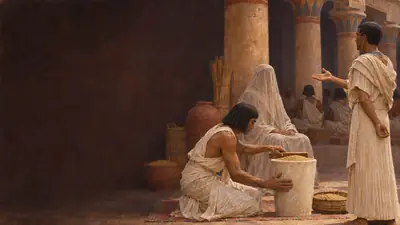
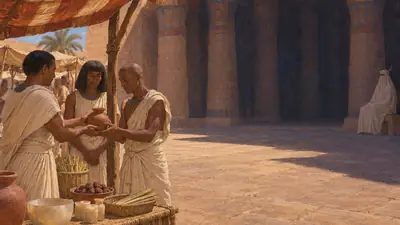
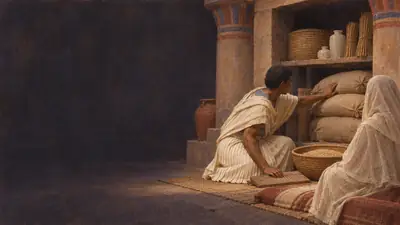
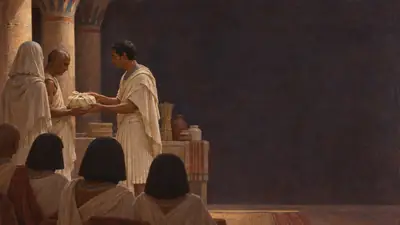
الكيل الوافي
أحيّيك يا رِرِتي، يا من تخرج من السماء. ما بخستُ أحدًا كيلَه.
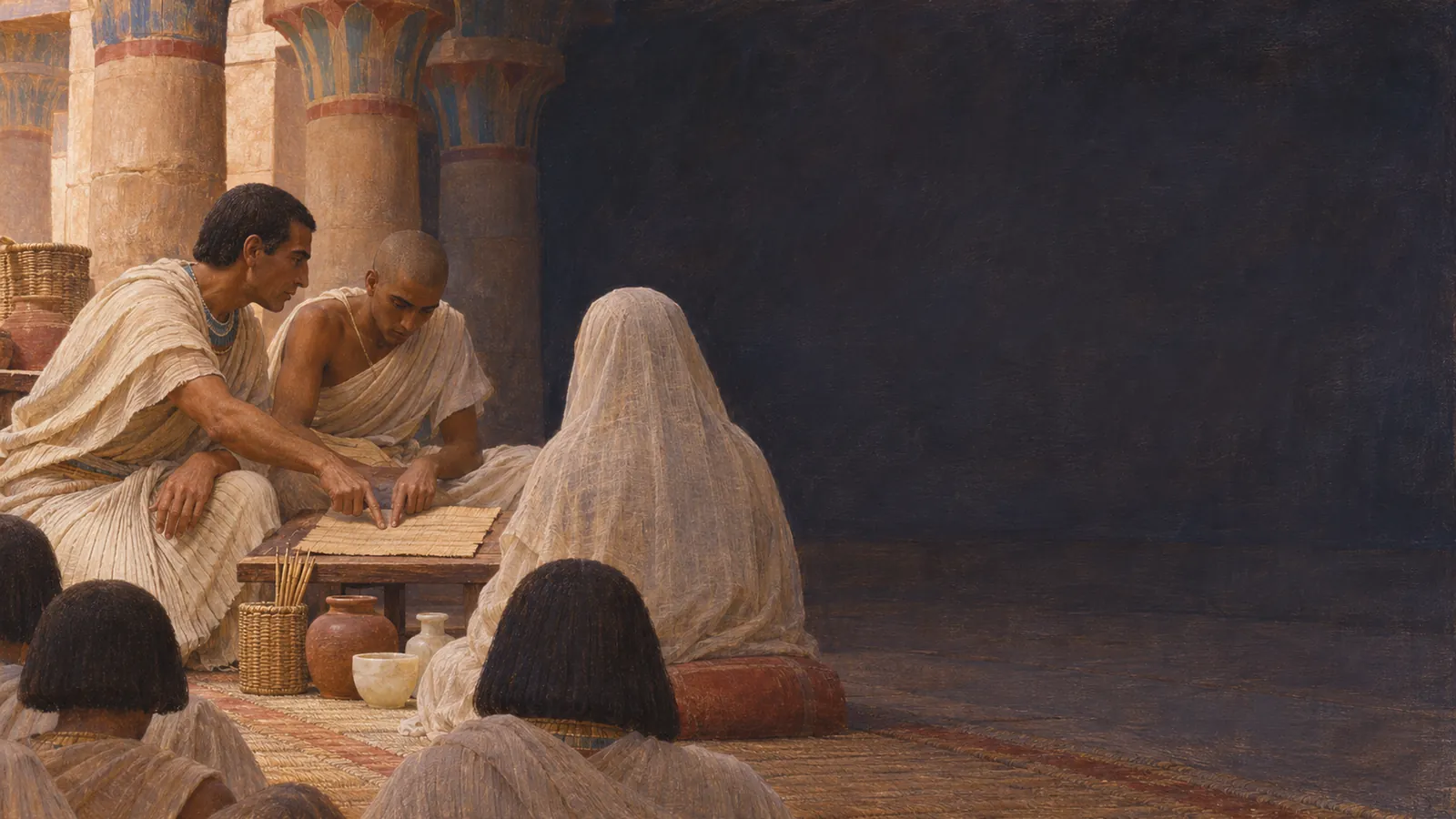
أحيّيك يا ما آتا ف إم سشِت، يا من تخرج من مدينة سخِم. ما تصرّفتُ بخداع.
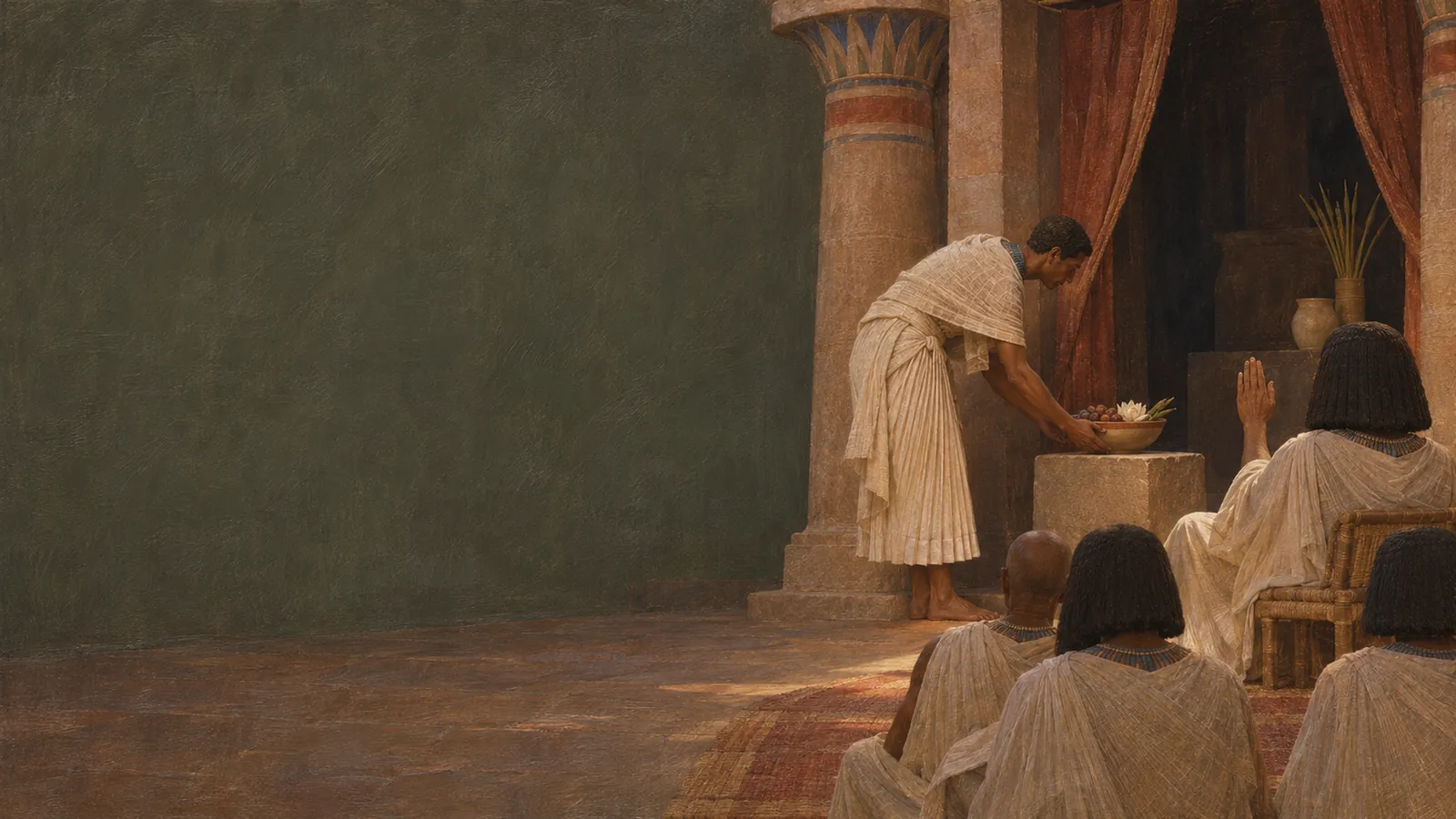
أحيّيك يا نِبا، يا من تخرج ثمّ تتراجع. ما سرقتُ ما يخصّ الإله.
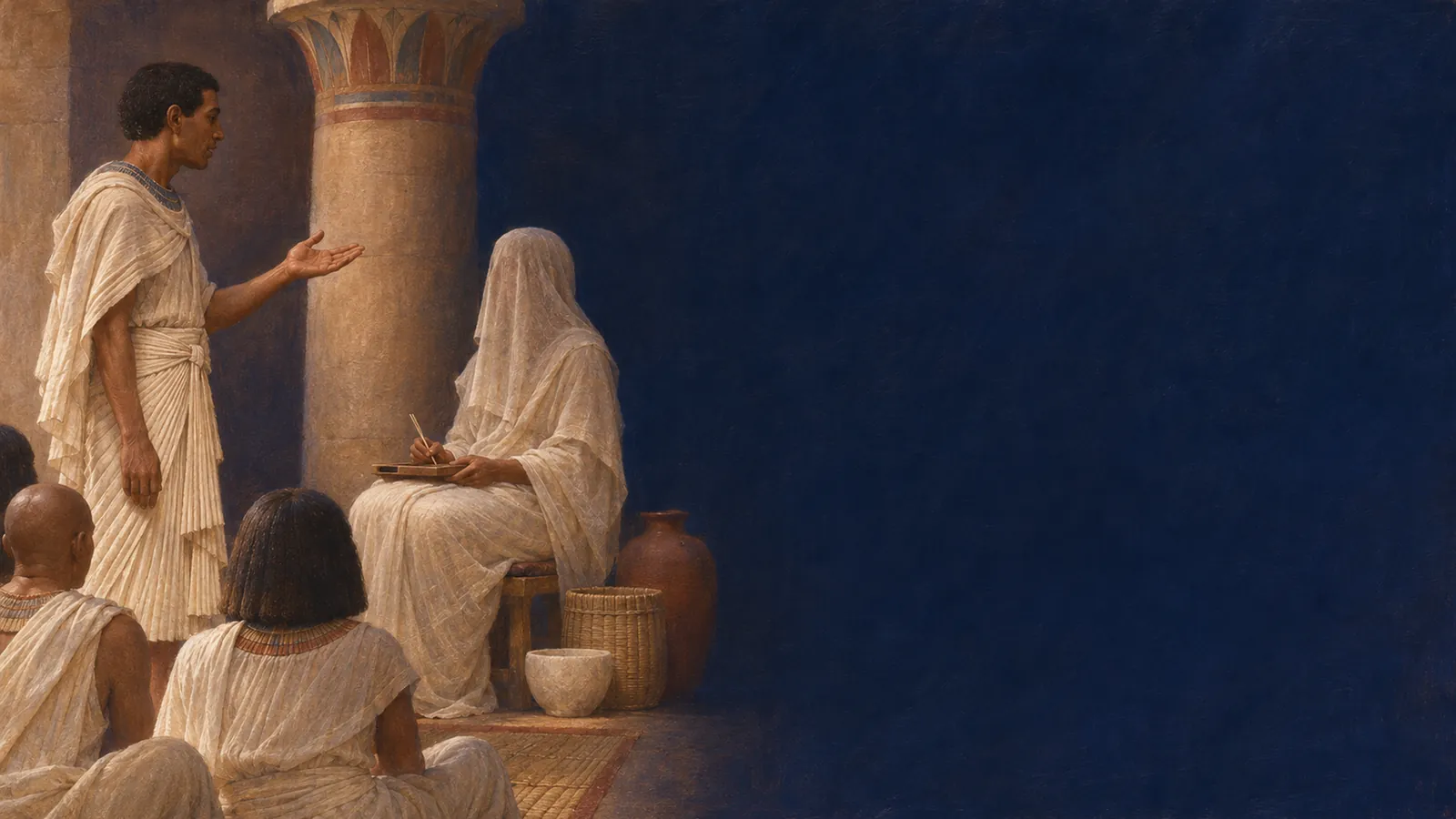
أحيّيك يا ست قِسو، يا من تخرج من سوتن هنن. ما نطقتُ بكلامٍ كاذب.
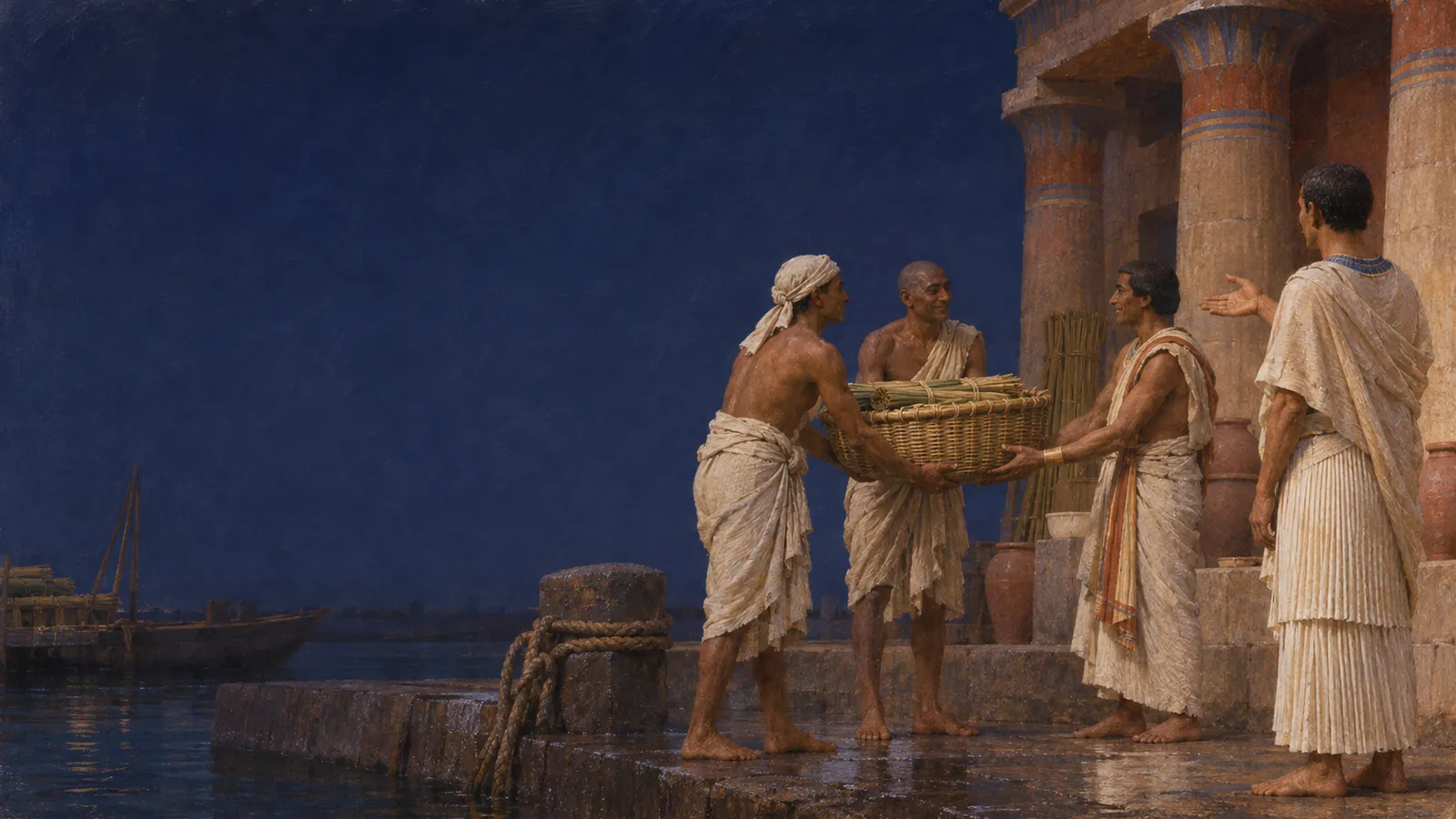
أحيّيك يا خِمي، يا من تخرج من شتايت، المكان الخفيّ. ما أخذتُ المتاع بالقوّة.
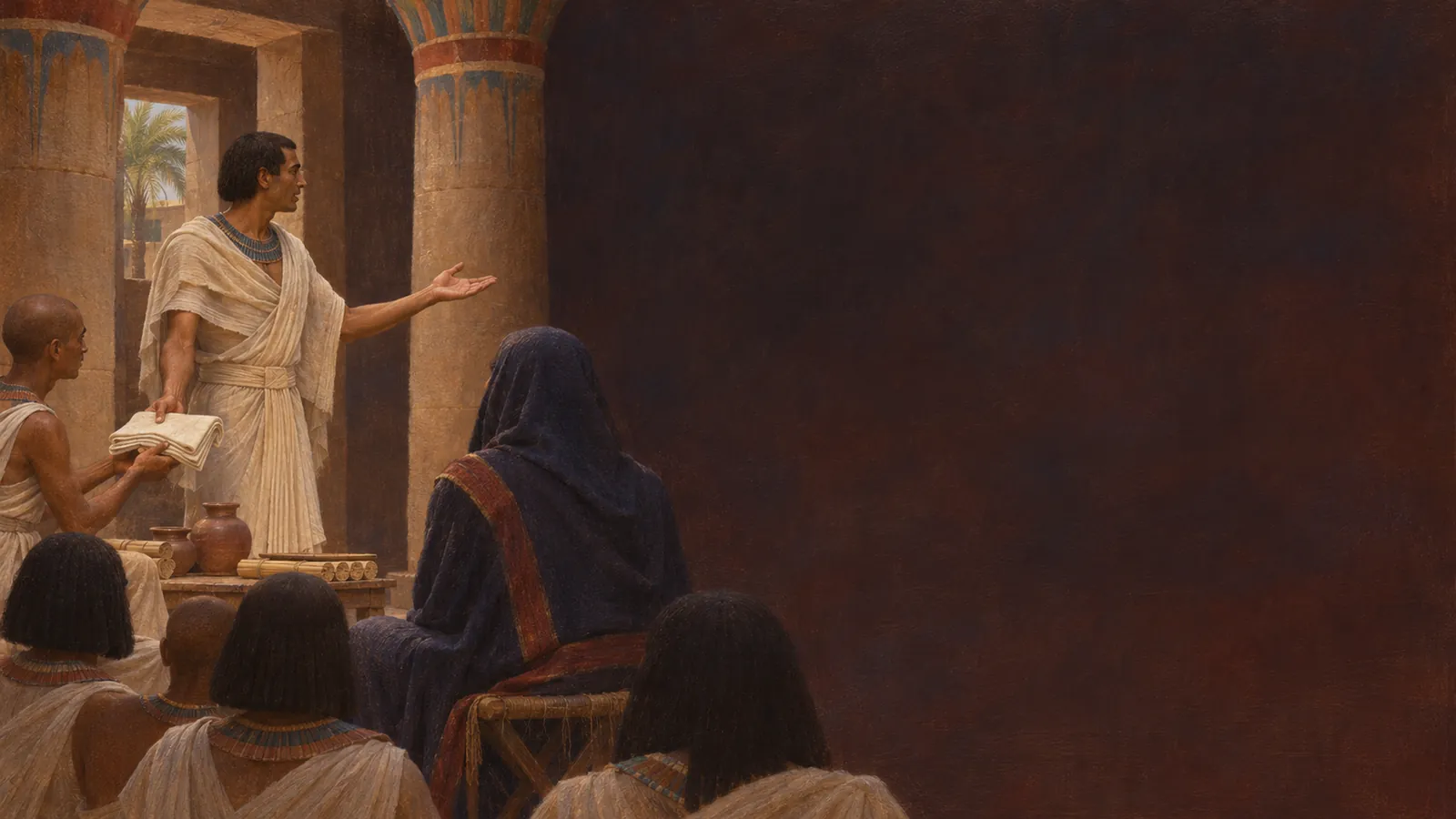
أحيّيك يا أواتش نسرت، يا من تخرج من حت كا بتاح. ما نطقتُ بكلام سوء.
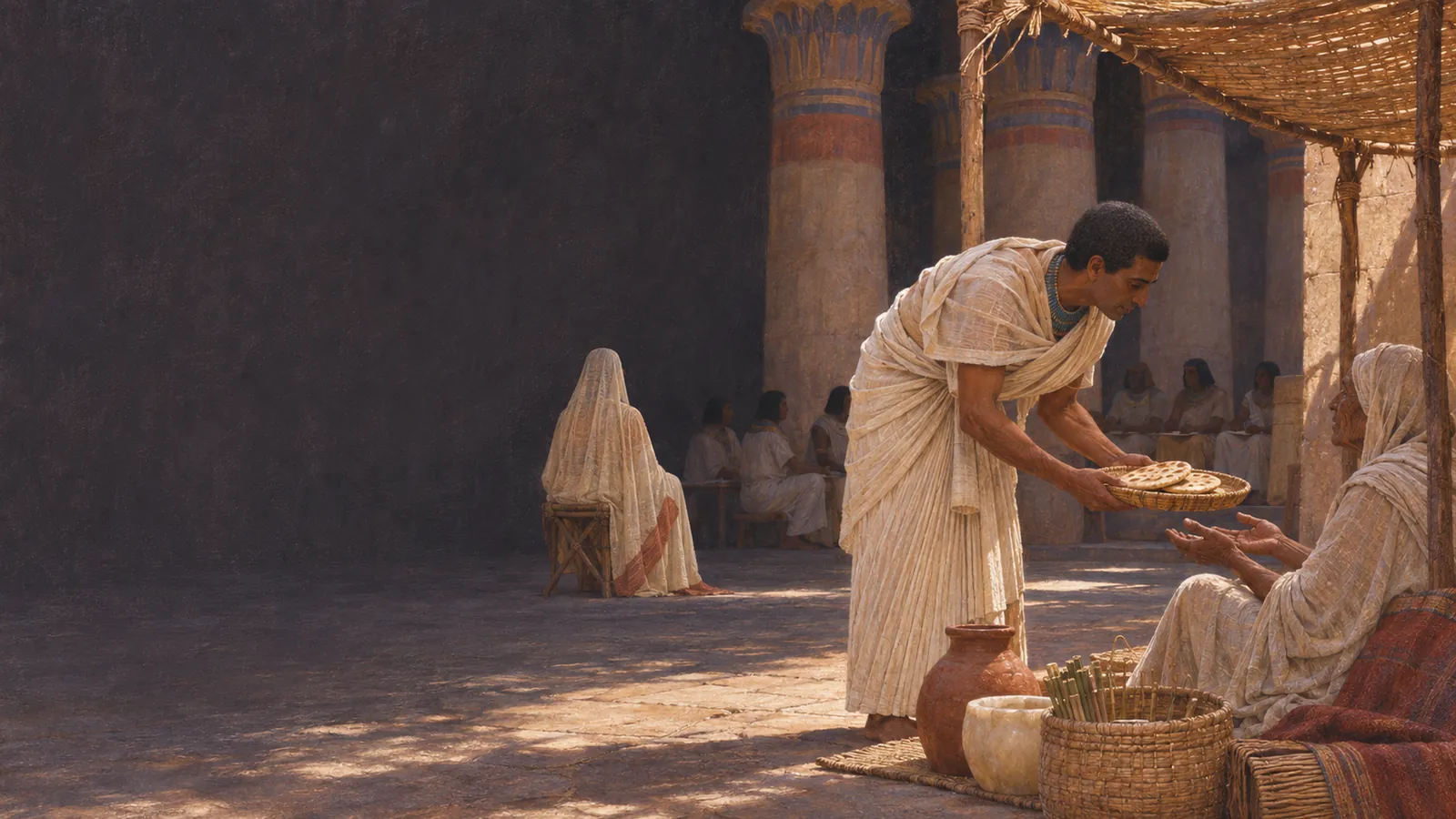
أحيّيك يا حرا ف حا ف، يا من تخرج من المغارة والأعماق. ما أخذتُ طعامًا بالقوّة.
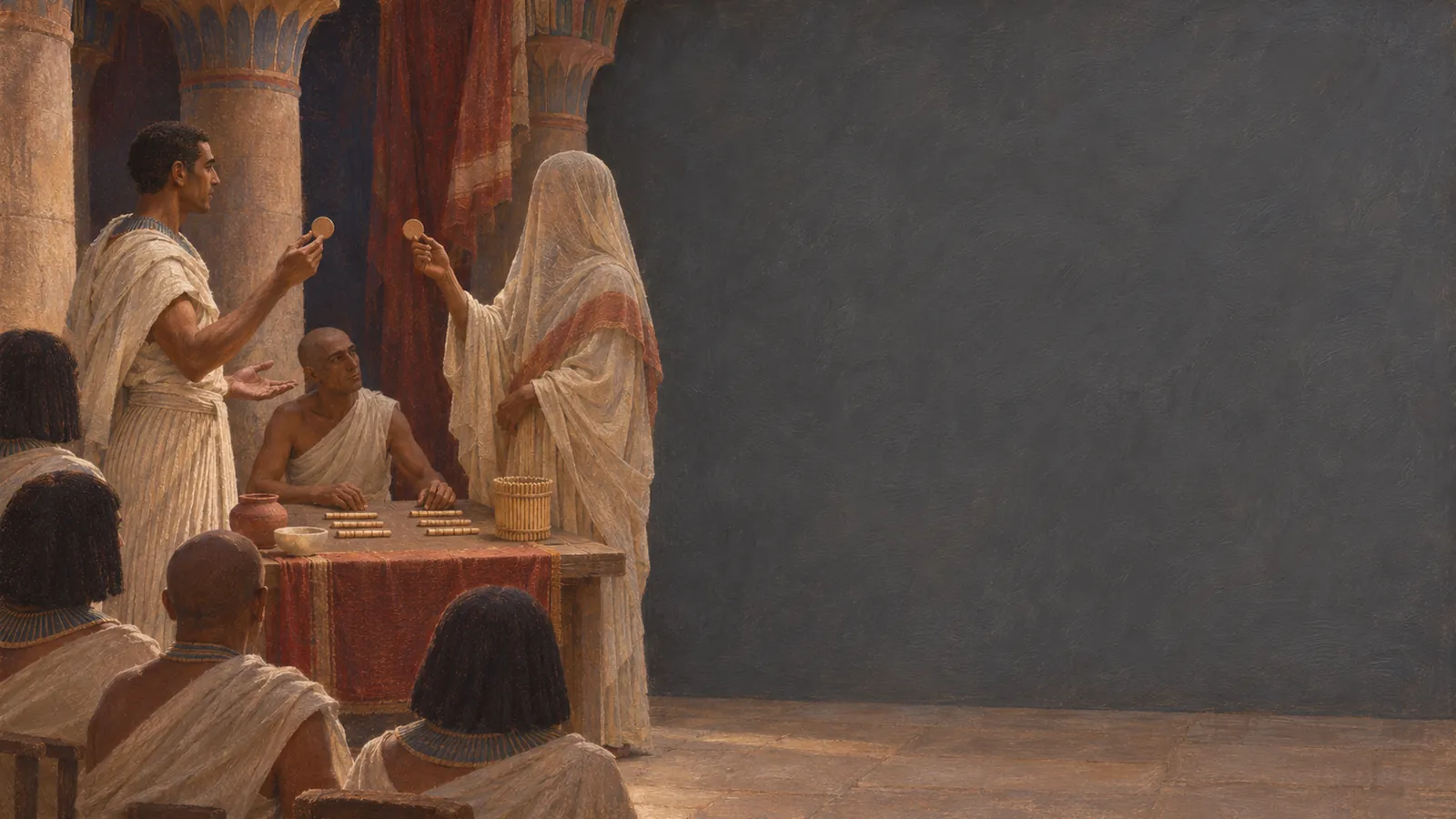
أحيّيك يا قرِتي، يا من تخرج من العالم السفليّ. ما تصرّفتُ بخداع.
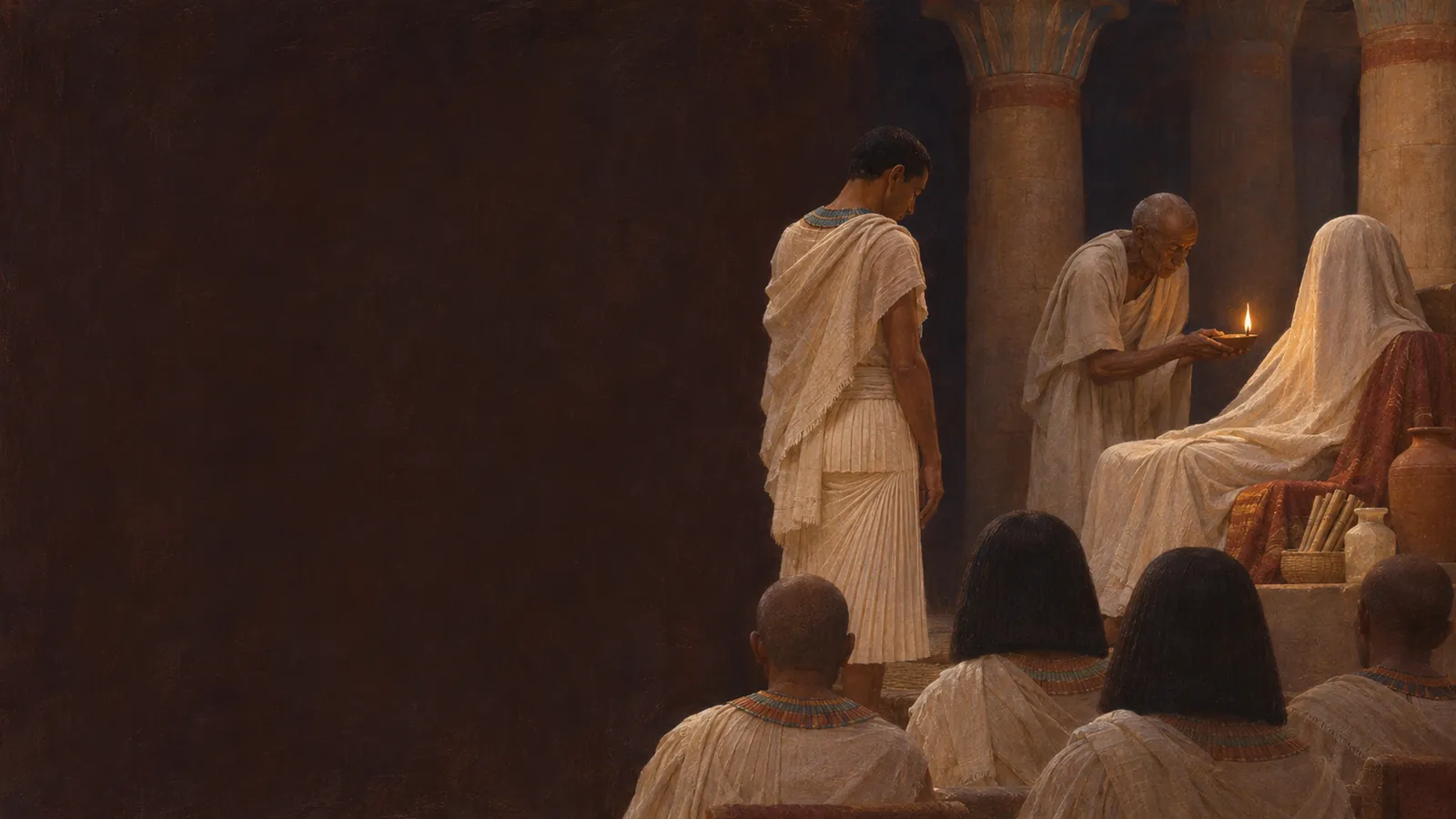
يا تا-رِت، يا من تخرج من الظلام، أقول إنّي لم أفقد أعصابي ولم أستسلم للغضب.
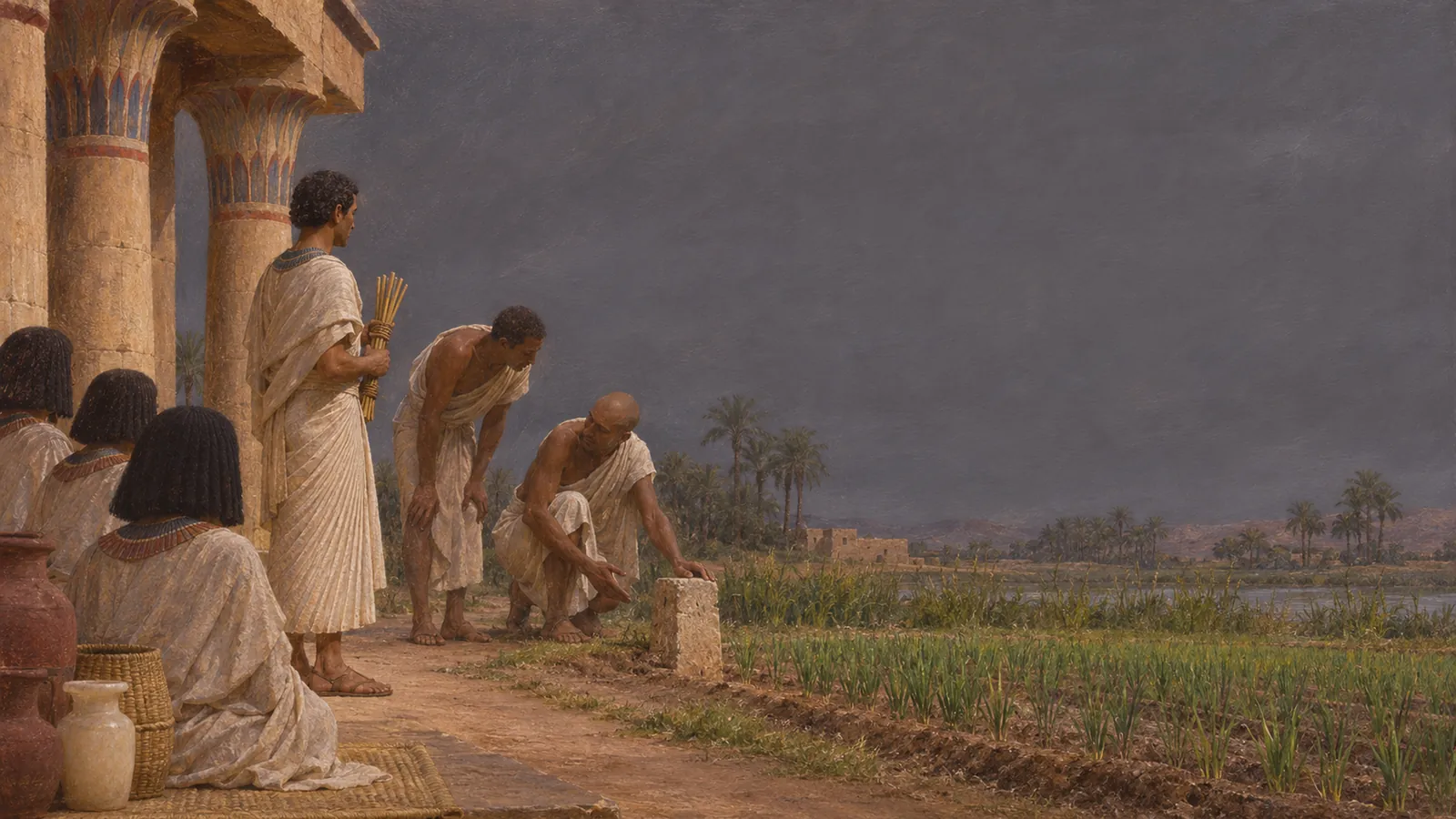
يخاطب المتكلّم هِتش-أبِهو الآتي من تا-شي، وينفي أنّه تعدّى. والكلمات التي أضافها بدج بين معقوفين تجعل التعدّي على أرض الغير.
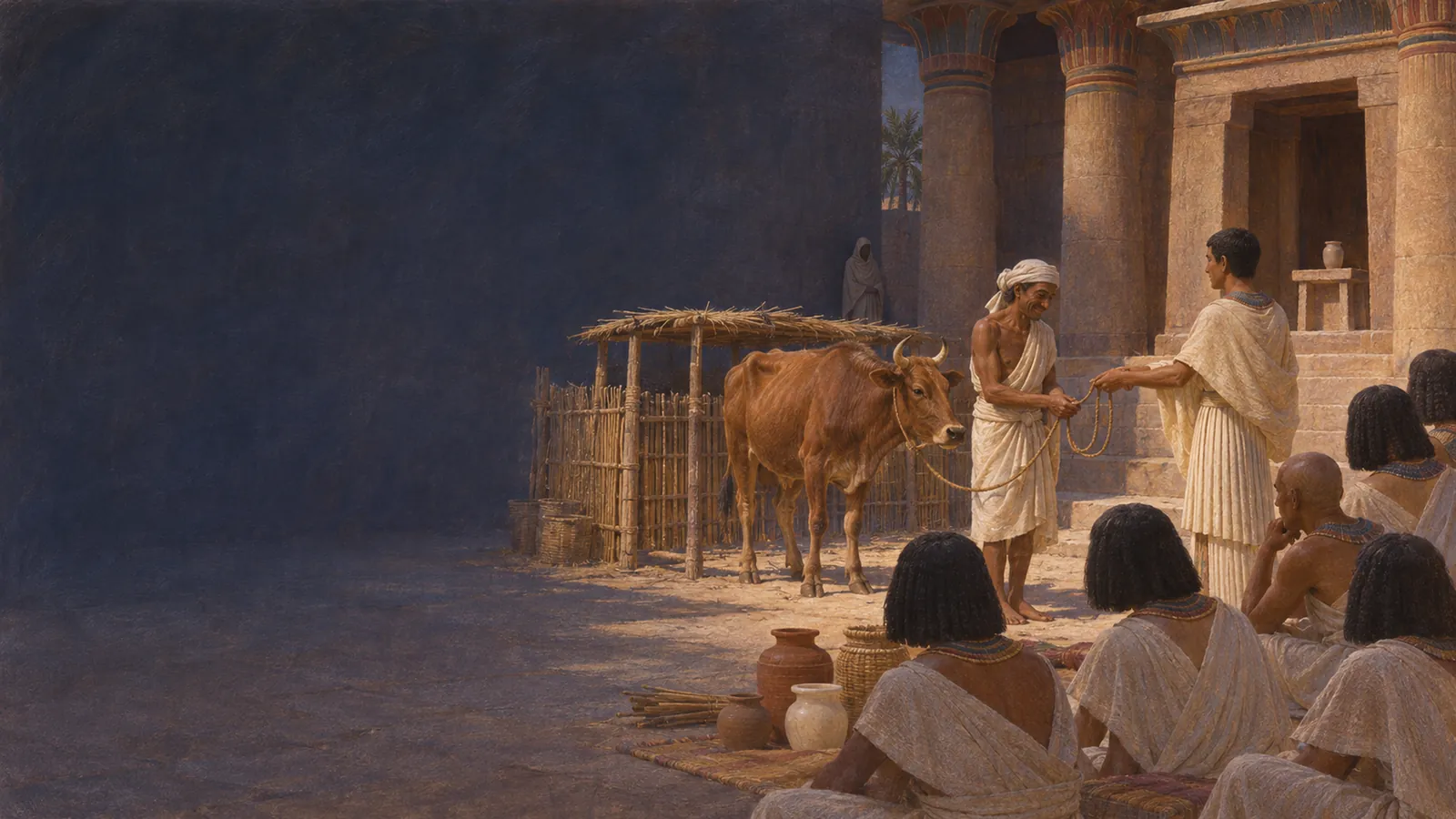
يا آم-سِنِف، يا من تأتي من بيت كتلة الذبح، أُقرّ بأنّي لم أذبح حيواناتٍ تخصّ الإله.
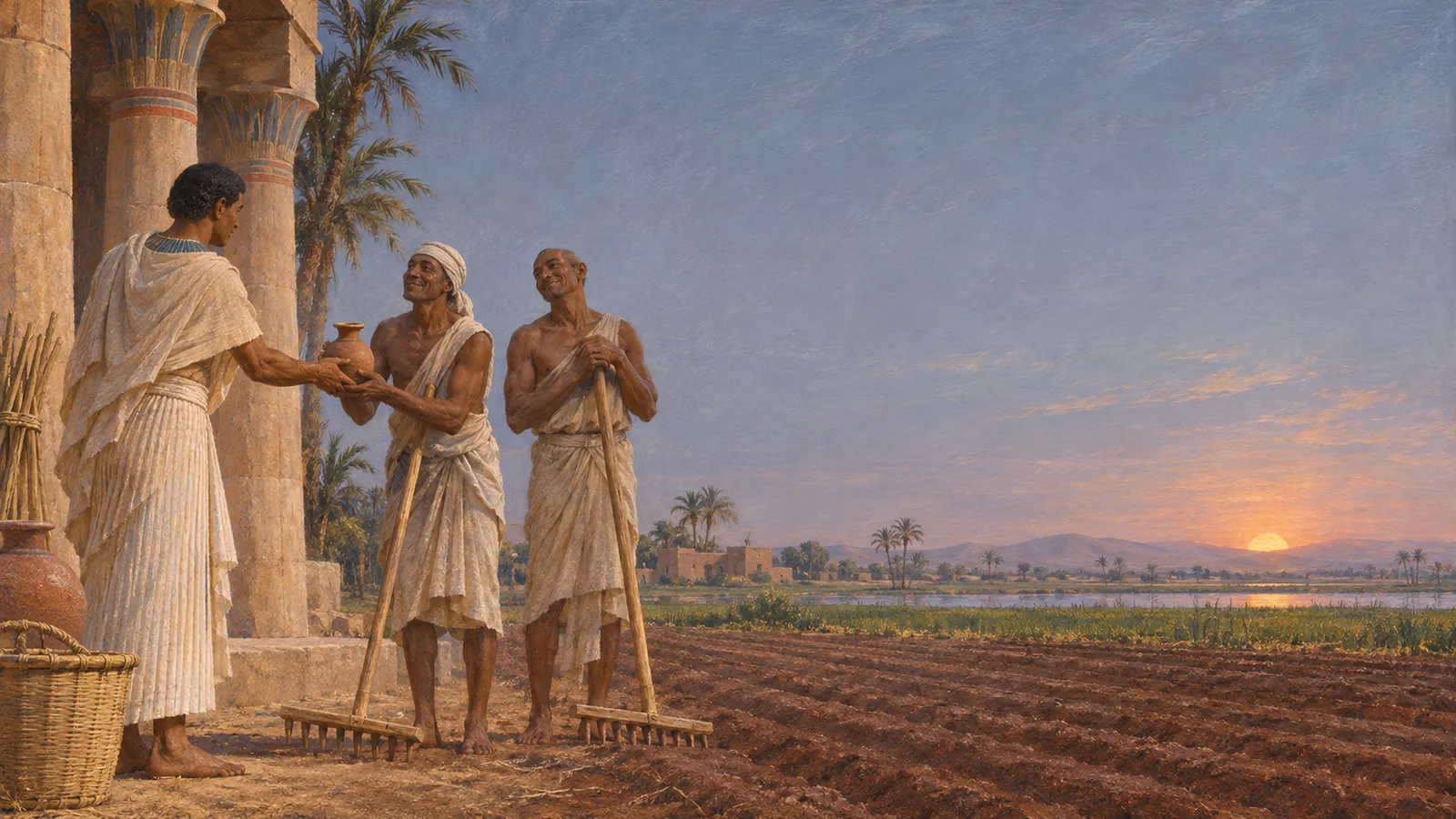
يا آم-بِسِك الآتي من مابِت، اسمع إقراري. لم أخرّب أرضًا كانت قد حُرثت.
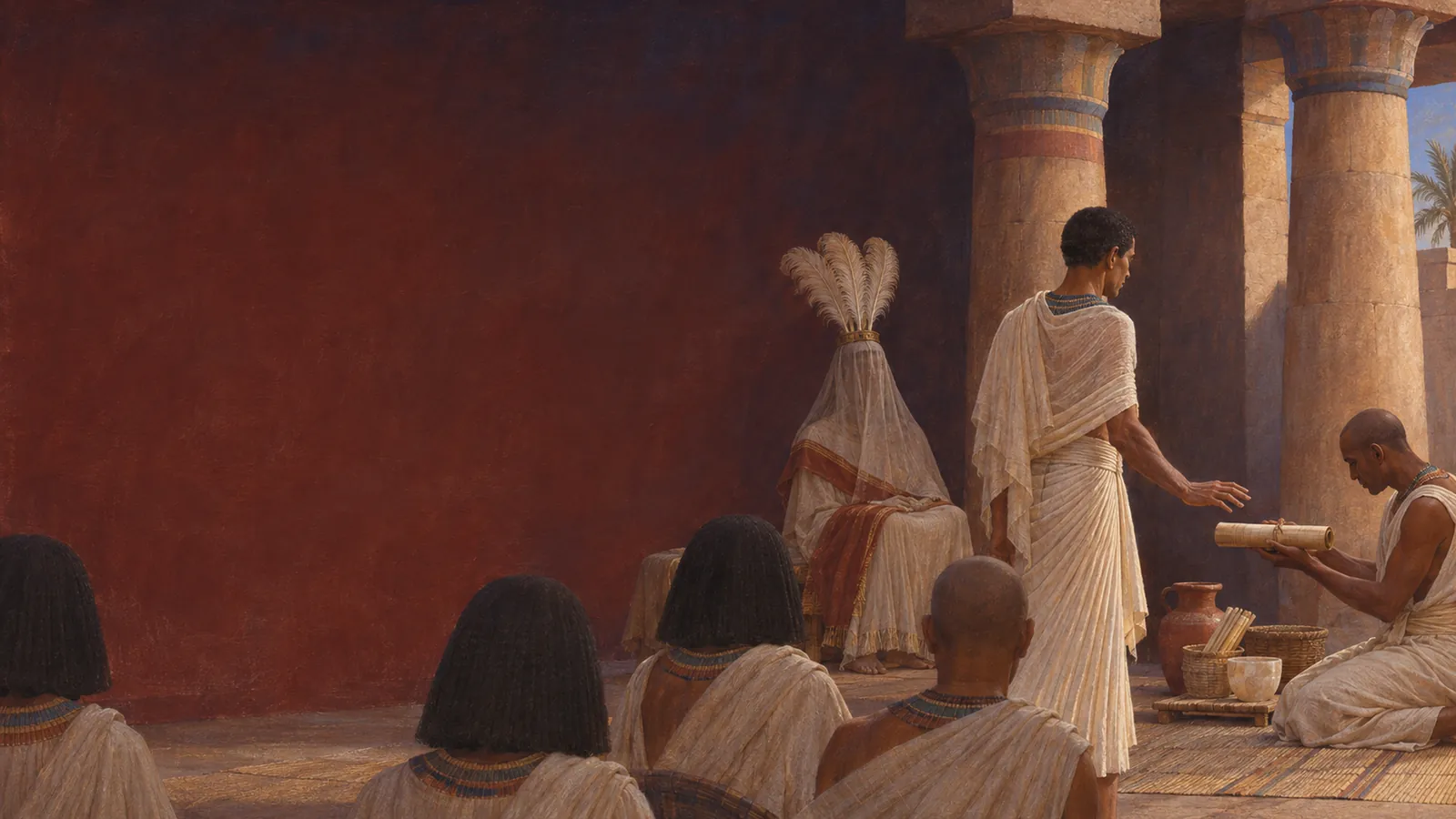
يا نِب-ماعت الآتي من مدينة الماعتين، لم أتقصّ الأمور لكي أثير المتاعب.
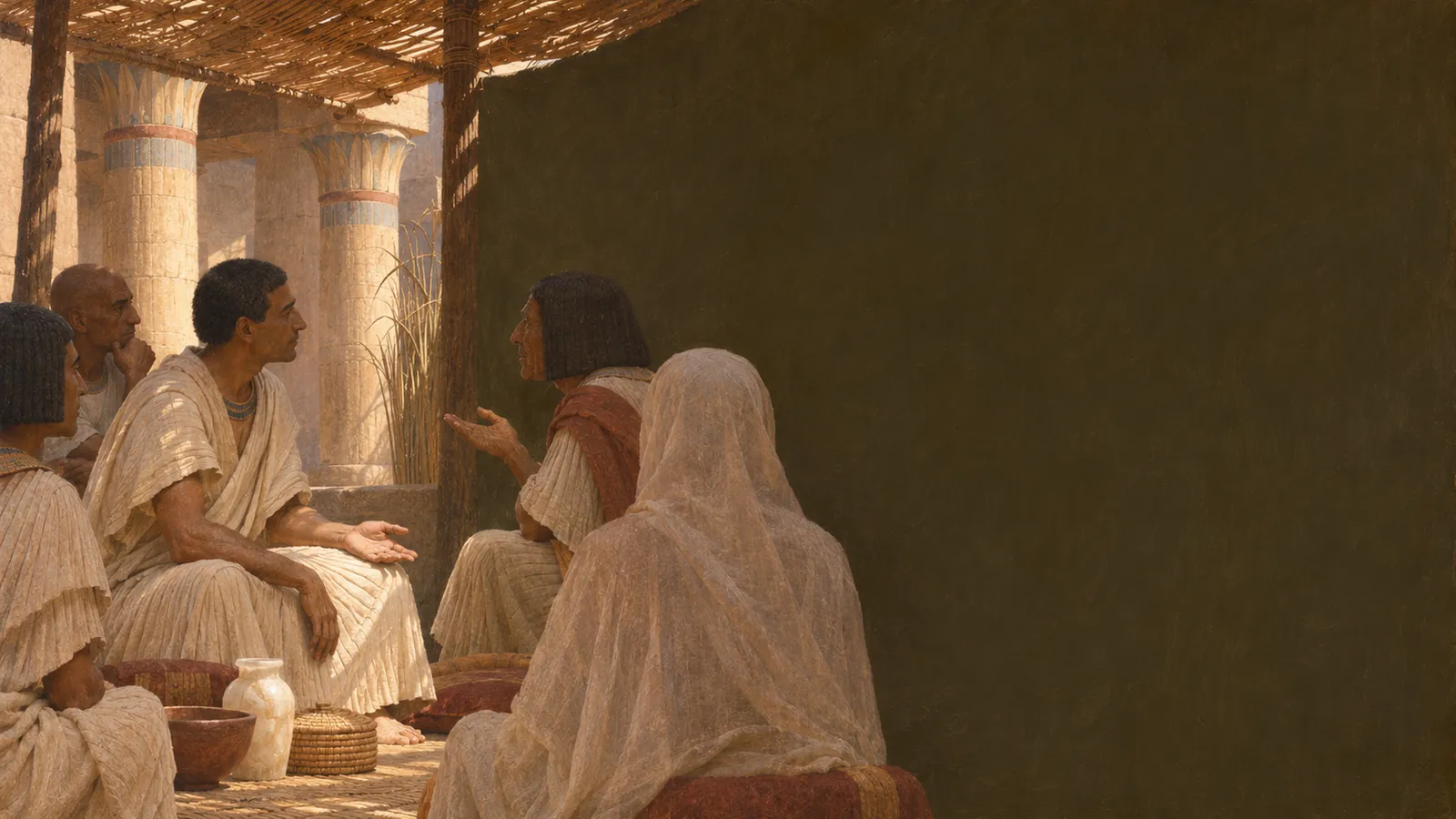
أمامك يا ثِنِمي الآتي من باست أُقرّ بأنّي لم أتكلّم ضدّ أحد.
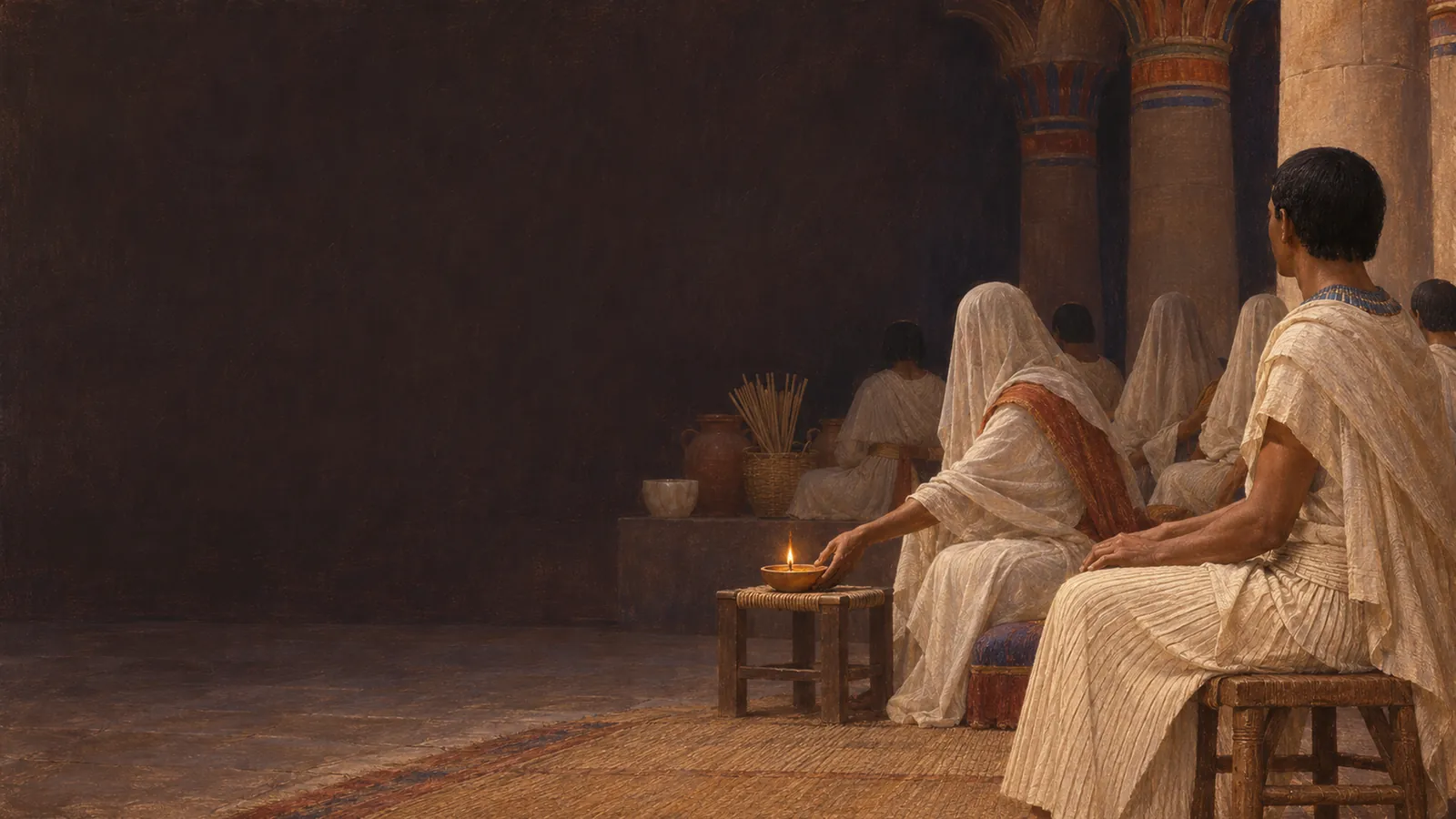
أمامك يا آنتي الآتي من آنّو أُقرّ بأنّي لم أستسلم للغضب من غير سبب.
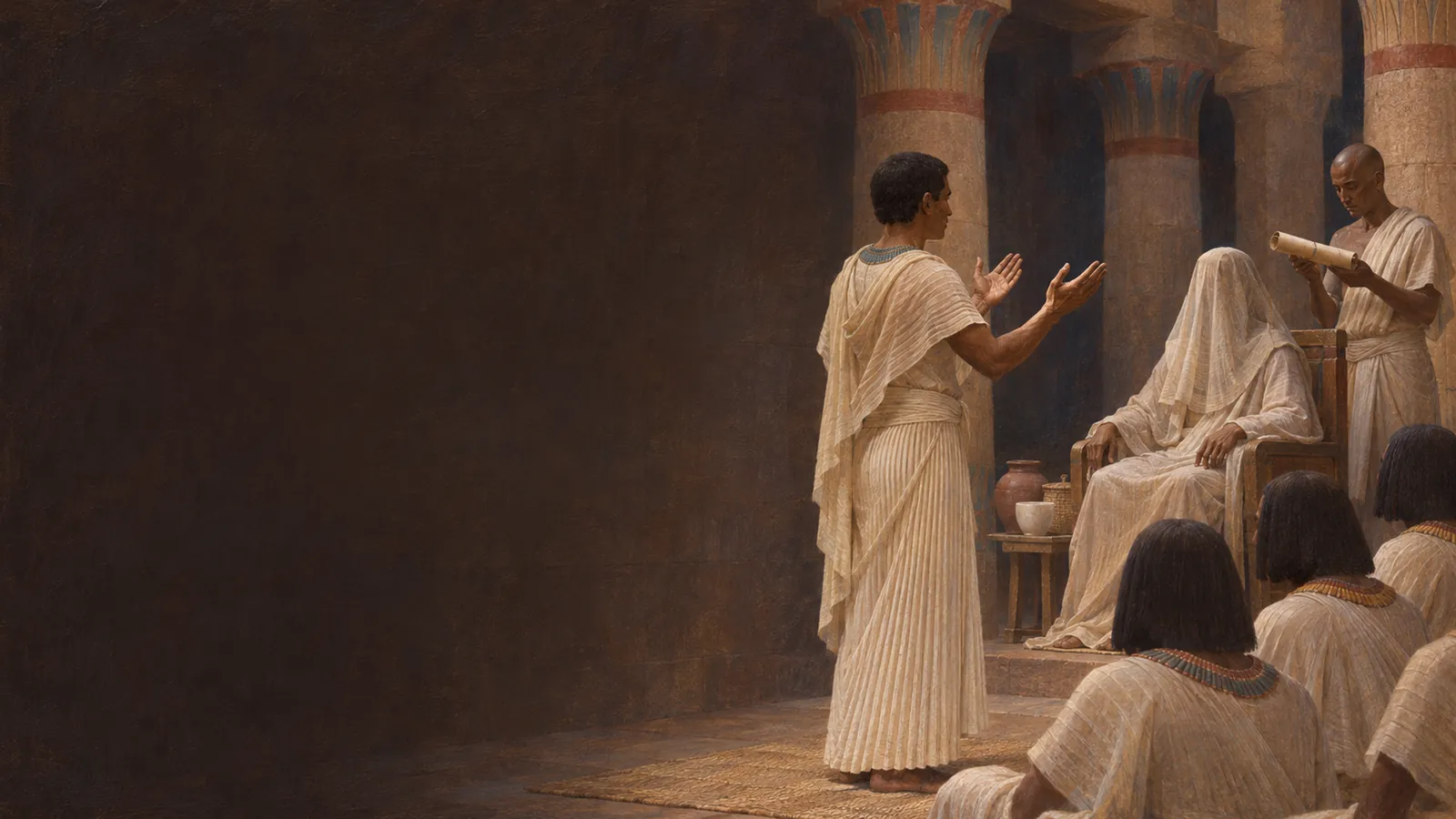
السلوك
يخاطب المتكلّم توتوتِف الآتي من بيت آتي. وينفي في ترجمة بدج القديمة ما سمّاه المترجم الزنا واللواط.
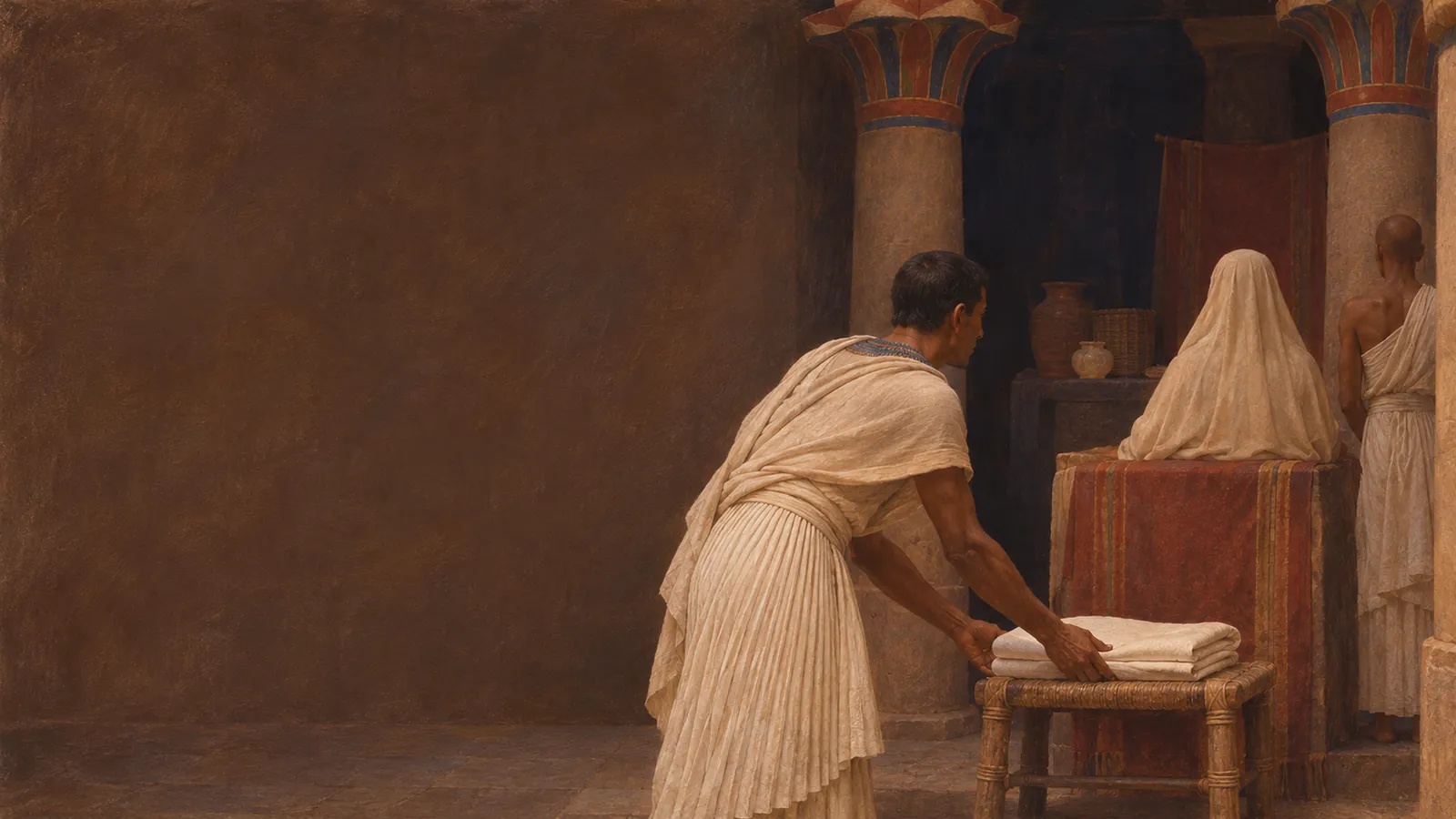
يا أوامِمتي الآتي من بيت الذبح، اسمع إقراري. أقول إنّي لم أدنّس نفسي.
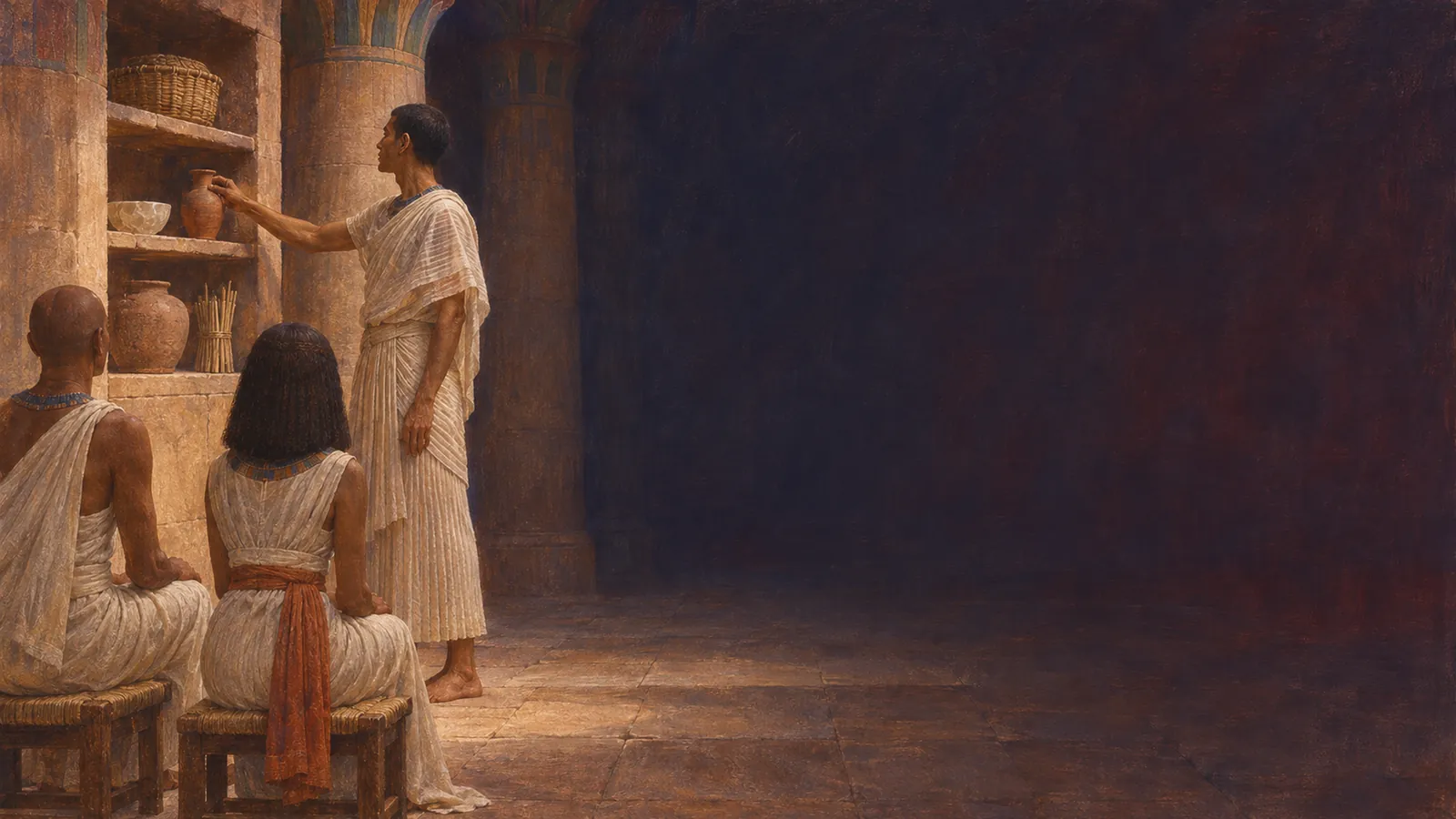
يا ما-أنت-ف، يا من تأتي من بيت الإله آمسو، لم أضاجع زوجة رجل آخر.
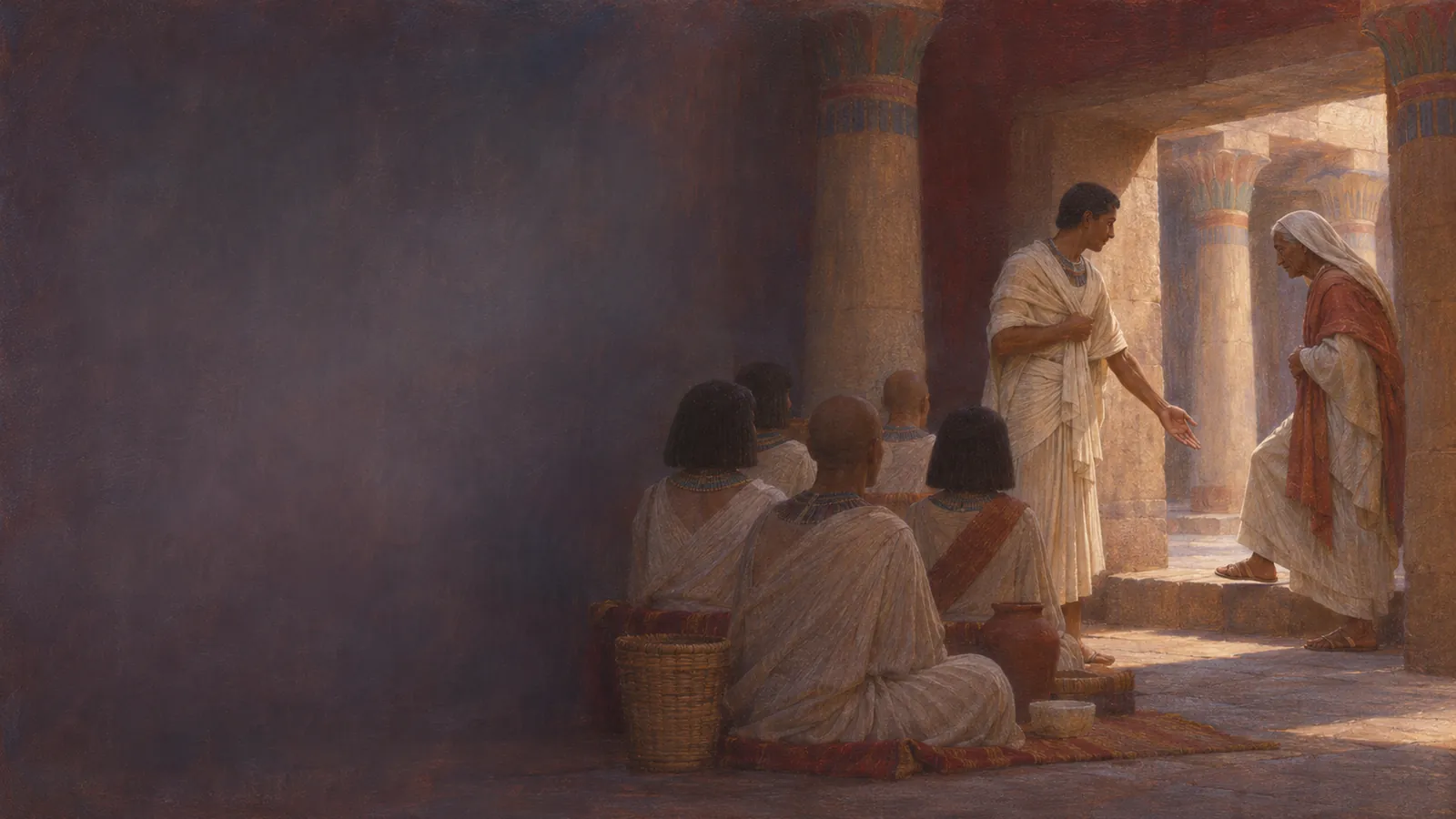
يا هِر-سِرو، يا من تخرج من نهاتو، أقول إنّني لم أُخِفْ أحدًا.
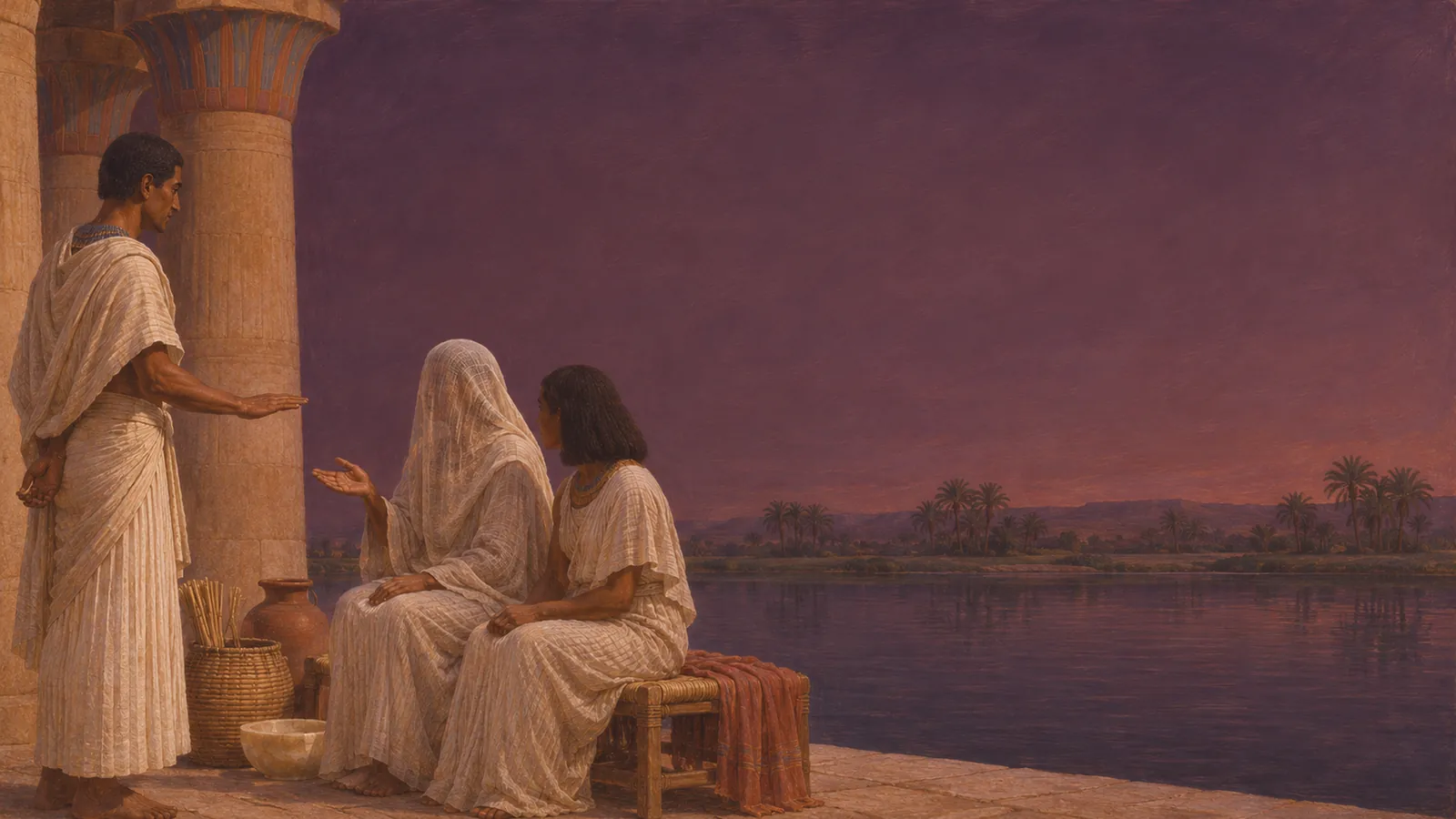
يا نِب-سِخِم، يا من تخرج من بحيرة كاوي، أقول إنّني لم أتكلّم غاضبًا.
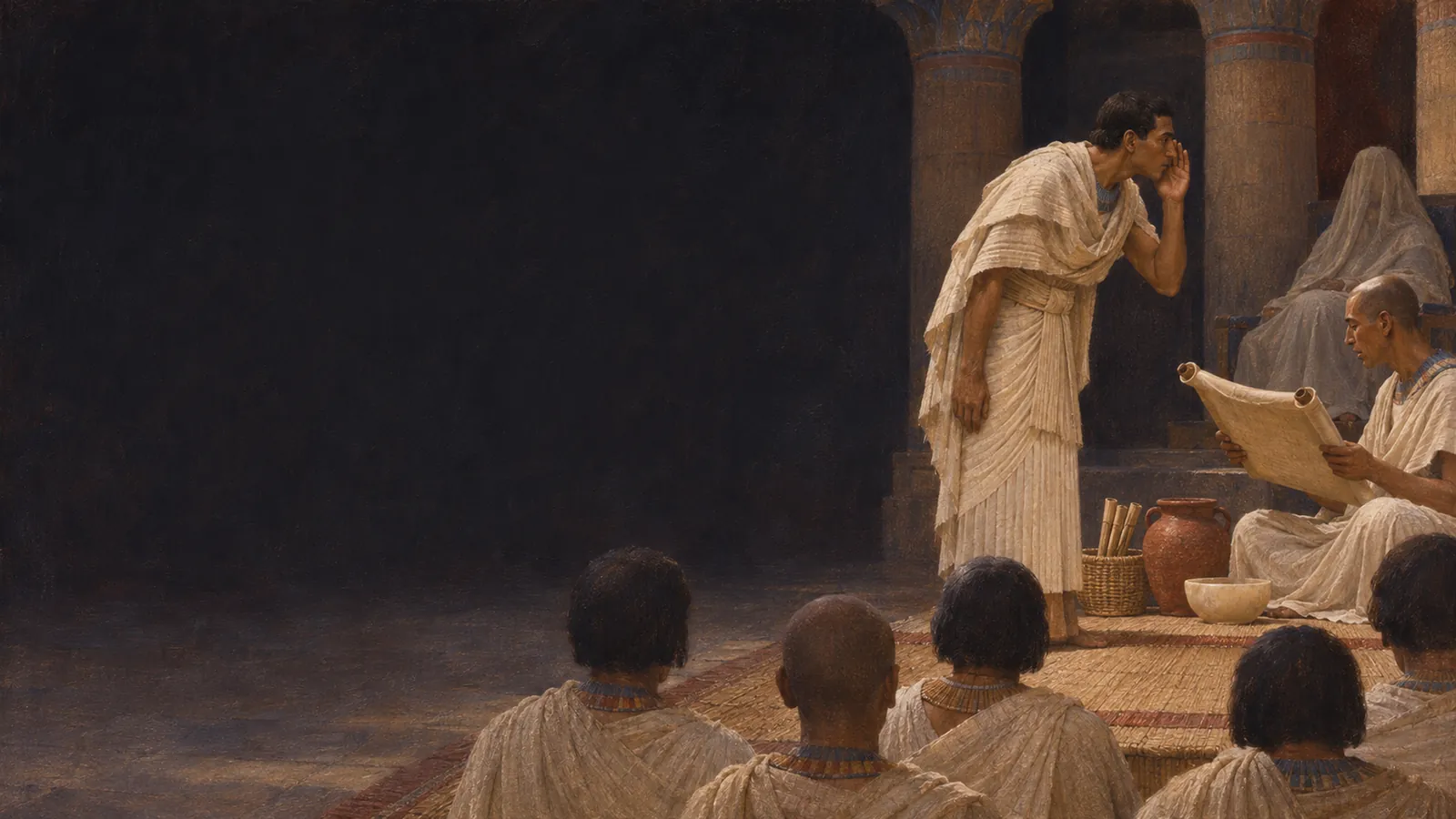
يا سِشِت-خِرو، يا من تخرج من أوريت، لم أصمّ أذنيَّ عن كلمات الحقّ والصدق.
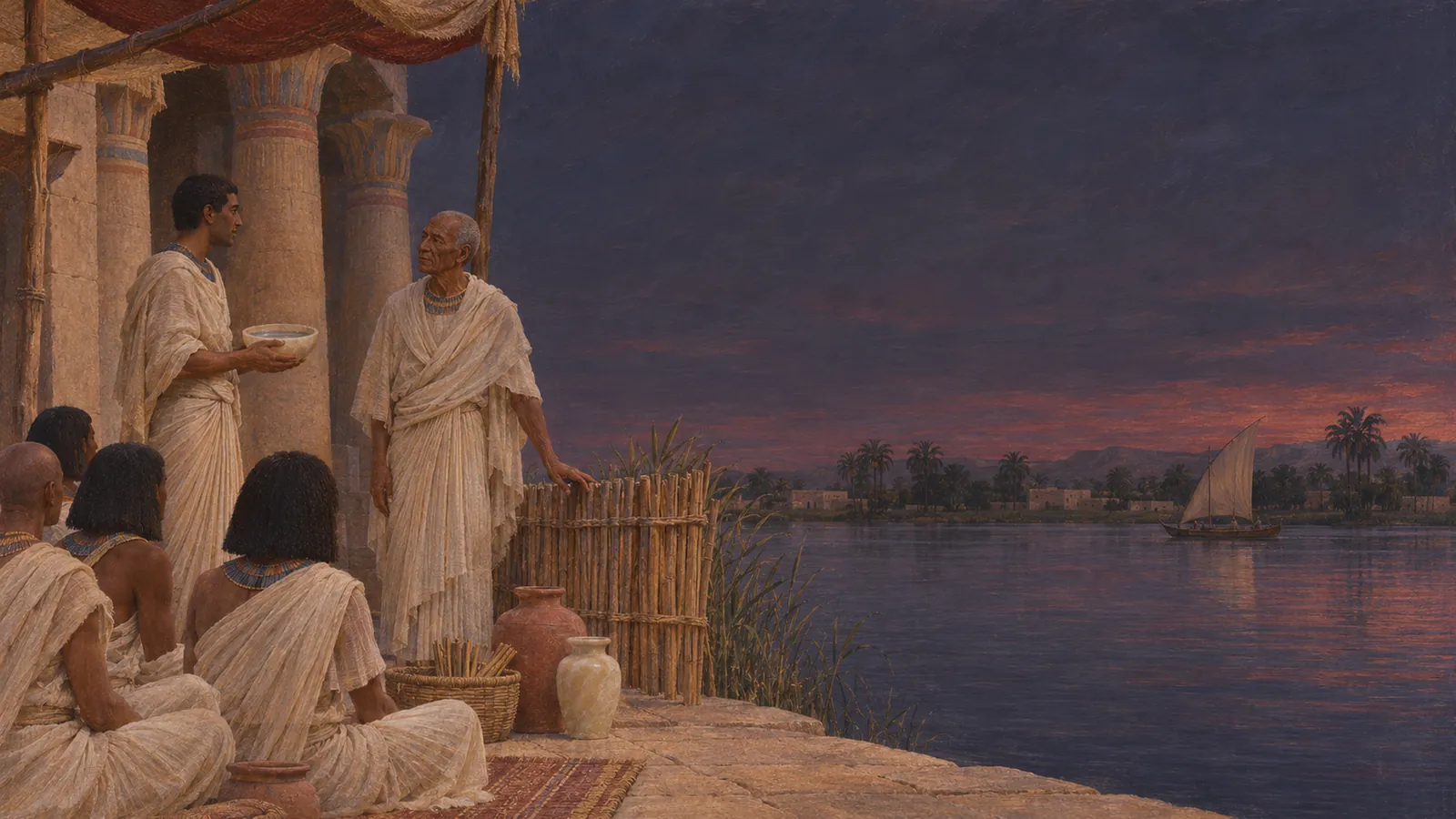
يا نِخِن، يا من تخرج من بحيرة حِقات، أقول إنّني لم أُبكِ أحدًا.
يا كِنِمتي، يا من تخرج من كِنِمِت، أقول إنّني لم أتلفّظ بتجديف.
يا أَن-حِتِب-إف، يا من تخرج من ساو، أقول إنّني لم أتصرّف بعنف.
يا سِر-خِرو، يا من تخرج من أونسي، أقول إنّني لم أتصرّف دون تروٍّ.
كلمات غامضة
يخاطب المتكلّم نِب-هراو الآتي من نِتشِفِت. ويضع بودج علامتَي استفهام في النفي الأوّل، عند «ثقبتُ» وعند «جلدي». ثمّ يقول المتكلّم: «لم أنتقم من الإله.»
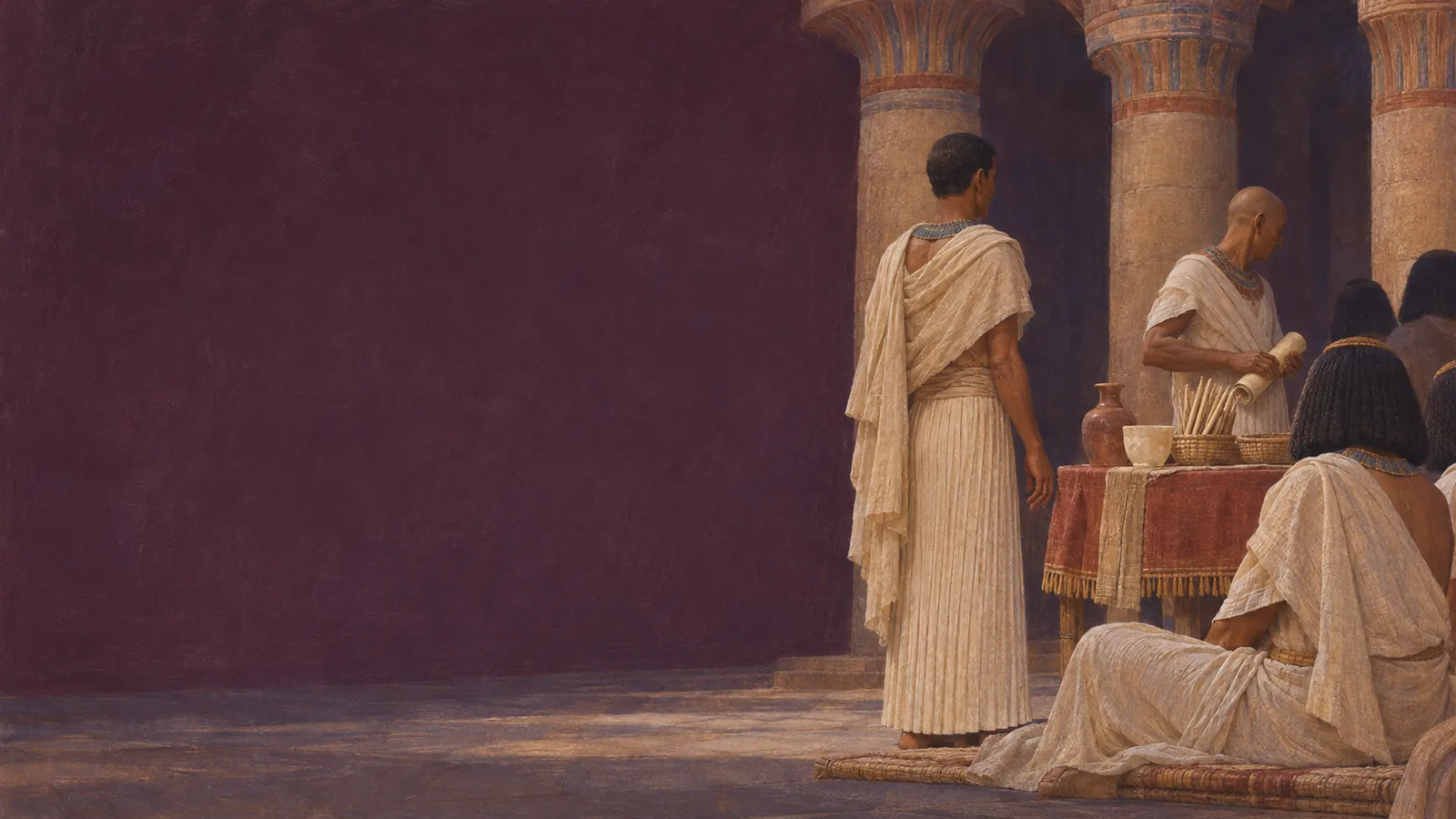
أمامك يا سيريخي، يا مَن يأتي من أوثِنت، أقول إنّني لم أتمادَ في الكلام إلى أبعد ممّا ينبغي قوله.
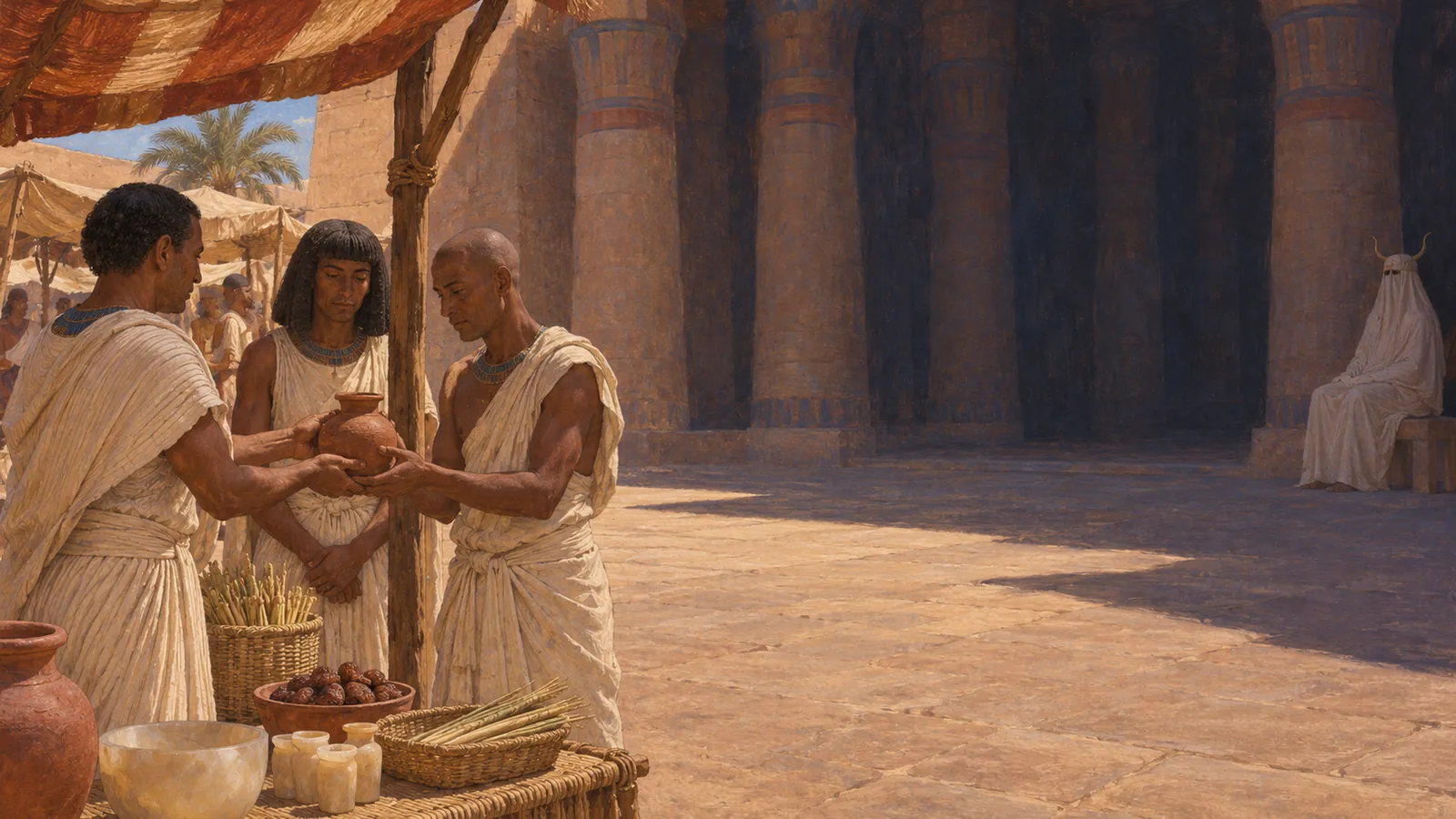
لك يا نب أبوي، صاحب القرون الآتي من ساوتي، أقول إنّني لم أرتكب احتيالًا. وتستكمل الطبعة نفيًا ثانيًا يتعلّق بالنظر إلى الشرّ.
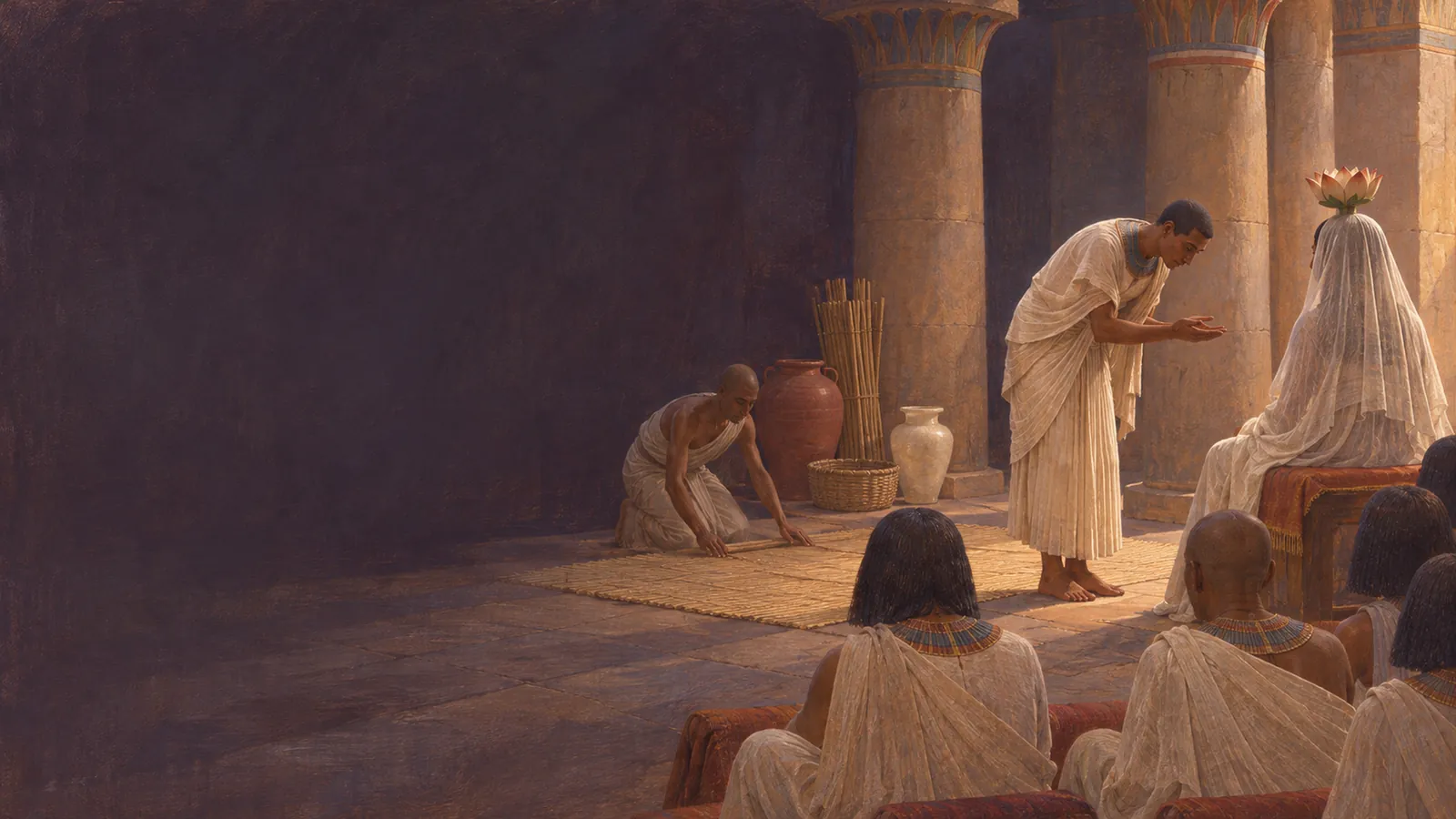
أمامك يا نفر تم، الآتي من بتاح حت كا في منف، أقرّ بأنّني لم أتلفّظ قطّ بلعنات في حقّ الملك.
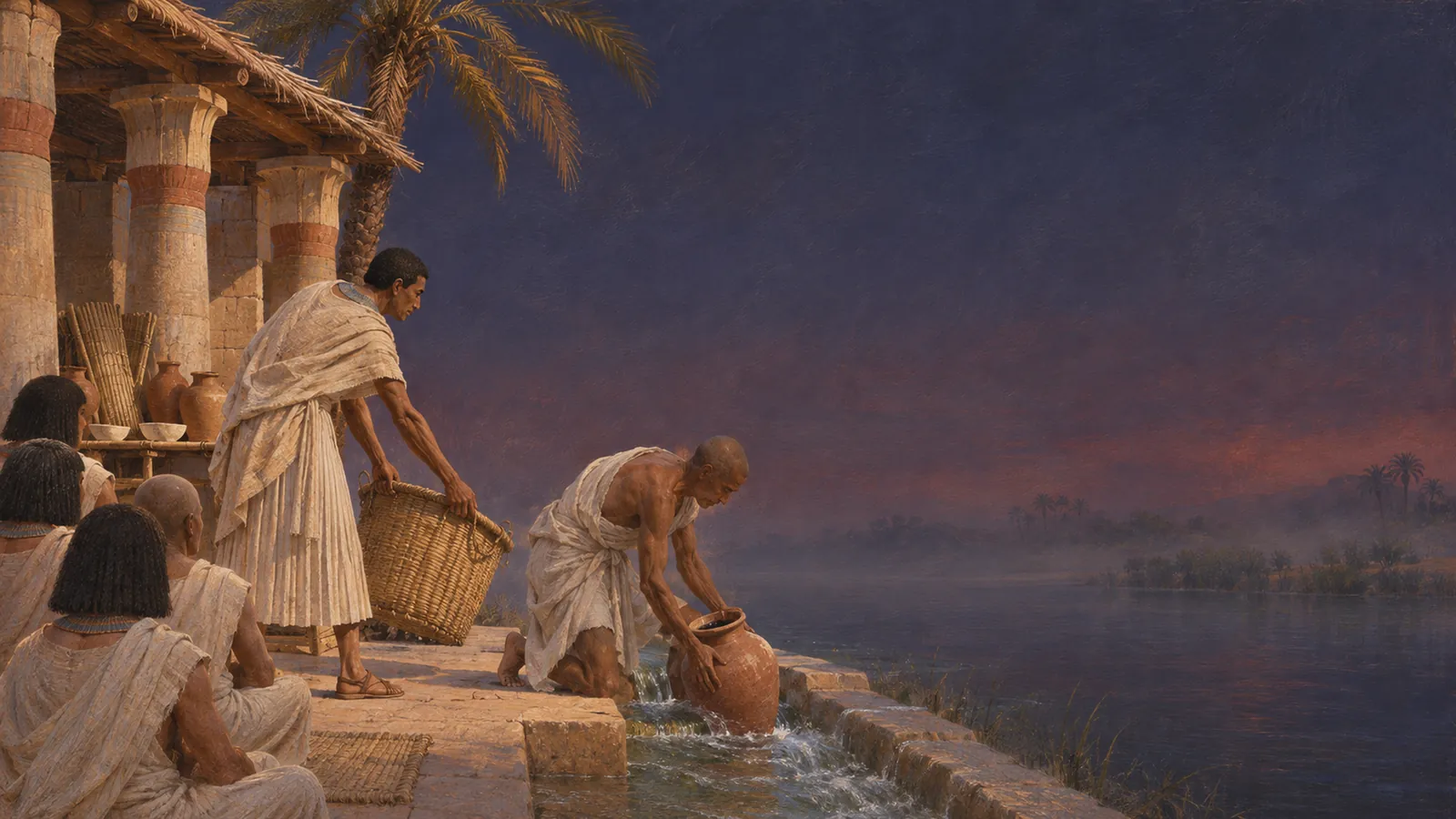
لك يا تم سب، يا مَن يأتي من تاتّو، أقرّ بأنّني لم ألوّث الماء الجاري.
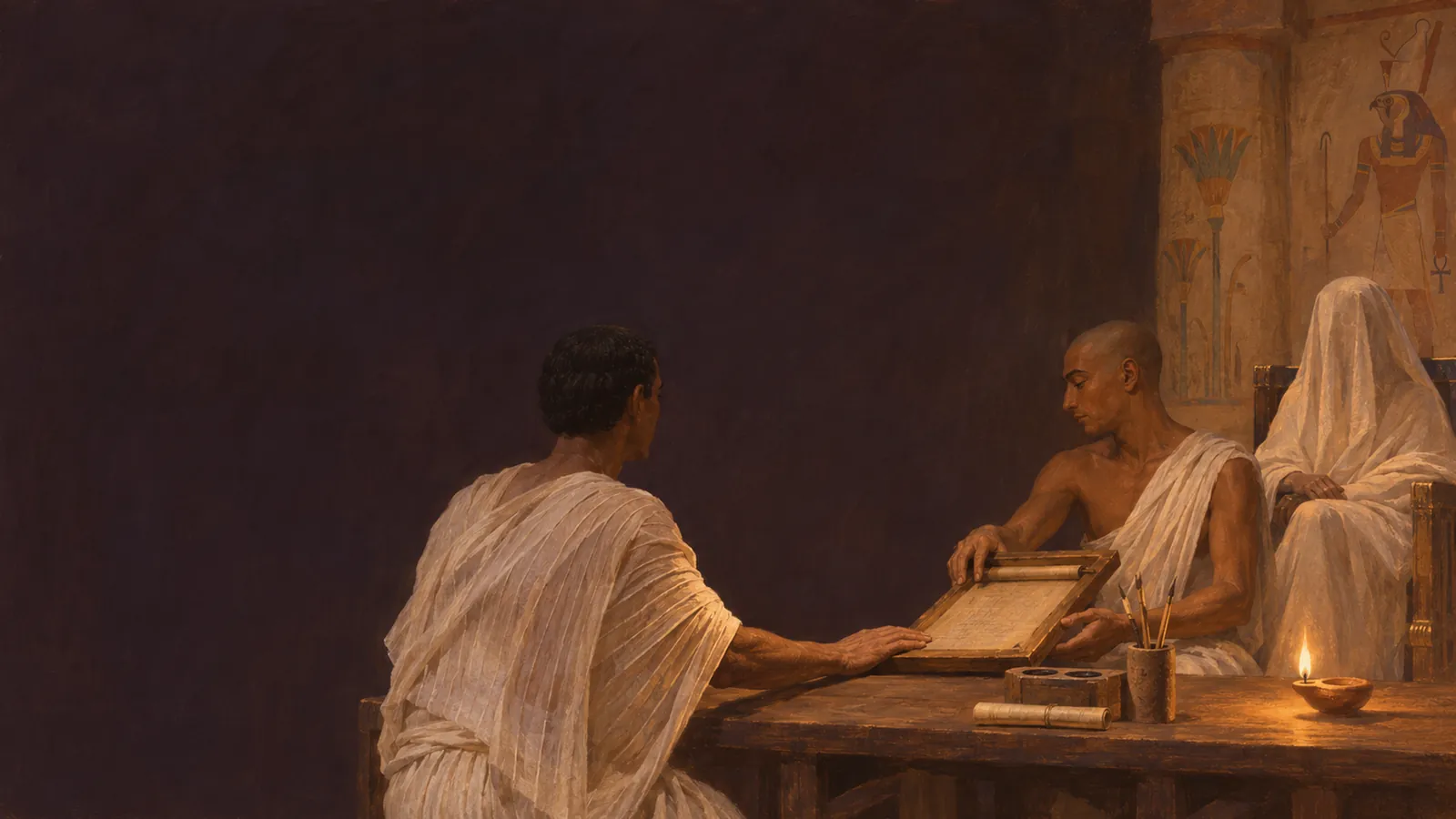
أمامك يا آري إم أب إف، يا مَن يأتي من تبتي، أقول إنّني لم أُعلِ من شأن كلامي.
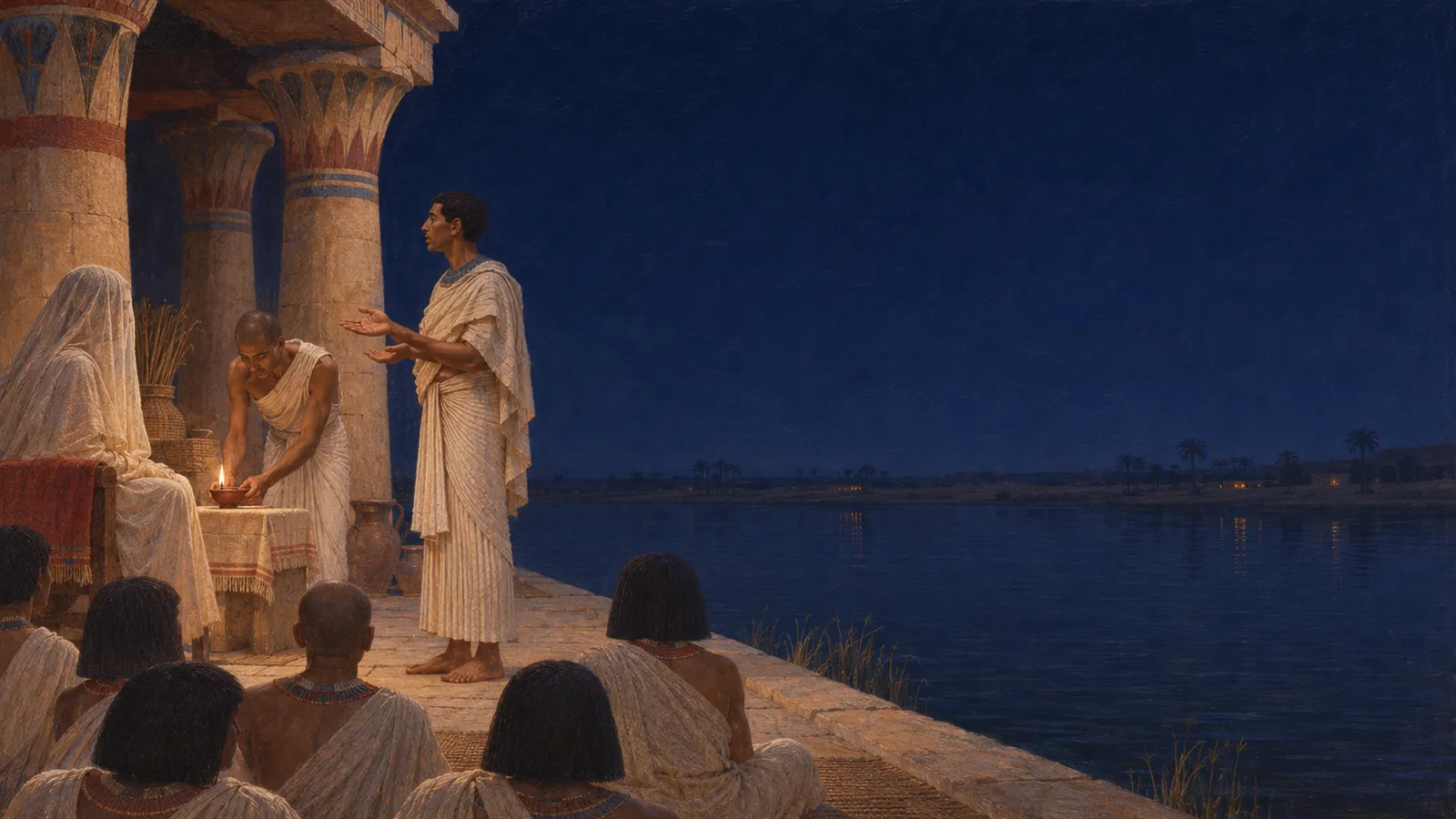
لك يا آحي، يا مَن يأتي من نو، أقرّ بأنّني لم أتلفّظ بلعنات في حقّ الإله.
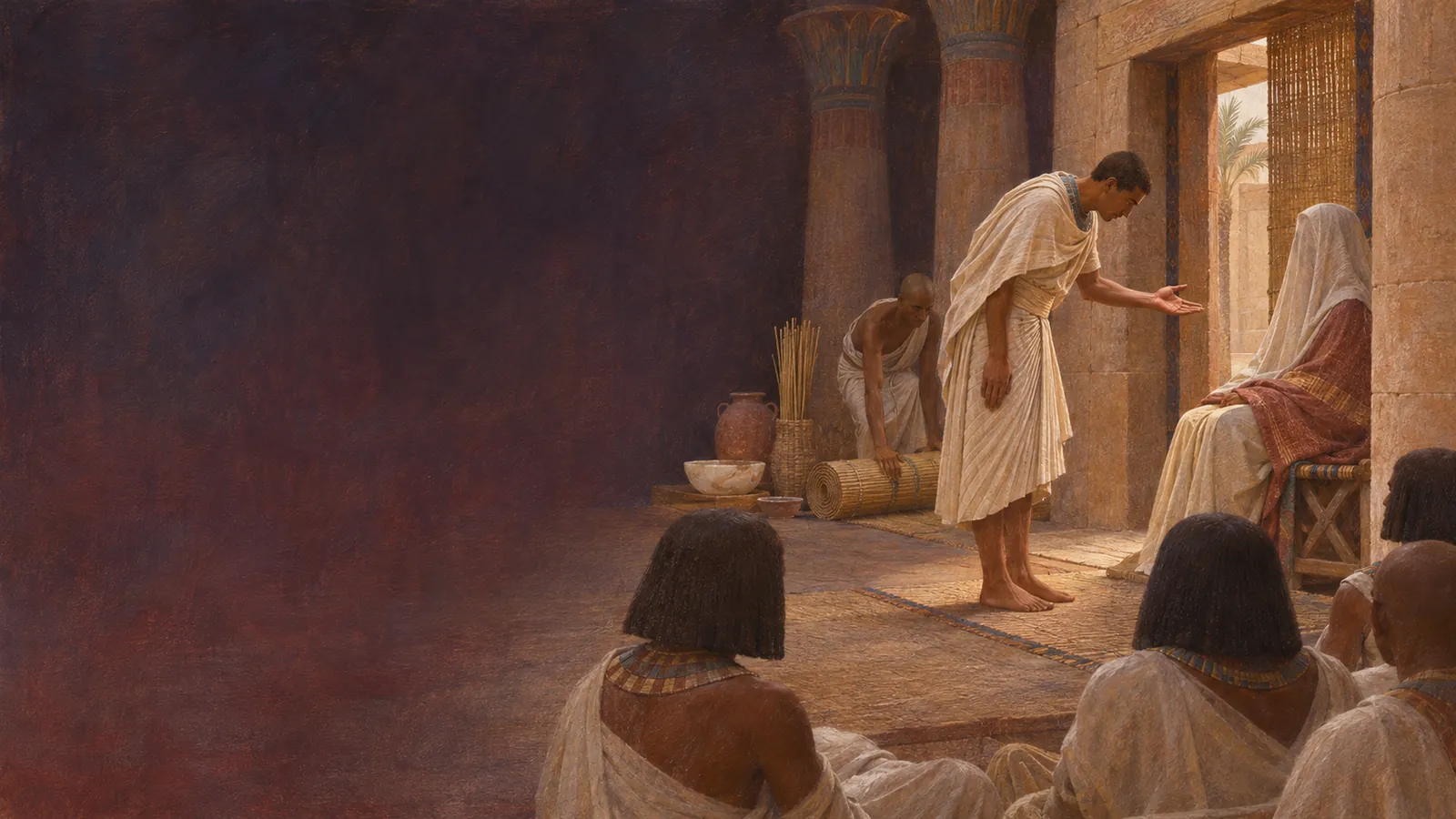
أمامك يا واتش رخيت أقول إنّني لم أتصرّف بوقاحة. وتستكمل الطبعة على سبيل الاحتمال عبارةً عن قدوم الشاهد من مزار.
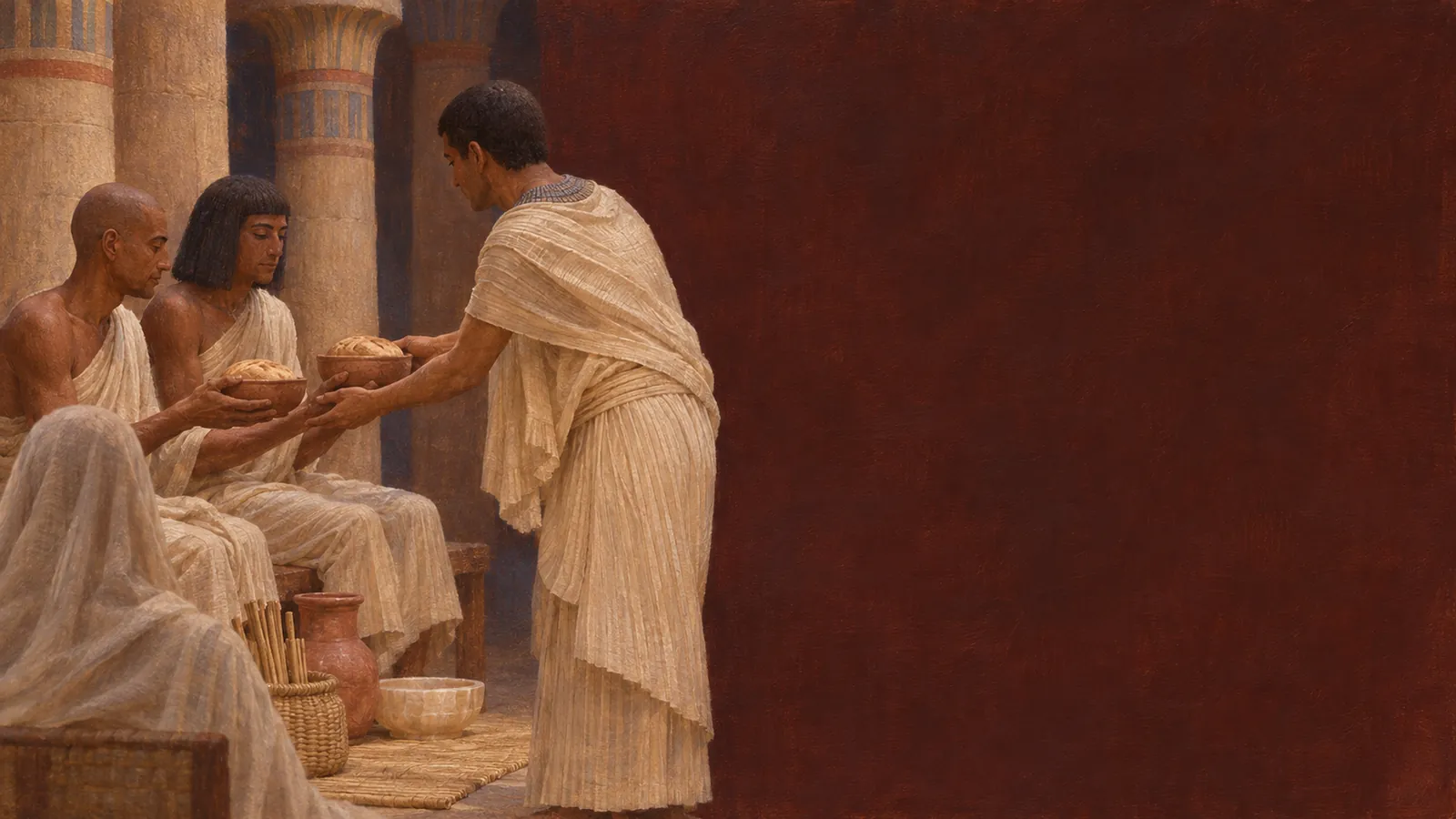
أمامك يا نهب نفرت، يا مَن يأتي من معبده، أقول إنّني لم أُحابِ أحدًا. وتشرح الترجمة القديمة هذا المعنى في حاشية.
أمامك يا نهب كاو، يا مَن يأتي من مغارته، أقول إنّ ثروتي لم تنمُ إلّا ممّا أملكه.
لك يا تشسر تب، يا مَن يأتي من مزاره، أقول إنّني لم أتلفّظ بلعنات في حقّ ما يخصّ الإله ممّا هو معي.
المدينة
وتستكمل الطبعة اسم أوكرت بوصفه موطن الشاهد. أمامك يا آن آ إف، أقول إنّني لم أحتقر إله المدينة.
نهاية الفصل الأول
كل الصفحات



المصادر
المصادر والملاحظات مكتوبة بالإنجليزية كما وردت في المراجع.
Budge translates the sequence as the Negative Confession from the Papyrus of Nu. Footnote 108 gives its museum number.
الطبعات المعتمدة
ملاحظات على هذه الرواية
E. A. Wallis Budge identifies the numbered Negative Confession as his rendering from the Papyrus of Nu. His footnote 108 identifies British Museum No. 10477. The title page gives 1908 and the third edition.
Page 02, declaration 1. The speaker addresses Usekh-nemtet from Anuu, glossed as Heliopolis, and denies wrongdoing.
Page 03, declaration 2. Hept-seshet comes from Kher-āba, a city near Memphis according to footnote 109. The speaker denies robbery involving violence.
Page 04, declaration 3. Fenti comes from Khemennu, glossed as Hermopolis. The speaker denies using violence against anyone.
Page 05, declaration 4. Ām-khaibitu comes from the Qereret, glossed by Budge as the cavern where the Nile rises. The speaker denies theft. The recitation uses the cavern name without specifying a geographical location.
Page 06, declaration 5. Neha-bra comes from Restau. The speaker denies killing either a man or a woman.
Page 07, declaration 6. Rereti comes from heaven.
Page 08, declaration 7. Maata-f-em-seshet comes from Sekhem, glossed as Letopolis. The speaker denies acting deceitfully. This same denial occurs again with a different addressee at declaration 13.
Page 09, declaration 8. Neba comes forth and retreats. The speaker denies taking what belongs to the god.
Page 10, declaration 9. The speaker denies speaking falsehood.
Page 11, declaration 10. Khemi comes from Shetait, glossed as the hidden place. The speaker denies carrying off goods by force.
Page 12, declaration 11. Uatch-nesert comes from Het-ka-Ptah, glossed as Memphis. Budge gives “vile (or evil) words” for the speaker’s denial.
Page 13, declaration 12. Hra-f-ha-f comes from the cavern and the deep. The speaker denies taking food by force, which is distinguished from the taking of goods in declaration 10.
Page 14, declaration 13. Qerti comes from the underworld. The speaker repeats the denial of deceit that he addressed to Maata-f-em-seshet at declaration 7. The duplicate wording and the separate addressees are both in Budge’s translation.
Page 15 (declaration 14). Ta-ret, whom Budge glosses as “Fiery-foot,” comes forth out of darkness. The speaker denies having “eaten my heart.” Budge explains the phrase as losing his temper and becoming angry. The spoken wording follows that explanation.
Page 16 (declaration 15). Hetch-abehu, glossed “Shining teeth,” comes forth from Ta-she, which Budge identifies as the Fayyum. In the denial of invasion, Budge supplies the object “[man’s land]” in brackets.
Page 17 (declaration 16). Ām-senef, glossed “Eater of blood,” comes forth from “the house of the block.” The speaker denies slaughtering animals that belong to the god. Budge’s English uses a capital letter in “possessions of God.”
Page 18 (declaration 17). Ām-besek, whom Budge glosses as “Eater of entrails,” comes forth from Mābet. The speaker denies laying waste lands that have been ploughed.
Page 19 (declaration 18). Neb-Maāt, glossed “Lord of Maāt,” comes forth from “the city of the two Maāti.” The speaker denies prying into matters in order to make mischief.
Page 20 (declaration 19). Thenemi, glossed “Retreater,” comes forth from Bast, which the translator identifies as Bubastis. The speaker denies setting his mouth in motion against anyone.
Page 21 (declaration 20). Ānti comes forth from Annu, identified as Heliopolis. The speaker denies giving way to wrath without due cause. The qualification belongs to this denial. The earlier heart idiom occurs in declaration 14.
Page 22 (declaration 21). Tututef comes forth from “the home of Ati.” Budge’s older English translation reads, “I have not committed fornication, and I have not committed sodomy.” The two terms are categories used by the 1908 translator. The edition alone leaves the underlying Egyptian terms and precise acts undetermined.
Page 23 (declaration 22). Uamemti comes forth from “the house of slaughter.” The speaker says he has not polluted himself. The clause gives no specific act or circumstance.
Page 24 (declaration 23). Maa-ant-f, glossed “Seer of what is brought to him,” comes forth from “the house of the god Amsu.” The speaker denies having lain with the wife of another man.
Page 25, declaration 24, lines 3251–3252. Her-seru comes from Nehatu. The speaker denies making anyone afraid.
Page 26, declaration 25, lines 3254–3256. Neb-Sekhem comes from the Lake of Kaui. The denial concerns angry speech. Budge’s footnote 110, line 4983, gives the literal idiom of being hot of mouth.
Page 27, declaration 26, lines 3258–3260. Seshet-kheru comes from Urit. Budge glosses the name as Orderer of speech. The speaker says he did not make himself deaf to words of right and truth.
Page 28, declaration 27, lines 3262–3263. Nekhen comes from Lake Heqāt. Budge glosses the name as Babe.
Page 29, declaration 28, lines 3265–3266. Kenemti comes from Kenemet. The speaker denies uttering blasphemy.
Page 30, declaration 29, lines 3268–3269. An-hetep-f comes from Sau. Budge glosses the name as Bringer of his offering. The speaker denies acting with violence.
Page 31, declaration 30, lines 3271–3273. Ser-kheru comes from Unsi. Budge glosses the name as Disposer of Speech. The main text gives the heart idiom, and footnote 111 at line 4985 explains it as acting without due consideration.
Page 32, declaration 31, lines 3275–3277. Budge places separate question marks after “pierced” and “my skin.” The first clause remains uncertain. The second denial is specific and concerns taking vengeance on the god.
Page 33, declaration 32. Serekhi from Uthent. Budge conveys the denial as not multiplying speech beyond what should be said.
Page 34, declaration 33. Neb-abui, glossed as Lord of horns, comes from Sauti.
Page 35, declaration 34. Nefer-Tem from Ptah-het-ka, glossed Memphis. The denial concerns uttering curses against the king.
Pages 36–38, declarations 35–37. Tem-sep from Tattu is addressed in the denial about fouling running water. Ari-em-ab-f from Tebti is addressed in the brief denial Budge renders as not exalting the speaker’s speech. Ahi from Nu is addressed in the denial of curses. Budge’s historical convention capitalizes the English word “God” here and in declaration 41.
Page 39, declaration 38. Uatch-rekhit is named. The phrase about coming forth from a shrine is bracketed and ends in a question mark in this edition. The declaration concerns insolent behaviour.
Page 40, declaration 39. Neheb-nefert from his temple. The edition’s main words are about making distinctions. Its footnote 112 explains the denial in terms of favouritism.
Pages 41–42, declarations 40–41. Neheb-kau is addressed from his cavern in the line on the speaker’s own possessions. Tcheser-tep is addressed from his shrine in the denial of curses against what belongs to a god and is with the speaker. The attached material is unspecified in the edition.
Page 43, declaration 42. The edition glosses An-ā-f as a bringer of his arm. Its origin clause at Aukert is bracketed. The line ends with the denial of contempt for the city god. That is the end of the numbered recitation in the local transcription.
الأسطر القديمة وراء كل صفحة
- Page 1: Budge 1908, chapter IV, Papyrus of Nu, introduction to declarations 1–42 and n. 108
- Page 2: Budge 1908, chapter IV, Papyrus of Nu, declaration 1
- Page 3: Budge 1908, chapter IV, Papyrus of Nu, declaration 2
- Page 4: Budge 1908, chapter IV, Papyrus of Nu, declaration 3
- Page 5: Budge 1908, chapter IV, Papyrus of Nu, declaration 4
- Page 6: Budge 1908, chapter IV, Papyrus of Nu, declaration 5
- Page 7: Budge 1908, chapter IV, Papyrus of Nu, declaration 6
- Page 8: Budge 1908, chapter IV, Papyrus of Nu, declaration 7
- Page 9: Budge 1908, chapter IV, Papyrus of Nu, declaration 8
- Page 10: Budge 1908, chapter IV, Papyrus of Nu, declaration 9
- Page 11: Budge 1908, chapter IV, Papyrus of Nu, declaration 10
- Page 12: Budge 1908, chapter IV, Papyrus of Nu, declaration 11
- Page 13: Budge 1908, chapter IV, Papyrus of Nu, declaration 12
- Page 14: Budge 1908, chapter IV, Papyrus of Nu, declaration 13
- Page 15: Budge 1908, chapter IV, Papyrus of Nu, declaration 14
- Page 16: Budge 1908, chapter IV, Papyrus of Nu, declaration 15
- Page 17: Budge 1908, chapter IV, Papyrus of Nu, declaration 16
- Page 18: Budge 1908, chapter IV, Papyrus of Nu, declaration 17
- Page 19: Budge 1908, chapter IV, Papyrus of Nu, declaration 18
- Page 20: Budge 1908, chapter IV, Papyrus of Nu, declaration 19
- Page 21: Budge 1908, chapter IV, Papyrus of Nu, declaration 20
- Page 22: Budge 1908, chapter IV, Papyrus of Nu, declaration 21
- Page 23: Budge 1908, chapter IV, Papyrus of Nu, declaration 22
- Page 24: Budge 1908, chapter IV, Papyrus of Nu, declaration 23
- Page 25: Budge 1908, chapter IV, Papyrus of Nu, declaration 24
- Page 26: Budge 1908, chapter IV, Papyrus of Nu, declaration 25
- Page 27: Budge 1908, chapter IV, Papyrus of Nu, declaration 26
- Page 28: Budge 1908, chapter IV, Papyrus of Nu, declaration 27
- Page 29: Budge 1908, chapter IV, Papyrus of Nu, declaration 28
- Page 30: Budge 1908, chapter IV, Papyrus of Nu, declaration 29
- Page 31: Budge 1908, chapter IV, Papyrus of Nu, declaration 30
- Page 32: Budge 1908, chapter IV, Papyrus of Nu, declaration 31
- Page 33: Budge 1908, chapter IV, Papyrus of Nu, declaration 32
- Page 34: Budge 1908, chapter IV, Papyrus of Nu, declaration 33
- Page 35: Budge 1908, chapter IV, Papyrus of Nu, declaration 34
- Page 36: Budge 1908, chapter IV, Papyrus of Nu, declaration 35
- Page 37: Budge 1908, chapter IV, Papyrus of Nu, declaration 36
- Page 38: Budge 1908, chapter IV, Papyrus of Nu, declaration 37
- Page 39: Budge 1908, chapter IV, Papyrus of Nu, declaration 38
- Page 40: Budge 1908, chapter IV, Papyrus of Nu, declaration 39
- Page 41: Budge 1908, chapter IV, Papyrus of Nu, declaration 40
- Page 42: Budge 1908, chapter IV, Papyrus of Nu, declaration 41
- Page 43: Budge 1908, chapter IV, Papyrus of Nu, declaration 42
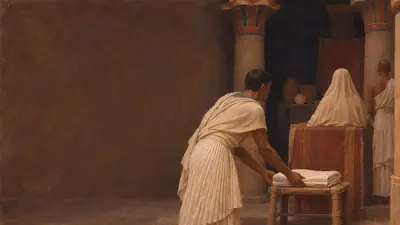
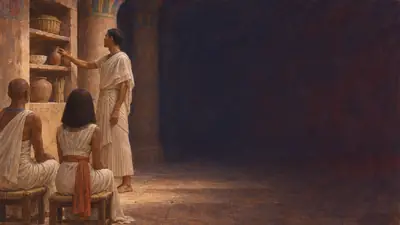
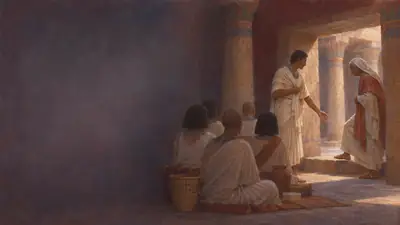
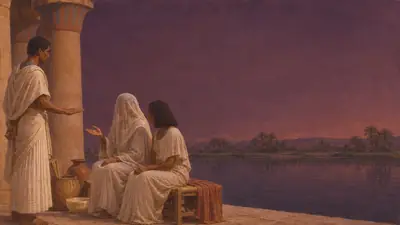
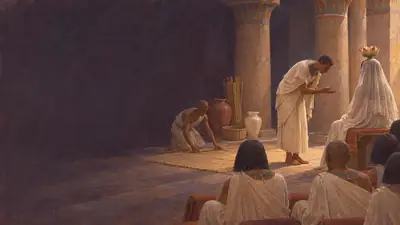
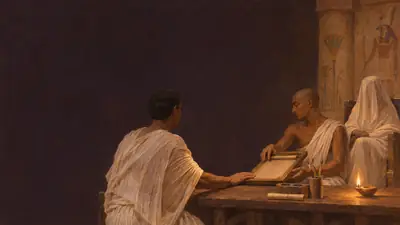
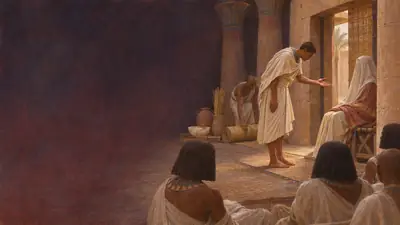
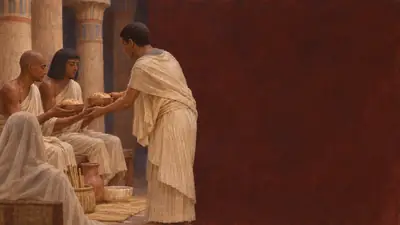
الرسوم من صنع أرشيف إيل بأدوات الذكاء الاصطناعي؛ والنص مبني على المصادر القديمة (انظر المصادر في آخر كل فصل).