ريجينا وباراتيس الفصل الأول
نقشان لريجينا
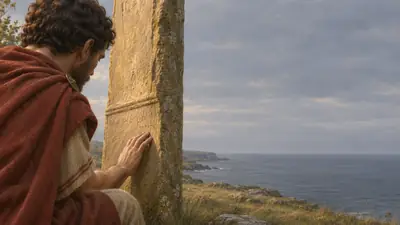
يحفظ نصبٌ تذكاريّ من ساوث شيلدز تفاصيل عن ريجينا وباراتيس باللاتينيّة والآراميّة التدمريّة. وتتتبّع الحلقة كلّ نقشٍ على حدة، من الإهداء اللاتينيّ إلى كلمة الرثاء الآراميّة.
المصادرقلّب الصفحات بالأزرار أو بمفاتيح الأسهم أو بسحب الإصبع.
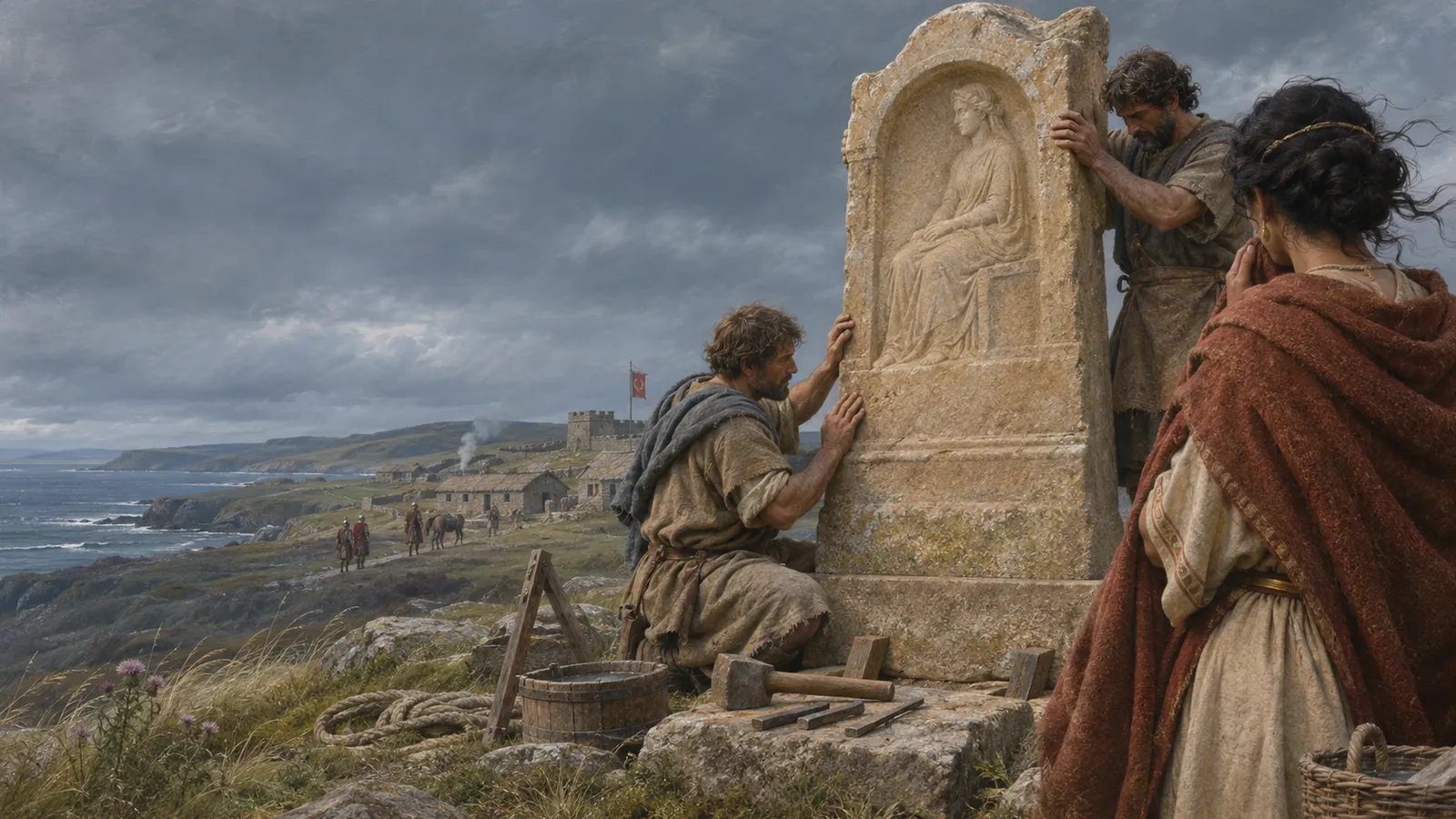
نصبٌ تذكاريّ واحد
يحمل نصبٌ حجريّ عُثر عليه في ساوث شيلدز عام ١٨٧٨ نصًّا لاتينيًّا فوق سطرٍ بالآراميّة التدمريّة. وقد نشر جيريمي هاتن وكاثرين بونشو النقشين وترجماهما.
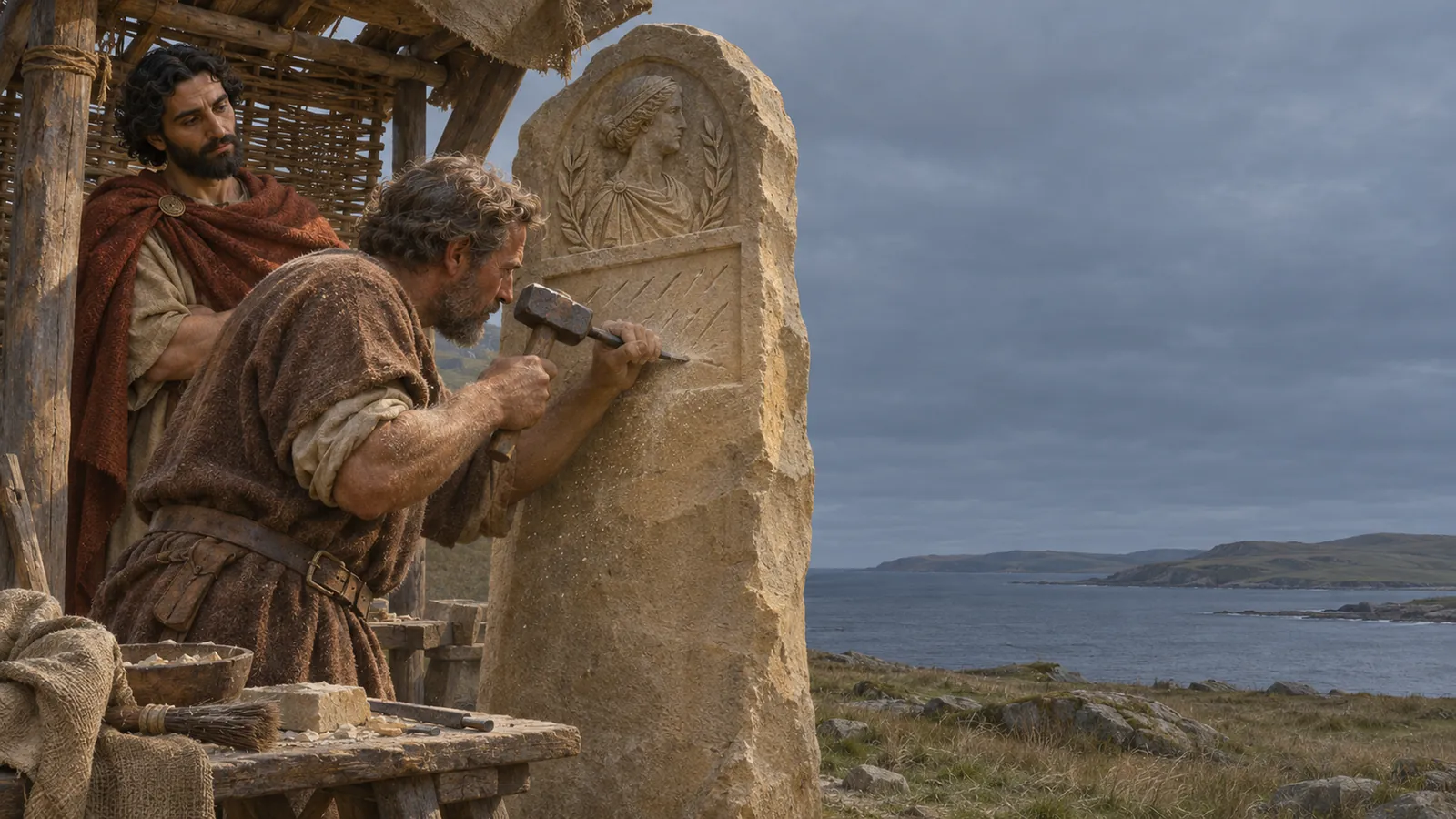
يبدأ النصّ اللاتينيّ بإهداء إلى أرواح الموتى. ويذكر اسم ريجينا ويصفها بأنّها امرأةٌ مُعتَقة.
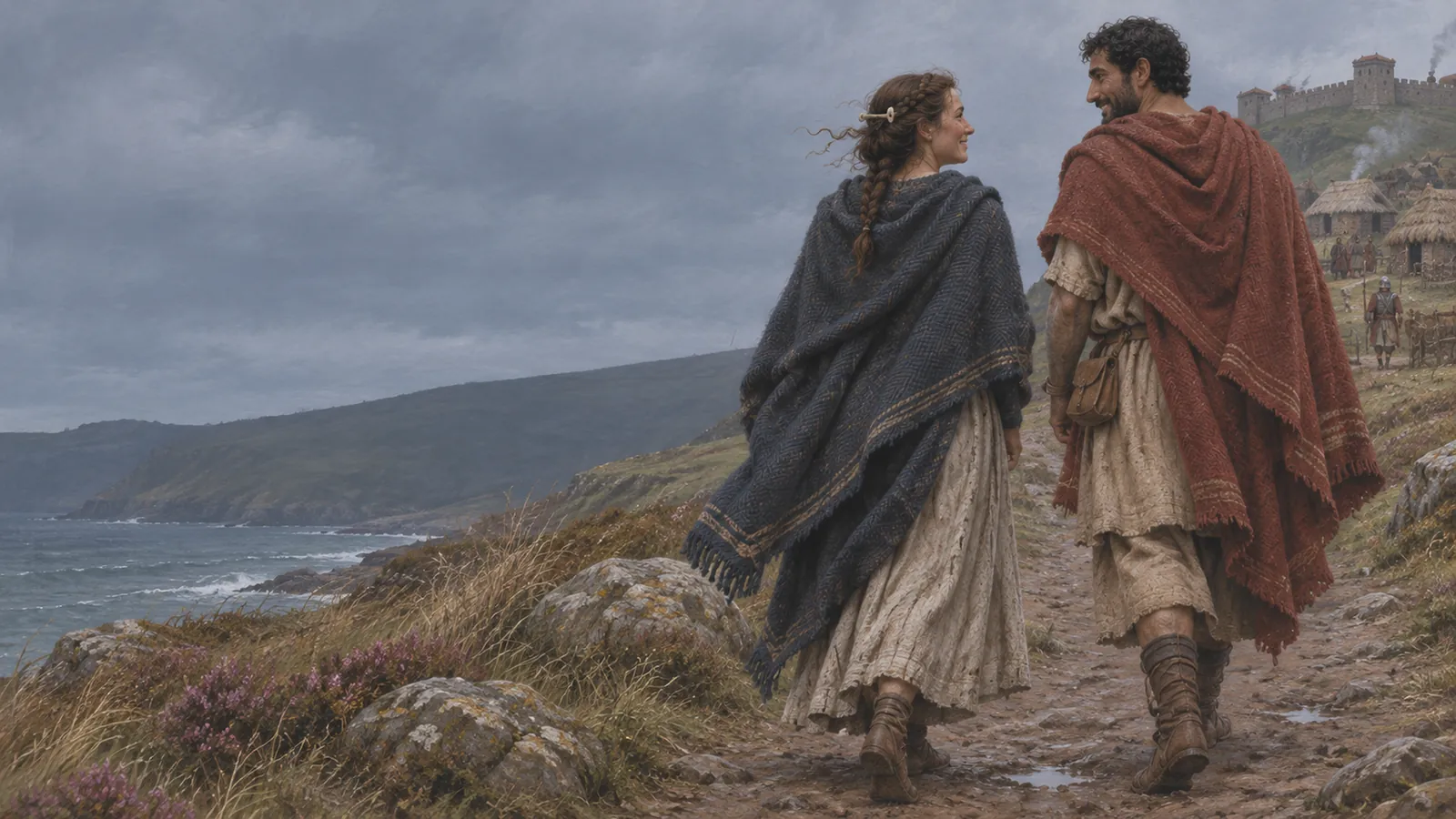
النقش اللاتينيّ
يسمّي النقش اللاتينيّ ريجينا زوجةَ باراتيس. ويذكر أنّ باراتيس تدمريّ.
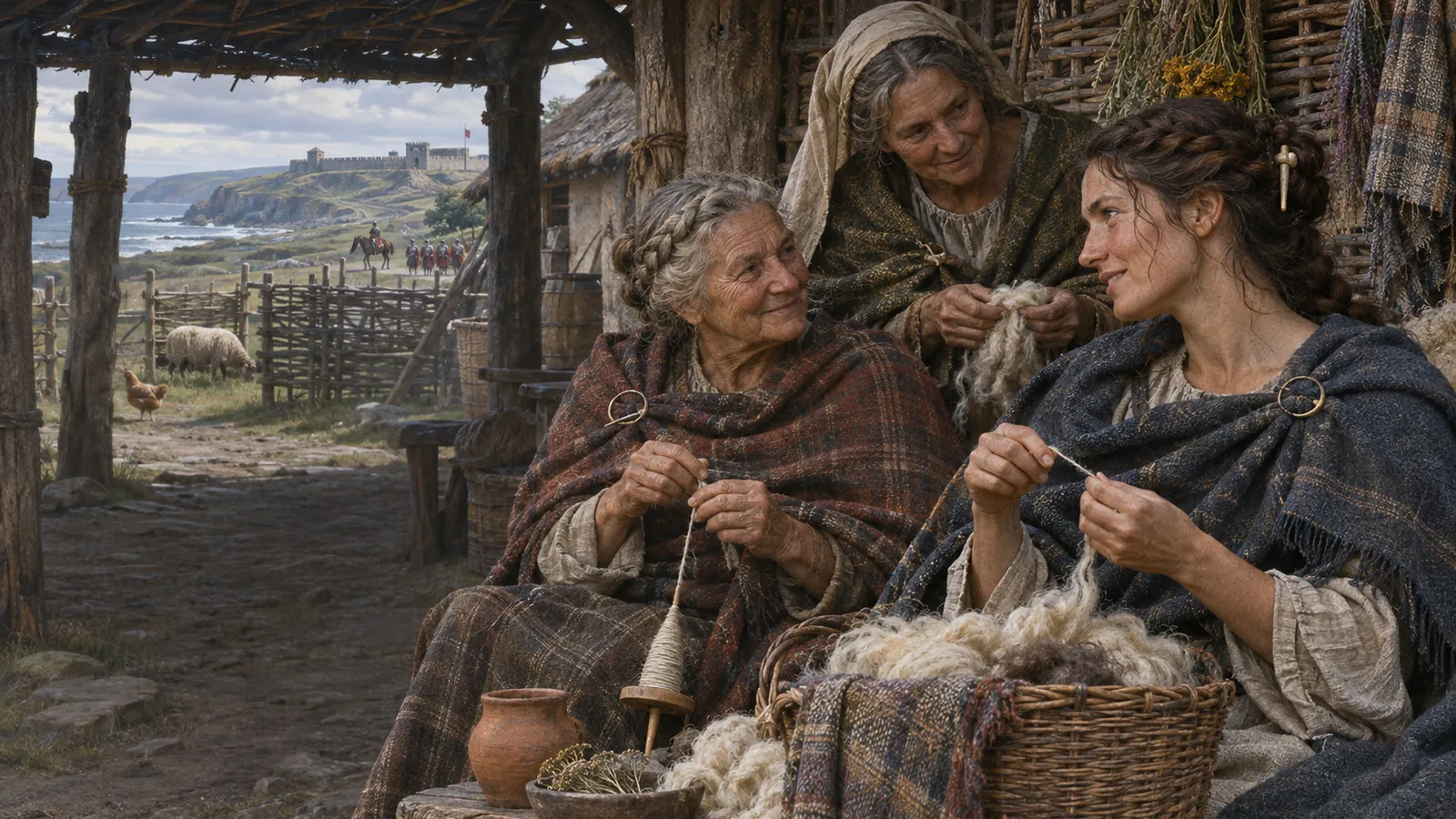
يذكر النقش اللاتينيّ أنّ ريجينا من الكاتوالّاونيّين وأنّ عمرها ثلاثون عامًا. ويستكمل المترجمان فعل العيش لهذه المدّة.
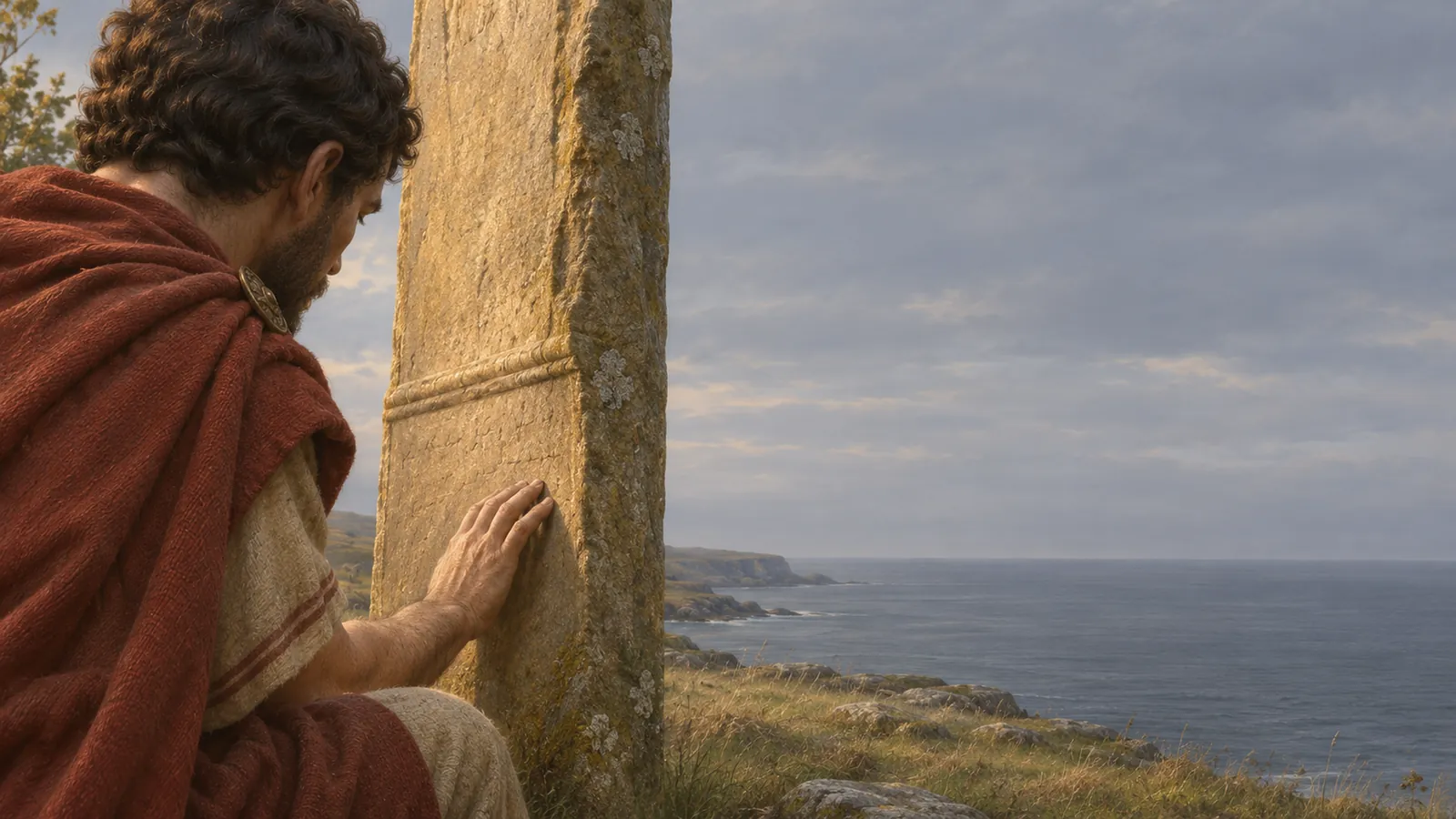
يذكر السطر الآراميّ التدمريّ، في الترجمة المنشورة، أنّ ريجينا مُعتَقة باراتيس. ويرد اسمه بصيغته التدمريّة.
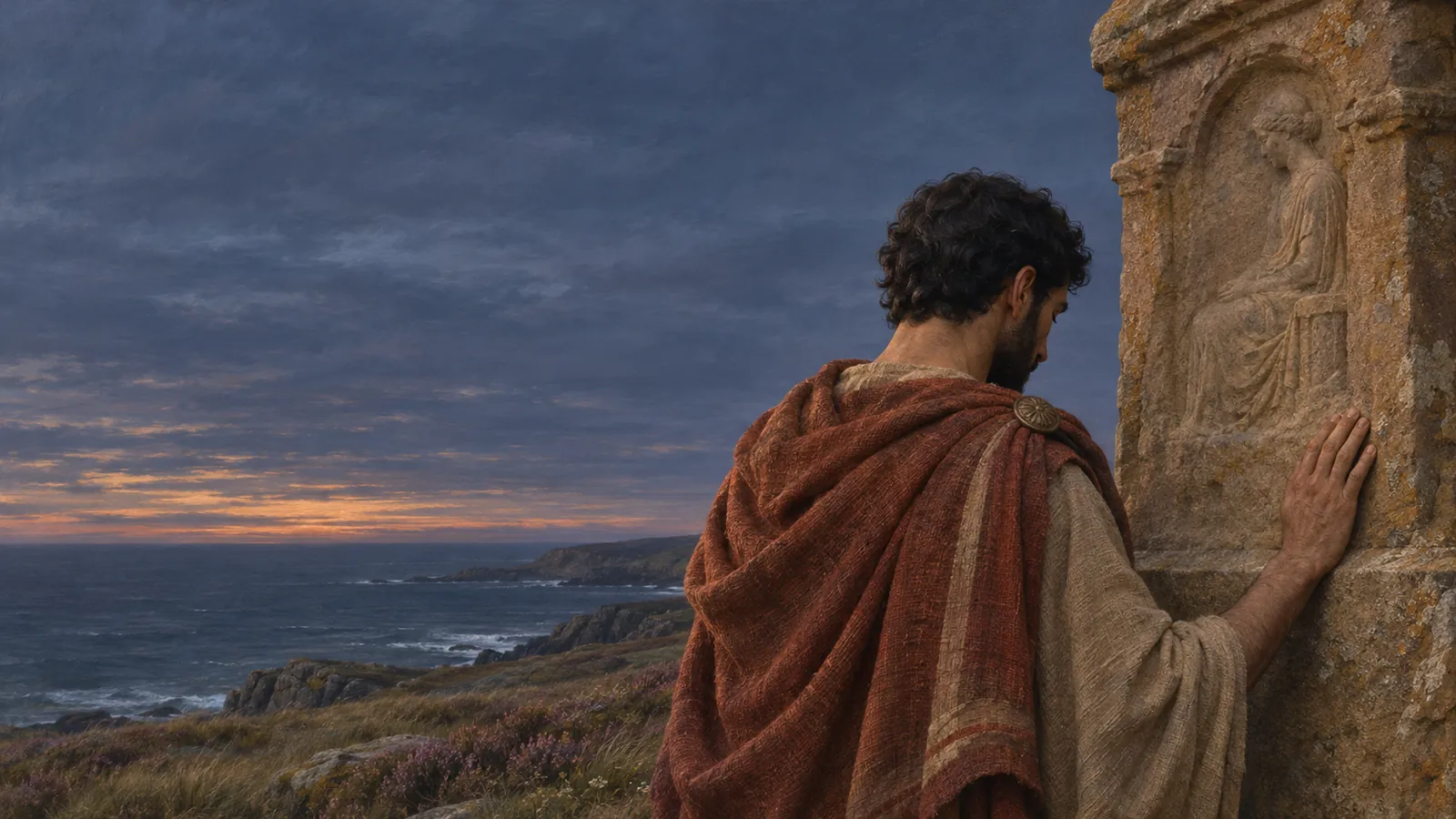
الرثاء
ينتهي السطر الآراميّ التدمريّ بكلمة رثاءٍ واحدة، يترجمها هاتن وبونشو بما يفيد وا أسفاه.
نهاية الفصل الأول
كل الصفحات


المصادر
المصادر والملاحظات مكتوبة بالإنجليزية كما وردت في المراجع.
The complete Latin and Palmyrene Aramaic inscriptions on the South Shields memorial have the respective references RIB 1065 and PAT 0246. This reading follows the texts and translations on pp. 271–272 in Jeremy M. Hutton and Catherine E. Bonesho’s contribution to Epigraphy, Philology, and the Hebrew Bible, SBL Press, 2015.
الطبعات المعتمدة
- SBL Press, Epigraphy, Philology, and the Hebrew Bible, publisher’s edition
- Hutton and Bonesho, pp. 271–272, inscriptions and translations
- Hutton and Bonesho, pp. 275–277, the names and freed status
ملاحظات على هذه الرواية
Page 1, the bilingual memorial. Hutton and Bonesho introduce RIB 1065 and PAT 0246 on p. 271. Page 272 gives their English translations. The discovery year refers to the find.
Page 2, Latin line 1, dedication and status. The standard formula to the spirits of the dead opens the Latin text. The published translation supplies the verb of dedicating in square brackets. It renders the status term as “free-woman,” and the authors use the conventional “freedwoman” in their later discussion.
Page 3, Latin lines 1–2, marriage and Barates. The Latin calls Regina the wife of Barates and identifies him as a Palmyrene. The edition prints the word for wife on line 1 and the name and origin on line 2.
Page 4, Latin line 3, people and age. The authors’ translation gives “Catuallaunian” based on the reading noted at p. 271, note 66. The number is thirty.
Page 5, Palmyrene Aramaic line 1, names and status. The published translation on p. 272 names Regina and calls her the freedwoman of the person named Barates in the Latin. Hutton and Bonesho align the Palmyrene spelling with Barates on p. 275. On pp. 276–277 they discuss the literal status phrase and consider whether its context could carry a marital connotation.
Page 6, Palmyrene Aramaic line 1, lament. The line ends in the word the translators render as “Alas!” The reading ends there. The neighboring example in the article concerns a separate memorial.
The published readings provide the text of both inscriptions.
الأسطر القديمة وراء كل صفحة
- Page 1: Hutton and Bonesho (2015), Regina memorial, p. 271, description of RIB 1065 and PAT 0246
- Page 2: Hutton and Bonesho (2015), Regina memorial, p. 272, Latin line 1, dedication and status
- Page 3: Hutton and Bonesho (2015), Regina memorial, p. 272, Latin lines 1–2, relationship and origin of Barates
- Page 4: Hutton and Bonesho (2015), Regina memorial, p. 272, Latin line 3 and note 66
- Page 5: Hutton and Bonesho (2015), Regina memorial, p. 272, Aramaic line 1, names and status; 275–277, discussion
- Page 6: Hutton and Bonesho (2015), Regina memorial, p. 272, Aramaic line 1, final expression
الرسوم من صنع أرشيف إيل بأدوات الذكاء الاصطناعي؛ والنص مبني على المصادر القديمة (انظر المصادر في آخر كل فصل).