سرجون الثاني يبني دور شروكين الفصل الأول
المدينة وأبوابها الثمانية
في هذا المقطع من نقش ملكيّ، يصف سرجون الثاني موقع دور شروكين وأساساتها وقصرها. ويسمّي أبوابها الثمانية، ويذكر أنّه أخذ أناسًا بالقوّة من عدّة بلاد وأسكنهم في المدينة.
المصادرقلّب الصفحات بالأزرار أو بمفاتيح الأسهم أو بسحب الإصبع.
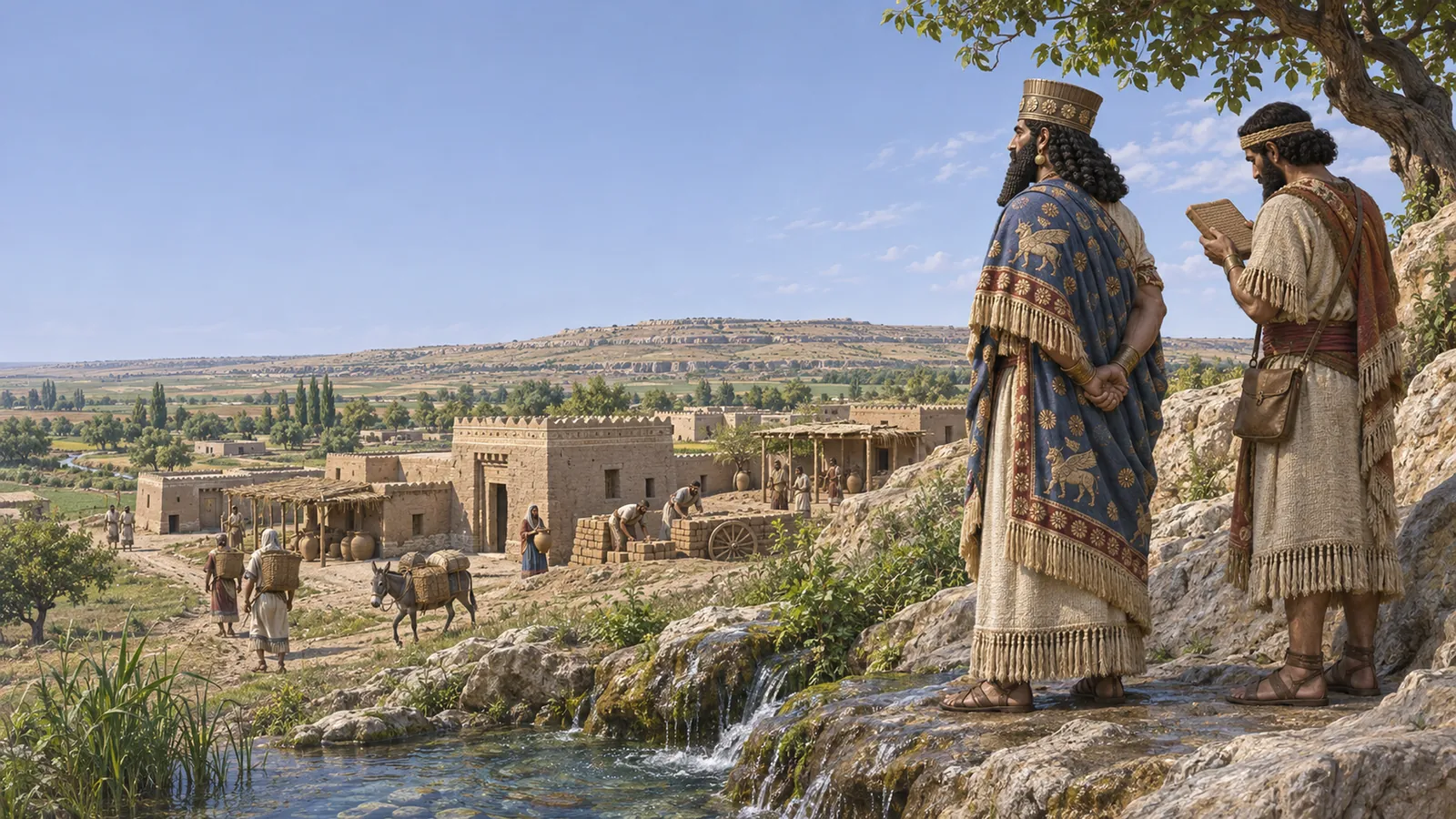
المدينة وأبوابها الثمانية
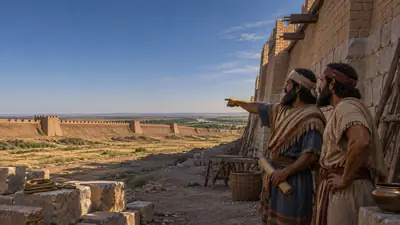
في نقشه، يضع سرجون الثاني ماغانوبّا في ضواحي نينوى. ويشبّه البلدة ببرج عند سفح جبل مُصري، الذي يعلو نبعًا.
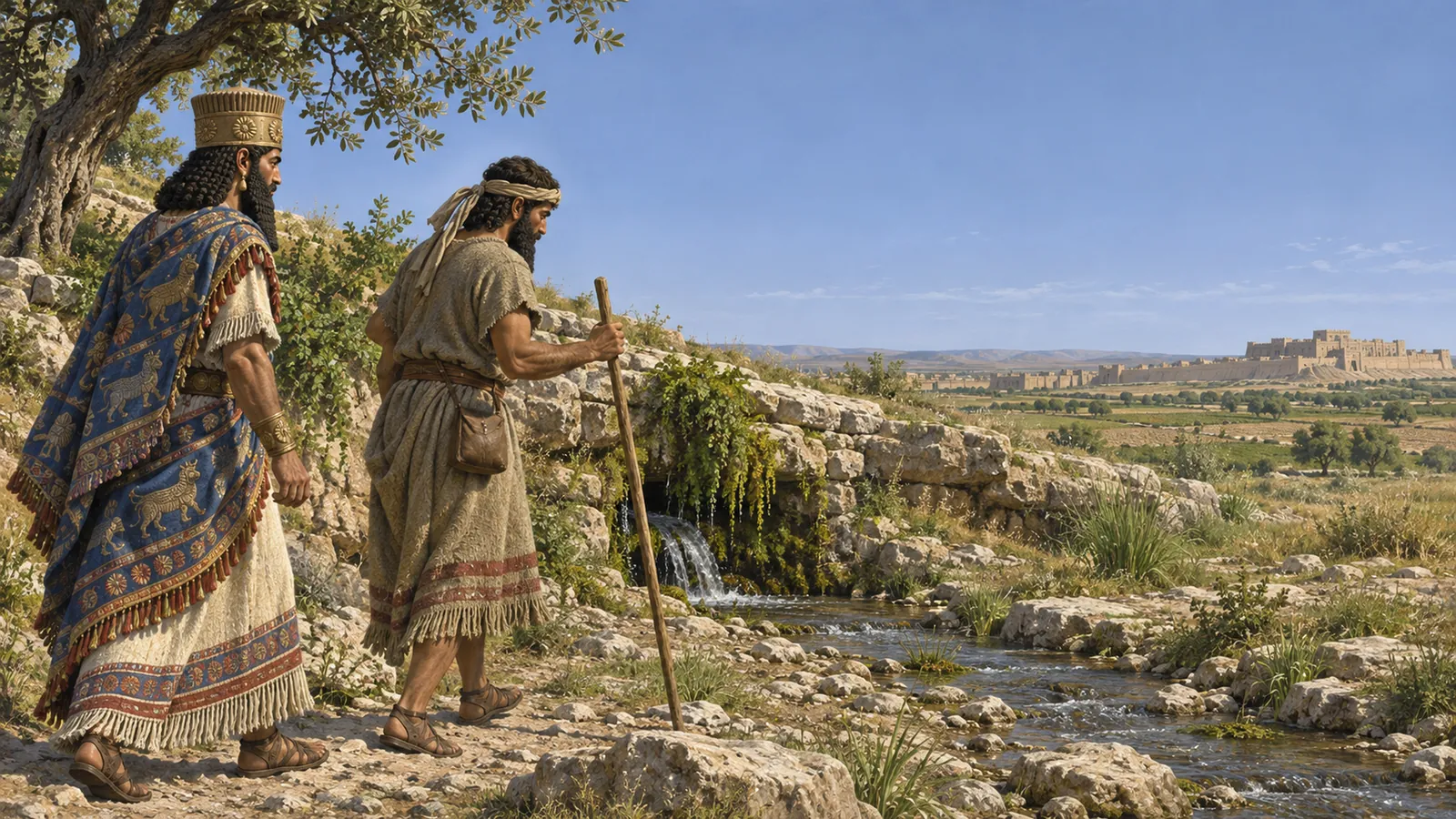
يقول سرجون إنّ أحدًا من الحكّام الثلاثمئة والخمسين الذين سبقوه وحكموا رعايا إنليل في آشور لم ينتبه إلى الموقع أو يعرف كيف يجعله صالحًا للسكن. ويقول إنّ أحدًا منهم لم يأمر بشقّ قناة له.
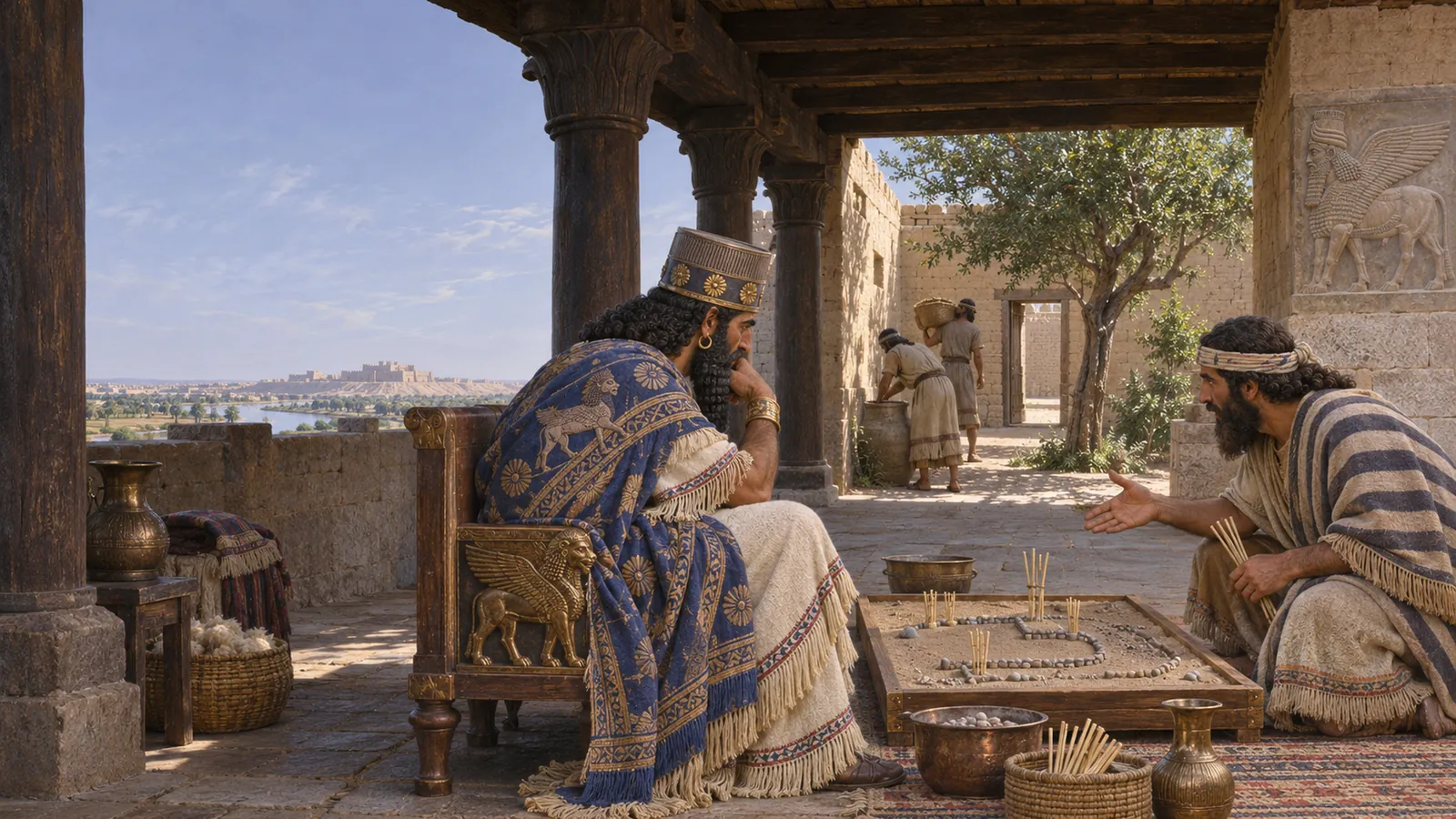
يعزو سرجون سعة فهمه وبراعته إلى إيا، ملك الأعماق وربّ الحكمة. ويقول إنّ نينمينانّا، خالقة الآلهة، جعلت فطنته تفوق فطنة أسلافه الملوك.
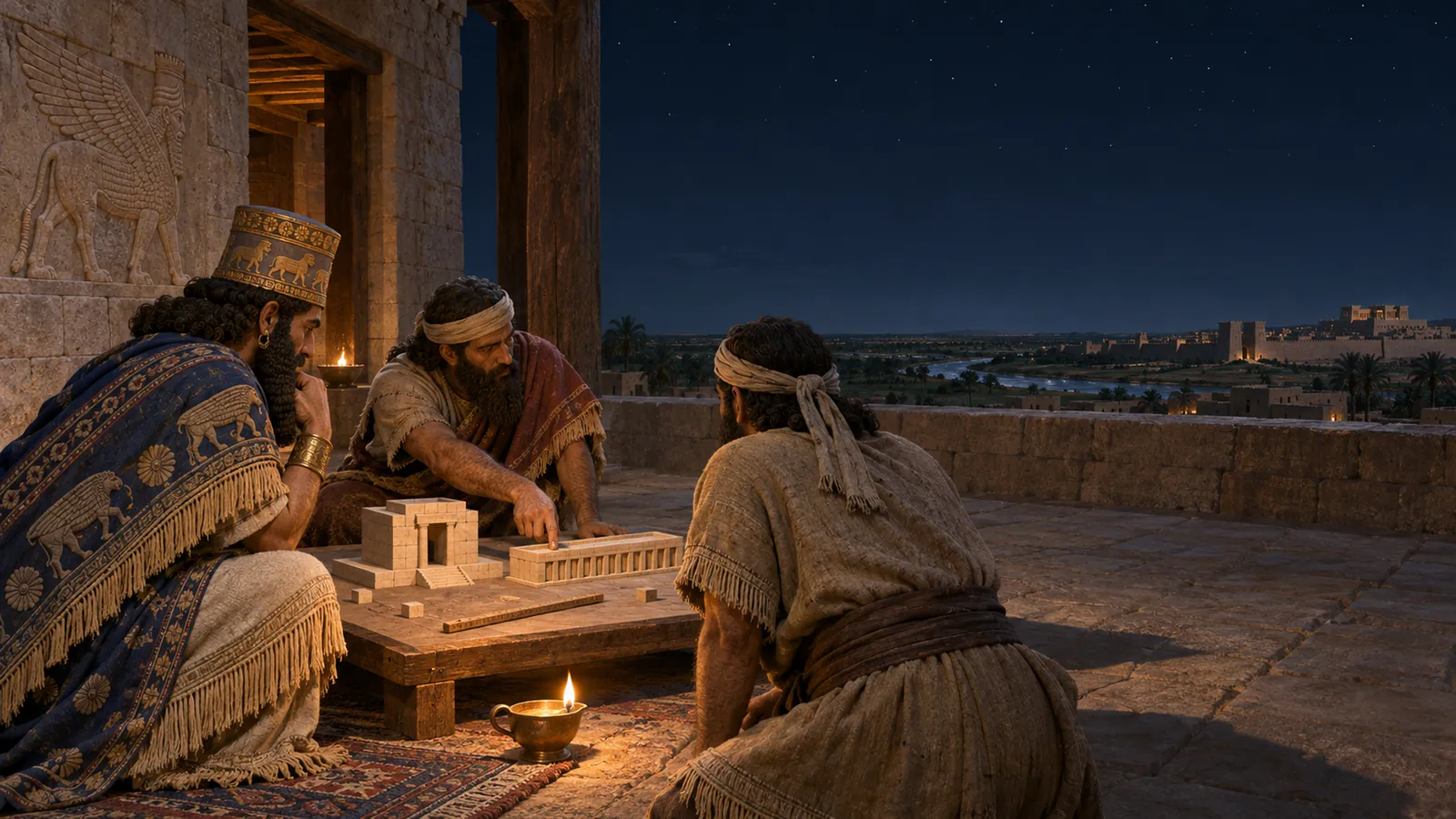
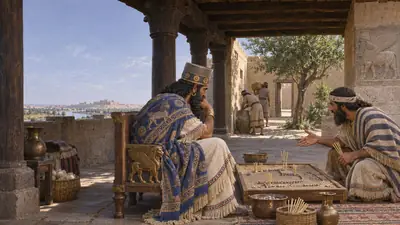
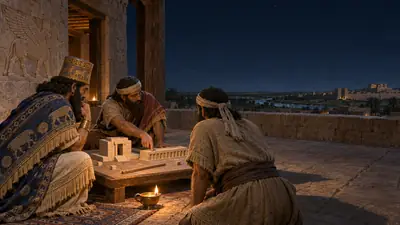
يقول سرجون إنّه ظلّ يخطّط ليلًا ونهارًا لإسكان المدينة وإقامة مزار للآلهة العظام وبناء قاعات يقيم فيها. ثمّ أمر بالبناء.
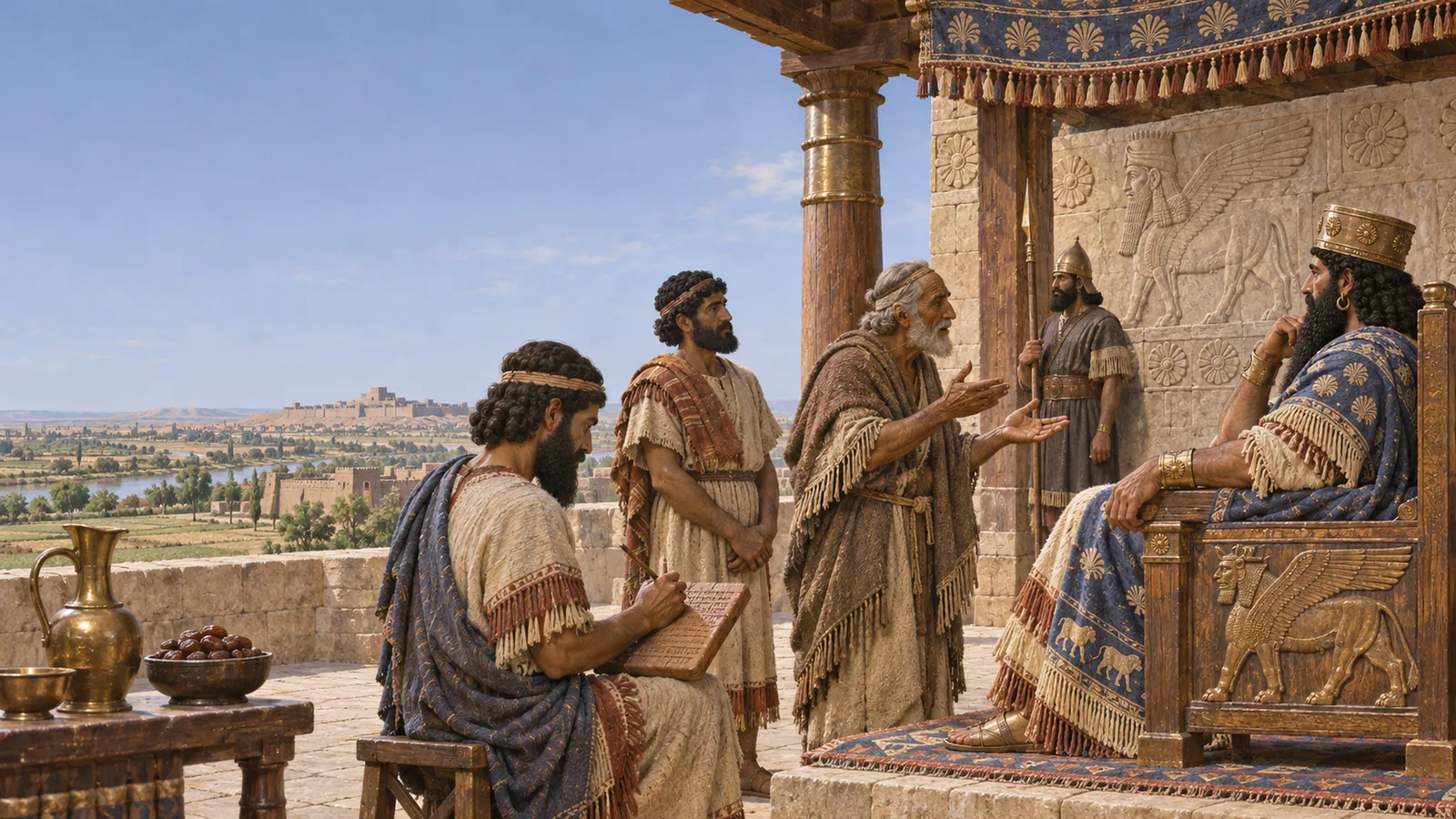
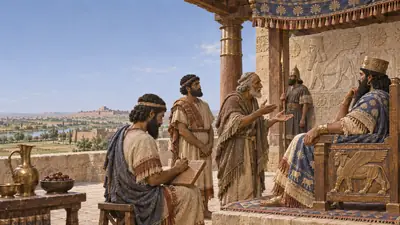
يقول سرجون إنّ الآلهة العظام أعطته اسمًا يرتبط بصون الحقّ والعدل، وإرشاد من لا حول لهم، وحماية الضعفاء من الأذى.
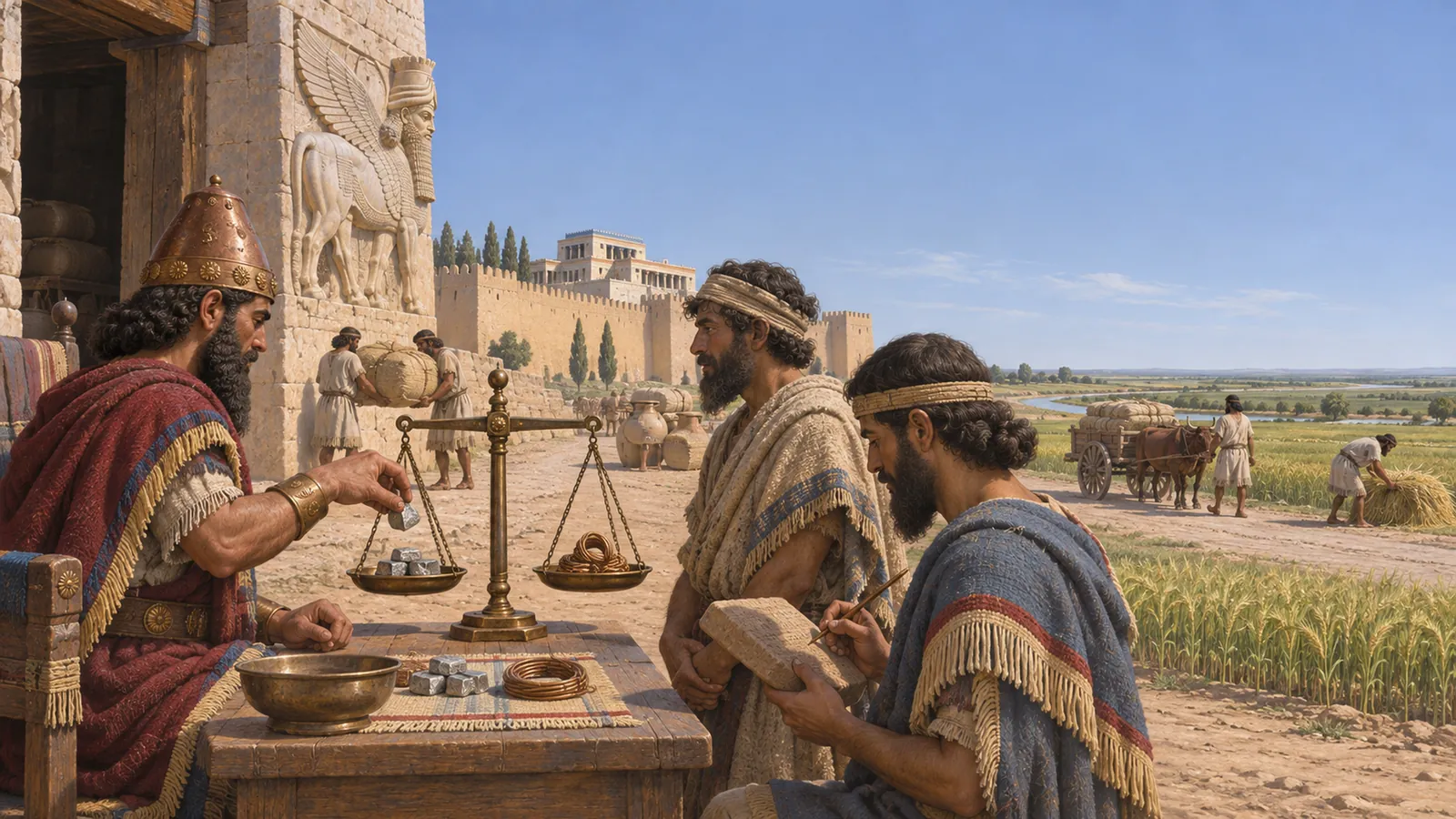
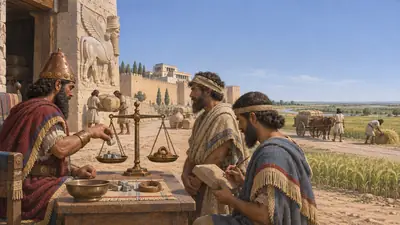
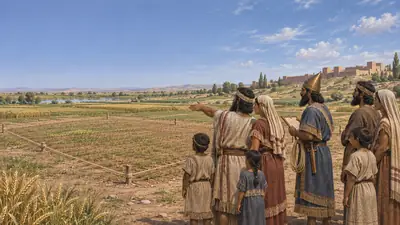
يقول الملك إنّه عوّض بالفضّة والبرونز أصحاب الحقول التي نزع ملكيتها. ويقول إنّ المبلغ وافق الثمن الوارد في وثائق الشراء الأصليّة.
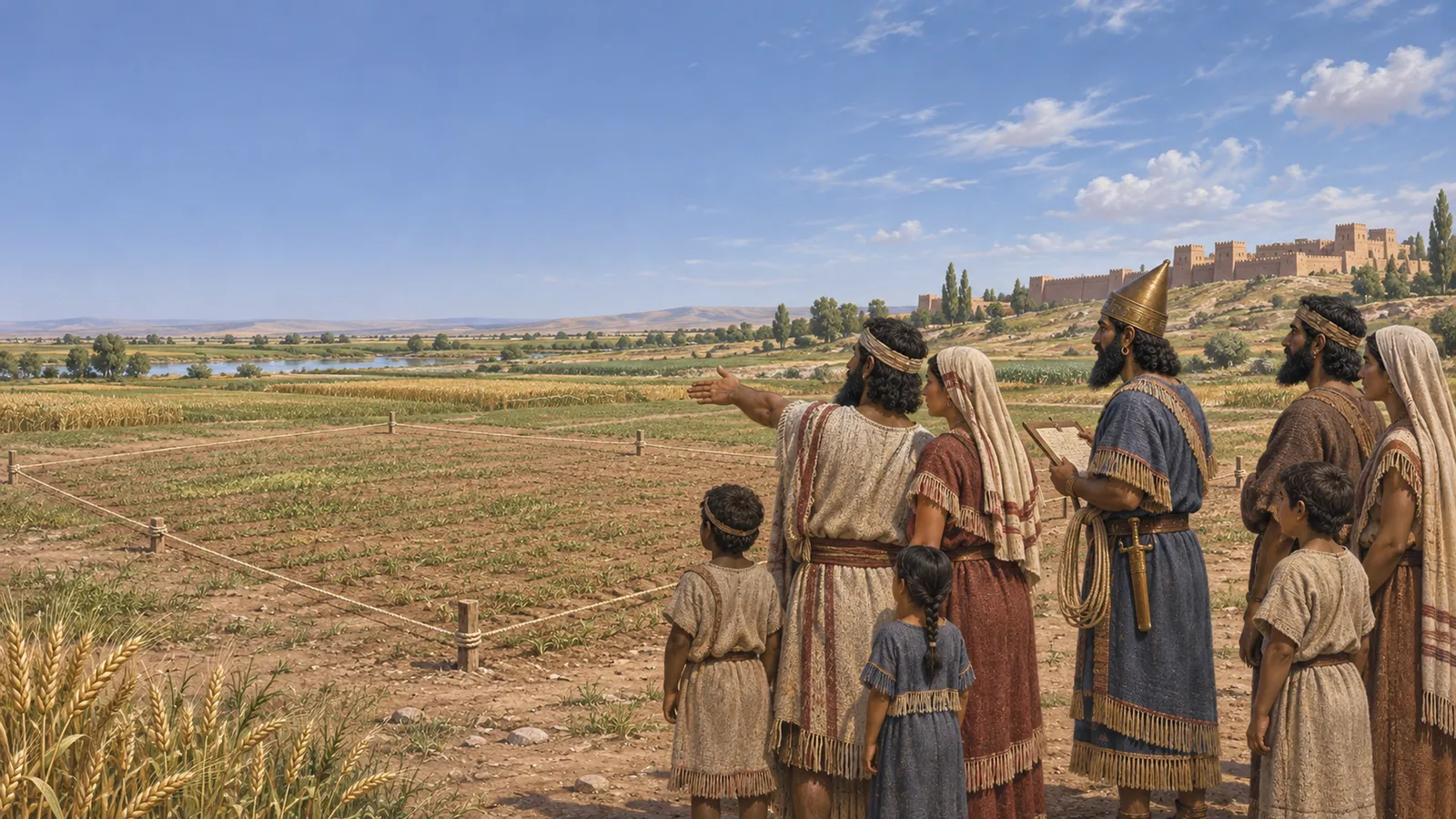
يقول سرجون إنّه أعطى من لم يرغبوا في الفضّة حقولًا مماثلة في القيمة حيث اختار أصحابها. ويقول إنّه فعل ذلك منعًا للظلم.
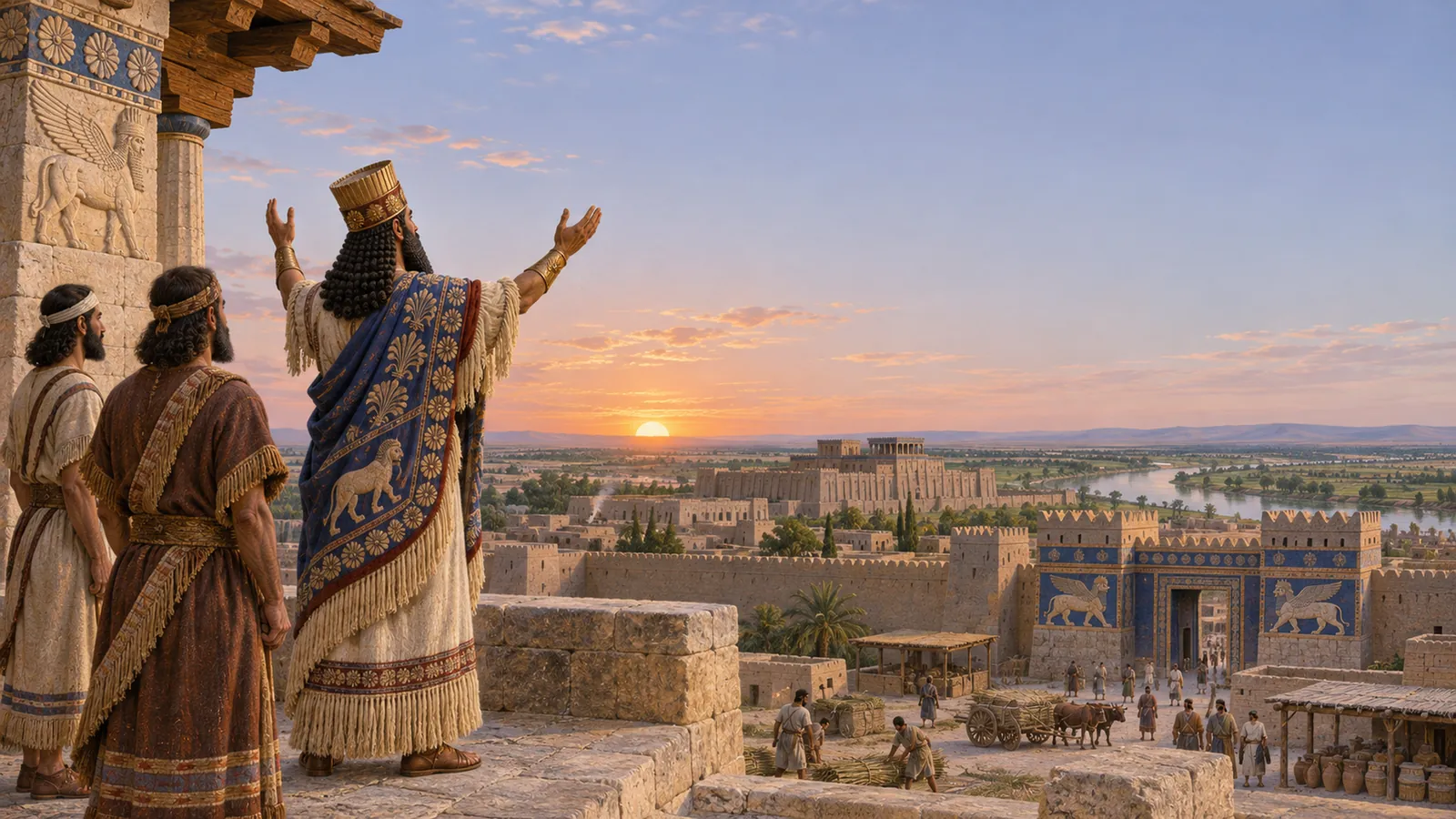
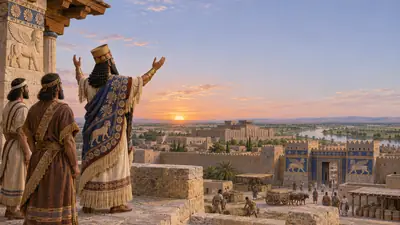
يقول الملك إنّه رفع يديه نحو الشرق وابتهل إلى سيغّا ولوغال-دينغيرا، قاضيَي البشر، في شأن بناء المدينة. ثمّ توجّه غربًا وتضرّع إلى شاوشكا نينوى ليدخل المدينة مسرورًا معافًى.
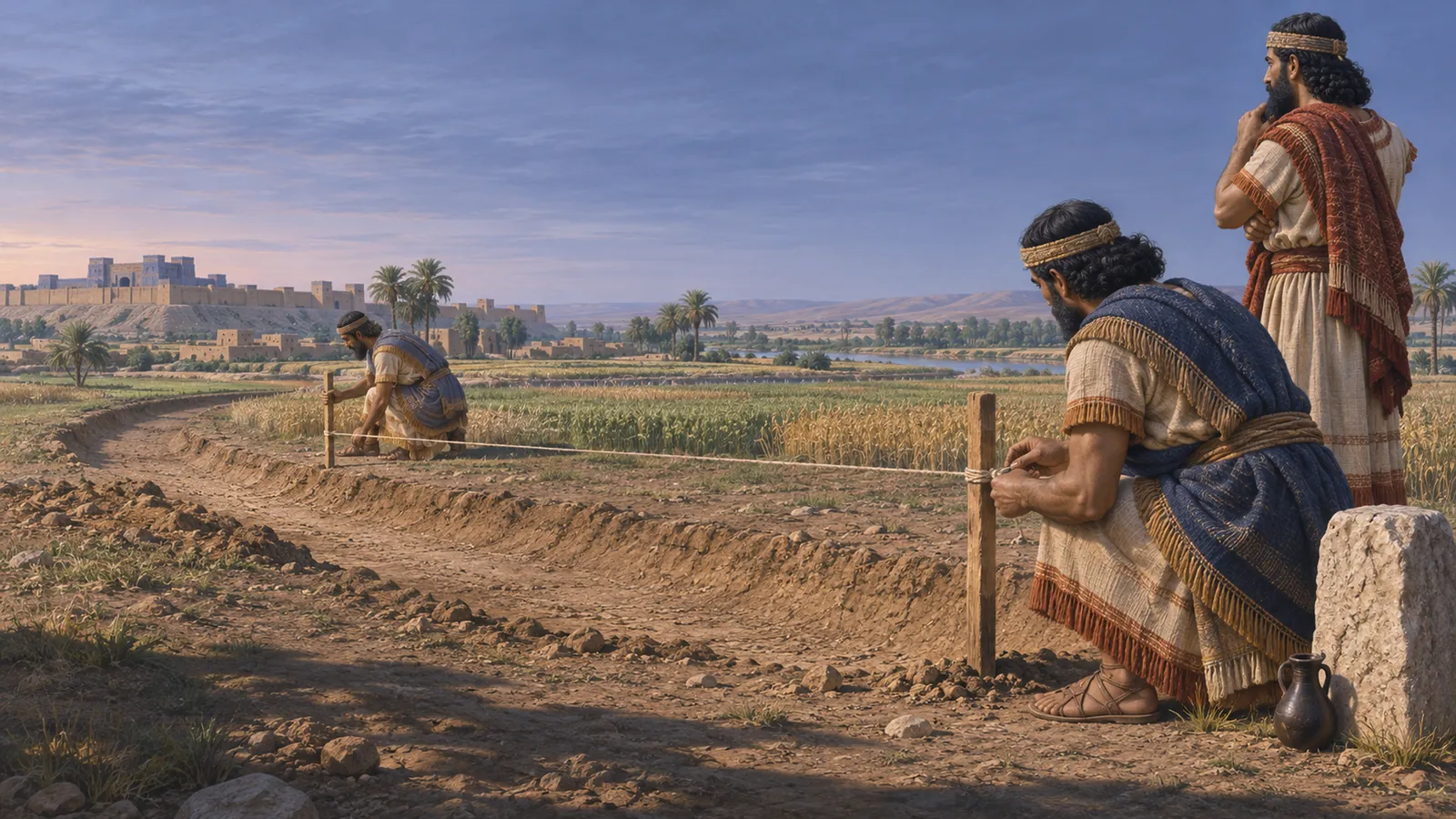
يقول الملك إنّ كلماته العادلة راقت لآلهته كما يروق أجود الزيت. ويقول إنّها أمرته ببناء المدينة وشقّ قناة.
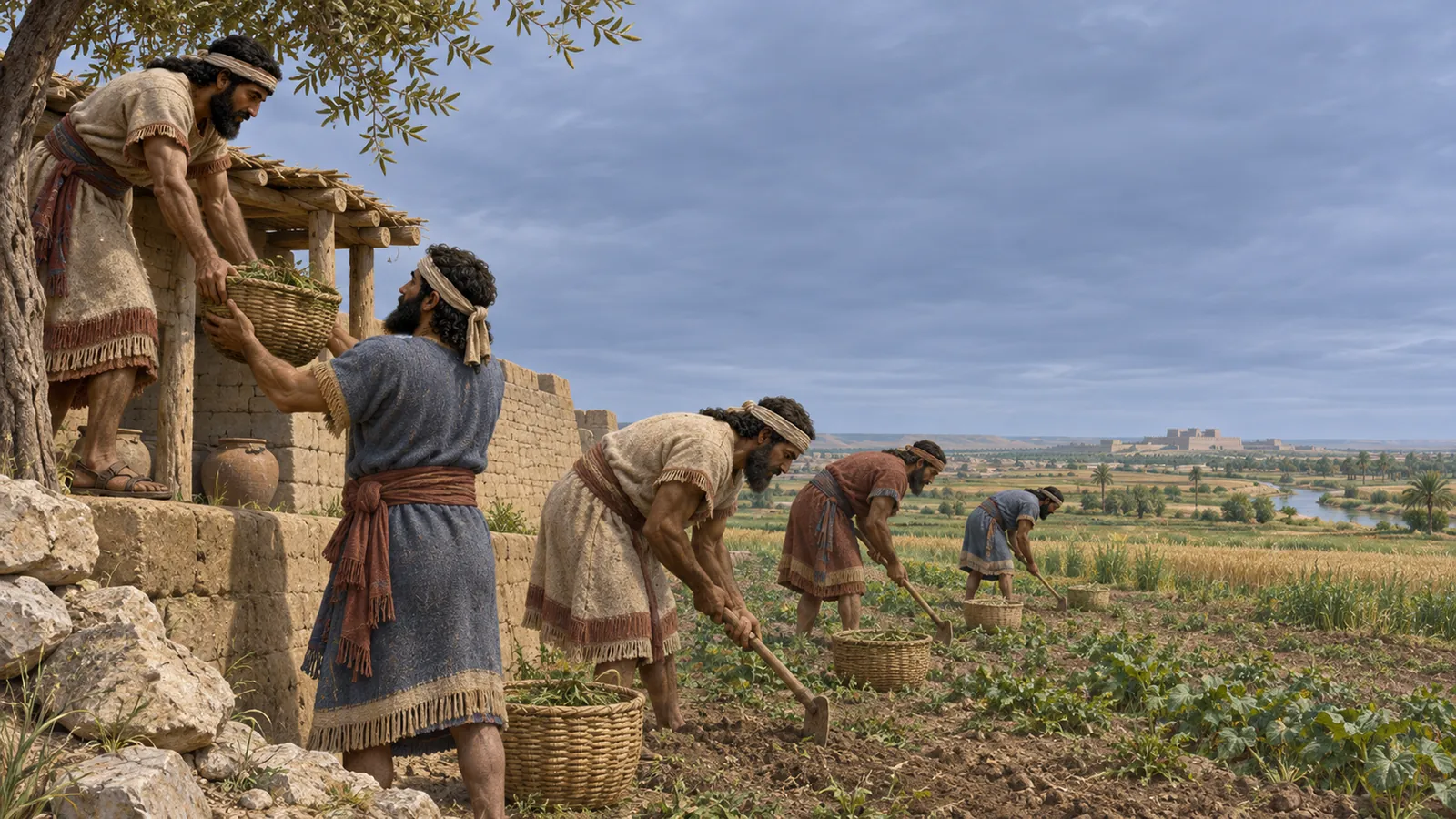
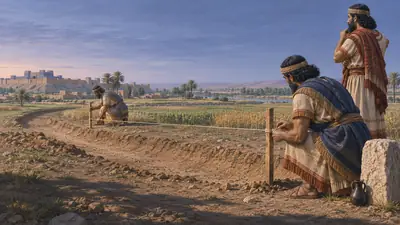
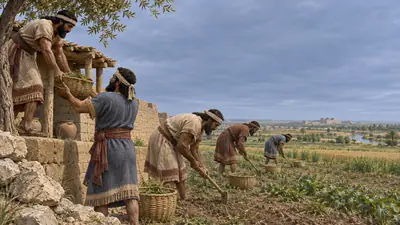
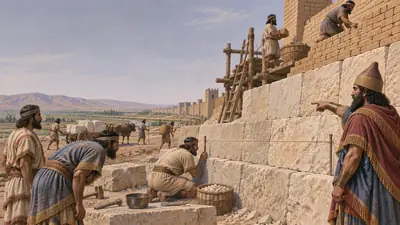
يقول سرجون إنّه كان واثقًا من أنّ أمر الآلهة لا يتغيّر. فحشد جماعات كثيرة من رعاياه وجعلهم يأخذون المعول وسلّة العمل.
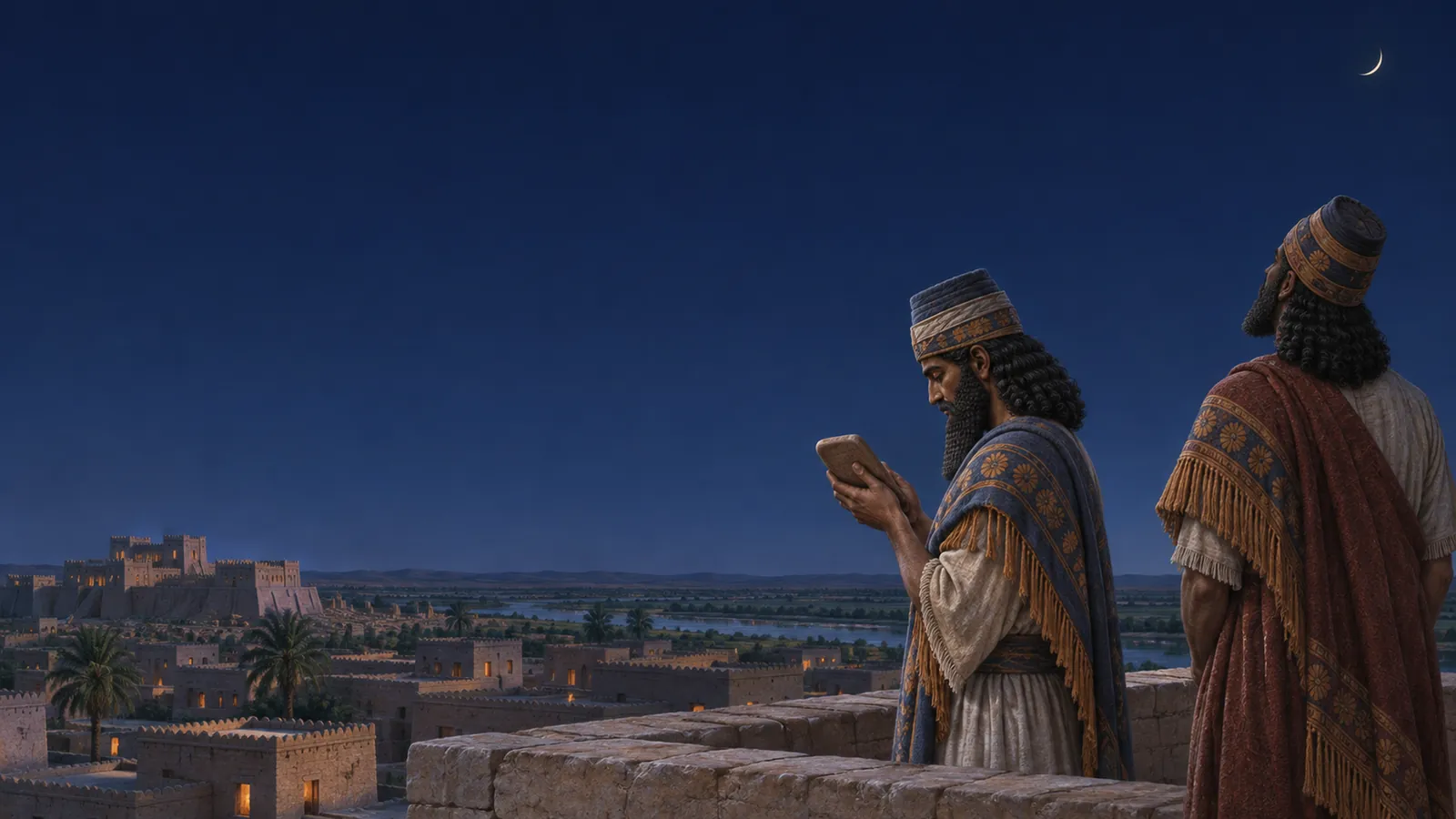
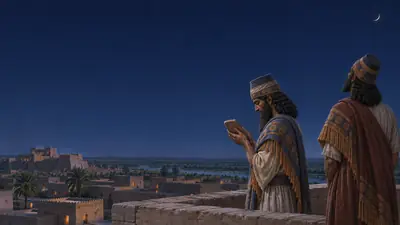
يصف سرجون صيتاش، الشهر الثالث، بأنّه شهر سين ابن داراغال. ويقول إنّ سين يصدر الأحكام ويكشف العلامات، وإنّه نور السماء والعالم السفلي وبطل الآلهة.
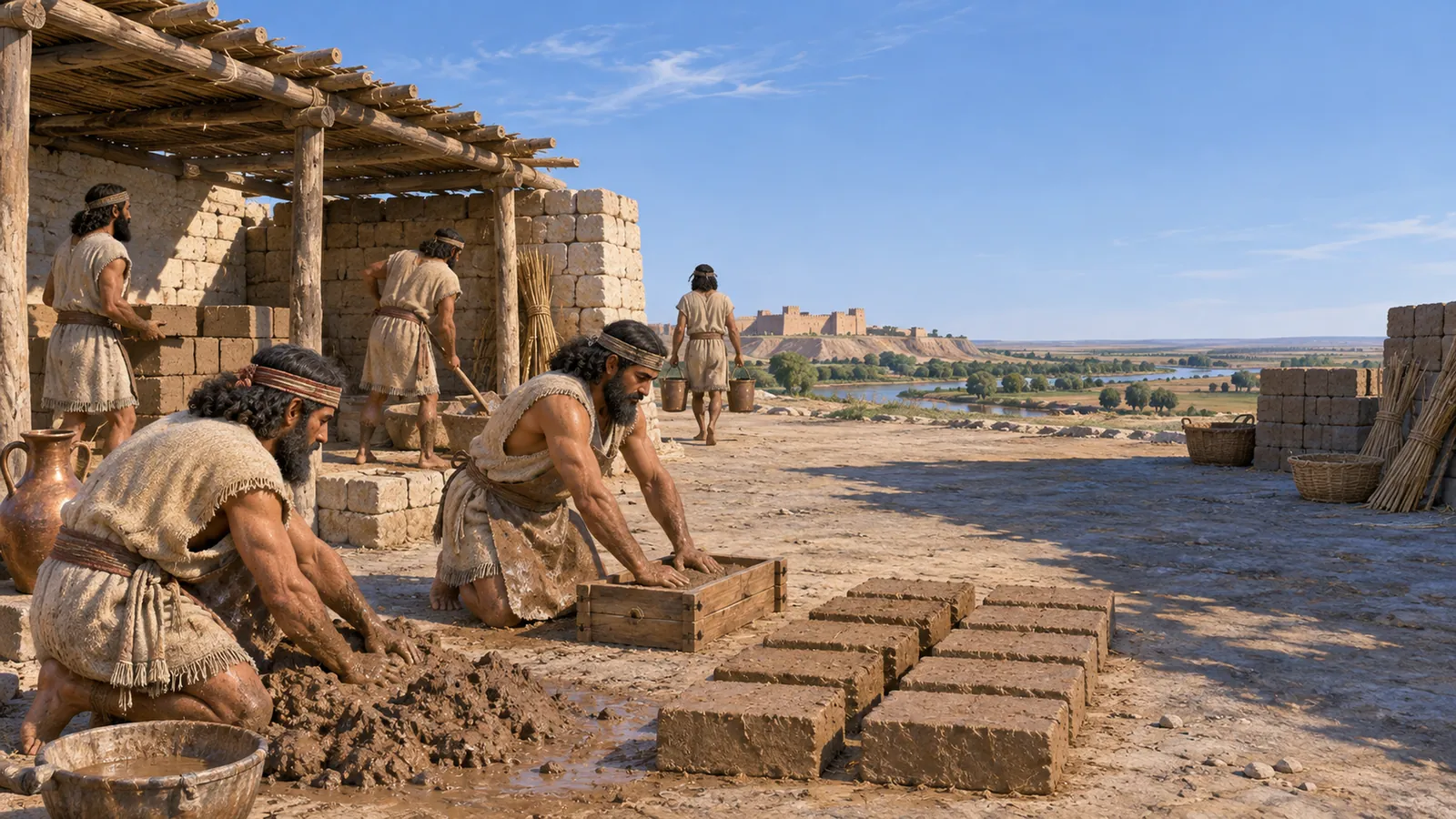
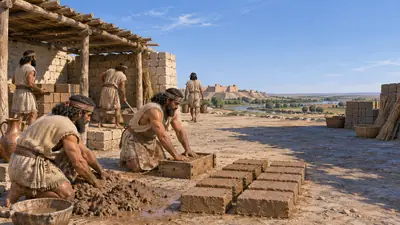
يقول سرجون إنّ آنو وإنليل والأمير إيا قضوا بأن يُسمّى هذا شهر كولّا. ويقول إنّه شهر مناسب لصنع اللَّبِن وبناء المدن والبيوت.
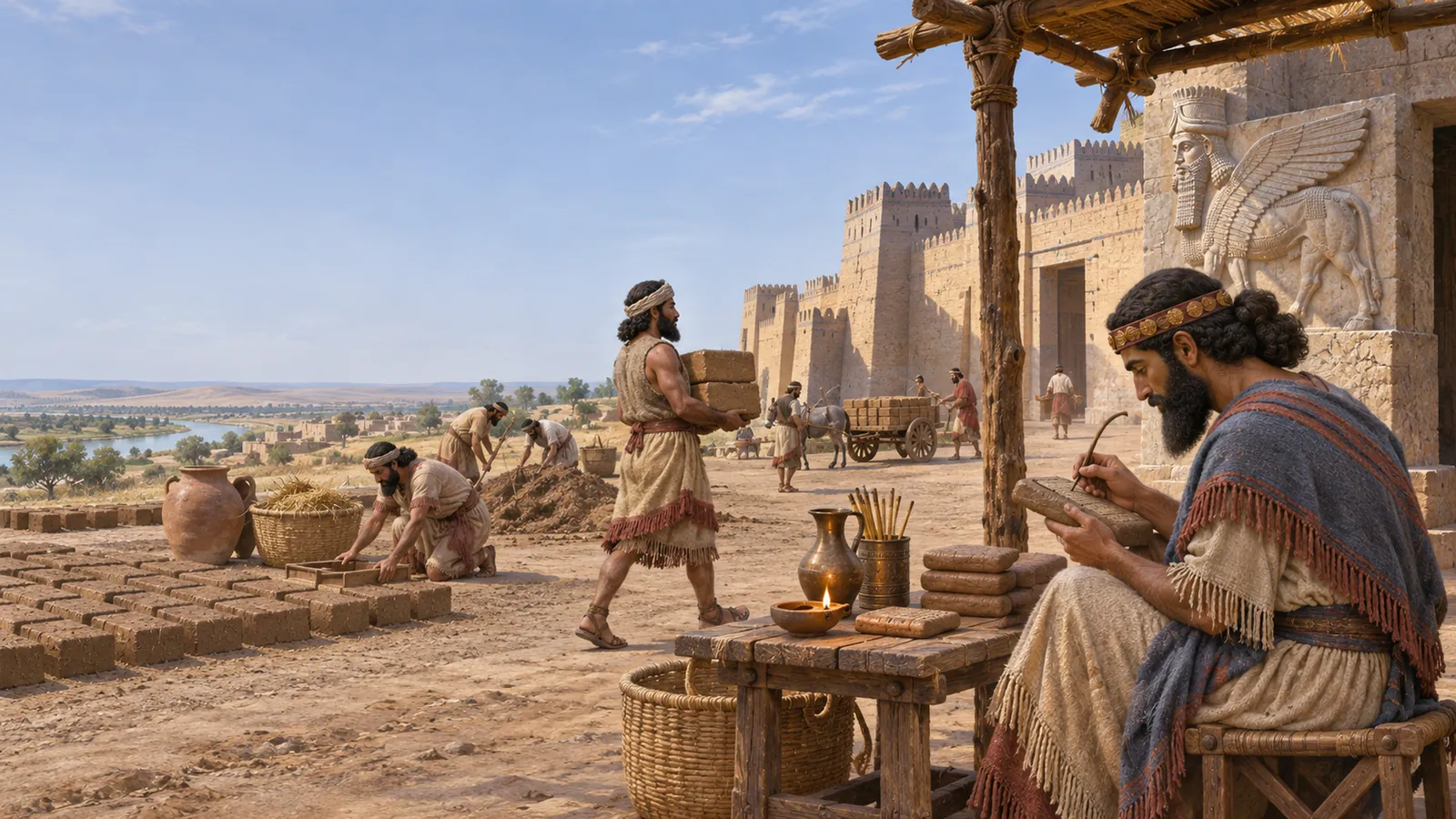
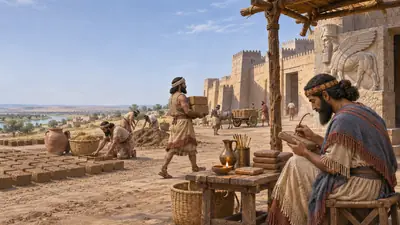
يقول سرجون إنّه أمر بصنع اللَّبِن في يوم عيد إيشّيشو لنابو. ويصف نابو، ابن بيل، بالحكمة، وبأنّه كاتب الكون ويصدر الأوامر إلى جميع الآلهة.
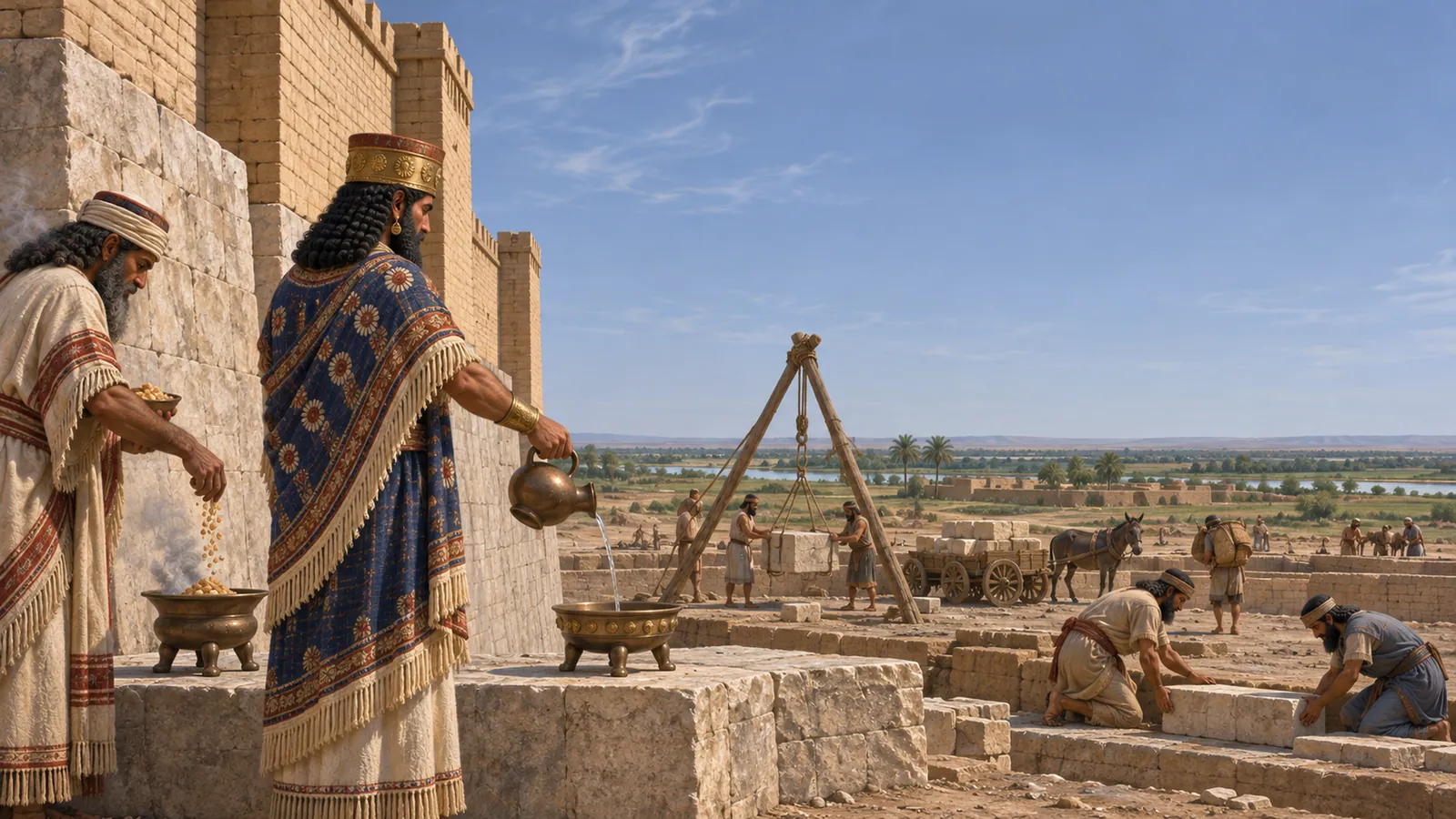
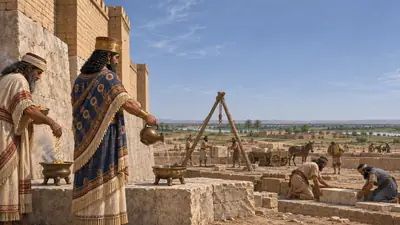
يقول سرجون إنّه قدّم ذبيحةً لكولّا، ربّ الأساسات والبناء باللَّبِن، ولموشدا، كبير بنّائي إنليل. ويقول إنّه نثر قرابين عَطِرة وتلا دعاءً من نوع شوئيلّاكّو.
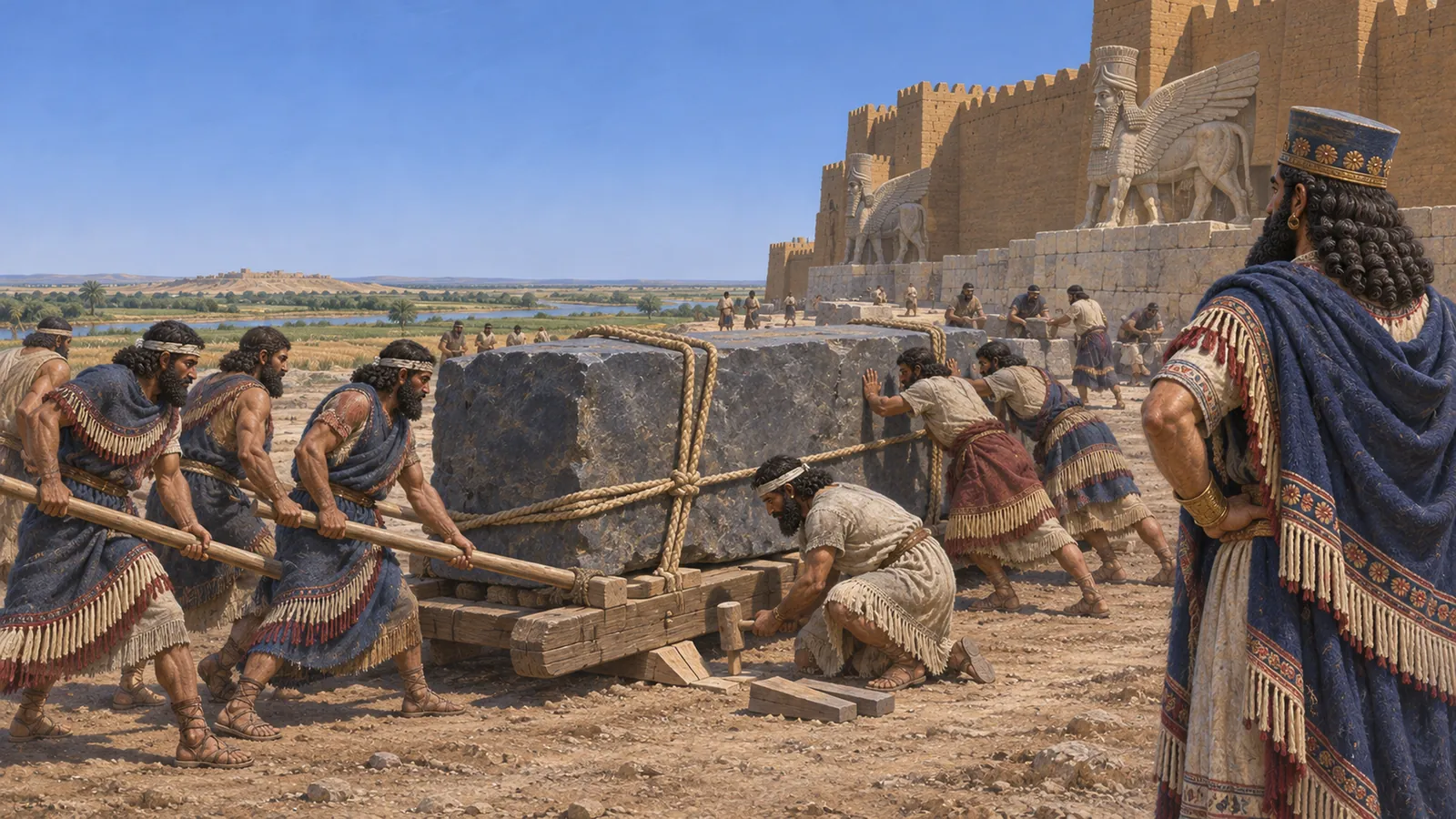
يقول سرجون إنّه وضع الأساس وأقام البناء باللَّبِن في آبو، الشهر الخامس. ويذكر النقش أنّ غيبيل ينزل حينئذٍ من السماء ويجفّف الحقول الرطبة ويضع أسس المدن والبيوت.
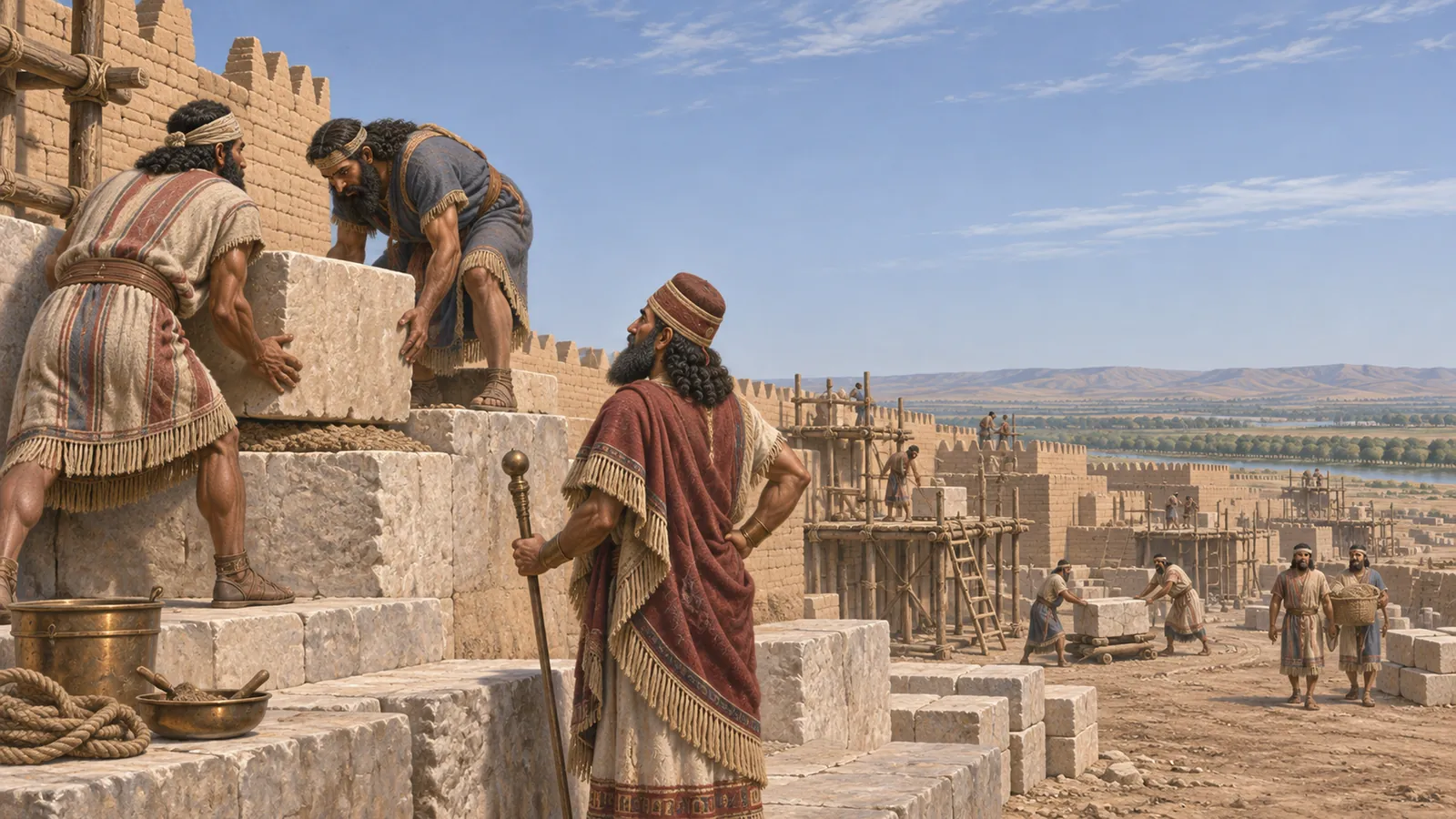
المصاطب
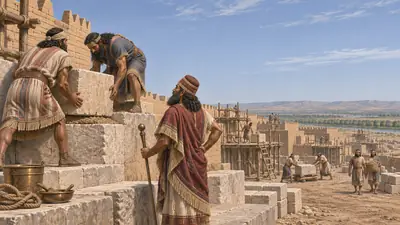
يقول سرجون إنّه أقام داخل المدينة مصاطب لإيا وسين ونينغال وأدد وشمش ونينورتا. ويشبّه رسوخ تلك المصاطب برسوخ الجبال.
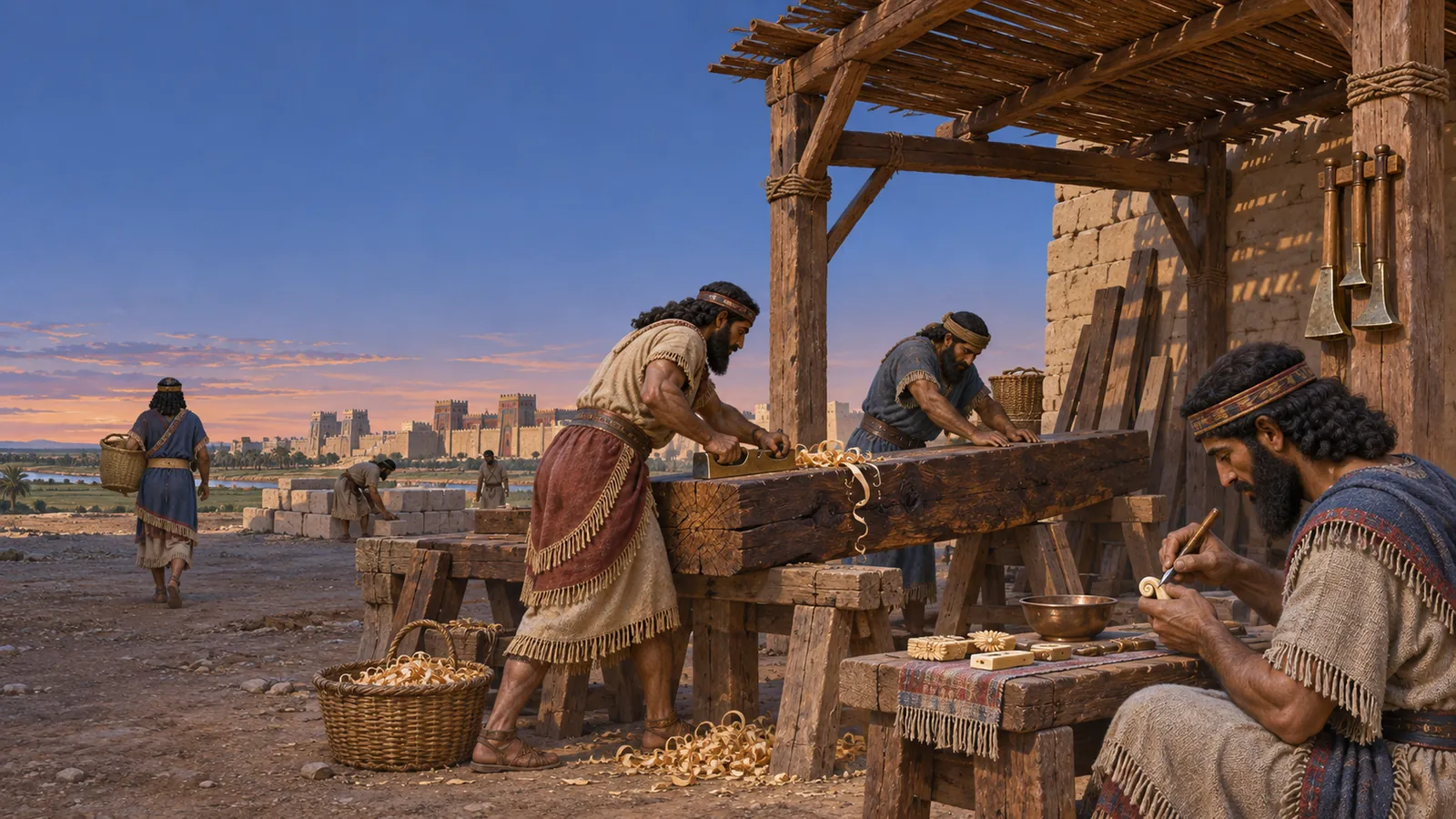
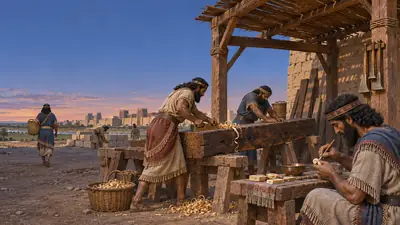
يقول سرجون إنّه بنى مقرَّه الملكيّ بأمر الآلهة، مستخدمًا عاج الفيل وخشب الأبنوس والشمشاد والموسوكّانّو والأرز والسرو وعرعر الدابْرانو والبُطم.
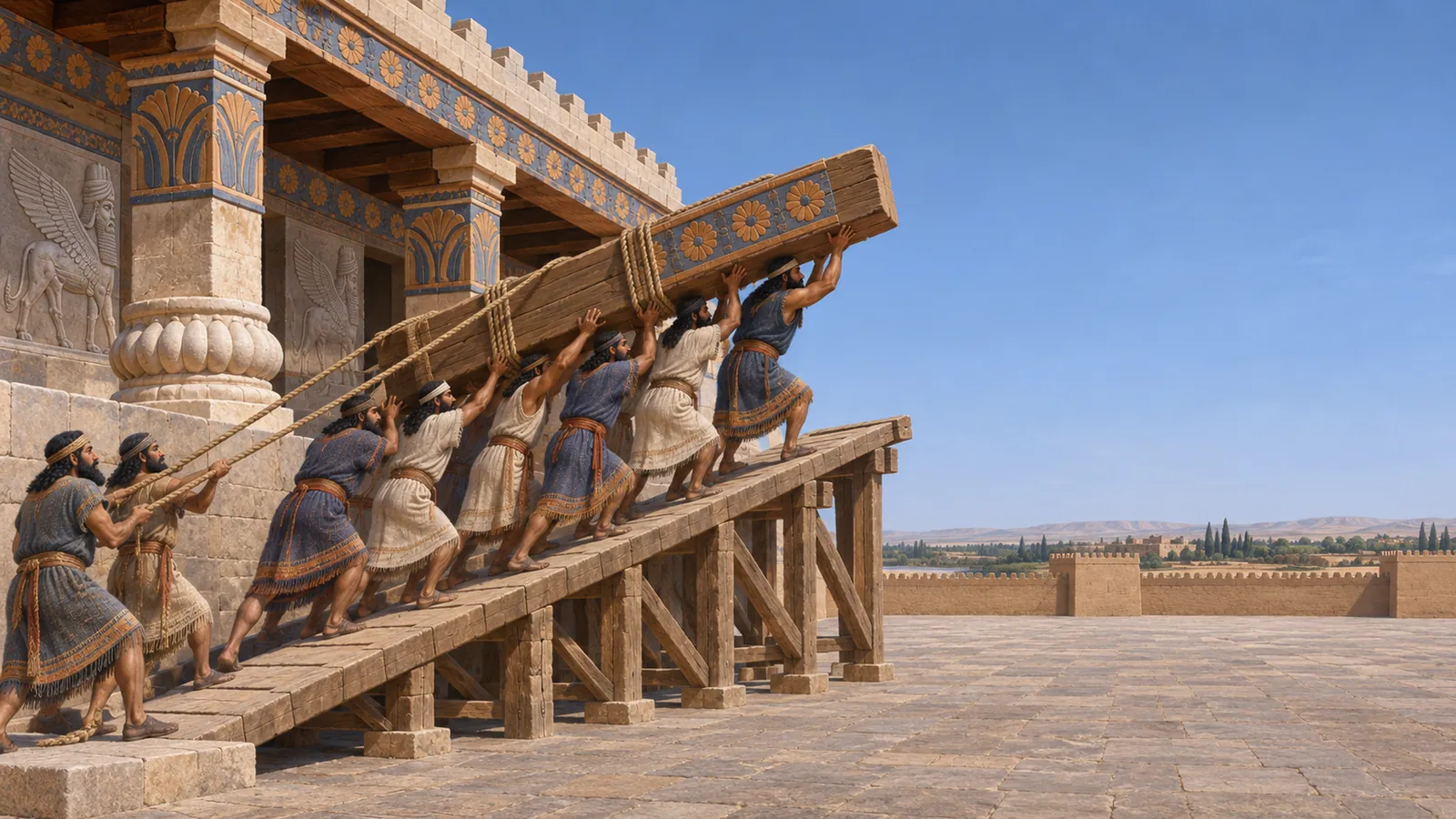
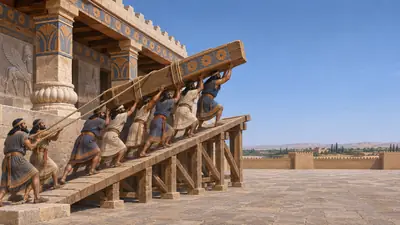
يقول إنّه أقام أمام الأبواب بناءً من نوع بيت حيلاني، على مثال قصر حثّيّ. واستخدم عوارض الأرز والسرو في السقوف.
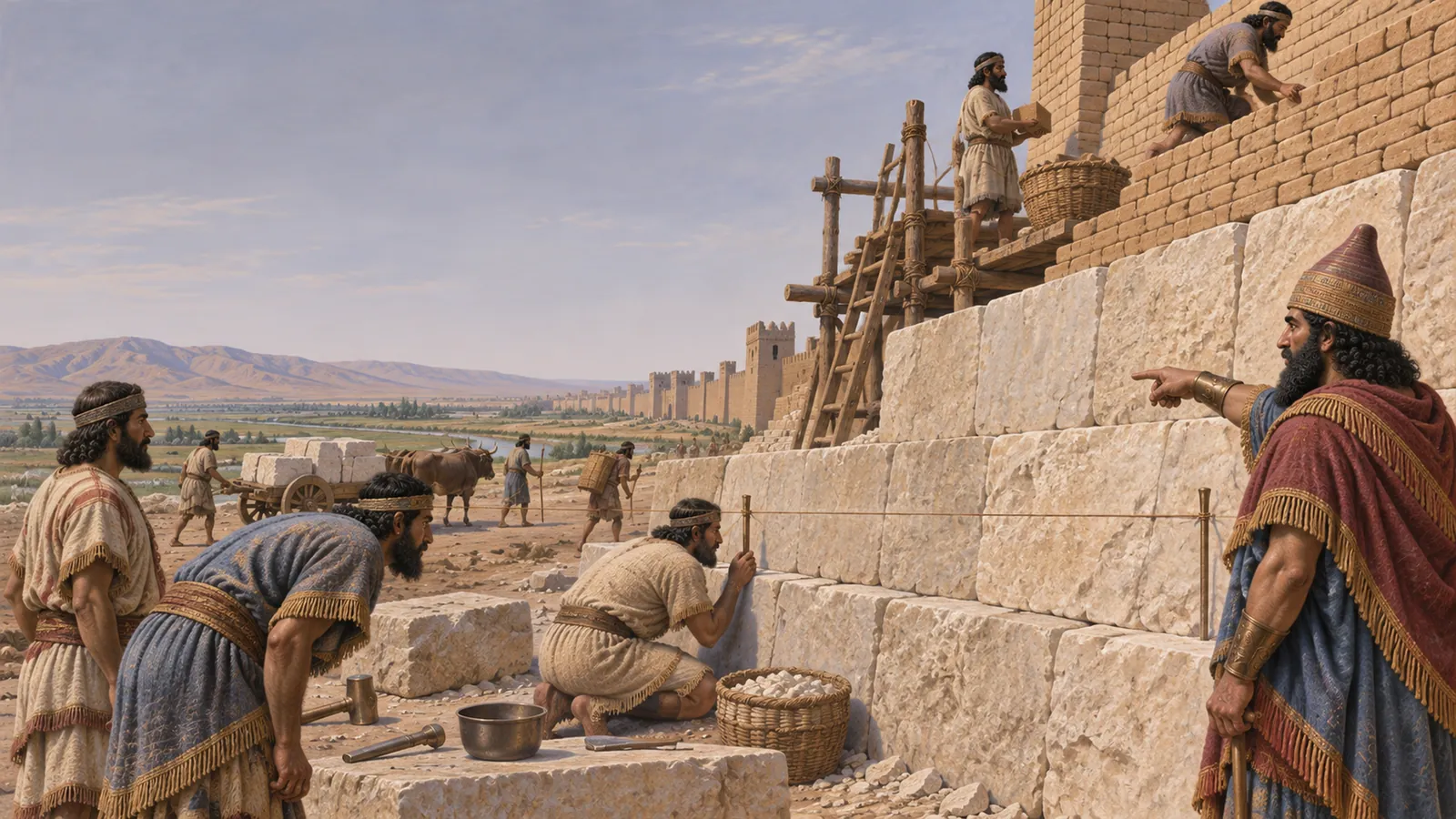
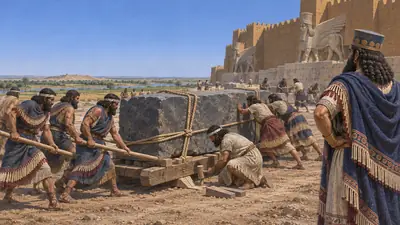
يحدّد سرجون طول سور المدينة بستّة عشر ألفًا ومئتين وثمانين ذراعًا، ويربط العدد بصيغة اسمه. ويقول إنّه ثبّت الأساس على كتل حجريّة ضخمة من الجبال.
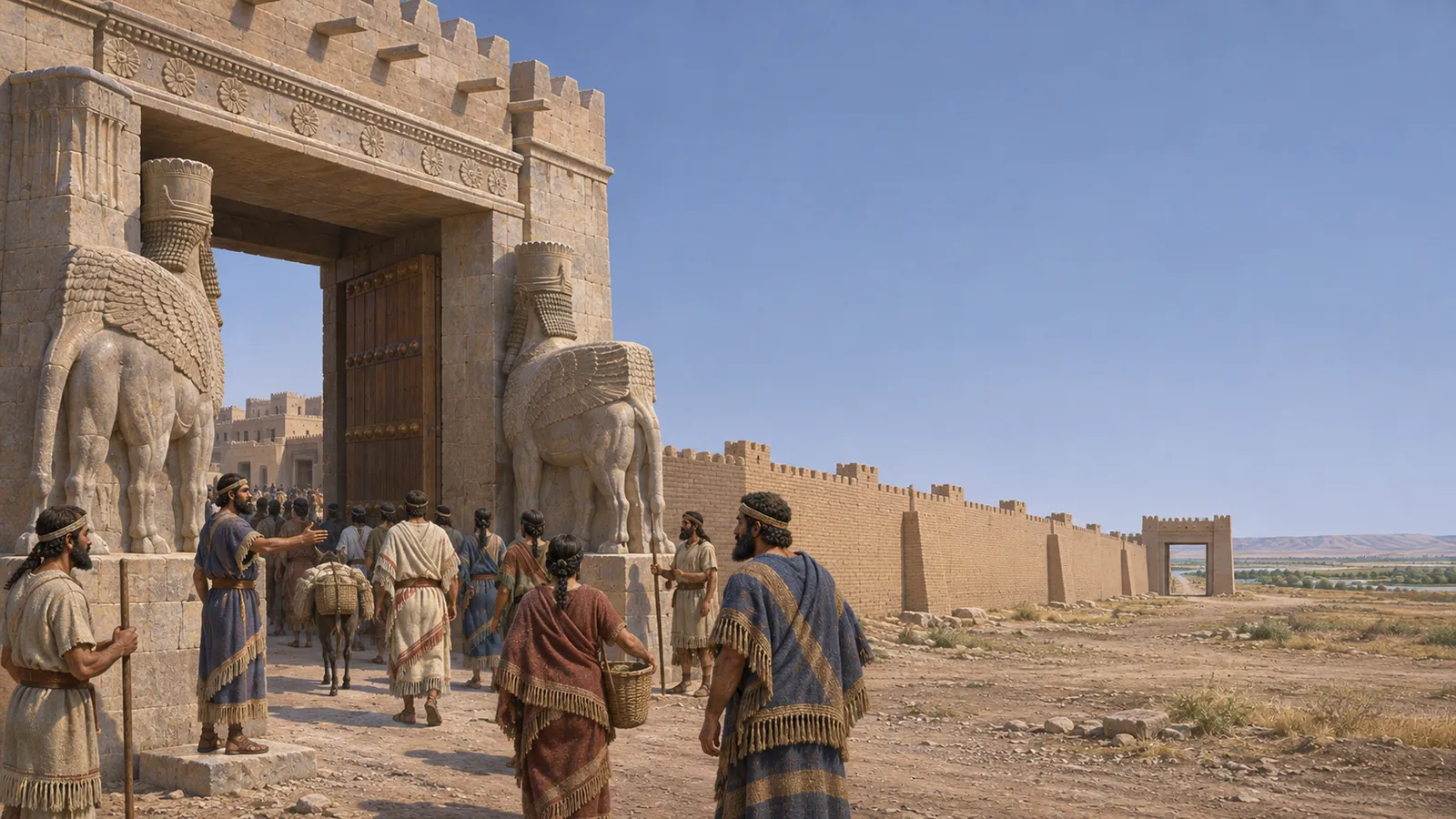
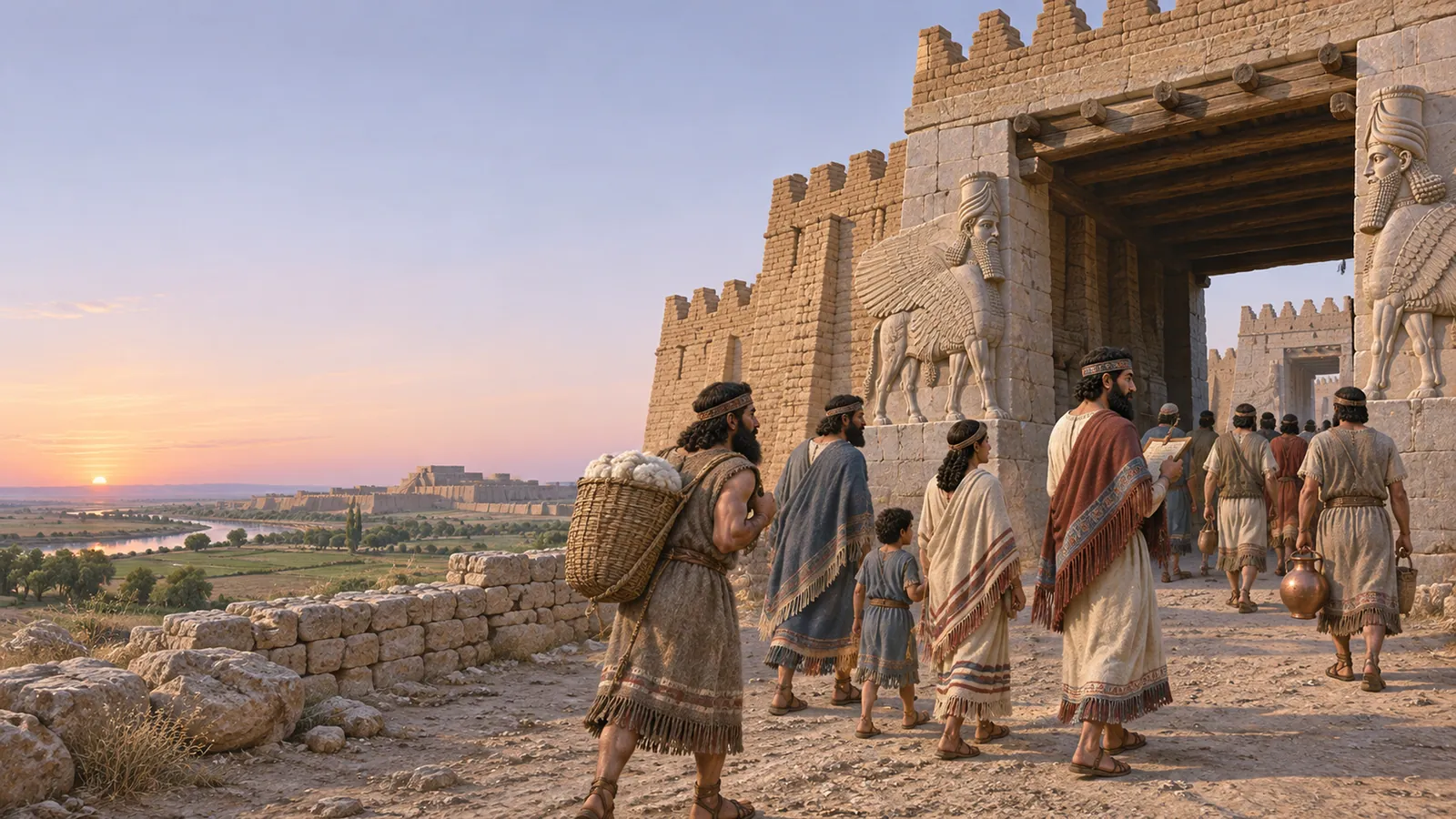
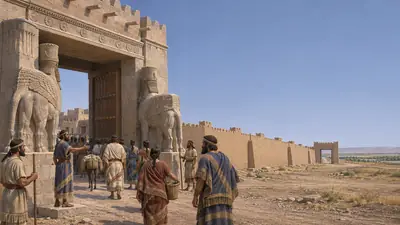
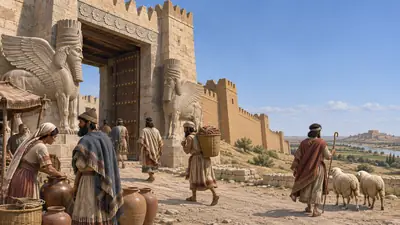
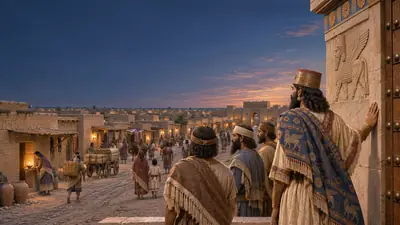
يقول سرجون إنّه فتح ثمانية أبواب في سور المدينة. وكانت في المقدّمة والمؤخّرة وعلى الجانبين، تواجه الرياح الثماني.
الشرق والشمال
يسمّي سرجون بابَي الشرق لشمش الذي يمنحه النصر، ولأدد الذي يديم الرخاء. ويسمّي بابَي الشمال لإنليل الذي يرسّخ أساس المدينة، ولموليسّو التي تعيد الوفرة.
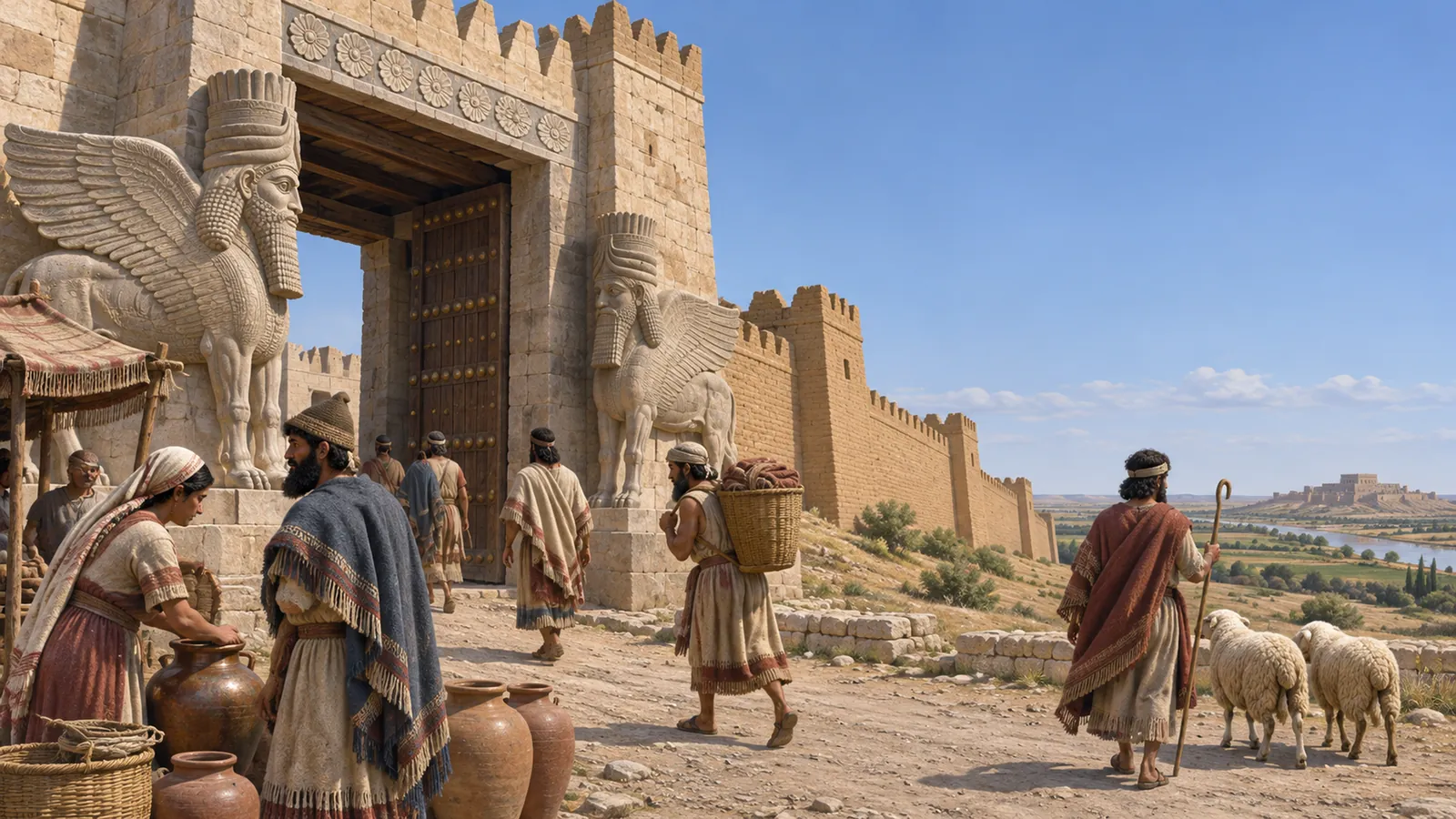
يسمّي سرجون بابَي الغرب لآنو الذي يُنجح مساعيه، ولعشتار التي تجعل الناس يزدهرون. ويسمّي بابَي الجنوب لإيا الذي ينظّم العيون، ولبيلت إيلي التي تزيد نسل الحيوان.
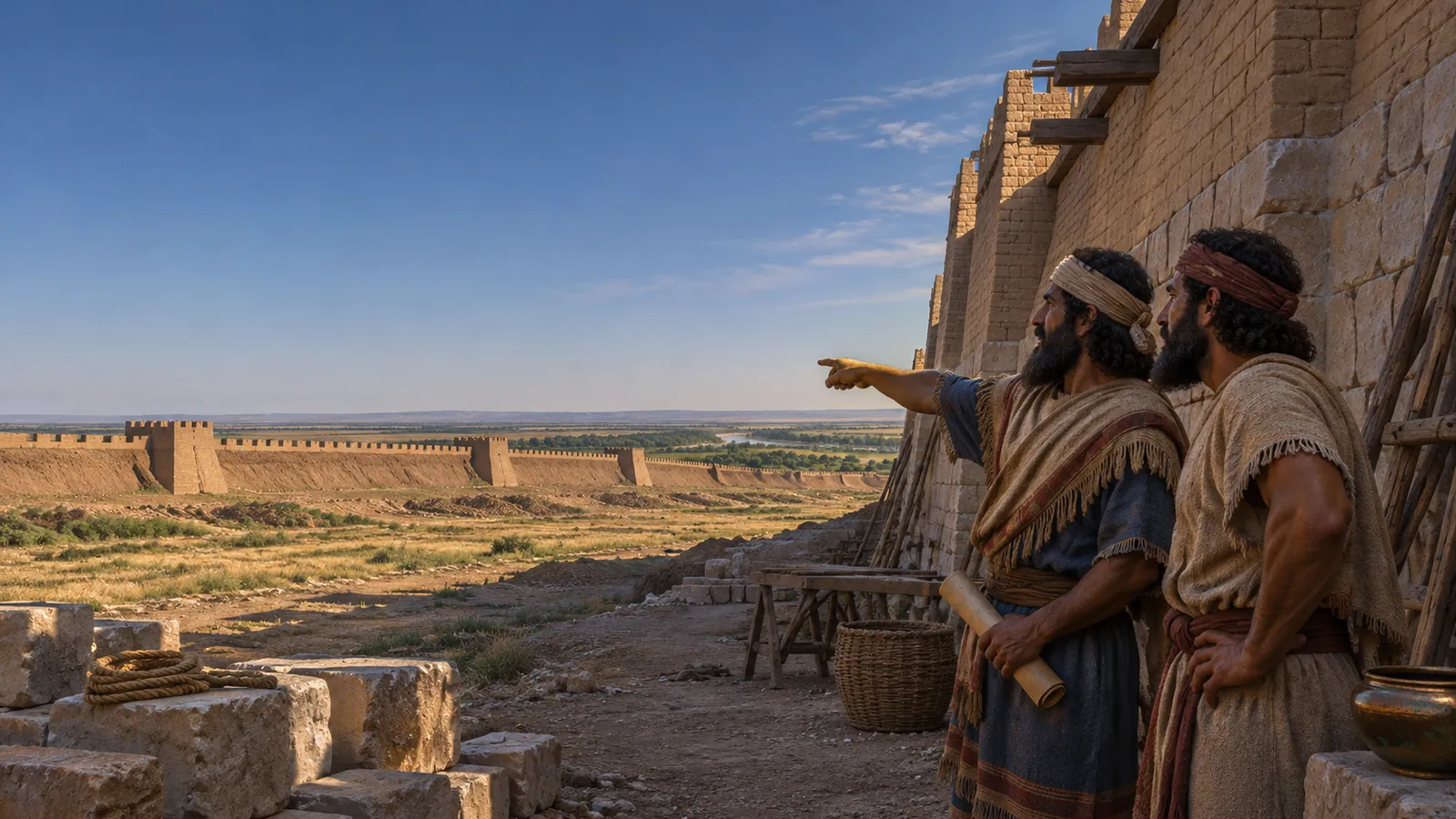
يسمّي سرجون سور المدينة لآشور، الذي يطيل عهد الملك بانيها ويحمي نسله. ويسمّي السور الخارجيّ لنينورتا، الذي يرسّخ أساسه للأيّام الآتية.
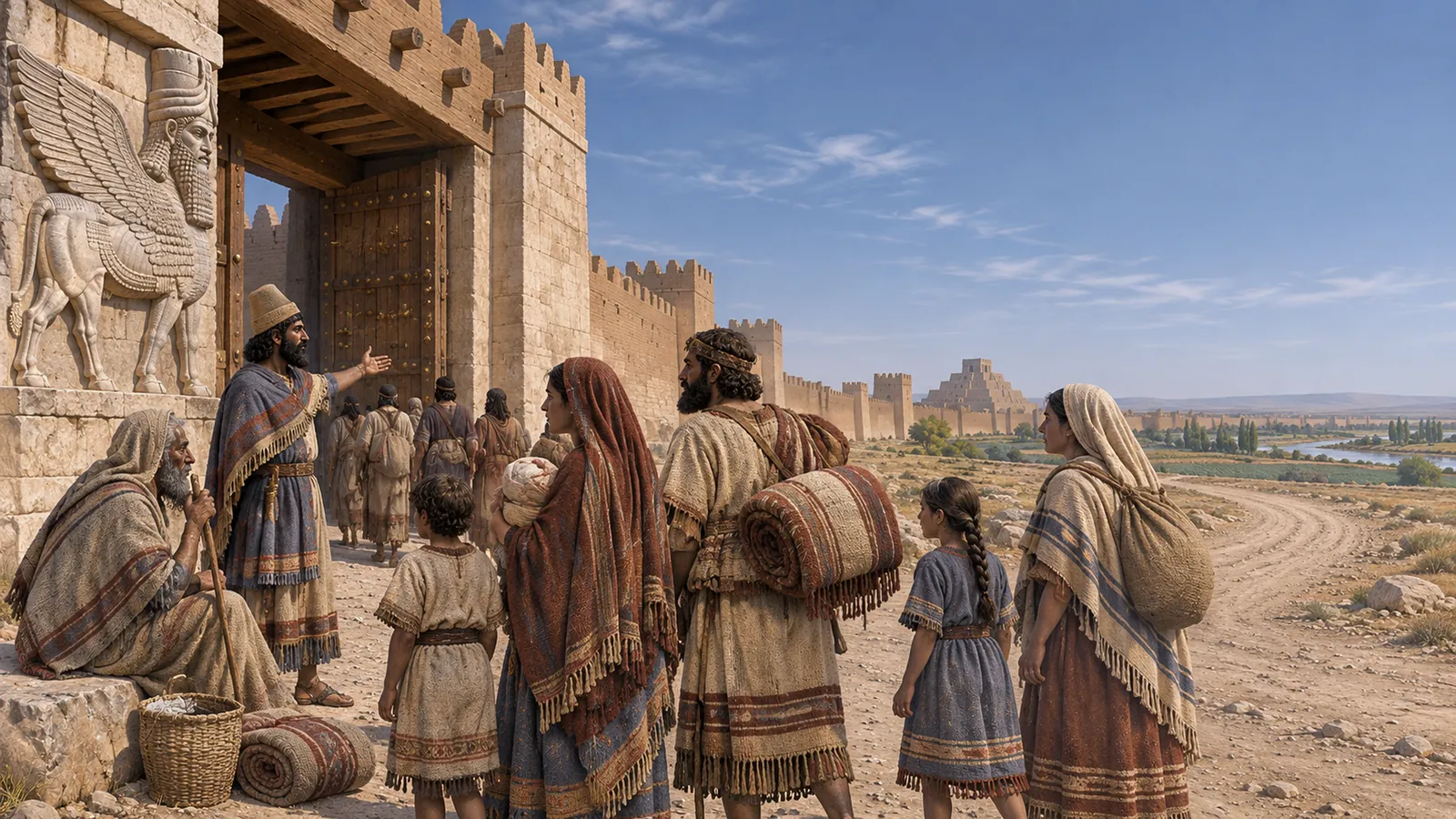
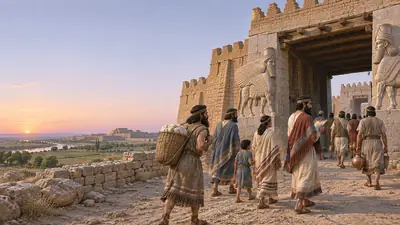
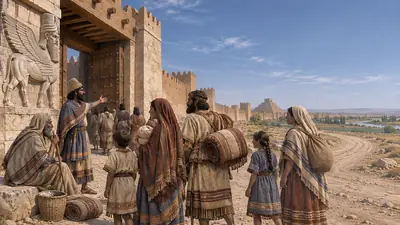
يقول سرجون إنّه أخذ أناسًا بالقوّة غنيمةً بأمر آشور. وقد جاؤوا من الجهات الأربع، وتكلّموا ألسنة مختلفة، وعاشوا في الجبال والسهول تحت رعاية شمش. ويقول إنّه جعلهم يعملون معًا وأسكنهم في المدينة.
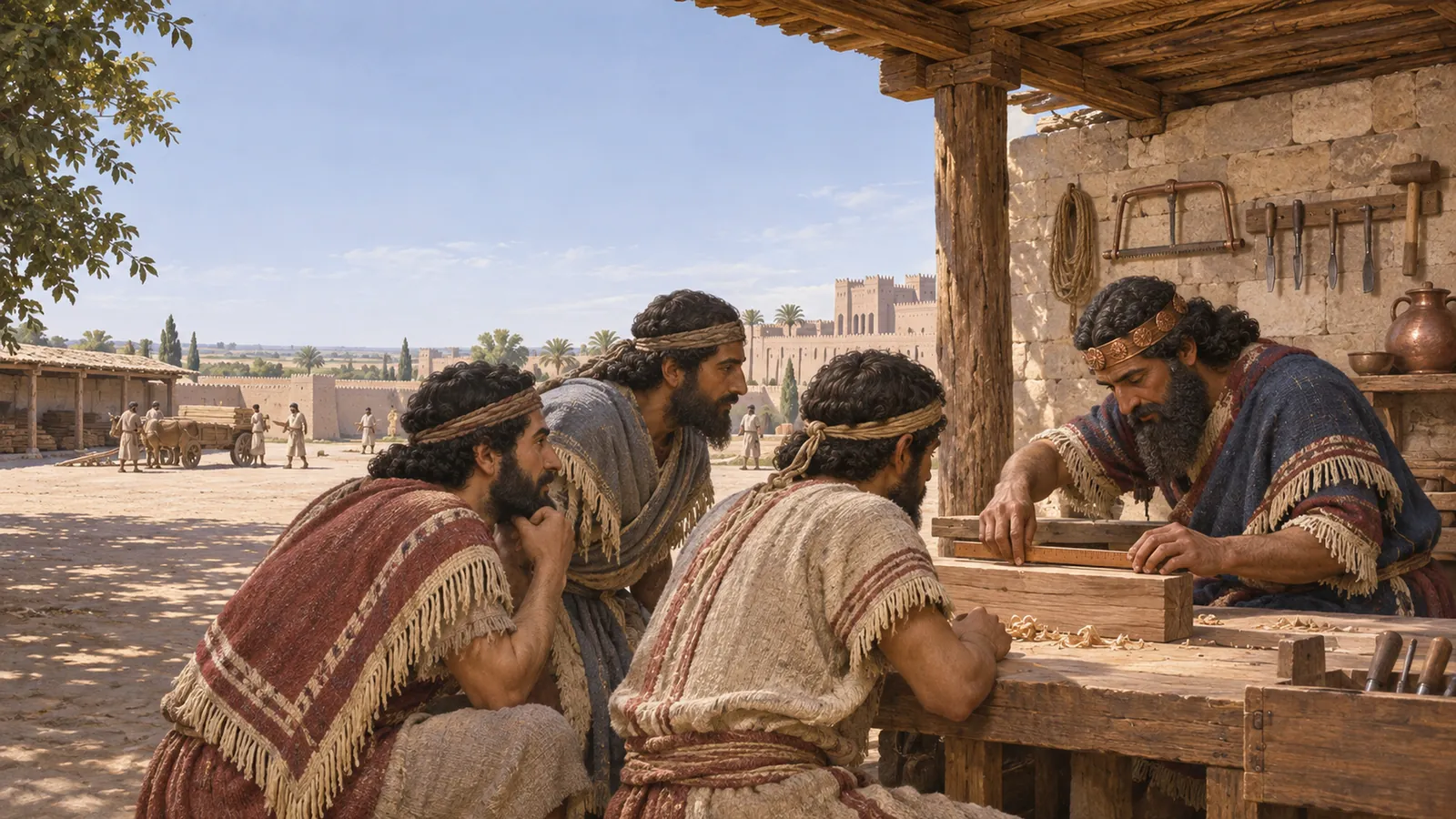
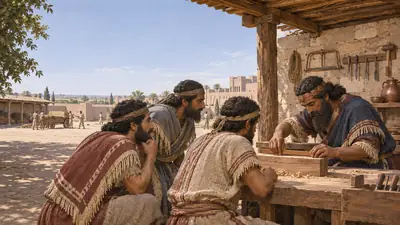
يقول سرجون إنّه عيّن صنّاعًا مهرة من أهل آشور مشرفين وقادة. وكان عليهم أن يعلّموا الذين أسكنهم السلوك الذي ينتظره منهم، وكيف يوقّرون الإله والملك.
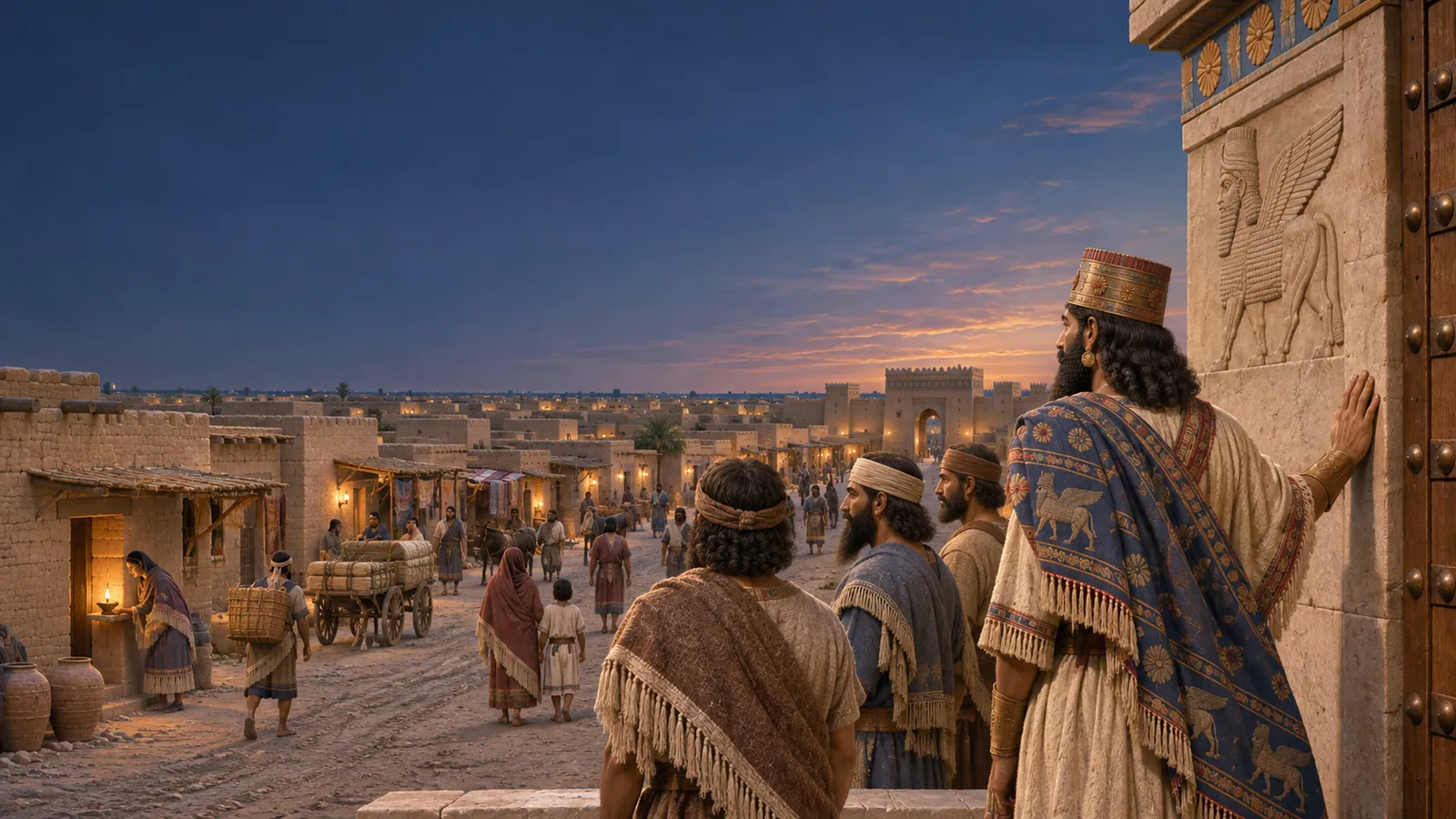
الدعاء الختاميّ
يقول سرجون إنّ الآلهة الساكنة في السماء والعالم السفليّ والمدينة استجابت لدعائه. ويقول إنّها منحته على الدوام حقّ بناء المدينة وأن يبلغ الشيخوخة فيها.
نهاية الفصل الأول
كل الصفحات
المصادر
المصادر والملاحظات مكتوبة بالإنجليزية كما وردت في المراجع.
Both forms contain this passage. The claims about prior kings, compensation, divine support and conquest are the royal speaker’s account. Sargon II of Assyria is distinct from the legendary Sargon of Akkad.
الطبعات المعتمدة
- Grant Frame, RINAP 2, volume title and editorial information
- Grant Frame, text 43, Khorsabad Cylinder, pp. 220–221 and the exemplars
- Grant Frame, text 43, lines 44–75, printed pp. 228–231
ملاحظات على هذه الرواية
line 44 and note 44. The inscription places Maganubba on the outskirts of Nineveh near a spring and compares its position to that of a tower at the foot of Mount Muṣri.
lines 45–46. The king claims that none of the 350 previous rulers of Assyria had recognized the site, known how to make it habitable or ordered a canal there. The number comes from the inscription.
lines 47–49 and note 48. The king credits Ea and Ninmenanna for his understanding or intelligence and says he planned how to settle the city and build a shrine and halls before ordering construction.
line 50 and note 50. The king associates his name with truth, justice and protecting the vulnerable.
lines 51–52 and note 52. Sargon says he expropriated fields and compensated their owners in silver and bronze at the price recorded for the original purchase. He says owners who declined silver could choose replacement fields of corresponding value. 19.
lines 53–54 and notes 53–54. The king describes raising his hands in petition toward the east and the west.
lines 55–56. The finest oil is a comparison for the king’s words. The inscription says the gods commanded a city and a canal, and the king mustered his people and gave them the work of the hoe and the basket.
lines 57–59a and notes 57–58. The inscription associates Ṣītaš, month III, with Sîn, then gives the month’s name under the decree of Anu, Enlil and Ea as the month of Kulla.
lines 59b–60a. The king dates the making of the bricks to a day of Nabû’s eššešu festival.
Page 14, line 60b. Sargon says he offered a sacrifice to Kulla and Mušda, scattered aromatic offerings and said a šuilakku-prayer. The passage calls Kulla lord of foundations and brickwork and Mušda Enlil’s master builder.
Page 15, line 61. Abu is month V. The line associates Gibil’s descent, drying the moist fields and founding cities and houses with the king’s own laying of the foundation and establishing the brickwork.
Page 16, line 62. The six names are Ea, Sîn, Ningal, Adad, Šamaš and Ninurta. The text compares the firmness of the platforms to mountains.
Pages 17–18, lines 63–64. The king claims he made his royal residence at their command. The printed list has elephant ivory, ebony, boxwood, musukkannu-wood, cedar, cypress, daprānu-juniper and terebinth. The edition glosses the bīt-ḫilāni as a replica of a Hittite palace.
Pages 19–20, lines 65–66. The foundation is secured on massive blocks of mountain stone.
Pages 21–22, lines 67–70. The east pair is Šamaš and Adad, the north pair Enlil and Mullissu, the west pair Anu and Ištar, and the south pair Ea and Bēlet-ilī.
Page 23, line 71. The inscription gives the city wall a name invoking Aššur and the outer wall a name invoking Ninurta. The first says Aššur prolongs the royal builder’s reign and protects his offspring. The second credits Ninurta with establishing the wall’s foundation in perpetuity.
Pages 24–25, lines 72–74. Sargon says he seized people as booty at Aššur’s command and resettled them inside the city. The passage gives different languages, mountain and lowland origins, and the four quarters. Sargon says he appointed native Assyrian masters of crafts to instruct the resettled people and oversee them as commanders.
Page 26, line 75. The gods of heaven, the netherworld and the city are said by the king to grant him the lasting privilege of building the city and growing old in it. This is the end of the selected city-building passage in text 43. The next two lines are the separate closing curse.
The pages about displacement show families arriving under resettlement.
الأسطر القديمة وراء كل صفحة
- Page 1: Frame 2021, RINAP 2, Sargon II 43, p. 228, line 44
- Page 2: Frame 2021, RINAP 2, Sargon II 43, p. 228, lines 45–46
- Page 3: Frame 2021, RINAP 2, Sargon II 43, p. 228, lines 47–48
- Page 4: Frame 2021, RINAP 2, Sargon II 43, pp. 228–229, line 49
- Page 5: Frame 2021, RINAP 2, Sargon II 43, p. 229, line 50
- Page 6: Frame 2021, RINAP 2, Sargon II 43, p. 229, lines 51–52a
- Page 7: Frame 2021, RINAP 2, Sargon II 43, p. 229, line 52b
- Page 8: Frame 2021, RINAP 2, Sargon II 43, p. 229, lines 53–54
- Page 9: Frame 2021, RINAP 2, Sargon II 43, p. 229, line 55
- Page 10: Frame 2021, RINAP 2, Sargon II 43, p. 229, line 56
- Page 11: Frame 2021, RINAP 2, Sargon II 43, p. 229, lines 57–58a
- Page 12: Frame 2021, RINAP 2, Sargon II 43, p. 229, lines 58b–59a
- Page 13: Frame 2021, RINAP 2, Sargon II 43, p. 229, lines 59b–60a
- Page 14: Frame, RINAP 2 (2021), Sargon II 43, p. 229, line 60b
- Page 15: Frame, RINAP 2 (2021), Sargon II 43, p. 230, line 61
- Page 16: Frame, RINAP 2 (2021), Sargon II 43, p. 230, line 62
- Page 17: Frame, RINAP 2 (2021), Sargon II 43, p. 230, line 63 in translation unit 63–64
- Page 18: Frame, RINAP 2 (2021), Sargon II 43, p. 230, line 64 in translation unit 63–64
- Page 19: Frame, RINAP 2 (2021), Sargon II 43, p. 230, line 65 and note 65
- Page 20: Frame, RINAP 2 (2021), Sargon II 43, p. 230, line 66
- Page 21: Frame, RINAP 2 (2021), Sargon II 43, p. 230, lines 67–68
- Page 22: Frame, RINAP 2 (2021), Sargon II 43, p. 230, lines 69–70
- Page 23: Frame, RINAP 2 (2021), Sargon II 43, p. 230, line 71
- Page 24: Frame, RINAP 2 (2021), Sargon II 43, pp. 230–231, lines 72–74a
- Page 25: Frame, RINAP 2 (2021), Sargon II 43, p. 231, line 74b
- Page 26: Frame, RINAP 2 (2021), Sargon II 43, p. 231, line 75
الرسوم من صنع أرشيف إيل بأدوات الذكاء الاصطناعي؛ والنص مبني على المصادر القديمة (انظر المصادر في آخر كل فصل).