الراعي والمزارع الفصل الأول
طلب يد إنانا
يفضّل أوتو دموزي، لكنّ إنانا تقول إنّها تريد الزواج من مزارع. ويقابل دموزي قماش المزارع وجعّته بصوفه وحليبه. ويعرض صوتٌ يرجّح ياكوبسن أنّه صوت إنانا المرعى والماء والقمح والفول. ويقرأ ياكوبسن الخاتمة على أنّها مصالحة.
المصادرقلّب الصفحات بالأزرار أو بمفاتيح الأسهم أو بسحب الإصبع.
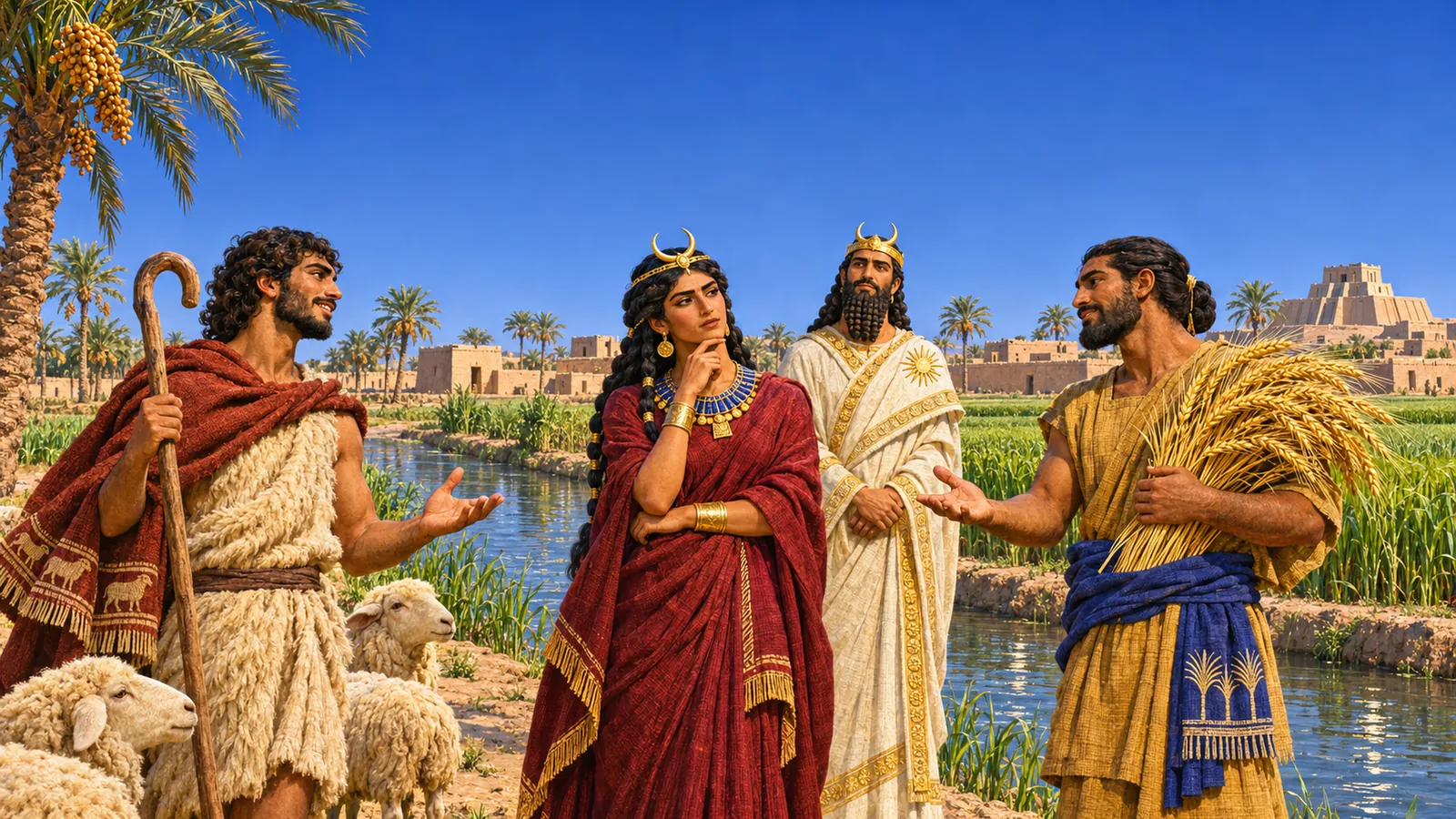
خاطبان
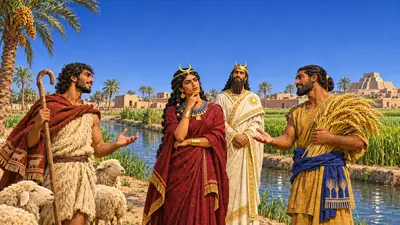
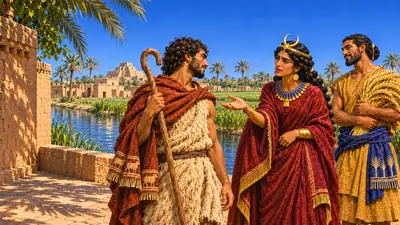
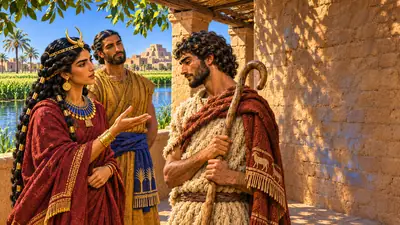
في عرض ثوركيلد ياكوبسن، يسعى المزارع إنكيمدو والراعي دموزي إلى الزواج من إنانا. ويميل أخوها أوتو إلى دموزي.
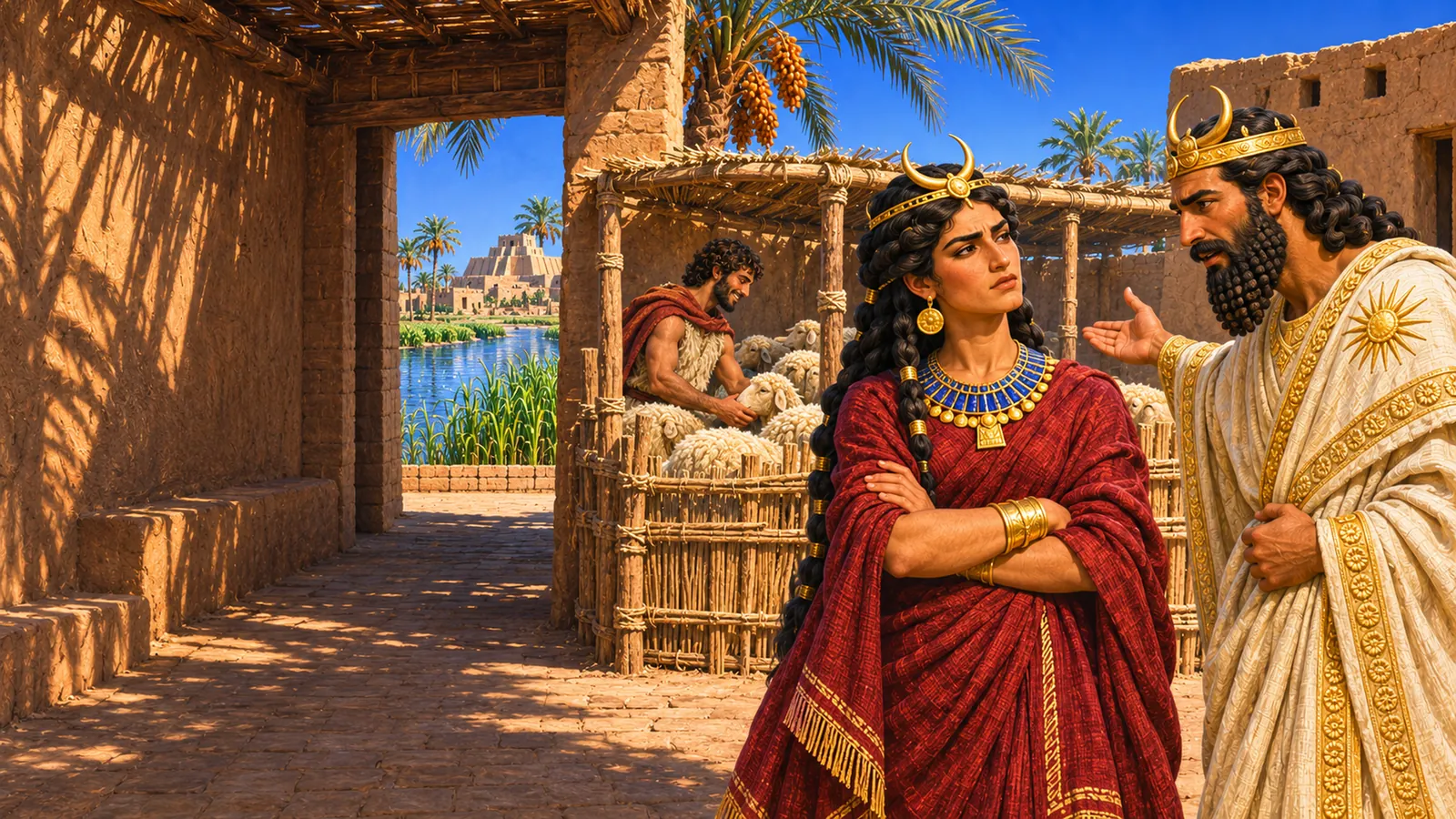
يقدّم المقطع الشعريّ أوتو، أخا إنانا، بوصفه محاربًا وبطلًا. ويدعو أخته إلى الزواج من الراعي ويسألها عن سبب رفضها.
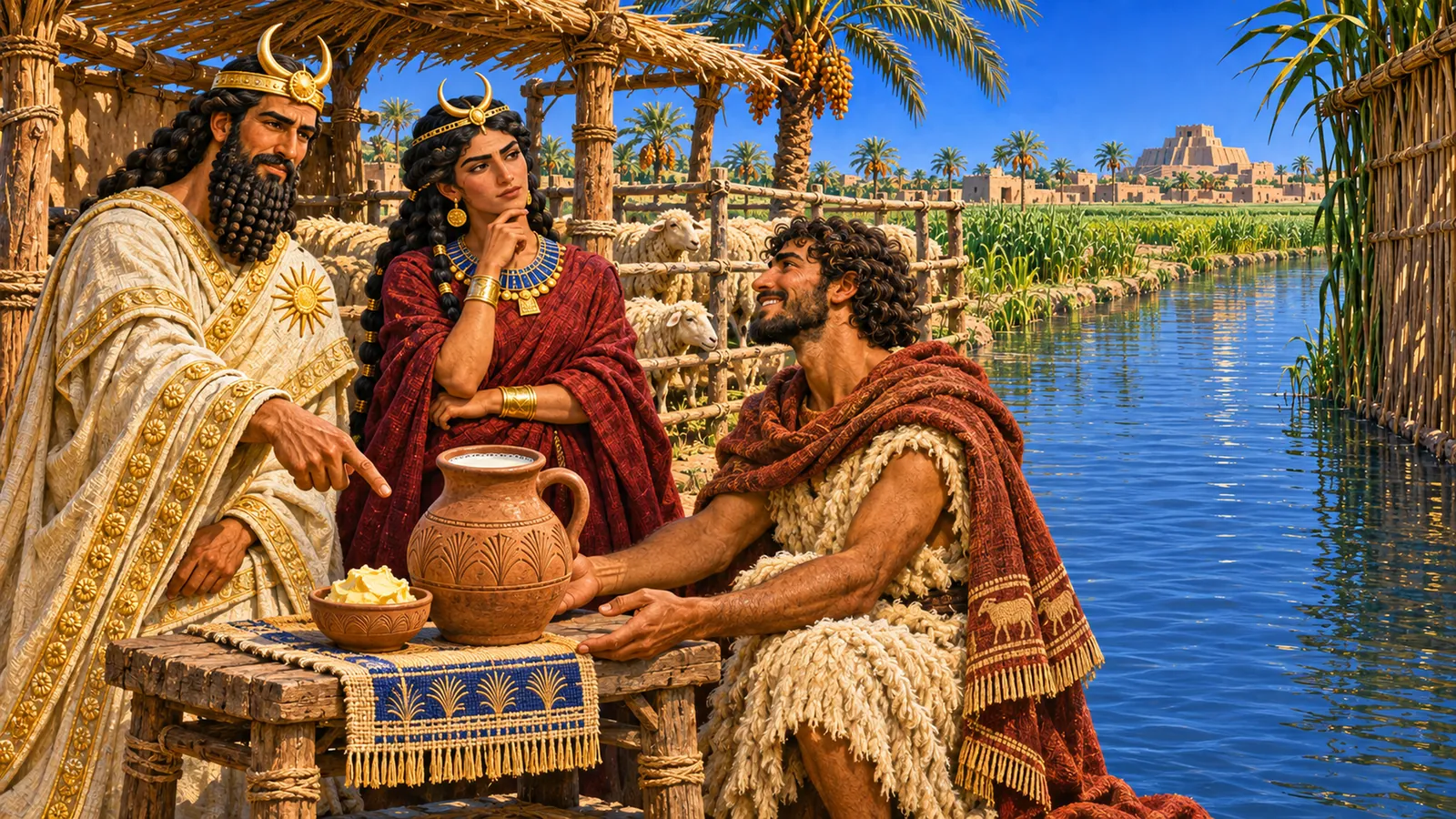
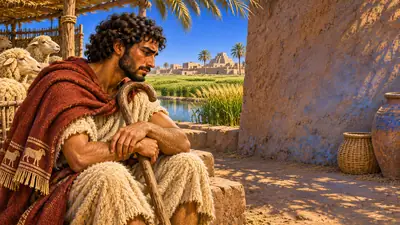
يمدح أوتو جودة زبدة الراعي وحليبه. ويقول إنّ كلّ ما ينتجه الراعي ممتاز، ويسمّي دموزي زوجًا يراه مناسبًا لإنانا.
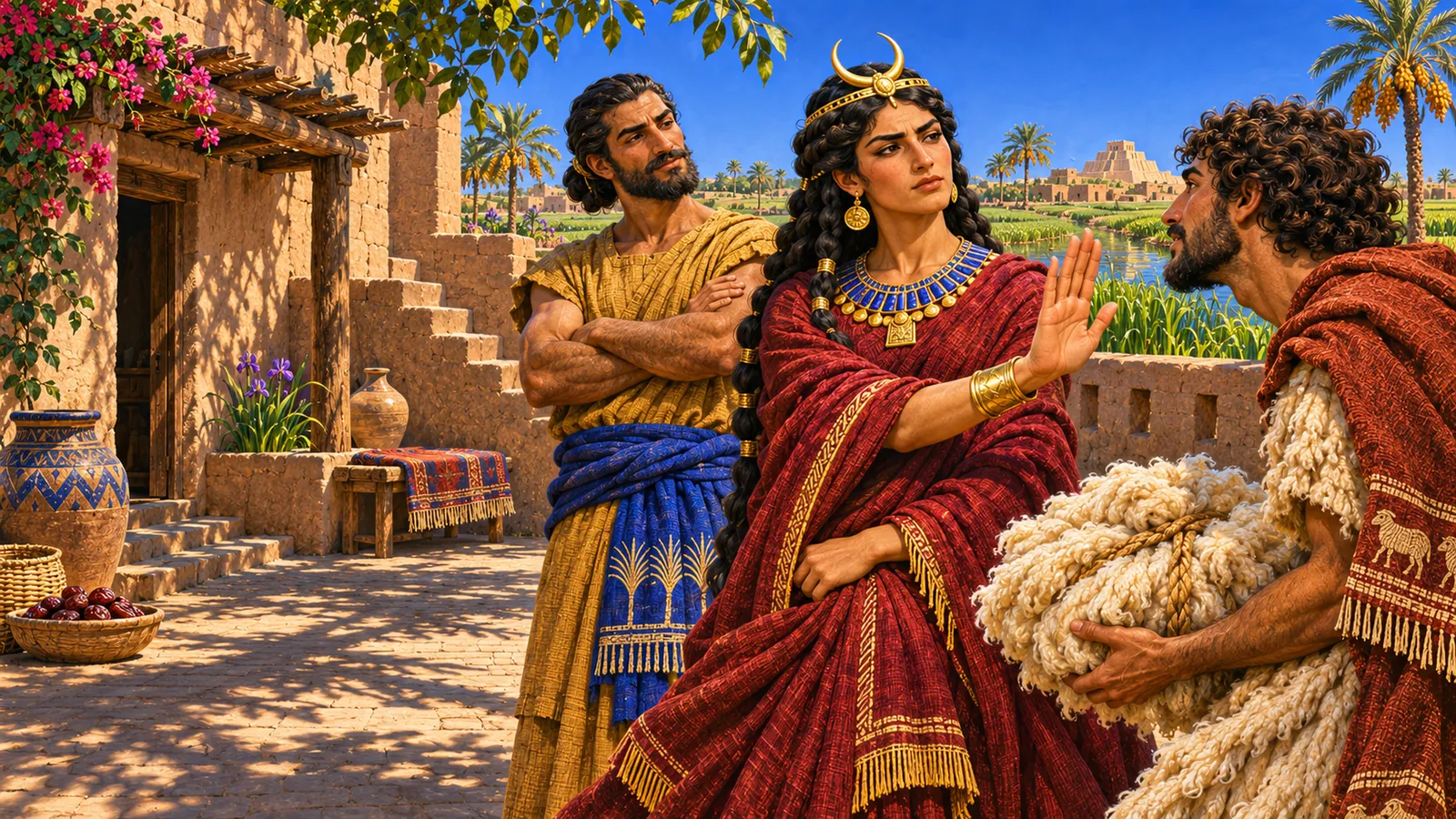
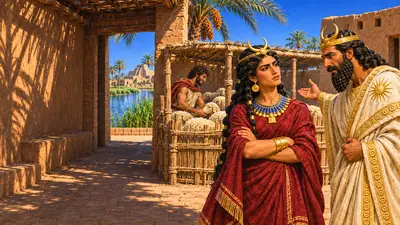
تقول إنانا إنّها لن تتزوّج الراعي أبدًا. فلن ترتدي قماشه ذا الخصلات، ولن تسمح حتّى لأجود صوفه بأن يمسّها.
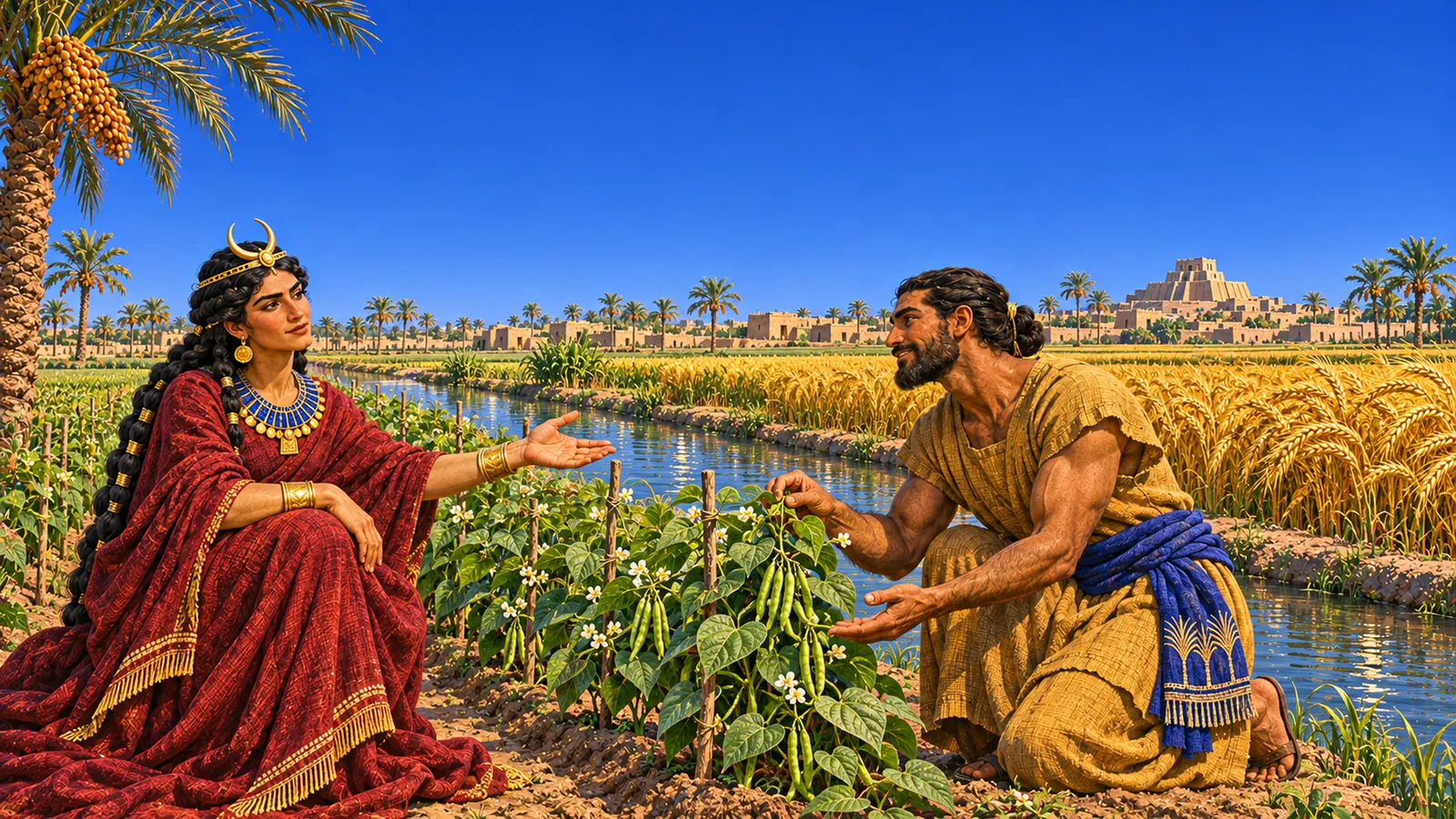
المزارع
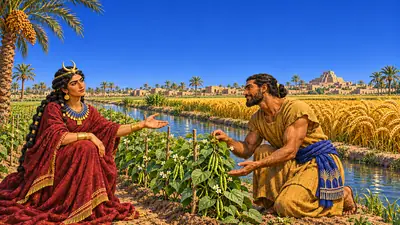
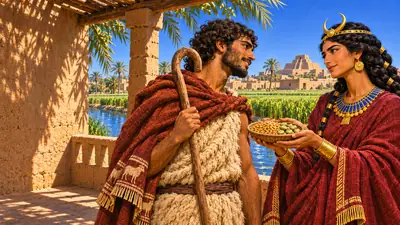
تؤكّد إنانا أنّها لن تتزوّج إلا مزارعًا. وتصف الزوج الذي تريده بأنّه رجل يعرف كيف يزرع الفول والحبوب.
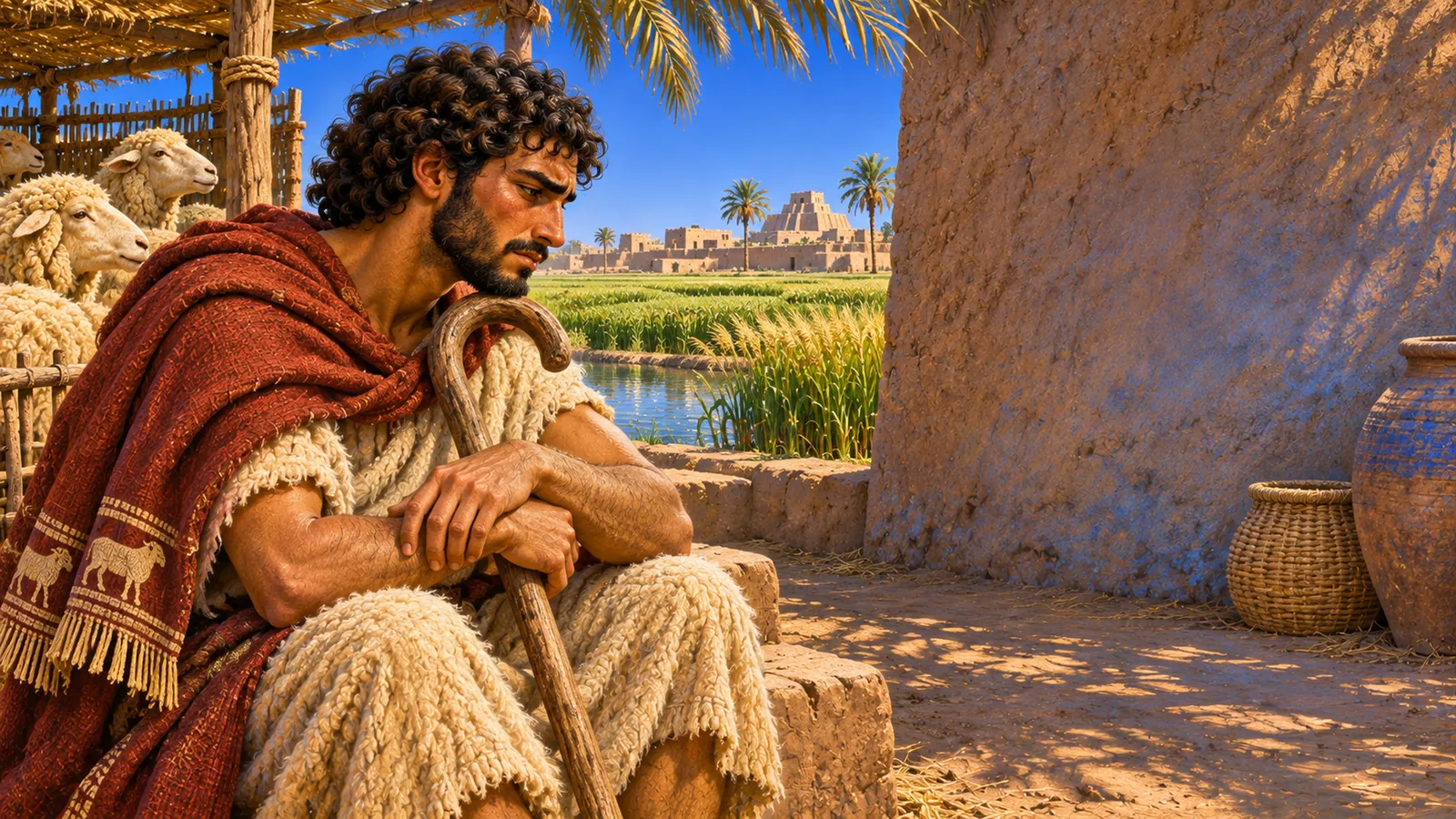
في عرض ياكوبسن، يصيب الرفض دموزي بالإحباط ويجرح كبرياءه. فيبدأ بالتفكير فيما يمكنه تقديمه في مقابل كلّ ما ينتجه المزارع.
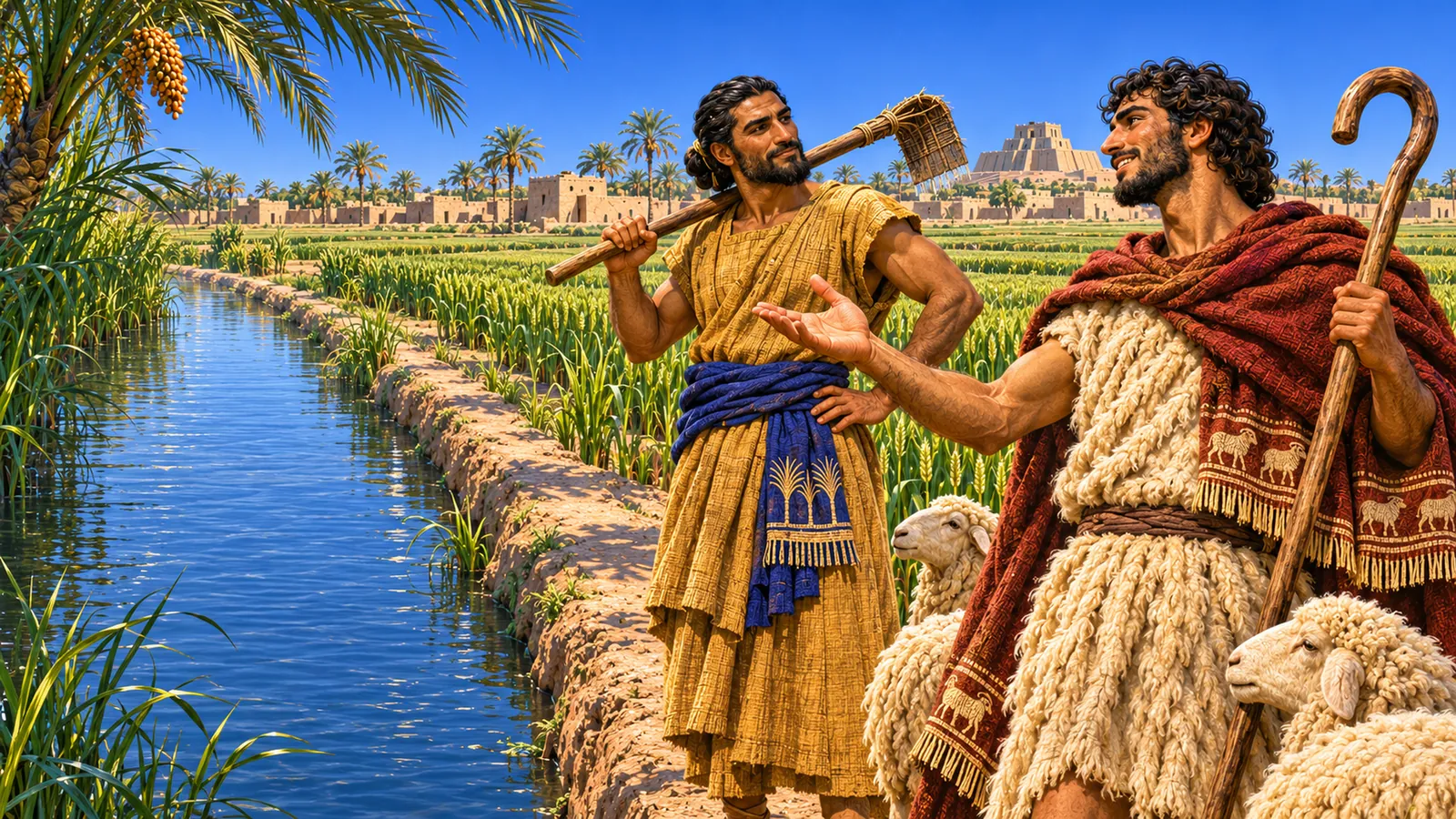
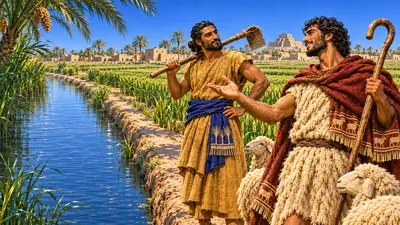
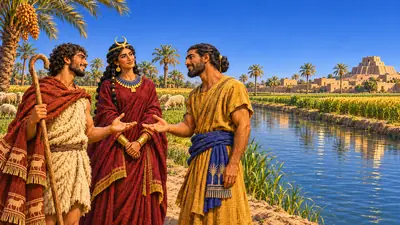
يسأل دموزي بمَ يتفوّق عليه المزارع. ويسمّي إنكيمدو، رجل السدّ الترابيّ والقناة، ثمّ يعود إلى السؤال نفسه.
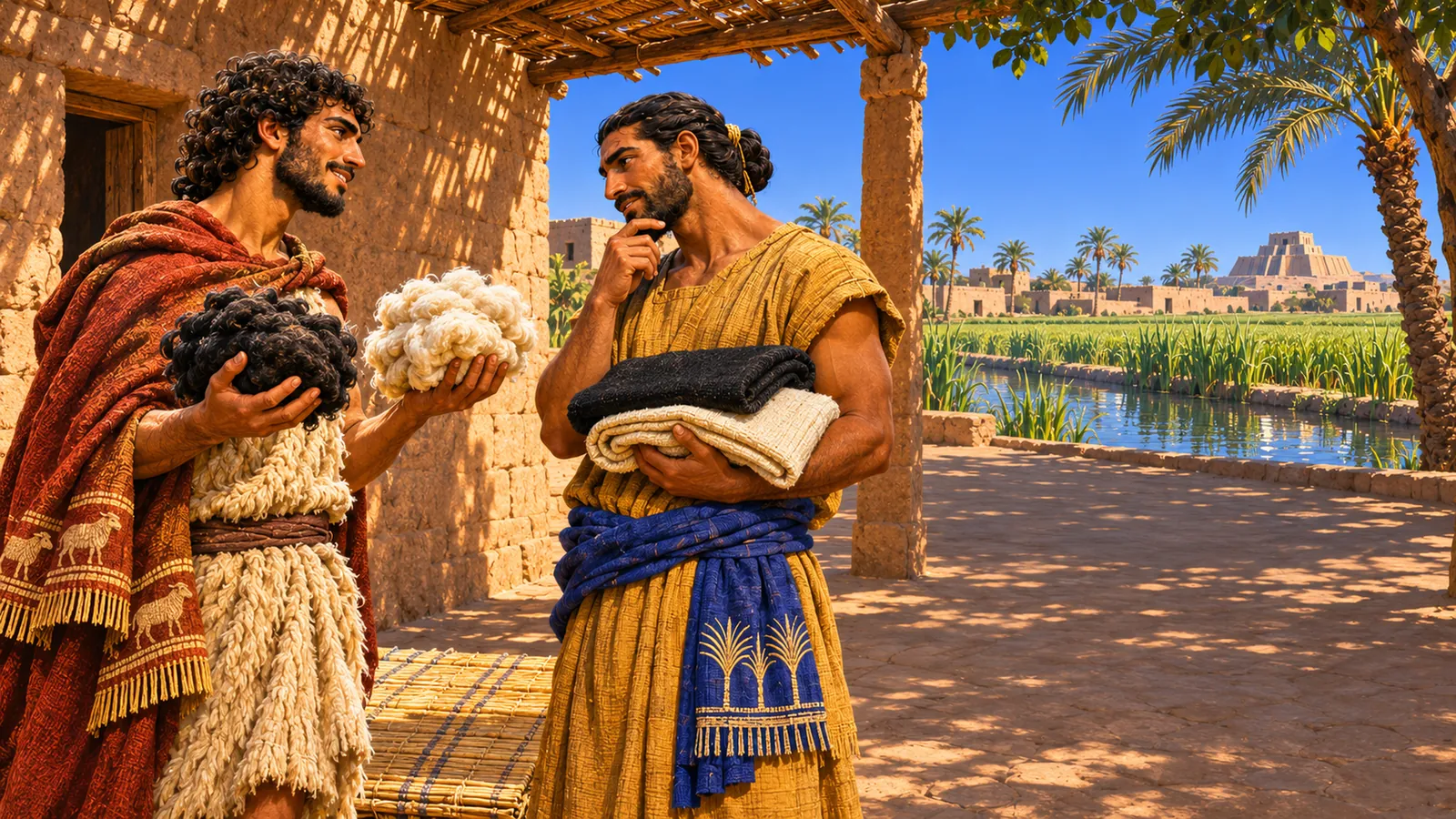
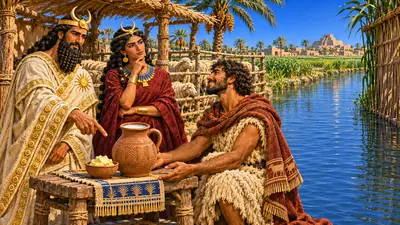
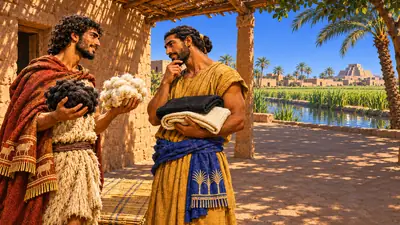
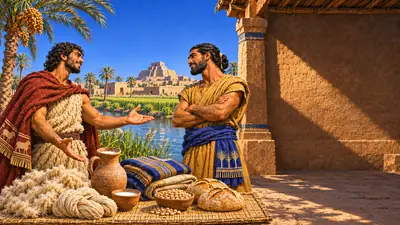
يتخيّل دموزي ما سيقدّمه لو عرض عليه إنكيمدو قماشًا. فسيعطي صوفًا أسود في مقابل القماش الأسود، وصوفًا أبيض في مقابل القماش الأبيض.
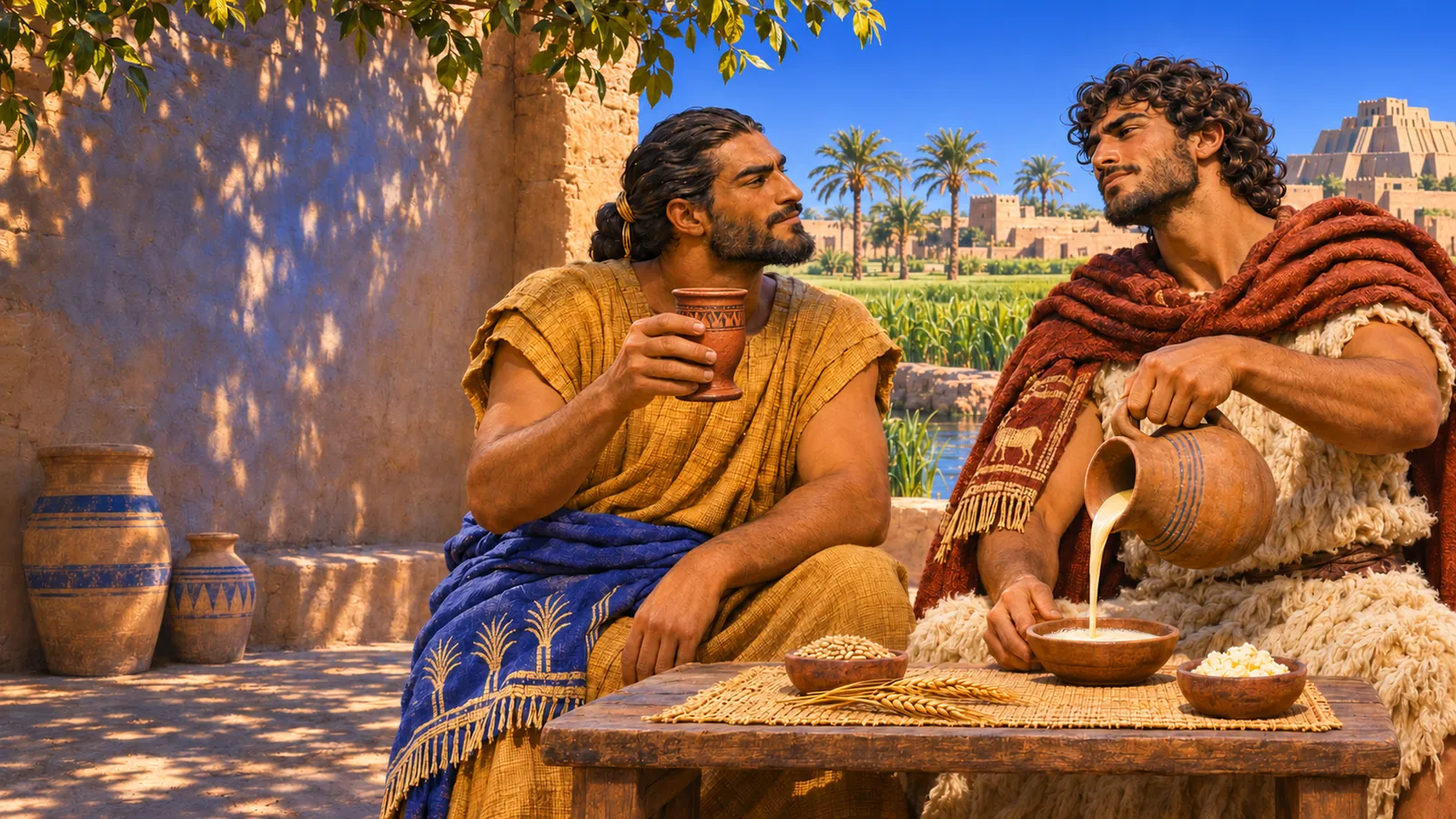
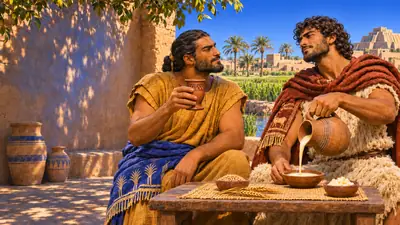
يتابع دموزي المقارنة بشرابين. فلو صبّ له المزارع شيئًا من أجود جعّته، لصبّ له شيئًا من حليبه الأصفر في المقابل.
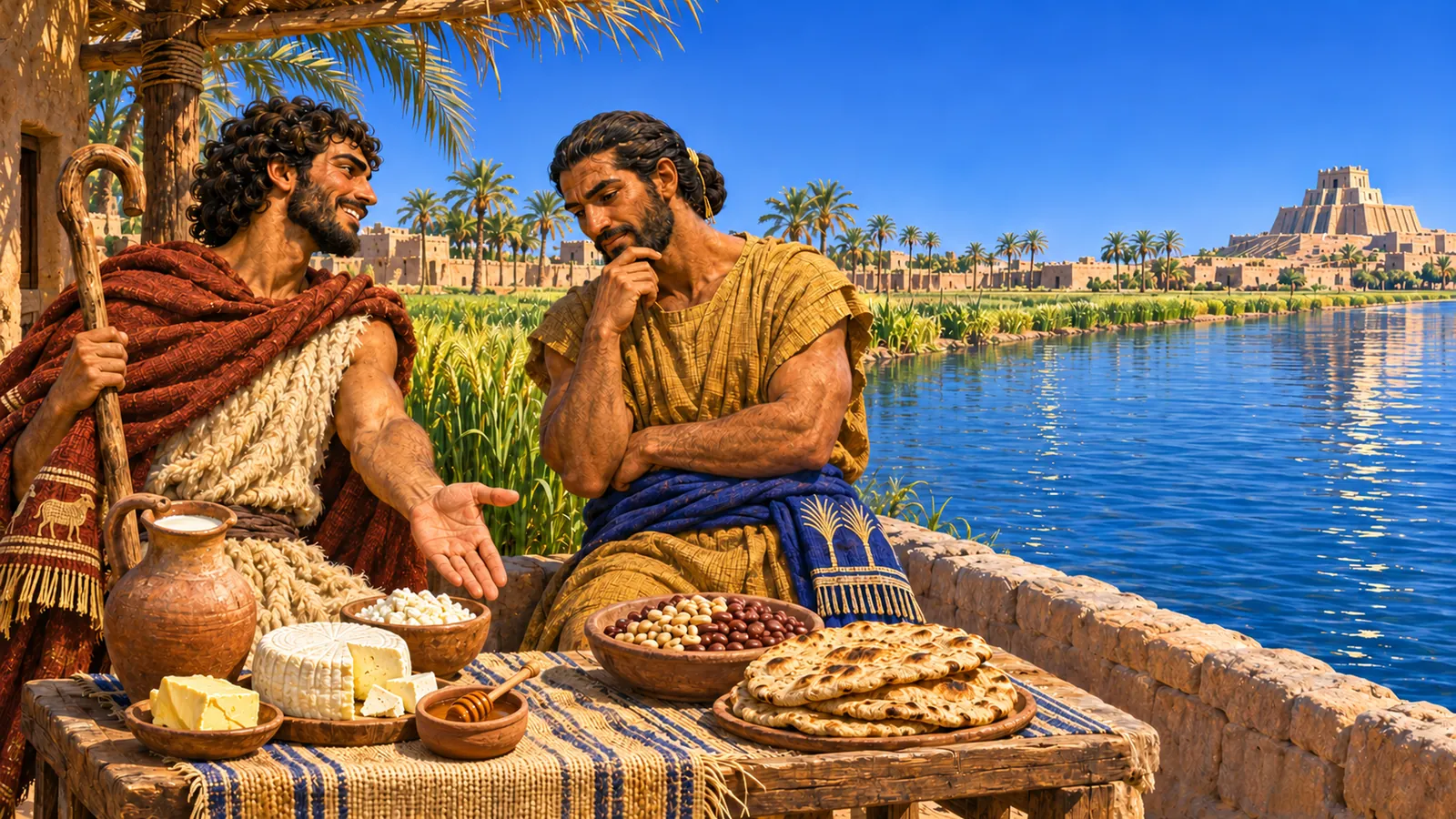
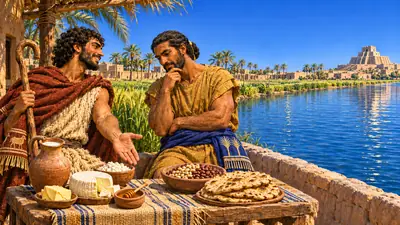
يذكر ياكوبسن أمثلةً أخرى مما يقابل به دموزي نتاج المزارع، منها قطع جبن صغيرة في مقابل الفول، وجبن طازج متخثّر مع العسل في مقابل الخبز. ويحسب دموزي أنّ زبدةً وحليبًا سيفضلان عنده.
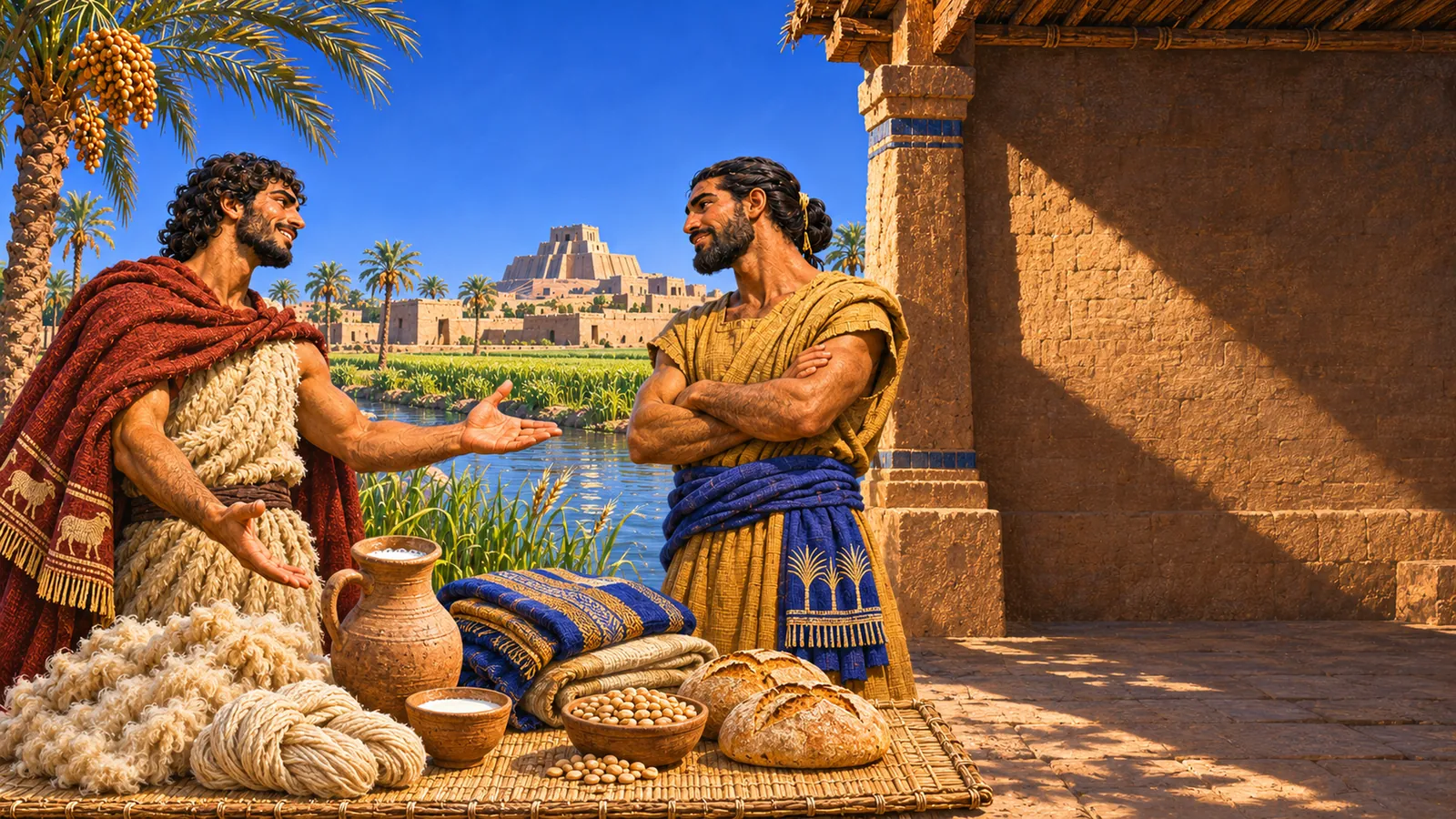
يقرأ ياكوبسن التبادل المتخيَّل بوصفه منافسةً في تقديم الهدايا. ففي قراءته لا يدين مَن يعطي أكثر بشيء، ويصبح الطرف الآخر مدينًا له.
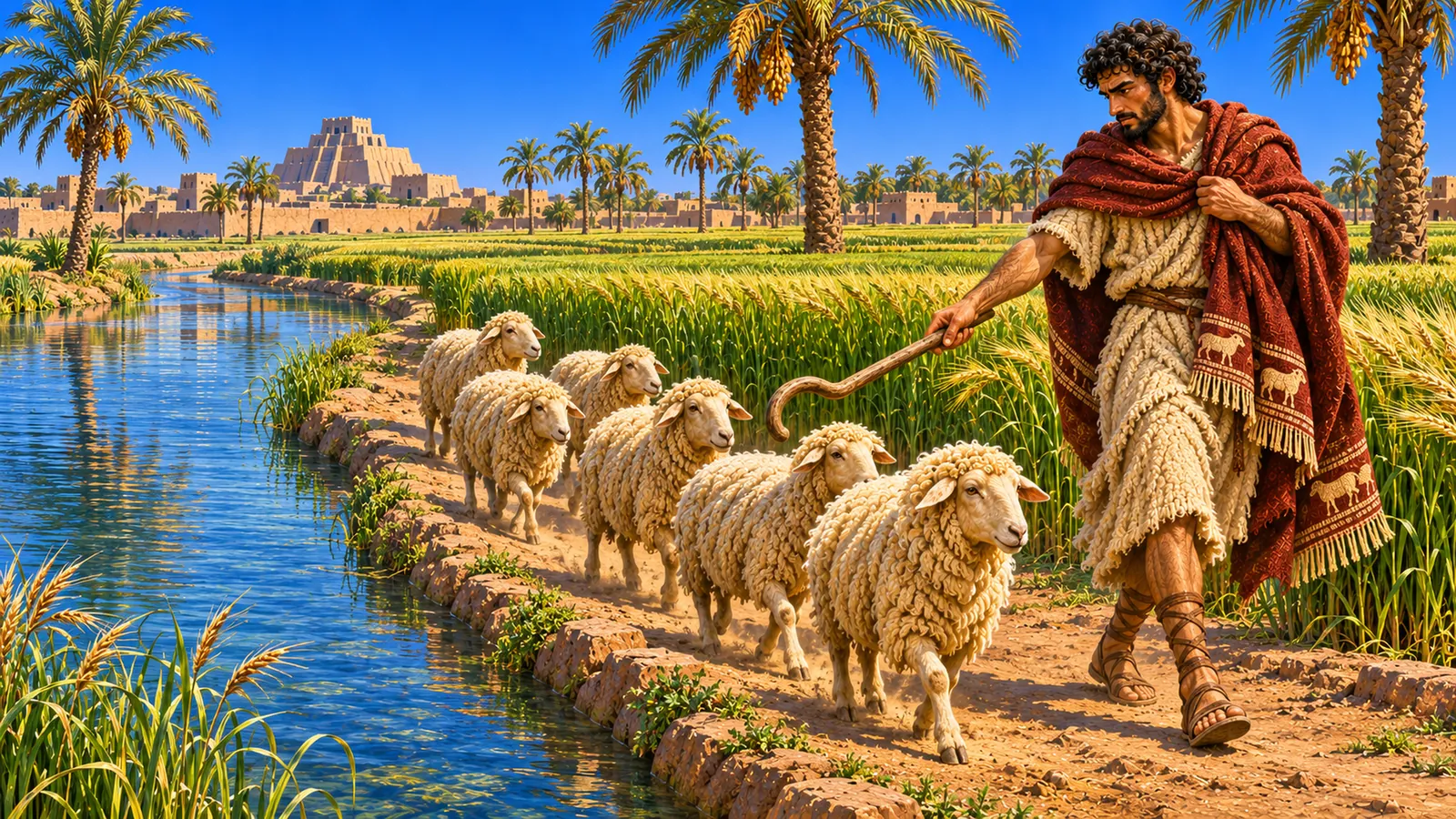
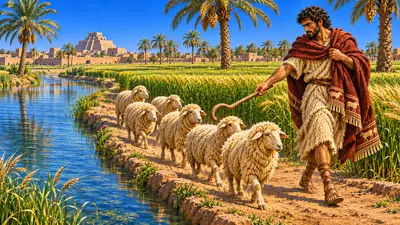
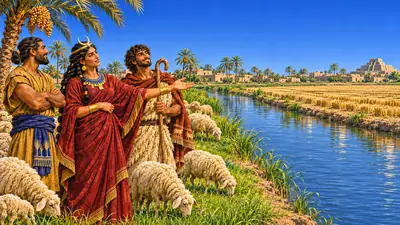
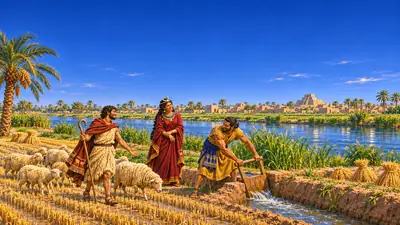
في تلخيص ياكوبسن يستعيد الراعي ثقته وهو يقارن بين ما يستطيع كلٌّ منهما تقديمه. ويسوق أغنامه إلى ضفّة النهر في قلب الأرض المزروعة.
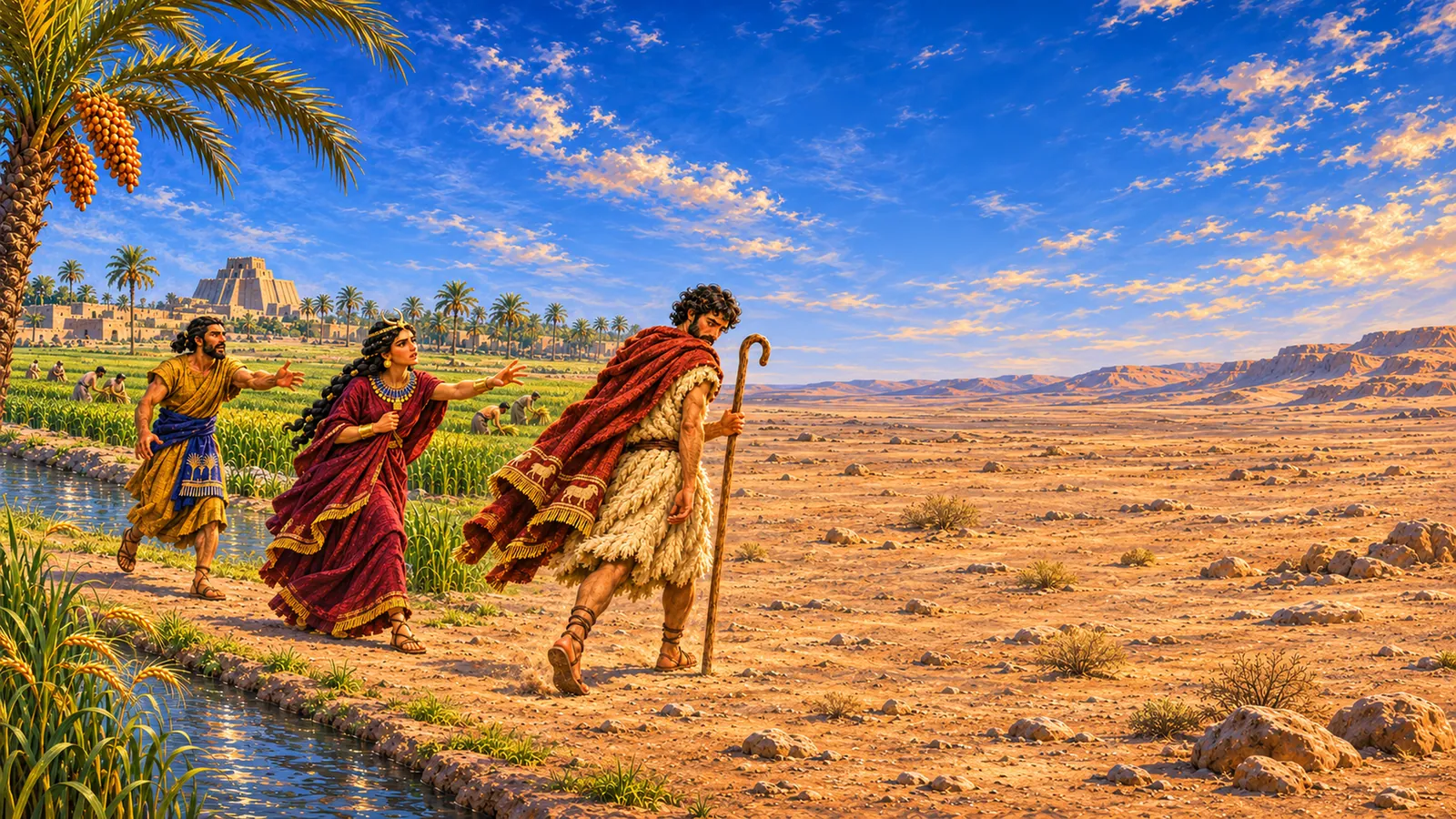
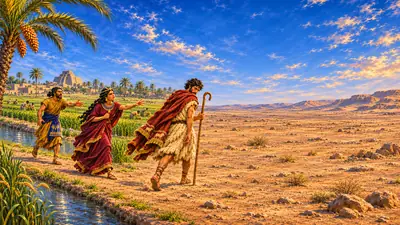
يقول ياكوبسن إنّ دموزي يرى إنكيمدو وإنانا فينسحب خجلًا نحو الصحراء. ويتبعه الاثنان، وينسب ياكوبسن الكلام التالي إلى إنانا على سبيل الترجيح.
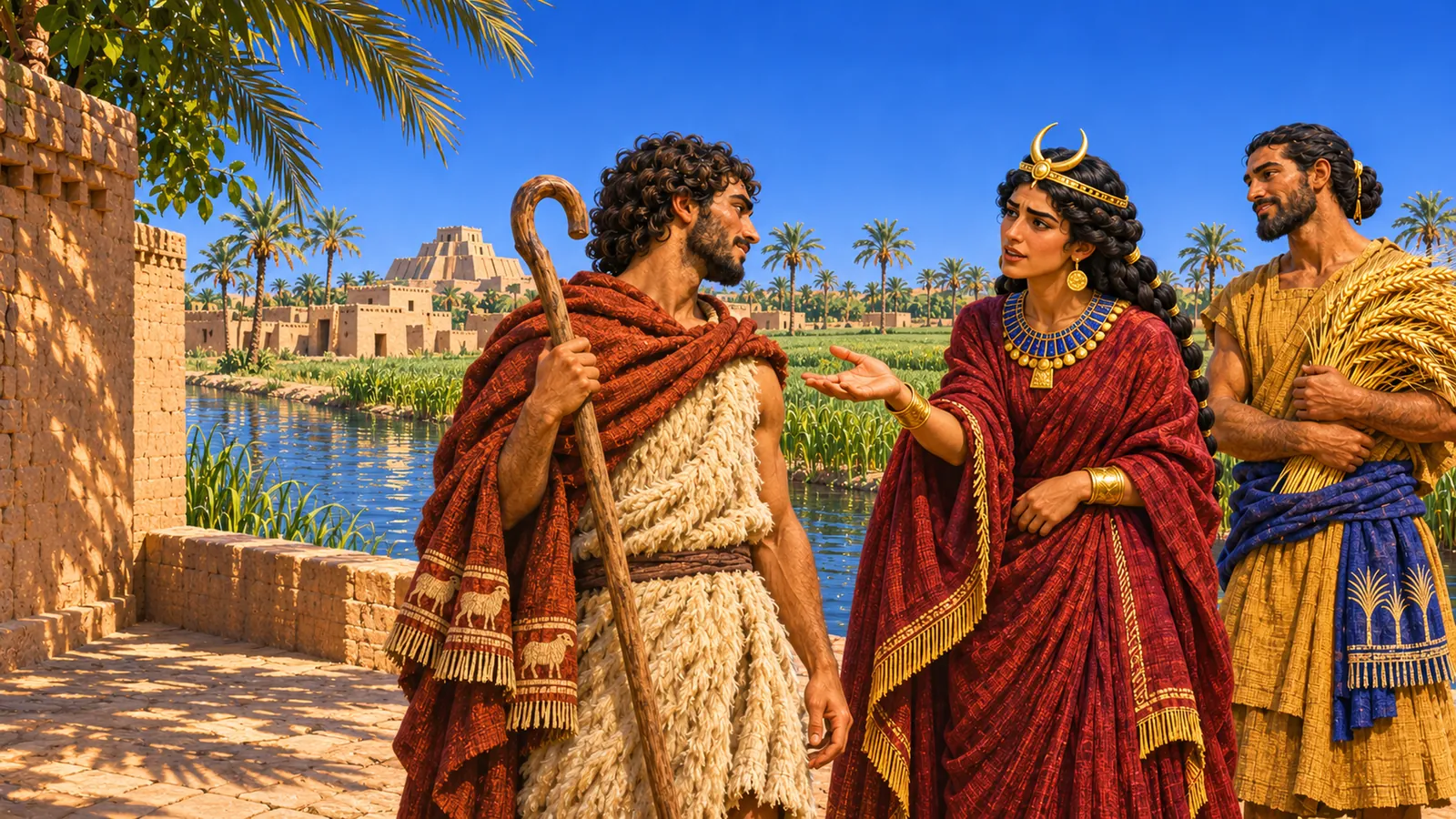
في الأبيات التي يرجّح ياكوبسن نسبتها إلى إنانا، يسأل المتكلّم الراعي لماذا يتسابقان. ويتكرّر النداء إلى الراعي.
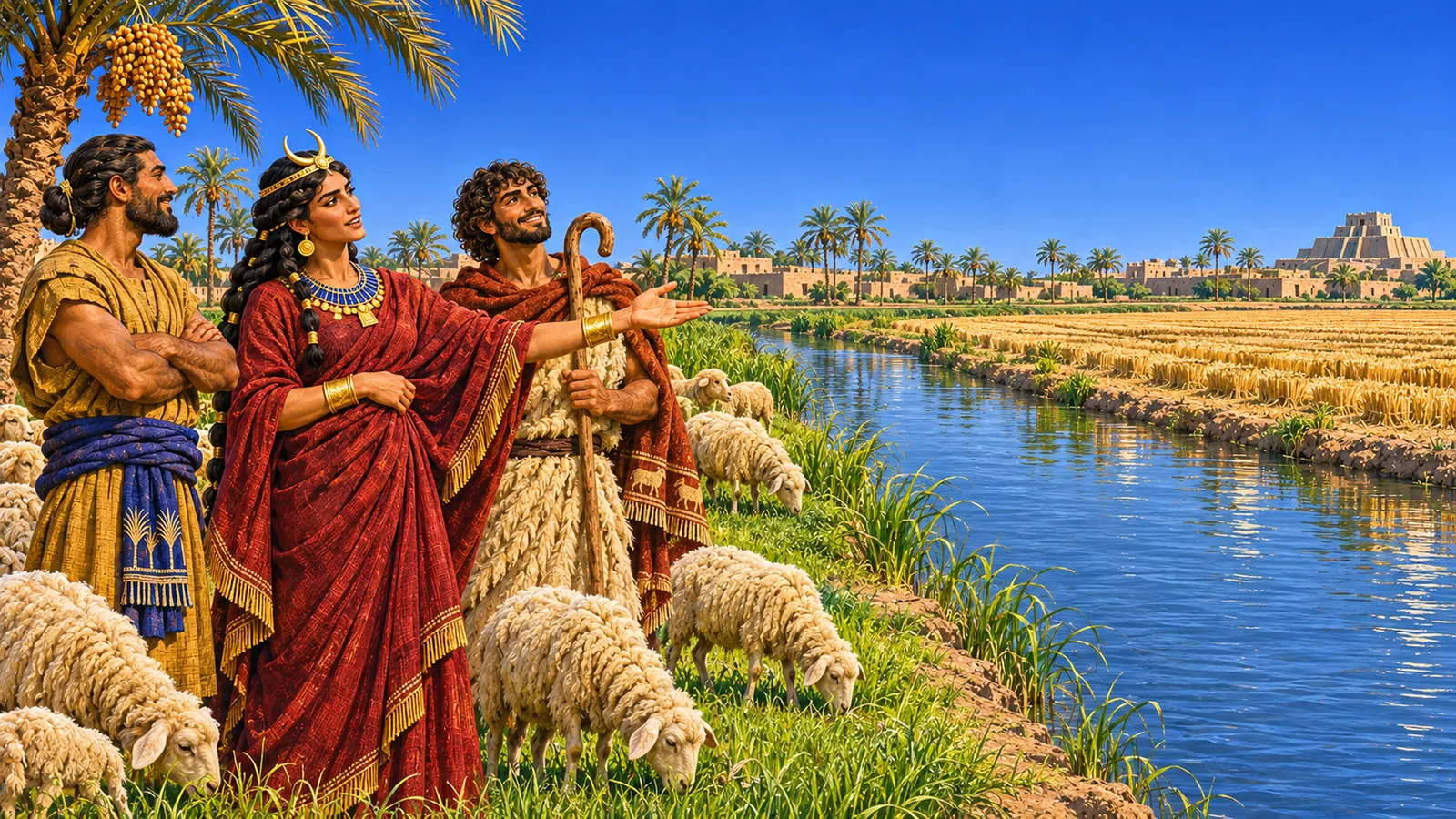
في الكلام الذي يرجّح ياكوبسن نسبته إلى إنانا، يجوز للأغنام أن تأكل العشب على الضفّة وترعى في حقل المتكلّم بعد حصاده. ويشير ياكوبسن إلى أنّ لفظَي الرعي وبقايا السيقان غير مؤكّدين.
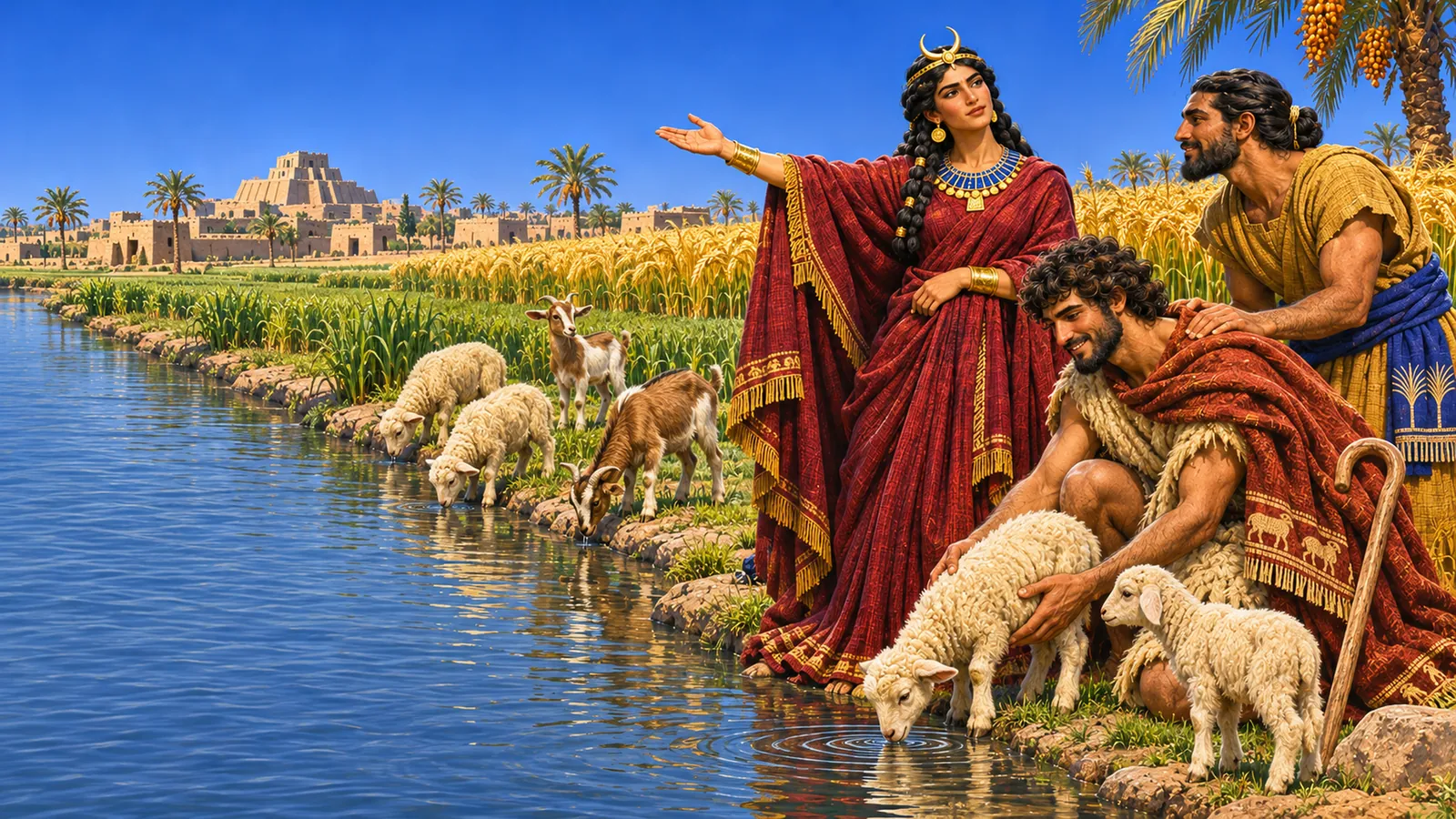
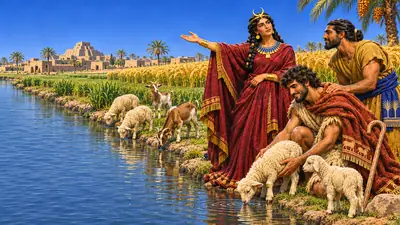
في الكلام الذي يرجّح ياكوبسن نسبته إلى إنانا، يجوز للأغنام أن تأكل الحبّ في حقول أوروك. ويجوز للحملان وصغار الماعز أن تشرب من قناة المتكلّم في أداب.
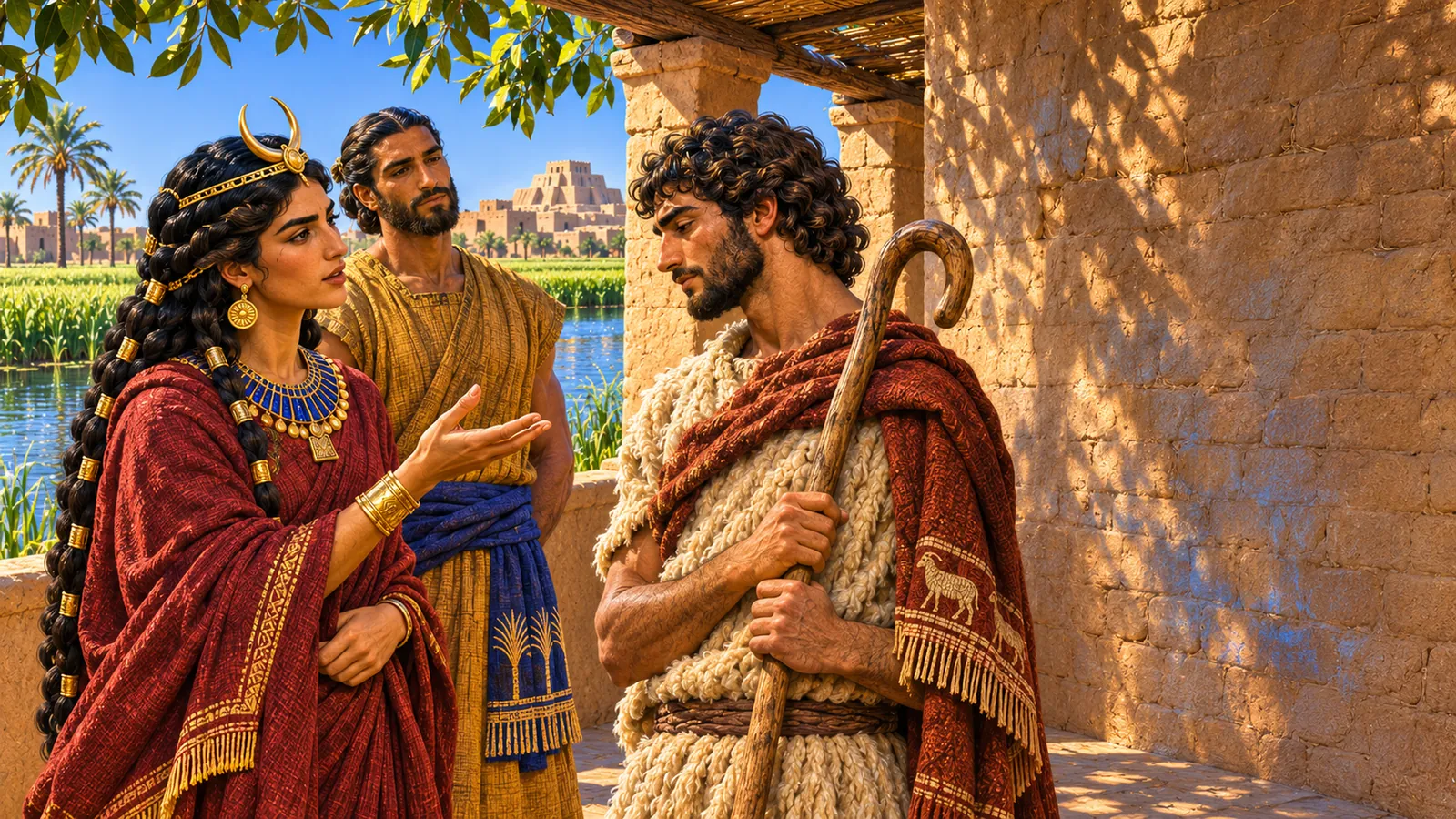
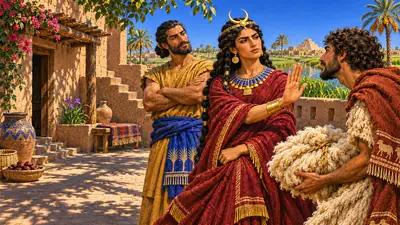
يرى ياكوبسن أنّ الصوت يفضّل الفلّاح من غير ضغينة تجاه الراعي. وفي الأبيات التي يرجّح نسبتها إلى إنانا، لا يستطيع الراعي أن يصير الفلّاح إنكيمدو، صديق المتكلّم، لمجرّد أن يتزوّج مَن يخاطبه.
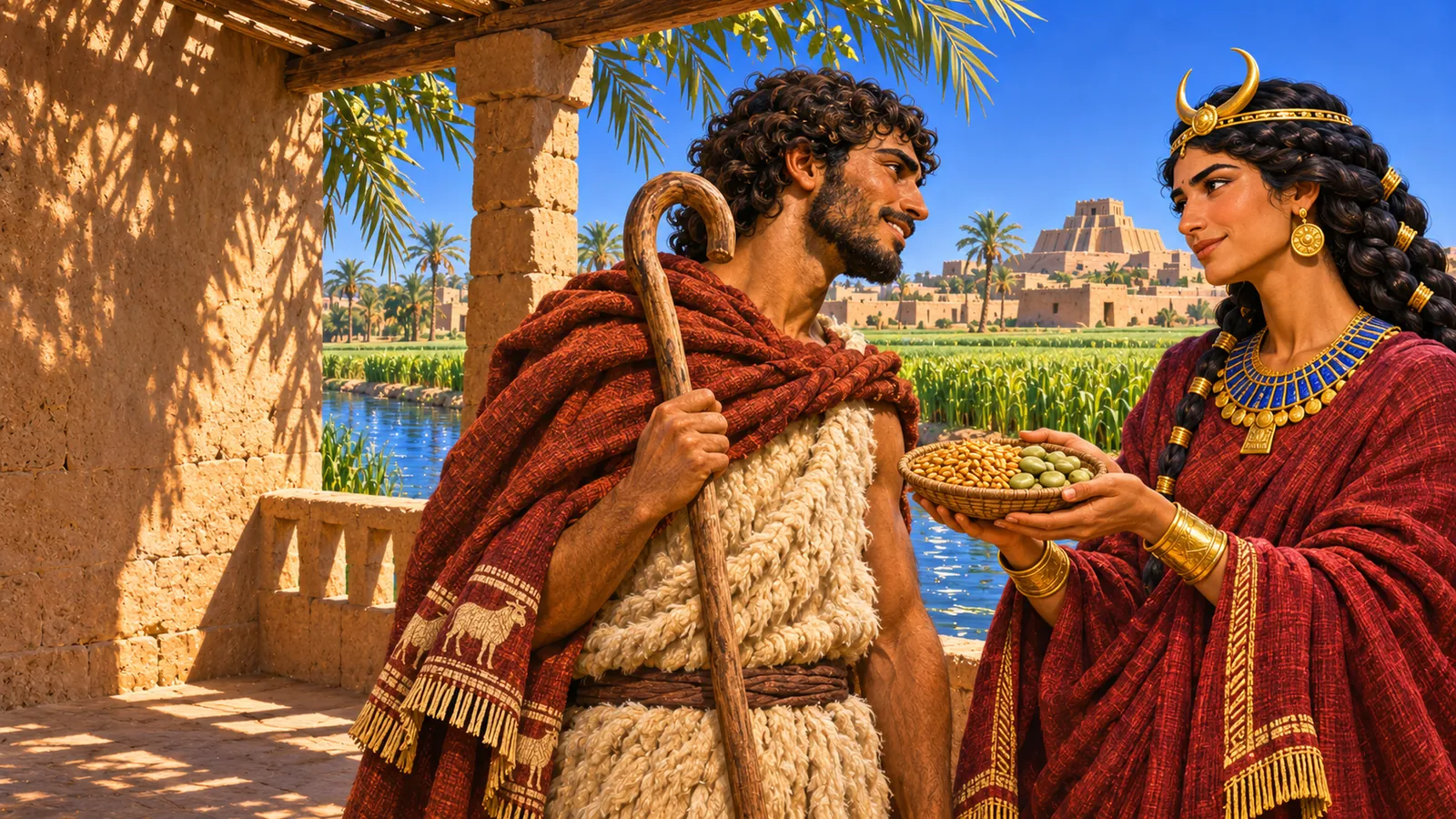
يعد المتكلّم، الذي يرجّح ياكوبسن أنّه إنانا، بأن يأتي الراعي بالقمح والفول. وينتهي المقتطف الذي ترجمه ياكوبسن بهذا العرض.
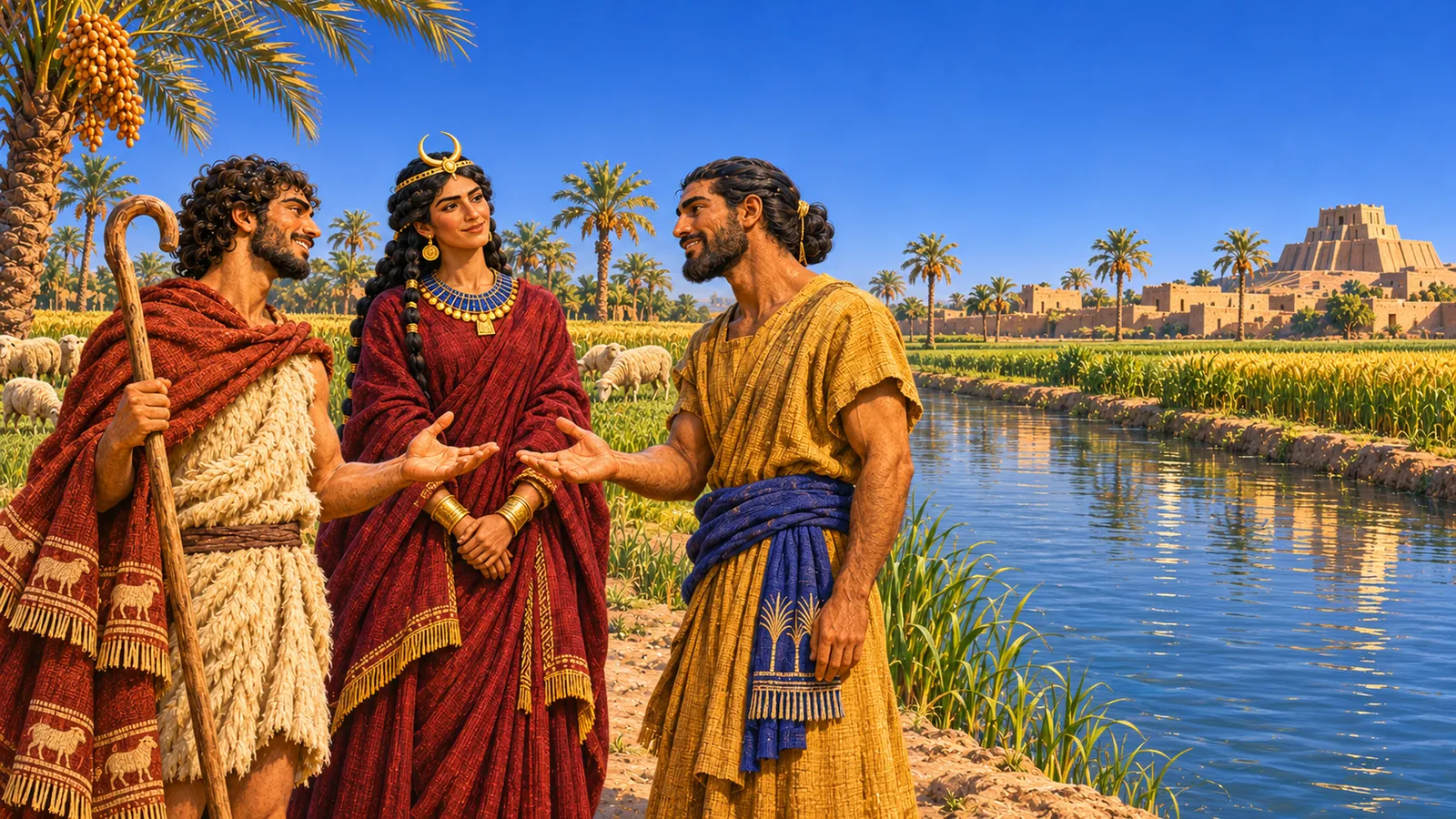
يقرأ ياكوبسن النهاية بوصفها مصالحة، ويرى أنّ إنانا تتزوّج إنكيمدو. وهذا تفسيره بعد آخر الأبيات التي ترجمها.
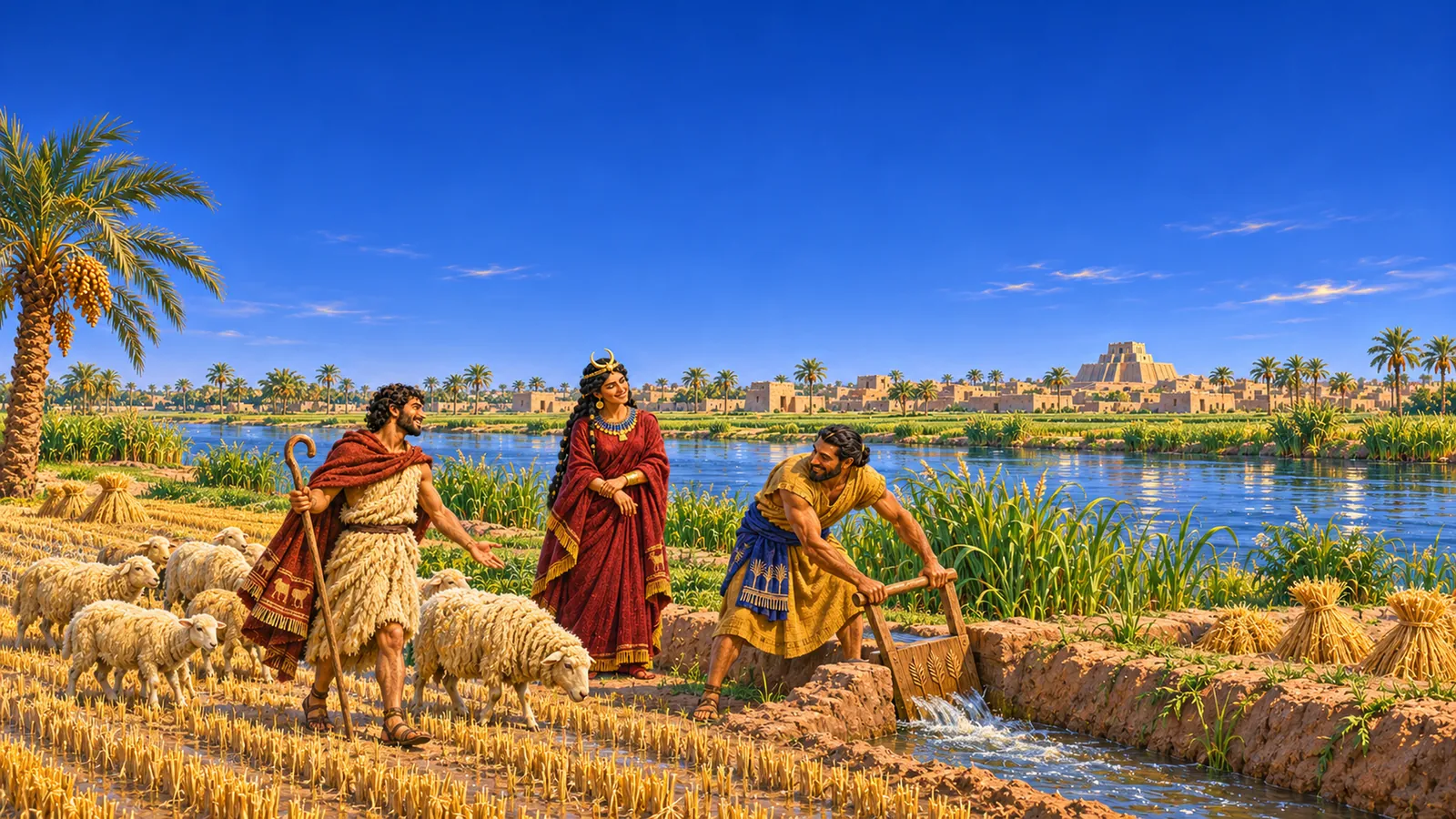
الحقل والمرعى
يخلص ياكوبسن إلى أنّ الفلّاح والراعي متساويان في أهمّيّتهما وأنّ نتاج أحدهما يكمّل نتاج الآخر. ويقول إنّ الراعي يستطيع، على الرغم من التنافس، أن ينتفع بالحقول بعد الحصاد وبقنوات الفلّاح، وإنّ عليهما أن يتعايشا.
نهاية الفصل الأول
كل الصفحات
المصادر
المصادر والملاحظات مكتوبة بالإنجليزية كما وردت في المراجع.
This reading follows the printed subsection on the shepherd and the farmer in Thorkild Jacobsen’s The Cosmos as a State, The Intellectual Adventure of Ancient Man, University of Chicago Press, 1946, first Phoenix edition 1977, pp. 166–168. The volume credits H. A. Groenewegen Frankfort for the English poetic form (preface p. vi and p. 184, note 3). Chapter note 28 on p. 184 cites Chiera, SRT, no. 3 as the textual source.
الطبعات المعتمدة
- University of Chicago, The Intellectual Adventure of Ancient Man
- University of Chicago, printed pages 166–168, The Wooing of Inanna
- University of Bern catalogue record, Dumuzi et Enkimdu, 4.08.33
ملاحظات على هذه الرواية
Page 1, opening account. The first paragraph under the heading on p. 166 identifies Enkimdu as the farmer, Dumuzi as the shepherd, and both as suitors of Inanna. The introduction’s identification of Utu as her guardian is Jacobsen’s contextual prose. The verse identifies him as her brother and introduces him as a warrior and hero.
Pages 2–3, Utu. The first verse selection on p. 166 gives Utu’s preference, his question to Inanna, his praise of butter, milk and the other products, and his recommendation of Dumuzi by name. The English verses are paraphrased; the volume credits H. A. Groenewegen Frankfort with the English poetic form of its ancient quotations (preface p. vi and p. 184, note 3).
Pages 4–5, Inanna. The reply on p. 166 repeats her refusal of the shepherd, his tufted cloth and his finest wool, before naming the cultivation of beans and grain in her preference for a farmer. These lines express her preference during the exchange.
Page 6, the connecting account. Jacobsen describes Dumuzi’s despondency and wounded pride in the prose that crosses pp. 166–167. He connects that reaction to Dumuzi’s comparison of what each man produces.
Page 7, Dumuzi’s repeated question. The third verse selection on p. 167 gives a repeated challenge and calls Enkimdu the man of the dike and canal. The printed dots in the repeated question signal wording absent from this presentation. The reading leaves those words unsupplied.
Pages 8–9, imagined exchanges. The translation distinguishes the farmer’s cloth from the shepherd’s wool in two matching colors. The comparison proceeds to the farmer’s prime beer and the shepherd’s yellow milk. The pairs are imagined offers in Dumuzi’s speech.
Page 10, the remaining pairs. He says Dumuzi expects to have butter and milk left over.
Pages 11–12 · p. 167, Jacobsen’s explanatory and connecting prose. Jacobsen interprets the exchange as a contest of gifts, where the larger giver incurs no debt and leaves the other in debt. He then describes Dumuzi recovering confidence as he compares the goods and driving his sheep to the riverbank amid cultivated ground.
Pages 13–14 · p. 167, connecting prose and fourth verse selection. Jacobsen says Dumuzi sees Enkimdu and Inanna, withdraws toward the desert in embarrassment and is followed by both. He tentatively assigns the following speech to Inanna. The first lines question why the speaker must race with the shepherd, addressing the shepherd repeatedly.
Pages 15–16 · p. 167, fourth verse selection. The sheep are offered grass on the bank and access to a field. Jacobsen prints question marks after “pasture” and “stubble.” The following lines offer grain from the fields of Uruk and water at the speaker’s Adab canal for lambs and young goats. The two names are retained as printed. The unoccupied views are symbolic landscapes.
Page 17 · p. 167, connecting prose and fifth verse selection. The speech says that the shepherd cannot turn into the farmer Enkimdu simply to become the speaker’s husband. Enkimdu is called a friend. The words “(the kind of man)” are printed as a parenthetical supply. The speaker attribution remains Jacobsen’s tentative reading.
Page 18 · p. 167, end of fifth verse selection. The offered provisions close the excerpted ancient verse in this subsection.
Pages 19–20 · p. 168, Jacobsen’s closing interpretation. Jacobsen reads the outcome as a reconciliation and interprets the farmer as the one Inanna marries. He then argues that farmer and shepherd are equally useful, their produce complements each other and rivalry can coexist with the shepherd’s access to stubble and canal water. He closes by saying the two should get along. Both pages speak in Jacobsen’s name. The following discussion opens a different subject.
الأسطر القديمة وراء كل صفحة
- Page 1: Jacobsen, “The Wooing of Inanna,” 1977 Phoenix ed., p. 166, opening prose
- Page 2: Jacobsen, “The Wooing of Inanna,” 1977 Phoenix ed., p. 166, verse block 1 opening
- Page 3: Jacobsen, “The Wooing of Inanna,” 1977 Phoenix ed., p. 166, verse block 1 close
- Page 4: Jacobsen, “The Wooing of Inanna,” 1977 Phoenix ed., p. 166, verse block 2 opening
- Page 5: Jacobsen, “The Wooing of Inanna,” 1977 Phoenix ed., p. 166, verse block 2 close
- Page 6: Jacobsen, “The Wooing of Inanna,” 1977 Phoenix ed., p. 166–167, connecting prose
- Page 7: Jacobsen, “The Wooing of Inanna,” 1977 Phoenix ed., p. 167, verse block 3 opening
- Page 8: Jacobsen, “The Wooing of Inanna,” 1977 Phoenix ed., p. 167, verse block 3, fabric exchanges
- Page 9: Jacobsen, “The Wooing of Inanna,” 1977 Phoenix ed., p. 167, verse block 3 close
- Page 10: Jacobsen, “The Wooing of Inanna,” 1977 Phoenix ed., p. 167, prose summary after verse block 3
- Page 11: Jacobsen 1977, The Intellectual Adventure of Ancient Man, ch. V, The Wooing of Inanna, p. 167, Jacobsen’s explanatory prose on gift exchange
- Page 12: Jacobsen 1977, The Intellectual Adventure of Ancient Man, ch. V, The Wooing of Inanna, p. 167, Jacobsen’s connecting prose, first movement
- Page 13: Jacobsen 1977, The Intellectual Adventure of Ancient Man, ch. V, The Wooing of Inanna, p. 167, Jacobsen’s connecting prose, encounter and retreat
- Page 14: Jacobsen 1977, The Intellectual Adventure of Ancient Man, ch. V, The Wooing of Inanna, p. 167, fourth translated verse selection, opening
- Page 15: Jacobsen 1977, The Intellectual Adventure of Ancient Man, ch. V, The Wooing of Inanna, p. 167, fourth translated verse selection, grass and stubble
- Page 16: Jacobsen 1977, The Intellectual Adventure of Ancient Man, ch. V, The Wooing of Inanna, p. 167, fourth translated verse selection, grain and water
- Page 17: Jacobsen 1977, The Intellectual Adventure of Ancient Man, ch. V, The Wooing of Inanna, p. 167, Jacobsen’s connecting prose and fifth translated verse selection, opening
- Page 18: Jacobsen 1977, The Intellectual Adventure of Ancient Man, ch. V, The Wooing of Inanna, p. 167, fifth translated verse selection, closing offer
- Page 19: Jacobsen 1977, The Intellectual Adventure of Ancient Man, ch. V, The Wooing of Inanna, p. 168, Jacobsen’s closing interpretive prose, opening
- Page 20: Jacobsen 1977, The Intellectual Adventure of Ancient Man, ch. V, The Wooing of Inanna, p. 168, Jacobsen’s closing interpretive prose, end of first paragraph
الرسوم من صنع أرشيف إيل بأدوات الذكاء الاصطناعي؛ والنص مبني على المصادر القديمة (انظر المصادر في آخر كل فصل).