تيتي والصعود إلى نوت الفصل الأول
التابوت والأبواب الشرقيّة
تتحدّث تعاويذ تابوت تيتي عن ولادته والعوالم التي تمنحها له نوت وميراثه من جبّ. وتنتقل تعاويذ الصعود من الأبواب التي تنفتح وحقول القصب إلى السلّم ورحلة الشمس والندب الختاميّ.
المصادرقلّب الصفحات بالأزرار أو بمفاتيح الأسهم أو بسحب الإصبع.
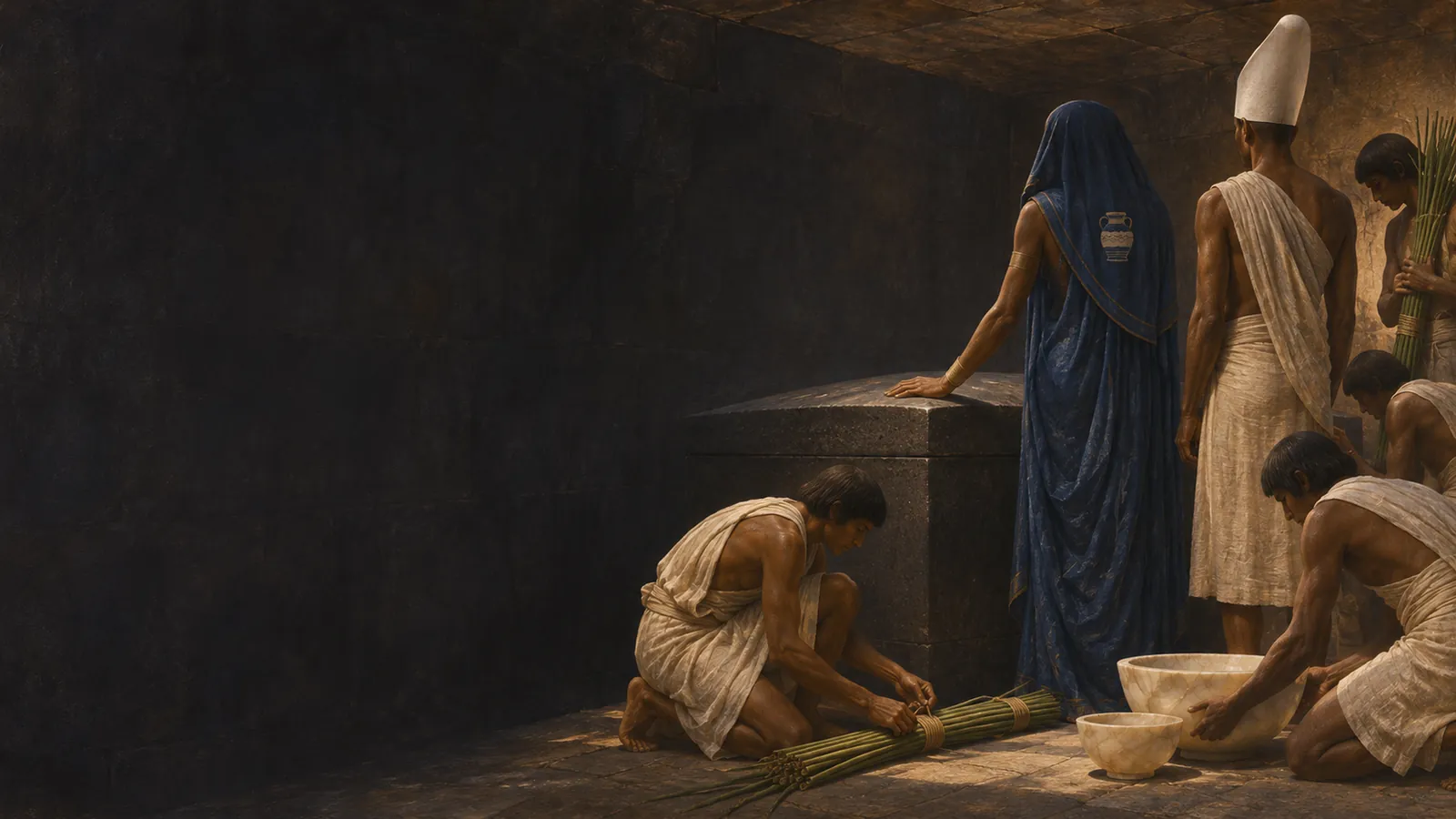
التابوت والأبواب الشرقيّة
في ترجمة جيمس ألن، تبدأ التلاوات على السطح الخارجيّ لغطاء تابوت تيتي بصوت نوت. يلقّبها النقش بفاعلة الأثر الكبرى، وهي تسمّي تيتي ابنها.
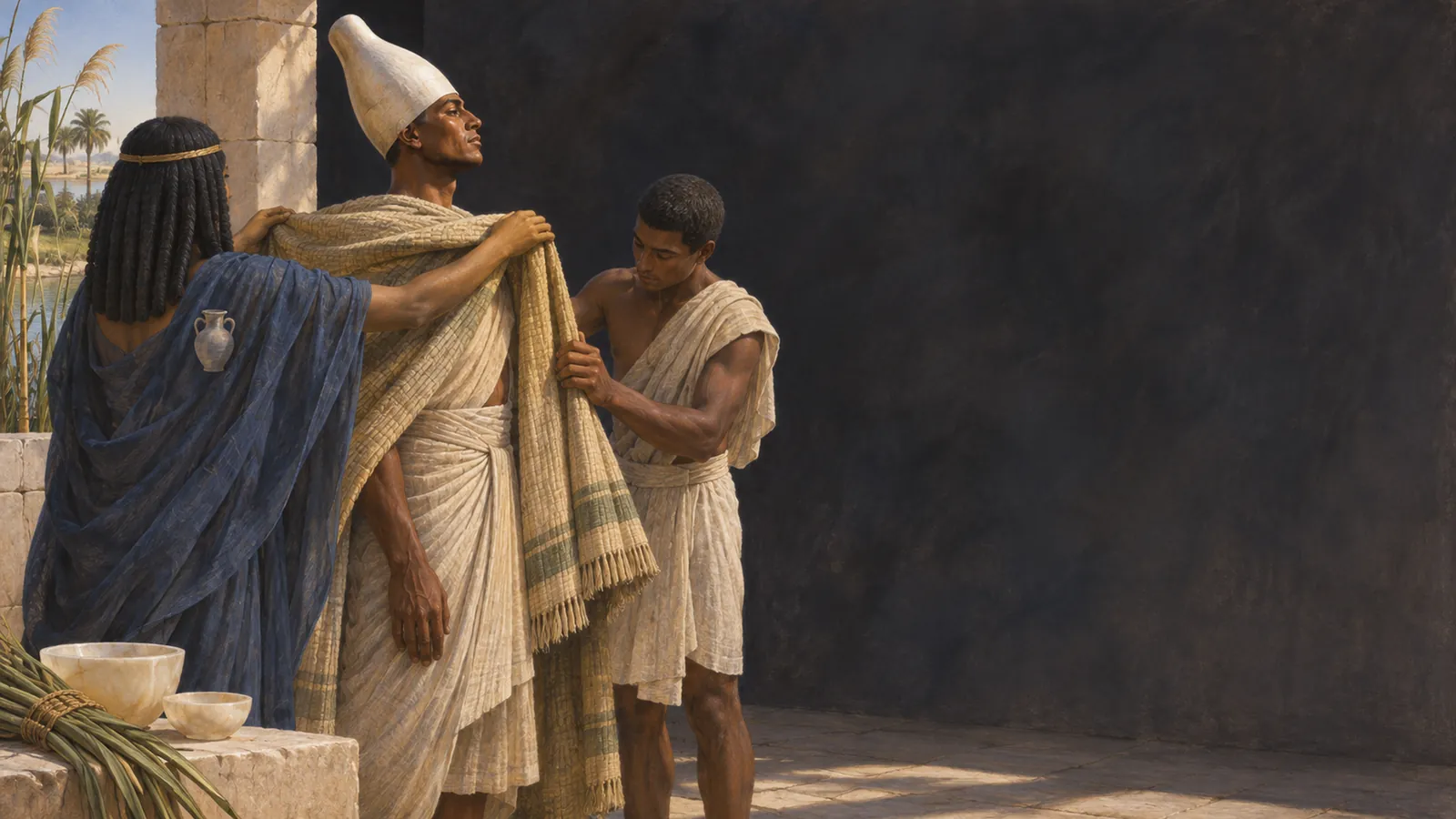
تقول نوت إنّها أنجبت تيتي وإنّه خرج من جسدها. وتقول إنّه الابن الذي تمنّته وإنّها راضية عنه.
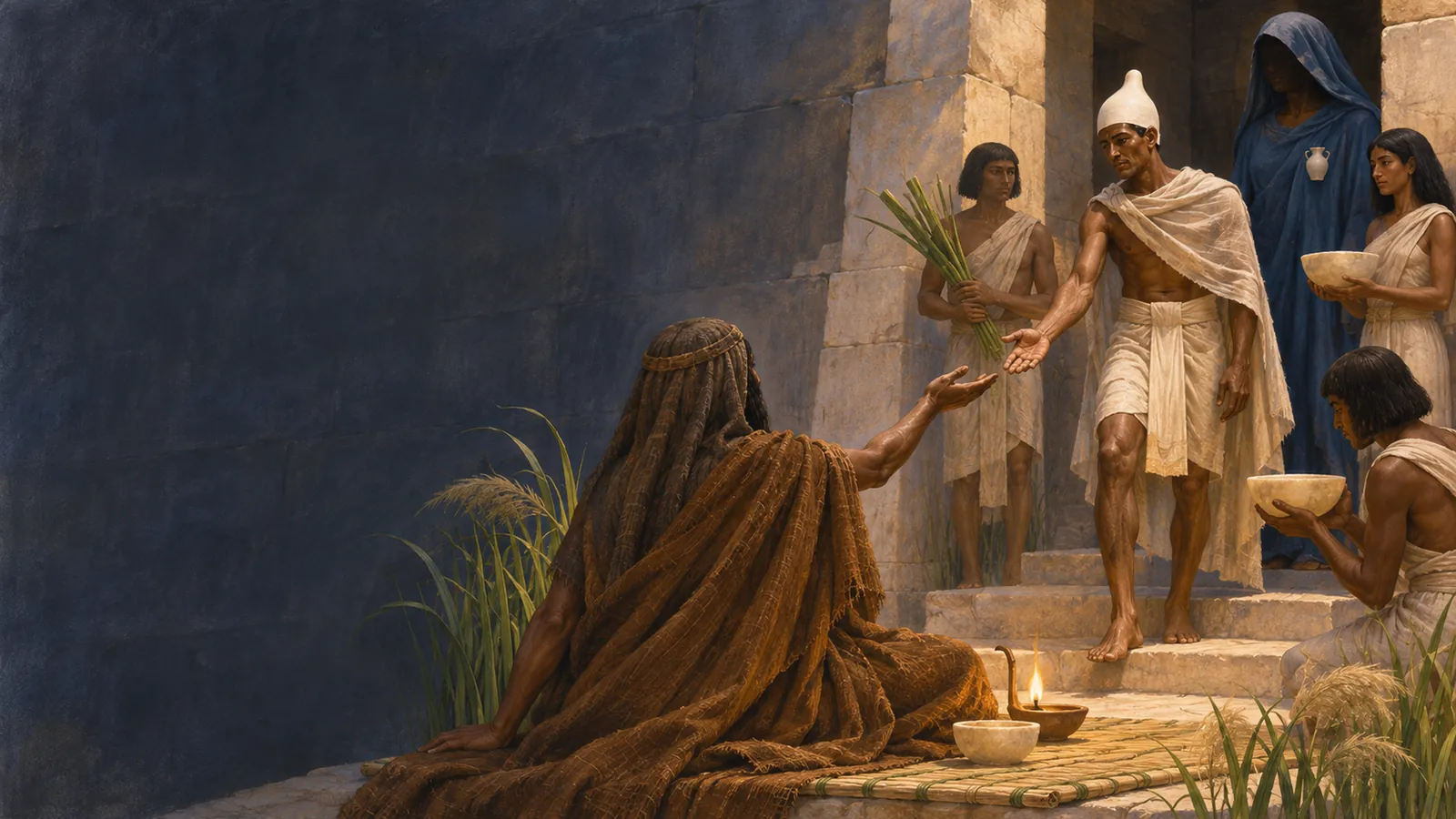
وفي كلامٍ تالٍ يسمّي جبّ تيتي ابنًا من صلبه. وينقطع النصّ الباقي بعد هذه الكلمات مباشرةً.
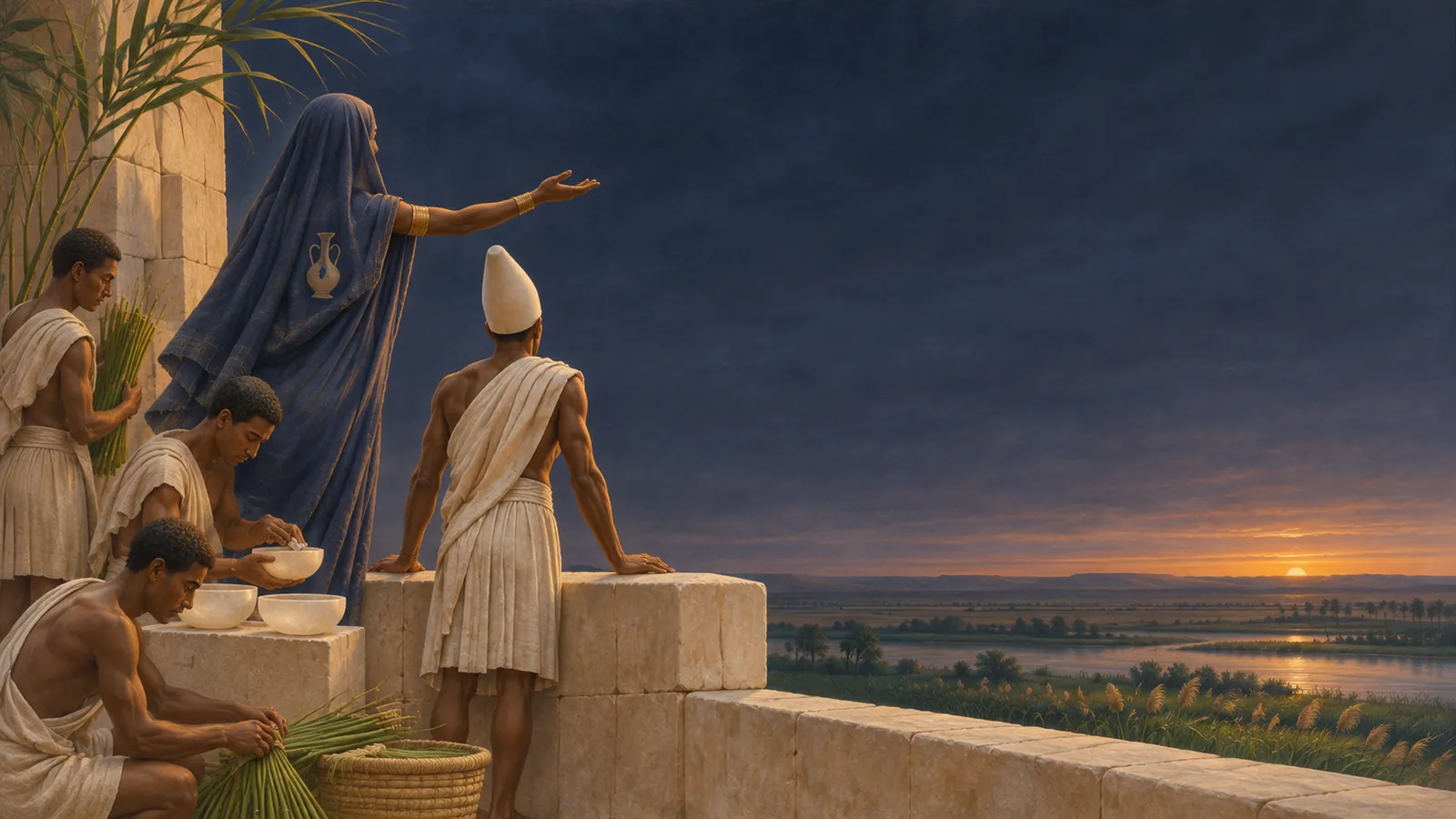
تقول نوت، التي تُدعى البُرعم الأكبر في هذه التعويذة، إنّ تيتي هو الابن الذي تمنّته. وتقول إنّها وهبته الآخت كي يتولّى أمرها بصفته حورس الآخت.
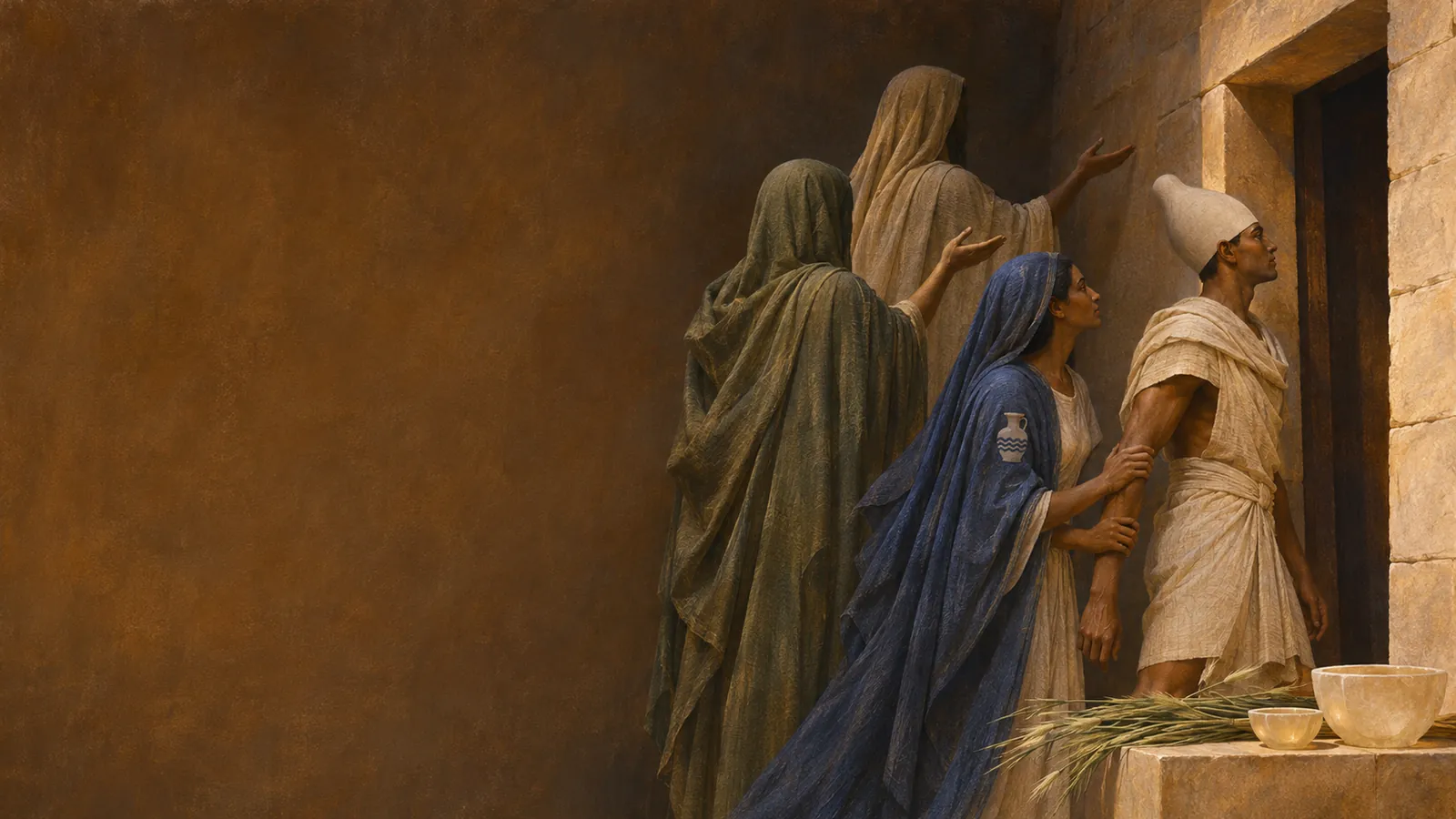
تُقرّ الآلهة في التلاوة باختيار نوت وتقول إنّ تيتي هو الابن الذي تمنّته من بين أبنائها. وتطلب منها أن ترافقه إلى الأبد.
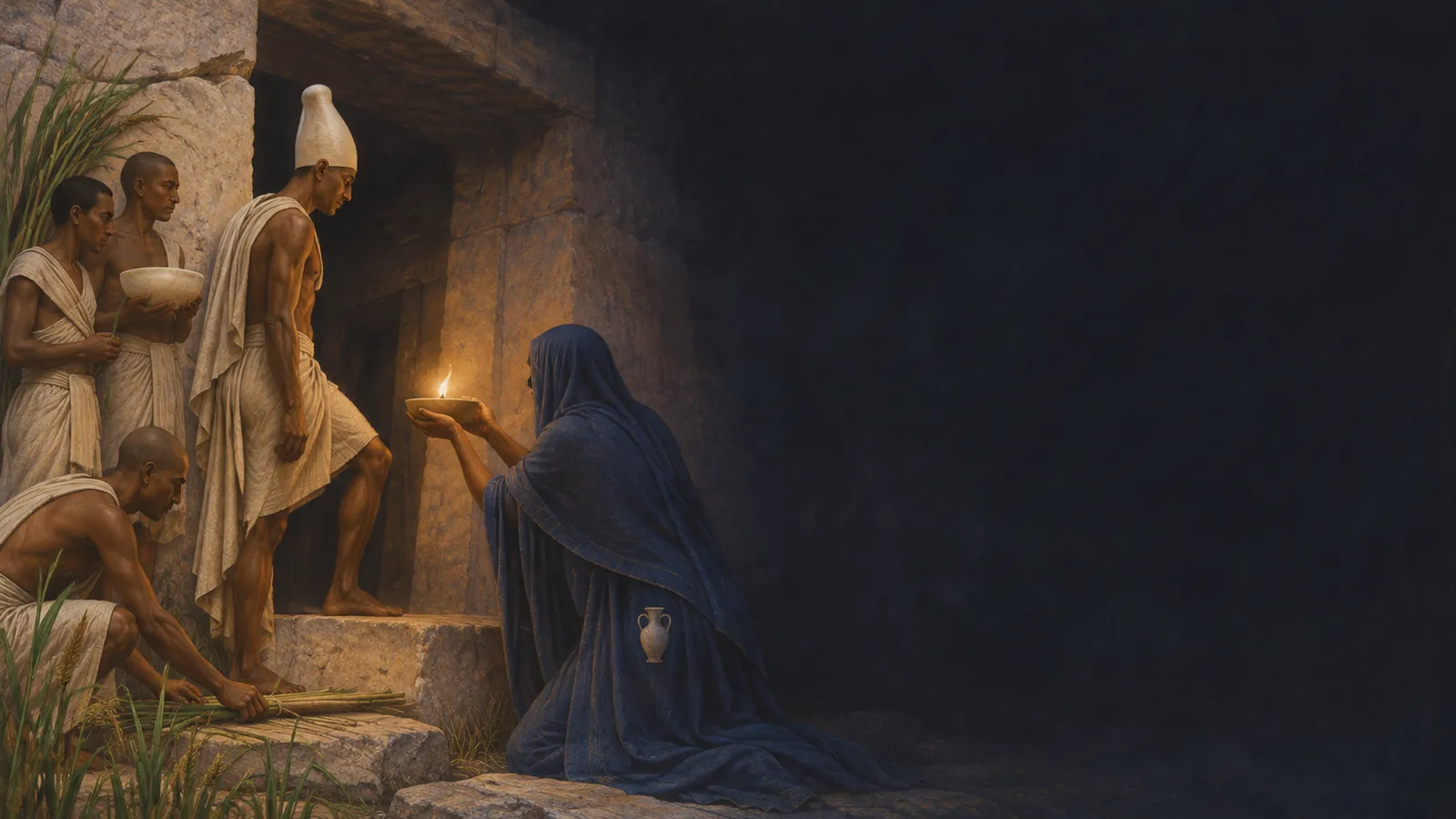
تُلقَّب نوت بالكبيرة في مجمّع شينيت، وتقول إنّ تيتي ابنها بمحض إرادتها. وتقول إنّها وهبته الدوات ليكون المتقدّم فيها بصفته حورس.
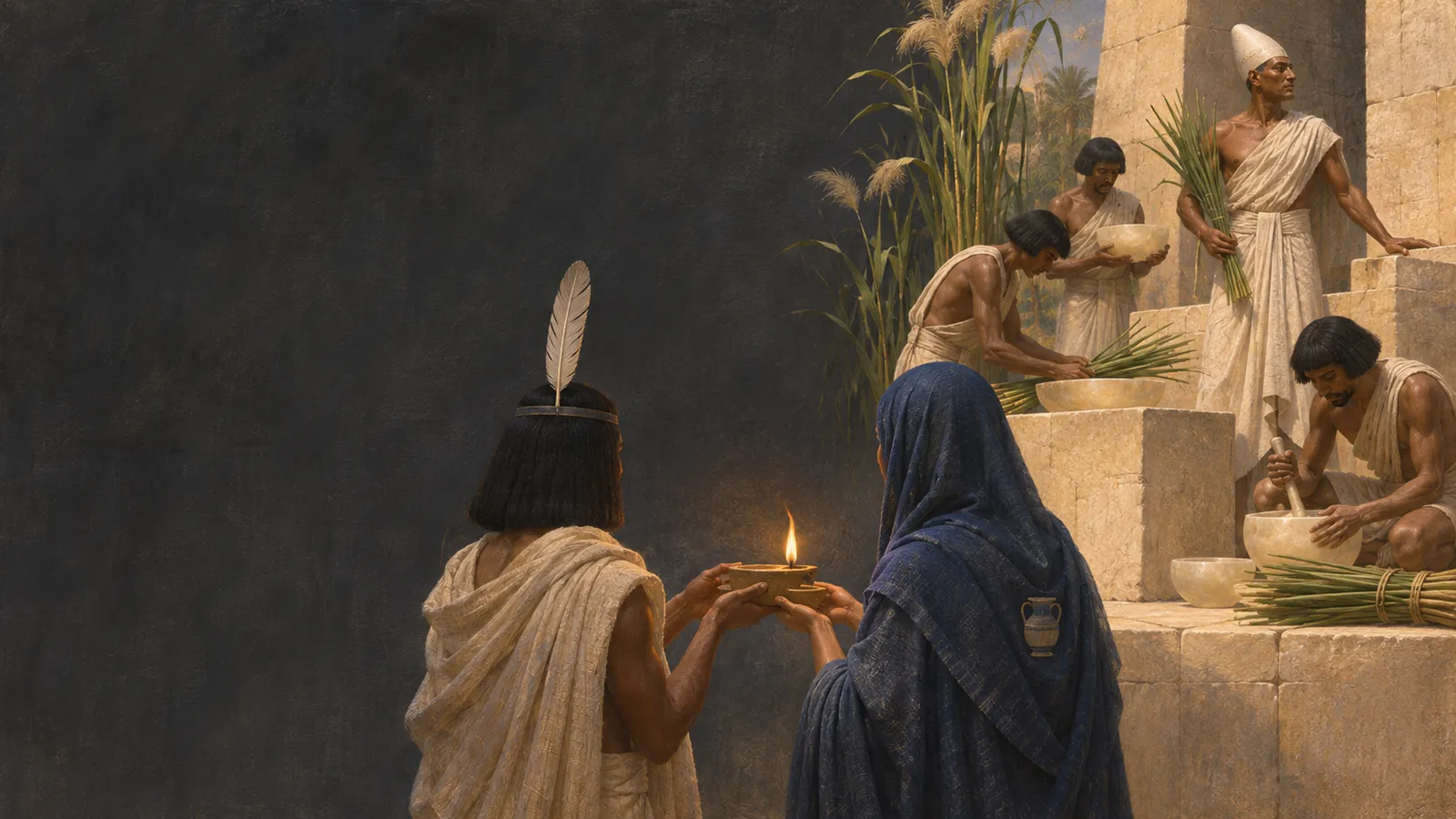
تقول الآلهة إنّ شو، الذي تسمّيه أبا تيتي، يعرف مقدار حبّ نوت لتيتي. وتقول إنّها تحبّه أكثر ممّا تحبّ أمّها تفنوت.
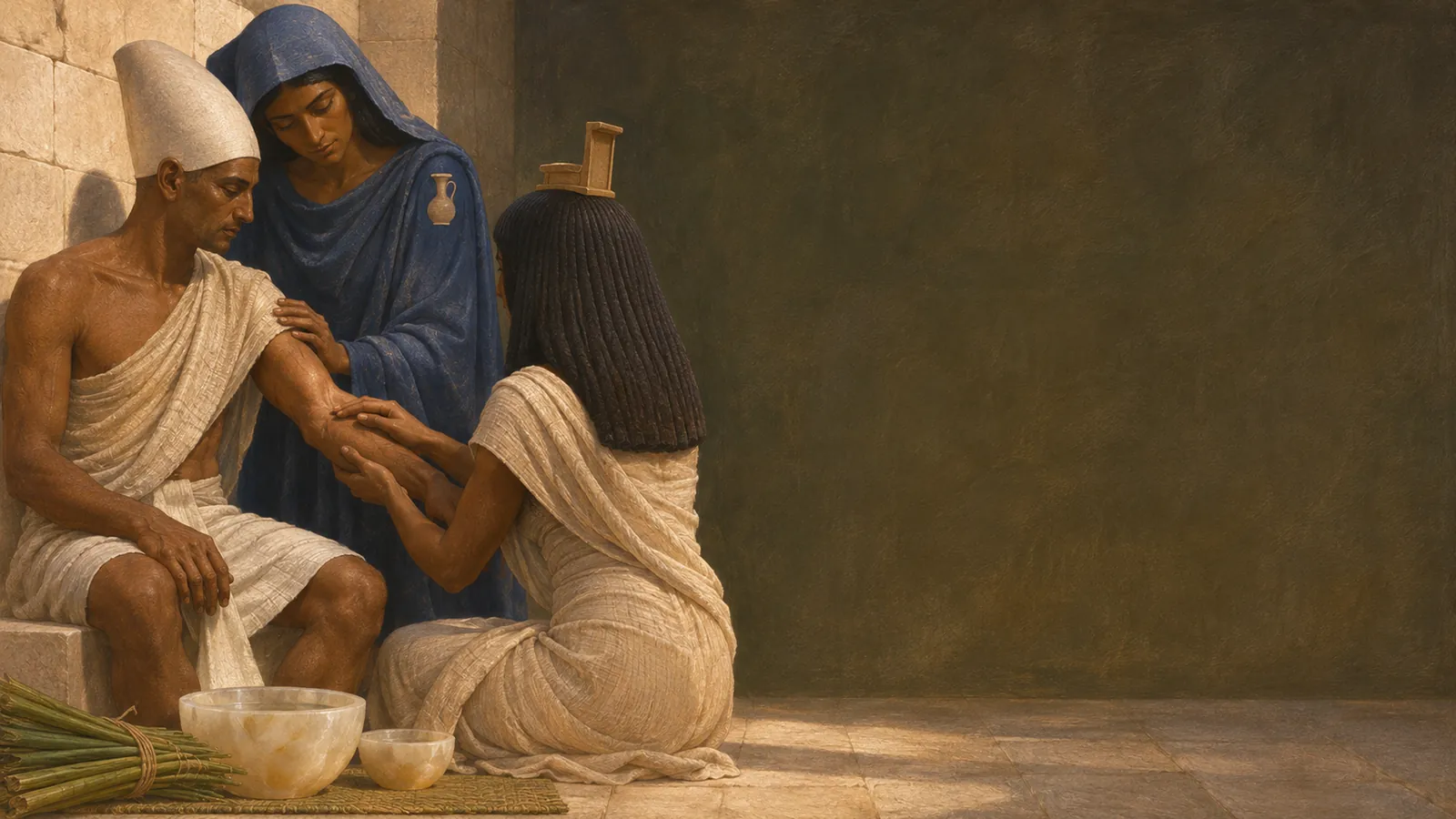
تقول نوت لتيتي في التعويذة التالية إنّها منحته أخته إيزيس. وعلى إيزيس أن تأخذ به وتمنح جسده ذهنه.
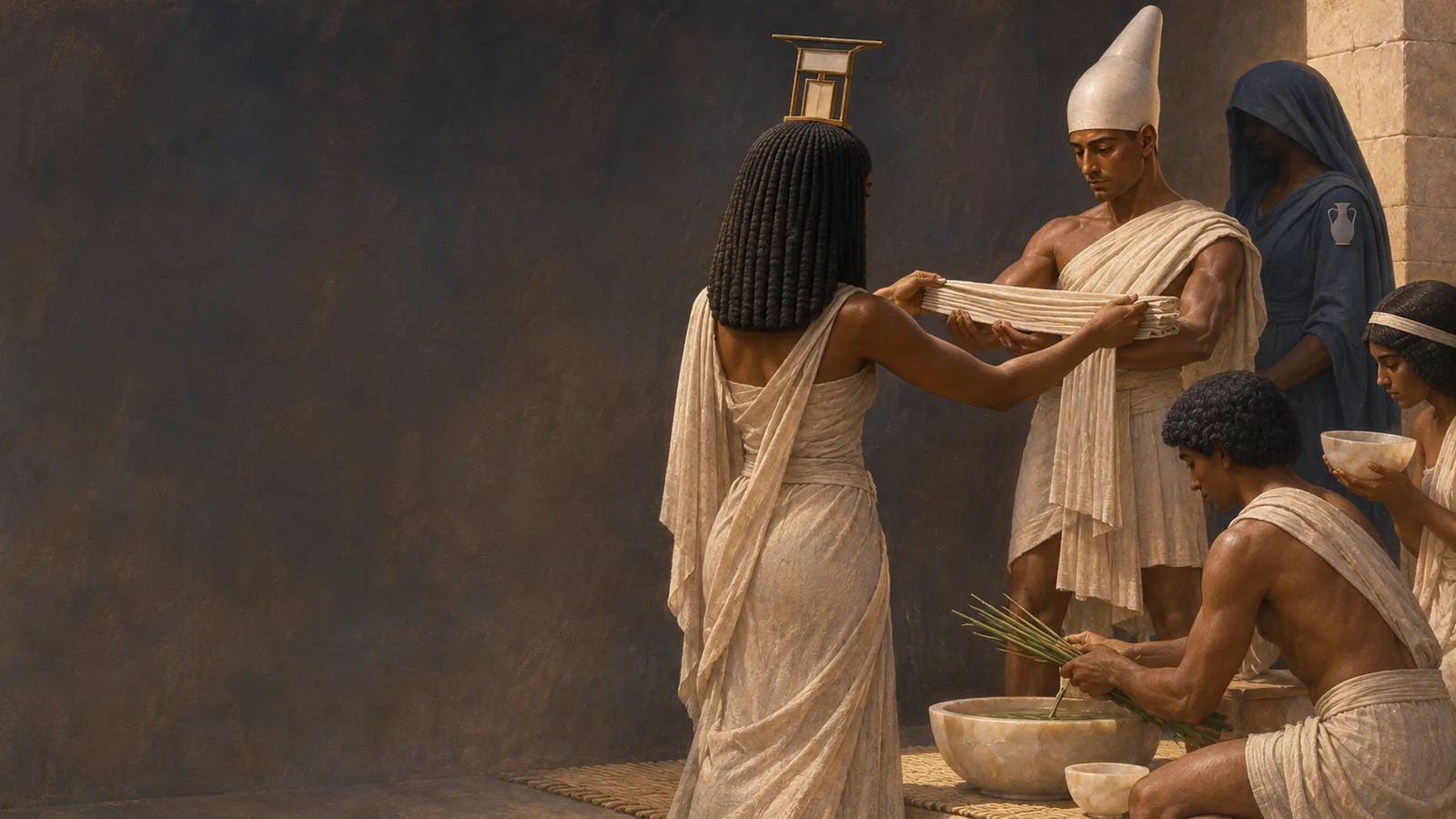
وفي تلاوة منفصلة تمنح نوت تيتي أخته نفتيس. وتكلّفها بما كلّفت به إيزيس، أن تأخذ به وتمنح جسده ذهنه.
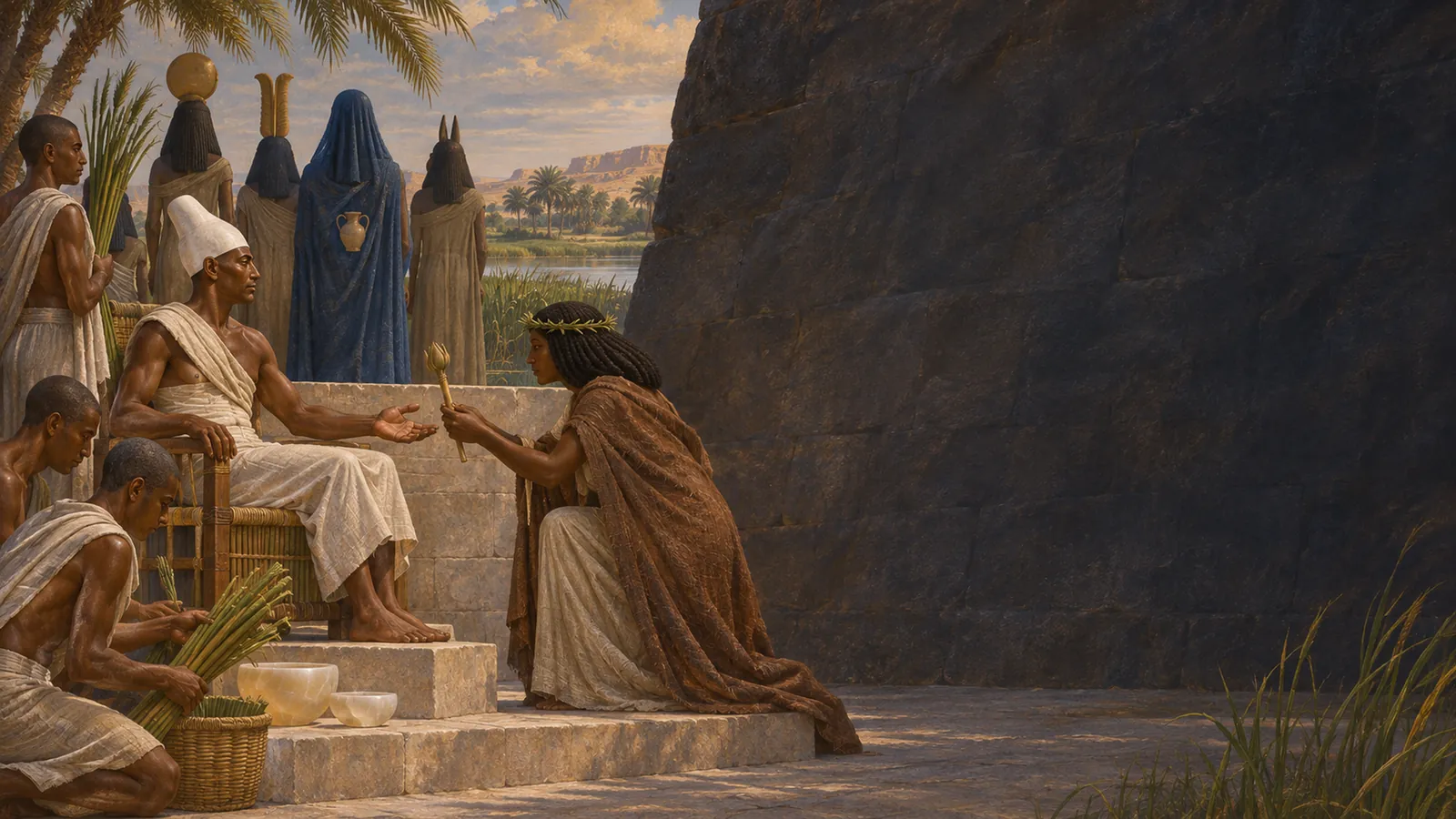
تسمّي نوت، الملقّبة بعظيمة المجمّع السفلي، تيتي ابنَها الذي تمنّته وبِكرَ عرش جبّ. وتقول إنّ جبّ رضي عنه وأعطاه إرثه أمام التاسوع الكبير.
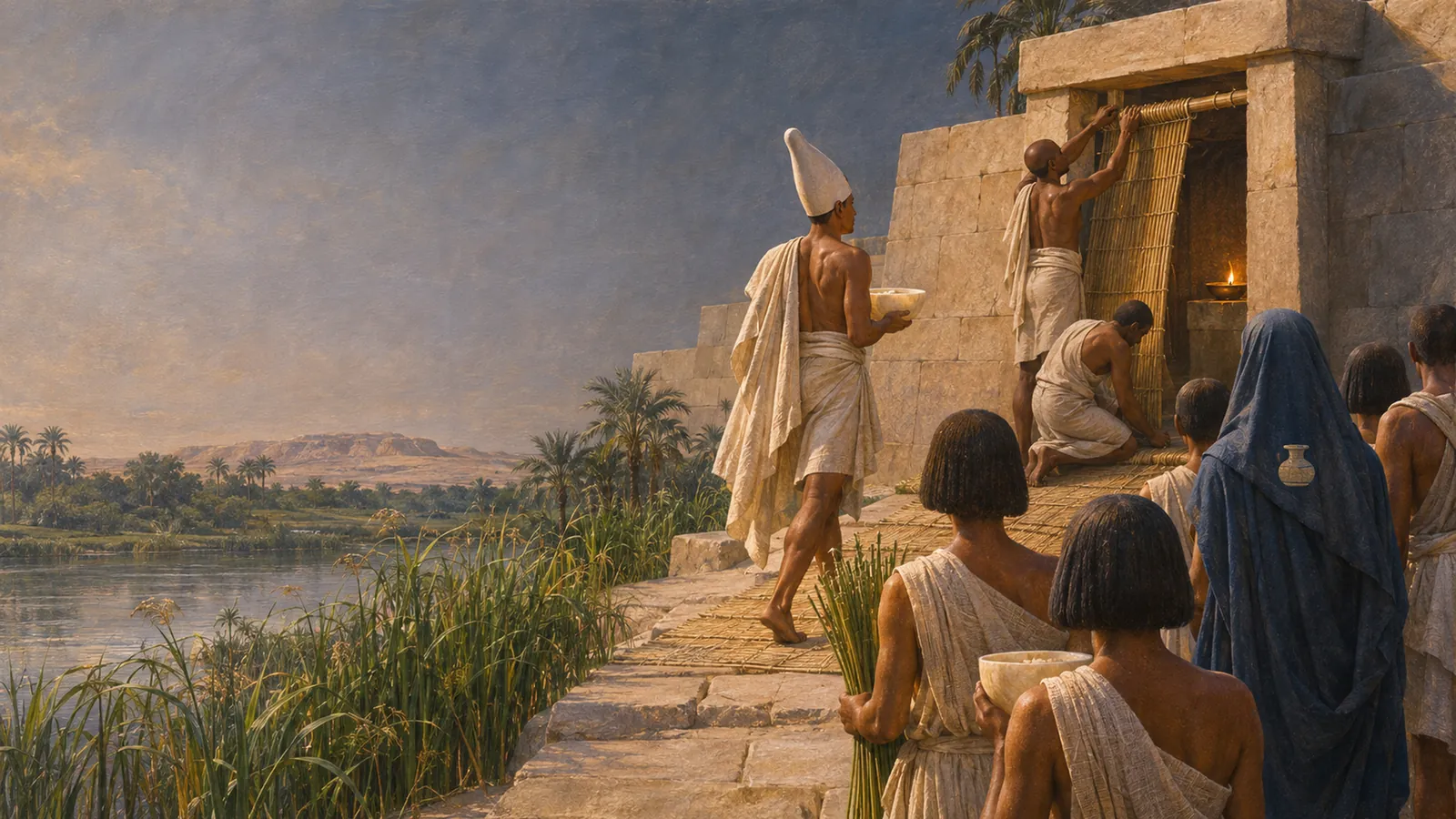
تتكلّم الآلهة بحماسةٍ في ختام تلاوات التابوت. وتهتف بأنّ تيتي سعيد لأنّ أباه جبّ راضٍ عنه.
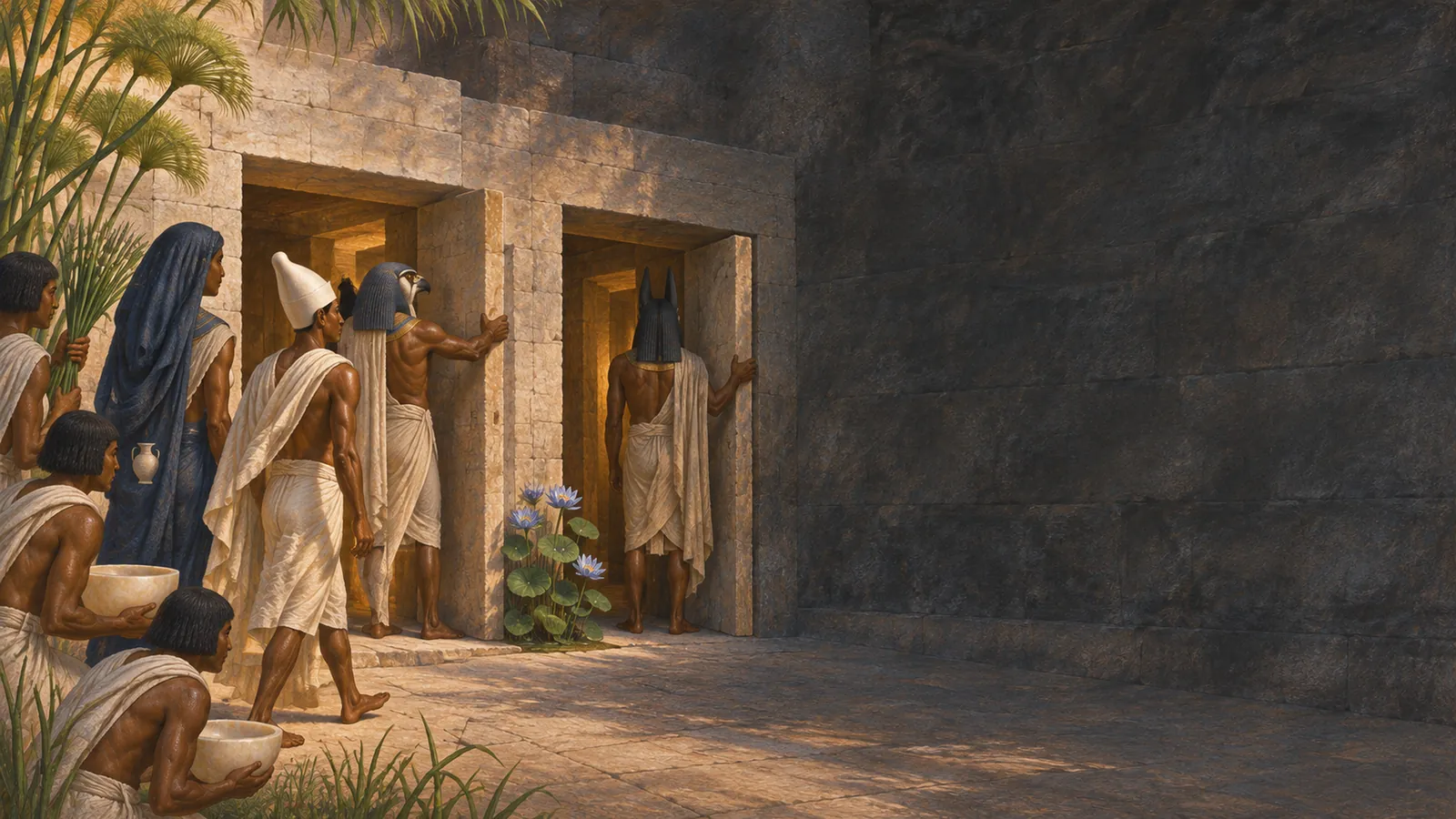
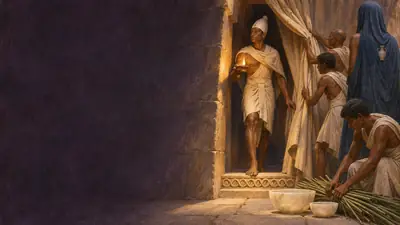
تدعو تلاوة الصعود السماء والأرض إلى الانفتاح. ينفتح باب سور المجمّع لحورس، وينفتح باب اللوتس لستّ.
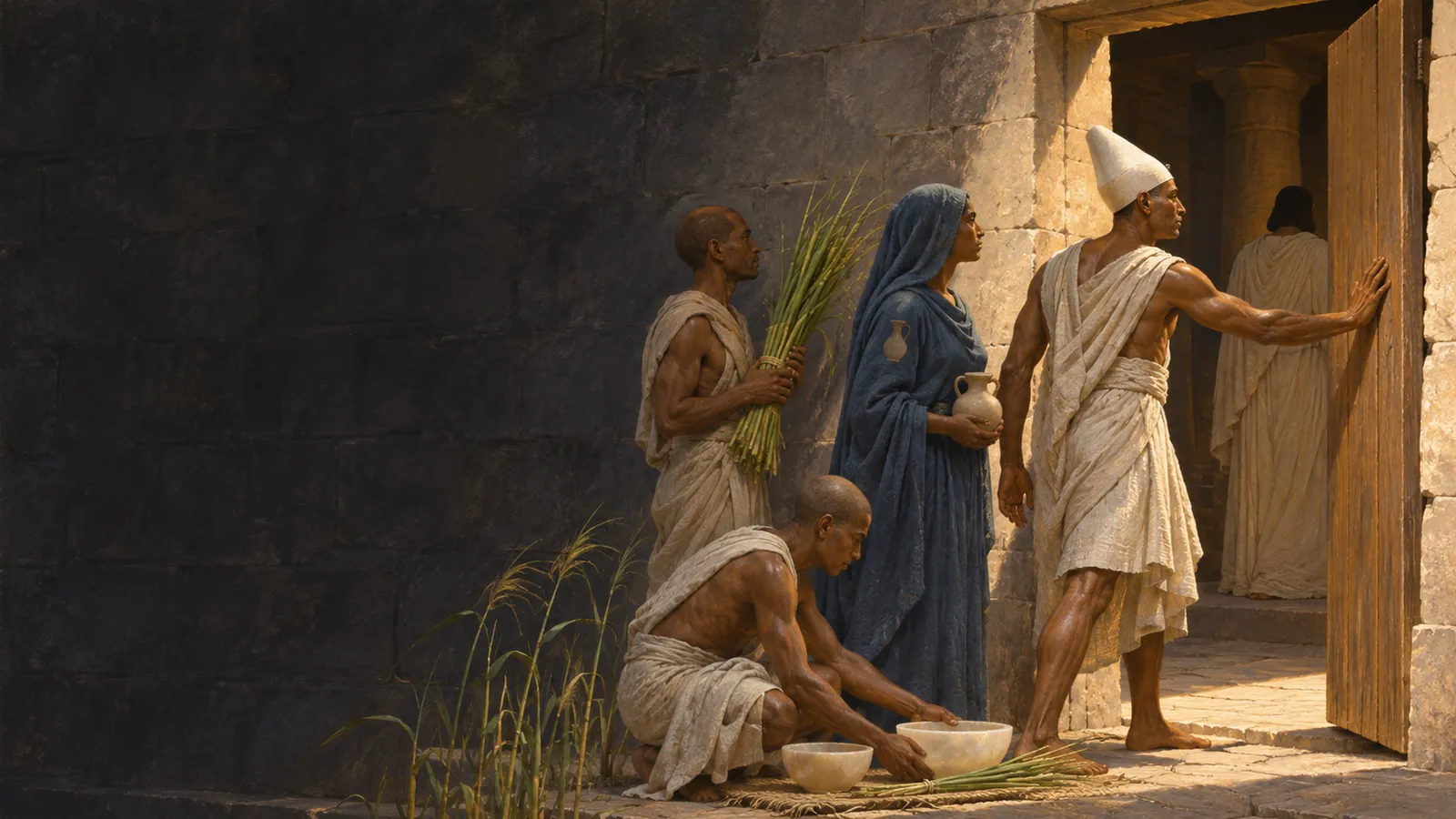
يطلب المتكلّم أن ينقلب له الباب بصفته المتقدّم أمام سوره. ويقول إنّه اجتاز الباب بصفته آتوم.
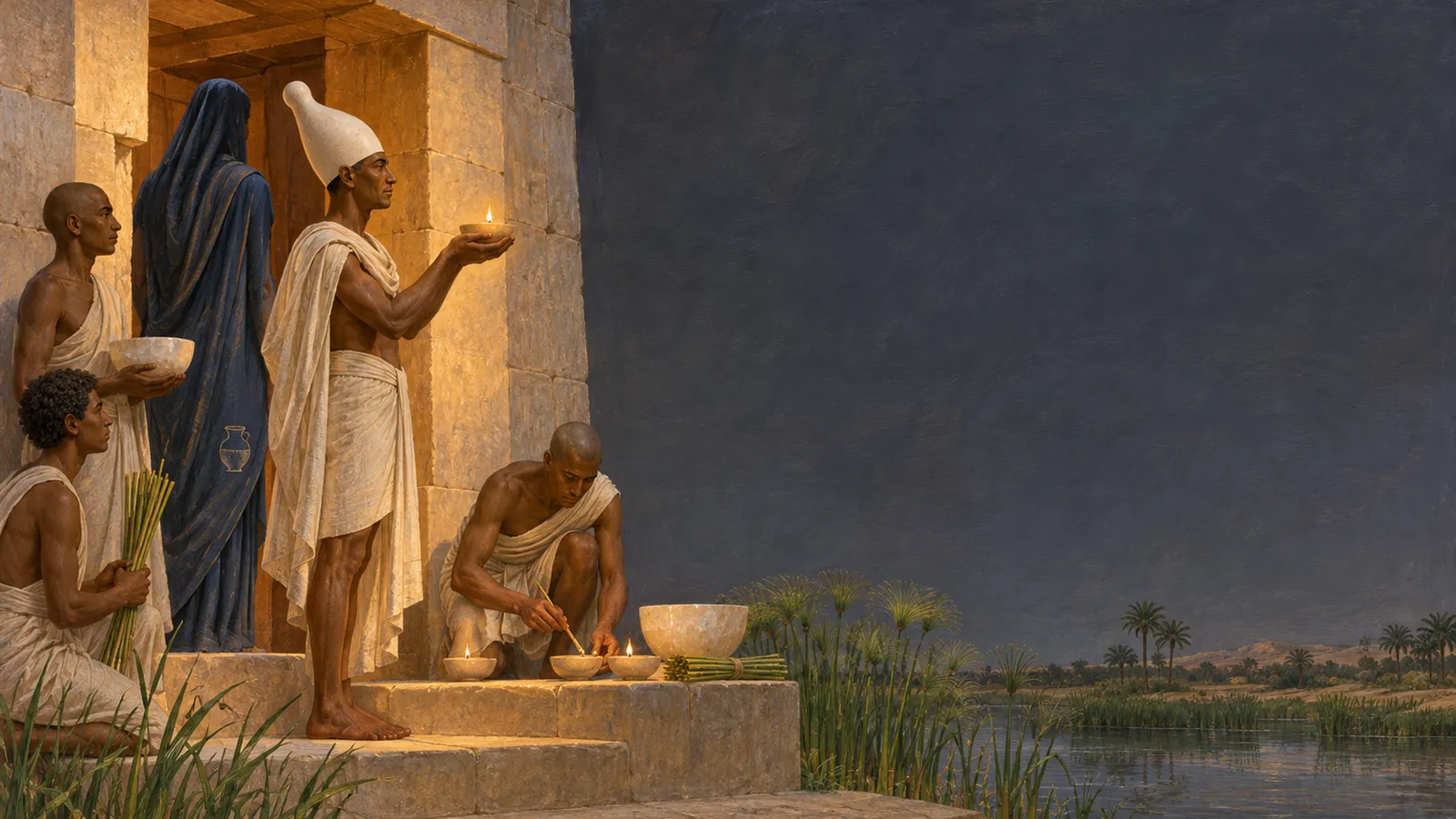
تسمّي الكلمات الختاميّة من هذه التلاوة المتكلّم الظاهر في الحرّ، وتضعه في وسط نيغاو.
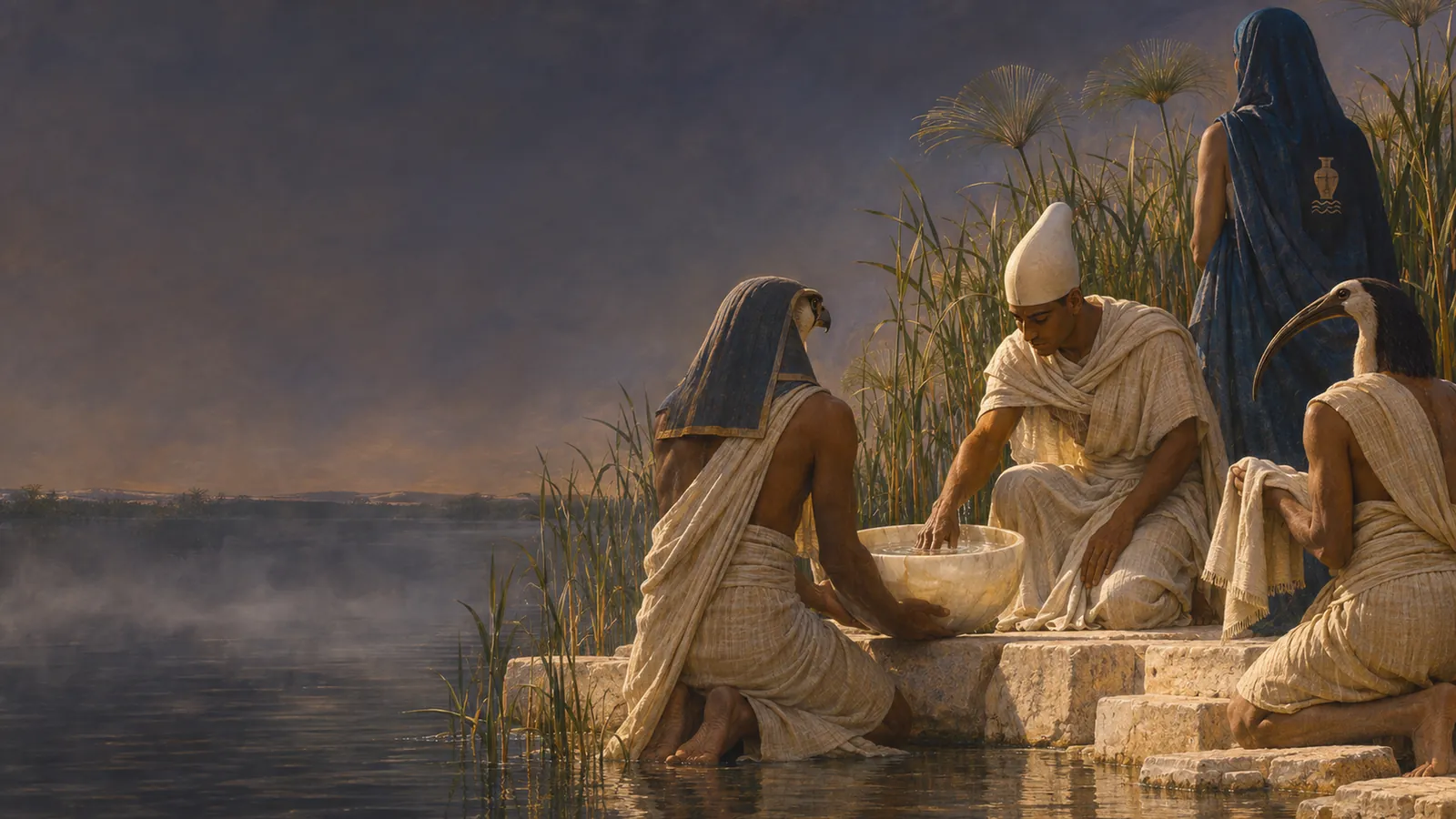
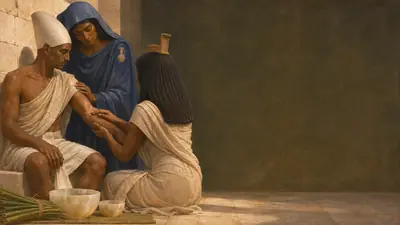
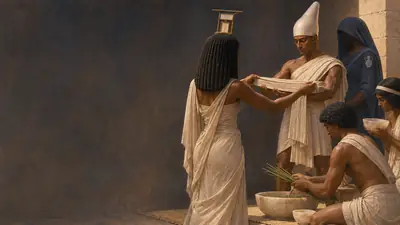
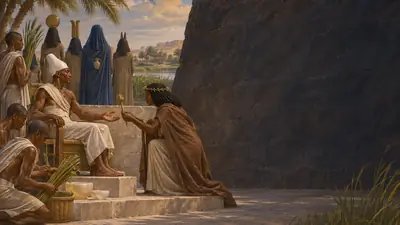
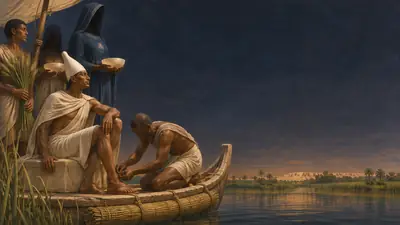
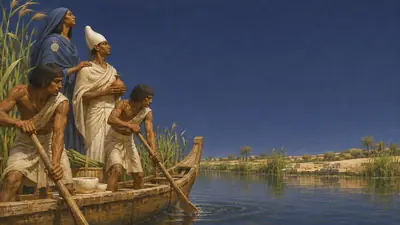
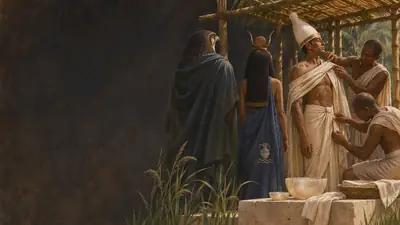
يقول المتكلّم إنّه يتطهّر مع الشمس في بحيرة القصب. ثمّ يقول صوتٌ آخر إنّ حورس يفرك جسده وإنّ تحوت يفرك قدميه.
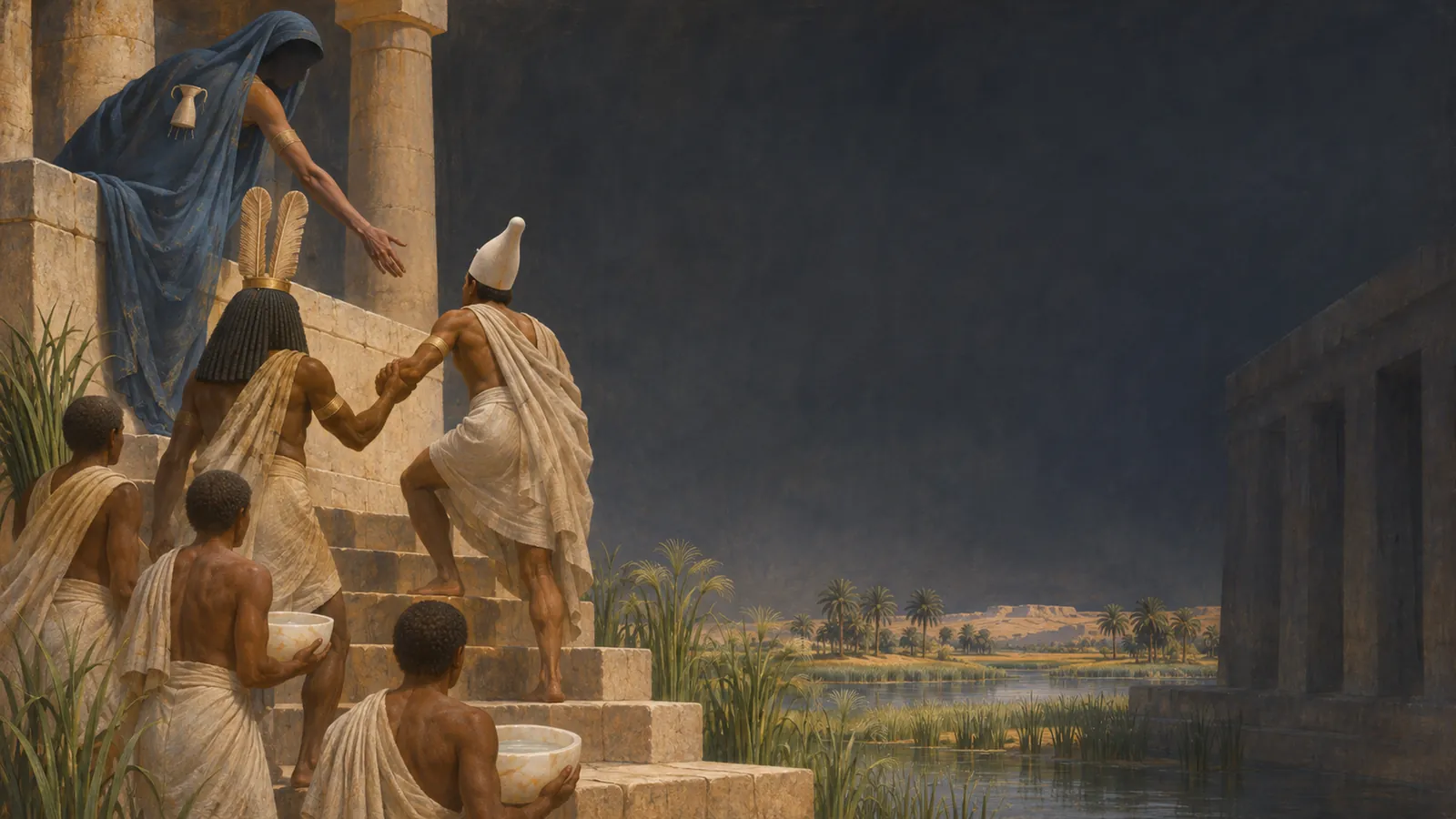
في ختام التلاوة، يطلب المتكلّم من شو أن يرفعه عاليًا. ويطلب من نوت أن تمدّ له ذراعها.
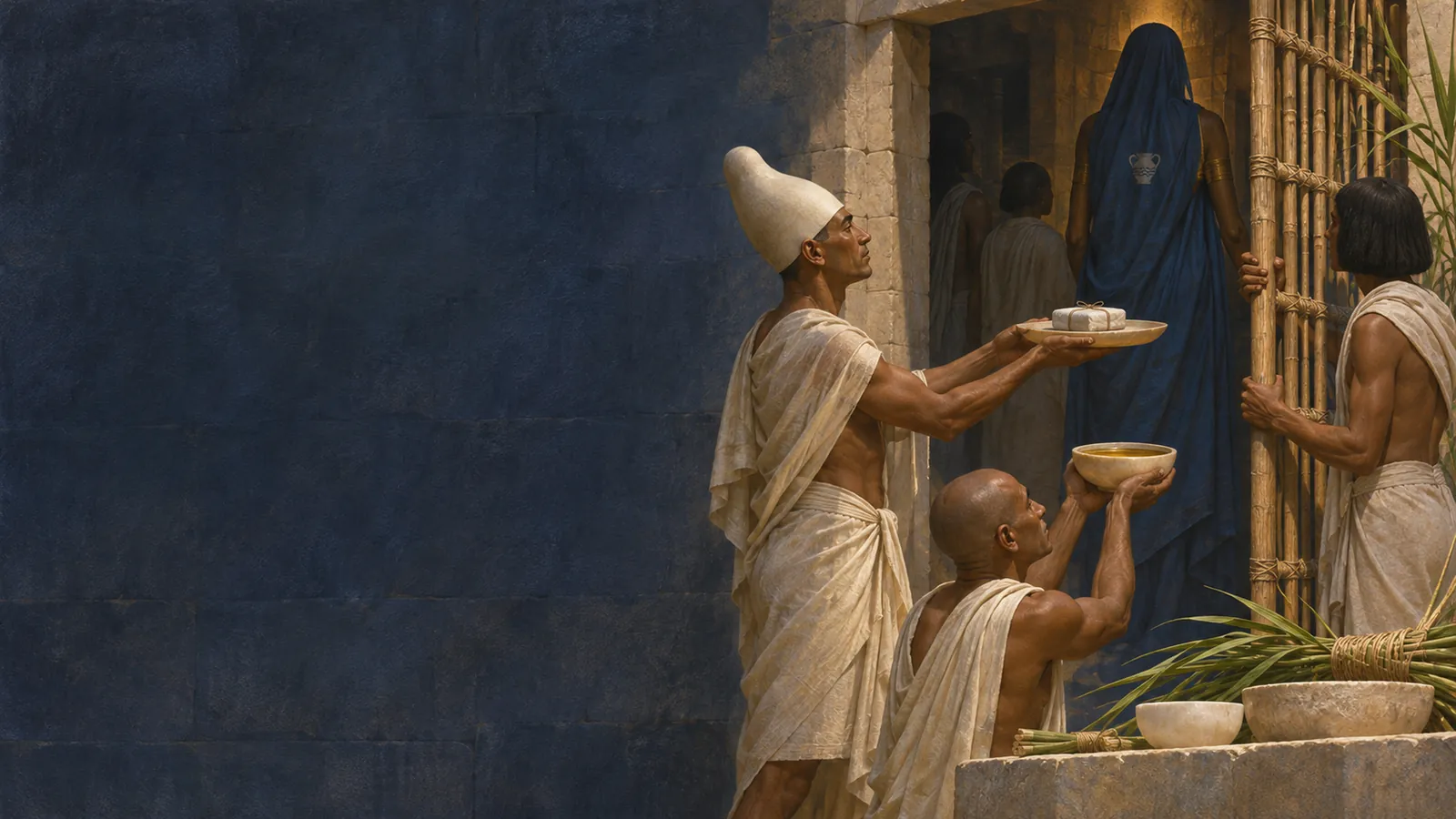
يحيّي المتكلّم حارس باب حورس وحارس بوّابة أوزيريس، ويطلب منهما أن يخبرا حورس بهويّته. ويقول إنّه أحضر ما يترجمه ألن ببُصاق الشعر.
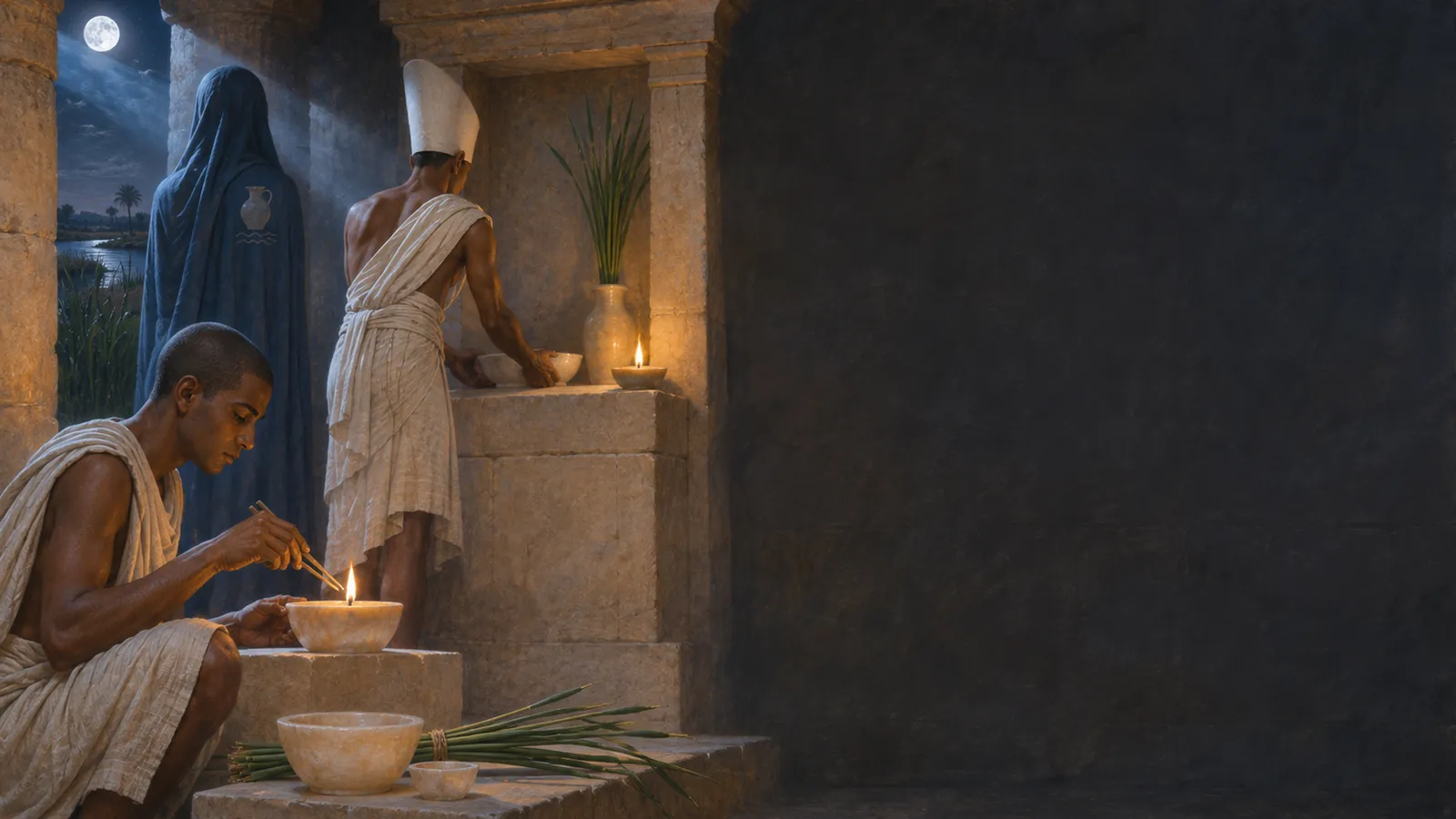
تذكر التلاوة أنّ شعر حورس يمرض في أوّل الشهر ويصير أصلع في منتصفه. ويطلب صوتٌ من المتكلّم أن يهدّئه بسحر الآلهة عند أوّل ظهوره.
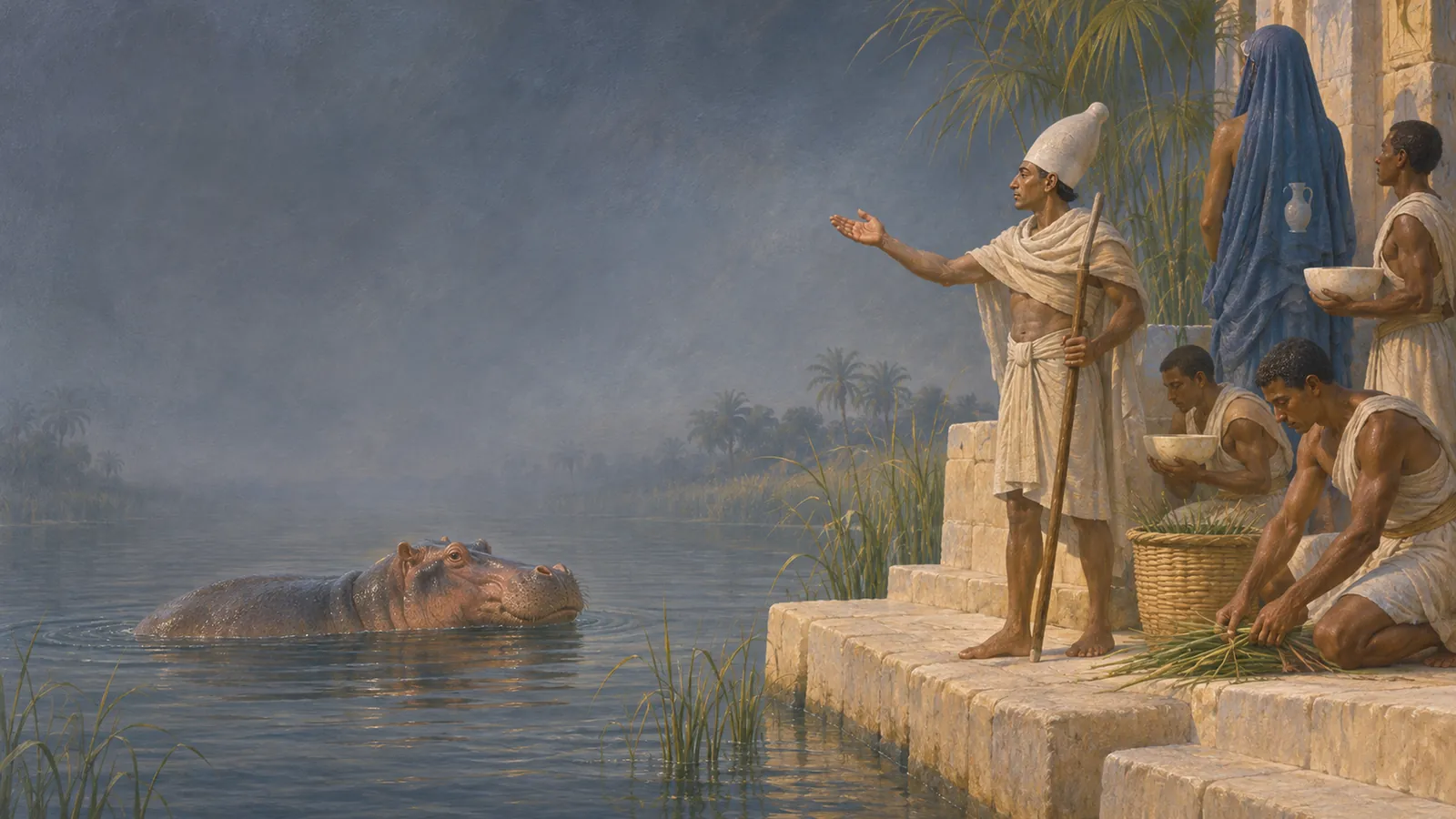
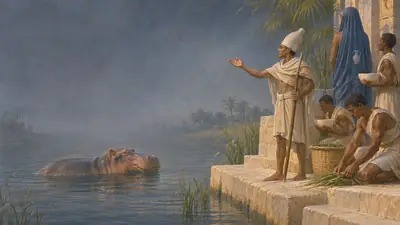
يتوجّه المتكلّم بالدعاء إلى أنثى فرس النهر، ويقول إنّها أقبلت عليه مناوئةً. فأخذ منها أحد صولجانَي حورس وضربها به. وفي ردّها تحيّيه عند أوّل ظهوره.
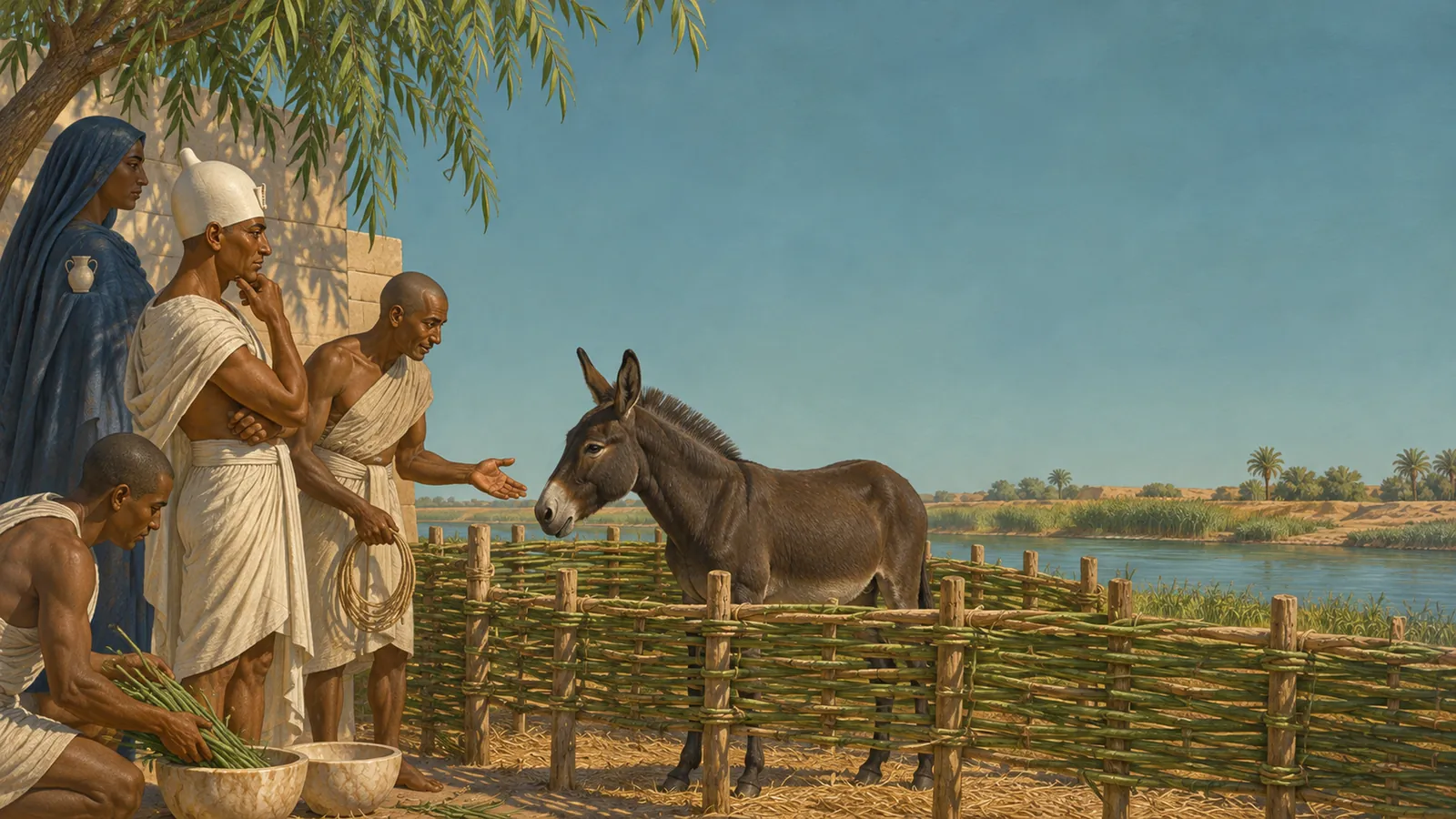
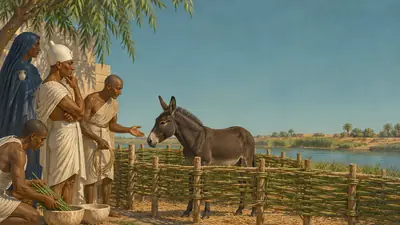
يحيّي المتكلّم الأتان الهائلة، ثمّ يقول إنّها أقبلت عليه مناوئةً. ويقول إنّه ضربها بذيلٍ ينمو في بحيرة أوزيريس.
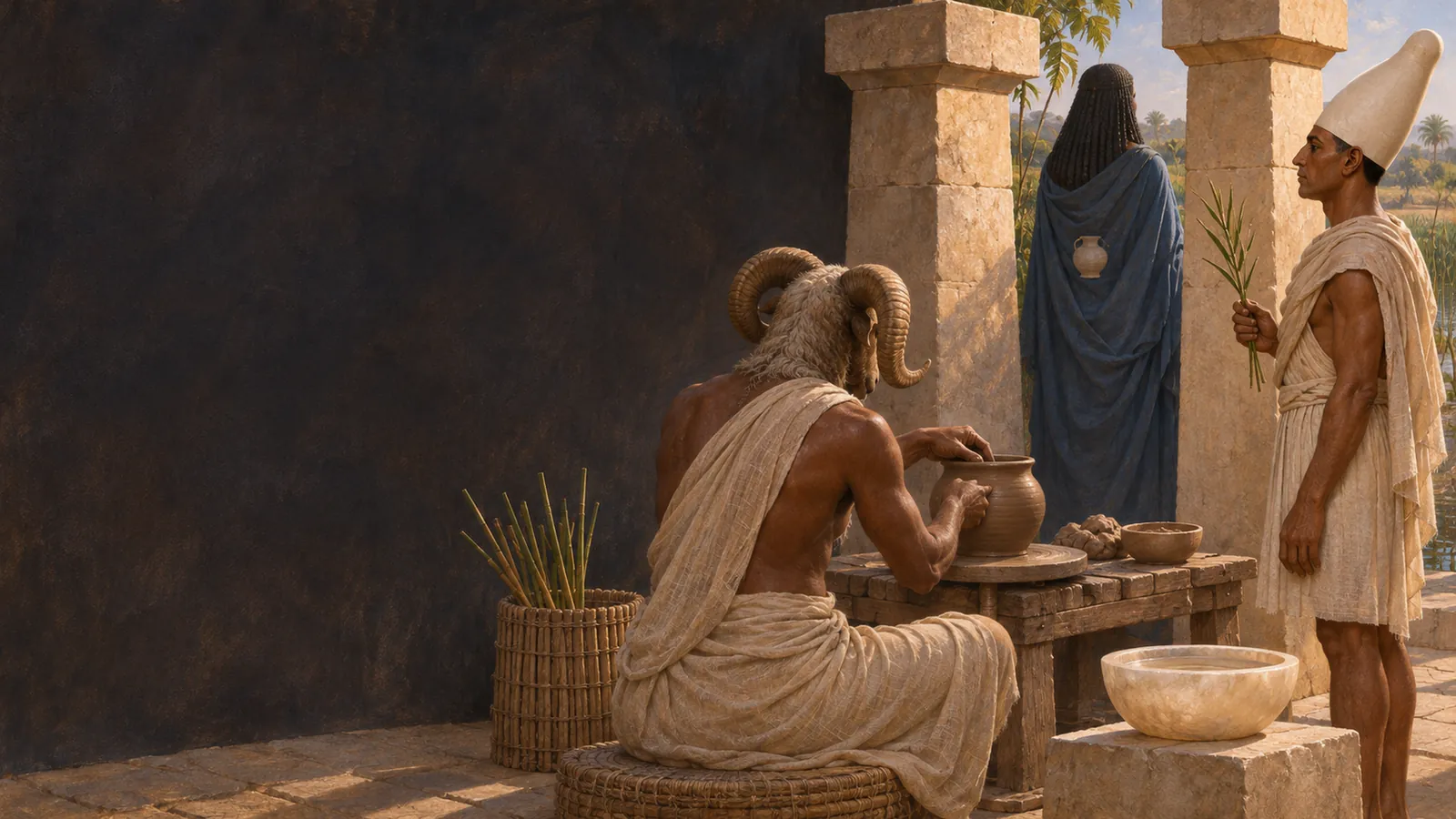
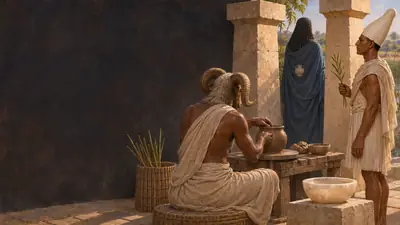
يخاطب المتكلّم خنوم، المُضطرّ إلى تشكيله، ويشبّهه بنبتة إِمِه يدوسها فلا تنمو ثانيةً بين أصابع قدميه. وفي الردّ يُدعى المتكلّم أحد عمودَي الحيّز الكبير.
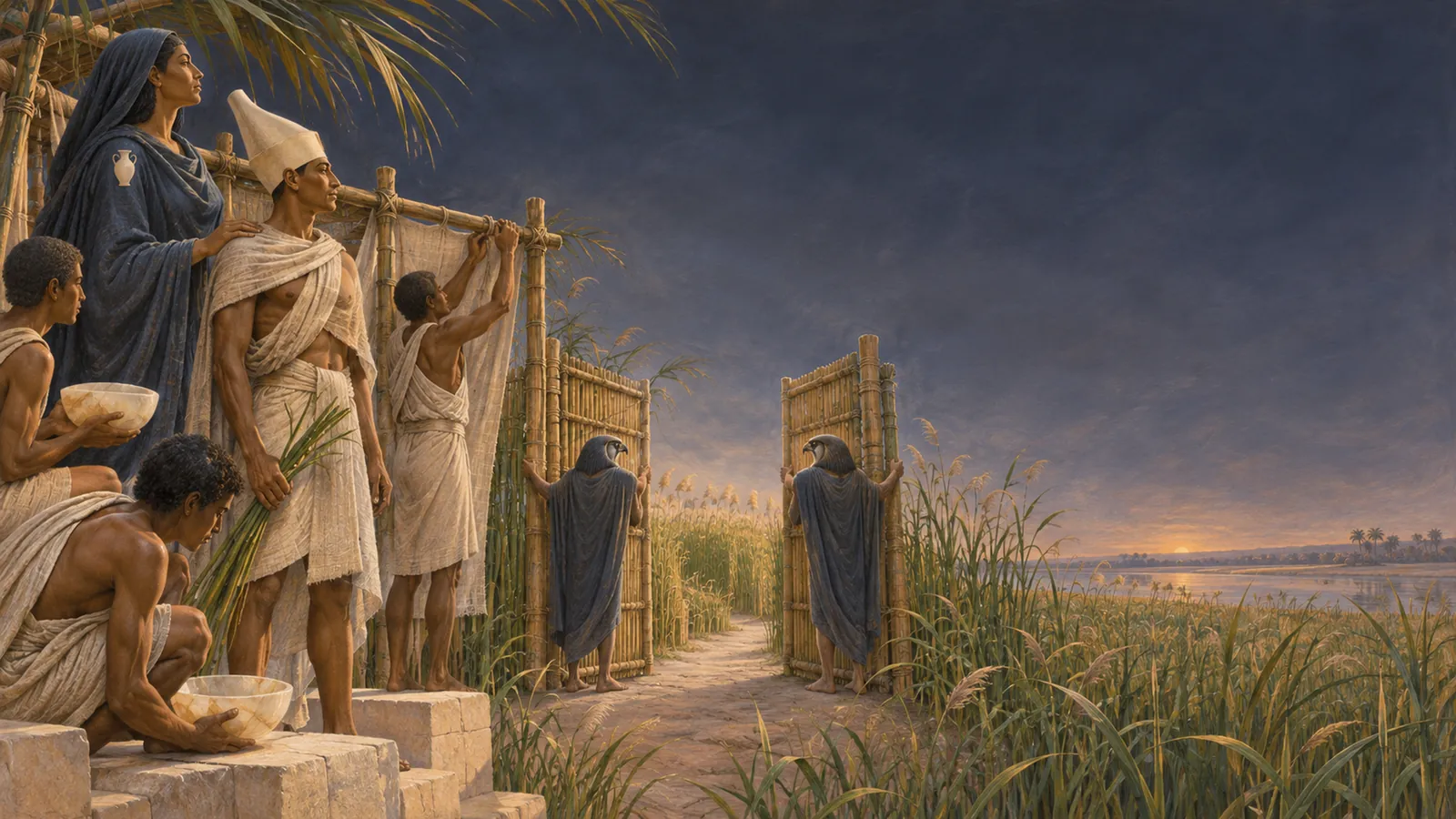
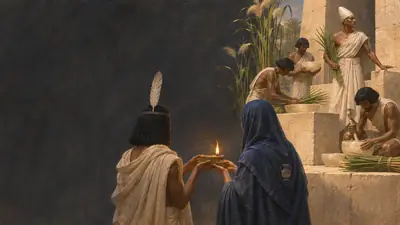
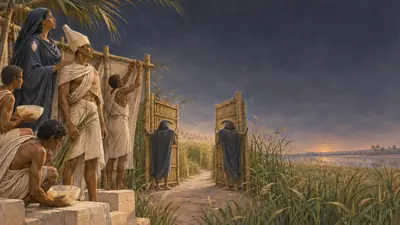
تذكر التلاوة حورس الآلهة وحورس الآخت وحورس الشرقيّ وحورس شِزمِت. وعند الفجر ينفتح مدخل السماء وباب المياه الباردة ليخرج كلٌّ منهم ويتطهّر في حقول القصب.
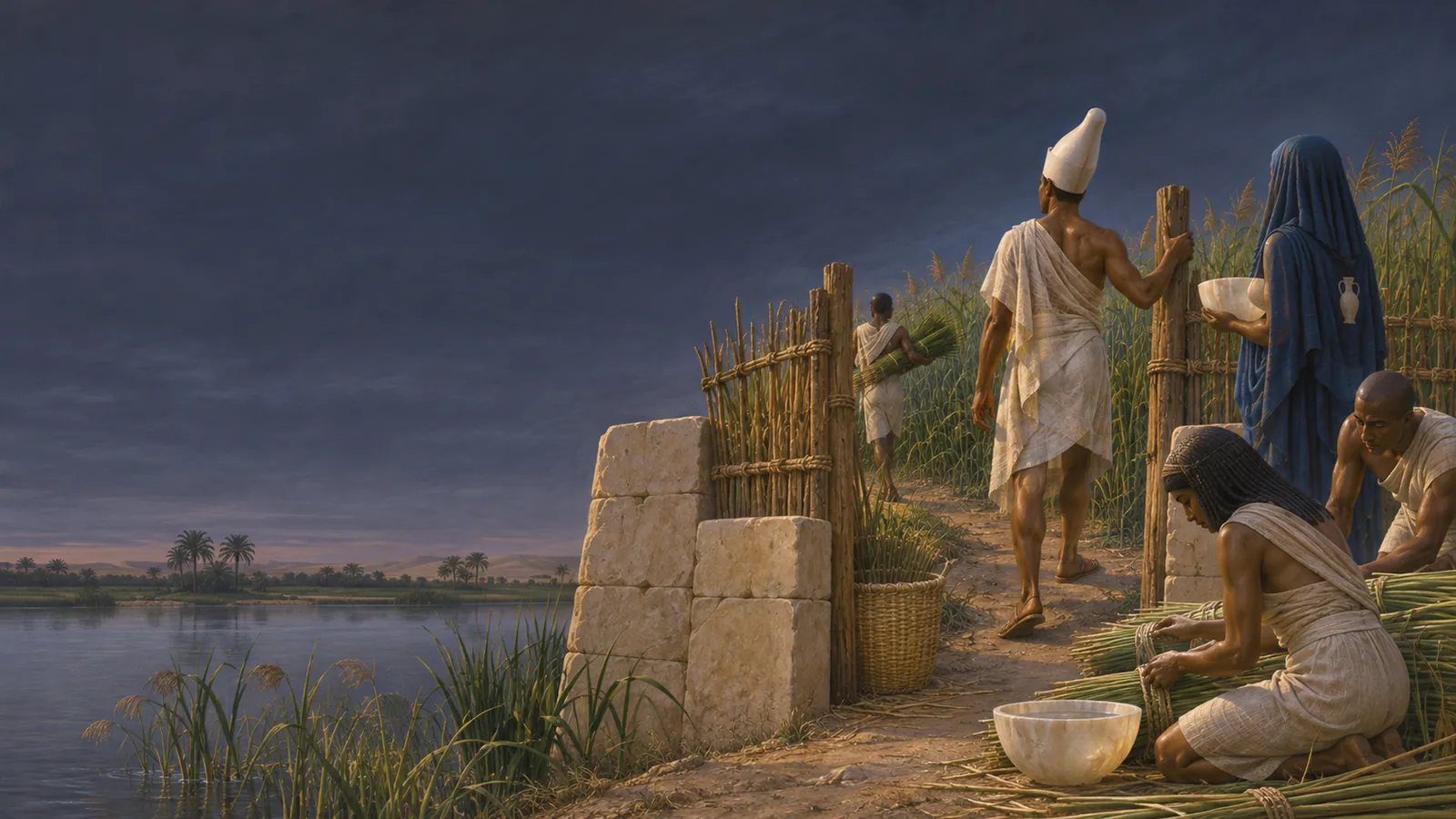
الفجر
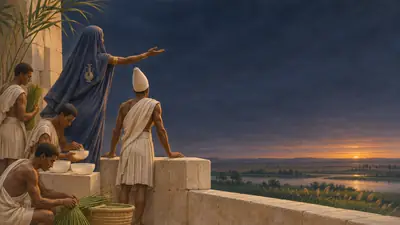
يقول المتكلّم الآن إنّ مدخل السماء وباب المياه الباردة ينفتحان له عند الفجر. وذلك ليخرج ويتطهّر في حقول القصب.
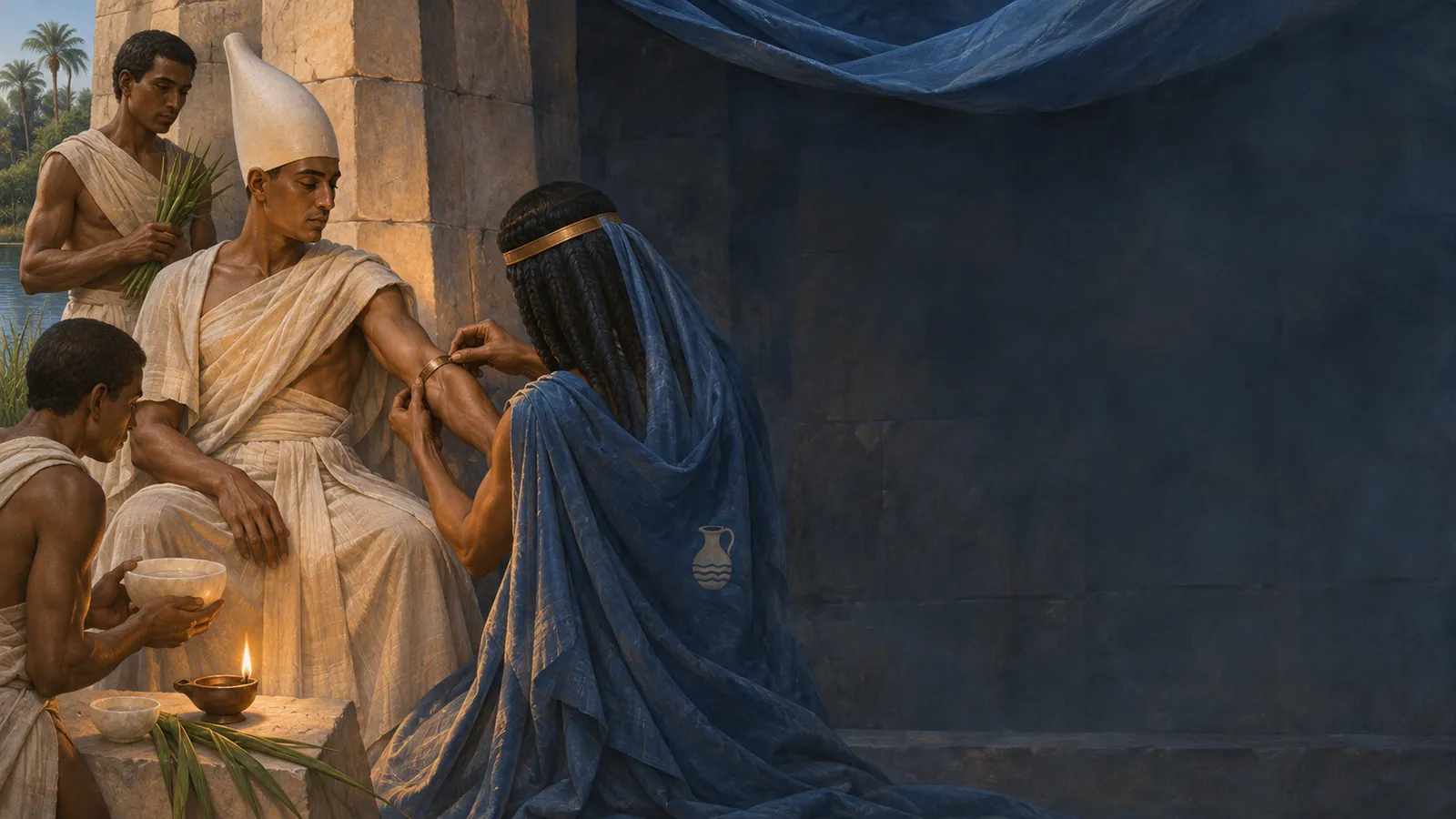
يقول المتكلّم إنّه يتطهّر ويتلقّى عظامه المعدنيّة. ويقول إنّه يمدّ أطرافه التي لا تفنى في رحم أمّه نوت.
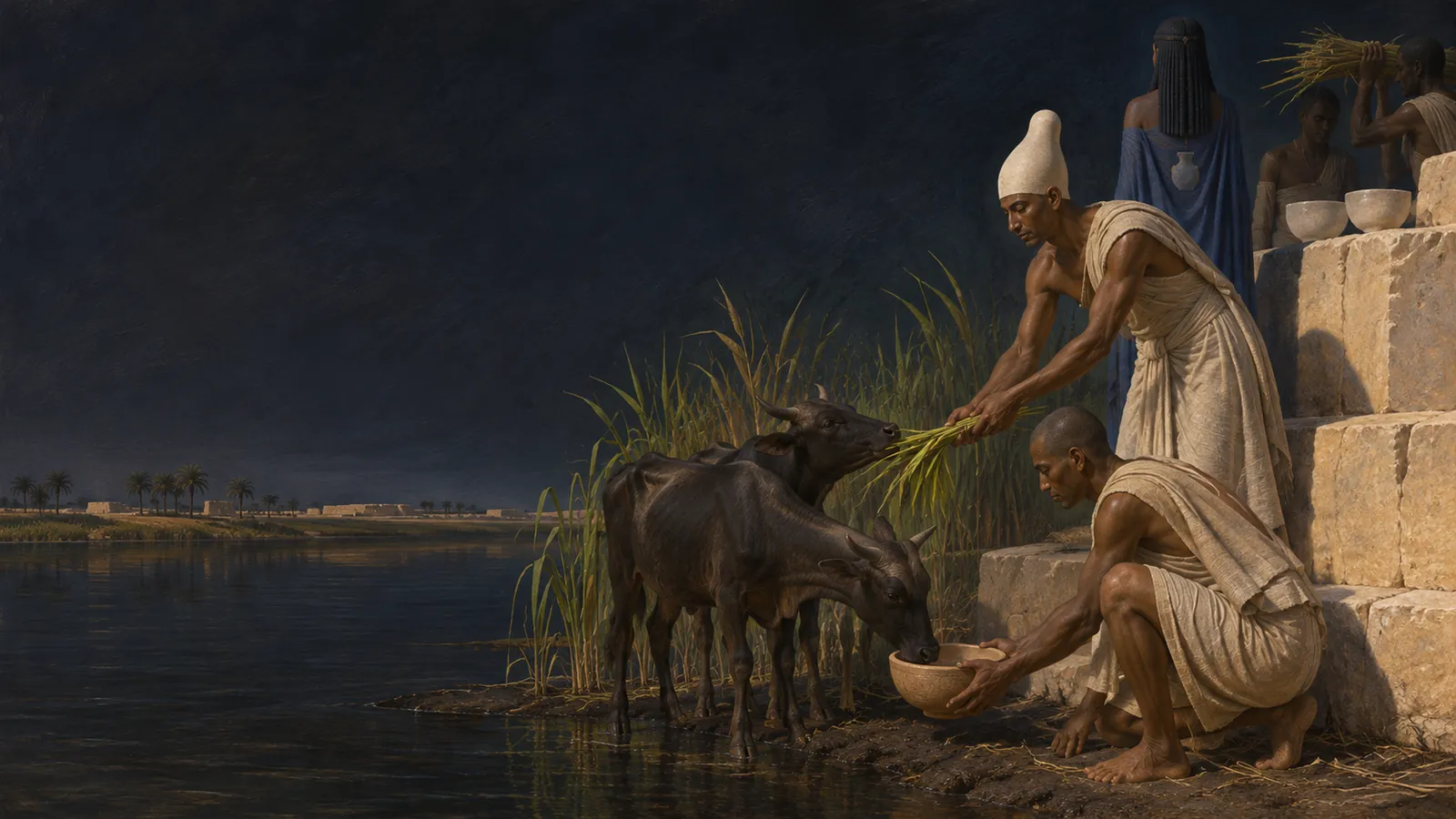
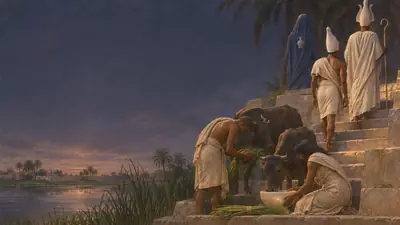
يطلب المتكلّم من الشمس أن تمنحه ذراعيها ليأخذه شو رفيقًا له إلى الأبد. ويقول إنّه رضع من البقرتين السوداوين اللتين ترضعان كائنات البا في هليوبوليس.
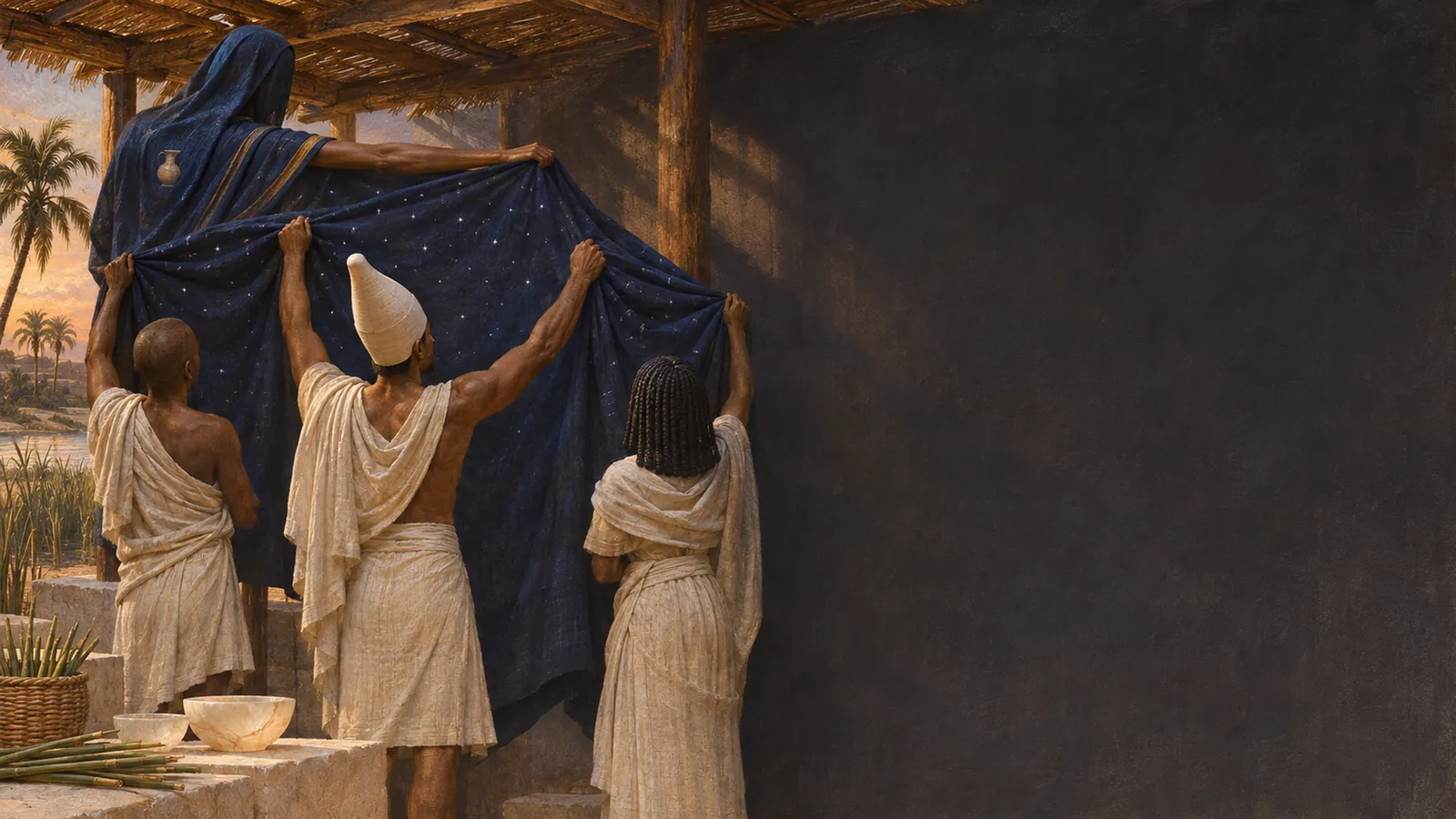
يخاطب المتكلّم هِباتج، ويقول إنّ رحم السماء قد انتفخ بقوّة بذرة الإله. ثمّ يقول إنّه هو تلك البذرة في داخله.
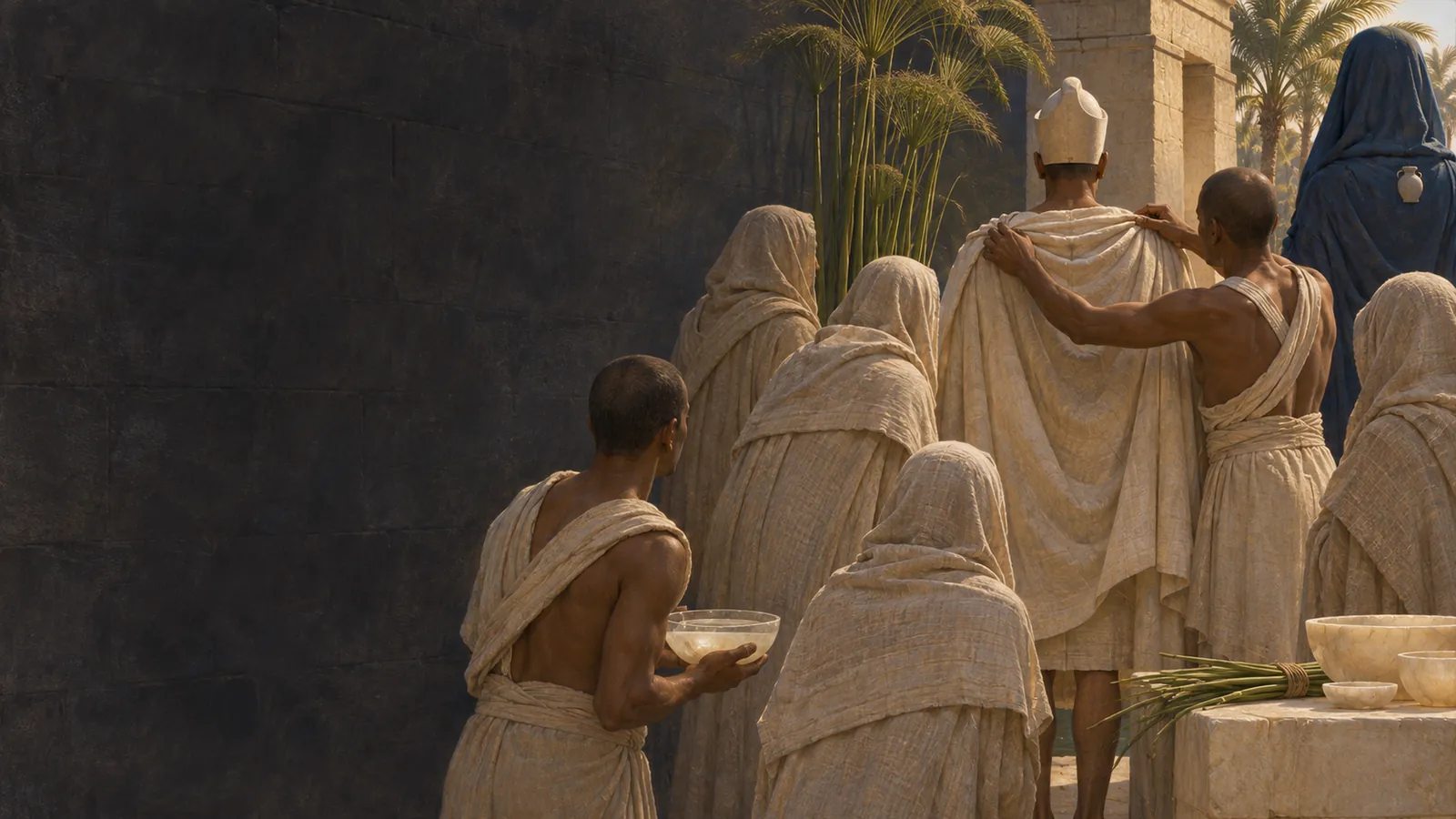
ينادي المتكلم هيباتج والمنادي وزمننو. ويقول إن الرداء الذي تلقّاه طهّره وثبّته إلهًا، ويطلب منهم أن يجعلوا له مقامًا بينهم.
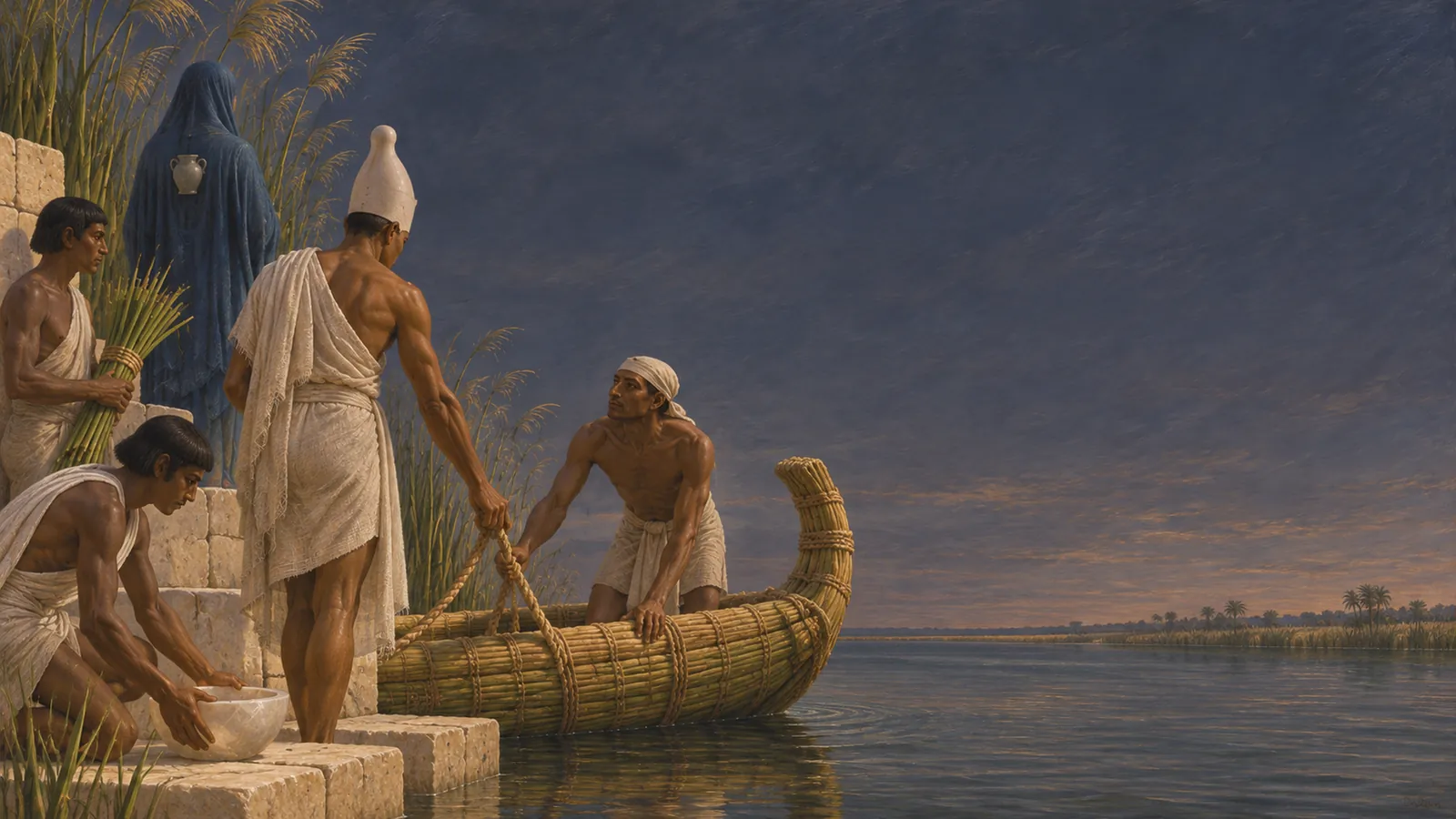
يخاطب المتكلّم سابح قناة حورس ذا المقدّمة الداكنة، وتضعه التلاوة عند عنق الشمس. ويقول إنهما كليهما للسماء.
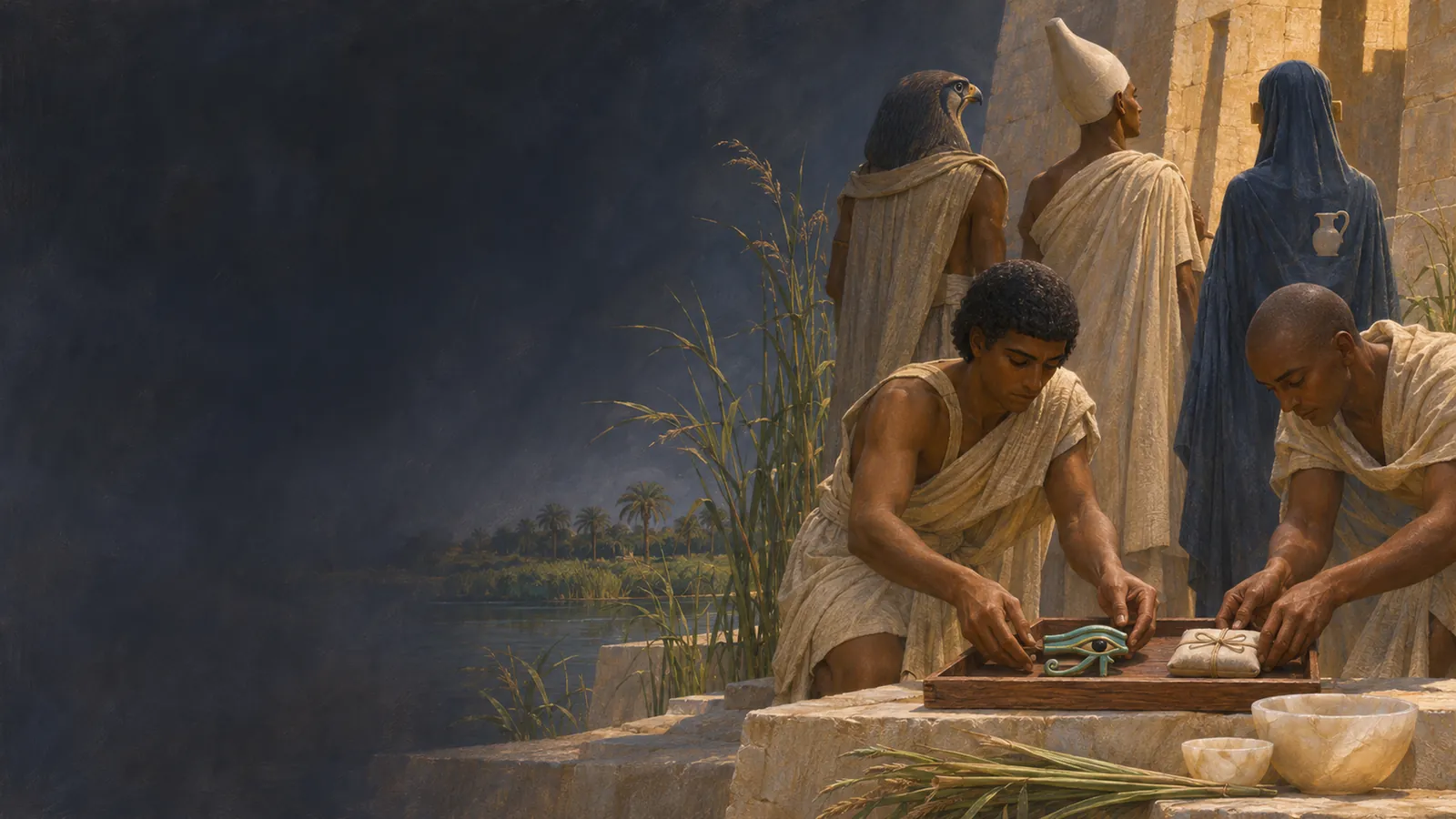
يطلب حورس وستّ المتكلّم لاستعادته عين حورس وخصيتي ستّ. ويطلبه تحوت أيضًا، ويستكمل ألن السبب، أي استعادة ذراعيه، من نصّ بيبي الثاني.
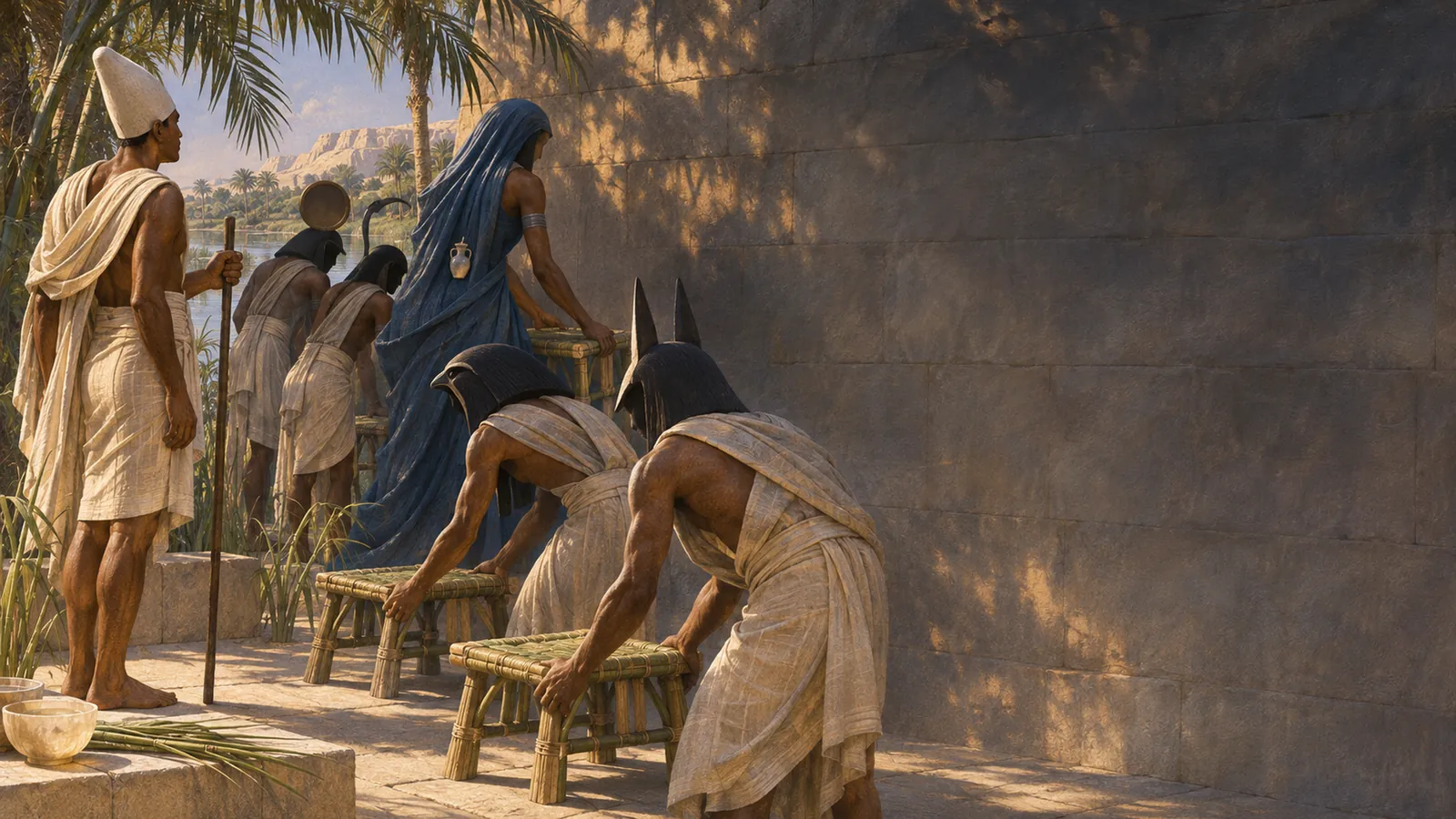
يهتزّ التاسوعان أمام الذين يأتون للمتكلّم. وتقول التلاوة إنهم يريدونه وسيأتون به إلى مقام الرضا.
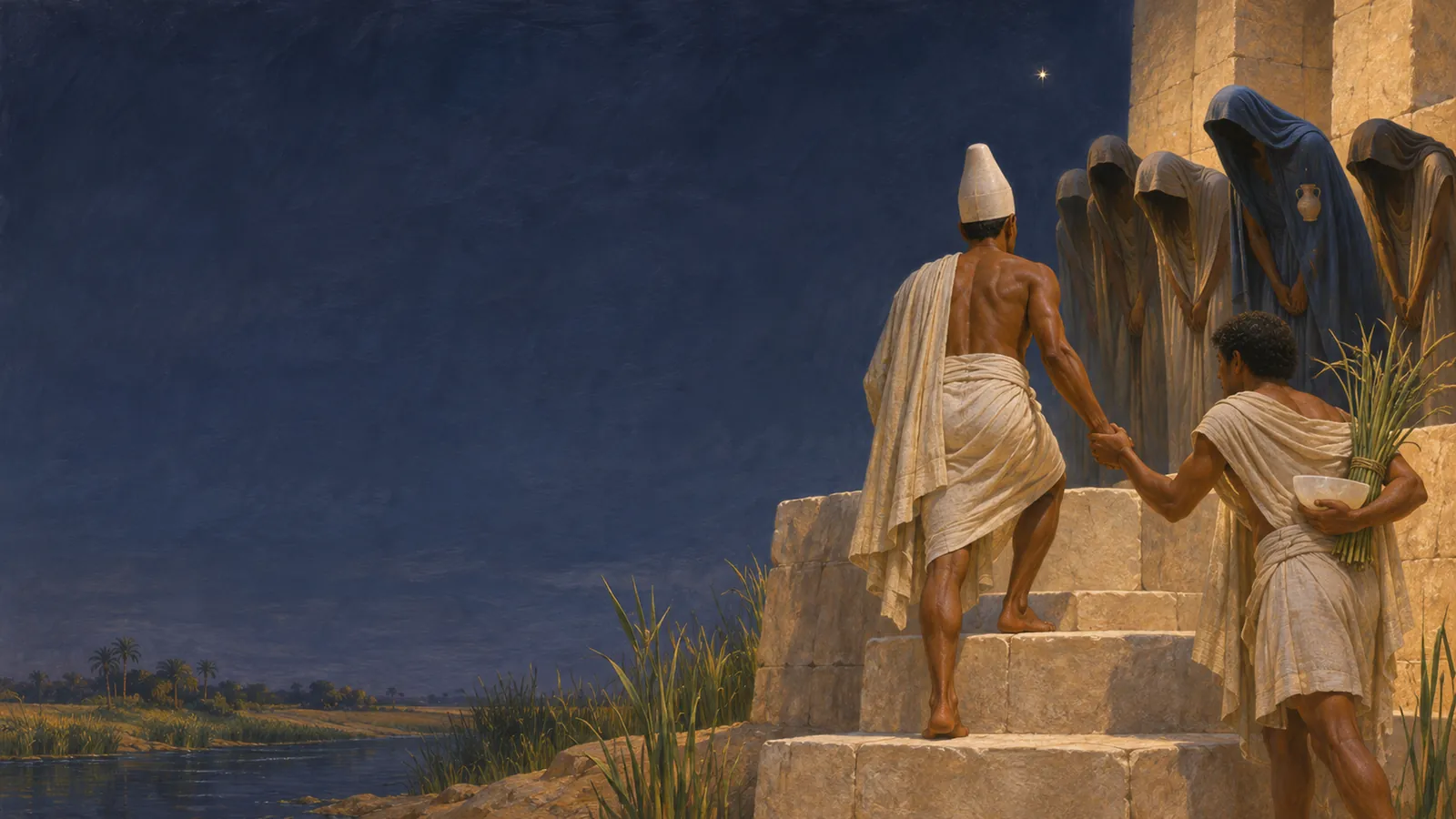
يصف المتكلّم نفسه مرتين بأنه نجم تنحني أمامه الآلهة ويهتزّ له التاسوعان. وترفعه يده في التلاوة الأولى. وفي الثانية يرى صعوده ويتنفّس.
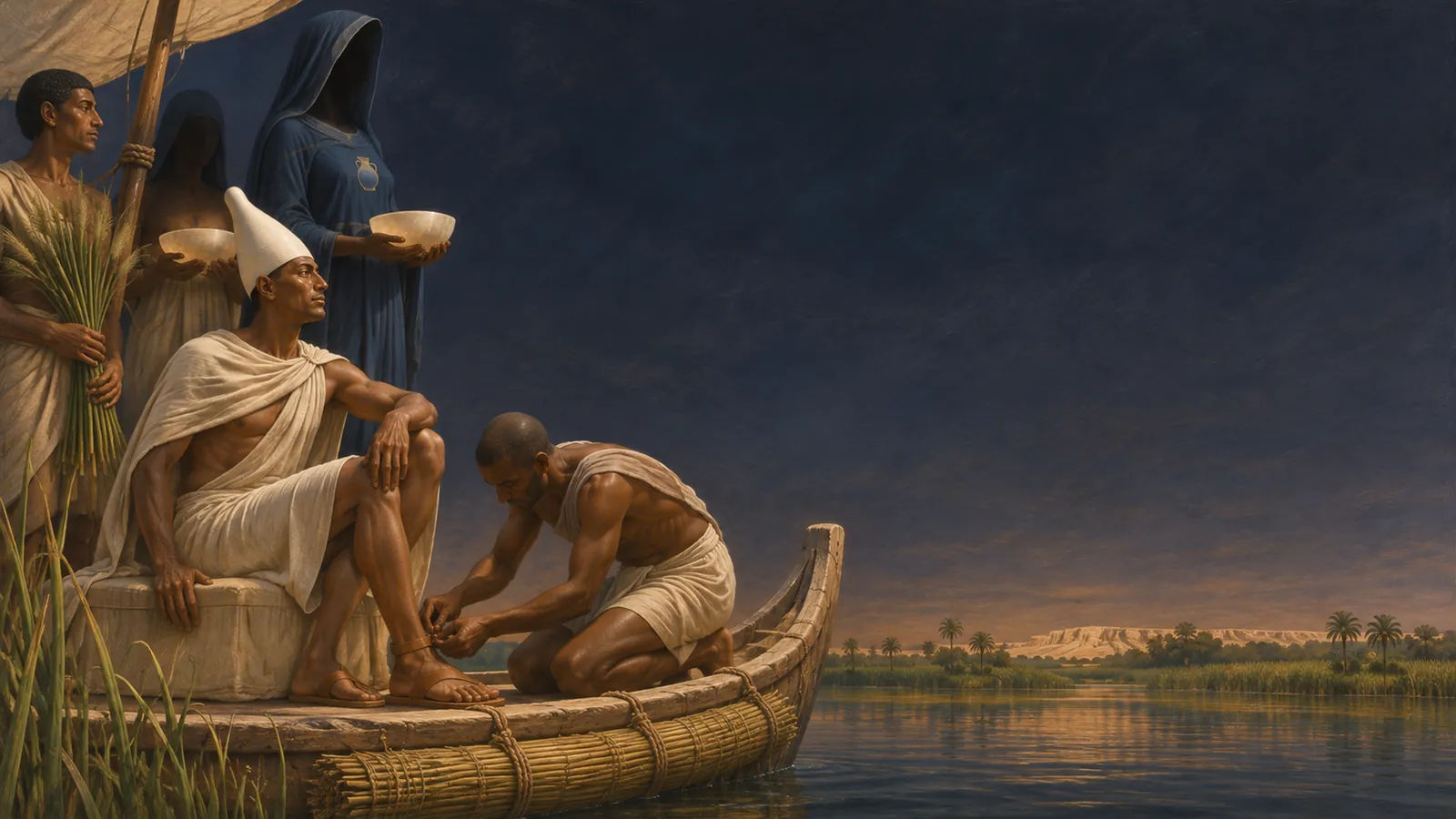
في تلاوتين متوازيتين يخرج المتكلّم إلى السماء على وسادة في المقدّمة ويمسك نعل السماء. وتعود التلاوة الثانية إلى رؤيته صعوده وإلى التنفّس.
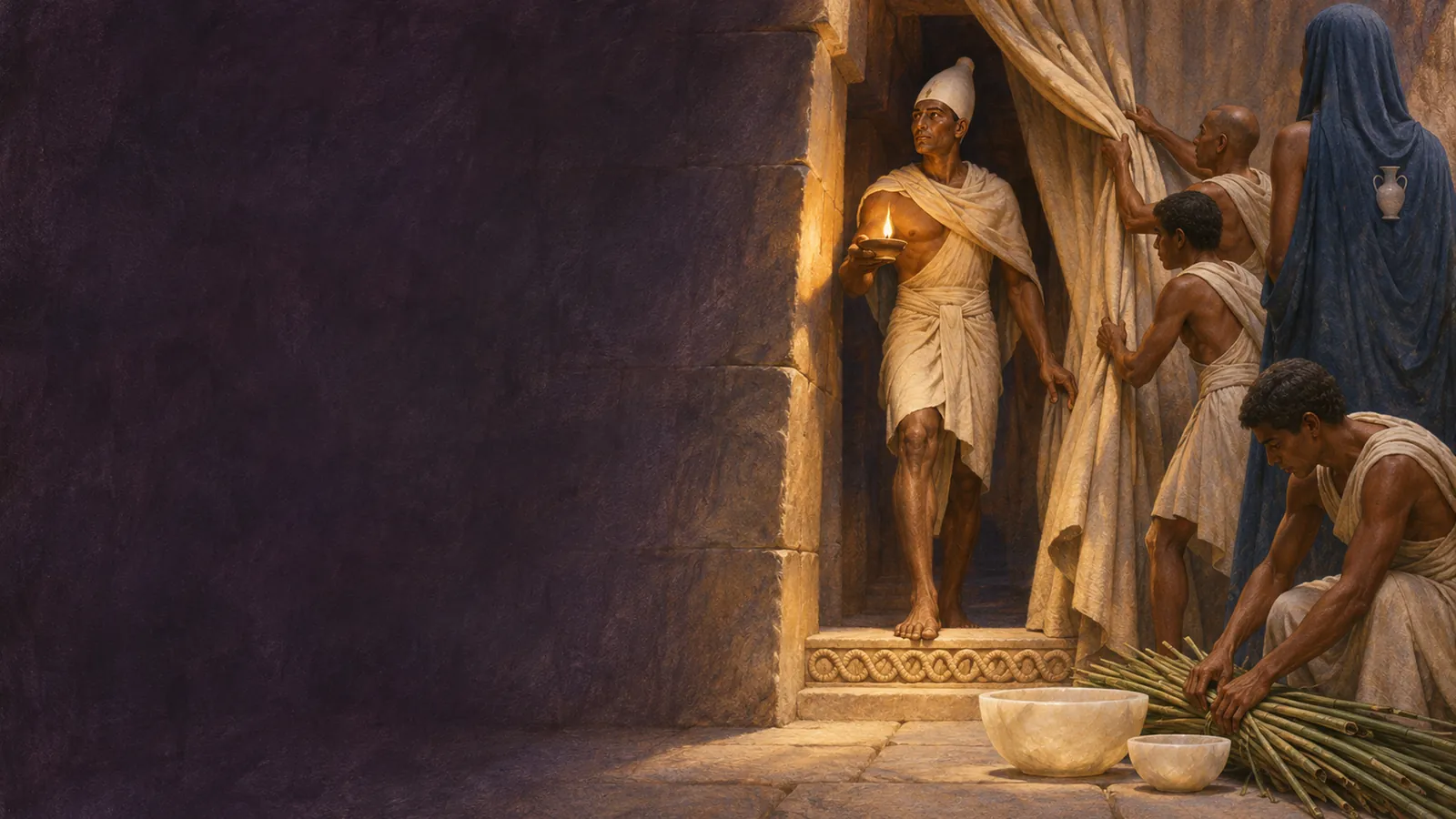
يقول المتكلّم إنه خرج ممّن يسمّيه ألن الملتفّ. ويقول إنه خرج بقوّة نارية تصرف عنه الخصوم.
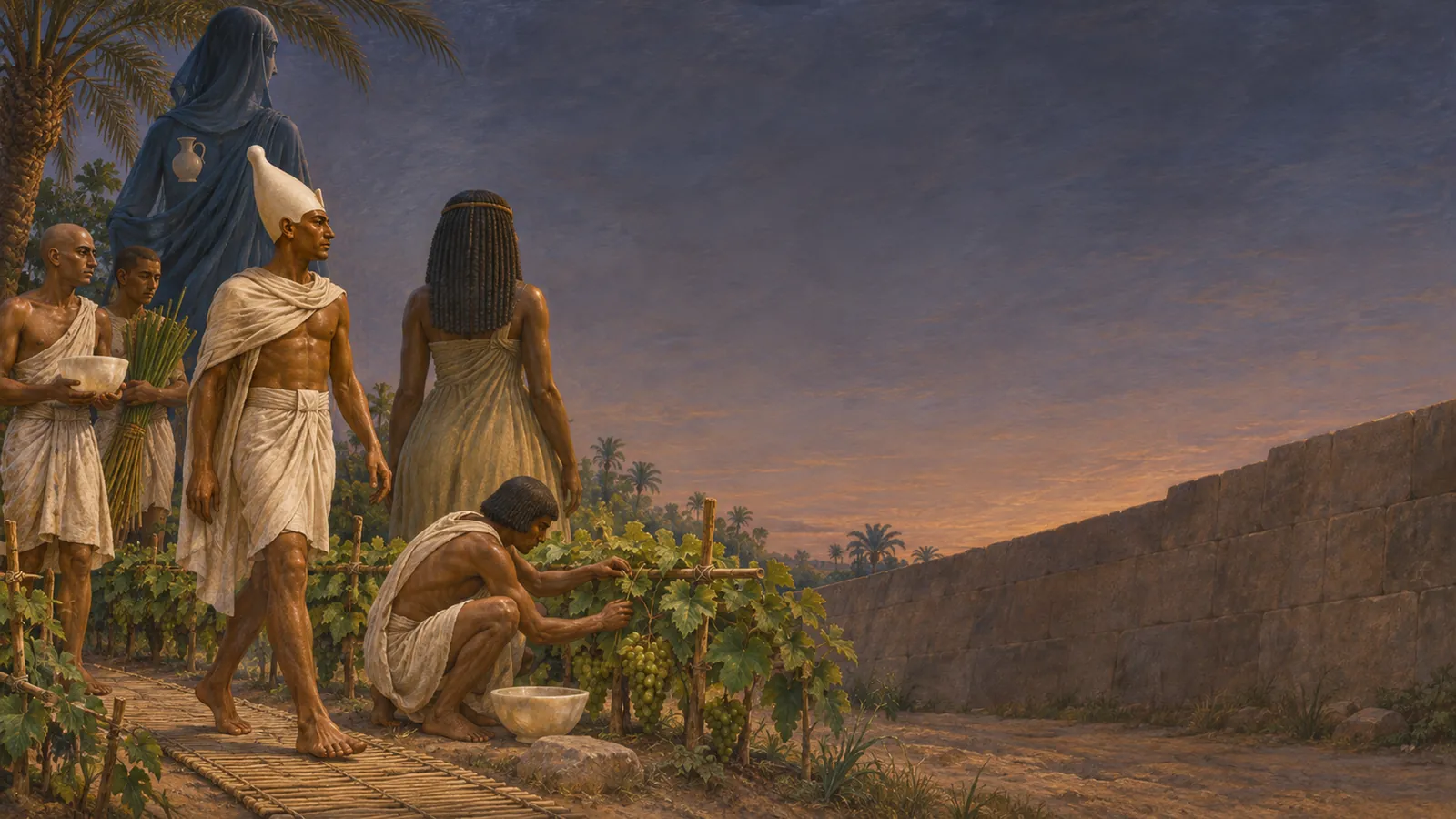
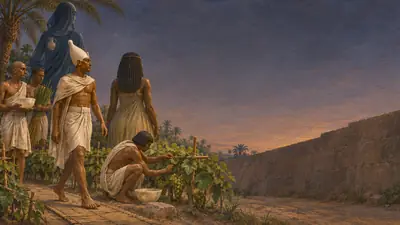
تقول التلاوة إن السماءين والأرضين أتت إليه. ويطأ الكرمة الخضراء تحت قدمَي جبّ ويدوس مسالك نوت.
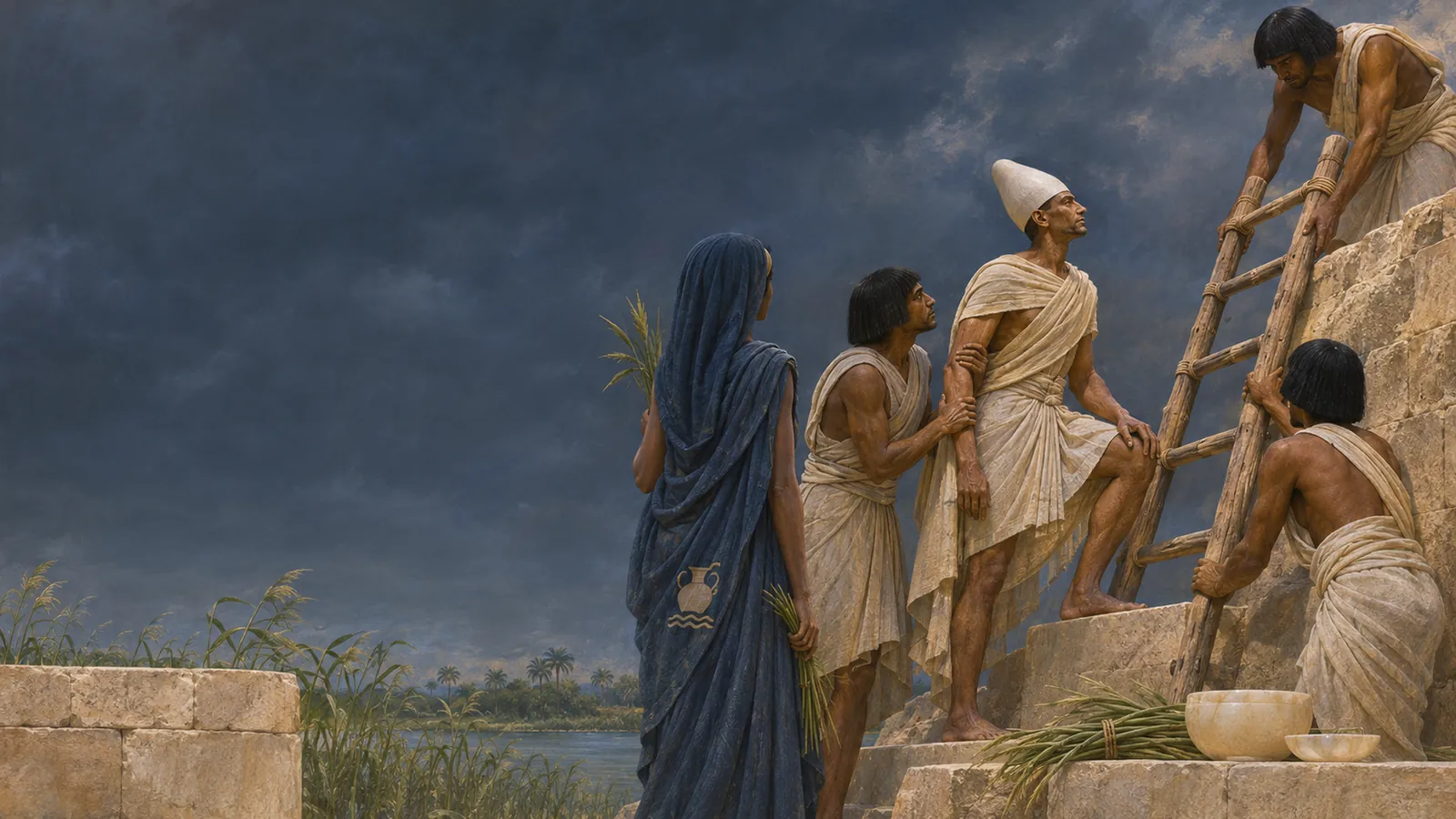
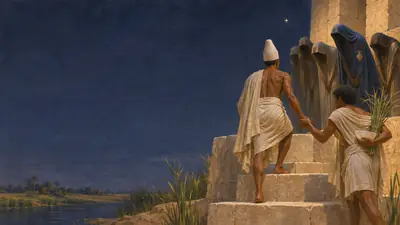
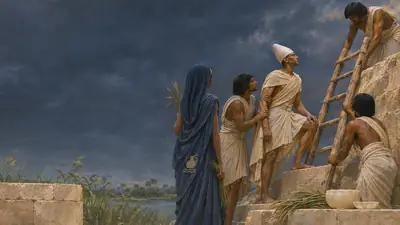
يتطهّر على التلّ نفسه الذي تطهّرت عليه الشمس. وينصب سلّم درجات ويرفع سلّمًا فيما يمسك أهل الغرب بذراعه.
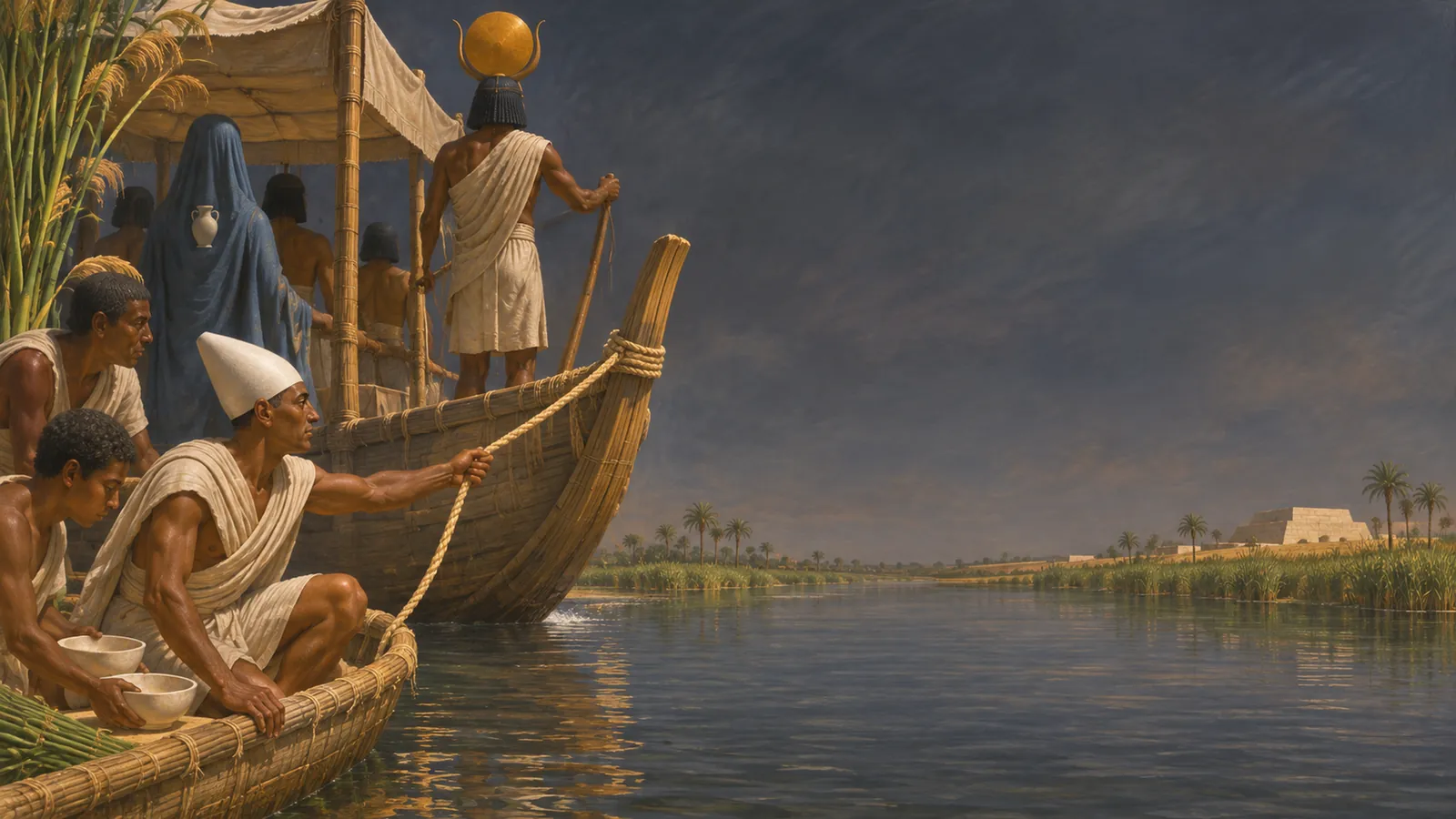
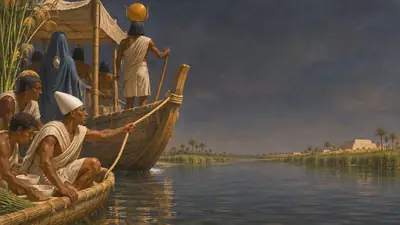
يحيّي الشمس وهي تعبر نوت والقناة المتعرّجة. ويقول إنه أمسك ذيلها، فهو إله وابن إله.
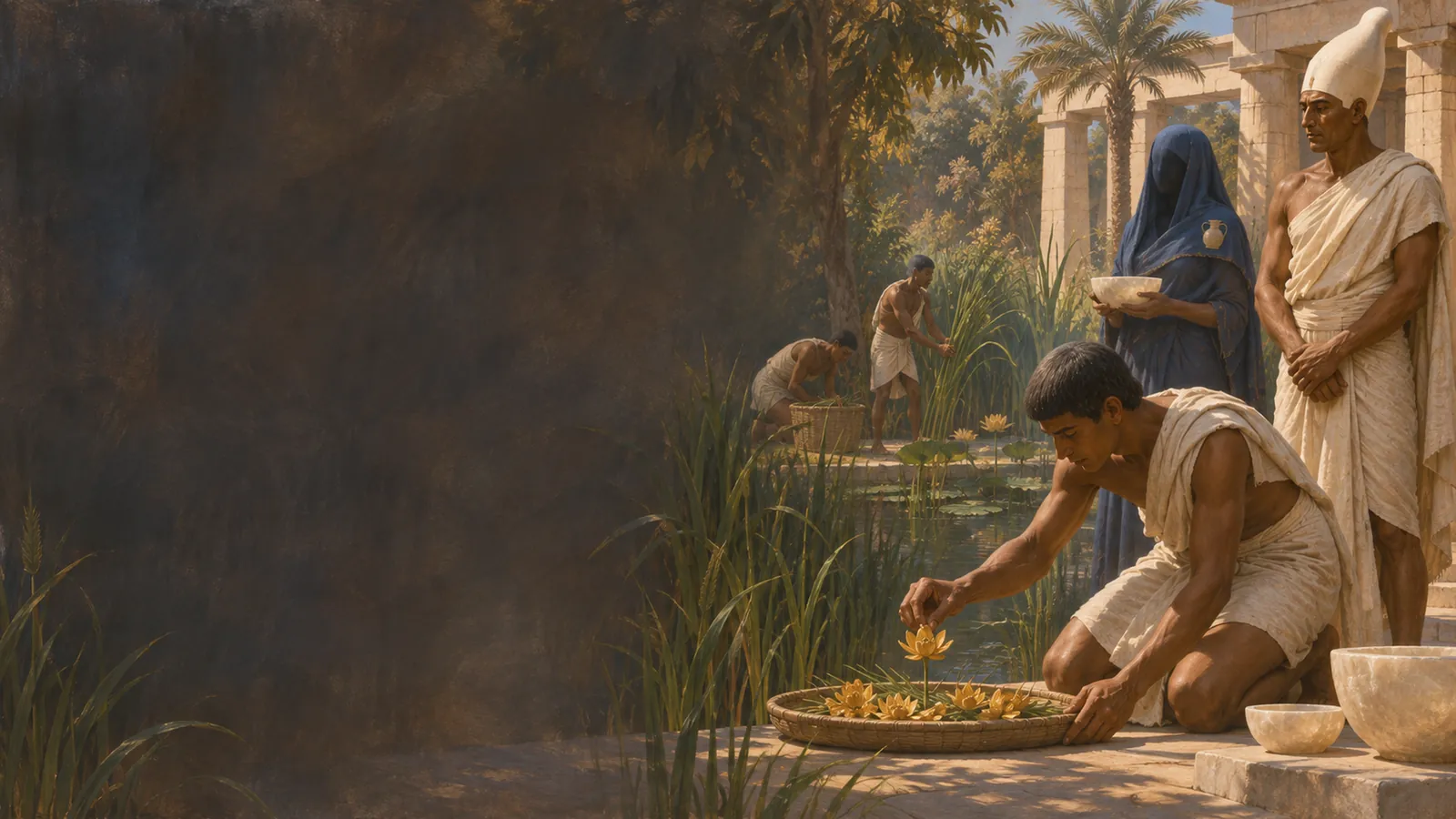
يصف المتكلّم نفسه بأنه الزهرة التي خرجت في هيئة كا. ويصف نفسه أيضًا بأنه الزهرة المذهّبة التي خرجت في إيسيوم.
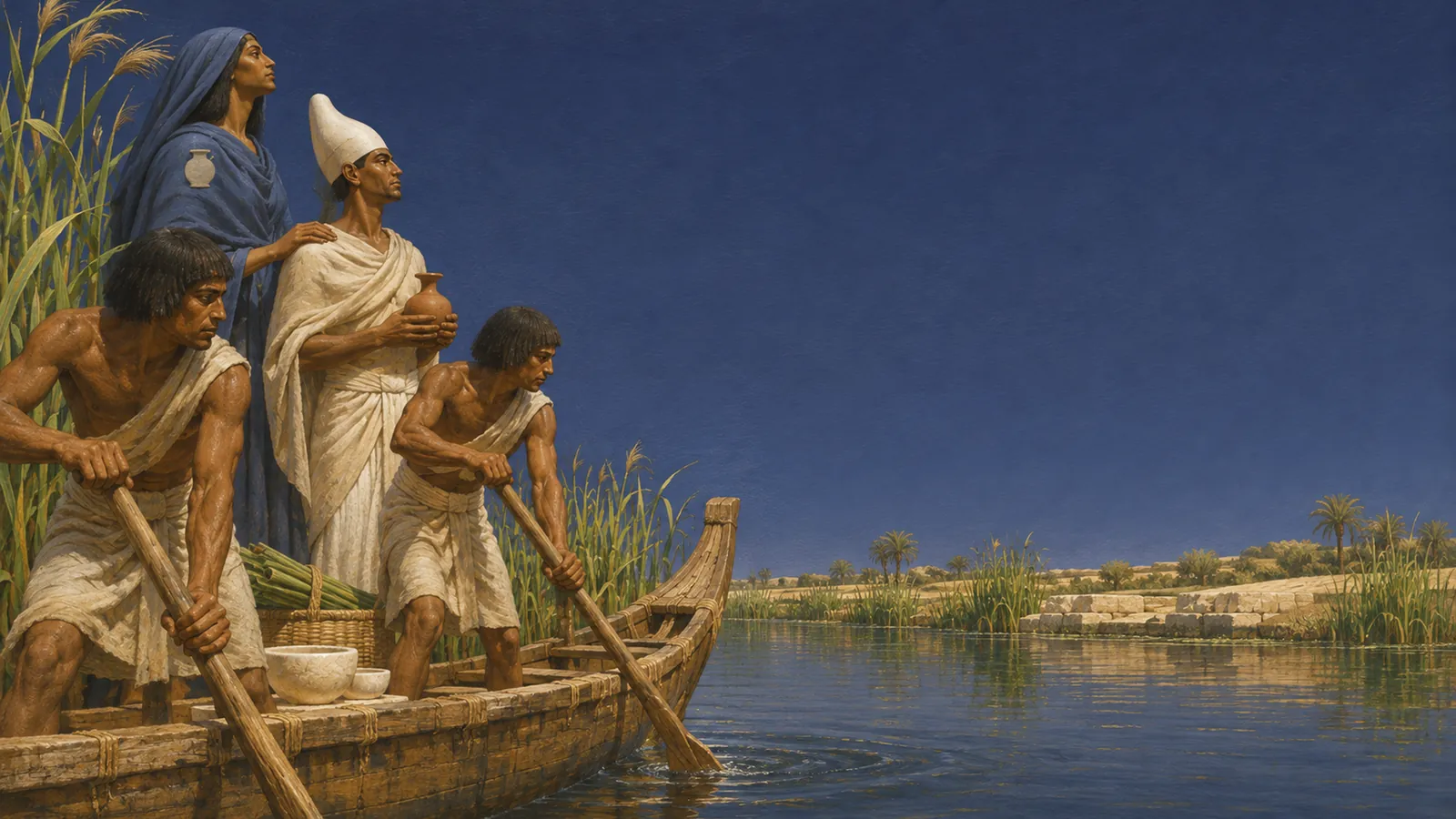
يجتاز المتكلّم بي بصفته كائن العالم السفلي المتقدّم في نزات، ويعبر كنموت في هيئة شِزمو بمركب معصرة الزيت. ويقول إن الإله يرغب في حياته أكثر من حياة فِتِكتي.
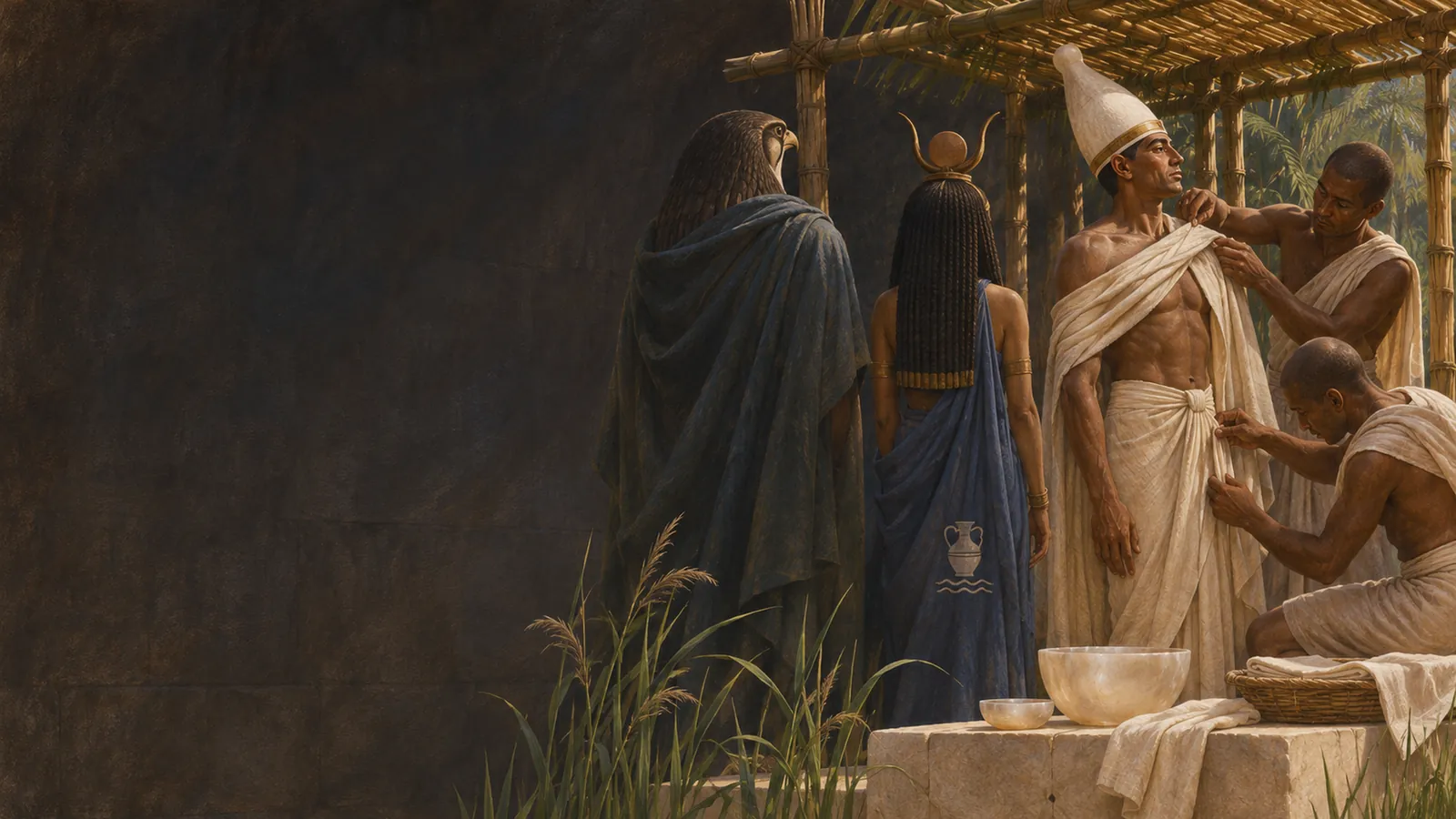
يتعجّب من هيئته بعصابة من جبين الشمس وإزار من حتحور وريش صقر. ويخرج إلى السماء بين الآلهة إخوته.
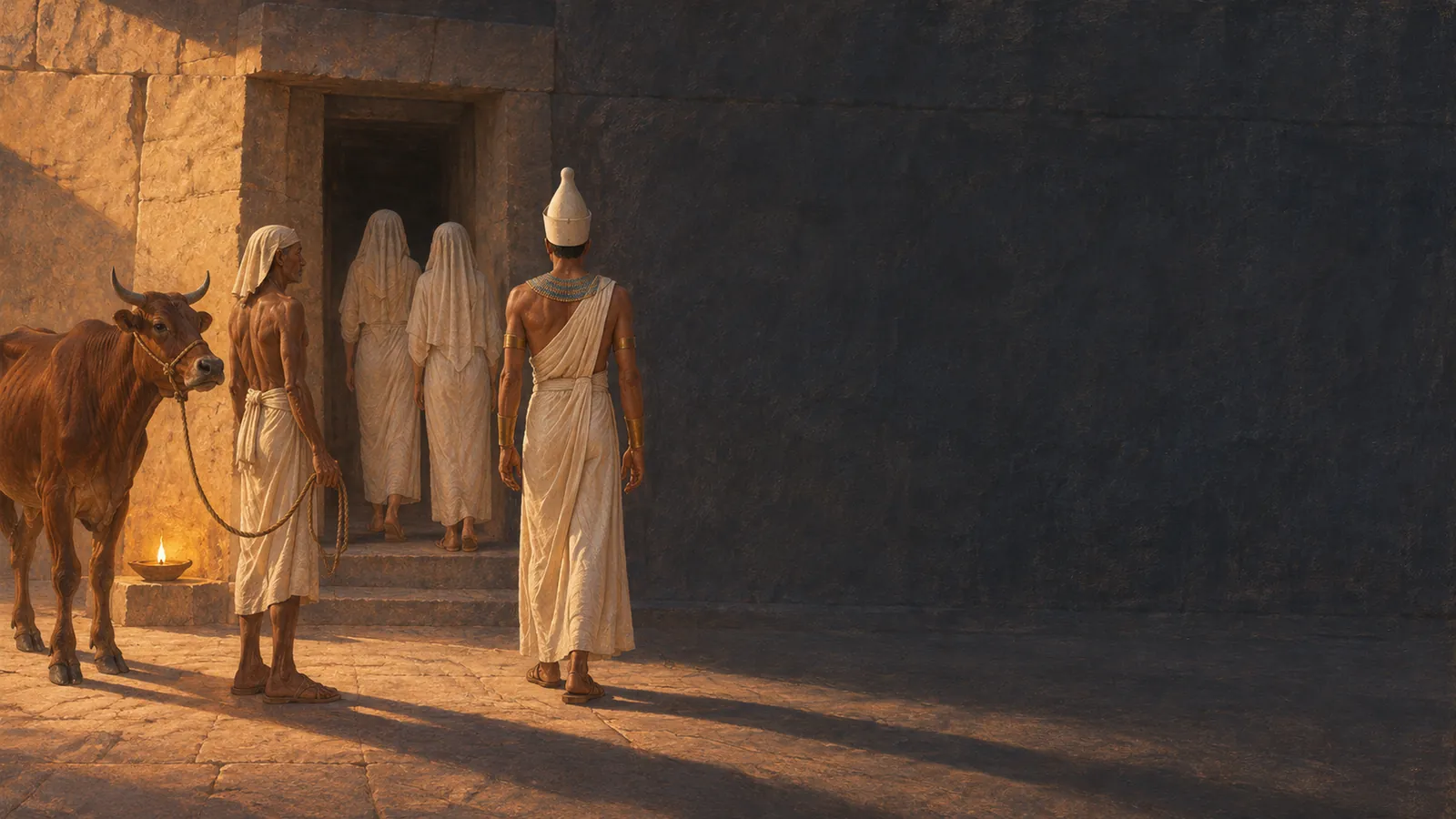
يحيّي المتكلّم في التلاوة الثور الخارج ويقول إنه يمسك بذيله وبأسفل عموده الفقري. وتكون أمامه إلهة عظيمة ووراءه أخرى.
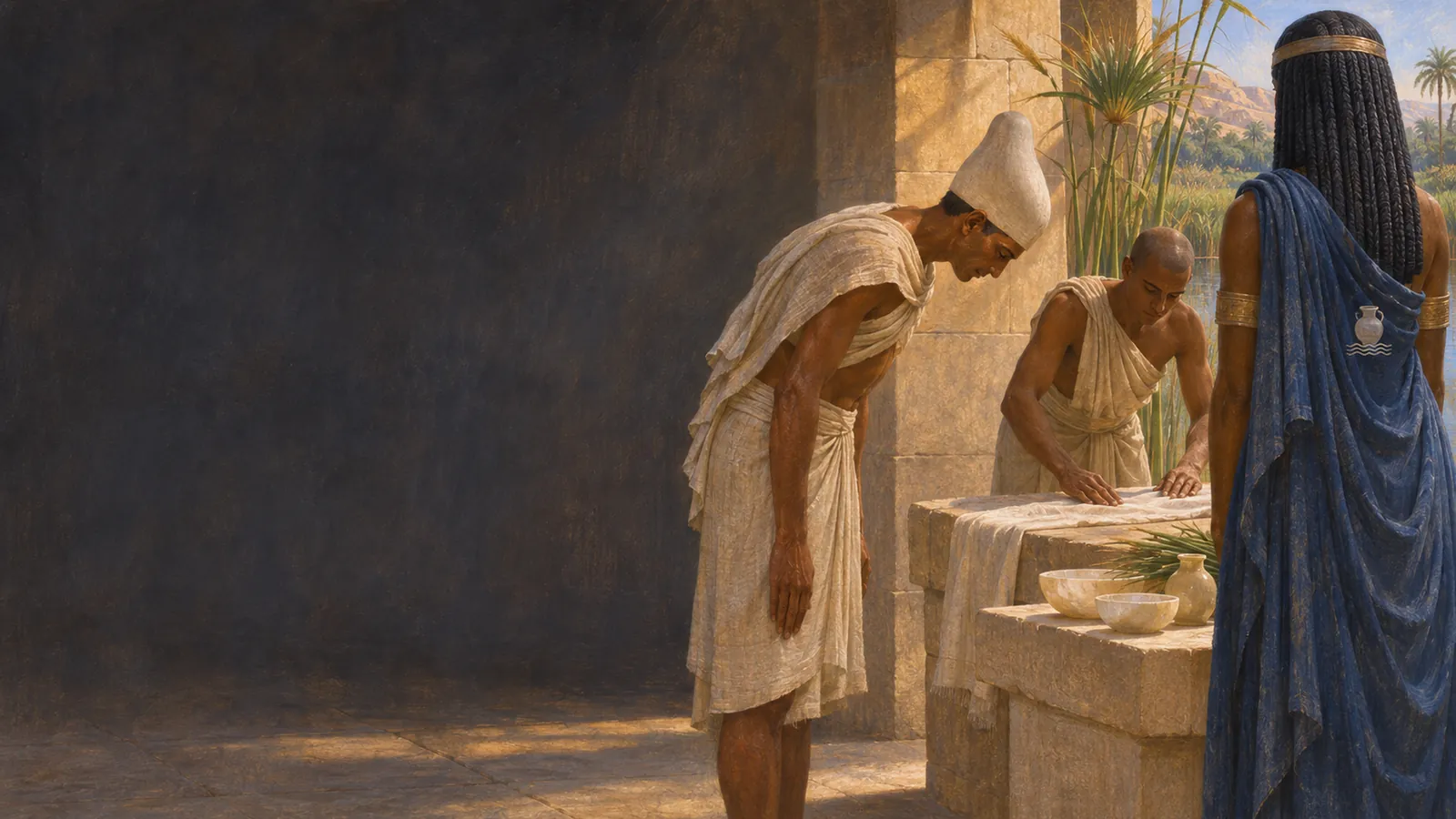
يطلب من أعظم الآلهة أن يتقبّله لأنه ينتمي إليه. وتقارن التلاوة أجزاء جثمان المتكلّم بأجزاء جثمان طفل.
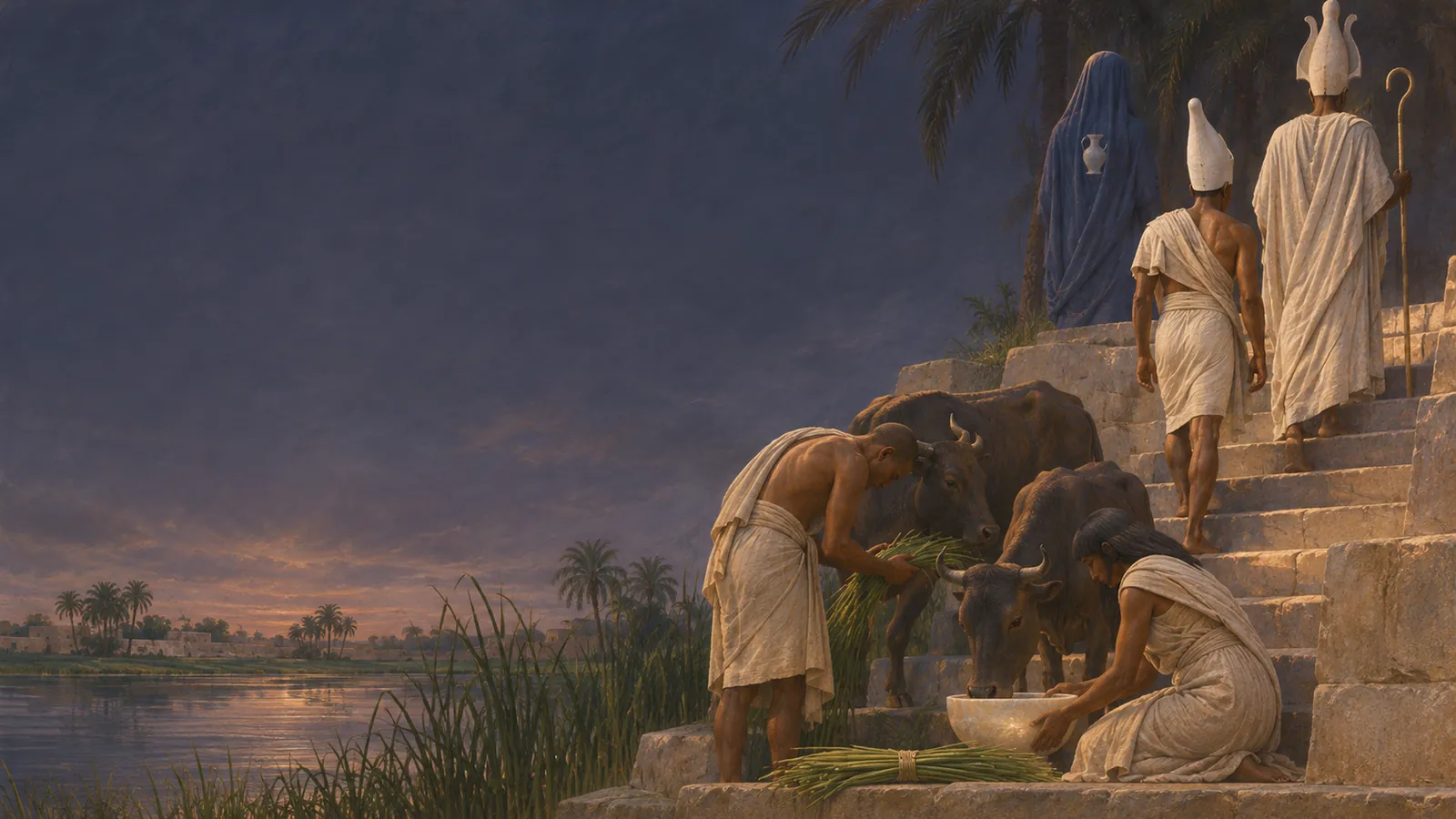
الرثاء عند الصعود
تتكلّم السماء وتهتزّ الأرض حين يخرج أوزيريس. وتدعو التلاوة الأبقار التي ترضعه إلى الاجتماع وقرع الصدور ورثائه وهو يصعد إلى السماء بين إخوته الآلهة.
نهاية الفصل الأول
كل الصفحات
المصادر
المصادر والملاحظات مكتوبة بالإنجليزية كما وردت في المراجع.
Allen’s Teti chapter, The Ancient Egyptian Pyramid Texts, second edition, SBL Press, 2015, pp. 70–74. The sarcophagus spells appear in Teti’s printed order, PT1–2, 6, 7, 4, 5, 3. The west gable runs PT322–337. The first sequence preserves the break after Geb’s opening words. In PT327, Allen takes the reason given for Thoth’s action from Pepi II and prints it in parentheses.
الطبعات المعتمدة
- SBL Press, James P. Allen, The Ancient Egyptian Pyramid Texts, second edition
- Teti, printed pp. 70–74, sarcophagus and west gable
- Teti, printed p. 98, notes 2–7
ملاحظات على هذه الرواية
PT 1–2. Nut speaks first and identifies Teti as the son she bore. The phrase about his emerging from her body paraphrases the words about opening her belly. Geb calls Teti the son of his own body. The printed brackets mark a break immediately afterward. Allen’s note 2 on p. 98 places PT 1–2 on the exterior of the sarcophagus lid.
PT 6. Addressed as the Elder Bud, Nut says she has given the Akhet to her desired son Teti so he may control it as Horus of the Akhet. The gods tell Nut that her choice is proper and ask her to escort him forever. Note 2 places this spell on the east wall of the sarcophagus interior.
PT 7. Nut is styled the Elder One and associated with the Compound of Shenit. She gives Teti the Duat so that he may be foremost there as Horus. In their reply, the gods call Shu Teti’s father and say he knows Nut loves Teti more than she loves her mother Tefnut. Later in the printed sequence the gods call Geb his father. Note 2 places PT 7 on the west wall inside the sarcophagus.
PT 4 and PT 5. These closely parallel recitations name Isis and then Nephthys. In each, Nut gives a sister to Teti so that she may take hold of him and give his mind to his body. Note 2 places PT 4 on the north wall and PT 5 on the south wall inside the sarcophagus.
PT 3. Nut is associated with the Lower Compound. She calls Teti the firstborn on Geb’s throne and says Geb gives him his inheritance before the Big Ennead. The gods’ exclamation about Teti’s happiness concludes the group. Note 2 places this spell on the bottom inside the sarcophagus.
PT 322, opening. The call for sky and earth to open begins Spells for Ascending to Nut. The compound-wall door opens to Horus and the lotus door opens to Seth.
Pages 13–14, PT 322. Allen supplies “door” in parentheses in the address to it. The words refer to the one at the front of his wall and to passing as Atum. The closing designation “Apparent in Heat” and the location within Negau remain specific to Allen’s reading.
Pages 15–16, PT 323. The speaker says he becomes clean with the Sun in the Lake of Reeds. The final two requests go to Shu and Nut, respectively.
Pages 17–18, PT 324, opening. The speaker addresses the keeper of Horus and the keeper of Osiris. Allen’s rendering “hair-spit” is retained for the thing he says he has brought. The words about hair becoming ill and bald are followed by a response about the gods’ magic. Allen brackets the verb “say” in the attribution of that response.
Pages 19–20, PT 324, two encounters. The speaker addresses the beseeched she-hippopotamus and says that she came against him. Allen brackets the coming verb. The speaker says he took one of Horus’s two scepters from her and struck her. A greeting tied to first coming into being follows, with her speaking marked in parentheses. The second address is to the monstrous she-donkey and gives the tail from the lake of Osiris. The two actions belong to the speaker’s recitation.
Page 21, PT 324, Khnum. The act of stepping on it is bracketed. Allen supplies the identification of the reply’s speaker in parentheses. The reply calls the reciter one of the Big Compound’s two pillars.
Pages 22–23, PT 325, the five openings. The five printed formulas repeat the doors, daybreak, emergence and cleansing. The four forms of Horus appear in the same order as the source and the fifth formula turns to the reciter. Allen brackets the first opening verb and a small preposition in the first formula, the emergence phrase in the fourth, and the preposition before daybreak in the fifth.
Page 24, PT 325, purification. Allen brackets the linking conjunction and the words for extending the limbs to oneself.
Page 25, PT 325, the Sun, Shu and the nurses. Allen calls them the nurses of the bas of Heliopolis.
Page 26, PT 325, Hepatj. The first address to Hepatj links the sky’s swollen womb to the force of a god’s seed. The speaker identifies himself with that seed. This is the speaker’s metaphor within the recitation.
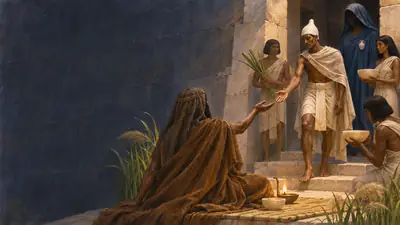
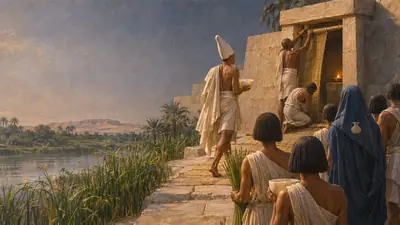
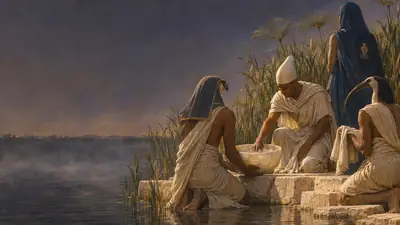
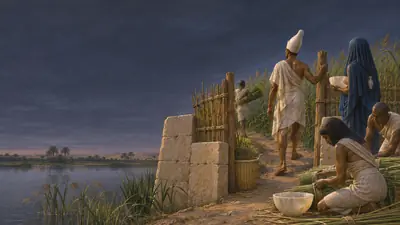
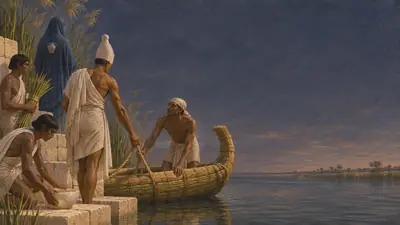
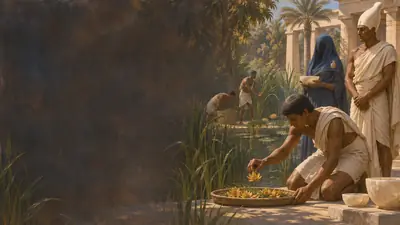
Purification takes place beside the Lake of Reeds.
Page 27, Allen 2015, Teti, p. 72, PT325. The final appeals of PT325 name Hepatj, Ululator and Zemnenu. The recipient attributes purification and divine establishment to the cloak and asks to be taken and settled as one of them.
Page 28, Allen 2015, Teti, p. 72, PT326. PT326 places the dark-fronted canal-swimmer at the Sun’s neck. Allen’s note 3 on p. 98 suggests a possible horizon reference.
Page 29, Allen 2015, Teti, p. 73, PT327, opening. PT327 names what was fetched for Horus and Seth. Allen’s p.
Page 30, Allen 2015, Teti, p. 73, PT327, conclusion. PT327 says the two Enneads shake. Allen supplies with fear in parentheses. The three seek, fetch and will fetch the speaker to contentment in the recitation.
Page 31, Allen 2015, Teti, p. 73, PT328–329. The divine bows and the Enneads shaking occur in both PT328 and PT329. Allen supplies a snake in parentheses in both. PT328 ends with the hand elevating the speaker.
Page 32, Allen 2015, Teti, p. 73, PT330–331. PT330 and PT331 both give the cushion in the prow and the grasping of the sandal. Allen supplies of the standard in PT330. In note 5 the possessor of the sandal is the sky. PT331 adds the repeated breath and sight formula.
Page 33, Allen 2015, Teti, p. 73, PT332, opening. The speaker says he emerged from the Coiled One with a fiery blast that drives opponents away. Allen supplies opponents in parentheses. Note 6 identifies a double reference in the written sign to completing a board game and overcoming the obstructing serpent.
Page 34, Allen 2015, Teti, p. 73, PT332, remainder. The speaker receives the two skies and lands, steps on the green vine under Geb’s feet and tramples Nut’s paths. Note 7 explains the skies north and south of the Winding Canal and the lands as the Nile Valley and Delta.
Page 35, Allen 2015, Teti, p. 73, PT333. PT333 locates the speaker’s purification on the Sun’s hill, distinguishes the stepladder and ladder, and says those of the west are grasping his arm.
Page 36, Allen 2015, Teti, p. 73, PT334, opening. The greeting in PT334 addresses the Sun crossing the sky and Nut. The speaker mentions the Sun’s journey on the Winding Canal, grasping its tail and his own divine parentage.
Page 37, Allen 2015, Teti, p. 73, PT334, blossom. The second movement of PT334 makes a paired claim about the blossom that comes forth as ka and the gilded blossom in Iseum.
Page 38, Allen 2015, Teti, p. 73, PT334, crossings. Pe, Nezat, Kenmut, Shezmu and Fetekte remain as printed. The speaker names his two crossings and the boat. This selection gives the stated preference for the speaker’s life without reporting any outcome for Fetekte.
Page 39, Allen 2015, Teti, p. 74, PT335. PT335 lists the headband from the Sun’s brow, the kilt from Hathor and the falcon’s plumage.
Page 40, Allen 2015, Teti, p. 74, PT336, first address. The first address of PT336 greets the steer at emergence and places two great goddesses around it.
Page 41, Allen 2015, Teti, p. 74, PT336, second address. The second address of PT336 asks the greatest god to receive the speaker. The description compares the parts of the speaker’s dead body to those of a child. The line does not describe harm to a child.
Page 42, Allen 2015, Teti, p. 74, PT337. PT337 gives the shaking of the earth and speech of the sky at Osiris’s emergence. The nurse-cows are called to gather and mourn as he goes to the sky.
الأسطر القديمة وراء كل صفحة
- Page 1: Allen 2015, The Ancient Egyptian Pyramid Texts, Teti, p. 70, PT 1–2, opening
- Page 2: Allen 2015, The Ancient Egyptian Pyramid Texts, Teti, p. 70, PT 1–2, Nut’s speech
- Page 3: Allen 2015, The Ancient Egyptian Pyramid Texts, Teti, p. 70, PT 1–2, Geb’s speech
- Page 4: Allen 2015, The Ancient Egyptian Pyramid Texts, Teti, p. 71, PT 6, Nut’s speech
- Page 5: Allen 2015, The Ancient Egyptian Pyramid Texts, Teti, p. 71, PT 6, gods’ reply
- Page 6: Allen 2015, The Ancient Egyptian Pyramid Texts, Teti, p. 71, PT 7, Nut’s speech
- Page 7: Allen 2015, The Ancient Egyptian Pyramid Texts, Teti, p. 71, PT 7, gods’ reply
- Page 8: Allen 2015, The Ancient Egyptian Pyramid Texts, Teti, p. 71, PT 4
- Page 9: Allen 2015, The Ancient Egyptian Pyramid Texts, Teti, p. 71, PT 5
- Page 10: Allen 2015, The Ancient Egyptian Pyramid Texts, Teti, p. 71, PT 3, Nut’s speech
- Page 11: Allen 2015, The Ancient Egyptian Pyramid Texts, Teti, p. 71, PT 3, gods’ reply
- Page 12: Allen 2015, The Ancient Egyptian Pyramid Texts, Teti, p. 71, PT 322, opening
- Page 13: Allen, The Ancient Egyptian Pyramid Texts, 2nd ed. (2015), Teti, p. 71, PT 322, middle
- Page 14: Allen, The Ancient Egyptian Pyramid Texts, 2nd ed. (2015), Teti, p. 71, PT 322, ending
- Page 15: Allen, The Ancient Egyptian Pyramid Texts, 2nd ed. (2015), Teti, p. 71, PT 323, opening
- Page 16: Allen, The Ancient Egyptian Pyramid Texts, 2nd ed. (2015), Teti, p. 71, PT 323, ending
- Page 17: Allen, The Ancient Egyptian Pyramid Texts, 2nd ed. (2015), Teti, p. 71, PT 324, errand
- Page 18: Allen, The Ancient Egyptian Pyramid Texts, 2nd ed. (2015), Teti, p. 71, PT 324, hair and reply
- Page 19: Allen, The Ancient Egyptian Pyramid Texts, 2nd ed. (2015), Teti, p. 72, PT 324, first encounter
- Page 20: Allen, The Ancient Egyptian Pyramid Texts, 2nd ed. (2015), Teti, p. 72, PT 324, second encounter
- Page 21: Allen, The Ancient Egyptian Pyramid Texts, 2nd ed. (2015), Teti, p. 72, PT 324, Khnum and reply
- Page 22: Allen, The Ancient Egyptian Pyramid Texts, 2nd ed. (2015), Teti, p. 72, PT 325, first four openings
- Page 23: Allen, The Ancient Egyptian Pyramid Texts, 2nd ed. (2015), Teti, p. 72, PT 325, first-person opening
- Page 24: Allen, The Ancient Egyptian Pyramid Texts, 2nd ed. (2015), Teti, p. 72, PT 325, purification and body
- Page 25: Allen, The Ancient Egyptian Pyramid Texts, 2nd ed. (2015), Teti, p. 72, PT 325, Sun, Shu and Heliopolis
- Page 26: Allen, The Ancient Egyptian Pyramid Texts, 2nd ed. (2015), Teti, p. 72, PT 325, Hepatj and the sky
- Page 27: Allen, The Ancient Egyptian Pyramid Texts, 2nd ed. (2015), Teti, p. 72, PT325
- Page 28: Allen, The Ancient Egyptian Pyramid Texts, 2nd ed. (2015), Teti, p. 72, PT326
- Page 29: Allen, The Ancient Egyptian Pyramid Texts, 2nd ed. (2015), Teti, p. 73, PT327, opening
- Page 30: Allen, The Ancient Egyptian Pyramid Texts, 2nd ed. (2015), Teti, p. 73, PT327, conclusion
- Page 31: Allen, The Ancient Egyptian Pyramid Texts, 2nd ed. (2015), Teti, p. 73, PT328–329
- Page 32: Allen, The Ancient Egyptian Pyramid Texts, 2nd ed. (2015), Teti, p. 73, PT330–331
- Page 33: Allen, The Ancient Egyptian Pyramid Texts, 2nd ed. (2015), Teti, p. 73, PT332, opening
- Page 34: Allen, The Ancient Egyptian Pyramid Texts, 2nd ed. (2015), Teti, p. 73, PT332, remainder
- Page 35: Allen, The Ancient Egyptian Pyramid Texts, 2nd ed. (2015), Teti, p. 73, PT333
- Page 36: Allen, The Ancient Egyptian Pyramid Texts, 2nd ed. (2015), Teti, p. 73, PT334, opening
- Page 37: Allen, The Ancient Egyptian Pyramid Texts, 2nd ed. (2015), Teti, p. 73, PT334, blossom
- Page 38: Allen, The Ancient Egyptian Pyramid Texts, 2nd ed. (2015), Teti, p. 73, PT334, crossings
- Page 39: Allen, The Ancient Egyptian Pyramid Texts, 2nd ed. (2015), Teti, p. 74, PT335
- Page 40: Allen, The Ancient Egyptian Pyramid Texts, 2nd ed. (2015), Teti, p. 74, PT336, first address
- Page 41: Allen, The Ancient Egyptian Pyramid Texts, 2nd ed. (2015), Teti, p. 74, PT336, second address
- Page 42: Allen, The Ancient Egyptian Pyramid Texts, 2nd ed. (2015), Teti, p. 74, PT337
الرسوم من صنع أرشيف إيل بأدوات الذكاء الاصطناعي؛ والنص مبني على المصادر القديمة (انظر المصادر في آخر كل فصل).