تيتي وملّاح القناة المتعرّجة الفصل الأول
استدعاء الملّاح
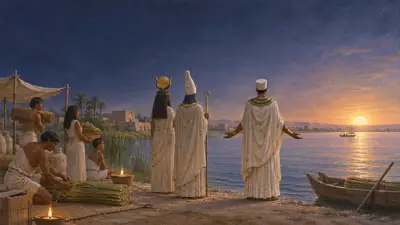
في تلاوة من هرم تيتي، تقفز عين حورس ويسعى المتكلّم إلى العبور إلى الجانب الشرقيّ من السماء. وينادي الملّاح ويجد مقعده خاليًا في مؤخّرة مركب الشمس.
المصادرقلّب الصفحات بالأزرار أو بمفاتيح الأسهم أو بسحب الإصبع.
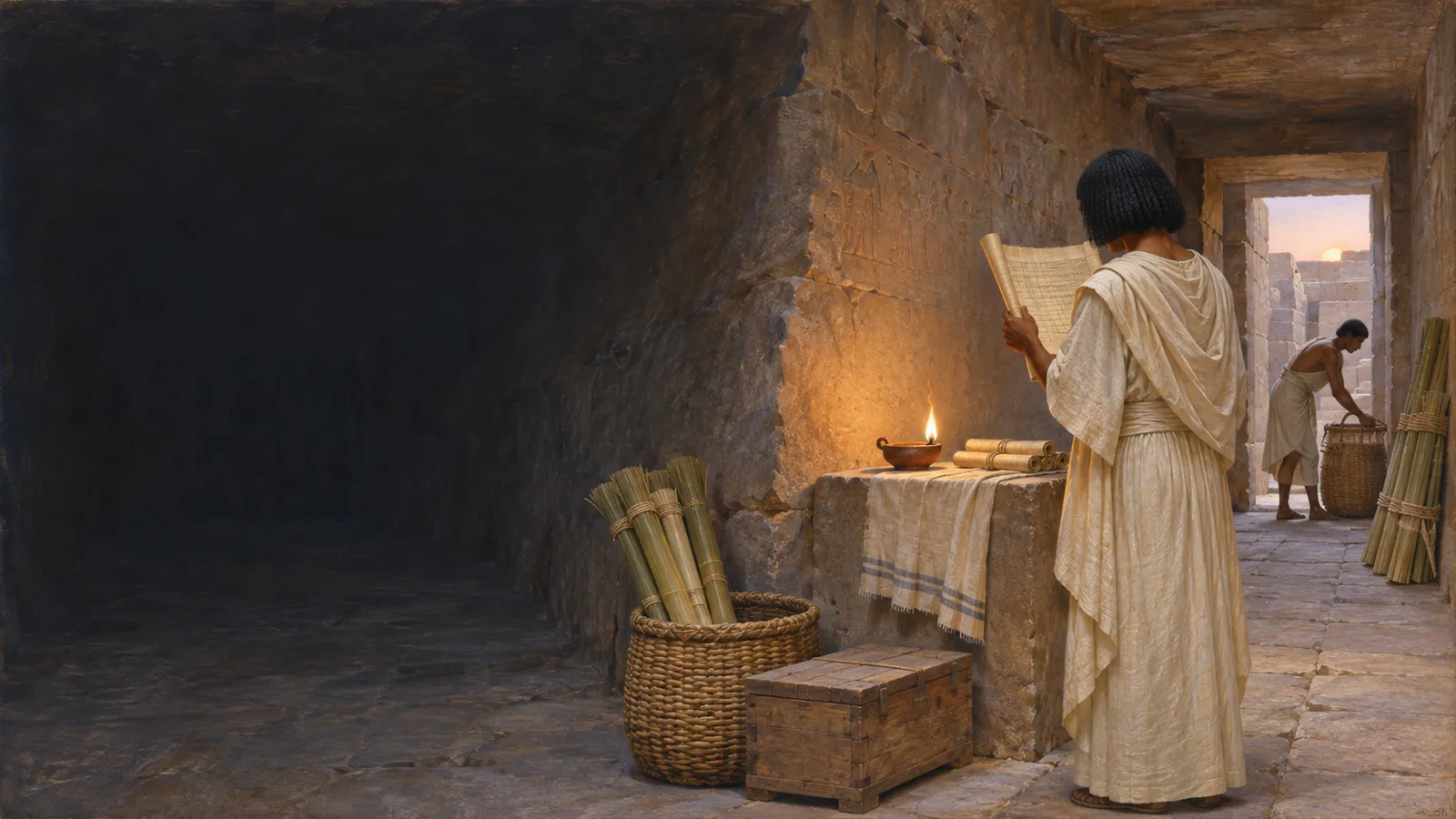
استدعاء الملّاح
يترجم جيمس ألن هذه التلاوة من هرم تيتي. وهي منقوشة في الممرّ الممتدّ من حجرة الدفن إلى الحجرة الأماميّة، ضمن تعاويذ الخروج من الدوات.
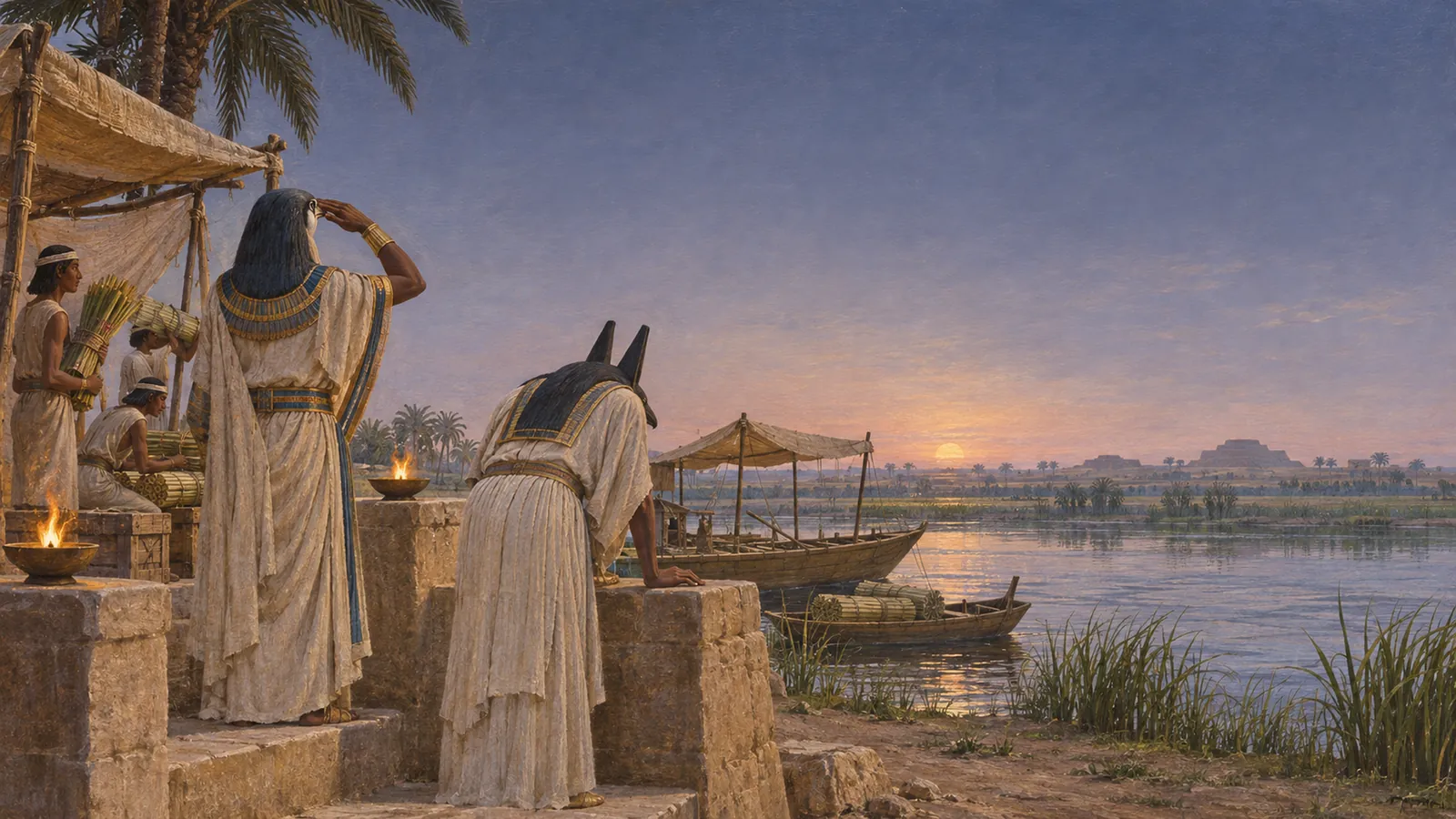
في مطلع التلاوة يصرخ حورس بسبب عينه، ويصرخ ستّ بسبب خصيتيه.
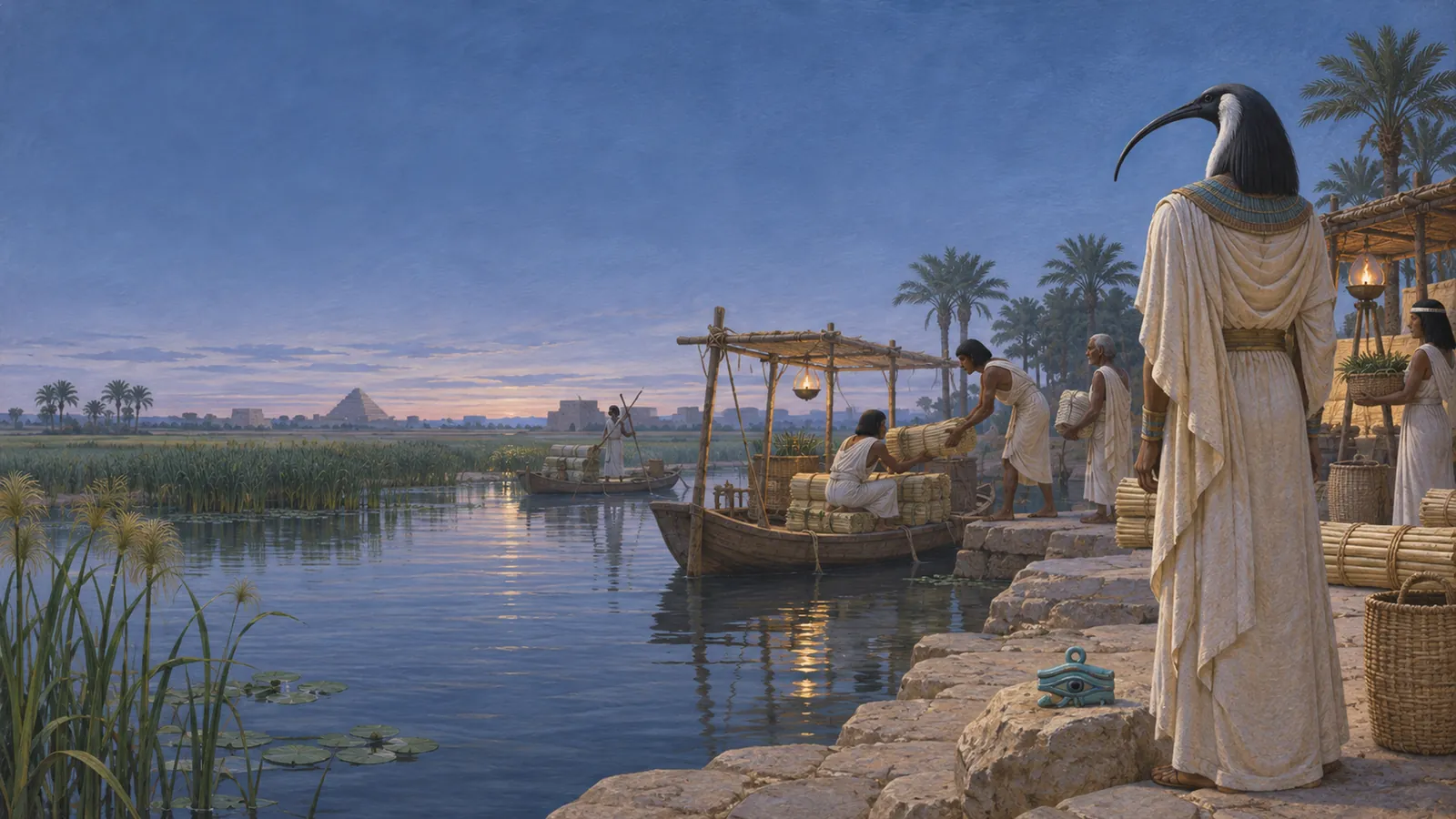
تقفز عين حورس طلبًا للنجاة من ستّ. وتذكر التلاوة وصولًا إلى الضفّة الأخرى من القناة المتعرّجة، حيث شوهد تحوت.
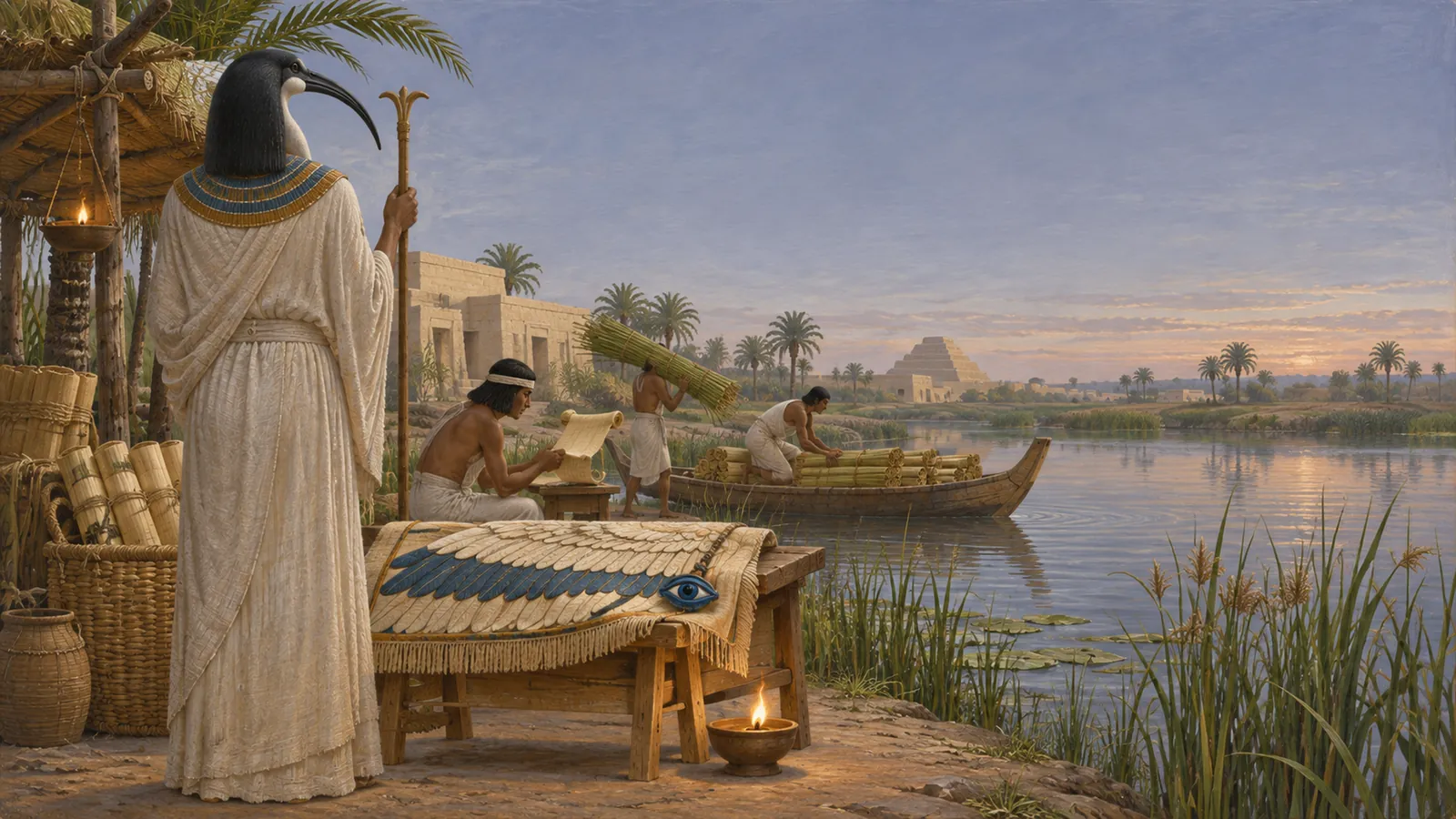
تقول التعويذة إنّ عين حورس تقفز مرّةً أخرى على الجانب الآخر من القناة. ثمّ تذكر وصولًا إلى جناح تحوت.
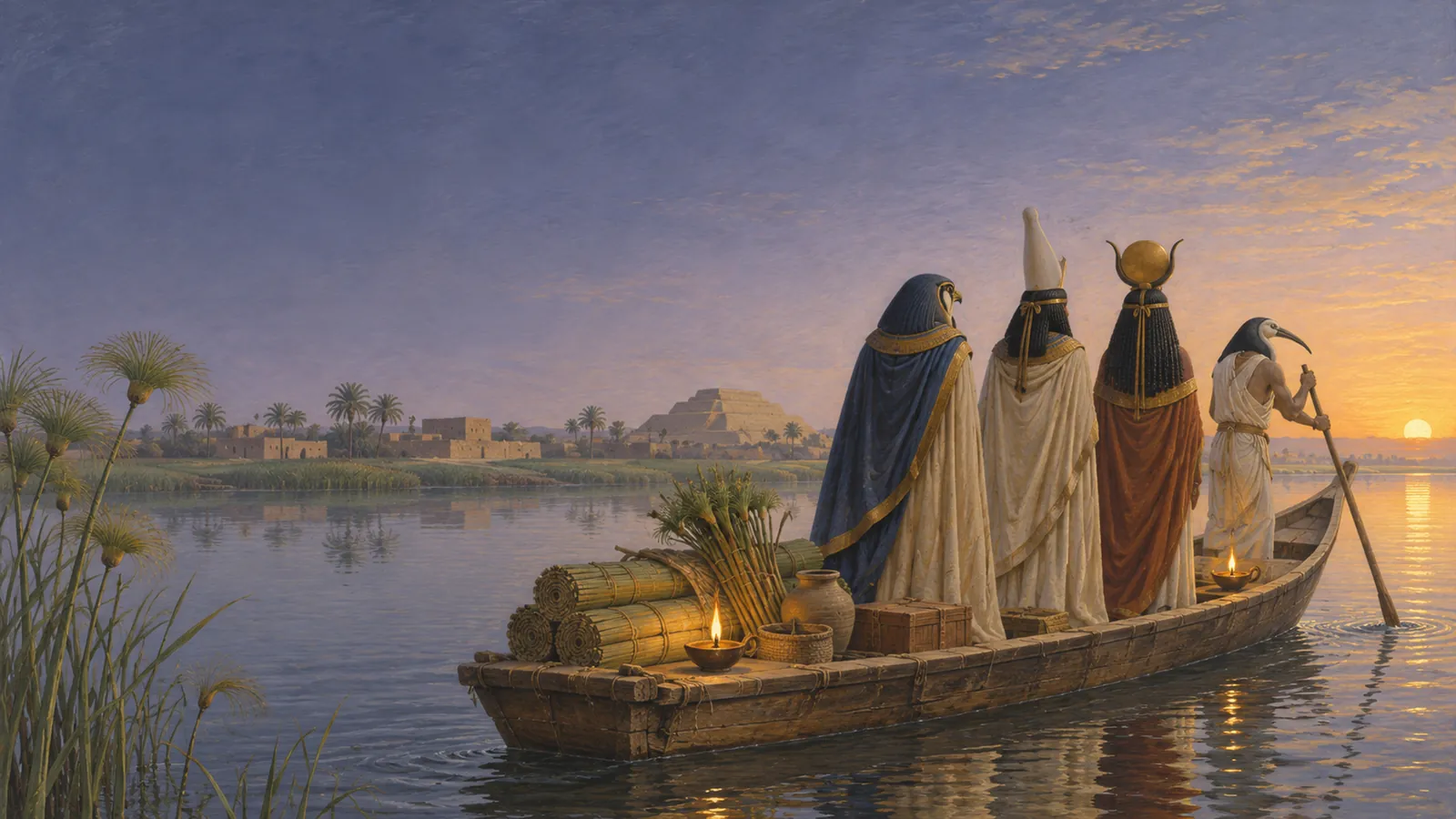
يخاطب المتكلّم الآلهة التي تعبر على جناح تحوت إلى الجانب الشرقيّ من السماء. وهي تعبر لتخاصم ستّ بشأن عين حورس.
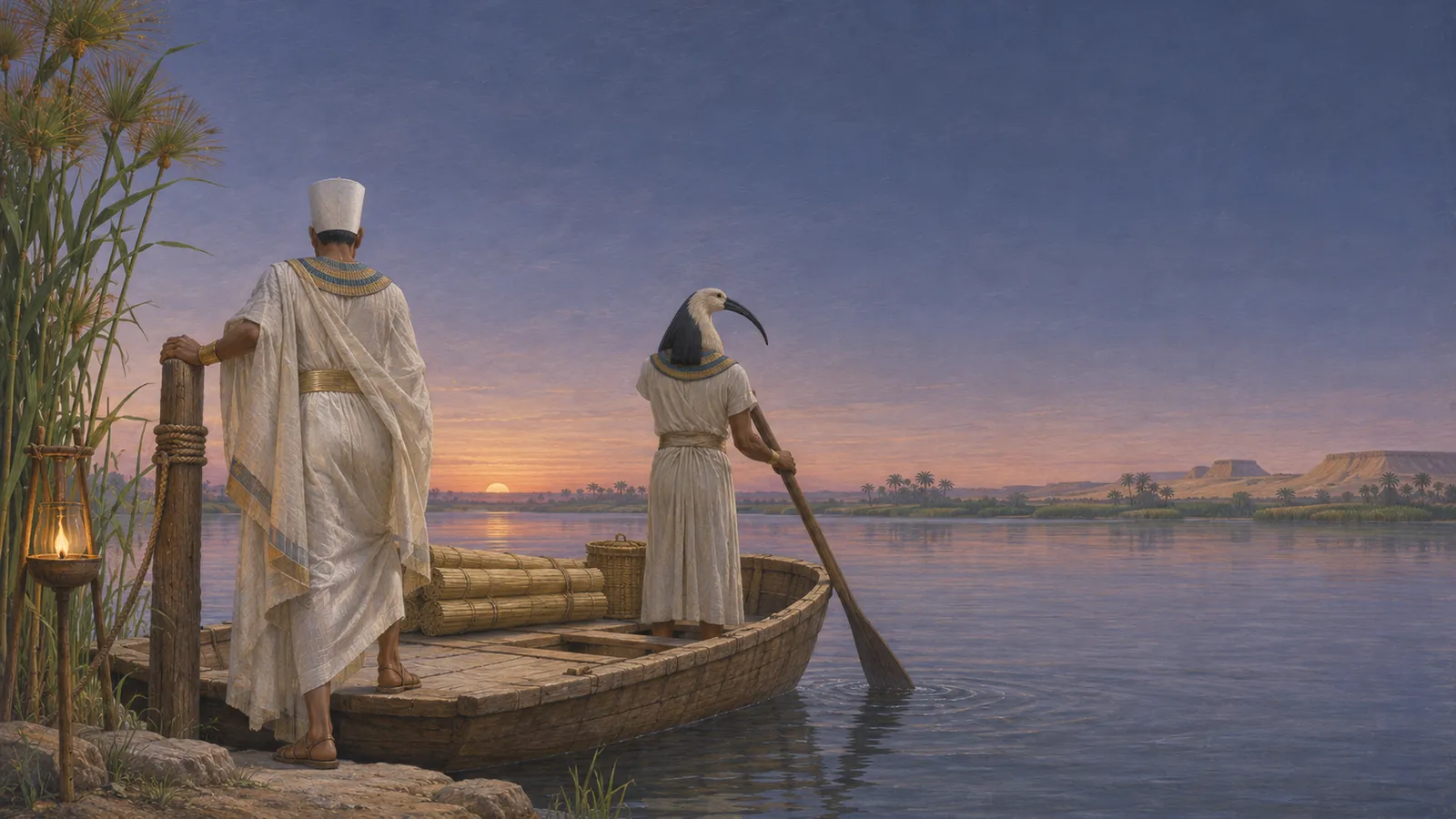
يقول المتكلّم إنّه سيعبر هو أيضًا القناة المتعرّجة على جناح تحوت نحو الجانب الشرقيّ من السماء. ويقول إنّه سيخاصم ستّ بشأن تلك العين نفسها.
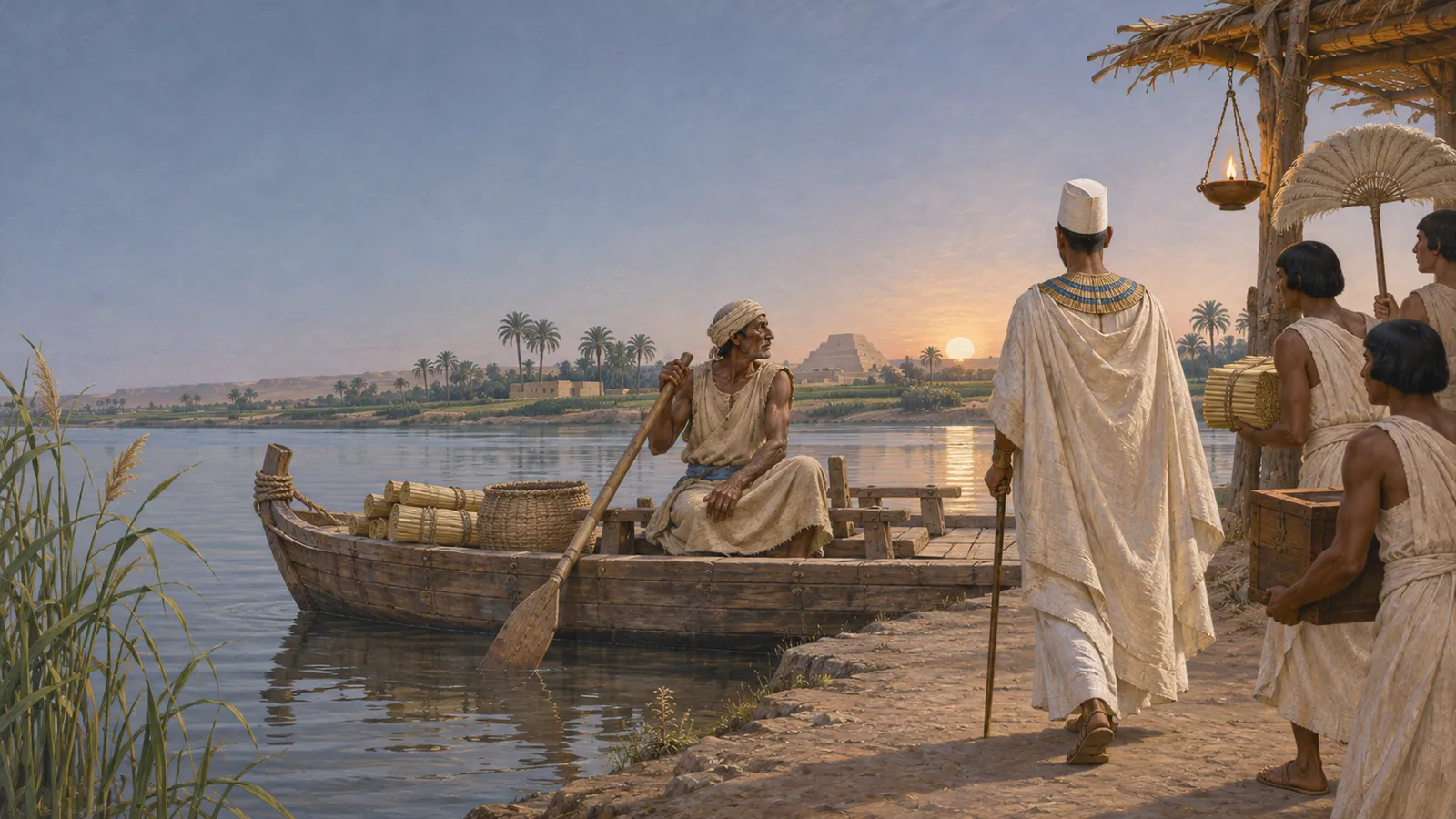
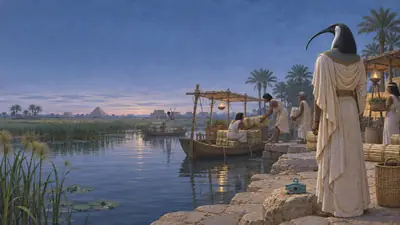
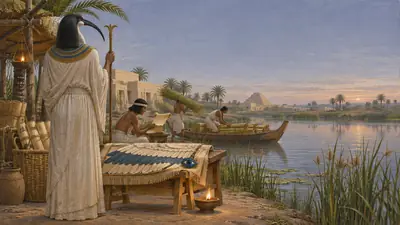
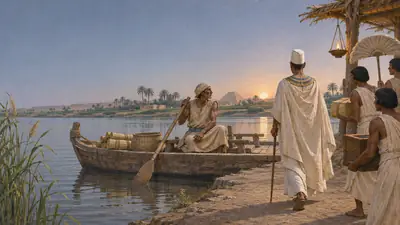
يحيّي المتكلّم الملّاح الذي يُدعى «مَن يرى خلفه»، ويسمّيه أيضًا مجدّف نوت وملّاح القناة المتعرّجة. ويتمنّى له أن يستيقظ بسلام.
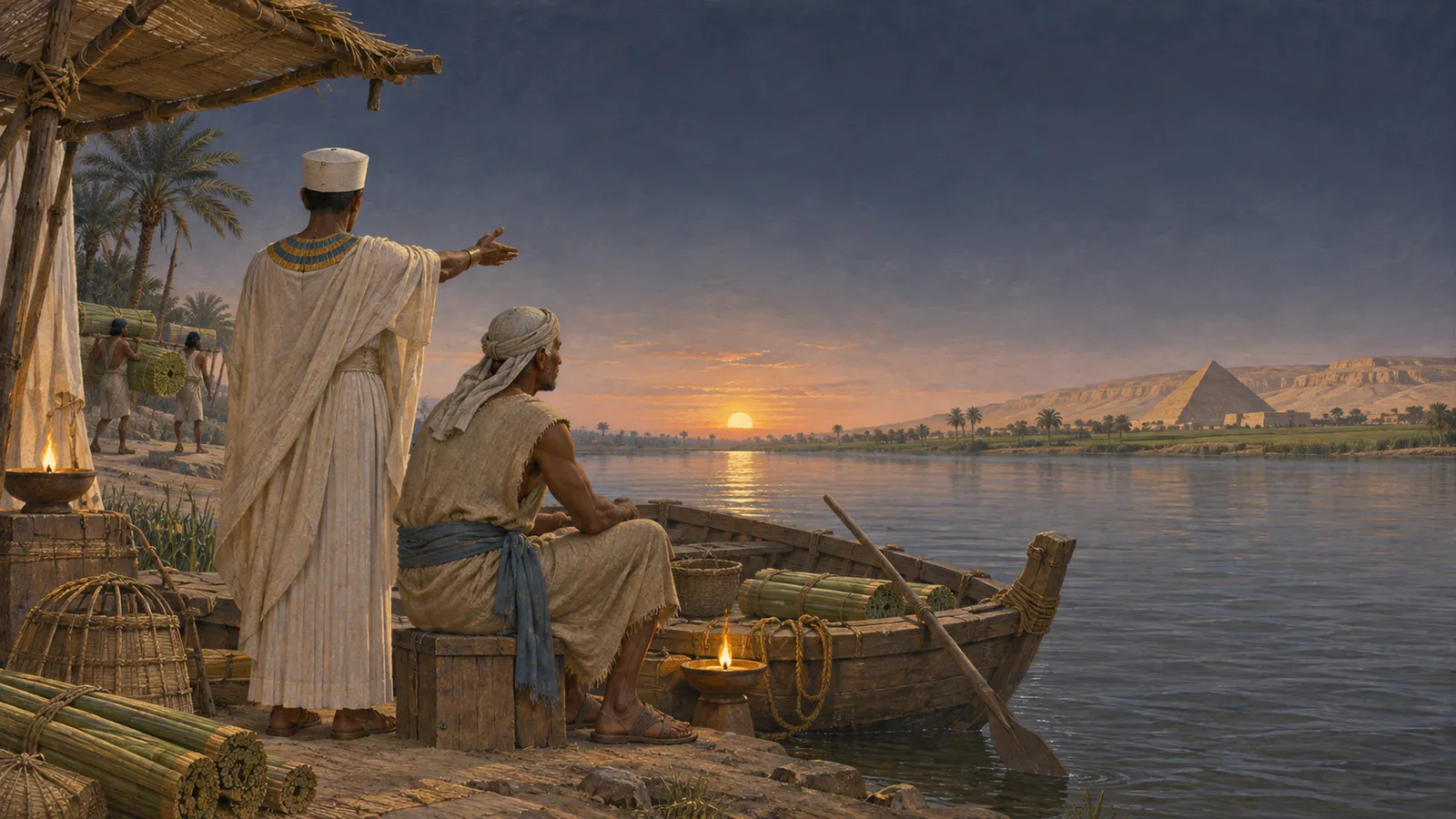
يطلب المتكلّم من الملّاح أن يُبلغ الشمس باسمه ويُعلِمها بقدومه.
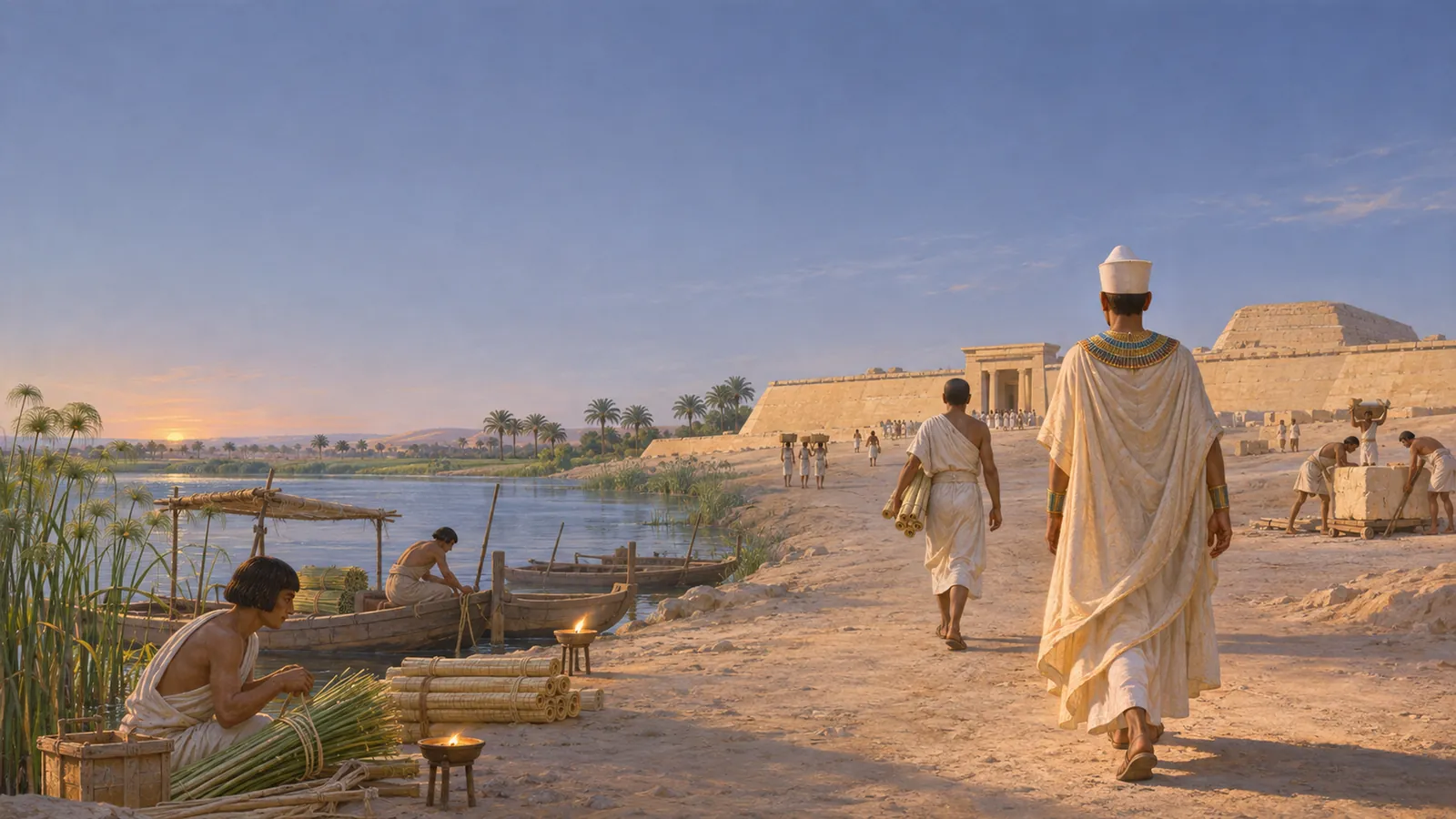
يقول المتكلّم إنّه في طريقه إلى قصر أرباب الكا.
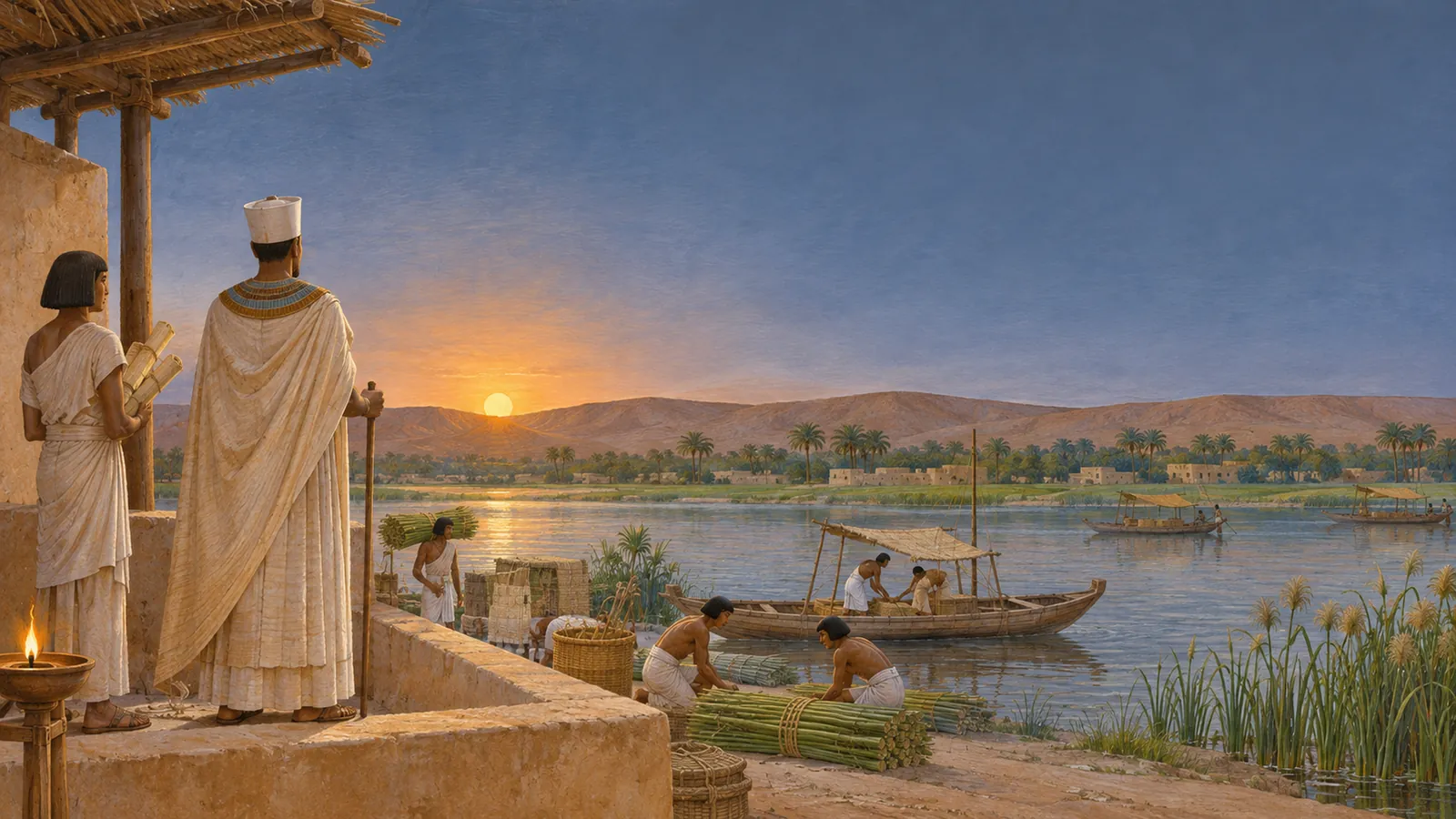
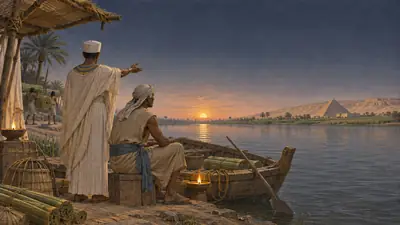
في قصر أرباب صور الكا تشرق الشمس من تلال حورس وتلال ستّ. وتصف التلاوة الشمس بأنها إله من يذهبون إلى صور الكا الخاصة بهم.
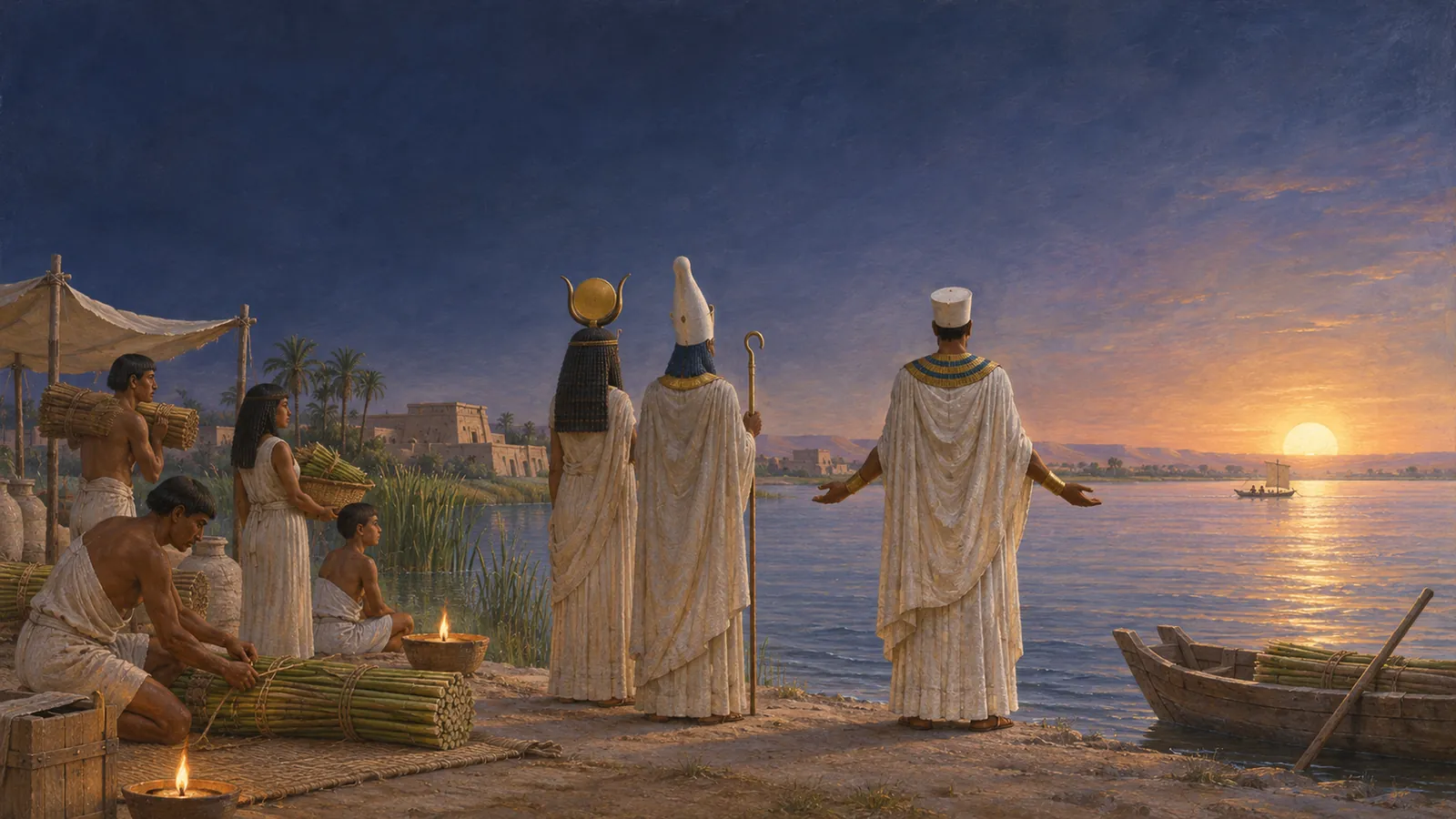
يخاطب المتكلّم الشمس. ويطلب أن توصي به لدى ملّاح القناة المتعرّجة، المسمّى «الذي يرى وراءه».
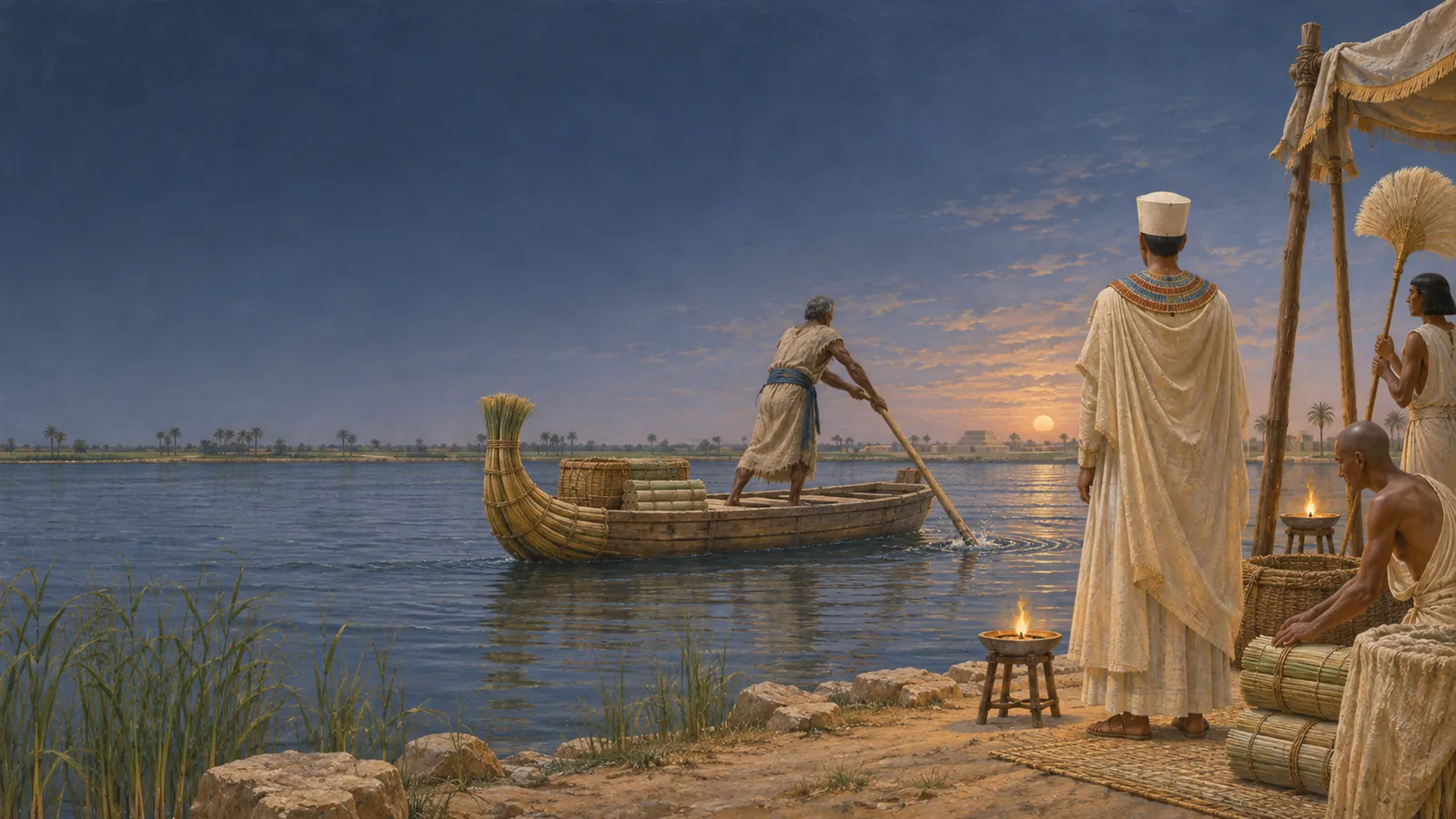
معبر الآلهة
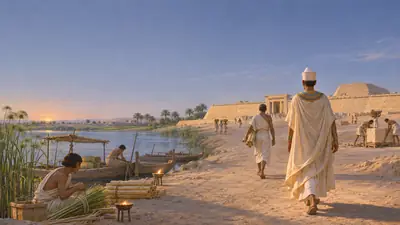
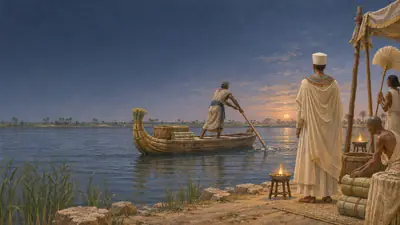
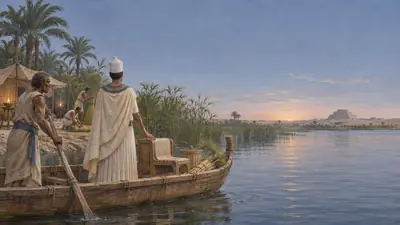
يريد أن يأتيه الملّاح بمركب القناة المتعرّجة. وهو المركب الذي تعبر به الآلهة إلى الجانب الشرقي من السماء.
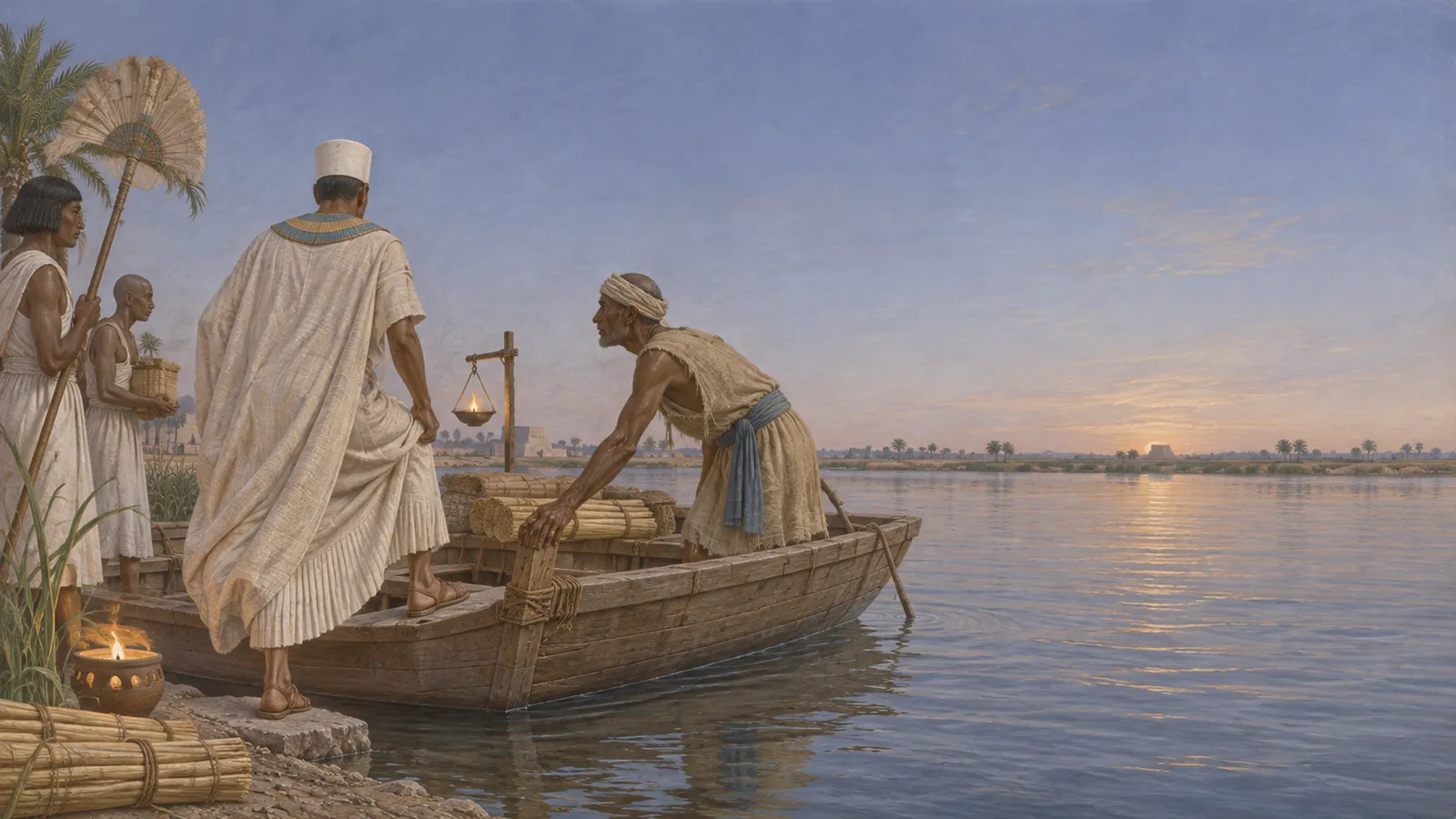
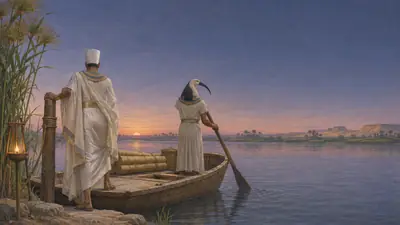
يطلب المتكلّم أن ينقله الملّاح نفسه عبر القناة المتعرّجة. ويسمّي وجهته الجانب الشرقي من السماء.
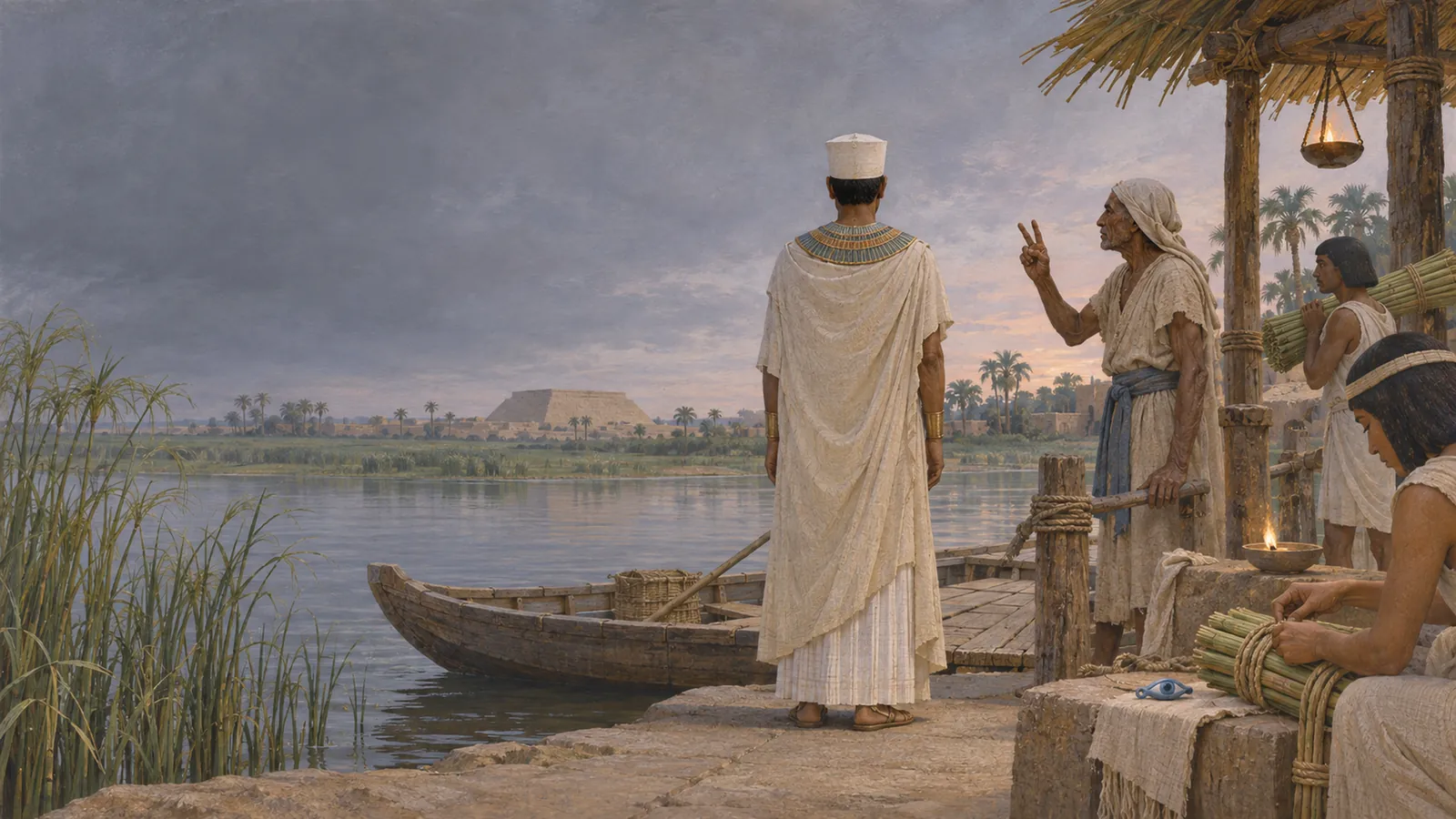
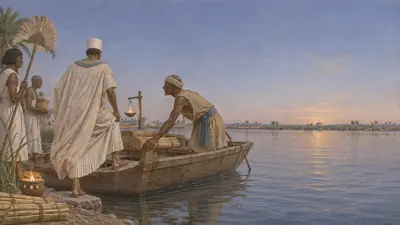
يقول إنه يبحث عن عين حورس نفسها. ويذهب أيضًا إلى عدّ الأصابع، الذي يصفه ألن بأنه اختبار للصعود إلى المركب.
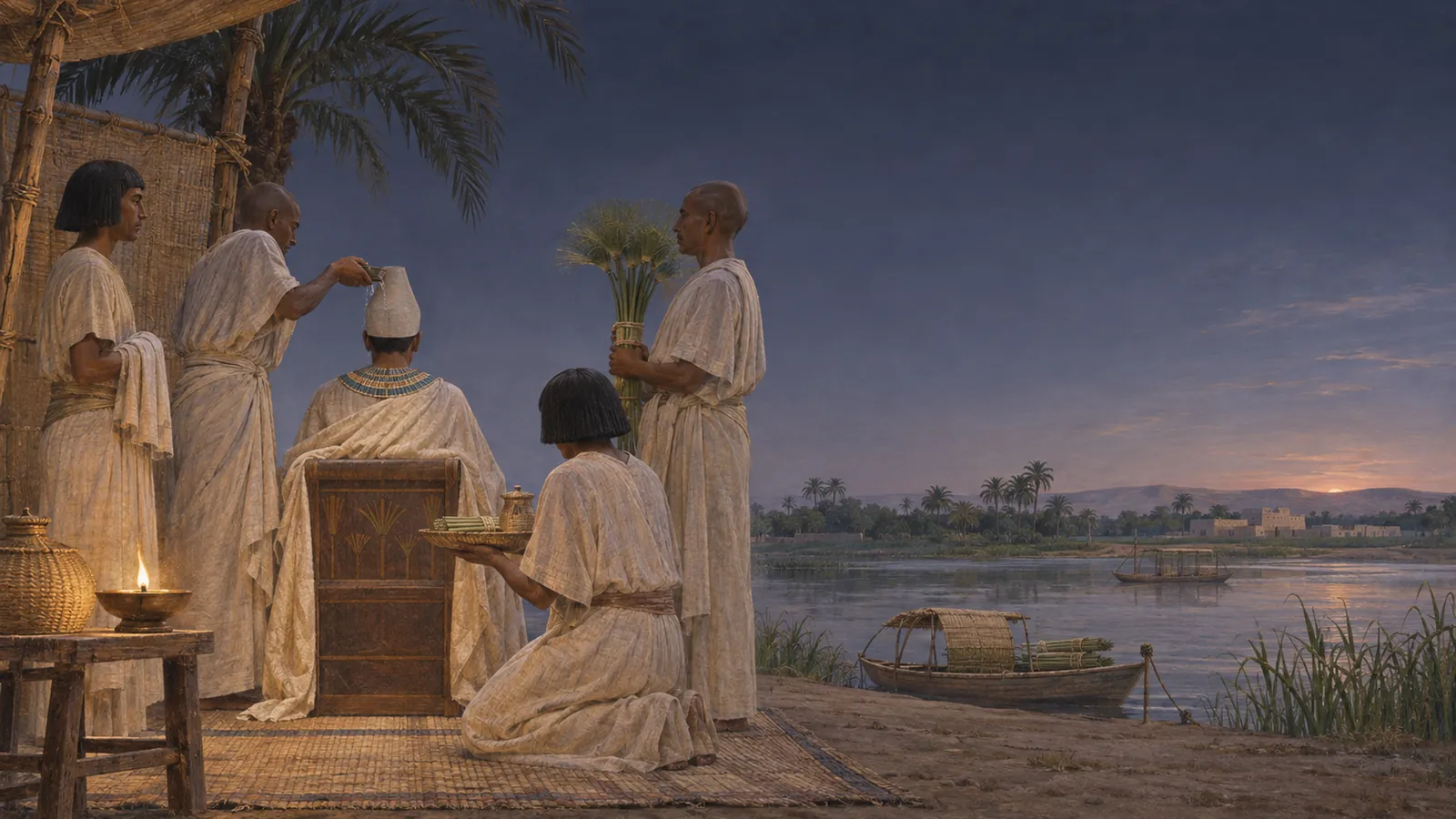
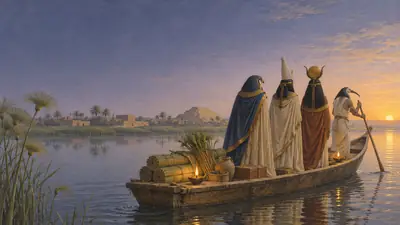
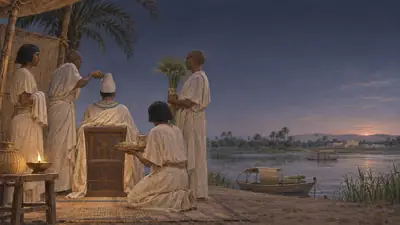
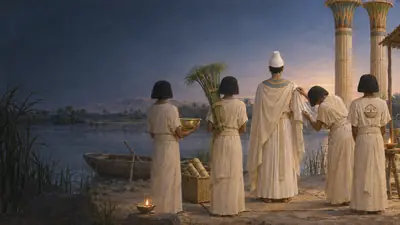
تقول التلاوة إن الآلهة والإلهات تغسل وجهه. وتسمّي إمستي وحابي ودواموتف وقبح سنوف عند الجانب الأيمن الذي تسمّيه حورس.
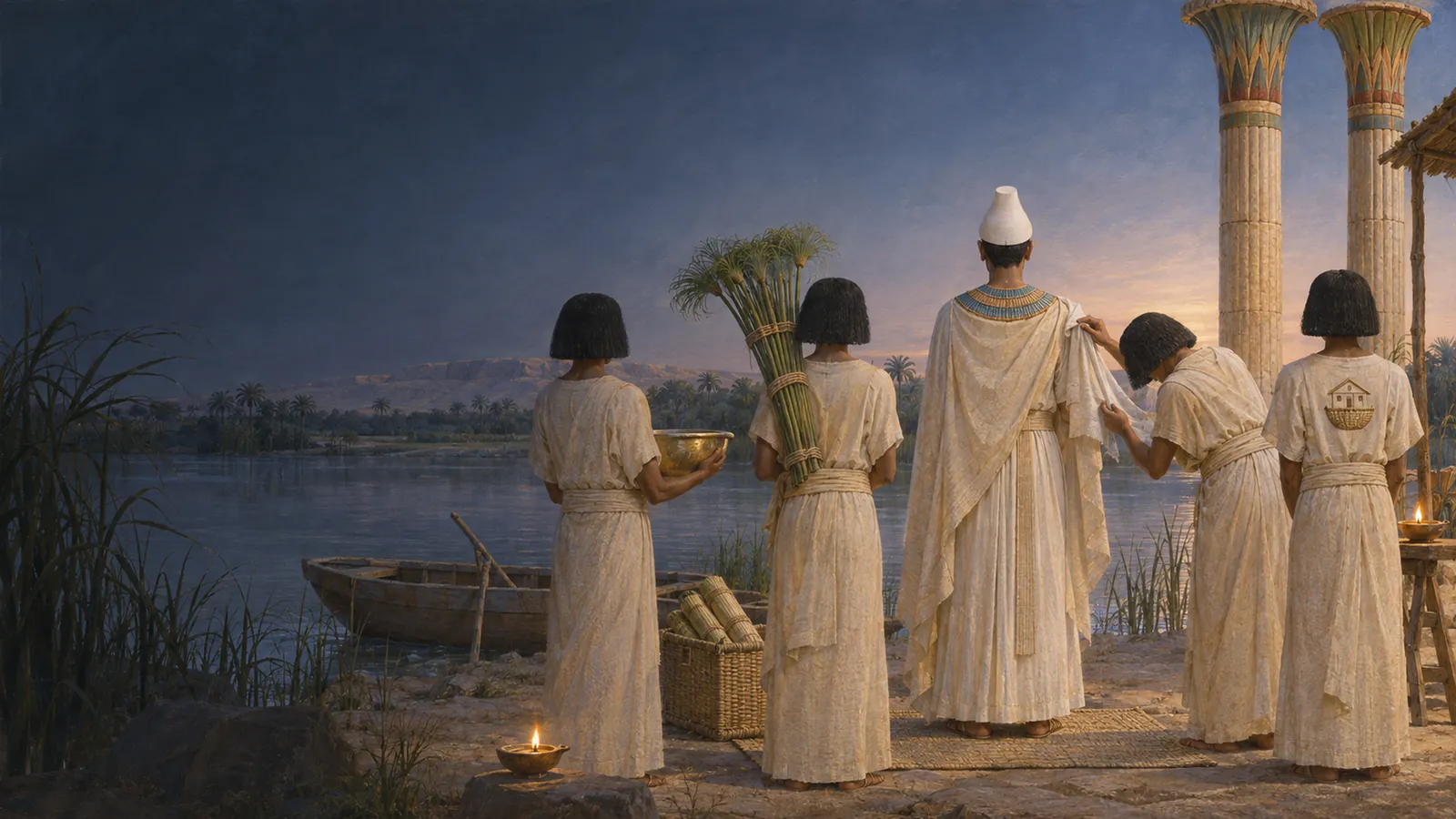
تسمّي التلاوة للجانب الأيسر ضارب مركب جندرو، والذي في مقدّمة عمودَي البردي الخاصَّين به، ونفتيس و«العينان إلى الأمام». وتسمّي الجانب الأيسر ستًّا.
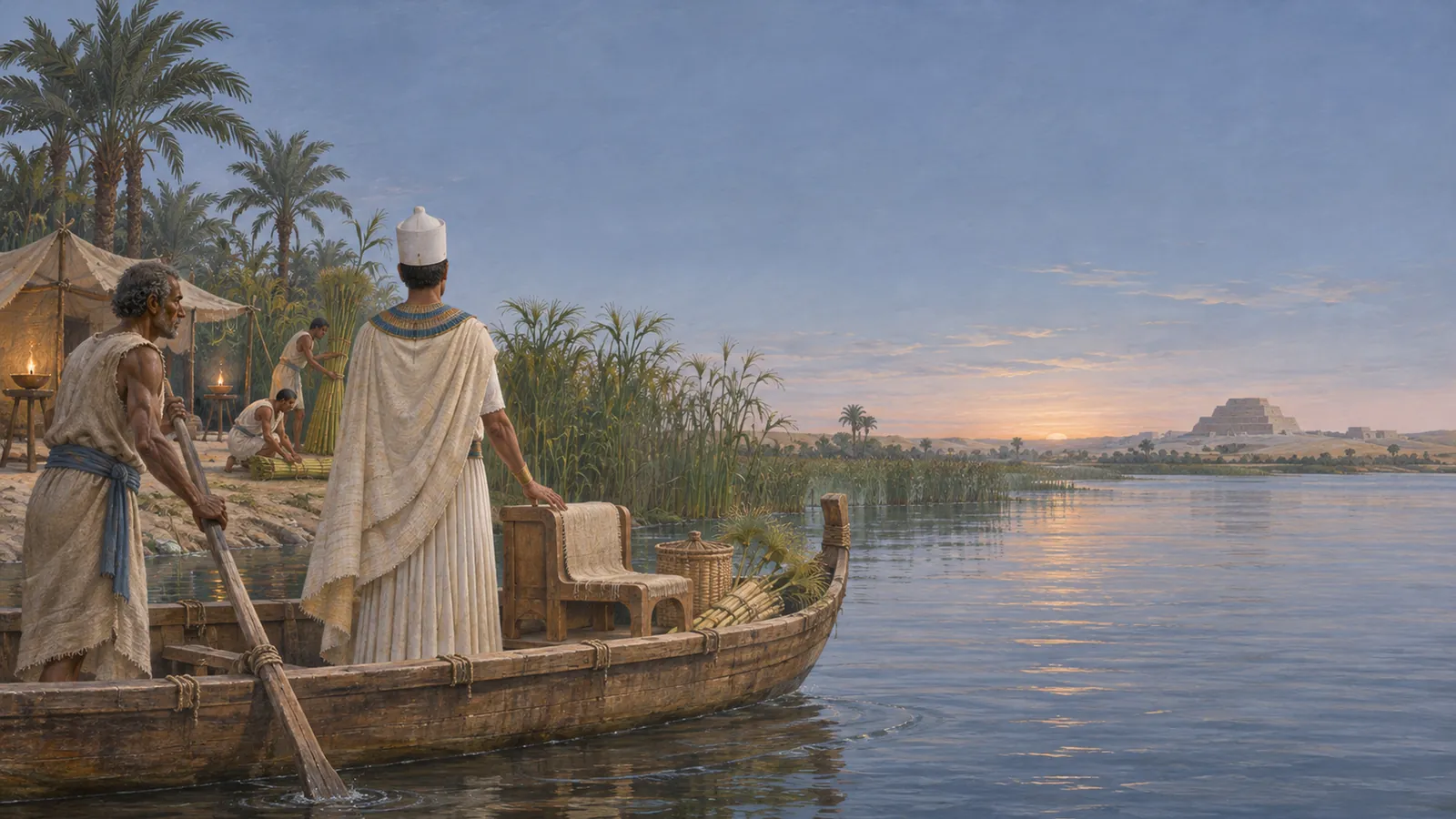
تنتقل التلاوة إلى المركب على لسان المتكلّم. ويقول إن مقعده يأخذ علمًا به وإن دفّته تتعرّف إليه.
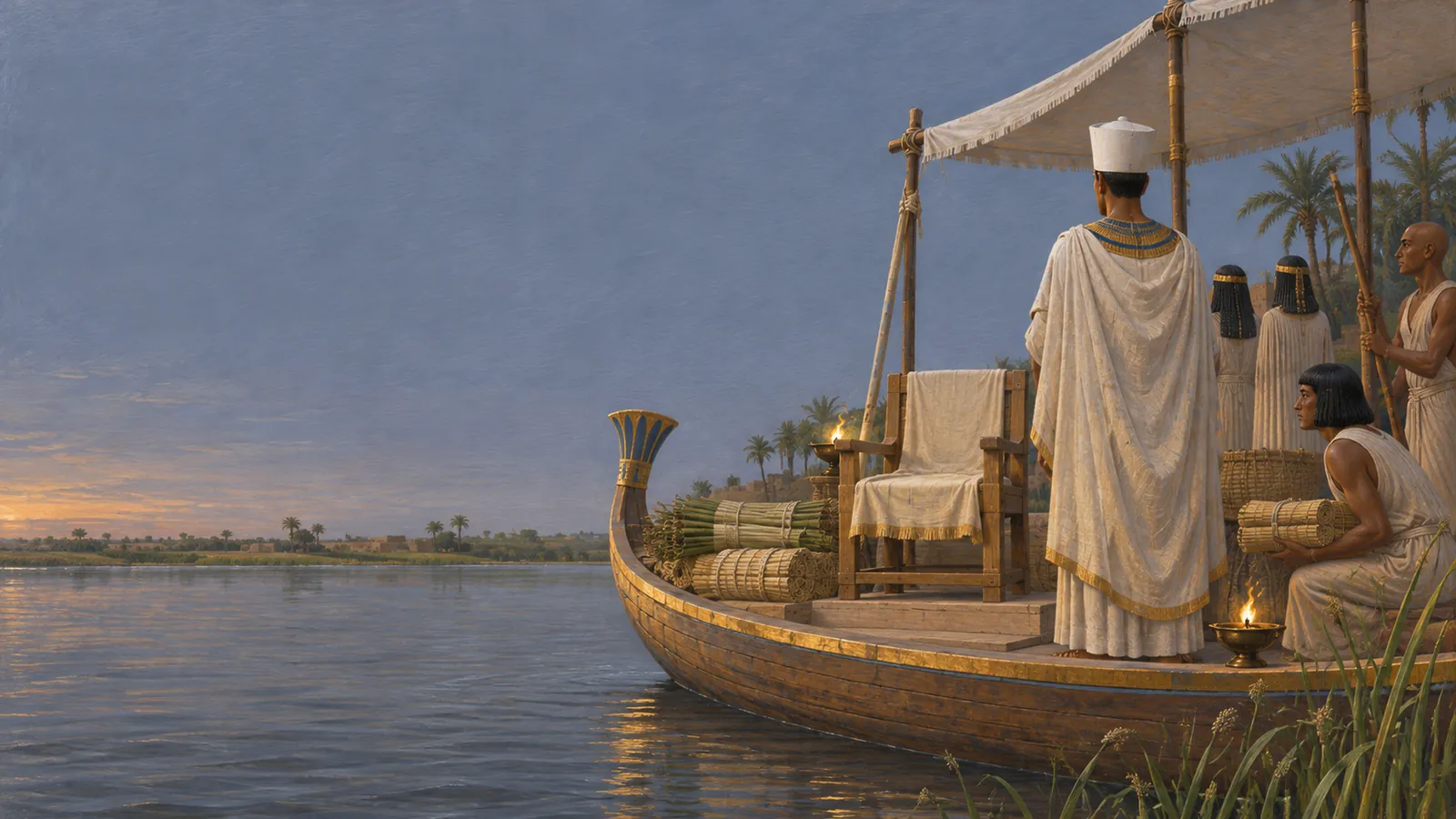
المكان الخالي
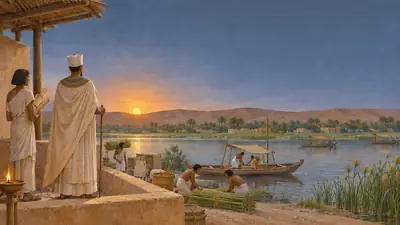
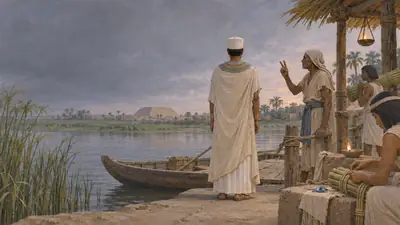
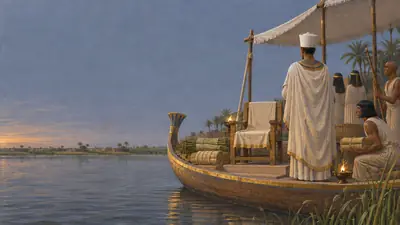
يجد مقعده خاليًا في مؤخّرة مركب الشمس الذهبي. وهنا تنتهي التلاوة ومكانه لا يزال شاغرًا.
نهاية الفصل الأول
كل الصفحات
المصادر
المصادر والملاحظات مكتوبة بالإنجليزية كما وردت في المراجع.
The reading paraphrases the complete Teti recitation PT359 under Summoning the Ferryman in James P. Allen’s The Ancient Egyptian Pyramid Texts, second edition, SBL Press, 2015, p. 80. Allen explains the finger-counting as a test of competence for boarding in note 16. The recitation names the test and gives no result. The next heading begins a separate spell at the gate to the Akhet on p. 81.
الطبعات المعتمدة
- SBL Press, James P. Allen, The Ancient Egyptian Pyramid Texts, second edition
- PT359 in Teti, printed p. 80, Summoning the Ferryman
- Allen’s note 16, printed p. 99
ملاحظات على هذه الرواية
printed pp. 69–70 and 80. The opening identifies the translator and location of the witness. Allen’s introduction places the spells of passage from the Duat to the Akhet in the passage between the burial chamber and the antechamber. The heading on p. 80 locates this spell there.
PT 359, first sentence. Horus cries out over his eye and Seth over his testicles. The text gives no cause in this sentence.
PT 359, first paragraph.
PT 359, second paragraph. The ancient address first describes the gods crossing on Thoth’s wing to the eastern side of the sky. They go to argue against Seth over Horus’s eye. The speaker then says he will join their crossing and argue against Seth over the same eye. His crossing here is stated as an intention.
PT 359, third paragraph. The speaker wishes a peaceful awakening to Sees Behind Him, Nut’s oarsman and the ferryman of the Winding Canal. He asks that his name be told to the Sun and names the palace of the lords of kas as his destination. In this edition, *kas* is a plural of *ka*, an Egyptian term for a vital aspect of a person.
Page 10, Allen 2015, Teti, p. 80, PT359. The Sun dawns from the Horus Mounds and Seth Mounds. The recitation names the Sun as the god of those who go to their kas.
Page 11, Allen 2015, Teti, p. 80, PT359. The speaker addresses the Sun and asks it to commend him to Sees Behind Him. The recitation has already identified him as the ferryman of the Winding Canal.
Page 12, Allen 2015, Teti, p. 80, PT359. The speaker asks for the ferryboat of the Winding Canal. The gods use it to cross to the eastern side of the sky.
Page 13, Allen 2015, Teti, p. 80, PT359. The speaker asks to be ferried to the same eastern side. The recitation states his request at this point.
Page 14, Allen 2015, Teti, p. 80, PT359. The quest is for Horus’s own eye. Allen describes counting fingers as a test of competence for boarding in note 16, p. 99. This passage gives no test result.
Page 15, Allen 2015, Teti, p. 80, PT359. The right side is called Horus. Allen gives Imseti, Hapi, Duamutef and Qebehsenuef. The verb have washed appears in parentheses in this part of the translation.
Page 16, Allen 2015, Teti, p. 80, PT359. The left side is called Seth and the second list names the Djenderu-bark-striker, the one at the front of his two papyrus columns, Nephthys and Eyes-Forward. The note preserves the distinct names for this side.
Page 17, Allen 2015, Teti, p. 80, PT359. The recitation describes the seat taking account of the speaker and the rudder recognizing him.
Page 18, Allen 2015, Teti, p. 80, PT359. The final line finds the seat empty at the stern of the golden bark of the Sun. The selection ends here. The next printed heading on p. 81 begins a different spell at the gate to the Akhet.
الأسطر القديمة وراء كل صفحة
- Page 1: Allen 2015, The Ancient Egyptian Pyramid Texts, Teti, pp. 69–70, 80, PT 359 and passage context
- Page 2: Allen 2015, The Ancient Egyptian Pyramid Texts, Teti, p. 80, PT 359, opening laments
- Page 3: Allen 2015, The Ancient Egyptian Pyramid Texts, Teti, p. 80, PT 359, first jump and landfall
- Page 4: Allen 2015, The Ancient Egyptian Pyramid Texts, Teti, p. 80, PT 359, second jump and landfall
- Page 5: Allen 2015, The Ancient Egyptian Pyramid Texts, Teti, p. 80, PT 359, address to the crossing gods
- Page 6: Allen 2015, The Ancient Egyptian Pyramid Texts, Teti, p. 80, PT 359, speaker’s own crossing
- Page 7: Allen 2015, The Ancient Egyptian Pyramid Texts, Teti, p. 80, PT 359, greeting the ferryman
- Page 8: Allen 2015, The Ancient Egyptian Pyramid Texts, Teti, p. 80, PT 359, announcement to the Sun
- Page 9: Allen 2015, The Ancient Egyptian Pyramid Texts, Teti, p. 80, PT 359, destination of the speaker
- Page 10: Allen, The Ancient Egyptian Pyramid Texts, 2nd ed. (2015), Teti, p. 80, PT359
- Page 11: Allen, The Ancient Egyptian Pyramid Texts, 2nd ed. (2015), Teti, p. 80, PT359
- Page 12: Allen, The Ancient Egyptian Pyramid Texts, 2nd ed. (2015), Teti, p. 80, PT359
- Page 13: Allen, The Ancient Egyptian Pyramid Texts, 2nd ed. (2015), Teti, p. 80, PT359
- Page 14: Allen, The Ancient Egyptian Pyramid Texts, 2nd ed. (2015), Teti, p. 80, PT359, and p. 99, n. 16
- Page 15: Allen, The Ancient Egyptian Pyramid Texts, 2nd ed. (2015), Teti, p. 80, PT359
- Page 16: Allen, The Ancient Egyptian Pyramid Texts, 2nd ed. (2015), Teti, p. 80, PT359
- Page 17: Allen, The Ancient Egyptian Pyramid Texts, 2nd ed. (2015), Teti, p. 80, PT359
- Page 18: Allen, The Ancient Egyptian Pyramid Texts, 2nd ed. (2015), Teti, p. 80, PT359
الرسوم من صنع أرشيف إيل بأدوات الذكاء الاصطناعي؛ والنص مبني على المصادر القديمة (انظر المصادر في آخر كل فصل).