أوناس وقوارب السماء الفصل الأول
الخروج من الآخت
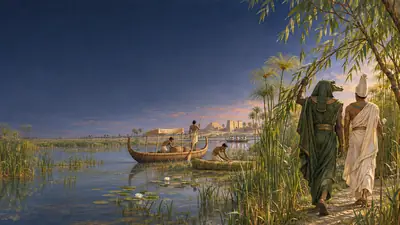
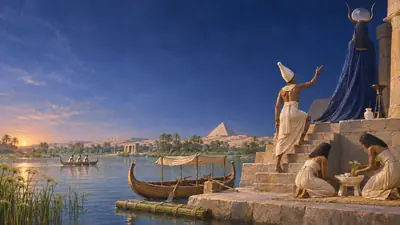
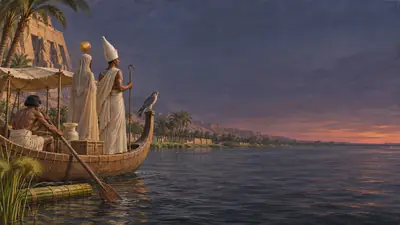
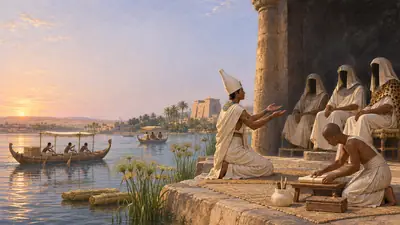
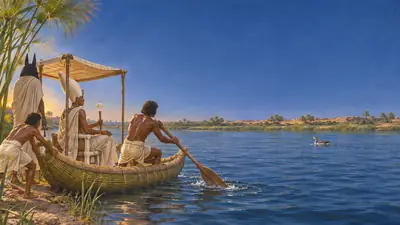
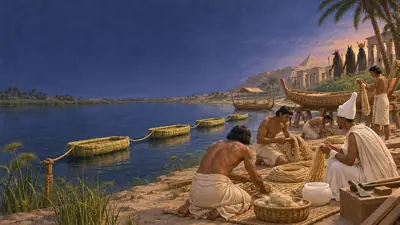
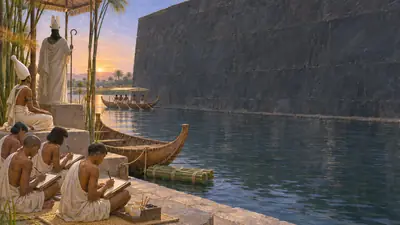
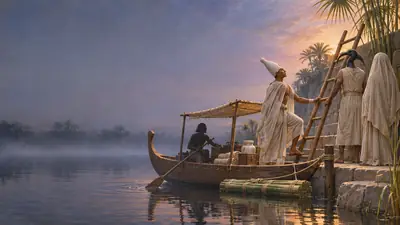
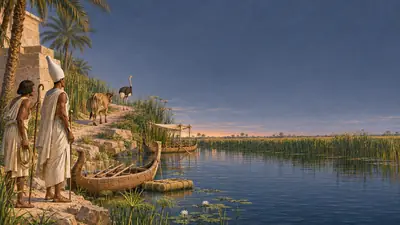
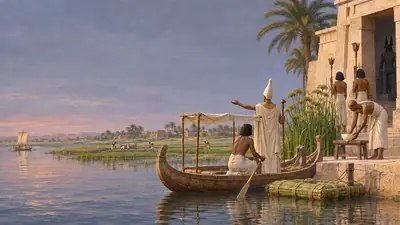
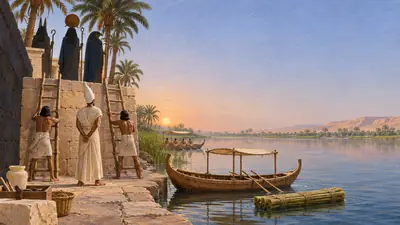
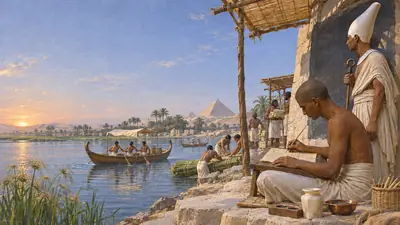
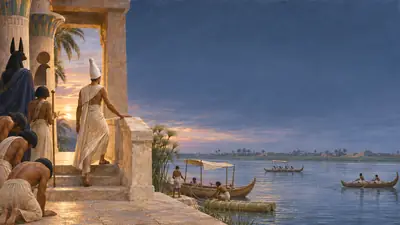
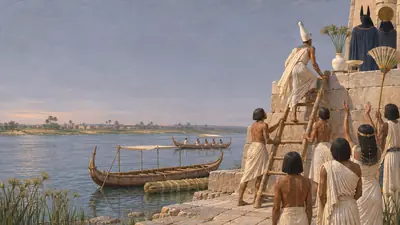
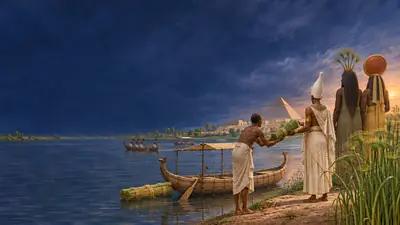
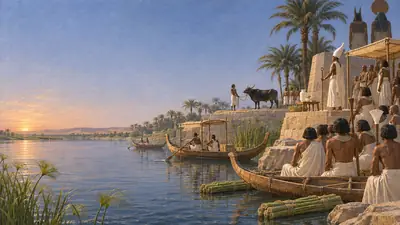
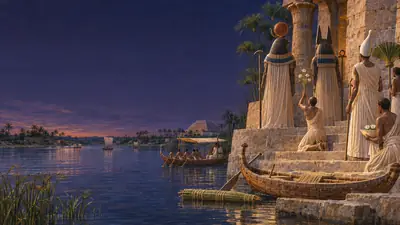
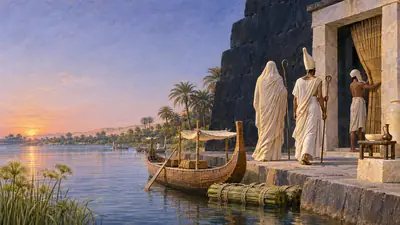
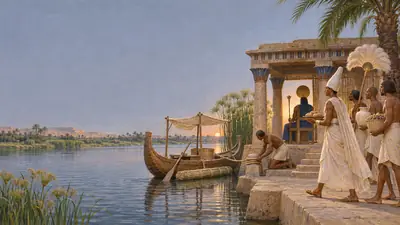
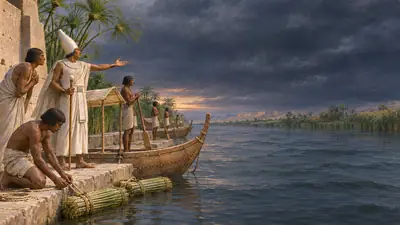
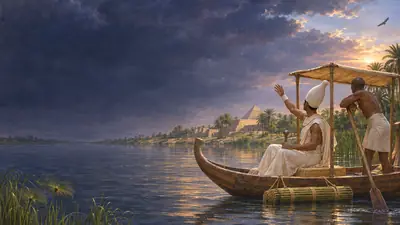
تبدأ هذه التعاويذ الجنائزيّة في هرم أوناس بطلب الروح من الملّاح أن يأتي بقارب. يطلب المتكلّم مراكب من القصب لعبور المياه، ويتحدّث عن سلالم إلى السماء. وتقول التعويذة الأخيرة إنّ الخبز طار نحو حِمى ذي التاج الأحمر.
المصادرقلّب الصفحات بالأزرار أو بمفاتيح الأسهم أو بسحب الإصبع.
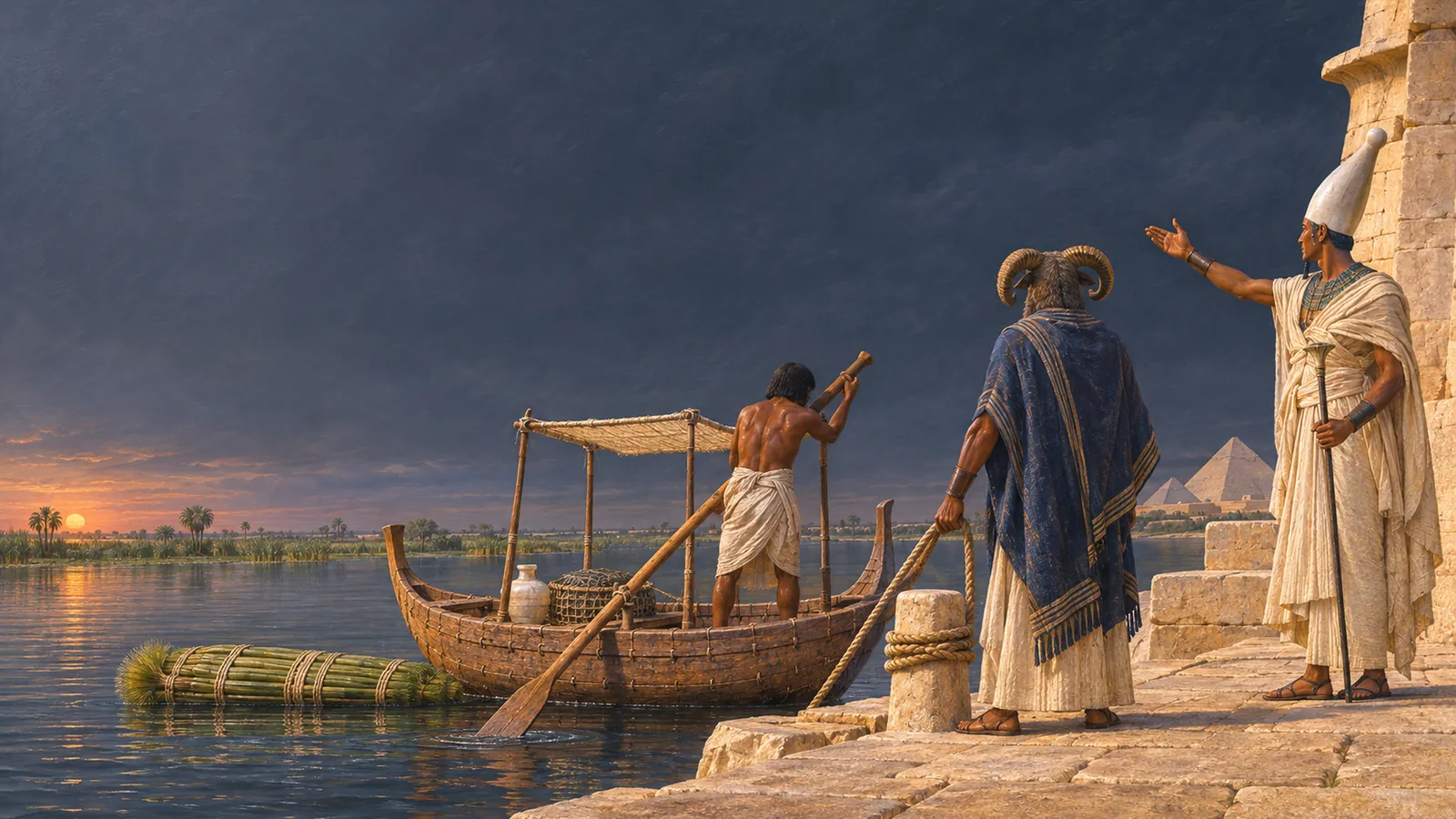
الملّاح
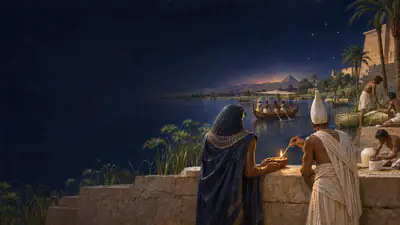
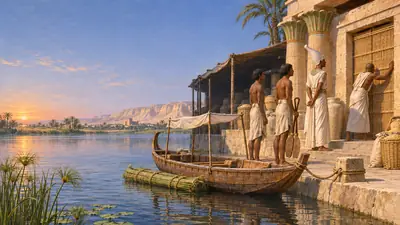
تحفظ نصوص هرم أوناس هذا النداء طلبًا لقارب. ويخاطب المتكلّم كائنًا من العالم السفلي من نِزات وملّاحًا يرتبط قاربه بخنوم.
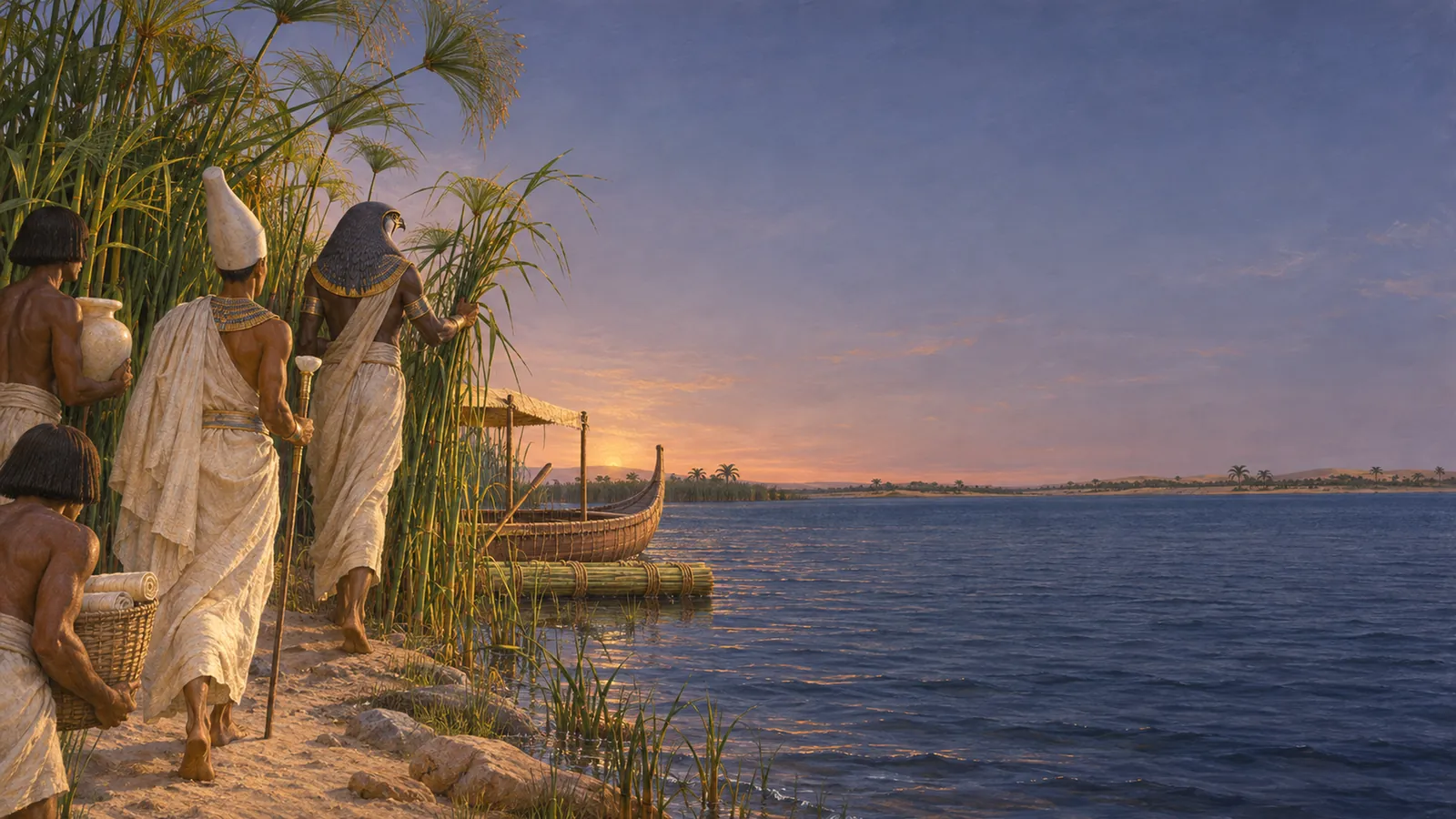
يسمّي المتكلّم نفسه سوكر من راسِتجاو. ويقول إنّه يقصد سوكر، سيّد البحيرة الممتدّة، ويطلب من اللذين خاطبهما أن يأتيا بامتدادات الصحراء.
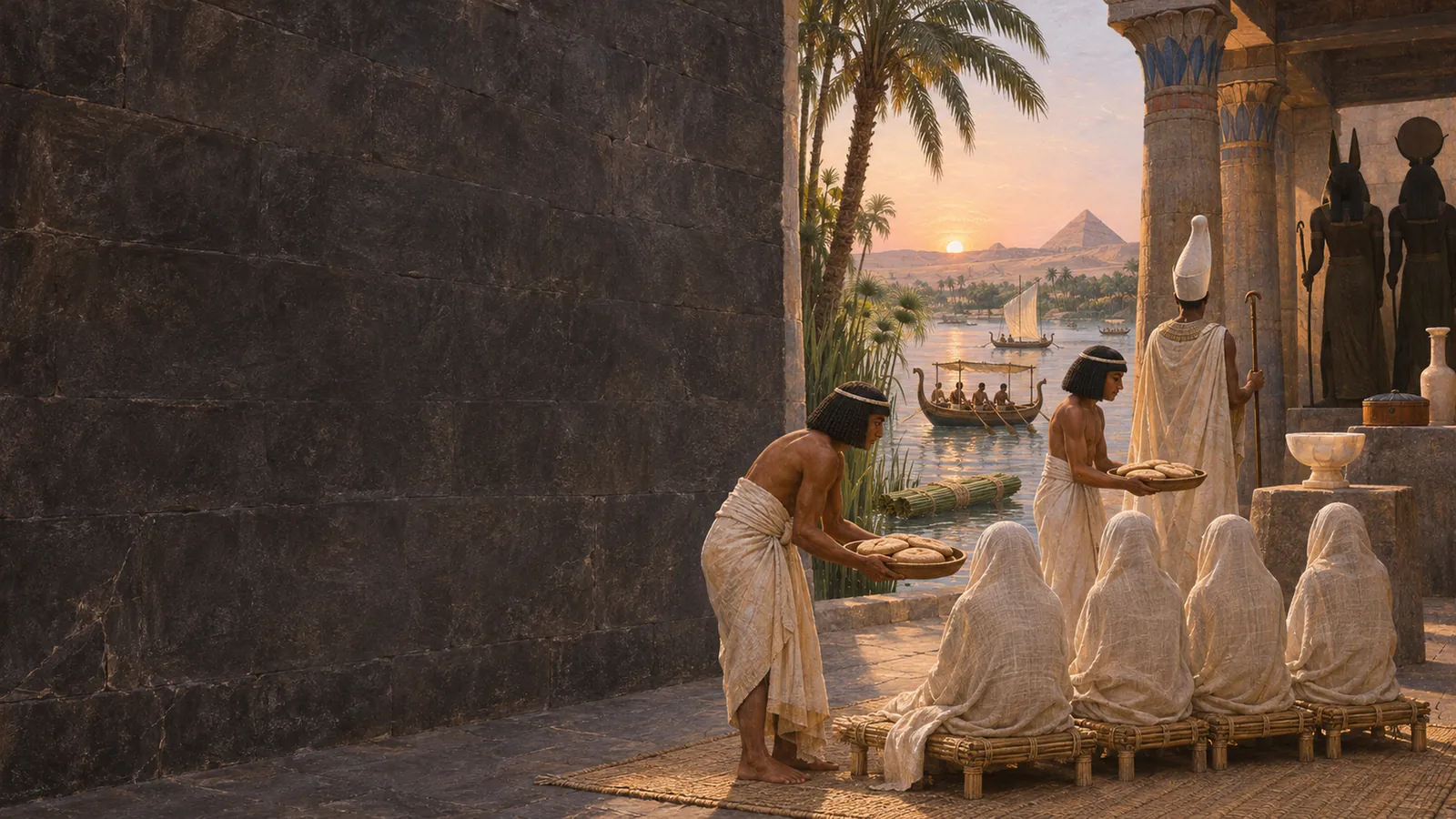
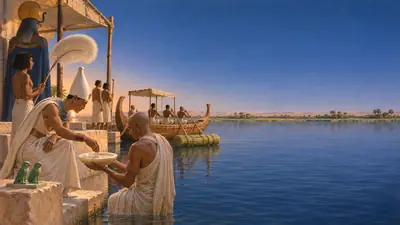
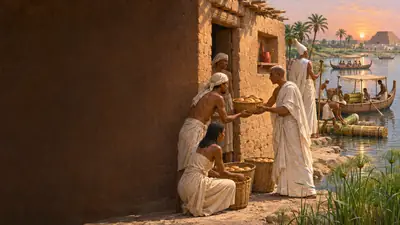
تذكر التعويذة الخبز أولًا لنو والسماء السفلى، ثم لآمون وأماونت. وتصف كلّ زوج بأنّه وصل الآلهة بظلّها.
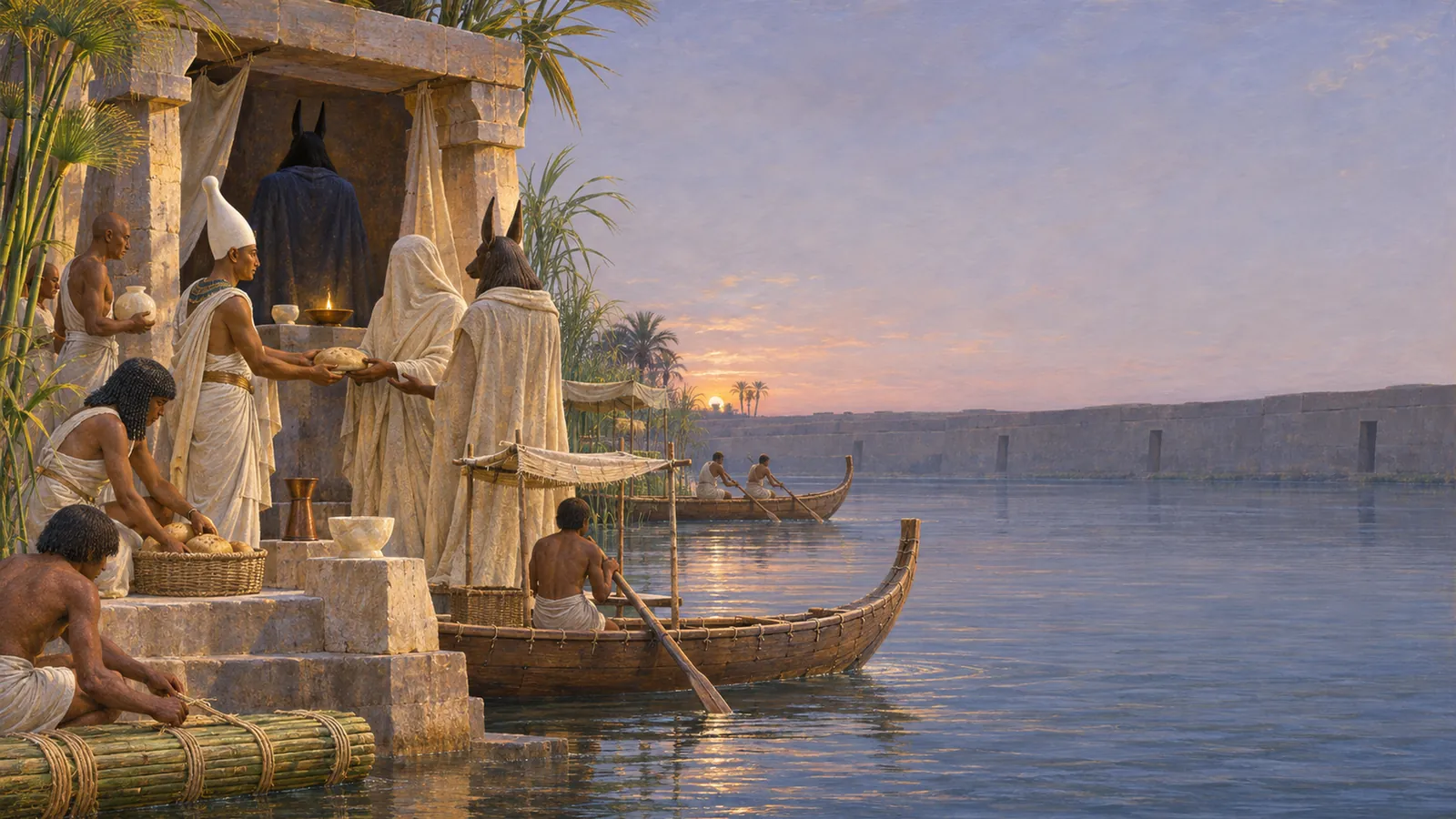
يقدّم المتكلّم الخبز لأتوم والأسد المزدوج. ويَرِد اسما شو وتفنوت في مقطع يتحدّث عن إيجاد الآلهة ووضعها في أماكنها.
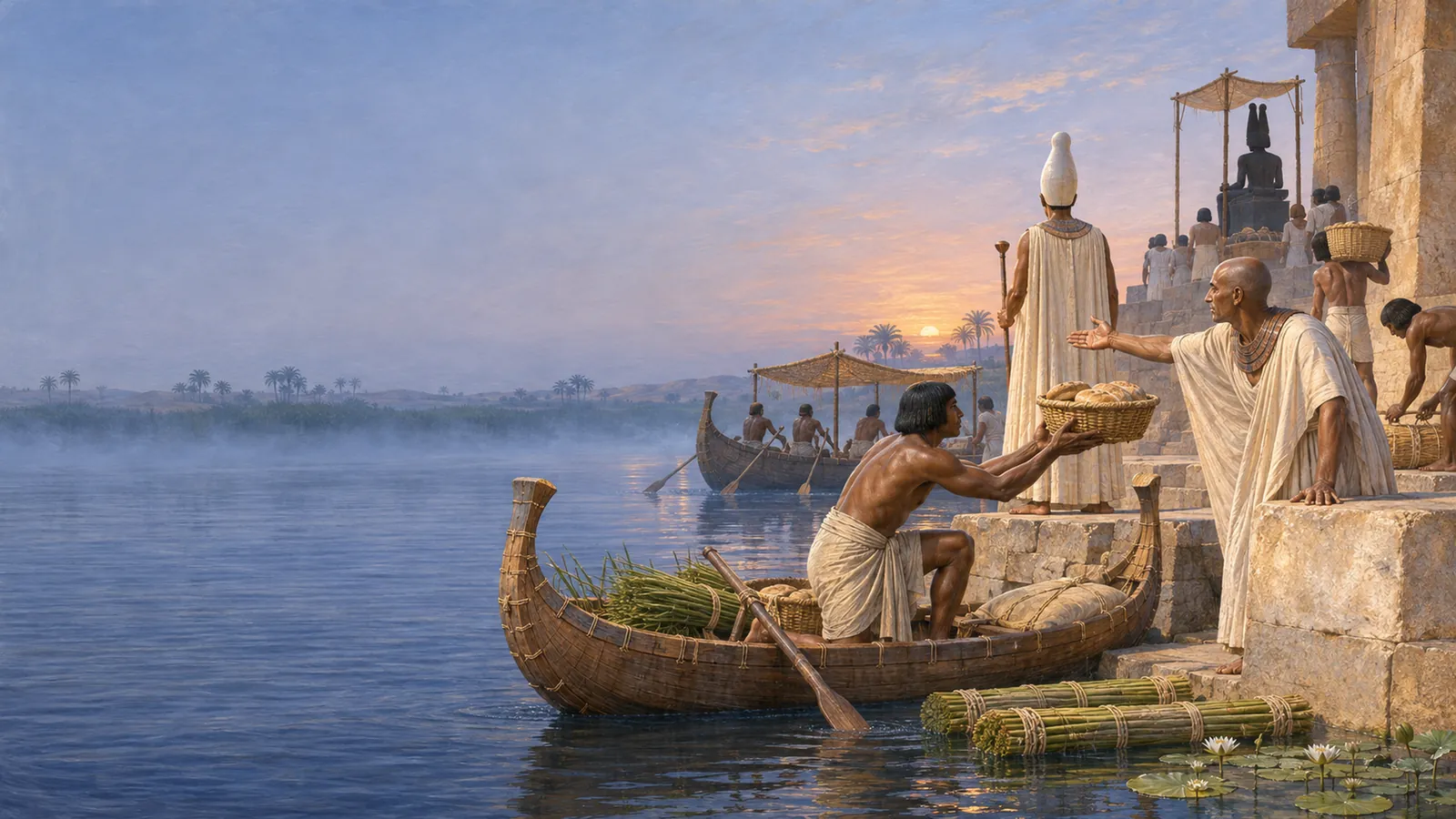
يطلب المتكلّم ممّن تلقّوا الخبز أن يخبروا أباهم بأنّه جاءهم به وأعطاهم ما لهم. ويطلب منهم أن يسمحوا له بالعبور إلى أبيهم عند الآخت.
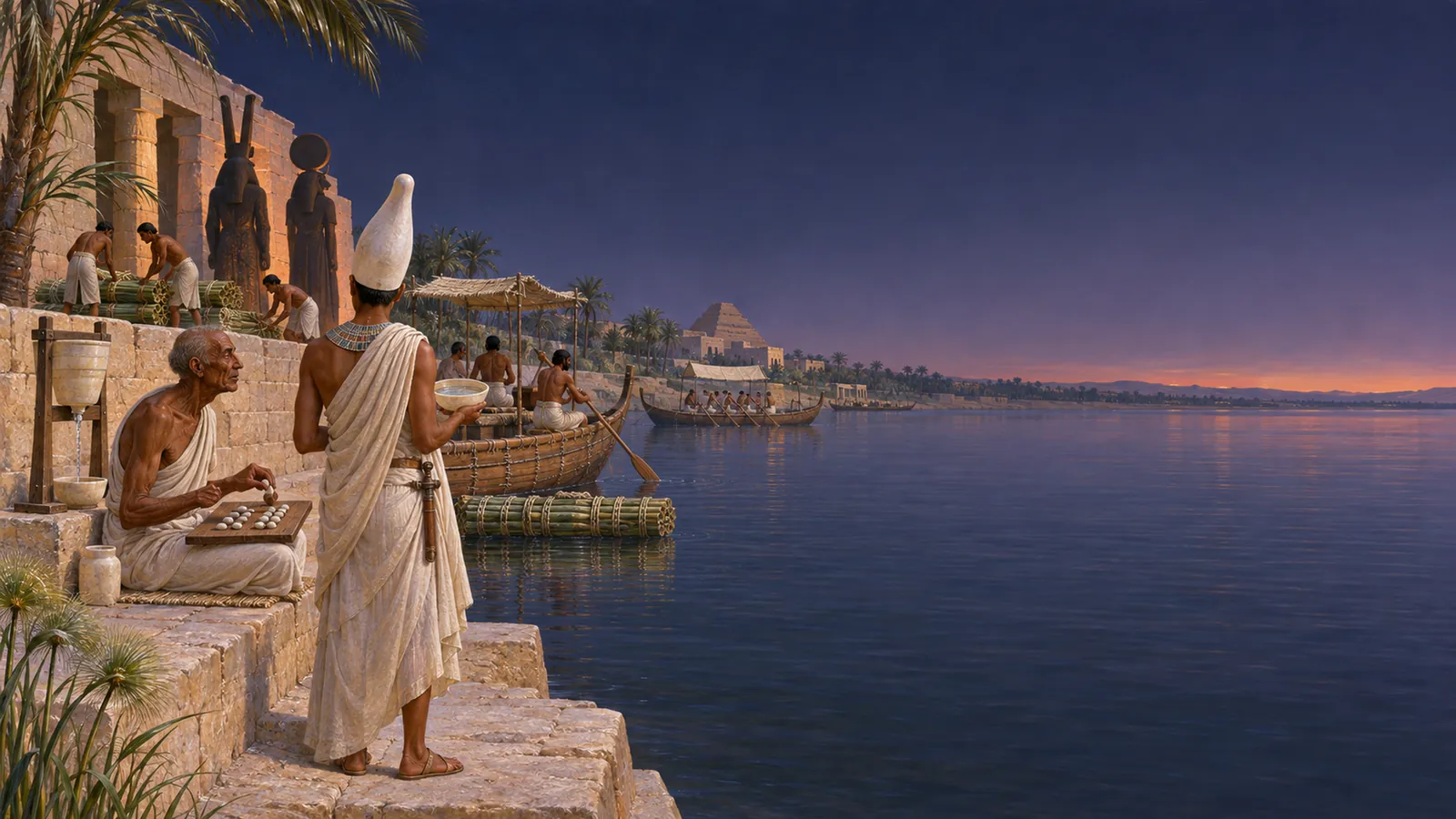
يقول المتكلّم إنّه يعرف من هو ذاهب للقائه. ويذكر أنّ اسمه الدائم ويسمّيه سيّد السنة.
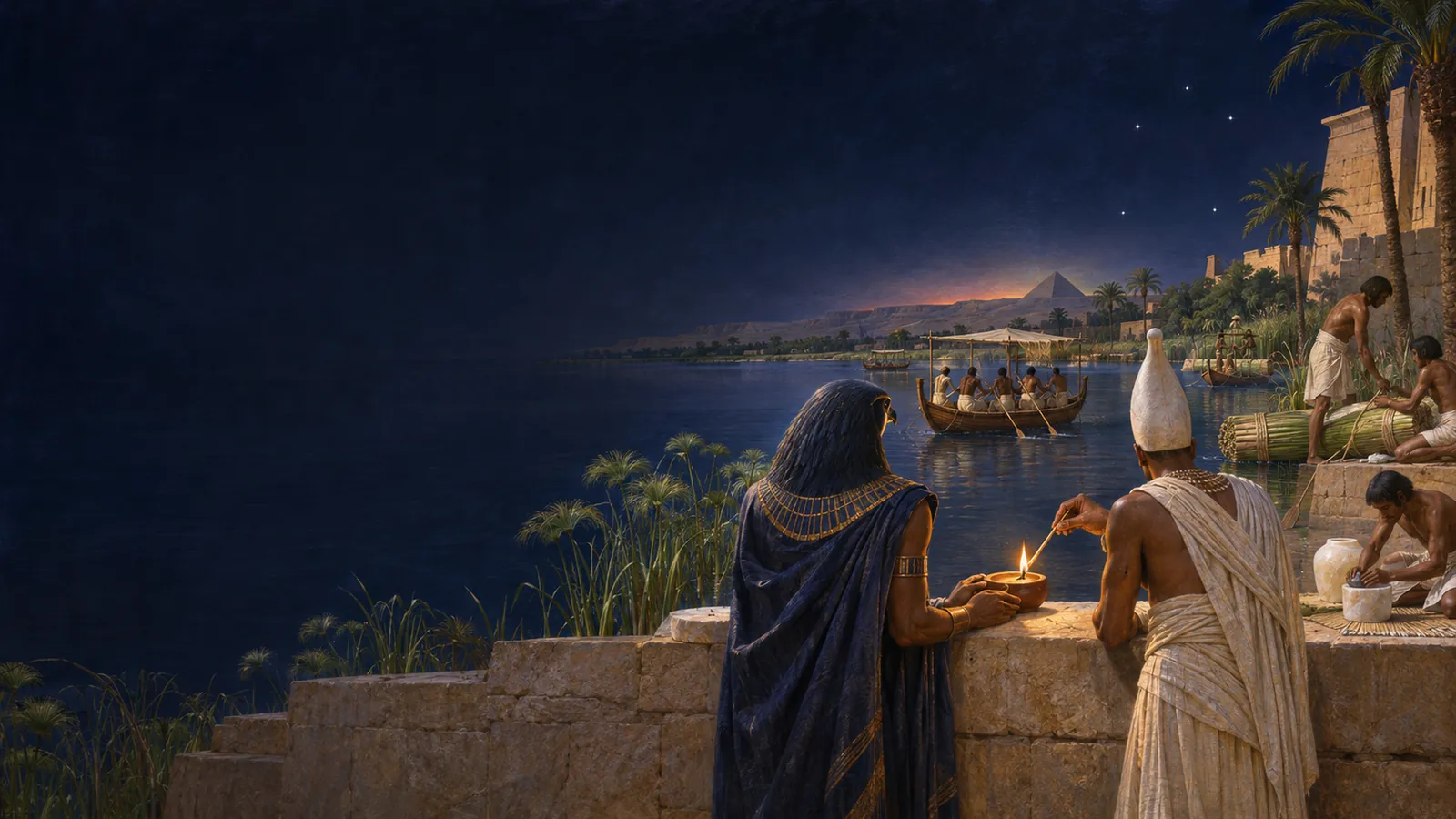
تضع التعويذة حورس تحت النجوم وتصف ذراعيه بأنّهما سلاح. وهو يهب الشمس الحياة كلّ يوم، ويناديه المتكلّم أن يهبه الحياة هو أيضًا.
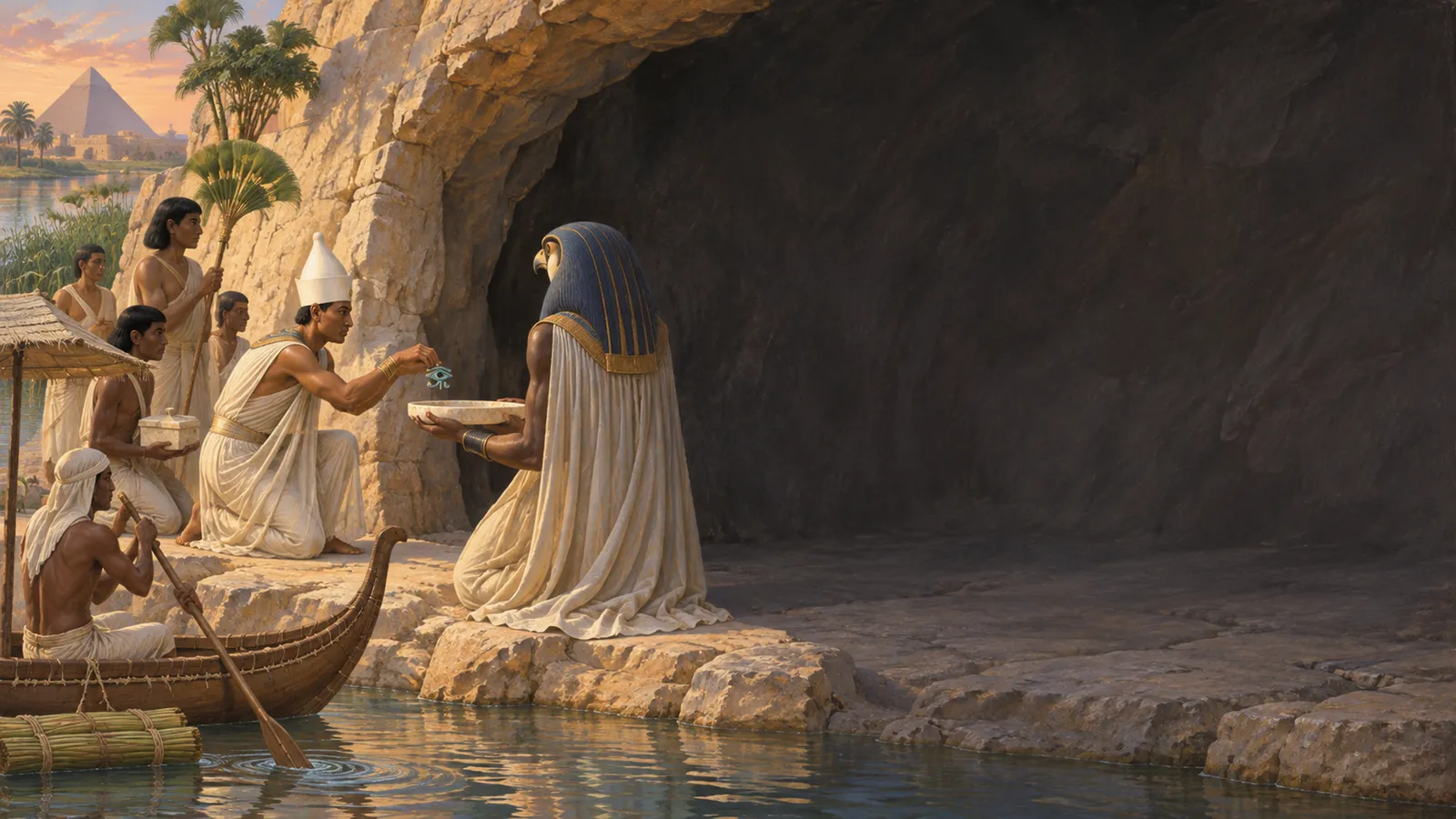
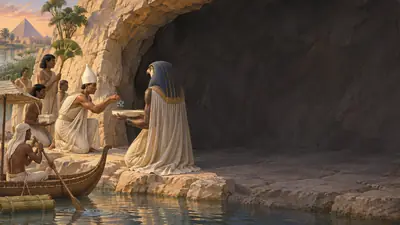
يحيّي المتكلّم حورس شات وحورس شِزمِت وحورس الشرق. ويقول إنّه جاء بعين حورس الشرقيّة العظيمة من مغارة.
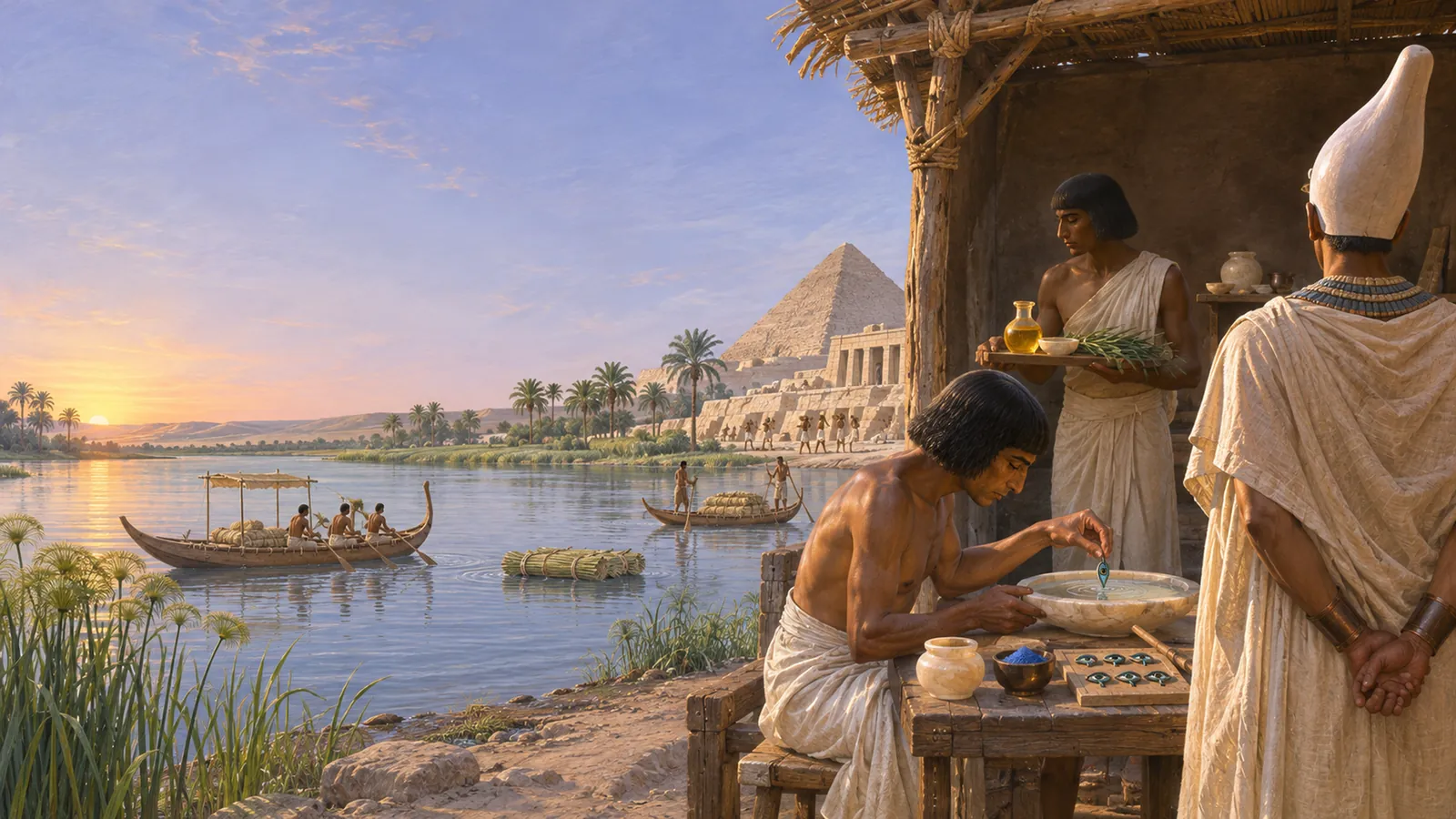
تربط التعويذة العين بالماء والدم والبخار، ثم تطلب من حورس أن يستعيد عافيته عبر صور منها الشمس والزيت والصفصاف والخزف الملوّن.
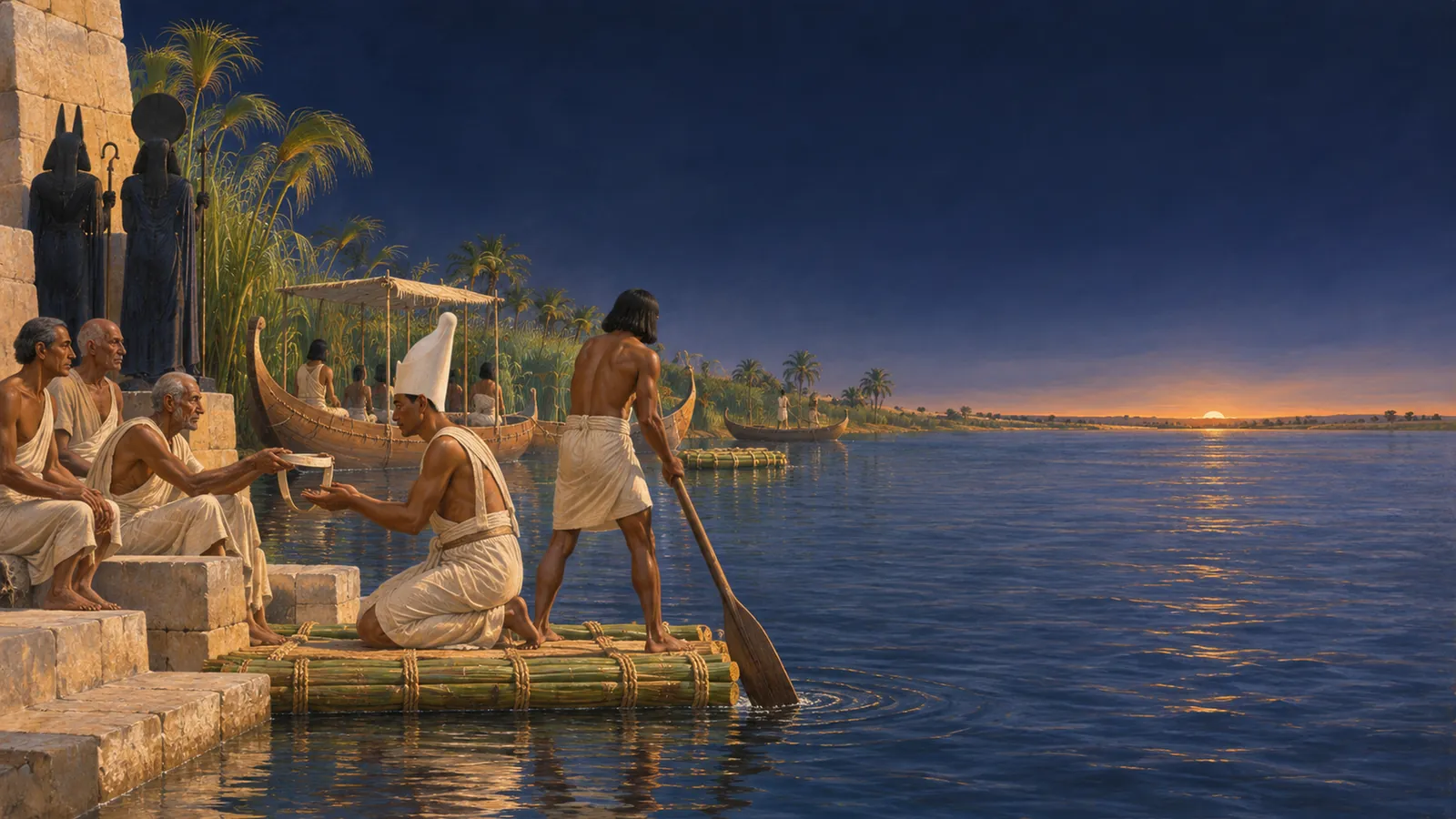
ينادي المتكلّم عظيم طوف القصب أن ينهض بصفته فاتح السبل ويخرج من الآخت. وتطلب إليه التعويذة أن يأخذ تاجًا من كبار أهل ليبيا ومقدّميهم.
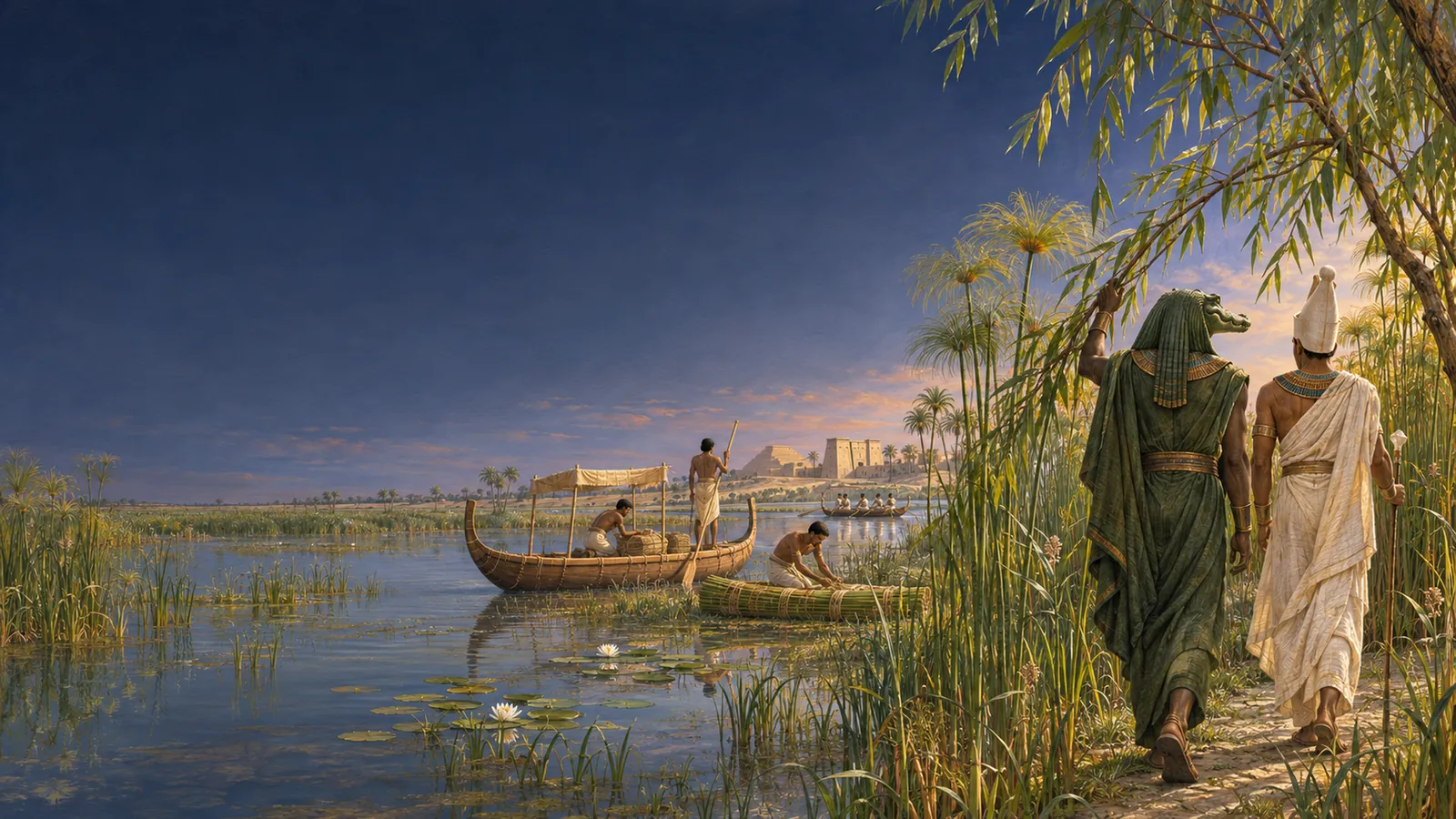
تخاطب التعويذة سوبك من باخو وهو يجتاز حقوله وأشجار القرم. ويطلب المتكلّم إلى سوبك أن يُصعد الكا الخاصّ به إلى جانبه على نحو ما يصعد هو.
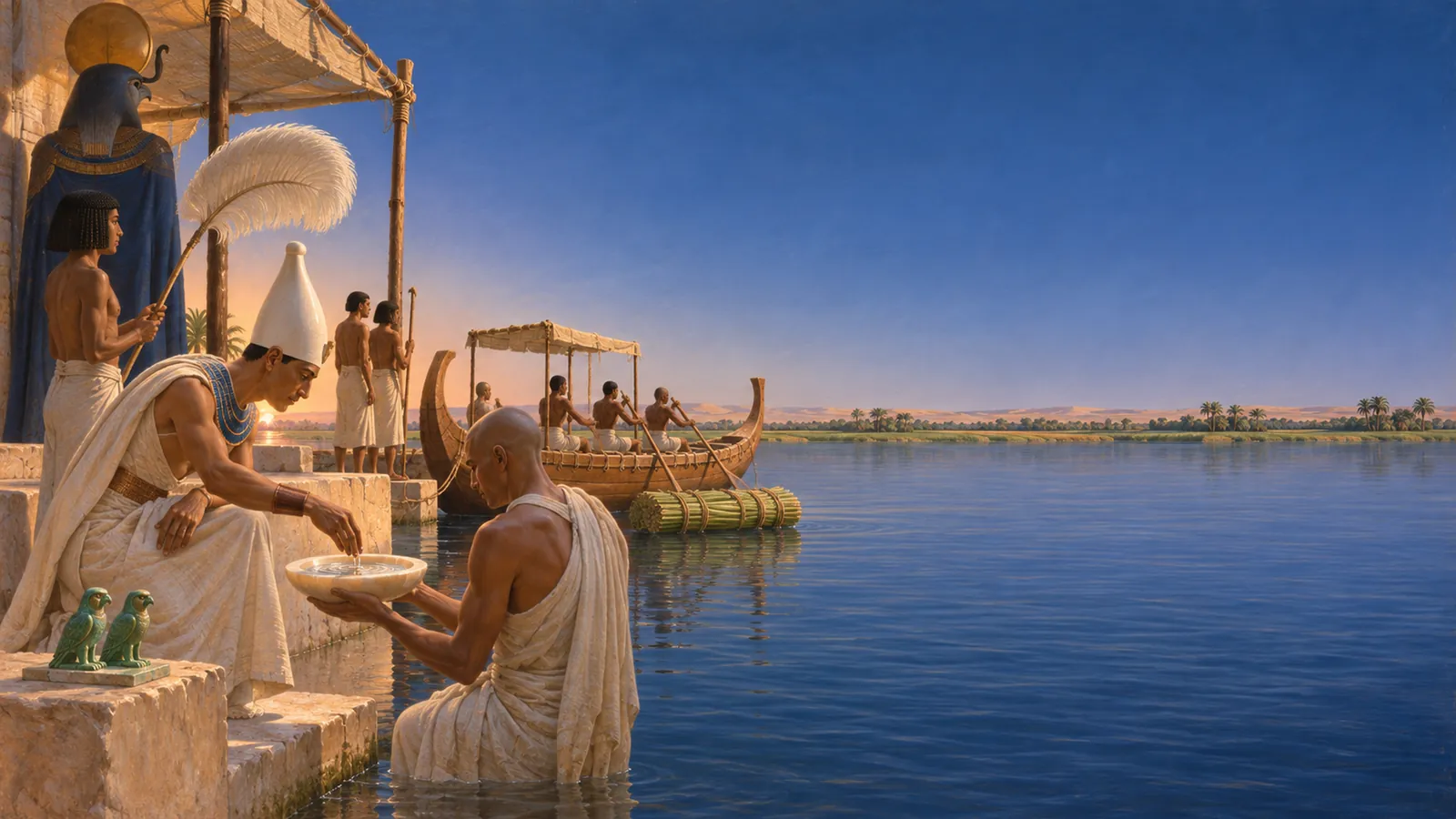
يطلب المتكلّم أن يتطهّر ويزداد إشراقًا في بحيرة ابن آوى. وتحدّد تعليمات التلاوة في الختام أربع مرّات وتذكر صقرين أخضرين.
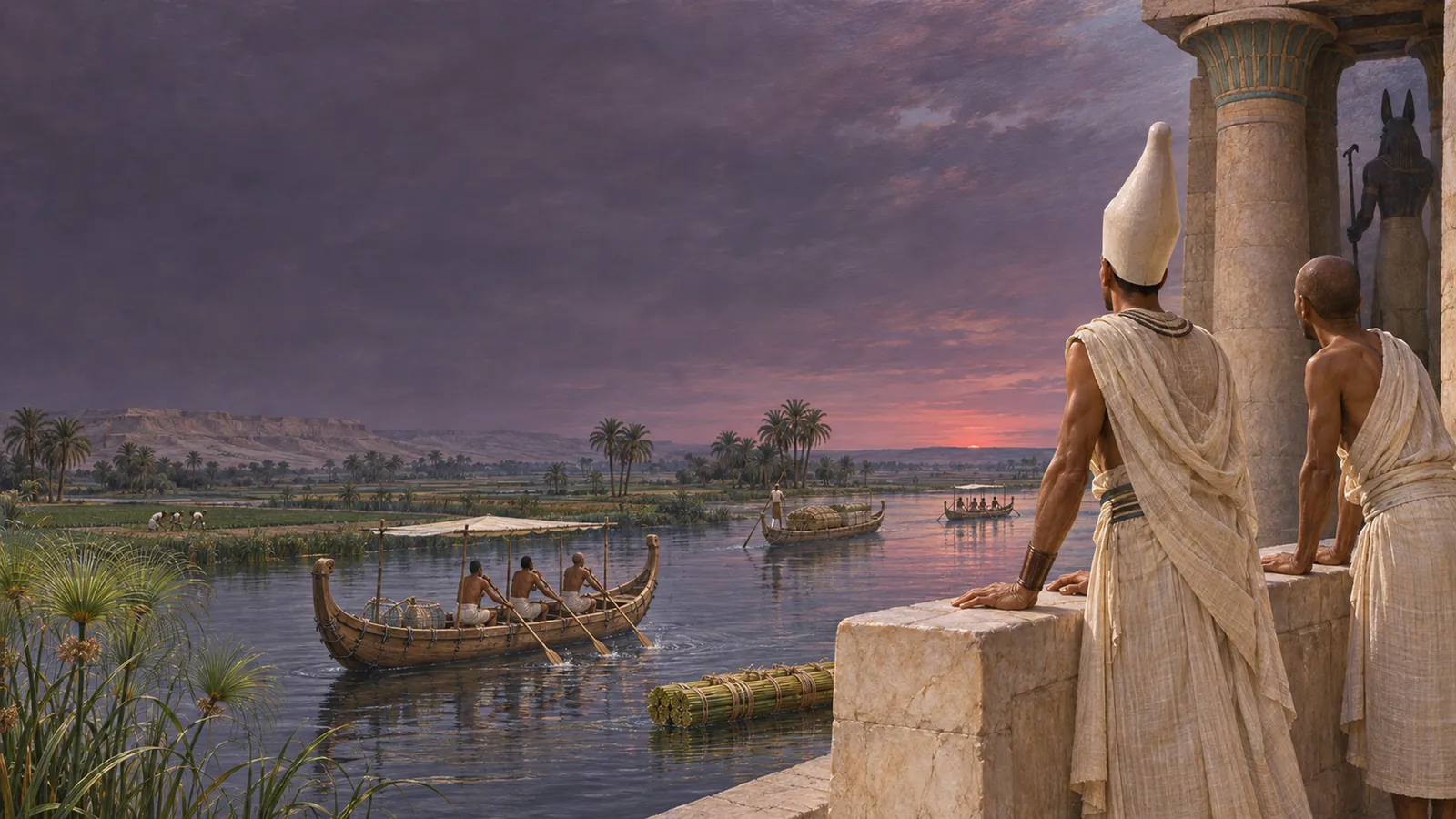
سوثيس
تقول التعويذة إنّ السماء تنزف فيما تحيا سوثيس. ويفسّر ألن ذلك على أنّه صورة لحمرة السماء عند الفجر.
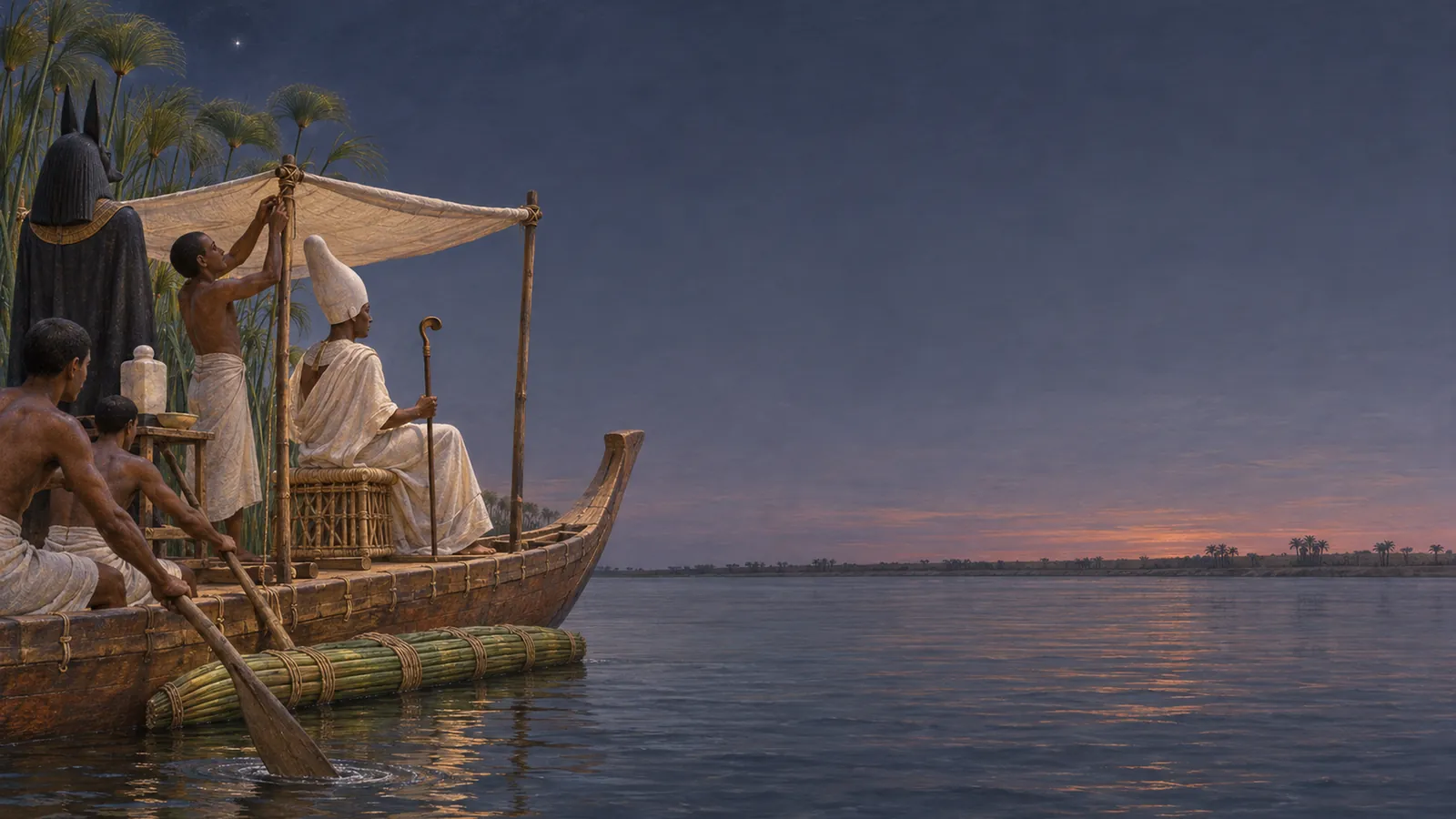
يسمّي المتكلّم نفسه ابن سوثيس الحيّ. ويقول إنّ بيته للسماء لن يفنى وإنّ مقعده للأرض لن تكون له نهاية.
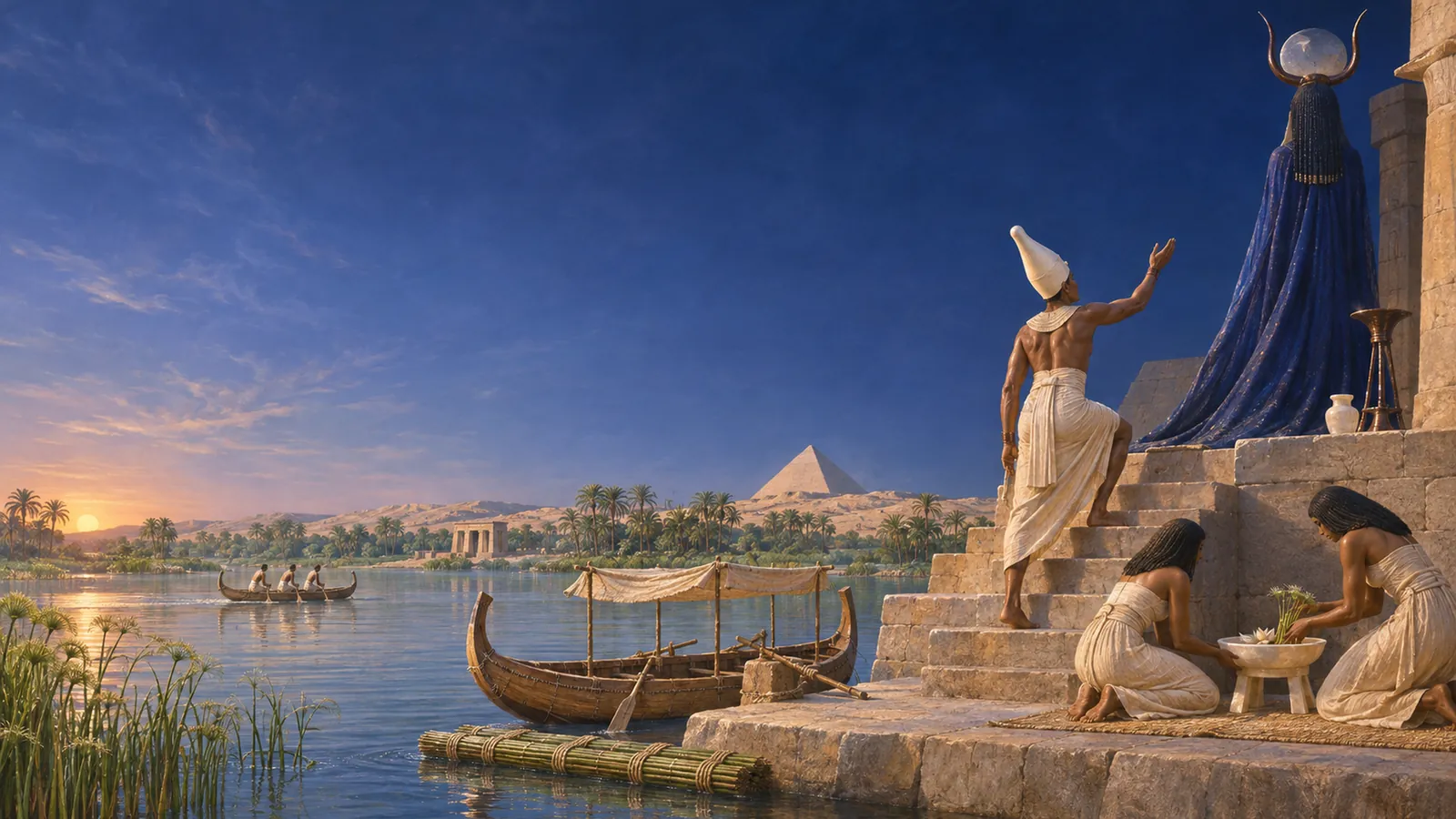
في التعويذة تحمله سوثيس إلى السماء بين الآلهة، وتمدّ نوت ذراعيها إليه. ويجثو قرب الشمس اثنان من أبرز أرواح البا في هليوبوليس.
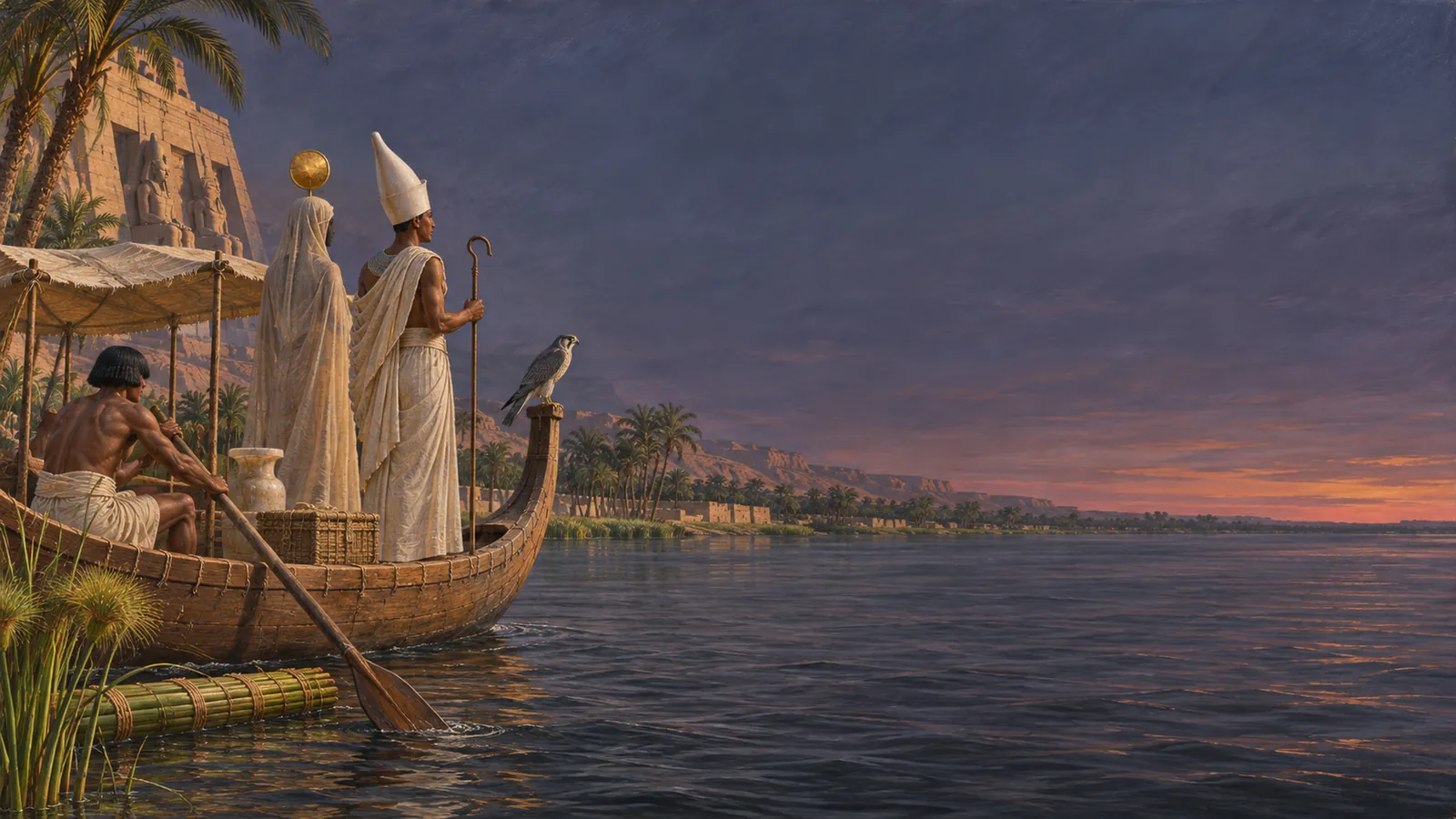
يعلن المتكلّم أنّ له مقعدًا مع الشمس وأنّه لن يتنازل عنه لأحد. وينسب صعوده إلى الشمس ويصف نفسه بوجه صقر وجناحي طائر ومخالب.
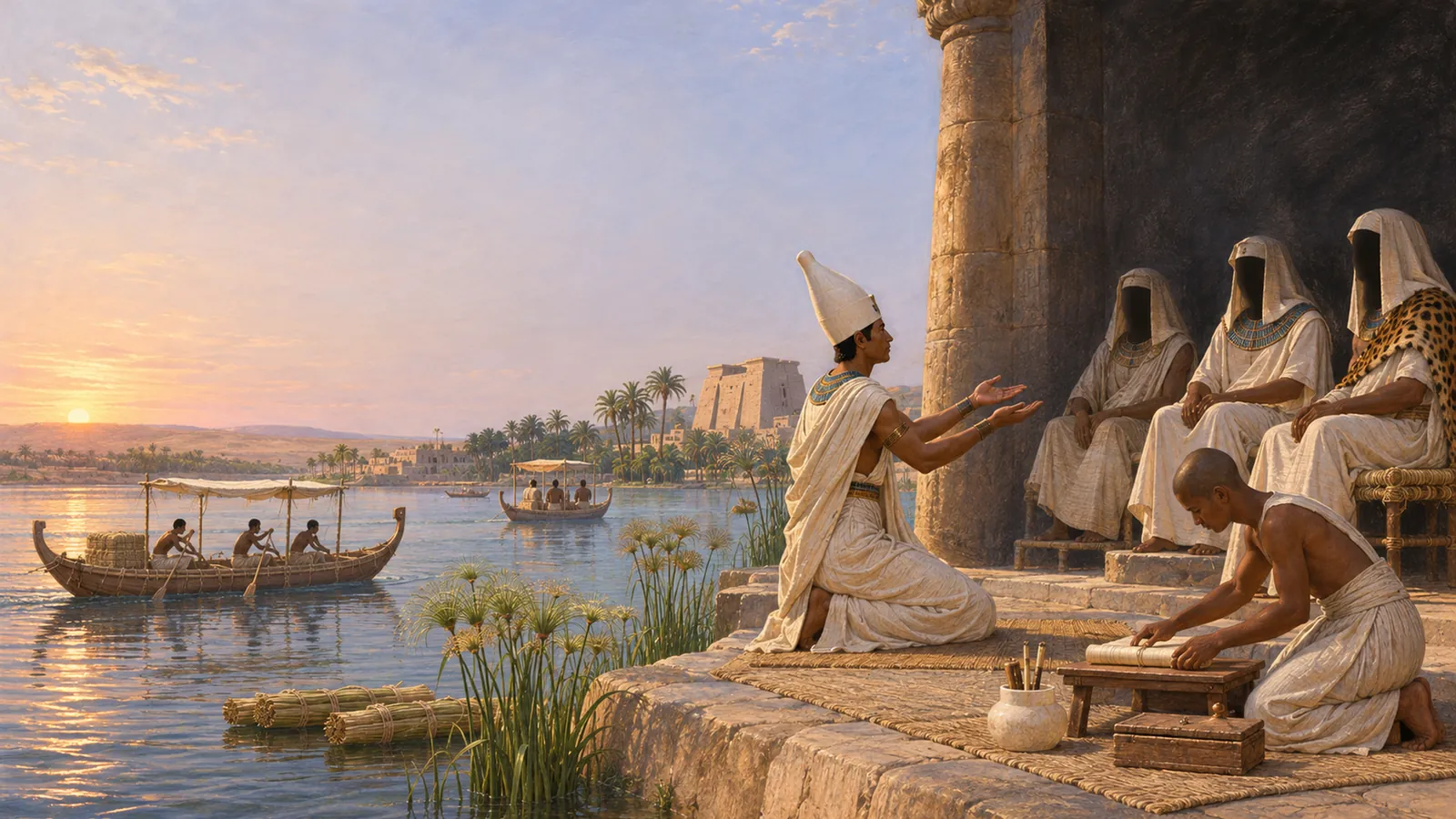
يقول المتكلّم إن لا دعوى عليه على الأرض، وإن آلهة السماء لم تدنه. ويعلن أنه أبطل الدعوى التي تعترض صعوده.
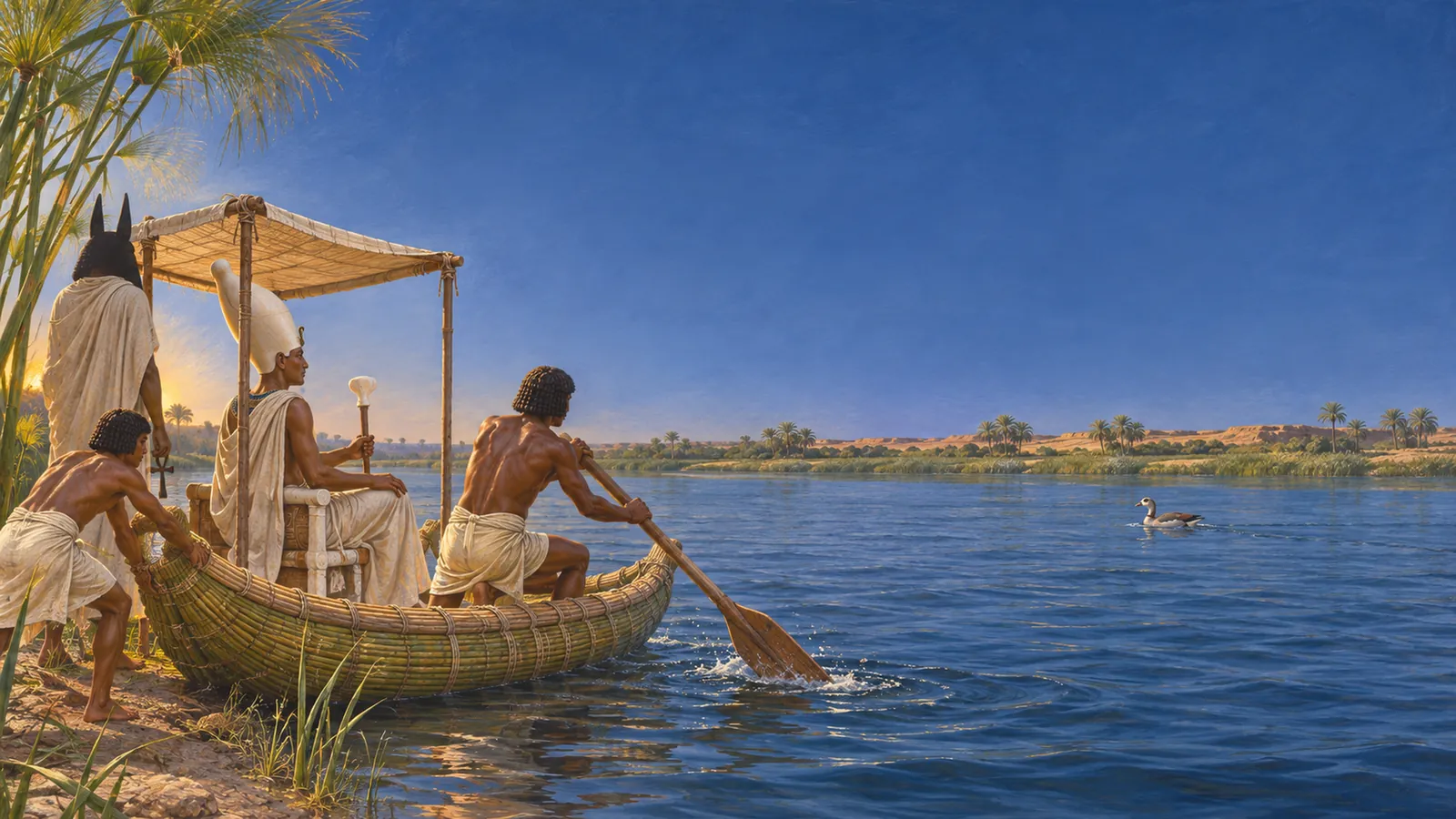
يرفع فاتح السبل المتكلّم إلى السماء بين الآلهة. ويشبّه المتكلّم نفسه بإوزّة من النيل وحدأة، ثم يخبر الناس بأنه يحلّق مبتعدًا عنهم.
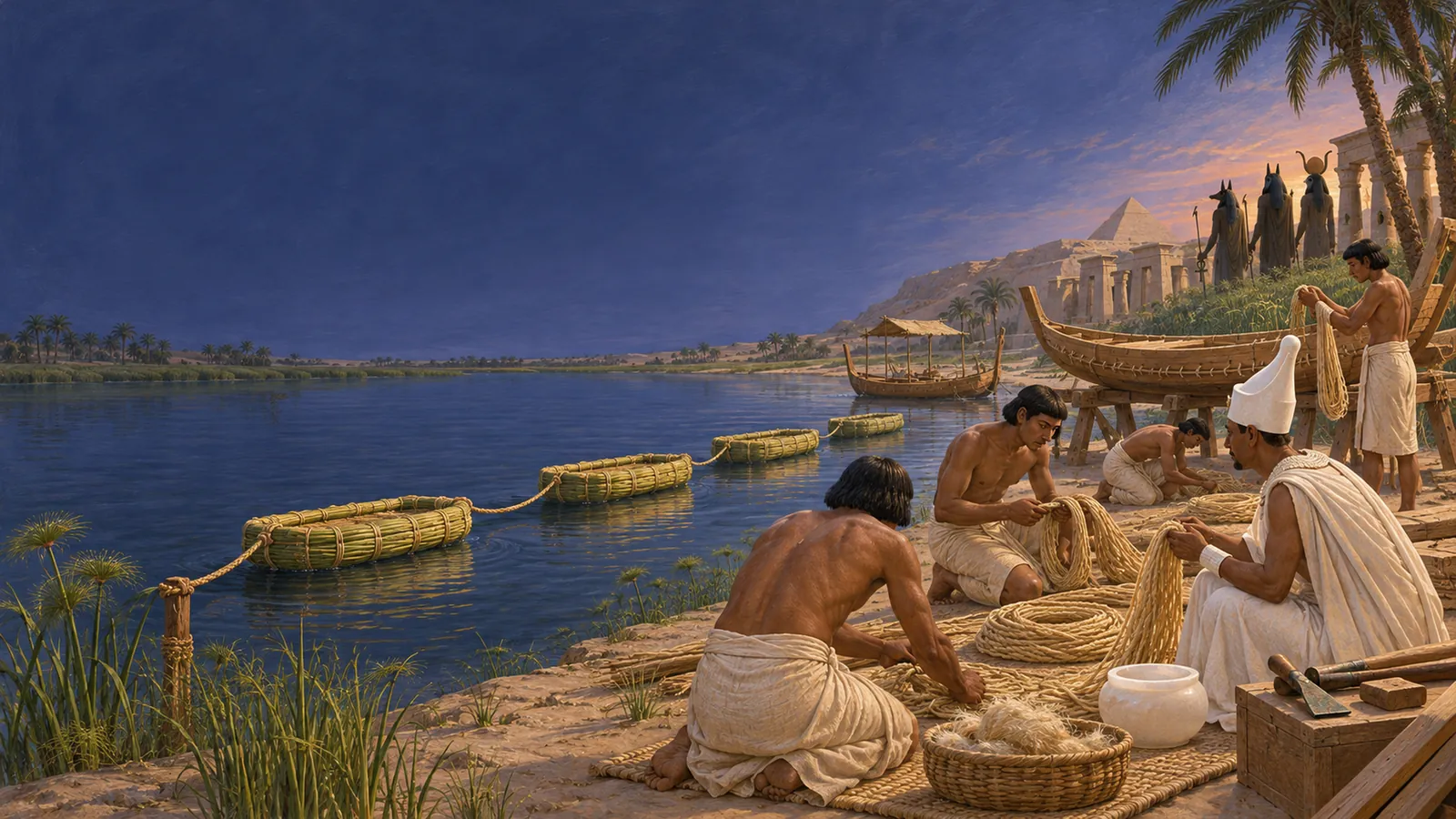
ينادي المتكلّم آلهة الجهات الأربع. ويطلب أطواف القصب الأربعة الطاهرة التي هيّؤوها لأوزيريس حين عبر إلى المياه الباردة مع ابنه حورس.
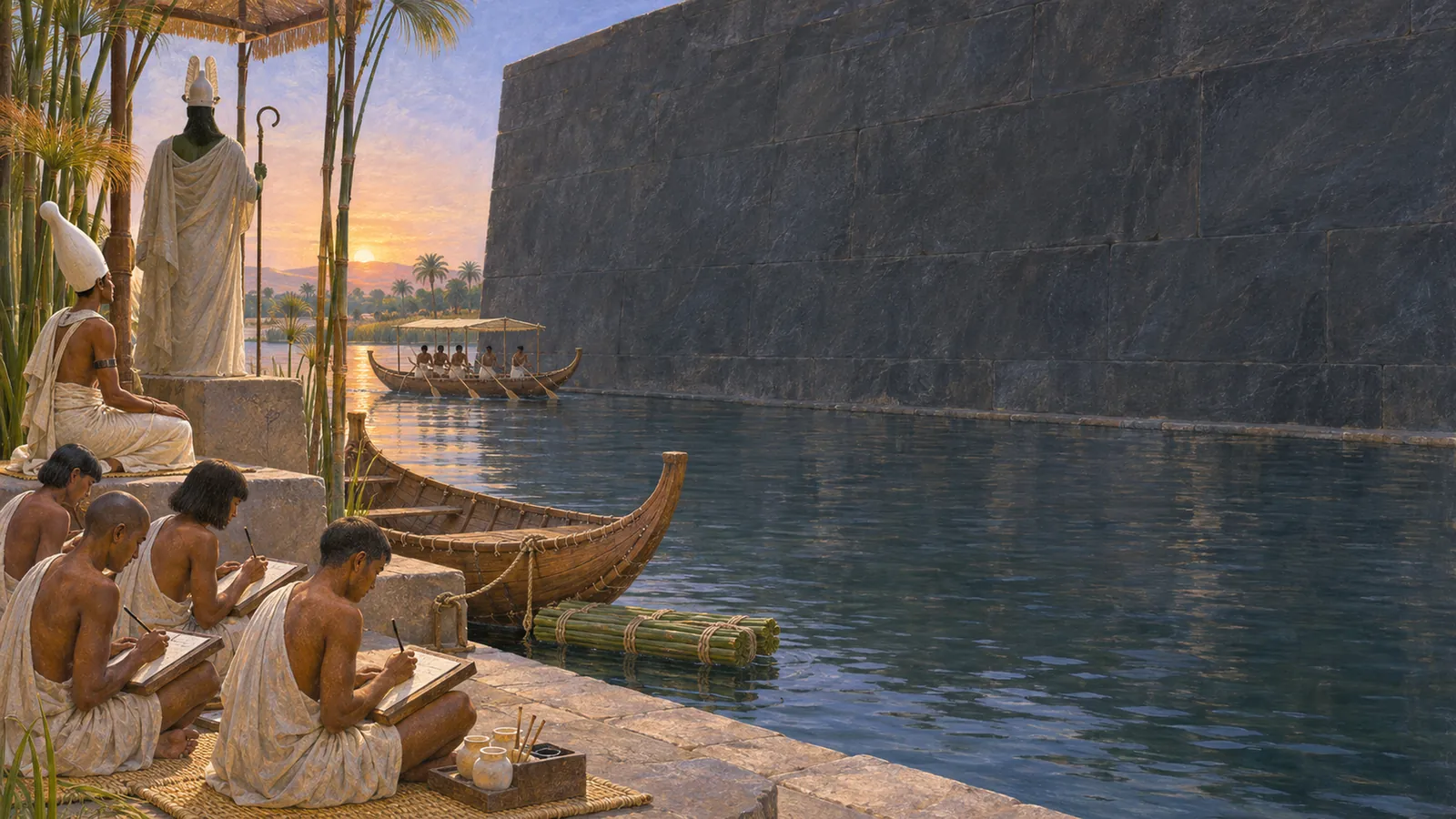
في ردّ الآلهة هو حورس ابن أوزيريس، وهو أيضًا ابن حتحور ومن نسل جب. ويأمره أوزيريس أن يظهر حورسًا ثانيًا. ويدوّن أربعة من أرواح الآخ في هليوبوليس هذا الأمر.
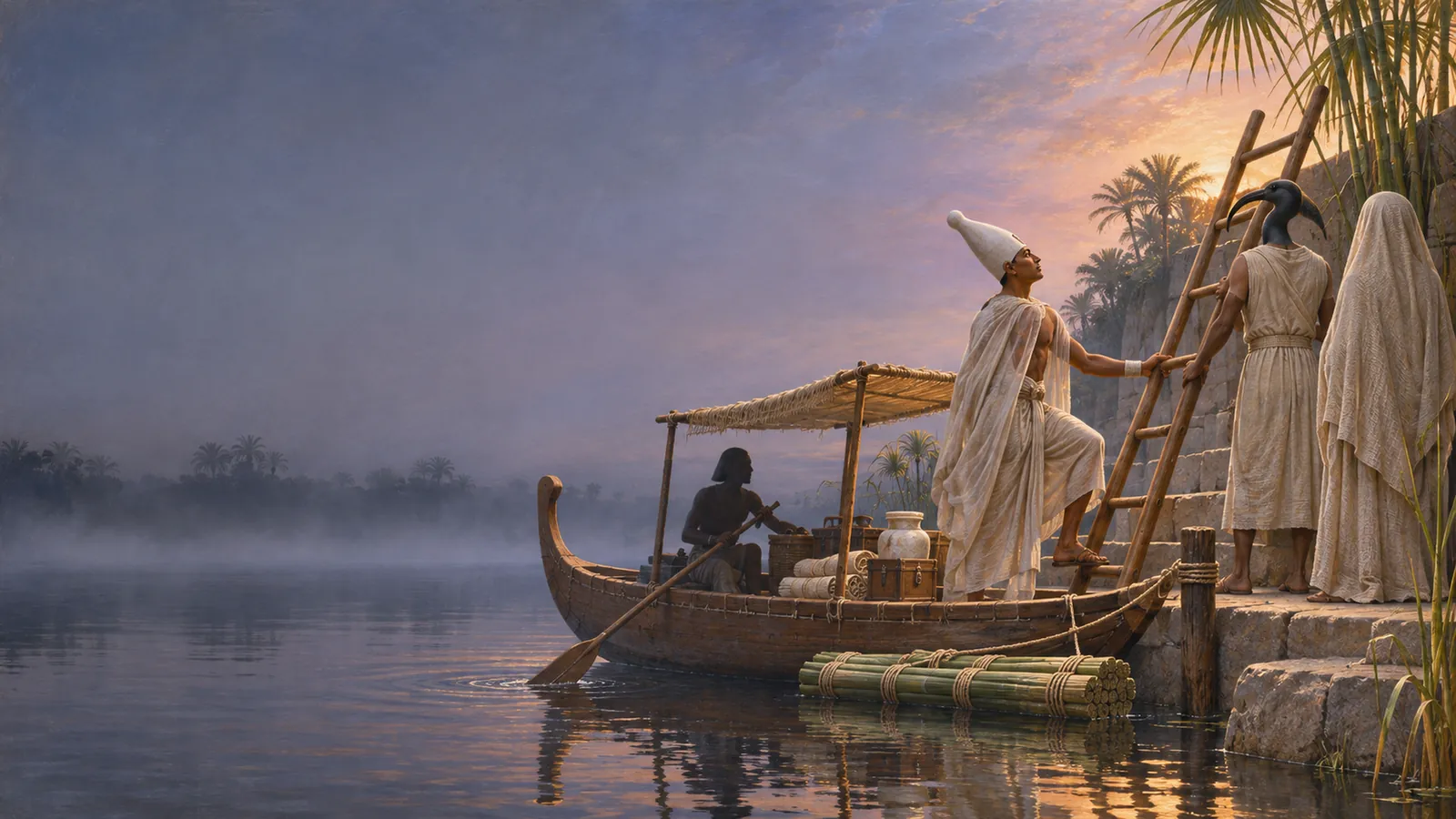
السُّلَّم
عند مياه الرؤية في السماء يحيّي ابنة أنوبيس. وتربطها التعويذة بتحوت عند قائمتي السُّلَّم، ويطلب إليها المتكلّم أن تفتح له طريقًا ليعبر.
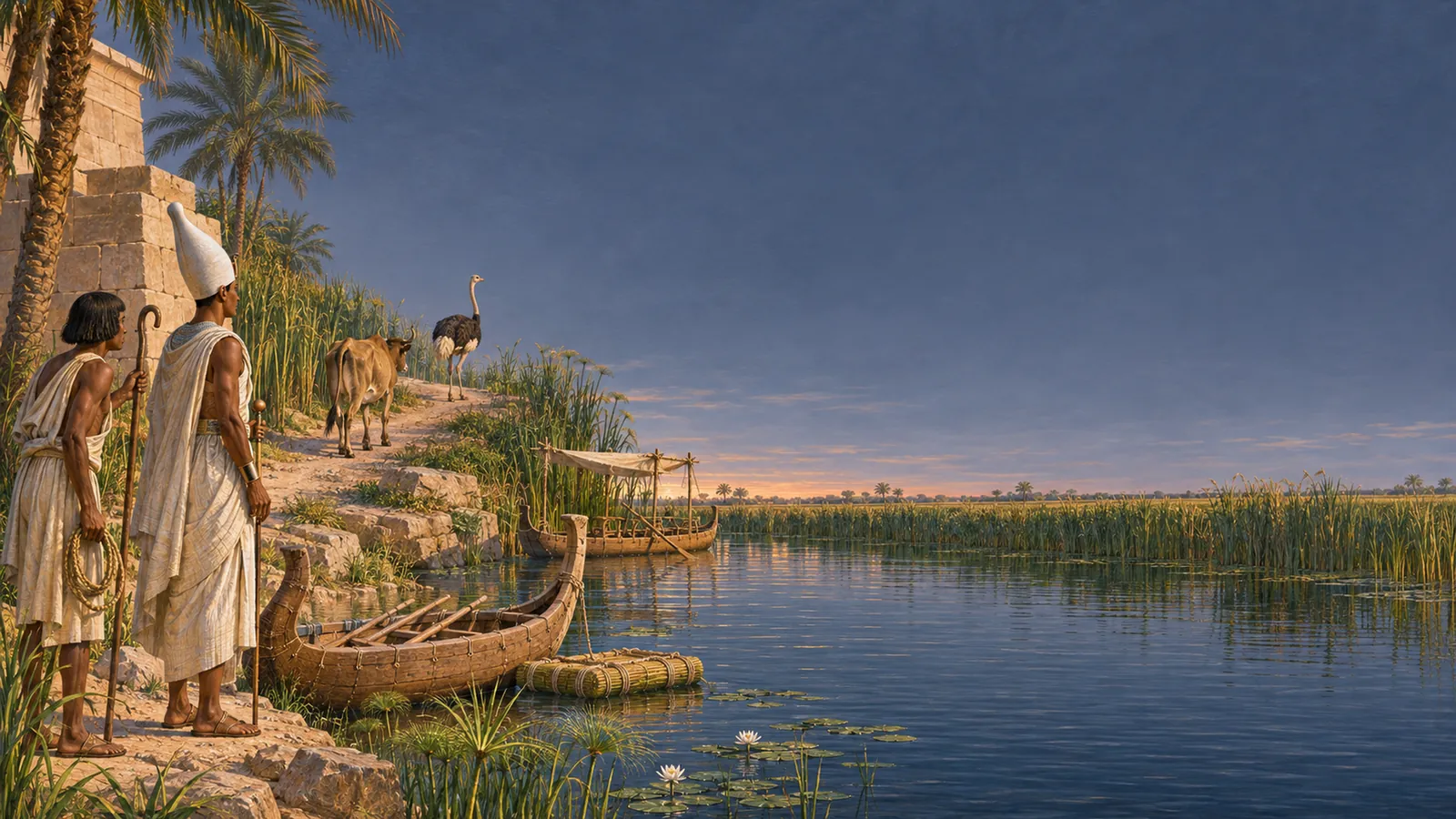
عند القناة المتعرّجة يطلب المتكلّم من نعامة أن تفسح له الطريق. ثم يخاطب عجل الشمس الذي تتجه قرونه الأربعة إلى الجهات الأربع، ويطلب منه أن يخفض قرنه الغربي.
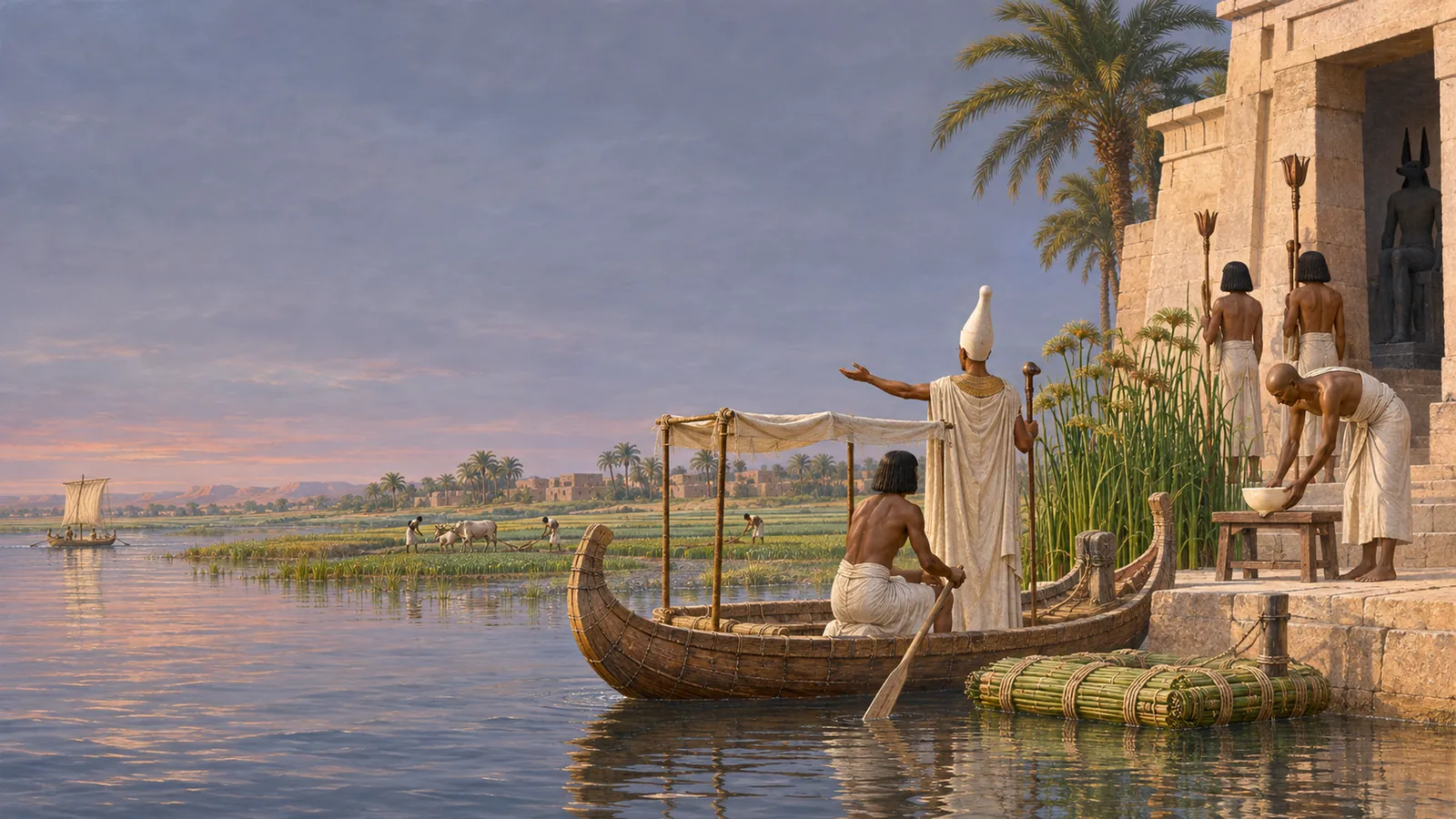
حين يُسأل المتكلّم أهو من أهل الغرب الطاهرين يجيب بأنه آتٍ من مدينة الصقر. ثم يحيّي حقل الراحة ويقول إن نباته الطاهر له.
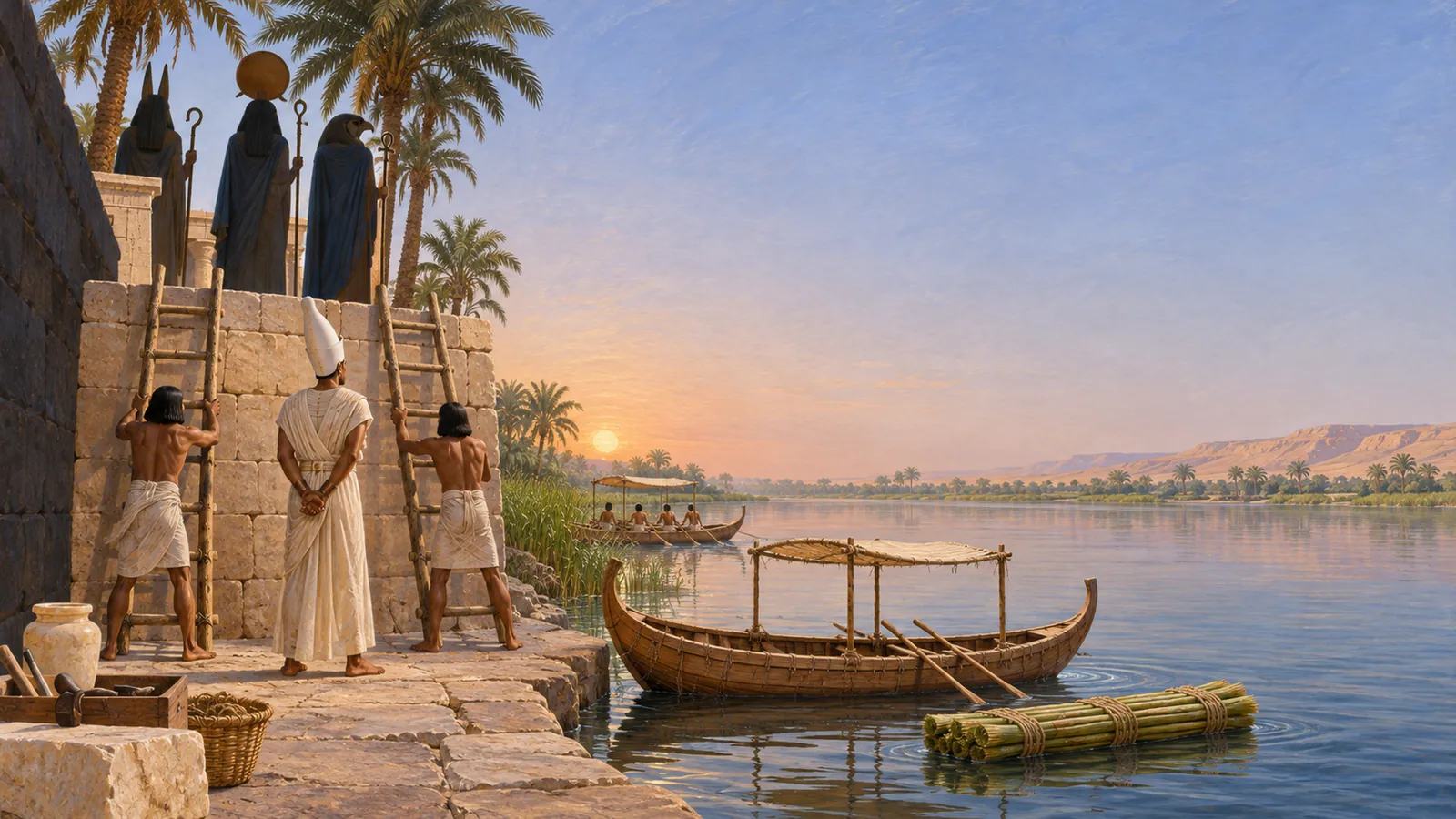
ربطت الشمس سلّمًا أمام أوزيريس، وربط حورس سلّمًا آخر أمام أبيه. ويقول المتكلّم إنه بين السلّمين، أحدهما على كل جانب.
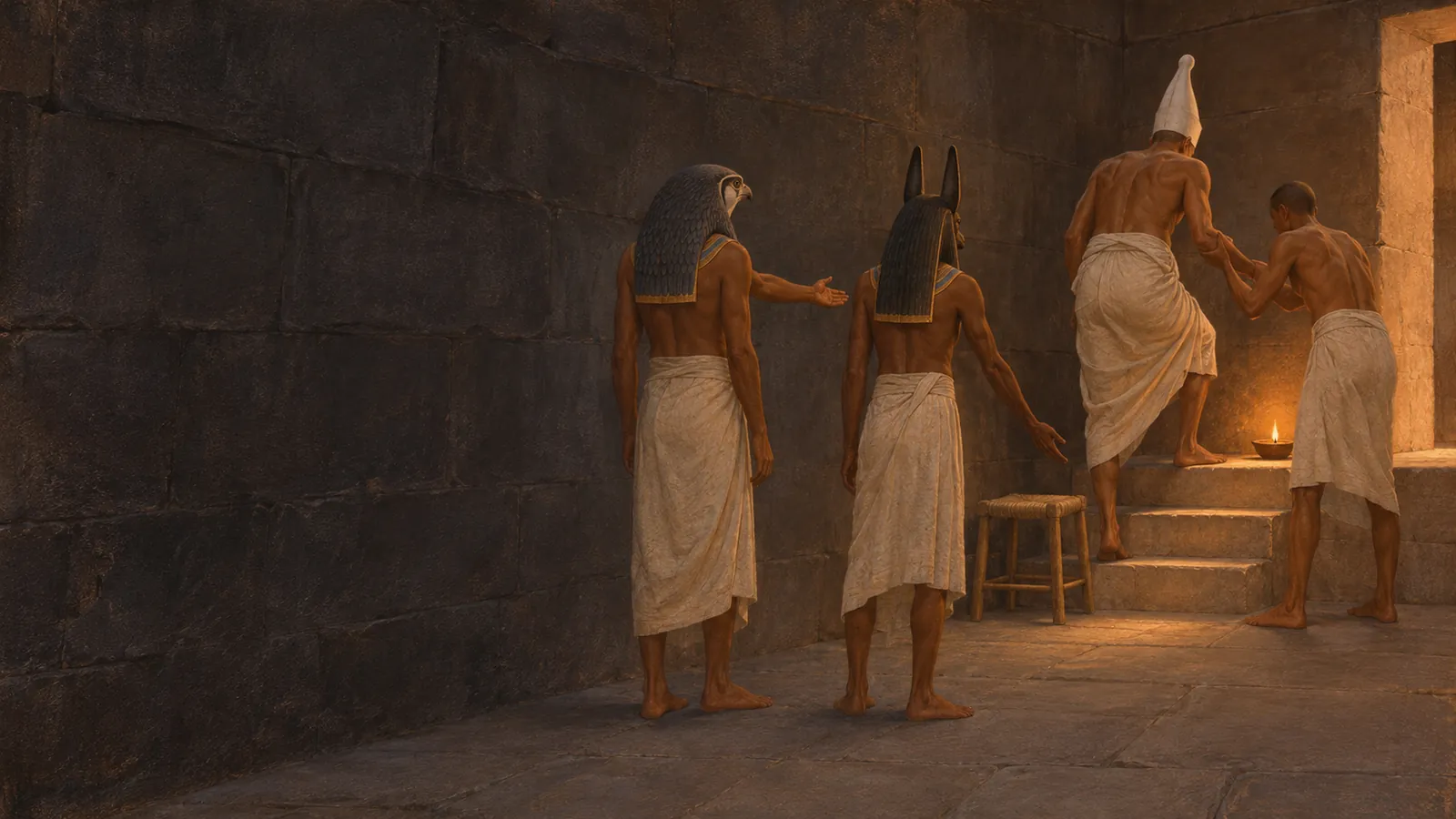
حين يُسأل أهو إله الأماكن الطاهرة يجيب بأنه جاء من مكان طاهر. ويأمره حورس بالنهوض، ويأمره ست بالجلوس، وتطلب الشمس أن يُؤخذ بذراعه.
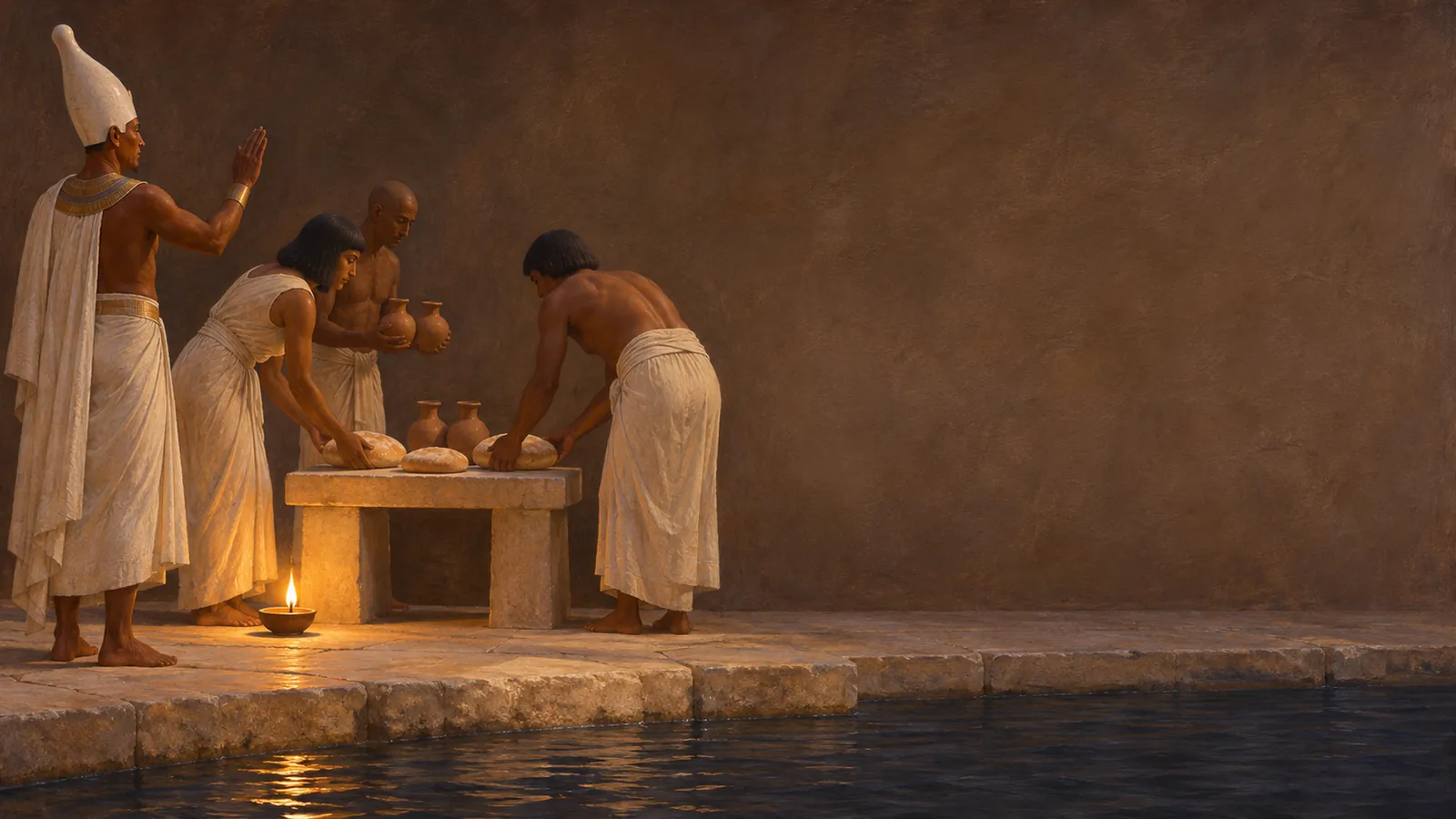
توجّه التعويذة روح الآخ إلى السماء والجسد إلى الأرض. ثم تذكر ألف حصّة من الخبز وألفًا من الجعة من مائدة قرابين المتقدّم على أهل الغرب.
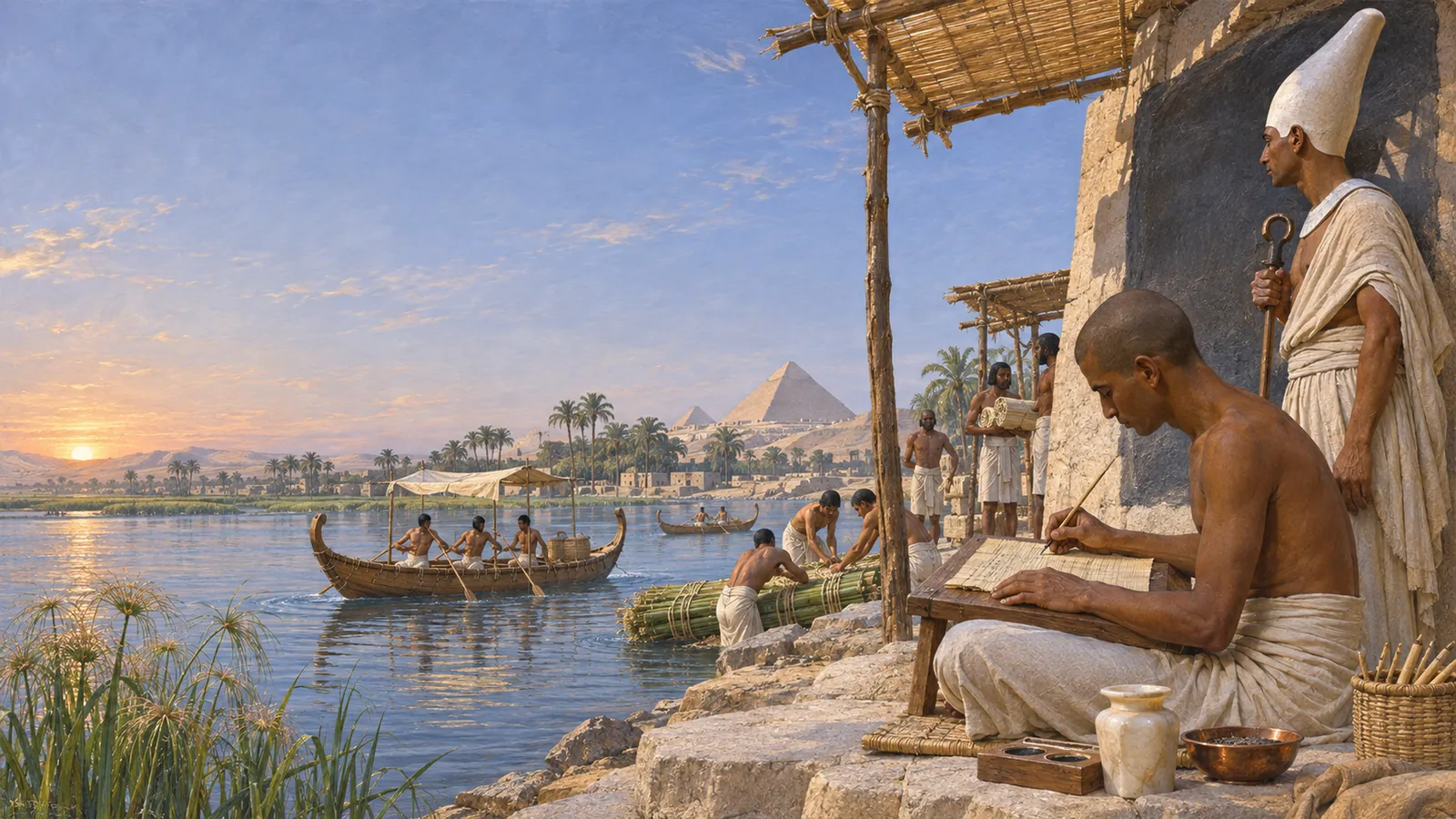
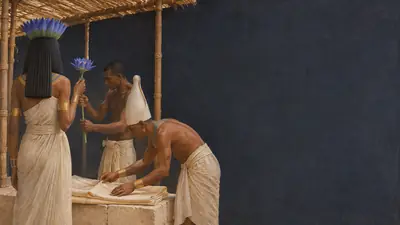
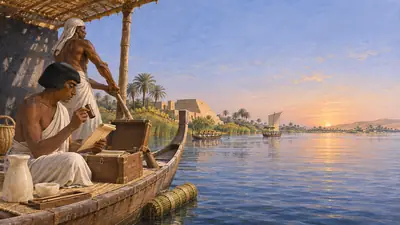
يقول المتكلّم إنّ الوارث يبقى في عوز ما لم تكن لديه وثيقة مكتوبة. ويضيف أنّه يكتب بإصبعه الكبير ولا يستخدم إصبعه الصغير.
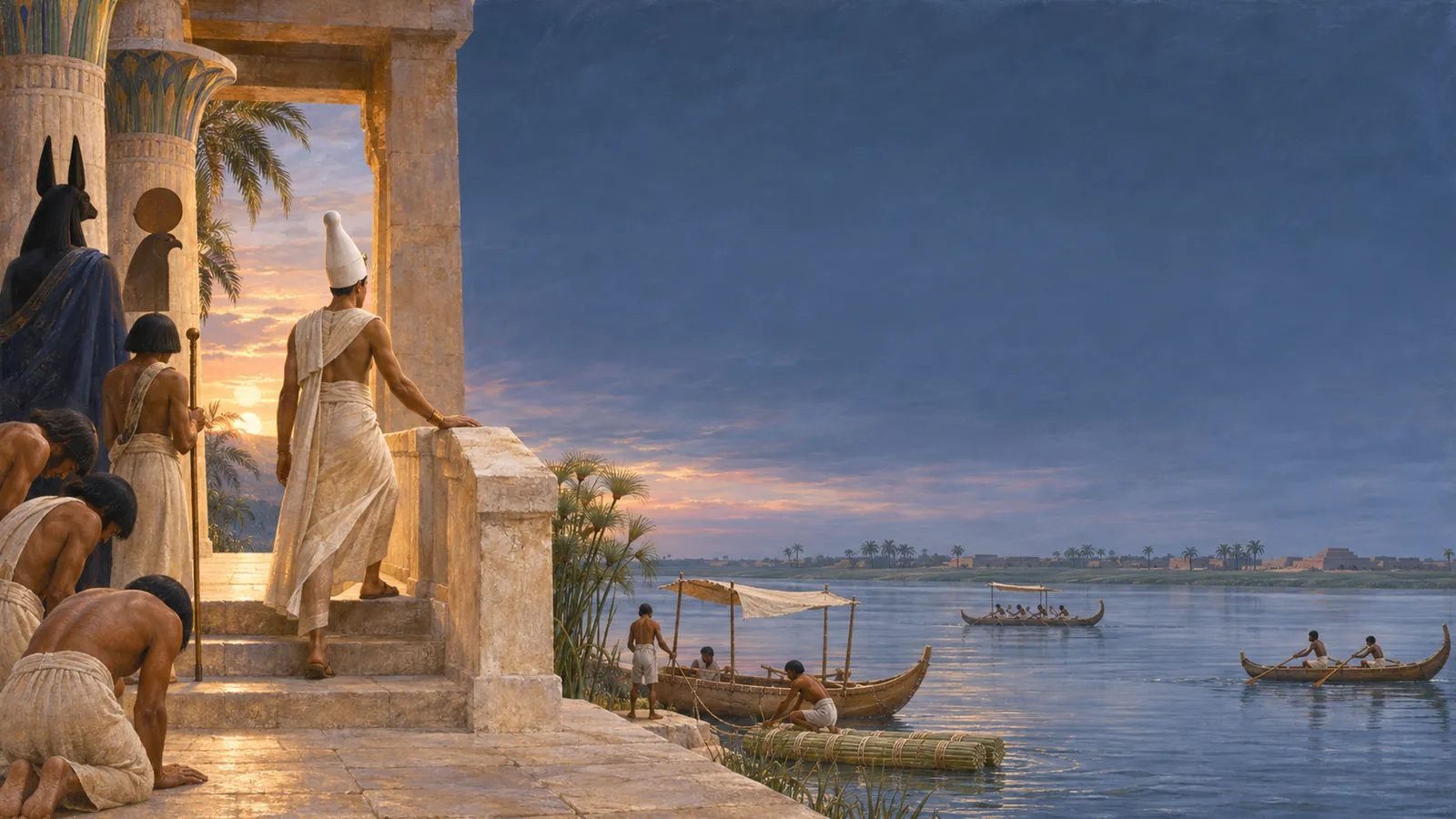
تُشيد الآلهة بمشهد الأب وهو يخرج نحو السماء. وتصف مهابته فوقه وشدّته على جانبيه وقوّته السحرية عند قدميه. وتقول إنّ جب قام بعمل من أجله.
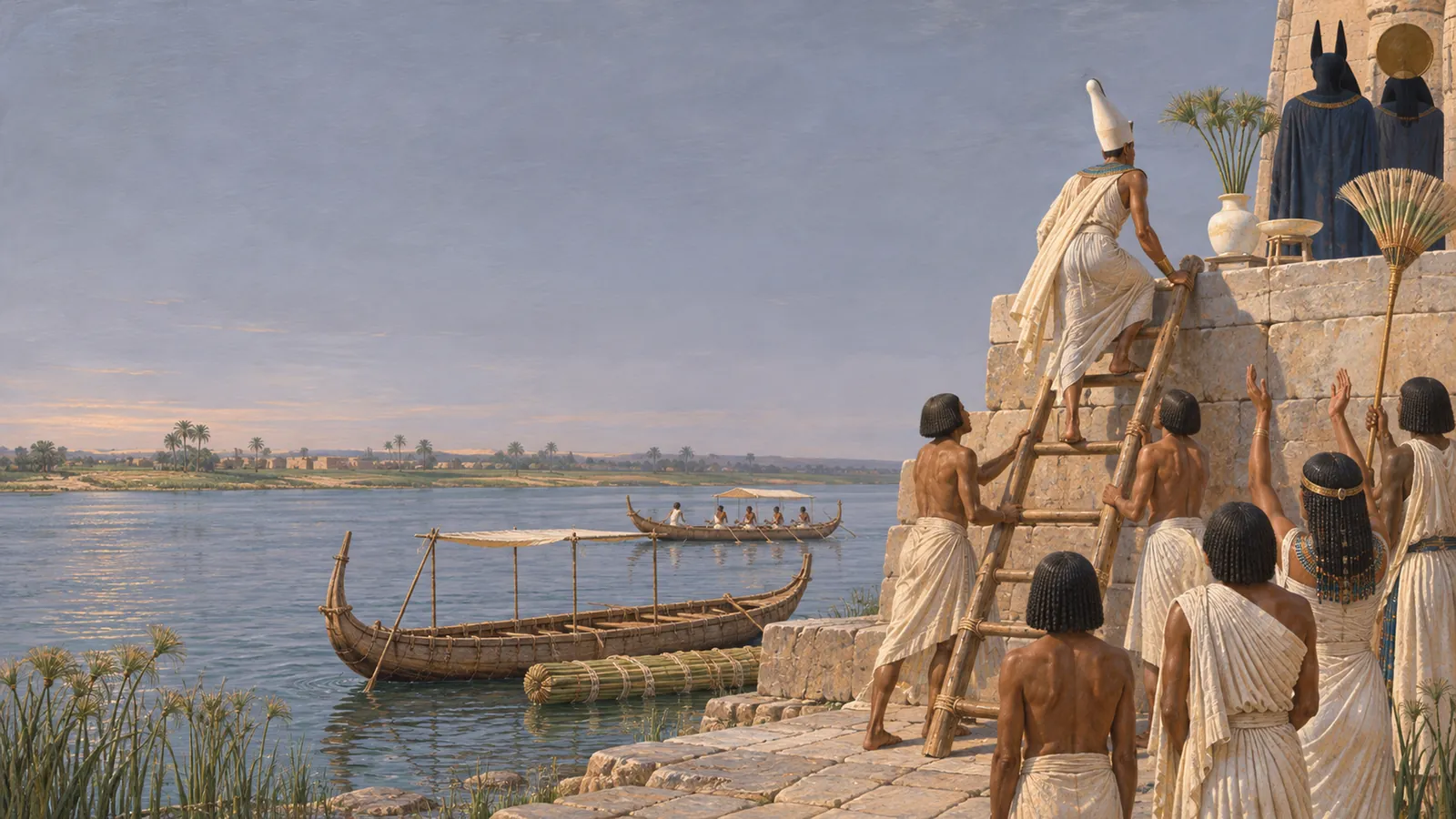
تأتي أرواح بي ونِخِن مع آلهة السماء والأرض لتحمل المتكلّم. ويُرتقَب أن يصعد إلى السماء وهي في صورة سلّم.
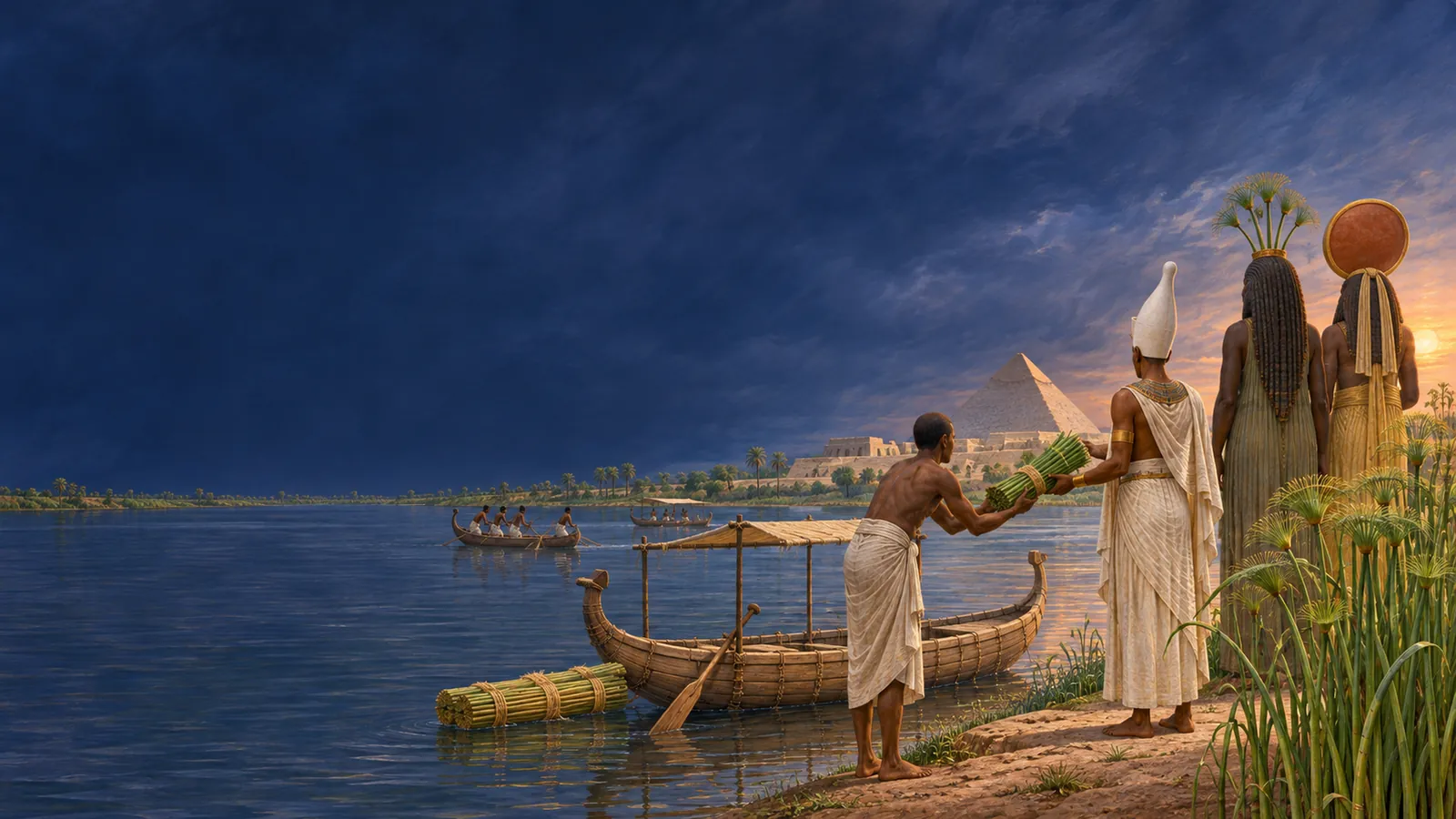
السماء والأرض
يعلن أتوم أنّ السماء والأرض مُنحتا للمتكلّم. ويقول جب إنّ التلال وحقل القصب سيكرّمانه بصفته إله الصباح، على مثال سوبك تحت أشجار القرم.
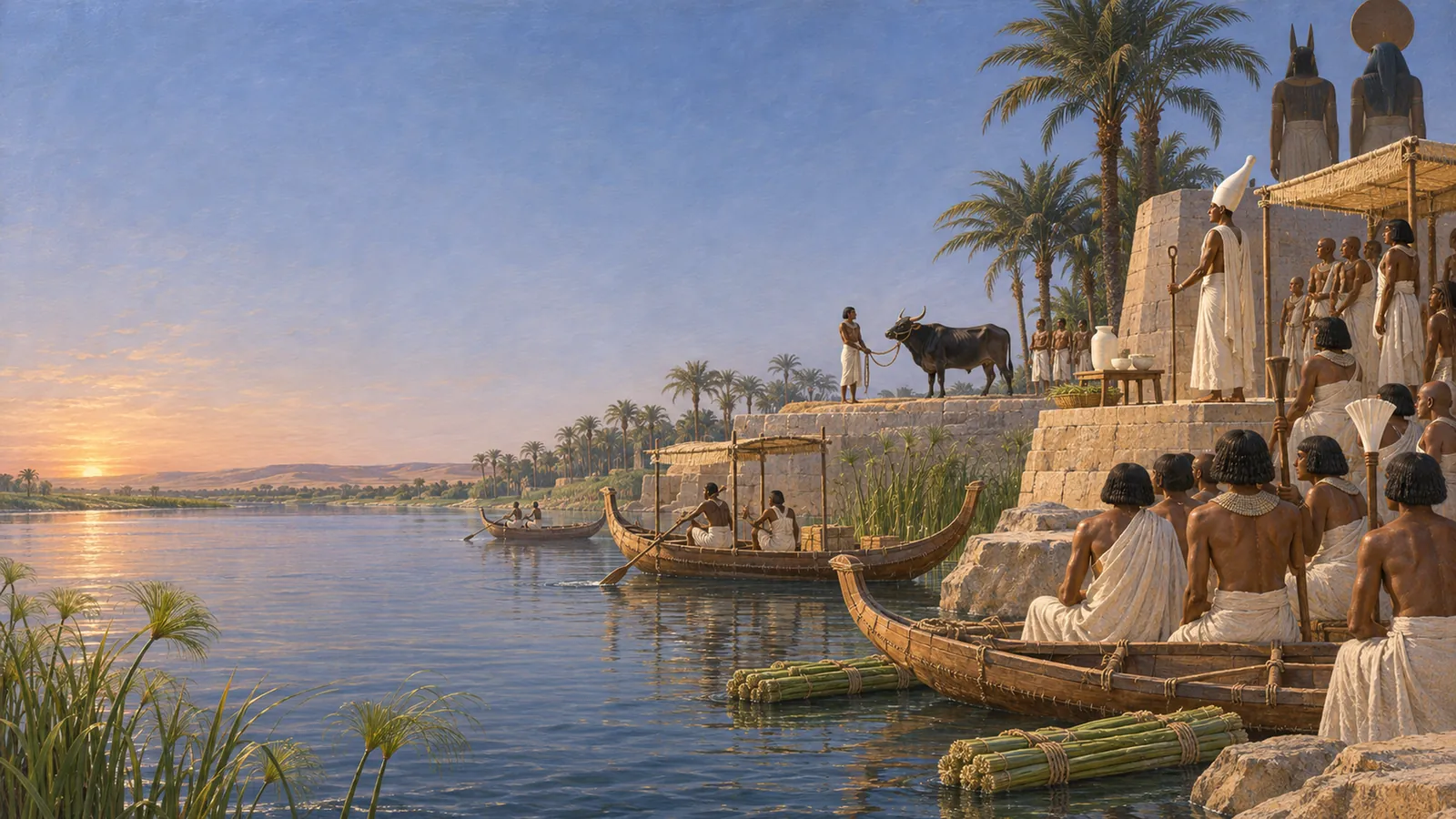
يسأل جب هل قتله ستّ ظنًّا منه أنّه سيموت. ثمّ يعلن أنّ المتكلّم أبقى من ستّ في صورة ثور برّيّ، ويأمره أن يثبت في مقدّمة أرواح الآخ.
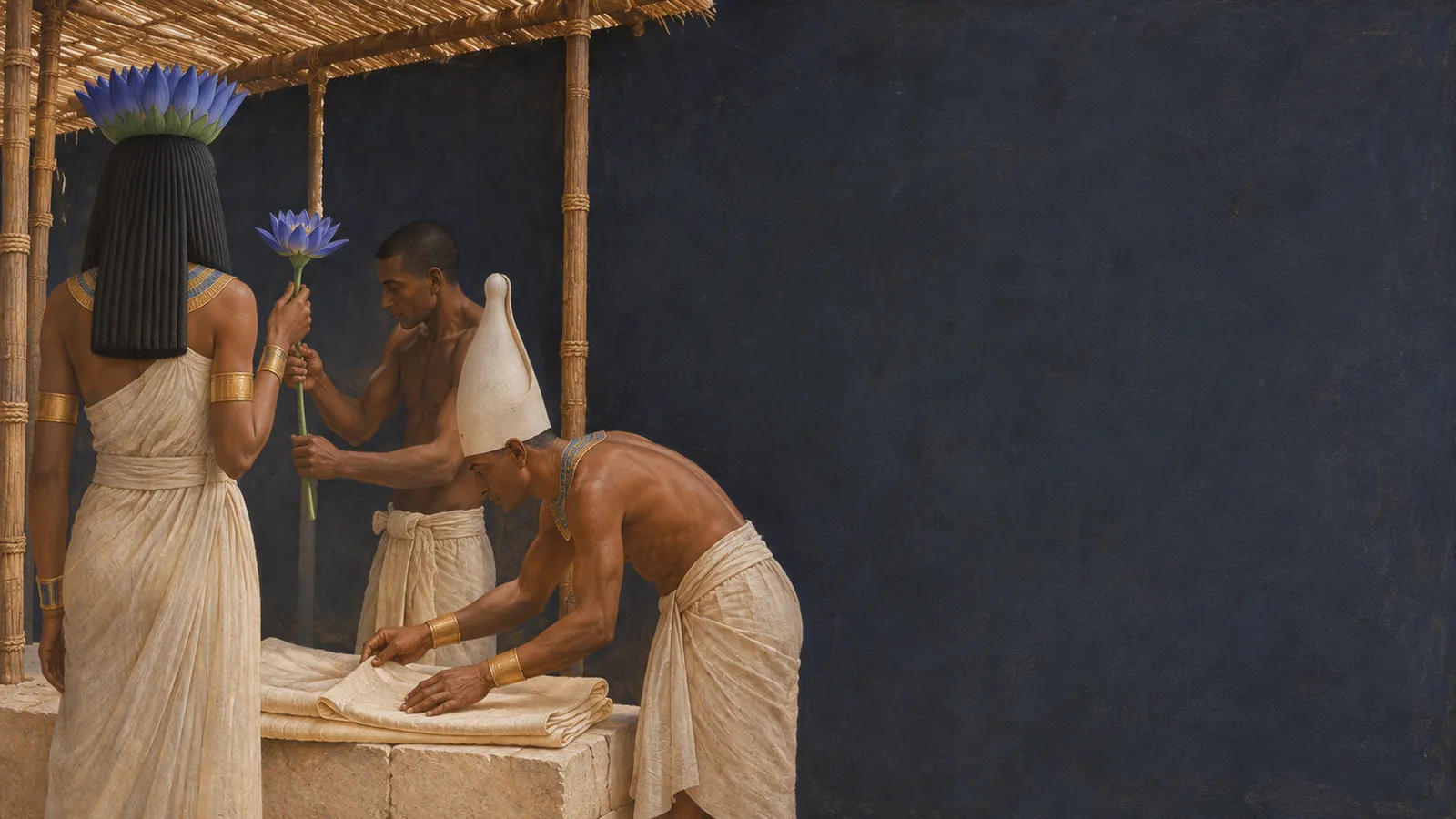
يقول المتكلّم إنّ والديه من هليوبوليس، وإنّه وُلد فيها. ويسمّي نفسه نفرتِم الذي لا نظير له، ووارث أبيه جب.
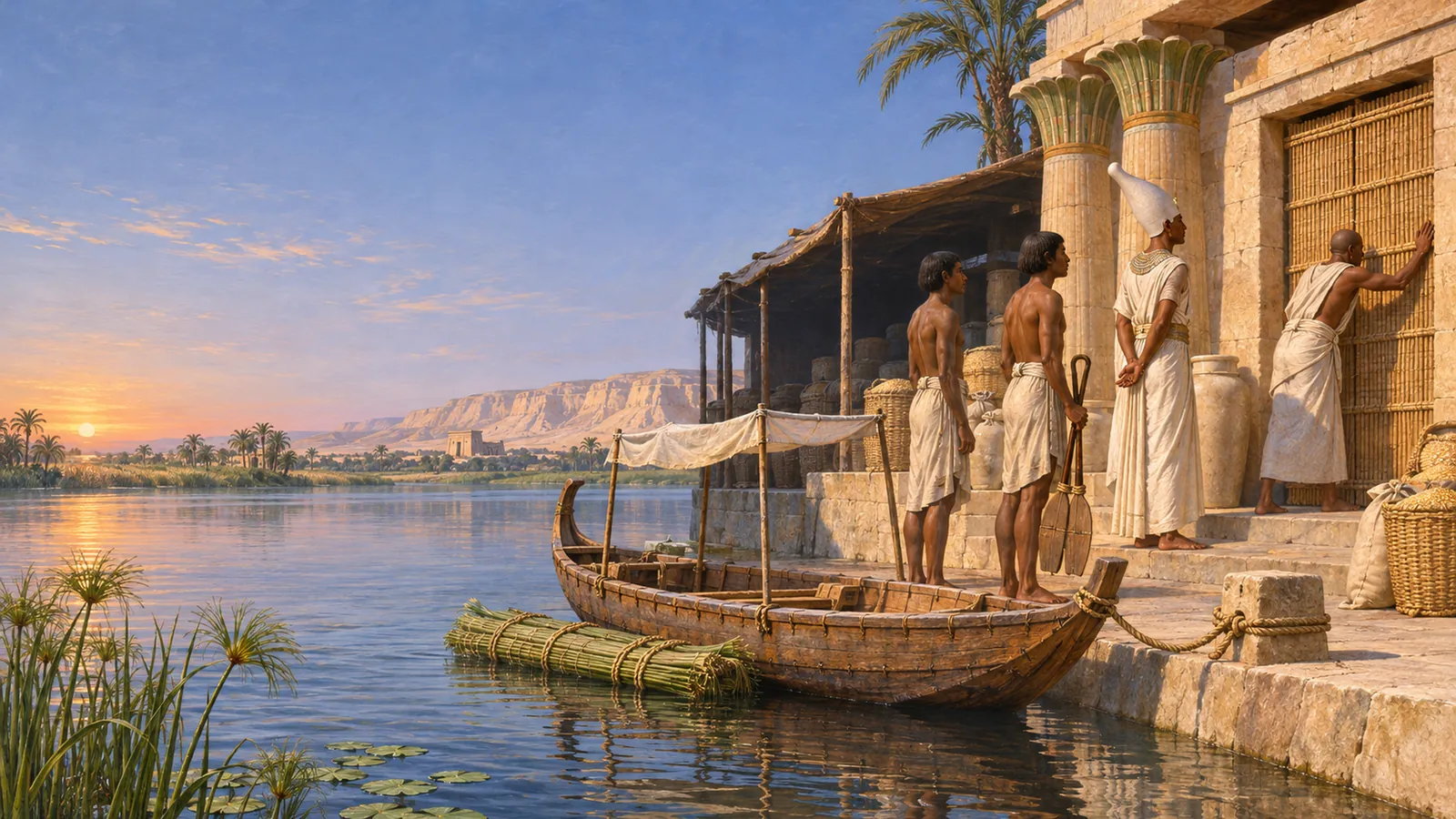
يحذّر المتكلّم كلّ إله يعارضه فيما يتوجّه إلى الشمس. فلا ينال ذلك الإله طعامًا، وتُغلَق في وجهه أبواب قارب النهار وقارب الليل والمخزن.
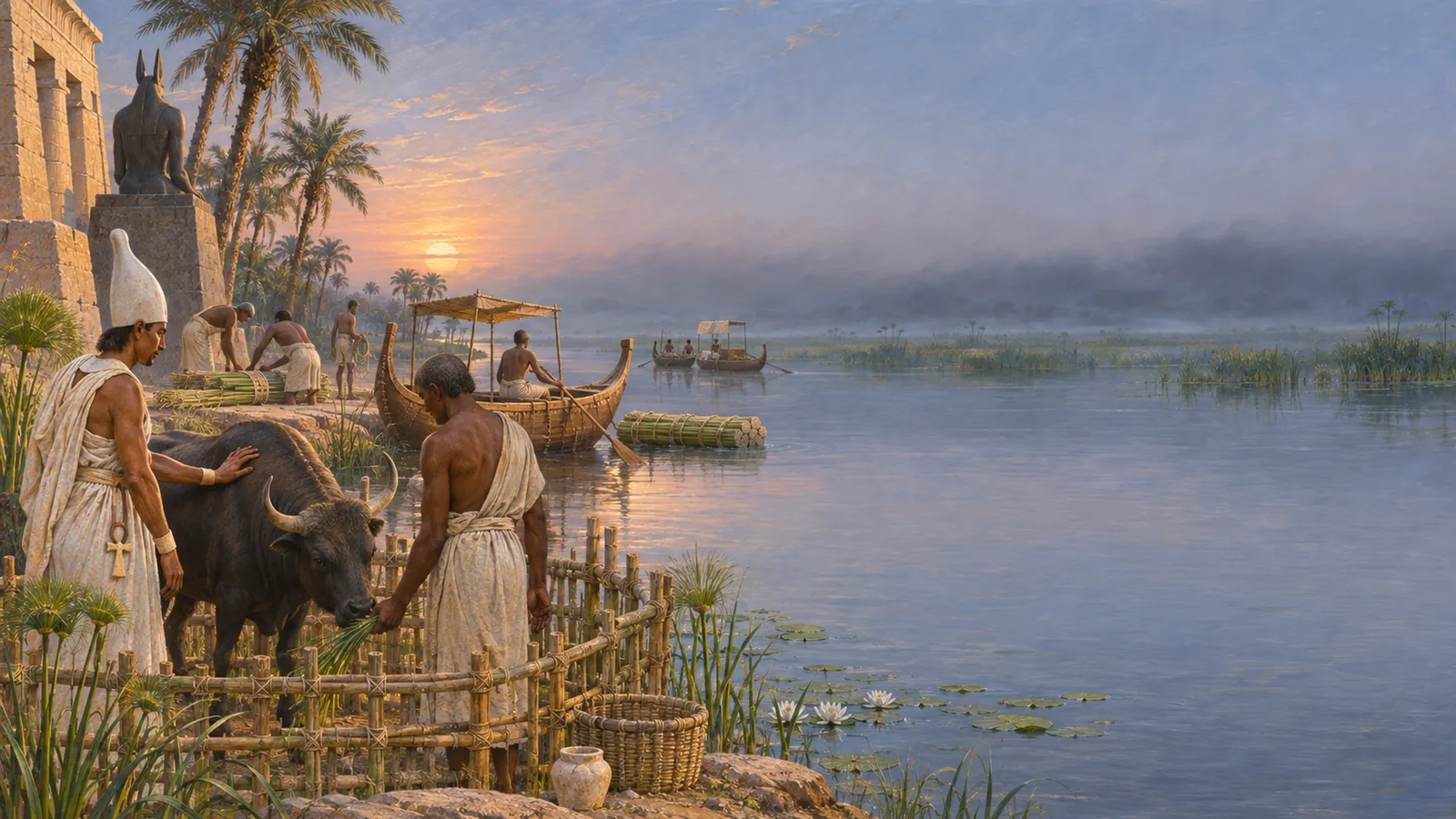
يسمّي المتكلّم نفسه ثورًا برّيًّا من هليوبوليس. ثم يخاطب ثورًا برّيًّا، قائلًا إنّه أنجبه ويستطيع أن ينجبه مرّة أخرى.
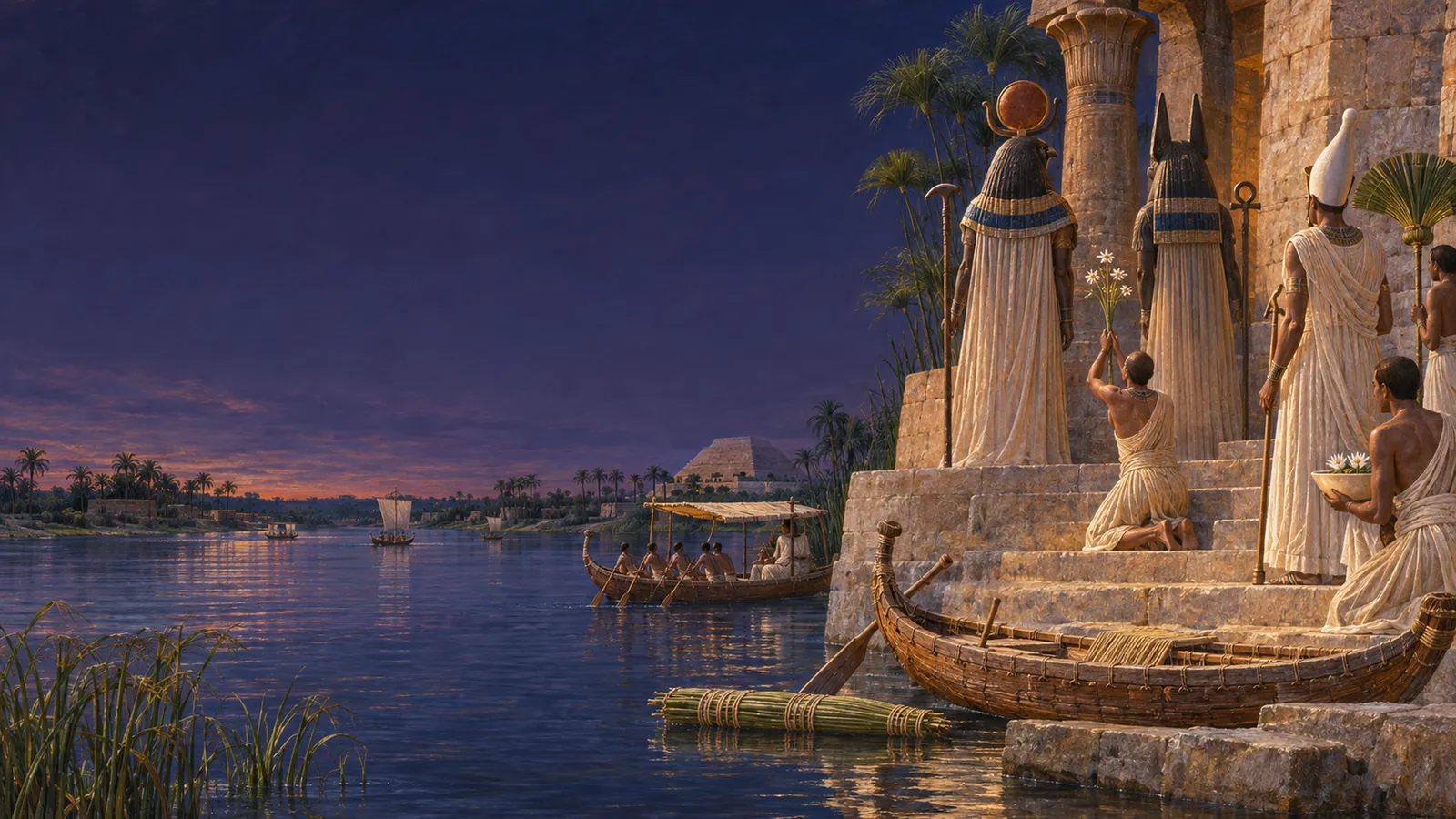
يحيّي المتكلّم حورس وستّ عند تلّيهما، والقصبة في حقل القصب، والإلهين المتصالحين. ويشبّه نظرته إليهم بنظرات يذكرها النصّ في لقاءات بين الآلهة.
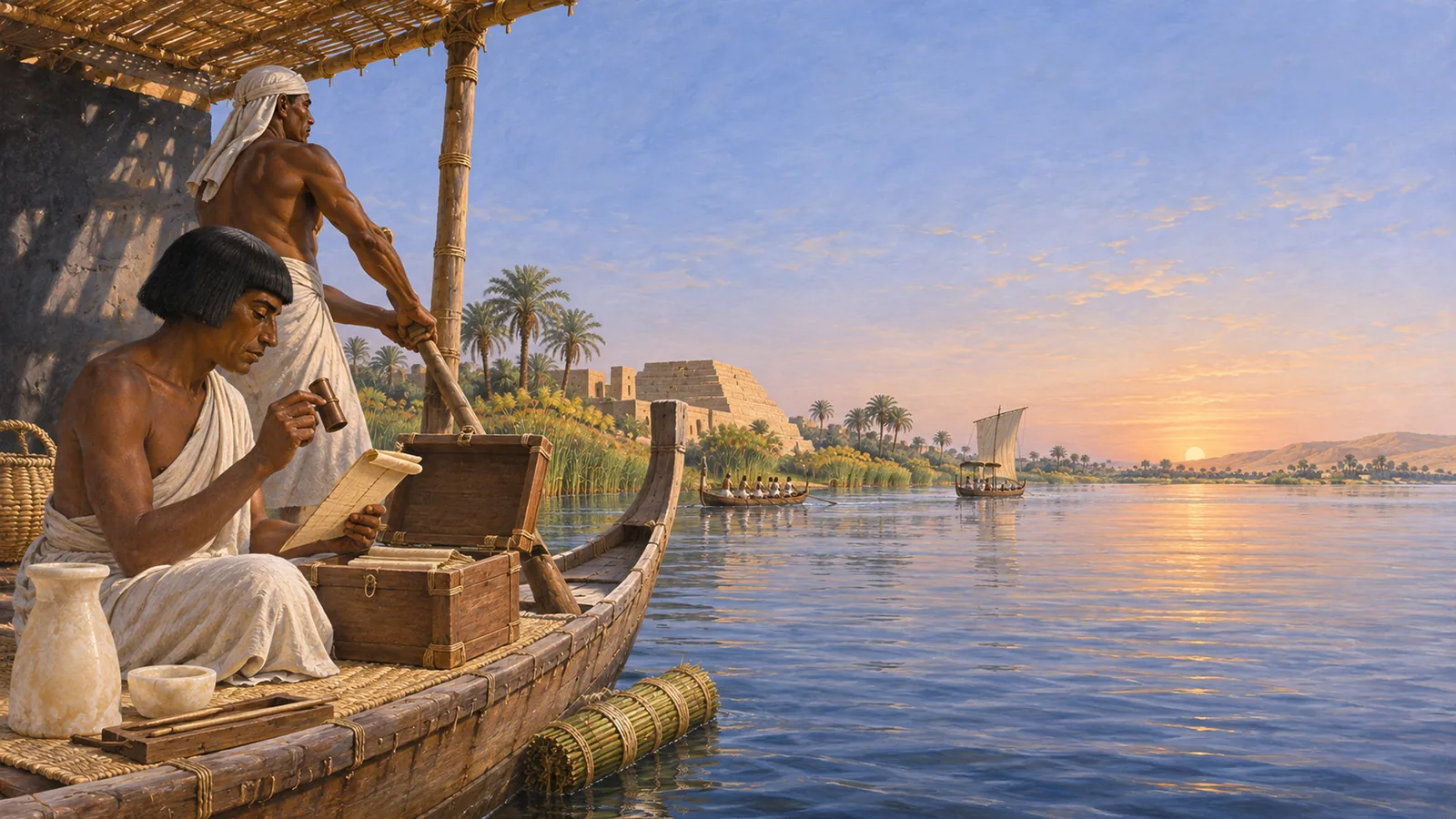
يسمّي المتكلّم نفسه محاسب الآلهة في حَرَم الشمس. ويقول إنّ التي عند مقدّمة القارب ولدته، وإنّه الآن يخدم الشمس ويفتح صناديقها ومراسيمها ويختم الوثائق ويرسل الرسل.
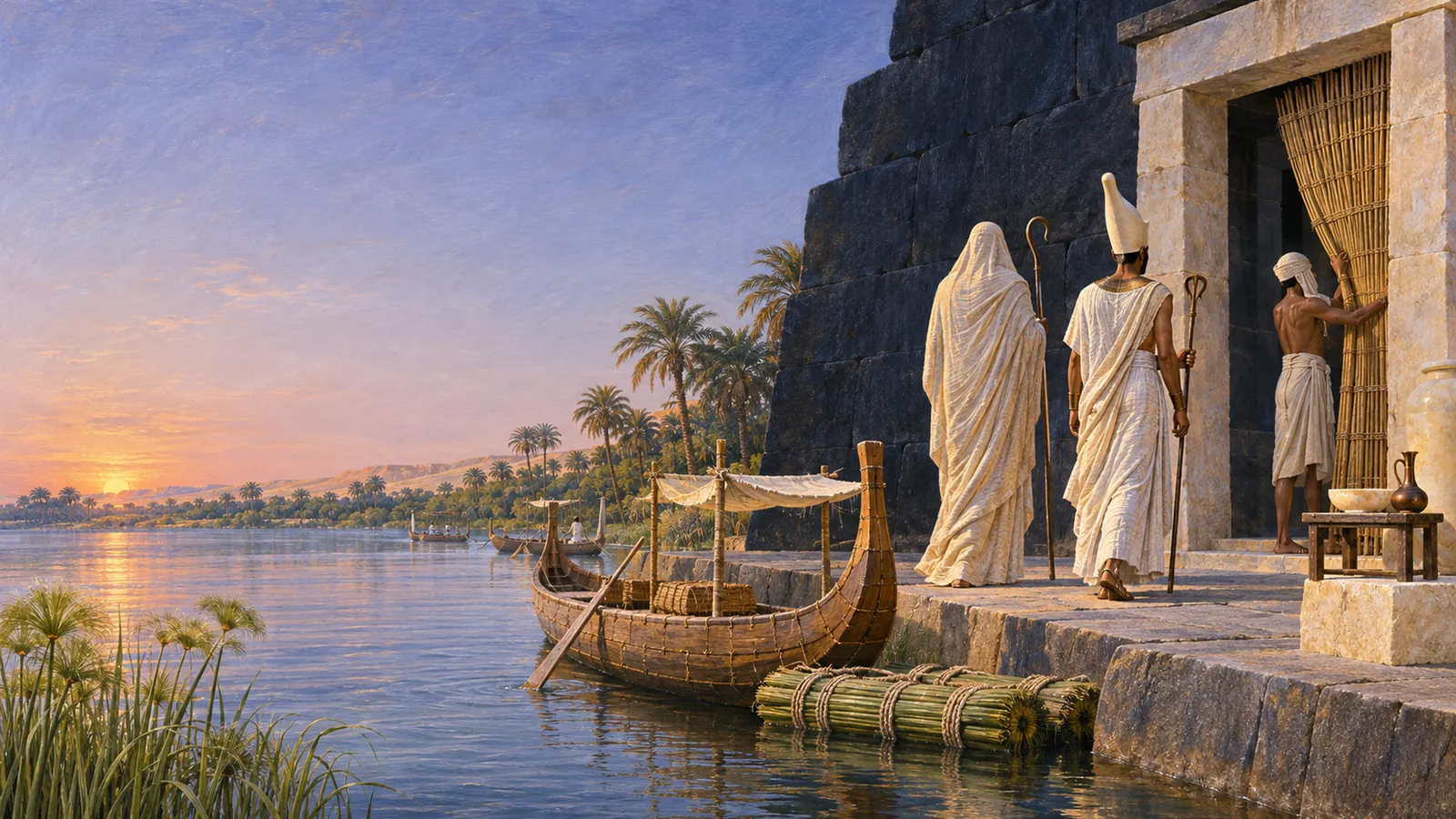
يقول المتكلّم إنّ كلّ لعنة أو إهانة أو ضربة أو عائق يُوجَّه إليه سيصيب أتوم أيضًا. ويتكلّم بلسان حورس، ماشيًا في إثر أبيه أوزيريس.
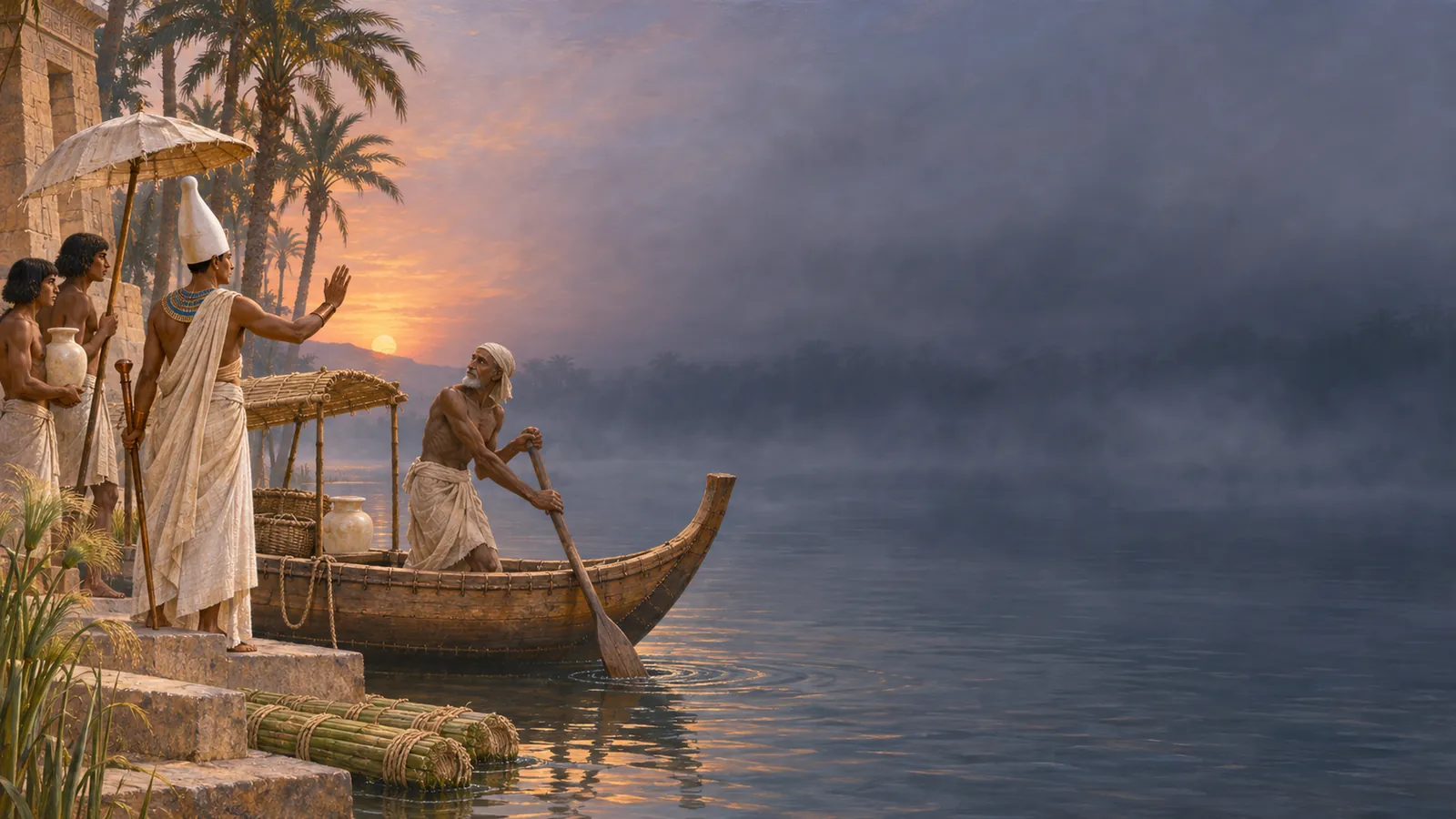
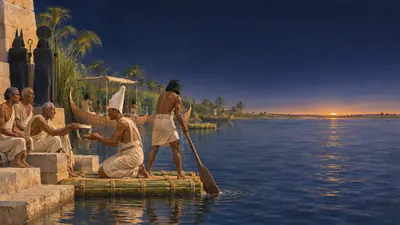
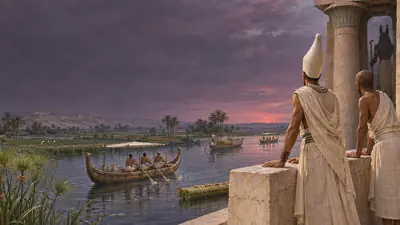
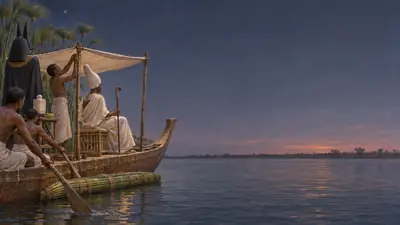
يطلب المتكلّم قاربًا من الملّاح الذي ينظر في اتّجاهين. وحين يُسأل أيّ قارب يريد، يسمّي القارب الذي يبلغ اليابسة كلّما طار.
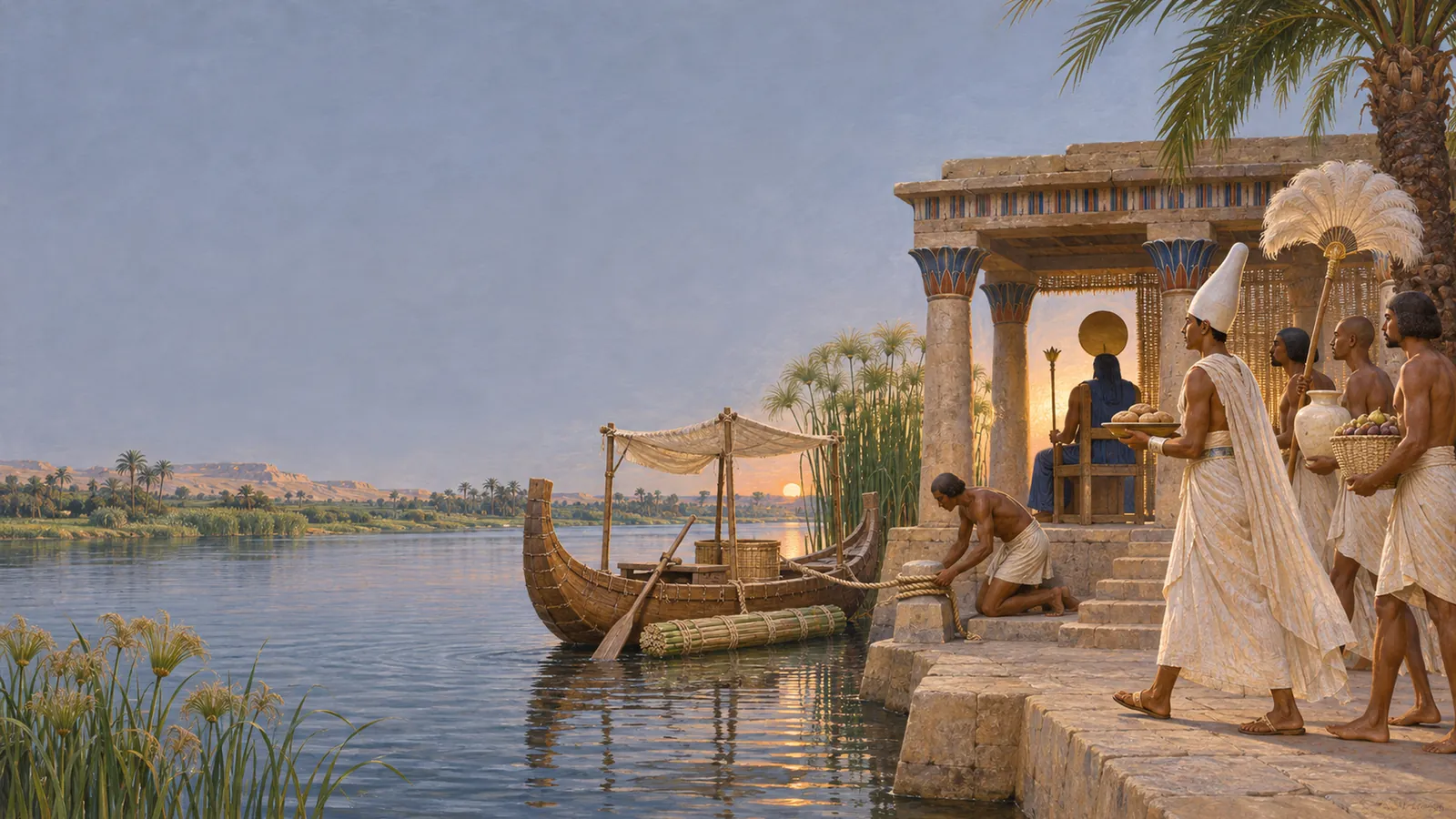
ينادي الشمس راجيًا أن تتعرّف إليه. ويذكر القربان وهو يتحدّث عن فتح الآخت لقارب النهار، وعن المقصورة في الأعالي حيث تركب الشمس قارب الليل.
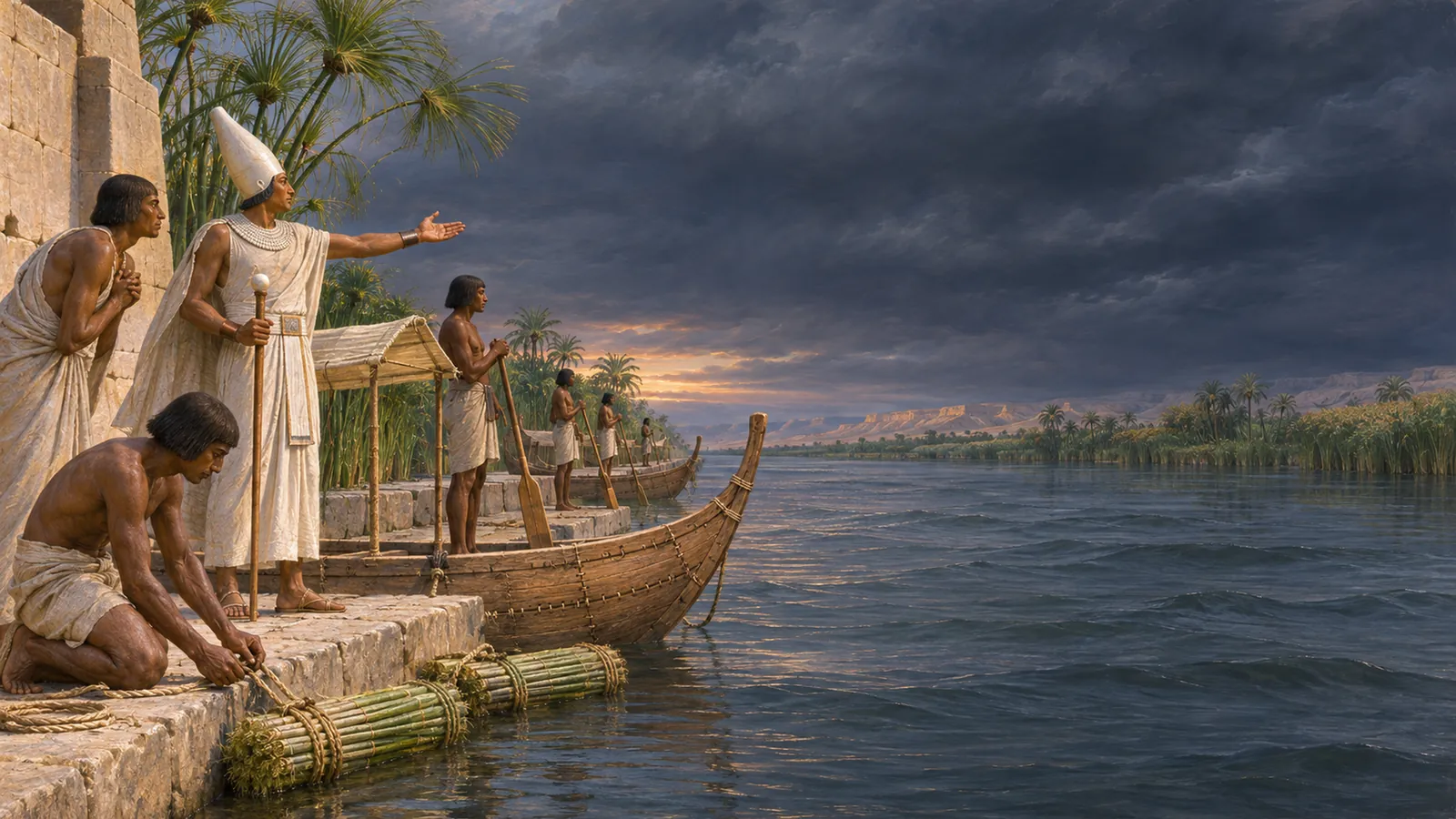
يطلب من الشمس أن توصي به لدى الأربعة الذين ينظرون في اتّجاهين. وتنصّ تعليمات التلاوة على تكرارها أربع مرّات بلا توقّف. ويرجو الإذن بالاقتراب والحديث عن الفيضان العظيم.
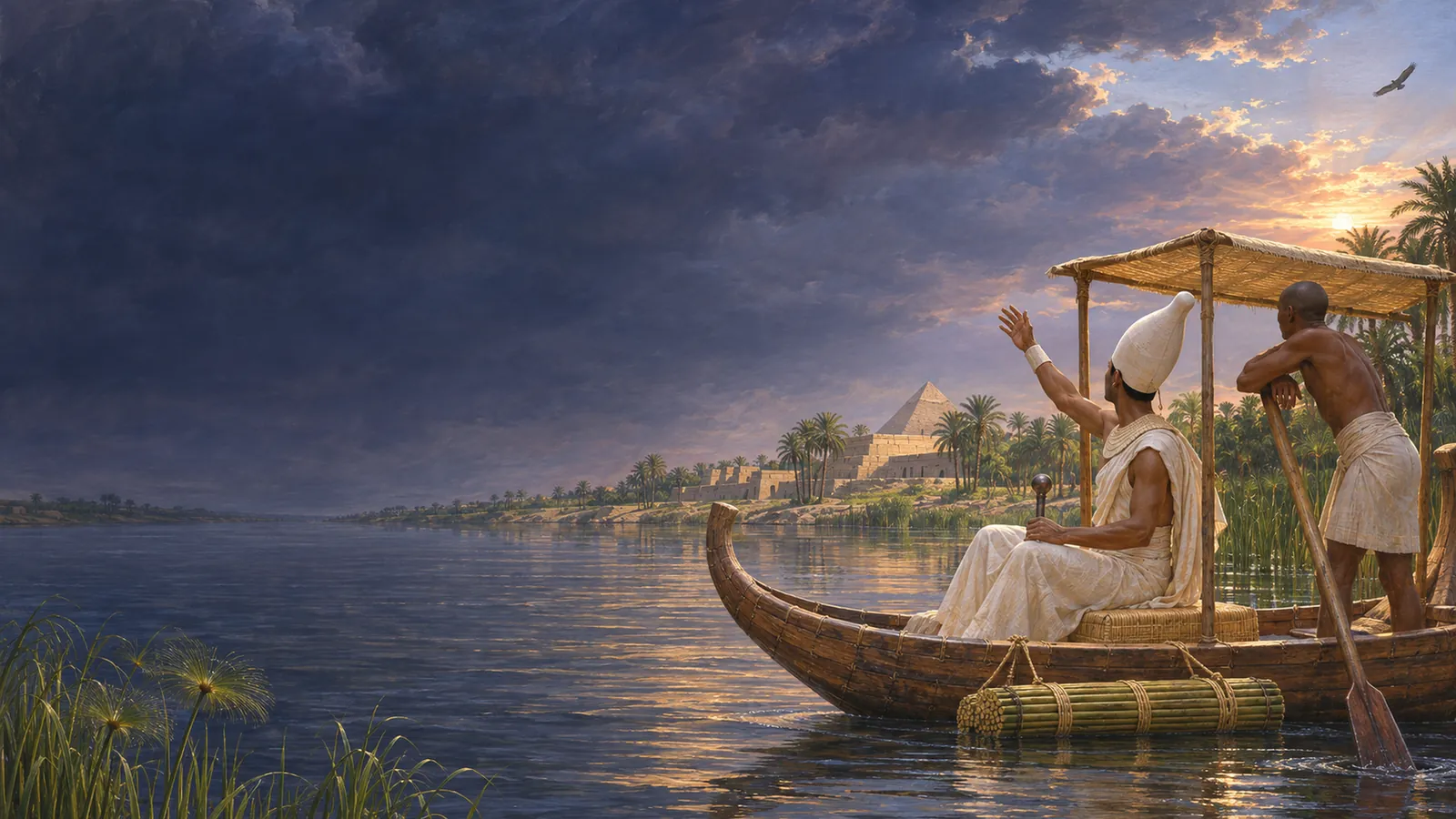
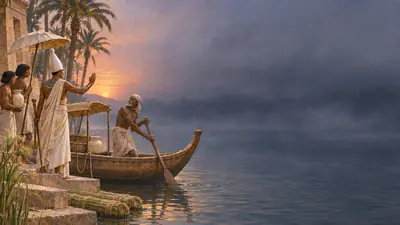
يقول إنّ الظلام أو عدم سماعه الصوت لا يسلبانه قدرته على الإبصار أو السمع. فإن تَصحبه الشمس، يبدّد الفيضان والسحاب والبَرَد. وإذا وُضع على جسد الرخمة، قدّم المديح تلو المديح.
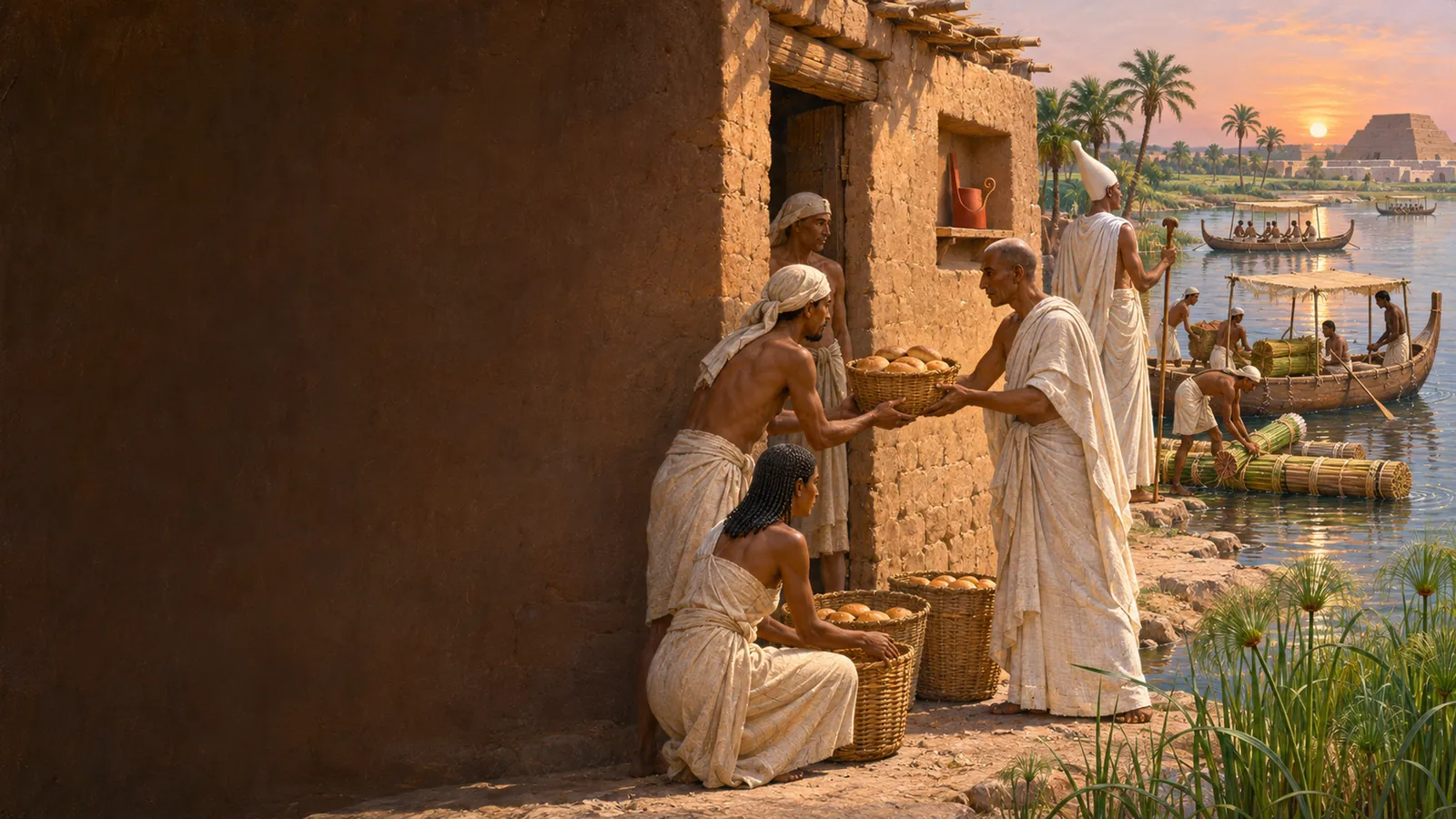
الخبز الطائر
في الكلمات الأخيرة من هذه المجموعة، تقول التلاوة إنّ الخبز طار نحو حِمى صاحب التاج الأحمر.
نهاية الفصل الأول
كل الصفحات
المصادر
المصادر والملاحظات مكتوبة بالإنجليزية كما وردت في المراجع.
The page notes use the book’s printed page numbering. The decorated corridor sequence beginning with PT 313 is a separate section.
الطبعات المعتمدة
- James P. Allen, The Ancient Egyptian Pyramid Texts, second edition, SBL Press, 2015
- Allen, Unis, Spells for Leaving the Akhet, from PT 300, printed page 59
- Allen, Unis, the close of PT 312, printed page 63
- Allen, Unis’s pyramid and the transmission of the spells, printed pages 17–18
ملاحظات على هذه الرواية
Pages 01–02 (Allen, The Ancient Egyptian Pyramid Texts, 2nd ed., 2015, Unis, PT 300, p. 59). The recitation addresses the netherworlder of Nezat and separately the ferryman of a craft Khnum made. Allen leaves the craft term jqht untranslated and supplies “ferryboat” in parentheses when the speaker requests it. The speaker names himself Sokar of Rasetjau while announcing that he is going to Sokar, lord of Spread Lake. The short last appeal asks the two addressed to get stretches of desert. Nezat, Rasetjau and Spread Lake mark places within the recitation.
Pages 03–04 (PT 301, p. 59). Nu and Undersky come first, followed by Amun and Amaunet, then Atum and Dual-Lion. The next line about making their two gods and their own body gives Shu and Tefnut as the identification, followed by several expressions for bringing the gods into being. Nu here follows Allen’s edition spelling and refers to the Egyptian primordial waters, whose catalogue entry uses Nun.
Pages 05–06 (PT 301, p. 59). The loaves and the satisfaction they bring lead to the appeal for passage to the addressed pairs’ father at the Akhet. The speaker says he knows him, repeats the name Continual and names him lord of the year. The following invocation addresses Horus.
Pages 07–08 (PT 301, p. 59). Horus’s arms are described as a weapon in the line on the starry sky. The appeal connects Horus bringing life to the sun every day with the reciter’s own daily life. The speaker names Horus of Shat, of Shezmet and of the east, then says he retrieved the eastern eye from a cavern.
Page 09 (PT 301, p. 59). Allen’s translation gives water, gore and vapour in the three short clauses about the eye and being made well. Allen places the repeated verb “receive” in parentheses in the water clause. Further forms name the god’s shawl, the Sun, fine oil, willow, faience and the jubilation oil of Renenutet.
Page 10 (PT 301, p. 59). The great one of the reed float is called to rise as Paths-Parter, effective and emerging from the Akhet. Allen’s line associates the crown with elders and foremost foreigners of Libya, using his English geographic label in an ancient textual context.
Pages 11–12 (PT 301, p. 60). Sobek of Bakhu courses through his fields and mangroves and smells the fumes of Shezmet. The speaker asks for his ka to ascend along with him. In the next appeal the speaker asks to be made clean and bright in the Jackal’s lake, where the gods are cleansed, then addresses Horus as lord of malachite. The printed rubric gives four recitations and a pair of green falcons. The edition supplies no physical identification for those falcons here.
Pages 13–14 (PT 302, p. 60). Allen explains it as the red dawn sky (note 72, p. 67). The speaker then claims an enduring home for the sky and a seat for the earth that will endure.
Pages 15–18 (Allen, The Ancient Egyptian Pyramid Texts, 2nd ed., 2015, Unis, PT 302, p. 60). Sothis carries the first-person speaker among the gods. Nut offers her arms, and the two foremost bas of Heliopolis, who have spent the night mourning the god, kneel near the sun. He says no case or guilty judgment stands against him and that he cleared the case against his ascent.
Pages 19–20 (PT 303, p. 60). The invocation names the four directions and asks for the four clean reed floats prepared when Osiris crossed to the Cool Waters with Horus. That passage adds that Osiris was to foster his son and have him appear as the great god there. The reply identifies the reciter as Horus, Osiris’s son, then as the senior god and Hathor’s son, and as Geb’s offspring. Allen supplies the speech tag identifying the gods. Osiris commands the second-Horus appearance and four akhs in Heliopolis record it in a title for the two great gods of the Cool Waters.
Page 21 (PT 304, p. 60). The greeting joins Anubis’s daughter, Thoth and the uprights of the ladder in the sky’s Looking Waters. Allen says Thoth endowed her. His note 73 (p. 67) reports a later Middle Kingdom title referring to tying a ladder in the necropolis for this spell and PT 305. That later title is evidence from another witness.
Pages 22–23 (PT 304, p. 61). The addresses turn to the ostrich at the Winding Canal and the sun’s steer. The four horns point west, east, south and north. The speaker asks for the western one to bend. Allen supplies the questioning speech tag in parentheses and leaves the questioner unidentified. The reply names Falcon-Town, followed by a greeting to the Field of Rest and the growth the speaker claims as his own.
Pages 24–25 (PT 305, p. 61). The sun and Horus each tie a ladder before Osiris, with a ladder on either side of the speaker. The second clause connects the ladder with going to his akh. The responses remain in sequence. Horus says to stand, Seth says to sit, and the sun says his arm should be received. The telling keeps those voices distinct.
Pages 26–27 (PT 305, p. 61). The formula sends the akh to the sky and the corpse to the earth, then names a thousand of bread and a thousand of beer from the offering table of the Foremost of Westerners. The closing lines describe an heir’s need for writing and contrast the larger and little fingers. Allen reads the document as an inheritance deed in note 74 (p. 67), where he also explains the ritual association of the little finger with curses. The spell names the larger finger without identifying it as the thumb.
Page 28 (PT 306, p. 61). The gods acclaim the departure skyward of the god, whom they call father, and speak of his majesty, fierceness and magic. Their praise precedes the separate lines about those arriving to carry him on page 29.
### The sky ladder and the ferryman
الأسطر القديمة وراء كل صفحة
- Page 1: Allen, The Ancient Egyptian Pyramid Texts, 2nd ed. (2015), Unis, PT 300, p. 59
- Page 2: Allen, The Ancient Egyptian Pyramid Texts, 2nd ed. (2015), Unis, PT 300, p. 59
- Page 3: Allen, The Ancient Egyptian Pyramid Texts, 2nd ed. (2015), Unis, PT 301, p. 59
- Page 4: Allen, The Ancient Egyptian Pyramid Texts, 2nd ed. (2015), Unis, PT 301, p. 59
- Page 5: Allen, The Ancient Egyptian Pyramid Texts, 2nd ed. (2015), Unis, PT 301, p. 59
- Page 6: Allen, The Ancient Egyptian Pyramid Texts, 2nd ed. (2015), Unis, PT 301, p. 59
- Page 7: Allen, The Ancient Egyptian Pyramid Texts, 2nd ed. (2015), Unis, PT 301, p. 59
- Page 8: Allen, The Ancient Egyptian Pyramid Texts, 2nd ed. (2015), Unis, PT 301, p. 59
- Page 9: Allen, The Ancient Egyptian Pyramid Texts, 2nd ed. (2015), Unis, PT 301, p. 59
- Page 10: Allen, The Ancient Egyptian Pyramid Texts, 2nd ed. (2015), Unis, PT 301, p. 59
- Page 11: Allen, The Ancient Egyptian Pyramid Texts, 2nd ed. (2015), Unis, PT 301, p. 60
- Page 12: Allen, The Ancient Egyptian Pyramid Texts, 2nd ed. (2015), Unis, PT 301, p. 60
- Page 13: Allen, The Ancient Egyptian Pyramid Texts, 2nd ed. (2015), Unis, PT 302, p. 60
- Page 14: Allen, The Ancient Egyptian Pyramid Texts, 2nd ed. (2015), Unis, PT 302, p. 60
- Page 15: Allen, The Ancient Egyptian Pyramid Texts, 2nd ed. (2015), Unis, PT 302, p. 60
- Page 16: Allen, The Ancient Egyptian Pyramid Texts, 2nd ed. (2015), Unis, PT 302, p. 60
- Page 17: Allen, The Ancient Egyptian Pyramid Texts, 2nd ed. (2015), Unis, PT 302, p. 60
- Page 18: Allen, The Ancient Egyptian Pyramid Texts, 2nd ed. (2015), Unis, PT 302, p. 60
- Page 19: Allen, The Ancient Egyptian Pyramid Texts, 2nd ed. (2015), Unis, PT 303, p. 60
- Page 20: Allen, The Ancient Egyptian Pyramid Texts, 2nd ed. (2015), Unis, PT 303, p. 60
- Page 21: Allen, The Ancient Egyptian Pyramid Texts, 2nd ed. (2015), Unis, PT 304, p. 60
- Page 22: Allen, The Ancient Egyptian Pyramid Texts, 2nd ed. (2015), Unis, PT 304, p. 61
- Page 23: Allen, The Ancient Egyptian Pyramid Texts, 2nd ed. (2015), Unis, PT 304, p. 61
- Page 24: Allen, The Ancient Egyptian Pyramid Texts, 2nd ed. (2015), Unis, PT 305, p. 61
- Page 25: Allen, The Ancient Egyptian Pyramid Texts, 2nd ed. (2015), Unis, PT 305, p. 61
- Page 26: Allen, The Ancient Egyptian Pyramid Texts, 2nd ed. (2015), Unis, PT 305, p. 61
- Page 27: Allen, The Ancient Egyptian Pyramid Texts, 2nd ed. (2015), Unis, PT 305, p. 61
- Page 28: Allen, The Ancient Egyptian Pyramid Texts, 2nd ed. (2015), Unis, PT 306, p. 61
- Page 29: Allen 2015, The Ancient Egyptian Pyramid Texts, Unis PT 306, p. 61
- Page 30: Allen 2015, The Ancient Egyptian Pyramid Texts, Unis PT 306, p. 61
- Page 31: Allen 2015, The Ancient Egyptian Pyramid Texts, Unis PT 306, p. 61
- Page 32: Allen 2015, The Ancient Egyptian Pyramid Texts, Unis PT 307, p. 62
- Page 33: Allen 2015, The Ancient Egyptian Pyramid Texts, Unis PT 307, p. 62
- Page 34: Allen 2015, The Ancient Egyptian Pyramid Texts, Unis PT 307, p. 62
- Page 35: Allen 2015, The Ancient Egyptian Pyramid Texts, Unis PT 308, p. 62
- Page 36: Allen 2015, The Ancient Egyptian Pyramid Texts, Unis PT 309, p. 62
- Page 37: Allen 2015, The Ancient Egyptian Pyramid Texts, Unis PT 310, pp. 62–63
- Page 38: Allen 2015, The Ancient Egyptian Pyramid Texts, Unis PT 310, p. 63
- Page 39: Allen 2015, The Ancient Egyptian Pyramid Texts, Unis PT 311, p. 63
- Page 40: Allen 2015, The Ancient Egyptian Pyramid Texts, Unis PT 311, p. 63
- Page 41: Allen 2015, The Ancient Egyptian Pyramid Texts, Unis PT 311, p. 63
- Page 42: Allen 2015, The Ancient Egyptian Pyramid Texts, Unis PT 312, p. 63
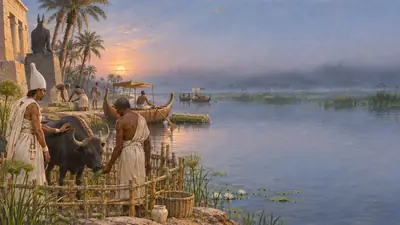
الرسوم من صنع أرشيف إيل بأدوات الذكاء الاصطناعي؛ والنص مبني على المصادر القديمة (انظر المصادر في آخر كل فصل).