Adapa Kapitel 1
Adapa und der Südwind
Adapa, ein Weiser aus Eridu, spricht gegen den Südwind und muss sich im Himmel für seine Tat verantworten. An Anus Hof erhält er ein Angebot, das etwas anderes bedeutet, als Ea ihn hatte erwarten lassen.
QuellenBlättern Sie mit den Pfeilen, den Pfeiltasten oder durch Wischen.
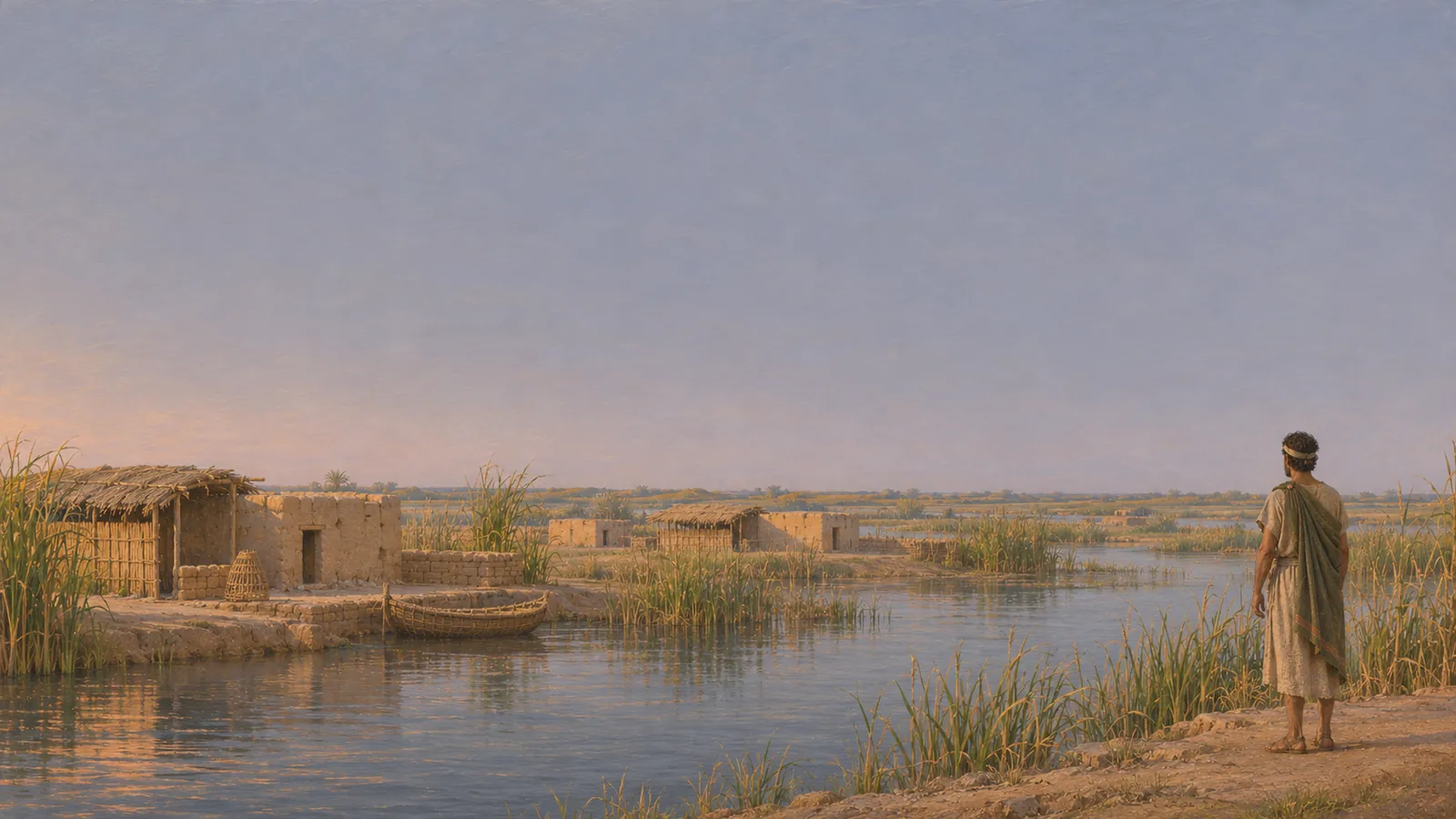
ADAPA
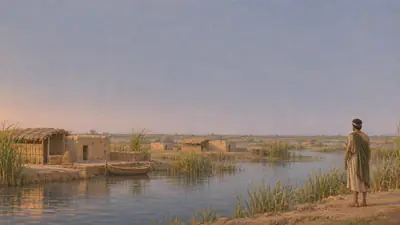
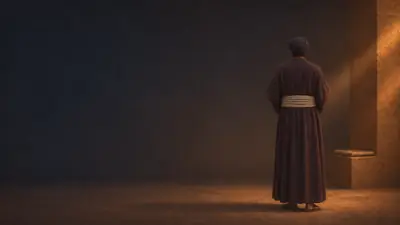
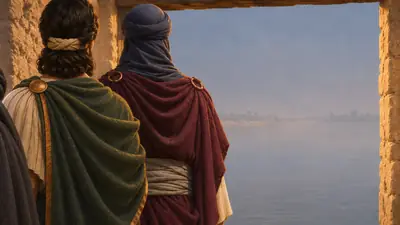
In Eridu, einer Stadt am Wasser, lebte ein Weiser namens Adapa. Er gehörte zum Haus des Ea.
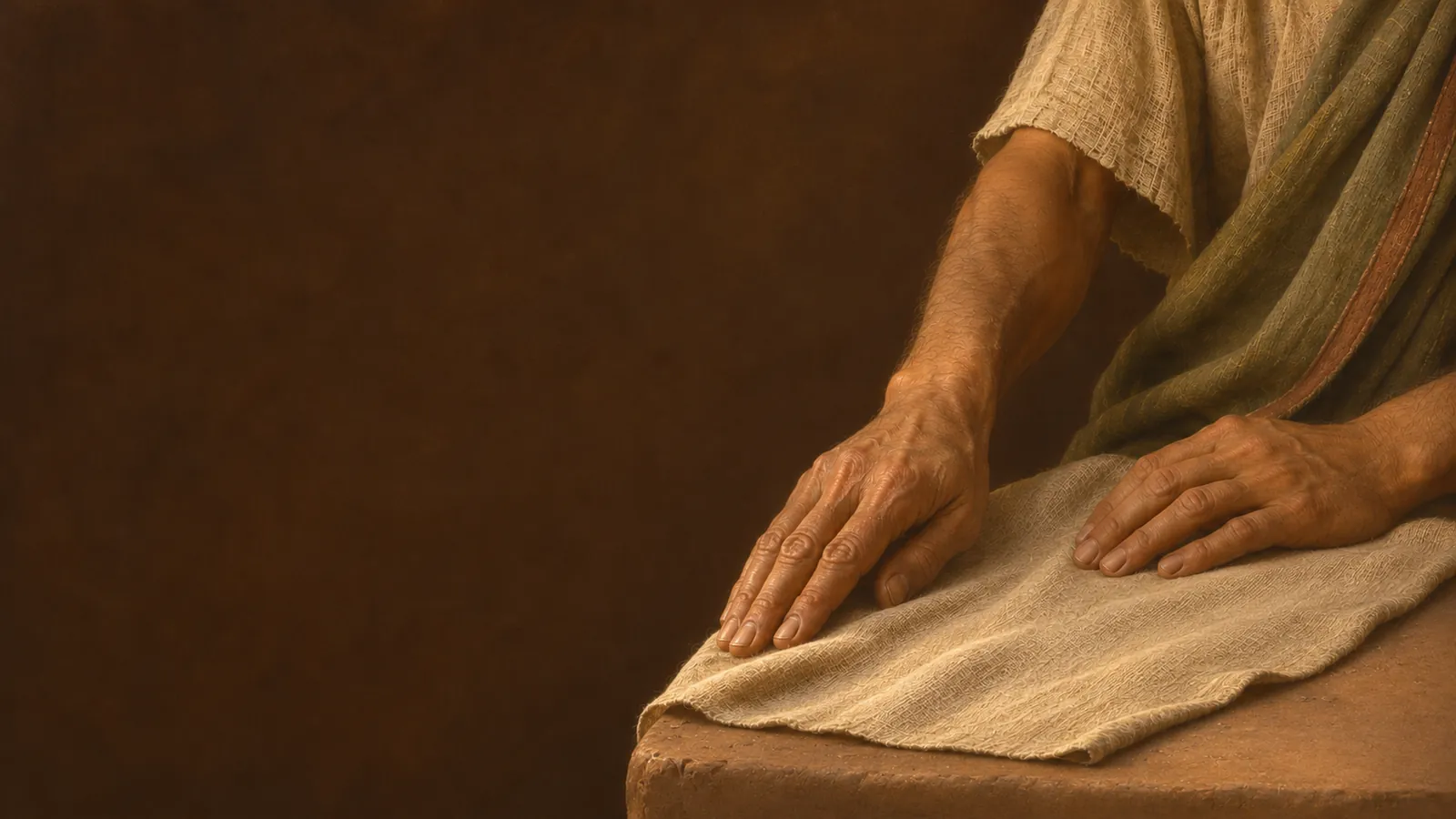
Ea verlieh dem Weisen großen Verstand. Das alte Gedicht erzählt, dass mit der Weisheit kein Leben ohne Ende verbunden war.
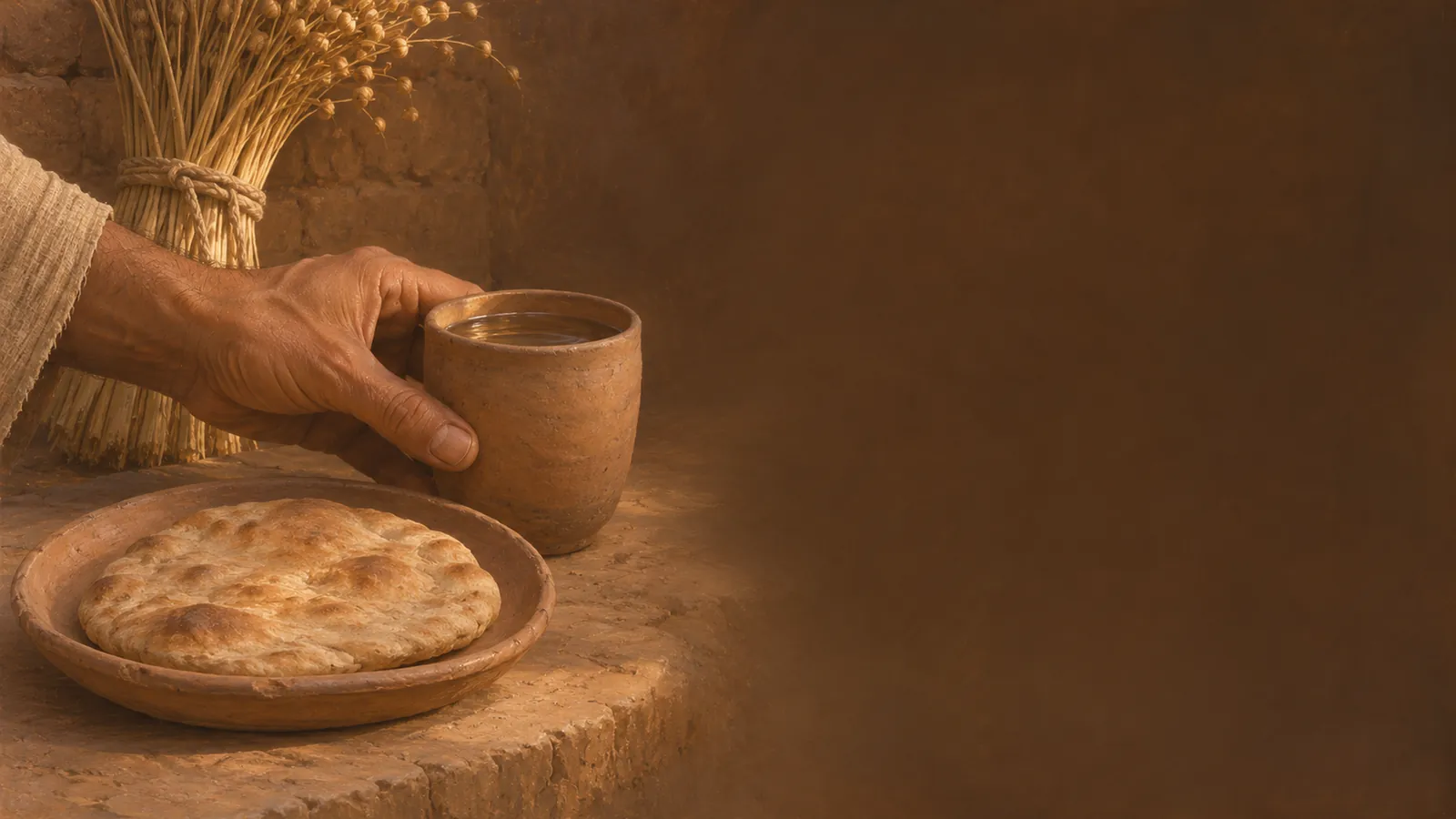
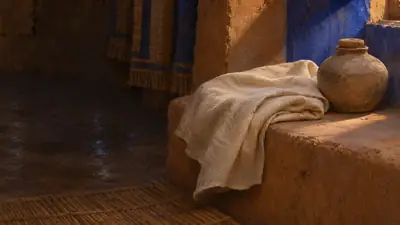
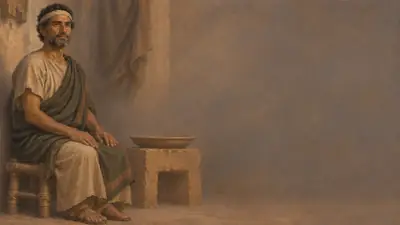
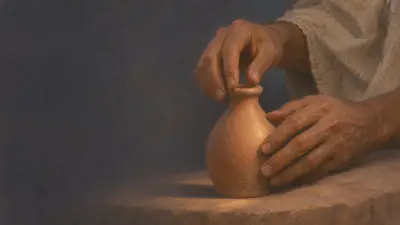
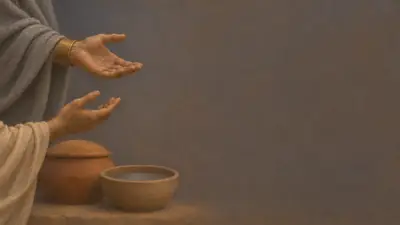
Adapa arbeitete mit den Bäckern von Eridu. Jeden Tag bereitete er Speise und Wasser vor und deckte den Tisch für Eas Haus.
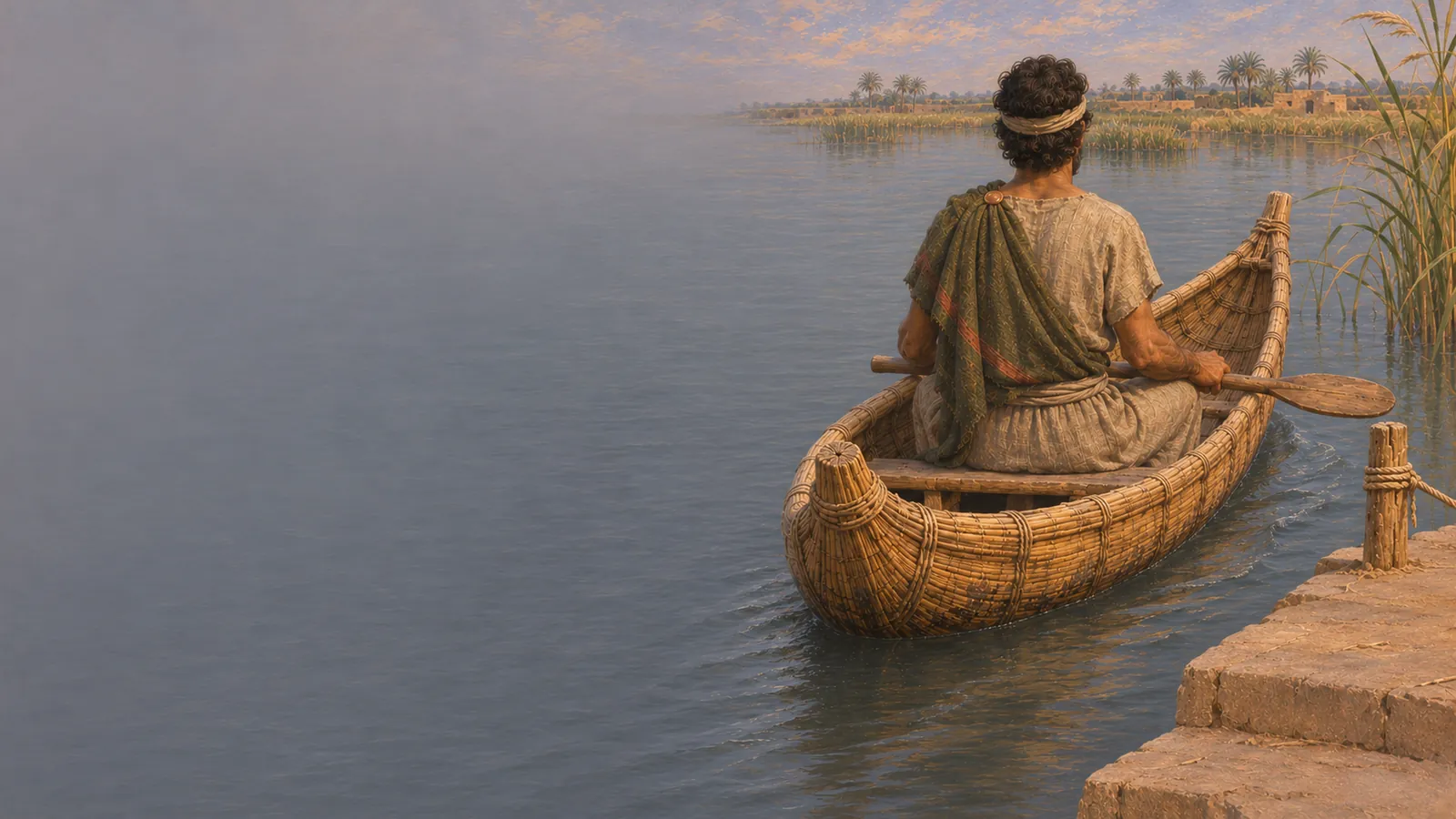
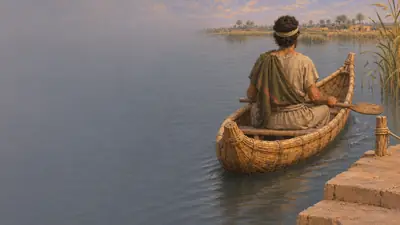
Adapa fischte auch für Eridu. Am Anleger stieg er in sein Boot und steuerte hinaus auf das offene Wasser.
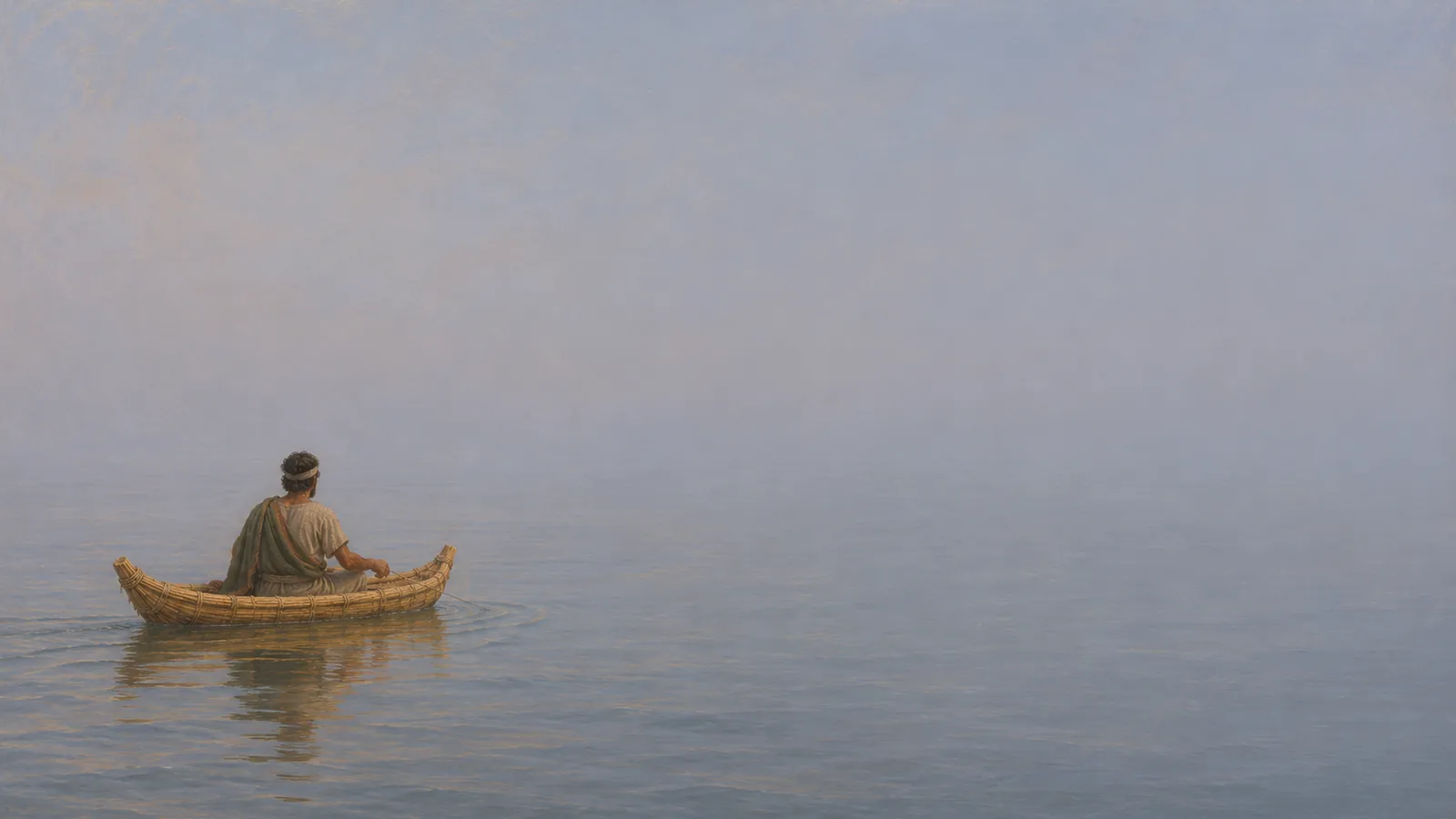
Adapa war weit vom Ufer entfernt und fischte für das Haus seines Herrn. Später begann er seinen Bericht vor Anu mit dieser alltäglichen Aufgabe.
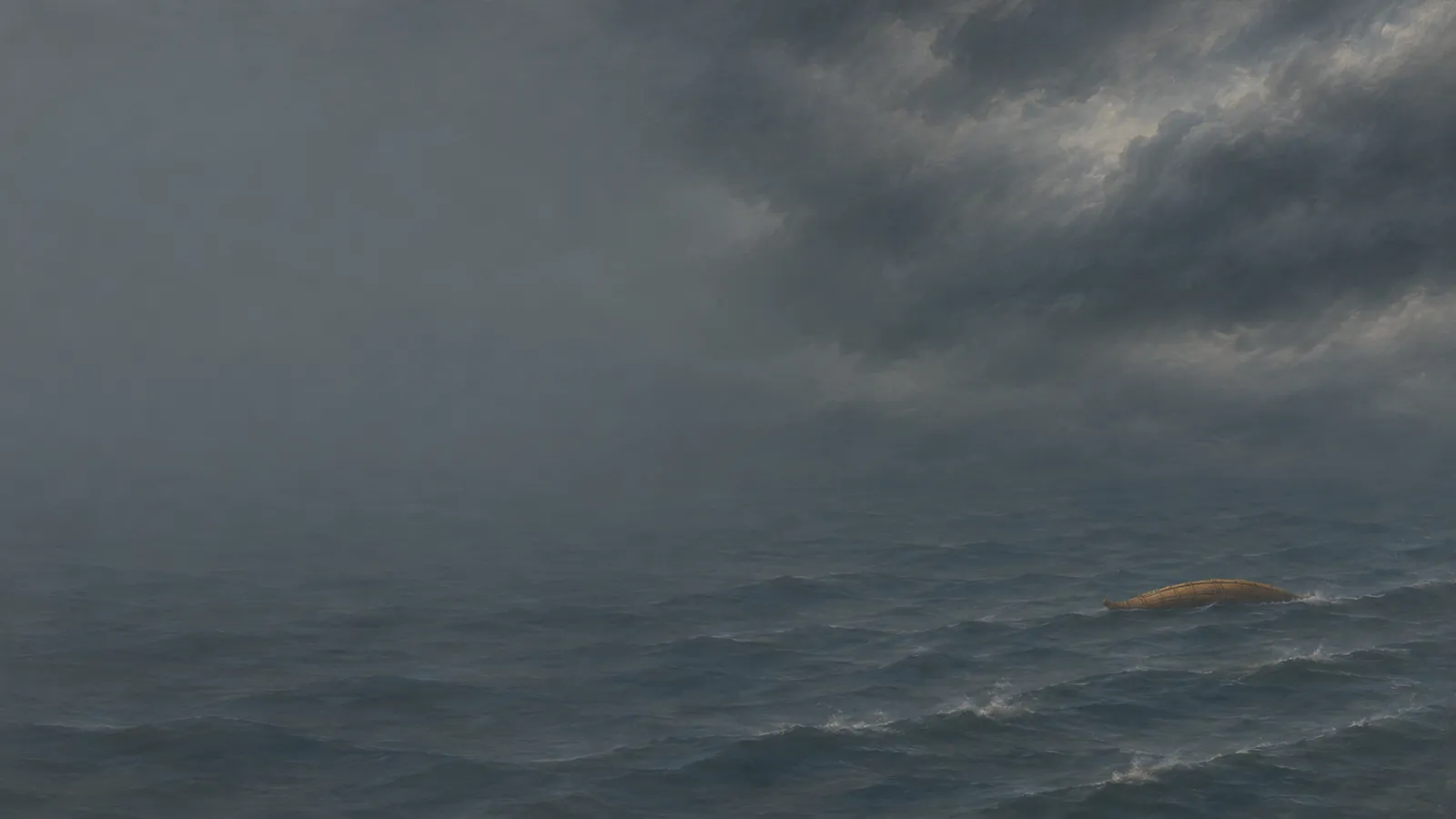
Der Südwind traf ihn auf offenem Wasser. Adapa würde Anu erzählen, dass der Wind ihn in die Tiefe riss.

Adapa sagte, das Wasser habe ihn bis zum Haus seines Herrn hinabgezogen. Die alte Zeile lässt den Ort selbst im Dunkeln.
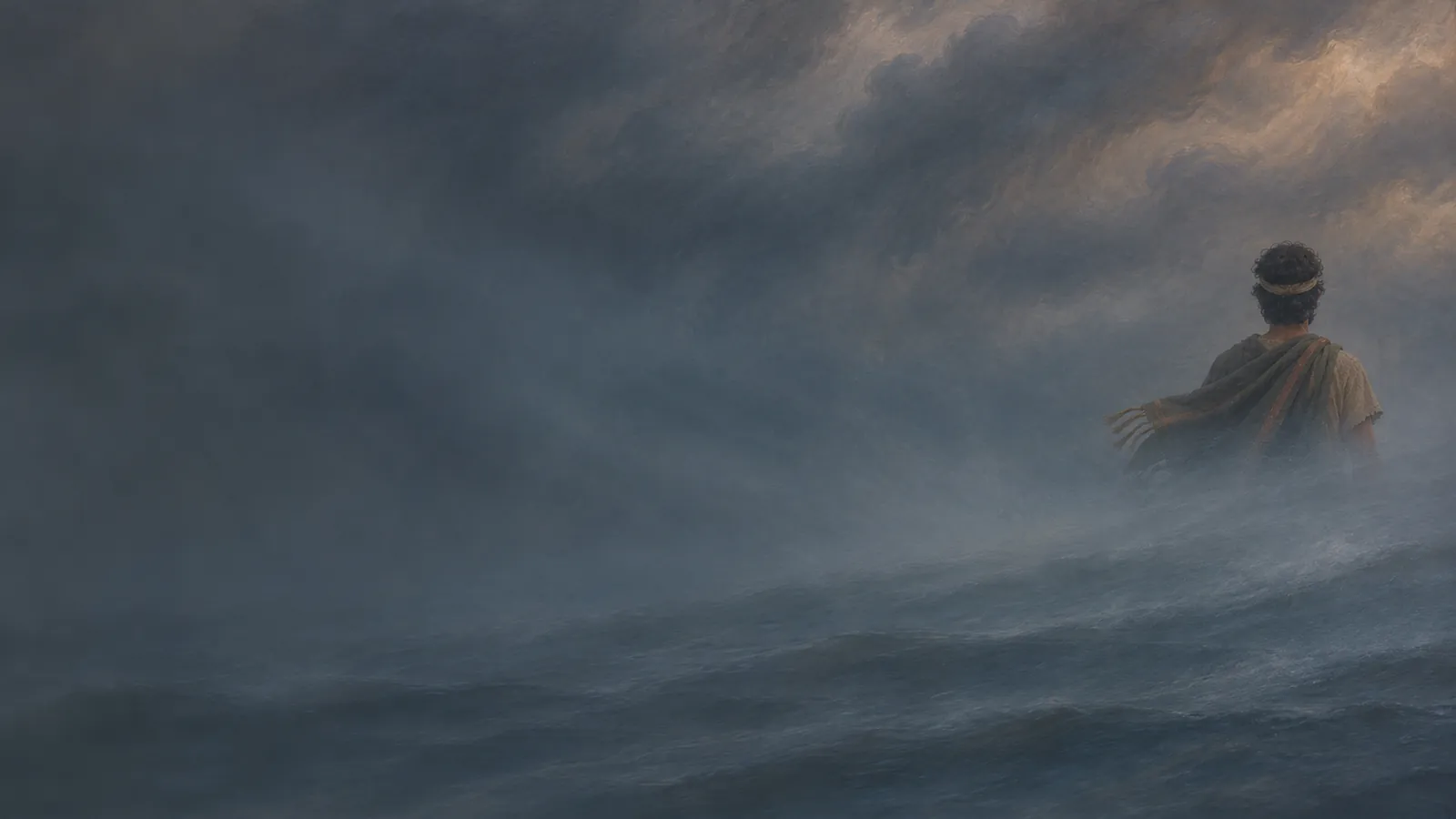
Zorn erfasste Adapa. Er wandte sich gegen den Südwind und sagte, er werde ihm den Flügel brechen, der ihn trug.

Kaum hatte Adapa gesprochen, da brach der Flügel des Südwinds. Ein Wort hatte gewirkt, ohne dass eine Hand sich rührte.

DIE STILLE
Sieben Tage lang wehte der Südwind nicht zum Land hin. Er blieb so lange aus, dass Anu es bemerkte.
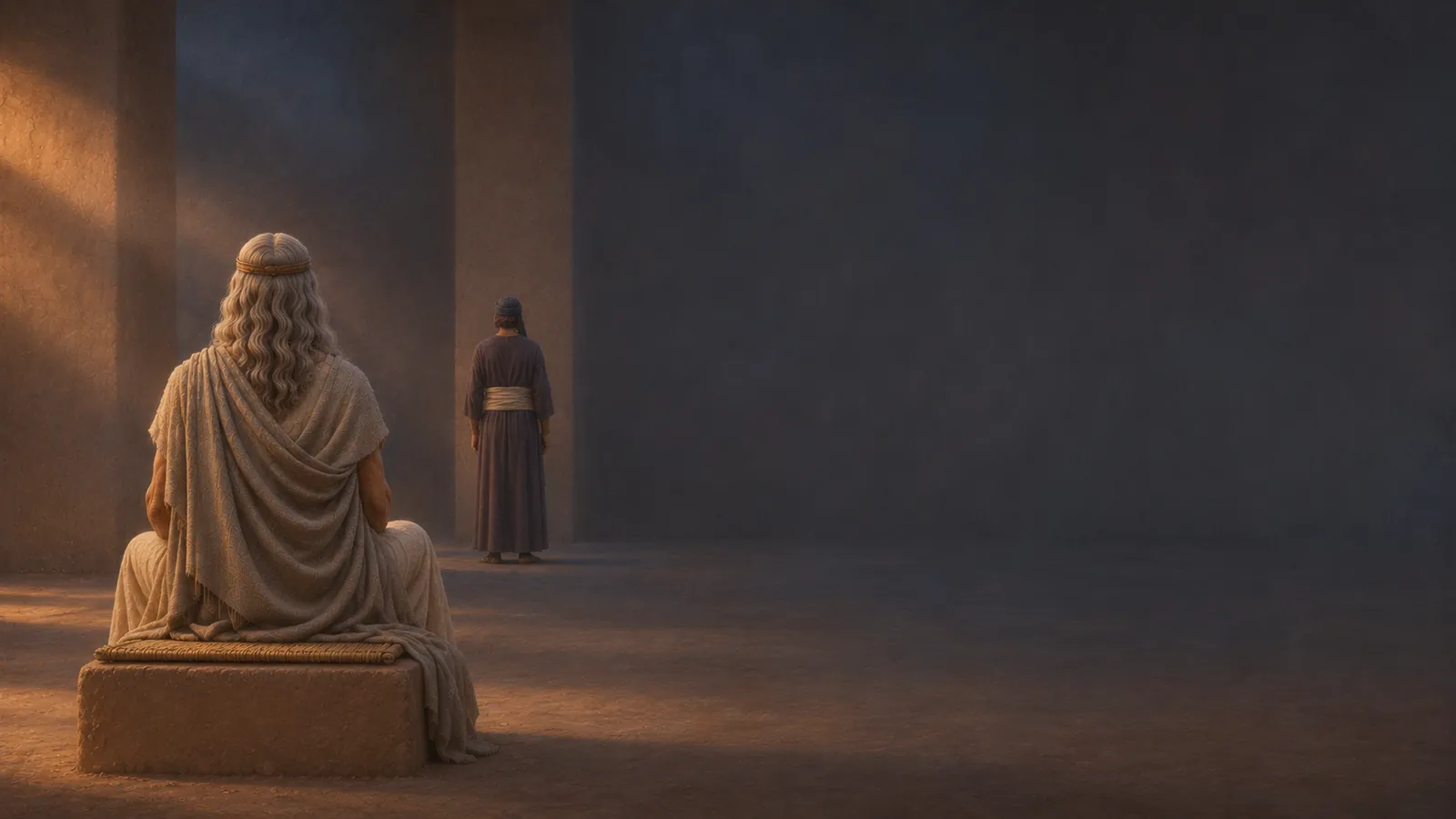
Im Himmel rief Anu seinen Minister Ilabrat. Er wollte wissen, warum der Südwind das Land nicht mehr erreichte.

Anu hatte bemerkt, dass sieben Tage vergangen waren. Er fragte seinen Minister, was den Südwind so lange vom Wehen abgehalten hatte.
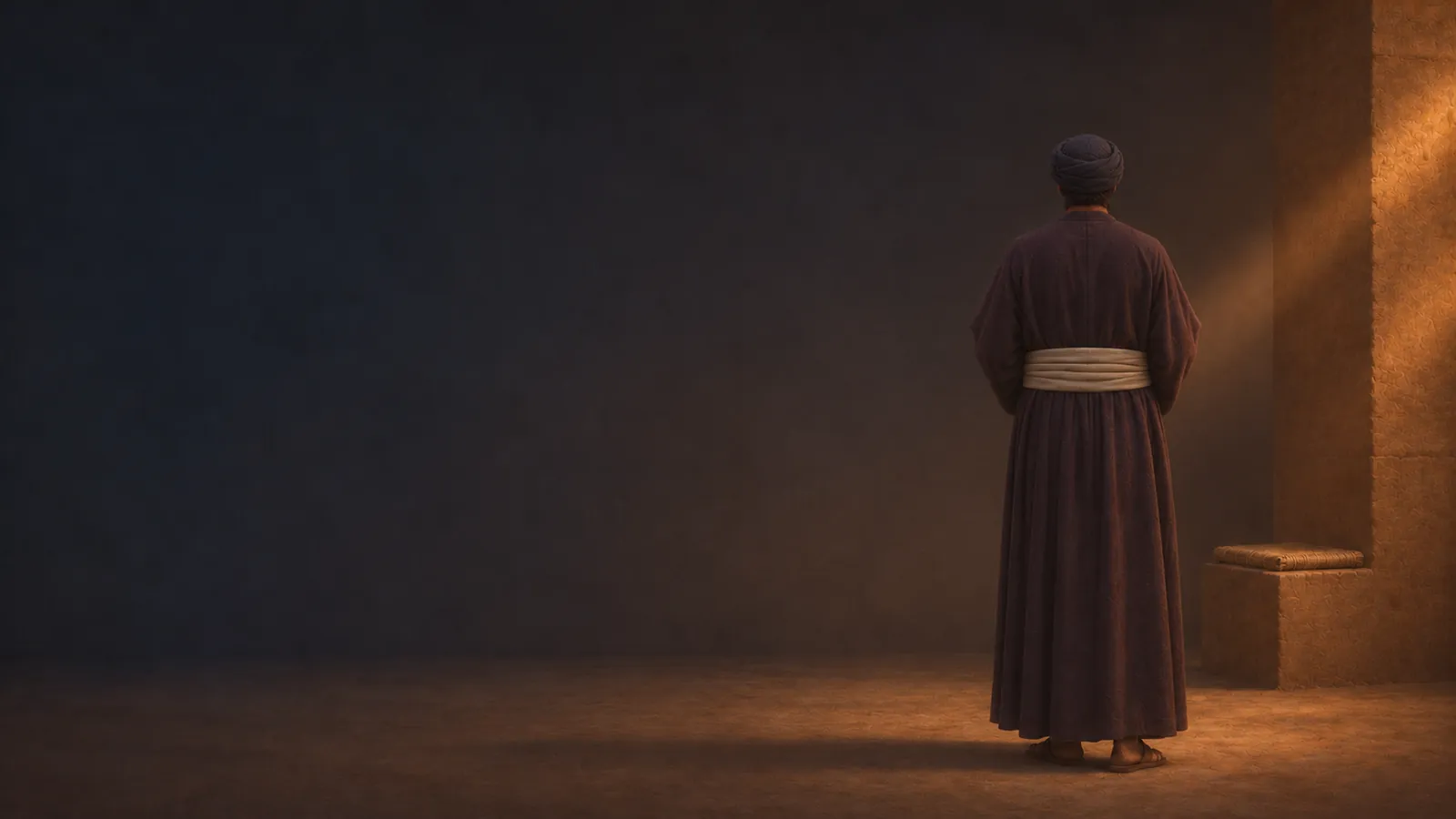
Ilabrat hatte eine Antwort für seinen Herrn. Adapa, der Sohn Eas, hatte dem Südwind den Flügel gebrochen.

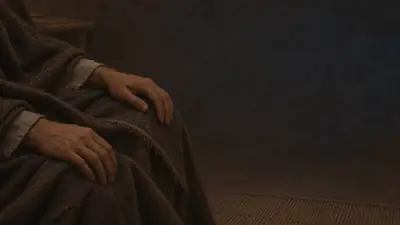
Anu hörte den Bericht und rief laut. Der Herr des Himmels erhob sich von seinem Sitz, als er erfuhr, wer den Wind aufgehalten hatte.
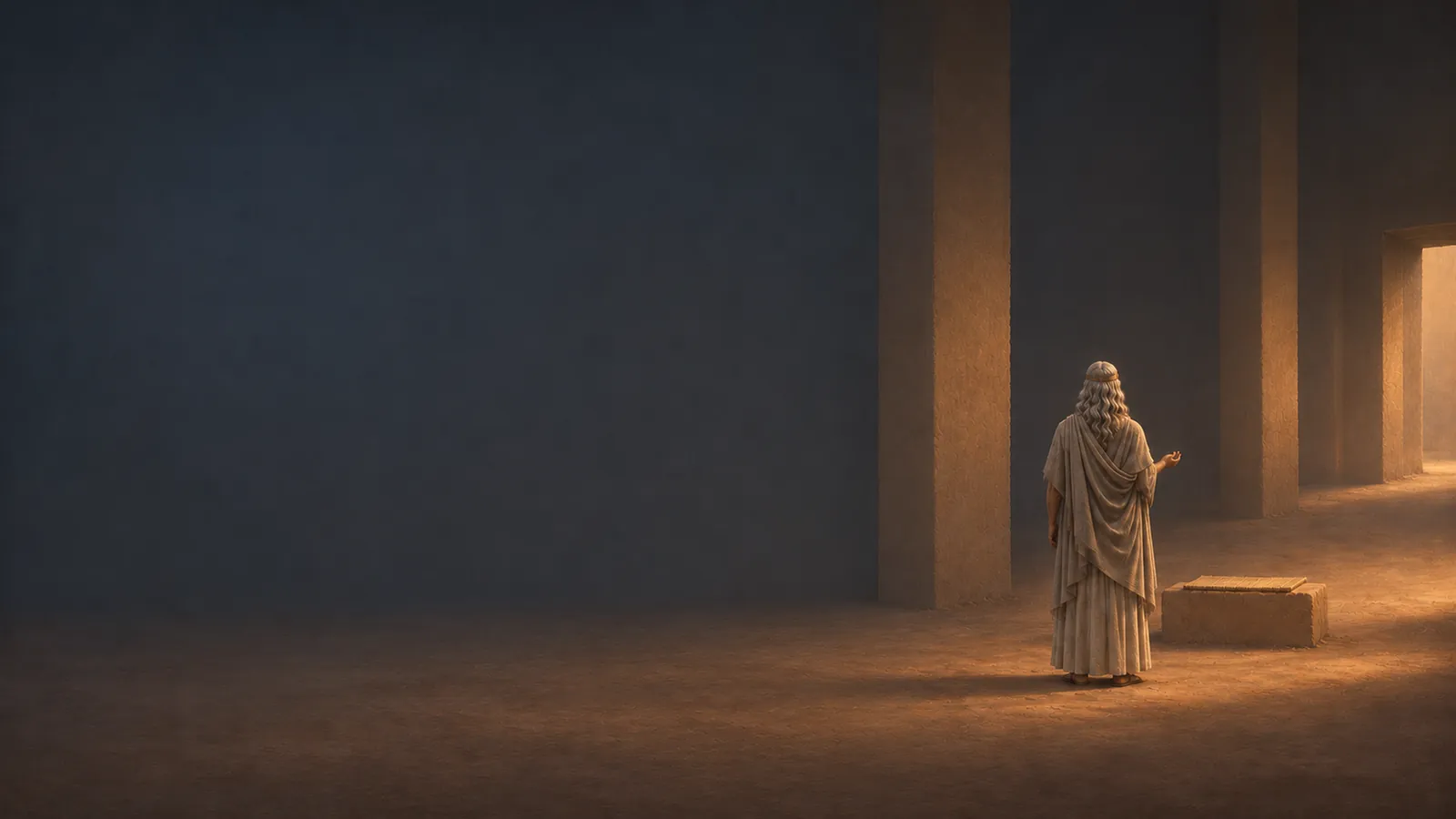
Anu wollte Adapa vor sich bringen lassen. Für das Ausbleiben des Windes musste nun im Himmel Rede und Antwort gestanden werden.
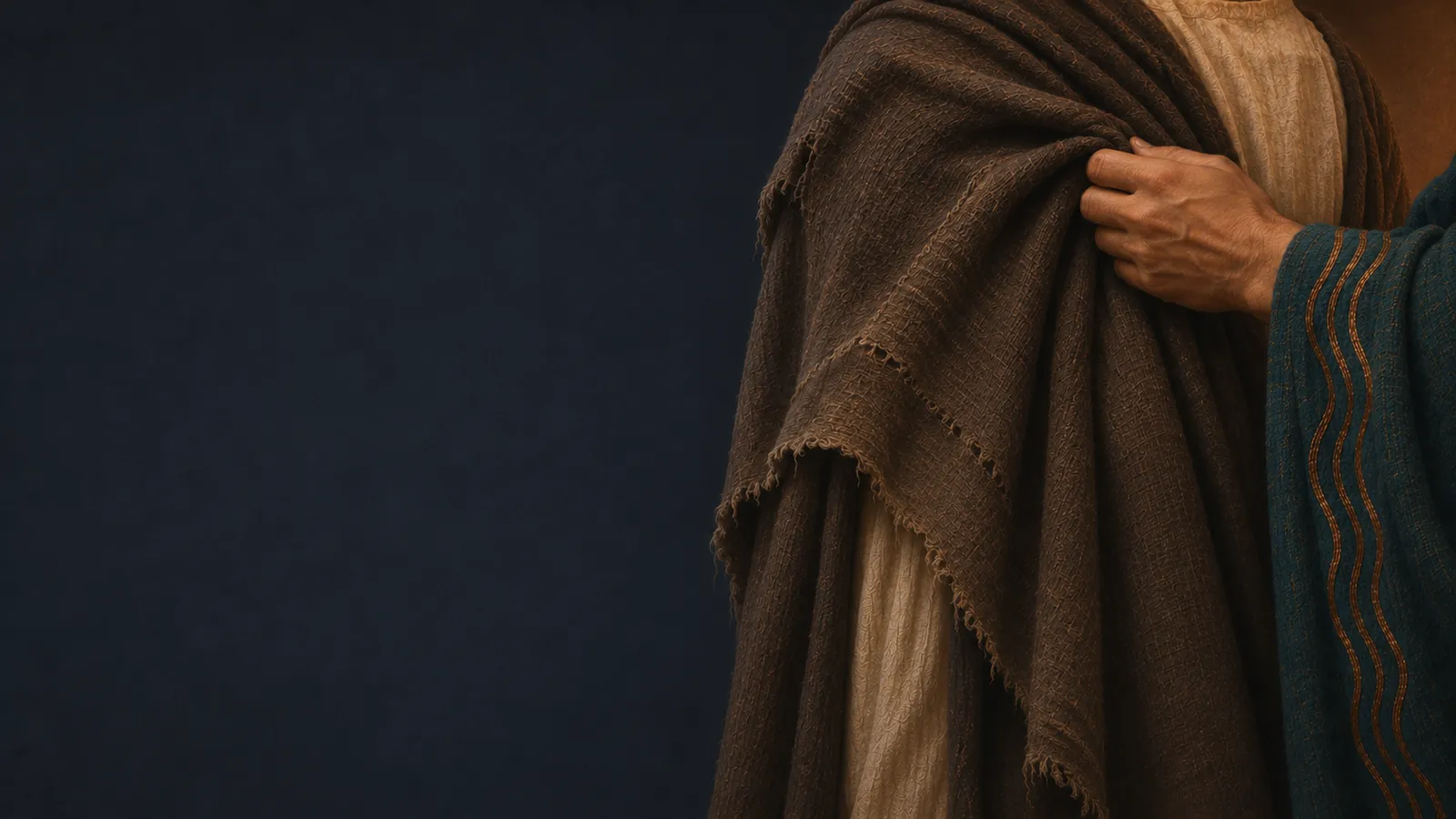
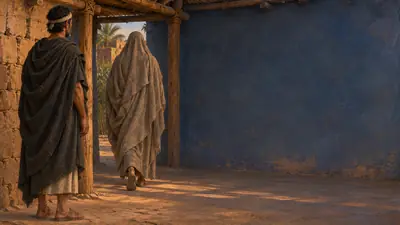
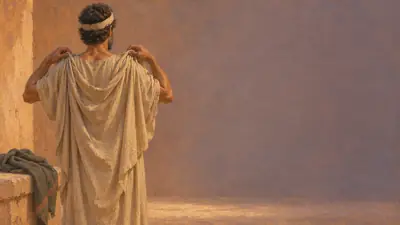
Ea bereitete Adapa auf die Reise vor. Er ließ ihn sein Haar offen und ungeordnet tragen und kleidete ihn in ein Trauergewand.
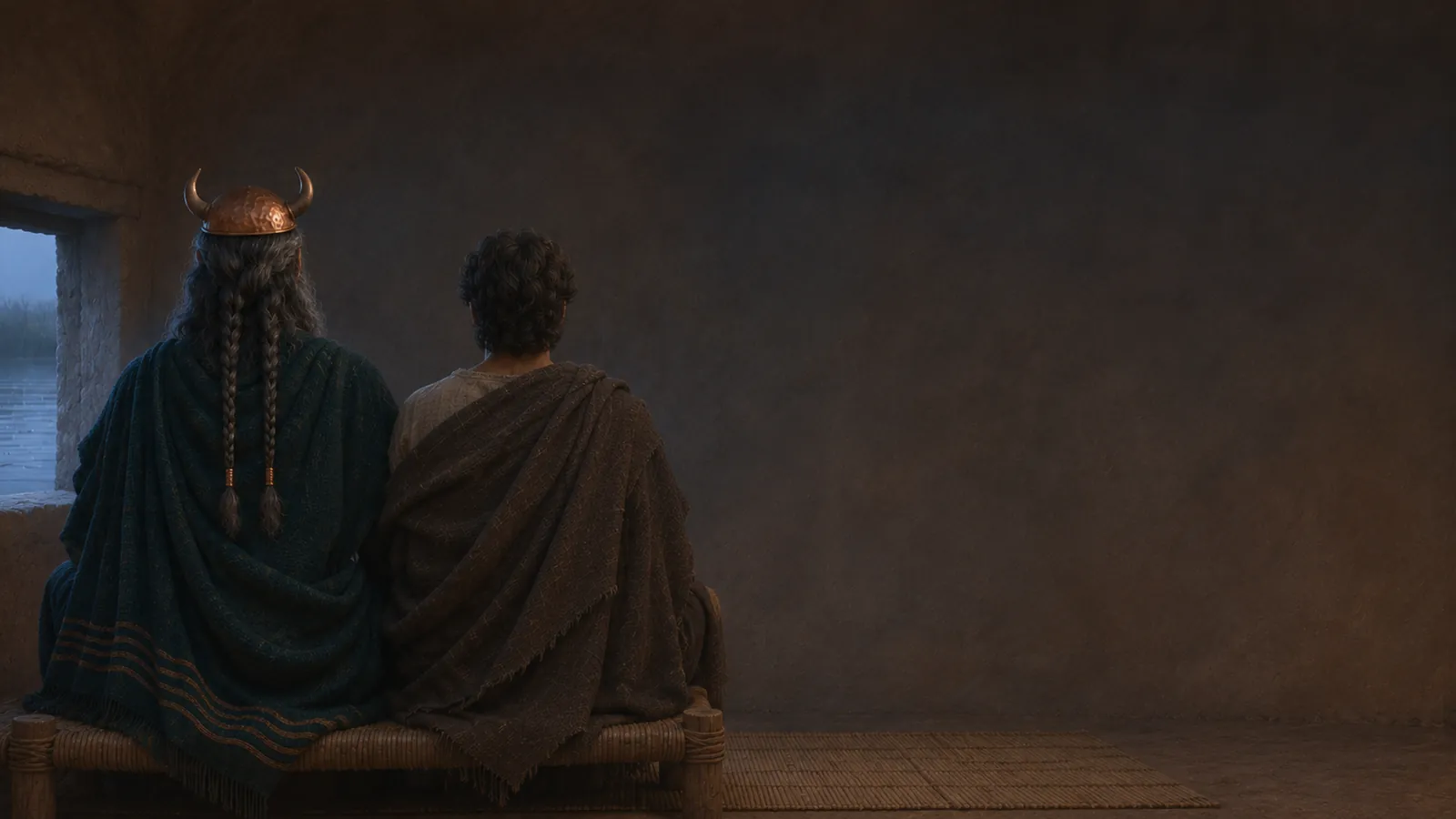
Ea sagte Adapa, er werde vor Anu treten. Bevor er den Herrn des Himmels erreiche, müsse er durch das Tor gehen.
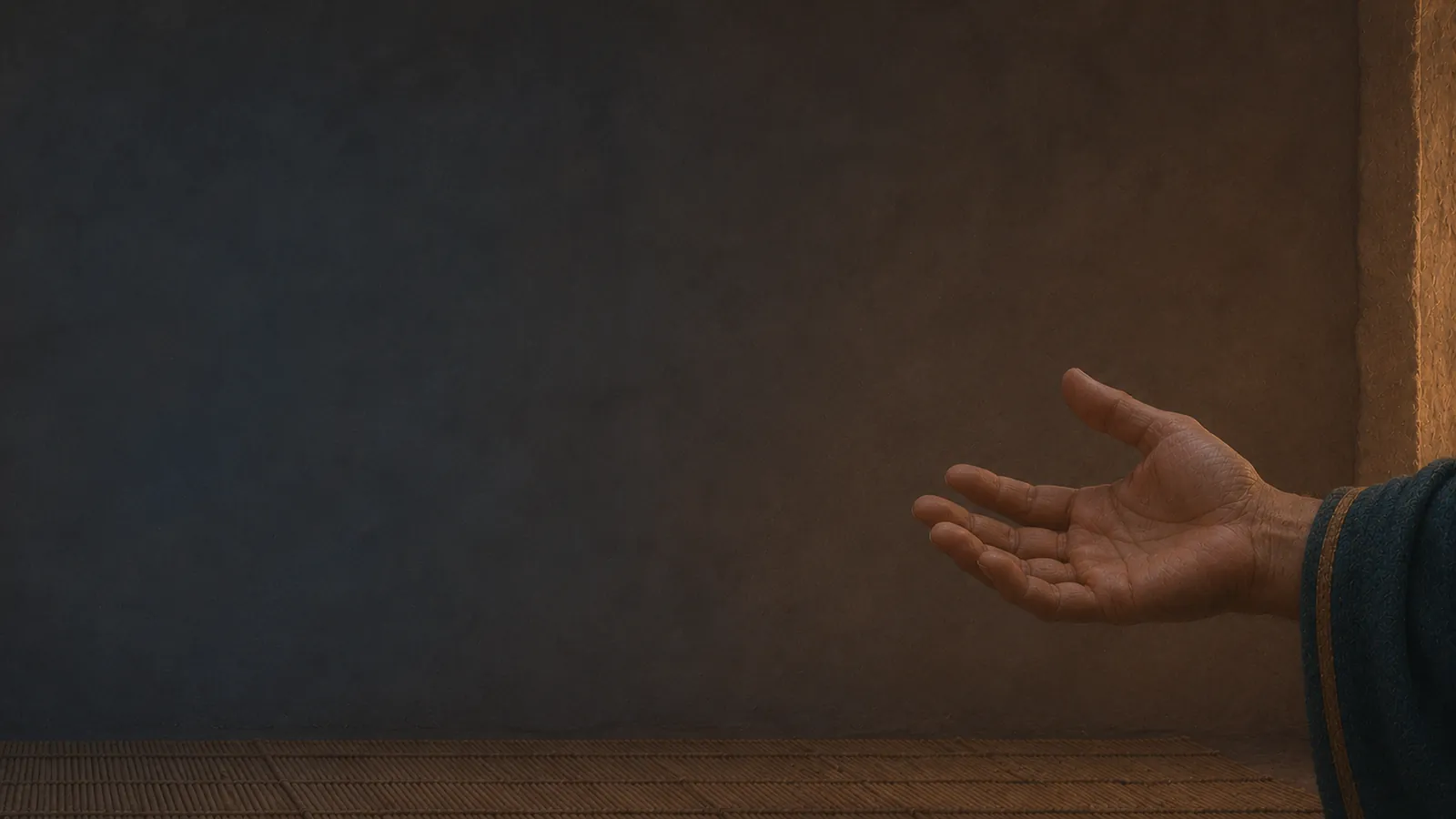
Zwei Götter würden am Tor stehen, sagte Ea. Dumuzi und Gizzida würden seine Kleidung sehen und fragen, um wen er trauere.
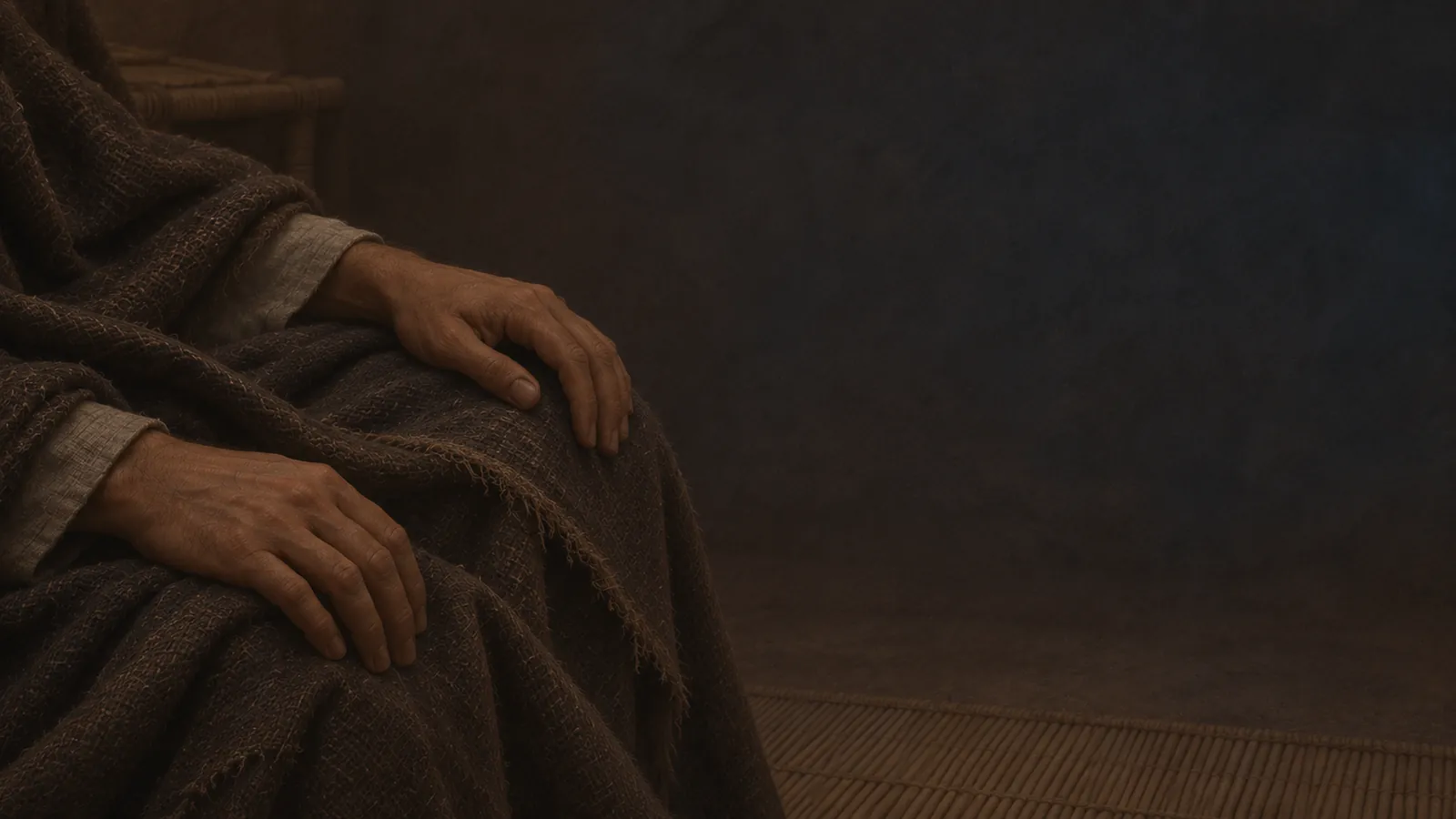
Ea sagte ihm, wie er antworten solle. Zwei Götter fehlten im Land, sollte er sagen, und Dumuzi und Gizzida nennen.
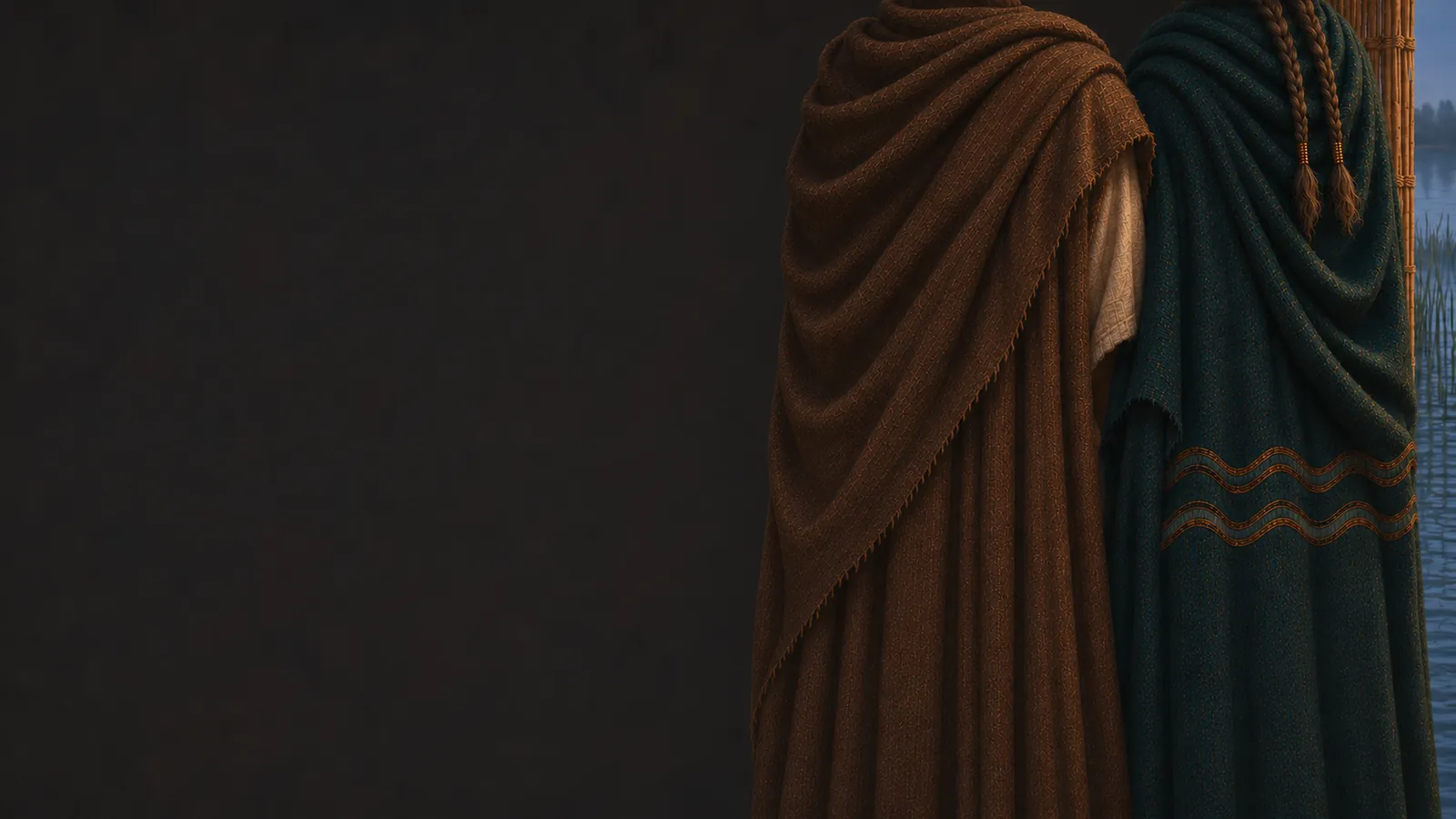
Ea sagte, die beiden Götter würden über die Antwort lächeln. Er erwartete, dass sie sich vor Anu für Adapa aussprechen würden.
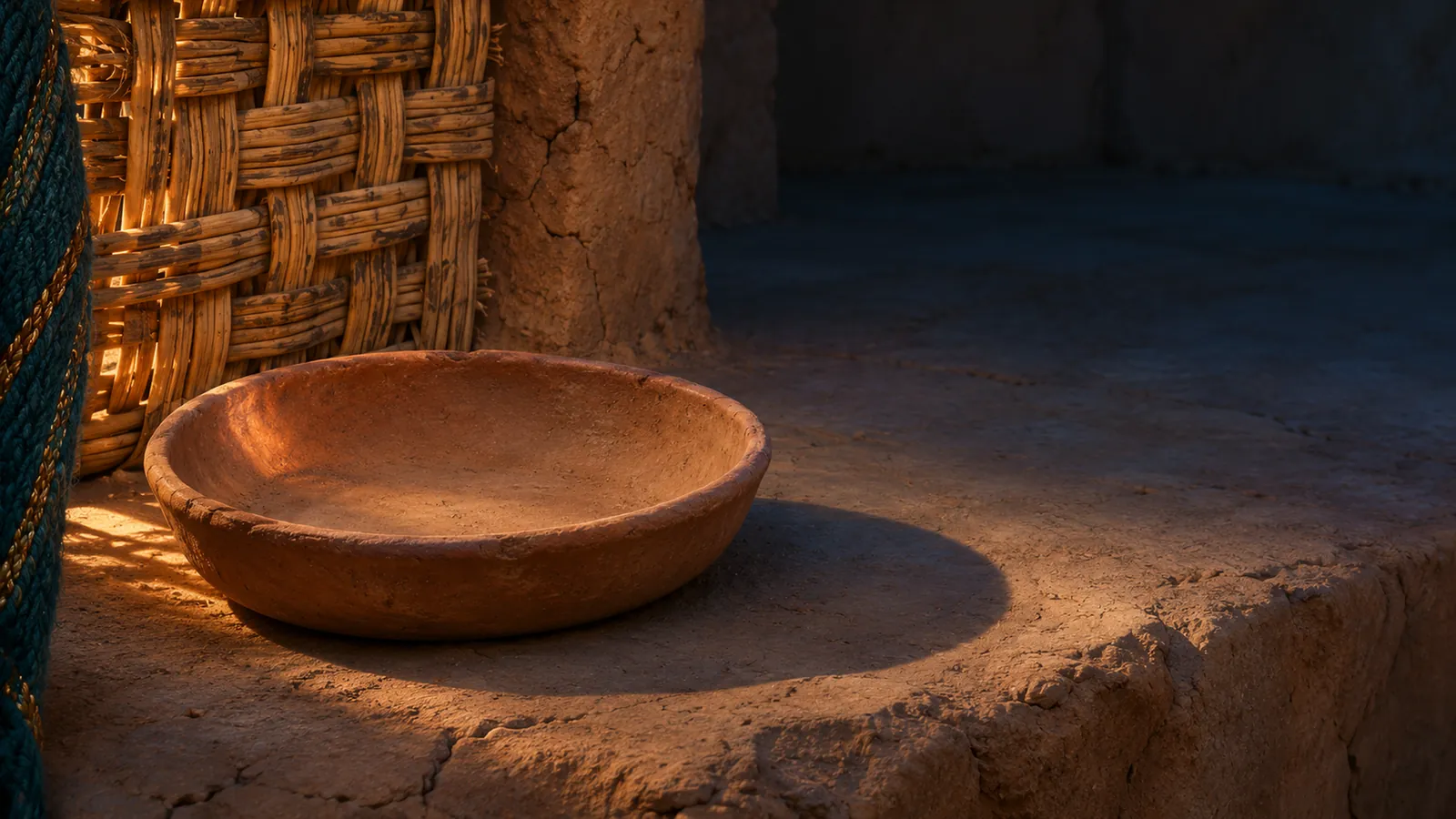
Wenn Adapa vor Anu stehe, sagte Ea, werde man ihm Speise vorsetzen. Ea warnte ihn, davon zu essen bedeute den Tod.
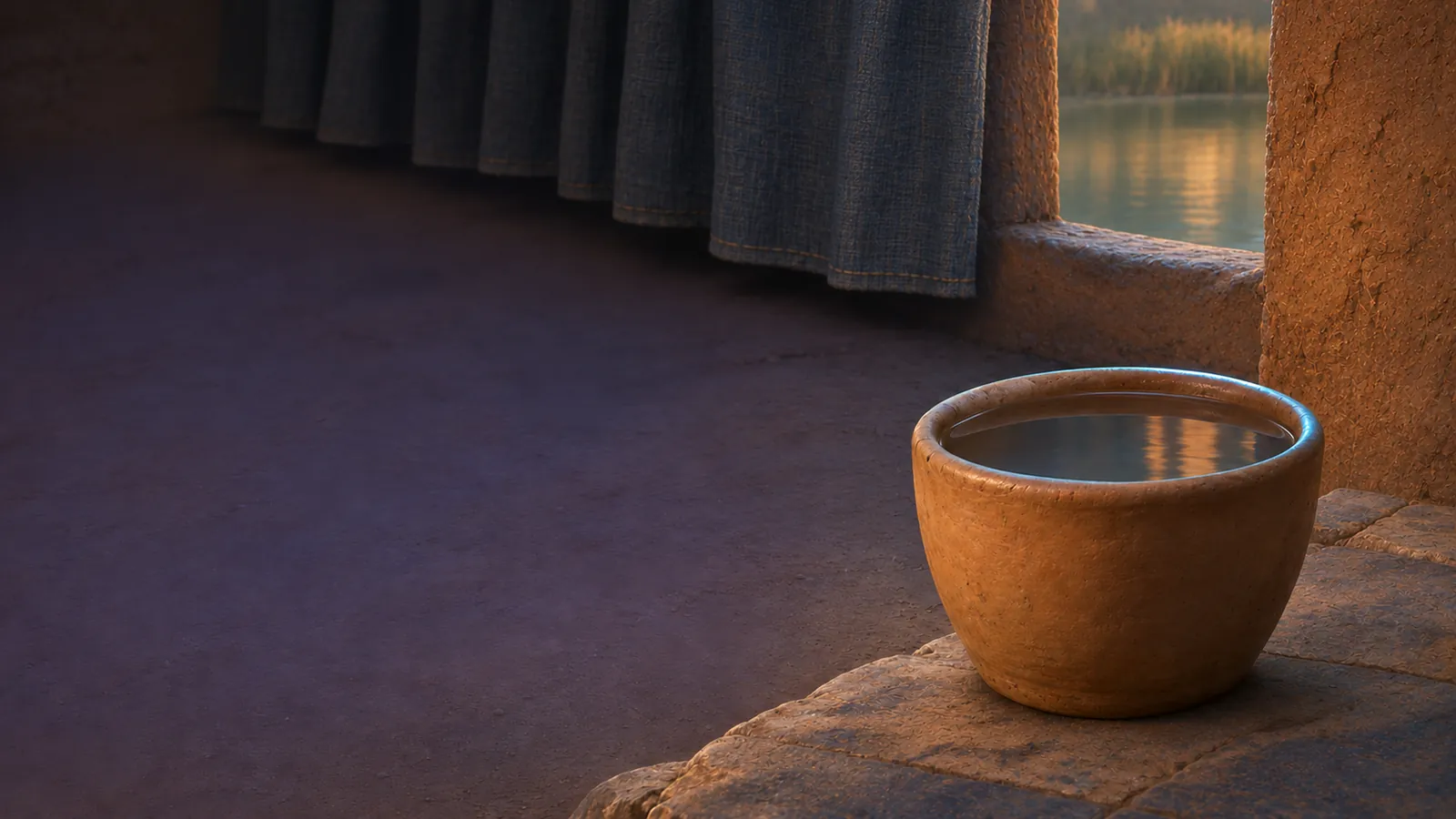
Ea warnte ihn ebenso vor dem Wasser. Was immer man ihm im Himmel einschenkte, Adapa sollte es unberührt lassen.
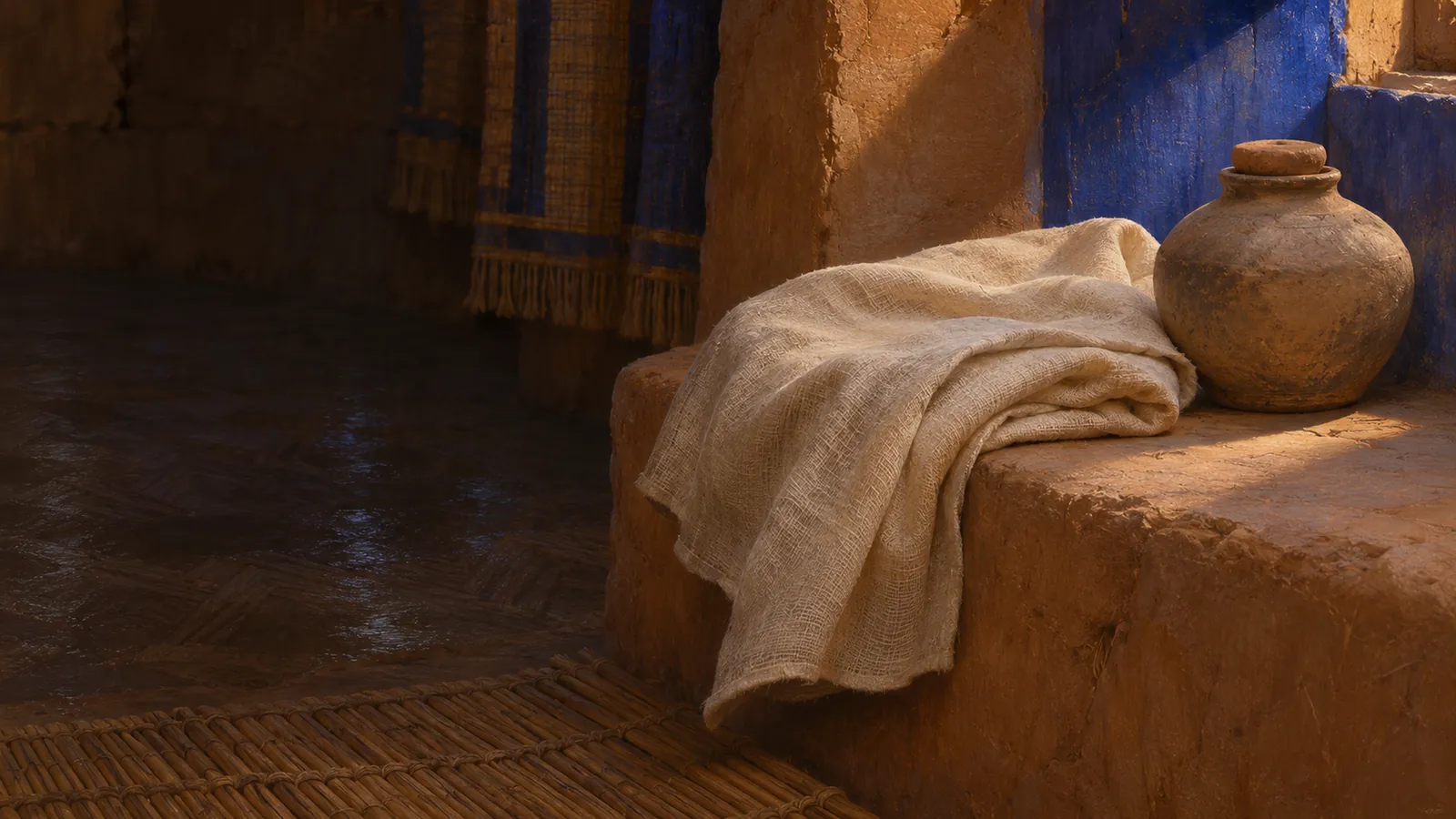
Wenn man ihm ein Gewand anbot, sollte er es anlegen. Bot man ihm Öl an, durfte er sich damit salben. Ea schärfte ihm ein, sich jede Anweisung zu merken.
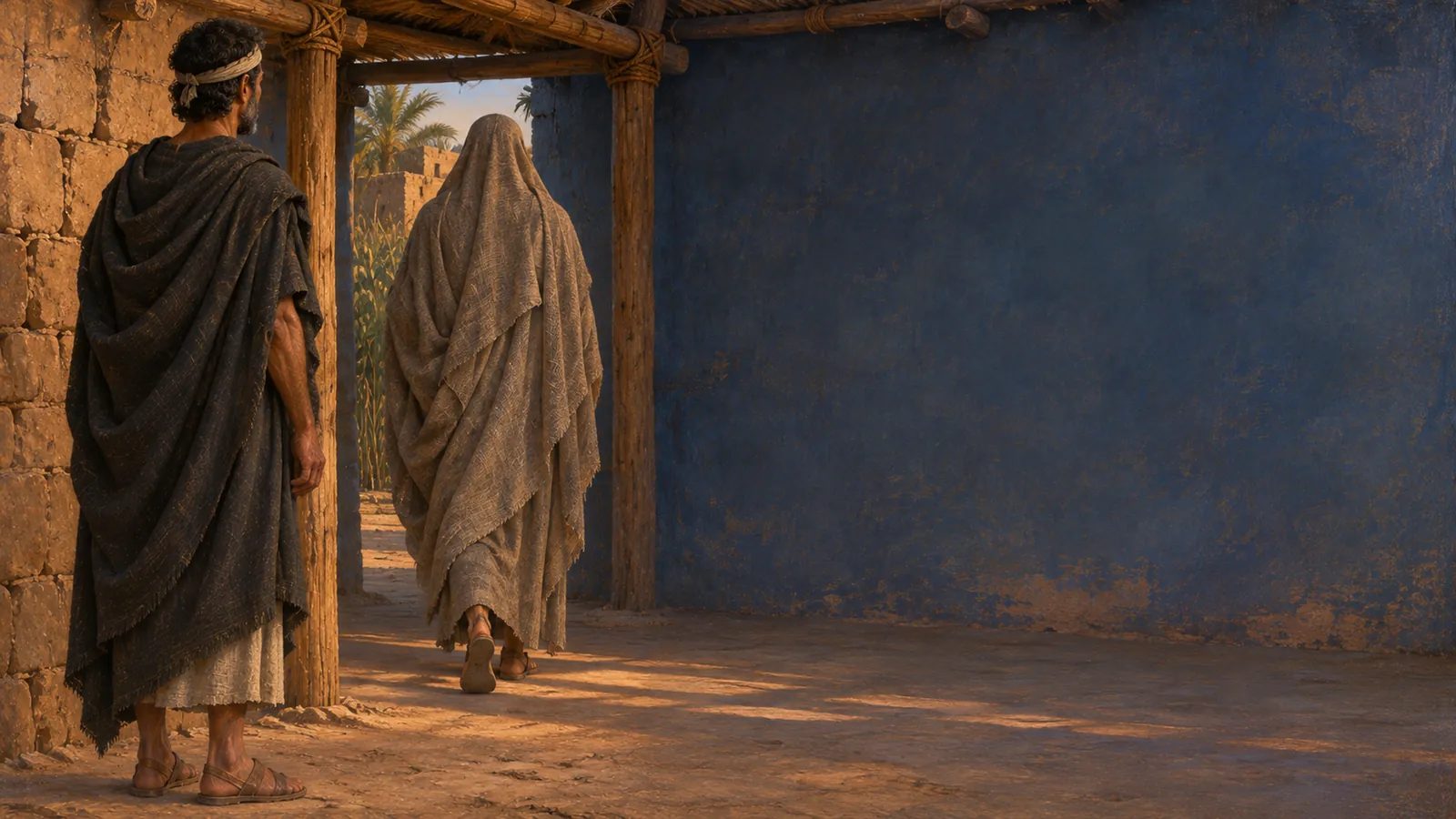
Anus Bote kam, als Eas Worte noch frisch im Gedächtnis waren. Adapa hatte dem Südwind den Flügel gebrochen und wurde im Himmel verlangt.
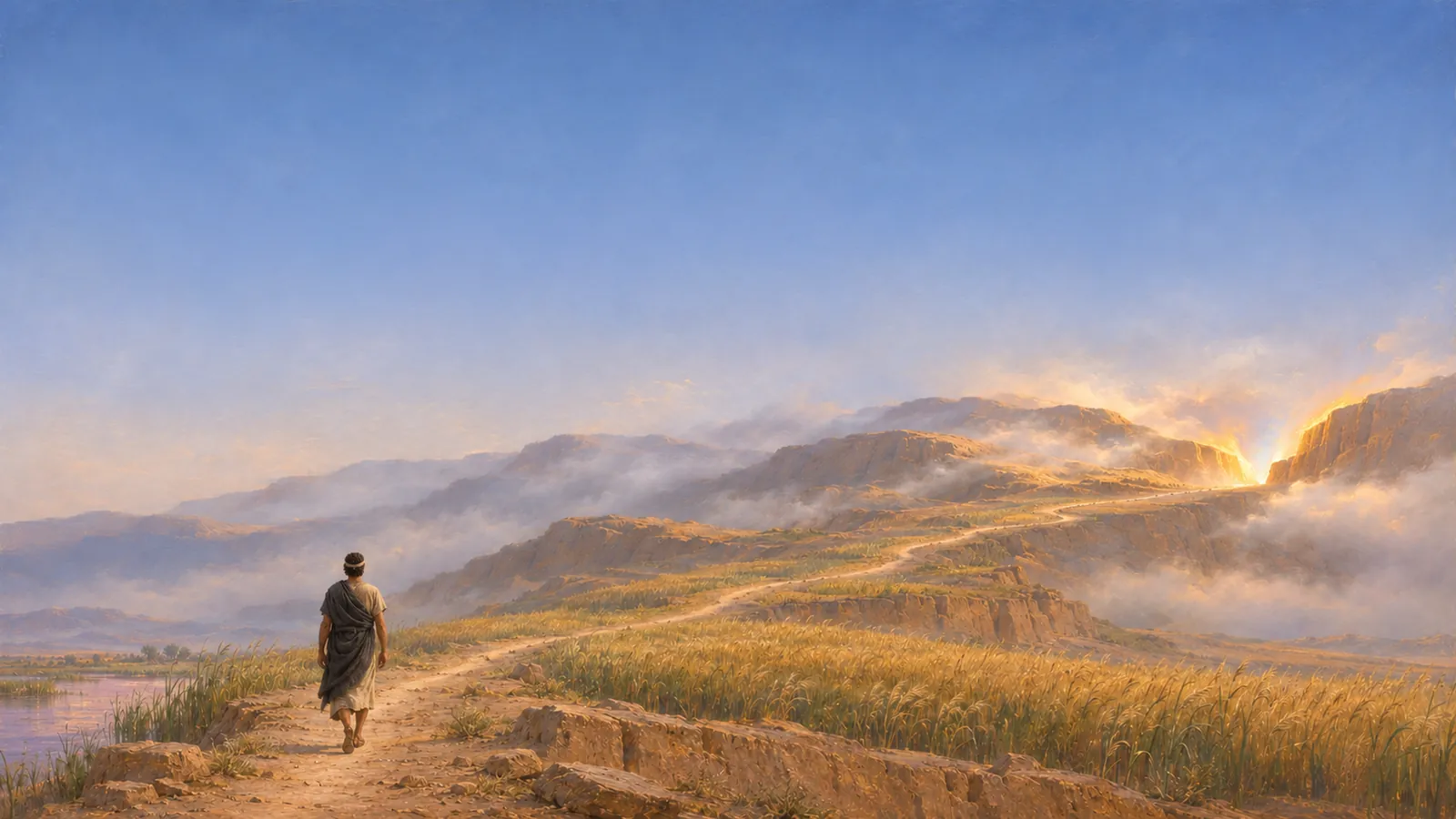
DER HIMMEL
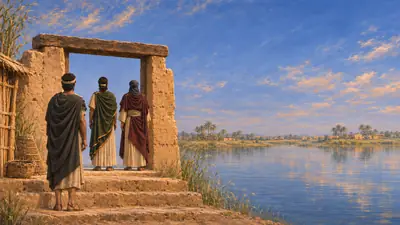
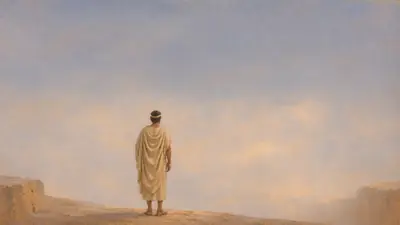
Adapa wurde auf den Weg zum Himmel gebracht. Wie Ea gesagt hatte, stieg er hinauf, bis er sich Anus Tor näherte.
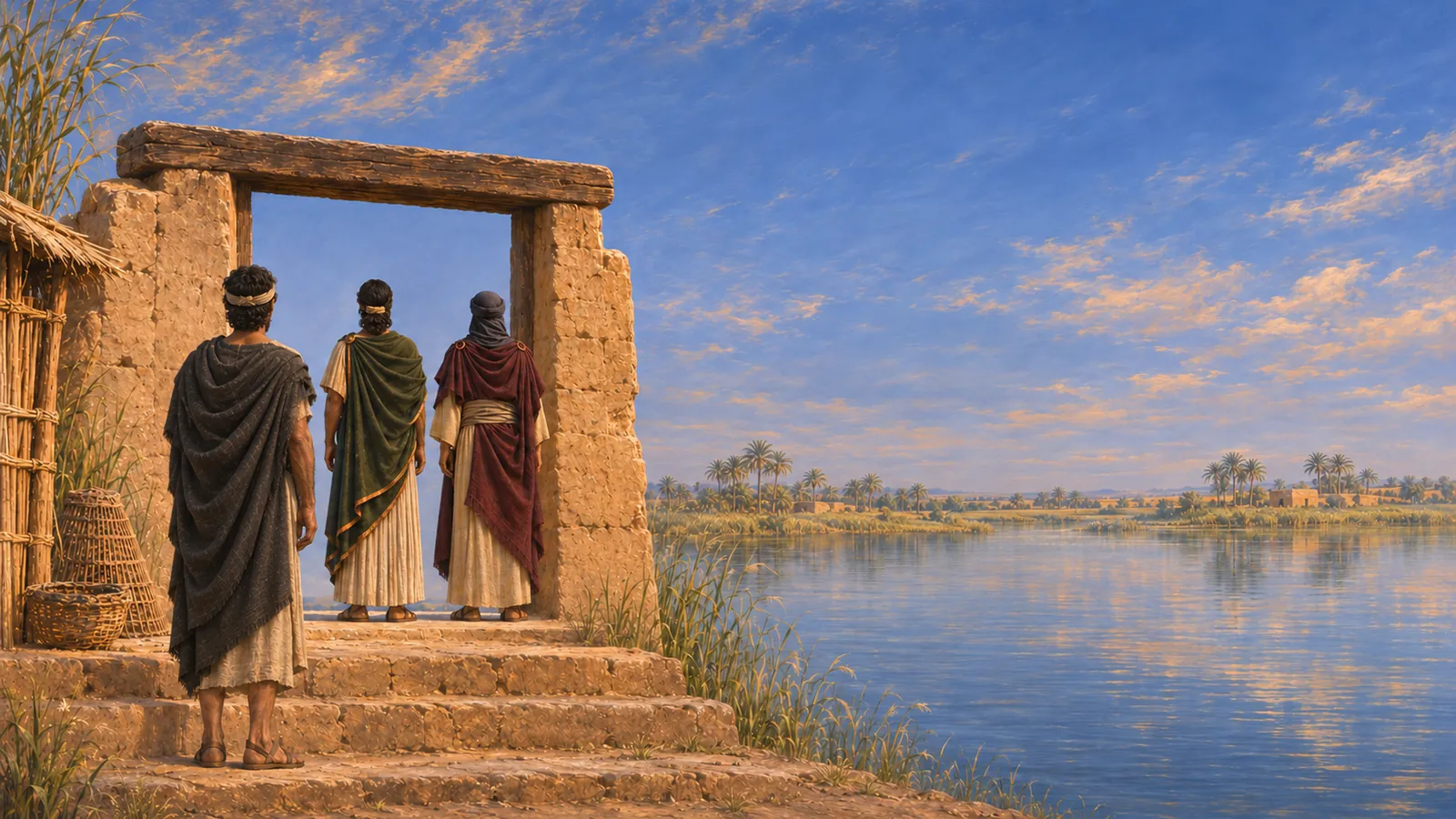
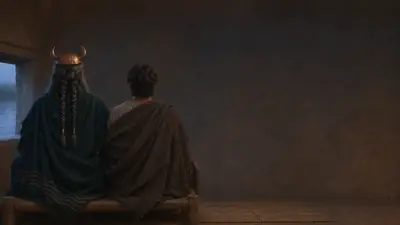
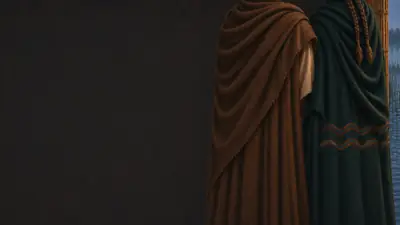
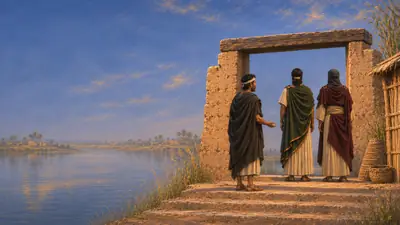
Am Tor standen Dumuzi und Gizzida, wie Ea es angekündigt hatte. Sie erblickten Adapa in seiner Trauerkleidung.
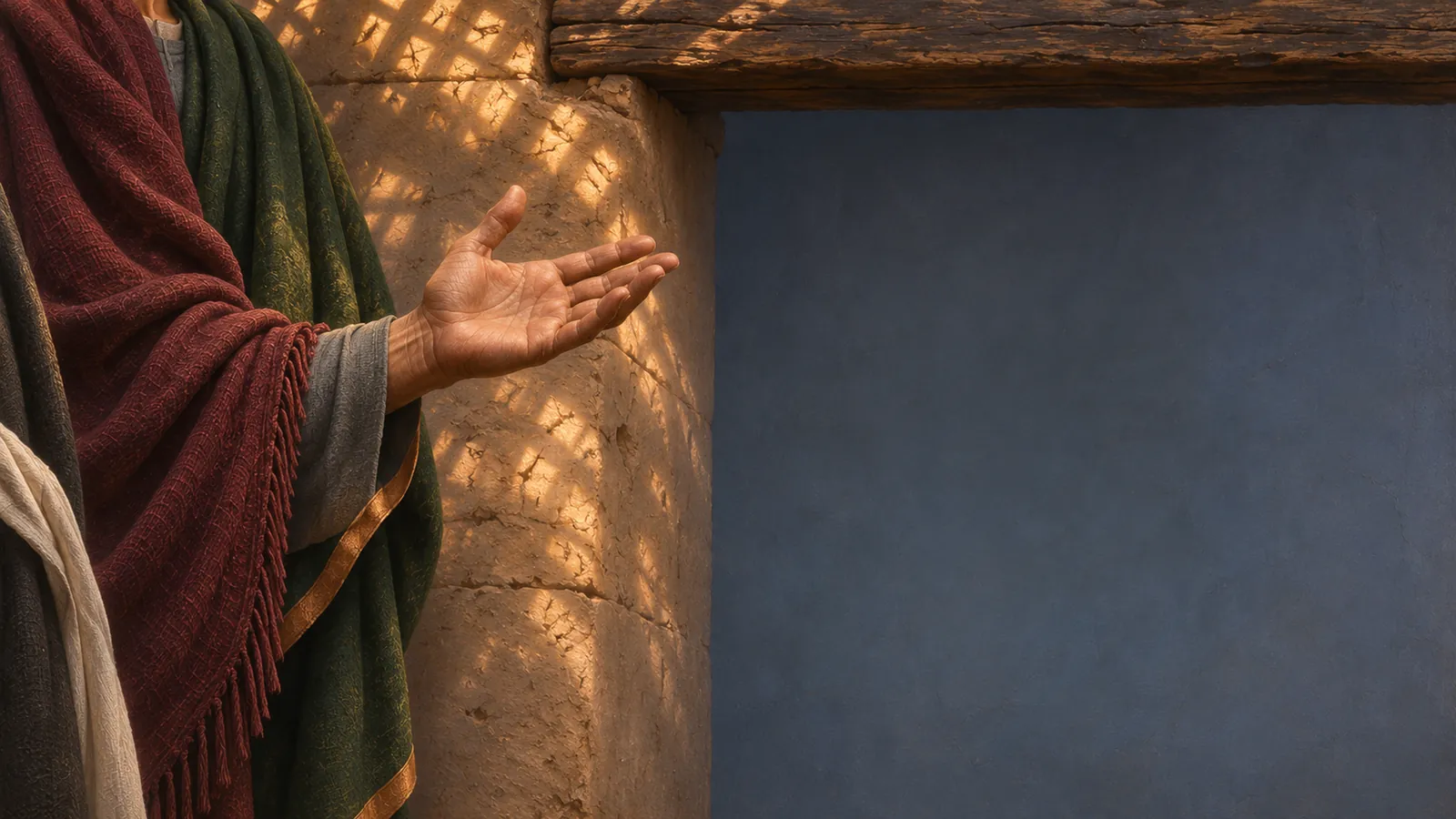
Die beiden Götter riefen ihn an. Sie fragten Adapa, was ihn verändert habe und um wen er diese Trauerkleidung trage.
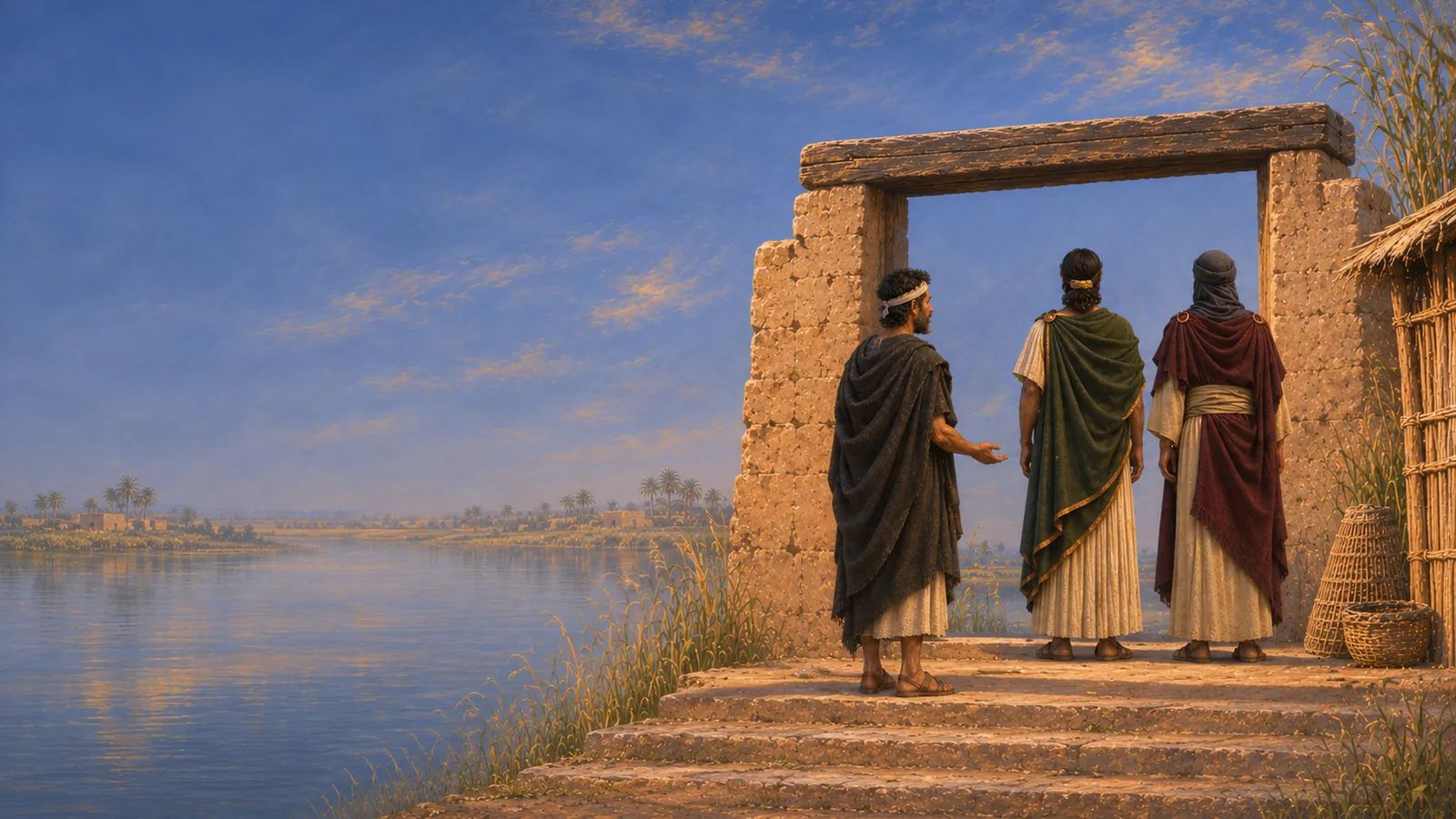
Adapa gab die Antwort, die Ea ihn gelehrt hatte. Zwei Götter fehlten im Land, sagte er, und um sie trage er Trauer.
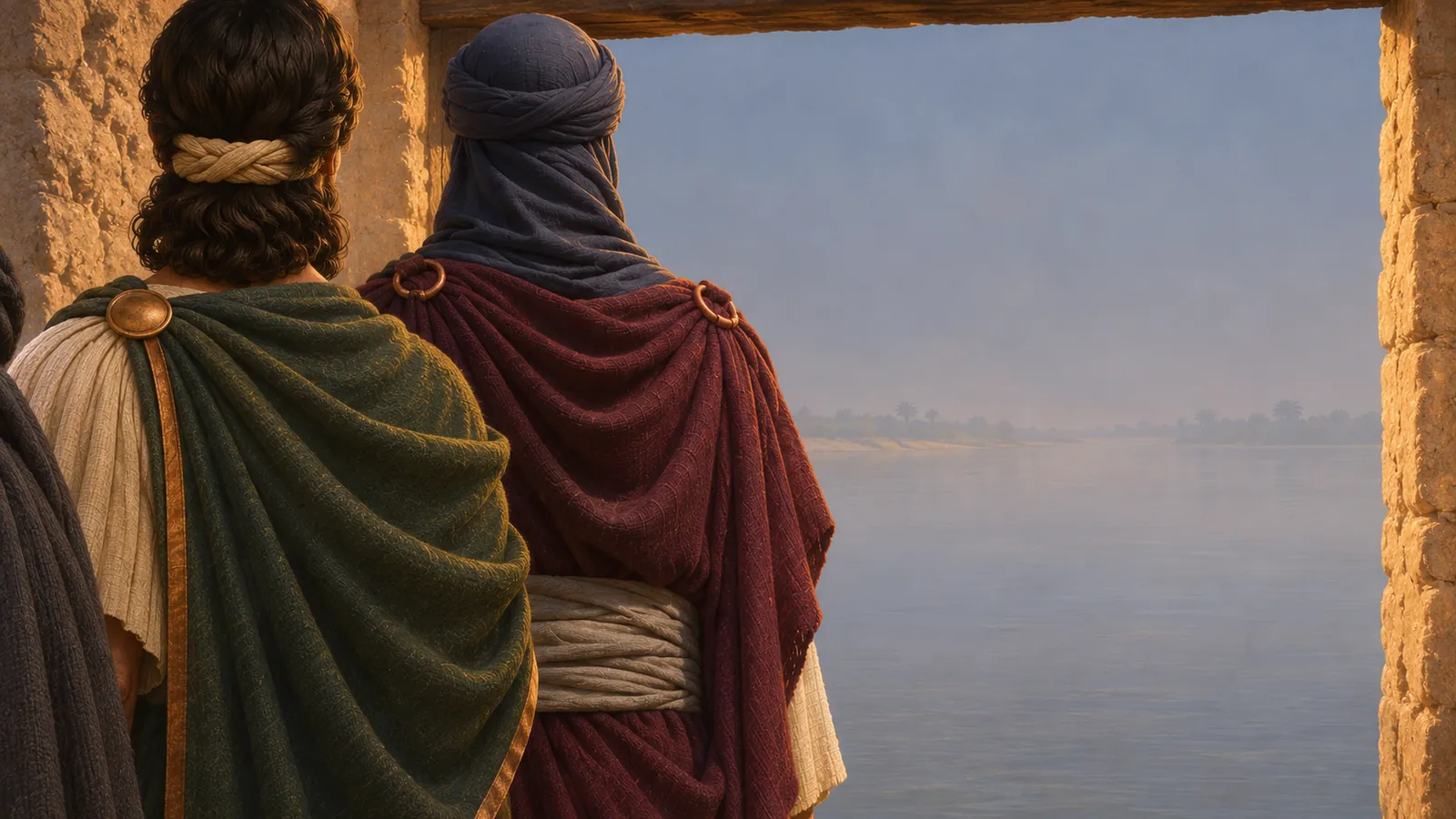
Sie fragten ihn, wer fehle. Als Adapa Dumuzi und Gizzida nannte, sahen die beiden Götter einander an und lächelten.
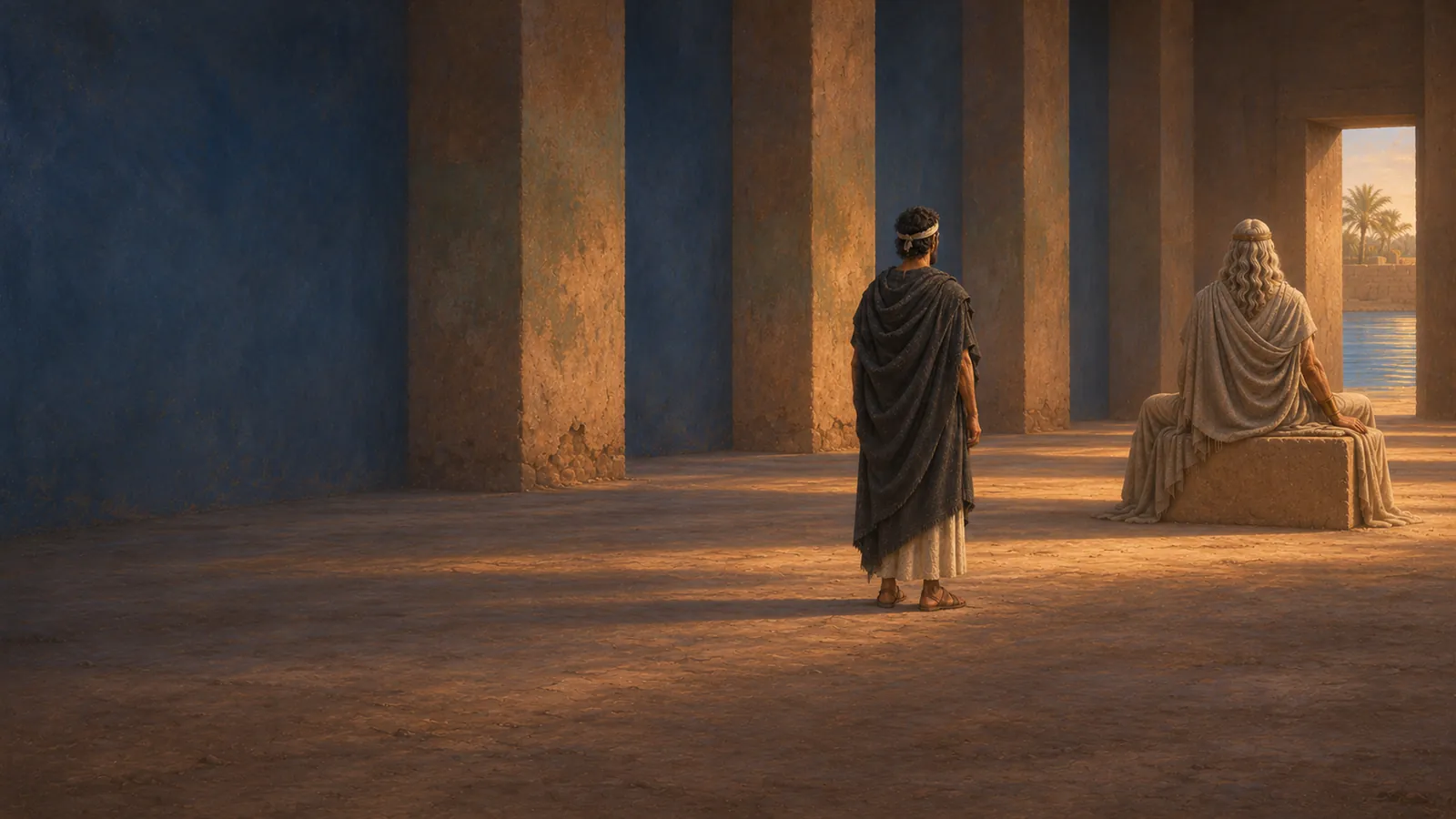
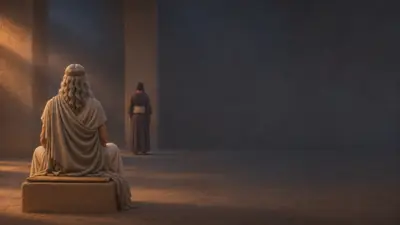
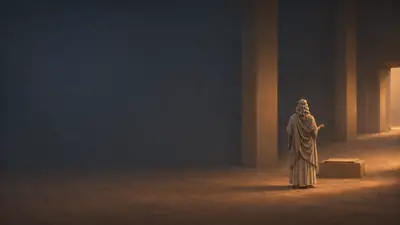
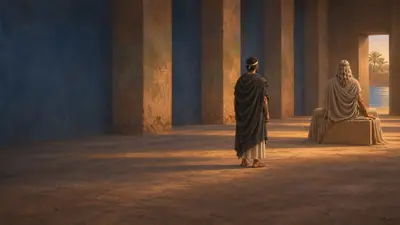
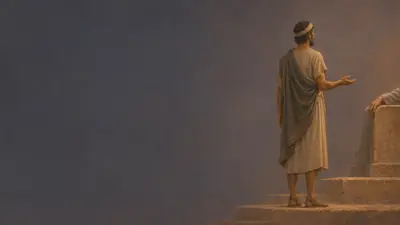
Adapa trat vor Anu. Der Herr des Himmels rief ihn an und fragte, warum er dem Südwind den Flügel gebrochen habe.
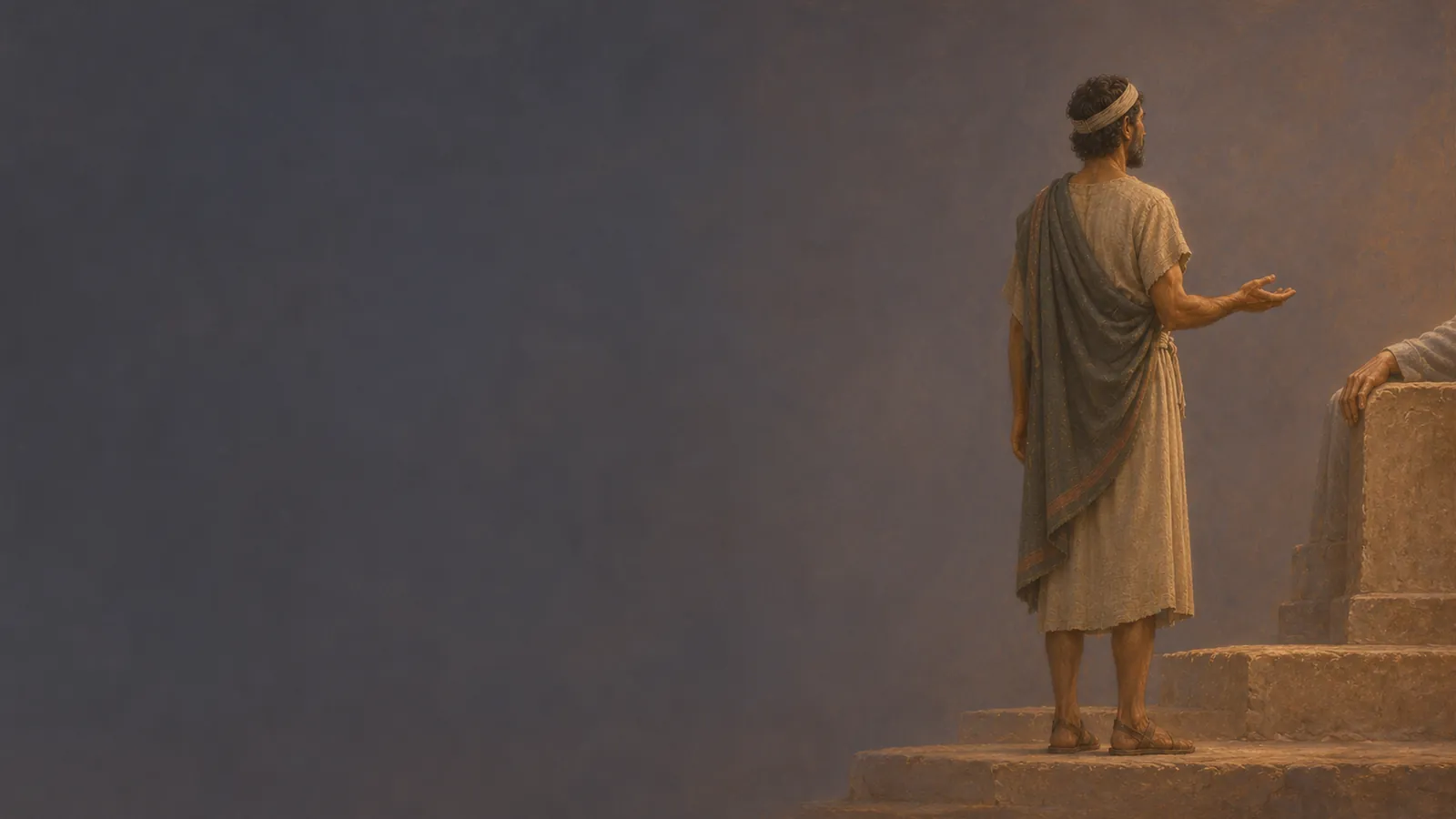
Adapa sagte, er habe für das Haus seines Herrn gefischt. Der Wind habe ihn ins Wasser gerissen, und im Zorn habe er ihn verflucht.
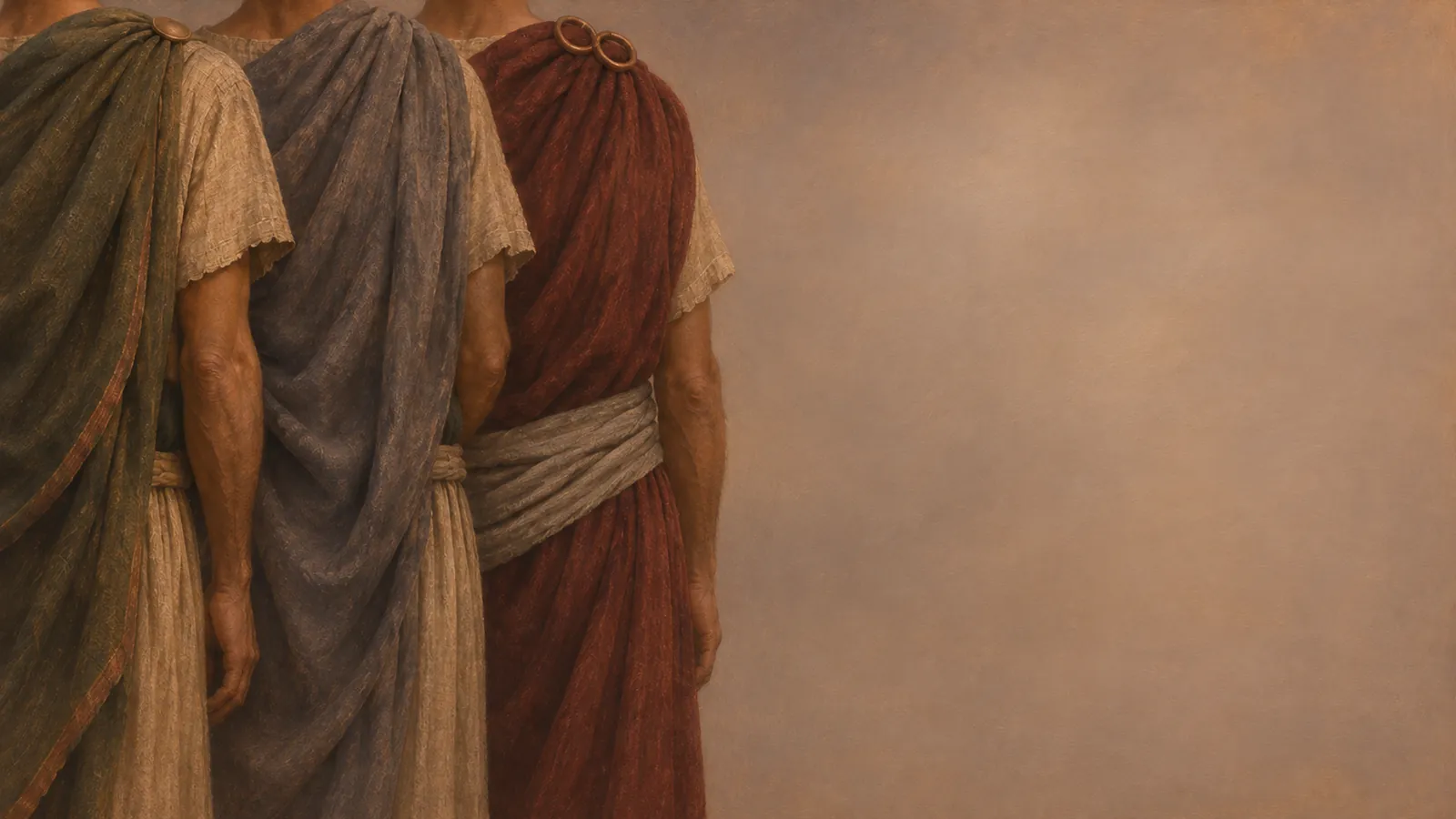
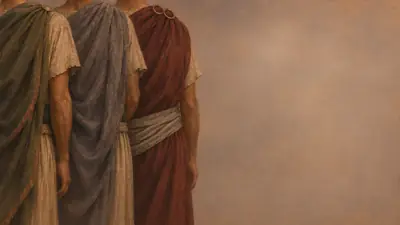
Dumuzi und Gizzida standen zu beiden Seiten Adapas und sprachen für ihn. Ihre Worte erreichten Anu, und im Saal wurde es still.
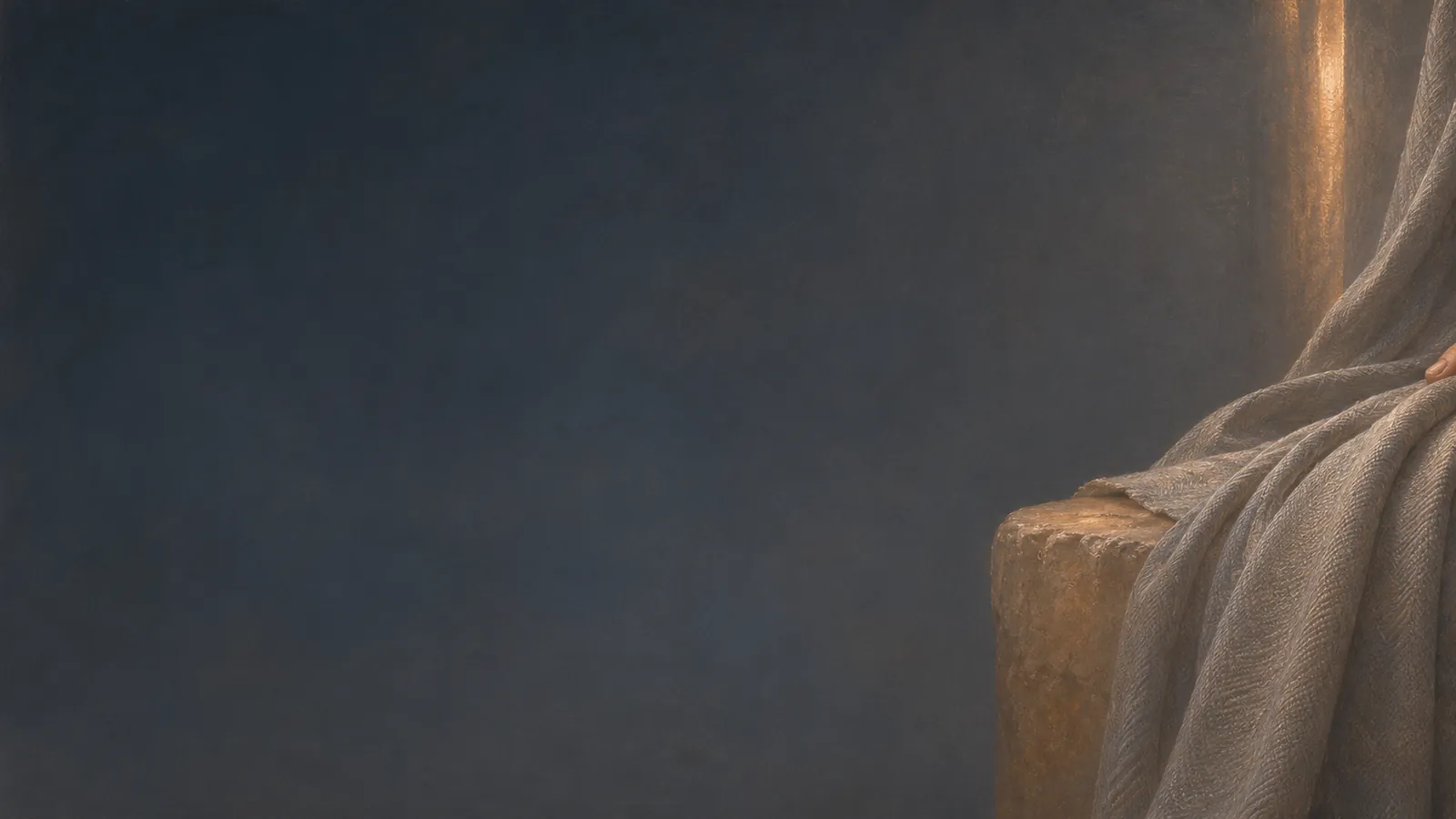
Anu fragte sich, was Ea einem Menschen von Himmel und Erde gezeigt hatte. Dann fragte er, was die Götter für Adapa tun könnten.
DAS LEBEN
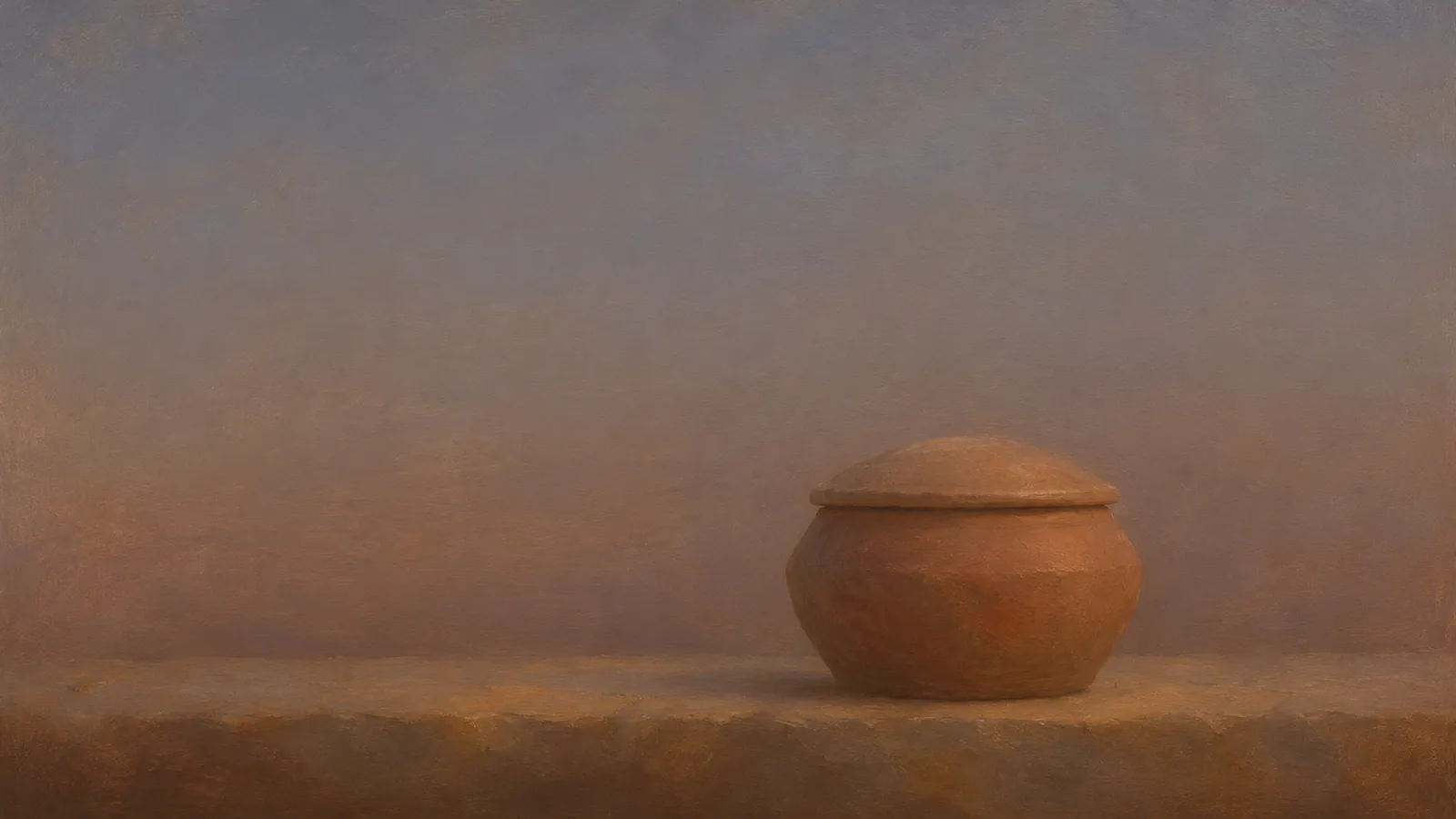
Nun gab Anu selbst einen Befehl. Man sollte die Speise des Lebens herbeibringen, damit Adapa davon essen könne.
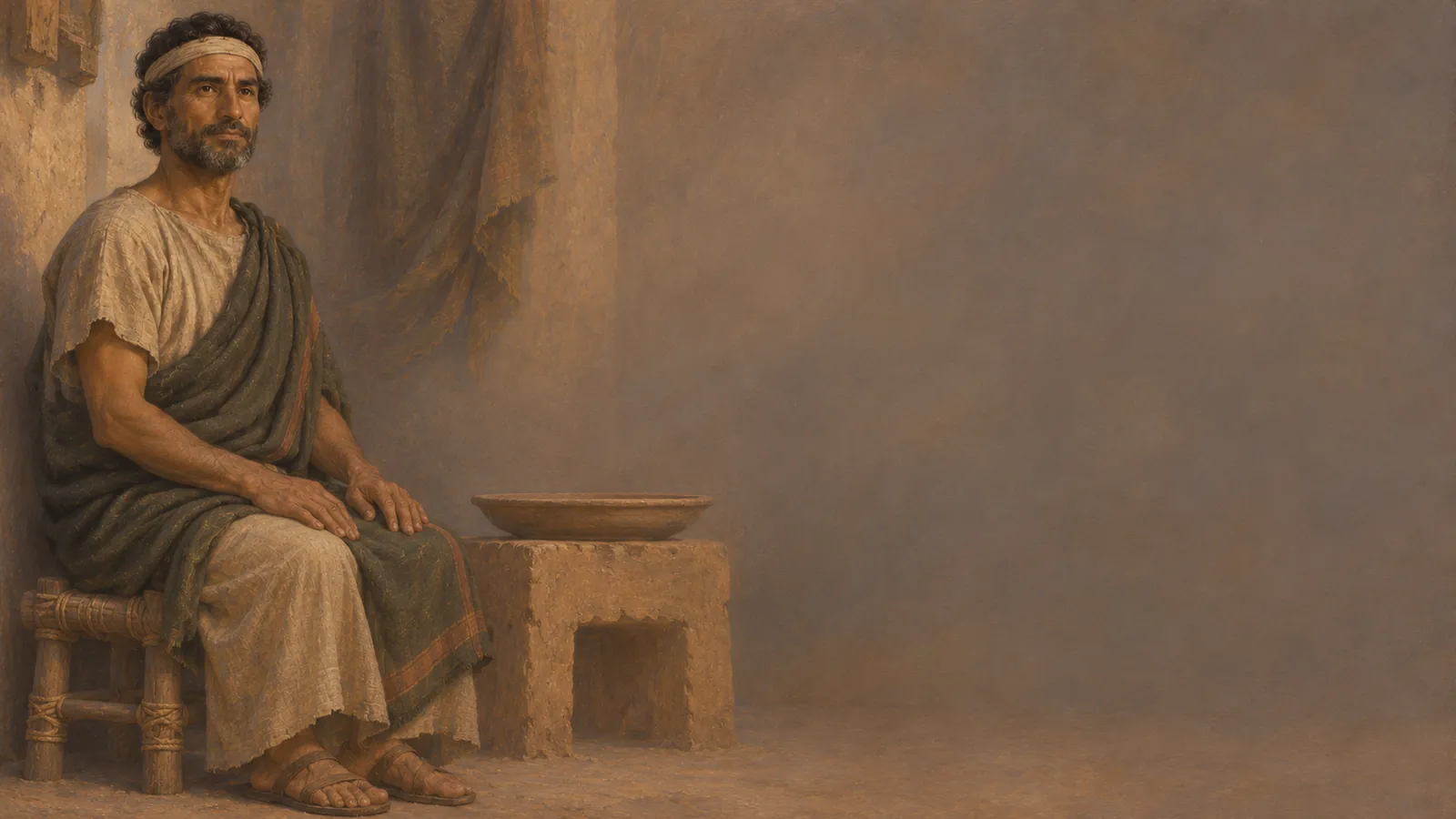
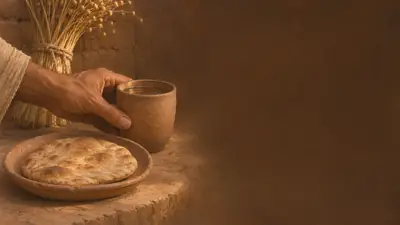
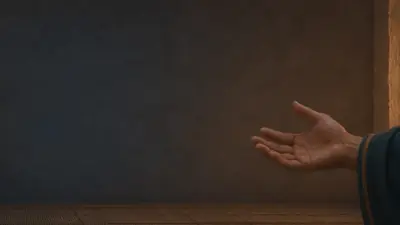
Man stellte Adapa die Speise des Lebens hin. Er erinnerte sich an Eas Warnung und rührte die Gabe nicht an.
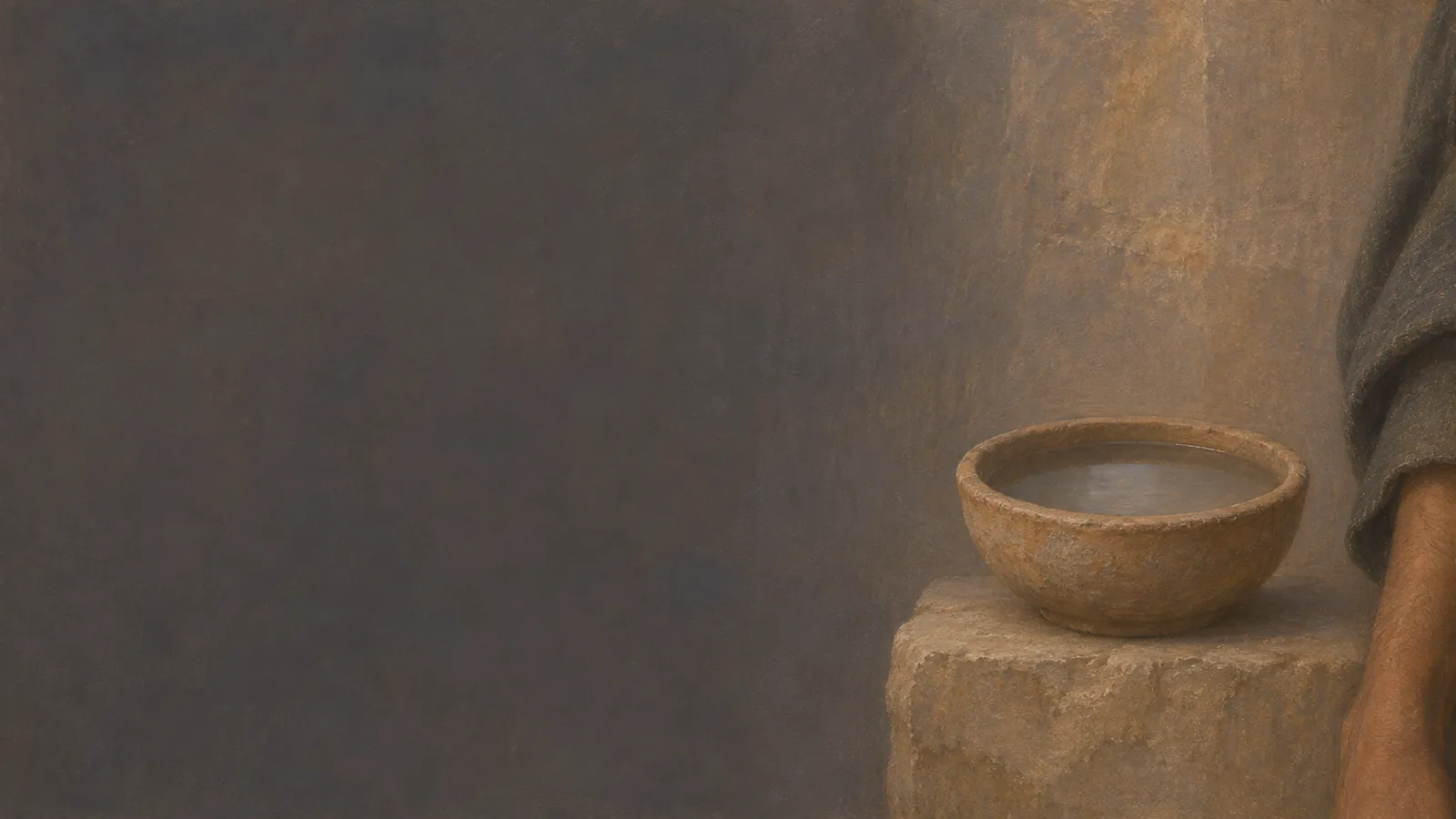
Dann brachte man ihm das Wasser des Lebens. Er hielt sich an Eas Worte und trank nicht.
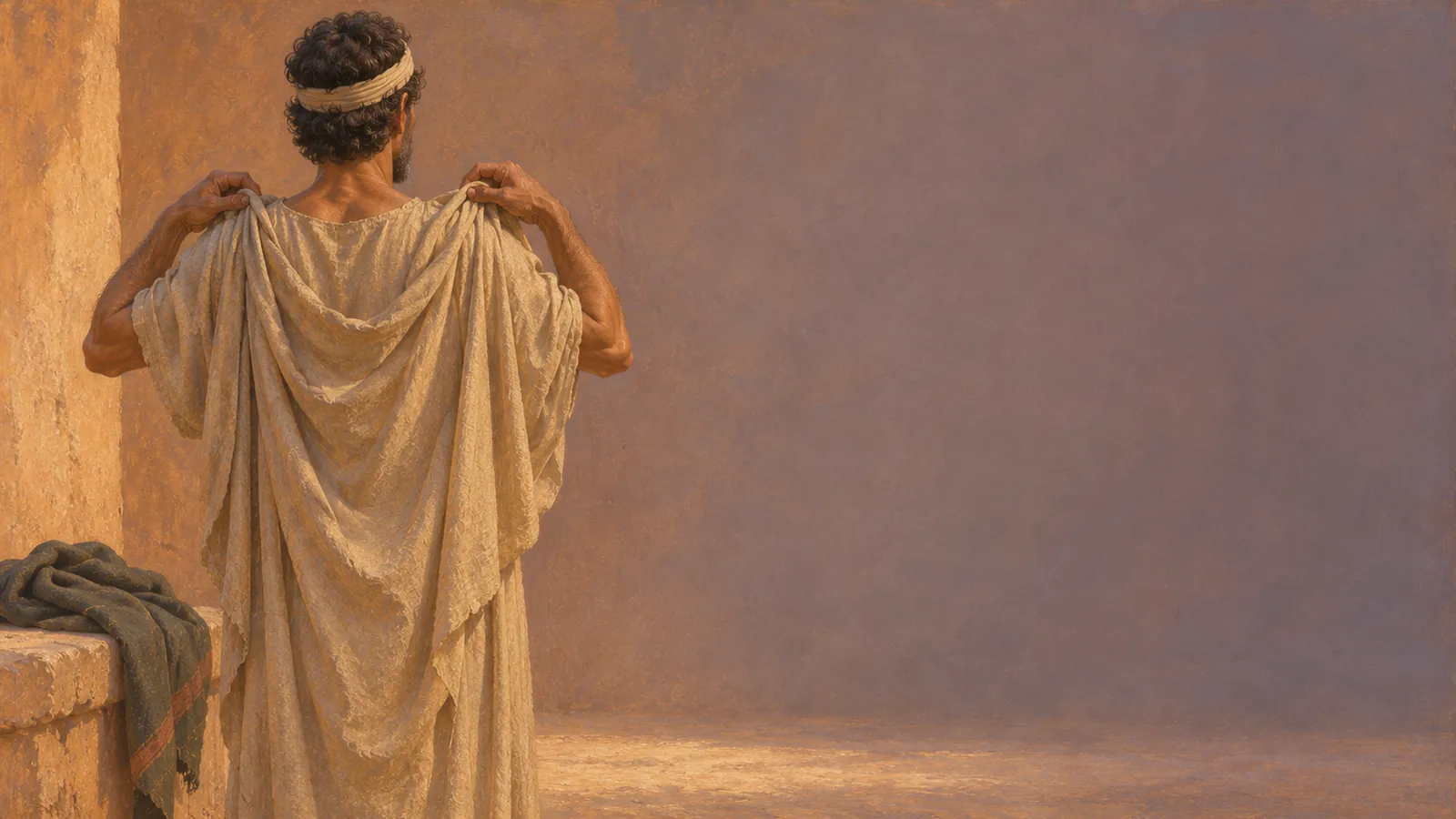
Man brachte Adapa ein Gewand, und er legte es an. Es war eine der Gaben, die er laut Ea annehmen sollte.
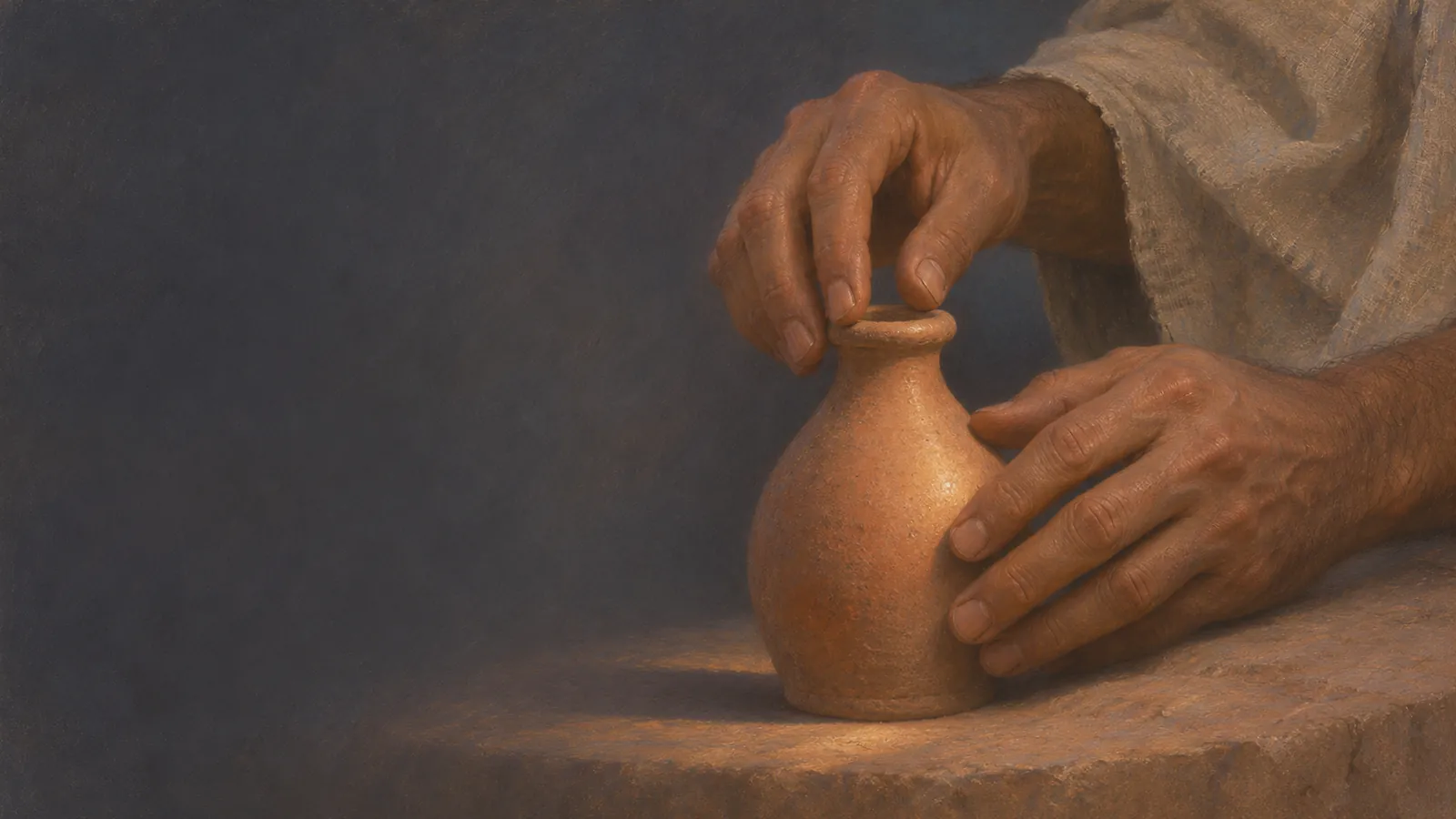
Nach dem Gewand brachte man Öl. Adapa nahm es an und salbte sich damit, wie Ea es ihm gesagt hatte.
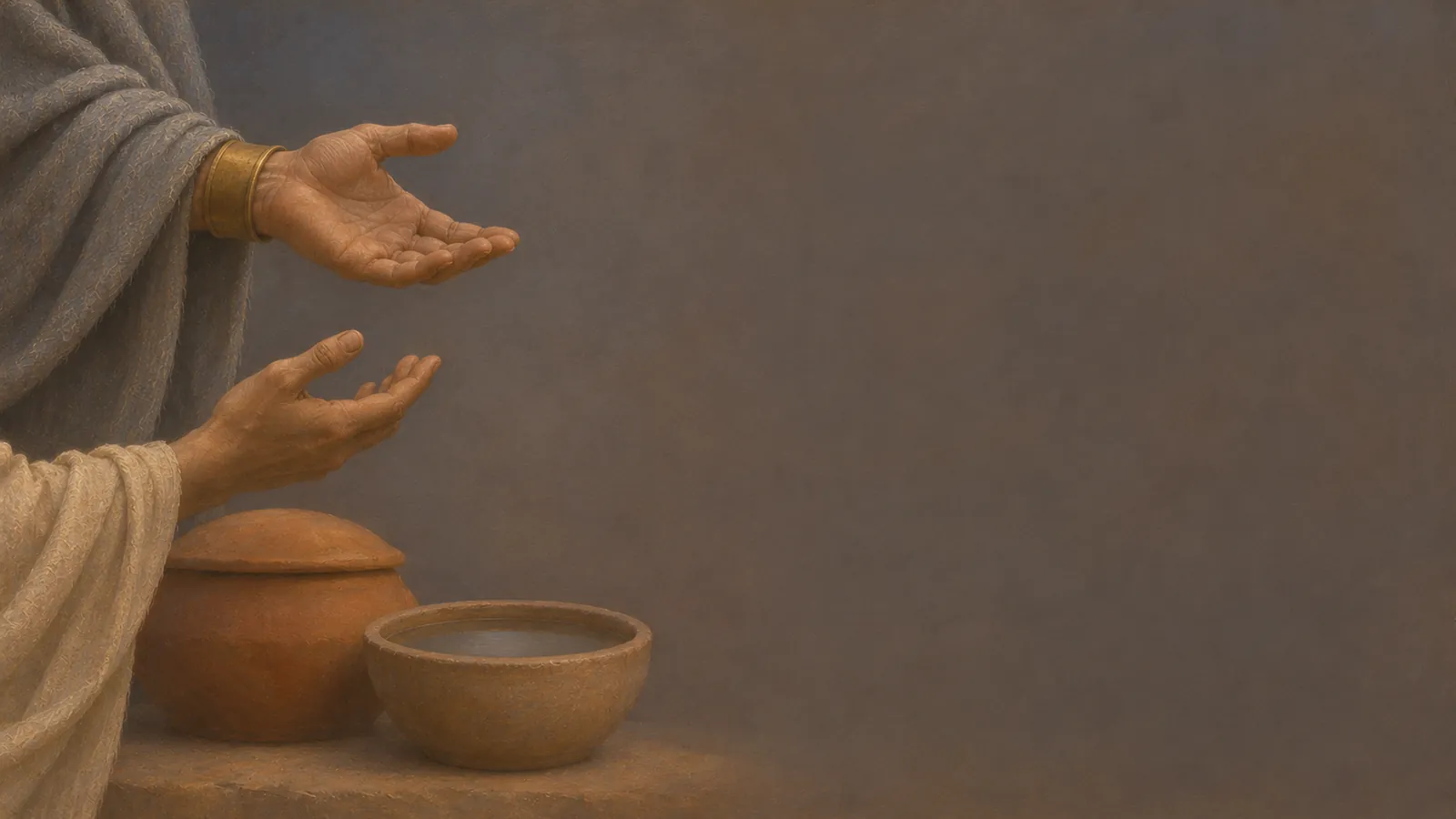
Anu lachte und fragte, warum Adapa weder gegessen noch getrunken habe. Adapa antwortete, sein Herr Ea habe ihm beides verboten.
DIE BRUCHSTELLE
Die beschädigte Zeile scheint anzuordnen, dass Adapa wieder hinabgebracht wird. Die Amarna-Tafel bricht ab, bevor wir erfahren, wohin er ging.
Ein Fragment aus Ninive gibt der Geschichte eine andere Wendung. Offenbar stellt es Adapa unter Anus Autorität und stellt ihm bleibende Ehre in Aussicht.
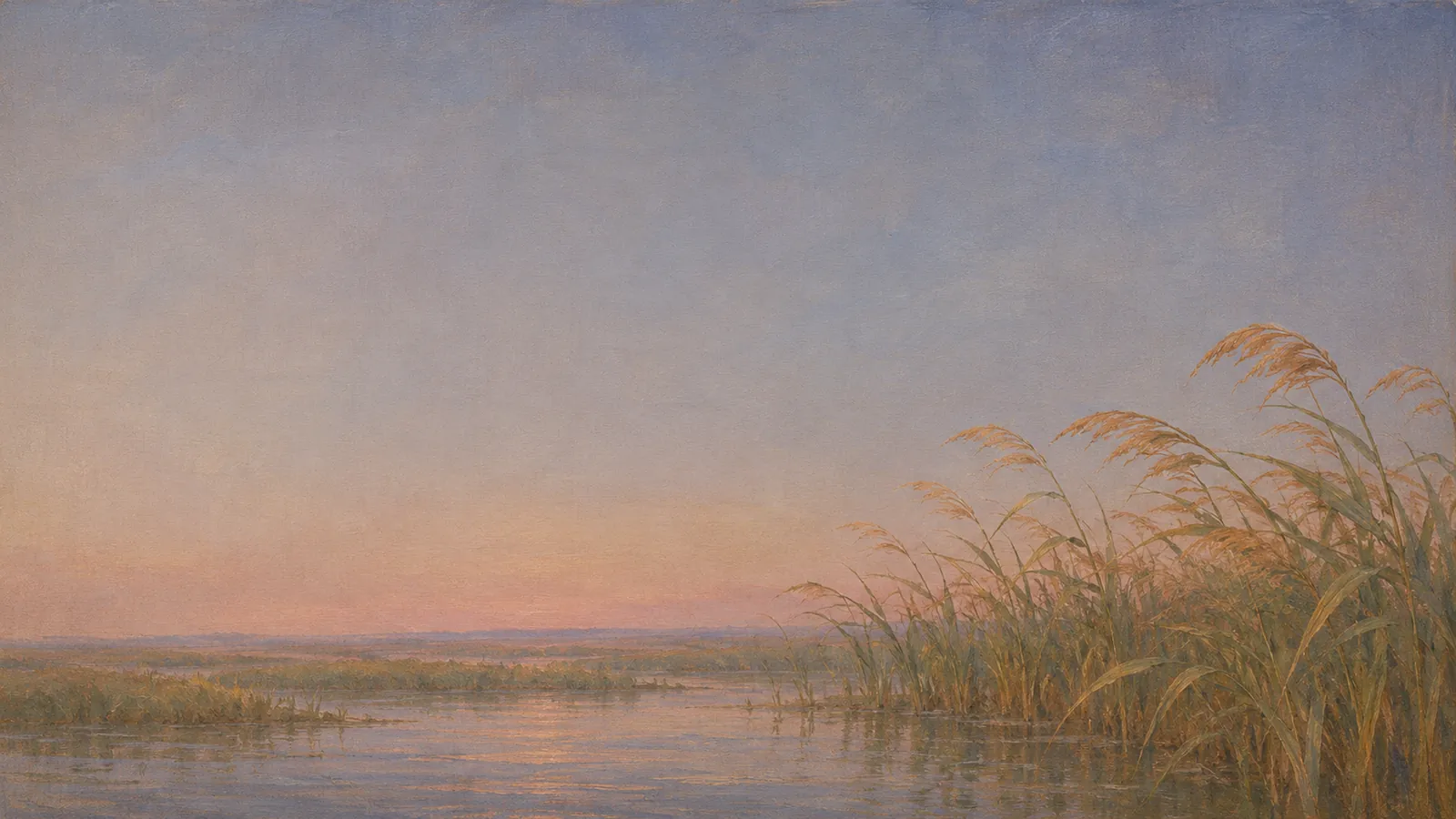
In der sumerischen Fassung aus Tell Haddad sprechen die Götter davon, den Flügel des Windes wiederherzustellen. Die Geschichte endet mit Worten über Wind und Heilung.
Ende von Kapitel 1
Alle Seiten












Quellen
Benutzte Editionen
- Shlomo Izre’el, The Amarna Scholarly Tablets, EA 356, pp. 43–50. Open edition hosted by NYU Libraries
- Hebrew University, Sources of Early Akkadian Literature. EA 356 transliteration and continuous line numbering
- Albert T. Clay, A Hebrew Deluge Story in Cuneiform, pp. 39–41. Edition of MLC 1296, digitized by ETANA
- Yale Babylonian Collection, Babylonian Records IV, no. 3. Cuneiform copy of MLC 1296
- Electronic Babylonian Library, Adapa, Standard Babylonian fragments
- Amar Annus, The Story of the Watchers as a Counter Narrative. Transliteration and discussion of K.8214 rev. 7′–14′
- Cuneiform Digital Library Initiative, Q002295. Sumerian composite with transliteration and line translations
- Antoine Cavigneaux, Une version sumérienne de la légende d’Adapa. Edition of the Tell Haddad tablets
- IL Archive, Adapa
Die antiken Verse hinter jeder Seite
- Page 1: Nineveh A (MLC 1296) 5′–9′
The opening comes from the Nineveh fragment MLC 1296. The surviving opening at Amarna is broken. - Page 2: Nineveh A (MLC 1296) 2′–8′
- Page 3: Nineveh A (MLC 1296) 9′–14′
- Page 4: Nineveh A (MLC 1296) 15′–22′
The quay’s name is left aside because the wording is damaged. - Page 5: Amarna EA 356 rev. 49′–51′
The Amarna opening is broken. - Page 6: Amarna EA 356 rev. 51′–53′
- Page 7: Amarna EA 356 rev. 52′–53′
- Page 8: Amarna EA 356 obv. 1′–5′ and rev. 53′–54′
The first words of the curse are broken. The text does not narrate a rescue. - Page 9: Amarna EA 356 obv. 5′–6′
- Page 10: Amarna EA 356 obv. 6′–9′
- Page 11: Amarna EA 356 obv. 7′–8′
Ilabrat is named in Amarna. - Page 12: Amarna EA 356 obv. 8′–10′
- Page 13: Amarna EA 356 obv. 10′–12′
- Page 14: Amarna EA 356 obv. 12′–13′
The exclamation varies in translation. - Page 15: Amarna EA 356 obv. 13′–14′, 34′–36′
The command is partly restored. - Page 16: Amarna EA 356 obv. 14′–16′
The preparation is partly restored. - Page 17: Amarna EA 356 obv. 16′–19′
The instructions about the ascent have gaps, with a parallel in the later encounter. - Page 18: Amarna EA 356 obv. 19′–23′ and rev. 38′–42′
The names in the counsel are restored from the later encounter. - Page 19: Amarna EA 356 obv. 21′–25′
The planned answer names the two gods as absent. - Page 20: Amarna EA 356 obv. 25′–28′
Several words in the forecast are damaged. - Page 21: Amarna EA 356 obv. 28′–30′
The phrase naming death belongs to Ea’s warning. - Page 22: Amarna EA 356 obv. 30′–31′
- Page 23: Amarna EA 356 obv. 31′–34′
Tell Haddad uses different language for the third offer, and its reading is disputed. - Page 24: Amarna EA 356 obv. 34′–36′
- Page 25: Amarna EA 356 rev. 37′–38′
The word for the road is partly restored. - Page 26: Amarna EA 356 rev. 38′–40′
- Page 27: Amarna EA 356 rev. 40′–42′
The gods’ exclamation varies among translations. - Page 28: Amarna EA 356 rev. 42′–44′
The Tell Haddad composite uses stronger wording in its own dialogue. - Page 29: Amarna EA 356 rev. 44′–46′
- Page 30: Amarna EA 356 rev. 46′–49′
- Page 31: Amarna EA 356 rev. 49′–54′
- Page 32: Amarna EA 356 rev. 54′–56′
The wording of their speech is damaged. - Page 33: Amarna EA 356 rev. 57′–60′
- Page 34: Amarna EA 356 rev. 60′–61′
The text does not name a specific dish. - Page 35: Amarna EA 356 rev. 61′–62′
- Page 36: Amarna EA 356 rev. 62′–63′
Some wording in the two refusals is restored. - Page 37: Amarna EA 356 rev. 63′–64′
The corresponding words in Tell Haddad are disputed. - Page 38: Amarna EA 356 rev. 64′–65′
- Page 39: Amarna EA 356 rev. 66′–69′
The force of Anu’s remark about life is debated. - Page 40: Amarna EA 356 rev. 69′–71′
The verb of return is partly restored. A completed return is not preserved. - Page 41: Nineveh D (K.8214) rev. 7′–14′
The damaged fragment is read as service under Anu or as protection from him. This is a different witness. - Page 42: Tell Haddad Sumerian account, CDLI Q002295 173–190
These line numbers belong to the editorial composite. Its close concerns the wind’s restoration and healing.
Illustrationen von IL Archive mit KI-Werkzeugen; der Text folgt den antiken Quellen (siehe die Quellen am Ende jedes Kapitels).