Atrahasis Kapitel 2
Die Schilfwand
Eine Warnung erreicht Atrahasis durch eine Schilfwand. Er baut ein gedecktes Boot, um Leben durch die Flut zu tragen. Als die Wasser weichen, stellen sich die Götter der Tatsache, dass Menschen überlebt haben, und bestimmen neue Bedingungen für ihr Leben.
Den Film ansehenQuellenBlättern Sie mit den Pfeilen, den Pfeiltasten oder durch Wischen.
DER TRAUM
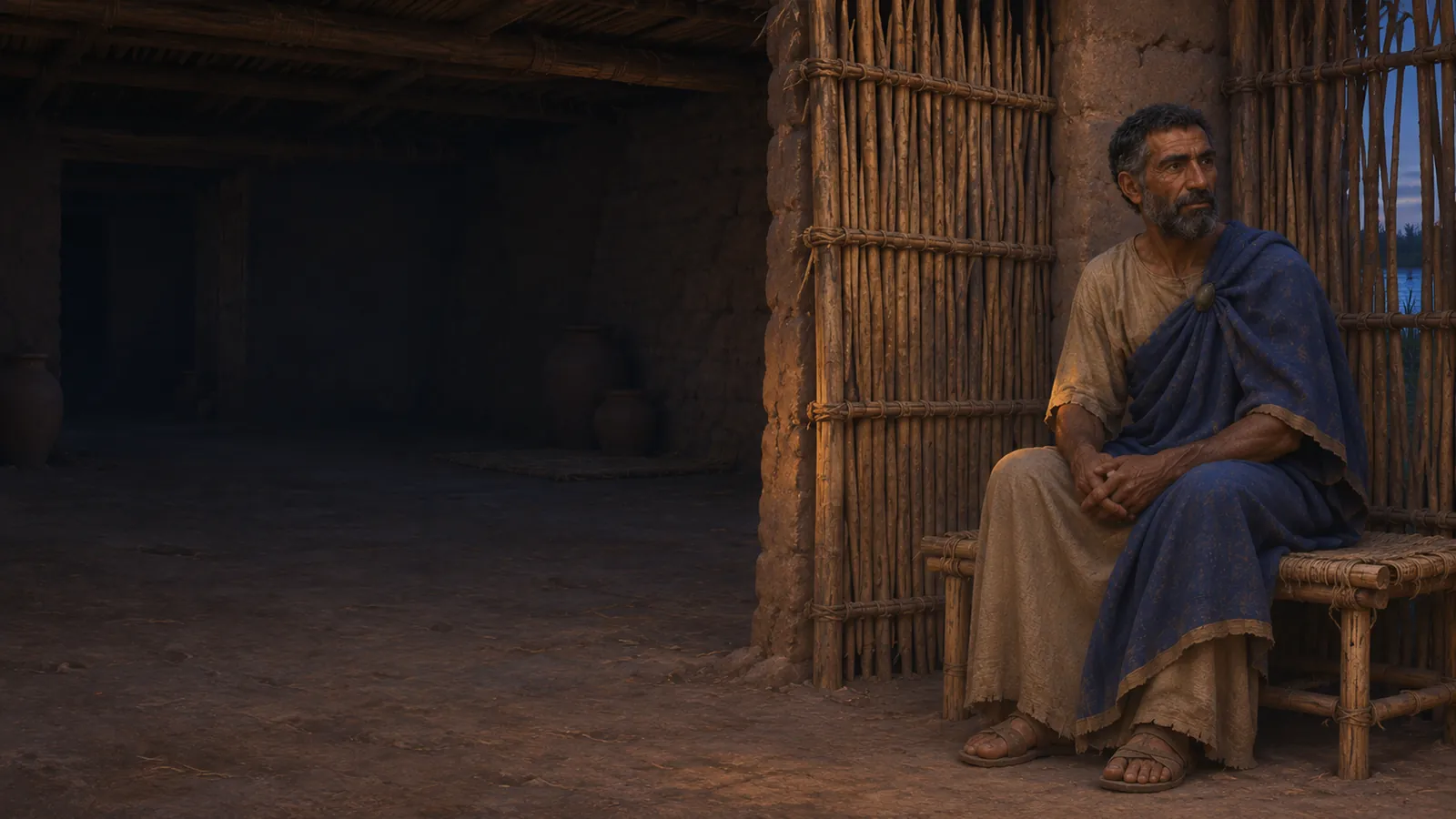
Nach dem Beschluss der Götter hatte Atrahasis noch eine Frage an Enki. Am erhaltenen Anfang dieser Tafel bittet er ihn, ihm die Bedeutung eines Traums zu erklären.
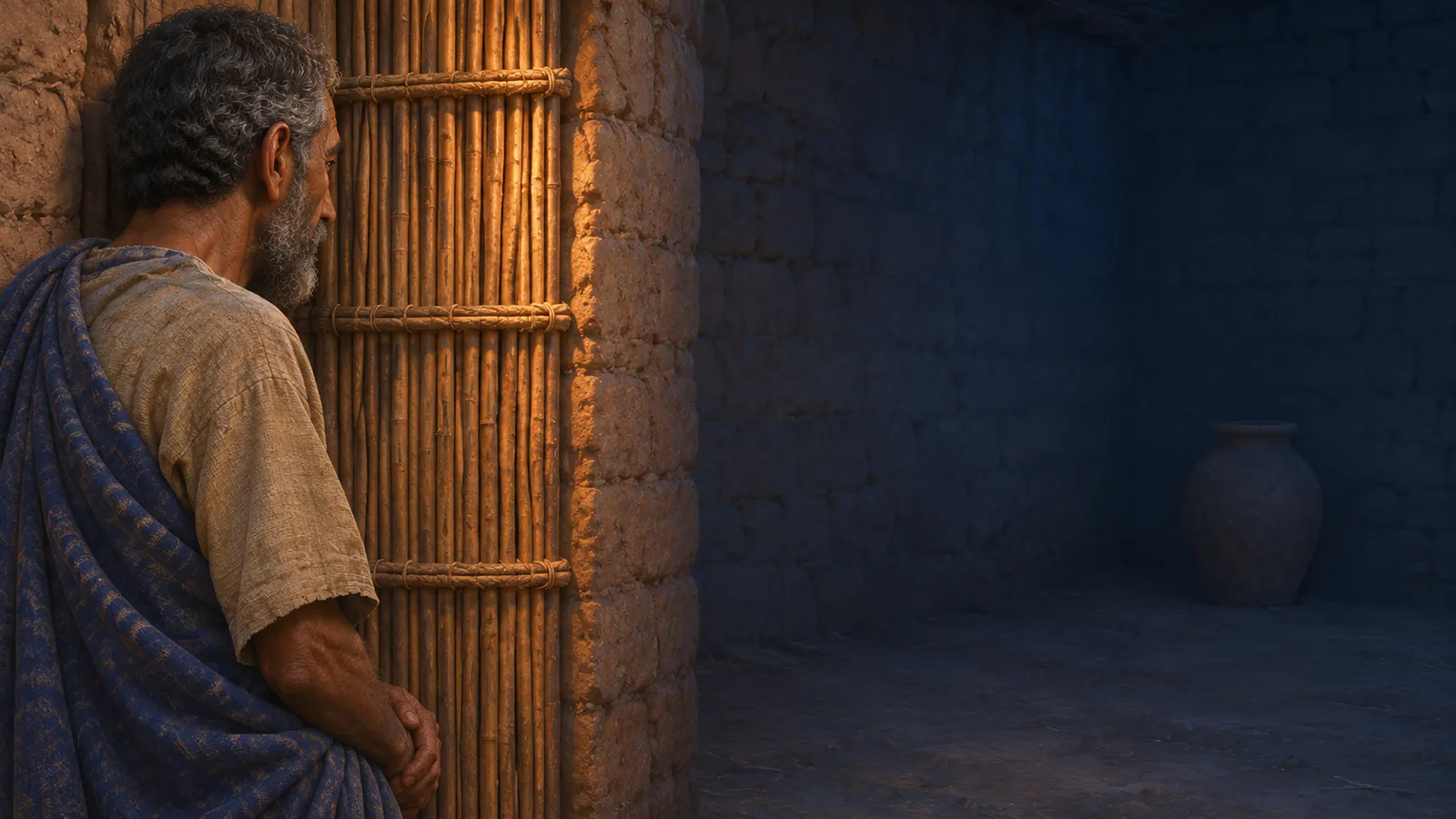
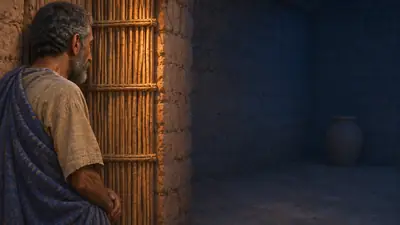
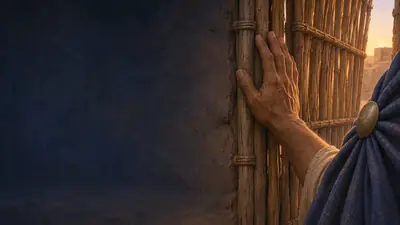
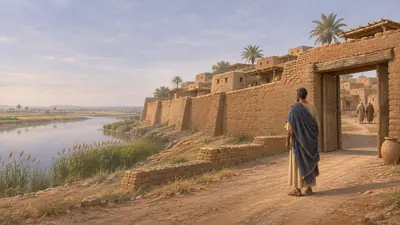
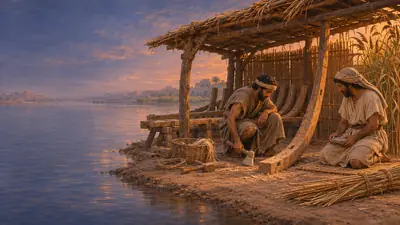
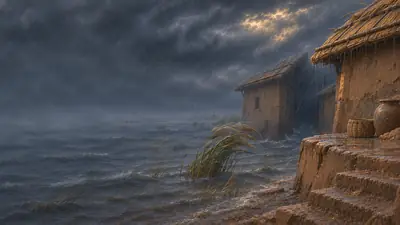
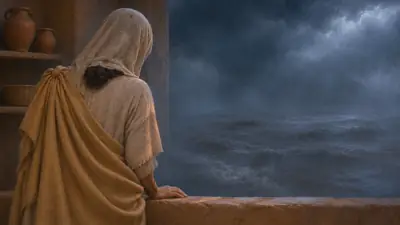
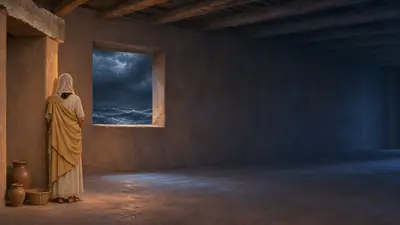
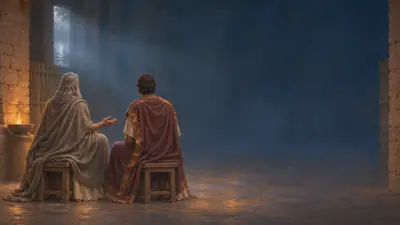
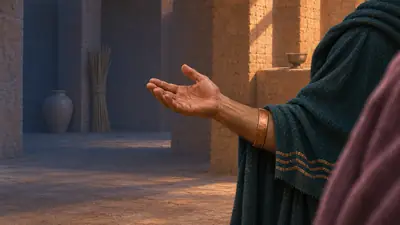
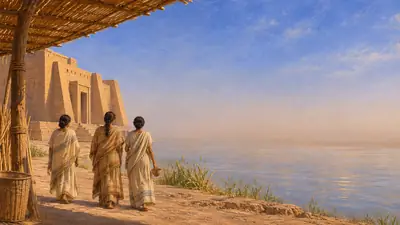
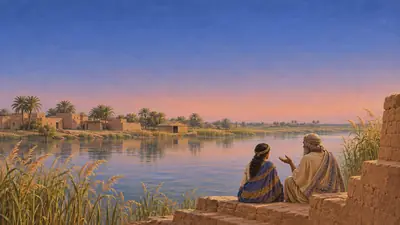
Die Antwort galt der Schilfwand. Enki sprach zu ihr, als könne sie zuhören und jedes Wort behalten. Atrahasis war da und hörte es.
DER AUFBRUCH
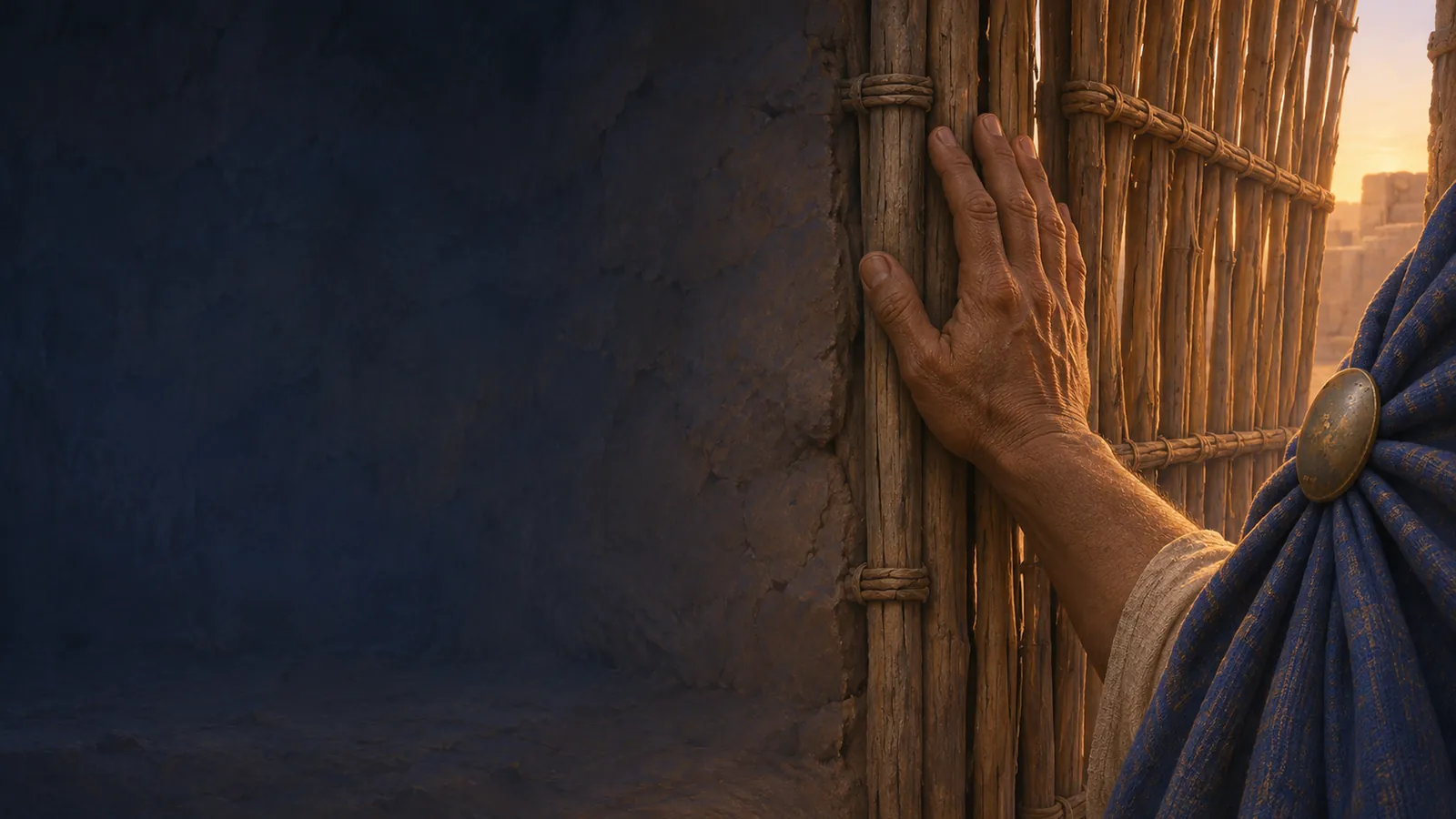
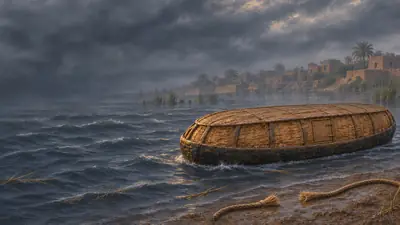
Die Stimme sprach von einem Haus, das verlassen werden musste, und von einem Schiff, das gebaut werden musste. Was sich retten ließ, war das Leben selbst.
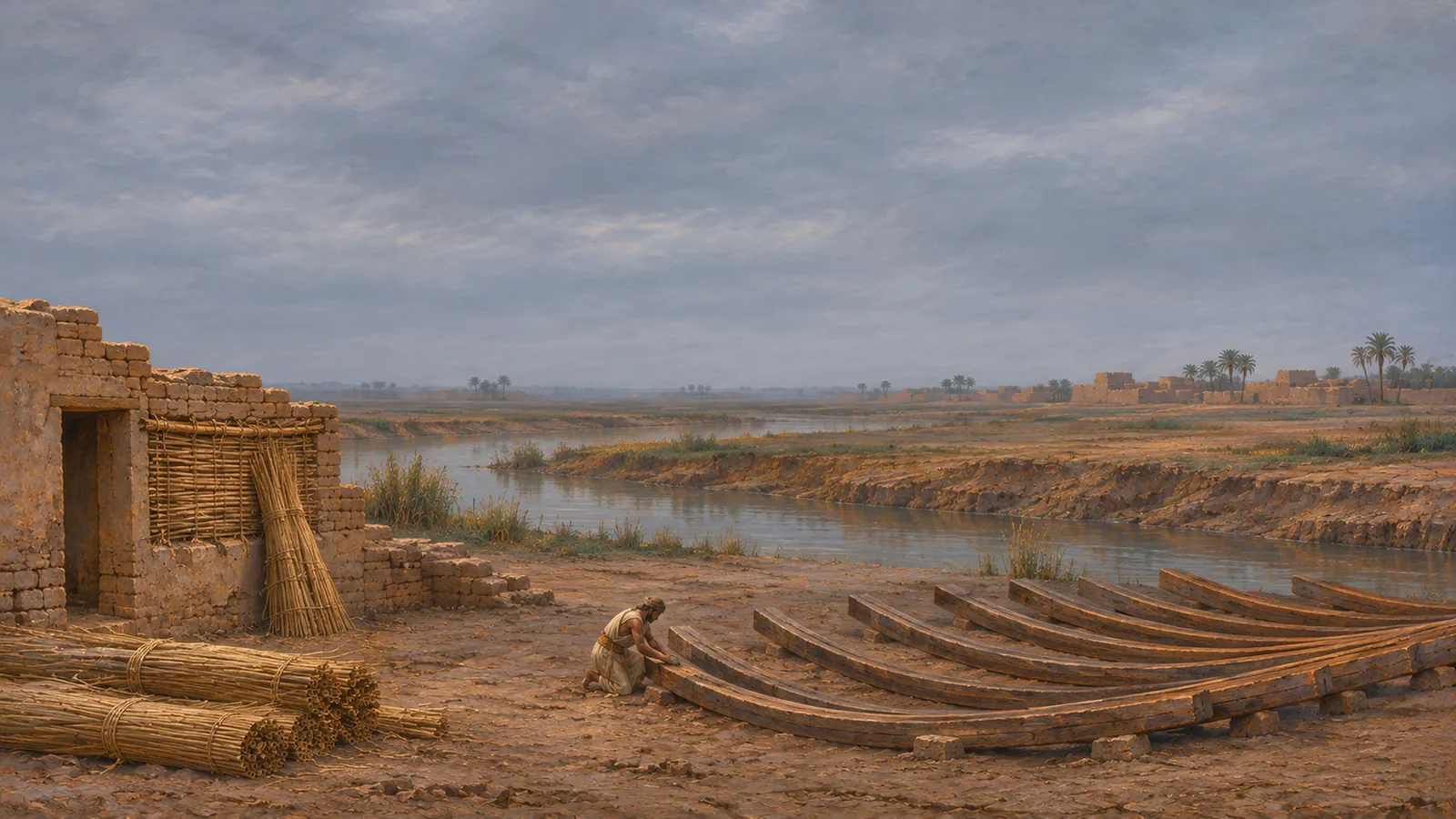
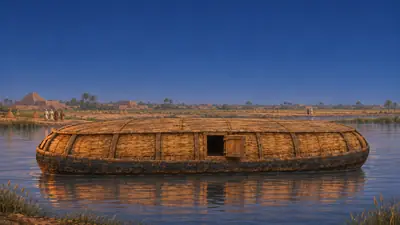
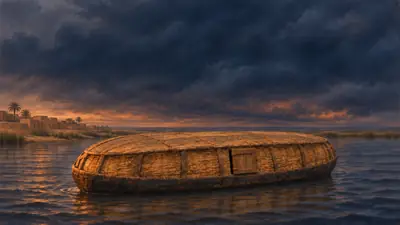
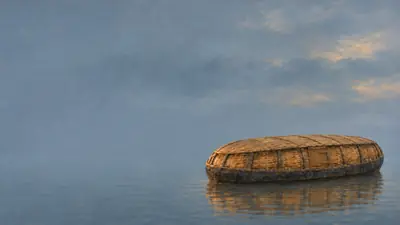
Die folgenden Worte sind nur bruchstückhaft erhalten, doch ein Teil des Bauplans lässt sich noch erkennen. Auf einem Fragment der Tafel scheint von einem Kreis die Rede zu sein.
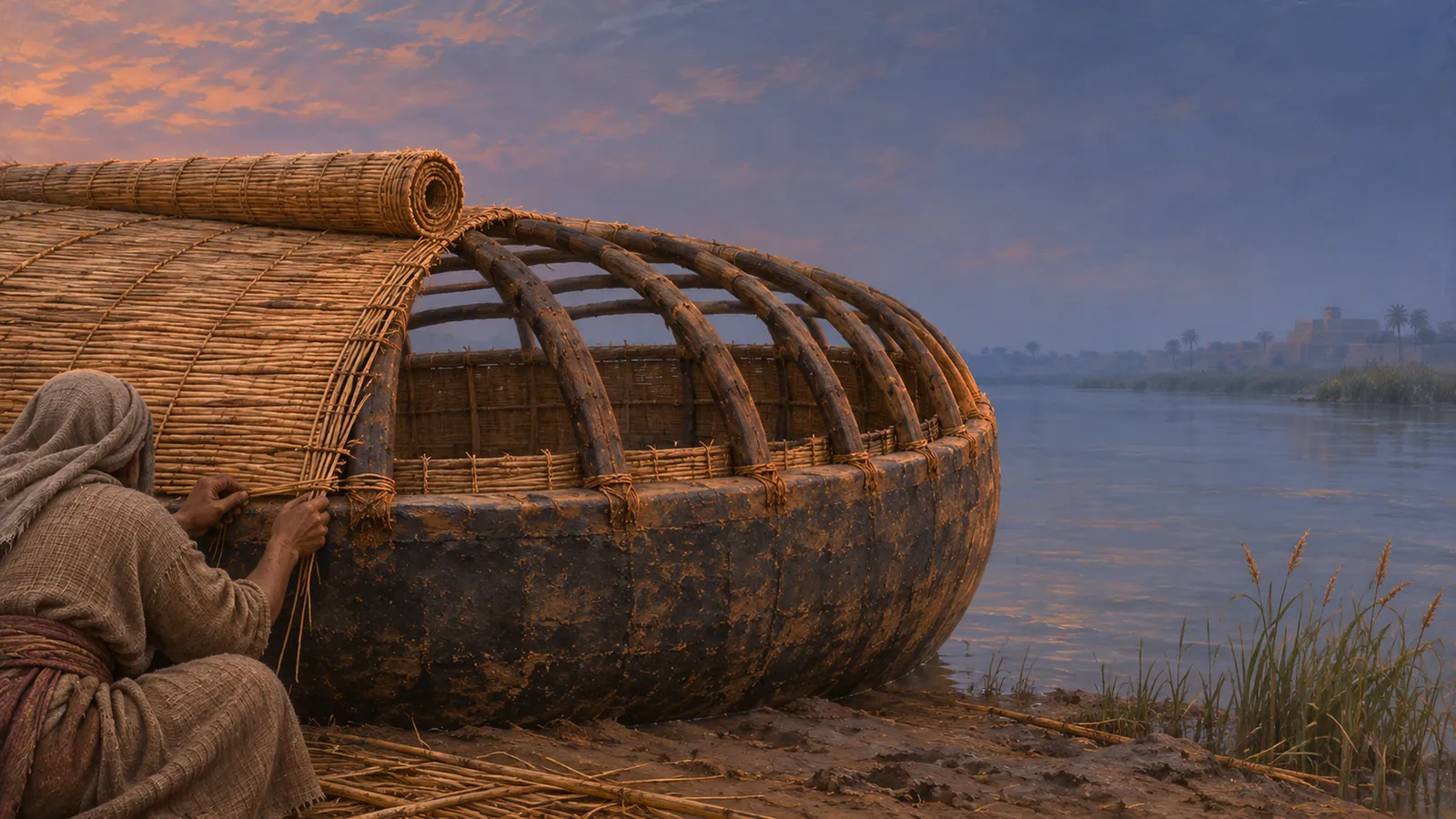
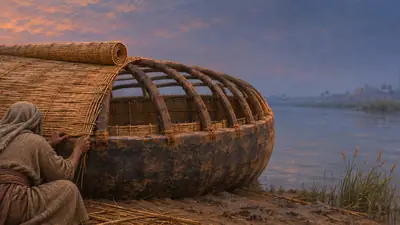
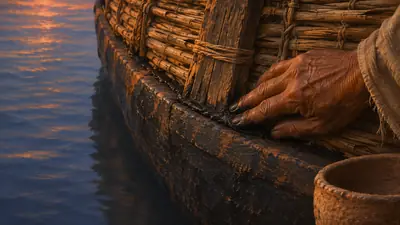
Enki trug ihm auf, das Schiff so zu überdachen, dass kein Sonnenlicht hineinfiel. Sein Gerüst sollte auch dann standhalten, wenn das Wasser kam.
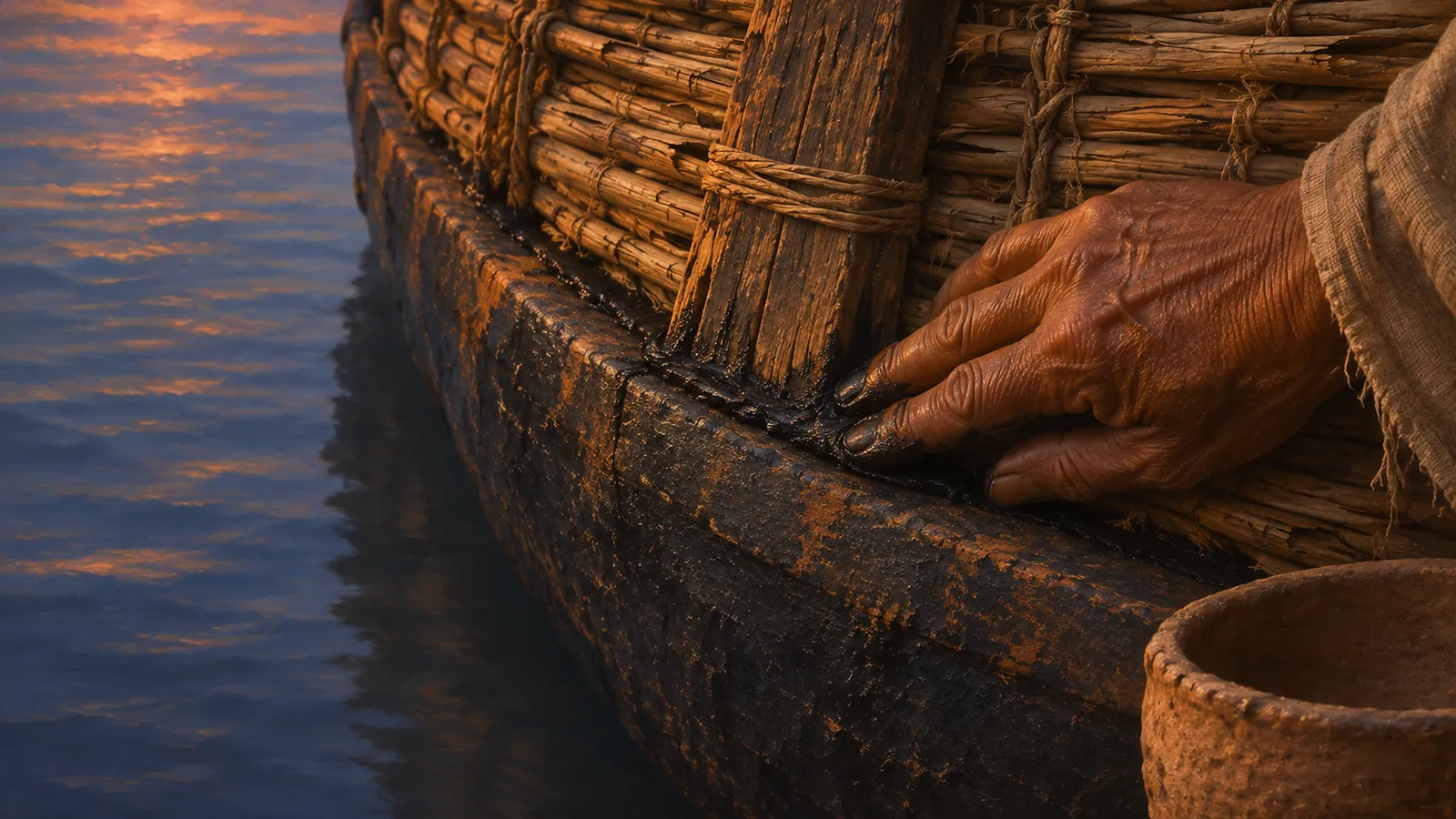
Damit das Schiff hielt, brauchte es an den Fugen zähes schwarzes Bitumen. Die Stimme sprach auch von Vögeln und Fischen, die in großer Zahl kommen würden.
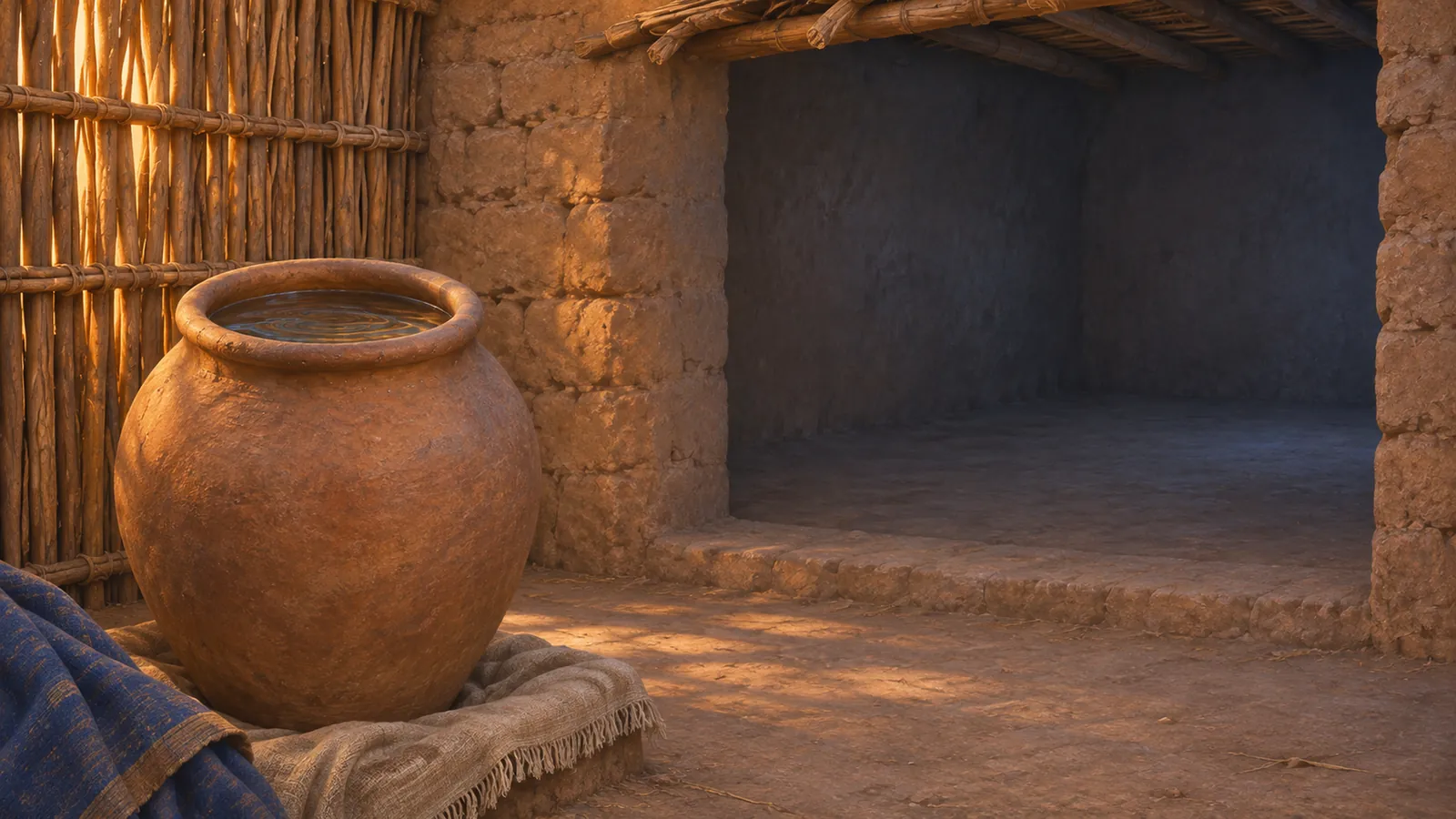
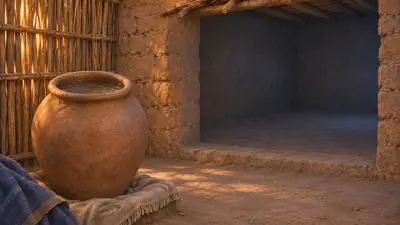
Die Wasseruhr wurde geöffnet und gefüllt. Enki erzählte Atrahasis von der kommenden Flut und den sieben Nächten, die sie dauern würde.
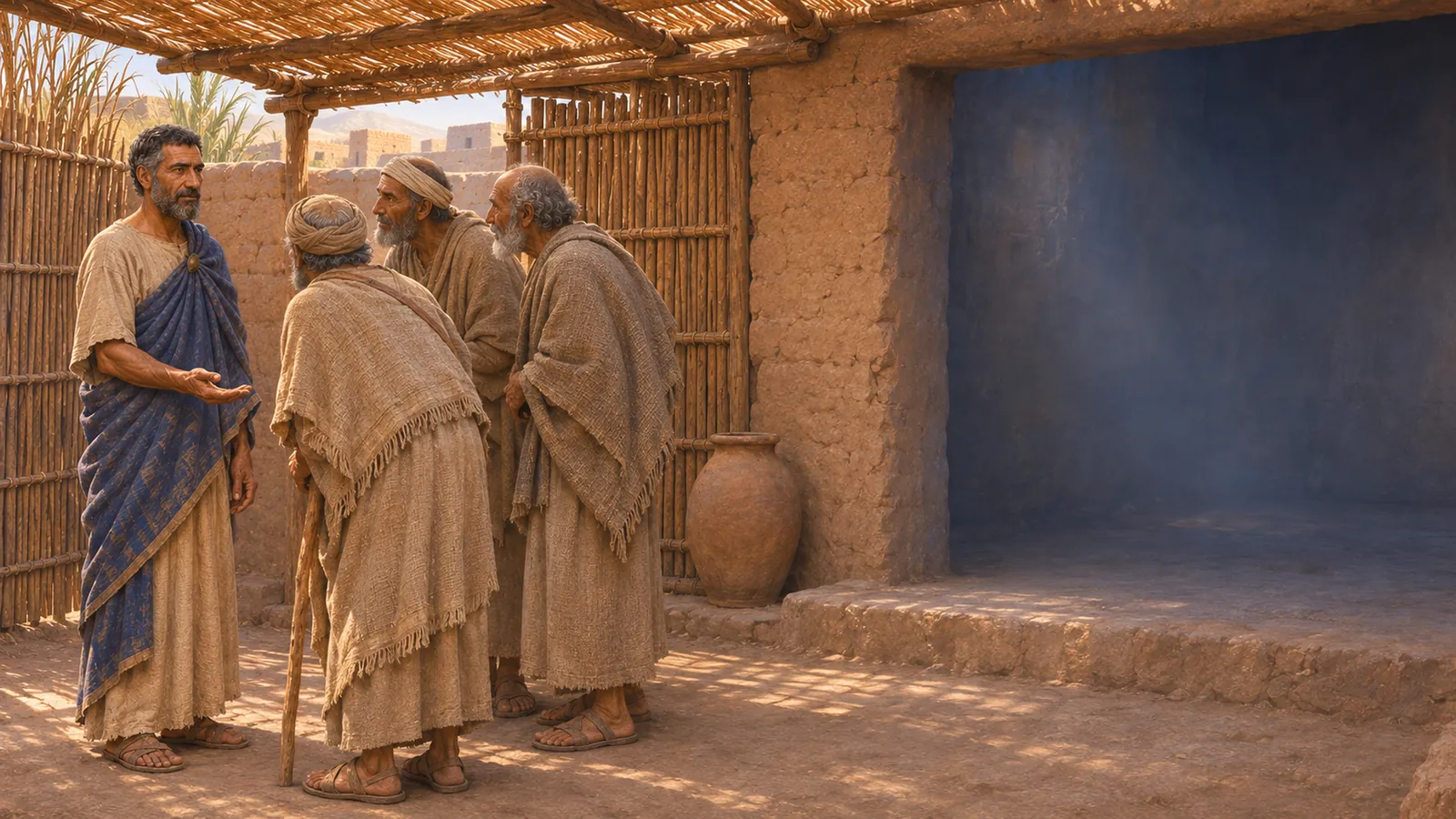
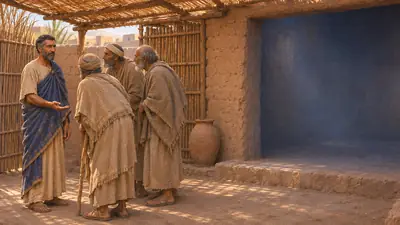
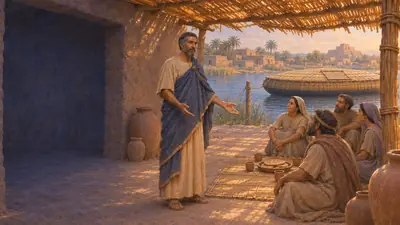
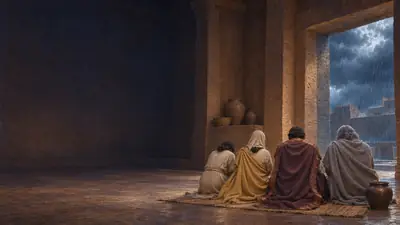
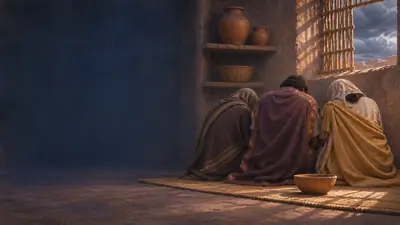
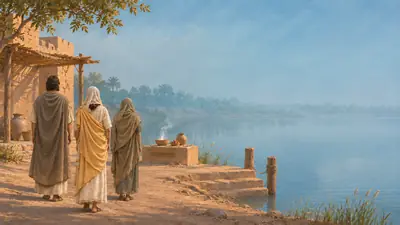
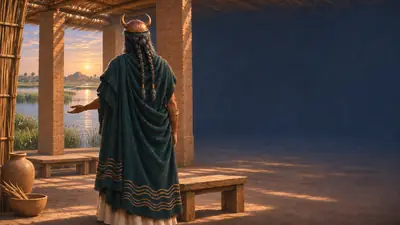
Atrahasis nahm sich das Gehörte zu Herzen. Wie schon in früherer Not rief er die Ältesten an sein Tor und erzählte ihnen einen Teil dessen, was geschehen war.
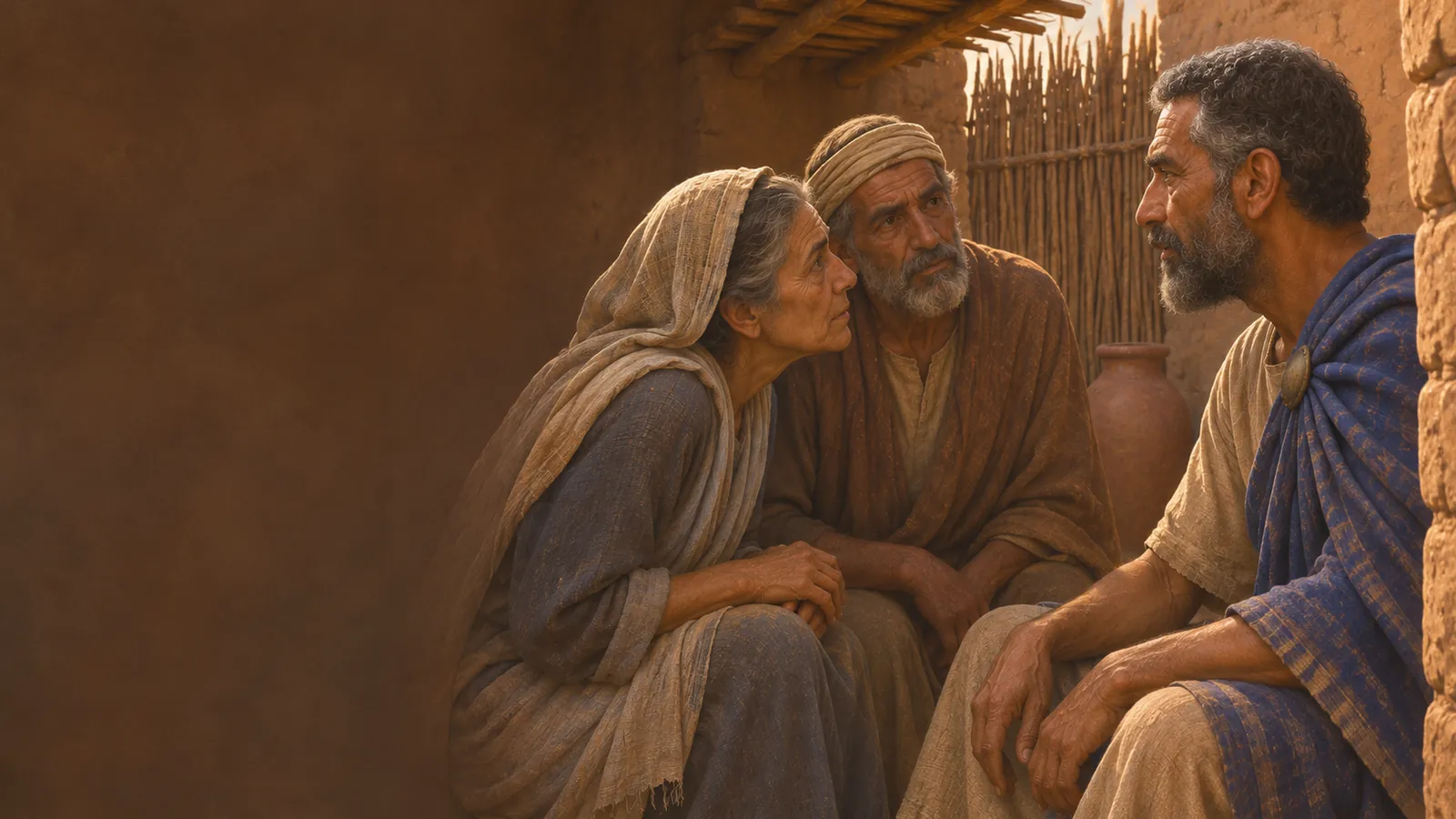
Er sagte, Enki und Enlil seien aufeinander zornig geworden. Atrahasis hatte Enki stets verehrt und erklärte den Ältesten, so habe er von dem Streit erfahren.
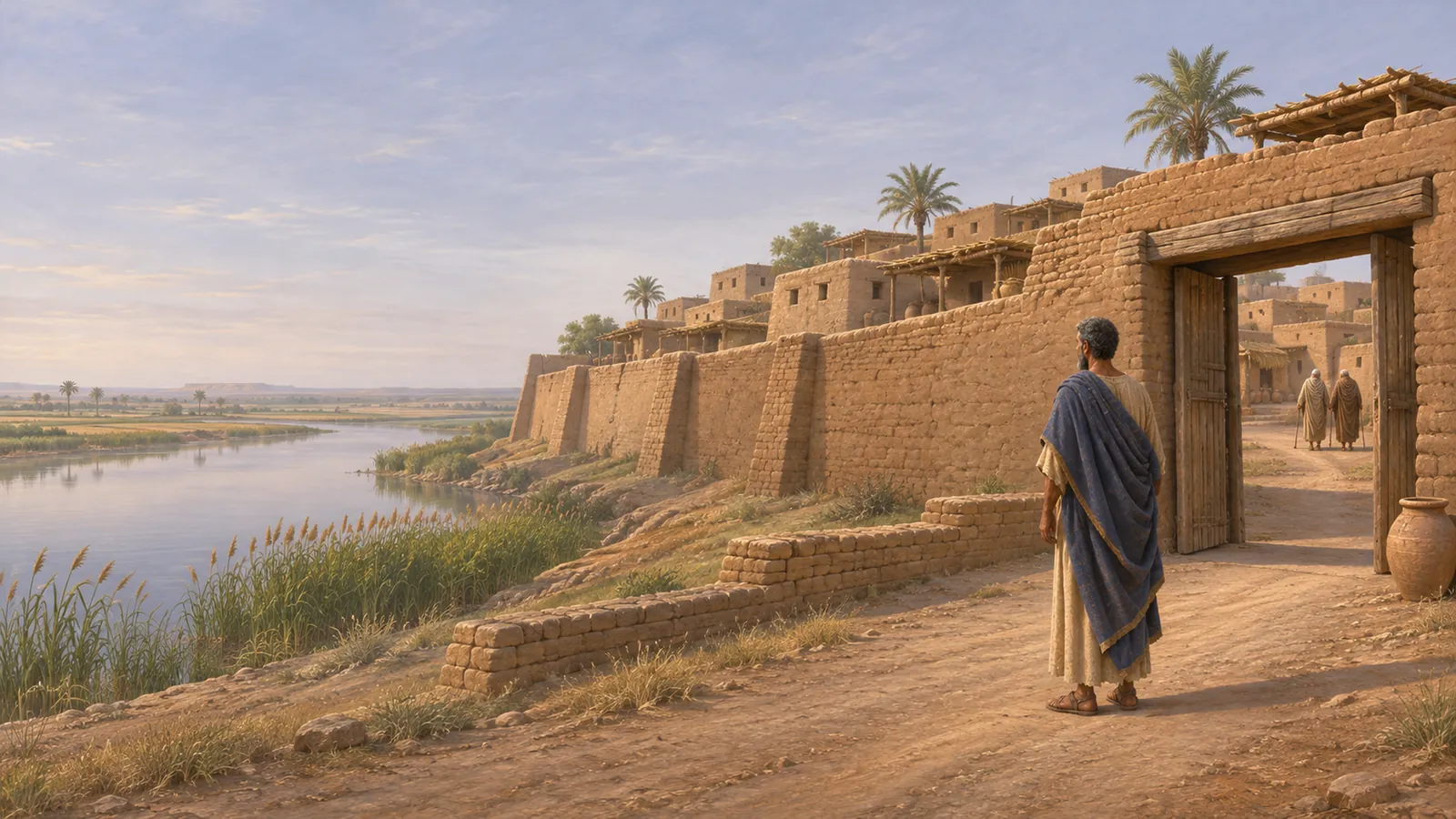
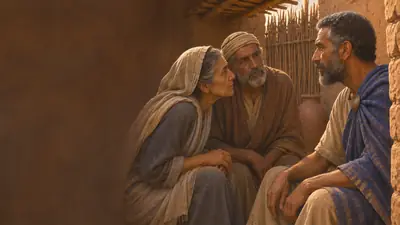
Atrahasis sagte, er werde nicht länger unter ihnen in Enlils Land leben. Dann ist von den tiefen Wassern die Rede, wohin er nach seinen Worten mit Enki gehen werde.
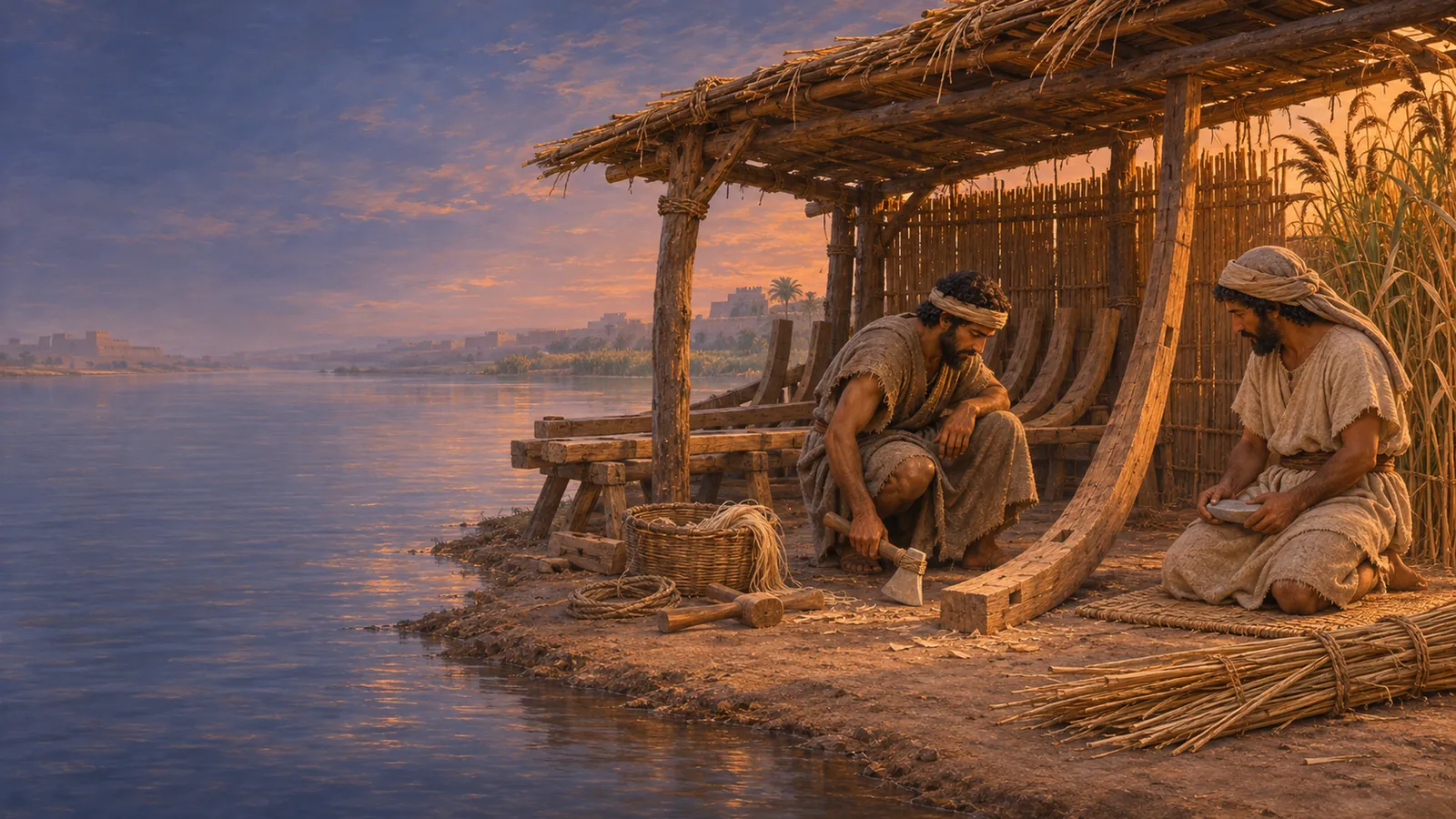
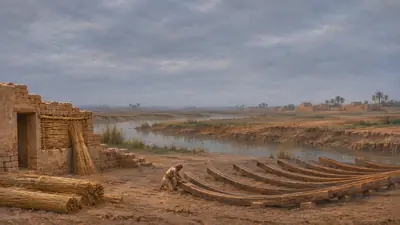
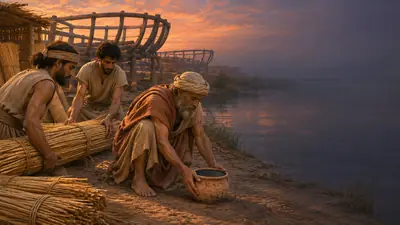
Nach einer Lücke auf der Tafel wechselt die Szene. Die nächsten lesbaren Zeilen führen zum Bauplatz. Ein Zimmermann hat seine Axt dabei, und ein Schilfhandwerker bringt ein Steinwerkzeug mit.
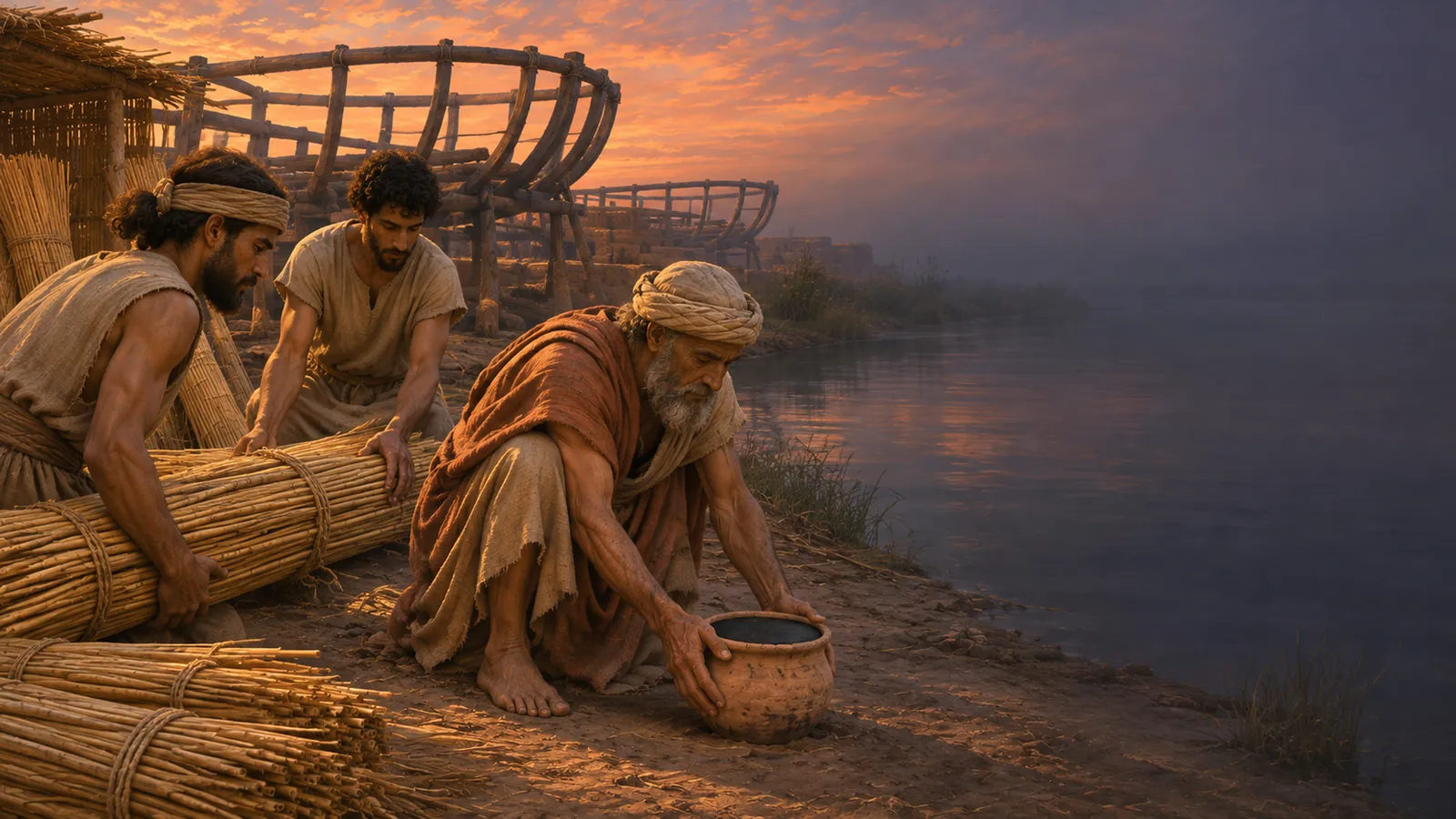
Die erhaltenen Worte erinnern an weitere Menschen auf dem Bauplatz. Einer brachte Bitumen. Ein anderer brachte, was gebraucht wurde, und gebraucht wurde die Arbeit vieler Hände.
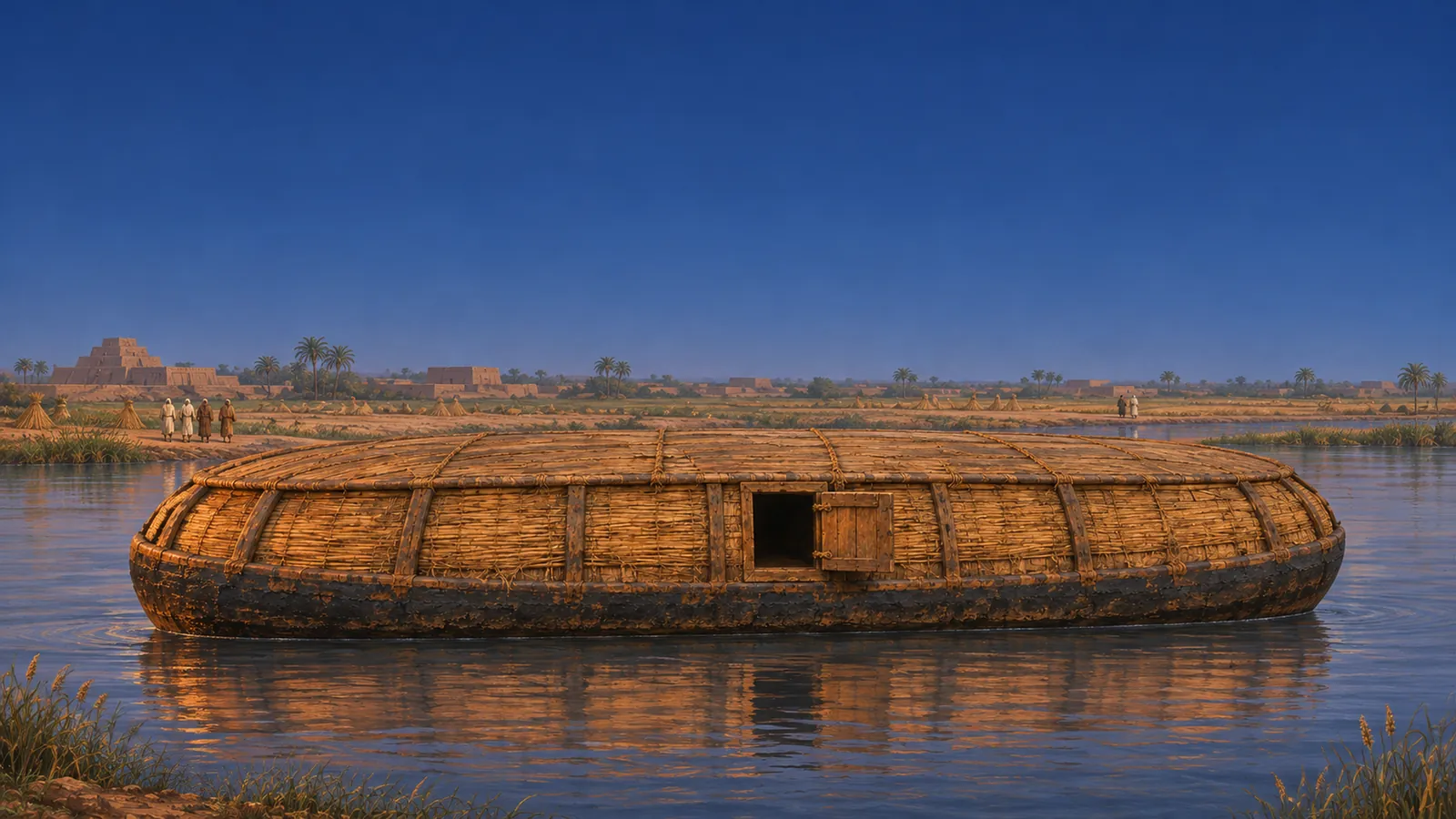
Auf der Tafel folgt eine weitere Lücke, noch bevor der Bau zu Ende erzählt ist. In den nächsten lesbaren Zeilen ist das Schiff bereit für das, was Atrahasis an Bord bringt.
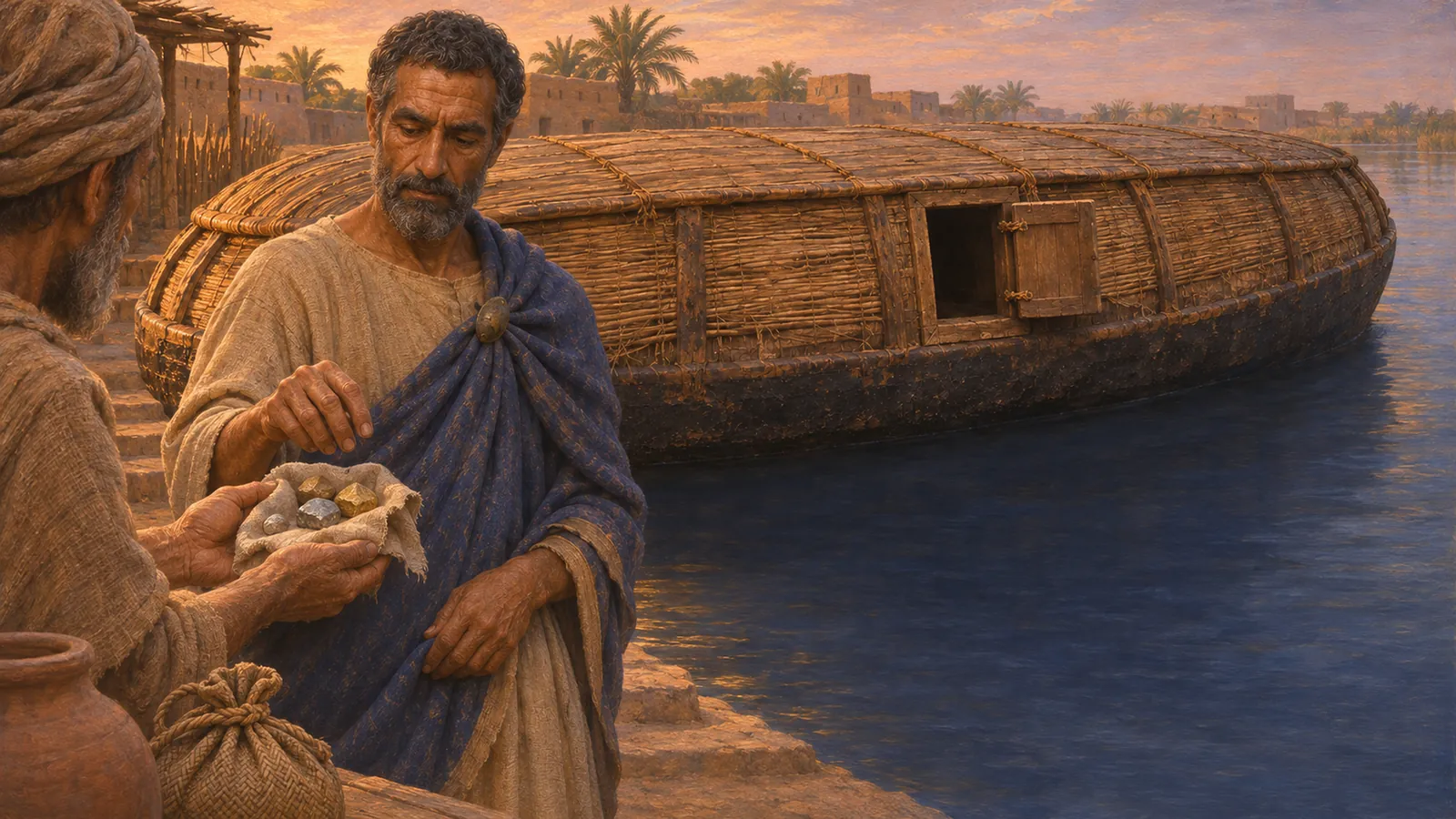
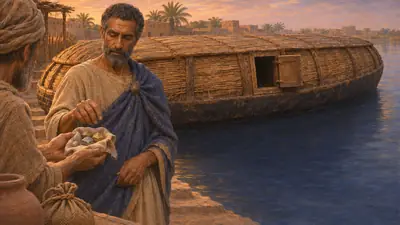
Einige Zeilen über die Ladung sind nur bruchstückhaft erhalten. Sie erwähnen Silber und Gold, dann Tiere, während das Schiff für ihre Aufnahme vorbereitet wird.
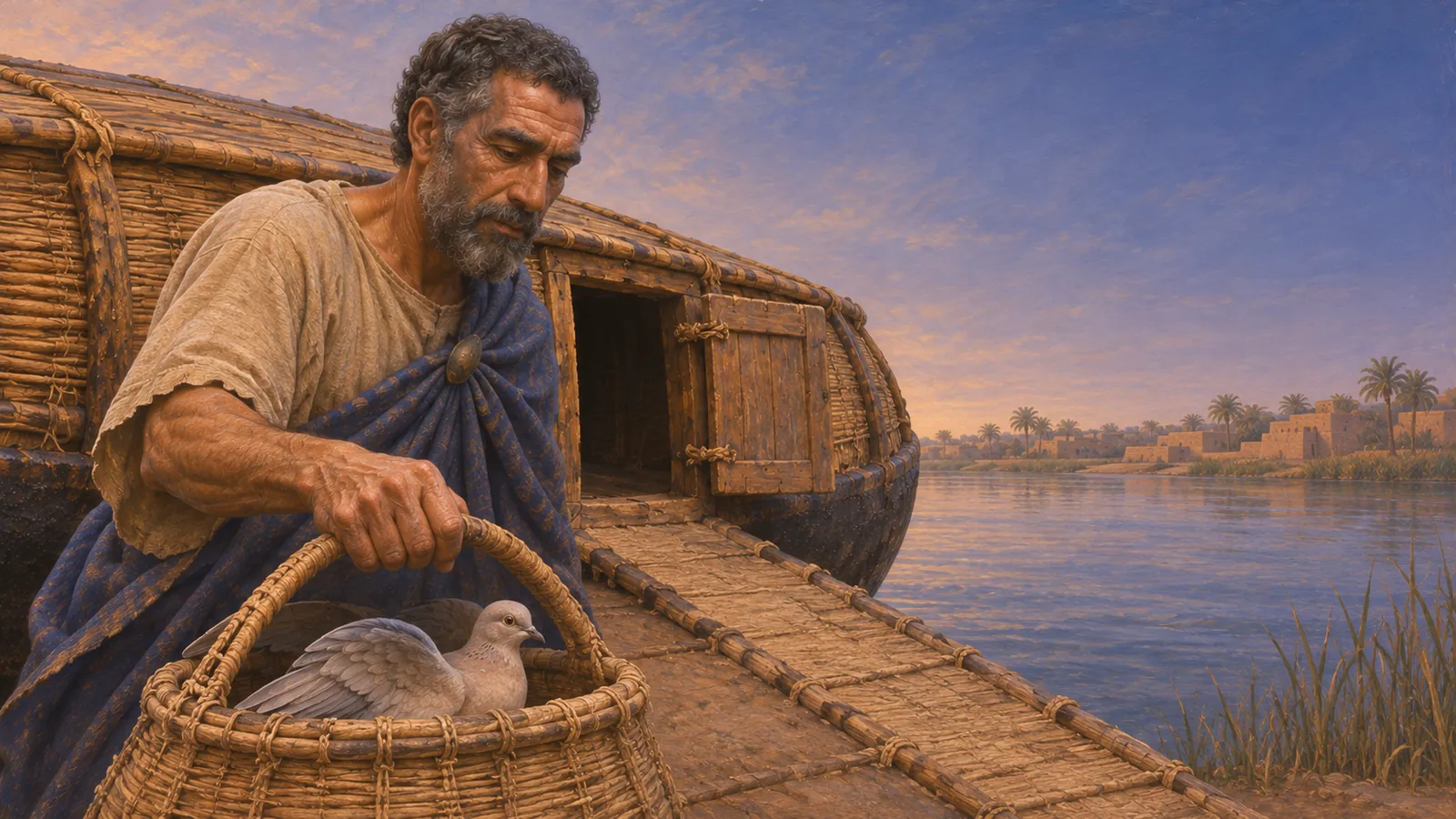
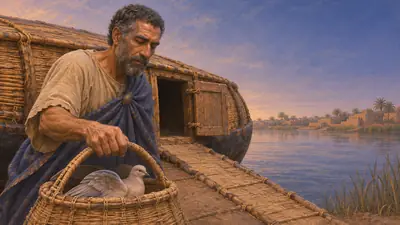
Das Schiff sollte Geschöpfe des Himmels ebenso tragen wie die der Erde. In den erhaltenen Worten wählt Atrahasis Vögel für die Fahrt aus.
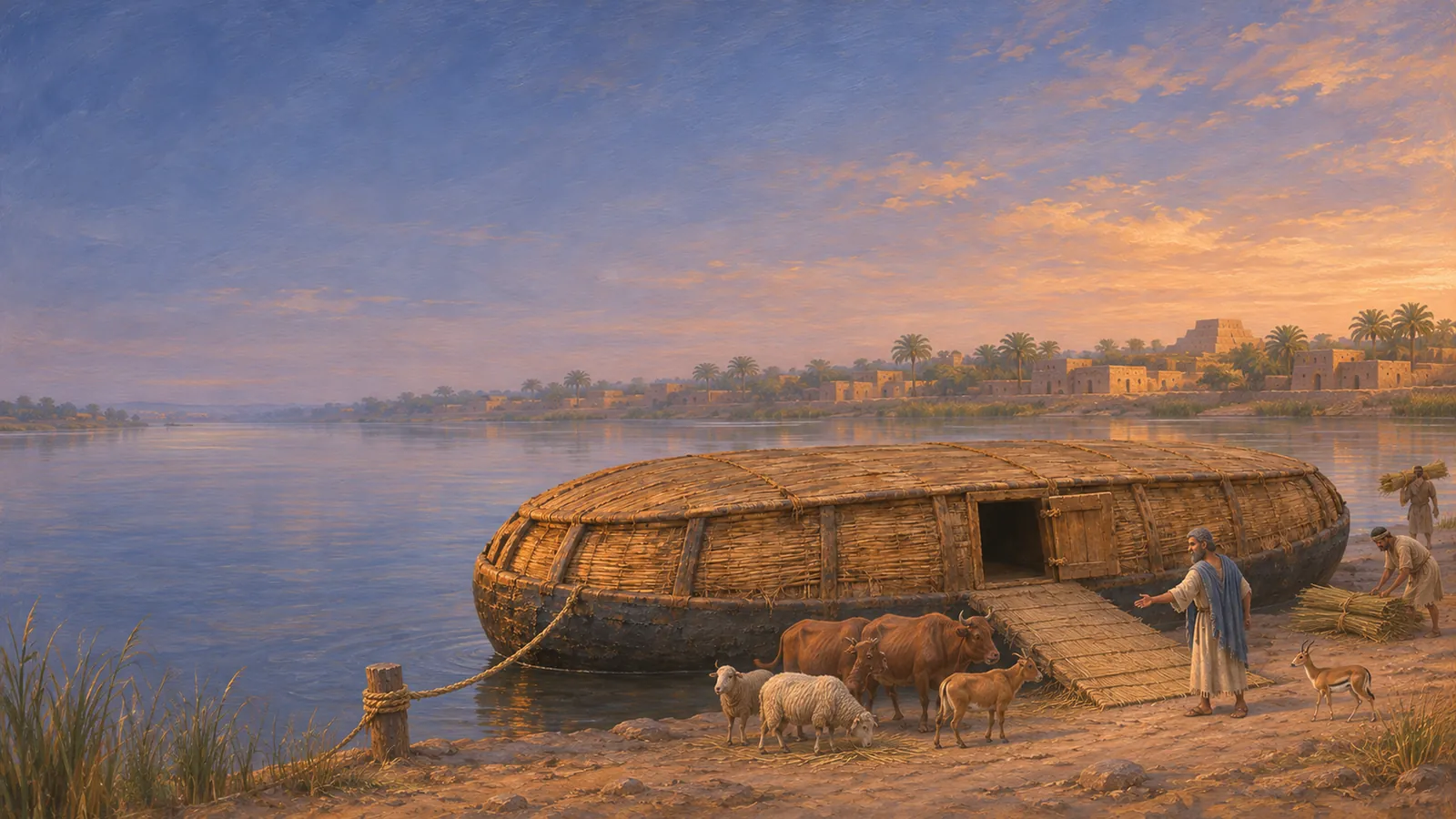
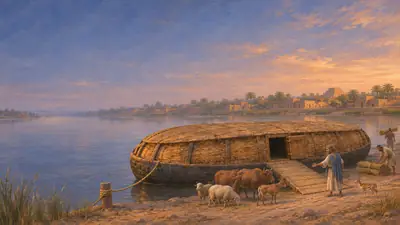
Zur lebenden Fracht gehörten Tiere aus den Herden und wilde Tiere aus der Steppe. Die beschädigten Zeilen scheinen auch kundige Handwerker an Bord zu nennen.
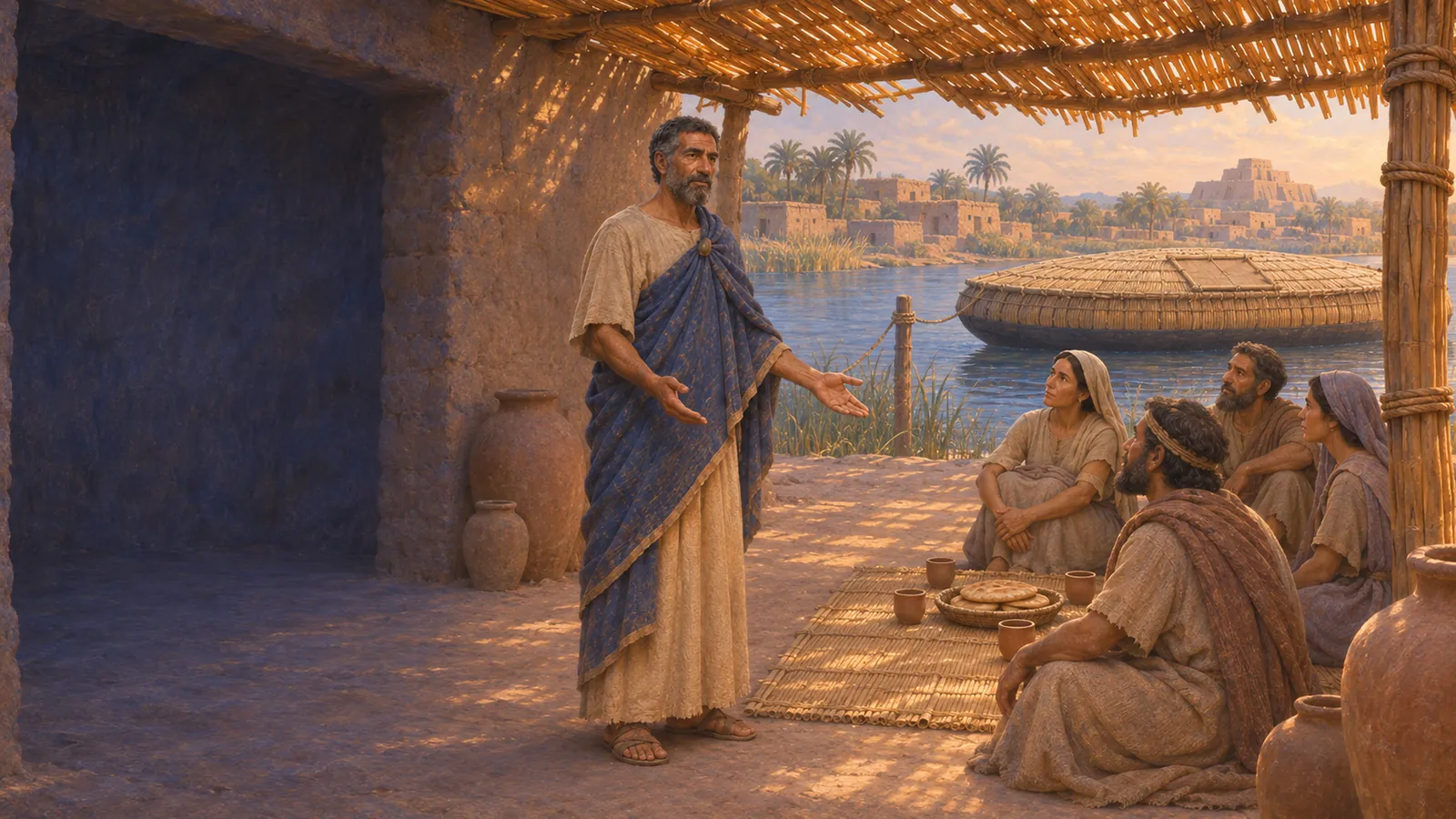
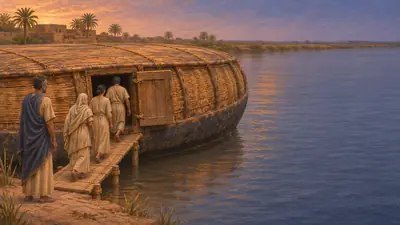
Der Monat ging zu Ende. Was von der Tafel erhalten ist, berichtet von einem Mahl, zu dem Atrahasis die Seinen einlud, damit sie vor dem Sturm noch zusammensaßen und aßen.
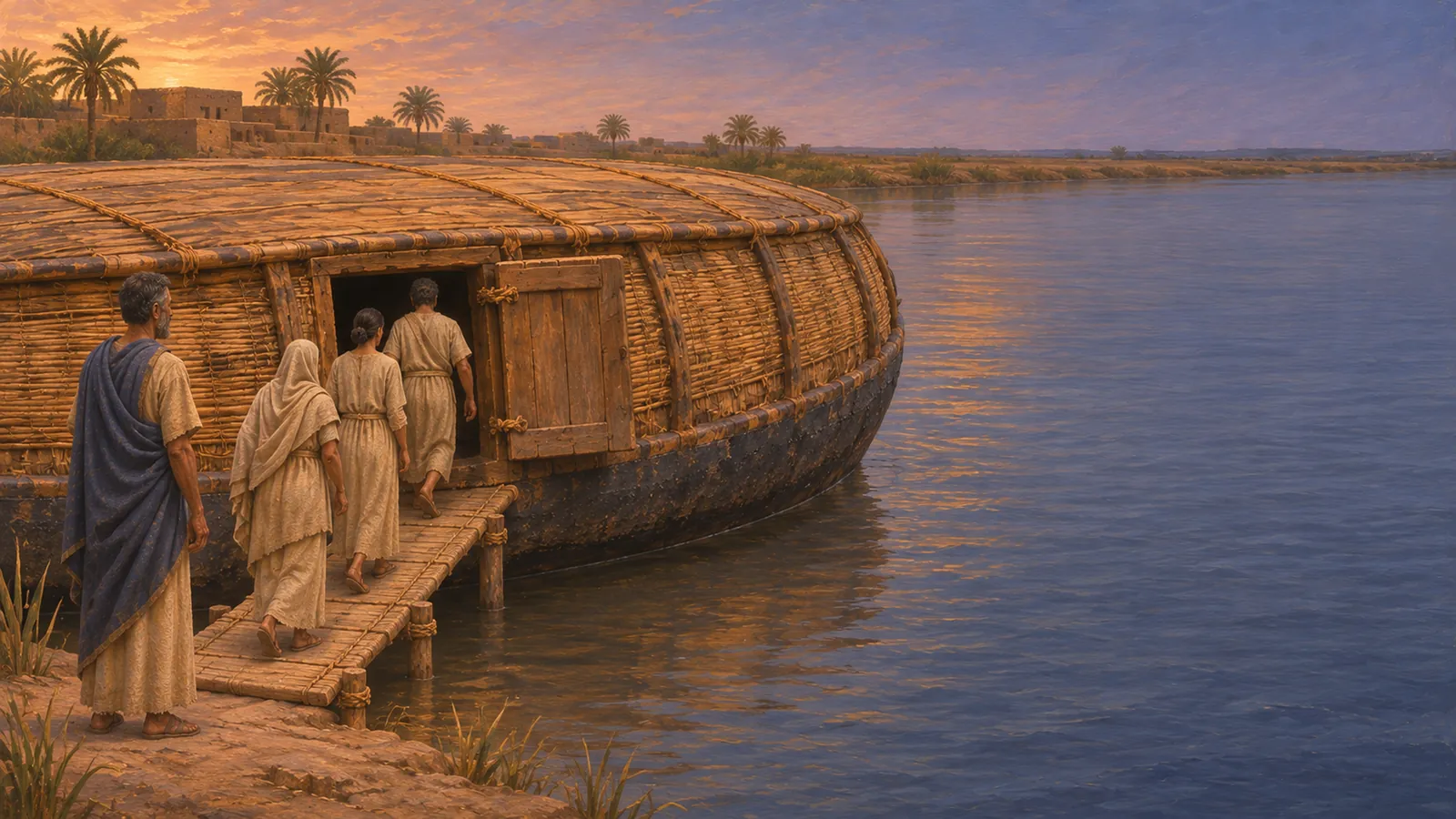
Die Menschen aßen und tranken, während Atrahasis zwischen Schiff und Ufer hin und her ging. Seine Familie hatte er bereits an Bord geschickt.
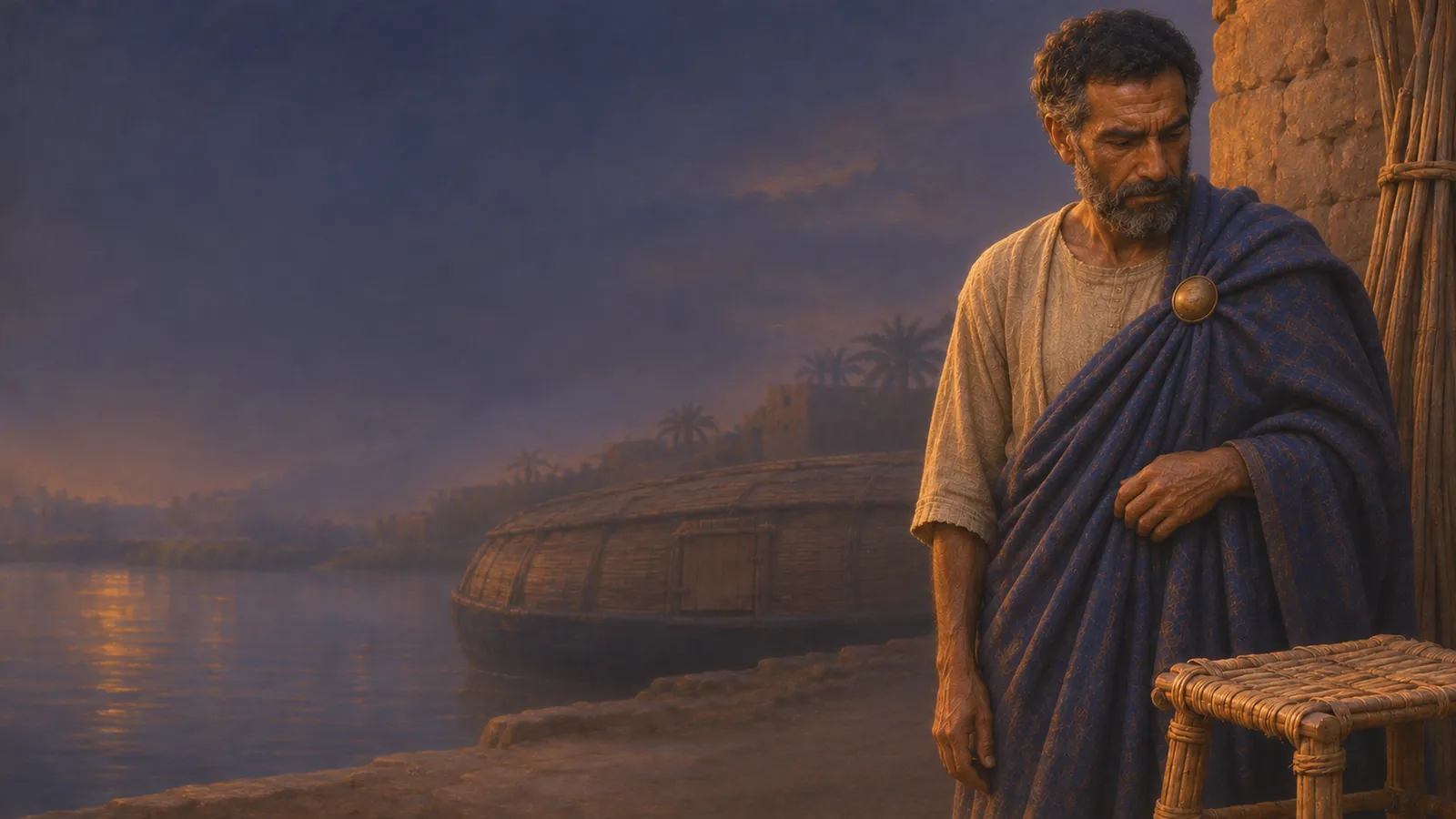
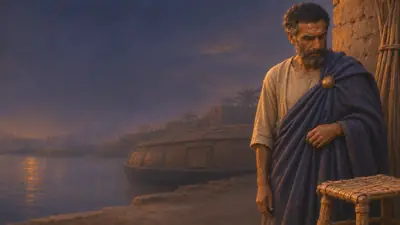
Atrahasis ging ein und aus und fand keine Ruhe. Die Tafel erzählt, wie tief seine Verzweiflung war, ehe der erste Donner zu hören war.
DER DONNER
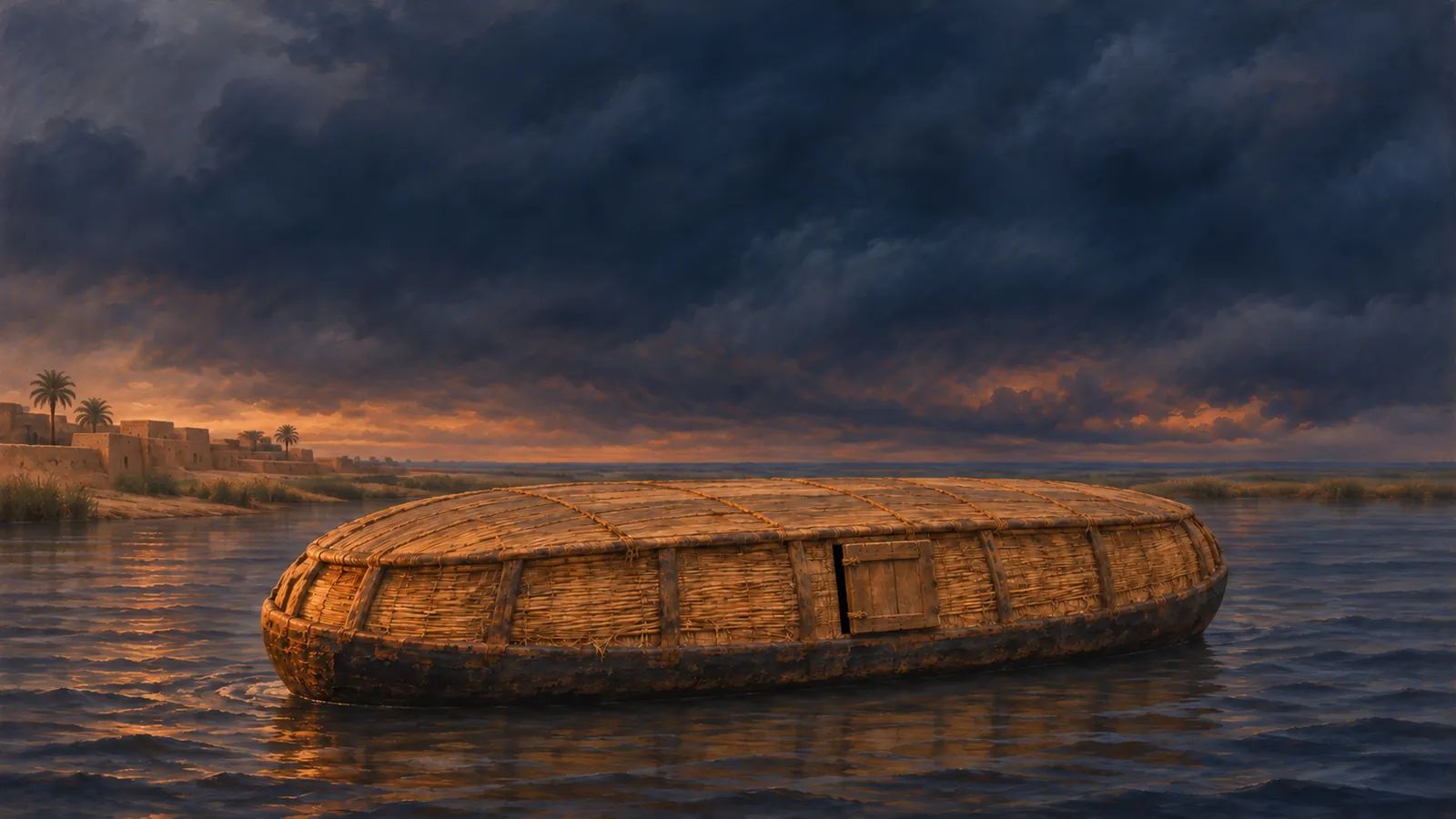
Dann veränderte sich das Gesicht des Tages. Adad donnerte aus den Wolken, und die Menschen an Bord hörten es, als der Sturm näher kam.
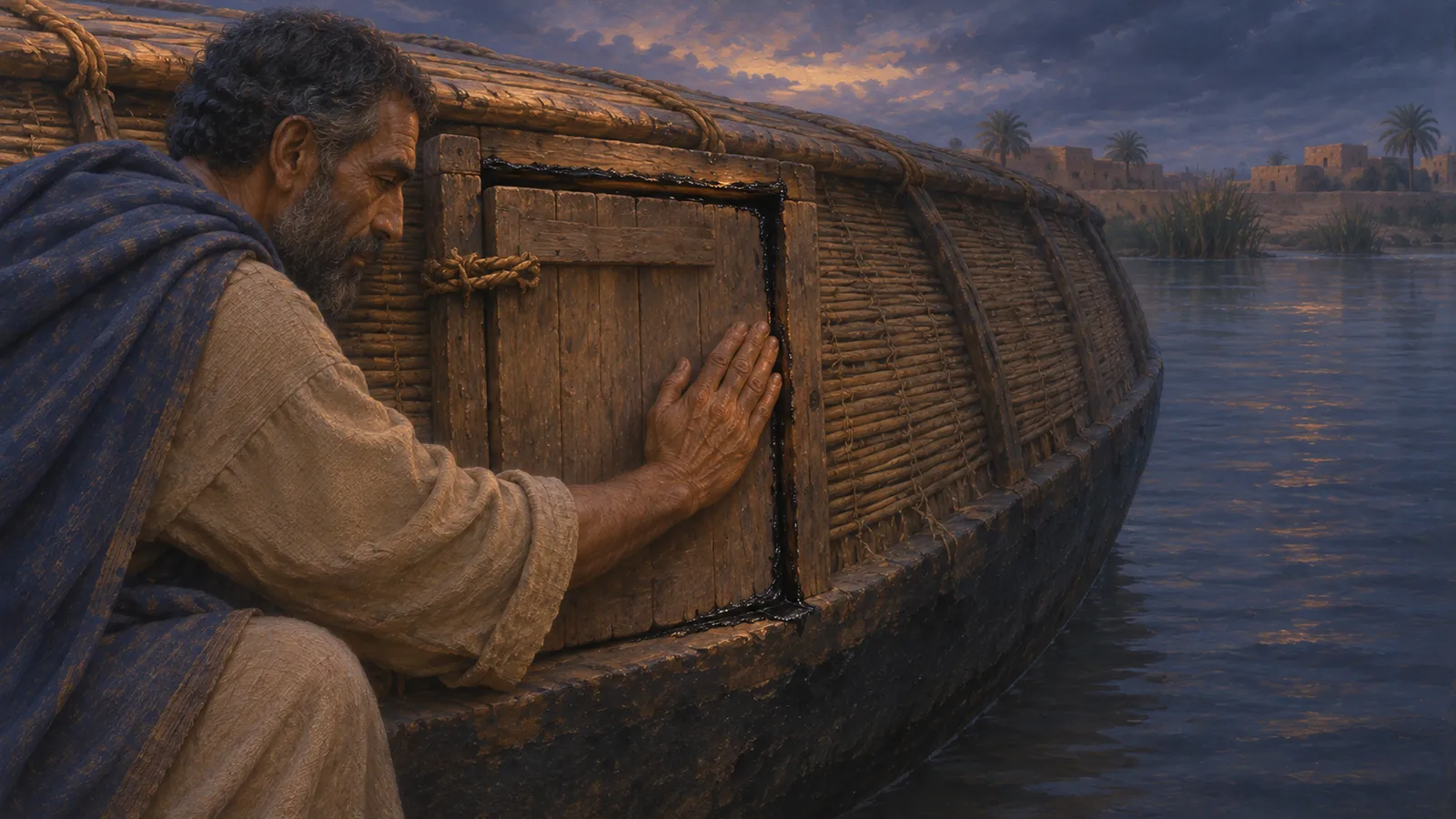
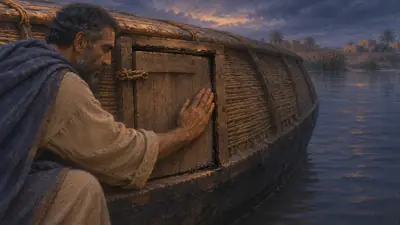
Man brachte Bitumen für die Öffnung. Atrahasis dichtete die Tür ab, und kaum war sie geschlossen, da donnerte Adad erneut über dem Schiff.
LOS VOM UFER
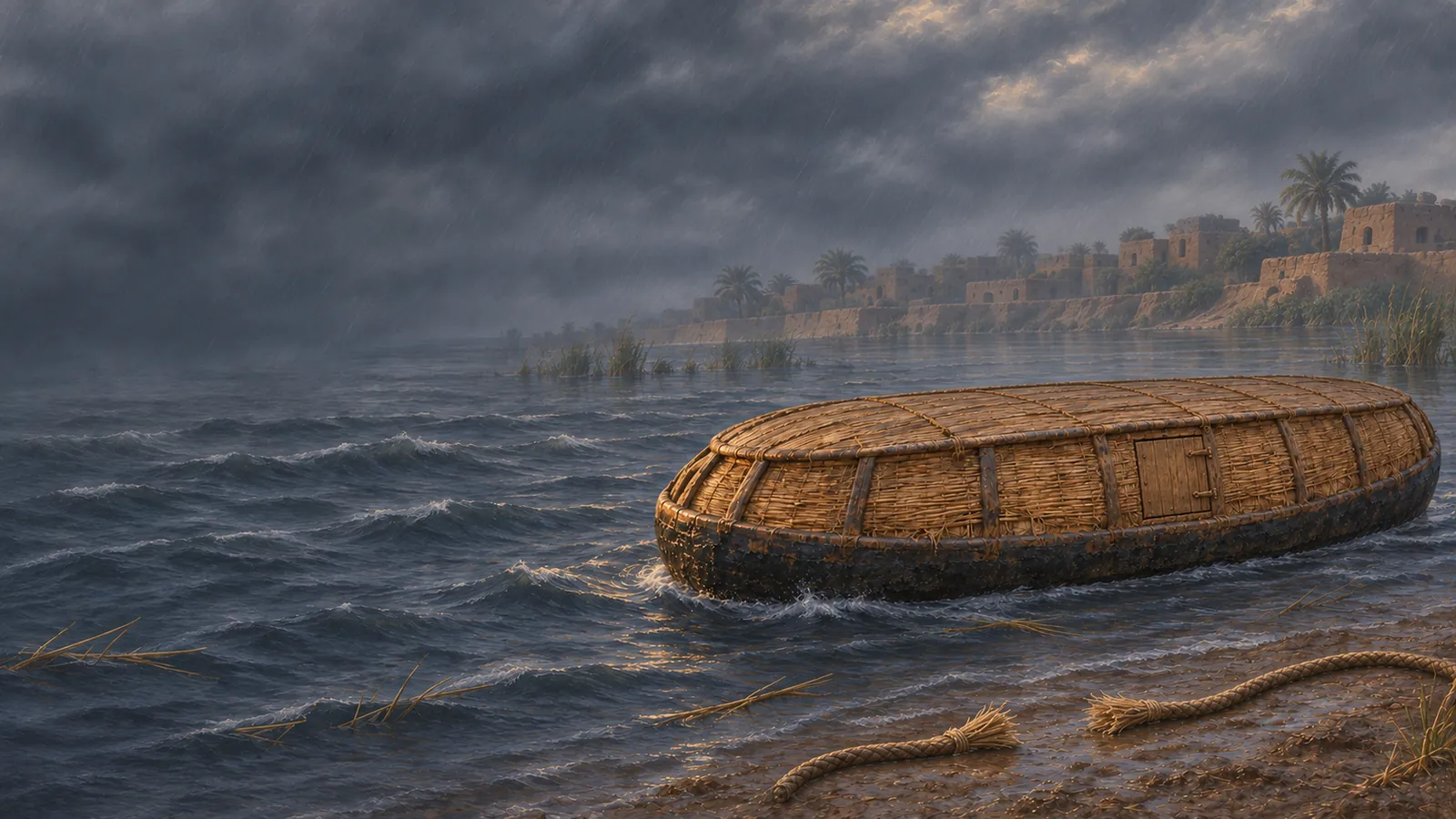
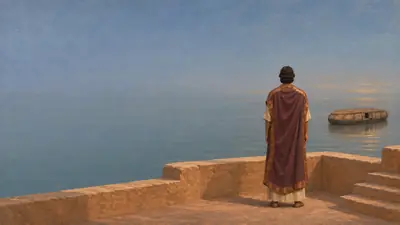
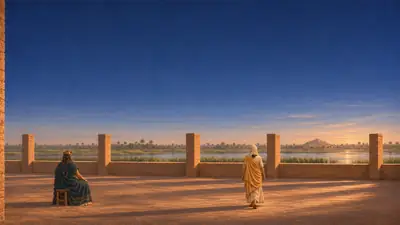
Der Wind kam mit solcher Gewalt auf, dass er das Haltetau zerriss. Das Schiff schwang frei, während der Fluss unter ihm stieg.
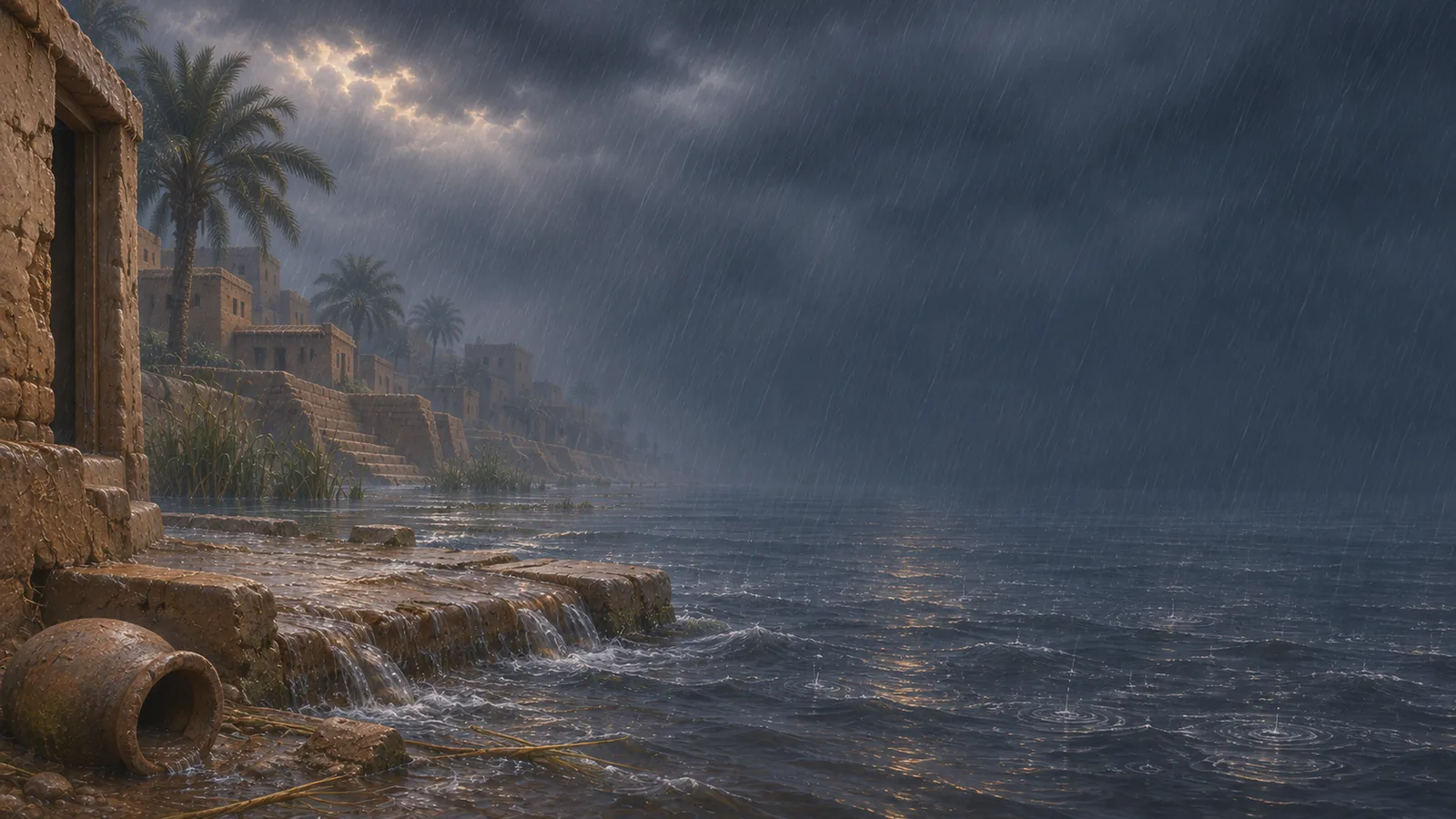
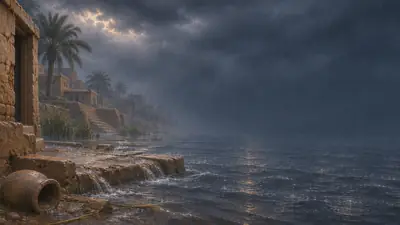
Von den folgenden Zeilen sind nur Bruchstücke übrig. In ihnen hören wir den Sturm und sehen das Wasser über das Land steigen, bis die Stimmen verstummen, die es einst erfüllten.
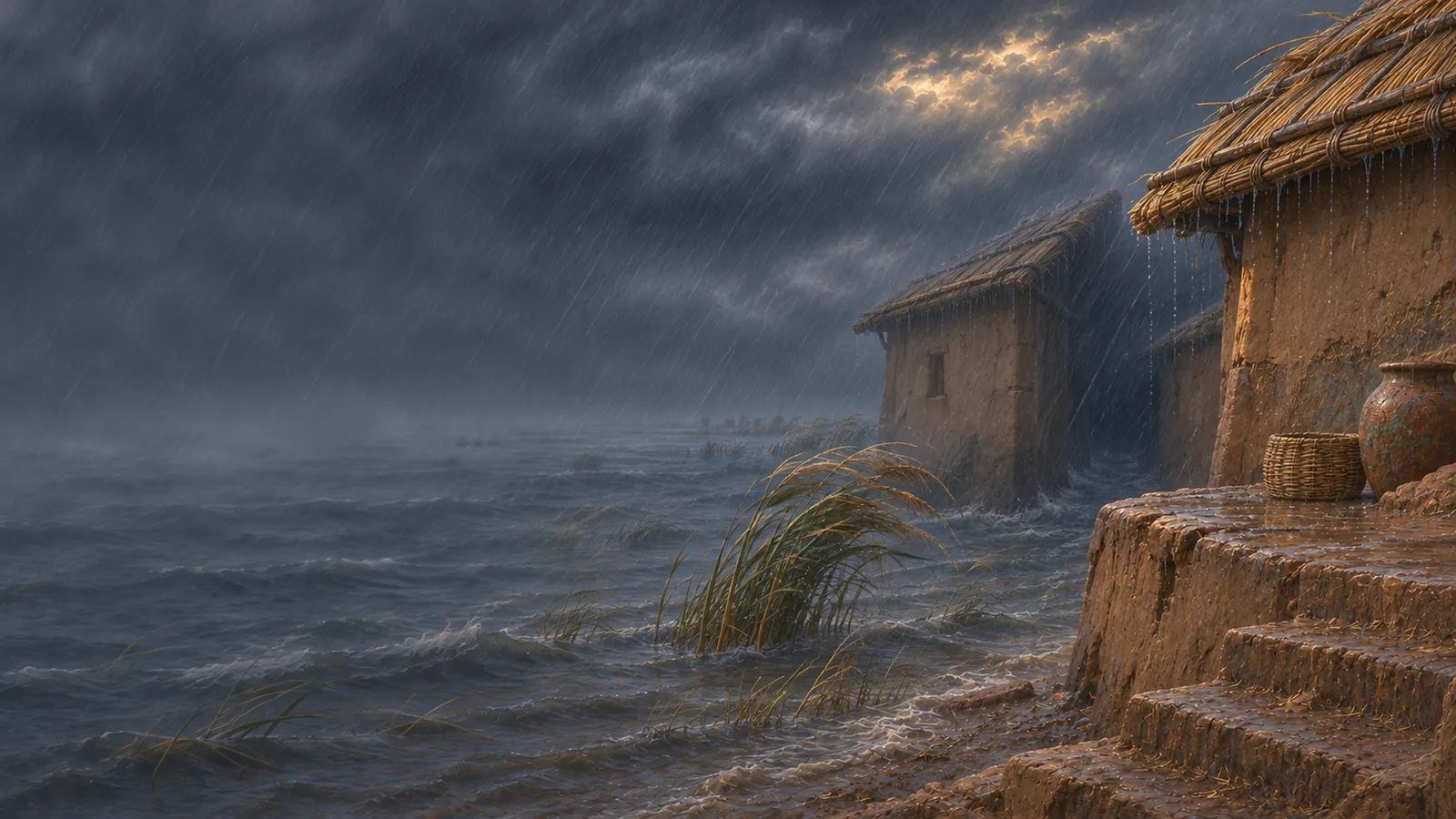
In der Verwirrung konnte ein Bruder den anderen nicht sehen. Im Bericht bleiben nur die Flut, die wie ein Stier brüllt, und der gewaltige Wind, der darüber ruft.
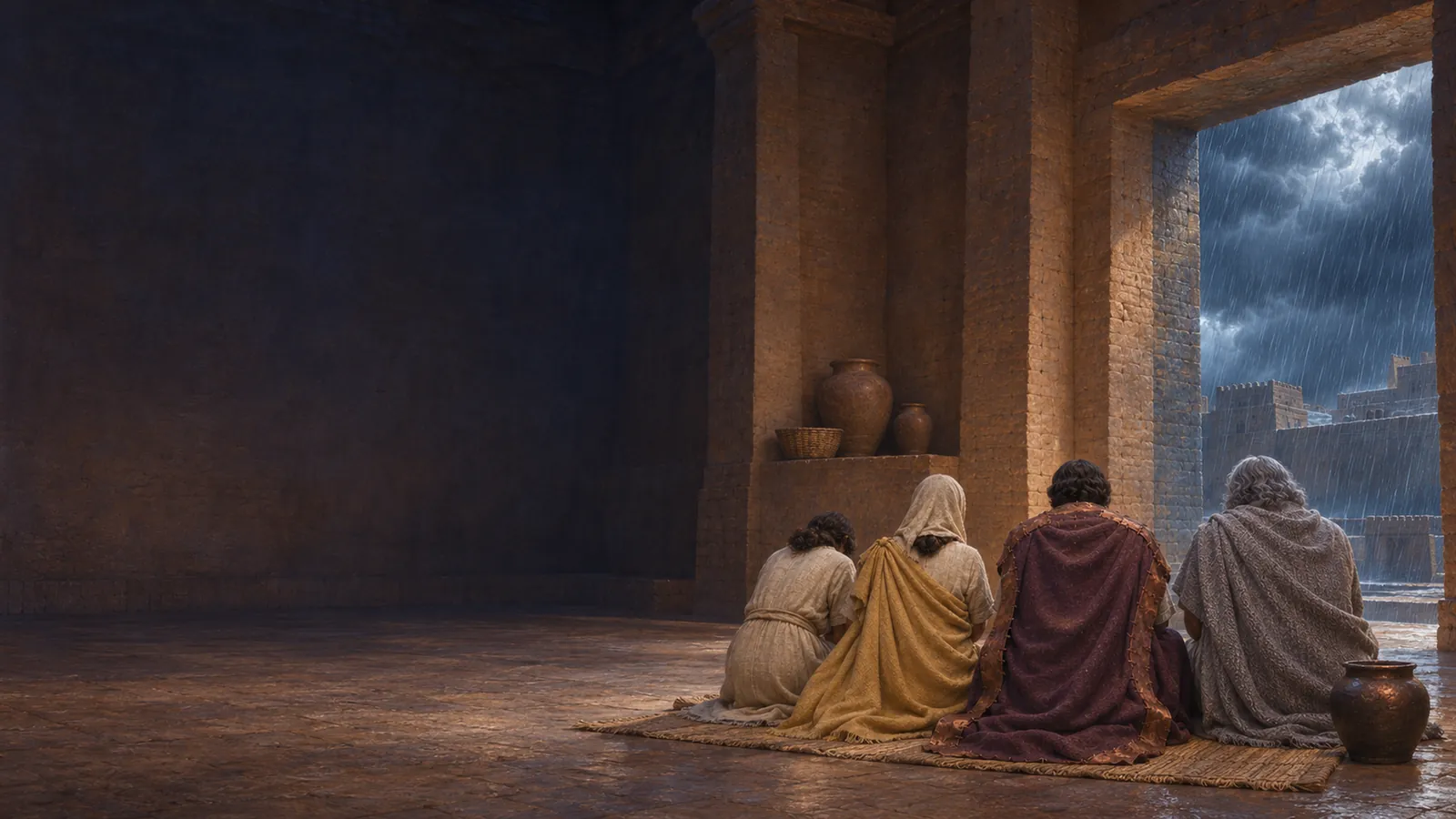
Das Getöse der Flut erschreckte selbst die Götter. Sie drängten sich in ihrer Zuflucht zusammen, und das Gedicht zählt Hunger und Durst zu ihren Nöten.
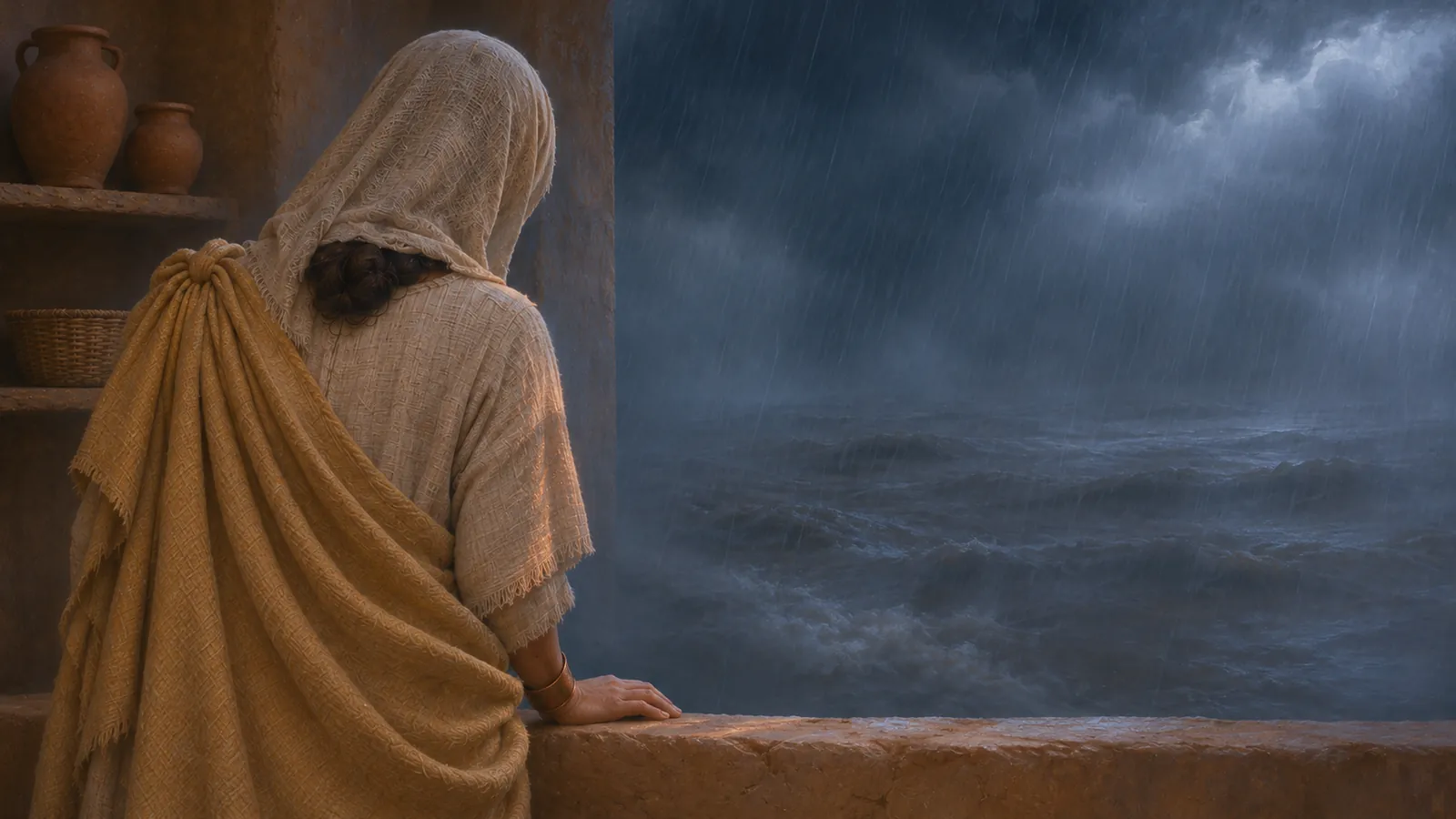
Mami sah, was aus dem Beschluss des Rates geworden war, und weinte. Sie erinnerte sich, wie sie sich den anderen Göttern angeschlossen hatte, und bereute ihre Worte bitter.
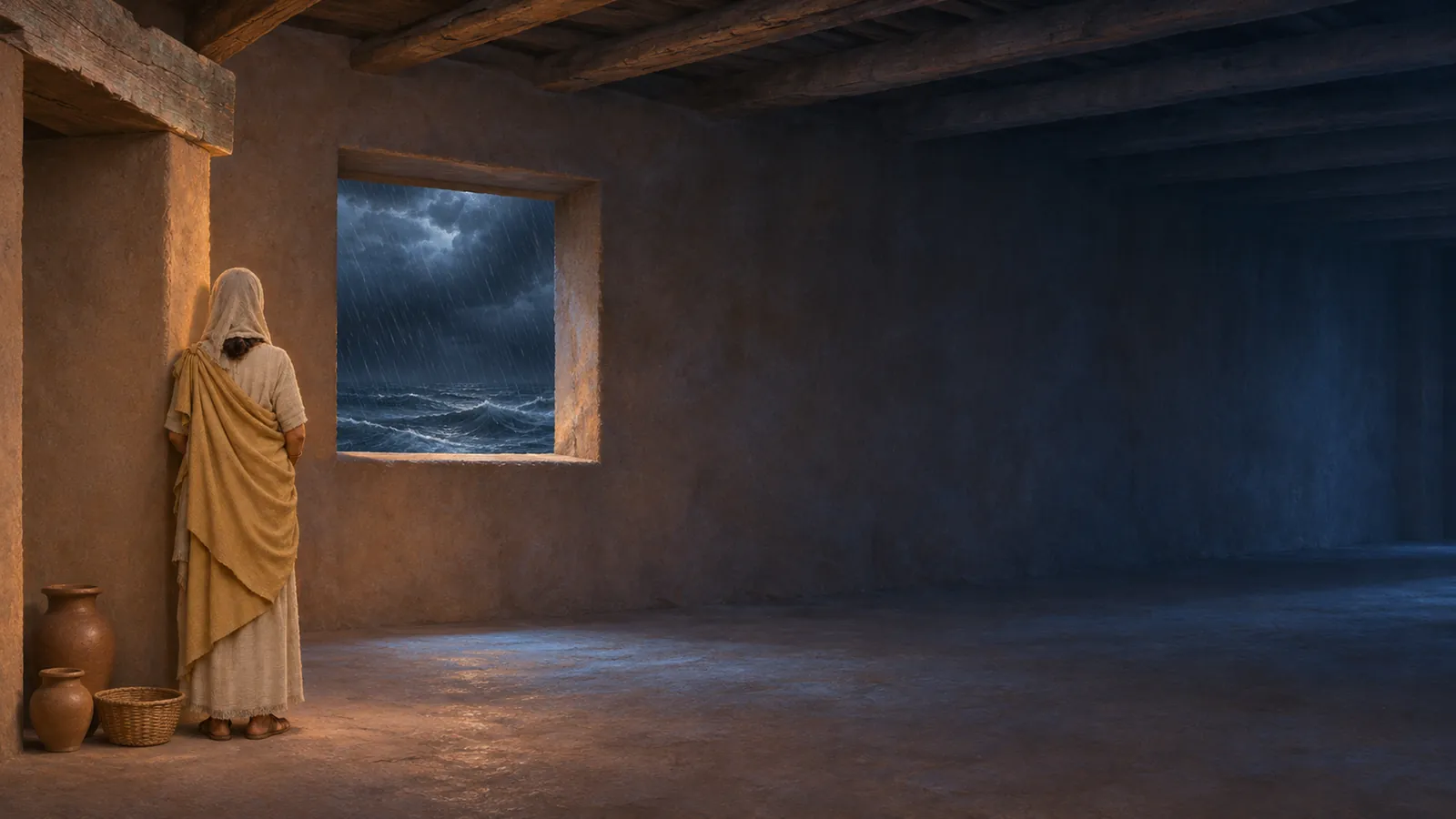
Mami sagte, ihre eigene Wohnstatt komme ihr wie ein Haus der Trauer vor. Sie fragte, wie die Götter die Flut hatten schicken können, ohne an die Menschen unten zu denken.
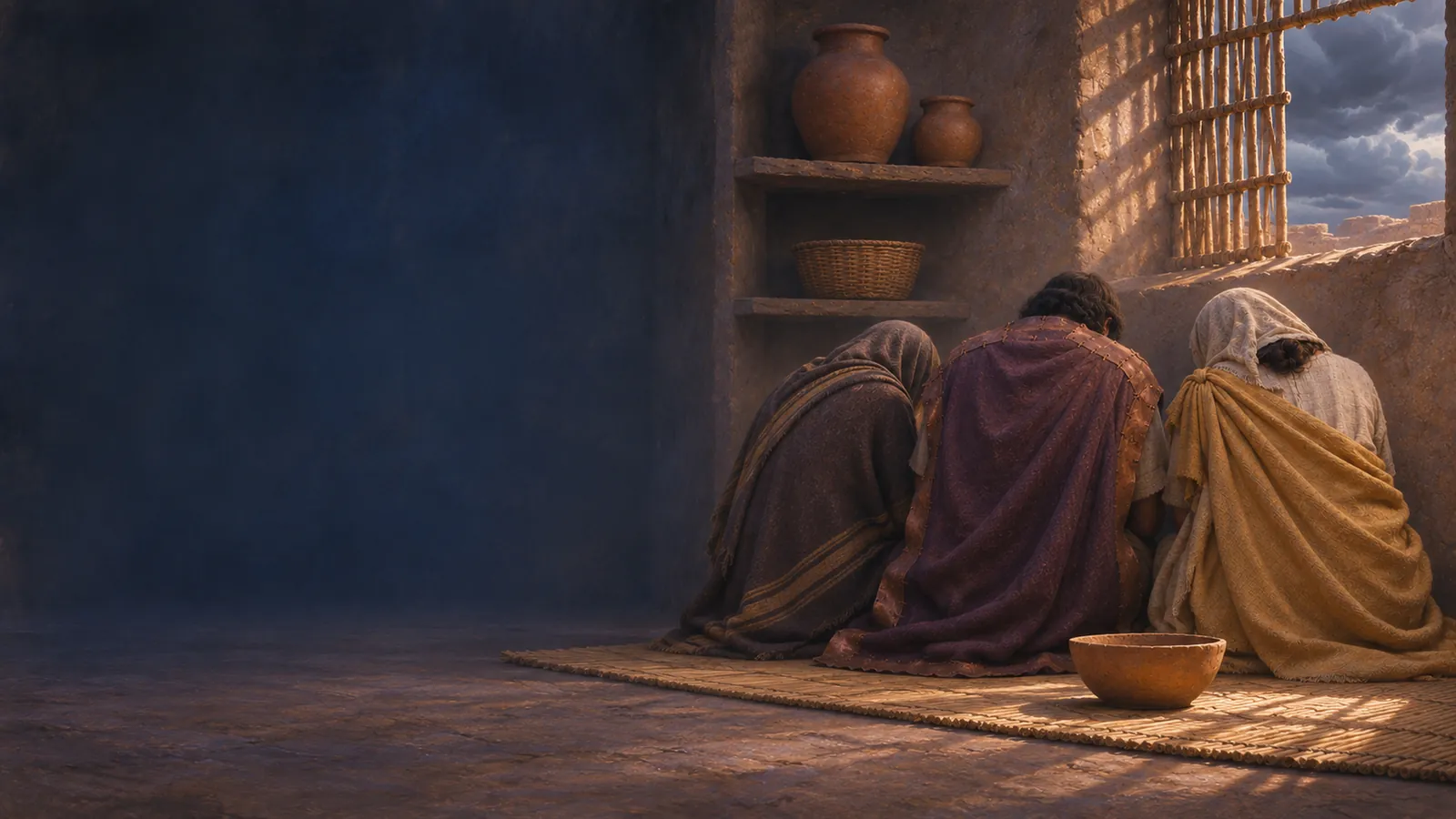
Nach einer Lücke kehrt die Tafel zu ihrer Klage zurück. Mami weinte, bis ihre Trauer sie erschöpfte, und die anderen Götter weinten mit ihr um das Land.
SIEBEN NÄCHTE
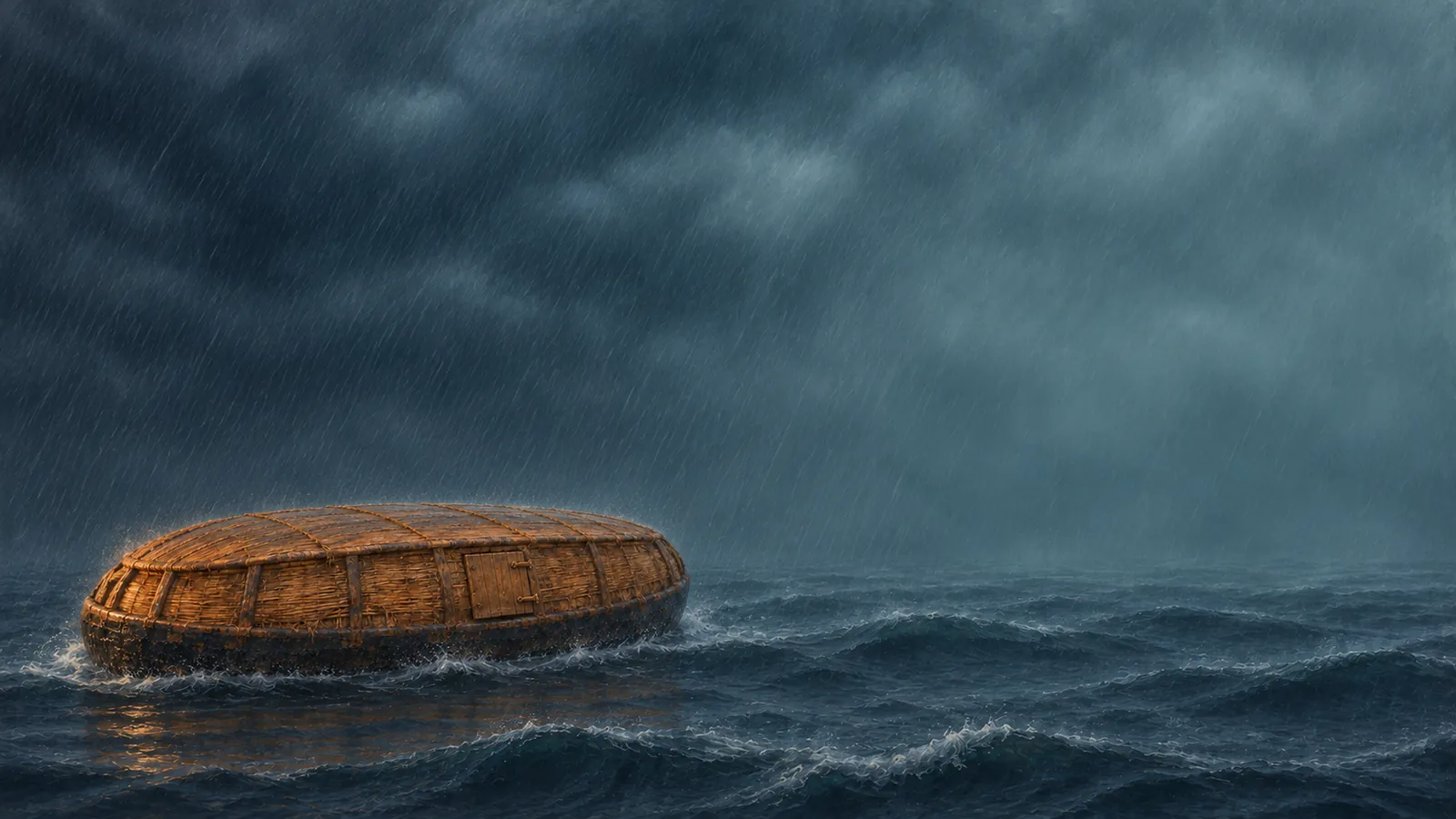
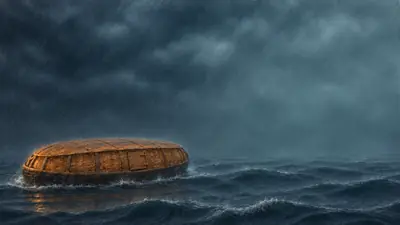
Sieben Tage und sieben Nächte hielt der Regen an. Über das dunkle Wasser trug das Boot die Menschen und Lebewesen, die es an Bord genommen hatte.
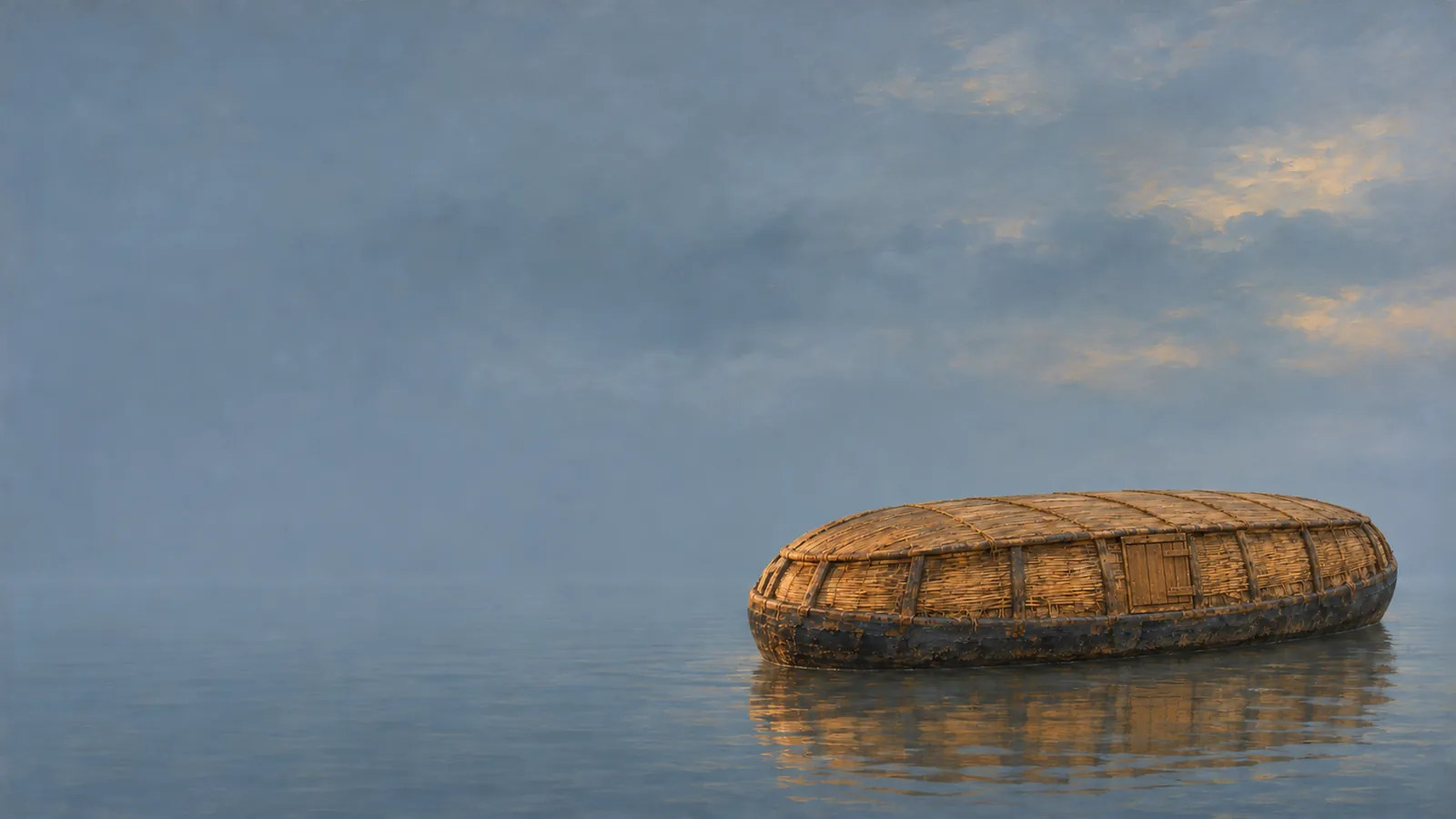
Ein großer Teil des Abschnitts nach dem Sturm ist verloren. In der nächsten gut lesbaren Szene bringt Atrahasis eine Gabe dar, nachdem das Wasser gewichen ist.
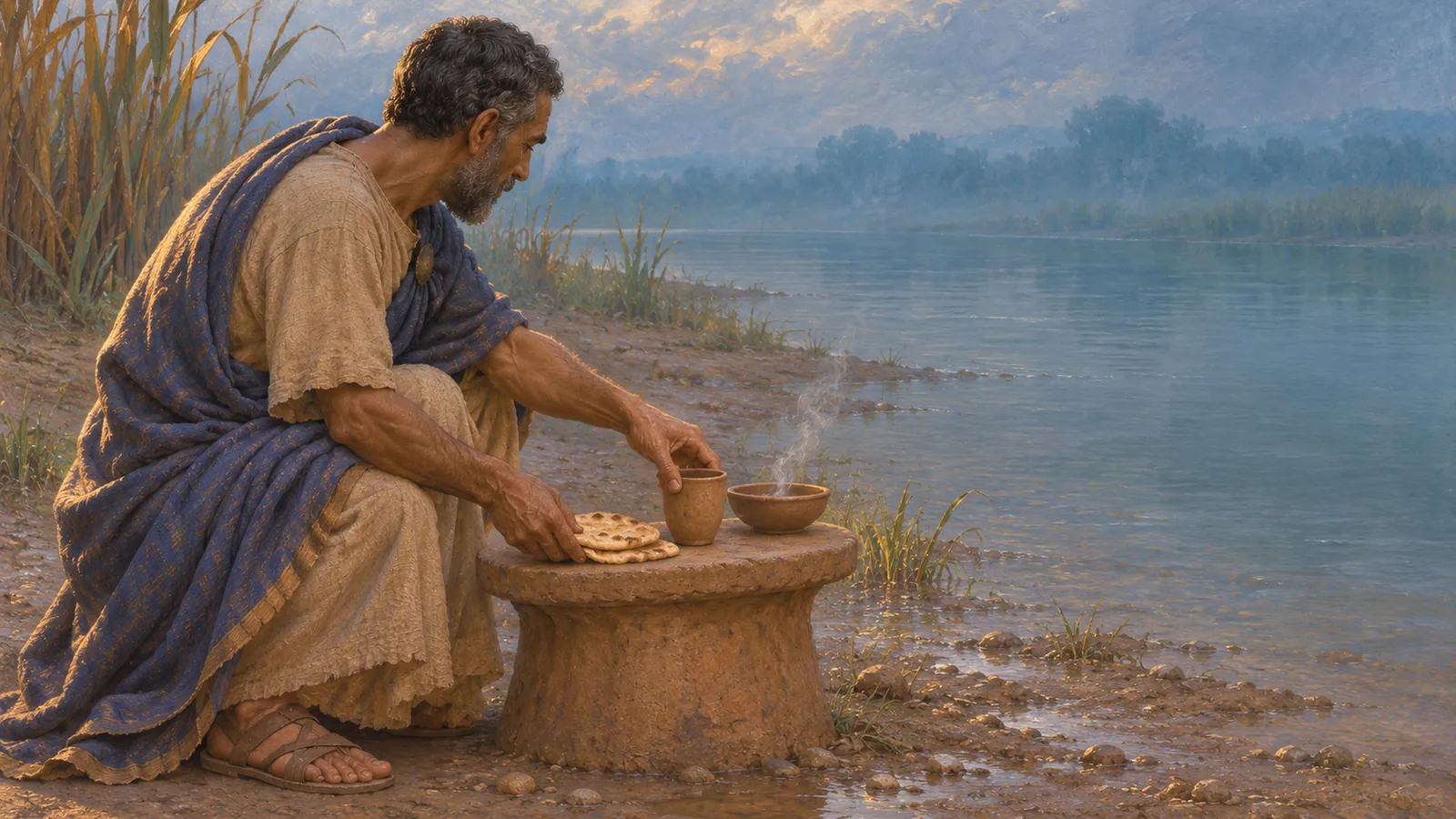
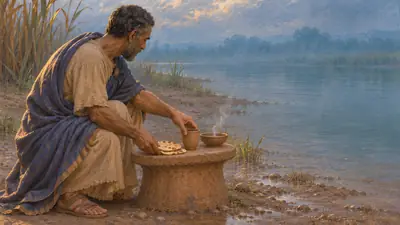
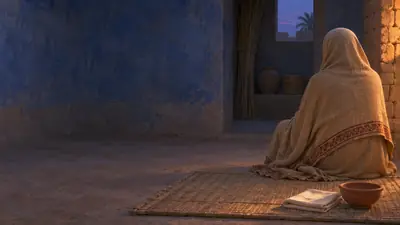
Das Erste, was er im erhaltenen Bericht nach der Flut tut, ist eine Gabe darzubringen. Die verbliebenen Worte sprechen von den vier Winden und von Nahrung.
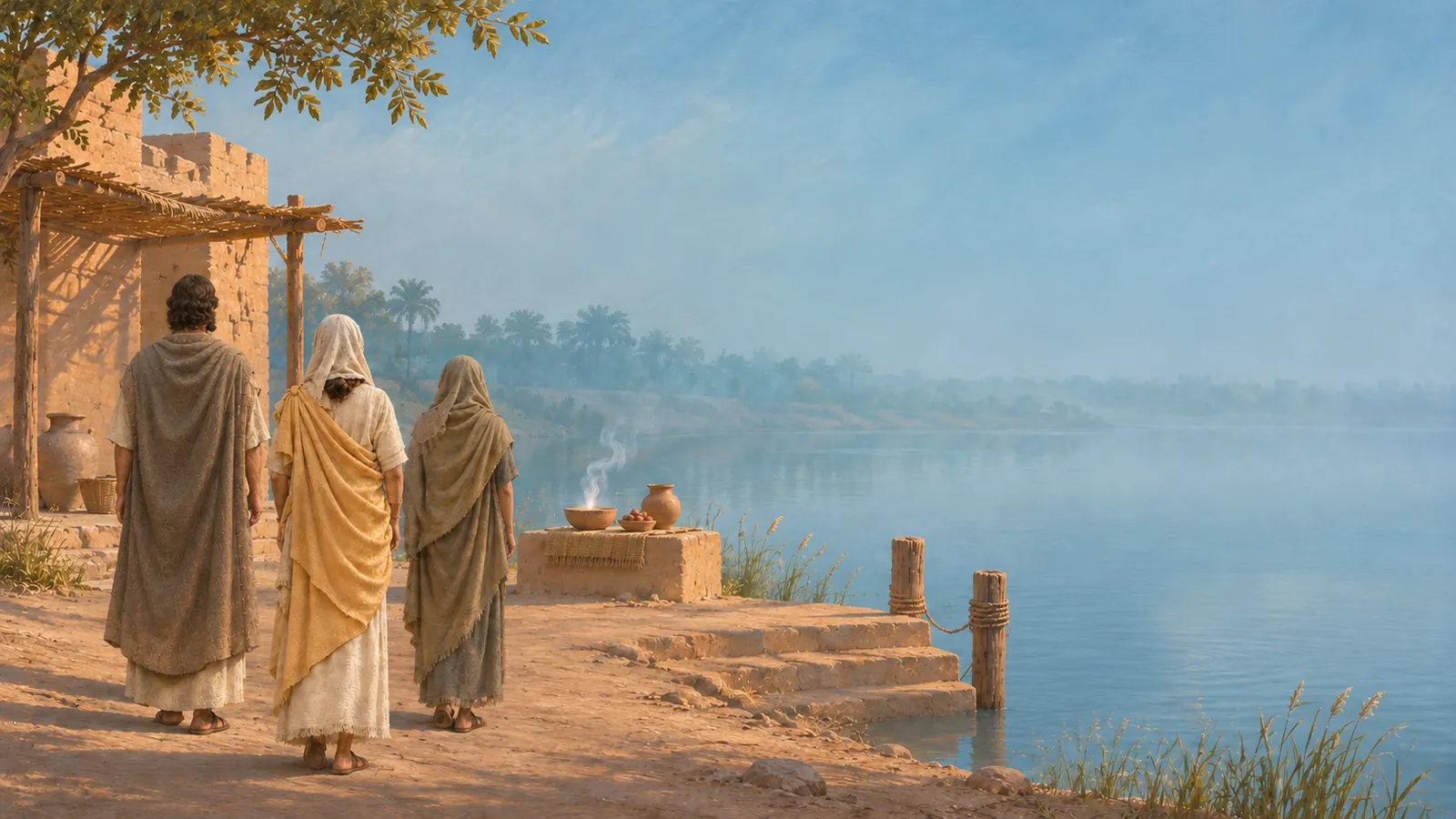
Der Duft zog durch die Luft. Die Götter kamen zur Gabe, und das Gedicht vergleicht ihre Schar mit Fliegen, die vom Essen angezogen werden.
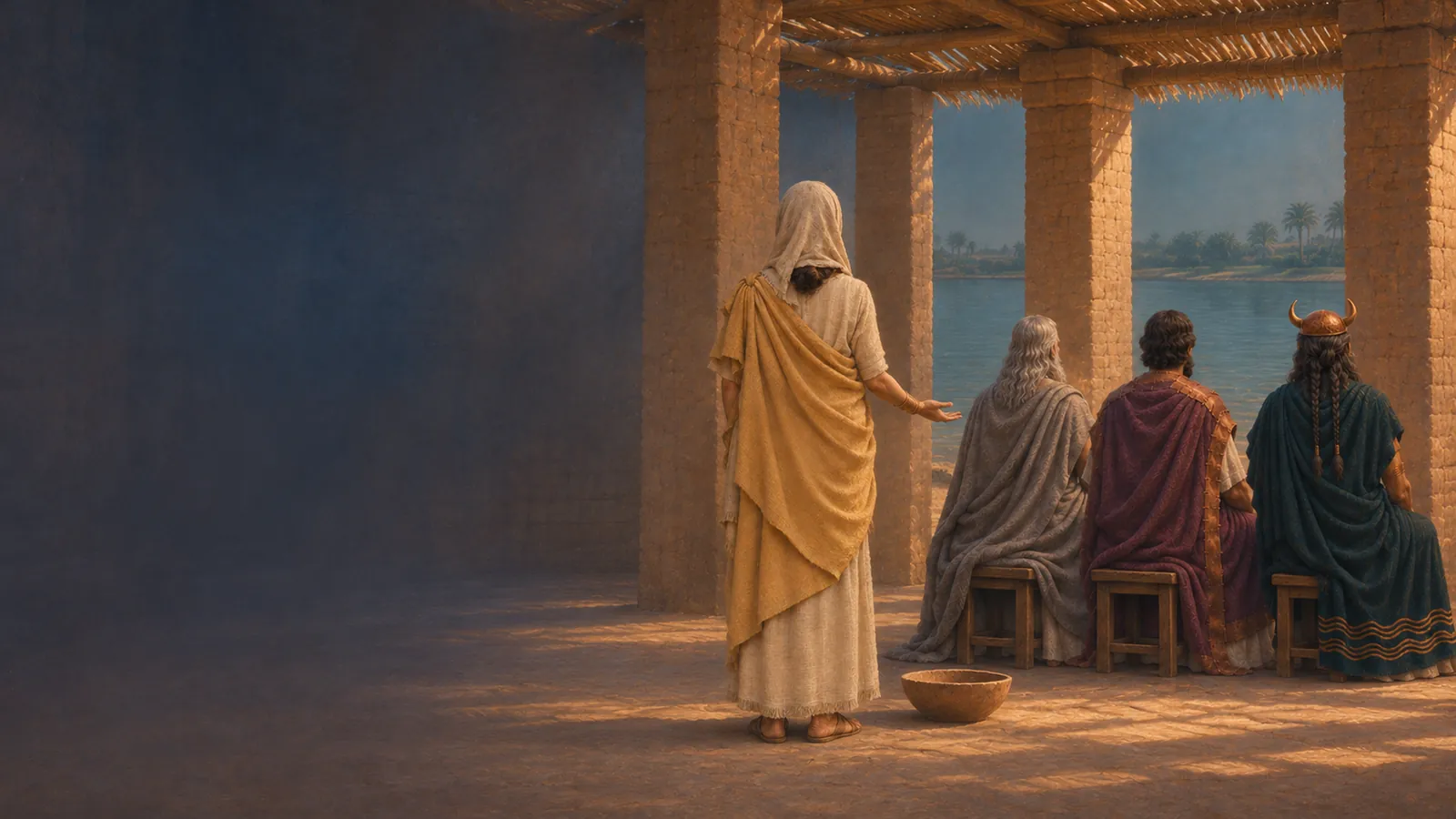
Als die Götter gegessen hatten, erhob sich Mami und beklagte, wie die Flut beschlossen worden war. Sie gedachte der hellen Gesichter der Menschen, die der Rat verurteilt hatte.
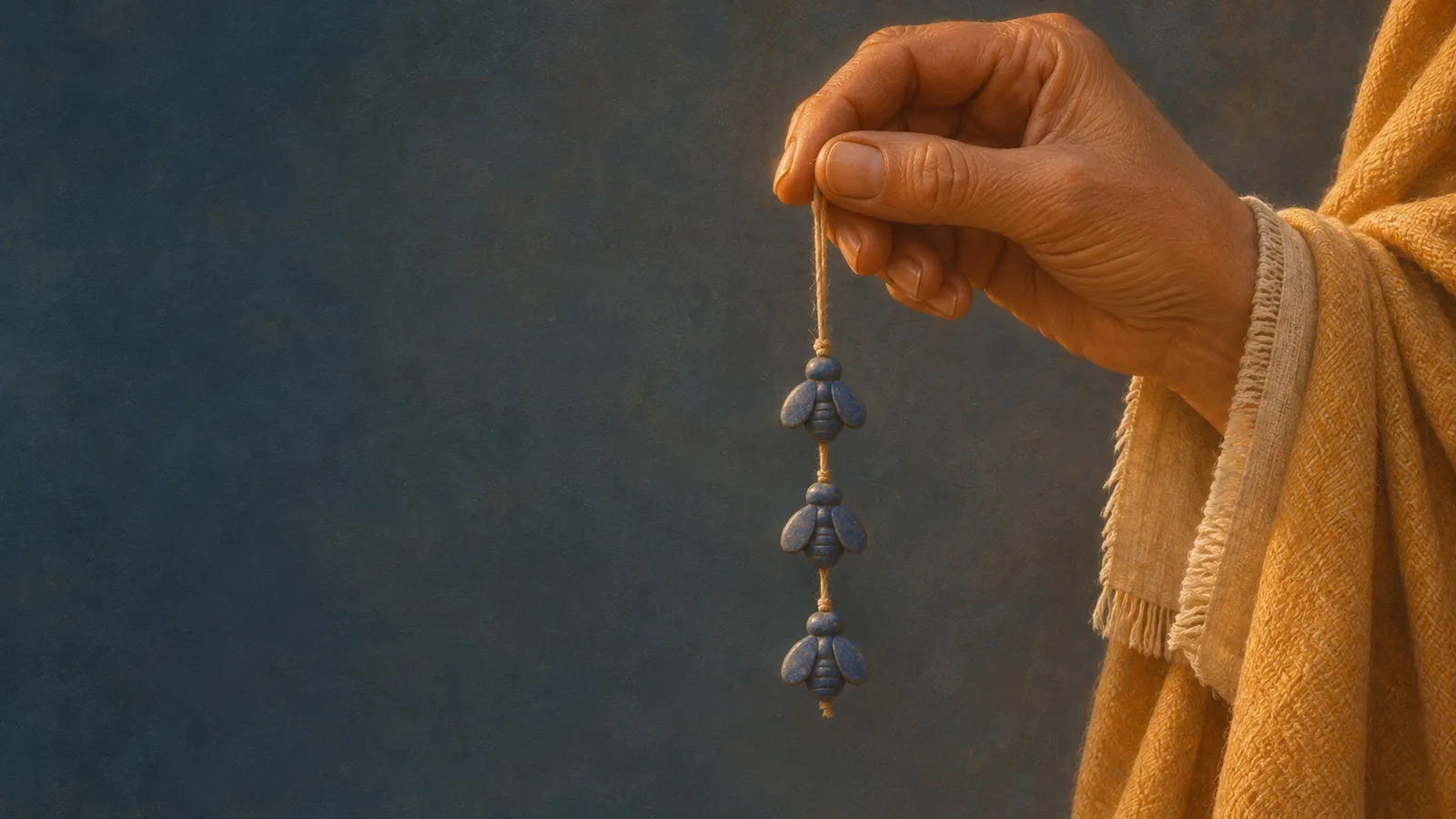
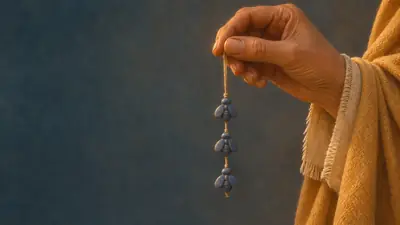
Mami wandte sich den Formen zu, die Anu vor die Götter gestellt hatte. In den zerbrochenen Zeilen bittet sie, diese Fliegenformen aus Lapislazuli am Hals zu tragen, damit man sich an jene Tage erinnert.
ÜBERLEBEN
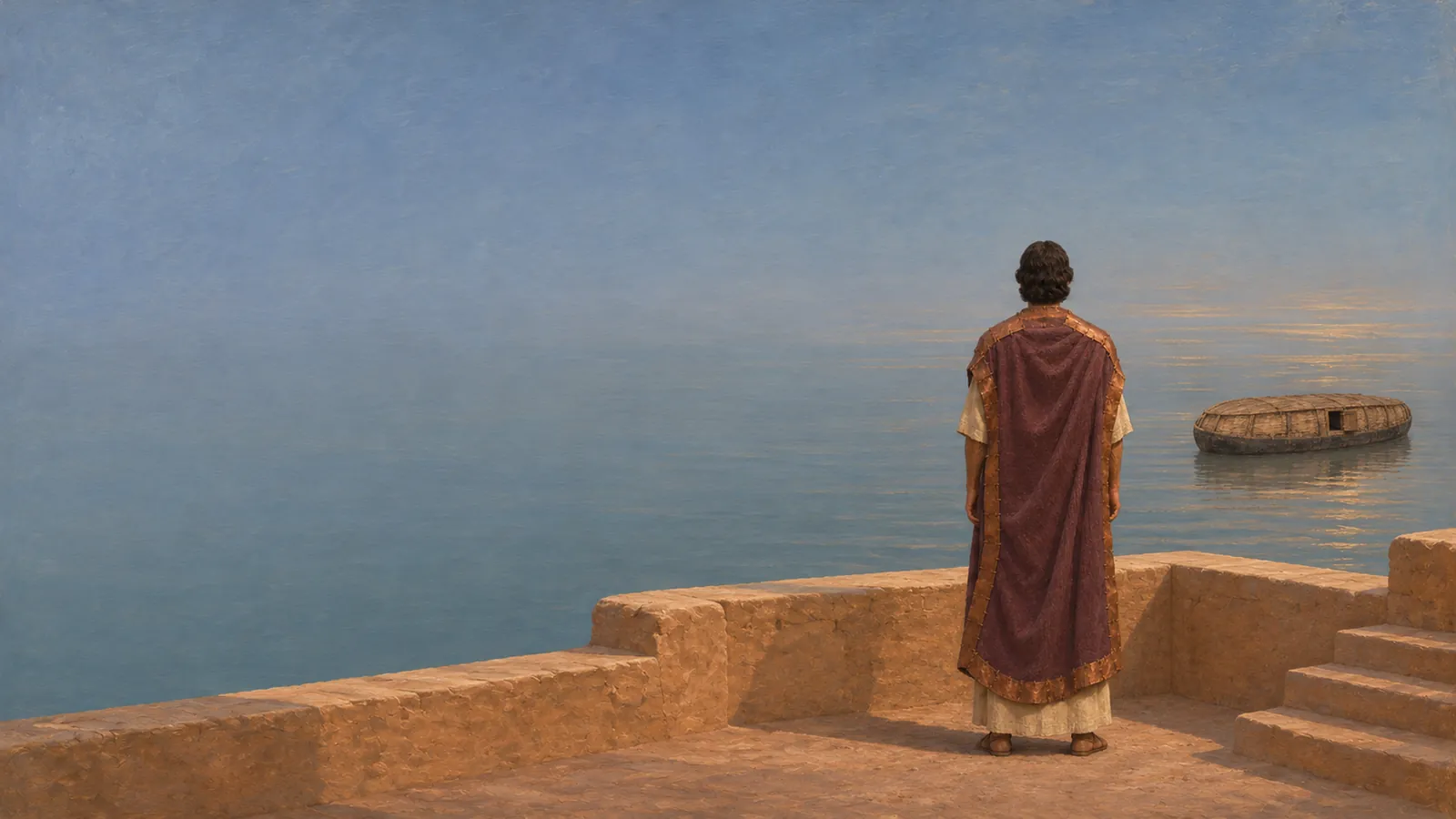
Dann sah Enlil das Boot. Er wurde zornig, weil die Götter sich durch einen Eid geeinigt hatten, und verlangte zu wissen, wie jemand die Vernichtung hatte überleben können.
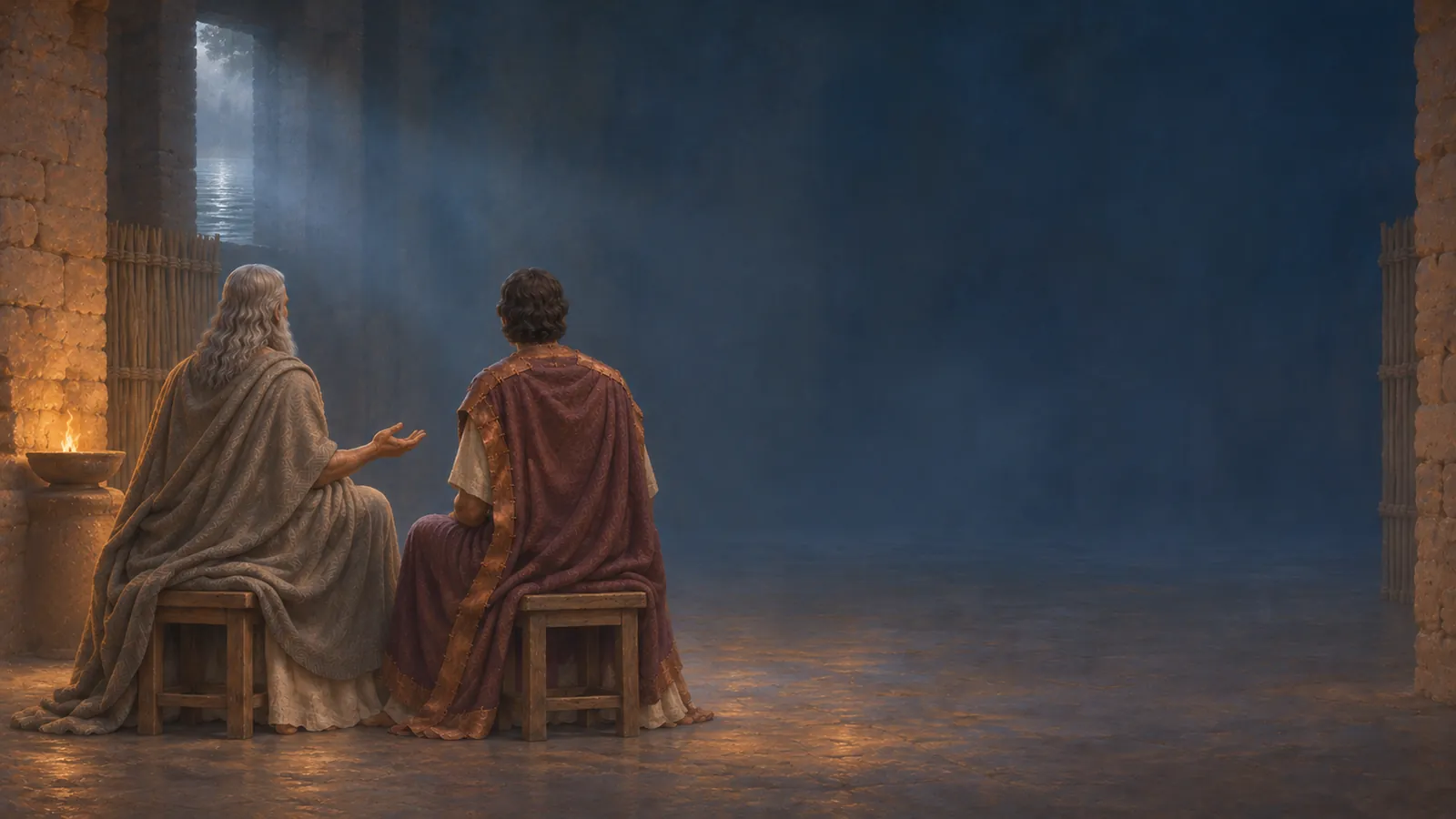
Anu nannte Enlil den einzigen Gott, der es getan haben konnte. Enki hatte das Geheimnis zu einer Wand aus Schilf gelangen lassen.
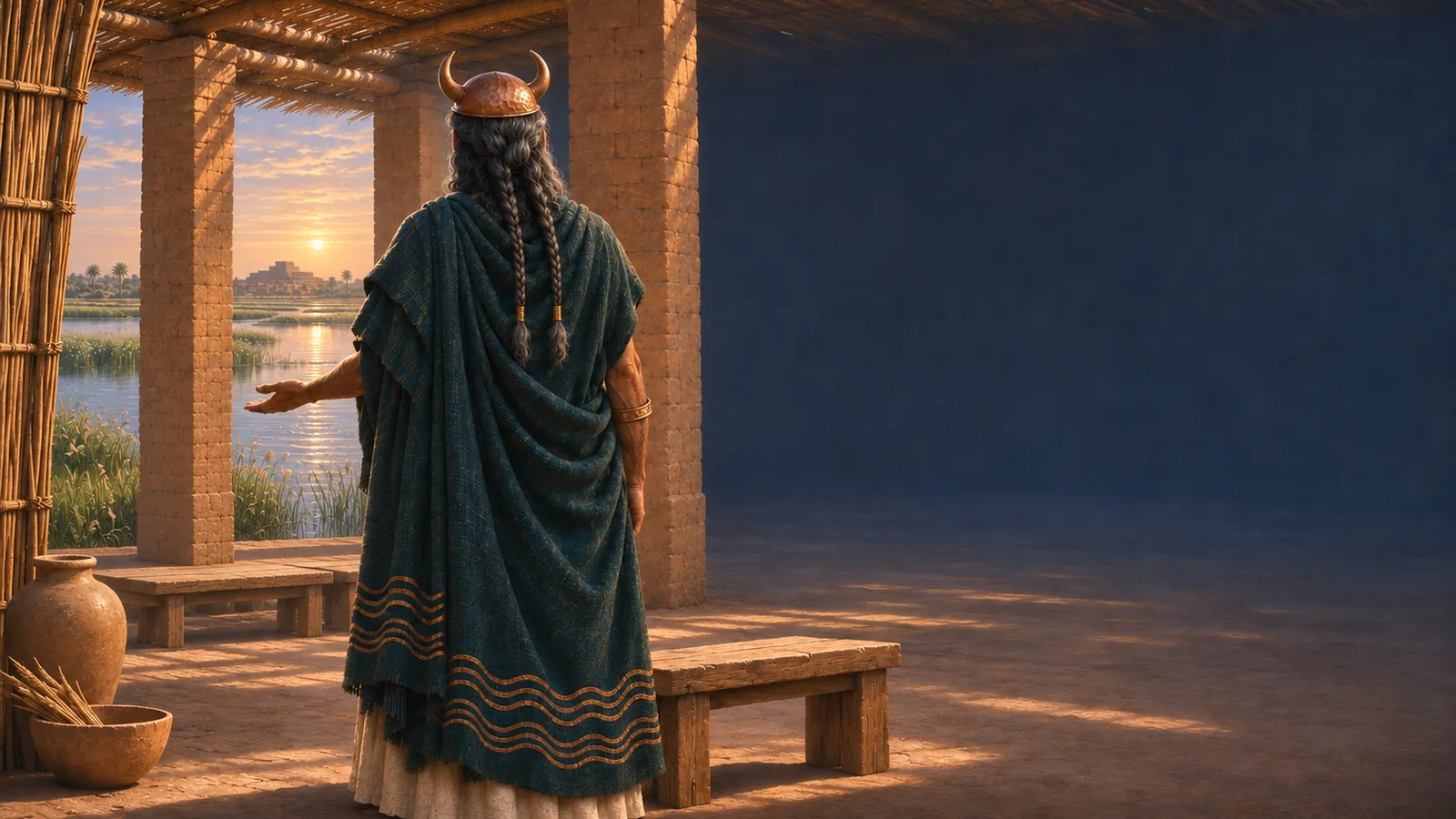
LEBEN
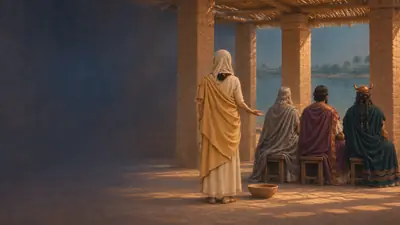
Enki erhob sich, um ihnen zu antworten. Er räumte ein, was er getan hatte, und sagte, dass er Leben bewahren wollte.
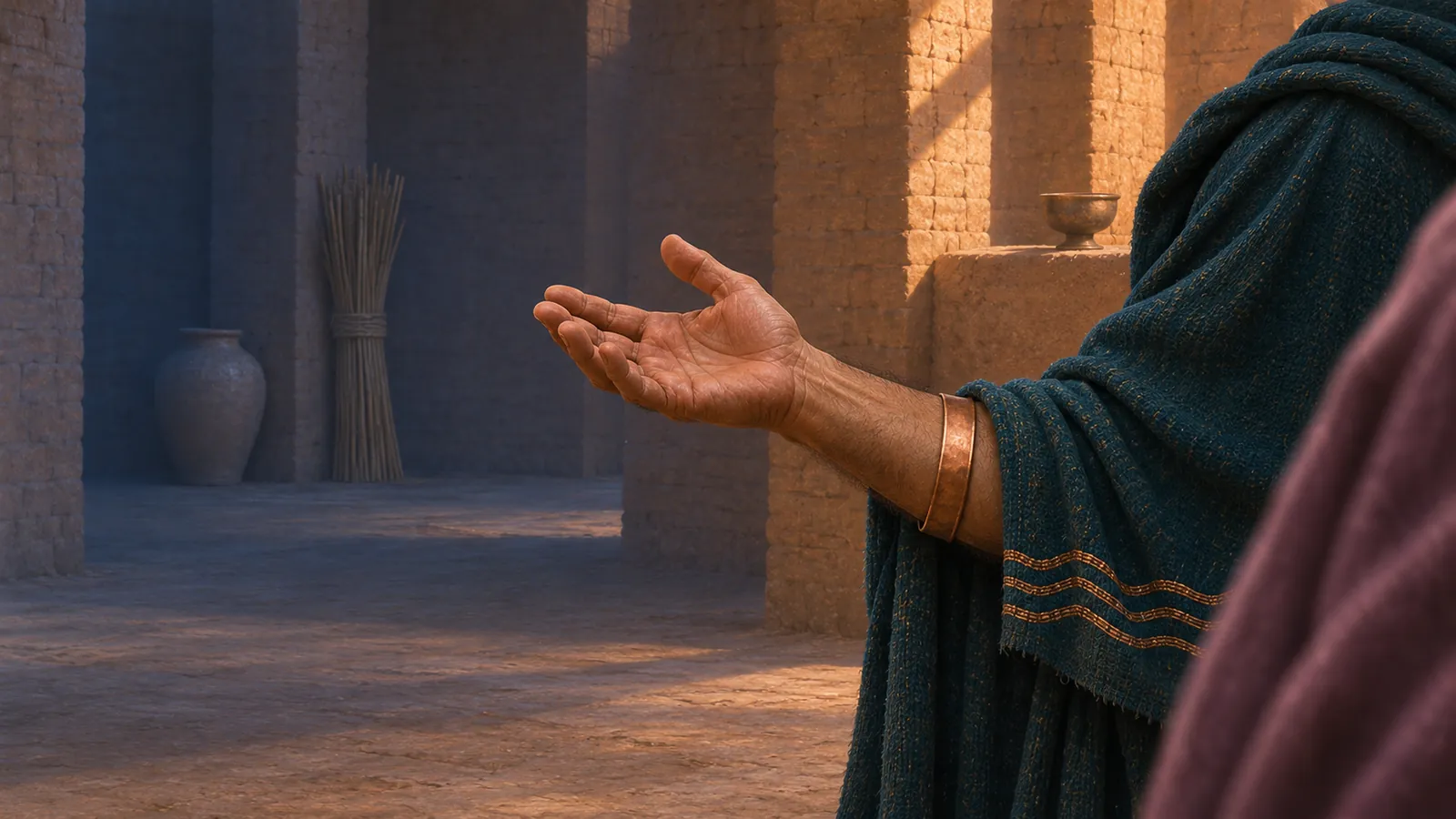
Enki widersprach der Art, wie die Flut geschickt worden war. Wenn es eine Strafe geben müsse, sagte er, solle sie den treffen, der Unrecht getan habe.
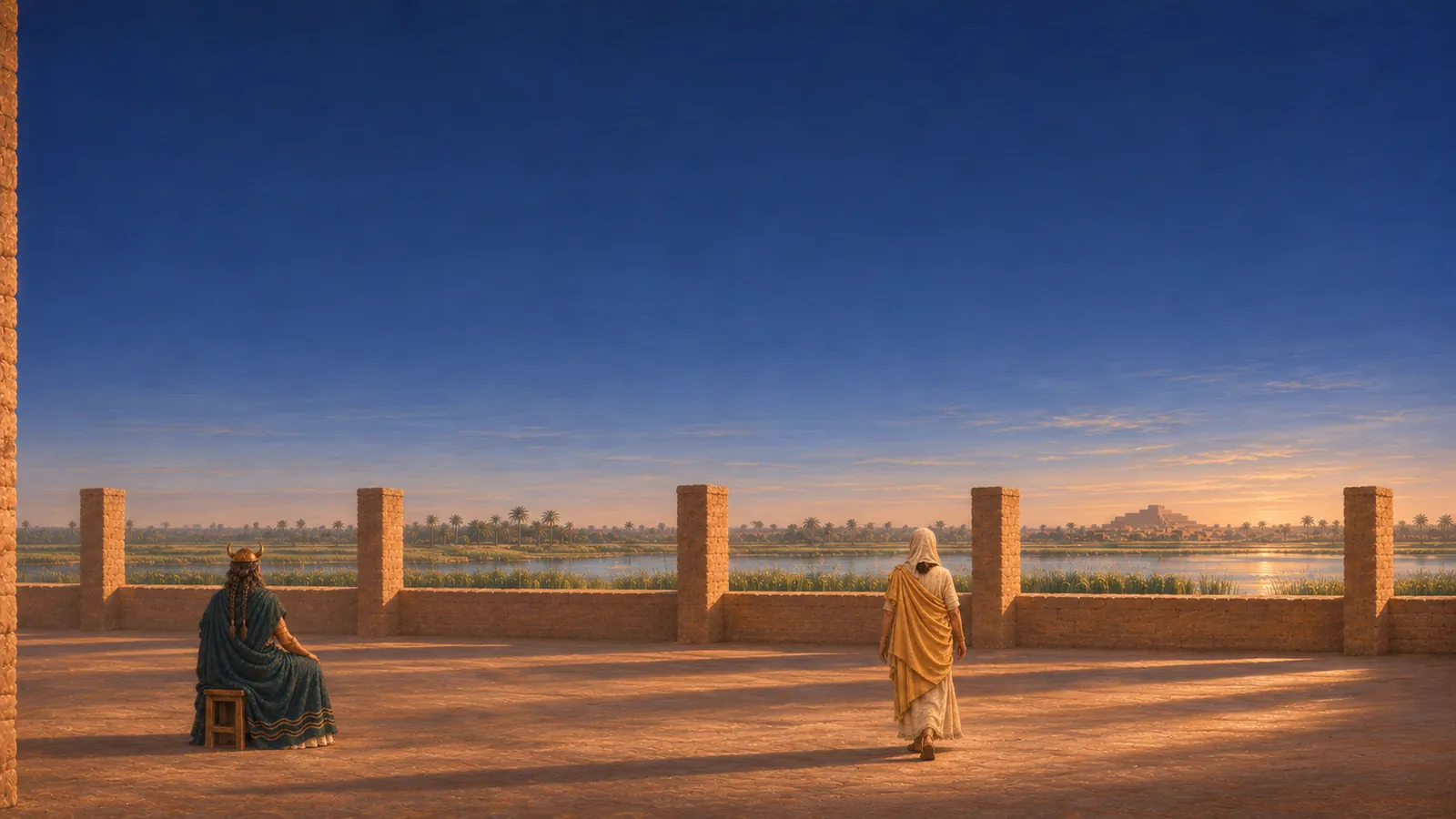
Die Worte brechen erneut ab. Wo sie wieder einsetzen, sprechen die Götter von einem weiteren Rat, und Mami wird gerufen, sich dort zu Enki zu gesellen.
Die Tafel ist an der Stelle gebrochen, an der Enki zu Mami, der Schöpferin der Schicksale, spricht. Im erhaltenen Abschnitt wird dem Menschenleben ein Ende gesetzt, und der Tod kommt zu jedem.
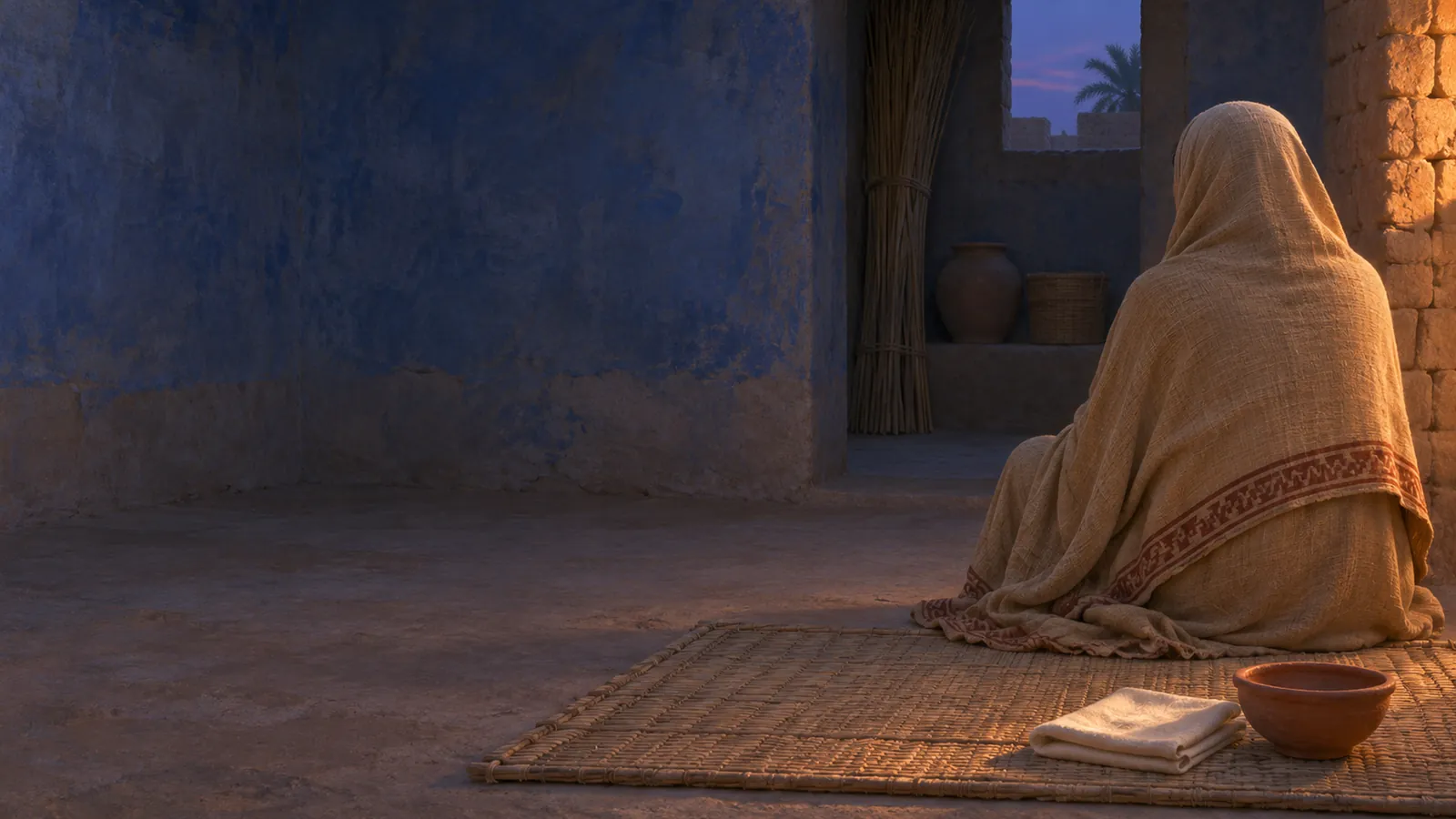
Die neuen Bestimmungen sprechen von Frauen, die Kinder gebären, und von Frauen, die keine gebären. Sie nennen auch die Dämonin Pashittu, die ein Kind vom Schoß seiner Mutter raubt.
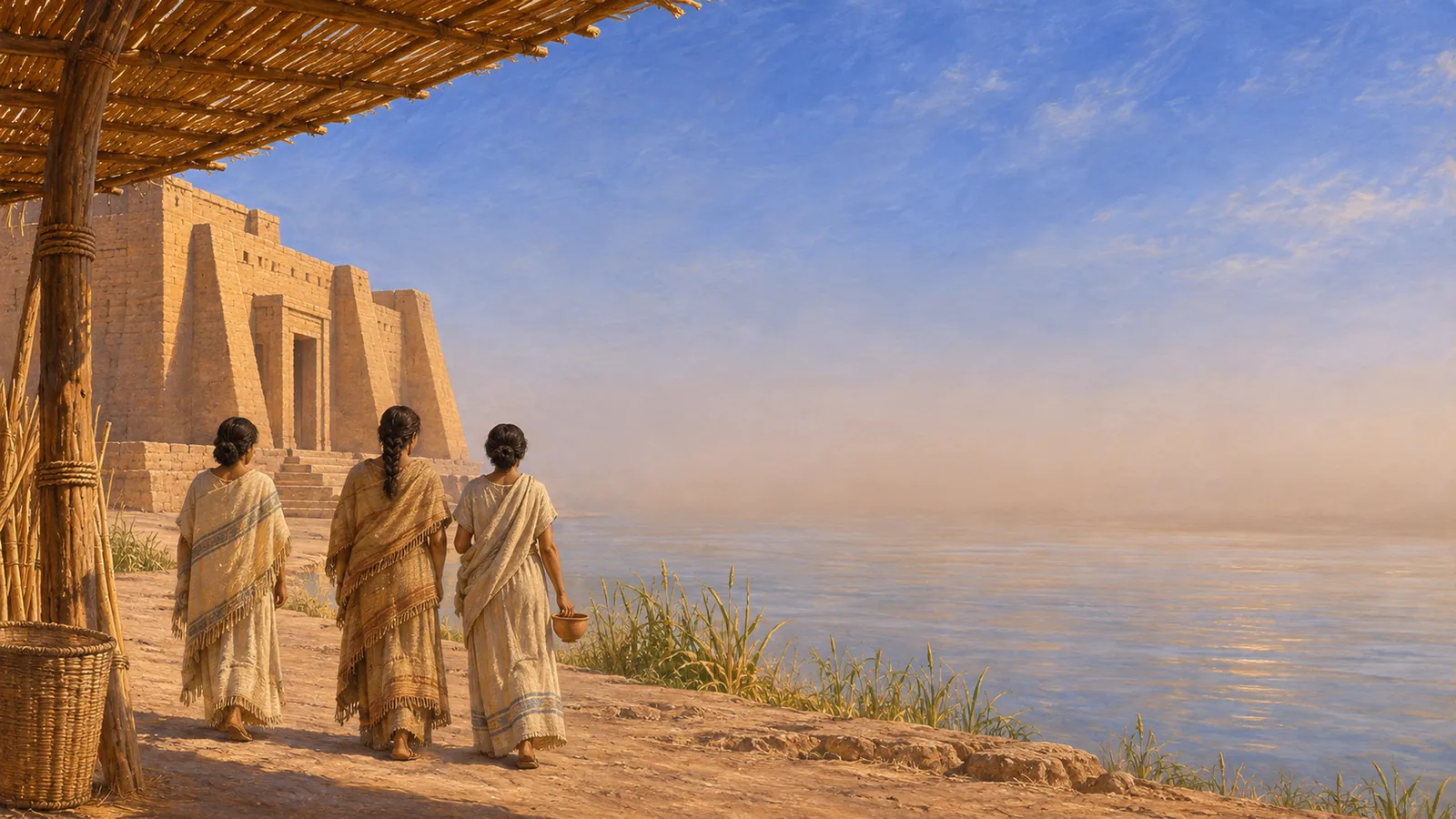
Die Götter stellen die Ugbabtu-, Entu- und Egisitu-Priesterinnen gesondert auf. Nach den Bestimmungen des Gedichts für die Zeit nach der Flut dürfen diese Frauen keine Kinder gebären.
DAS LIED
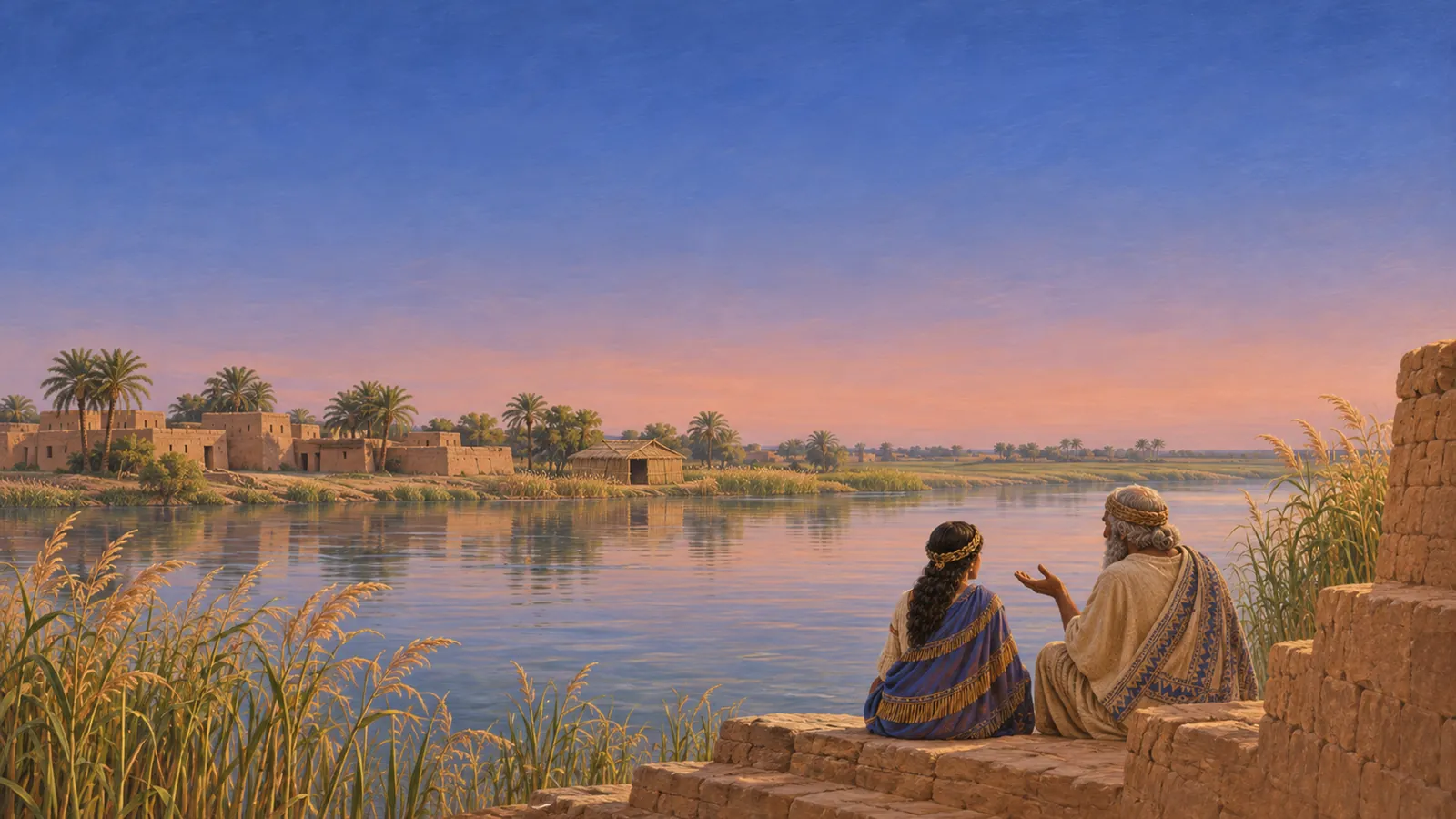
Die letzten Zeilen erinnern daran, dass eine Flut geschickt wurde und Menschen sie überlebten. Das Lied will gehört werden, und hier lassen wir die Geschichte enden.
Ende von Kapitel 2
Alle Seiten
Quellen
Benutzte Editionen
- Wasserman 2020, pp. 19–38, Sippar witnesses C₁ and C₂
- SEAL 1517, Old Babylonian Atrahasis III with translation
- SEAL 39732, closing lines of Atrahasis II
- IL Archive, Atrahasis: Epic and Hero
Die antiken Verse hinter jeder Seite
- Page 1: Atrahasis III C₂ i 10′–16′, Wasserman 2020
The dream language is partially restored. - Page 2: Atrahasis III C₂ i 15′–21′; C₁ vi 11–15, Wasserman 2020
- Page 3: Atrahasis III C₂ i 20′–24′, Wasserman 2020
- Page 4: Atrahasis III C₂ i 25′–27′; C₁ i 28′, Wasserman 2020
The Old Babylonian line is broken and the reading is debated. - Page 5: Atrahasis III C₁ i 29′–32′, Wasserman 2020
- Page 6: Atrahasis III C₁ i 33′–35′, Wasserman 2020
- Page 7: Atrahasis III C₁ i 36′–37′, Wasserman 2020
- Page 8: Atrahasis III C₁ i 38′–41′; compares I 385–388 and II E 25–28, SEAL
The comparison refers to the repeated gathering of elders in the Atrahasis poem. - Page 9: Atrahasis III C₁ i 42′–46′, Wasserman 2020
Part of the report is broken. - Page 10: Atrahasis III C₁ i 43′–50′, Wasserman 2020
The departure clauses are partially restored; the line with the Apsu is also fragmentary. - Page 11: Atrahasis III C₁ i 50′–C₂ ii 12′, Wasserman 2020
The tablet preserves the occupations and partially restored carried implements. - Page 12: Atrahasis III C₂ ii 11′–15′, Wasserman 2020
This passage is partially restored. - Page 13: Atrahasis III C₁ i 29′–33′; gap C₂ ii 19′–C₁ ii 29″, Wasserman 2020
The text preserves no full construction sequence. - Page 14: Atrahasis III C₁ ii 29″–38″, Wasserman 2020
The words for silver and parts of their loading are restored. - Page 15: Atrahasis III C₁ i 34′–35′; C₁ ii 34″–35″, Wasserman 2020
- Page 16: Atrahasis III C₁ ii 36″–38″, Wasserman 2020
The reading of the people as craftspeople and some animal details are uncertain. - Page 17: Atrahasis III C₁ ii 39″–44″, Wasserman 2020
The dating and invitation are partly restored. - Page 18: Atrahasis III C₁ ii 40″–45″, Wasserman 2020
- Page 19: Atrahasis III C₁ ii 43″–49″, Wasserman 2020
- Page 20: Atrahasis III C₁ ii 48″–50″, Wasserman 2020
- Page 21: Atrahasis III C₁ ii 51″–53″, Wasserman 2020
- Page 22: Atrahasis III C₁ ii 54″–55″, Wasserman 2020
The story names no single source of the rising water. - Page 23: Atrahasis III C₁ iii 3′–12′, Wasserman 2020
- Page 24: Atrahasis III C₁ iii 13′–19′, Wasserman 2020
- Page 25: Atrahasis III C₁ iii 20′–31′, Wasserman 2020
Details about the refuge are partially restored. - Page 26: Atrahasis III C₁ iii 28′–45′, Wasserman 2020
- Page 27: Atrahasis III C₁ iii 46′–54′, Wasserman 2020
- Page 28: Atrahasis III C₁ iv 1′–23′, Wasserman 2020
- Page 29: Atrahasis III C₁ iv 24′–27′; ii 34″–42″, Wasserman 2020
- Page 30: Atrahasis III C₁ iv 26′–v 30′, Wasserman 2020
The transition is a substantial lacuna. - Page 31: Atrahasis III C₁ v 30′–32′, Wasserman 2020
Parts of this action are restored. - Page 32: Atrahasis III C₁ v 34′–38′, Wasserman 2020
Parts are restored. - Page 33: Atrahasis III C₁ v 36′–45′, Wasserman 2020
- Page 34: Atrahasis III C₁ v 46′–52′; vi 1–4, Wasserman 2020
- Page 35: Atrahasis III C₁ vi 5–10, Wasserman 2020
- Page 36: Atrahasis III C₁ vi 11–15, Wasserman 2020
- Page 37: Atrahasis III C₁ vi 16–19, Wasserman 2020
The statement is partly restored in the edition. - Page 38: Atrahasis III C₁ vi 20–26, Wasserman 2020
Paraphrases damage and the restored reference to punishment. - Page 39: Atrahasis III C₁ vi 27–44′, Wasserman 2020
- Page 40: Atrahasis III C₁ vi 45′–51′, Wasserman 2020
Death and grave are editorial restorations in the critical translation. - Page 41: Atrahasis III C₁ vii 1–5, Wasserman 2020
The poem personifies infant loss as Pāšittu. - Page 42: Atrahasis III C₁ vii 6–9, Wasserman 2020
- Page 43: Atrahasis III C₁ viii 8′–19′, Wasserman 2020
Illustrationen von IL Archive mit KI-Werkzeugen; der Text folgt den antiken Quellen (siehe die Quellen am Ende jedes Kapitels).