Atrahasis Kapitel 1
Die Last der Erde
Die Götter, die die Wasserläufe aushoben, fordern Entlastung, und Mami bereitet den Ton, aus dem die Menschen hervorgehen. Als ihre Stimmen das Land erfüllen, bittet Atrahasis Enki um Hilfe gegen Krankheit und Dürre.
Den Film ansehenQuellenBlättern Sie mit den Pfeilen, den Pfeiltasten oder durch Wischen.
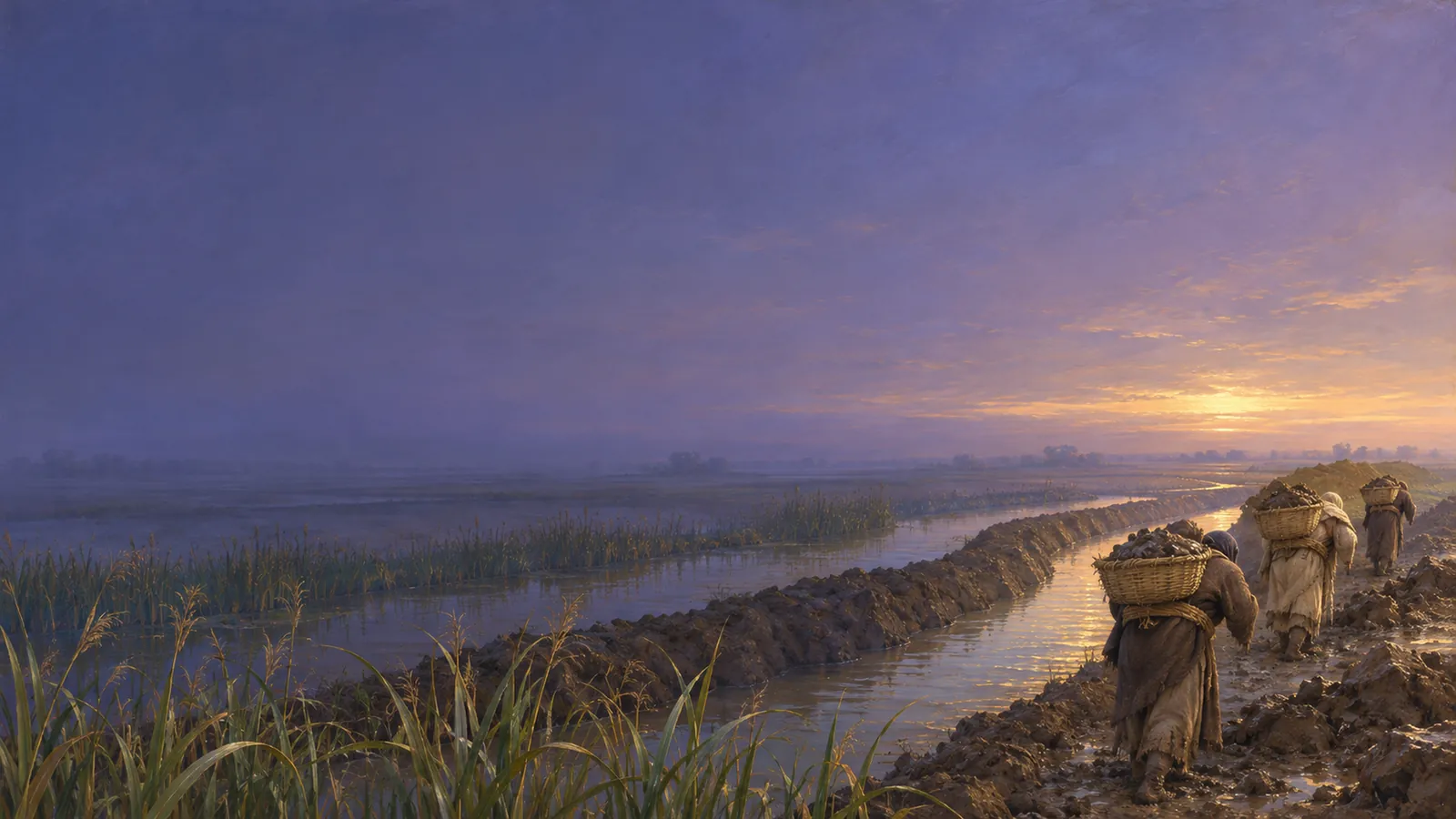
DAS GEWICHT DER ERDE
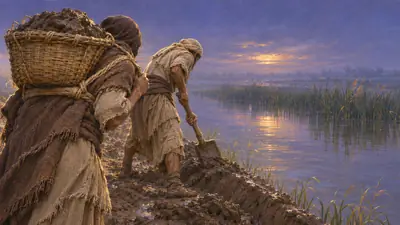
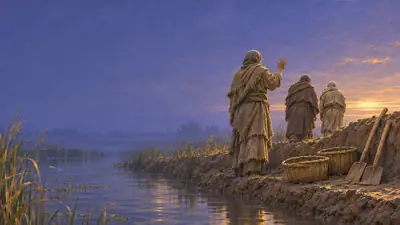
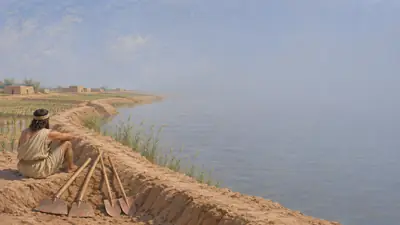
Ehe es Menschen gab, die das Land bestellten, verrichteten die Götter die Arbeit selbst. Sie gruben und schleppten Erde, und ihr Gewicht zehrte an ihnen.
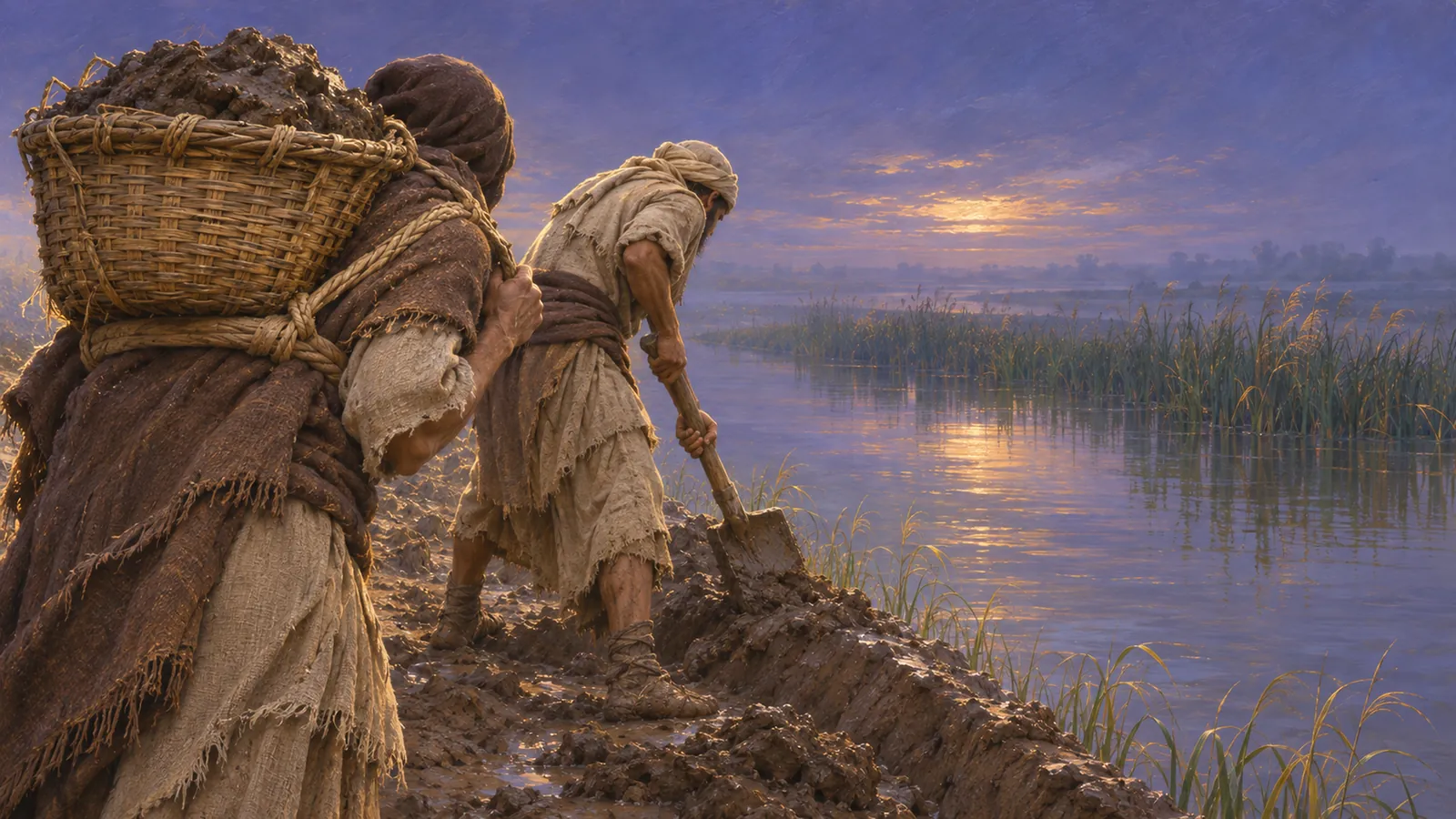
Die großen Götter übertrugen den Igigi das Graben und Tragen. Tag für Tag waren es ihre Schultern, die die Last trugen.
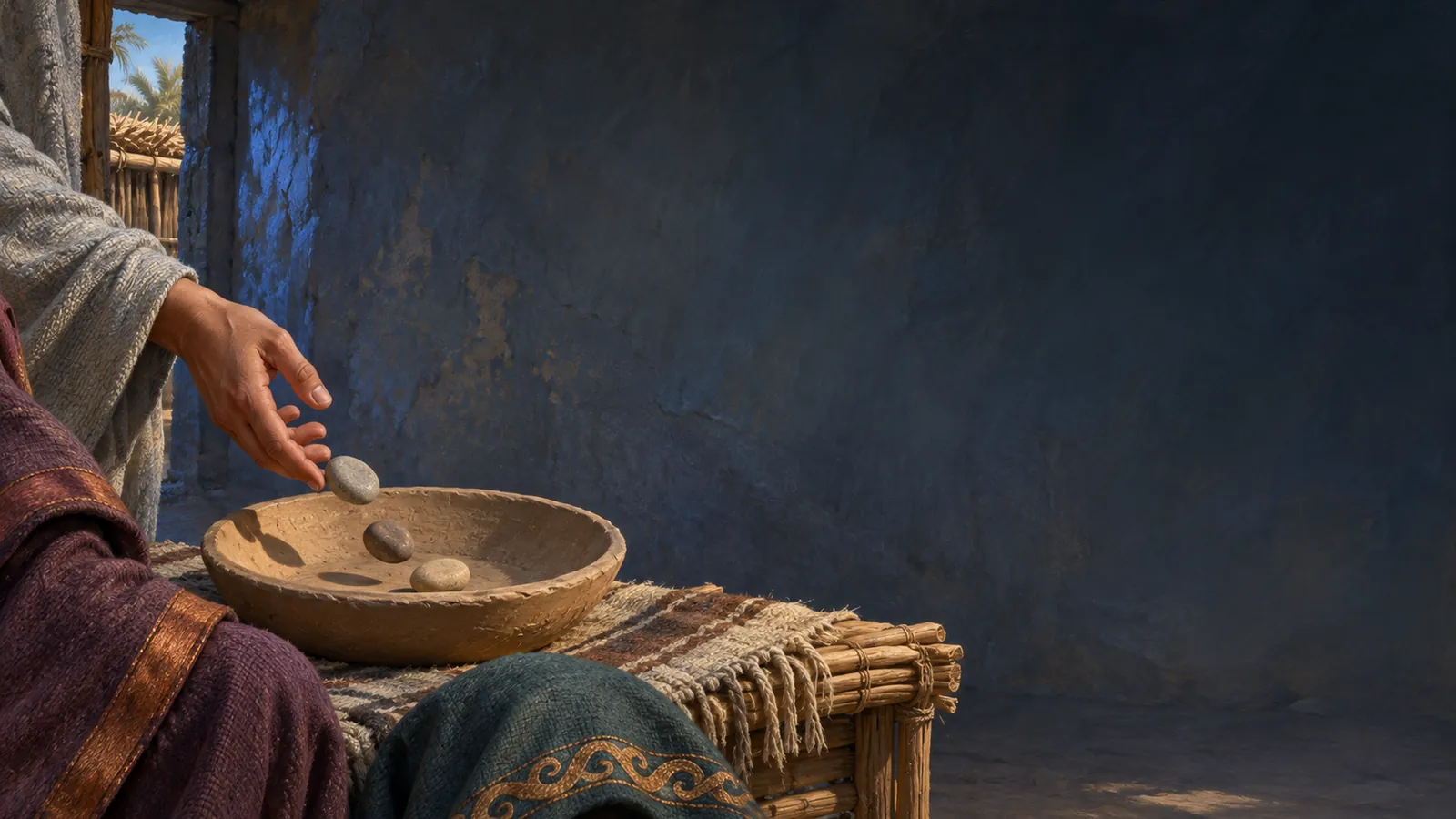
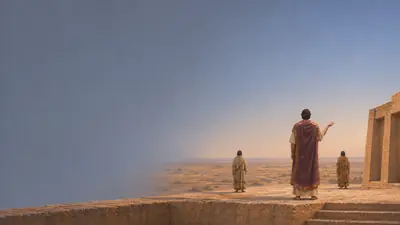
Die Götter warfen das Los. Anu stieg zum Himmel auf, Enlil erhielt die Erde, und Enki wurde die Sperre anvertraut, die das Meer zurückhielt.
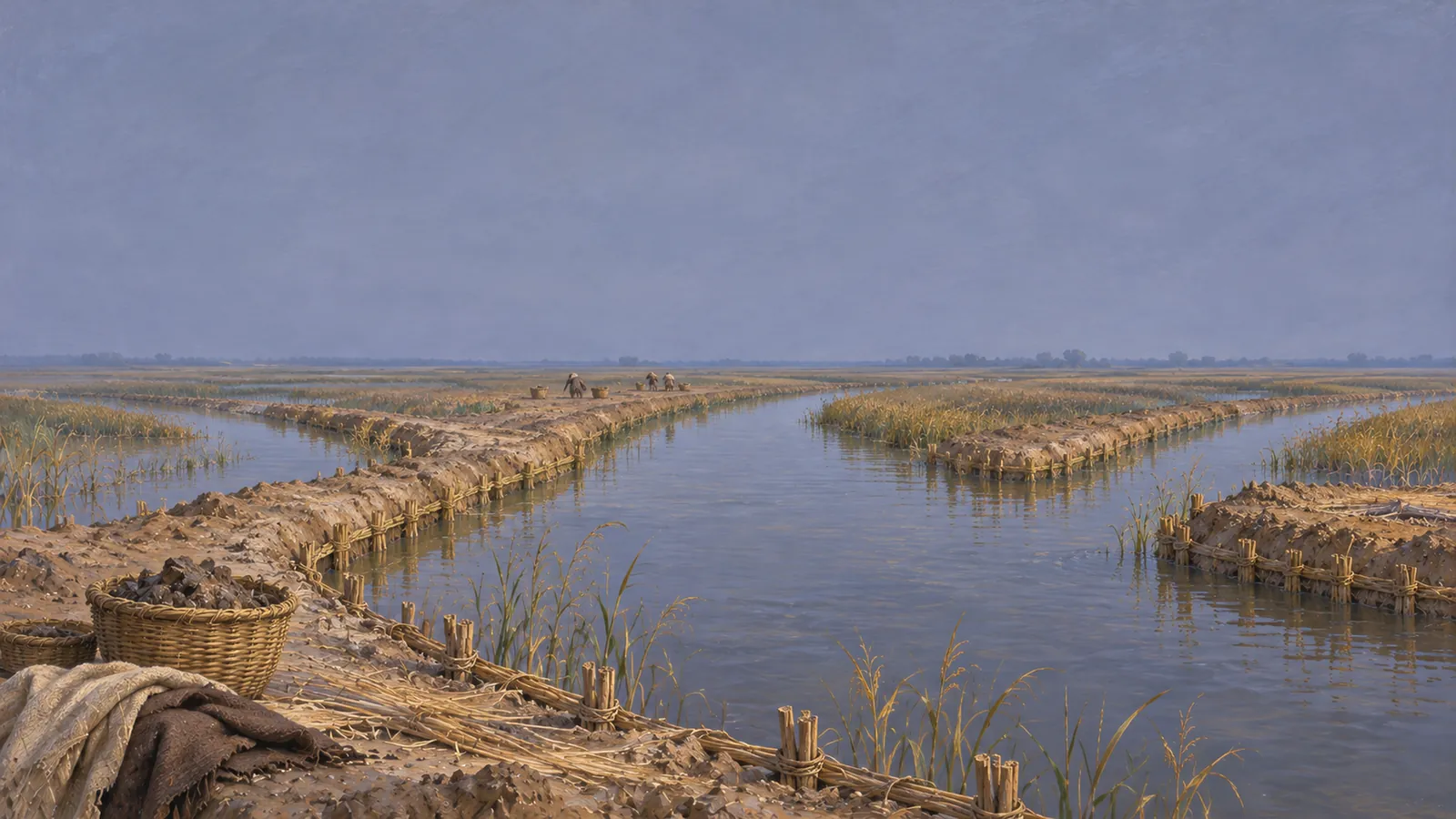
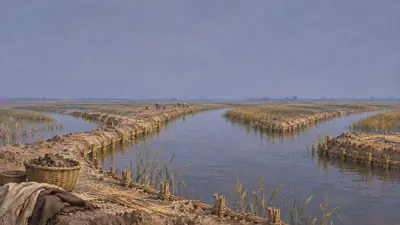
Unten ging die Arbeit weiter. Die Götter gruben Wasserläufe quer durchs Land, und das Gedicht bewahrt die Erinnerung an die Kanäle, durch die das Land selbst lebte.

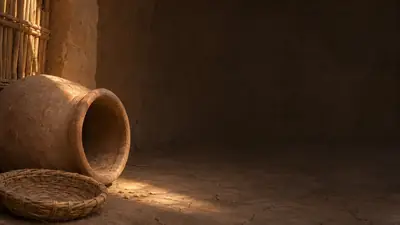
Die bruchstückhaften Zeilen erinnern noch an das Schilf, aus dem die Körbe geflochten waren. Für die Götter, die sie trugen, standen diese Körbe schließlich für Jahre schwerer Arbeit.
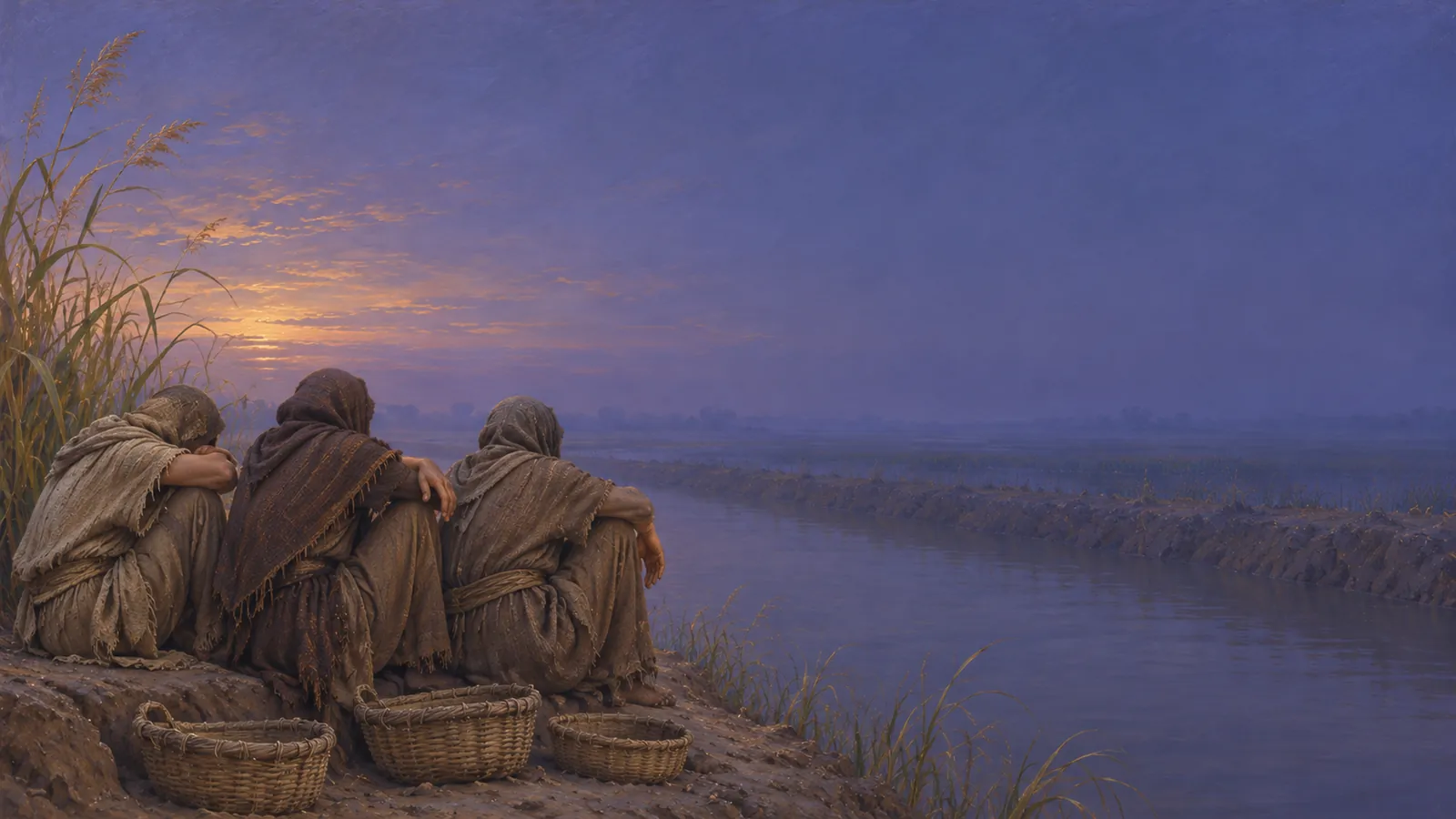
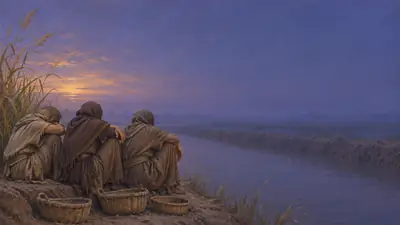
Sie arbeiteten bei Tag und bei Nacht. Dann setzten sich die Arbeiter in die Grube selbst und fingen an, laut auszusprechen, was sie die Arbeit gekostet hatte.
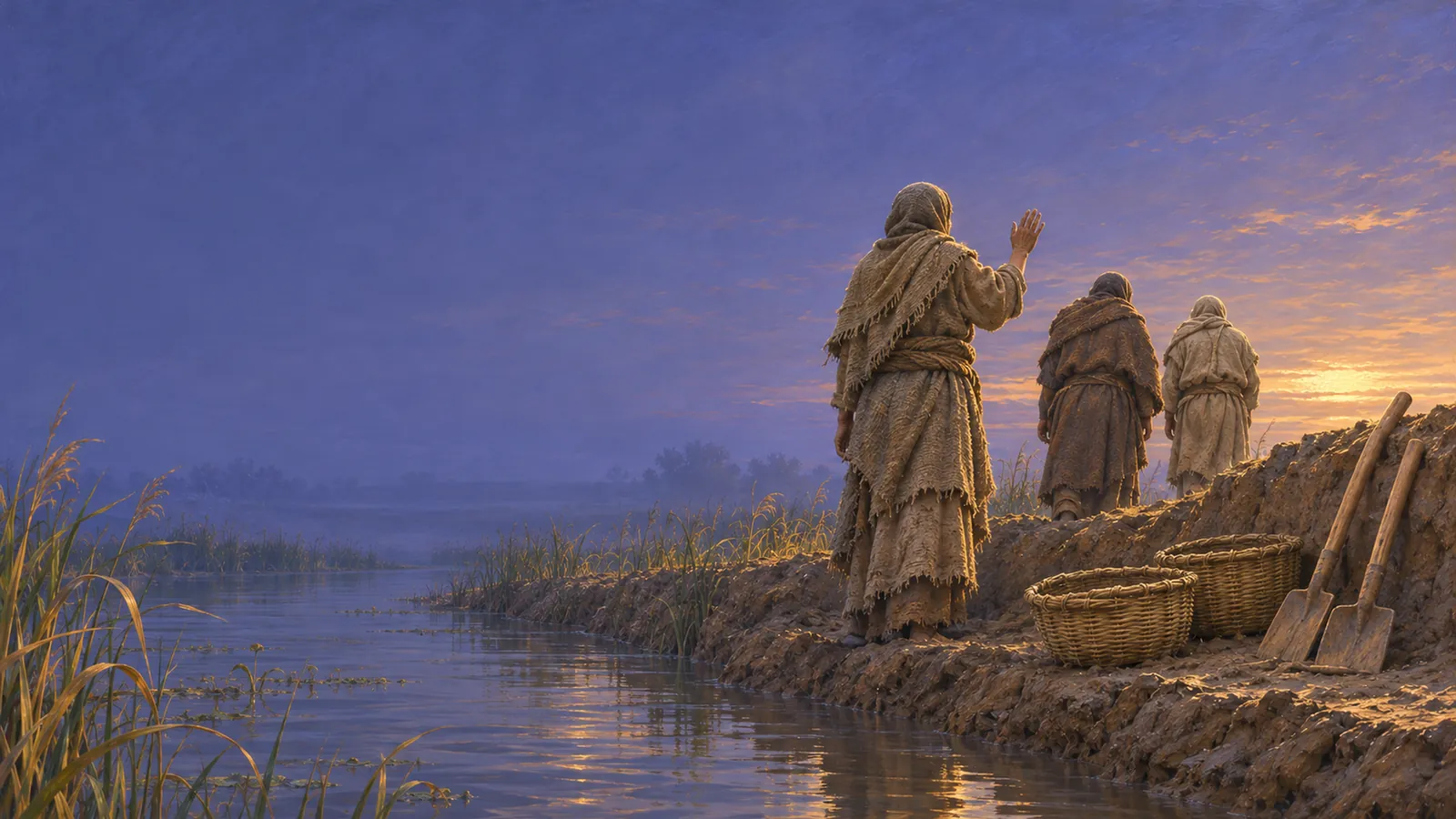
Unter den Arbeitern rief eine Stimme die anderen auf, die Grube zu verlassen und Enlil zur Rede zu stellen. Er sollte sich für die Last verantworten, die er ihnen aufgebürdet hatte.
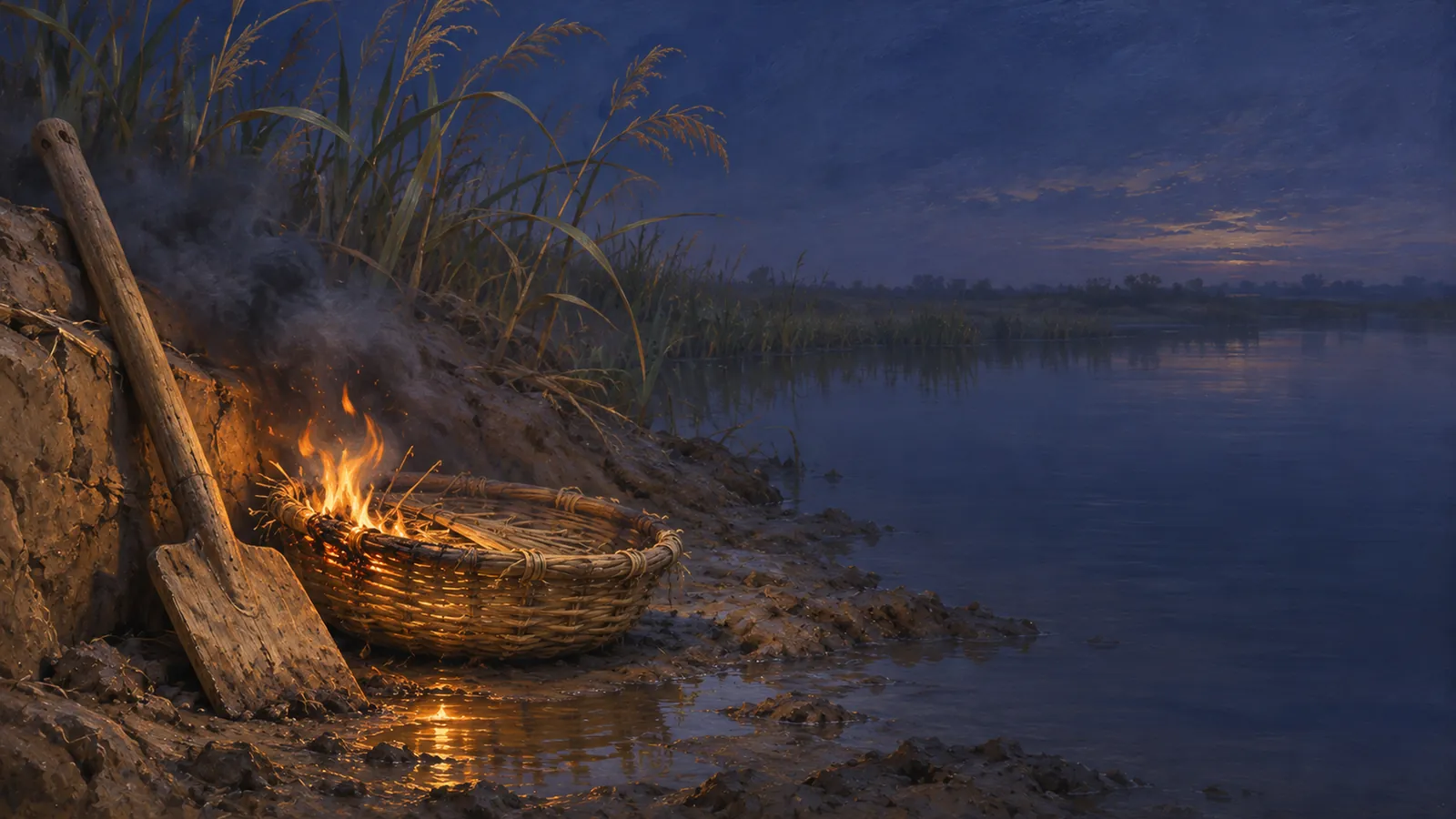
DIE WERKZEUGE IN FLAMMEN
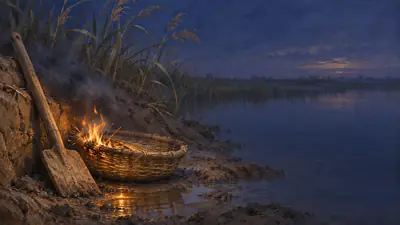
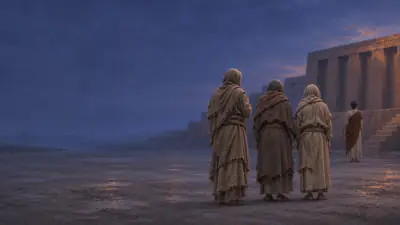
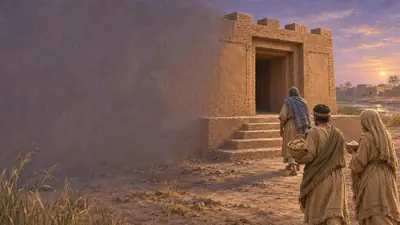
Die Arbeiter hörten den Ruf. Sie warfen ihre Spaten und Tragkörbe ins Feuer und gingen gemeinsam zum Tor von Enlils Heiligtum.
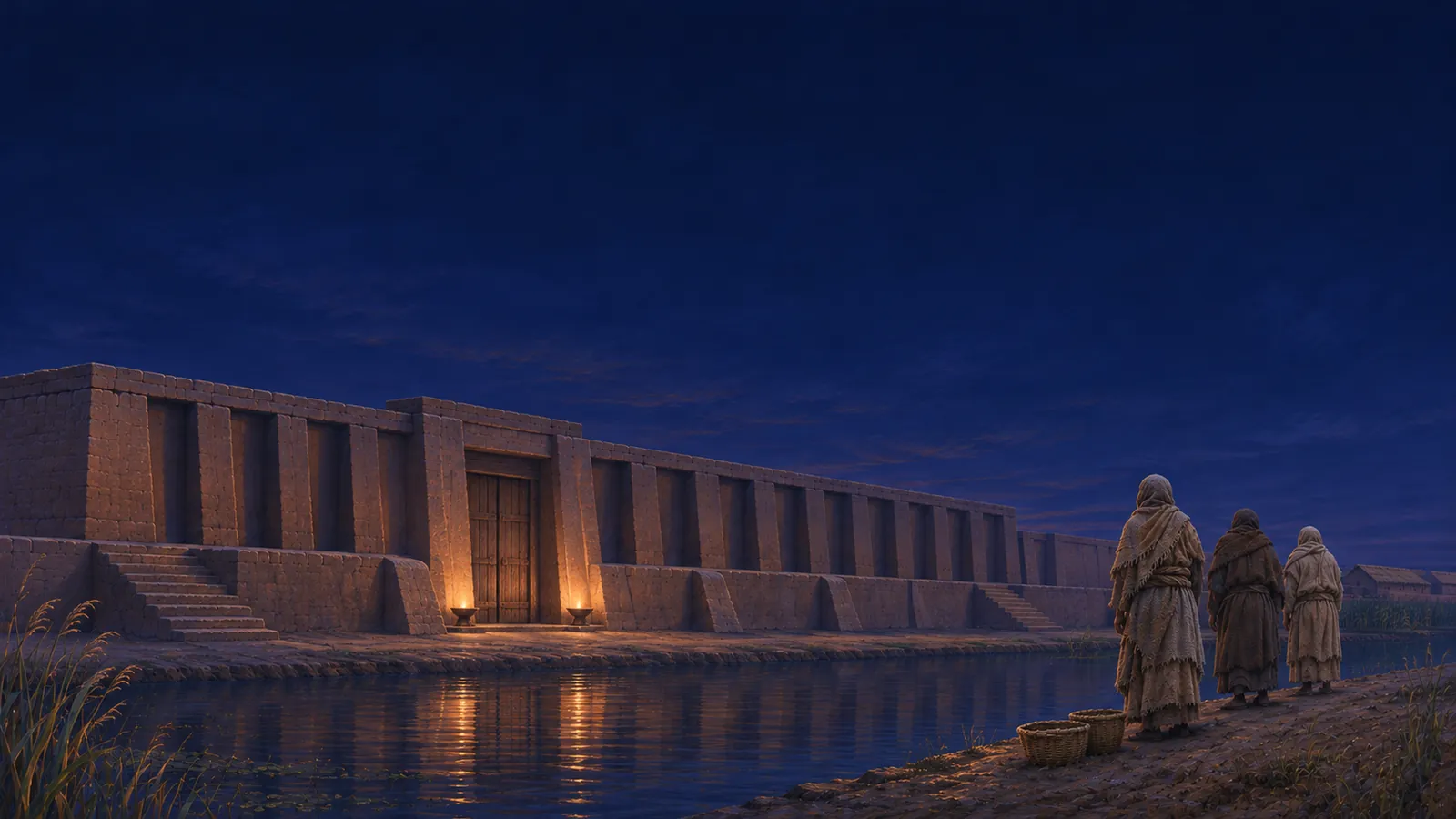
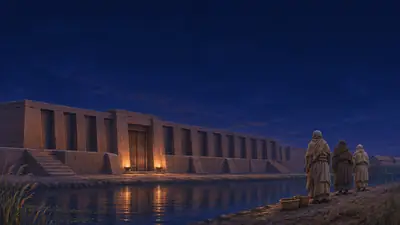
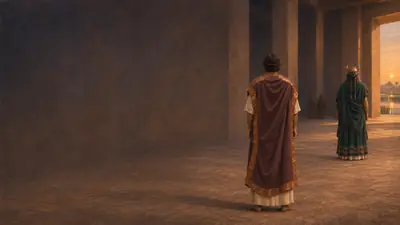
Es war mitten in der Nachtwache, als die Arbeiter Ekur umringten. In seinem Haus hatte Enlil noch nicht gehört, was sich an seinem Tor versammelte.
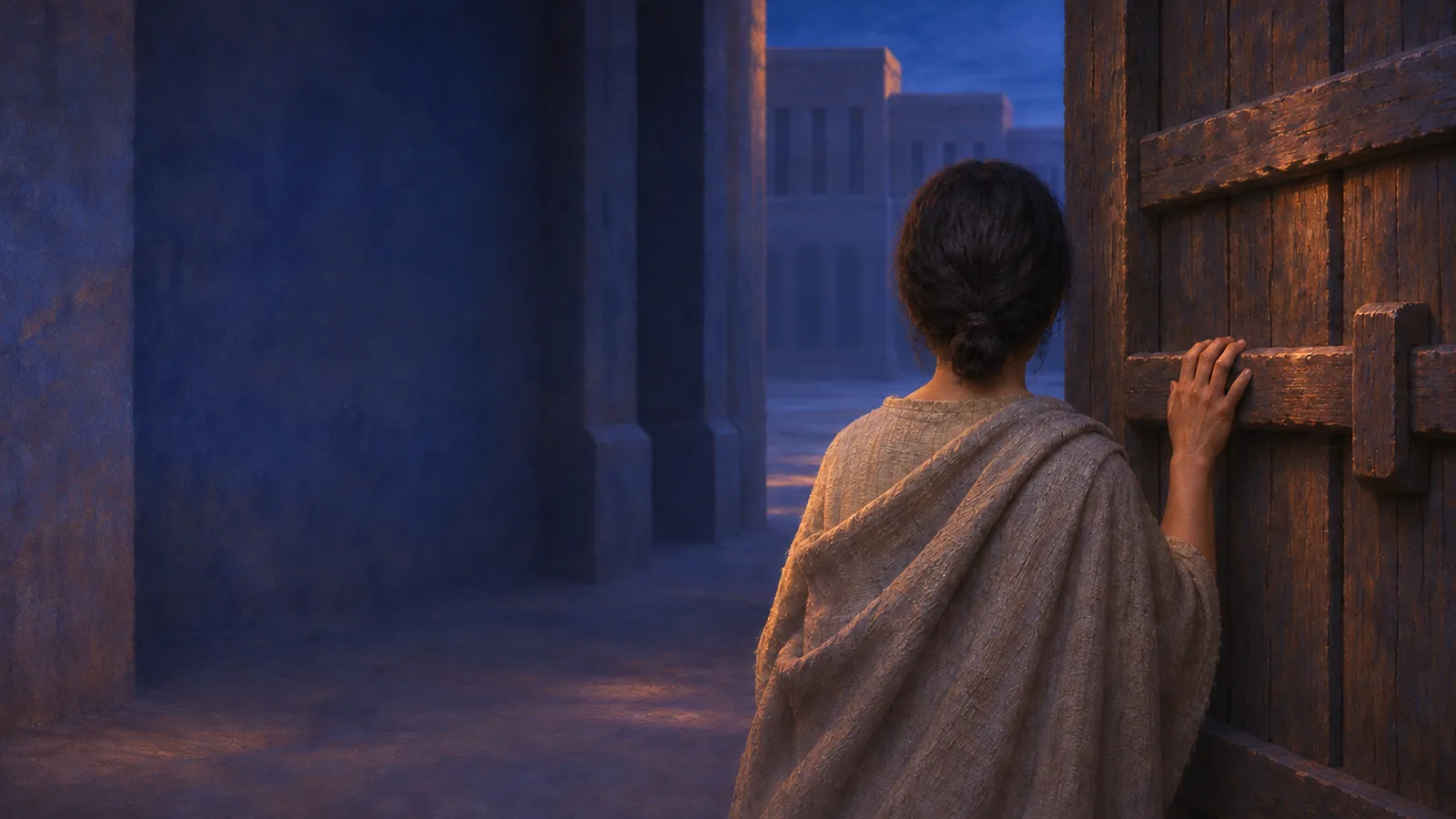
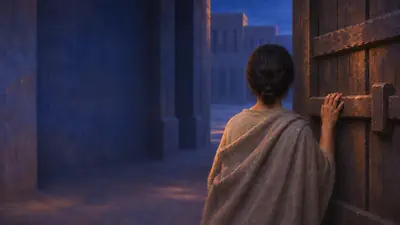
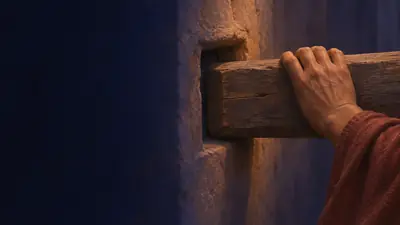
Am Tor legte Kalkal die Hand an den Riegel und ging Nuska wecken. Die beiden lauschten den Stimmen der Arbeiter draußen.
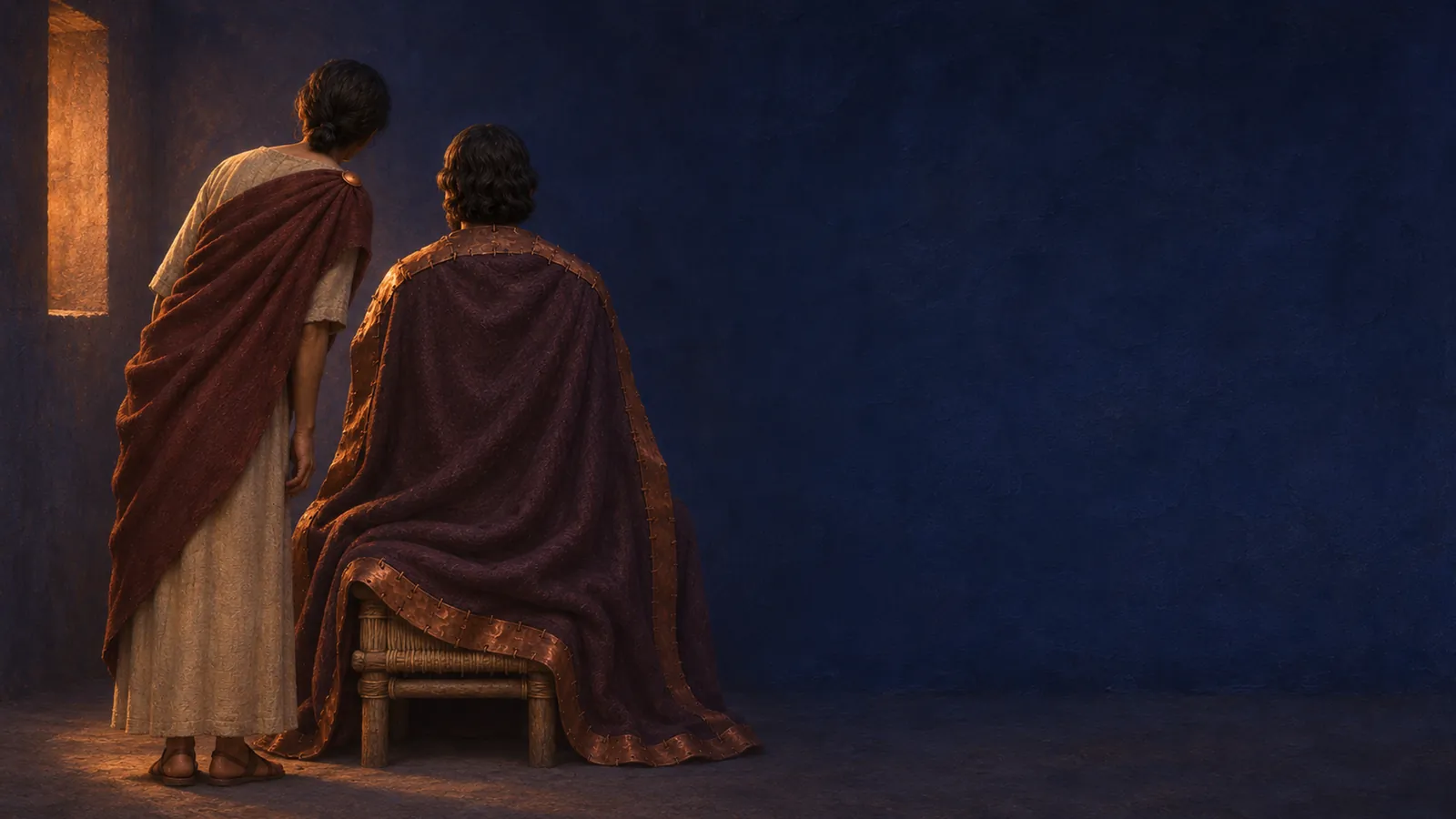
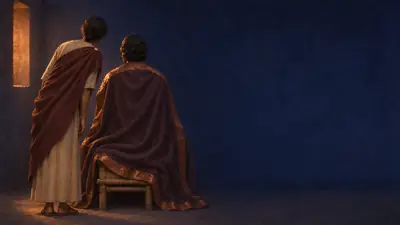
Nuska weckte seinen Herrn und sagte ihm, dass das Haus umstellt war. Der Streit, der in der Grube begonnen hatte, stand nun vor Enlils eigener Tür.
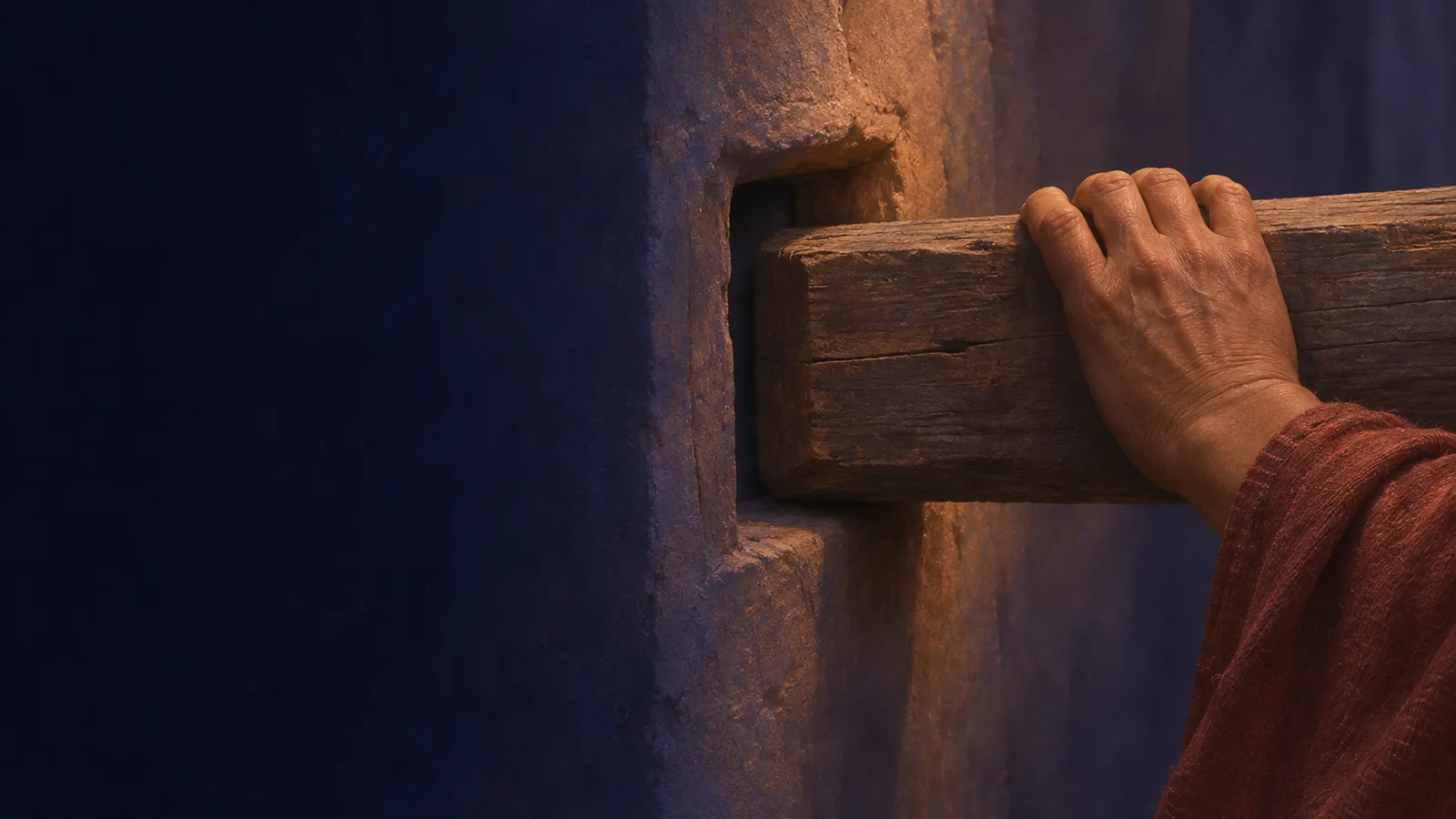
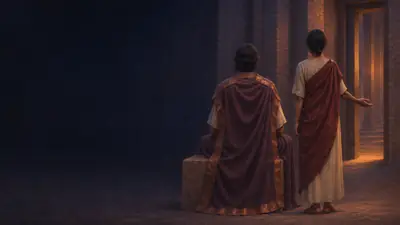
Enlil befahl Nuska, das Tor zu verriegeln, seine Waffen zu nehmen und sich vor ihn zu stellen. Nuska tat, was ihm befohlen wurde. Draußen warteten die Arbeiter noch immer.
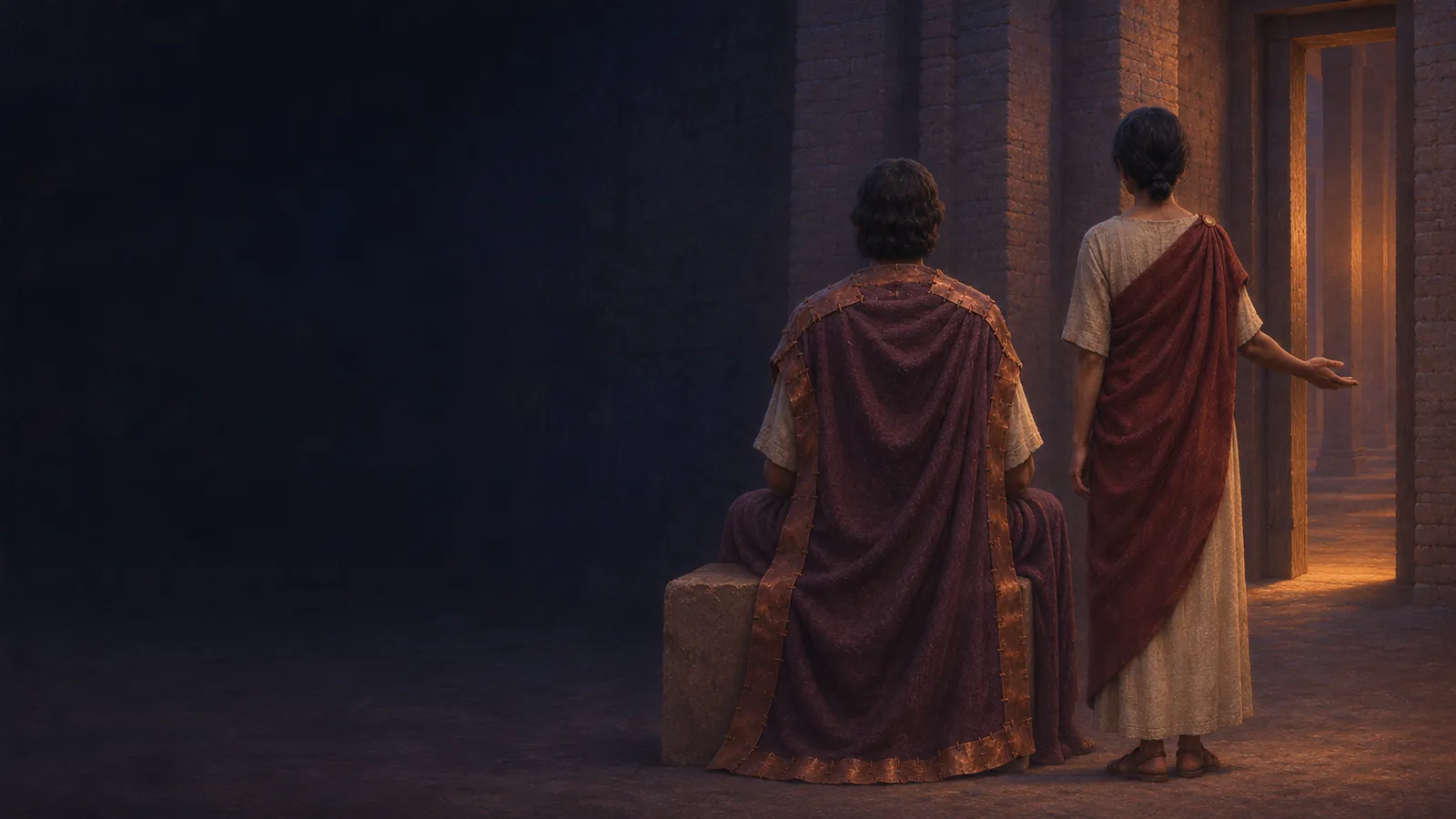
Nuska sah, wie verängstigt sein Herr war. Er drängte ihn, Anu herunterzuholen und Enki zu sich zu rufen, damit die Götter die Sache gemeinsam anhören konnten.
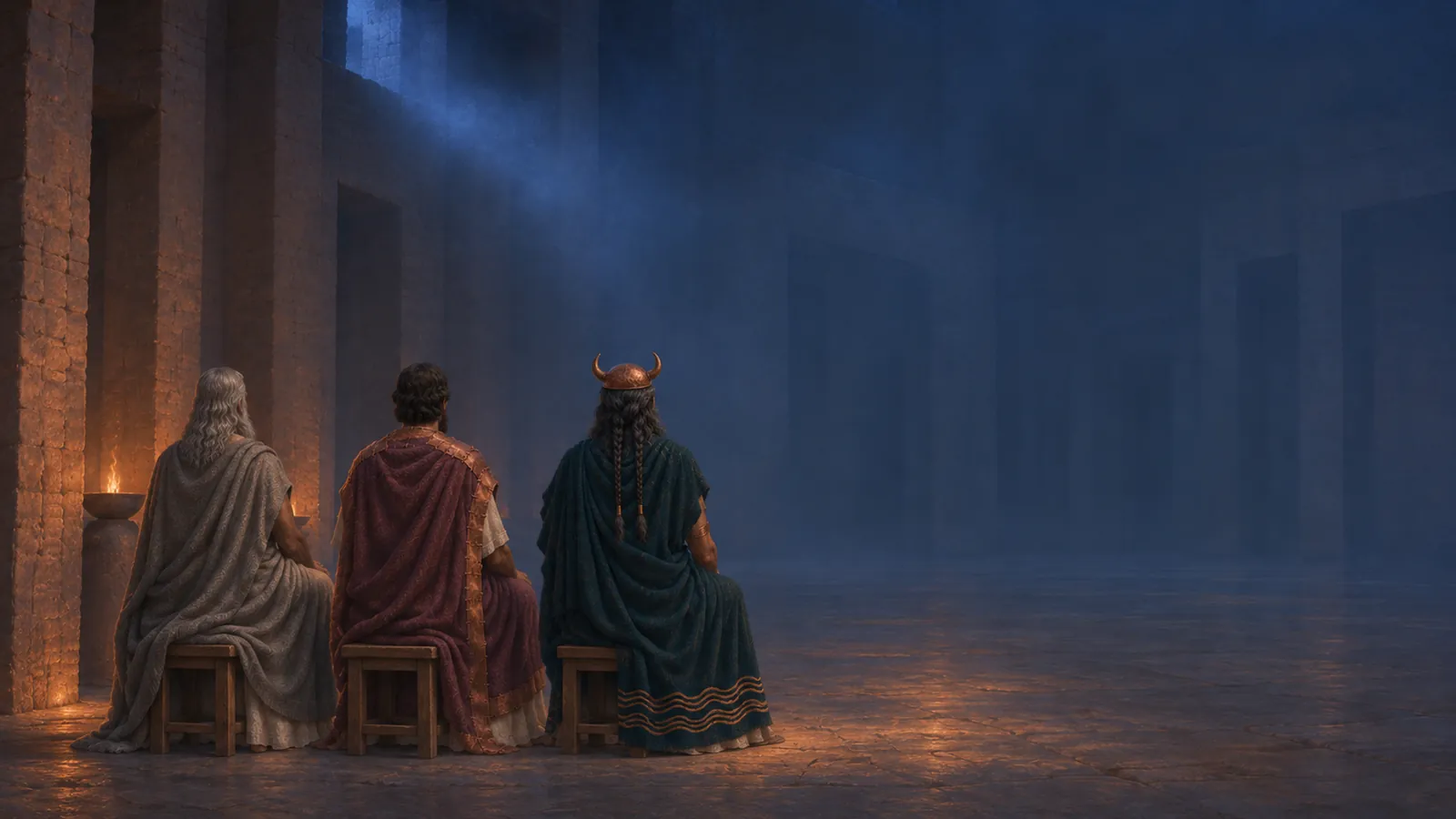
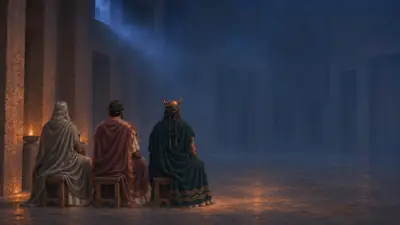
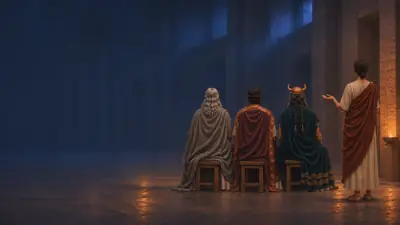
Enlil fragte den Rat, warum sich die Arbeiter gegen ihn erhoben hätten. Anu riet ihm, Nuska hinauszuschicken und von den Arbeitern selbst zu hören, was sie vor das Tor geführt hatte.
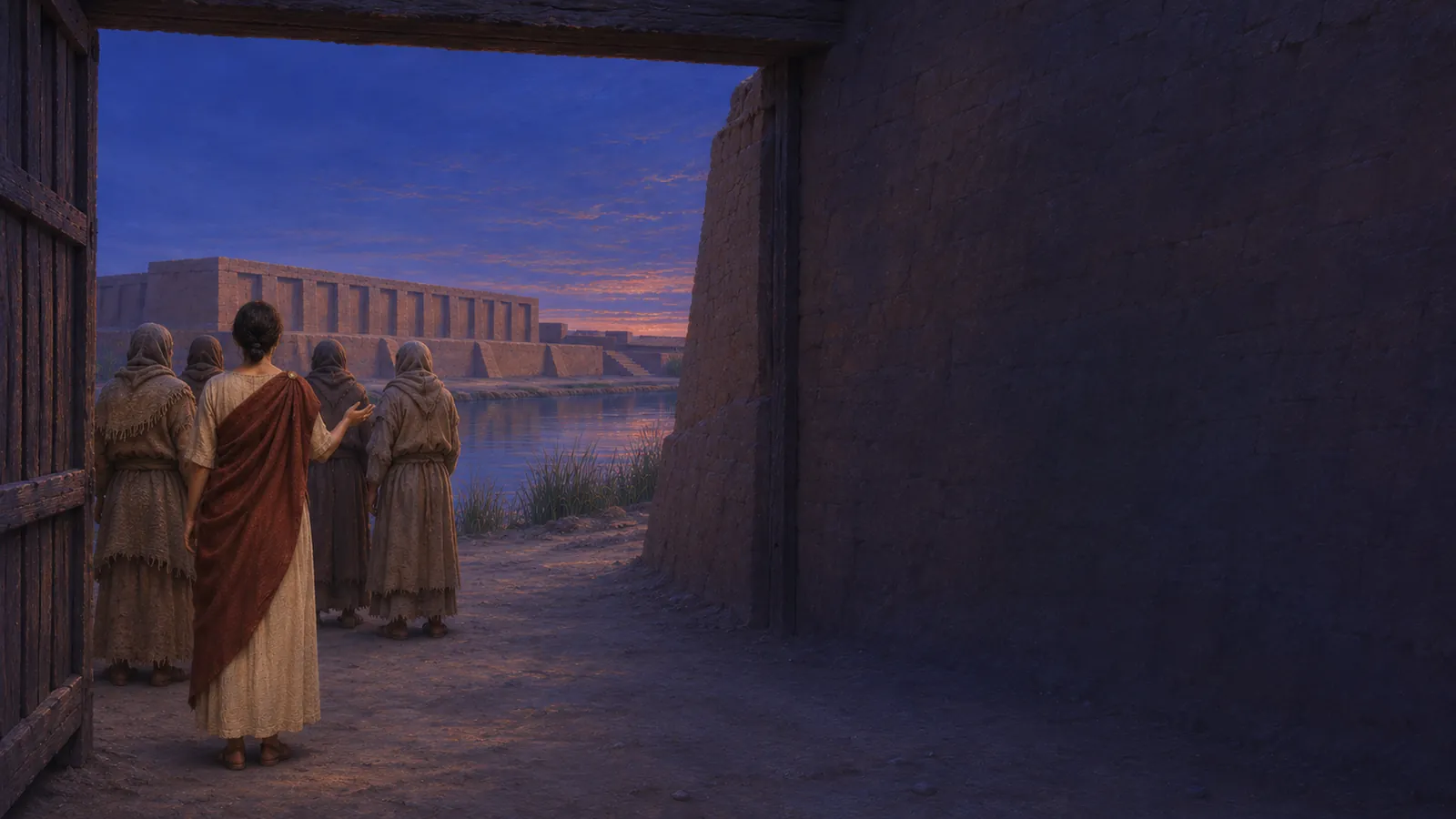
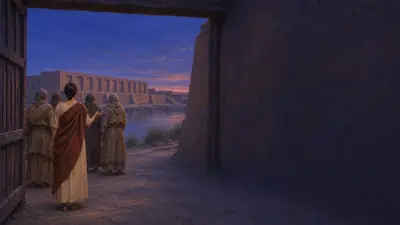
Nuska öffnete das Tor, trat vor die draußen versammelte Schar und richtete aus, was man ihm aufgetragen hatte. Er fragte, welcher Gott sie hierhergeführt habe.
WIR ALLE
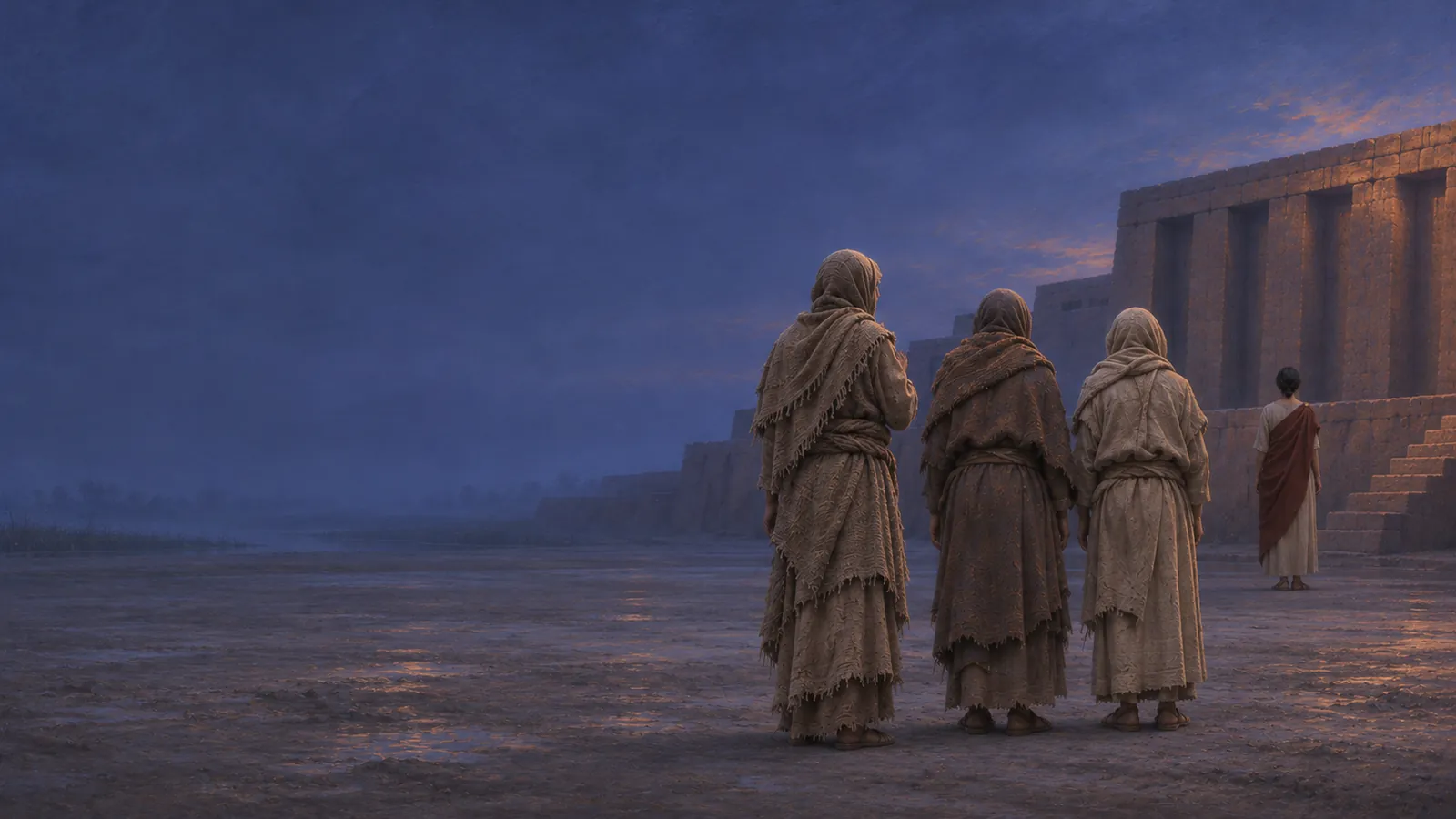
Die Antwort kam von der ganzen Schar der Arbeiter. Sie hätten sich alle in der Grube versammelt, sagten sie, und die Arbeit sei zu schwer geworden, um sie noch zu tragen.
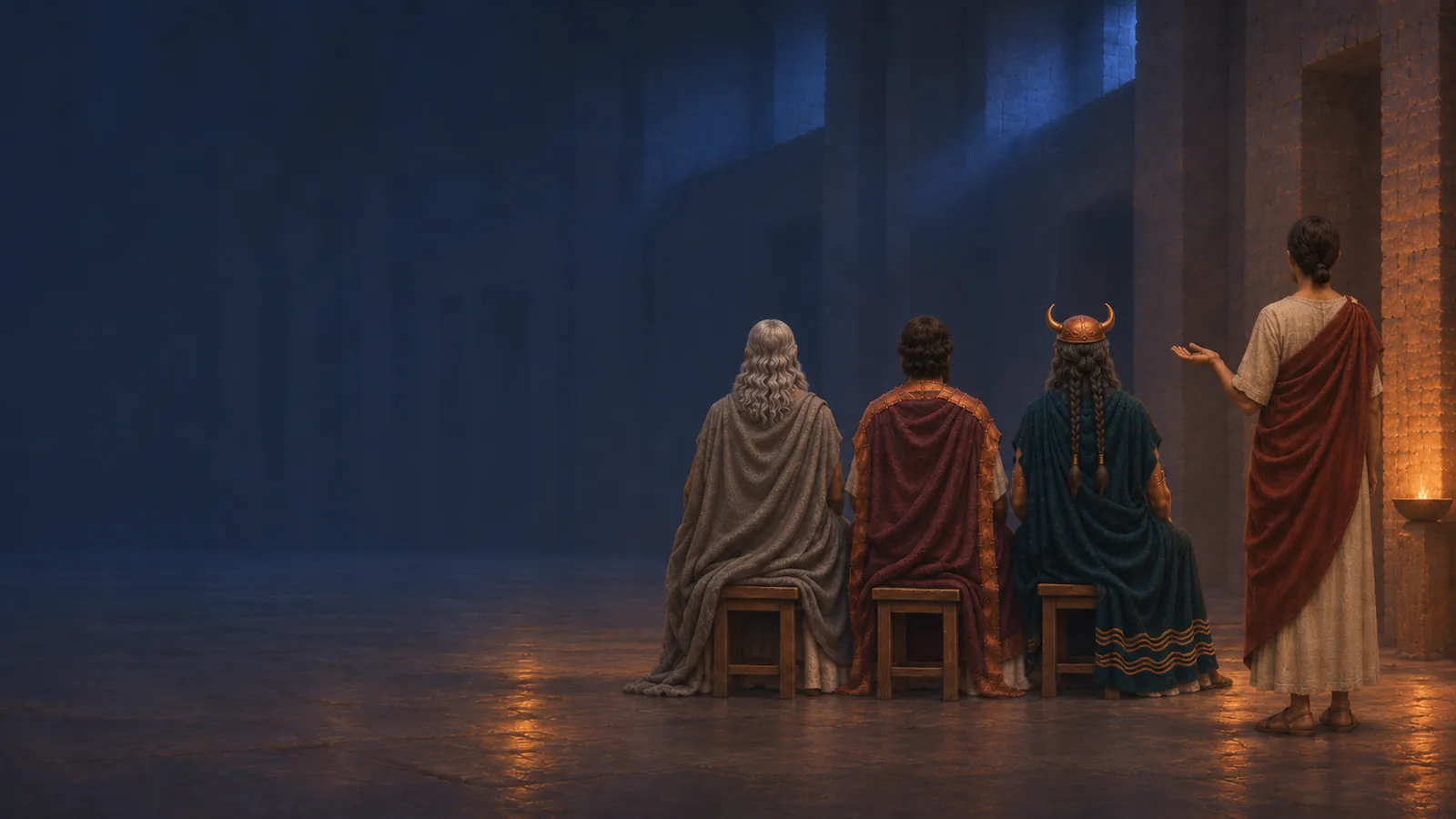
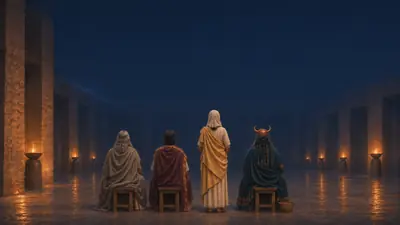
Nuska brachte die Worte der Arbeiter zurück in den Ratssaal. Jeder von ihnen habe mitgemacht, sagte er. Das Gewicht der Körbe habe sie dorthin getrieben.
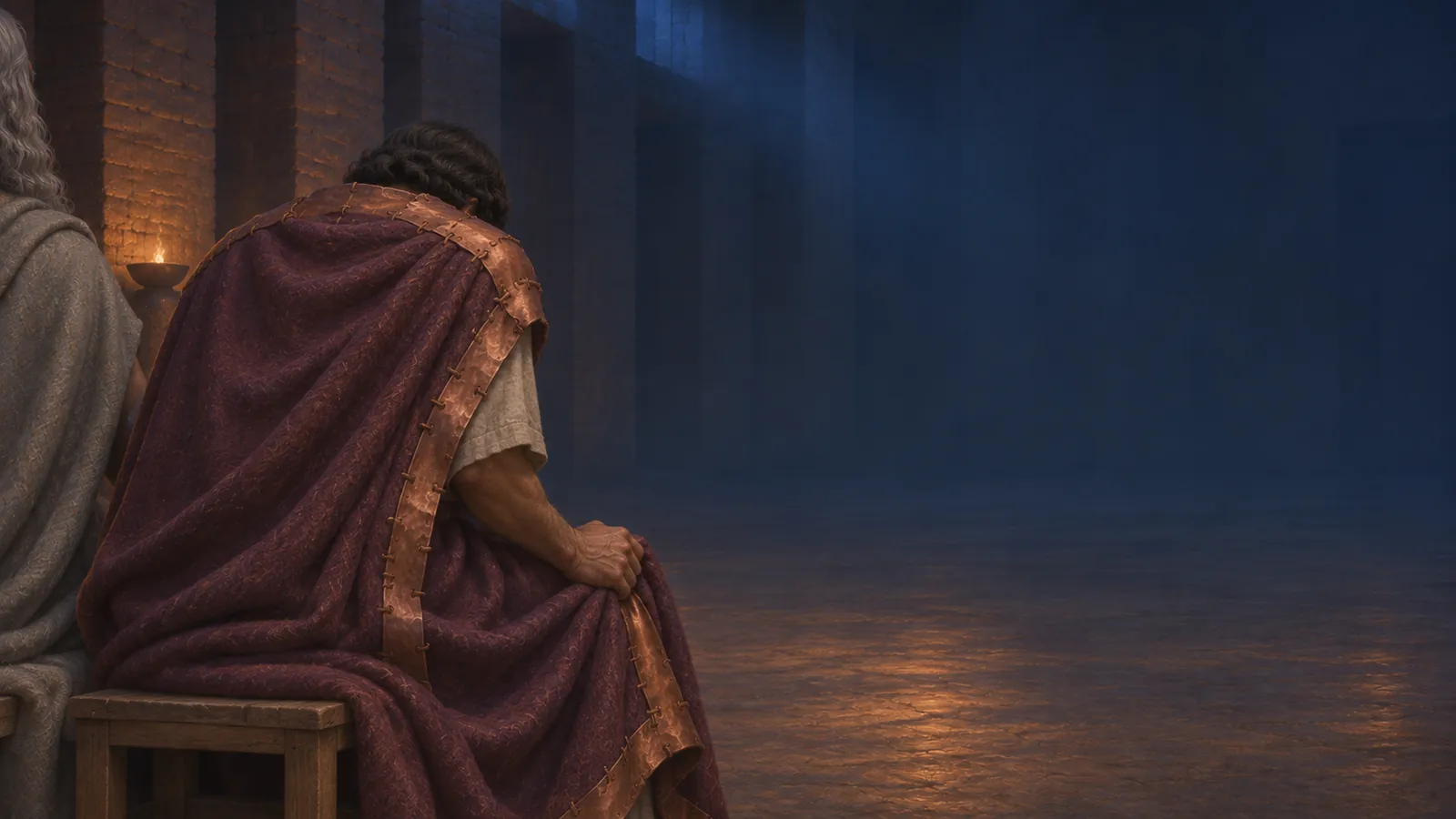
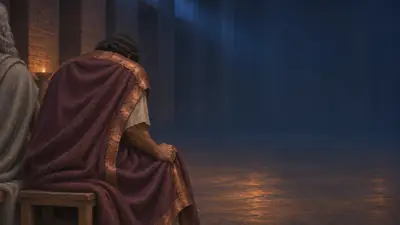
Der Bericht trieb Enlil die Tränen in die Augen. Er wandte sich an Anu und sprach davon, mit ihm zum Himmel aufzusteigen und dem Rat die Entscheidung zu überlassen.
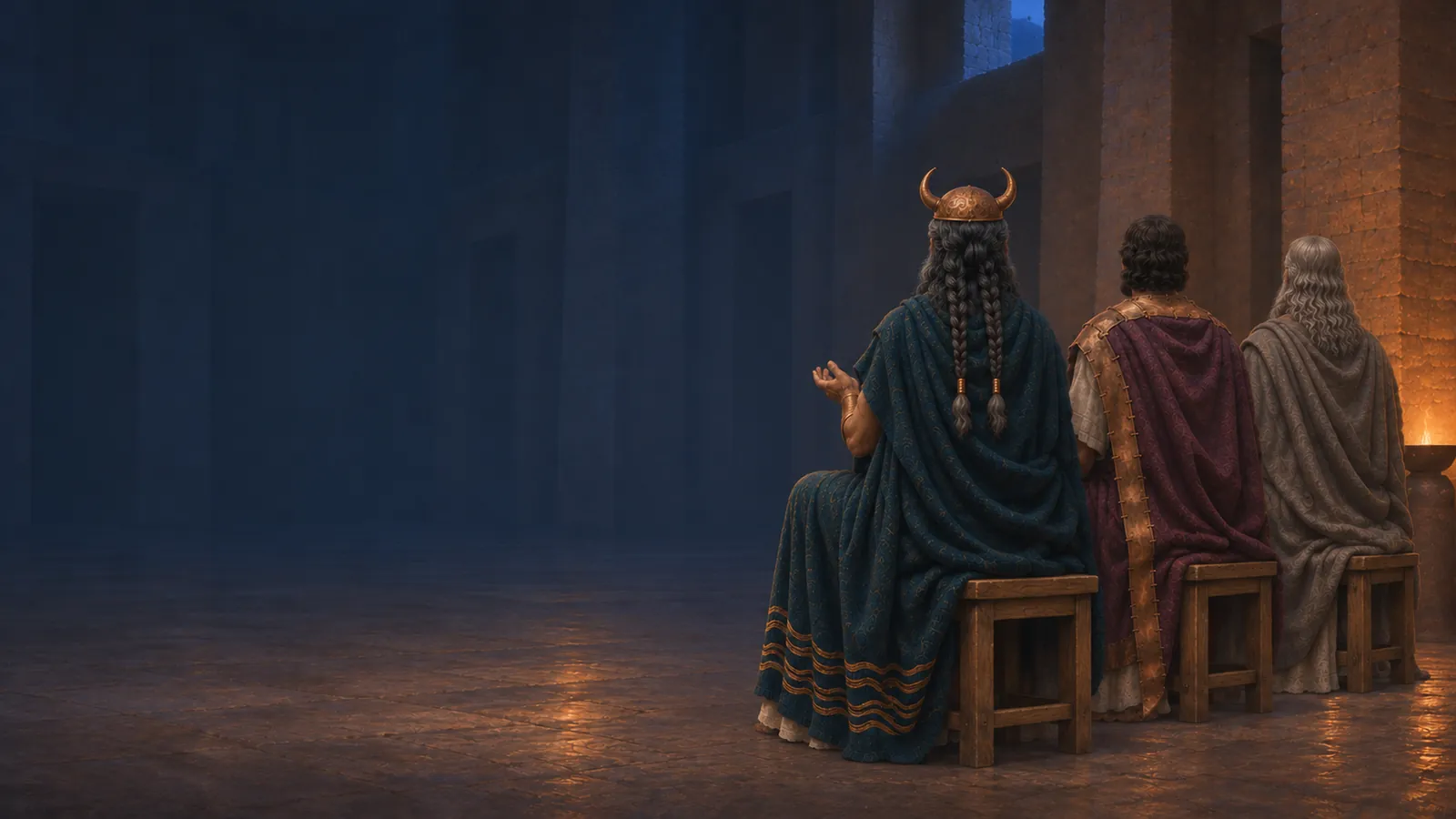
Enki fragte, wie man den Arbeitern einen Vorwurf machen könne. Ihre Arbeit sei zu schwer gewesen, sagte er, und alle Versammelten könnten nun hören, was sie ihnen abverlangt hatte.
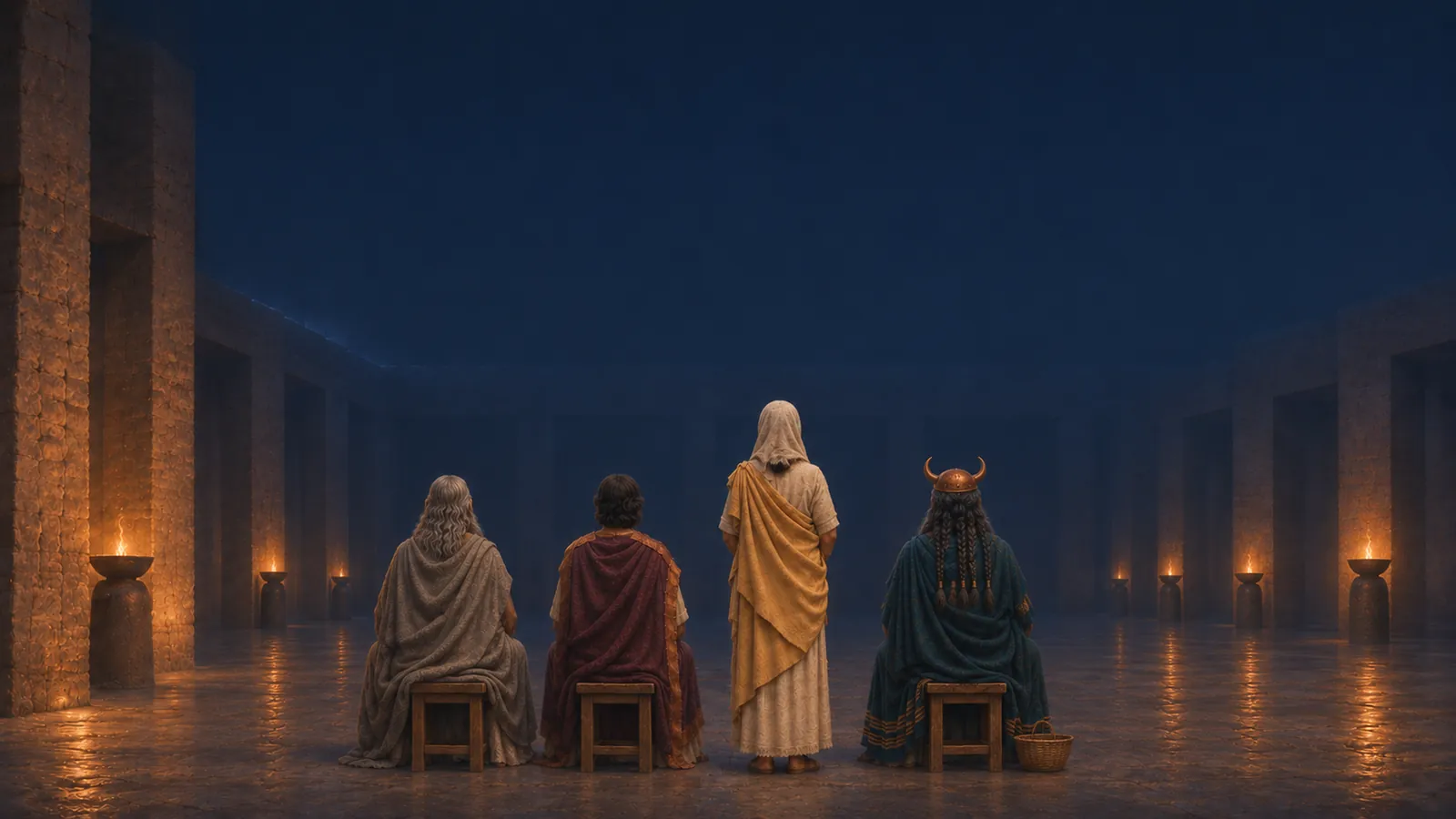
Jemand musste den Korb auch weiterhin tragen. Die Götter baten die weise Hebamme Mami, Menschen zur Welt zu bringen und ihnen die Arbeit auf die Schultern zu legen.
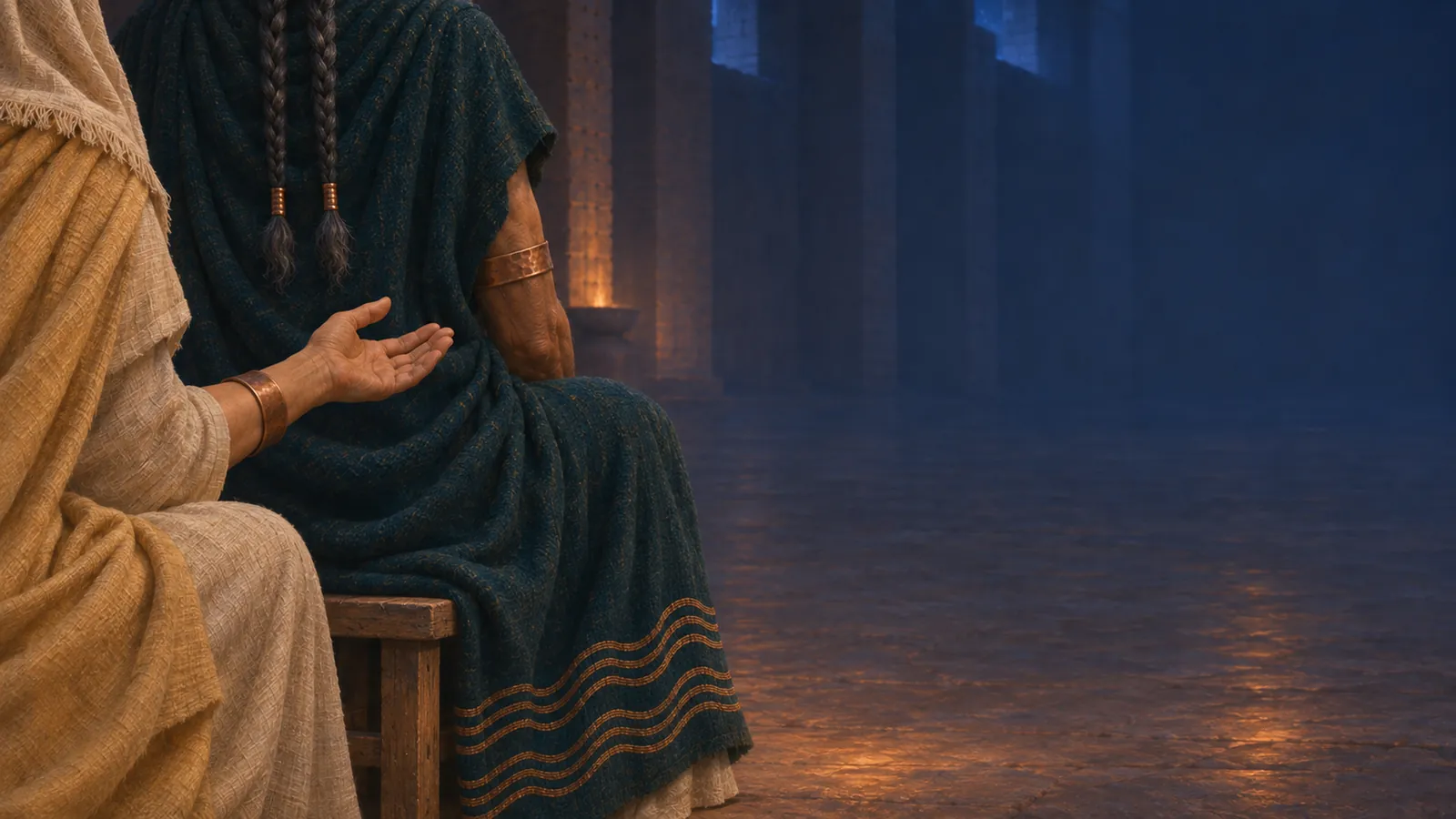
Mami gab die Frage an Enki zurück. Er sei es, der sich auf die Reinigung verstehe, sagte sie. Er solle ihr den Ton geben, dann werde sie ihren Teil tun.
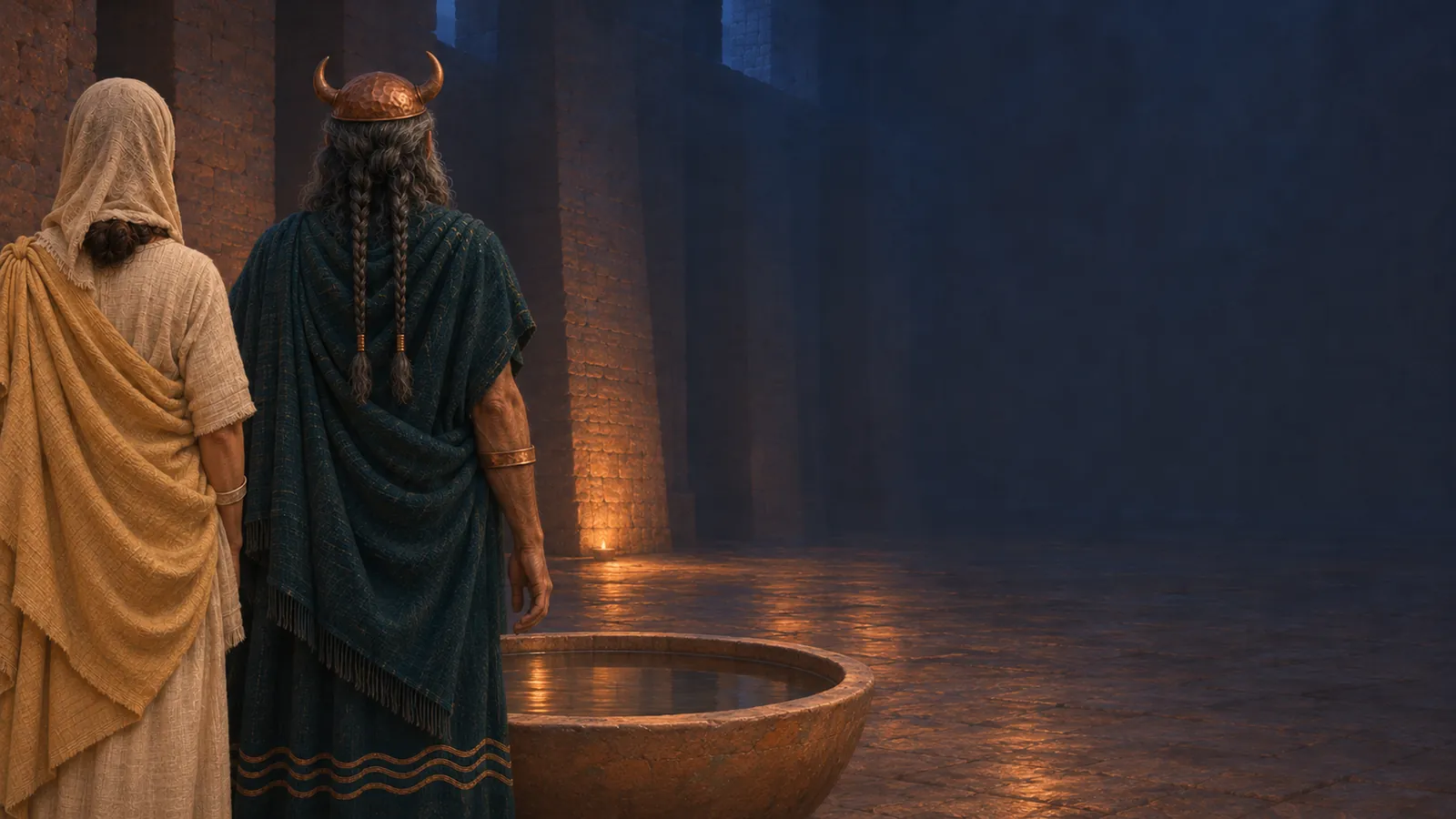
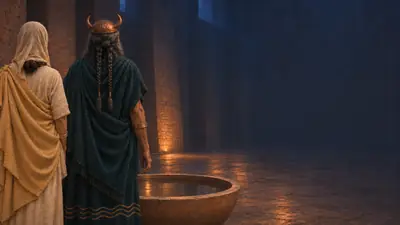
Enki bestimmte ein Reinigungsbad, das an festgesetzten Tagen zu wiederholen war. Der neue Ton, sagte er, werde etwas von einem Gott in sich tragen. Die Versammlung stimmte zu.
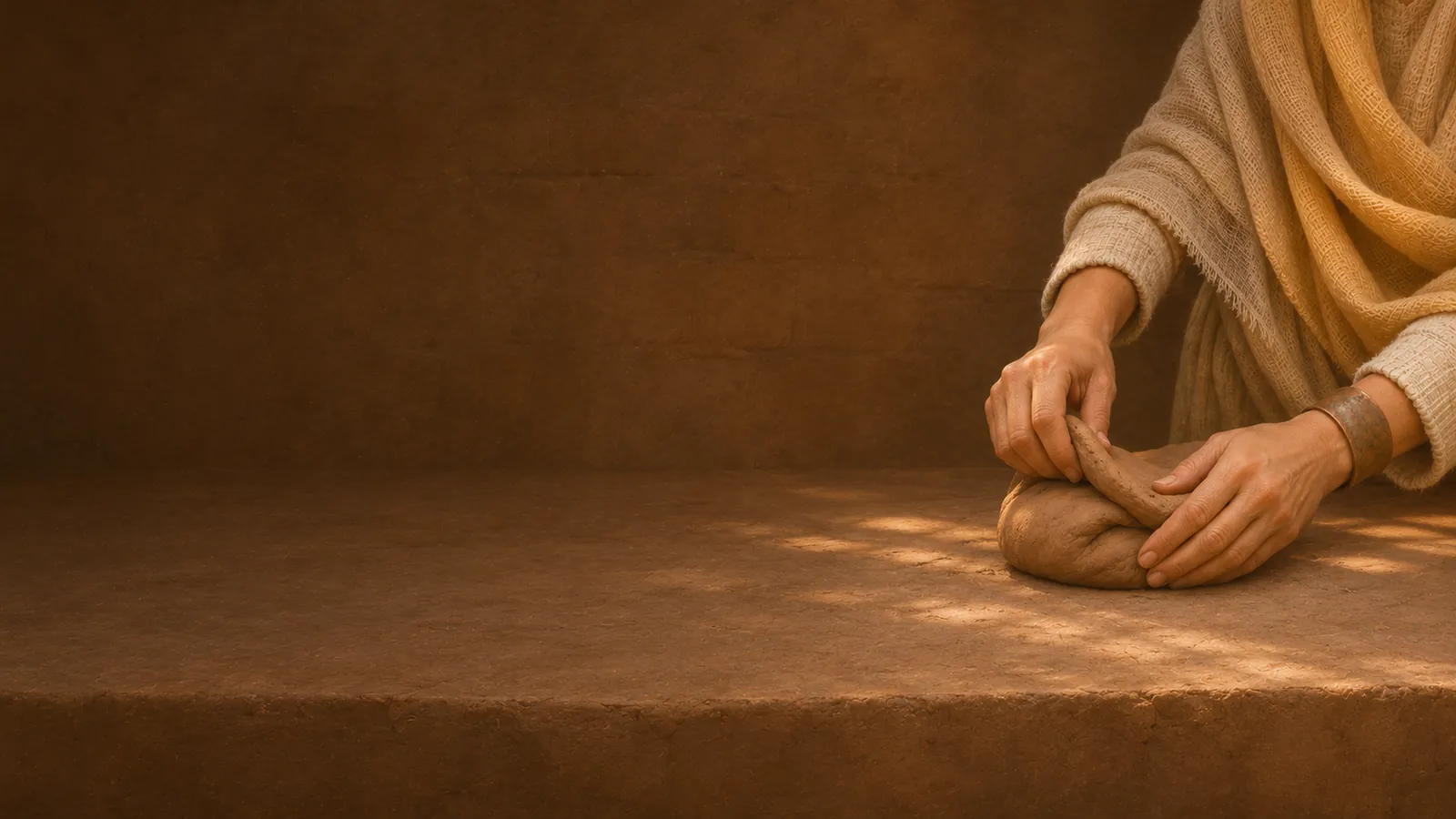
TON UND ERINNERUNG
In der Versammlung wurde einer der Götter getötet. Mami mischte sein Fleisch und Blut mit Ton, und das Gedicht sagt, sein Geist werde den Lebenden als Erinnerung bleiben.
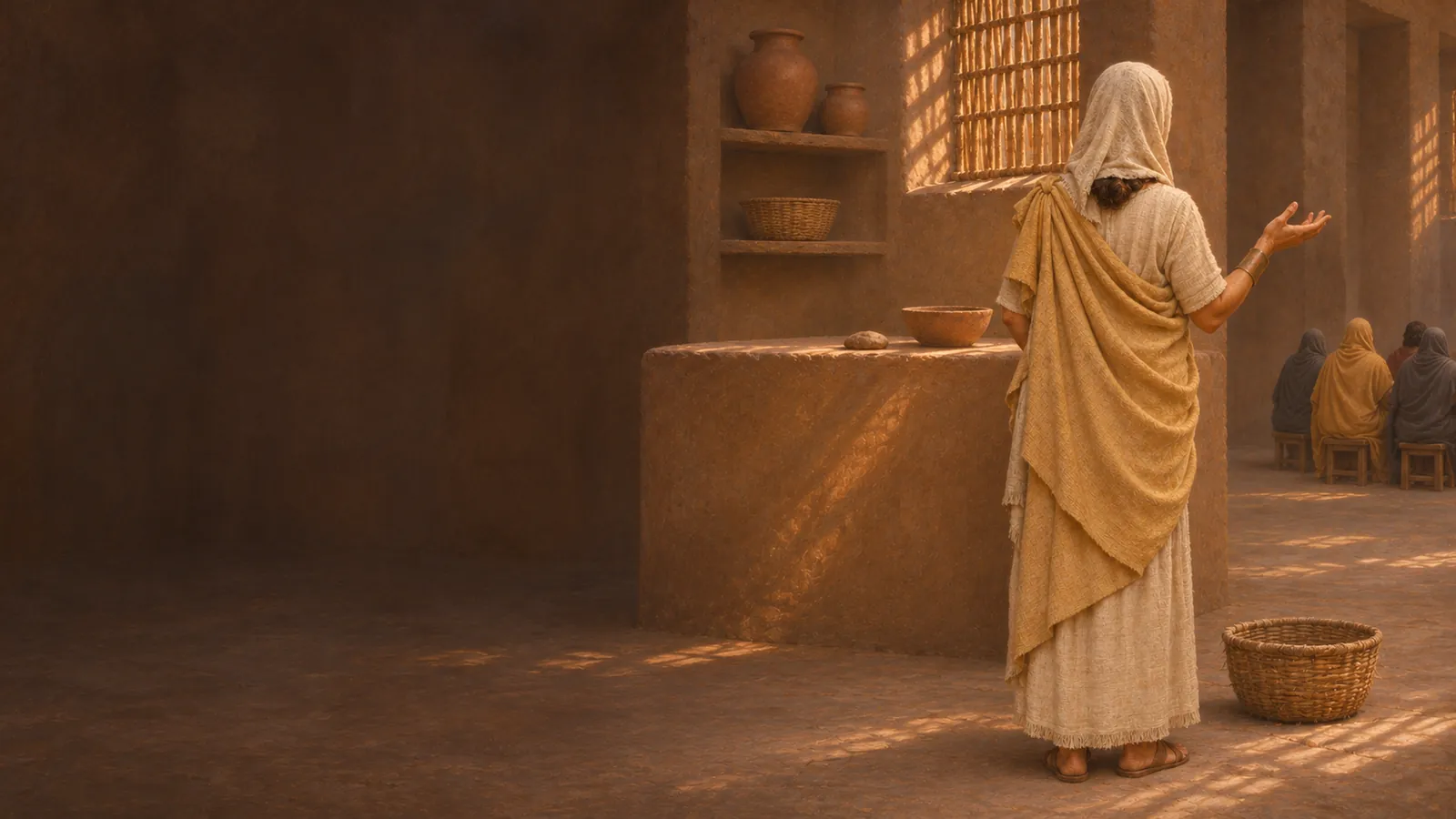
Als der Ton vorbereitet war, sagte Mami den Göttern, sie habe ihnen die schwere Arbeit abgenommen. Der Korb werde an die Menschen übergehen. Die Götter waren vom Joch befreit.
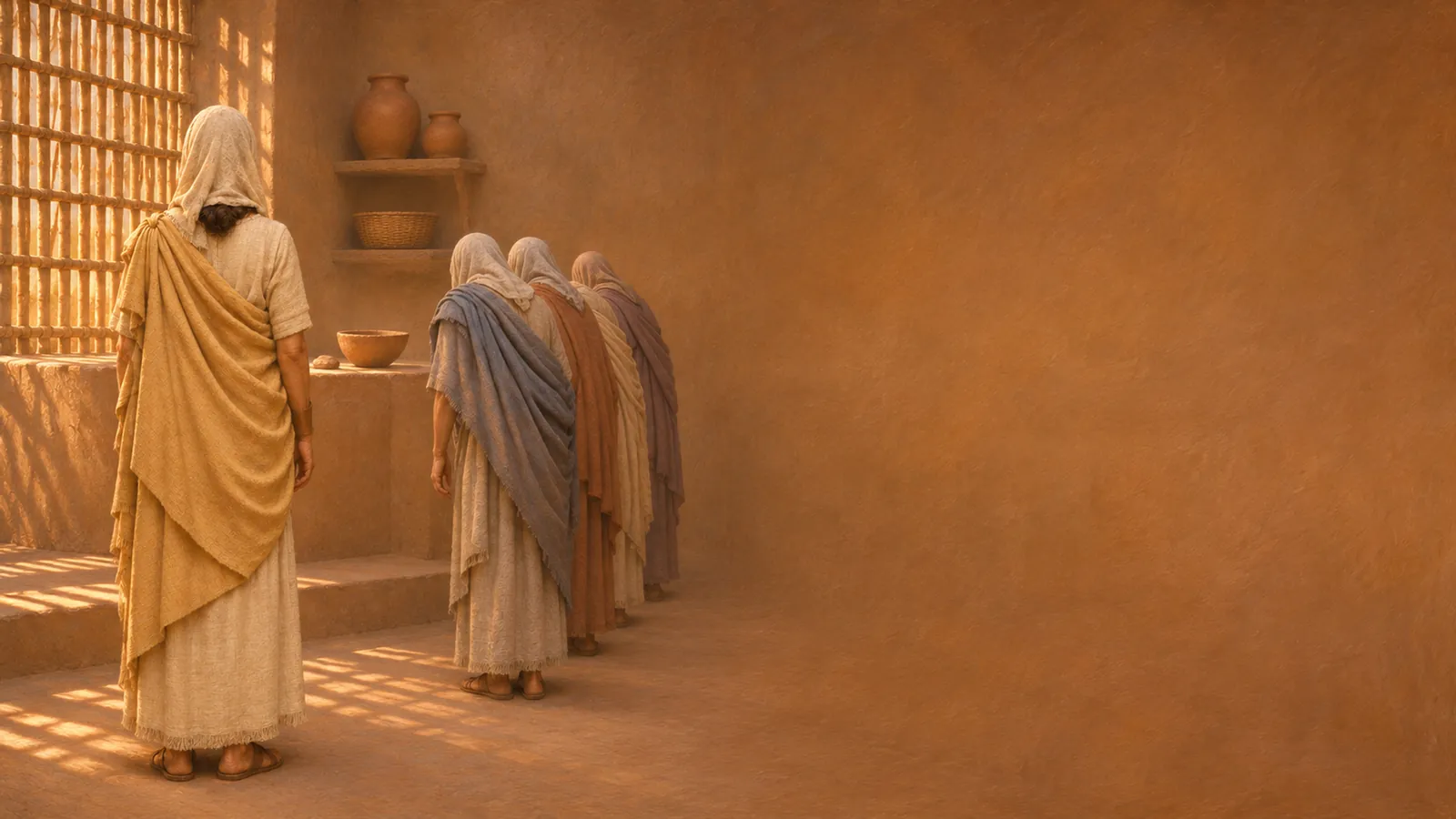
Die Götter traten vor, um Mami zu ehren. Bis dahin, sagten sie, hätten sie sie Mami genannt. Nun würden sie sie die Herrin aller Götter nennen.
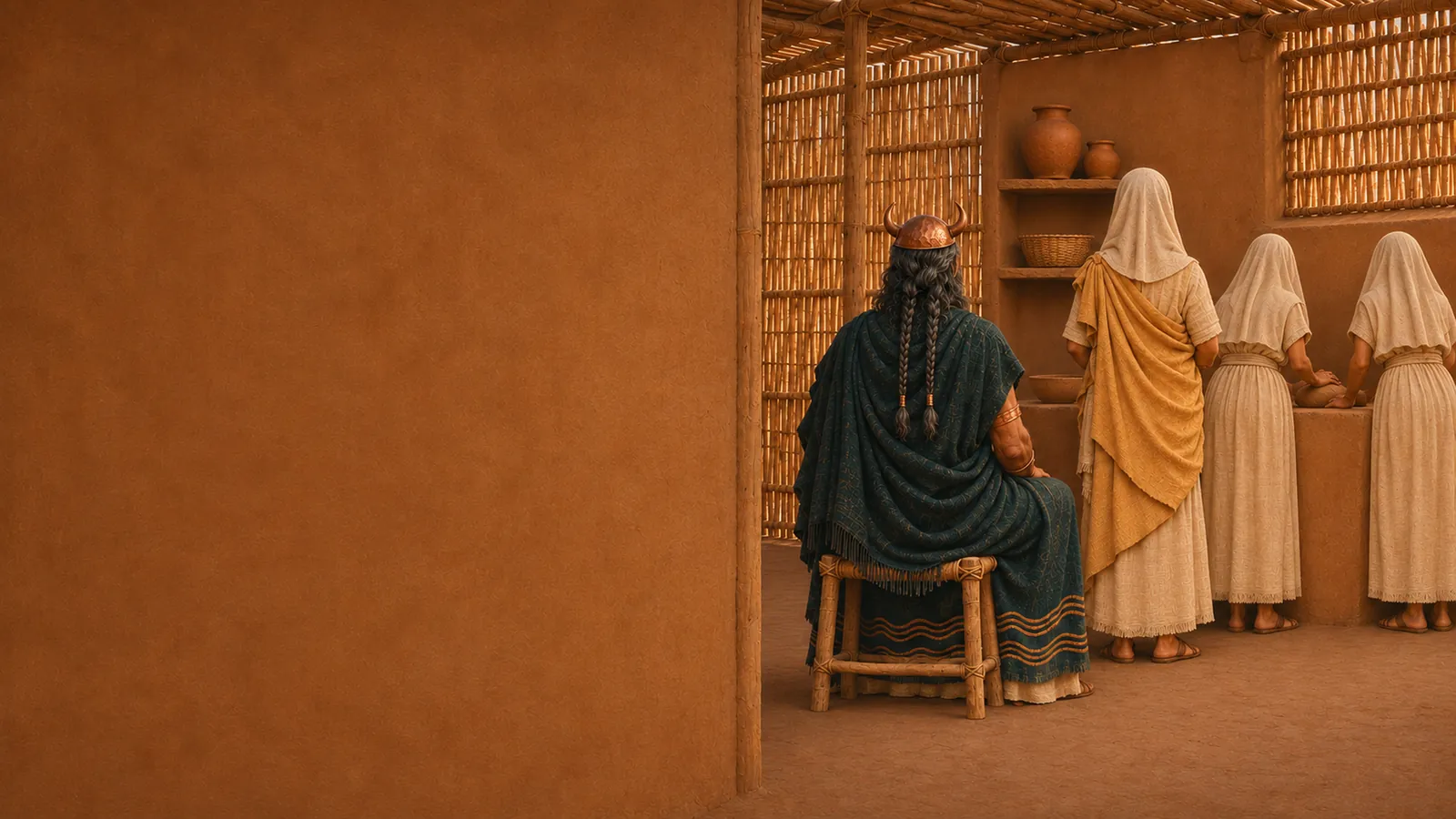
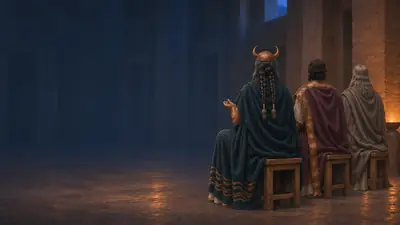
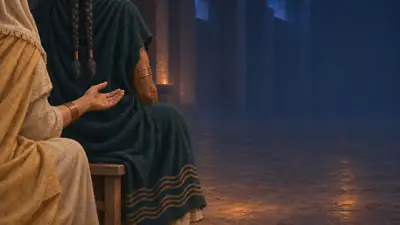
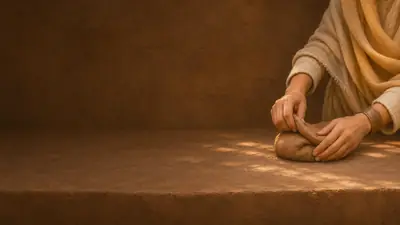
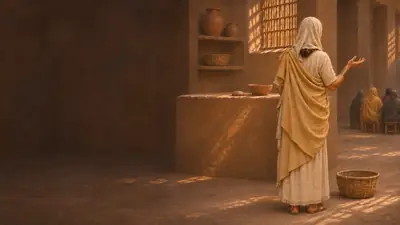
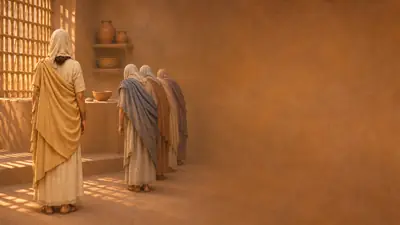
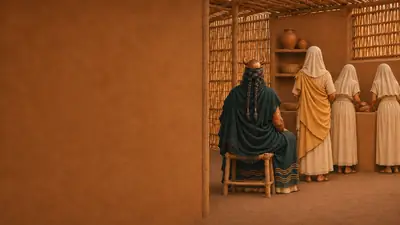
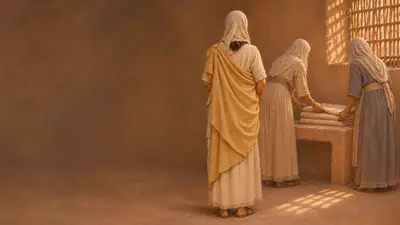
Enki ging mit Mami in das Haus des Schicksals. Dort versammelten sich die Hebammen, um den Ton zu bearbeiten. Während Enki vor ihr saß, sprach Mami den Zauber über dem Ton.
SIEBEN UND SIEBEN
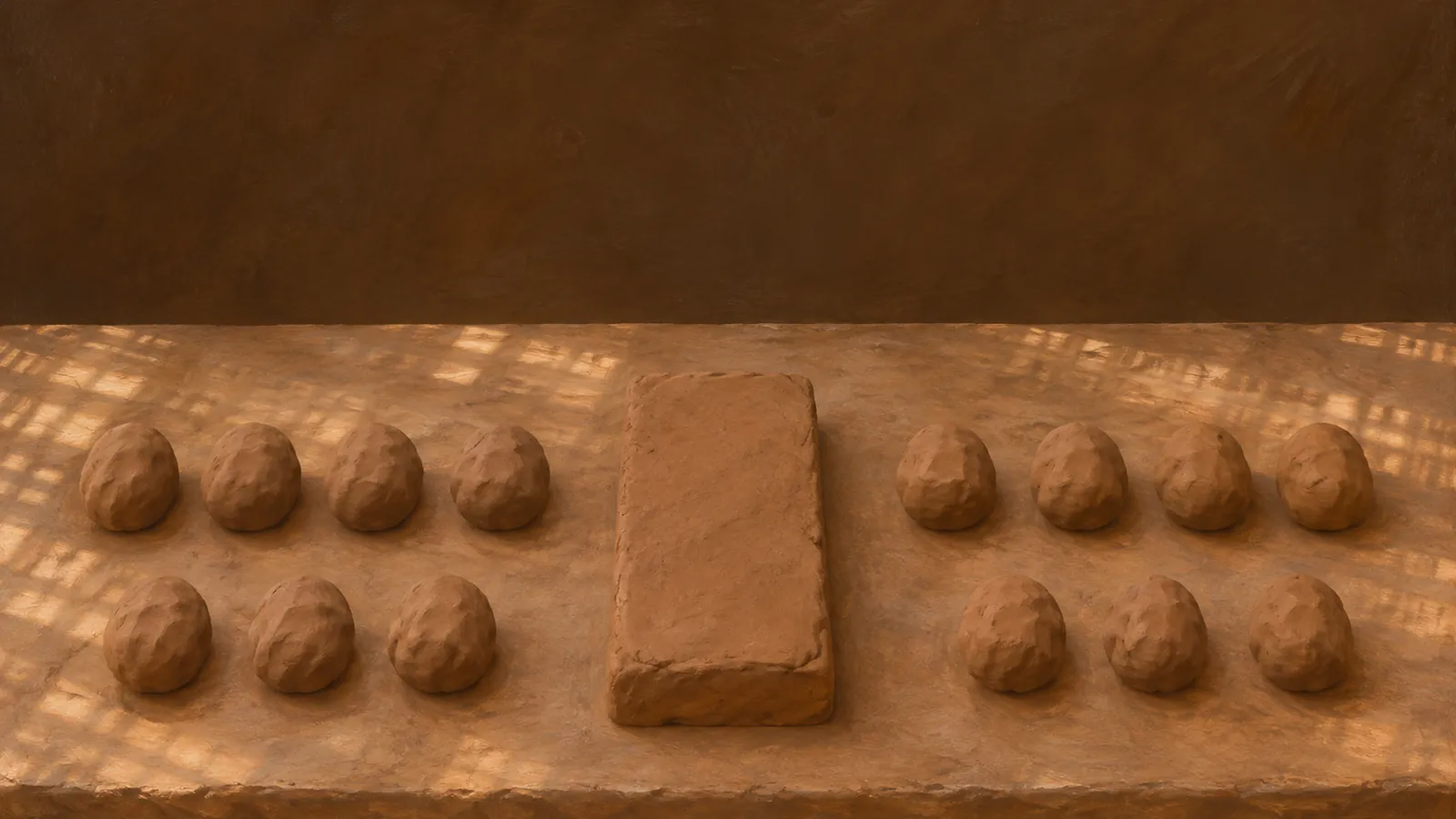
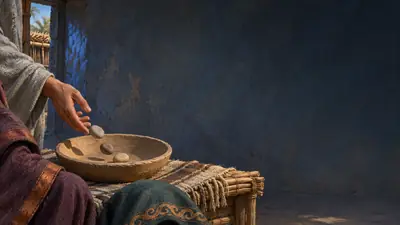
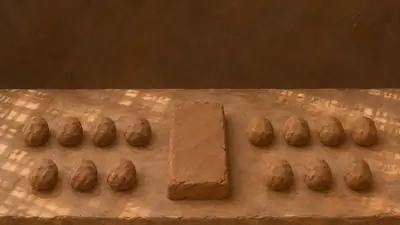
Mami kniff vierzehn Stücke Ton ab. Sie legte sieben auf die eine Seite und sieben auf die andere, mit einem Ziegel im Zwischenraum.
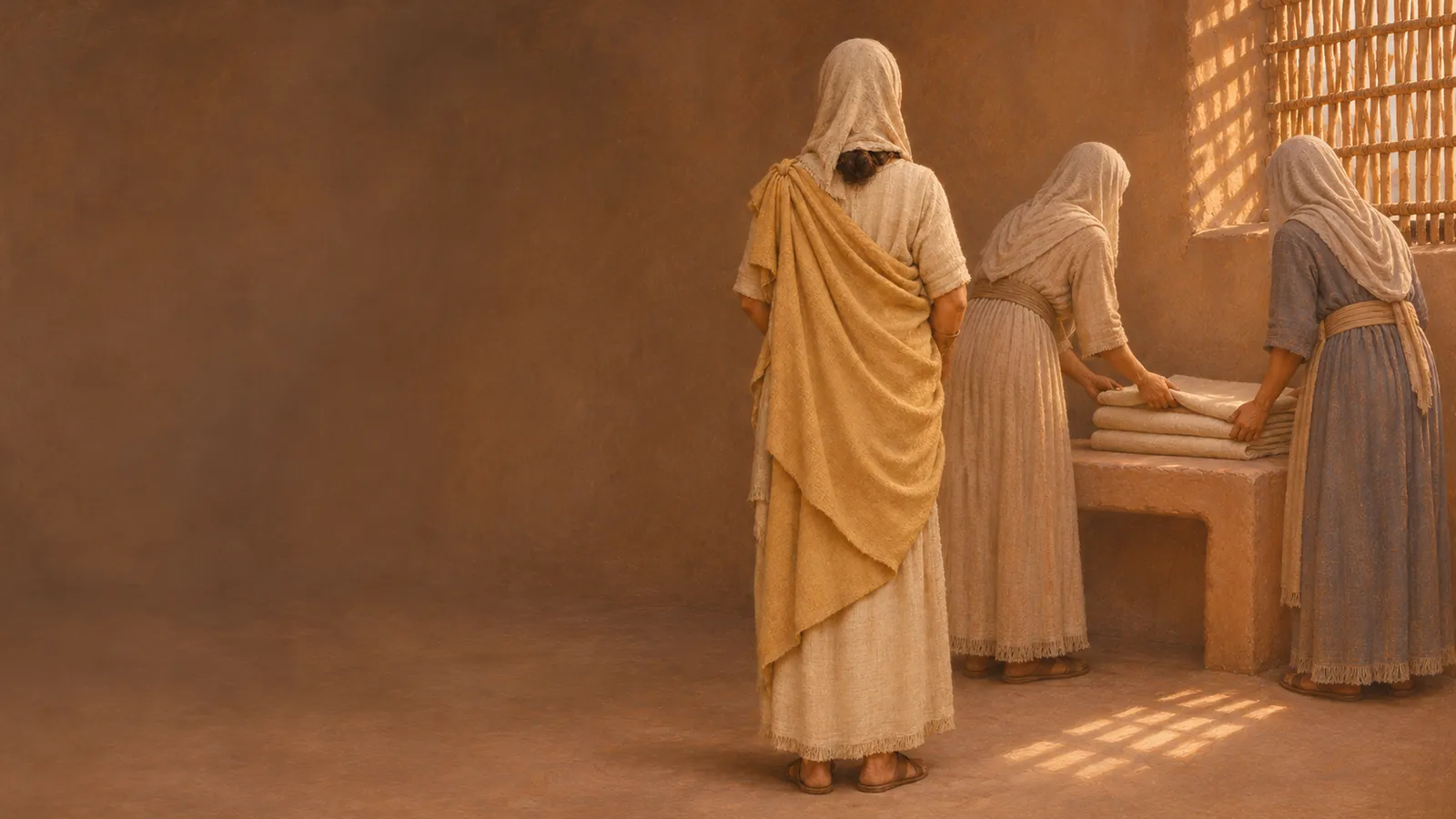
Das Gedicht erinnert sich an sieben Jungen und sieben Mädchen am Anfang. Mami sagte, was folgen würde, wenn sie heranwüchsen und begännen, ihre Gefährten selbst zu wählen.
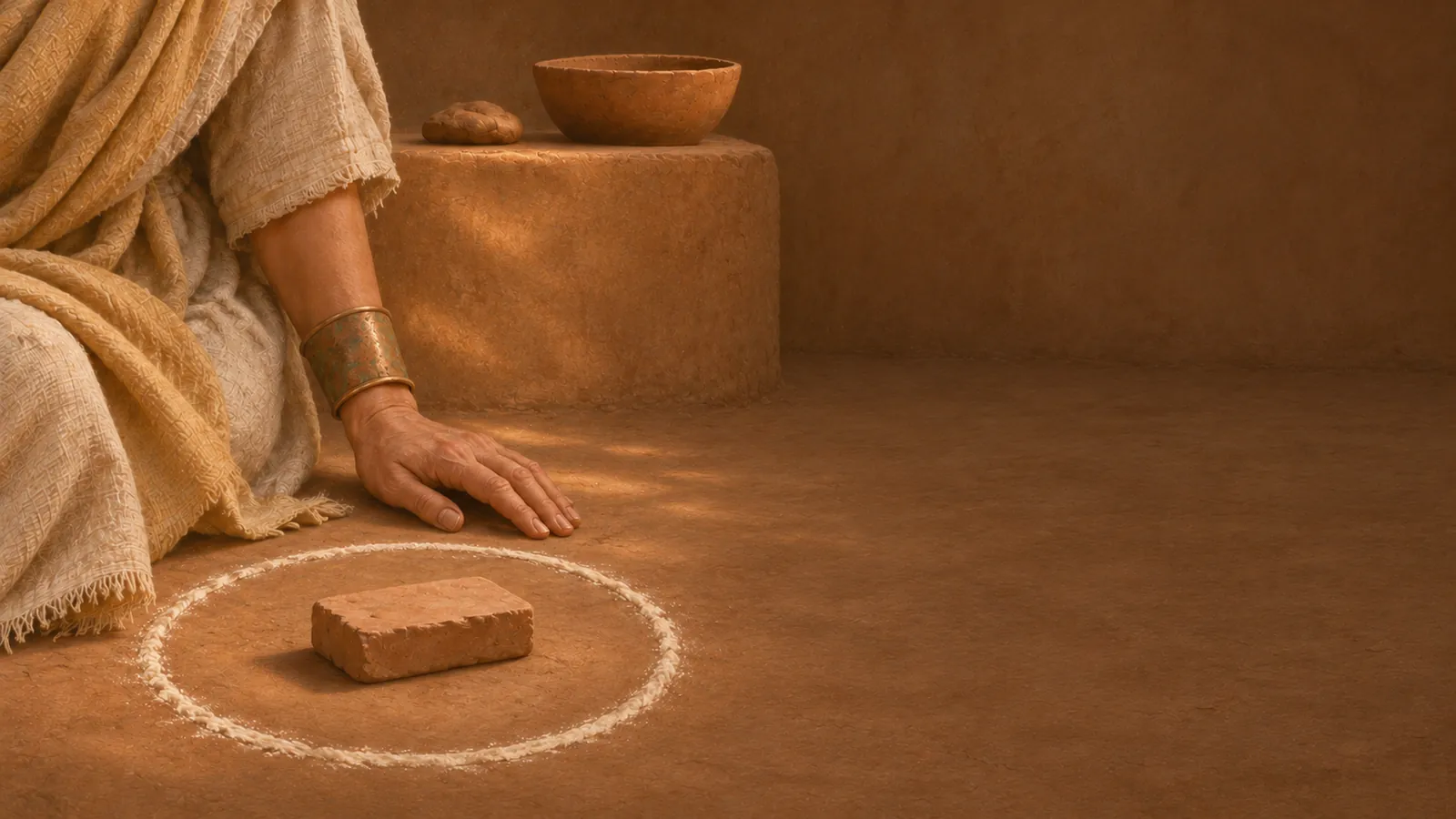
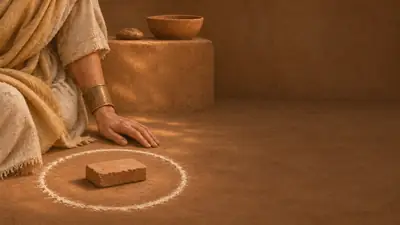
Als der bestimmte Monat kam, tat die Hebamme mit Freude ihr Werk. Nintu gab ihren Segen, zog mit Mehl einen Kreis und legte einen Ziegel hinein.
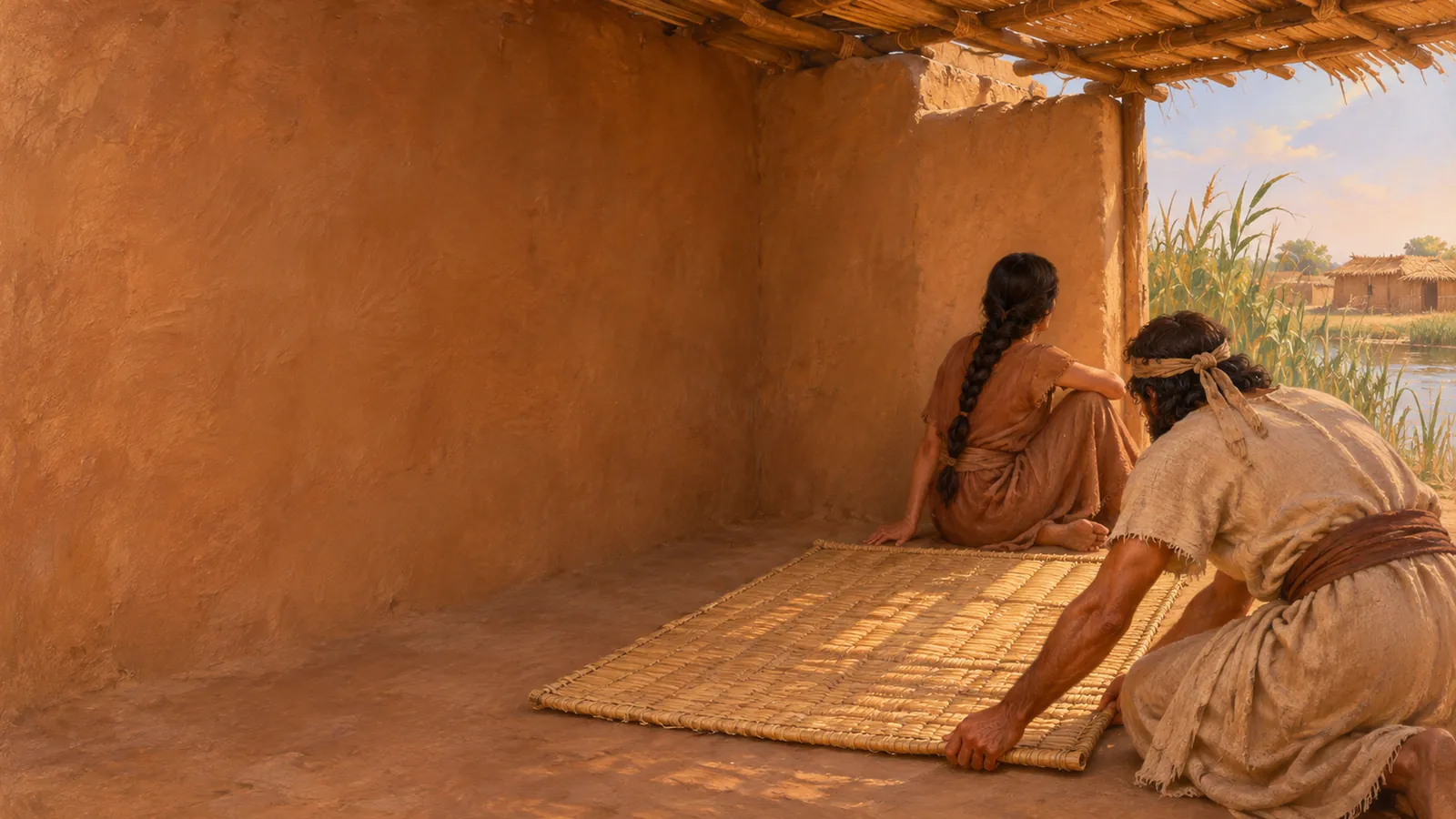
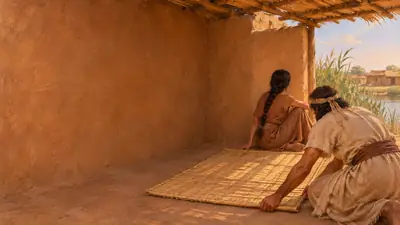
Das erhaltene Stück der Tafel erwähnt eine Schilfmatte und die Wahl eines Ehepartners. Es ruft zur Freude auf, wenn Menschen ihr gemeinsames Leben beginnen.
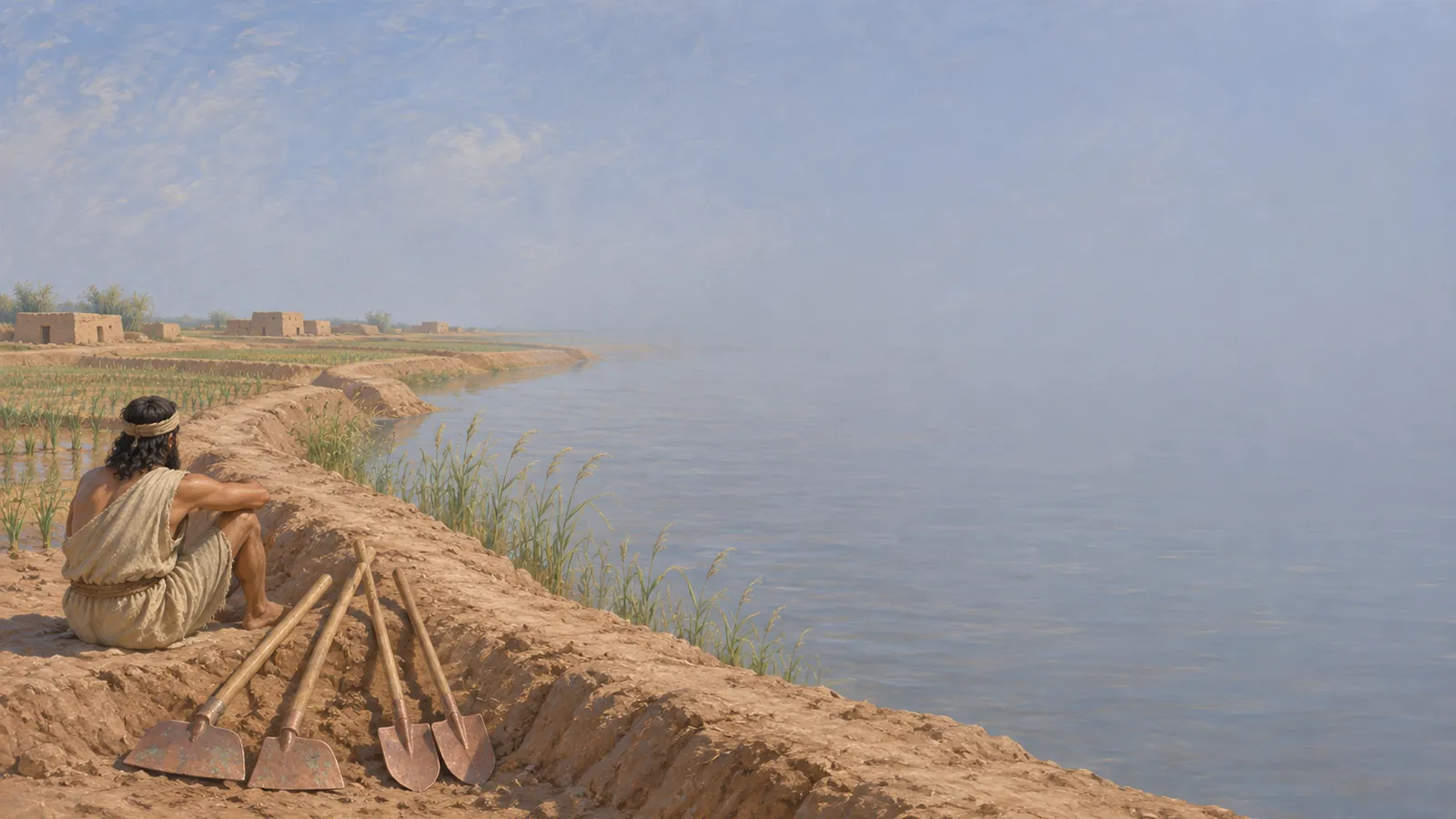
Hier fehlt ein Teil der Tafel. Wo die Zeilen wieder lesbar sind, finden sich neue Hacken und Schaufeln und große Dämme für die Arbeit, die den Menschen Nahrung bringen soll.
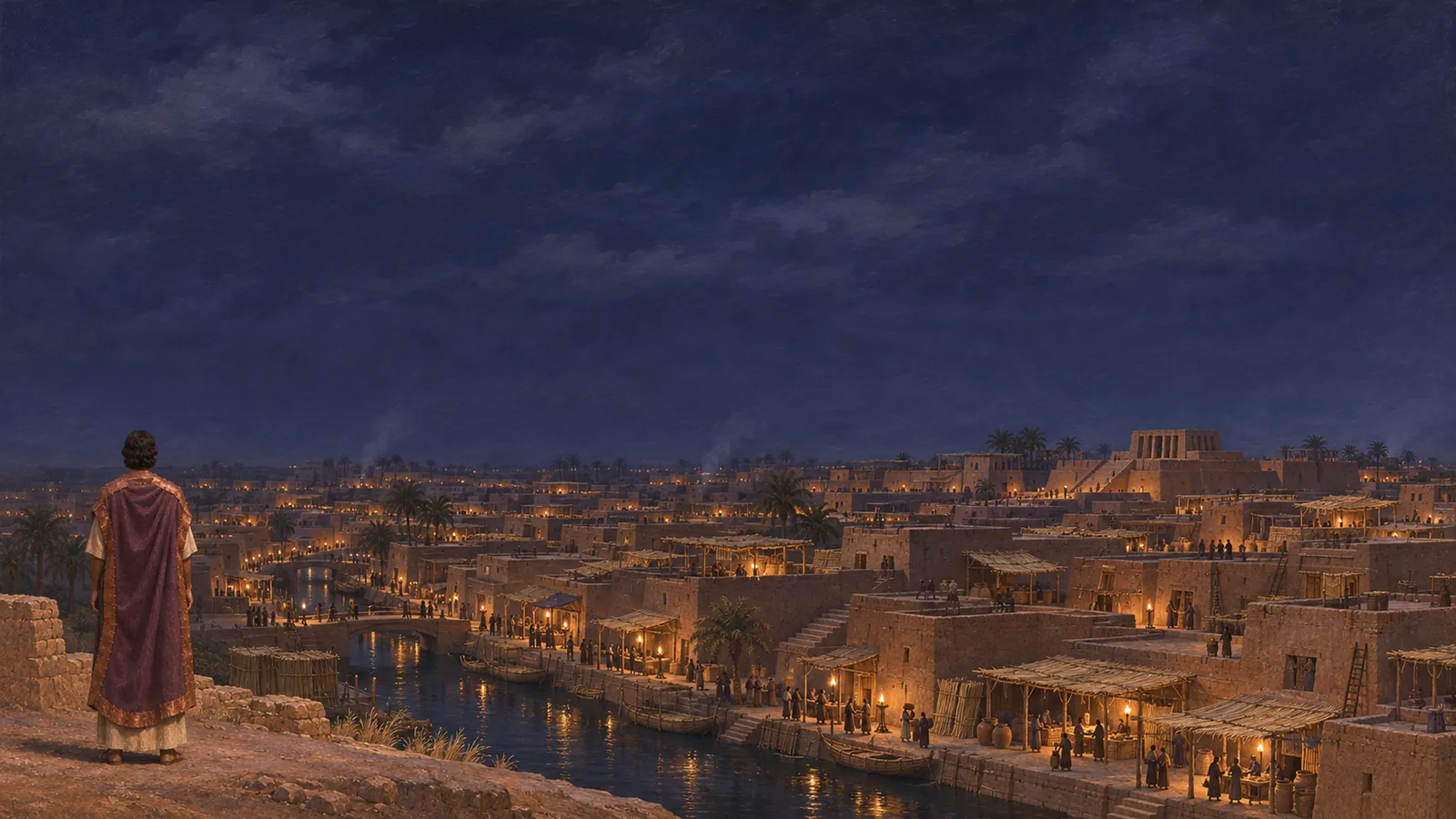
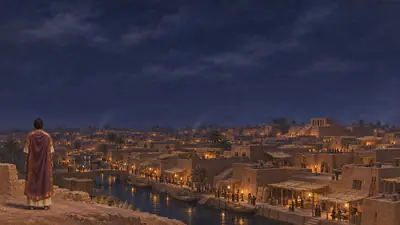
Mit der Zeit füllte sich das Land mit Menschen. Sein Lärm erhob sich wie das Brüllen eines Stiers und hielt Enlil nachts vom Schlaf ab.
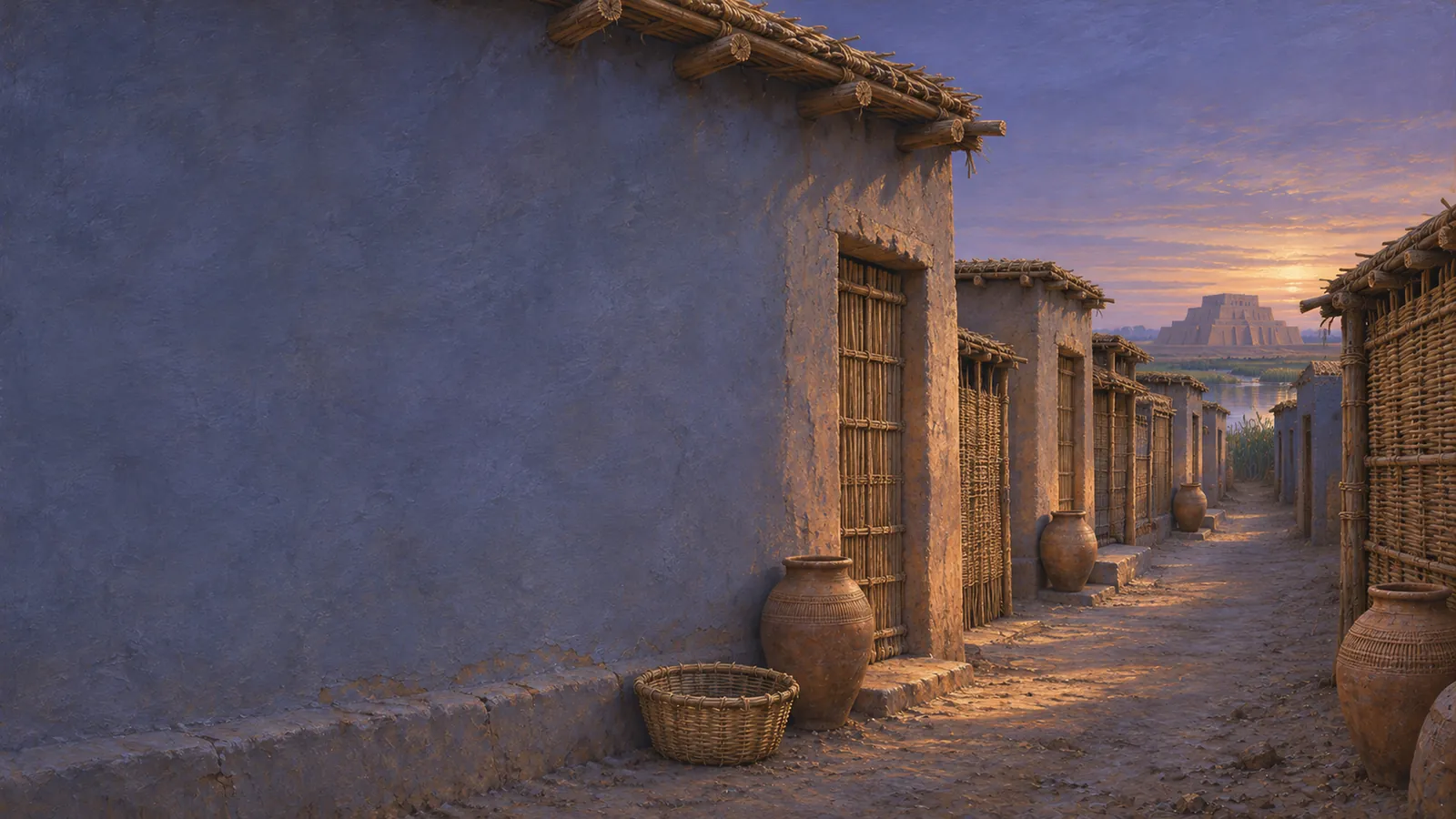
Enlil erzählte den Göttern, wie sehr ihn der Lärm quälte. Er bat Namtar, Krankheit und Schüttelfrost über das Land zu schicken, bis das Getöse verstummte.
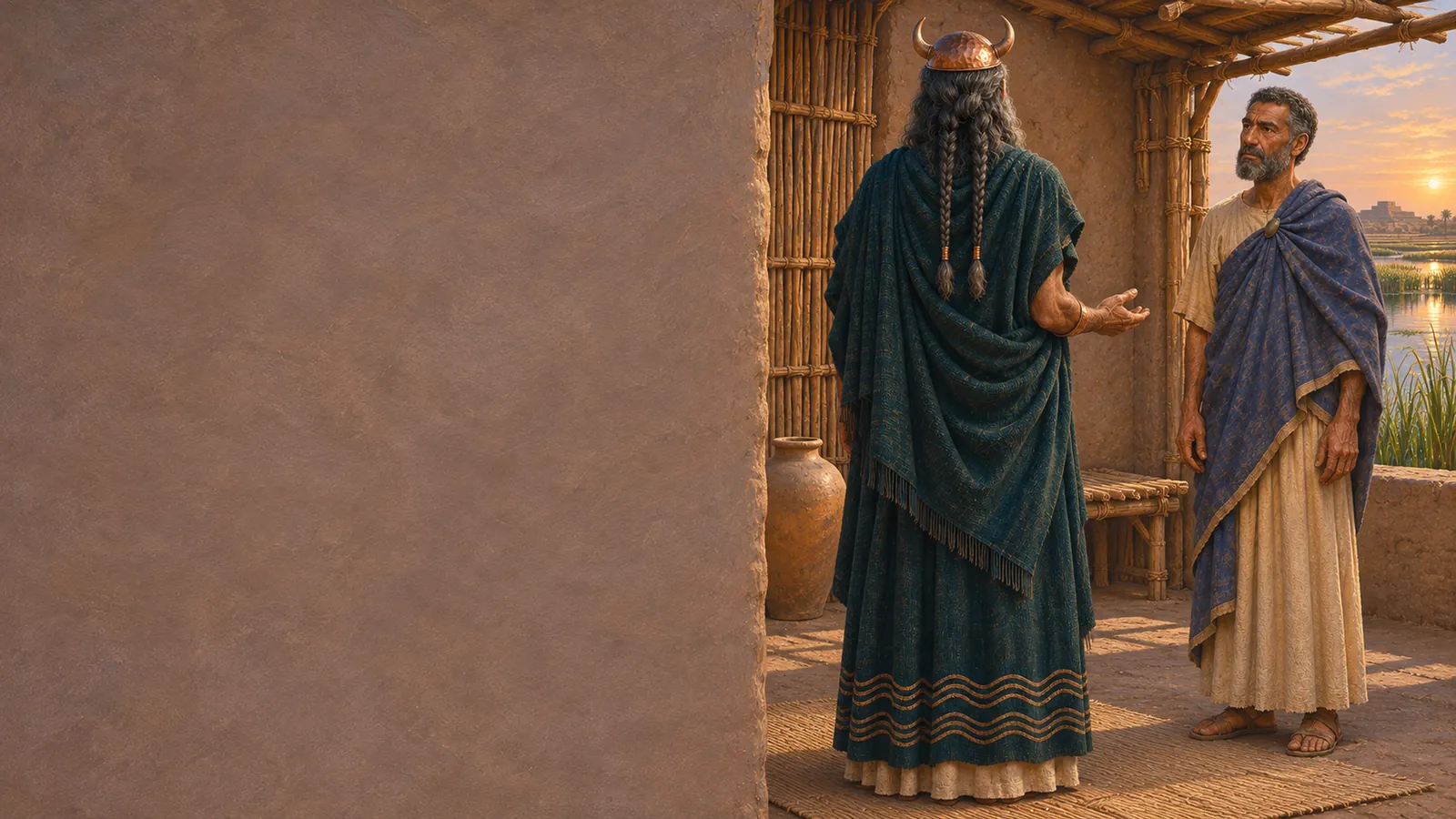
ATRAHASIS
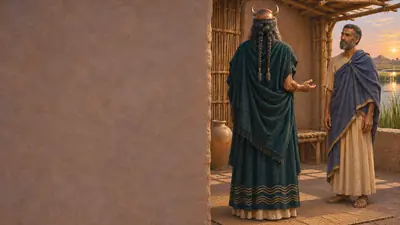
Ein Mann namens Atrahasis sprach mit Enki, und Enki antwortete ihm. Nun trug dieser Mann seinem Gott die Stimme eines Landes zu, das vor Krankheit stöhnte.
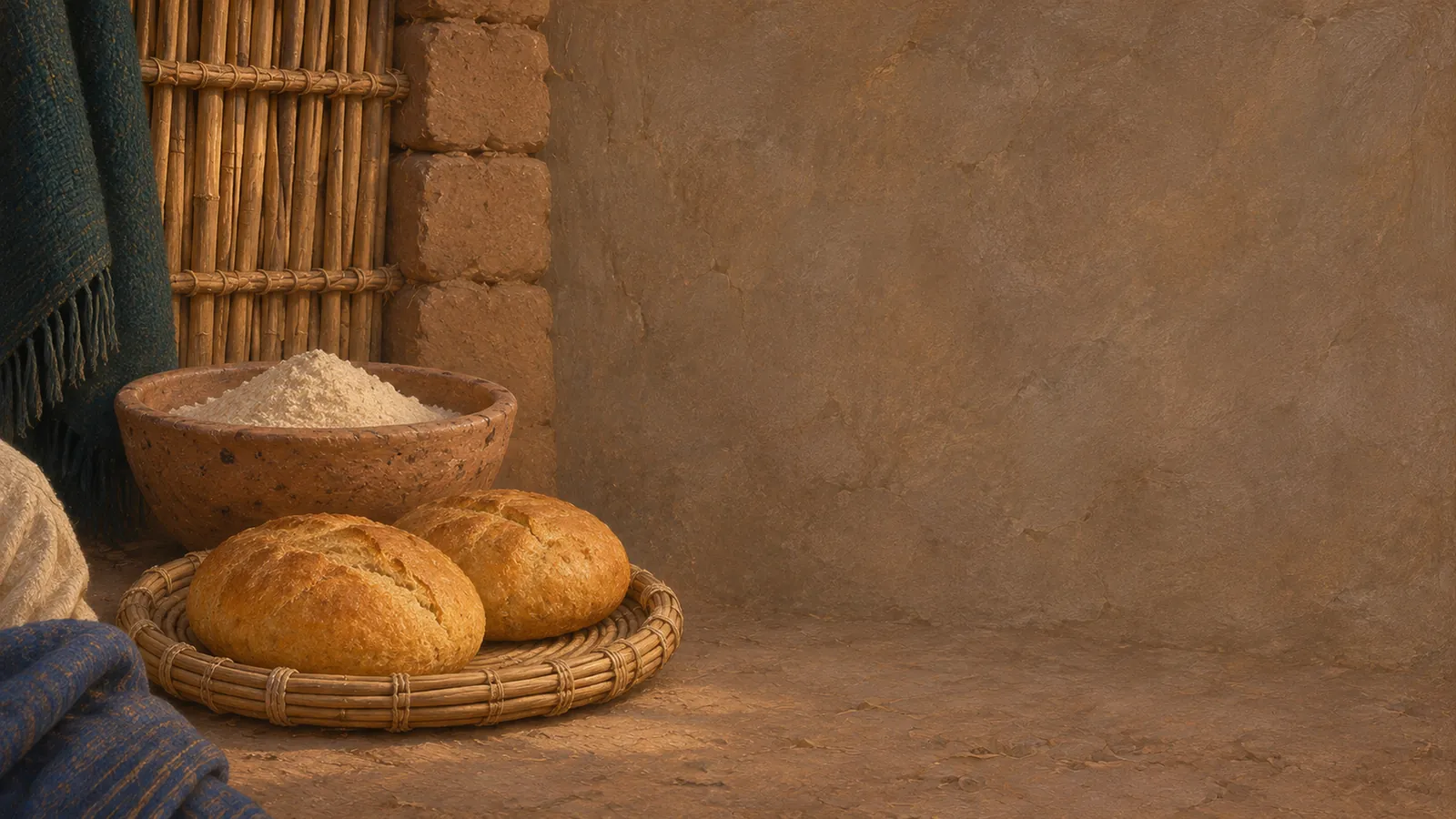
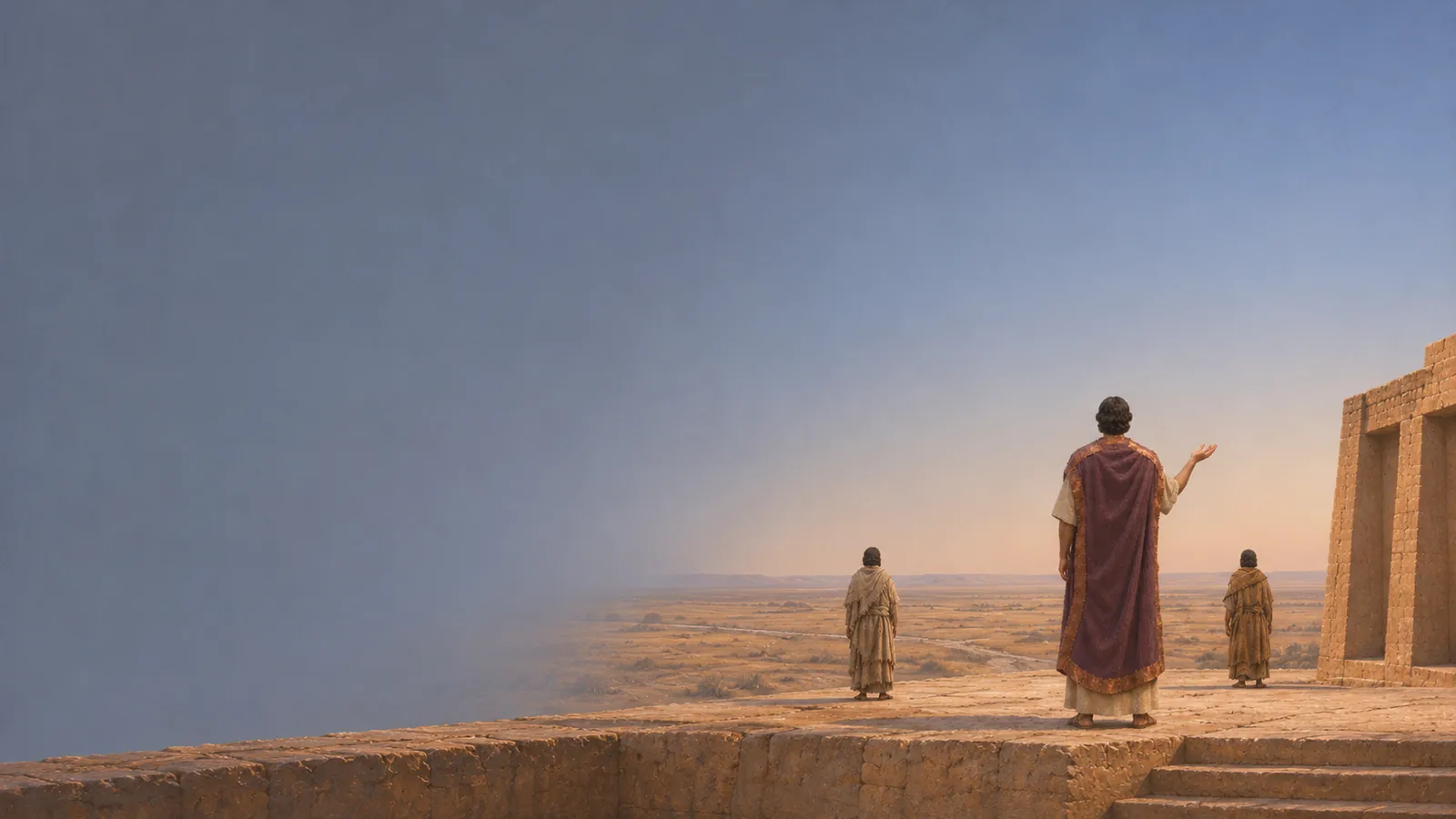
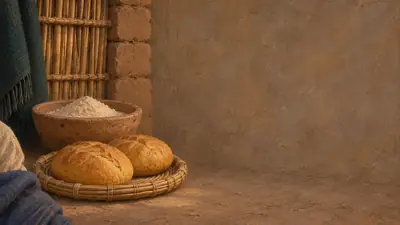
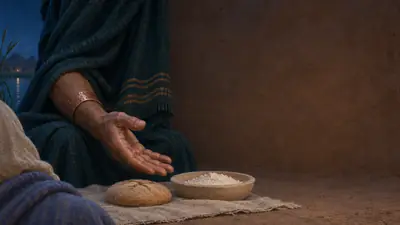
Enki sagte Atrahasis, was zu tun sei. Er sollte die Ältesten versammeln und sie die Menschen mit gebackenem Brot und einer Gabe Mehl zu Namtar schicken lassen.
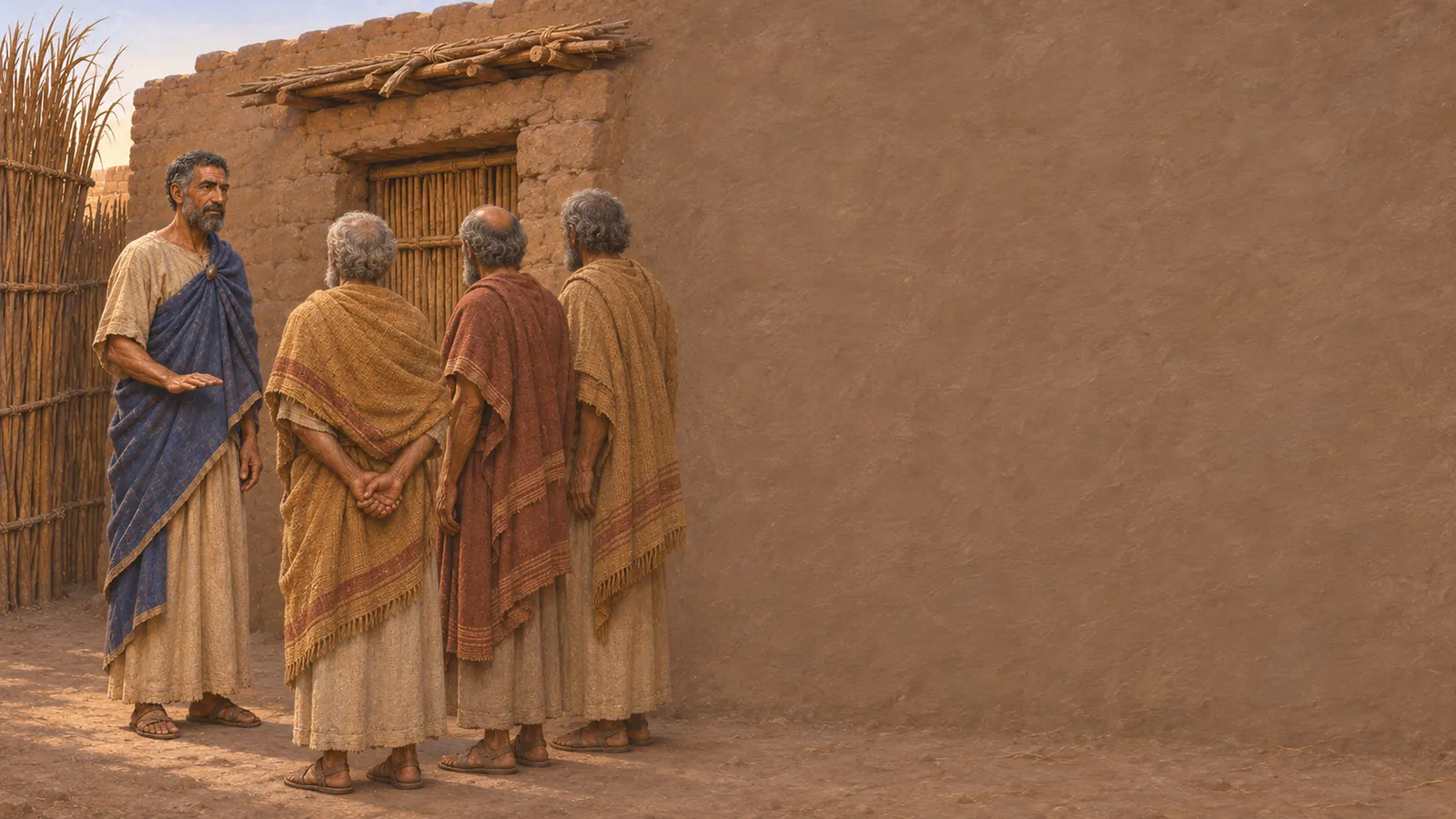
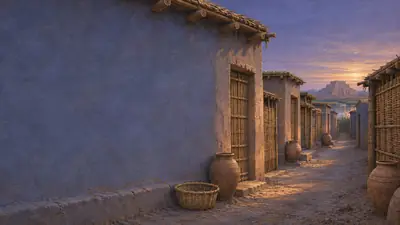
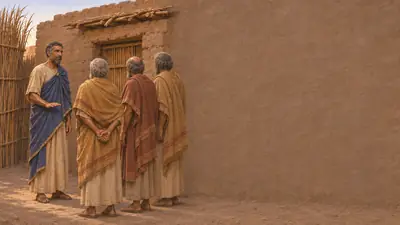
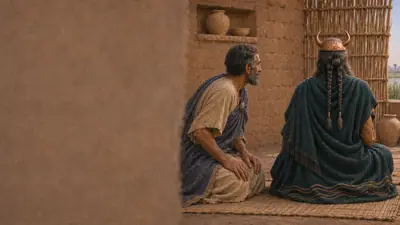
Atrahasis versammelte die Ältesten an seinem eigenen Tor. Er gab ihnen Enkis Worte weiter, damit die Herolde den Rat in die Stadt trügen.
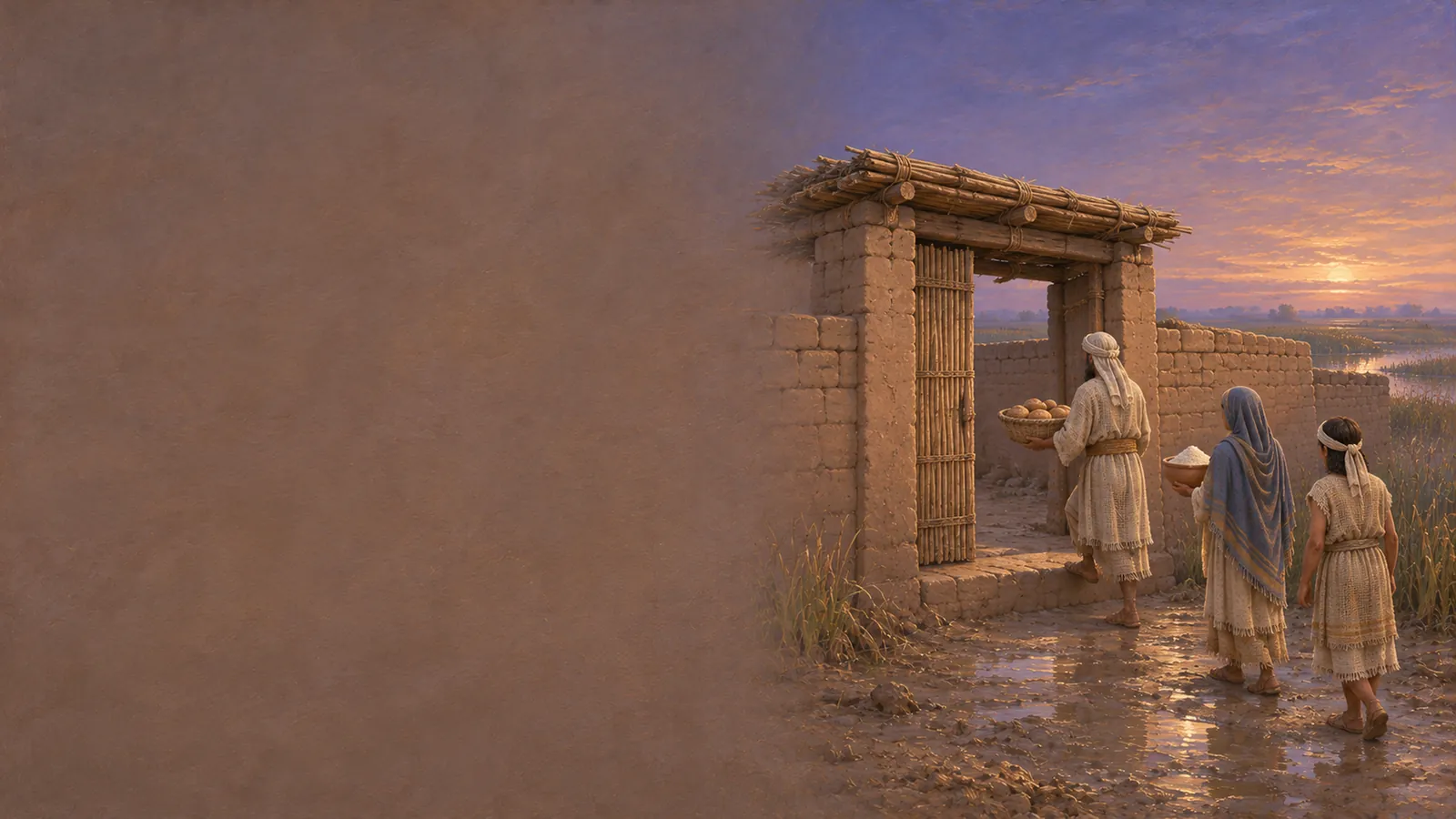
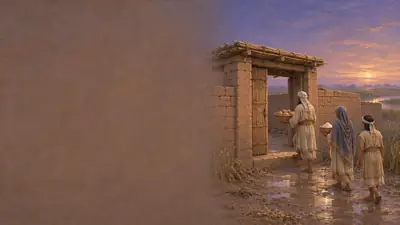
Die Ältesten hörten zu, und die Stadt errichtete Namtar einen Tempel. Die Herolde zogen hinaus, und die Menschen brachten Brot und Mehl zu seinem Tor.
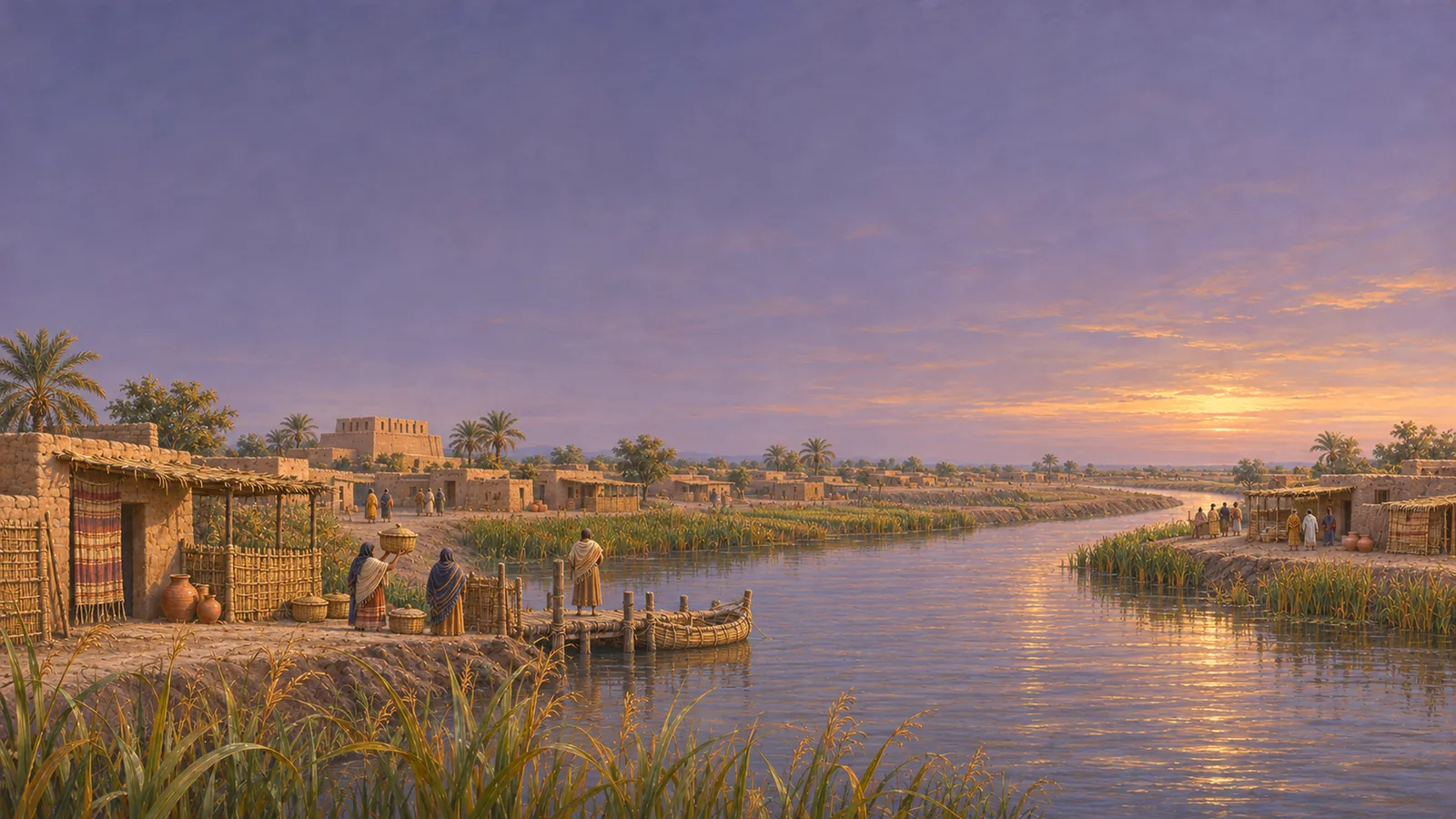
Namtar nahm die Gabe an und ließ von den Menschen ab. Die Tage der Gesundheit kehrten wieder, Kinder wurden geboren, und bald erhoben sich die Stimmen wie zuvor.
DÜRRE
Die Stimmen nahmen wieder zu, bis sie Enlil erreichten. Er befahl, dem Land die Nahrung zu entziehen, Adad solle den Regen zurückhalten und der Boden austrocknen.
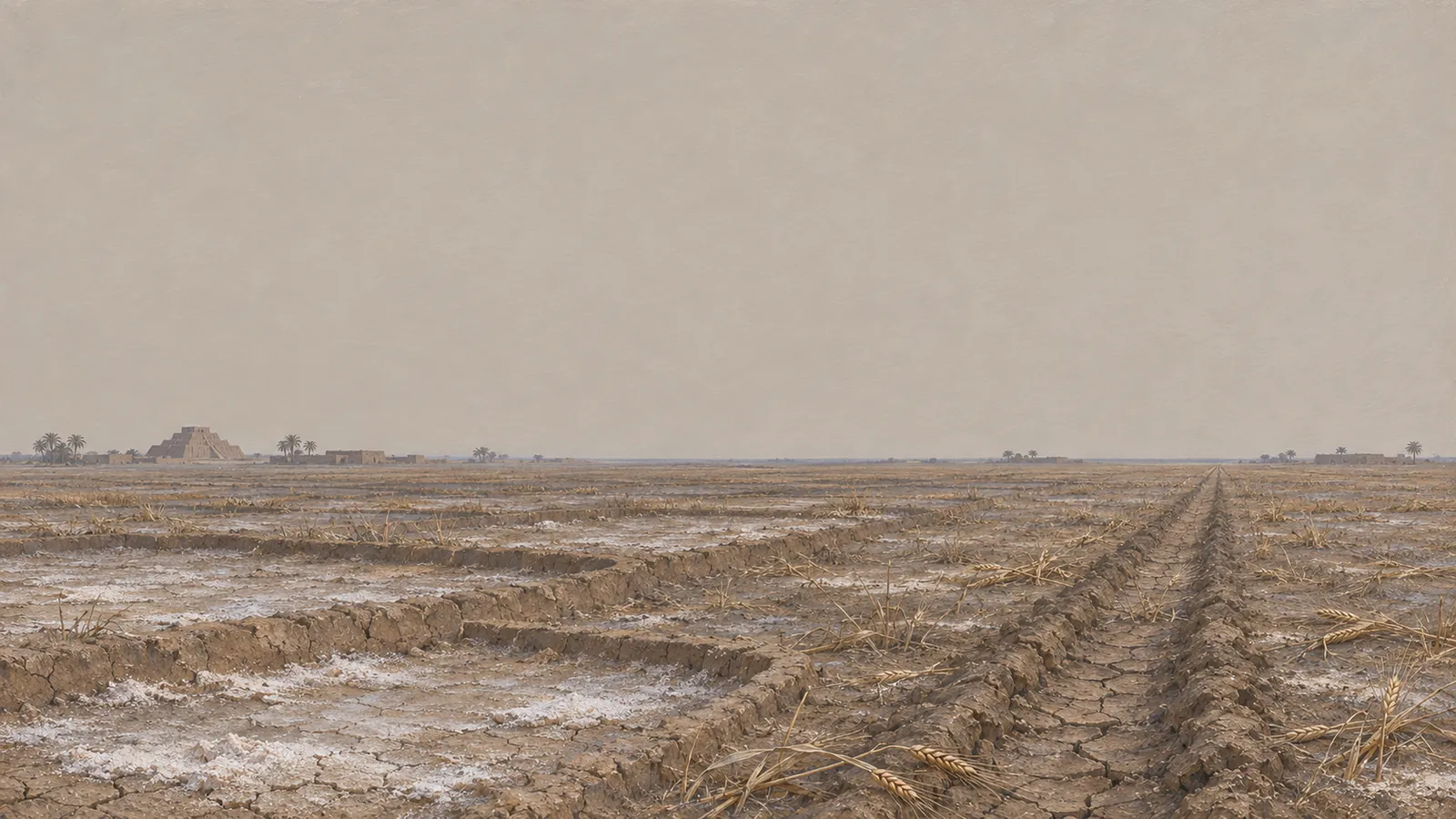
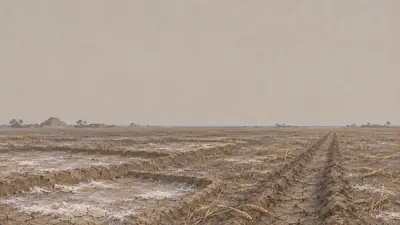
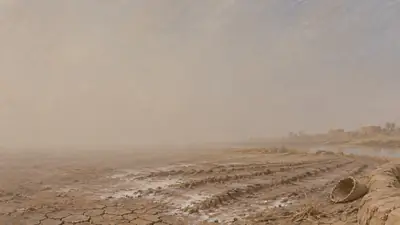
Die Wolken brachten keine Linderung. Das Getreide verdarb, und der einst dunkle Boden wurde weiß vor Salz. Das Land konnte seine Bewohner kaum noch ernähren.
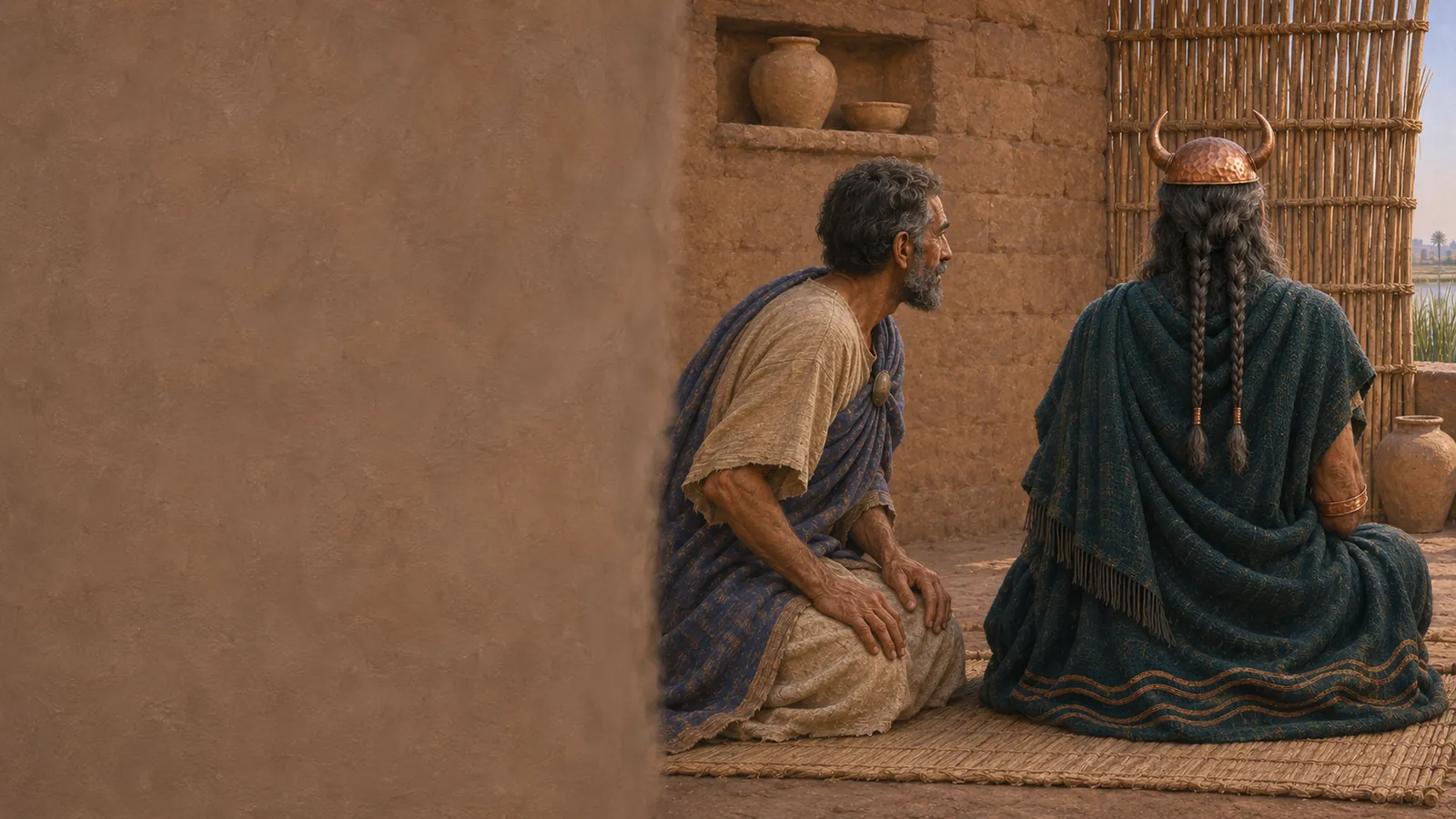
Atrahasis sah, was der Hunger angerichtet hatte, und sprach wieder mit Enki. Vieles von seinen Worten ist verloren, doch in den nächsten lesbaren Zeilen steht Enkis Antwort.
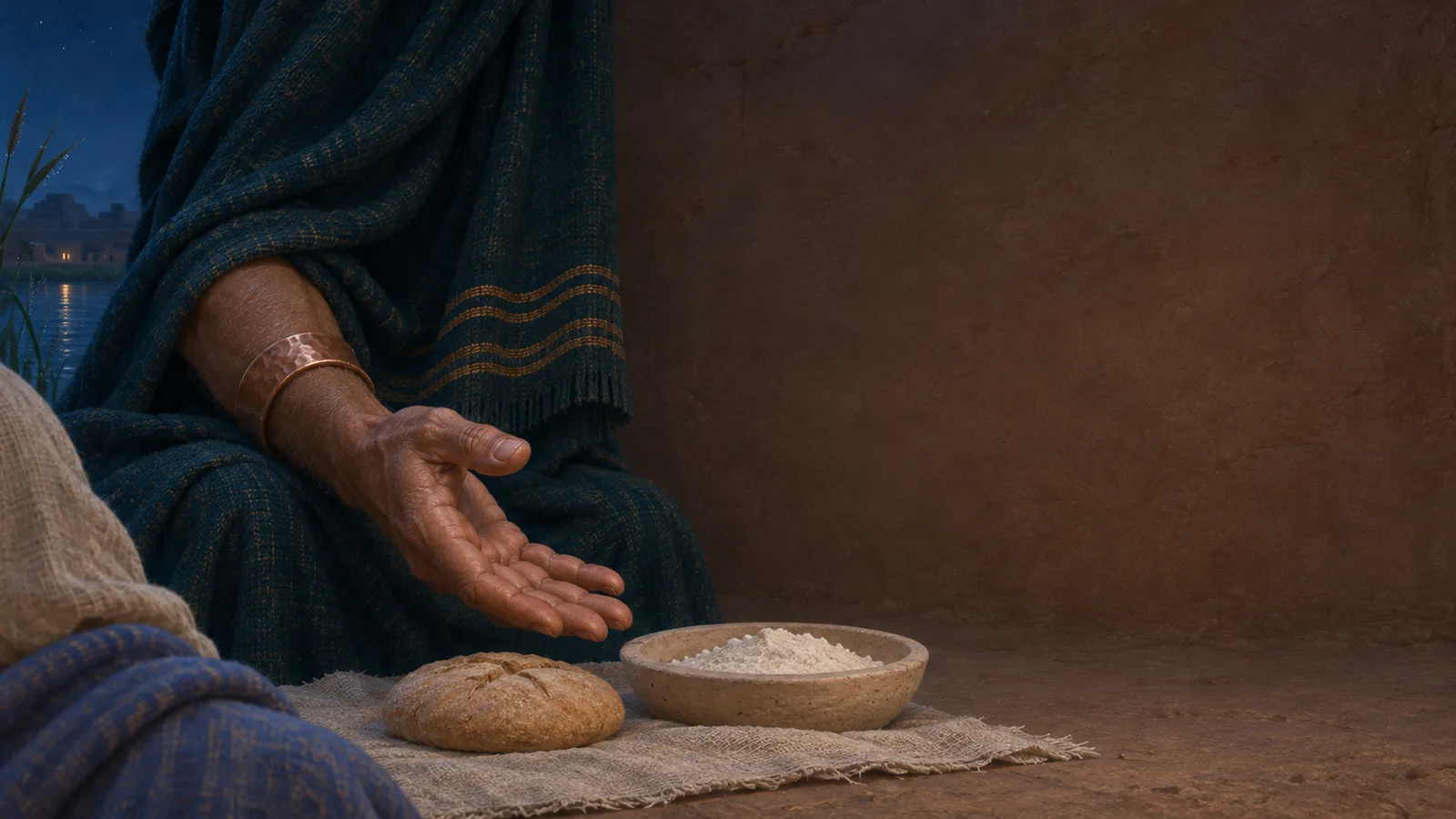
Enki riet Atrahasis, die Menschen mit Brot und Mehl an Adads Tor zu schicken. Der Regen mochte ausbleiben, aber ein wenig Tau in der Nacht konnte den Feldern zu neuem Wachstum verhelfen.
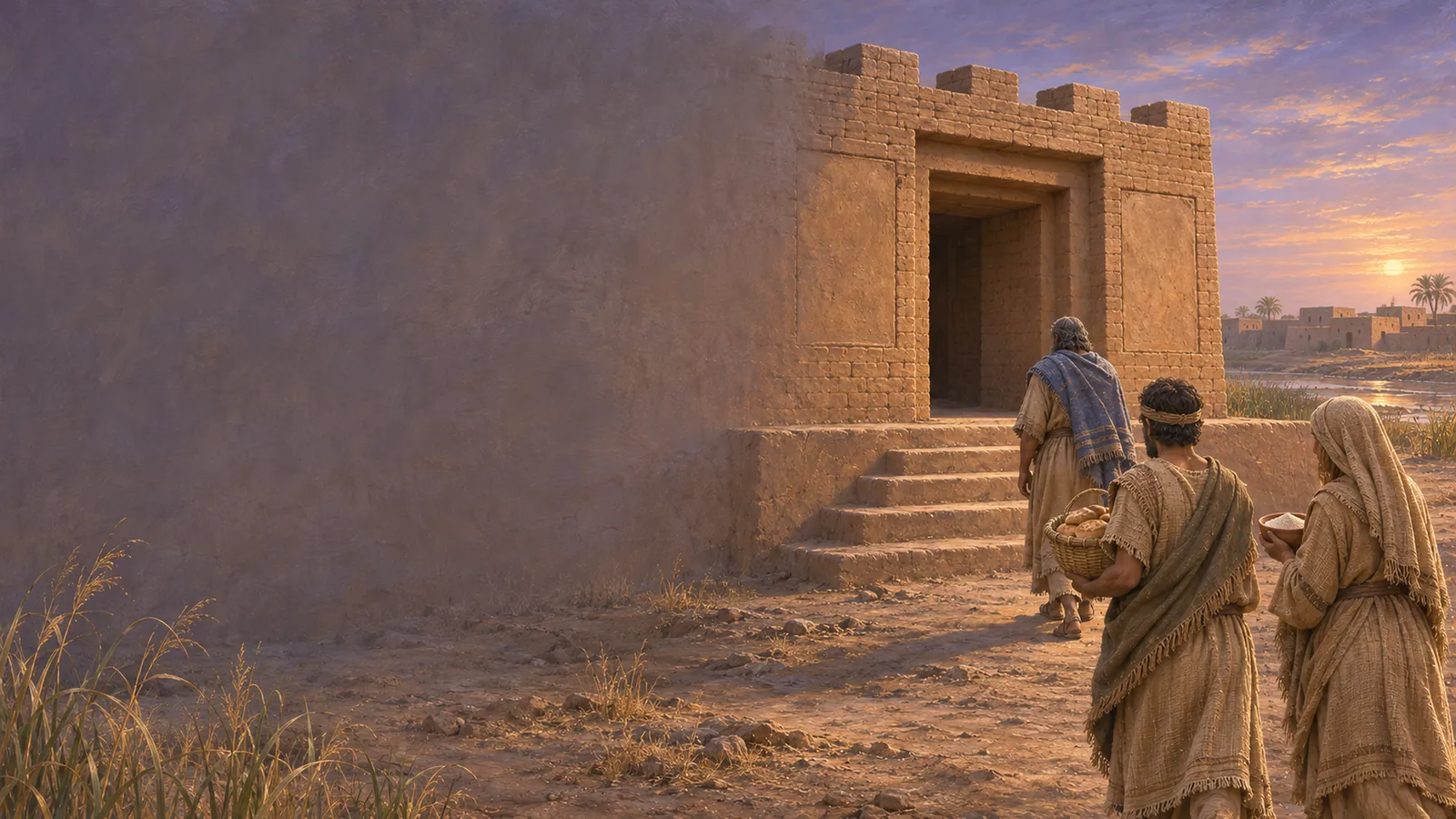
Atrahasis versammelte die Ältesten und gab ihnen Enkis Rat weiter. Die Herolde trugen ihn durch die Stadt, und die Menschen brachten Brot und Mehl zu Adads neuem Tempel.
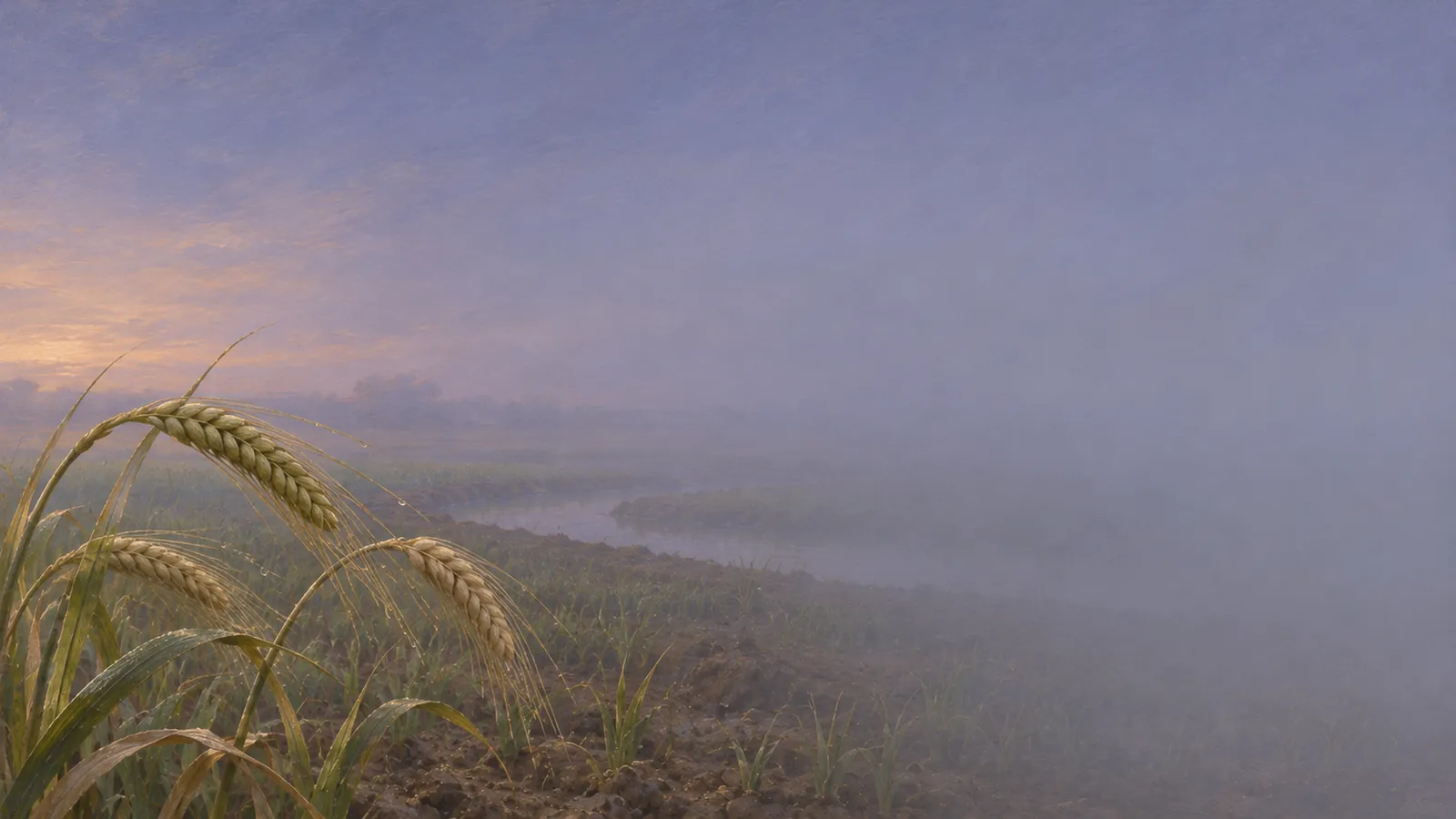
Der Morgen brachte Nebel, und nachts fiel Tau auf die Felder. Das Land trug wieder Früchte. Die Menschen erholten sich, und bald hörte Enlil ihre Stimmen von neuem anschwellen.

Diesmal wollte Enlil die ganze Welt bewachen lassen. Er bestimmte Wachen für die Höhen und die Erde und stellte Enki und seine Gefährten an die Sperre, die das Meer zurückhielt.
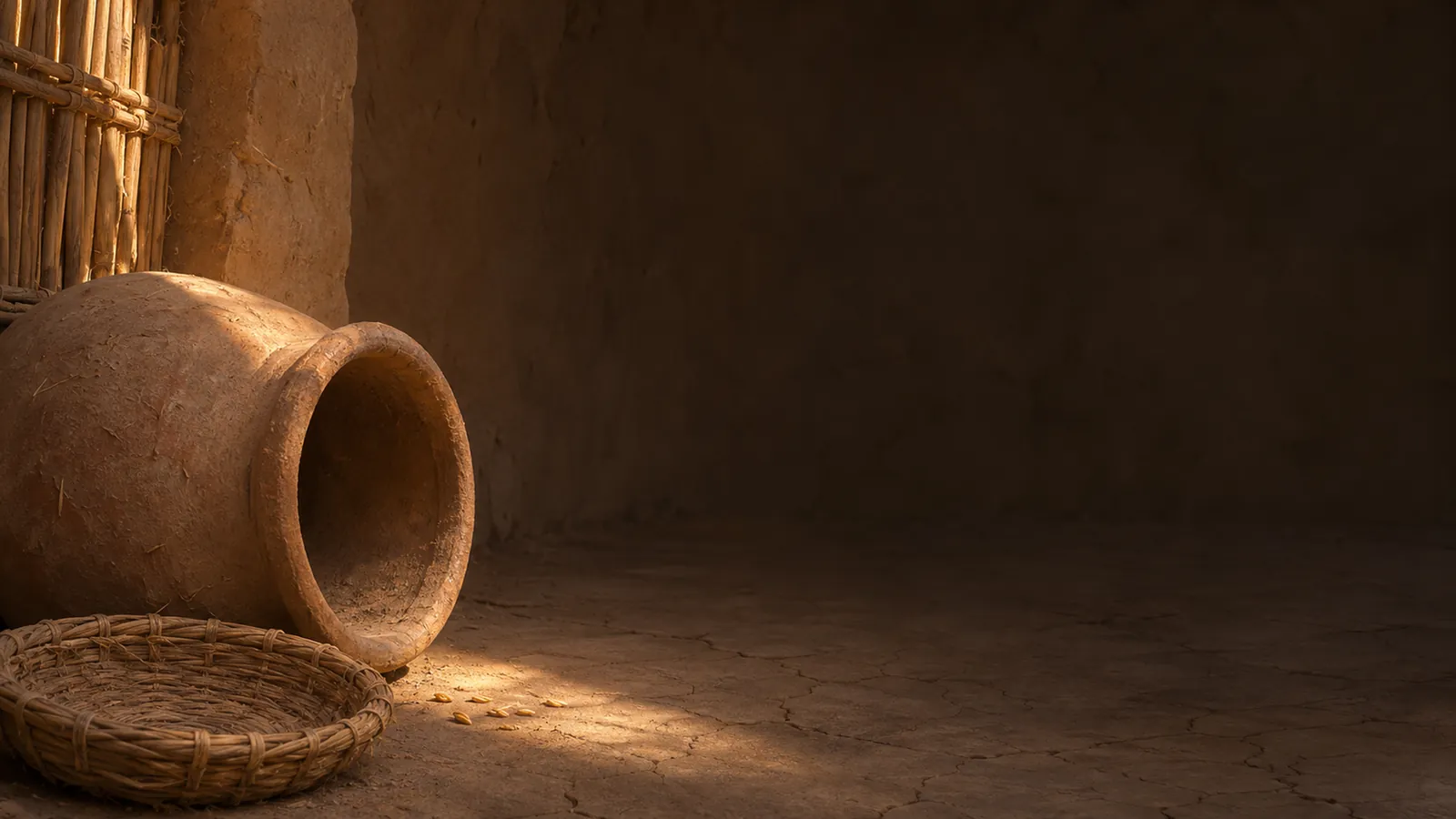
Die Felder bringen erneut keine Ernte, und das Gedicht zählt die Hungerjahre. In einer beschädigten Passage wird eine Tochter als Mahl aufgetragen, und die Menschen essen einander.
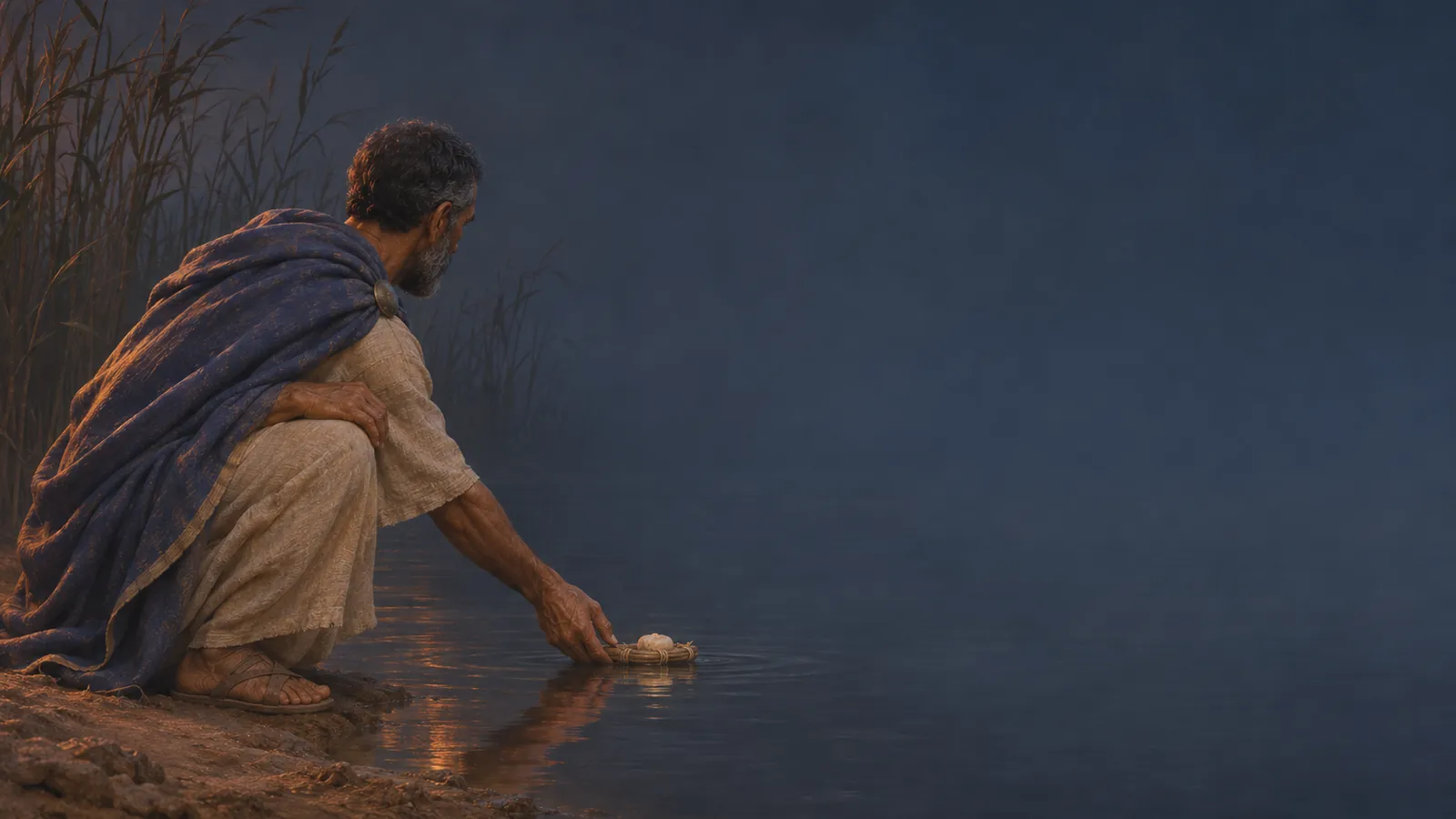
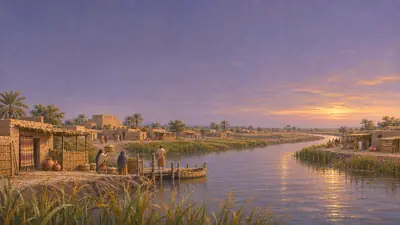
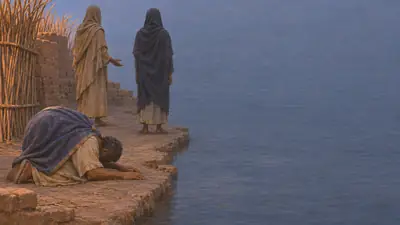
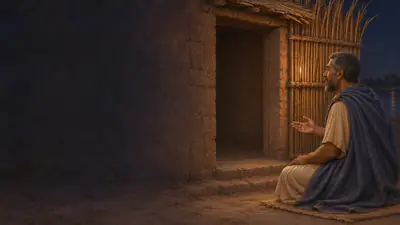
Atrahasis weinte und bat Enki, ihm im Traum zu antworten. Nachts brachte er am Fluss eine Gabe dar und bat das Wasser, sie zu seinem Gott zu tragen.
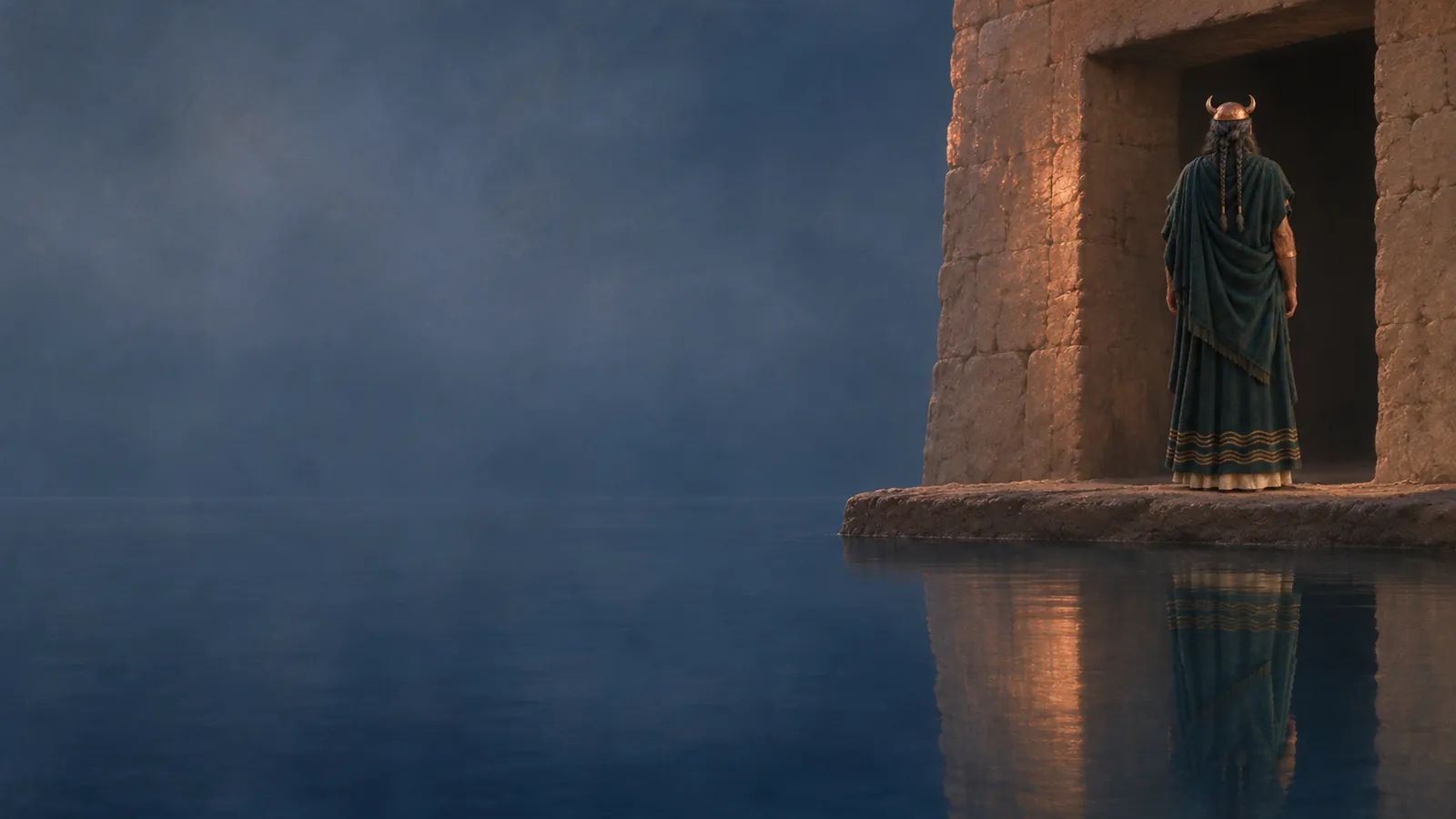
TIEFE
Das Gedicht erzählt, dass die Stimme des Mannes bis zum Apsu hinabsank und Enki sie dort hörte. Er sandte Boten, um sich nach dem Land zu erkundigen.
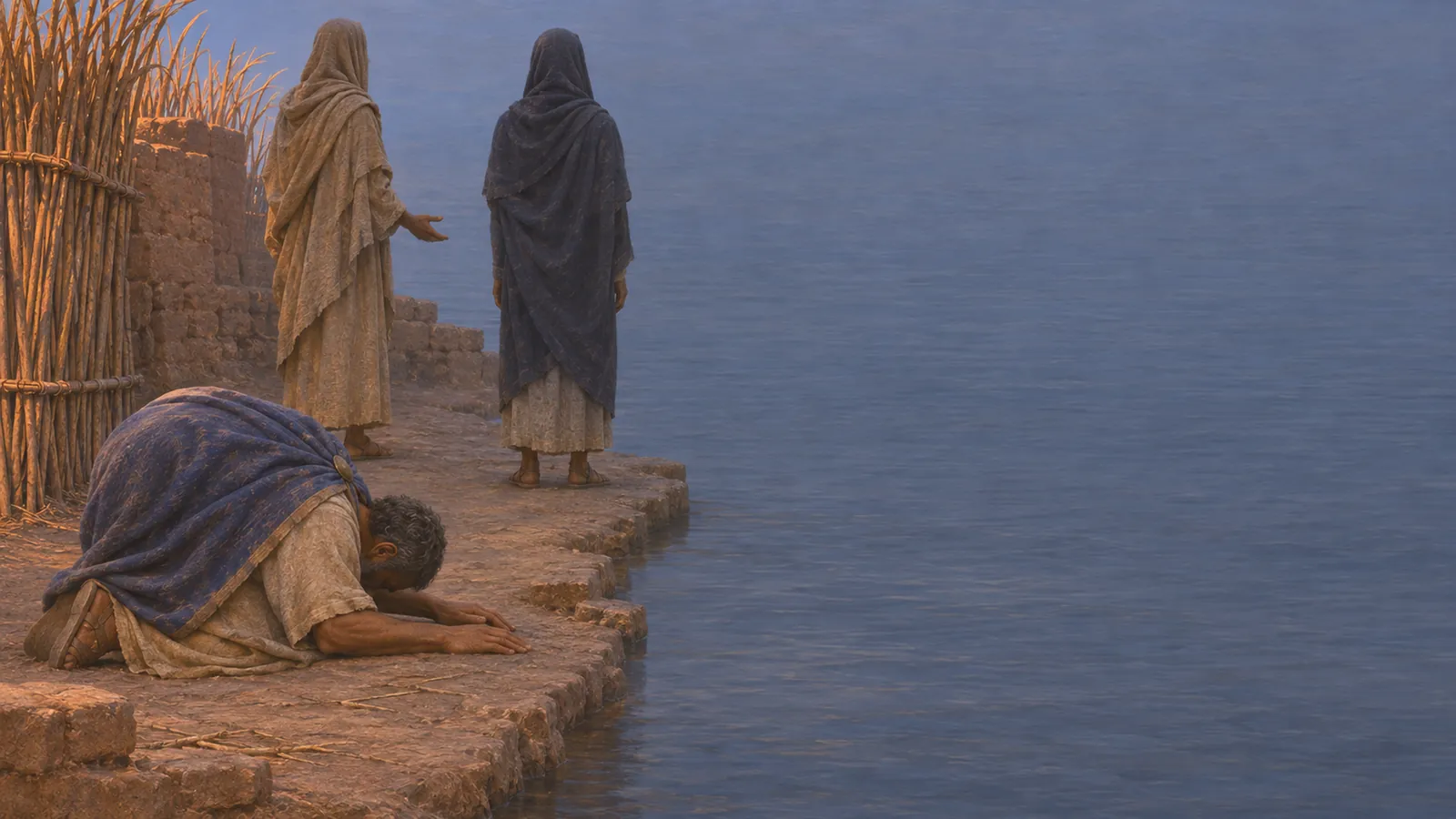
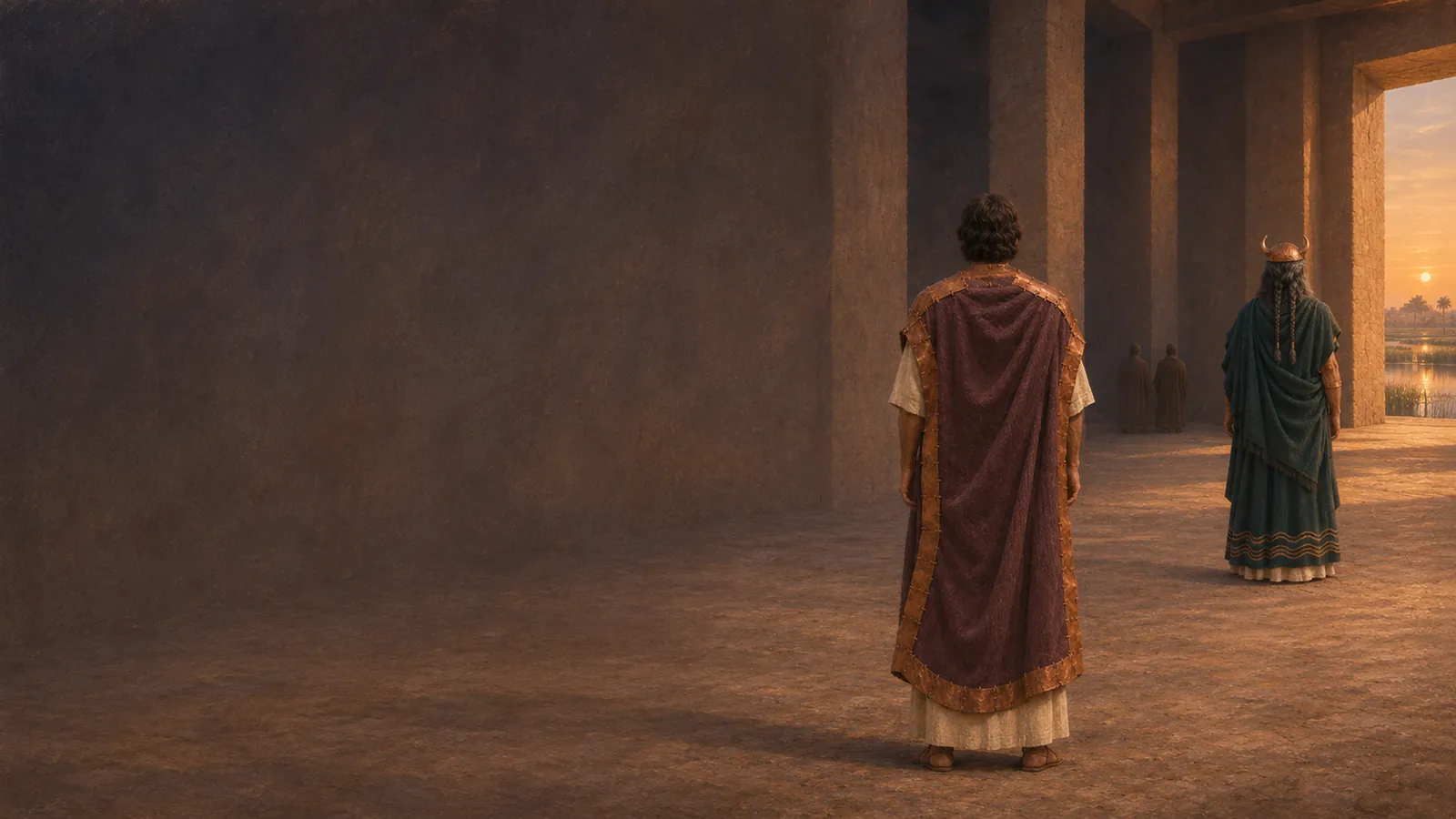
Die Boten überquerten das Wasser und kamen am Kai an. Sie sagten Atrahasis, dass seine Gabe Enki erreicht habe. Er verneigte sich und küsste vor ihnen den Boden.
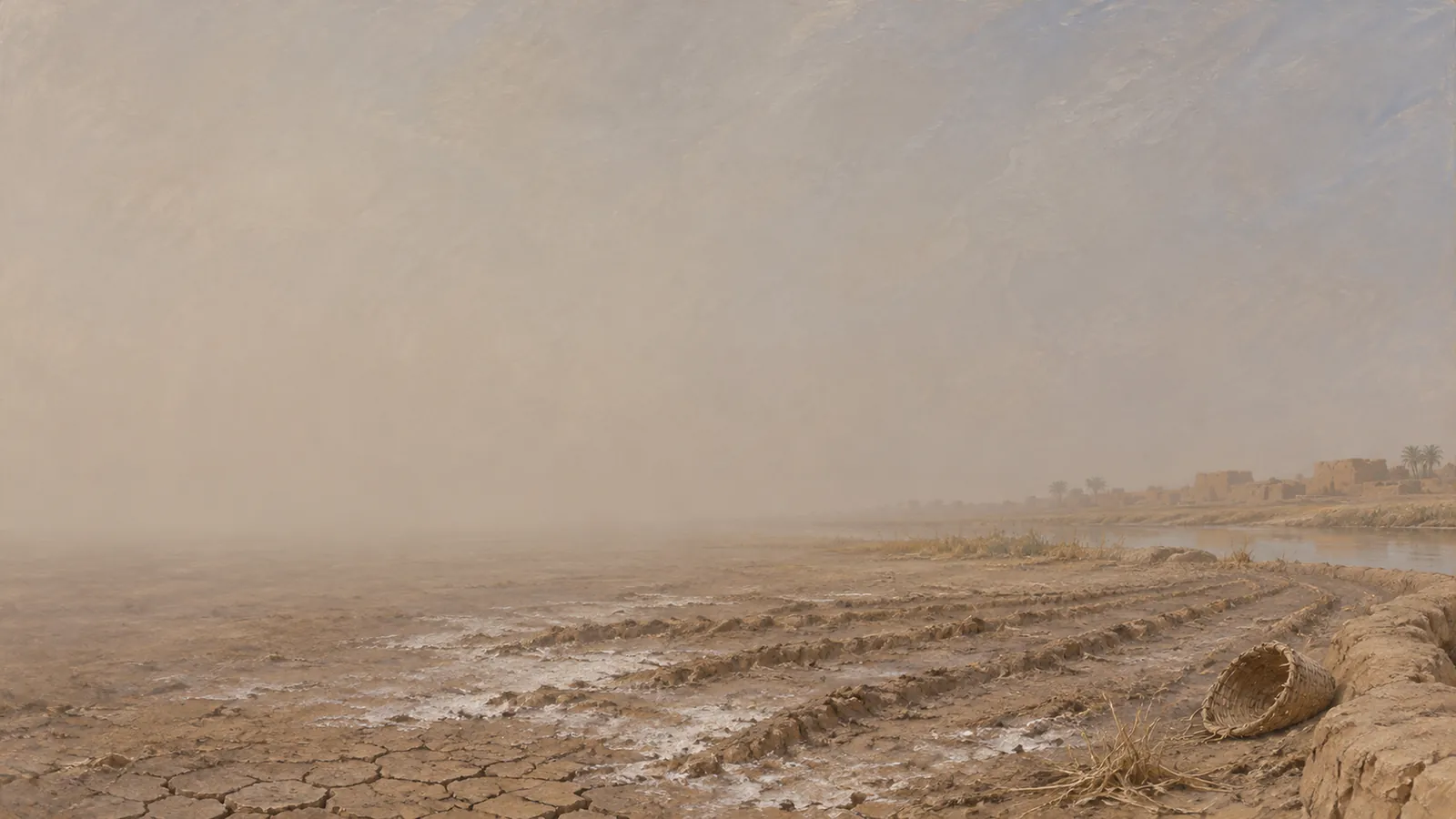
Der folgende Wortwechsel ist beschädigt. Enki schickt seinen Minister aus und erfährt vom ausgebliebenen Regen, von Feldern, die im Salz ersticken, und von den aufgebrauchten Kornvorräten.

Die nächsten Bruchstücke erzählen von Fischen, die durch eine gebrochene Sperre entkamen, und von Nahrung, die wieder zu den Menschen gelangte. Im Rat sagt Enlil, Enki habe diese Fülle freigesetzt.
EID
Als Nächstes beschloss der Rat eine Flut. Die Götter wollten Enki durch einen Eid binden, doch die brüchigen Zeilen bewahren seinen Protest, als man von ihm verlangt, sich gegen sein eigenes Volk zu wenden.

Die Stimmen in der Versammlung sind immer schwerer zu verfolgen. Die gebrochene Tafel spricht noch von übertretendem Wasser und einer Aufgabe, die bei Neumond vollbracht werden soll.
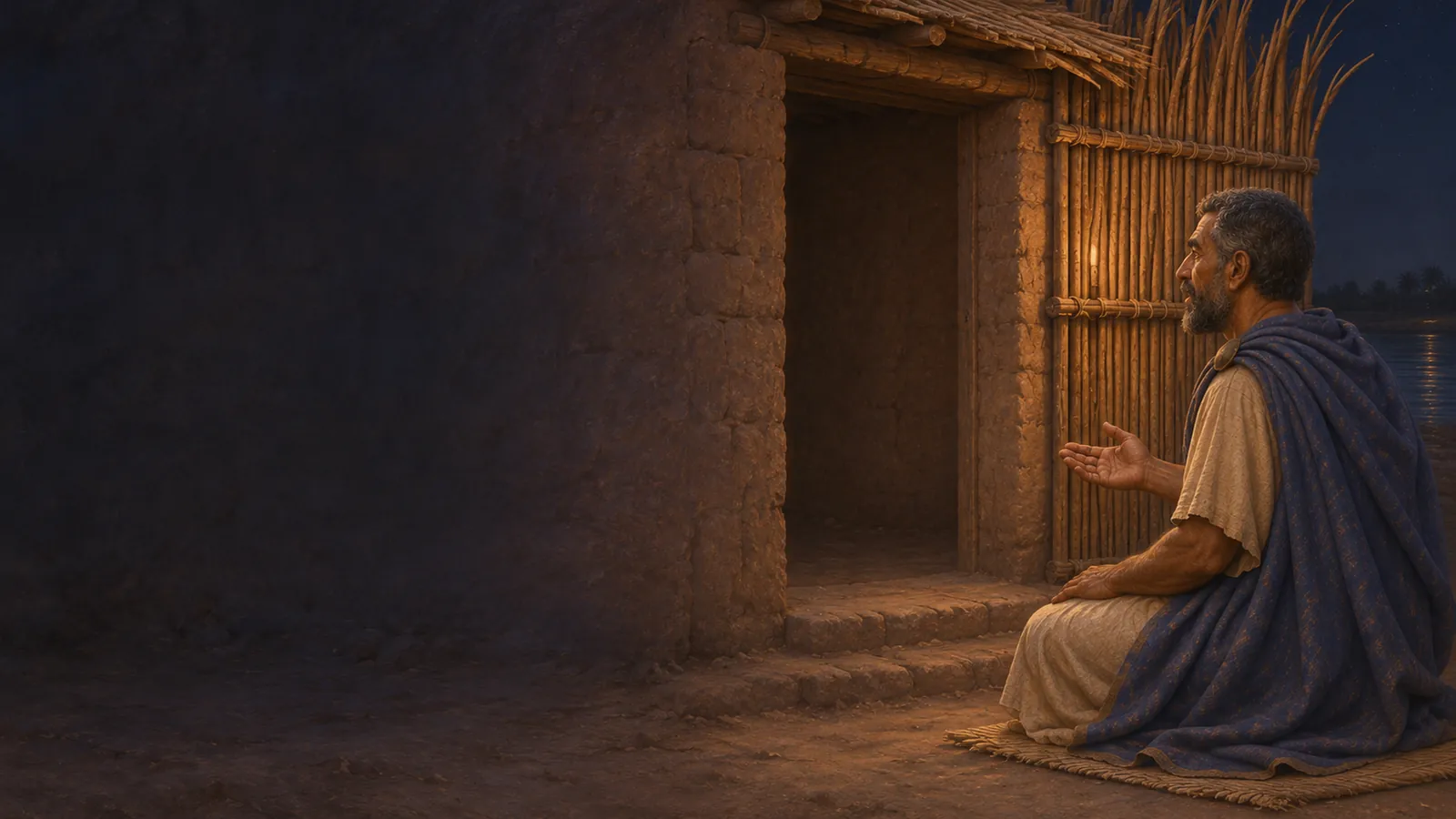
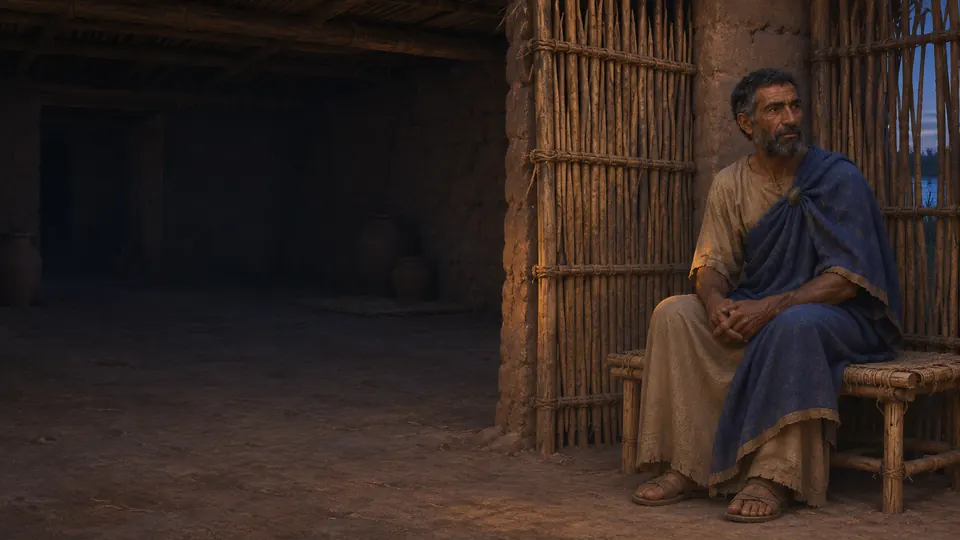
Die Götter hatten die Vernichtung beschlossen. Am Ende dieser Tafel spricht noch ein einziger Mann mit Enki. Was konnte Enki ihm jetzt sagen, da ein Eid zwischen ihnen stand?
Ende von Kapitel 1
Alle Seiten







Quellen
On page 46, the fragmentary famine lines preserve the serving of a daughter as food and the consuming of one person by another (Atrahasis II, section E 78q–78w, SEAL 39732). Parts of the lines are restored, and the retelling condenses them to one sentence.
Benutzte Editionen
- SEAL 1515, Atrahasis I with translation and manuscript apparatus
- SEAL 39732, Atrahasis II with translation and manuscript apparatus
- SEAL 1516, Old Babylonian Sippar Tablet II witness
- SEAL 1518, Old Babylonian Larsa Tablet II–III fragment
- Wasserman 2020, Old Babylonian Atra-ḫasīs and Flood recensions, pp. 16–19
- IL Archive, Atrahasis: Epic and Hero
Hinweise zu dieser Nacherzählung
On page 23, the slain god is Wē in the SEAL reading of the Sippar passage, traditionally read We-ila. The Igigi spit on the clay after Mami mixes it with his flesh and blood (Atrahasis I 223–234, SEAL 1515). The retelling gives the killing and mixing.
Die antiken Verse hinter jeder Seite
- Page 1: Atrahasis I 1–4, SEAL 1515
- Page 2: Atrahasis I 1–6, 37–38, SEAL 1515
- Page 3: Atrahasis I 7–18, SEAL 1515
- Page 4: Atrahasis I 19–26, SEAL 1515
The Tigris and Euphrates are partly restored here. - Page 5: Atrahasis I 33–38, SEAL 1515
Reeds are explicated in the SEAL translation. The exact numeral for the duration varies by witness. - Page 6: Atrahasis I 37–42, SEAL 1515
- Page 7: Atrahasis I 43–63, SEAL 1515
The name Wē is preserved in the composite, with variation in the witnesses. - Page 8: Atrahasis I 63–69, SEAL 1515
- Page 9: Atrahasis I 68–73, SEAL 1515
The Ekur appears by name in line 73. - Page 10: Atrahasis I 74–77, SEAL 1515
The verb following Kalkal’s inspection is fragmentary. - Page 11: Atrahasis I 78–83, SEAL 1515
- Page 12: Atrahasis I 84–90, SEAL 1515
- Page 13: Atrahasis I 91–104, SEAL 1515
- Page 14: Atrahasis I 103–123, SEAL 1515
- Page 15: Atrahasis I 124–143, SEAL 1515
- Page 16: Atrahasis I 144–152, SEAL 1515
- Page 17: Atrahasis I 153–165, SEAL 1515
- Page 18: Atrahasis I 166–173, SEAL 1515
The later part of Enlil’s response is fragmentary. - Page 19: Atrahasis I 174–180, SEAL 1515
The speaker is Ea in the composite. Several later witnesses assign the speech to Anu. - Page 20: Atrahasis I 181–197, SEAL 1515
- Page 21: Atrahasis I 198–203, SEAL 1515
- Page 22: Atrahasis I 204–222, SEAL 1515
- Page 23: Atrahasis I 213–217, 223–230, SEAL 1515
The victim is Wē in the Sippar tradition, Alla in other witnesses. - Page 24: Atrahasis I 231–245, SEAL 1515
- Page 25: Atrahasis I 244–248, SEAL 1515
- Page 26: Atrahasis I 249–255, SEAL 1515
- Page 27: Atrahasis I 255–260, SEAL 1515
The later Neo-Assyrian witness supplies the fourteen pieces, their arrangement and the central brick. - Page 28: Atrahasis I 260b–260g, 265–276, SEAL 1515
The later Neo-Assyrian witness supplies the seven-and-seven births. - Page 29: Atrahasis I 277–295, SEAL 1515
- Page 30: Atrahasis I 296–308, SEAL 1515
The events around these customs are fragmentary. - Page 31: Atrahasis I 309–339, SEAL 1515
- Page 32: Atrahasis I 351–359, SEAL 1515
The comparison is a simile. - Page 33: Atrahasis I 357–363f, SEAL 1515
- Page 34: Atrahasis I 364–371, SEAL 1515
- Page 35: Atrahasis I 372–384, SEAL 1515
- Page 36: Atrahasis I 385–400, SEAL 1515
- Page 37: Atrahasis I 400–409, SEAL 1515
The temple and action toward line 412 are partly restored in the composite. - Page 38: Atrahasis I 407–416, SEAL 1515
Some lines are restored. - Page 39: Atrahasis II A 1–20, SEAL 39732
- Page 40: Atrahasis II A 14–20, B 7–18, SEAL 39732
II A survives in Old Babylonian and later copies. - Page 41: Atrahasis II D 1–11, E 1–10, SEAL 39732
Its closing address and the opening of Segment E are damaged. - Page 42: Atrahasis II E 9–24, SEAL 39732
The instructions in E 9–24 are primarily preserved in later copies. The Old Babylonian text repeats the advice and preserves the relief at II E 32–60. - Page 43: Atrahasis II E 25–53, SEAL 39732
- Page 44: Atrahasis II E 54–70, SEAL 39732
- Page 45: Atrahasis II E 63–78, SEAL 39732
Different witnesses vary as to which gods guard the middle region. - Page 46: Atrahasis II, Seg. E 78q–78w, SEAL 39732 (fragmentary); E 144–156 for the wider famine episode
- Page 47: Atrahasis II E 79–105, SEAL 39732
The surviving account names the gift but leaves its container unspecified. - Page 48: Atrahasis II E 106–113, SEAL 39732
- Page 49: Atrahasis II E 114–131, SEAL 39732
- Page 50: Atrahasis II E 132–168, SEAL 39732
Usmû is named as Enki’s minister. The dialogue and several stages of the famine are fragmentary. - Page 51: Atrahasis II G 14–35, 42–49, 55–62, 73–93, SEAL 39732; C₀ i–ii, Wasserman 2020
The surviving exchanges differ by witness and include Enki’s account of the gatekeepers. - Page 52: Atrahasis II H 9–16, I 3–5, SEAL 39732; C₀ iii 1–8, Wasserman 2020
The longer oath sequence in Segment G is supplemented by a Middle Babylonian witness. The protest is preserved in Old Babylonian witnesses D and C₀. - Page 53: Atrahasis II H 20–31, SEAL 39732; C₀ iii 7–20, Wasserman 2020
The month’s dark transition is used without settling a precise astronomical reading. - Page 54: Atrahasis II I 1–7, SEAL 39732
Atrahasis addresses his lord in the closing preserved line; C₀ iii–iv and Tablet III carry the transition onward.
Illustrationen von IL Archive mit KI-Werkzeugen; der Text folgt den antiken Quellen (siehe die Quellen am Ende jedes Kapitels).