Die Erzählung von Kirta Kapitel 1
Kirtas Gelübde
Nach dem Verlust seiner Familie folgt Kirta einem Traum und legt gegenüber Athirat ein Gelübde ab. Jahre später pflegt ihn seine Familie während einer Krankheit, und nach seiner Genesung macht Yassib ihm den Thron streitig.
QuellenBlättern Sie mit den Pfeilen, den Pfeiltasten oder durch Wischen.
KIRTAS GELÜBDE
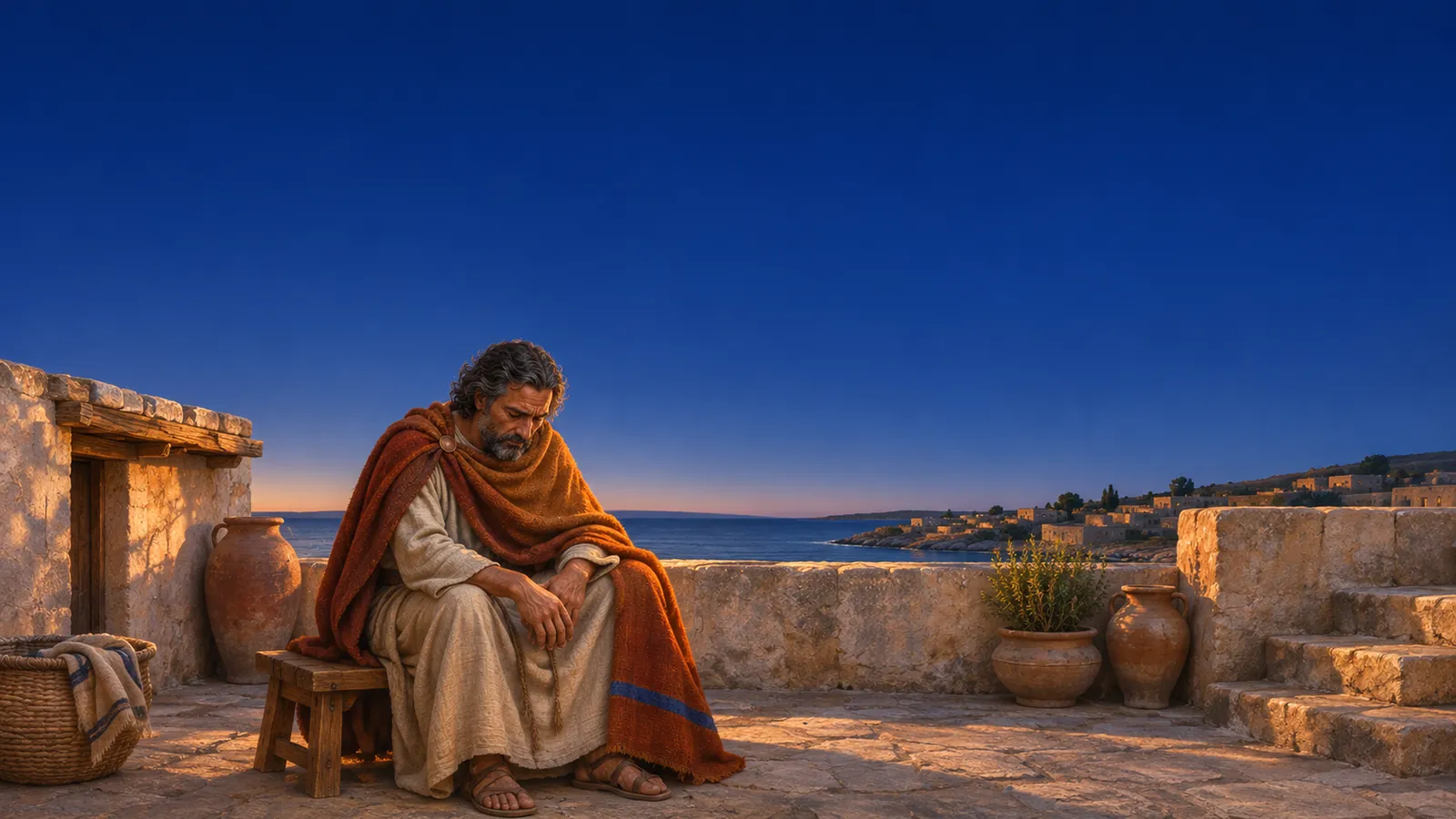
Ein Teil des Anfangs fehlt. In den lesbaren Versen hat Kirtas Haus Verluste erlitten, und die Zukunft seiner Linie ist ungewiss.
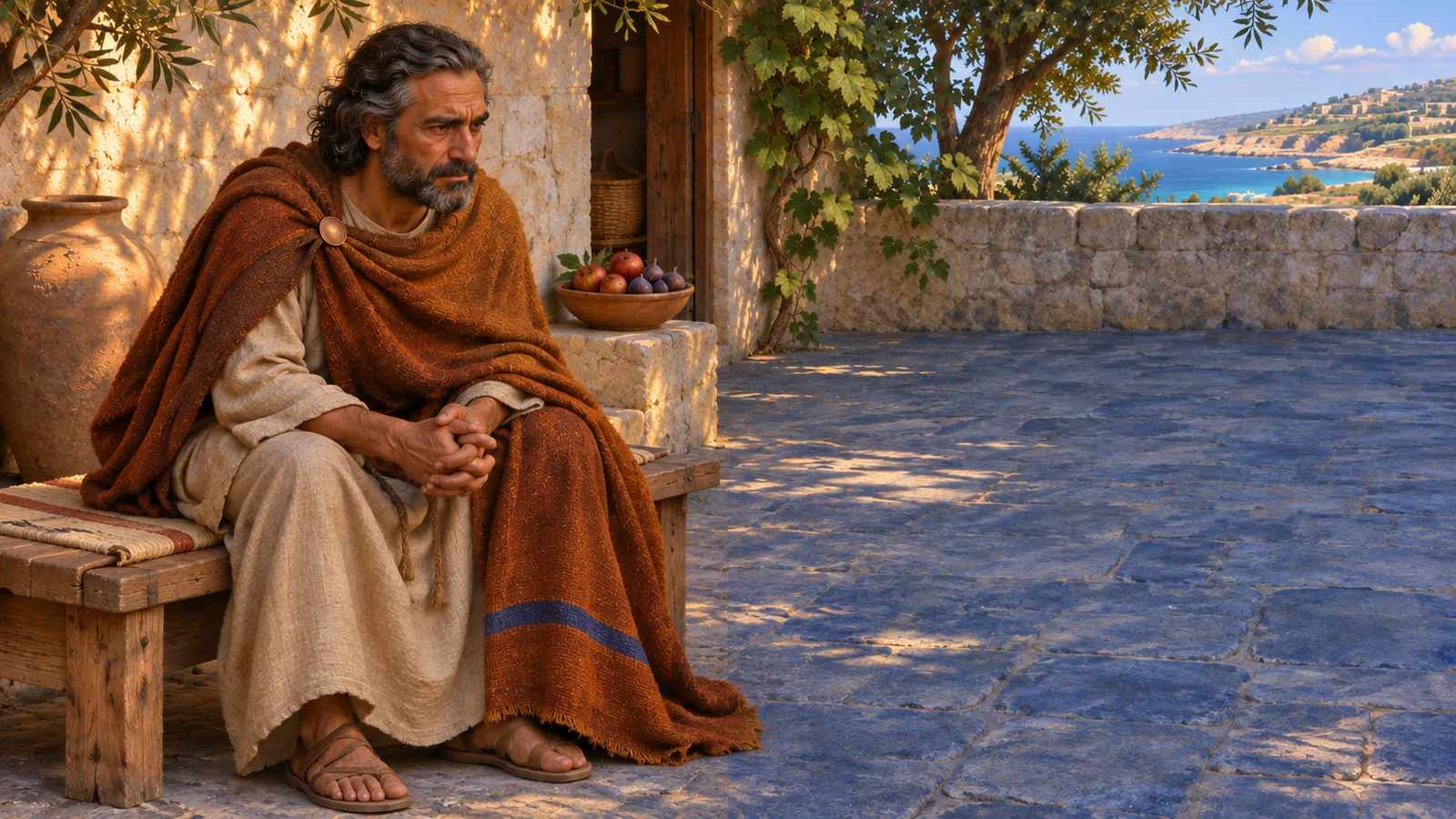
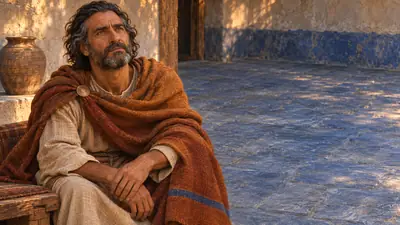
Krankheit, Seuche, das Meer und das Schwert nehmen Kirta Angehörige und lassen ihn mit seiner Trauer allein.
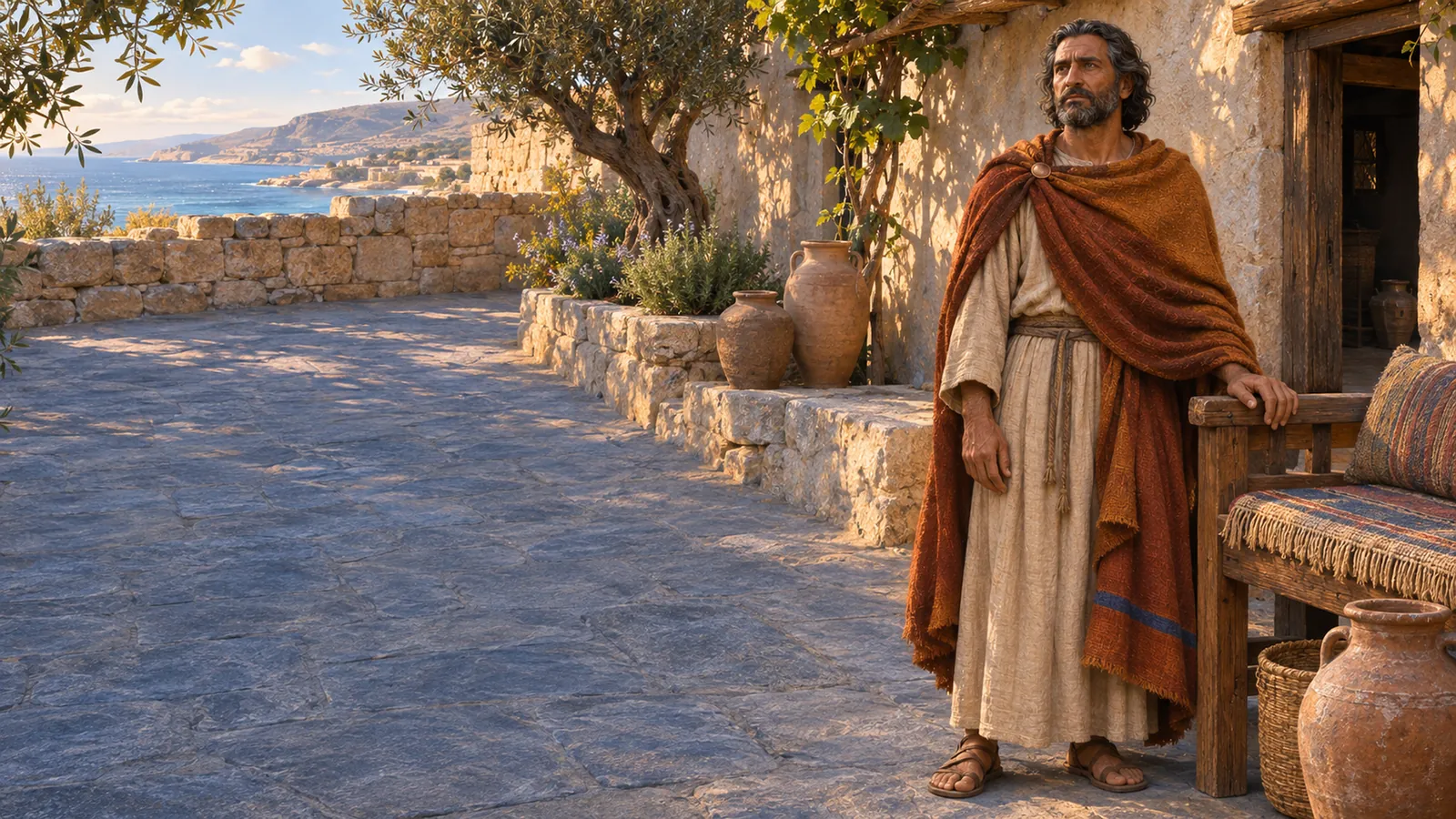
Kirta hat niemanden, der seine Linie fortführt. Die Zukunft seines Hauses bleibt offen.
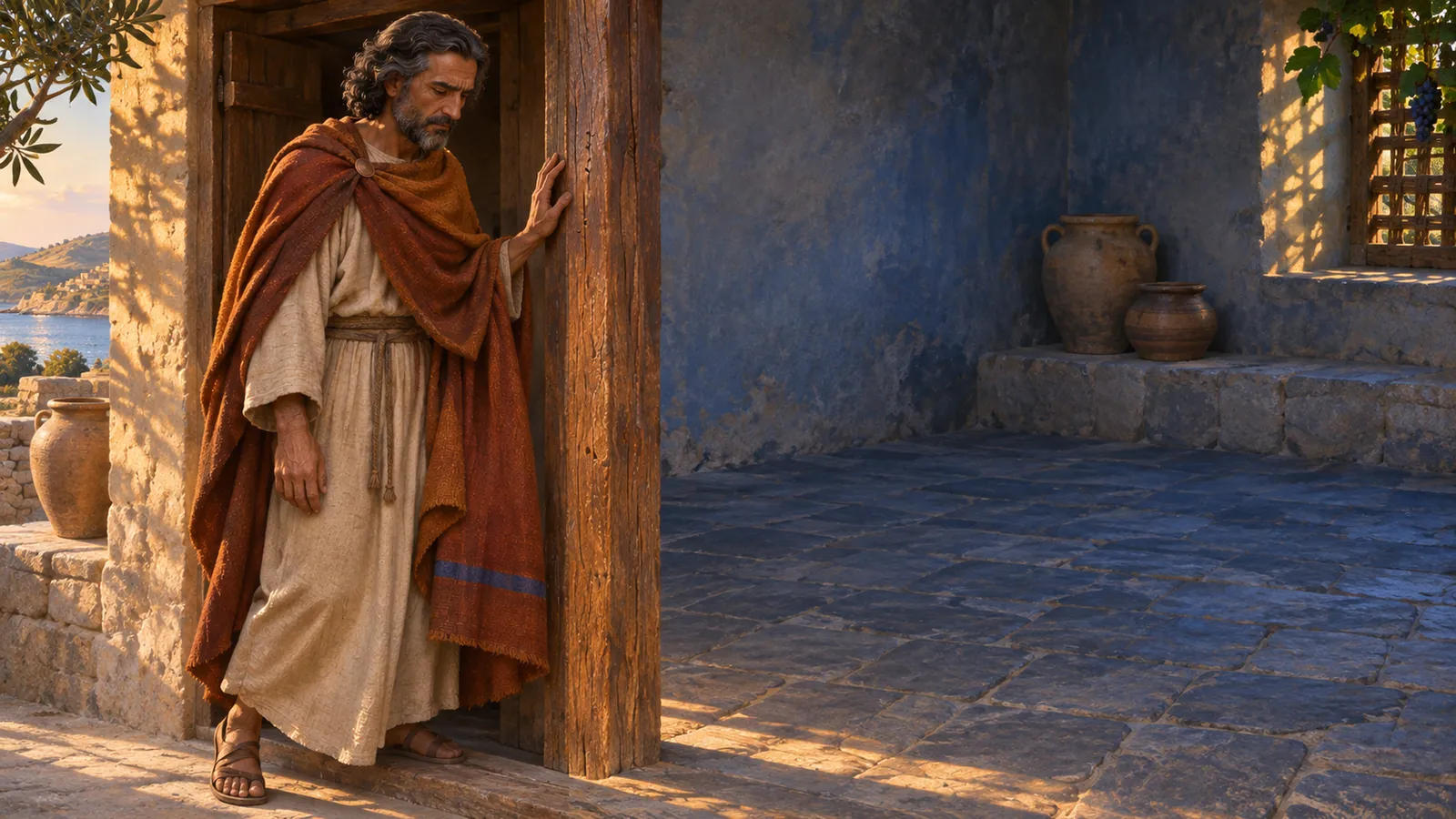
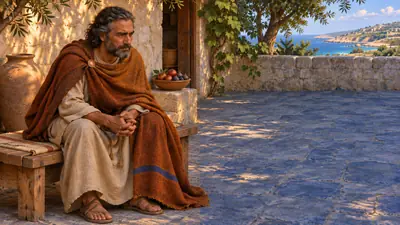
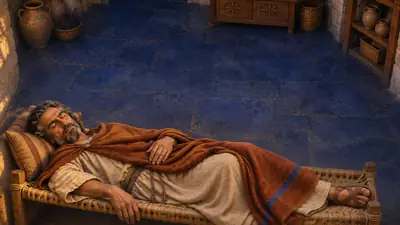
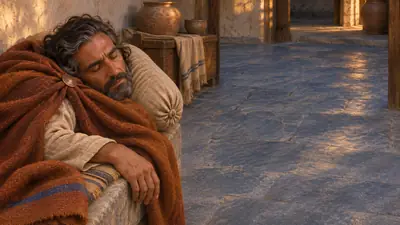
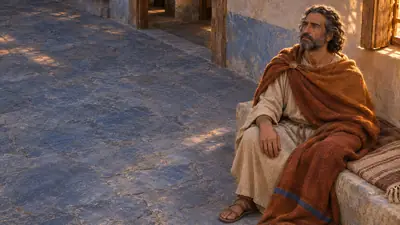
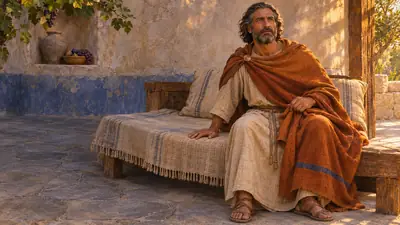
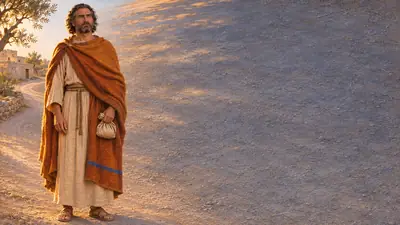
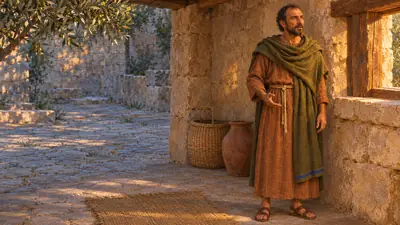
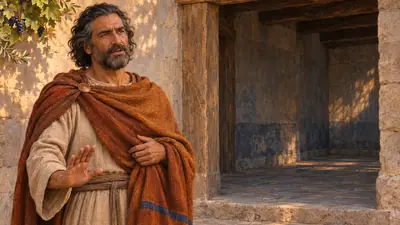
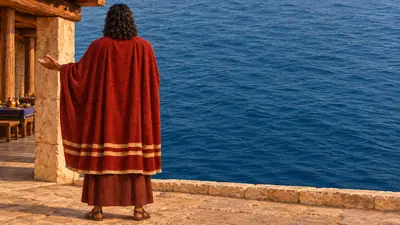
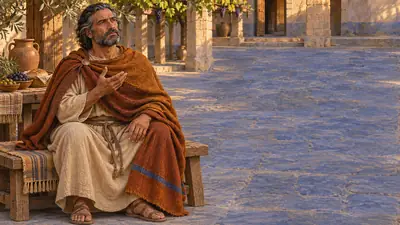
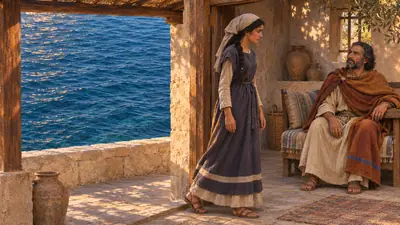
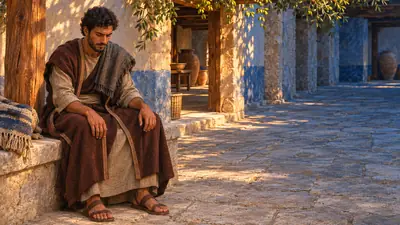
Kirta geht in das innere Gemach. Dort, abseits vom übrigen Haus, lässt er seiner Trauer freien Lauf.
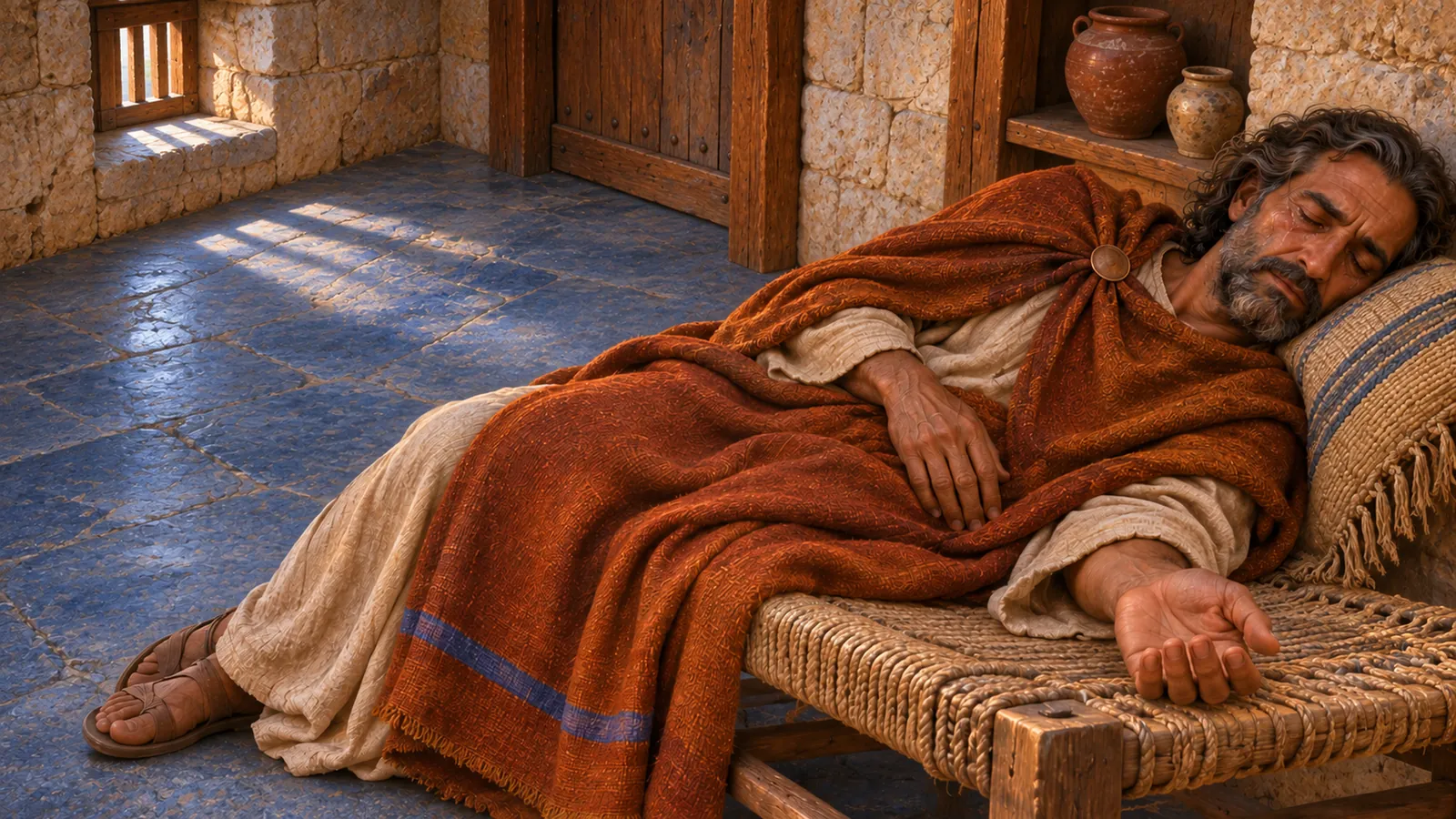
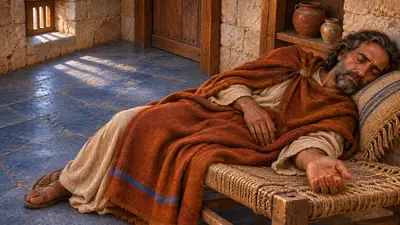
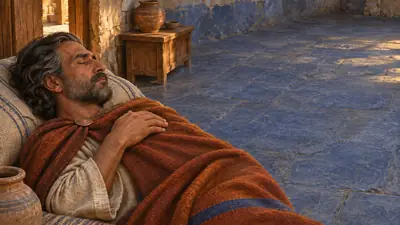
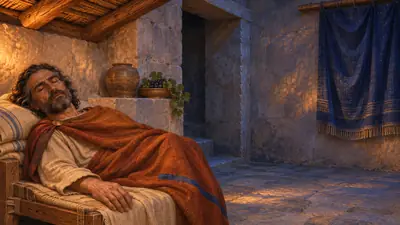
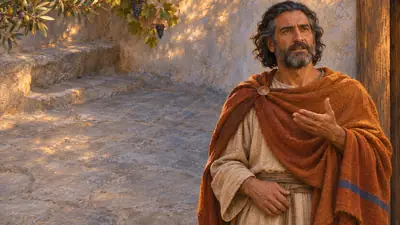
Das Gedicht verweilt bei Kirta, während er weint. Schließlich schläft er ein, und seine Trauer weicht einem Traum.
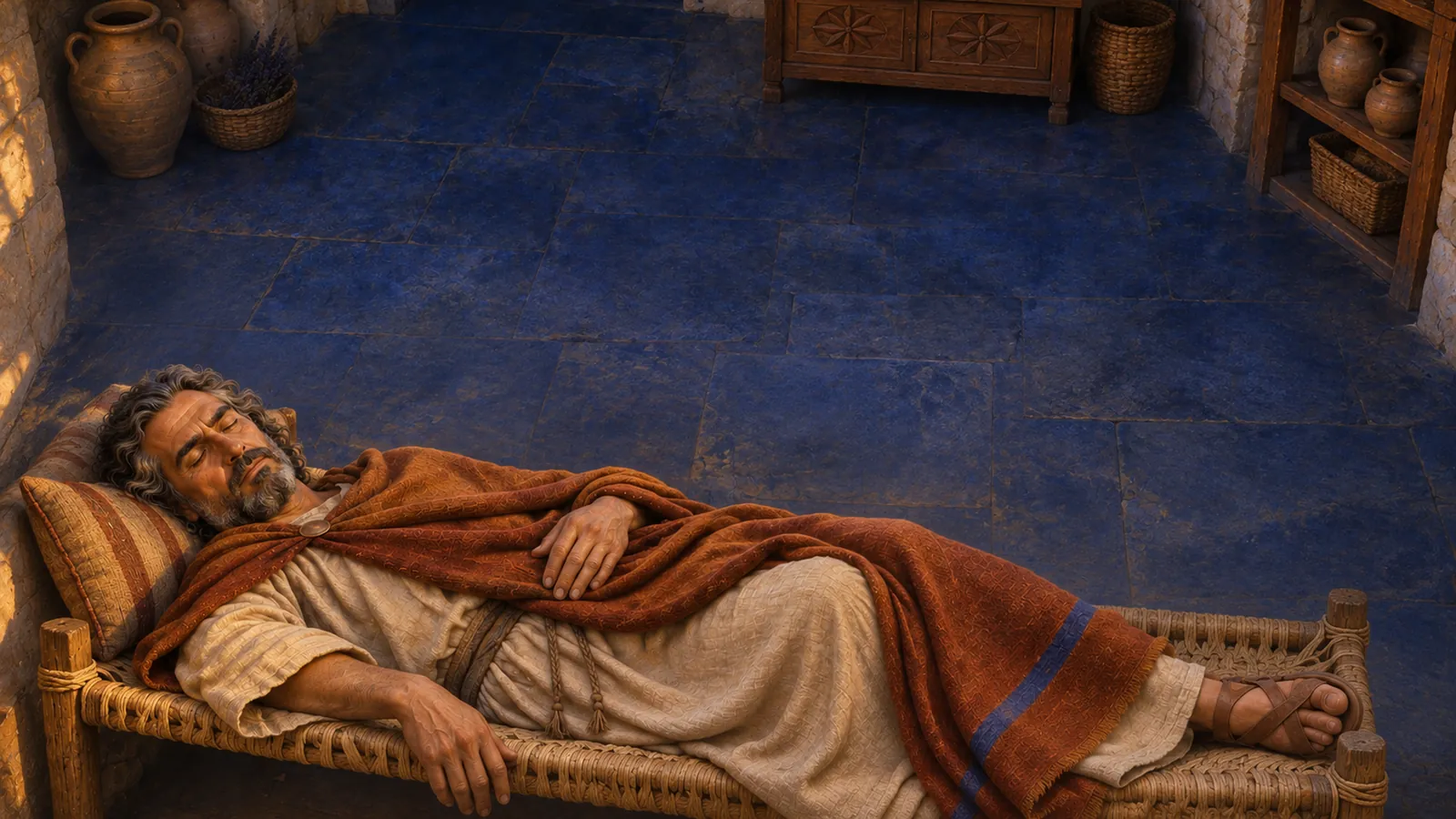
EL IM TRAUM
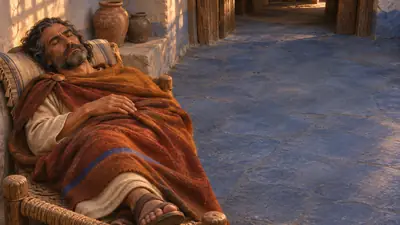
Während Kirta schläft, nähert sich ihm El im Traum. Das Gemach ist still, und das Gedicht wendet sich von Kirtas Trauer Els Worten zu.
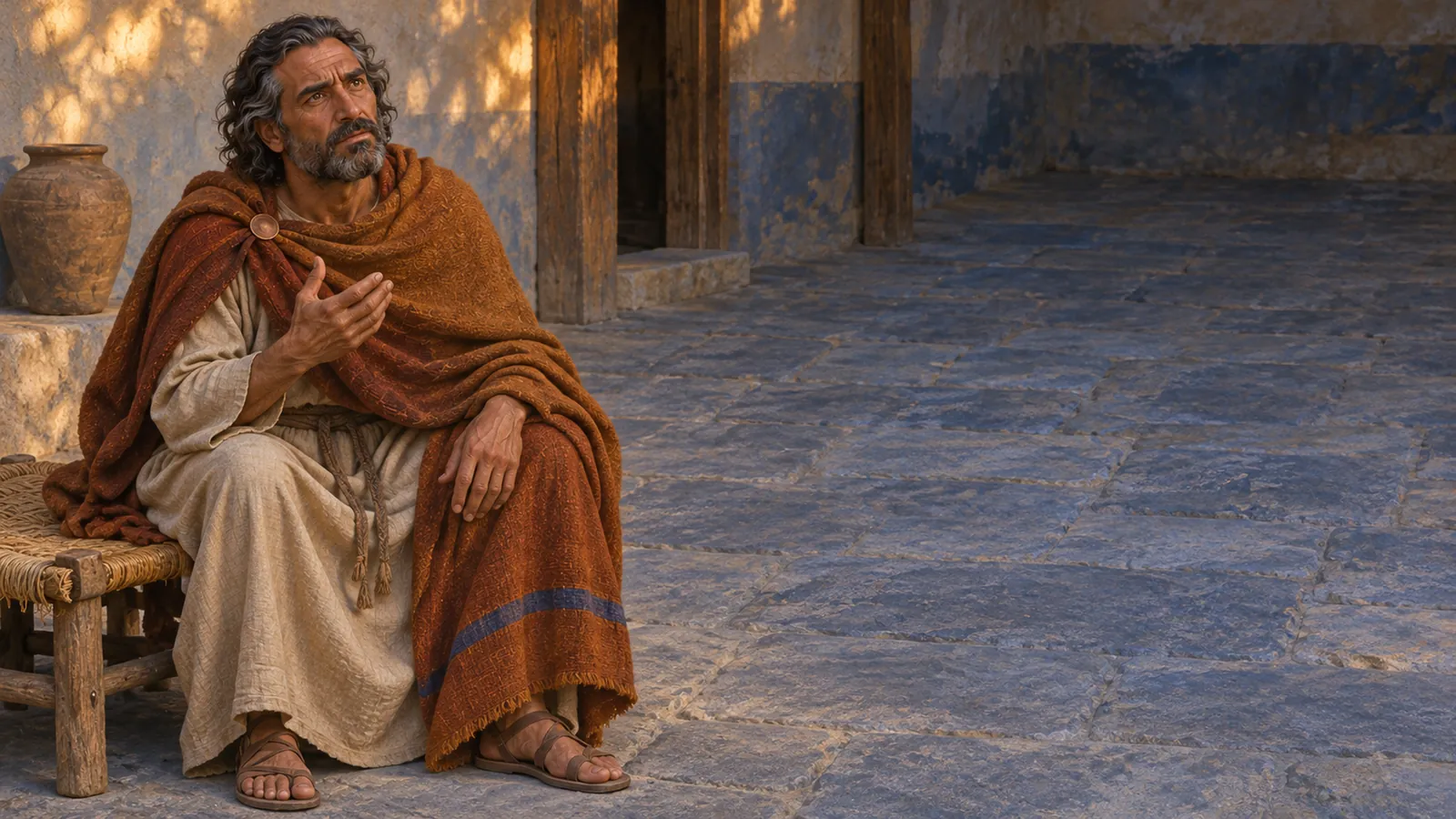
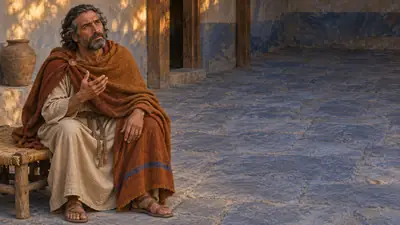
Im Traum fragt El Kirta, warum er weint und was ihm solchen Kummer bereitet. Mit diesen Fragen beginnt ihr Gespräch.
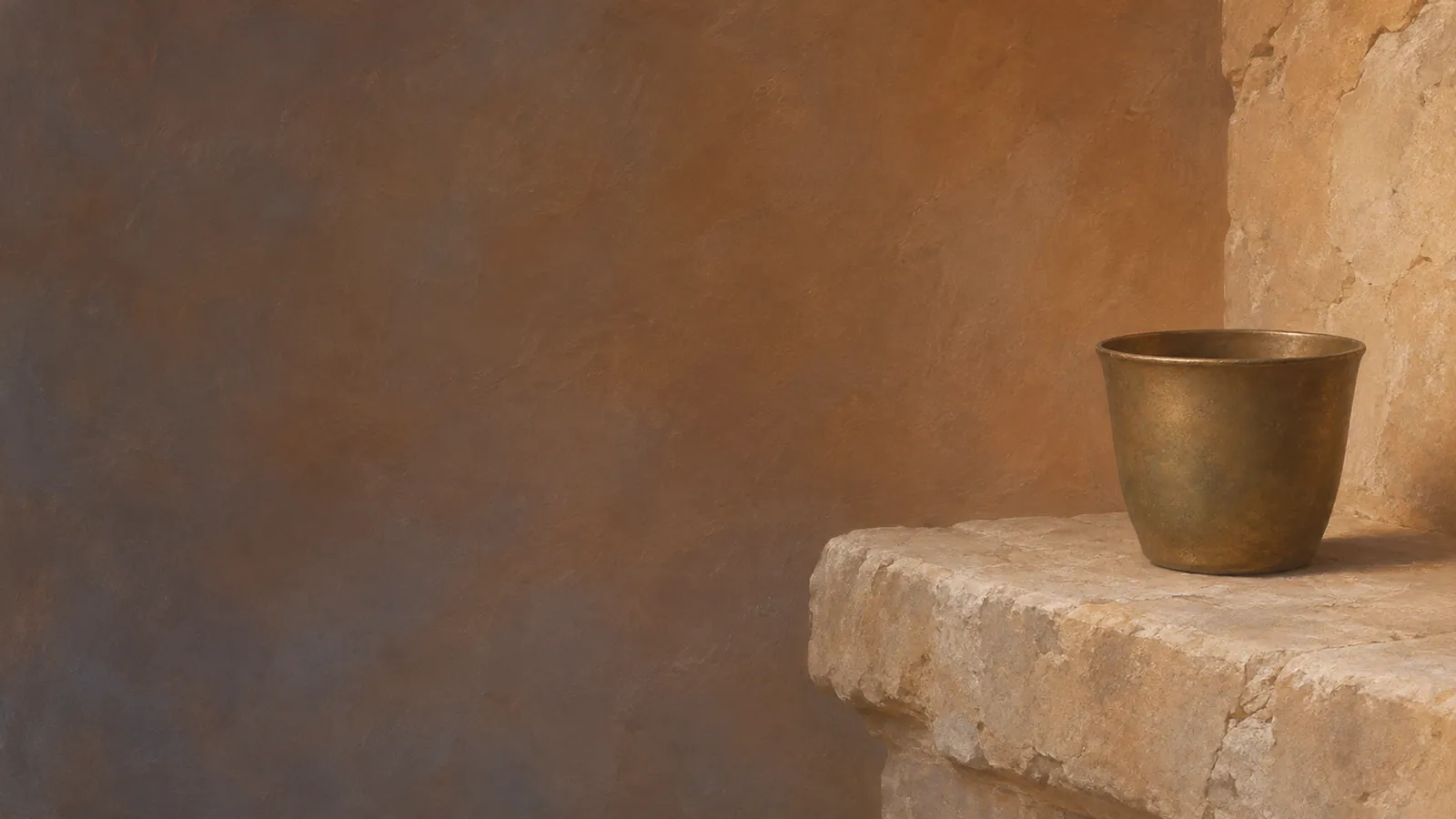
Els Fragen kommen auf Reichtümer. Er nennt Kostbarkeiten, die sich ein König wünschen könnte, und fragt Kirta, was seine Trauer lindern würde.
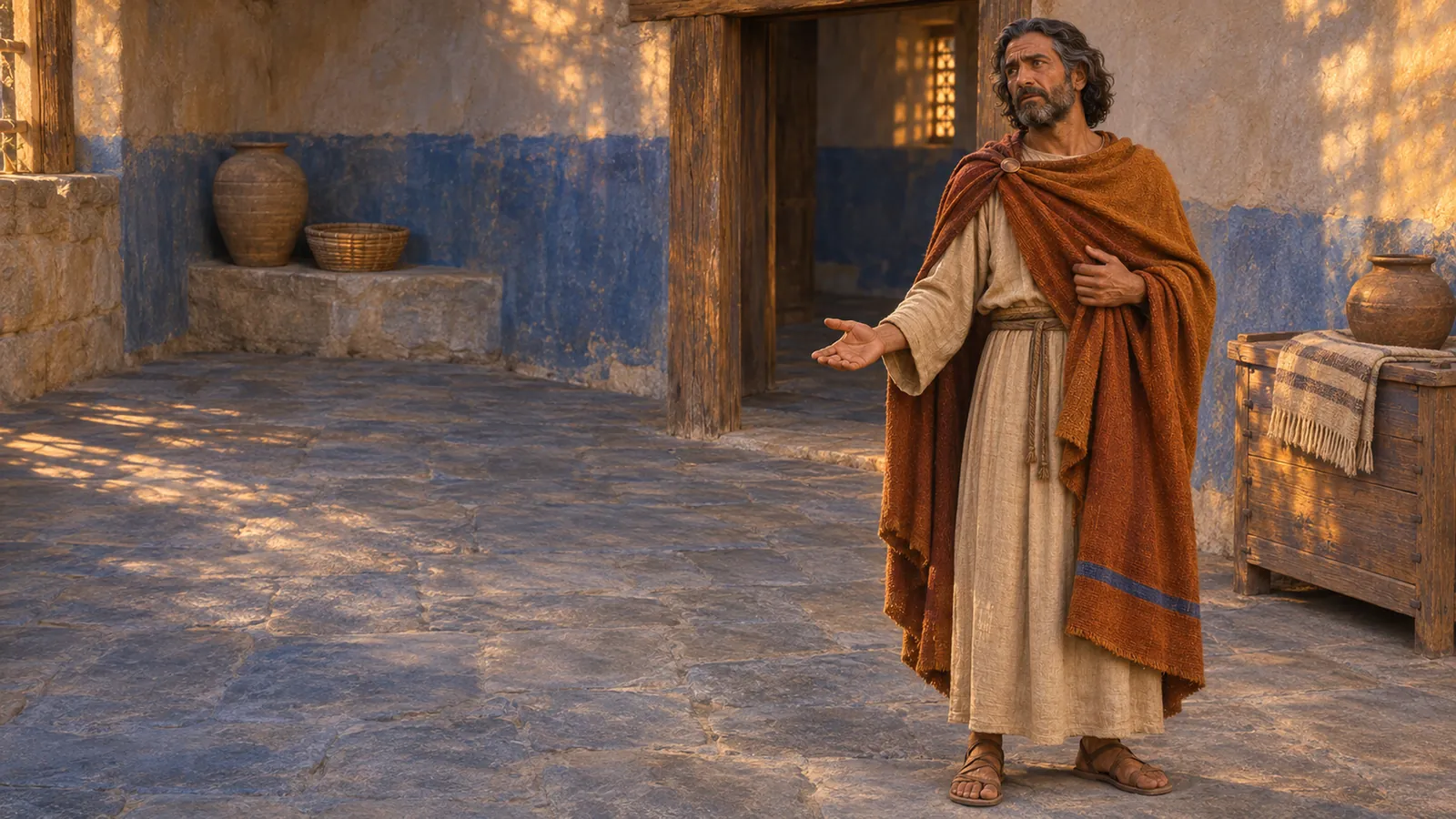
Kirta antwortet, dass ihm Reichtum in seiner Trauer nichts nützt. Er wünscht sich eine Familie und jemanden, der seine Linie fortführt.
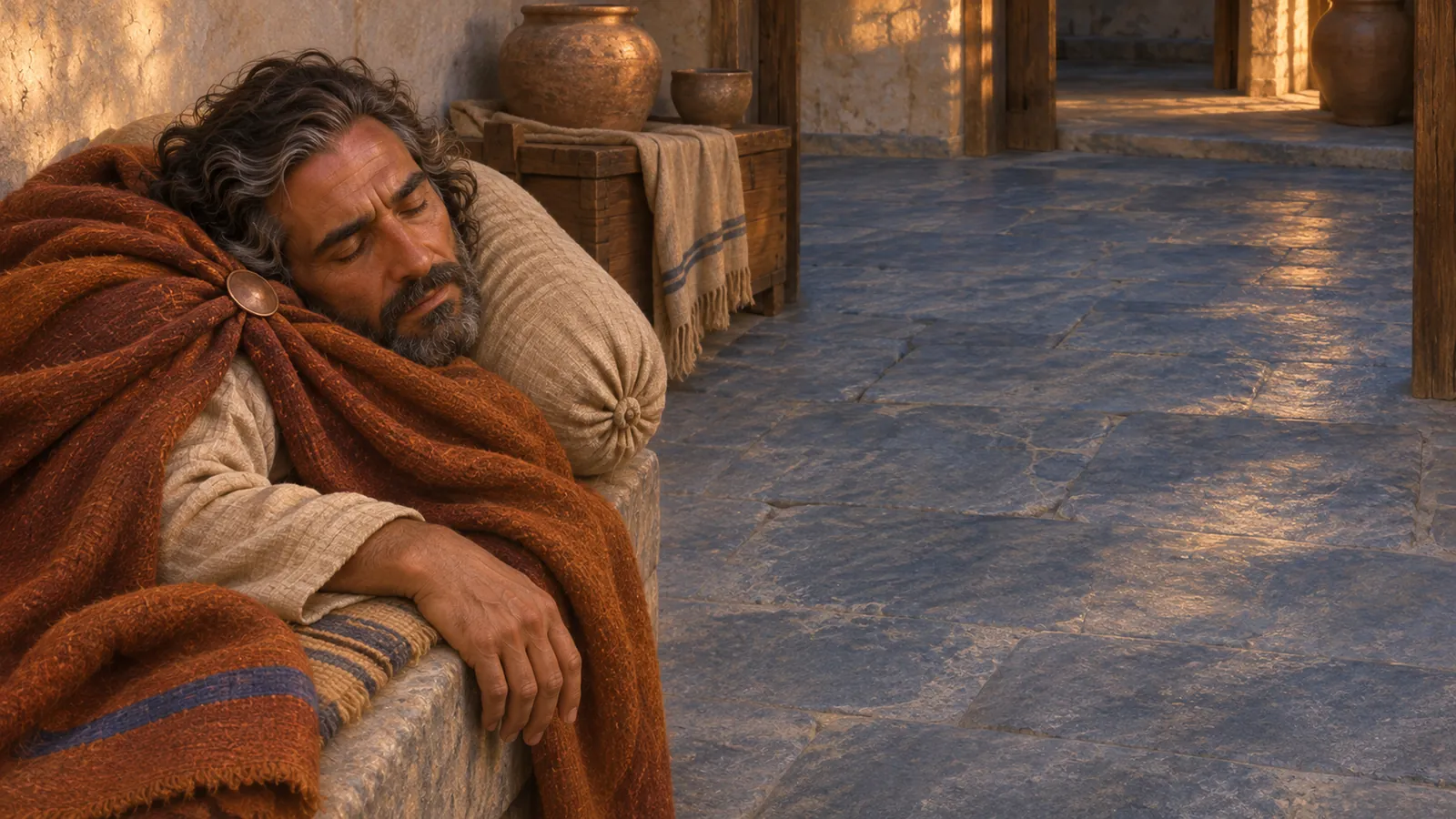
El sagt Kirta, er solle aufhören zu weinen und sich bereitmachen. Diese Worte gehören noch zum Traum, während Kirta schläft.
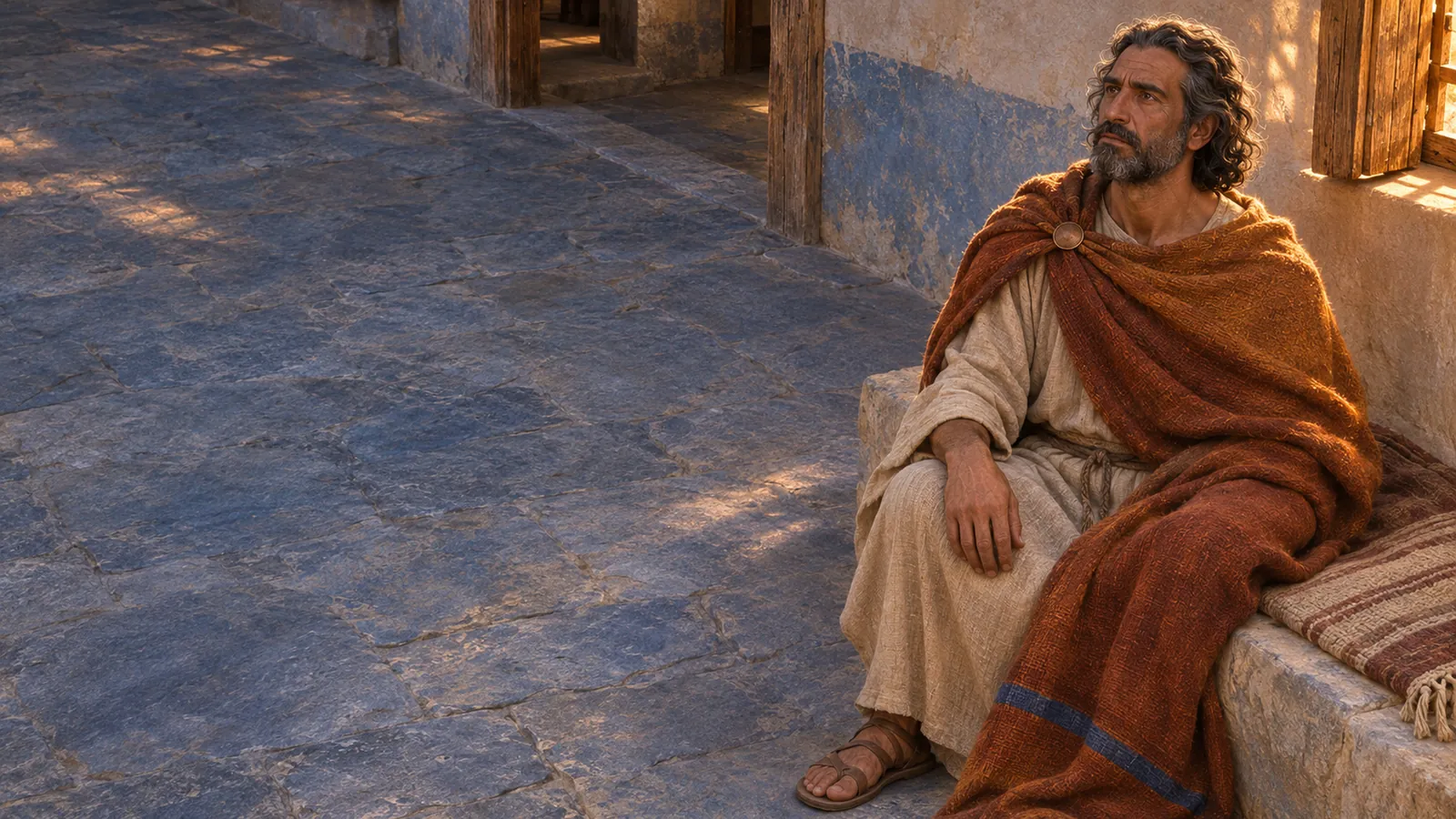
El sagt Kirta, er solle zusammenbringen, was er für eine Opfergabe braucht. Dann erläutert er die weiteren Vorbereitungen.
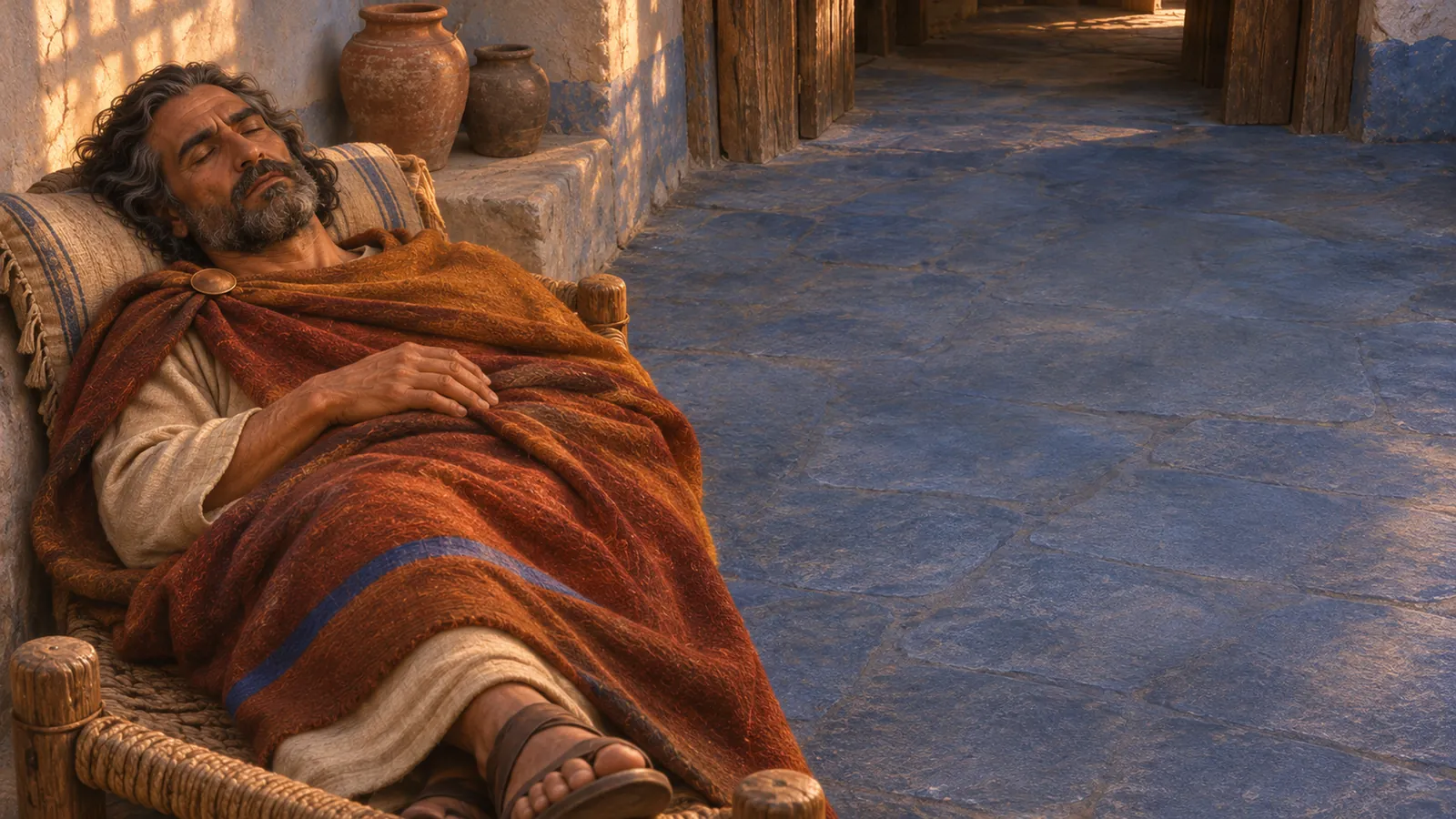
Im Traum hört Kirta in den Anweisungen für die Opfergabe die Namen El und Baal. Er ist noch nicht erwacht, um danach zu handeln.
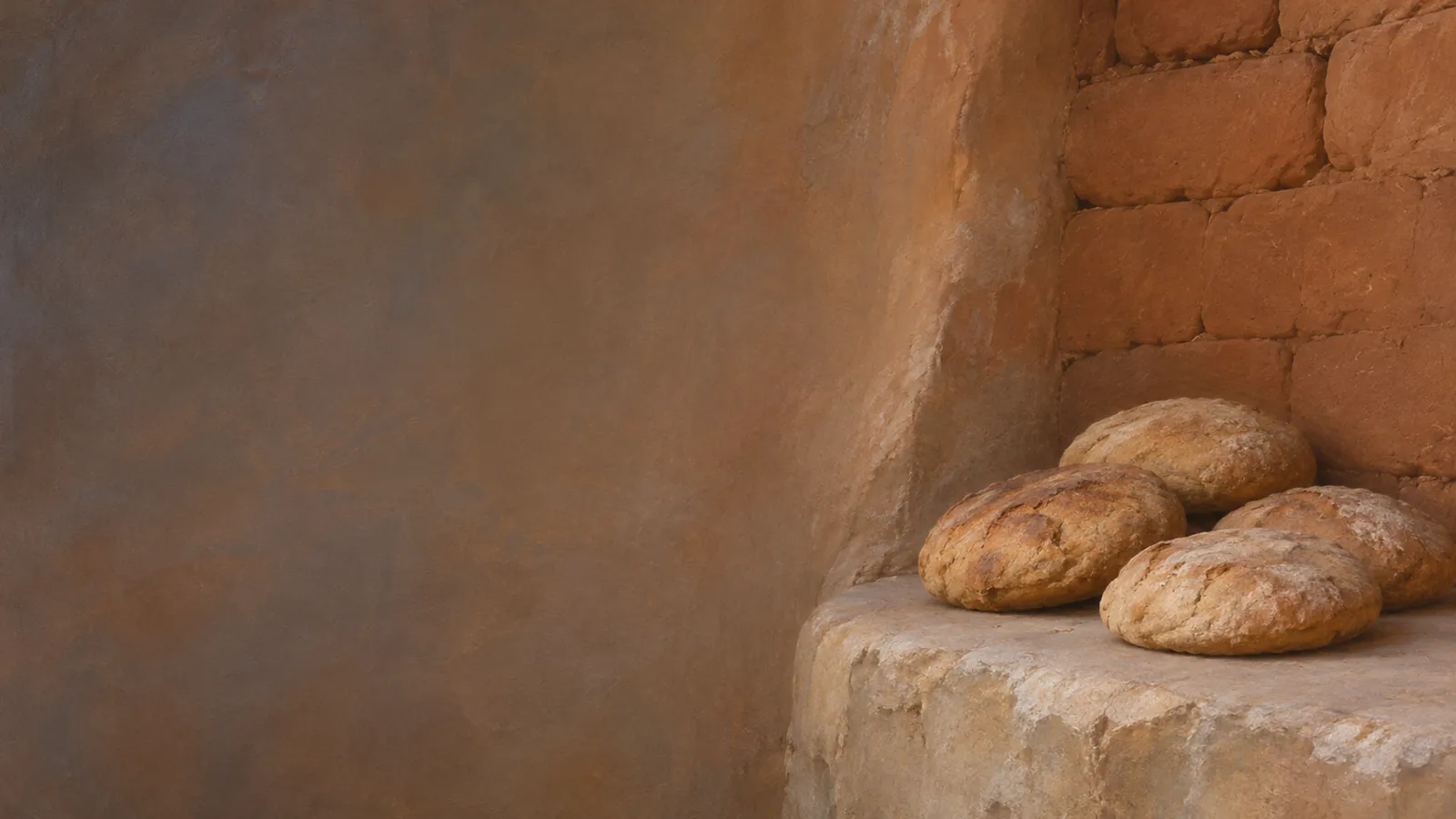
El spricht nun von der Verpflegung für die Reise. Im Traum soll Brot bereitgemacht werden, bevor Kirta aufbricht.
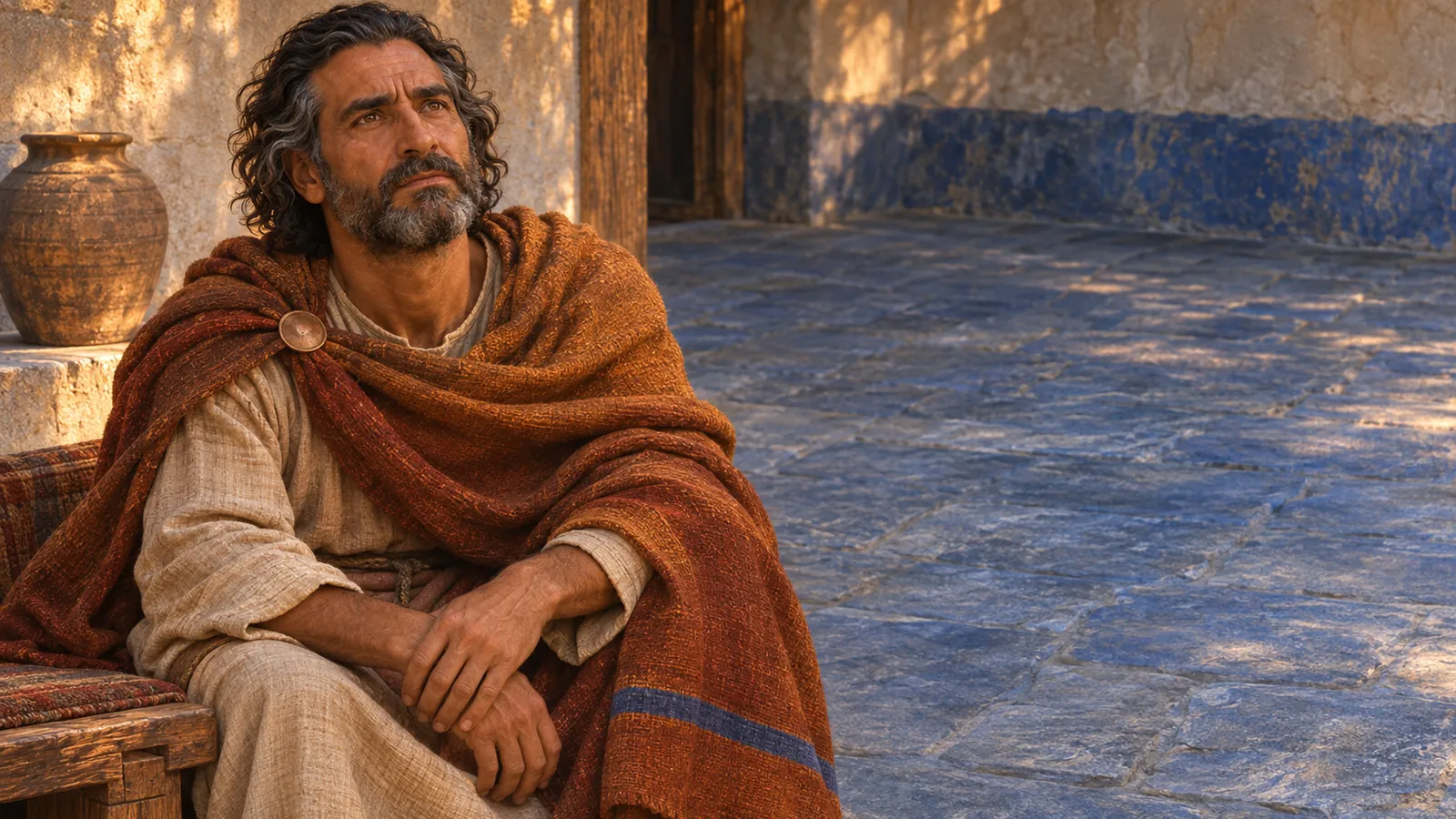
El sagt Kirta, er solle viele Menschen für die Reise versammeln. Die Zahlen im Traum lassen ahnen, wie weit der Ruf reichen soll.
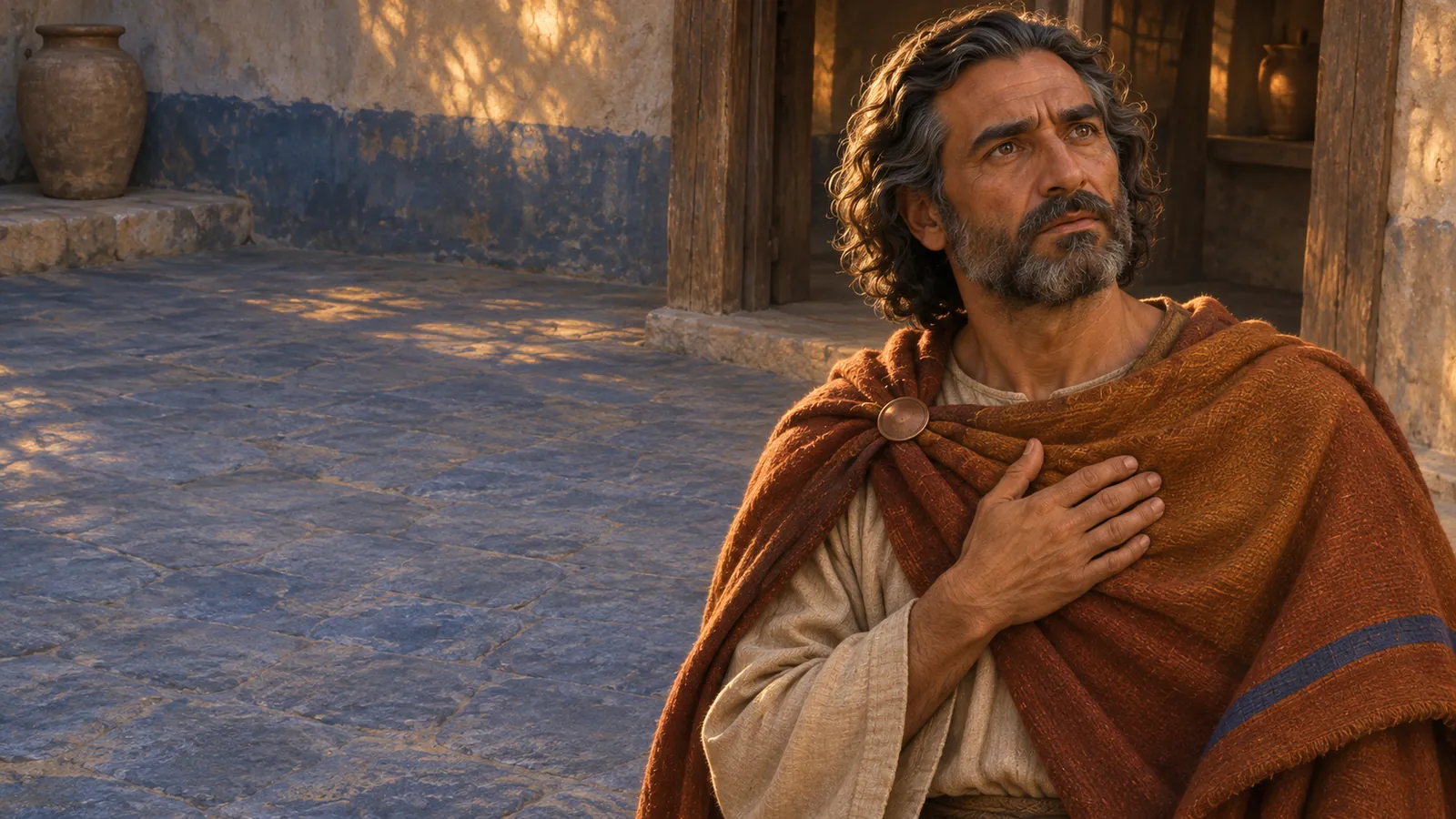
Der Traum zeigt, wie weit der Ruf gehen soll. Er dringt von Haus zu Haus, während El von der Reise spricht.
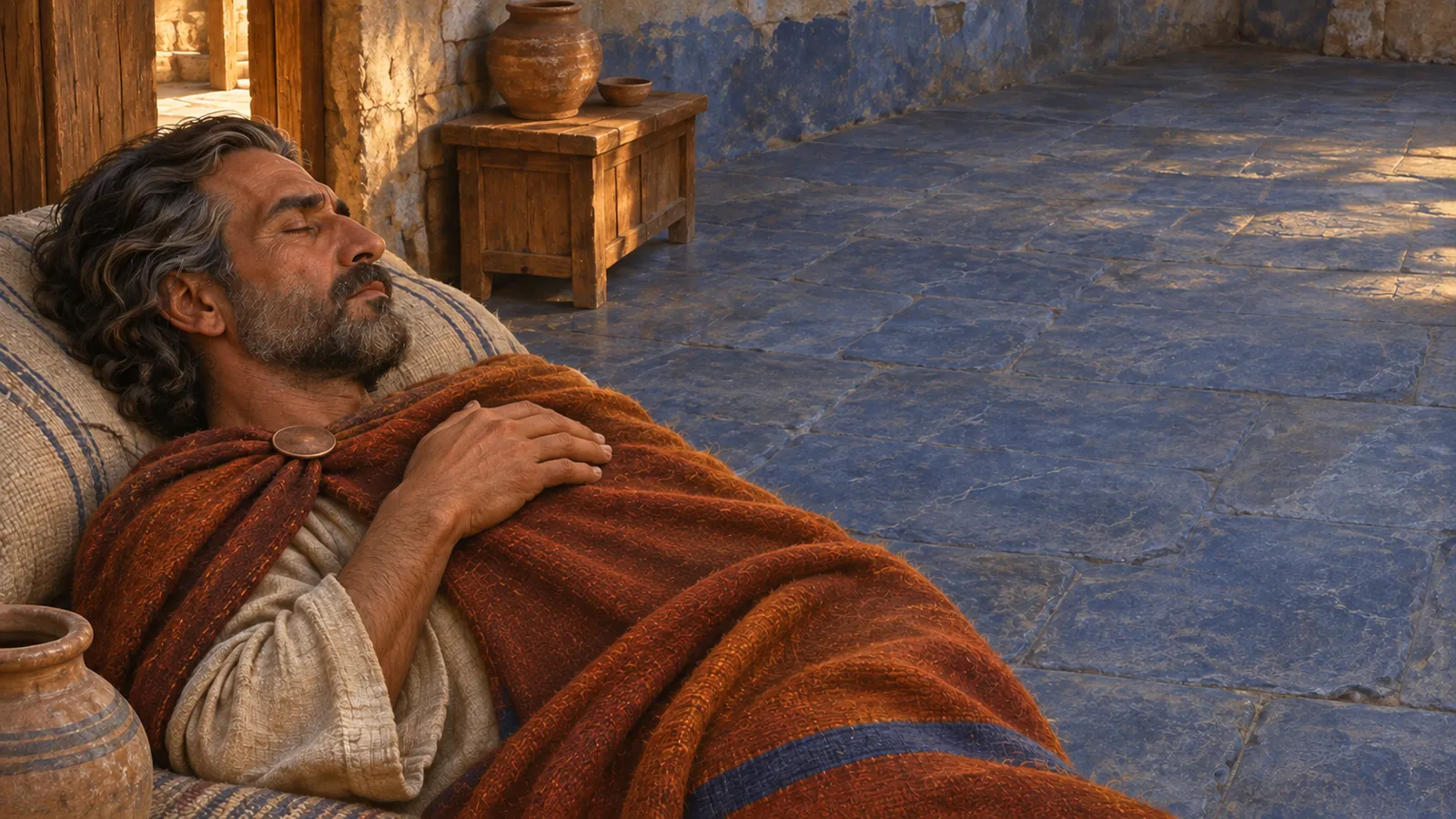
El nennt Udum und zählt die kommenden Tage. Im Traum setzt Kirtas Ankunft Udum unter Druck, und zwischen beiden Seiten sollen Botschaften ausgetauscht werden.
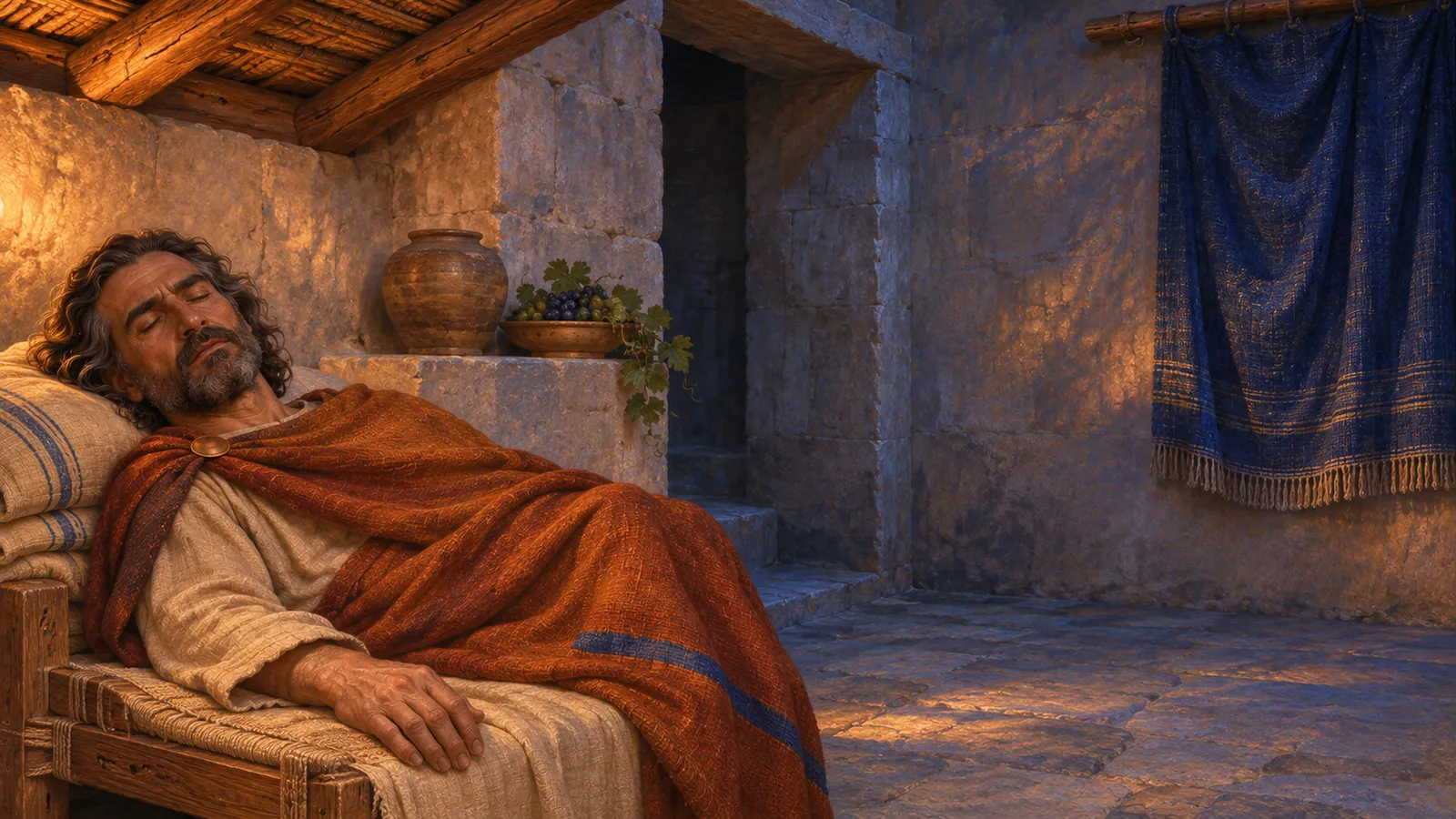
Der Traum kündigt eine Botschaft Pabils an, in der er Reichtümer anbietet. Kirta wird sich weigern, für diese Güter auf sein Ziel zu verzichten.
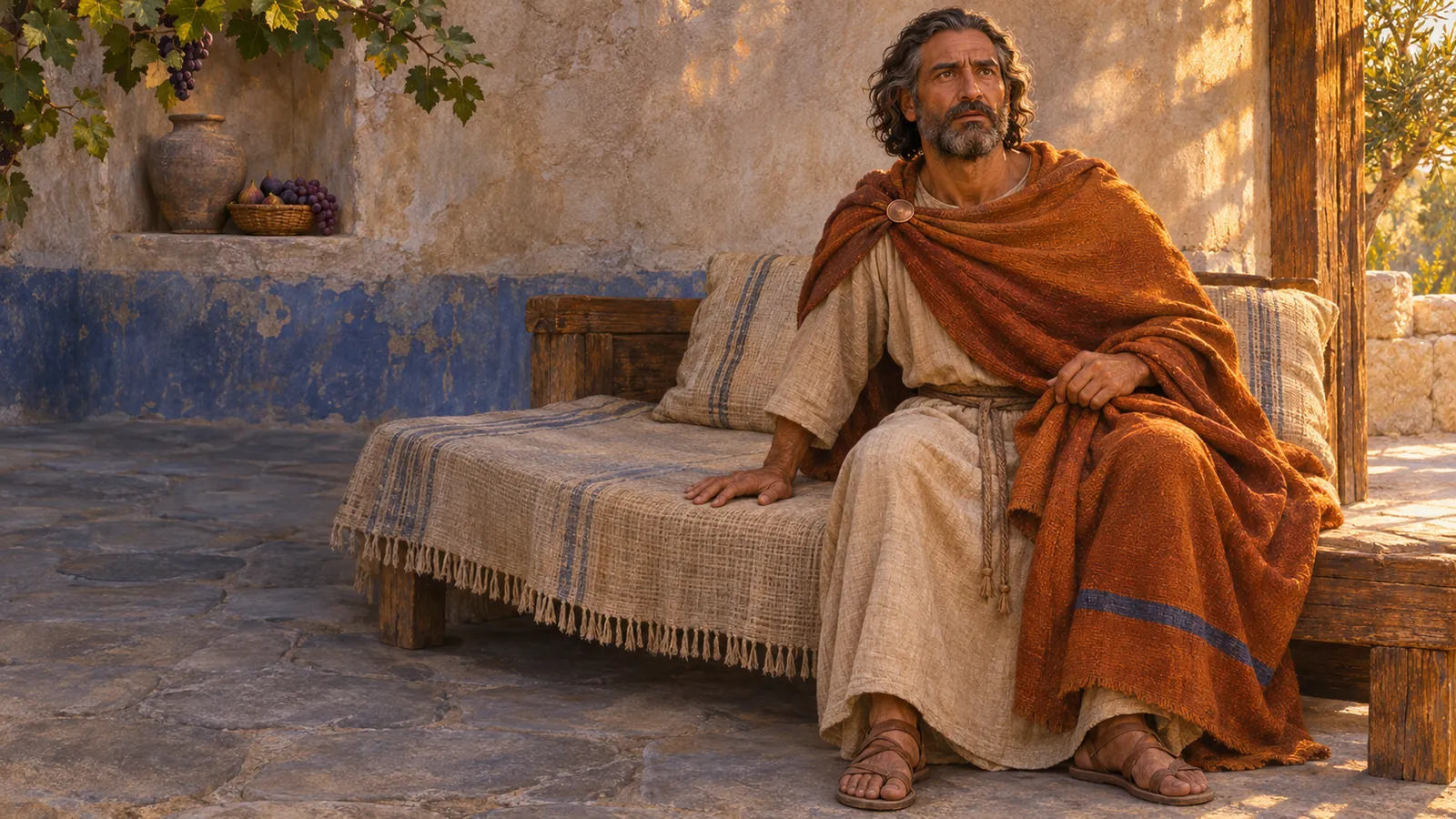
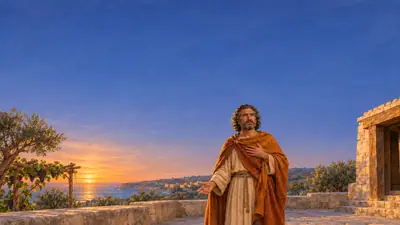
Kirta erwacht aus seinem Traum. Von hier an erzählt das Gedicht, was er tut, nachdem er Els Worte gehört hat.
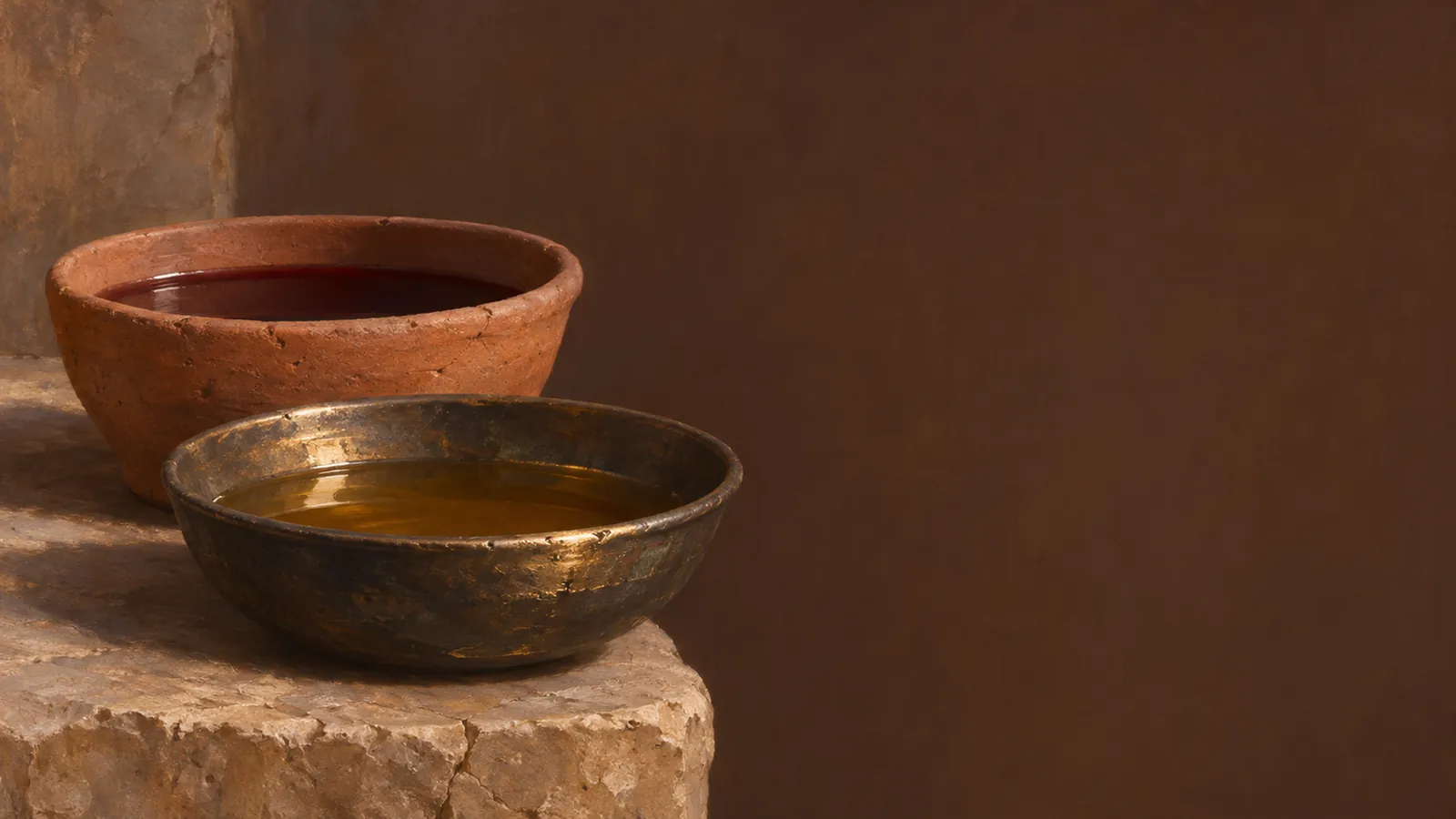
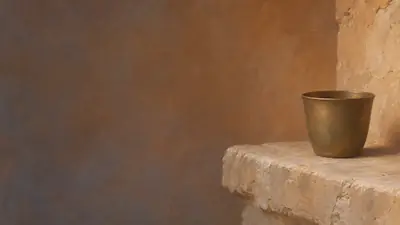
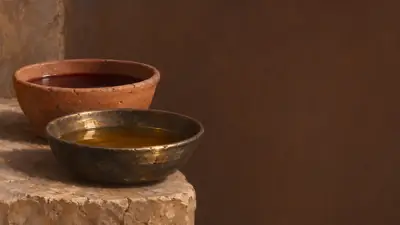
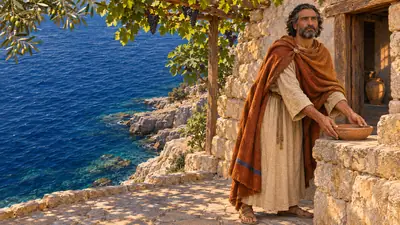
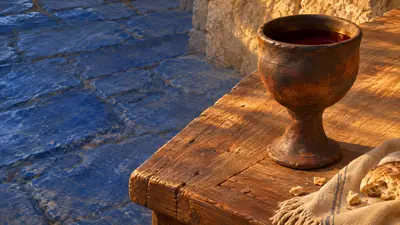
Kirta macht sich bereit. Er stellt Wein und Honig in Gefäßen beiseite und beginnt mit den Vorbereitungen, von denen er im Traum gehört hat.
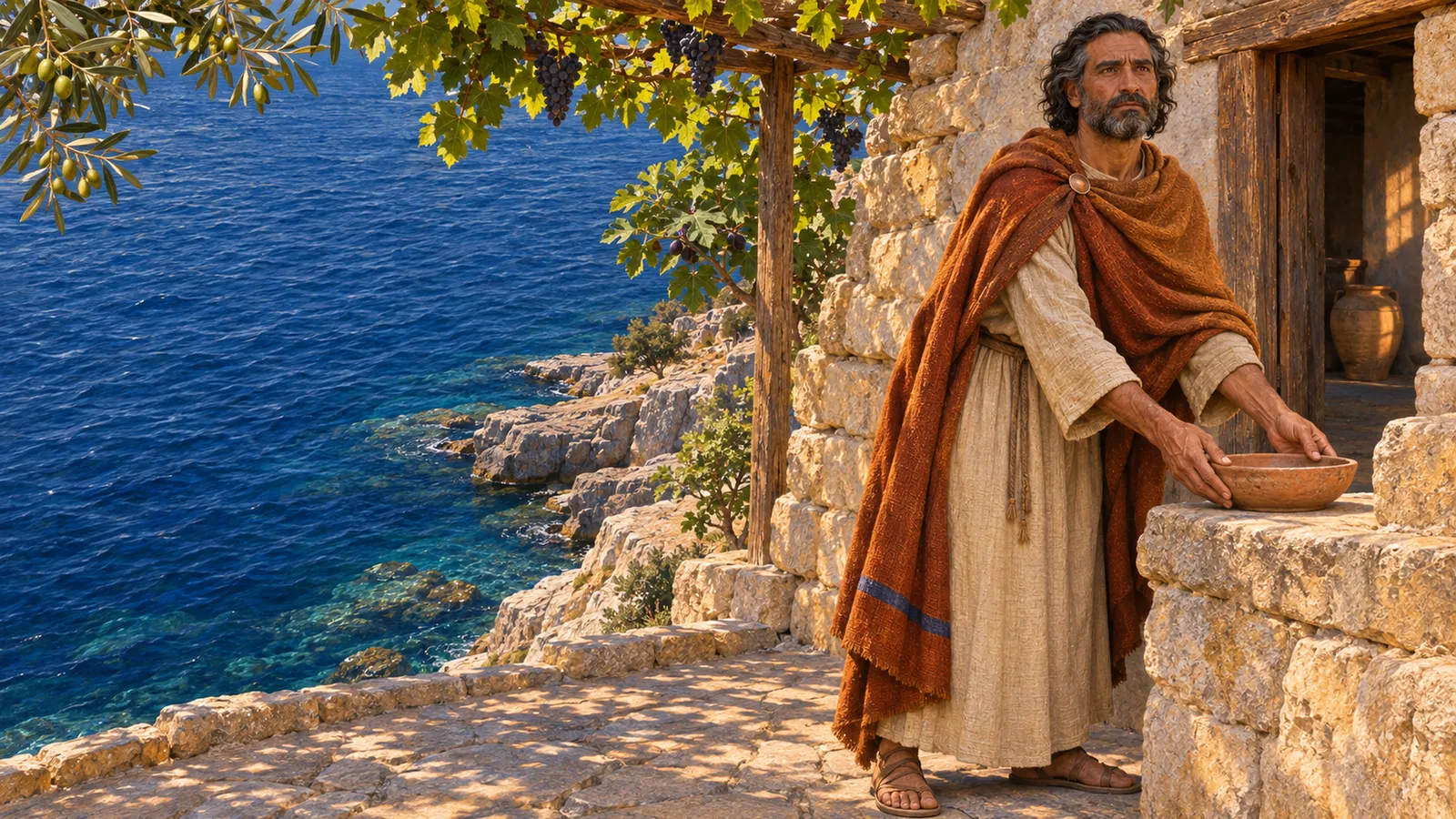
Kirta geht, um die Gabe darzubringen, wie ihm im Traum gesagt wurde. Die erhaltenen Verse geben keine unmittelbare Antwort.
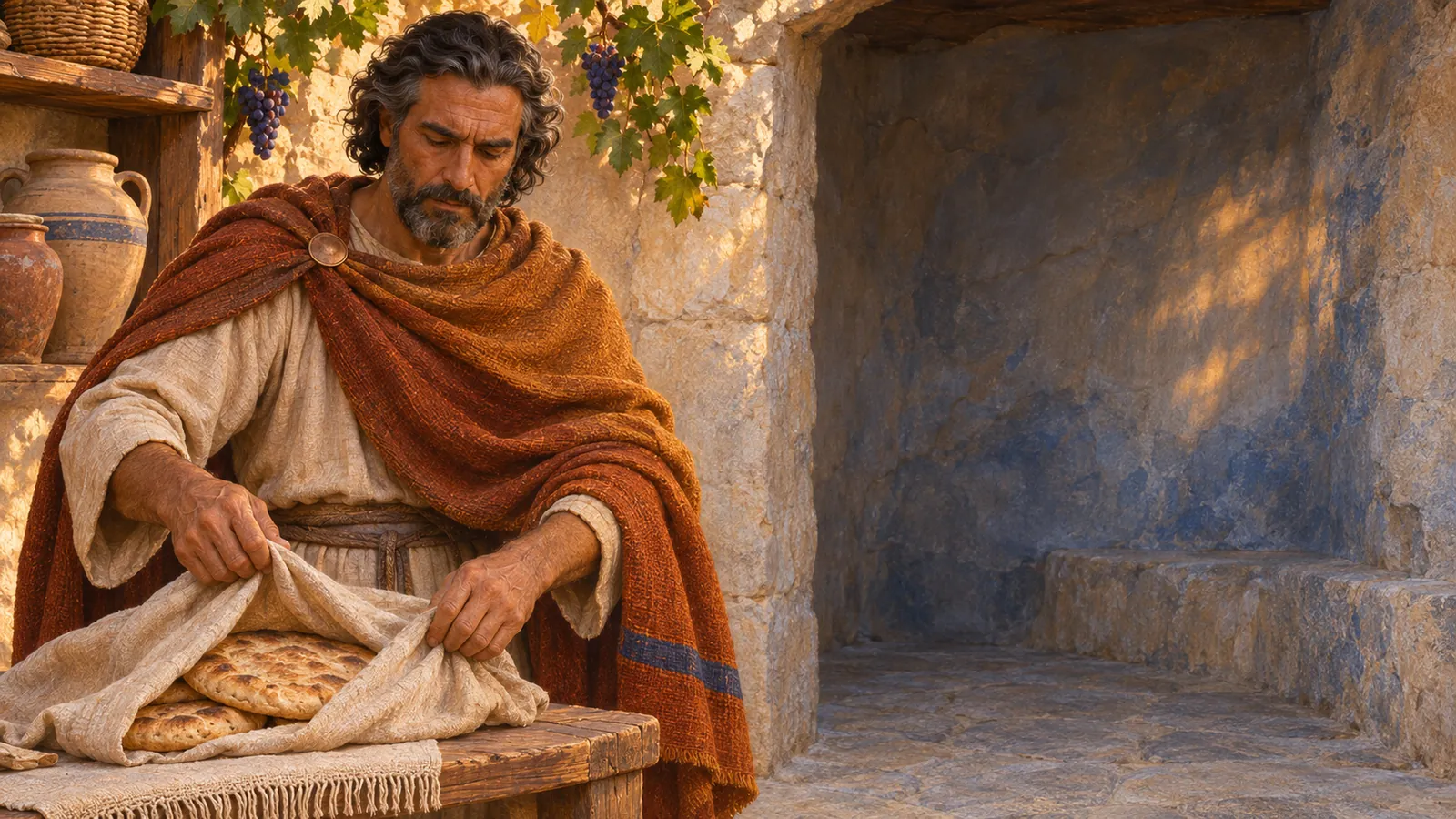
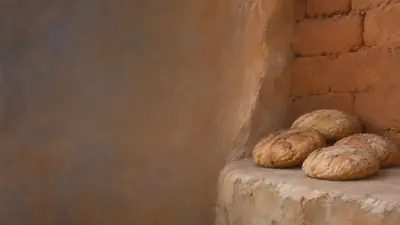
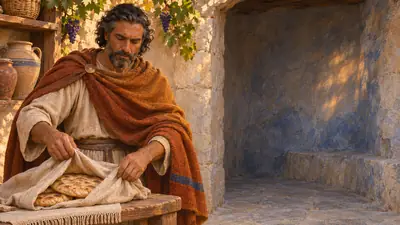
Kirta bereitet das Brot für die Reise vor. Nun besorgt er tatsächlich den Proviant, von dem im Traum die Rede war.
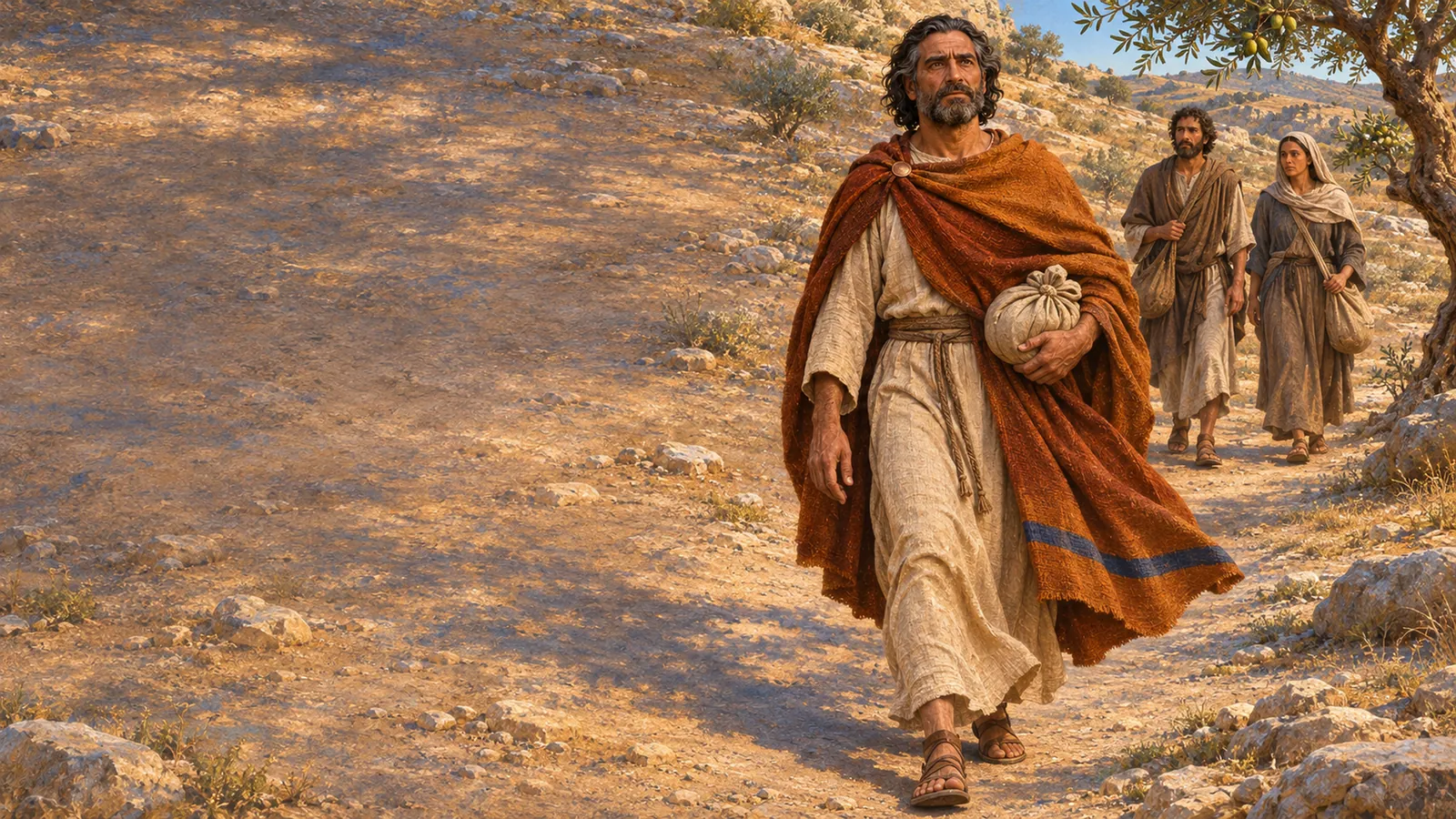
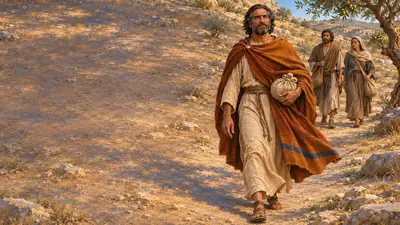
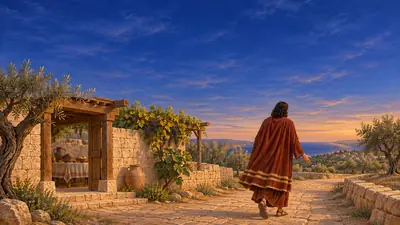
Kirta und seine Begleiter brechen auf. Das Gedicht wendet sich von ihren Vorbereitungen den Tagen unterwegs zu.
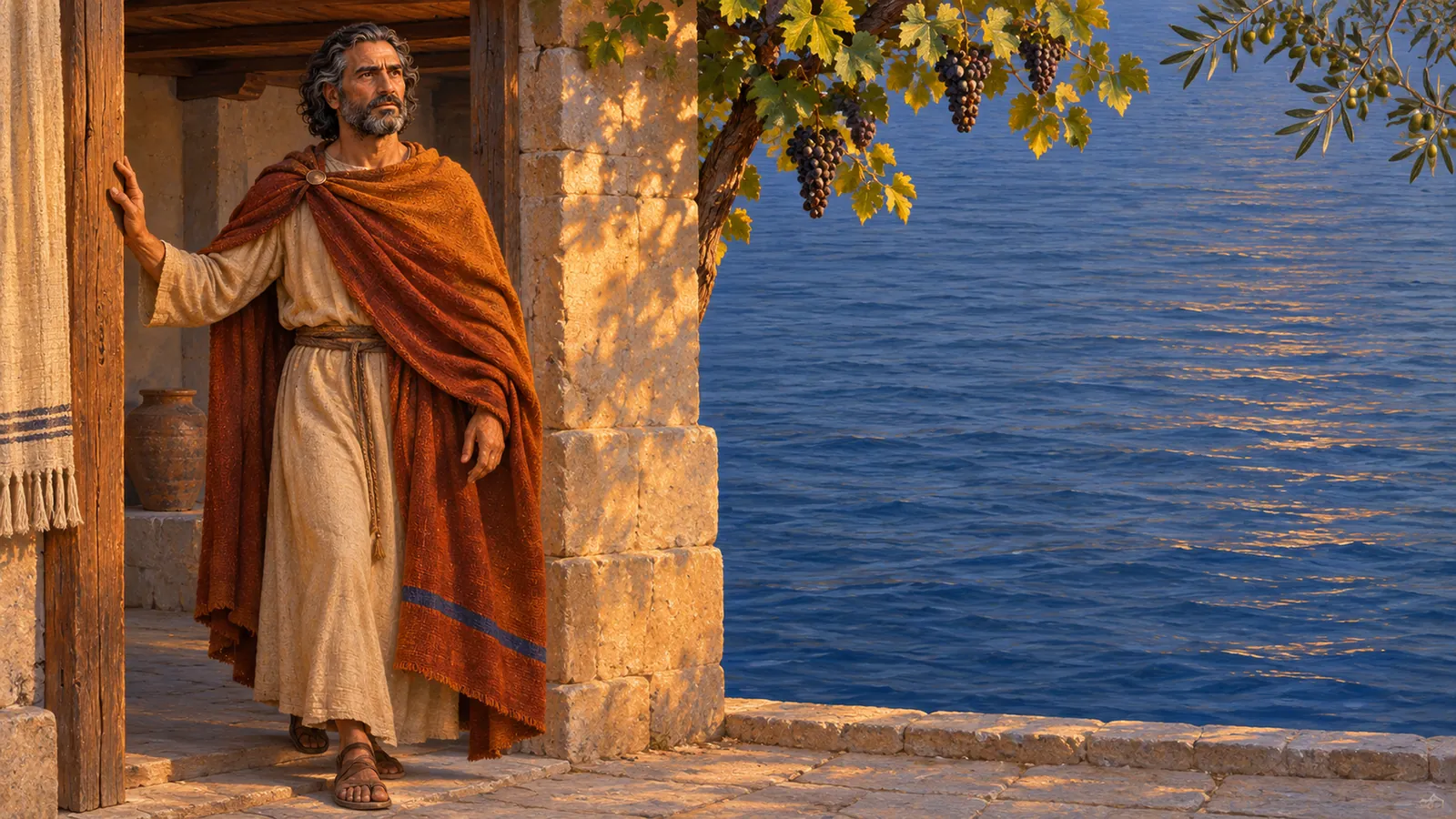
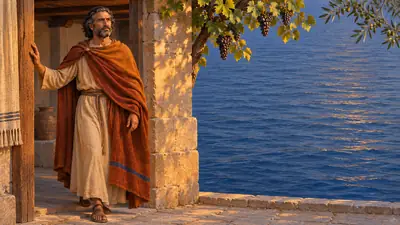
Am dritten Abend erreicht Kirta das Heiligtum Athirats, deren Namen das Gedicht hier mit Tyros und Sidon verbindet.
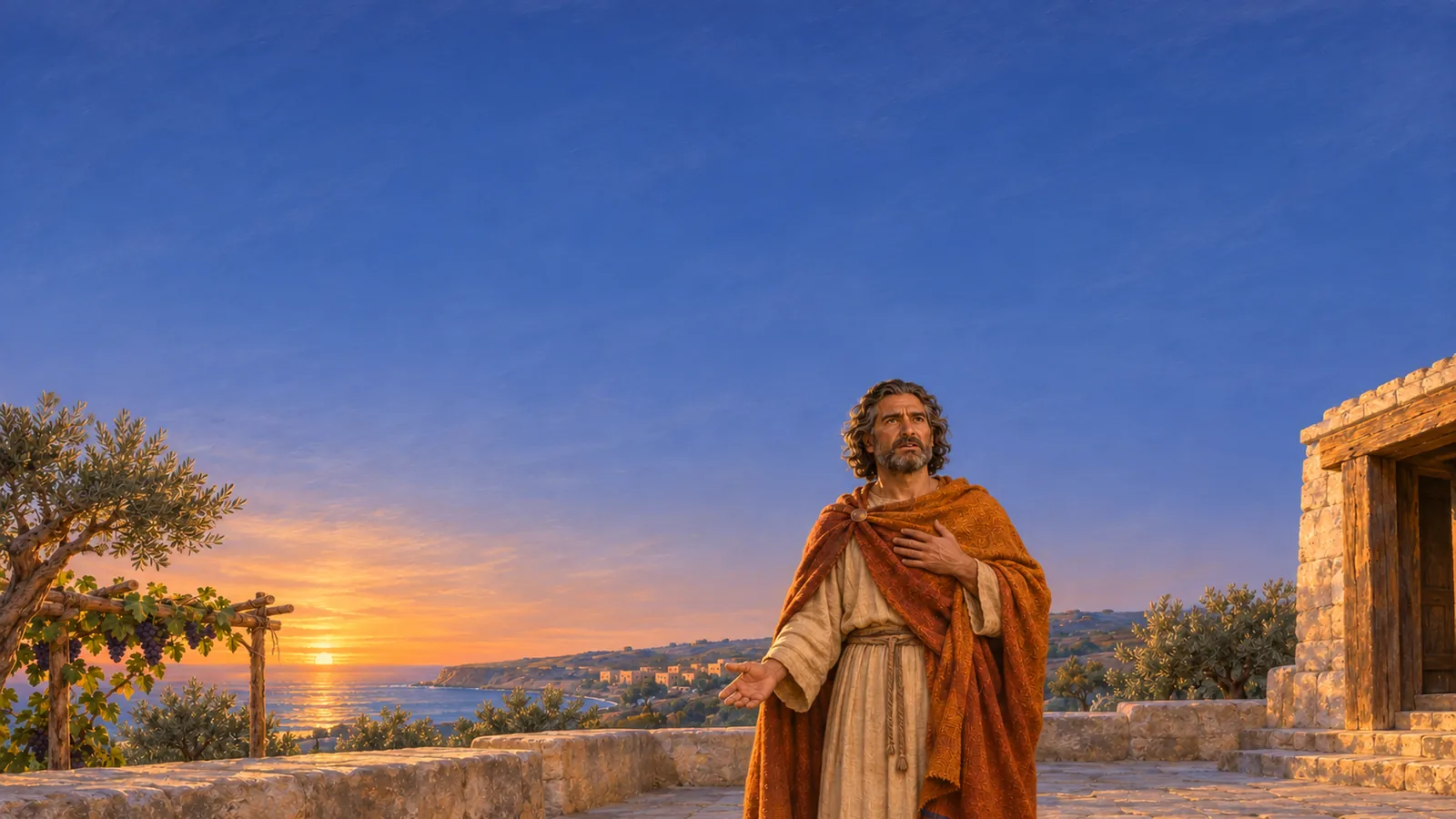
DAS GELÜBDE
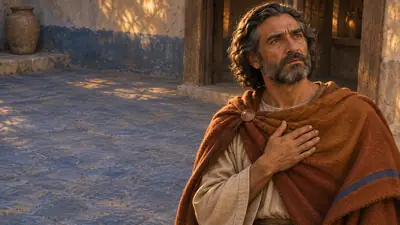
Kirta hält am Heiligtum Athirats inne und legt ihr gegenüber ein Gelübde ab. Das geschieht unterwegs, nachdem er aus dem Traum erwacht ist.
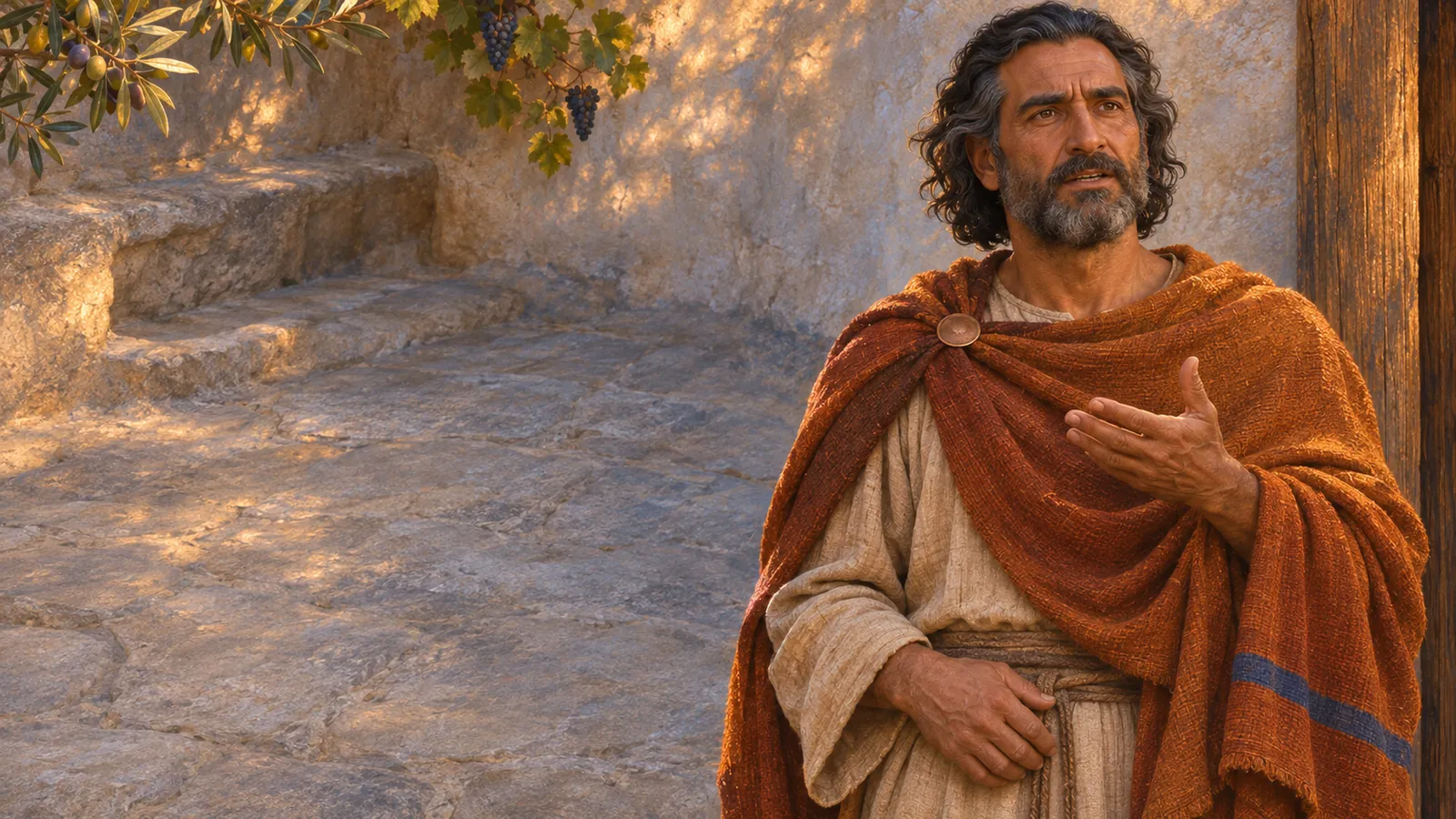
Kirta verspricht Athirat Silber und Gold, wenn er erreicht, wonach er strebt. Sein Versprechen hängt vom Ausgang der Reise ab.
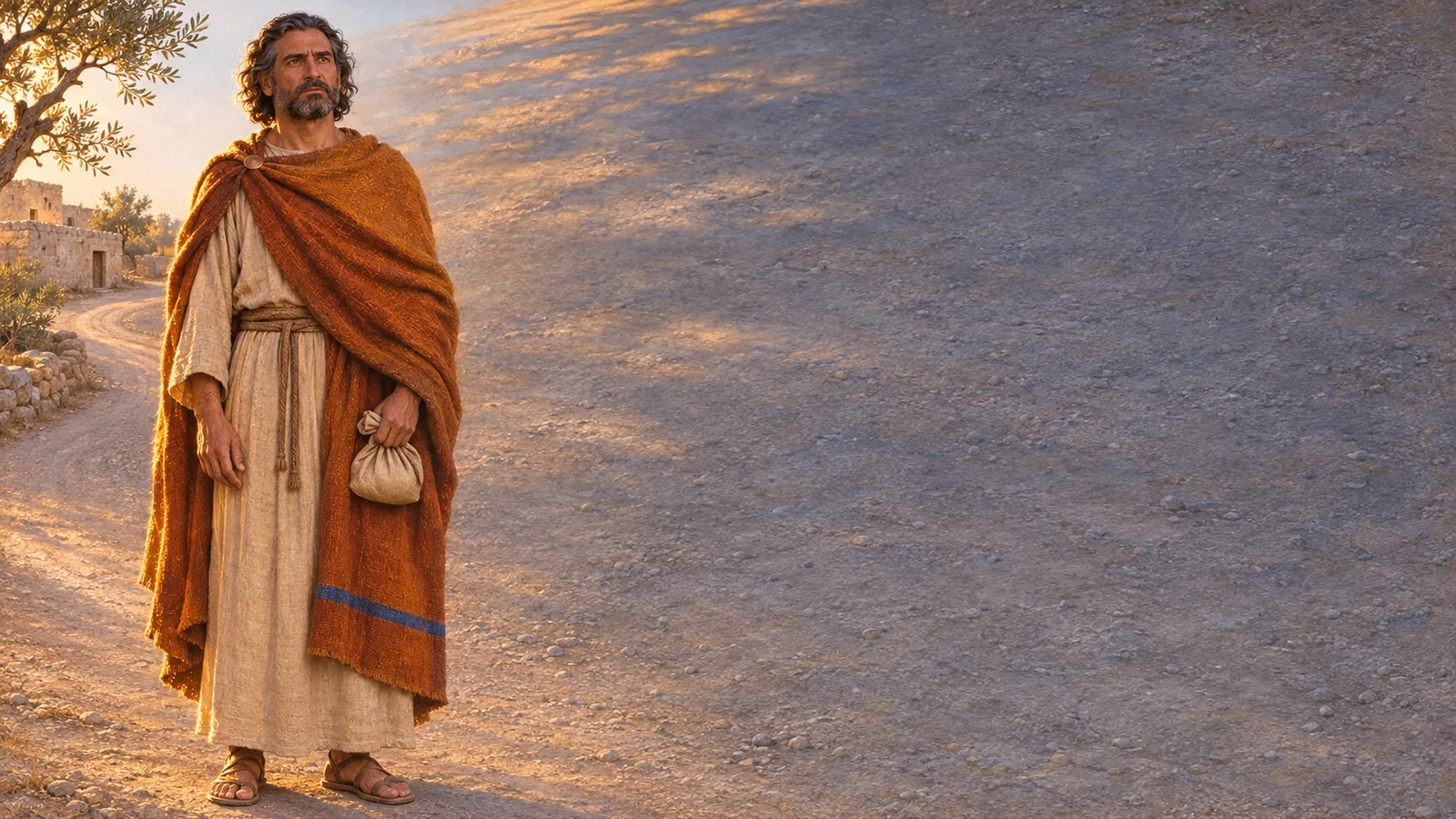
Die Zählung der Tage geht weiter, und die Reise führt nach Udum. Am Morgen des siebten Tages wendet sich die Geschichte Pabil zu.
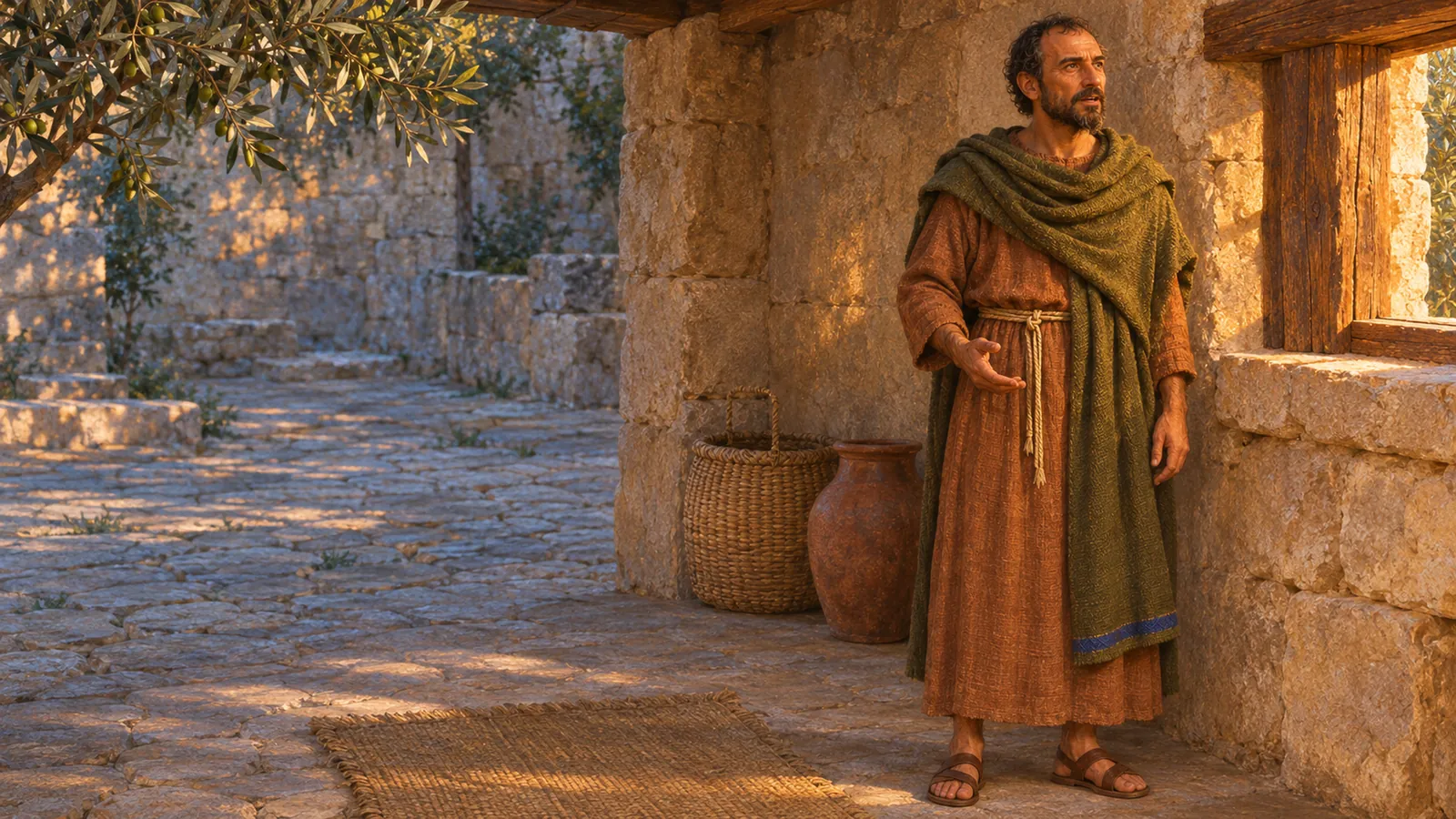
Bei Tagesanbruch hört Pabil Tiere rufen. Er ruft seinerseits, während das Gedicht den Morgen aus seiner Sicht erzählt.
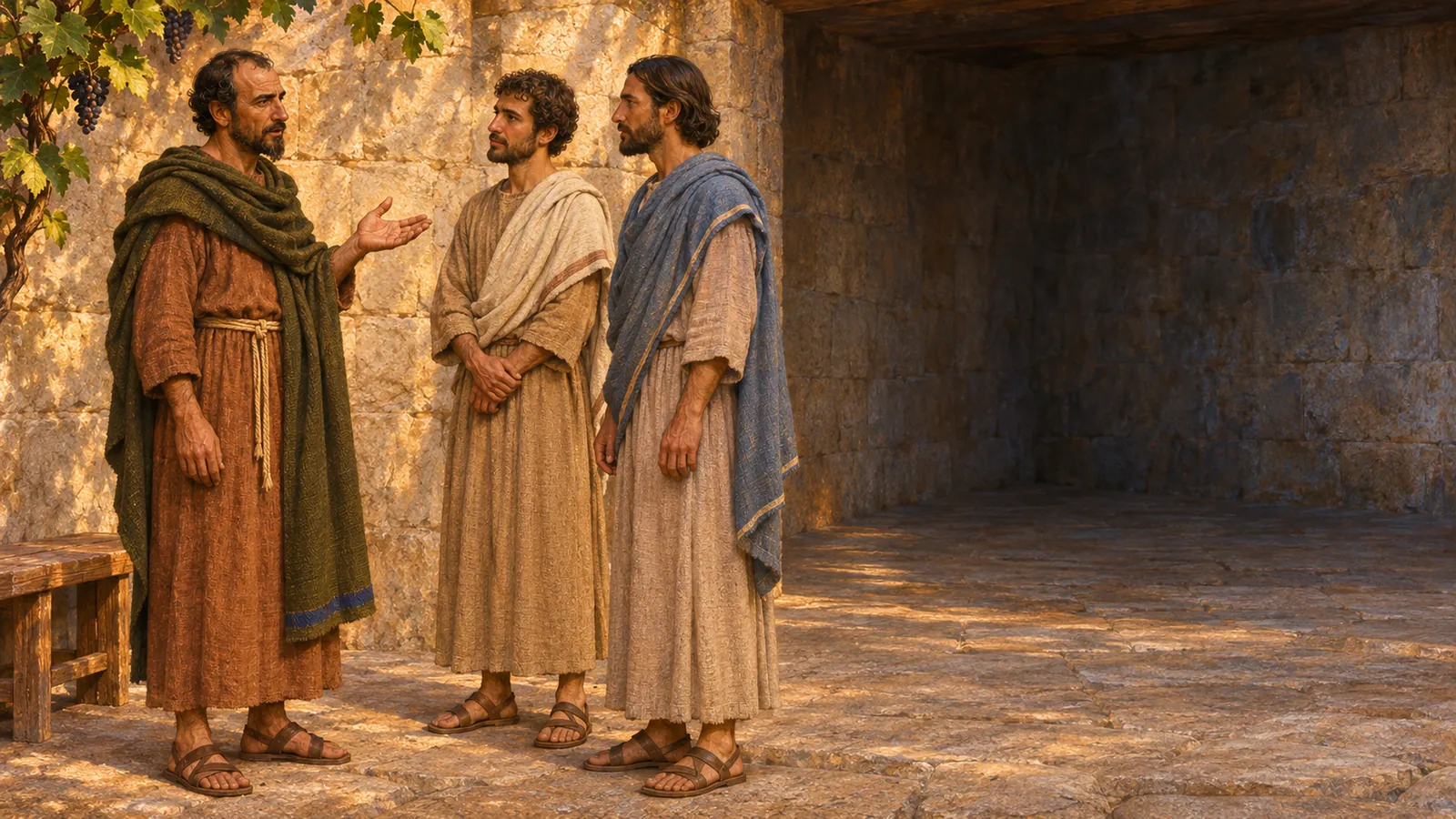
Als der Wortlaut wieder klarer wird, bietet Pabil Kirta Reichtümer an und bittet ihn fortzugehen. Das Angebot wird in einer Botschaft überbracht.
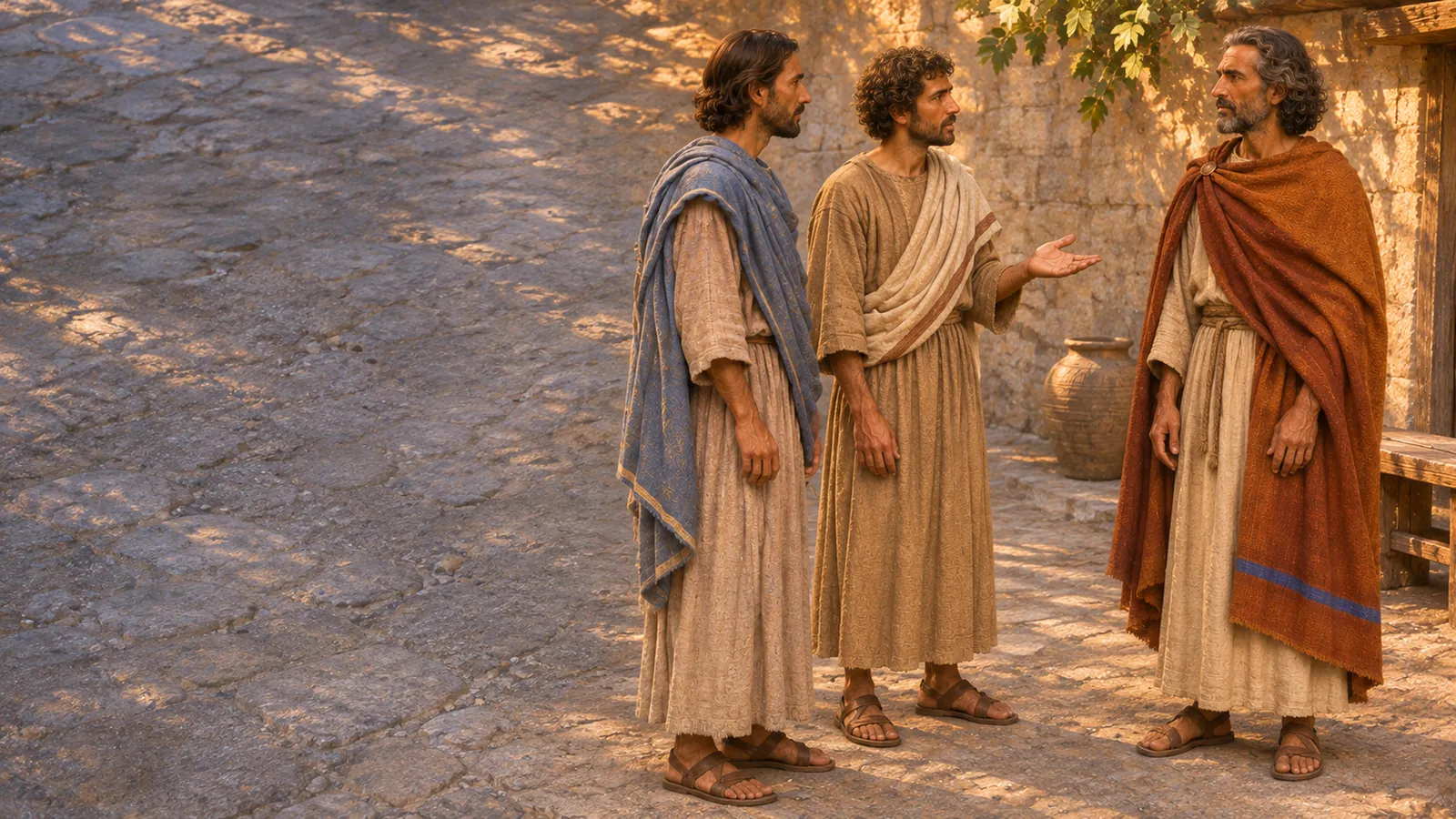
Pabils Boten bringen Kirta seine Worte. Bei ihm angekommen, wiederholen sie das Angebot, das sie überbringen sollten.
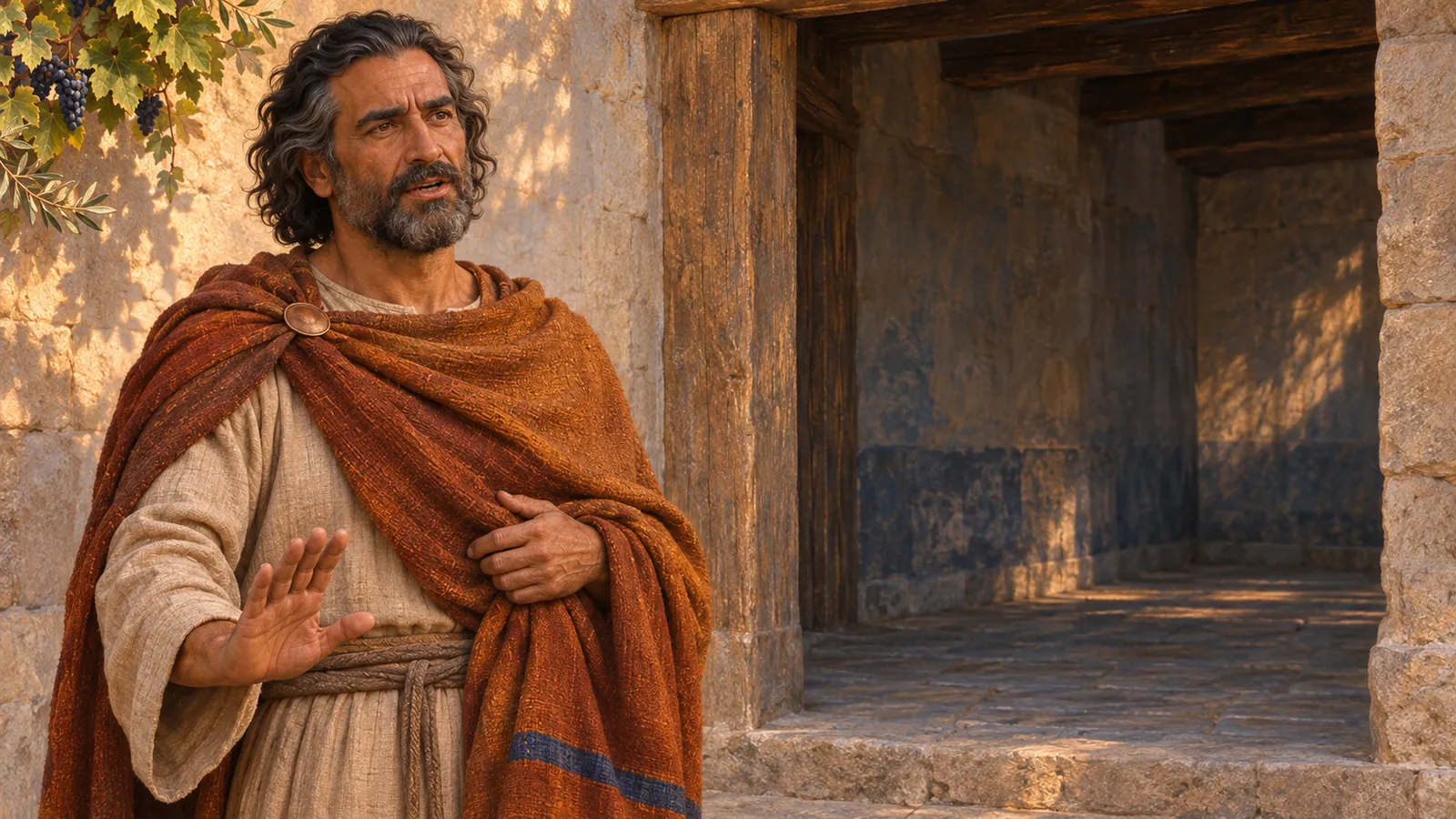
Kirta lehnt Pabils Angebot ab und schickt seine Antwort zurück. Der Austausch erinnert an die Weigerung, die El im Traum vorausgesagt hatte.
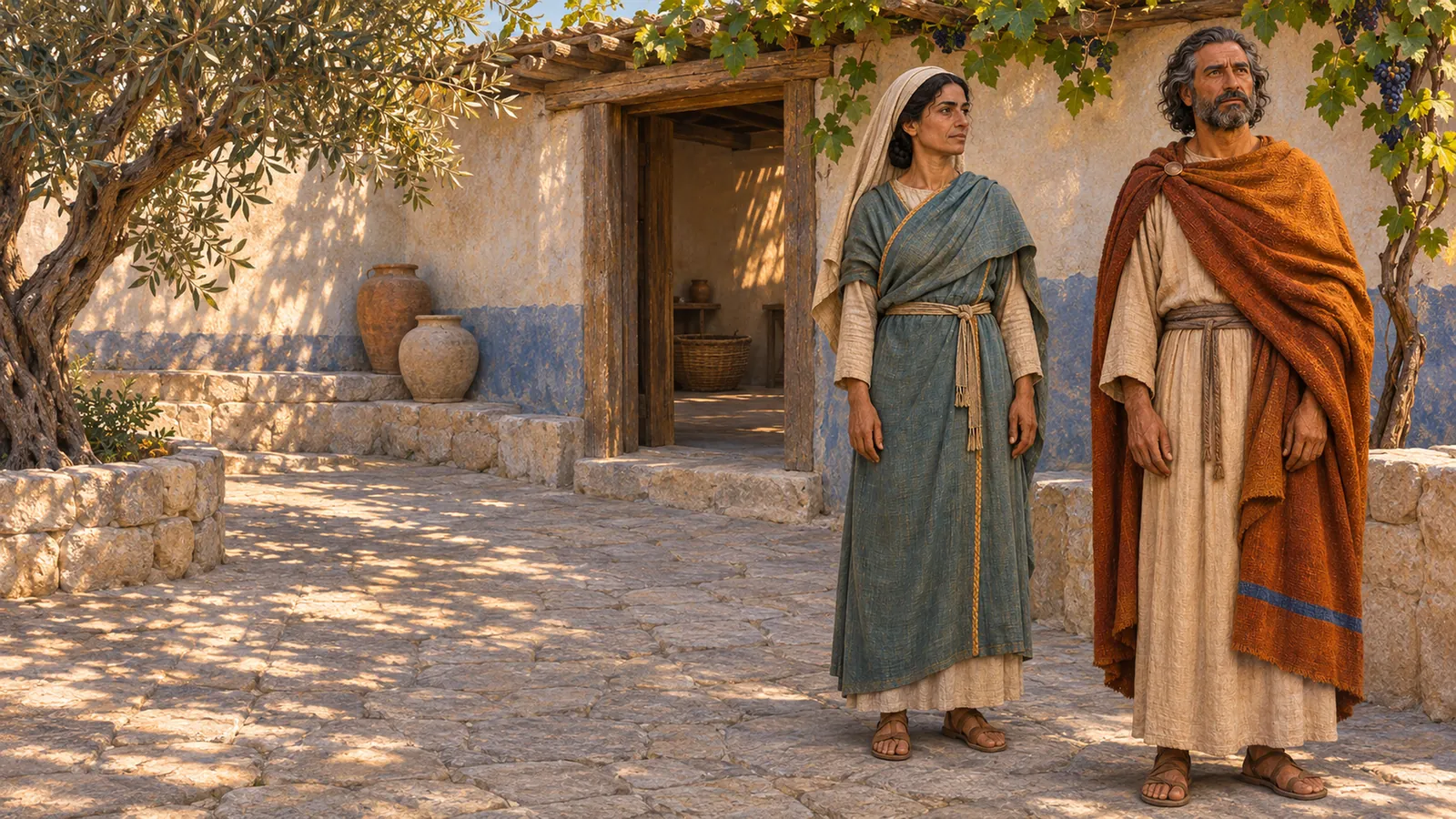
Pabil gibt Kirtas Druck nach, und Hurriya wird Kirtas Frau, auch wenn die Textstelle, die diese Ereignisse verbindet, beschädigt ist.
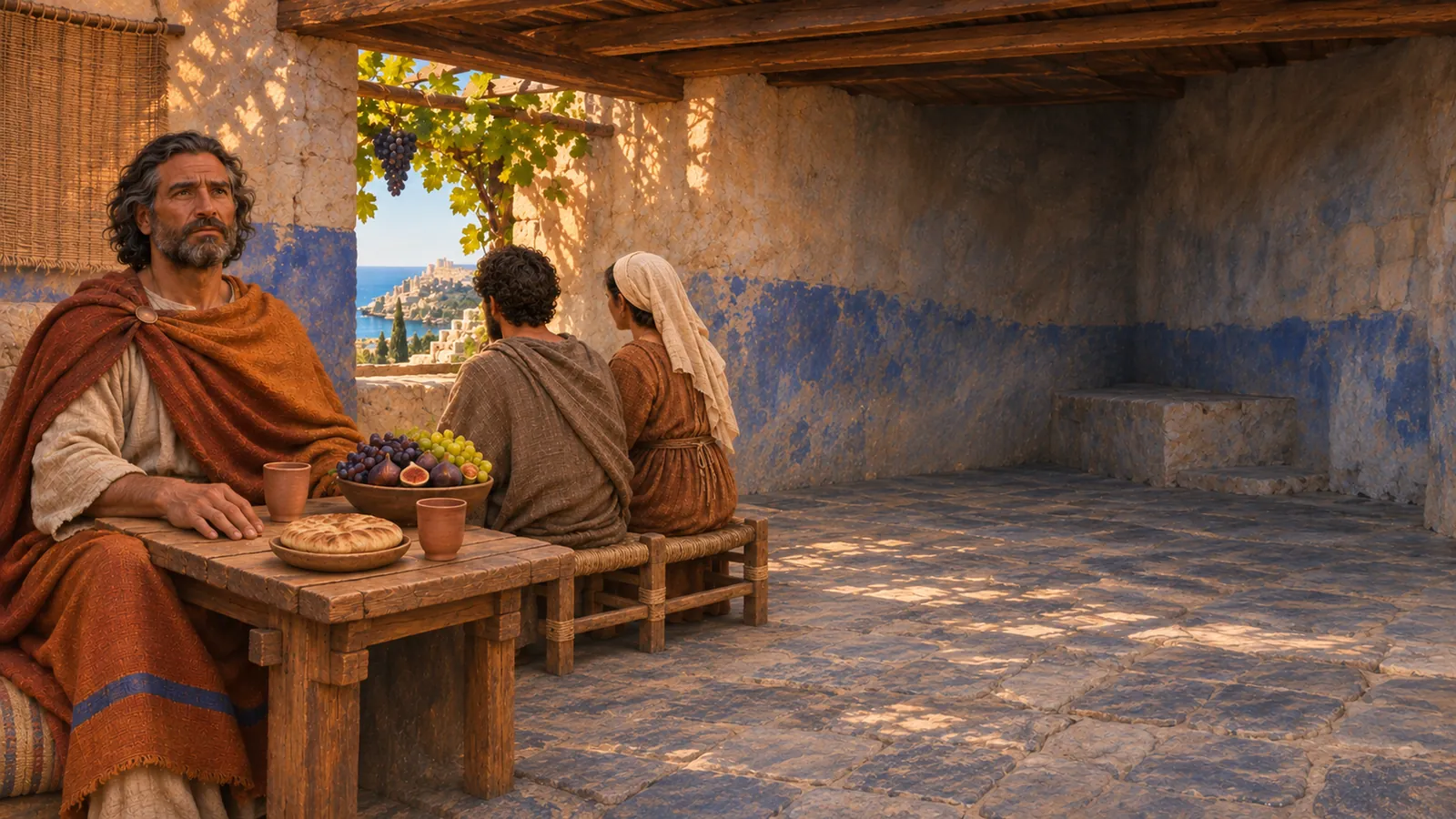
Nach einer weiteren Lücke kehrt das Gedicht zu einer Versammlung und einem Festmahl zurück. Während sich die Gäste versammeln, ist vom Essen die Rede.
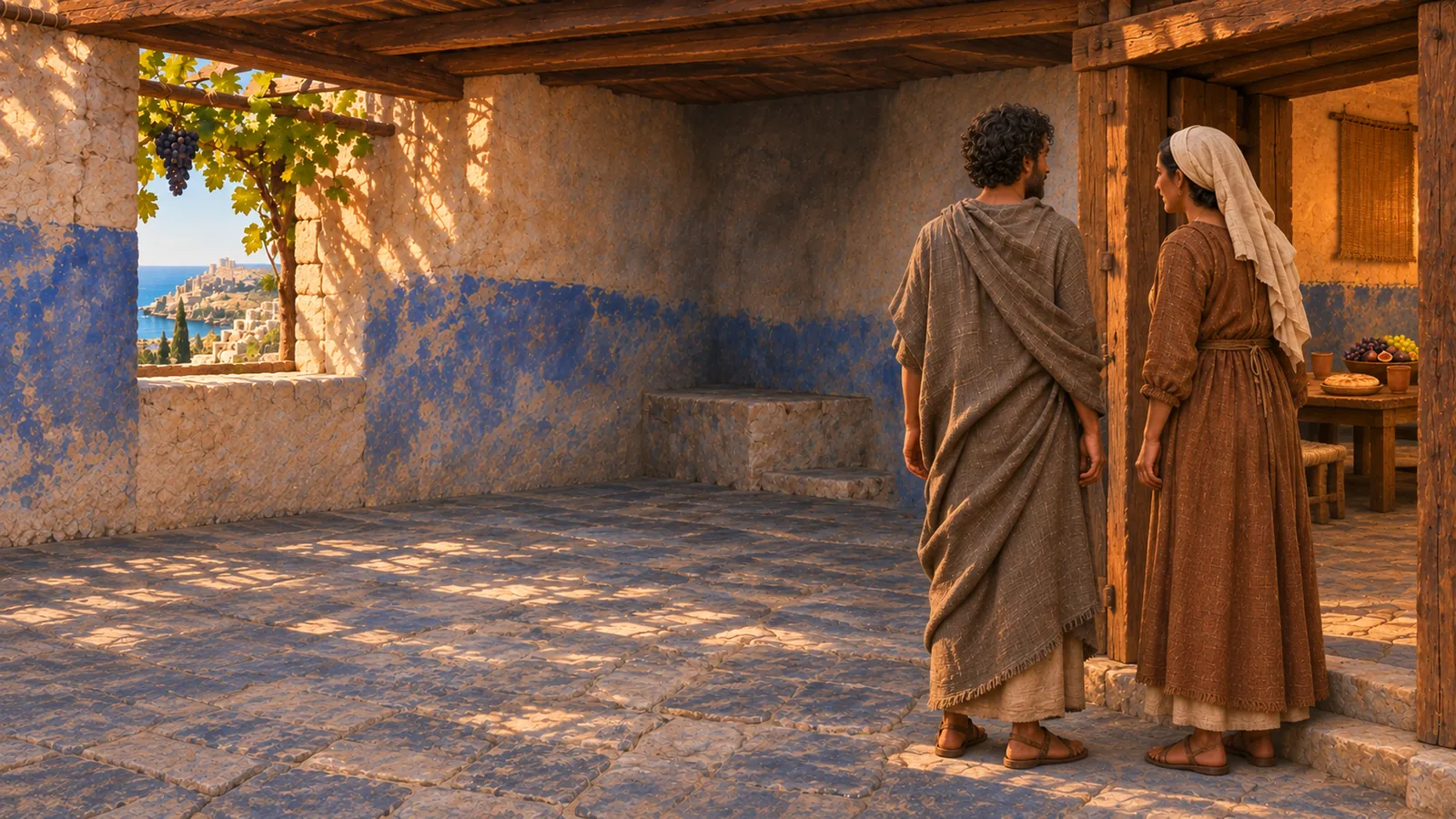
Das Gedicht hält an den Türen inne, während sich die Gäste versammeln. Bald wird um einen Segen für Kirta gebeten.
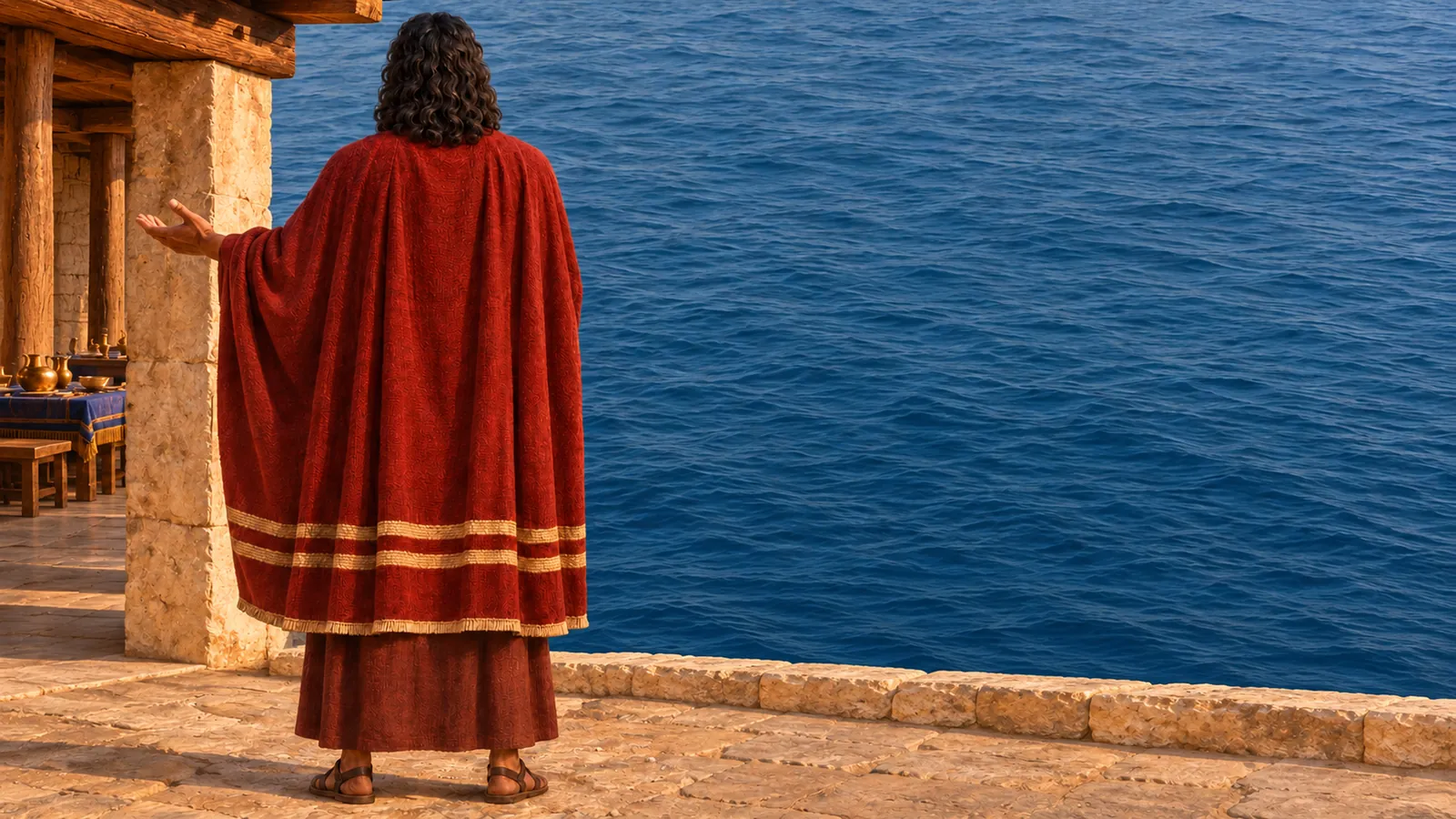
Während die Gäste noch im Saal versammelt sind, bittet Baal El, Kirta zu segnen.
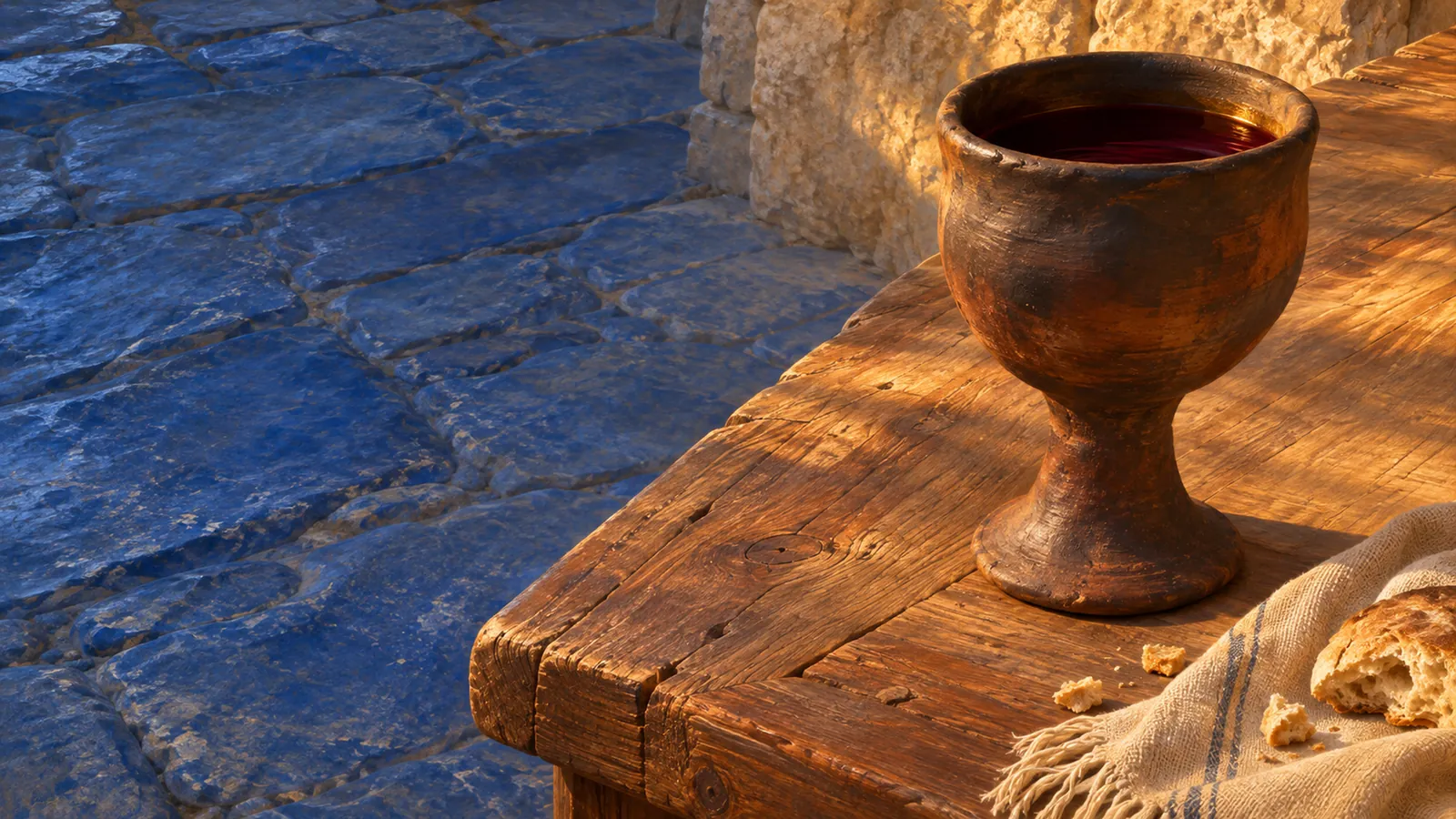
El nimmt einen Becher und beginnt seinen Segen. Vor der versammelten Gesellschaft spricht er zu Kirta, und die Erzählung verweilt bei seinen Worten.
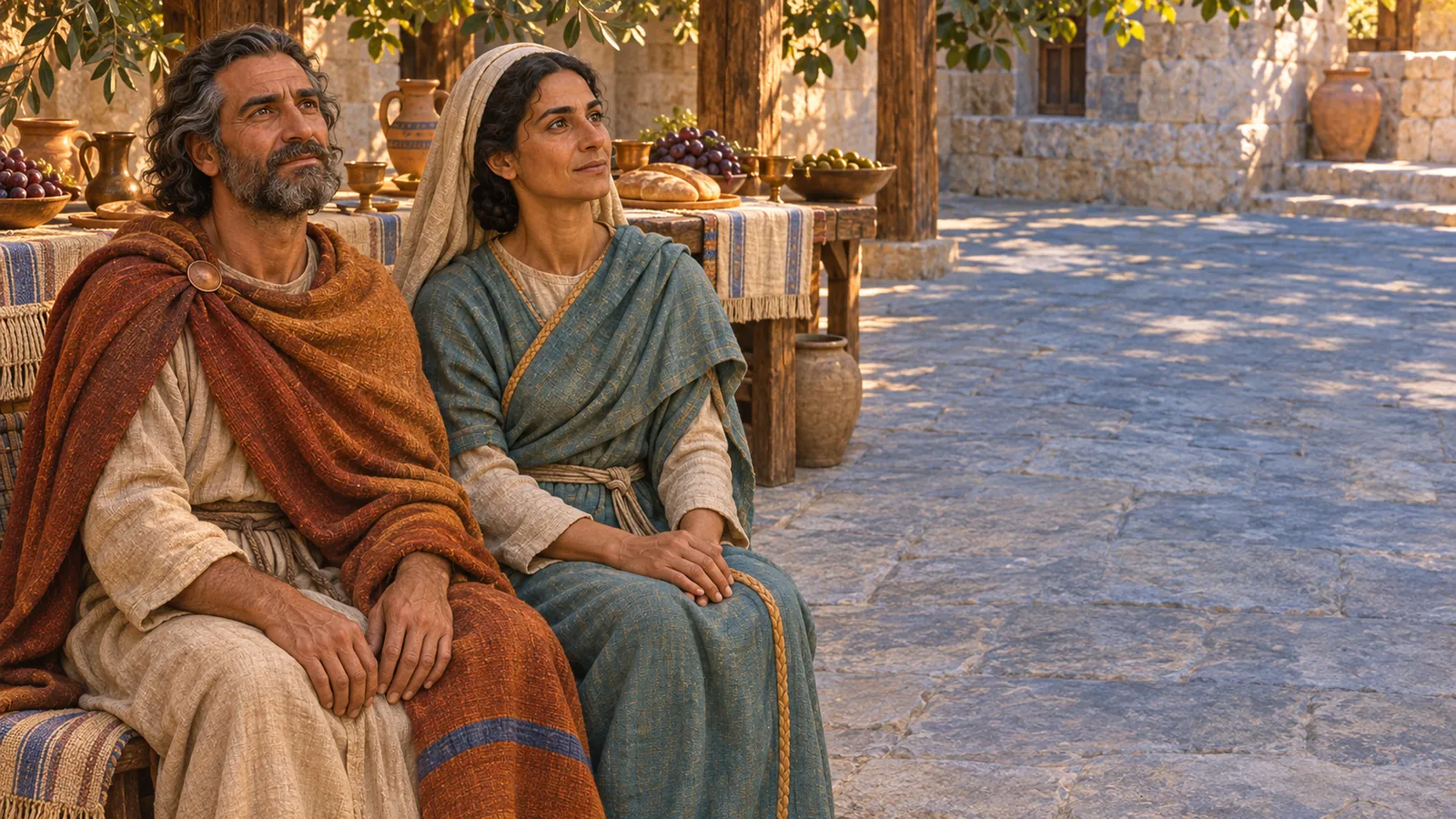
Der Segen stellt Kinder in Kirtas Haus in Aussicht. Seine Worte nennen auch eine Versammlung verehrter Wesen aus früherer Zeit.
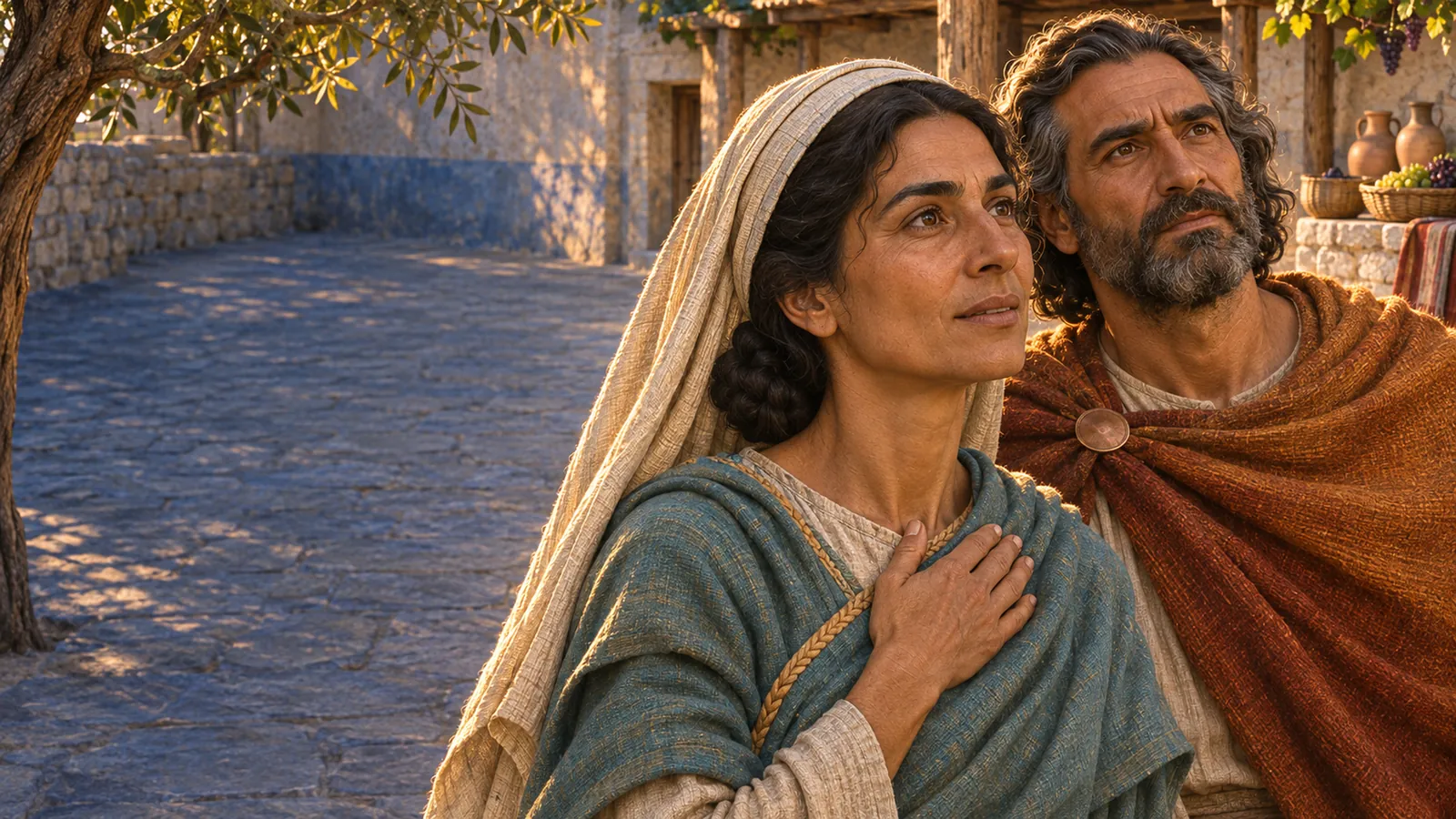
Els Segen fährt mit Töchtern und Söhnen fort. Dem Haus, das am Anfang des Gedichts keine Zukunft zu haben schien, wird eine neue Generation versprochen.
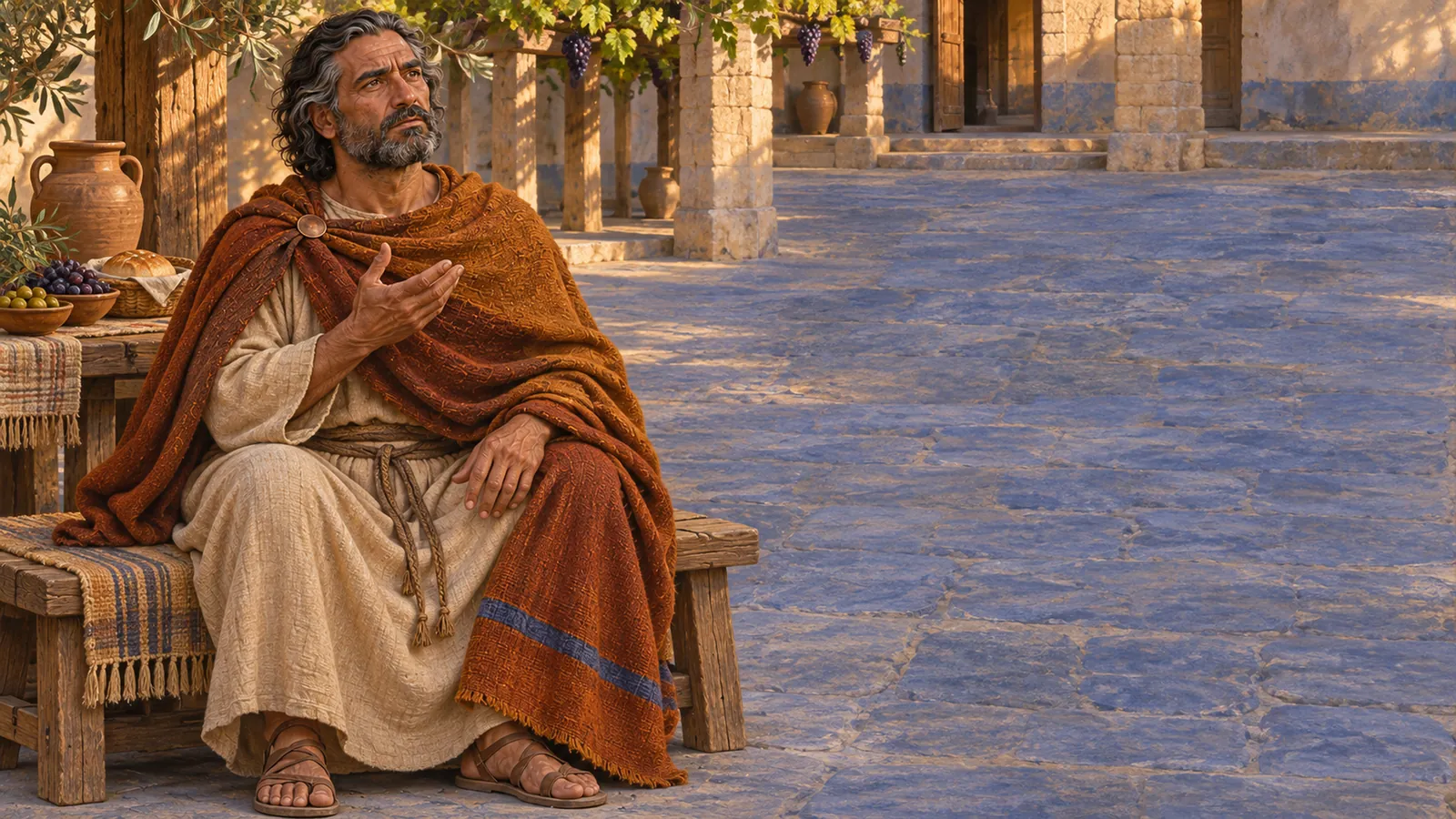
Els Segen gibt dem jüngsten Kind den Rang eines Erstgeborenen. Das Gedicht spricht davon im Segen, lange vor dem Streit um Kirtas Thron.
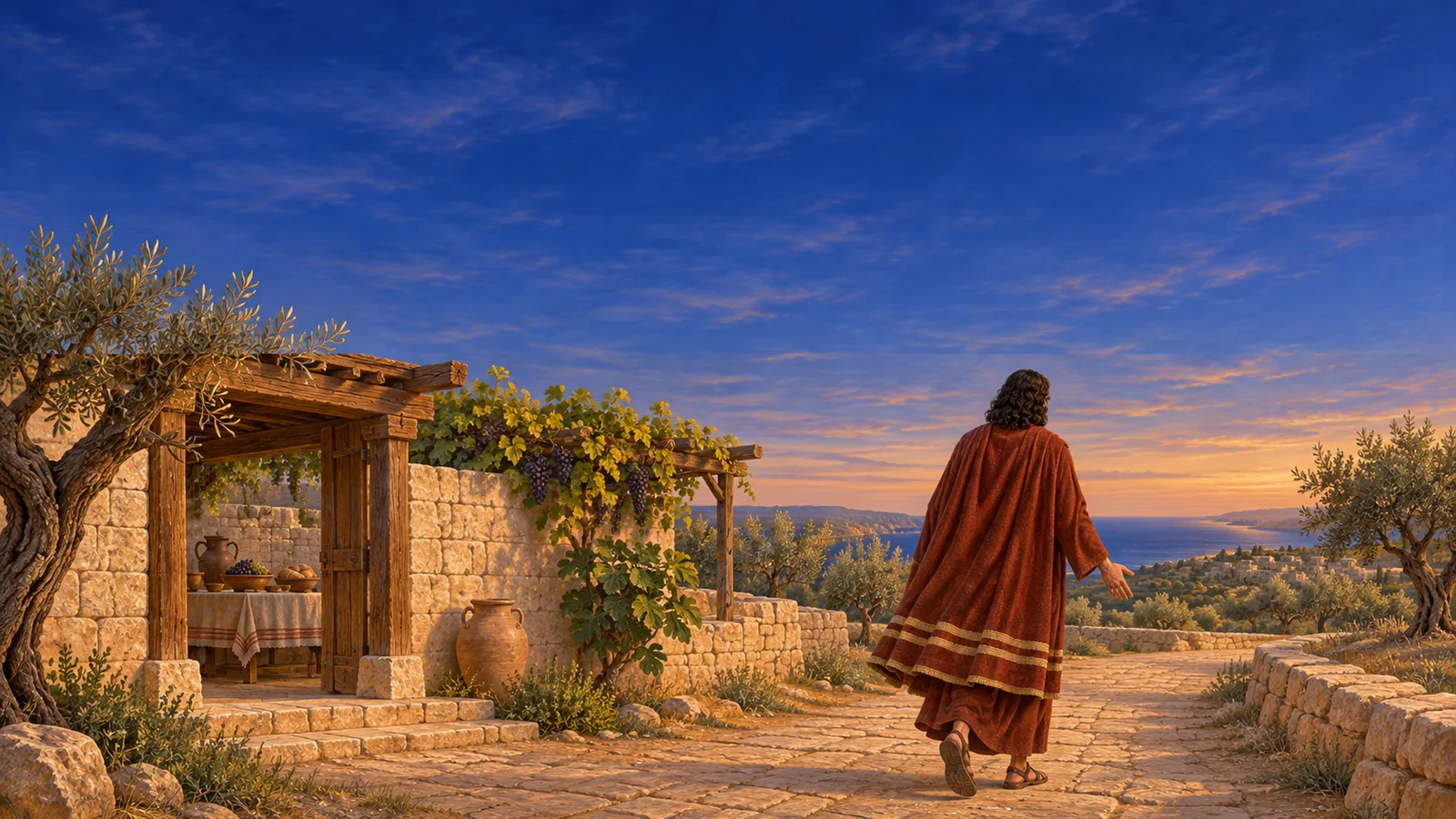
Die Versammelten sprechen ihre eigenen Segensworte. Danach kehren die Götter zu ihren Wohnstätten zurück, und das Festmahl geht zu Ende.
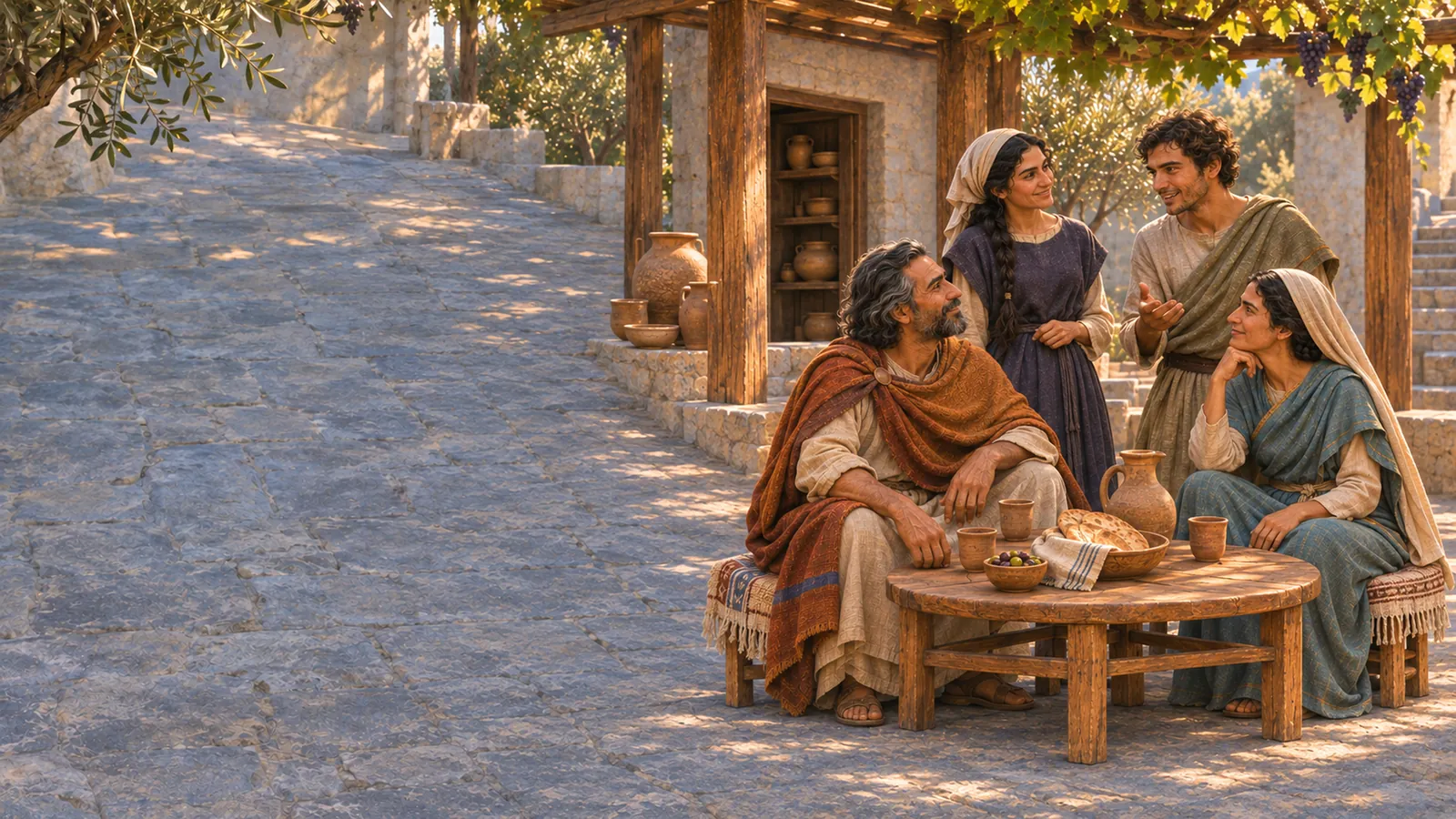
Die Jahre vergehen. Das Gedicht erzählt von den Kindern im Haus von Kirta und Hurriya und erinnert an den Segen, der eine neue Generation versprach.
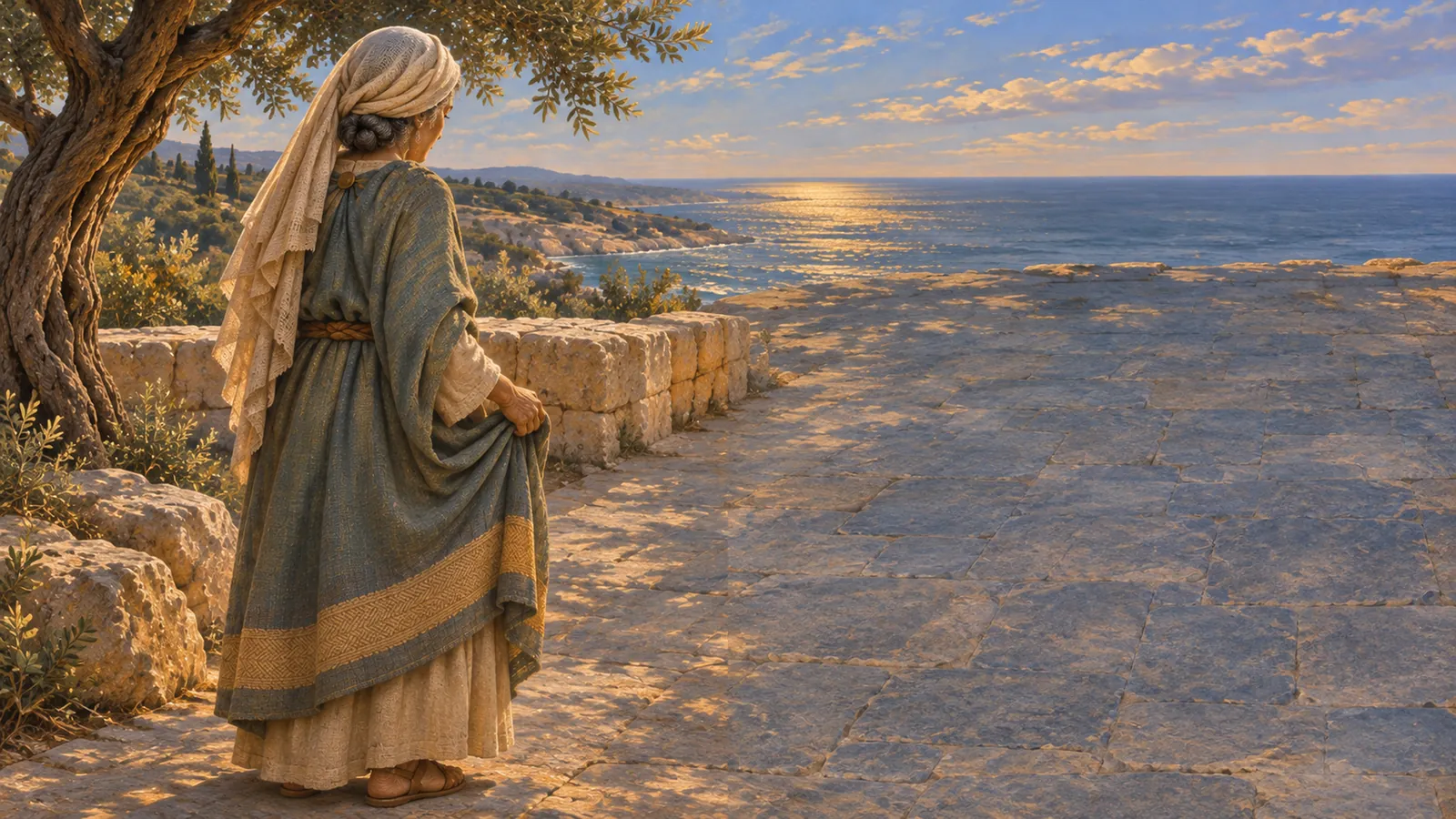
DAS GELÜBDE
Nach diesen Jahren erinnert sich Athirat an das Gelübde, das Kirta ihr abgelegt hat. Das Versprechen steht noch aus. Die folgenden Zeilen sind schwer zu lesen.
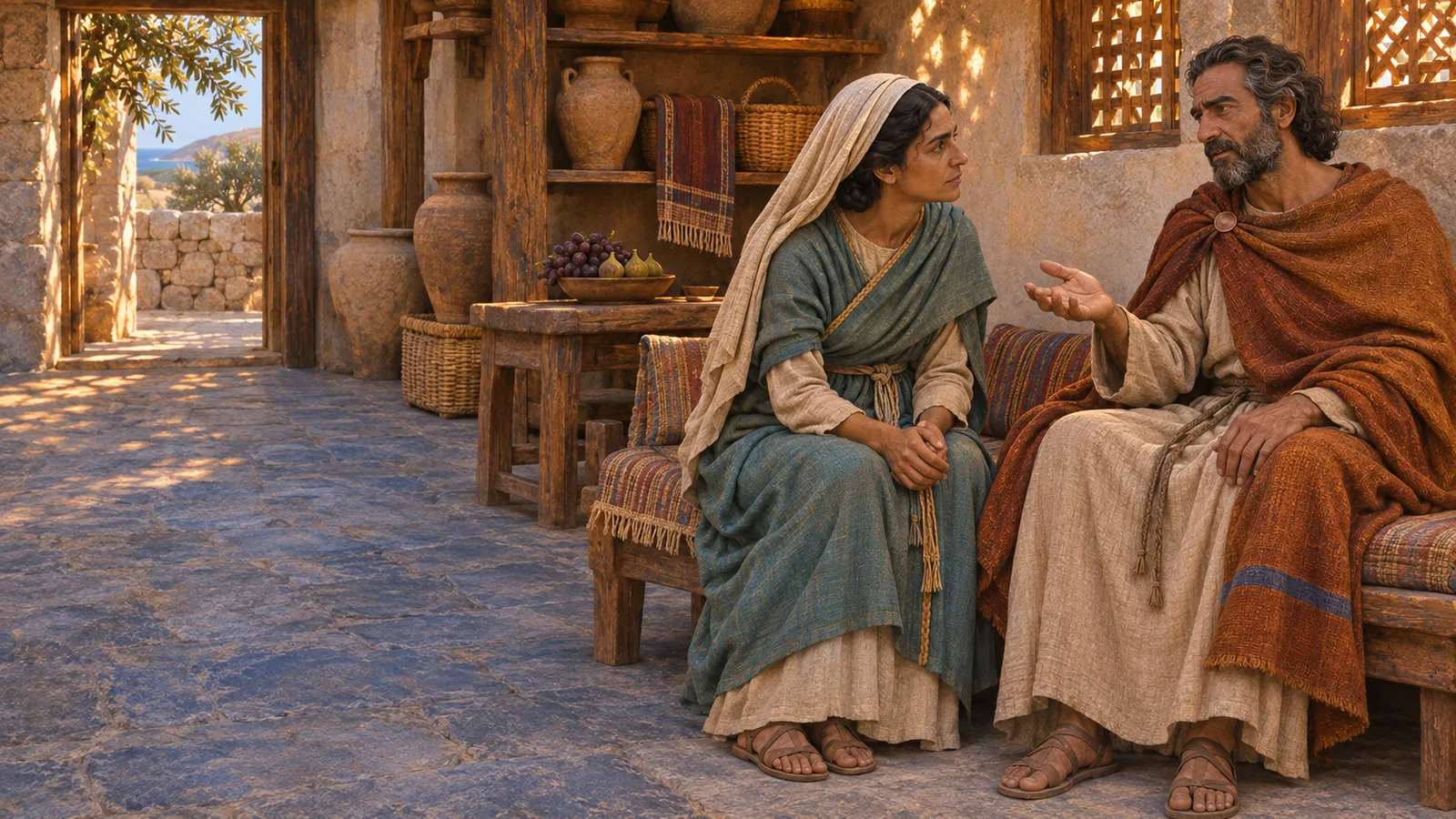
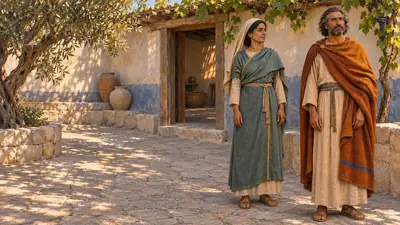
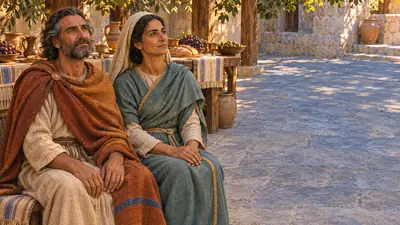
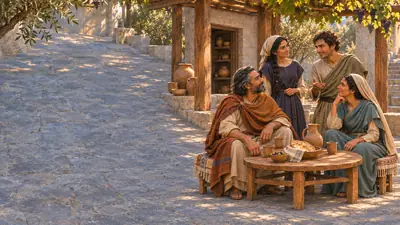
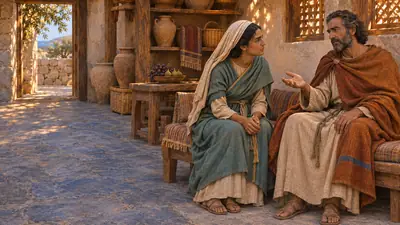
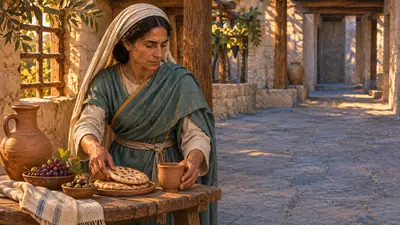
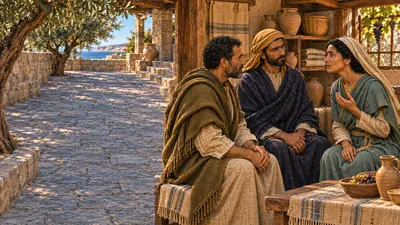
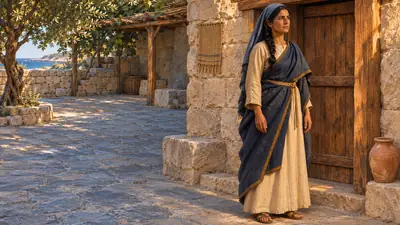
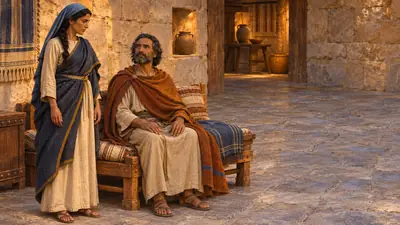
Kirta ist schwer krank. Er bittet Hurriya, Menschen ins Haus zu holen und für sie ein Essen vorzubereiten. Sie übernimmt die Vorbereitungen.
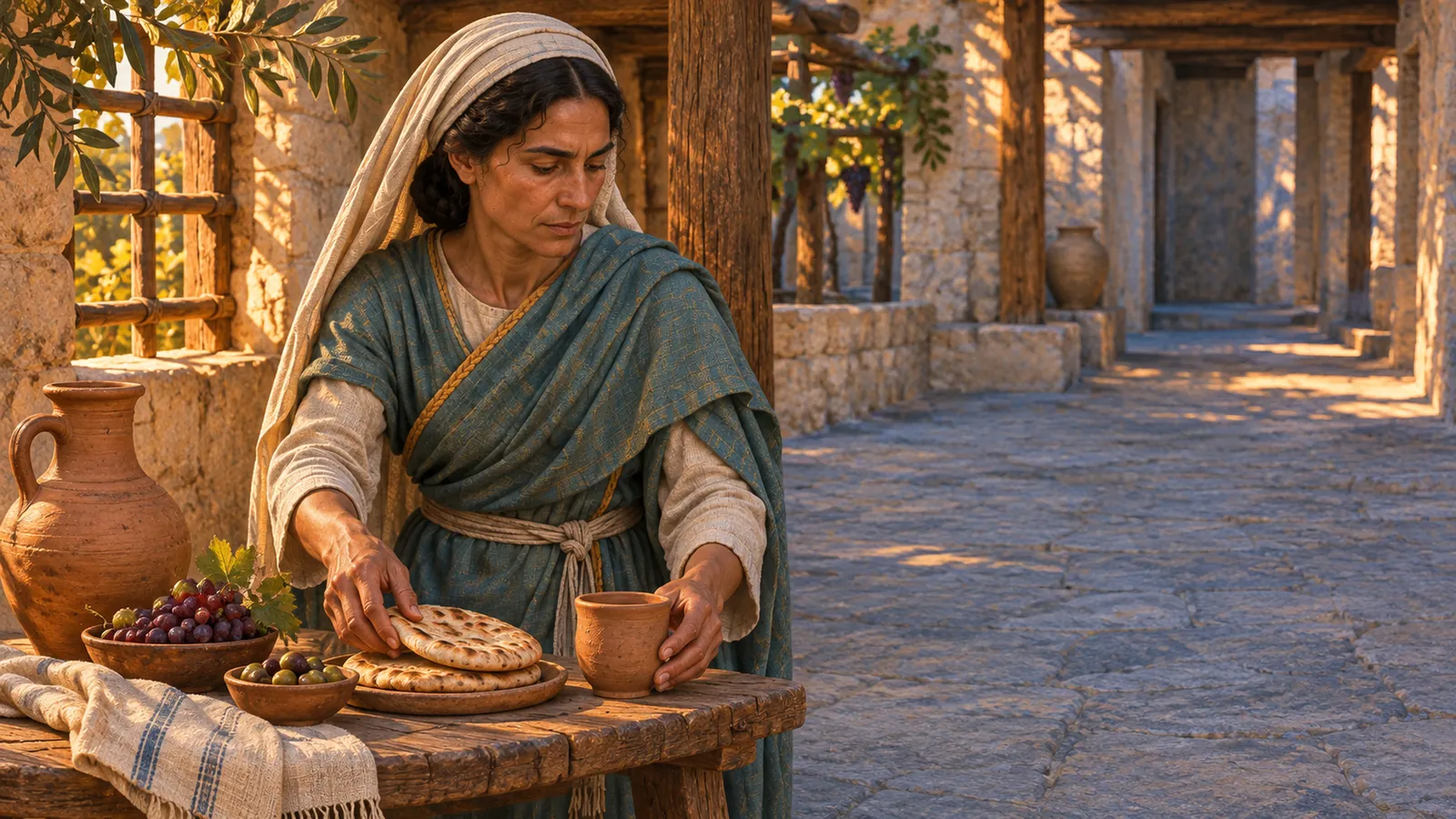
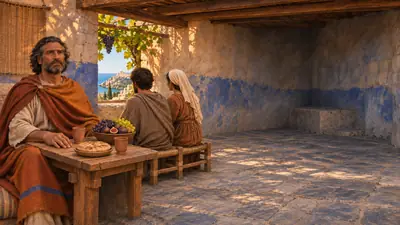
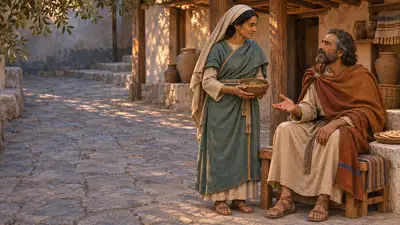
Hurriya trifft die von Kirta erbetenen Vorbereitungen. Das Gedicht folgt ihrer Arbeit, während das Haus sich darauf einstellt, den Gästen Speise und Trank anzubieten.
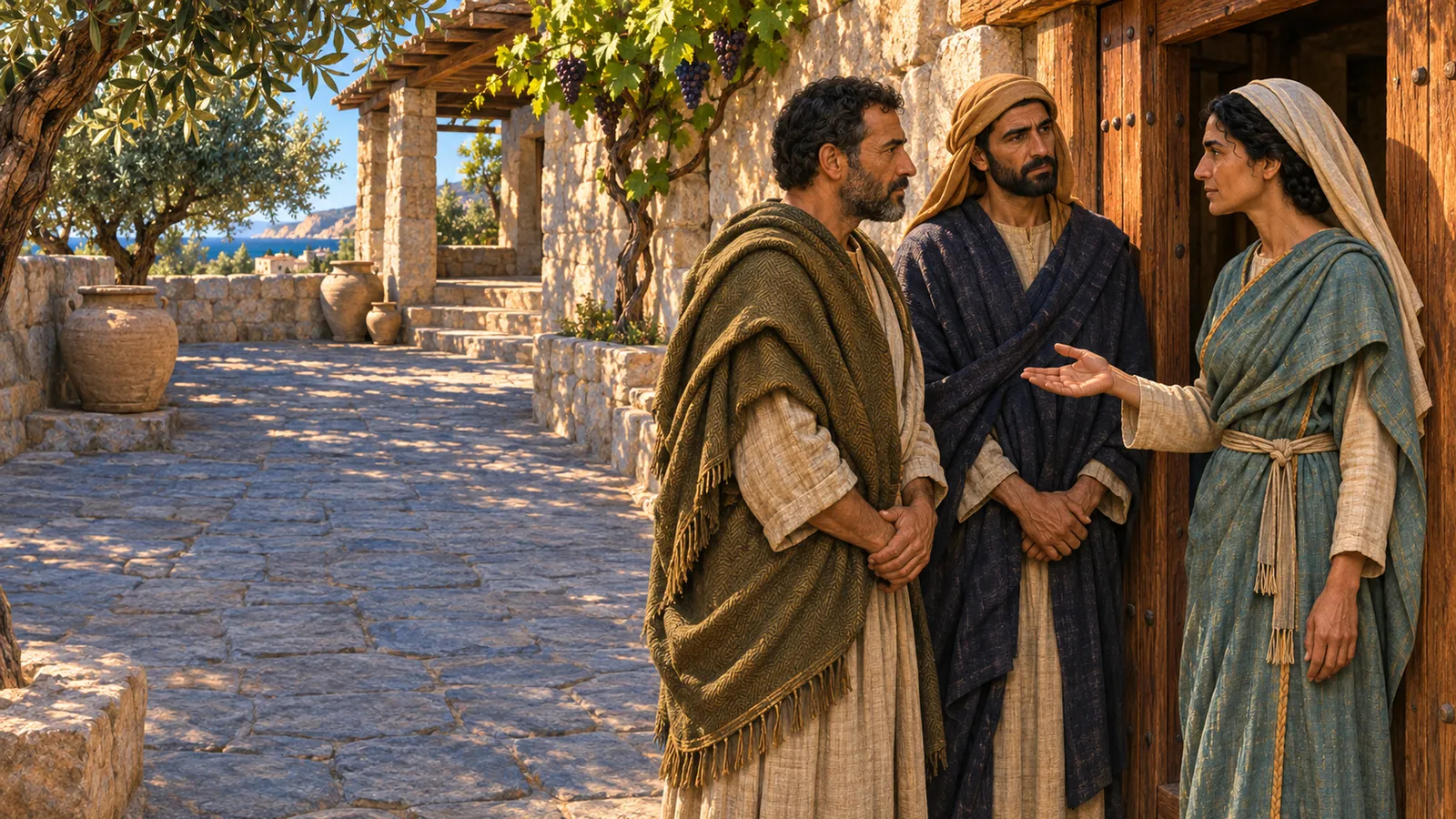
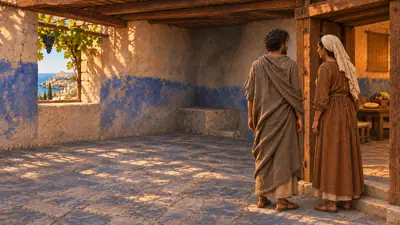
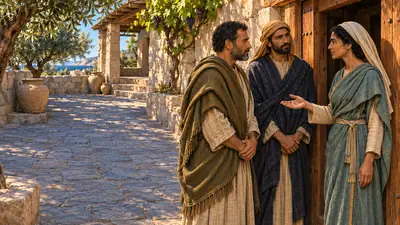
Im Namen Kirtas führt Hurriya die führenden Leute herein. Das Gedicht sagt dies zweimal und beschreibt dann den Ort, an dem sie die Gäste empfängt.
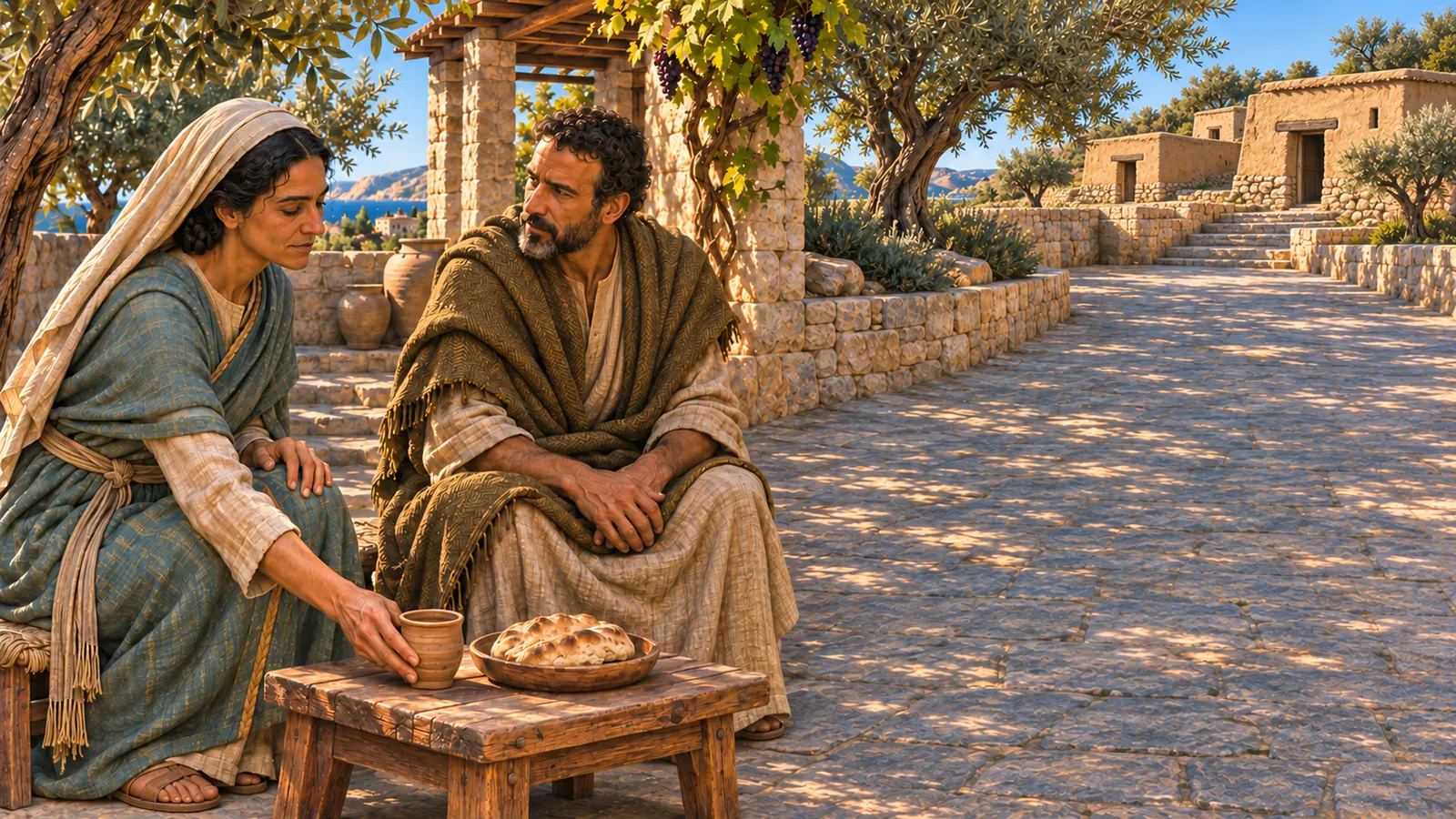
Ein Teil des Gesprächs fehlt am Ende der Spalte. Sobald die Zeilen wieder lesbar sind, kehrt das Gedicht zu Hurriyas Gastfreundschaft und dem Mahl zurück.
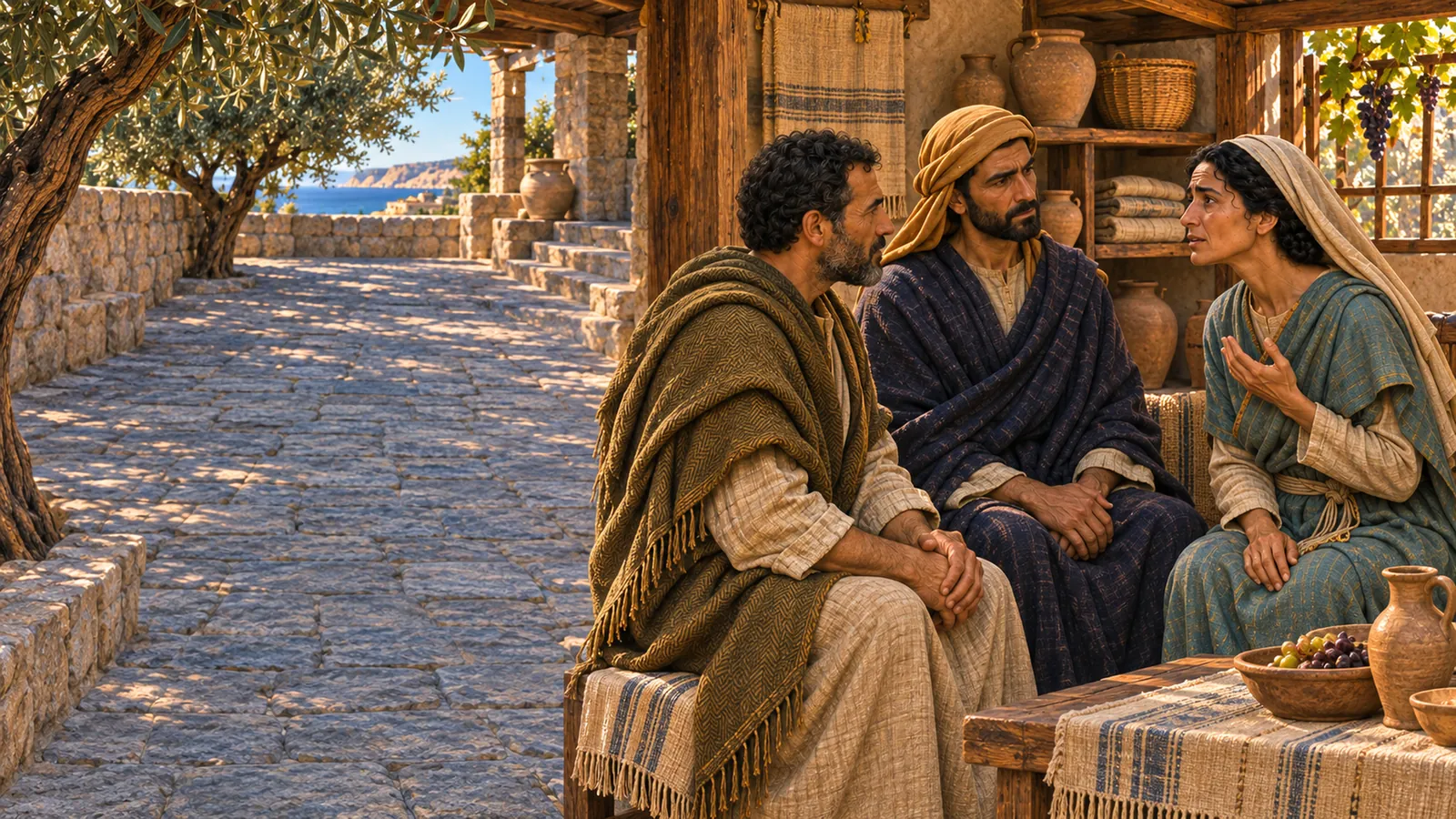
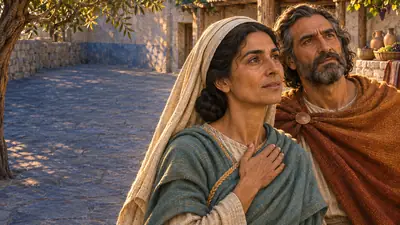
Hurriya bittet die Gäste, Kirta zu segnen. Sie bittet sie, die Trauer der Familie zu teilen, denn sie fürchtet, er könnte sterben.
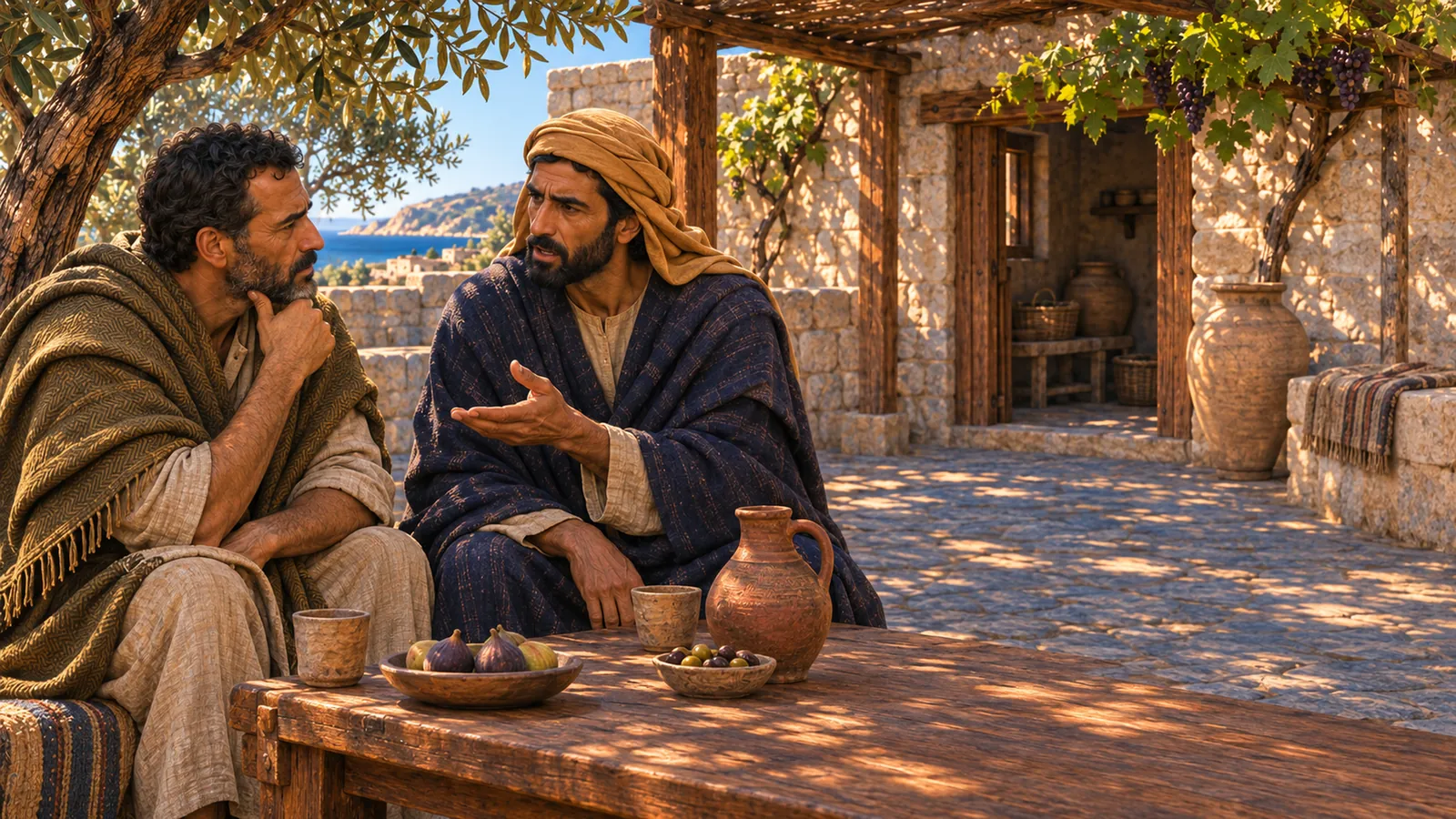
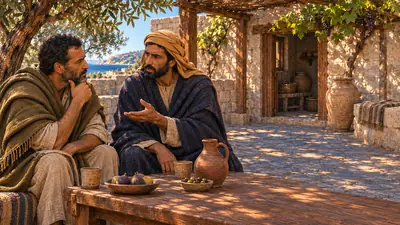
Nach einer Lesart des beschädigten Textes nennen die Gäste Yassib als jemanden, der Kirtas Platz einnehmen könnte. Das Gespräch dreht sich darum, wer regieren könnte.
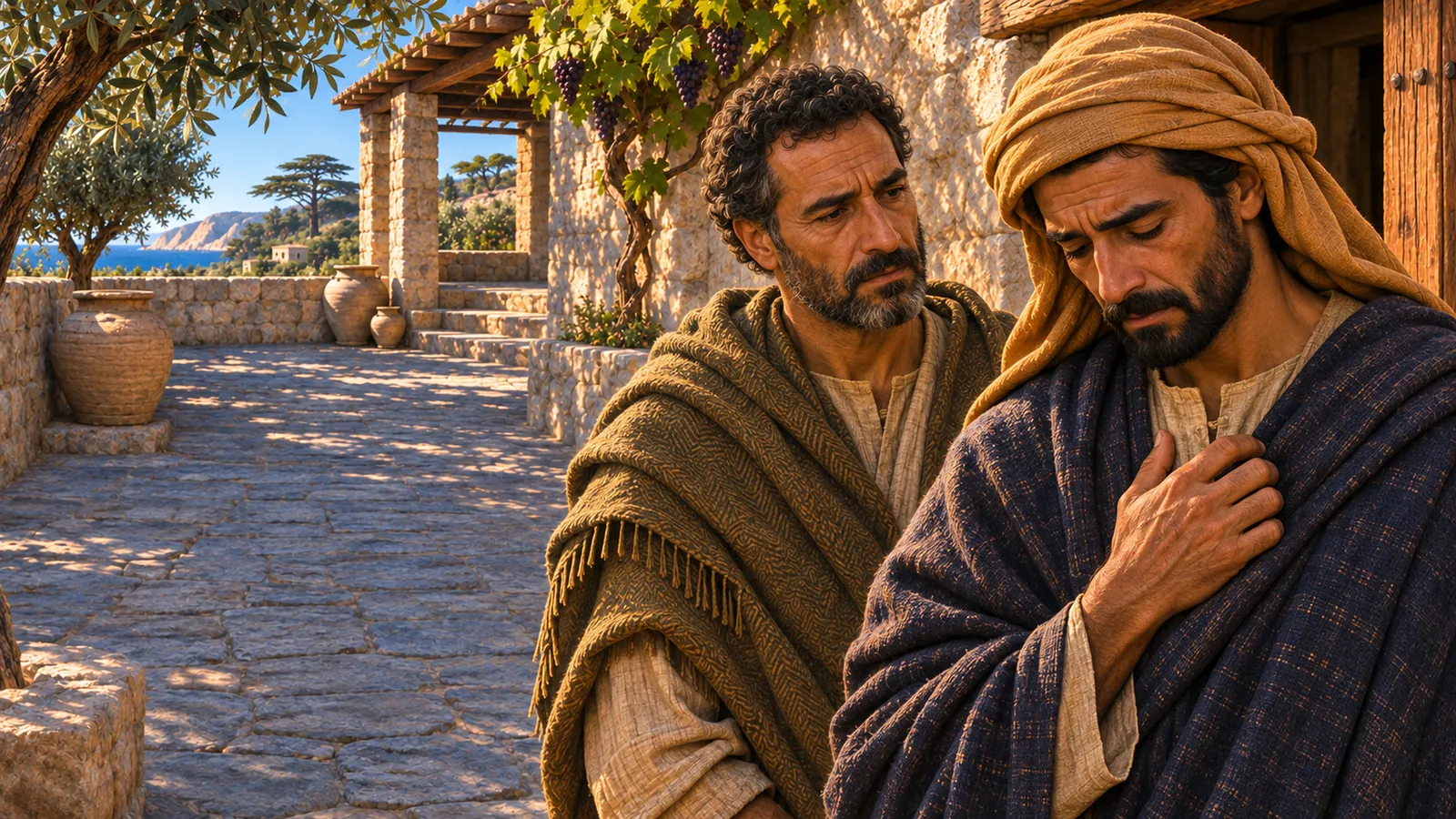
Was von der Spalte bleibt, lässt die Trauer der Gäste erahnen. Danach fehlen viele Zeilen, und Kirtas Geschichte setzt auf einer anderen Tafel ein.
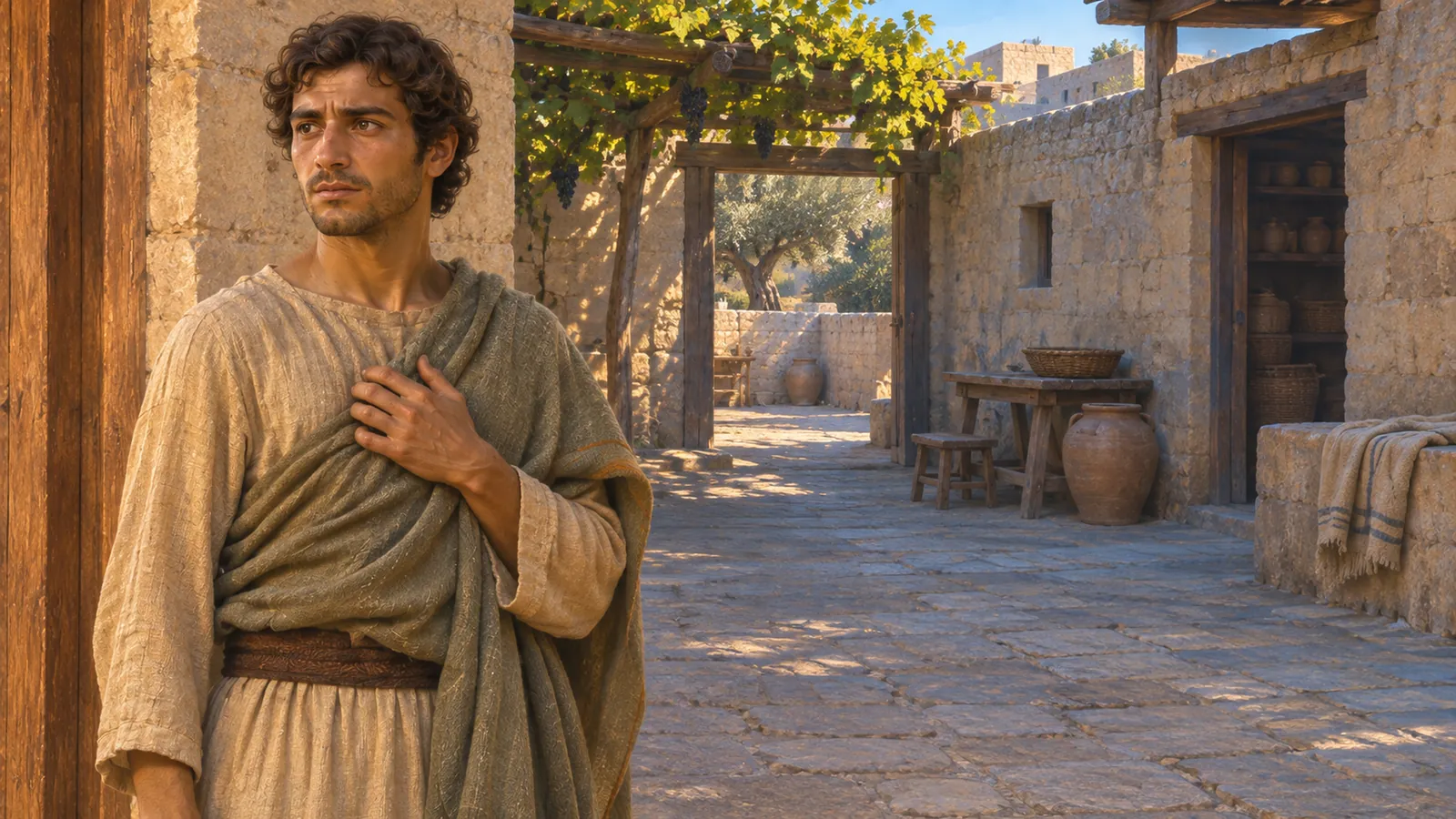
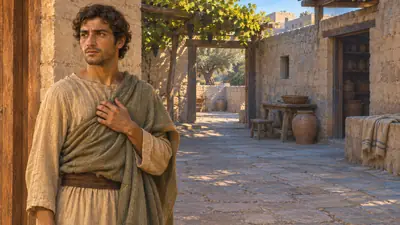
Auf der nächsten Tafel spricht Kirtas Sohn Ilhau. Er fürchtet, dass sein Vater sterben könnte, und klagt zum ersten Mal, bevor er zu ihm hineingeht.

In seiner Klage ruft Ilhau die Berge auf, um seinen Vater zu trauern. Der Vers nennt den Saphon und gibt den Hügeln einen Platz in seiner Trauer.
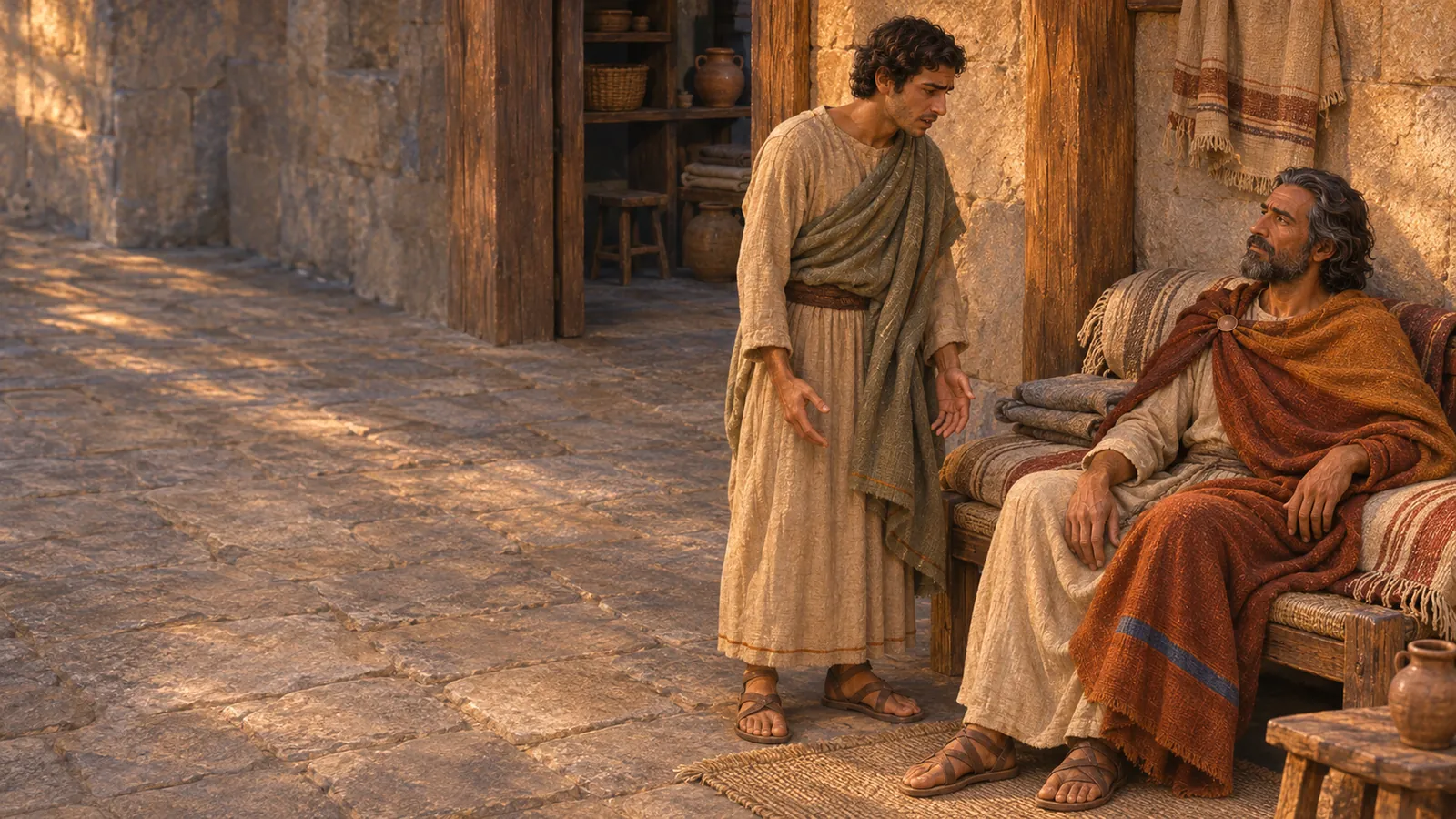
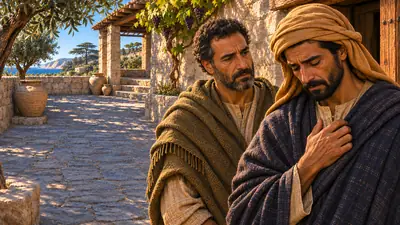
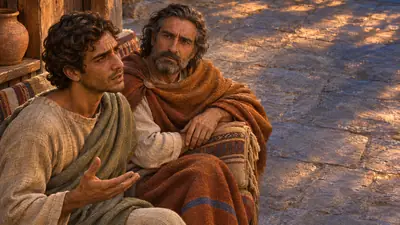
Ilhau tritt bekümmert vor seinen Vater. Er spricht wieder über die Trauer, die er bei dem Gedanken empfindet, Kirta zu verlieren.
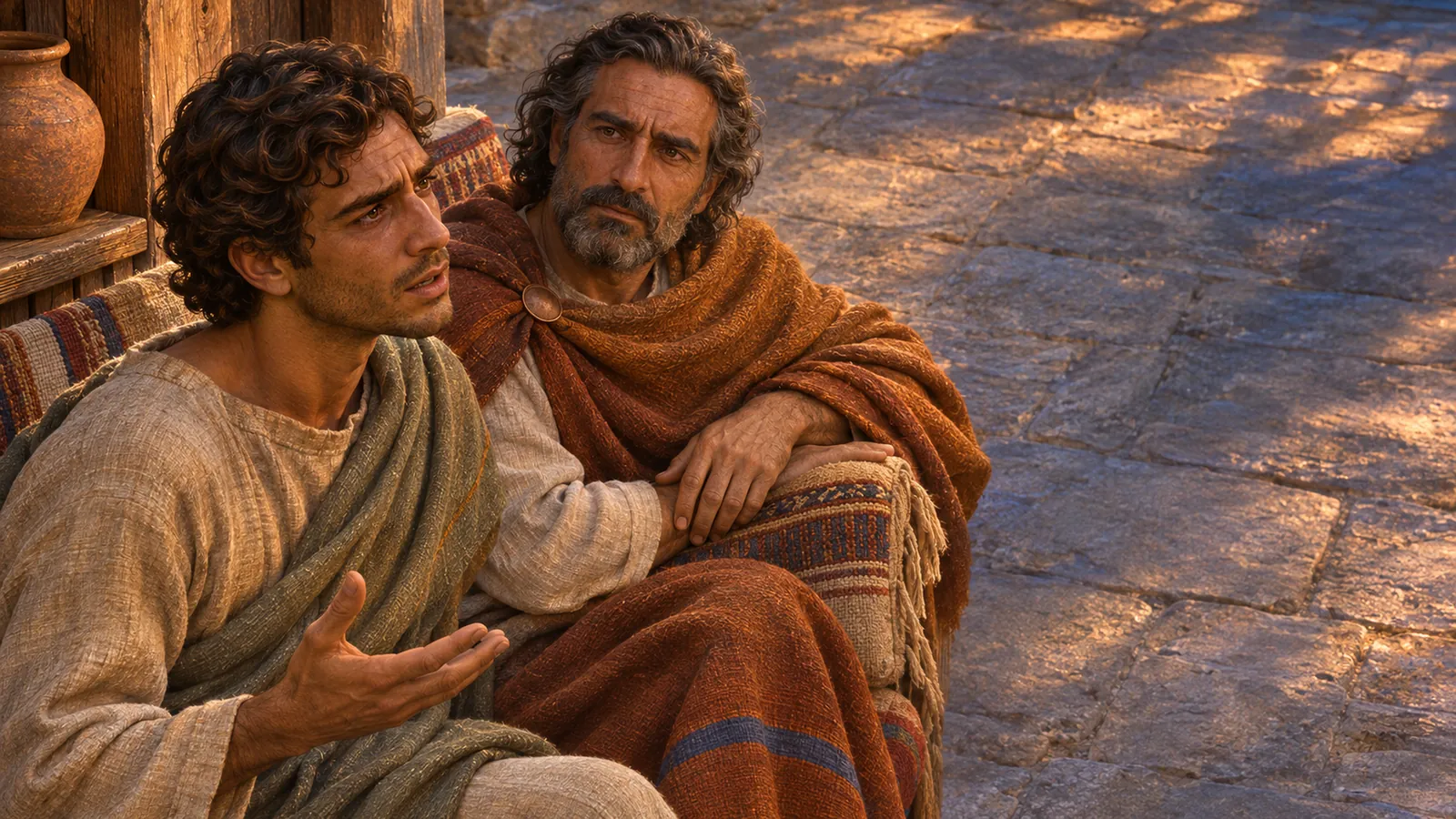
Ilhau fragt, wie jemand sterben kann, den man einen Sohn Els nennt. In seinen Fragen an Kirta liegt die Trauer eines Sohnes um seinen Vater.
THITMANIT
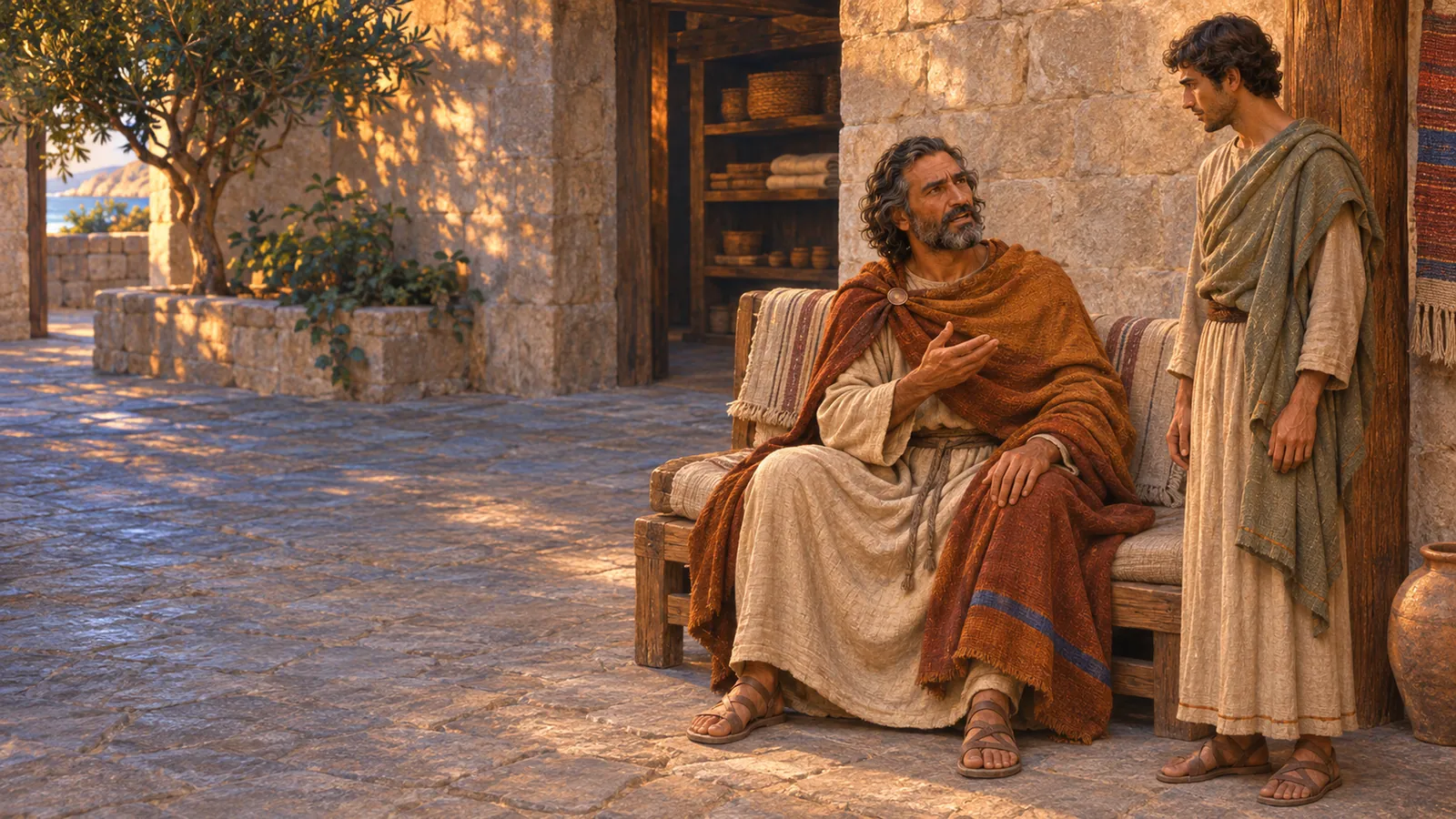
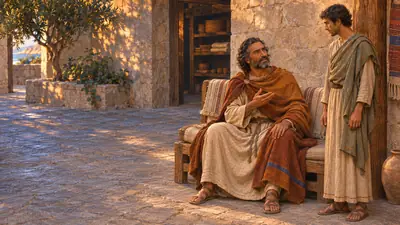
Kirta antwortet Ilhau und trägt ihm auf, seine Schwester Thitmanit zu rufen. Er sagt ihm, er wisse, wie sehr sie an ihrem Vater hängt.
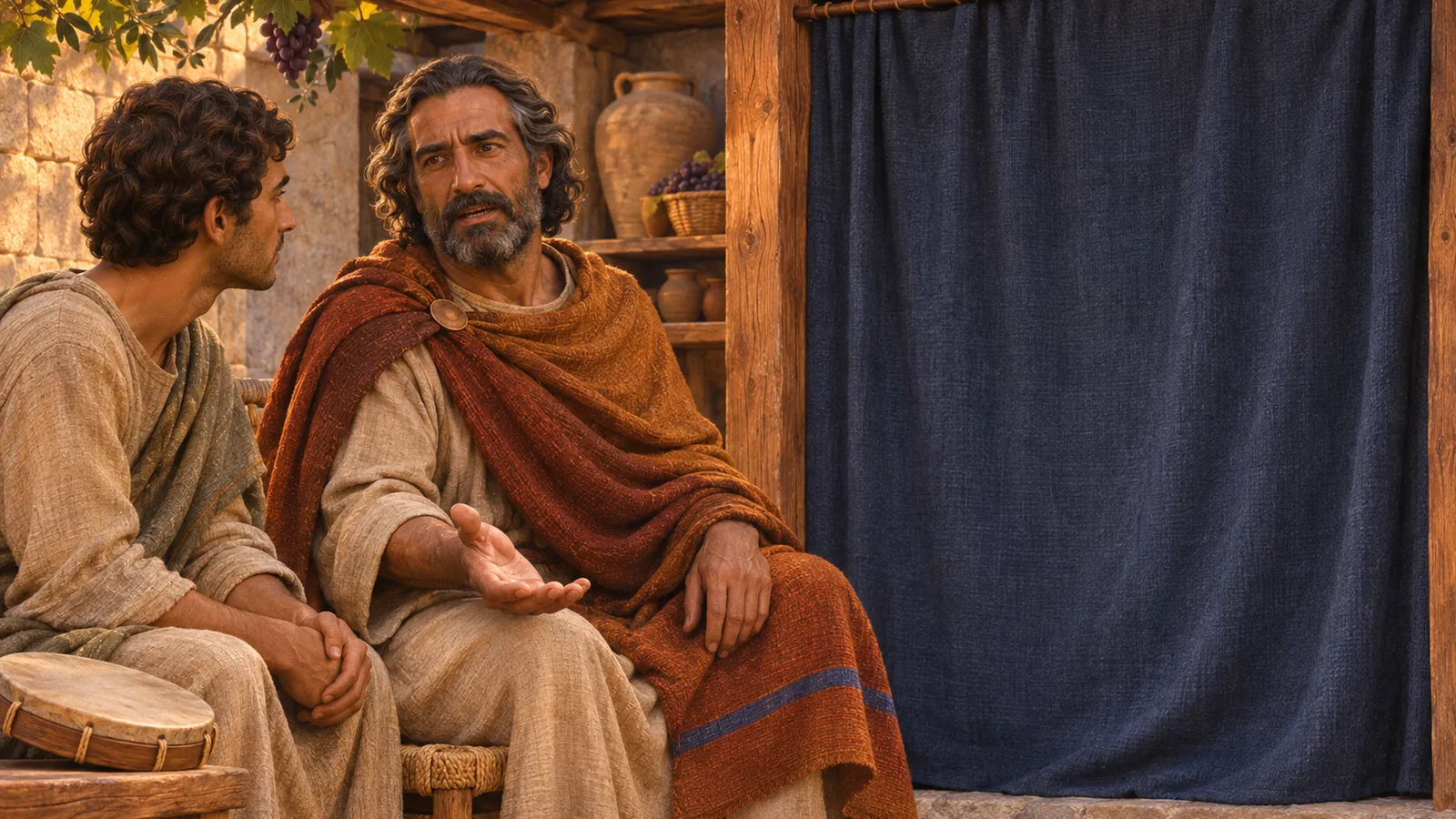
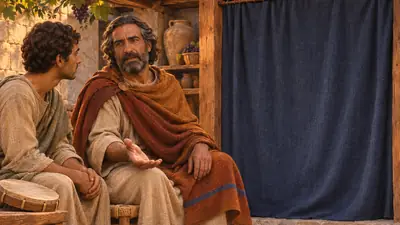
Kirta trägt Ilhau auf, Thitmanit von einem Festmahl zu erzählen. Sie soll mit ihrer Musik kommen, und Kirta gibt Ilhau die Worte vor, die er ihr überbringen soll.
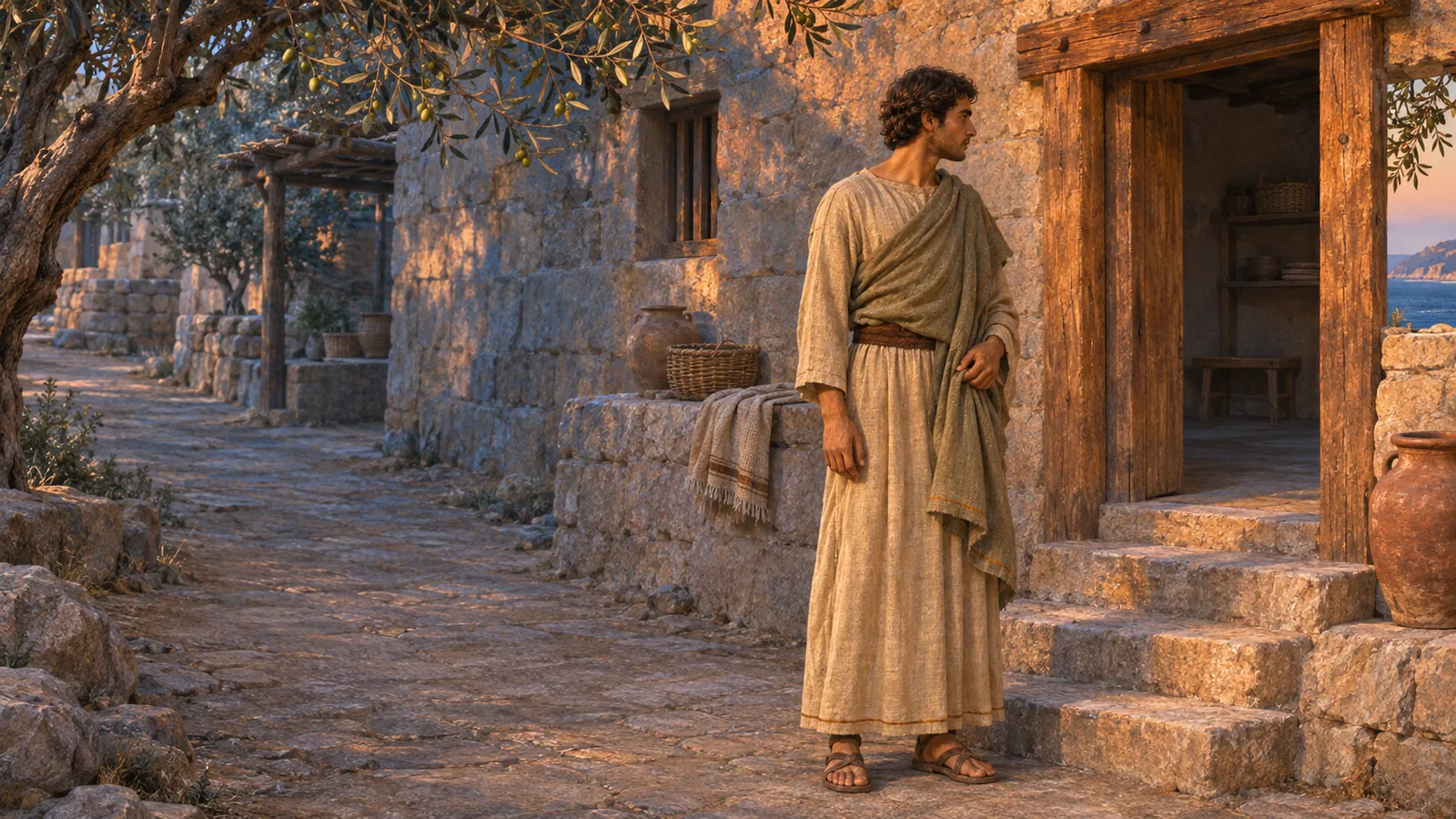
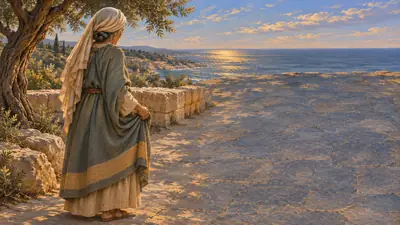
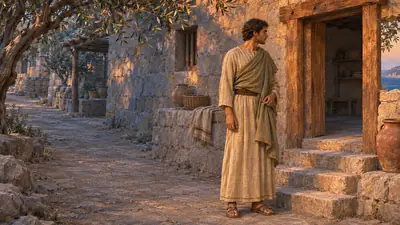
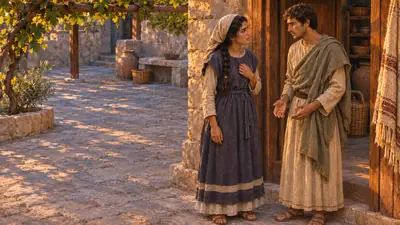
Als es Abend wird, geht Ilhau zum Haus seiner Schwester. Thitmanit ist Wasser holen, und er findet niemanden an ihrer Tür.
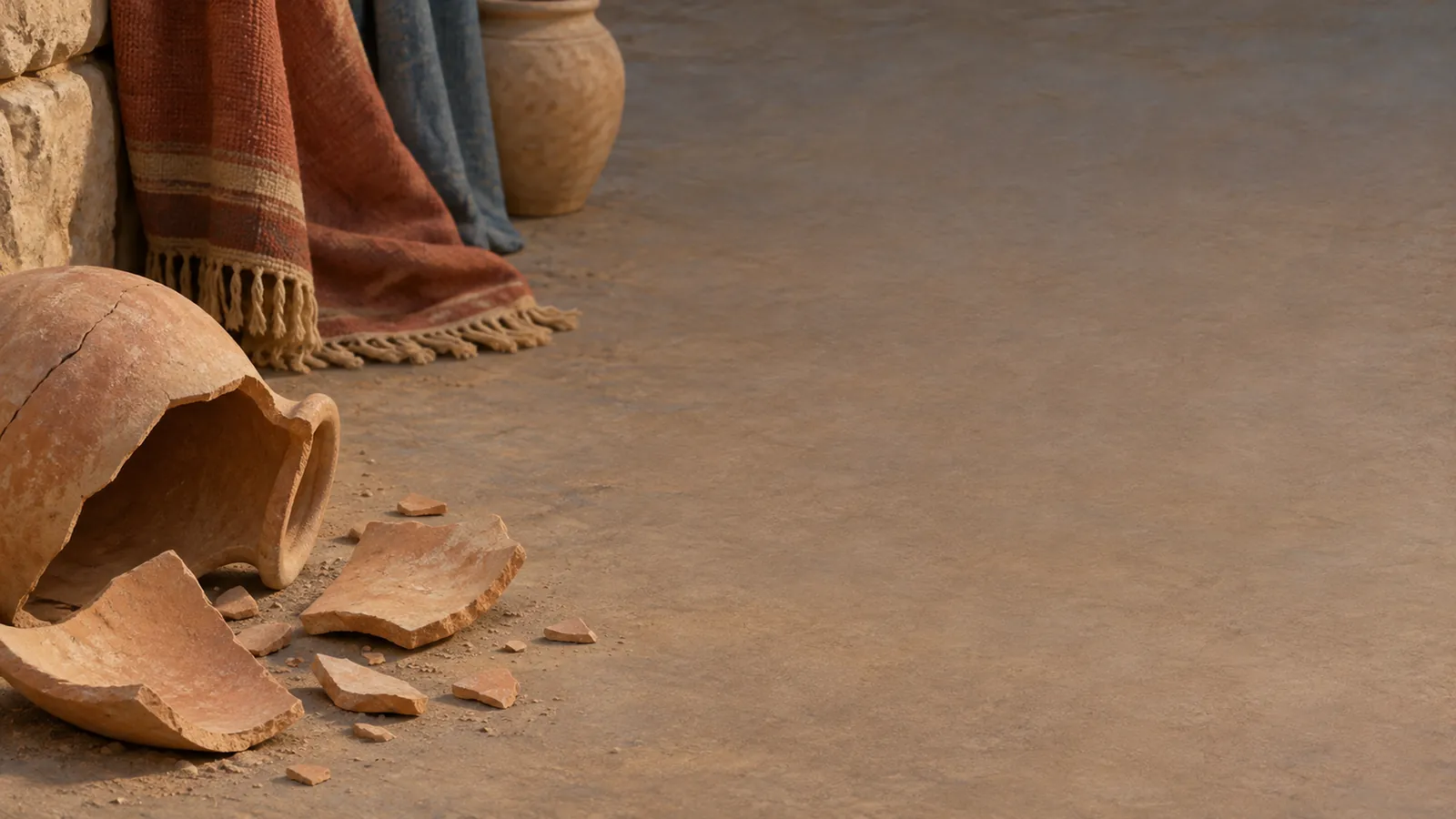
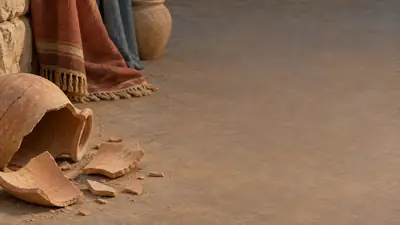
Thitmanit sieht Ilhau an der Tür und erschrickt. Ihr Wasserkrug fällt zu Boden und zerbricht, bevor sie mit ihrem Bruder spricht.
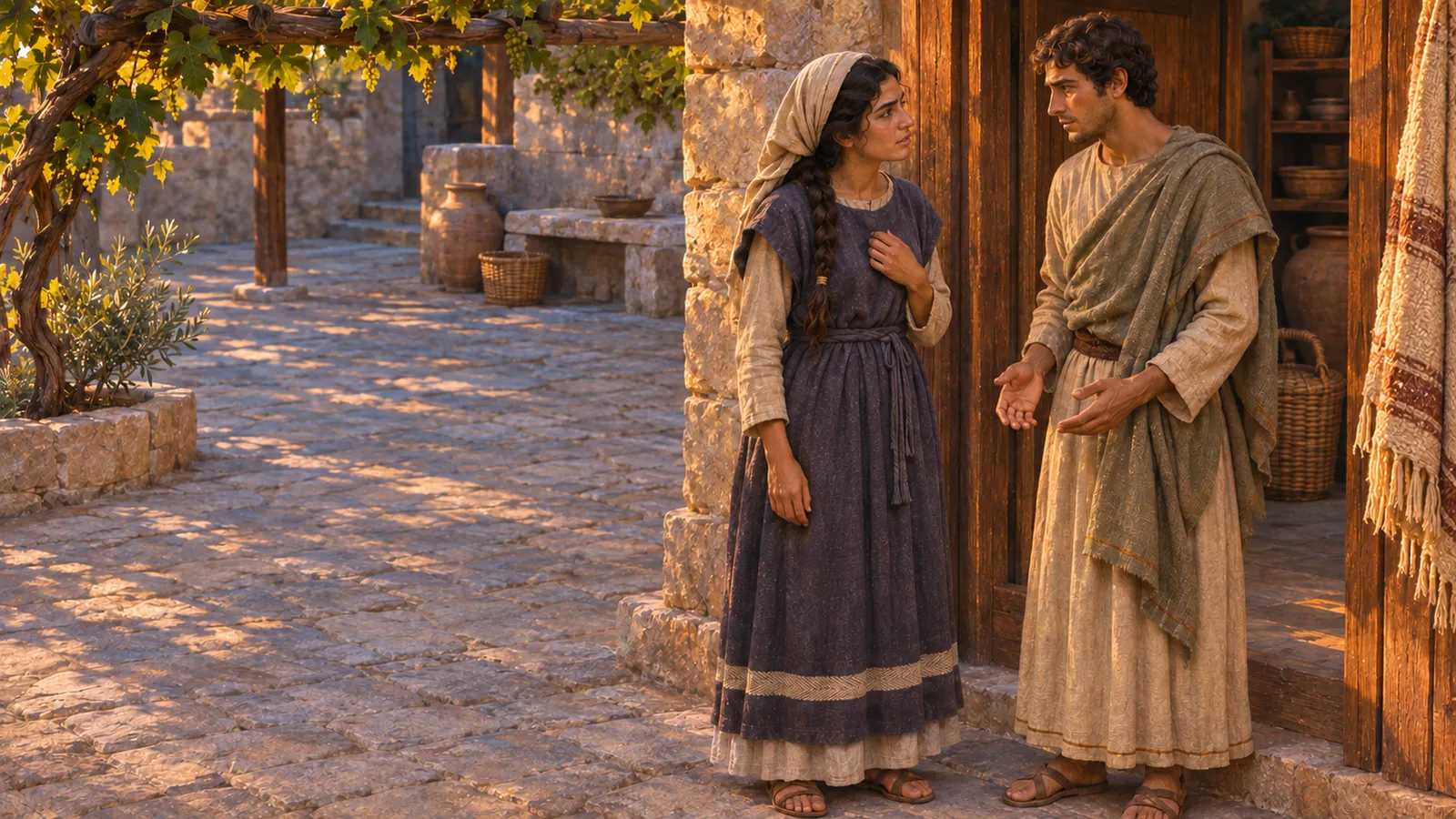
Thitmanit fragt, ob Kirta krank ist. Ilhau antwortet zuerst mit Worten über ein Festmahl. Nach einer Textlücke erfährt sie, wie krank ihr Vater ist.
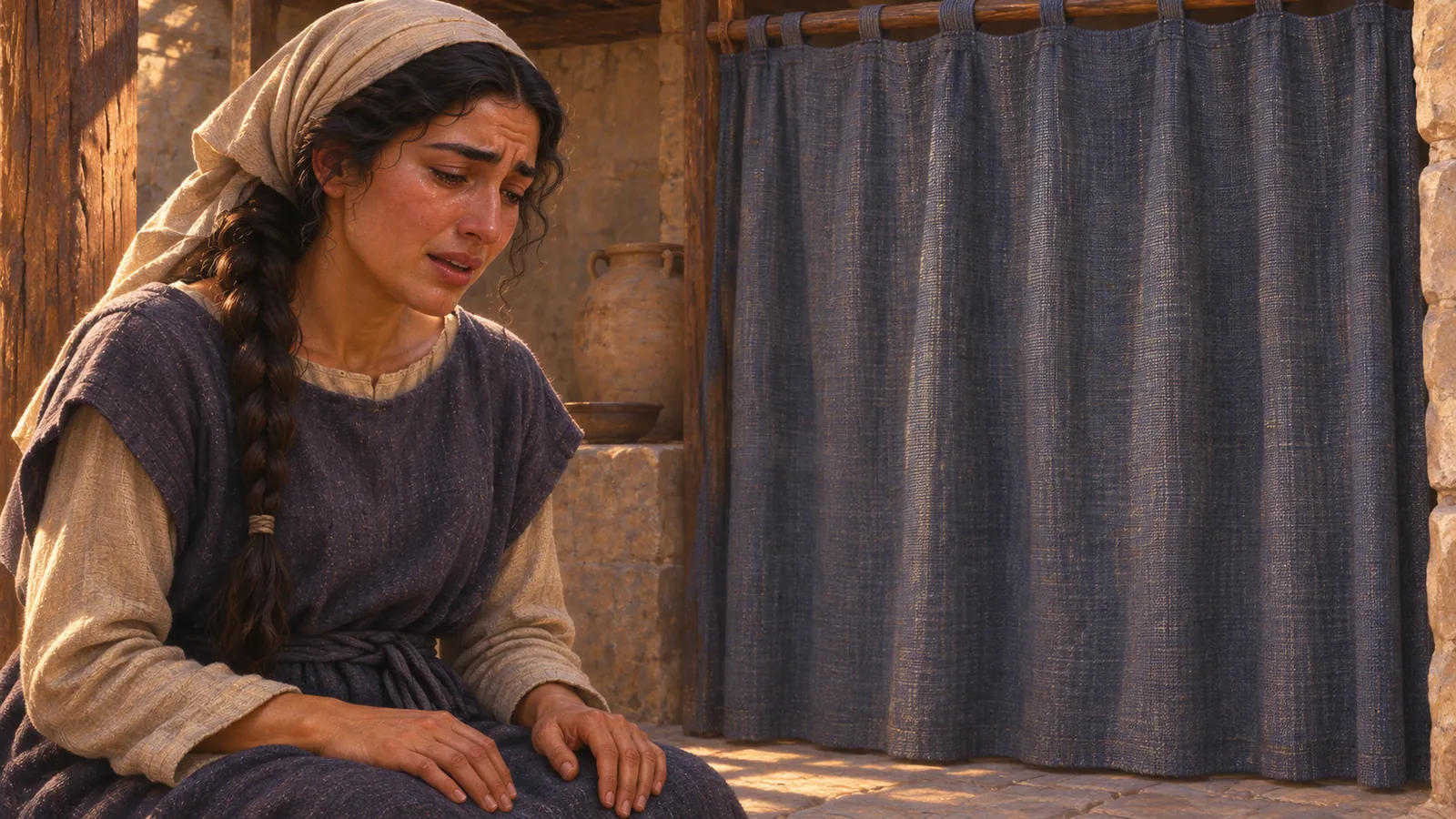
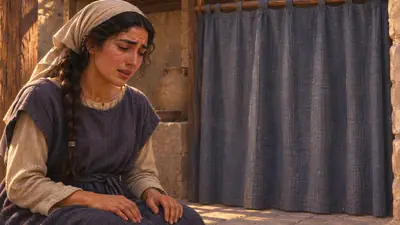
Thitmanit schluchzt und erhebt ihre Stimme. Die beschädigten Zeilen verweilen bei ihrer Trauer, bevor das Gedicht die Worte ihrer Klage wiedergibt.
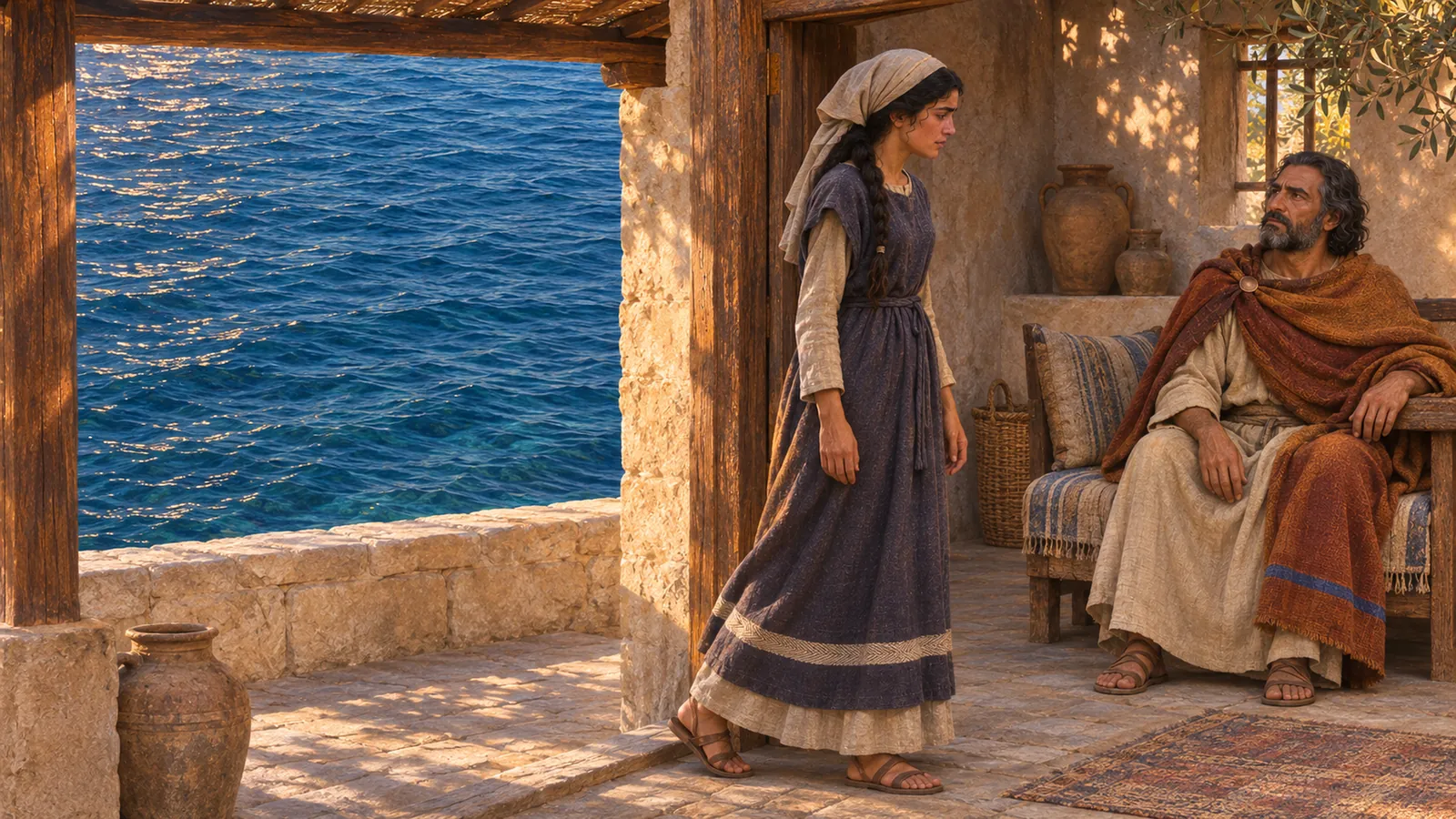
Thitmanits Klage greift die Worte ihres Bruders auf. Nachdem sie gesprochen hat, geht sie zu Kirta in seine Kammer.
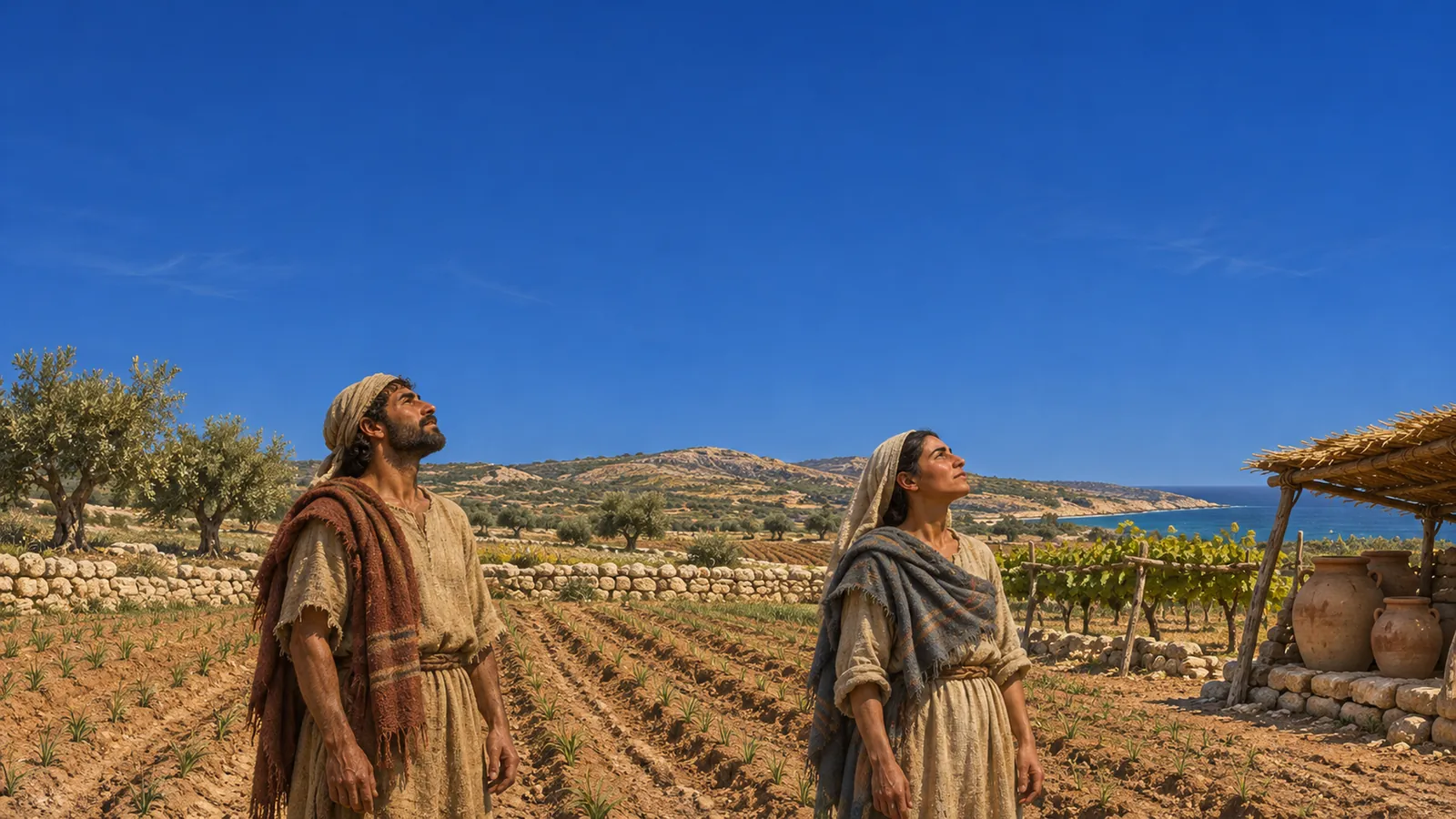
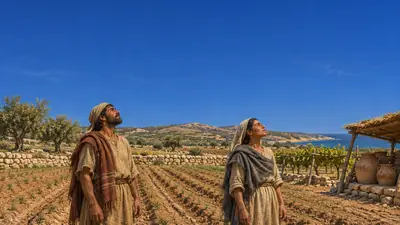
Nach einer Textlücke spricht das Gedicht vom Regen und von Menschen auf den Feldern, die aufblicken. Ein Mangel in den Vorratshäusern kommt zur Sprache, bevor die Erzählung zu El zurückkehrt.
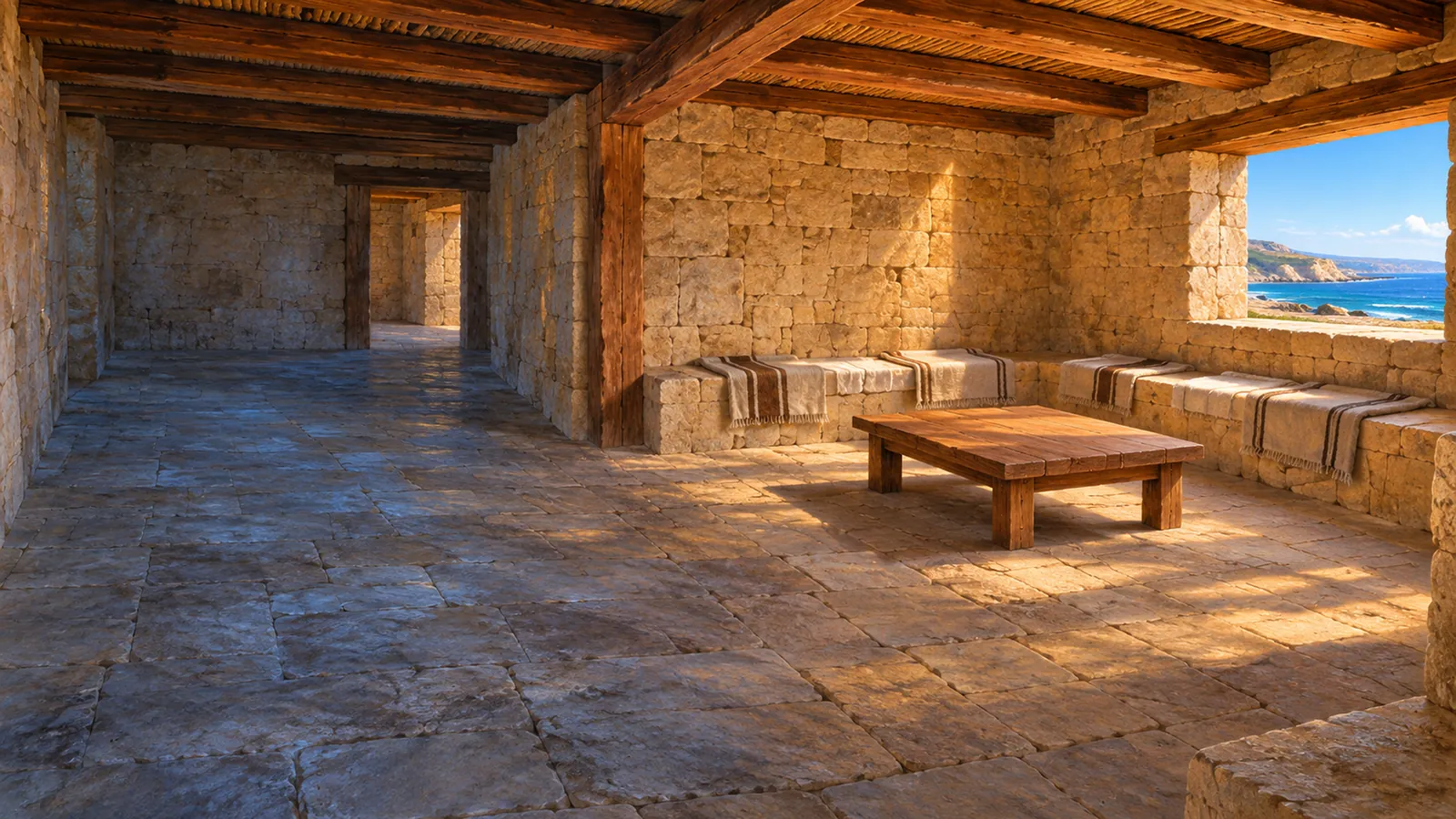
El fragt die Versammlung, wer Kirtas Krankheit vertreiben kann. Er fragt wieder und wieder. Niemand antwortet, und El sagt ihnen, sie sollen sich setzen.
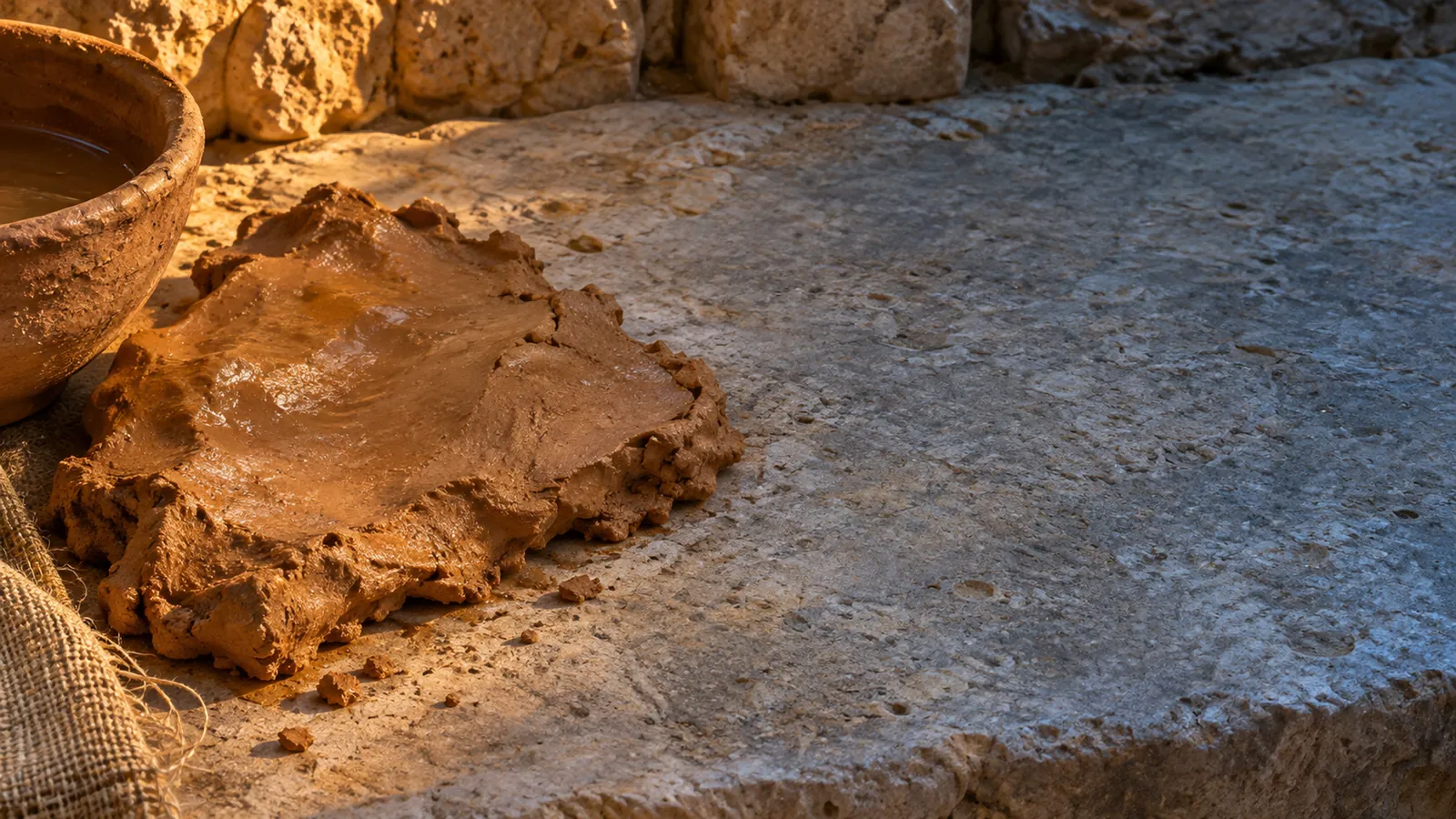
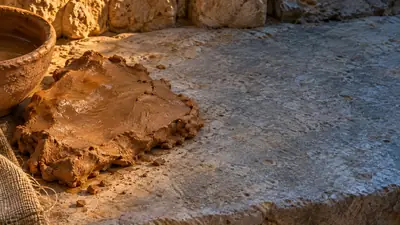
Weil niemand antwortet, nimmt El Ton und formt Shatiqatu. Das Gedicht verweilt bei der Erde, aus der er sie ins Dasein ruft.
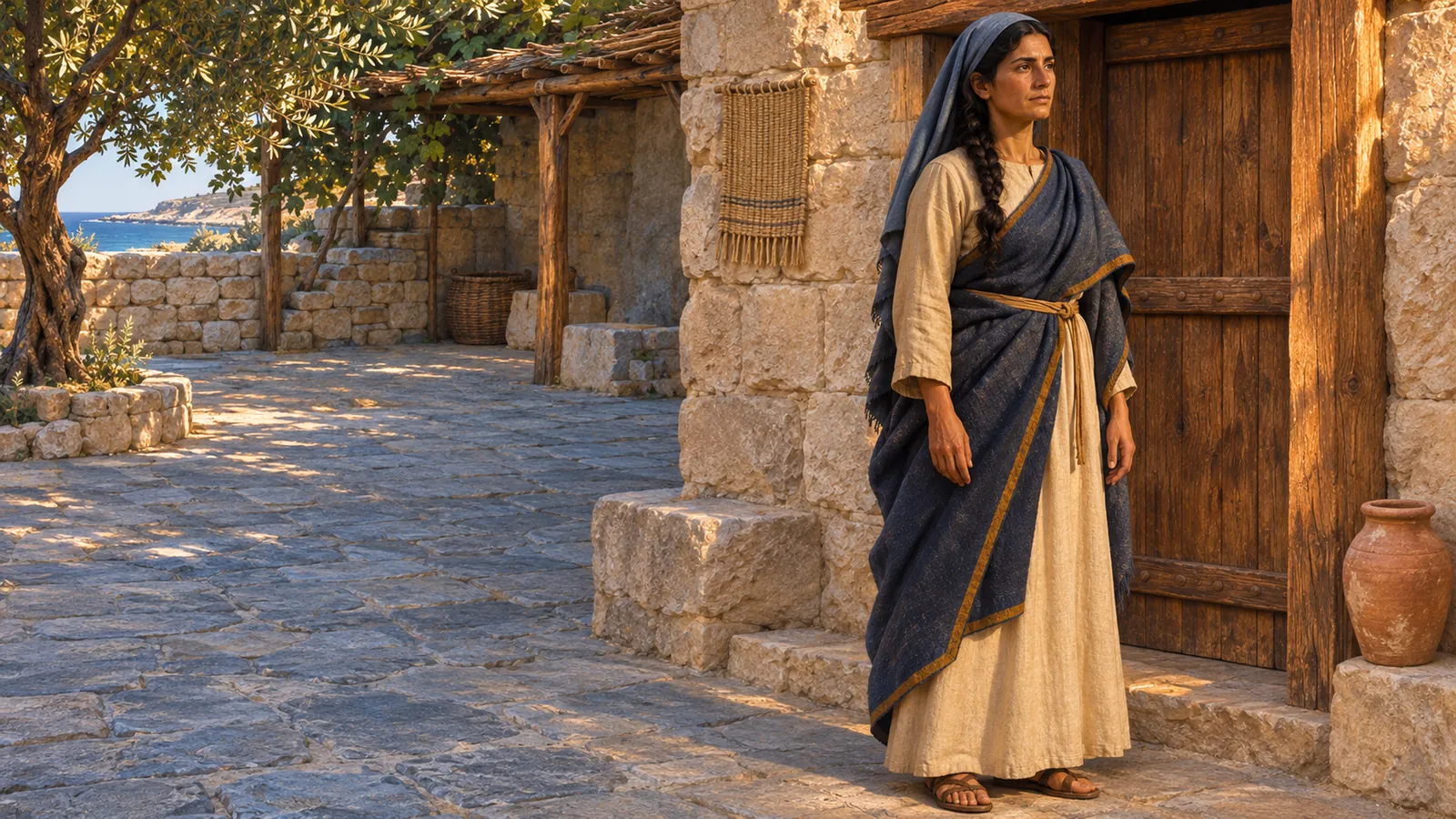
El gibt Shatiqatu ihren Namen und schickt sie, um Kirta zu helfen. Ein Teil seines Auftrags fehlt. Die folgenden Zeilen sprechen von ihrer Macht gegen den Tod.
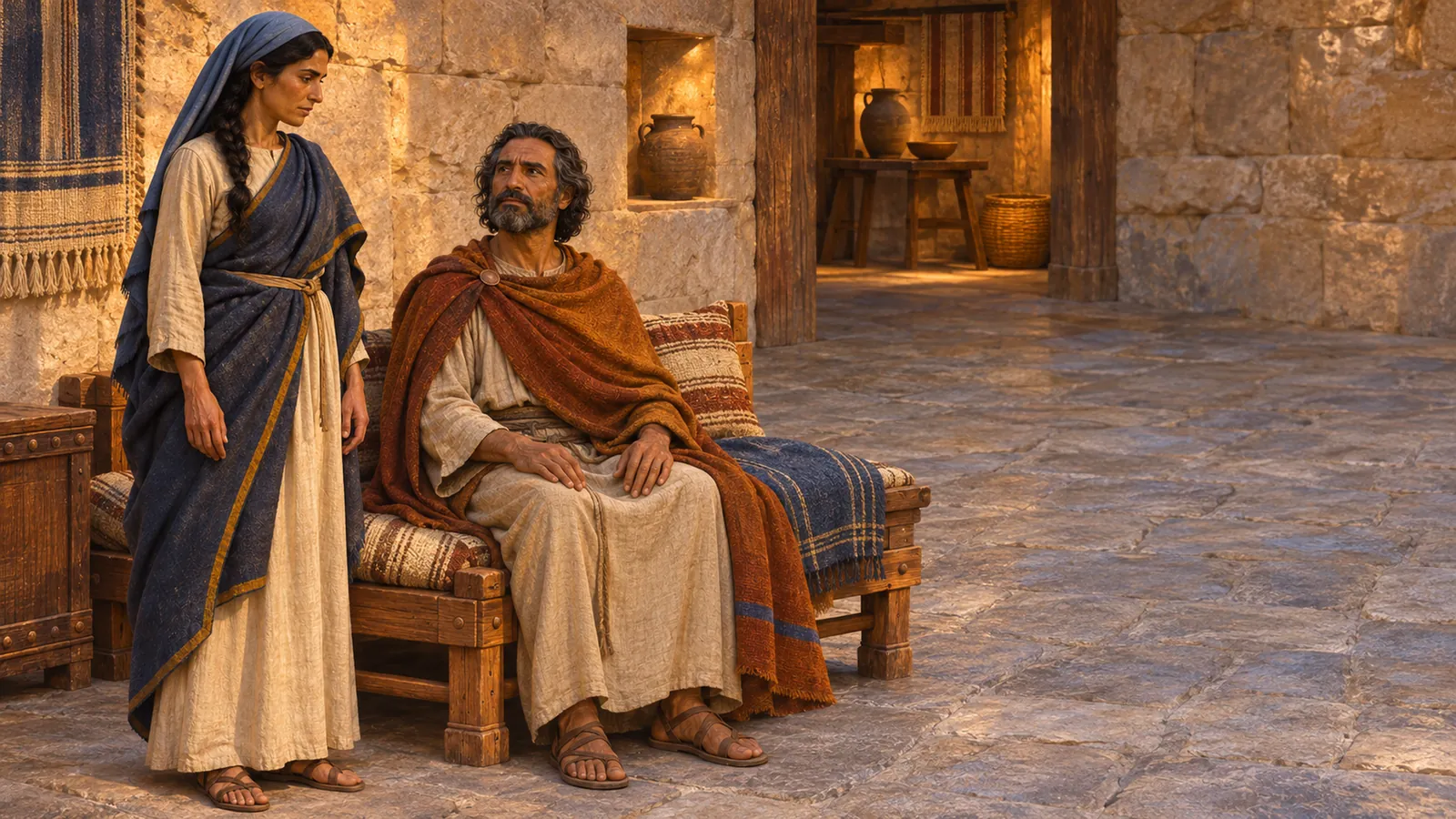
DIE GENESUNG
Shatiqatu betritt Kirtas Haus. Die Zeilen sind stellenweise schwer zu lesen, schreiben ihr aber zu, dass seine Krankheit endet.
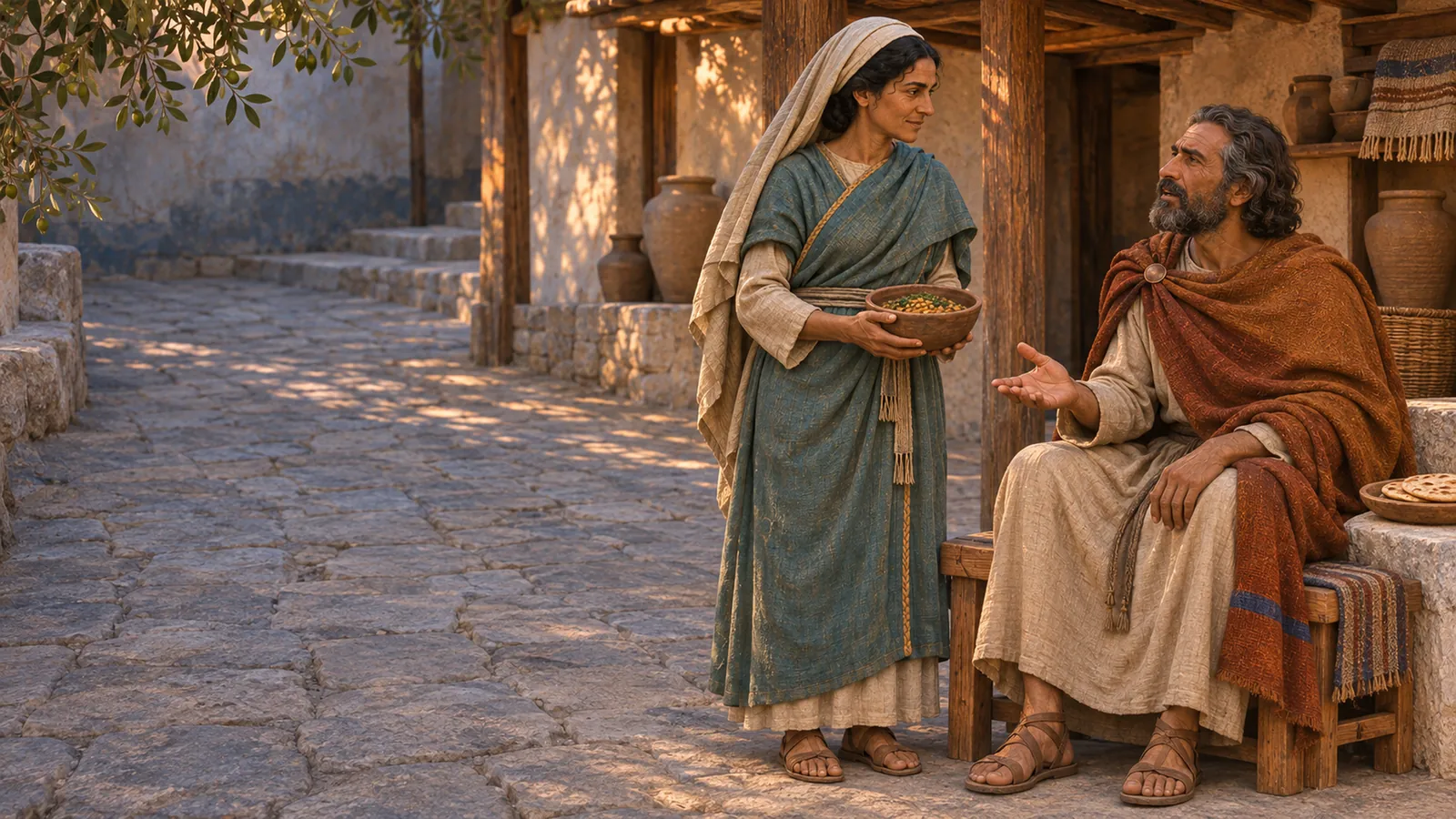
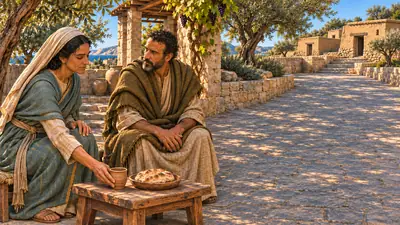
Kirta spricht wieder und bittet Hurriya um Essen. Sie bereitet es zu, und wenig später kehrt das Gedicht zu Kirta auf seinem Sitz zurück.
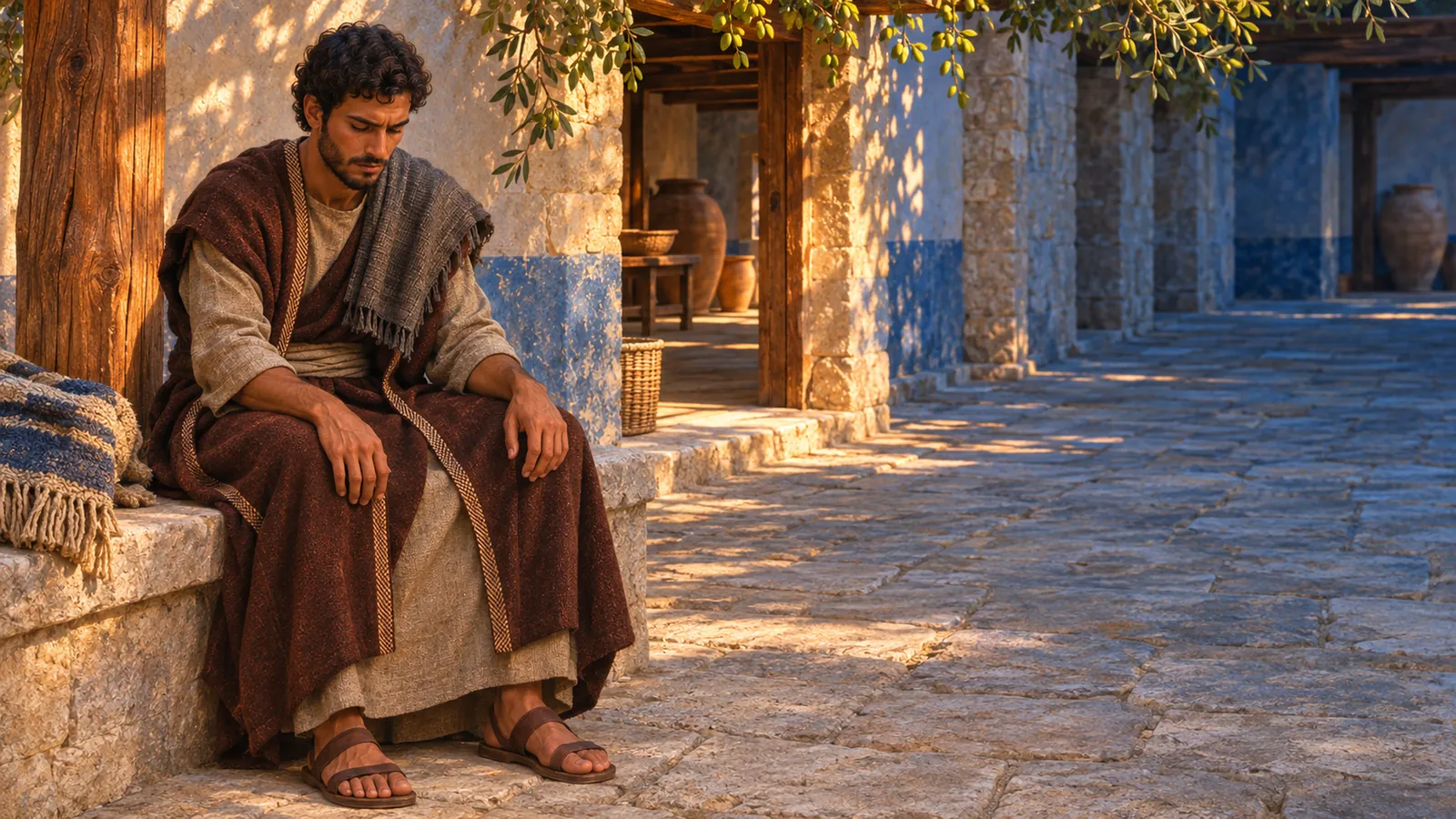
Yassib sitzt im Palast und überlegt, wie er zu seinem Vater sprechen soll. Das Gedicht gibt die Worte seiner Herausforderung wieder, bevor er sie laut ausspricht.
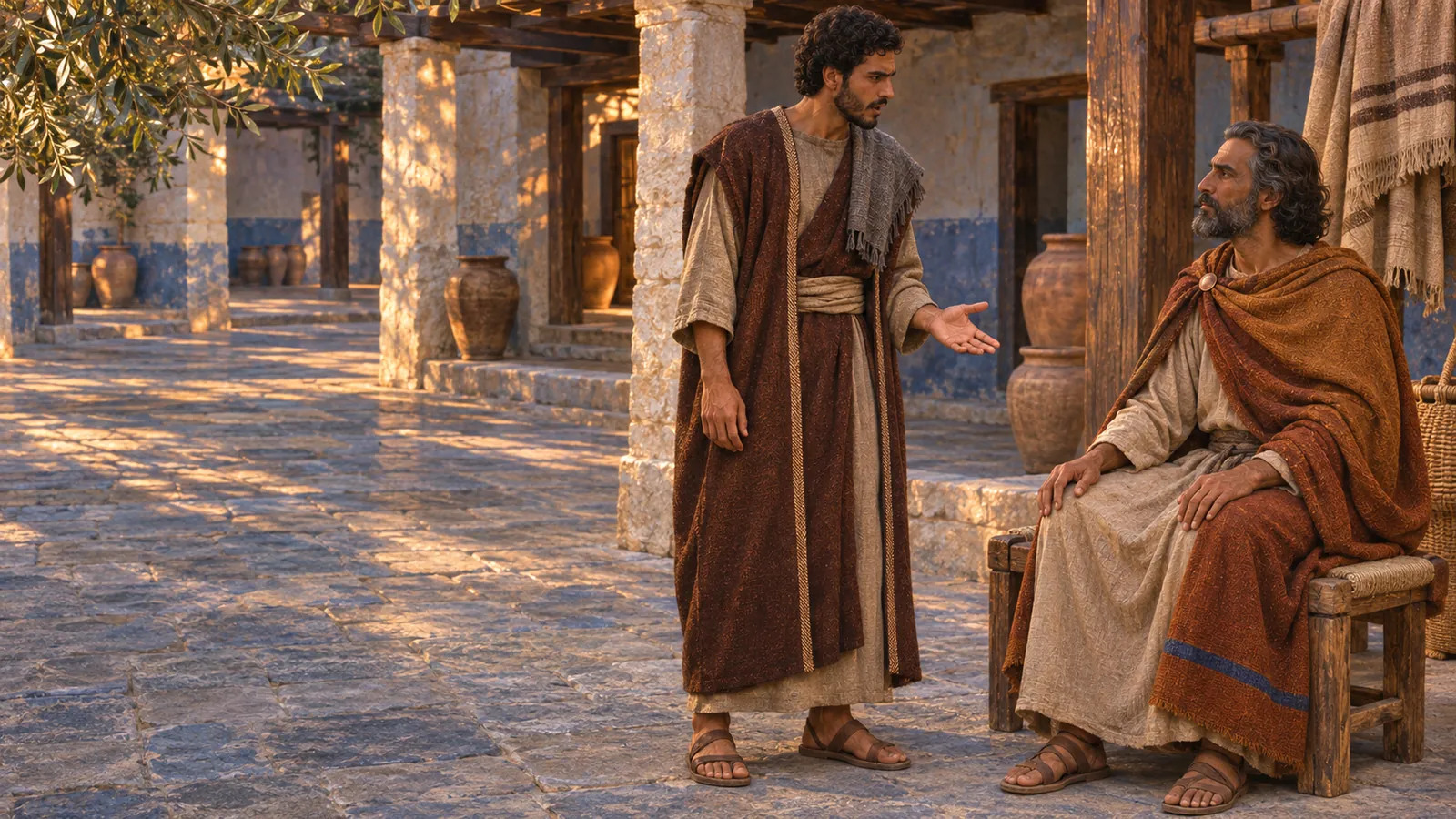
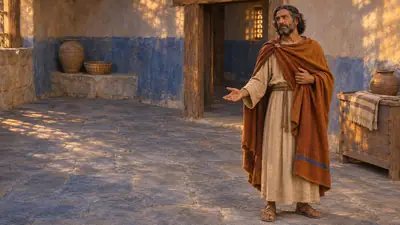
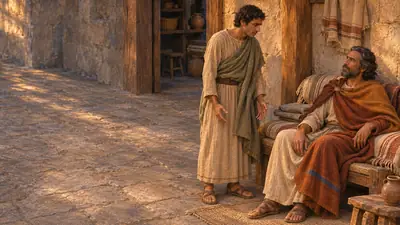
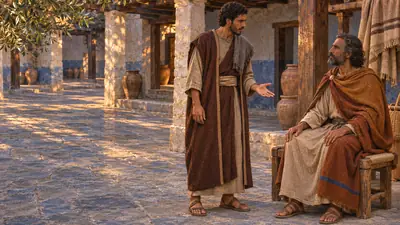
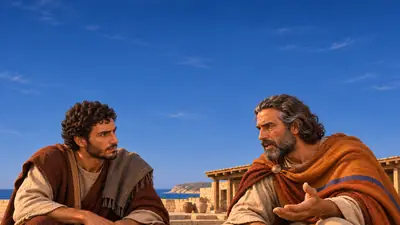
Yassib tritt vor Kirta und spricht über die Pflichten eines Königs. Er wirft seinem Vater vor, Menschen zu übergehen, die auf Gerechtigkeit angewiesen sind, darunter Witwen und Waisen.
DIE LETZTEN WORTE
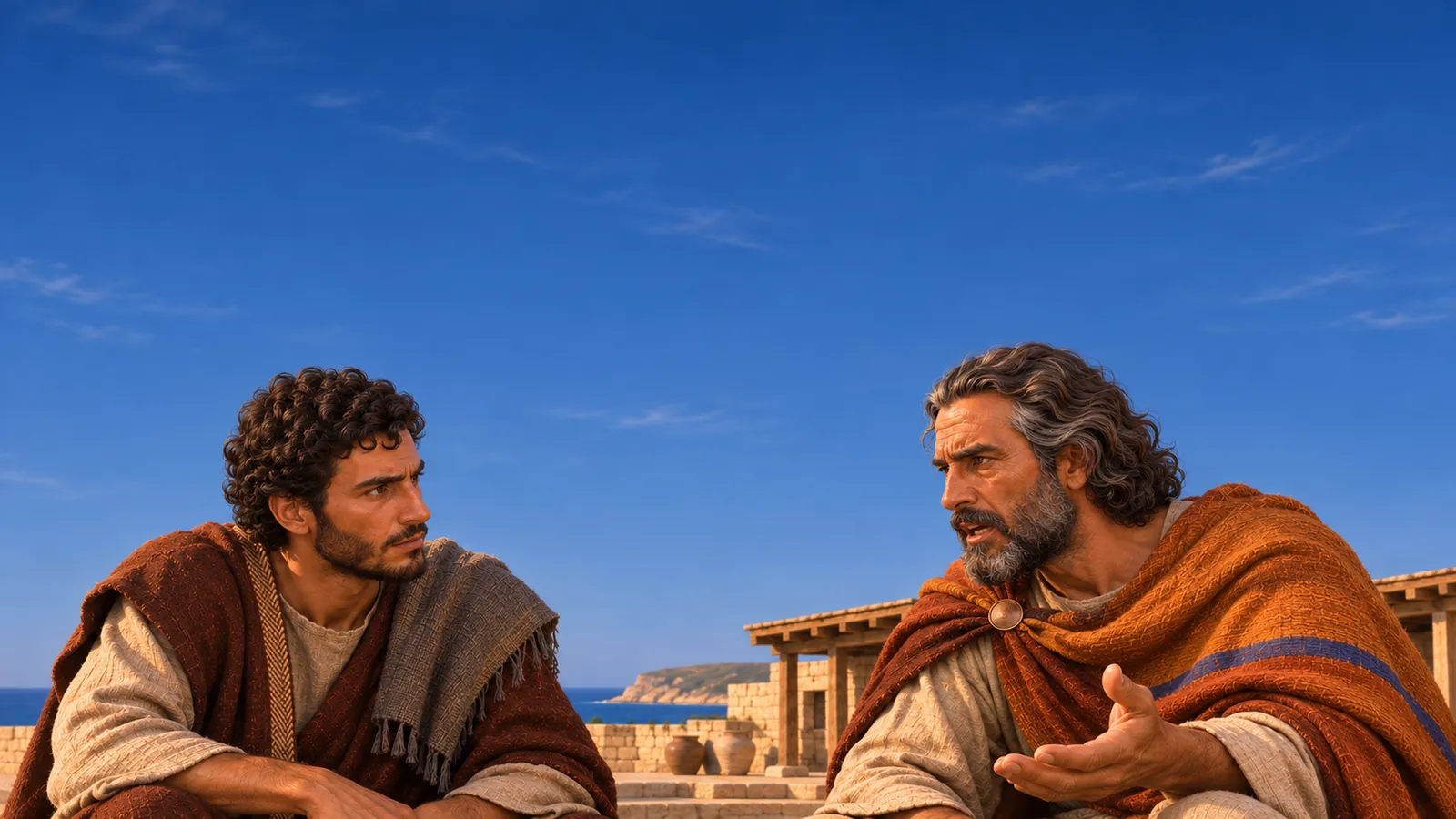
Yassib verlangt, an die Stelle seines Vaters zu treten. Kirta antwortet ihm mit einem Fluch. Mit diesen Worten endet die erhaltene Erzählung und lässt die Nachfolge offen.
Ende von Kapitel 1
Alle Seiten

Quellen
Page 2. The list of deaths includes illness, pestilence, the sea and the sword. Natan-Yulzary reads an additional cause as childbirth.
Benutzte Editionen
- Göttingen EUPT, introductions and concordance for the Kirta tablets
- Göttingen EUPT, Tablet I of Kirta, KTU 1.14
- Göttingen EUPT, Tablet II of Kirta, KTU 1.15
- Göttingen EUPT, Tablet III of Kirta, KTU 1.16
- Clemens Steinberger, Ugaritic poetic forms with numbered readings of the vow and challenge
- Scott B. Noegel, Kirtu’s Allusive Dream
- Shirly Natan-Yulzary, Reading Ugaritic Narrative-Poetry
- Shirly Natan-Yulzary, The Role of Thitmanit as a Mourner in the Kirta Epic
- Theodore J. Lewis, The Shaʿtiqatu Narrative from the Ugaritic Story about the Healing of King Kirta
- Shirly Natan-Yulzary, Twice-used Songs and Other Oral Traditions in Ugaritic Epics
- IL Archive, Tale of Kirta
- IL Archive, Six Days, Then the Seventh
Hinweise zu dieser Nacherzählung
Page 68. Kirta invokes Horon and Athtart in a curse asking that Yassib’s head be struck and that he fall in his prime. 65).
Pages 11–12 and 19–20. The dream calls for a lamb, a kid and a bird as sacrificial offerings, and Kirta later carries out the offering.
Die antiken Verse hinter jeder Seite
- Page 1: KTU 1.14 I before 6 and I 6–12 (Göttingen EUPT; Noegel, Narrator)
The opening is damaged. - Page 2: KTU 1.14 I 13–21 (Göttingen EUPT; Noegel, Narrator)
The precise relationships in these lines are debated. - Page 3: KTU 1.14 I 21–25 (Göttingen EUPT; Noegel, Narrator)
- Page 4: KTU 1.14 I 26–29 (Göttingen EUPT; Noegel, Narrator)
- Page 5: KTU 1.14 I 29–35 (Göttingen EUPT; Noegel, Narrator)
- Page 6: KTU 1.14 I 35–38 (Göttingen EUPT; Noegel, Narrator)
- Page 7: KTU 1.14 I 38–43 (Göttingen EUPT; Noegel, Kirtu’s Allusive Dream)
Some question wording varies by edition. - Page 8: KTU 1.14 I 43–51 (Göttingen EUPT; Noegel, Kirtu’s Allusive Dream)
- Page 9: KTU 1.14 I 51b–II 5 (Göttingen EUPT; Noegel, Kirtu’s Allusive Dream)
- Page 10: KTU 1.14 II 6–12 (Göttingen EUPT; Noegel, Kirtu’s Allusive Dream)
- Page 11: KTU 1.14 II 13–21 (Göttingen EUPT; Noegel, Kirtu’s Allusive Dream)
- Page 12: KTU 1.14 II 22–26 (Göttingen EUPT; Noegel, Kirtu’s Allusive Dream; Noegel, Narrator)
- Page 13: KTU 1.14 II 27–34 (Noegel, Kirtu’s Allusive Dream; Natan-Yulzary, Reading Ugaritic Narrative-Poetry)
- Page 14: KTU 1.14 II 35–42 (Noegel, Kirtu’s Allusive Dream; Natan-Yulzary, Reading Ugaritic Narrative-Poetry)
- Page 15: KTU 1.14 II 43–III 1 (Noegel, Kirtu’s Allusive Dream; Natan-Yulzary, Reading Ugaritic Narrative-Poetry)
- Page 16: KTU 1.14 III 2–21 (Noegel, Kirtu’s Allusive Dream; Natan-Yulzary, Reading Ugaritic Narrative-Poetry)
- Page 17: KTU 1.14 III 22–49 (Noegel, Kirtu’s Allusive Dream; Natan-Yulzary, Reading Ugaritic Narrative-Poetry)
- Page 18: KTU 1.14 III 50–52 (Noegel, Kirtu’s Allusive Dream; Natan-Yulzary, Reading Ugaritic Narrative-Poetry)
- Page 19: KTU 1.14 III 52–IV 2 (Noegel, Kirtu’s Allusive Dream; Noegel, Narrator)
- Page 20: KTU 1.14 IV 2–8 (Noegel, Kirtu’s Allusive Dream; Noegel, Narrator)
- Page 21: KTU 1.14 IV 8–12 (Noegel, Kirtu’s Allusive Dream; Noegel, Narrator)
- Page 22: KTU 1.14 IV 13–32a (Noegel, Kirtu’s Allusive Dream; Natan-Yulzary, Reading Ugaritic Narrative-Poetry; Noegel, Narrator)
- Page 23: KTU 1.14 IV 32b–36a (Göttingen EUPT; Steinberger, Glossar)
- Page 24: KTU 1.14 IV 36b–39 (Göttingen EUPT; Noegel, Kirtu’s Allusive Dream; Steinberger, Glossar)
- Page 25: KTU 1.14 IV 40–43b (Göttingen EUPT; Steinberger, Glossar)
- Page 26: KTU 1.14 IV 44–V 6 (Noegel, Kirtu’s Allusive Dream; Natan-Yulzary, Reading Ugaritic Narrative-Poetry; Noegel, Narrator)
- Page 27: KTU 1.14 V 6–14 (Noegel, Narrator)
- Page 28: KTU 1.14 V 15–26 and 27–45 (Noegel, Narrator; Noegel, Kirtu’s Allusive Dream)
Part of the transition is damaged. - Page 29: KTU 1.14 V 46–VI 15 (Noegel, Narrator)
- Page 30: KTU 1.14 VI 16–36 (Noegel, Kirtu’s Allusive Dream; Noegel, Narrator)
- Page 31: KTU 1.14 VI 36–end and 1.15 I 1′–7′, II 21′–22′ (Göttingen EUPT; Noegel, Narrator)
The words linking the reply to the later marriage are damaged. - Page 32: KTU 1.15 I following loss to II 3′–7′ (Göttingen EUPT; Noegel, Narrator)
The surviving passage resumes with a feast. - Page 33: KTU 1.15 II 8′–11′ (Göttingen EUPT; Noegel, Narrator)
- Page 34: KTU 1.15 II 11′–15′ (Göttingen EUPT; Steinberger, Glossar; Noegel, Narrator)
- Page 35: KTU 1.15 II 16′–20′ (Göttingen EUPT; Noegel, The Narrator, p. 61)
- Page 36: KTU 1.15 II 21′–end and III 1′–5′ (Göttingen EUPT and EUPT-Lab; Noegel, p. 61)
Identifying the honored beings more precisely would depend on the reading of the epithets. - Page 37: KTU 1.15 III 6′–12′ (Göttingen EUPT; Noegel, pp. 61–62)
- Page 38: KTU 1.15 III 13′–16′ (Göttingen EUPT; Natan-Yulzary, JANES 35, p. 83)
- Page 39: KTU 1.15 III 17′–19′ (Göttingen EUPT; Noegel, pp. 61–62)
- Page 40: KTU 1.15 III 20′–25′ (Göttingen EUPT and EUPT-Lab; Noegel, p. 62)
The poem compresses several years into a short passage. - Page 41: KTU 1.15 III 25′–30′ (Göttingen EUPT; Natan-Yulzary, JANES 35, pp. 82–83; Noegel, p. 62)
The tablet places the remembrance beside Kirta’s illness, with damage in the transition. - Page 42: KTU 1.15 IV 1′–9′ (Göttingen EUPT; Noegel, p. 62)
- Page 43: KTU 1.15 IV 14′–16′ (Göttingen EUPT; Noegel, p. 62)
- Page 44: KTU 1.15 IV 17′–25′ (Göttingen EUPT and Steinberger, EUPT-Lab; Noegel, p. 62)
- Page 45: KTU 1.15 IV end–V 7 (Göttingen EUPT; Noegel, pp. 62–63)
- Page 46: KTU 1.15 V 8–14 (Göttingen EUPT; Noegel, p. 62)
- Page 47: KTU 1.15 V 17–22 (Göttingen EUPT; Noegel, pp. 62–63)
The wording is difficult. - Page 48: KTU 1.15 VI 1–10 and following loss (Göttingen EUPT; Noegel, pp. 62–63)
Much of the column is broken away. - Page 49: KTU 1.16 I 1–5 (Steinberger, EUPT-Lab; Natan-Yulzary, Thitmanit; Noegel, p. 63)
- Page 50: KTU 1.16 I 6–12 (Natan-Yulzary, Thitmanit; Noegel, pp. 62–63)
- Page 51: KTU 1.16 I 11–17 (Natan-Yulzary, Thitmanit; Noegel, p. 63)
- Page 52: KTU 1.16 I 17–23 (Natan-Yulzary, Thitmanit; Lewis, pp. 188–190; Noegel, p. 63)
The words are Ilhau’s questions. - Page 53: KTU 1.16 I 24–35 (Natan-Yulzary, Thitmanit; Noegel, pp. 62–63)
- Page 54: KTU 1.16 I 36–45 (Natan-Yulzary, Thitmanit; Noegel, p. 63)
- Page 55: KTU 1.16 I 46–51 (Steinberger, EUPT-Lab; Natan-Yulzary, Thitmanit; Noegel, p. 63)
- Page 56: KTU 1.16 I 51–55 (Natan-Yulzary, Thitmanit; Noegel, p. 63)
The text records the jar falling. - Page 57: KTU 1.16 I 56–62 and II 17–25 (Natan-Yulzary, Thitmanit; Noegel, pp. 62–64)
- Page 58: KTU 1.16 II 26–36 (Natan-Yulzary, Thitmanit; Lewis; Noegel, p. 63)
The comparisons in this passage survive in fragments. - Page 59: KTU 1.16 II 37–51 (Natan-Yulzary, Thitmanit; Noegel, pp. 63–64)
- Page 60: KTU 1.16 III 1–16 and IV 17 onward (Noegel, p. 64; Lewis, p. 190)
The words about rain and the speech in the following column are fragmentary. - Page 61: KTU 1.16 V 9–25 (Lewis, pp. 190–192; Noegel, p. 64)
- Page 62: KTU 1.16 V 25–40 (Lewis, pp. 191–196; Noegel, p. 64)
The account is damaged in places. - Page 63: KTU 1.16 V 41–52 and VI 1–2 (Lewis, pp. 194–198; Noegel, p. 64)
- Page 64: KTU 1.16 VI 2–14 (Lewis, pp. 197–211; Noegel, p. 64)
- Page 65: KTU 1.16 VI 14–24 (Noegel, pp. 64–65; Lewis, transition at VI 14)
- Page 66: KTU 1.16 VI 25–38 (Steinberger, EUPT-Lab; Natan-Yulzary, Twice-used Songs; Noegel, p. 65)
The lines give Yassib’s contemplated speech. - Page 67: KTU 1.16 VI 39–50 (Steinberger, EUPT-Lab; Natan-Yulzary, Twice-used Songs; Noegel, p. 65)
The accusations are Yassib’s words. - Page 68: KTU 1.16 VI 50–58, with separate colophon (Steinberger, EUPT-Lab; Noegel, p. 65; IL Archive, Tale of Kirta)
Kirta’s curse is the last surviving exchange. The scribal notice names Ilimilku separately.
Illustrationen von IL Archive mit KI-Werkzeugen; der Text folgt den antiken Quellen (siehe die Quellen am Ende jedes Kapitels).