Telipinu, el dios desaparecido Capítulo 1
Cuando la abundancia se marchó
La partida de Telipinu priva al país de abundancia y ni dioses ni águila lo encuentran. Versiones paralelas señaladas conservan la búsqueda de la abeja y su despertar destructivo; la primera continúa las palabras de calma hasta su regreso y la vida renovada.
FuentesPase las páginas con las flechas, el teclado o deslizando el dedo.
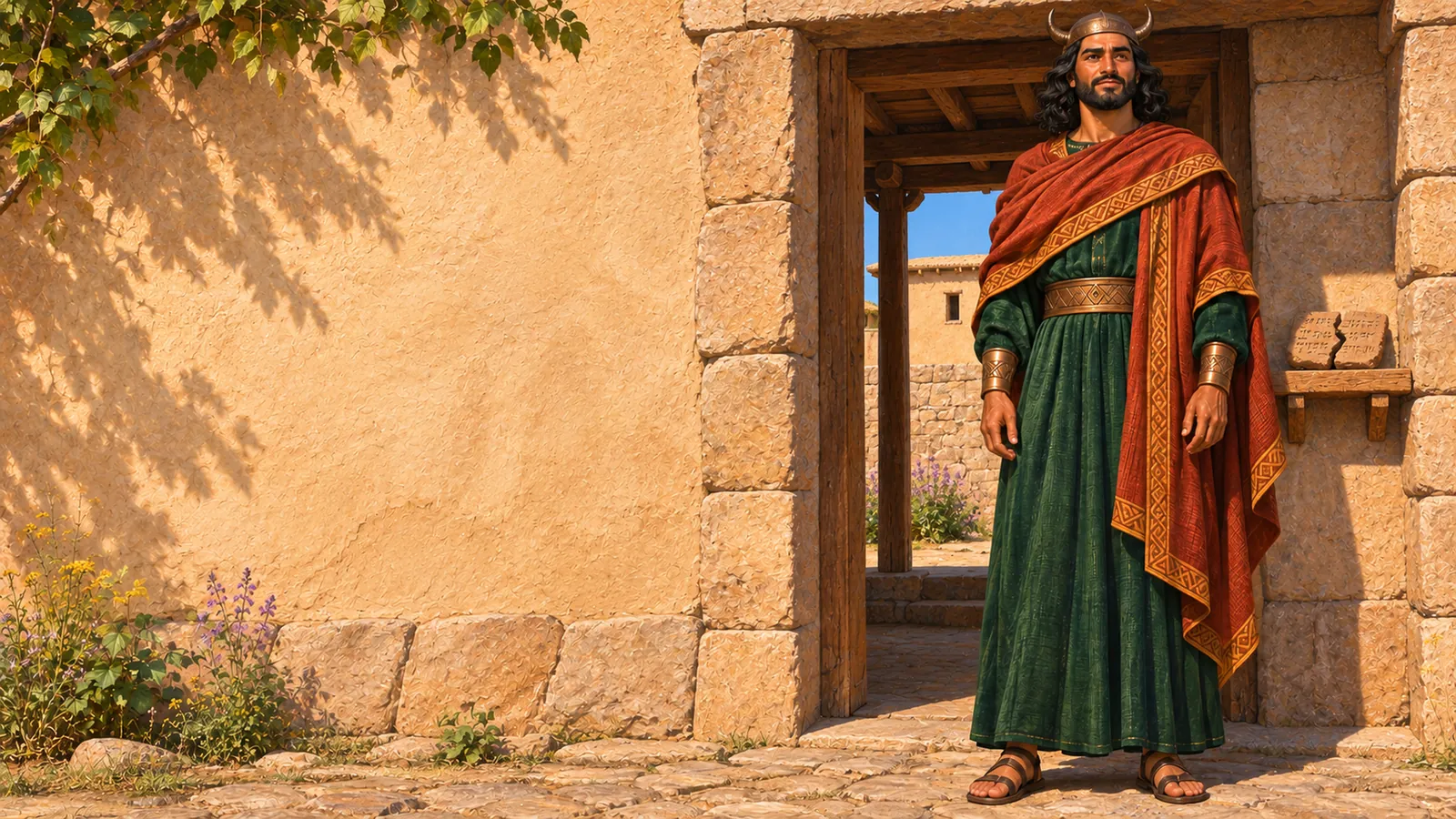
TELIPINU
El comienzo del primer relato está roto. Telipinu está enojado, pero las palabras conservadas no dan una causa segura de su ira.
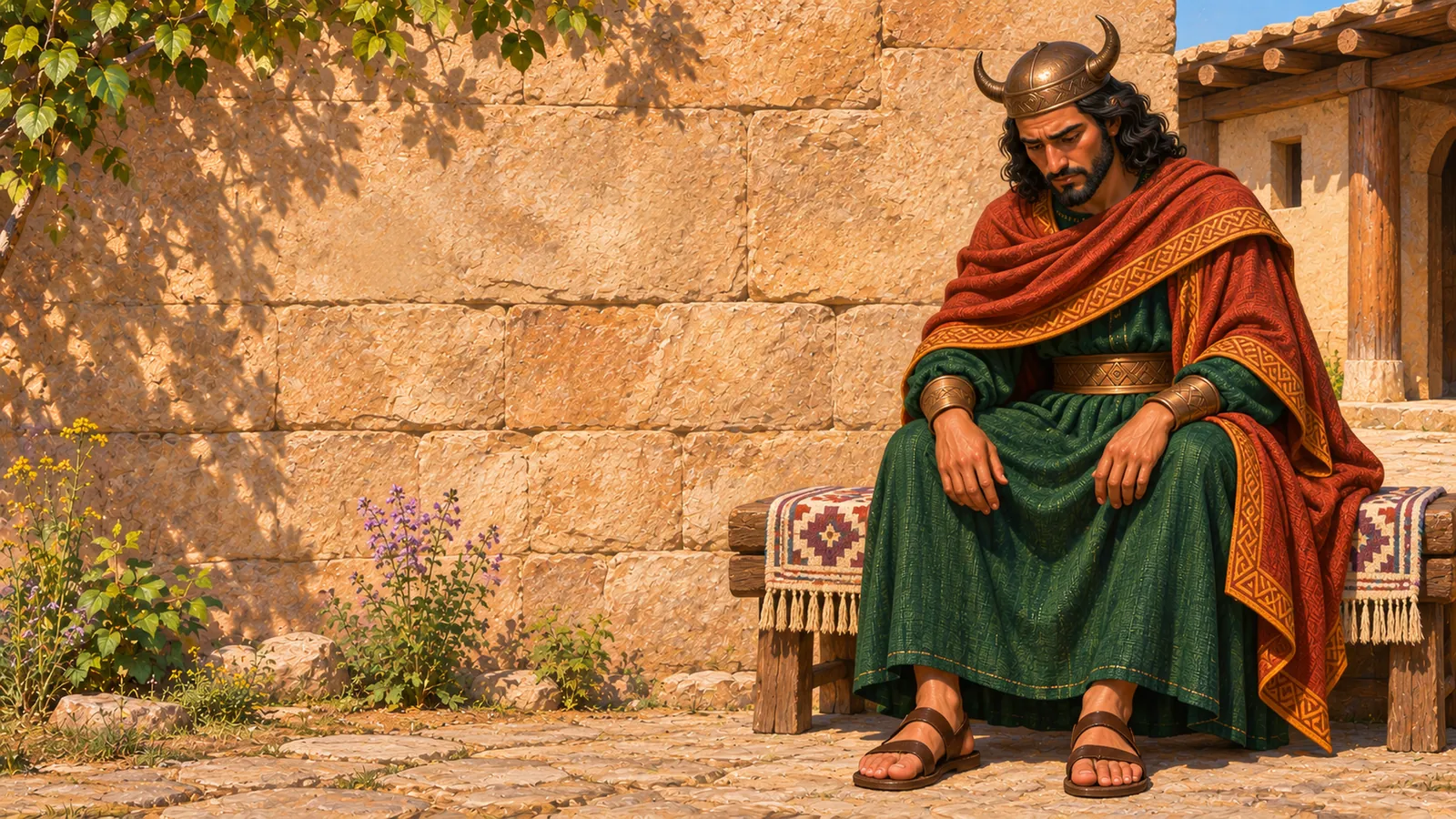
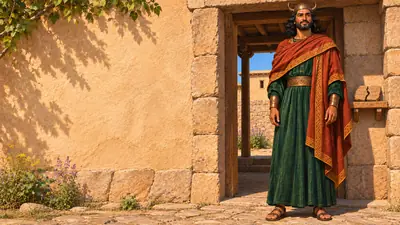
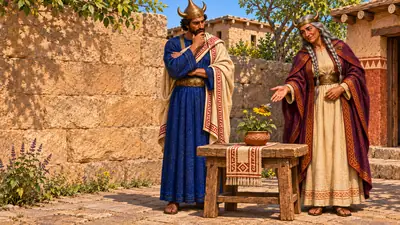
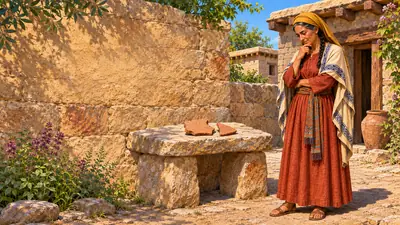
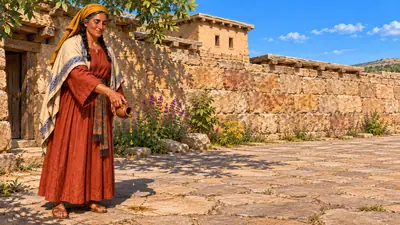
El comienzo dañado describe el zapato derecho en el pie izquierdo y el izquierdo en el derecho. Hasta las cosas corrientes han perdido su orden debido.
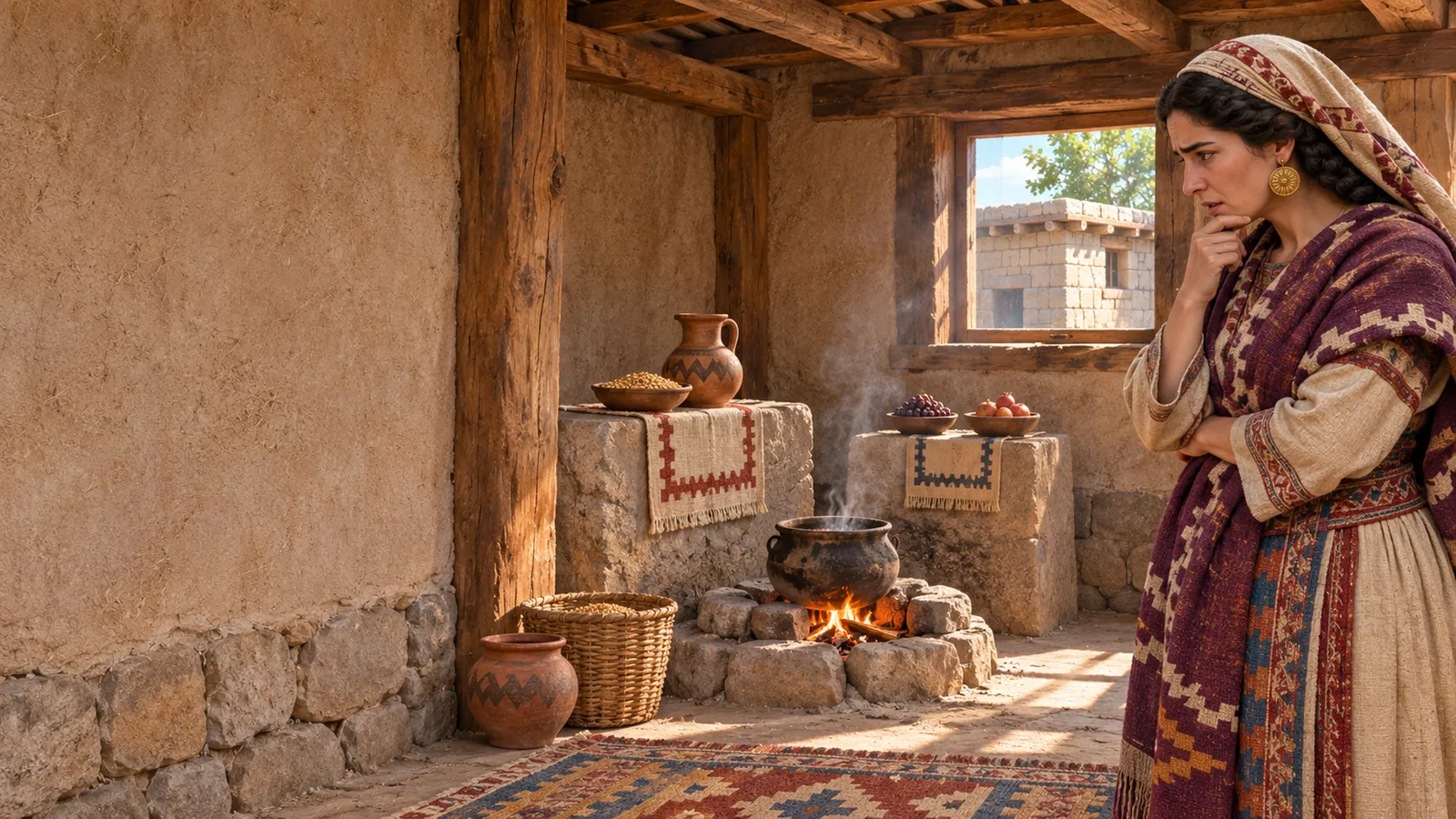
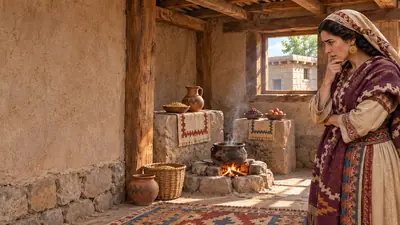
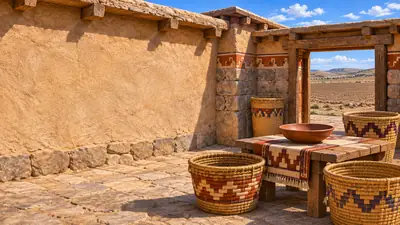
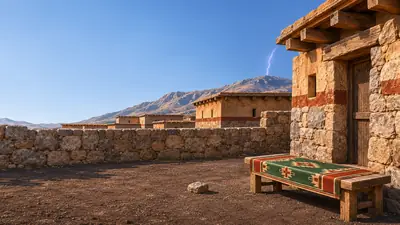
La niebla cubrió las ventanas y el humo llenó la casa. Hogar, altares y ganado quedaron perturbados: según una lectura académica, las cosas estaban apretadas y desordenadas.
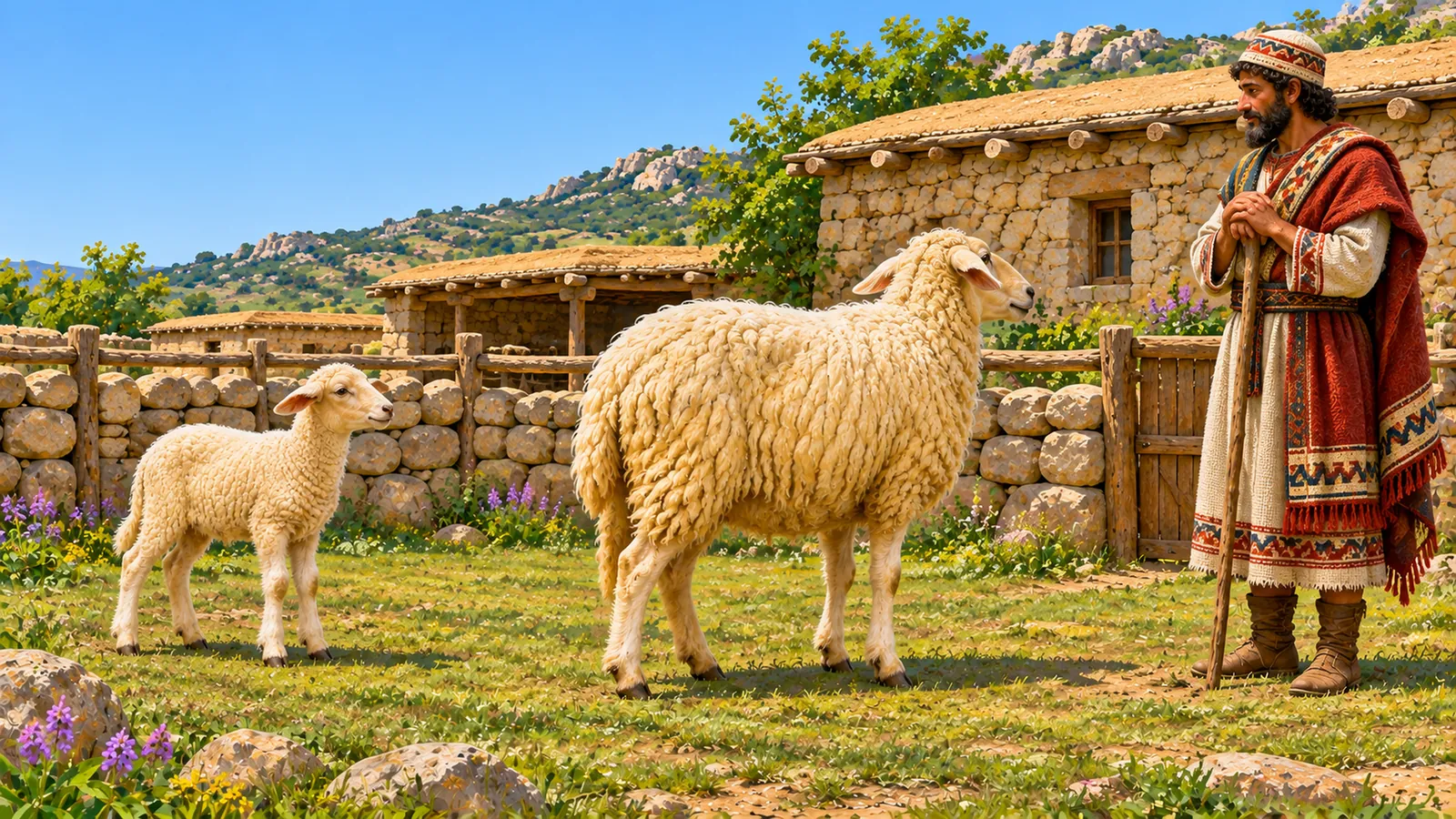
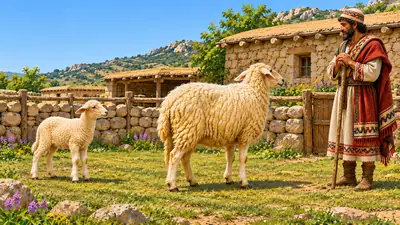
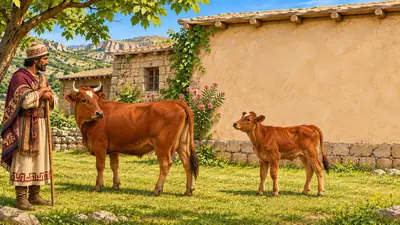
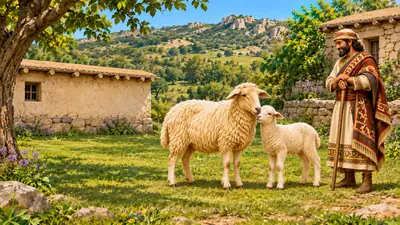
La oveja rechazó a su cordero. El desorden alcanzó el vínculo materno, una de las primeras señales de que el mundo del hogar se había alterado.
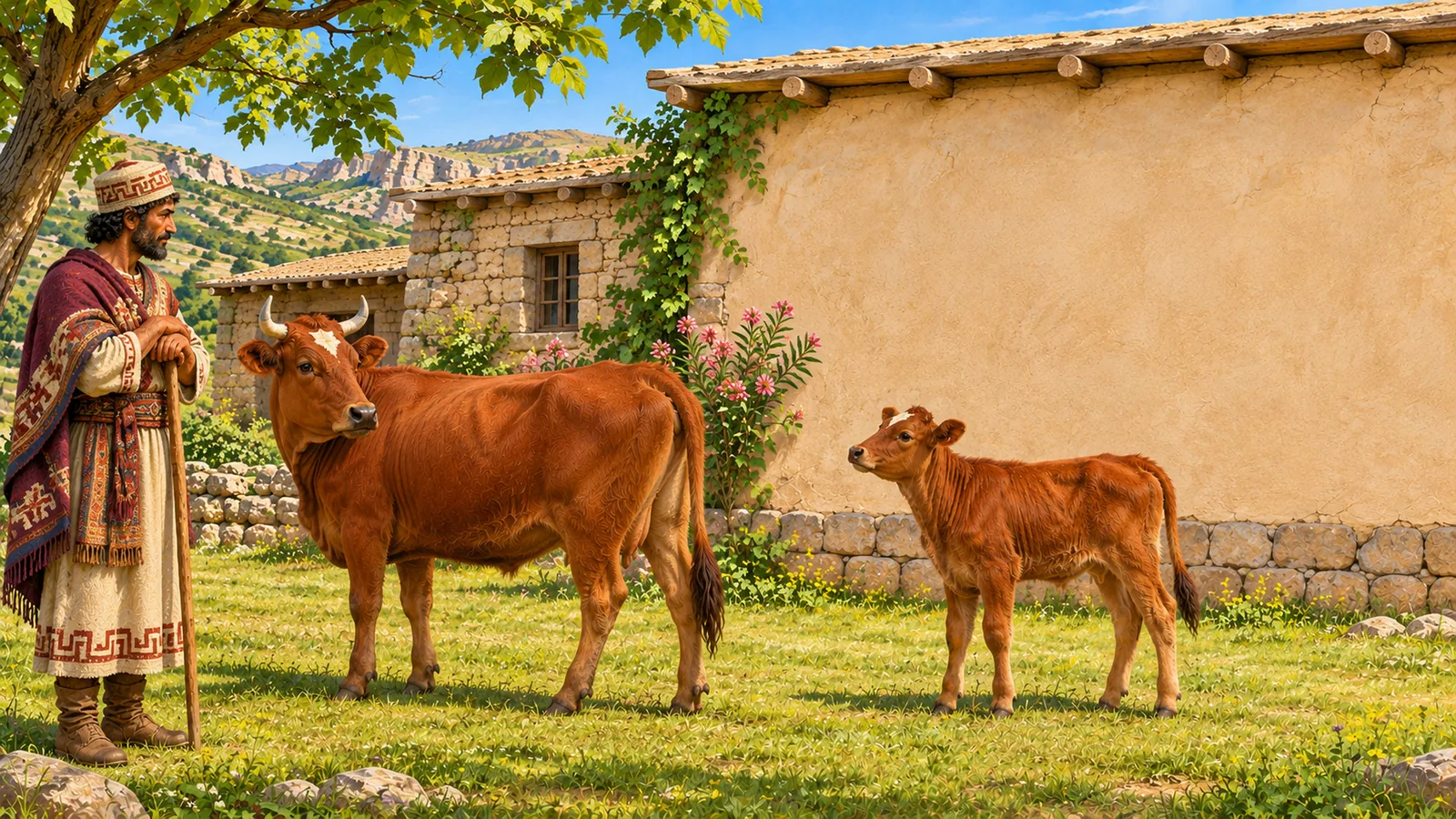
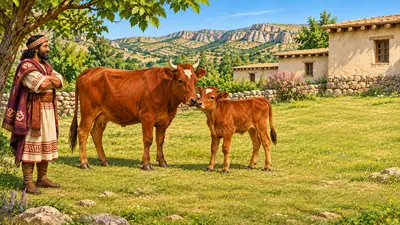
La vaca también rechazó a su ternero. Lo que debía unir al ganado ya no funcionaba; el orden conocido de los seres vivos fallaba.
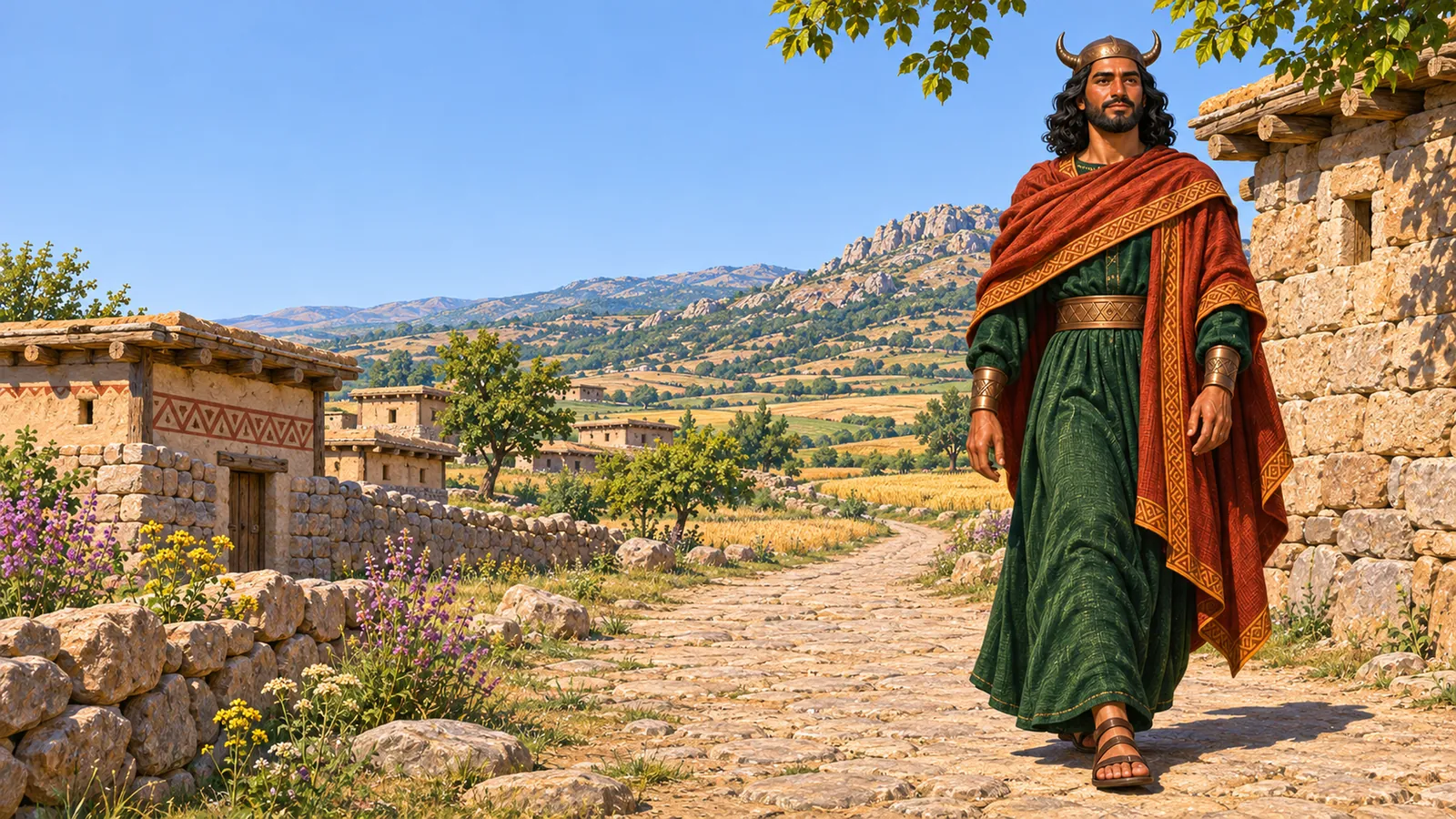
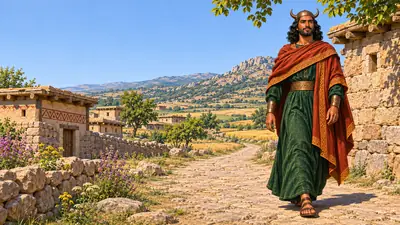
Telipinu se había marchado llevando grano, fecundidad, crecimiento y saciedad. El relato nombra ahora la ausencia que explica la abundancia perdida del país.
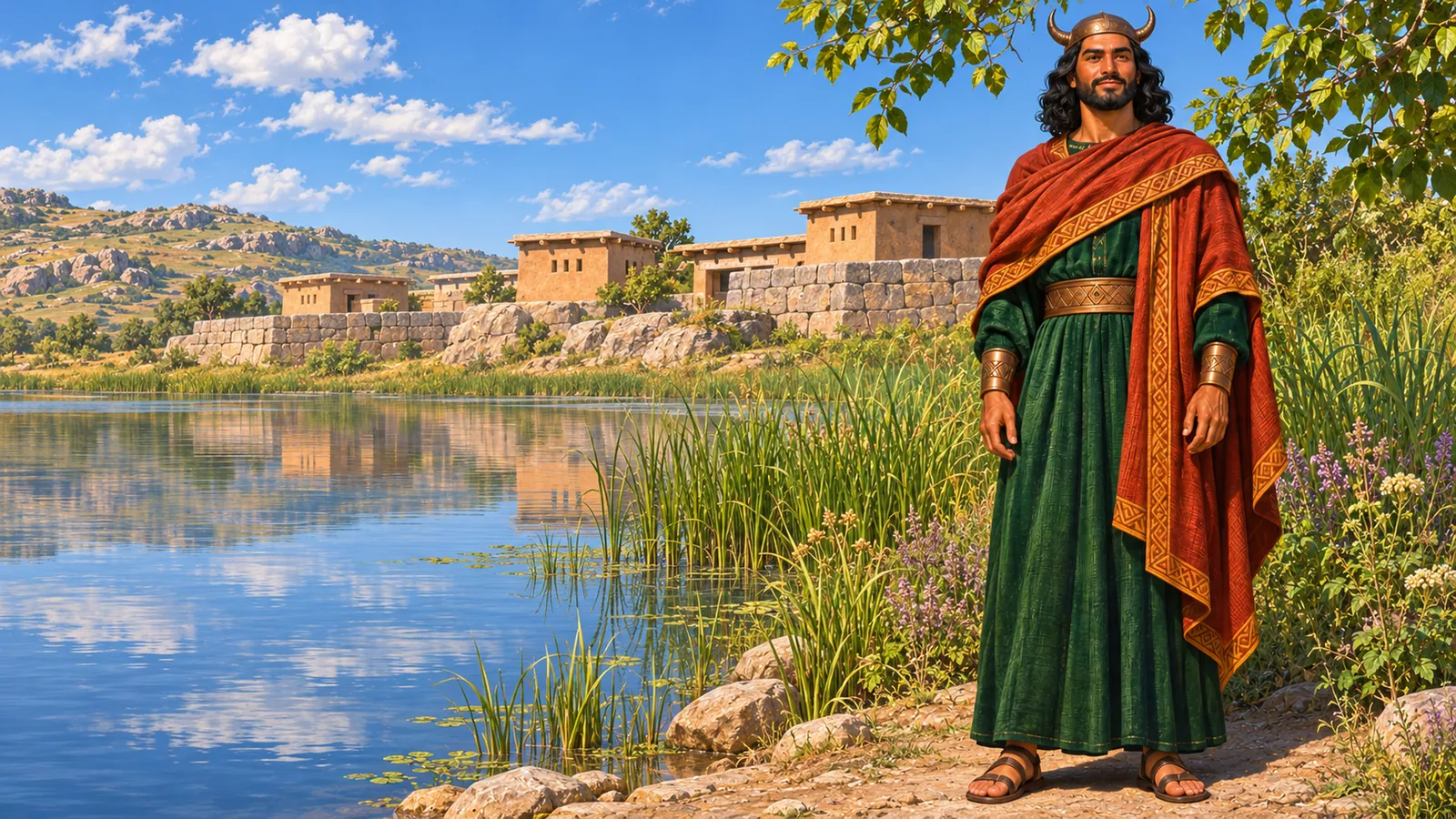
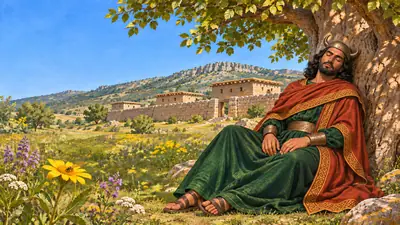
Telipinu se ocultó en el pantano y una planta llamada halenzu creció sobre él. Quedaba fuera del alcance de quienes lo buscarían.
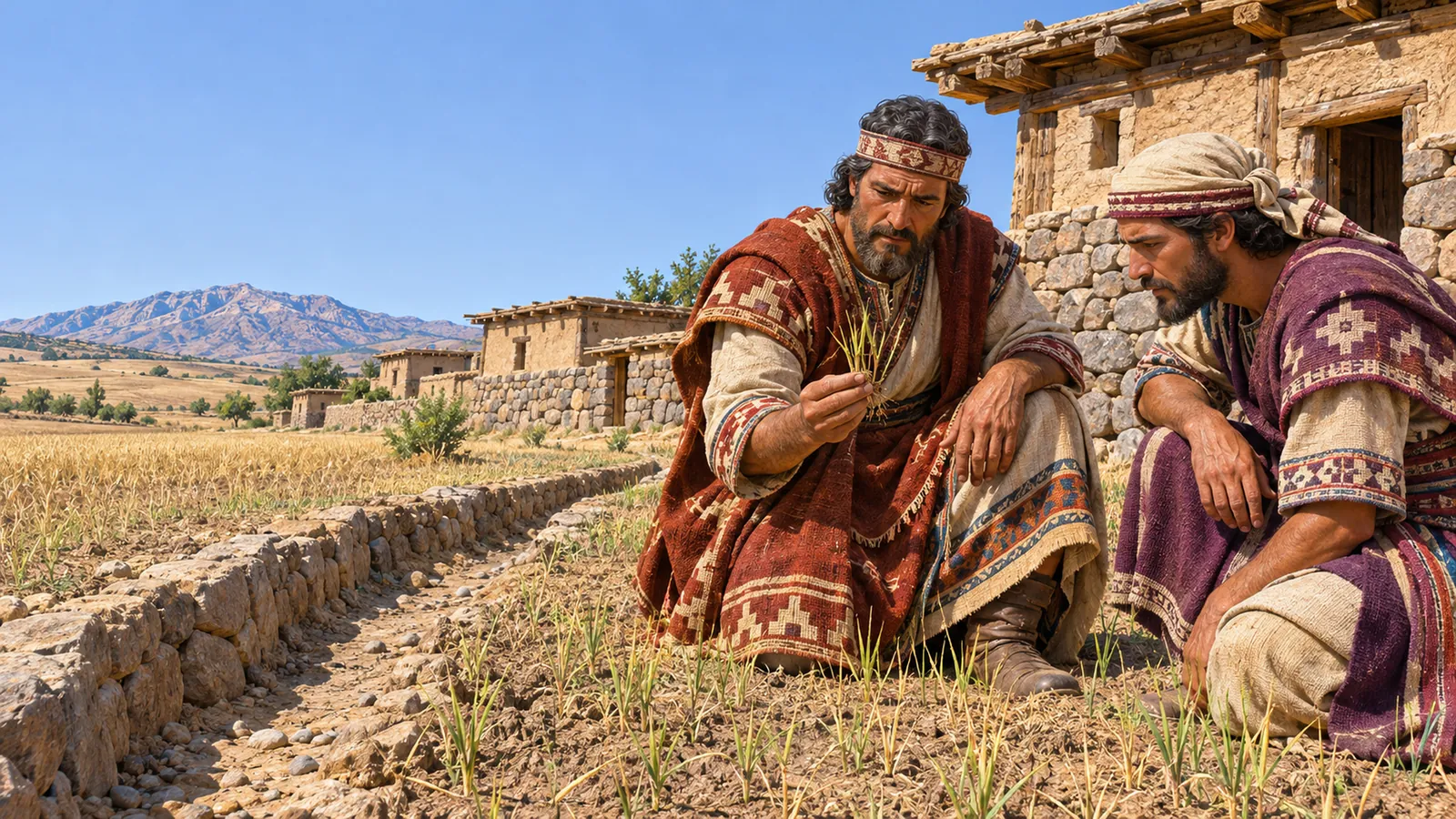
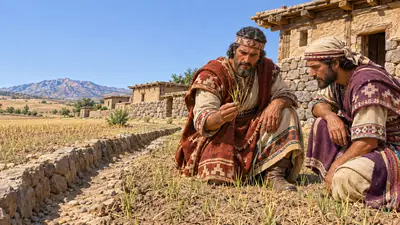
El grano y el trigo emmer dejaron de crecer. Montañas, bosques, pastos y manantiales se secaron, sin nuevos brotes que renovaran la tierra perturbada.
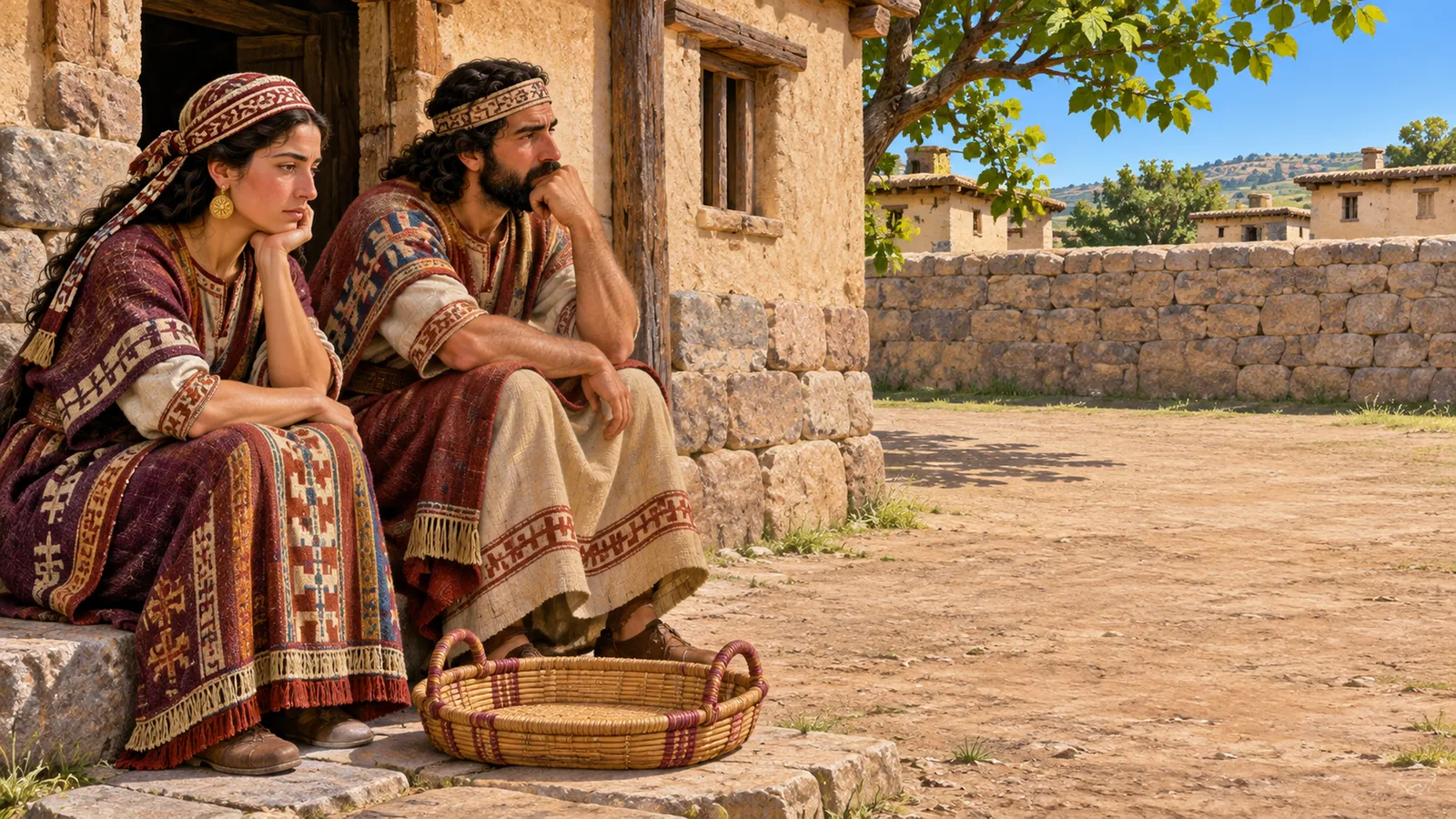
El ganado, las ovejas y los humanos dejaron de concebir, y quienes ya estaban preñadas o embarazadas no daban a luz. La ausencia del dios interrumpía la renovación de la vida.
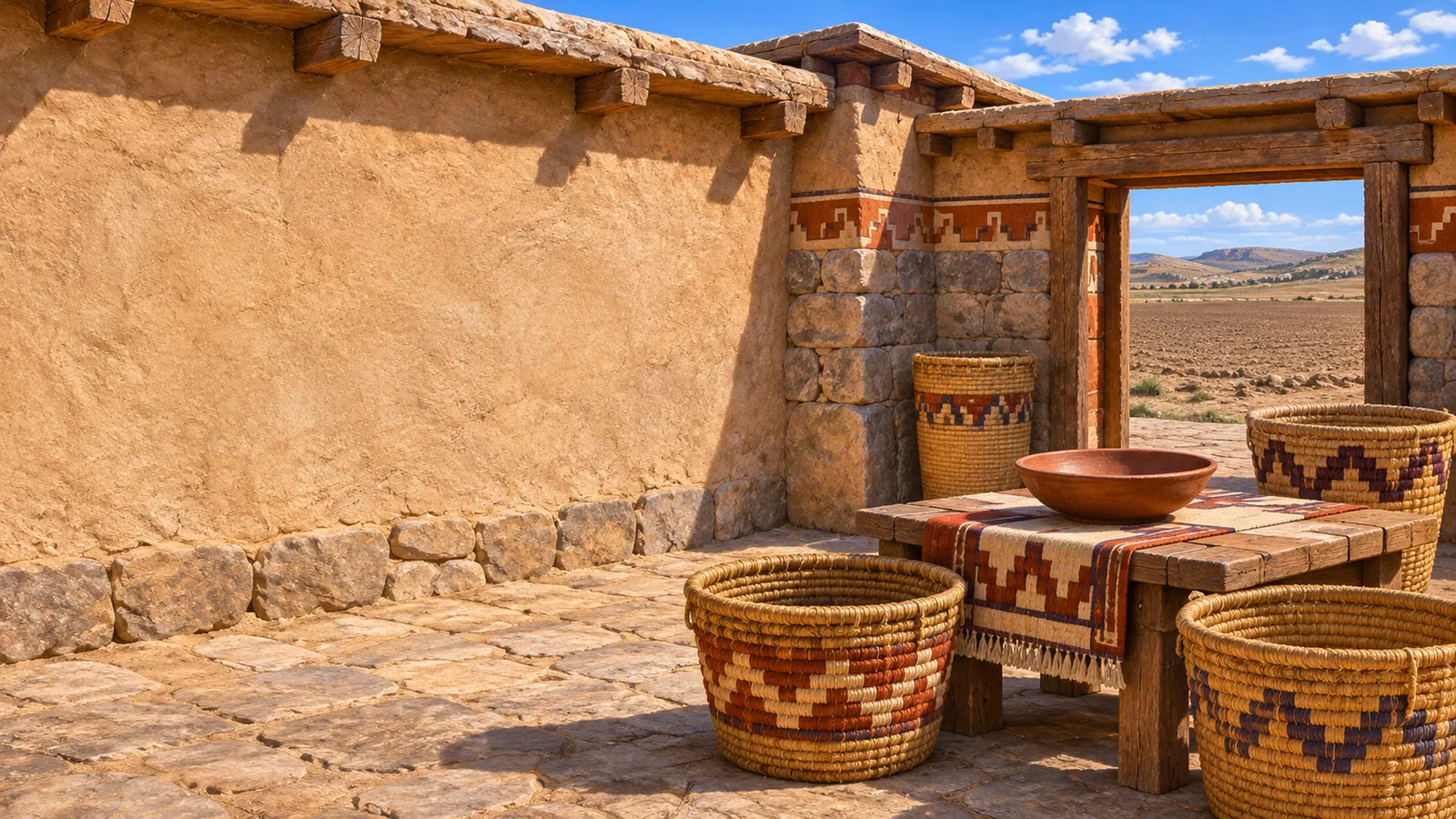
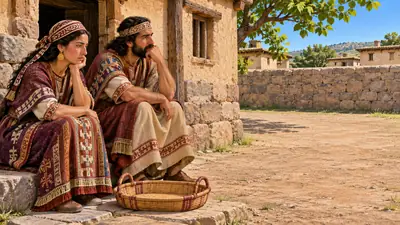
Surgió hambre en el país y humanos y dioses morían de inanición. La crisis fue más allá de los campos y alcanzó tanto a mortales como a divinidades.
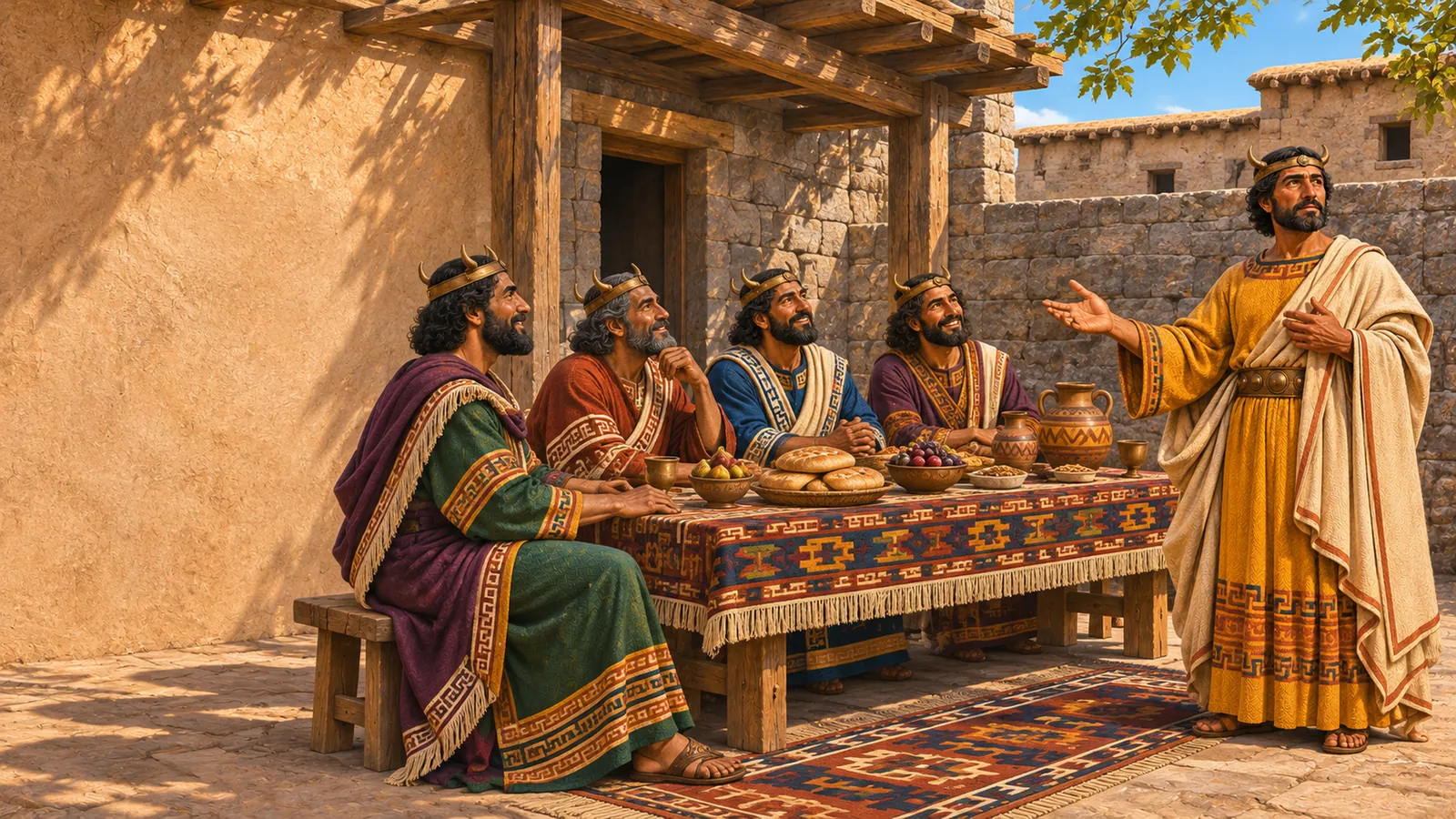
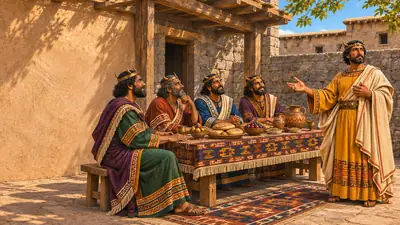
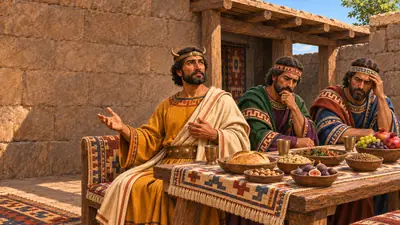
El gran dios del Sol preparó un banquete e invitó a mil dioses. Pero ni aquella inmensa reunión pudo recuperar la saciedad desaparecida.
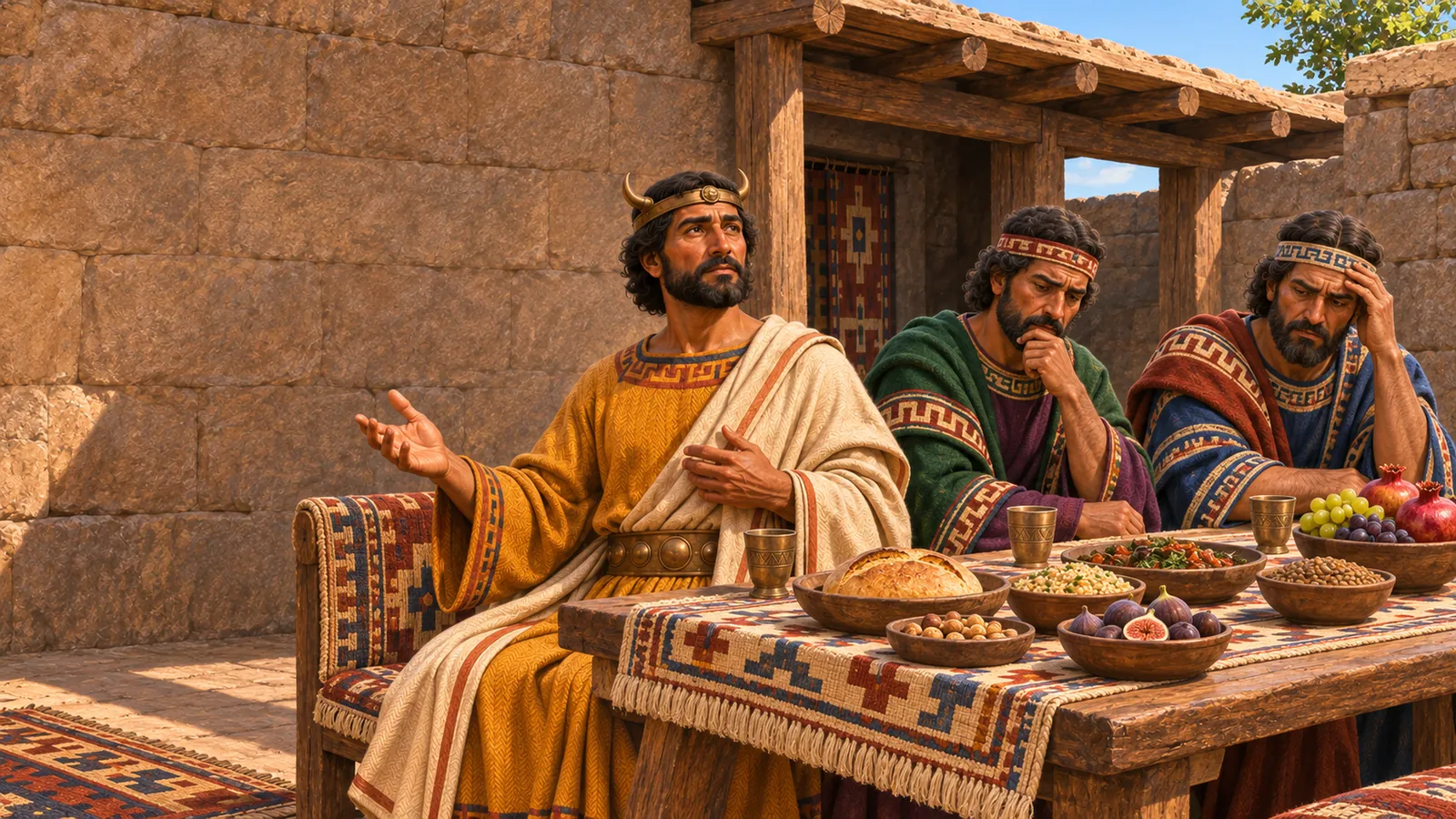
Los dioses comieron sin saciar el hambre. Bebieron sin calmar la sed; el propio banquete revelaba hasta qué punto el mundo estaba desordenado.
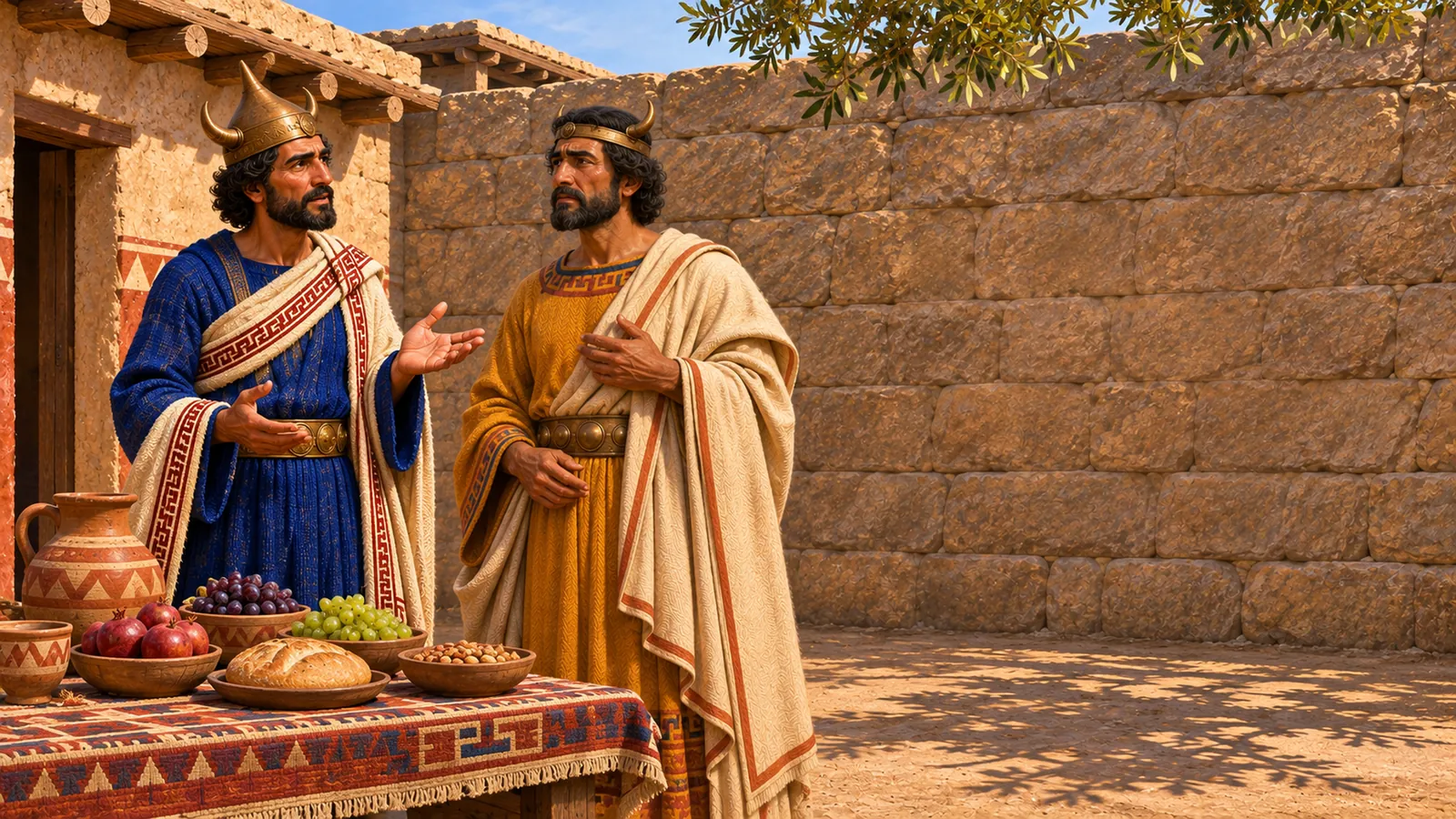
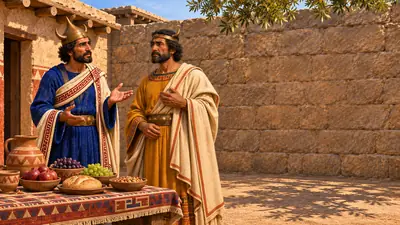
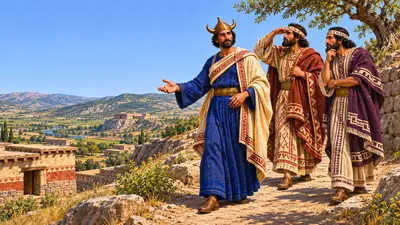
El dios de la Tormenta se preocupó por su hijo Telipinu. Dijo que el dios ausente se había enojado y llevado consigo todas las cosas buenas.
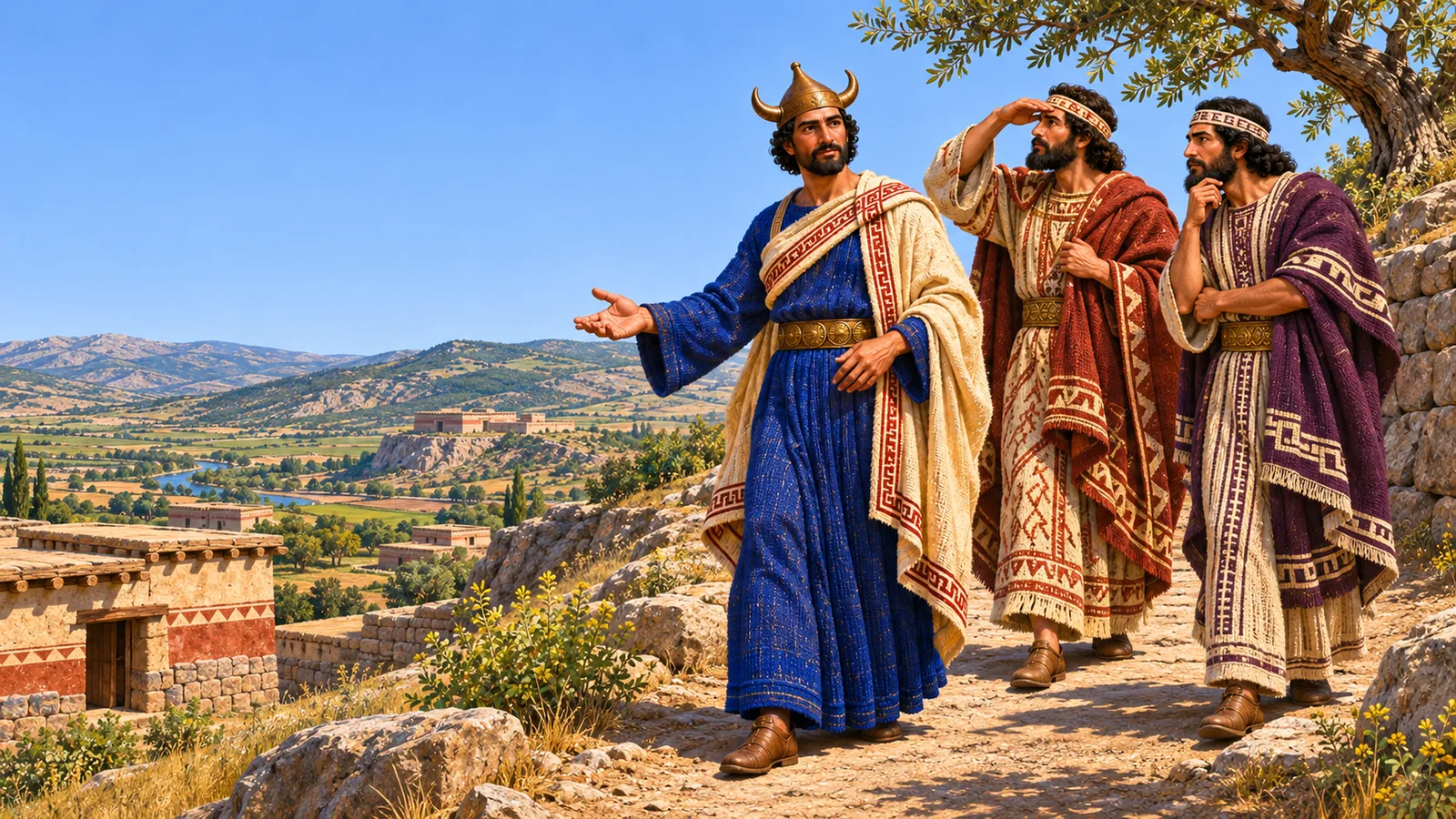
Los dioses grandes y pequeños comenzaron a buscar a Telipinu. Ni su número ni su poder divino habían logrado aún traer de vuelta al dios oculto.
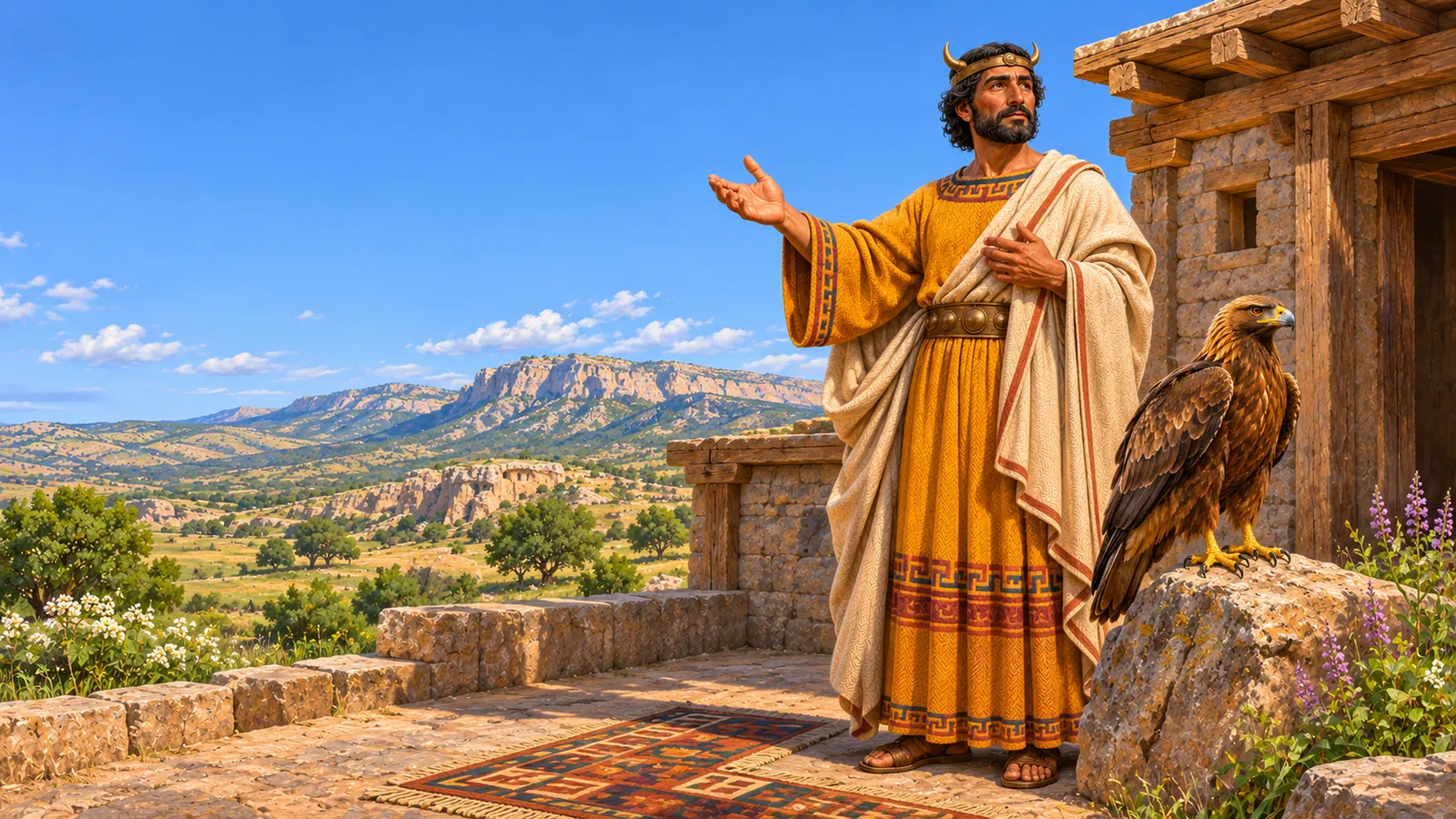
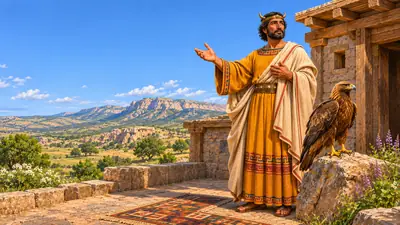
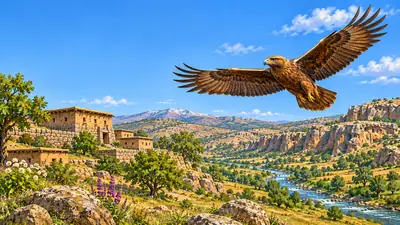
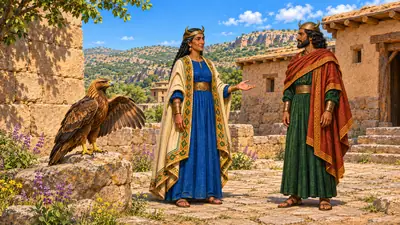
El dios del Sol envió al águila veloz a buscar por altas montañas, valles profundos y amplias aguas. El ave salió a encontrar al desaparecido Telipinu.
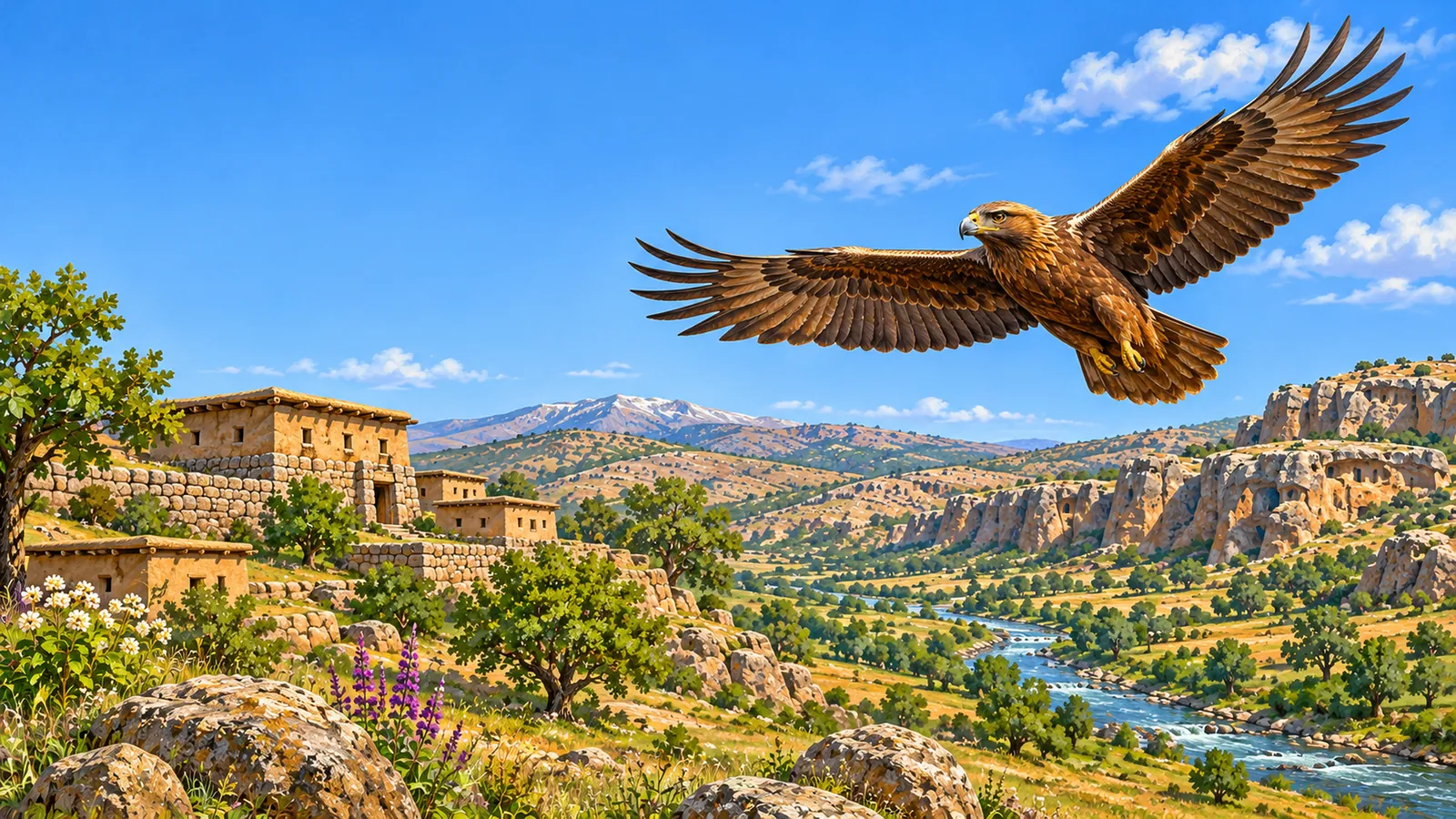
El águila buscó por alturas, valles y aguas, sin encontrar a Telipinu. El dios seguía oculto pese al viaje de la poderosa ave.
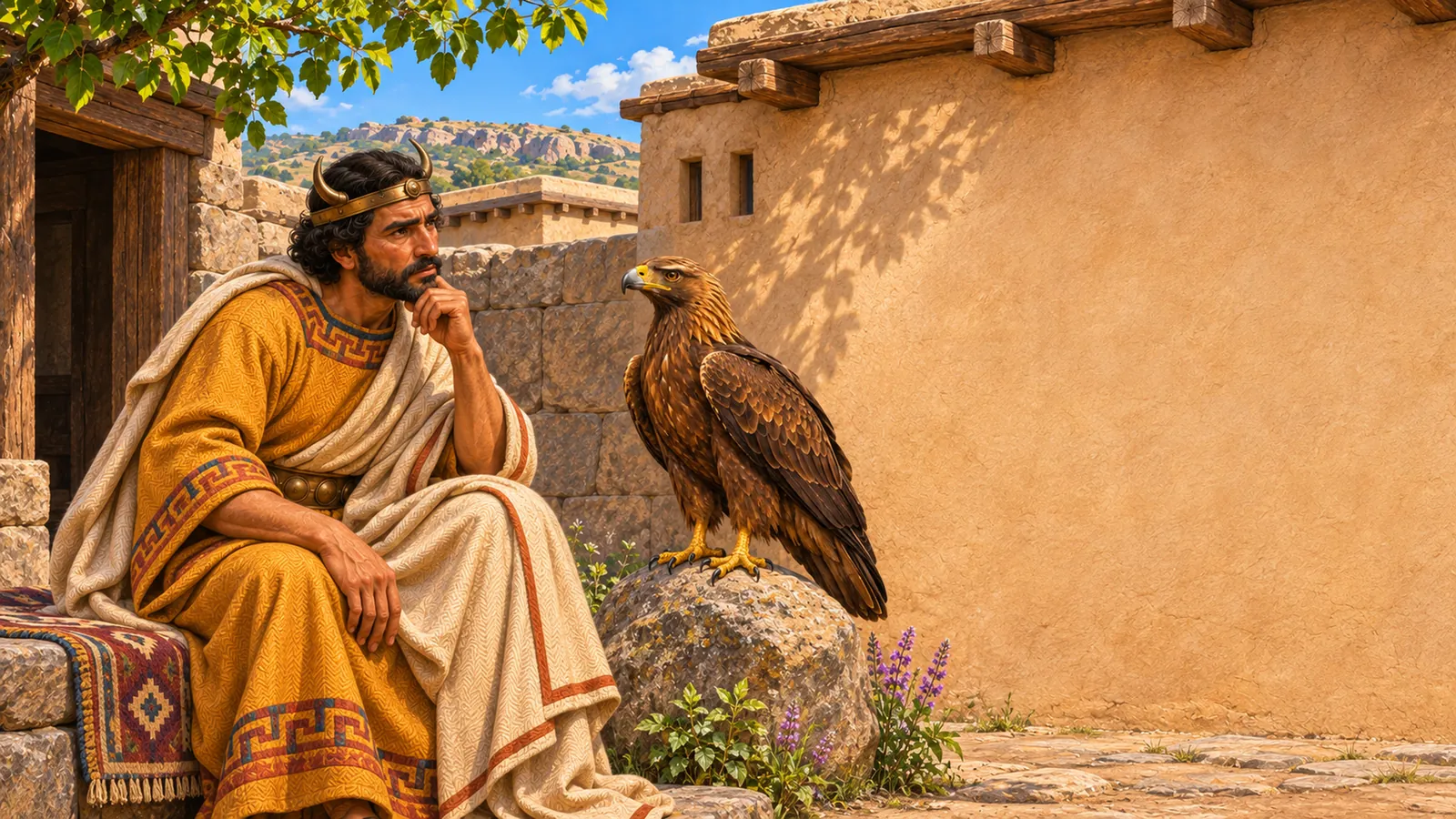
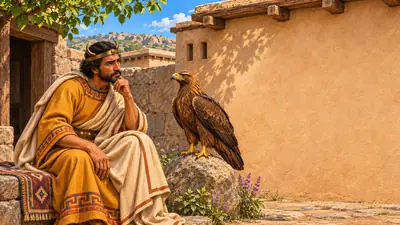
El águila regresó al dios del Sol e informó de su fracaso. No había encontrado a Telipinu, el importante dios cuya ausencia alteraba el país.
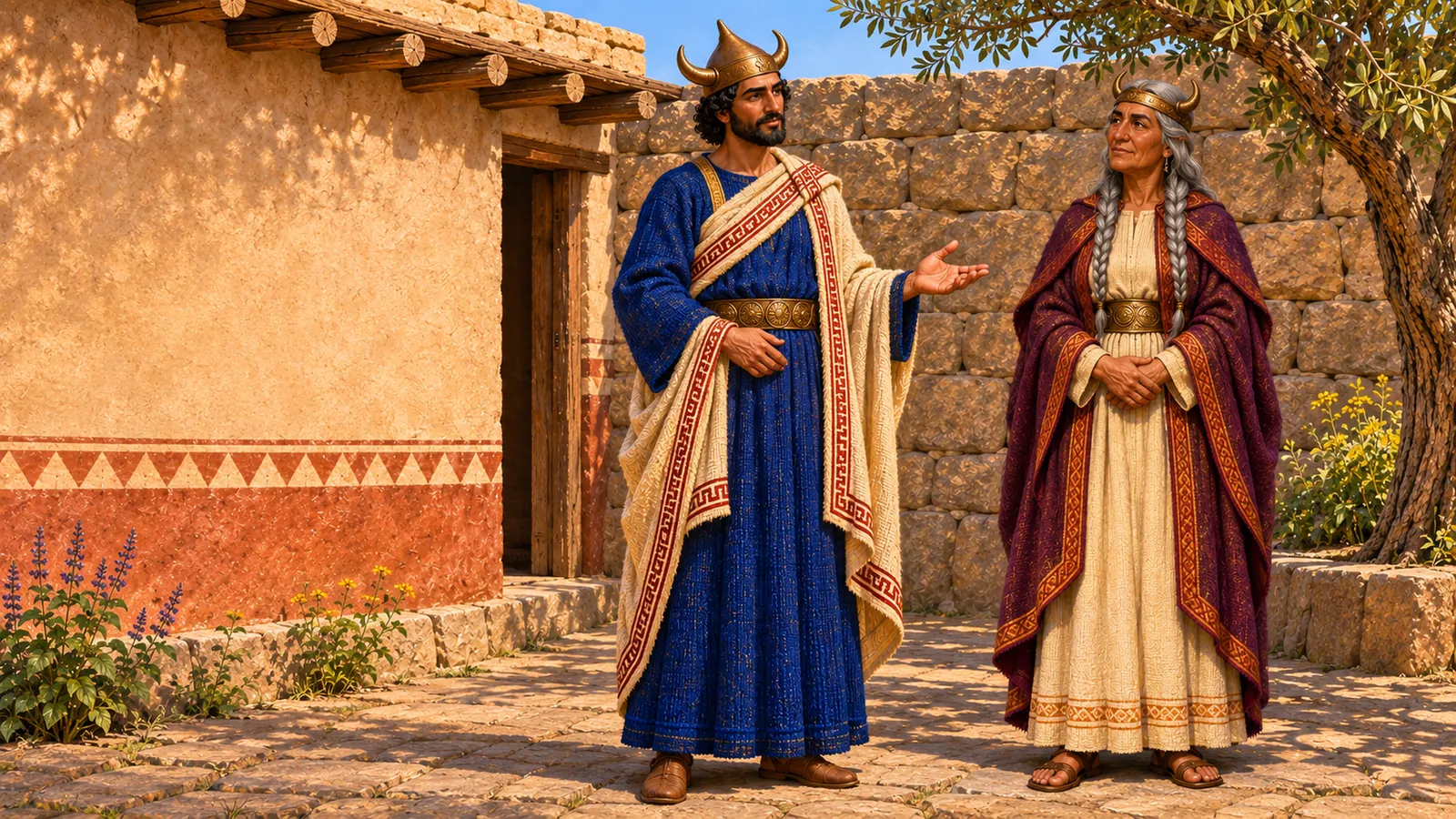
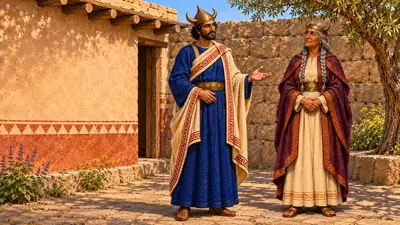
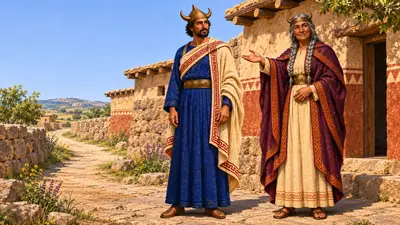
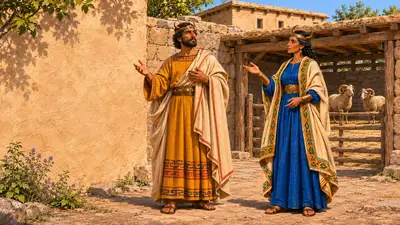
El dios de la Tormenta acudió angustiado a Hannahanna. Preguntó qué podían hacer, temiendo que murieran de hambre si continuaba la crisis.
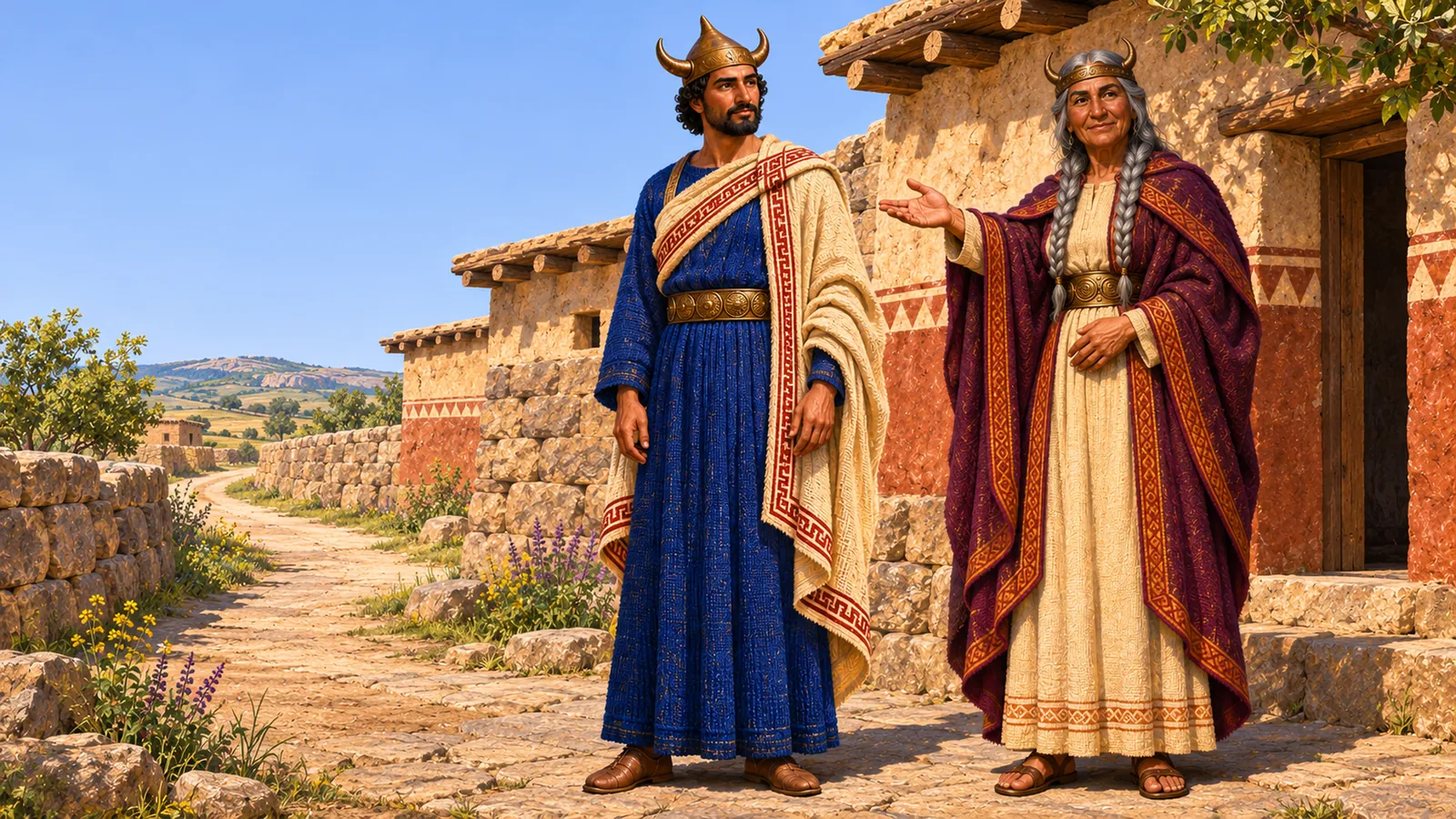
Hannahanna instó al dios de la Tormenta a actuar y buscar él mismo a Telipinu. El padre salió a encontrar al hijo que los demás no habían hallado.
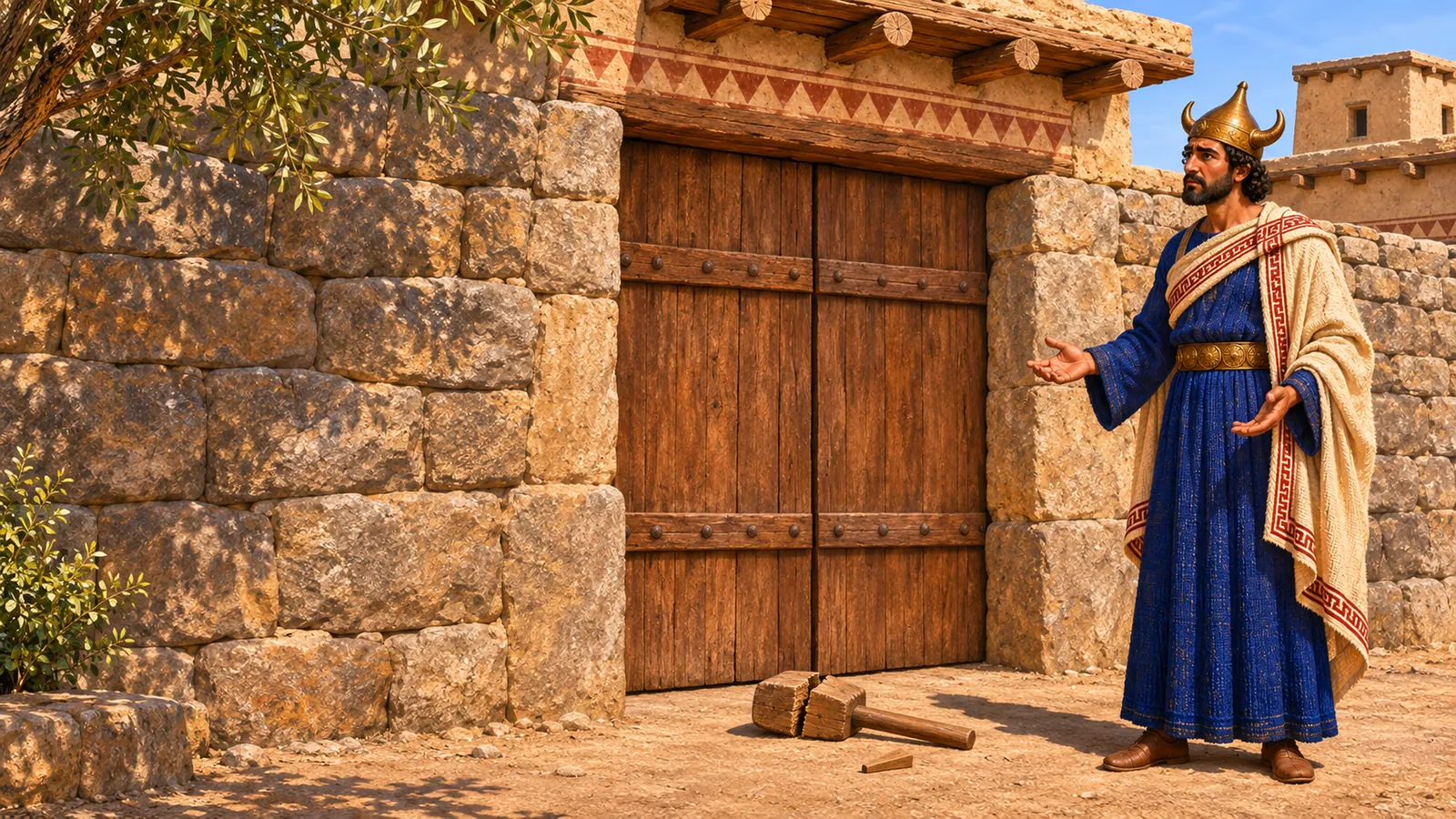
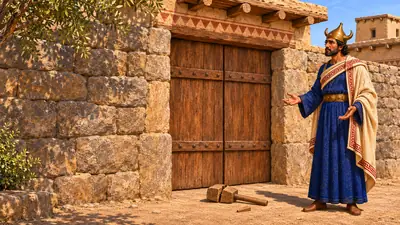
El dios de la Tormenta llegó a una puerta de ciudad, pero no pudo abrirla. Según esta lectura, rompió su martillo y su cuña en el intento fallido.
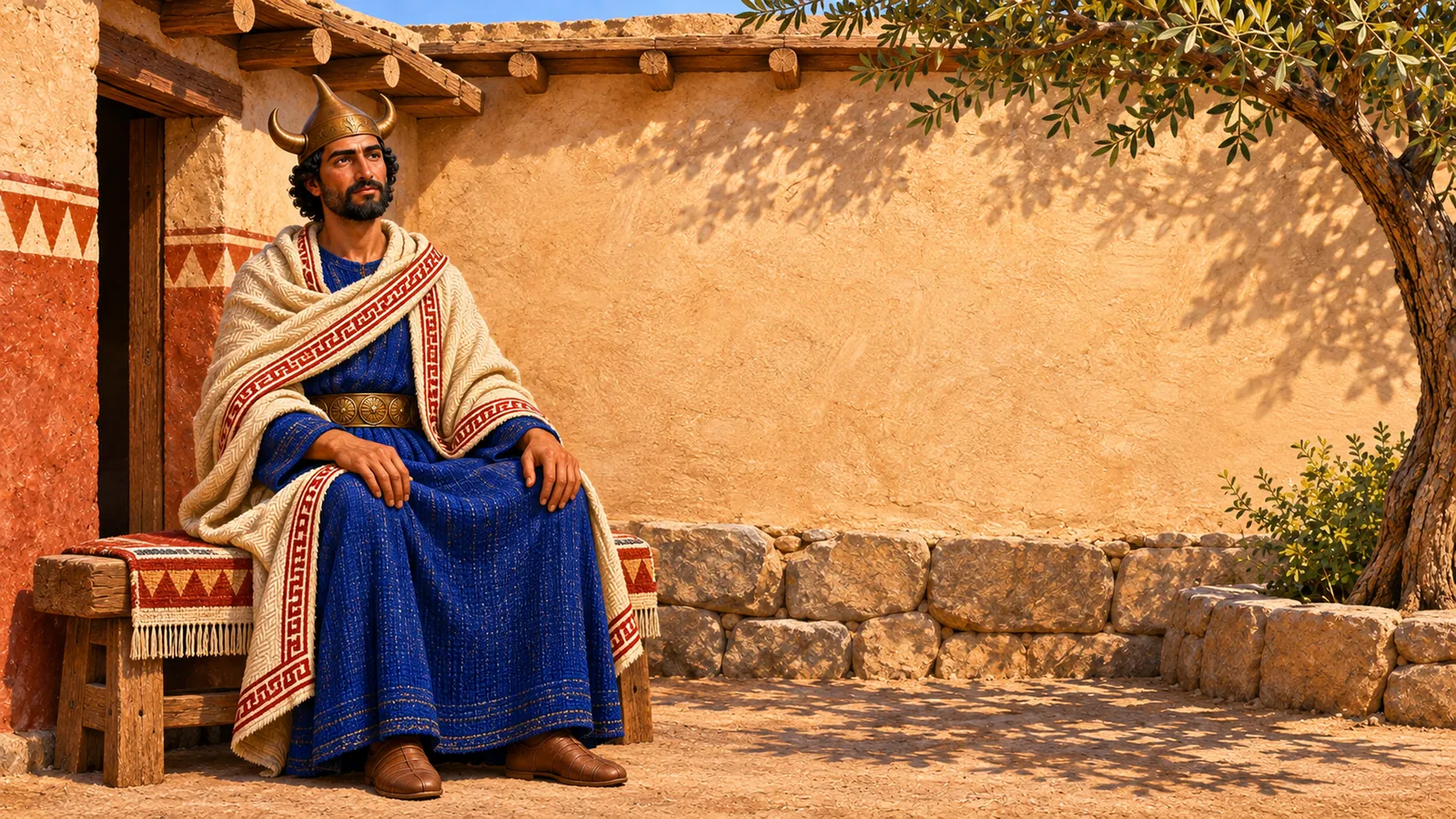
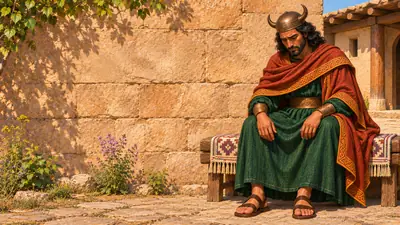
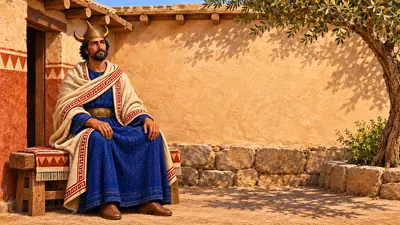
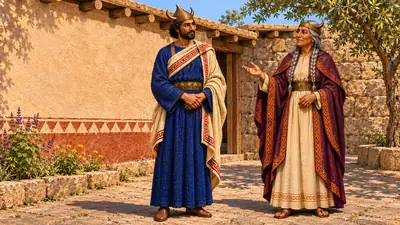
Tras la búsqueda fallida, el dios de la Tormenta se envolvió en su ropa y se sentó. Telipinu seguía desaparecido y se enviaría a otro tipo de buscador.
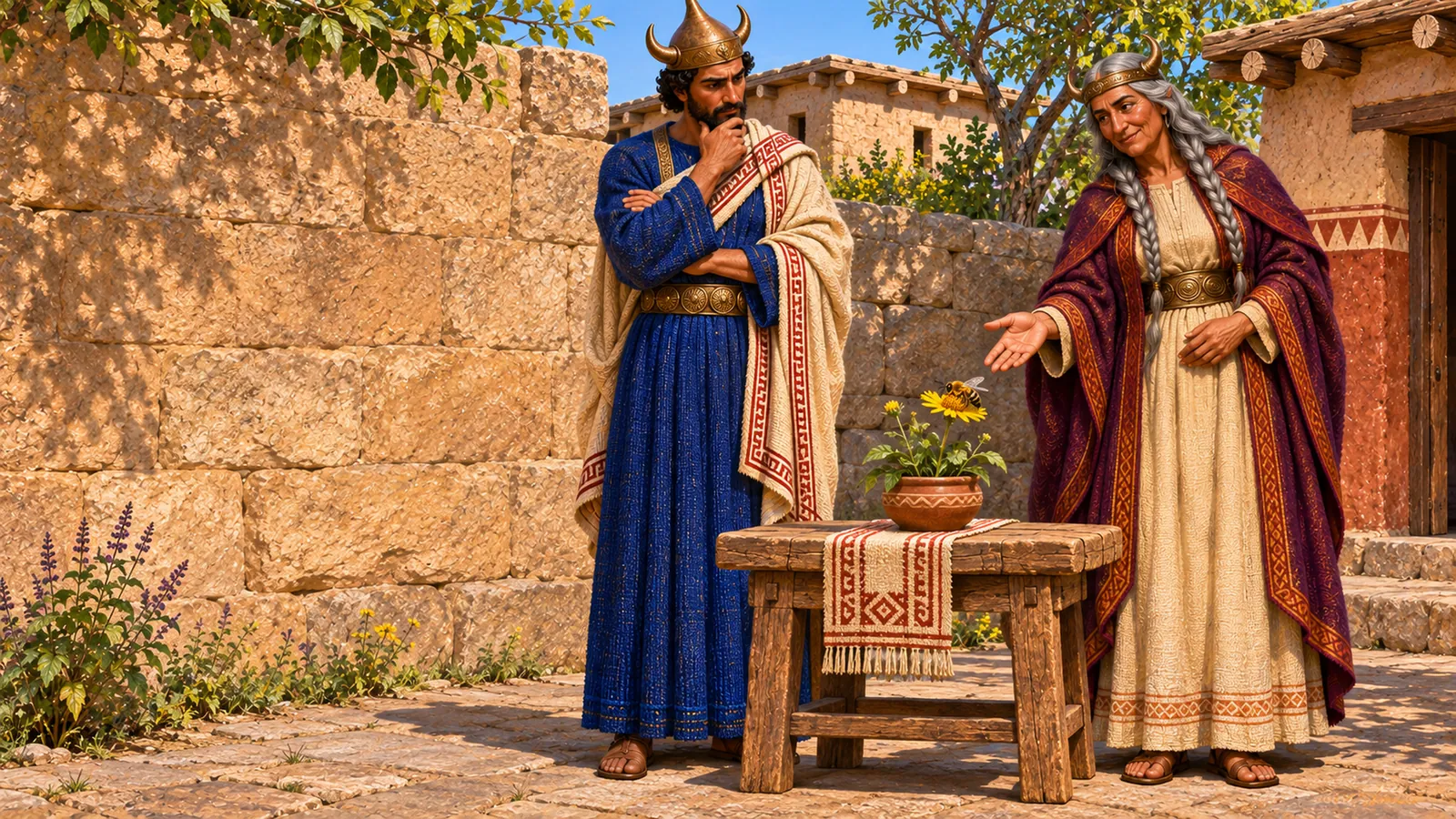
Hannahanna envió una abeja a buscar a Telipinu. El dios de la Tormenta dudó que aquella pequeña criatura triunfara donde habían fracasado los dioses grandes y pequeños.
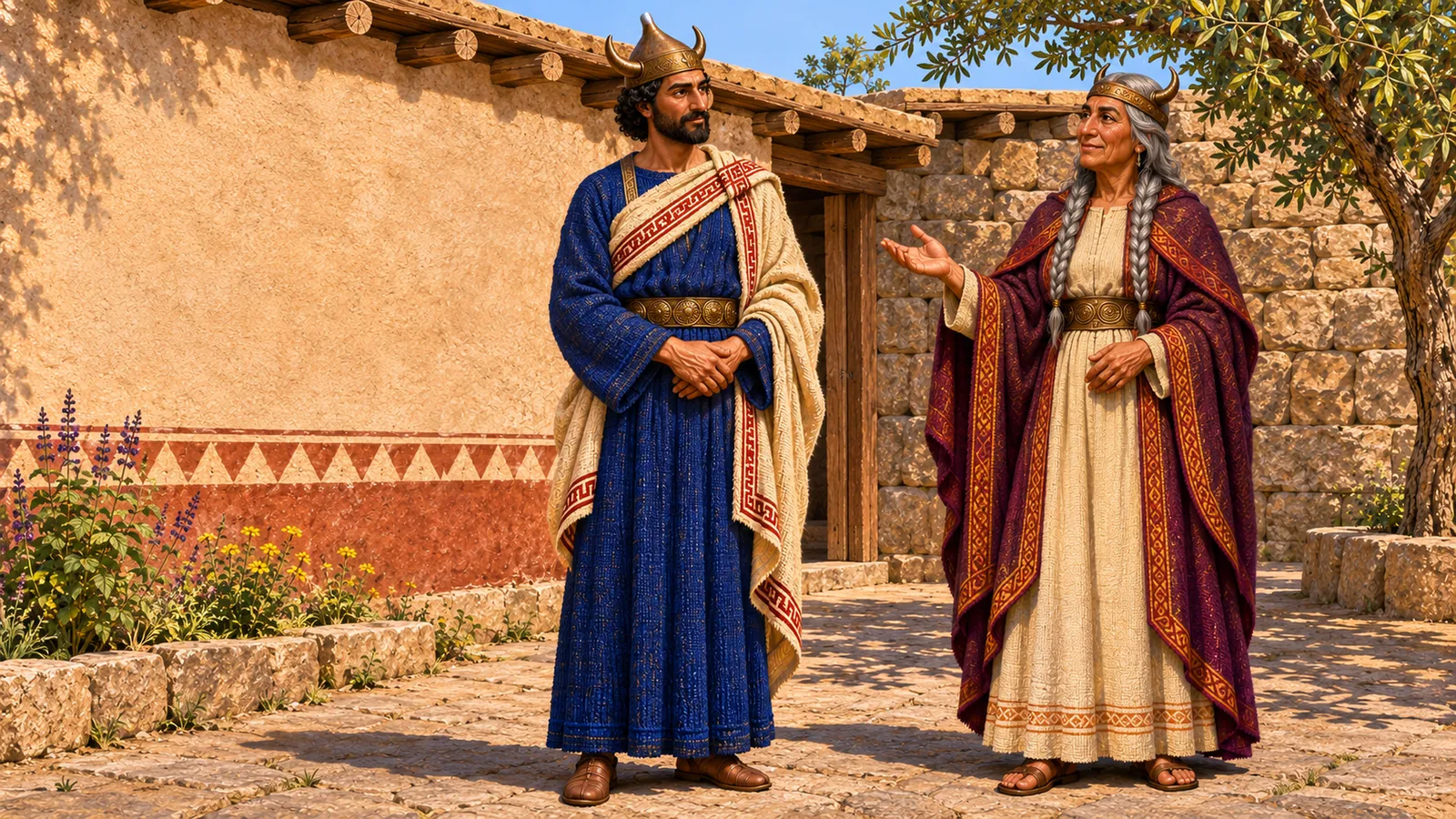
Cuestionó las diminutas alas de la abeja y se burló de ella con una frase discutida. El segundo relato conserva la respuesta de Hannahanna: la abeja encontraría a Telipinu.
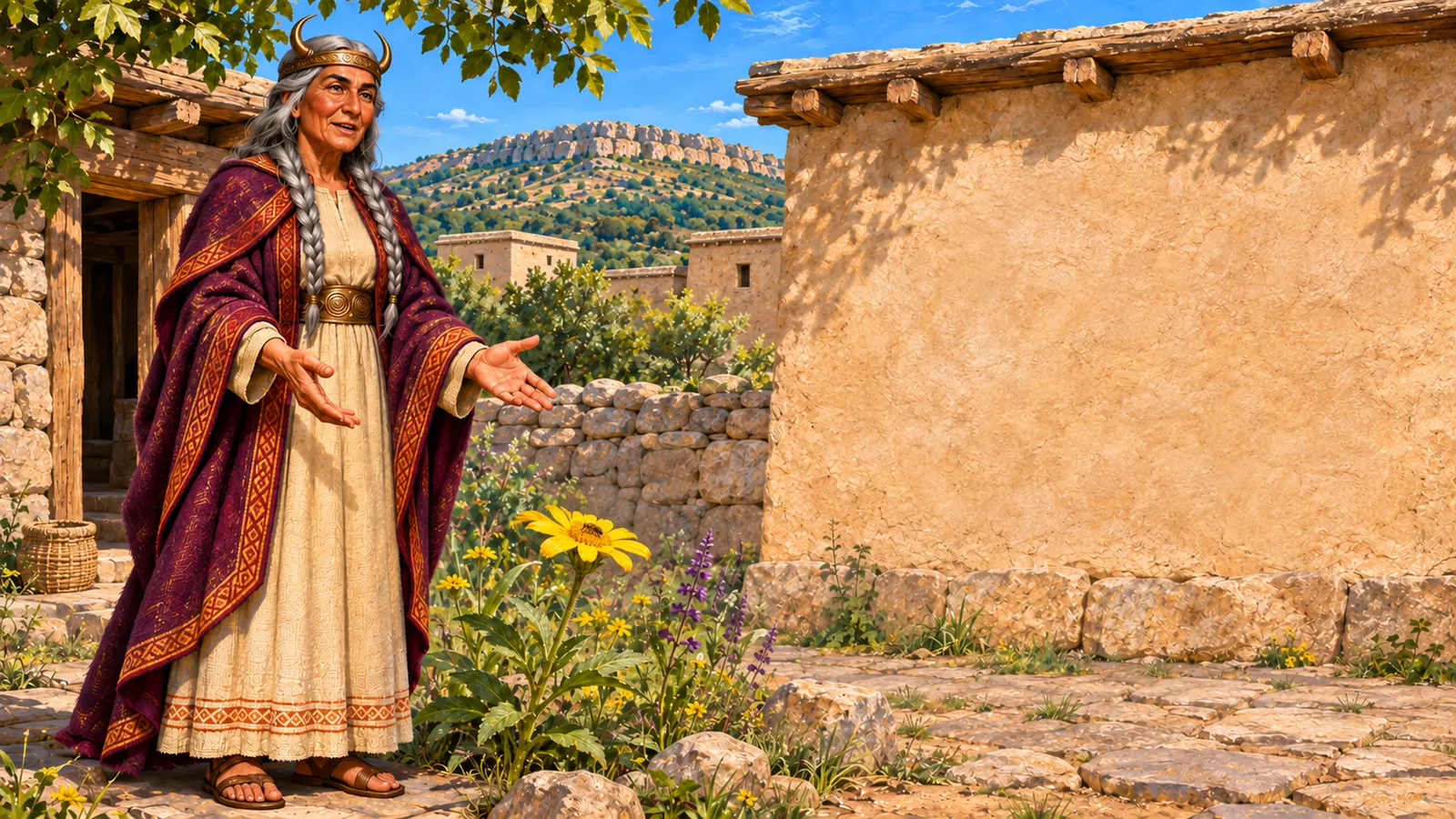
El segundo relato conserva las instrucciones de Hannahanna: encontrar a Telipinu, picarle manos y pies, limpiarlo con cera, purificarlo, consagrarlo y traerlo de vuelta.
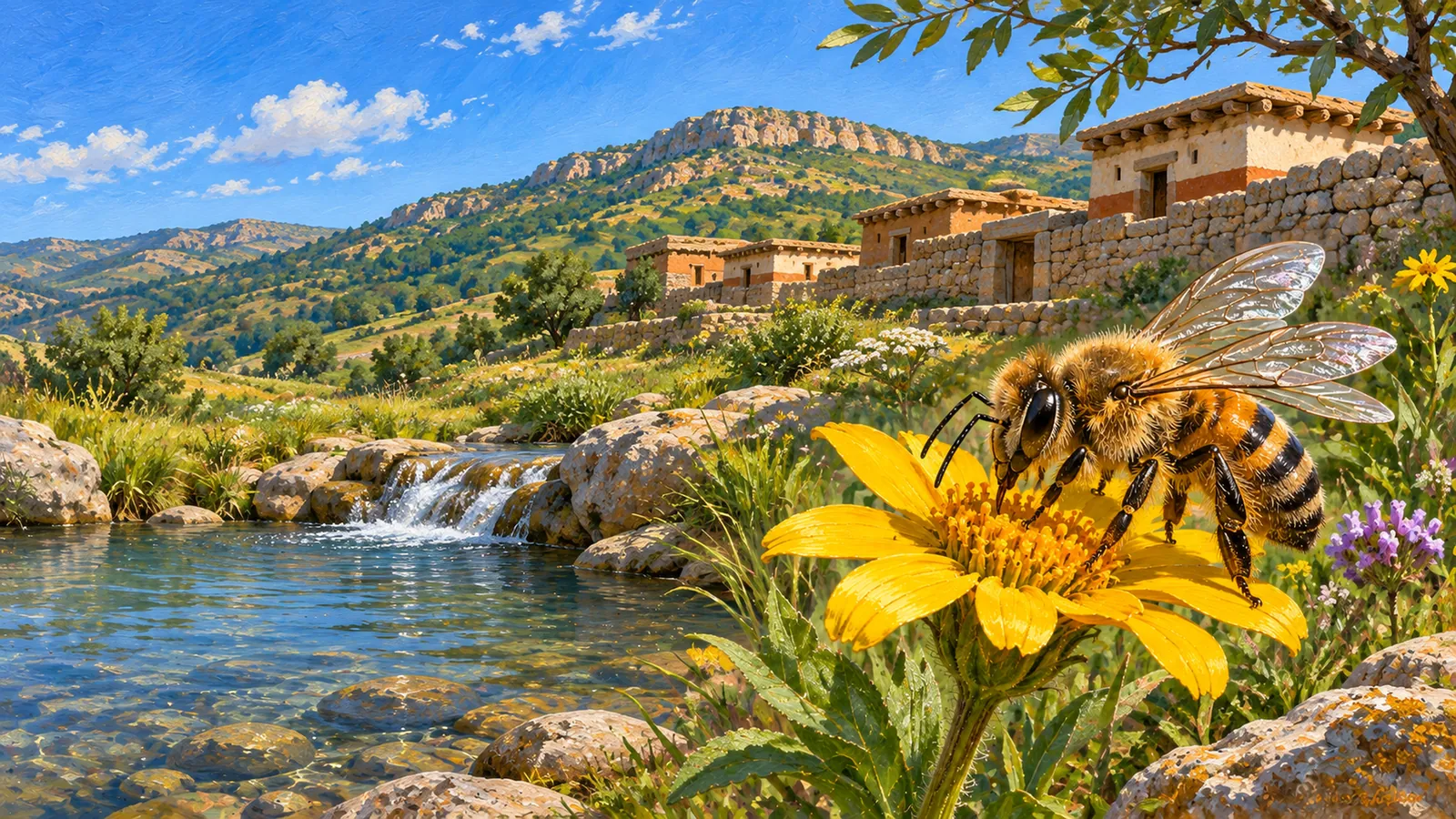
La abeja salió a buscar, recorriendo montañas, ríos y manantiales en el segundo relato. Su pequeño cuerpo no le impidió emprender el viaje.
UN TERCER RELATO
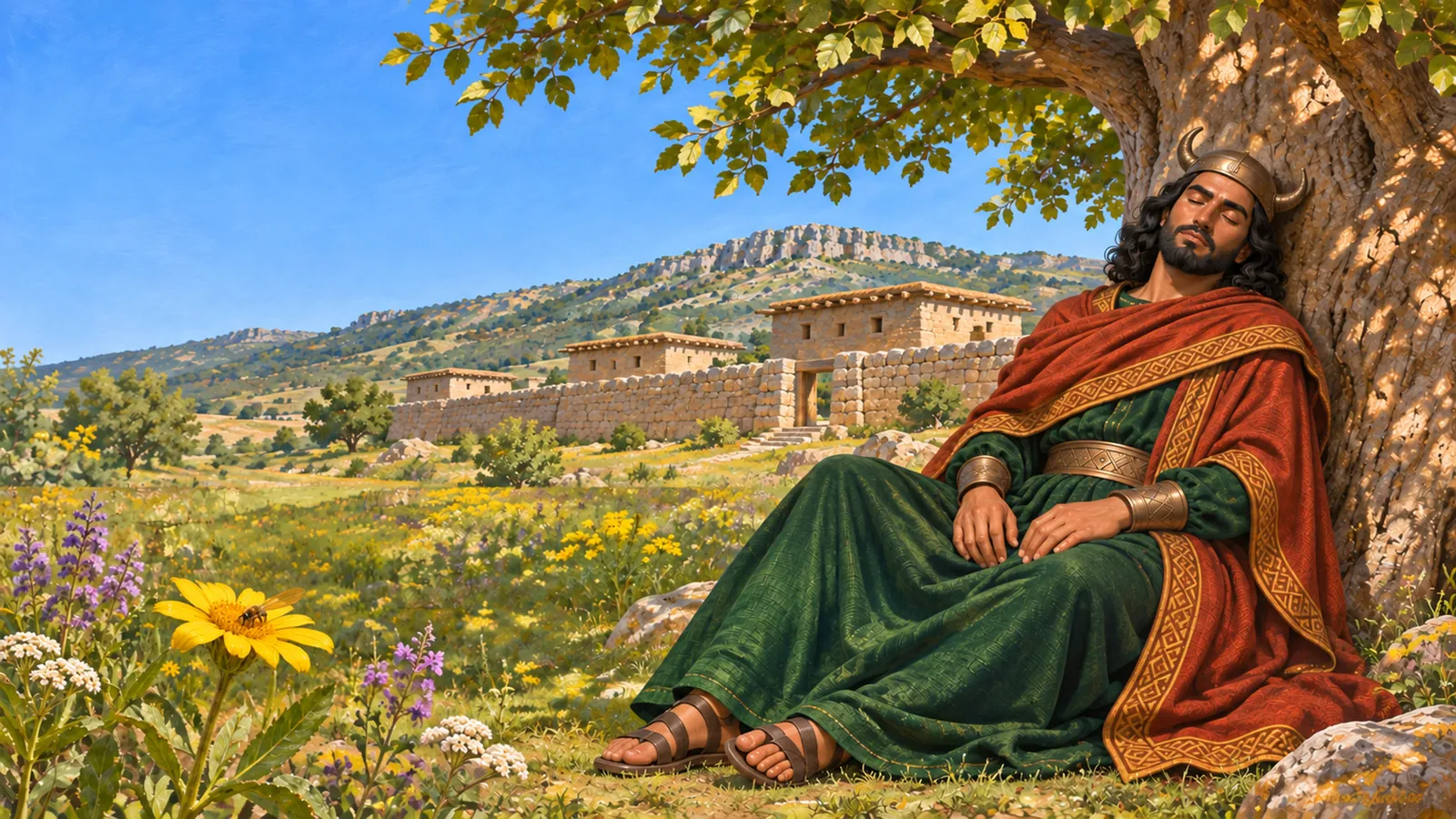
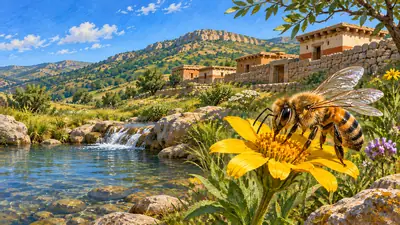
En el tercer relato se agotaron la miel y la cera de la abeja. Un pasaje parcialmente reconstruido sitúa a Telipinu en una pradera arbolada de Lihzina, donde lo encontró la abeja.
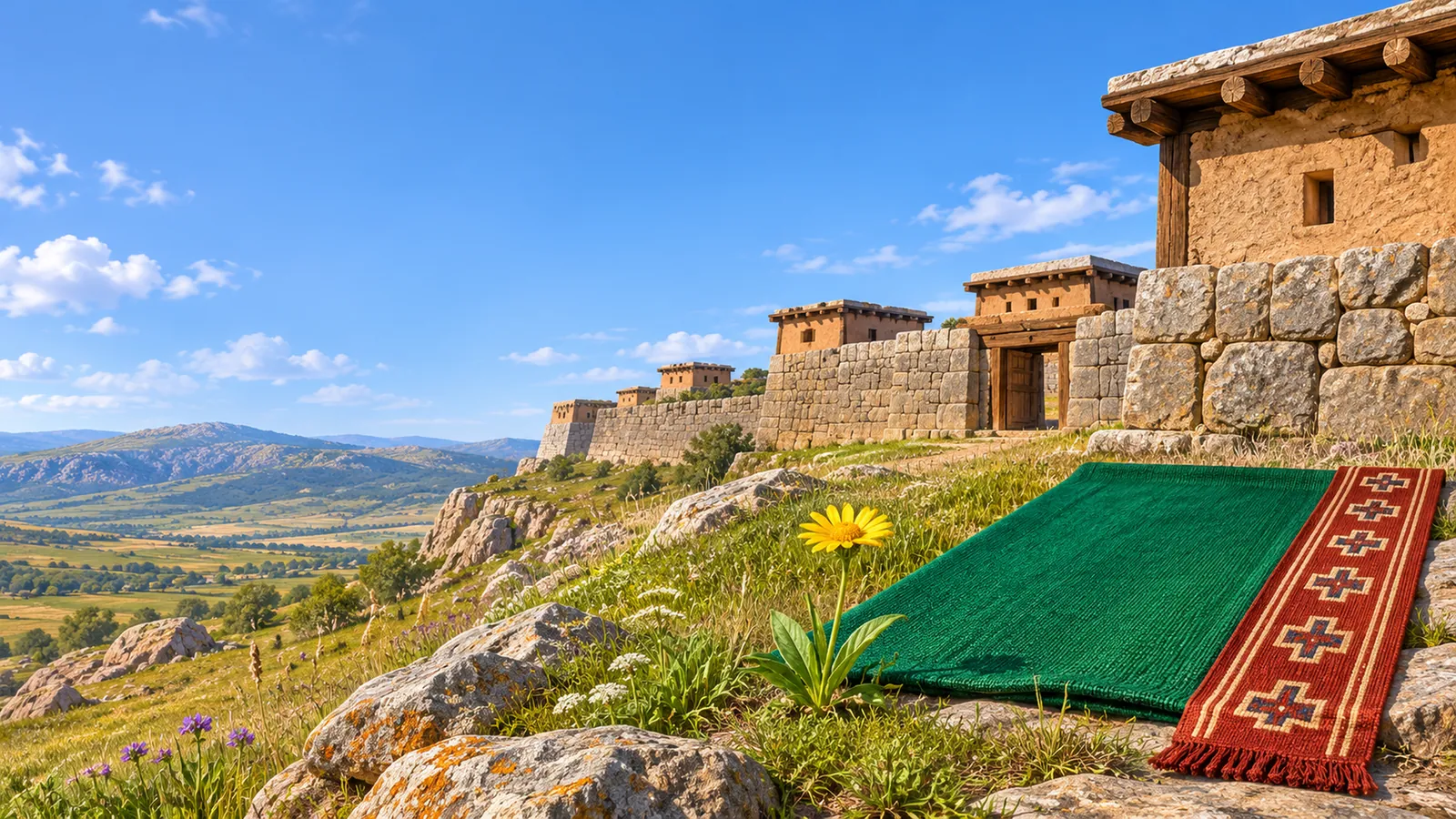
La abeja picó a Telipinu en manos y pies y él se levantó. Encontrar al dios oculto aún no lo había vuelto apacible.
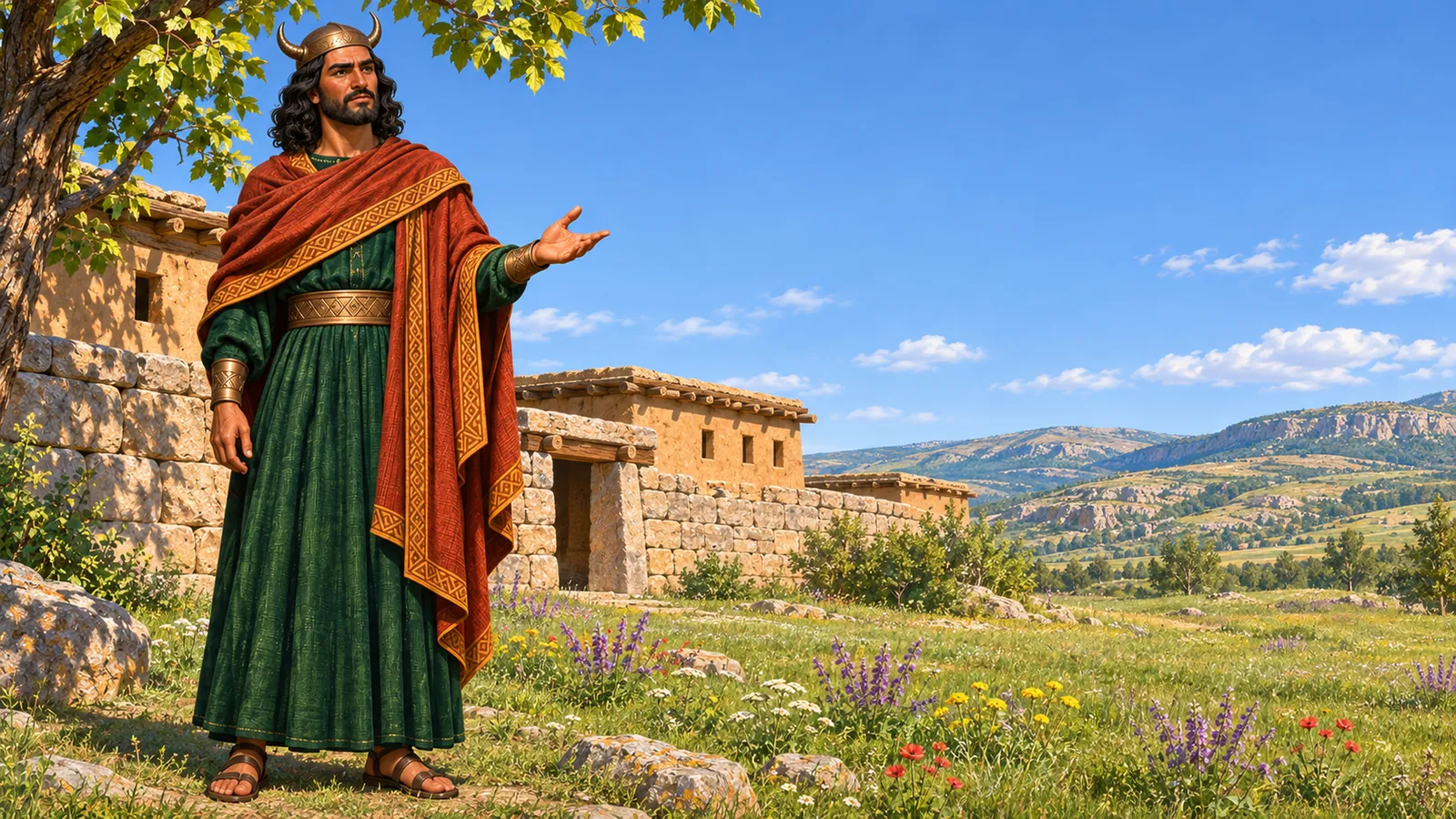
Telipinu preguntó por qué lo habían despertado y hecho hablar cuando estaba enojado. Su ira volvió con él al mundo abierto.
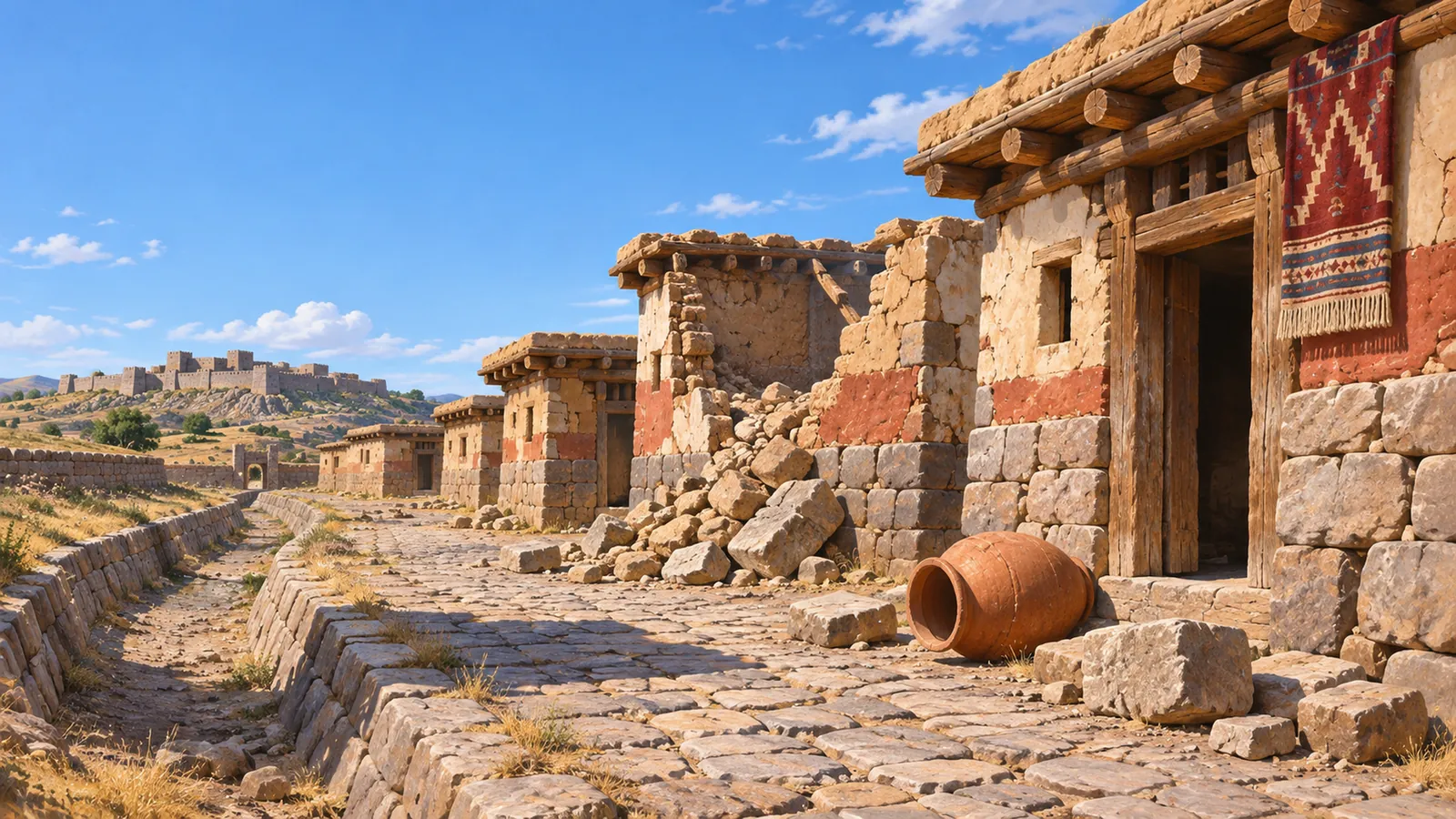
En este tercer relato dañado, Telipinu desvió ríos, destruyó ciudades y casas y mató personas, ganado y ovejas. Encontrarlo agravó la crisis antes del retorno de la calma.
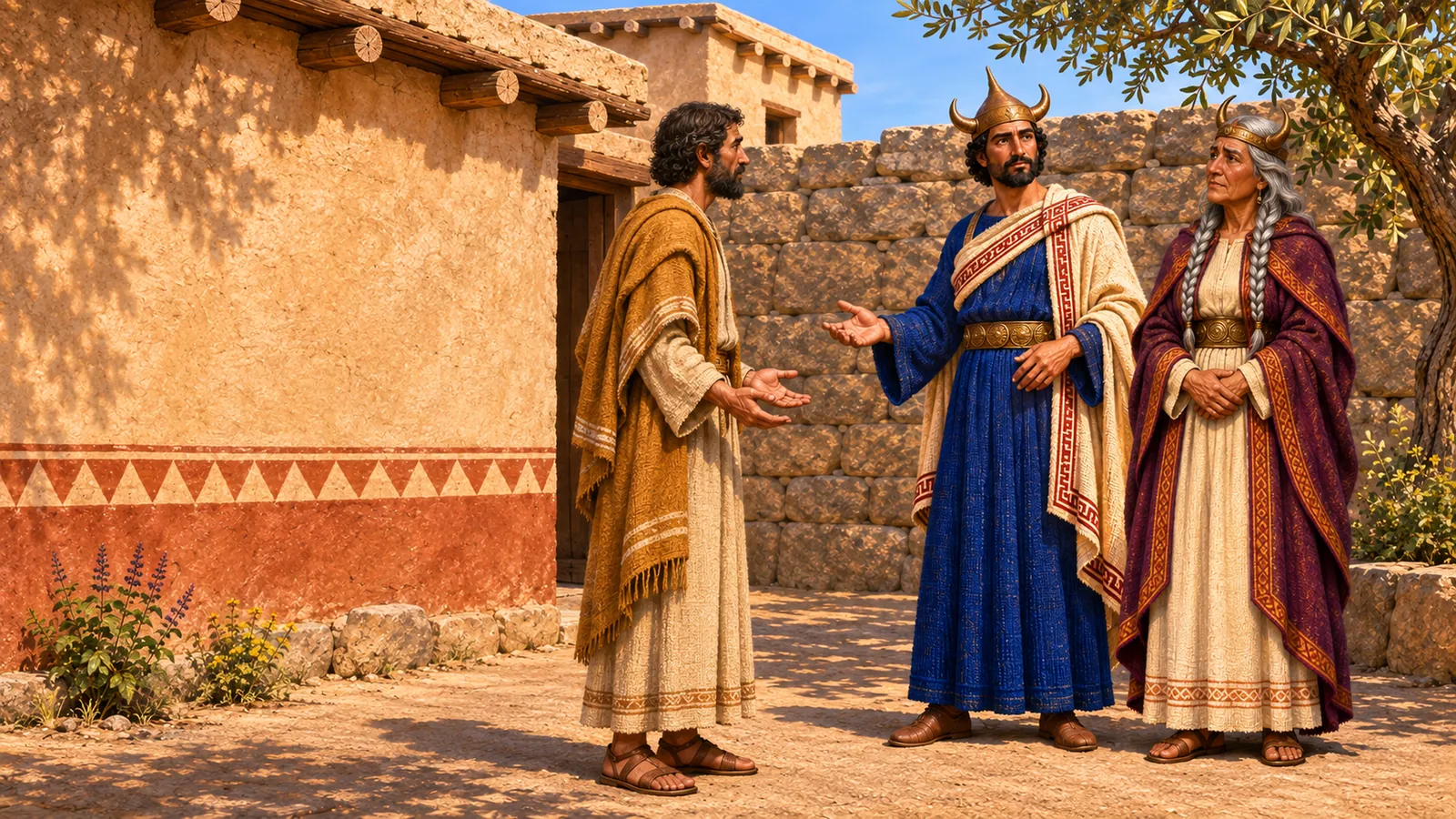
Los dioses afrontaron la renovada ira de Telipinu y preguntaron qué hacer. Las palabras conservadas se orientan a la ayuda humana y a otros esfuerzos por quitarle la furia.
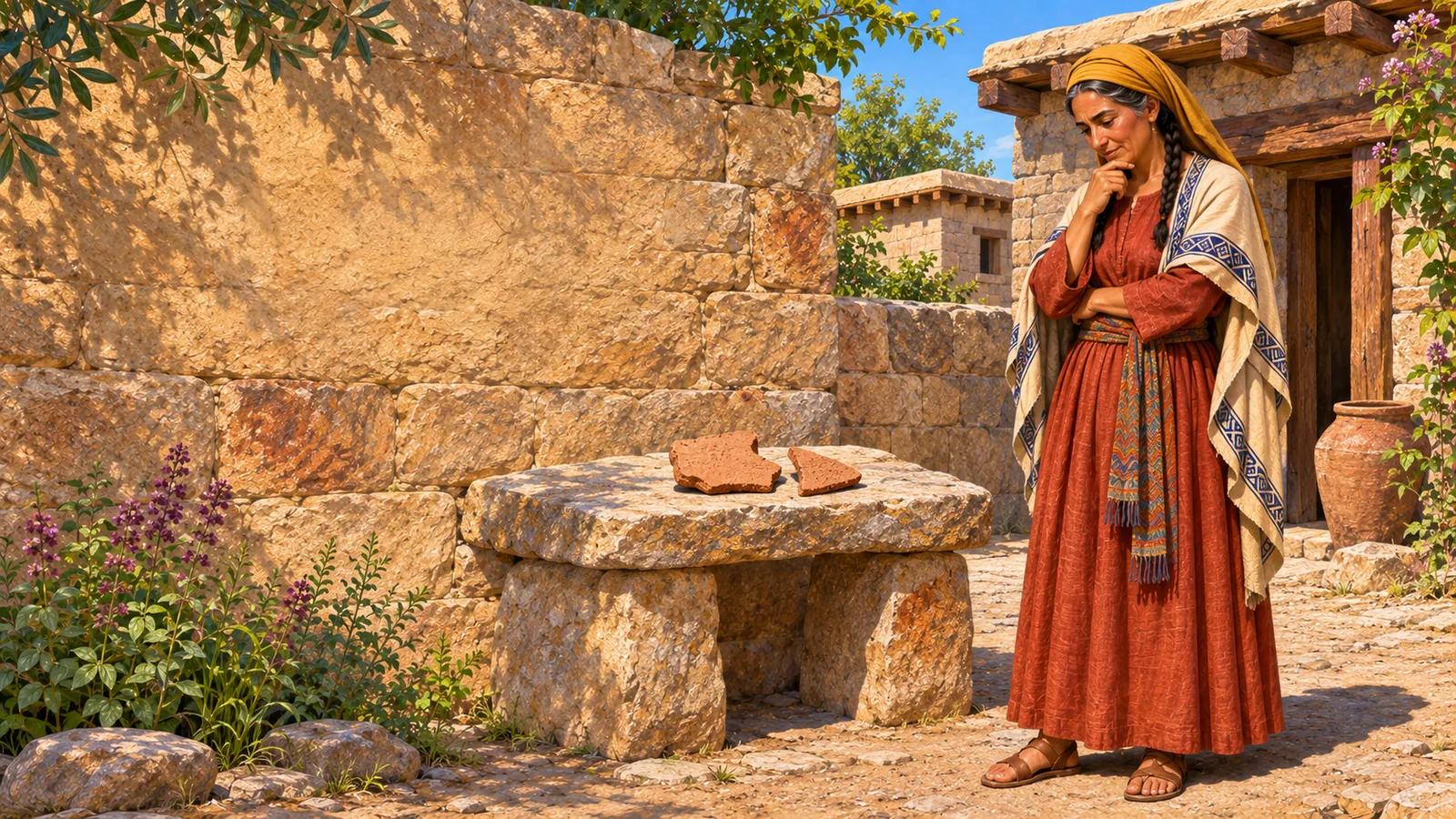
Instrucciones fragmentarias mencionan ayuda humana, un aguijón o herramienta en el monte Ammuna, un águila y una quema. No conservan un relato completo de lo que se quemó.
EL PRIMER RELATO
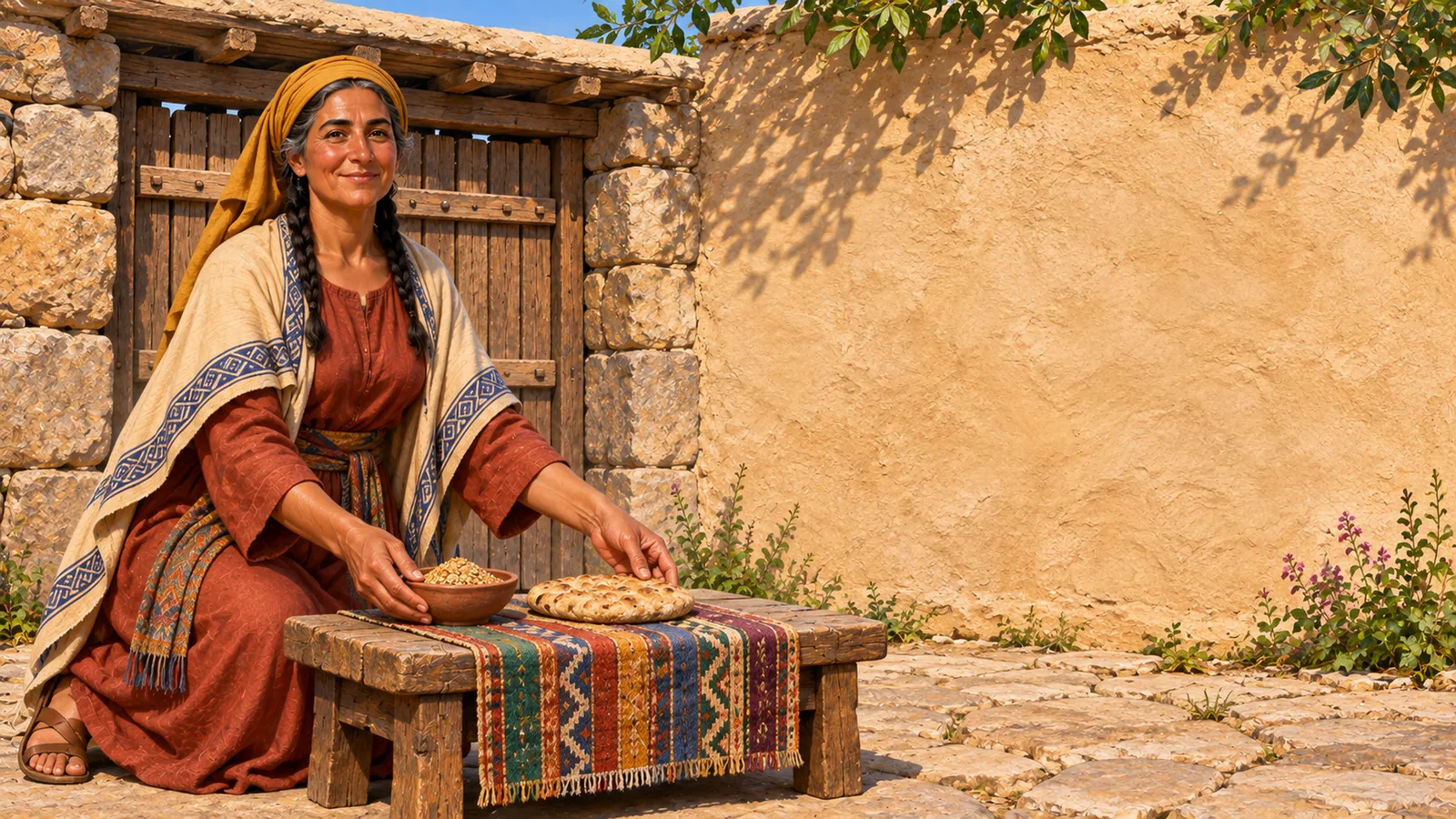
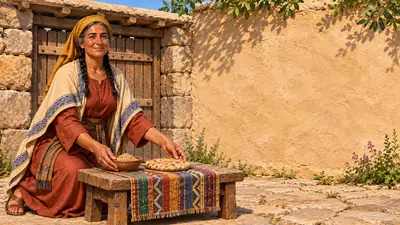
De vuelta al primer relato, líneas fragmentarias mencionan malta y pan de cerveza triturados y luego un corte incierto en una puerta. El ritual comienza sus palabras de calma.
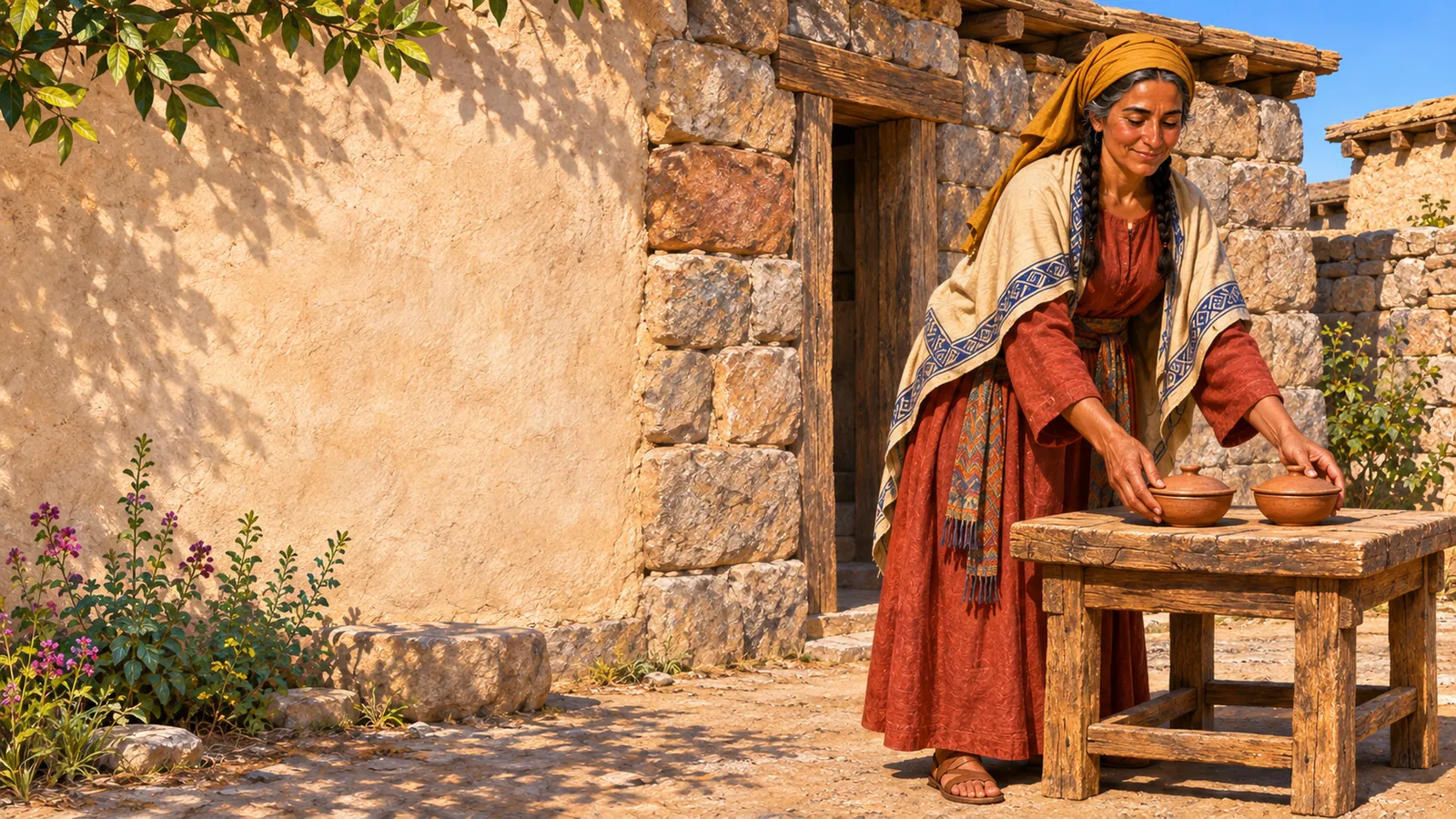
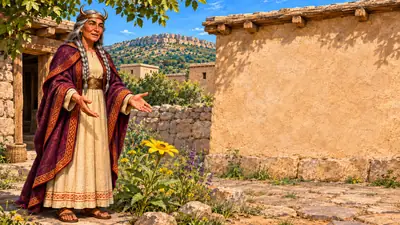
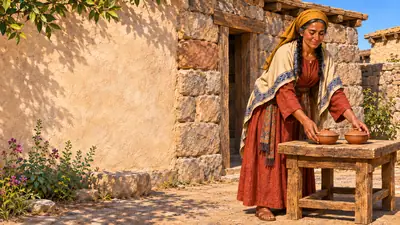
La voz ritual dispuso sustancias llamadas galaktar y parhuena. Su identidad exacta es incierta, pero las palabras pedían calma para el corazón y el ser interior de Telipinu.
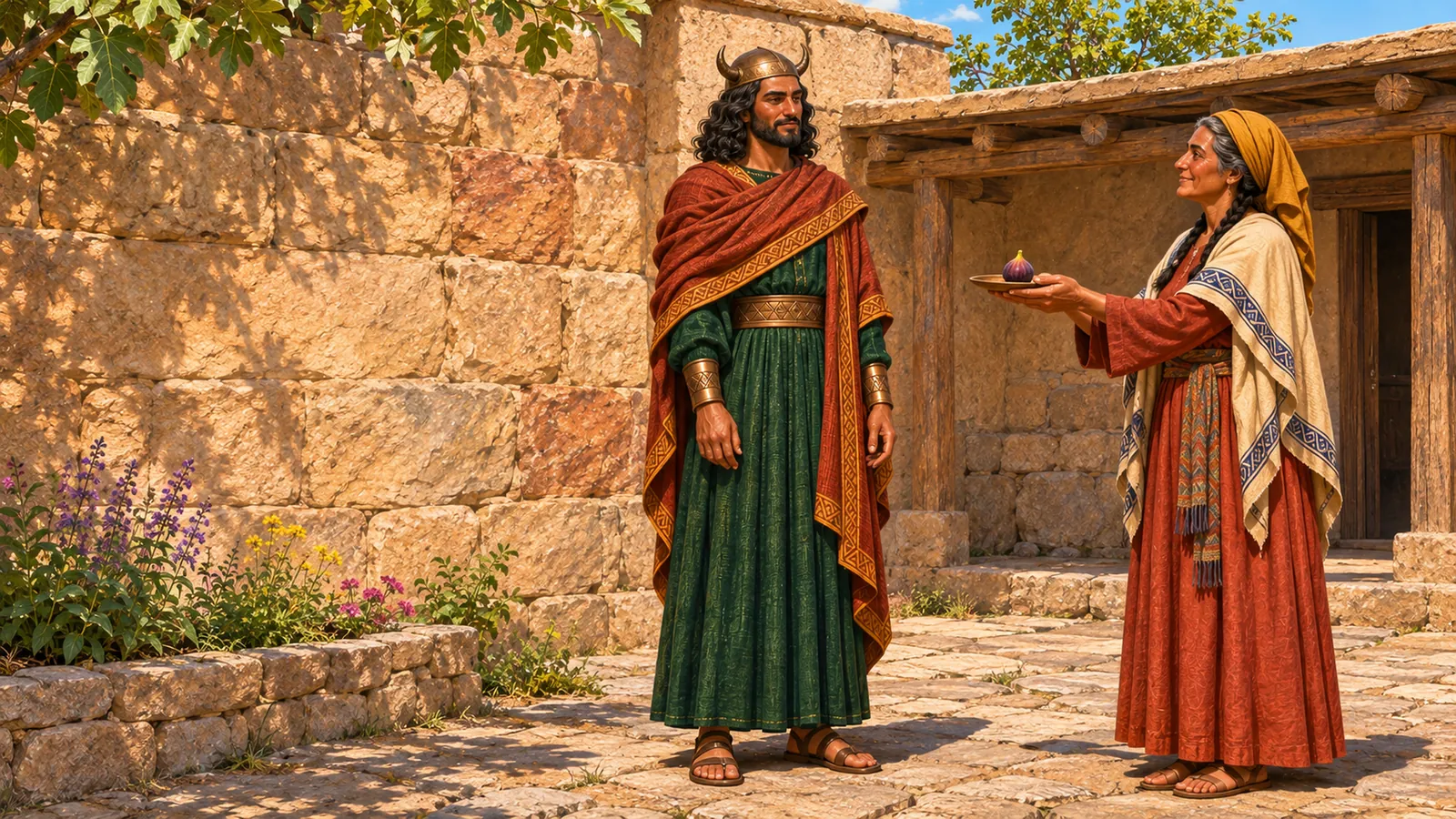
Se colocó un higo ante Telipinu. Como el fruto era dulce, la voz ritual deseaba que su espíritu se dulcificara y se apartara de la ira.

Como la aceituna guarda aceite y la pasa vino en su interior, las palabras pedían a Telipinu guardar al rey con buena voluntad en su corazón.

Una versión paralela dice que la cerveza embriaga a las personas enojadas o preocupadas y desea que la malta y el pan de cerveza hagan lo mismo con Telipinu.
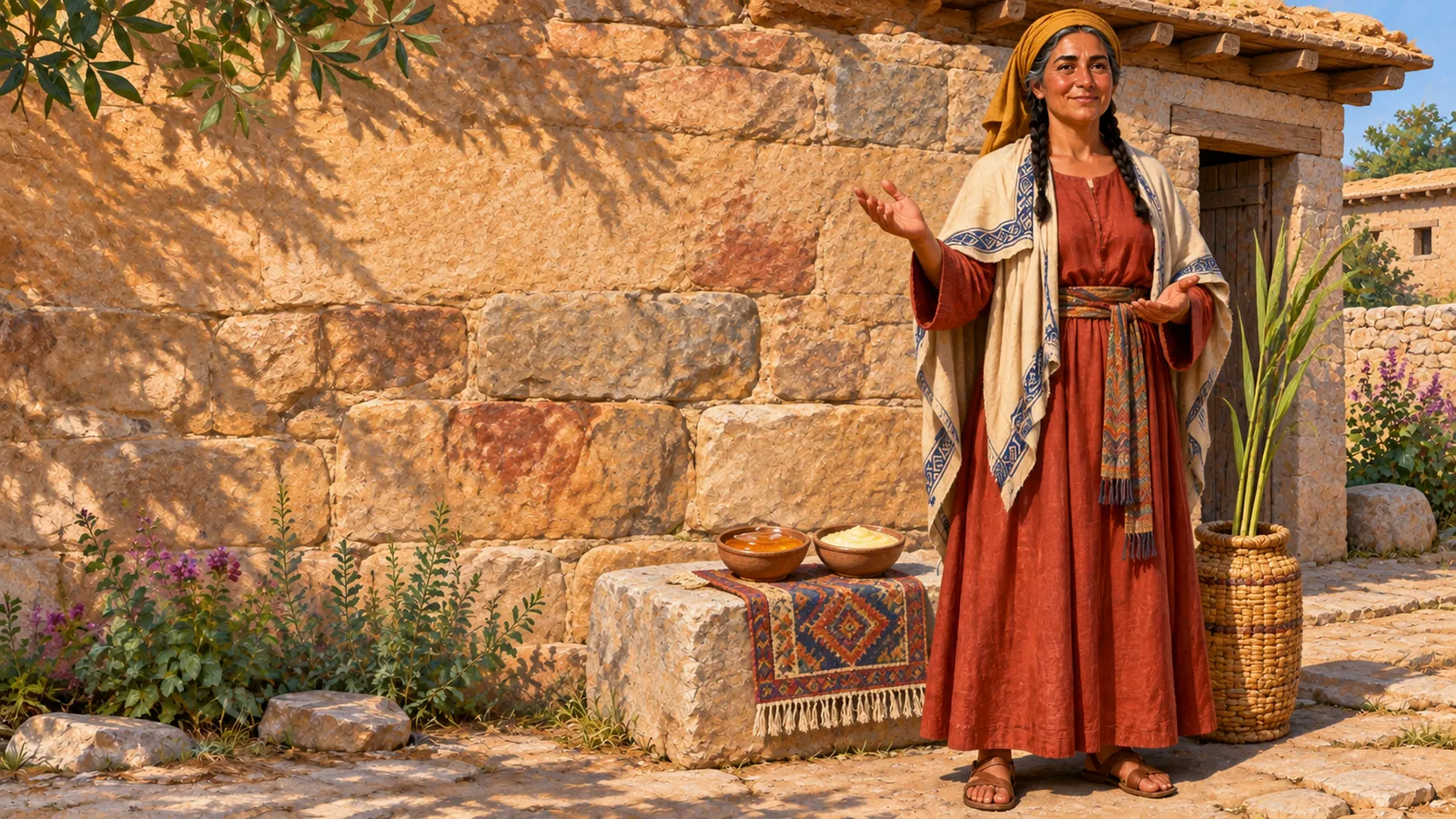
El primer relato compara la dulzura de la miel y la suavidad de la mantequilla clarificada con el estado deseado para Telipinu. Su espíritu debía volverse amable, puro y receptivo a palabras humanas.
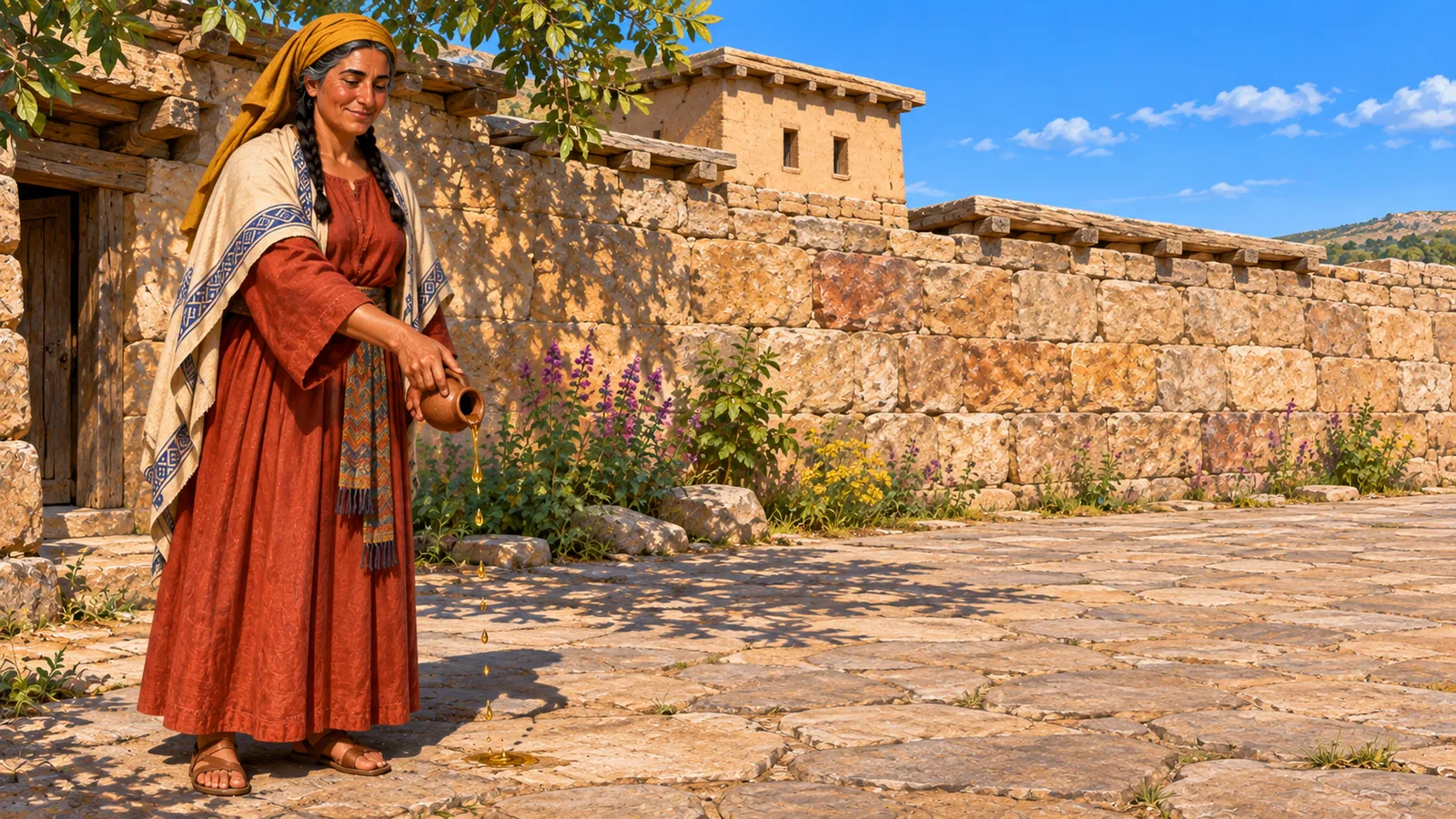
La voz ritual roció los caminos de Telipinu con aceite fino y lo llamó a recorrerlos. Otras comparaciones pedían que recuperara el orden como una caña recta y bien alineada.
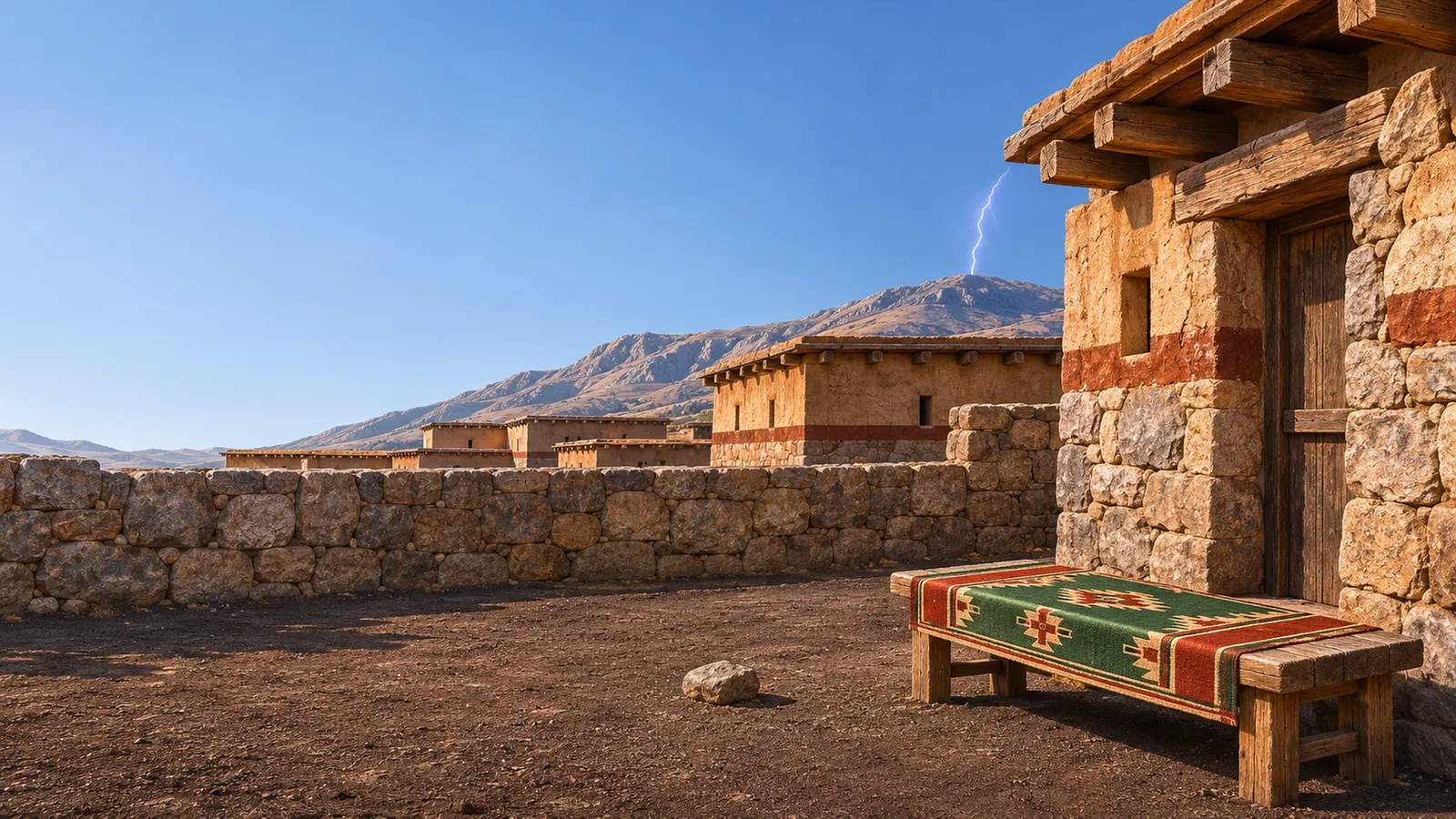
Telipinu llegó enojado, tronando con relámpagos y golpeando la tierra oscura. En el primer relato, su regreso aún exigía que alguien detuviera su furia.
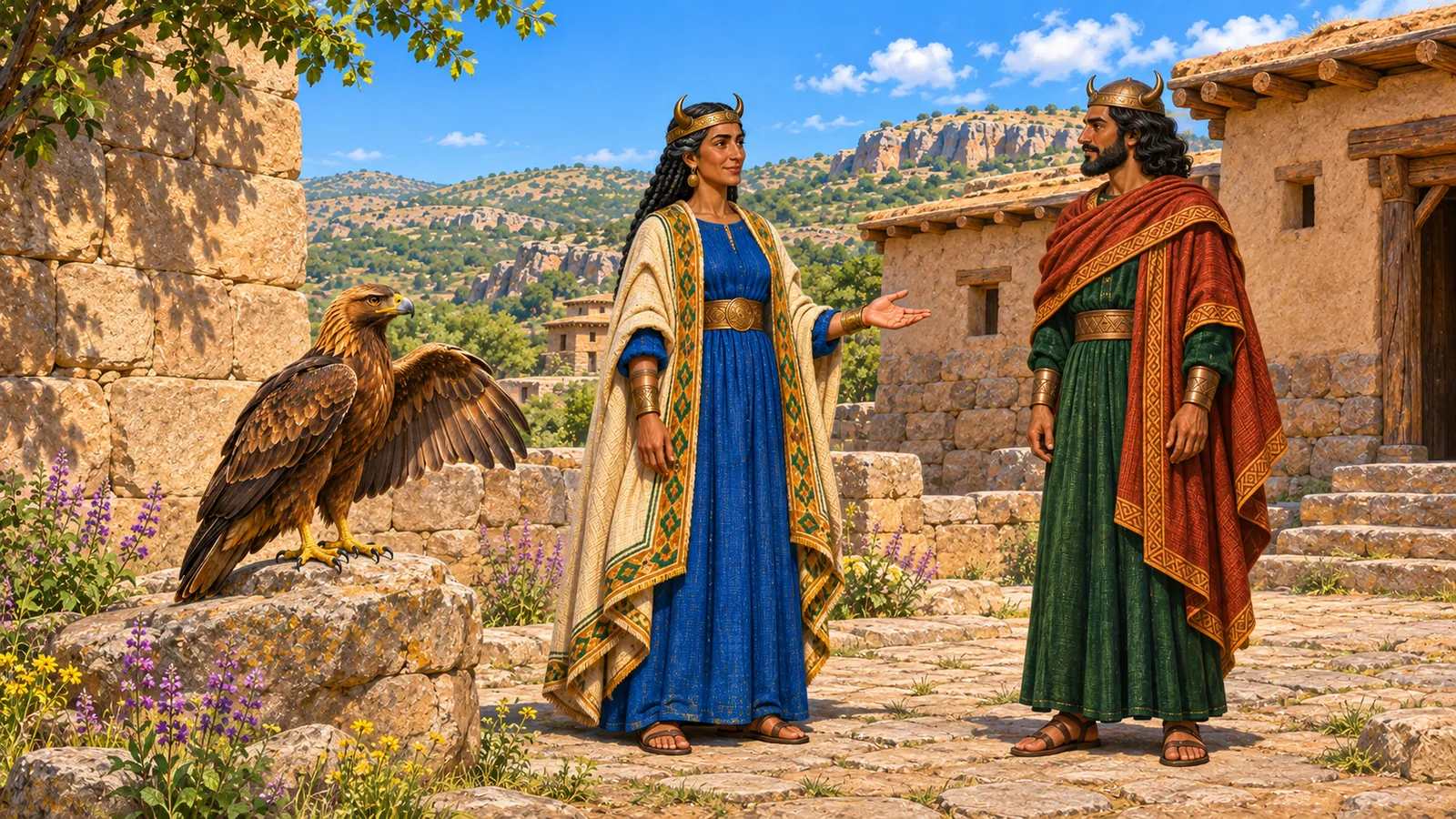
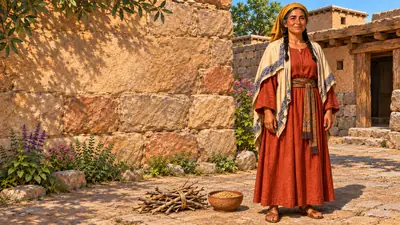
Kamrusepa vio a Telipinu y movió un ala de águila en un pasaje ritual dañado. Detuvo la ira, la furia, la falta y la irritación que lo perturbaban.
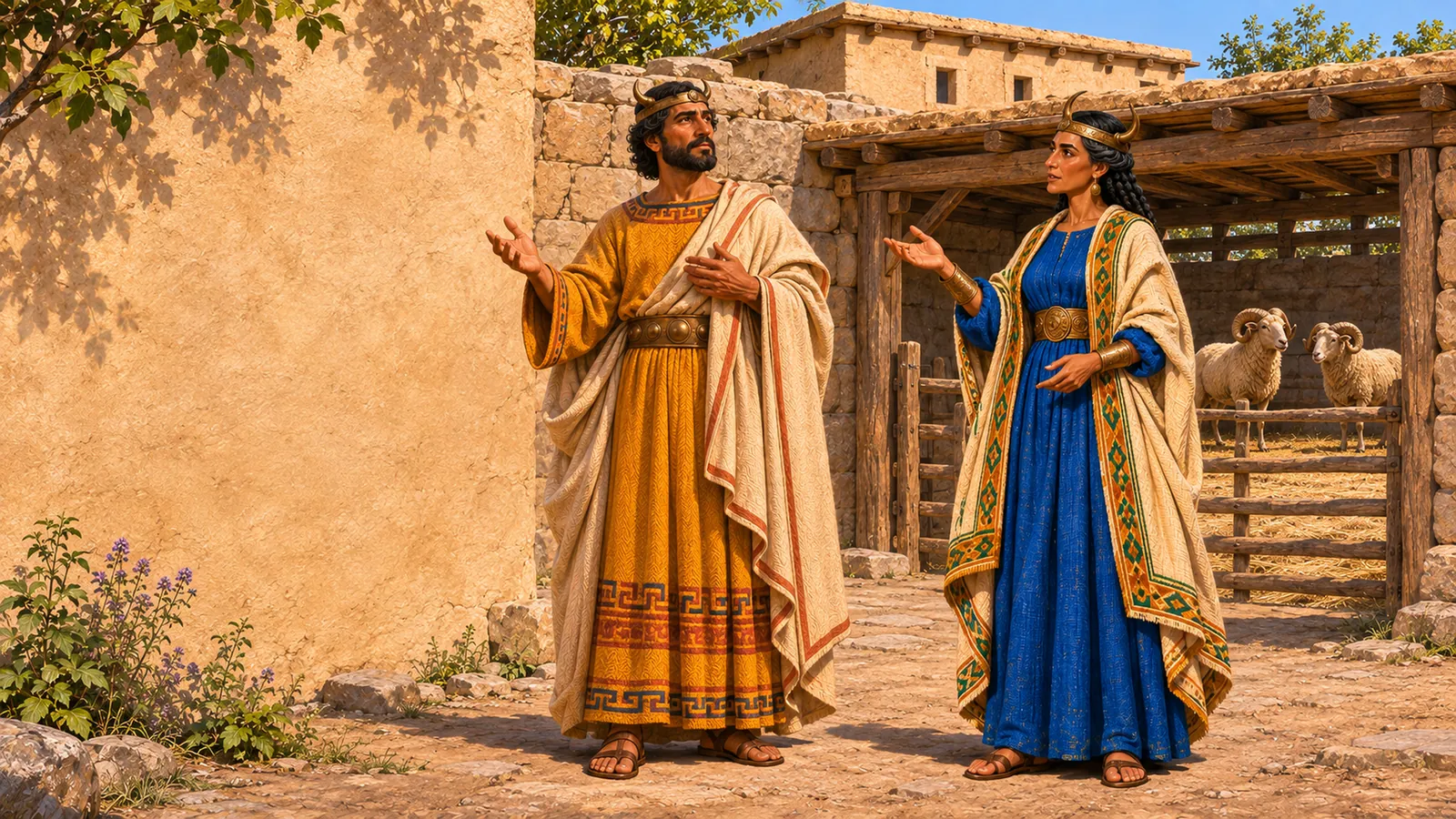
Kamrusepa dirigió a los dioses a las ovejas del dios del Sol cuidadas por Hapantali y pidió doce carneros. Según esta lectura académica, debían esquilarse para tratar los miembros de Telipinu.

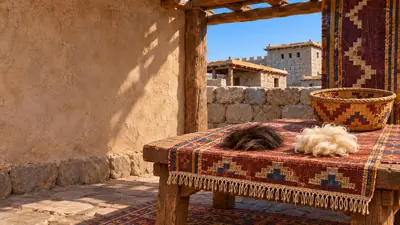
La voz ritual tomó una cesta con mil agujeros y extendió encima la lana esquilada de los carneros. La cesta perforada contenía el material de purificación.
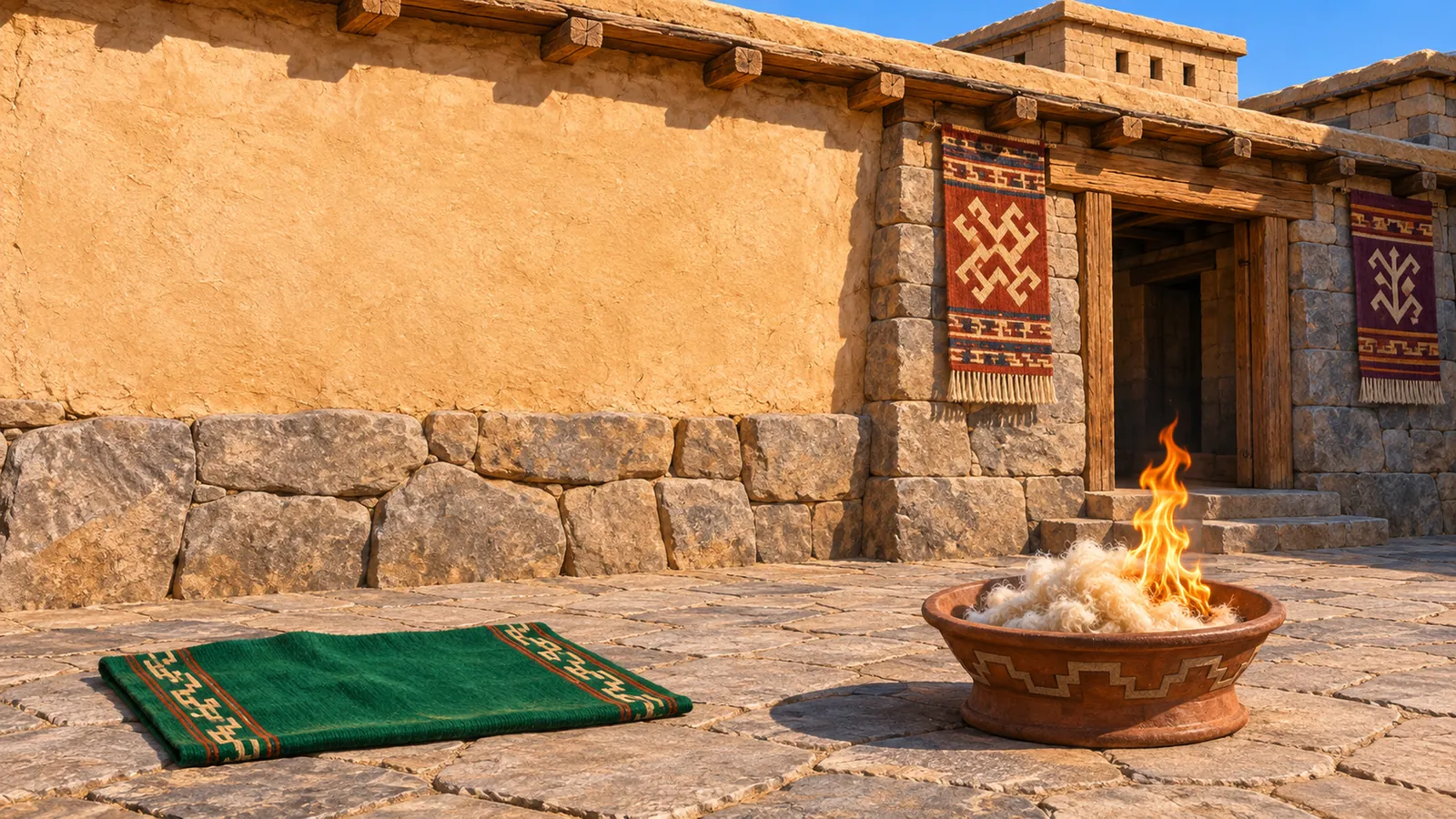
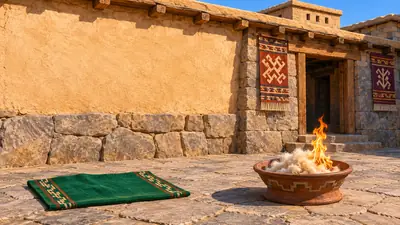
La voz ritual describió quemar el material a un lado de Telipinu y luego al otro. El ritual buscaba alejar la ira de su cuerpo.
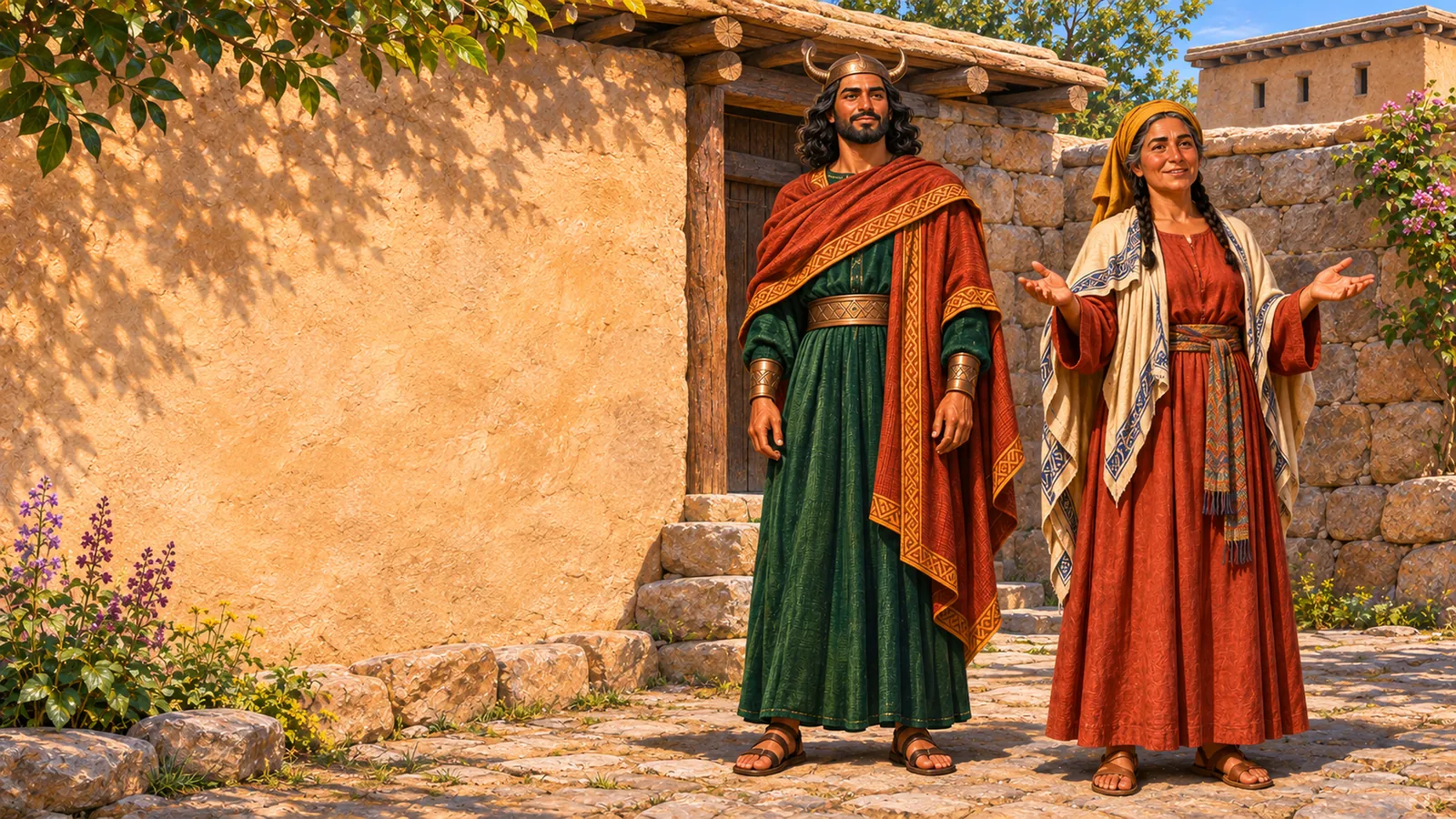
La voz ritual dijo haber retirado de Telipinu el mal, la falta, la furia, la ira y la irritación. Eran las cargas que el ritual buscaba quitar.
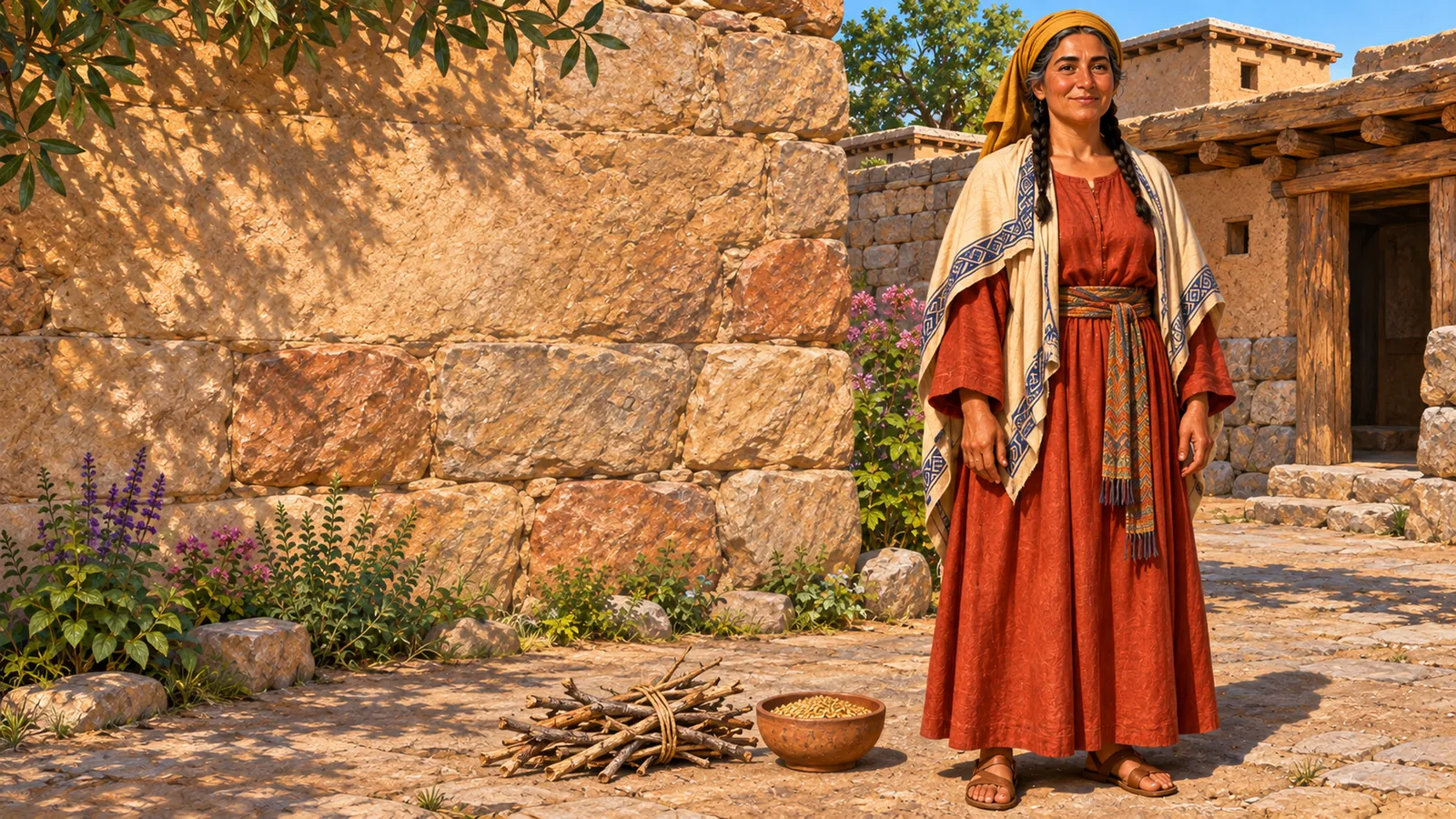
Las palabras comparaban la ira con leña que arde y malta que se seca. Pedían que la furia de Telipinu ardiera y se marchitara como aquellos materiales.
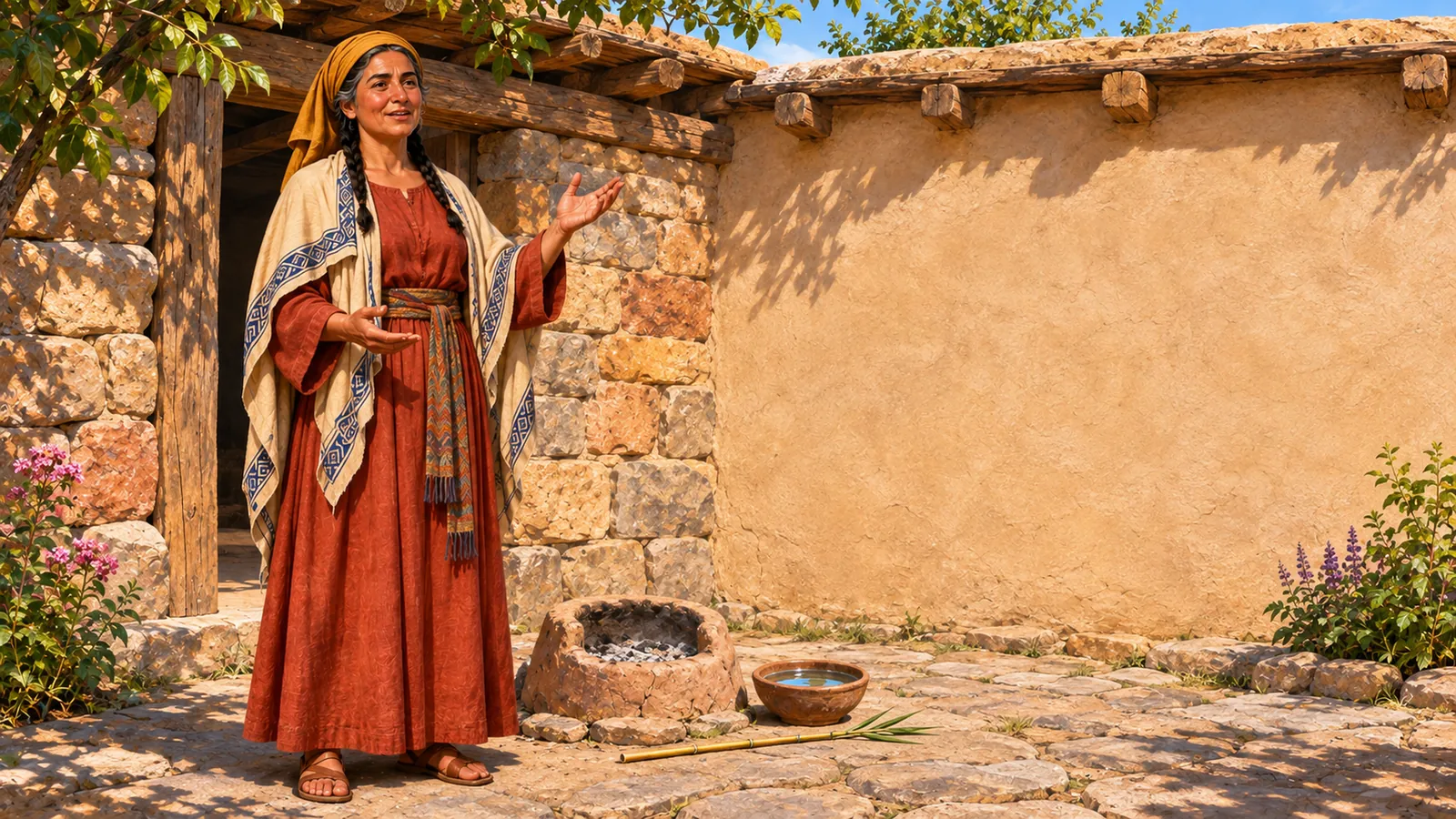
Como un fuego se apaga y el agua no retrocede por una caña, la recitación deseaba que la ira de Telipinu partiera sin volver.
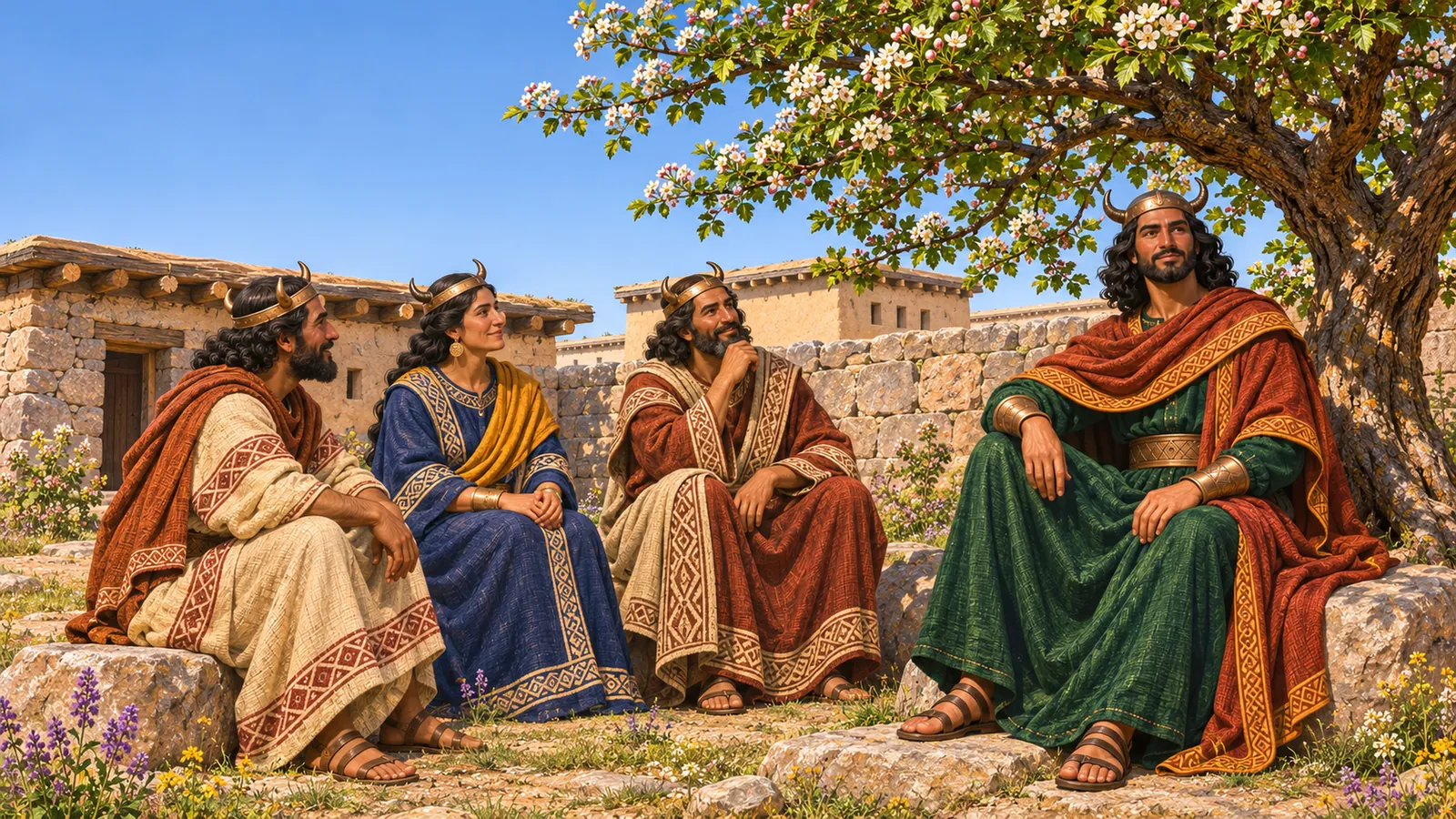
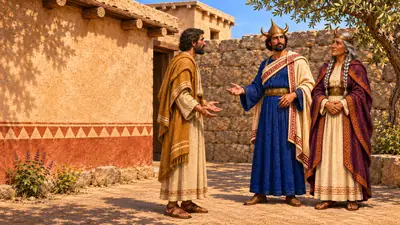
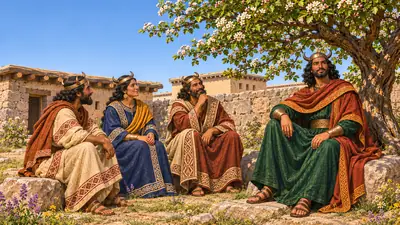
Los dioses se sentaban juntos bajo un espino, con Telipinu entre ellos. La voz ritual describió su purificación en una asamblea cuya lista de nombres está parcialmente reconstruida.
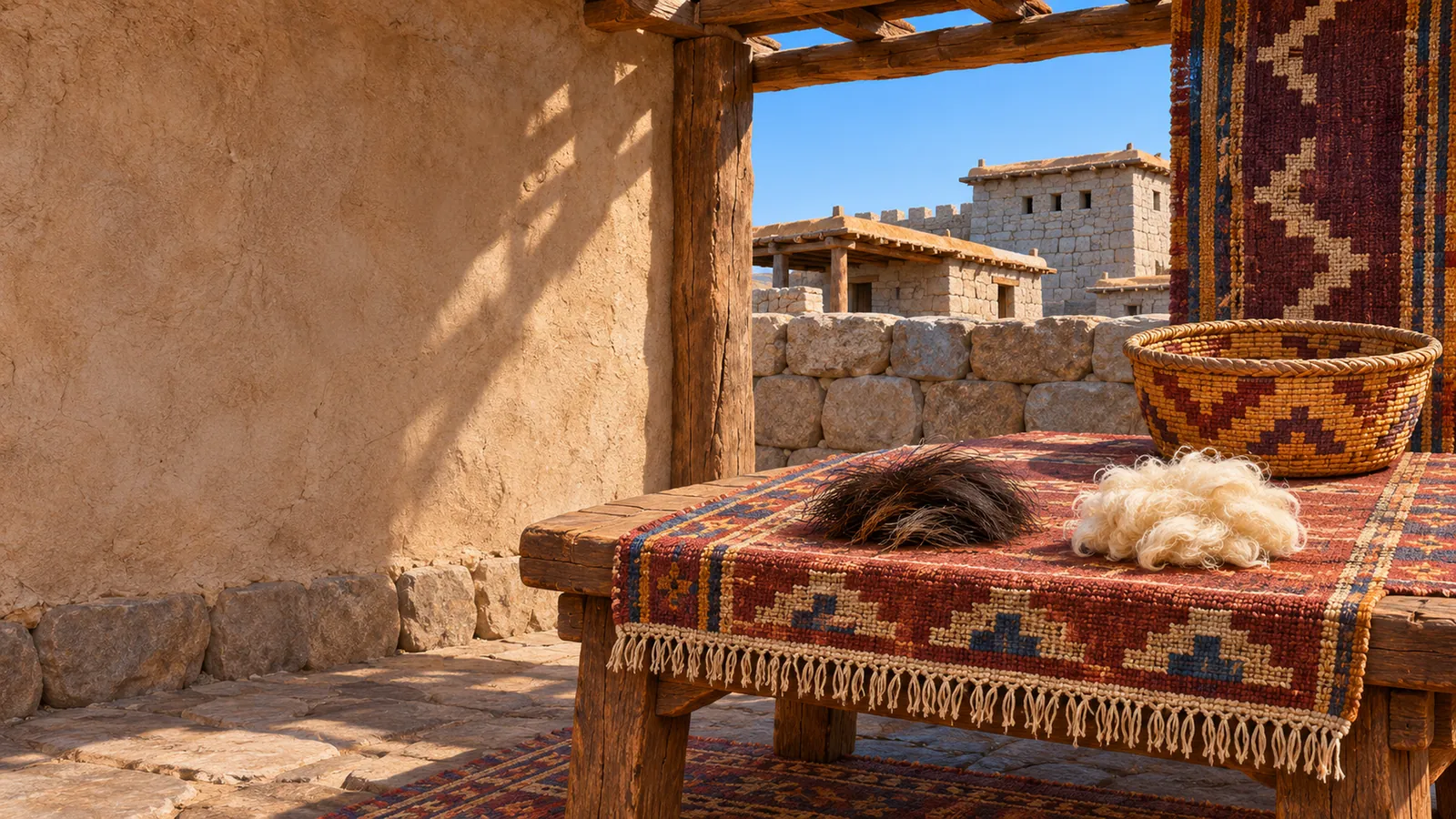
La fórmula comparaba retirar la ira con arrancar pelo y lana al ganado que pasa. Pedía que se quitara del mismo modo la furia de Telipinu.
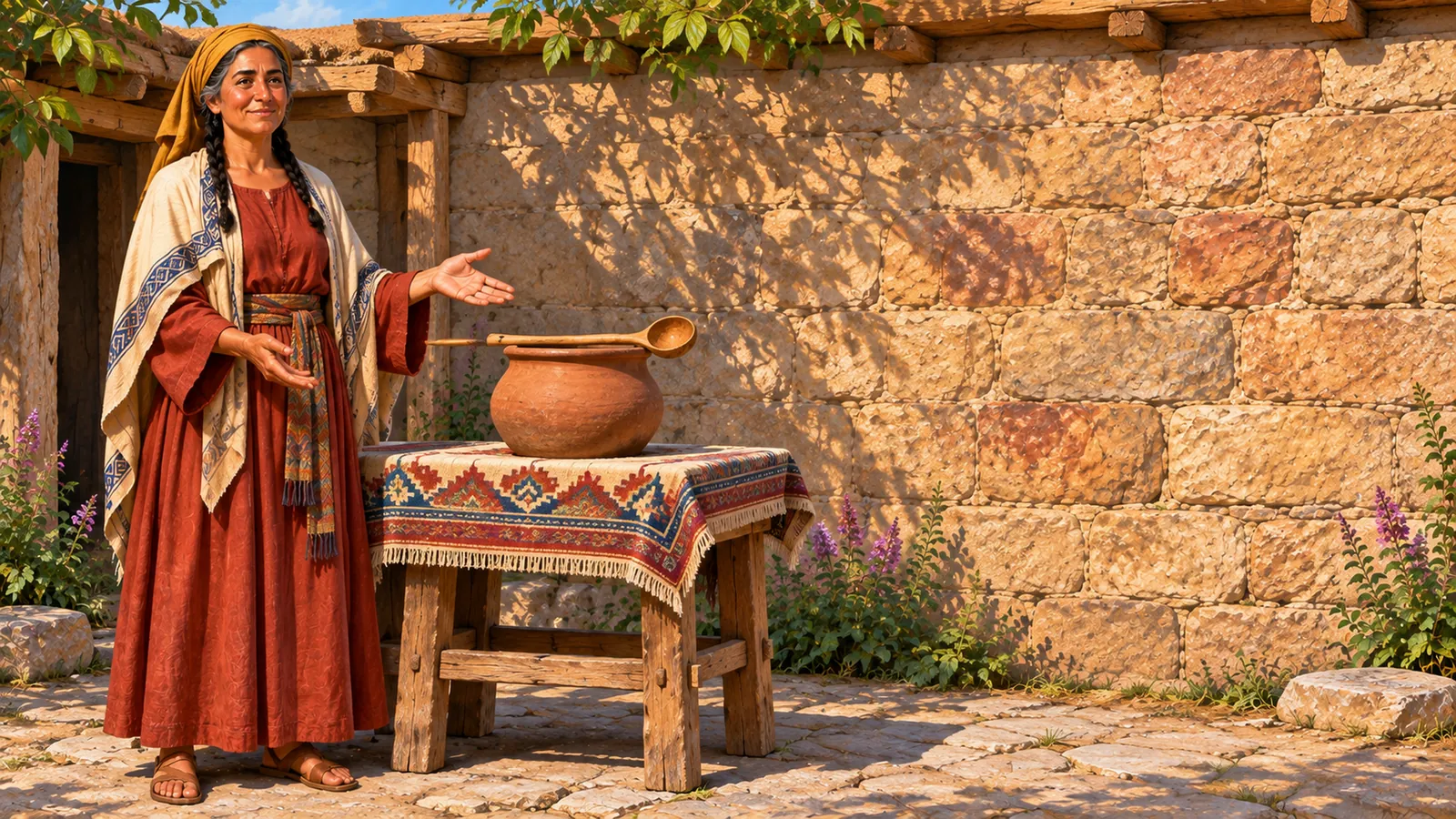
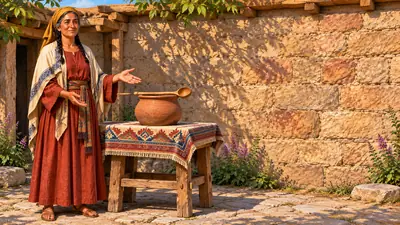
La fórmula comparaba las palabras con un asistente que frena al dios de la Tormenta y un cucharón que contiene una olla. Se pedía a las palabras humanas frenar así la ira de Telipinu.

La recitación llamaba a casa, ventana, puerta y camino real a soltar la ira. Debía evitar campo, huerto y bosque y tomar el camino de la tierra oscura.
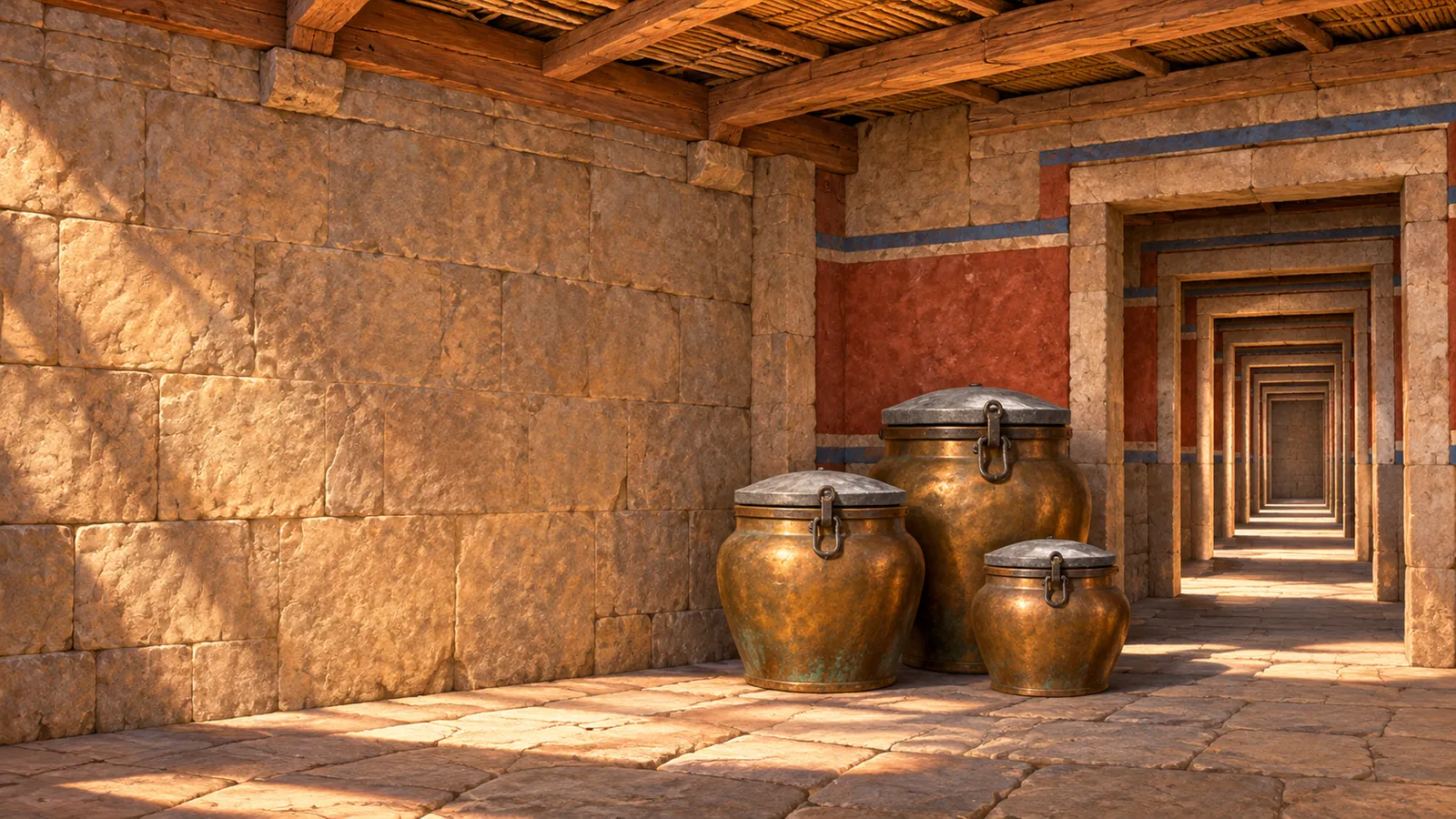
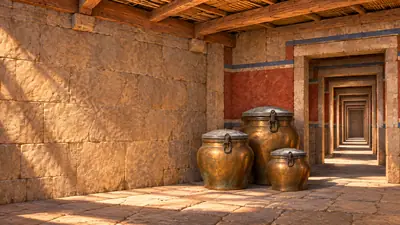
El canto evocaba a un guardián que abría siete puertas abajo y recipientes de bronce con tapas de plomo y cierres de hierro. Deseaba encerrar allí la ira para que no volviera.
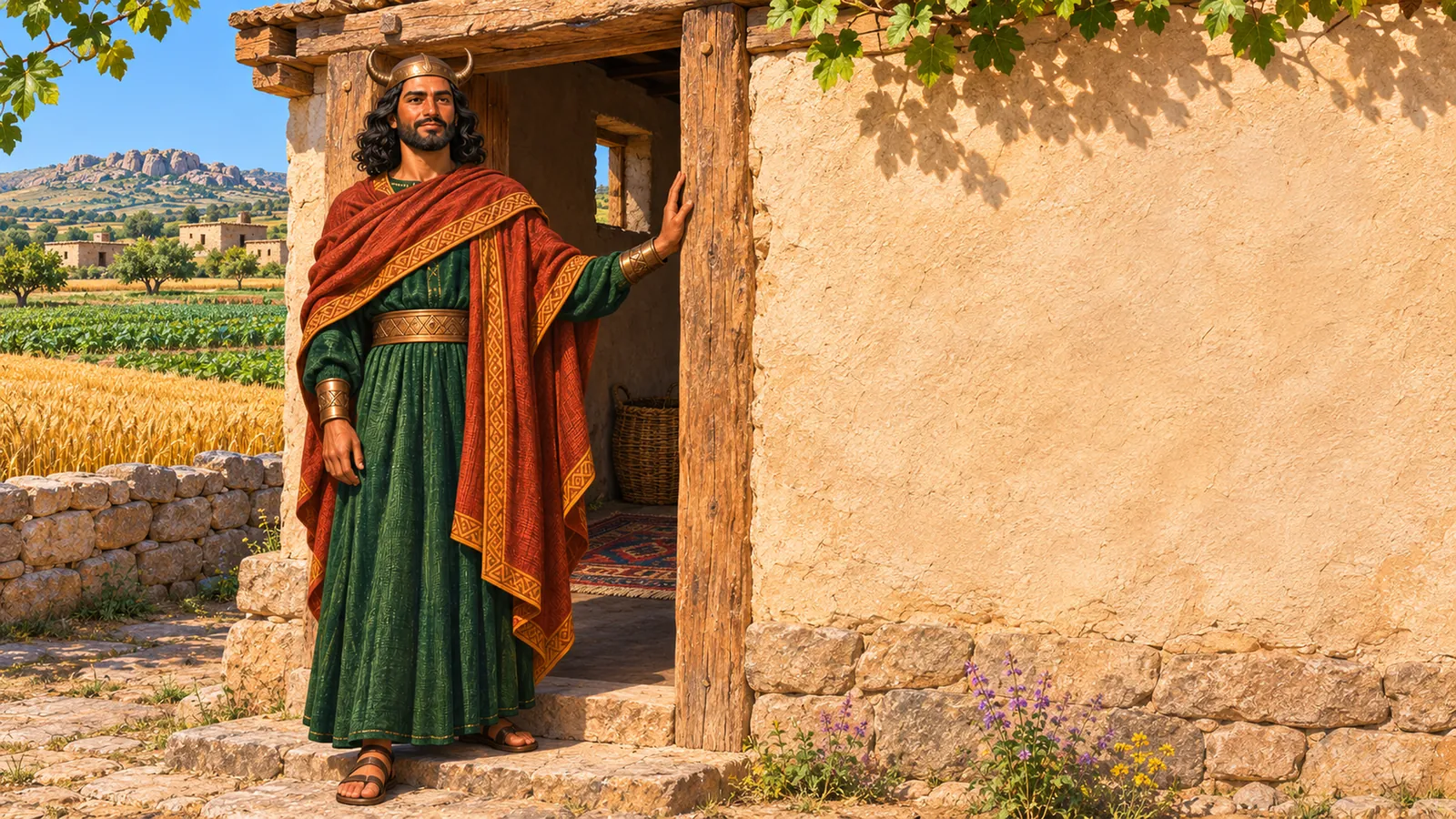
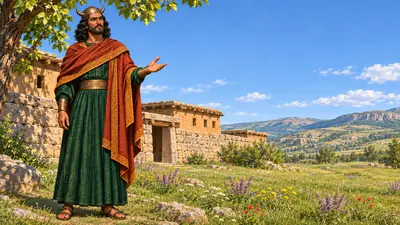
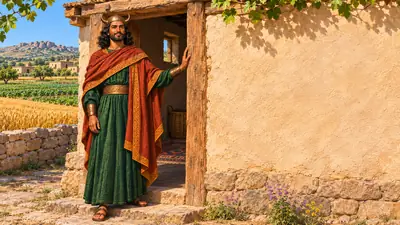
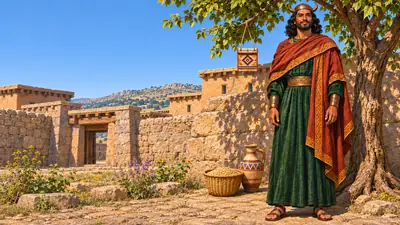
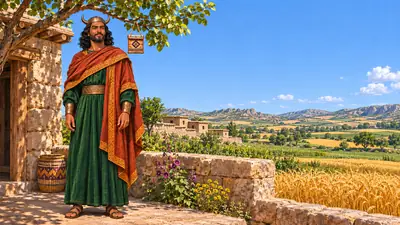
Telipinu volvió a su casa y cuidó de su tierra. El primer relato pasa ahora de las palabras de calma a la restauración de la vida corriente.
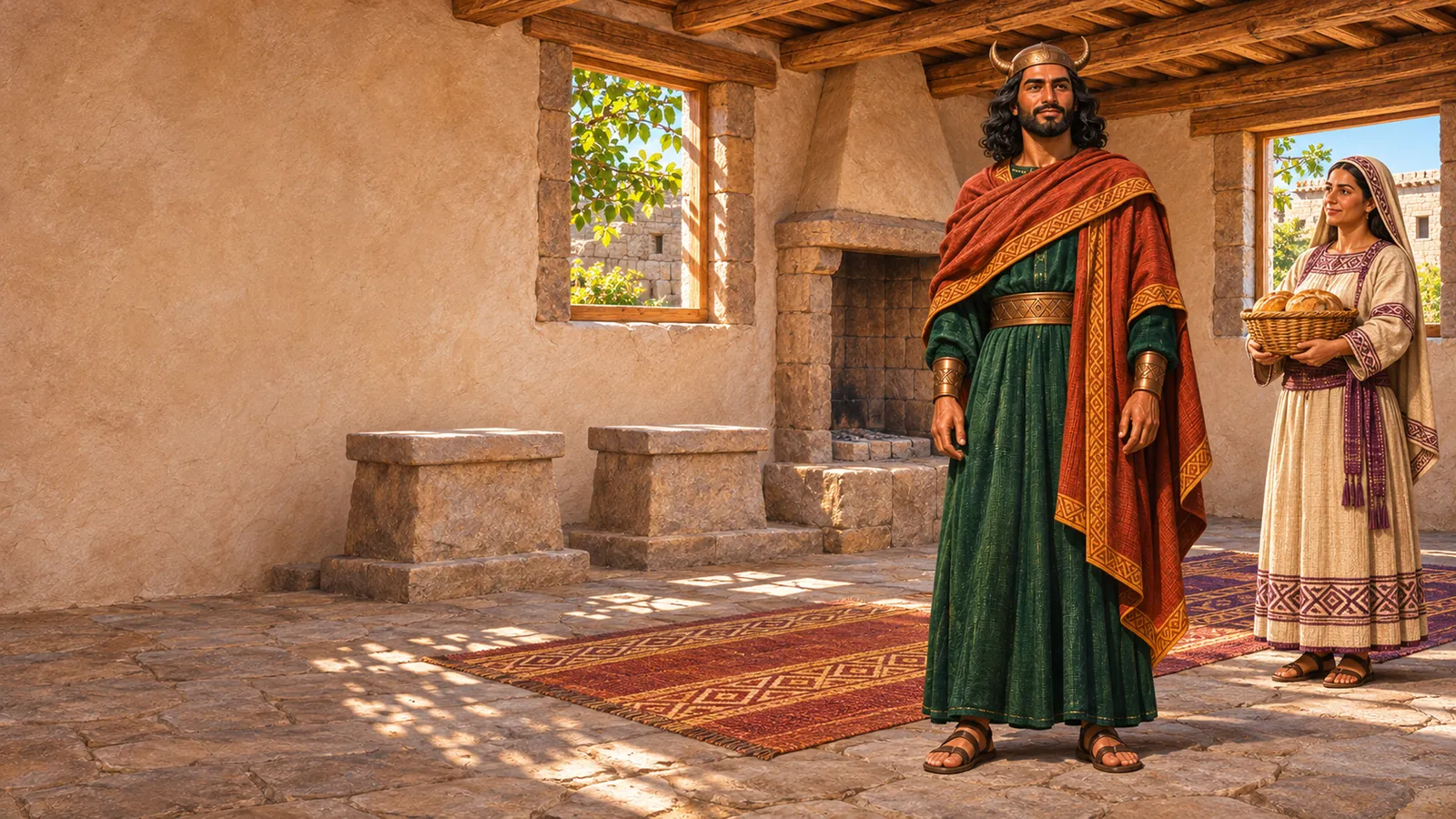
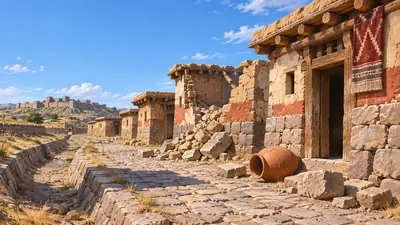
La niebla dejó las ventanas, el humo salió de la casa y hogar y altares se ordenaron. El desorden del principio comenzaba a ceder ante el orden.
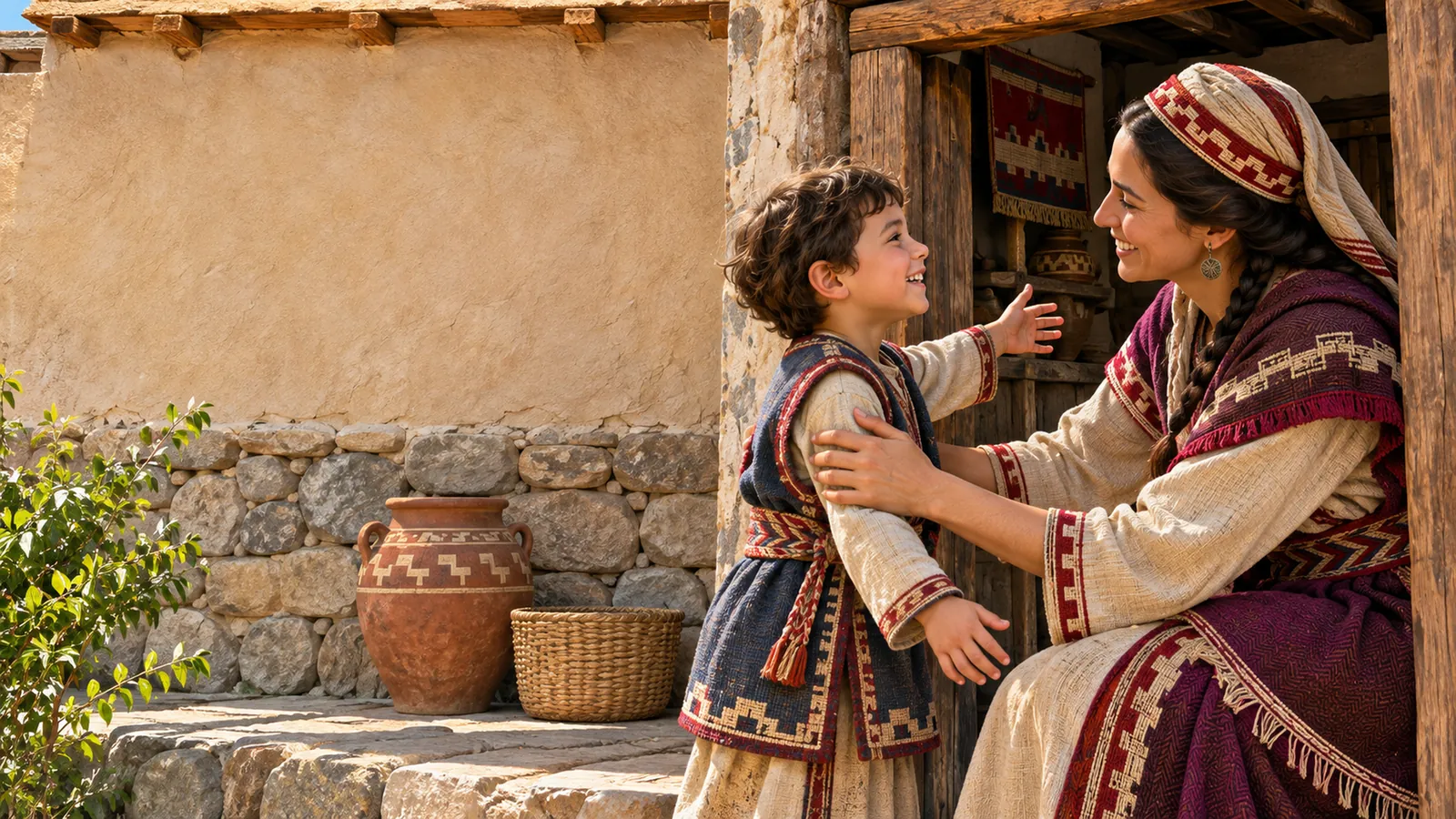
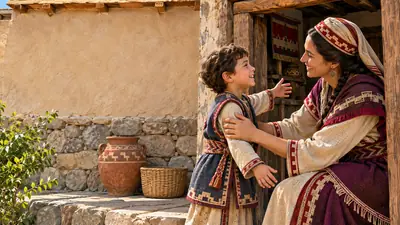
La madre aceptó a su hijo. El vínculo restaurado era una señal de que la vida podía reanudarse con el regreso de Telipinu y el orden del hogar.
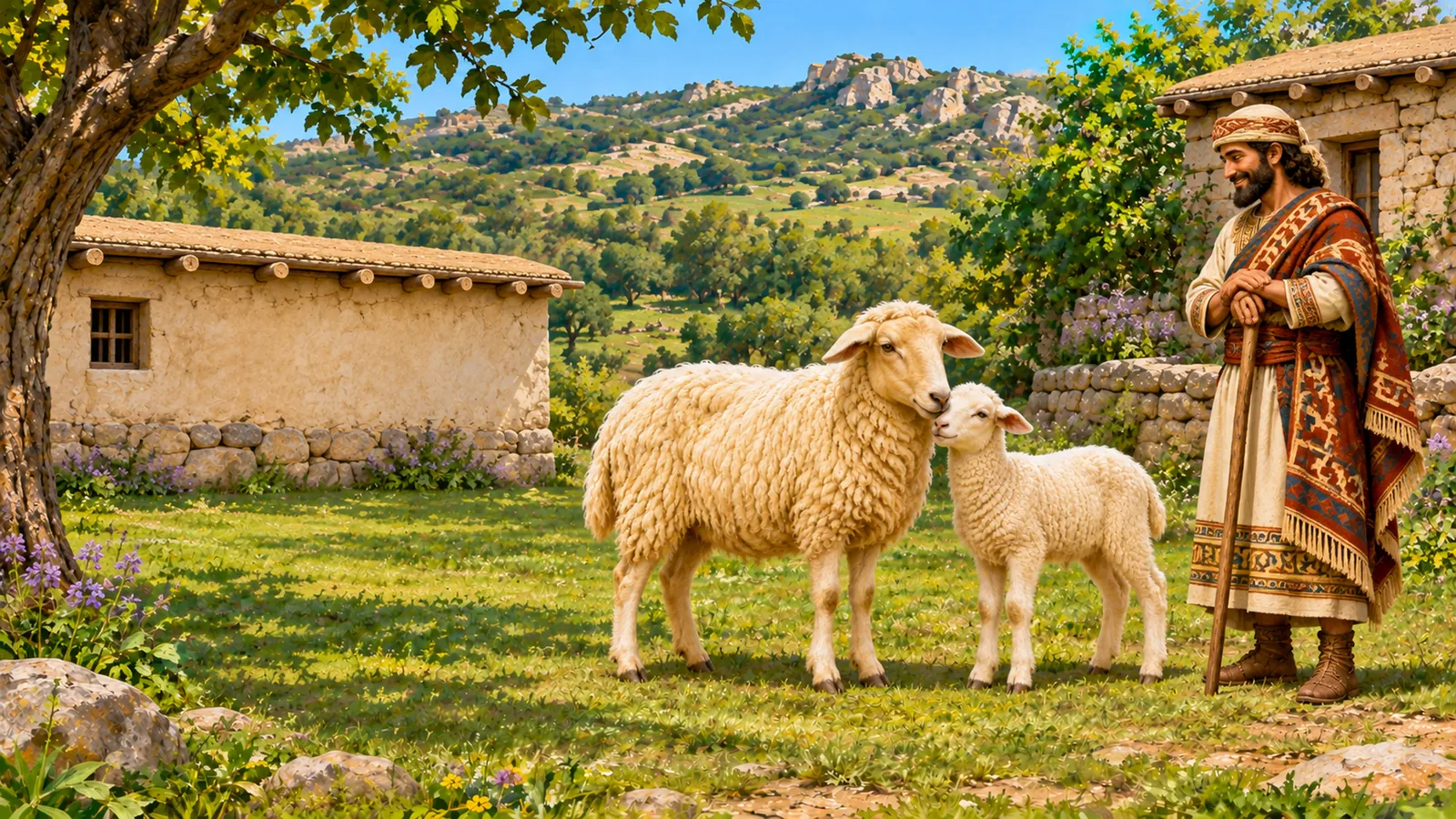
La oveja volvió a aceptar a su cordero. Lo que había fallado al principio quedaba restaurado y el rebaño recuperaba su orden vivo y debido.
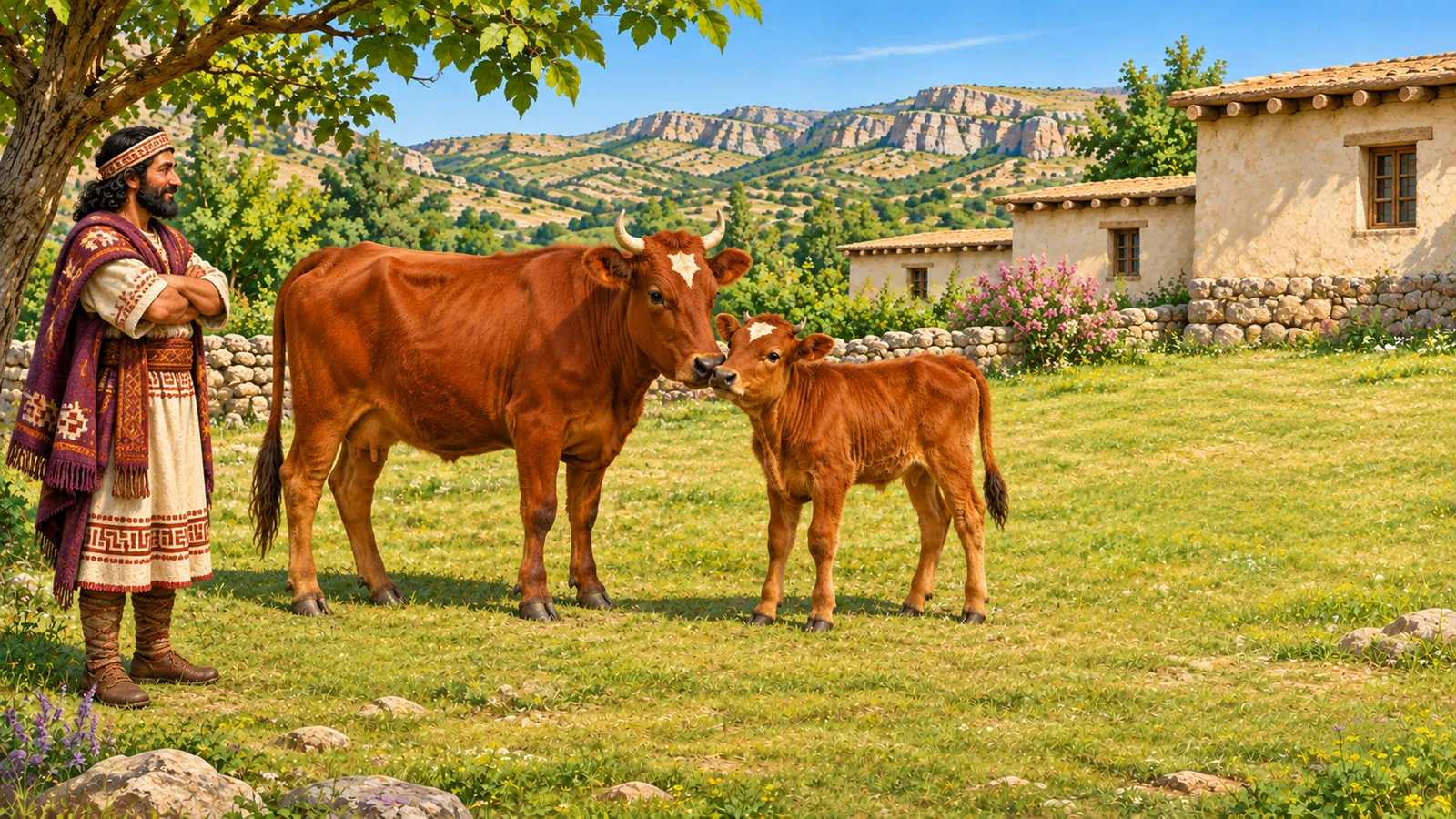
La vaca aceptó también a su ternero. El relato responde a su anterior imagen de separación con vínculos renovados entre los animales del hogar.
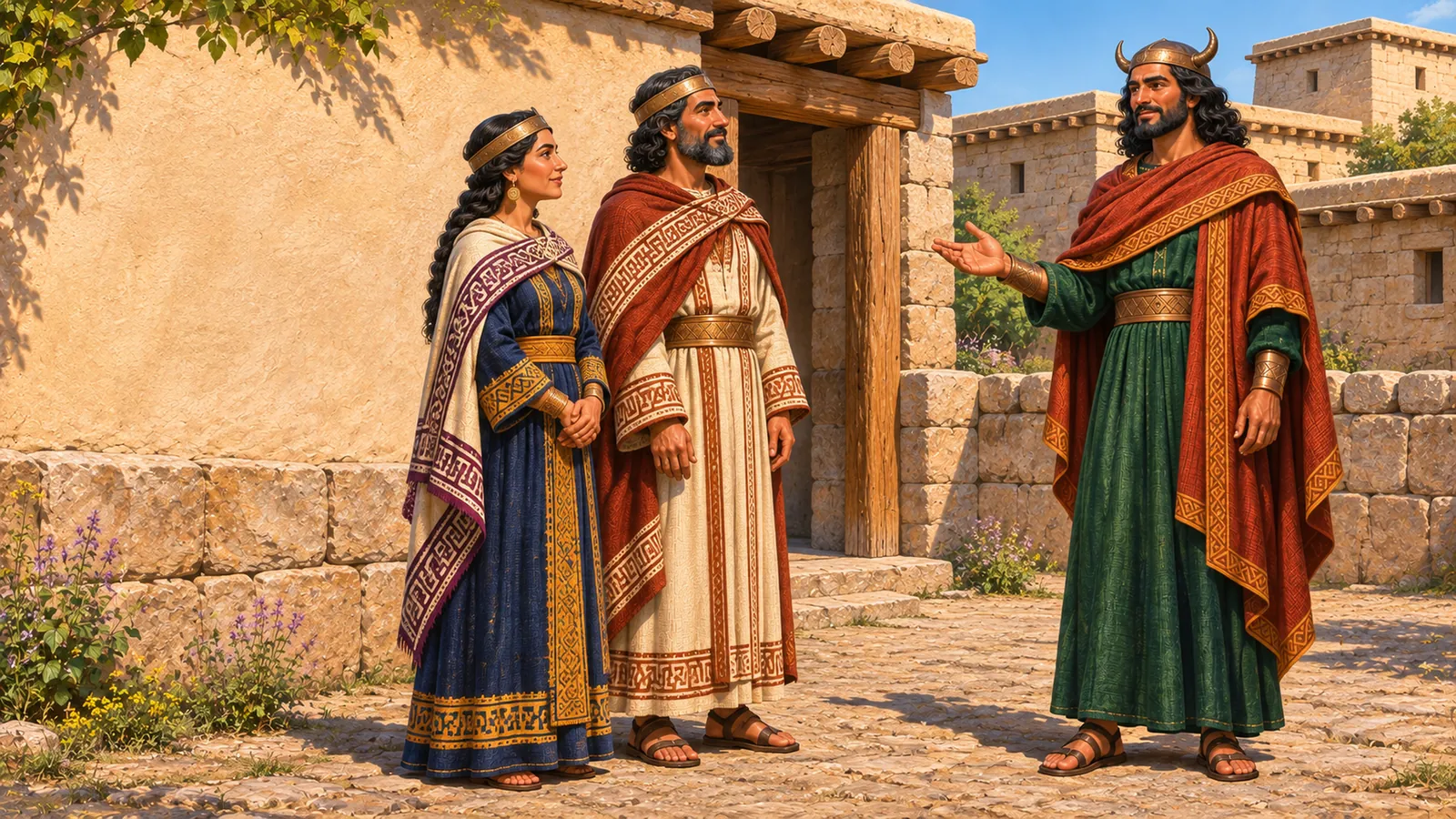
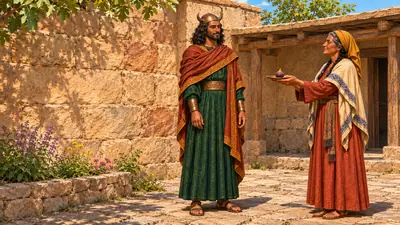
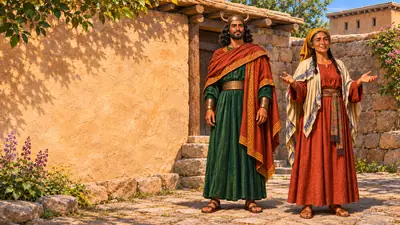
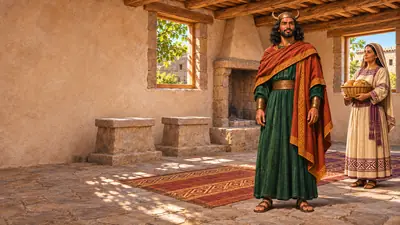
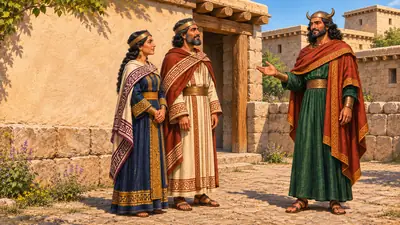
Telipinu reconoció al rey y a la reina y les proporcionó vida, fuerza y futuro. Su cuidado de la tierra incluía también a la casa real.
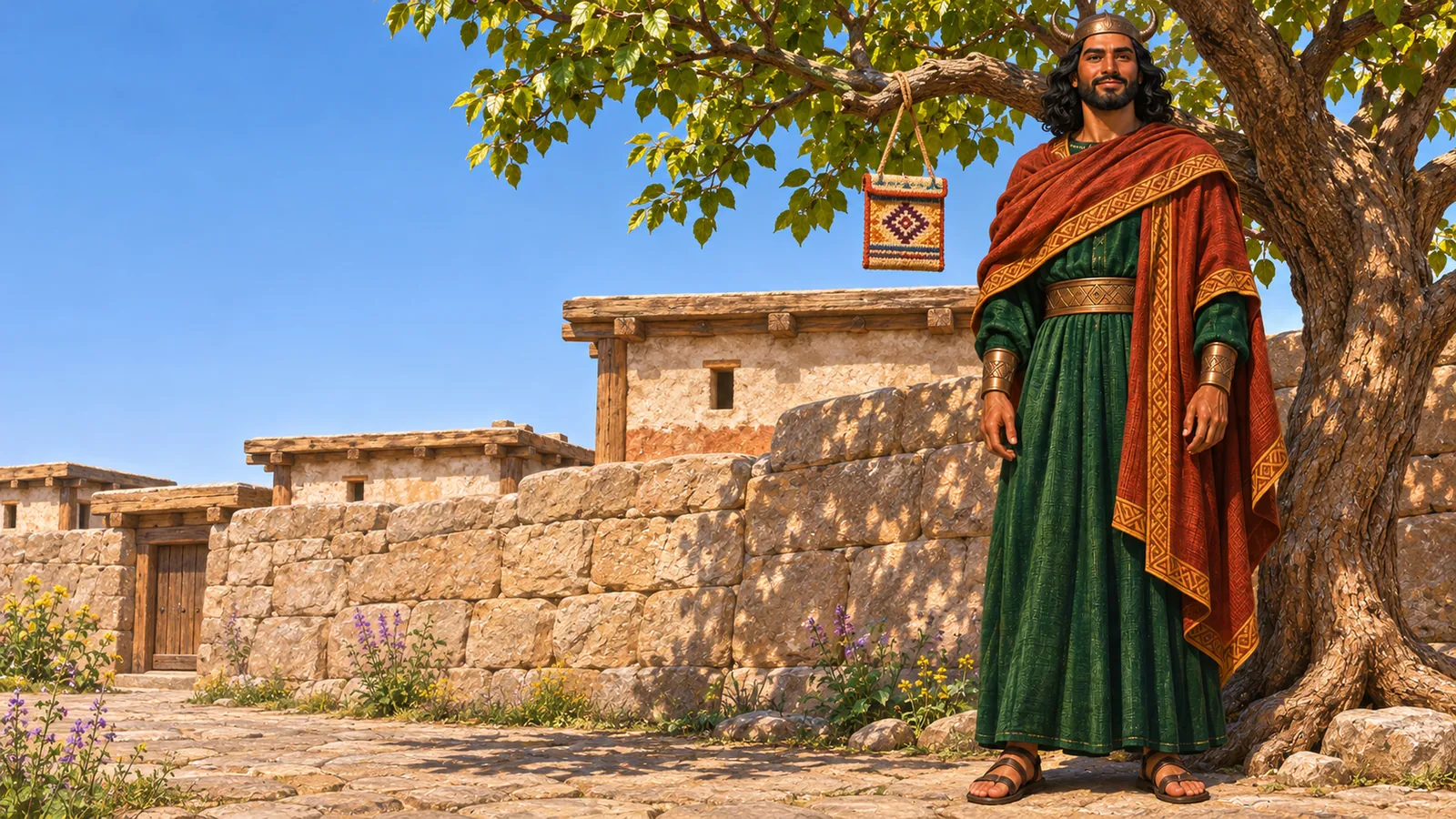
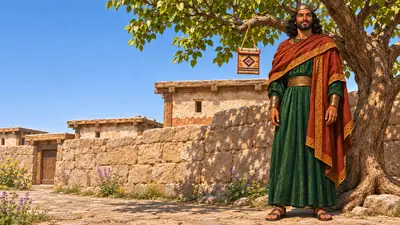
Un árbol eyan se alzaba ante Telipinu con un vellón de oveja suspendido. La imagen final reunía las formas de abundancia que habían vuelto con el dios.
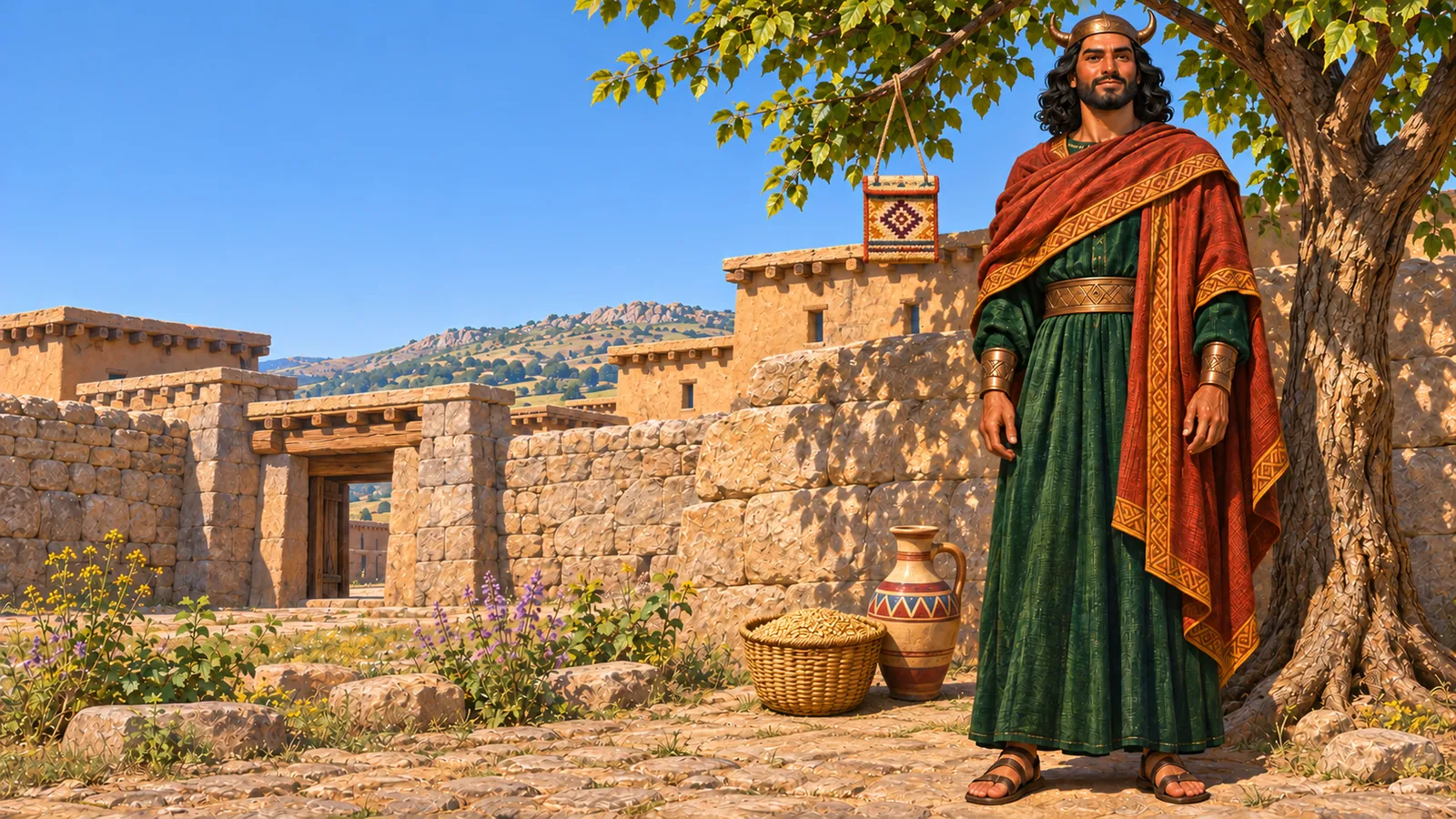
El vellón contenía signos de grano, vino, ganado, larga vida y descendencia, junto con mensajes favorables y obediencia. También figura un muslo derecho entre los dones.
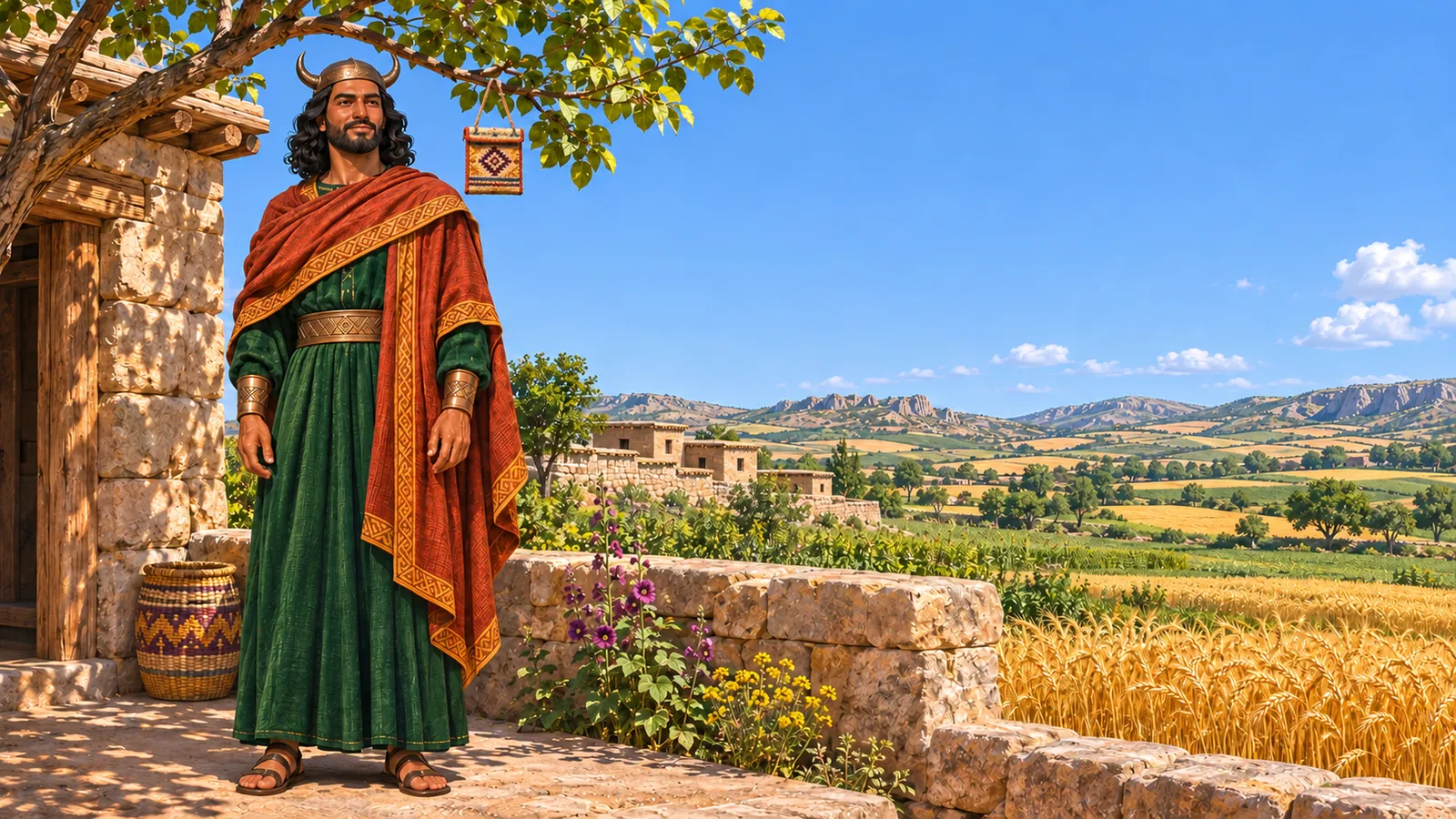
El primer relato termina con dones de prosperidad ante Telipinu. Otros fragmentos conservan palabras y detalles rituales distintos; sus pasajes perdidos siguen perdidos.
Fin del capítulo 1
Todas las páginas








Fuentes
Complete TITUS CTH324.1–324.9 translations, witness lists and all 149 notes read: 644 continuous entries across nine versions and fragment groups. Numbers below refer to translation entries, not physical tablet lines. The first telling, CTH324.1 (principally KUB17.10), supplies the narrative spine and genuine ending; the second and third supply explicitly identified parallel passages. Fragmentary duplicates and prescriptions in IV–IX are discussed without inventing missing events. H. Craig Melchert, “Marginalia to the Myth of Telipinu” (2016), printed 210–220 and bibliography, was read in full from the author-posted PDF. Adopted readings are labelled: crowded or misaligned altars, hearth and livestock rather than literal suffocation; the disputed bee phrase describing shape rather than an actual cutting; twelve rams shorn, wool on a perforated basket and treatment of limbs; and a straight, well-aligned reed. This is an original retelling of ancient subject matter, not a republication of a modern translation.
Ediciones consultadas
- TITUS, CTH324.1, complete edited German translation and notes
- TITUS, CTH324.2, complete edited German translation and notes
- TITUS, CTH324.3, complete edited German translation and notes
- TITUS, CTH324.4, complete edited German translation and notes
- TITUS, CTH324.5, complete edited German translation and notes
- TITUS, CTH324.6, complete edited German translation and notes
- TITUS, CTH324.7, complete edited German translation and notes
- TITUS, CTH324.8, complete edited German translation and notes
- TITUS, CTH324.9, complete edited German translation and notes
- H. Craig Melchert2016, Marginalia to the Myth of Telipinu,210–220; author-posted full article
- Melchert2016 DOI
- IL Archive, Hittites
- IL Archive, Hattusha
- IL Archive, Anatolia
- IL Archive, cuneiform
- IL Archive, ritual
Los versos antiguos de cada página
- Page 1: CTH324.1, entries1–2. The opening is damaged and does not preserve a certain cause of Telipinu’s anger. The first surviving admonition has several competing translations; no quarrel, insult or punishment has been supplied.
The opening is damaged and does not preserve a certain cause of Telipinu’s anger. The first surviving admonition has several competing translations. - Page 2: CTH324.1, entries3–4. The right and left shoes are exchanged in a partly restored passage. The subject and complete context are damaged; the illustration uses Telipinu as the narrative figure without claiming an excavated shoe or a certain explanation of the gesture.
The right and left shoes are exchanged in a partly restored passage. The subject and complete context are damaged. - Page 3: CTH324.1, entries5–10; Melchert2016,215–219. Older translations describe gods and livestock as stifled. Melchert instead reads the altars, hearth and herds as crowded, twisted or out of alignment, comparing the restoration passage. This retelling follows that interpretation and does not invent deaths by suffocation. Mist and smoke remain part of the ancient description.
Older translations describe gods and livestock as stifled. Melchert instead reads the altars, hearth and herds as crowded, twisted or out of alignment, comparing the restoration passage. - Page 4: CTH324.1, entry11. The ewe’s rejection of her lamb is explicit. Both animals are shown healthy and unharmed; the picture does not add an attack or the death of the lamb.
- Page 5: CTH324.1, entry12. The cow’s rejection of her calf parallels the ewe’s action. No physical assault, injury or death of the calf is stated.
- Page 6: CTH324.1, entries13–14. The edition names grain, fertility, growth, prosperity and satiety, with uncertainty over some terms and the deified concept Immarni. The source describes the household disorder before explaining Telipinu’s departure; the past-perfect narration preserves that presentation.
The edition names grain, fertility, growth, prosperity and satiety, with uncertainty over some terms and the deified concept Immarni. The source describes the household disorder before explaining Telipinu’s departure. - Page 7: CTH324.1, entries15–16. Telipinu hides in, or merges with, a marsh, and the halenzu plant grows over him. The precise plant and geographical location are not securely identified. This passage is not silently equated with the wooded meadow at Lihzina in the third version.
This passage is not silently equated with the wooded meadow at Lihzina in the third version. - Page 8: CTH324.1, entries17 and21–26. Grain and emmer fail, woodland, pastures and springs dry, and shoots cease. The source supplies no modern diagnosis, named season or exact duration.
The source supplies no modern diagnosis, named season or exact duration. - Page 9: CTH324.1, entries18–20. The cessation of conception and birth among humans, cattle and sheep is explicit. No intimate action, pregnancy anatomy or injured mother or child is pictured.
- Page 10: CTH324.1, entries26–27. The text expressly says that humans and gods die of hunger. The narration retains this event; an empty-provisions image represents it without depicting dying bodies.
The text expressly says that humans and gods die of hunger. - Page 11: CTH324.1, entries28–29. The great Sun-god summons one thousand gods. The picture uses a small representative group rather than claiming to reconstruct the entire divine assembly.
- Page 12: CTH324.1, entries30–33. The gods eat without becoming satisfied and drink without quenching thirst. The feast is not described as lacking food, nor does the passage say that everyone dies at the table.
- Page 13: CTH324.1, entries34–37. The Storm-god calls Telipinu his son and says he has taken all good things away in anger. This relationship does not identify Telipinu with the unnamed human son in the separate Illuyanka narrative.
- Page 14: CTH324.1, entry38. Both great and small gods search. The passage does not supply a complete roster or a successful route.
- Page 15: CTH324.1, entries39–42. The eagle is sent to mountains, valleys and waters. Translations of the last expression include quiet waters, blue sea and the Blue Deep; a particular historical sea has not been identified here.
Translations of the last expression include quiet waters, blue sea and the Blue Deep; a particular historical sea has not been identified here. - Page 16: CTH324.1, entries40–44. The eagle’s journey ends in failure. The ordinary eagle is an artistic species choice, not an identification supplied by the tablet.
- Page 17: CTH324.1, entries45–46. The eagle reports that it did not find Telipinu, described as an important or weighty god. That epithet has not been turned into a claim about bodily size.
- Page 18: CTH324.1, entries47–49. The Storm-god fears that they will die of hunger. His words are a fear about what may happen, not another narrated death and resurrection.
His words are a fear about what may happen, not another narrated death and resurrection. - Page 19: CTH324.1, entries50–53. Hannahanna tells the Storm-god to act and search himself, and he goes. No additional refusal or reason for the original disappearance is preserved.
- Page 20: CTH324.1, entries54–57. This retelling follows the edited translation in which the Storm-god cannot open the gate and breaks his hammer and wedge. Other translations understand a hammer breaking the gate’s bolt. The city’s possessive reference and a damaged verb also remain uncertain.
This retelling follows the edited translation in which the Storm-god cannot open the gate and breaks his hammer and wedge. Other translations understand a hammer breaking the gate’s bolt. The city’s possessive reference and a damaged verb also remain uncertain. - Page 21: CTH324.1, entries58–61. The father wraps himself in his garment and sits; Hannahanna’s sending of the bee is partly restored. The passage does not describe the father dying or losing his throne.
The father wraps himself in his garment and sits; Hannahanna’s sending of the bee is partly restored. - Page 22: CTH324.1, entries60–67. The small bee is sent despite the Storm-god’s doubts about its wings and body. No exact modern bee species is named.
- Page 23: CTH324.1, entries62–69;324.2, entries38–47; Melchert2016,210–212. The final mocking phrase is disputed. Melchert proposes a description of the bee as flat-faced or snub-nosed, rather than an action cutting its body or wings. Hannahanna’s reassurance is explicitly drawn from the second version.
The final mocking phrase is disputed. Hannahanna’s reassurance is explicitly drawn from the second version. - Page 24: CTH324.2, entries27–37. These are instructions to sting the hands and feet, wipe with wax, purify, consecrate and bring Telipinu back. They are labelled as the second version, and every commanded action is not assumed to have been carried out in the damaged first or third version.
They are labelled as the second version, and every commanded action is not assumed to have been carried out in the damaged first or third version. - Page 25: CTH324.2, entries48–52. The bee searches mountains, rivers and springs before a gap. The narration does not invent a complete itinerary.
The bee searches mountains, rivers and springs before a gap. - Page 26: CTH324.3, entries11–17. The switch to the third version is explicit. Honey and wax are exhausted, while the finding verb and the location in a wooded meadow at Lihzina are partly restored. This witness is not presented as an intact continuation of the first version.
The switch to the third version is explicit. Honey and wax are exhausted, while the finding verb and the location in a wooded meadow at Lihzina are partly restored. This witness is not presented as an intact continuation of the first version. - Page 27: CTH324.3, entries18–19. The bee actually stings Telipinu’s hands and feet and he rises. This action is retained in narration and represented through unpeopled objects, without a puncture, swelling or injured body.
- Page 28: CTH324.3, entries20–25. Telipinu asks why he was made to rise while asleep and speak while angry. The source does not provide a new motive for his original anger or a subsequent attack on the bee.
The source does not provide a new motive for his original anger or a subsequent attack on the bee. - Page 29: CTH324.3, entries25–33. The third version describes diverted rivers, overthrown cities and houses, and the destruction of humans, cattle and sheep; some connecting verbs and references to riverbanks are damaged. These severe events are stated in one calm sentence and pictured symbolically. They are not all preserved in the first version.
The third version describes diverted rivers, overthrown cities and houses, and the destruction of humans, cattle and sheep; some connecting verbs and references to riverbanks are damaged. They are not all preserved in the first version. - Page 30: CTH324.3, entries34–41. The distressed gods ask what to do and call for human help. The damaged exchange supplies neither a complete answer nor a named human helper’s biography.
The damaged exchange supplies neither a complete answer nor a named human helper’s biography. - Page 31: CTH324.3, entries41–55, with parallels in324.7, entries14–29. The passage mentions Ammuna, a stinger or possibly a tool, an eagle, burning and removal of anger. The object of burning is incomplete; the edited note takes a pronoun as referring to the stinger. No burning of Telipinu, the bee, the eagle or a person has been invented.
- Page 32: CTH324.1, entries71–82. The return to the first version is explicit. Damaged lines mention crushed malt and a brewing ingredient often rendered beer bread, followed by an uncertain cutting at a gate. Neither its object nor a complete action is recoverable, so no new mutilation is supplied.
The return to the first version is explicit. Damaged lines mention crushed malt and a brewing ingredient often rendered beer bread, followed by an uncertain cutting at a gate. - Page 33: CTH324.1, entries83–88. Galaktar, parhuena, samamma and their botanical or material identities are disputed. The unnamed ritual voice asks for calm. Its depiction as an adult human woman is an artistic choice; the text does not name that individual.
The text does not name that individual. - Page 34: CTH324.1, entries89–91. A fig’s sweetness forms a wish that Telipinu’s spirit become sweet. The passage does not describe forced feeding or a proven instant cure.
- Page 35: CTH324.1, entries92–94. Oil within an olive and wine within a raisin are the ancient analogy for keeping the king in goodwill. This is the wording of a ritual comparison, not a modern botanical claim or the identification of a historical king.
This is the wording of a ritual comparison, not a modern botanical claim or the identification of a historical king. - Page 36: CTH324.2, entries69–82. This parallel passage compares pure emmer and united brewing ingredients with the desired state of the god. It says beer makes angry or worried people drunk and wishes a similar effect for Telipinu; it does not narrate the god actually becoming drunk.
- Page 37: CTH324.1, entries95–104. Oil-plant, malt, emmer, honey and clarified butter supply comparisons for purity, sweetness, softness and receptiveness to human words. Botanical identities are uncertain, and the comparisons remain wishes rather than additional completed events.
Oil-plant, malt, emmer, honey and clarified butter supply comparisons for purity, sweetness, softness and receptiveness to human words. Botanical identities are uncertain, and the comparisons remain wishes rather than additional completed events. - Page 38: CTH324.1, entries105–109; Melchert2016,218–219. The speaker declares the paths sprinkled and calls Telipinu to walk. Melchert understands the reed comparison as straight and well-aligned. The woods are interpreted differently in324.7, where they form a bed; the versions are not silently combined.
The woods are interpreted differently in324.7, where they form a bed; the versions are not silently combined. - Page 39: CTH324.1, entries110–112. The first version explicitly has Telipinu arrive in wrath, thunder with lightning and strike the dark earth. This is distinct from the earlier, labelled third-version destruction. The picture represents the harsh action without impact or bodily injury.
The first version explicitly has Telipinu arrive in wrath, thunder with lightning and strike the dark earth. This is distinct from the earlier, labelled third-version destruction. - Page 40: CTH324.1, entries113–119. Kamrusepa sees Telipinu, moves an eagle’s wing in a damaged clause and halts wrath, anger, wrongdoing and irritation. The illustration does not require a severed wing, an injured bird or a winged human goddess.
Kamrusepa sees Telipinu, moves an eagle’s wing in a damaged clause and halts wrath, anger, wrongdoing and irritation. - Page 41: CTH324.1, entries120–124; Melchert2016,212–214. The passage names the Sun-god’s flock, Hapantali and twelve rams. Melchert reads shearing the rams and treating Telipinu’s limbs; the older edition reads selecting rams and has a disputed object of treatment. The chosen reading is signalled in narration. No slaughter or castration is added.
The passage names the Sun-god’s flock, Hapantali and twelve rams. Melchert reads shearing the rams and treating Telipinu’s limbs; the older edition reads selecting rams and has a disputed object of treatment. - Page 42: CTH324.1, entries125–126; Melchert2016,212–214. A basket with one thousand eyes is understood as a perforated basket or sieve. Melchert interprets its contents as wool shearings, against the older grain reading. The eyes are holes, not body parts; the image does not claim an exact count of visible holes.
Melchert interprets its contents as wool shearings, against the older grain reading. - Page 43: CTH324.1, entries127–134; Melchert2016,214. The first-person ritual description burns material and moves it away on both sides of Telipinu. In Melchert’s interpretation this is wool fumigation. The material is burned, not the body of a god, human or animal.
- Page 44: CTH324.1, entries129–138 and160–166. The ritual voice declares the removal of evil, wrongdoing, wrath, anger and irritation. References elsewhere in the list to a harmful tongue and footsole can concern speech and conduct; they are not treated as the cutting away of body parts.
- Page 45: CTH324.1, entries135–148. Kindling, dry malt and a dying fire are comparisons in wishes that anger burn, wither and go out. The passage does not describe Telipinu’s body burning or another actual destruction of towns.
- Page 46: CTH324.1, entries147–153. The extinguished fire and water not returning through a reed express the wish that anger never return. They do not establish a new physical barrier or a modern rule about water.
- Page 47: CTH324.1, entries154–166. The hawthorn assembly lists partly restored Papaya, Ishtushtaya, fate and mother deities, the grain deity, a prosperity spirit, Telipinu, a protective deity and Hapantali, with gaps. Any pictured companions are representatives, not a reconstruction of the full roster. The rite’s long-life substitutes are also uncertain.
The hawthorn assembly lists partly restored Papaya, Ishtushtaya, fate and mother deities, the grain deity, a prosperity spirit, Telipinu, a protective deity and Hapantali, with gaps. The rite’s long-life substitutes are also uncertain. - Page 48: CTH324.1, entries172–175;324.9, entries1–3. The preceding cattle-forelock clause is restored from parallels, followed by pulling a sheep’s fleece. The narration summarises the physical details as hair and fleece from passing livestock and retains the analogy: anger should be drawn away similarly. No animal is shown being plucked or injured.
The preceding cattle-forelock clause is restored from parallels, followed by pulling a sheep’s fleece. - Page 49: CTH324.1, entries176–180. An attendant checking the Storm-god and a ladle restraining a pot are comparisons for the power requested of human words. They are not made into another battle, the god’s physical imprisonment or a magically animate pot.
An attendant checking the Storm-god and a ladle restraining a pot are comparisons for the power requested of human words. - Page 50: CTH324.1, entries181–190. House, inner structure, window, courtyard, gate, gateway and royal road are asked to release anger. It must avoid productive land and take the road of the Sun-goddess of the Earth. These are invocations; anger and the goddess are not given invented bodily forms.
- Page 51: CTH324.1, entries191–200; compare324.2,93–98 and324.7,42–49. The first version invokes seven doors and bolts, bronze vessels, lead lids and iron fastenings. The parallel versions have iron vessels. The chant wishes anger shut away without return; it does not state that a person or god was buried in a jar.
The first version invokes seven doors and bolts, bronze vessels, lead lids and iron fastenings. The parallel versions have iron vessels. - Page 52: CTH324.1, entries201–202. Telipinu’s actual return home and care for the land belong to the first version’s surviving ending. They are not a happy conclusion invented to replace a missing outcome.
Telipinu’s actual return home and care for the land belong to the first version’s surviving ending. - Page 53: CTH324.1, entries203–208; Melchert2016,215–219. Mist and smoke depart and the hearth, altars and herds return to order. The older translation’s compressed verbs and altar reading are disputed. Restored order does not erase the earlier statement of famine deaths.
The older translation’s compressed verbs and altar reading are disputed. Restored order does not erase the earlier statement of famine deaths. - Page 54: CTH324.1, entry209. The human mother accepts or acknowledges her child. No prior death, resurrection or specific family biography is supplied.
- Page 55: CTH324.1, entry210. The ewe accepts her lamb, reversing the opening refusal. The animals remain the same healthy artistic pair; no resurrection or forced contact is added.
- Page 56: CTH324.1, entry211. The cow accepts her calf, reversing the other opening refusal. The passage does not narrate a new birth or an animal’s resurrection.
- Page 57: CTH324.1, entries212–214. Telipinu recognises king and queen and provides life, strength and a future. The royal figures are unnamed in the passage, so no historical identities or dates are assigned.
- Page 58: CTH324.1, entries215–216. An eyan tree or pole stands before Telipinu and holds a sheep’s fleece, often discussed as a kursha. The species and exact object are uncertain. The illustration uses a flat, closed wool-covered pouch and does not add an animal’s head, limbs or an actual slaughter.
The species and exact object are uncertain. - Page 59: CTH324.1, entries217–225. The contents include fat, grain, a deified fertility term, wine, cattle and sheep, long years, descendants, a gentle lamb-message or bleating, approval, obedience and a right thigh, followed by growth and satiety. The right thigh is named calmly and is not pictured. The symbolic list does not imply live animals or human bodies physically inside the pouch.
- Page 60: CTH324.1,214–225; compare324.4–324.9. The first version genuinely closes with prosperity. Other fragments preserve food and drink requests, uncertain plants, three goat skins, a disputed nine-arrows or drinking-tube passage, a hunting verb, a palace reference and parallel fleece imagery. Their damaged contexts do not yield a complete extra hunt, battle or ending; these fragmentary ritual details are recorded here without manufacturing new episodes.
The first version genuinely closes with prosperity. These fragmentary ritual details are recorded here without manufacturing new episodes.
Ilustraciones hechas por IL Archive con herramientas de IA; el texto se basa en las fuentes antiguas (véanse las fuentes al final de cada capítulo).