Entity · People
Hittites
A reference page linking a name, group, or concept to the materials that discuss it.
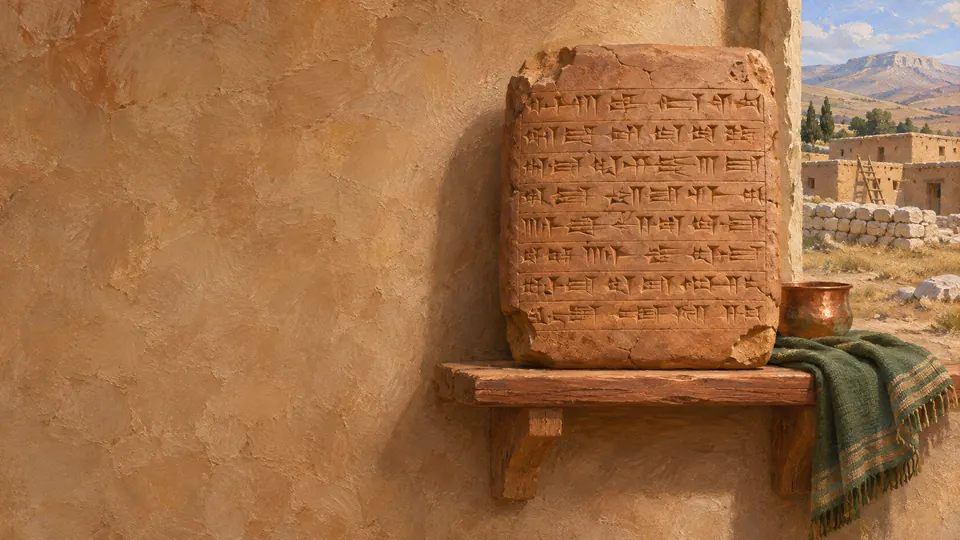
From Hattusha in central Anatolia, Hittite kings governed a realm that reached northern Syria. Clay tablets preserve treaties, laws and prayers, while the capital’s walls and sanctuaries record how royal power took shape on the ground.
Estimated reading time: 3 min Published Last reviewed:
Share article
Text
Introduction
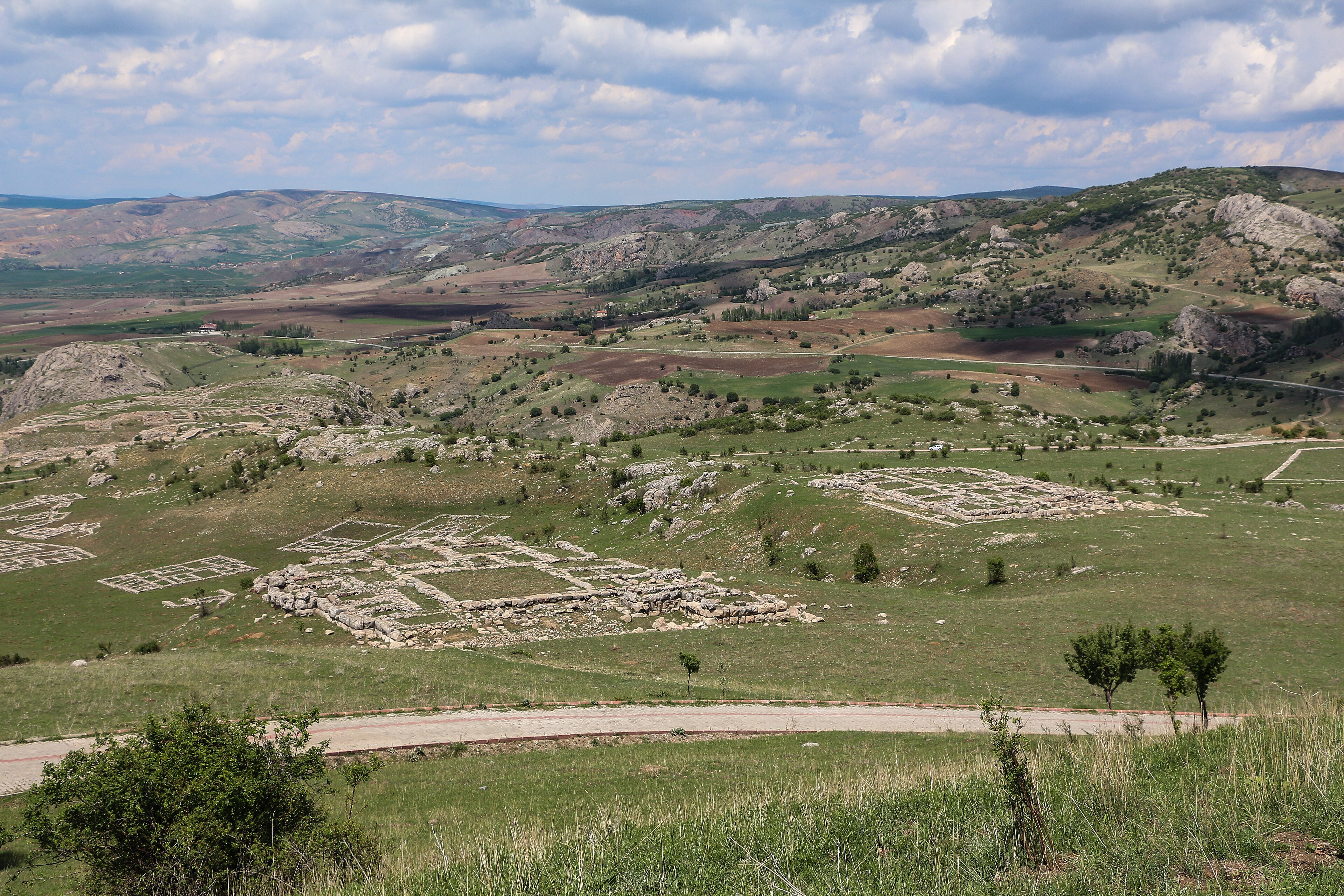
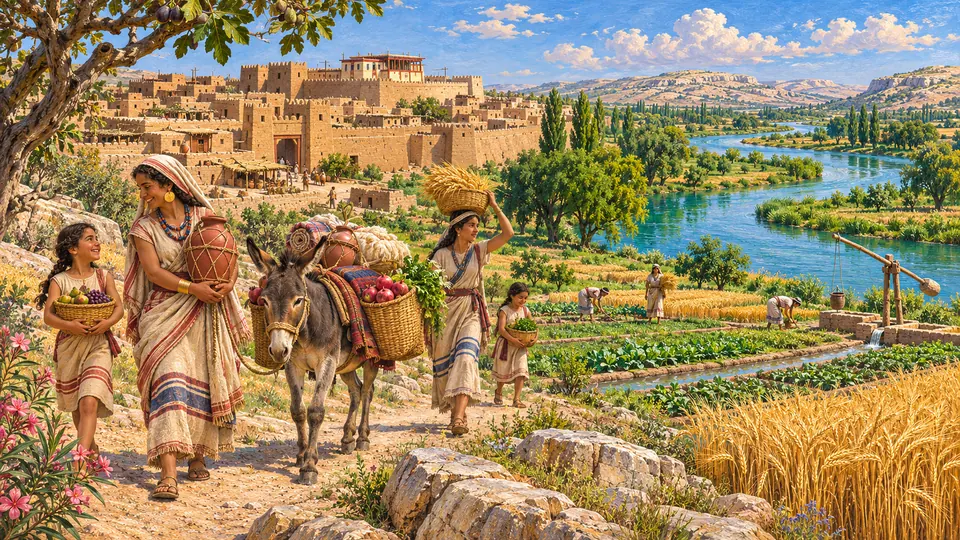
The Hittites established a kingdom in central AnatoliaAnatoliaAnatolia is the region occupying the Asian part of present-day TurkeyGlossary · Click to read the explanation in the second millennium BCE. Hattusha, at present-day Boğazkale in TürkiyeTurkeyTurkey is a modern country including Anatolia and territory in southeastern EuropeGlossary · Click to read the explanation, became its capital around 1650 BCE under Hattushili I. The kings called their realm the land of Hatti. At the height of their power, they ruled across much of Anatolia and into northern Syria. The stone buildings of Hattusha and the clay tablets found there document different parts of that history. [1][2][5]
A kingdom based at Hattusha
Hattushili I took his armies south into Syria. His successor Murshili I attacked Aleppo and later raided BabylonBabylonBabylon is an ancient city in central present-day Iraq, south of BaghdadGlossary · Click to read the explanation. These campaigns reached far beyond the kingdom’s Anatolian centre. In the fourteenth century BCE, Shuppiluliuma I extended Hittite power in Syria and established a royal centre at Carchemish. Its dynasty would outlast the empire. [1]
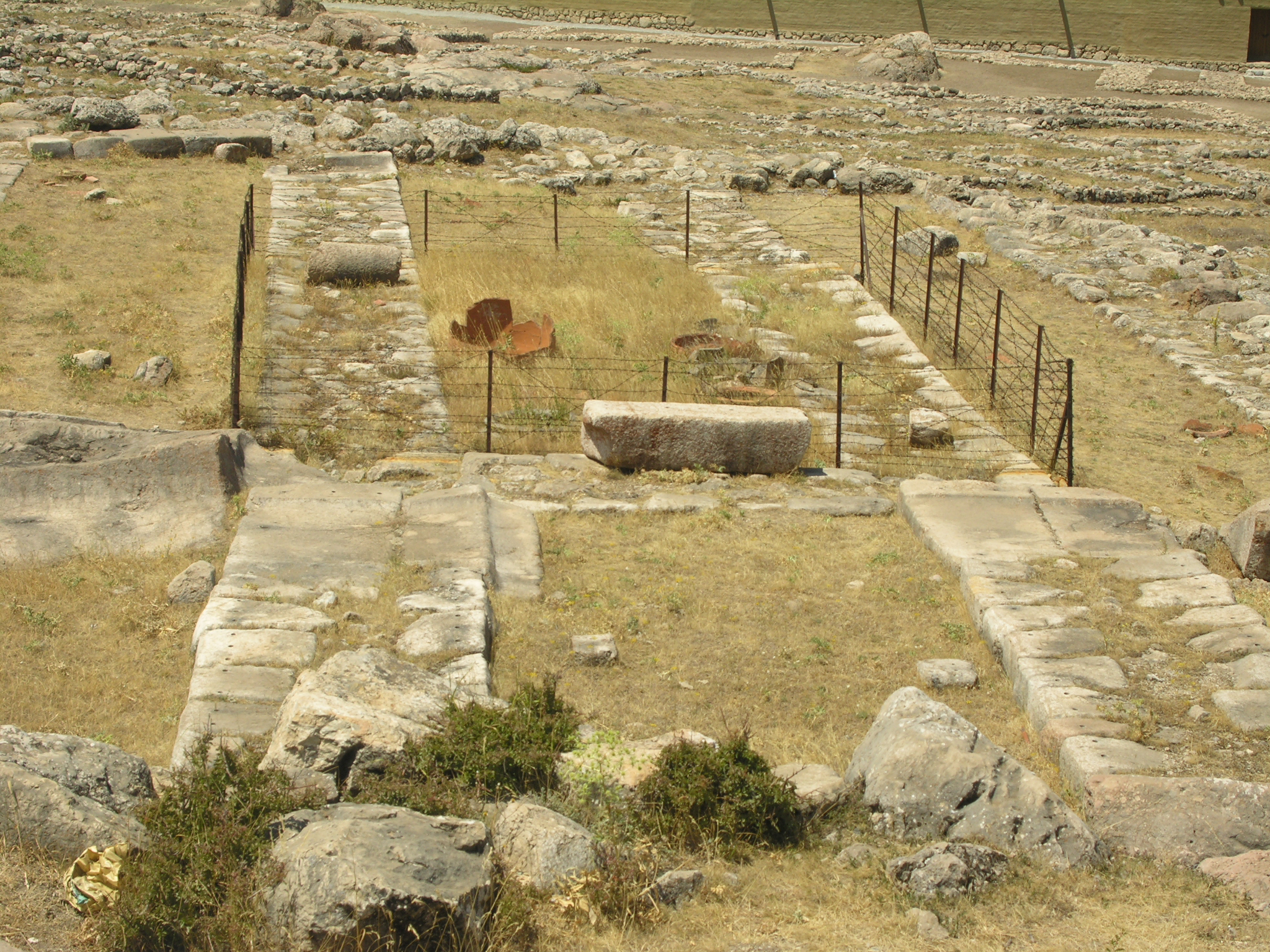
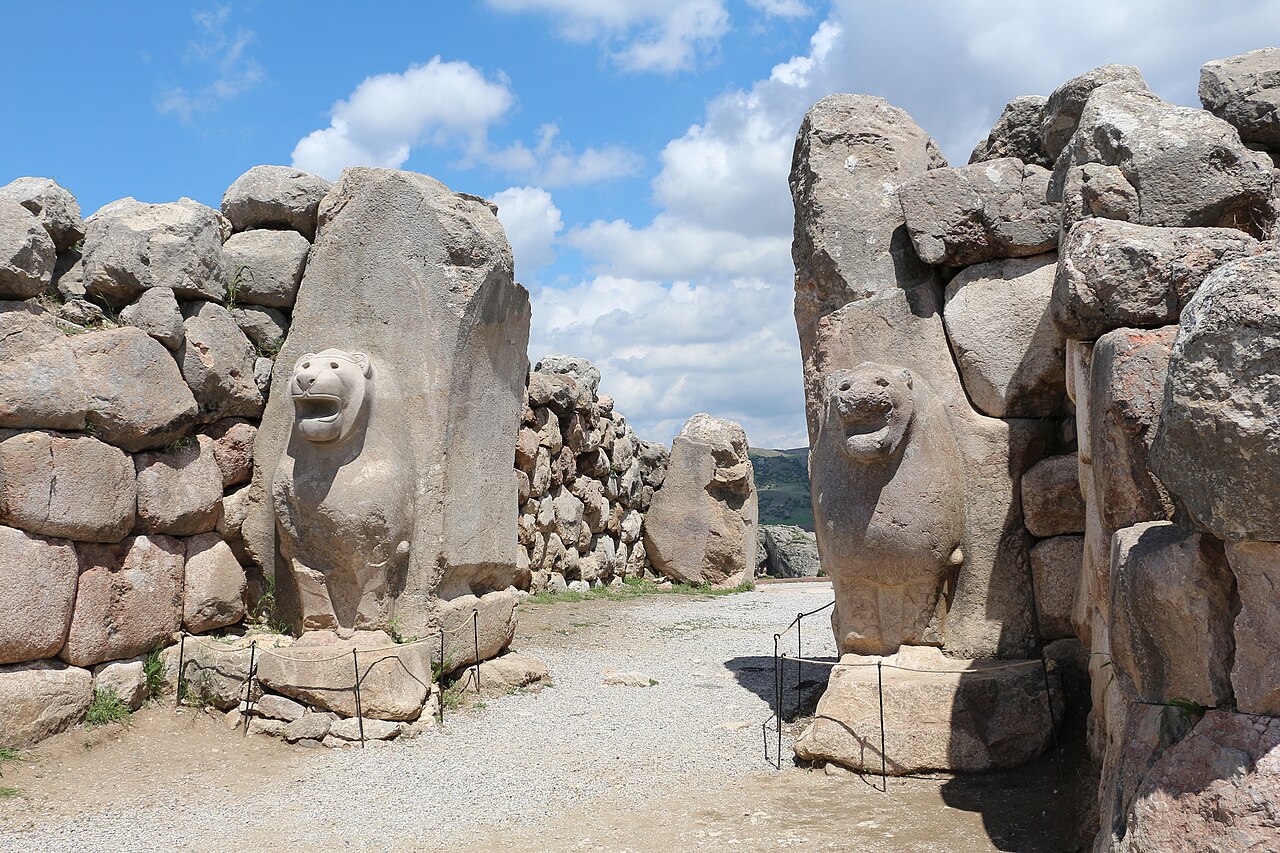
At HattushaHattusha, Hittite capitalHittite capital near Boğazkale in present-day Turkey, preserving witnesses to treaty traditions.Glossary · Click to read the explanation, the lower city lies north of the upper city. The ruined circuit of walls includes the Lion’s Gate and the King’s Gate. The Sphinx Gate stands on an artificial embankment with a tunnel beneath it. Near the city, the rock sanctuary of Yazılıkaya preserves carved processions of deities. These remains give the capital a physical setting for government, worship and ceremony. [2]
How the Hittites kept records
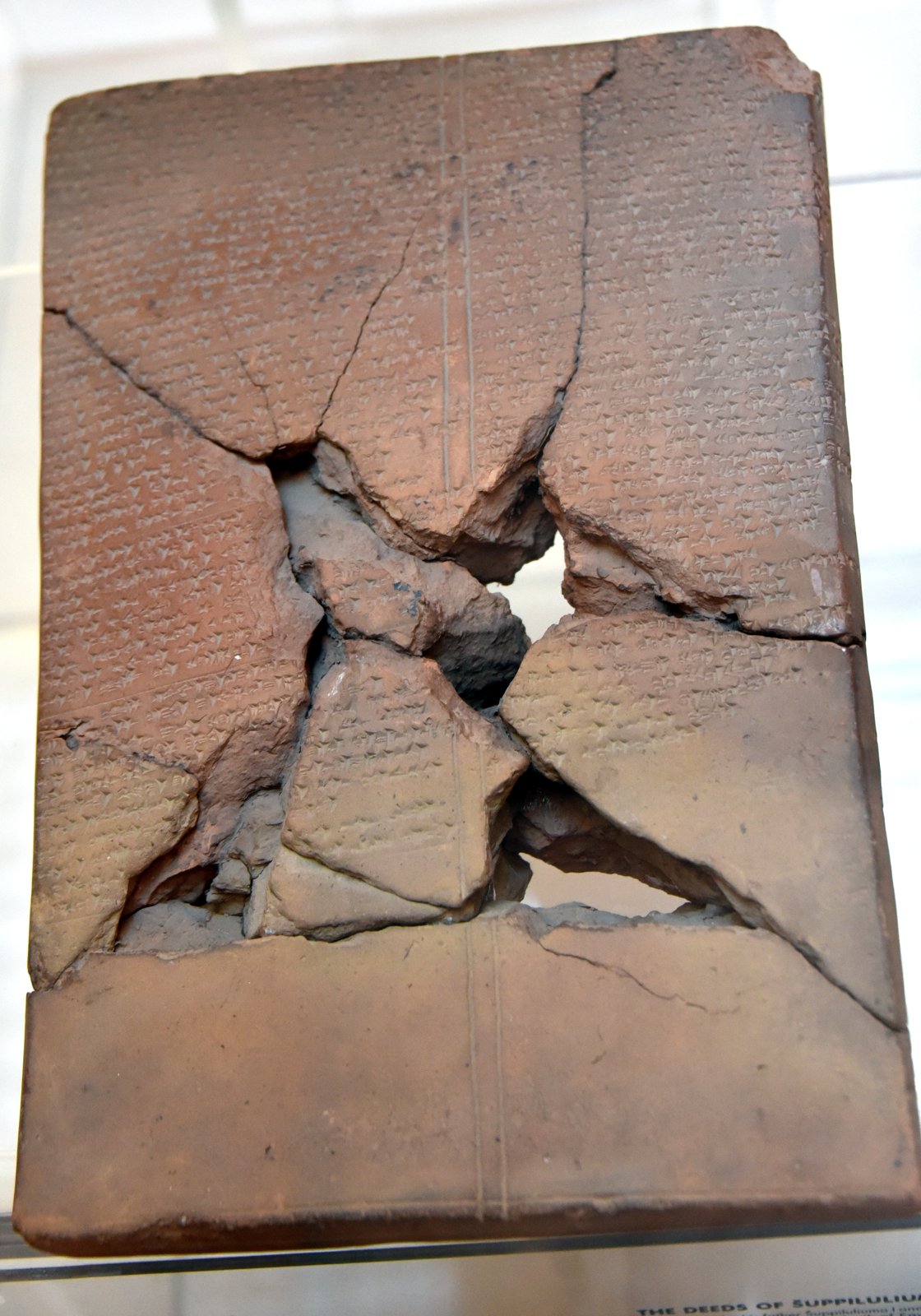
The tablets found at Hattusha preserve laws, diplomatic texts and ritualRitualAn organised or distinguished practice meaningful to a community; it may leave traces, but its form alone does not reveal an associated doctrine.Glossary · Click to read the explanation instructions. [7]
Among the surviving compositions are the plague prayers of Murshili IIMursili IIHittite king of the late fourteenth century BCE, party to a loyalty treaty with Amurru’s ruler.Glossary · Click to read the explanation. In one prayer a messenger speaks for the king, asking the Storm God of Hatti to end the deaths. The king recounts a search for the reason for the outbreak in earlier written records and oracles. The prayer documents how a king explained a crisis and appealed for relief through ritual. [5]
A treaty with Egypt and the end of the empire
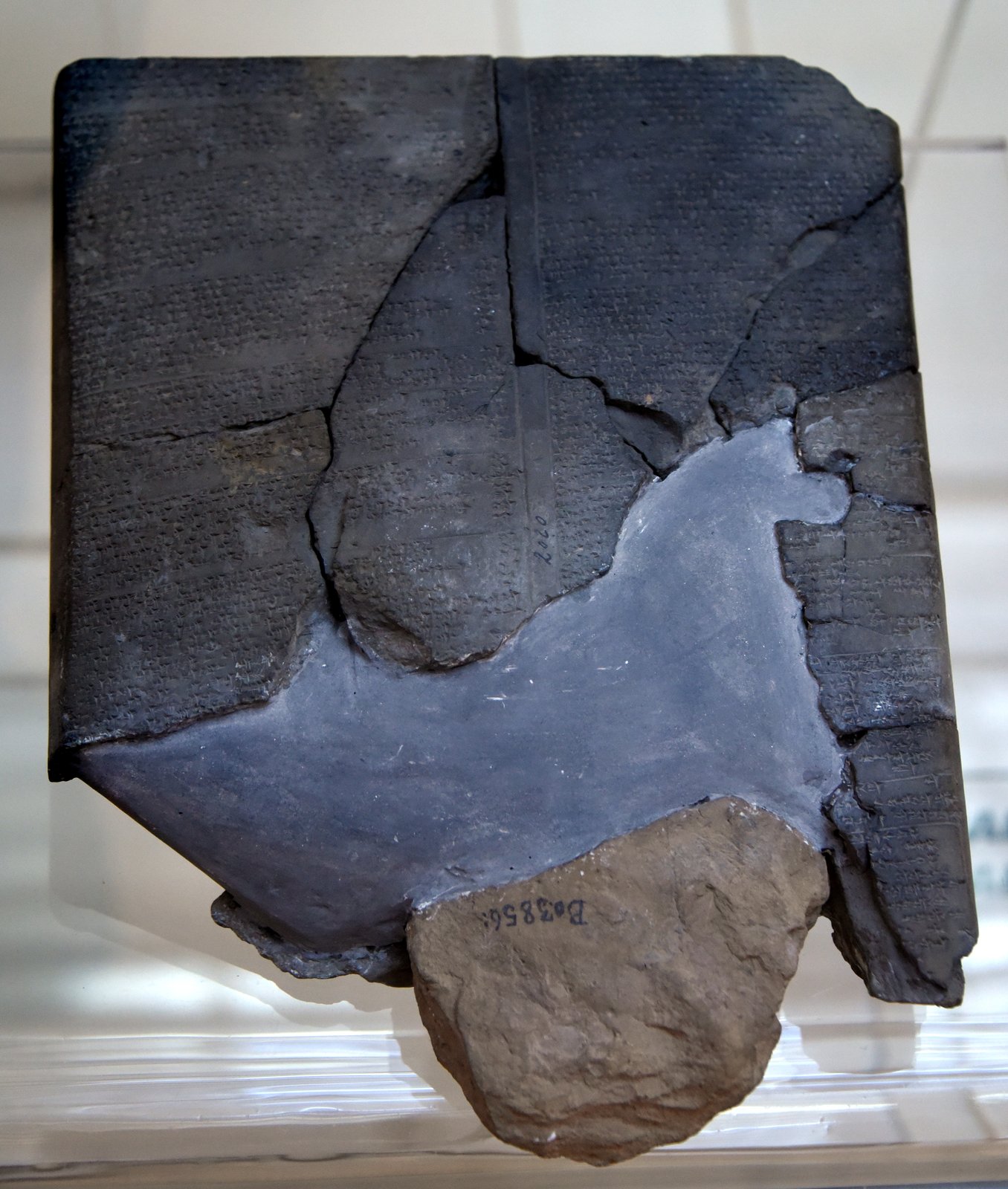
In the thirteenth century BCE, Muwatalli II confronted Ramesses II at Kadesh. Years later, Hattushili III and Ramesses II agreed to peace and mutual assistance. A clay copy from Hattusha preserves the treaty in AkkadianAkkadianAn ancient East Semitic language written in cuneiform from the third millennium BCE; its varieties include Babylonian and Assyrian, and it served in international diplomacy.Glossary · Click to read the explanation, a language used for diplomacy. An Egyptian version was carved on temple walls in Egypt. The two forms show how the same agreement was recorded in the courts that made it. [1][3][4]
Around 1200 BCE, Hattusha ceased to be the centre of Hittite rule. Archaeological evidence suggests that the royal administration left before some of the buildings burned. A study of central Anatolian juniper wood found evidence for unusually severe dryness in three consecutive years around 1198–1196 BCE, with a dating uncertainty of about three years. The study identifies a possible pressure on agriculture and food supplies during the crisis. In northern Syria, Carchemish continued under a dynasty established during the empire. [1][6]
Quick answers
Where was the Hittite capital?
Hattusha lies at present-day Boğazkale in central Türkiye. [2]
Who concluded the peace treaty with Egypt?
Hattushili III of Hatti and Ramesses II of Egypt made the treaty in the thirteenth century BCE. [3][4]
References and notes (7)
- Department of Ancient Near Eastern Art, Metropolitan Museum of Art, “The Hittites” (2002) Chronological overview. Hattushili I and Murshili I, Shuppiluliuma I’s advance into Syria, Muwatalli II and Kadesh, Hattushili III and the continuing dynasty at Carchemish. Return to the text ↑
- UNESCO World Heritage Centre, “Hattusha: the Hittite Capital,” World Heritage List 377 Brief synthesis and criterion (i). Modern Boğazkale, the lower and upper city, the gateways, the embankment and passage at the Sphinx Gate, and the reliefs at Yazılıkaya. Return to the text ↑
- Istanbul Archaeological Museums, “The Kadesh Treaty” Object description and collection details. Hattushili III and Ramesses II, mutual assistance, and the Akkadian clay copy from Hattusha. Return to the text ↑
- Çorum Provincial Directorate of Culture and Tourism, “Kadesh War and Peace Treaty” Overview and treaty translation. The Egyptian temple inscription, the Hattusha tablets and the terms agreed by the two kings. Return to the text ↑
- University of Texas at Austin, Linguistics Research Center, “The Plague Prayer of Mursilis II,” Hittite Online, lesson 8 Introduction and English translation. The king speaks through a messenger, addresses the Storm God of Hatti, and reports consulting tablets and oracles. Return to the text ↑
- Sturt W. Manning et al., “Severe multi-year drought coincident with Hittite collapse around 1198–1196 BC,” Nature 614 (2023), pp. 719–724 Opening and tree-ring results. Evidence for Hattusha’s abandonment, the juniper-based dry period and its dating uncertainty, and the possible agricultural effects. Return to the text ↑
- UNESCO Memory of the World, “The Hittite Cuneiform Tablets from Bogazkoy” Nomination dossier, sections 3 and 4.1. Archives from the palace and temples, and the political, diplomatic, legal and religious texts they preserve. Return to the text ↑
Suggest a correction · Suggest a source for this record
Cite this record
IL Archive, «Hittites», https://ilarchive.com/en/entities/hittites
Continue reading
Related readings