The Deeds of Anitta Chapter 1
Words at the Gate
Anitta tells of the towns he knew, the god brought home to Nesha, the curse on Hattusa and the extraordinary gifts of Purushanda. Each claim reaches us through tablets copied in the city he cursed.
SourcesTurn the pages with the arrows, the arrow keys or a swipe.
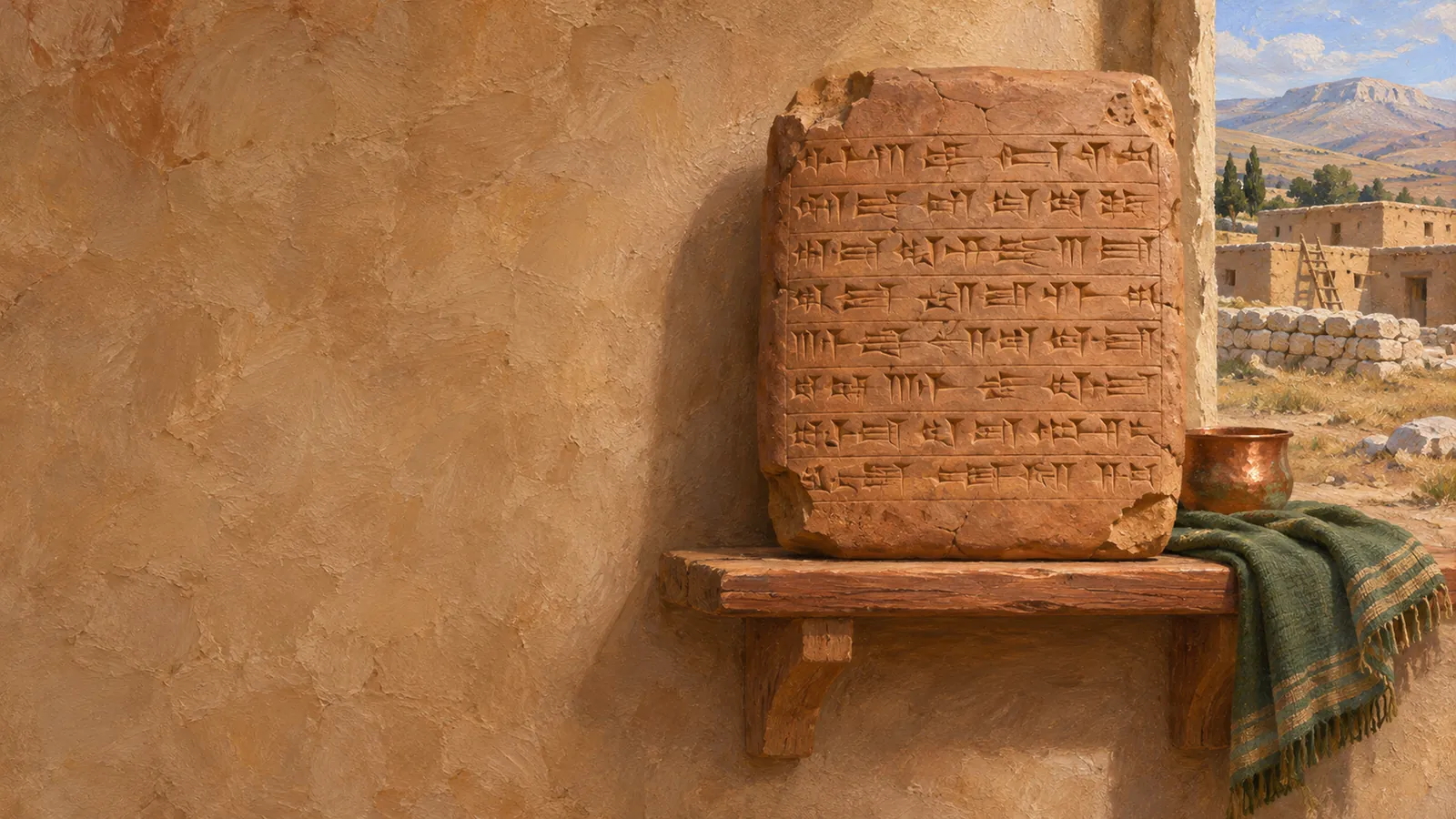
THE DEEDS OF ANITTA
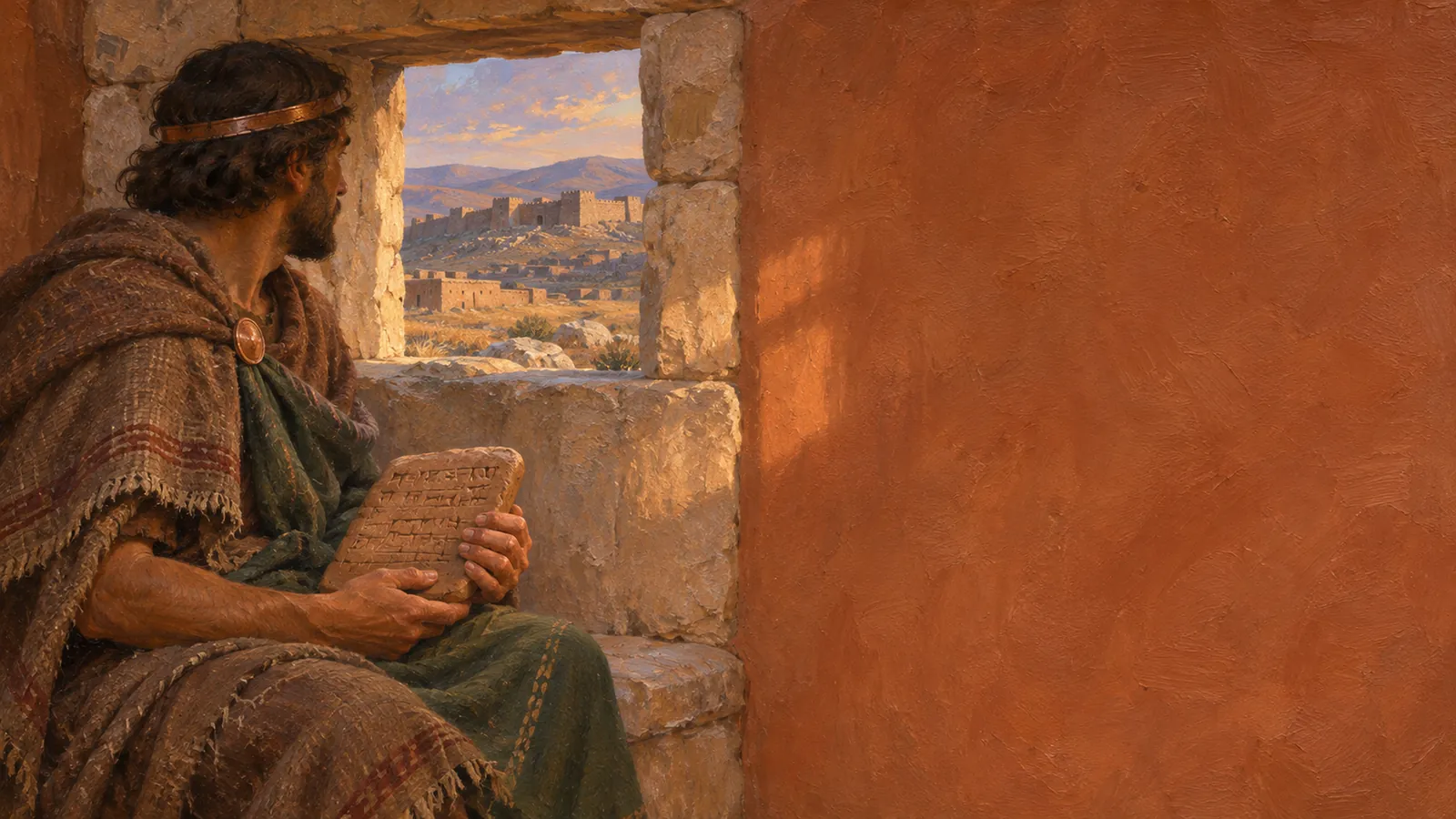
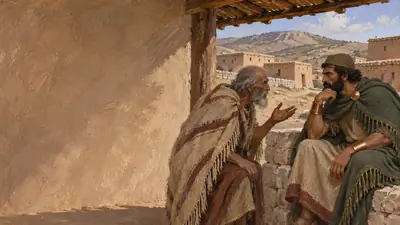
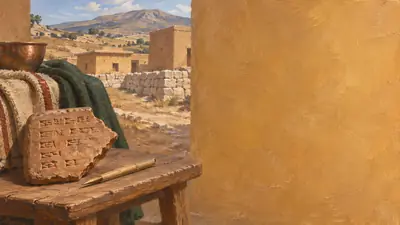
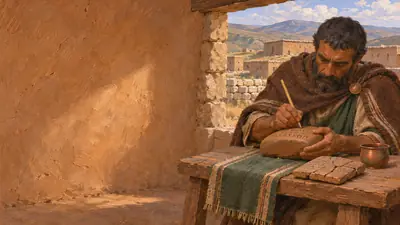
A tablet opens with the name of Anitta, son of Pithana and king of Kushshara. He addresses generations to come. A later scribe wrote the clay copy that carries his words.
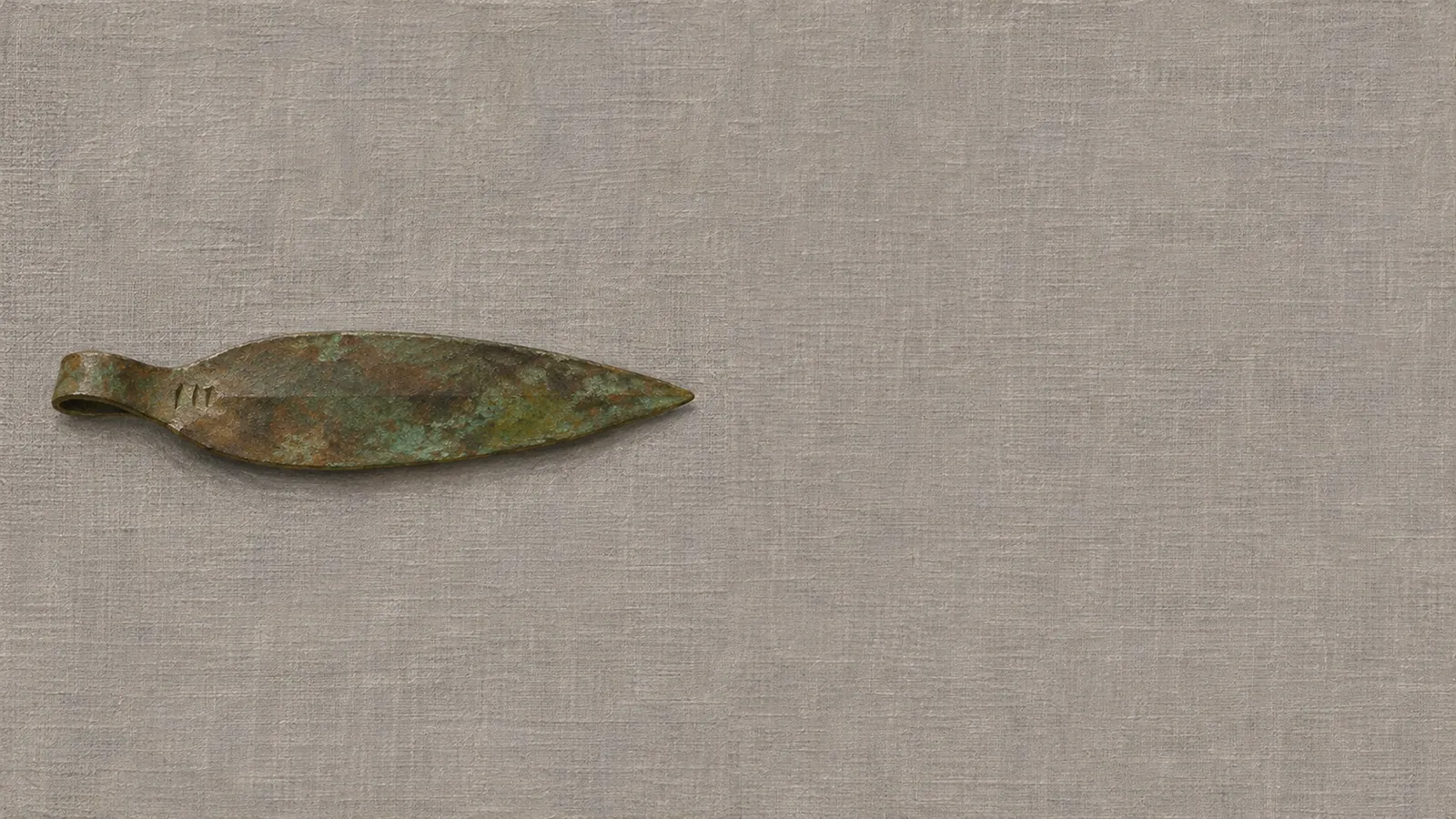
A bronze blade from Kültepe bears Anitta’s name and identifies itself as property of his palace. The blade dates from his own time. The tablets tell us how the king wanted to be remembered.
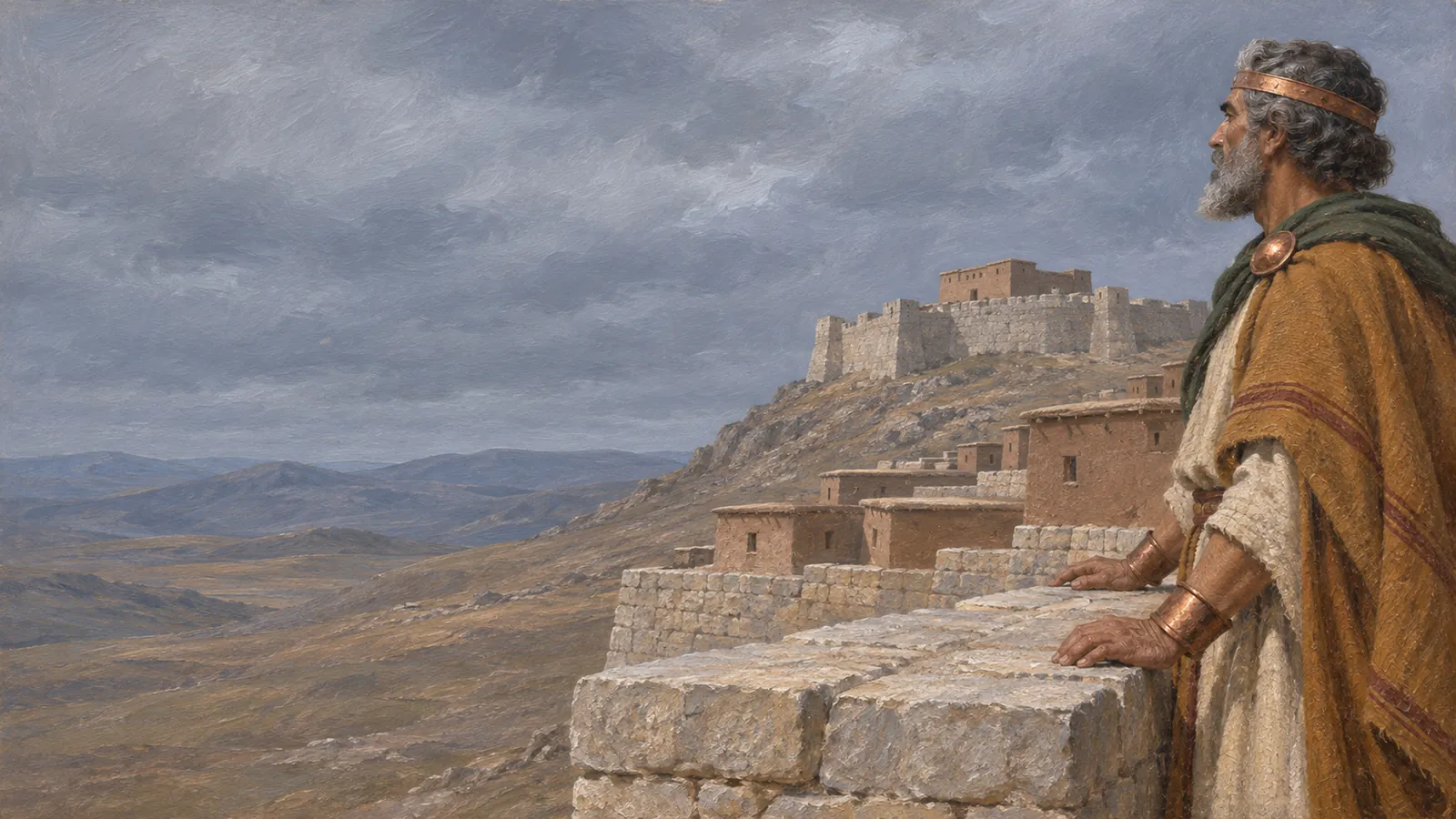
The Storm God’s favor appears at the beginning. The edge breaks as the king of Nesha is mentioned alongside the king of Kushshara. The first clear action belongs to Anitta’s father.
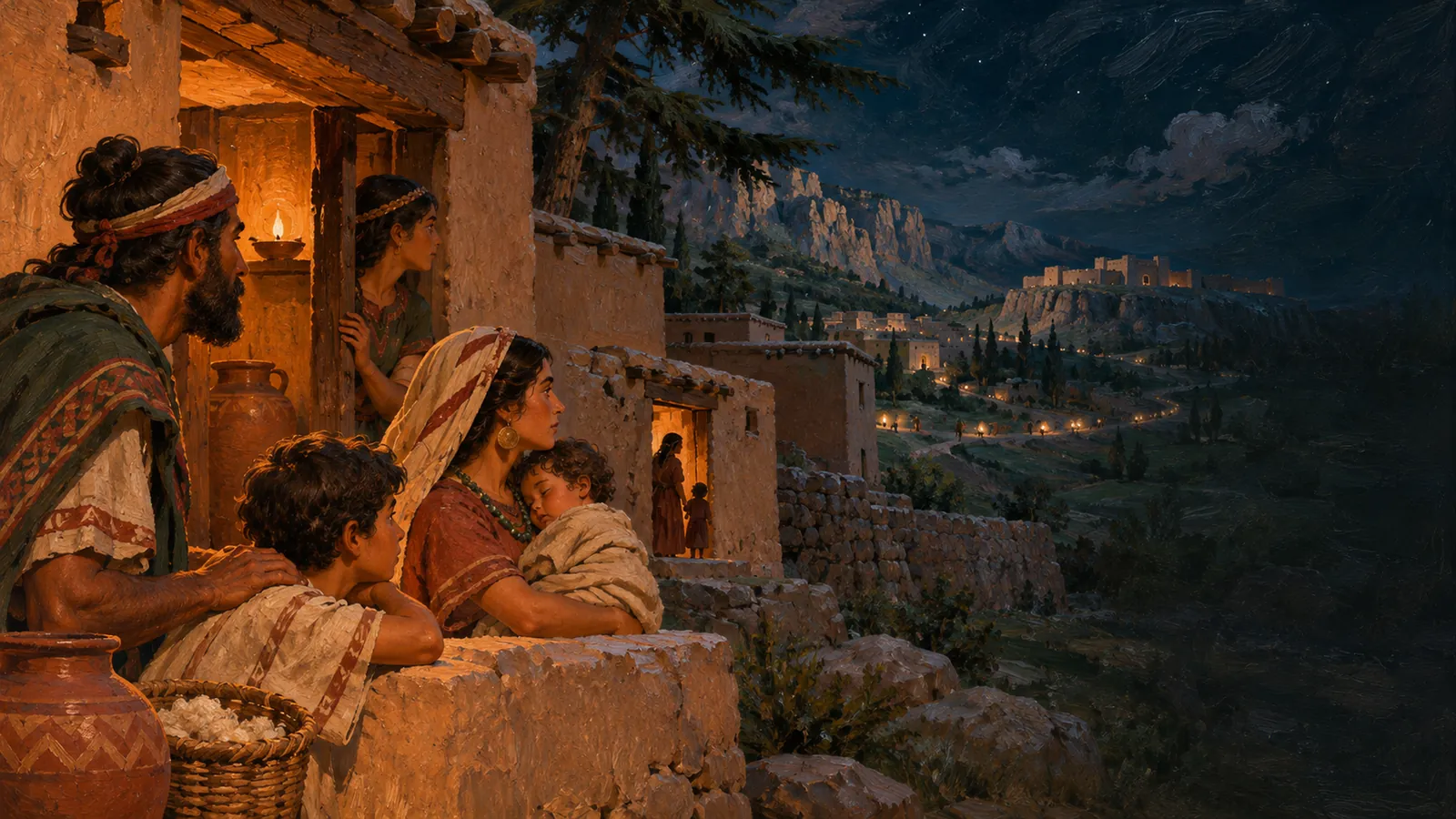
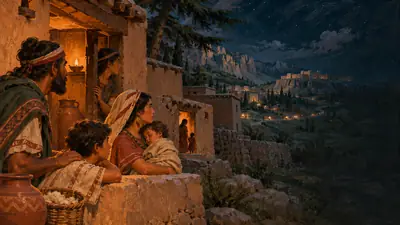
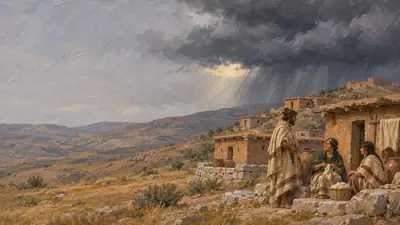
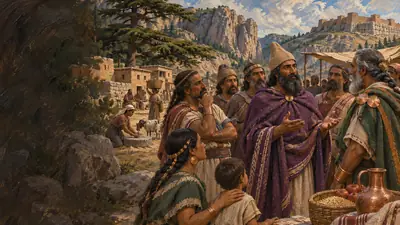
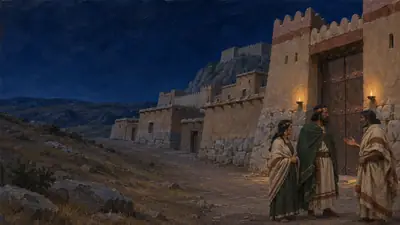
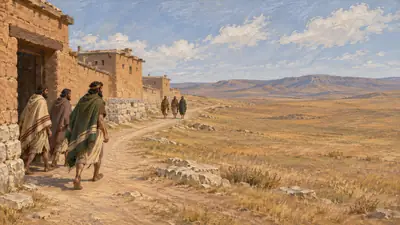
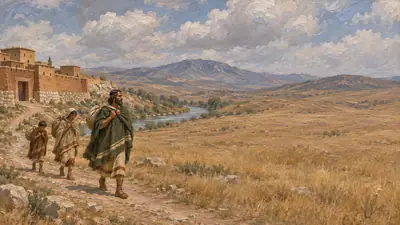
Pithana comes down from Kushshara and takes Nesha at night. He seizes its king. The picture lingers with the townspeople who are still awake.
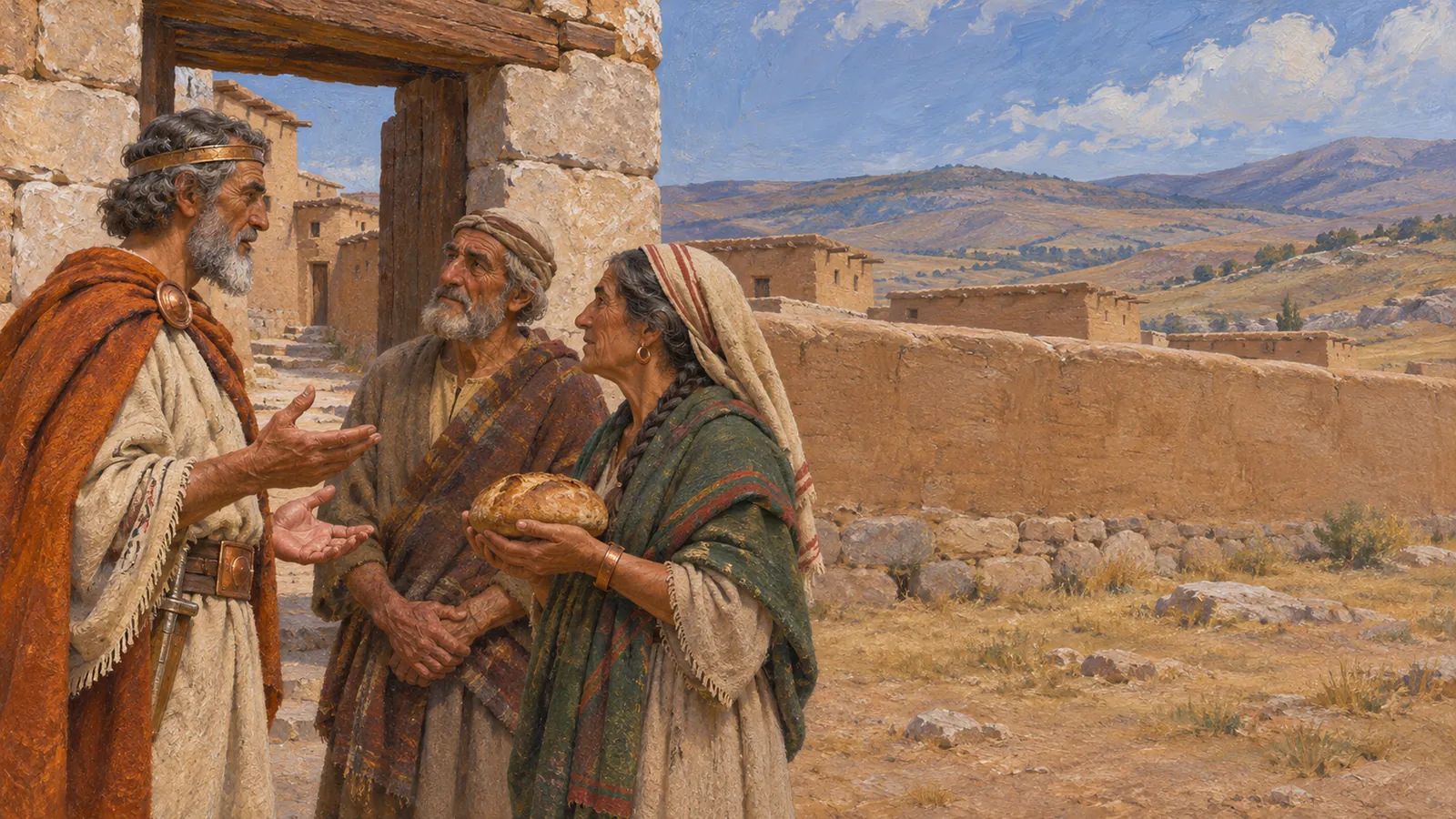
Anitta says Pithana did no harm to the people and took them as his own mothers and fathers. The comparison is the son’s way of describing rule over the city his father had just seized.
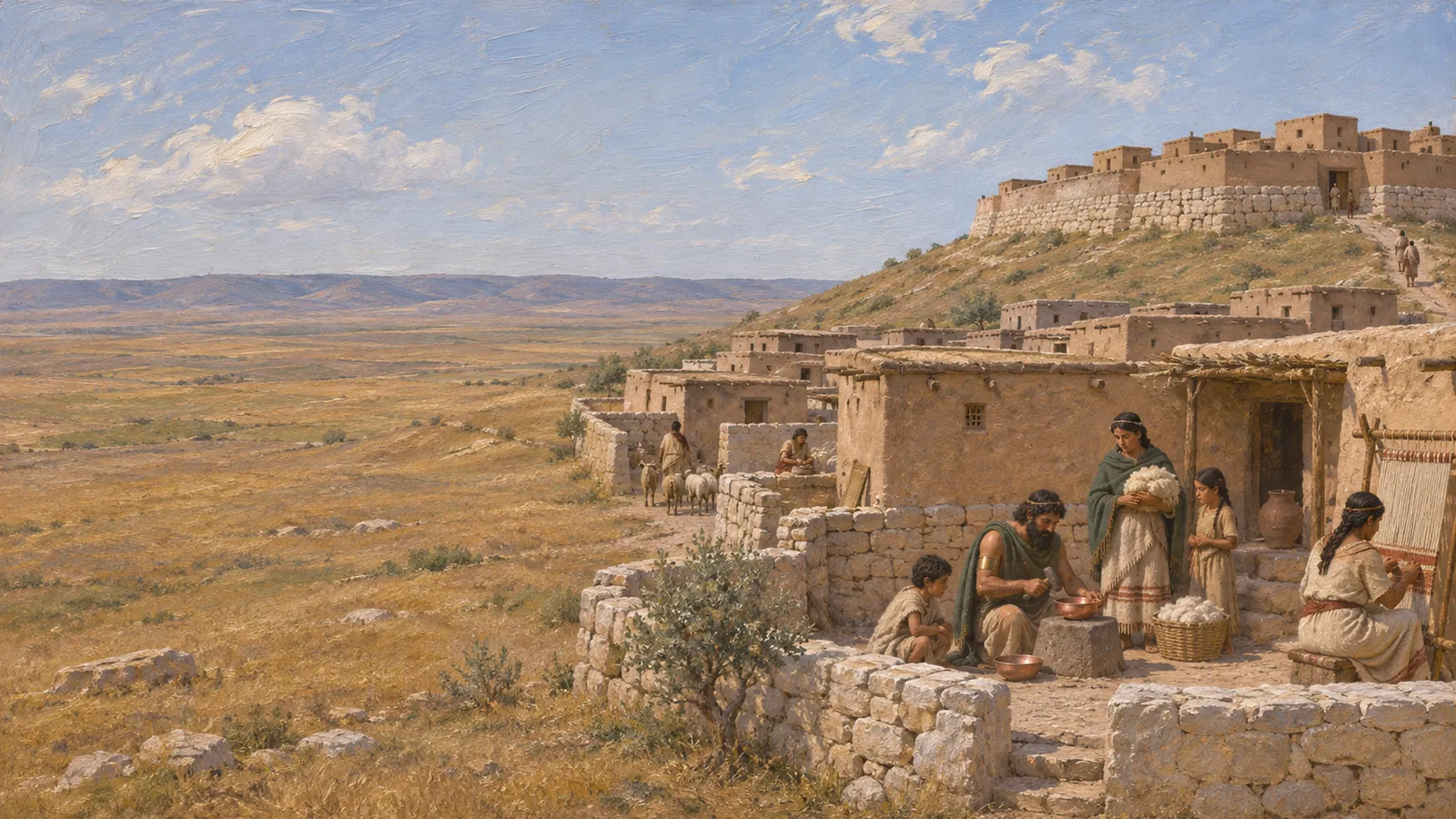
Nesha was also called Kanesh. At Kültepe, archaeologists found an upper town on a mound and a lower settlement. Thousands of tablets left by its traders offer a glimpse of life beyond the royal account.
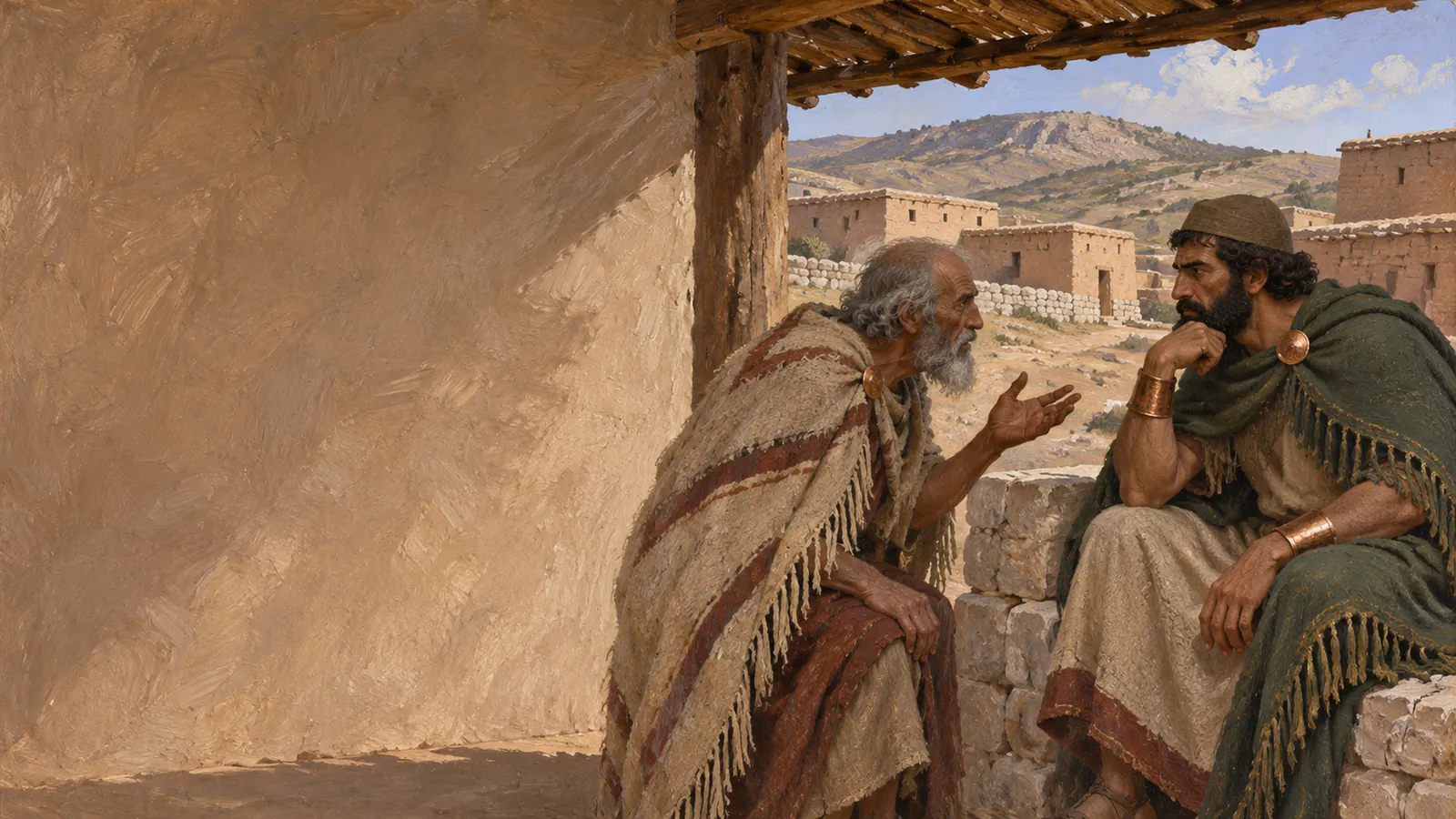
After Pithana’s time, Anitta says, the lands rose against him. He credits his god with helping him. The son’s account begins with the danger of losing what his father won.
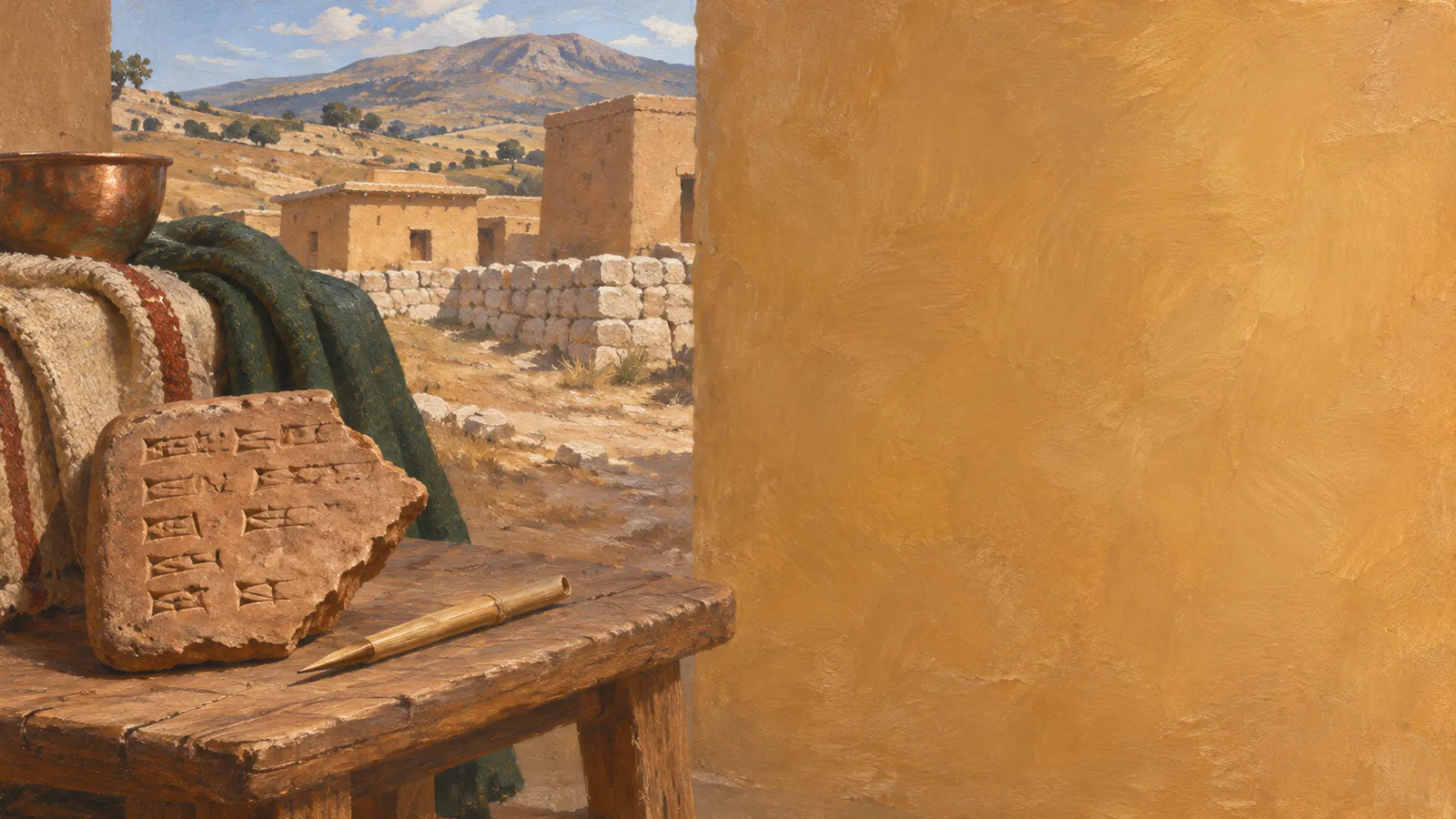
Ullamma and Harkiuna appear among broken lines. The words speak of night and of the midday heat. The names and hours survive, while the full sequence of journeys between towns is lost.
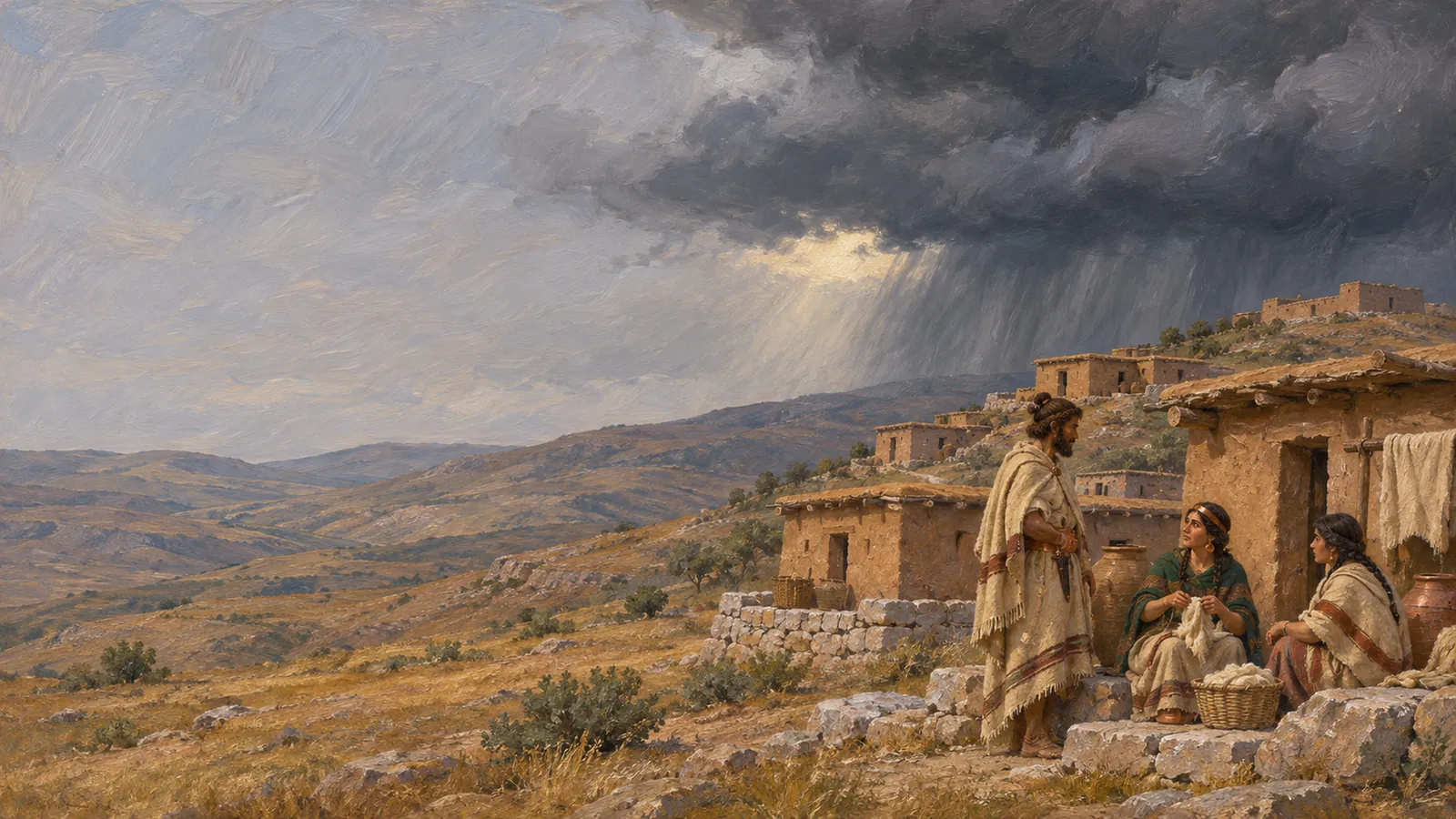
Across a break in the clay, Anitta puts certain towns in the keeping of the Storm God of Heaven. The next line is damaged. The fate of the towns concerns both kings and gods.
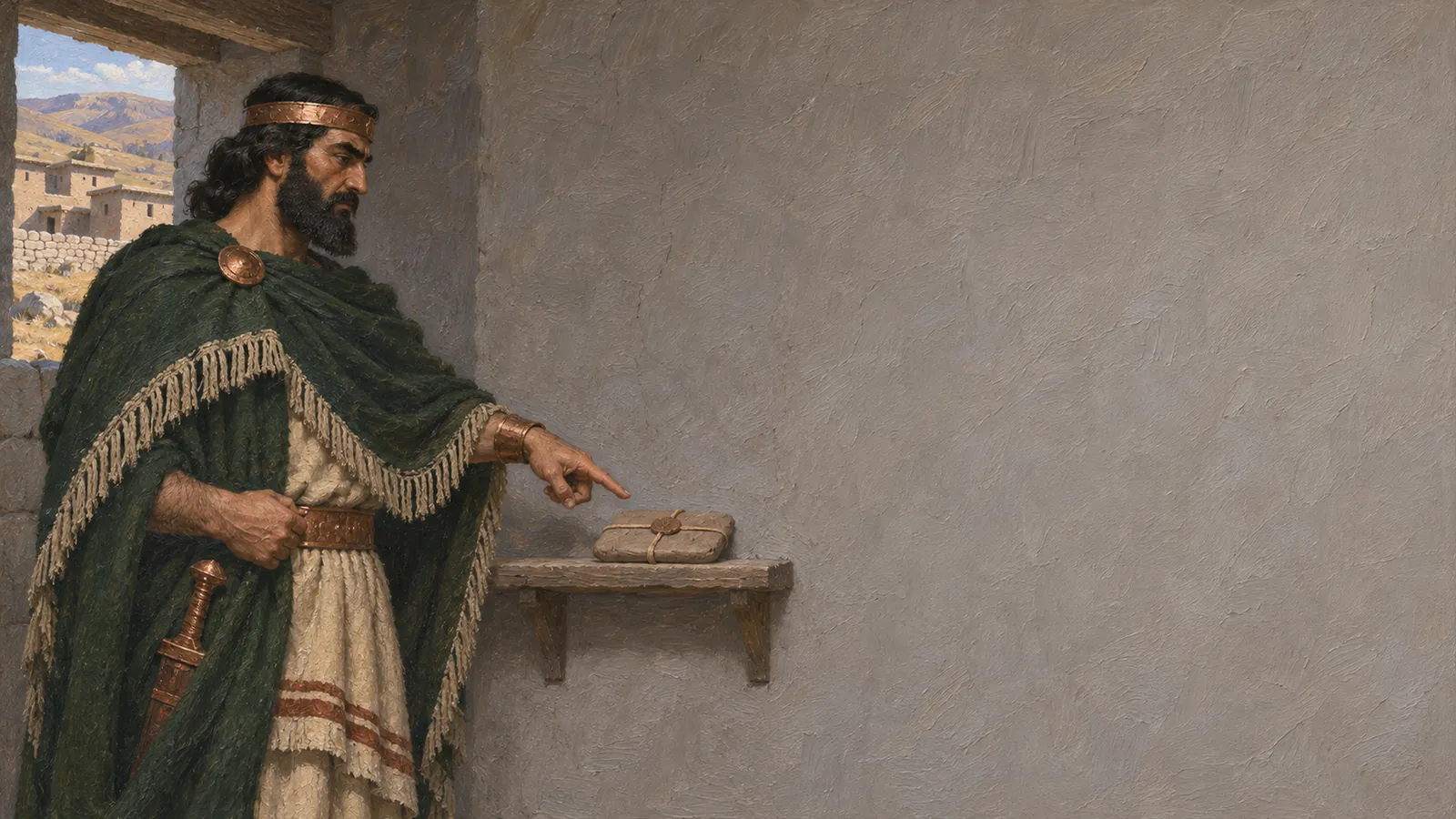
The proclamation looks past Anitta’s lifetime. A damaged warning names Harkiuna and calls anyone who settles certain towns an enemy of Nesha. It compares something lost in the lines to a lion.
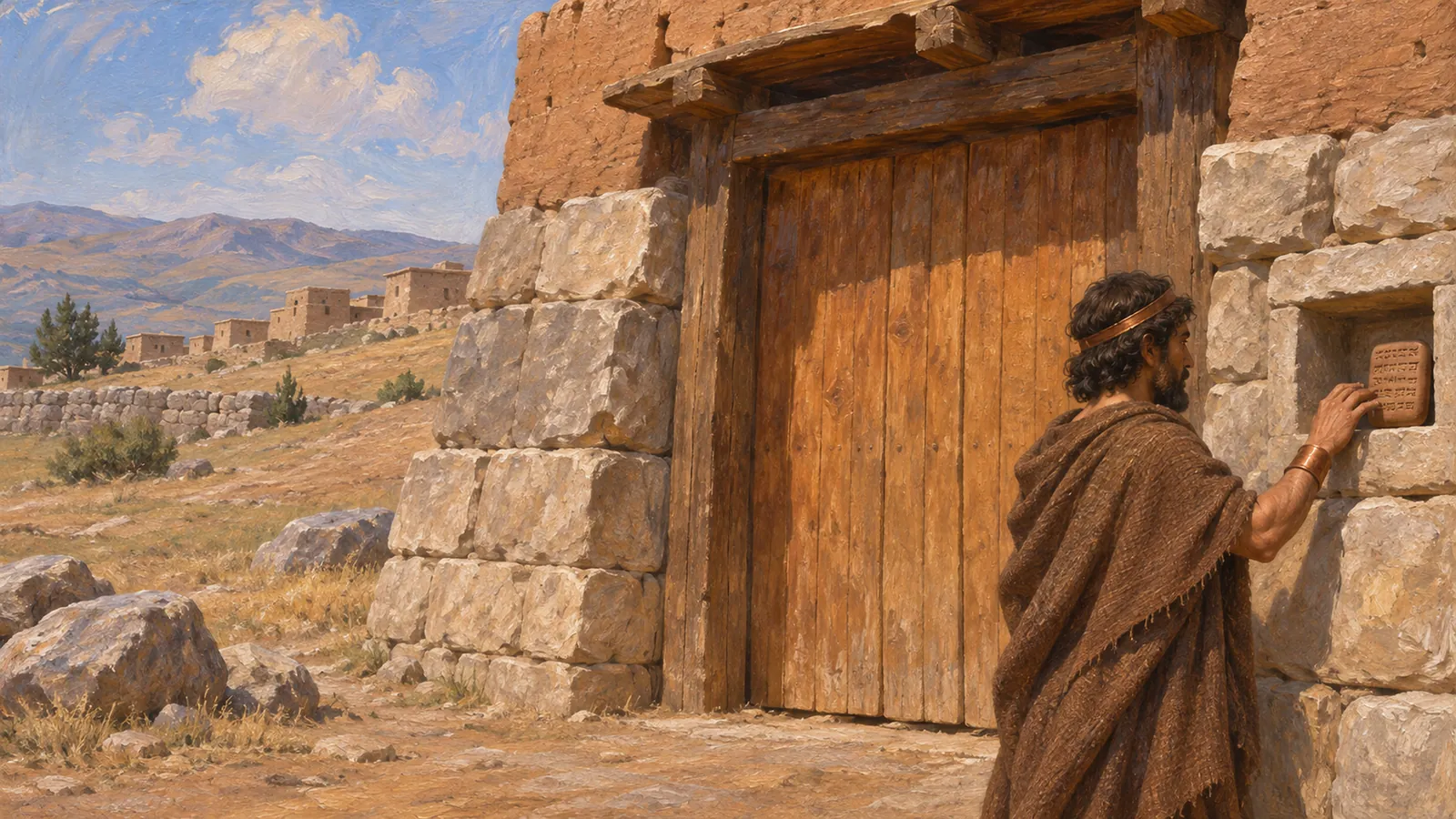
WORDS FOR THE GATE
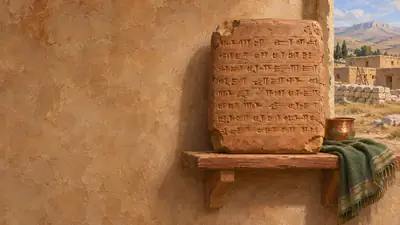
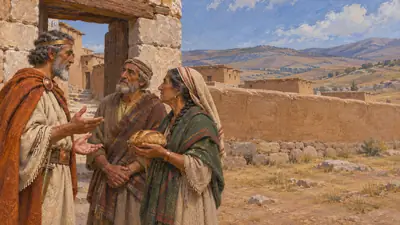
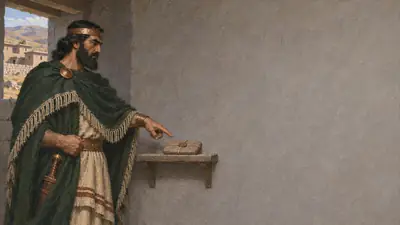
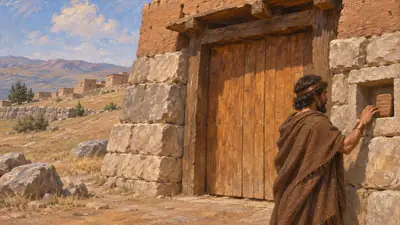
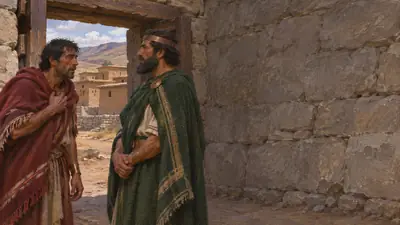
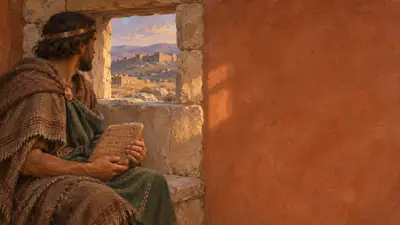
Anitta mentions written words at his gate. Whoever breaks the tablet, he warns, will become Nesha’s enemy. Later copies carry the warning and leave the form of the original open.
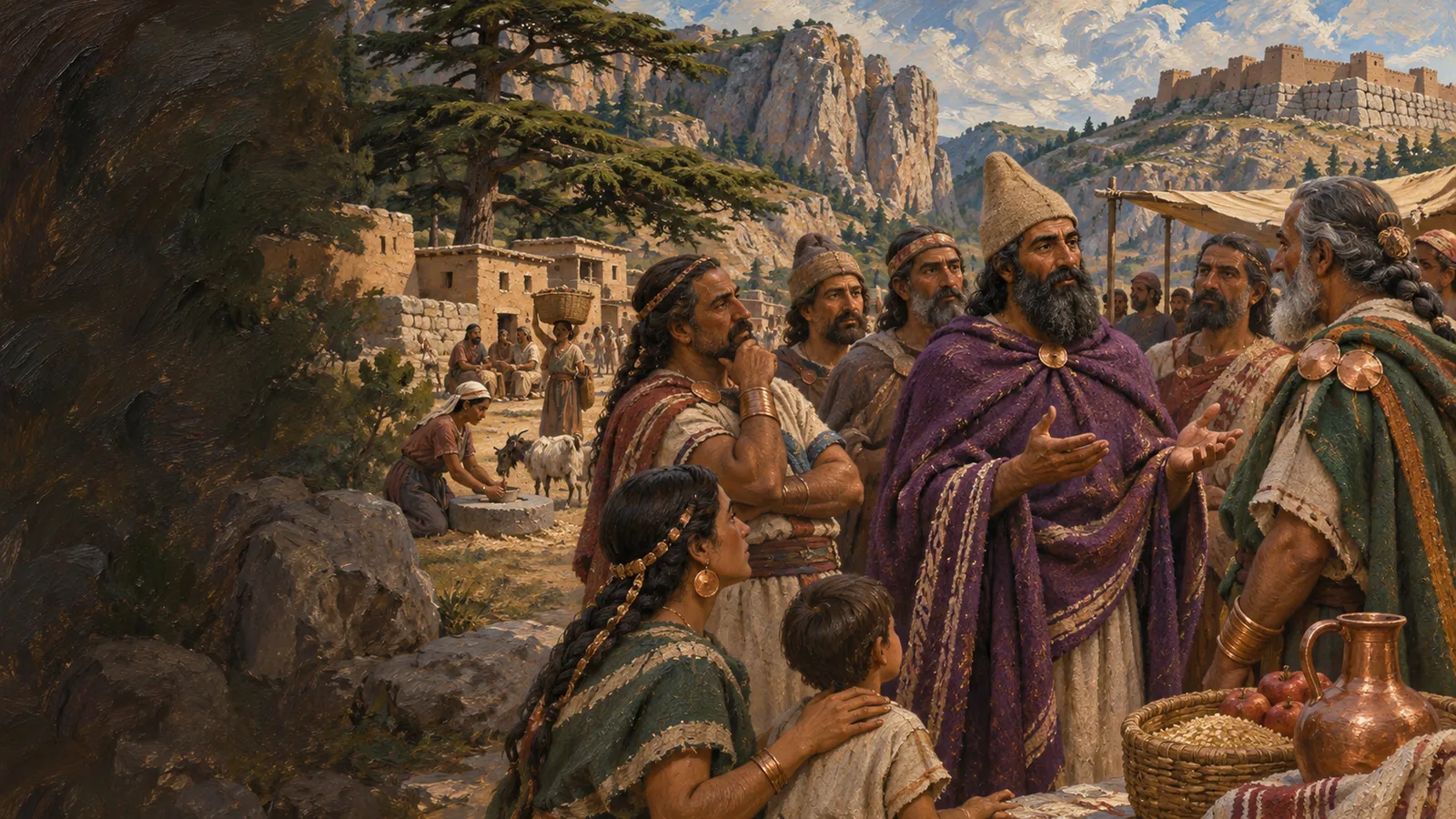
Piyusti, king of Hatti, comes back with his allies. The name Shalampa survives in part. Broken clay has taken much of the encounter.
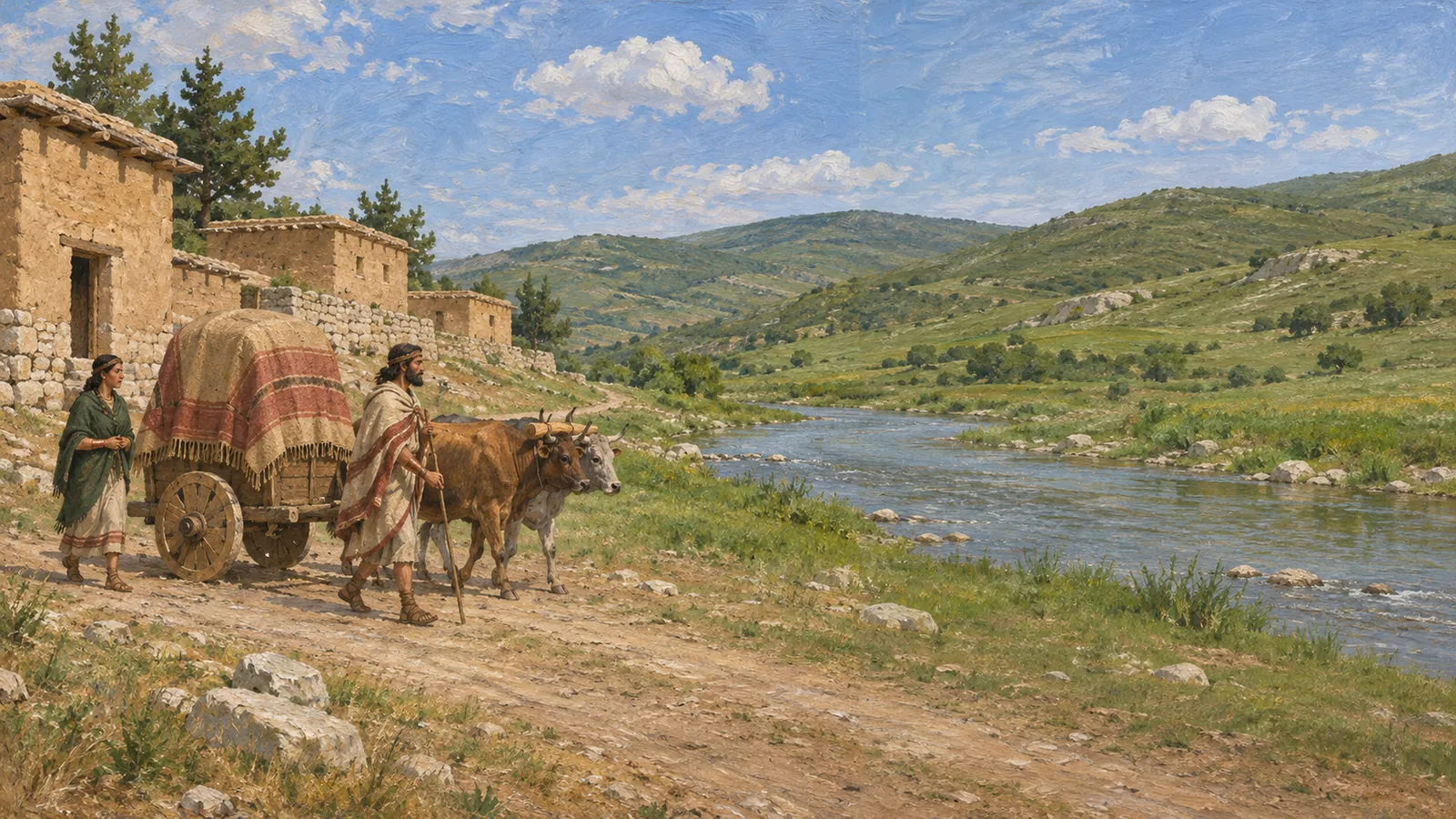
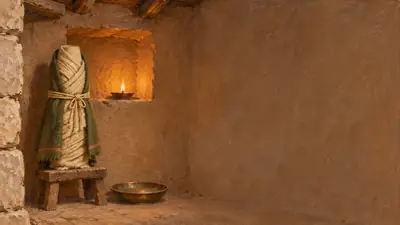
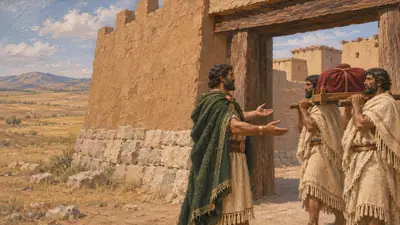
Anitta recalls Uhna of Zalpuwa. Years before, he says, Uhna took the figure of the city’s god from Nesha to Zalpuwa toward the sea. The picture keeps it under a cloth.
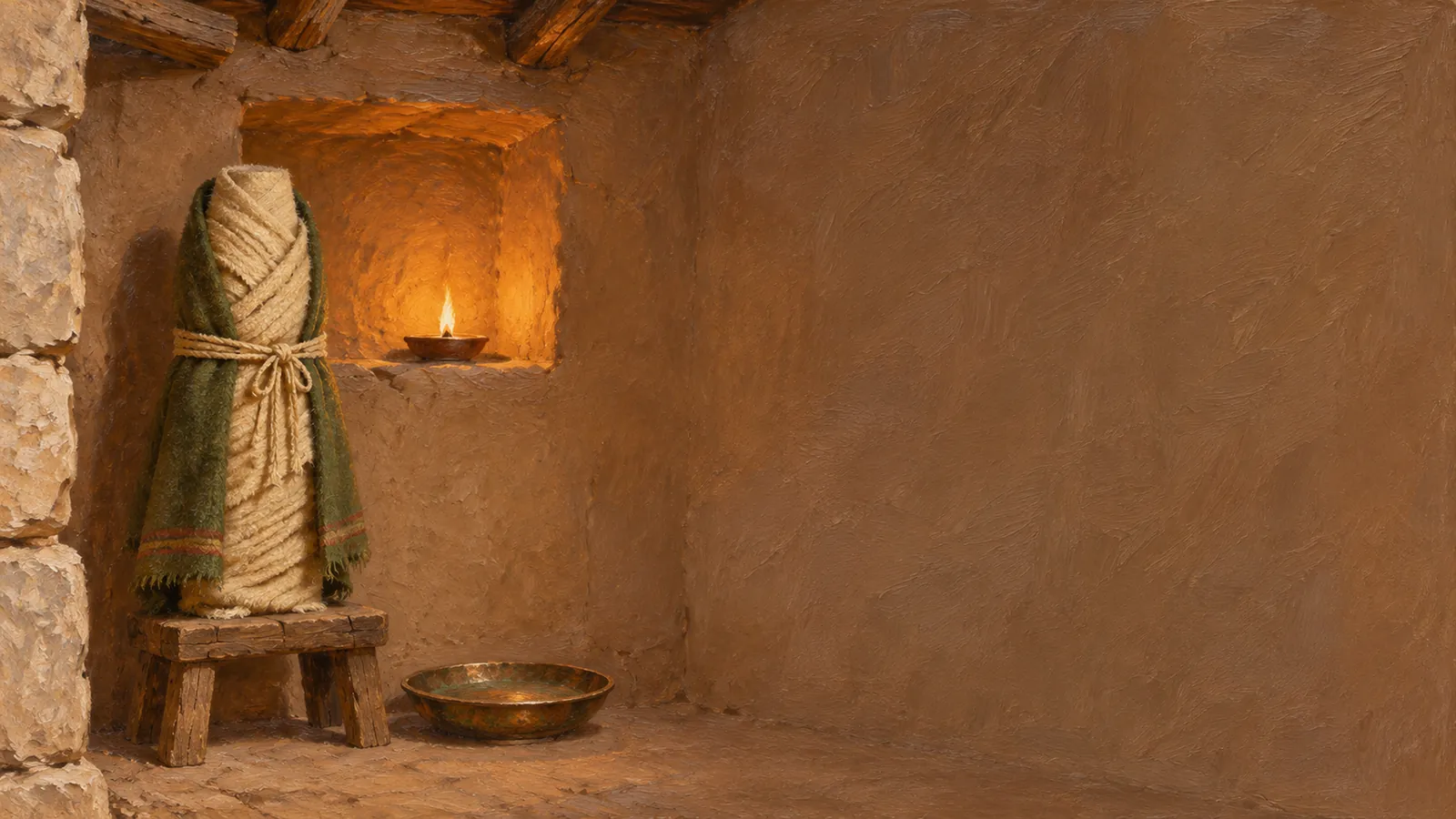
The Hittite words can be read as our god or as our Siu. A name and a title meet in the old language. Anitta claims the sacred figure on behalf of his people.
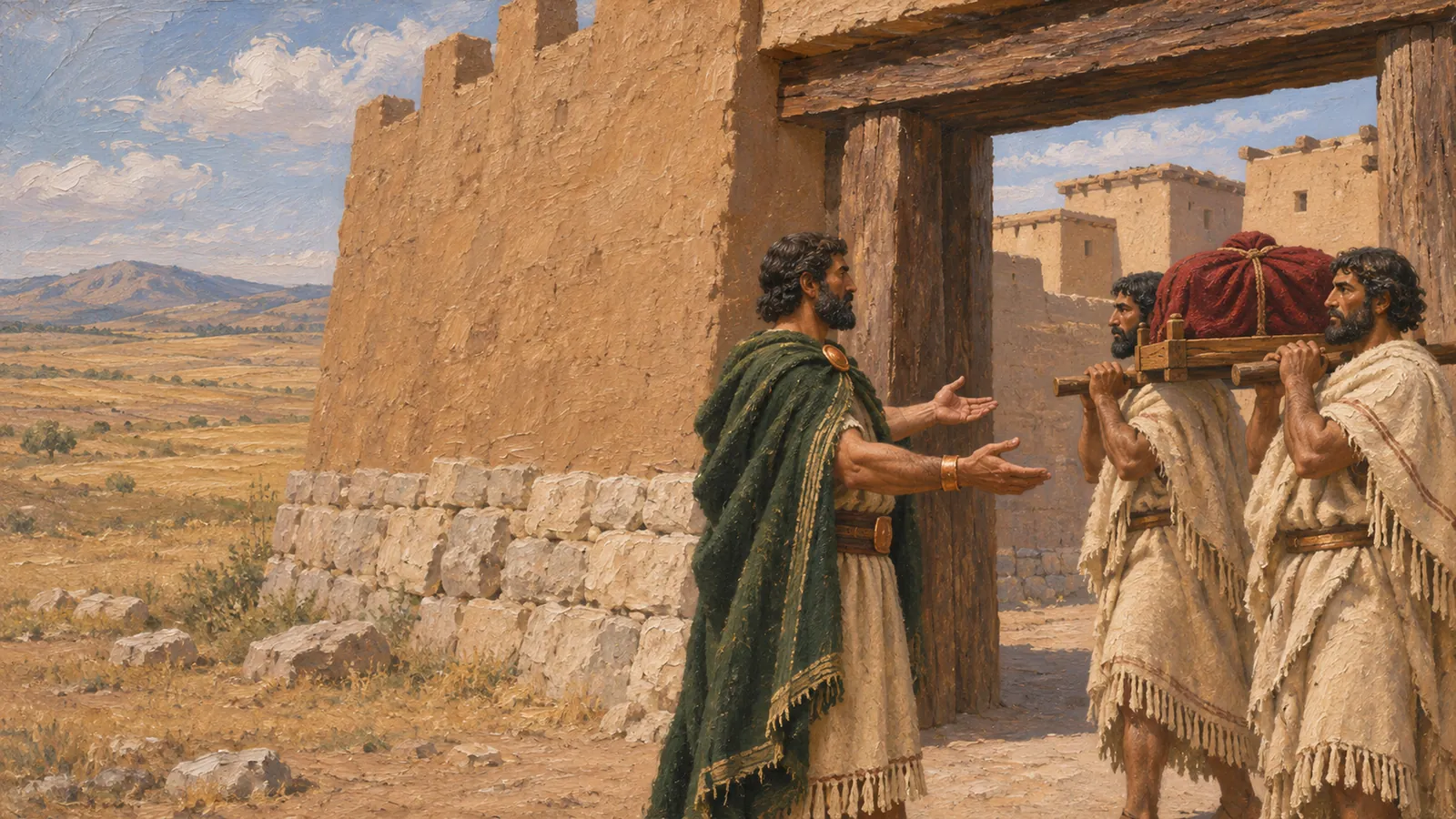
Anitta calls himself great king as he tells how he brought the figure home to Nesha. In his account the return of the city’s god is a victory in itself.
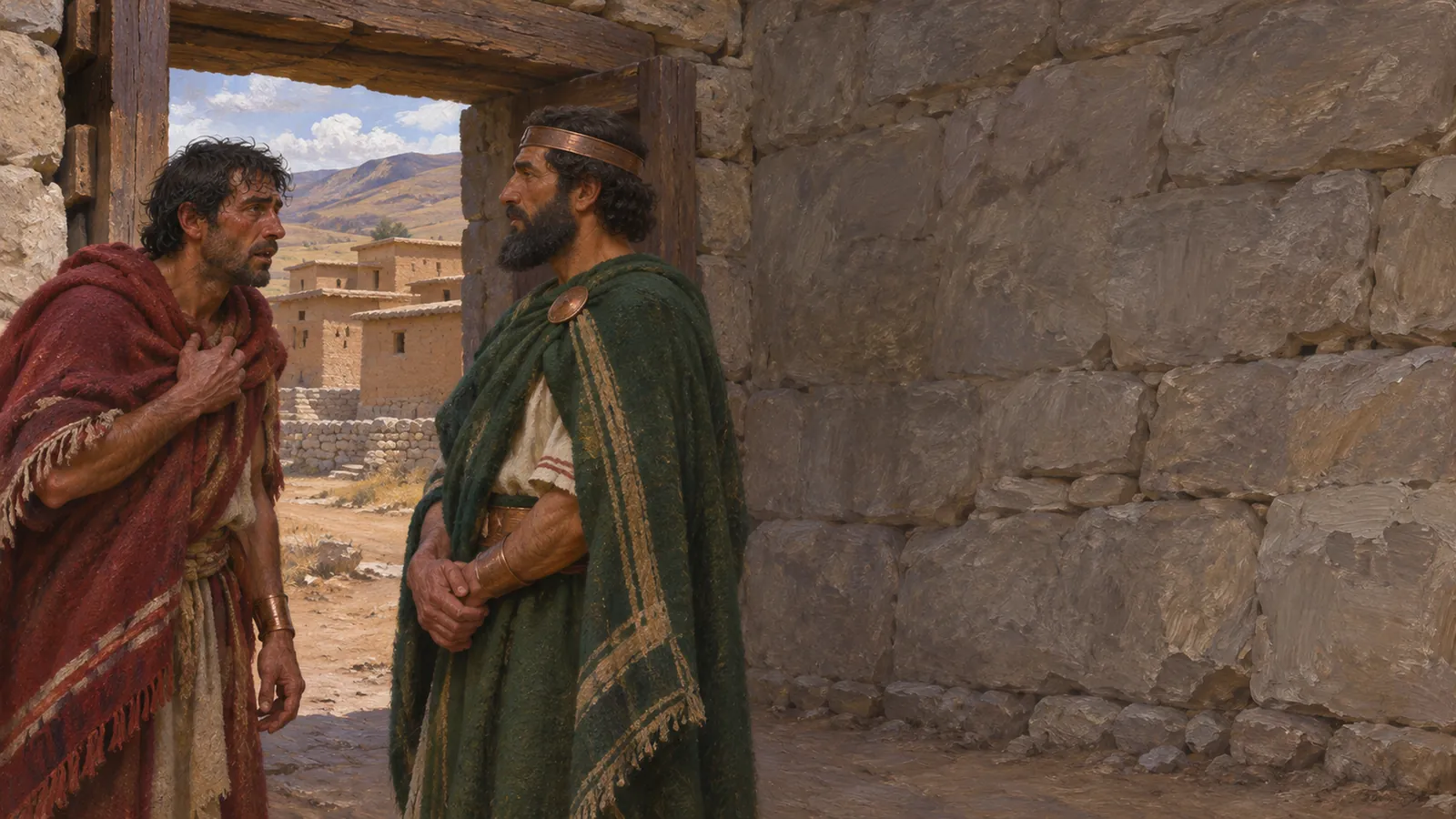
Anitta brings Huzziya of Zalpuwa to Nesha alive. His words record the captive ruler’s arrival in a single line. They leave his later fate out of the account and turn straight to Hattusa.
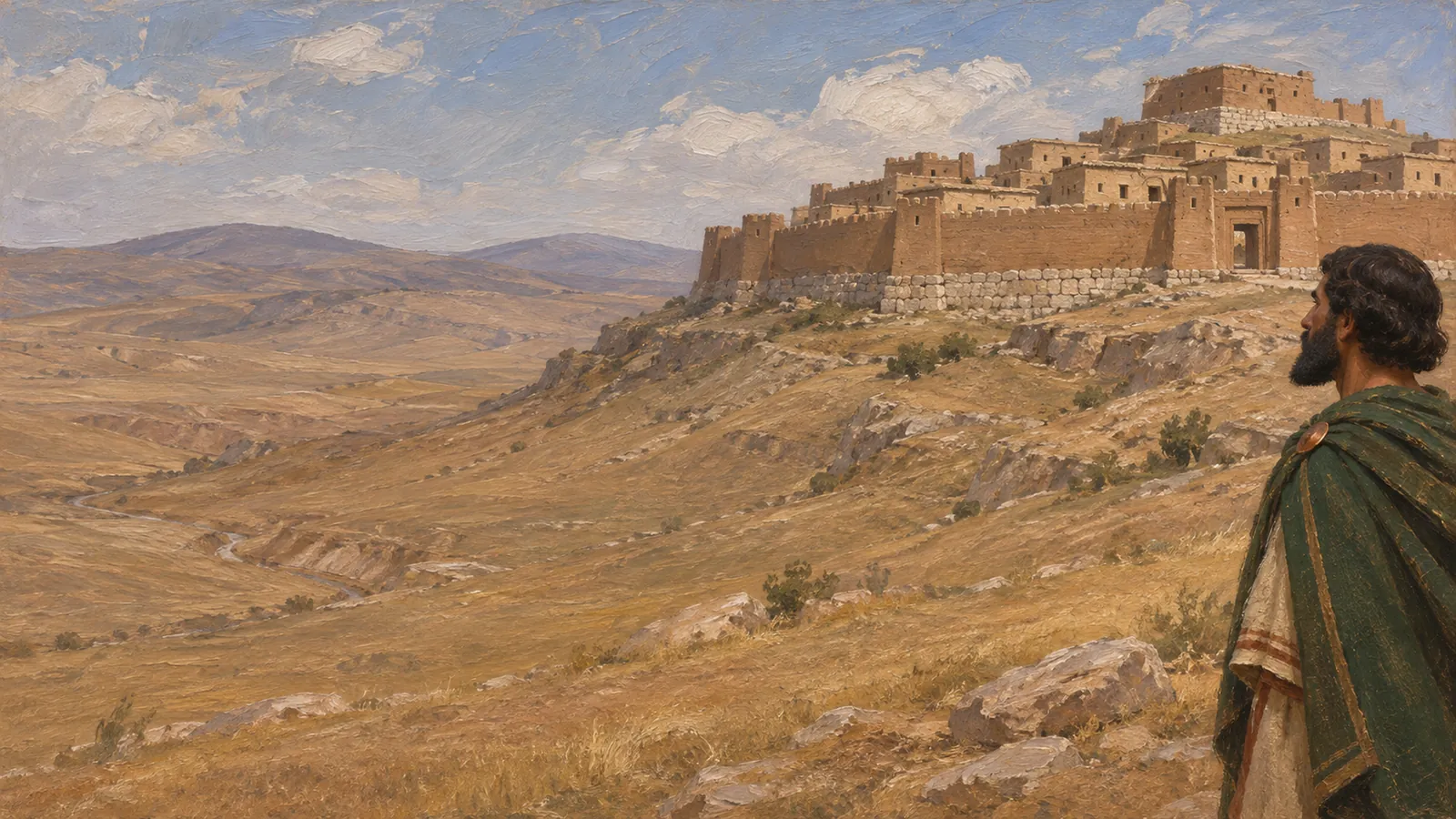
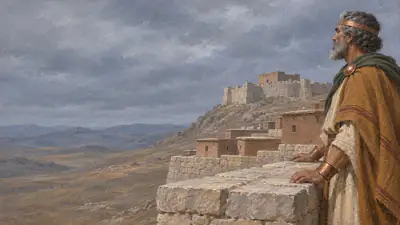
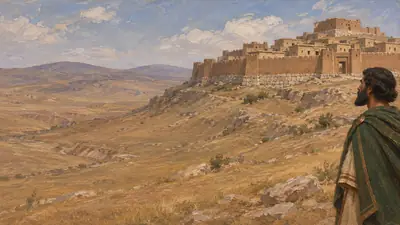
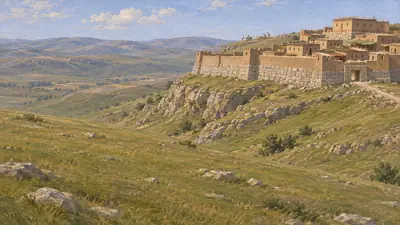
The passage opens in a break at the name Hattusa. In the surviving words Anitta says he left the city for a time. The walls in the picture set apart the city and the country around it.
HATTUSA
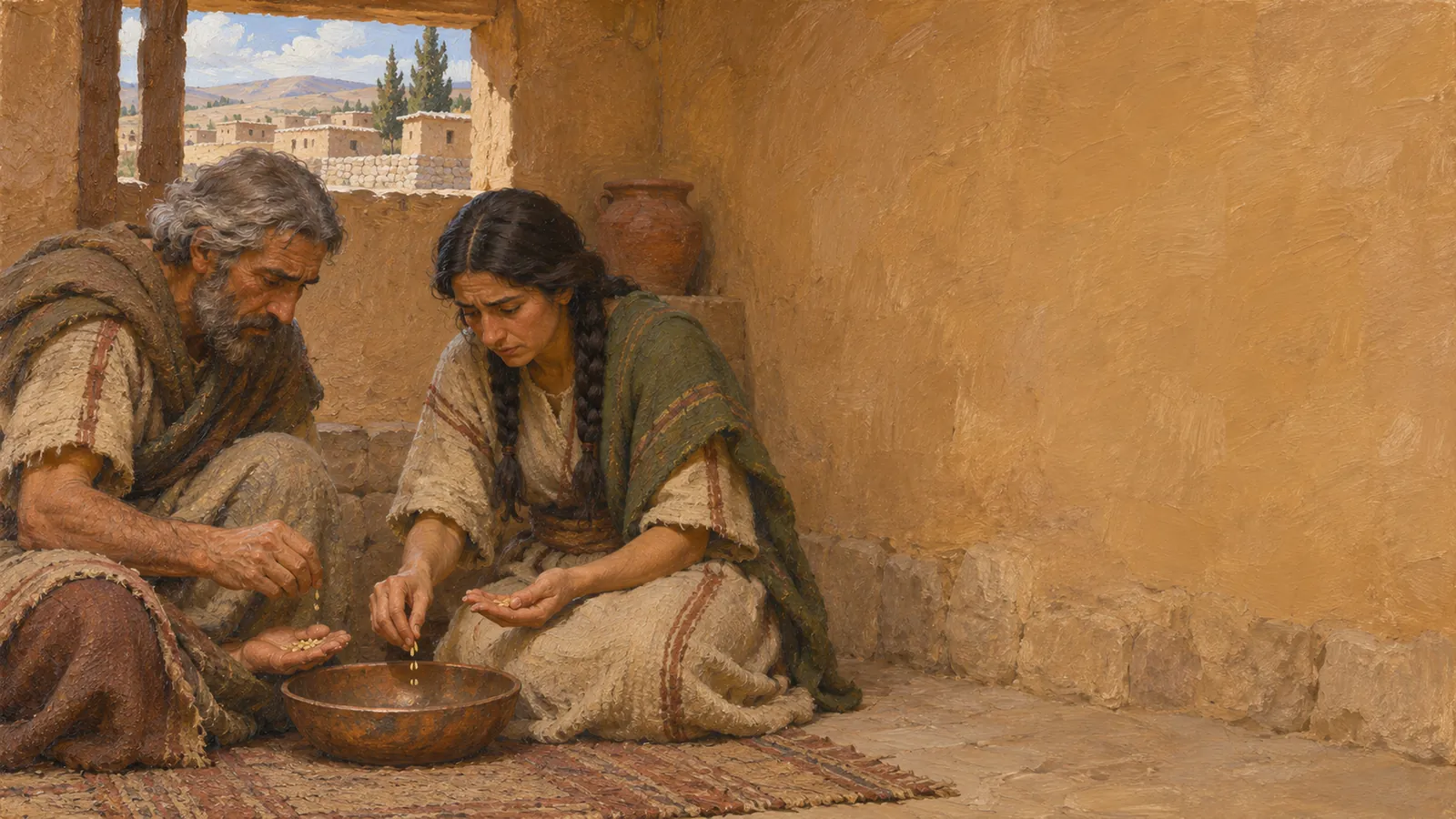
Hattusa suffers from hunger. In one reading Siu hands the city over to Halmasuit, the throne goddess. Another reading gives her a different role. Both link events at the city to divine power.
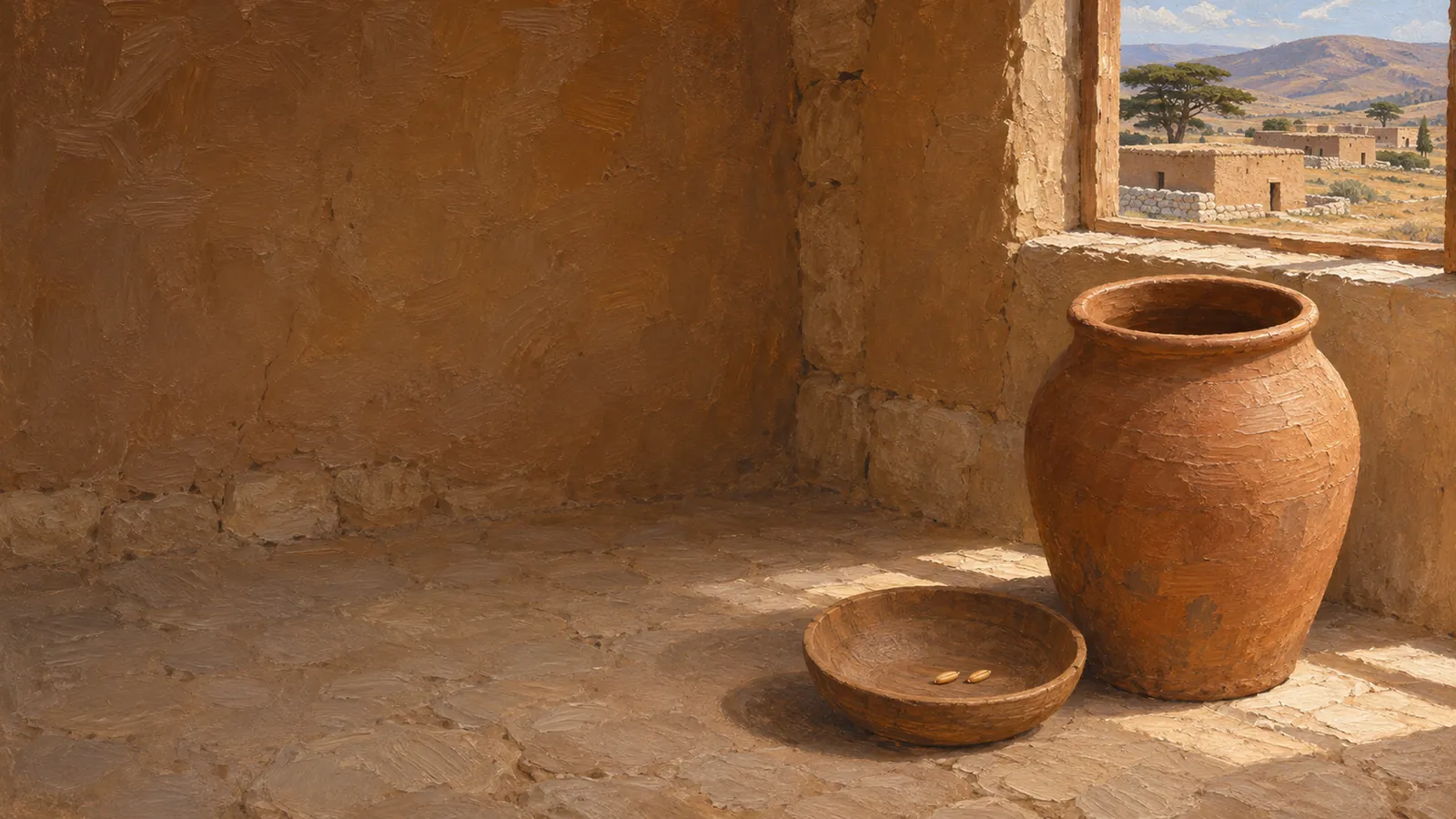
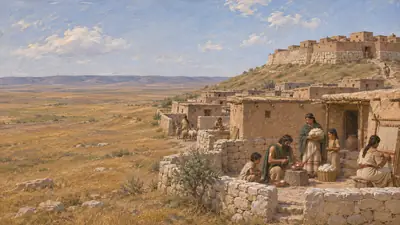
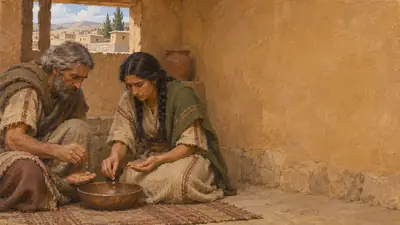
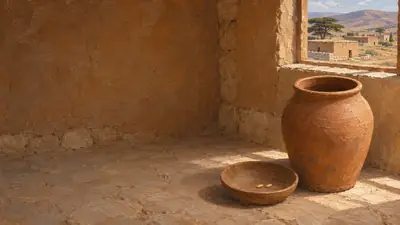
The people inside the walls left no words in this royal account. Anitta, who claims victory, is the one who mentions their hunger. A household jar worn bare stands for them in the picture.
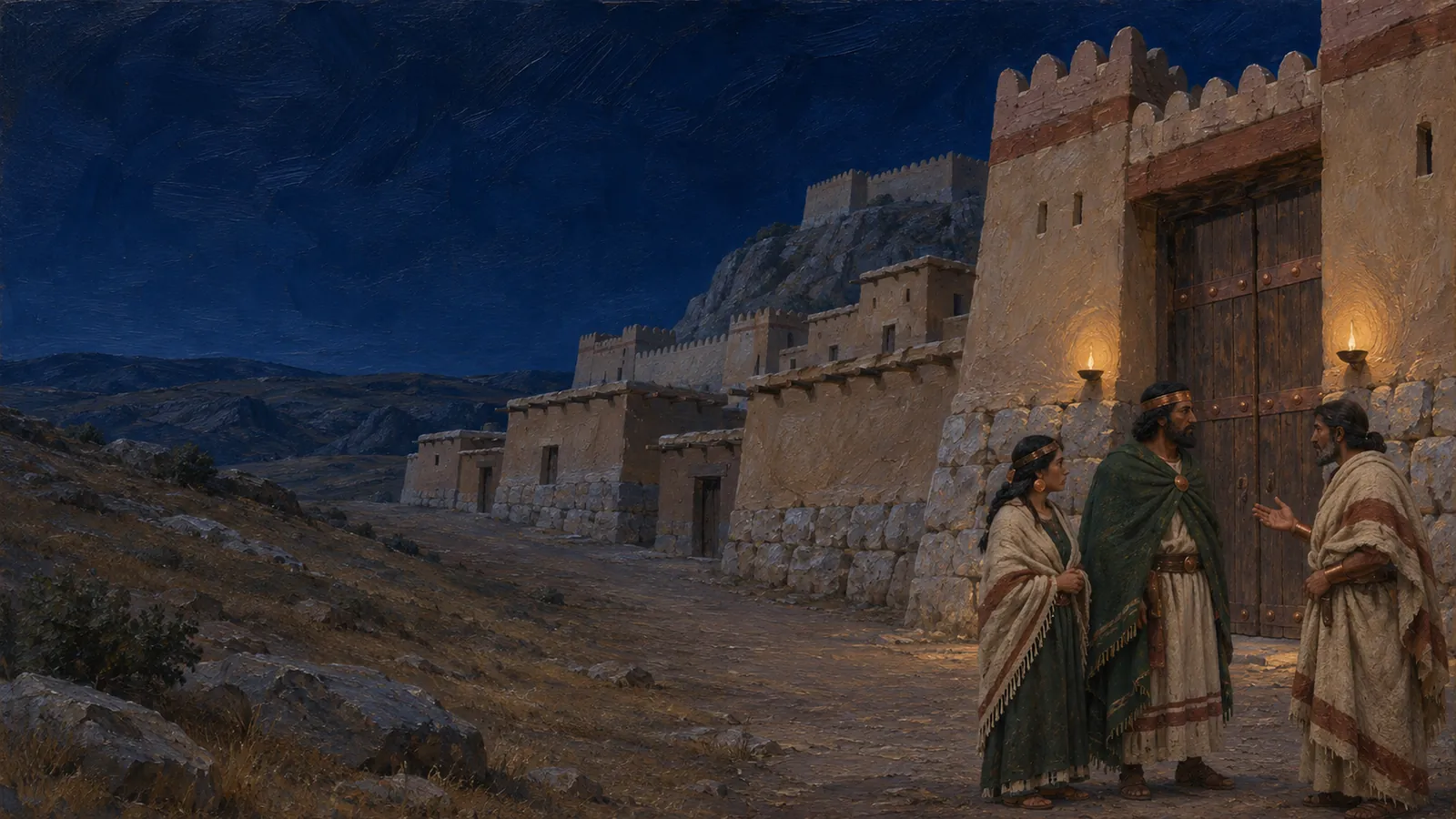
Anitta says he took Hattusa by force at night. His father took Nesha at the same hour. The two arrivals sound alike, and the words remember very different fates for the cities.
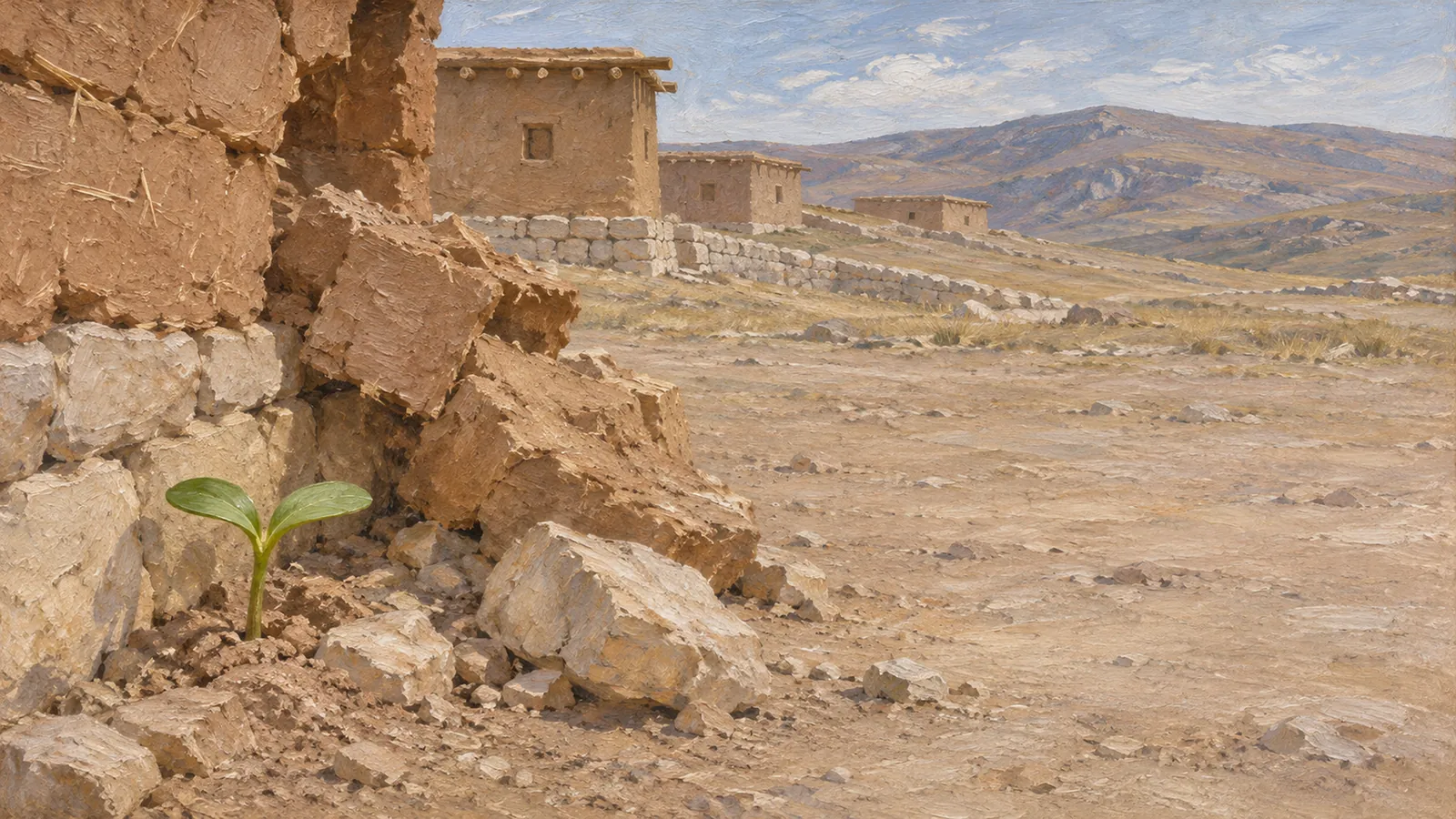
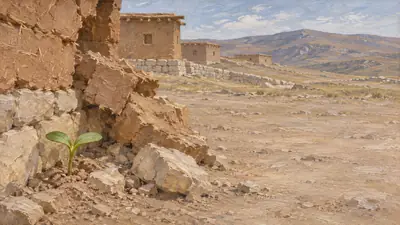
Anitta says he sowed a plant where the city had been. Its ancient name is uncertain. A small shoot in the ruins gives the act a place in the picture.
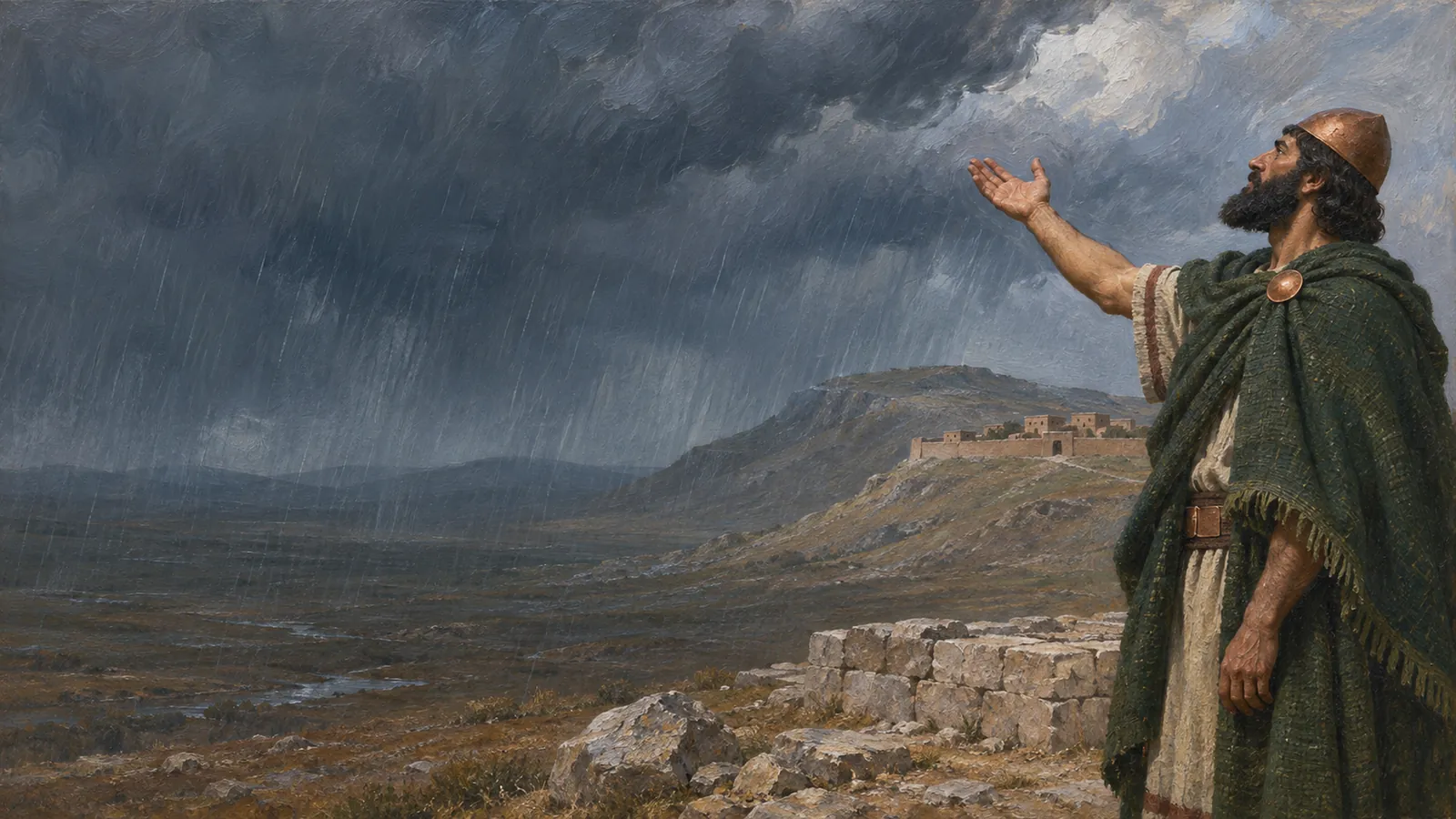
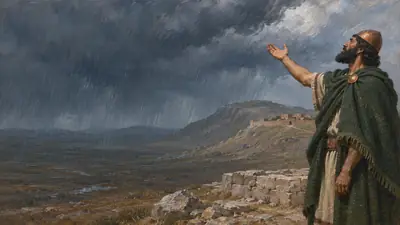
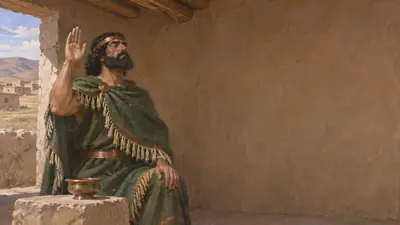
Anitta tries to bind the future of Hattusa. He asks the Storm God of Heaven to strike any later king who settles it again. His words would outlast the fate he decreed.
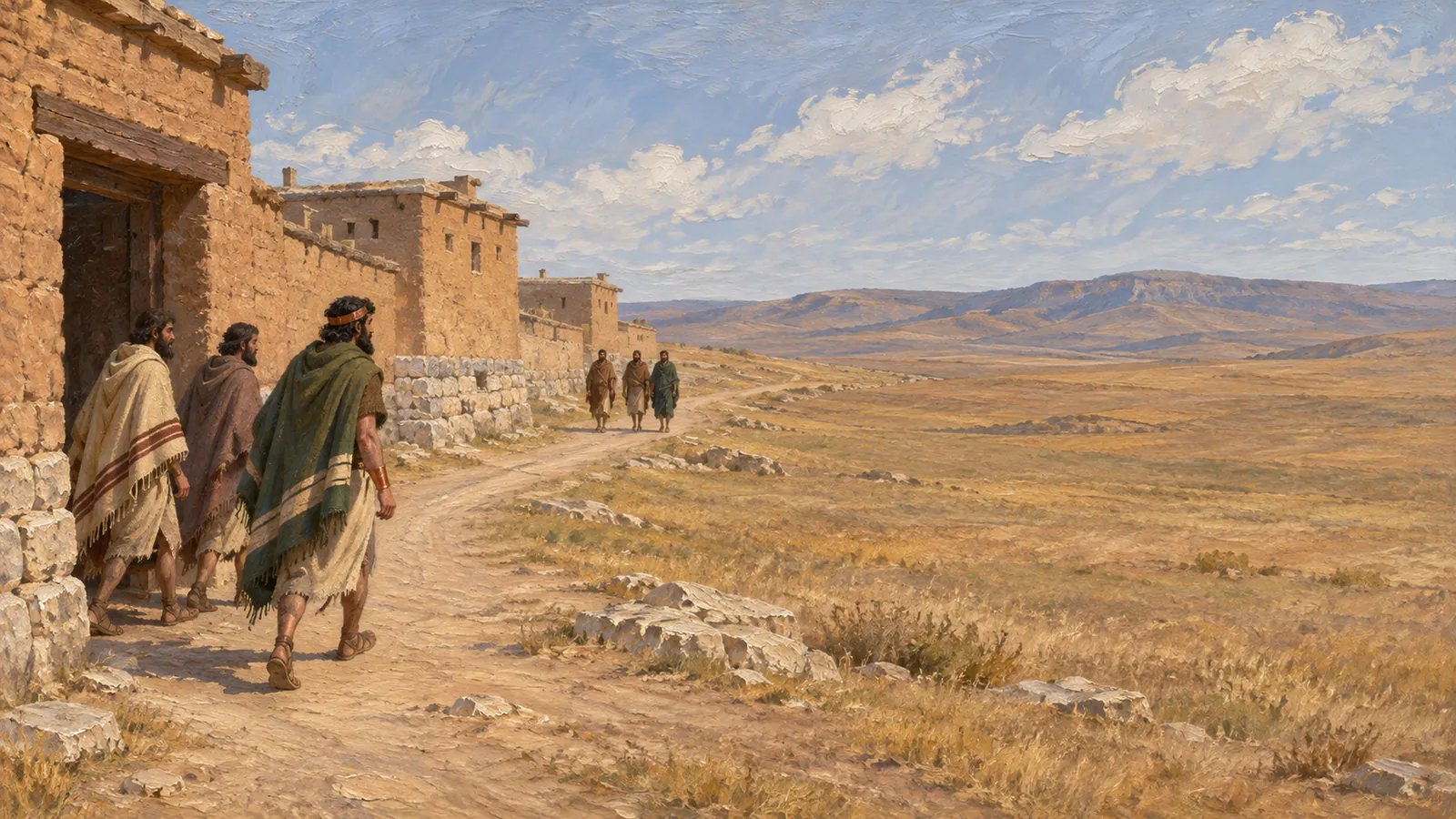
Anitta turns to Shalatiwara. Its troops come out against him, and he says he brings them to Nesha. The account names Shalatiwara again in a later passage.
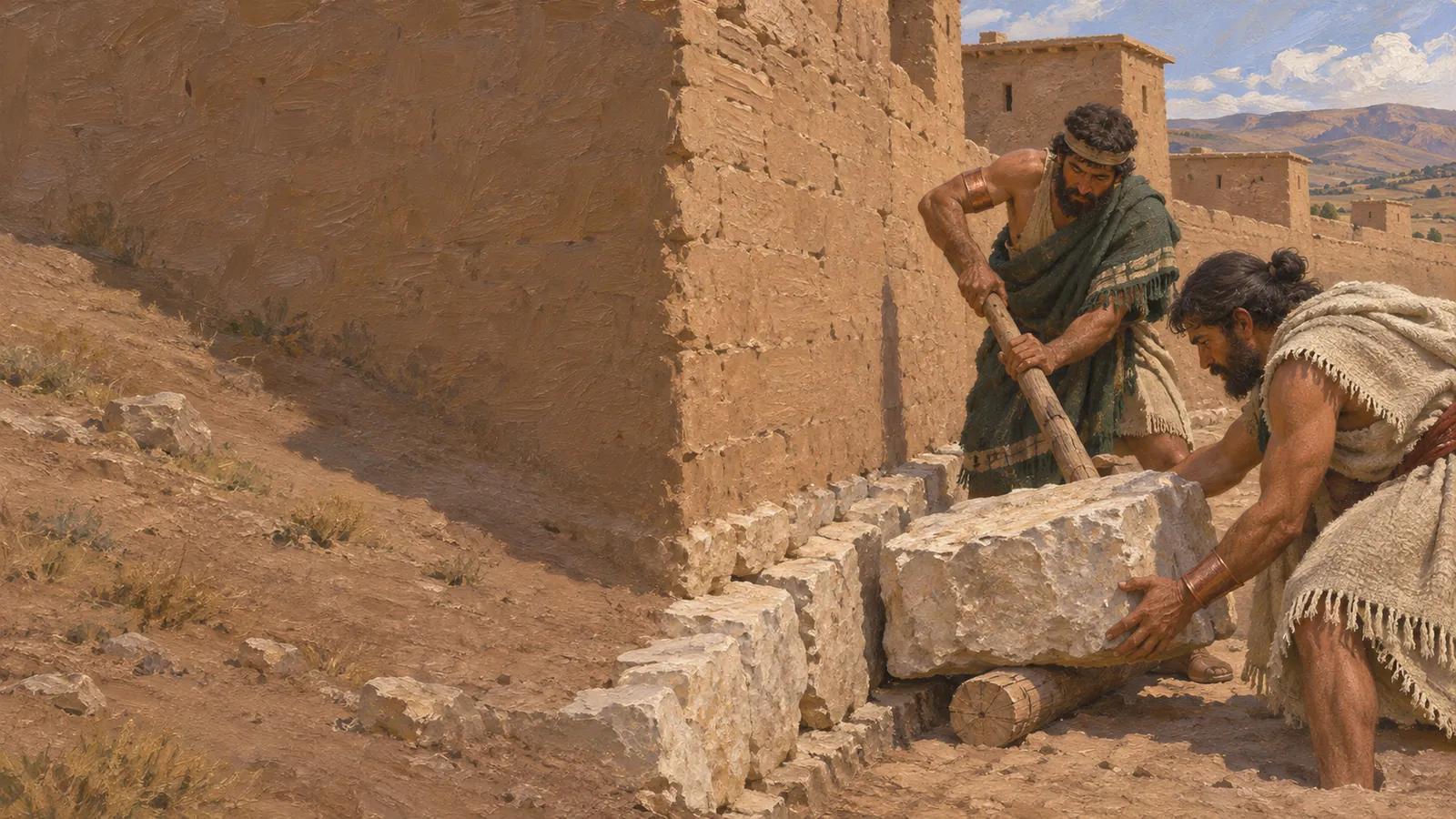
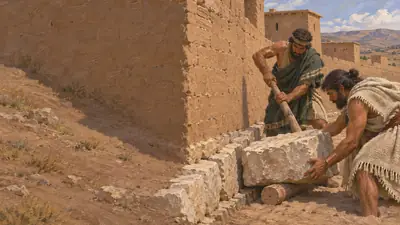
Now Anitta turns from other cities to his own. He claims to have strengthened the defenses of Nesha. In his telling, work on the town is followed by work on the homes of its gods.
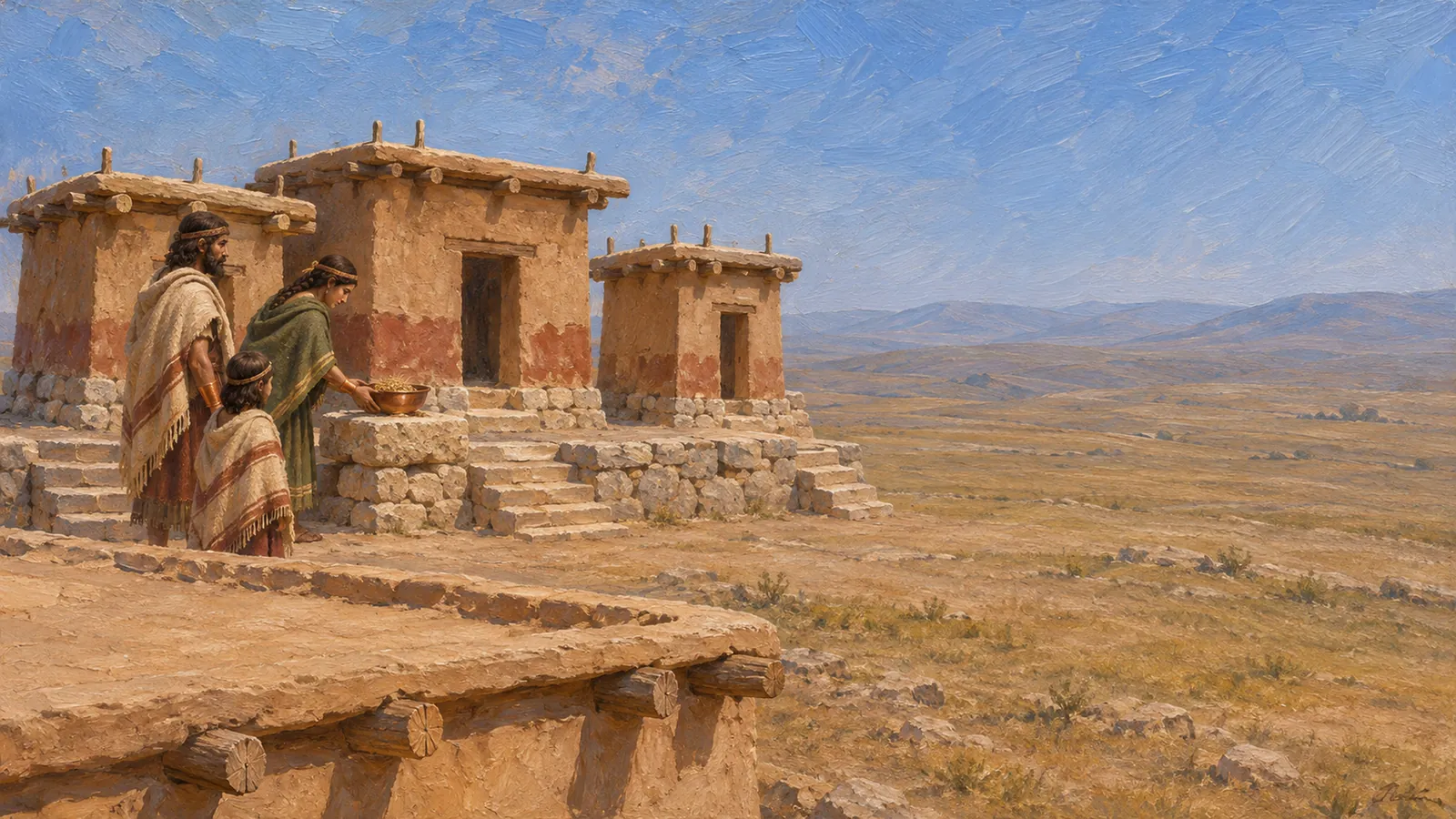
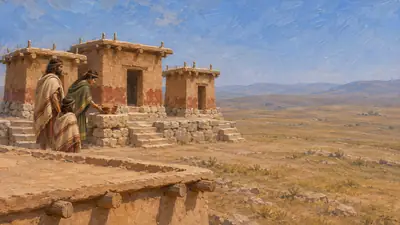
Anitta names temples to the Storm God of Heaven, the god of Nesha and Halmasuit. The clay repeats some names. He says he furnished the sacred buildings with wealth from his campaigns.
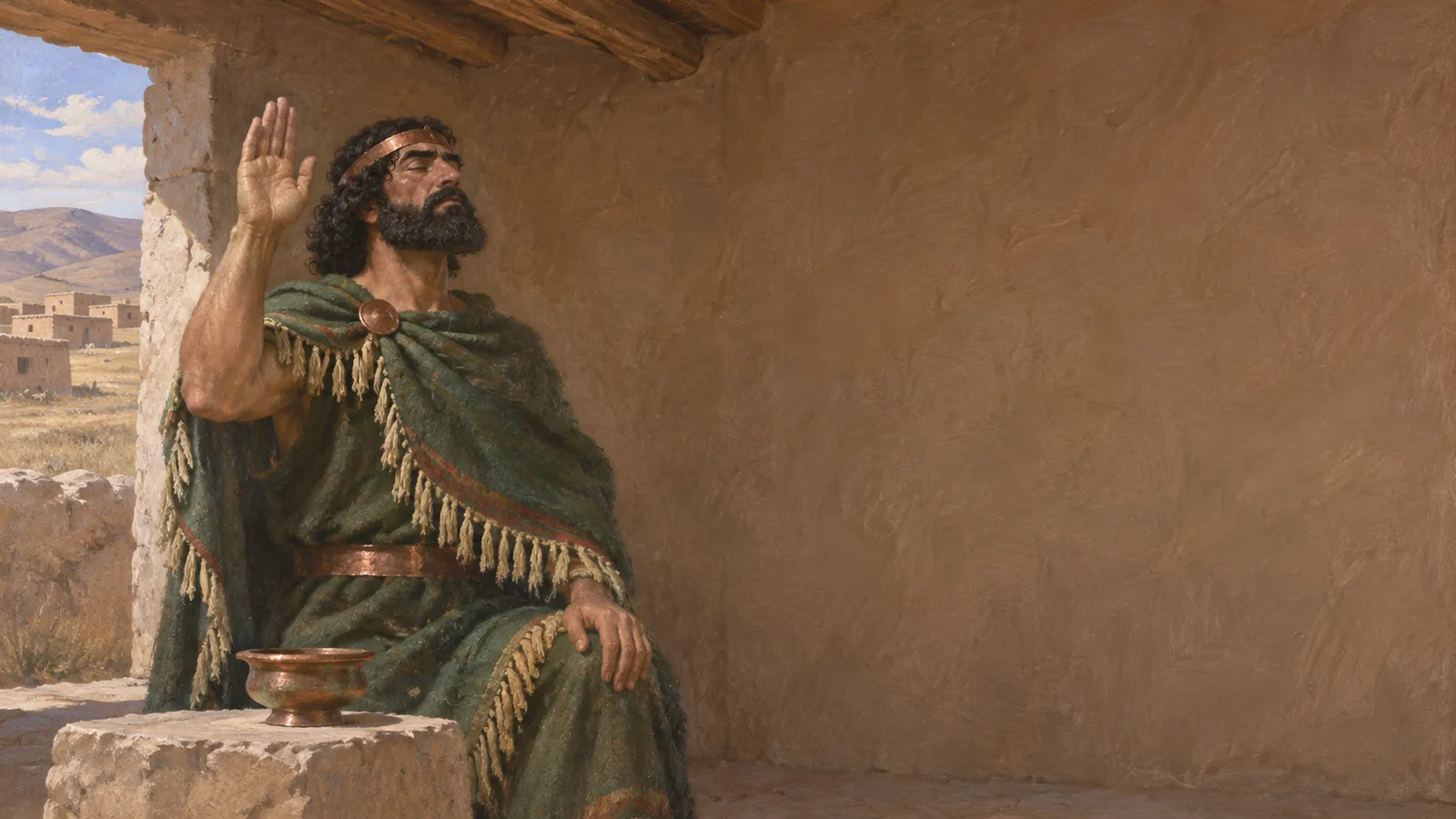
Anitta says he made a vow and spoke a curse. Some words survive where the copies can be read together. The next lines turn from the temples to wild animals.
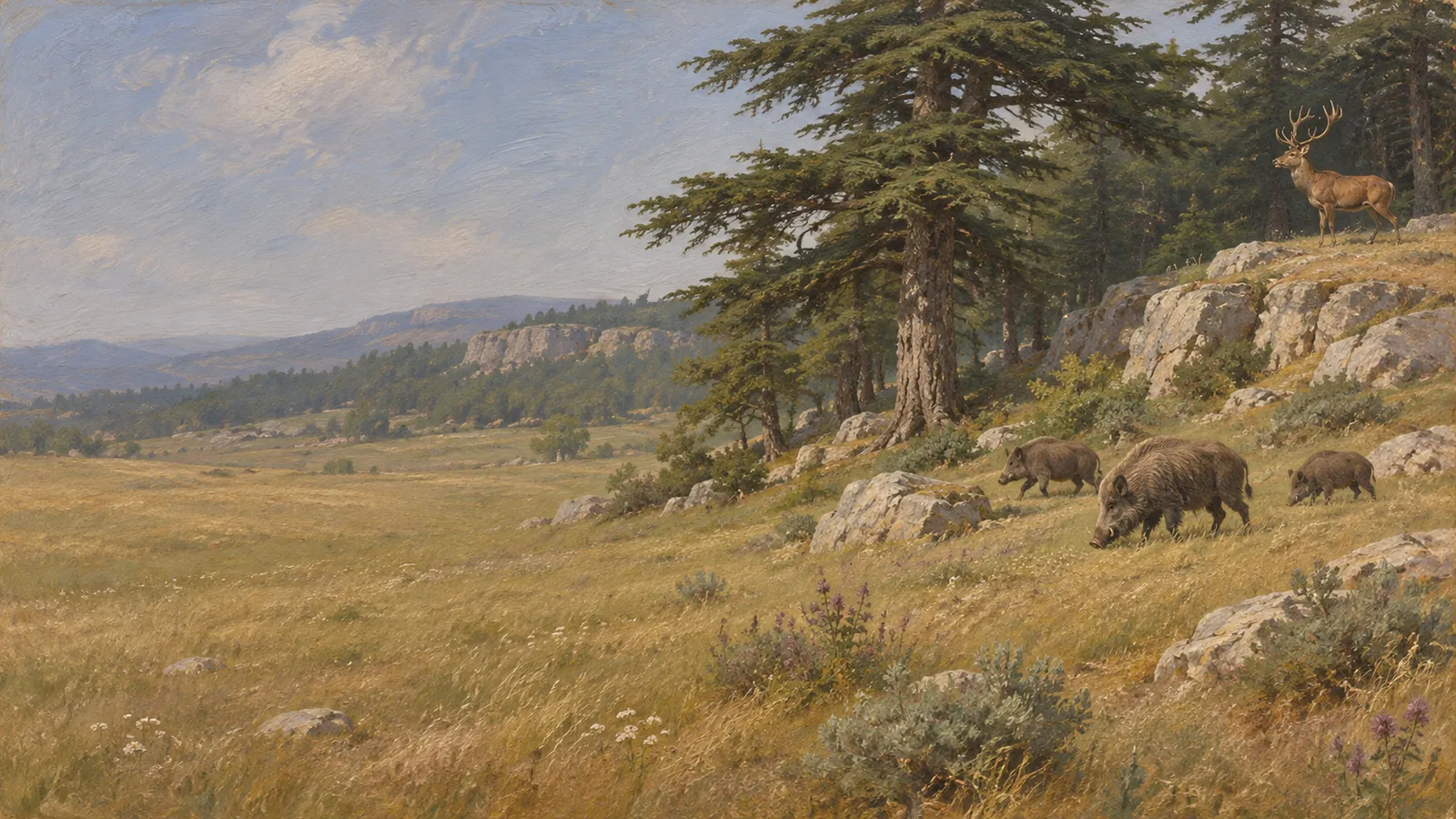
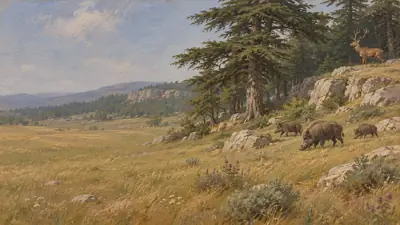
A list that may describe a hunt names lions, boars and deer. The copies leave room for different readings of the names and numbers. One witness may place the animals before the gods.
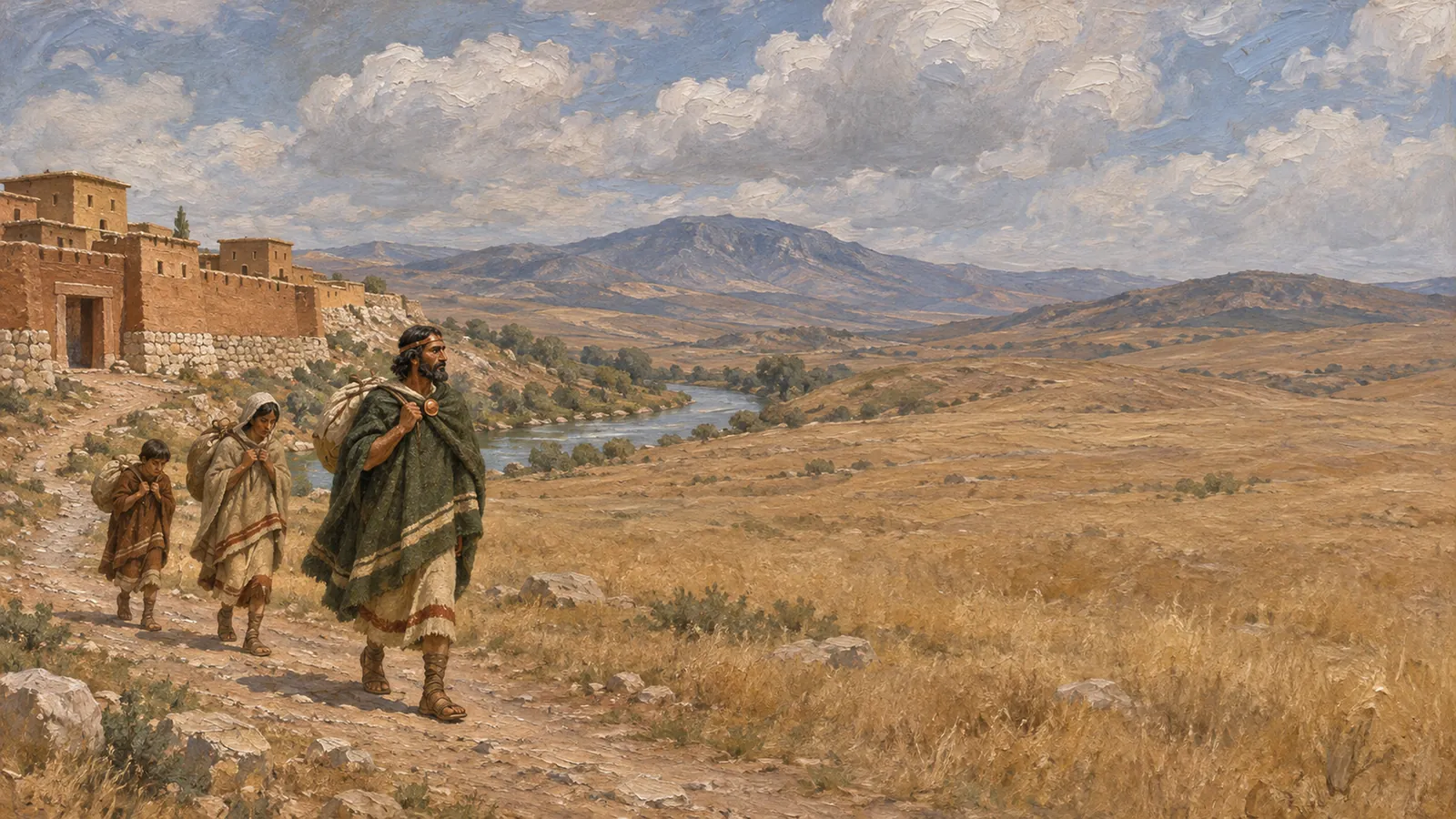
In the second passage the leader of Shalatiwara leaves his city with people the text may call his sons. The Hulanna River enters the story. Its precise location remains uncertain.
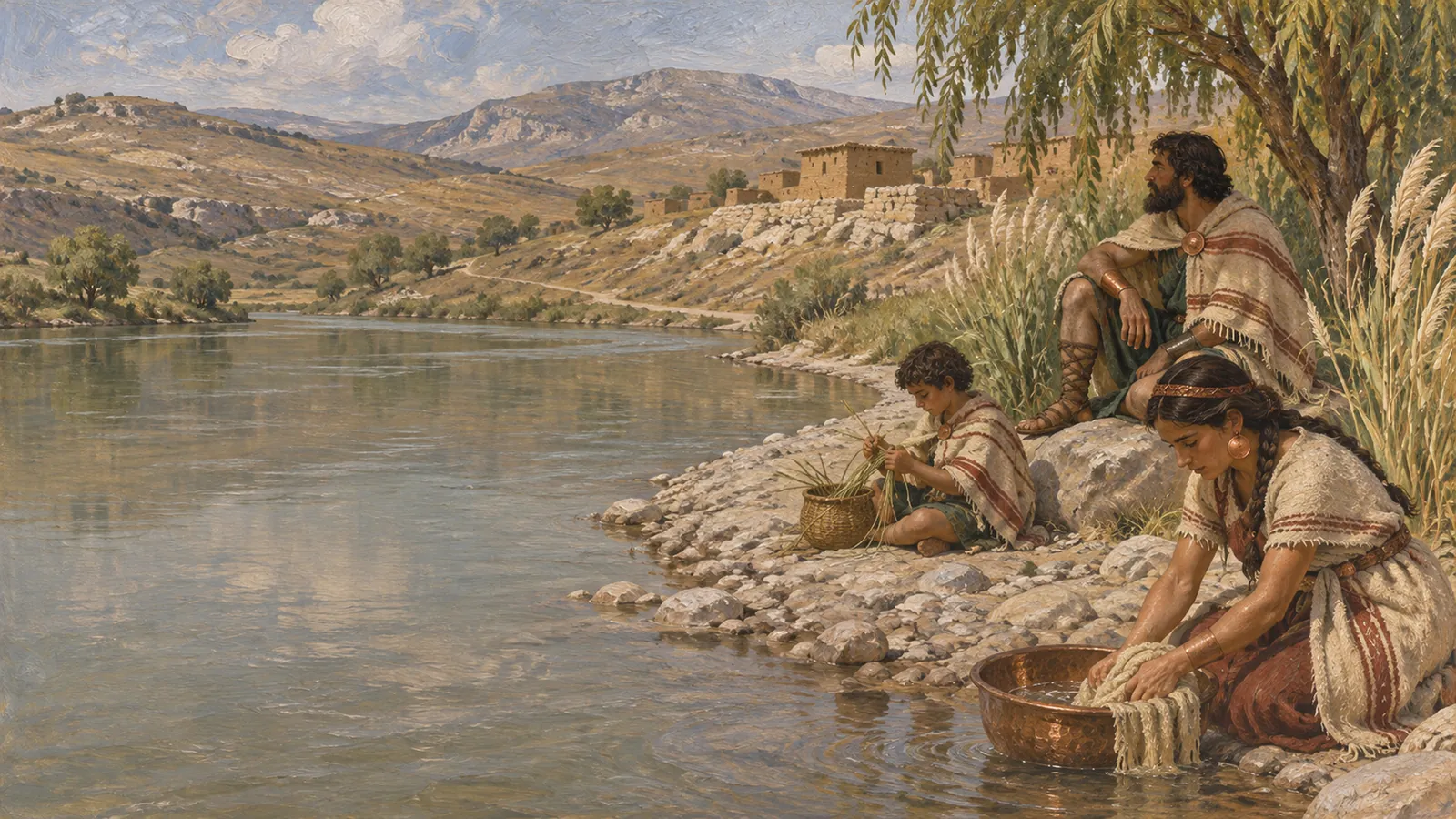
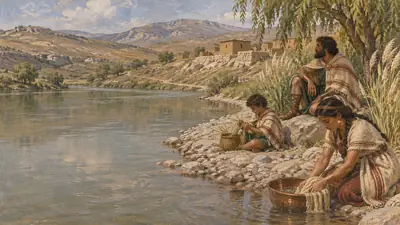
Anitta puts the leader of Shalatiwara at the Hulanna River. Water anchors this part of the story, while broken lines make the movements of the two parties hard to follow.
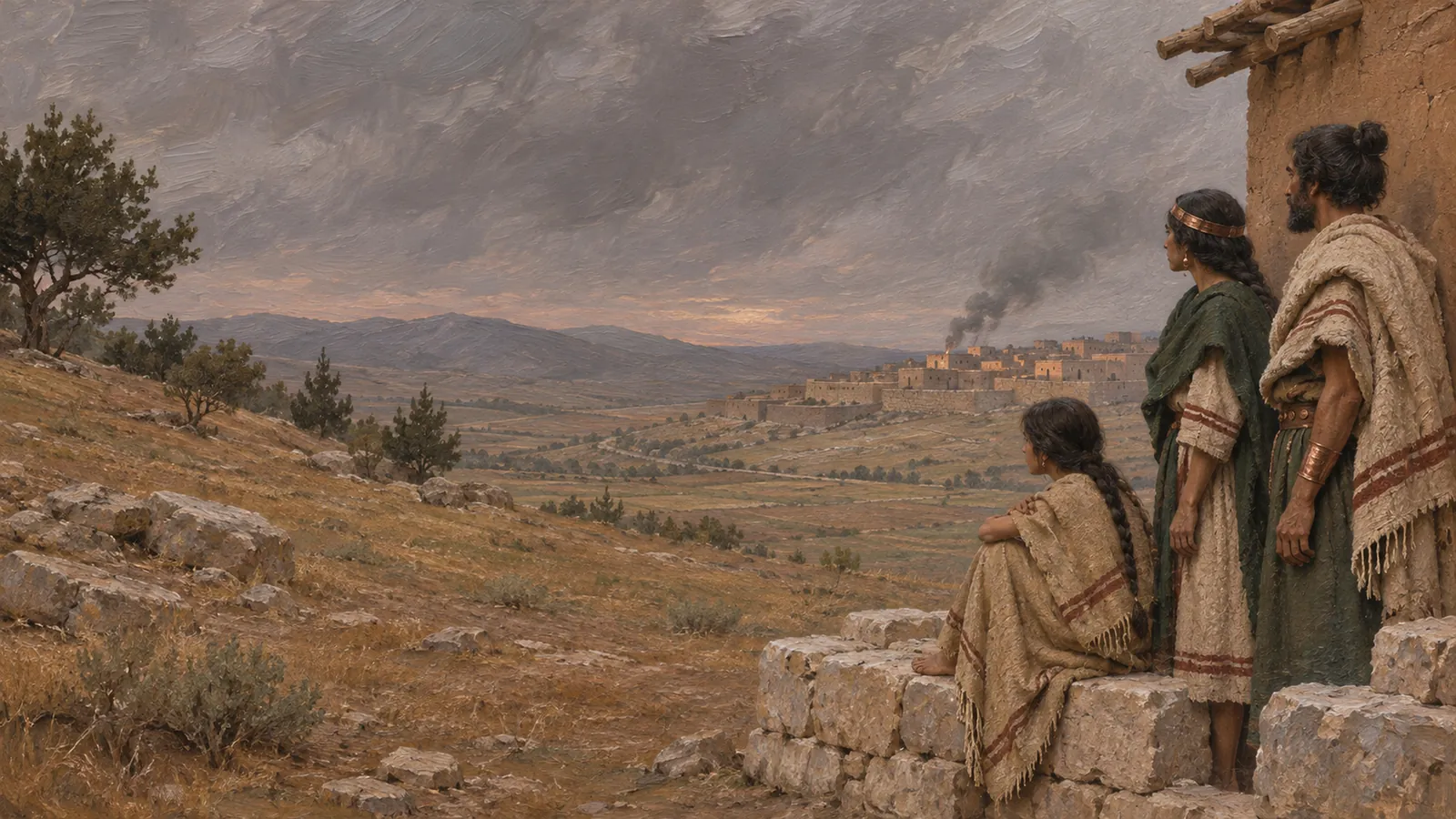
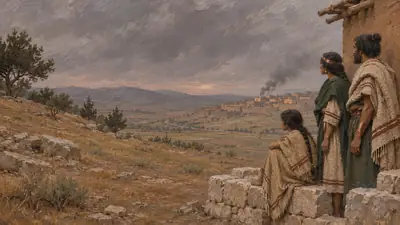
One line remembers the burning of the city. Nearby signs count foot soldiers and teams of horses. They mention silver and gold carried away by the other ruler. The people who stayed remain unnamed.
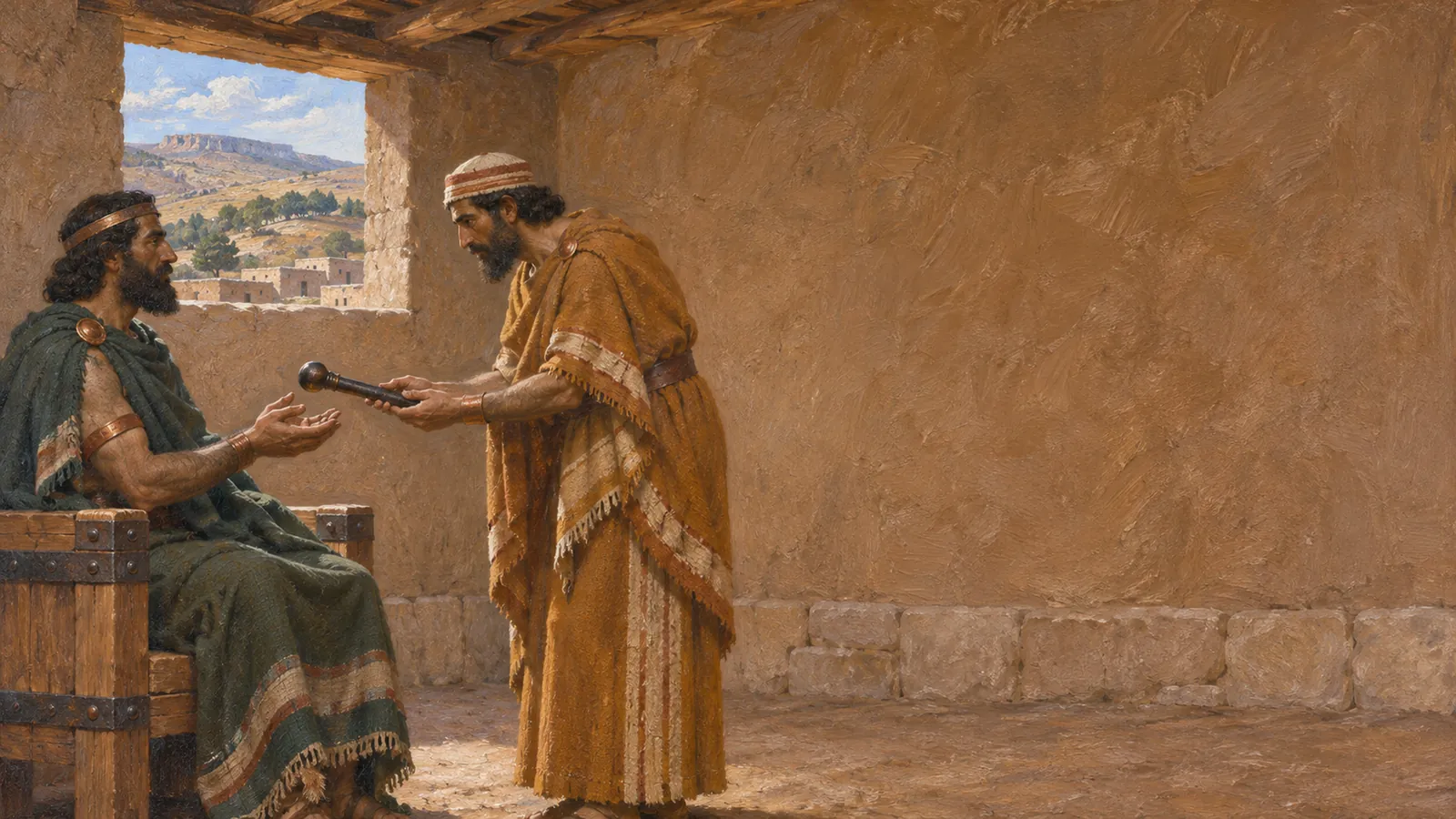
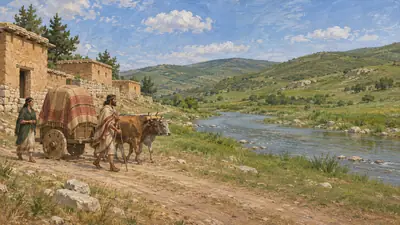
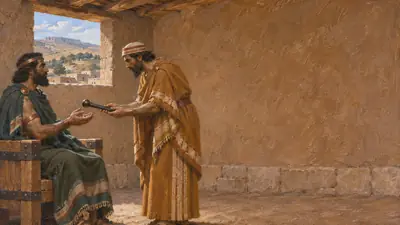
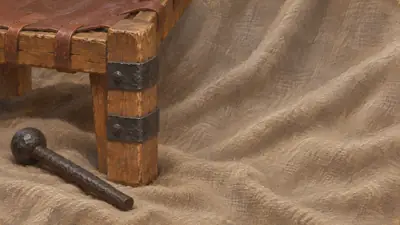
The ruler of Purushanda comes to Anitta carrying gifts. He brings an iron seat and an iron scepter. The text weighs the encounter through two objects and then follows both rulers back toward Nesha.
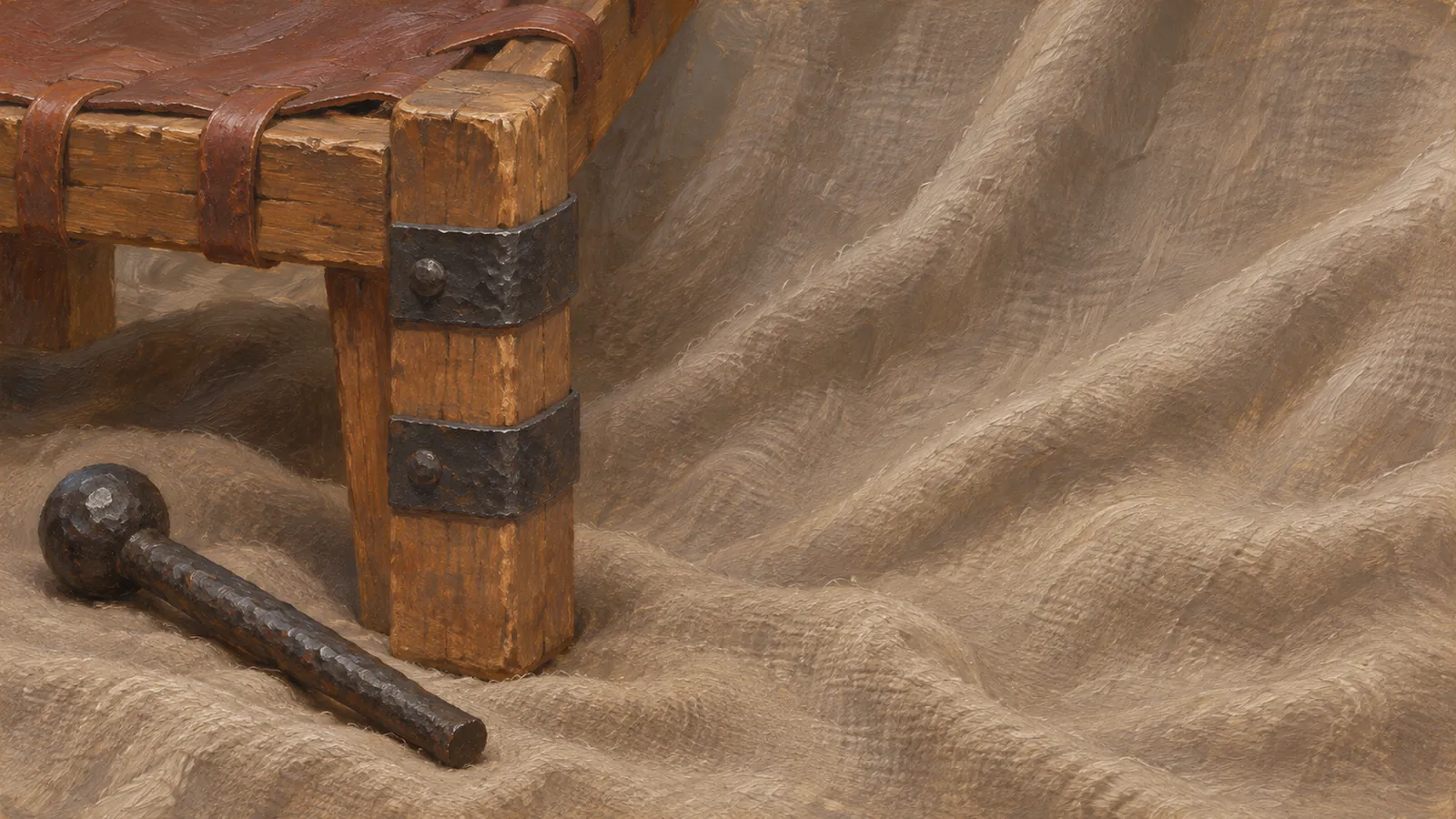
The signs for iron appear twice, once for each gift. Iron was unusual in this Bronze Age setting. The text leaves open whether the seat was entirely of iron or had iron fittings.
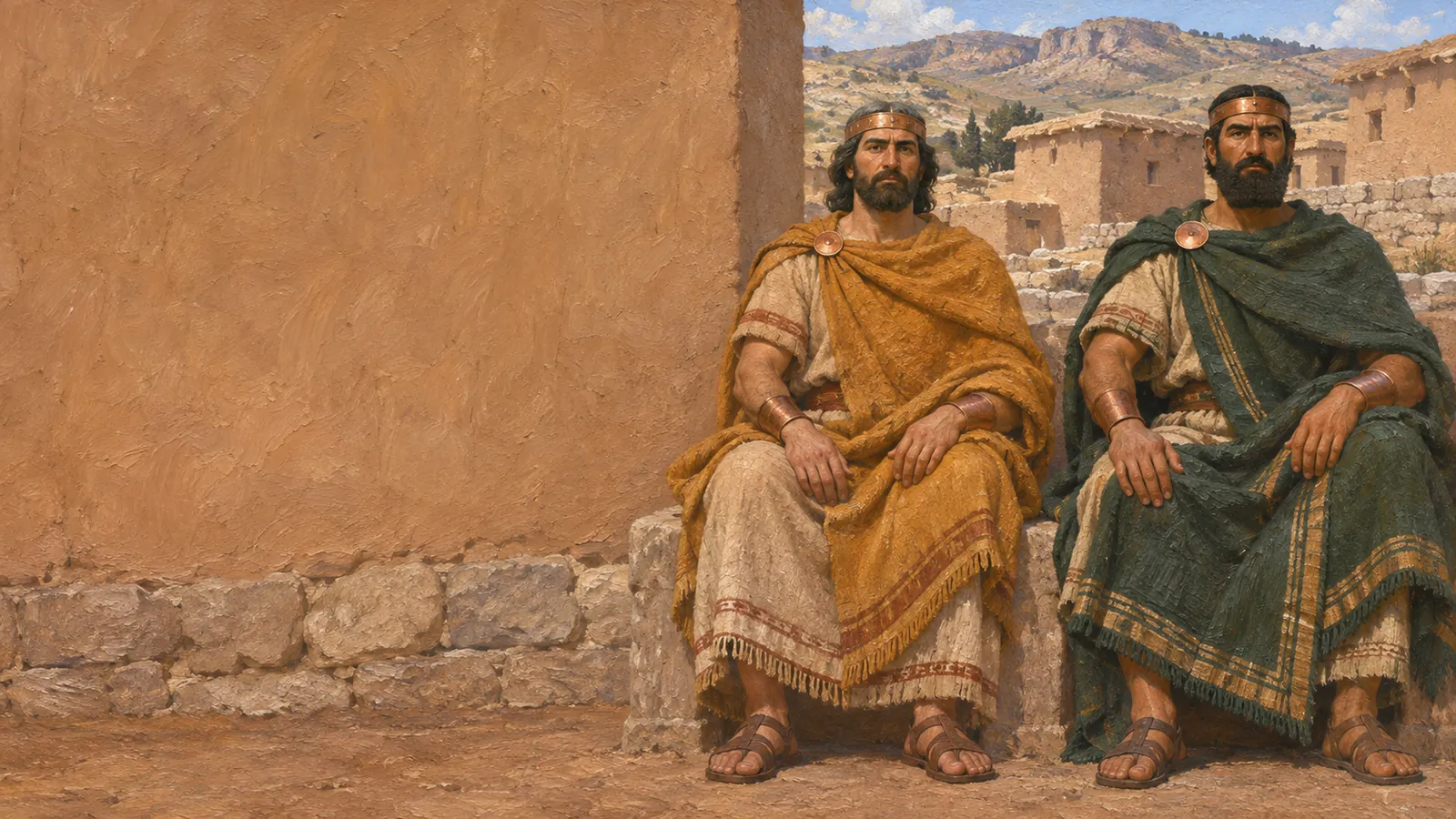
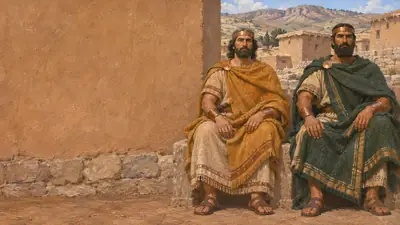
Anitta takes the ruler of Purushanda to Nesha. In one reading the visitor enters a chamber and takes a seat on Anitta’s right. Another tablet names Zalpa where the first mentions the chamber.
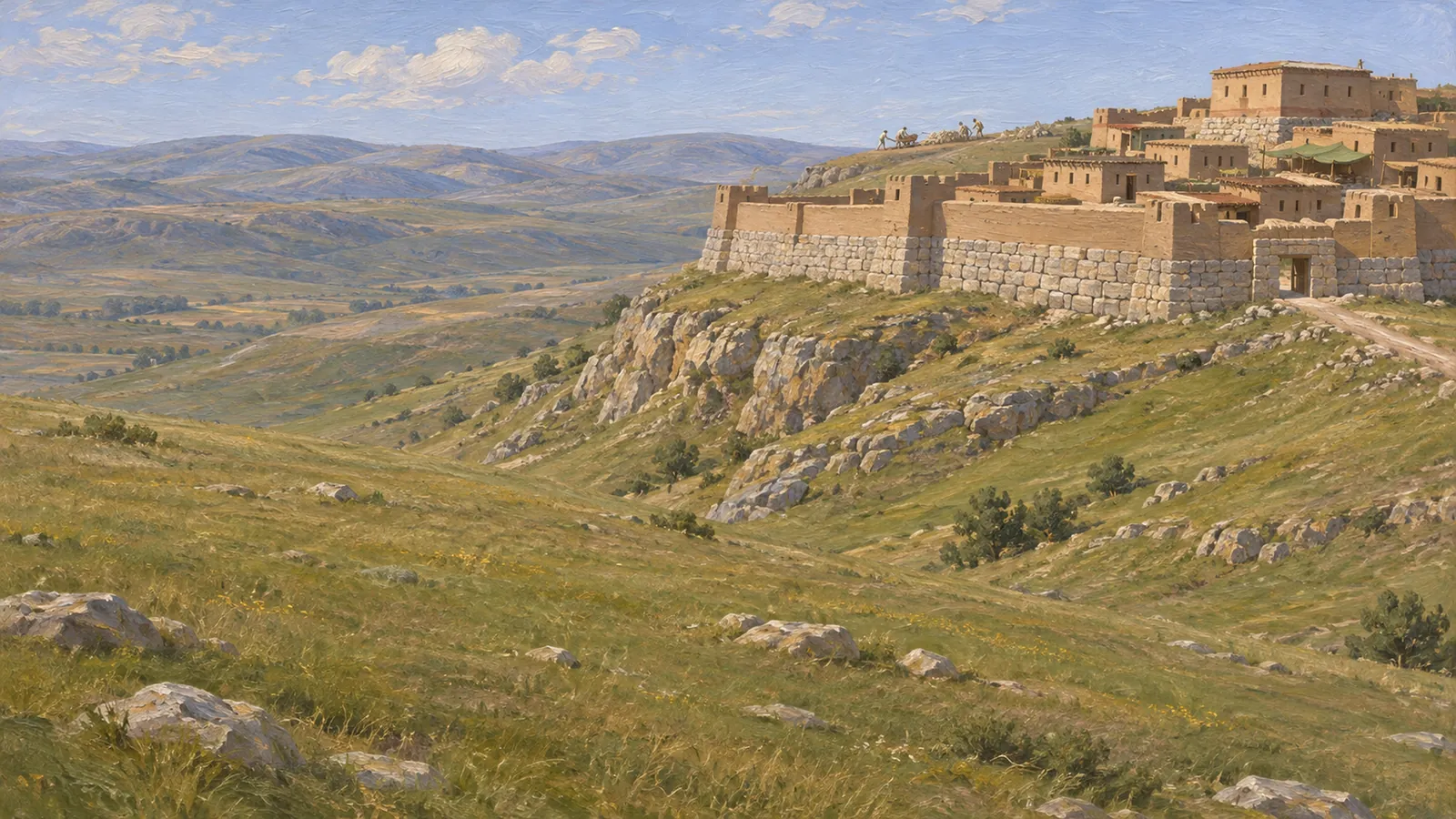
THE CITY RETURNS
Hattusa was settled again and became a capital of the Hittite kings. Its walls and buildings grew long after Anitta’s time. People made their homes where he had forbidden a future town.
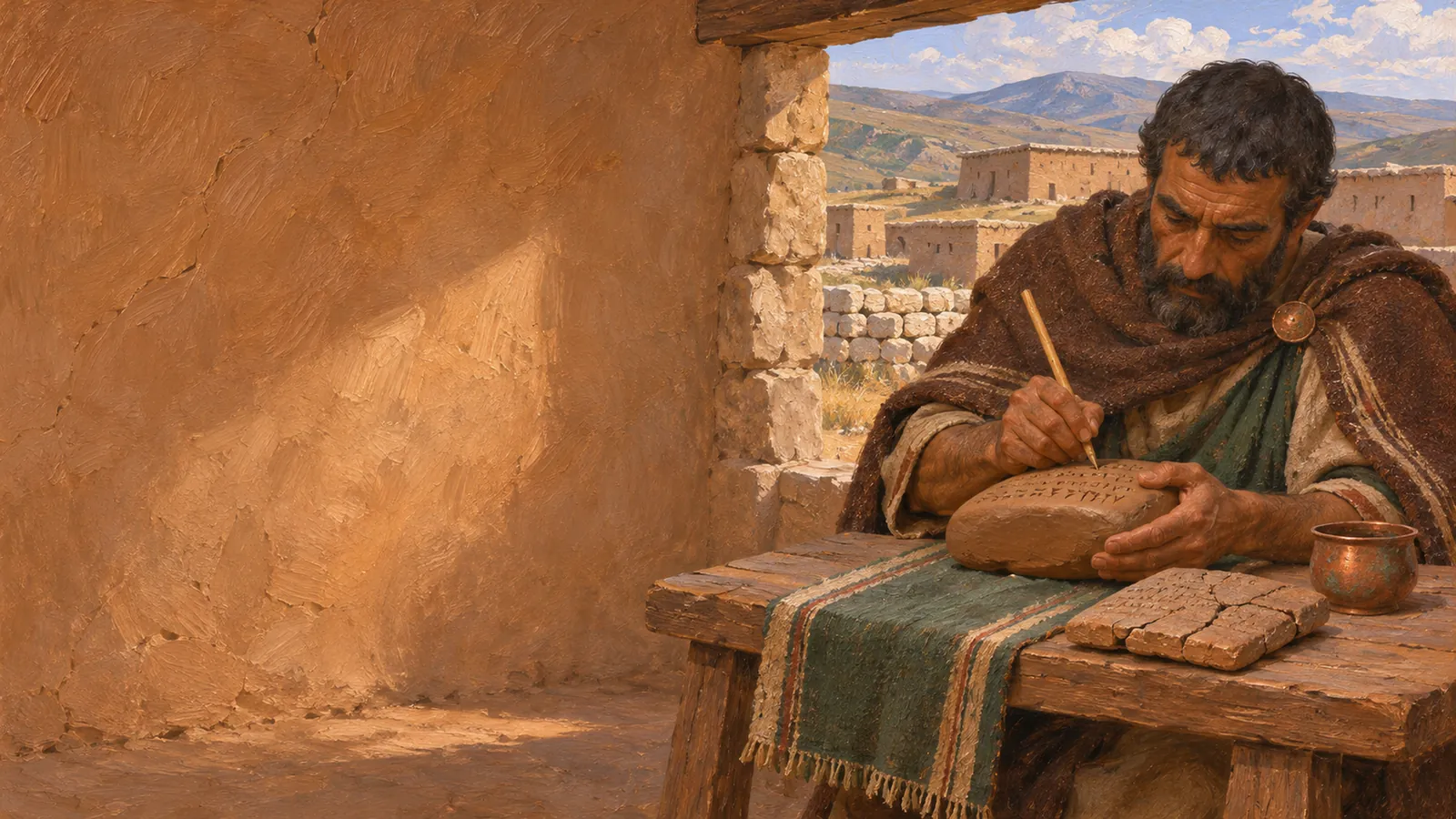
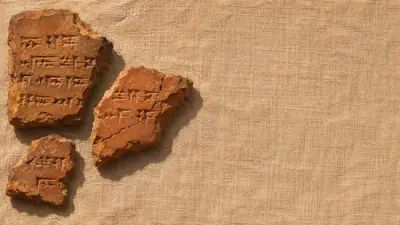
In Hattusa a copyist pressed the words into fresh clay. The surviving copies span different periods of Hittite writing. Small differences between them show the work of the scribes who passed on the tale.
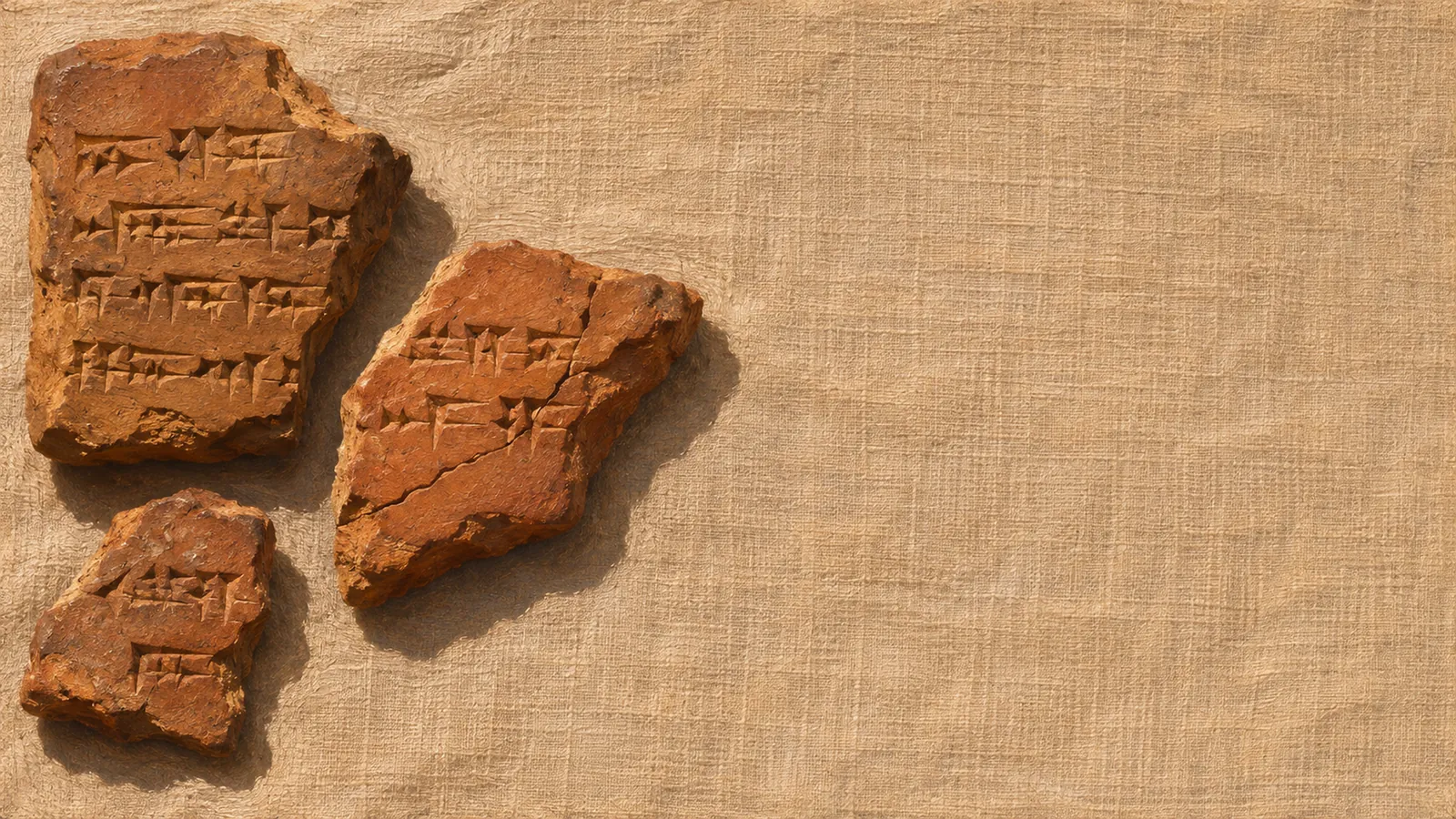
The oldest substantial copy is known as KBo 3.22. Later pieces preserve words missing from its edges and sometimes offer a different reading. A reader moves from one hand and one piece of clay to another.
Anitta asked later kings to keep Hattusa empty. The people of Hattusa kept a record of his warning on clay. His words survived in the city he cursed.
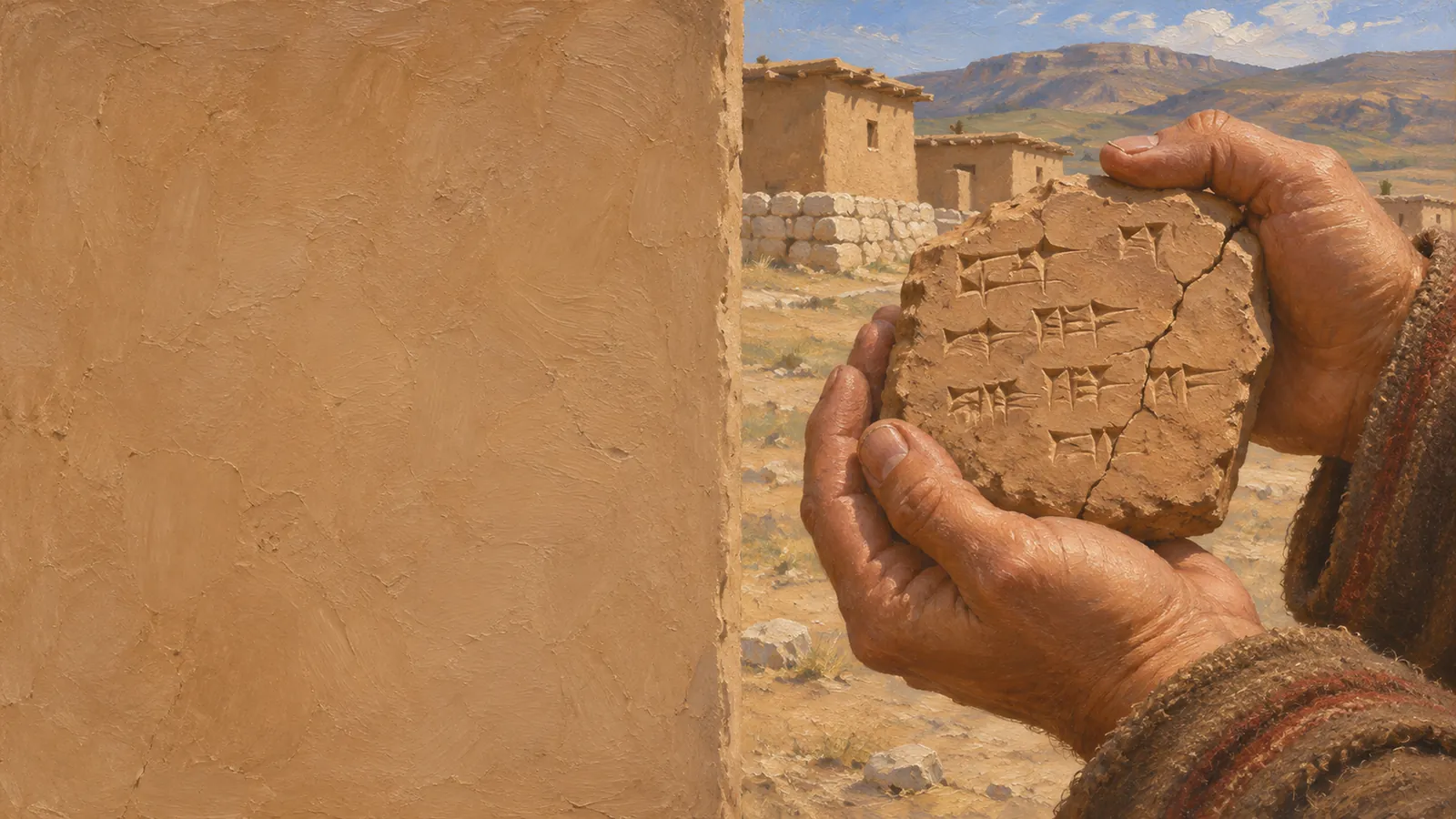
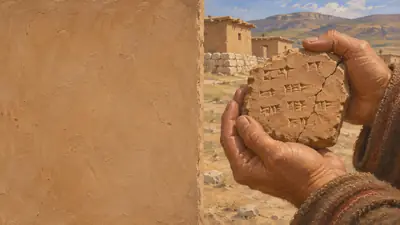
The blade gives a name, the king claims his deeds, and the copyists carry his voice forward. What remains of these different accounts is small enough to hold in both hands.
End of chapter 1
All pages
Sources
Editions consulted
- TITUS, Erich Neu’s line edition of CTH 1, with transliteration, translation and facsimiles of the three principal witnesses
- LAMAN, the parallel text KBo 22.5 and its find record
- Lisa Wilhelmi, Materiality and Presence of the Anitta Text in Original and Secondary Context
- Sara E. Kimball and Jonathan Slocum, Old Hittite text and commentary on the readings of Siu and Halmasuit
- Tahsin Özgüç, The Dagger of Anitta, excavation report with the blade and inscription
- Hakan Erol, Old Assyrian metal trade and the exceptional use of iron in Anatolia
- Republic of Türkiye, Ministry of Culture and Tourism, archaeological history of Hattusa
- Koç University, Hittite Collection, working transcription of KUB 26.71
Ancient lines behind each page
- Page 1: Proclamation of Anitta, CTH 1, lines 1
See source notes for which details are attested. - Page 2: Wilhelmi 2016, §4, and Özgüç 1956
See source notes for which details are attested. - Page 3: Proclamation of Anitta, CTH 1, lines 2–5
See source notes for which details are attested. - Page 4: Proclamation of Anitta, CTH 1, lines 5–7
See source notes for which details are attested. - Page 5: Proclamation of Anitta, CTH 1, lines 7–9
See source notes for which details are attested. - Page 6: Wilhelmi 2016, §§3–4
See source notes for which details are attested. - Page 7: Proclamation of Anitta, CTH 1, lines 10–12
See source notes for which details are attested. - Page 8: Proclamation of Anitta, CTH 1, lines 13–19
See source notes for which details are attested. - Page 9: Proclamation of Anitta, CTH 1, lines 20–21
See source notes for which details are attested. - Page 10: Proclamation of Anitta, CTH 1, lines 22–29
See source notes for which details are attested. - Page 11: Proclamation of Anitta, CTH 1, lines 30–35
See source notes for which details are attested. - Page 12: Proclamation of Anitta, CTH 1, lines 36–38
See source notes for which details are attested. - Page 13: Proclamation of Anitta, CTH 1, lines 38–40
See source notes for which details are attested. - Page 14: Proclamation of Anitta, CTH 1, lines 39–42; Kimball and Slocum
See source notes for which details are attested. - Page 15: Proclamation of Anitta, CTH 1, lines 41–42
See source notes for which details are attested. - Page 16: Proclamation of Anitta, CTH 1, lines 43–44
See source notes for which details are attested. - Page 17: Proclamation of Anitta, CTH 1, lines 44–46
See source notes for which details are attested. - Page 18: Proclamation of Anitta, CTH 1, lines 46–47; Kimball and Slocum
See source notes for which details are attested. - Page 19: Proclamation of Anitta, CTH 1, lines 44–47; illustration
See source notes for which details are attested. - Page 20: Proclamation of Anitta, CTH 1, lines 47–48
See source notes for which details are attested. - Page 21: Proclamation of Anitta, CTH 1, lines 48
See source notes for which details are attested. - Page 22: Proclamation of Anitta, CTH 1, lines 49–51
See source notes for which details are attested. - Page 23: Proclamation of Anitta, CTH 1, lines 52–54
See source notes for which details are attested. - Page 24: Proclamation of Anitta, CTH 1, lines 55–56
See source notes for which details are attested. - Page 25: Proclamation of Anitta, CTH 1, lines 55–58
See source notes for which details are attested. - Page 26: Proclamation of Anitta, CTH 1, lines 59–60
See source notes for which details are attested. - Page 27: Proclamation of Anitta, CTH 1, lines 60–63
See source notes for which details are attested. - Page 28: Proclamation of Anitta, CTH 1, lines 64–67
See source notes for which details are attested. - Page 29: Proclamation of Anitta, CTH 1, lines 67–68
See source notes for which details are attested. - Page 30: Proclamation of Anitta, CTH 1, lines 68–72
See source notes for which details are attested. - Page 31: Proclamation of Anitta, CTH 1, lines 73–77
See source notes for which details are attested. - Page 32: CTH 1, lines 74–75; Erol 2019, early iron trade
See source notes for which details are attested. - Page 33: Proclamation of Anitta, CTH 1, lines 76–79
See source notes for which details are attested. - Page 34: Wilhelmi 2016, §§1–2, and Hattusha archaeology
See source notes for which details are attested. - Page 35: Wilhelmi 2016, §§2, 5
See source notes for which details are attested. - Page 36: TITUS manuscript A, B and C; Wilhelmi 2016, §2
See source notes for which details are attested. - Page 37: CTH 1, 33–35, 49–51; manuscript transmission
See source notes for which details are attested. - Page 38: CTH 1; Özgüç 1956; Wilhelmi 2016
See source notes for which details are attested.
Illustrations made with AI tools by IL Archive; the text is based on the ancient sources (see the sources at the end of each chapter).