Site · City
Kanesh (Nesha, Kültepe)
- Names
- Kanesh · Kaneš · Kültepe · Nesha · Neša
- Region
- وسط الأناضول، تركيا
Kanesh was an Anatolian royal city and a center of Old Assyrian trade. Excavations at Kültepe have uncovered palaces on its mound and thousands of tablets from houses in the lower town.
Estimated reading time: 4 min Published Last reviewed:
Share article
Text
Introduction
Kanesh was a city in central AnatoliaAnatoliaAnatolia is the region occupying the Asian part of present-day TurkeyGlossary · Click to read the explanation, at modern Kültepe northeast of Kayseri in TürkiyeTurkeyTurkey is a modern country including Anatolia and territory in southeastern EuropeGlossary · Click to read the explanation. Archaeologists distinguish its upper mound, where palaces and temples have been found, from the lower town, where traders kept records in their houses. The city was a hub for Old Assyrian merchants in the early second millennium BCE, and it appears as Nesha in Hittite texts. Its buildings, household archives and later royal stories give access to different periods and different parts of urban life. [1][2][3]
The mound and the lower town
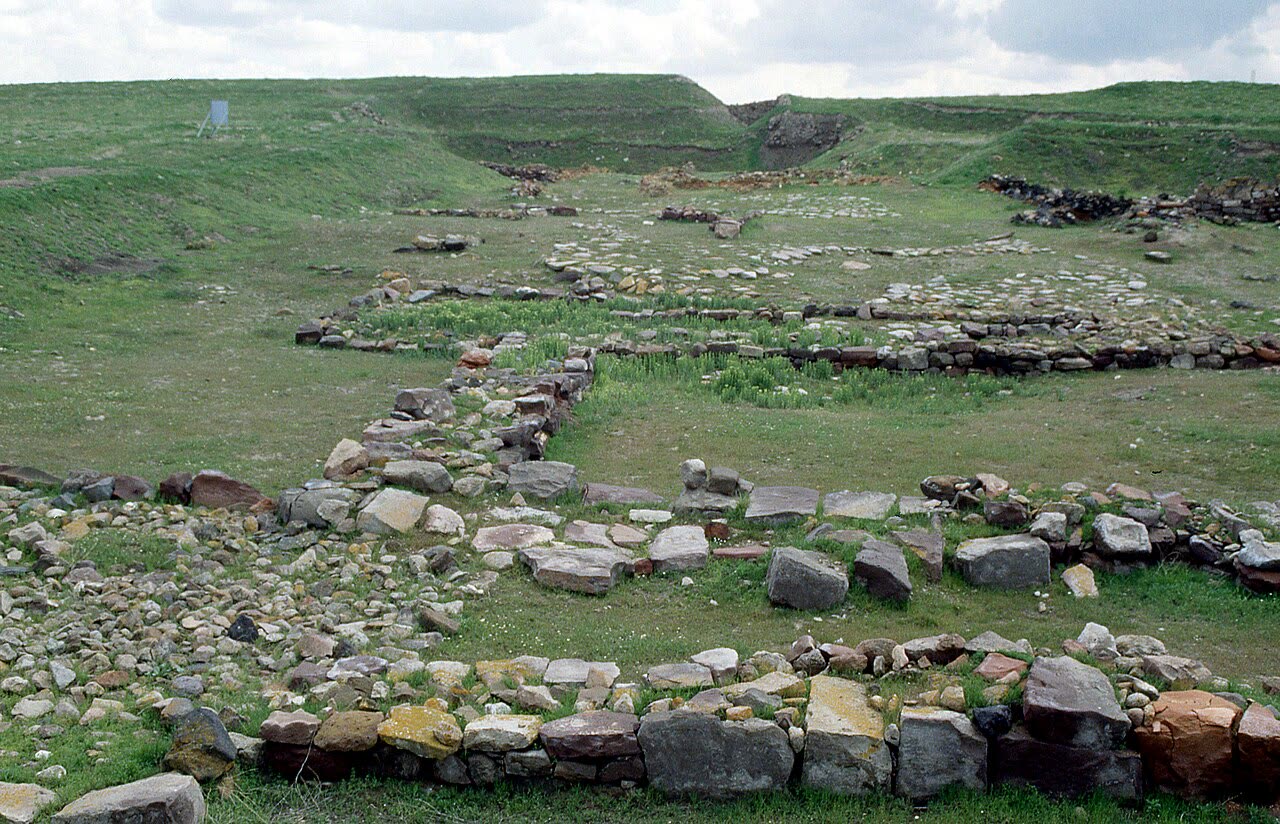
Kültepe sits on a fertile plain near Mount Erciyes, at a point where routes across central Anatolia converge. The upper mound is roughly half a kilometer across. It preserves a much longer occupation sequence than the lower town. Excavators have identified several palaces on the higher ground, where rooms served royal, administrative and storage functions. In the lower town, streets and open spaces separated groups of mud-brick houses built on stone foundations. Some houses had only a few rooms while others occupied larger plots. Houses and storerooms give an archaeological setting for the letters and documents that describe the people who lived and worked there. [1][2]
The term kārum can designate the merchant district and the merchants' organized body. Its meaning in a particular text should be distinguished from the full extent of the excavated lower town. Most tablets come from two occupation levels conventionally called II and Ib, with far more surviving from II. Cécile Michel notes that only about forty scattered tablets had been found on the mound in the survey she presents. The concentration of writing below the mound therefore depends partly on where records were kept and what survived. The palace buildings provide important evidence, even though no comparable archive from the local administration has turned up in them. [2]
Goods and people on the road
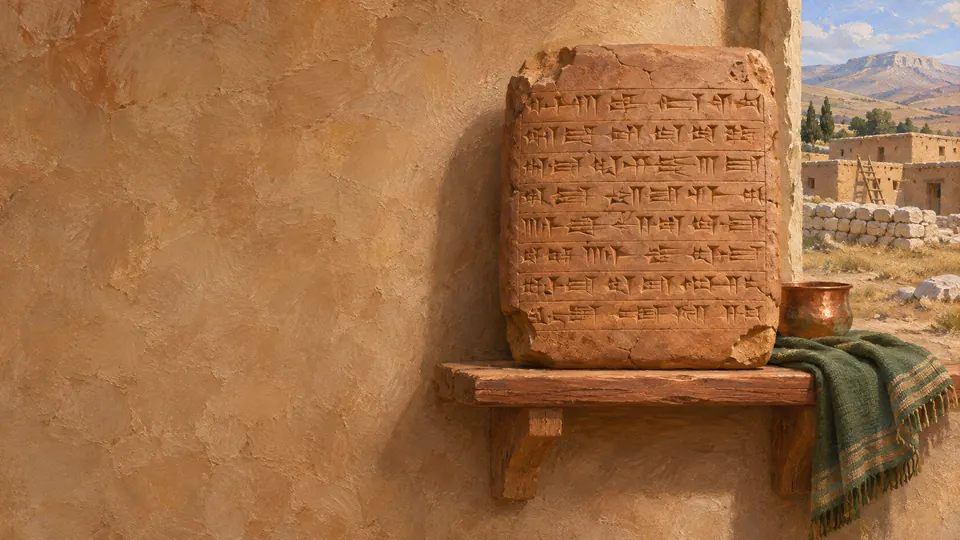
The merchants from Assur carried textiles and tin into Anatolia and traded for silver and gold. Kanesh served as a center from which goods could be sent onward to other settlements. Traders used cuneiformCuneiformWriting with wedge-shaped signs, developed from Mesopotamian recording traditions and used for several languages from the third millennium BCE.Glossary · Click to read the explanation tablets for instructions, contracts and accounts, with clay envelopes and cylinder sealsCylinder sealSmall engraved cylinder rolled over soft clay to leave an extended image. Used to secure, document and identify administrative actions; its pictures do not automatically constitute writing.Glossary · Click to read the explanation used to secure and identify some documents. The surviving texts describe transactions between people in a network that connected Kanesh with other settlements. They show how people handled orders and disagreements over a long distance. Local and immigrant families lived alongside one another in the lower town, and the record contains evidence of marriage between Assyrians and Anatolians. [1][2][4][5]
A letter sent by Lamassi to Pushu-ken gives some of this work a household setting. Lamassi lived in Assur, where she and her household produced cloth for shipment to Anatolia. She asks why Pushu-ken has not confirmed receipt of a shipment. She also challenges his criticism of the size of the textiles, pointing out that he had asked for a change in their dimensions. The complaint preserves a difference in expectations between a producer and a merchant who sold her work. The letter comes from Kültepe and is now in the Yale Babylonian Collection. The place where it was found is the receiving end of a correspondence that stretched across regions. [6]
What was kept in a house
Tablets and envelopes could be kept in boxes, sacks, baskets and jars in storerooms where goods were also stored. Some groups can be identified through the addresses on letters or the people named in loan contracts. Michel describes one house where many texts concern one merchant, yet some letters appear to belong to a colleague who was likely keeping records there. Its findspot could easily obscure that second owner's presence if the tablets were assigned to the owner of the building as a group. Such cases show why archaeologists and philologists reconstruct the relations among people and documents as well as the positions of walls and containers. [2][7]
A tablet now in the Metropolitan Museum records a dispute about control of an archive. Suen-nada and Ennum-Ashur accuse one another of taking material that each claims as his own. The deposition mentions cylinder seals and records belonging to other people who had left them for safekeeping. One claimant asks to have the case heard at Assur. The document preserves what was contested and shows why control of records mattered. The verdict is unknown. The tablet's own clay envelope also survives, providing evidence for the way this particular legal record was kept. [5]
Nesha in later stories
In the Proclamation of Anitta, Pithana of Kushshara takes Nesha and is said to have treated its inhabitants as parents. His son presents Nesha as his city and reports building temples and defenses there. The surviving Hittite copies are later than the campaigns they recount. Their account of kingship stands alongside the earlier household records and the remains on the mound. Another Hittite text, the Tale of Zalpa, opens with the queen of Kanesh sending her sons away in baskets on a river and later brings them back to Nesha. This is a literary use of the city's name. The tale preserves a memory of Nesha as a place with royal associations, while its extraordinary births and returns belong to the story. [3][8]
References and notes (8)
- Republic of Türkiye, Archaeological Site of Kültepe-Kanesh, UNESCO World Heritage Tentative List Description of location, upper mound, lower town, trade and housing Return to the text ↑
- Cécile Michel, Women of Assur and Kanesh Introduction, pp. 6–9, levels of occupation, findspots and the use of kārum Return to the text ↑
- Harry A. Hoffner Jr., Proclamation of Anitta of Kuššar The Context of Scripture 1.72, opening and sections on royal construction in Nesha Return to the text ↑
- The Metropolitan Museum of Art, The Old Assyrian Period Trade goods, administrative technology and archive contents Return to the text ↑
- The Metropolitan Museum of Art, Cuneiform Tablet: Record of a Lawsuit Record 66.245.5a, statements about trade, families and possession of a private archive Return to the text ↑
- Agneta W. Lassen and Klaus Wagensonner, Women at the Dawn of History Catalogue entry 2, letter from Lamassi to Pushu-ken, YPM BC 004651 Return to the text ↑
- Cécile Michel, Constitution, Contents, Filing and Use of Private Archives Pp. 57–58, identifying owners of records in excavated houses Return to the text ↑
- Harry A. Hoffner Jr., The Queen of Kanesh and the Tale of Zalpa The Context of Scripture 1.71, §1, birth and return of the queen's sons Return to the text ↑
Suggest a correction · Suggest a source for this record
Cite this record
IL Archive, «Kanesh (Nesha, Kültepe)», https://ilarchive.com/en/sites/kanesh-nesha