Lamassi and Pushu-ken Chapter 1
The cloth and the letter
Follow a letter and its cloth from the Tigris to central Anatolia. At Ashur, wool must be spun, goods packed and children clothed. In Kanesh, a small change in the size of a textile can call for another message back. Lamassi’s own words put numbers on the work and name the people who carry it. Her request for Pushu-ken to come home reaches us through the same network.
SourcesTurn the pages with the arrows, the arrow keys or a swipe.
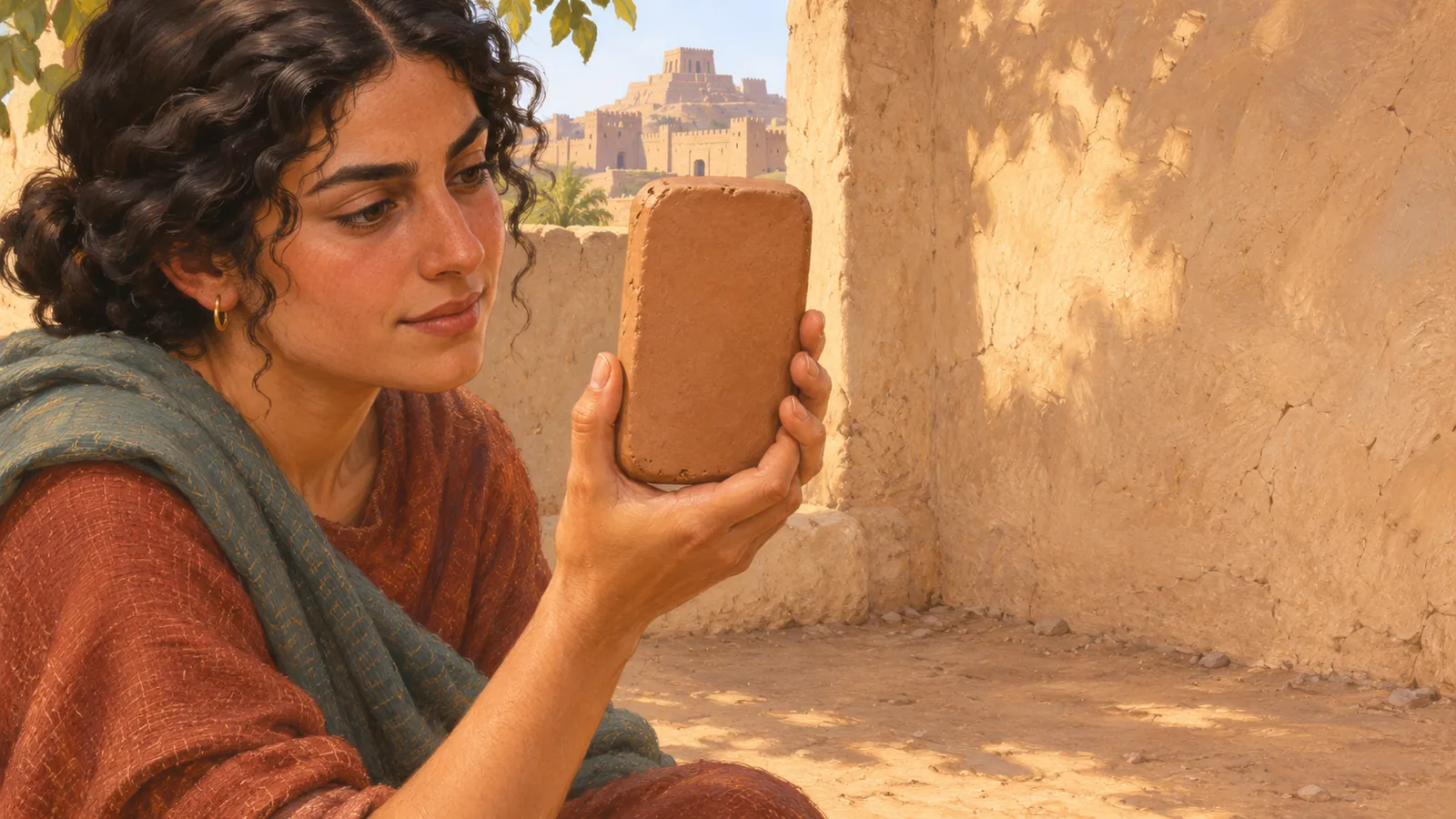
LETTERS
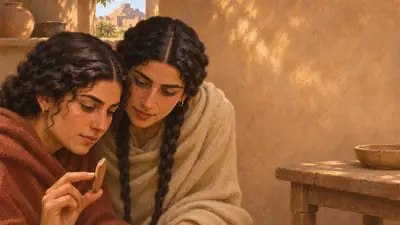
A small clay tablet from Kanesh carries Lamassi’s voice. She sent the letter from Ashur to her husband, Pushu-ken, along a road that took weeks to travel.
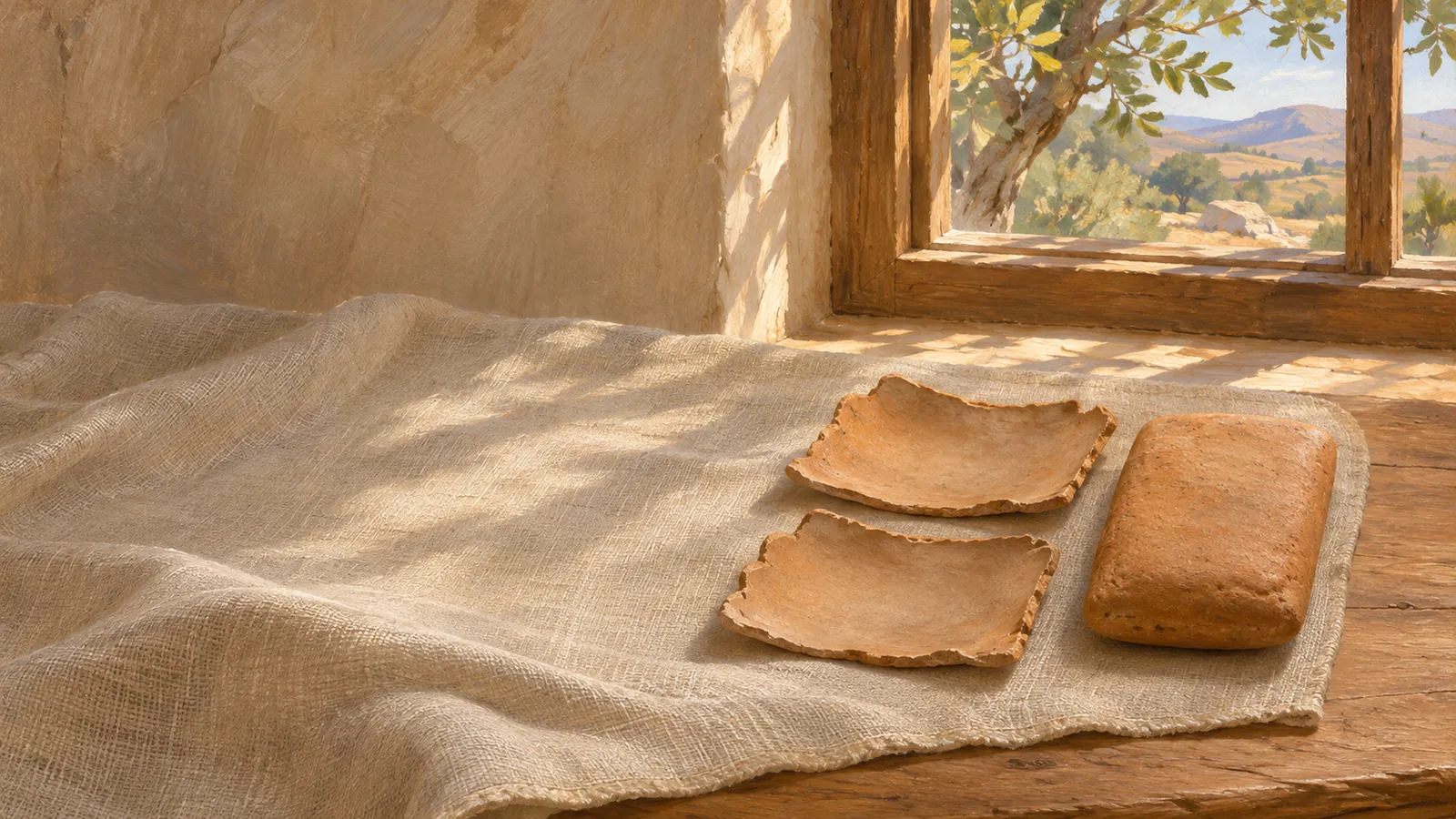
In the Old Assyrian trade, a small clay tablet could travel inside a second layer of clay. The envelope protected the message and could carry a seal.
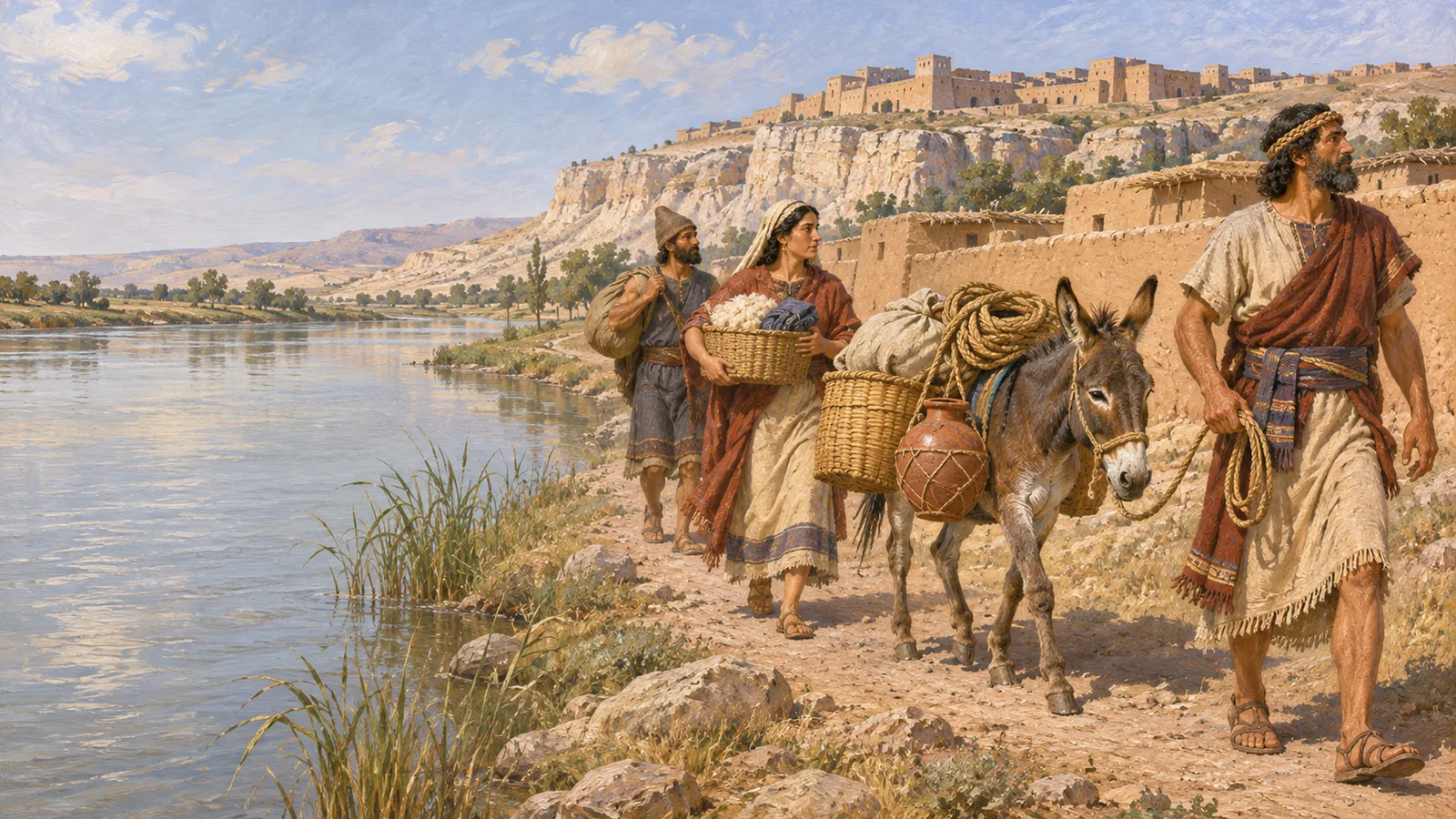
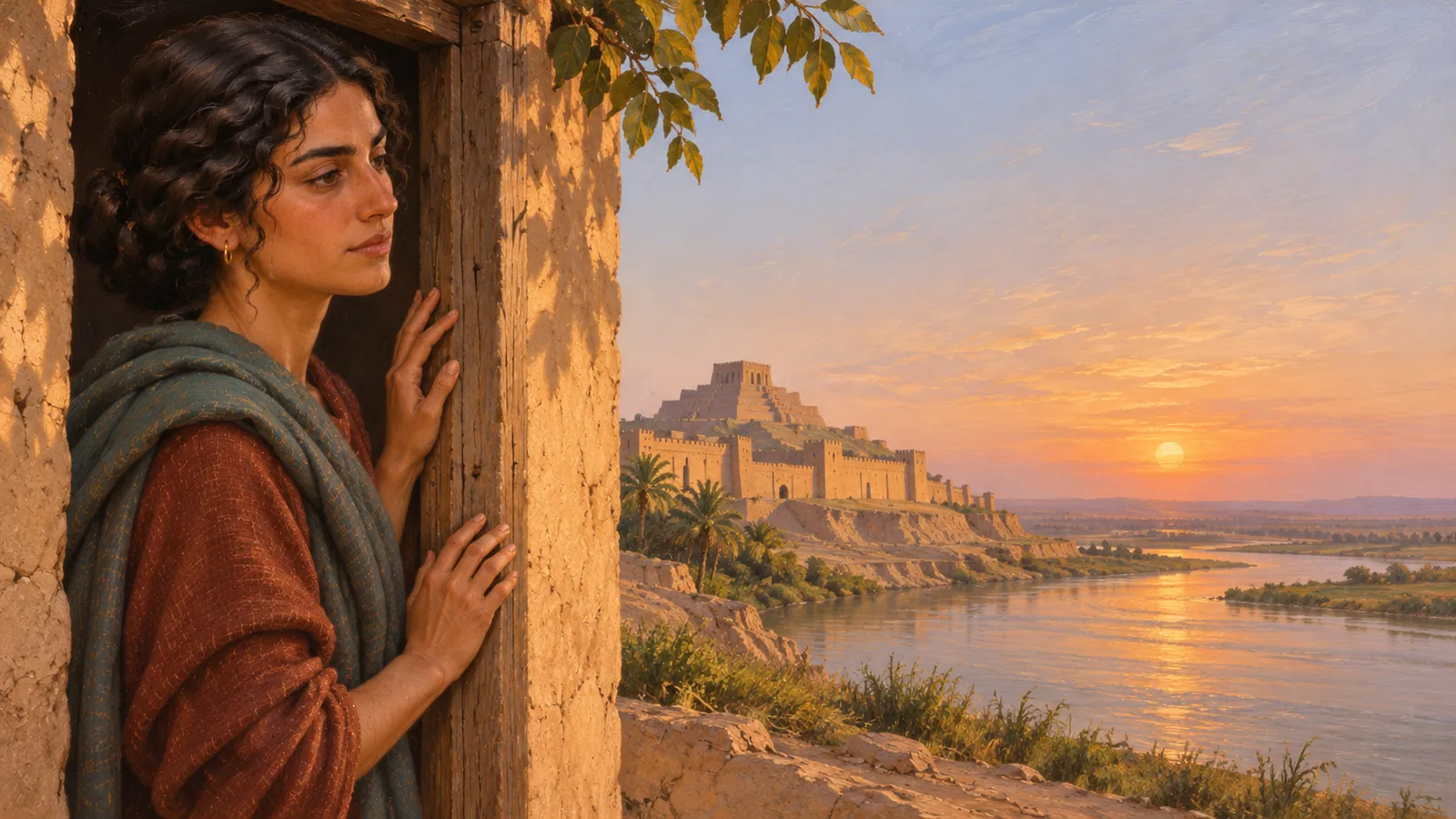
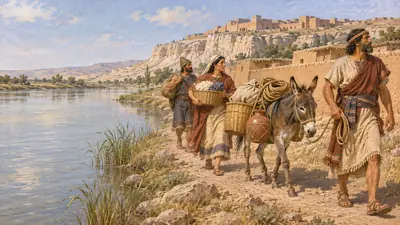
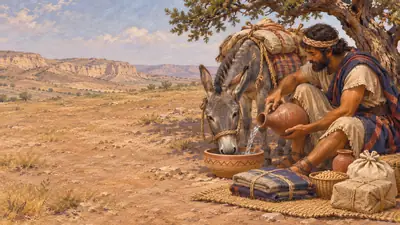
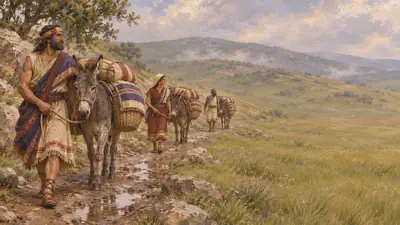
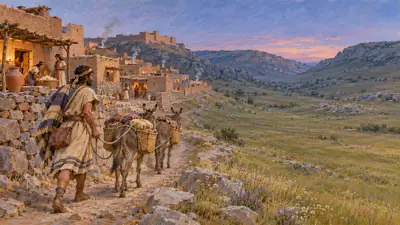
Lamassi was at home in Ashur, on the Tigris. Pushu-ken worked at Kanesh in Anatolia. Pack animals and travelers carried goods and news between the two cities.
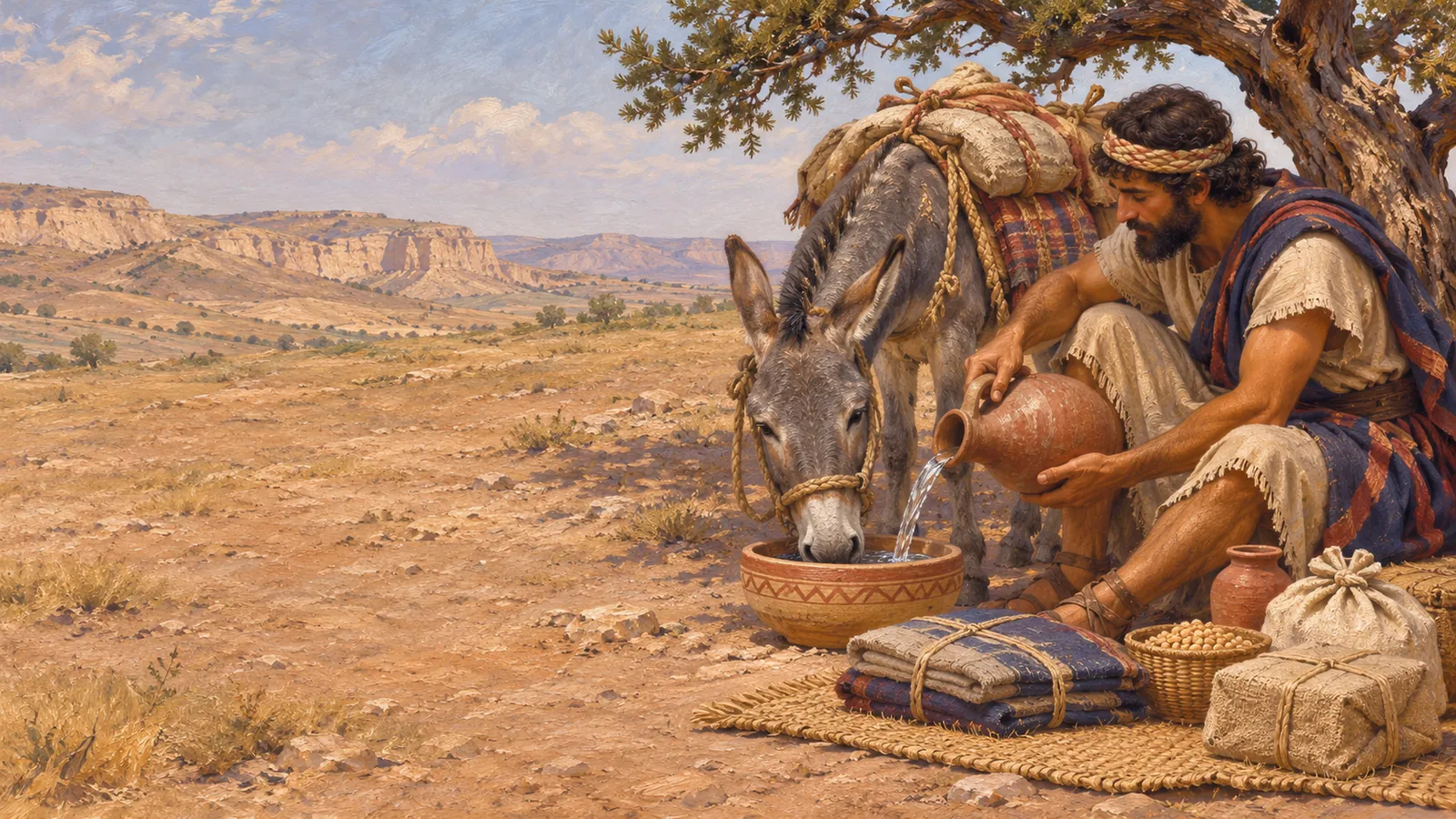
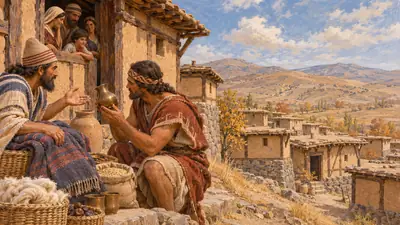
One of the towns on the route between Ashur and Kanesh was Hahhum. Other merchants’ letters name it among the places goods passed through. Travelers carried the news too.
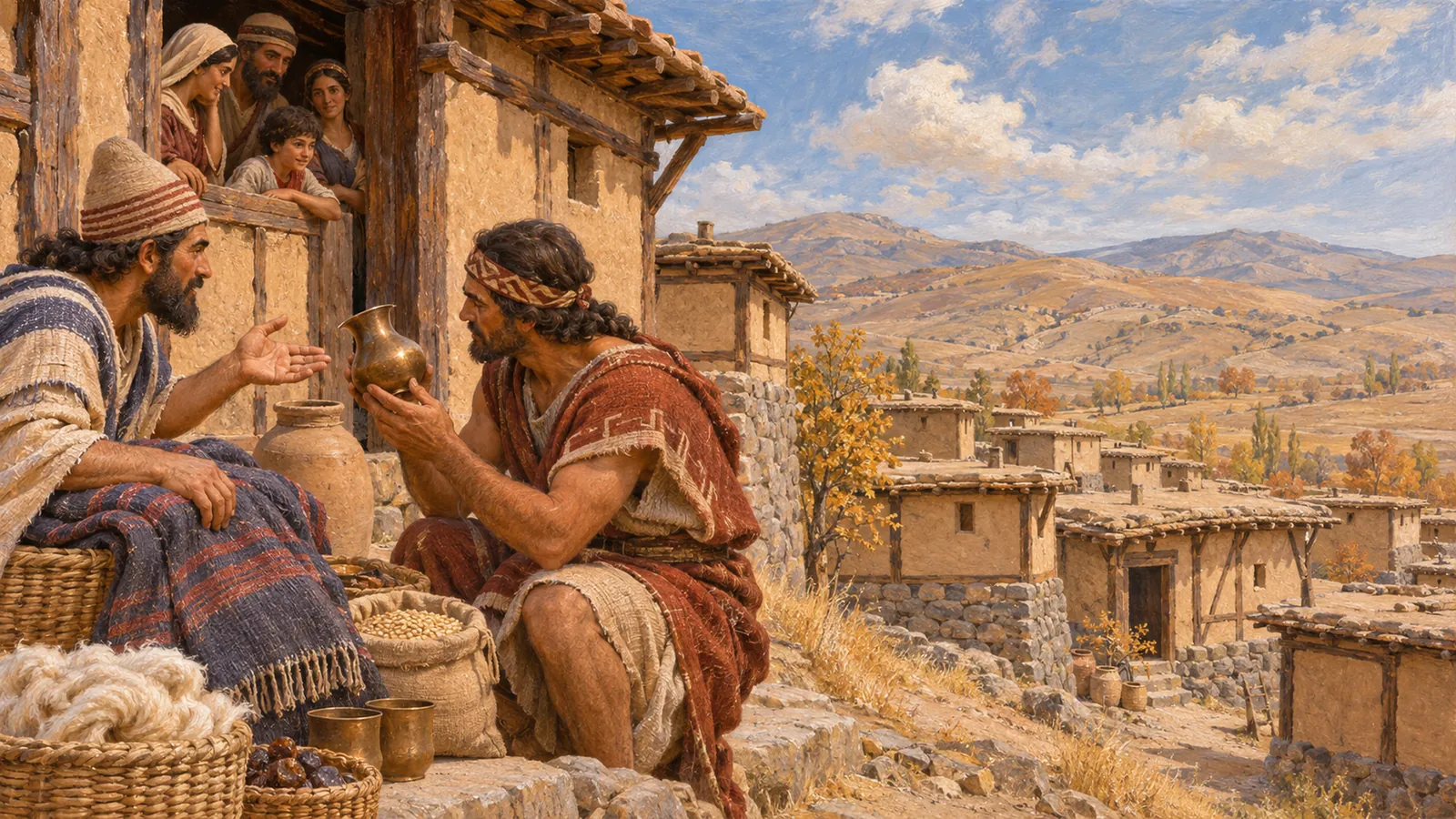
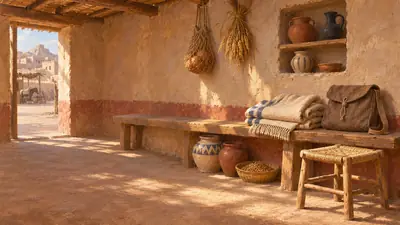
The trading quarter at Kanesh lay in the lower town. Houses there held family letters as well as business records. Ordinary rooms sheltered the evidence of long journeys.
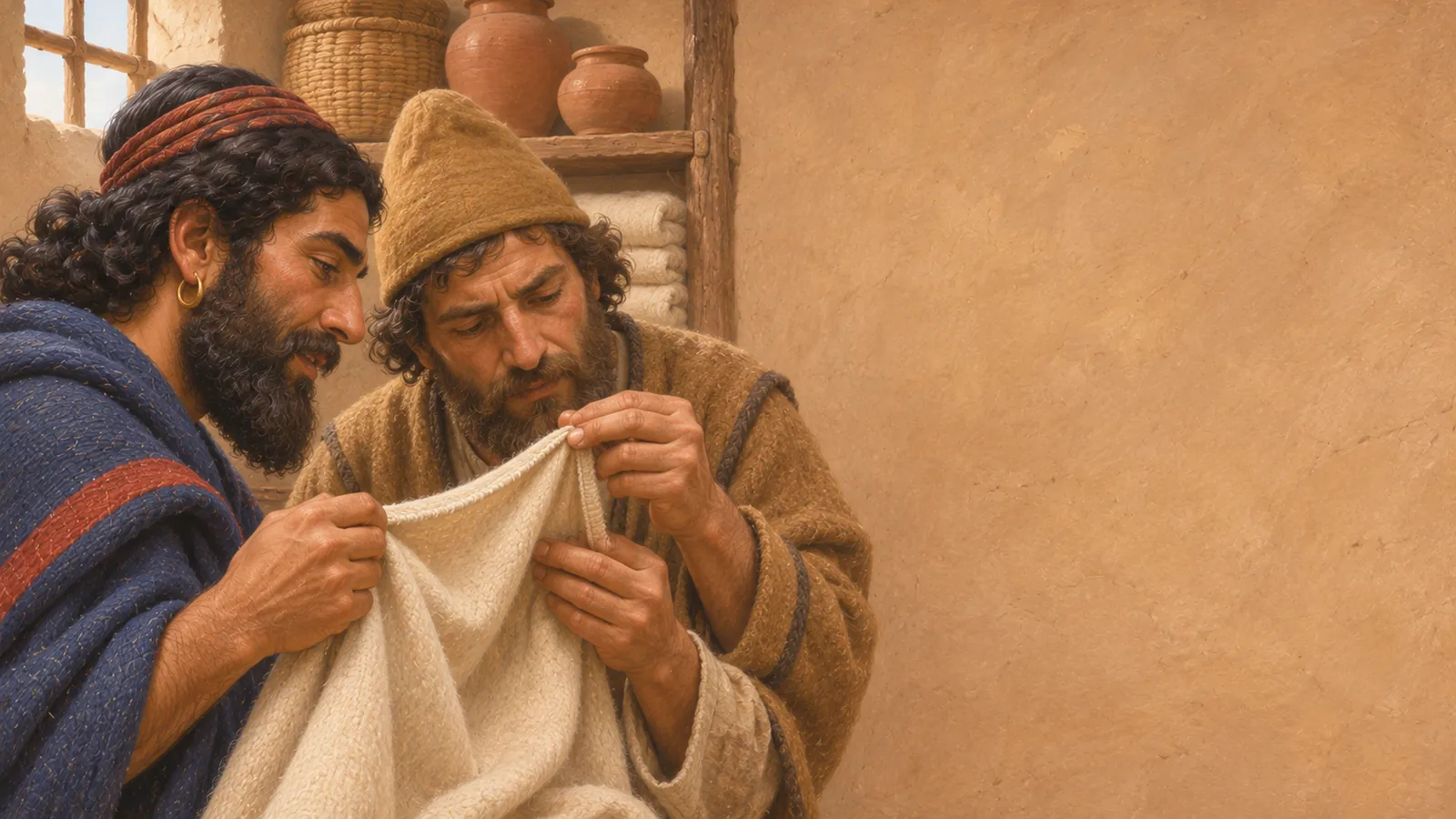
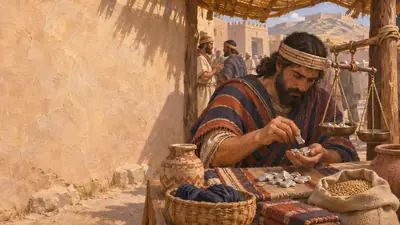
Pushu-ken could sell the cloth that came from Ashur. He worked in a town where Assyrian traders and their Anatolian neighbors made deals and kept records on clay.
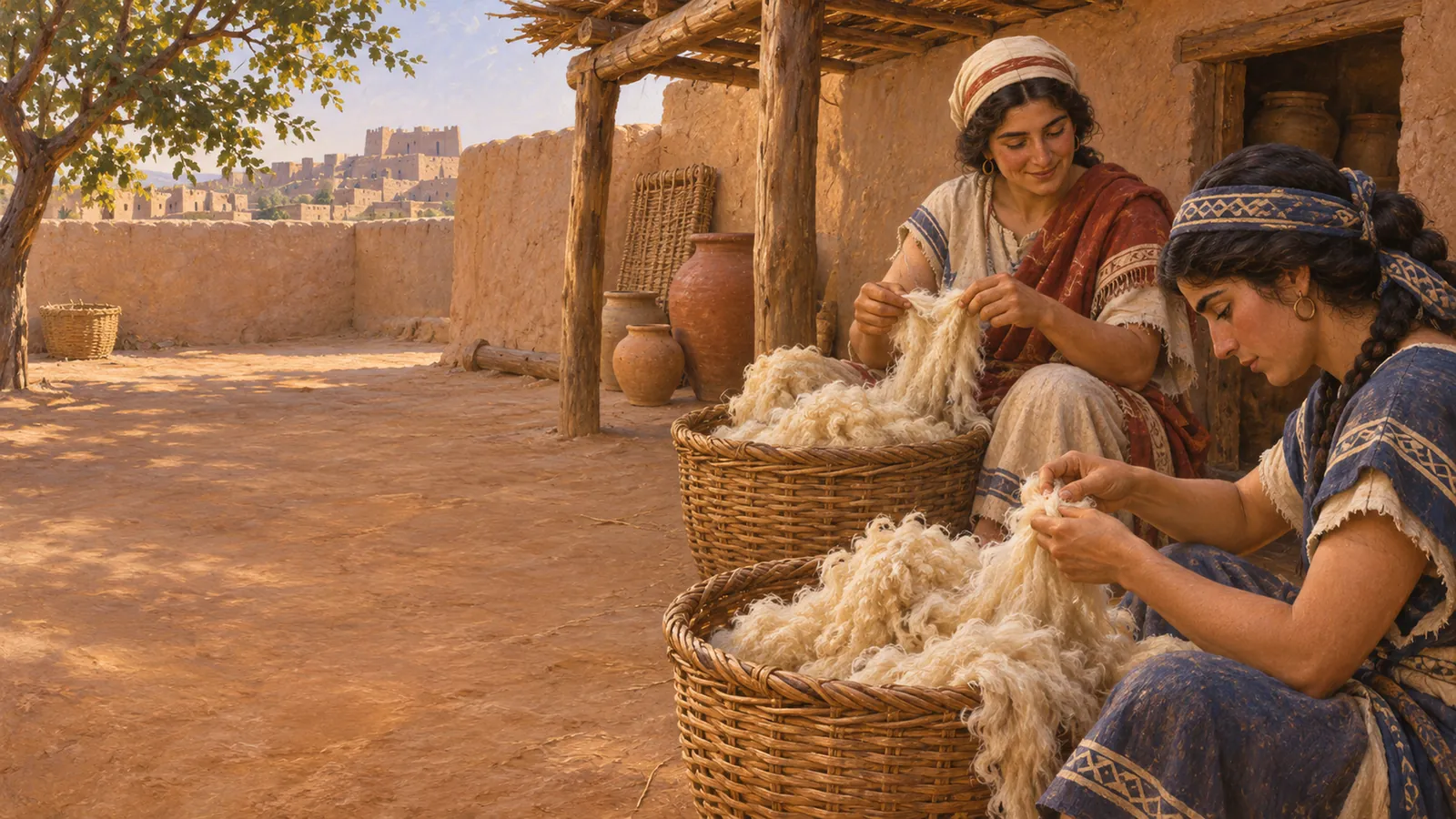
WOOL
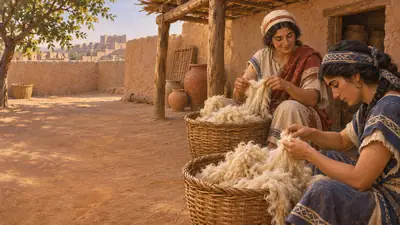
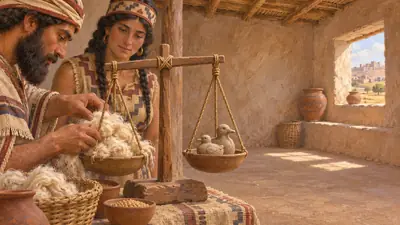
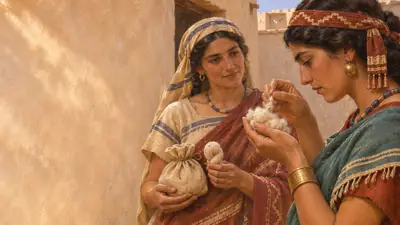
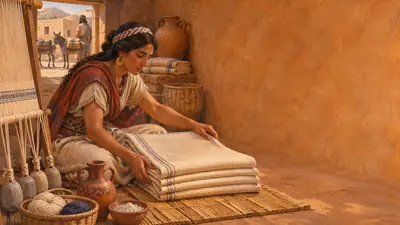
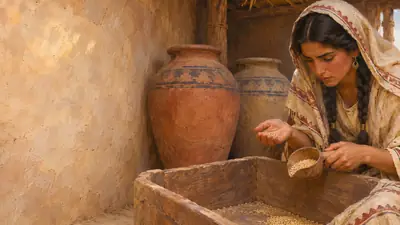
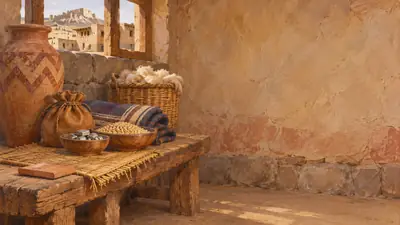
Before there could be a piece of cloth to send, wool had to be found, prepared and spun. That work belonged to the daily life of the house.
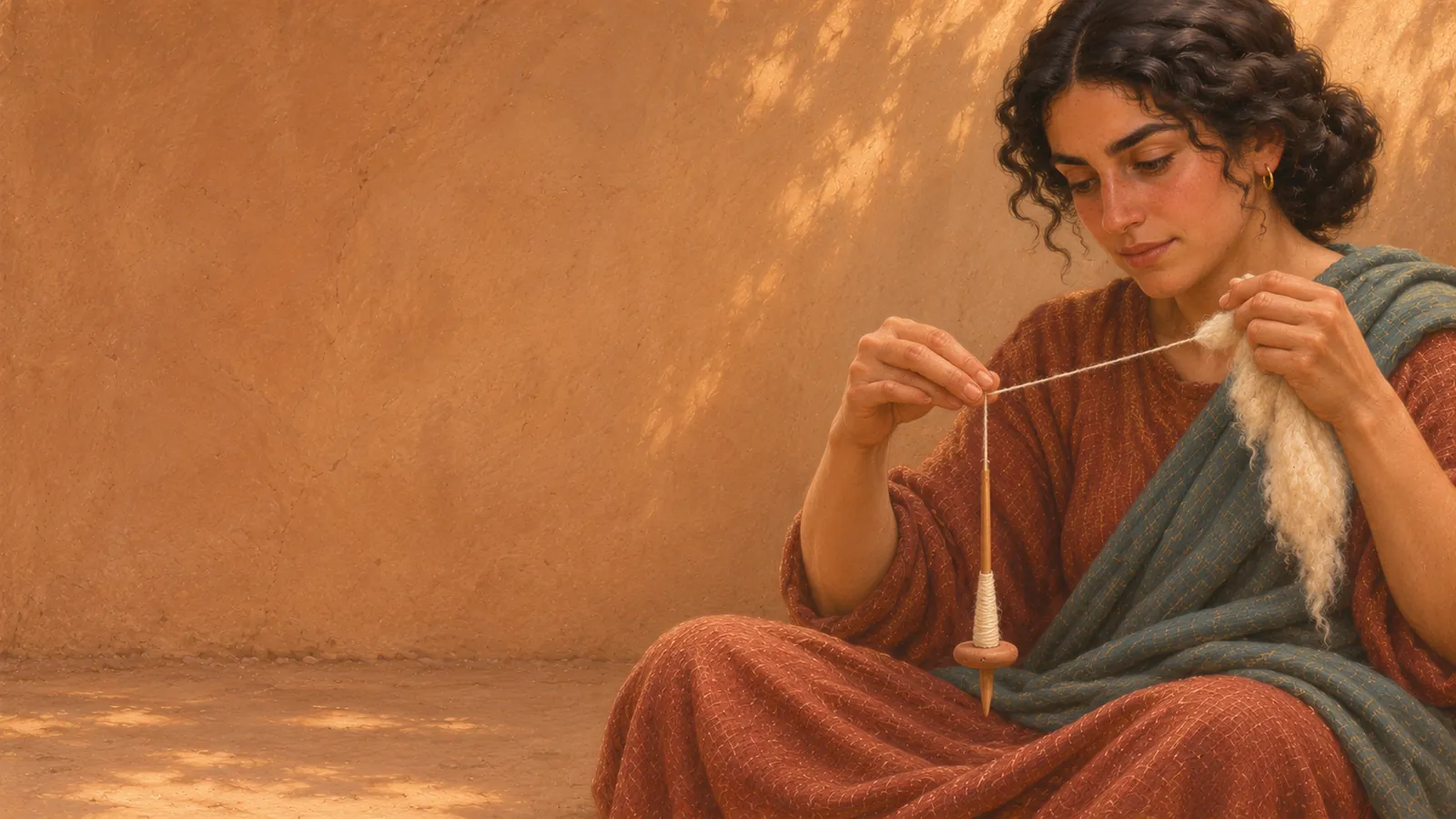
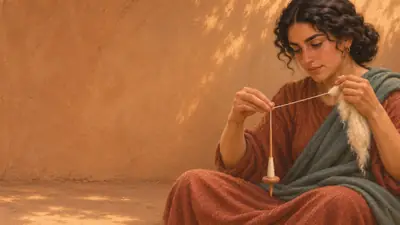
A spinner’s small spindle whorl helped keep the spindle turning while loose fibers were drawn out into thread. Such tools are among the traces of textile work in Anatolia.
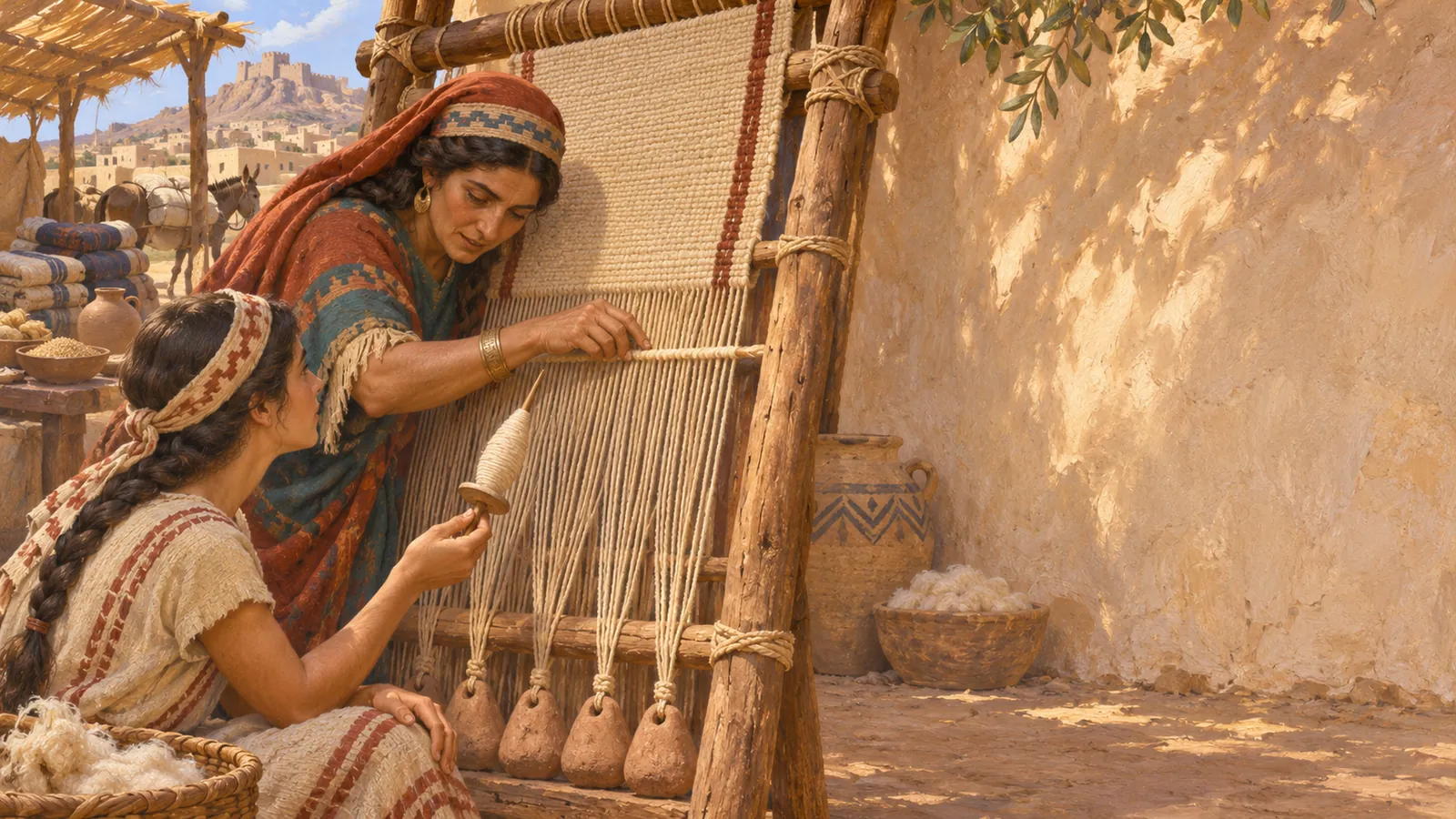
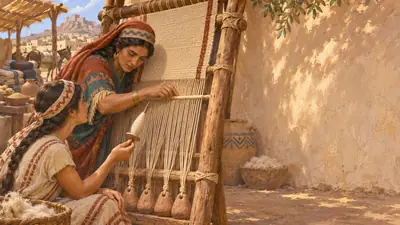
Thread by thread, wool became cloth. The letters mention several kinds of fabric, and what had to be woven for the family competed with what could be sent away.
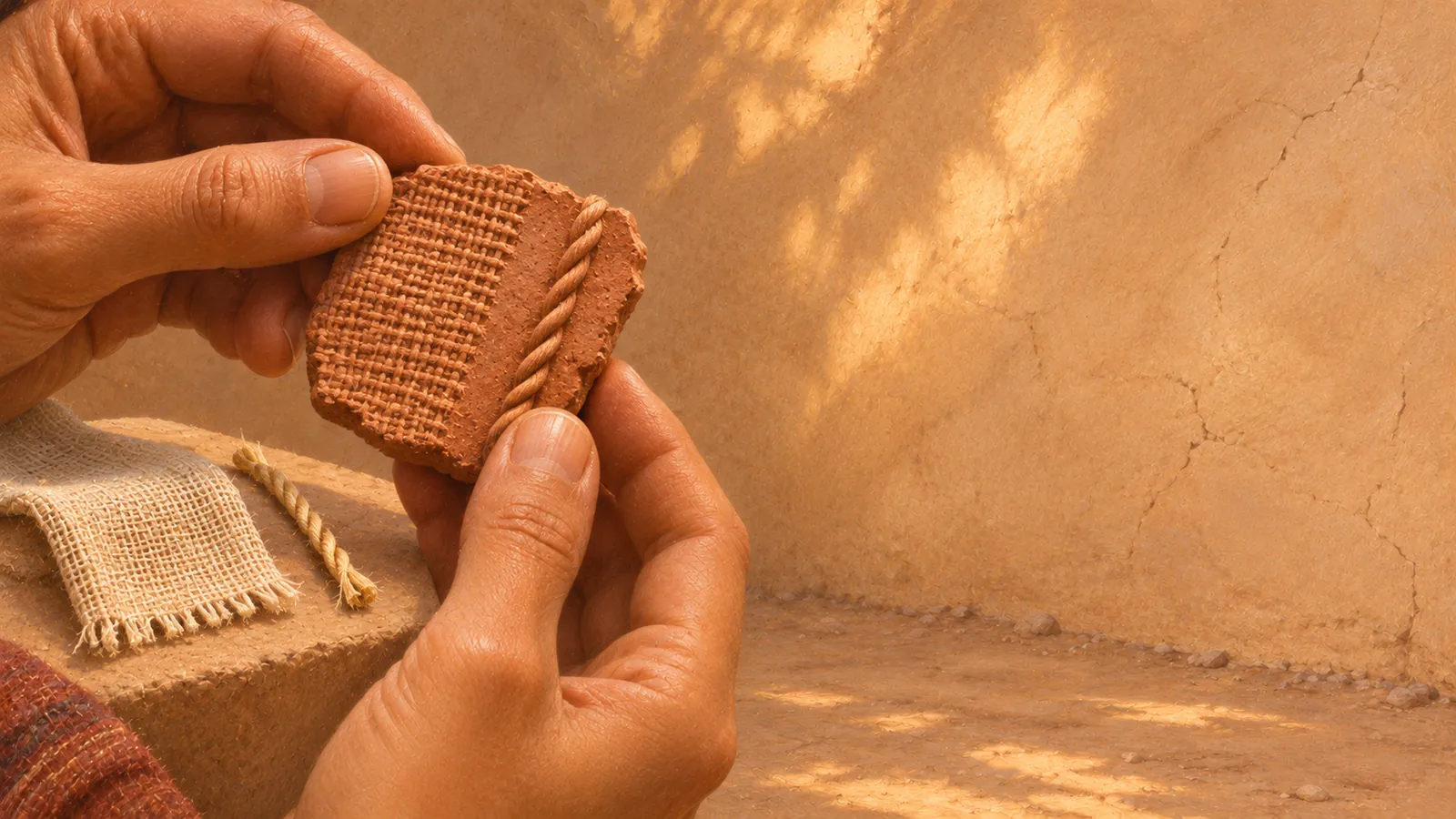
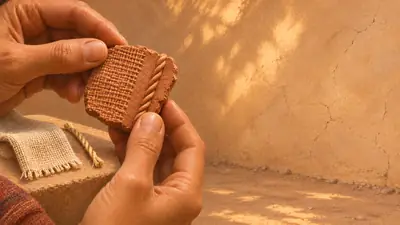
Clay sealings from Kültepe have kept impressions of thread, cloth and twisted cord. They reveal the surfaces that once touched the clay. Lamassi’s own shipment is known through letters.
THE SHIPMENT
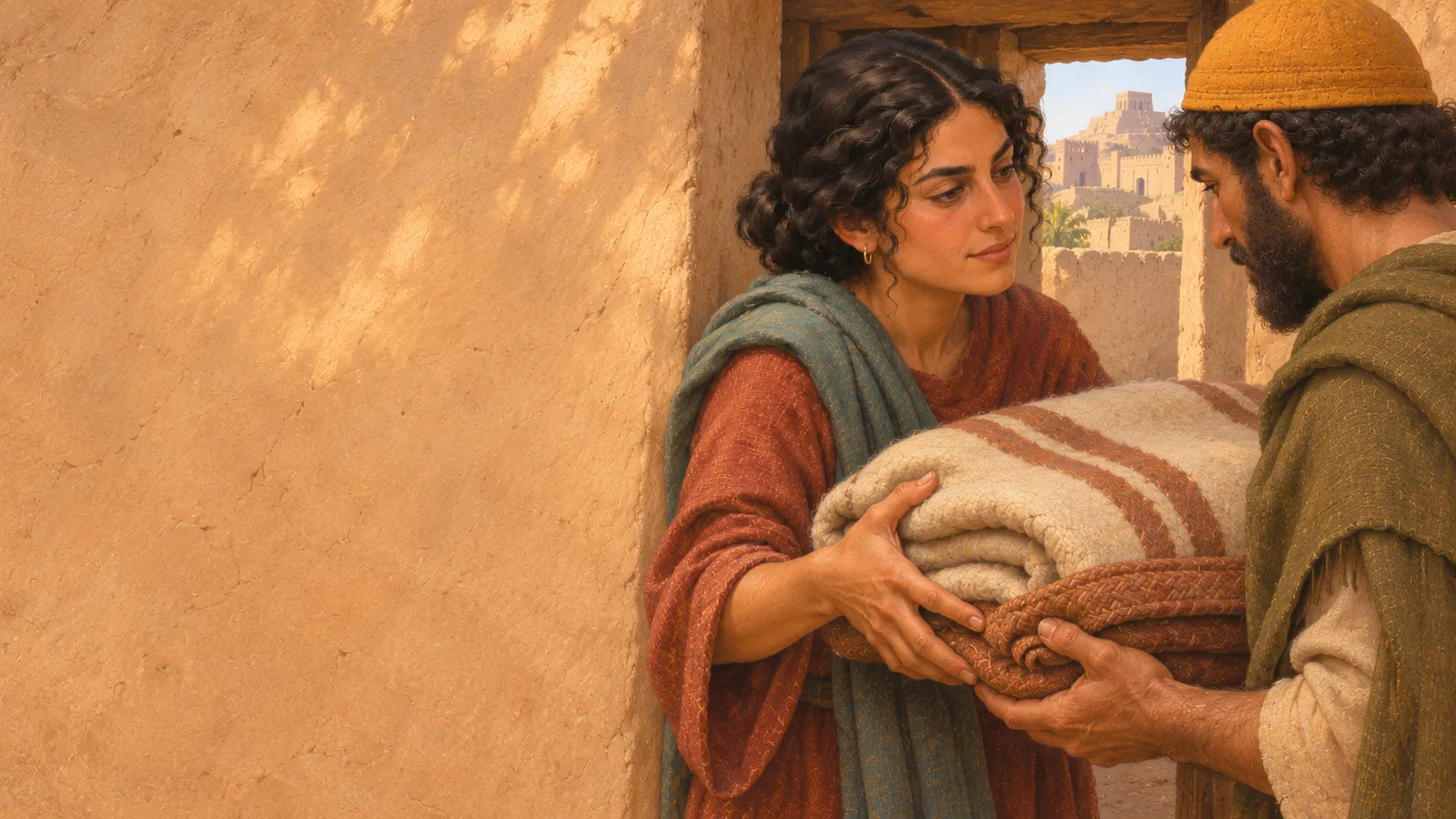
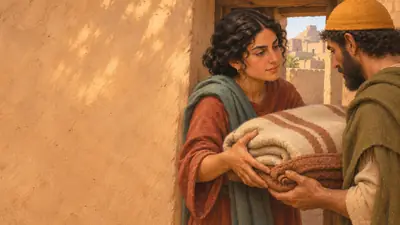
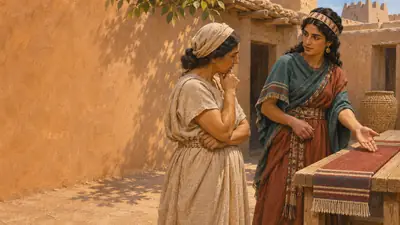
Lamassi reminds her husband of the heavy cloth she gave to a traveler named Assur-malik. Pushu-ken was still at home when she handed it over.
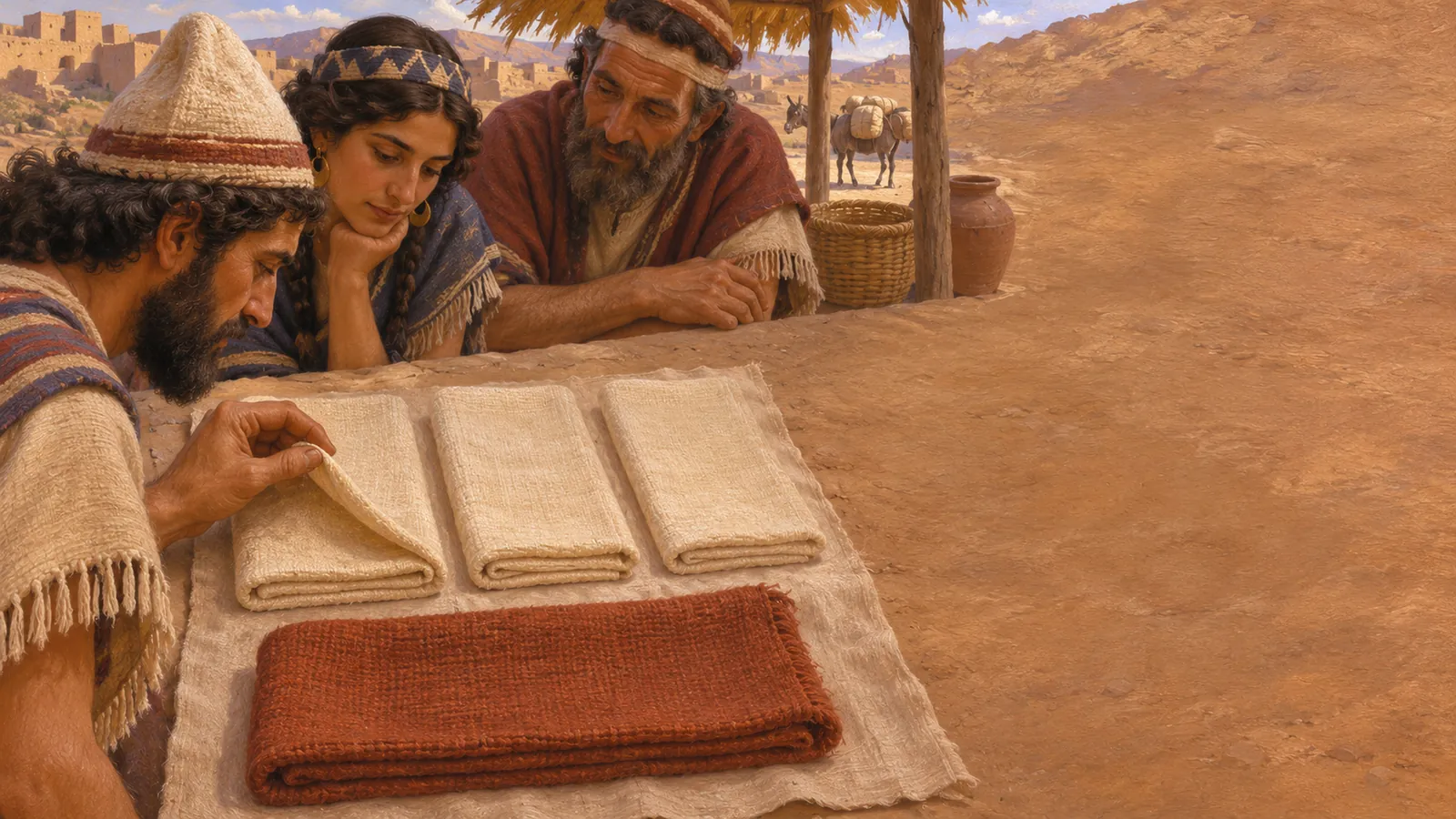
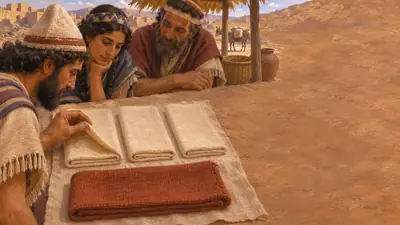
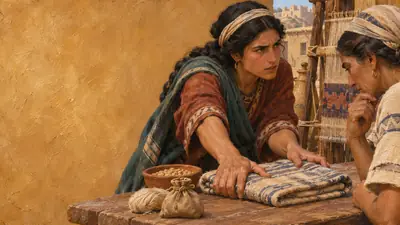
When Assur-malik came back, Lamassi gave him four more pieces of cloth. Three were of one kind and the fourth was different.
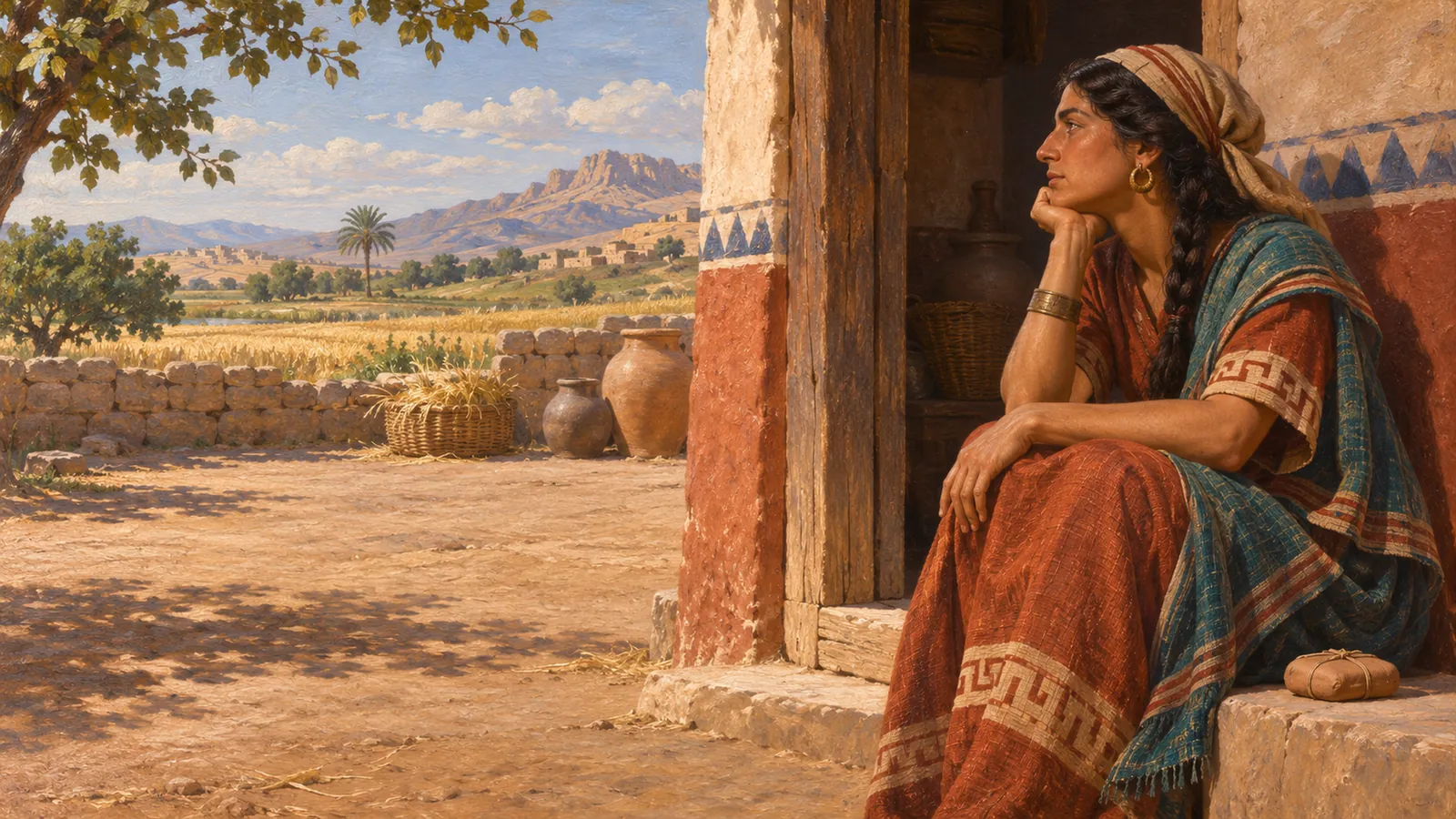
She asks whether all the cloth she has been sending ever reached him. She wants a letter back so she can know what became of it.
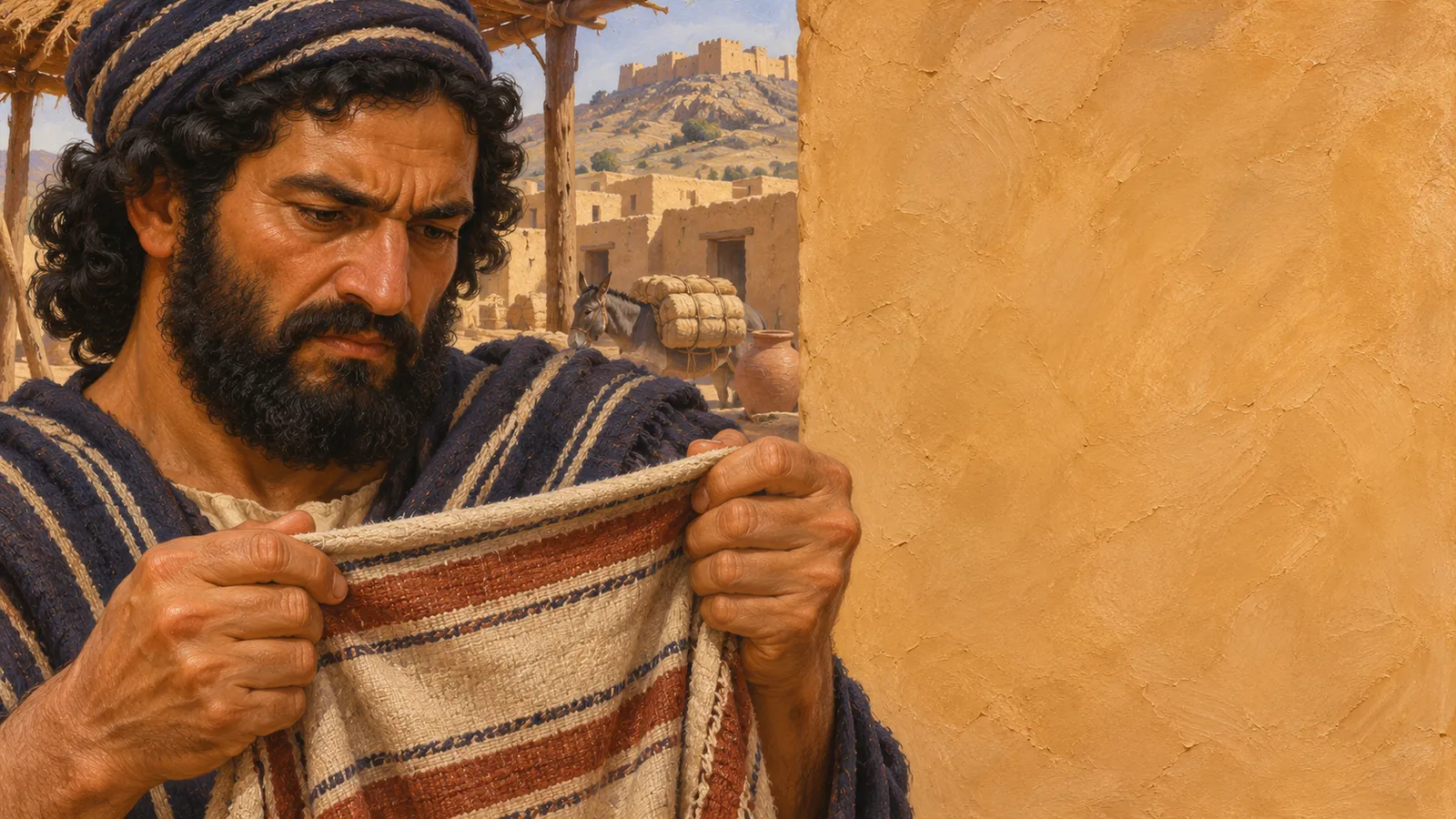
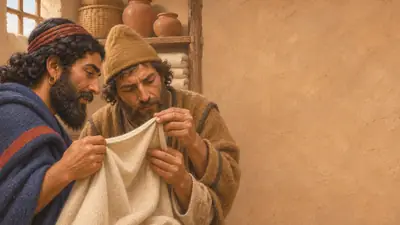
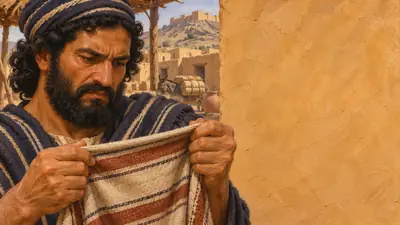
His answer, as she remembers it later, was that her cloths were too small and fell short of what he wanted. That was a complaint Lamassi knew how to answer.
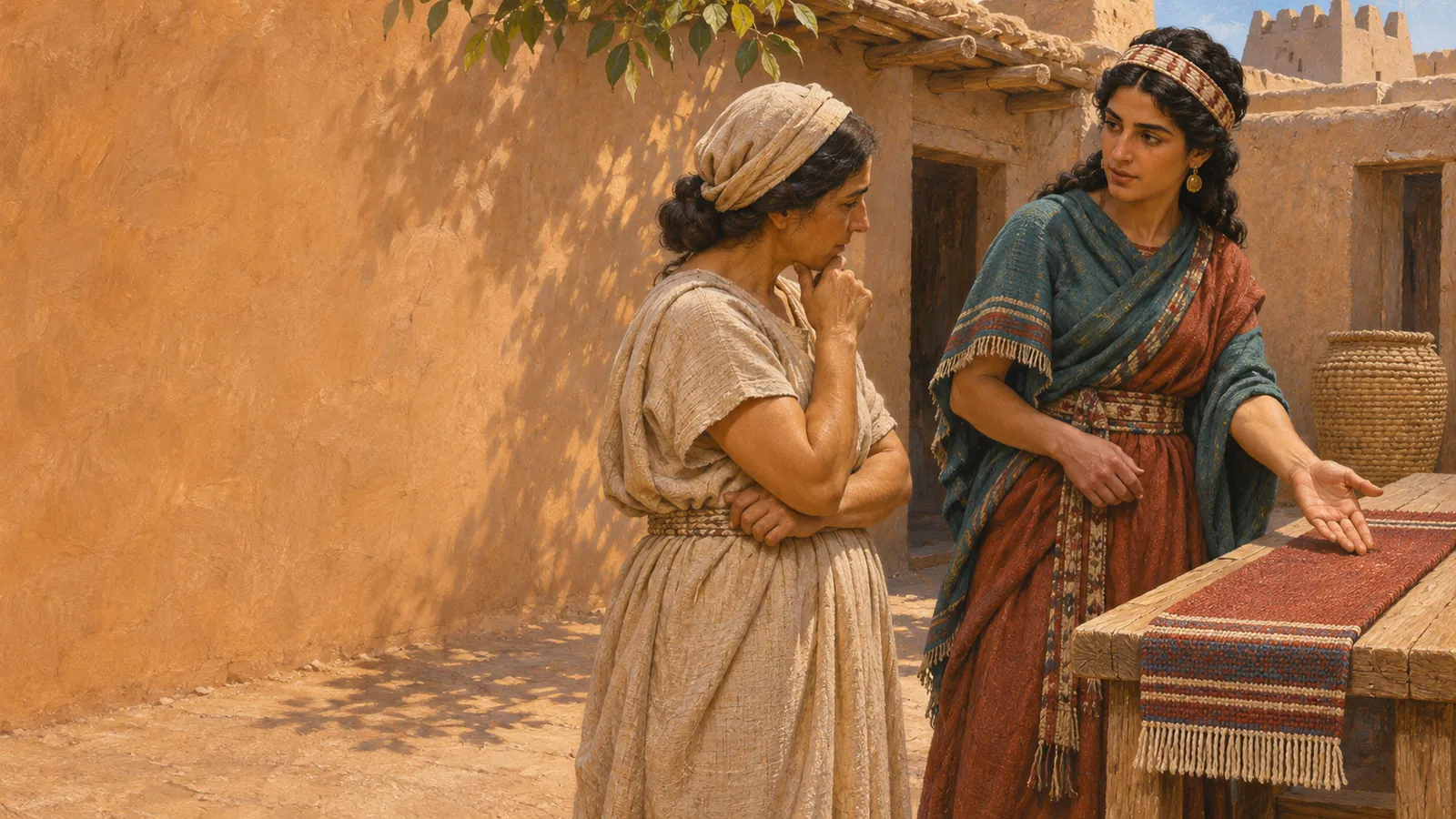
She reminds him that she made the cloth smaller at his own request. The tablet lets us hear the two sides of their argument through her words.
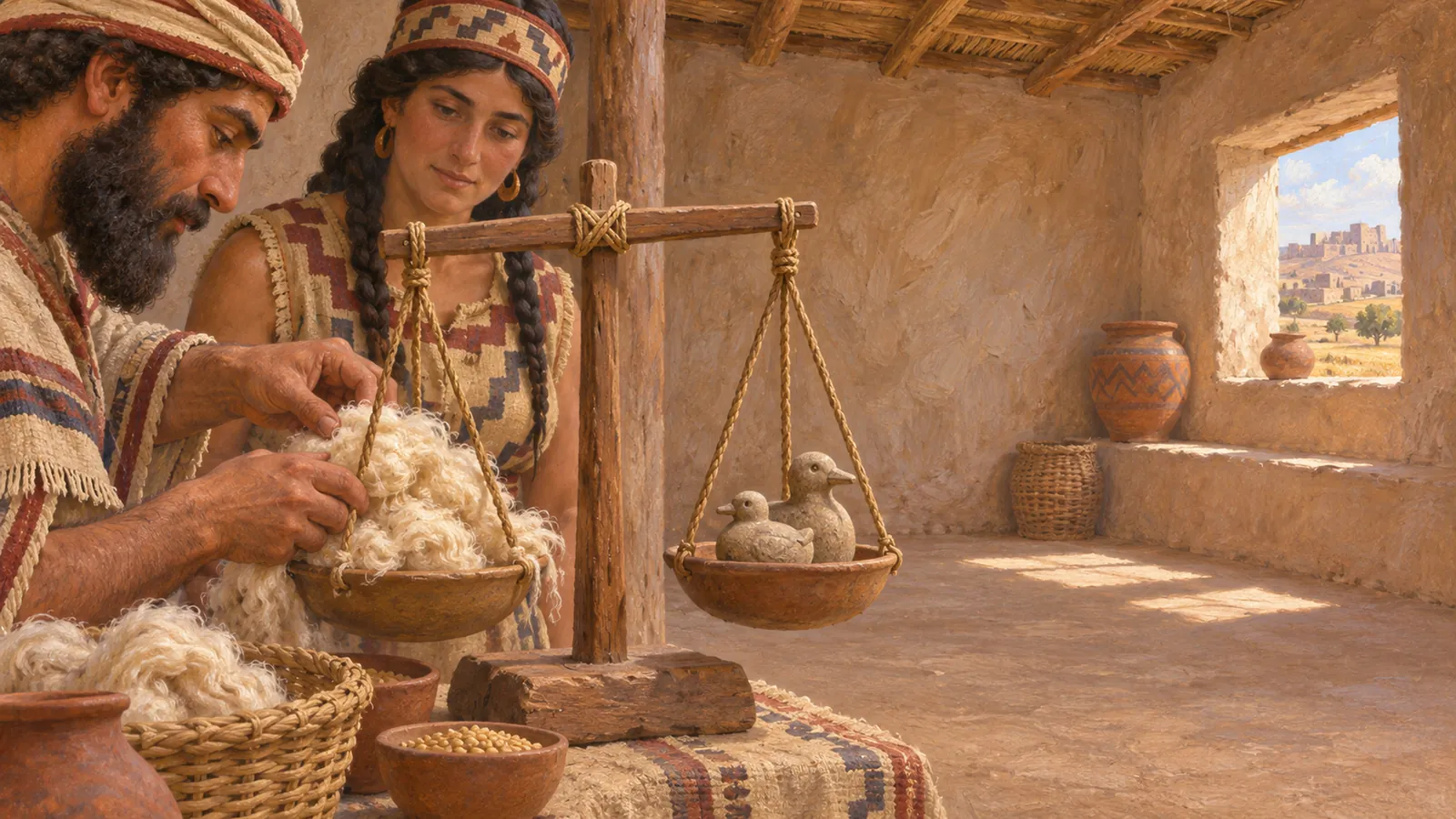
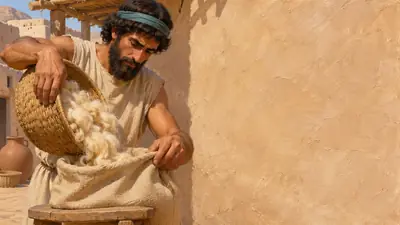
Now he asks her to add half a mina of wool to each cloth. She writes that she has already added the extra wool.
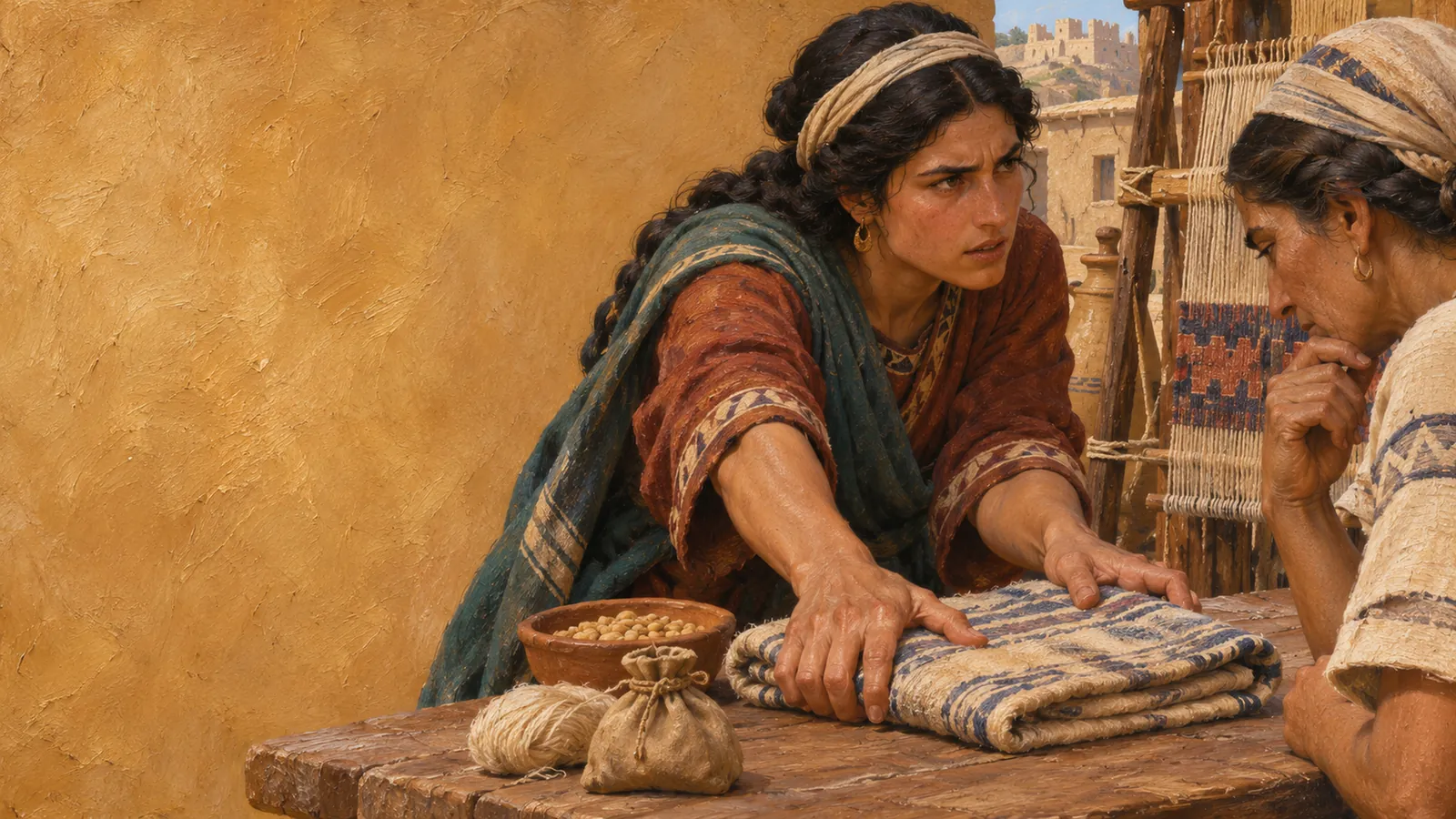
In another letter she asks who in his house keeps finding fault with the cloth. She is working hard so that each caravan trip brings some silver to the house.
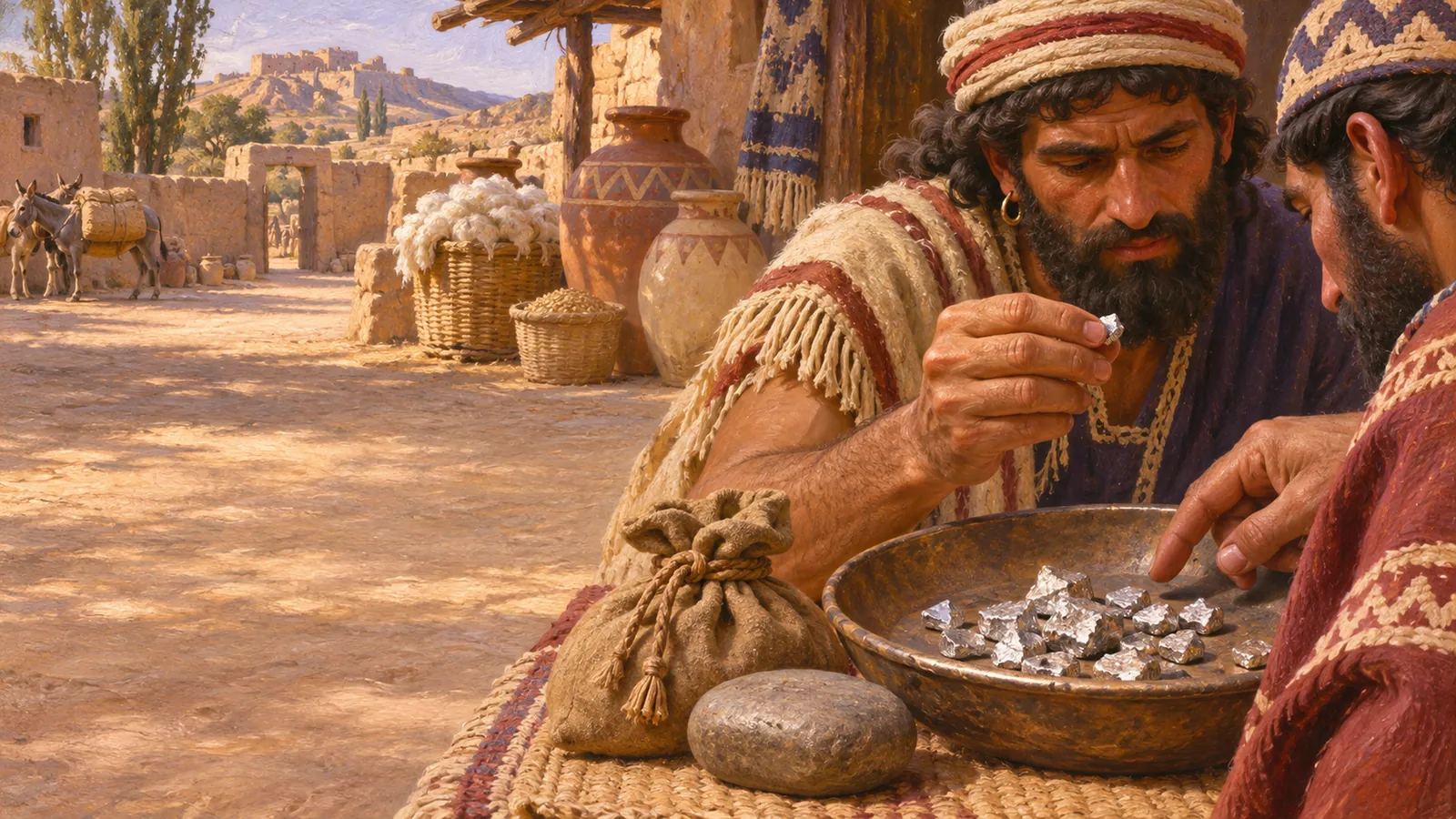
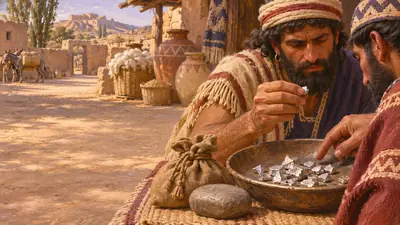
Lamassi says she tries to bring at least ten shekels of silver into the house on each caravan trip. She asks Pushu-ken to judge the work against that effort.
THE ROAD
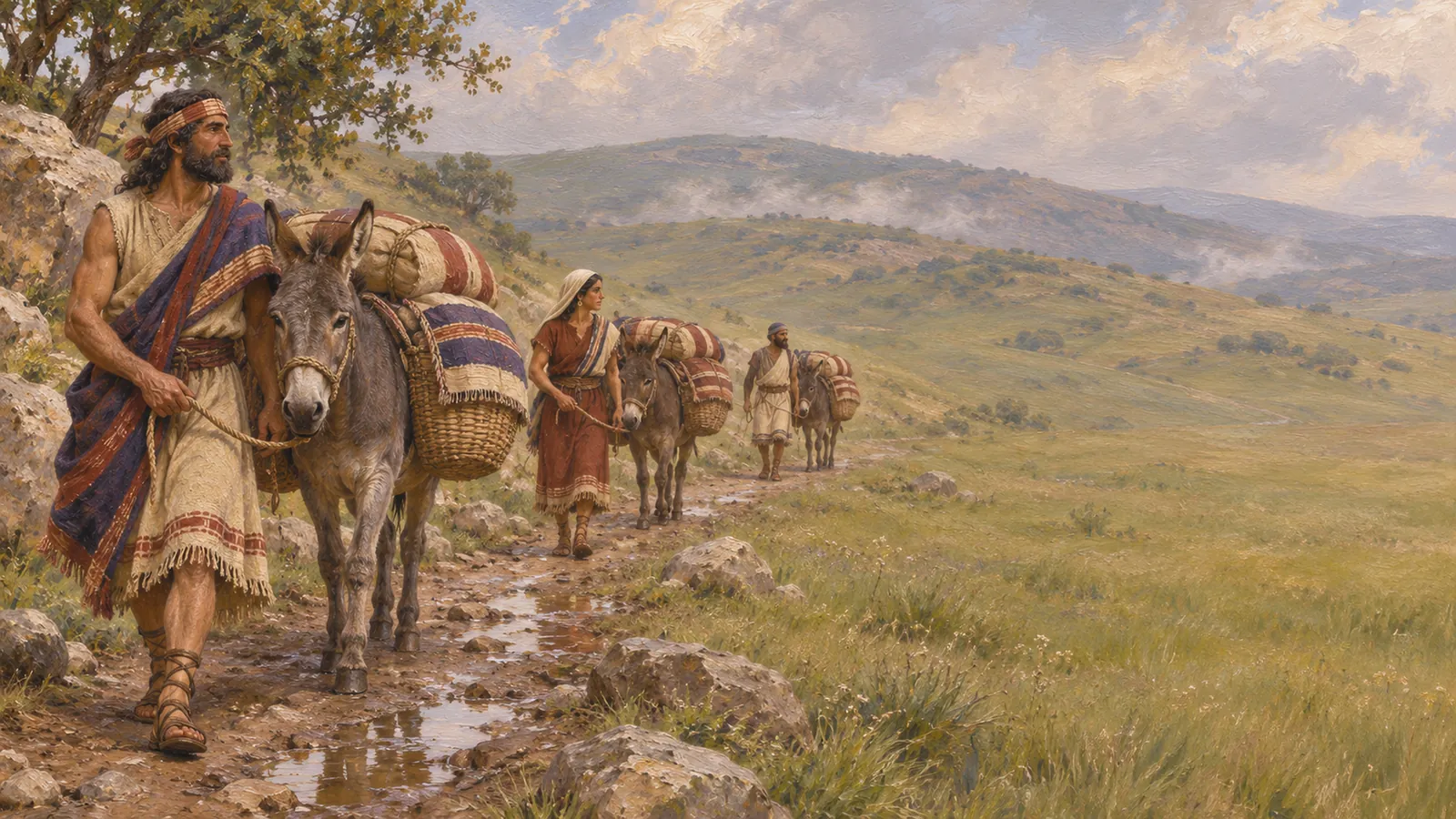
Kulumaya carried nine pieces of cloth and Iddin-Suen carried three. Lamassi had to find space for her work on passing caravans.
Ela declined to take any cloth. Iddin-Suen agreed to take some and turned down five more. Lamassi had to make arrangements with the travelers she could find.
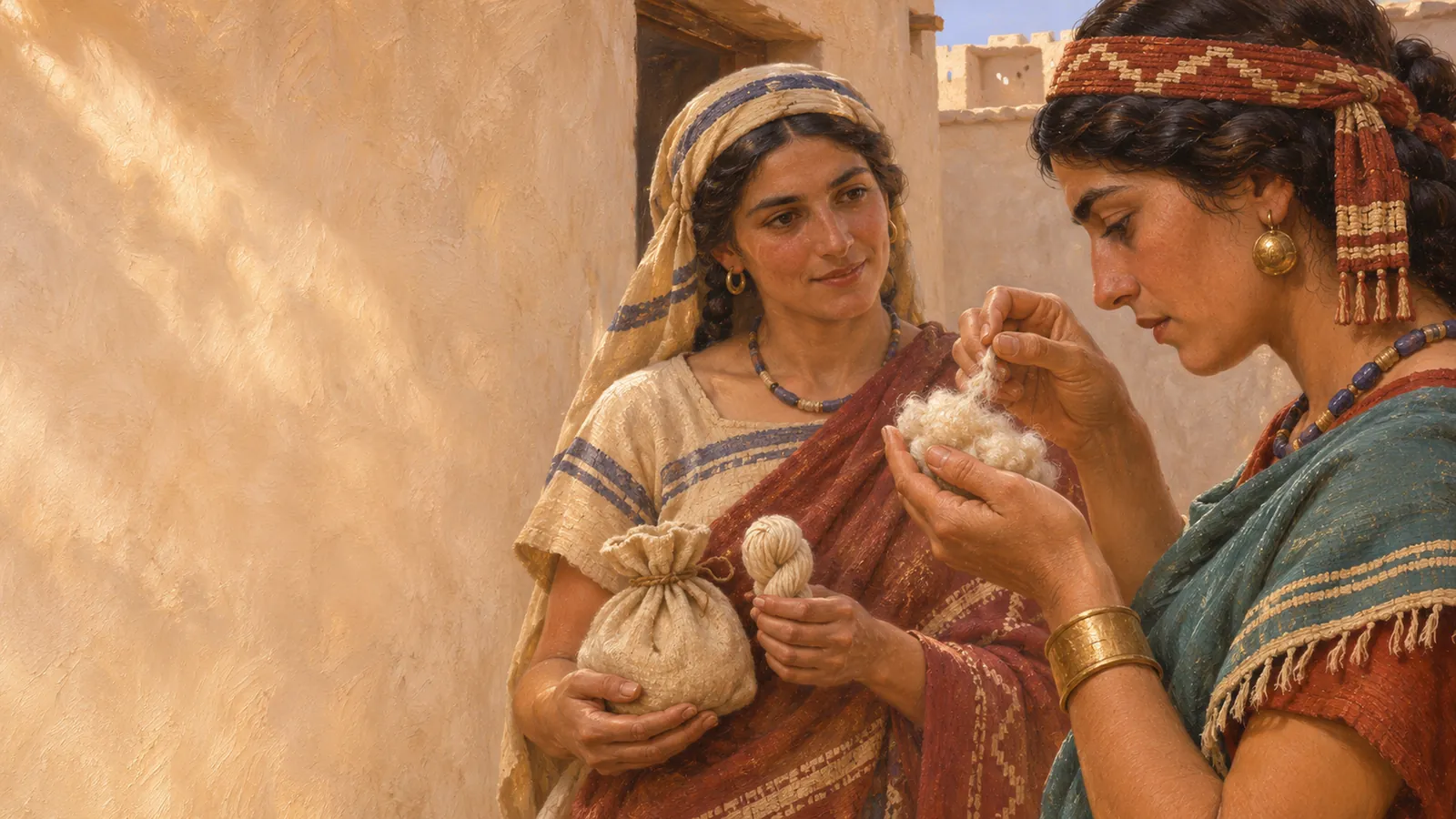
Wool was expensive in Ashur. Next time he sent her a pouch, she asked her husband to put some wool inside.
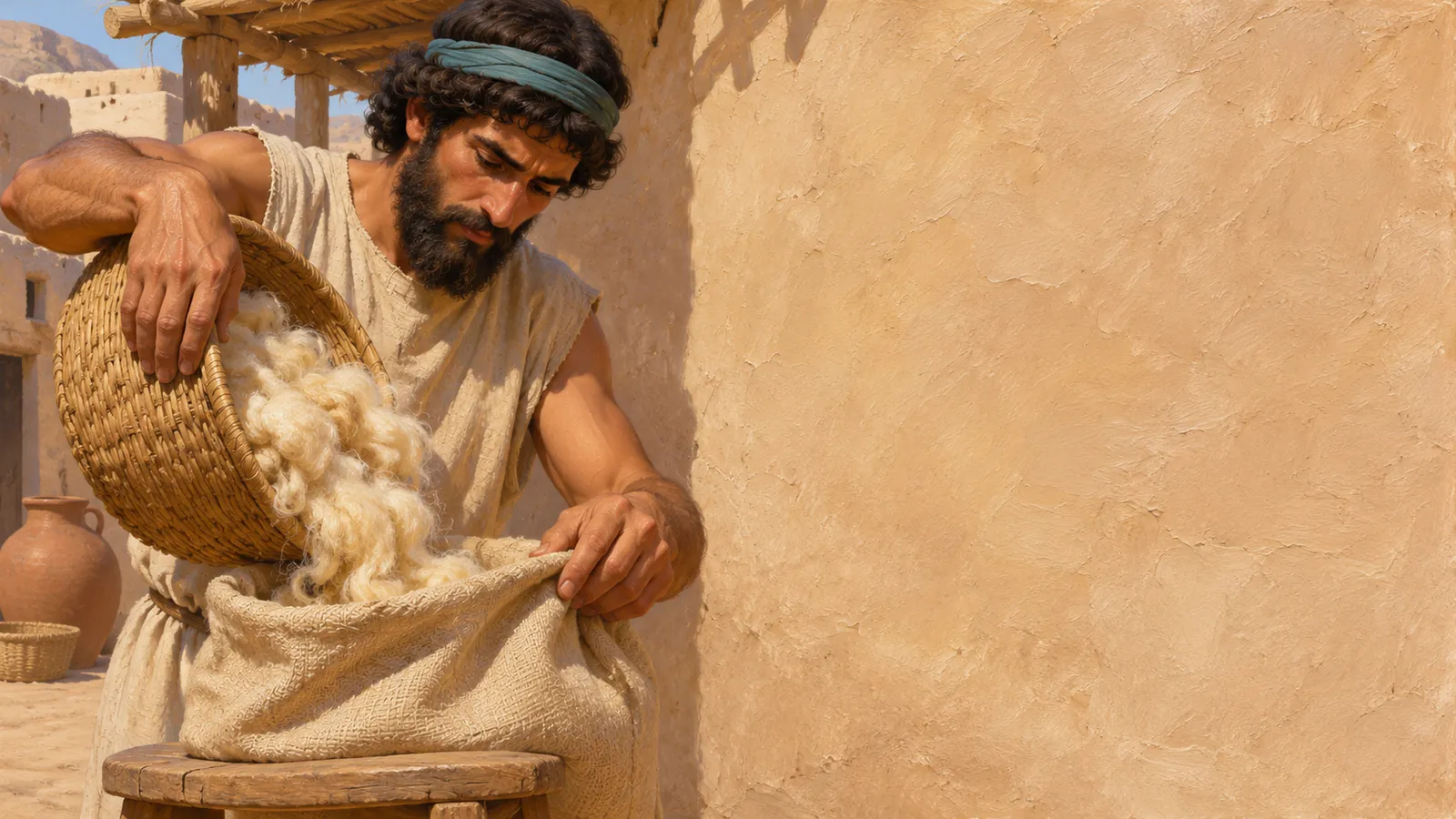
Pushu-ken once told her he had sent wool with two men. Lamassi tells him that neither brought her any. She has to make plans with the wool on hand.
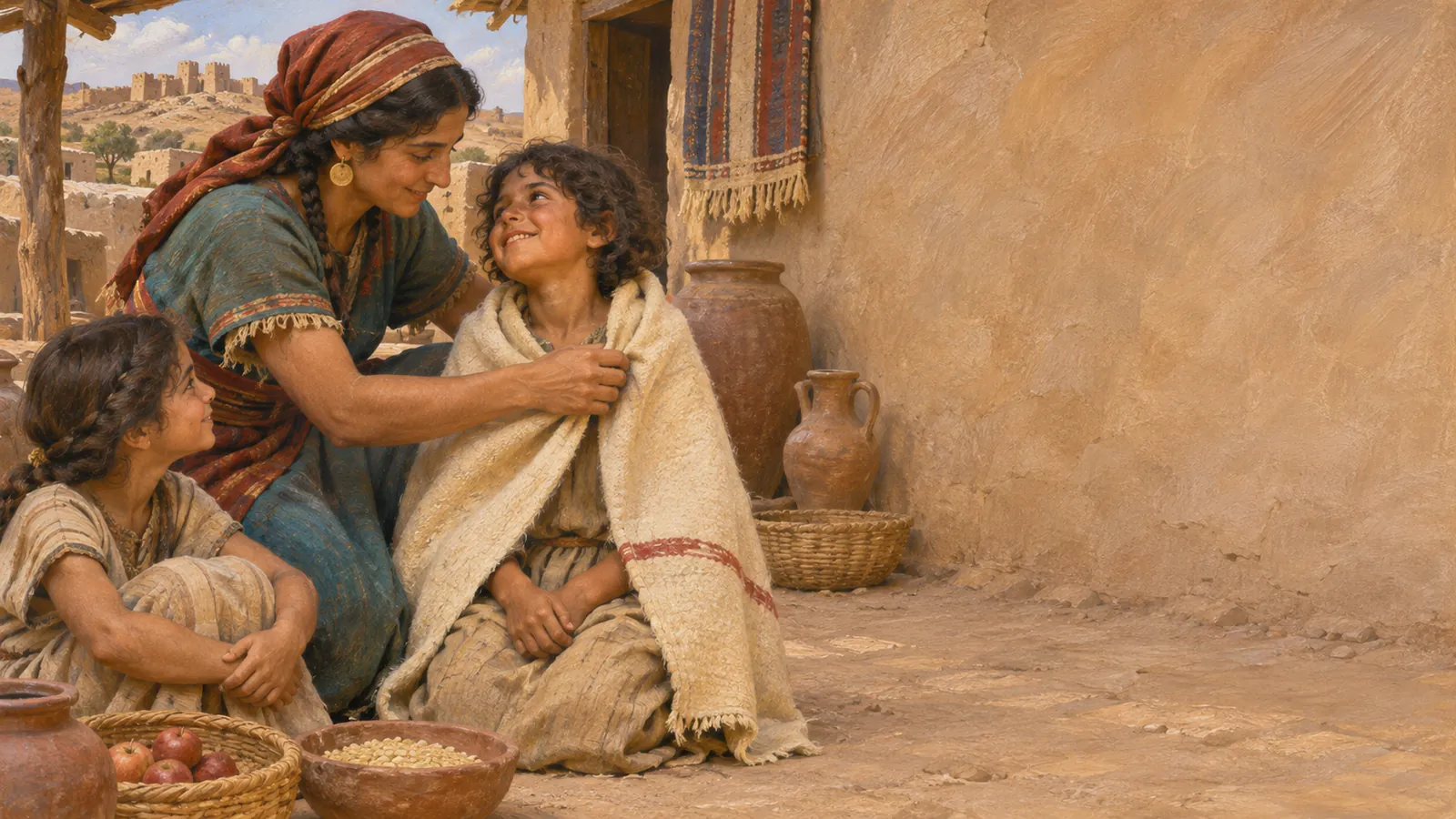
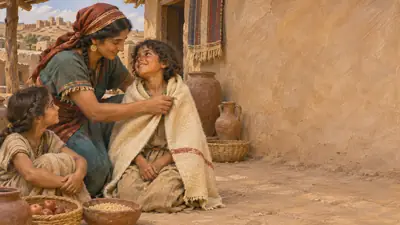
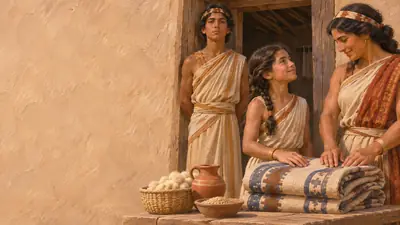
There were children and workers at home who needed clothes. Lamassi tells her husband that much of her time at the loom had gone to them.
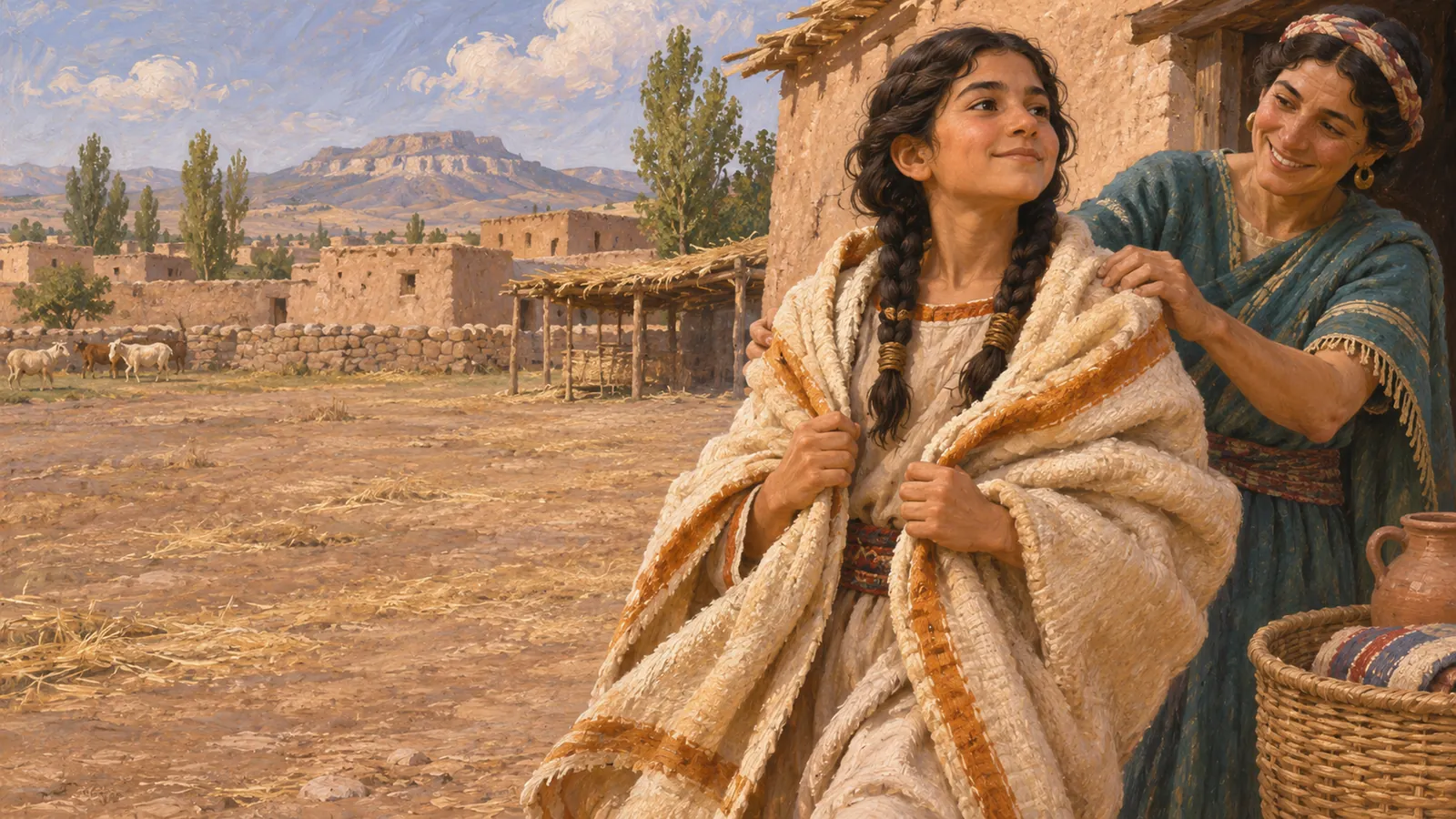
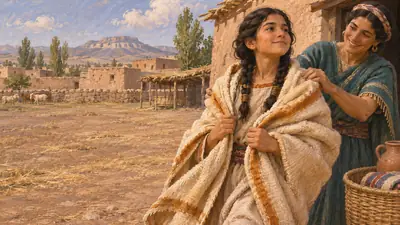
The girl had grown, Lamassi writes. She had woven some heavy cloth for her, the kind she might take along on a journey.
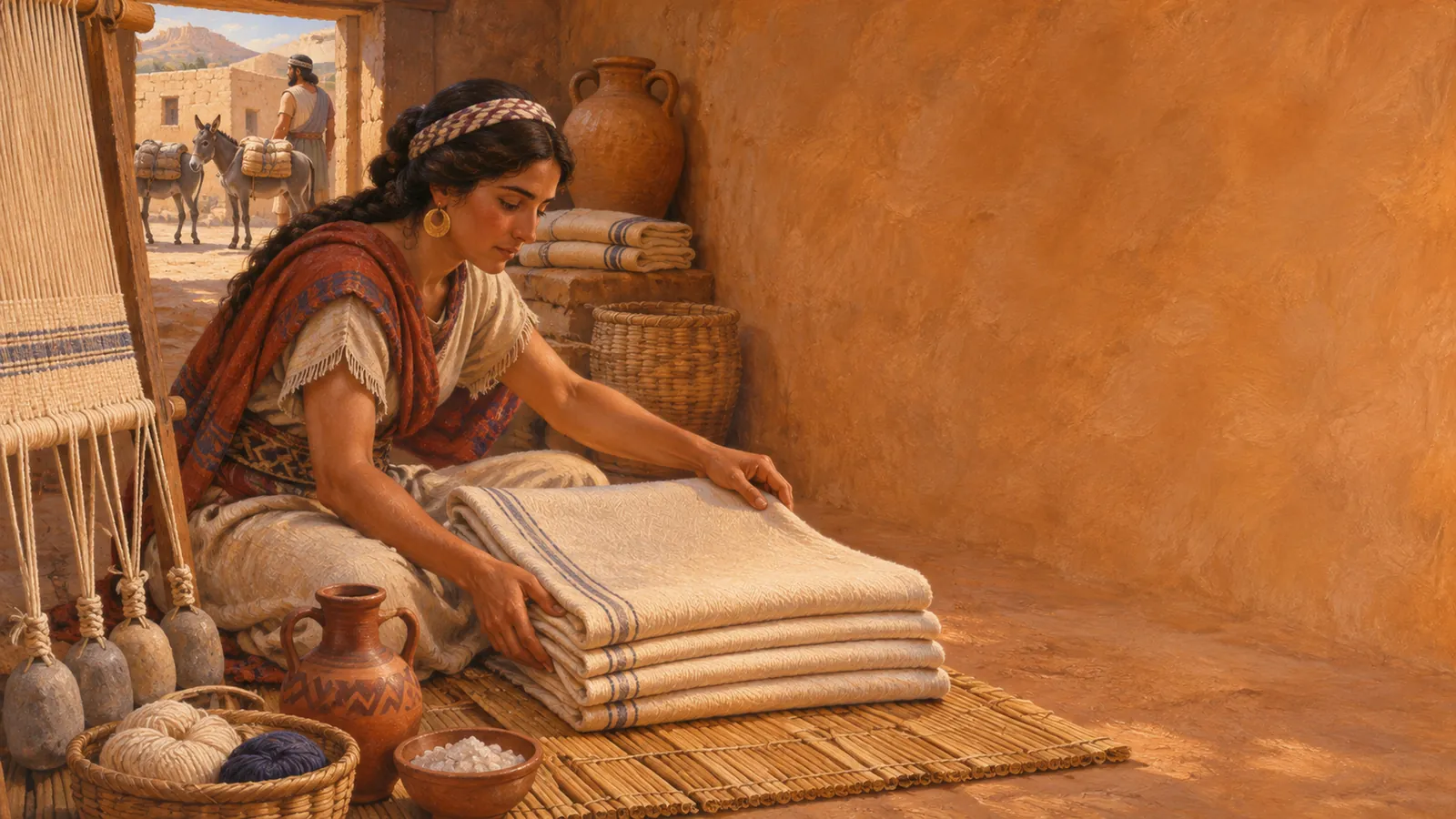
Work at home delayed the cloth. Lamassi asks for patience and promises to send finished pieces with later caravans.
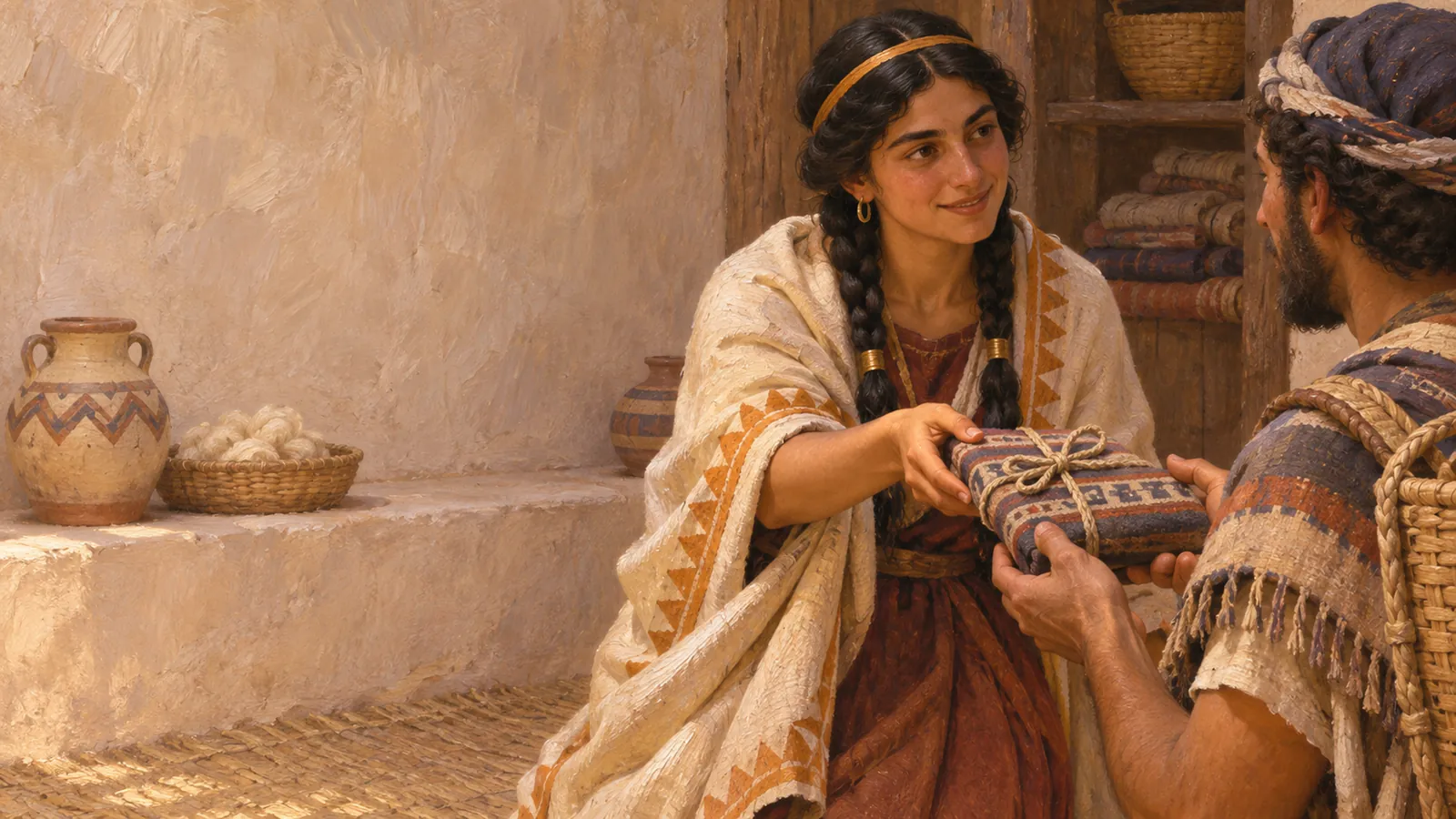
AHAHA
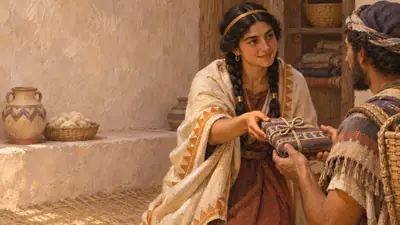
Lamassi reports a piece of cloth from her daughter Ahaha, sent to a boy in Anatolia. She promises that another garment will follow when it is ready.
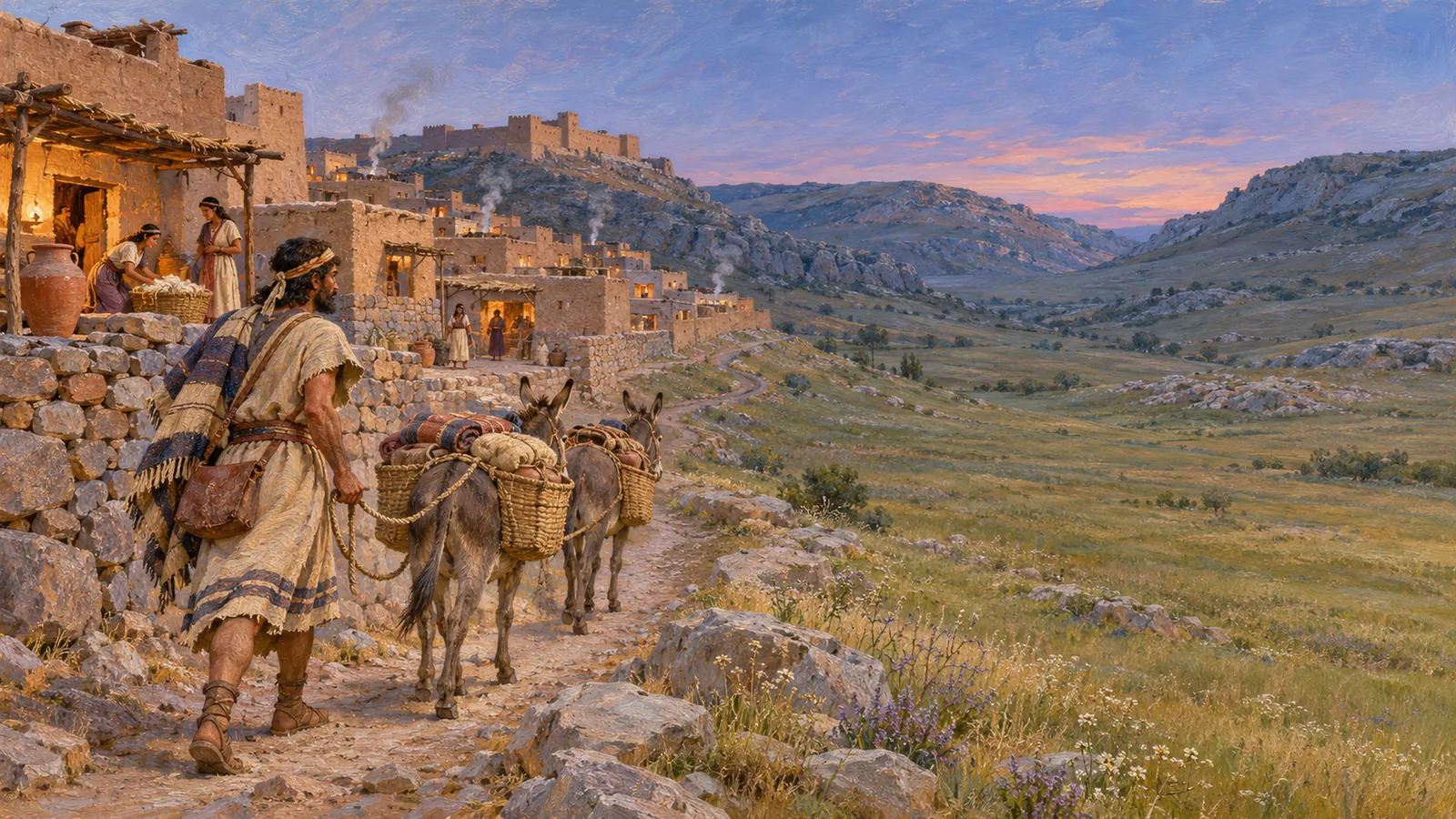
Ili-bani is named as the man carrying Ahaha’s cloth for the boy in Anatolia. Some lengths of fabric crossed the road as gifts, alongside the loads meant for sale.
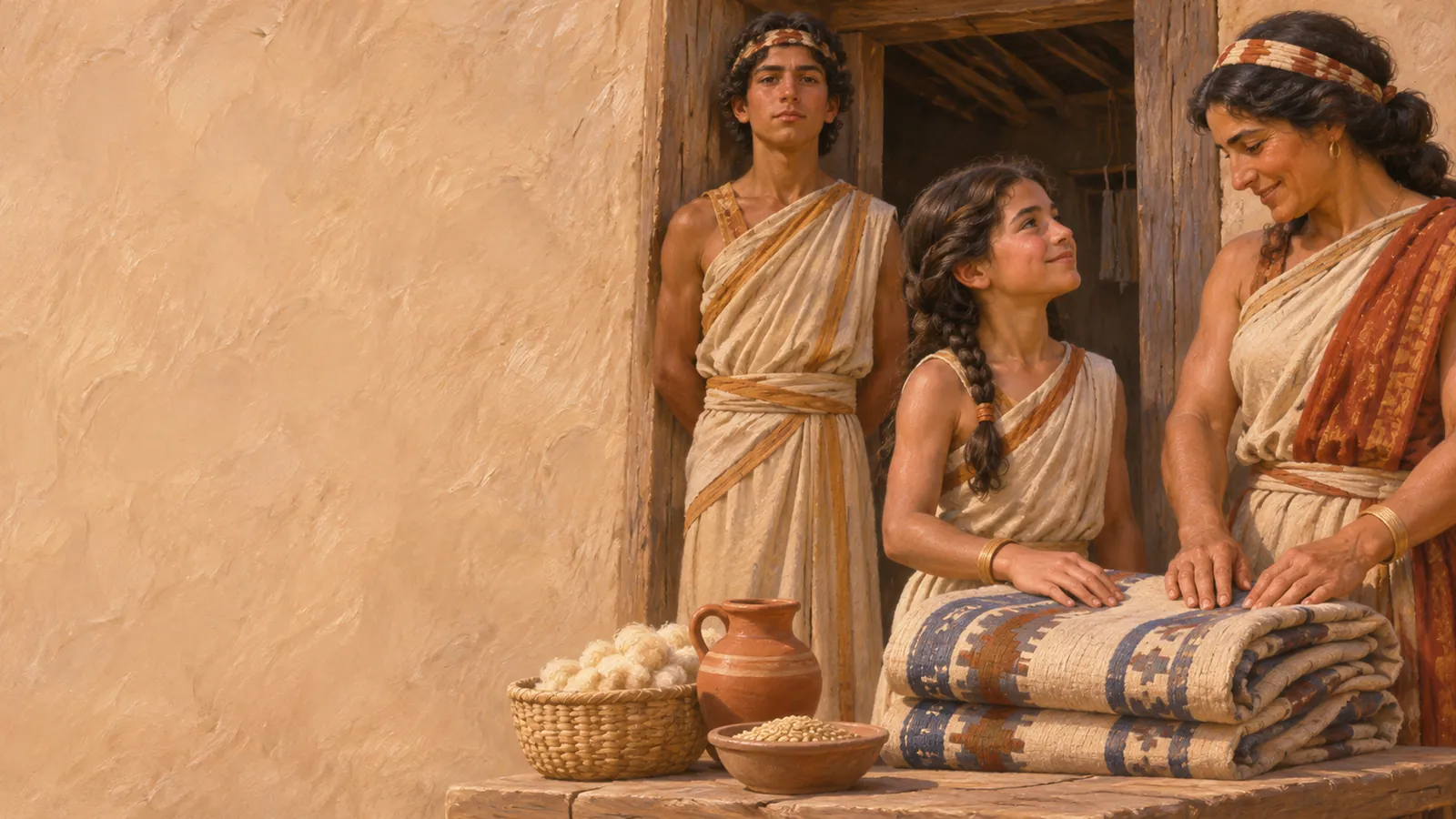
Ahaha grew up in the same household world of wool and letters. Later she appears in correspondence addressed to her. The work and messages continued into her own generation.
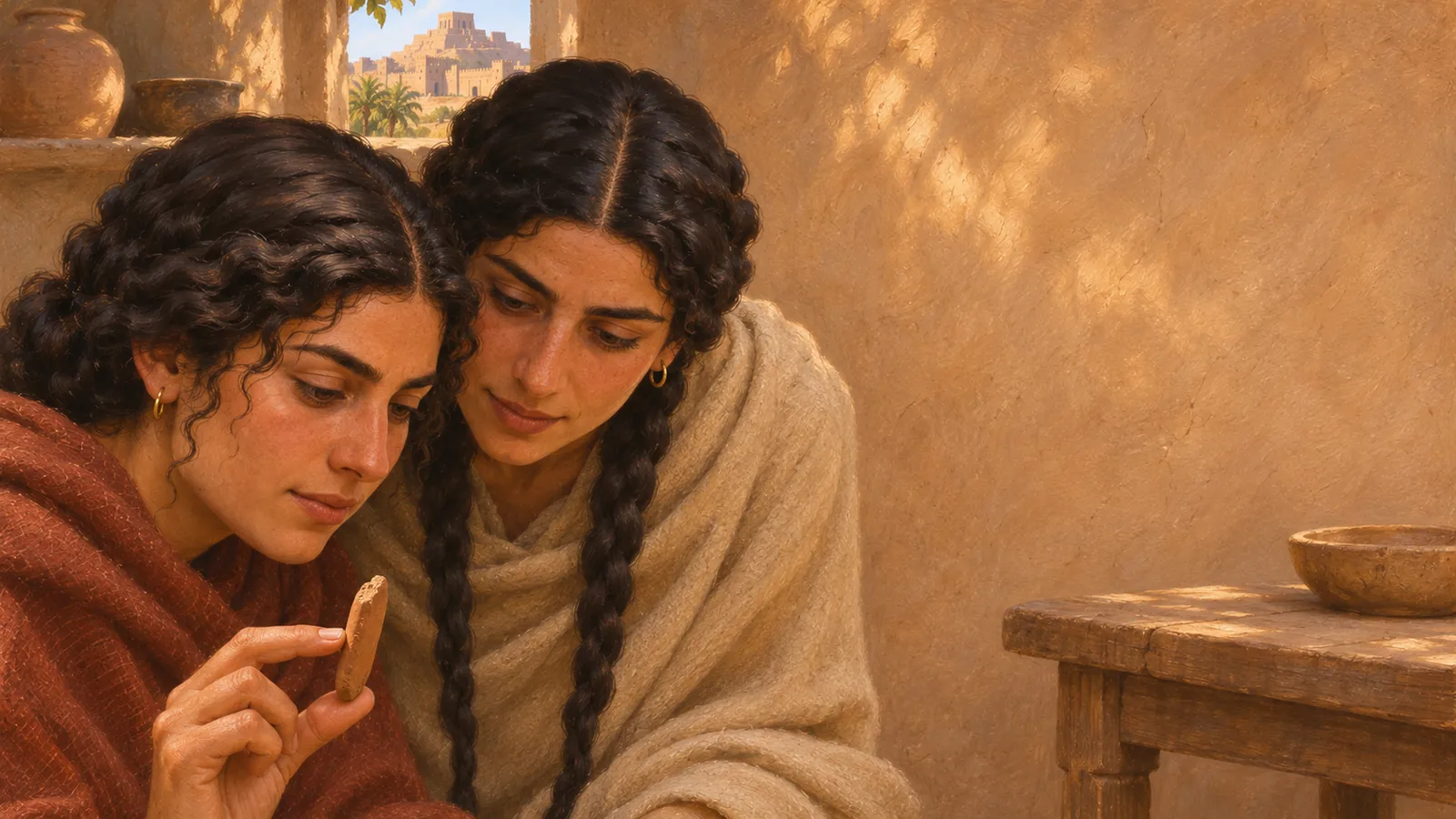
A broken letter introduces its sender as Waqqurtum, a name meaning Precious One. The editor identifies her as Ahaha. A little about wool survives alongside gaps in the clay.
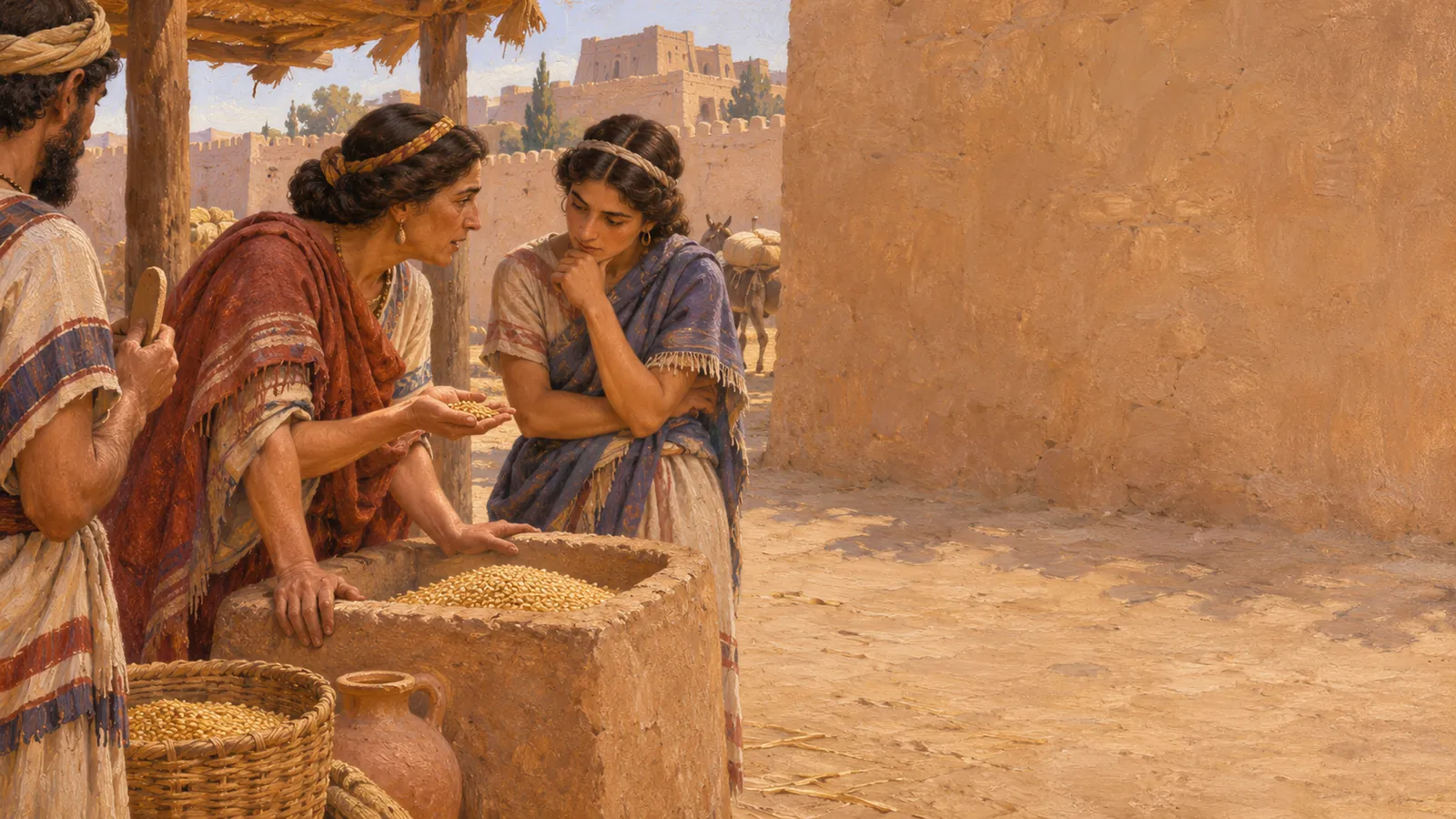
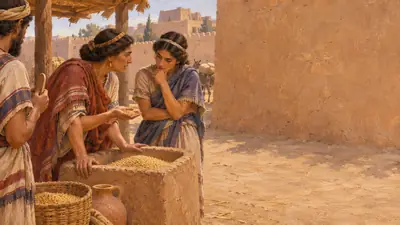
Another tablet carries both their names. Mother and daughter write together about the grain the house needs and an offering that Pushu-ken had promised.
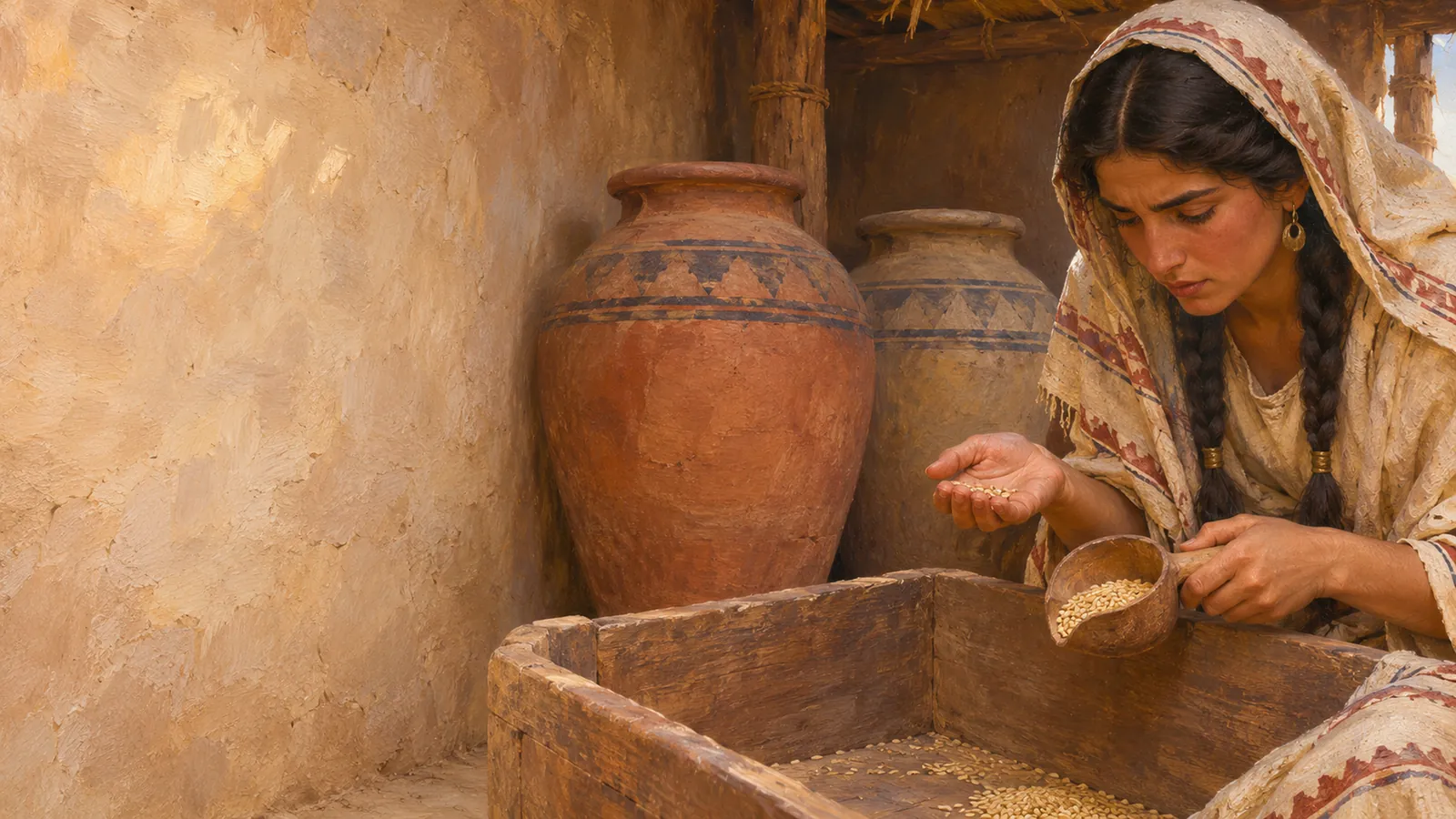
The joint letter asks for grain and reminds Pushu-ken about a promise. Lamassi and Ahaha name Tashmetum, the deity to whom the offering is due.
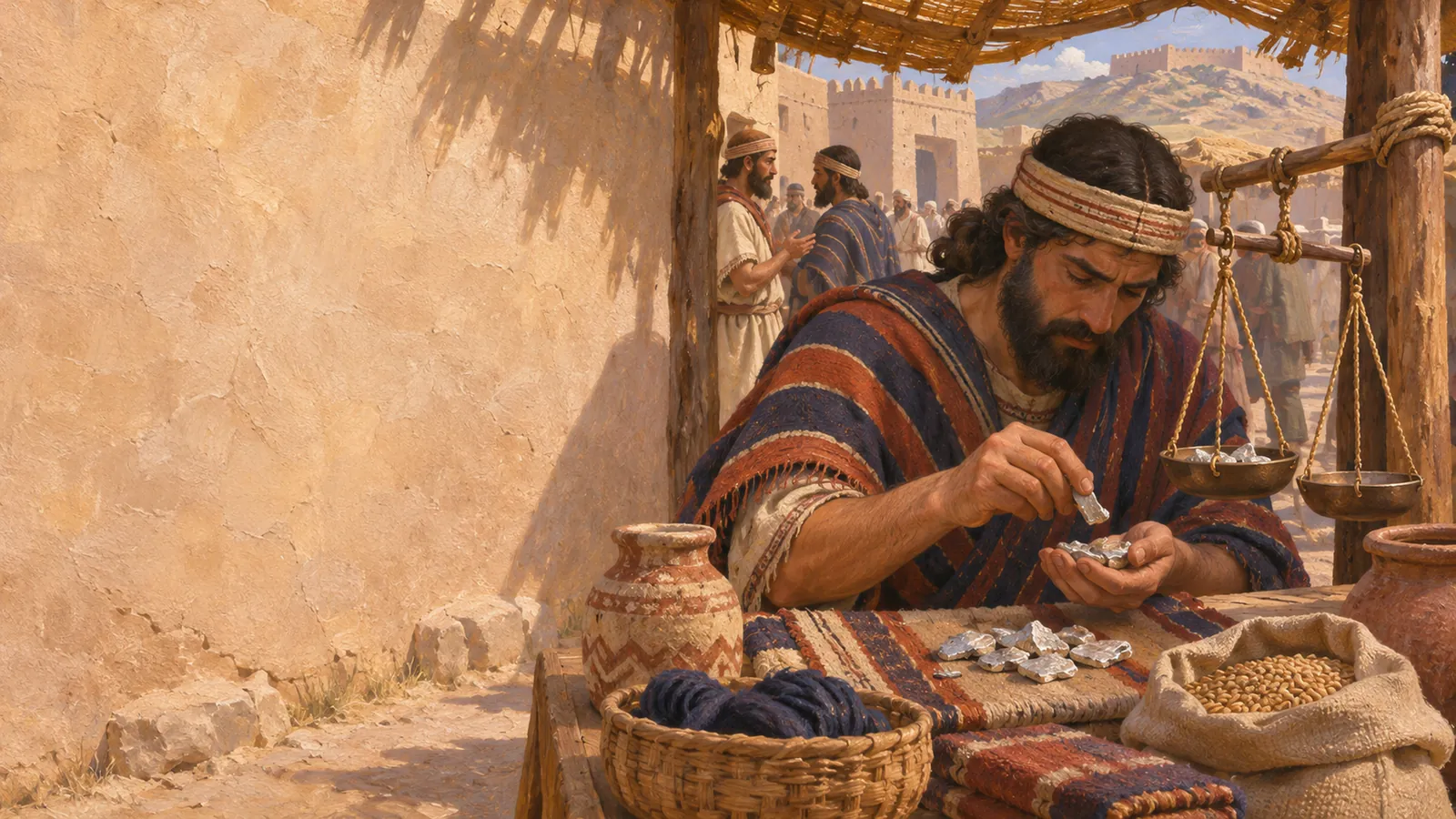
Making a sale was only part of the journey. The proceeds had to travel back. Lamassi writes that the silver owed for her heavy cloth had never reached her.
HOME
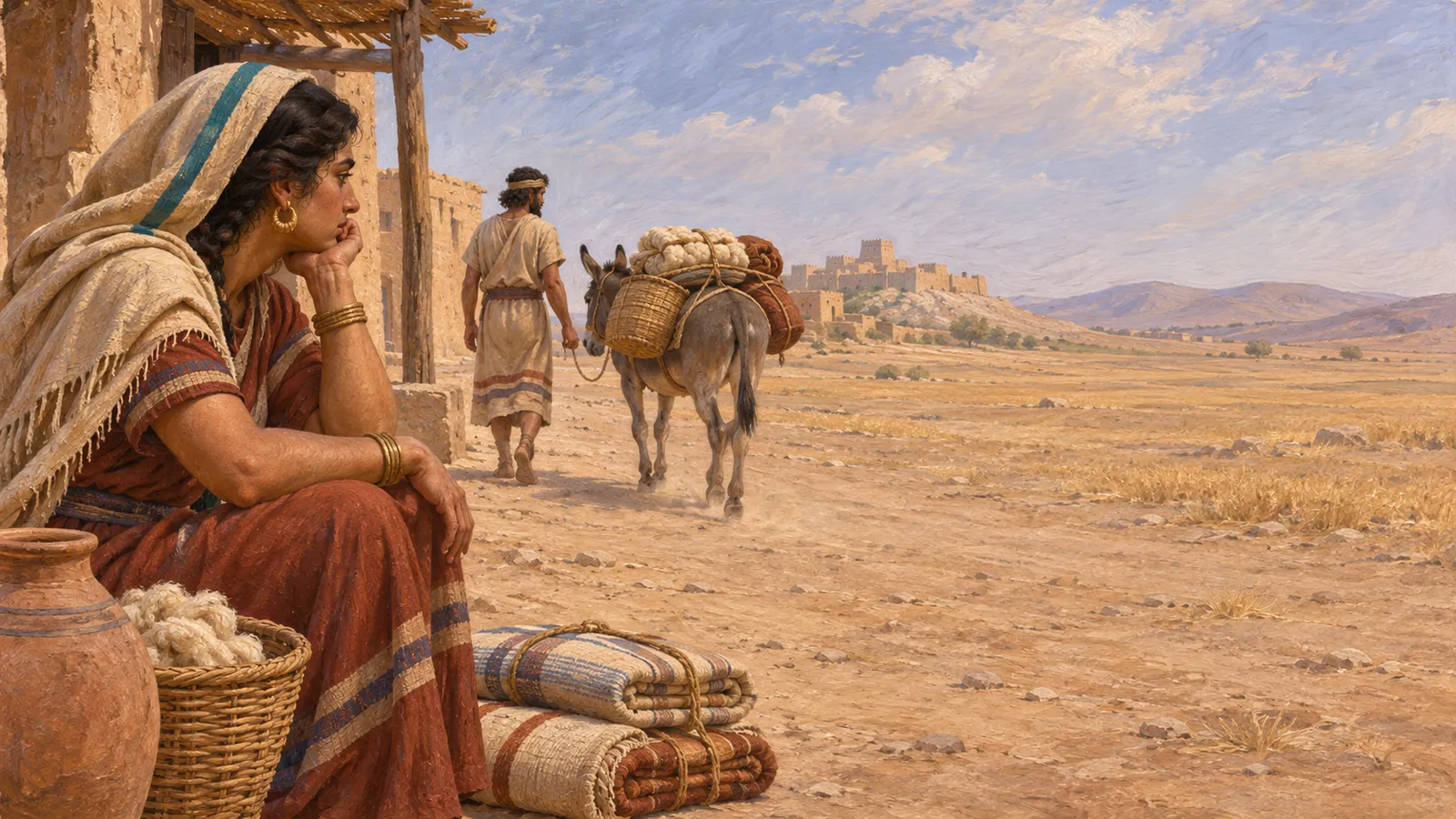
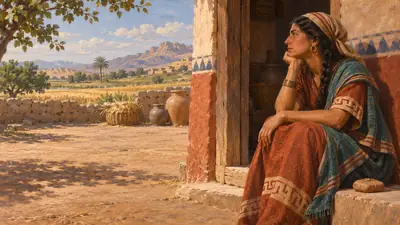
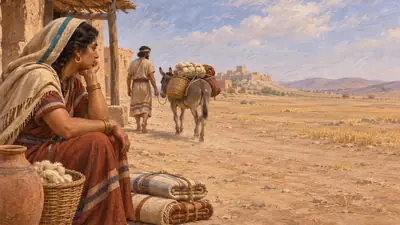
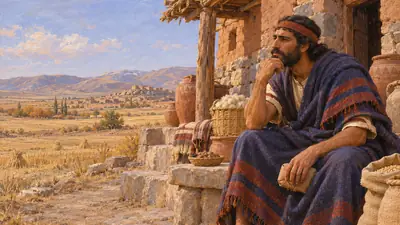
One letter asks Pushu-ken to set his obligations aside and come home. There is work for him in Ashur and a daughter whose future needs his attention.
In another letter Lamassi says the girl is already grown. She urges Pushu-ken to return and asks him to place her in the care of the god Ashur.
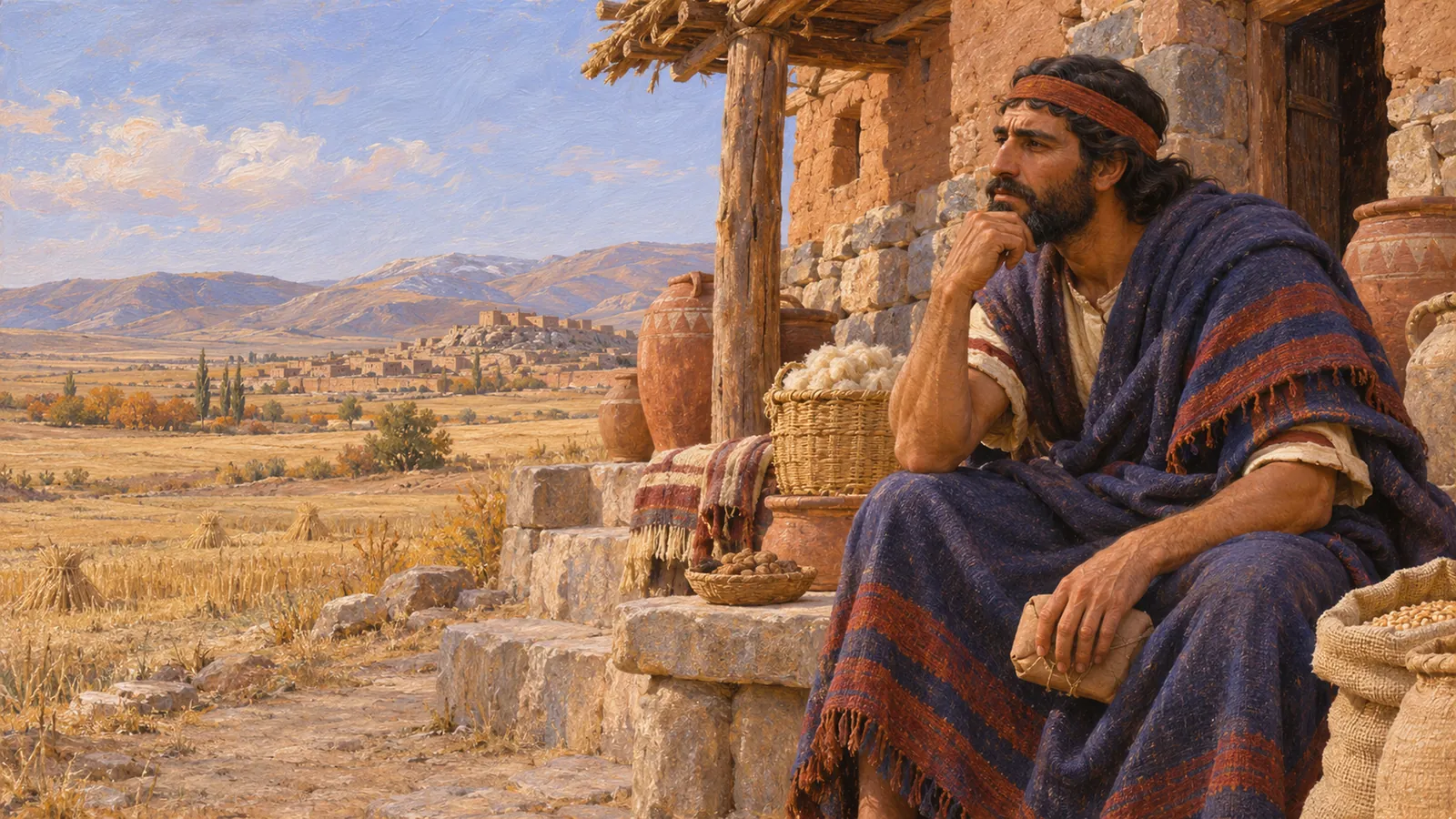
Did he make the journey she asked him to make? The surviving letters leave that question open. A separate report gives us Pushu-ken’s voice.
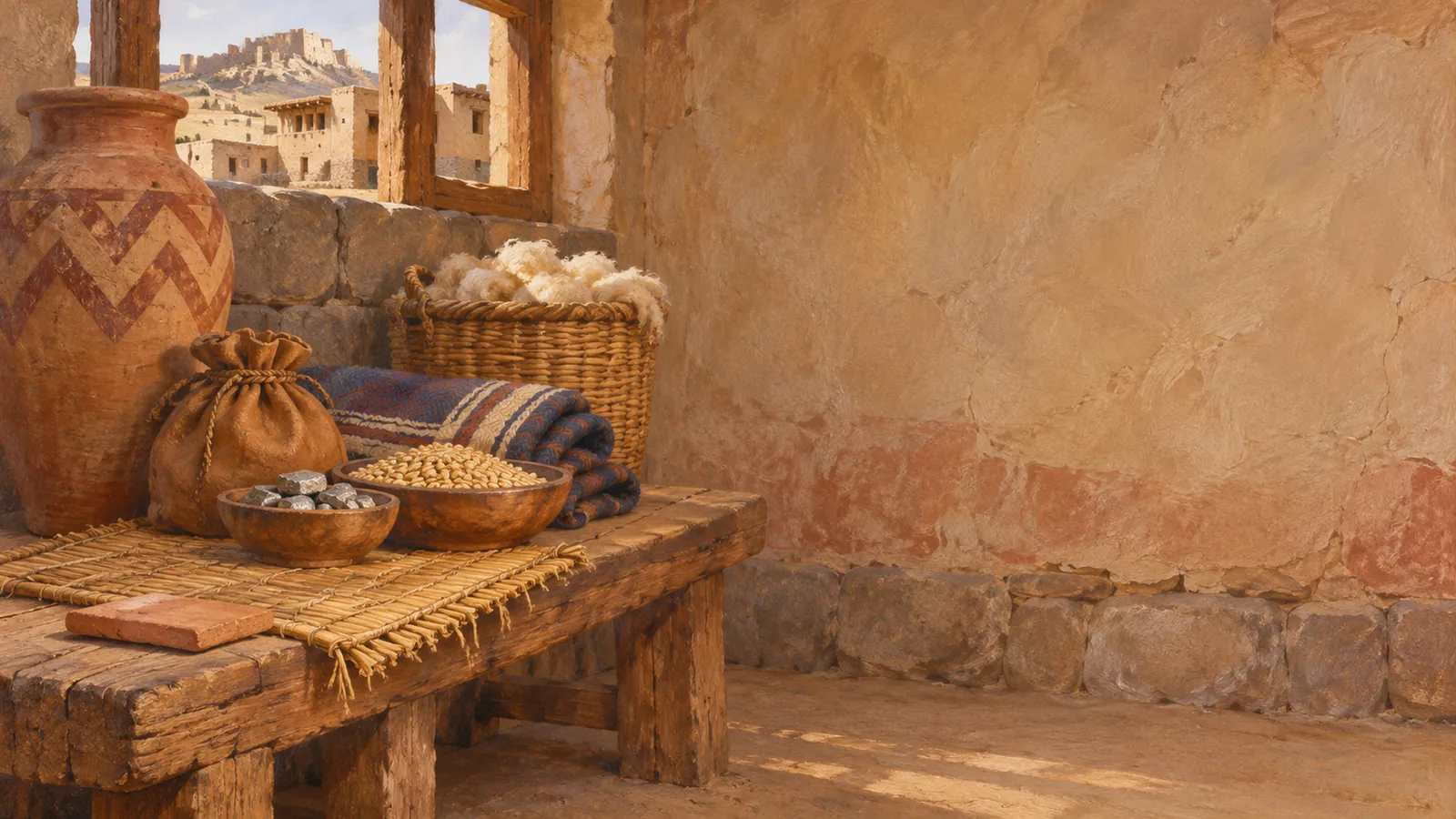
An ancient copy of a different letter keeps a few words from Pushu-ken. He told his representatives in Ashur that his wife had died.
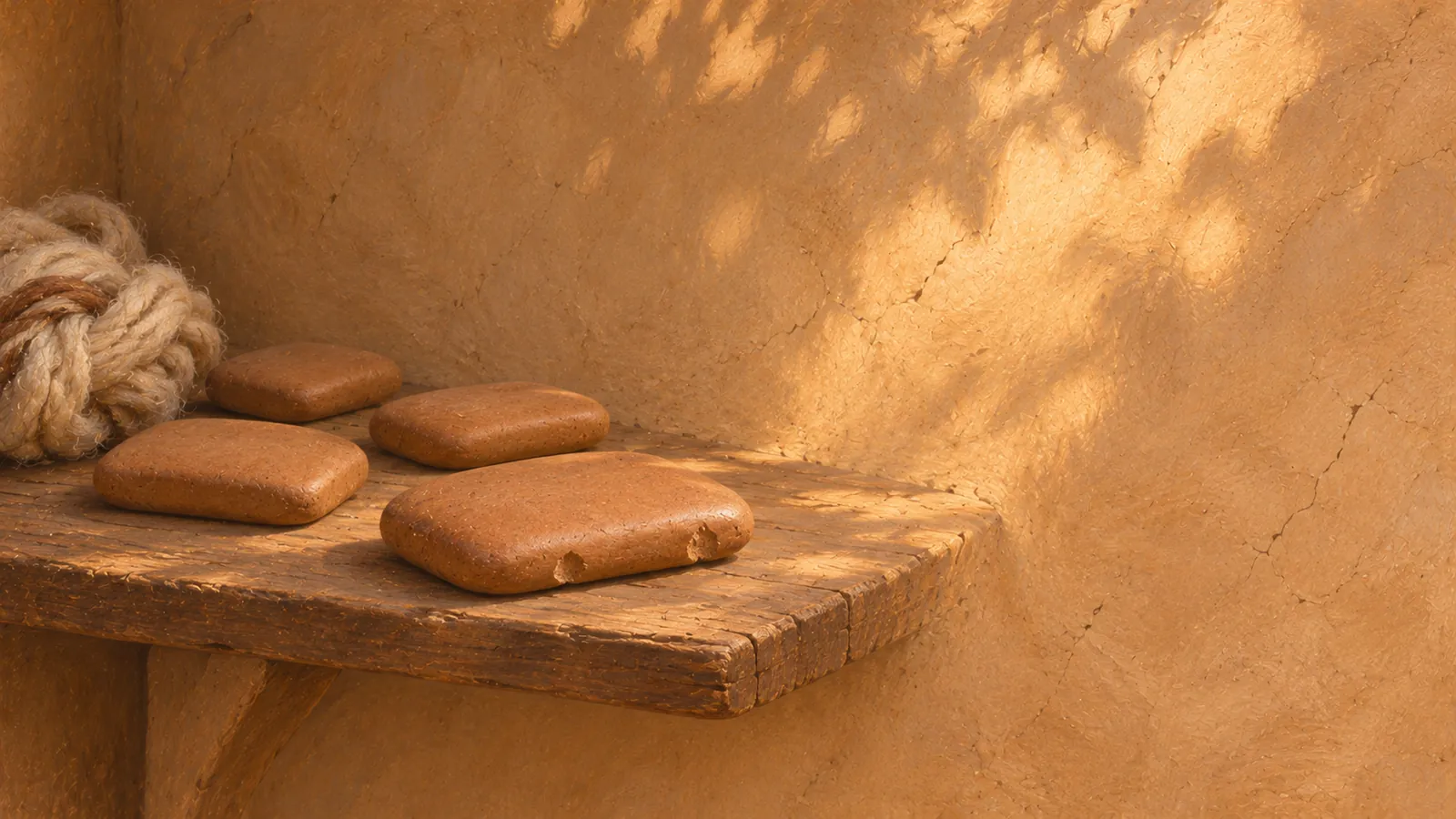
Many of the Kanesh tablets survived among the ruins of houses. What was once kept nearby for reference, or sent down a road, can now be read together.
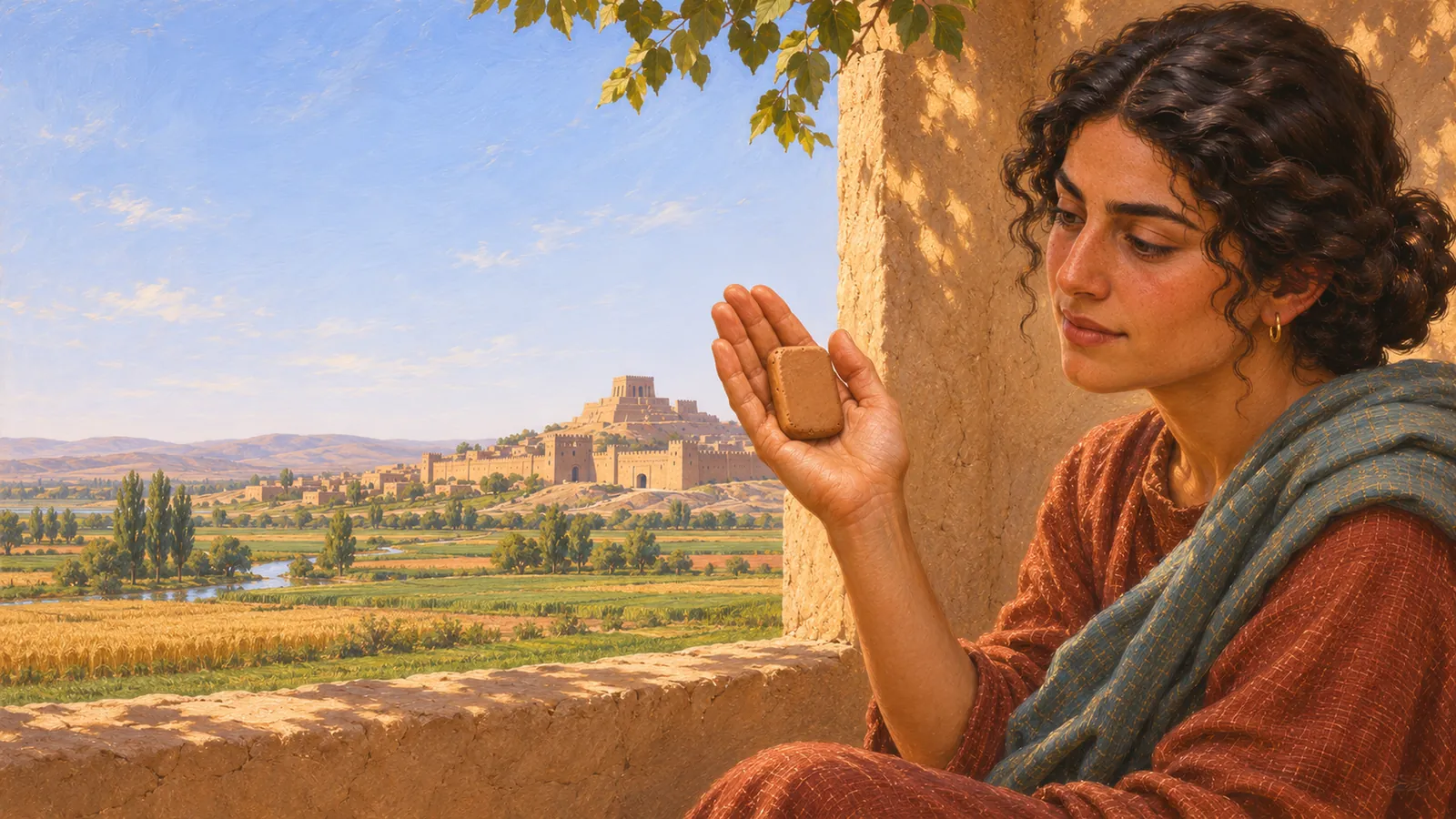
The wool she sent has worn away. Her words are still in the clay, asking where the bundles went, how the work will be paid and when he will come home.
End of chapter 1
All pages


Sources
Editions consulted
- Cécile Michel, Women of Assur and Kanesh, edited letters
- Yale Babylonian Collection, NBC 1678 / BIN 4, 10, catalogue no. 2
- Klaas R. Veenhof, Aspects of Old Assyrian Trade and Its Terminology
- Cécile Michel and Klaas R. Veenhof, study of textiles traded in Anatolia
- Kültepe-Kanesh archaeological site dossier
- Cécile Michel, Les femmes et l’écrit dans les archives paléo-assyriennes
- Metropolitan Museum of Art, Old Assyrian private letter and the trade through Kanesh
- Metropolitan Museum of Art, Ashur-muttabbil’s clay envelope and family letter, MMA 1983.135.4c
- Cuneiform Digital Library Journal 2010:1, Harvard collection editions, especially §§6.5, 6.6, 6.10, 6.13–14
- Cécile Michel, Textile Crafts and the Textile Industry in Old Assyrian Society, textile impressions in clay at Kültepe
- Kemal Balkan, textual discussion of the growing daughter and CCT 3, 20, Belleten 51
Ancient lines behind each page
- Page 1: BIN 4 10; Yale NBC 1678
See source notes for which details are attested. - Page 2: Metropolitan Museum of Art 1983.135.4a–c; Harvard tablets §6.14
See source notes for which details are attested. - Page 3: Michel 2020, introduction and no. 164
See source notes for which details are attested. - Page 4: Harvard tablets study, CDLJ 2010:1, §6.5.2
See source notes for which details are attested. - Page 5: Kültepe–Kanesh archaeological dossier; Met 66.245.17
See source notes for which details are attested. - Page 6: Michel 2020, introduction and no. 164
See source notes for which details are attested. - Page 7: Michel 2020, ch. 4, wool and household labor
See source notes for which details are attested. - Page 8: Andersson Strand, Breniquet and Michel, textile archaeology at Kültepe
See source notes for which details are attested. - Page 9: Michel and Veenhof, Textile Terminologies 2010; BIN 6 11
See source notes for which details are attested. - Page 10: Cécile Michel, Textile Crafts and the Textile Industry in Old Assyrian Society
See source notes for which details are attested. - Page 11: BIN 4 10 lines 1–7
See source notes for which details are attested. - Page 12: BIN 4 10 lines 1–7; BIN 4 9
See source notes for which details are attested. - Page 13: BIN 4 10 lines 7–11
See source notes for which details are attested. - Page 14: BIN 4 10 lines 12–16
See source notes for which details are attested. - Page 15: BIN 4 10 lines 12–16
See source notes for which details are attested. - Page 16: BIN 4 10 lines 16–19
See source notes for which details are attested. - Page 17: BIN 6 11, lines 7–20
See source notes for which details are attested. - Page 18: BIN 6 11; Michel 2020, no. 165
See source notes for which details are attested. - Page 19: BIN 6 11; Michel 2020, no. 165
See source notes for which details are attested. - Page 20: BIN 6 11; Michel 2001; Michel 2020, no. 165
See source notes for which details are attested. - Page 21: BIN 6 7 lines 14–21
See source notes for which details are attested. - Page 22: BIN 4 9, lines 3–6; Michel 2020, no. 163
See source notes for which details are attested. - Page 23: CCT 3 20 lines 14–25
See source notes for which details are attested. - Page 24: CCT 3 20 lines 17–22
See source notes for which details are attested. - Page 25: CCT 3 20 lines 22–25
See source notes for which details are attested. - Page 26: BIN 4 10 lines 31–36
See source notes for which details are attested. - Page 27: BIN 4 10, lines 31–36; Yale NBC 1678
See source notes for which details are attested. - Page 28: CCT 3 20; TC 3/1 17; Harvard tablets, CDLJ 2010:1 §6.6
See source notes for which details are attested. - Page 29: Harvard Art Museums 1983.102, CDLJ 2010:1 §6.6.1–2
See source notes for which details are attested. - Page 30: TC 3 35; Michel 2020, no. 246
See source notes for which details are attested. - Page 31: TC 3 35; Michel 2020, no. 246
See source notes for which details are attested. - Page 32: BIN 6 7; CCT 6 11a; Michel 2020, no. 168
See source notes for which details are attested. - Page 33: RA 59 159 lines 9–11 and BIN 6 7 lines 1–7
See source notes for which details are attested. - Page 34: CCT 3 20 lines 38–40; Kemal Balkan, Belleten 51
See source notes for which details are attested. - Page 35: BIN 4 10; BIN 6 7; TC 1 30
See source notes for which details are attested. - Page 36: TC 1 30 lines 3–4; Michel 2020 p. 412 n. 26
See source notes for which details are attested. - Page 37: Kültepe–Kanesh archaeological dossier; Cécile Michel, Les femmes et l’écrit
See source notes for which details are attested. - Page 38: BIN 4 10, BIN 6 7, CCT 3 20; literary closing
See source notes for which details are attested.
Illustrations made with AI tools by IL Archive; the text is based on the ancient sources (see the sources at the end of each chapter).