Person · Figure
Zannanza
- Names
- Zannanza · Zannanzas
- Timeline
- From 1336 BCE to 1324 BCE
- Region
- The Near East
A Hittite prince, son of Suppiluliuma I, sent in the late fourteenth century BCE to marry a widowed queen of Egypt. Hittite texts report that he was killed on the way.
Estimated reading time: 6 min Published Last reviewed:
Share article
Text
Introduction
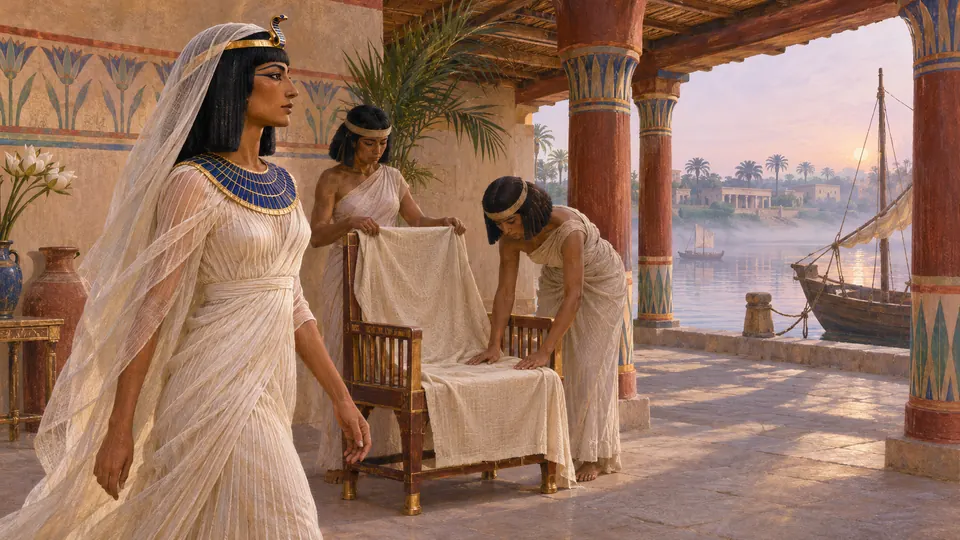
Zannanza was a son of Suppiluliuma I, king of the HittitesHittitesAncient people and kingdom of Anatolia, dominating much of Anatolia and northern Syria around 1650–1200 BCE.Glossary · Click to read the explanation, whose kingdom in central AnatoliaAnatoliaAnatolia is the region occupying the Asian part of present-day TurkeyGlossary · Click to read the explanation, in today's TurkeyTurkeyTurkey is a modern country including Anatolia and territory in southeastern EuropeGlossary · Click to read the explanation, was one of the great powers of the Late Bronze AgeLate Bronze AgeAn archaeological period around 1600–1200 BCE in much of the Near East, with international diplomacy, exchange and religious diversity; its endpoints vary by region.Glossary · Click to read the explanation. Around 1325 BCE, or about ten years earlier on another reckoning, a widowed queen of EgyptEgyptEgypt lies mainly in northeastern Africa and includes the Sinai Peninsula in AsiaGlossary · Click to read the explanation wrote to his father and asked for a Hittite prince to marry. Zannanza was the son who was sent. He never reigned: the Hittite texts report that he was killed on the journey. [1][2]
We know him only from Hittite records written years later, at the court of his brother Mursili IIMursili IIHittite king of the late fourteenth century BCE, party to a loyalty treaty with Amurru’s ruler.Glossary · Click to read the explanation. No Egyptian source mentions him. So almost every detail beyond the bare outline, such as the queen's name, the year, the place of his death and who killed him, is still debated. This entry sets out what the texts say and where they stop. [1][3]
Where the story comes from
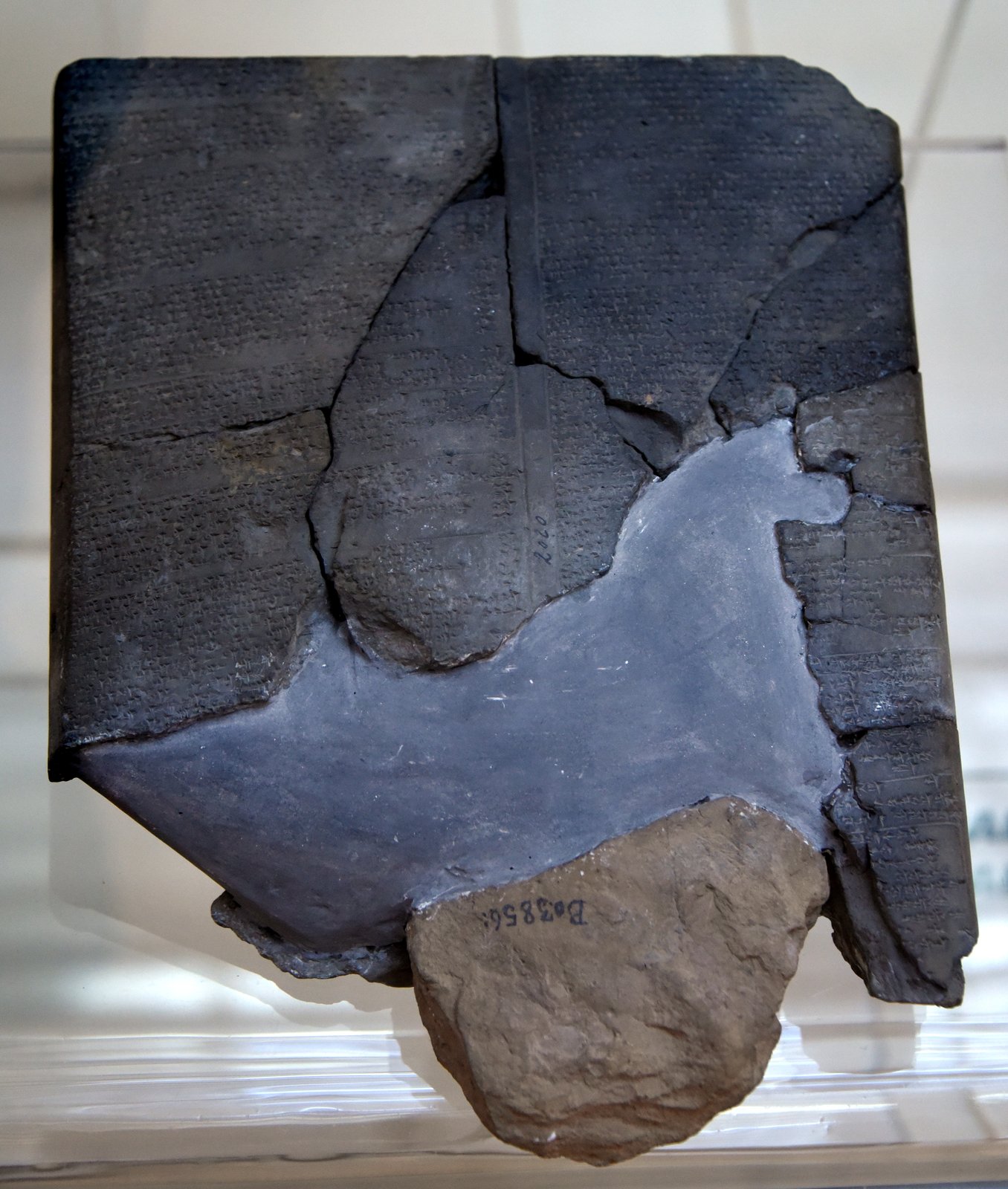
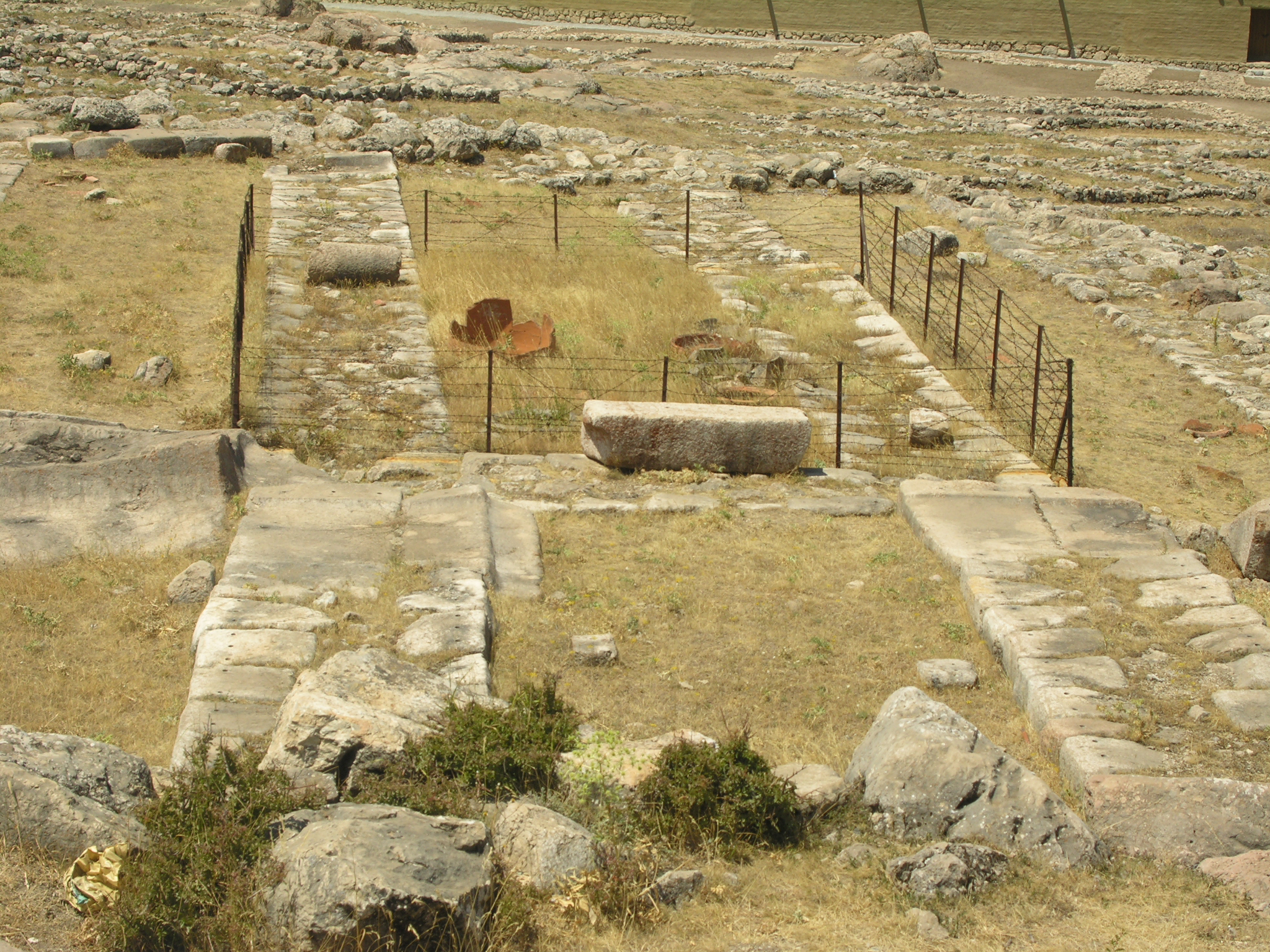
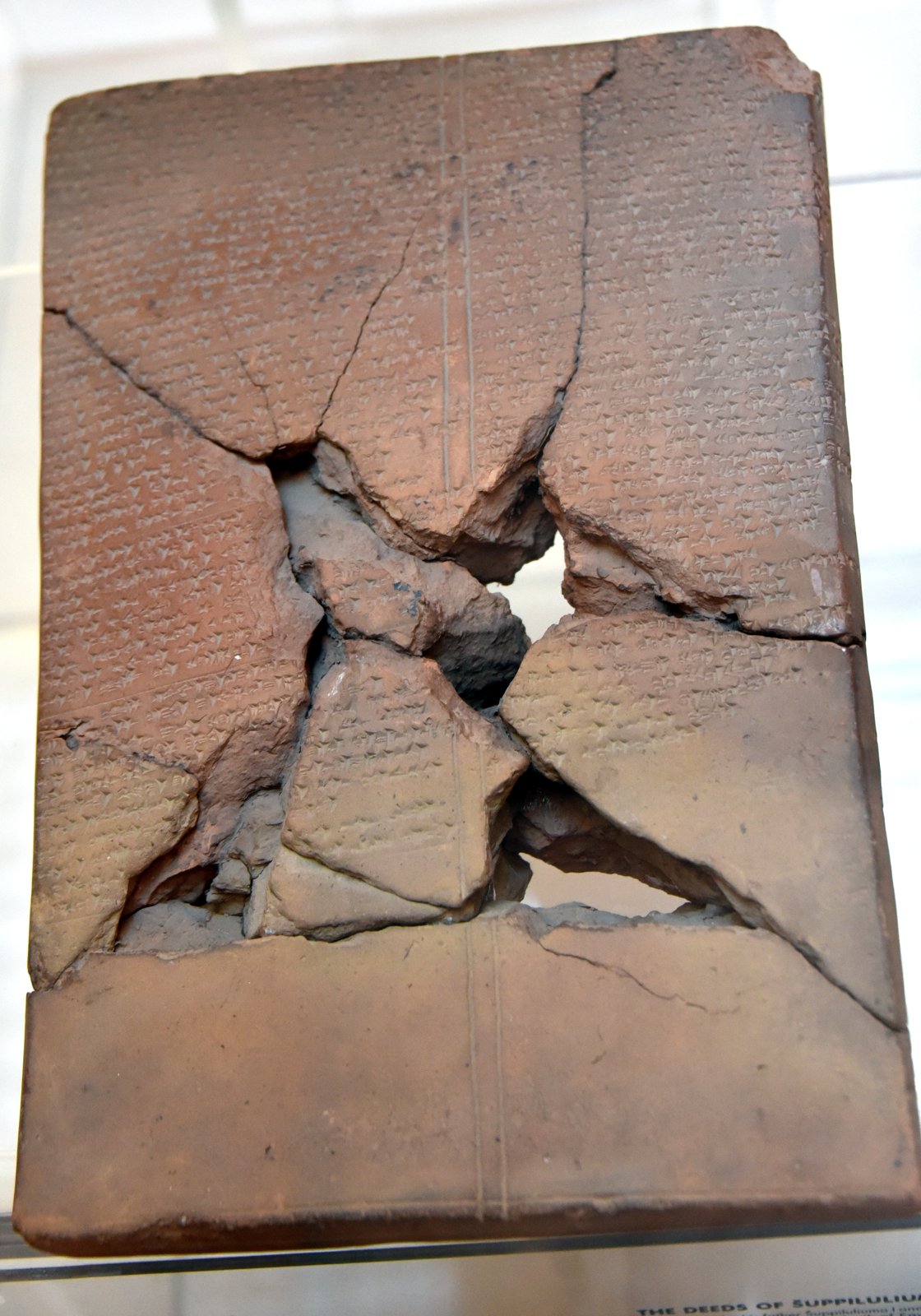
The main source is the Deeds of Suppiluliuma, a long account of the king's wars that Mursili II had written about his father. It filled many clay tablets, and less than a fifth of the text survives, in broken pieces found at the Hittite capital, HattushaHattusha, Hittite capitalHittite capital near Boğazkale in present-day Turkey, preserving witnesses to treaty traditions.Glossary · Click to read the explanation. The Egyptian episode belongs to what scholars count as the seventh tablet. The standard edition, published by Hans Gustav Güterbock in 1956, put the pieces in order. Later scholars have moved some of them, a reminder that the order of events is partly a modern reconstruction, like a jigsaw puzzle with most of the pieces missing. [5]
Two other kinds of text add details. In prayers to the gods during a long epidemic, Mursili looks back on these years and lists what his father did wrong. And a broken draft of a letter that Suppiluliuma sent to Egypt after he heard of his son's death also survives. [2][3]
The widow's letters
According to the Deeds, the letter reached Suppiluliuma while he was besieging Carchemish, a city on the Euphrates on today's border between Syria and Turkey. At the same time he had sent two generals to raid Amqa, a district held by Egypt further south. The queen wrote that her husband had died, that she had no son, and that she had heard that the Hittite king had many sons. [1]
The Hittite text does not give her name. It calls her dahamunzu (also read tahamunzu). Most scholars explain this as a Hittite spelling of an Egyptian title meaning "the king's wife". [3][4]
Suppiluliuma did not trust the offer. Egypt and Hatti were rivals, and his troops had just attacked Egyptian land. He sent one of his officials, Hattusa-ziti, to Egypt to find out whether there really was no royal son. The envoy came back with an Egyptian messenger, Hani, and a second letter. The queen was offended by his doubts. In Harry Hoffner's English translation, she repeats: [1][3]
These words come from the Deeds of Suppiluliuma (tablet KBo 5.6, column iv), as translated in Hoffner's Letters from the Hittite Kingdom. She adds that she will never marry one of her own subjects, and that the son he sends will be her husband and king in Egypt. [1]
The journey and the death
After this second exchange, Suppiluliuma agreed and sent Zannanza. Theo van den Hout, summarising the Hittite sources, places the end in the spring or early summer of the following year: by then, the prince had been killed. [1]
The texts do not say who killed him, where, or how. Mursili's prayer says only that the Egyptians asked his father for a son to be king, and that they murdered the prince while they were leading him away. Suppiluliuma's broken letter accuses the Egyptian side, but, as the Hittitologist Jared Miller points out, it does not show whether the prince died before he reached Egypt or inside the country. [2][3]
Modern historians fill this gap in different ways. The Egyptologist Jacobus van Dijk links the killing to a power struggle at the Egyptian court. In his view, Horemheb, the army commander who later became king, and his supporters would have seen a Hittite on the throne as treason. He also reads the surviving letters as showing that Ay, the elderly courtier who became king, denied any part in the death. These are reconstructions. No surviving text names the killers. [3][4]
Who was the widow?
The identity of the widow, and of her dead husband, is one of the longest debates about this period. The Hittite text calls the dead king Nibhururiya, a cuneiformCuneiformWriting with wedge-shaped signs, developed from Mesopotamian recording traditions and used for several languages from the third millennium BCE.Glossary · Click to read the explanation spelling of an Egyptian throne name, the official name a king took when he came to the throne. It is close to the throne name of TutankhamunTutankhamunLate Eighteenth-Dynasty Egyptian king, originally Tutankhaten, later Tutankhamun as official patronage of Amun resumed. Famous for tomb KV62; aspects of his parentage and death are debated.Glossary · Click to read the explanation, Nebkheperure, so many scholars think the widow was his queen, Ankhesenamun. Van Dijk and the summary in Hoffner's book follow this view. [1][4]
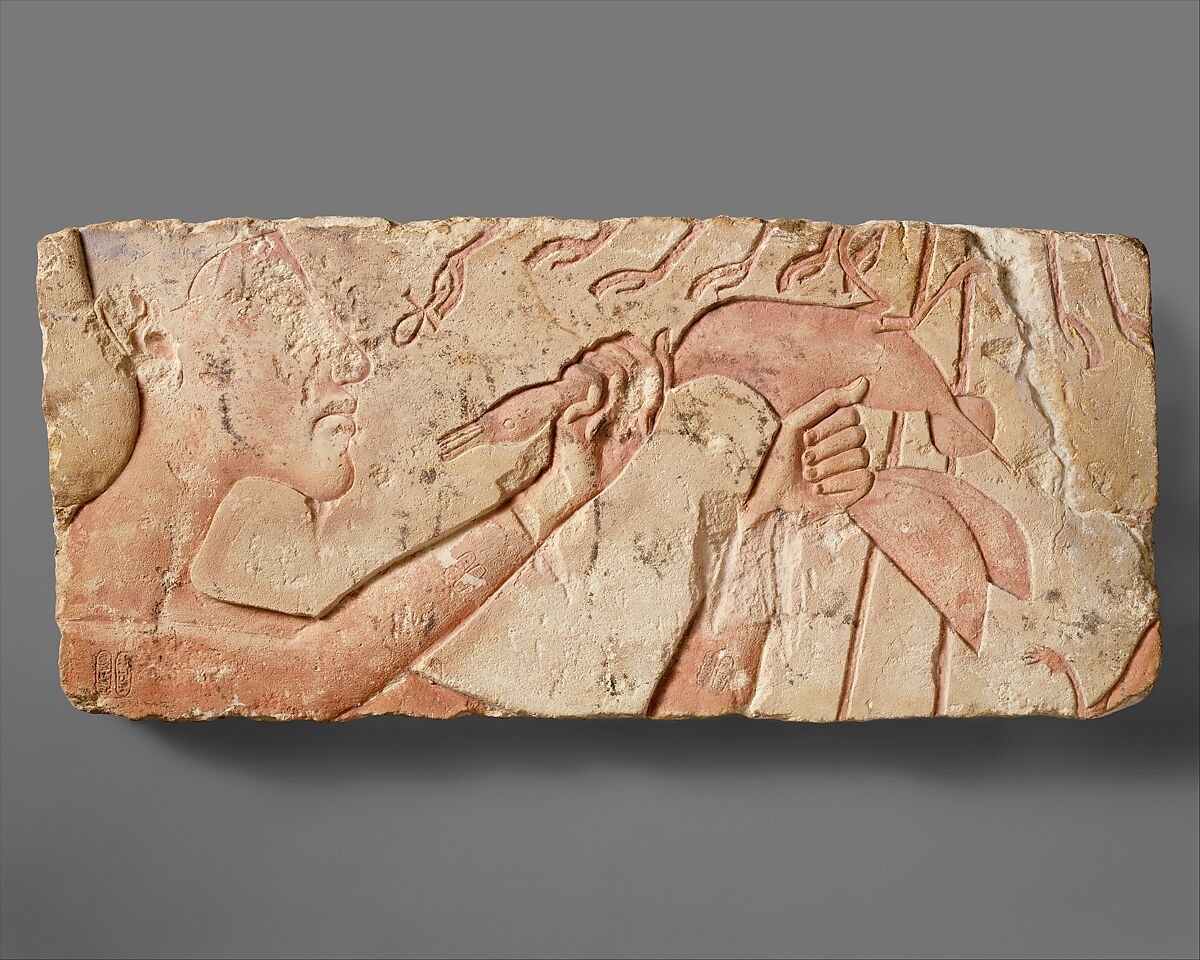
Others argue that the dead king was AkhenatenAkhenatenEgyptian eighteenth-dynasty king, formerly Amenhotep IV, who reorganized royal religion around Aten and founded Akhetaten.Glossary · Click to read the explanation, whose throne name, Neferkheperure, is very similar. In that case the widow would have been Nefertiti or her daughter Meritaten, about ten years earlier. In 2007 Jared Miller argued, from a newly joined Hittite text, that the dates fit Akhenaten better, but he concluded that the identity of the queen must stay open for now. The French Egyptologist Marc Gabolde has gone further and proposed that Zannanza did reach Egypt and reigned briefly as the king known as Smenkhkare. Other scholars have argued against this idea. [3]
What followed
Suppiluliuma treated the death as an Egyptian crime. He sent another son, Arnuwanda, on a punishing raid into the same area. Arnuwanda returned victorious, bringing thousands of prisoners and deported people back to Hatti. [1]
Mursili II later saw this as the start of a disaster. In his prayers he says that the attacks on Amqa broke an old treaty with Egypt sworn before the Storm-god of Hatti, that the prisoners from Egypt brought a plague into the land, and that people had been dying for twenty years. The epidemic probably killed Suppiluliuma himself and, soon after, his son and successor Arnuwanda II. [2]
Miller adds a warning. Every Hittite account was written after the plan had failed, so Mursili may have shaped the story to put the blame on Egypt and to clear his father. [3]
Quick answers
Who was Zannanza?
A son of the Hittite king Suppiluliuma I, sent to marry a widowed Egyptian queen in the late fourteenth century BCE. [1]
Did he become king of Egypt?
The Hittite texts say he was killed before that could happen. One modern theory holds that he reigned briefly, but it is not widely accepted. [2][3]
Who killed him?
No text names the killers. Mursili II blamed the Egyptians; modern suggestions point to rival groups at the Egyptian court. [2][4]
References and notes (5)
- Harry A. Hoffner Jr., Letters from the Hittite Kingdom, ed. Gary M. Beckman, Writings from the Ancient World 15 (Atlanta: Society of Biblical Literature, 2009) §1.2.23, pp. 70–71: Theo van den Hout's summary of the episode (quoted from Mineck, van den Hout and Hoffner 2006, 259) and Hoffner's transliteration and translation of the queen's second letter in the Deeds of Suppiluliuma, KBo 5.6 iii 50–54, iv 1–12 (after Güterbock 1956, 96); also p. 55, the list of envoys naming Hani. Return to the text ↑
- Itamar Singer, Hittite Prayers, ed. Harry A. Hoffner Jr., Writings from the Ancient World 11 (Atlanta: Society of Biblical Literature, 2002) Introduction, pp. 16–17; chapter III introduction, pp. 47–48; no. 11, Mursili's “Second” Plague Prayer (CTH 378.II) §§1–5, pp. 57–58; no. 14, pp. 66–67 (§§11′–13′, Lupakki, Tarhunta-zalma and the widow's letter). Return to the text ↑
- Jared L. Miller, “Amarna Age Chronology and the Identity of Nibḫururiya in the Light of a Newly Reconstructed Hittite Text,” Altorientalische Forschungen 34 (2007): 252–293 Pp. 252–265 and 274–275: the new text KUB 19.15+KBo 50.24, the term tahamunzu, the spellings of the throne names, Hattusa-ziti and Hani, the possibility that Mursili revised the story, Gabolde's Smenkhkare/Zannanza proposal and its critics, the open question of the widow's identity, and n. 103 on Suppiluliuma's letter KUB 19.20+KBo 12.23. Return to the text ↑
- Jacobus van Dijk, “Horemheb and the Struggle for the Throne of Tutankhamun,” Bulletin of the Australian Centre for Egyptology 7 (1996): 29–42 Pp. 38–40: the defeat at Amki, the Dahamunzu title, the two letters, the death of Zannanza, the court parties of Ay and Horemheb, and Ay's denial in a letter to the Hittites. Return to the text ↑
- Jared L. Miller, “The Placement of the Death of Tutḫaliya III and the Kinza/Nuḫḫašše Rebellion within the Deeds of Suppiluliuma I,” in Stefano de Martino and Jared L. Miller (eds.), New Results and New Questions on the Reign of Suppiluliuma I (Florence: LoGisma, 2013) P. 115 (the state of preservation of the Deeds: less than about 20% of an assumed 12 tablets; the authority and limits of Güterbock's 1956 reconstruction) and p. 128 (the Egyptian narrative recounted in the 7th tablet). Return to the text ↑
Suggest a correction · Suggest a source for this record
Cite this record
IL Archive, «Zannanza», https://ilarchive.com/en/people/zannanza
Continue reading