The Widow Queen of Egypt Chapter 1
Two letters and a prince
A royal widow crosses a diplomatic divide with two letters. The Hittite king hesitates, sends an envoy, then entrusts his son Zannanza to the journey south. The clay record preserves the shock of his death in broken lines.
SourcesTurn the pages with the arrows, the arrow keys or a swipe.
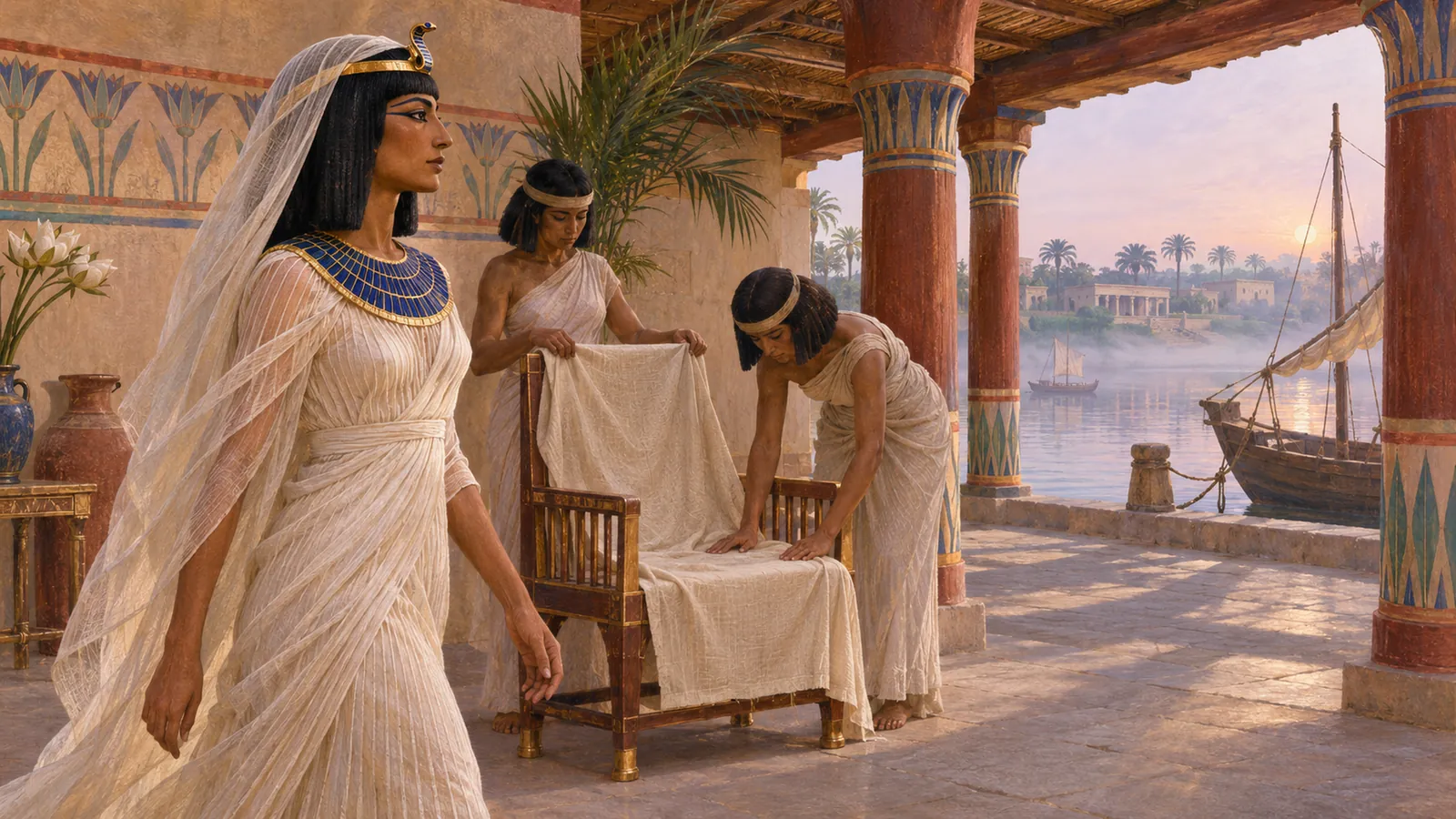
THE WIDOW
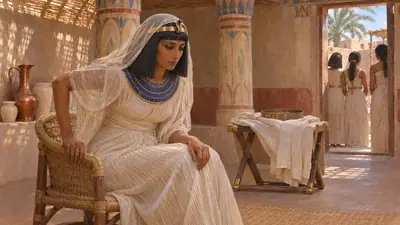
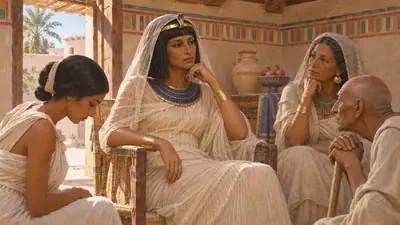
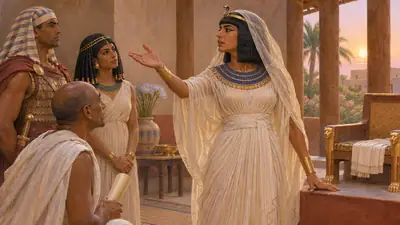
The Hittite tablets call her Dahamunzu, a form of the Egyptian title for the king’s wife. Her words traveled to Hatti. Her personal name remains uncertain.
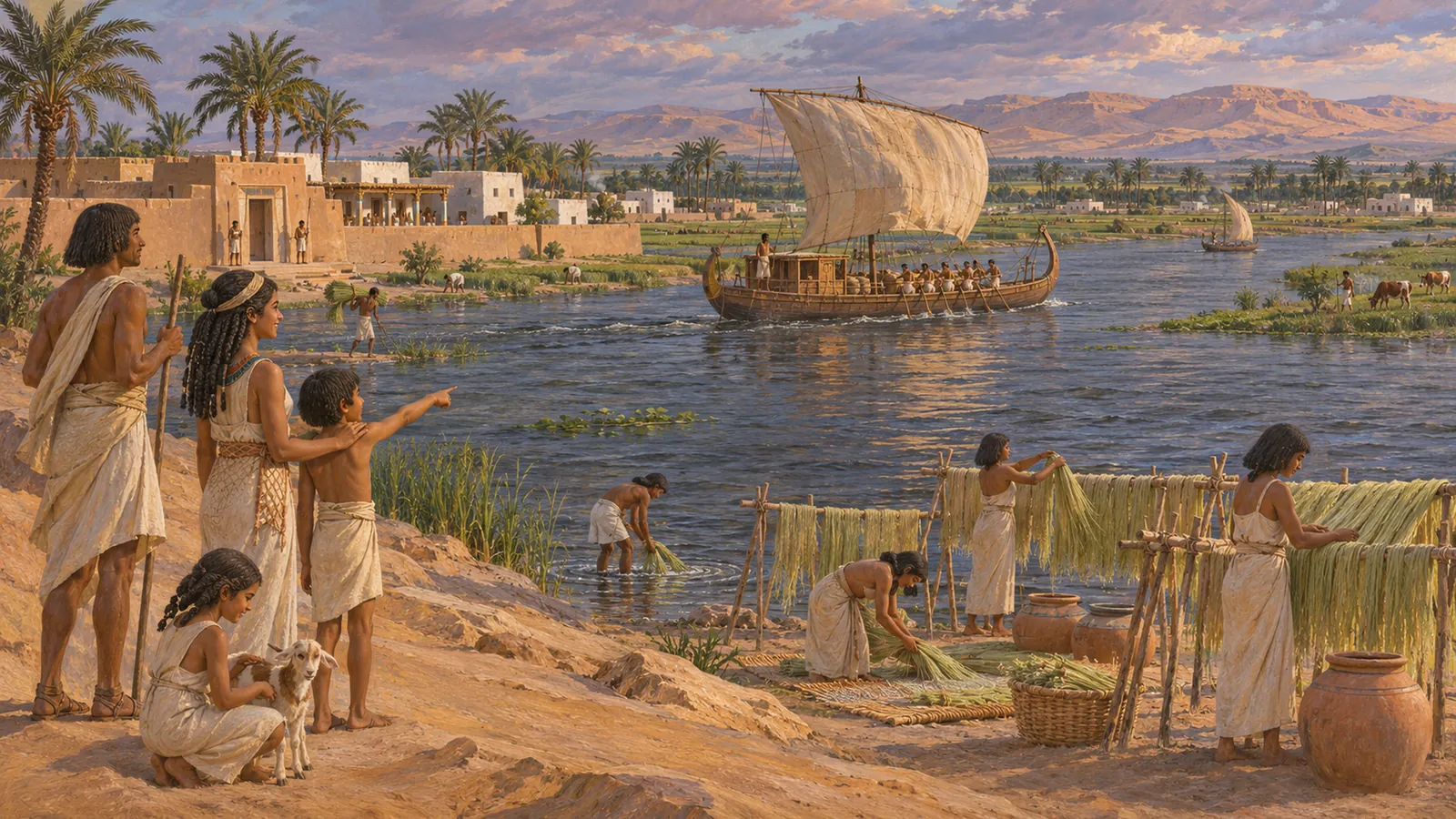
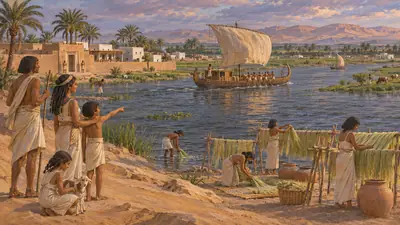
In the late fourteenth century BCE, kings ruled from the Nile valley and the Anatolian highlands. Between their courts lay the lands of Syria, where their interests met.
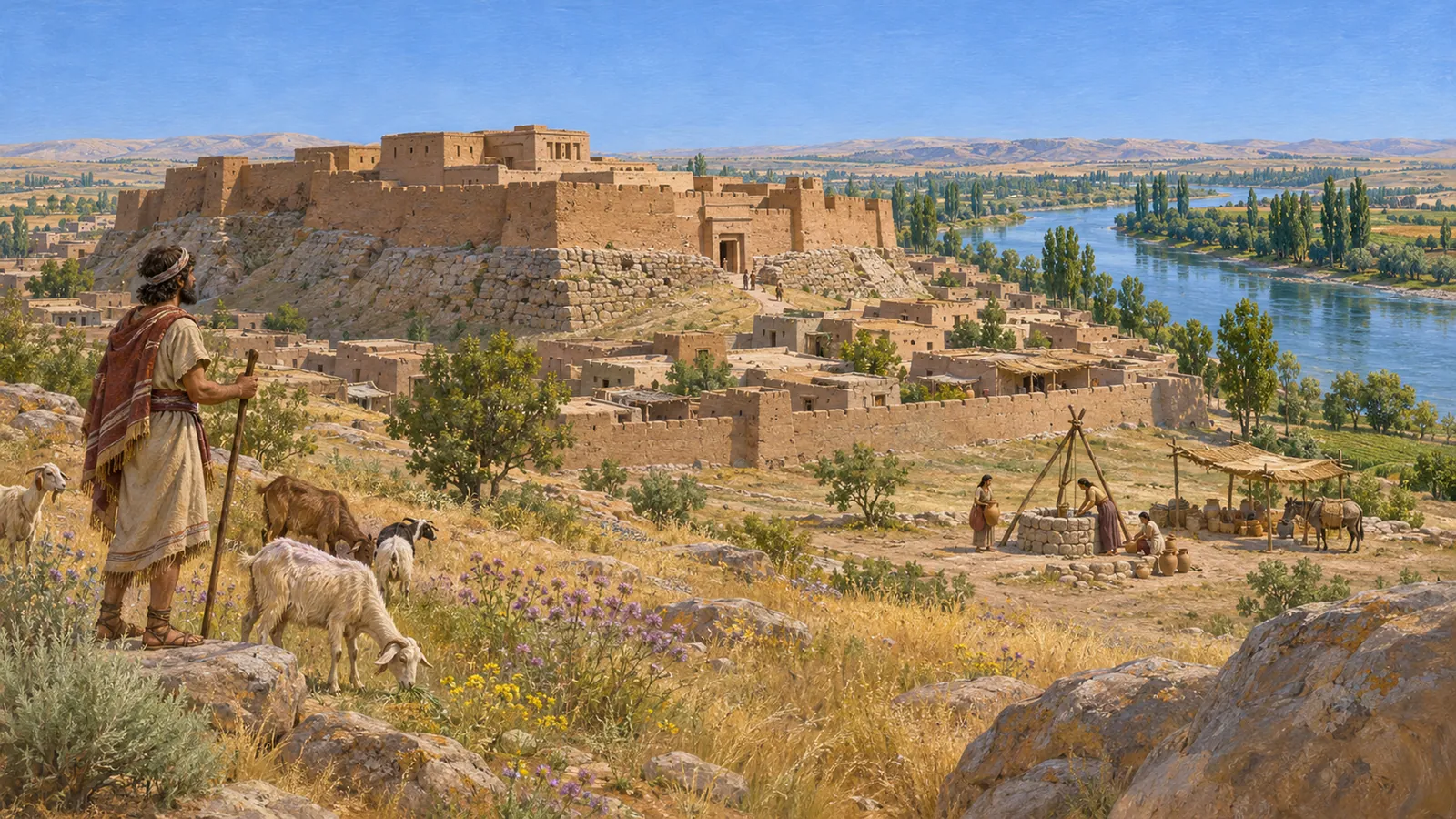
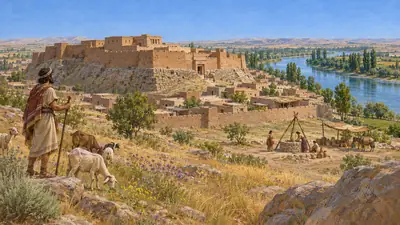
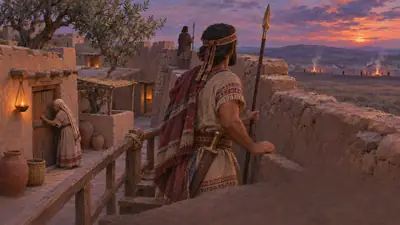
Suppiluliuma of Hatti was at Carchemish. The city stood above the Euphrates, where roads and crossings mattered to rulers far beyond its walls.
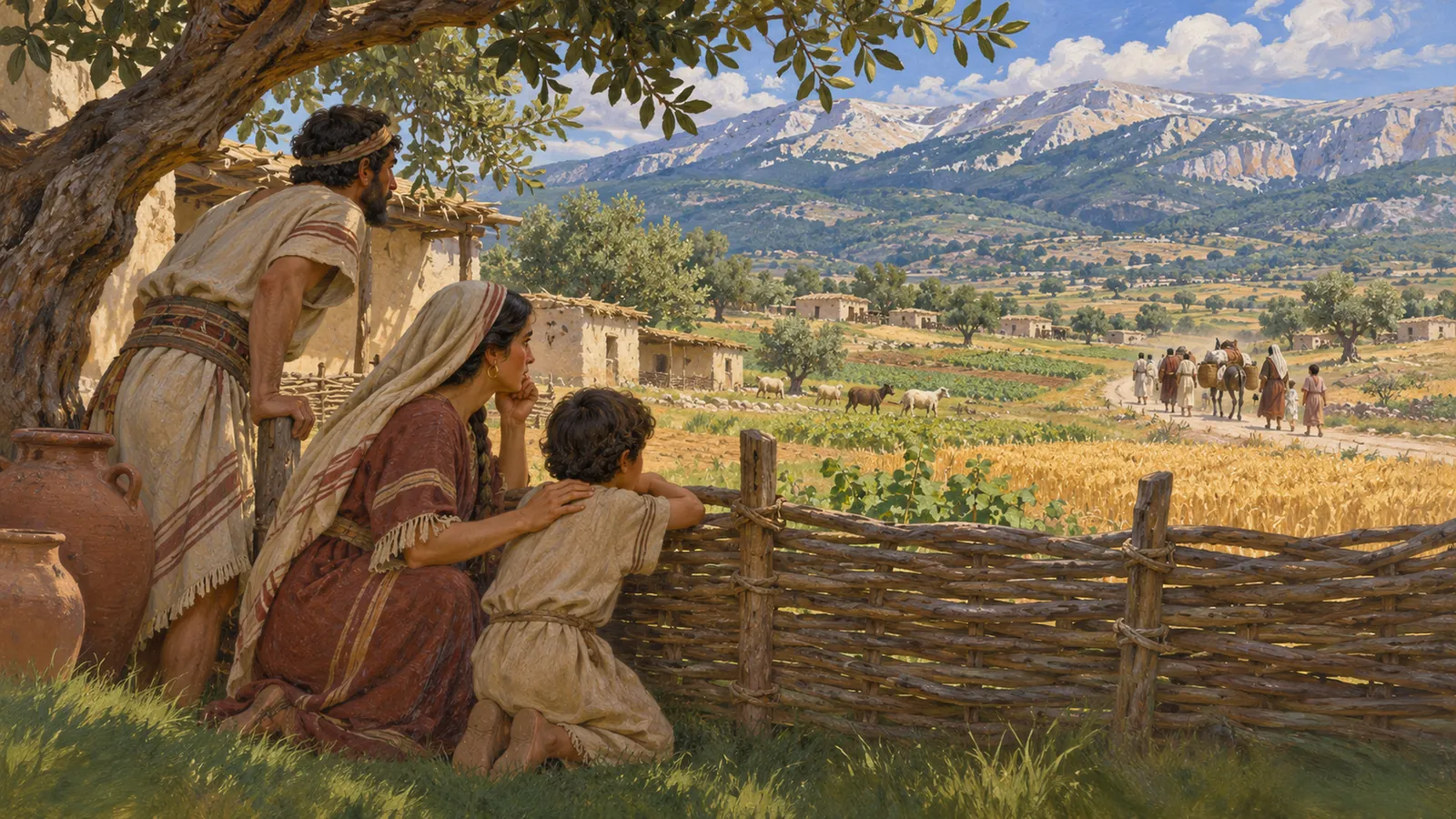
From Carchemish the king sent Lupakki and Tarhuntazalma into Amqa, an Egyptian border territory. Mursili’s record says they brought people, cattle and sheep back before the king.
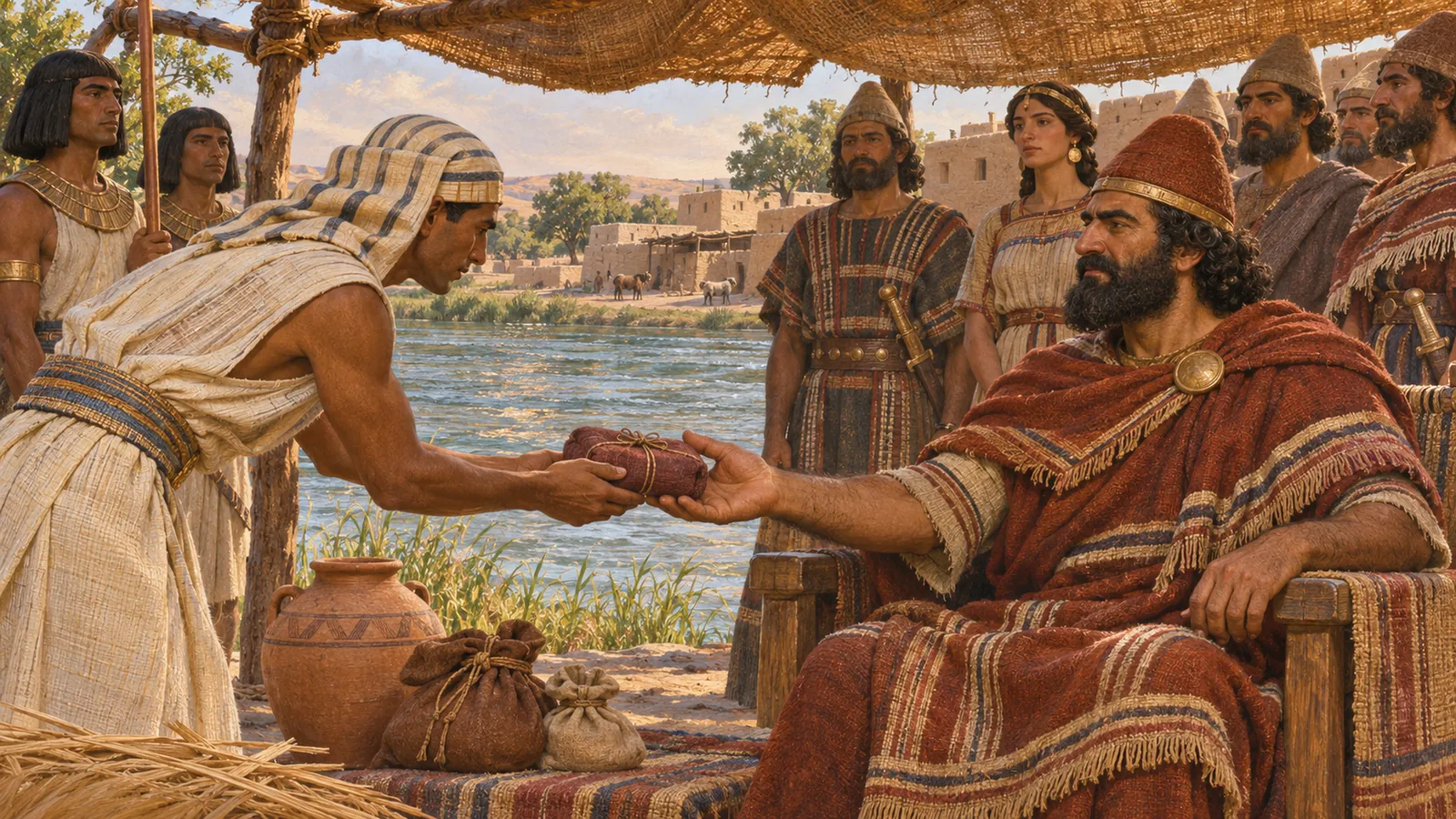
In Mursili’s telling, the raid alarmed the Egyptians. Their own king had also died. An Egyptian messenger arrived in the Hittite camp carrying a request from his widow.
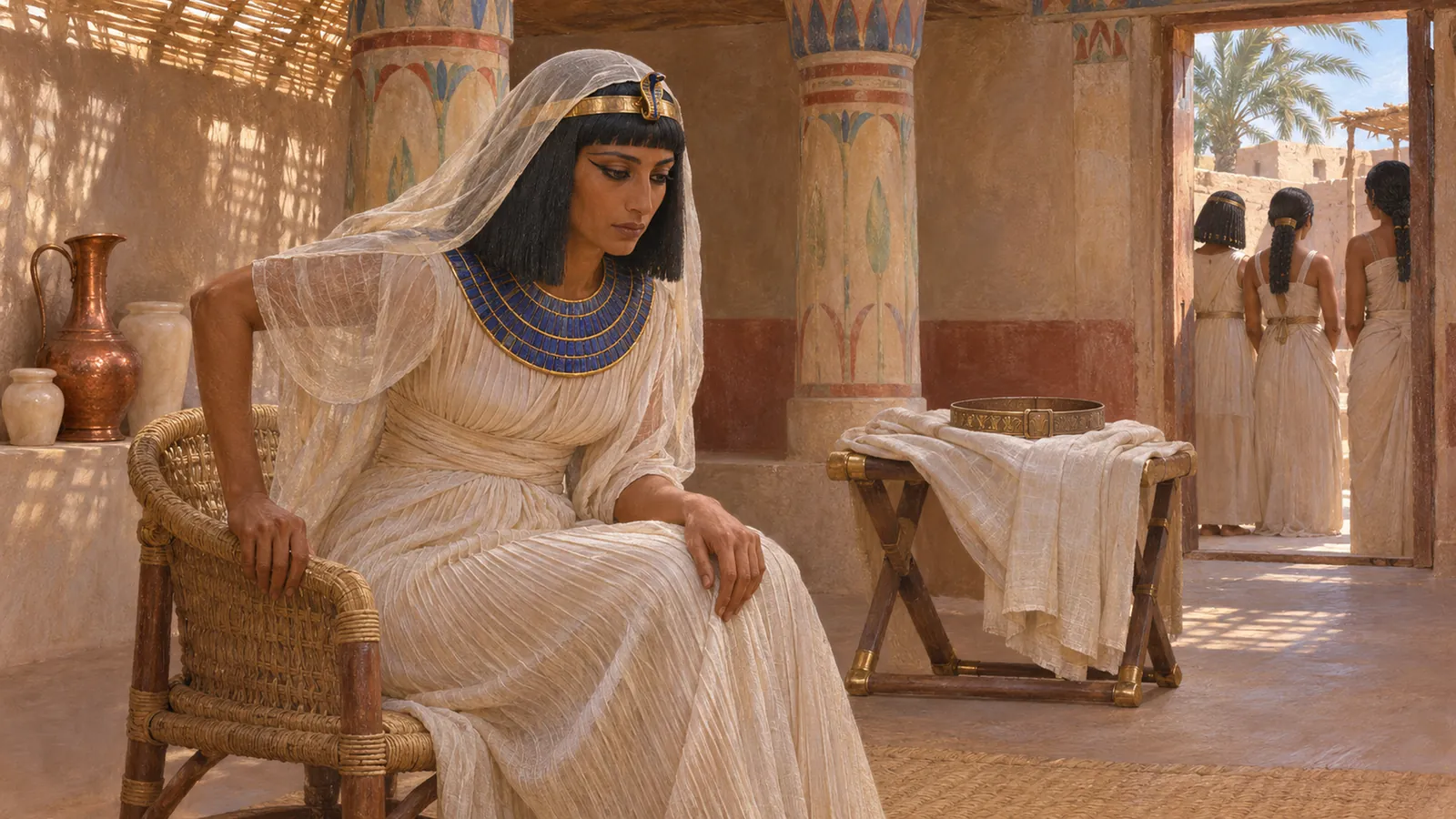
The queen told Suppiluliuma that her husband was dead and she had no son. One Hittite copy gives the dead king a name read as Nibhururiya.
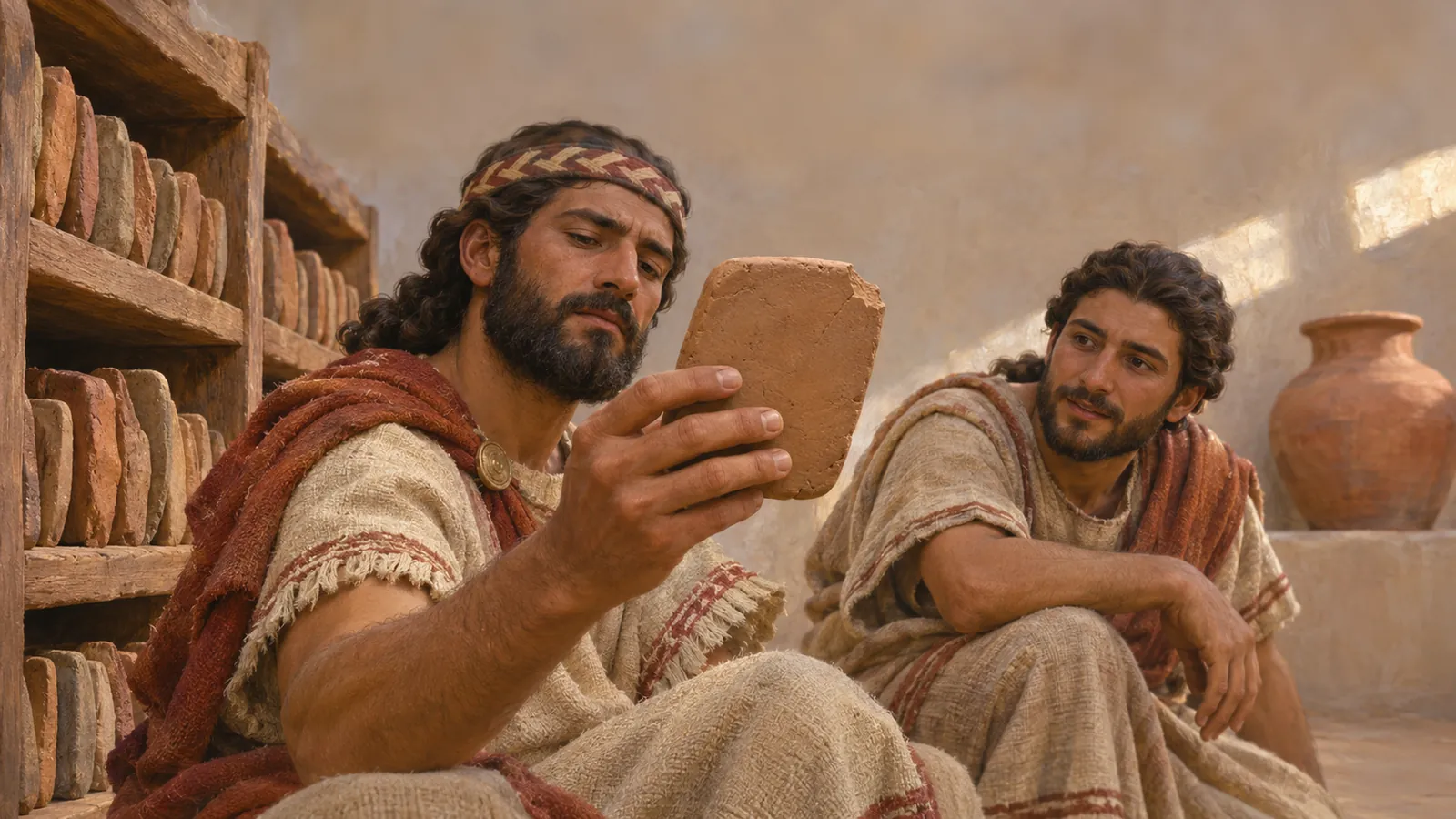
That name is often linked to Nebkheperure, the throne name of Tutankhamun. On this reading, the widow could be Ankhesenamun. Other identifications remain possible.
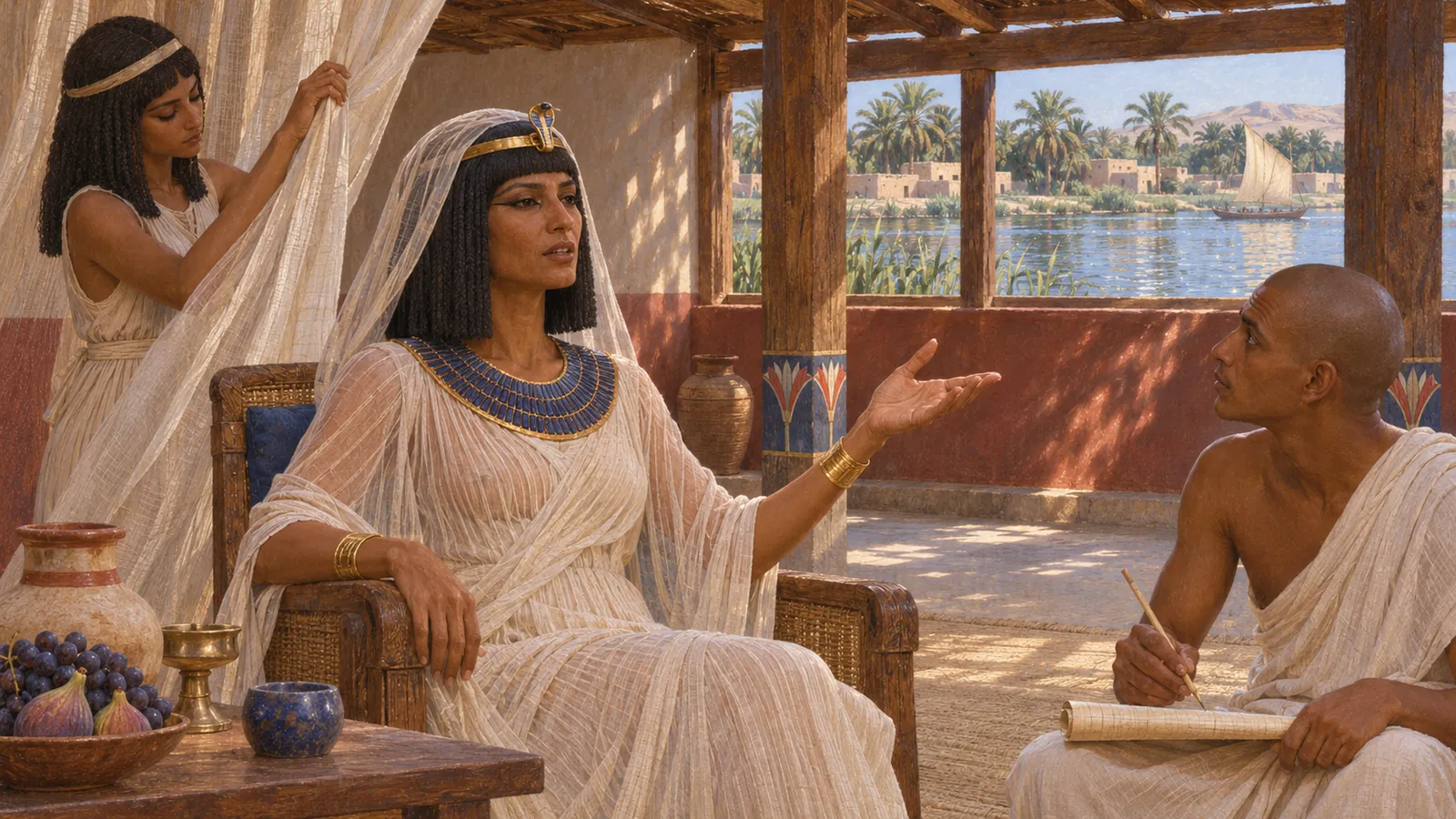
The queen had heard that Suppiluliuma had many sons. If he sent her one, she said, she would make him her husband. She refused to marry a subject.
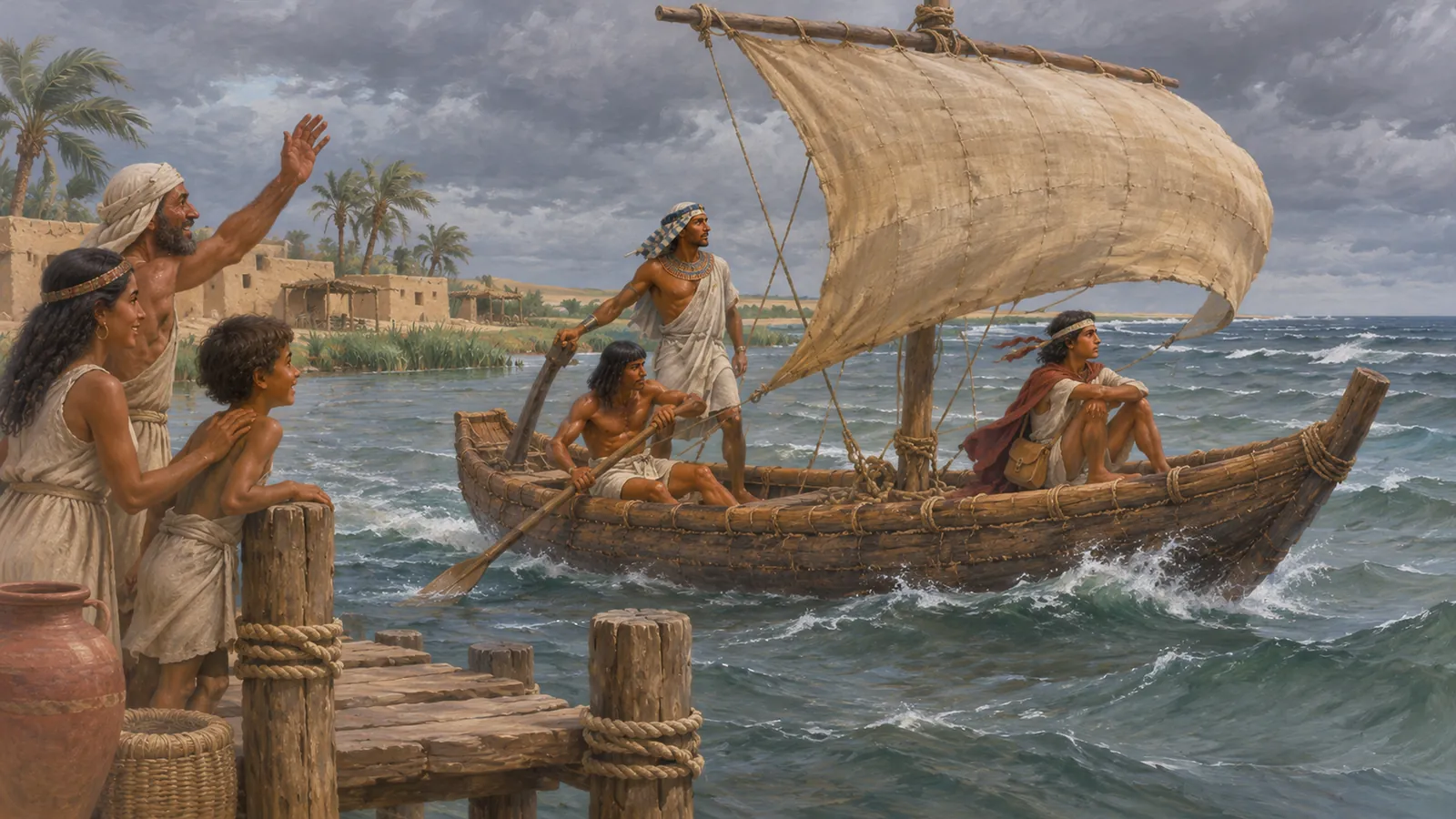
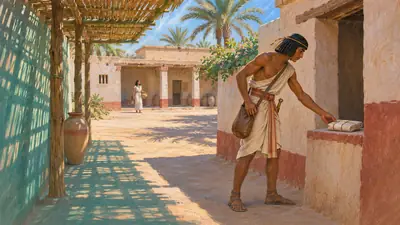
Once sent, the message had to travel from the Nile court to a Hittite camp on the Euphrates. The text remembers the destination and leaves the route unnamed.
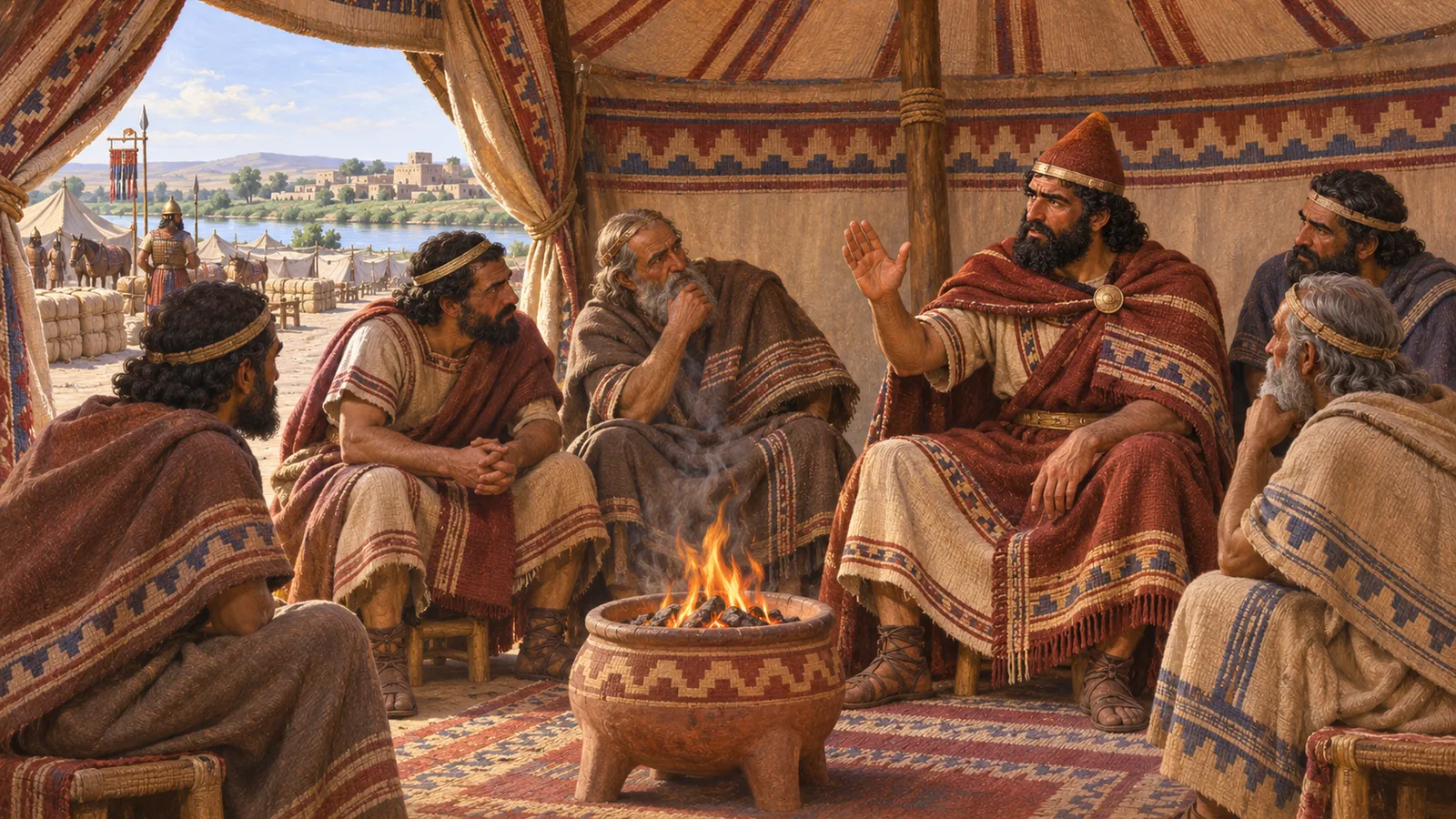
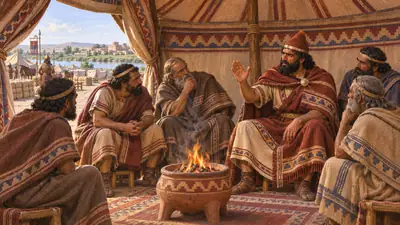
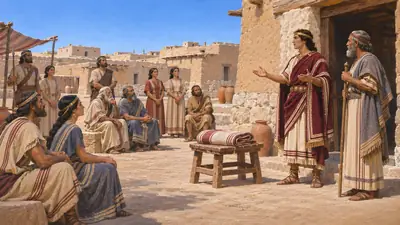
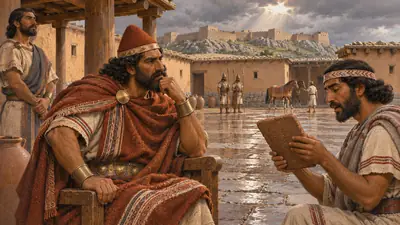
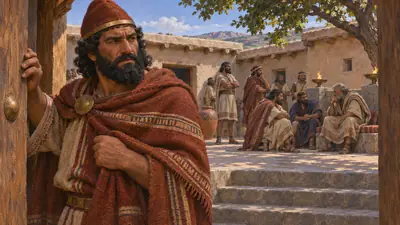
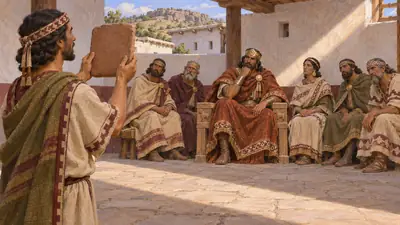
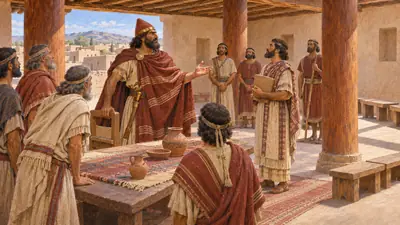
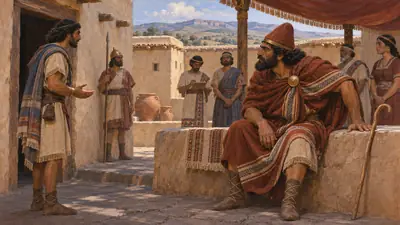
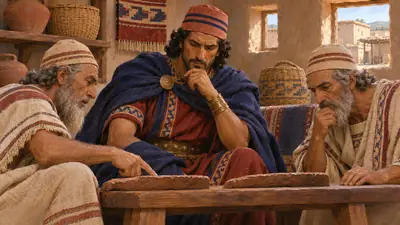
Suppiluliuma called his senior men together for counsel. A widow had asked him for one of his own sons, and he said he had never heard such a request before.
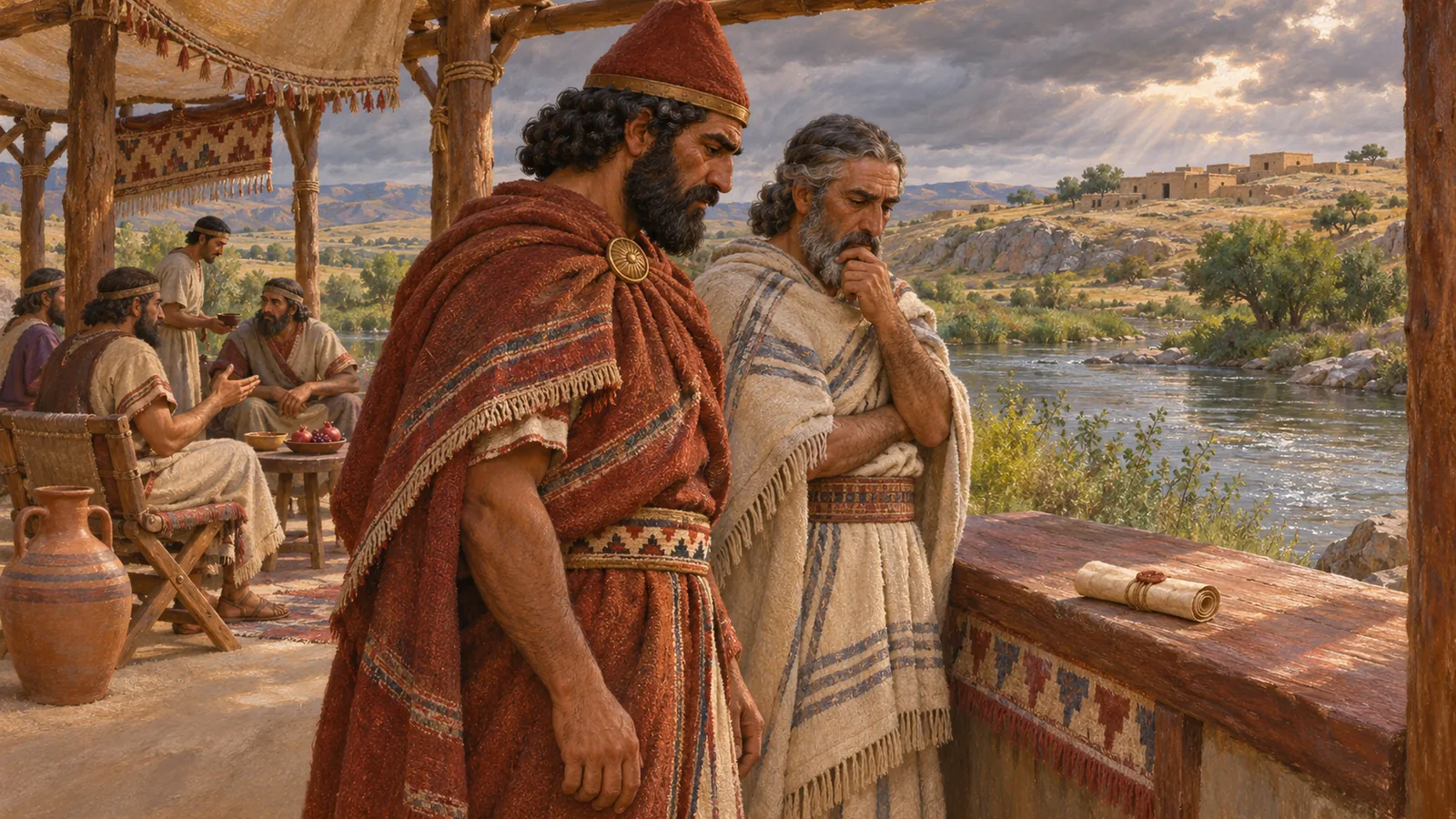
The king wondered whether the Egyptians already had a son of their ruler. If they did, his own son might be walking into a deception.
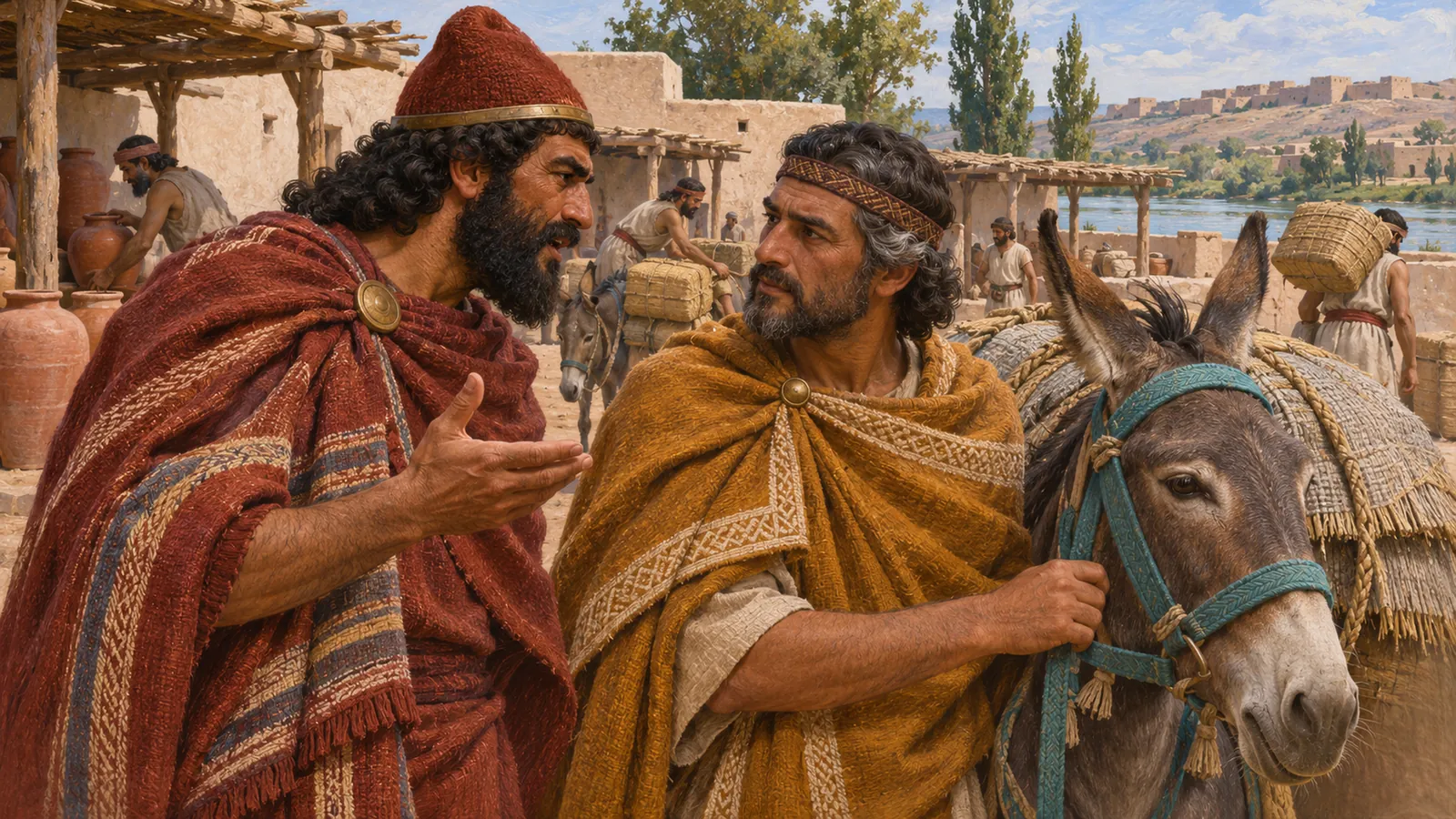
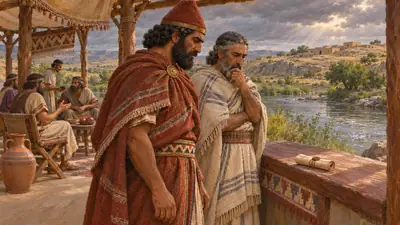
He sent his chamberlain Hattusaziti to Egypt. He wanted the man to inquire in person and come back with a clear account of what he found.
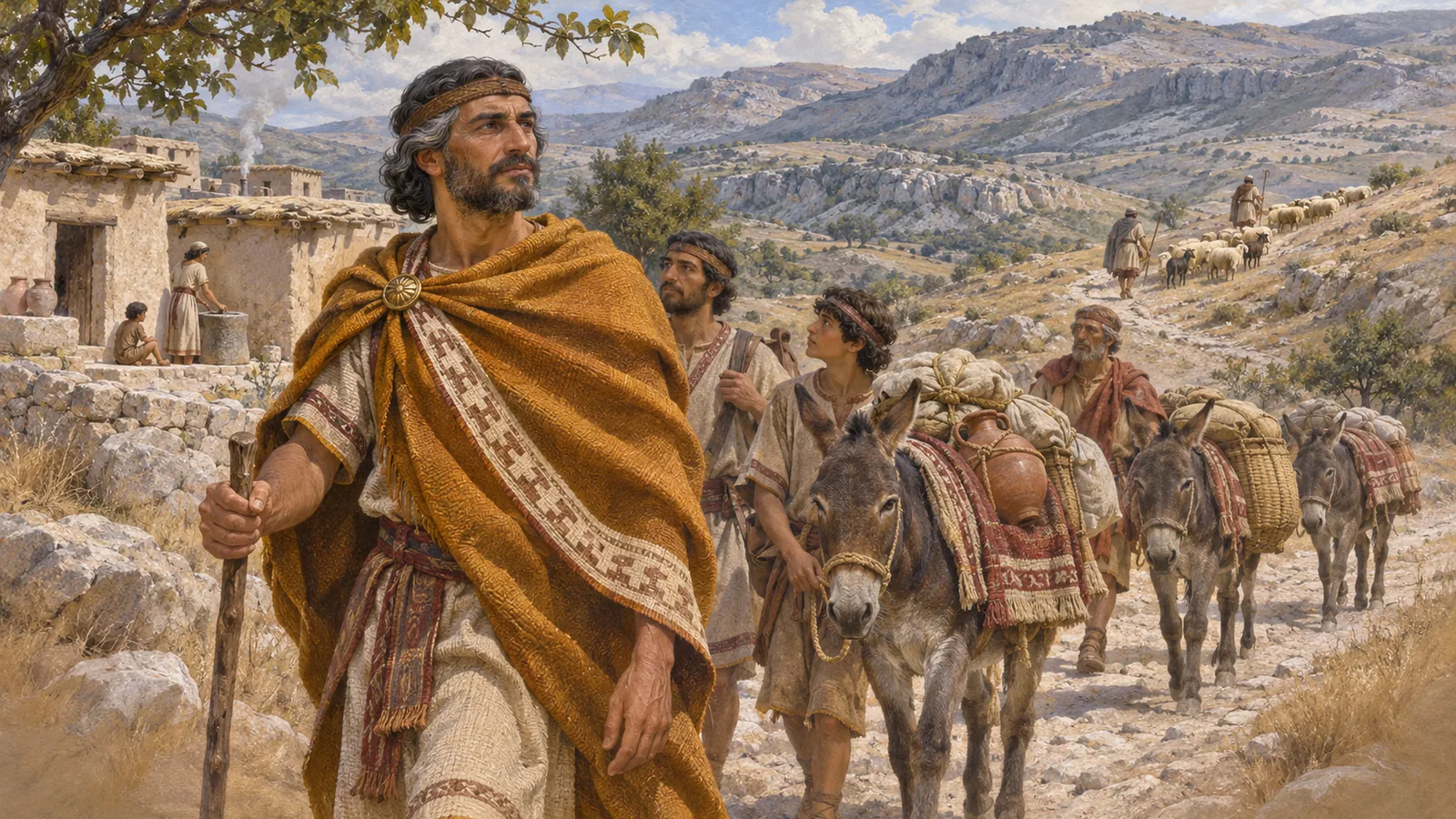
Hattusaziti had to reach another royal court in the middle of a crisis. The surviving story names the envoy and his destination, while his route and stops remain unknown.
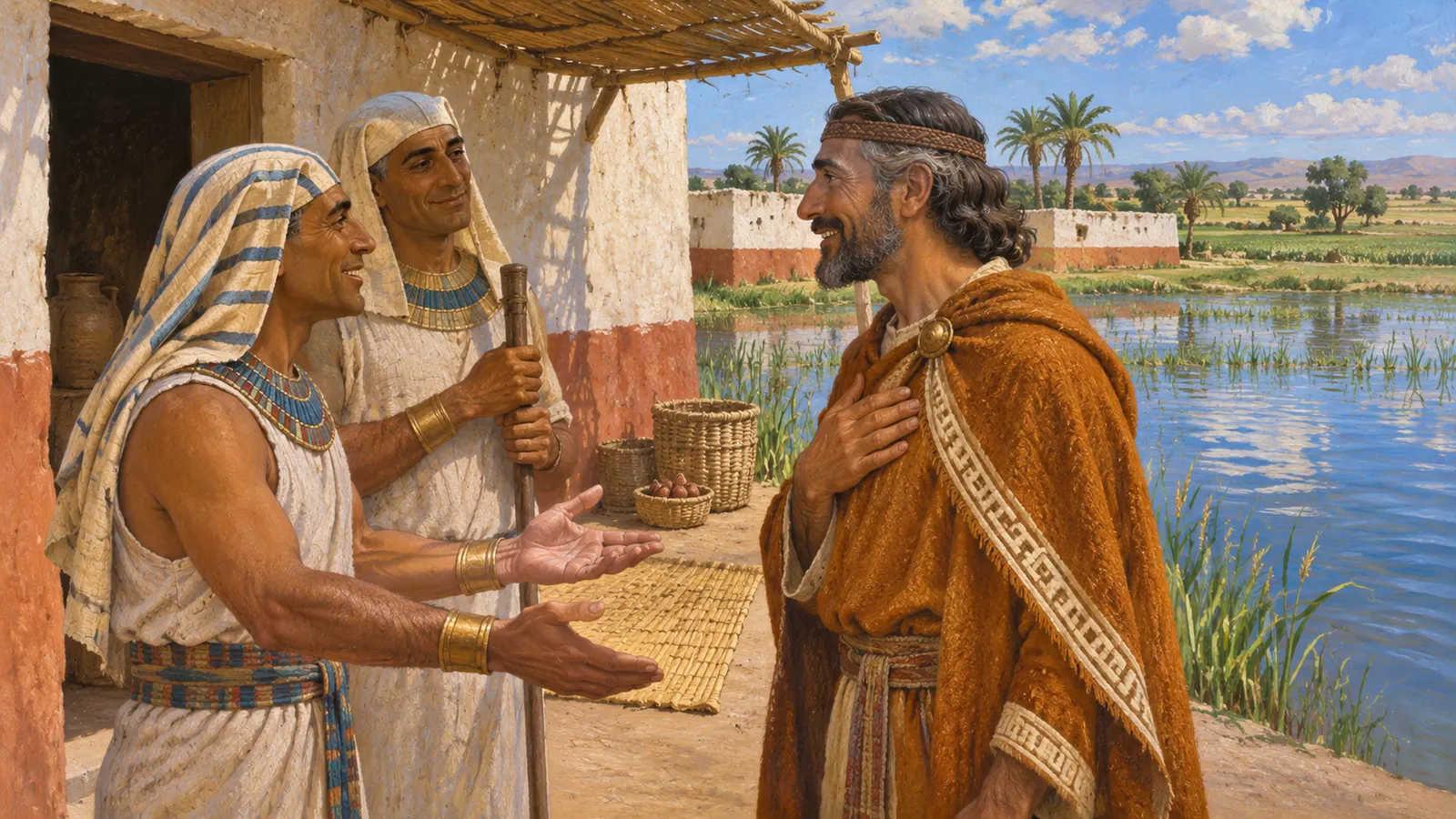
The question Hattusaziti carried was about succession. Had Egypt lost a king without a son, as the queen said? The tablet preserves her answer when his mission ends.
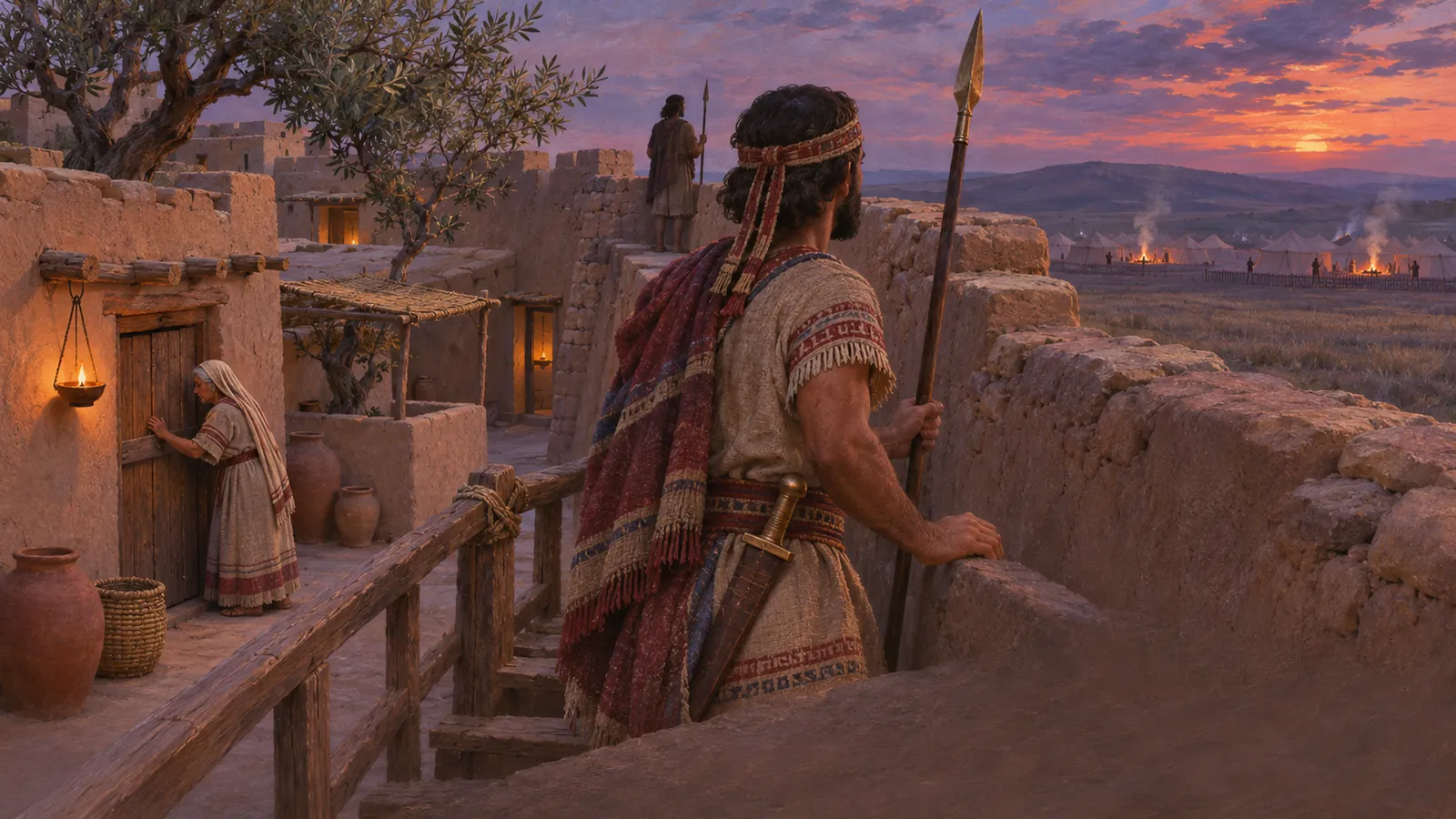
While the envoy was away, the siege continued. Mursili counts seven days before the struggle for the city reached its end on the eighth.
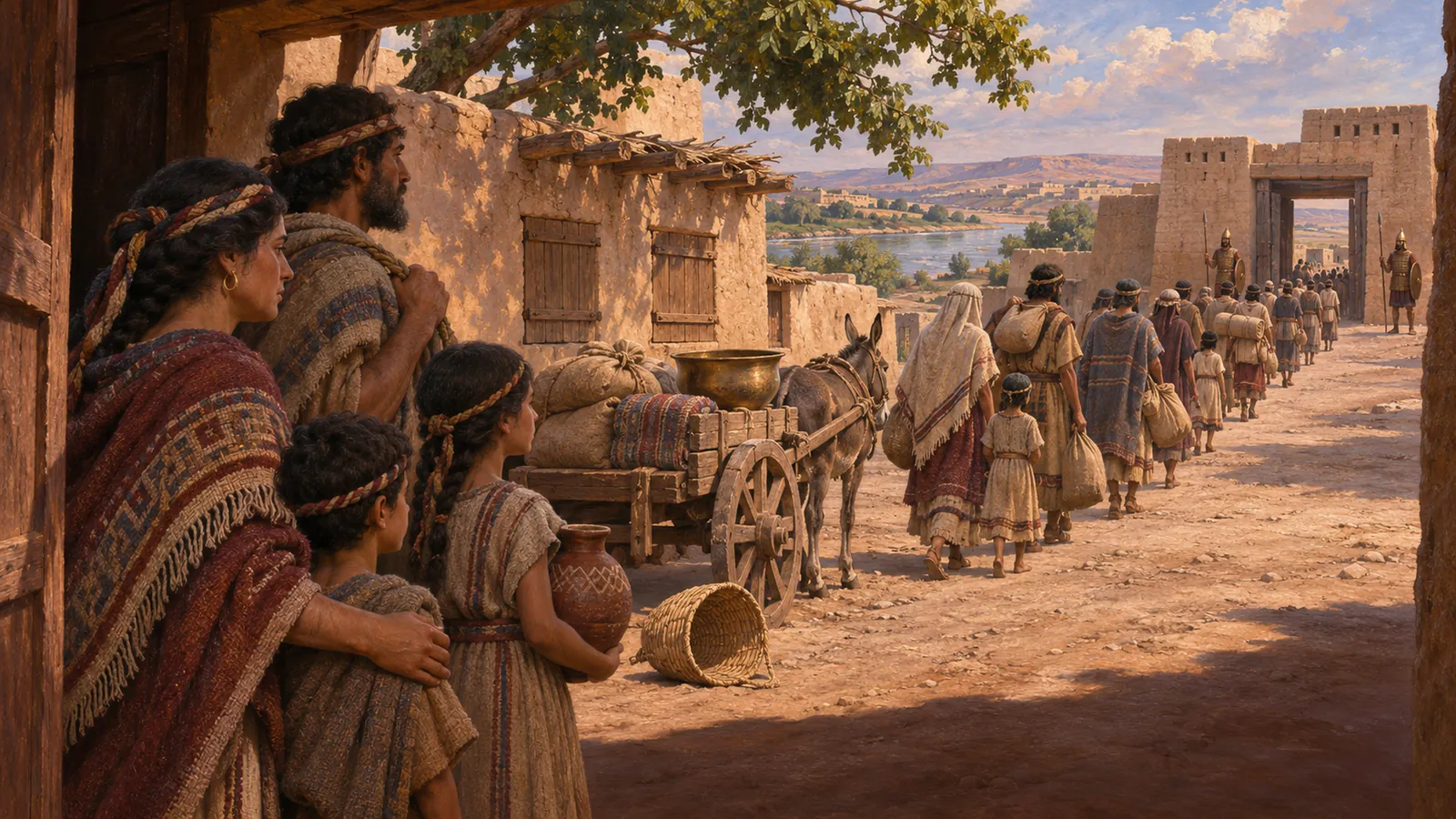
The Hittite account says the lower town fell. Suppiluliuma seized people, gold, silver and bronze implements. Mursili records 3,330 people taken to the royal household, besides those claimed by the troops.
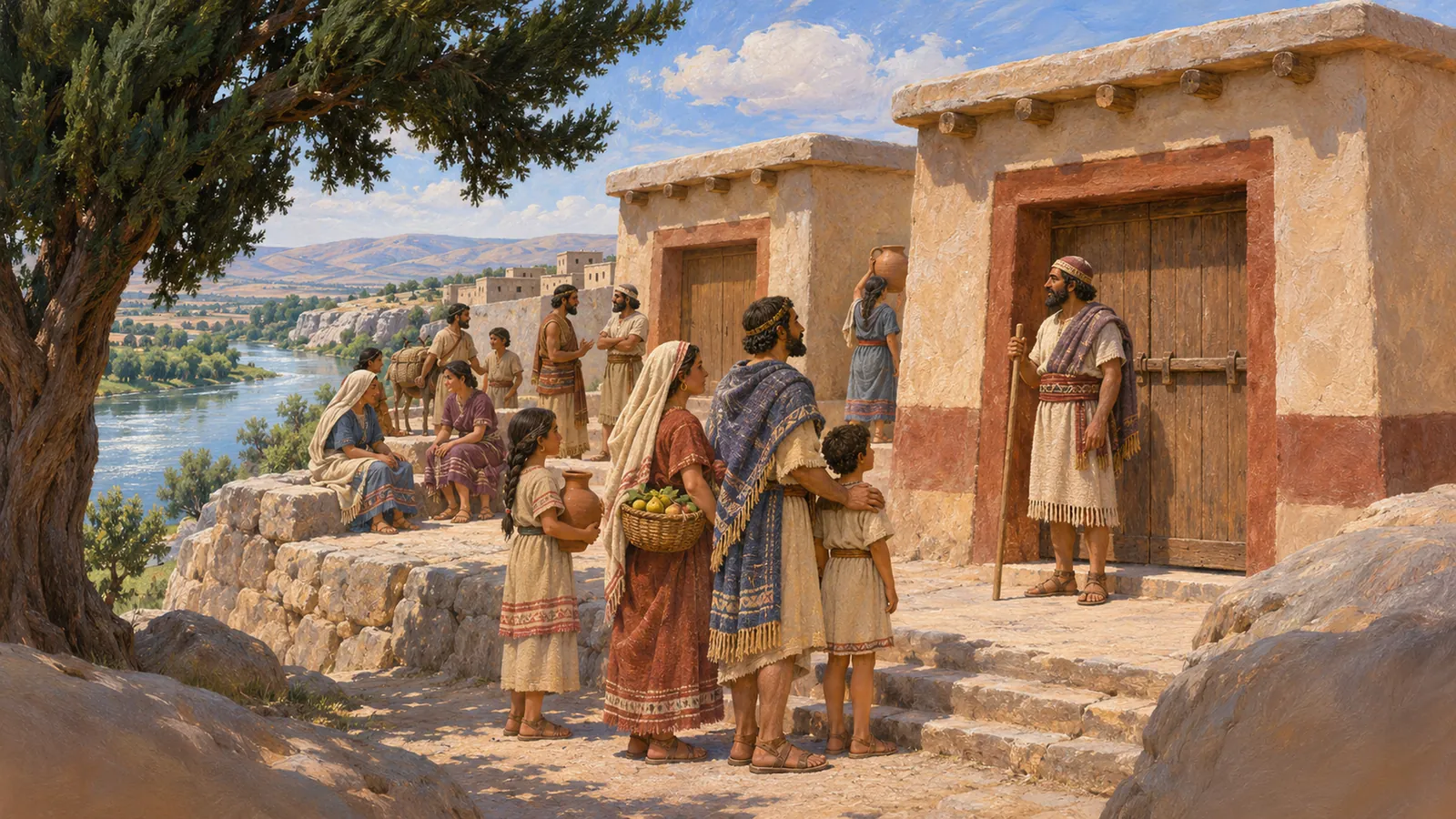
Mursili says the king kept his men away from the shrines on the acropolis, associated with Kubaba and the city’s protective god. The temples stayed apart from the seizure below.
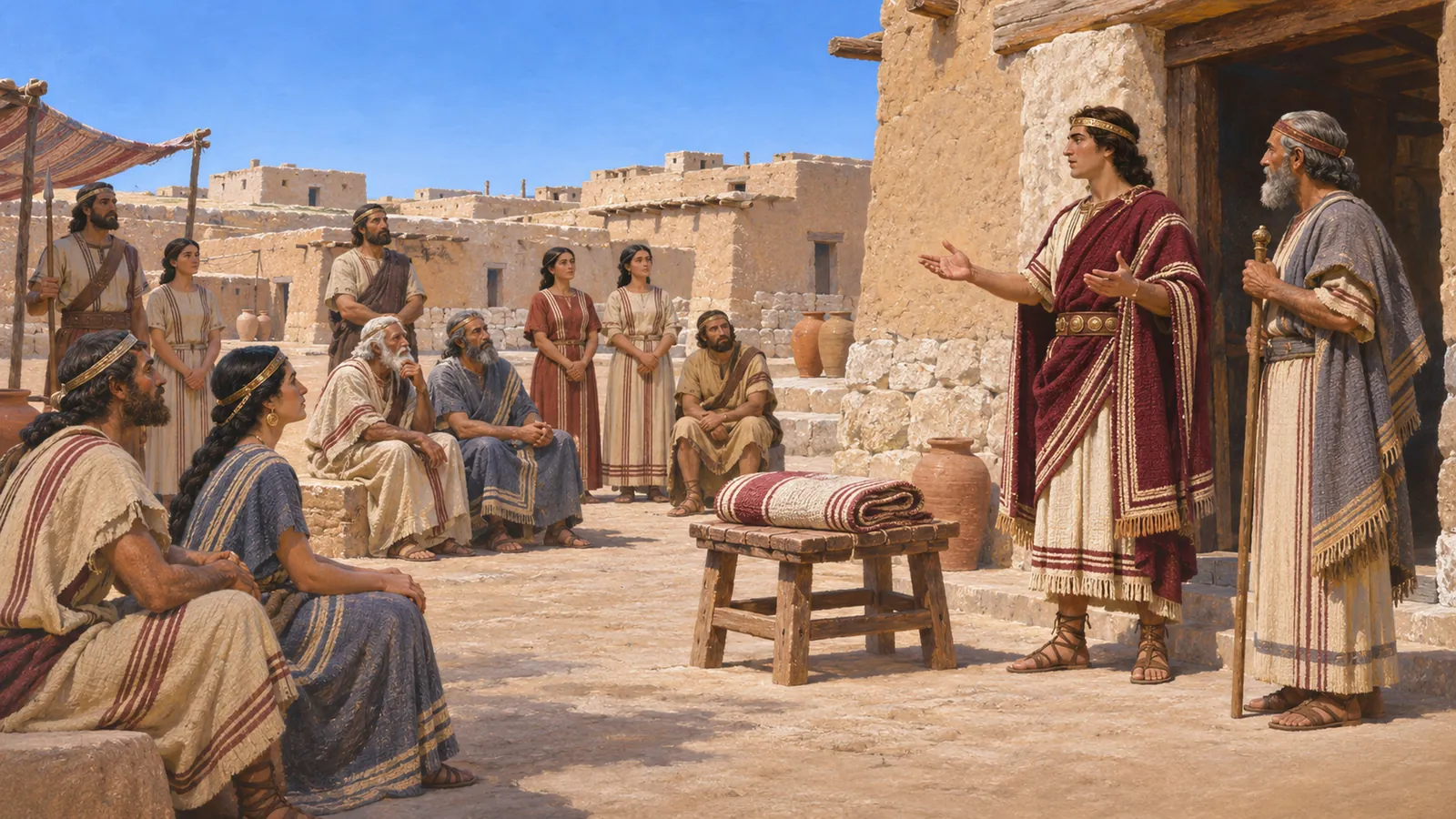
Suppiluliuma installed another of his sons, Sharri-Kushuh, as ruler of Carchemish. He entrusted the city and its surrounding lands to him before returning home.
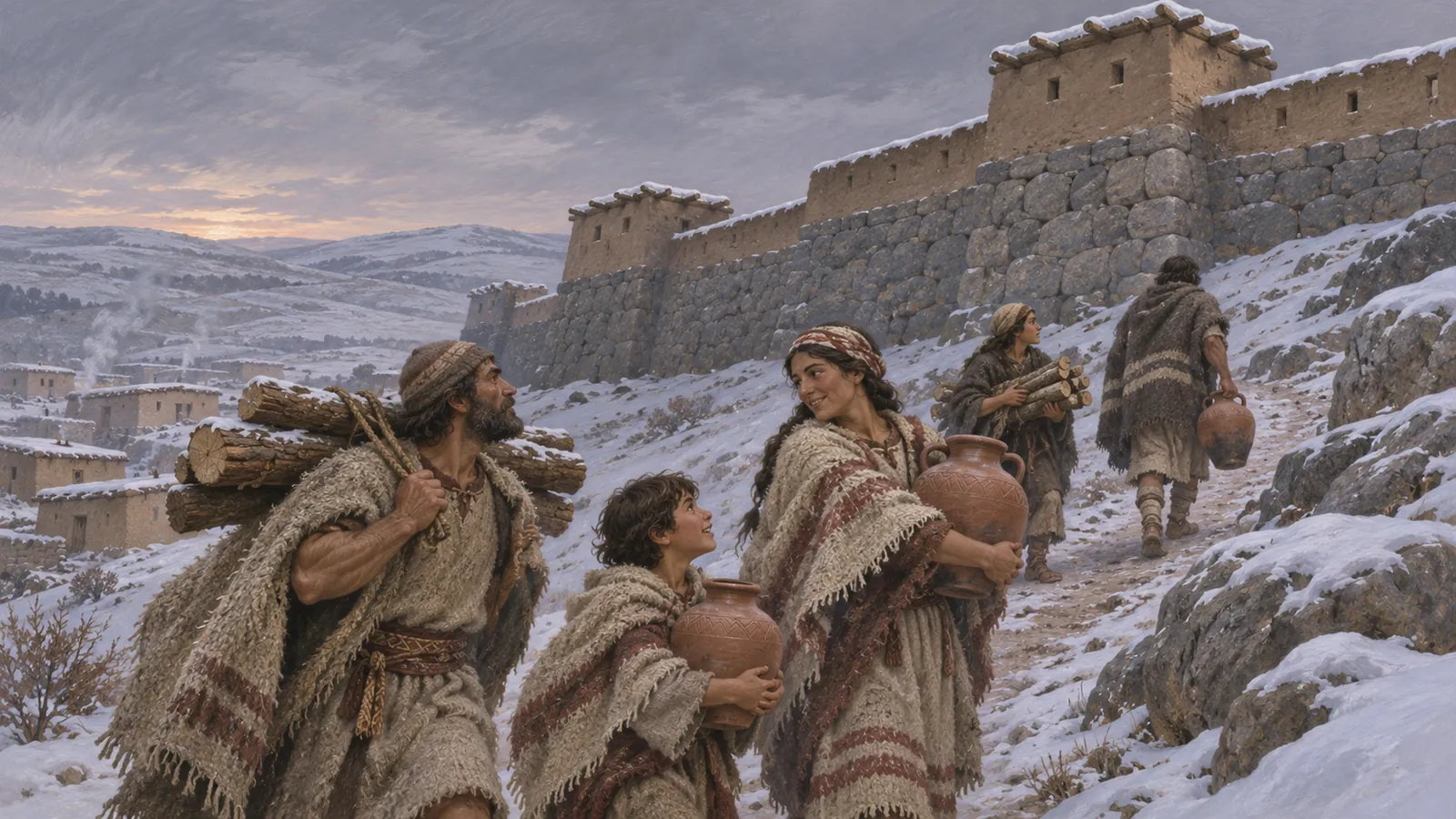
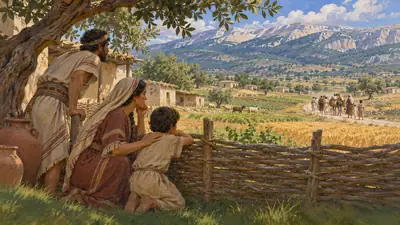
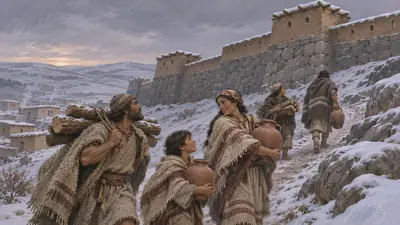
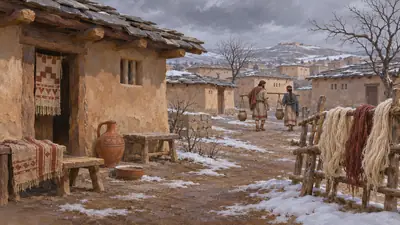
Suppiluliuma spent the winter in Hatti. The account measures the wait by seasons. The next audience takes place after spring returns to the highlands.
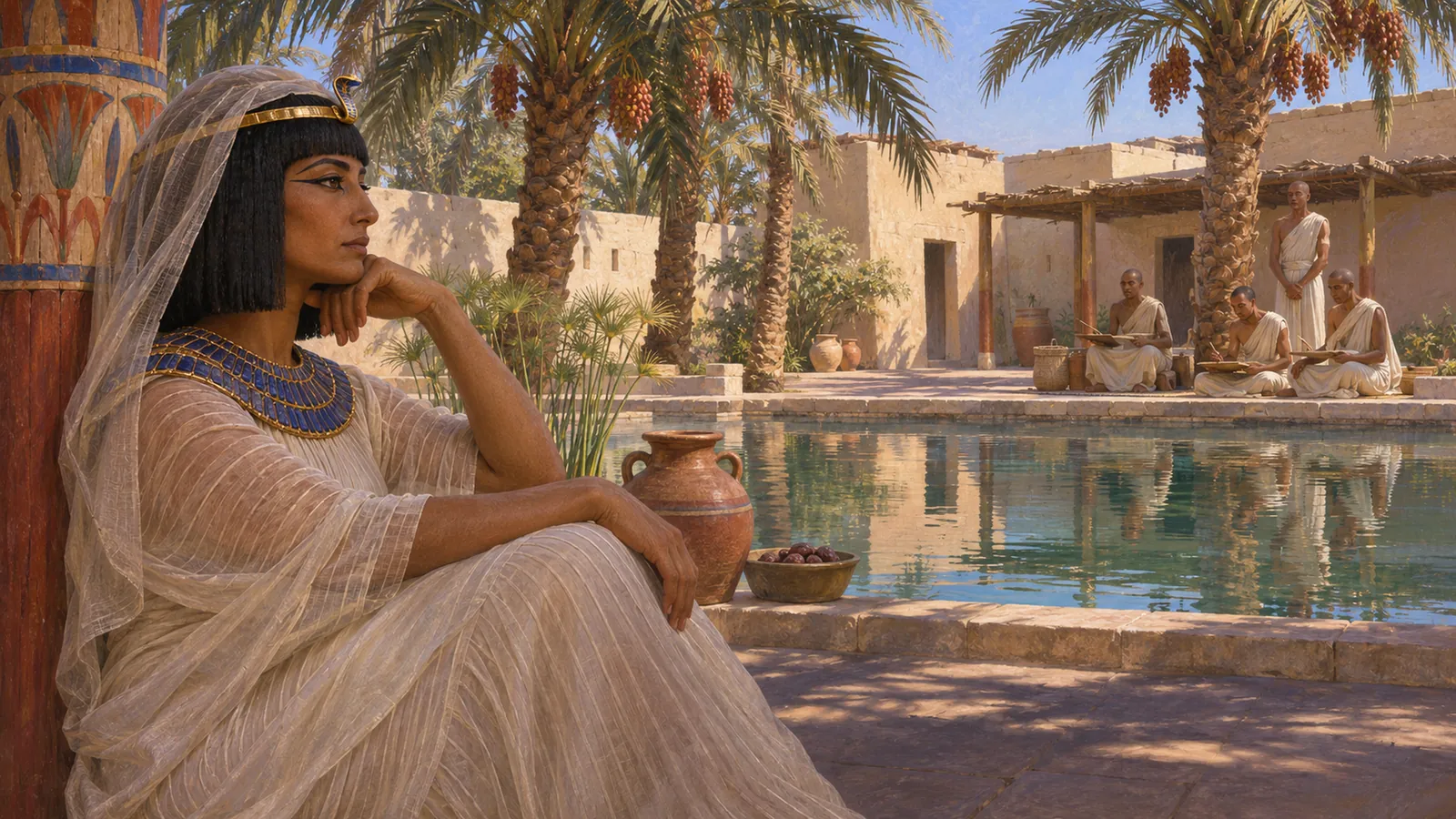
In Egypt the widow had to answer an accusation that her offer hid a trap. Her second letter took up the suspicion directly.
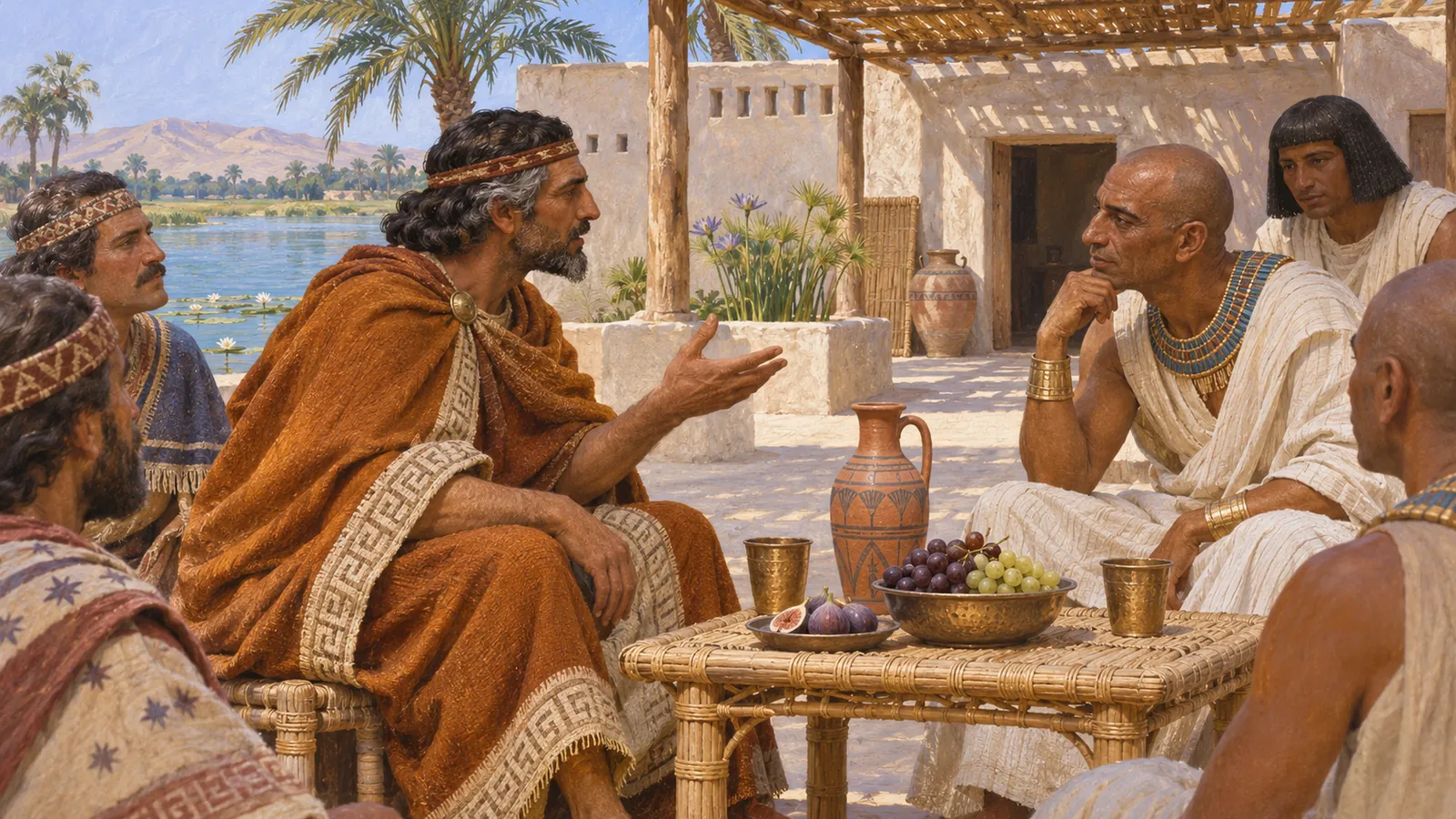
The record gives Hattusaziti’s instructions again when it introduces the queen’s reply. The question of whether the dead king had a son remained at the center of his mission.
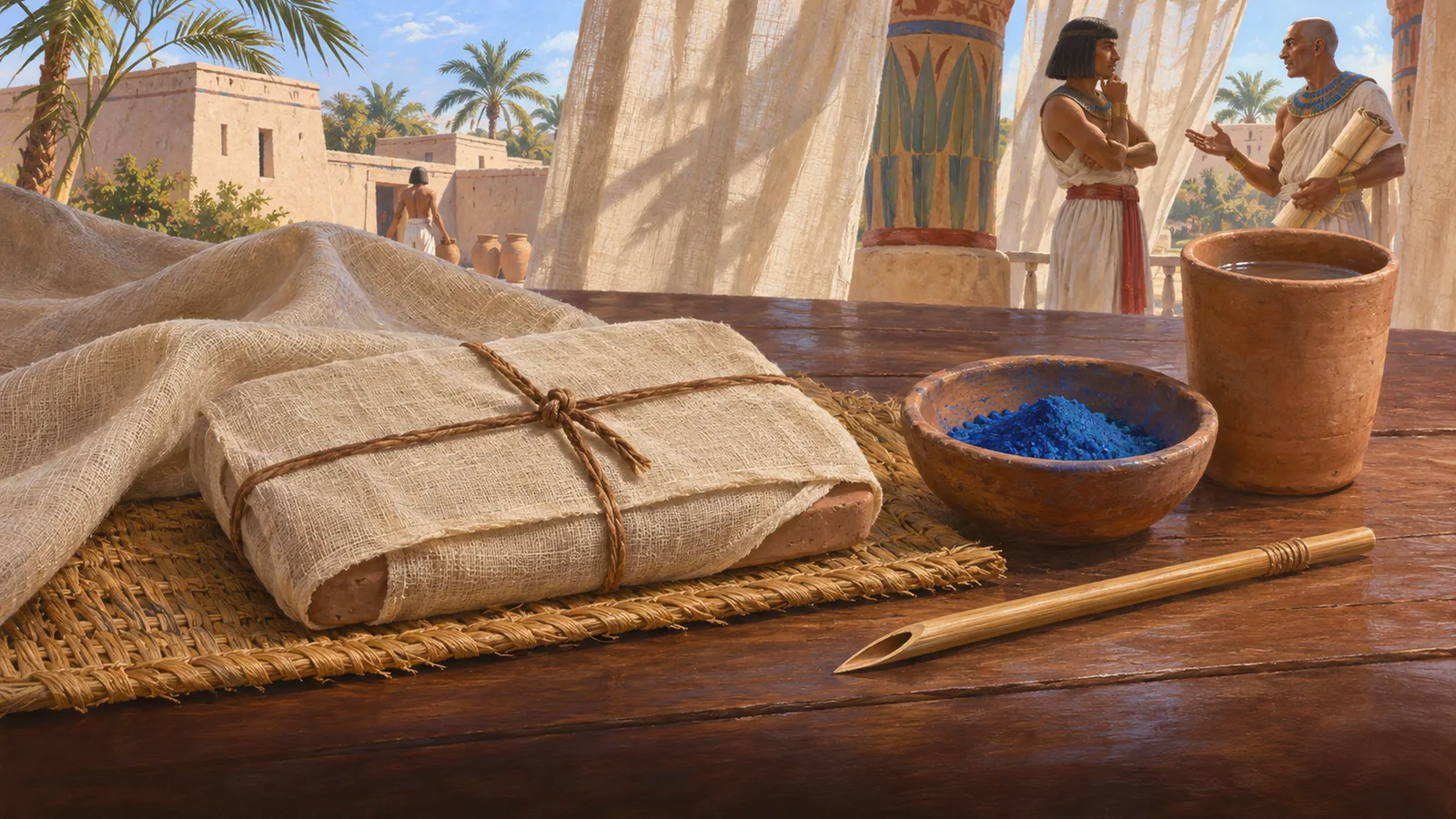
The royal exchange is preserved in Hittite. We hear the widow’s answer in the account kept by the other court, through copies that survived in the Hittite archives.
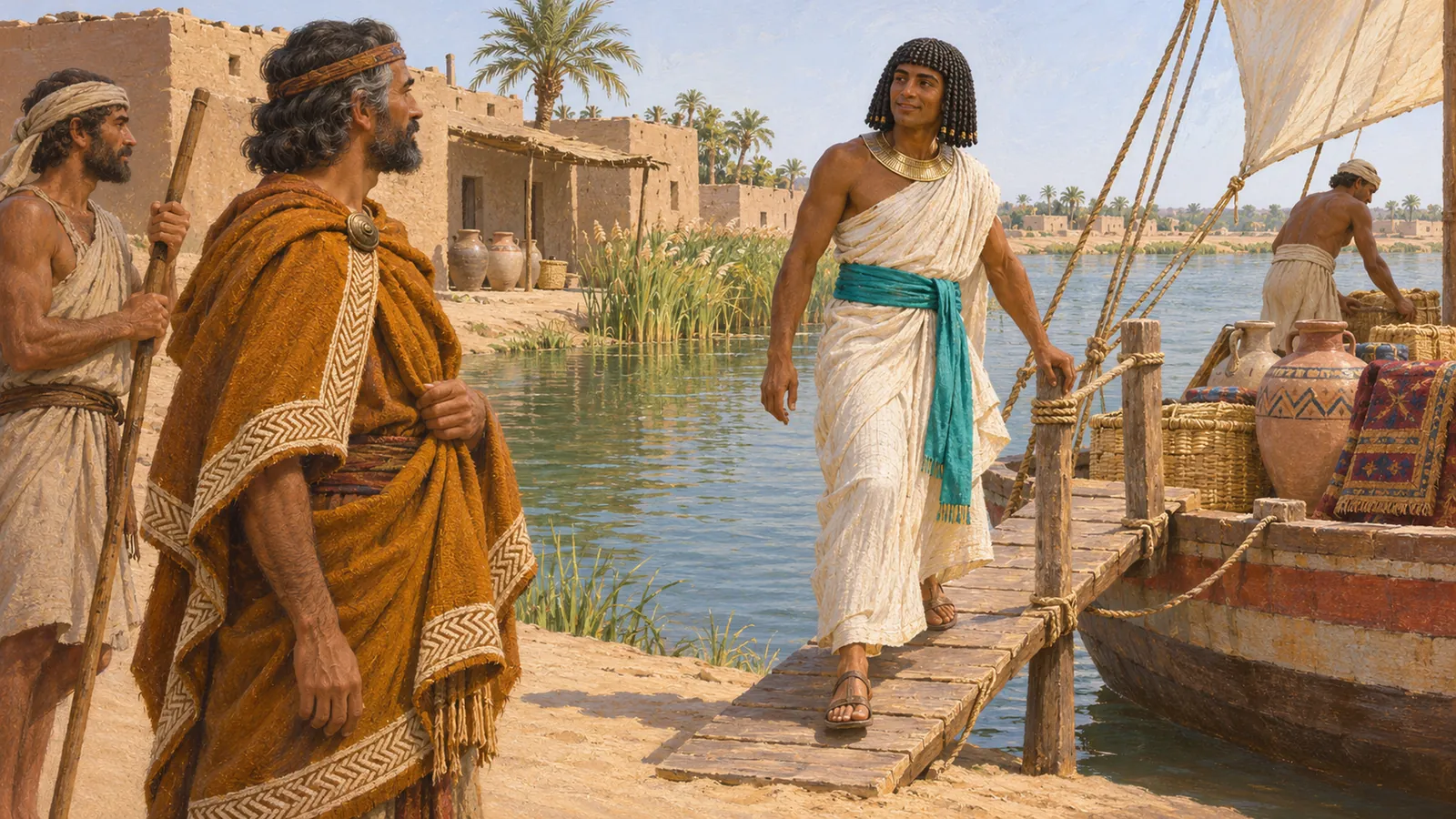
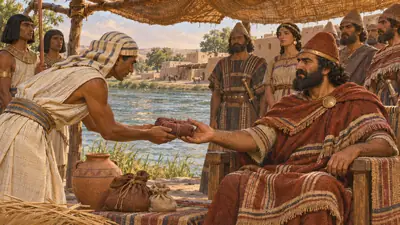
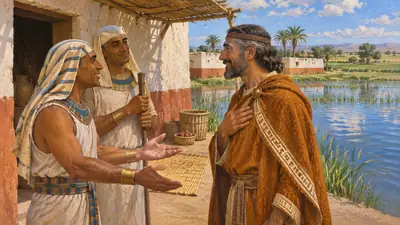
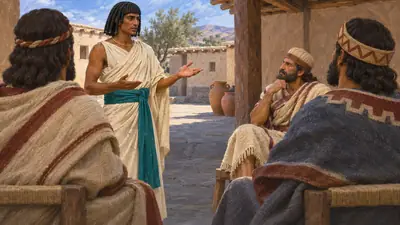
An Egyptian envoy named Hani came with Hattusaziti. He brought the queen’s answer to Hatti and would speak for her when the Hittite king raised his doubts again.
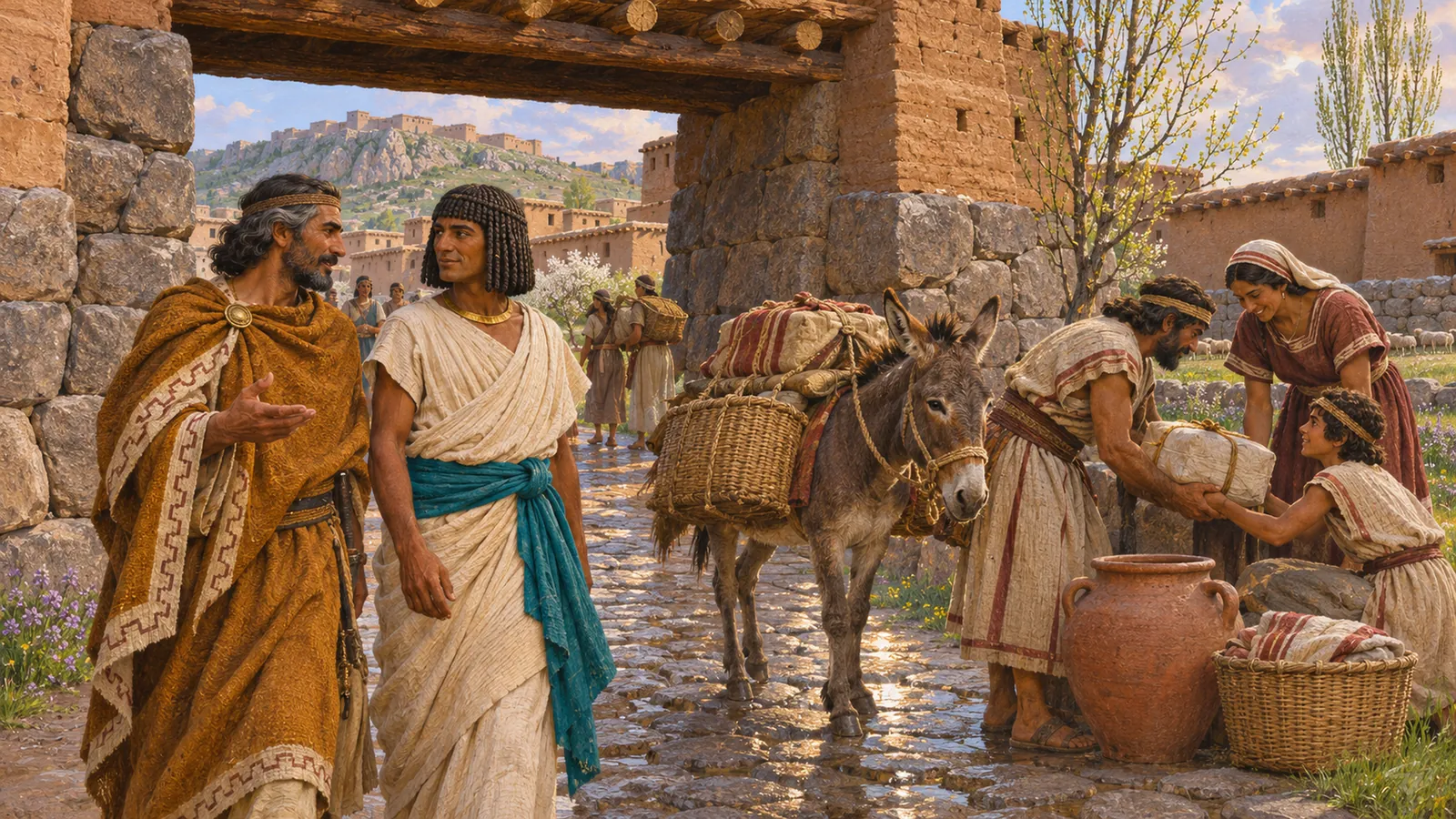
THE REPLY
Hattusaziti returned in spring. The two men arrived from the same court with different duties. One had made an inquiry for his king, and the other represented the queen.
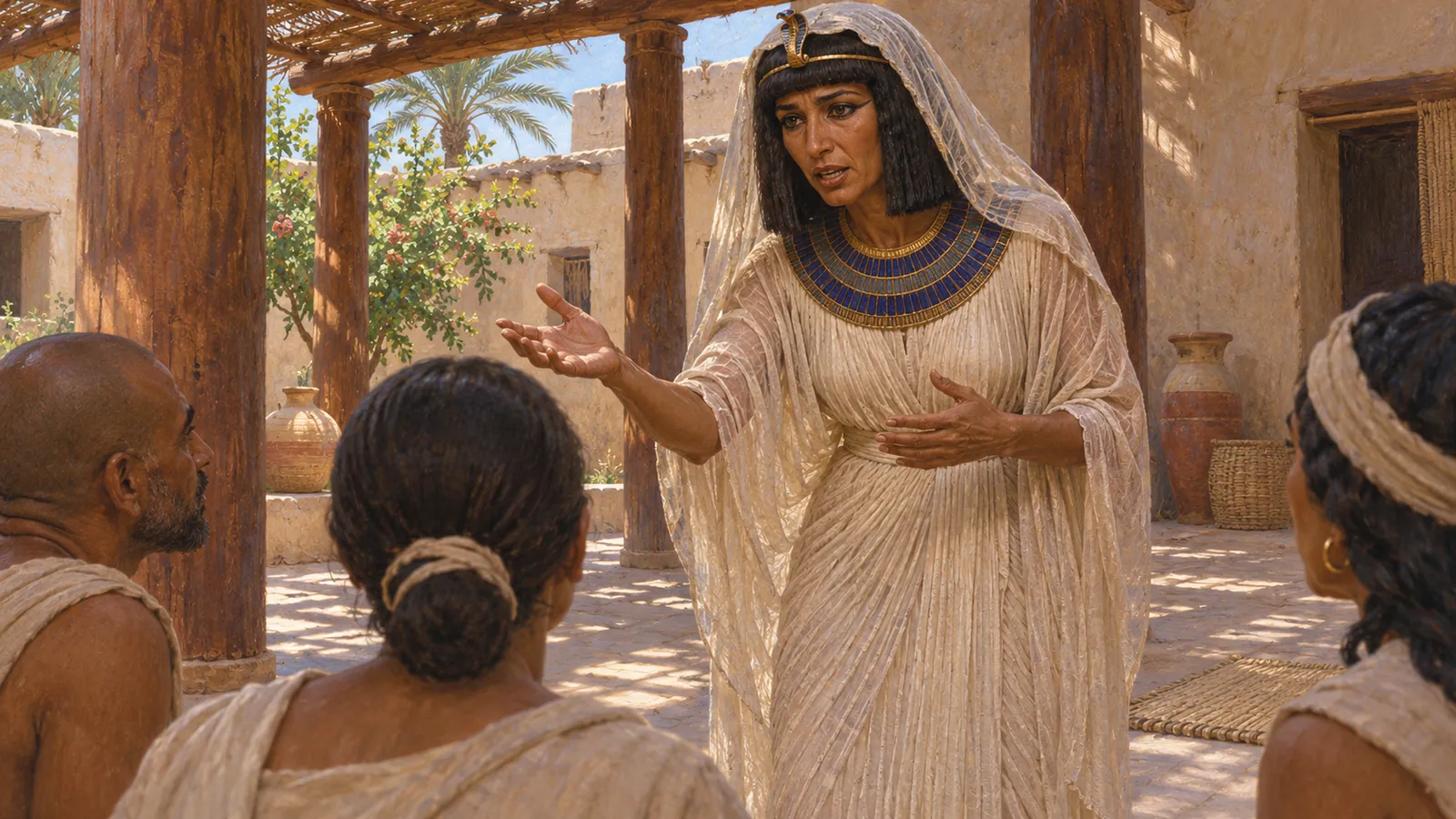
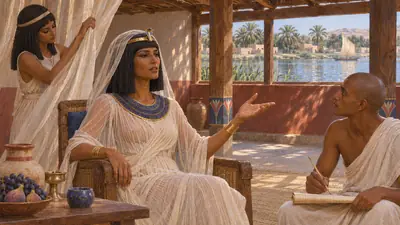
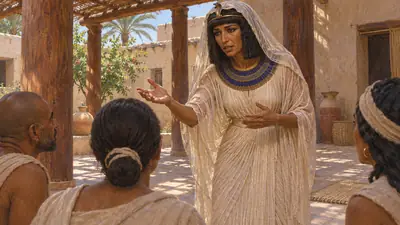
The widow asked why Suppiluliuma was speaking of a deception. If there were a son, would she have brought such an intimate matter before a foreign ruler?
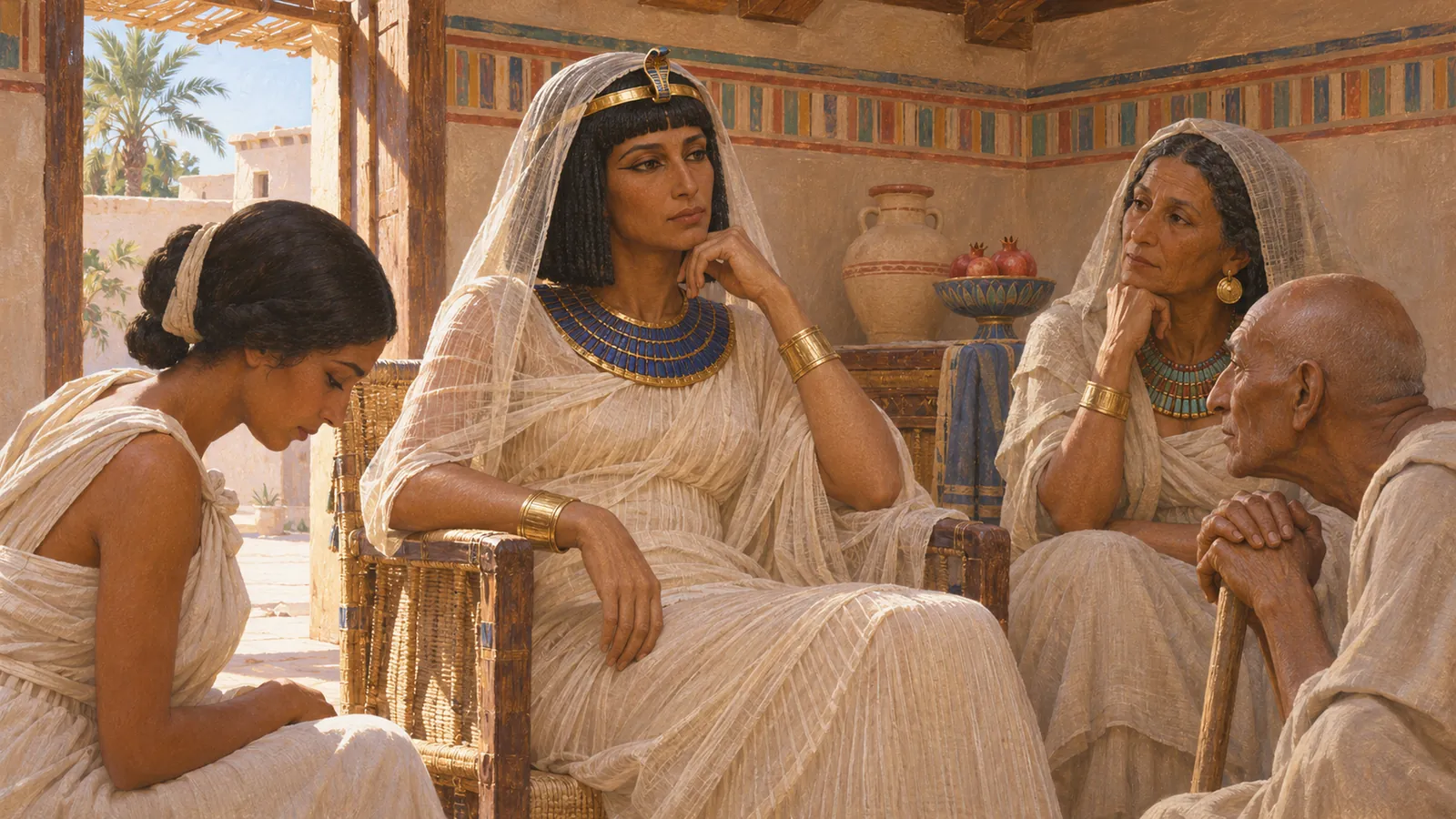
Her letter described the shame of pleading abroad, for herself and for her land. She reminded Suppiluliuma that he had treated her words with distrust.
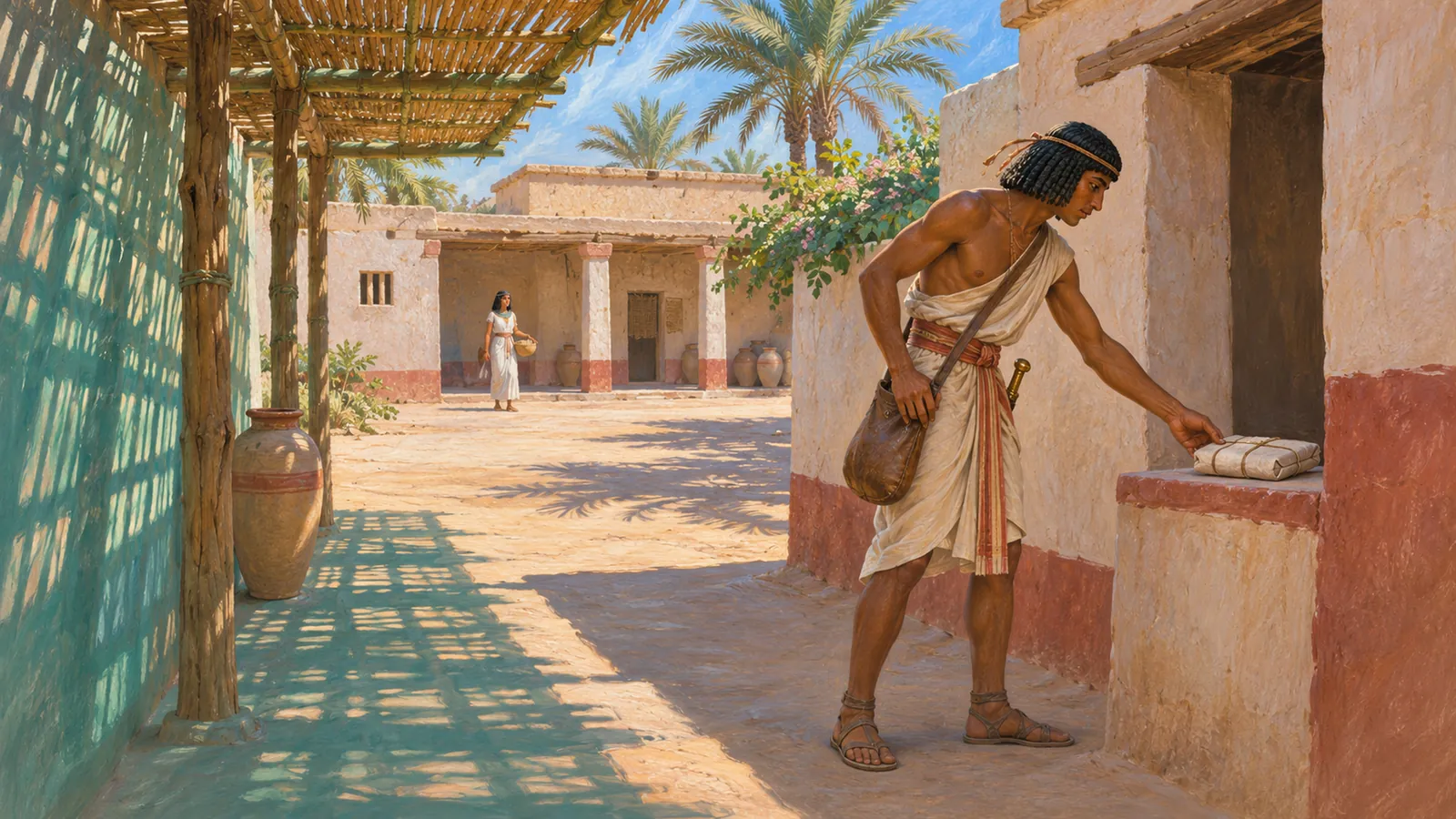
She said again that her husband was dead and she had no son. She had asked no other land for help. This appeal was to Suppiluliuma himself.
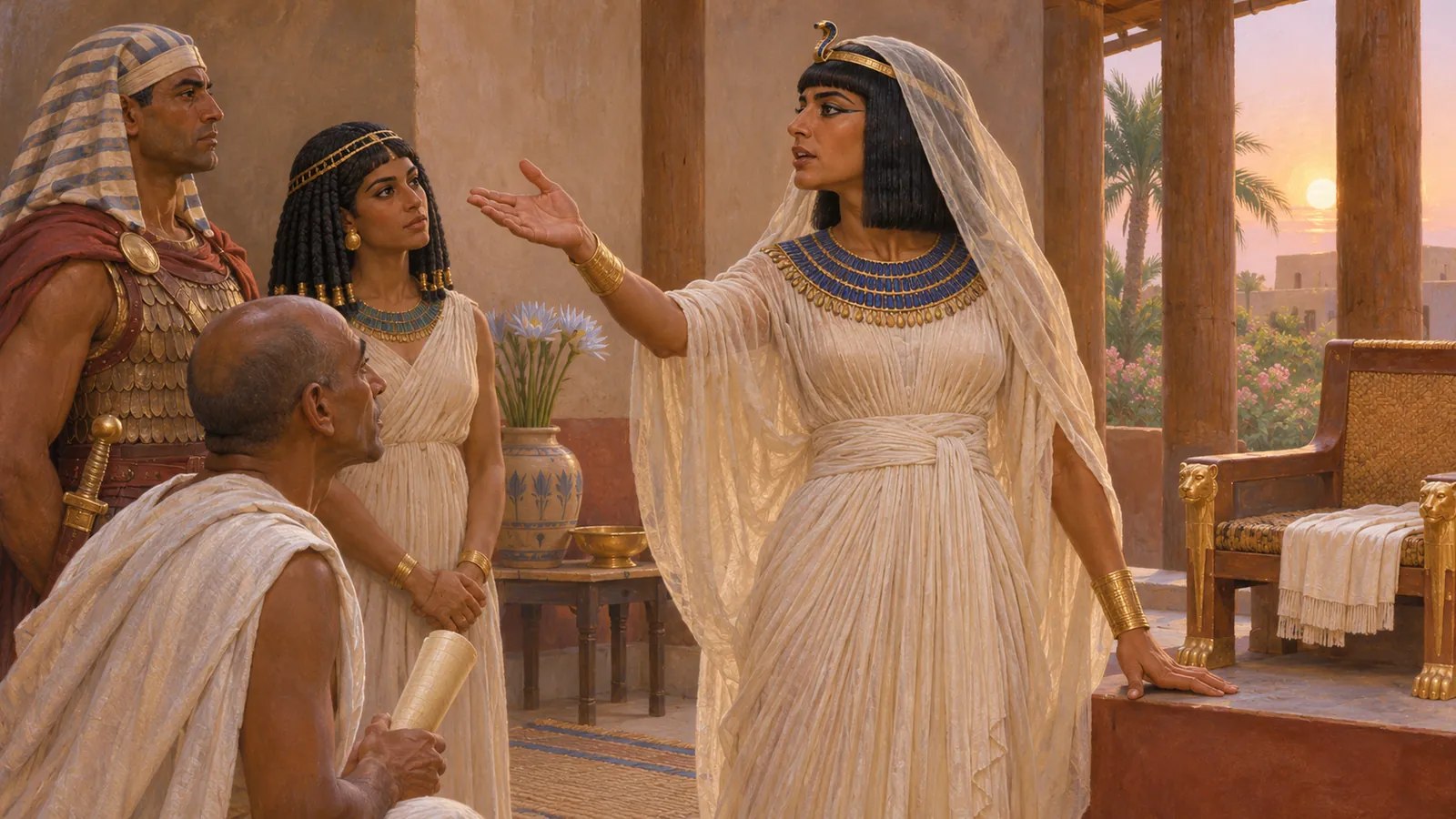
The widow explained the place she meant the prince to take. He would marry her and become king of Egypt. The decision touched the throne as well as her household.
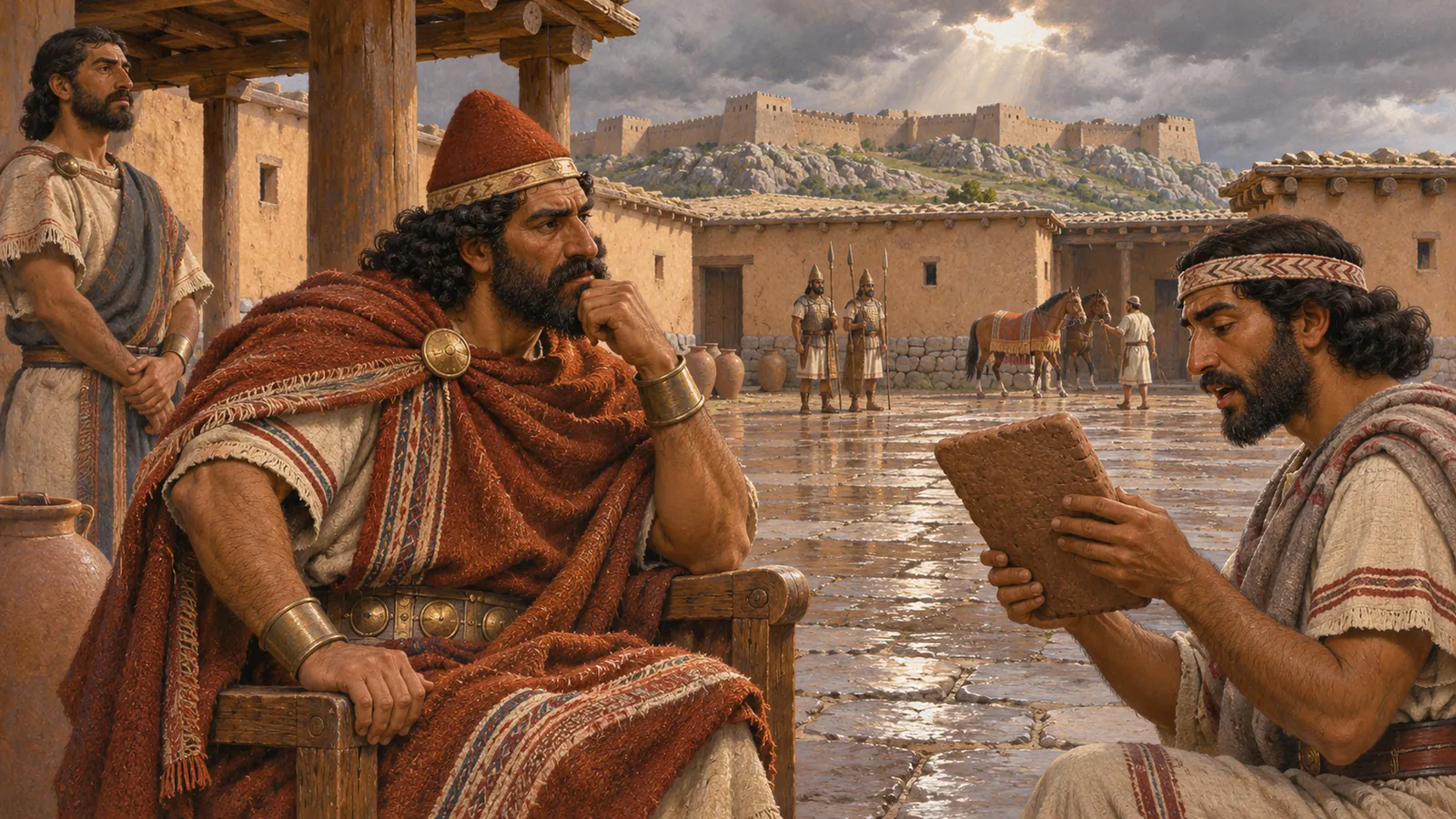
Mursili describes his father as moved by her words and willing to consider which son to send. Part of the written exchange breaks off after his account of that moment.
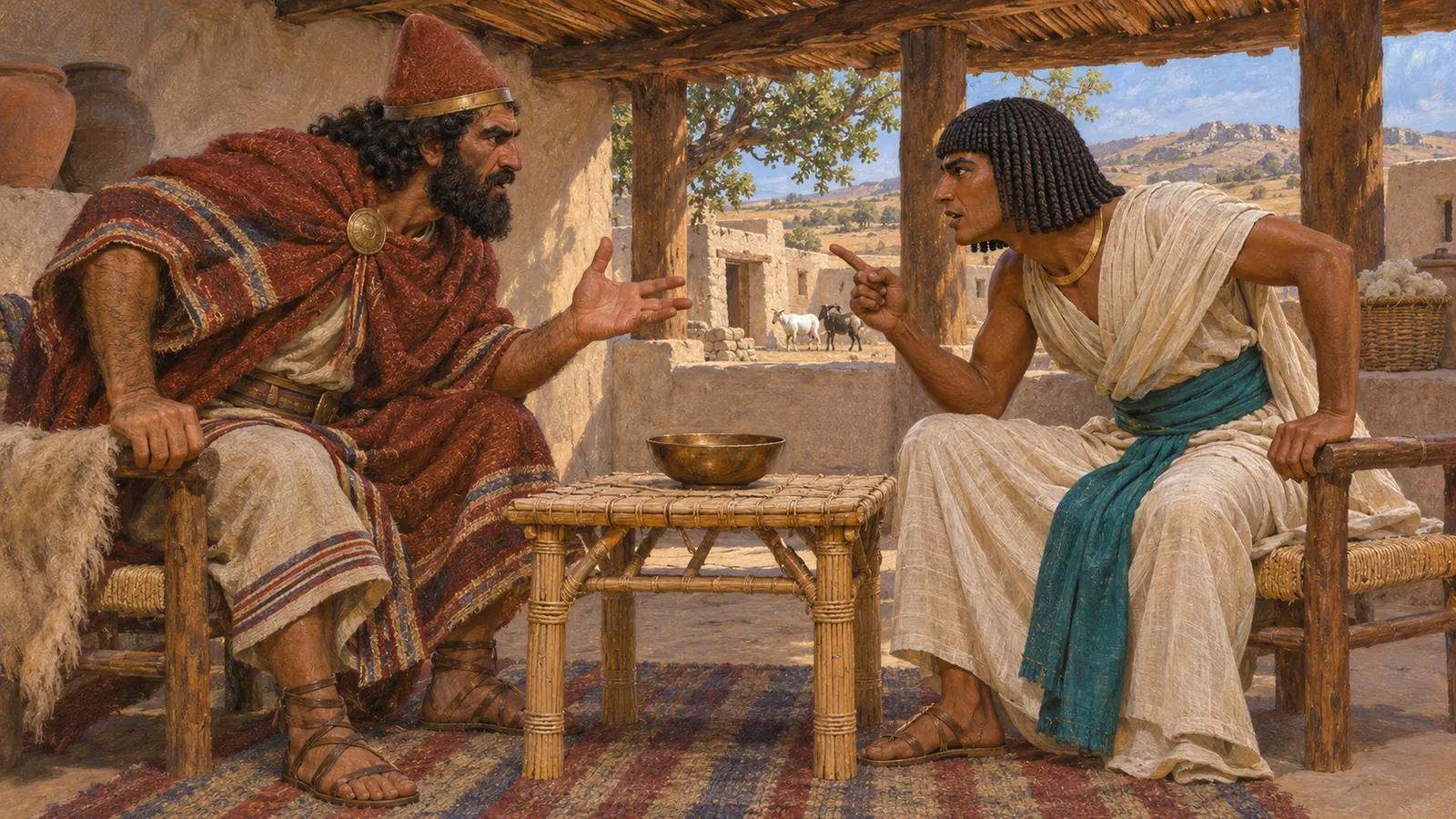
When the exchange can be read again, Suppiluliuma speaks of the attack on the ruler of Kinza, or Kadesh. He claims he had taken that ruler away from the Hurrian king.
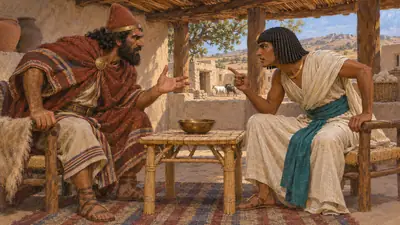
Suppiluliuma tells Hani that he answered the attack on Kadesh by sending men against Amqa. This is his explanation of how the two courts came to face each other.
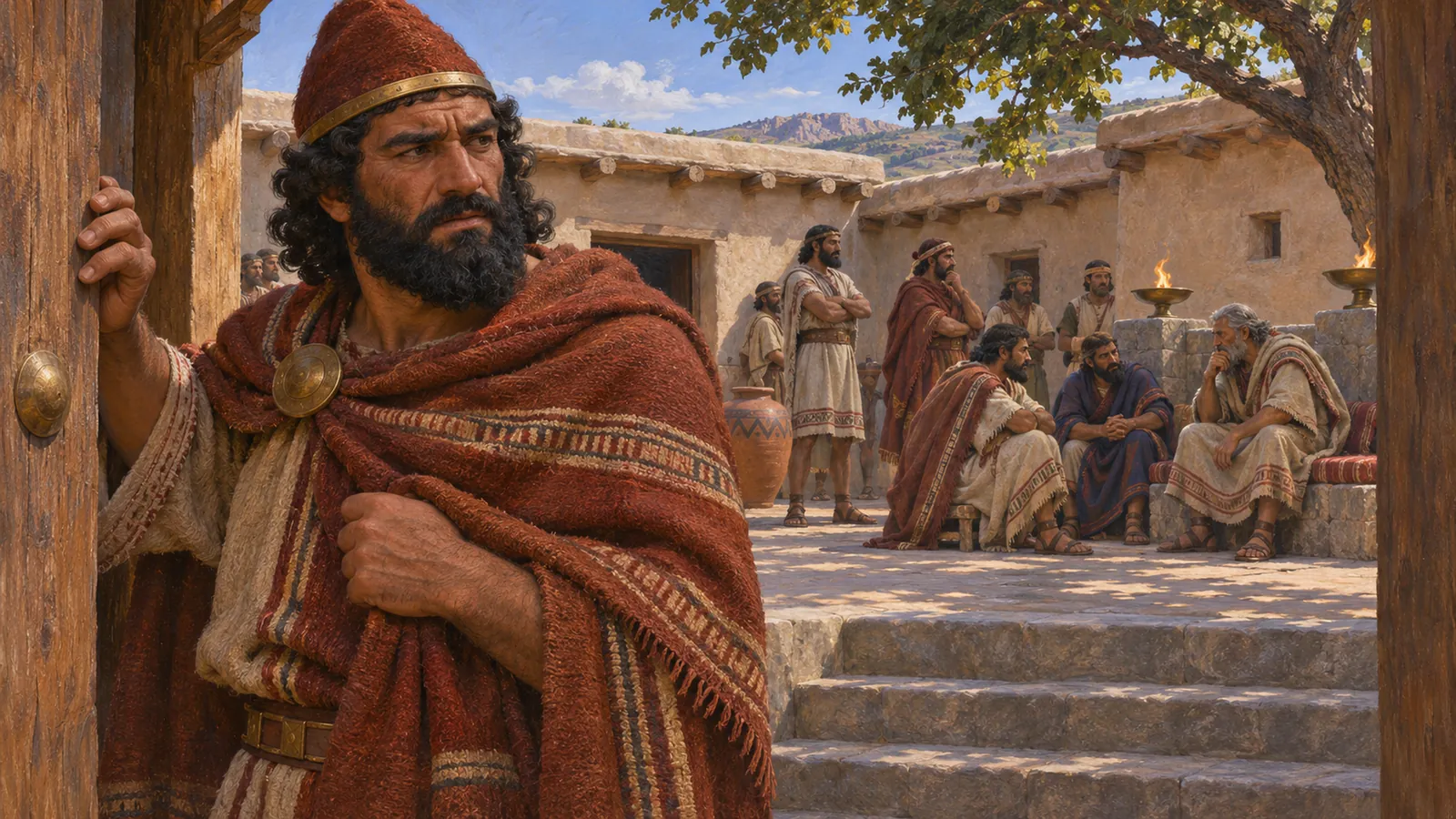
The king returns to his doubt about the marriage. Fear after Amqa might explain the request, he says. His son could end up a hostage instead of a king.
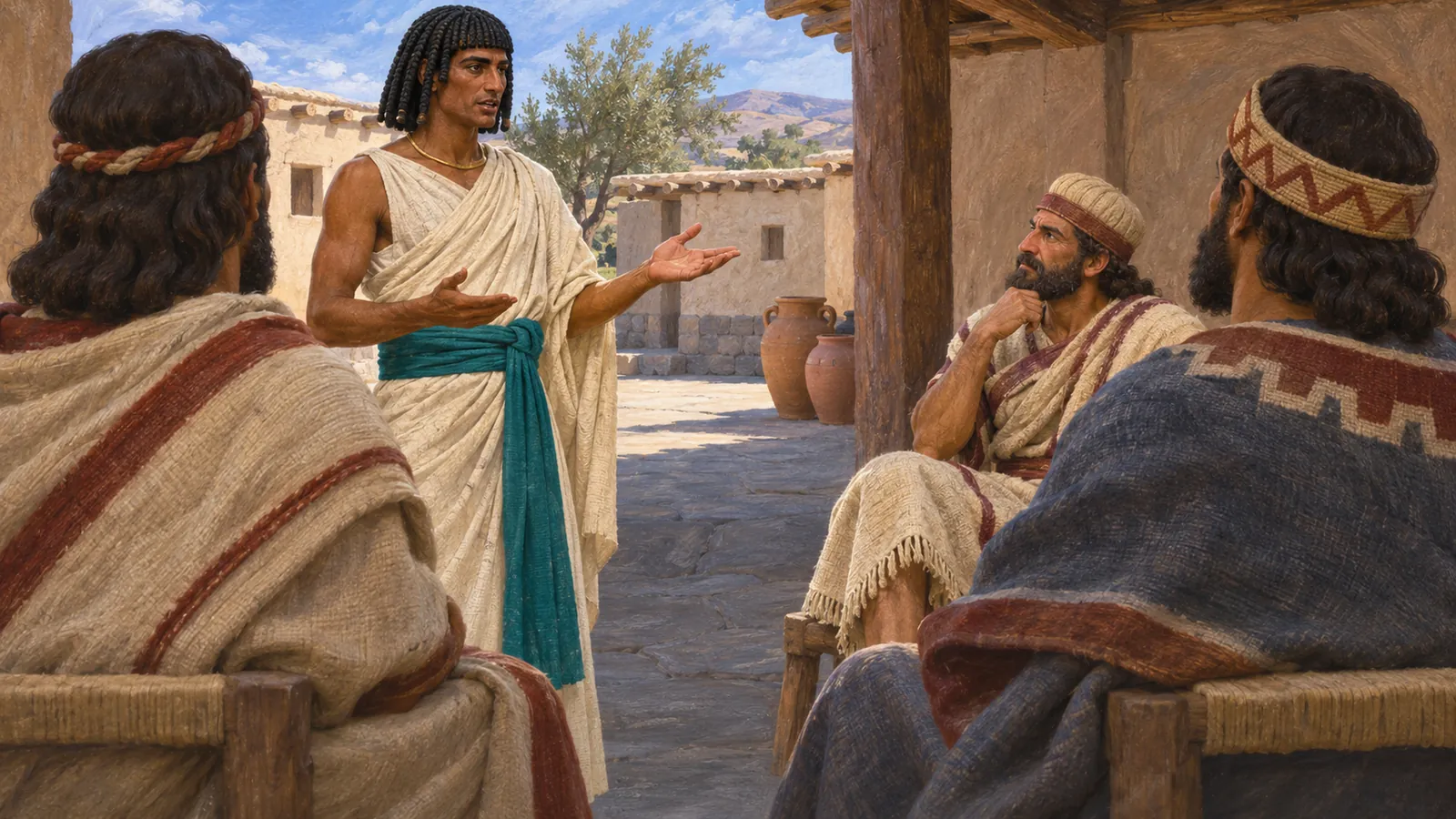
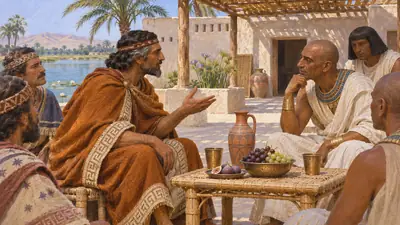
Hani asks why Egyptians would seek a ruler abroad if they already had a prince. He repeats what the widow said about the death of their ruler and her lack of a son.
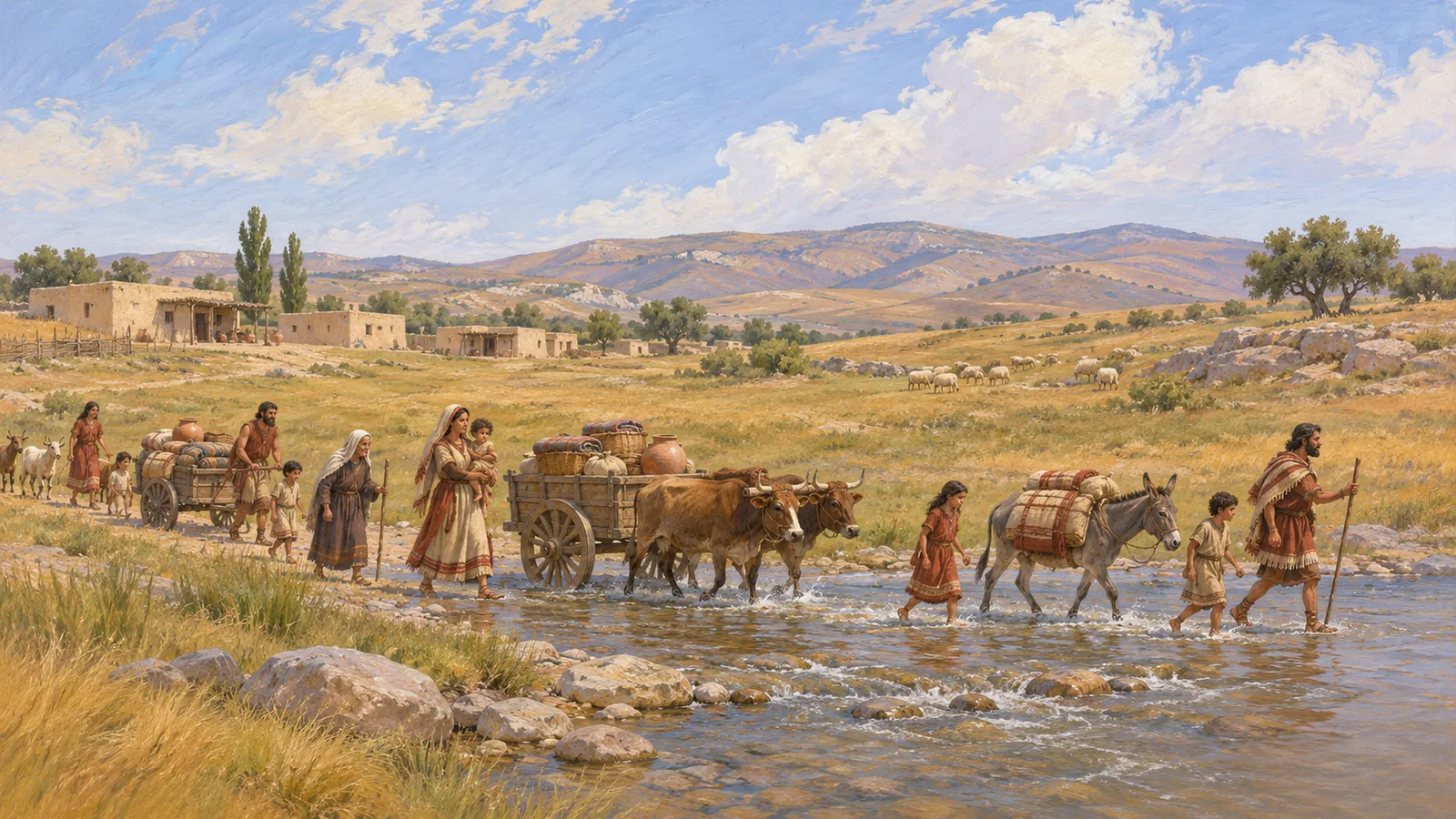
An older agreement tells how the Storm God led the people of Kurustama out of Hatti. They moved into Egypt, where they became Egyptian.
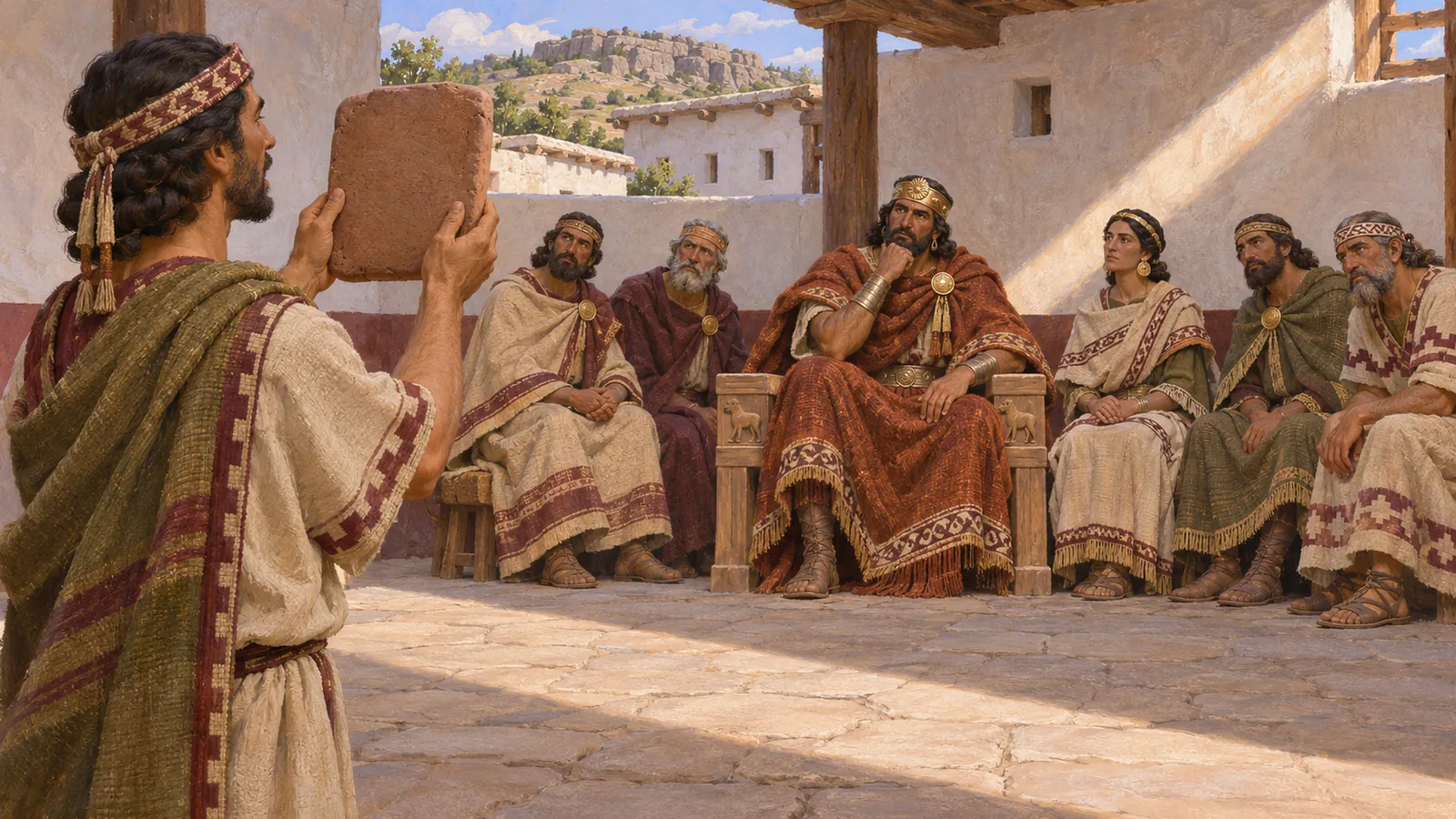
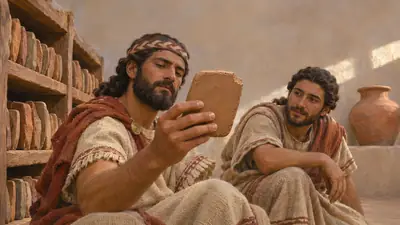
Suppiluliuma asks for the old treaty tablet. It is read out before the company. The king invokes the friendship the agreement had established between the two lands.
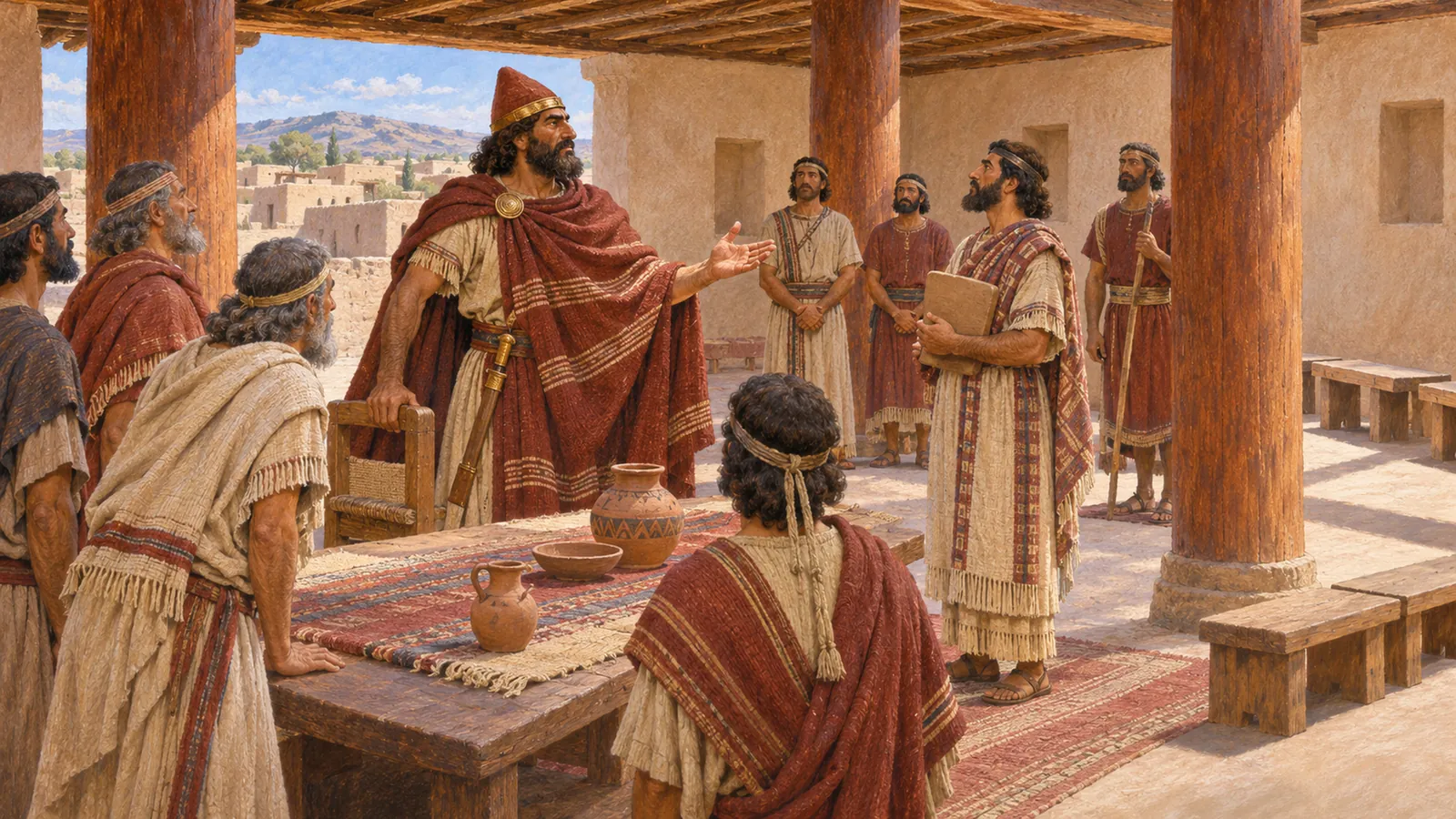
Suppiluliuma spoke of keeping good relations with Egypt. A later prayer remembers him giving Egypt a son. In the Deeds, parts of the exchange around that decision are missing.
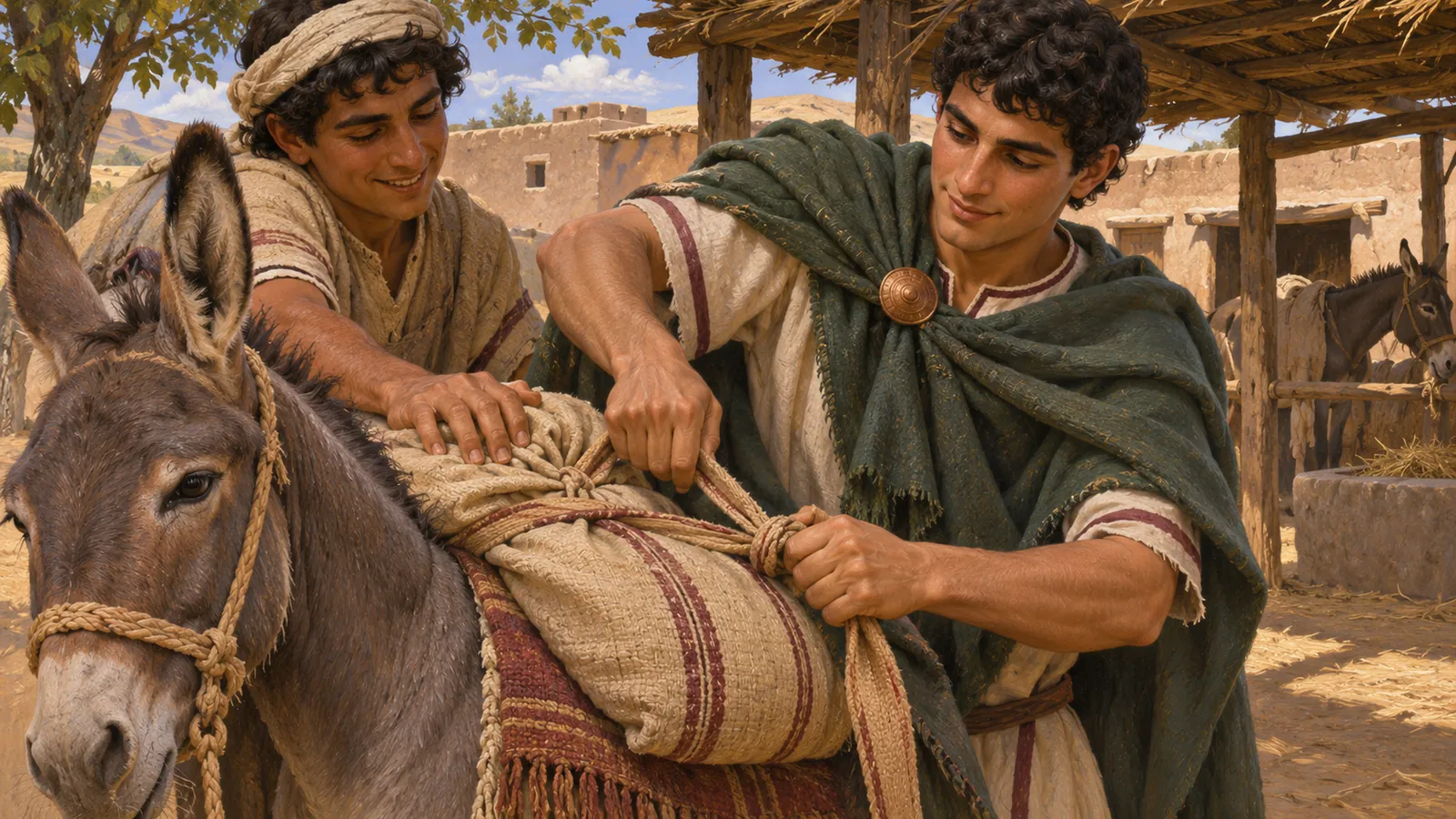
THE PRINCE
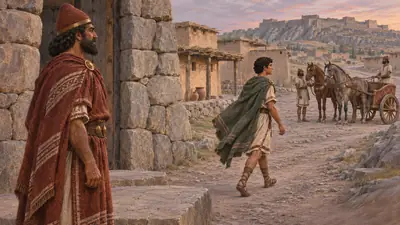
The prince was Zannanza. His name survives through what happened on the mission. What he thought of the offer, and much of his life before it, are unknown.
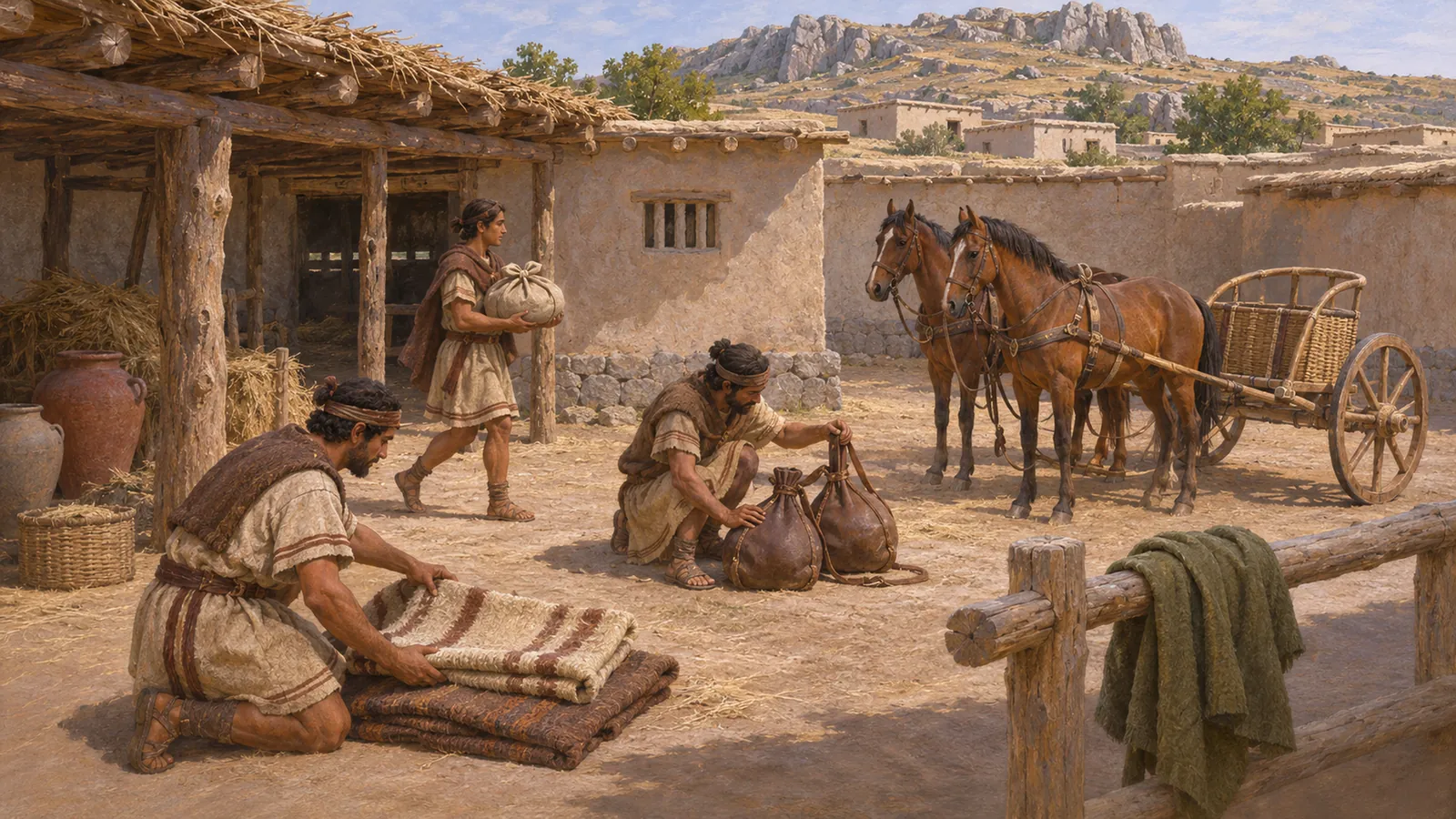
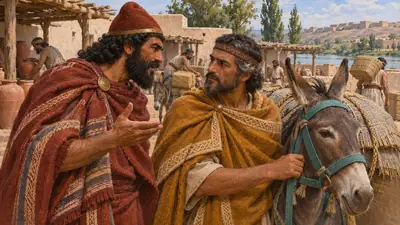
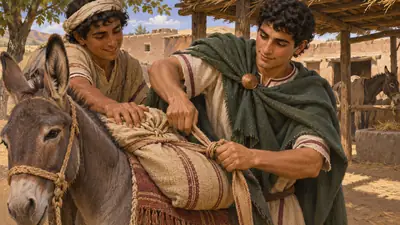
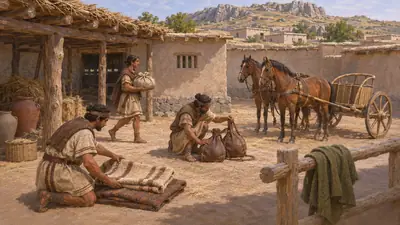
The records name the two courts, the envoy and the prince. The preparations and the company that traveled with Zannanza are left to the imagination.
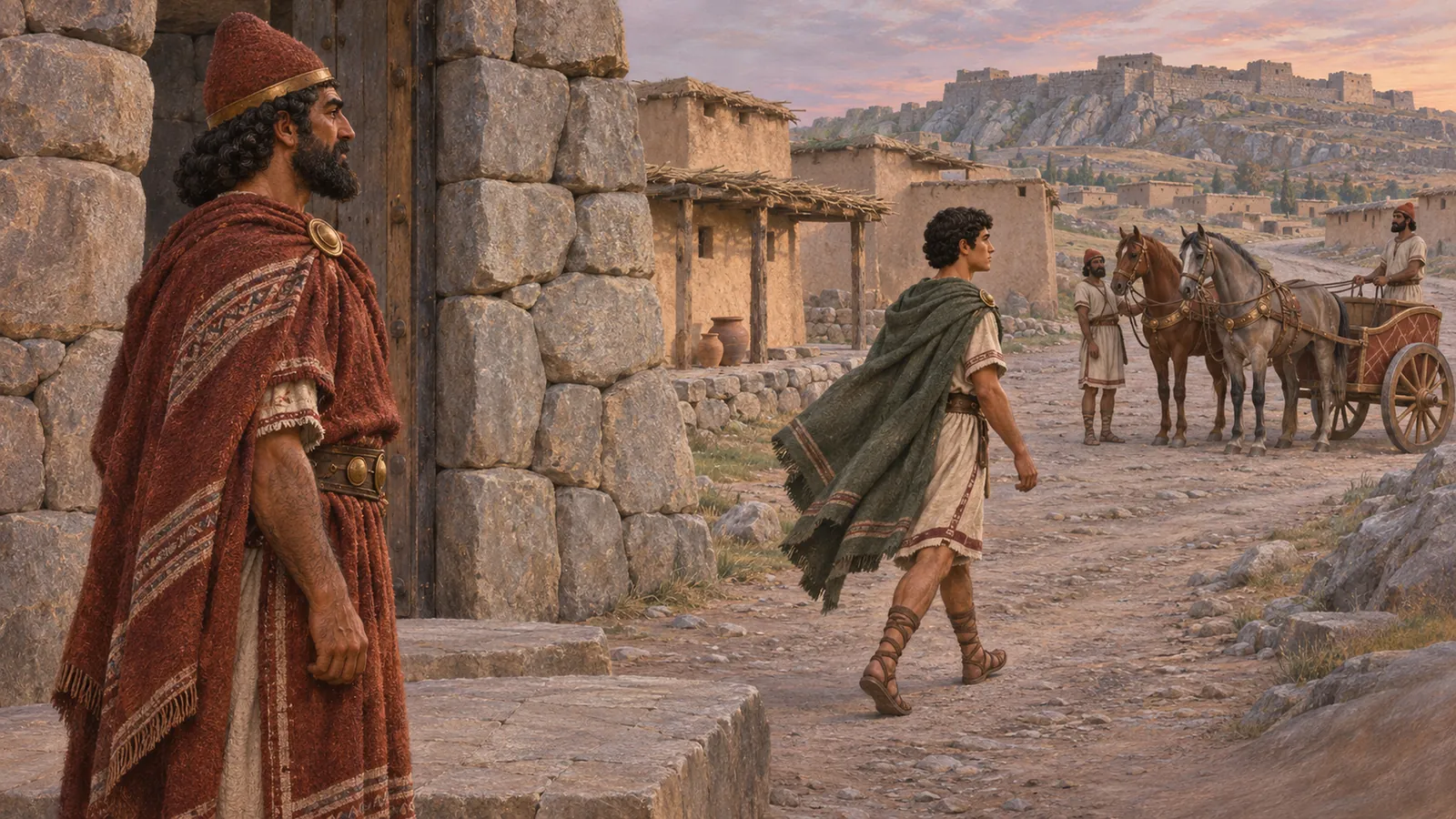
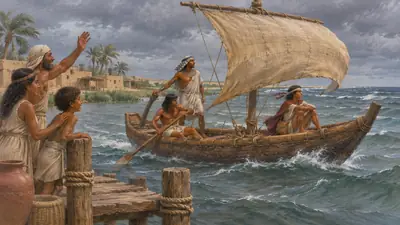
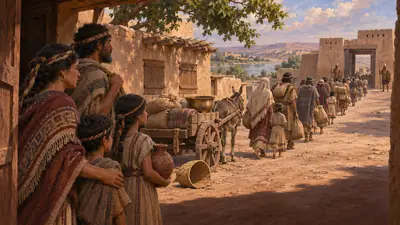
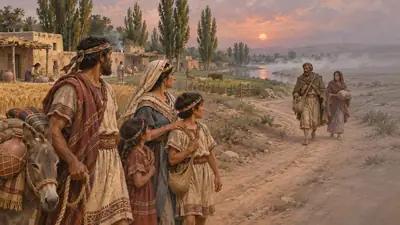
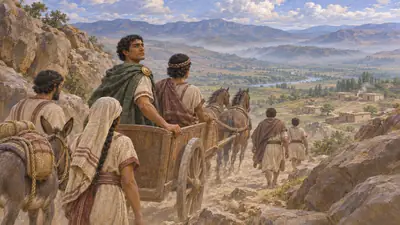
Suppiluliuma sends his son toward Egypt. The marriage in the queen’s letter depends on a young man crossing the distance between two royal households.
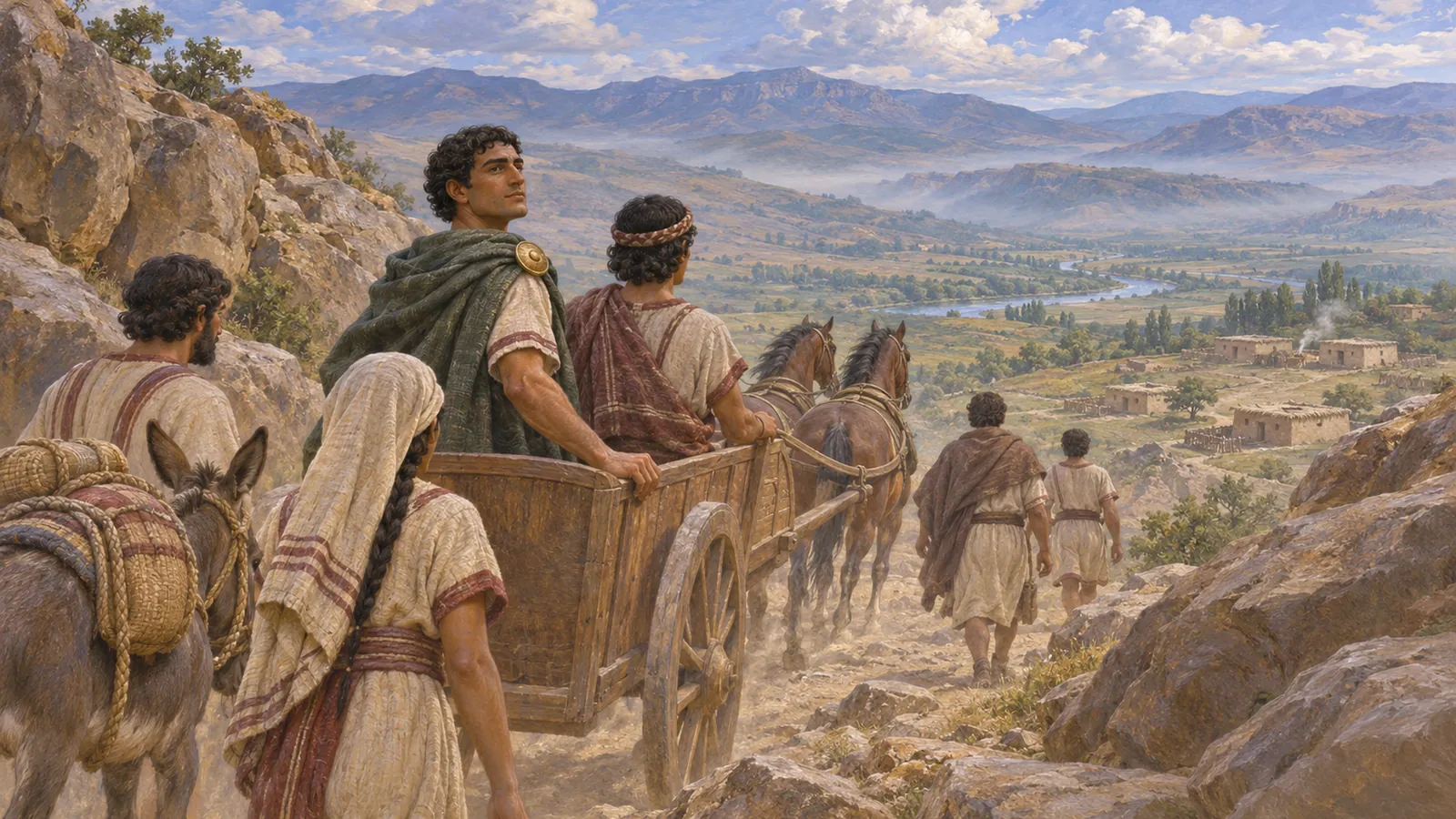
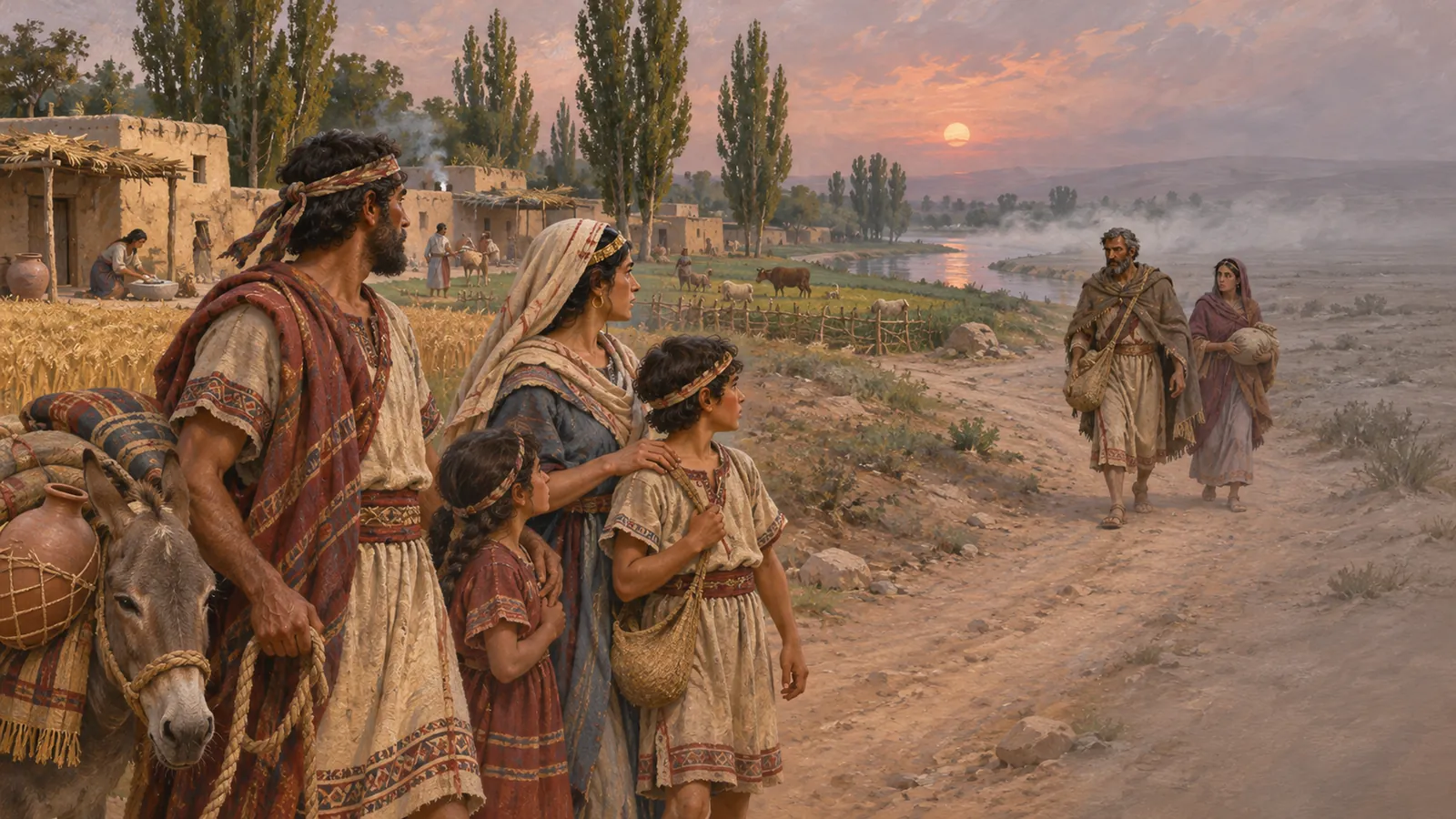
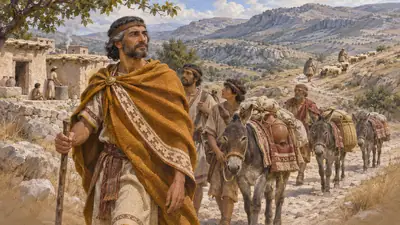
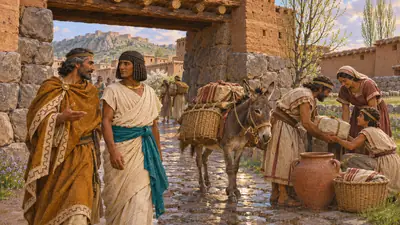
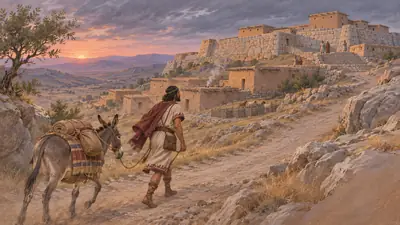
The route south is lost. A Hittite prince was traveling toward Egypt, but the surviving words leave no itinerary that can be followed from one stop to the next.
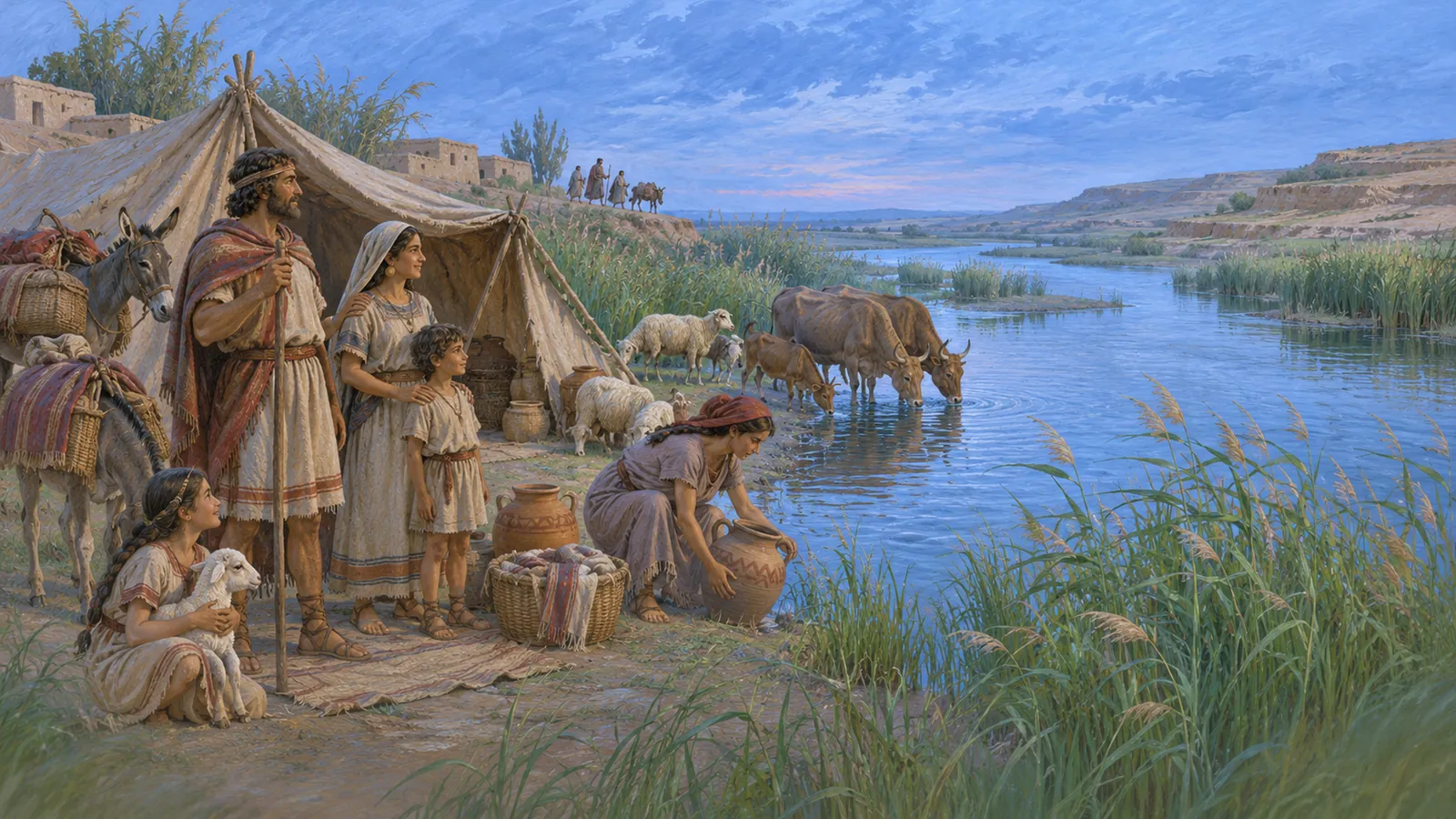
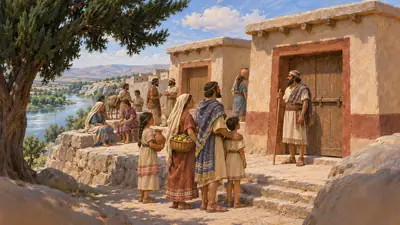
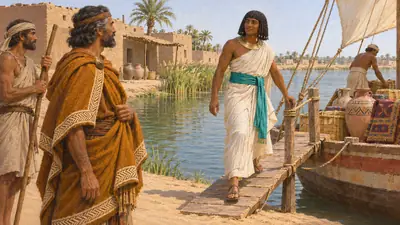
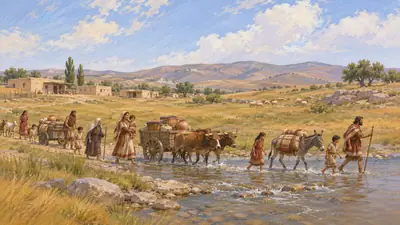
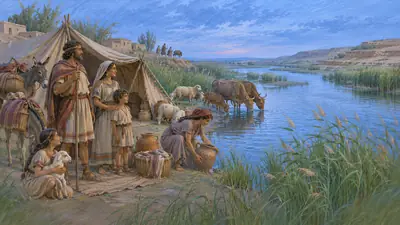
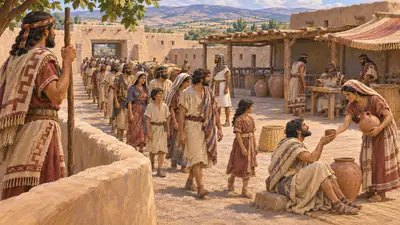
A river halt might have broken the journey. The picture imagines a moment of travel. The record goes from fragments of the agreement to fragments about what happened to him.
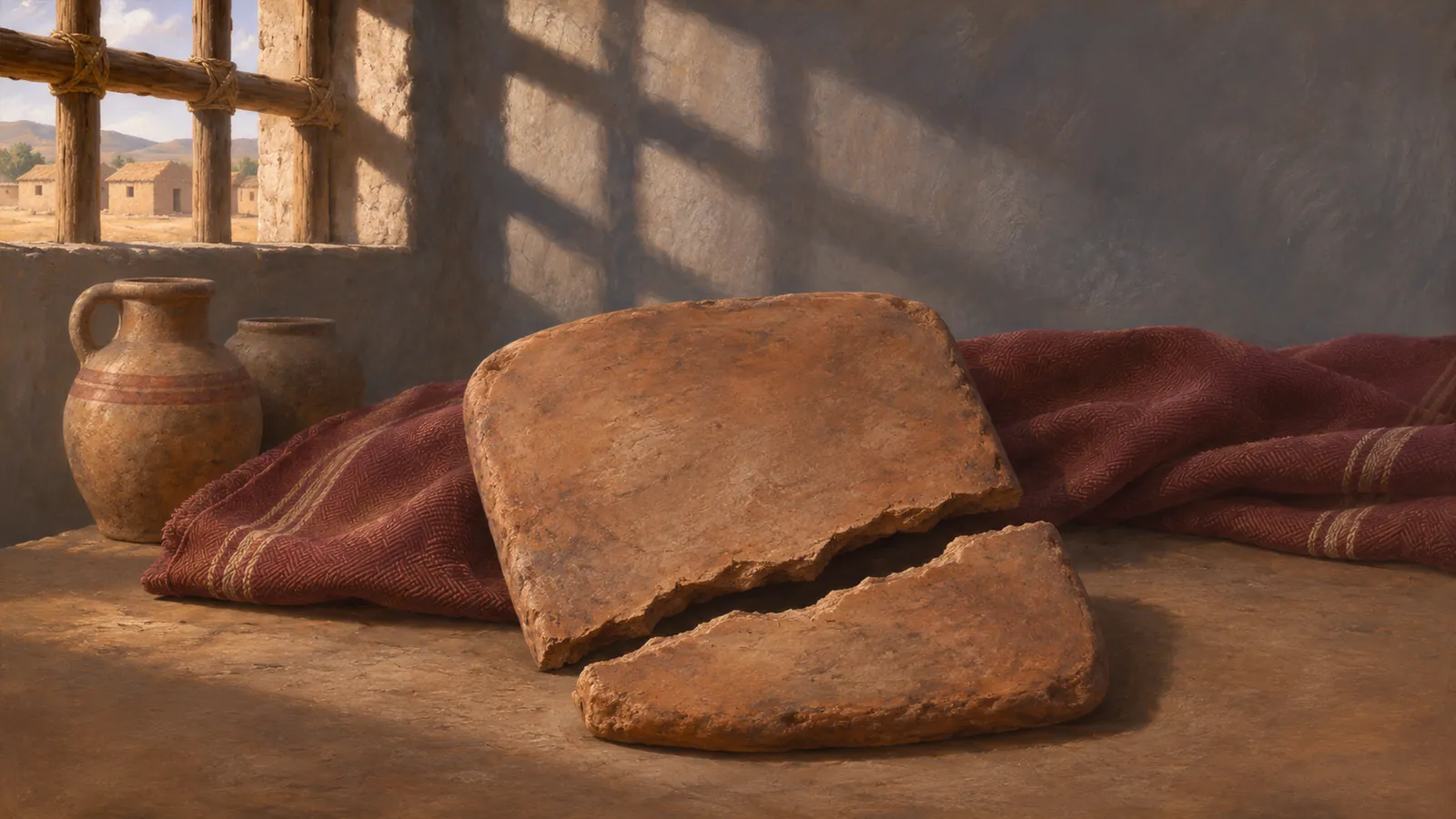
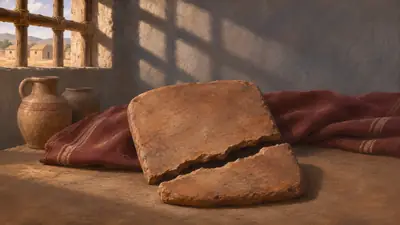
The report of the prince’s death reaches us with missing lines. It is possible to follow the news of the loss while the place and circumstances vanish into gaps.

Zannanza dies before he can marry the widow. The Hittite record reports a killing. The damaged lines leave the identity of the killers and the place of death uncertain.
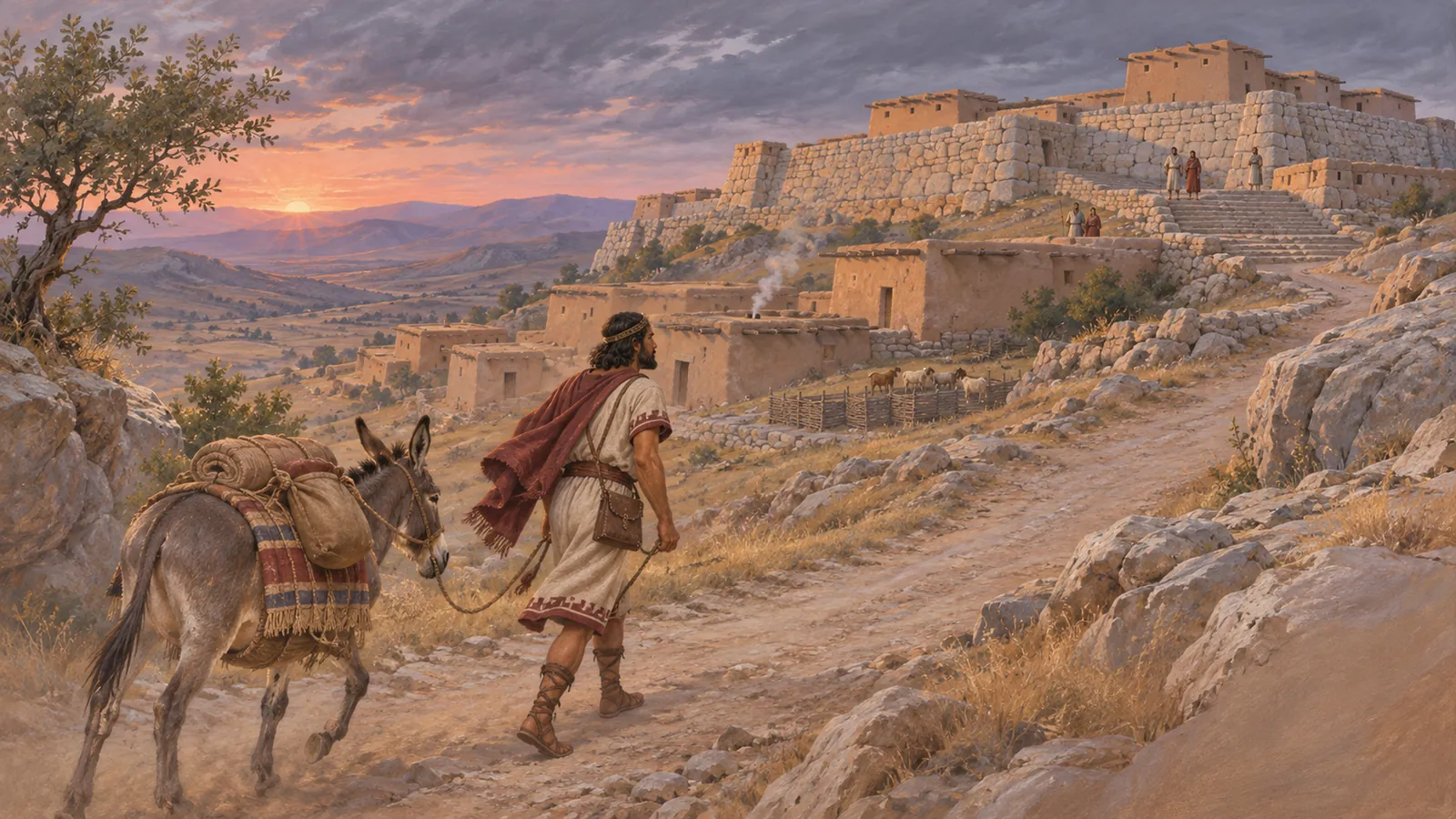
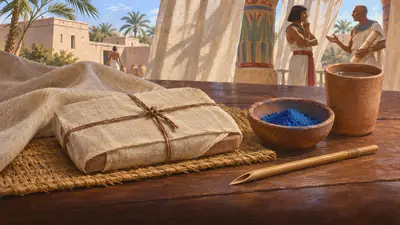
A tablet bearing the news reached Hatti. The account leaves the messenger’s name uncertain. It remembers clearly whom the message was for.
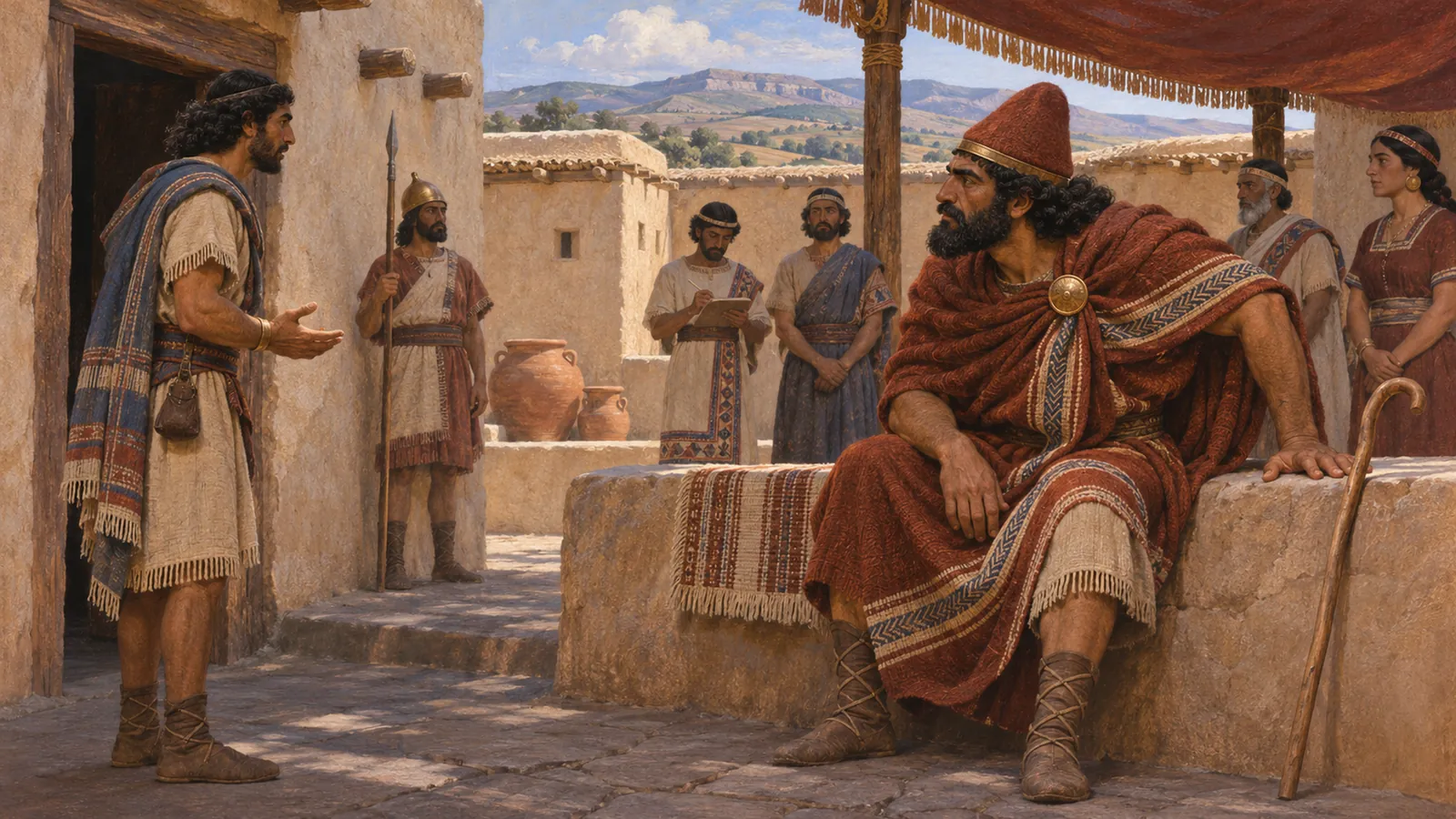
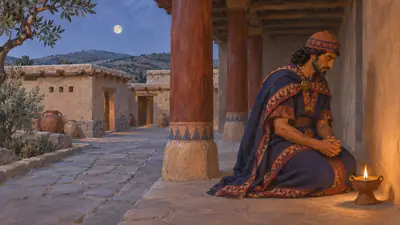
Mursili says Suppiluliuma heard that Zannanza had been killed and began to lament. The Hittite court’s accusation against the Egyptians survives beside the words of grief.

Suppiluliuma appeals to the gods over his son’s death. The fragments also speak of trouble at the frontier. Beyond them the quarrel continues in other records.
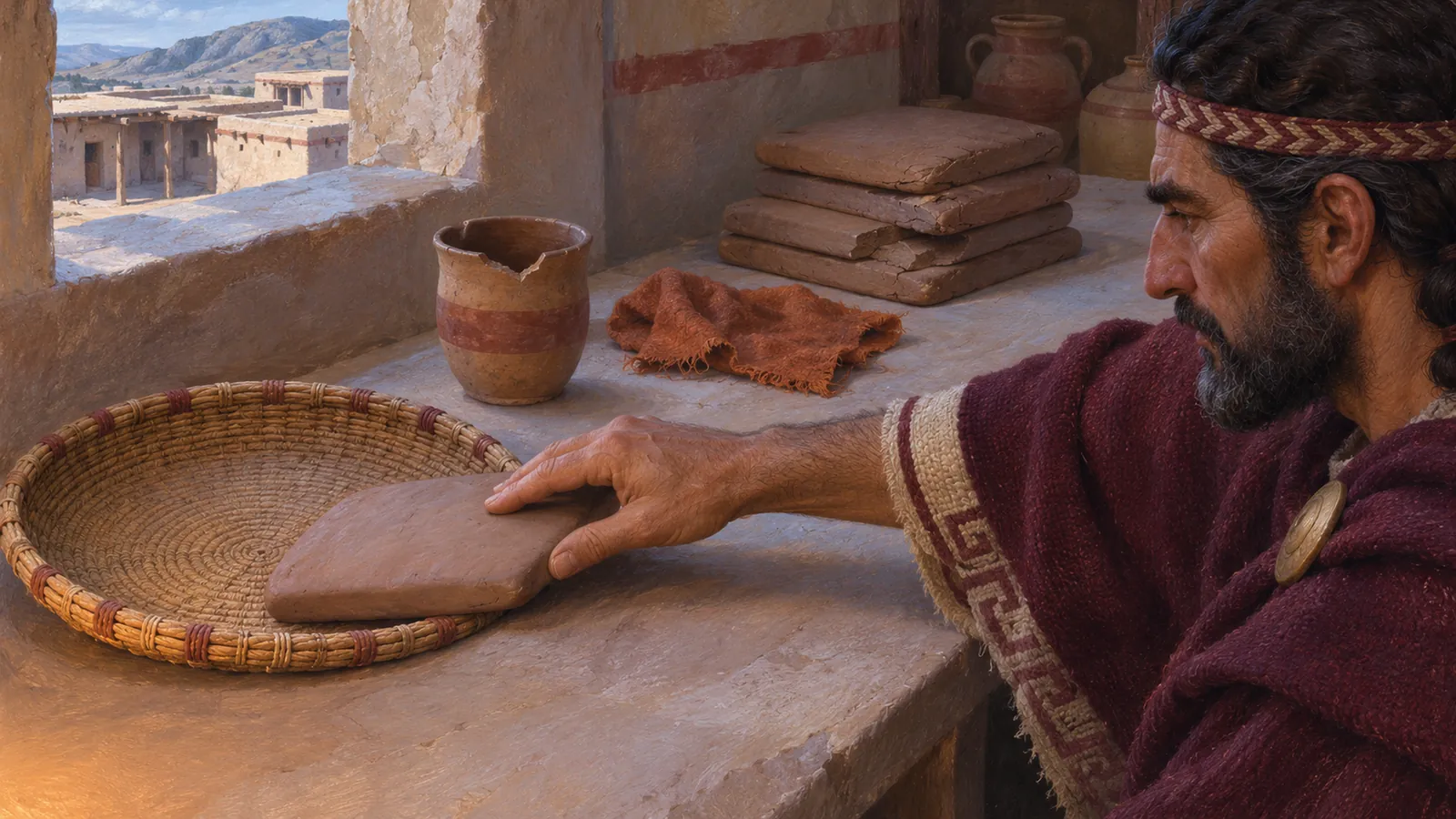
A second damaged document may belong to the dispute. It mentions a son’s death in an exchange between rulers. Its connection to Zannanza is debated, and it settles no question of guilt.

The widow’s letters keep the story moving on clay for a while, and then her voice disappears. These records give no secure account of what happened to her.
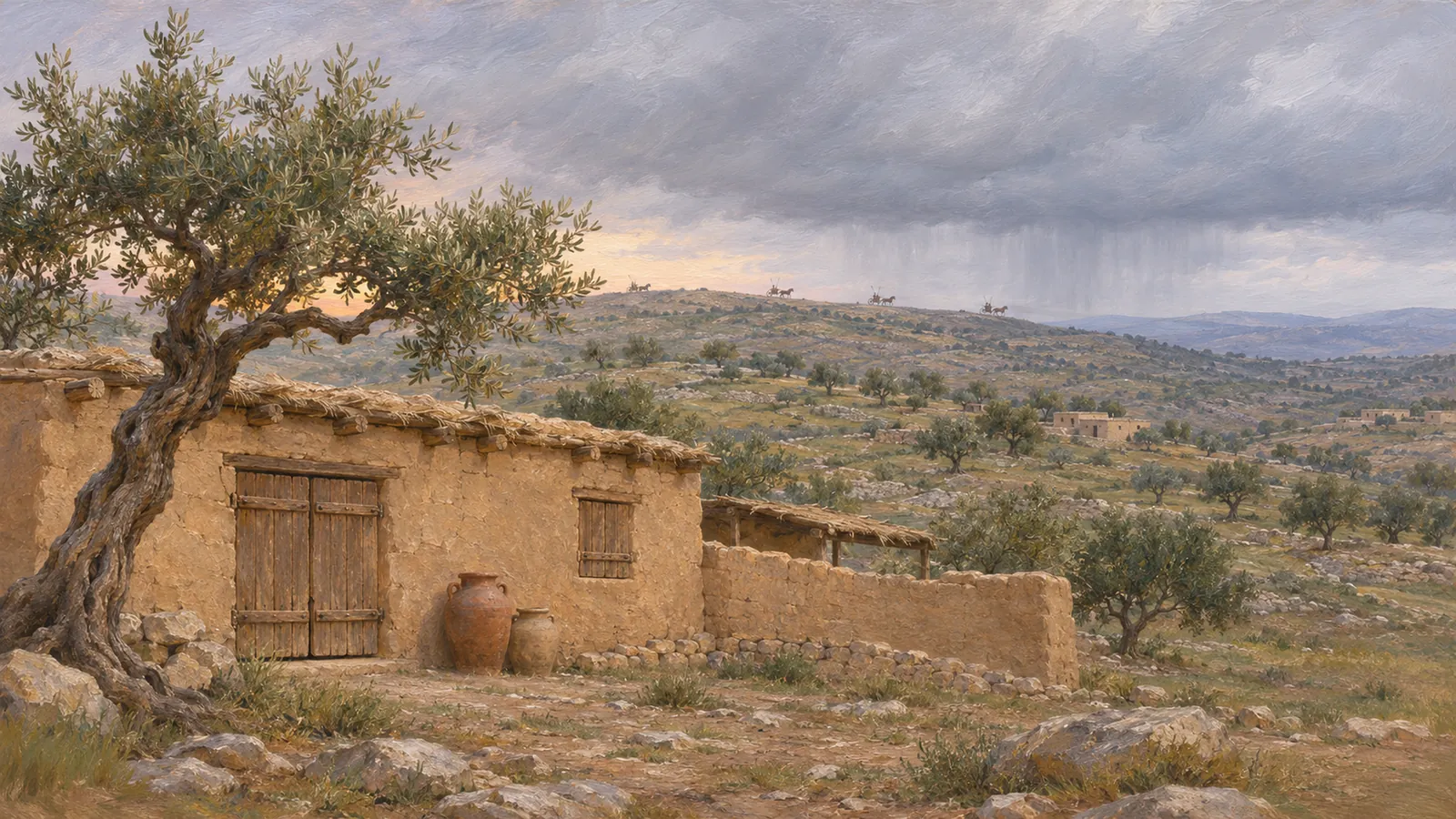
Mursili remembers an attack on Egyptian territory after the prince died. A fragment of the Deeds places Arnuwanda, another son of Suppiluliuma, at the head of a campaign in the same conflict.
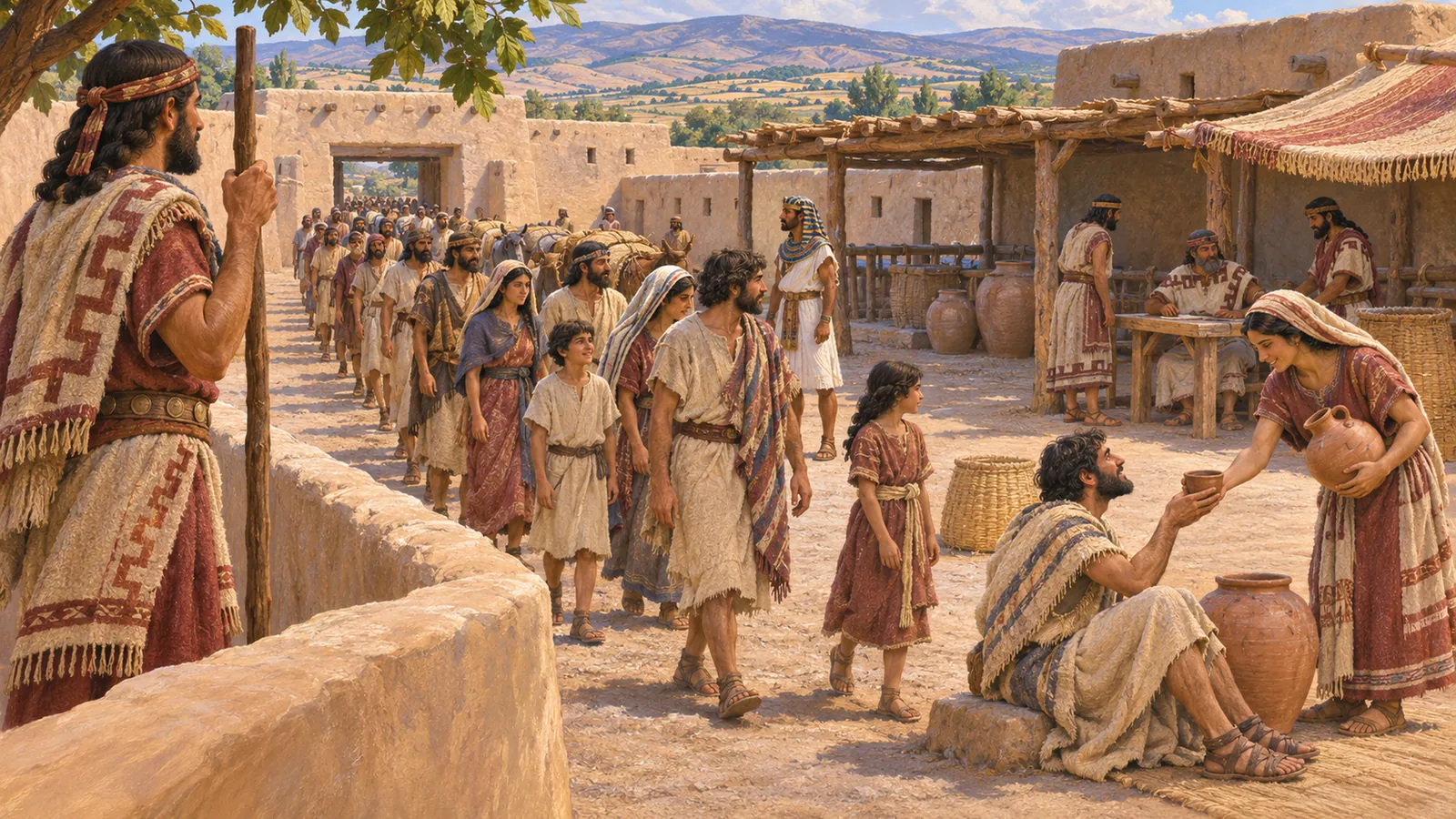
THE PRAYER
Mursili’s prayer says that captives taken during the fighting were brought to Hatti. He links their arrival and illness to the sickness that was spreading through the land.
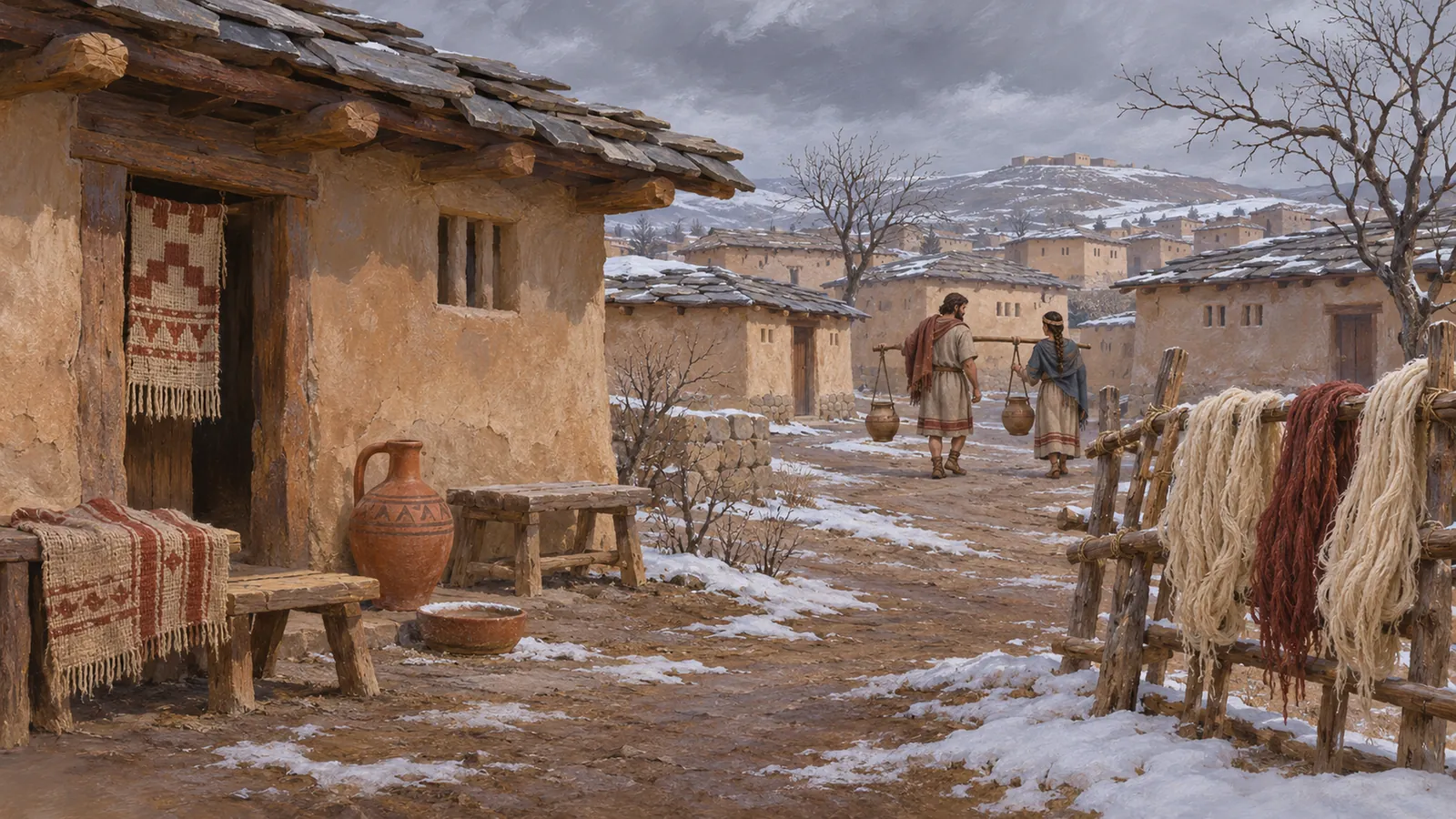
The prayer counts twenty years of dying in Hatti. Mursili remembers the sickness in his father’s reign and his brother’s, and says it has continued into his own.
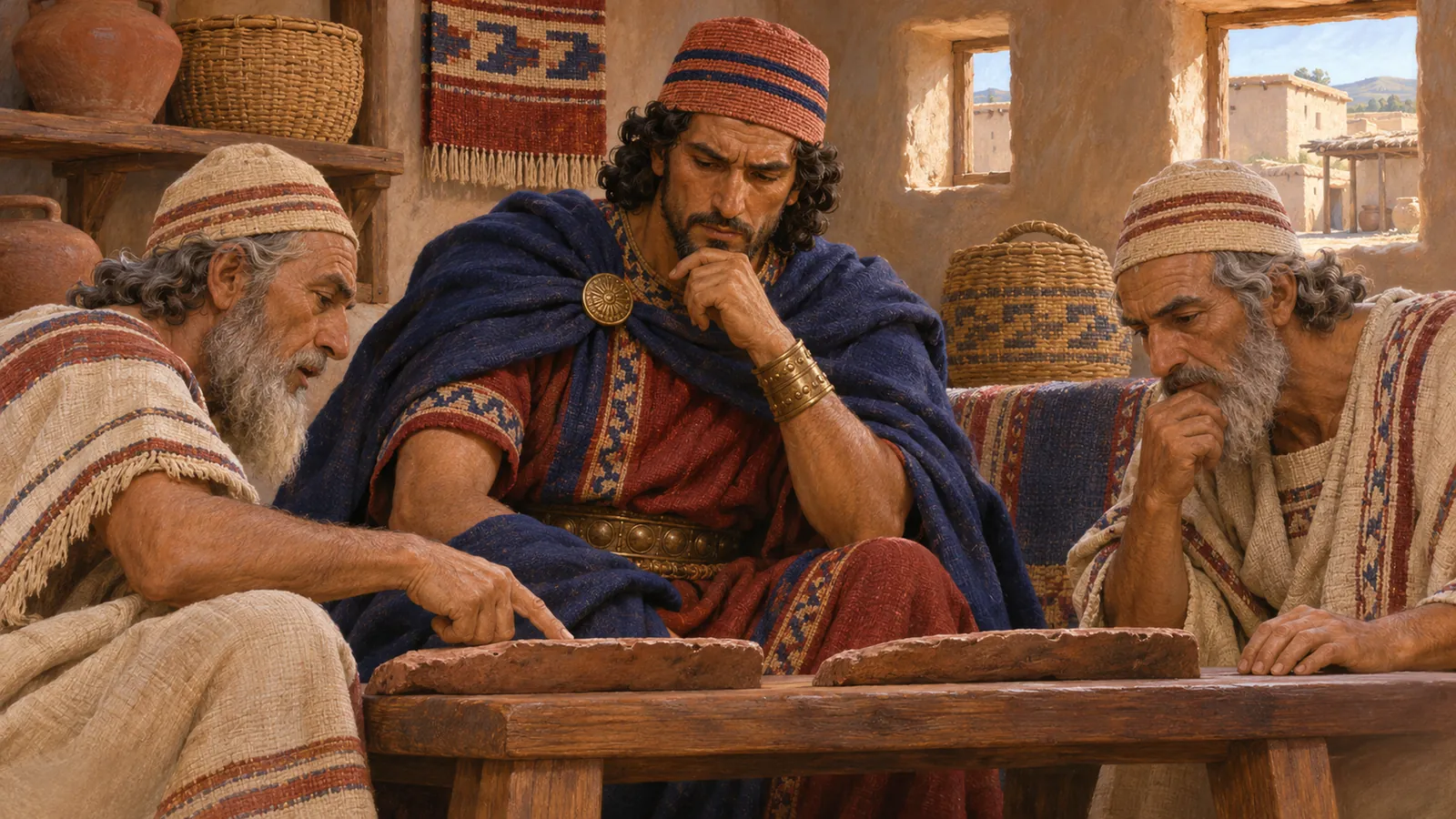
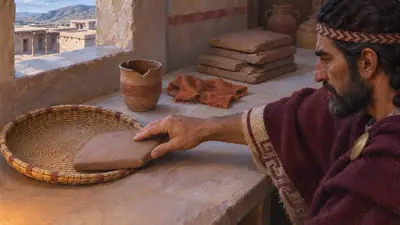
Seeking an explanation, Mursili turns to older records. His prayer recalls finding two tablets bearing on promises his country had made and on duties that had gone unfulfilled.
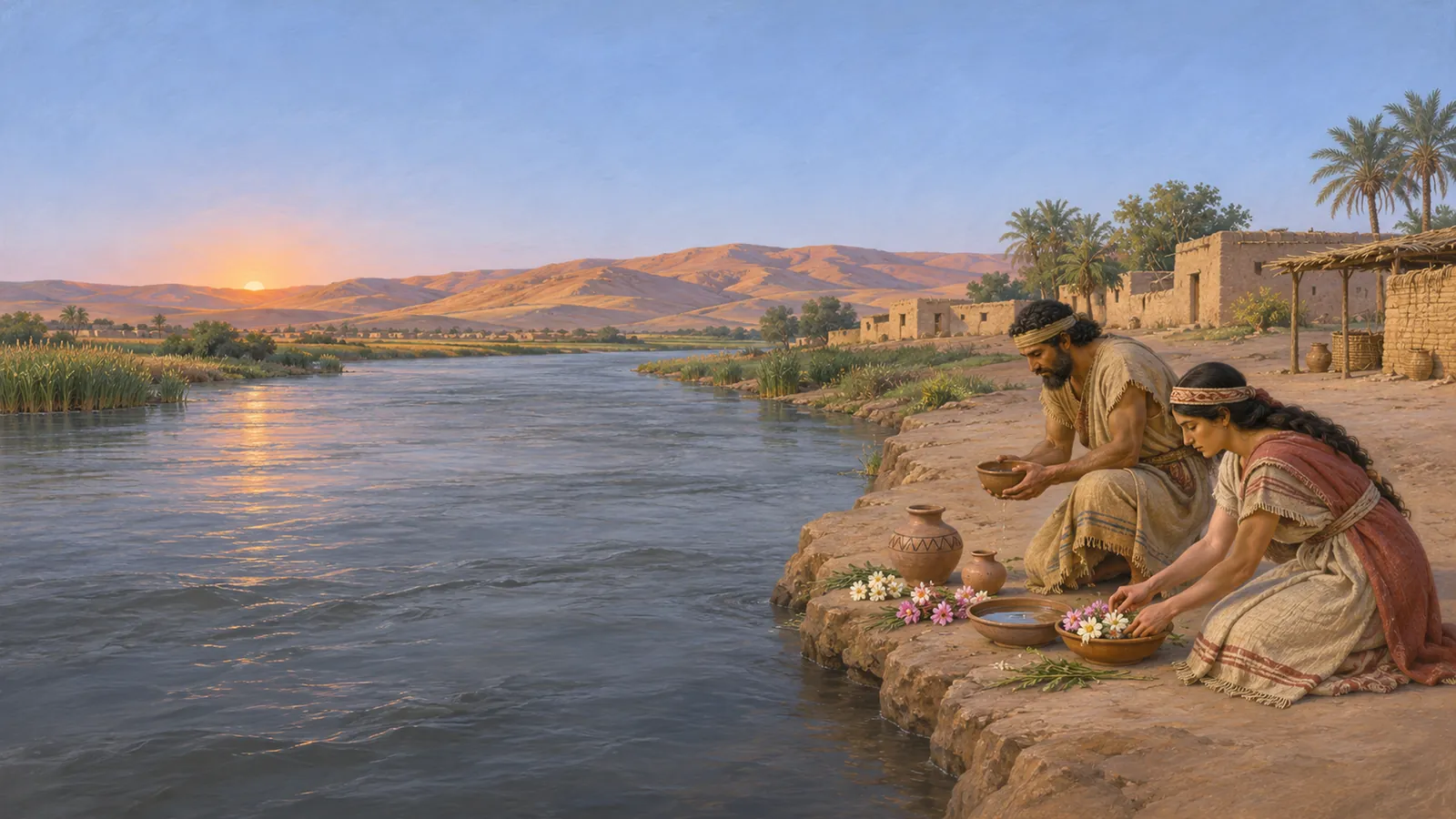
One record concerned offerings to the Euphrates, the other the people of Kurustama and the oath between Hatti and Egypt. In his prayer, Mursili acknowledges that Hatti broke the oath.
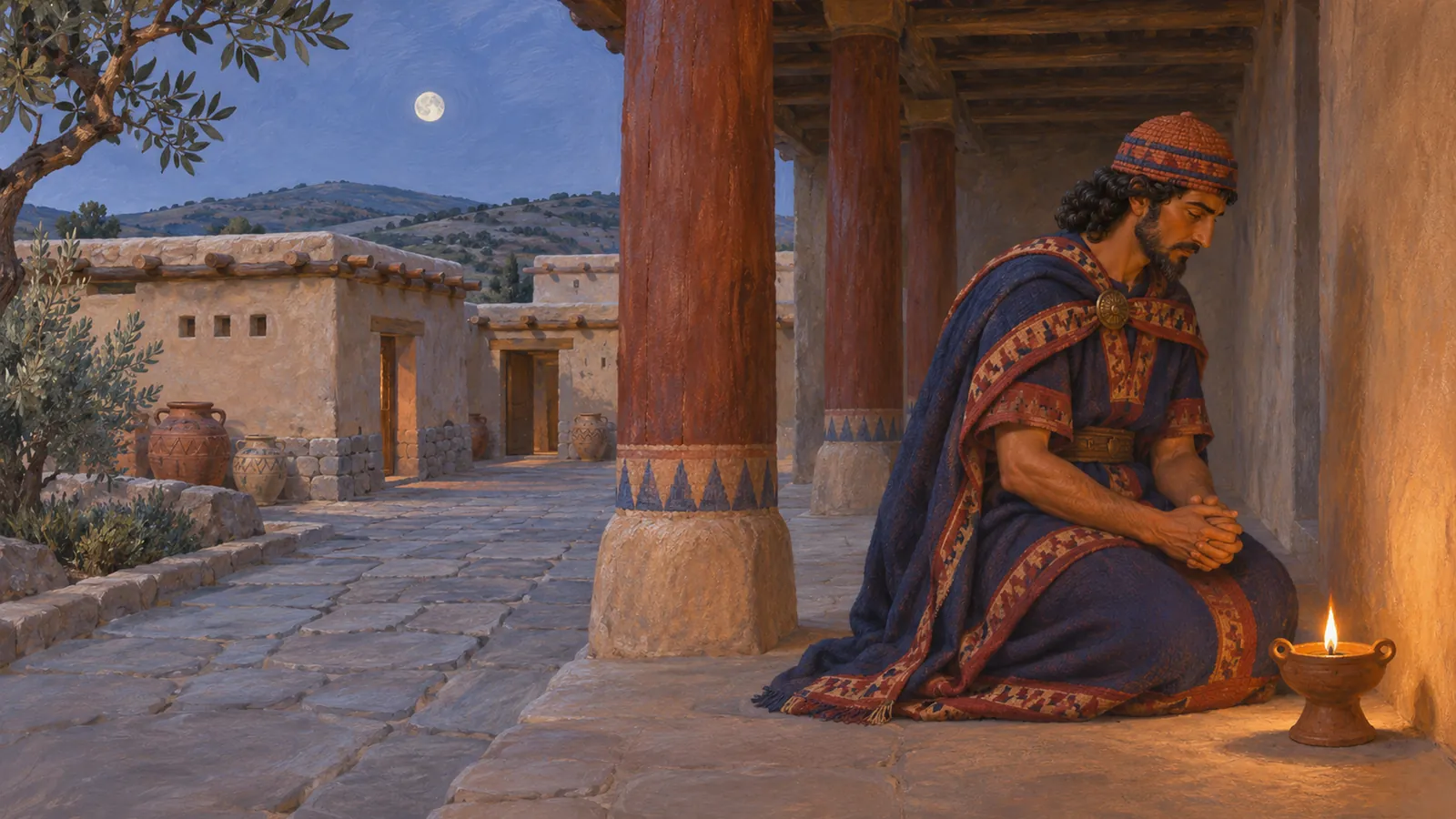
Mursili asks the Storm God and the other gods of Hatti to end the sickness. He speaks of inherited wrongdoing and asks what he must do to put matters right.

The tablets preserve the widow’s appeal, a father’s grief and a son’s prayer. Egypt’s full answer to the death and the rest of the widow’s life remain beyond them.
End of chapter 1
All pages






Sources
Editions consulted
- Hans Gustav Güterbock, The Deeds of Suppiluliuma as Told by His Son, Mursili II, part 2: — CTH 40, fragment 28, the first and second messages and the royal discussion.
- Güterbock, The Deeds of Suppiluliuma, part 3: — broken fragments after the exchange, including news of the prince’s death.
- Harry A. Hoffner Jr., Letters from the Hittite Kingdom, §1.2.23: — translation and transliteration of the queen’s second letter and its political context.
- Elisabeth Rieken and colleagues, CTH 378.2: — the second prayer of Mursili, the earlier treaty and his account of the epidemic.
Ancient lines behind each page
- Page 1: CTH 40, fr. 28; Hoffner §1.2.23; Gundacker 2025
- Page 2: CTH 40, frr. 26–28; historical setting
- Page 3: CTH 40, frr. 26–28; historical setting
- Page 4: CTH 40, fr. 28 A iii 1–15
- Page 5: CTH 40, fr. 28 A iii 1–15
- Page 6: CTH 40, fr. 28 A iii 1–15
- Page 7: CTH 40, fr. 28 A iii; Hoffner §1.2.23; Gundacker 2025
Identification is debated. - Page 8: CTH 40, fr. 28 A iii 10–29
- Page 9: CTH 40, fr. 28 A iii 10–29
- Page 10: CTH 40, fr. 28 A iii 10–29
- Page 11: CTH 40, fr. 28 A iii 10–29
- Page 12: CTH 40, fr. 28 A iii 10–29
- Page 13: CTH 40, fr. 28 A iii 24–29, 42–54; reconstructed travel
- Page 14: CTH 40, fr. 28 A iii 24–29, 42–54; reconstructed travel
- Page 15: CTH 40, fr. 28 A iii 29–42
- Page 16: CTH 40, fr. 28 A iii 29–42
- Page 17: CTH 40, fr. 28 A iii 29–42
- Page 18: CTH 40, fr. 28 A iii 29–42
- Page 19: CTH 40, fr. 28 A iii 29–42
- Page 20: CTH 40, fr. 28 A iii 42–54, iv 1–12
- Page 21: CTH 40, fr. 28 A iii 42–54, iv 1–12
- Page 22: CTH 40, fr. 28 A iii 42–54, iv 1–12
The letters are quoted in a Hittite narrative witness. - Page 23: CTH 40, fr. 28 A iii 42–54, iv 1–12
- Page 24: CTH 40, fr. 28 A iii 42–54, iv 1–12
- Page 25: CTH 40, fr. 28 A iii 50–54, iv 1–12; Hoffner §1.2.23
- Page 26: CTH 40, fr. 28 A iii 50–54, iv 1–12; Hoffner §1.2.23
- Page 27: CTH 40, fr. 28 A iii 50–54, iv 1–12; Hoffner §1.2.23
- Page 28: CTH 40, fr. 28 A iii 50–54, iv 1–12; Hoffner §1.2.23
- Page 29: CTH 40, fr. 28 A iv 13–25; fragmentary dialogue
Several lines are lost. - Page 30: CTH 40, fr. 28 A iv 13–25; fragmentary dialogue
- Page 31: CTH 40, fr. 28 A iv 13–25; fragmentary dialogue
- Page 32: CTH 40, fr. 28 A iv 13–25; fragmentary dialogue
- Page 33: CTH 40, fr. 28 A iv 13–25; fragmentary dialogue
- Page 34: CTH 40, fr. 28 E3 iv; CTH 378.2 §§4–5; Kurustama treaty
- Page 35: CTH 40, fr. 28 E3 iv; CTH 378.2 §§4–5; Kurustama treaty
- Page 36: CTH 40, frr. 28, 31; CTH 378.2 §5
- Page 37: CTH 40, frr. 28, 31; CTH 378.2 §5
- Page 38: CTH 40, frr. 28, 31; CTH 378.2 §5; reconstructed travel
The travel party is not identified in the surviving record. - Page 39: CTH 40, frr. 28, 31; CTH 378.2 §5; reconstructed travel
- Page 40: CTH 40, frr. 28, 31; CTH 378.2 §5; reconstructed travel
- Page 41: CTH 40, frr. 28, 31; CTH 378.2 §5; reconstructed travel
- Page 42: CTH 40, fr. 31; KUB 19.4; CTH 378.2 §5
Gap in the surviving text. - Page 43: CTH 40, fr. 31; KUB 19.4; CTH 378.2 §5
- Page 44: CTH 40, fr. 31; KUB 19.4; CTH 378.2 §5
- Page 45: CTH 40, fr. 31; KUB 19.4; CTH 378.2 §5
- Page 46: CTH 40, fr. 31; KUB 19.4; CTH 378.2 §5
- Page 47: CTH 154; KUB 19.20; disputed attribution
The attribution and context of KUB 19.20 are debated. - Page 48: CTH 40, frr. 28, 31; conclusion from surviving record
- Page 49: CTH 378.2 §5; Deeds fr. 36, BoTU 44 iii; Güterbock 1956, p. 111
The identification of the subsequent campaign rests on a broken record. - Page 50: CTH 378.2 §§1–12; Rieken et al.
- Page 51: CTH 378.2 §§1–12; Rieken et al.
- Page 52: CTH 378.2 §§1–12; Rieken et al.
- Page 53: CTH 378.2 §§1–12; Rieken et al.
- Page 54: CTH 378.2 §§1–12; Rieken et al.
- Page 55: CTH 40, frr. 28, 31; CTH 378.2; closing synthesis
Illustrations made with AI tools by IL Archive; the text is based on the ancient sources (see the sources at the end of each chapter).