The Battle of Kadesh Chapter 1
The River and the Treaty
Near Kadesh, Ramesses learns that Muwatalli’s army is already close to his camp. Both courts claim victory. Years later, a silver tablet brings a pledge of peace, and a Hittite princess travels to Egypt.
SourcesTurn the pages with the arrows, the arrow keys or a swipe.
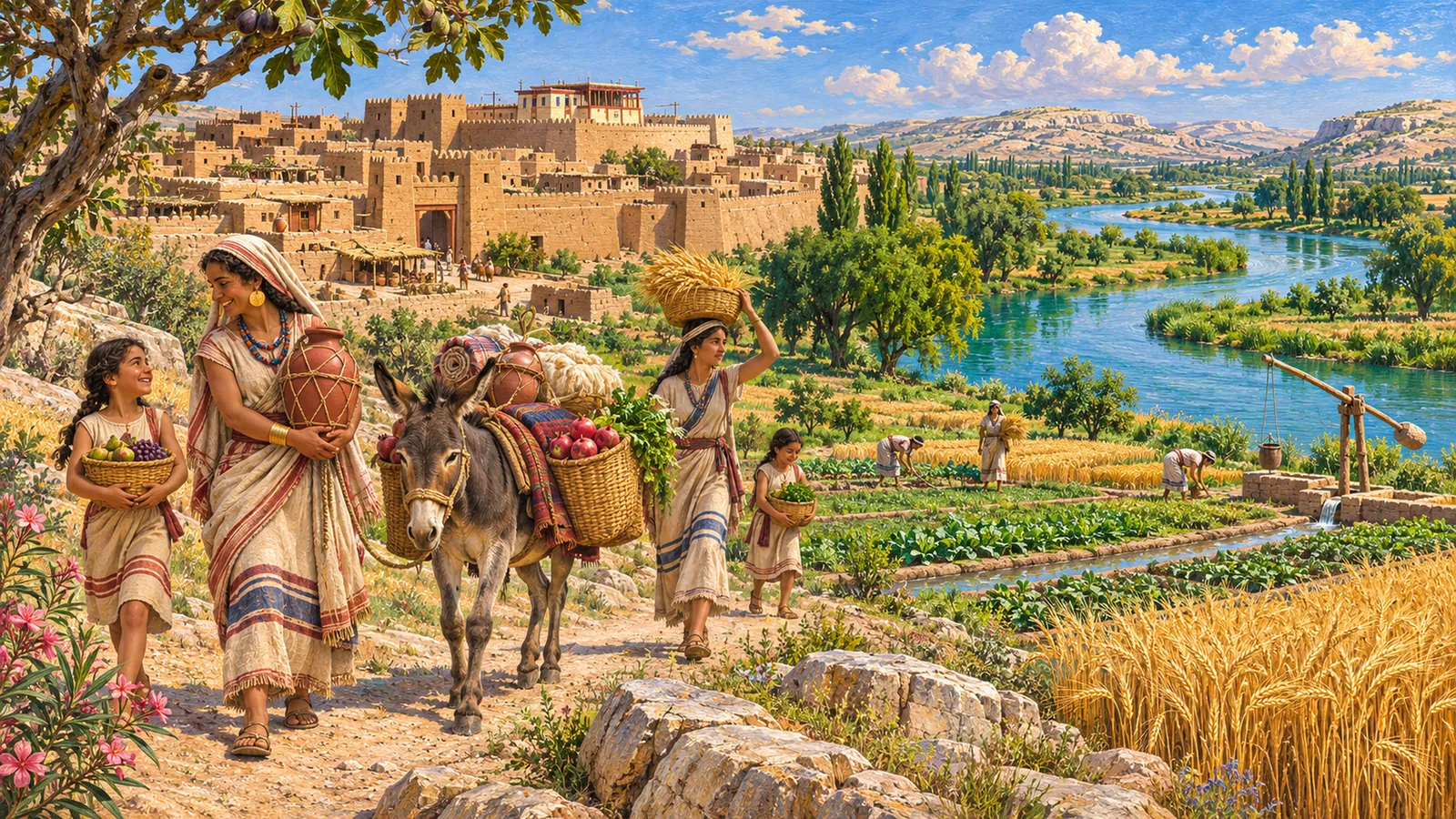
KADESH
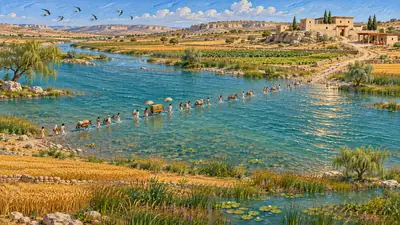
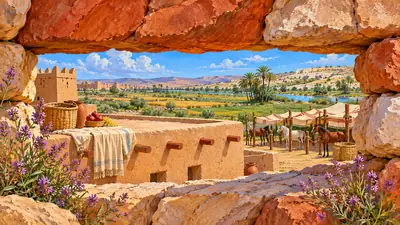
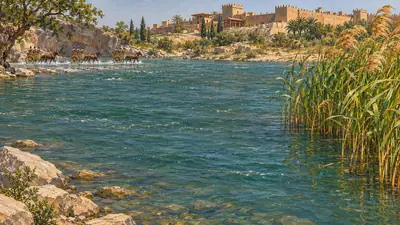
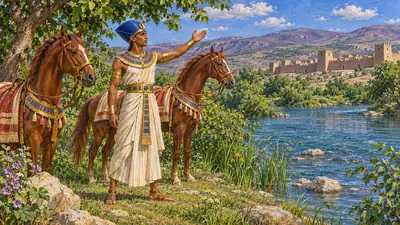
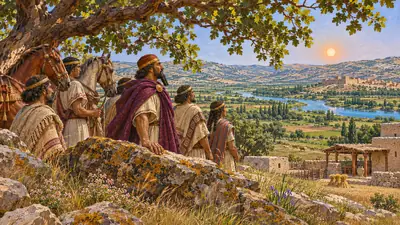
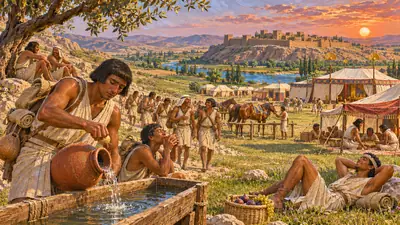
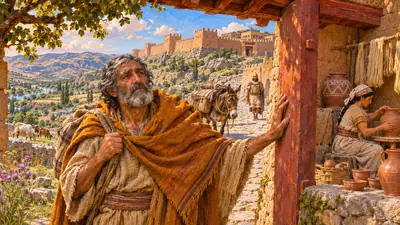
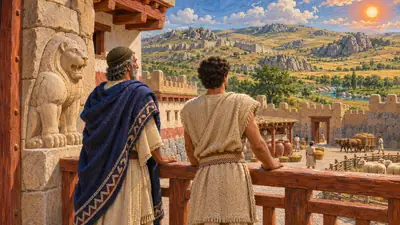
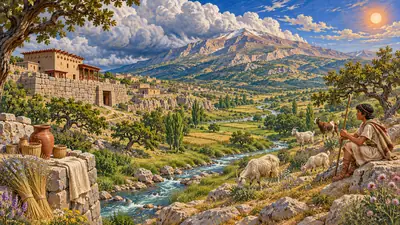
The Orontes bends around Kadesh, a fortified city in inland Syria. In the thirteenth century BCE, whoever held the city stood astride a route coveted by Egypt and Hatti.
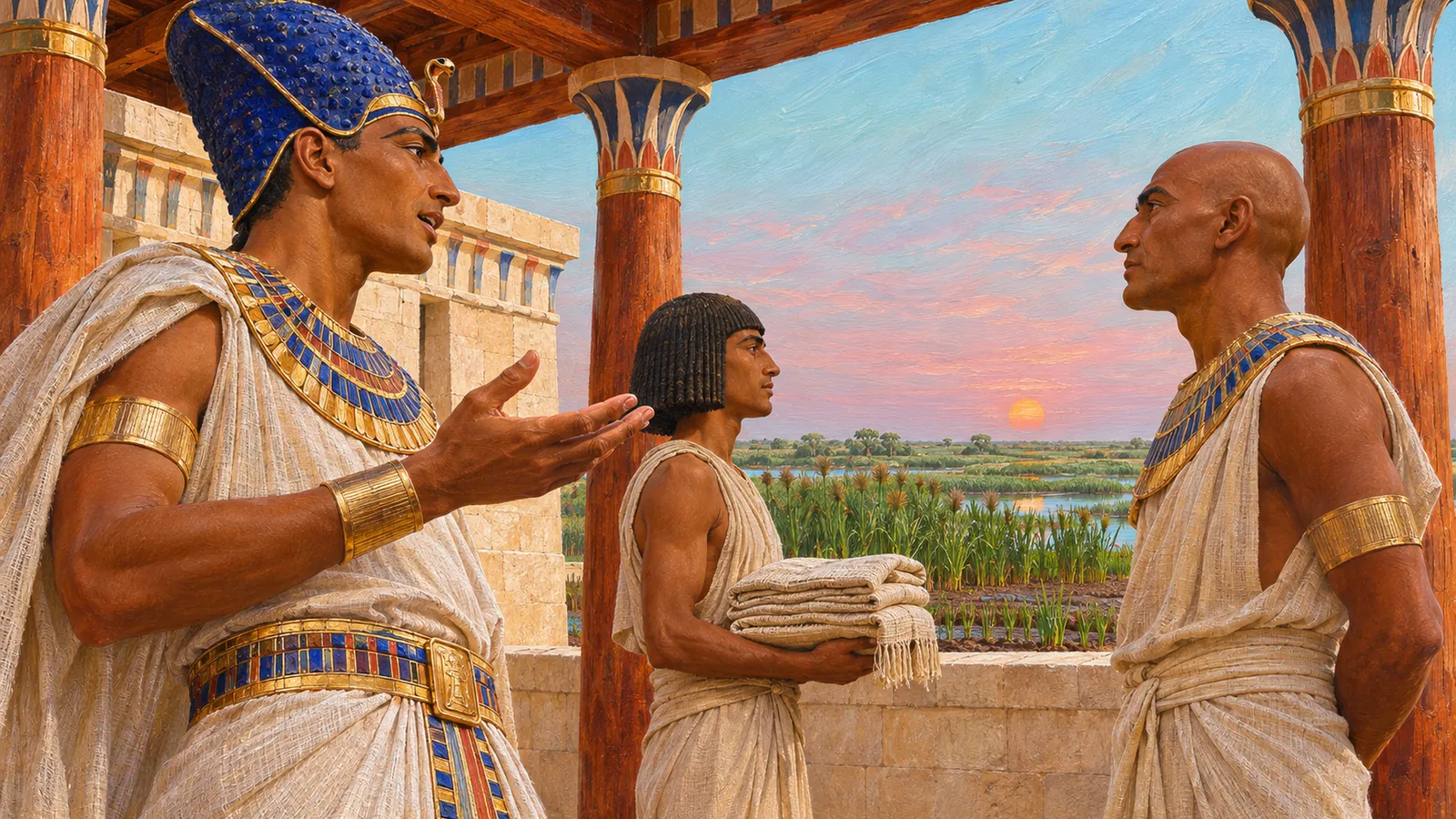
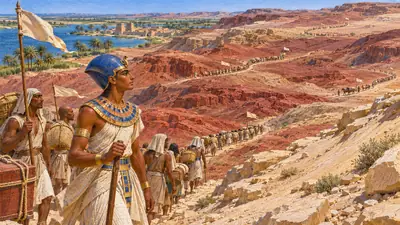
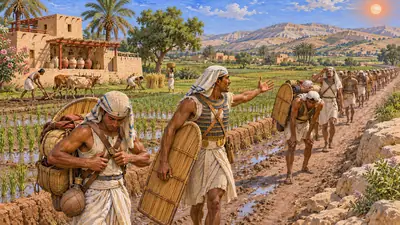
In the fifth year of his reign, Ramesses the Second gathered infantry and chariots for a campaign north. The Egyptian poem dates his departure to the second month of summer.
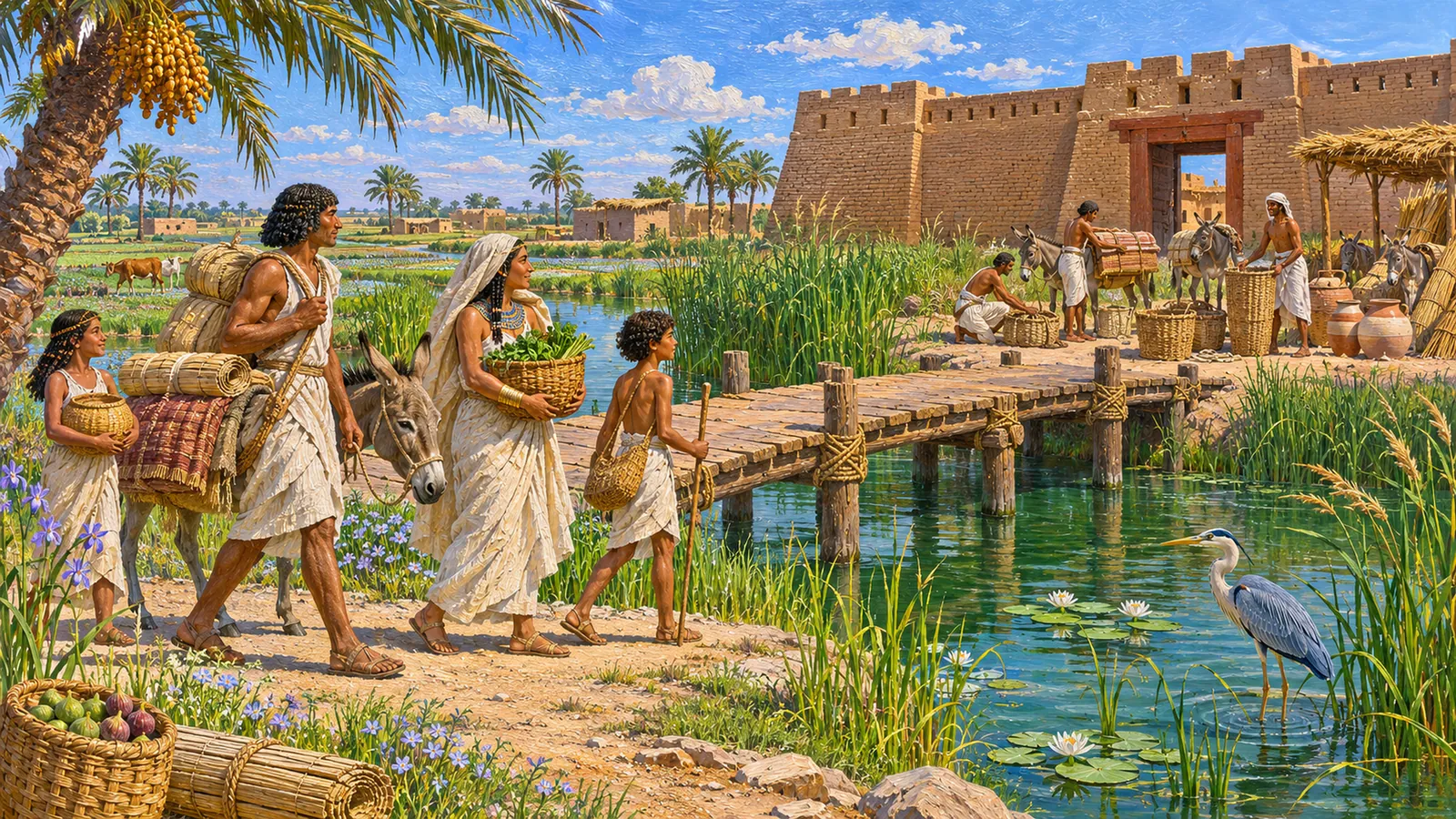
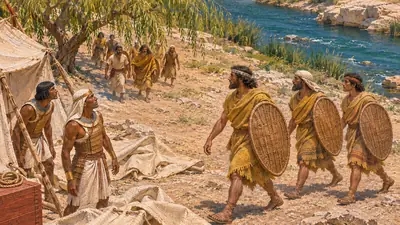
The poem follows him past the frontier fortress of Tjaru. It also names Sherden soldiers, former captives now equipped to serve alongside the men he brought from Egypt.
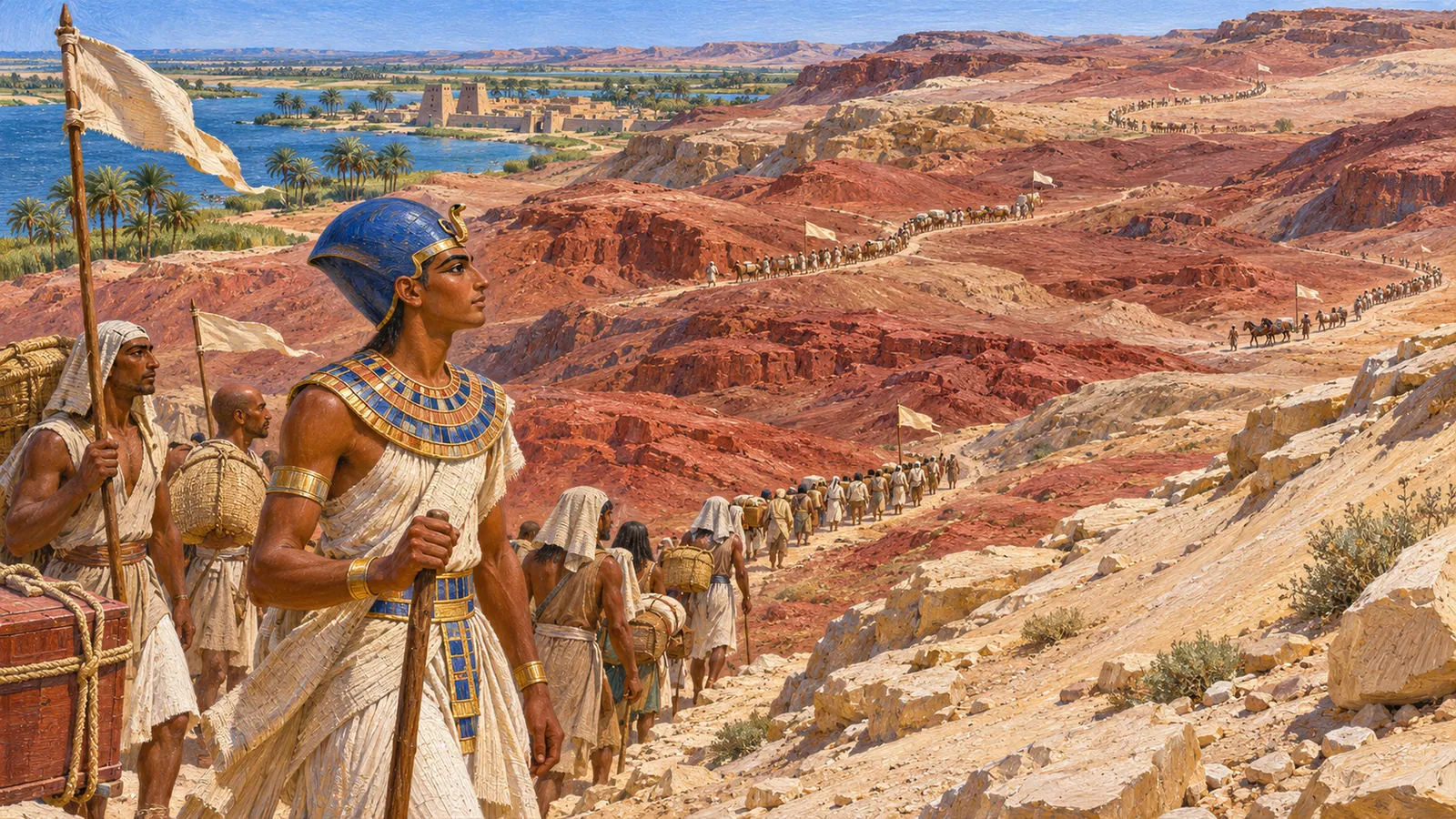
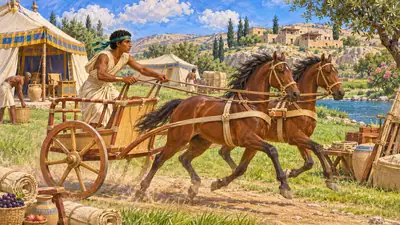
The Egyptians marched as four divisions. Each bore the name of a god: Amun, Ra, Ptah and Seth. Ramesses rode ahead with the division of Amun.
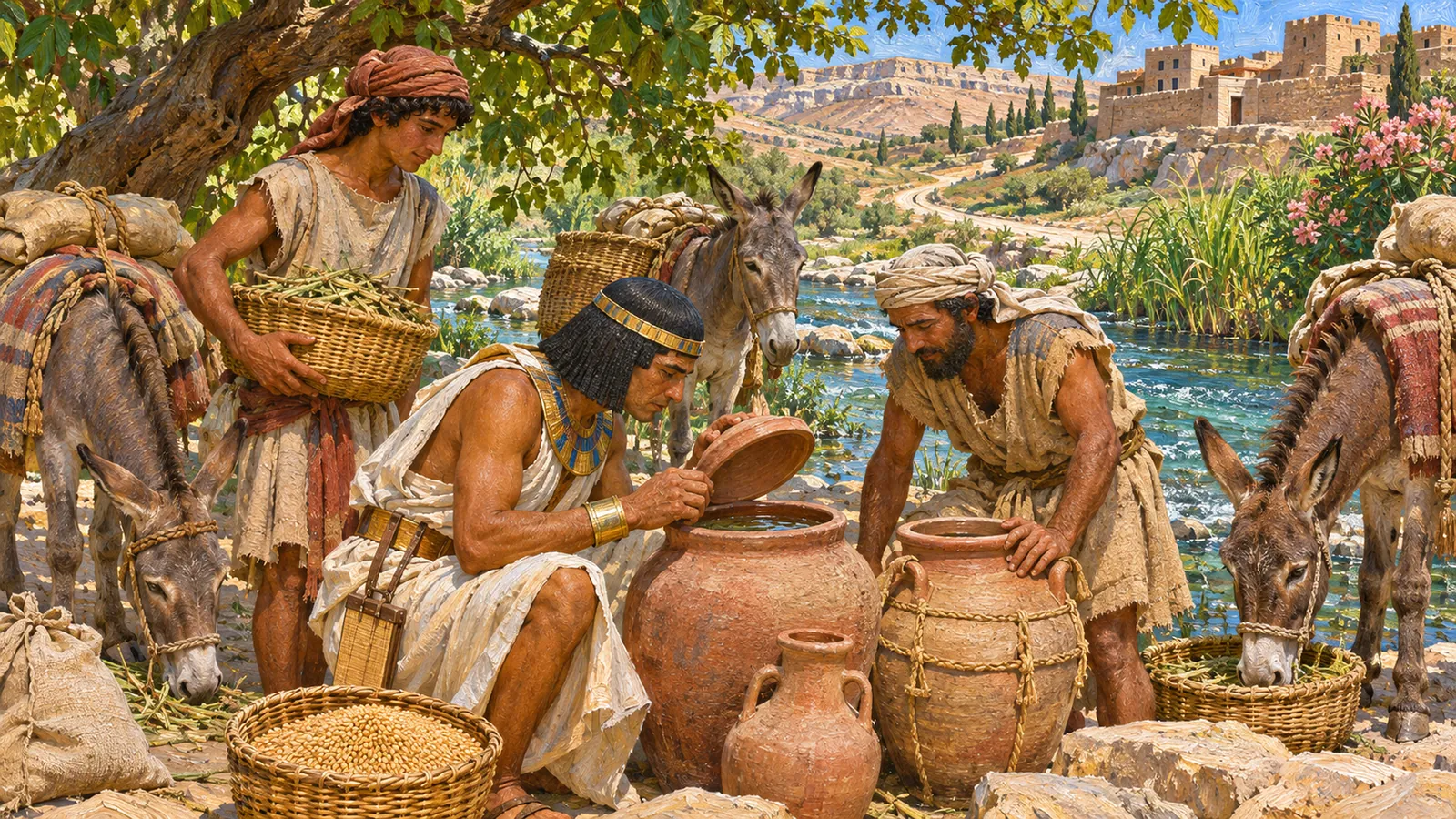
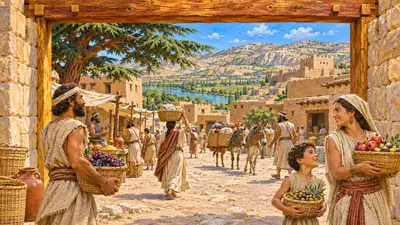
Days later the army reached a town in a place the poem calls the Valley of the Pine. Beyond it the route climbed into the hills of Kadesh.
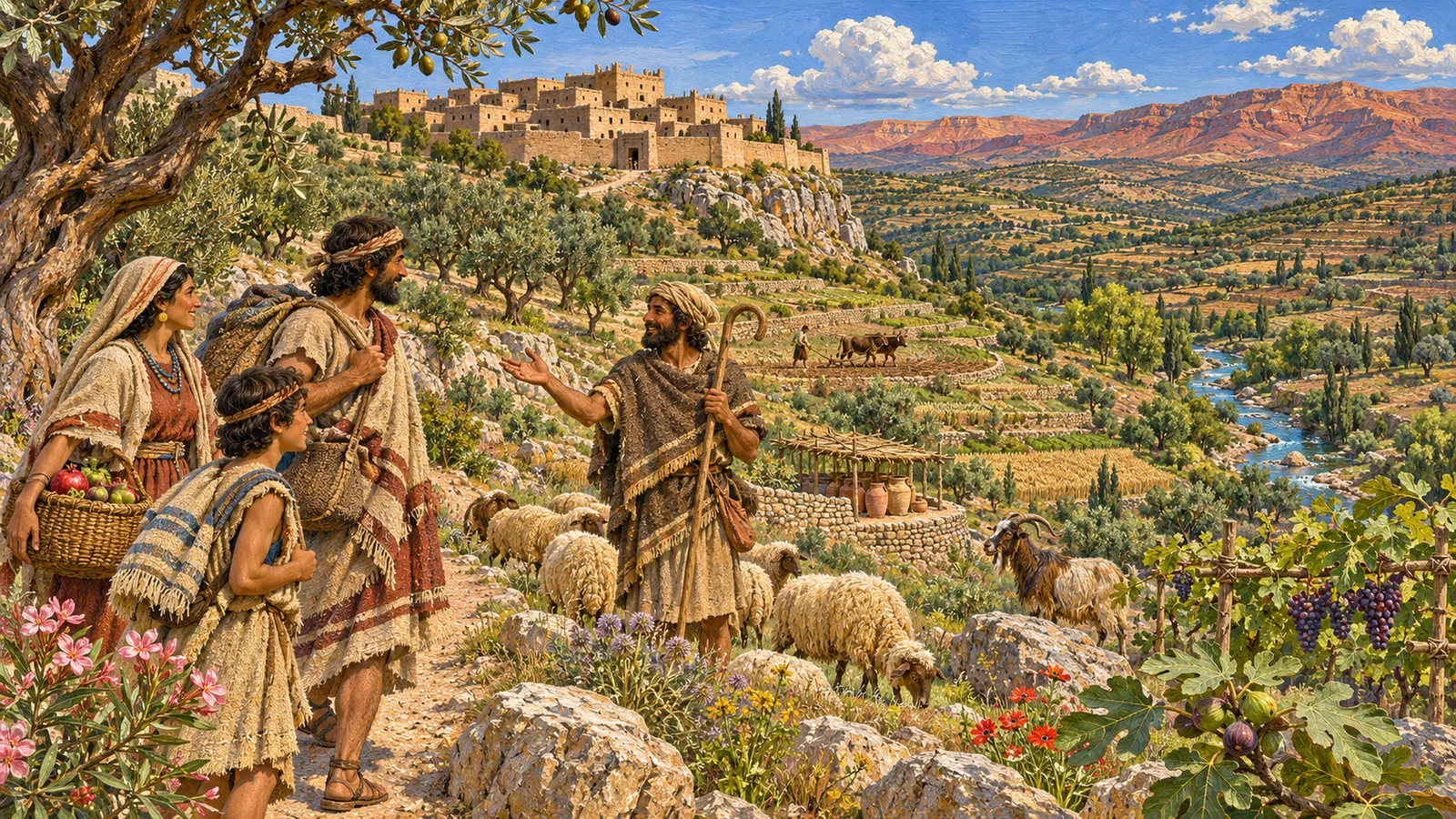
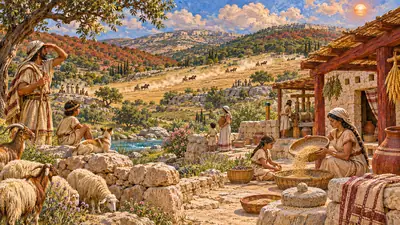
On the western flank of the Hittite empire lay Amurru. A later Hittite treaty says its people broke with Hatti and attached themselves to the king of Egypt.
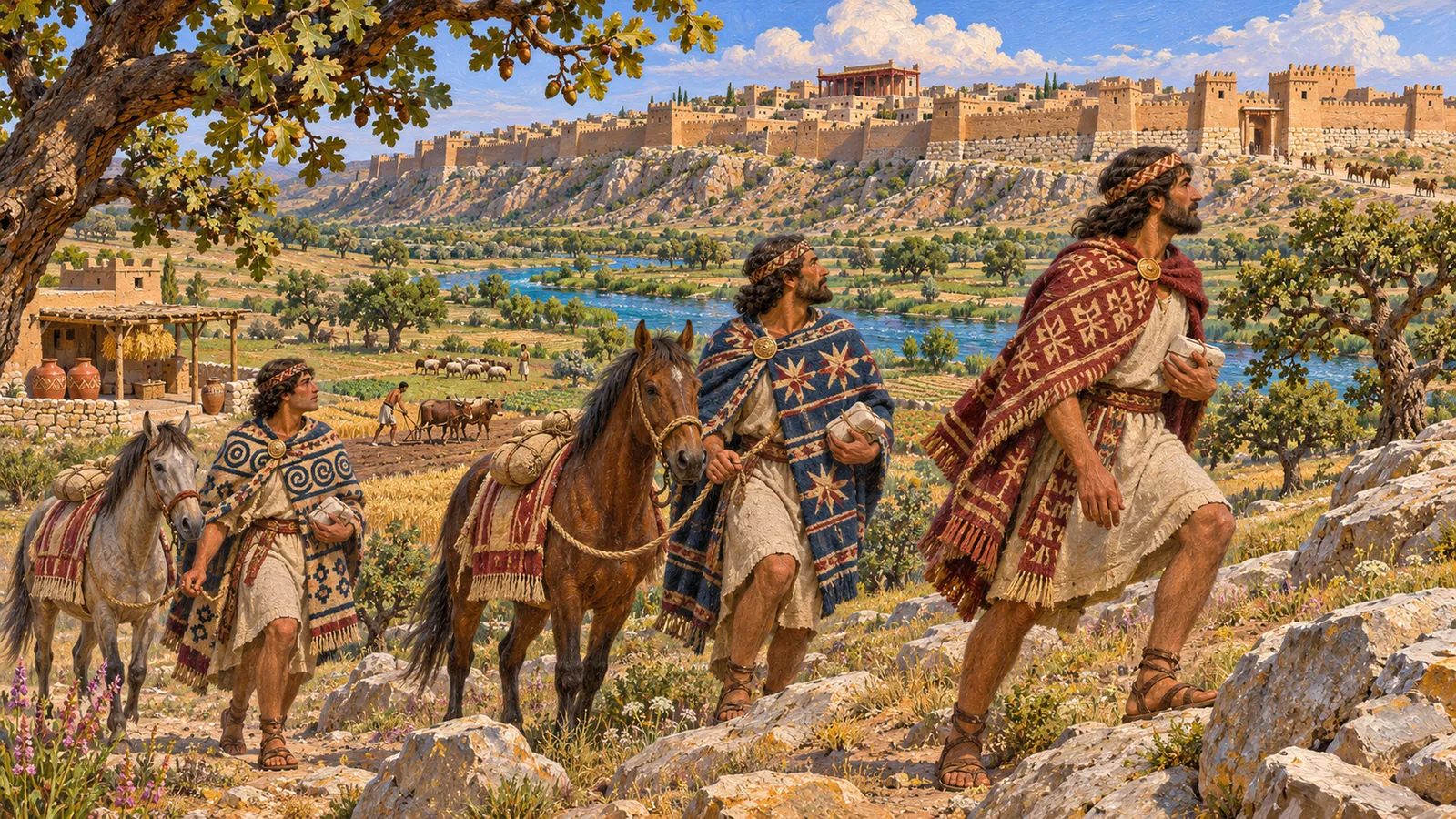
Muwatalli, king of Hatti, brought allies from many lands. The Egyptian account names Ugarit, Carchemish and Aleppo among them, alongside places in Anatolia such as Kizzuwadna.
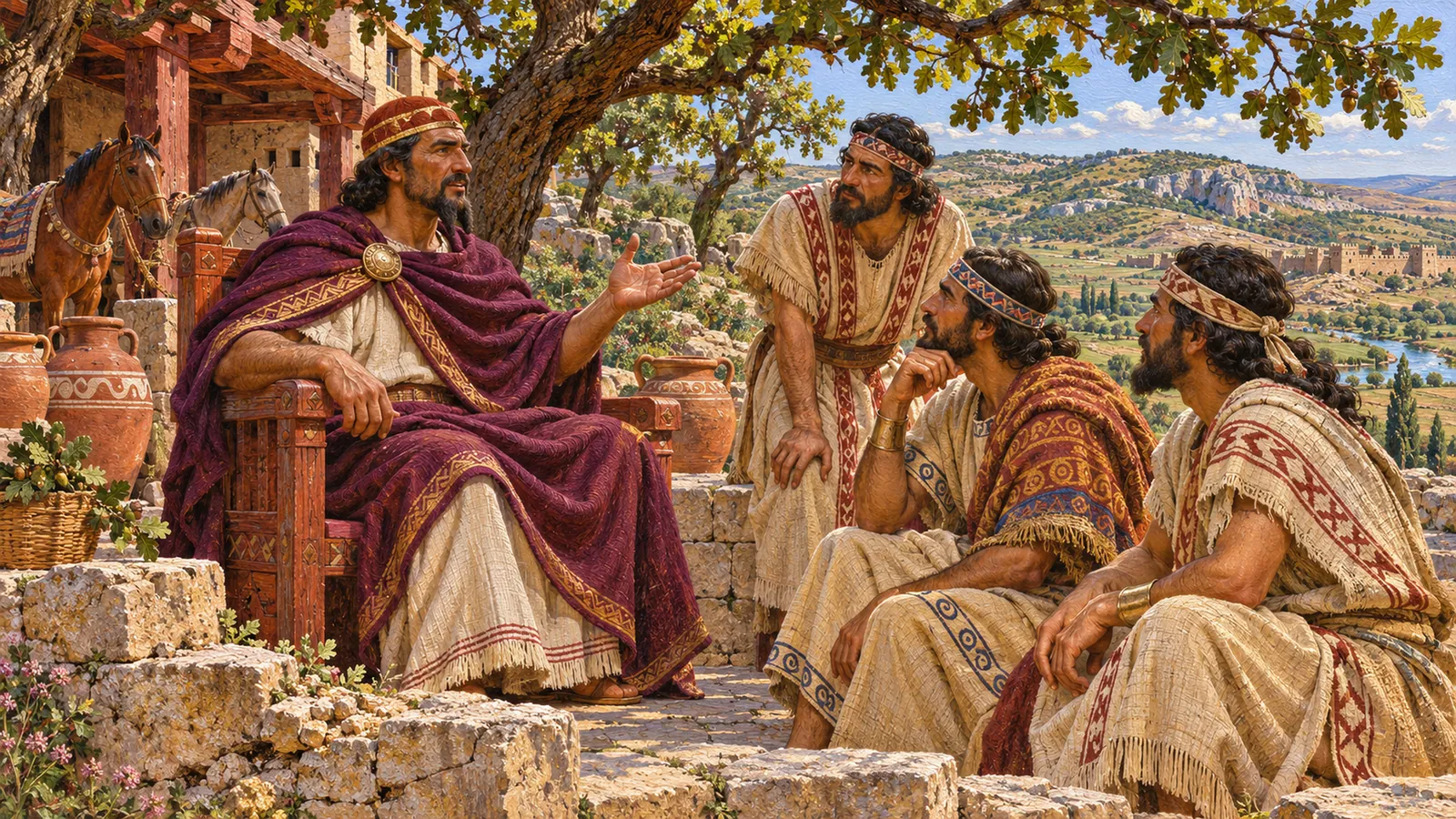
The poem likens the gathering to a swarm covering hills and valleys. It claims Muwatalli had emptied his treasury to bring so many rulers and their forces together.
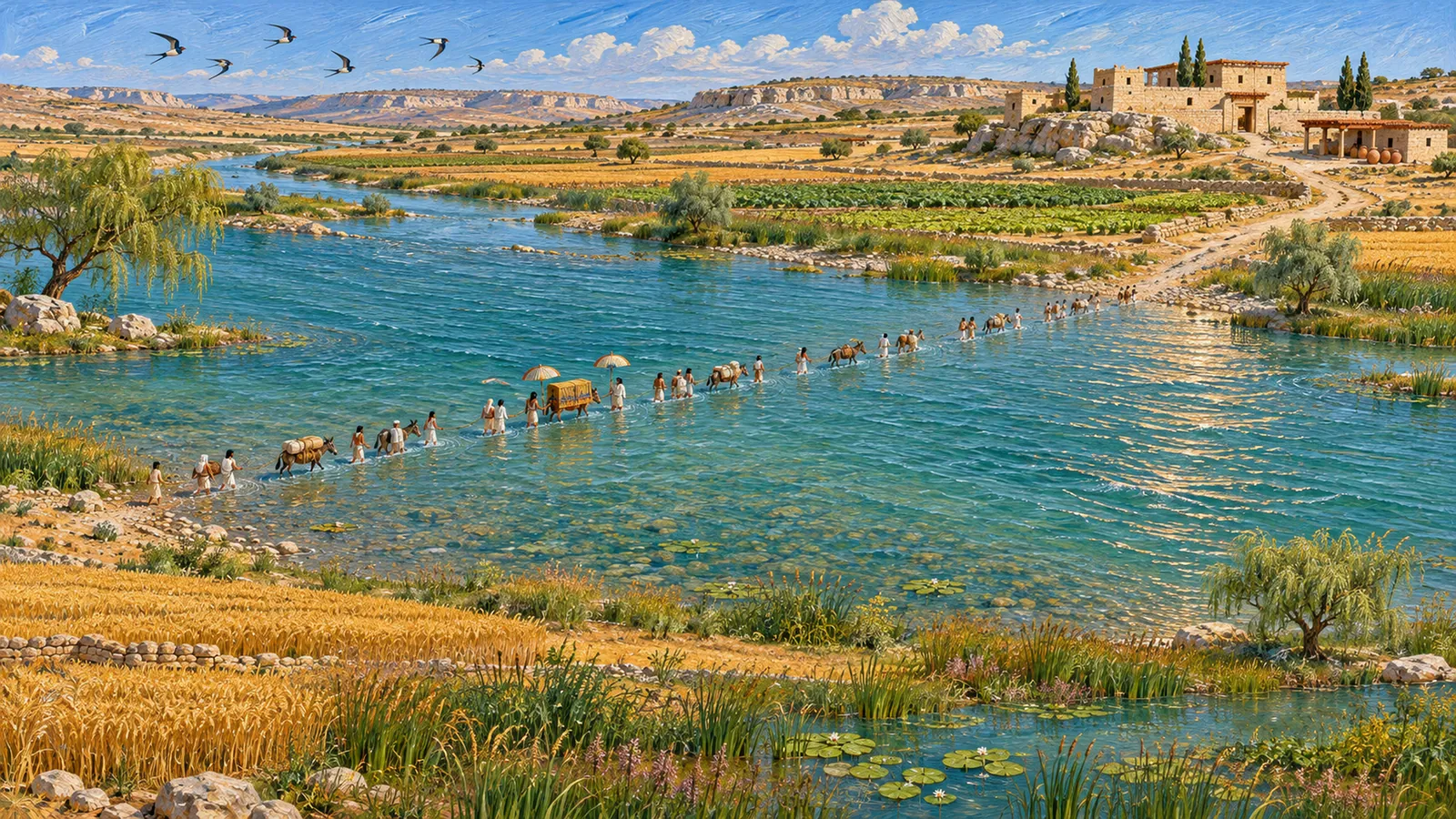
Ramesses reached the high ground south of Shabtuna. There the Egyptian accounts place his approach to the Orontes, with Amun at the front and the other divisions following at intervals.
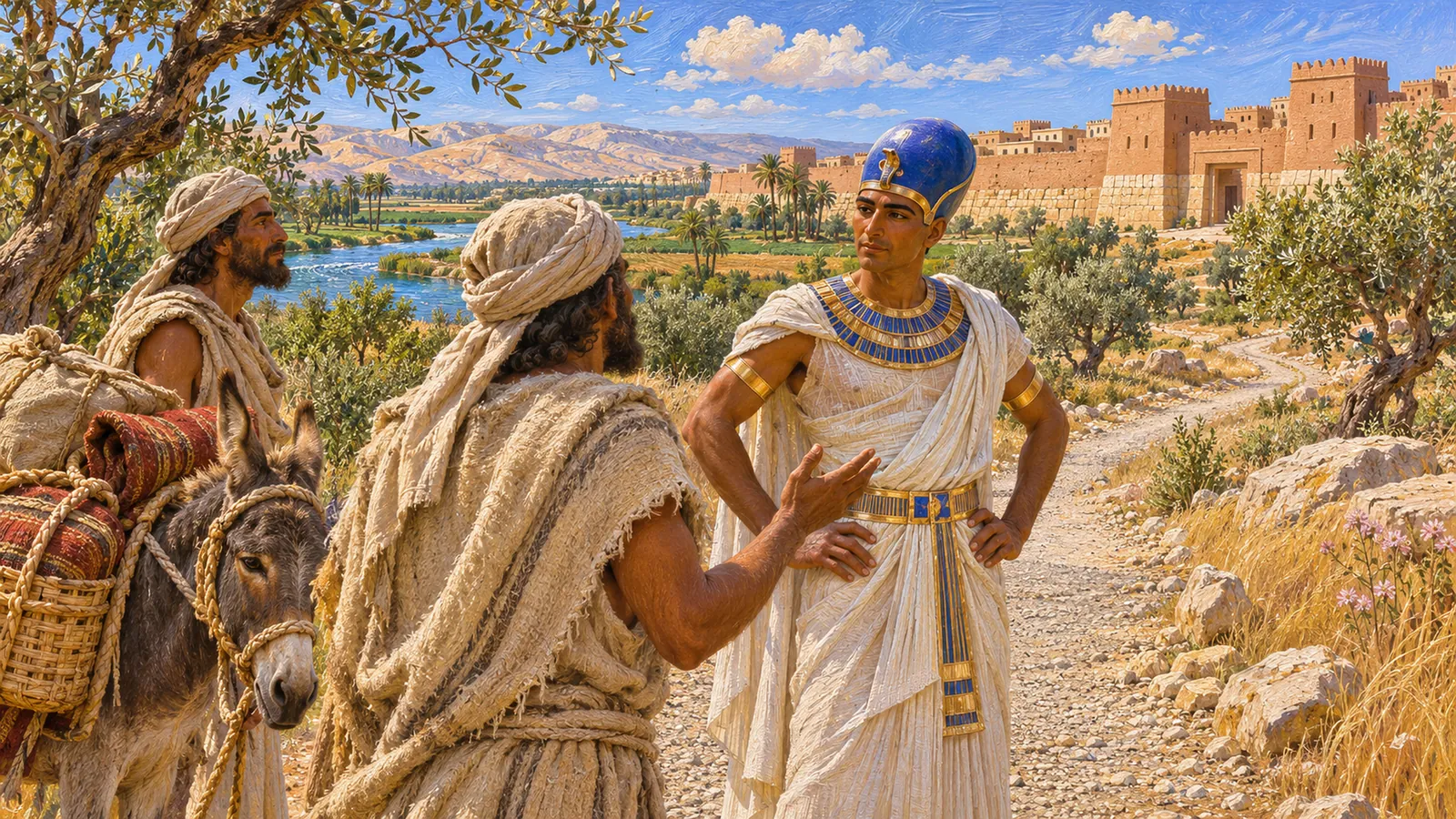
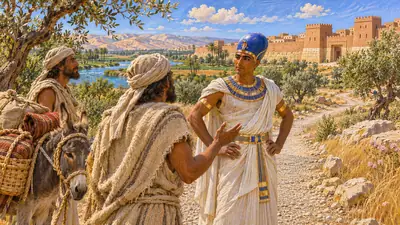
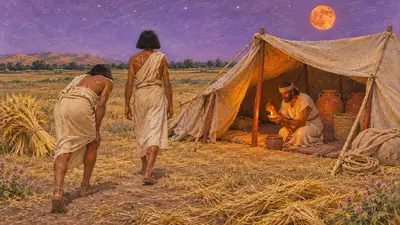
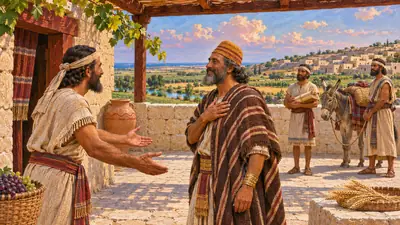
Two Shasu men approached and offered a report. They claimed that Muwatalli had retreated to the region of Aleppo, far north of the city that Ramesses had come to take.
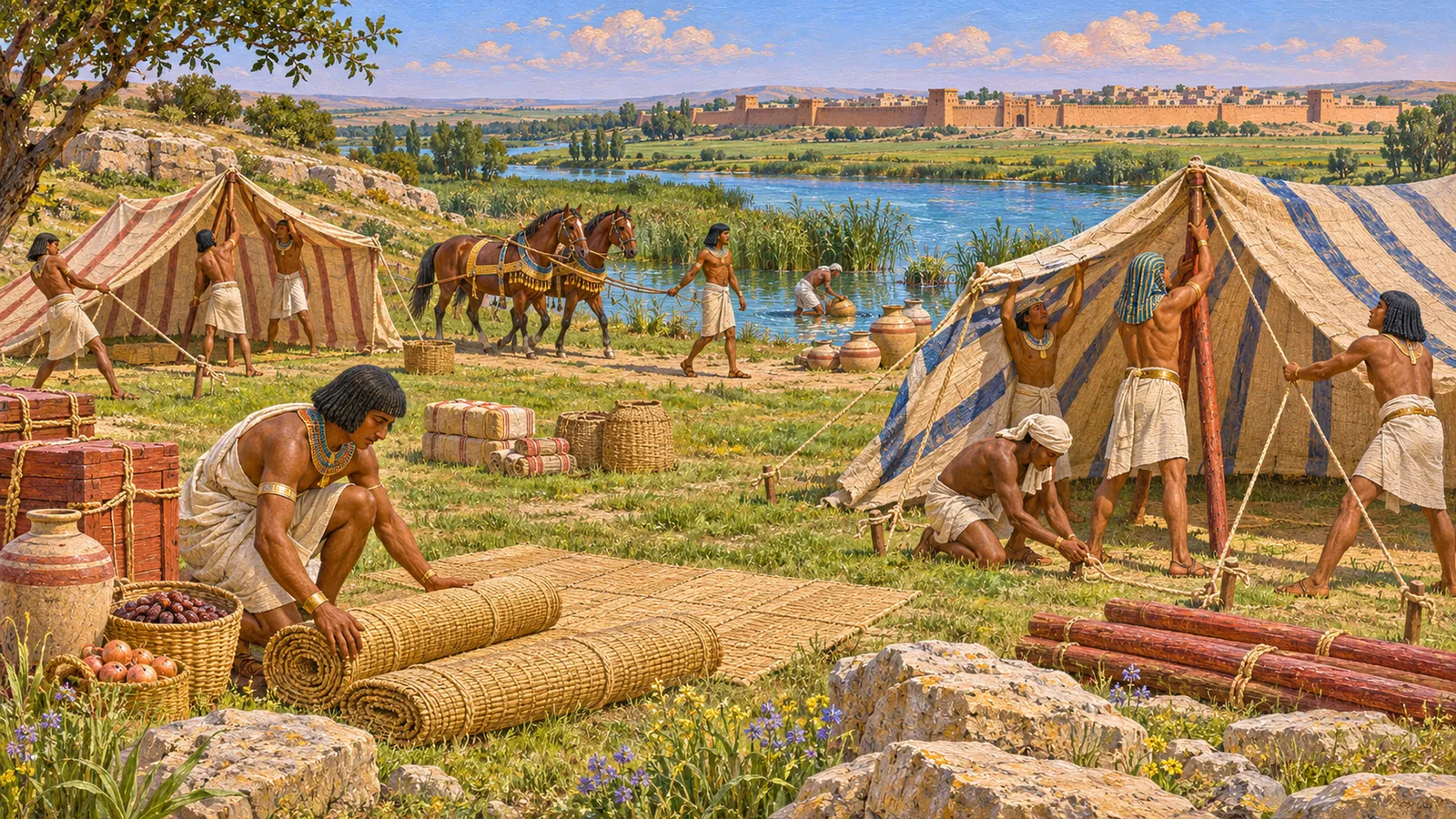
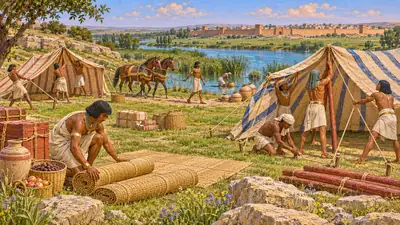
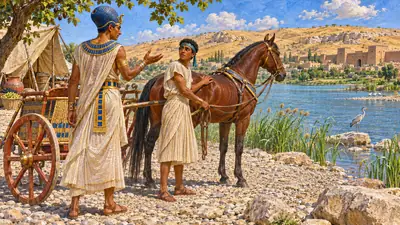
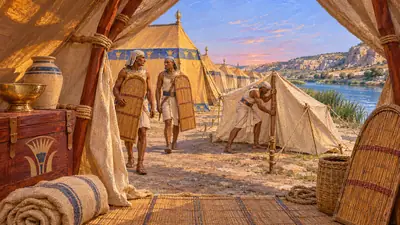
The Bulletin says the two had been sent to mislead him. Ramesses made camp northwest of Kadesh, close enough to see the citadel, while his divisions were still apart.
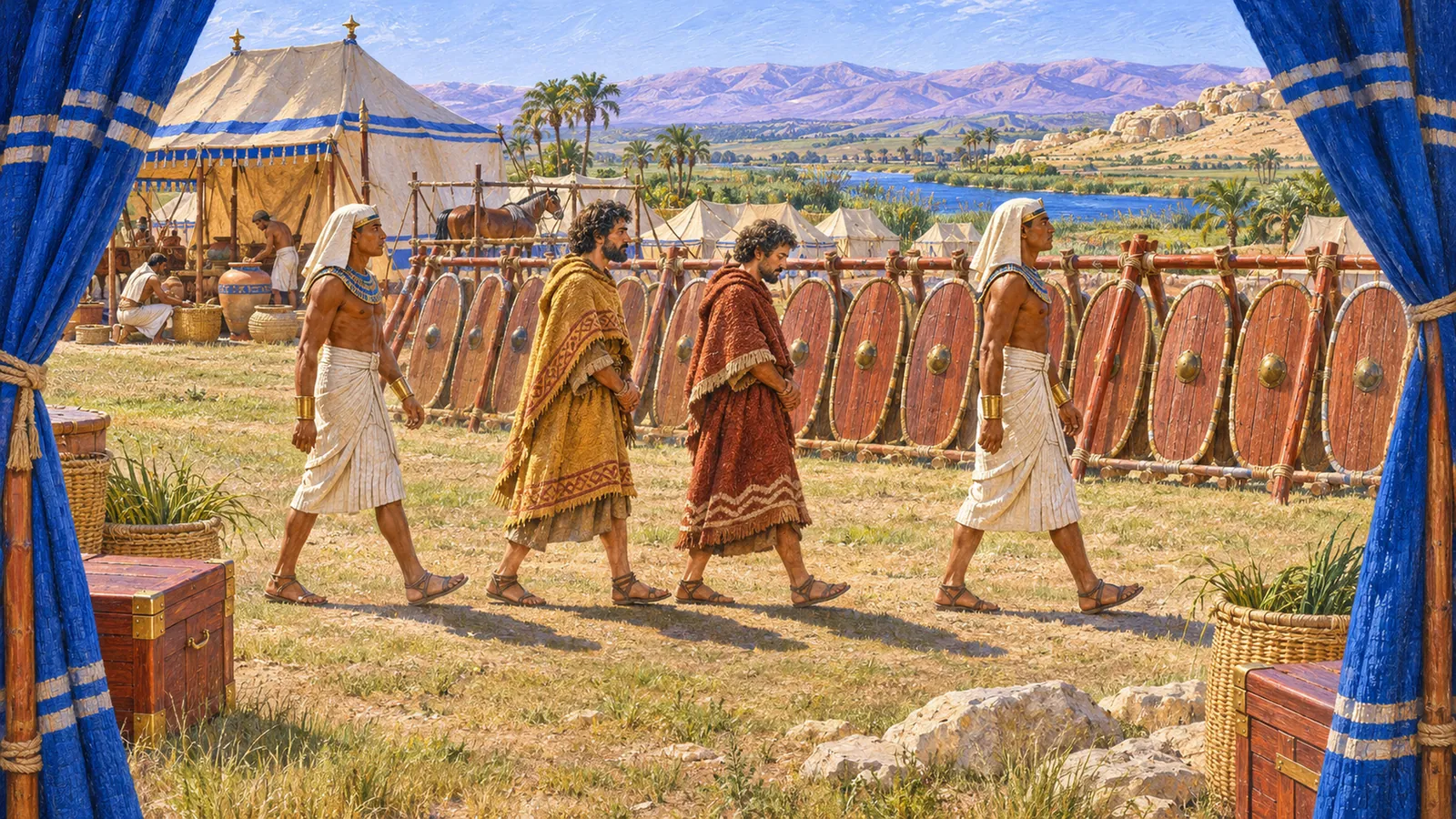
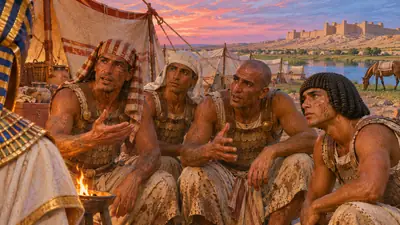
Then Egyptians brought in two captured scouts. These men said they served the king of Hatti and had been sent to learn exactly where the pharaoh was encamped.
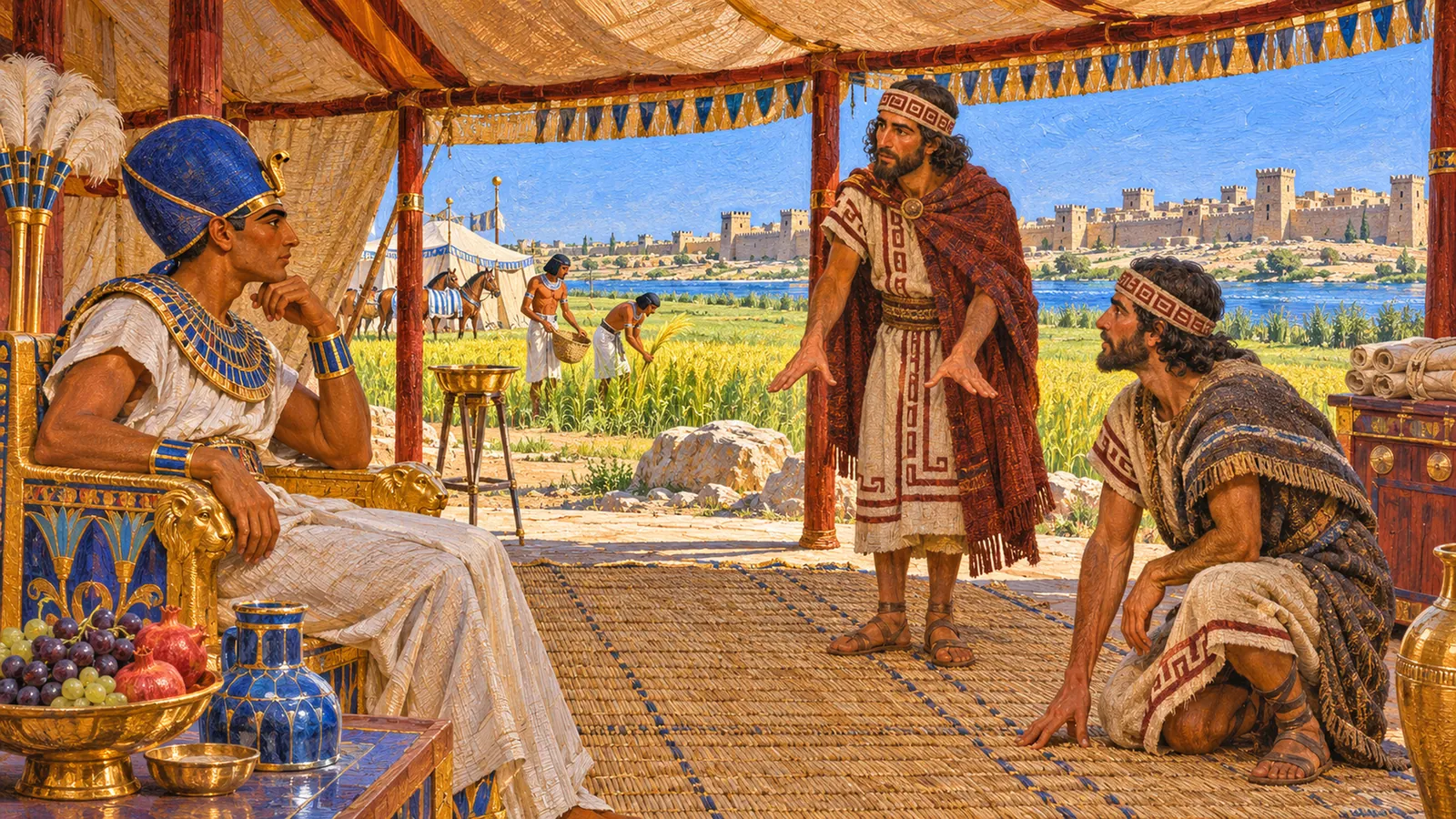
When Ramesses asked where Muwatalli was, the scouts placed him on the far side of Kadesh. His allies were already gathered there with their chariots and infantry.
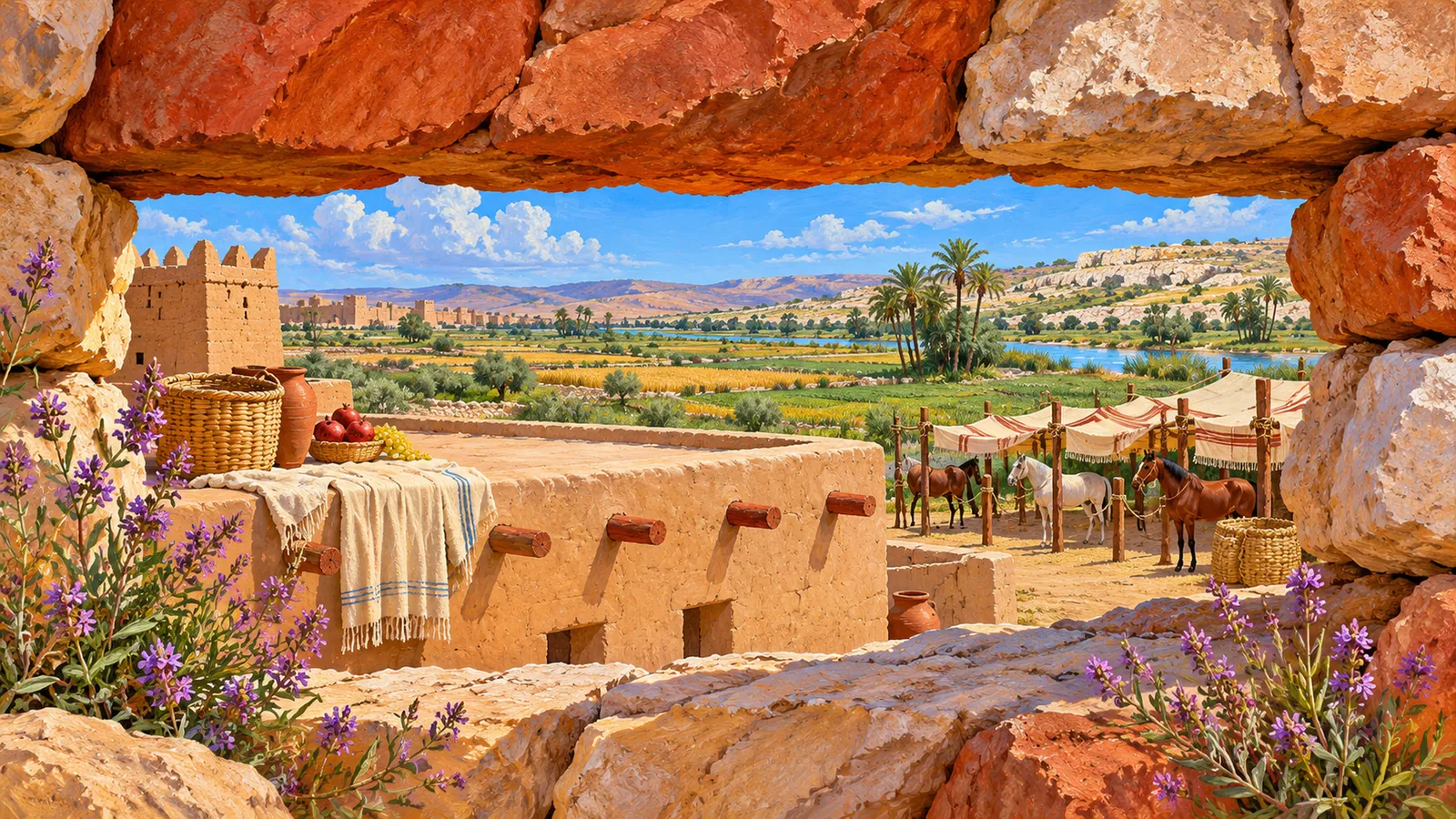
The Bulletin calls their hiding place the far side of Old Kadesh. The men Ramesses had been told were away near Aleppo were within reach of his camp.
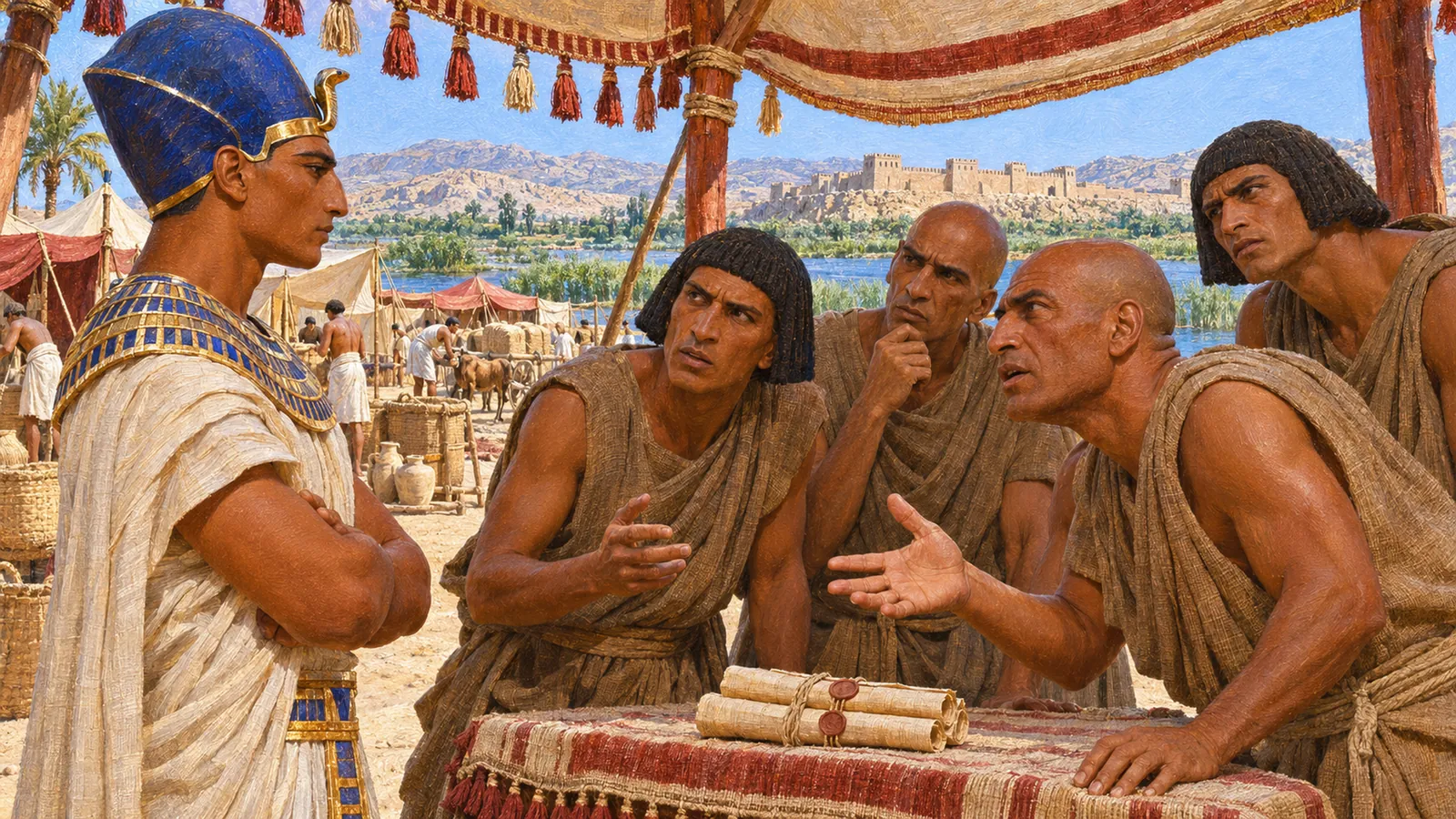
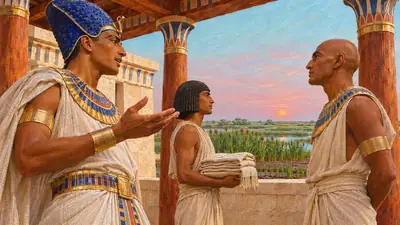
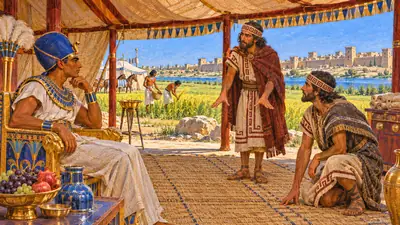
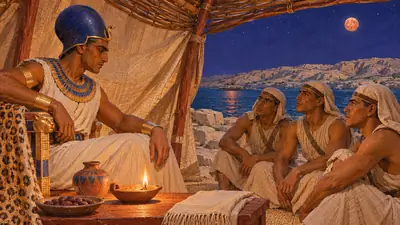
Ramesses summoned his officers and repeated what the scouts had said. He asked why officials who gave him daily reports had failed to find an army at his doorstep.
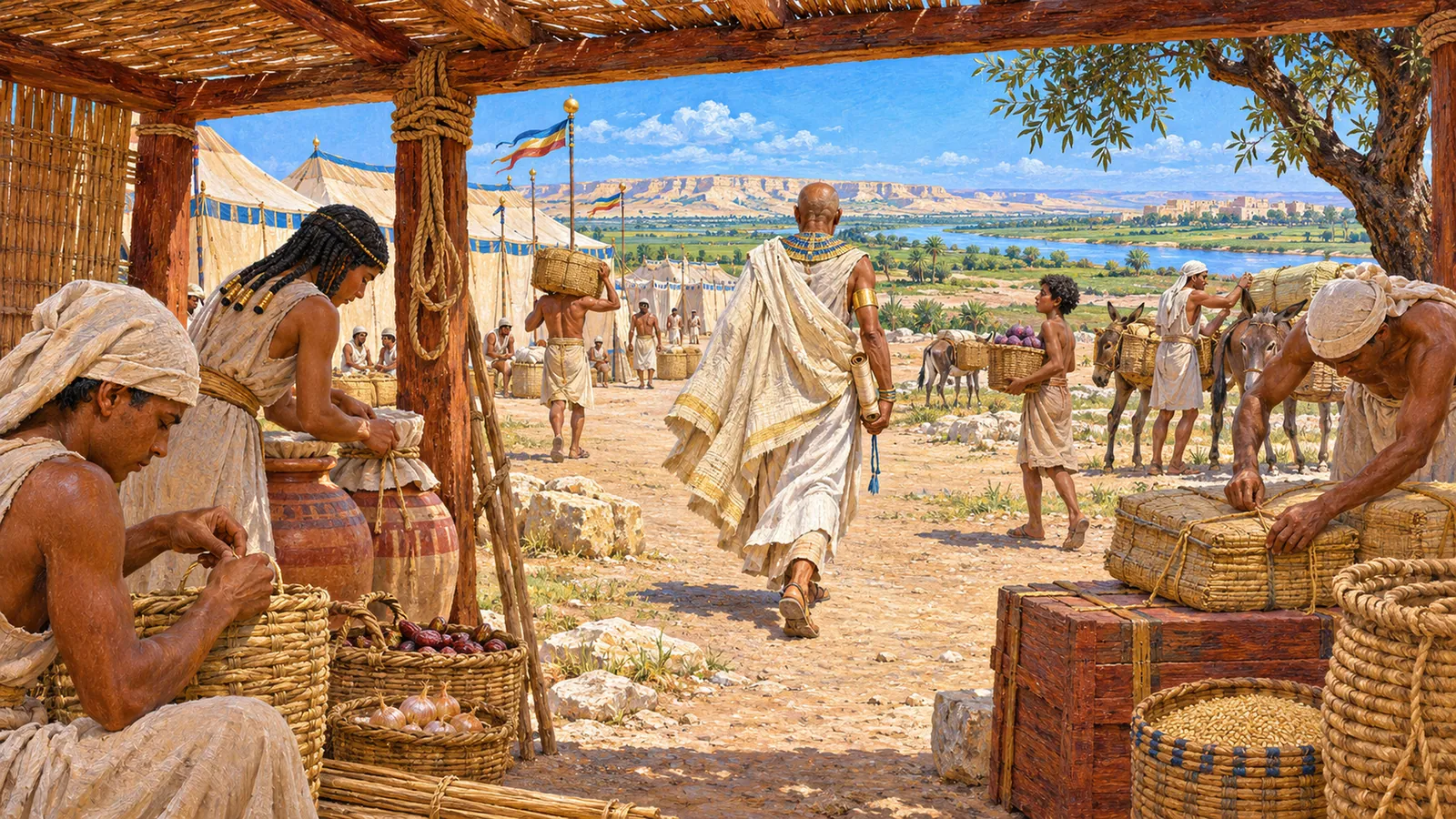
The officers laid blame on the men responsible for scouting. The king sent his vizier south toward Shabtuna to hurry the divisions still marching toward the camp.
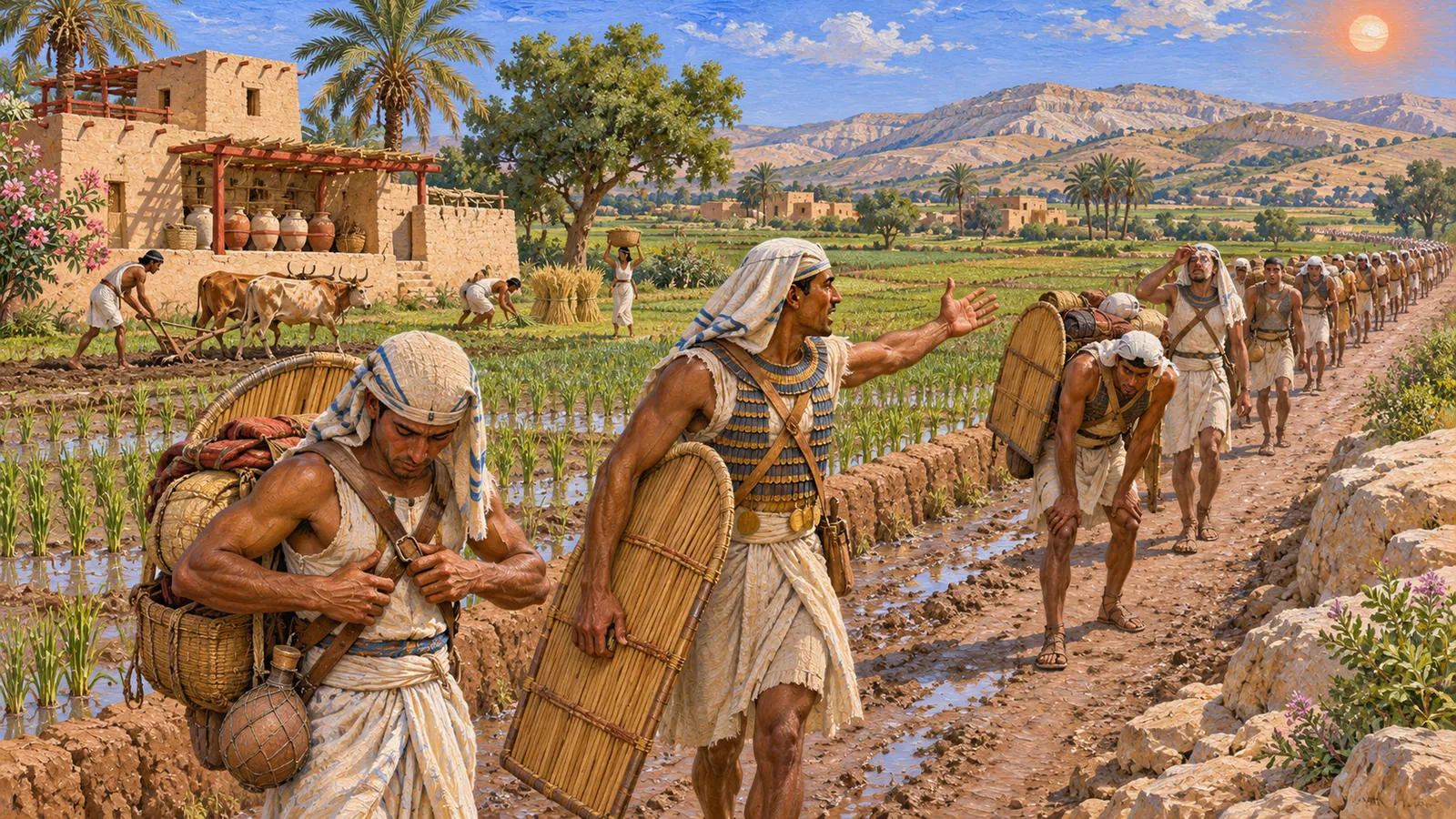
The division of Ra was on the march south of Kadesh. Ptah's division was farther away near Ironama, and the division of Seth was still on the road.
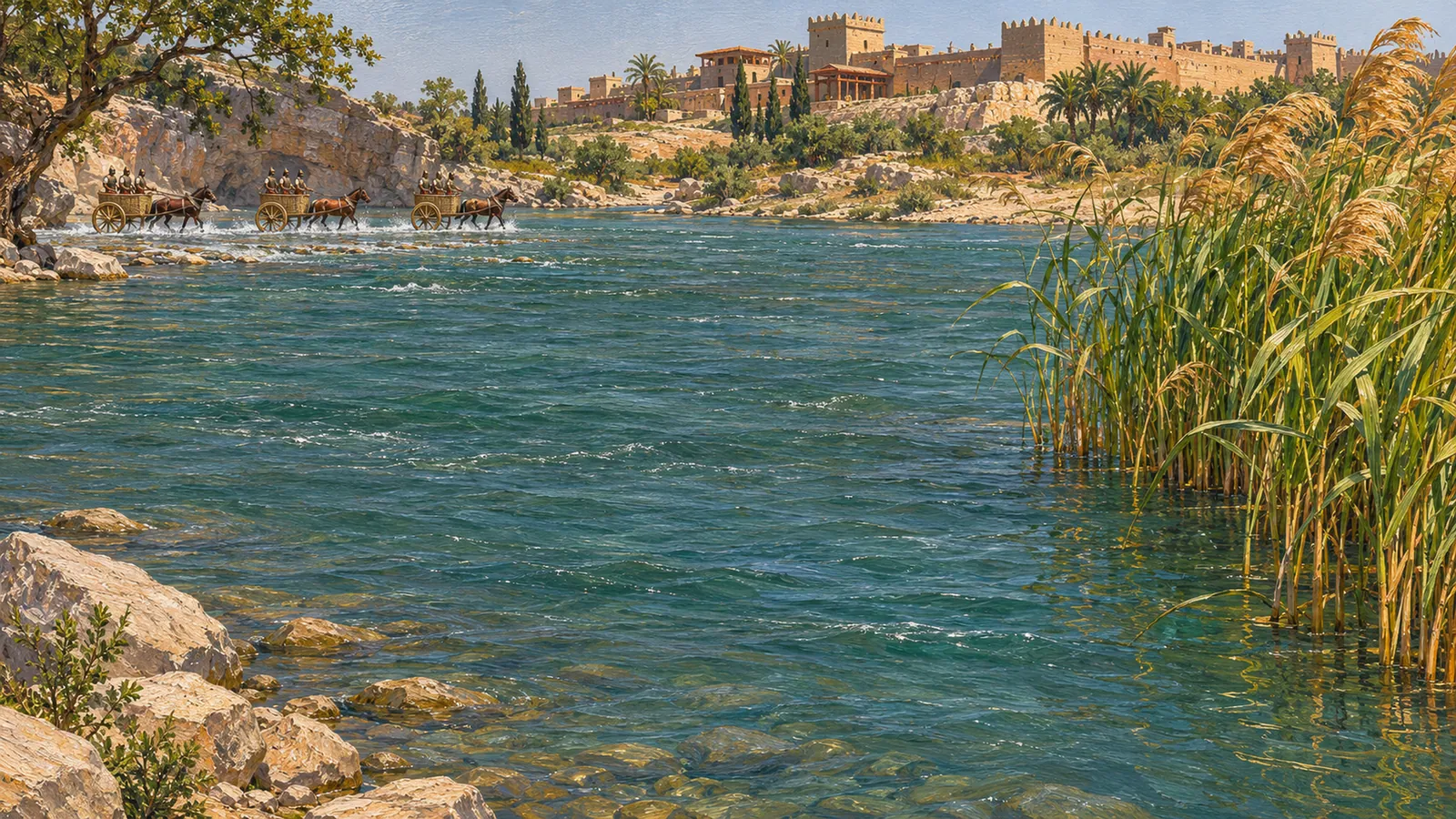
Then Hittite chariots came across the Orontes south of the city. The Egyptians' written accounts describe them striking the division of Ra while its men were still marching.
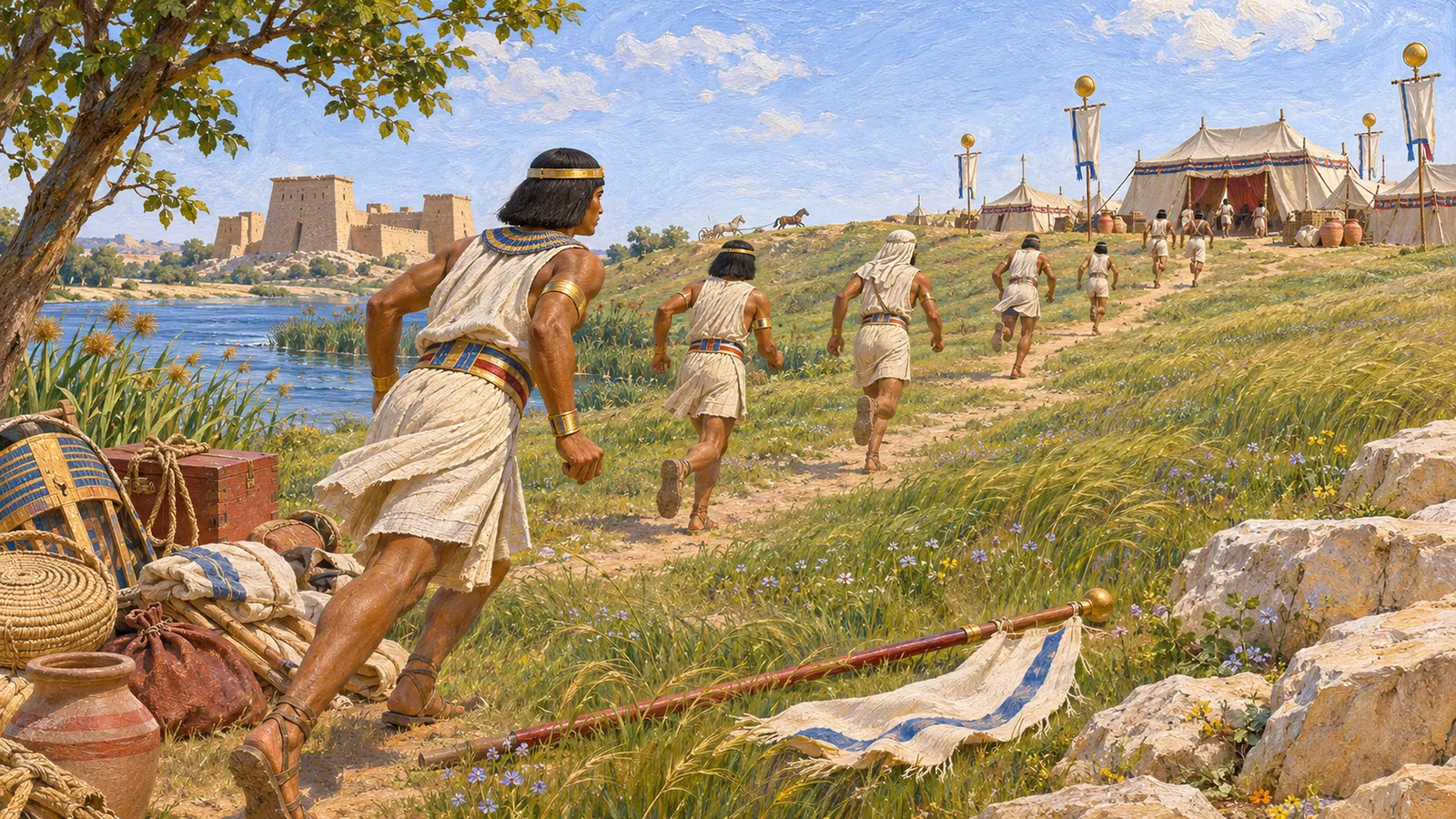
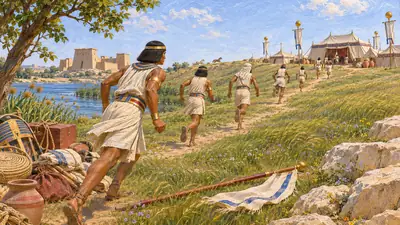
Ra's column broke. Men who escaped ran north to the king's camp, and the chariots followed. The warning reached Ramesses with the fugitives and the dust of their pursuers.
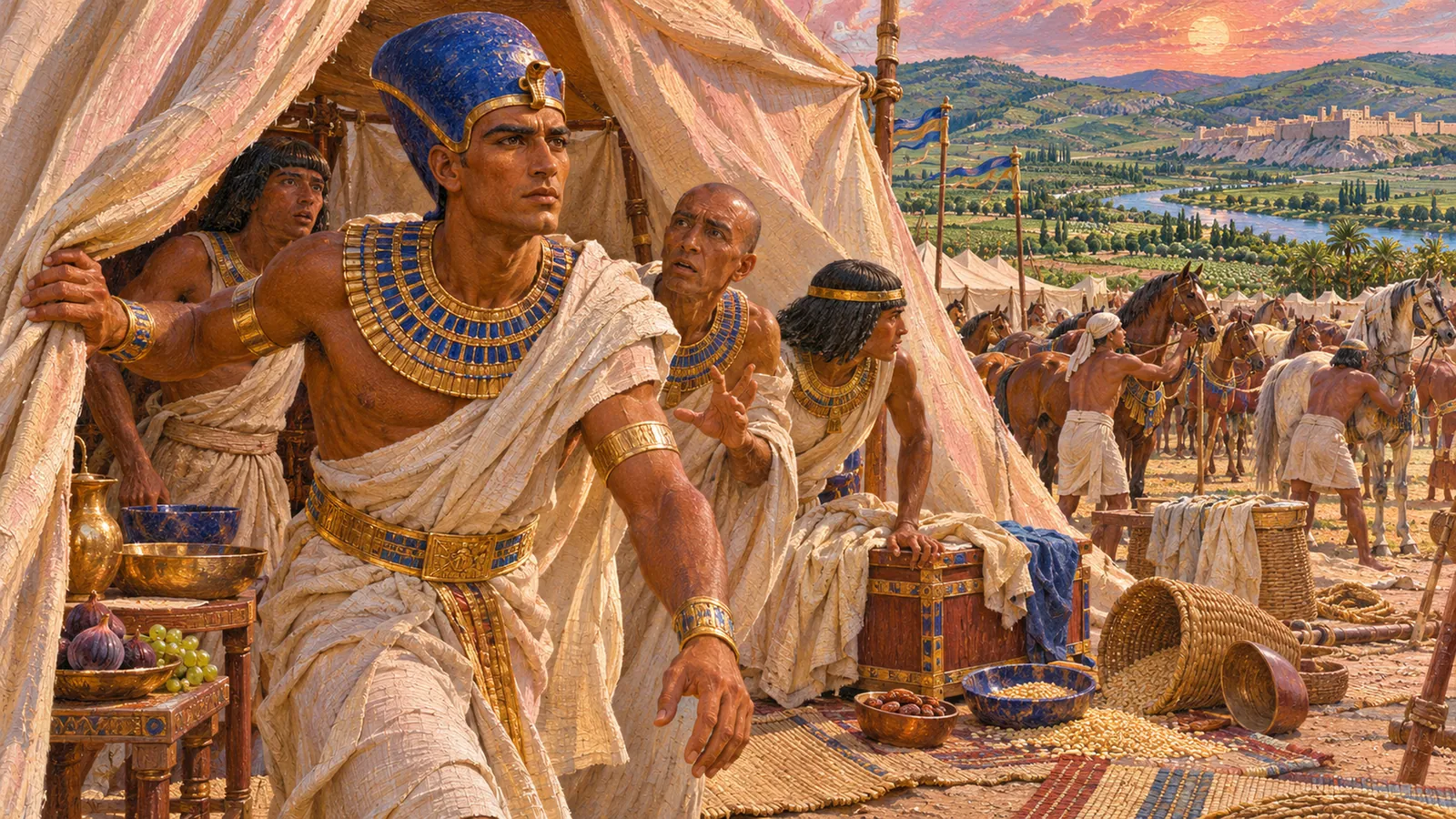
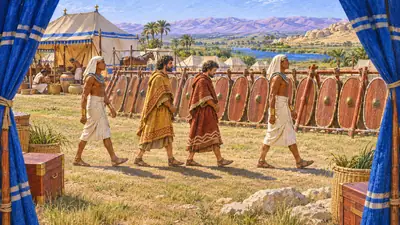
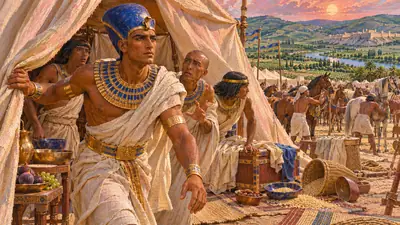
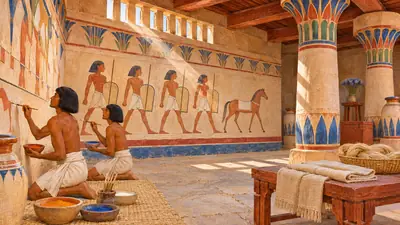
The reliefs show confusion spreading through the camp of Amun. Their carved shelters, people and animals tell a story of sudden disorder around the king's encampment.
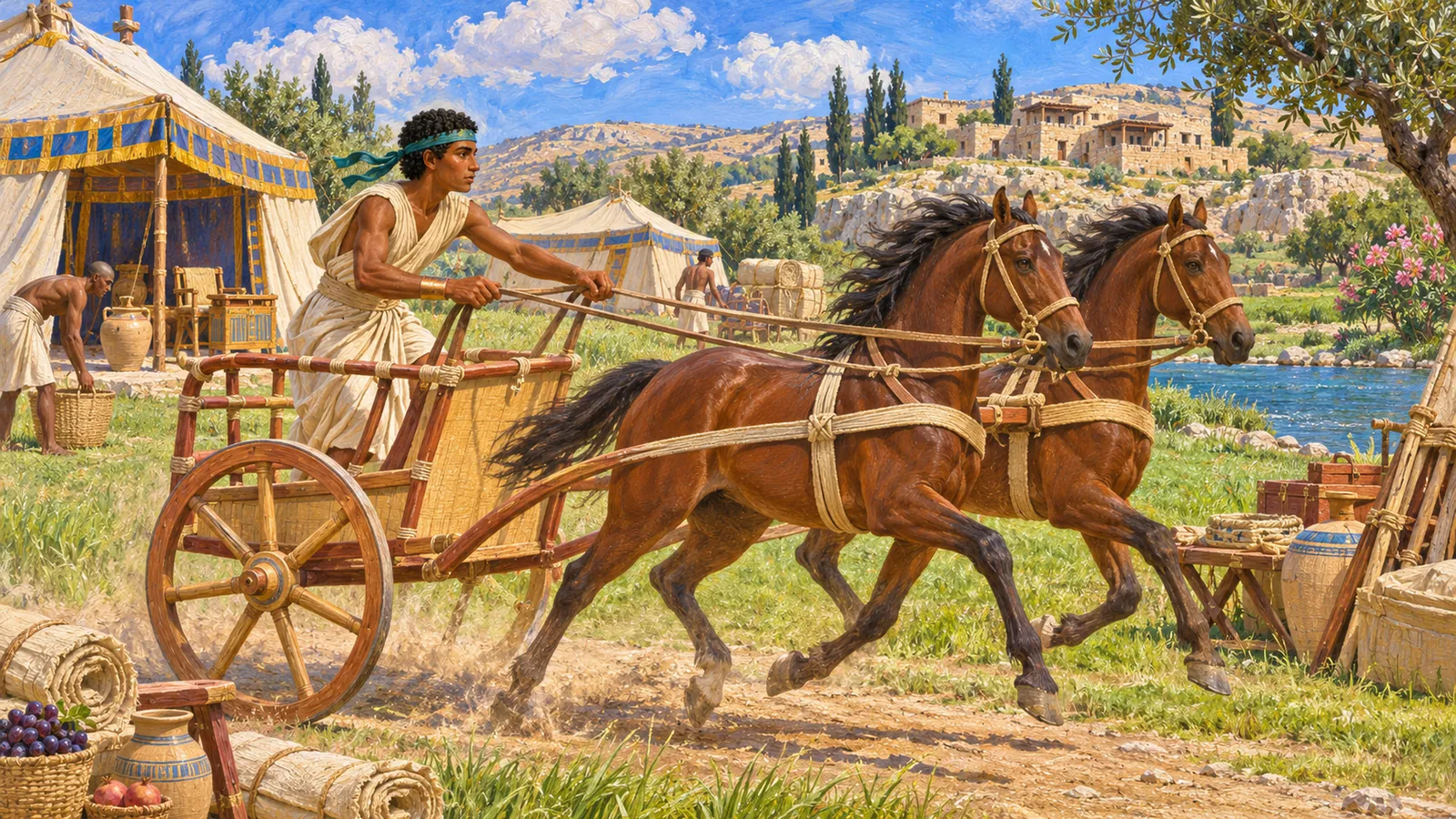
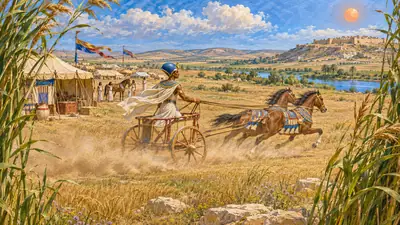
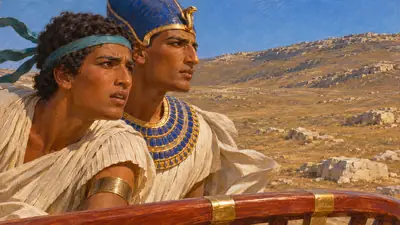
Ramesses armed himself and took to his chariot. In the poem his own voice takes over, describing the soldiers who fled and how alone he felt among the enemy.
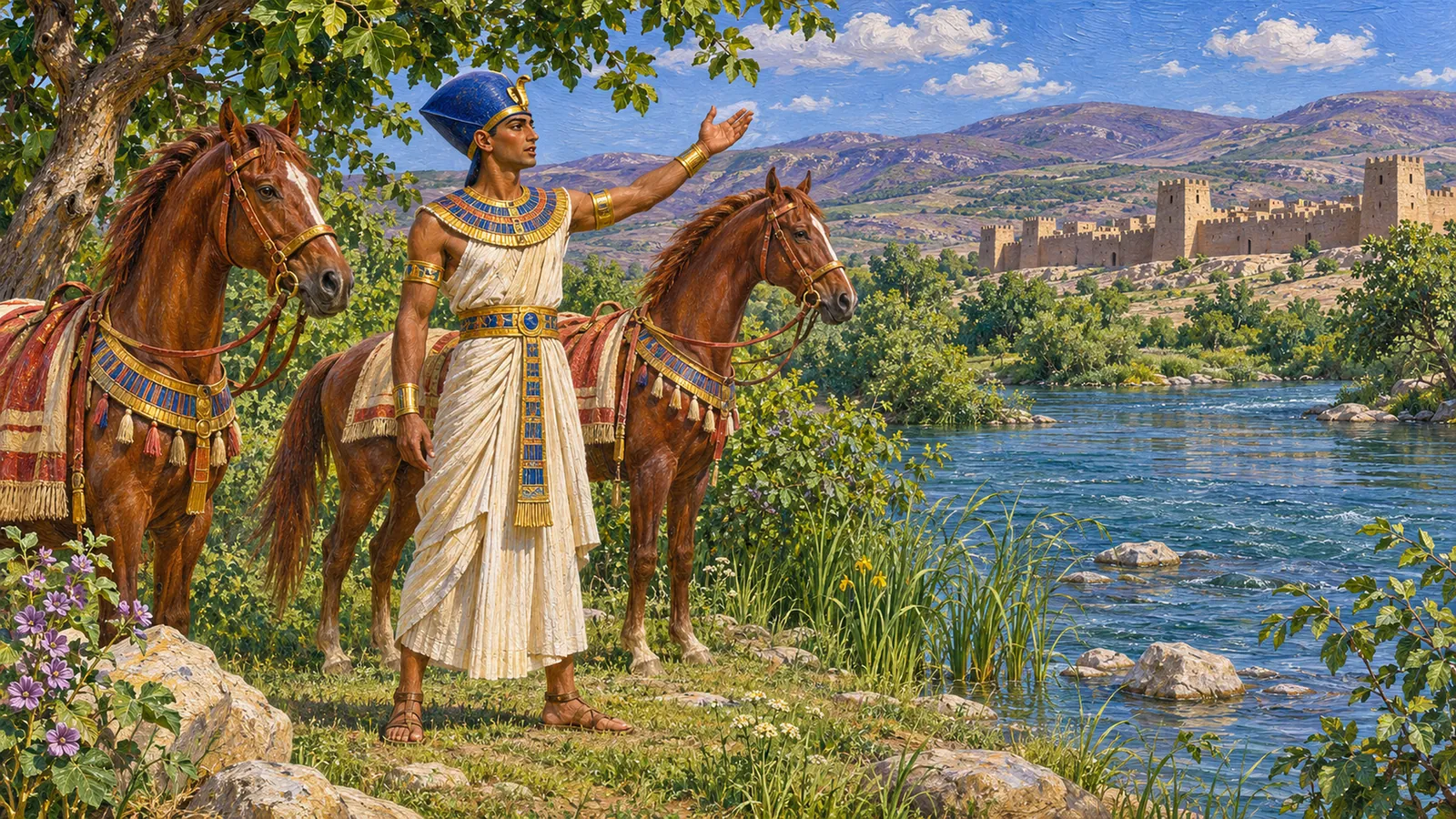
Ramesses called out to Amun as a son asking his father why he had been left unaided. Had he ever neglected anything the god required of him?
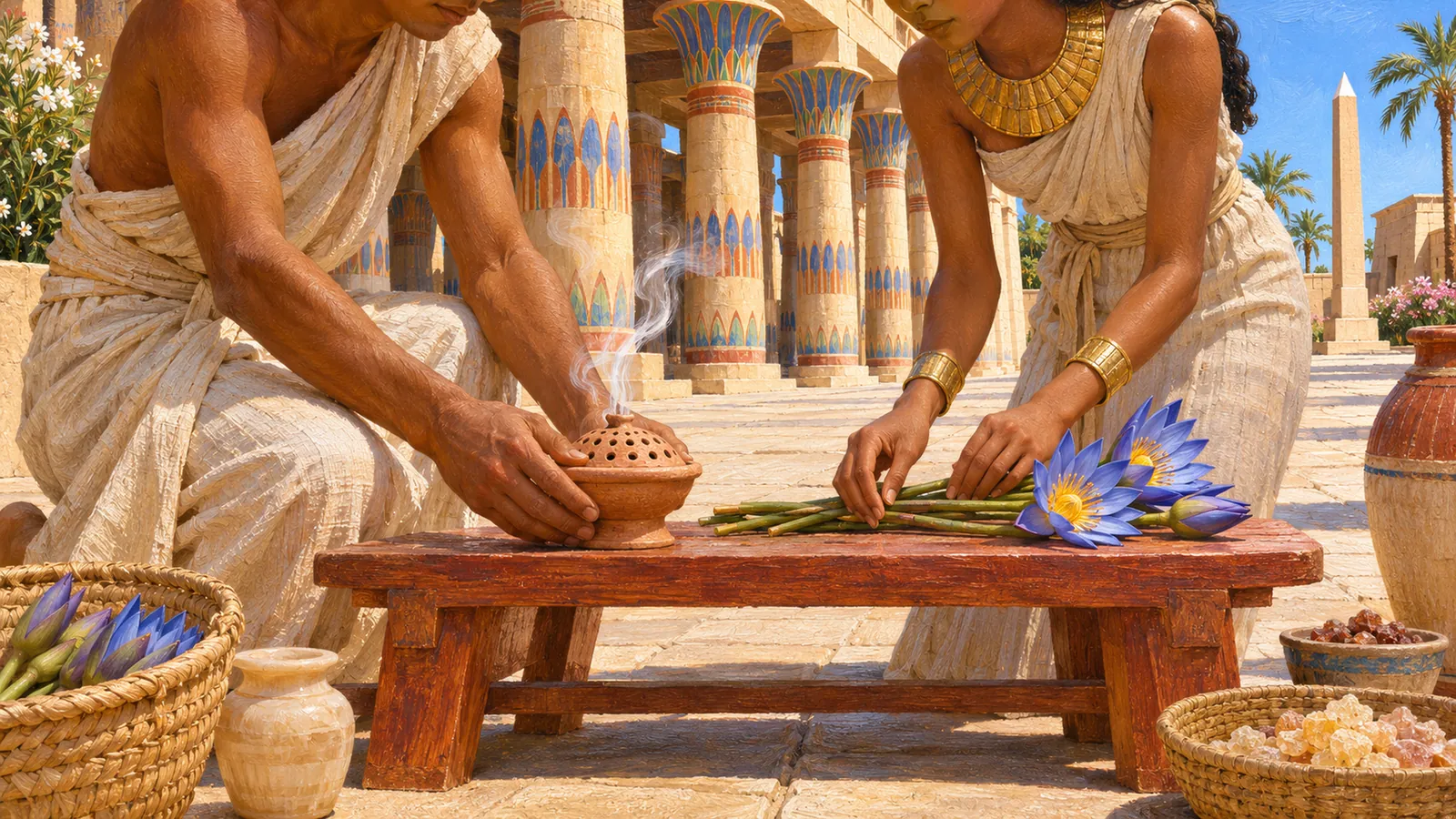
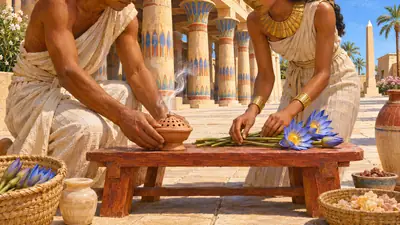
He remembered the great gateways and flagstaffs, the obelisks he had brought from Elephantine, the cattle, the fragrant offerings, and the wealth he had provided for Amun's temple.

On an unfamiliar plain, the sound of Egypt's army had vanished from around him. In the poem he declares that Amun's help is worth more than a whole army.

In the poem Amun hears the cry and answers, telling Ramesses to go forward with his support. The king describes new strength coming over him at the god's reply.
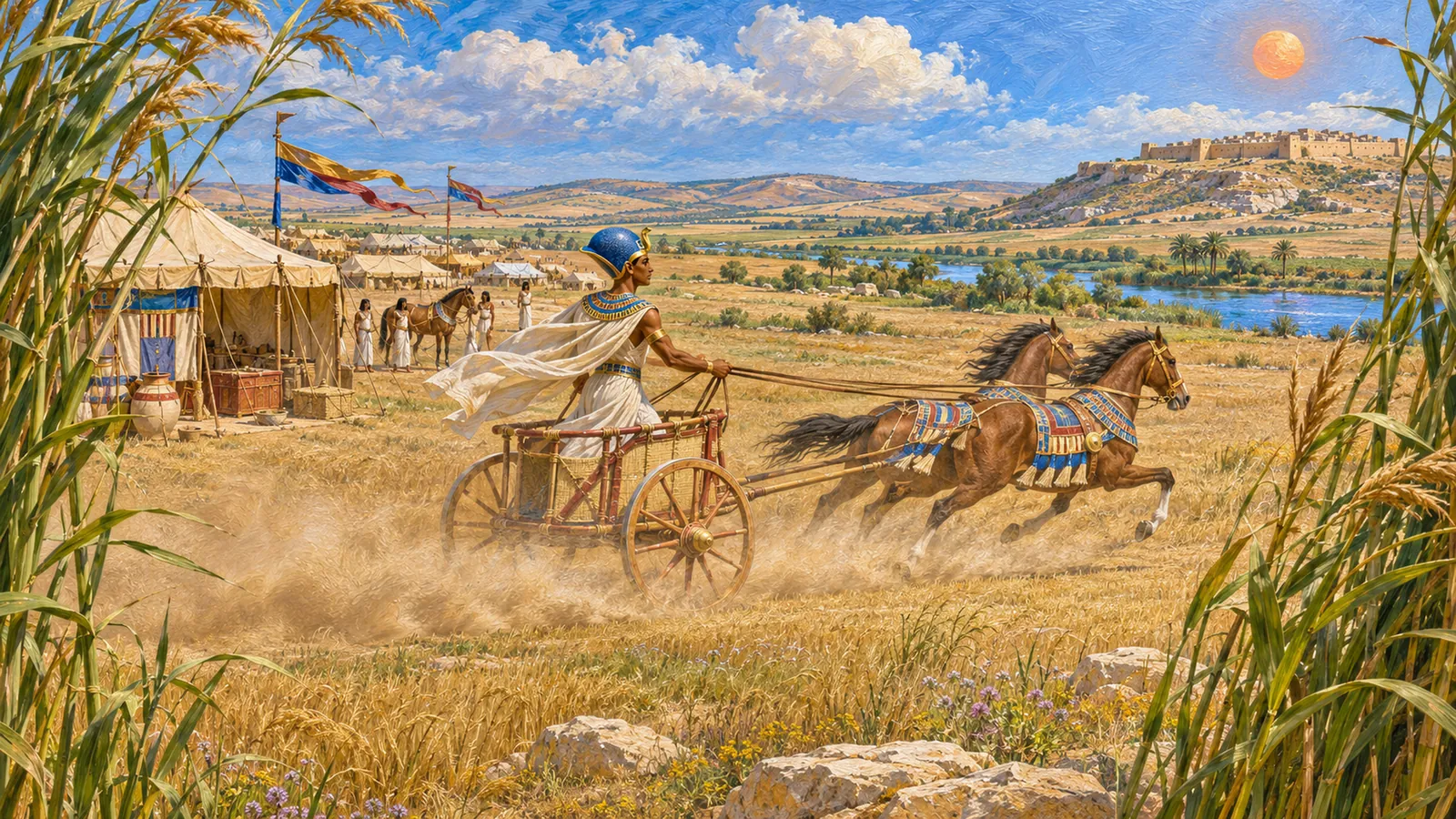
The poem sends Ramesses into the press of chariots and likens him to Montu, the fighting god of Thebes. A king under attack becomes the center of Egypt's story.
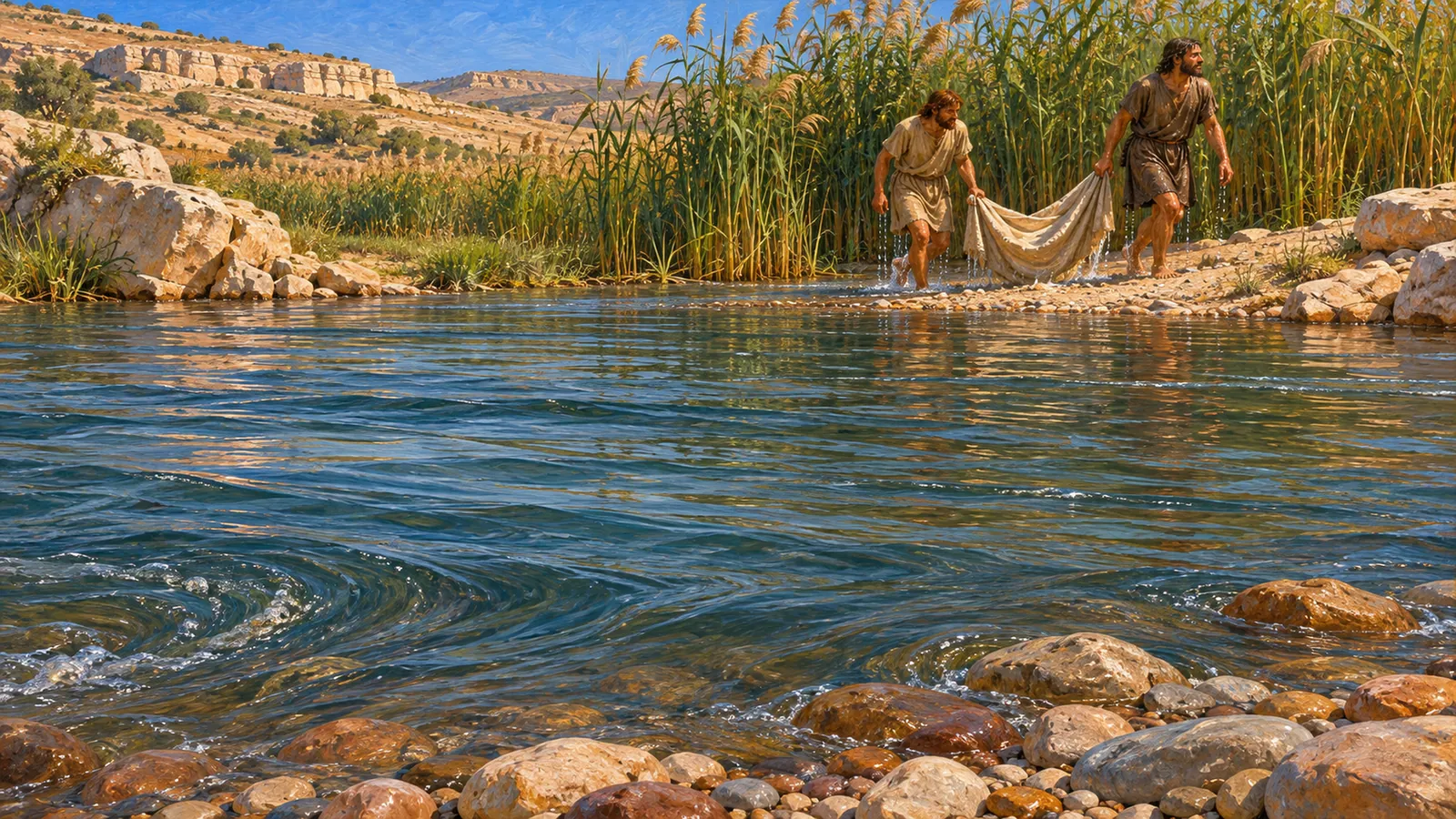
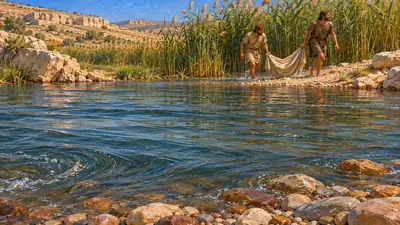
In the royal telling, men driven back by the king tumble into the Orontes. The Egyptian battle reliefs make the river itself a conspicuous part of the scene.
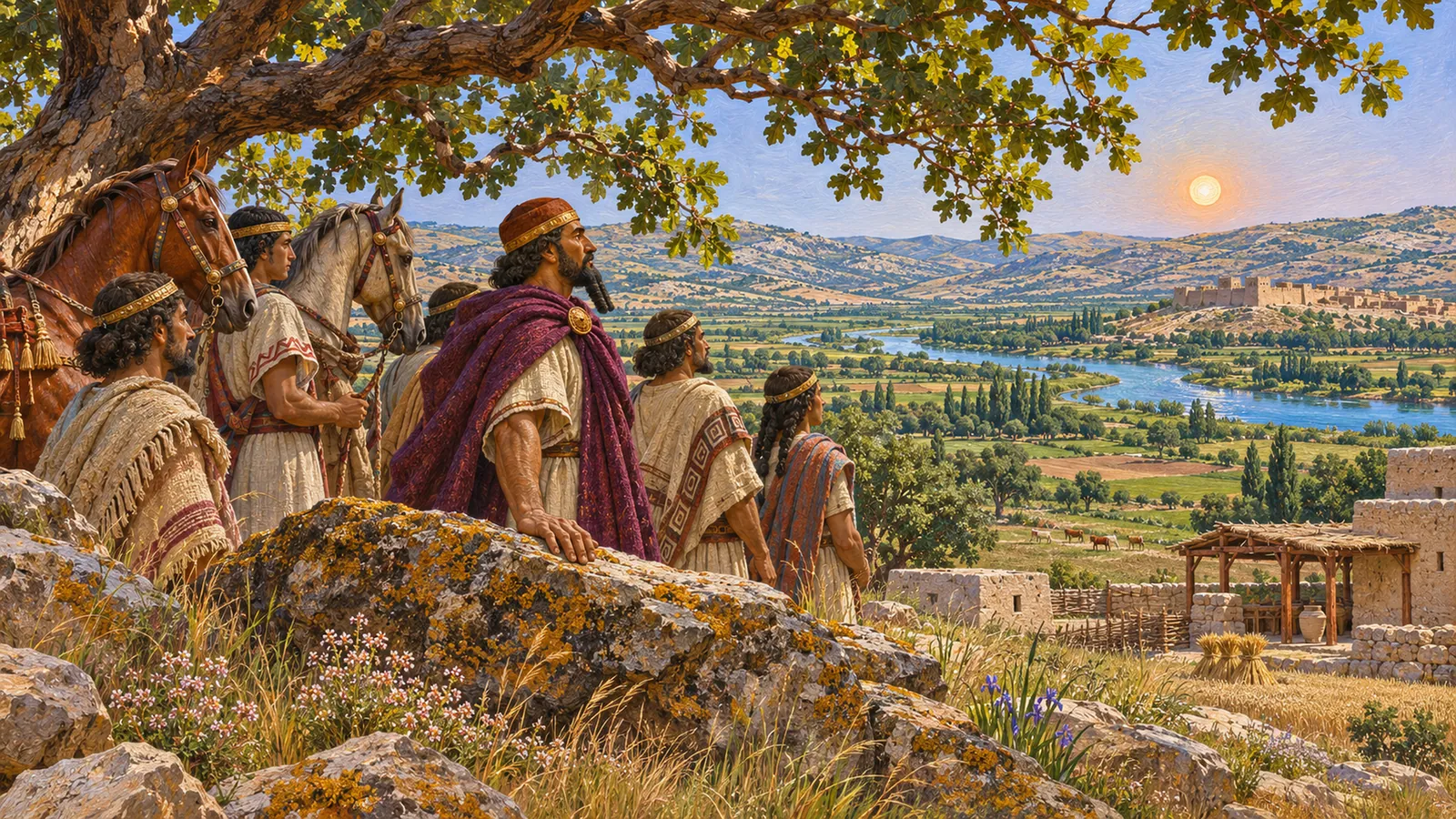
The poem keeps Muwatalli among his assembled troops. When he saw his chariots losing ground, the Egyptian text says, he sent forward more men and the leaders of several allies.
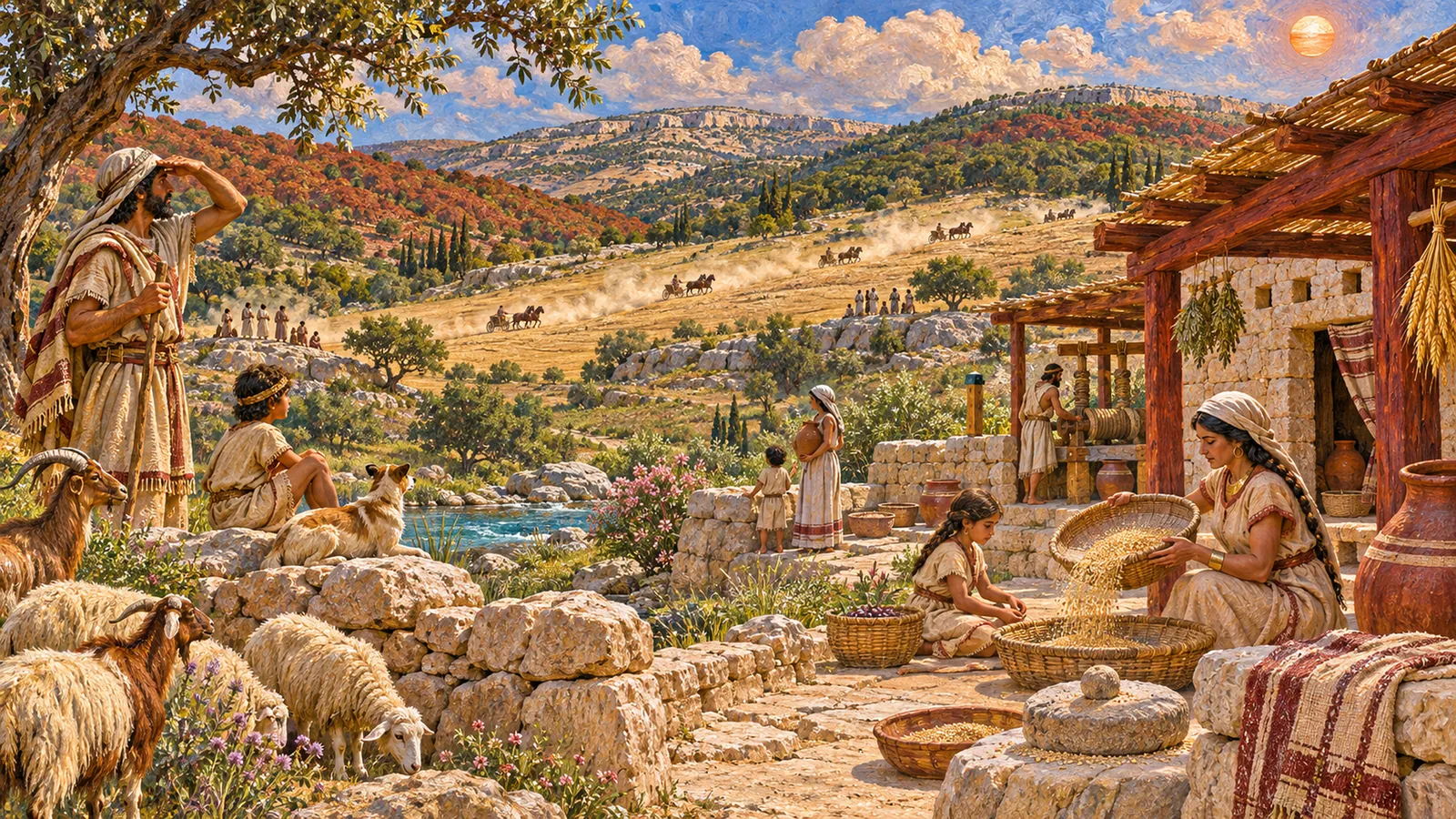
The Egyptian poet names the chiefs from Carchemish and Aleppo among those who came forward, along with Muwatalli's brothers. The poem sets their combined strength against one king.
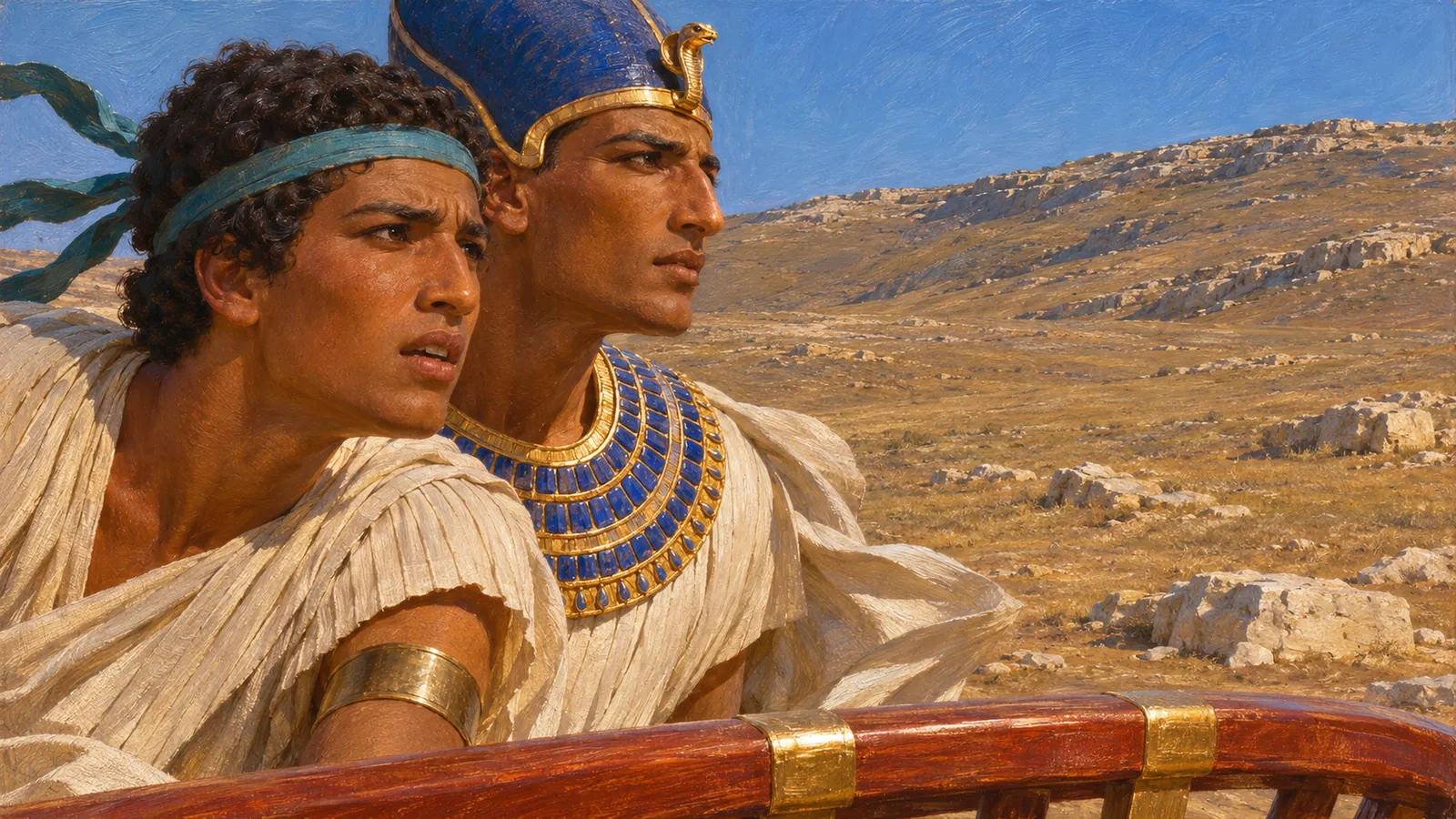
Here Menna, the king's shield-bearer, is frightened by the chariots around them. He begs Ramesses to take them both out while the two men still have a chance.
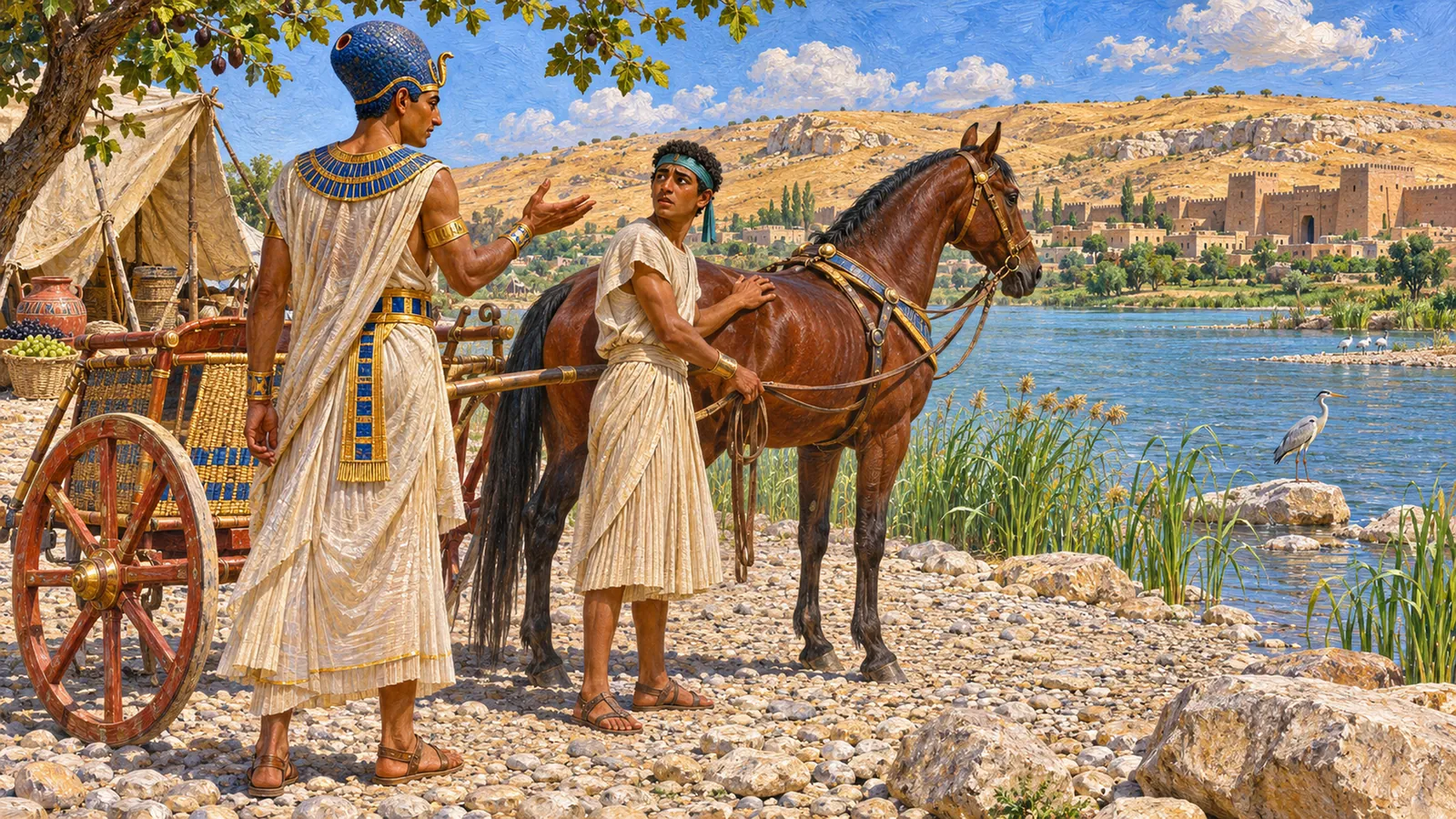
In answer, Ramesses urges Menna to steady himself. The king says that he will come down like a falcon, a comparison the poet uses to turn fear into defiance.
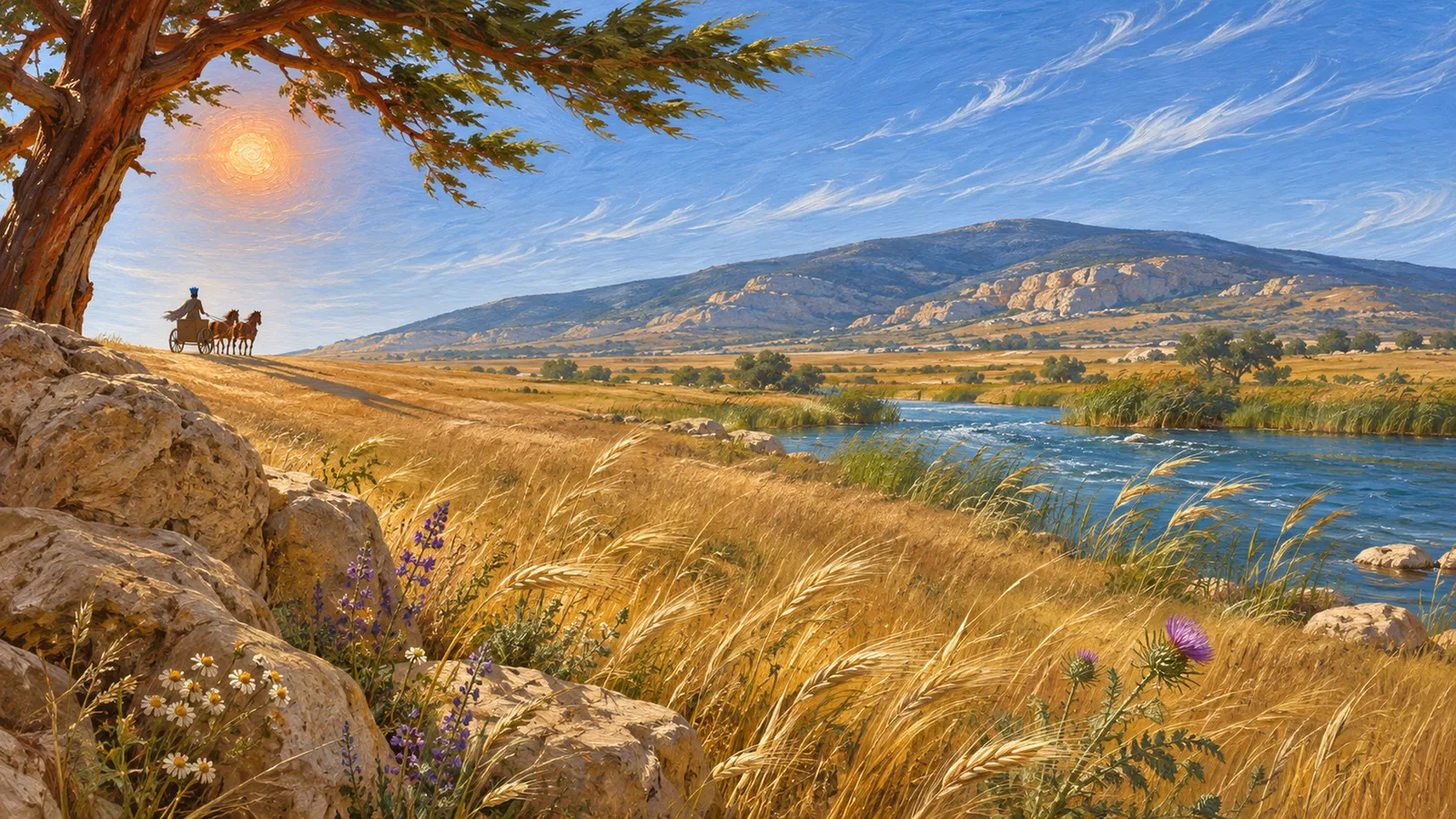
The poem counts a sixth charge. Its quick succession of scenes and comparisons makes the reader feel a single royal chariot pressing on against a field full of opponents.

In the reliefs, the river winds through a crowded tableau that extends beyond the king. The Egyptian artists found space for actions that his poem passes over quickly.
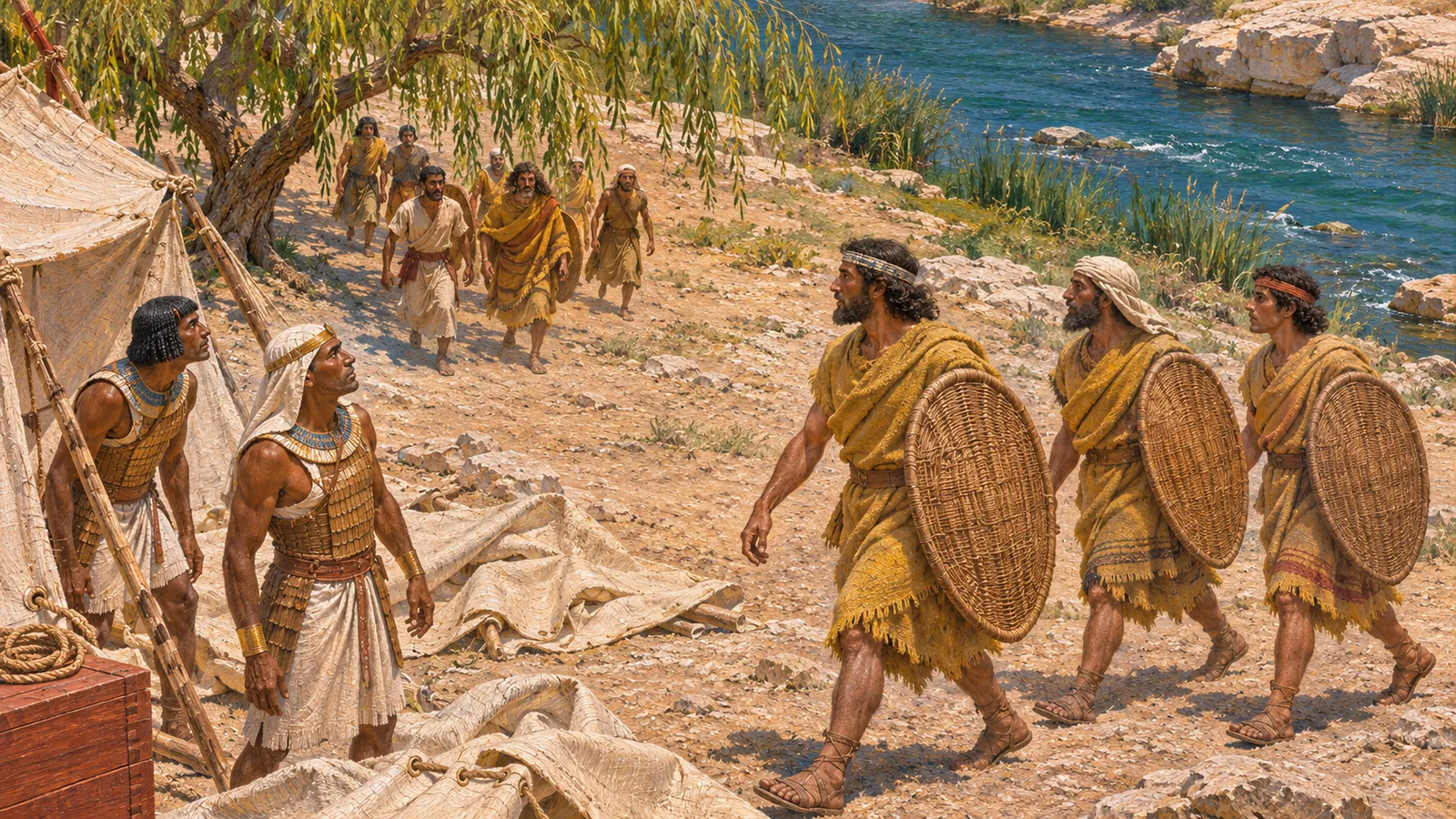
One group is named separately in the relief captions. The Ne'arin came from the direction of Amurru and arrived as the Hittite chariots threatened the king's camp.
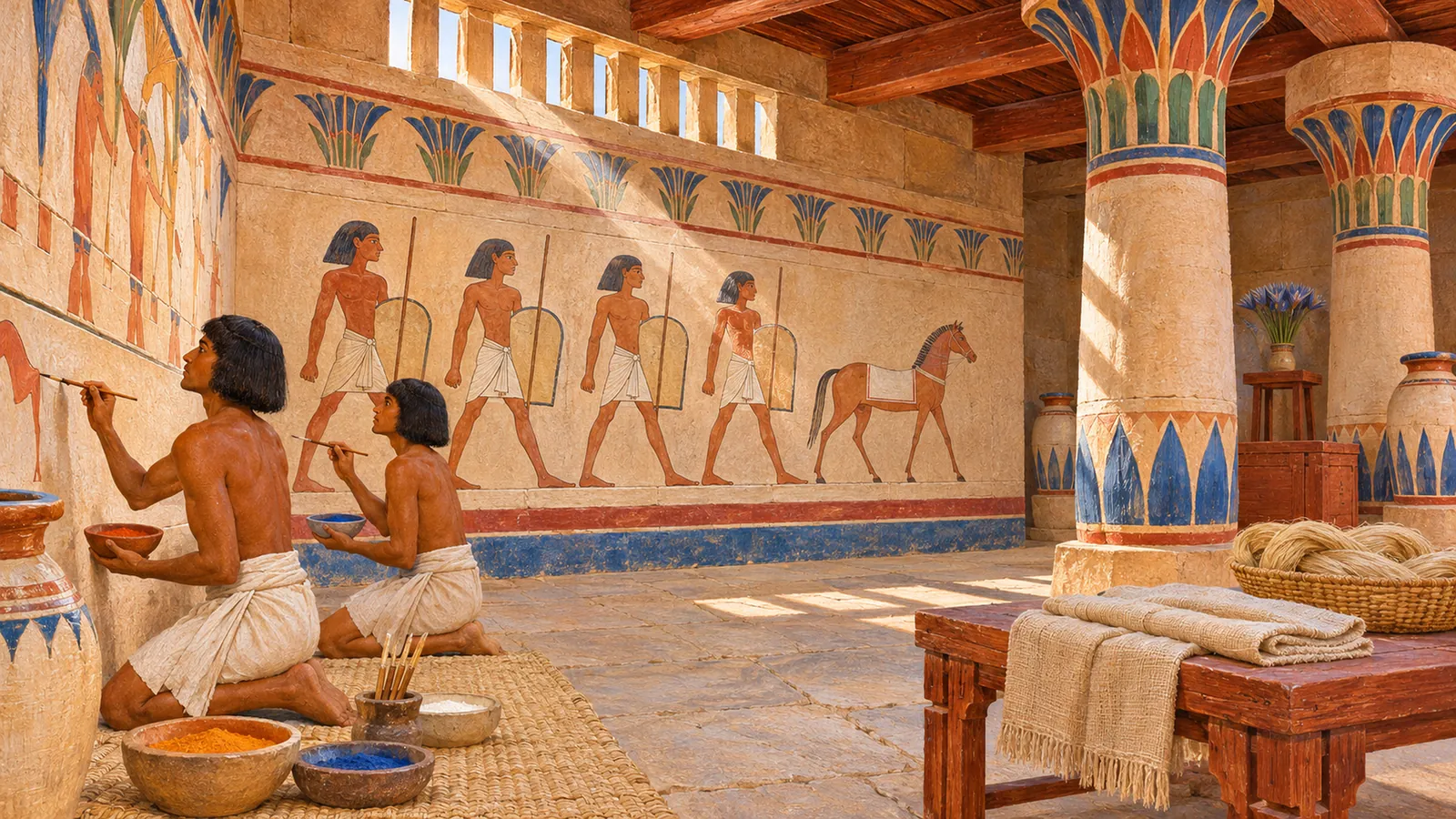
The reliefs give the Ne'arin an active part in the defense. Scholars still debate who they were, but the ancient pictures give their arrival a place in the battle.
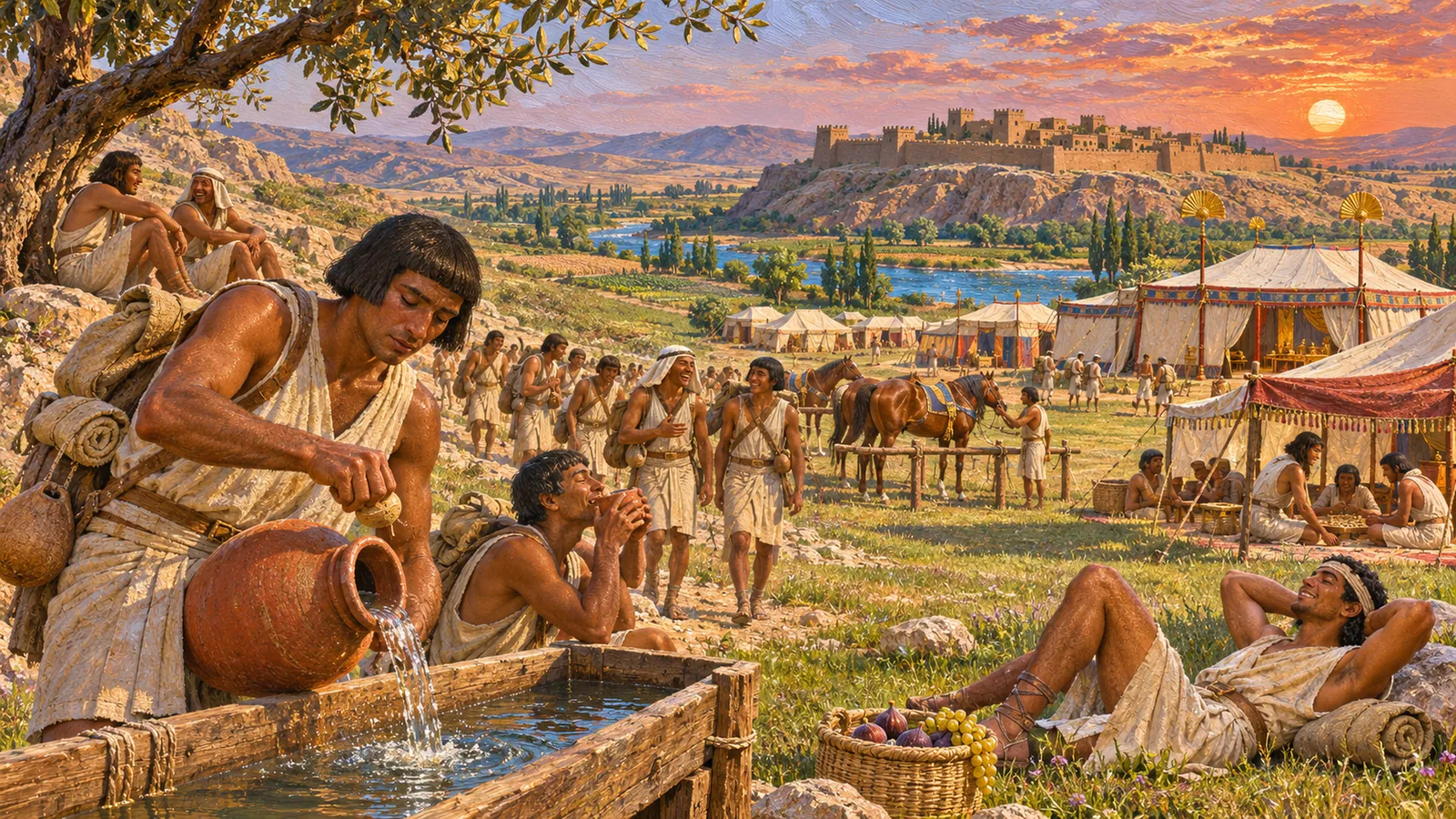
The poem had placed Ptah's division on the march south of Ironama. Beyond the Ne'arin, the Egyptian accounts give only glimpses of the men who converged on the camp.
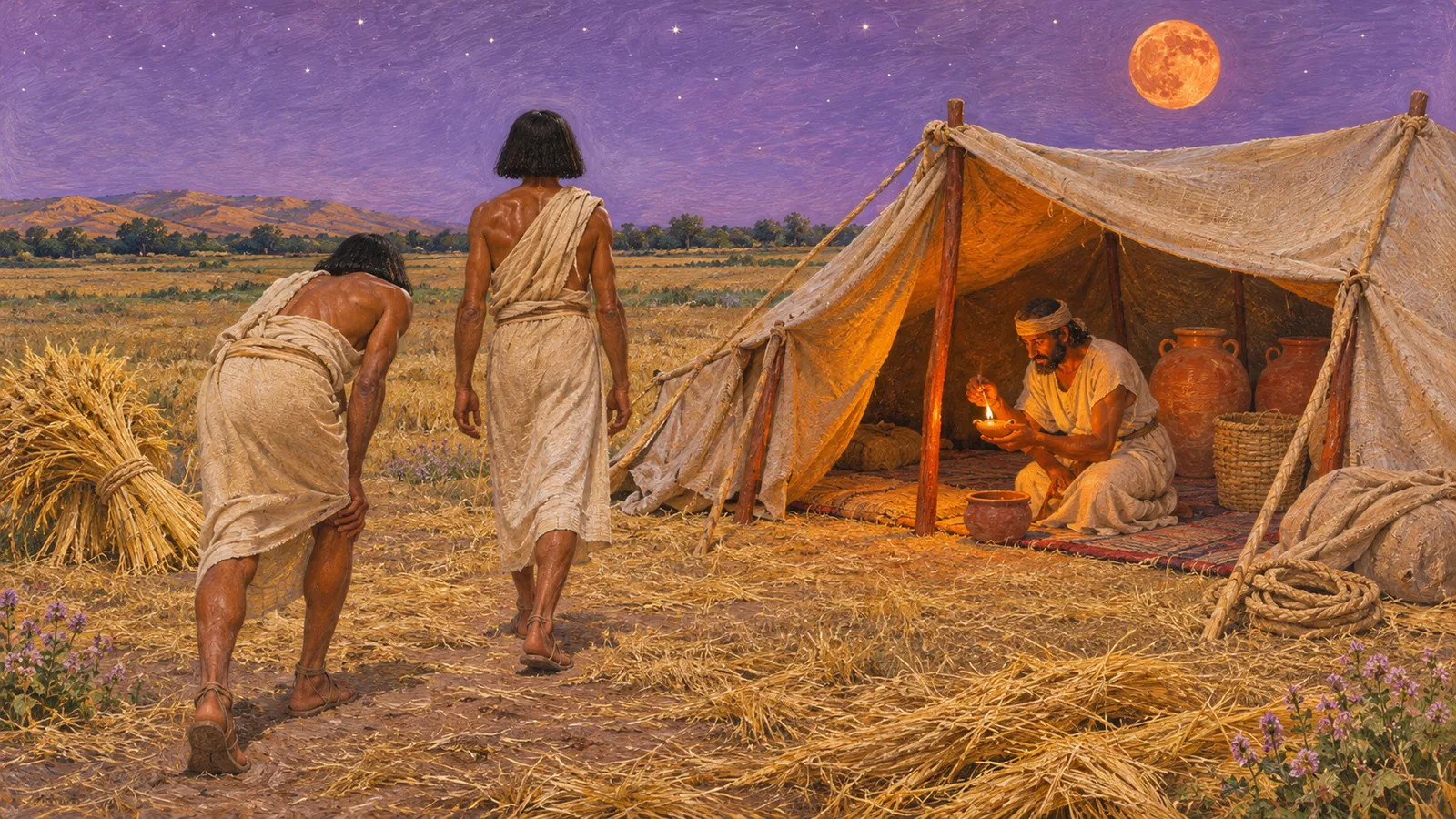
After dark, the poem says, the Egyptian soldiers began to come back to camp one at a time. The captains and charioteers joined those who had already returned.
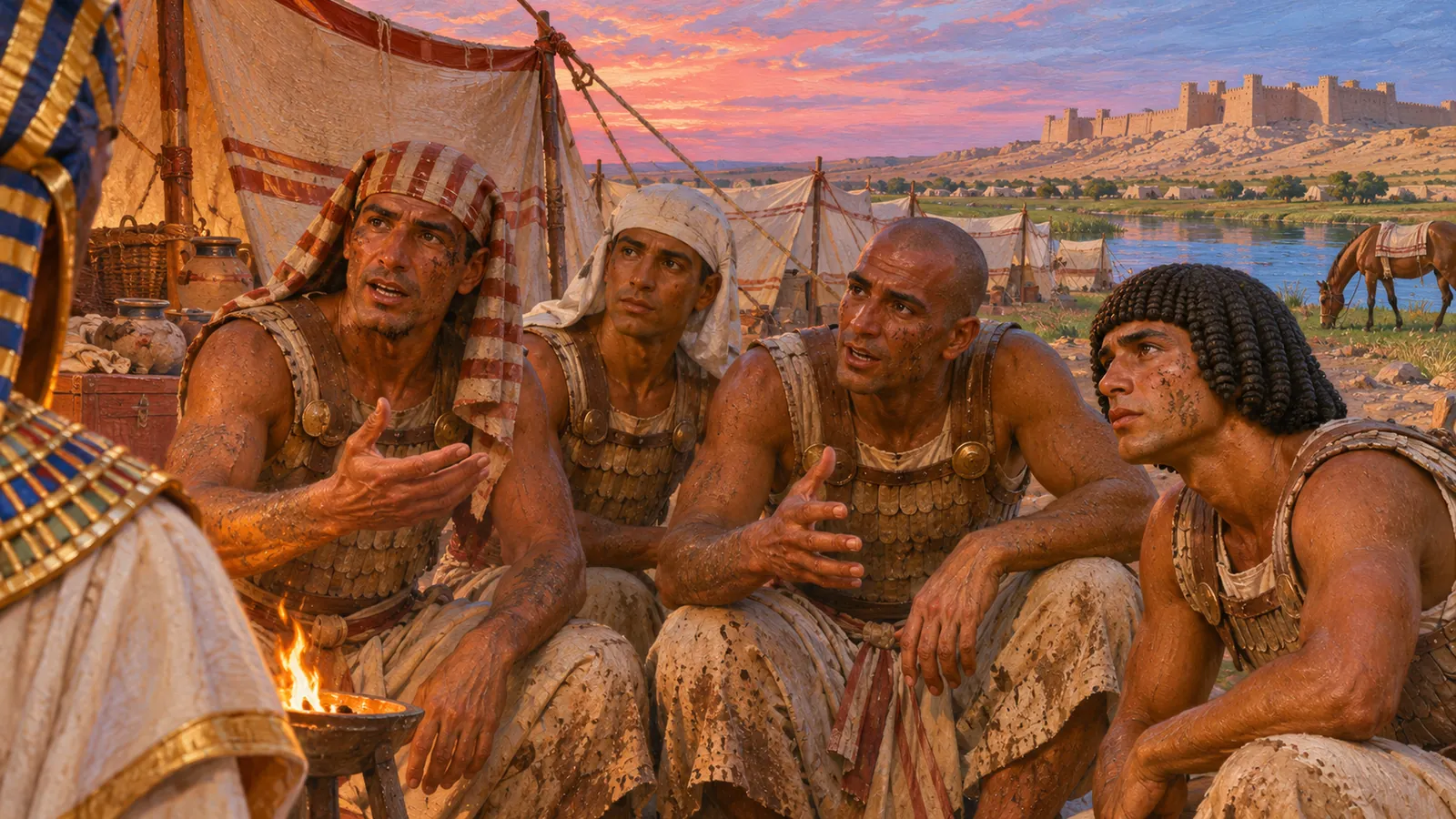
The men praised Ramesses as the rescuer of the army and as the son of Amun. Their speech echoes the claim of victory the walls would later proclaim.
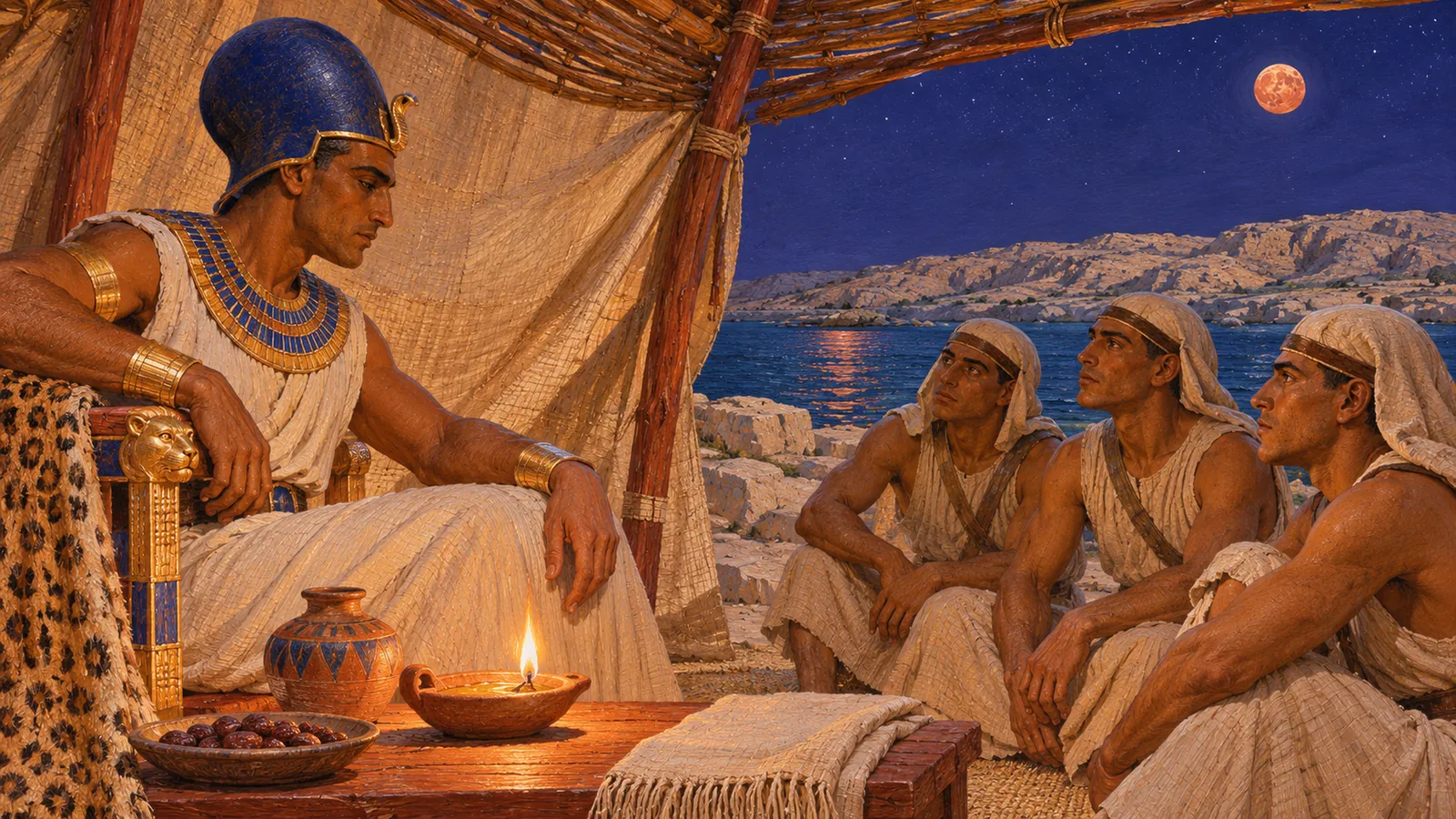
Ramesses answered with a rebuke. Where had they been, he asked, when he needed a hand? What name would they carry home when they faced their own townspeople?
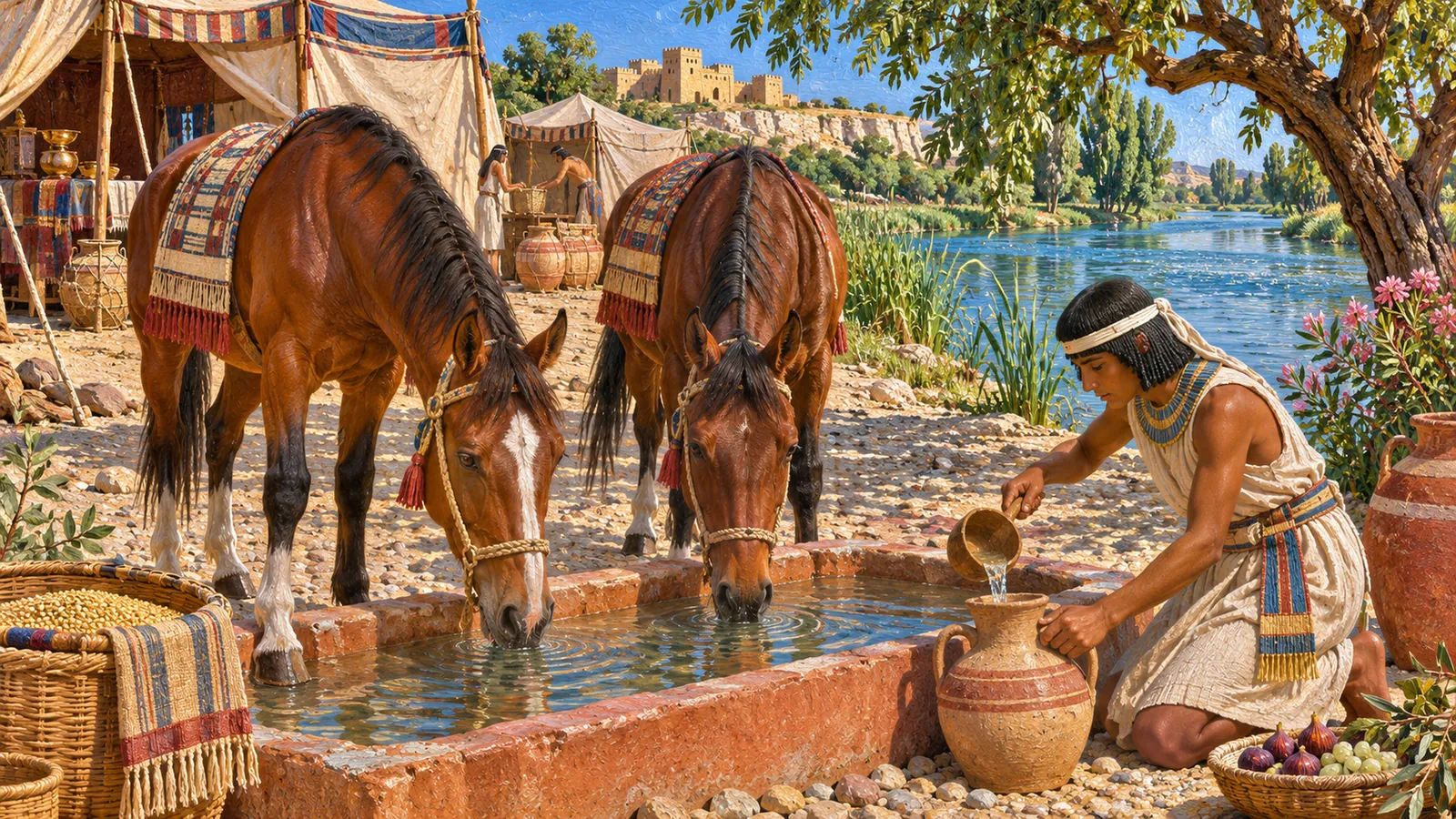
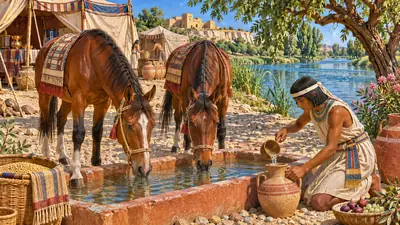
The king reserved a reward for his two horses. In the poem he calls them the ones who stood by him and orders them fed before him every day.
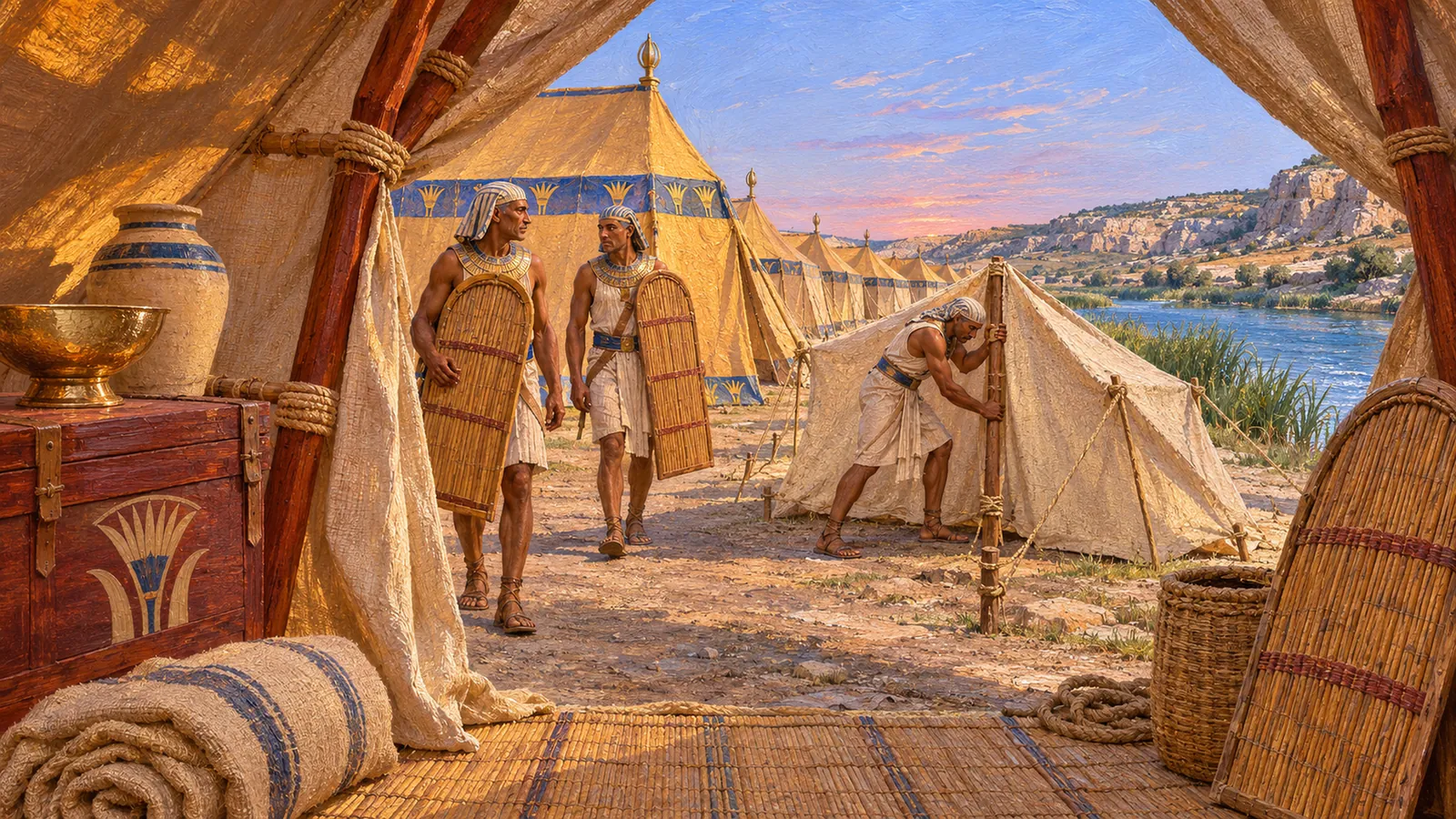
At dawn, according to the poem, Ramesses drew up his forces again. The Egyptian story gives him another day of fighting before it brings a messenger into his camp.
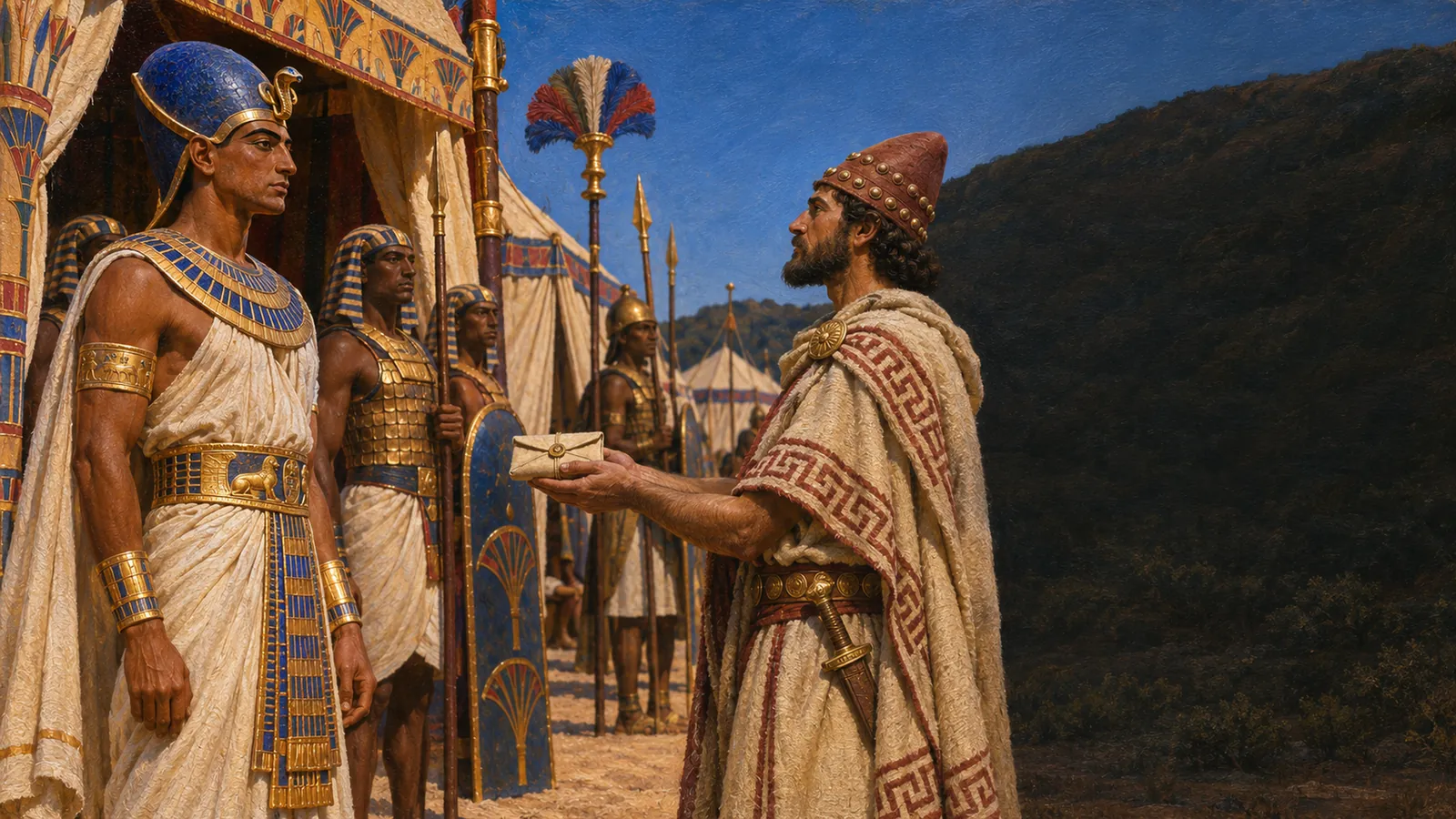
In the poem the Hittite envoy carries a plea to end the fighting. Ramesses has it read to his officers. They agree that he can accept peace with honor.
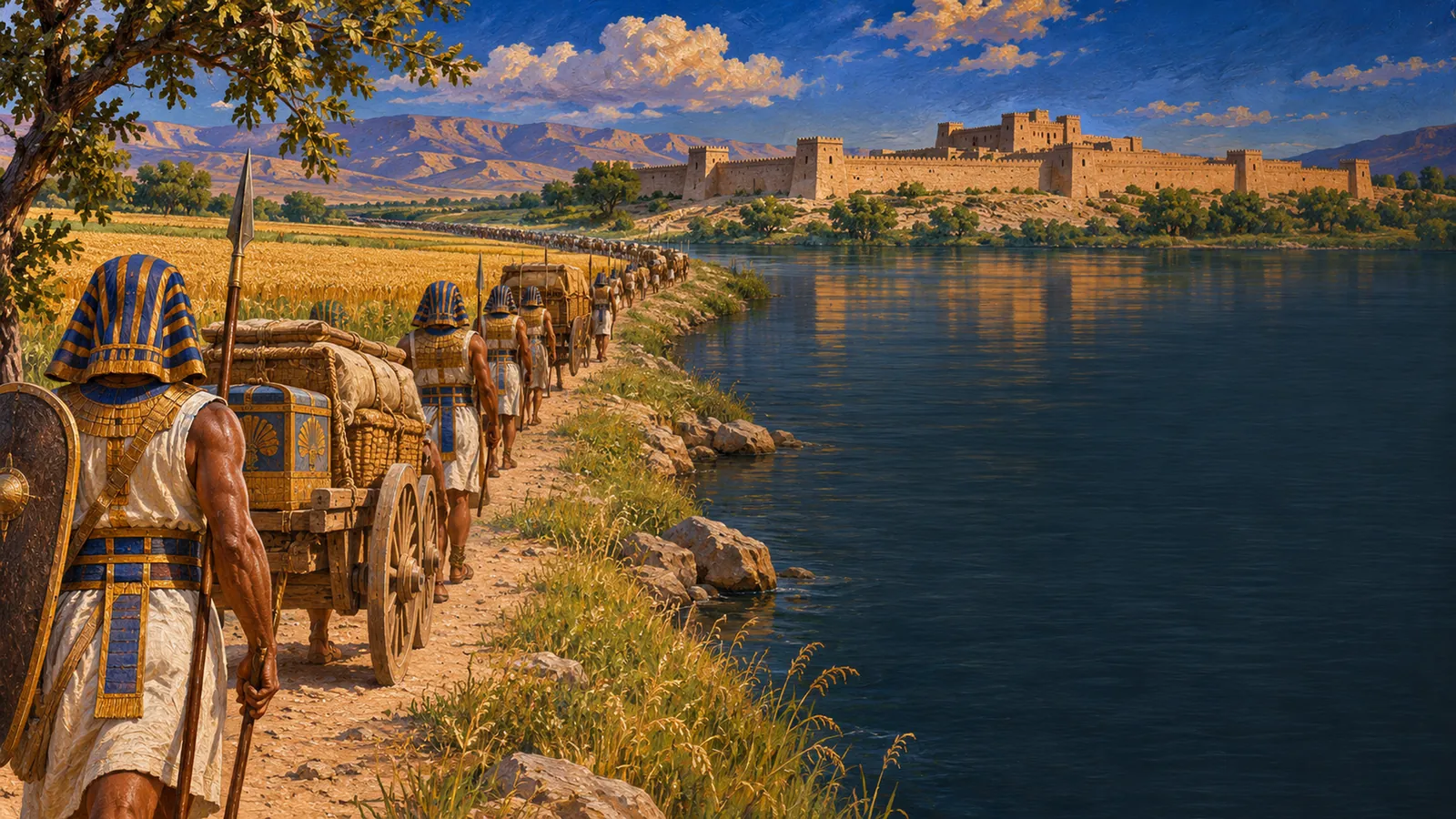
The poem has Ramesses depart to the south and return in peace to Egypt. Its closing lines present his return as the triumphant homecoming of the protector of his army.
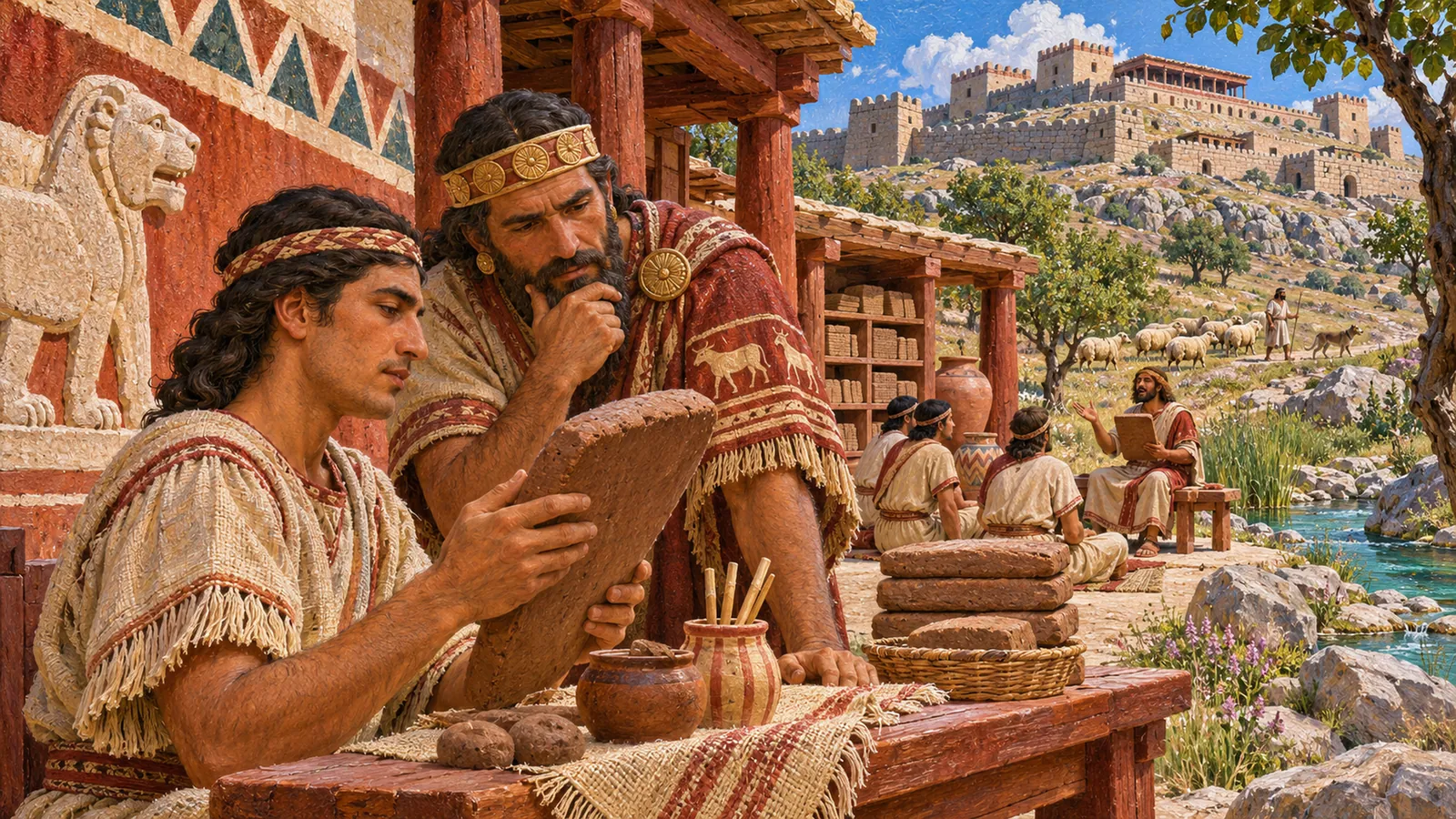
A later Hittite treaty, made with Shaushgamuwa of Amurru, gives the victory to Muwatalli. It says he defeated the Egyptian king and brought Amurru back under Hittite rule.
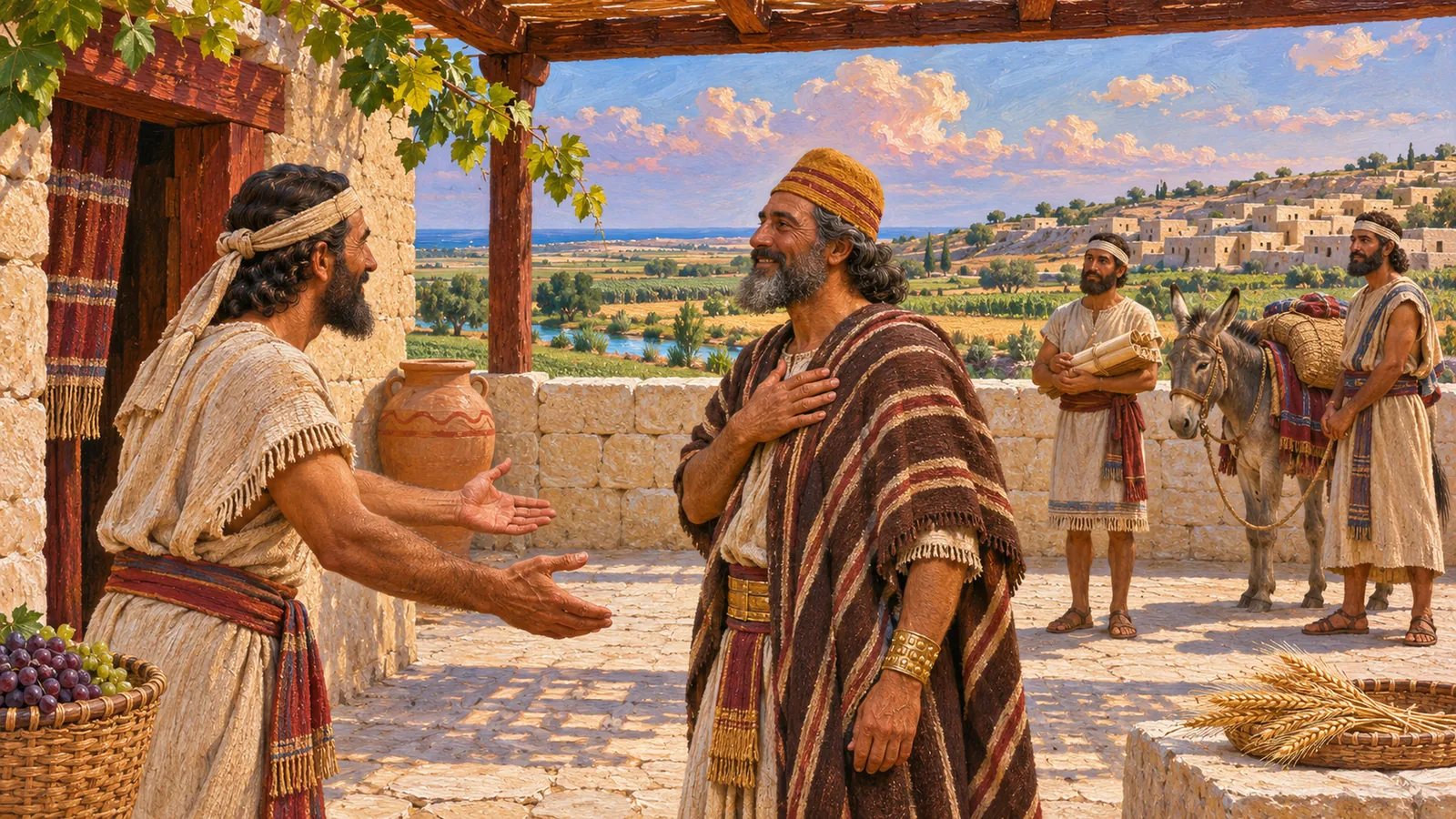
In that account, Muwatalli put a man named Shapili on the throne of Amurru. The Hittite text measures the result in allegiance and in who ruled the country afterward.
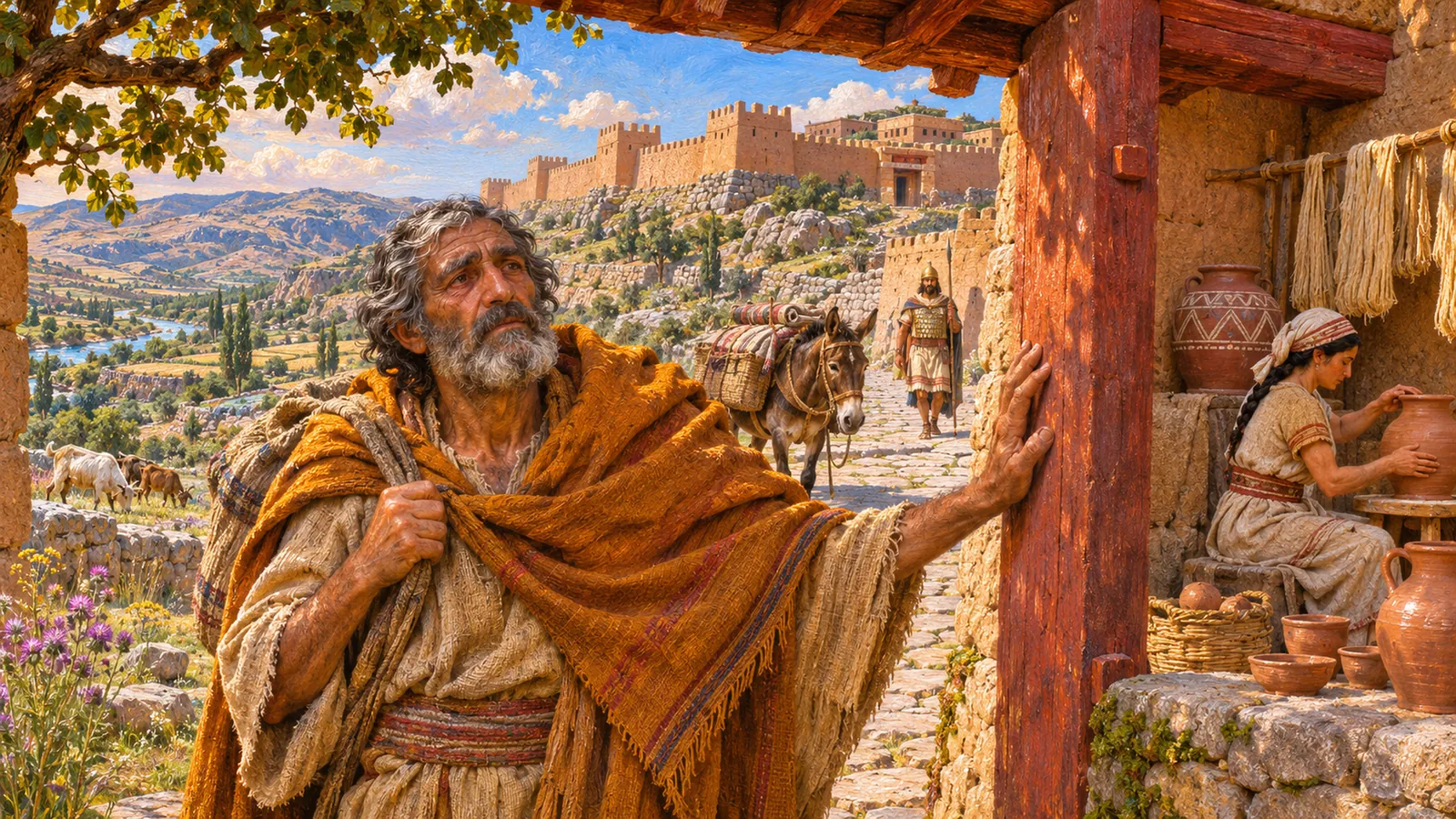
Another Hittite text records what happened to the displaced Benteshina. Muwatalli took him to Hatti, where the king's brother Hattusili received him and eventually restored him to office.
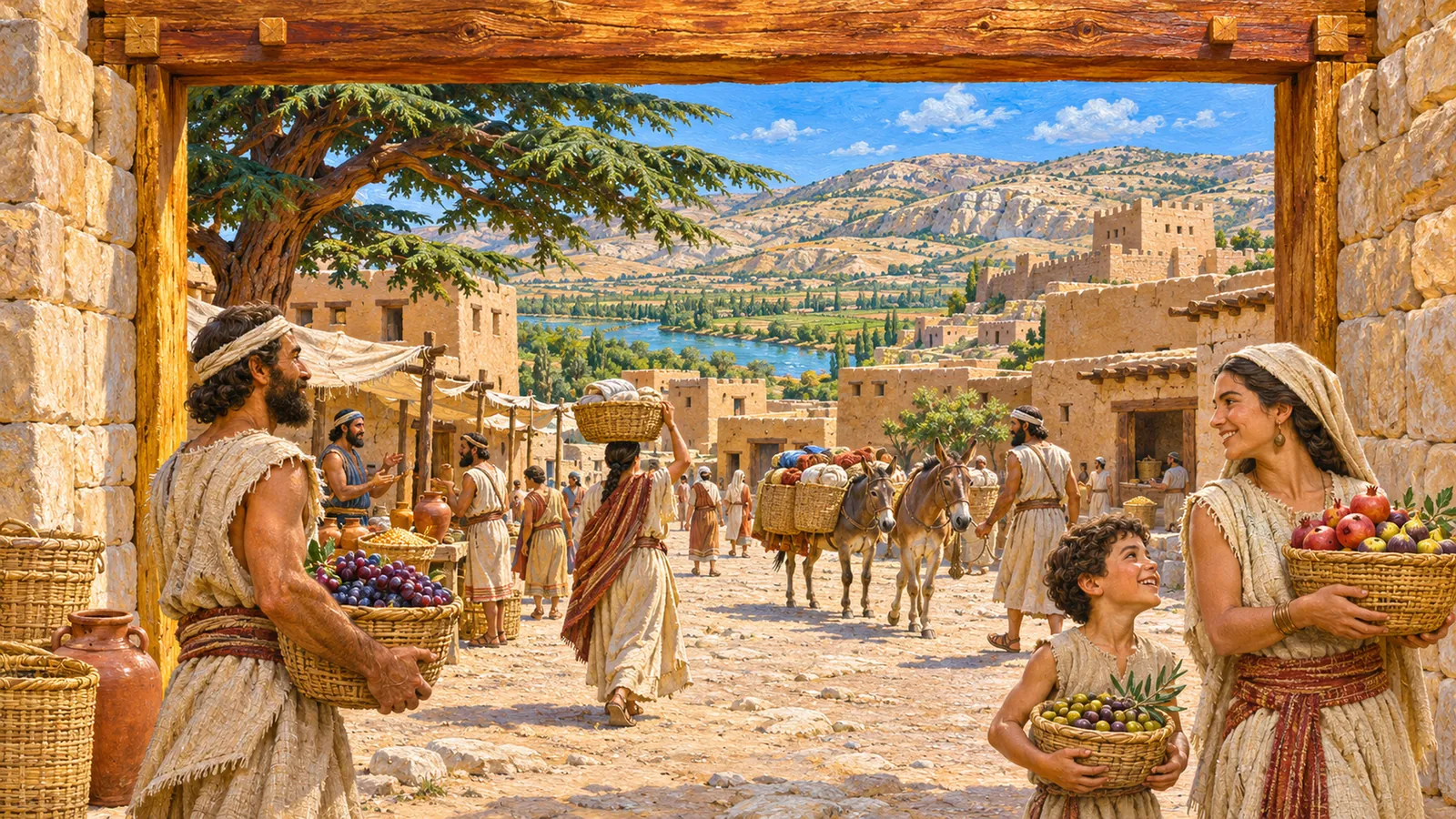
Kadesh itself remained in the Hittite sphere. For the Egyptians, the survival of the army and the king's stand had supplied the story they chose to write in stone.
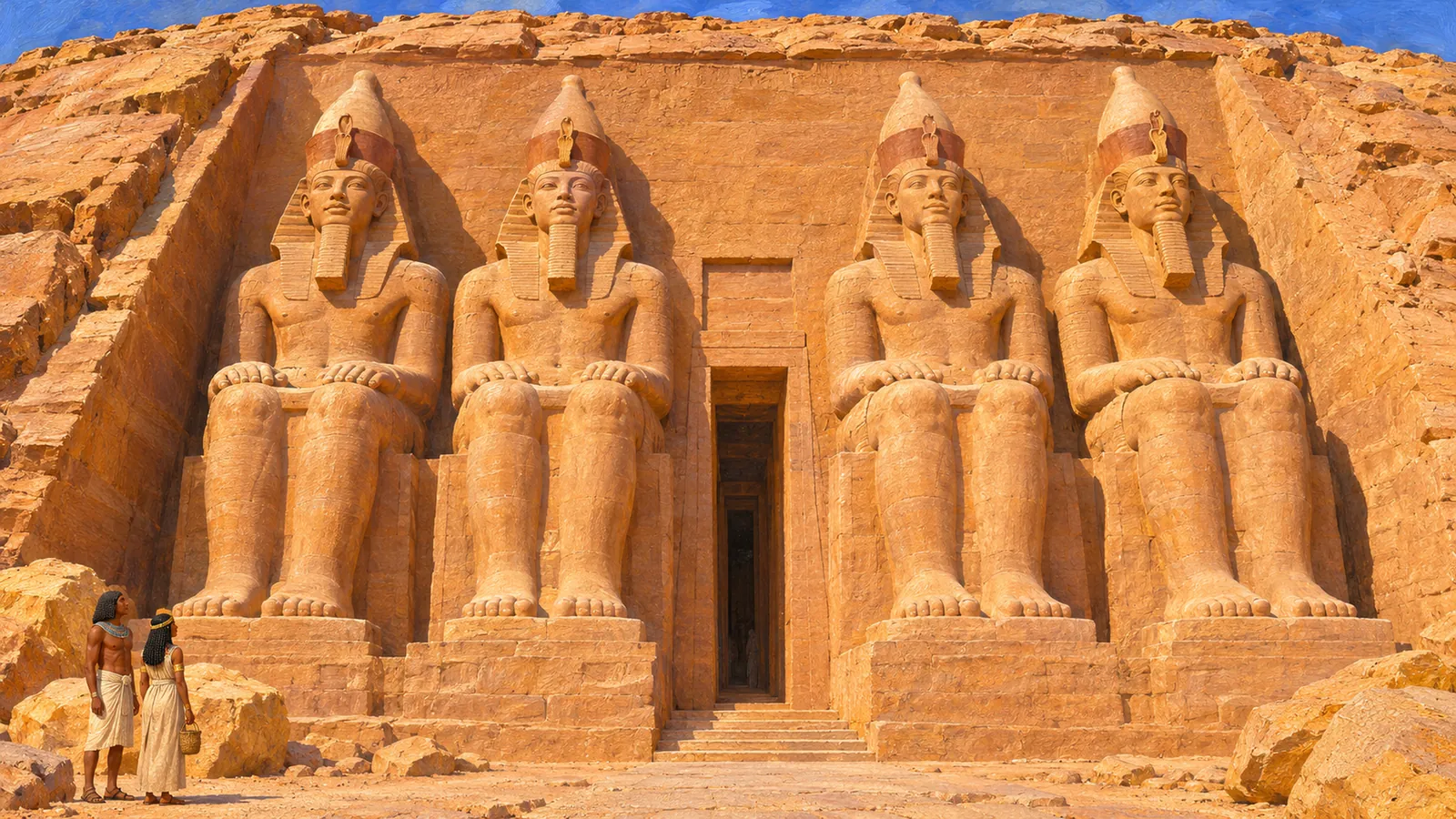
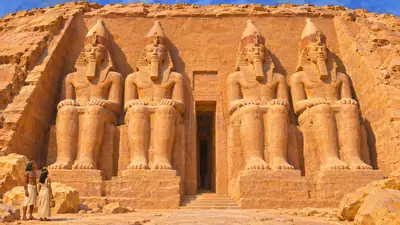
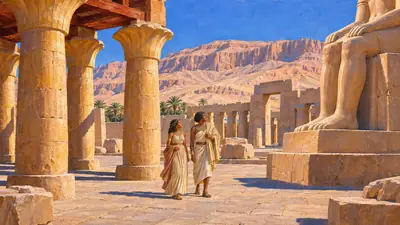
Copies of the battle story were carved in Egypt, including at Abu Simbel. There the cliff temple gives Ramesses' version a monument as immense as the words of his poem.
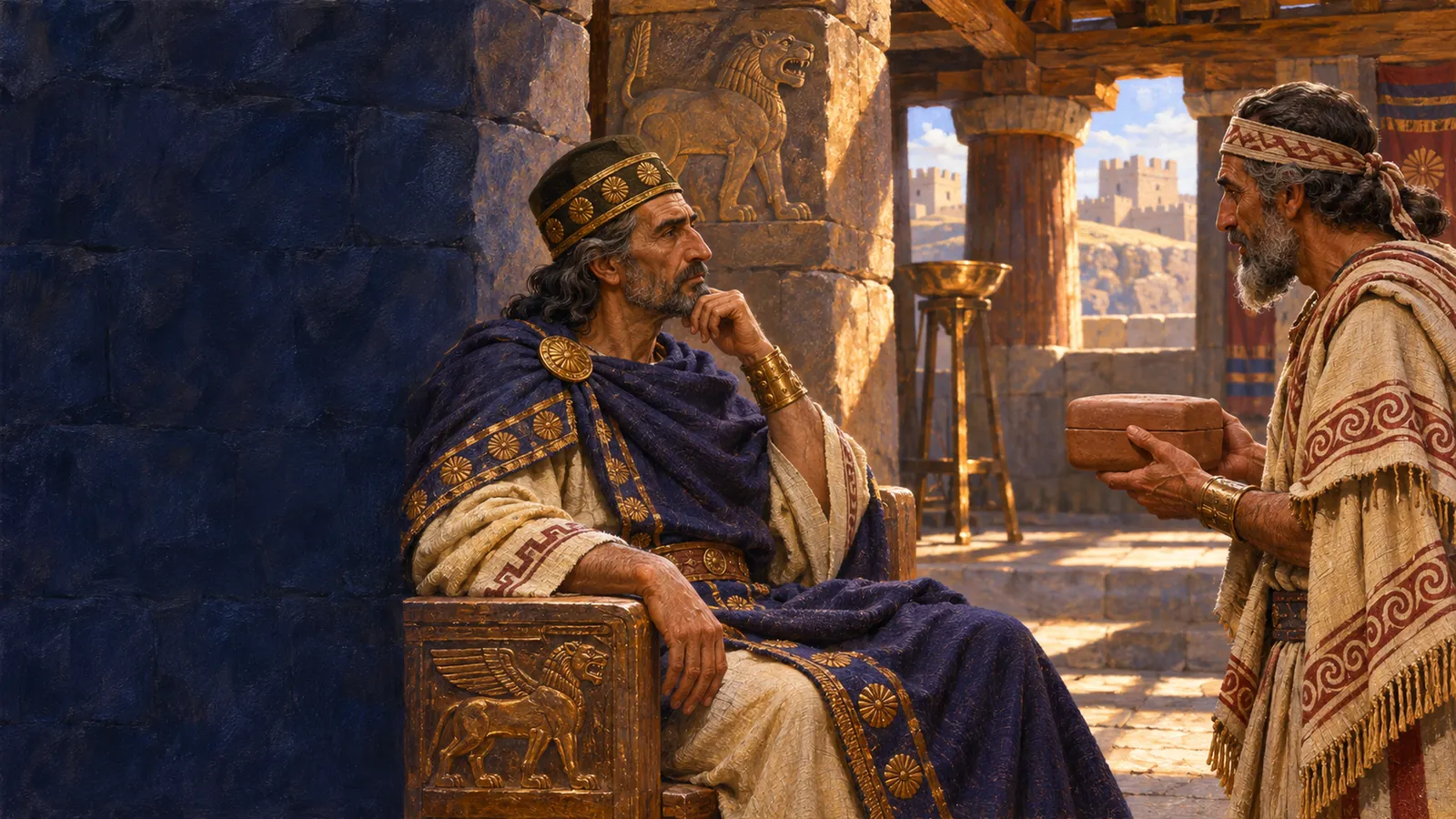
Years passed. Muwatalli's brother Hattusili eventually took the Hittite throne. The ruler with whom Ramesses would make a lasting covenant came from the family of the king he had faced at Kadesh.
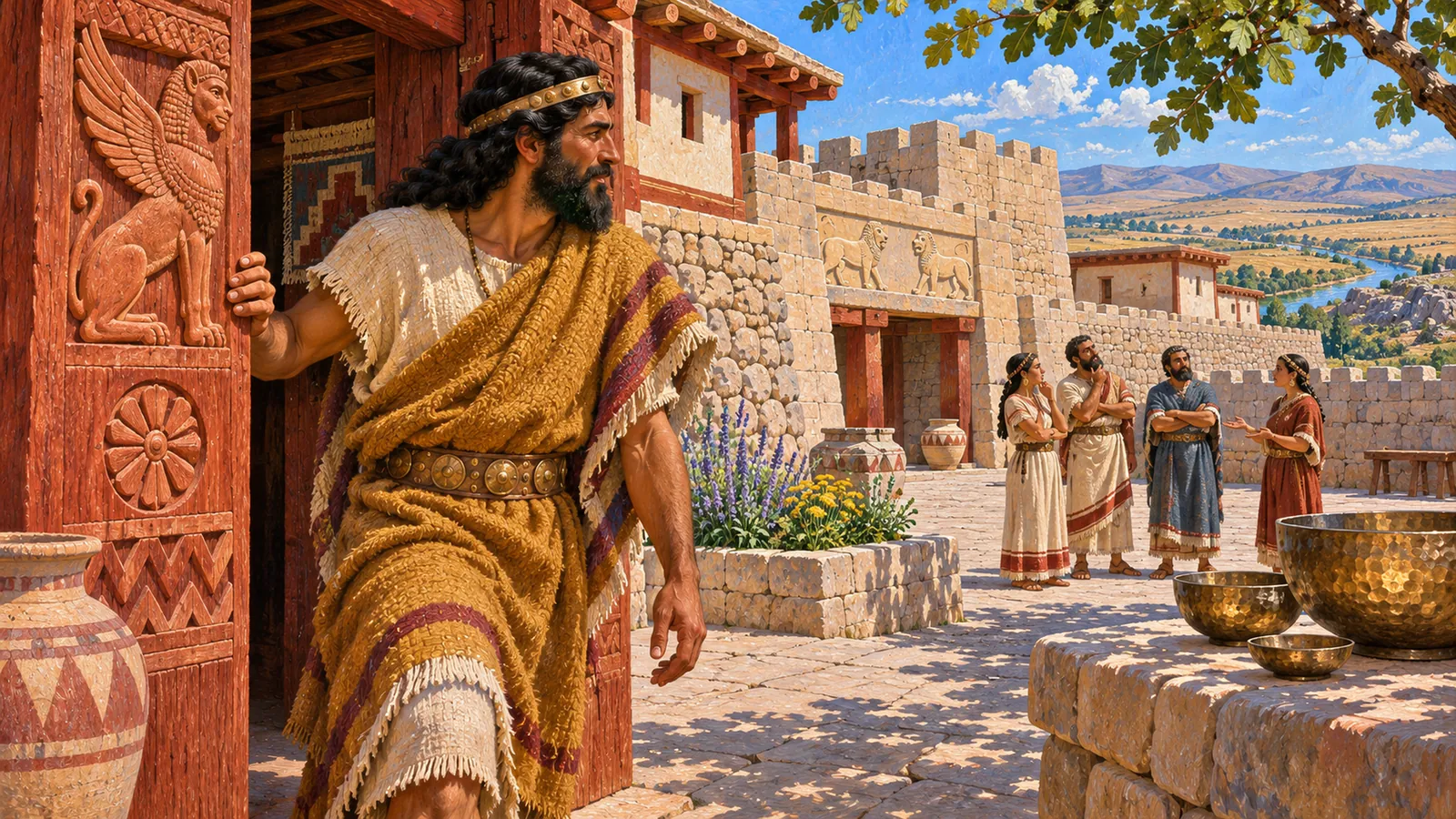
Hattusili had displaced his nephew Urhi-Teshup. The letters between the courts show how the former king's whereabouts became a difficult matter for the rulers as they dealt with each other.
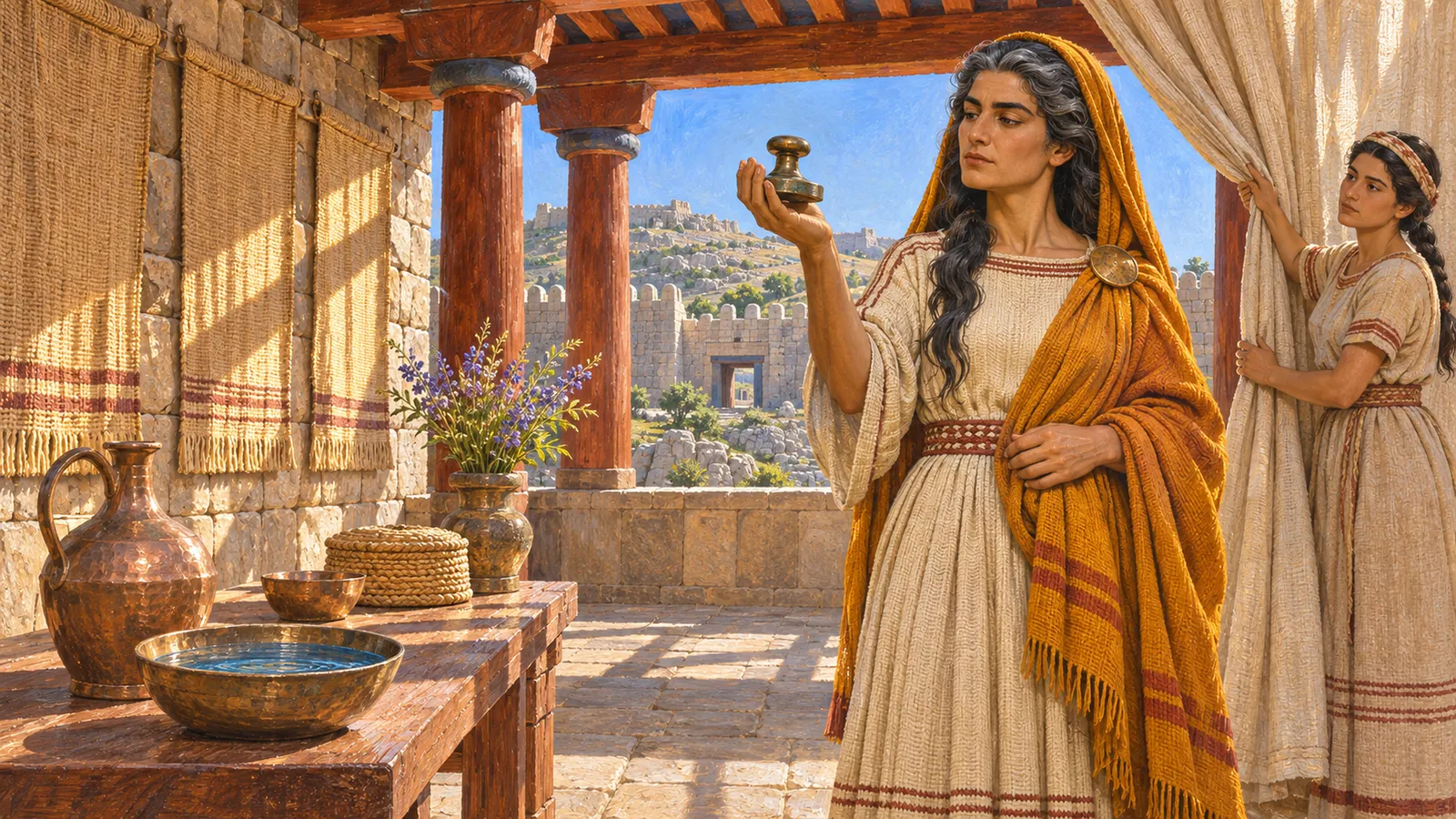
Hattusili's queen Puduhepa also took part in diplomacy. Her seal appears in the Egyptian description of the treaty tablet, and letters she wrote show how directly she dealt with Ramesses.
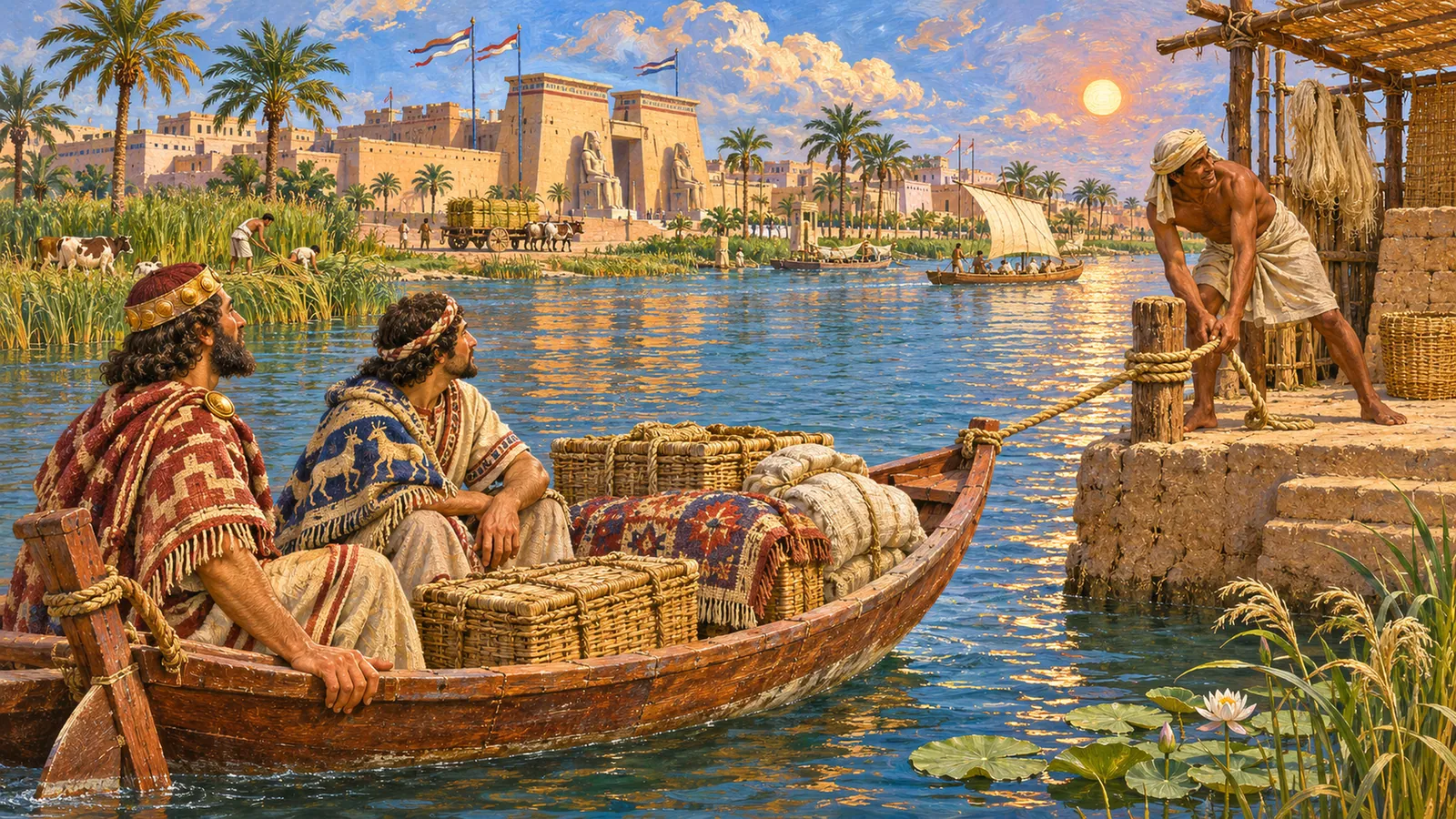
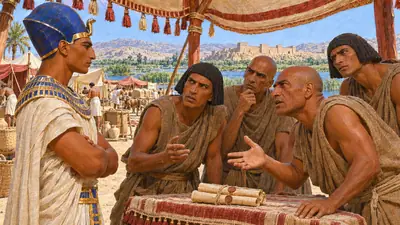
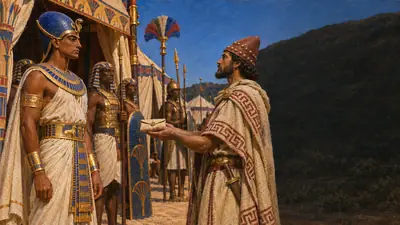
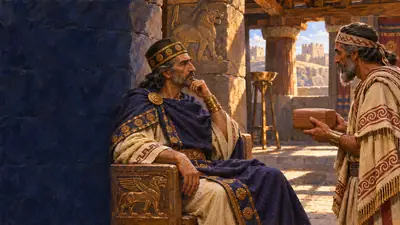
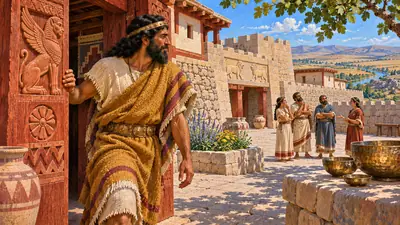
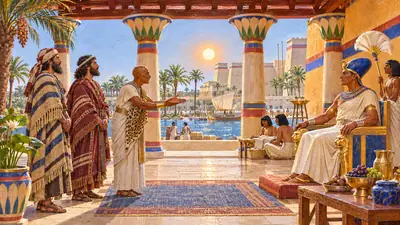
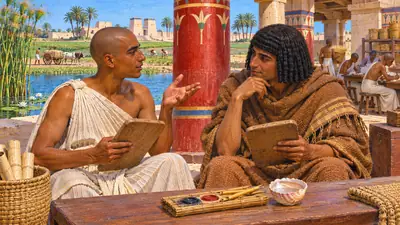
Delegations traveled between the two lands. The Egyptian inscription opens by naming the envoys who arrived at the royal residence and the agreement they were bringing from Hattusili.
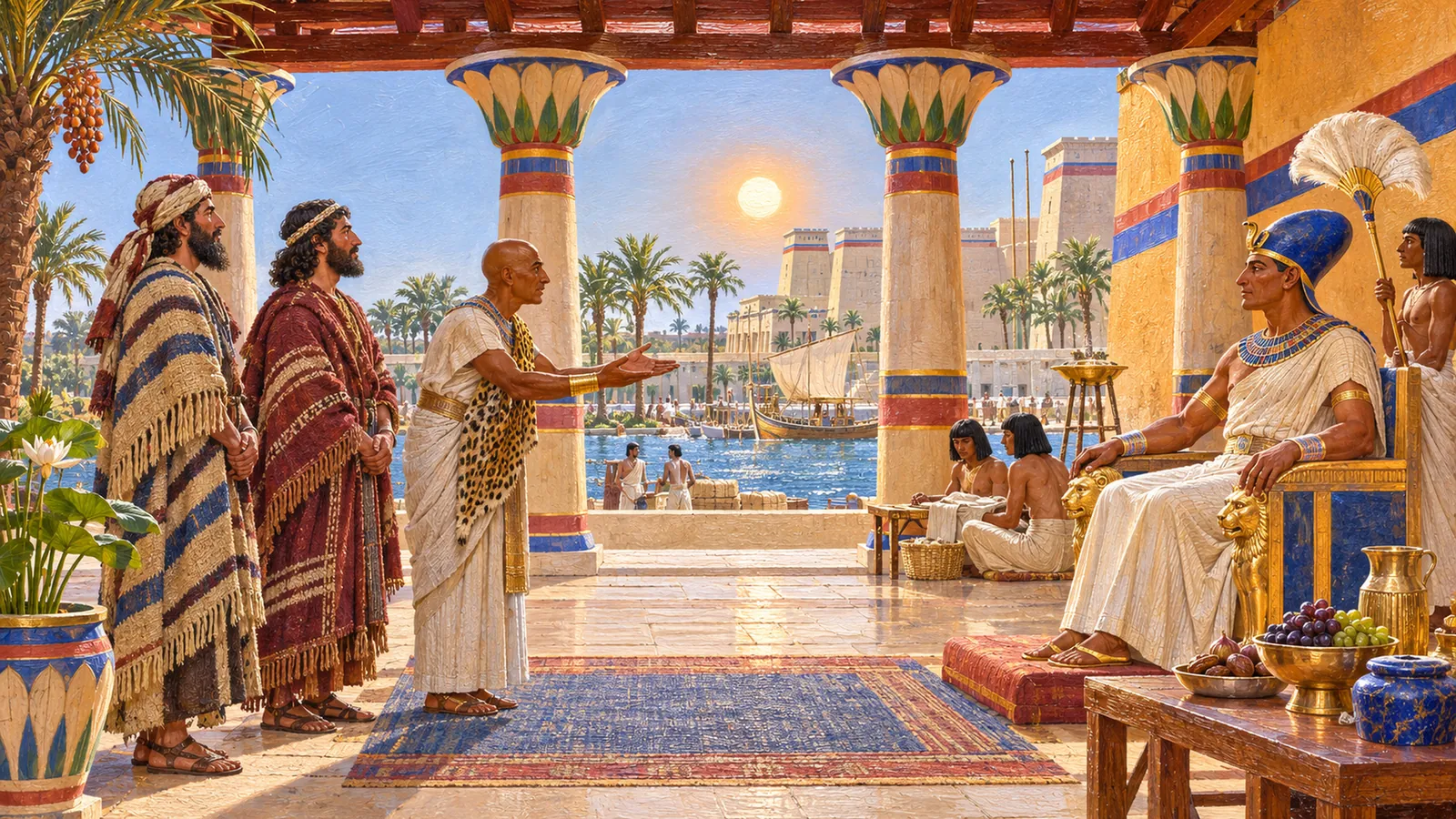
The Egyptian inscription dates their arrival to year twenty-one of Ramesses' reign. Sixteen regnal years lay between the year of the fighting and the year of the written peace.
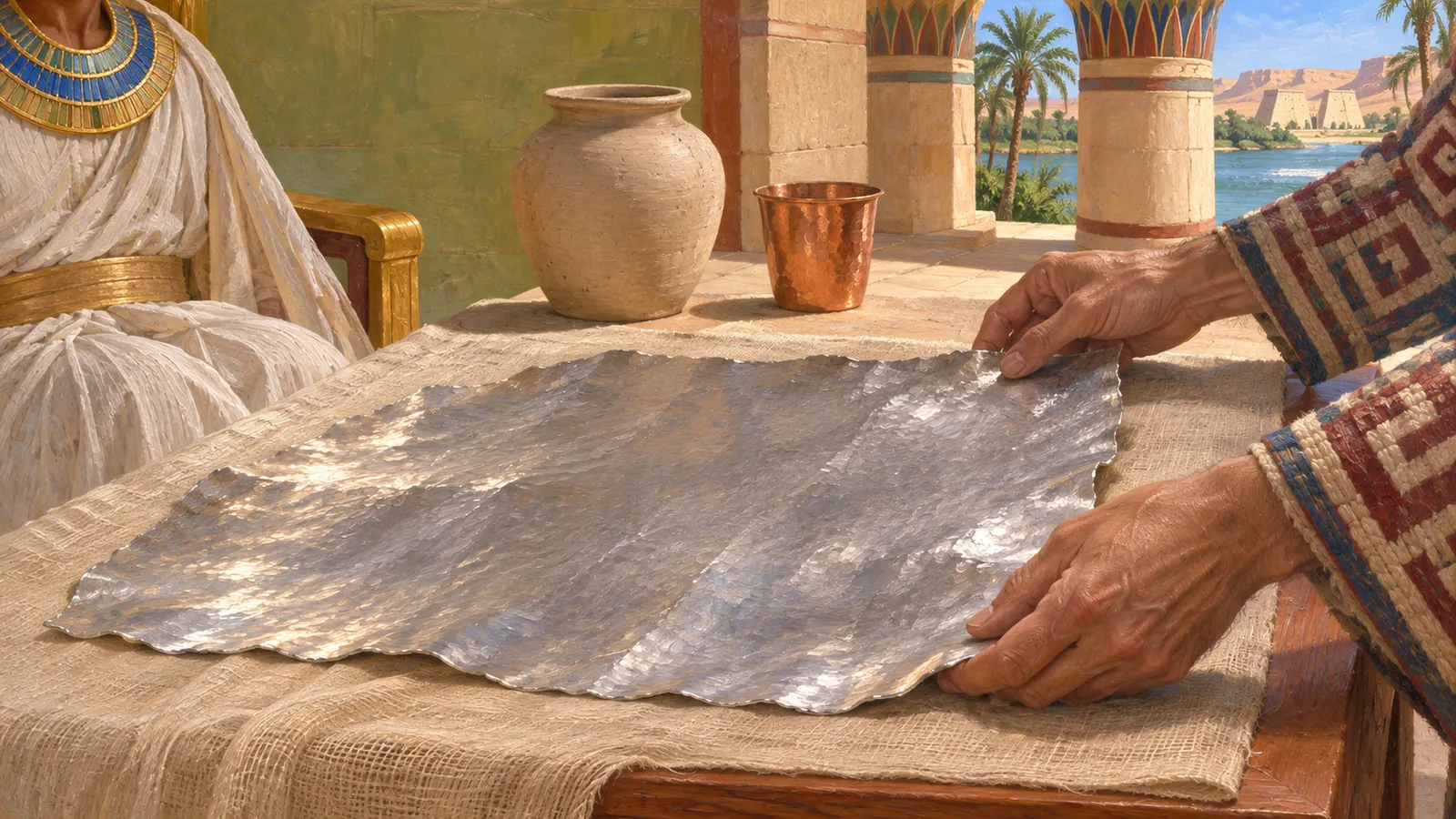
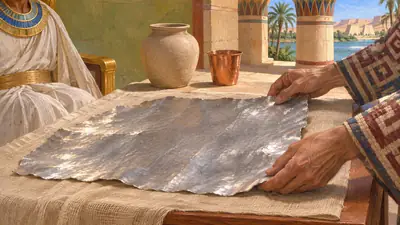
What the envoys carried, says the Egyptian text, was an inscribed tablet of silver. The metal original is lost. Its translation on the temple walls preserves the terms.
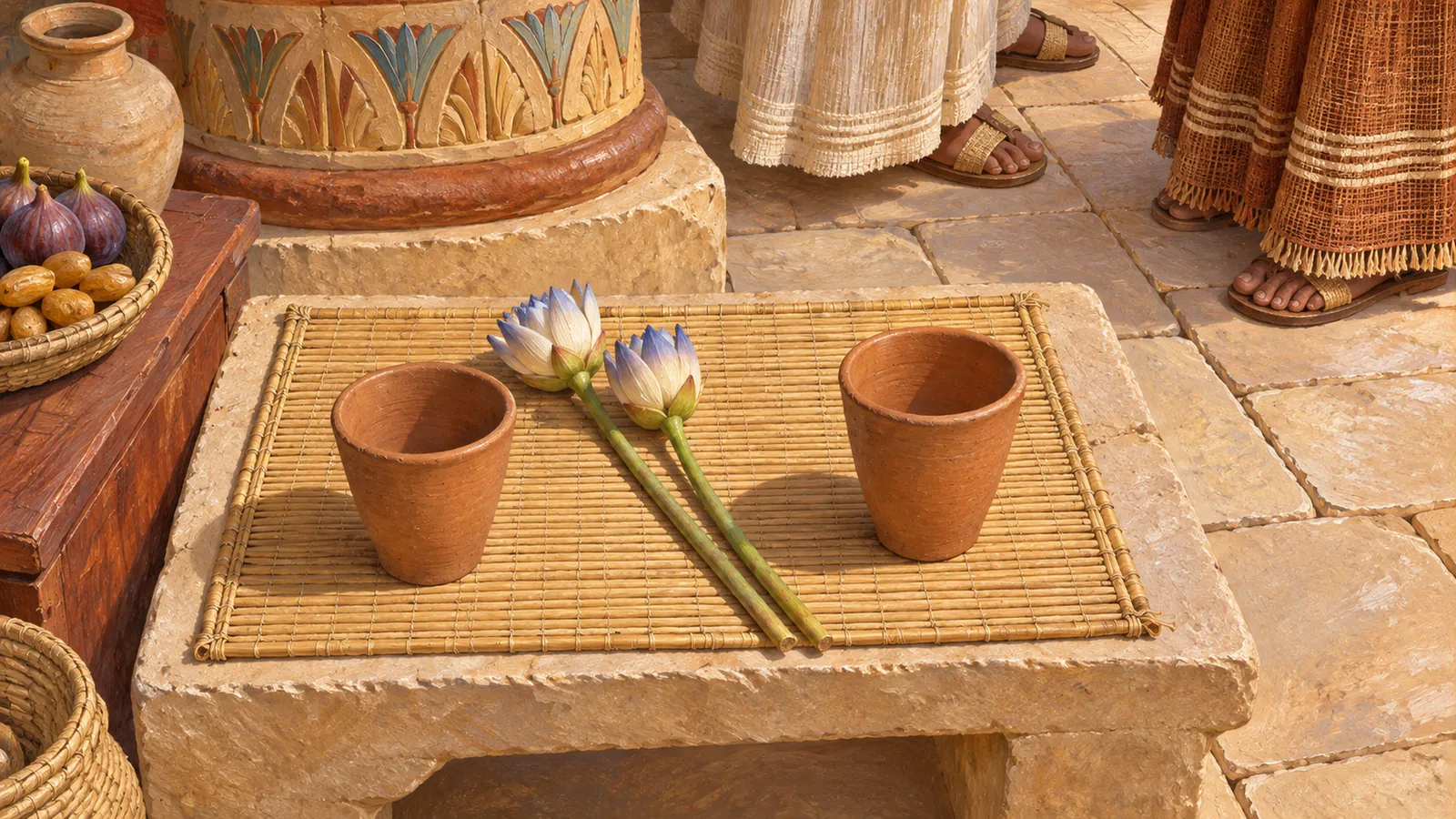
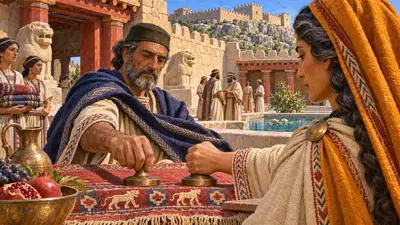
The two rulers addressed each other as brothers. They gave that word a life beyond their own by pledging peace and brotherhood for descendants and countries alike.
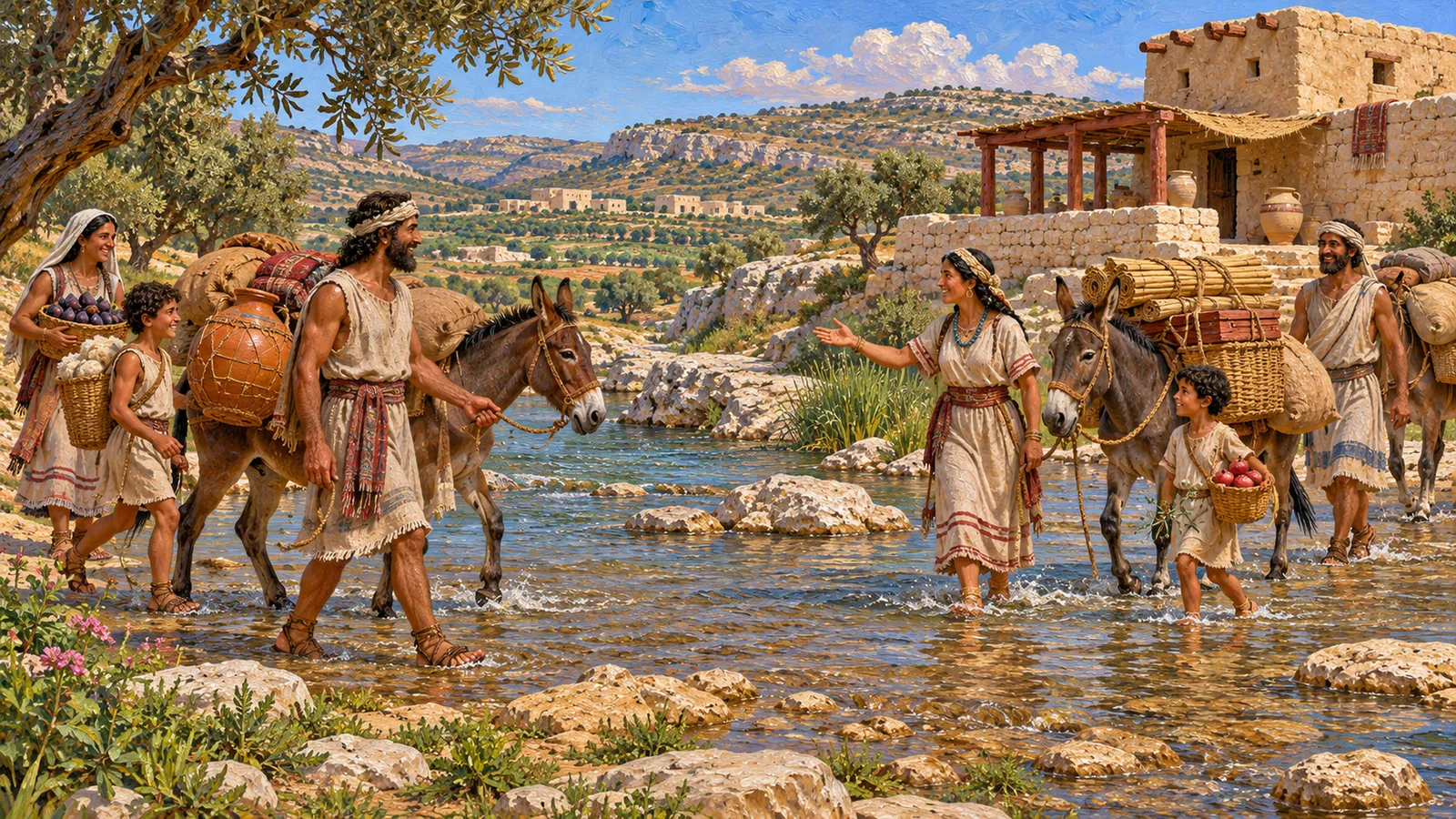
The promise first bound the two lands against taking territory from each other. A ruler who had marched to Kadesh now put his name to a mutual undertaking against invasion.
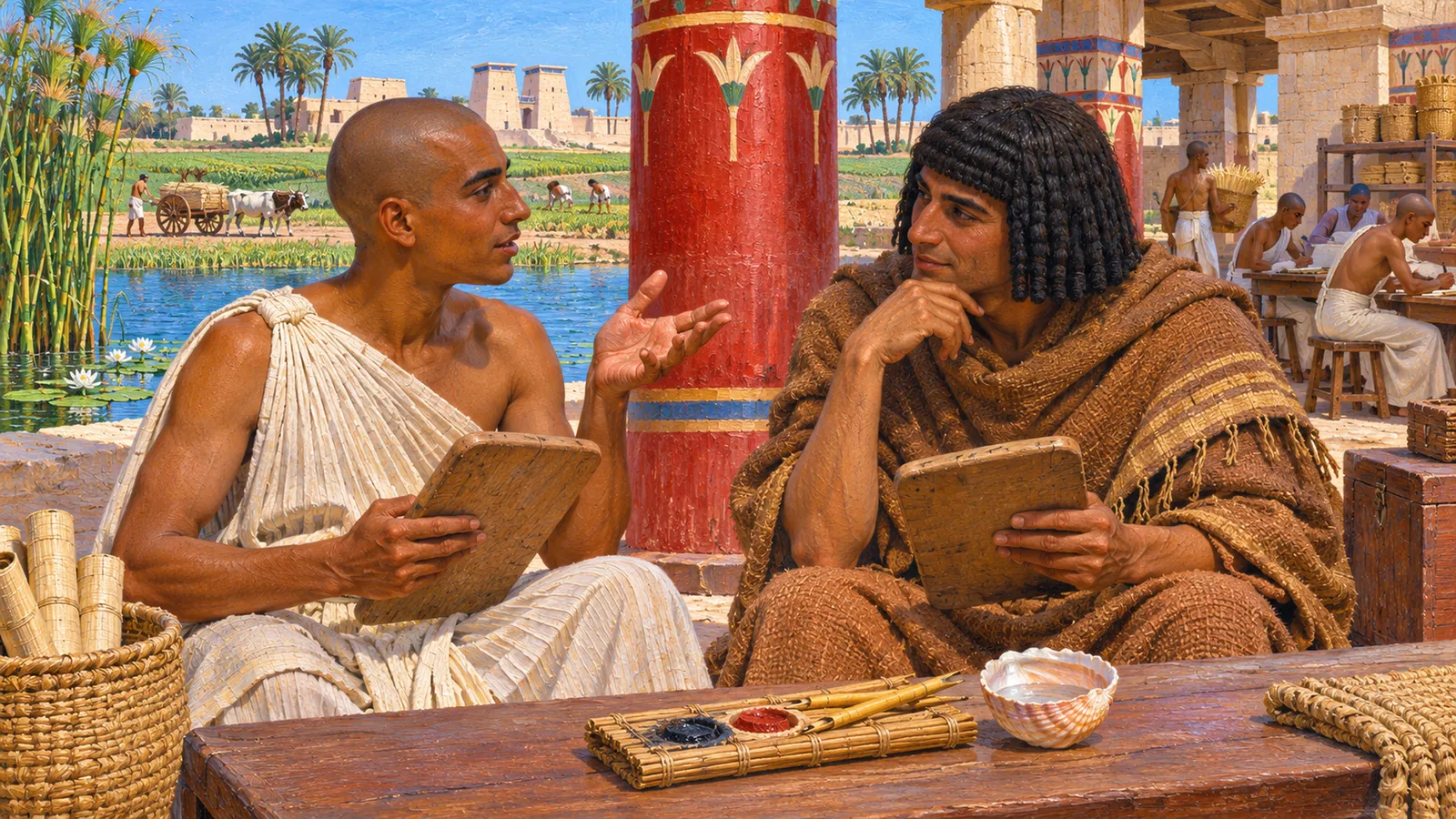
Then came mutual assistance. If another ruler attacked either country, its king could ask his treaty brother for help. The text also speaks of help in troubles at home.
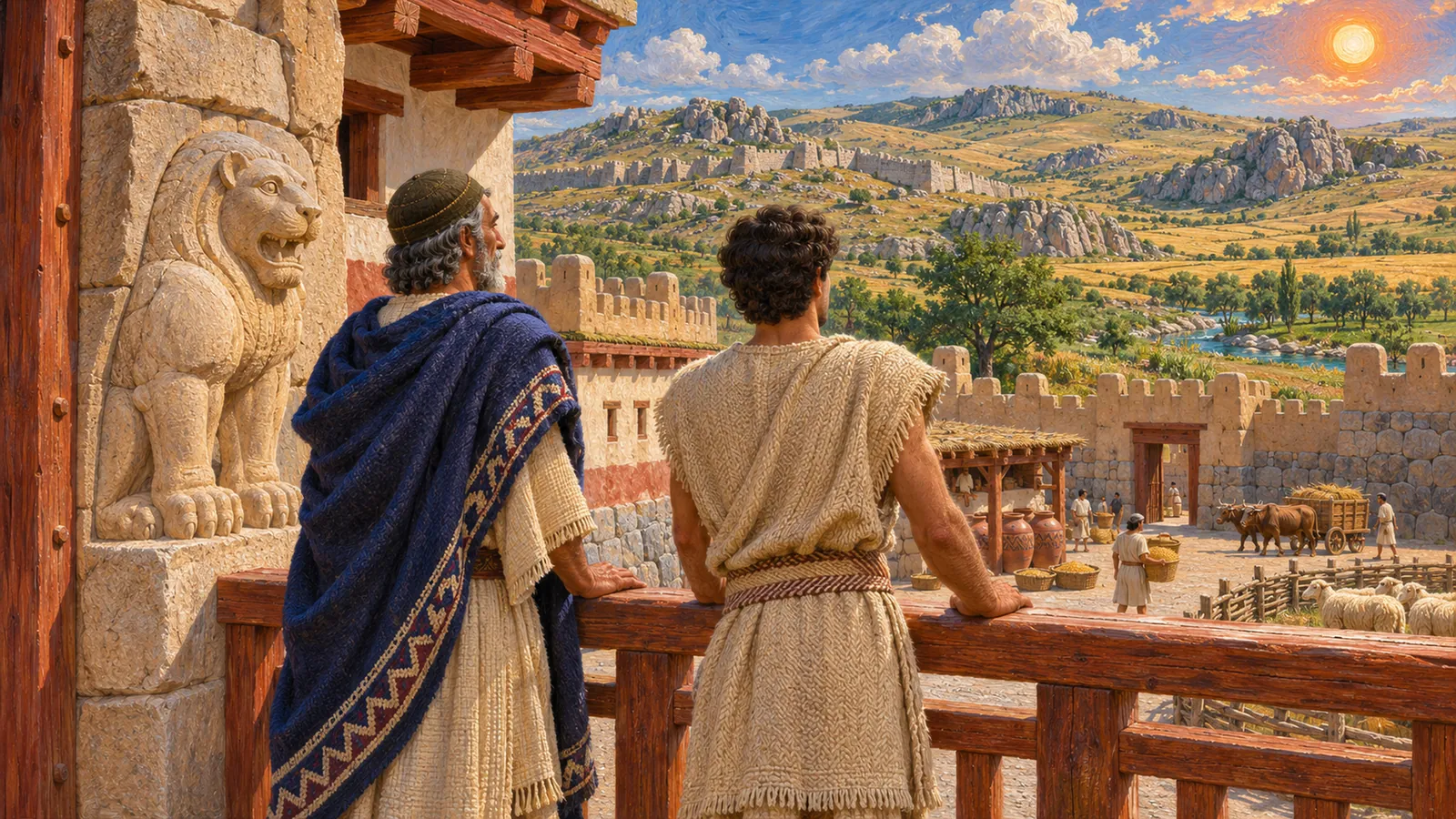
An obligation preserved on the tablets at Hattusa looks ahead to a successor. If Hattusili's son faced opposition after taking the throne, the Egyptian king would be bound to help him.
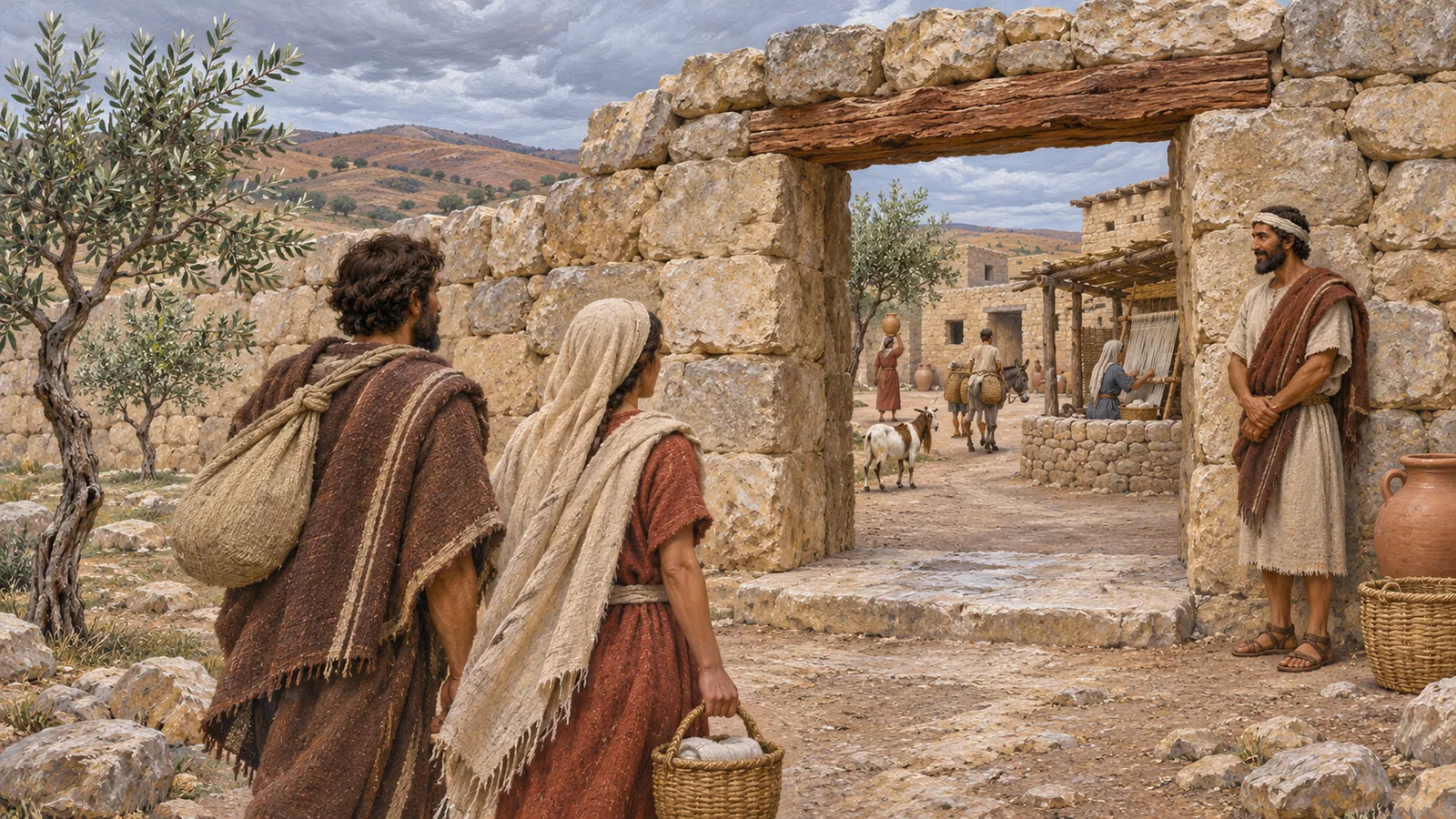
A fugitive from one country was to be sent home by the other. The clauses speak both of prominent people and of small groups arriving across the frontier.
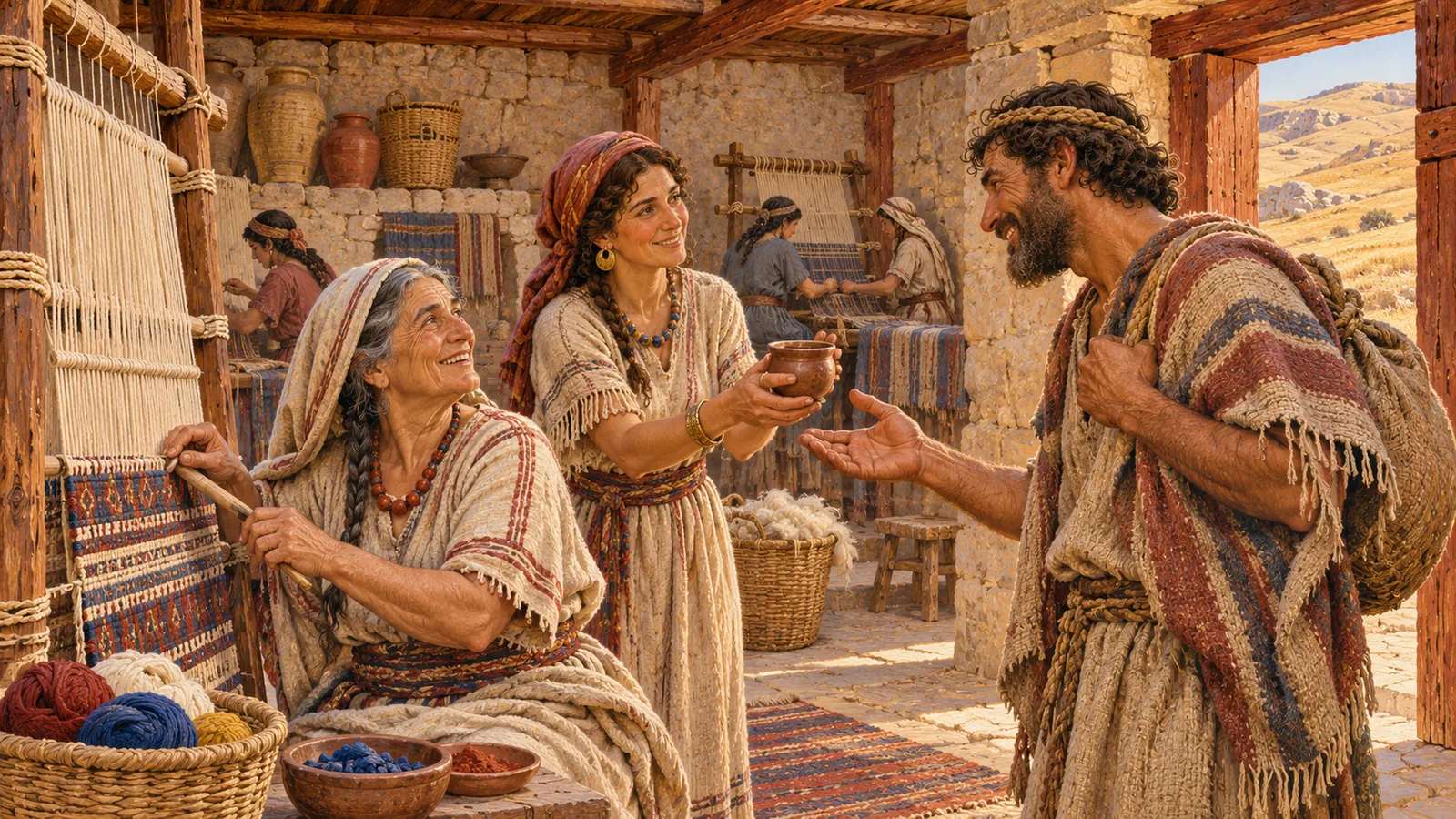
Their return came with protections. The text forbids physical punishment of the returned fugitives and also forbids the destruction of their households or harm to their wives and children.
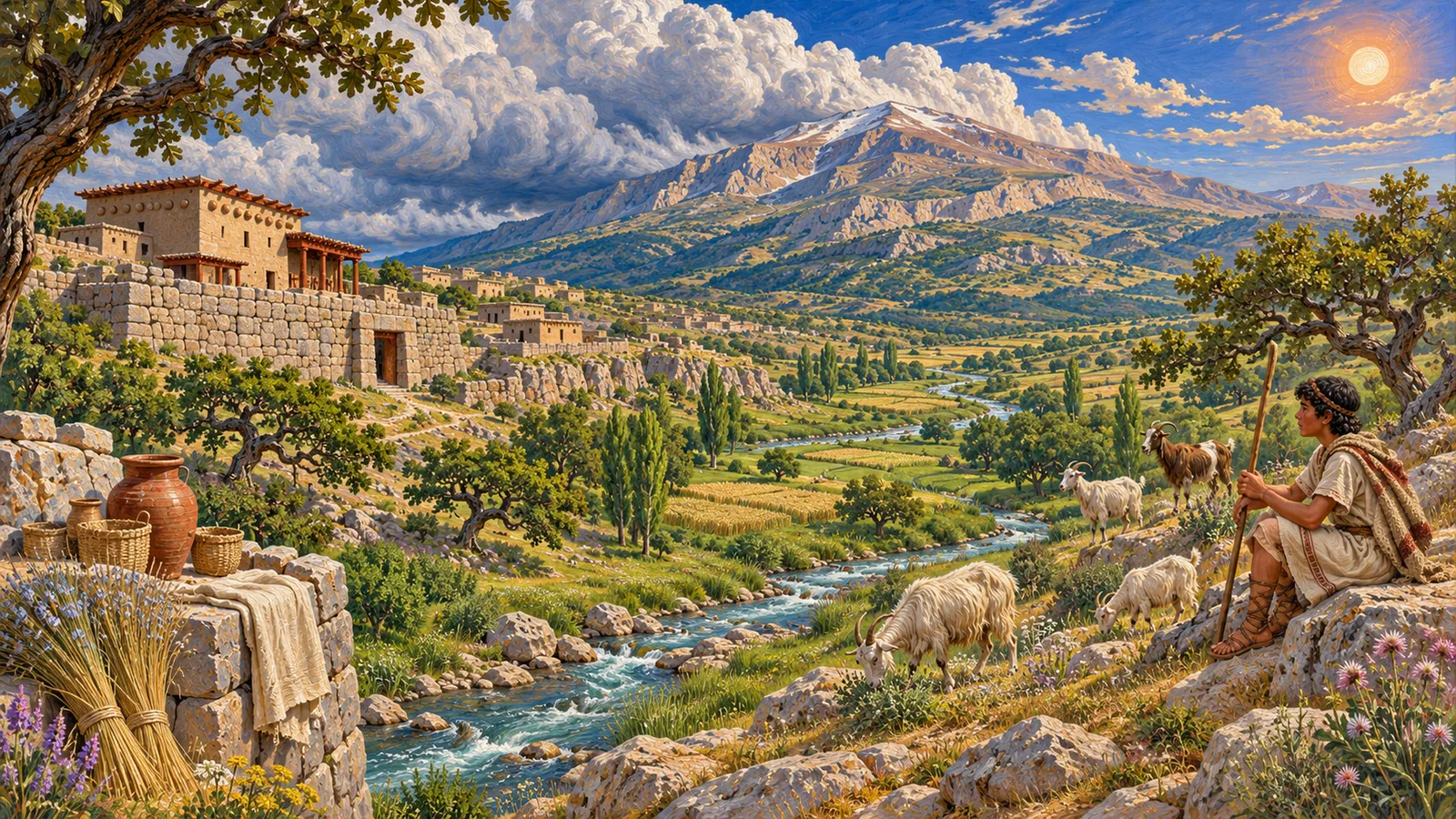
The treaty calls the gods of both lands to witness it, together with mountains, rivers, the sky and the sea. Blessings and curses give weight to the promises.
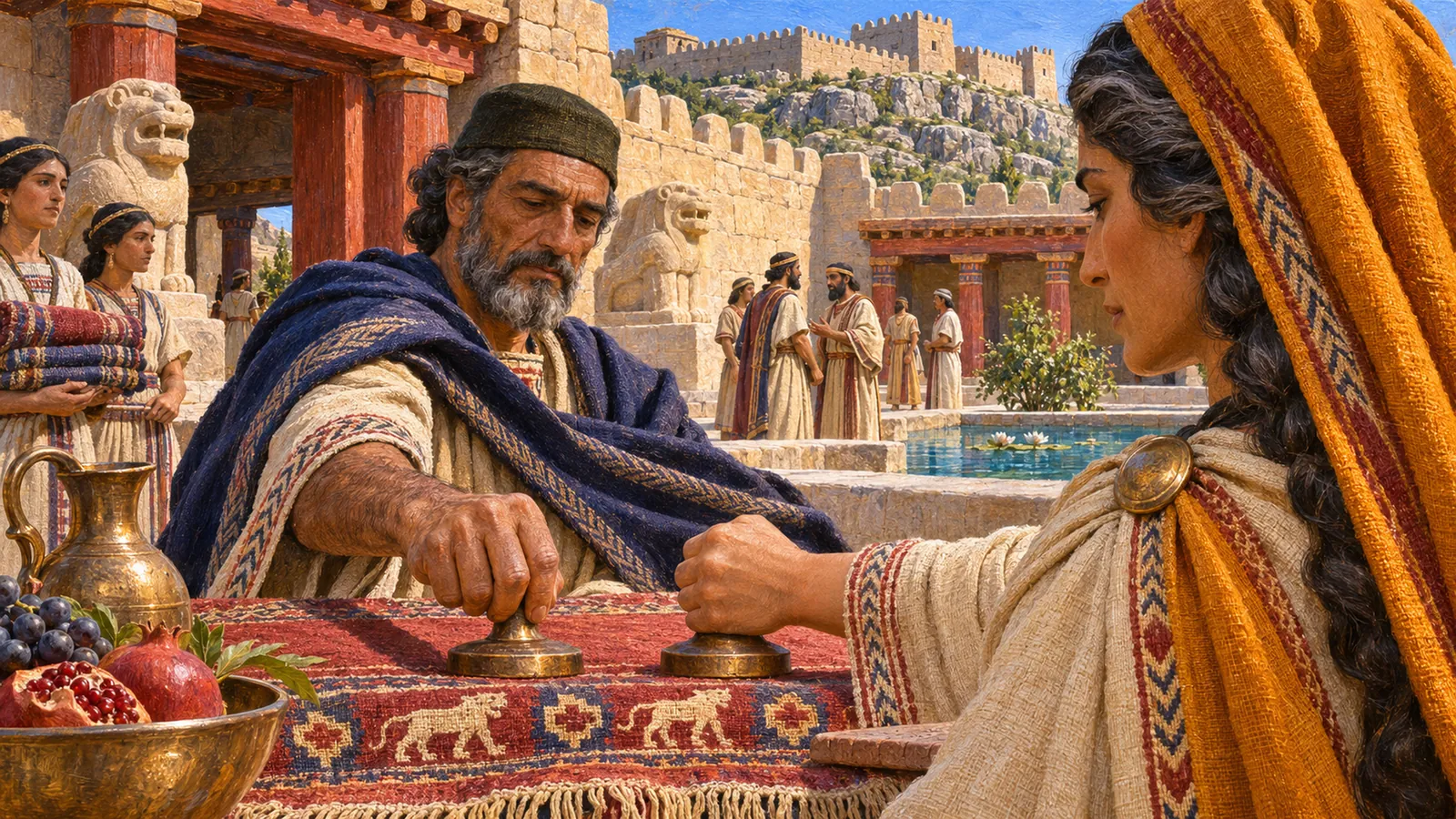
At the end, the Egyptian inscription describes the seals on the silver. It names Hattusili and Puduhepa and describes each embraced by a deity of the Hittite realm.
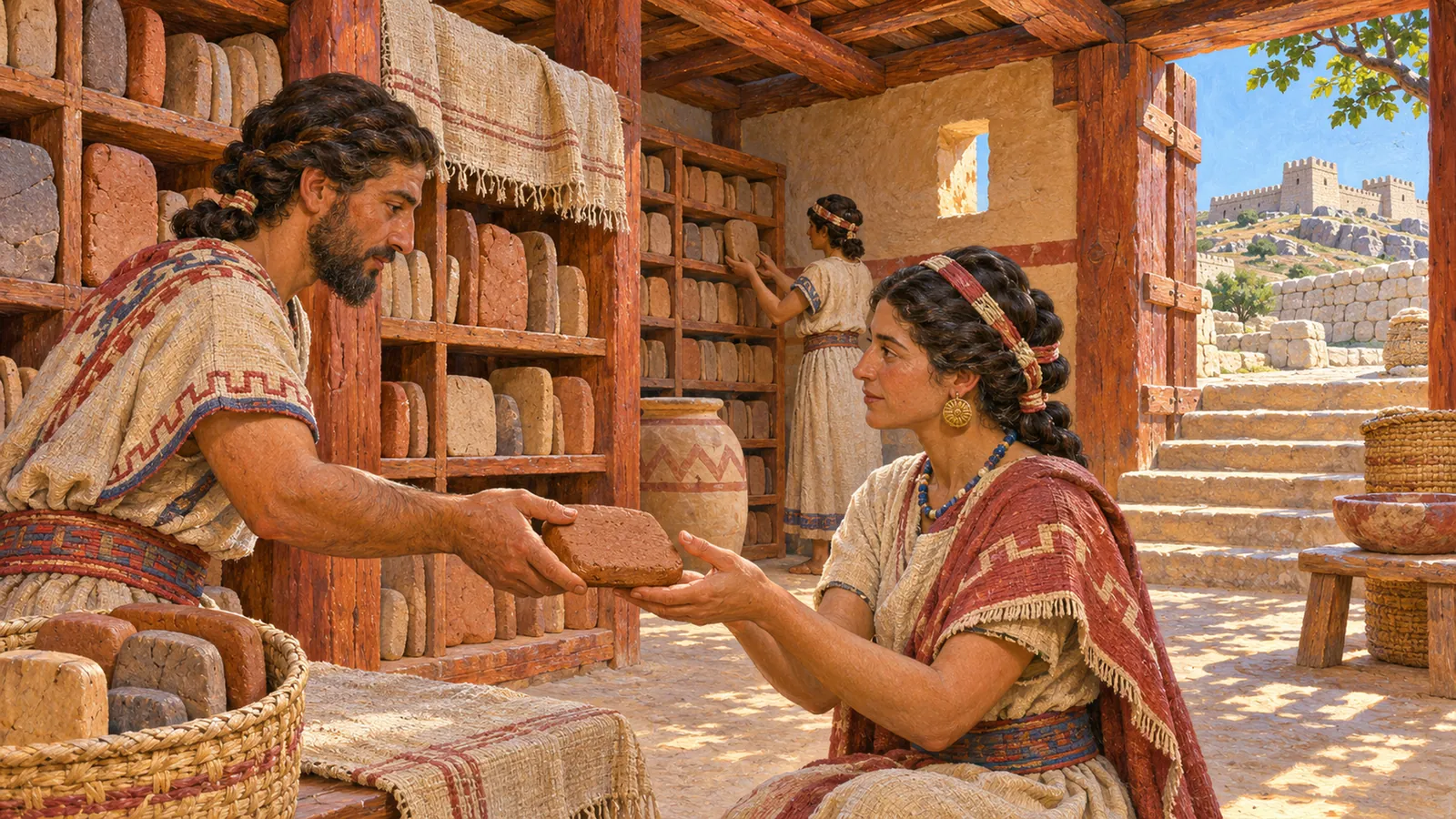
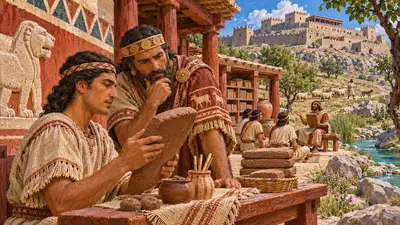
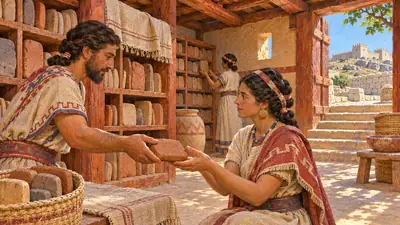
Clay tablets found at Hattusa preserve the other version in Akkadian, the diplomatic language of the age. In that version Ramesses speaks as the king making the pledges.
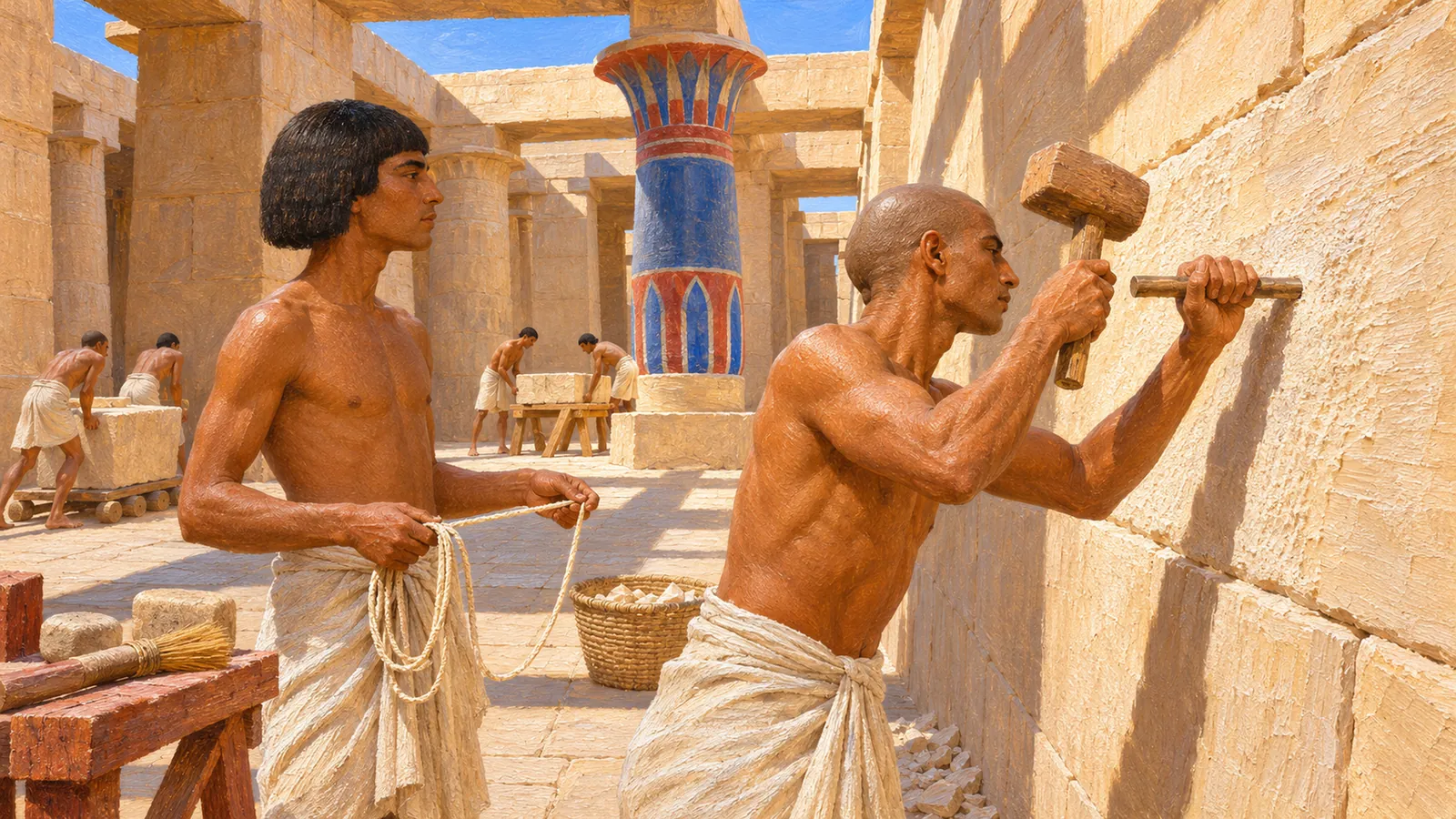
In Egypt a translation of Hattusili's agreement was carved at Karnak. In that copy the Hittite king makes the pledges, while the frame and headings are those of Egypt.
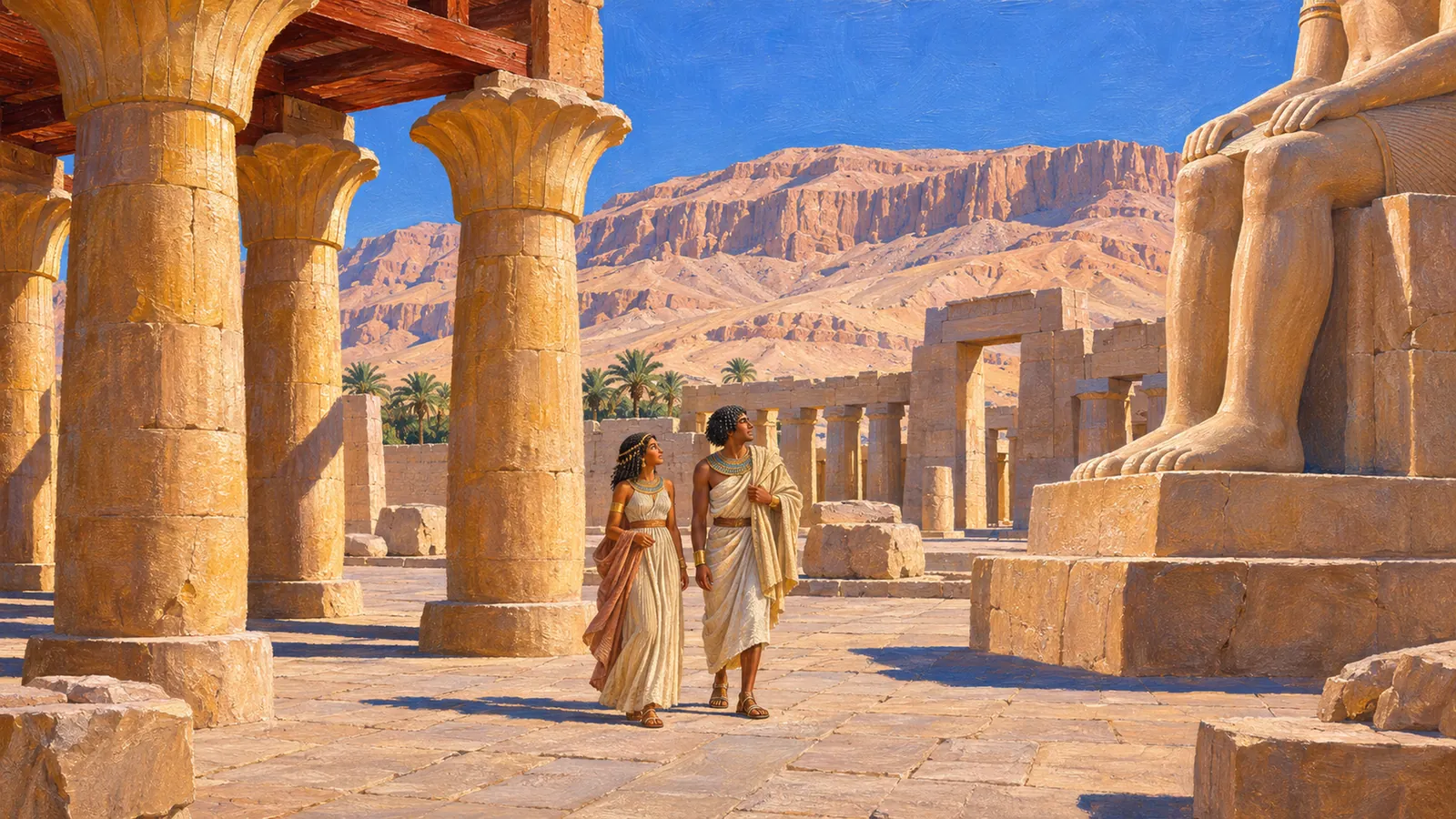
A second Egyptian copy survives at the Ramesseum, damaged in many places. Between the clay tablets and the carved walls, later readers can compare what both courts put into writing.
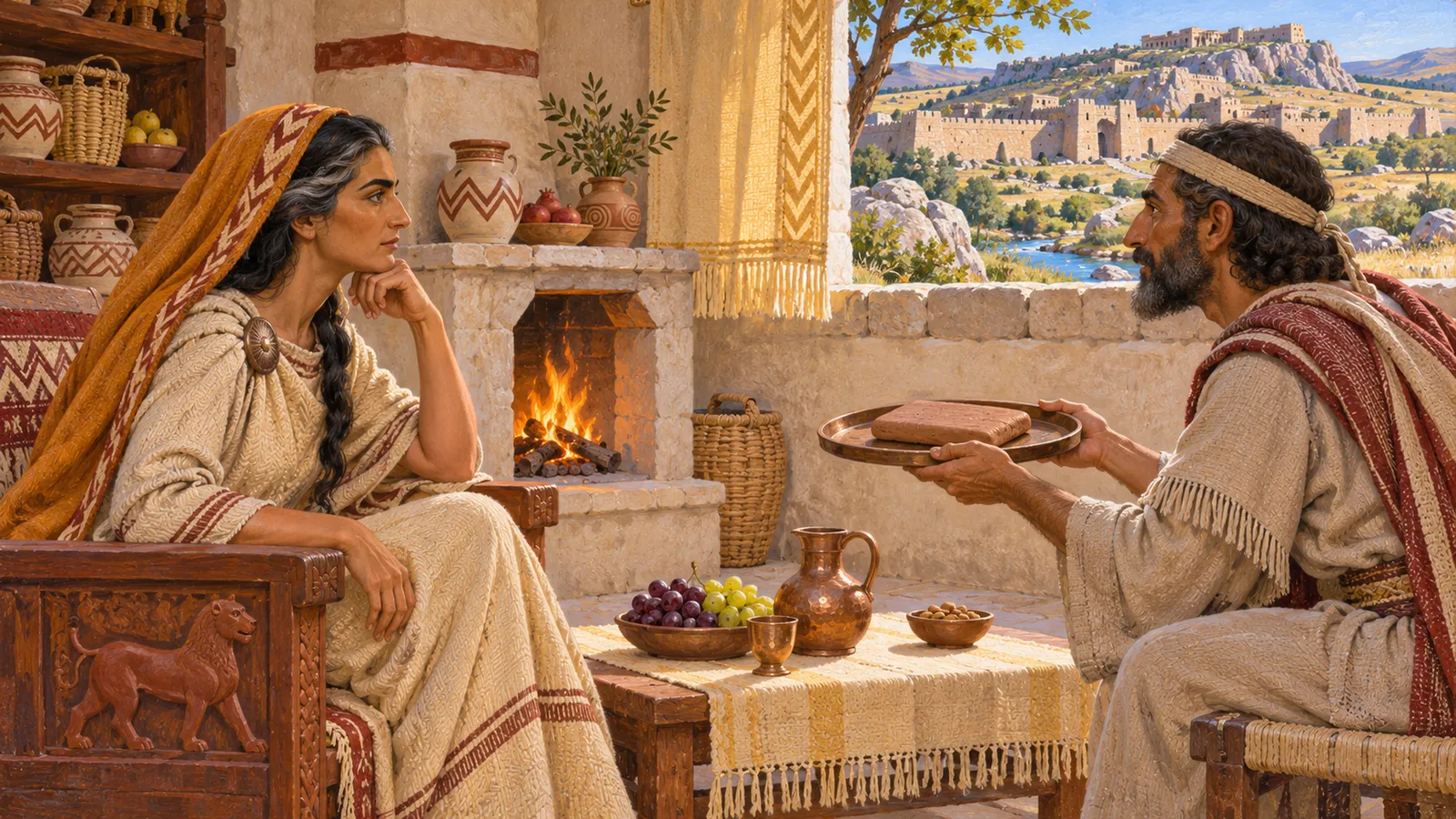
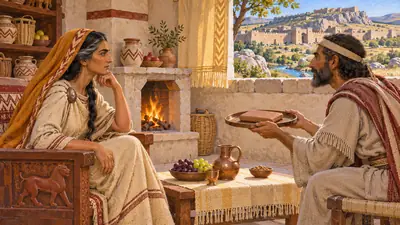
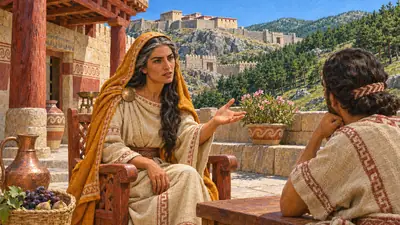
The alliance continued through letters and envoys. When Hattusili and Puduhepa agreed to send a daughter as Ramesses' wife, her place in his court became a matter of negotiation.
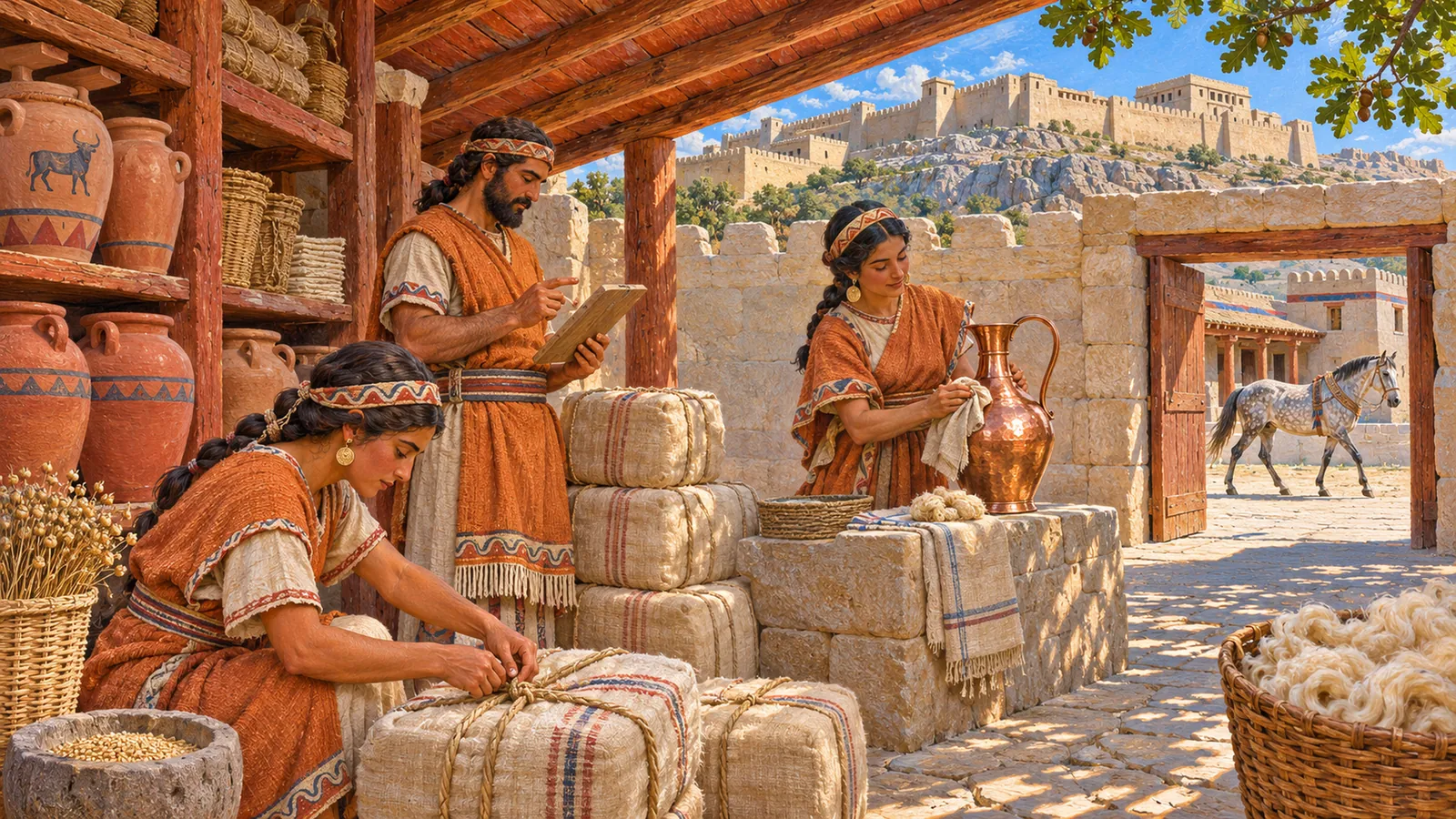
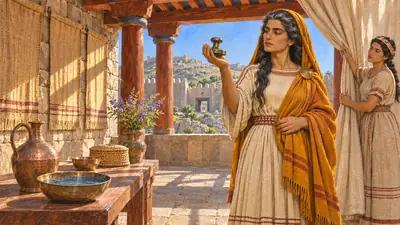
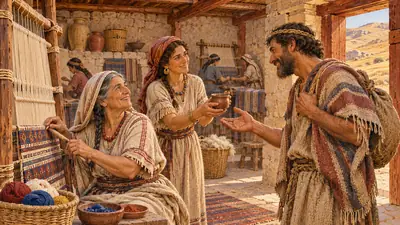
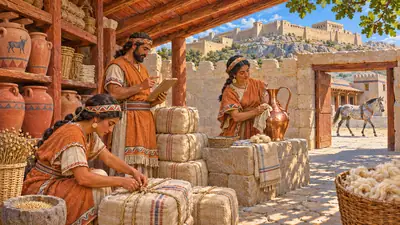
The departure took time. In a letter preserved at Hattusa, Puduhepa answered the pharaoh's impatience and took up the question of the goods she was preparing for her daughter.
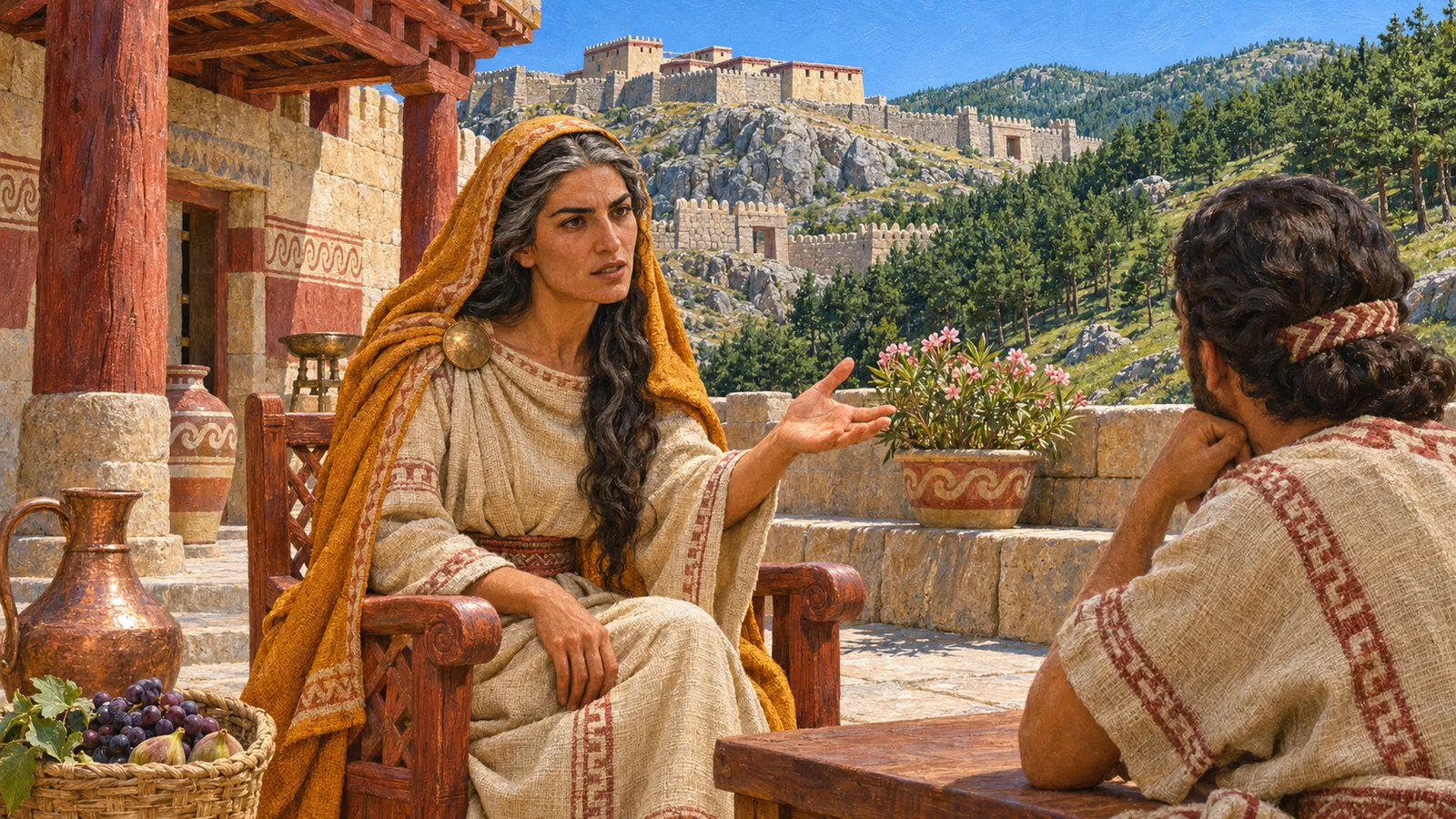
Puduhepa also defended her position as a queen dealing with an equal. She asked, in effect, why a king as wealthy as her brother should be impatient for her possessions.
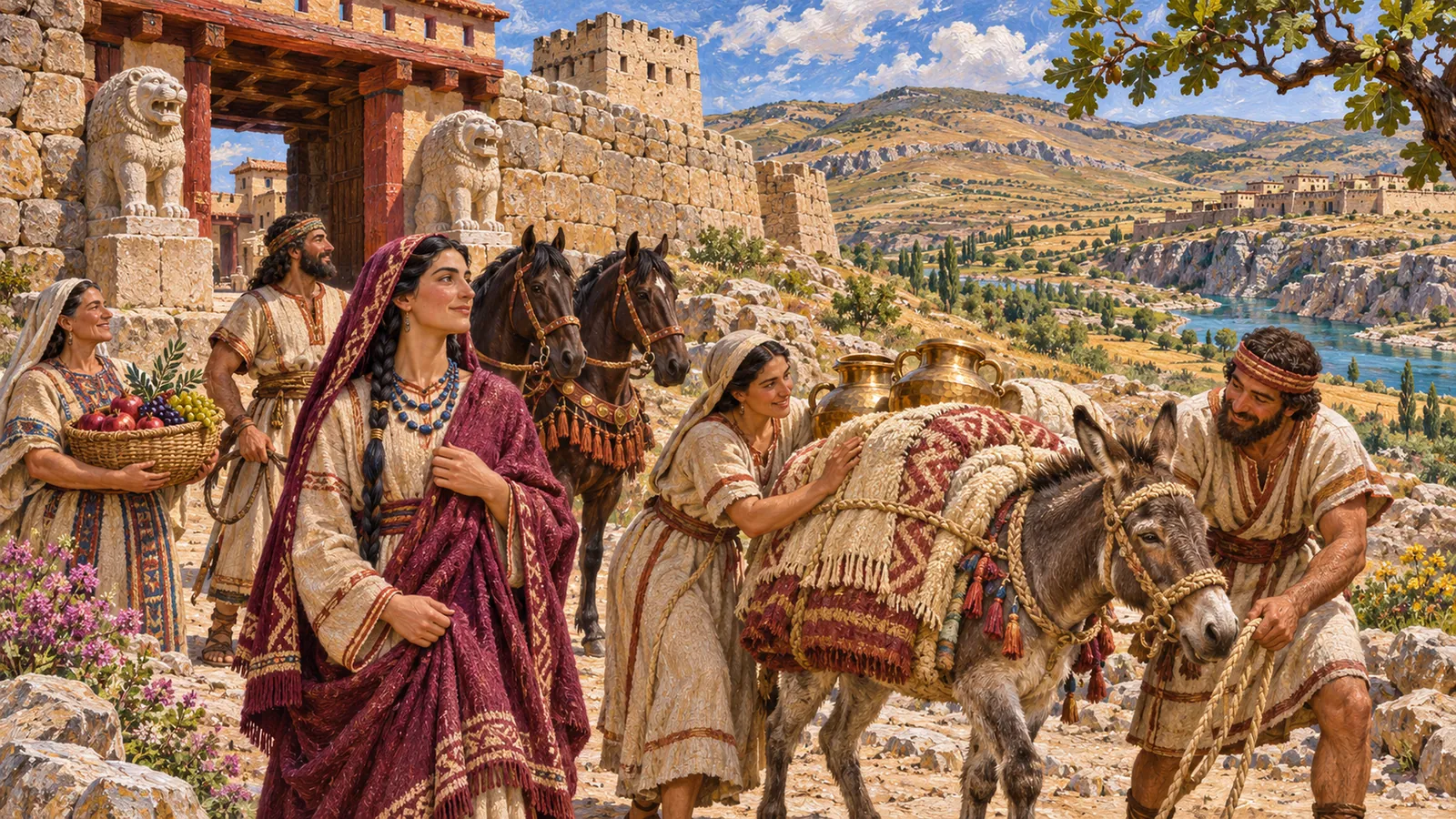
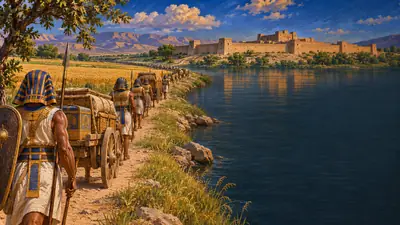
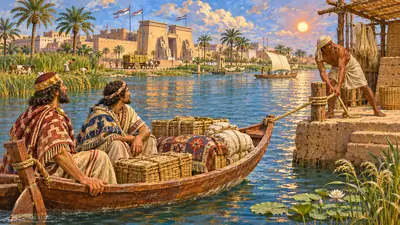
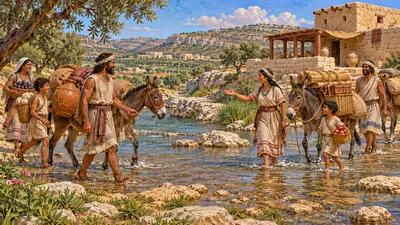
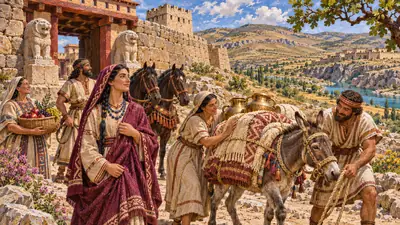
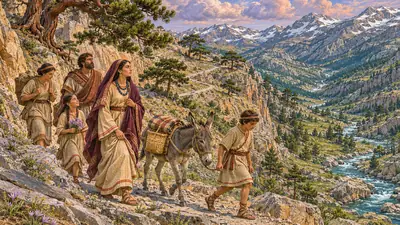
The Egyptian marriage inscription describes Hattusili sending his eldest daughter with valuables and a large retinue. It makes the preparations recorded in the letters into a great procession on the road.
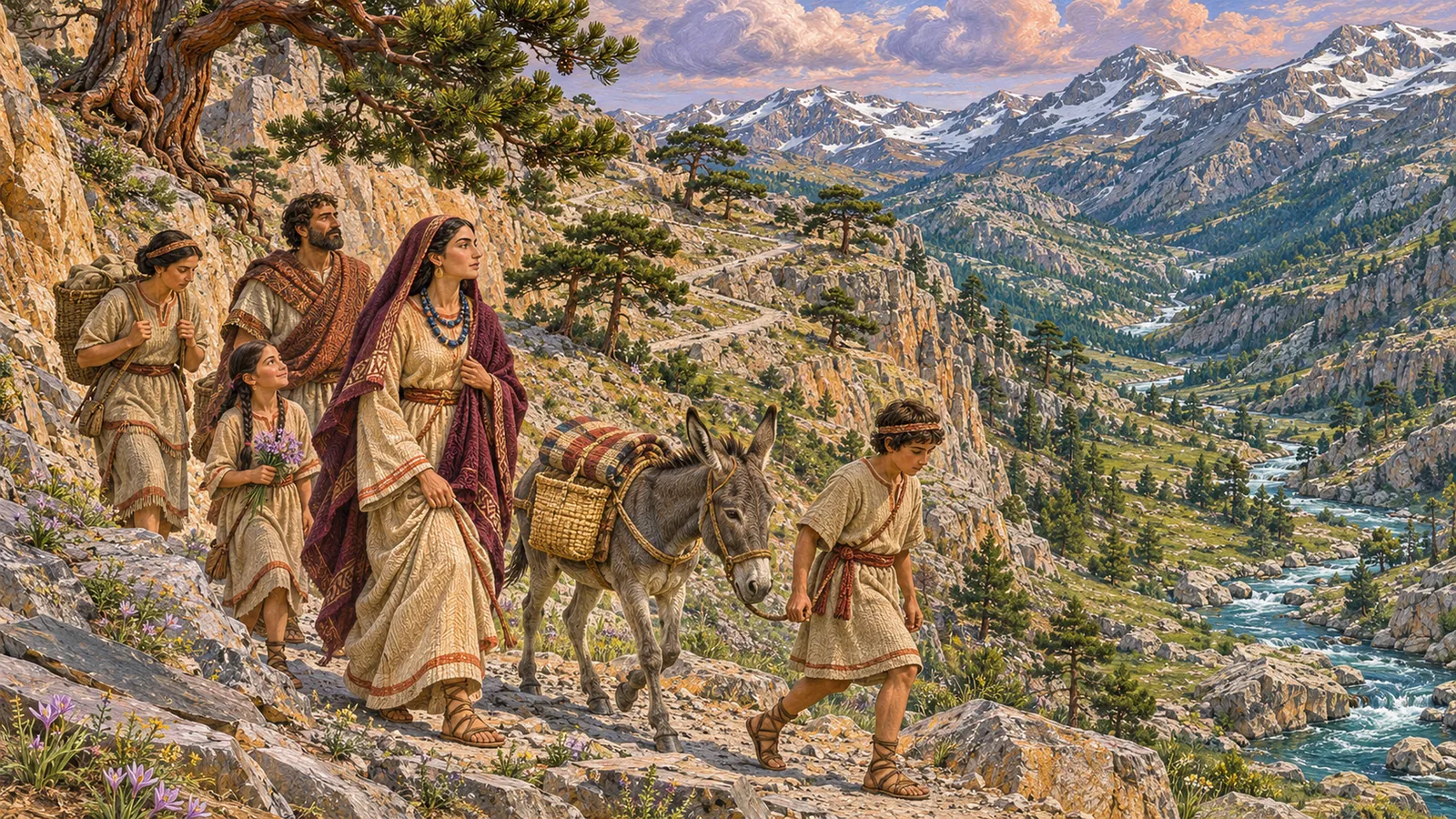
The princess traveled south in a cold season. In the Egyptian account, Ramesses appeals to Seth to ease the weather for the travelers making their way to him.
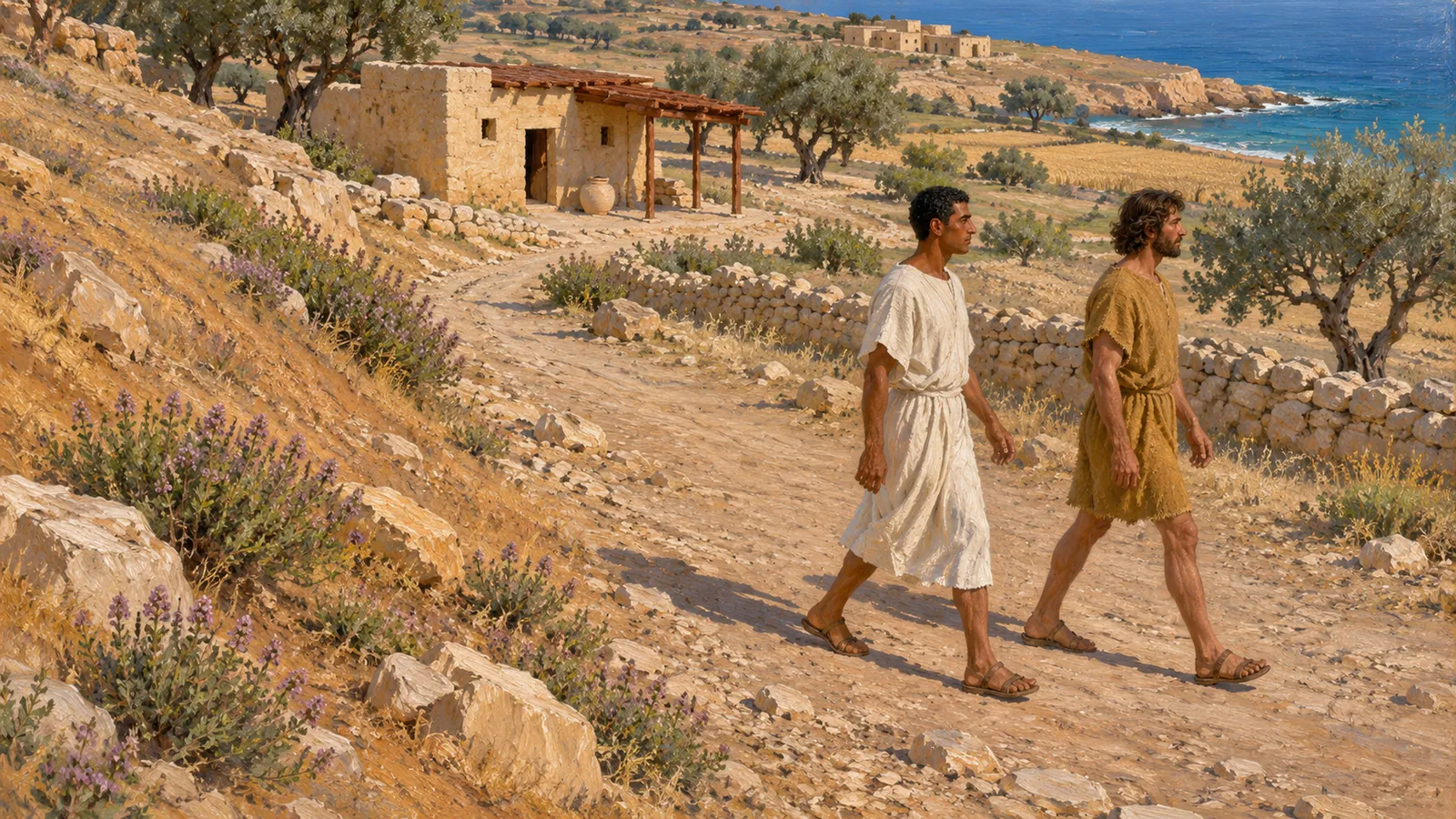
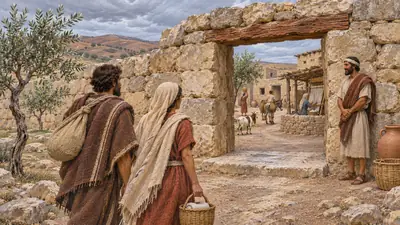
Egyptian troops and officials went to meet the party. The stela dwells on the mingling of Egyptian and Hittite escorts, men serving courts that had once sent them to fight each other.
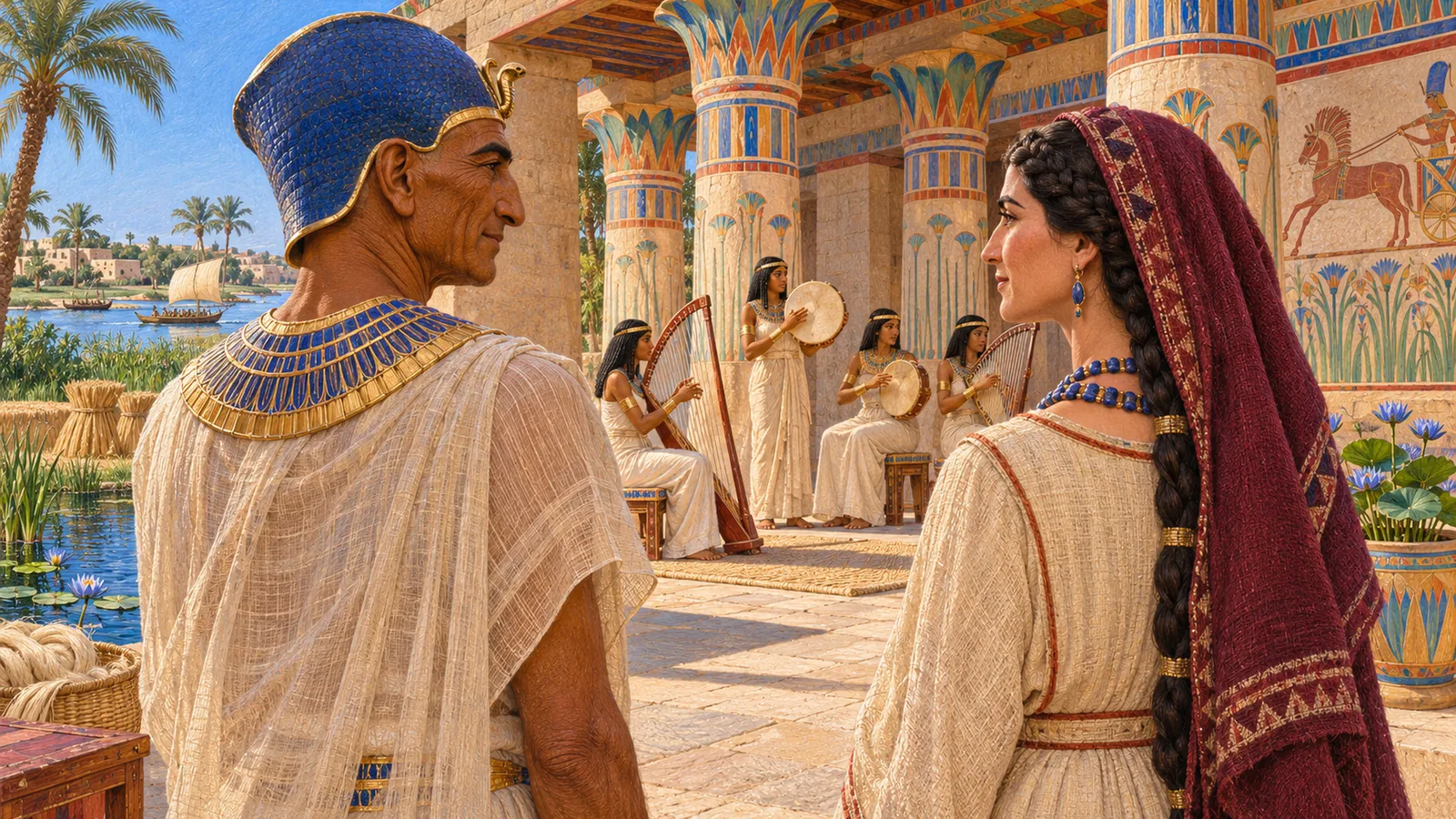
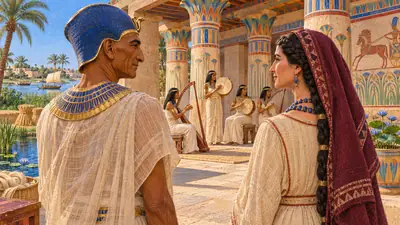
In year thirty-four, the princess became Ramesses' wife. Egypt knew her as Maathorneferure. On a statue found at Tanis, her title calls her Great Royal Wife and mistress of the Two Lands.
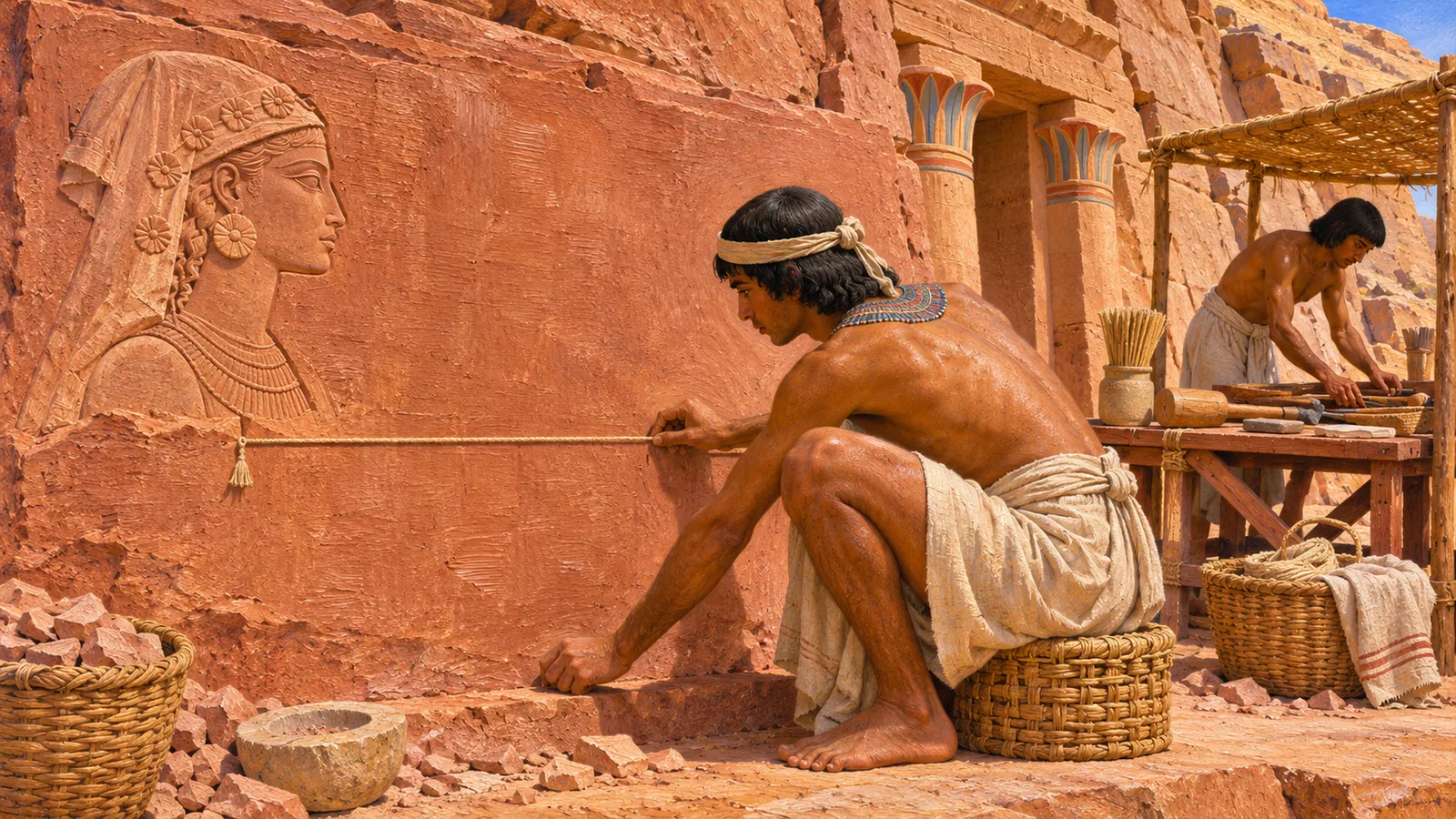
The marriage inscription appears in several places, including Abu Simbel. It praises Ramesses as the power behind the peace, and says travelers could now go as far as Hatti without fear.
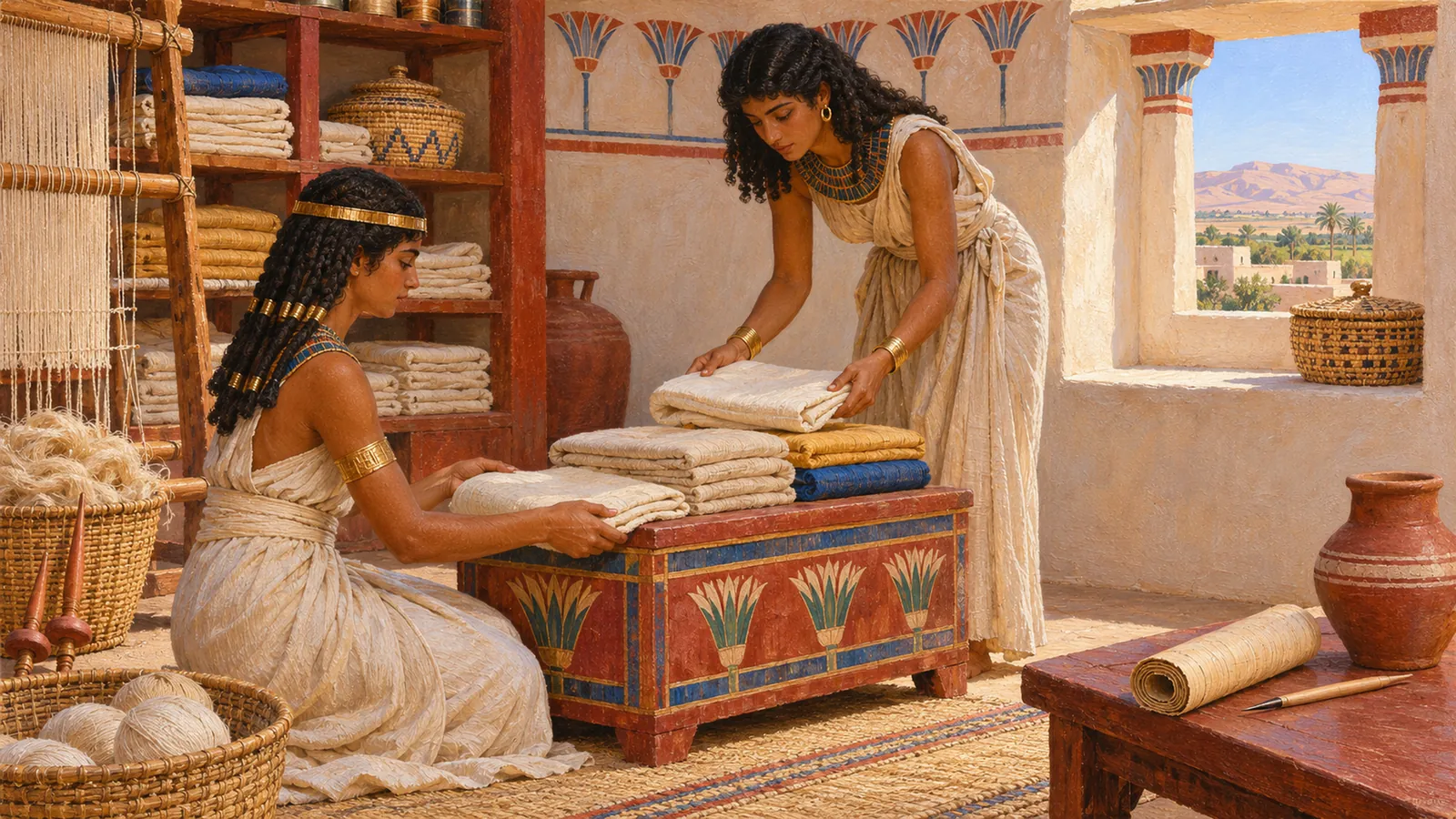
A small papyrus fragment from Gurob gives Maathorneferure's name among records of clothing. Here a queen known from the splendor of a public monument appears in an ordinary palace document.
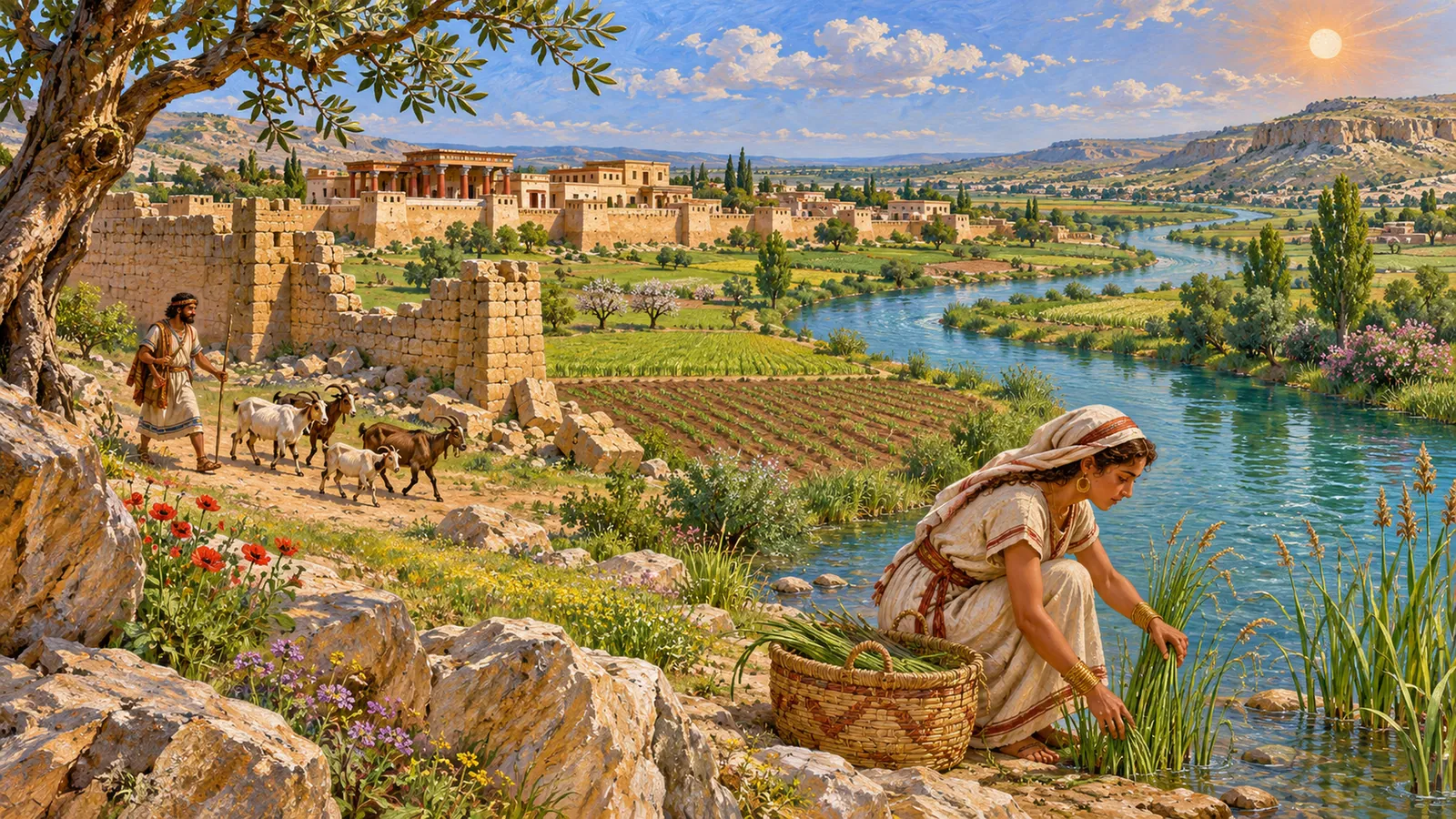
The Orontes still runs beside Kadesh. What survived from the battle is two rival memories of victory. What survived from the peace is the language the two courts chose to share.
End of chapter 1
All pages




Sources
Editions consulted
- Miriam Lichtheim, Ancient Egyptian Literature, Volume II, “The Kadesh Battle Inscriptions of Ramses II”
- Thesaurus Linguae Aegyptiae, Kadesh Poem at Karnak
- British Museum, Sallier III papyrus and the Battle of Qadesh
- James Henry Breasted, Ancient Records of Egypt, Volume III, §§298–351, 367–392 and 415–425
- United Nations Archives, Egyptian and Hittite copies of the peace treaty
- Hethitologie-Portal Mainz, CTH 91, treaty of Hattusili III with Ramesses II
- Tudhaliya IV’s treaty with Shaushgamuwa of Amurru and the treaty with Benteshina, translated and discussed by William J. Murnane, The Road to Kadesh, pp. 54–57
- Marco De Pietri, editions and translations of the Kadesh reliefs, the treaty and the First Marriage Stela
- Puduhepa’s letter KUB 21.38 = CTH 176, translation
- Petrie Museum, Gurob papyrus UC32795, translated in Digital Egypt
Ancient lines behind each page
- Page 1: KRI II 3–5; Lichtheim, p. 57; Murnane, pp. 53–55
- Page 2: Poem P26–31
- Page 3: Poem P26–34
- Page 4: Poem P37–40, 55–62
- Page 5: Poem P34–38
- Page 6: CTH 105, treaty of Tudhaliya IV with Shaushgamuwa, obv. I 13–39
- Page 7: Poem P41–49
- Page 8: Poem P50–54
- Page 9: Bulletin B1–7; Poem P36–40
- Page 10: Bulletin B7–20
- Page 11: Bulletin B18–33
- Page 12: Bulletin B33–39; relief R8, KRI II 130
- Page 13: Bulletin B39–52; relief R8, KRI II 130
- Page 14: Bulletin B41–52; Poem P55–62
- Page 15: Bulletin B52–67
- Page 16: Bulletin B65–76
- Page 17: Poem P56–62
- Page 18: Bulletin B76–84; Poem P67–74
- Page 19: Bulletin B79–86; Poem P72–76
- Page 20: Bulletin B83–90; camp relief KRI II 126–131
- Page 21: Bulletin B86–92; Poem P74–96
- Page 22: Poem P93–99
- Page 23: Poem P98–108
- Page 24: Poem P109–124
- Page 25: Poem P123–135
- Page 26: Poem P136–150; relief R18, KRI II 134
- Page 27: Bulletin B98–109; battle reliefs KRI II 134–138
- Page 28: Poem P145–157
- Page 29: Poem P153–160
- Page 30: Poem P205–214
- Page 31: Poem P214–221
- Page 32: Poem P222–228
- Page 33: Kadesh battle reliefs, KRI II 134–138
- Page 34: Relief R11, KRI II 131–132
- Page 35: Relief R11, KRI II 131–132; Lichtheim II, pp. 57–58
- Page 36: Poem P55–64; relief R11, KRI II 131–132
- Page 37: Poem P229–240
- Page 38: Poem P240–252
- Page 39: Poem P251–263
- Page 40: Poem P263–274
- Page 41: Poem P280–300
- Page 42: Poem P300–330
- Page 43: Poem P329–343
- Page 44: CTH 105, obv. I 29–39
- Page 45: CTH 105, obv. I 34–39
- Page 46: CTH 92, Benteshina Treaty, obv. I 11–21; CTH 105, obv. I 40–48
- Page 47: CTH 105, obv. I; Murnane, pp. 53–57
- Page 48: Battle Poem and reliefs, Abu Simbel, KRI II
- Page 49: CTH 81, Apology of Hattusili III
- Page 50: KBo 1.10; CTH 81; Murnane, p. 57, n. 37
- Page 51: CTH 91, Karnak copy, seals; CTH 176 (KUB 21.38)
- Page 52: CTH 91, Egyptian date and heading
- Page 53: CTH 91, Egyptian date and heading
- Page 54: CTH 91, Egyptian heading and conclusion
- Page 55: CTH 91, Egyptian and Akkadian forms, peace and brotherhood
- Page 56: CTH 91, mutual non-aggression
- Page 57: CTH 91, reciprocal assistance clauses
- Page 58: CTH 91, Akkadian obv. 40ff., succession clause
- Page 59: CTH 91, extradition clauses
- Page 60: CTH 91, return and protection clauses
- Page 61: CTH 91, witness, curse and blessing clauses
- Page 62: CTH 91, Egyptian copy, seal descriptions
- Page 63: CTH 91, Akkadian tablets KBo 1.7 and KBo 1.8
- Page 64: CTH 91, Karnak, KRI II 225–232
- Page 65: CTH 91, Ramesseum and Karnak, KRI II 225–232
- Page 66: CTH 176 (KUB 21.38); First Marriage Stela, KRI II 233–256
- Page 67: CTH 176 (KUB 21.38), obv. 13′–20′
- Page 68: CTH 176 (KUB 21.38), obv. 13′–20′
- Page 69: First Marriage Stela, KRI II 247–248
- Page 70: First Marriage Stela, KRI II 248–250; Breasted III §§424–425
- Page 71: First Marriage Stela, KRI II 250–253
- Page 72: First Marriage Stela, KRI II 253–255; Tanis colossus, TLA DZA 28.147.820
- Page 73: First Marriage Stela, KRI II 233–256; Abu Simbel copy
- Page 74: Gurob papyrus, Petrie Museum UC32795
- Page 75: Poem P329–343; CTH 105 obv. I; CTH 91
Illustrations made with AI tools by IL Archive; the text is based on the ancient sources (see the sources at the end of each chapter).