Appu and His Two Sons Chapter 1
The Brothers Divide the Estate
The tale follows Appu from the elders’ meal to two births. An uneven division of cattle then takes his sons to Sippar and Nineveh. The surviving tablet leaves their last hearing unresolved.
SourcesTurn the pages with the arrows, the arrow keys or a swipe.
APPU AND HIS TWO SONS
The first clay tablet opens with praise for whoever raises up just people. Part of that opening is lost. The next lines lead to a town beside the sea.
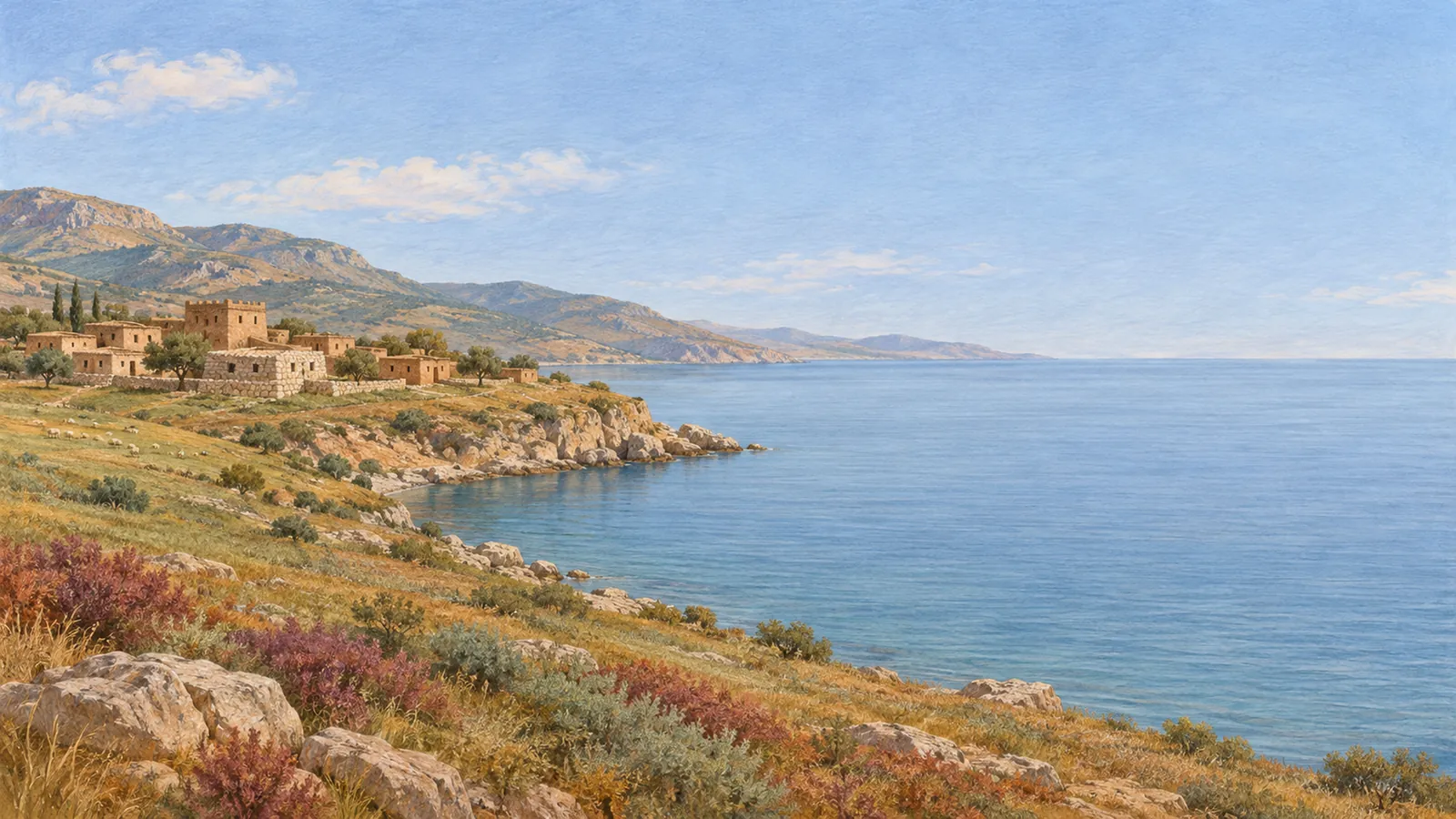
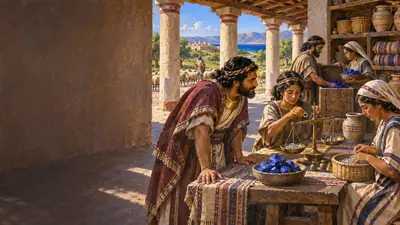
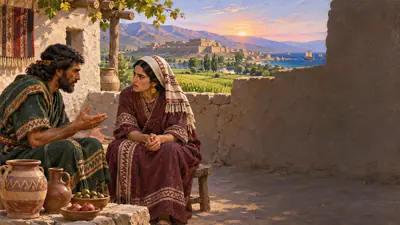
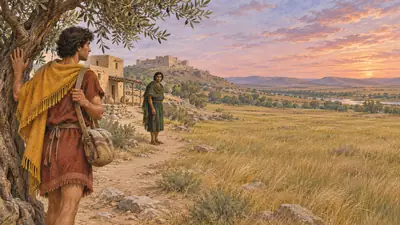
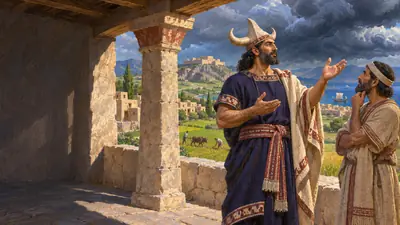
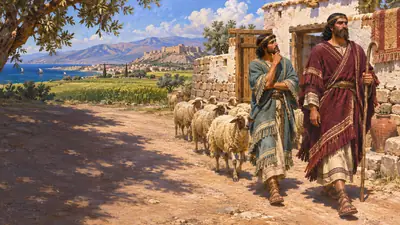
Sudul lies in the land of Lulluwa. Above the shore lives Appu, the richest man in the country. His sheep and cattle are too many for the storyteller to count.
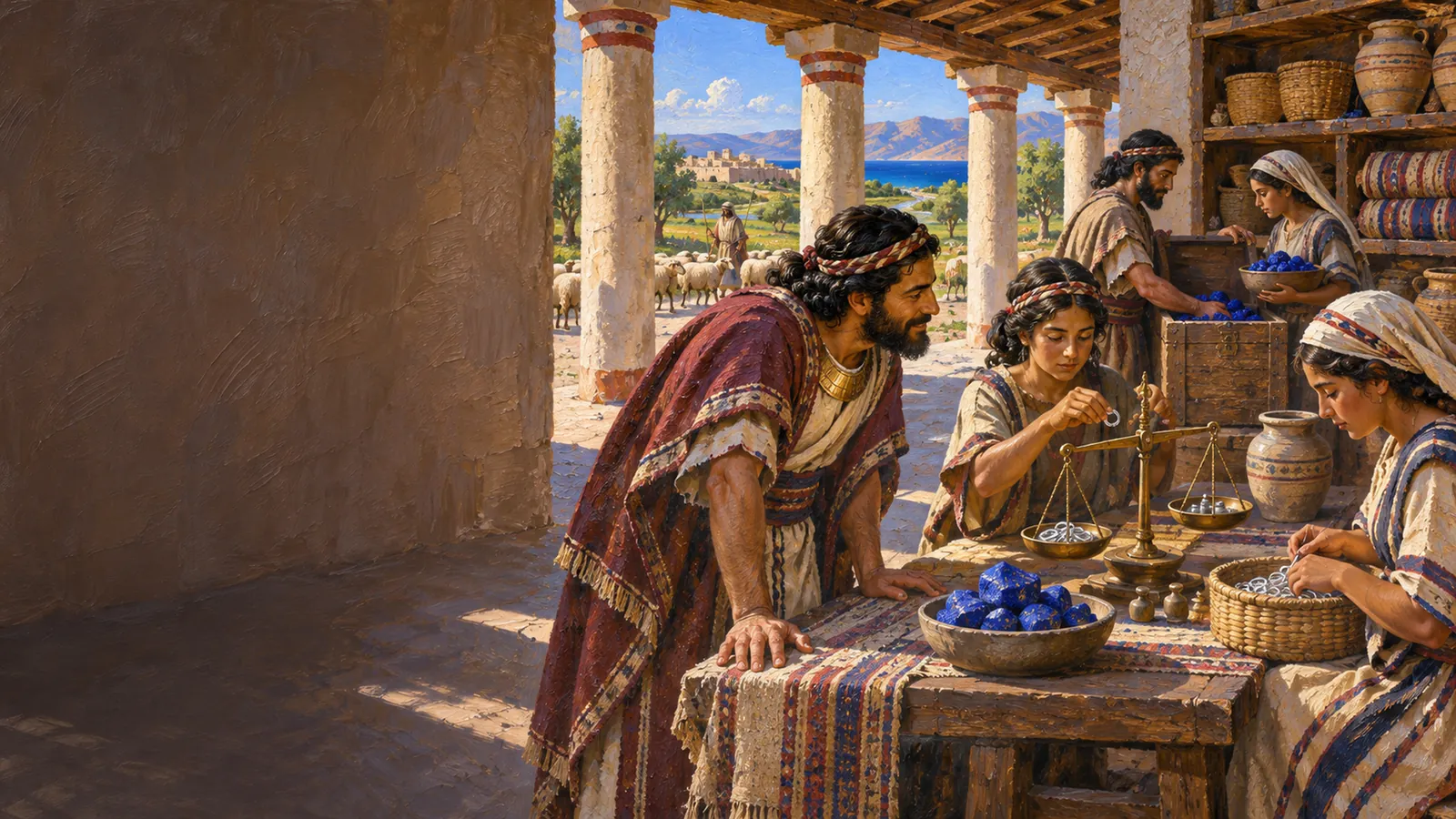
Silver, gold and lapis are heaped up in Appu’s household. The old story compares his wealth to a heap raked together. From outside, it seems that he has everything.
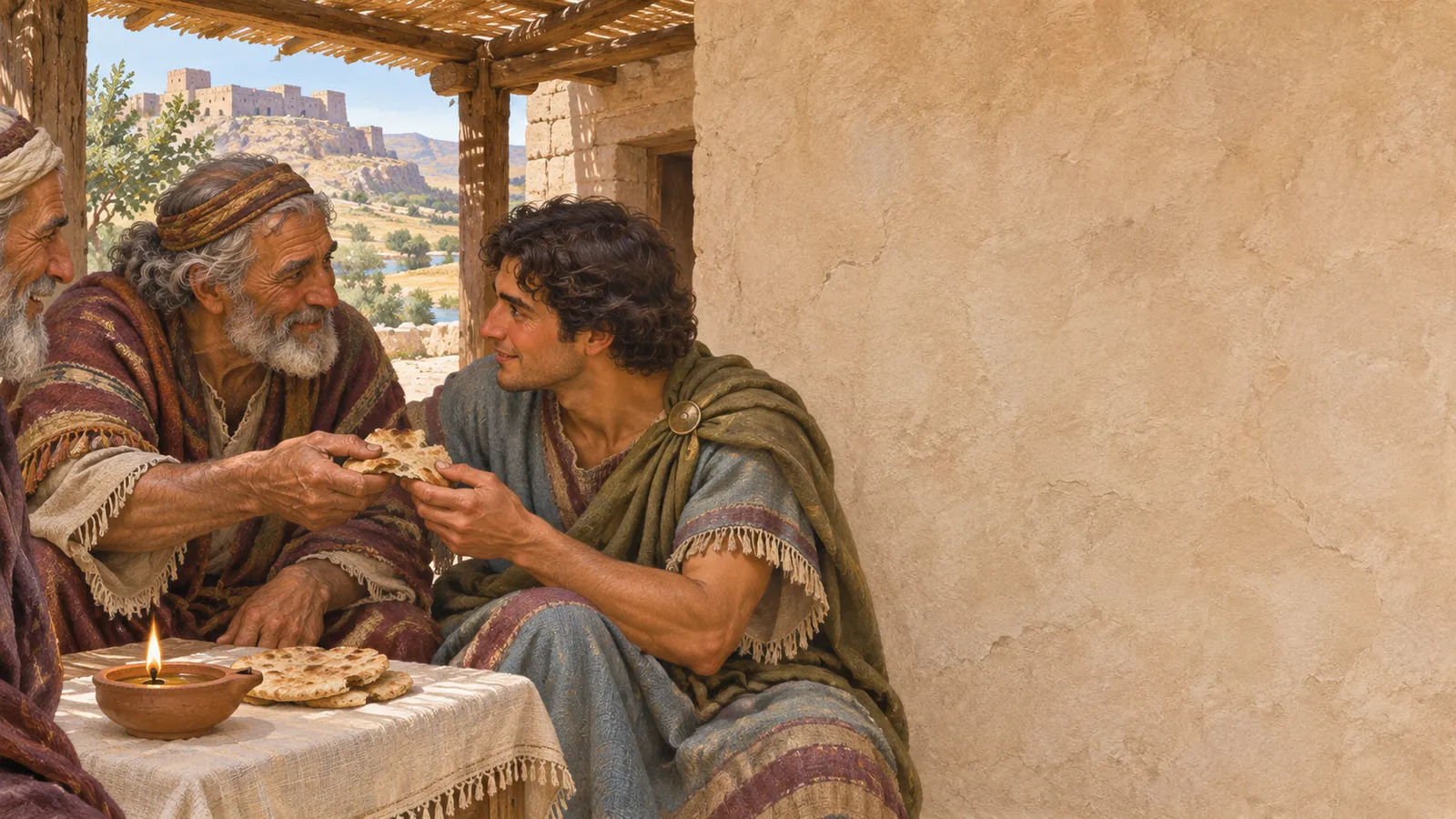
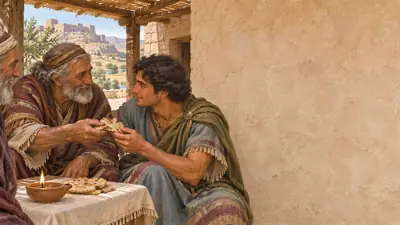
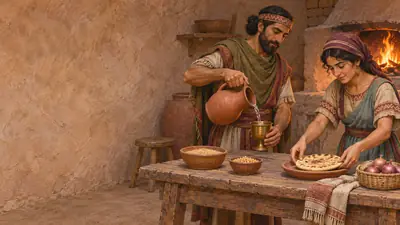
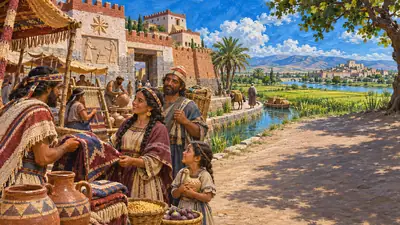
The elders of Sudul sit down to eat in front of Appu. They give their sons bread and oil and pour them something to drink. Appu looks on.
Appu has neither a son nor a daughter. His bread stays in his hand. The tale makes the thing he lacks visible at a table full of food.
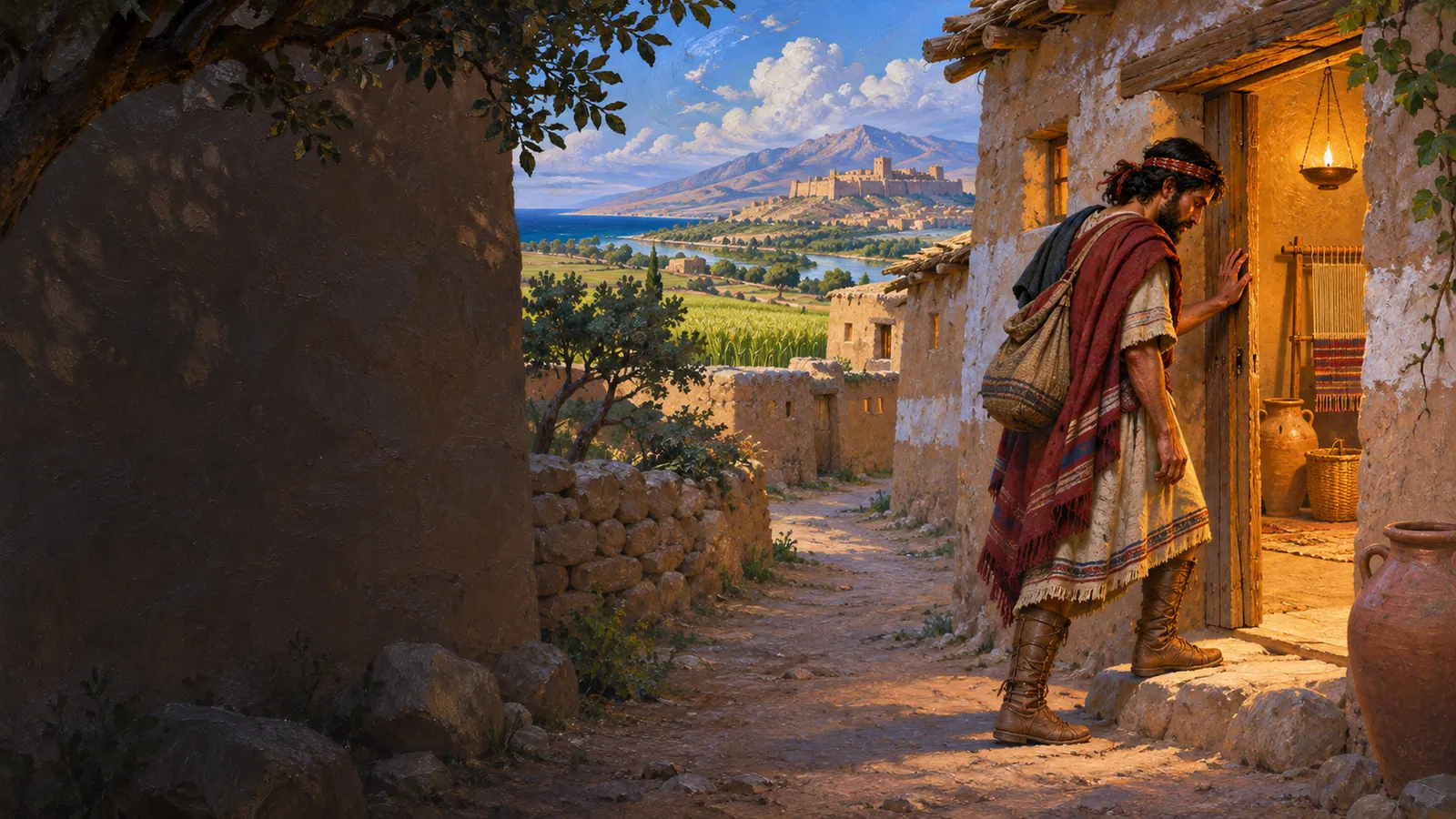
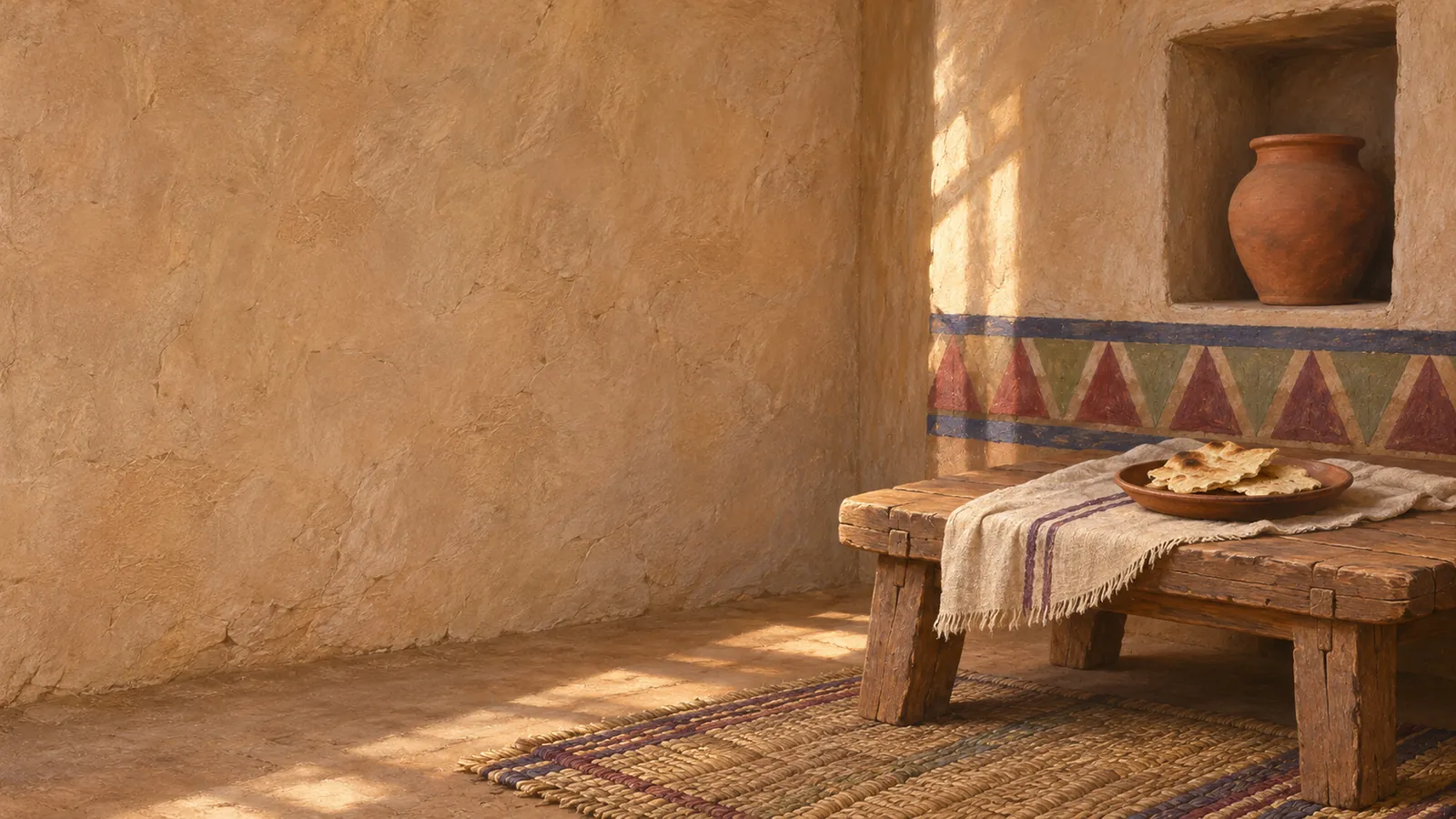
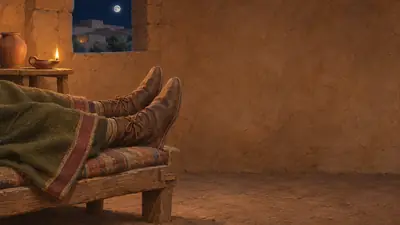
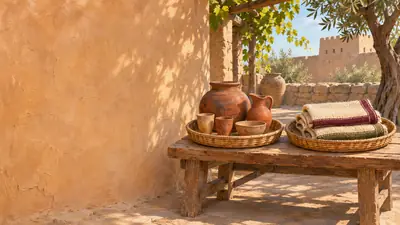
The table is covered with linen and stands before an altar. Appu gets up and leaves it behind. He goes straight to his own house, still wearing his boots.
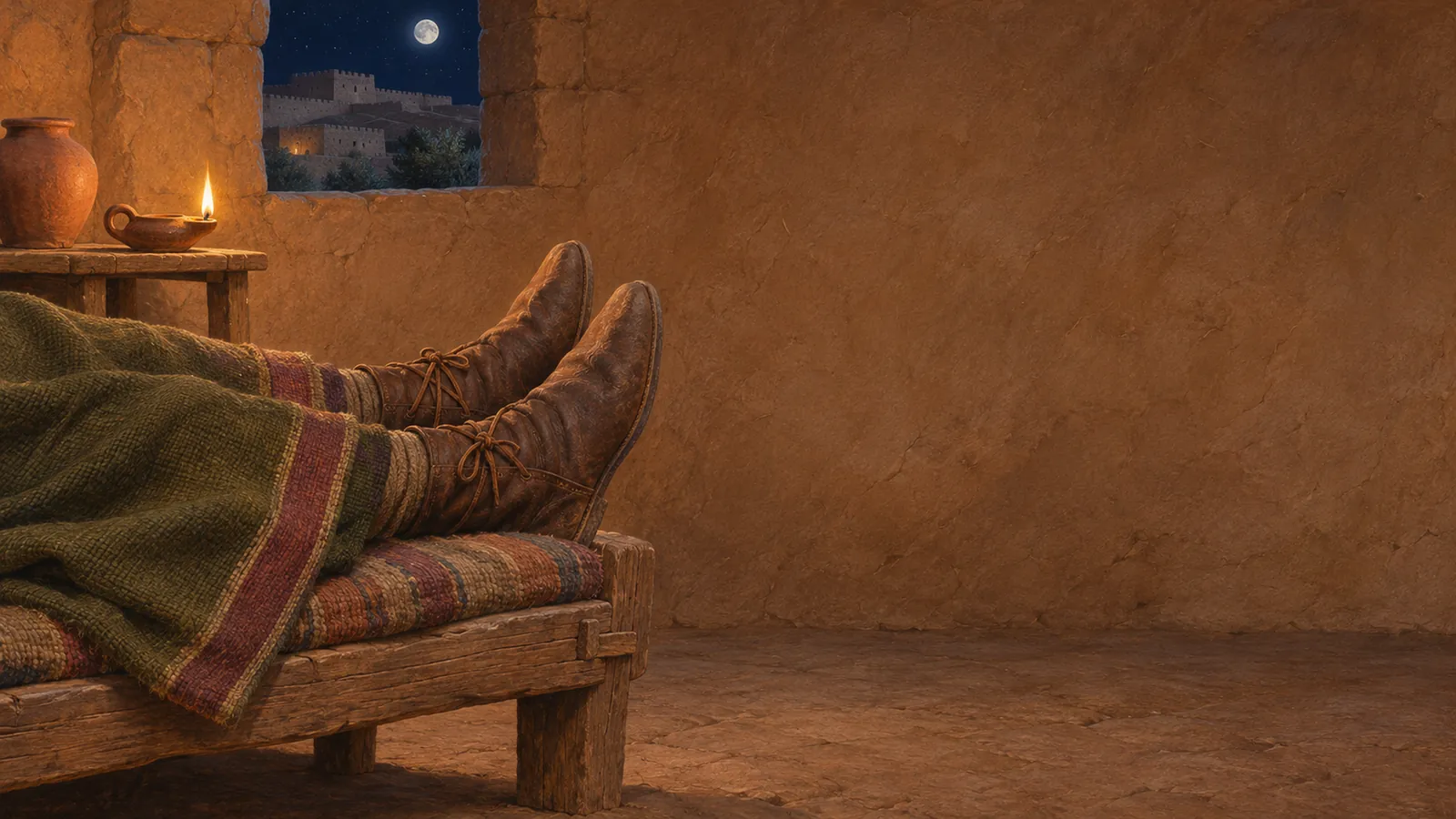
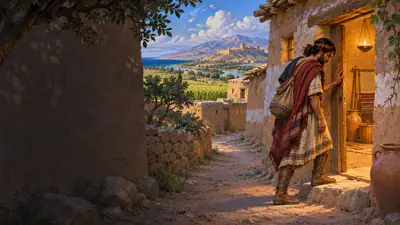
Appu lies down in his boots. The tablet gives that detail in a few words. A man who has left a public meal now takes his trouble into the house.
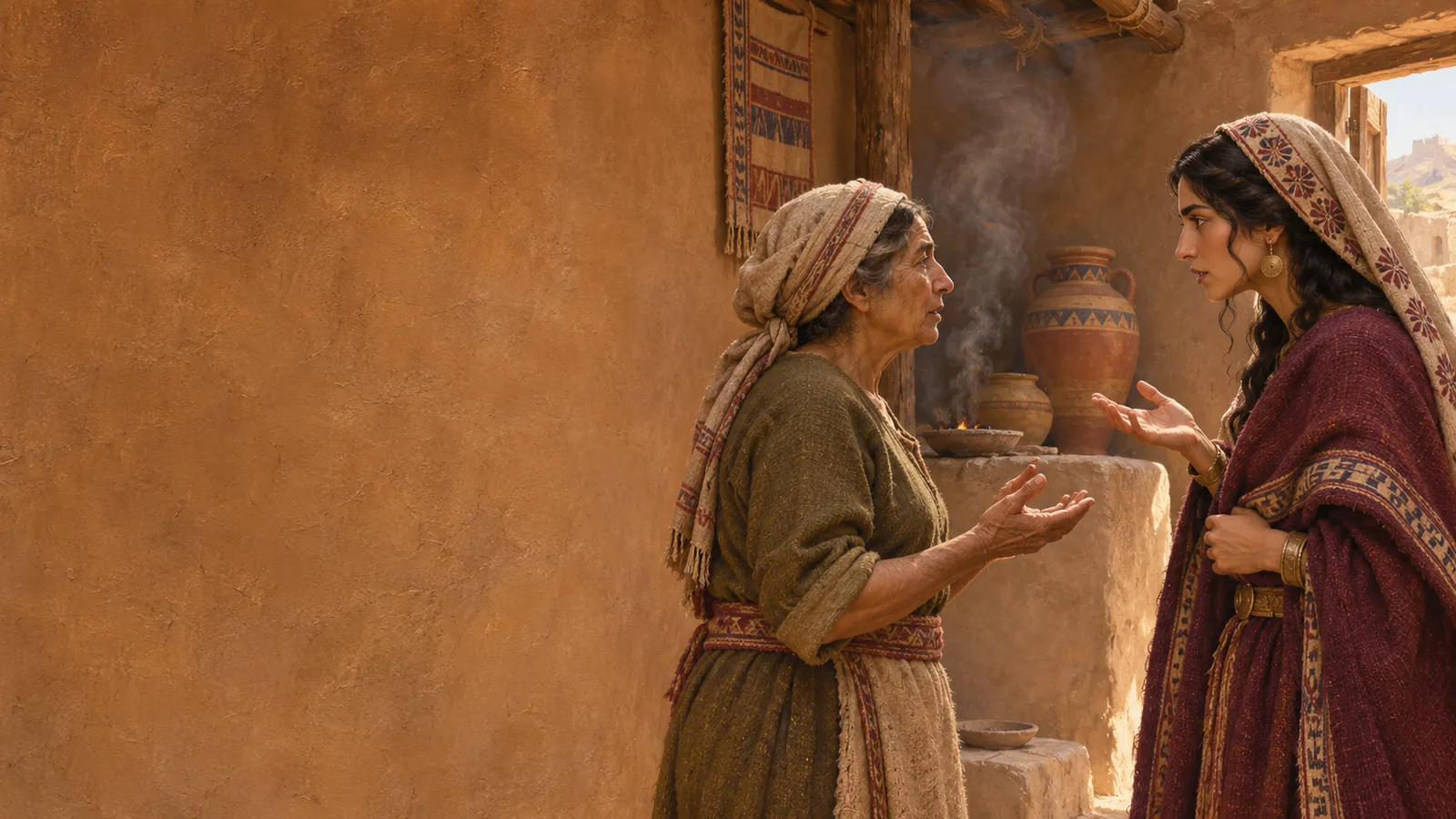
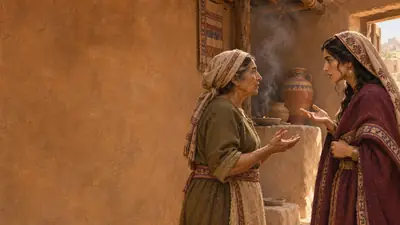
His wife asks the people of the household about Appu. Then she goes to him herself. She lies down still clothed, and he wakes with a start.
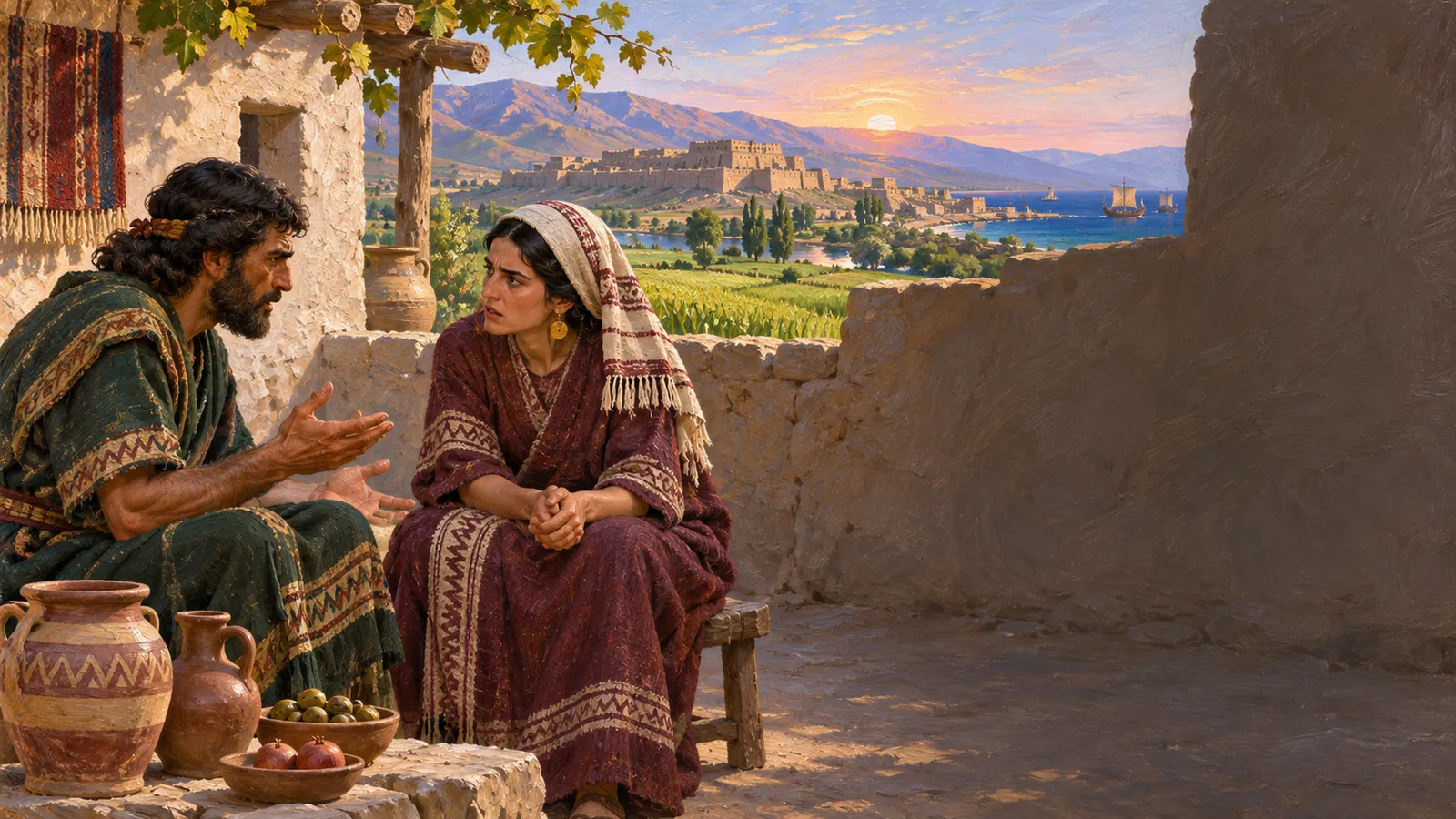
She asks him a private question about their life together. Appu answers that she understands nothing. The words are his. When the exchange ends, he gets up.
THE WHITE LAMB
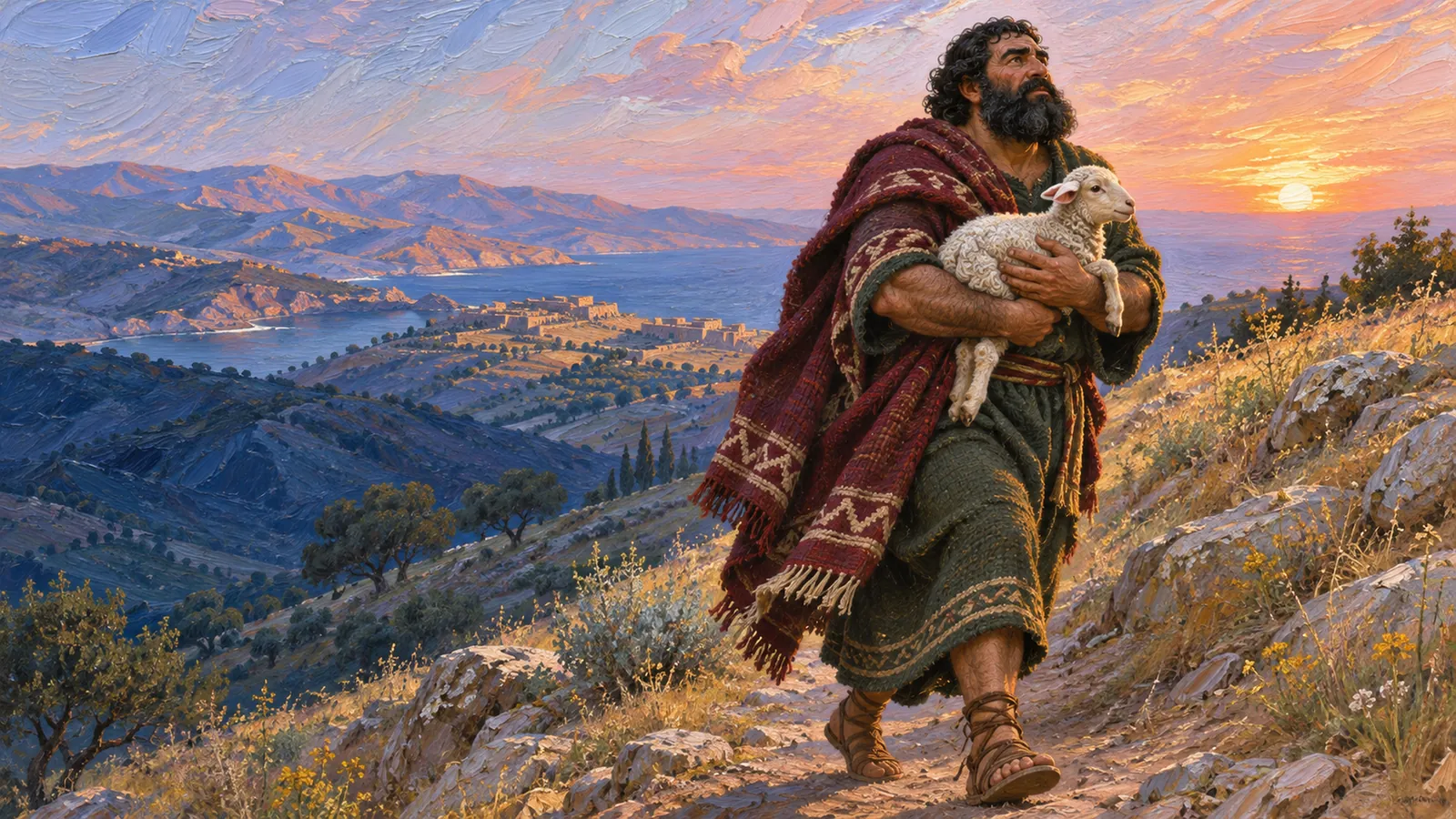
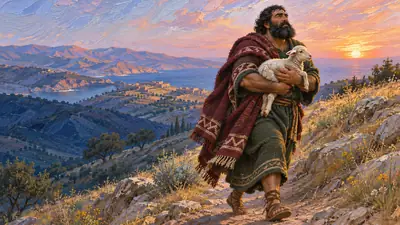
Appu takes a white lamb with him and goes to seek the Sun God. In the story, the god can see the man coming from far above.
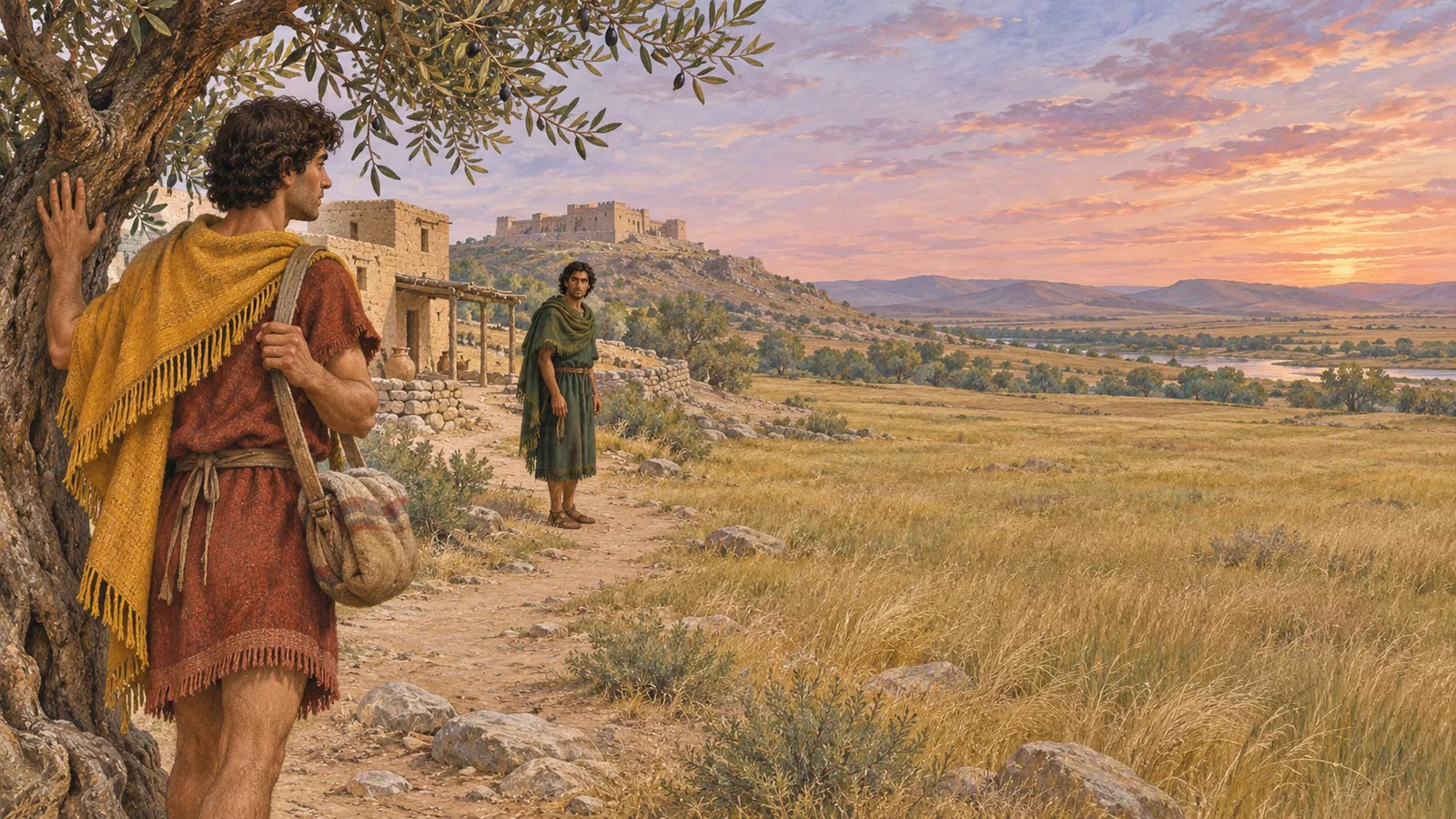
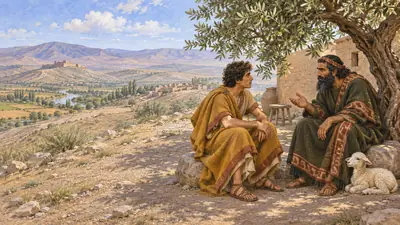
The Sun God looks down and takes the form of a young man. He comes up to Appu on the ground and asks what is troubling him.
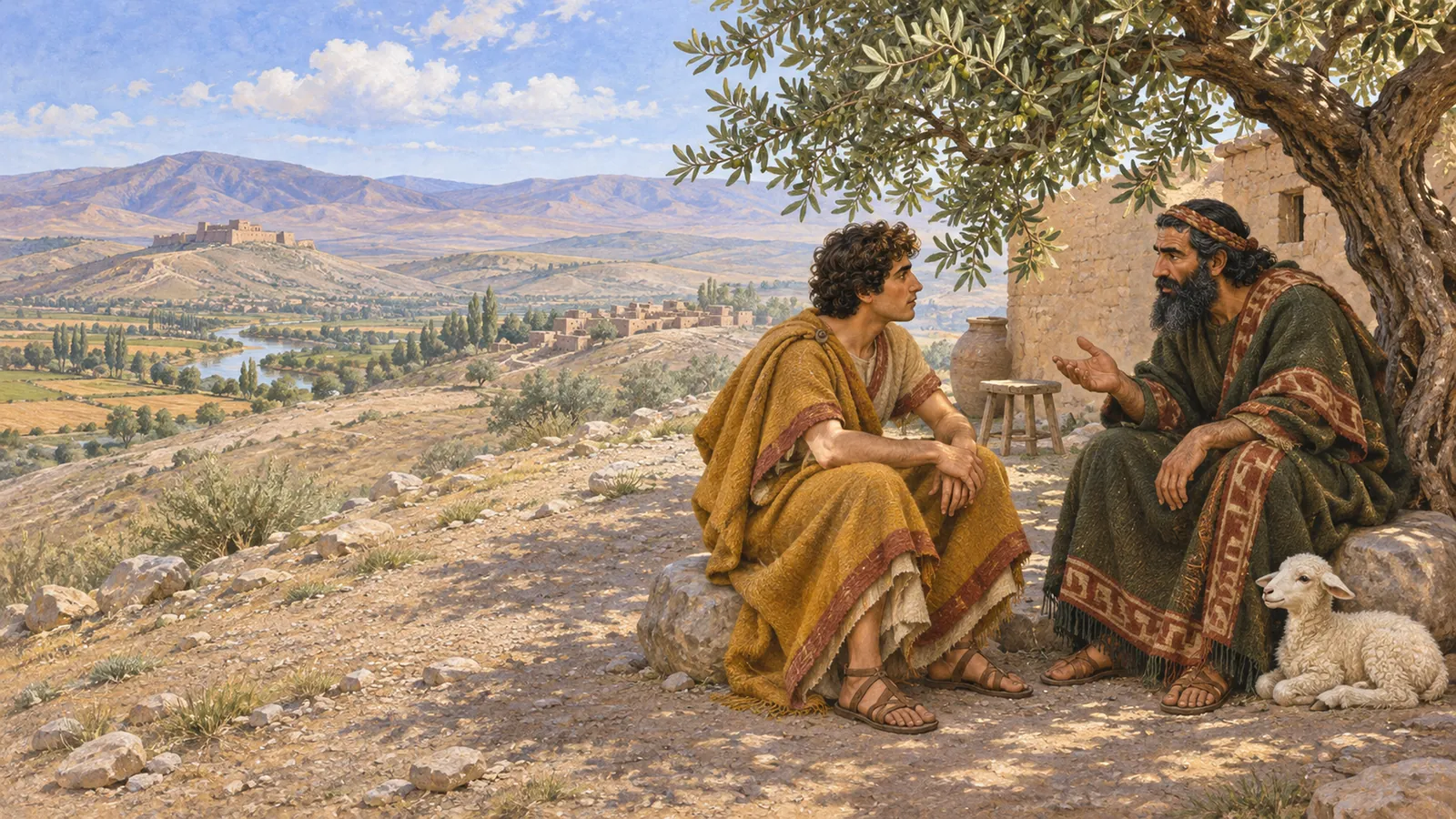
Appu explains that he has been given wealth. He has a house and many animals. There is one thing missing, he says. He has neither son nor daughter.
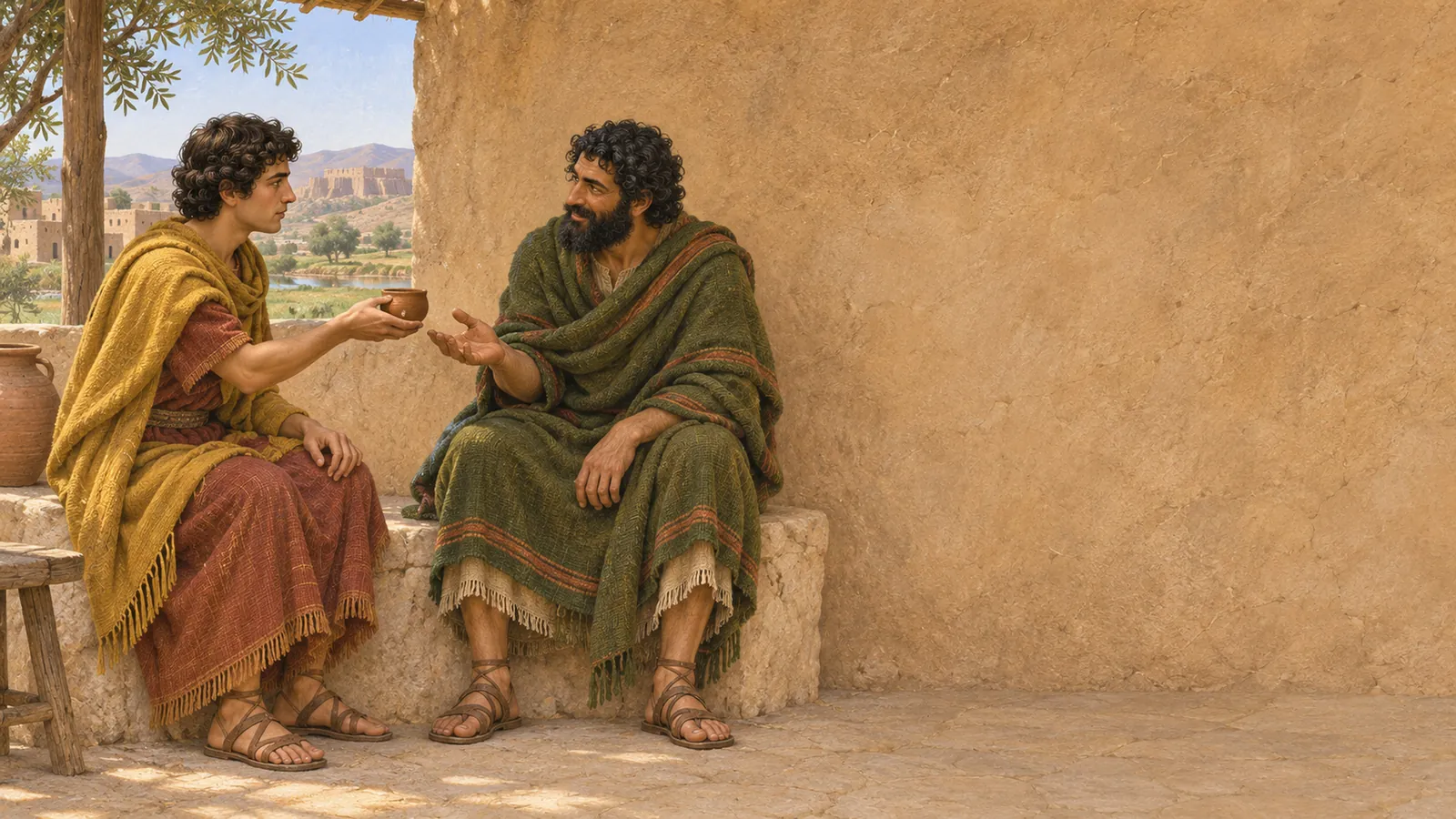
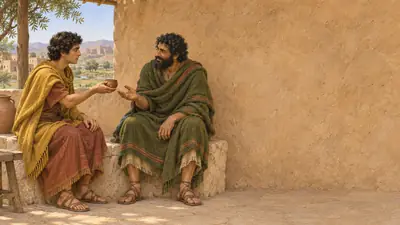
The young man tells Appu to drink until his thirst is satisfied and return to his wife. In the god’s answer, a son will be given to them.
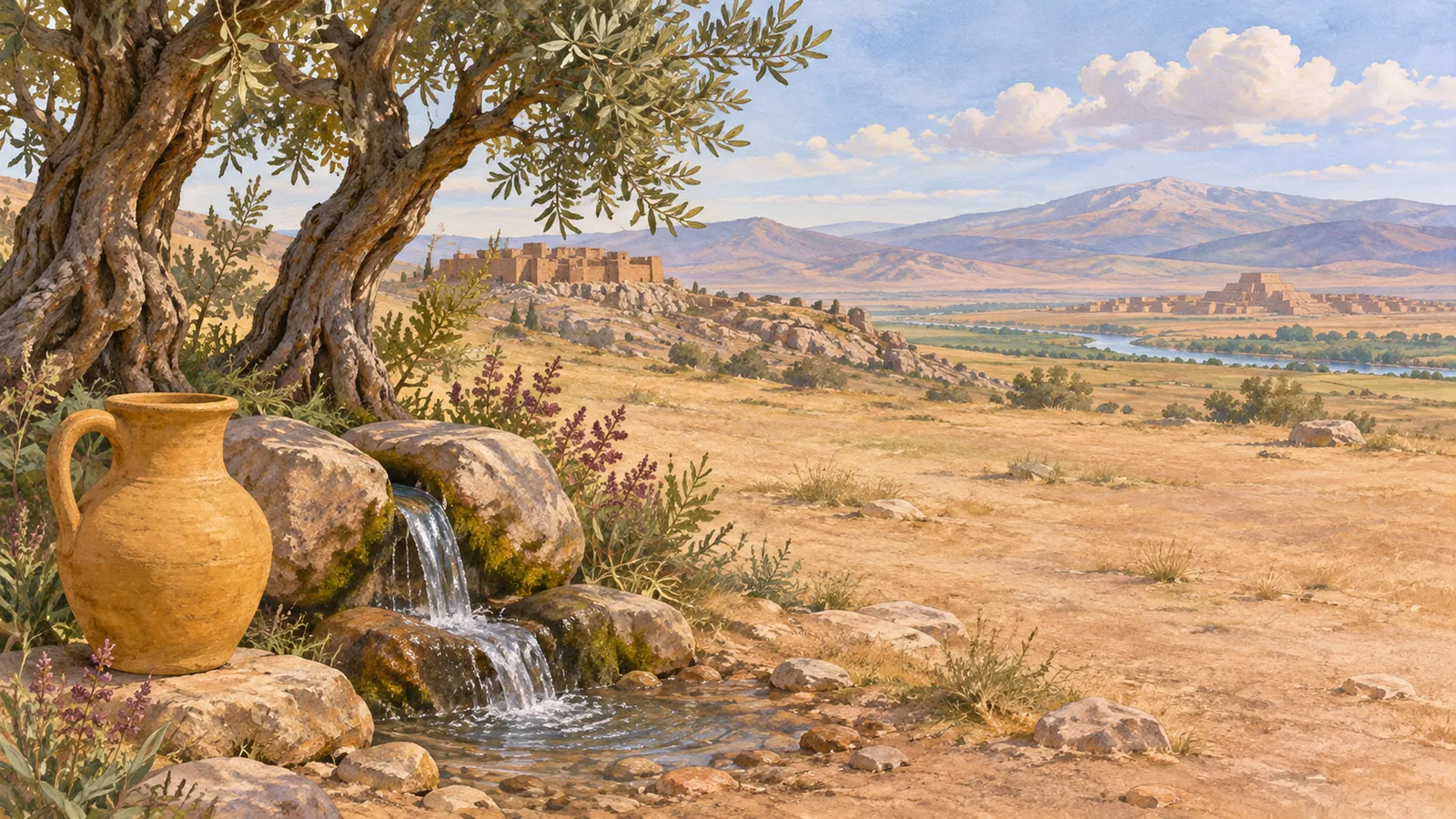
Appu goes back to his house. The Sun God goes up into the sky. The tale follows each away from the place where one had listened to the other.
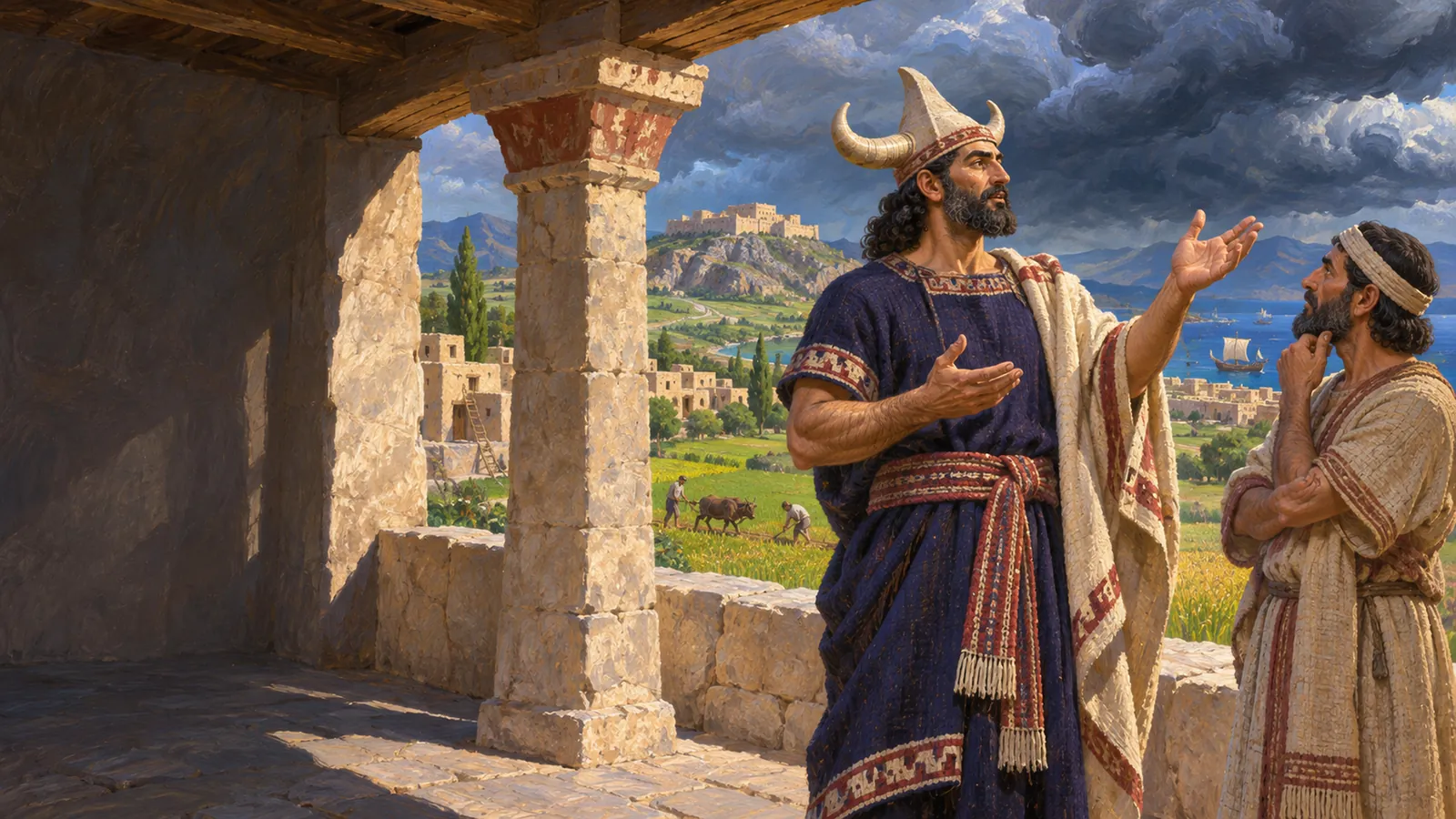
The Storm God sees the Sun God approaching in the distance. He calls him the shepherd of the people and wonders whether the towns or their inhabitants are in trouble.
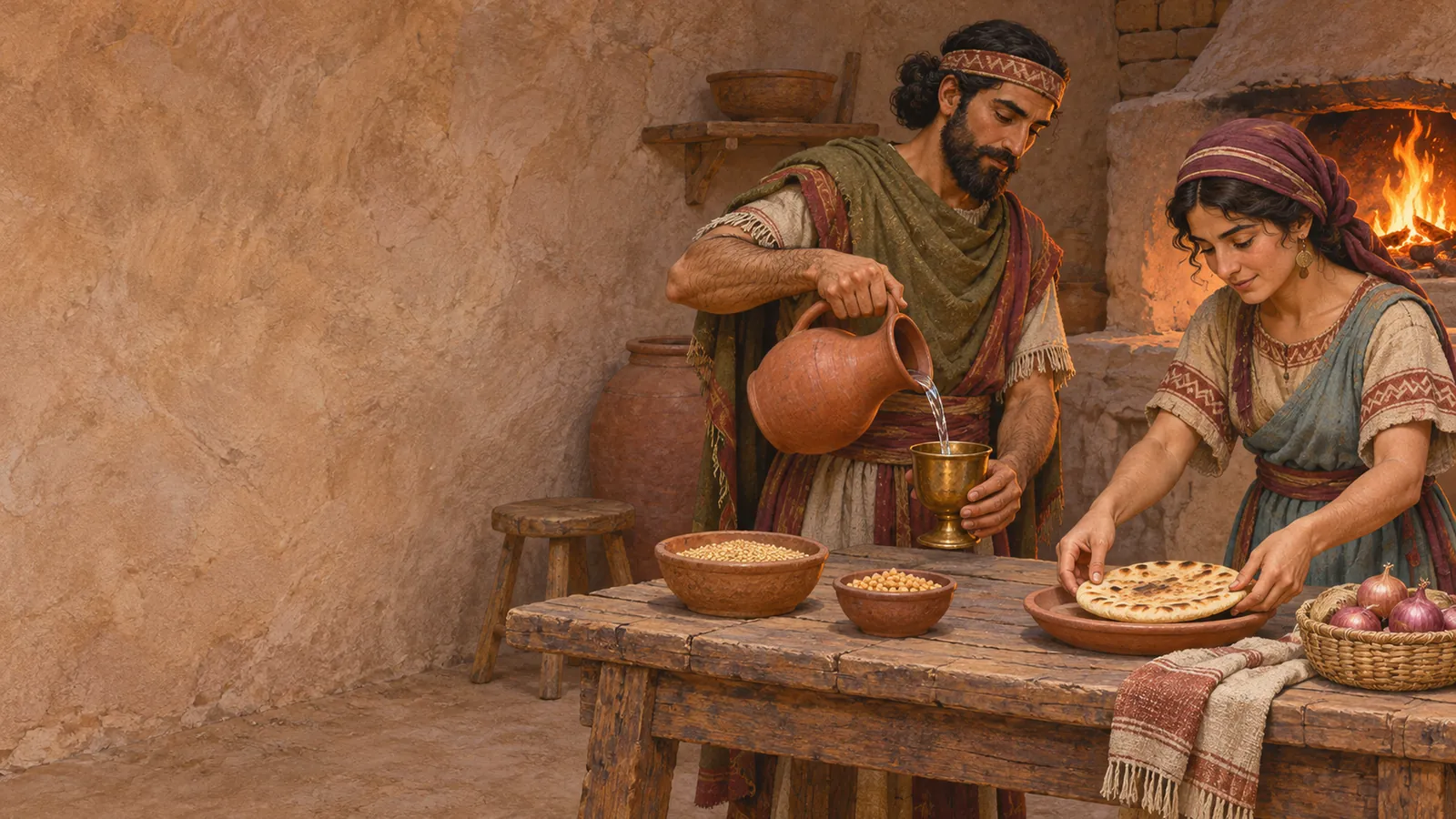
The Storm God calls for the cook and cupbearer. He wants his visitor to eat and drink. When the guest arrives, the Storm God begins to question him.
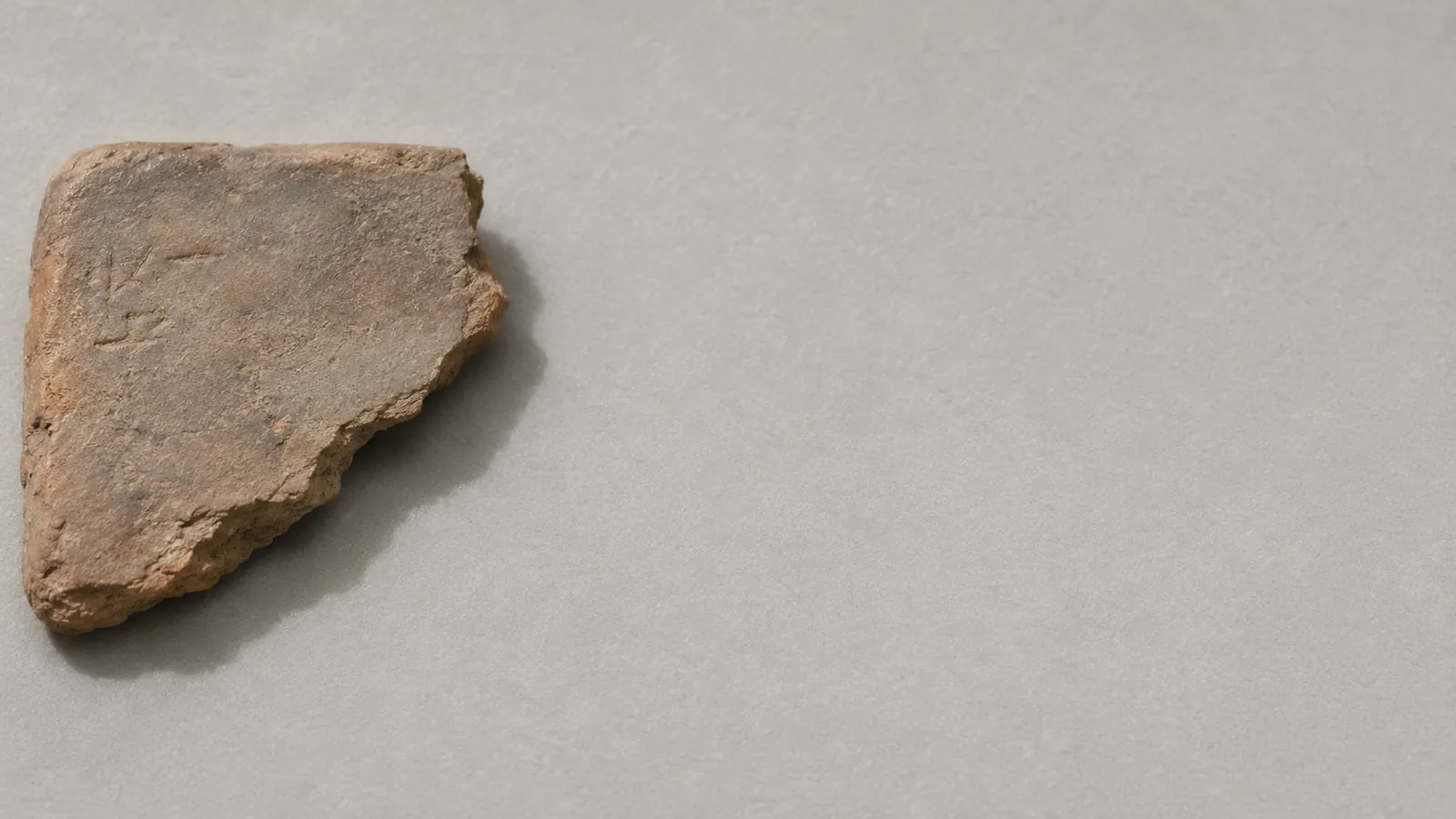
The conversation between the gods is damaged. A few words survive and Appu’s name appears again. The next clear passage brings us back to his wife in Sudul.
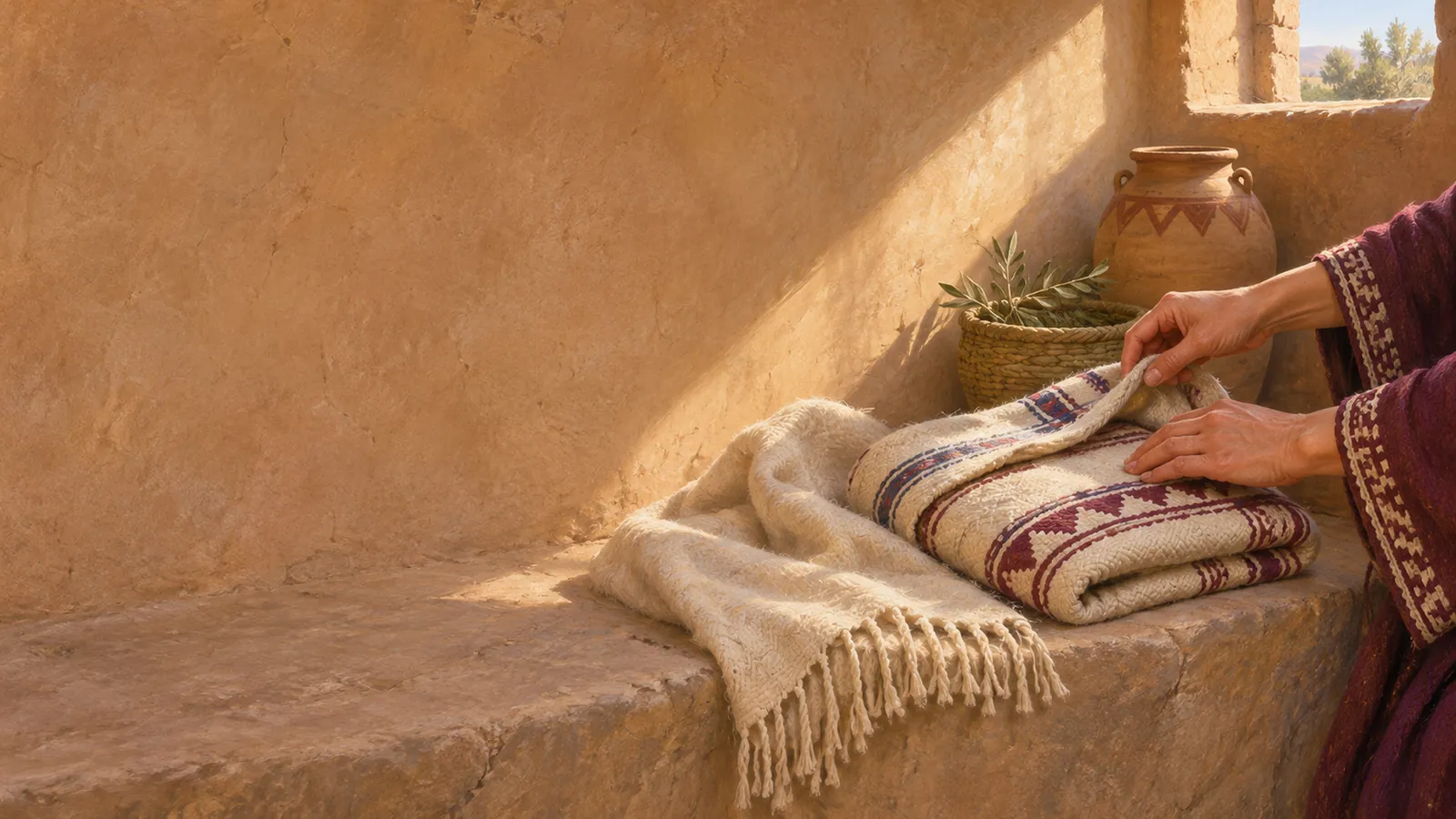
Month after month, the old tale counts the time of her pregnancy. Its traditional count takes the story into the tenth month. Then Appu’s wife gives birth.
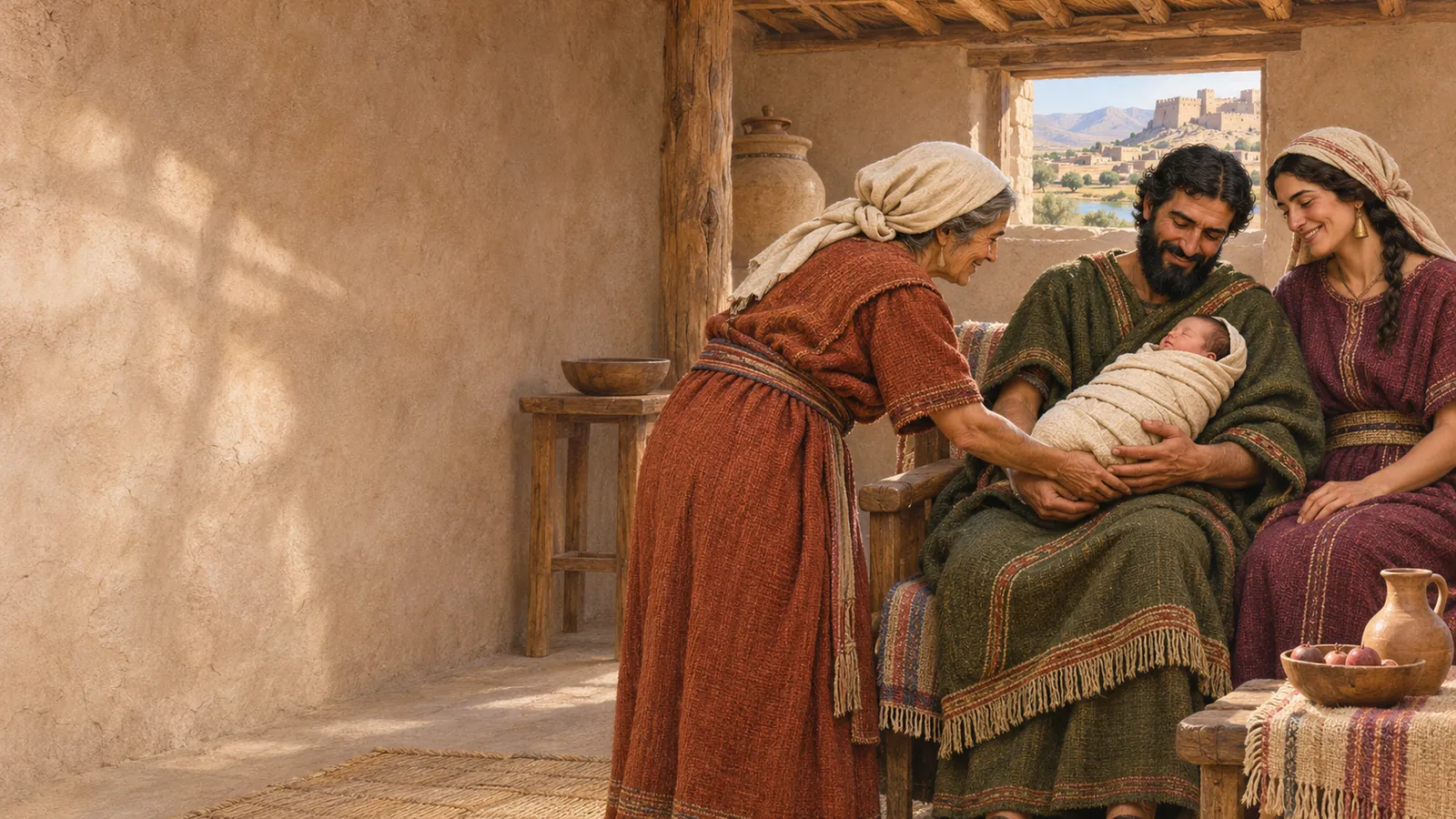
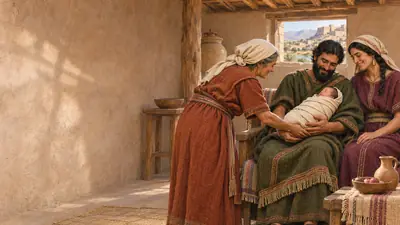
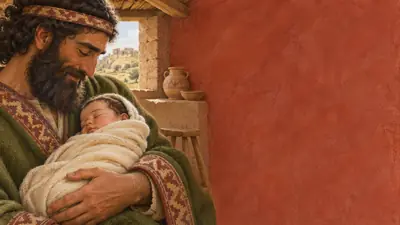
An attendant raises the baby and sets him on Appu’s knees. Appu holds him and rejoices. For the first time, a child has a place in his arms.
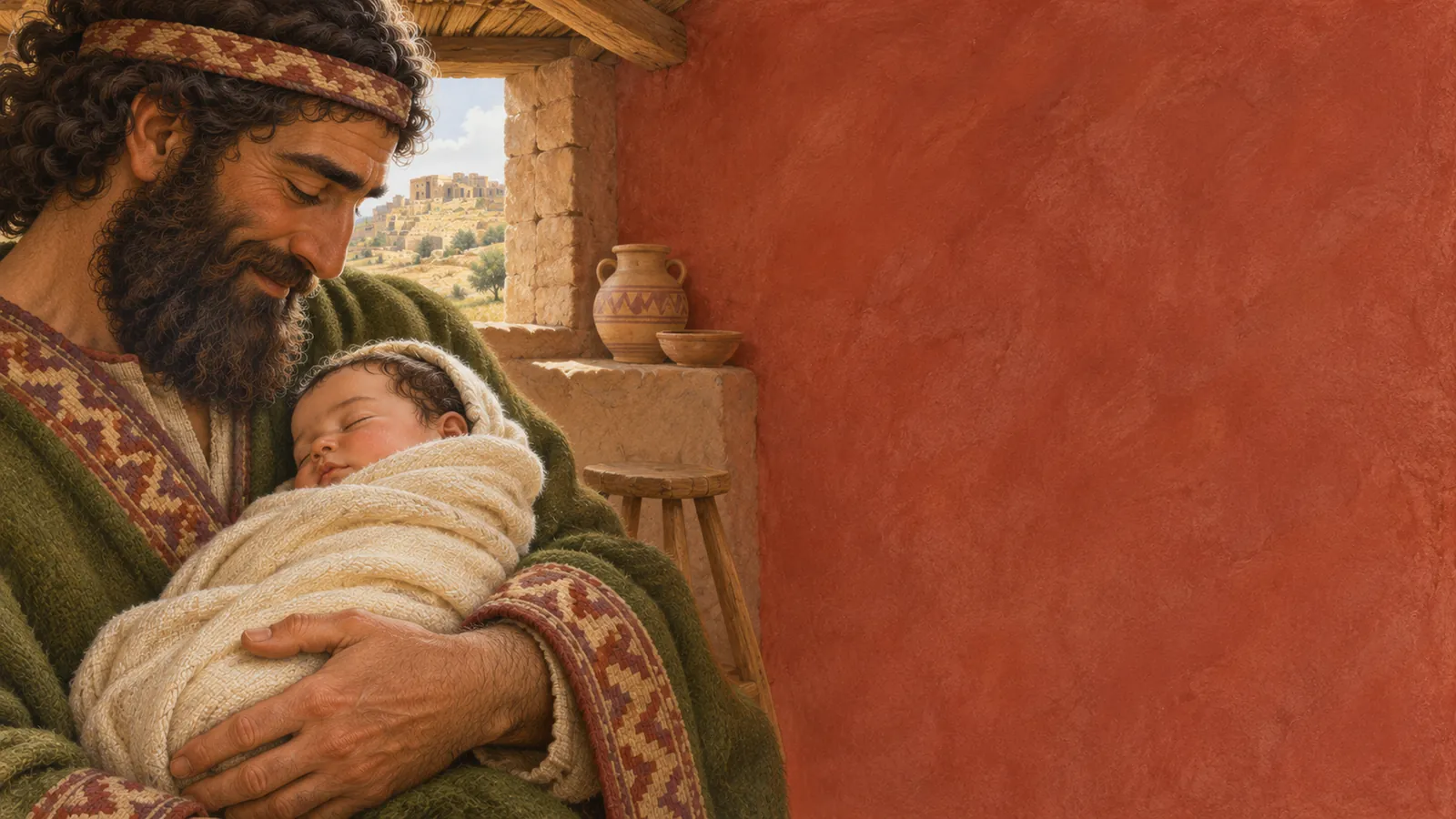
Appu chooses a hard name, Wrong. He says his family gods had taken a crooked path before this child came. The name looks back on the father’s long wait.
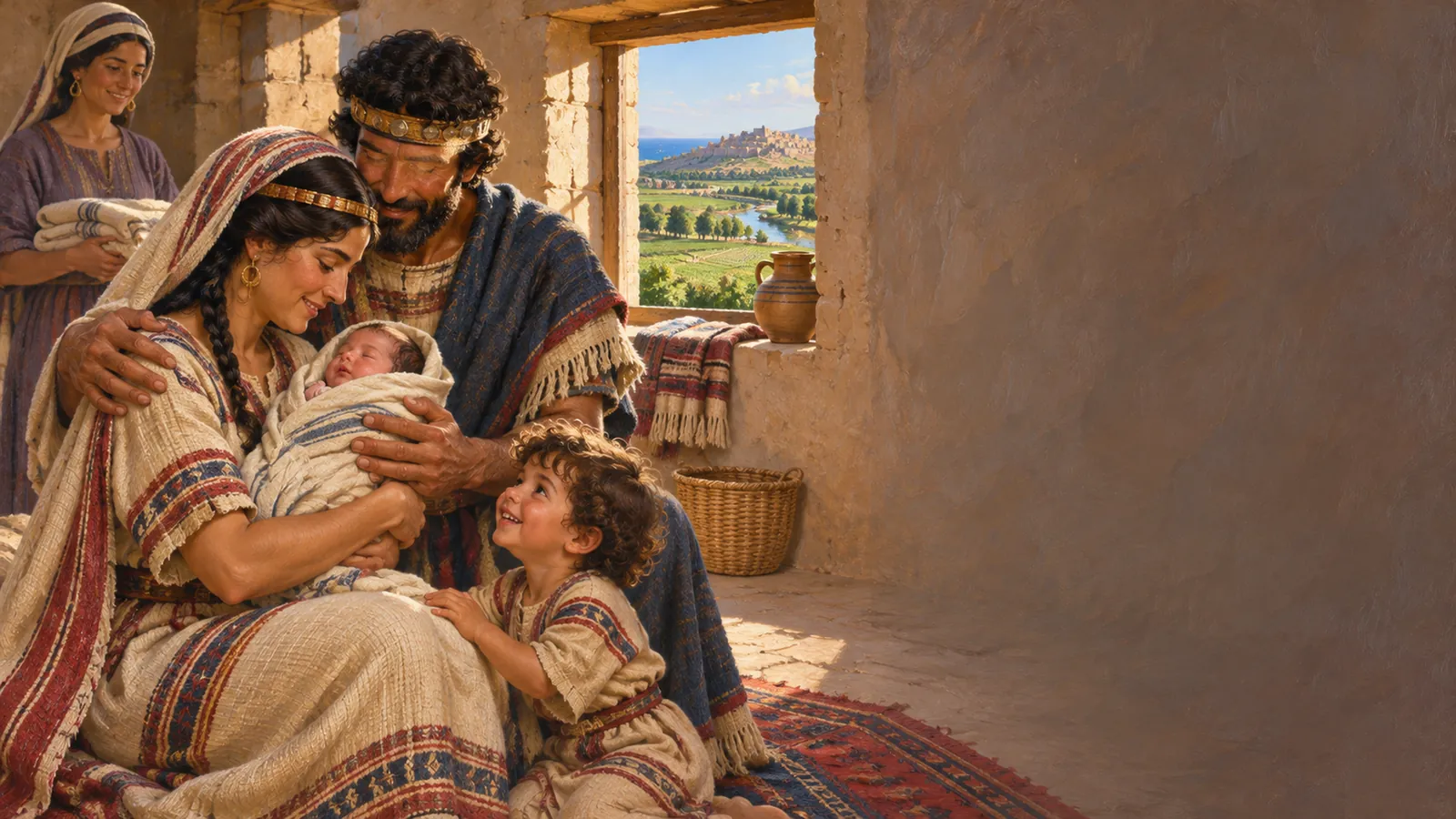
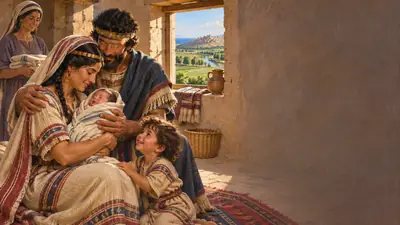
Appu’s wife has a second son. The lines about the welcome are damaged, but repeat parts of the first birth. There is joy again, and again a name to give.
Appu names this child Right. This time, he says, his family gods took the straight path. The names now carry both paths into the lives of the brothers.
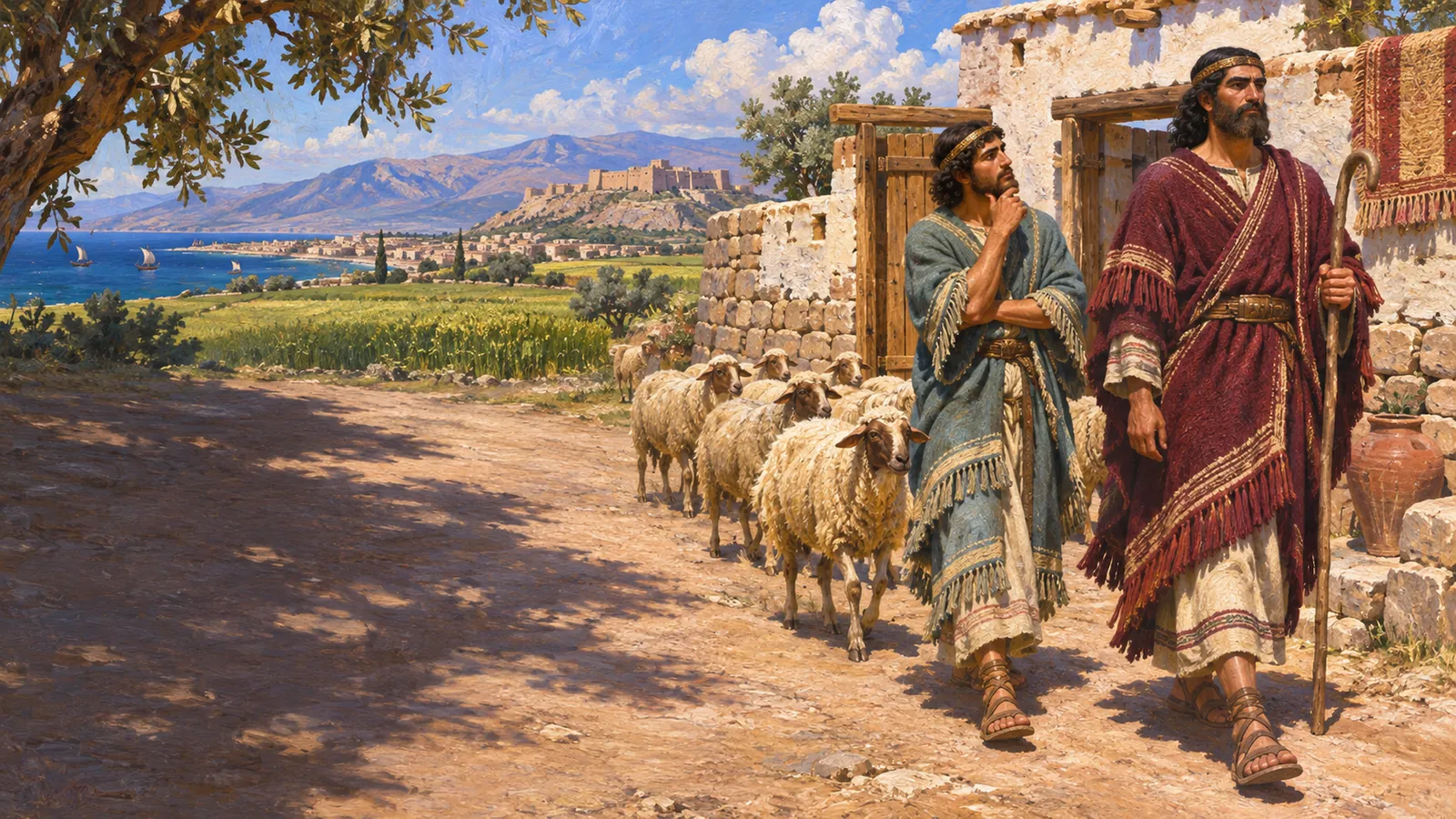
The boys grow up and become men. The tablet repeats that they have reached adulthood. Now the two sons are old enough to divide what belonged to Appu.
TWO SHARES
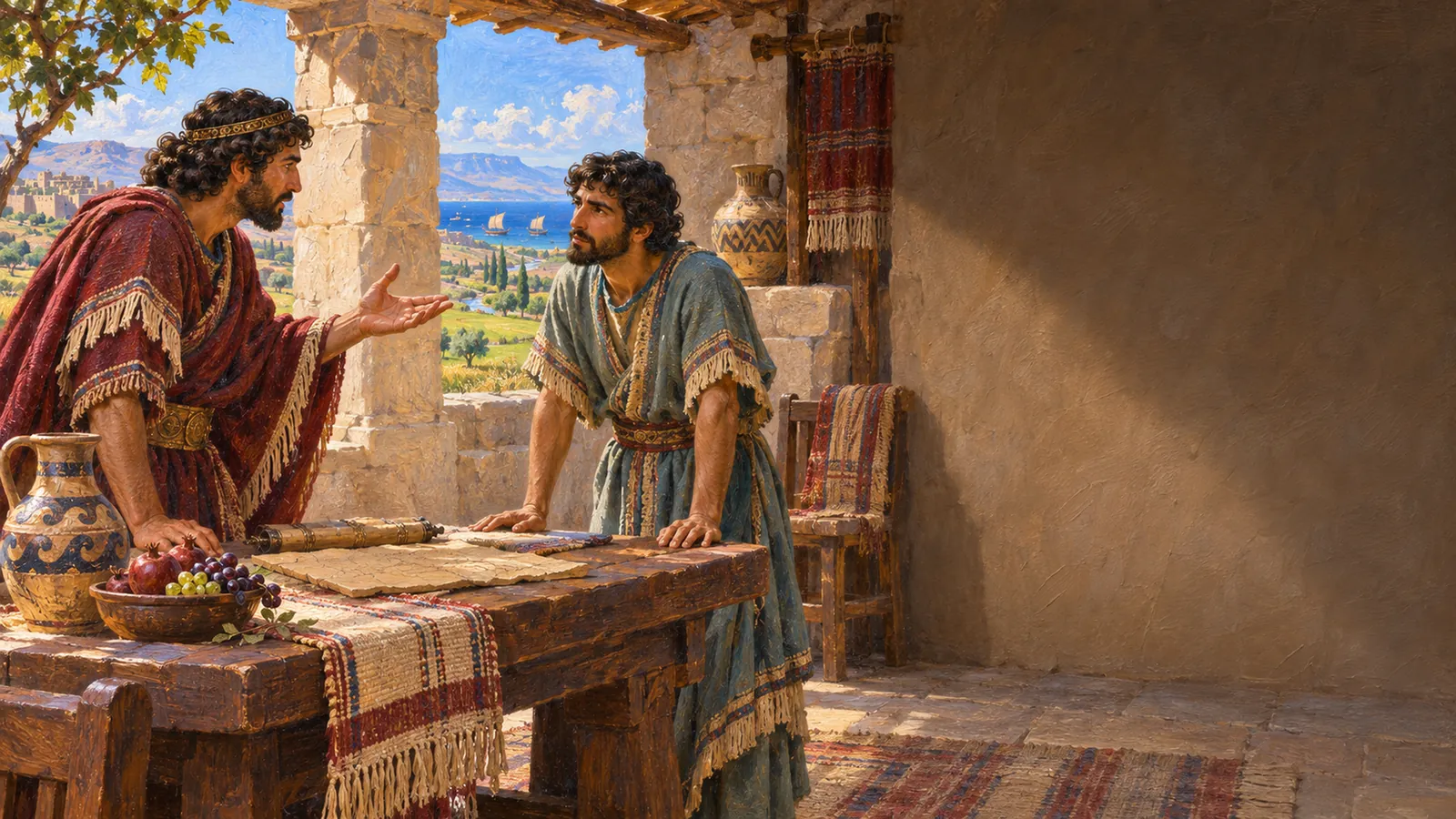
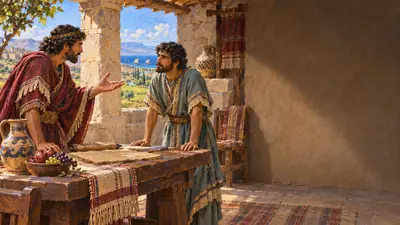
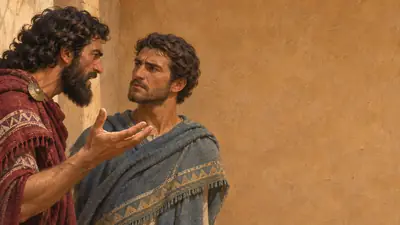
Wrong proposes that the brothers share out the estate and settle apart. Right begins to answer, but most of his words are lost. The elder brother speaks again.
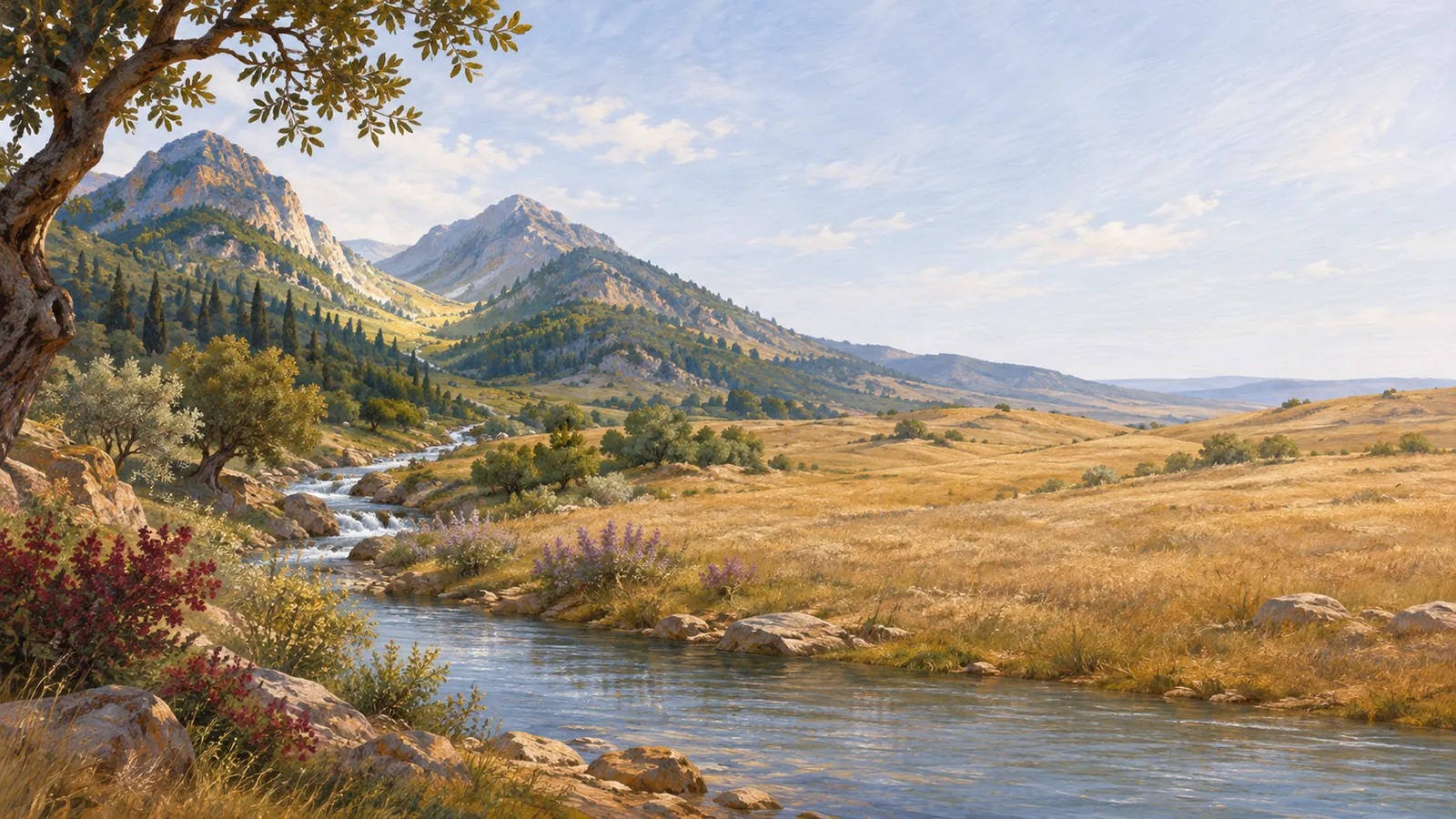
Wrong points to mountains that stand apart and rivers that flow separately. He says it is that way with the gods as well. Each has a home of its own.
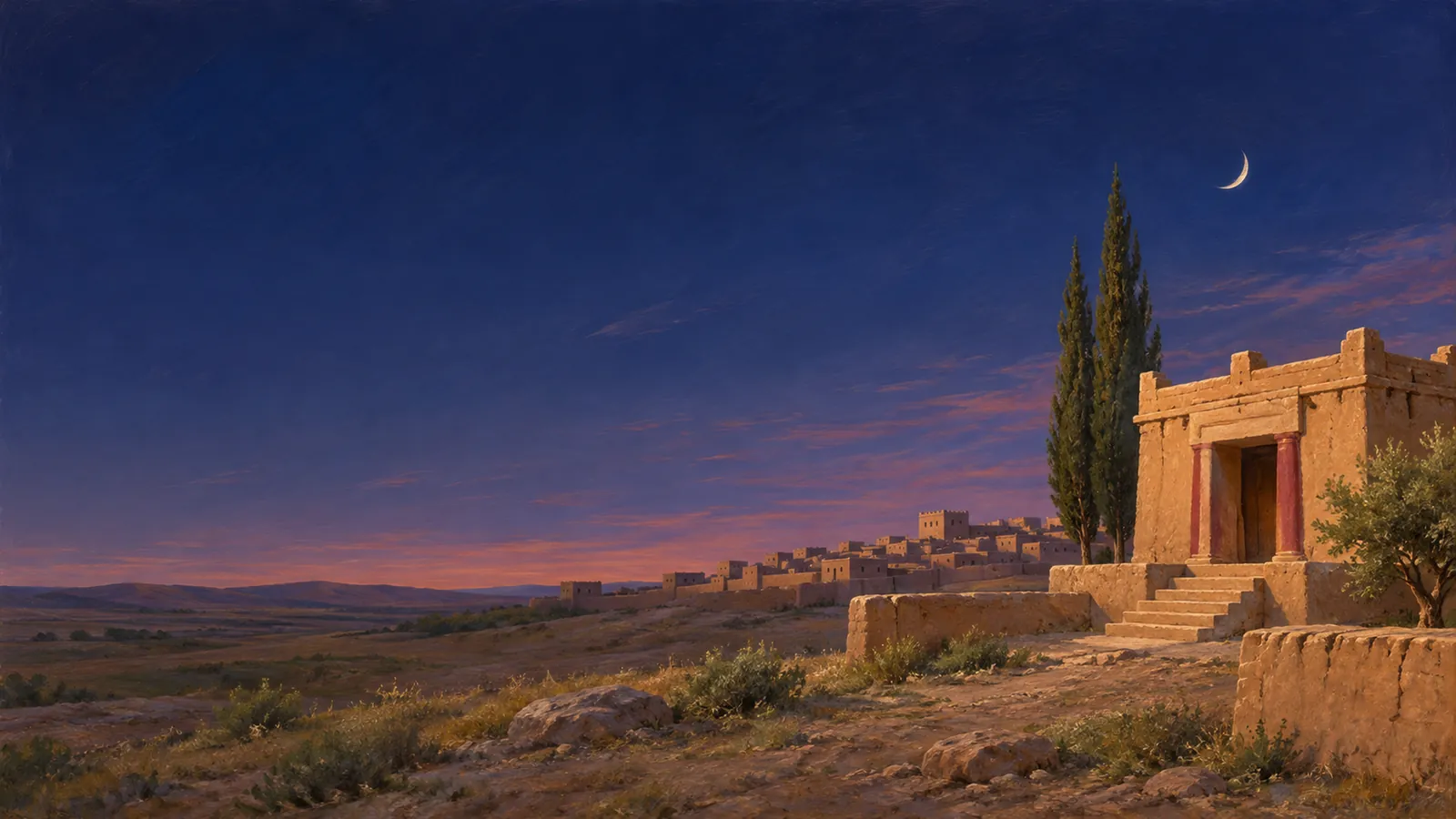
Wrong starts to name the gods and their places. He puts the Sun God in Sippar, the Moon God in Kuzina and the Storm God in Kumme.
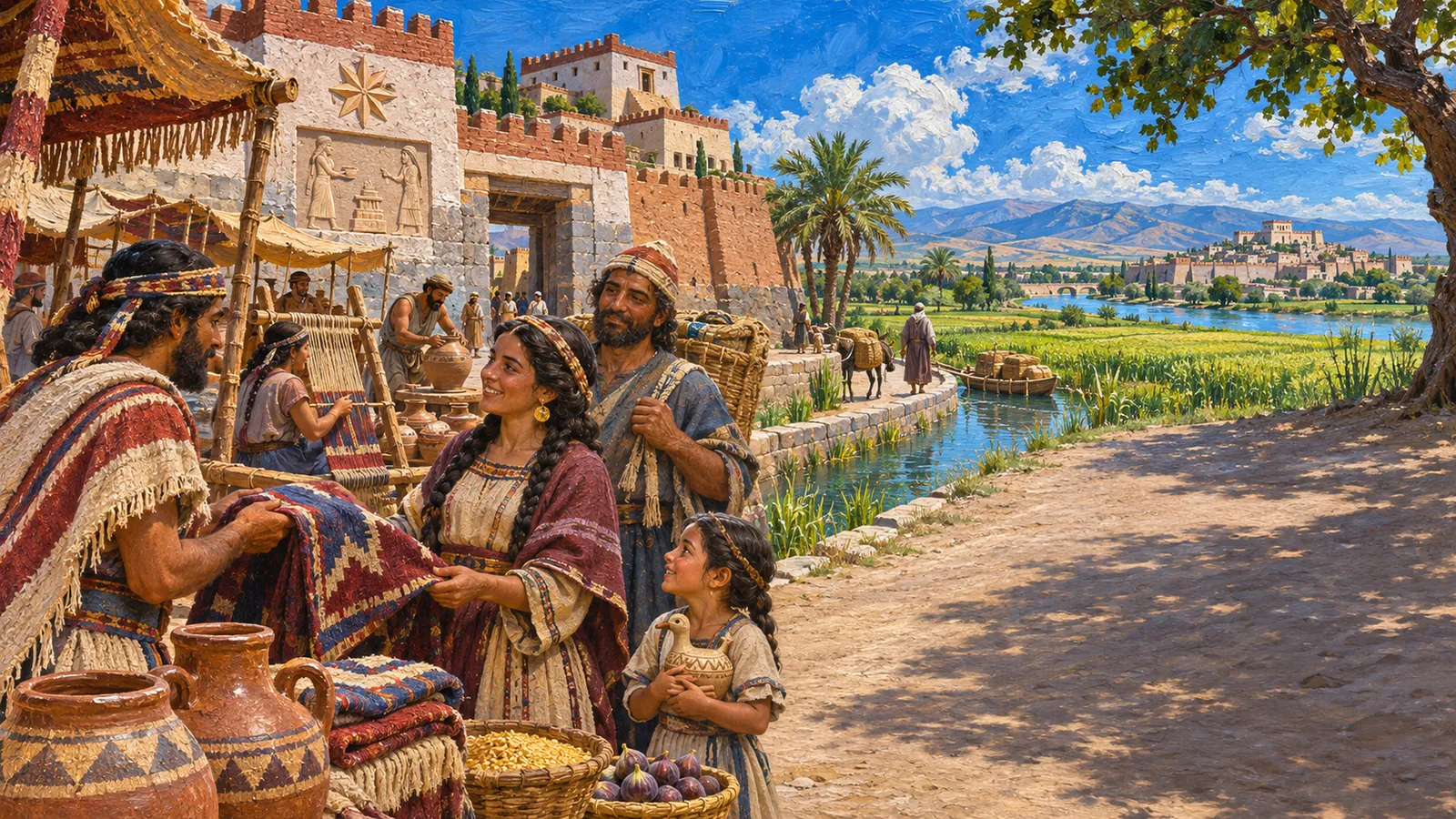
He names Ishtar in Nineveh, Nanaya in Kissina and Marduk in Babylon. His list ends in a request. Let the two brothers live apart, just as the gods do.
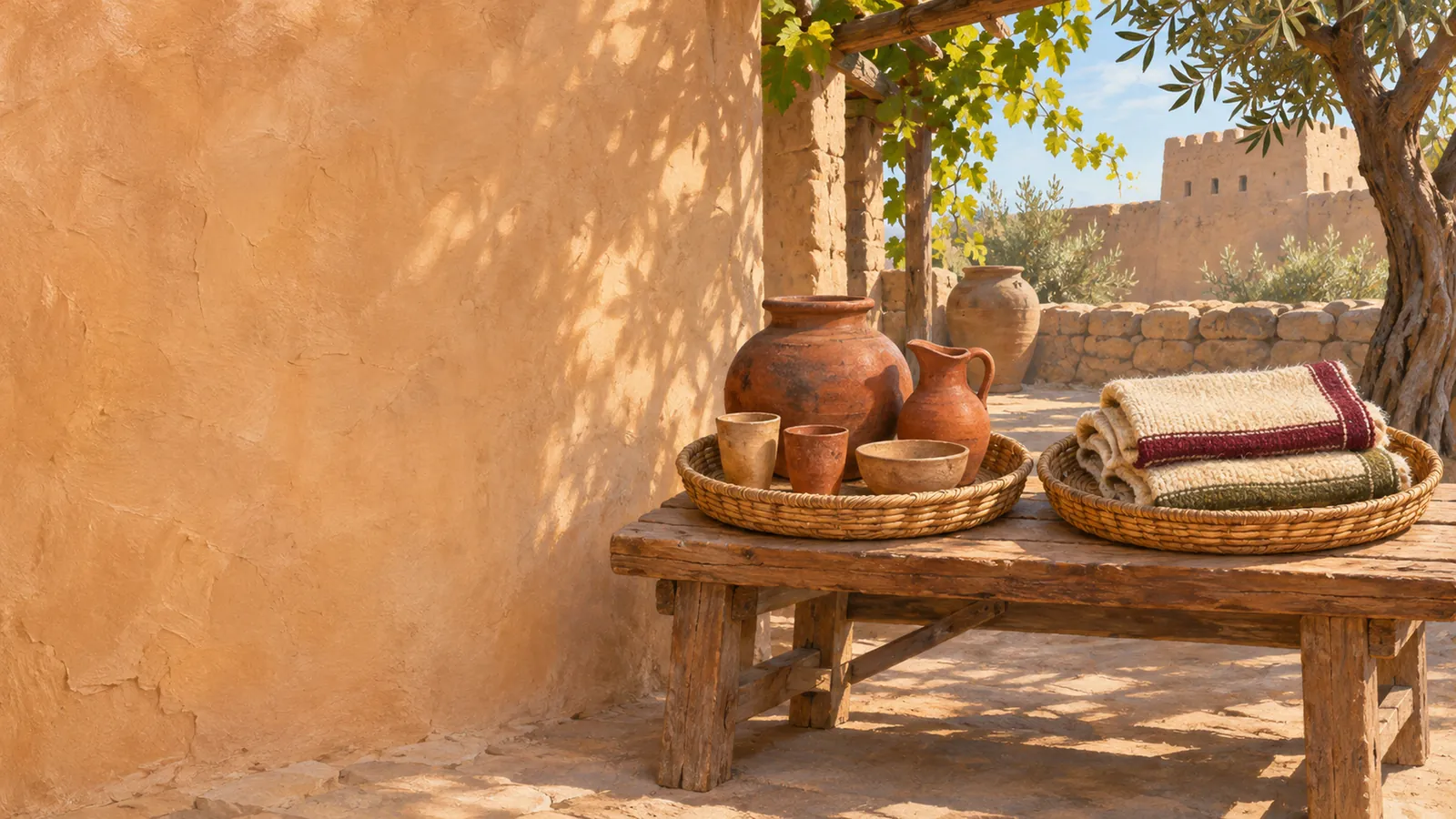
The brothers start to divide their property. Wrong takes a share and gives one to Right. The Sun God looks down before the teller turns to the livestock.
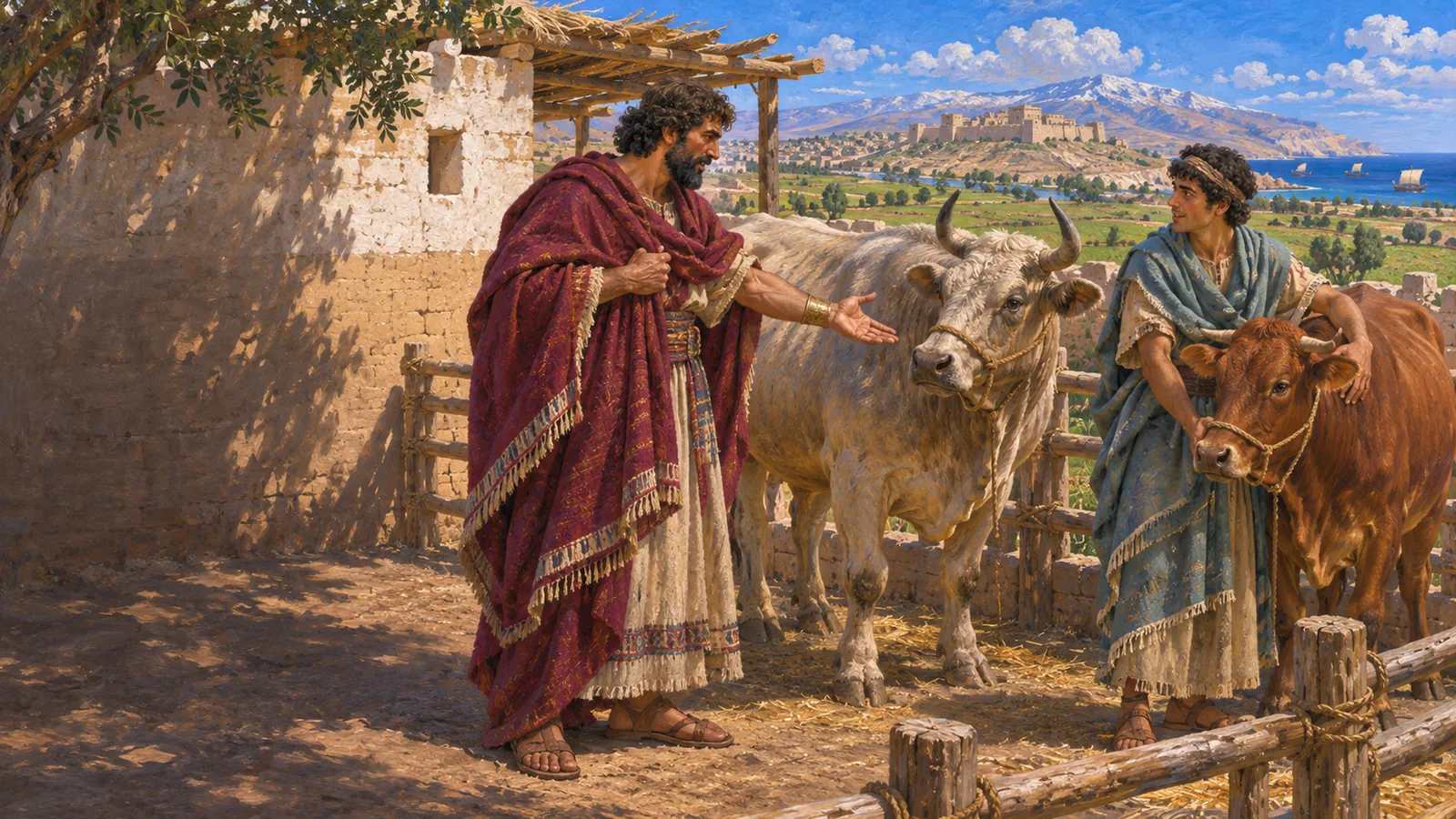
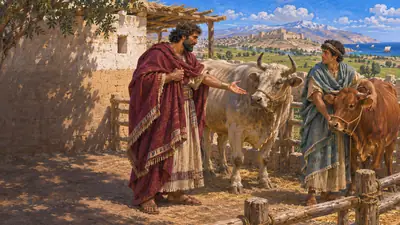
Wrong keeps the good plough ox. He gives Right the cow he takes to be worth less. The two animals make the difference between the shares plain.
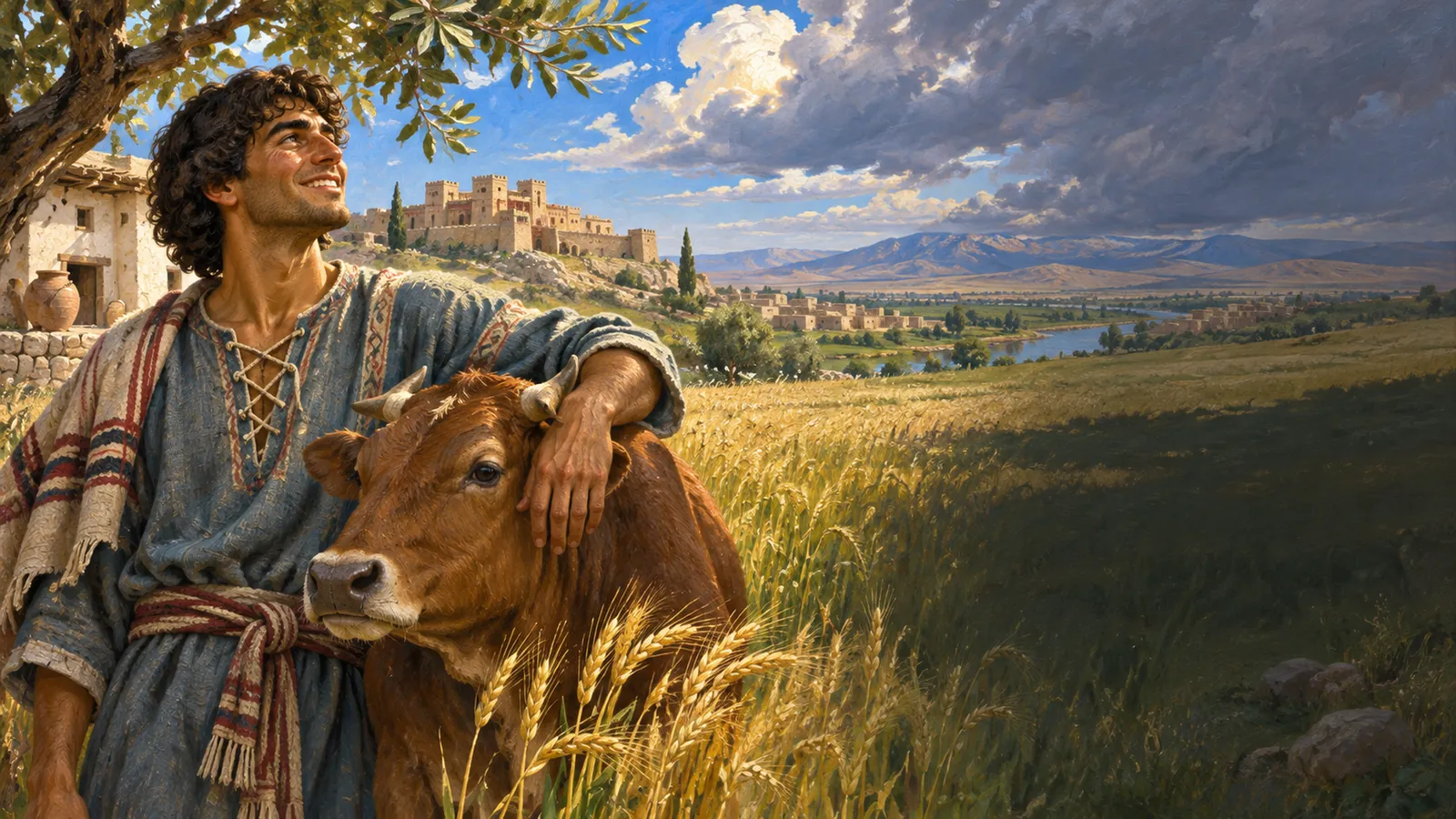
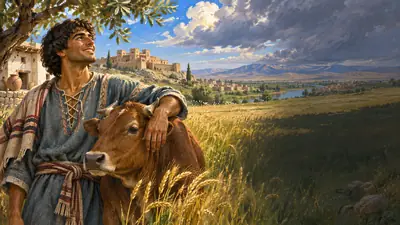
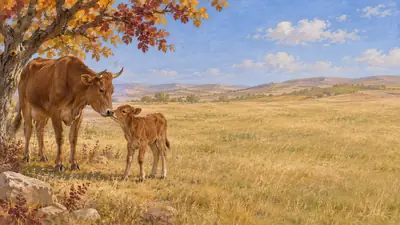
The Sun God sees what has happened. His words promise that the cow will thrive and bear young. The animal Wrong dismissed now has a future in the tale.
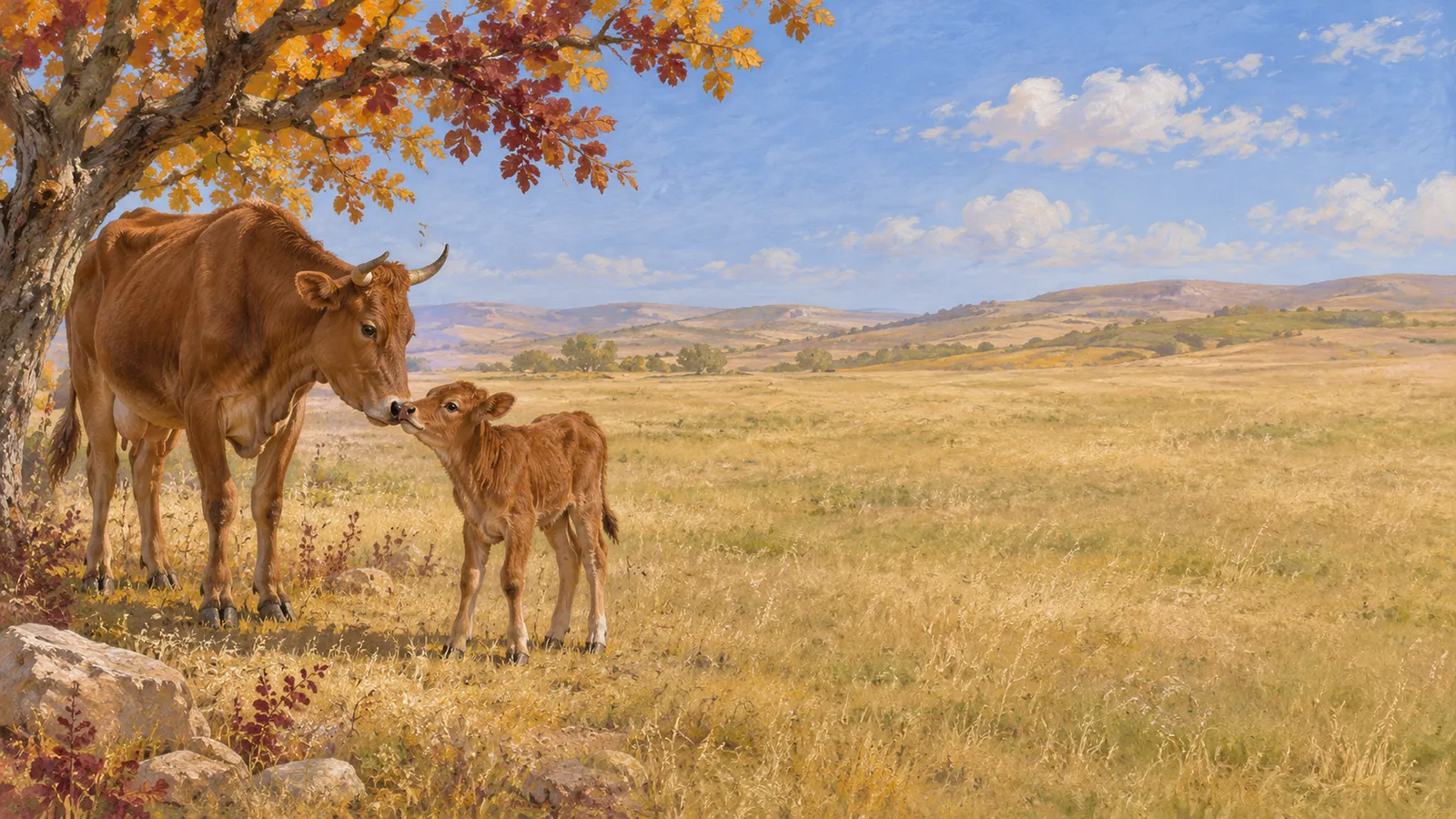
The tablet breaks after the blessing, before the next clear scene. The cow and calf picture what the god has promised. The story resumes with the men at a hearing.
BEFORE THE GODS
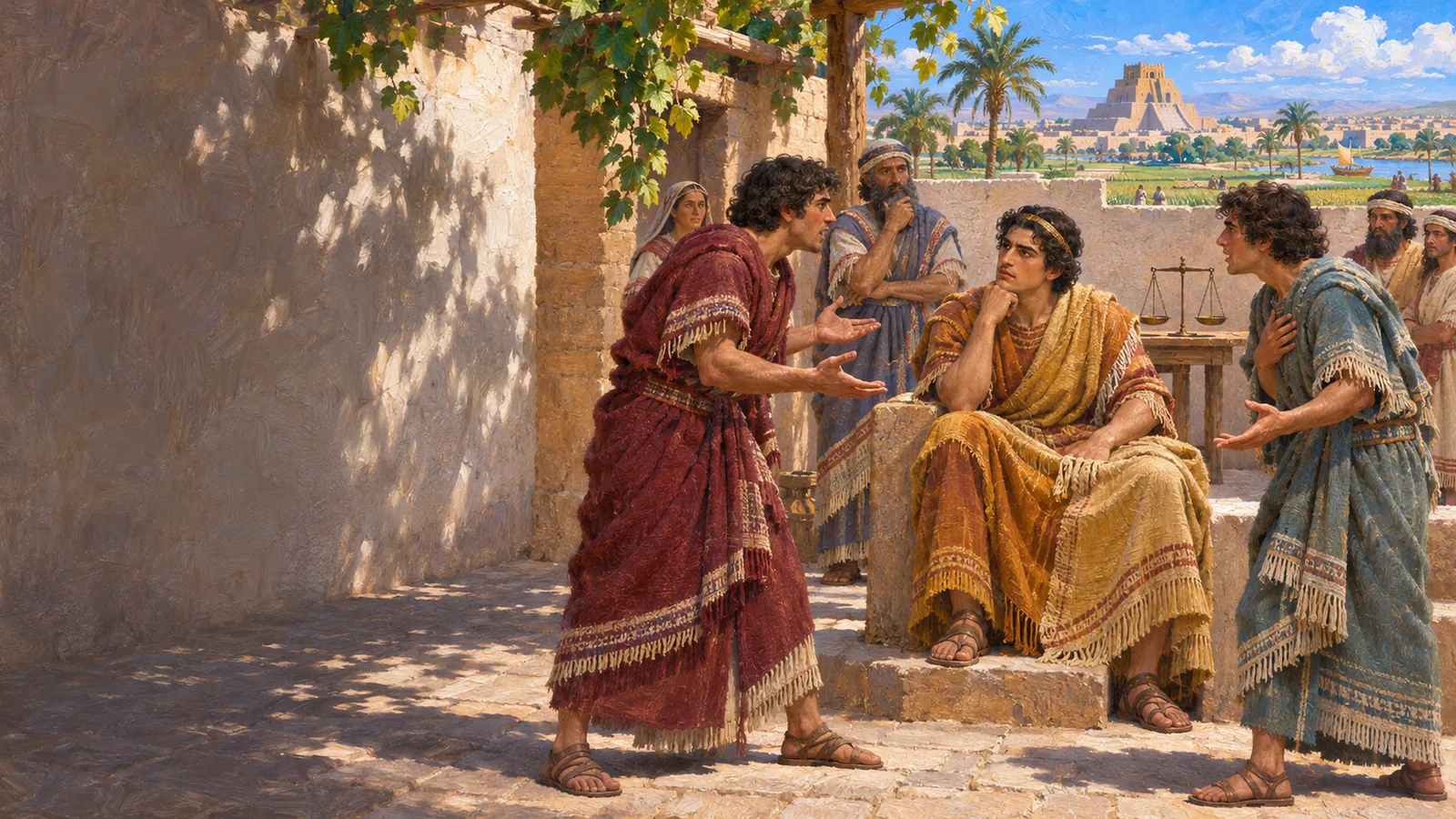
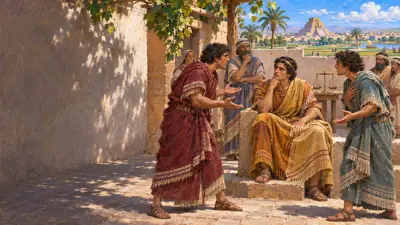
The brothers stand before the Sun God in Sippar to settle their case. In the surviving lines he finds for Right. What happened between the blessing and the hearing is unclear.
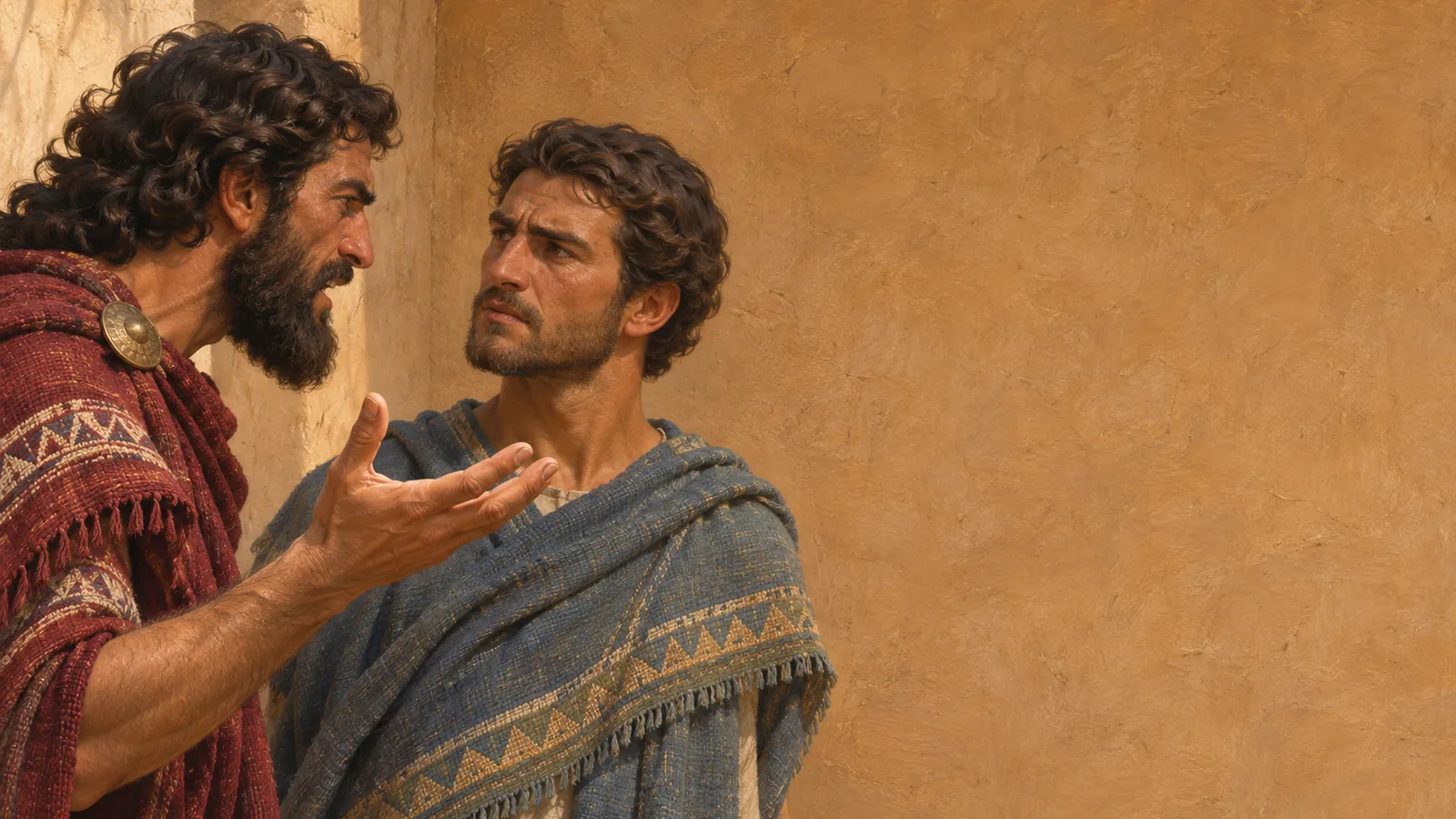
A voice curses the Sun God. The beginning of the line is damaged, and editors have suggested it is Wrong. The Sun God hears it and refers the case to Nineveh.
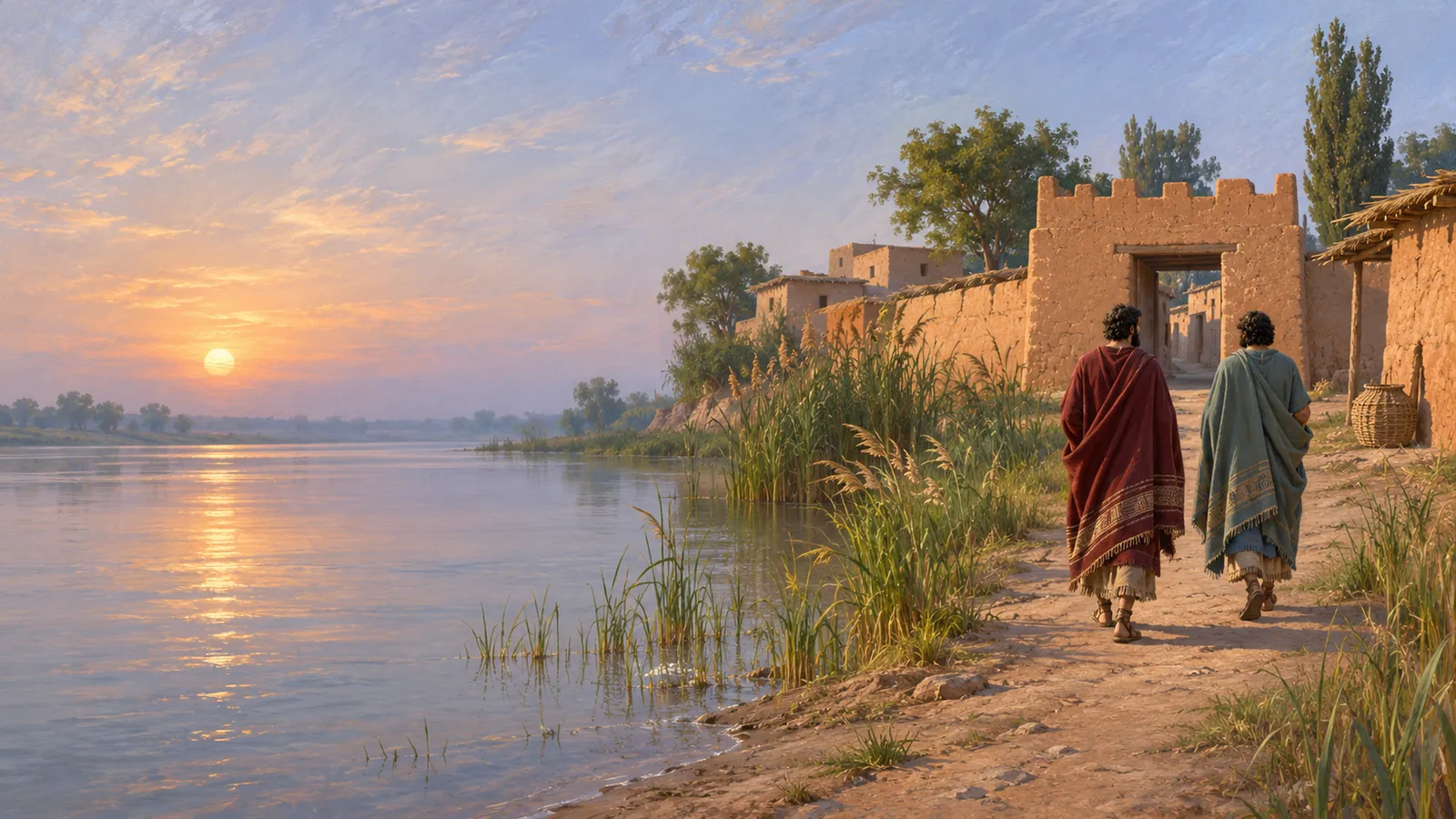
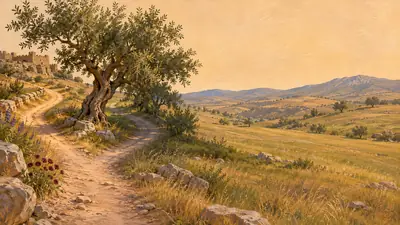
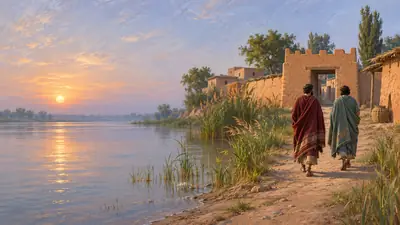
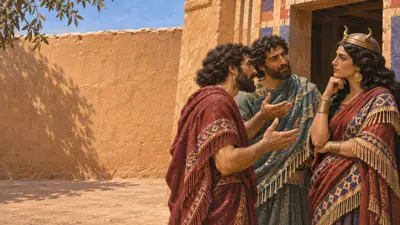
The Sun God names Ishtar, queen of Nineveh, to settle the case. The brothers travel to her city. Their quarrel has carried them a long way from home.
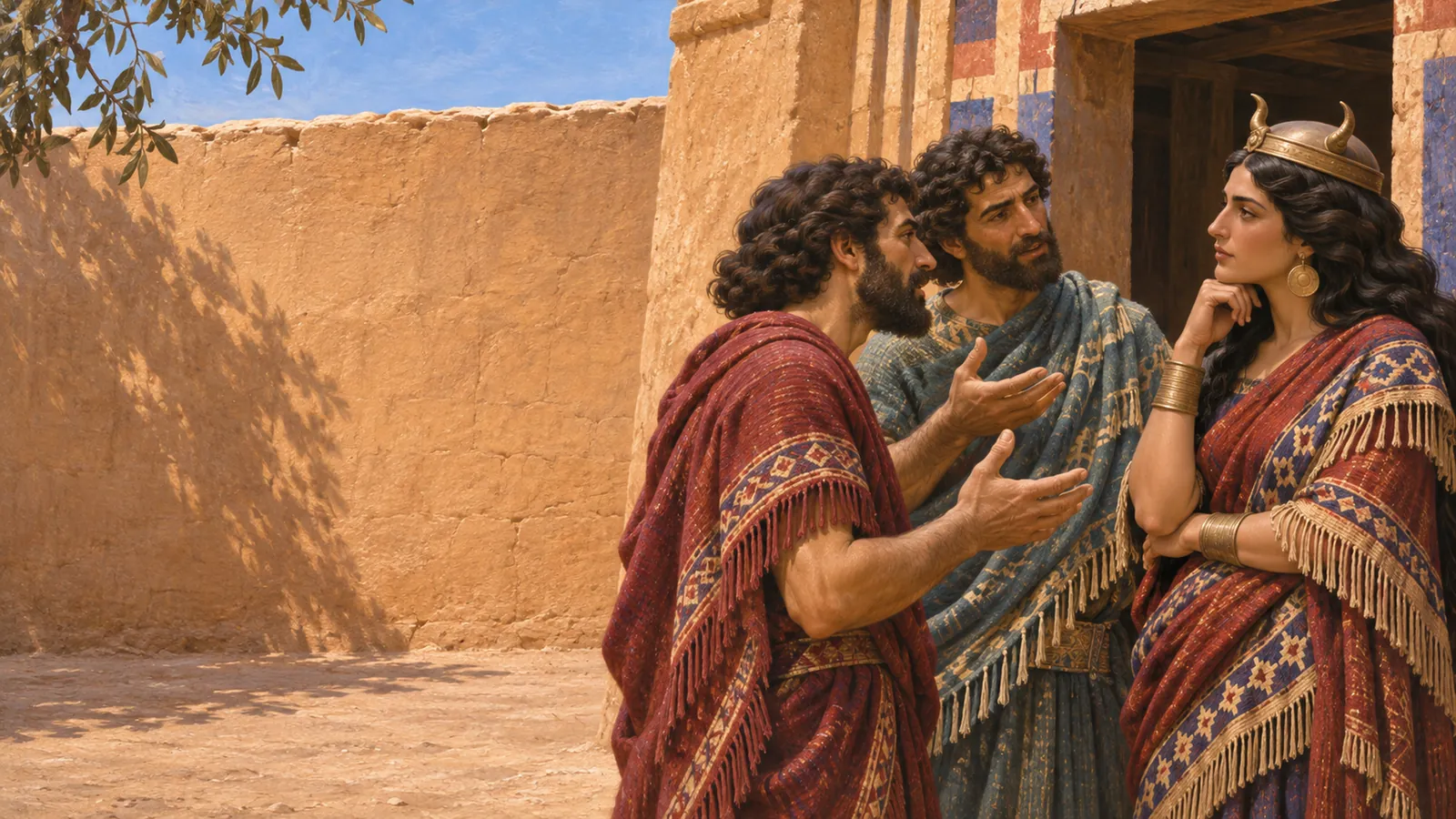
At Nineveh the brothers bring their case before Ishtar. There is a fragment about a field and something moving or being drawn. The terms of the hearing break away.
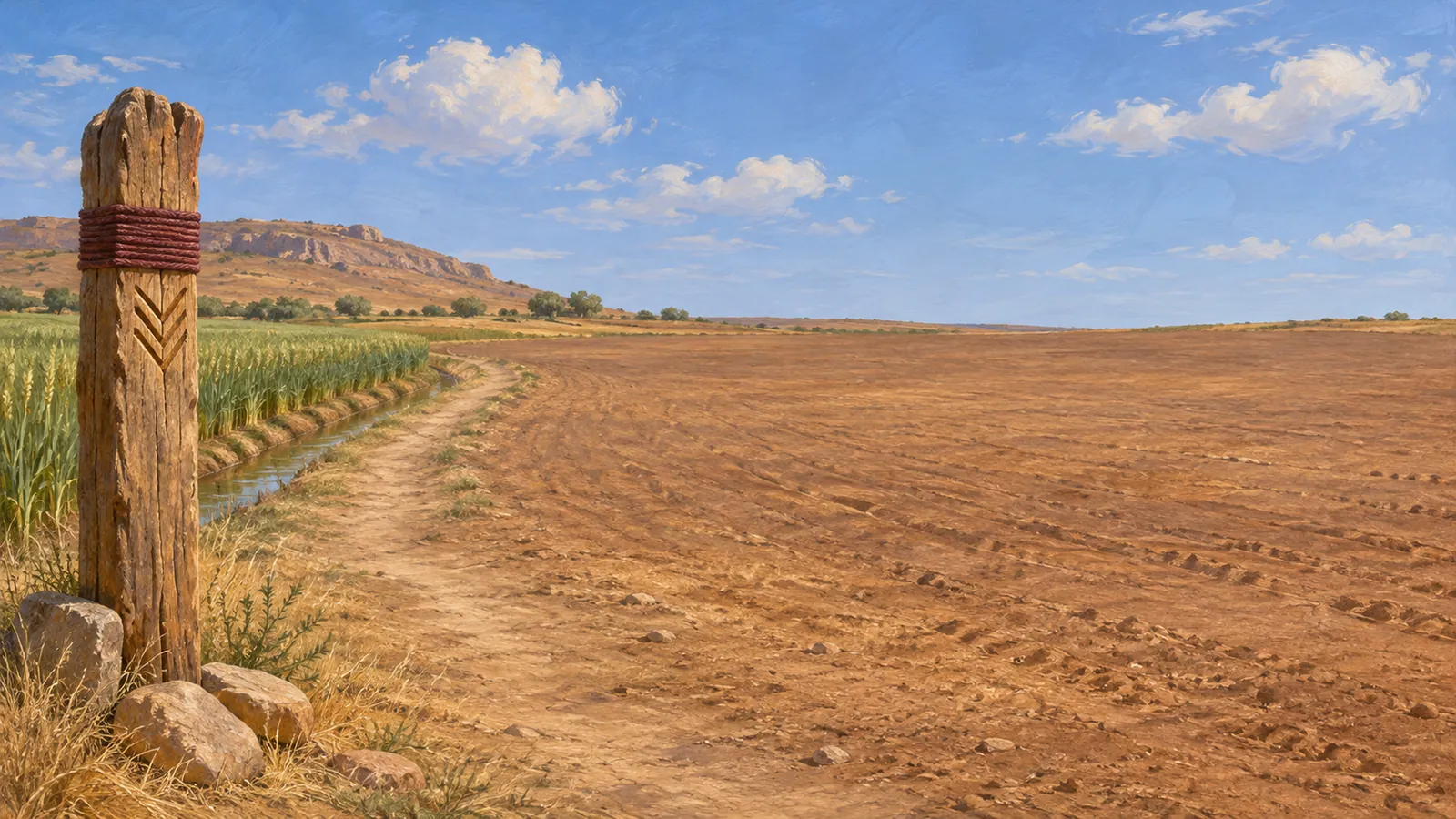
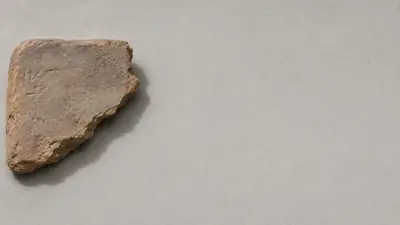
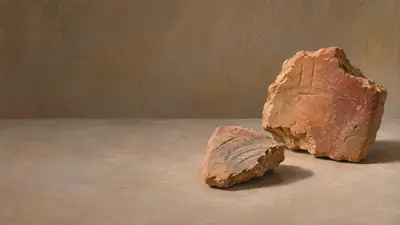
Near the end, very little survives from whole lines. The scribe identifies this as the first tablet of Appu and marks it unfinished. The estate remains in dispute as the tablet ends.
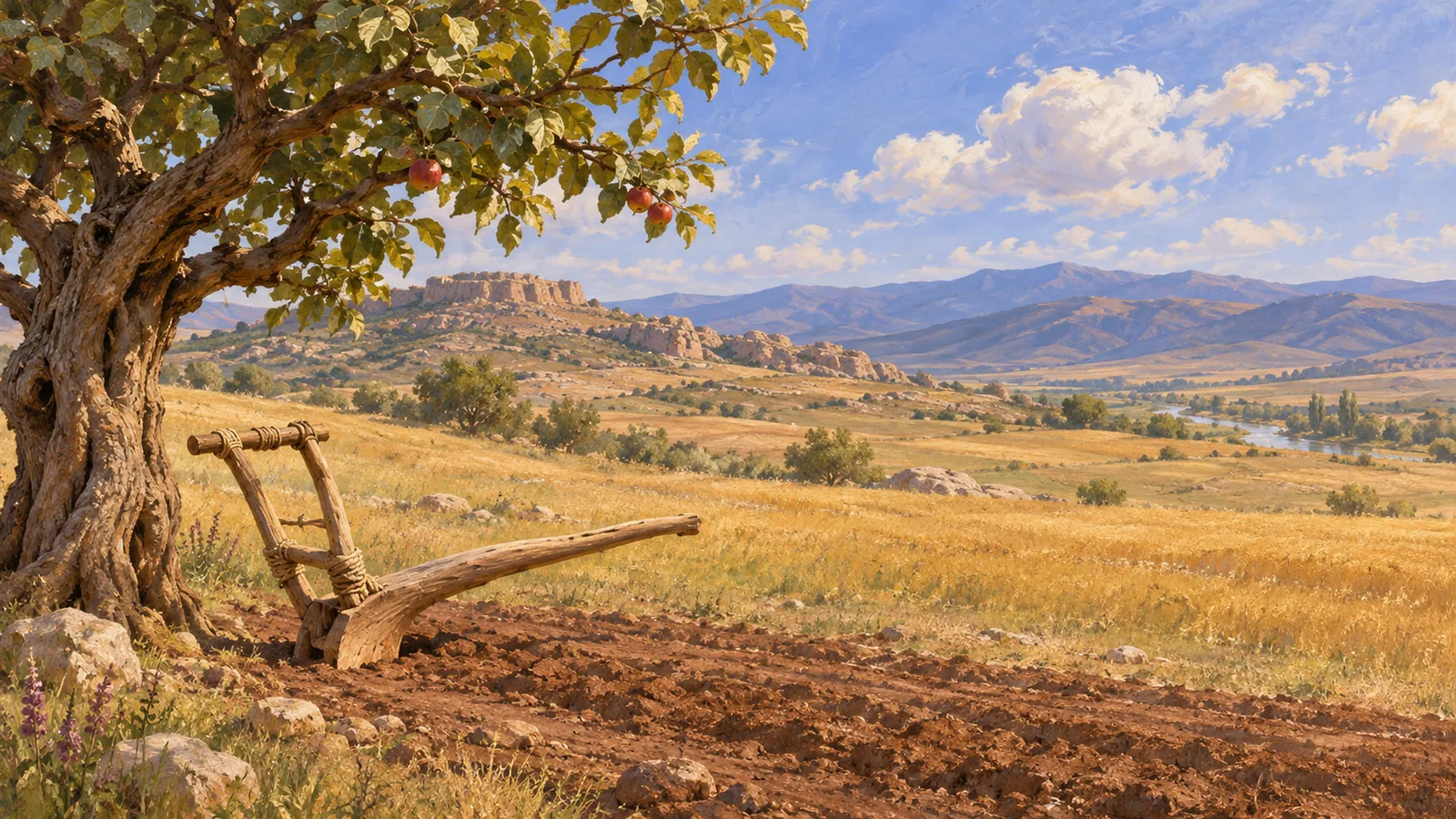
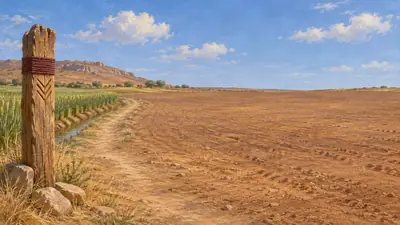
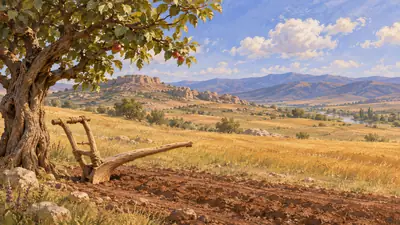
Another piece of the story names a plough and a drink of water. Later in the same fragment, the Sun God hears something, and an apple tree is mentioned.
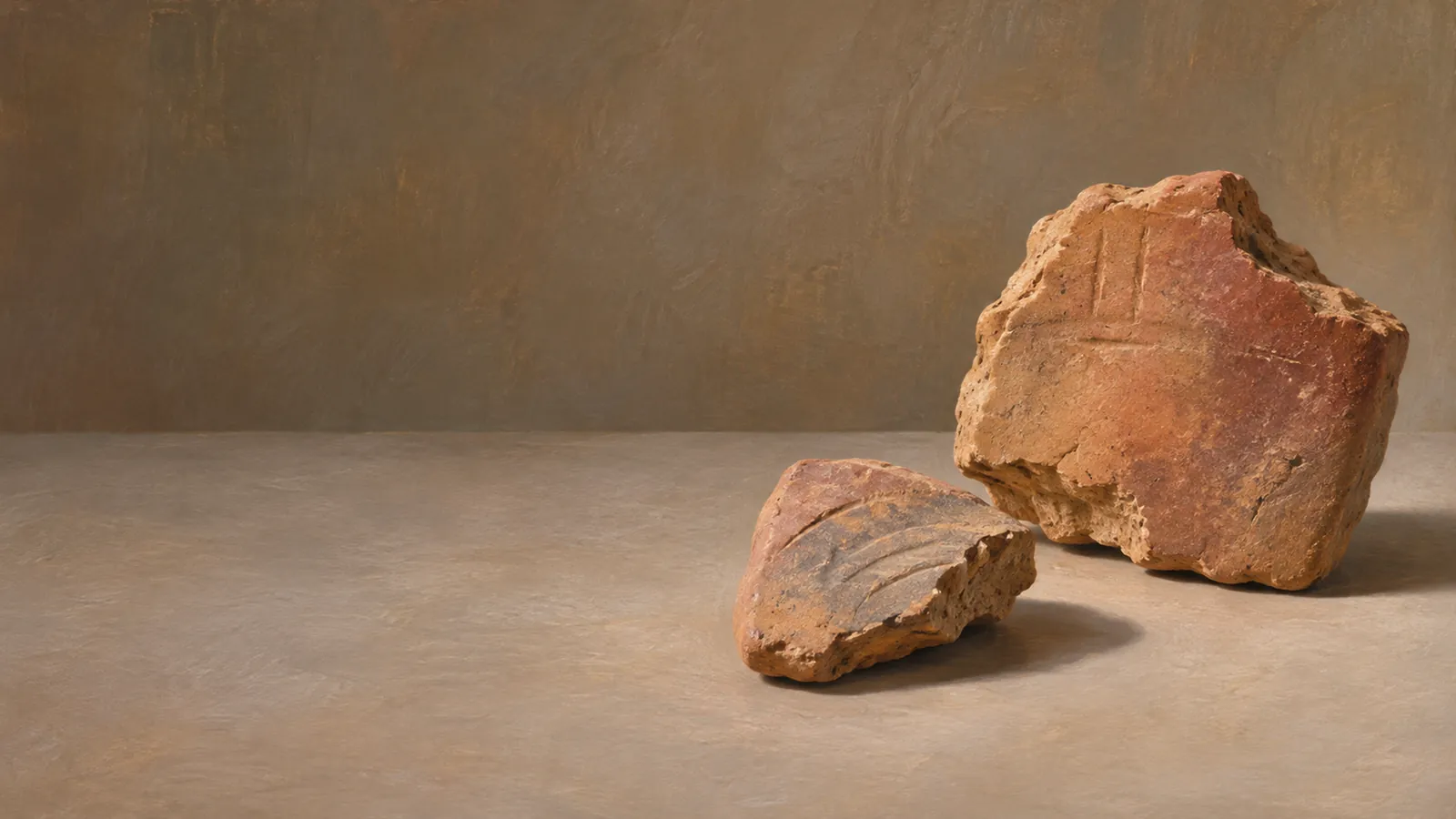
Loose phrases preserve the two brothers’ names and little else about their final dealings. We leave them where the clay leaves off, with the last ruling beyond the surviving tale.
End of chapter 1
All pages

Sources
Editions consulted
- TITUS, CTH 360.1 composite translation
- TITUS, CTH 360.1 manuscript witnesses and text edition
- TITUS, CTH 360.2, additional fragment
- TITUS, CTH 360.3, additional fragment
- Hethitologie Portal Mainz, manuscript catalogue for CTH 360
- LAMAN and TLH, KUB 24.8 manuscript record
- Harry A. Hoffner Jr., Hittite Myths, revised edition, pp. 83–85
- University of Chicago, Hittite Dictionary, name-giving and the property division
Ancient lines behind each page
- Page 1: CTH 360.1 §§1–2
See source notes for which details are attested. - Page 2: CTH 360.1 §2
See source notes for which details are attested. - Page 3: CTH 360.1 §§3–4
See source notes for which details are attested. - Page 4: CTH 360.1 §4
See source notes for which details are attested. - Page 5: CTH 360.1 §4
See source notes for which details are attested. - Page 6: CTH 360.1 §5
See source notes for which details are attested. - Page 7: CTH 360.1 §§5–6
See source notes for which details are attested. - Page 8: CTH 360.1 §§6–7
See source notes for which details are attested. - Page 9: CTH 360.1 §7
See source notes for which details are attested. - Page 10: CTH 360.1 §8
See source notes for which details are attested. - Page 11: CTH 360.1 §8
See source notes for which details are attested. - Page 12: CTH 360.1 §9
See source notes for which details are attested. - Page 13: CTH 360.1 §9
See source notes for which details are attested. - Page 14: CTH 360.1 §10
See source notes for which details are attested. - Page 15: CTH 360.1 §10
See source notes for which details are attested. - Page 16: CTH 360.1 §§11–12
See source notes for which details are attested. - Page 17: CTH 360.1 §§12–15′
See source notes for which details are attested. - Page 18: CTH 360.1 §15′
See source notes for which details are attested. - Page 19: CTH 360.1 §15′
See source notes for which details are attested. - Page 20: CTH 360.1 §15′
See source notes for which details are attested. - Page 21: CTH 360.1 §16′
See source notes for which details are attested. - Page 22: CTH 360.1 §16′
See source notes for which details are attested. - Page 23: CTH 360.1 §§17′–18′
See source notes for which details are attested. - Page 24: CTH 360.1 §19′
See source notes for which details are attested. - Page 25: CTH 360.1 §19′
See source notes for which details are attested. - Page 26: CTH 360.1 §20′
See source notes for which details are attested. - Page 27: CTH 360.1 §20′
See source notes for which details are attested. - Page 28: CTH 360.1 §21′
See source notes for which details are attested. - Page 29: CTH 360.1 §22′
See source notes for which details are attested. - Page 30: CTH 360.1 §22′
See source notes for which details are attested. - Page 31: CTH 360.1 §§22′–23″
See source notes for which details are attested. - Page 32: CTH 360.1 §23″
See source notes for which details are attested. - Page 33: CTH 360.1 §24″
See source notes for which details are attested. - Page 34: CTH 360.1 §§24″–25″
See source notes for which details are attested. - Page 35: CTH 360.1 §§25″–26″
See source notes for which details are attested. - Page 36: CTH 360.1 §§25″–30″
See source notes for which details are attested. - Page 37: CTH 360.2 §§2′–5″
See source notes for which details are attested. - Page 38: CTH 360.2 §§5″–6″; CTH 360.3 §1′
See source notes for which details are attested.
Illustrations made with AI tools by IL Archive; the text is based on the ancient sources (see the sources at the end of each chapter).