حلم دموزي الفصل الأول
الحلم والخيانة
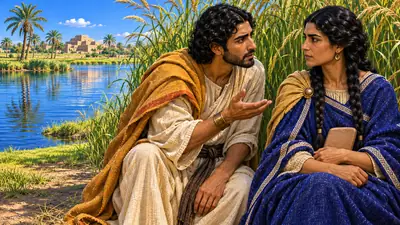
يستيقظ دموزي خائفًا ويطلب من غشتينانا أن تفسّر حلمه. فترى في القصب والأشجار وأدوات الحظيرة علامات إنذار. يقدّم الباحثون عنه العرضين نفسيهما لأخته وصديقه. فيكشف الصديق مخابئه، ويمسكون بدموزي في خنادق أرالي.
المصادرقلّب الصفحات بالأزرار أو بمفاتيح الأسهم أو بسحب الإصبع.
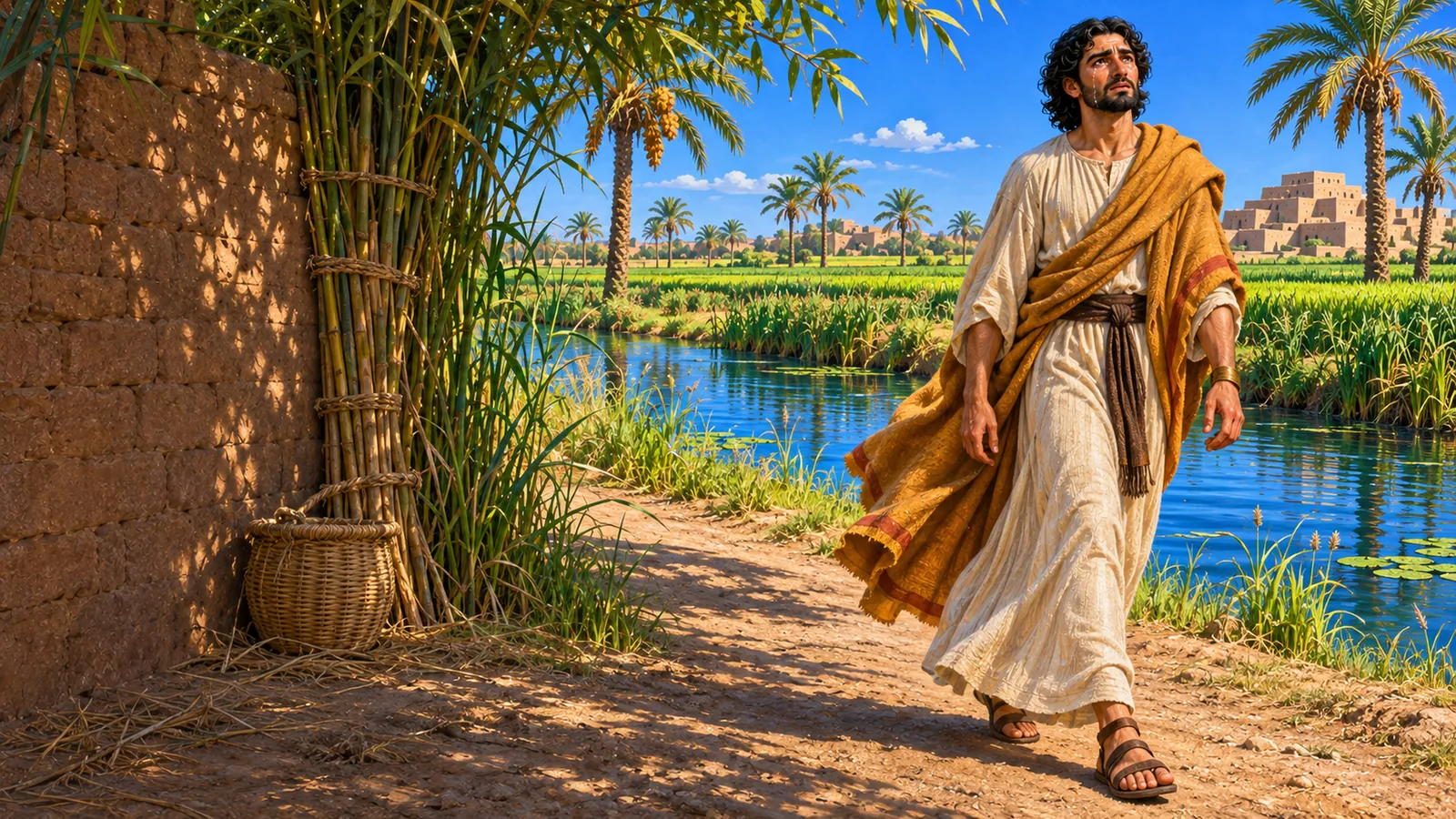
حلم دموزي
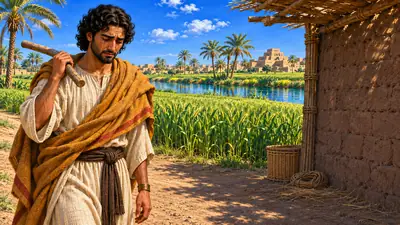
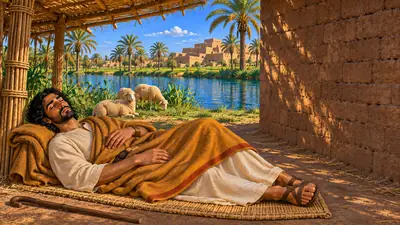
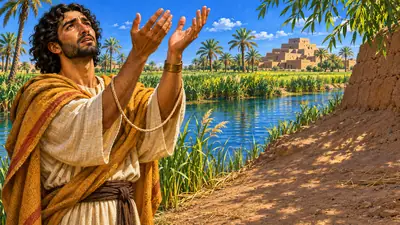
خرج دموزي إلى البرية وقلبه مفعم بالحزن والدموع. وتصفه القصيدة بأنّه شابّ.
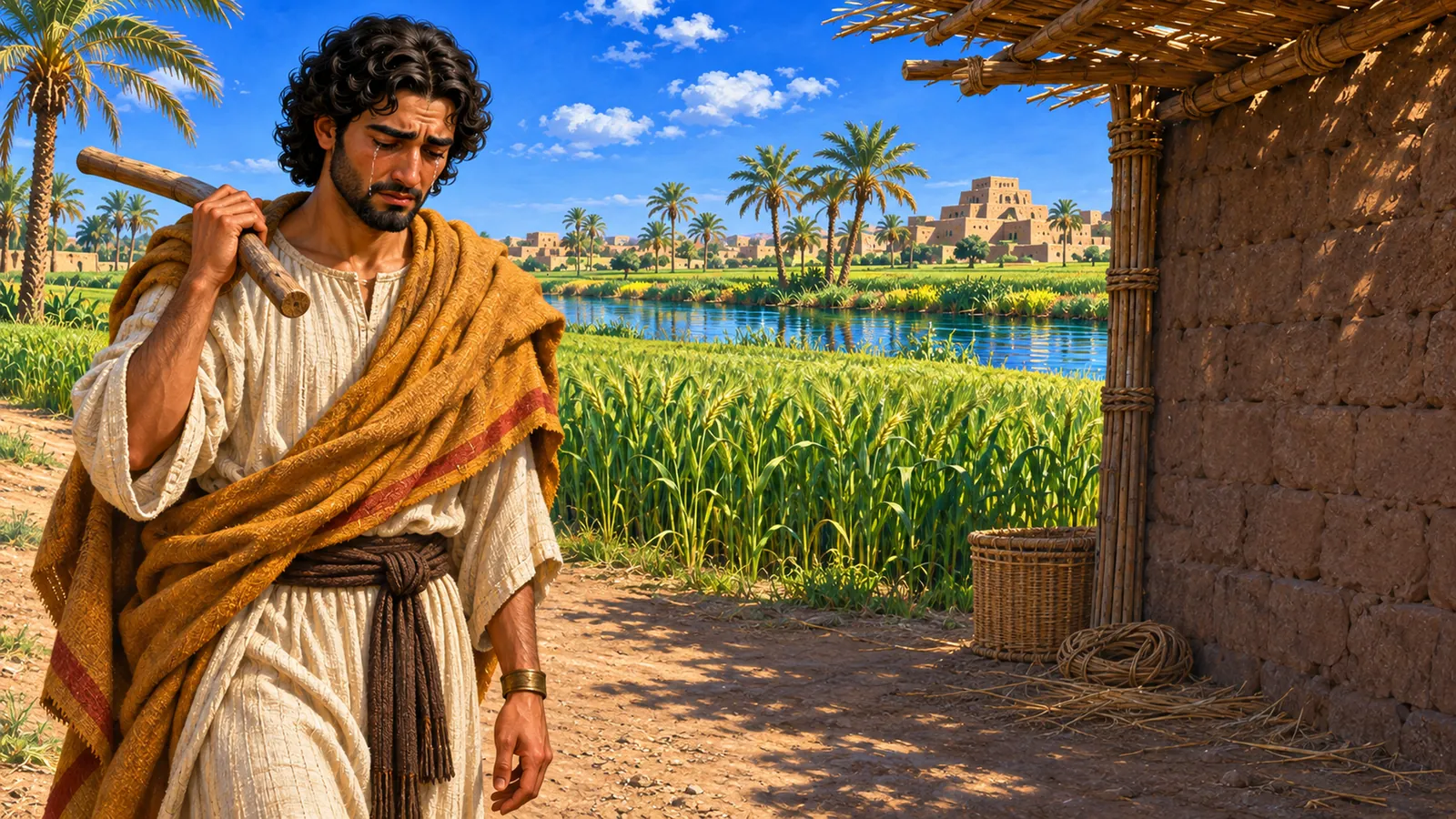
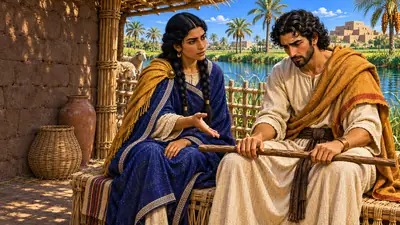
حمل الراعي عصاه على كتفه، وظلّ ينتحب طوال الطريق حتّى توغّل في البرية.
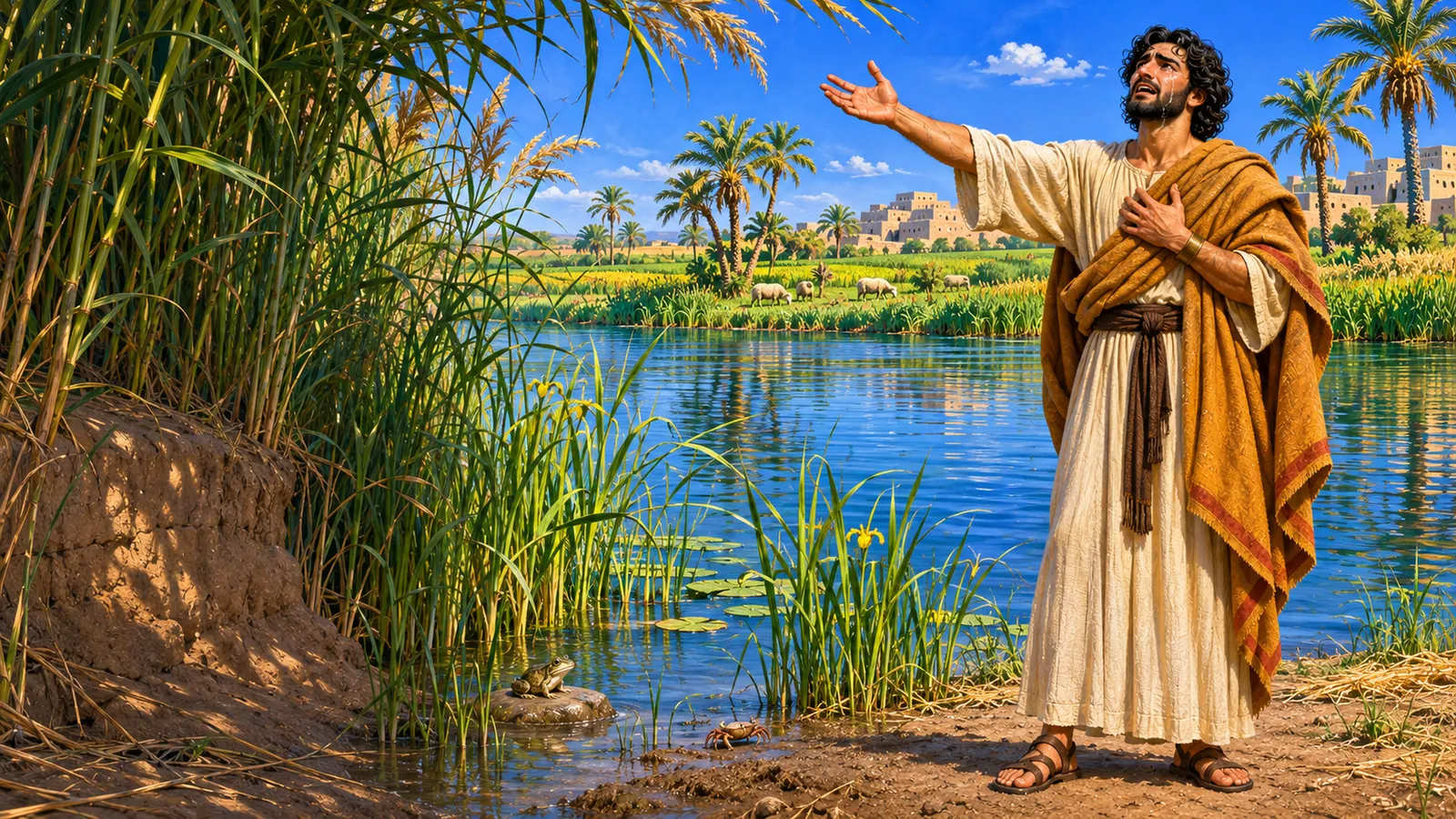
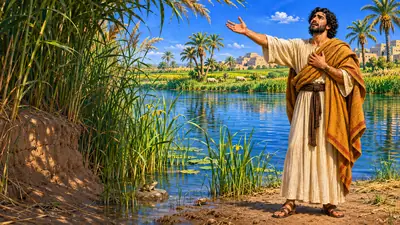
صاح دموزي «يا برية، ابكي!» ودعا الأهوار إلى الصراخ، وسرطانات النهر إلى النواح، والضفادع إلى رفع أصواتها.
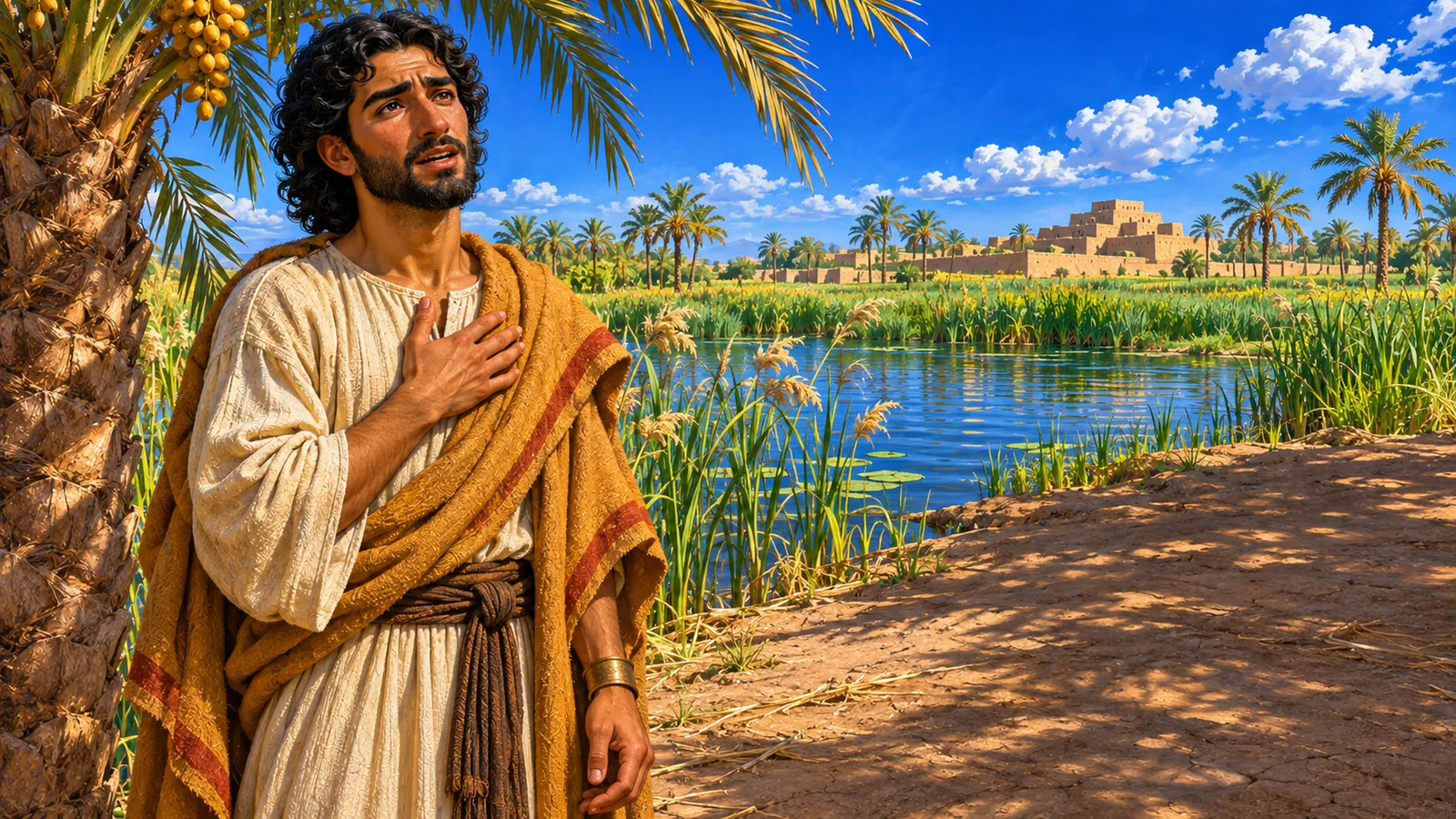
«ستناديني أمّي، أمّي دورتور. ستناديني في خمسة أمور، وستناديني في عشرة.»
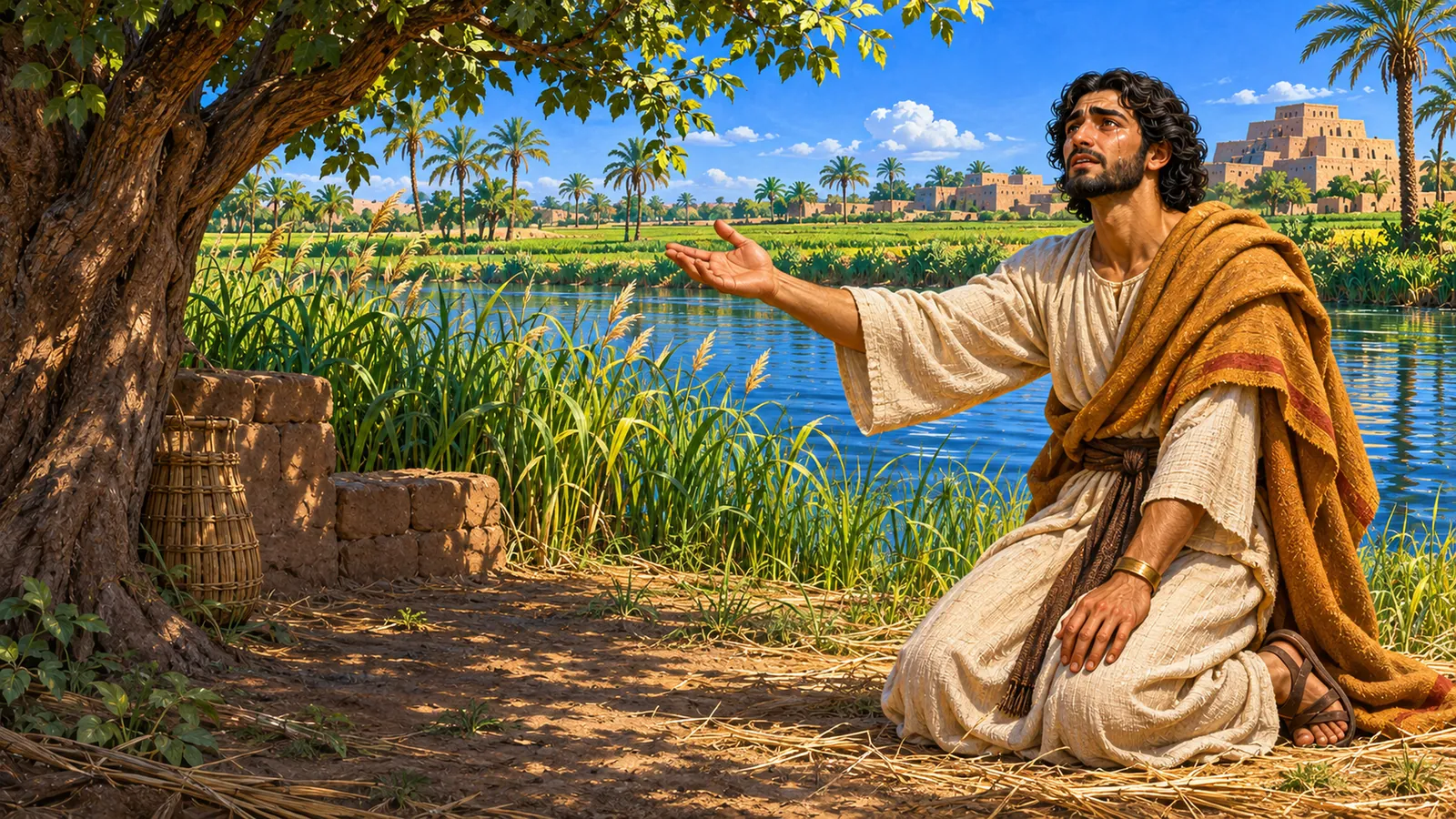
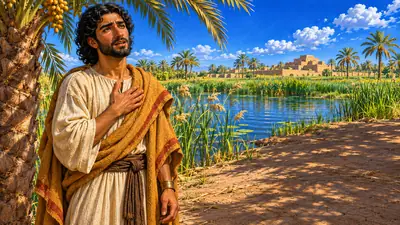
«يا برية، إن لم تعرف أمّي يوم موتي فأخبريها. وابكي عليّ كما تبكي عليّ أختي الصغيرة.»
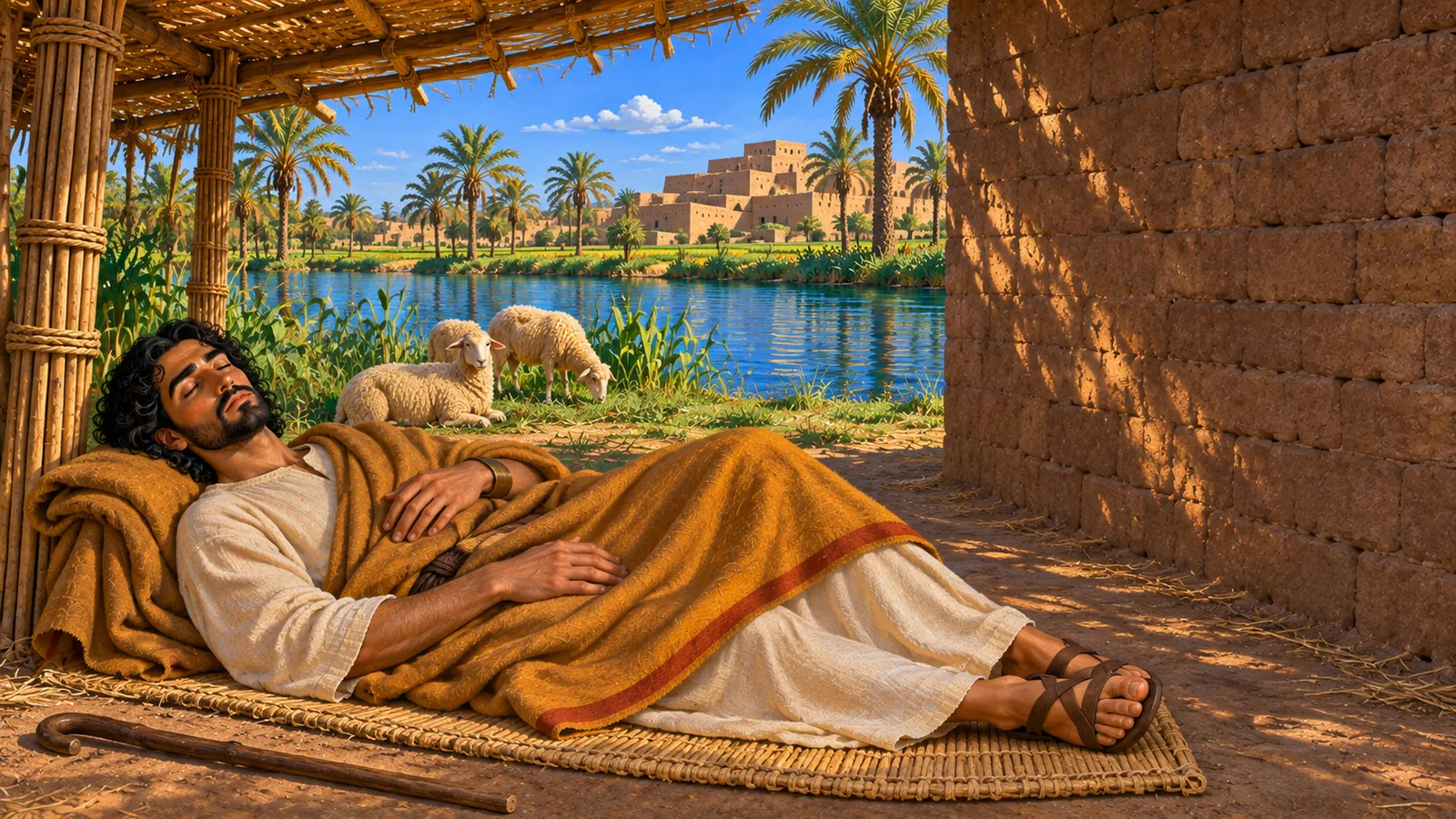
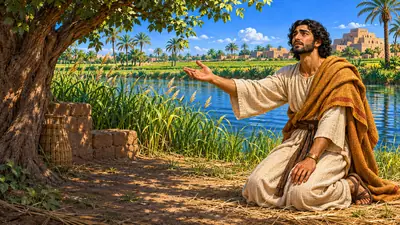
في قديم الزمان، اضطجع الراعي لينام. وبينما هو مضطجع، بدأ يحلم.
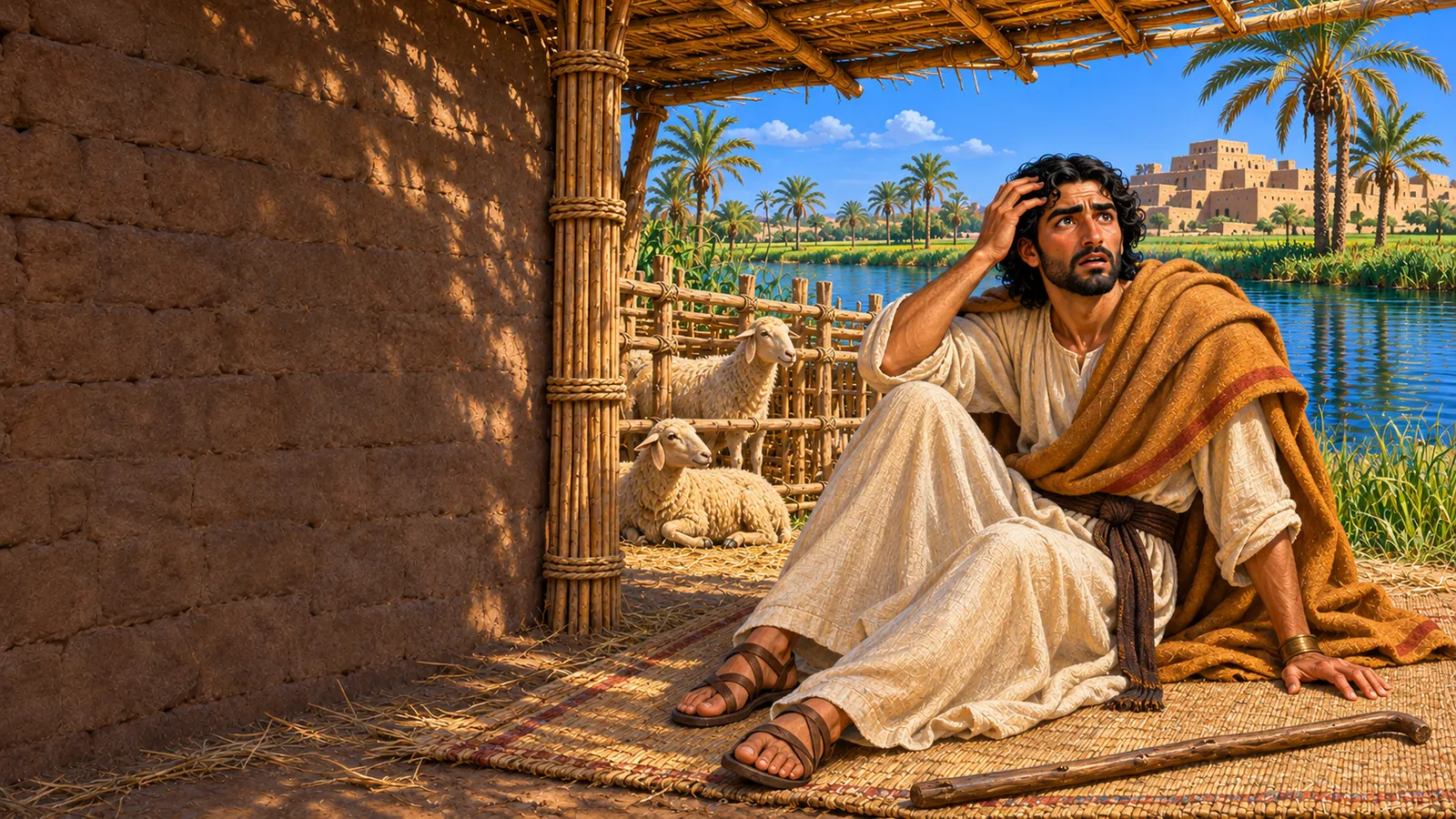
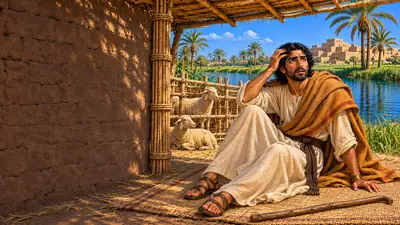
جفل واستيقظ. لقد كان حلمًا. وارتجف وفرك عينيه من شدّة الفزع.
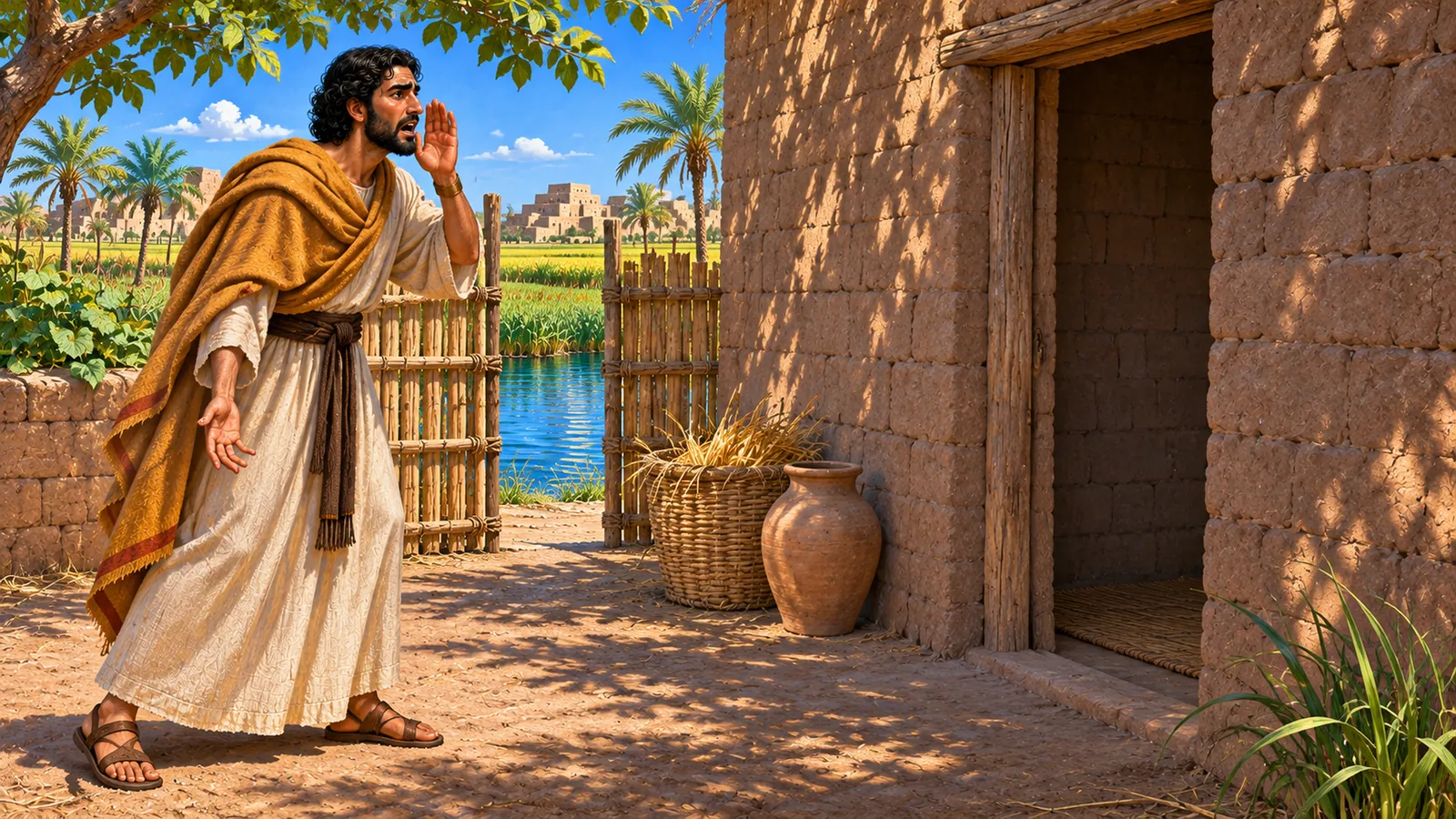
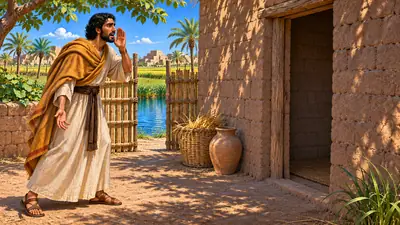
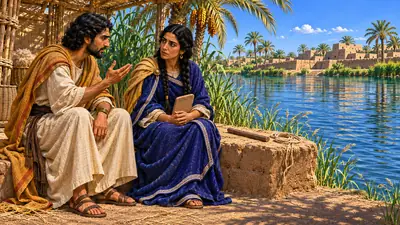
نادى «ائتوني بأختي! ائتوني بغشتينانا!» كانت كاتبة بارعة في الكتابة على الألواح، ومغنّيةً تتقن أغانيها.
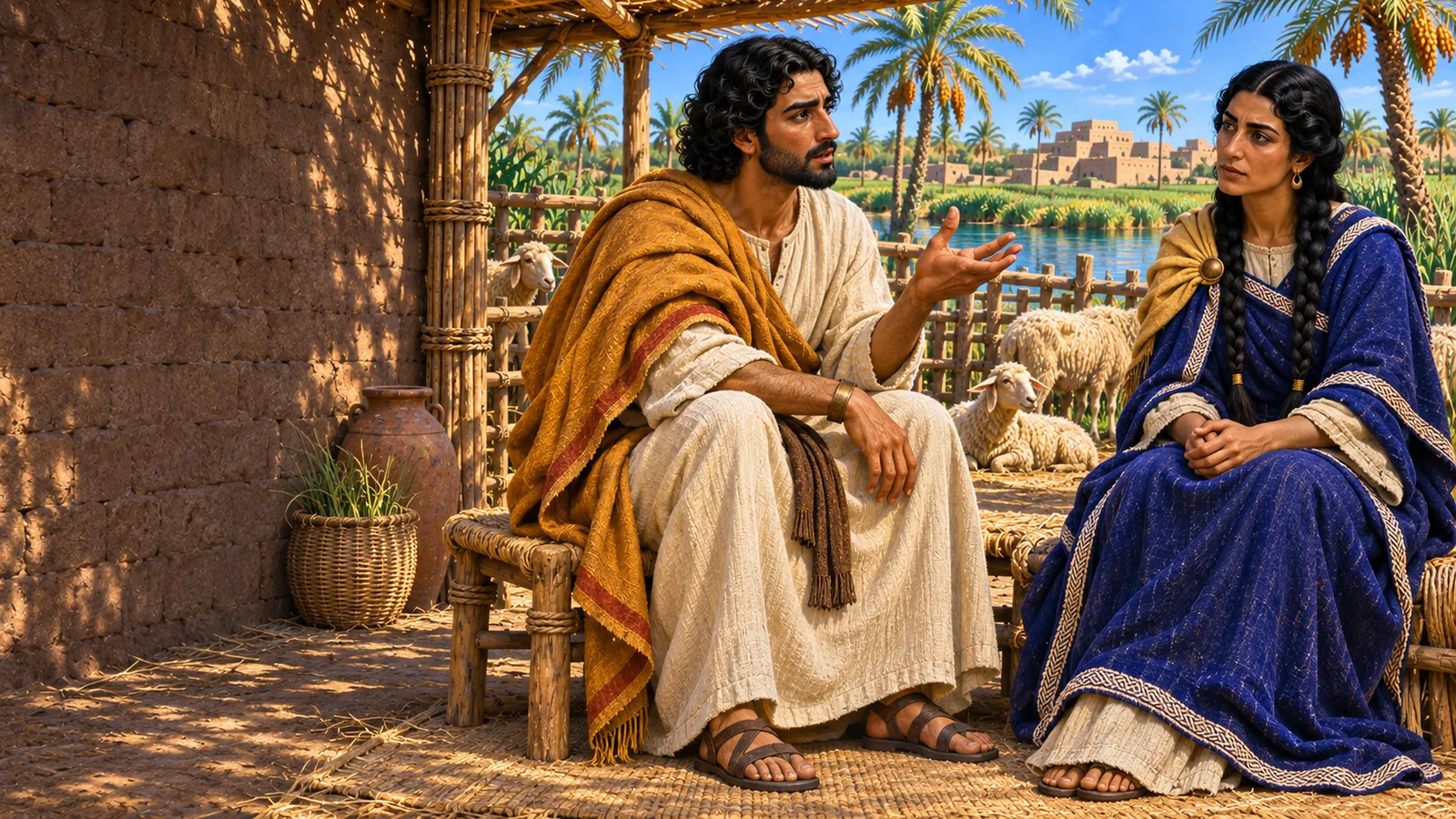
«ائتوني بأختي الحكيمة التي تعرف معاني الأحلام. سأقصّ عليها ما رأيتُ في حلمي.»
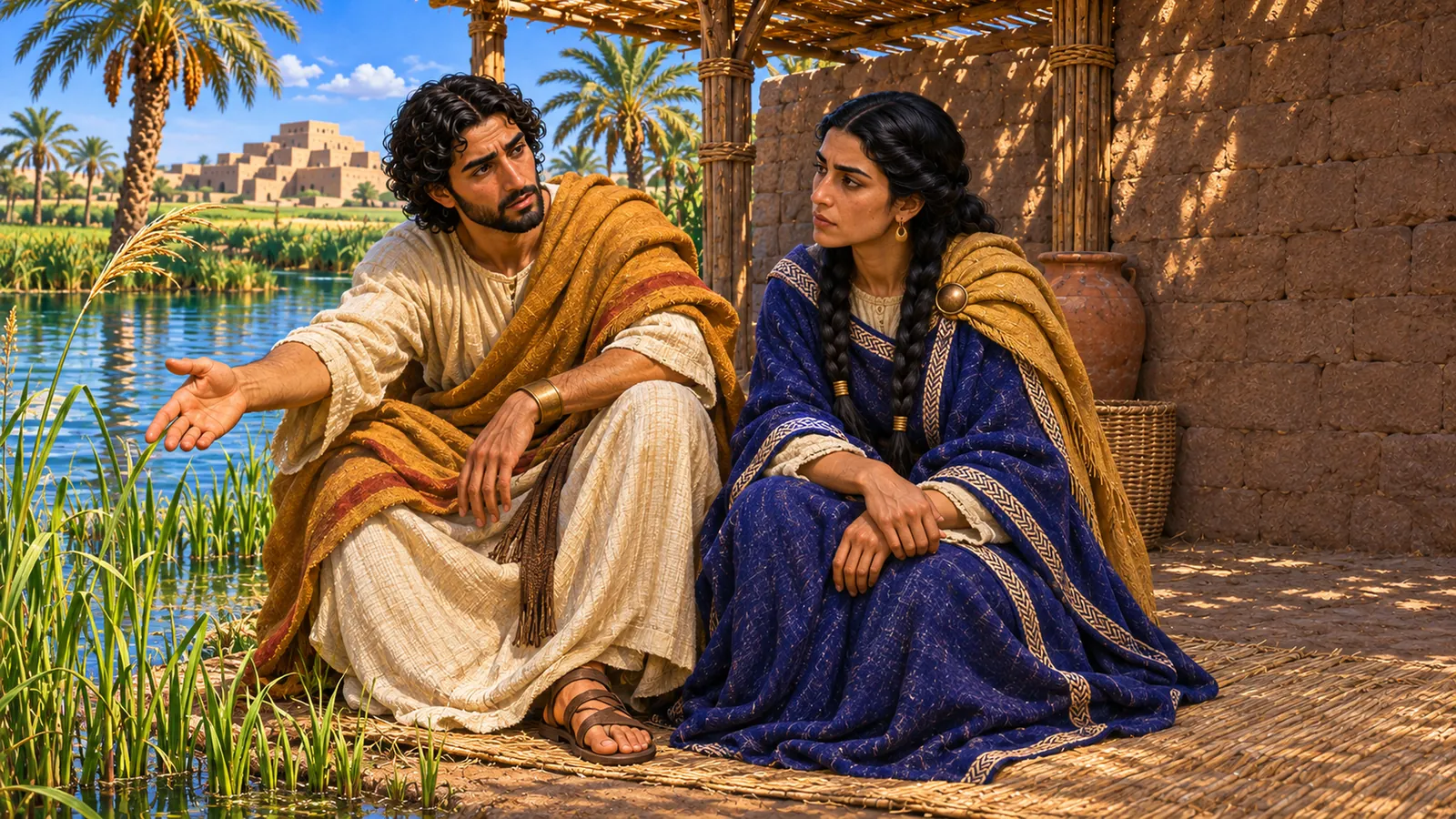
الحلم
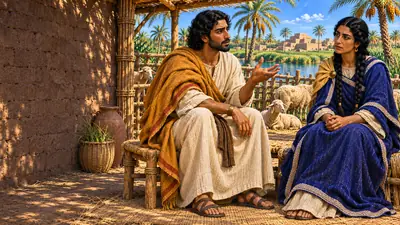
قال دموزي «حلمٌ يا أختي! نبت الأسل أمامي وظلّ ينمو. وهزّت قصبة وحيدة رأسها نحوي.»
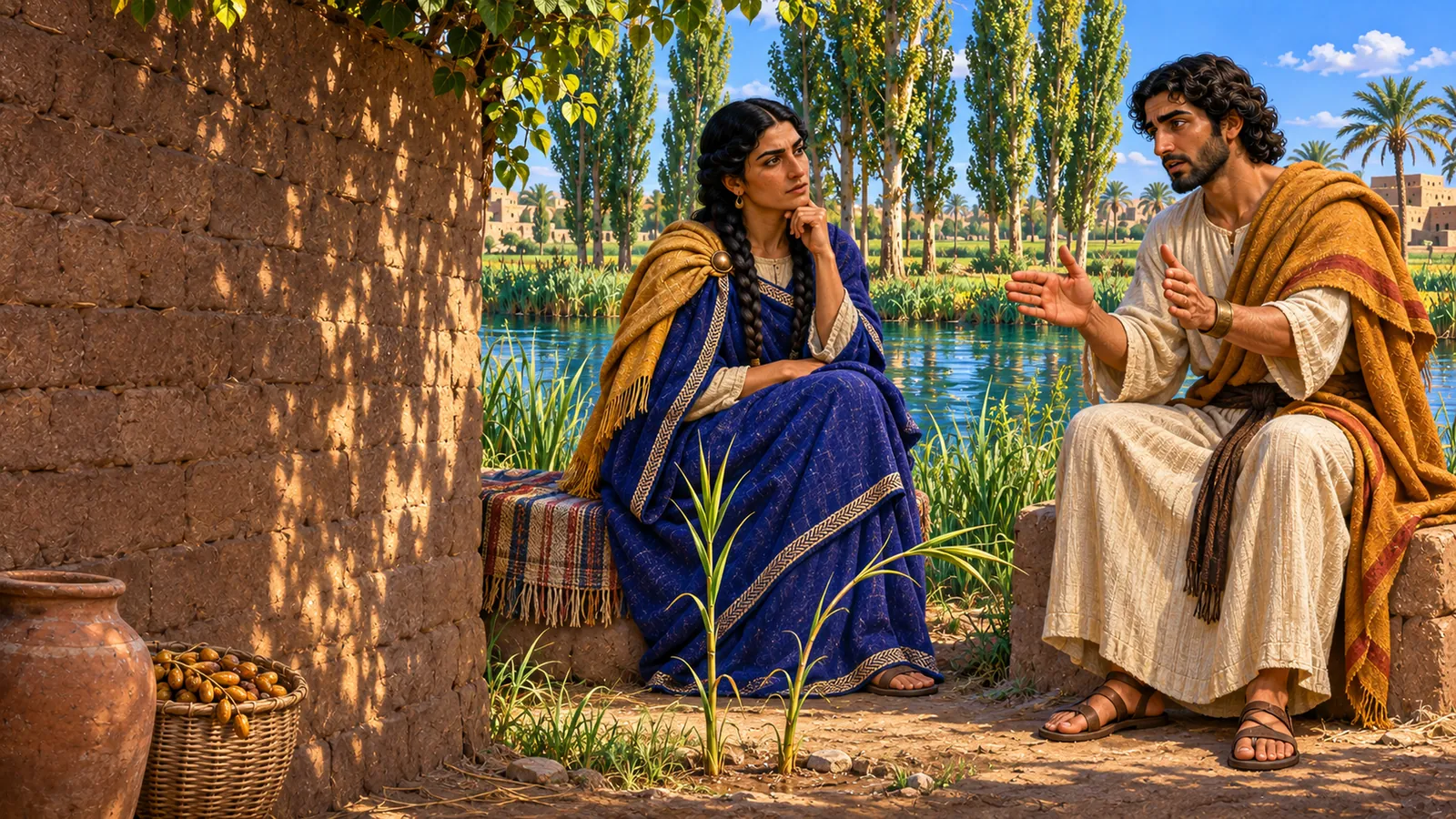
«كانت هناك قصبتان متجاورتان، فانفصلت عنّي إحداهما. وارتفعت فوقي معًا أشجار الغابة الباسقة.»
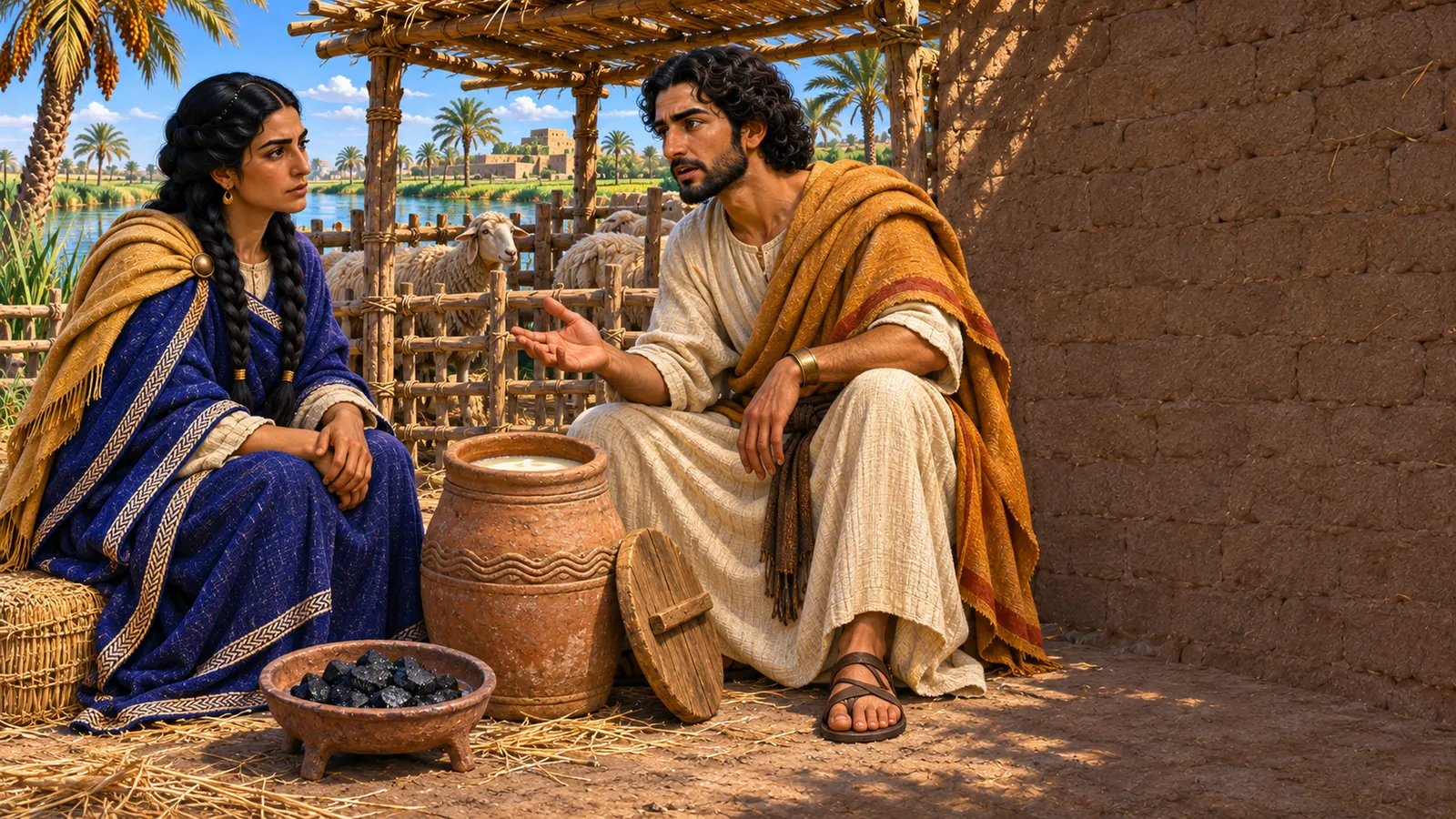
في حلمي، صُبّ الماء على جمري المقدّس، ورُفع غطاء مِخَضّتي المقدّسة.
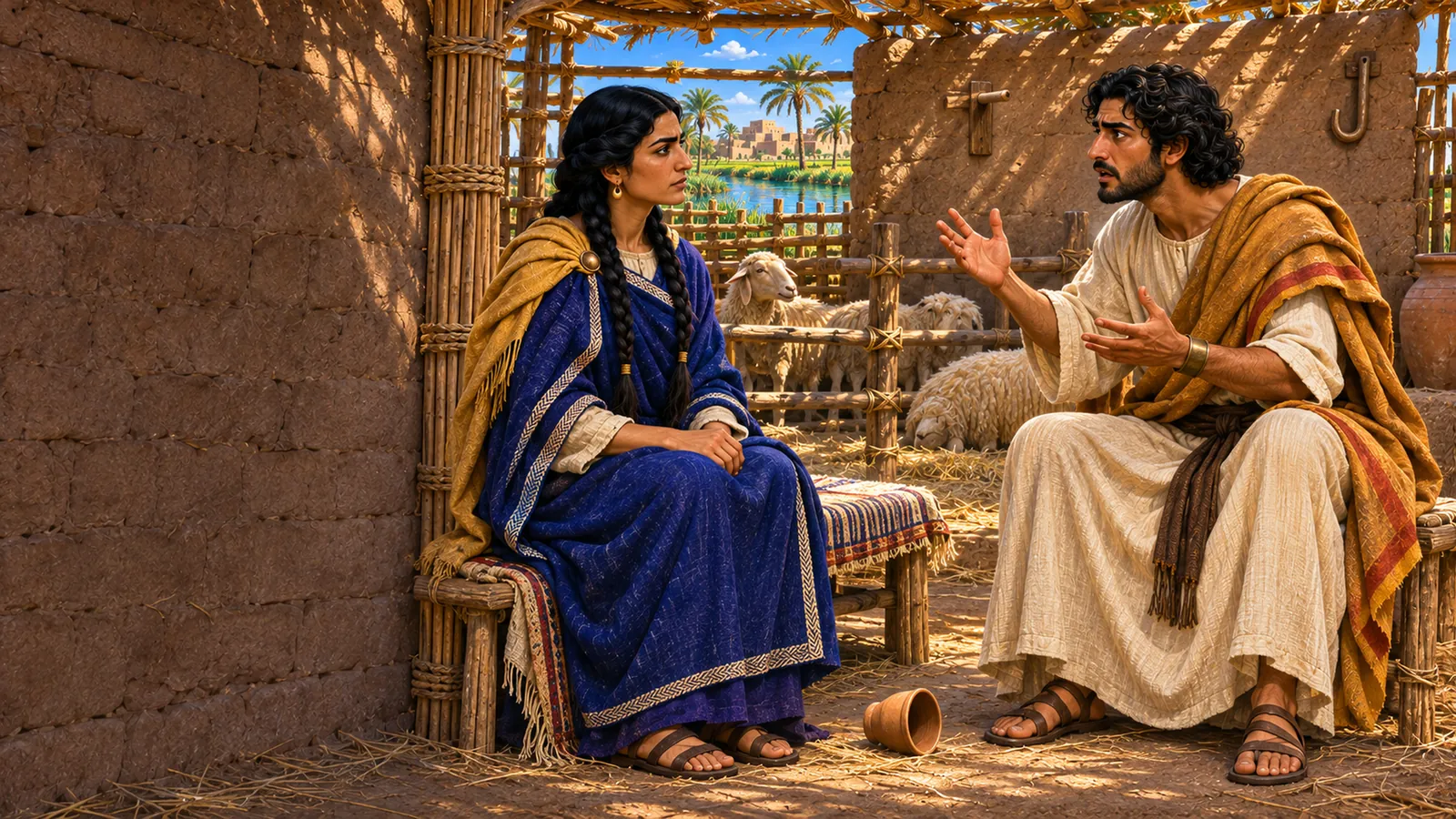
«انتُزعت كأسي المقدّسة من الوتد الذي كانت معلّقةً به. ثم اختفت عصا الرعي.»
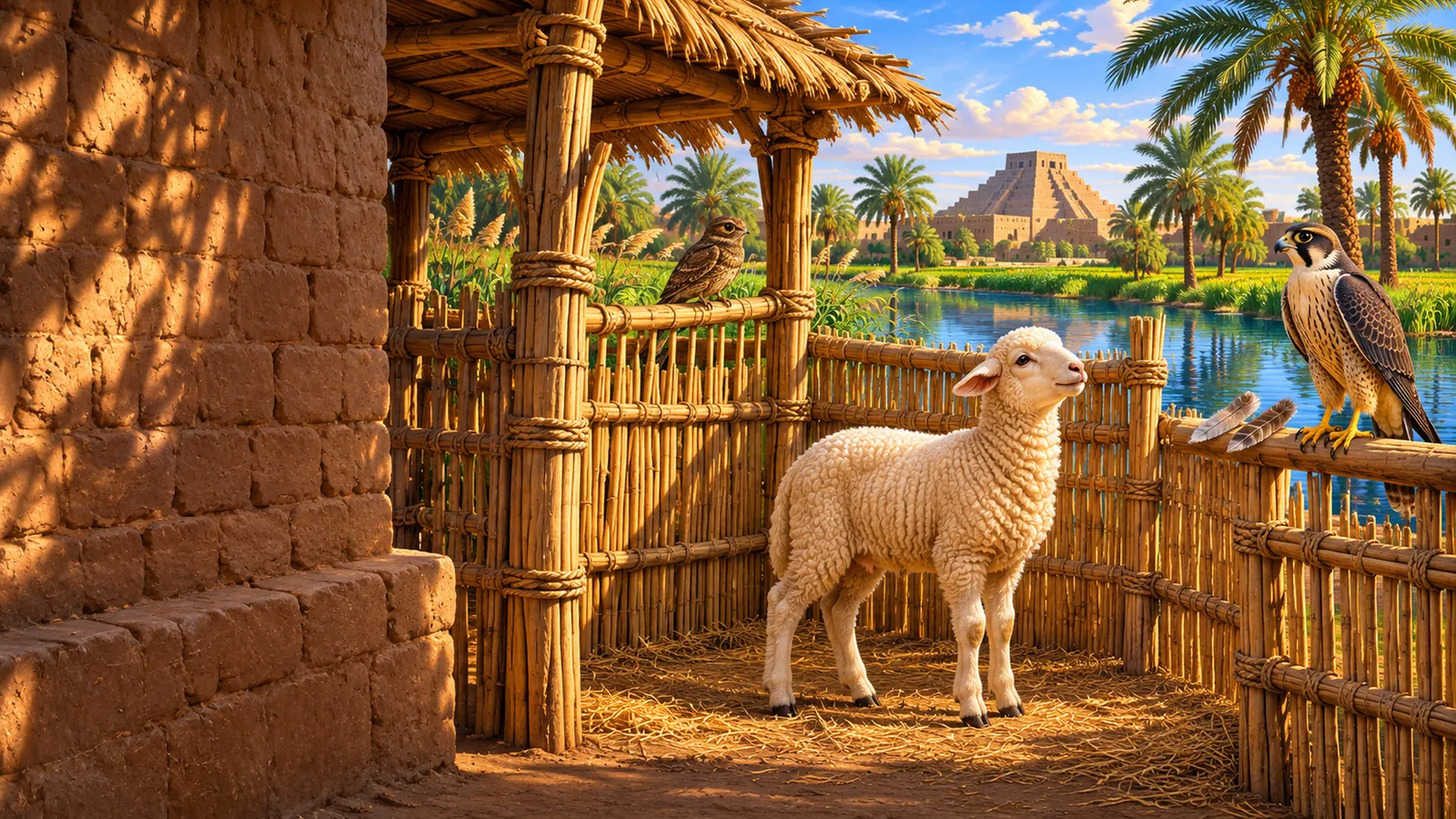
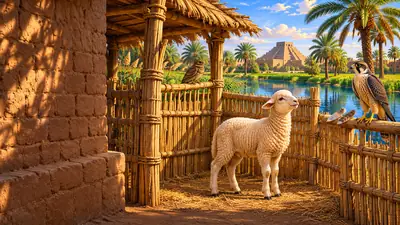
«أخذ طائرٌ، لعلّه بومة، حَمَلًا من مأوى الغنم. وأمسك صقرٌ بعصفور عند سياج القصب.»
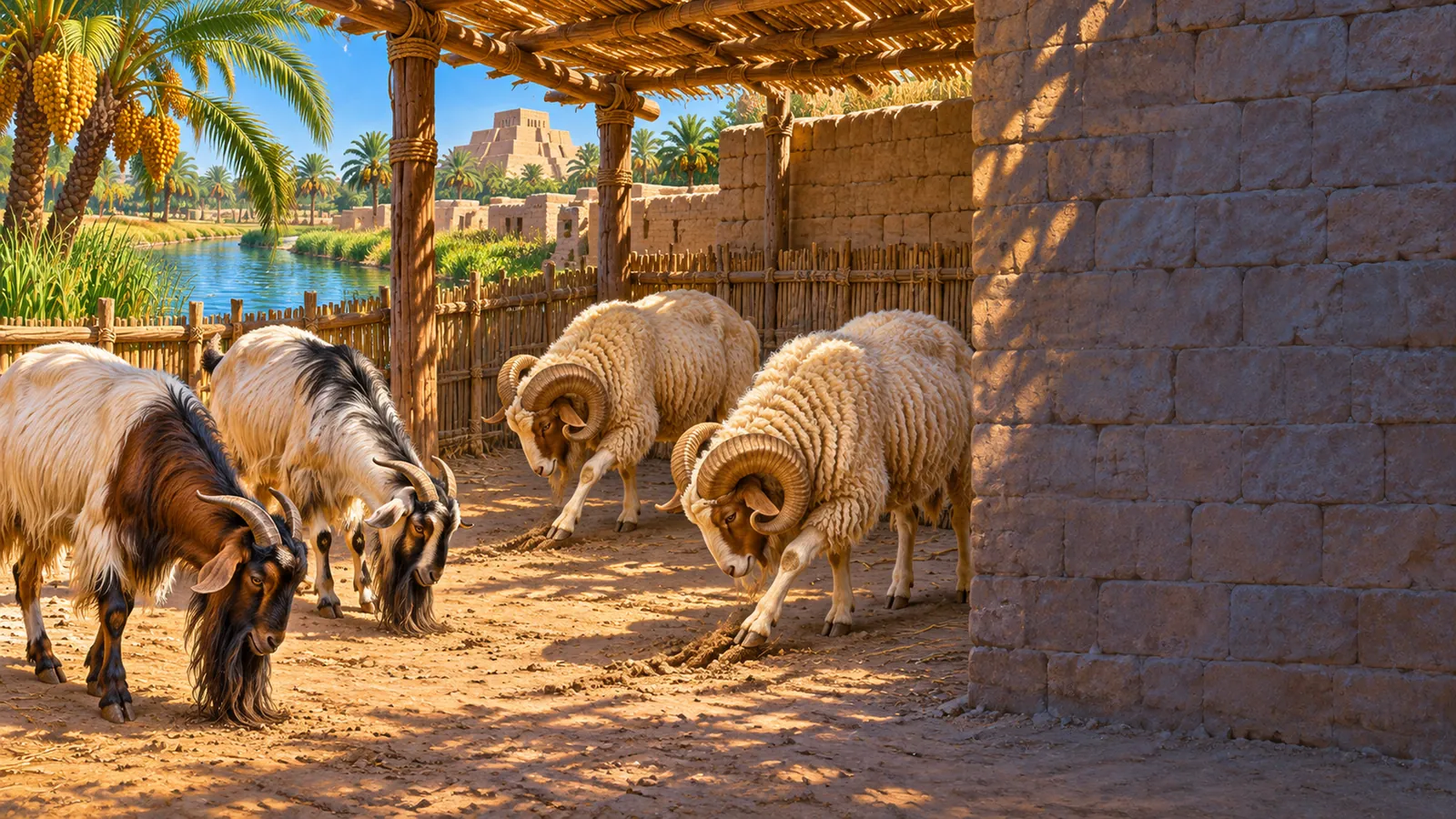
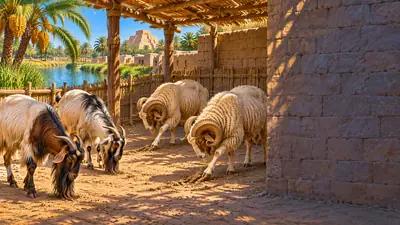
«جرّت تيوسي لحاها الداكنة في الغبار. وحكّت كباشي التراب بقوائمها القويّة.»
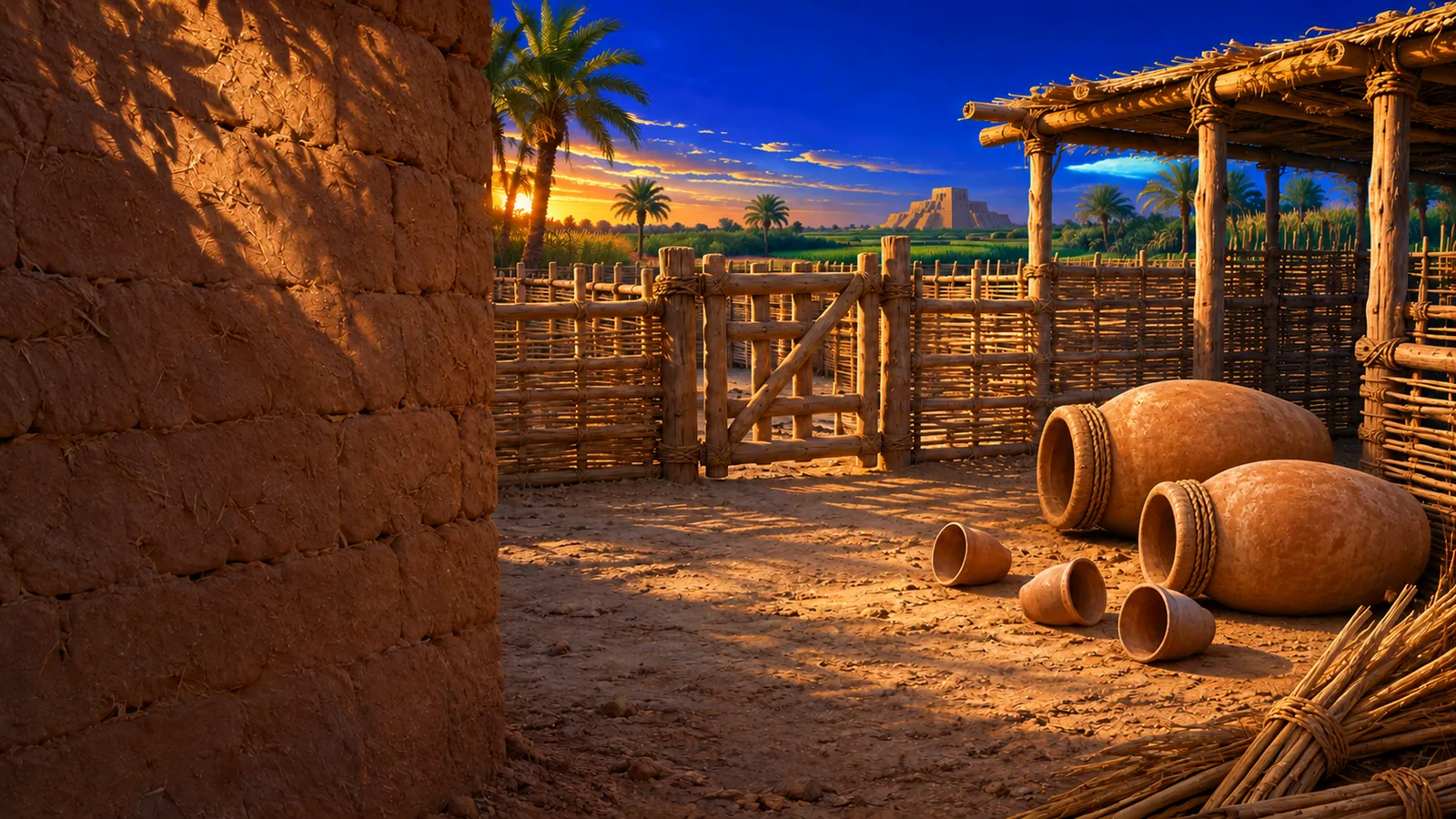
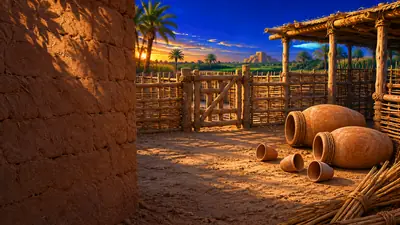
«كانت المِخَضّات ملقاةً على جوانبها. ولم يُصَبّ الحليب. وكانت كؤوس الشرب ملقاةً على جوانبها.» وفي الحلم كان دموزي قد مات، وغدت الحظيرة مسكونة.
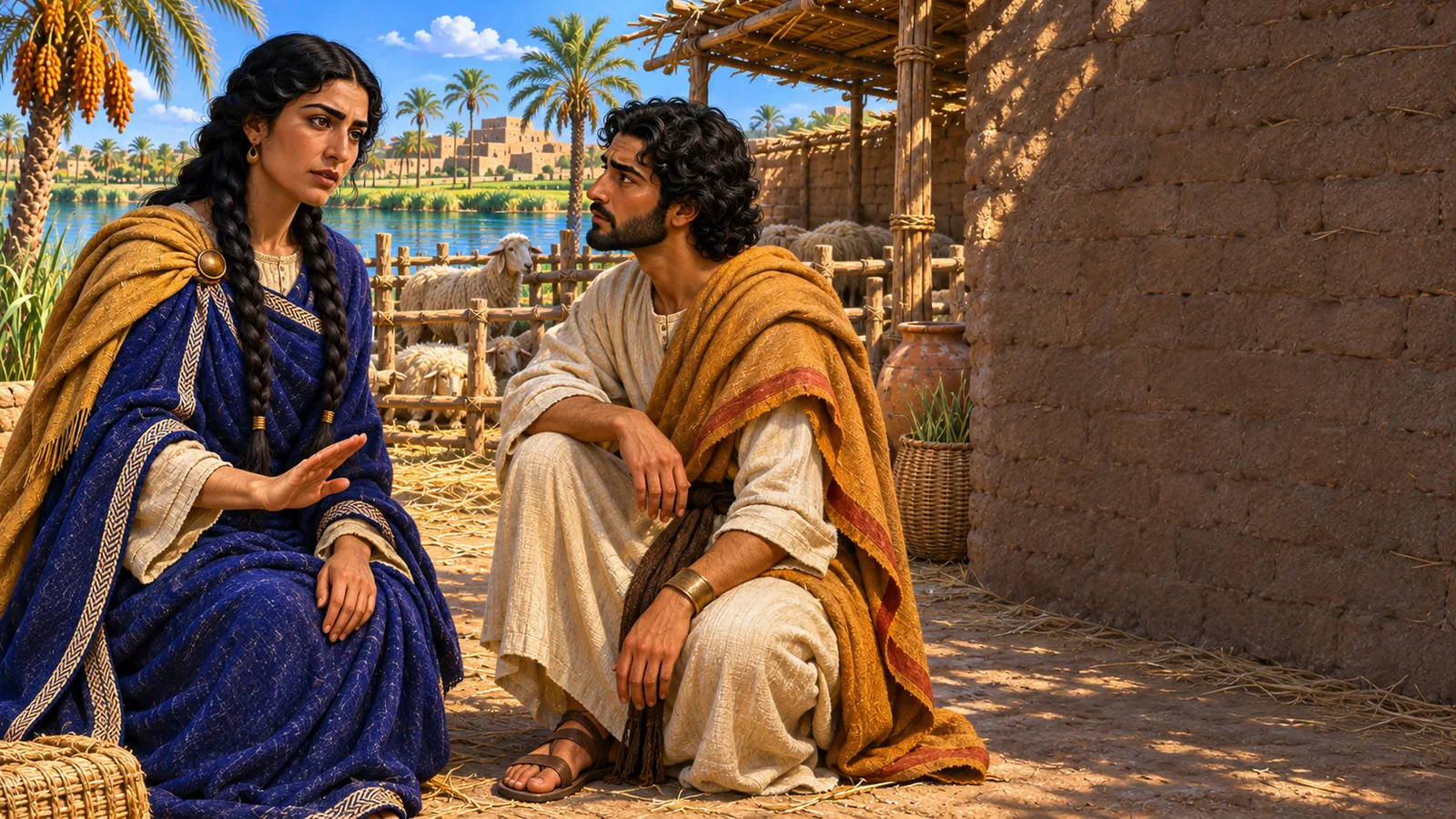
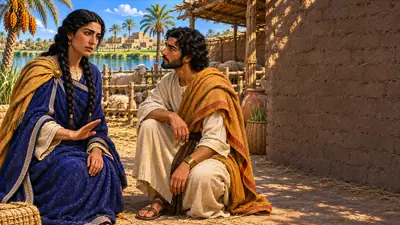
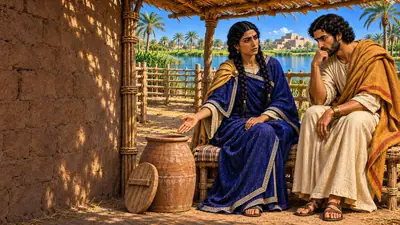
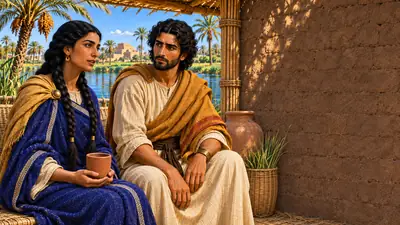
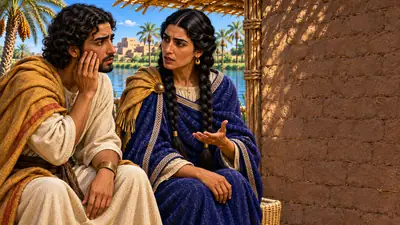
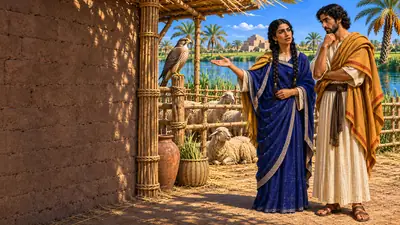
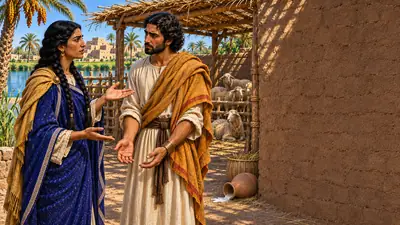
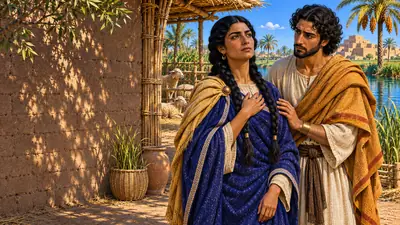
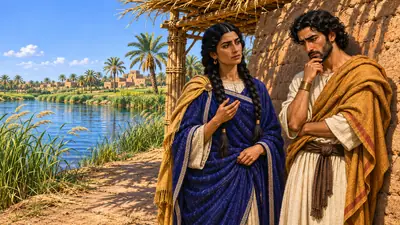
أجابت غشتينانا دموزي قائلة: «يا أخي، حلمك لا يبشّر بخير.» وطلبت منه مرّتين ألّا يروي لها المزيد منه.
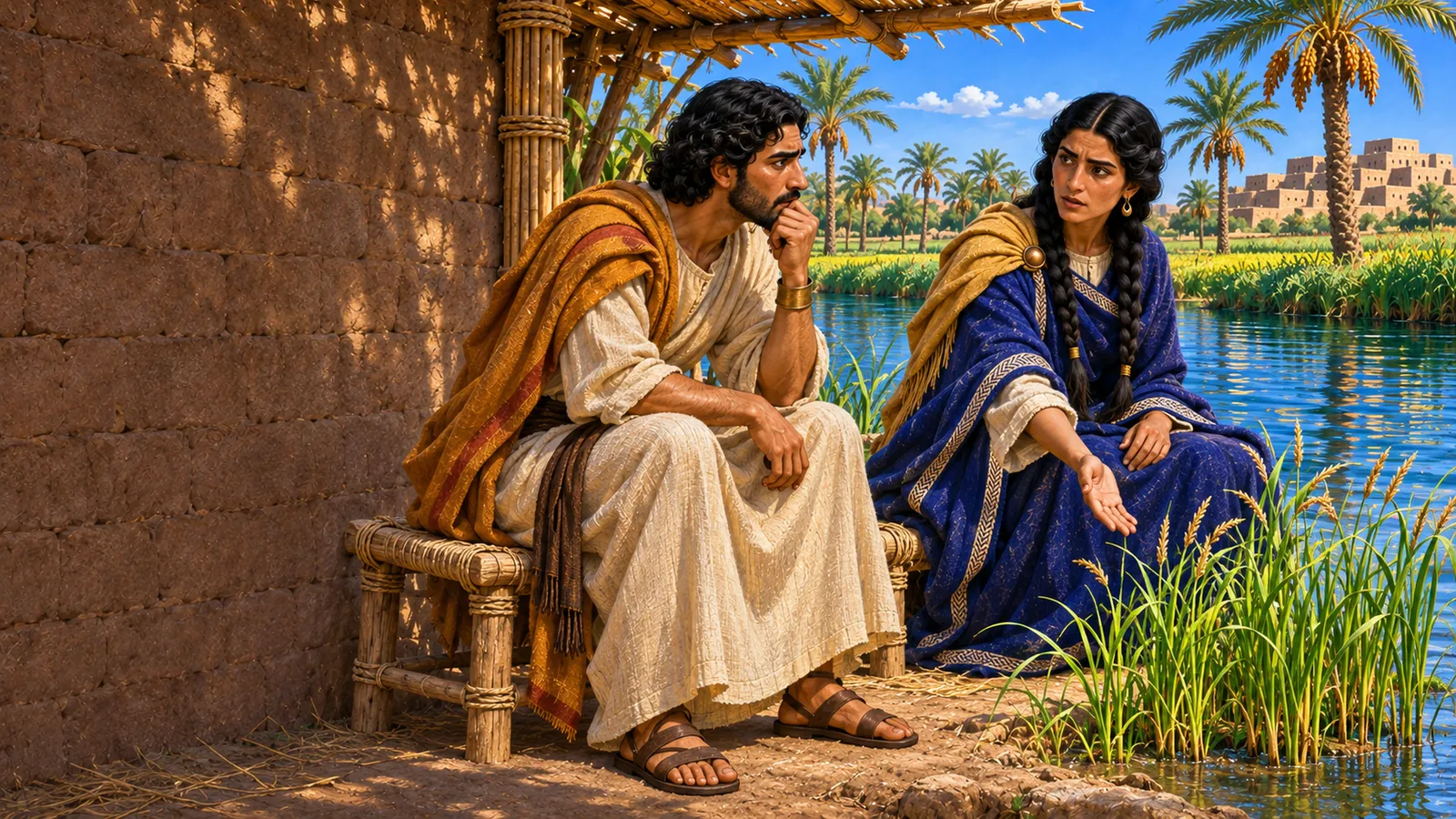
قالت إنّ الأسَل الذي أخذ ينمو في حلمه يرمز إلى قُطّاع طرق سينقضّون عليه من مكمنهم.
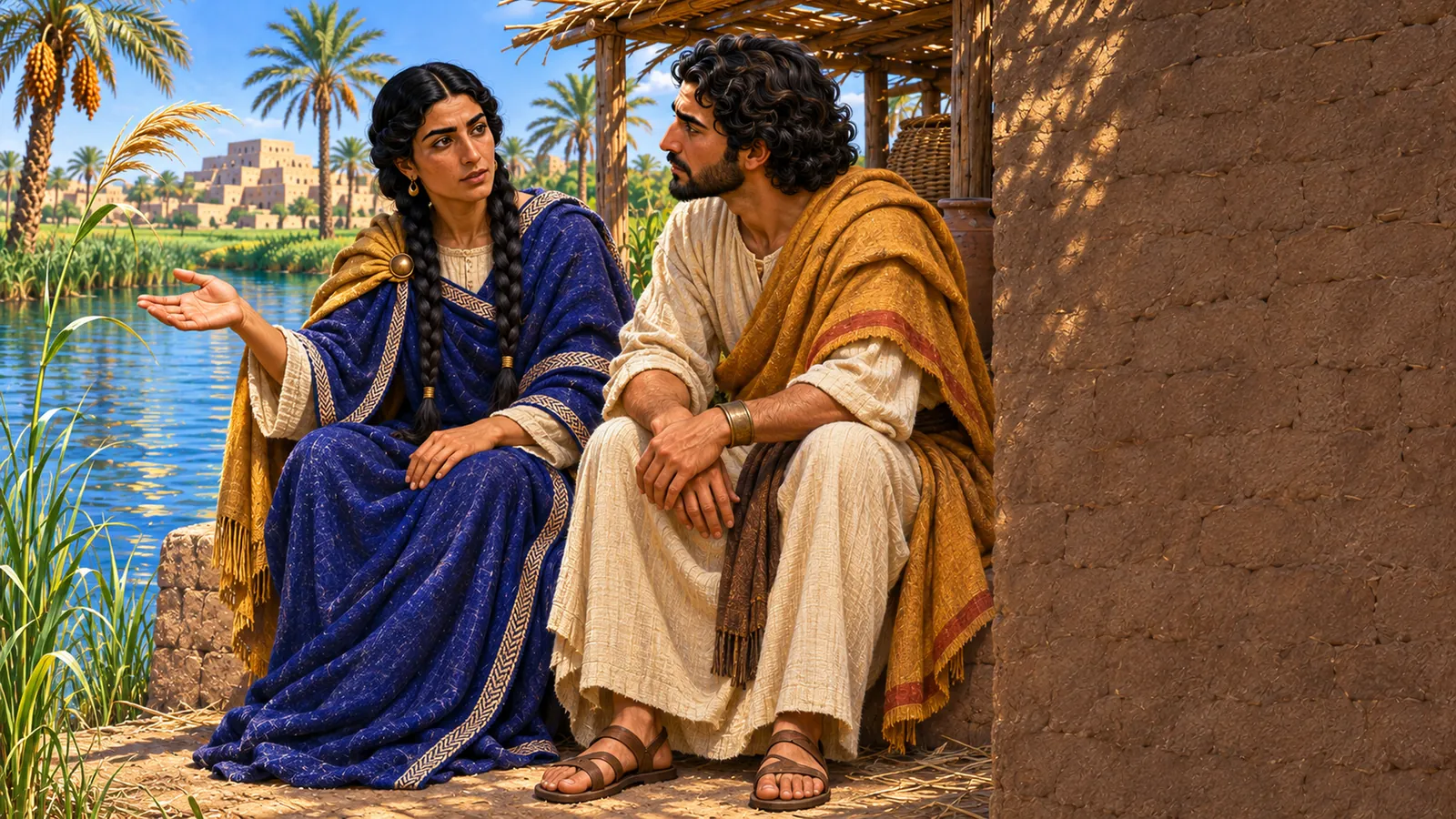
فسّرت له أمر القصبة الواحدة التي اهتزّ رأسها في الحلم. كانت ترمز إلى أمّه التي ولدته، وهي تهزّ رأسها لأجله.
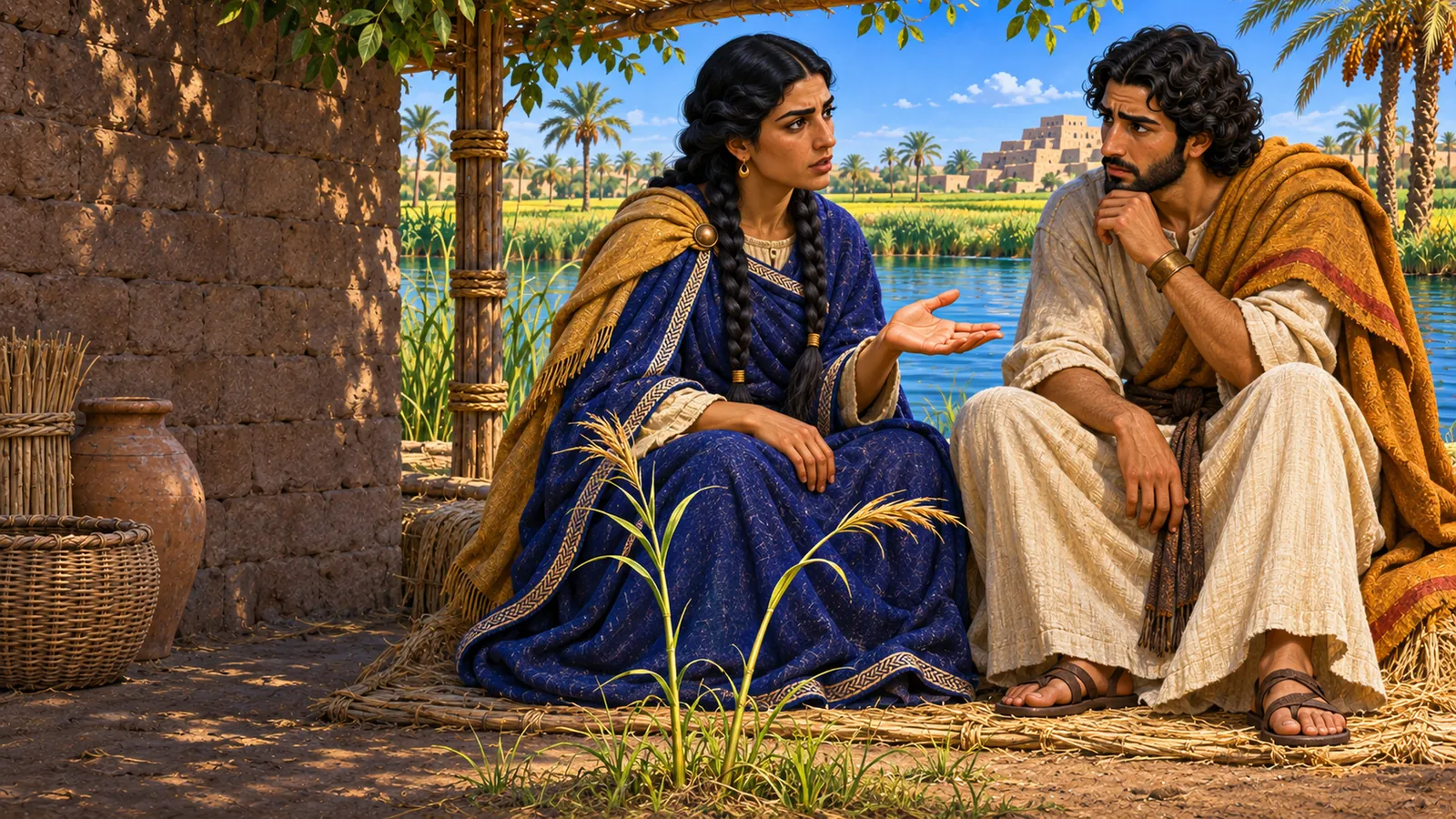
في الحلم قصبتان، وقد أُبعدت عنه إحداهما. قالت غشتينانا إنّهما ترمزان إليها وإلى أخيها، وإنّهما سيفترقان.
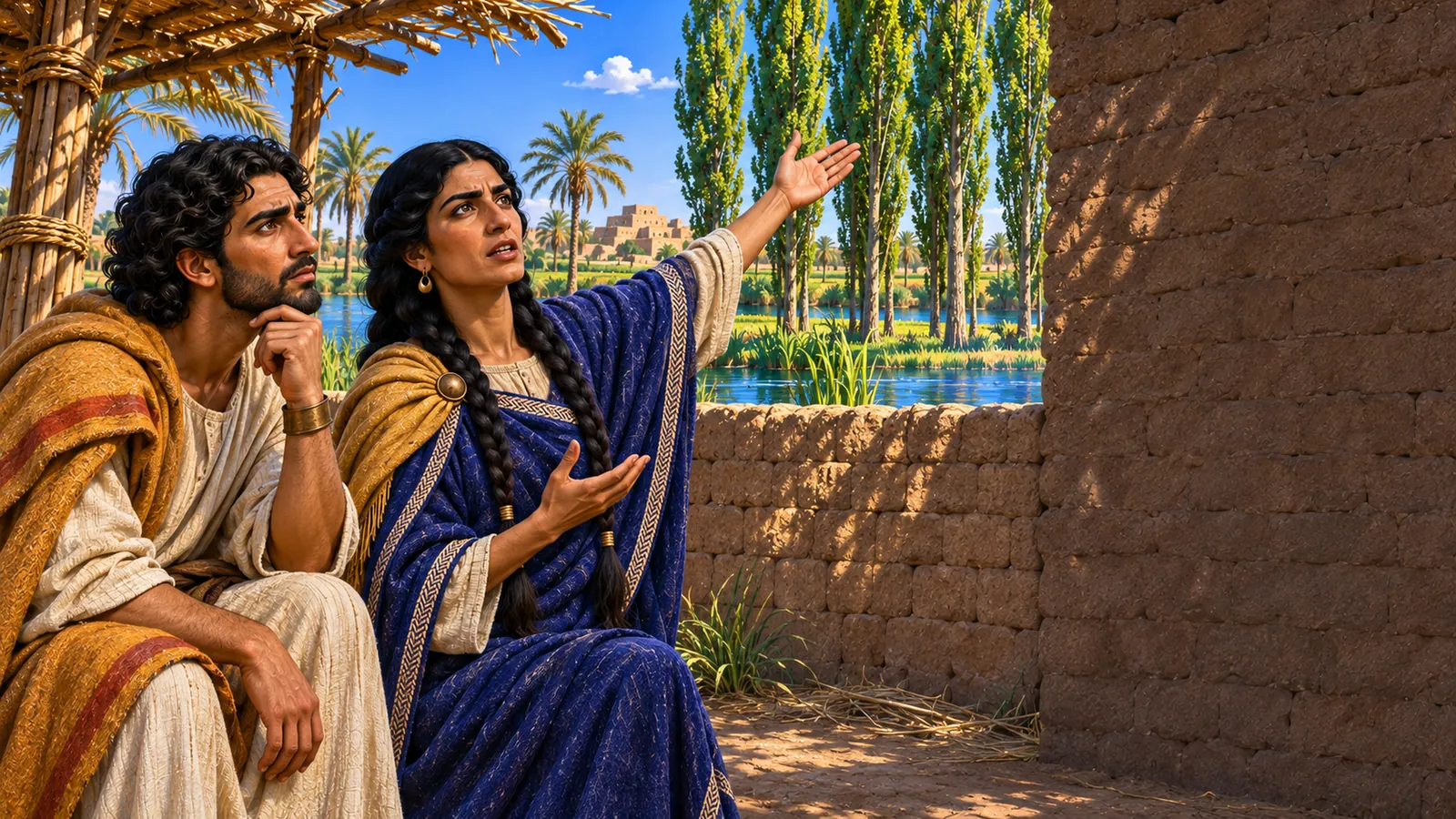
ثمّ تحدّثت غشتينانا عن الأشجار الشاهقة التي ارتفعت من حوله في الحلم. وقالت إنّها تعني أنّ رجالًا معادين سيقبضون عليه داخل الأسوار.
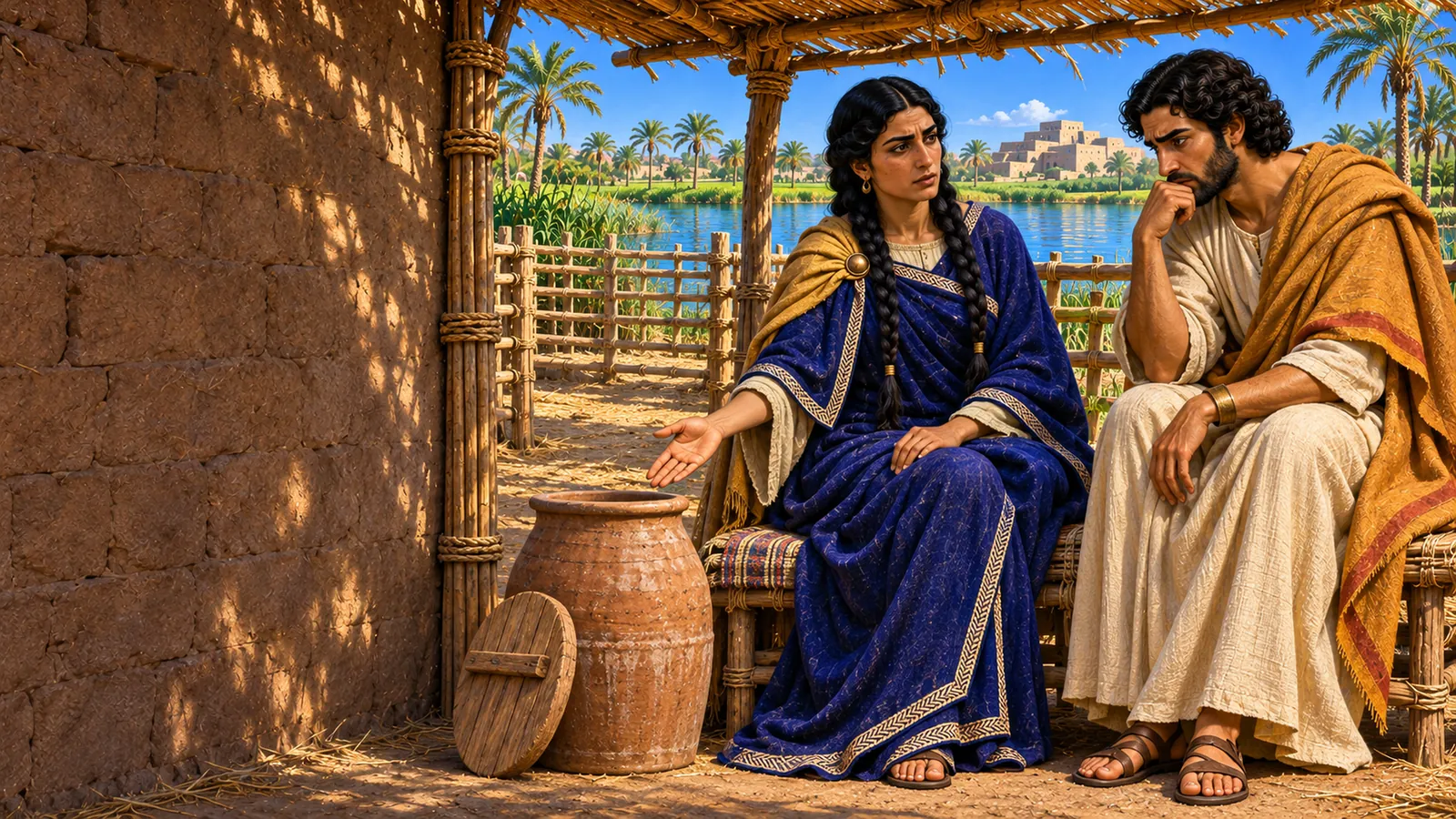
كان الماء المصبوب على جمره يعني أنّ الصمت سيخيّم على حظيرة الغنم. أمّا رفع غطاء مِخضّته فيعني أنّ رجلًا من خصومه سيحمله بيديه إلى الداخل.
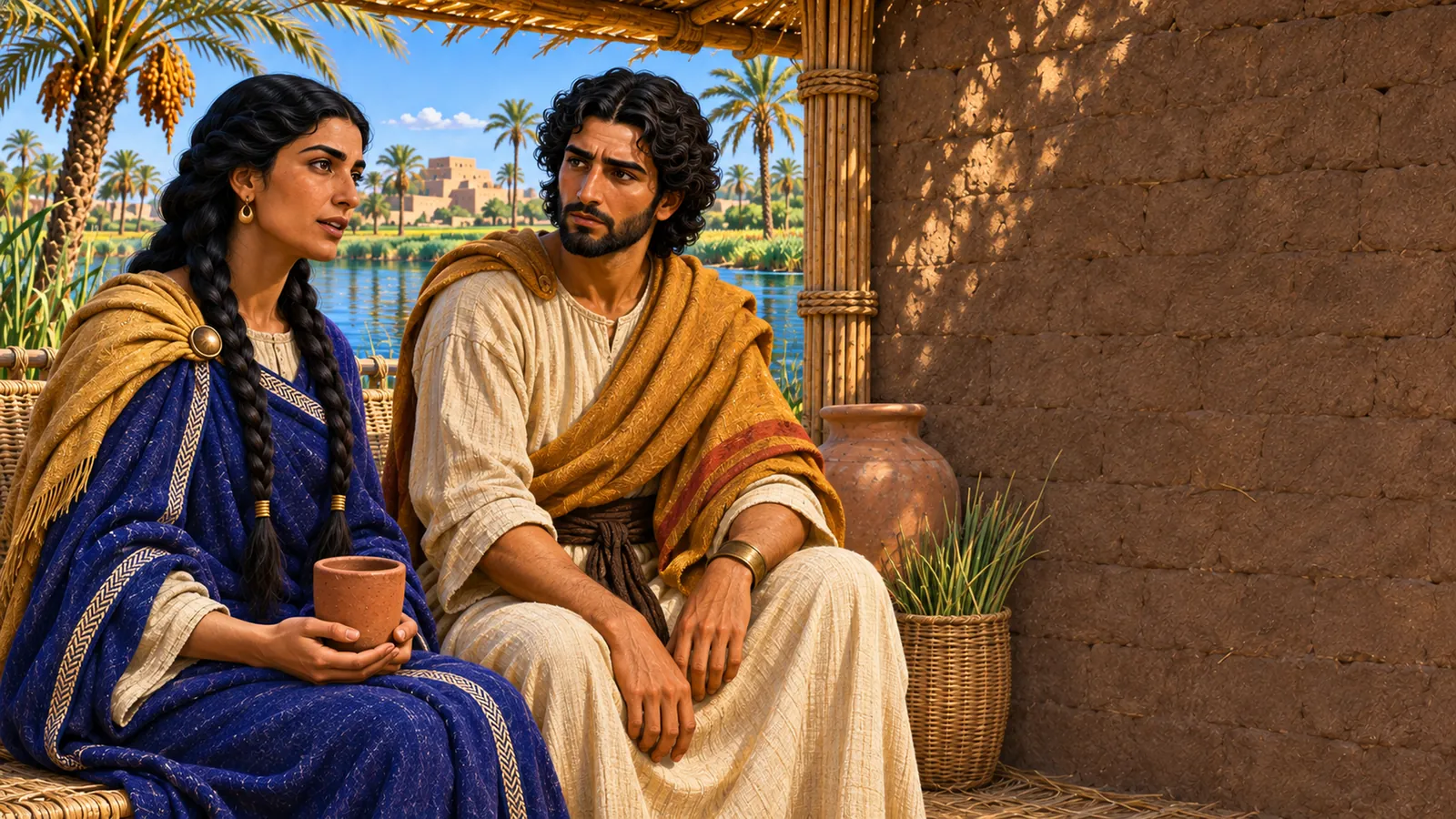
تحدّثت عن كأس الشرب التي اقتُلعت من مشجبها في الحلم. وقالت غشتينانا إنّها صورة لدموزي يسقط من حضن أمّه التي ولدته.
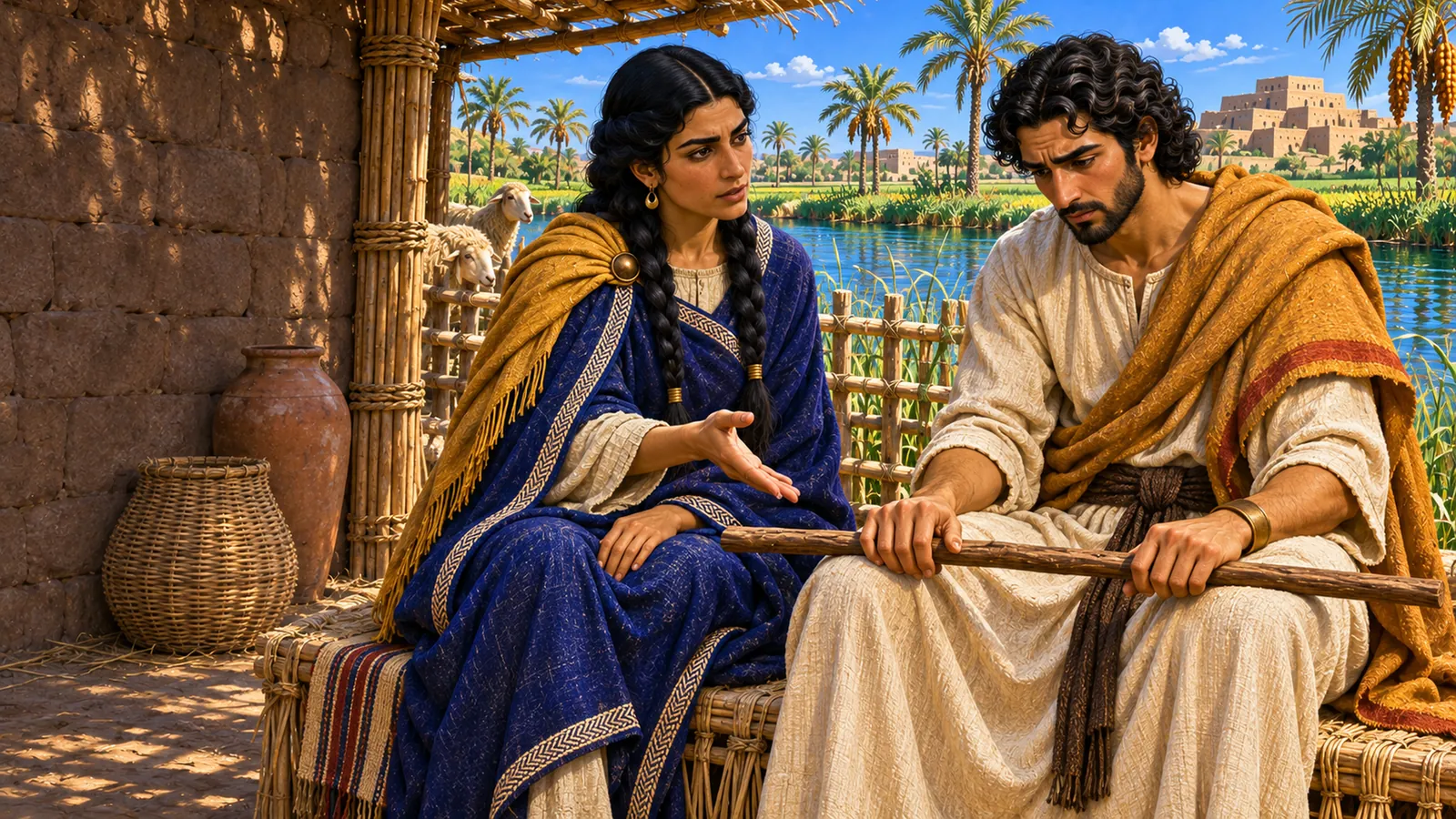
اختفت عصا دموزي، عصا الراعي، في الحلم. وقالت غشتينانا إنّ ذلك يعني أنّ أعوان العالم السفلي (الغَلّا) سيُضرمون النار في العصا.
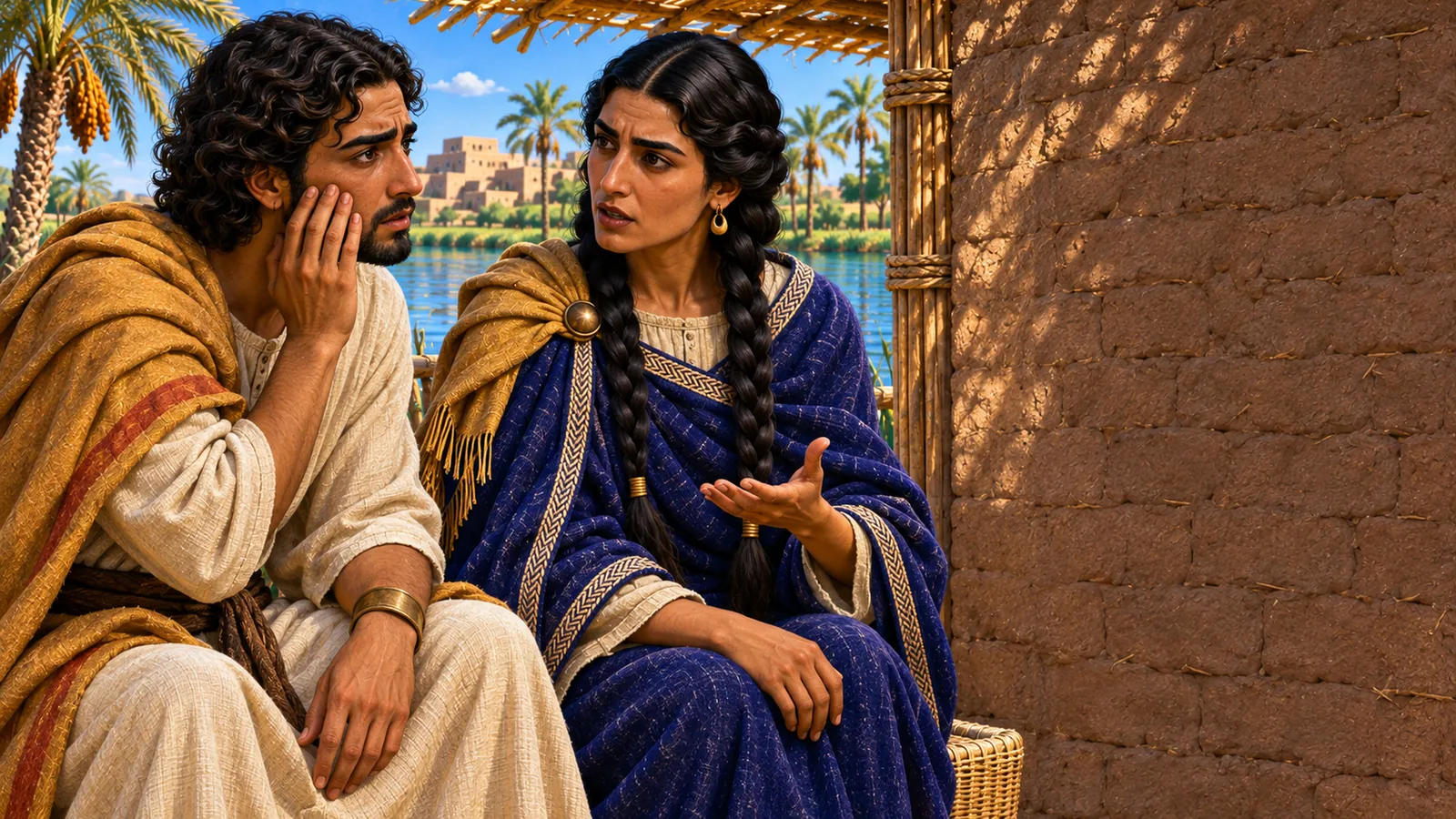
أخذ طائرٌ، لعلّه بومة، حَمَلًا في الحلم. وقالت غشتينانا إنّ ذلك يعني أنّ رجلًا معاديًا سيضرب دموزي على خدّه.
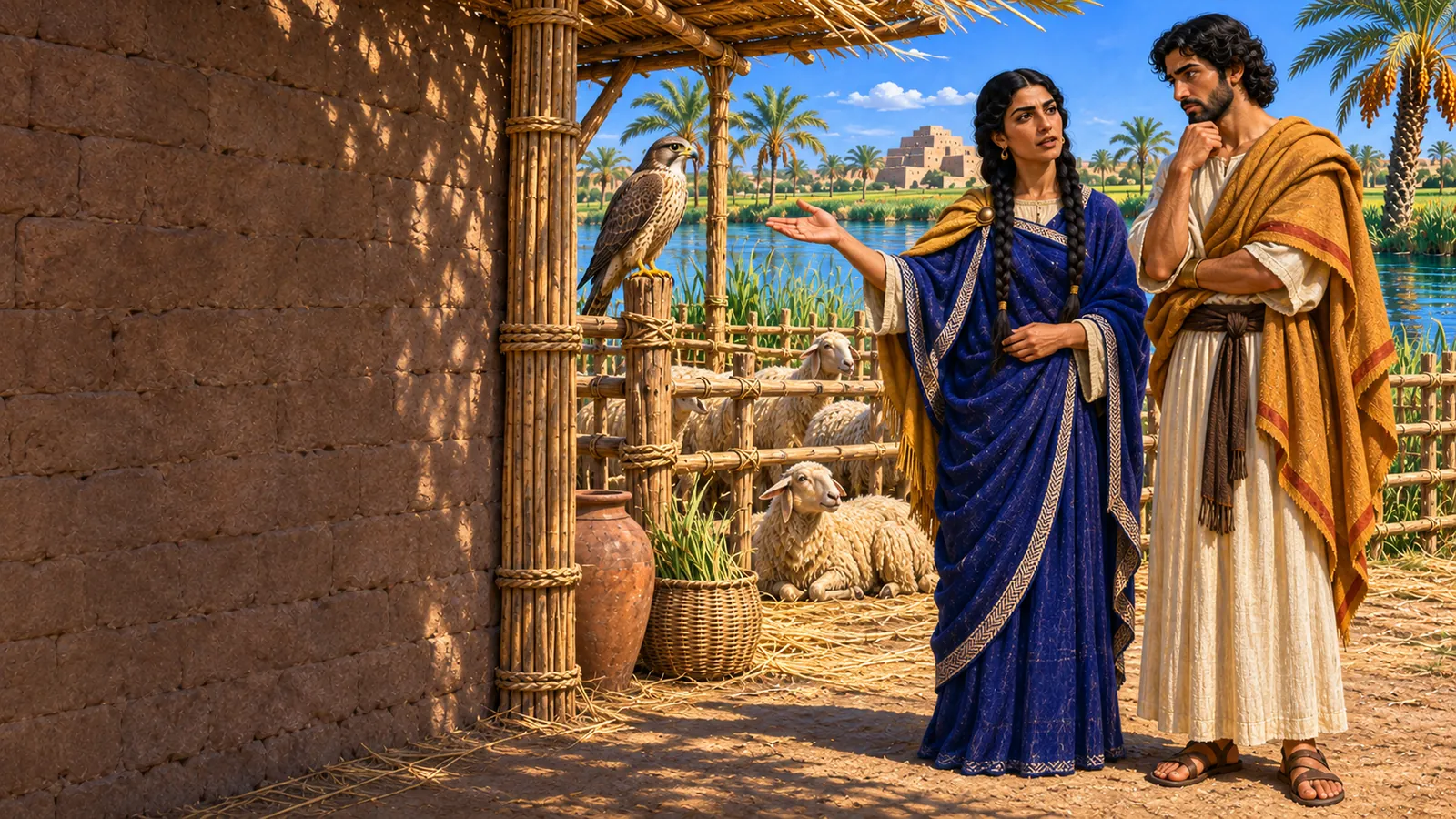
أمسك الصقر بعصفور على سياج القصب في حلم دموزي. ورأت غشتينانا في ذلك إشارةً إلى أنّ عونًا عظيمًا من أعوان العالم السفلي سينزل من حظيرة الغنم.
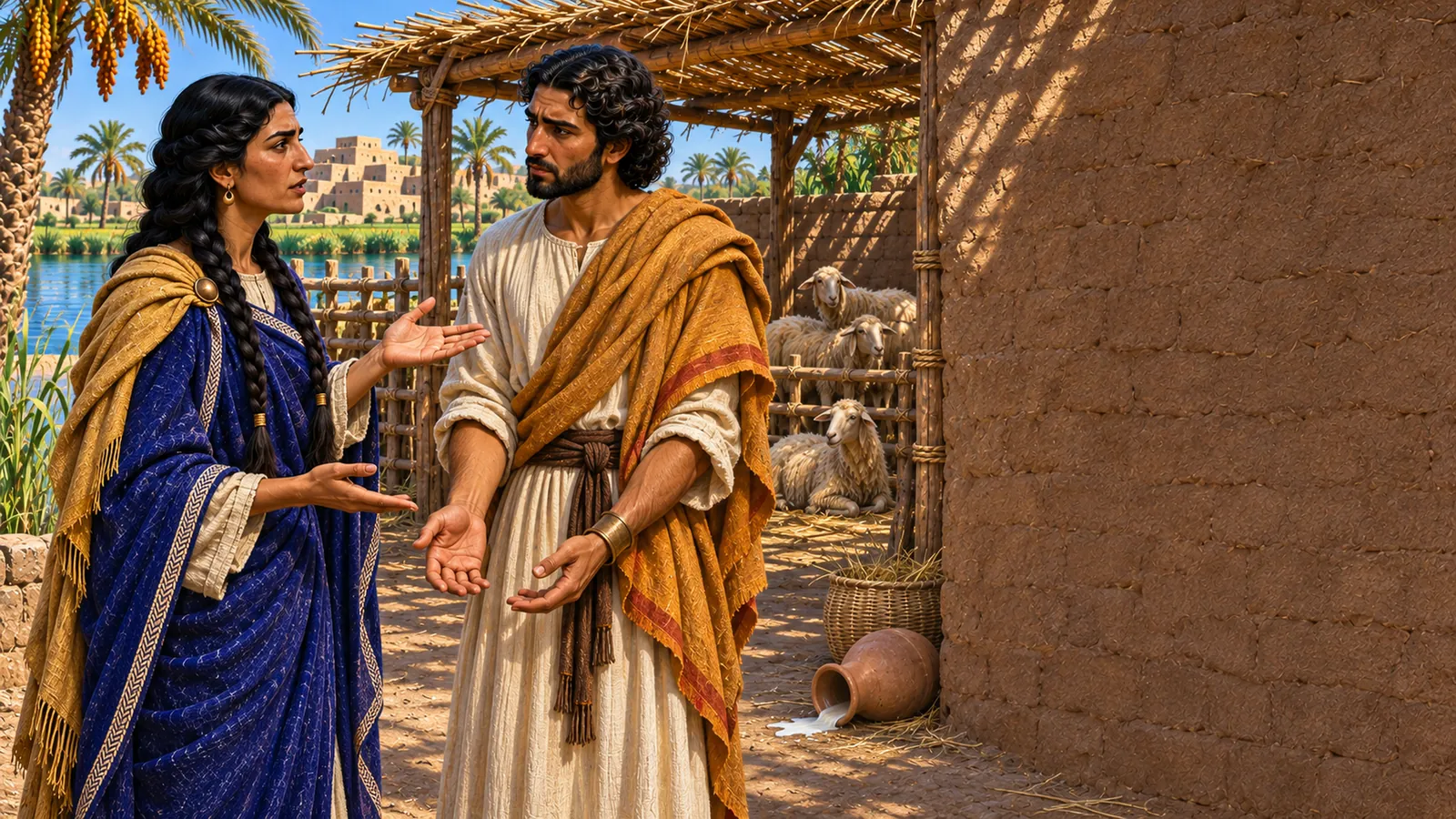
في الحلم كانت المِخضّات والكؤوس ملقاةً على جوانبها، ولم يُصَبّ حليب، وكان دموزي ميتًا وحظيرة الغنم مسكونةً. قالت غشتينانا إنّ هذه الصور تعني أنّ يديه وذراعيه ستُقيّد.
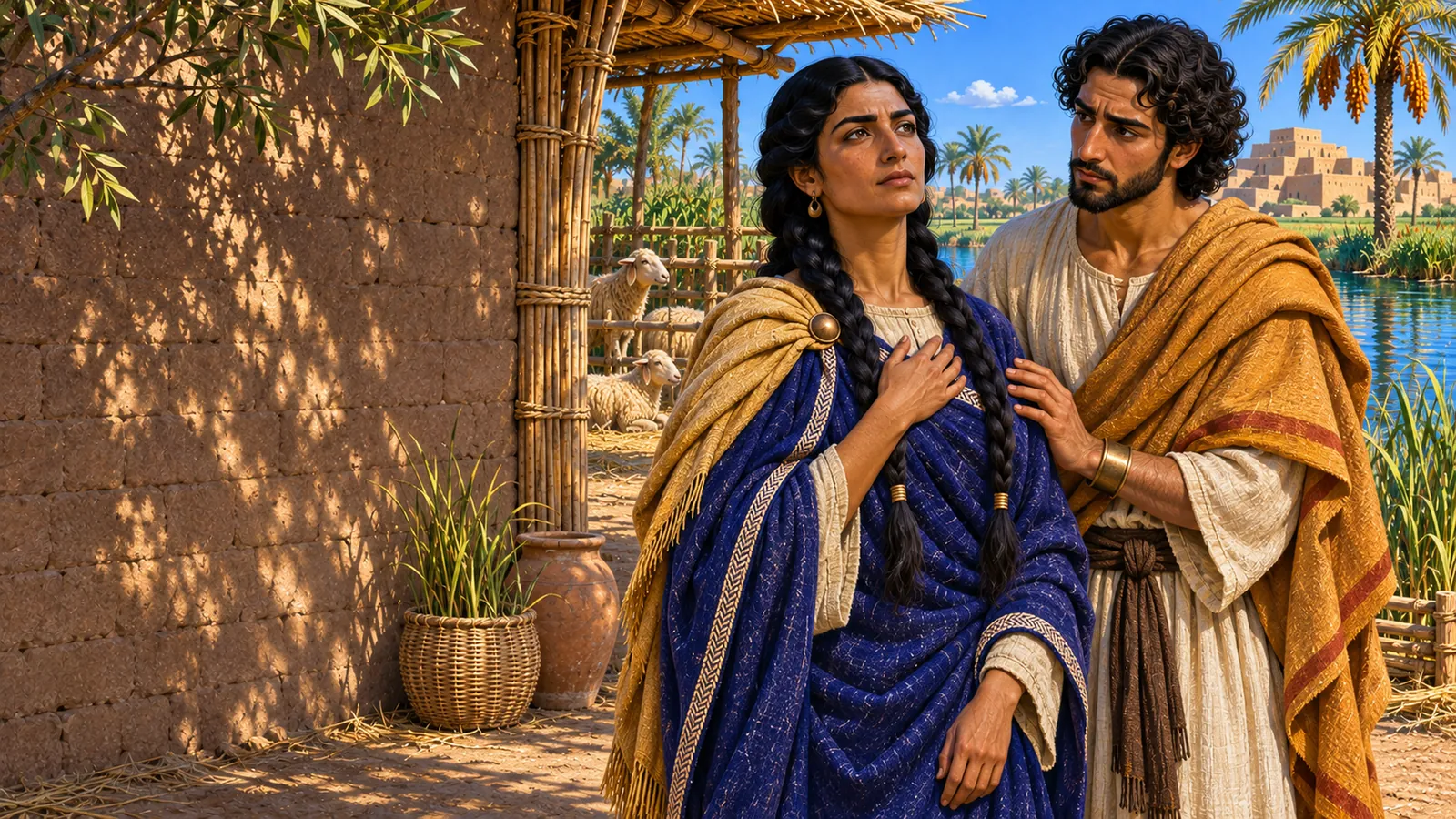
كان جرُّ التيوس لحاها في التراب يعني أنّ شعرها سيتطاير من الحزن كالعاصفة. وكان حكُّ الكباش الأرض يعني أنّها ستجرح خدّيها بأظفارها وهي تندبه.
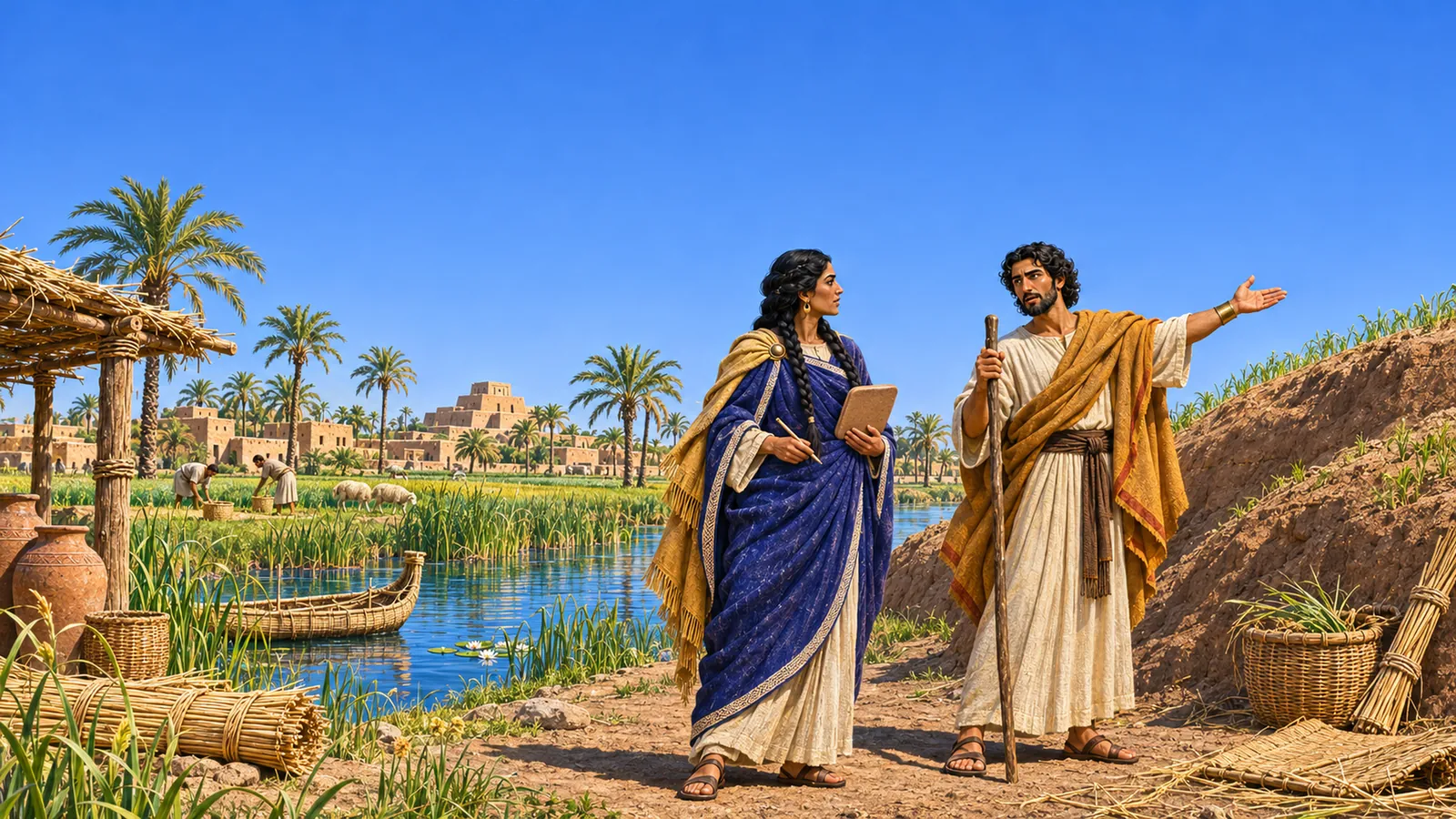
التلّ
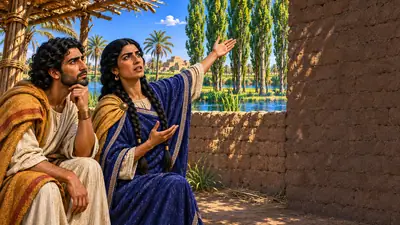
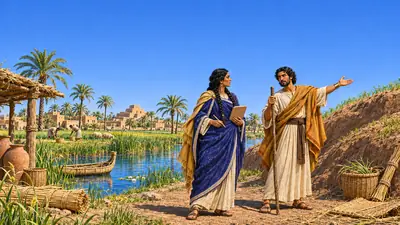
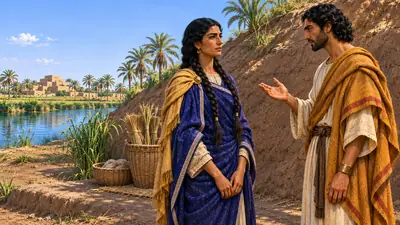
ما إن فرغت من كلامها حتى طلب دموزي من أخته أن تصعد التلّ وتنظر من أعلاه. وكرّر طلب الصعود، قائلًا لها ألّا تصعد كما يصعد الناس عادةً.
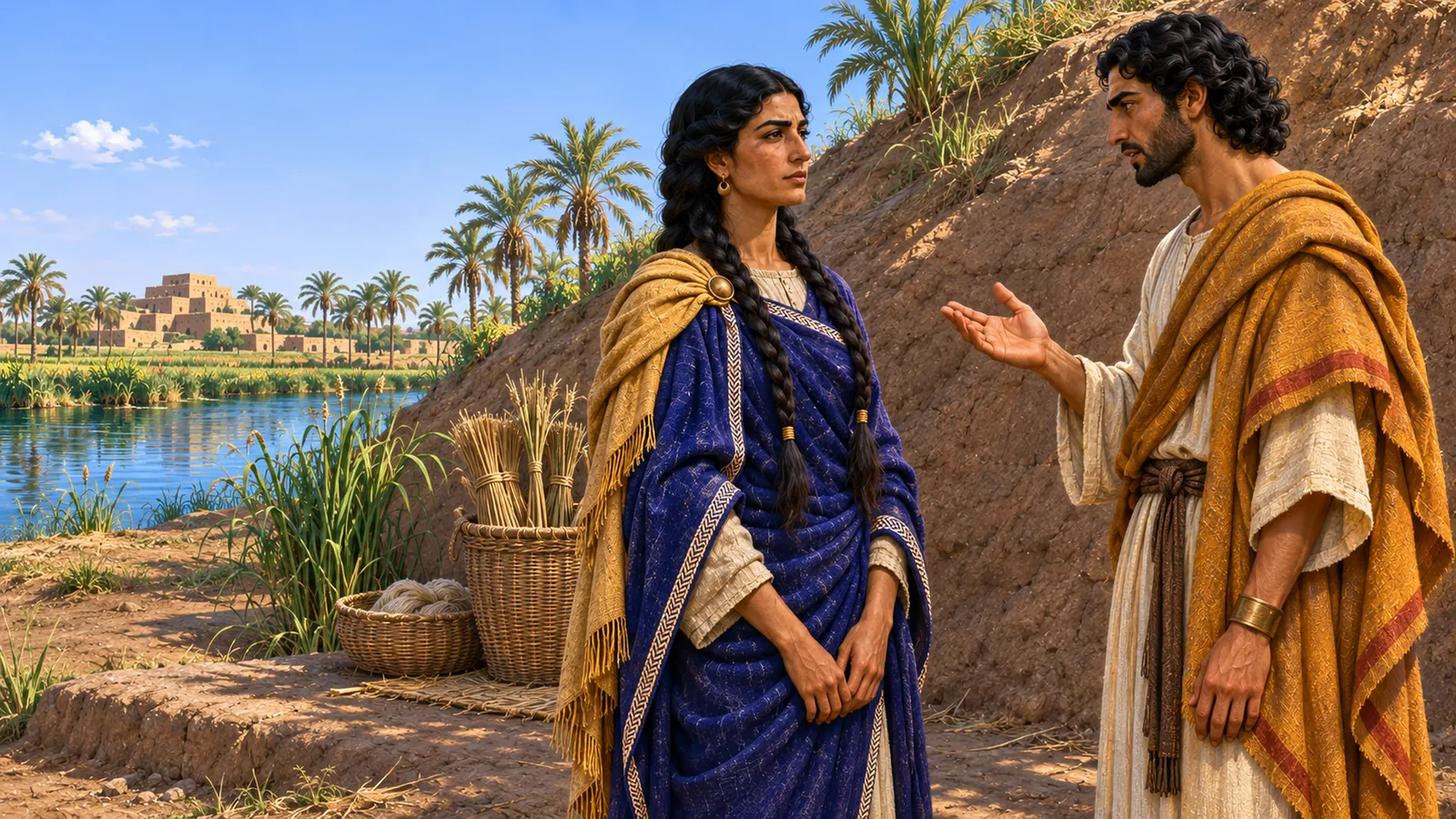
حثّها على أن تصعد وهي تندب. ودعاها في كلامه إلى جرح قلبها وكبدها وما بين فخذيها وتمزيق ثيابها.
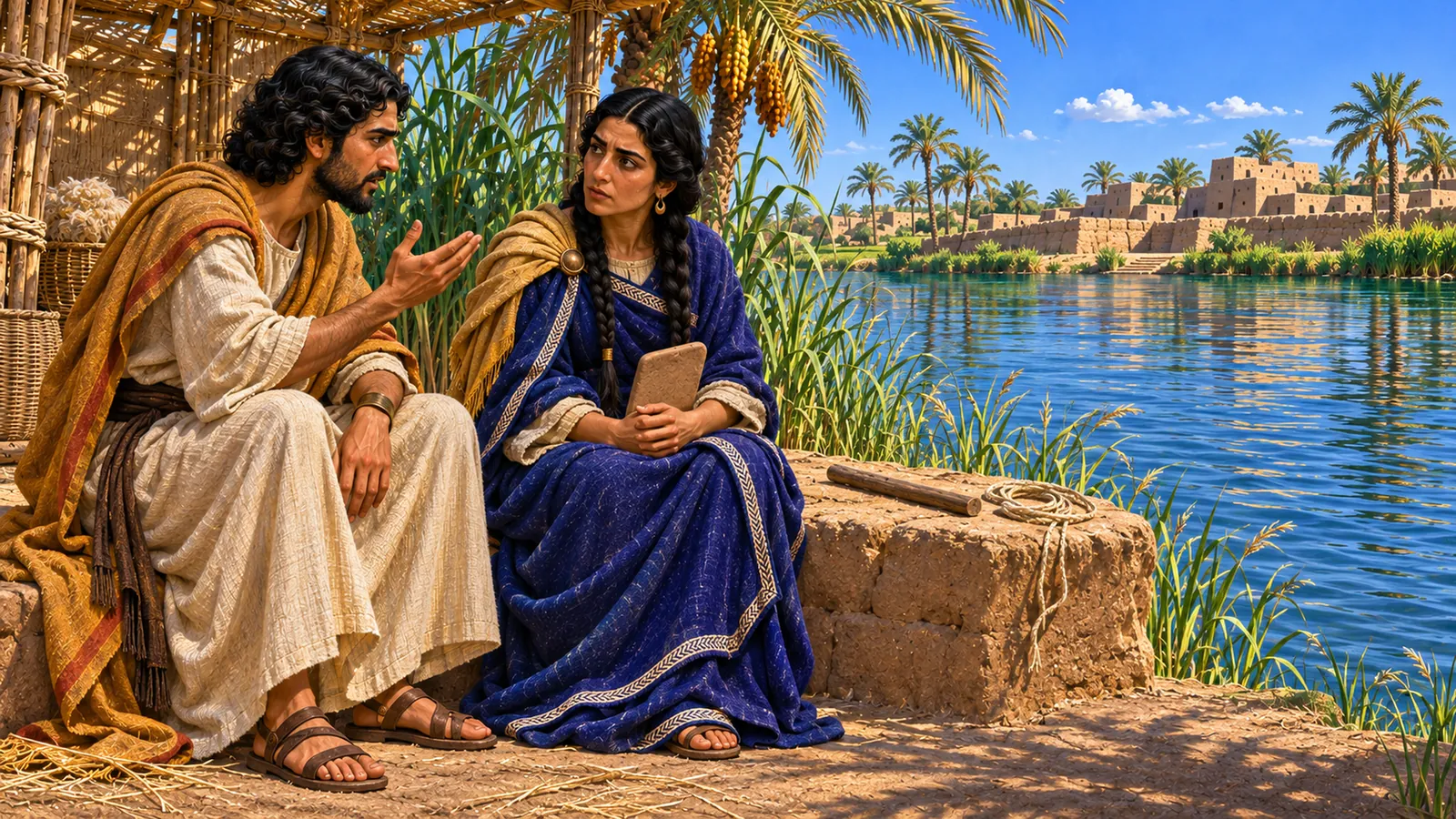
يَرِد ذكر مركب نهريّ في سطر تالف من تحذيره. وتحدّث عن رجال يحملون خشبًا لتقييد الأيدي والأعناق، وقال إنّ أحدًا لا يعرف كيف يحلّ قيد العنق.
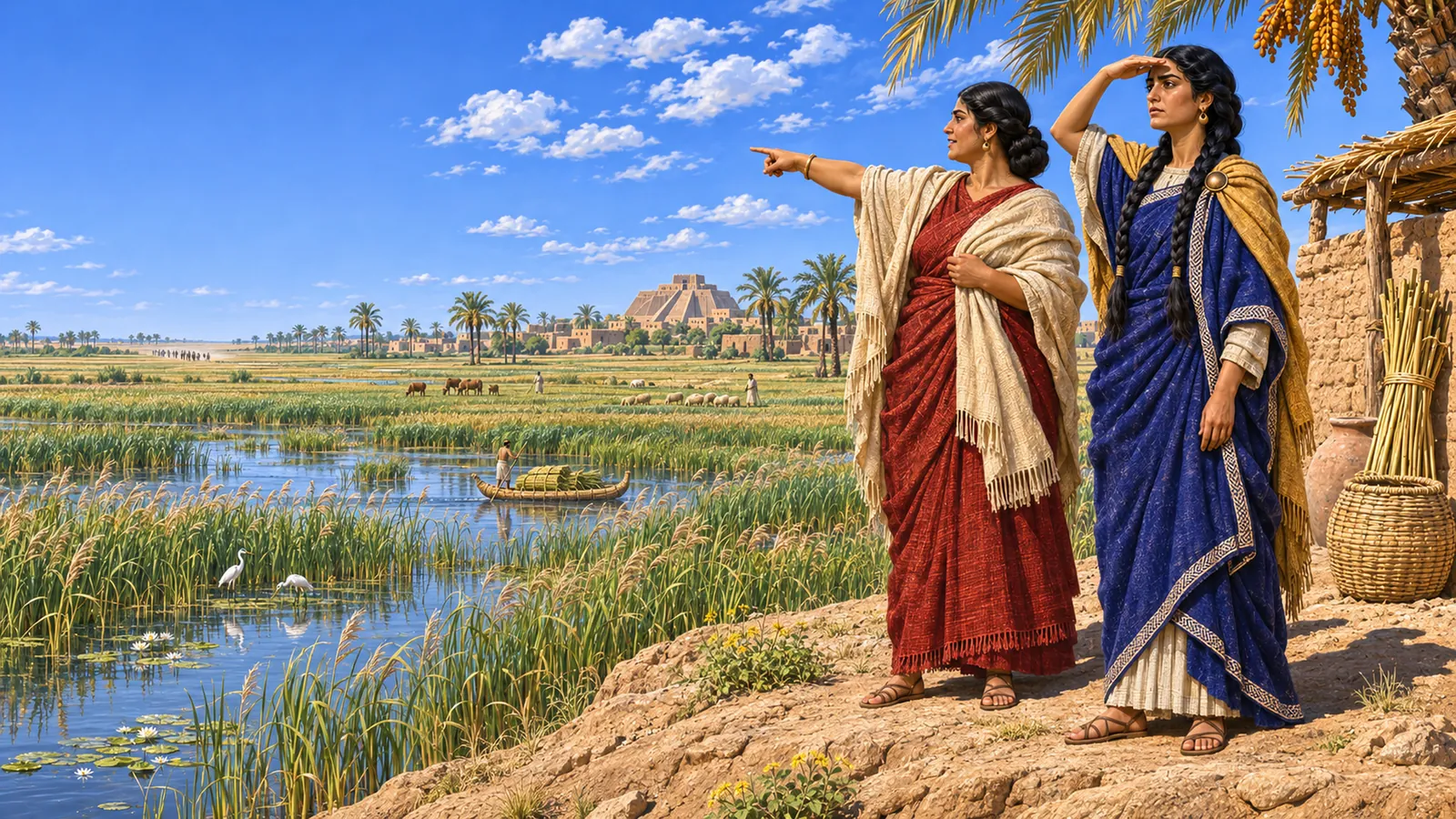
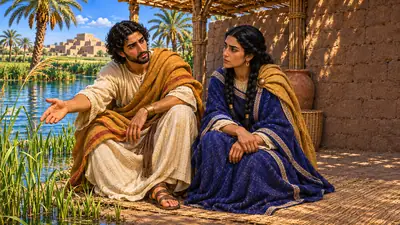
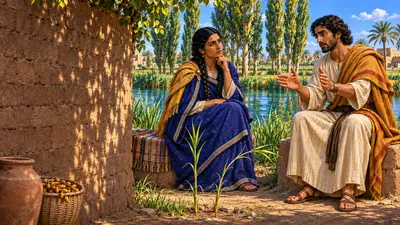
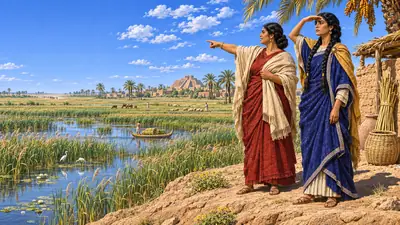
صعدت غشتينانا التلّ ومدّت عنقها ونظرت حولها. وقالت لها صديقتها غشتيندودو إنّ الرجال الذين يقيّدون الأعناق قد أقبلوا في طلب دموزي.
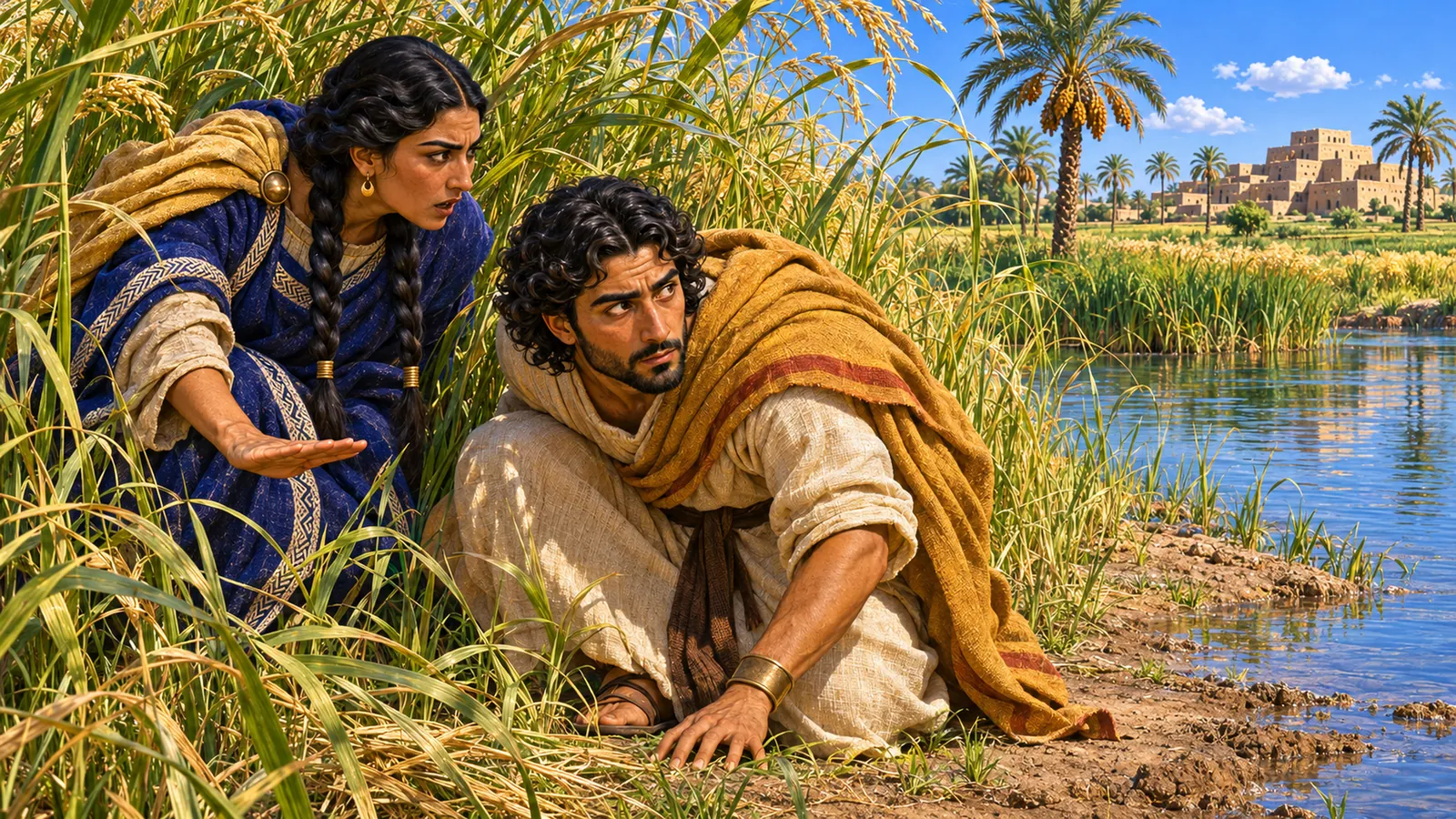
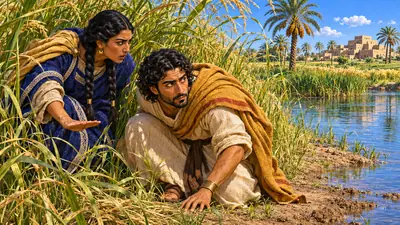
سألت غشتينانا إن كان الرجال قادمين، فقالت صديقتها إنّها ستشير إليهم. فحذّرت غشتينانا دموزي من اقتراب أعوان العالم السفلي، وحثّته مرّتين على خفض رأسه بين الأعشاب.
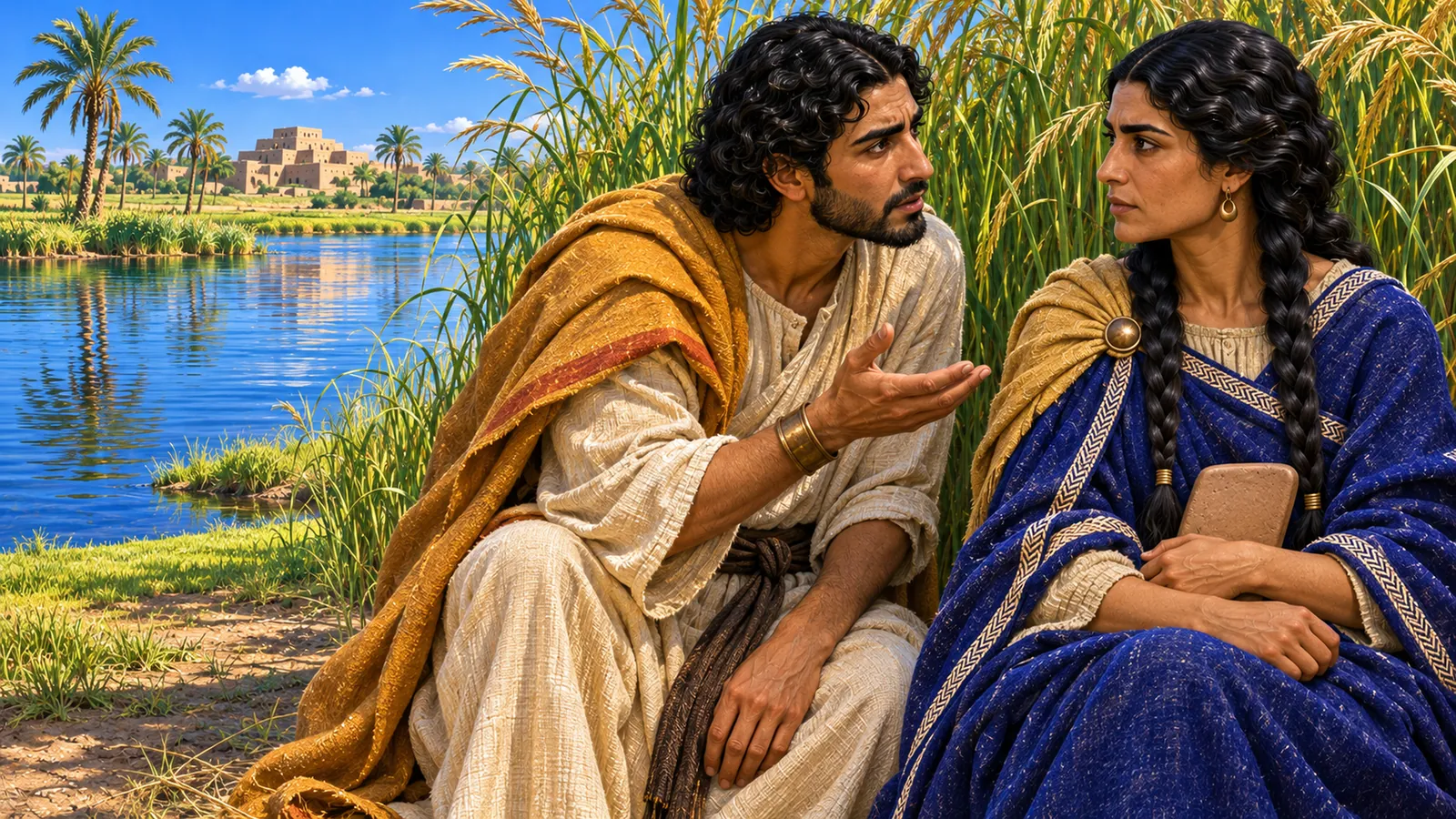
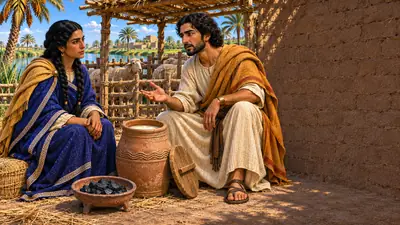
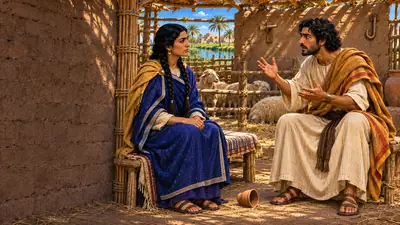
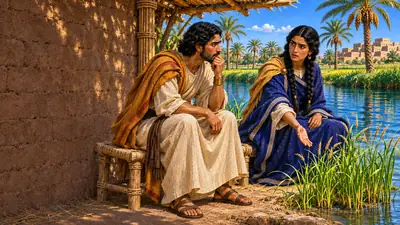
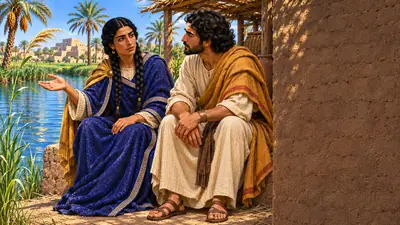
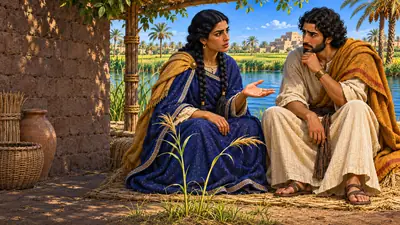
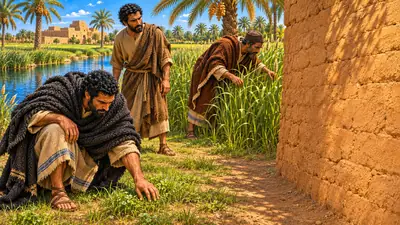
قال دموزي إنّه سيختبئ في العشب القصير والعشب الطويل وينزل إلى خنادق أرالي. وكرّر على أخته طلبه ألّا تكشف عن مكانه.
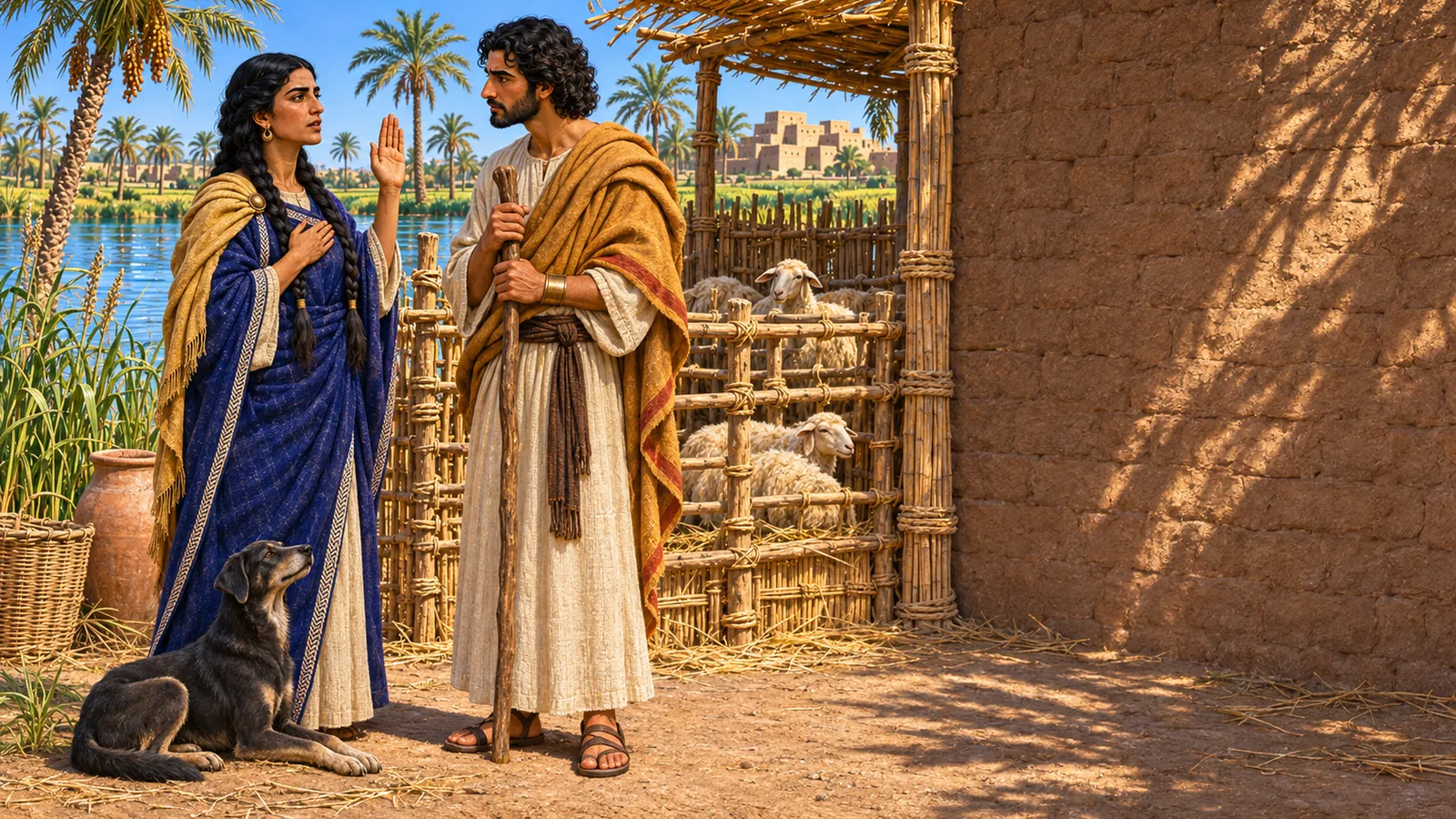
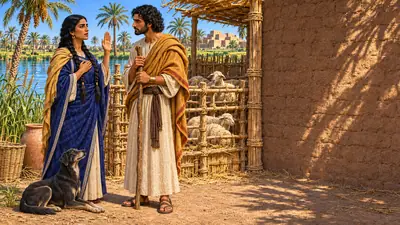
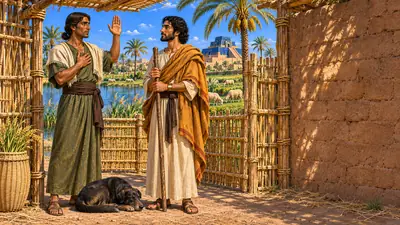
أقسمت غشتينانا ألّا تكشف عن مكان أخيها. وقالت إنّها إن أخبرتهم فليلتهمْها كلب الرعي الأسود الذي يملكه. ووصفته بالنبيل وهي تكرّر قَسَمَها.
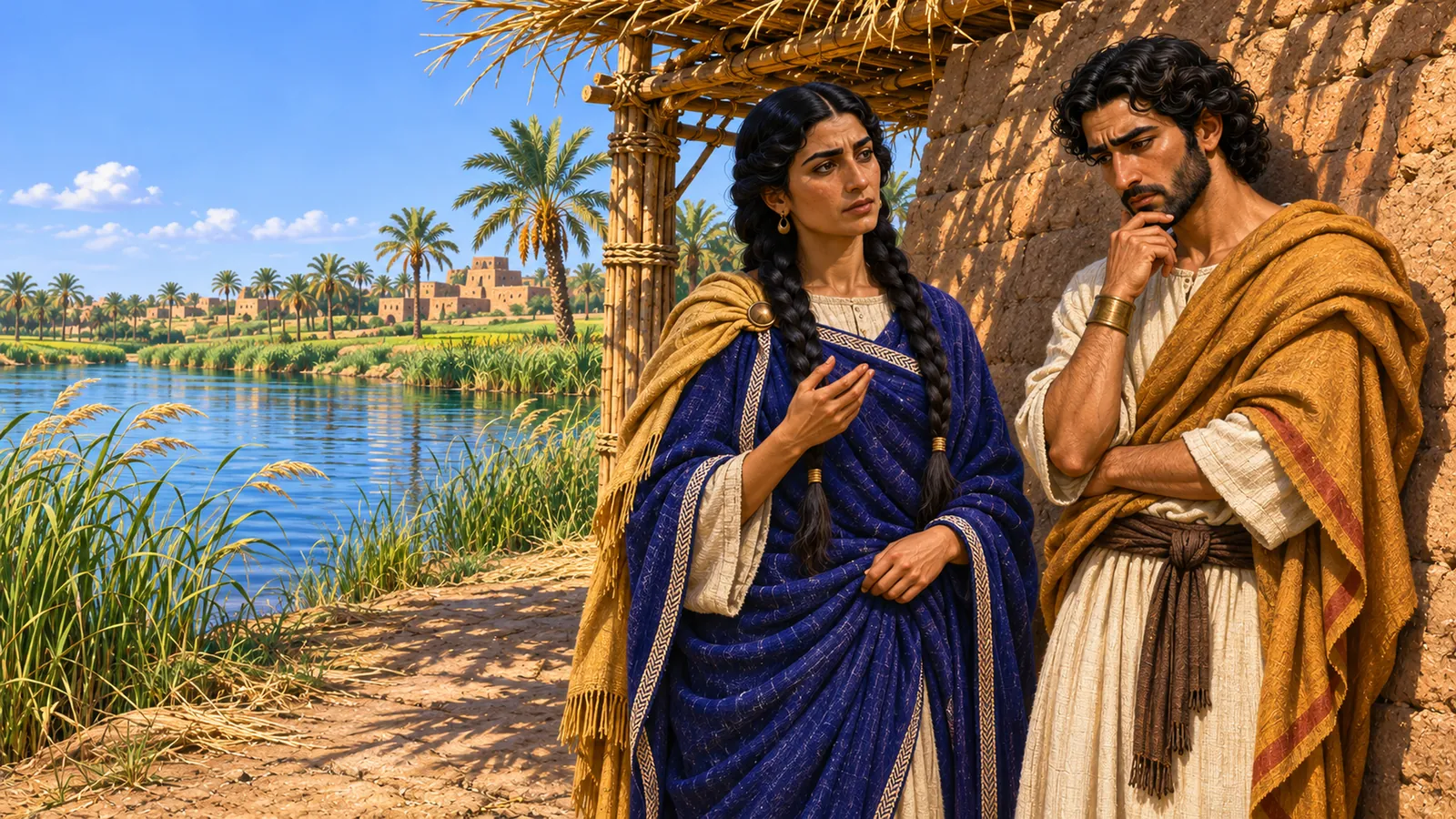
المقطع تالف. ويبدو أنّ غشتينانا تطلب من دموزي أن يوصي صديقه بما عليه أن يفعل. وتذكر رفيقًا والبحث عن دموزي، لكنّ كثيرًا من كلامها مفقود.
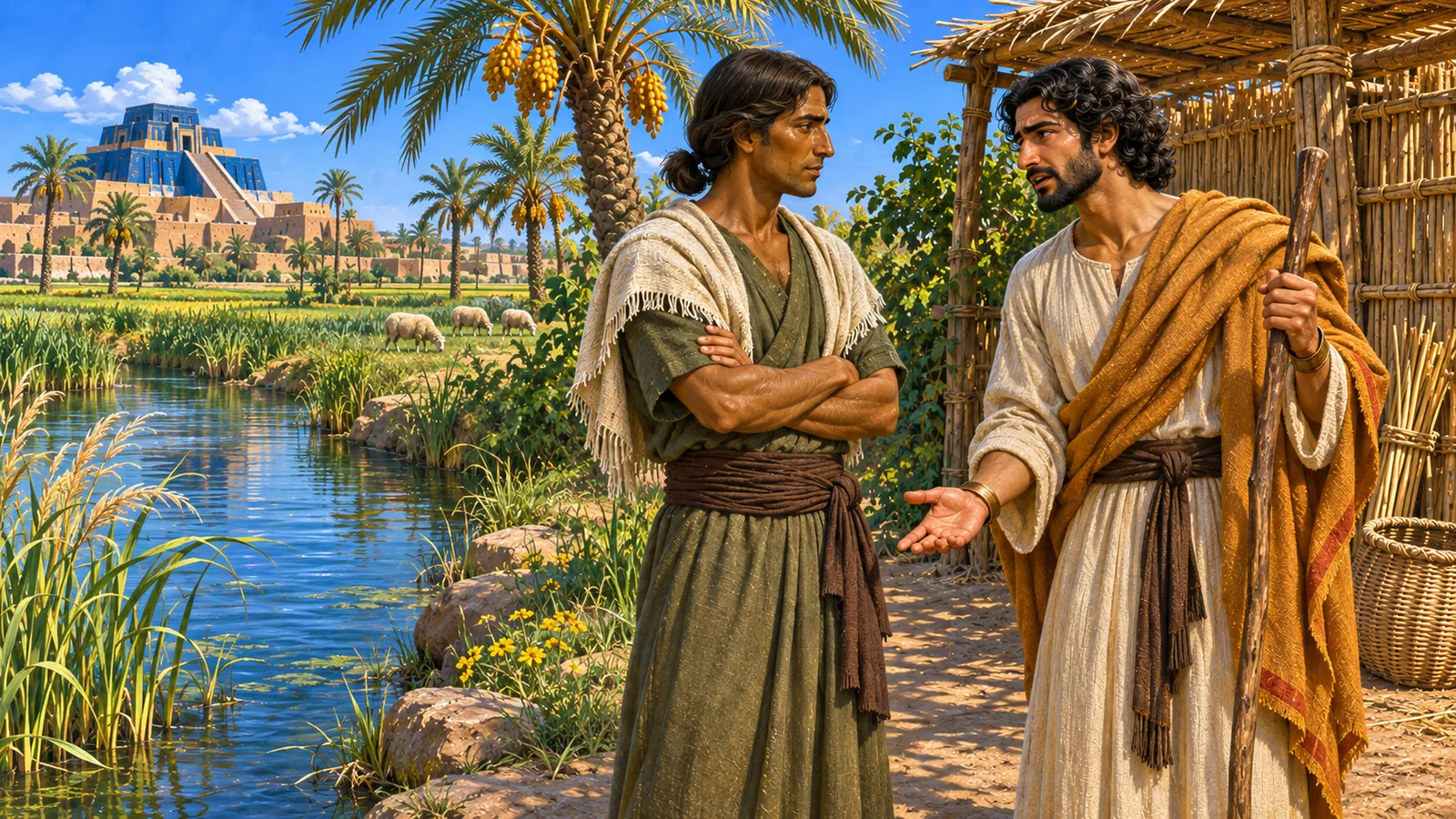
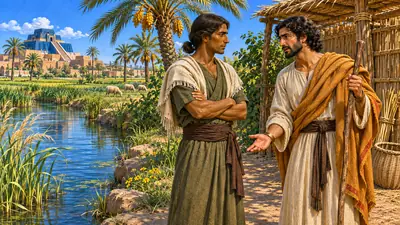
أخبر دموزي صديقه أنه سيختبئ في العشب، ثم في العشب القصير، ثم في العشب الطويل، ثم في خنادق أرالي. وعند ذكر كلّ مخبأ طلب منه أن يكتم السرّ.
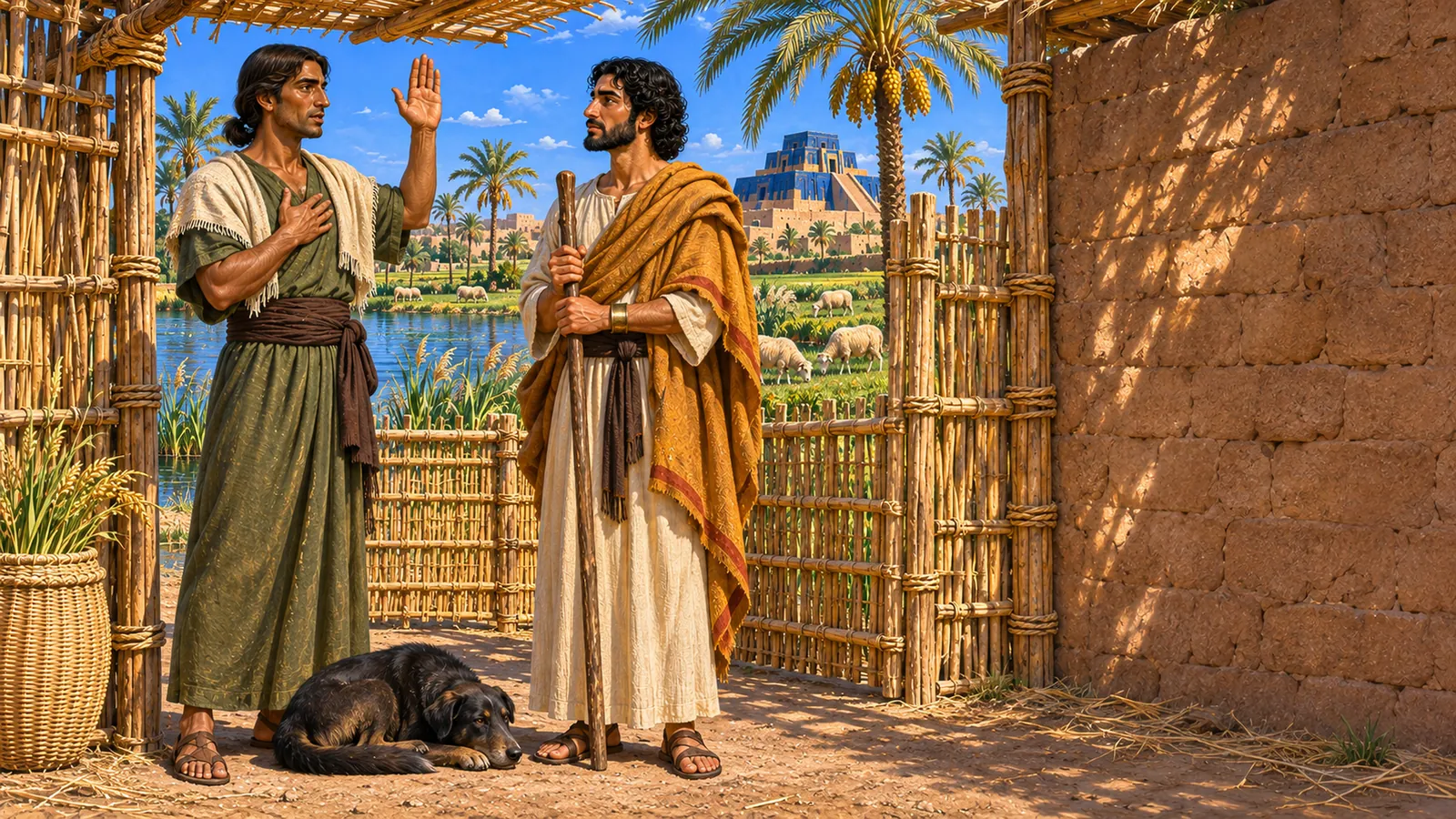
أقسم صديقه أنه إن أفشى موضع اختباء دموزي، فليلتهمه كلب دموزي الأسود الذي يرعى القطيع.
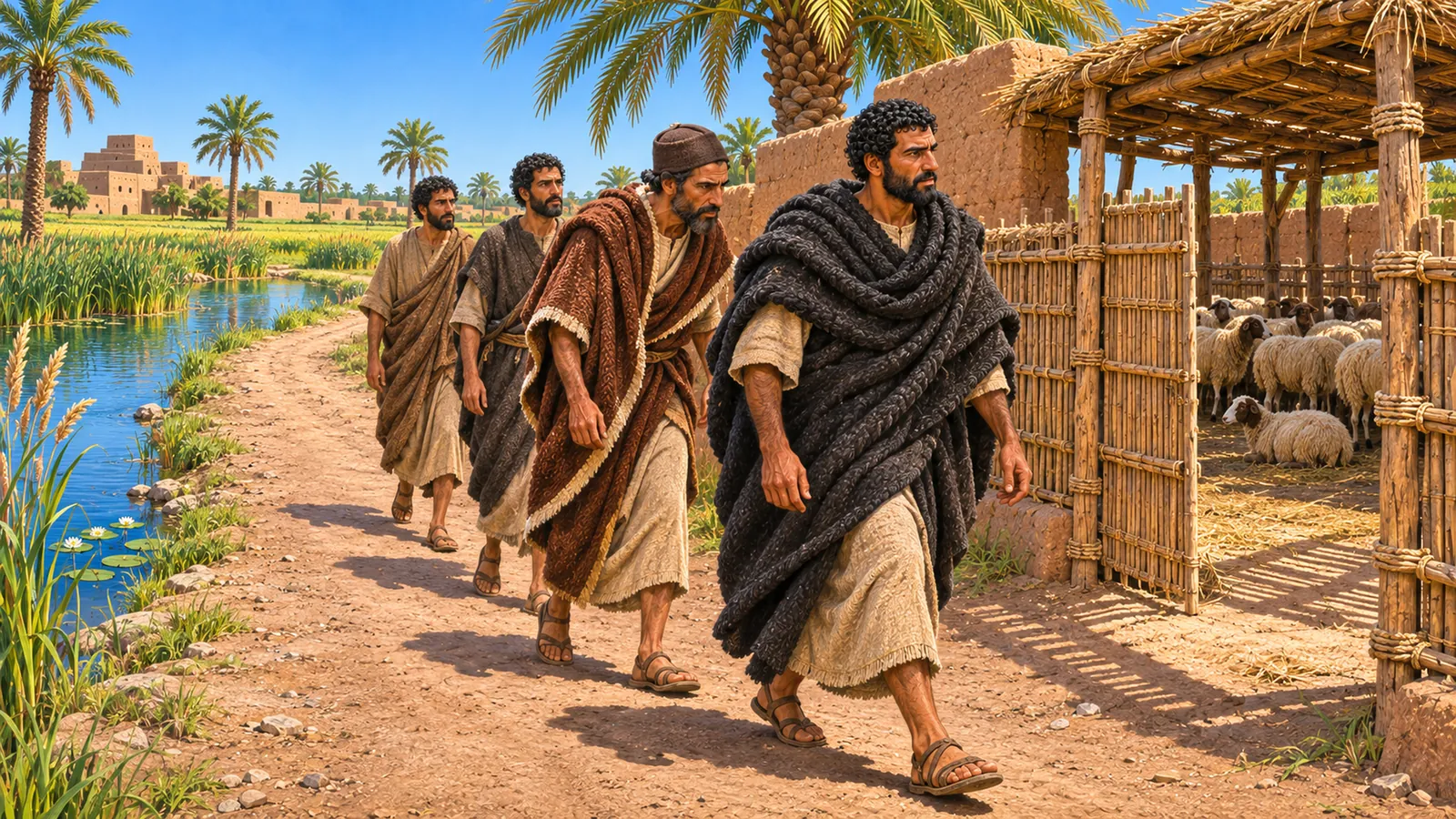
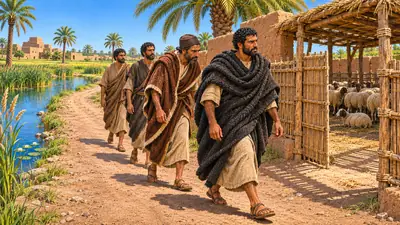
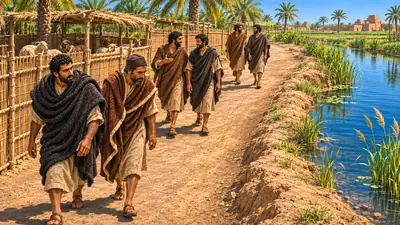
جاءت جماعة غريبة في طلب الملك. تقول القصيدة إنهم لا يعرفون طعامًا ولا شرابًا، ولا يقبلون الهدايا، ولا يعرفون عناق الزوجات ولا تقبيل الصغار.
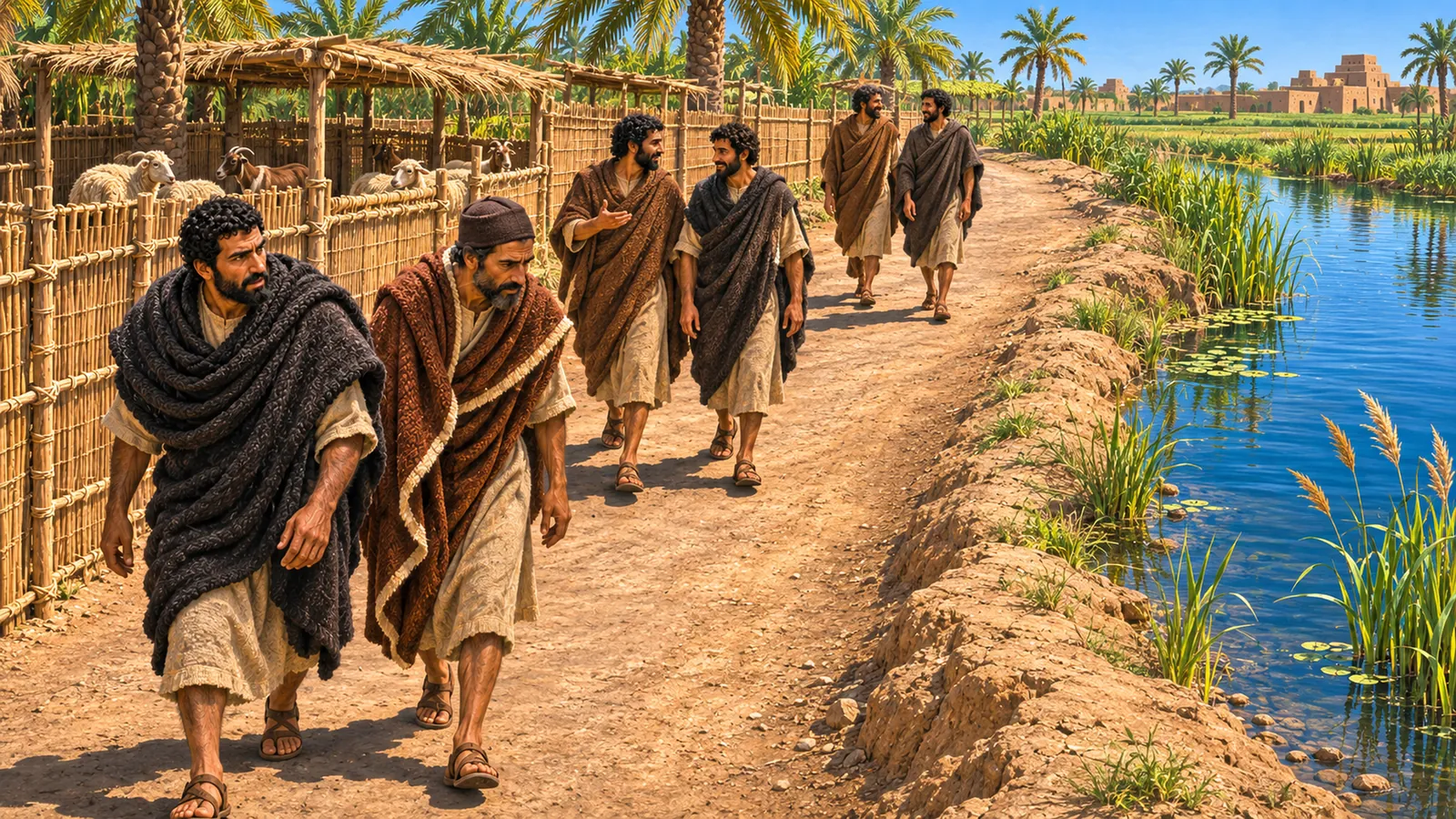
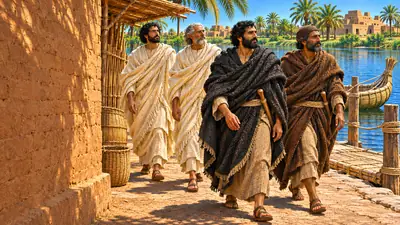
جاء رجلان من أدب في طلب الملك، وتشبّههما القصيدة بالحسك والشوك. وجاء رجلان من أكشاك يحملان شيئًا لم يبقَ اسمه في النصّ، ثم جاء رجلان من أوروك.
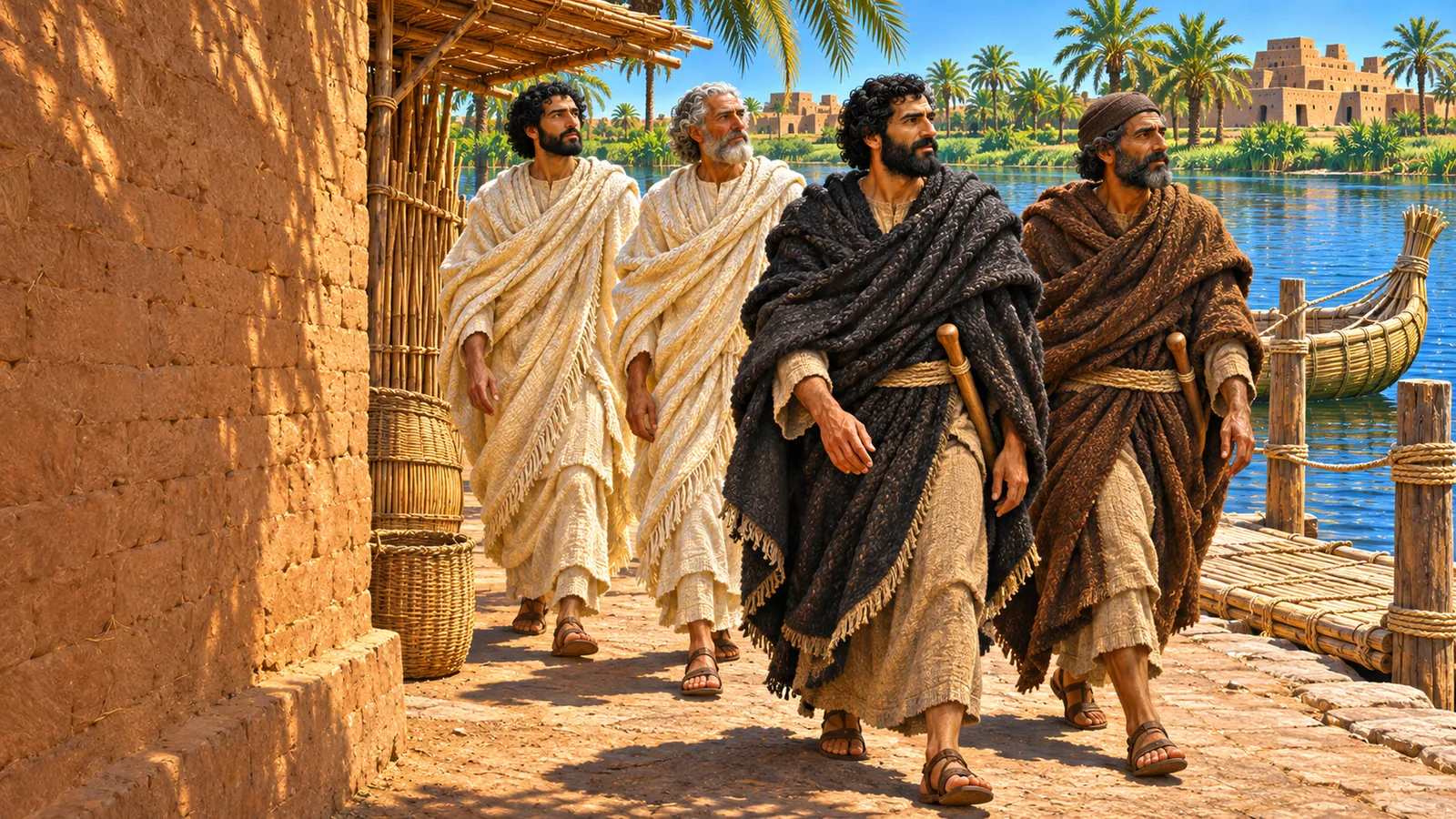
جاء رجلان من أور وفي خصريهما هراوتان. وجاء رجلان من نيبور تلمع ثيابهما على ضفّة المرسى.
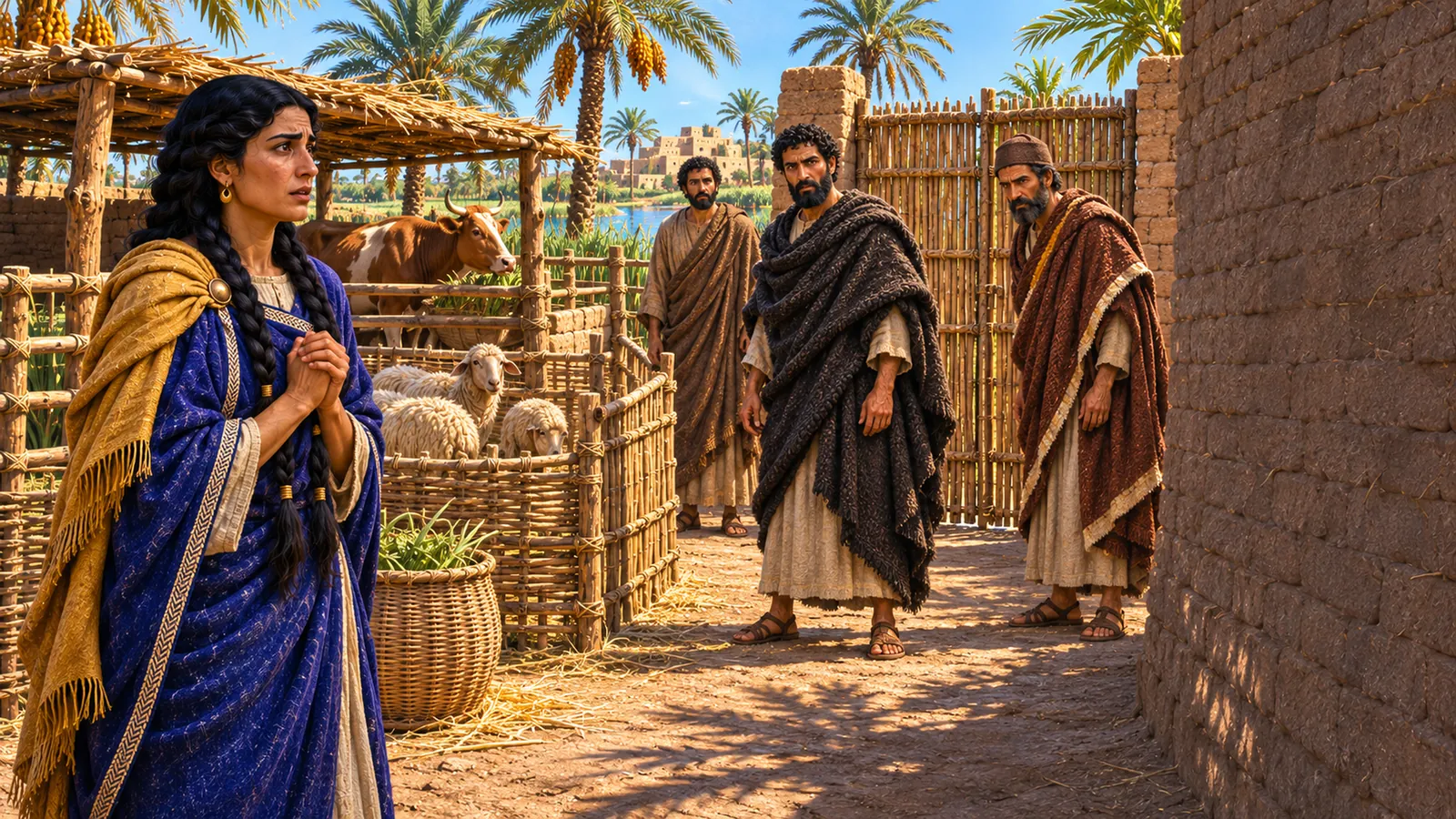
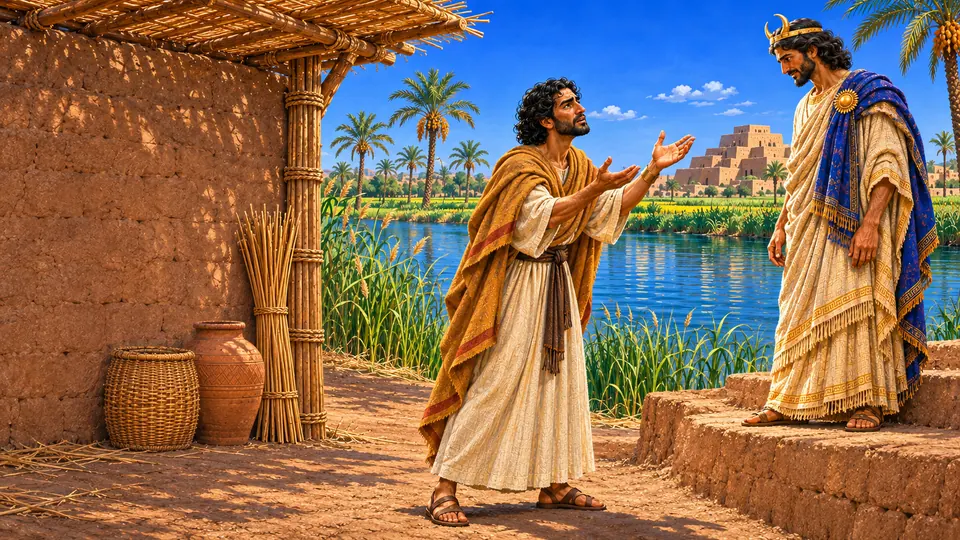
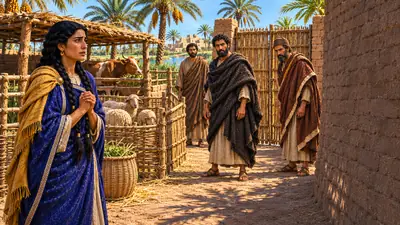
صاحت الجماعة أن يطارد رجلٌ رجلًا. ومضوا إلى حظيرتي الغنم والبقر، وهناك أمسكوا بغشتينانا.
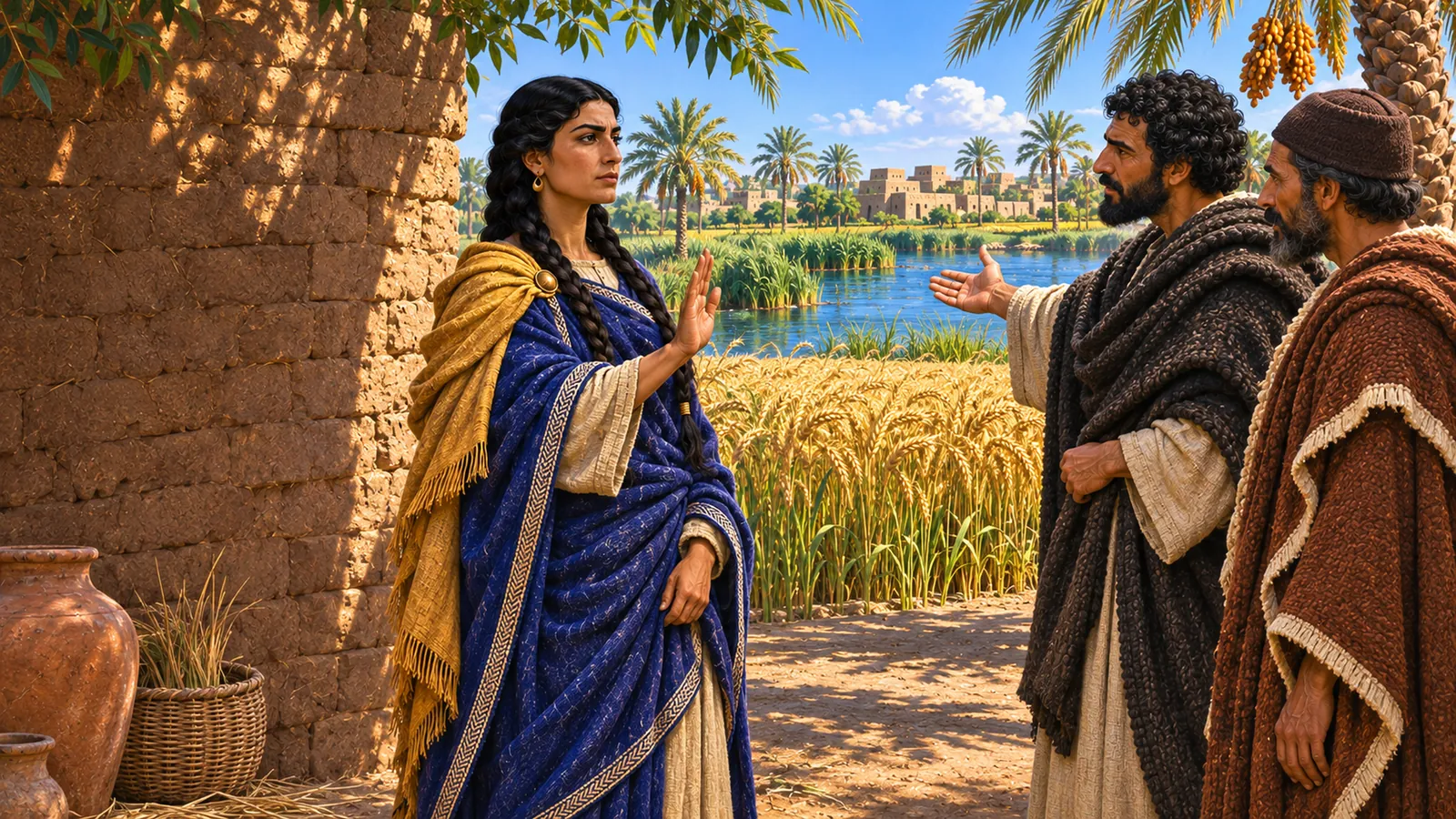
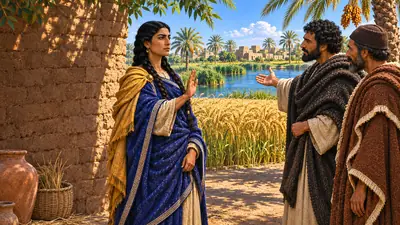
عرضوا على غشتينانا نهرًا من الماء وحقلًا من الحبوب. فرفضت العرضين. وتصف القصيدة حديثًا بين أعوان العالم السفلي قبل كلماتهم التالية، لكن بعض هذا الموضع تالف.
الخيانة
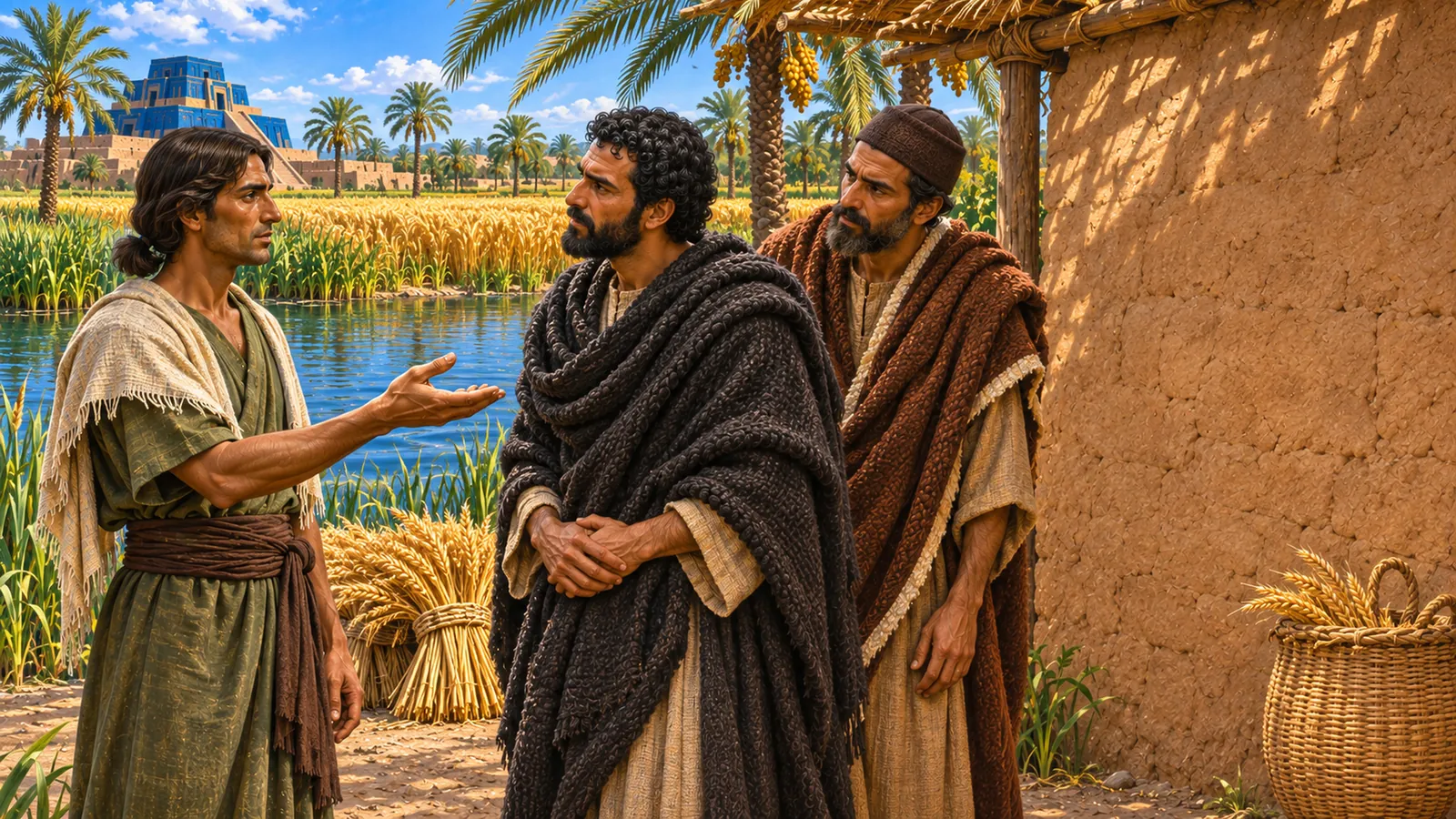
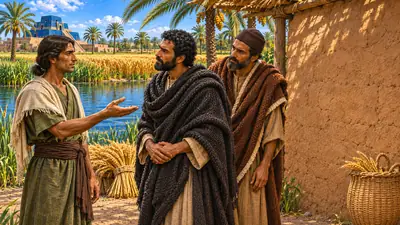
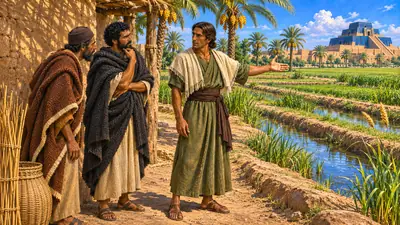
تساءلوا إن كان أحد قد عرف أختًا تفشي مخبأ أخيها. ثم توجّهوا إلى صديق دموزي، وعرضوا عليه النهر وحقل الحبوب، فقبلهما.
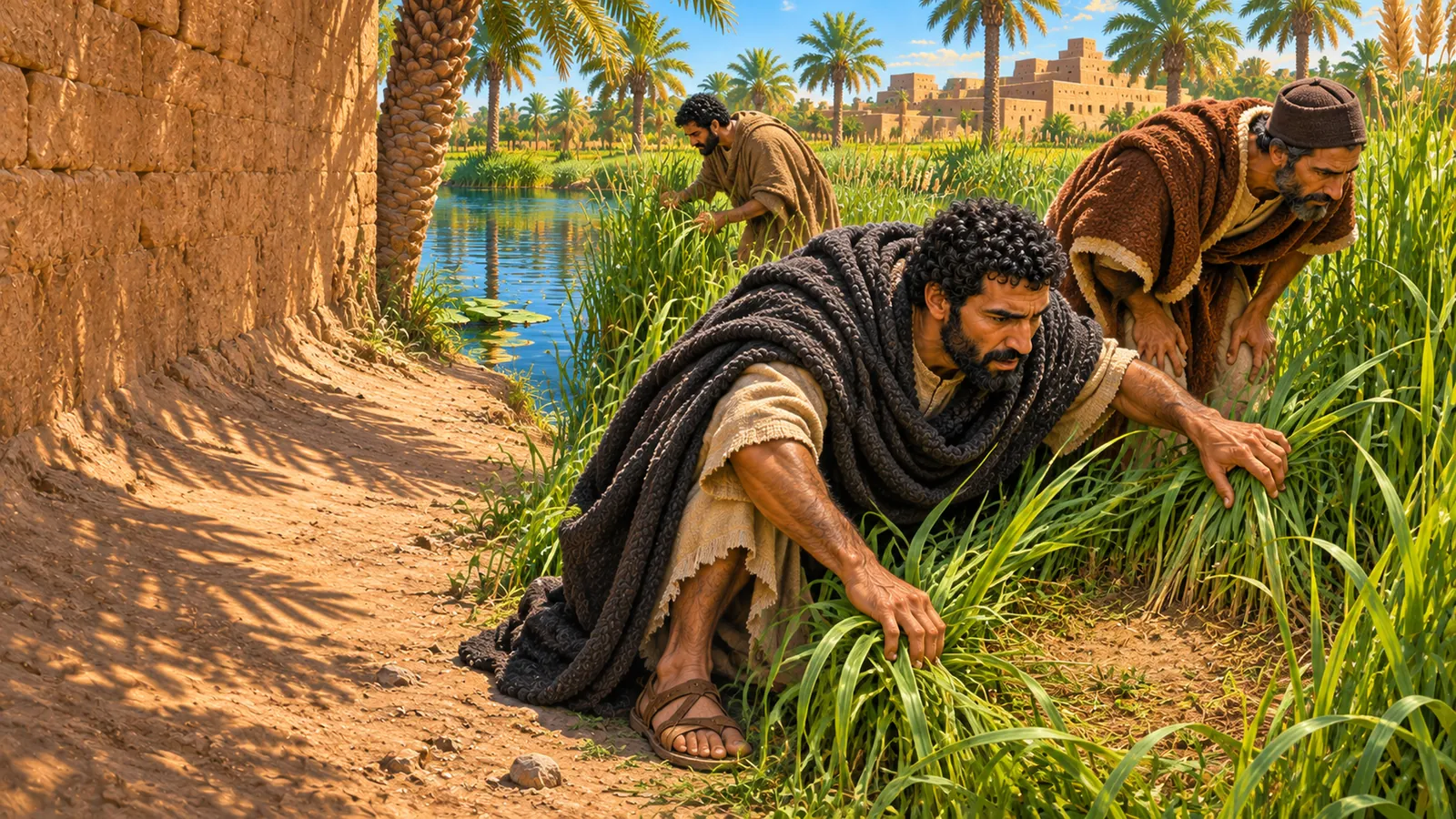
قال صديقه إن دموزي اختبأ في العشب، وادّعى أنه لا يعرف موضعه بالضبط. فتّشوا في العشب ولم يعثروا عليه.
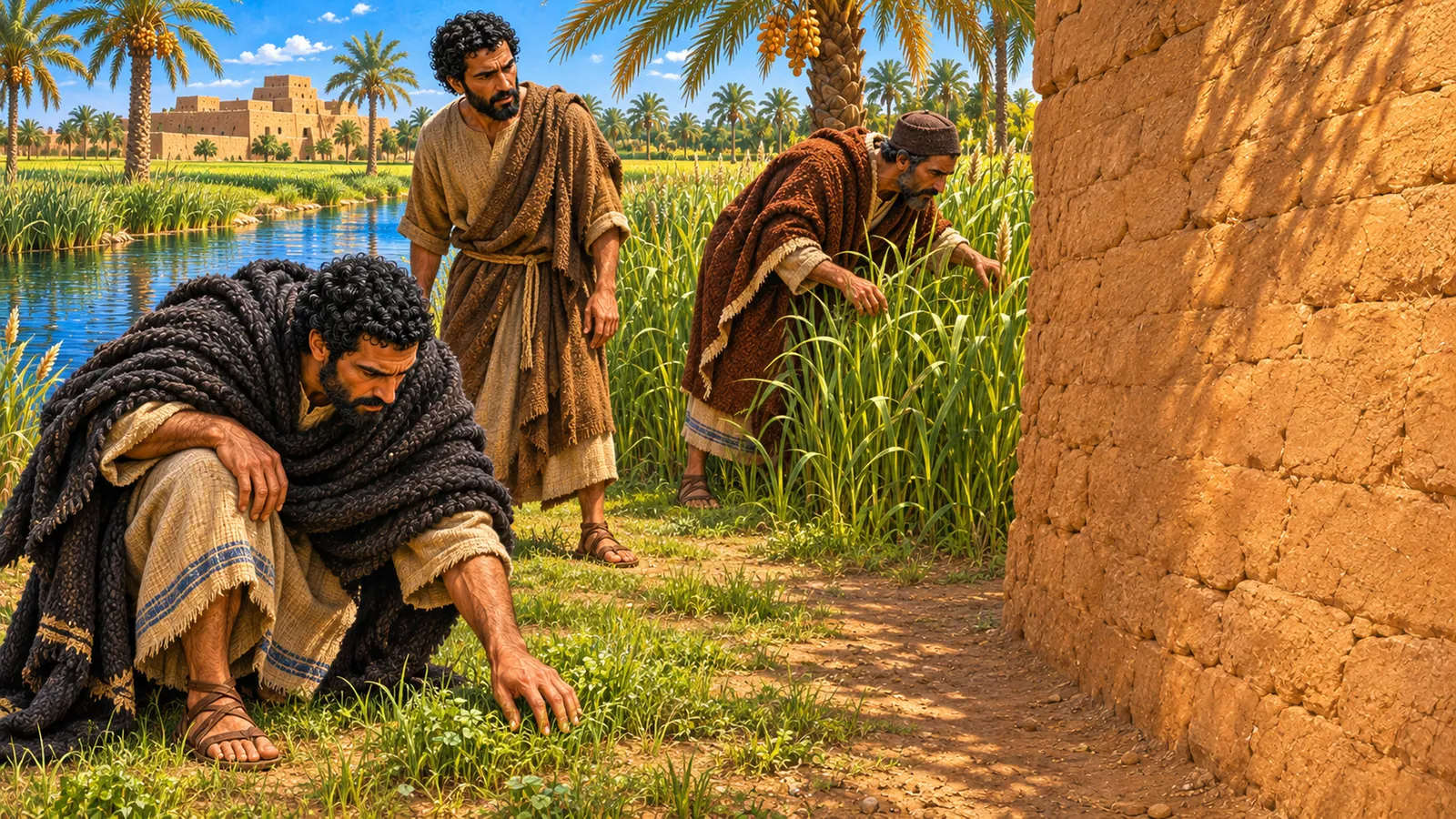
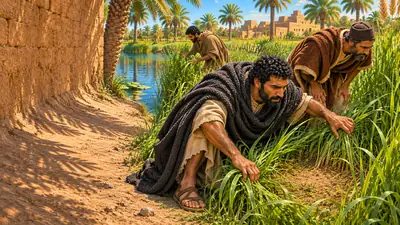
ثم ذكر العشب القصير، وبعده العشب الطويل. وفي كلّ مرّة قال إنه لا يعرف موضع دموزي بالضبط. فتّشوا في الموضعين ولم يعثروا على أحد.
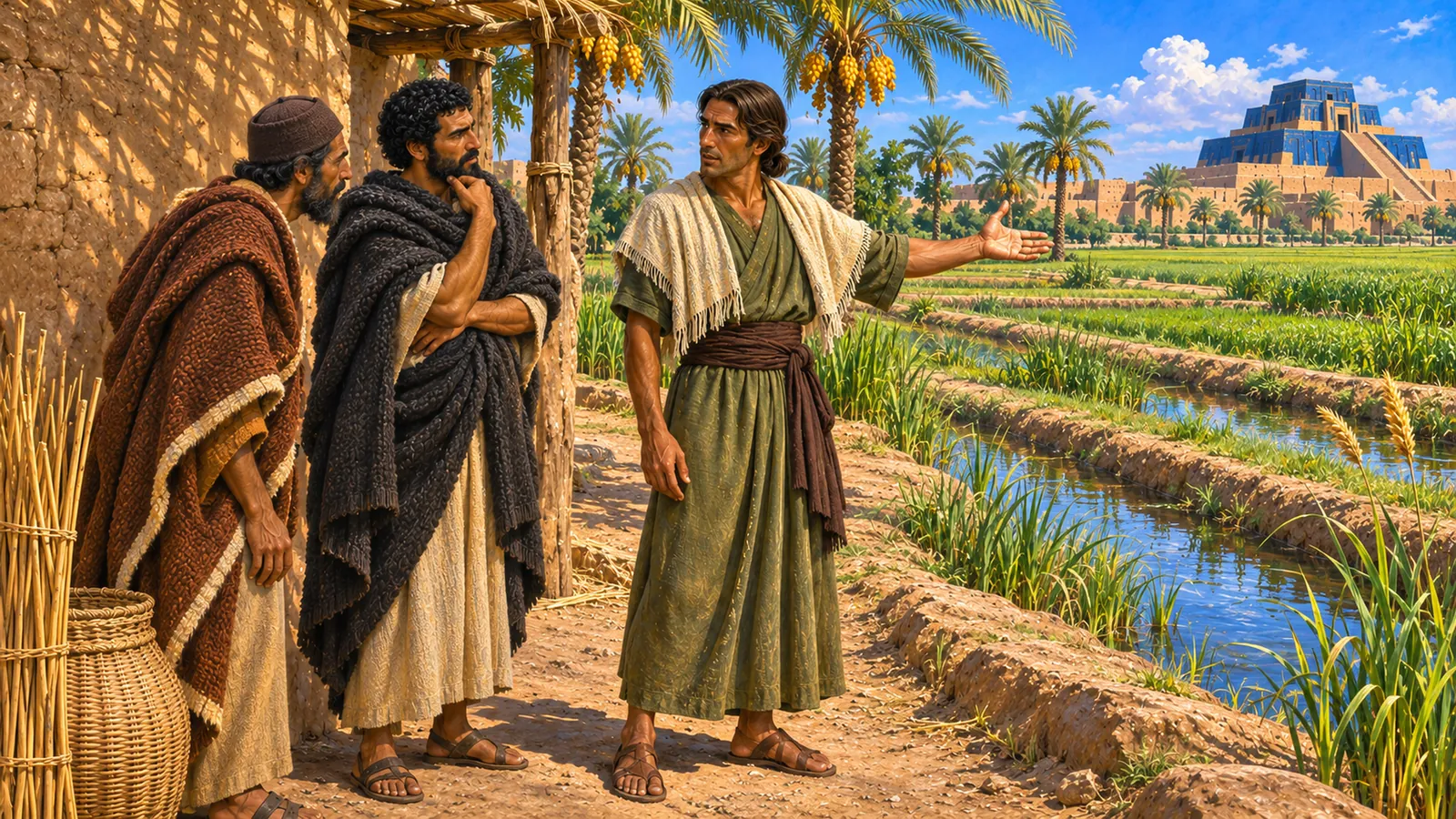
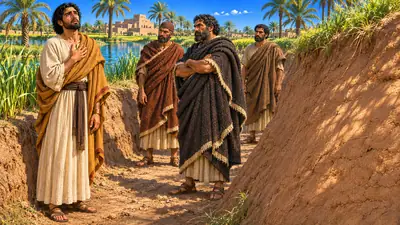
أخيرًا قال الصديق إن دموزي نزل إلى خنادق أرالي. وادّعى مرّةً أخرى أنه لا يعرف موضعه بالضبط.
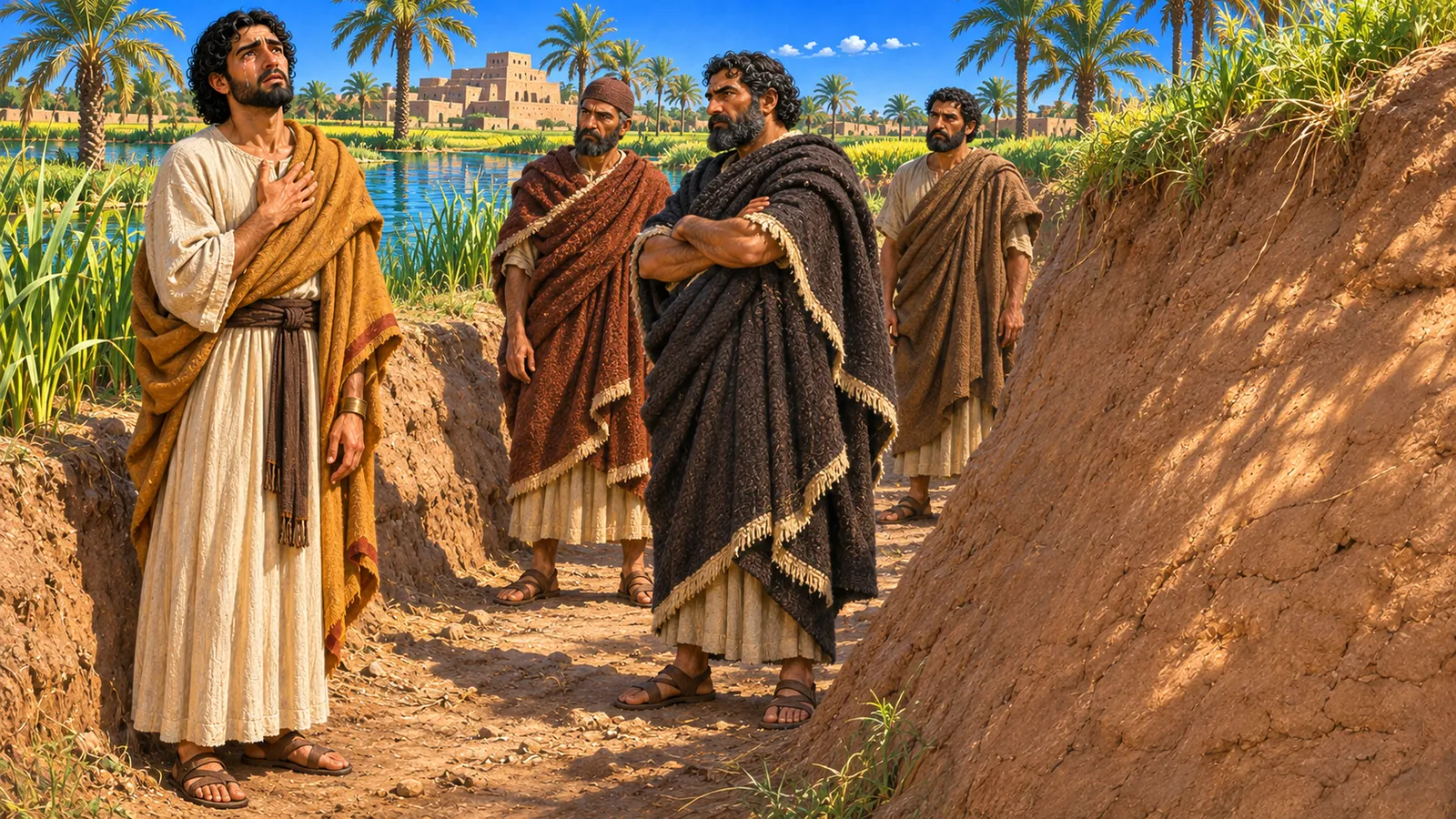
أمسكوا بدموزي في خنادق أرالي. فبكى وشحب وجهه. وقال إن أخته أنقذت حياته في المدينة، وإن صديقه تسبّب في موته.
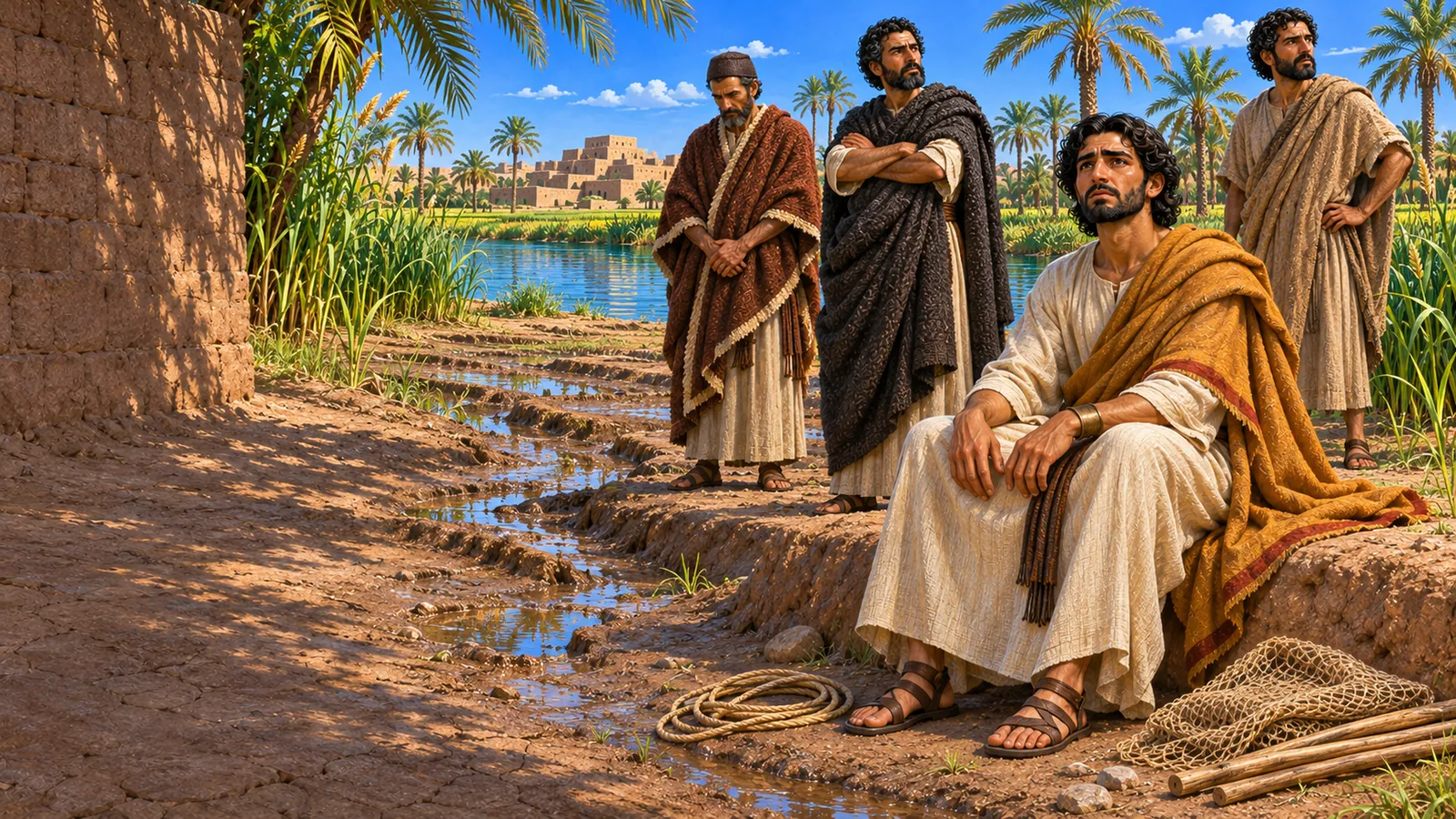
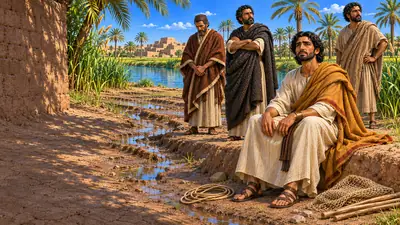
أحاط الرجال بدموزي وصرّفوا المياه الراكدة. وجهّزوا حبالًا وشبكةً وعصيًّا، ورماه الرجل الذي أمامه بأشياء. وينقطع وصف ما فعله الرجل الذي خلفه.
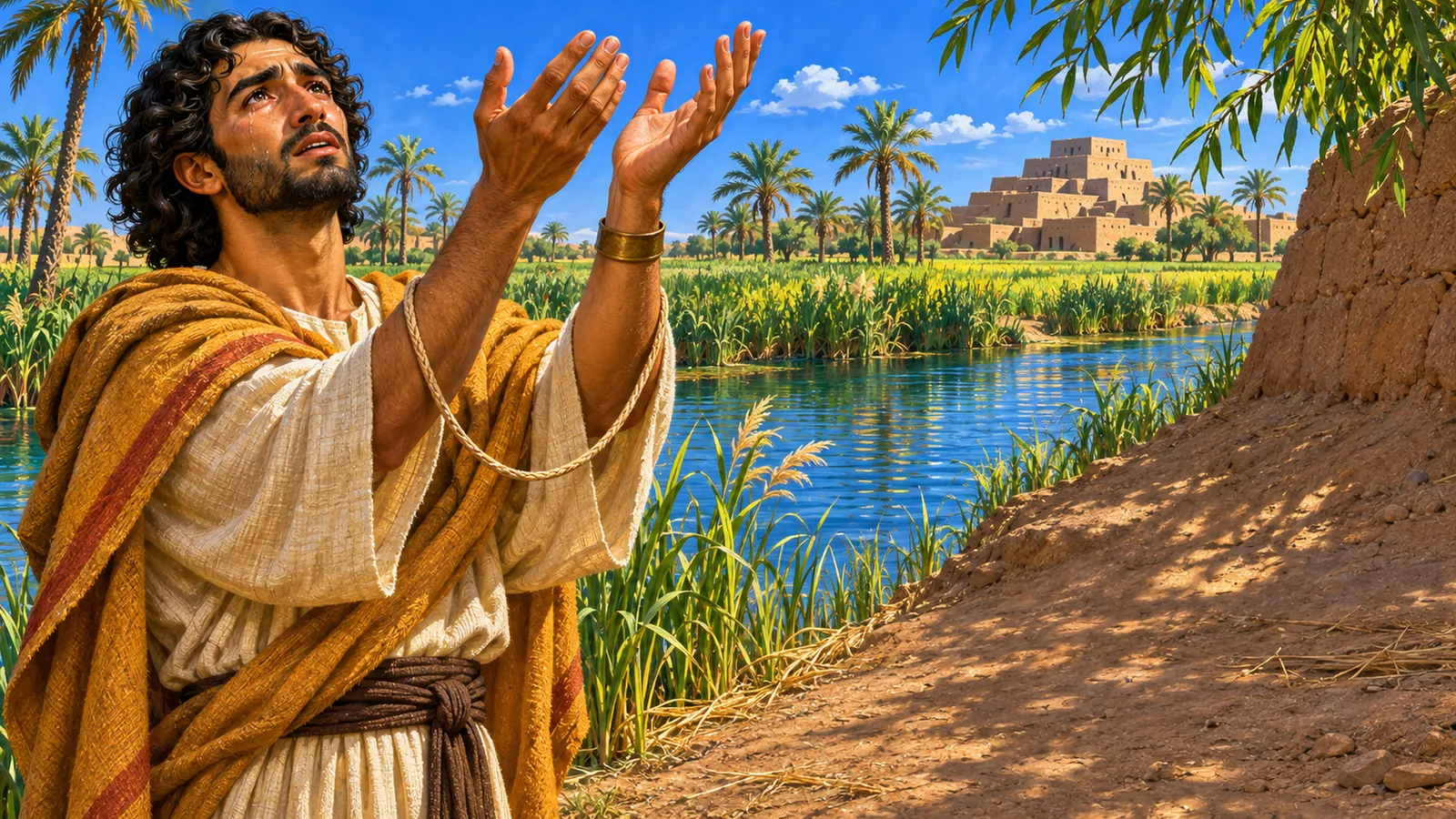
قيّدوا يدي دموزي وذراعيه. فرفع يديه نحو السماء ليناشد أوتو.
نهاية الفصل الأول
كل الصفحات
المصادر
المصادر والملاحظات مكتوبة بالإنجليزية كما وردت في المراجع.
Each page follows a part of the source group printed next to it. The Oxford translation prints Dumuzid and Jectin-ana for the names rendered here as Dumuzi and Geštinanna. In lines 83–86 it also calls her Ama-jectin-ana. Geštindudu is her companion.
الطبعات المعتمدة
ملاحظات على هذه الرواية
Pages 1–2 (lines 1–4). The poem repeats the young shepherd’s grief three times. One manuscript specifies a shepherd’s stick. Page 2 uses that reading.
Pages 3–5 (lines 5–14). The translation has a break before its mention of river crabs. The retelling keeps the animals named in the surviving words and condenses the calls to the countryside. Five and ten belong to Dumuzi’s repeated call about his mother Durtur. The poem supplies no list of what she will call about. Dumuzi imagines his death within his speech.
Pages 6–7 (lines 15–18). The repeated opening formula frames the shepherd lying down to dream. Waking, trembling and rubbing his eyes all precede his call for his sister.
Pages 8–9 (lines 19–25). Dumuzi repeatedly calls for Geštinanna and names her skills as a scribe, a singer and a knowledgeable interpreter of dreams. The retelling condenses his repeated calls and titles.
Pages 10–13 (lines 26–39). The dream gives the growth of rushes, the shake of a single reed, the separation of one of a pair, rising trees, water poured over the sacred coals, a removed churn lid, a cup torn from its peg and the disappearance of the shepherd’s staff in that order. One manuscript reads “brazier” where the composite reads “coals.” Page 12 follows the composite.
Page 14 (lines 26–39). The translation queries the bird identified as an owl. The retelling preserves that uncertainty and states both predation events as part of Dumuzi’s dream.
Pages 15–16 (lines 26–39). The goats drag their dark beards in the dust and the rams scrape the earth. The concluding lines of the dream give the overturned churns, the milk left unpoured, the cups on their sides, Dumuzi’s death and the haunted sheepfold. The dream report ends on page 16. The printed Oxford translation proceeds from 26–39 to 41–55, with no line 40 printed.
Pages 17–22 (lines 41–55). Page 17 has the unfavorable verdict and the repeated request to hear no more. Page 18 pairs growing rushes with an ambush, page 19 the single reed with the mother, page 20 two reeds with the siblings’ separation, and page 21 rising trees with the hostile men catching Dumuzi within the walls. Page 22 pairs water over the coals with the sheepfold’s silence and the lifted churn cover with a hostile man carrying it inside. The corresponding earlier dream report (26–39) gives “brazier” in one manuscript in place of “holy coals.” Oxford prints no line 40 between the report and the interpretation.
Pages 23–28 (lines 56–69). Page 24 gives the missing staff and the prediction the demons will burn it. One manuscript reads that they will smash it. Page 25 keeps Oxford’s uncertain owl identification and the prediction of a blow to the cheek. One manuscript gives destruction of the sheep house in place of that blow. Page 26 gives the falcon and sparrow, and the great demon that will come down from the sheep house. One manuscript reads “out” for the direction. Page 27 keeps the overturned vessels, unpoured milk, death and haunting inside the report of the dream, with bound hands and arms as her interpretation. Page 28 gives the goats and rams as signs of her predicted mourning. The source compares her nails to a boxwood needle.
Pages 29–31 (lines 70–82). Pages 29–30 split the repeated invitation to go up the mound from Dumuzi’s instructions in the language of lament. The composite speaks of lacerating heart, liver, clothing and crotch. One manuscript reads “hair” instead of “heart.” Page 31 gives his warning about the binders. Oxford prints gaps around the reference to a river barge and marks identification from the wooden neck restraint uncertain. The ensuing ascent and looking around occur on page 32.
Page 32 (lines 83–86). Geštinanna climbs the mound and looks, and her friend Geštindudu says the men who bind necks are already coming. Their approach is reported in the friend’s speech. The fragment before the repeated “coming for him” remains unfilled.
Page 33 (lines 87–90). Geštinanna asks about the approaching pursuers. Geštindudu says she will point out the binders, and Geštinanna twice warns Dumuzi of the approaching demons and tells him to duck down in the grass.
Page 34 (lines 91–94). Dumuzi names grass, short grass, tall grass and the ditches of Arali, asking repeatedly that his sister keep his whereabouts private. These are his stated intentions at this point.
Page 35 (lines 95–97). Geštinanna’s imprecation names Dumuzi’s black shepherd dog and wishes it would devour her if she revealed his whereabouts. The source calls the dog noble and lordly. The imprecation is the condition of a spoken oath.
Page 36 (lines 98–102). Oxford marks “remembered” and “demons” uncertain and prints gaps around the phrasing about giving the friend instructions, the comparison for the kind of companion she wishes he would never have, and the end of the search passage.
On pages 37–38, Dumuzi names grass, short grass, tall grass and the ditches of Arali, asking his friend to conceal his whereabouts each time. The friend calls down the black shepherd dog upon himself if he reveals the hiding place. This is an oath in the friend’s speech (ETCSL 1.4.3, 103–109).
On pages 39–41, the poem says that the people seeking the king neither drink poured water nor eat sprinkled flour, garlic, fish or leeks. It describes the men of Adab as thistles and thorns and alludes to a proverb about a hand on the table and a tongue in the palace. The object carried on the shoulders of the men of Akšak is lost. Uruk, Ur and Nippur are the usual English forms of Oxford’s Unug, Urim and Nibru, and Akšak is Akcak in the Oxford text. One manuscript calls the clothing of the men from Nippur “clean” where the edition otherwise reads “shining” (110–138).
Page 41 (ETCSL 1.4.3, lines 110–138).
On pages 42–43, the company takes Geštinanna at the sheepfold and cattle pen and offers her a river of water and a field of grain. She refuses both. Parts of the comparisons in the exchange among the demons are lost (110–138).
On pages 44–47, the company turns to the friend, who accepts both offers. He gives the four places in order and each time denies knowing Dumuzi’s whereabouts. The searches in the grass, the short grass and the tall grass all fail. One manuscript adds a repetition in the first disclosure that explicitly names Dumuzi. The capture in the ditches belongs to the following passage (139–150 and 151–155).
On page 48, the captured Dumuzi weeps and pales. His claim that his friend caused his death is his speech at the capture. He contrasts affection owed to a child left in the street by a sister with the treatment of one left there by a friend. Oxford marks “leaves” as uncertain in both clauses (151–155).
On page 49, the men surround Dumuzi, drain the standing water and prepare cord, a net, a reed hawser and sticks. The man in front throws projectiles. The words describing the man behind him are damaged and a measure of one cubit survives without a clear action (156–164).
On page 50, the translation names handcuffs and fetters on Dumuzi’s hands and arms. He raises his hands heavenward to Utu.
الأسطر القديمة وراء كل صفحة
- Page 1: ETCSL 1.4.3, lines 1–4
- Page 2: ETCSL 1.4.3, lines 1–4
- Page 3: ETCSL 1.4.3, lines 5–14
The broad left is even silvery gray-green water with no horizontal bank line within the box. - Page 4: ETCSL 1.4.3, lines 5–14
- Page 5: ETCSL 1.4.3, lines 5–14
- Page 6: ETCSL 1.4.3, lines 15–18
- Page 7: ETCSL 1.4.3, lines 15–18
- Page 8: ETCSL 1.4.3, lines 19–25
A palm-sized blank, smooth clay tablet and a short reed stylus lie flat on a low storage shelf at the far lower left, with no signs or marks on the clay. - Page 9: ETCSL 1.4.3, lines 19–25
- Page 10: ETCSL 1.4.3, lines 26–39
- Page 11: ETCSL 1.4.3, lines 26–39
- Page 12: ETCSL 1.4.3, lines 26–39
- Page 13: ETCSL 1.4.3, lines 26–39
- Page 14: ETCSL 1.4.3, lines 26–39
- Page 15: ETCSL 1.4.3, lines 26–39
The whole left is a continuous matte tan field without fence lines or tracks. - Page 16: ETCSL 1.4.3, lines 26–39
- Page 17: ETCSL 1.4.3, lines 41–55
- Page 18: ETCSL 1.4.3, lines 41–55
- Page 19: ETCSL 1.4.3, lines 41–55
- Page 20: ETCSL 1.4.3, lines 41–55
- Page 21: ETCSL 1.4.3, lines 41–55
- Page 22: ETCSL 1.4.3, lines 41–55
- Page 23: ETCSL 1.4.3, lines 56–69
- Page 24: ETCSL 1.4.3, lines 56–69
- Page 25: ETCSL 1.4.3, lines 56–69
- Page 26: ETCSL 1.4.3, lines 56–69
Quiet open sediment-colored air on the left with no fence lines. - Page 27: ETCSL 1.4.3, lines 56–69
- Page 28: ETCSL 1.4.3, lines 56–69
- Page 29: ETCSL 1.4.3, lines 70–82
- Page 30: ETCSL 1.4.3, lines 70–82
- Page 31: ETCSL 1.4.3, lines 70–82
- Page 32: ETCSL 1.4.3, lines 83–86
- Page 33: ETCSL 1.4.3, lines 87–90
- Page 34: ETCSL 1.4.3, lines 91–94
- Page 35: ETCSL 1.4.3, lines 95–97
- Page 36: ETCSL 1.4.3, lines 98–102
The break is natural terrain, with no manuscript, lettering, hidden person, actors or applied marks. - Page 37: ETCSL 1.4.3, lines 103–106
- Page 38: ETCSL 1.4.3, lines 107–109
- Page 39: ETCSL 1.4.3, lines 110–138
- Page 40: ETCSL 1.4.3, lines 110–138
Across the whole right box, the dried water bed recedes as even warm gray earth with no horizon line or vegetation. - Page 41: ETCSL 1.4.3, lines 110–138
- Page 42: ETCSL 1.4.3, lines 110–138
- Page 43: ETCSL 1.4.3, lines 110–138
- Page 44: ETCSL 1.4.3, lines 139–150
- Page 45: ETCSL 1.4.3, lines 139–150
- Page 46: ETCSL 1.4.3, lines 139–150
- Page 47: ETCSL 1.4.3, lines 139–150
- Page 48: ETCSL 1.4.3, lines 151–155
- Page 49: ETCSL 1.4.3, lines 156–164
- Page 50: ETCSL 1.4.3, lines 156–164
الرسوم من صنع أرشيف إيل بأدوات الذكاء الاصطناعي؛ والنص مبني على المصادر القديمة (انظر المصادر في آخر كل فصل).