حلم دموزي الفصل الثاني
الحظيرة الأخيرة
يناشد دموزي أوتو فتتبدّل هيئته وينجو، لكنّ مطارديه يعثرون عليه مرارًا، حتّى عند بيت العجوز بيليلي. يصل أخيرًا إلى حظيرة غشتينانا. يدخل المطاردون، وتختتم القصيدة بأغنية لدموزي الميّت.
المصادرقلّب الصفحات بالأزرار أو بمفاتيح الأسهم أو بسحب الإصبع.
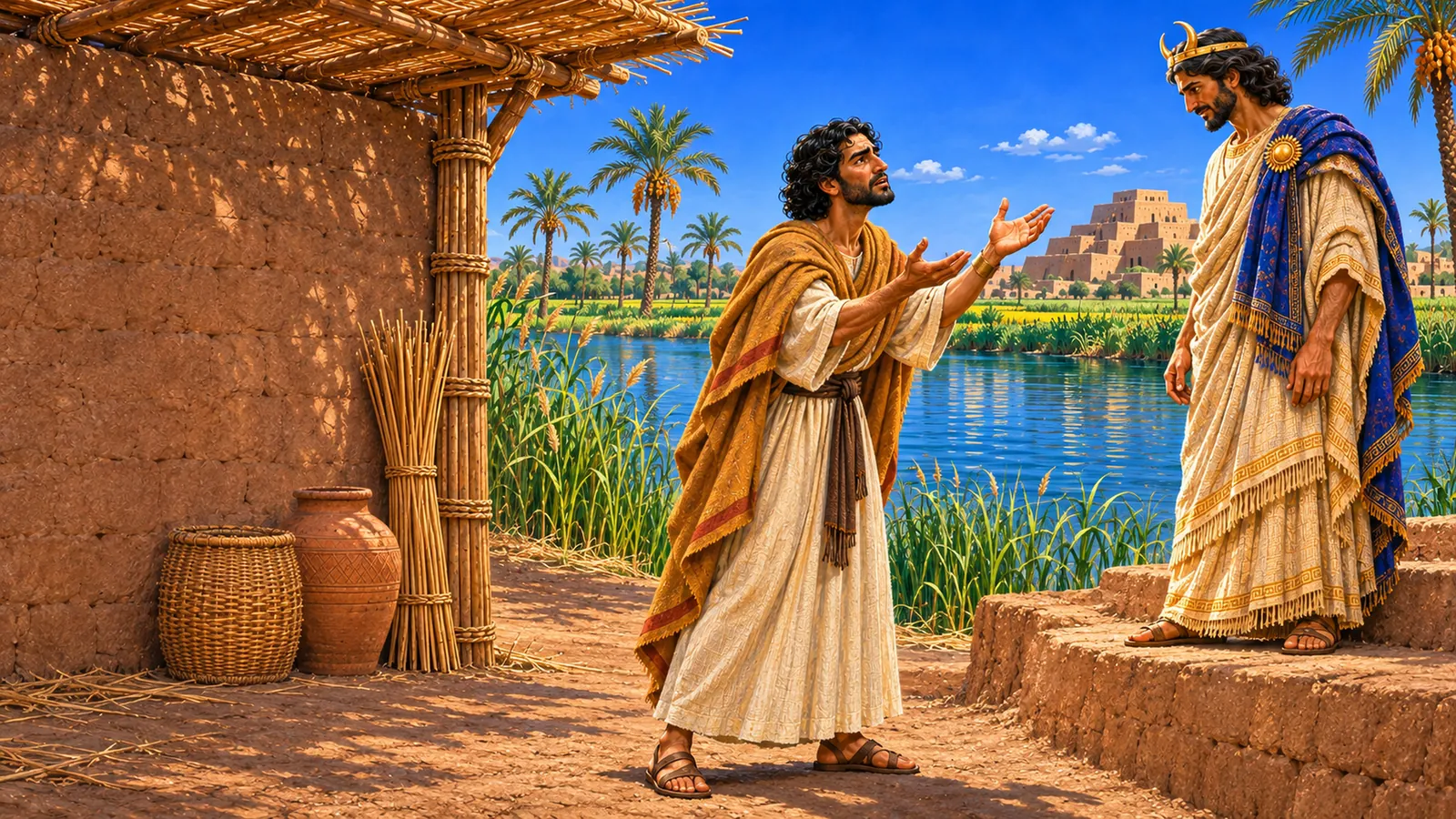
الحظيرة الأخيرة
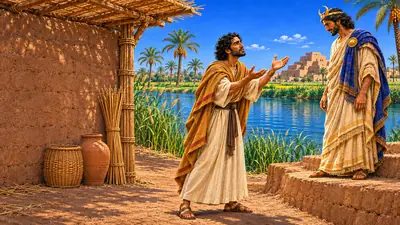
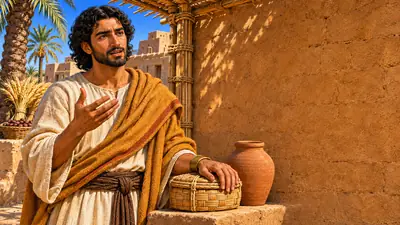
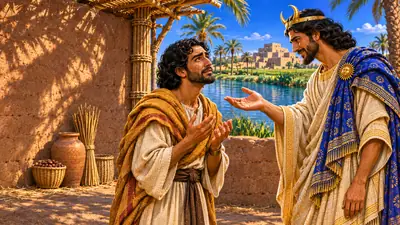
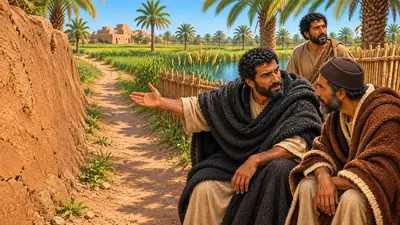
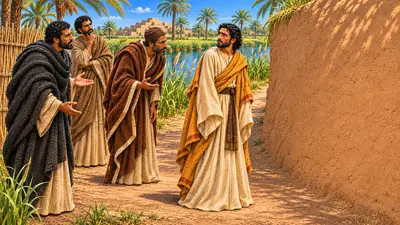
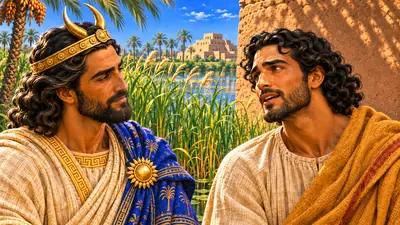
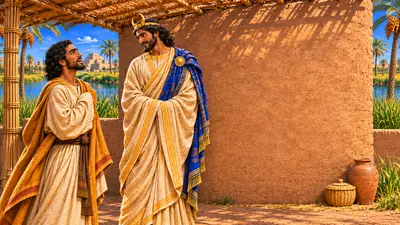
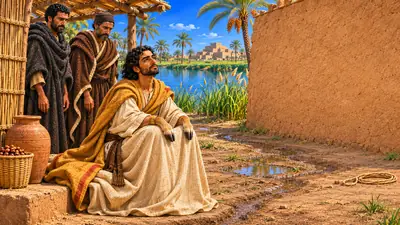
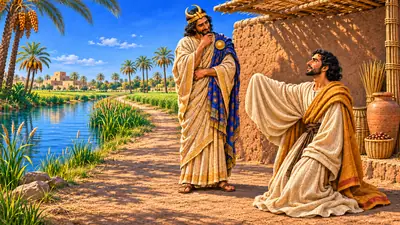
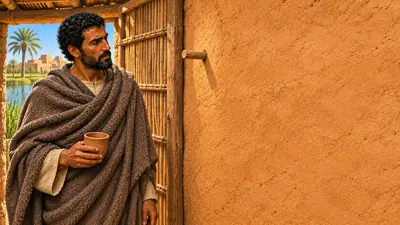
نادى دموزي في محنته «يا أوتو، أنت صهري. أنا زوج أختك».
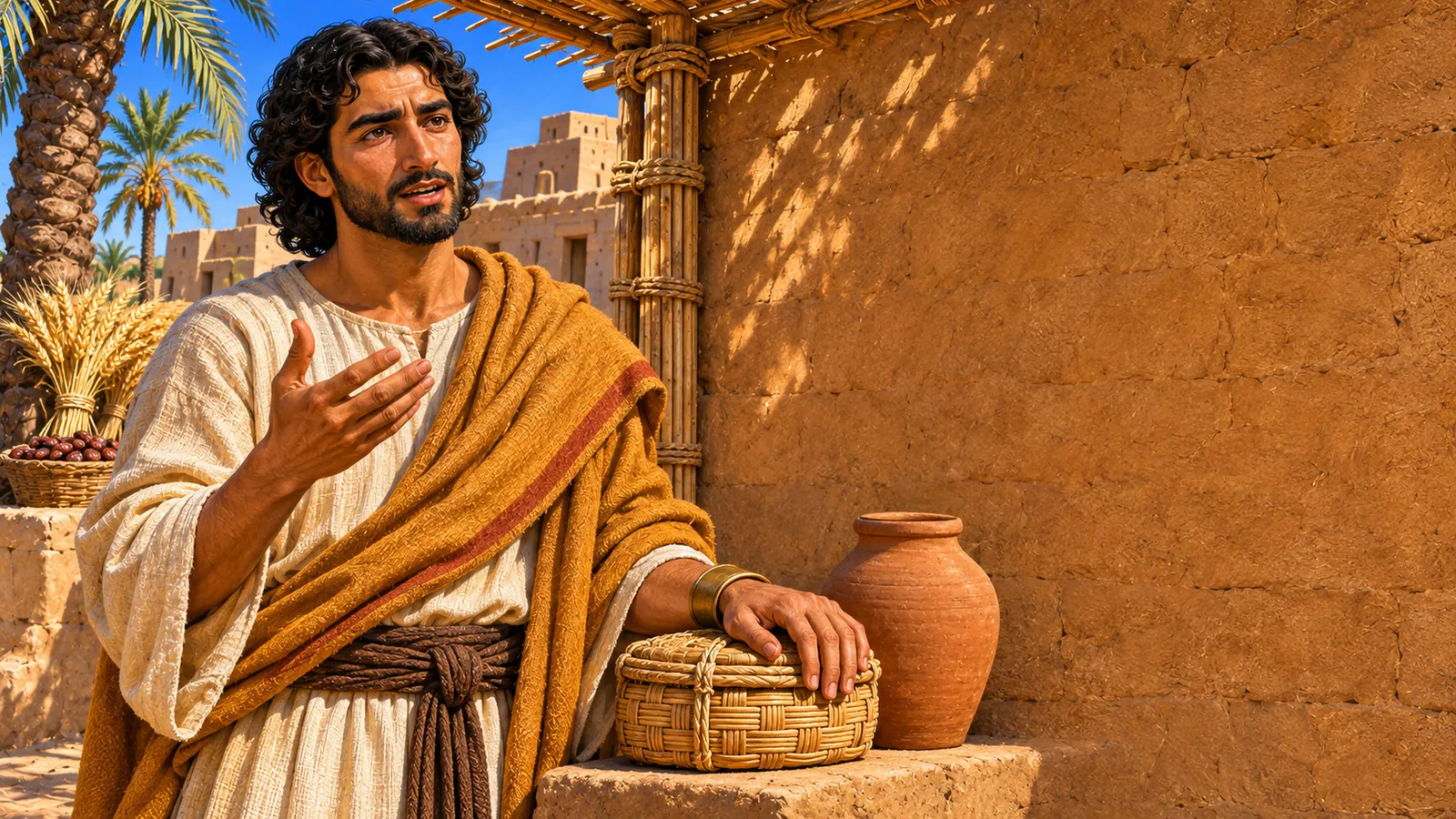
ذكر دموزي ما كان يحمله من طعام إلى إيانا، وهدايا العرس التي جاء بها إلى أوروك.
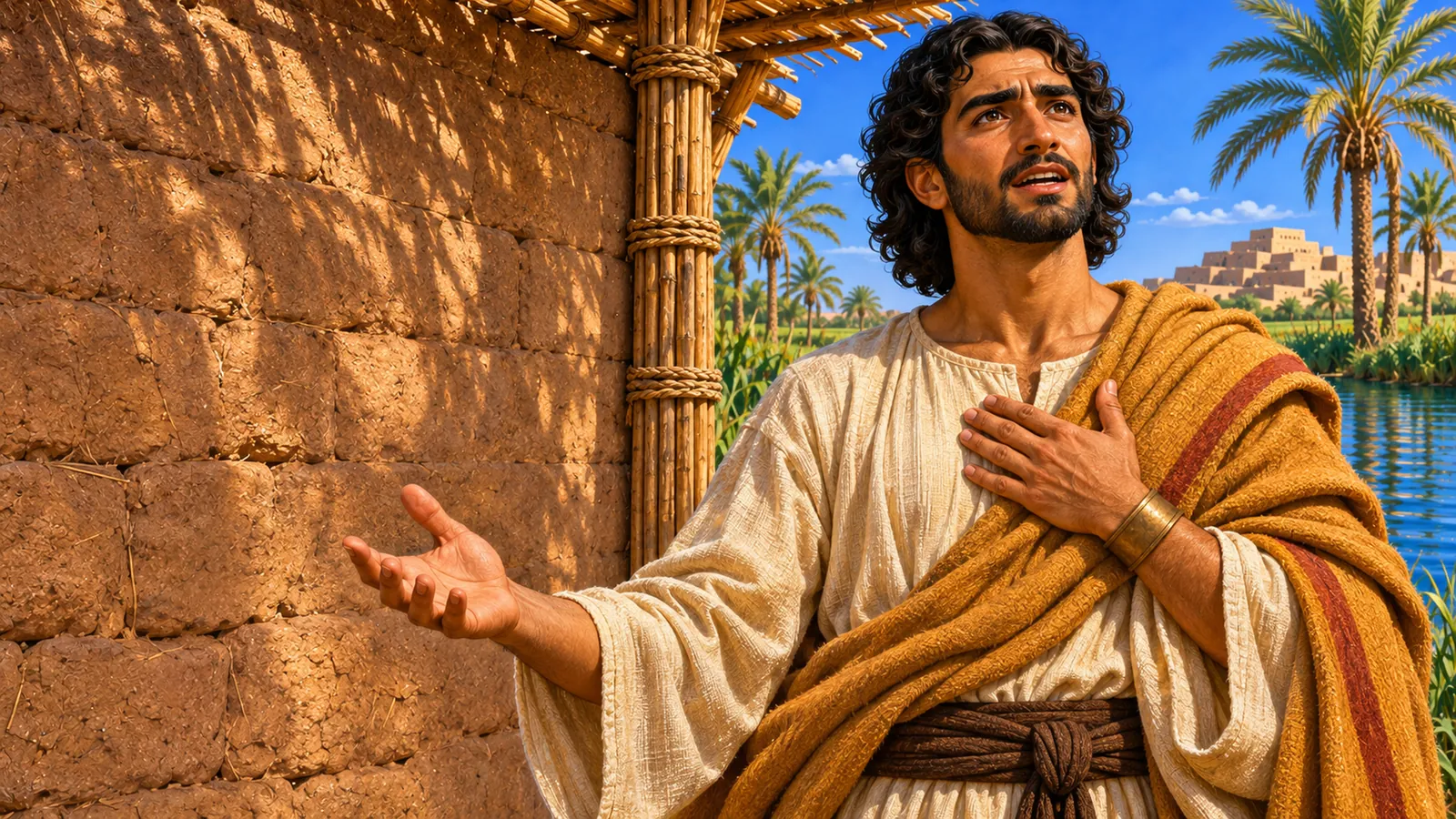
قال دموزي إنه هو من يقبّل شفتَي إنانا المقدّستين ويرقص على ركبتَيها المقدّستين.
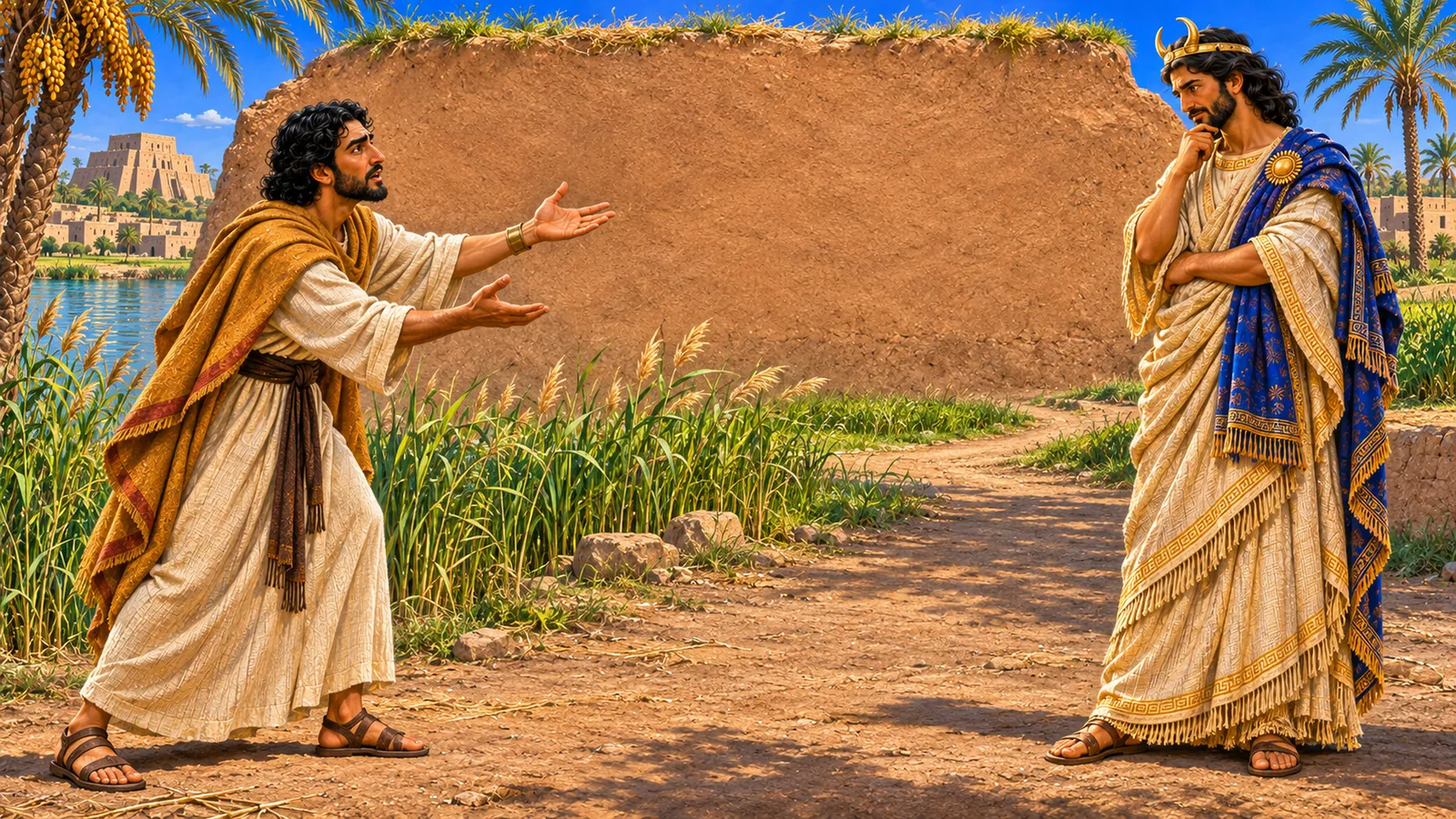
طلب من أوتو أن يحوّل يديه وقدميه إلى أطراف غزال، لكي يفلت من أعوان العالم السفلي (الغَلّا) ويبلغ كو-بيرِش-ديلدارِش حيًّا.
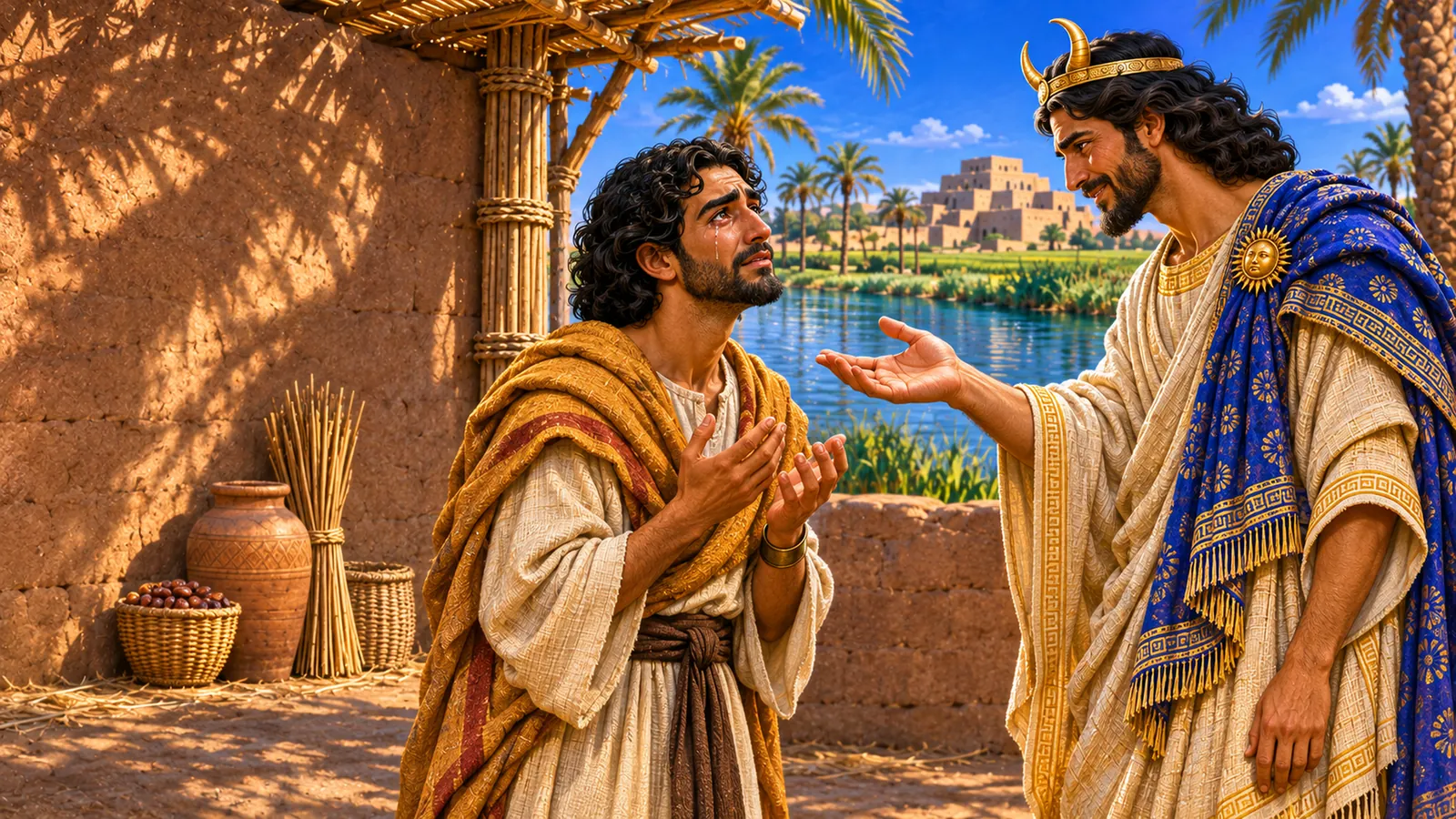
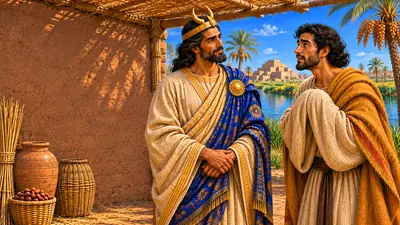
تقبّل أوتو دموع دموزي ورحمه، كما يشفق إنسانٌ على آخر.
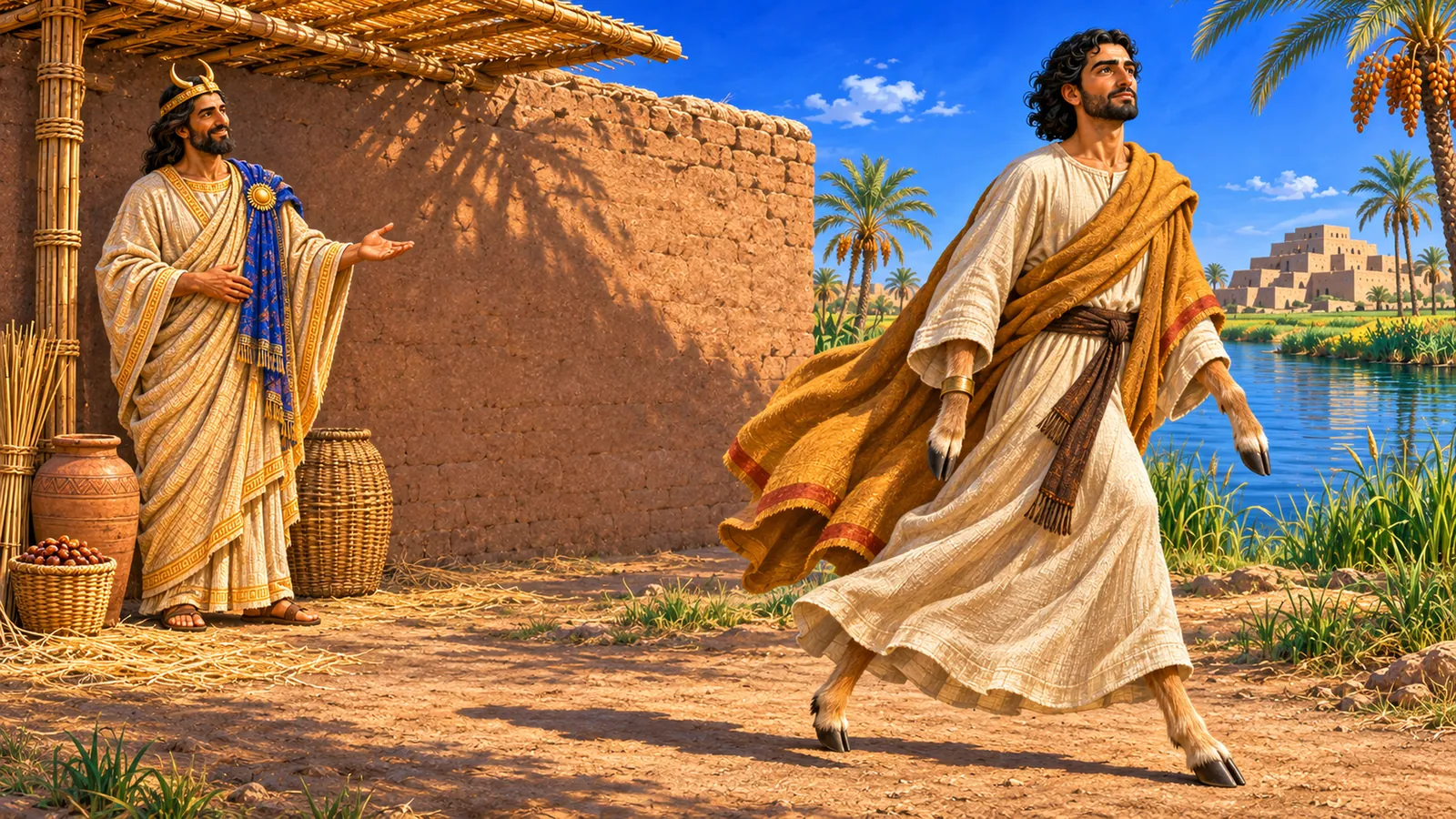
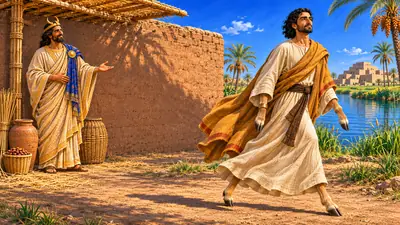
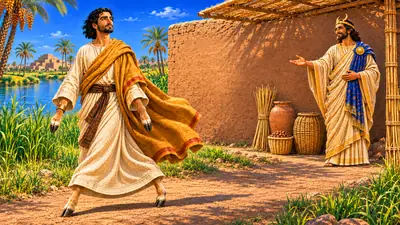
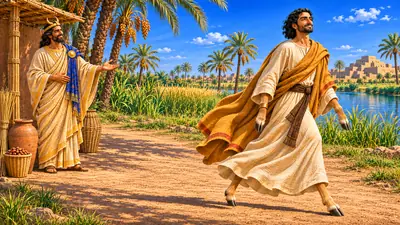
حوّل أوتو يدَي دموزي وقدميه إلى أطراف غزال، فأفلت دموزي من أعوان العالم السفلي.
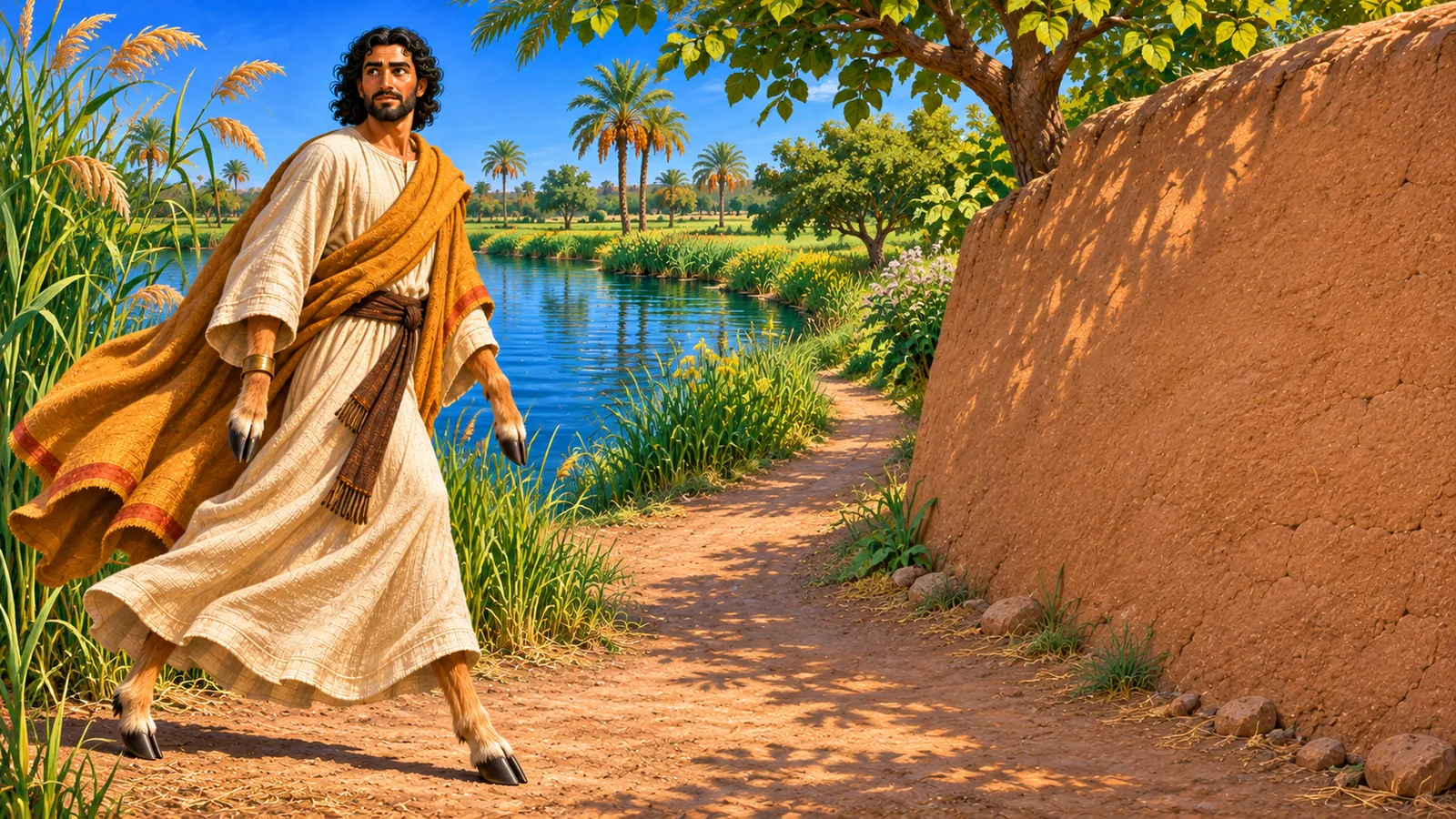
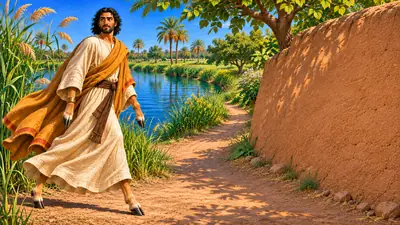
نجا دموزي بحياته وبلغ كو-بيرِش-ديلدارِش، الموضع الذي سمّاه حين توجّه إلى أوتو بالدعاء.
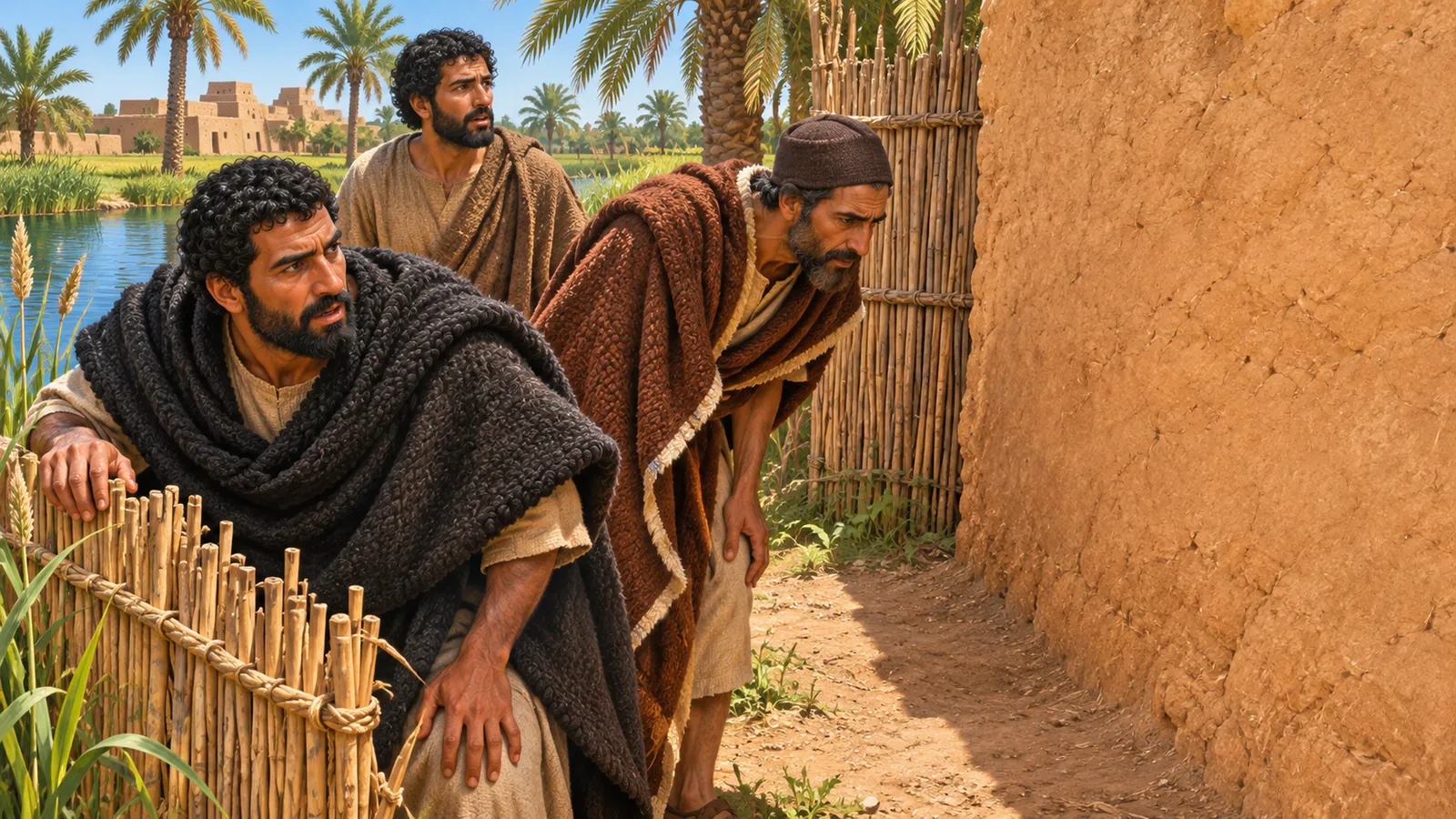
بحث أعوان العالم السفلي عن دموزي بعد فراره، لكنّهم لم يجدوه في أوّل الأمر.
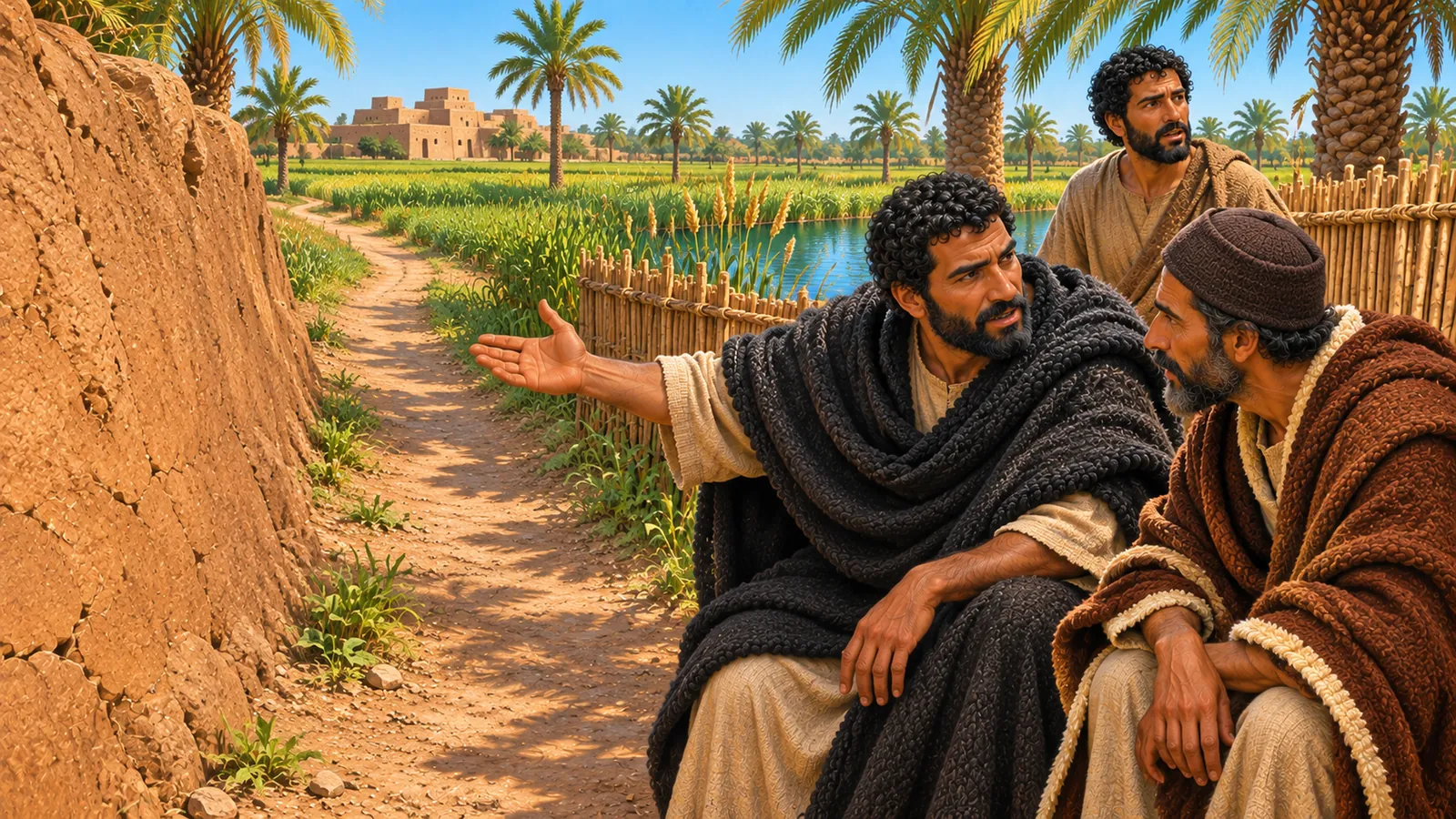
قال المطاردون بعدما لم يجدوه «هيّا بنا إلى كو-بيرِش».
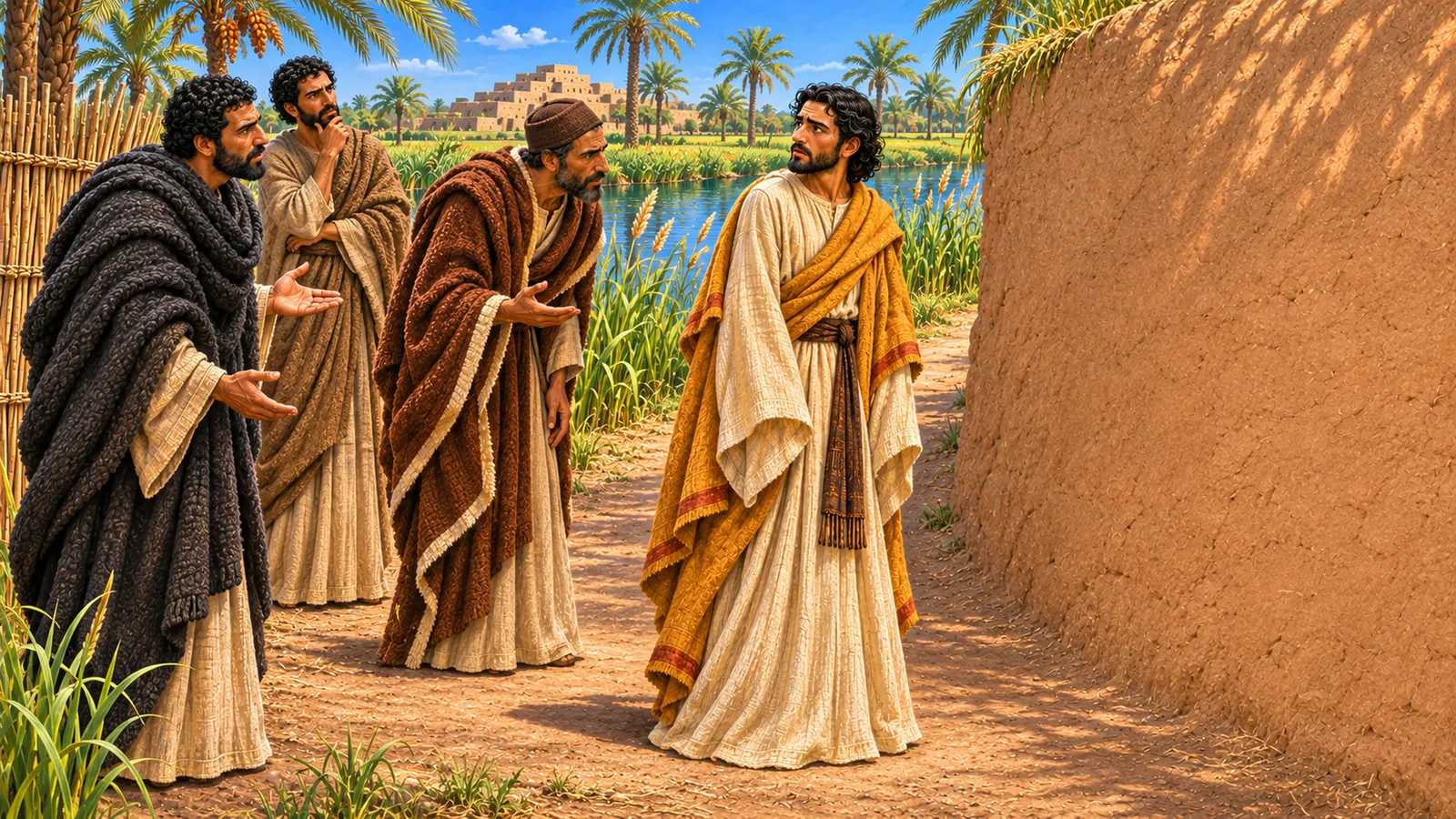
ذهب أعوان العالم السفلي إلى كو-بيرِش، وهناك أمسكوا بدموزي. وهكذا انتهت نجاته الأولى.
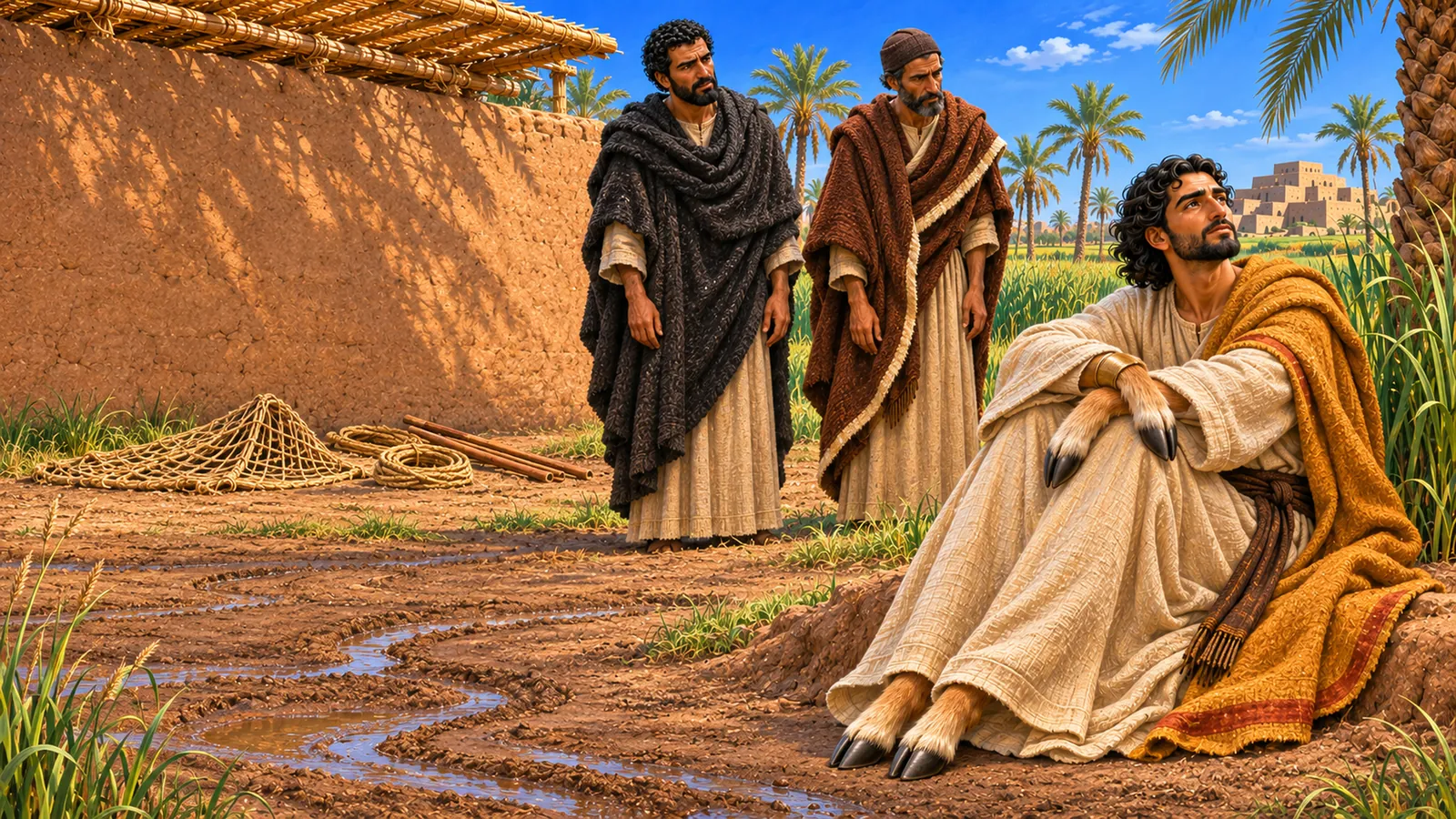
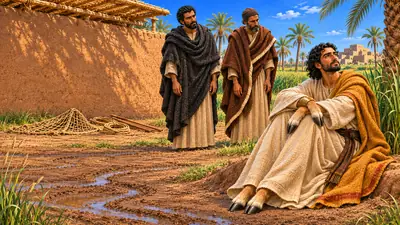
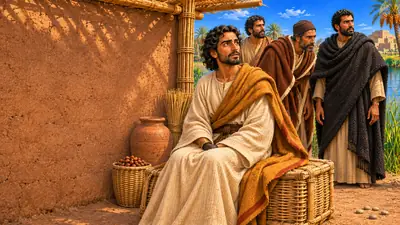
أحاط الرجال بدموزي وصرفوا المياه الراكدة. وأعدّوا حبلًا وشبكةً وحبلًا غليظًا من القصب وعِصيًّا. وقذفه الرجل الذي أمامه بأشياء، أمّا الكلمات عمّا فعله الرجل خلفه فمفقودة.
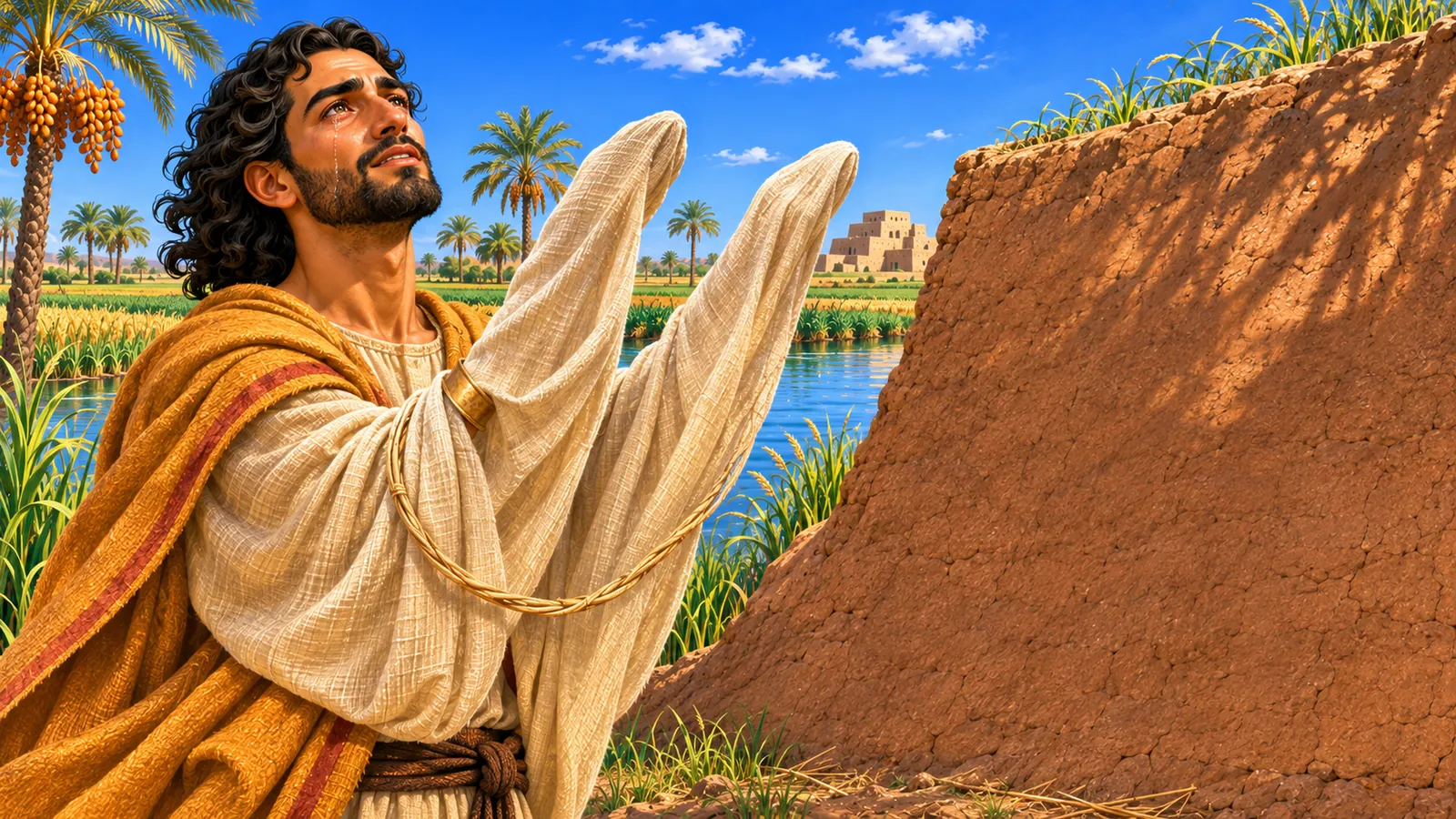
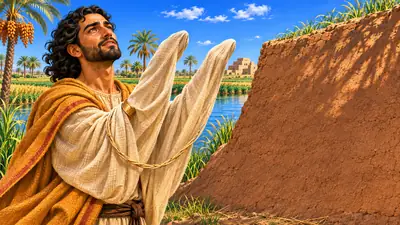
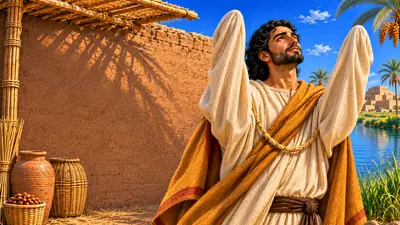
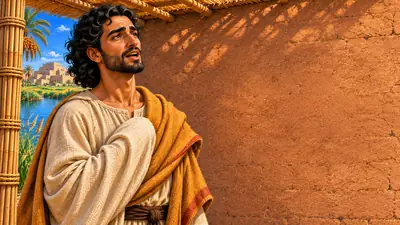
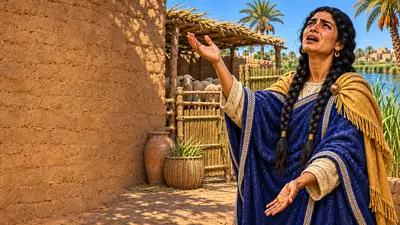
قيّدوا يدي دموزي وذراعيه. فرفع الشابّ يديه نحو السماء ونادى أوتو.
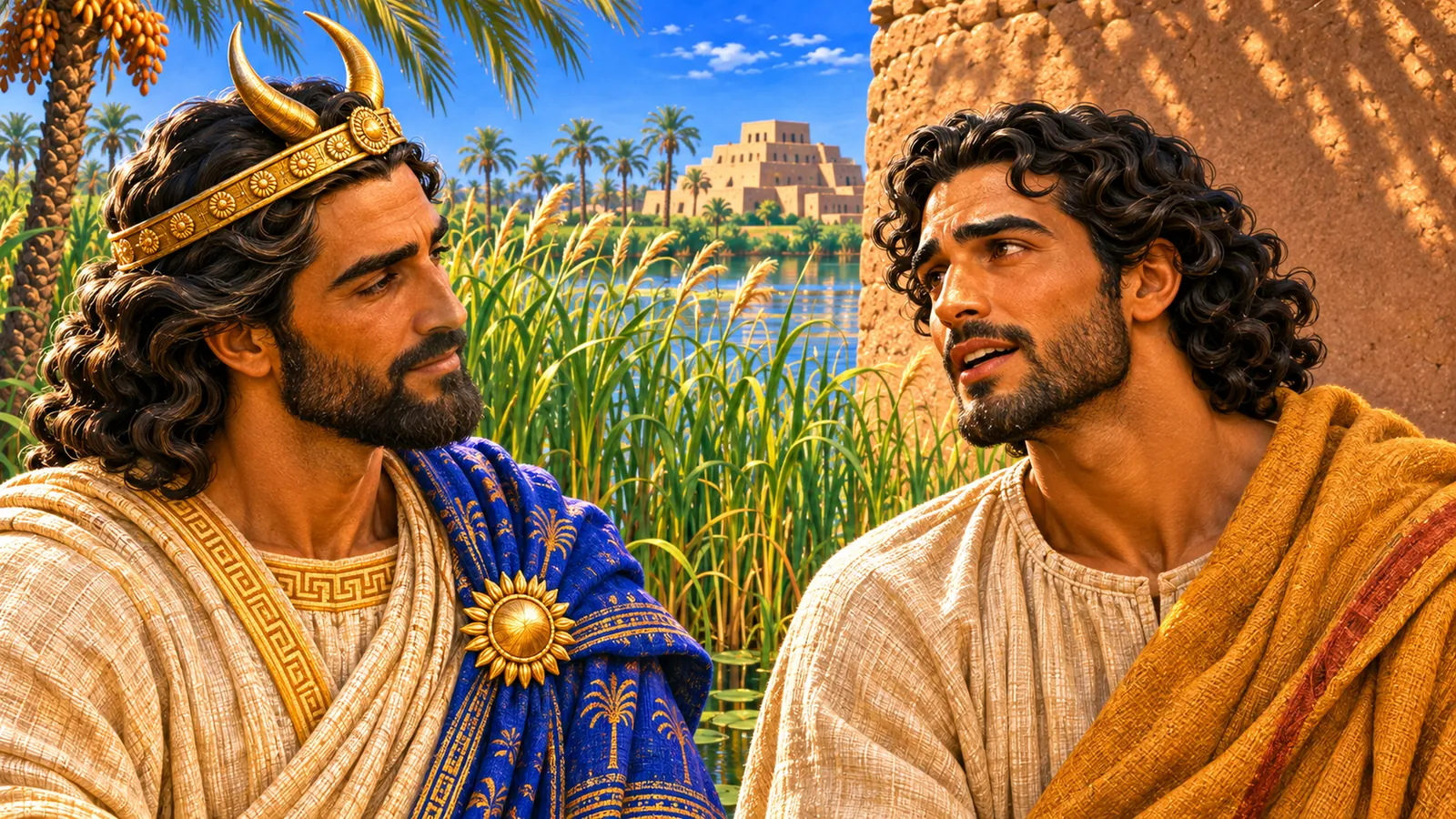
ناشد دموزي أوتو بصفته صهره. وذكّره بأنّه زوج أخته إنانا.
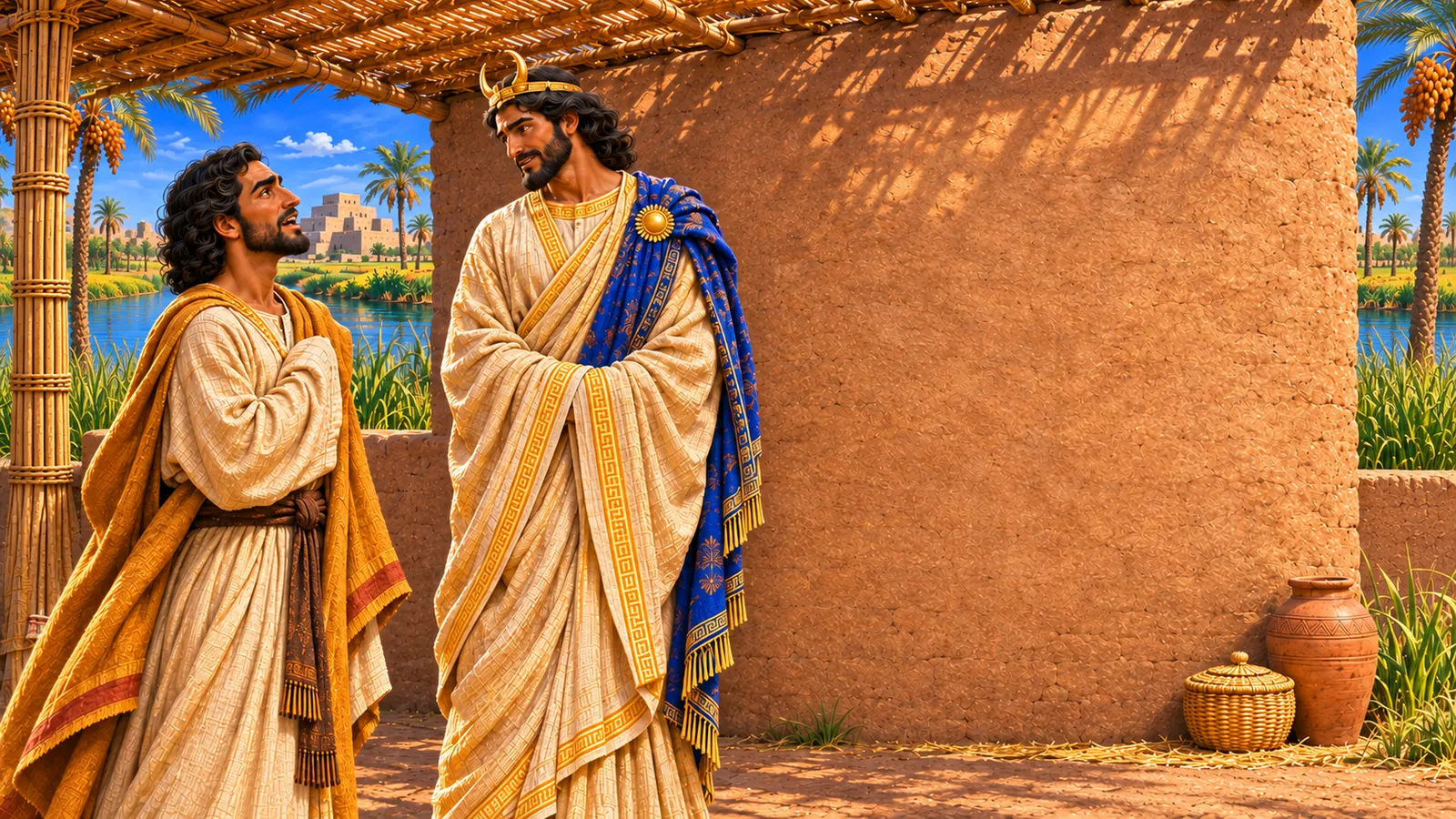
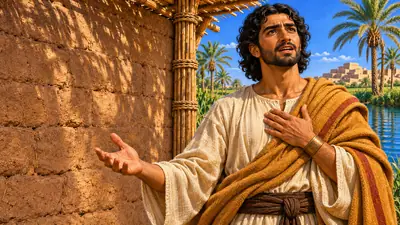
قال دموزي إنّه يحمل الطعام إلى إيانا، وإنّه حمل هدايا الزواج إلى أوروك. وتحدّث عن تقبيل شفتي إنانا المقدّستين والرقص على ركبتيها المقدّستين.
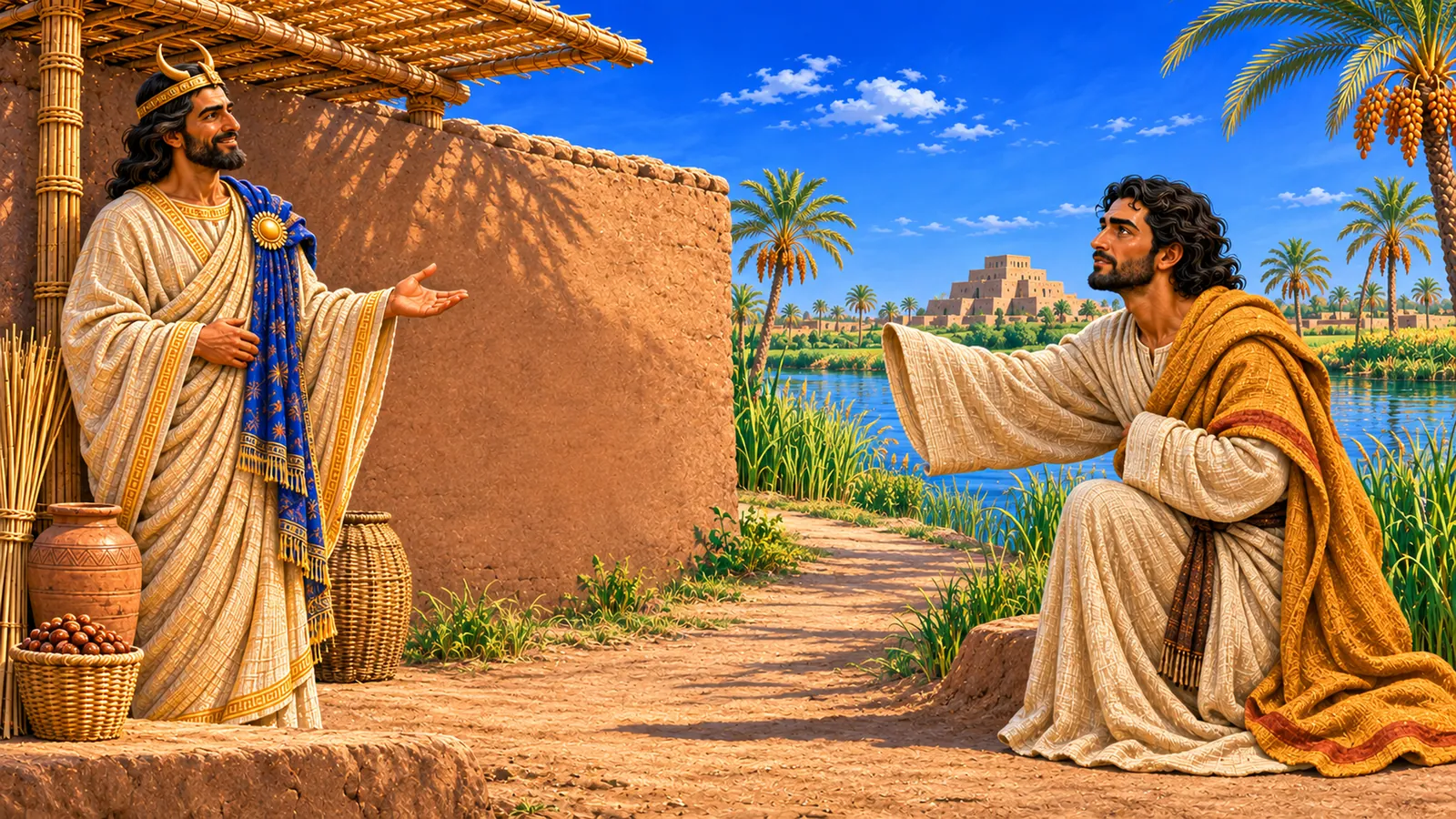
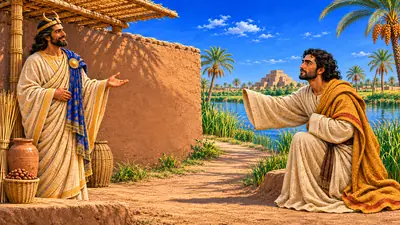
طلب من أوتو أن يحوّل يديه وقدميه إلى أطراف غزال. ورجا أن يتيح له ذلك الفرار إلى بيت العجوز بيليلي.
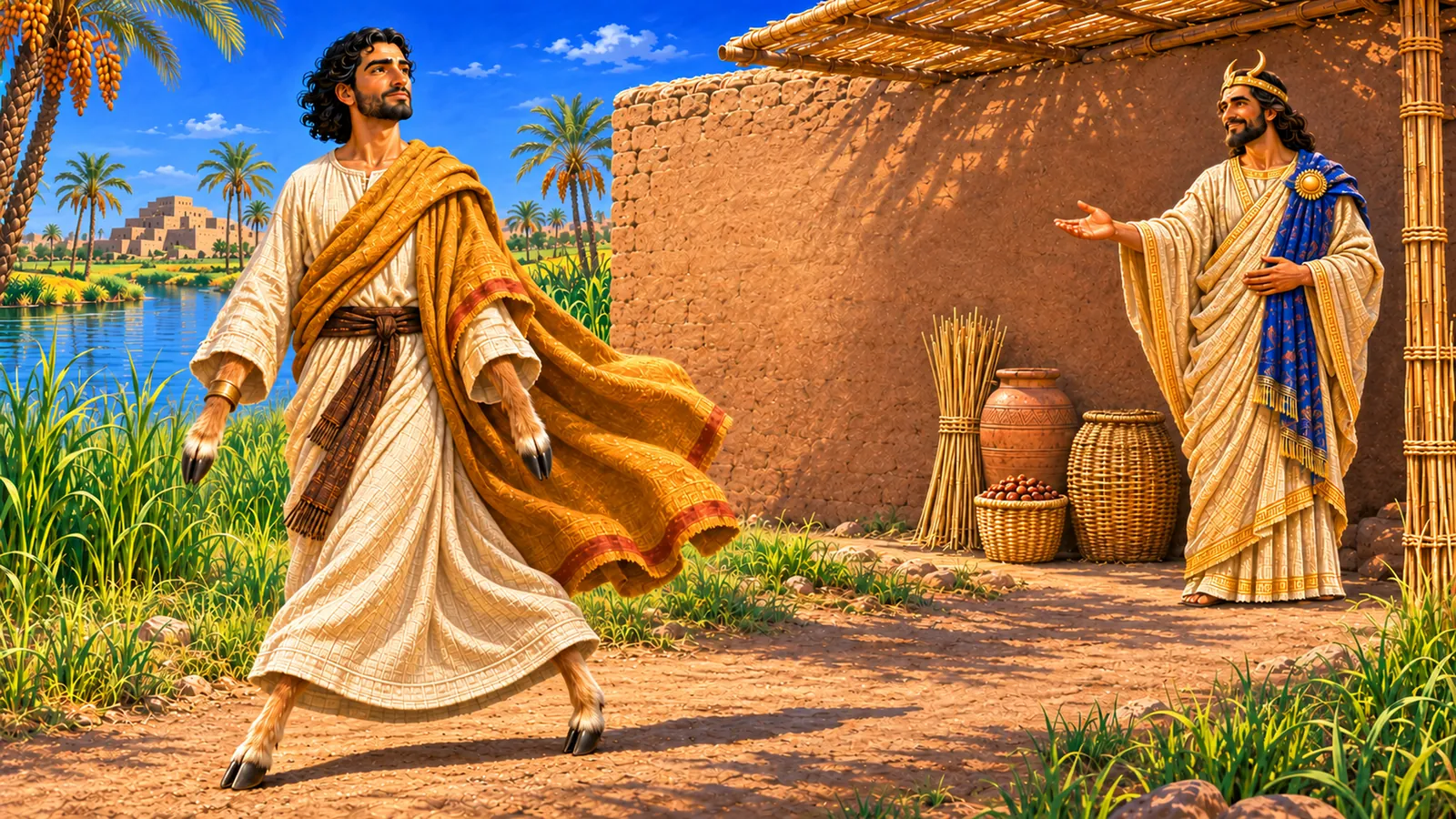
تقبّل أوتو دموع دموزي. وتقول القصيدة إنّه حوّل يدي دموزي وقدميه إلى أطراف غزال.
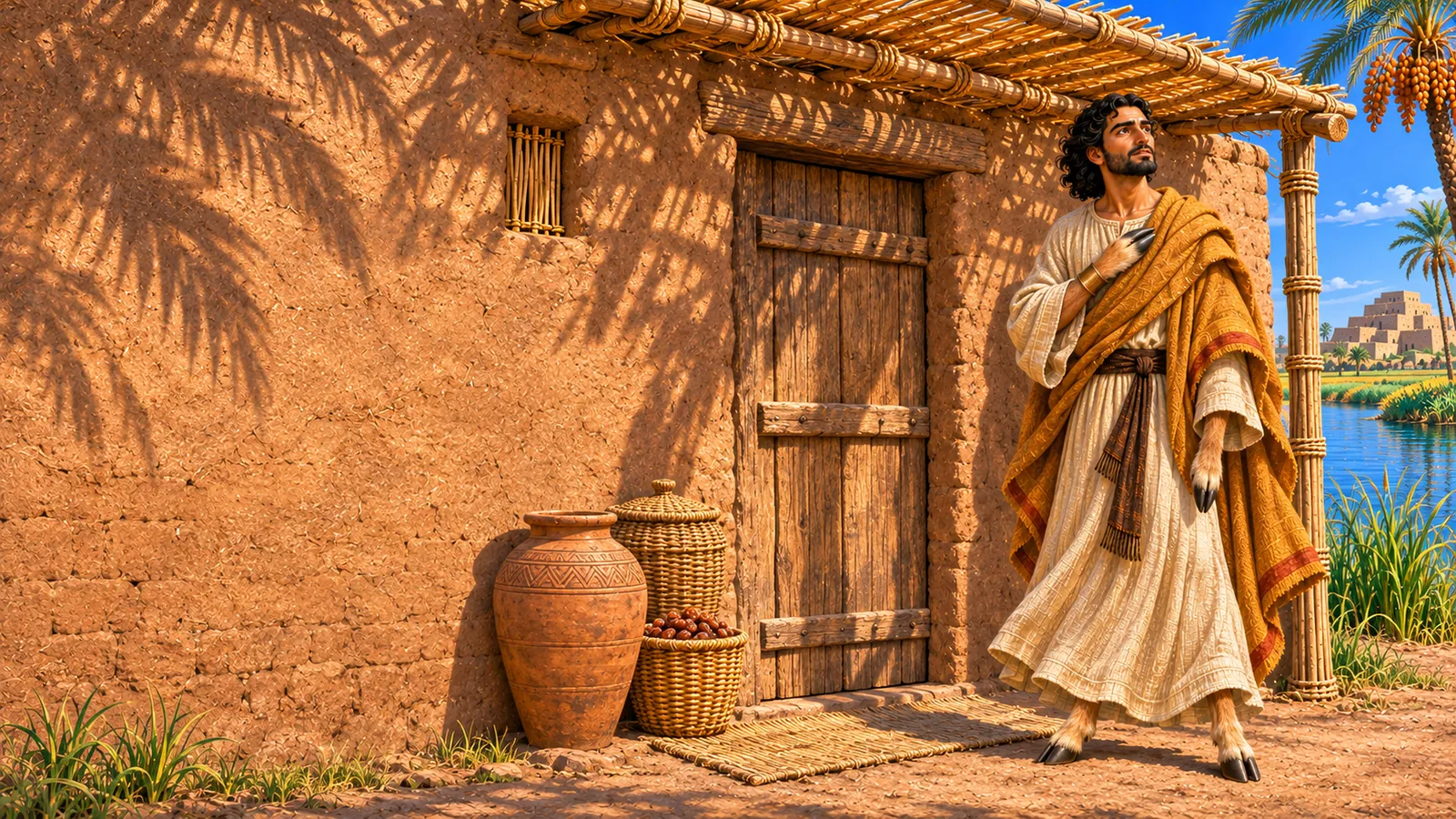
أفلت دموزي من أعوان العالم السفلي ونجا بحياته. ووصل إلى بيت العجوز بيليلي.
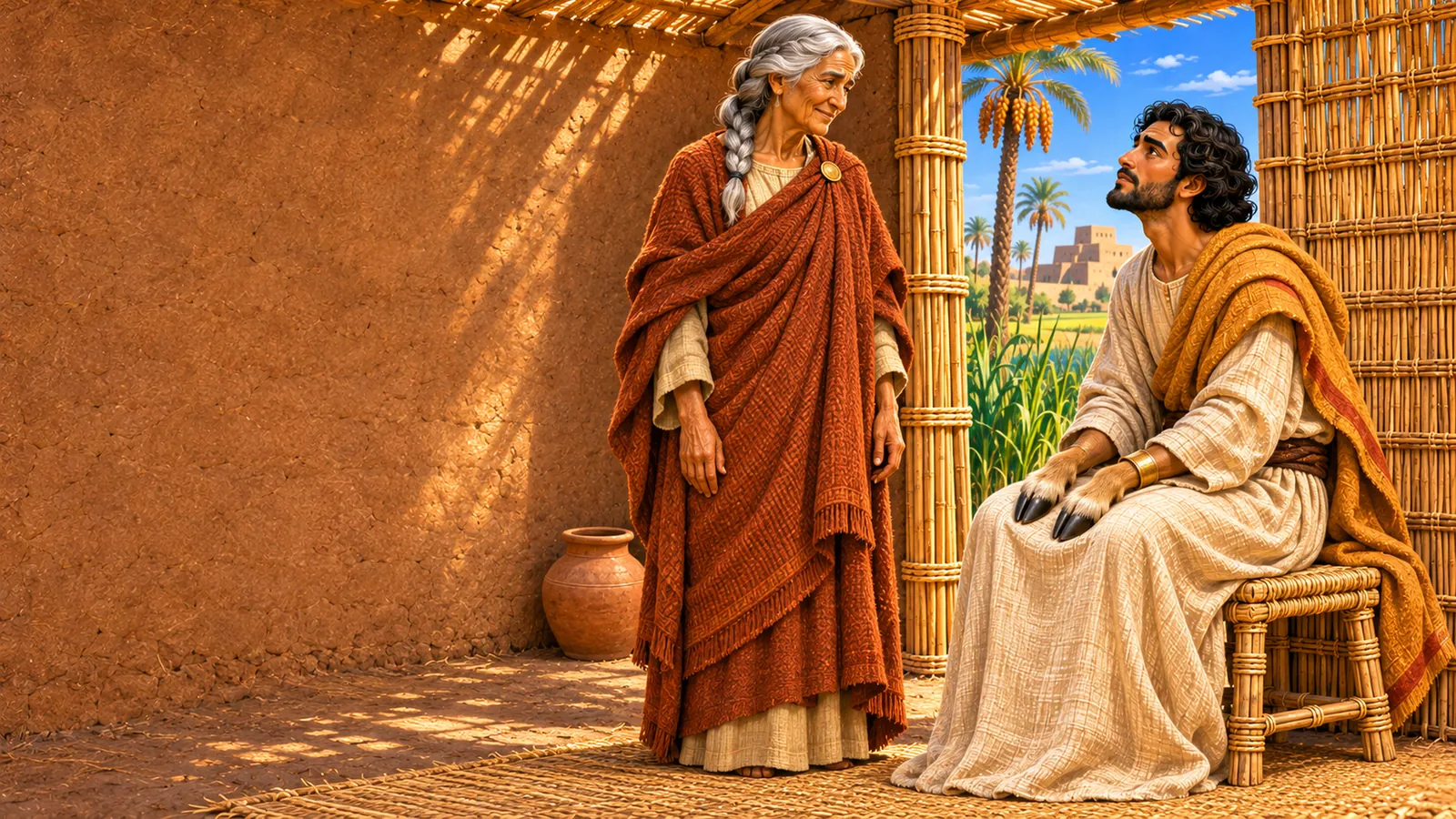
الملجأ
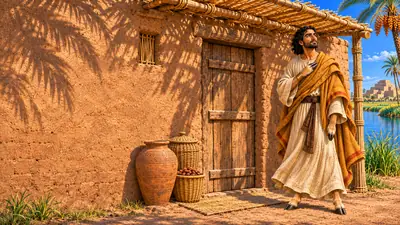
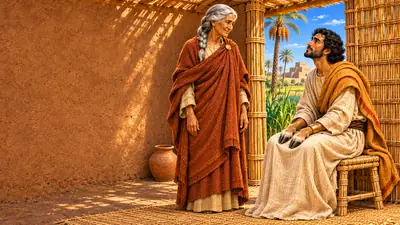
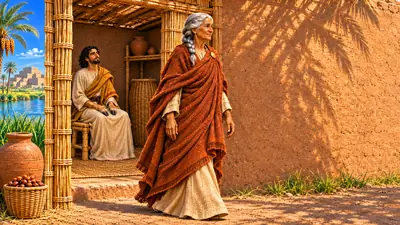
نادى دموزي بيليلي وأخبرها بأنّه زوج إلهة. وطلب منها أن تصبّ له ماءً ليشرب.
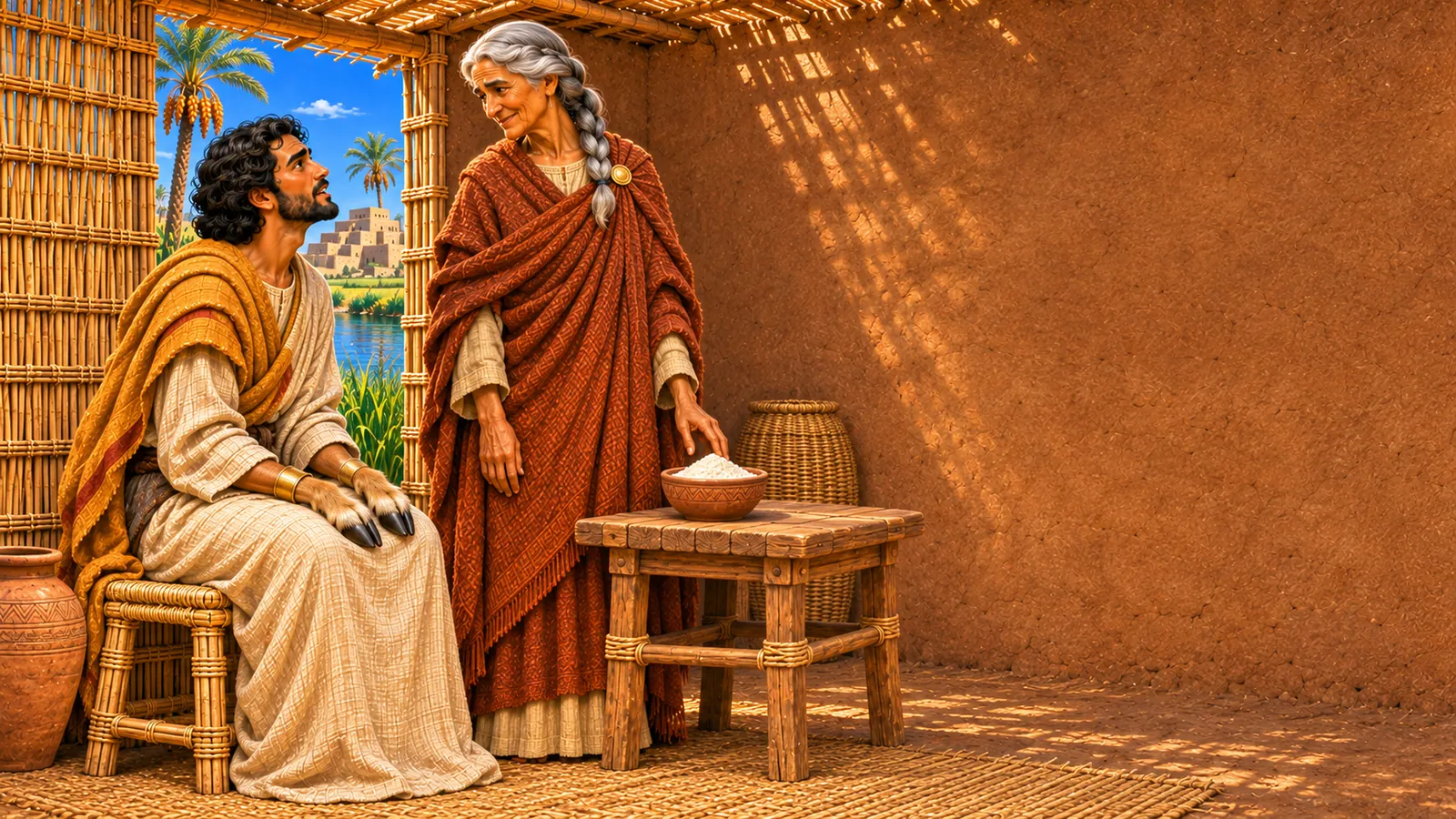
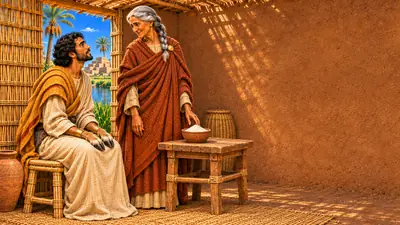
وطلب دقيقًا أيضًا. قال: «انثري لي قليلًا من الدقيق، أرجوكِ، لآكل منه.»
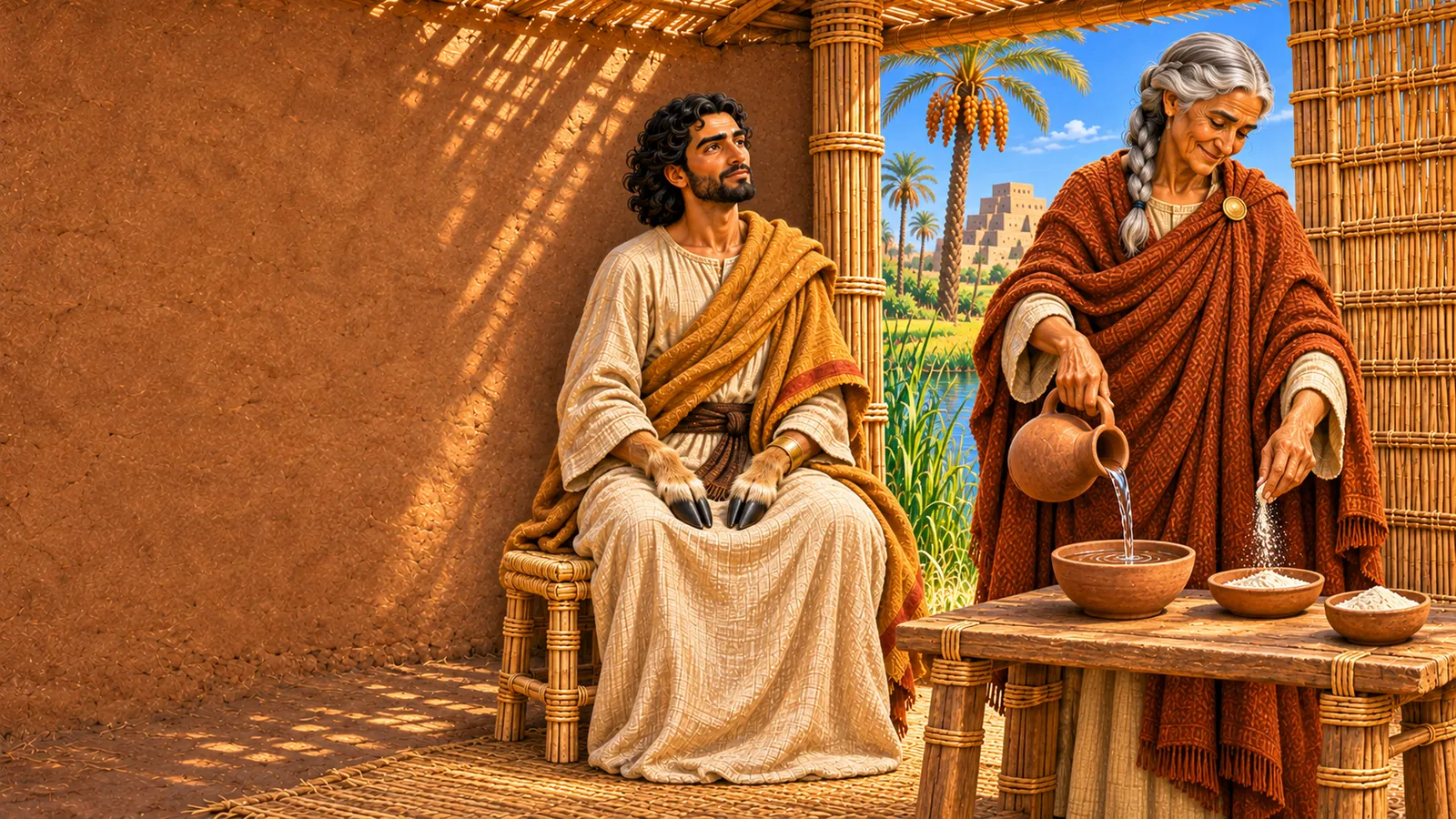
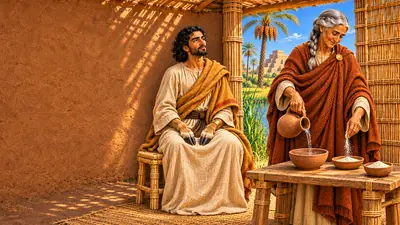
صبّت العجوز بيليلي الماء ونثرت الدقيق. ثمّ جلس دموزي داخل بيتها.
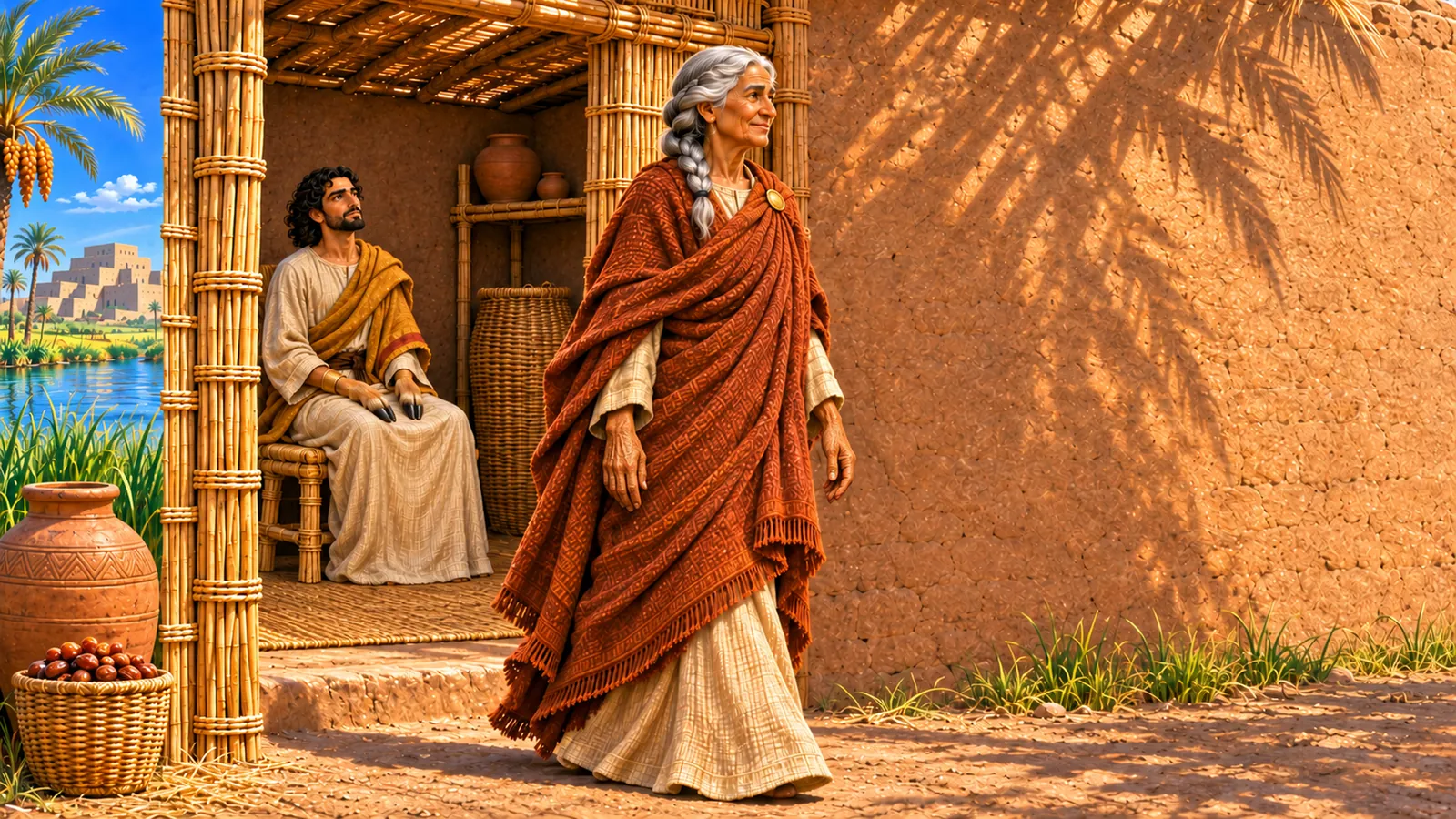
خرجت العجوز من بيتها. وكان دموزي قد جلس في الداخل، حيث قدّمت له الماء والطحين.
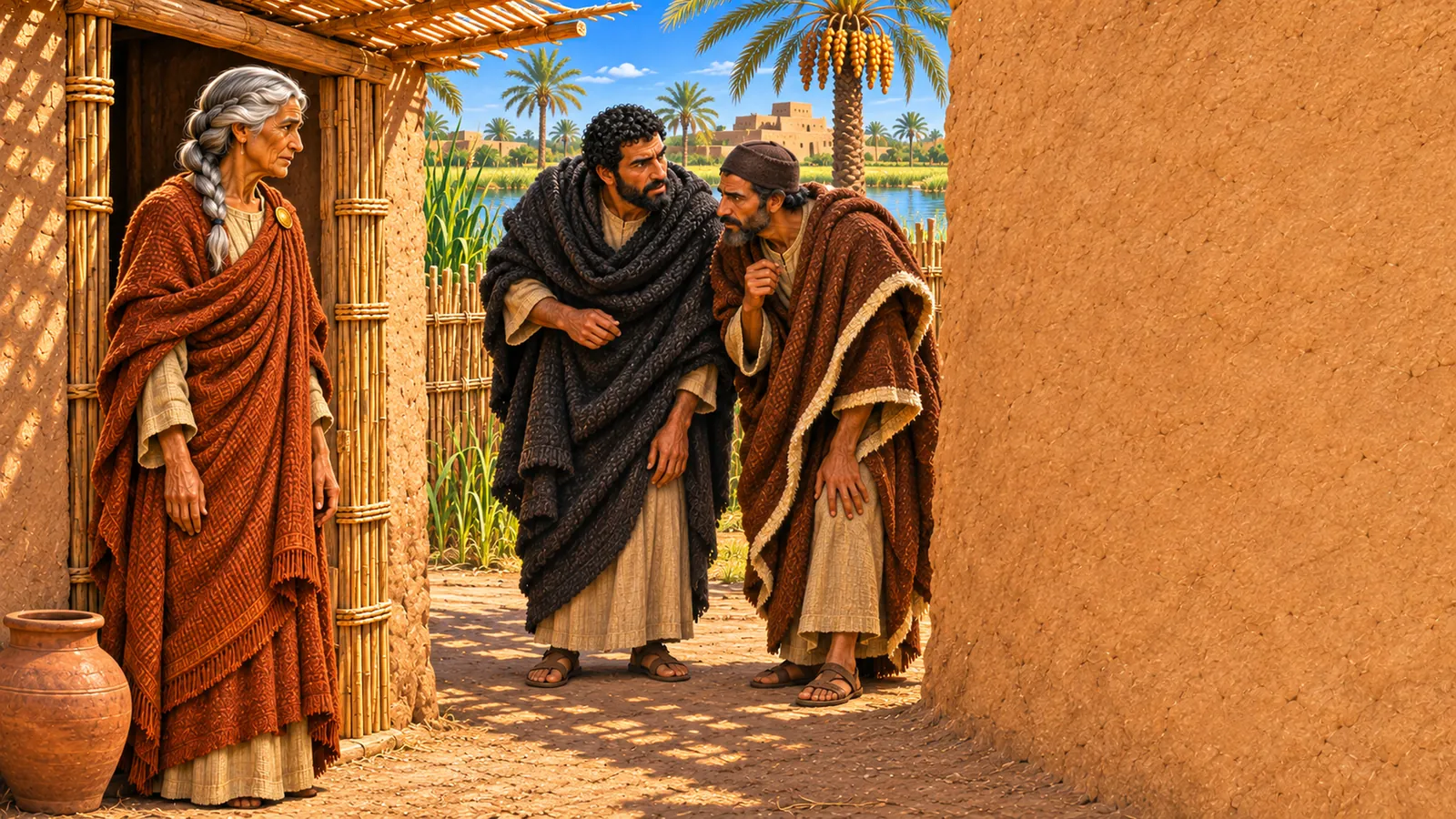
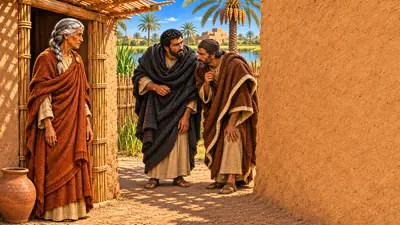
حين خرجت العجوز من البيت، رآها أعوان العالم السفلي الذين كانوا يبحثون عن دموزي.
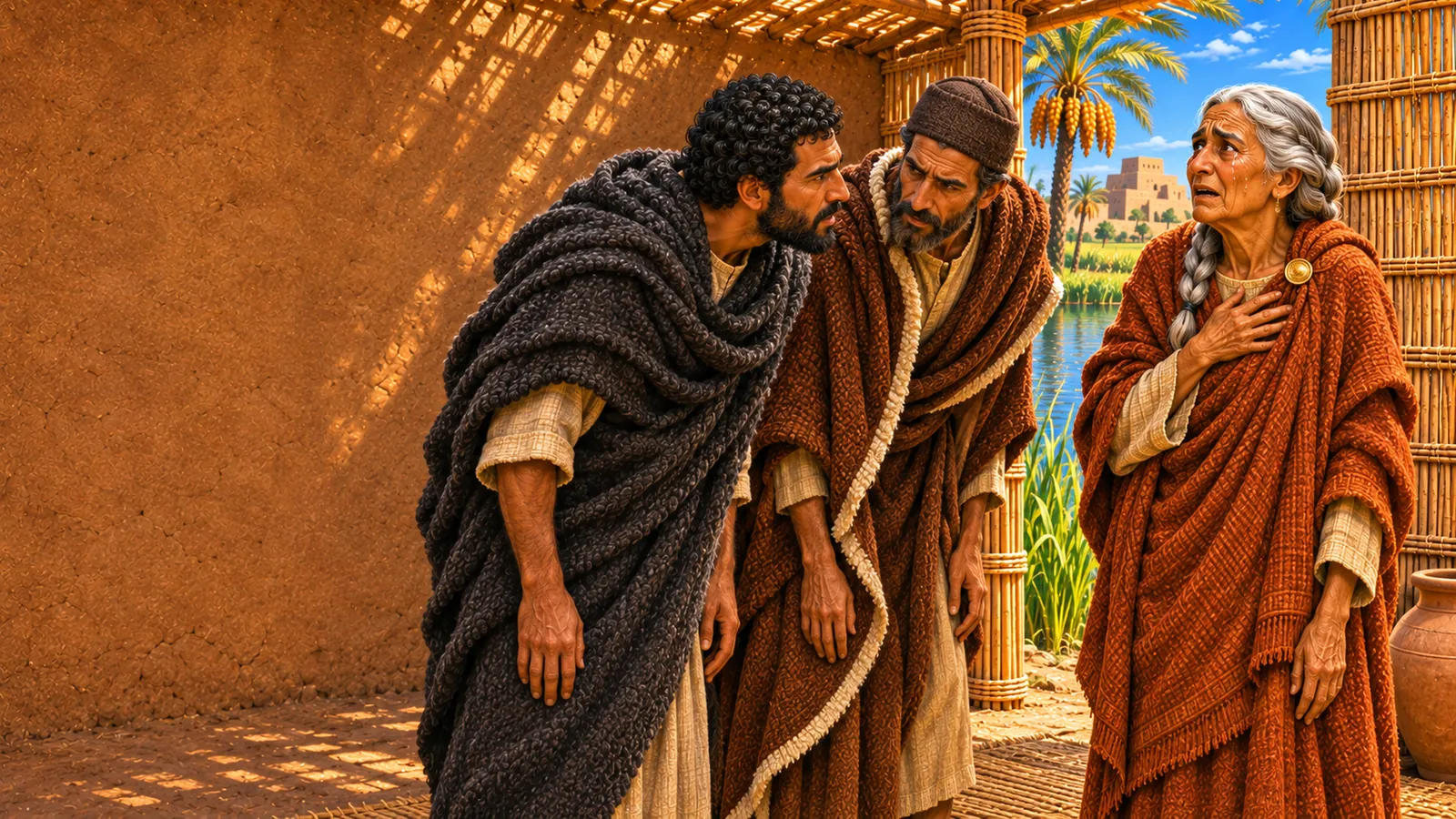
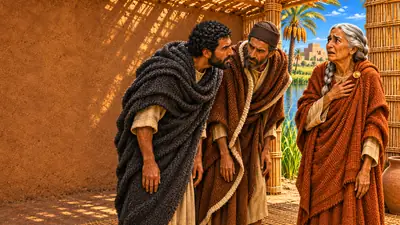
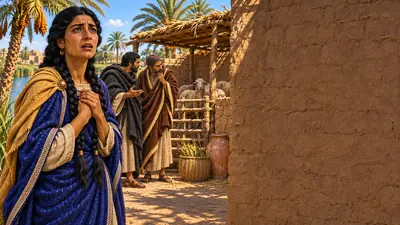
قال المطاردون إنّ العجوز تبدو خائفةً وإنّها تصرخ من الخوف. فاستدلّوا من ذلك على أنّها تعرف مكان دموزي.
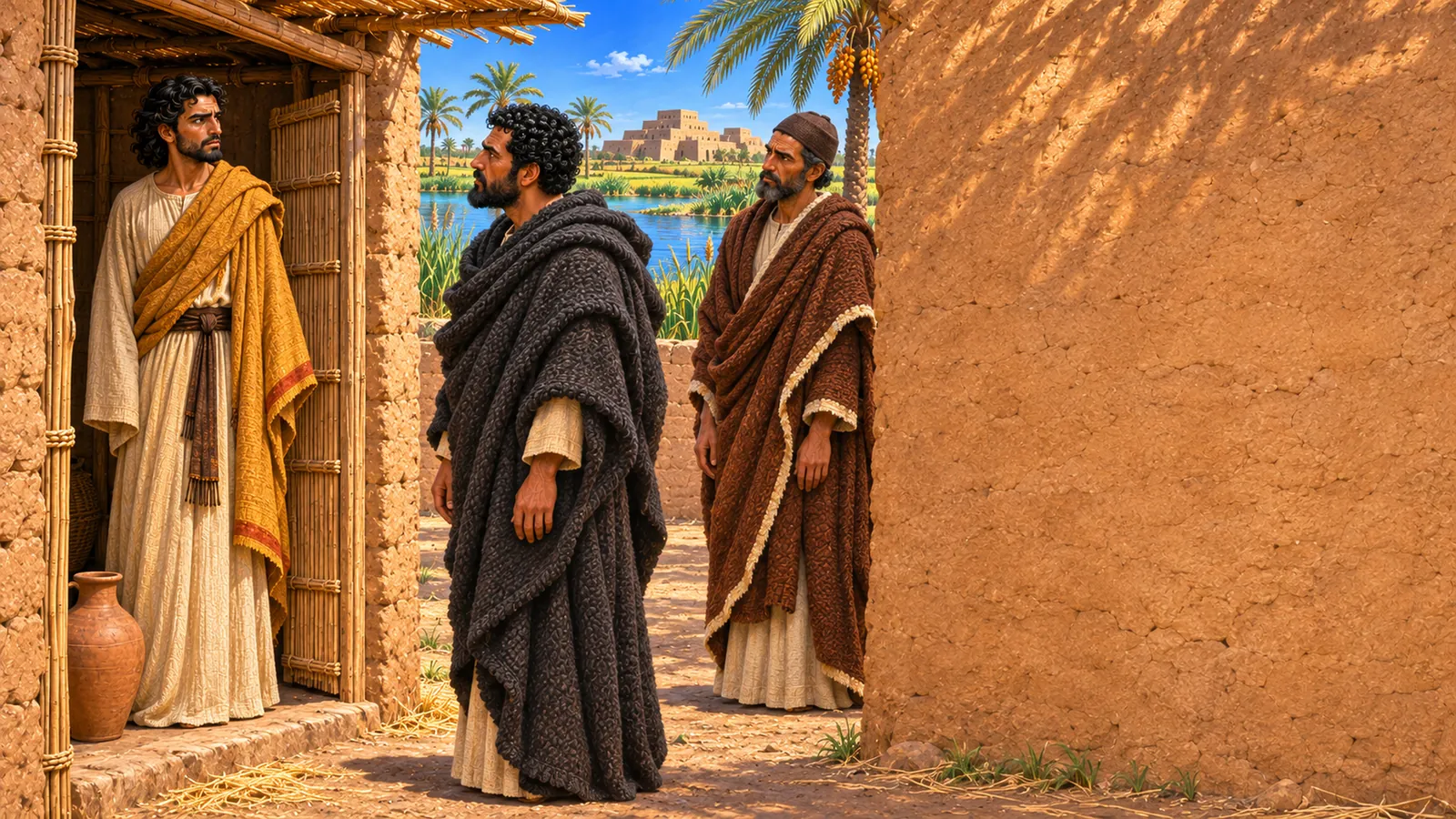
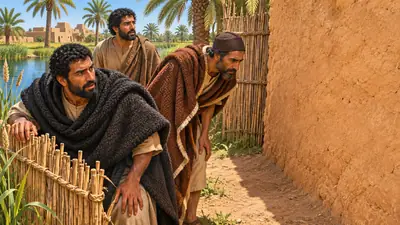
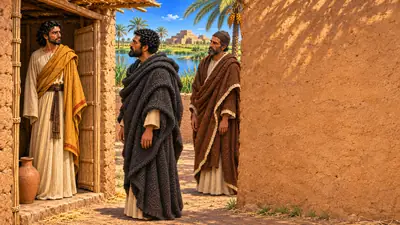
قرّروا الذهاب إلى بيت العجوز بيليلي. وهناك أمسكوا بدموزي.
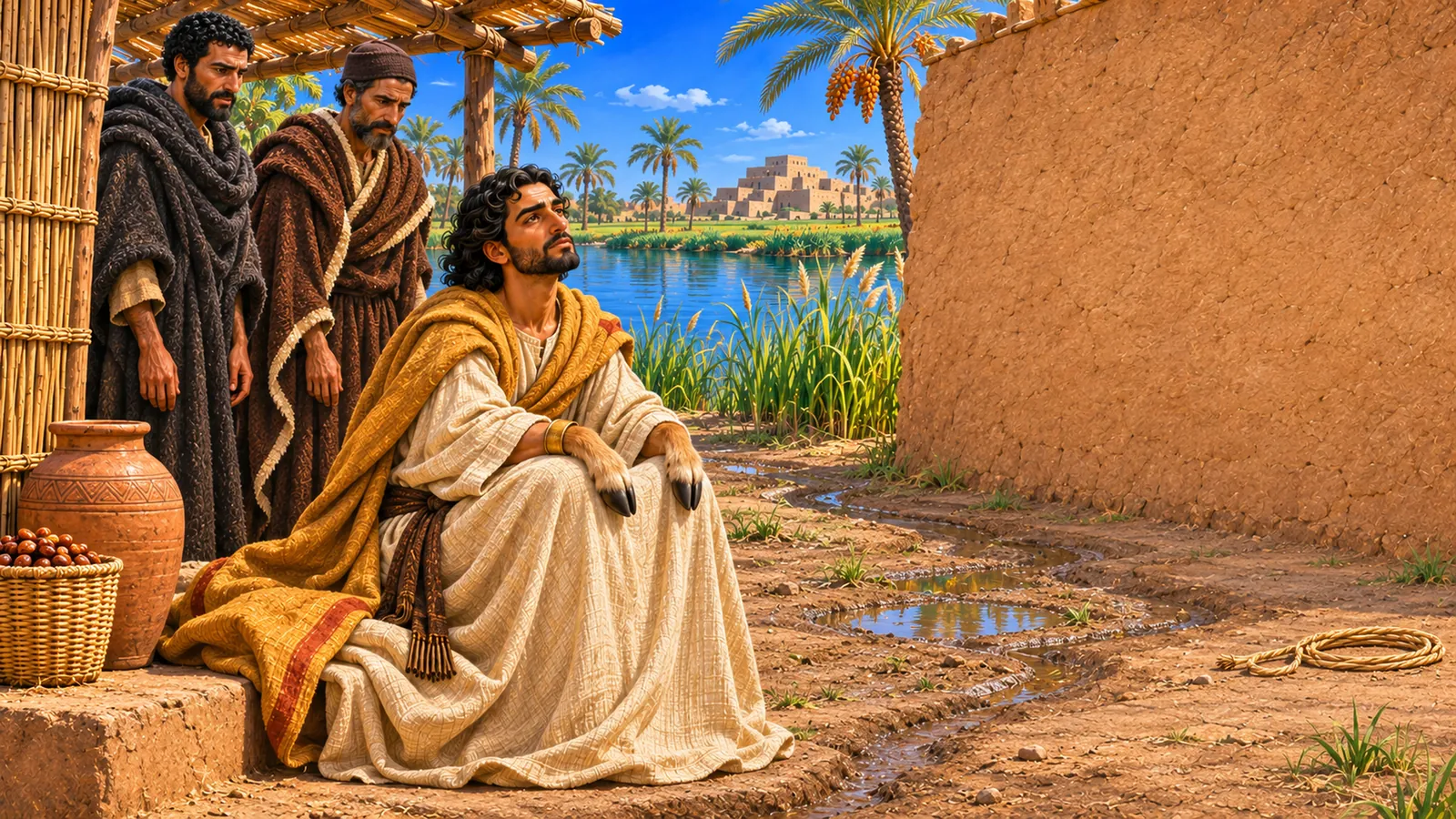
أحاط الرجال بدموزي وصرّفوا المياه الراكدة، كما فعلوا حين أمسكوا به في المرّة السابقة.
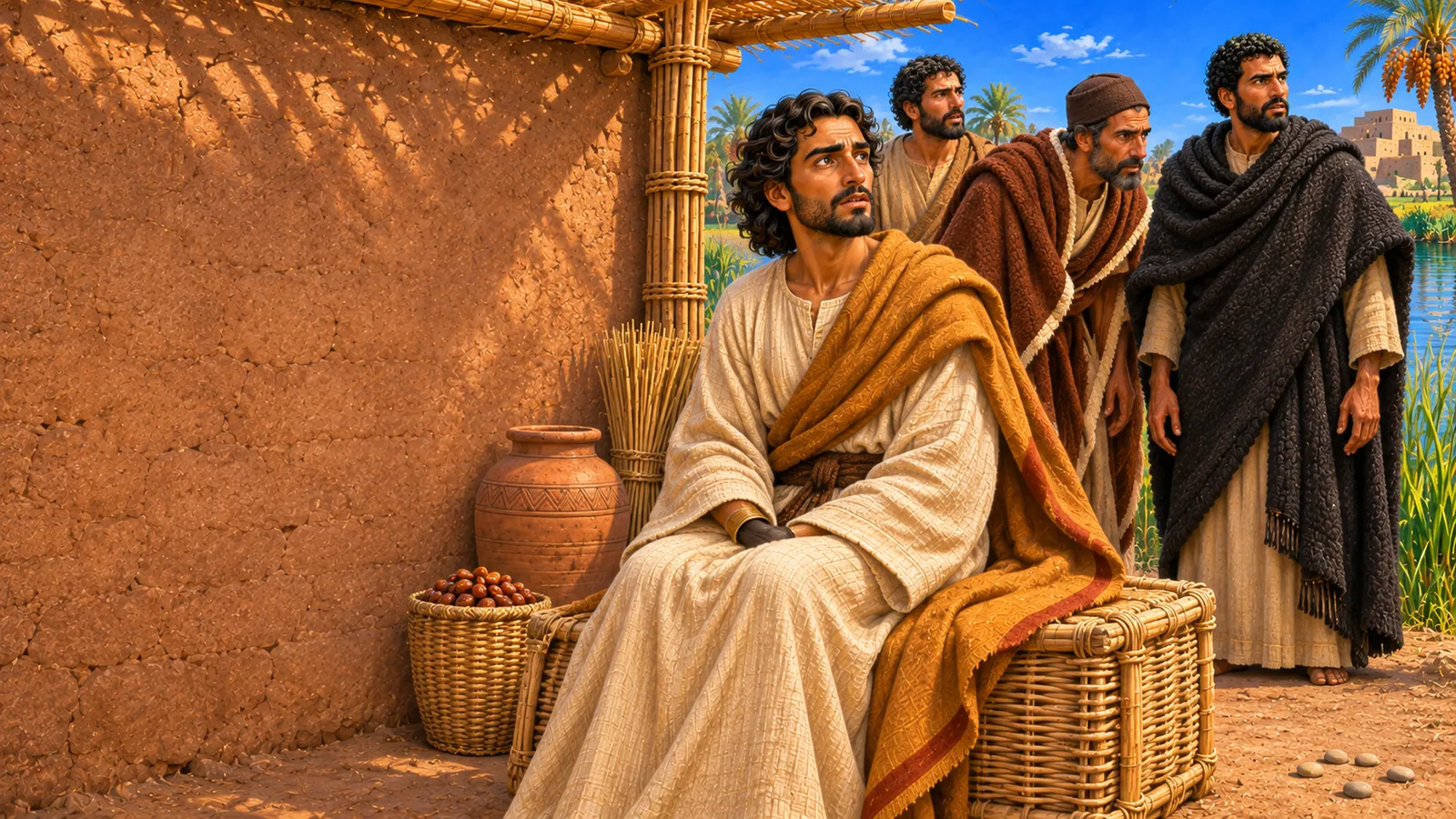
جهّزوا حبالًا وشبكةً وعصيًّا، ورمى الرجل الذي أمام دموزي أشياء نحوه. وينقطع النصّ عند وصف الرجل الذي خلفه.
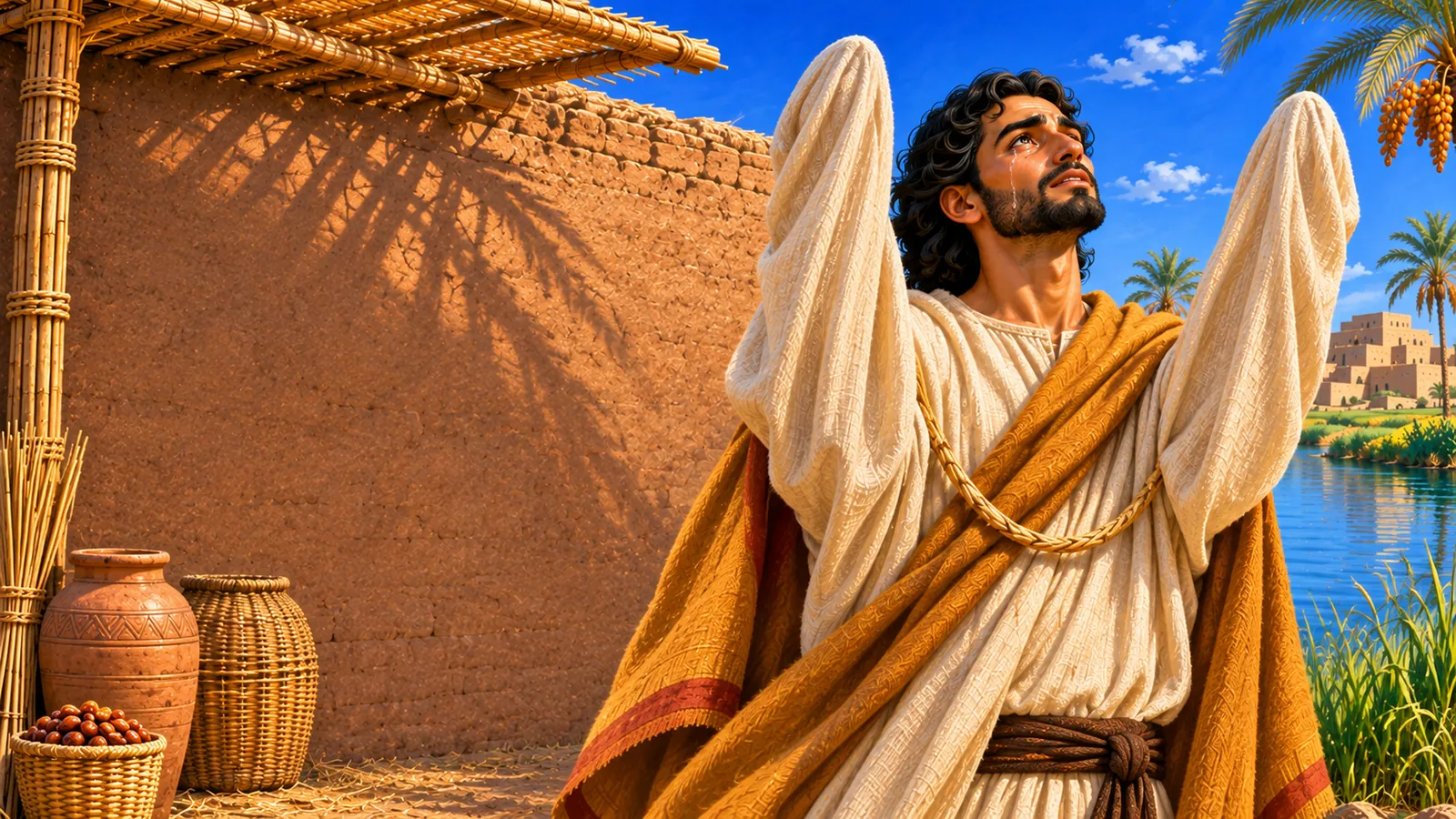
قيّدوا يدي دموزي وذراعيه. فرفع يديه نحو السماء ليناشد أوتو مرّةً أخرى.
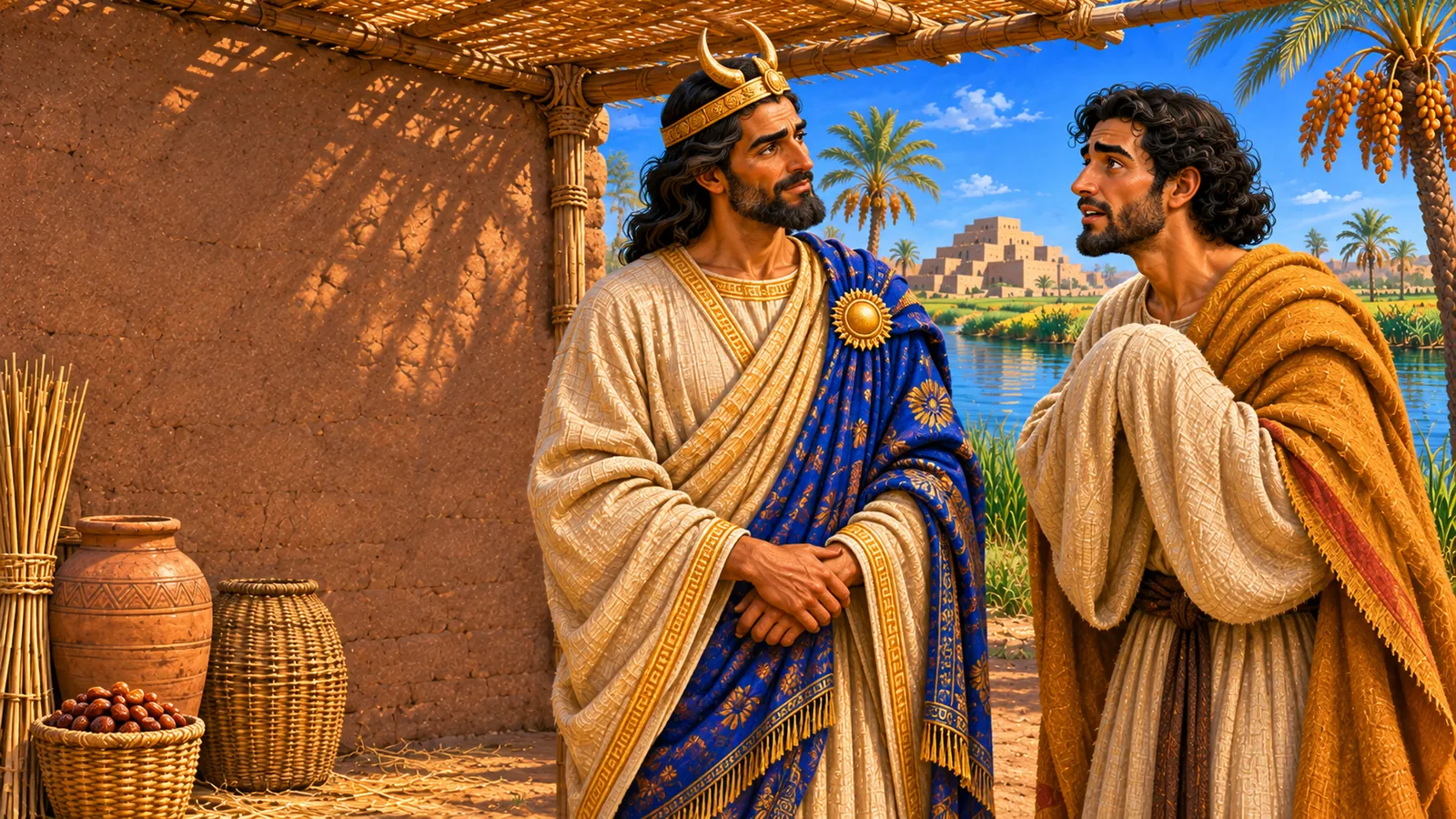
المناشدة الثالثة
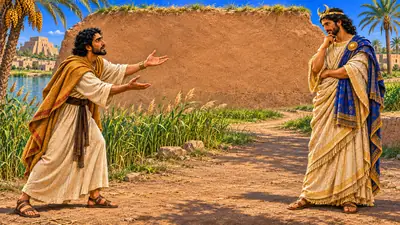
خاطب دموزي أوتو مرّةً أخرى، وذكّره بصلة المصاهرة بينهما وبأنّه زوج أخته.
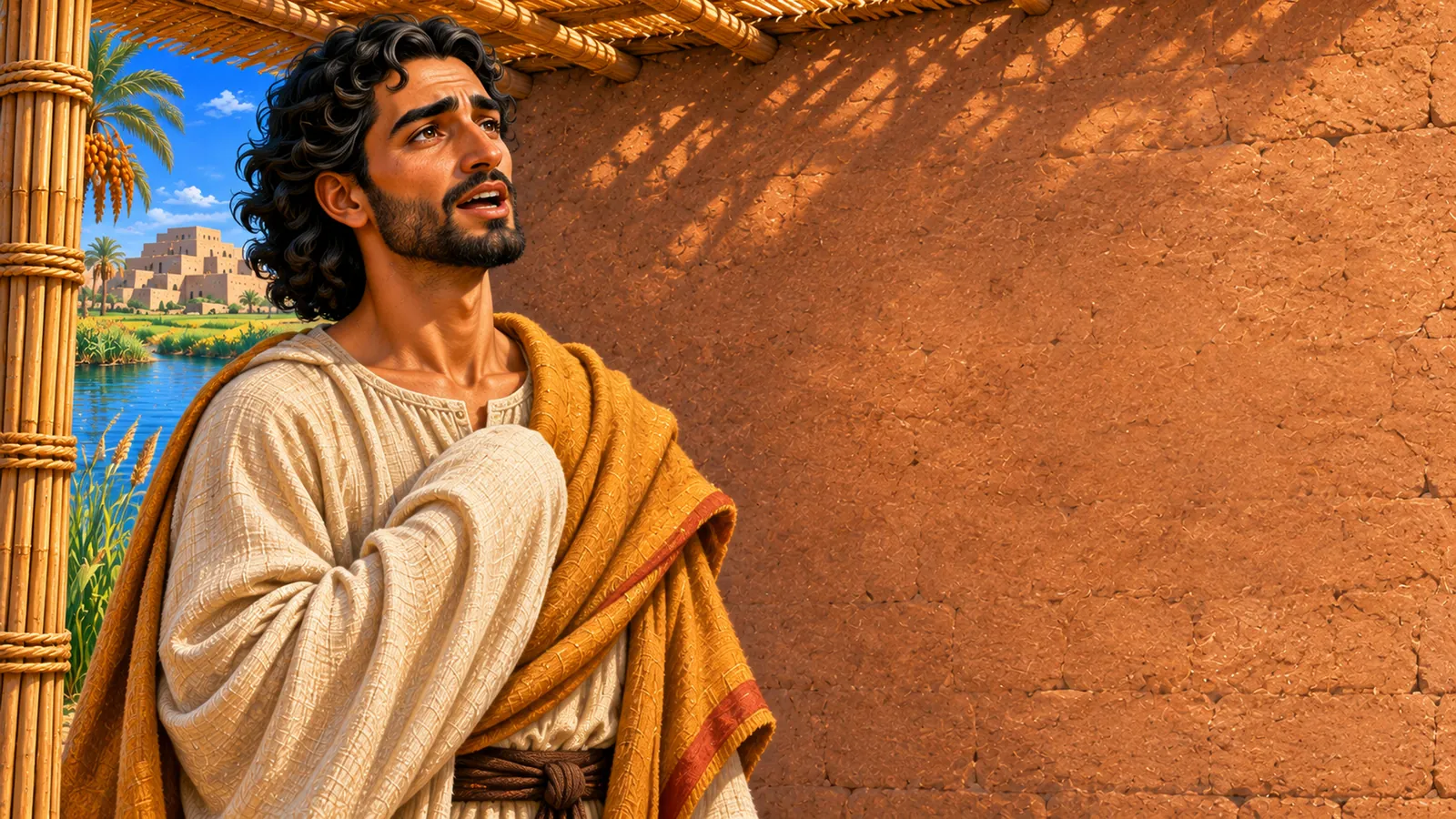
ذكر دموزي أنّه يحمل الطعام إلى إيانا وأنّه جلب هدايا العرس إلى أوروك. وتحدّث عن تقبيل الشفاه المقدّسة والرقص على ركبتي إنانا المقدّستين.
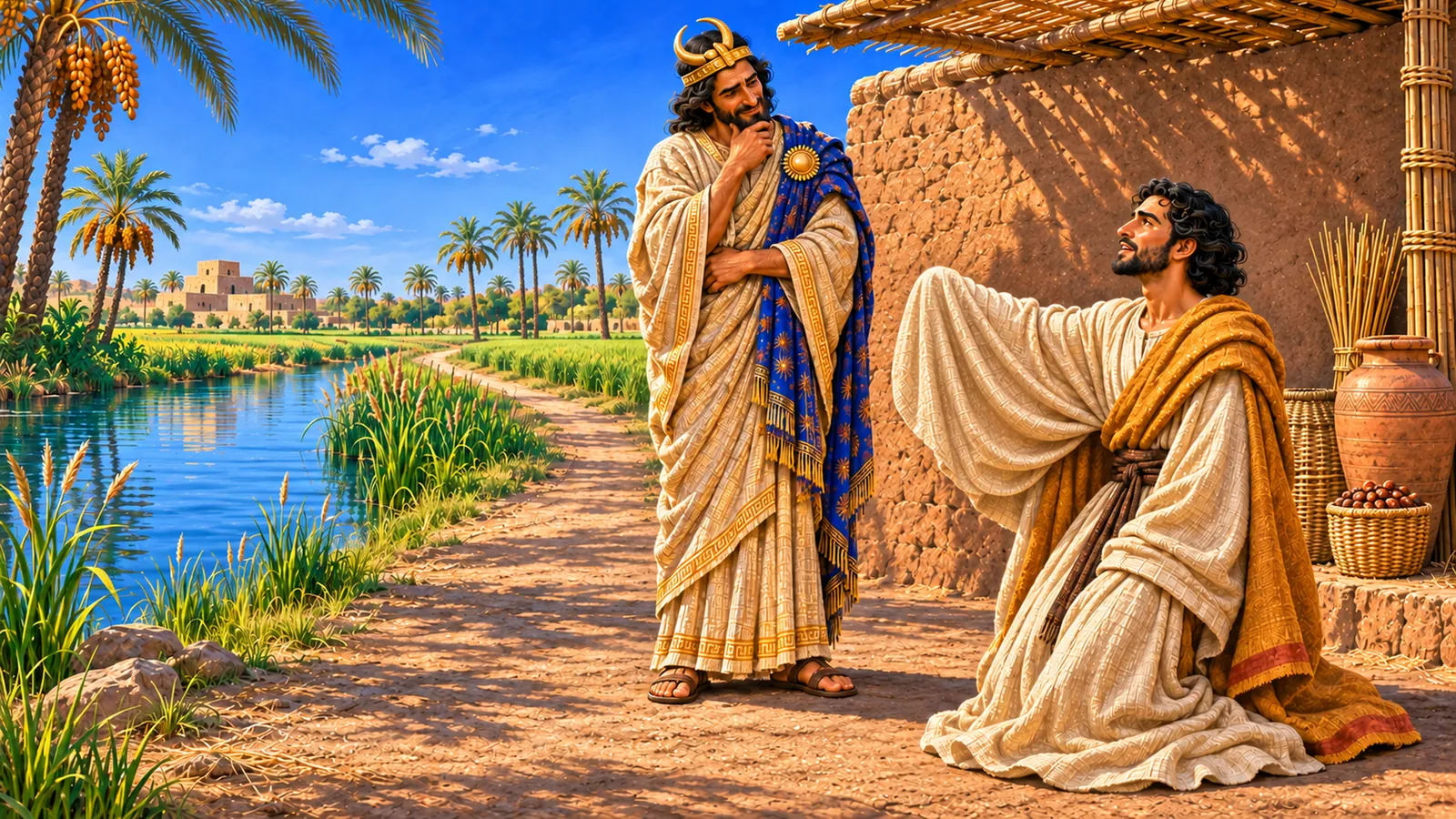
طلب من أوتو أن يحوّل يديه إلى يدَي غزال وقدميه إلى قدمَي غزال، كي ينجو إلى حظيرة أخته المقدّسة.
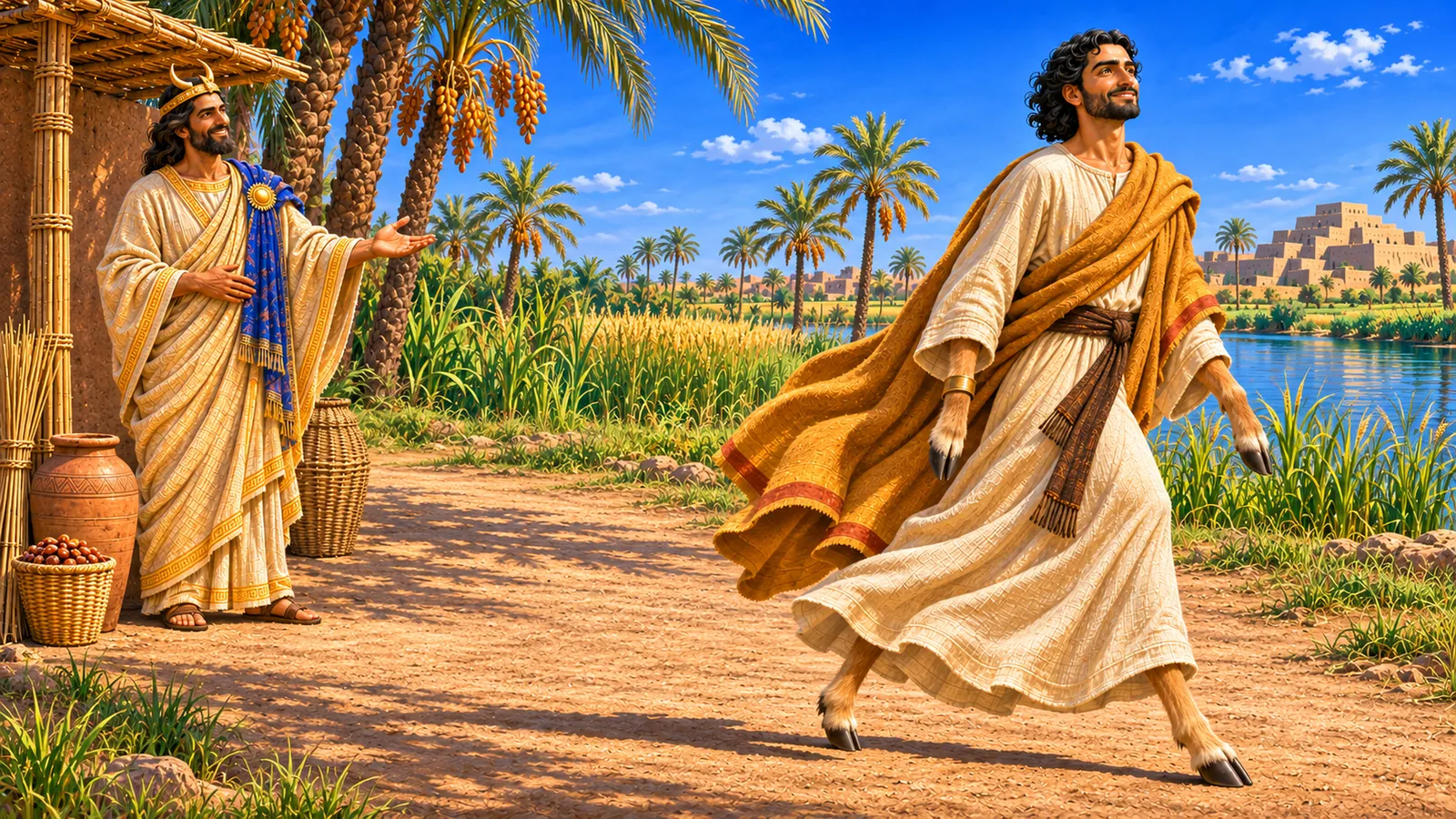
الفرار
تقبّل أوتو دموعه مرّة أخرى. وهب دموزي يدي غزال وقدميه، فتمكّن من الإفلات من أعوان العالم السفلي.
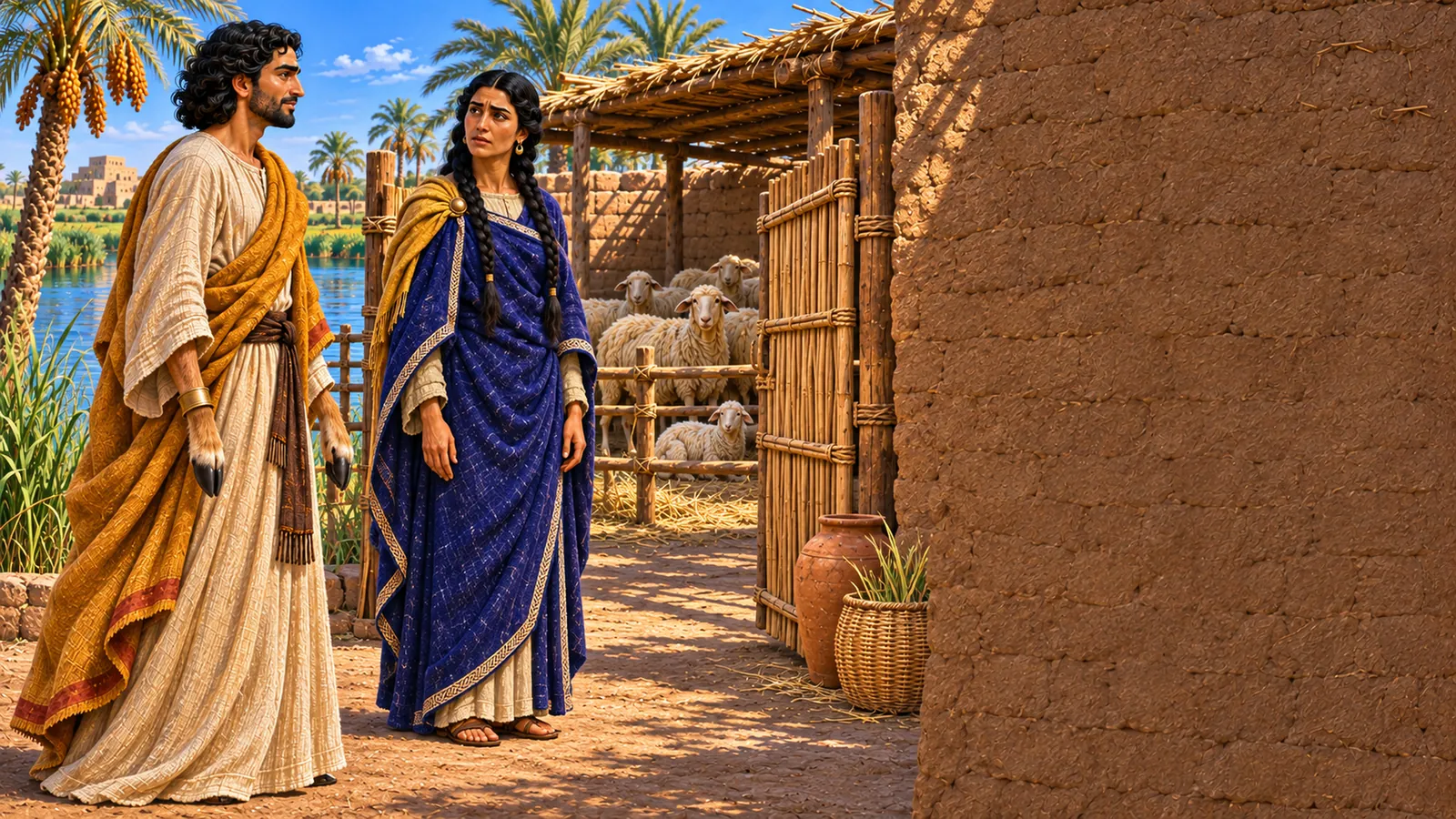
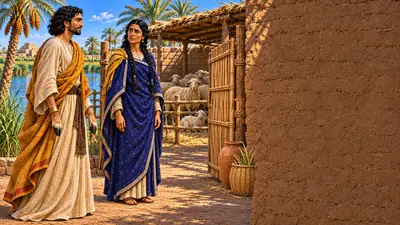
نجا دموزي بحياته إلى الحظيرة المقدّسة. كانت حظيرة أخته، فدنا من مدخلها.
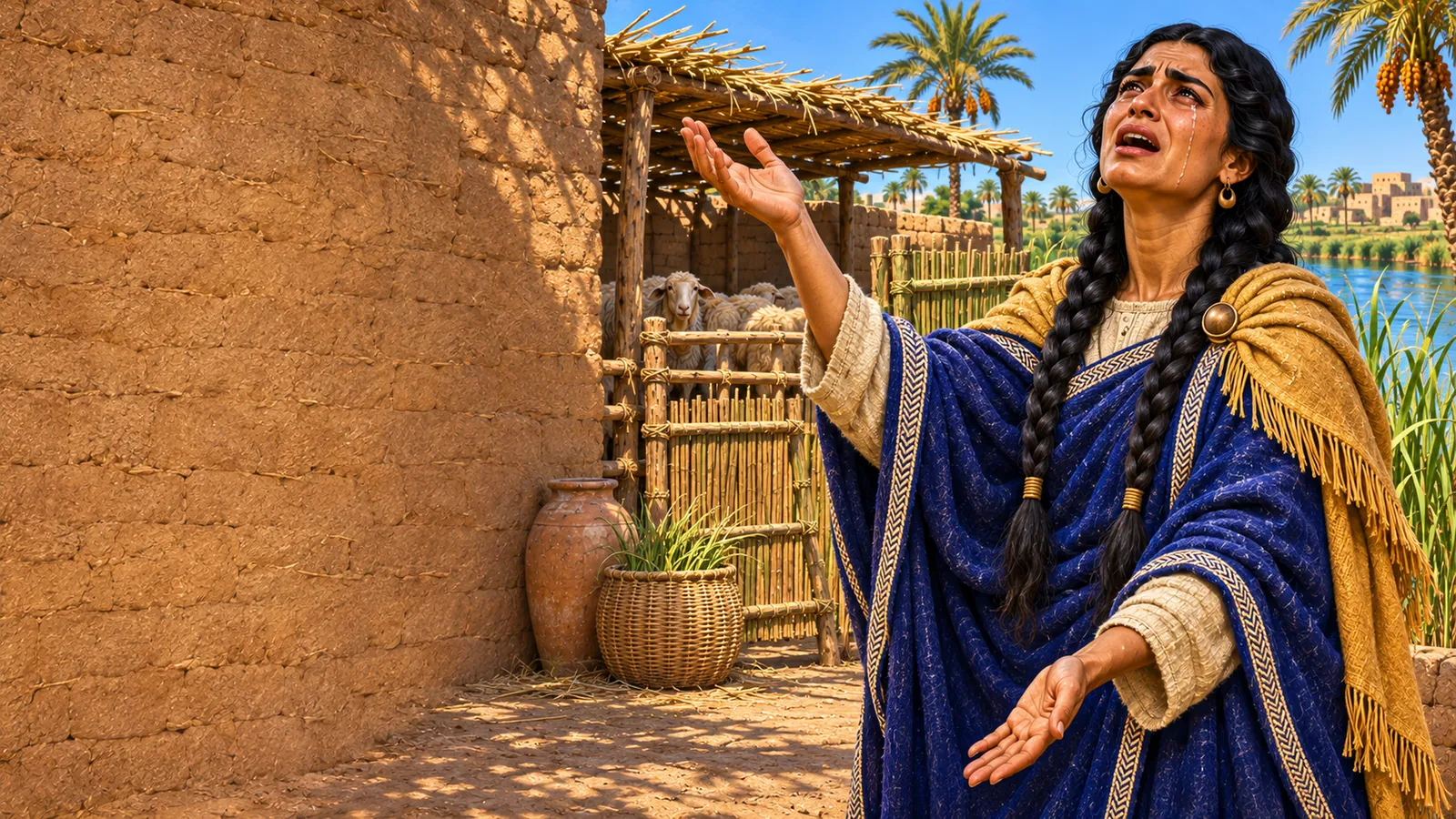
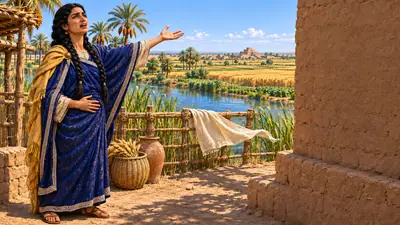
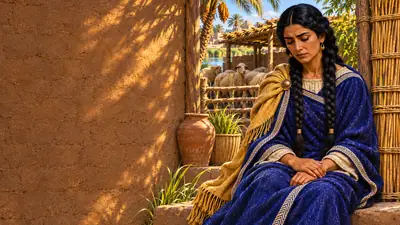
صرخت غشتينانا نحو السماء ونحو الأرض. وانطلق صوتها على امتداد الأفق كلّه، كأنّه قادر على أن يغطي الريف.
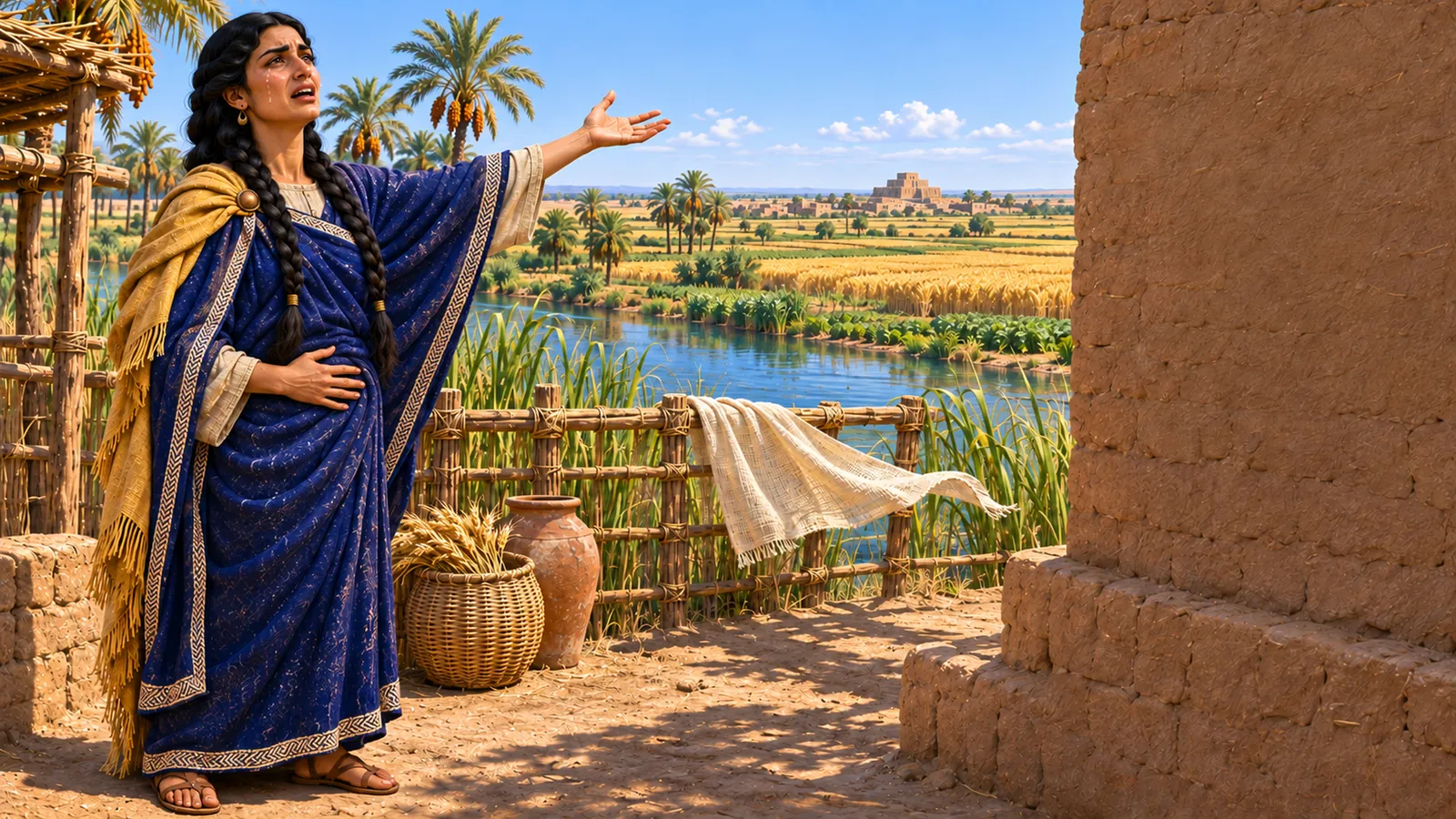
يشبّه النصّ صراخها بقماش ممدود فوق الأفق. غطّى الأرض البعيدة مثل قطعة من نسيج الكتّان.
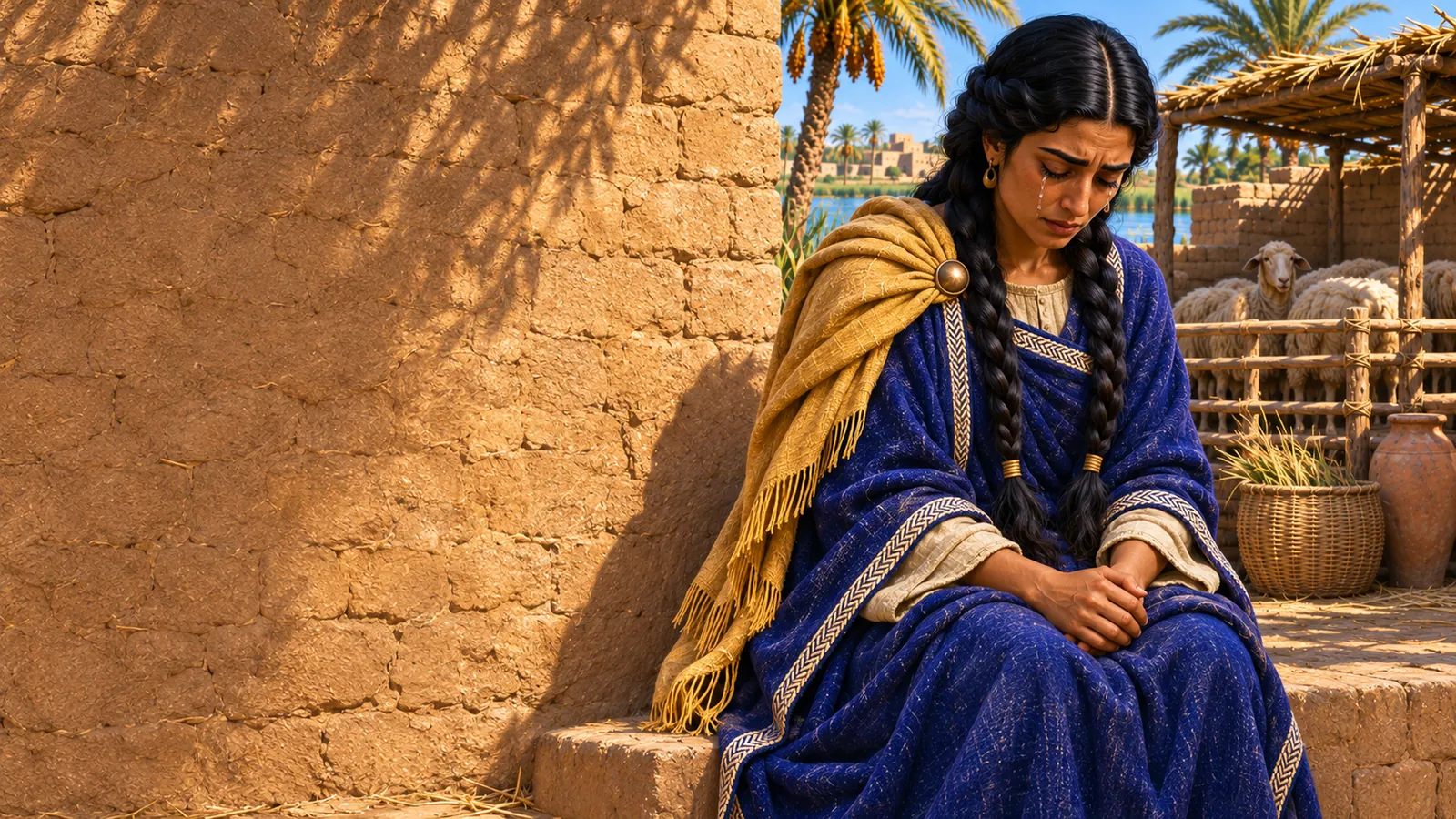
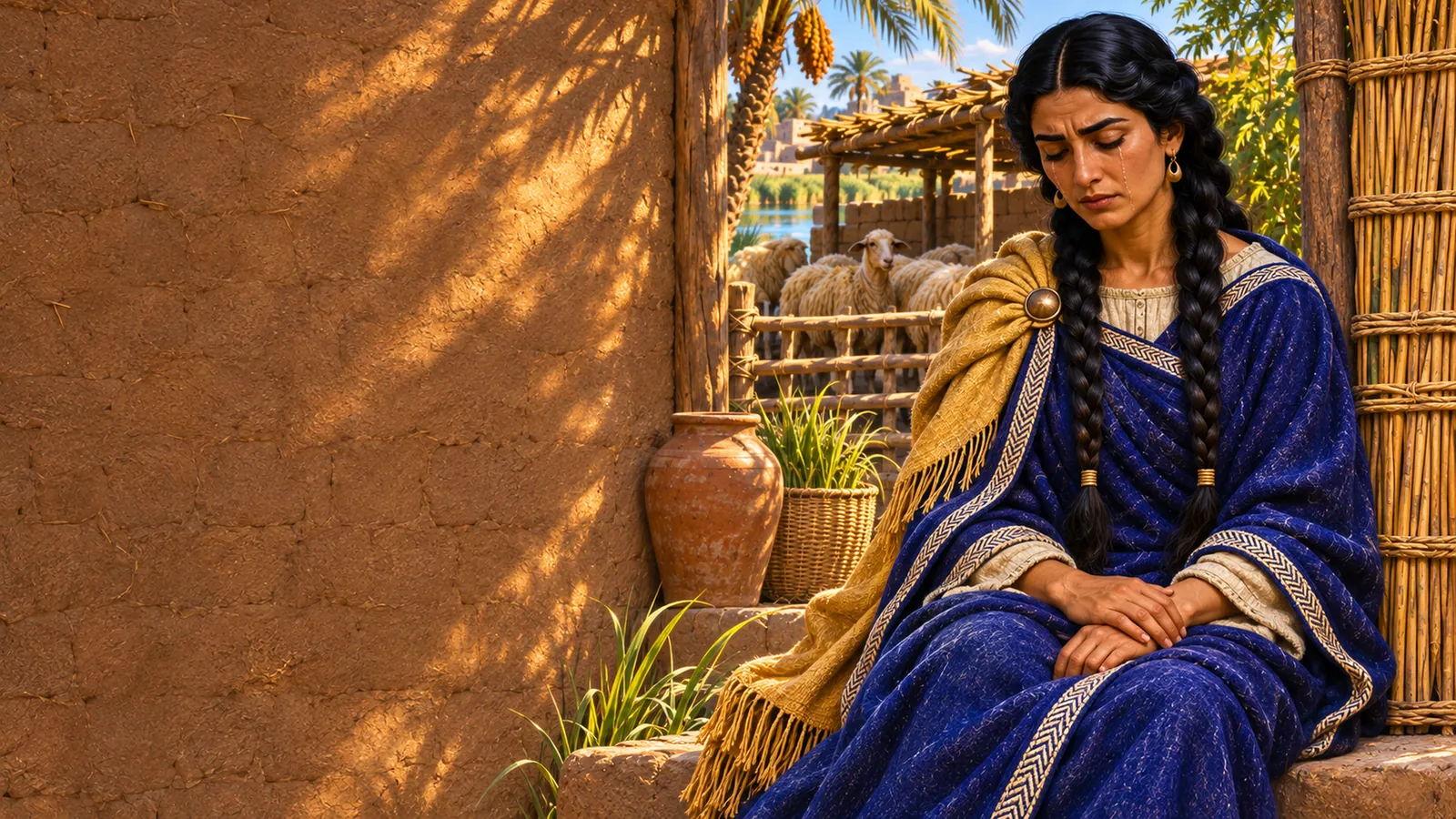
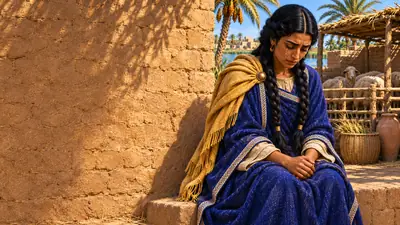
أفضى حداد غشتينانا إلى إيذاء نفسها. يقول النصّ إنّها فعلت ذلك علنًا أمام الناس، ثمّ آذت نفسها مرّة أخرى حين خلَت إلى نفسها.
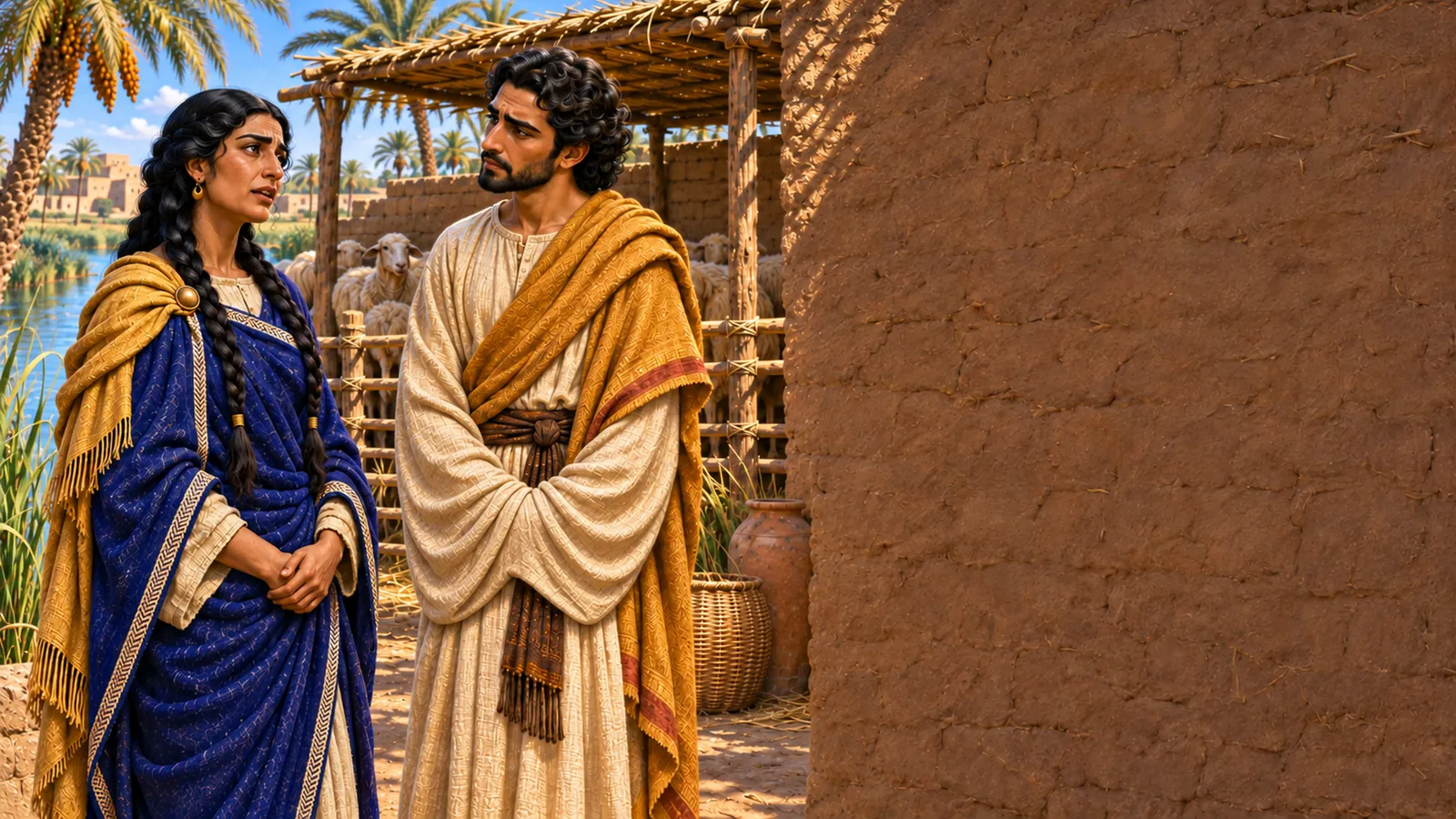
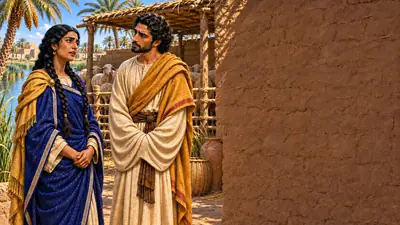
حدّثت أخاها عن الطواف في الشوارع. وتنقطع عبارتها عند ذلك، فلا يتّضح ما أرادت فعله.
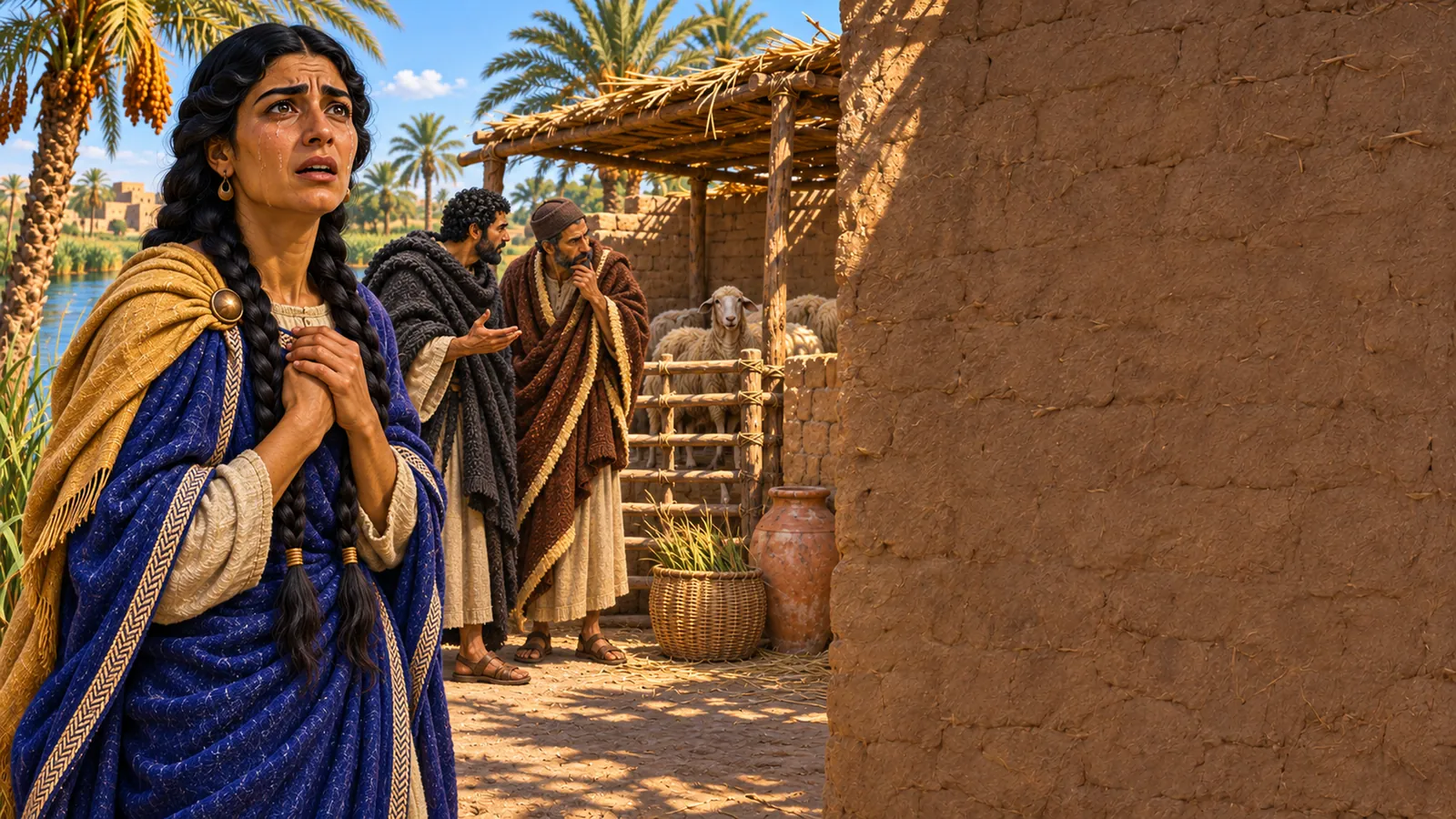
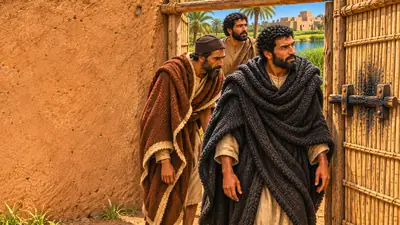
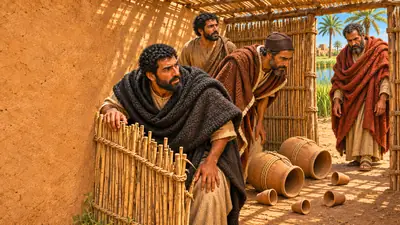
سمع أعوان العالم السفلي الخوف في صوتها فحسبوه دليلًا على أنّها تعرف أين دموزي. وتوجّهوا إلى حظيرة الغنم وحظيرة البقر.
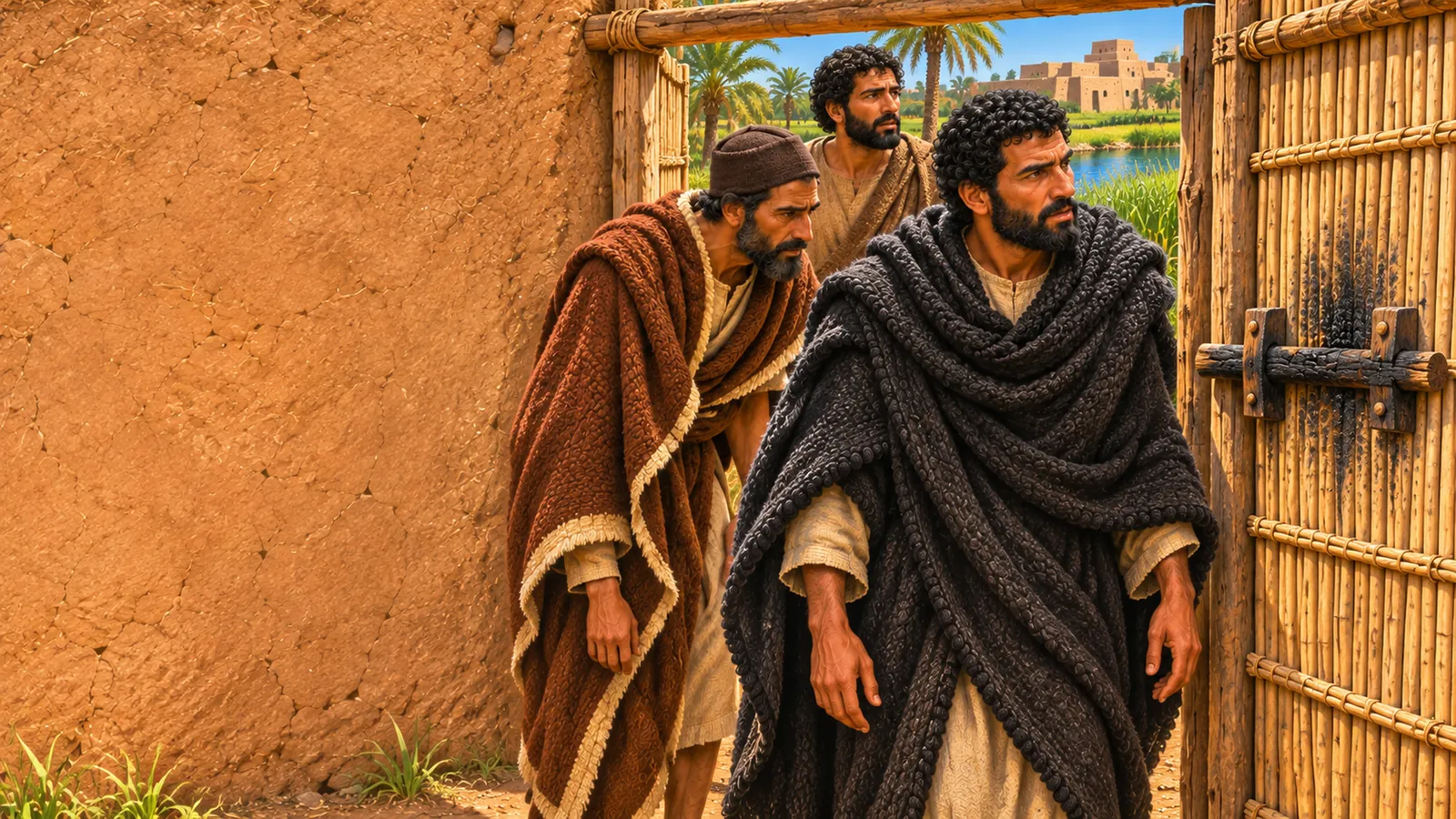
دخل أوّلُ الأعوان حظيرتَي الغنم والبقر. وفي القراءة الرئيسة أشعل النار في مزلاج الباب.
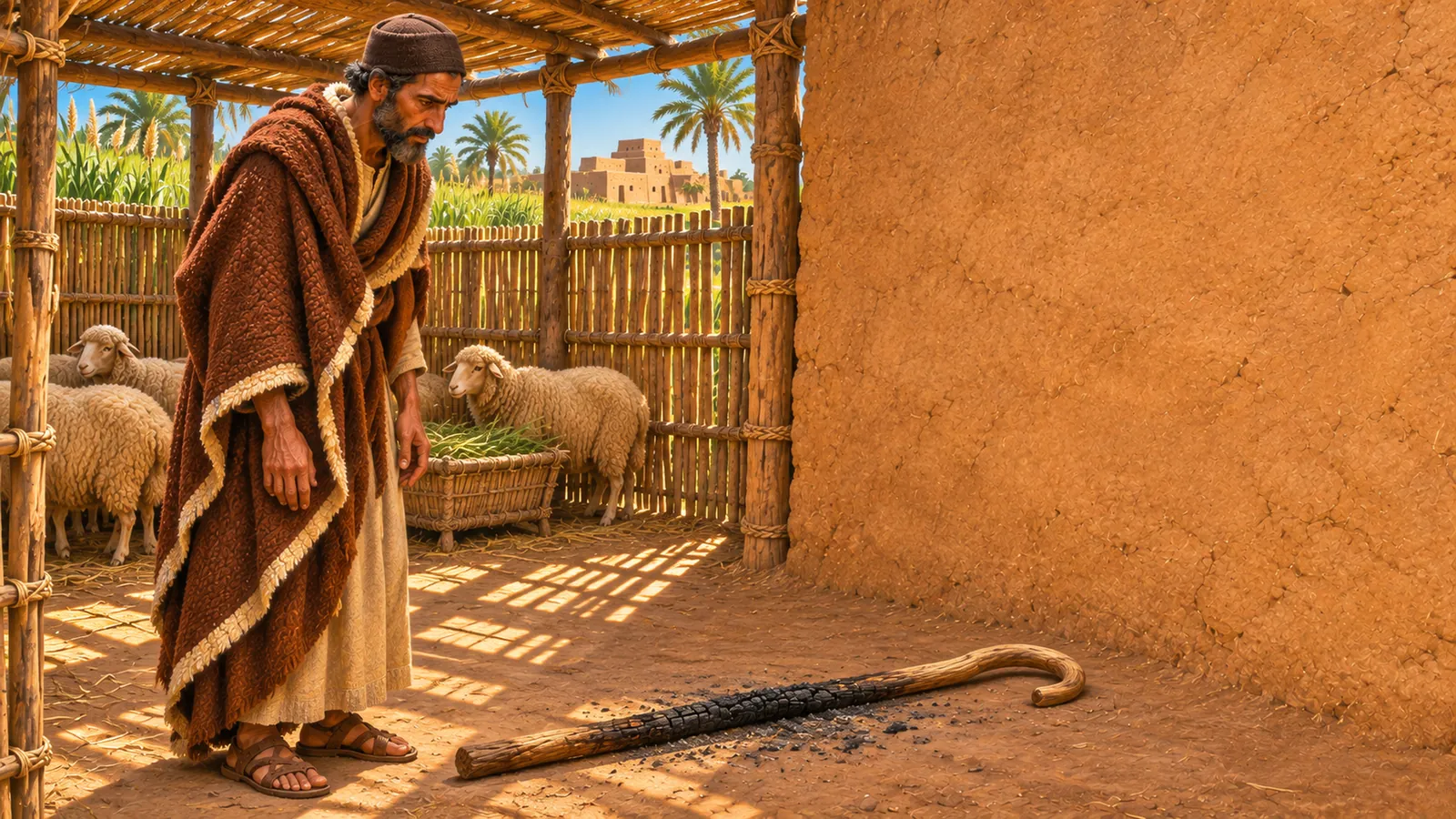
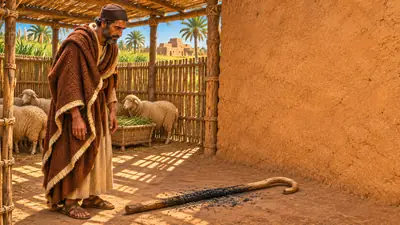
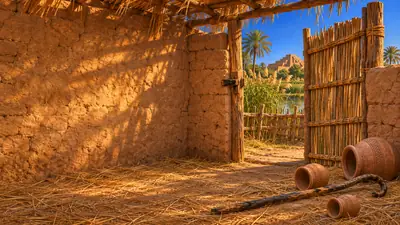
دخل ثاني الأعوان حظيرتَي الغنم والبقر وأحرق عصا الراعي. وكانت عصا قد اختفت من قبلُ في حلم دموزي.
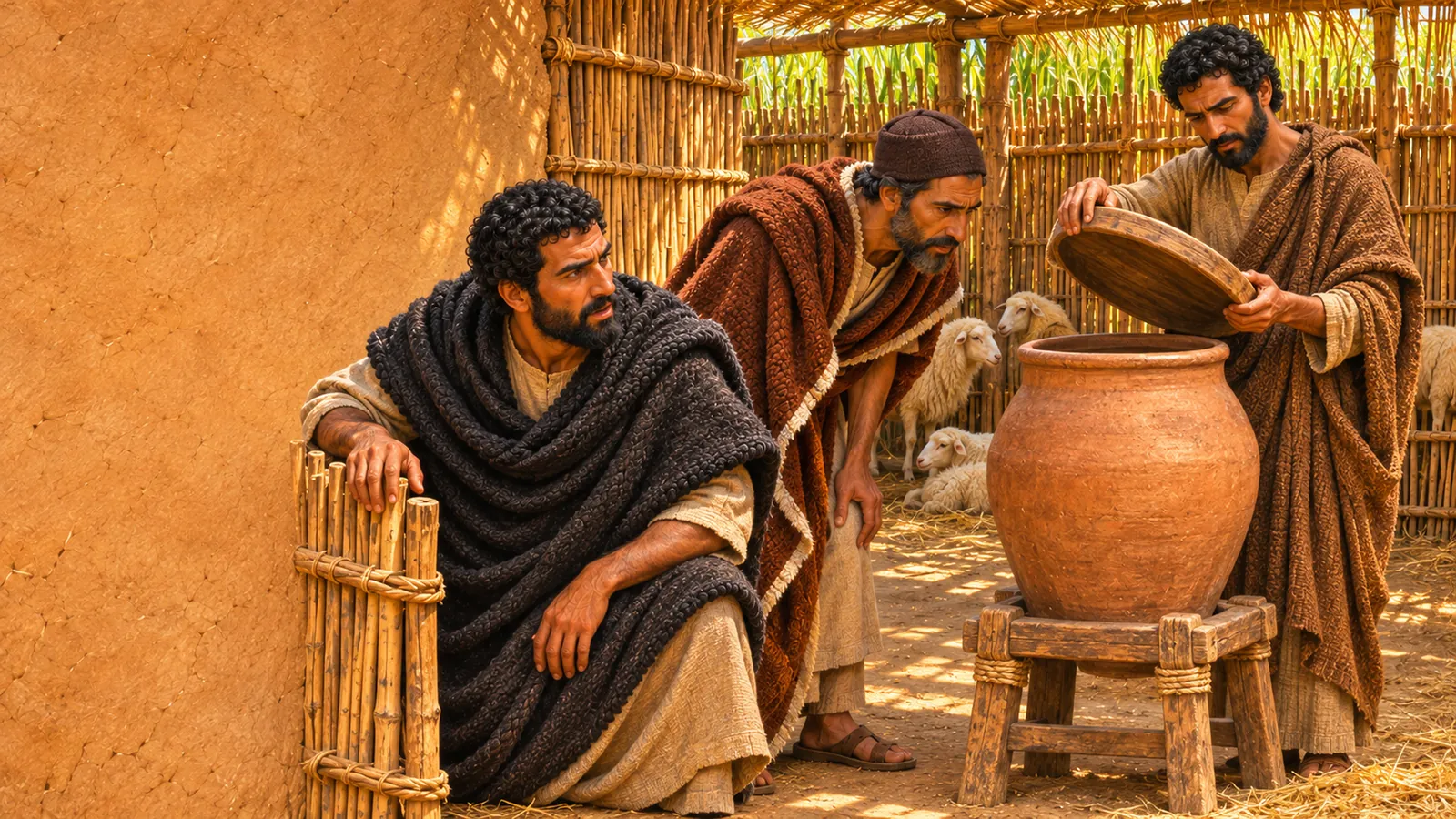
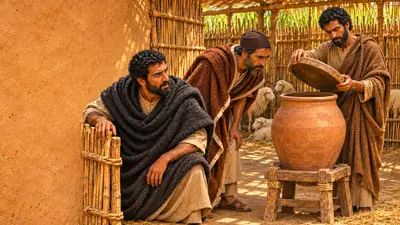
دخل ثالث الأعوان حظيرتَي الغنم والبقر. ونزع غطاء المخضّ المقدّس، كما رأى دموزي في حلمه.
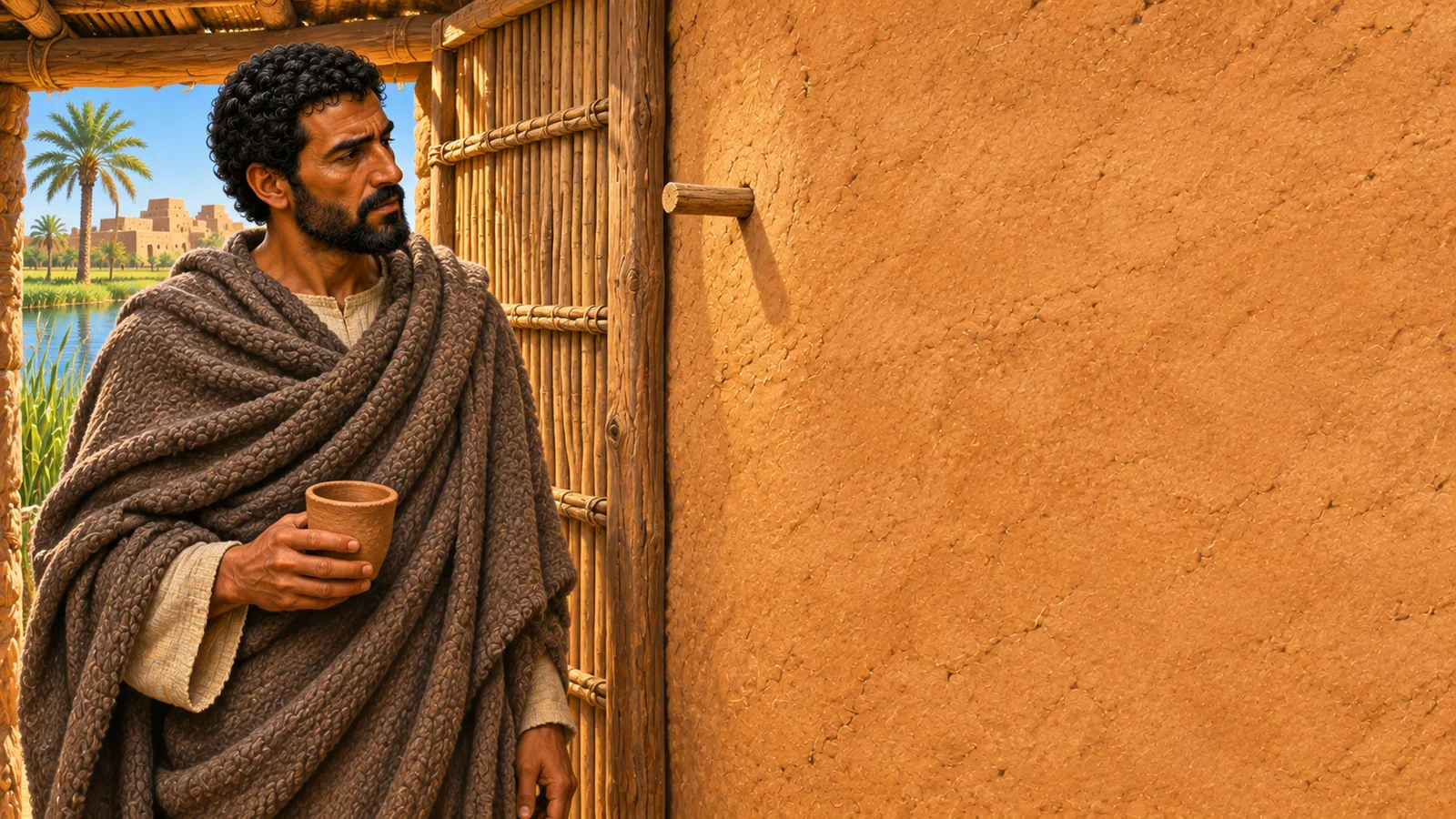
دخل رابع الأعوان ونزع كأس الشرب من وتدها. وكانت الكأس أيضًا قد سقطت في حلم دموزي.
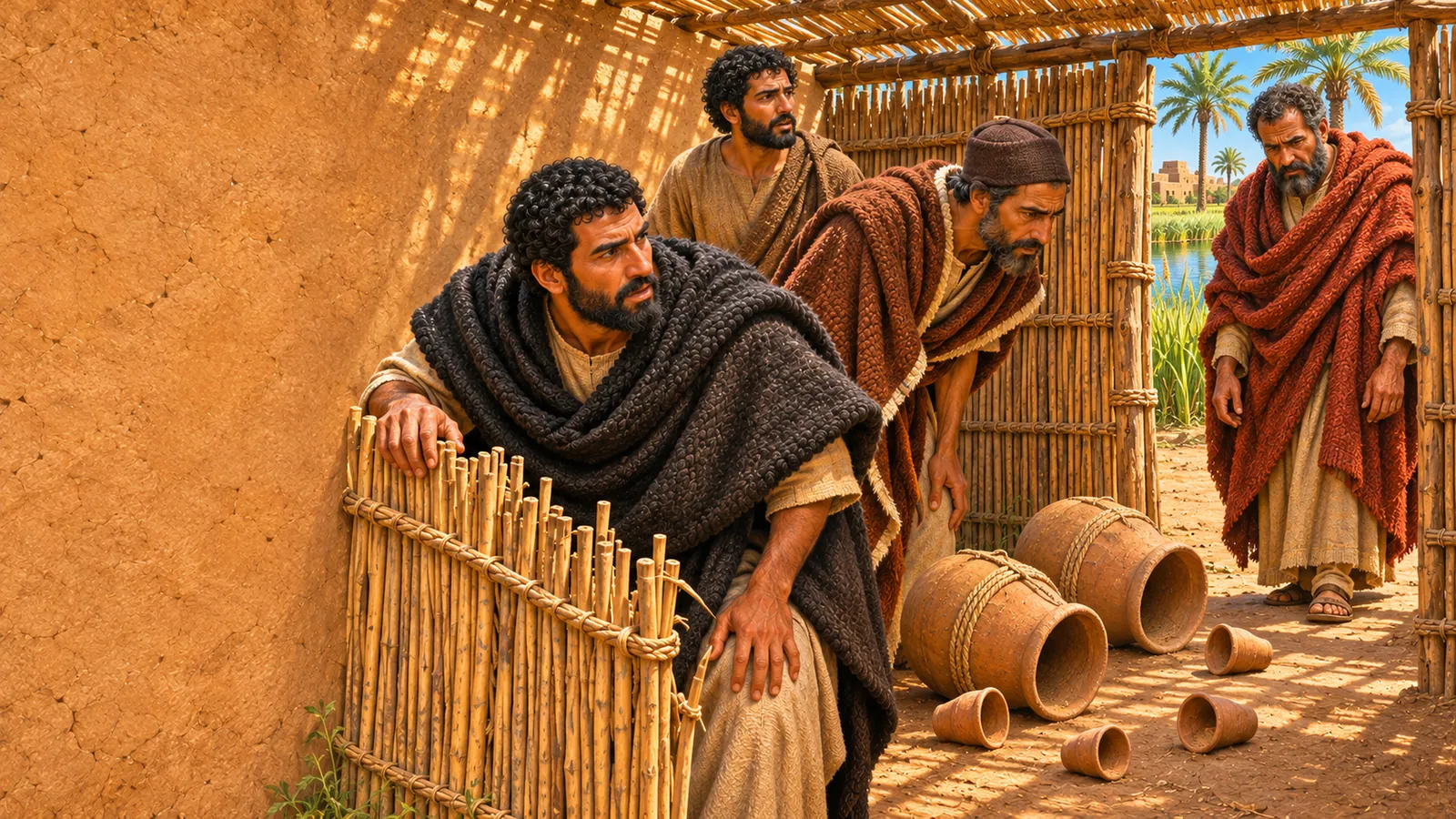
حين دخل خامس الأعوان في القراءة الرئيسة، استلقت المخاضّ والكؤوس على جوانبها. ولم يصبّ أحد الحليب في الحظيرة.
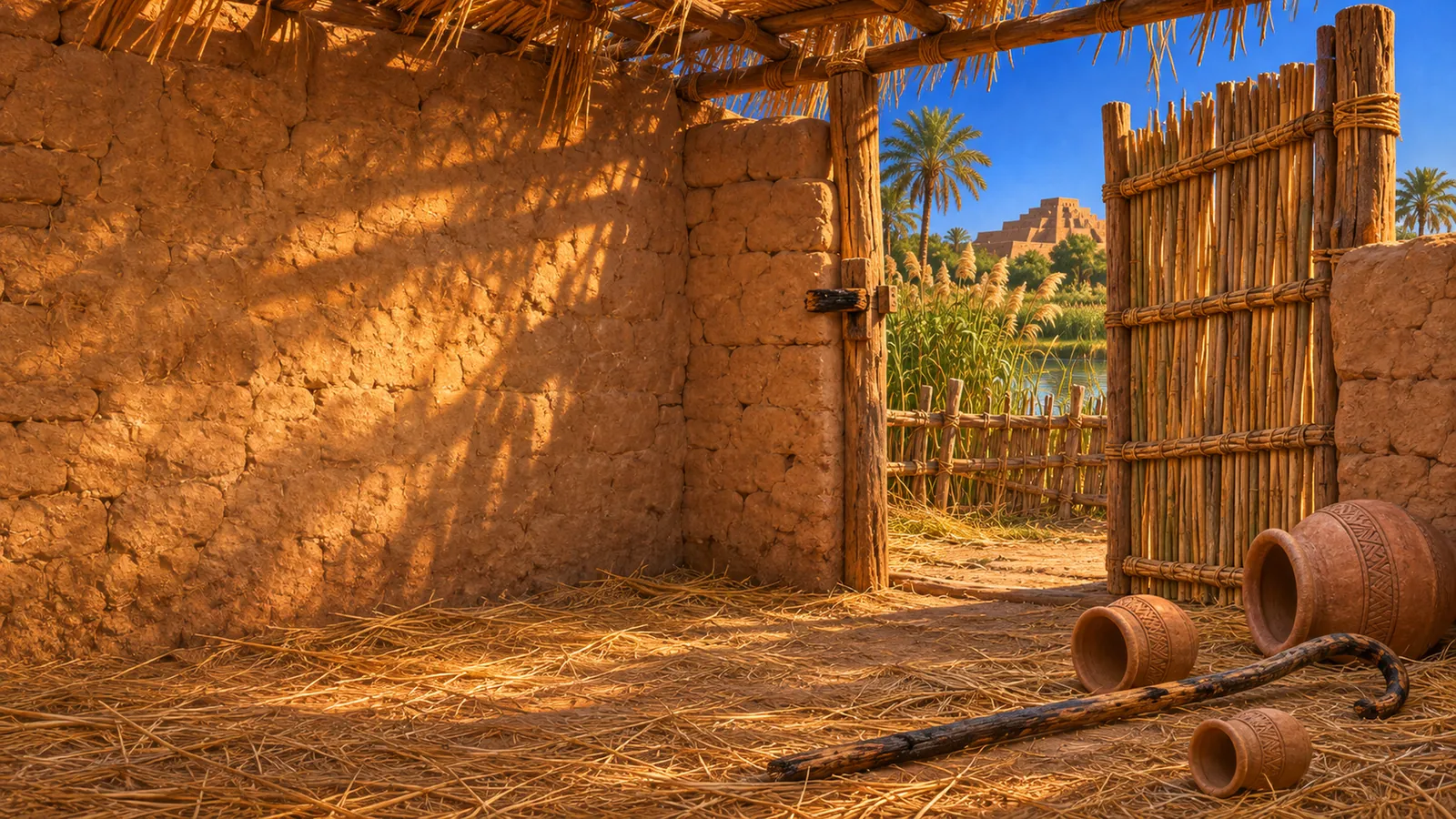
مات دموزي، وغدت الحظيرة موحشةً مسكونة. تحقق المشهد الأخير من الحلم. ويترك النصّ المكان خاليًا من راعيه.
المرثيّة
يسمّي السطر الأخير هذه أنشودة كالكال لدموزي الميّت. ويمنح اسمًا للمرثية التي بقيت بعد أن صمتت الحظيرة.
نهاية الفصل الثاني
كل الصفحات
المصادر
المصادر والملاحظات مكتوبة بالإنجليزية كما وردت في المراجع.
Oxford groups the translation into line ranges. Each page follows the beat within its cited group. Eanna, Uruk and Inanna are the names used here for Oxford’s E-ana, Unug and Inana. Ku-bireš and Ku-bireš-dildareš render Oxford’s Ku-birec and Ku-birec-dildarec.
الطبعات المعتمدة
ملاحظات على هذه الرواية
Pages 1–4, lines 165–173. Dumuzi addresses Utu as his brother-in-law and calls himself the husband of Utu’s sister. He mentions carrying food to Eanna and bringing wedding gifts to Uruk. Page 3 gives his claim that he kisses Inanna’s sacred lips and dances on her sacred knees, the words of his appeal. On page 4 he asks for gazelle hands and feet so he can escape to Ku-bireš-dildareš. These spellings follow the story’s naming conventions. Oxford prints E-ana, Unug, Inana and Ku-birec-dildarec.
Page 5, lines 174–180. Utu accepts Dumuzi’s tears and shows mercy. One manuscript adds that he accepts the tears as a gift.
Pages 6–8, lines 174–180. The translation specifies Dumuzi’s hands and feet in describing the change. He evades the demons and reaches Ku-bireš-dildareš with his life. They look for him without finding him at first.
Pages 9–10, lines 181–191. The pursuers propose going to Ku-bireš. One witness adds a broken comparison involving a net after this suggestion. Oxford prints Ku-birec.
Pages 11–12 (181–191). Adjacent pages preserve the order to go to Ku-bireš and the capture there. The captured Dumuzi is surrounded, the standing water drained and a cord, net, reed hawser and sticks prepared. Oxford describes the man in front throwing projectiles and preserves no action for the man behind. The poem says they bound Dumuzi’s hands and arms and then describes him raising his hands toward Utu. Page 12 retains that sequence. The manuscript addition with the comparison to a net belongs with the earlier order.
Pages 13–15 (192–199). The appeal begins with Dumuzi identifying Utu as his brother-in-law. Dumuzi says he carries food to Eanna and brought wedding gifts to Uruk, and invokes Inanna’s lips and knees. Then he requests the hands and feet of a gazelle so that he can escape to the house of Old Woman Belili. One manuscript reads snake in place of gazelle in both phrases. The narrative request is distinct from its fulfillment.
Pages 16–17 (200–205). Utu accepts Dumuzi’s tears and changes his hands and feet into those of a gazelle in the composite text. One manuscript reads snake as the alternative for both. The composite gives his evasion and escape with his life to Belili’s house.
Pages 18–19 (206–208). Dumuzi identifies himself as a goddess’s husband and makes two requests, first for water to drink and then for flour to eat.
Page 20 (209–212). The first surviving sequence is Belili pouring water, sprinkling flour, and Dumuzi sitting inside. The next pages take up Belili leaving and the demons seeing her. The edition gives no eating or drinking action between the request and Dumuzi’s sitting down.
Pages 21–22 (209–212). After the old woman gives Dumuzi water and flour, he sits inside. She goes outside, and the demons see her.
Pages 23–24 (213–226). The searchers remark on the old woman’s frightened appearance and cries. They infer that she knows Dumuzi’s whereabouts and decide to go to the house of Old Woman Belili, where they catch him. The explanation of her fear comes from them. The translation gives no disclosure by Belili.
Pages 25–27 (213–226). The men drain the standing water around Dumuzi and prepare a cord, a net, a reed hawser and sticks. The man in front throws projectiles at him, and the words about the man behind him break off. The translation names handcuffs and fetters on his hands and arms. He raises his hands heavenward to Utu, and the next numbered passage begins his third appeal.
Pages 28–30 (227–234). Dumuzi calls Utu his brother-in-law and himself the husband of Utu’s sister. He speaks of kissing holy lips and dancing on Inanna’s holy knees. Here the request is for the hands and feet of a gazelle so he can escape to his sister’s holy sheepfold. The snake reading is a variant of the ensuing transformation at 235–244.
Pages 31–32, ETCSL 1.4.3, lines 235–244. Utu hears the appeal, changes Dumuzi’s hands and feet, and he escapes toward his sister’s holy sheepfold. Oxford gives gazelle limbs in the main text and snake limbs in a manuscript variant.
Pages 33–35, lines 235–244. Geštinanna cries toward heaven and earth. Her cries are likened to spread cloth and linen.
Page 35 (ETCSL 1.4.3, lines 235–244).
Pages 36–37, lines 245–255. The opening speech to her brother breaks off after a phrase about going through the streets. The pursuers infer from her fear and cries that she knows where Dumuzi is, then decide to go to the sheepfold and cow-pen. Their inference belongs to their speech.
Pages 38–40, lines 245–255. The first demon sets fire to the bolt in Oxford’s main reading. One manuscript has a shout followed by damaged wording. The second burns the shepherd’s staff and the third removes the churn lid. These are the separate actions in the main sequence.
Pages 41–43, lines 256–260. The fourth tears the cup from its peg in the main reading. At the fifth entry, churns and cups lie on their sides, no milk is poured, Dumuzi is dead and the sheepfold is haunted. One manuscript adds water poured over the brazier at the fourth entry, shifts the cup to the fifth and divides the concluding signs between the sixth and seventh.
Page 44, line 261. Oxford marks the last line as the description of a kalkal song for the dead Dumuzi. This poem ends at that description.
الأسطر القديمة وراء كل صفحة
- Page 1: ETCSL 1.4.3, lines 165–173
The ditches suggest the place of the plea rather than a named monument. - Page 2: ETCSL 1.4.3, lines 165–173
- Page 3: ETCSL 1.4.3, lines 165–173
- Page 4: ETCSL 1.4.3, lines 165–173
- Page 5: ETCSL 1.4.3, lines 174–180
- Page 6: ETCSL 1.4.3, lines 174–180
- Page 7: ETCSL 1.4.3, lines 174–180
- Page 8: ETCSL 1.4.3, lines 174–180
- Page 9: ETCSL 1.4.3, lines 181–191
- Page 10: ETCSL 1.4.3, lines 181–191
At extreme lower left an overhanging fragment of bare cracked clay receives a narrow muted warm highlight. - Page 11: ETCSL 1.4.3, lines 181–191
- Page 12: ETCSL 1.4.3, lines 181–191
- Page 13: ETCSL 1.4.3, lines 192–199
- Page 14: ETCSL 1.4.3, lines 192–199
The right falls into broad naturally even gray-olive plaster shade, with no roof edge or right line. - Page 15: ETCSL 1.4.3, lines 192–199
- Page 16: ETCSL 1.4.3, lines 200–205
- Page 17: ETCSL 1.4.3, lines 200–205
Left is continuous natural copper-gray distance with no horizon line or street. - Page 18: ETCSL 1.4.3, lines 206–208
- Page 19: ETCSL 1.4.3, lines 206–208
- Page 20: ETCSL 1.4.3, lines 209–212
- Page 21: ETCSL 1.4.3, lines 209–212
- Page 22: ETCSL 1.4.3, lines 209–212
- Page 23: ETCSL 1.4.3, lines 213–226
- Page 24: ETCSL 1.4.3, lines 213–226
- Page 25: ETCSL 1.4.3, lines 213–226
- Page 26: ETCSL 1.4.3, lines 213–226
- Page 27: ETCSL 1.4.3, lines 213–226
- Page 28: ETCSL 1.4.3, lines 227–234
A narrow ochre earth bank and a low line of reed roots occupy only the lowest third. - Page 29: ETCSL 1.4.3, lines 227–234
- Page 30: ETCSL 1.4.3, lines 227–234
A pastoral track runs across the lower right toward a distant low reed sheepfold, both remaining wholly to the right of the middle line. - Page 31: ETCSL 1.4.3, lines 235–244
- Page 32: ETCSL 1.4.3, lines 235–244
- Page 33: ETCSL 1.4.3, lines 235–244
A broad nearly empty Sumerian plain with a low distant line of river reeds. Overhead natural pale dust and diffuse dusk form a calm continuous lead-blue and faint rose field, with no sharp lower sky edge in the text reserve. - Page 34: ETCSL 1.4.3, lines 235–244
- Page 35: ETCSL 1.4.3, lines 235–244
- Page 36: ETCSL 1.4.3, lines 245–255
- Page 37: ETCSL 1.4.3, lines 245–255
- Page 38: ETCSL 1.4.3, lines 245–255
- Page 39: ETCSL 1.4.3, lines 245–255
- Page 40: ETCSL 1.4.3, lines 245–255
- Page 41: ETCSL 1.4.3, lines 256–260
- Page 42: ETCSL 1.4.3, lines 256–260
- Page 43: ETCSL 1.4.3, lines 256–260
- Page 44: ETCSL 1.4.3, line 261
الرسوم من صنع أرشيف إيل بأدوات الذكاء الاصطناعي؛ والنص مبني على المصادر القديمة (انظر المصادر في آخر كل فصل).