عبر حقول حتب الفصل الثاني
الحقول والبحيرات
يجدّد المتكلّم طلب العيش مع حتب ونيل الطعام والقوّة. ويخاطب مواضع بأسمائها، ويحسب محصوله، ويختتم بربط مركبه في البحيرات السماويّة ومدح آلهة سِخِت-حتب.
المصادرقلّب الصفحات بالأزرار أو بمفاتيح الأسهم أو بسحب الإصبع.
الحقول والبحيرات
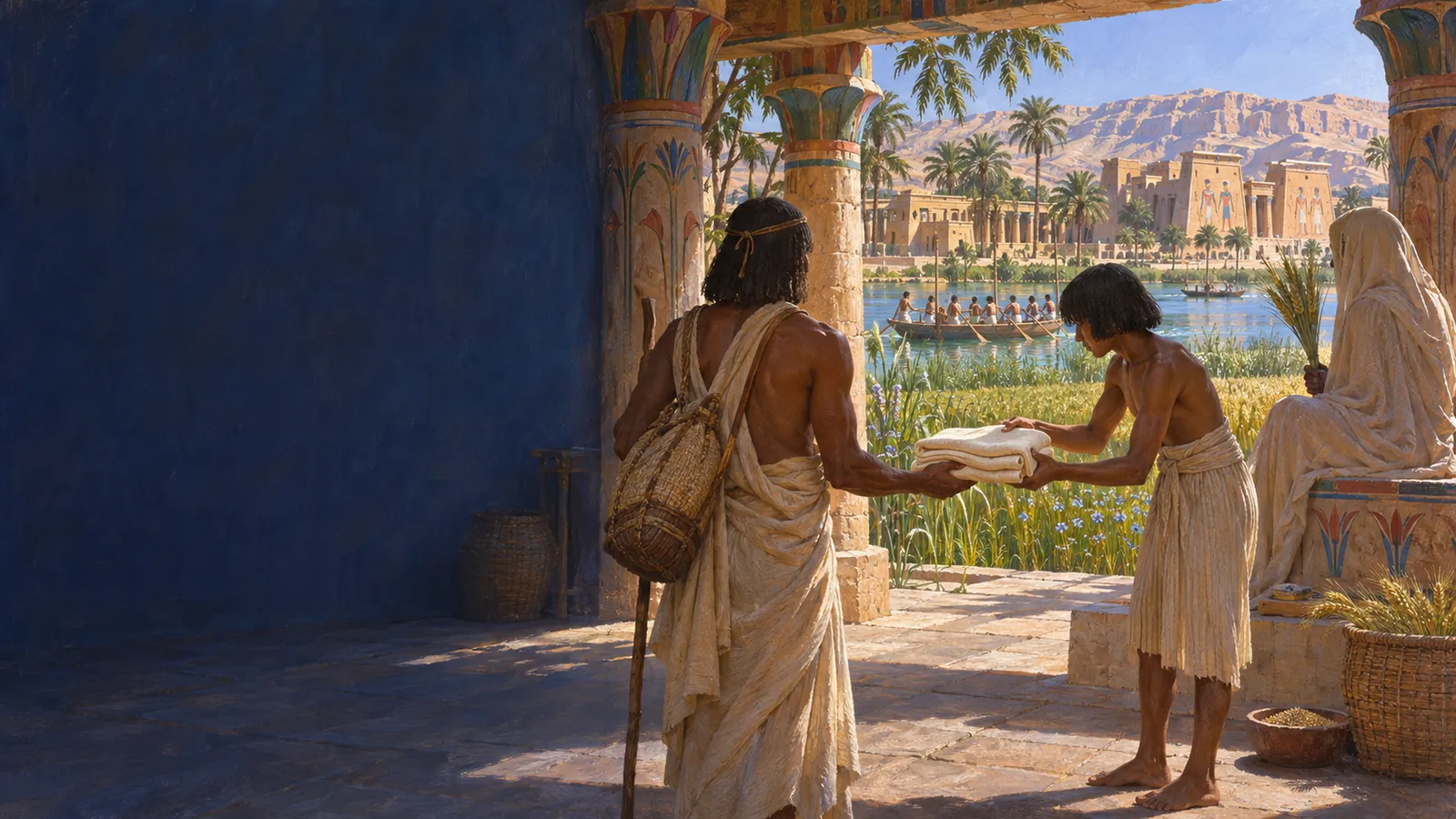
يسأل المتكلّم أن يعيش مع الإله حِتِب، وأن يكون مكتسيًا، وأن يسلم من نهب سادة الشمال.
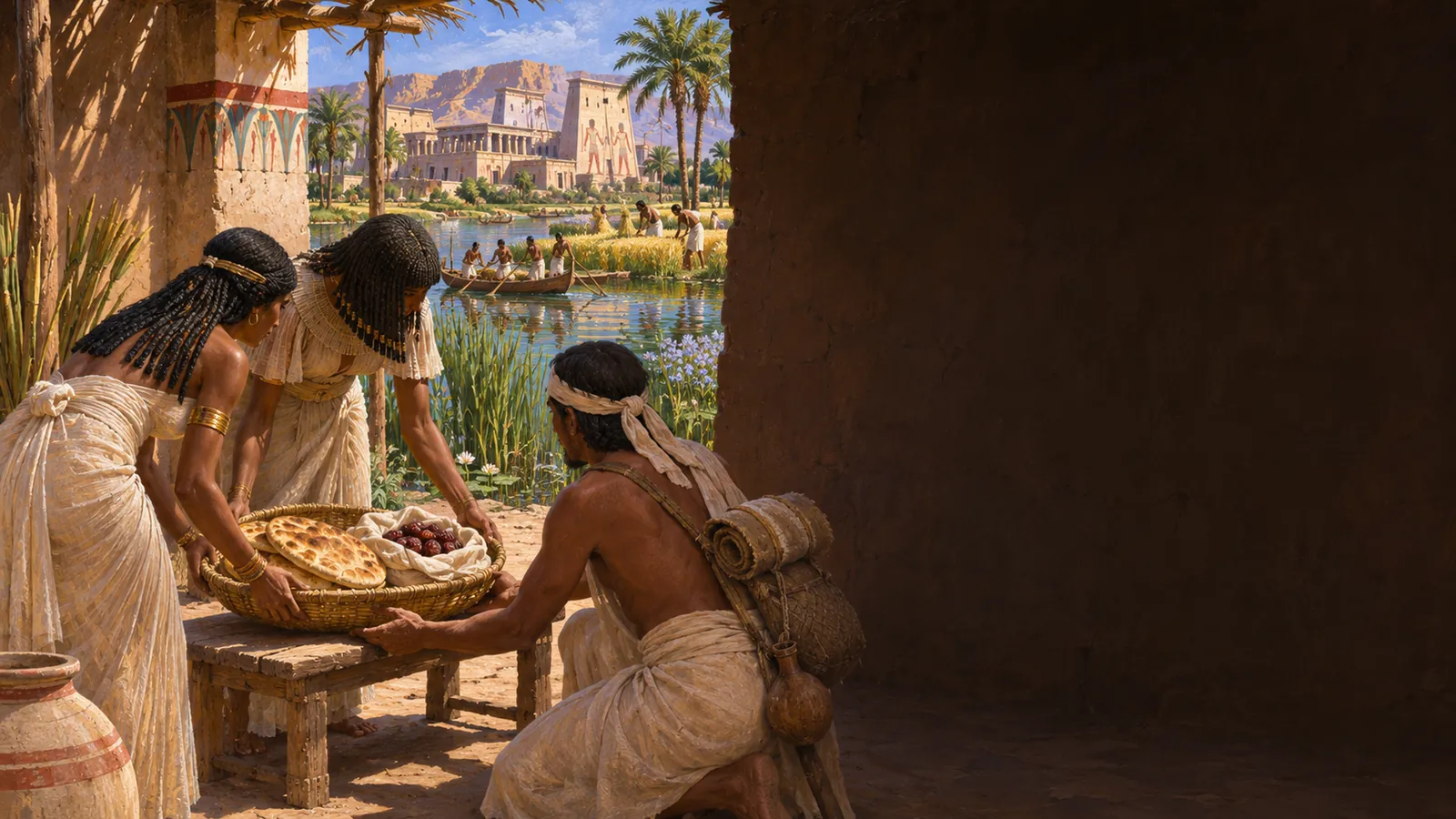
ويواصل المتكلّم ابتهاله، فيسأل مَن يسمّيه ربّ الأشياء الإلهيّة أن يأتيه بالطعام.
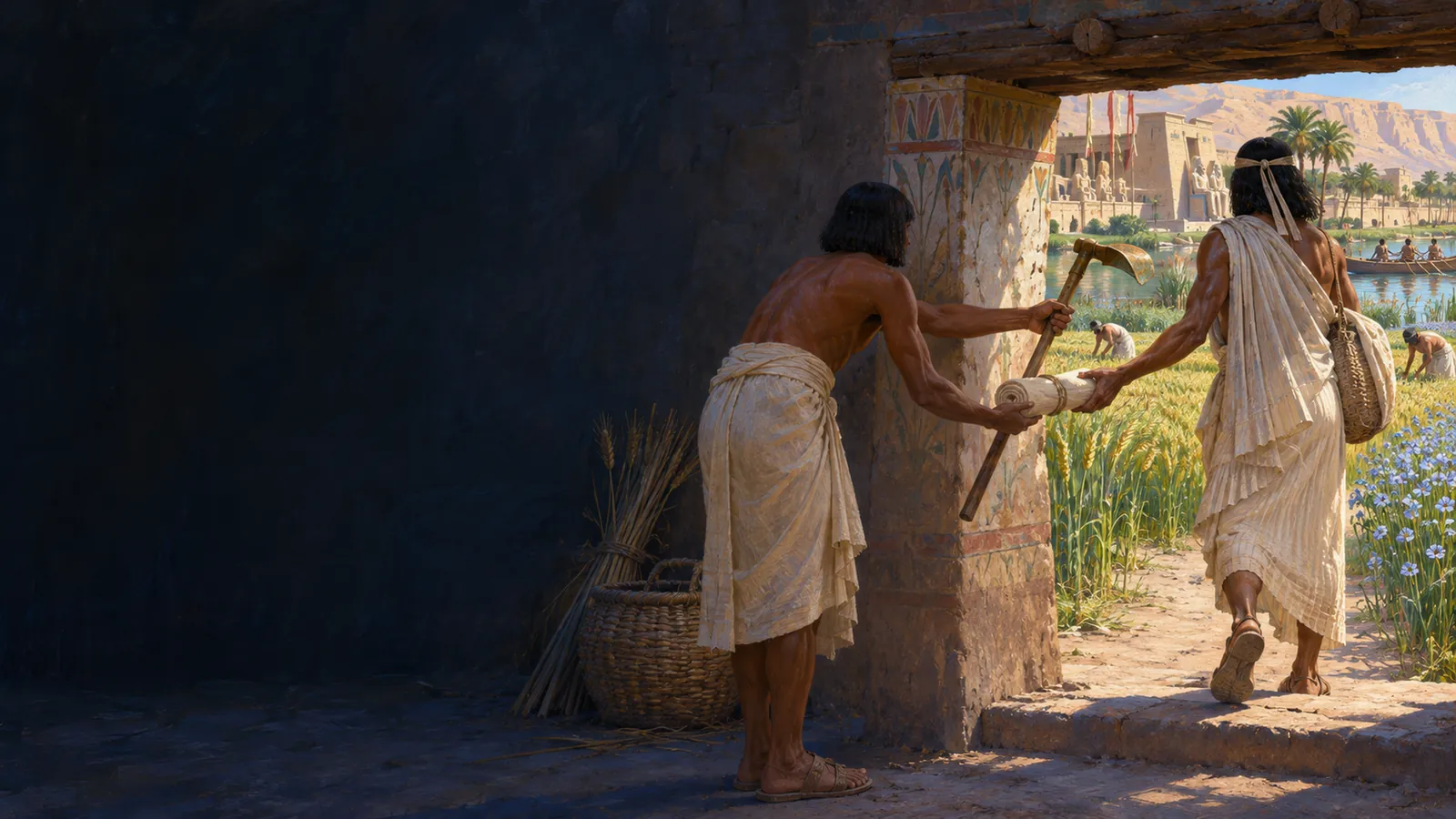
يسأل أن يمضي قُدُمًا وأن يخرج. ويسأل أن تُؤتى إليه قوّته في ذلك المكان فيتلقّاها، وأن يأتيه عتاده من حِتِب.
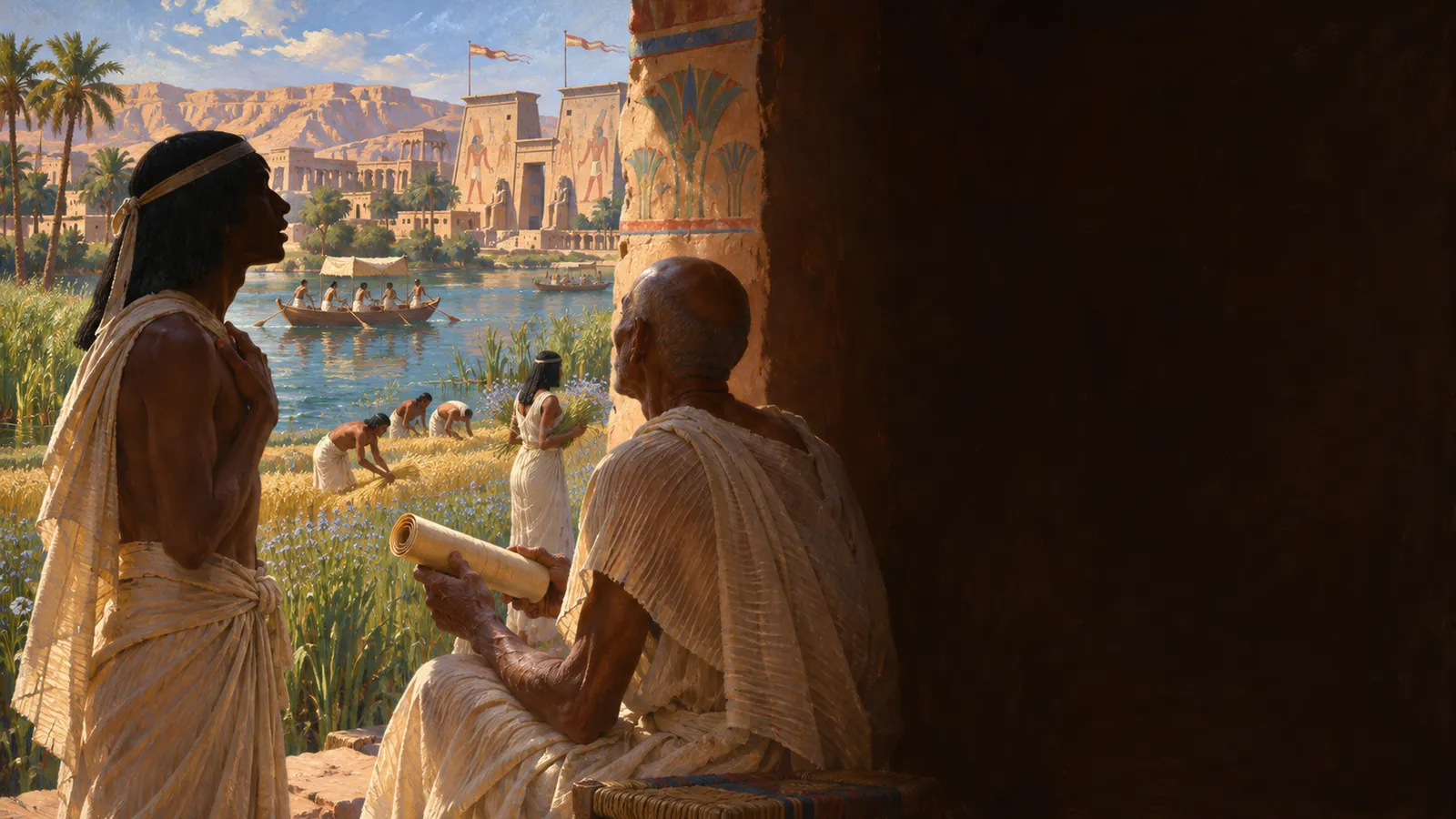
يسأل المتكلّم أن يتمكّن من الكلمة العظيمة القويّة التي في جسده. ويقول إنّه سيتذكّر وينسى بواسطتها.
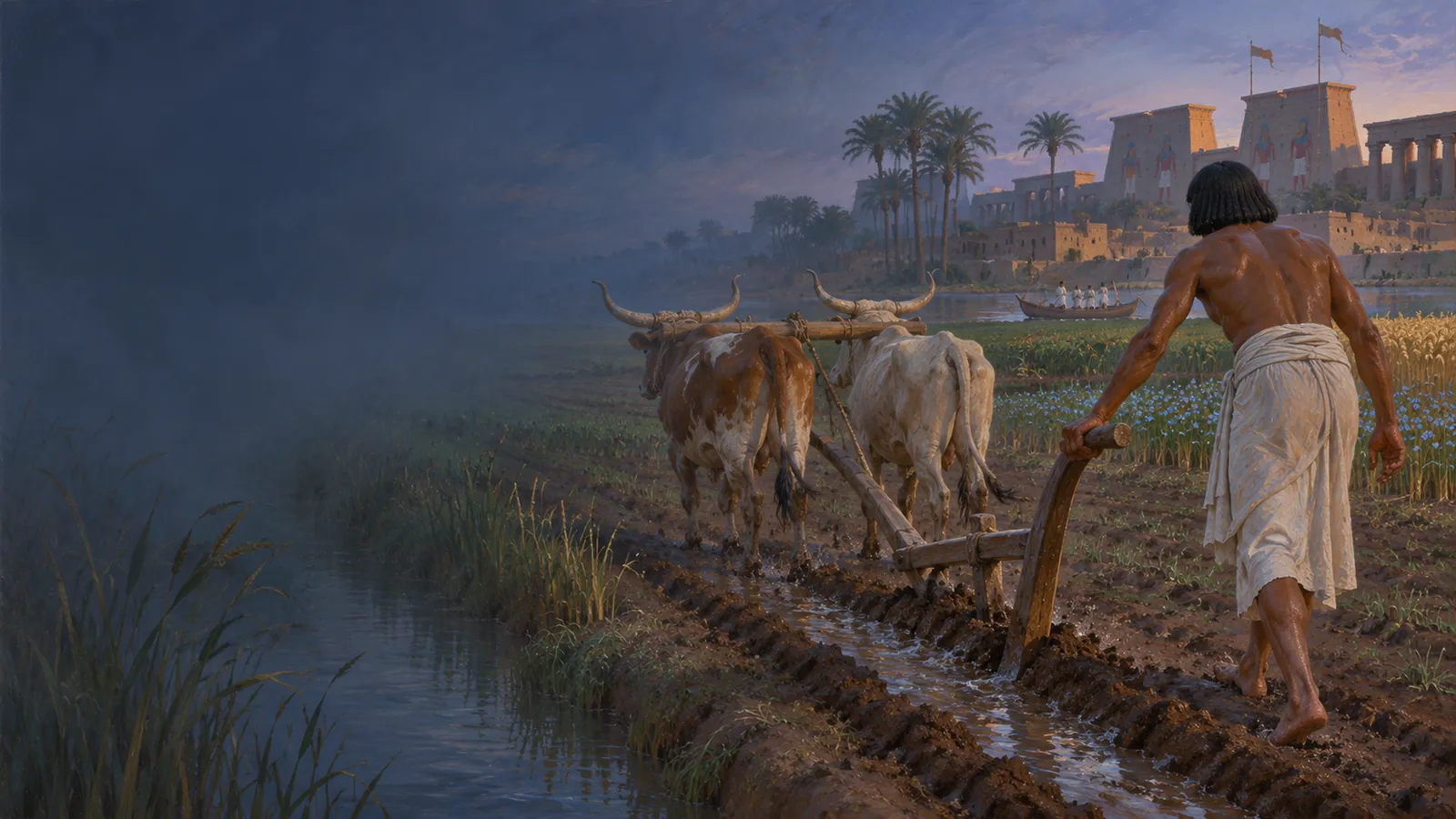
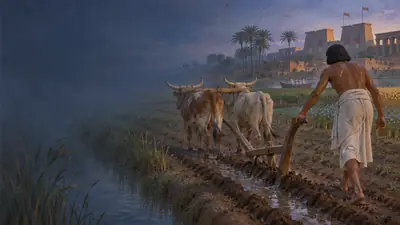
يسأل المتكلّم أن يُسمَح له بأن يمضي في طريقه وأن يحرث الأرض.
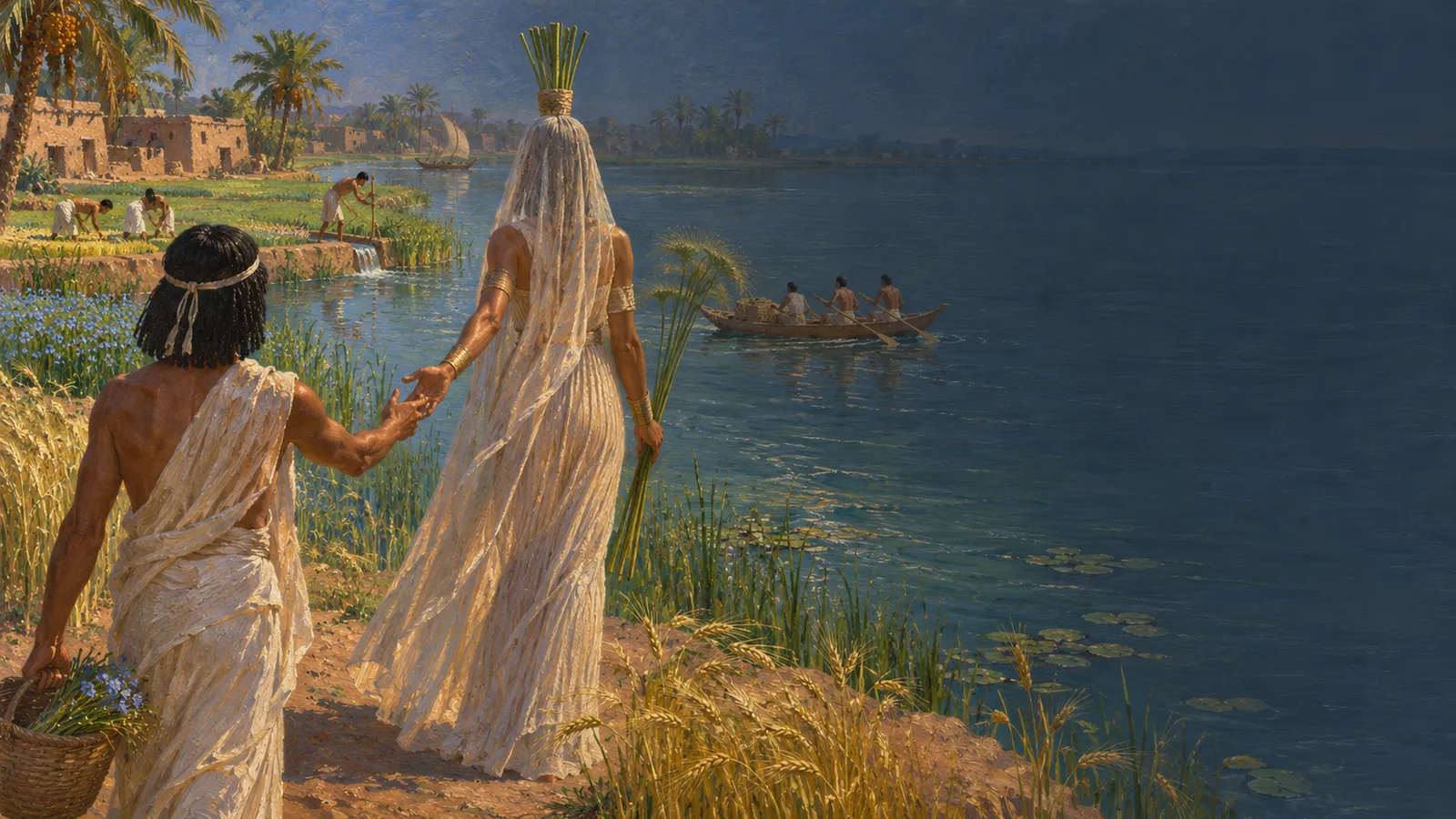
يقول المتكلّم إنّه في سلام مع إله المدينة. ويقول إنّه يعرف المياه والمدن والأقاليم والبحيرات في سِخِت-حِتِب.
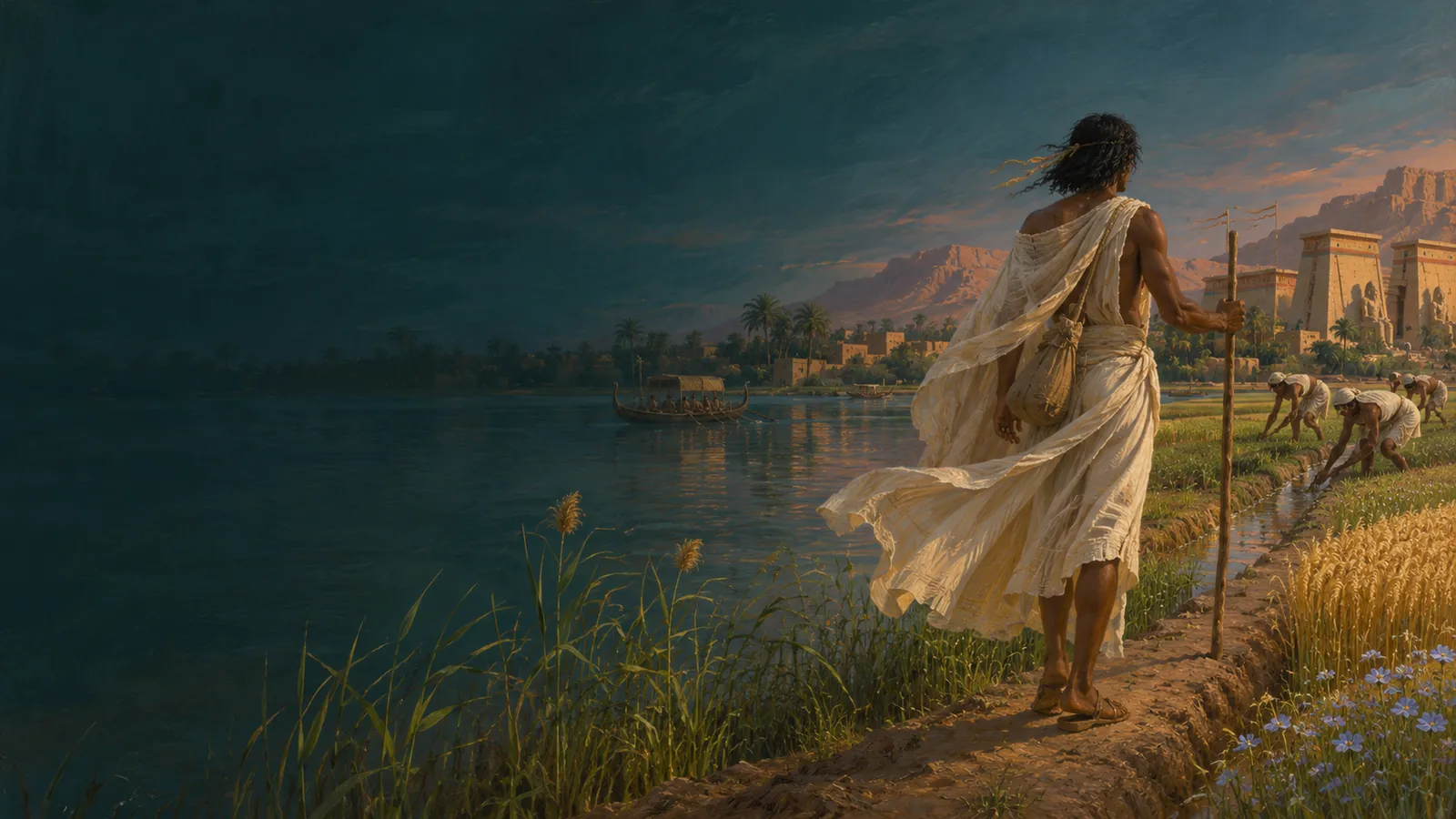
يعلن المتكلّم أنّه قائم هناك وأنّه قويّ هناك. ويقول إنّه صار روحًا في ذلك المكان.
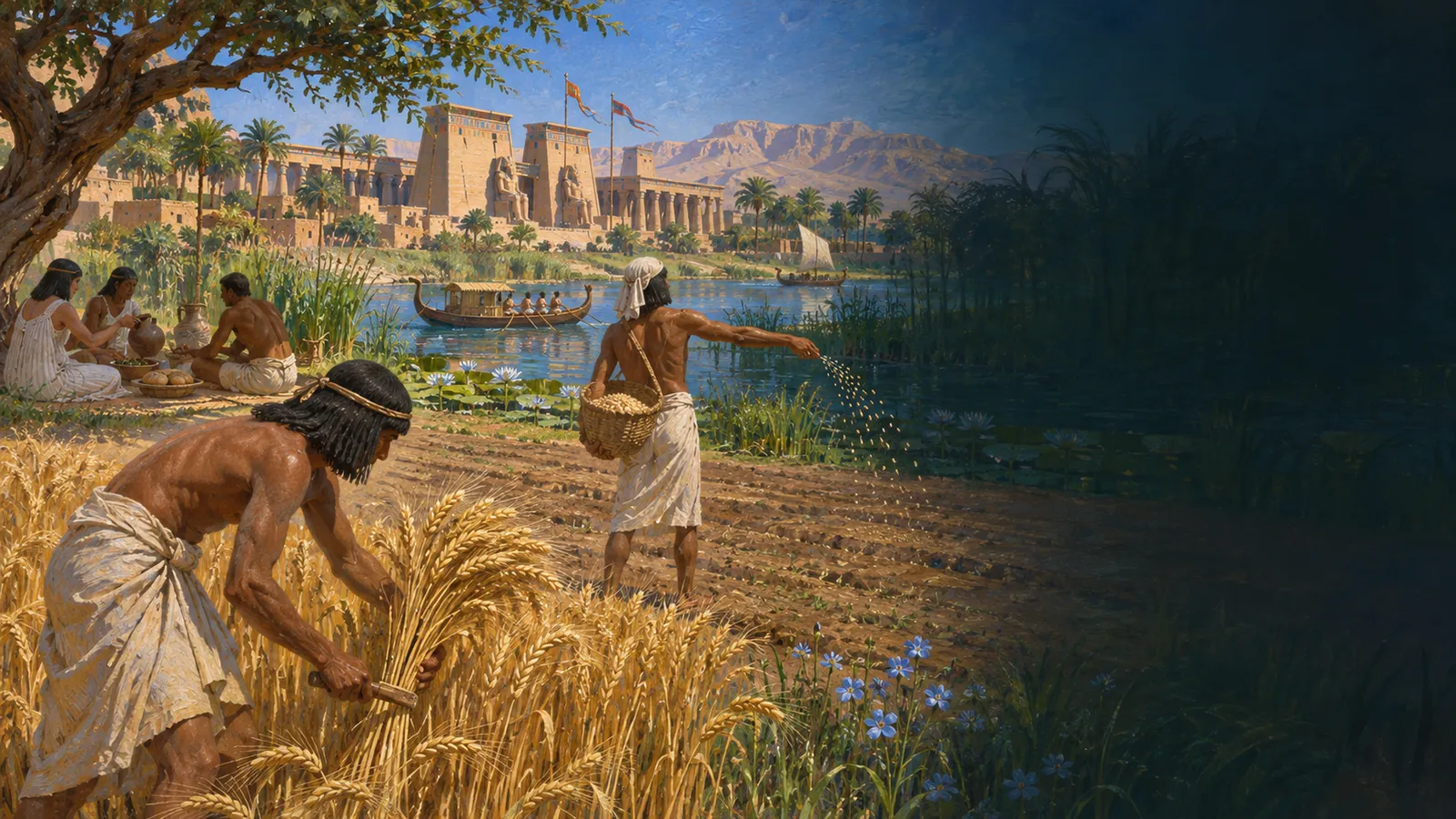
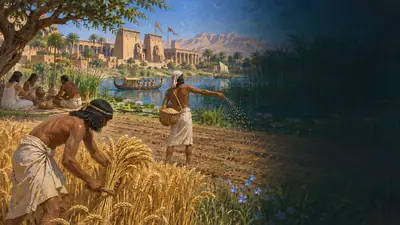
يقول المتكلّم إنّه في سِخِت-حِتِب يأكل ويبذر البذور ويحصد الزرع ويحرث الأرض.
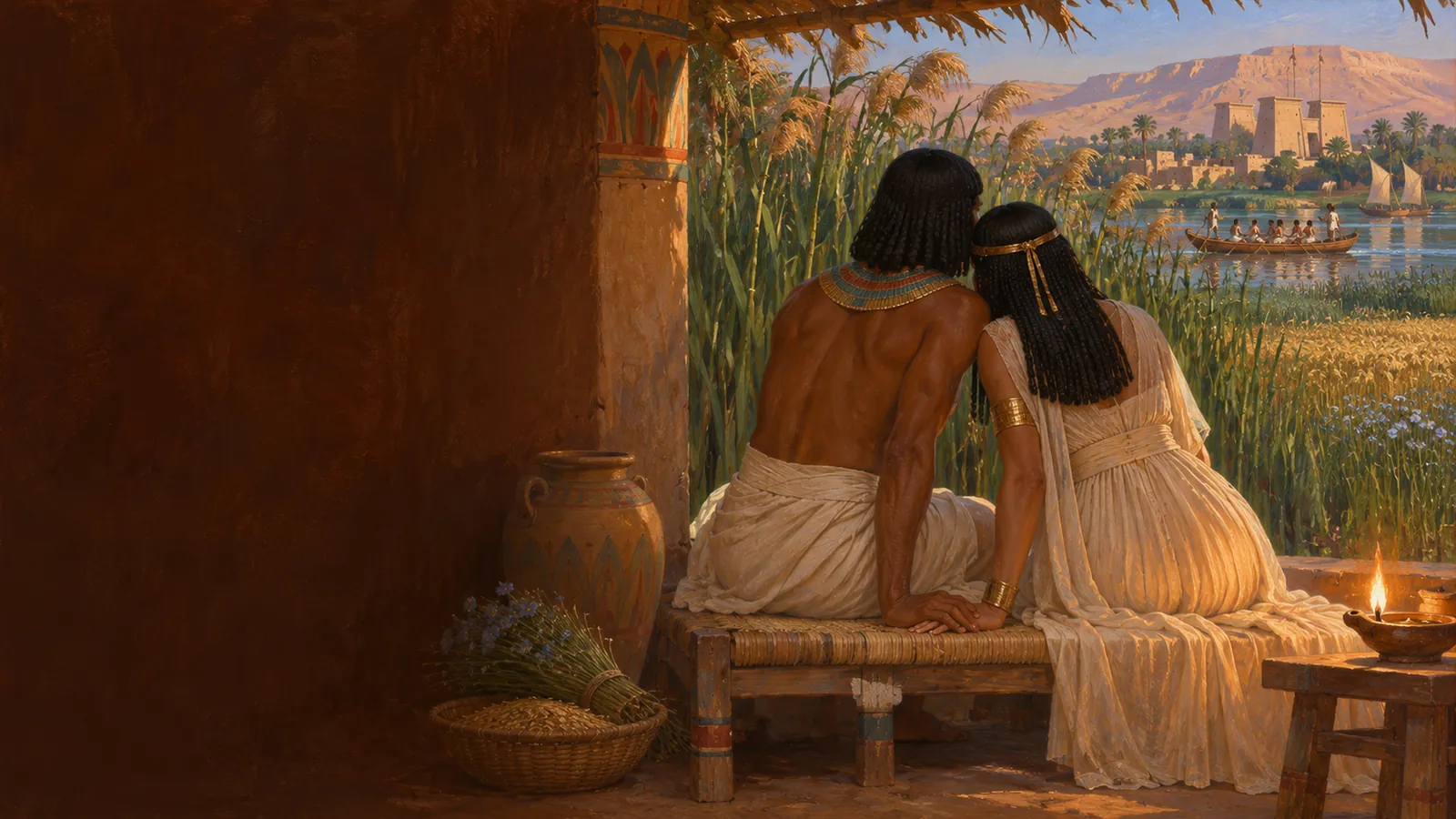
يقول المتكلّم إنّه يمارس الجنس في سِخِت-حِتِب وإنّه في سلام مع الإله حِتِب.
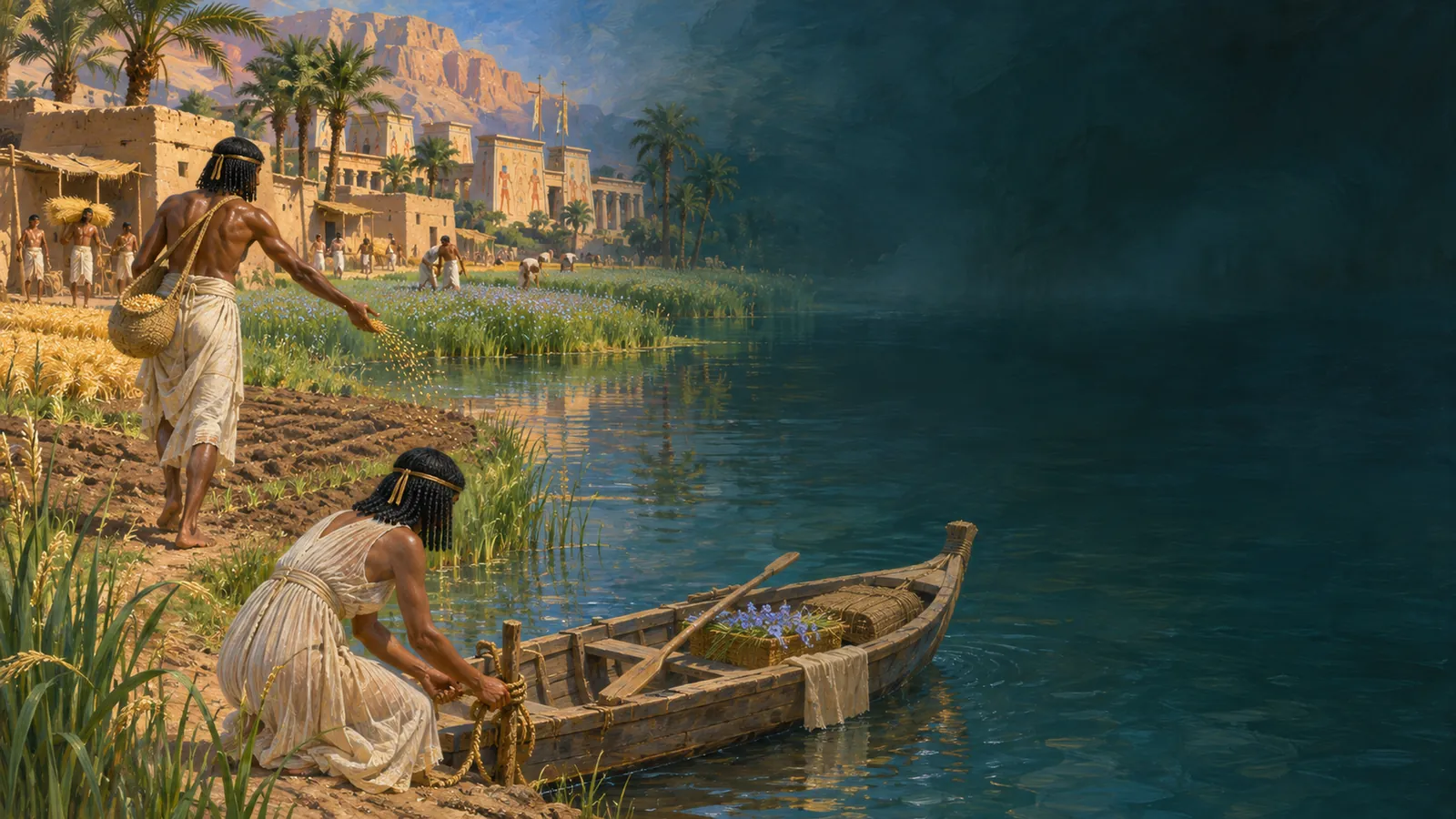
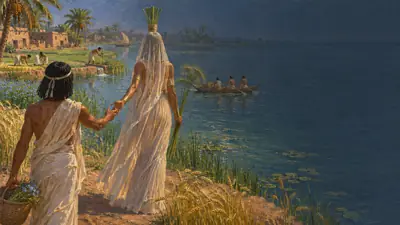
يقول المتكلّم لحِتِب الإلهيّ إنّه ينثر البذور ويبحر بين البحيرات ويتقدّم نحو مدنها.
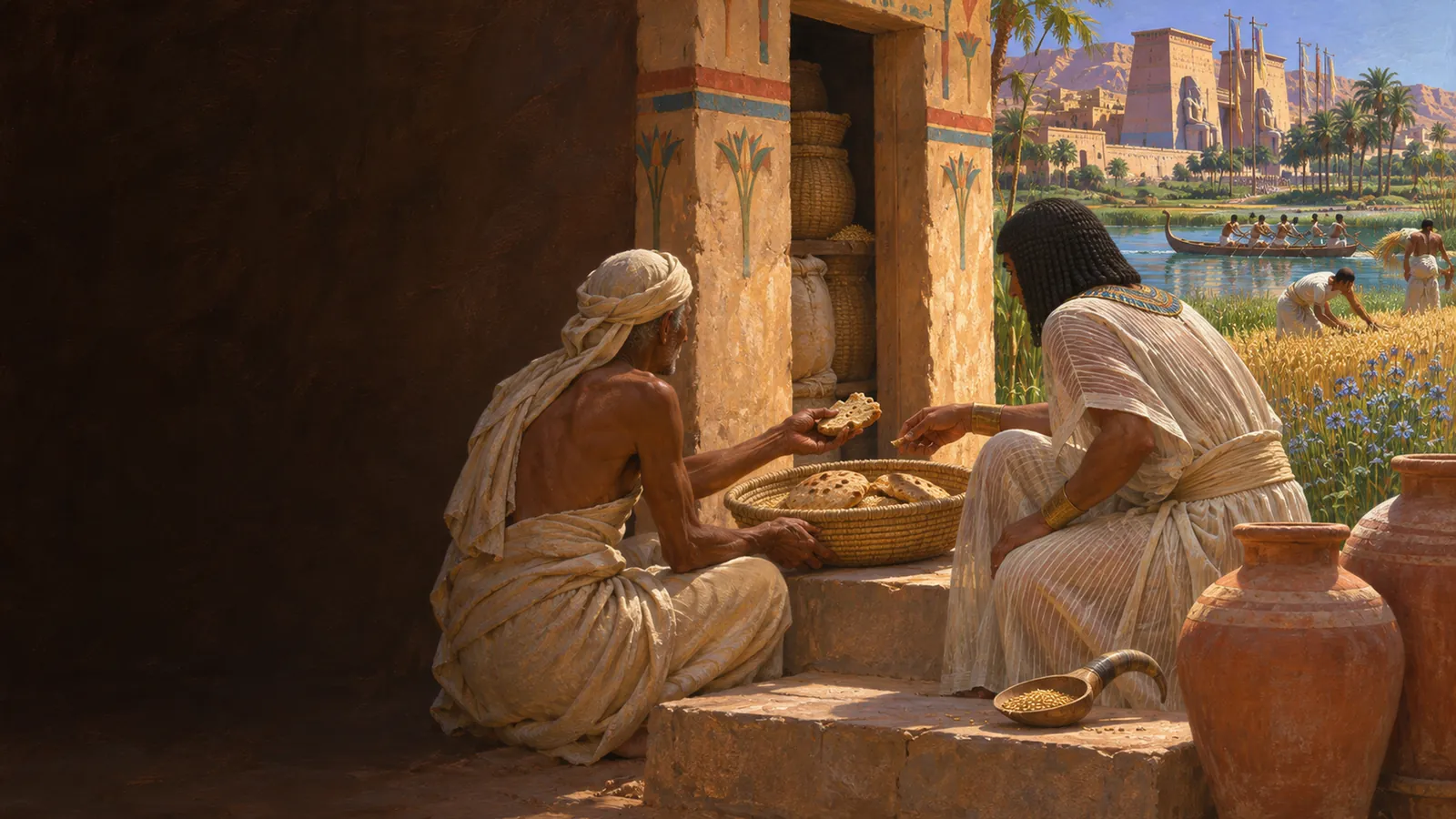
يقول المتكلّم إنّ فمه مزوّد بأسنان كالقرون، بألفاظ أضافها بدج بين قوسين معقوفين. ويسأل وفرةً من الطعام الذي يعيش عليه القرناء والأرواح.
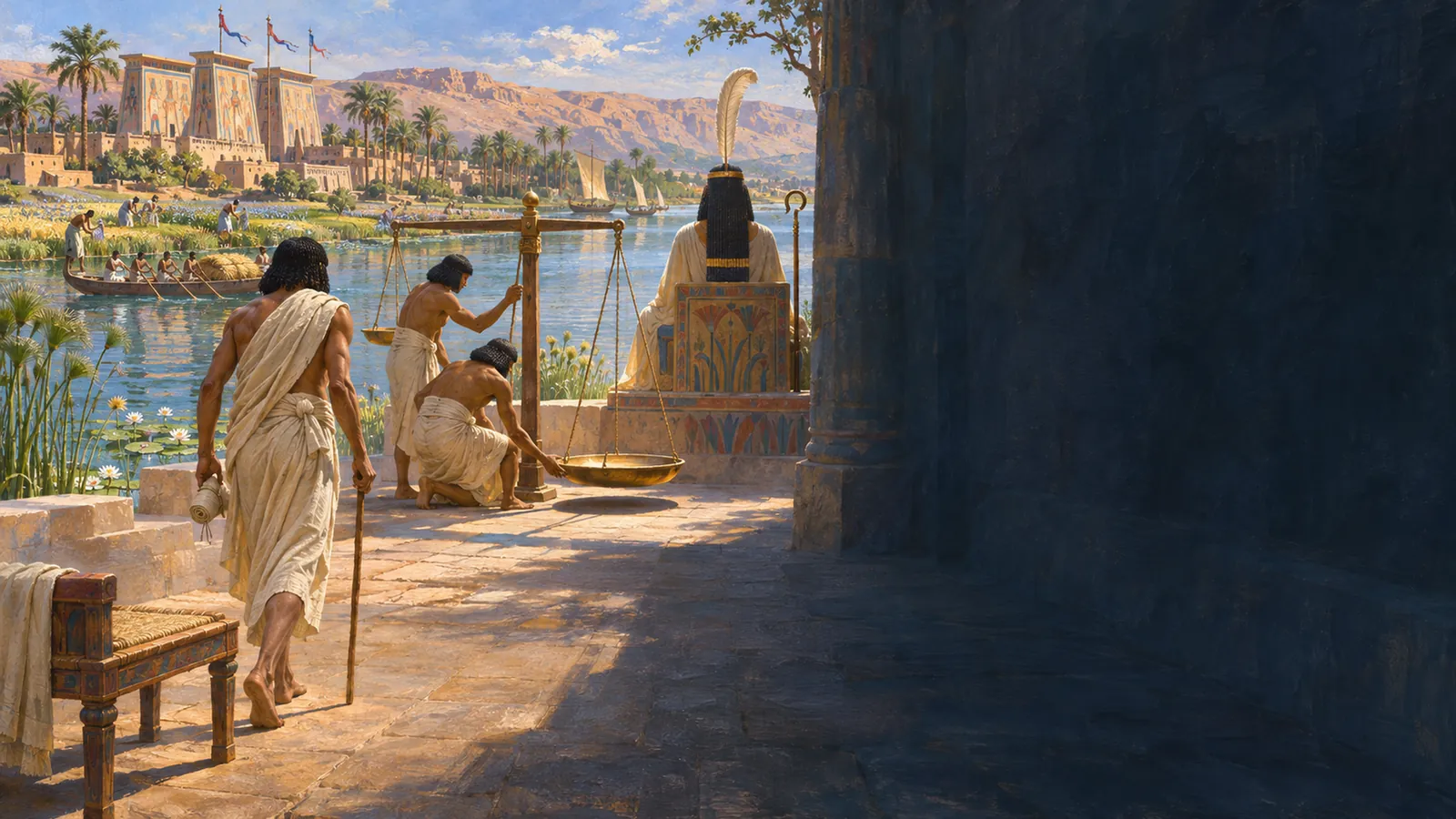
يقول المتكلّم إنّه اجتاز الحكم الذي يقضي به شو على من يعرفه.
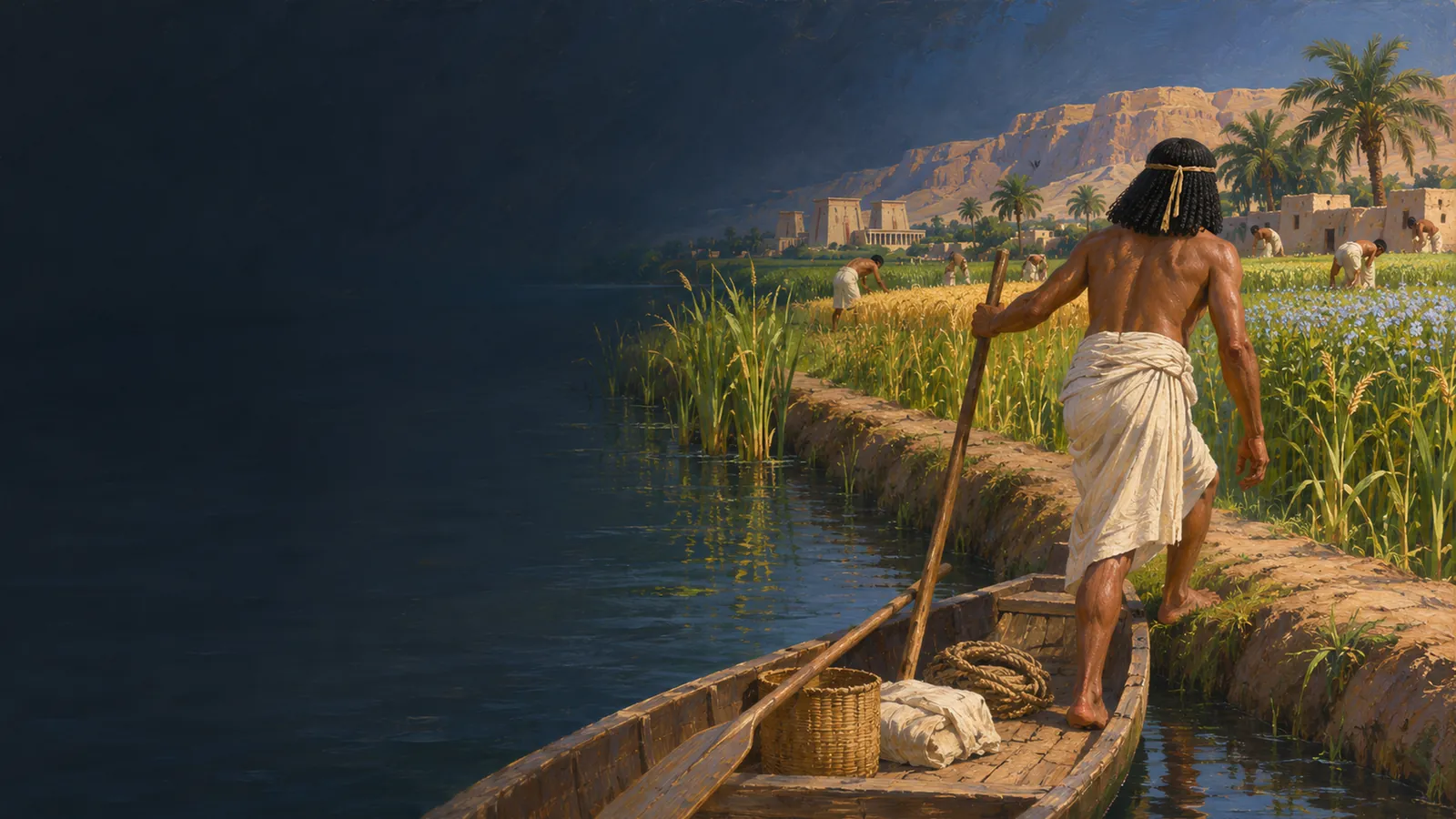
لذلك يطلب المتكلّم أن يمضي إلى مدن حِتِب. ويطلب أن يبحر بين بحيراتها ويمشي في سِخِت-حِتِب.
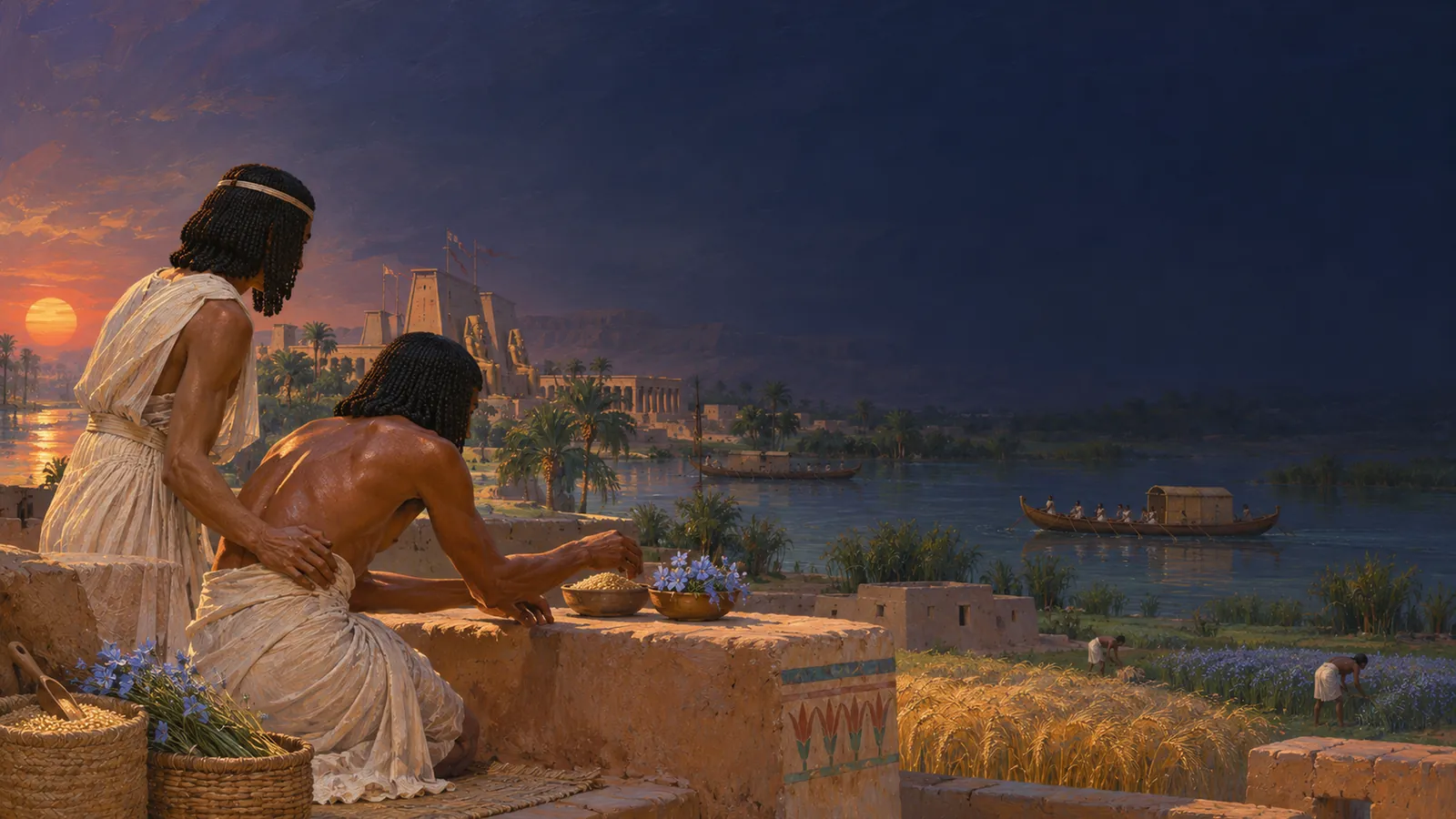
يقول المتكلّم إنّ رع في السماء، ويصف الإله حِتِب بأنّه القربان المزدوج في هذا القول.
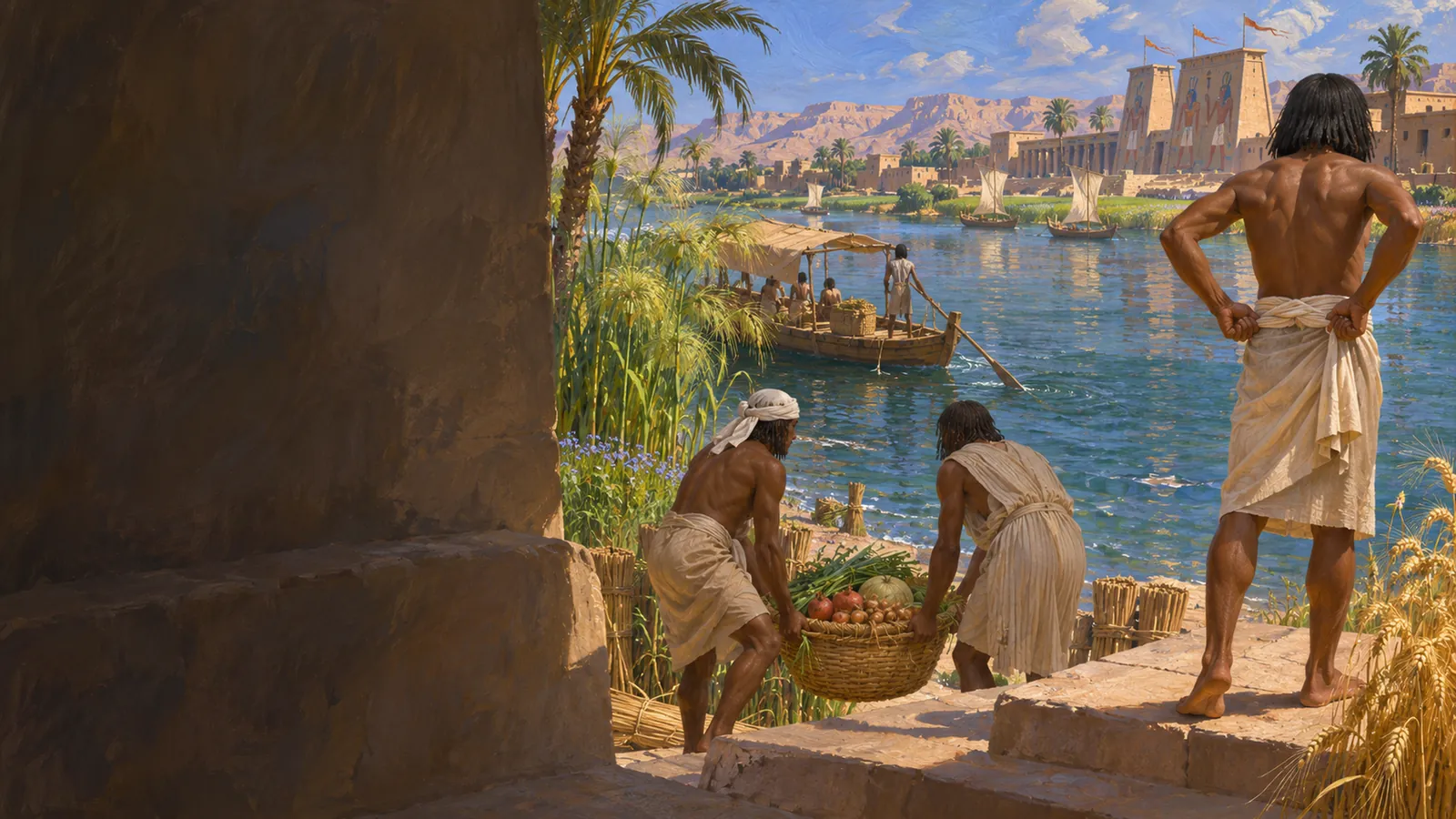
يقول المتكلّم إنّه بلغ أرض حِتِب وشدّ على حقويه. ويقول إنّه خرج لتلقّي العطايا التي توشك أن تُمنح له.
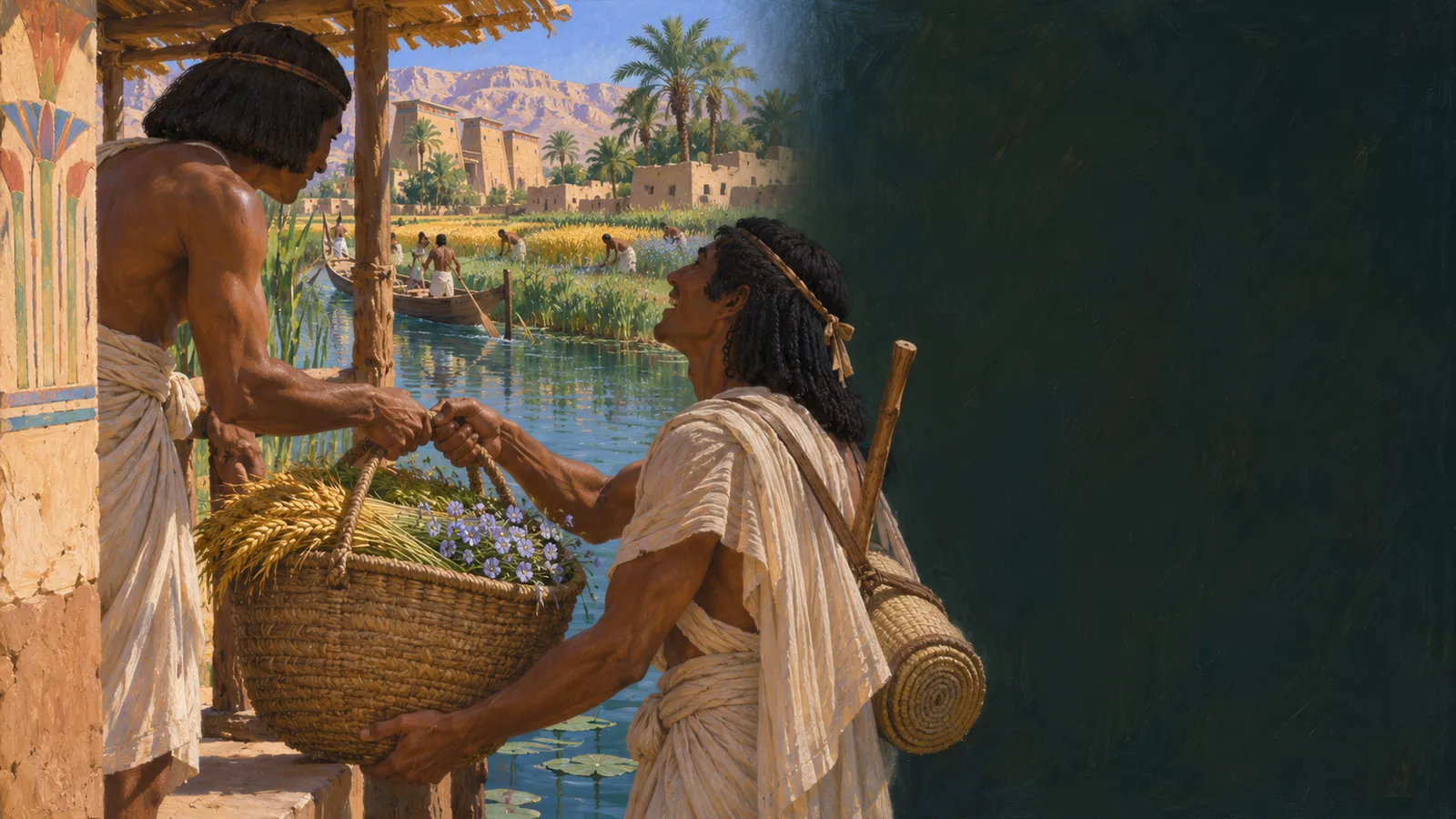
يقول المتكلّم إنّه مسرور ومتمسّك بقوّته التي زادها له الإله حِتِب زيادة كبيرة.
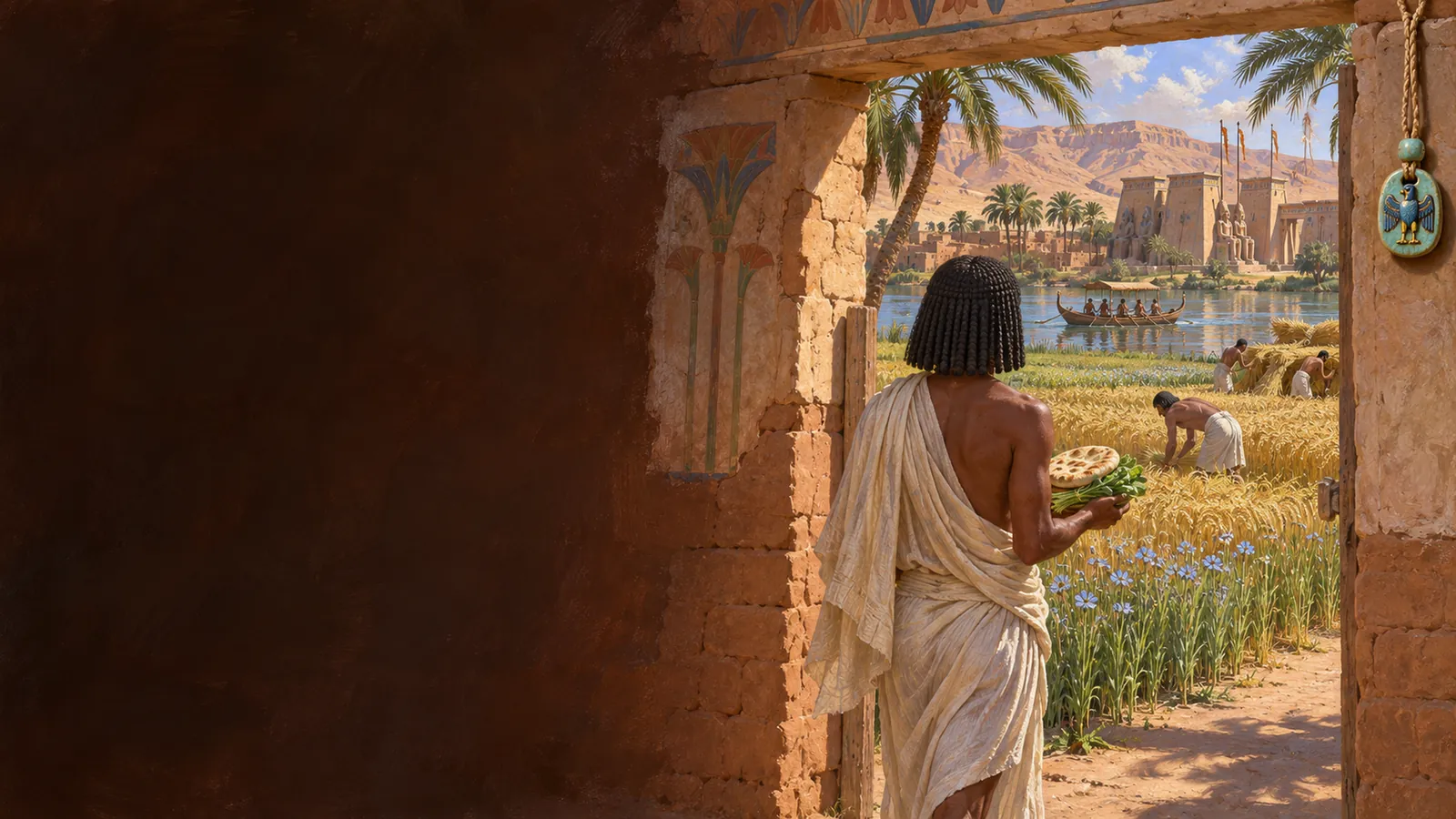
الوصول
يخاطب المتكلّم أونِن-إم-حِتِب قائلًا إنّه دخلها وروحه تتّبعه. ويقول إنّ طعامه الإلهيّ على يديه.
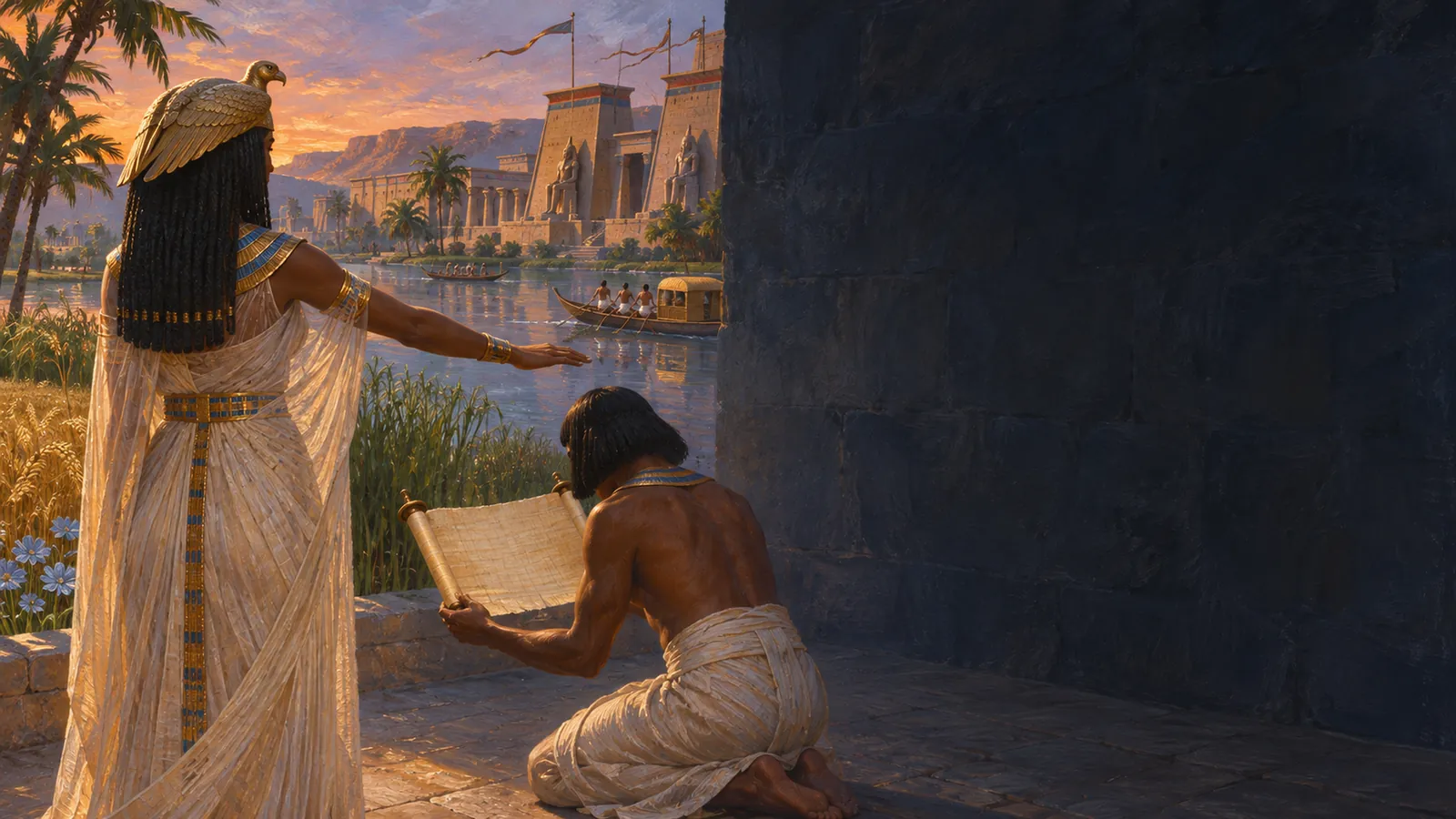
ينادي المتكلّم سيّدة الأرضين. ويقول إنّها تثبّت كلمته التي بها يتذكّر وينسى.
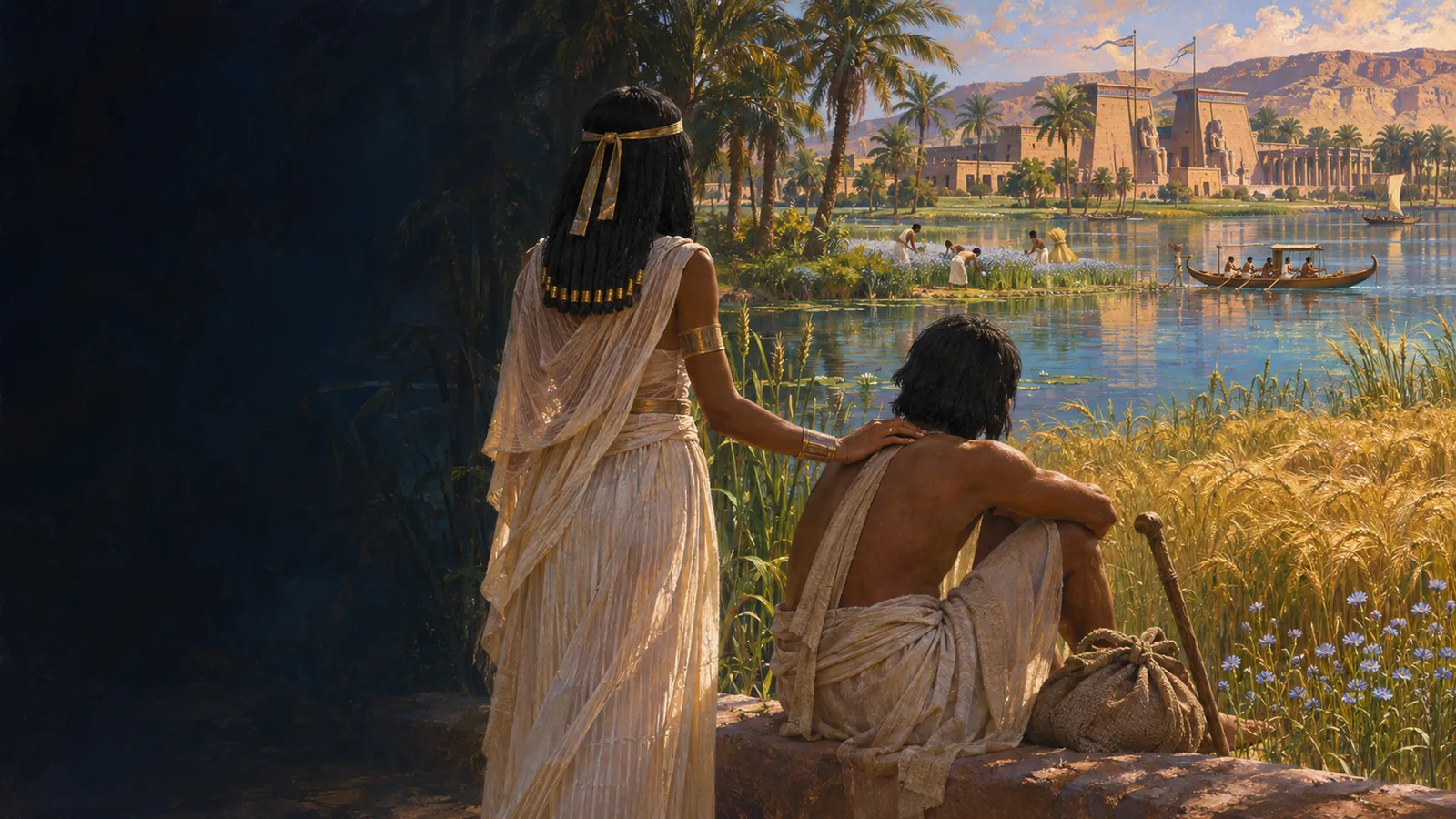
يطلب المتكلّم أن يحيا بلا أذًى. ويطلب من السيّدة أن تهبه فرح القلب وتجعله في سلام.
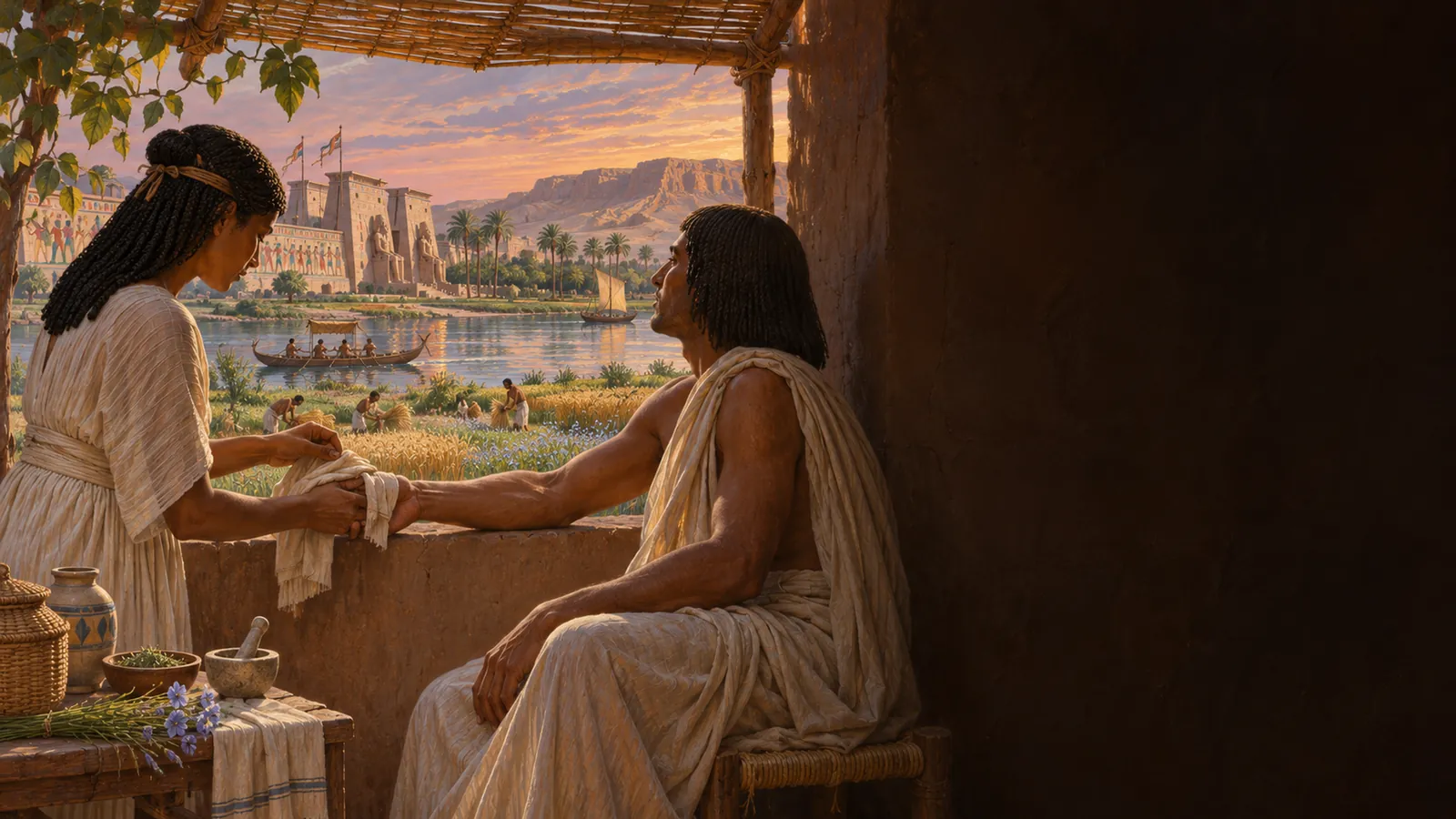
يطلب من سيّدة الأرضين أن تربط أوتاره وعضلاته وأن تجعله يتلقّى الهواء.
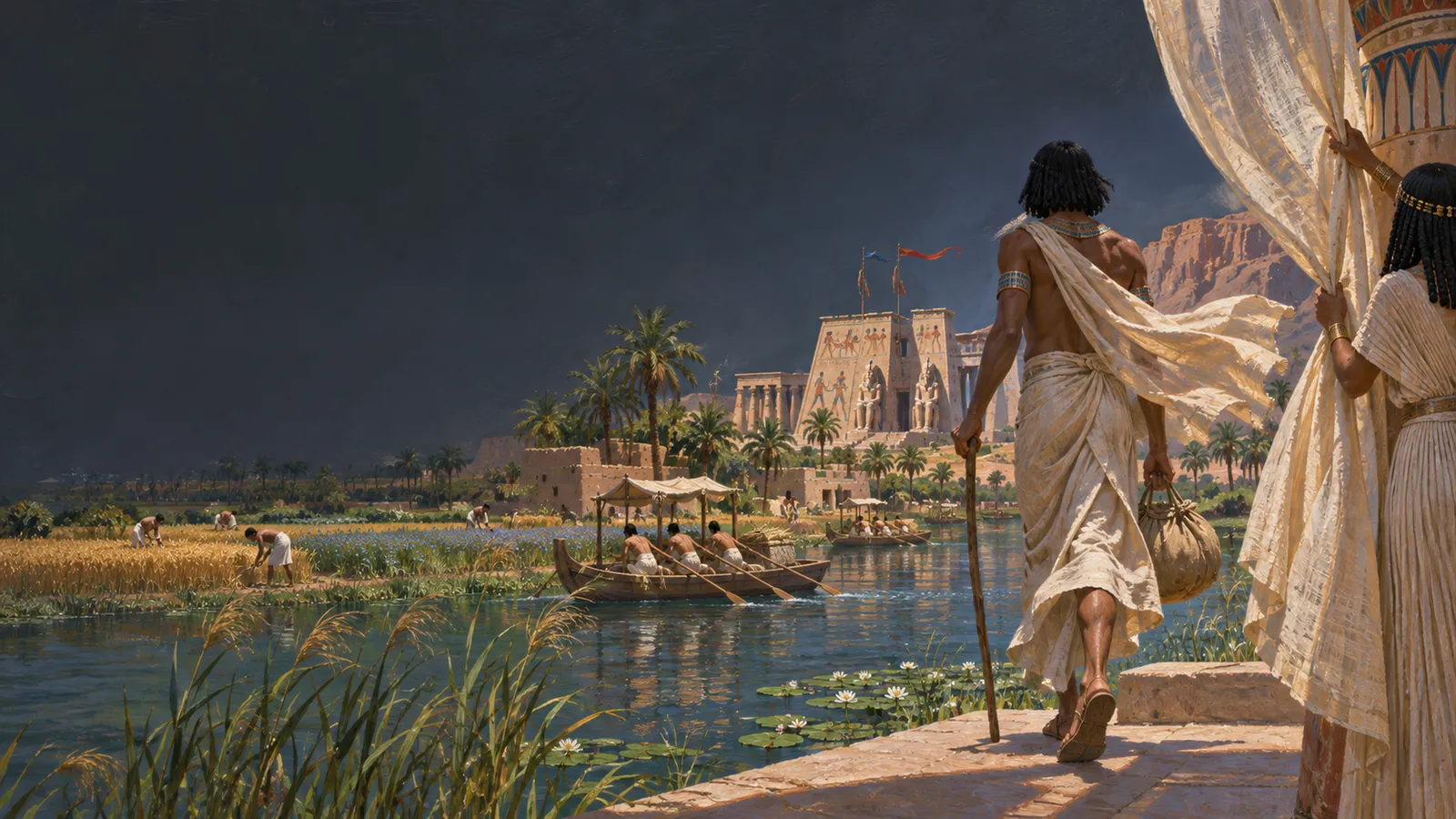
يخاطب المتكلّم أونِن-إم-حِتِب بلقب سيّدة الرياح. ويقول إنّه دخلها وأظهر رأسه فيها.
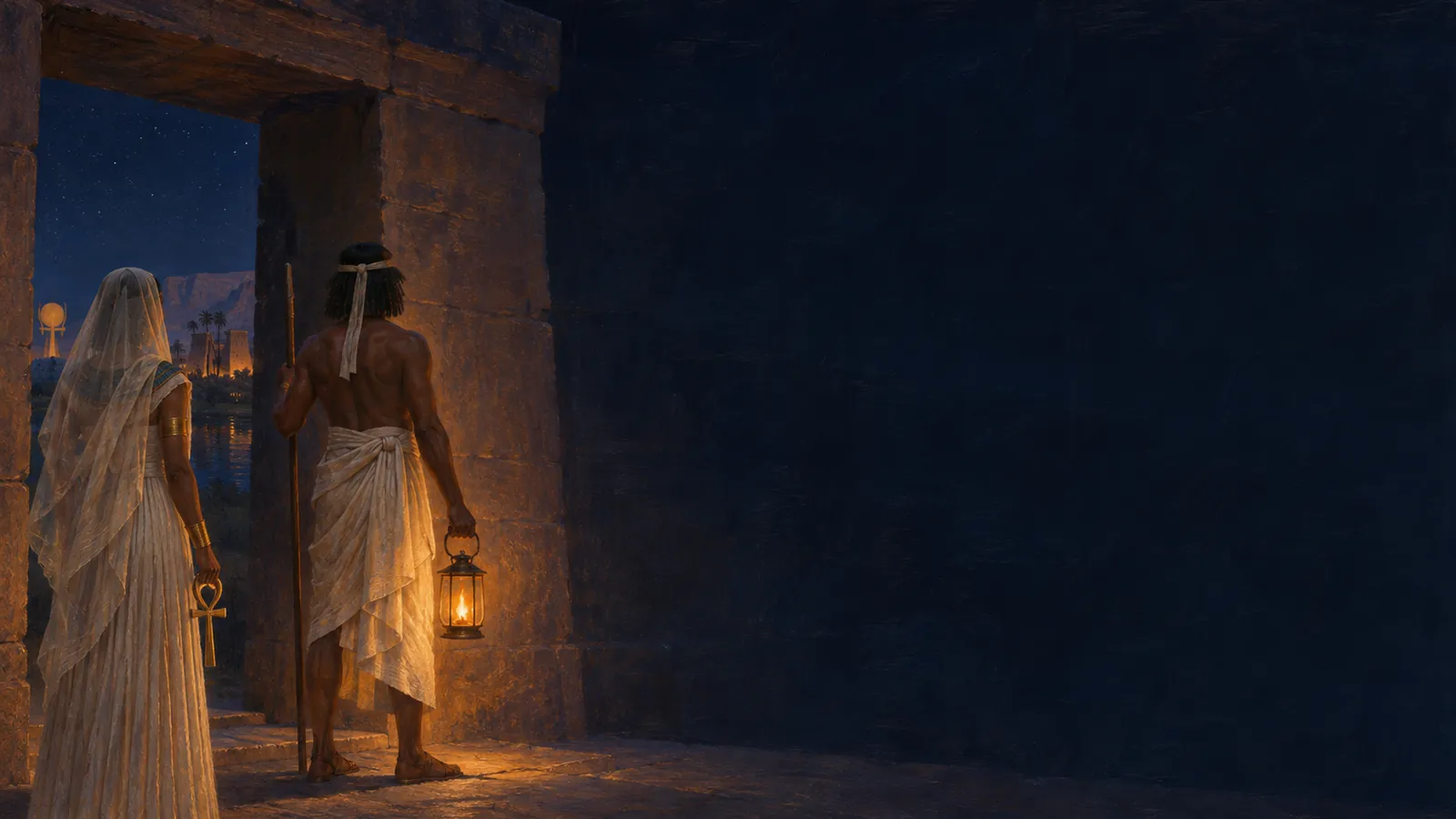
ينام رع ويقول المتكلّم إنّه يقظان. ويقول إنّ الإلهة حاست عند باب السماء ليلًا.
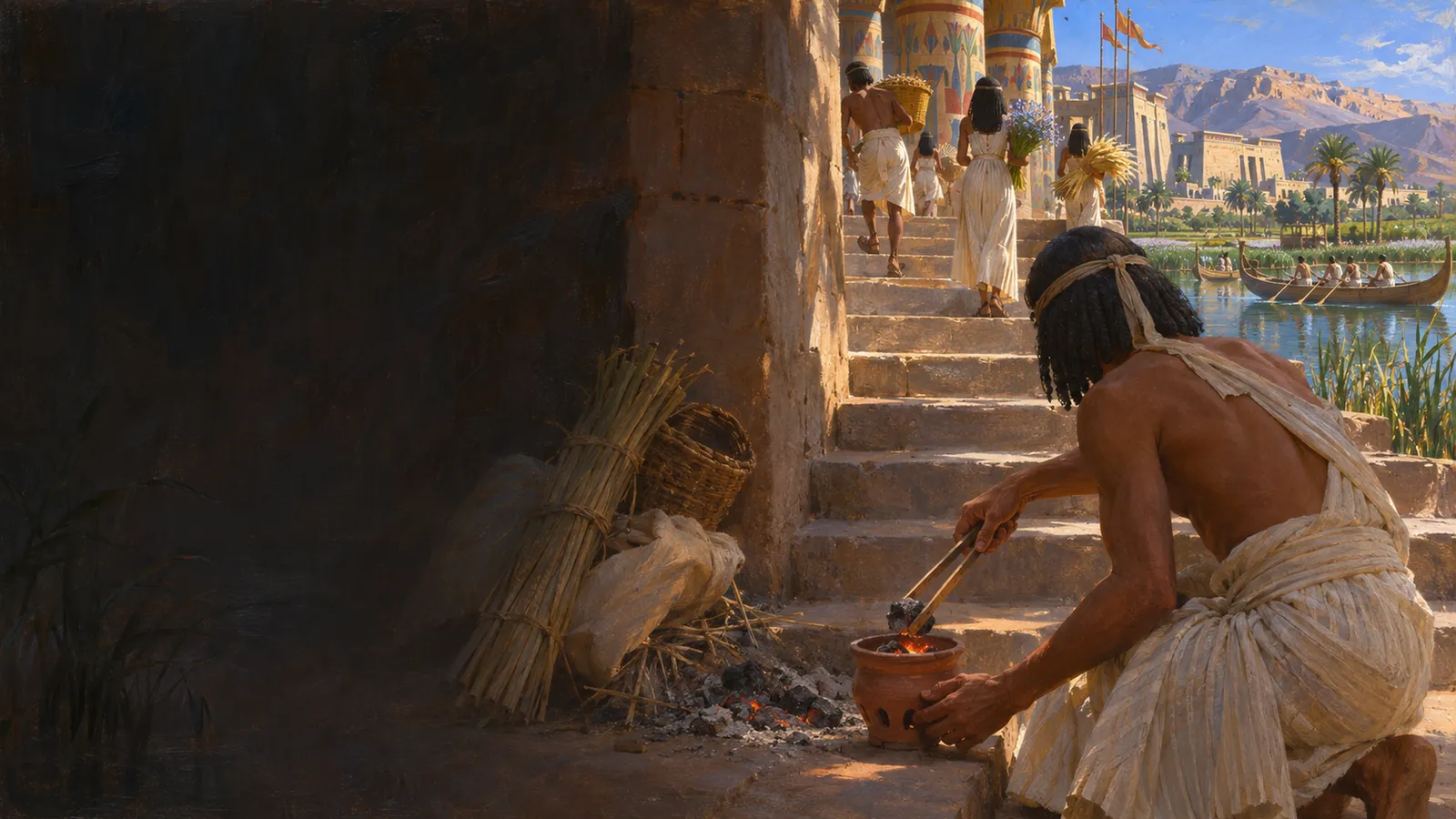
يقول المتكلّم إنّ عوائق وُضعت أمامه، لكنّه جمع ما صدر عن رع. ويقول إنّه في مدينته.
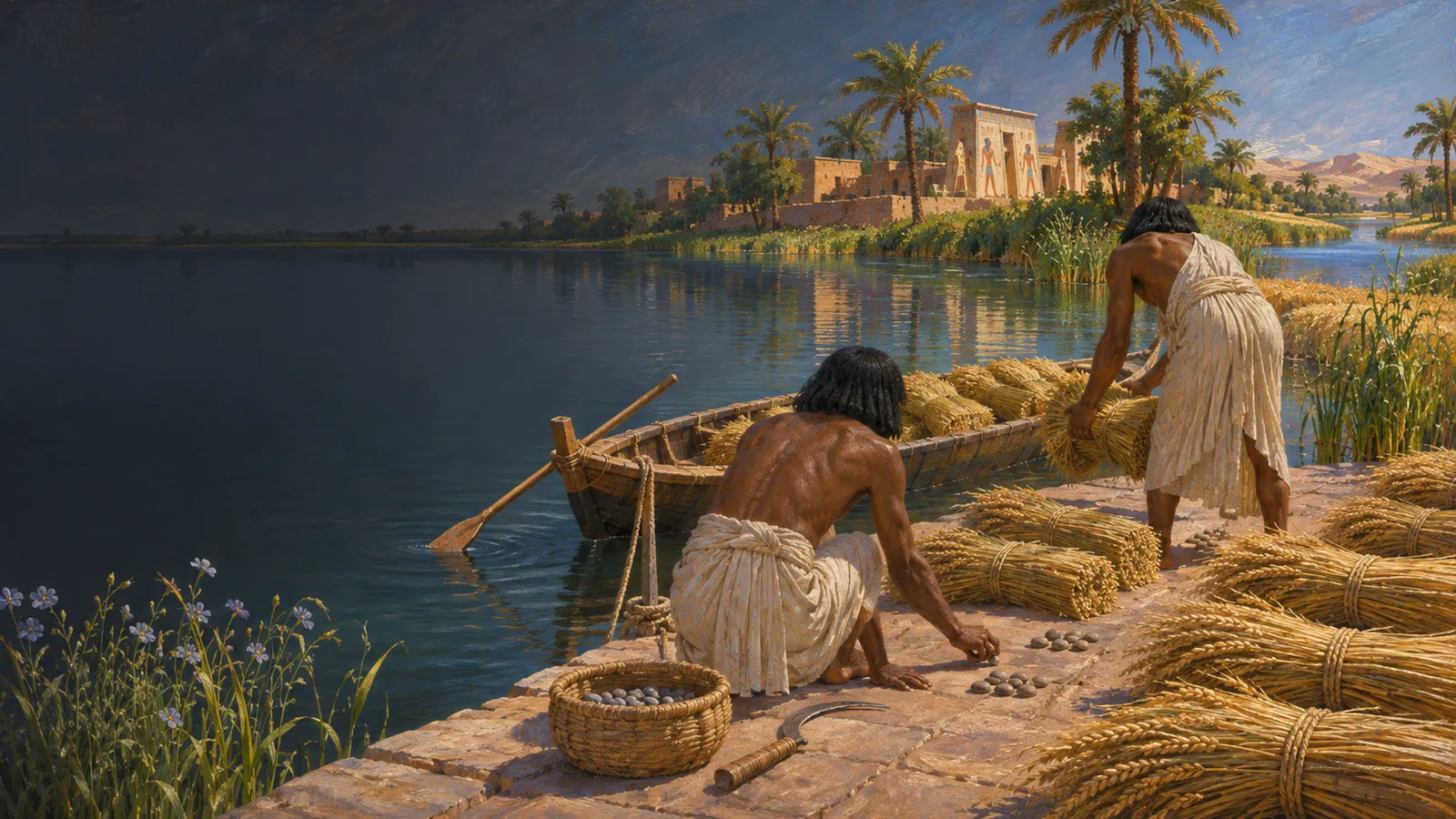
نوت-أورت وأواخ
يقول المتكلّم إنّه دخل نوت-أورت وأحصى حصاده ثمّ مضى إلى أواخ. ويعرّف بدج الموضعين بأنّهما بحيرتان.
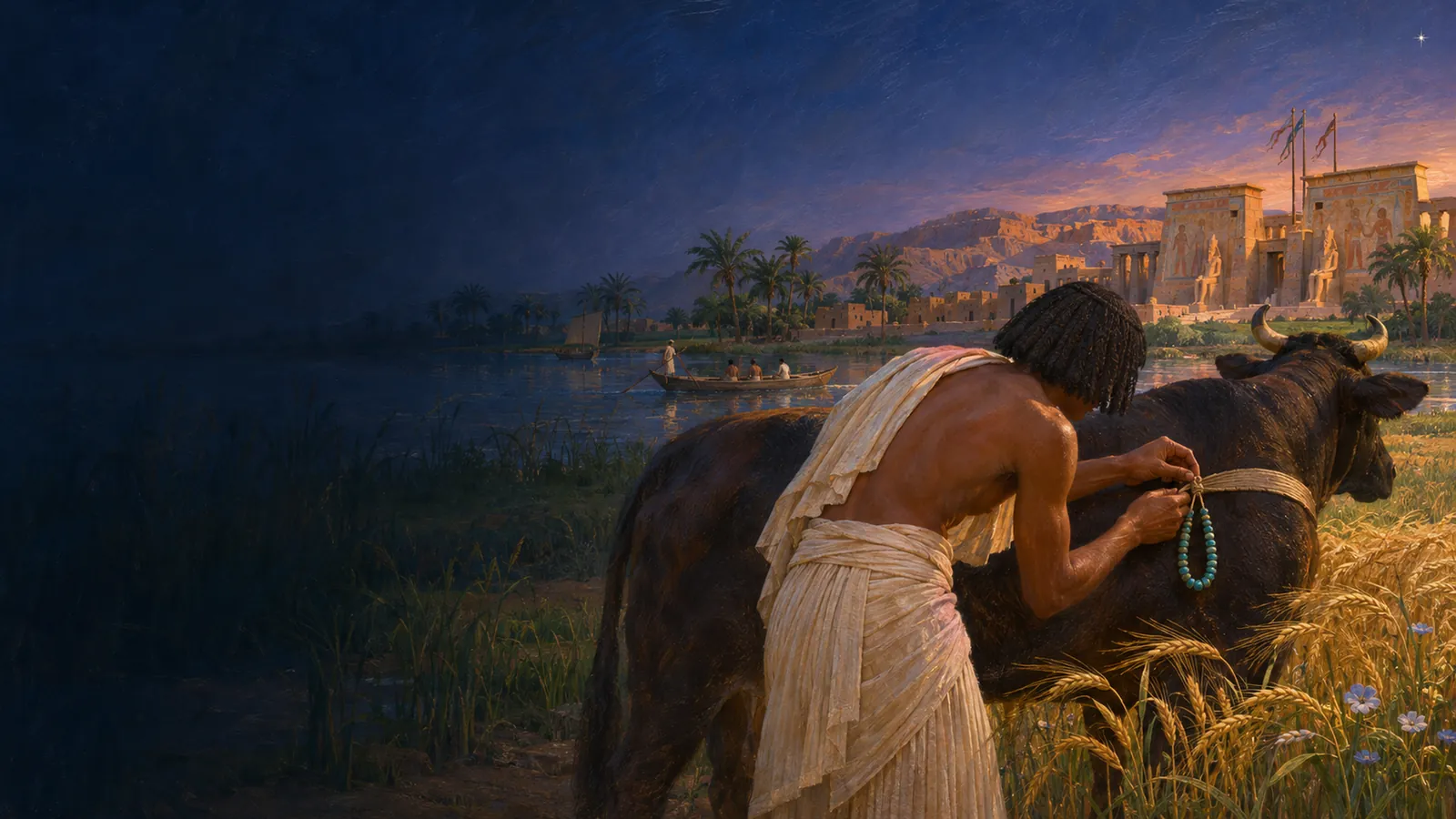
يسمّي المتكلّم نفسه الثور المكسوّ بالفيروز وربّ حقل الثور. ويقول إنّه سيّد كلام سِبتِت الإلهيّ في ساعاتها. ويعرّف بدج سِبتِت بأنّها سوثيس.
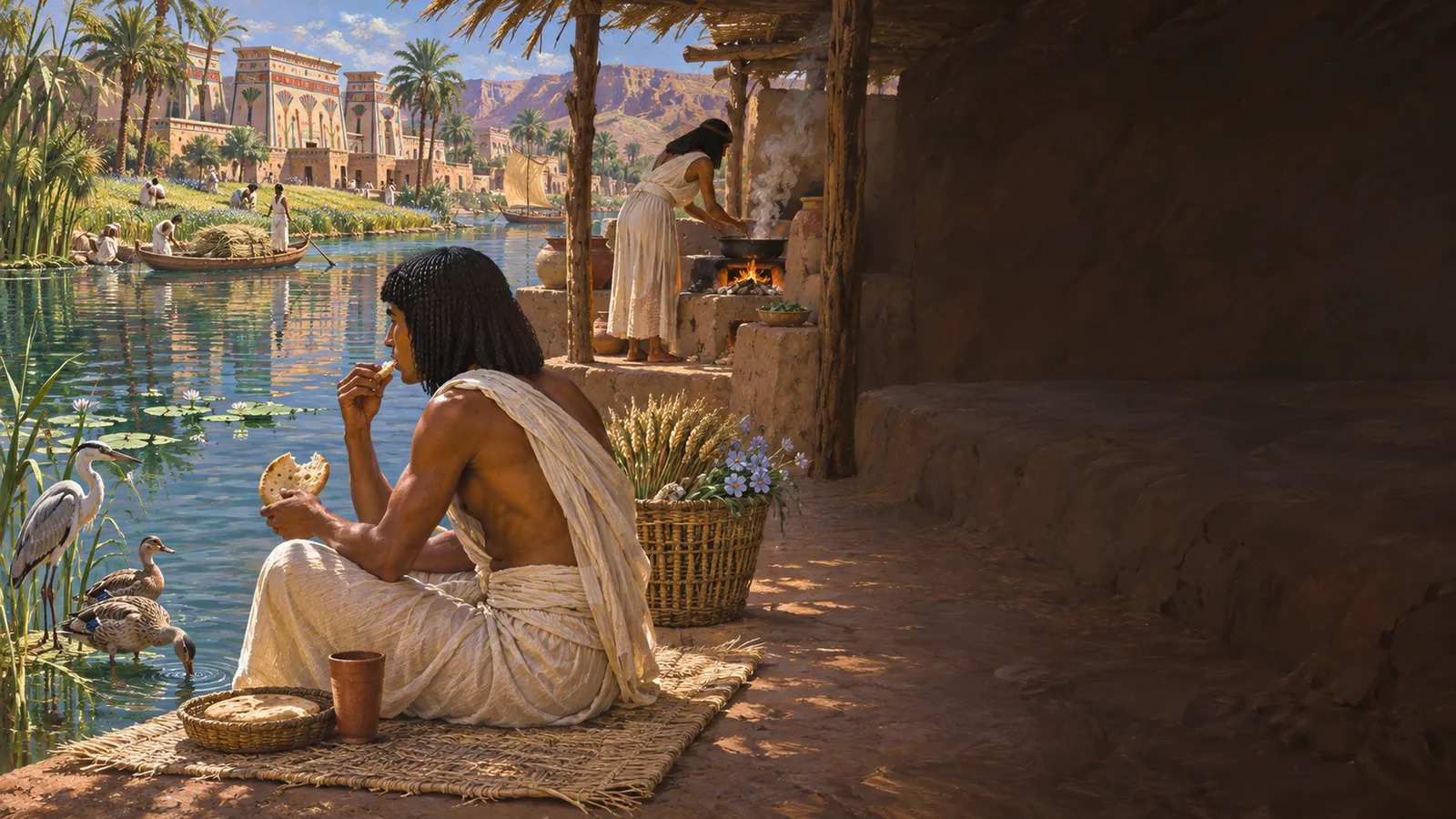
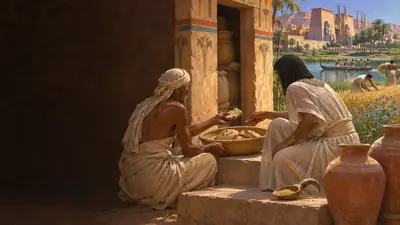
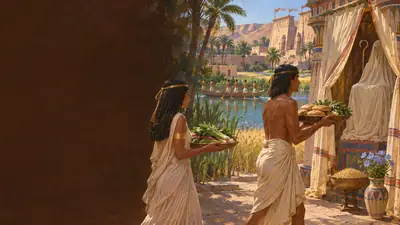
يقول المتكلّم إنّه دخل أواخ وأكل خبزه وصارت له أجود لحوم البقر والطير. ويقول إنّ طيور شو أُعطيت له.
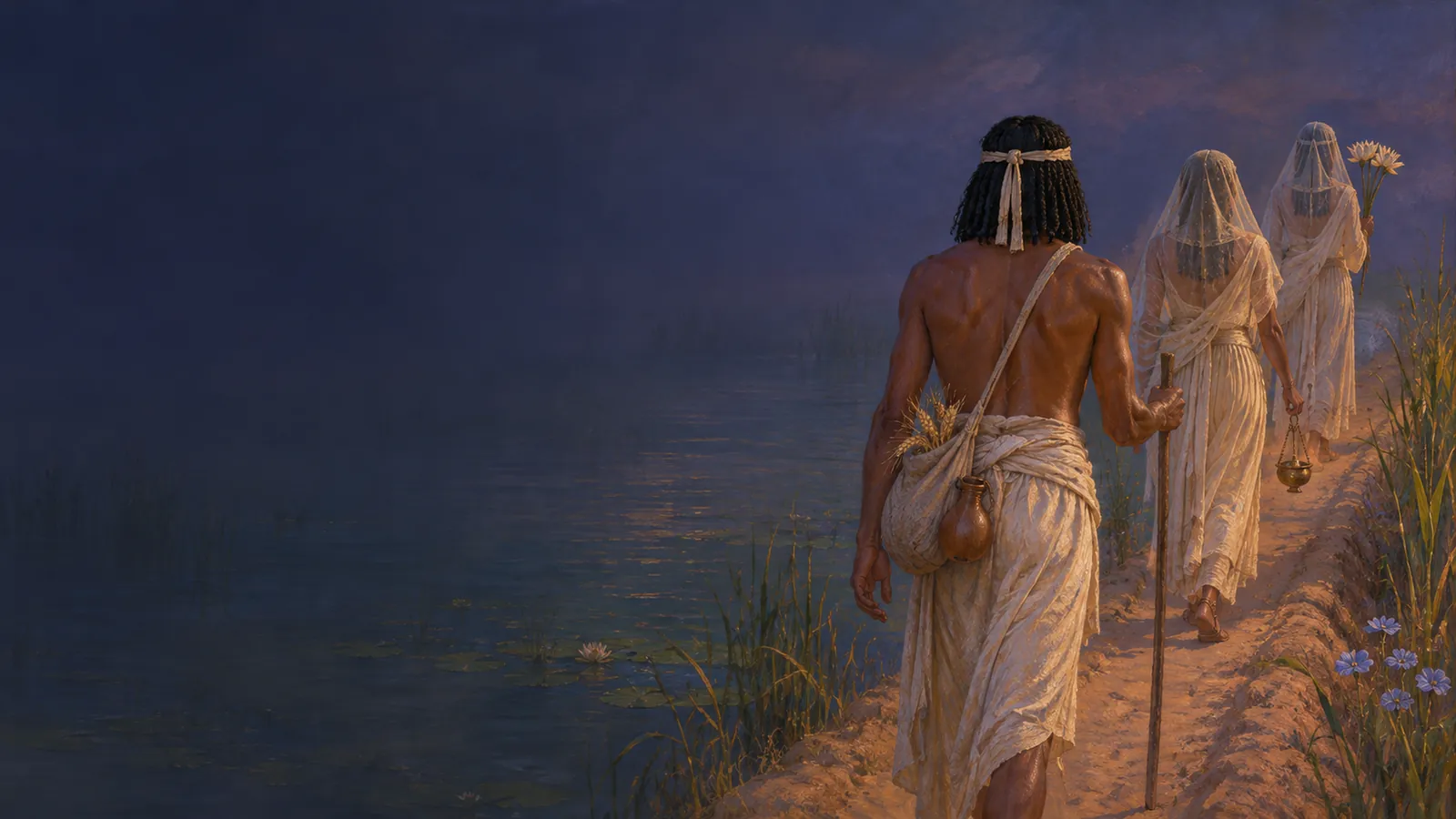
يختم المتكلّم خطابه إلى أواخ بالقول إنّه يتبع الآلهة والقرناء الإلهيّين.
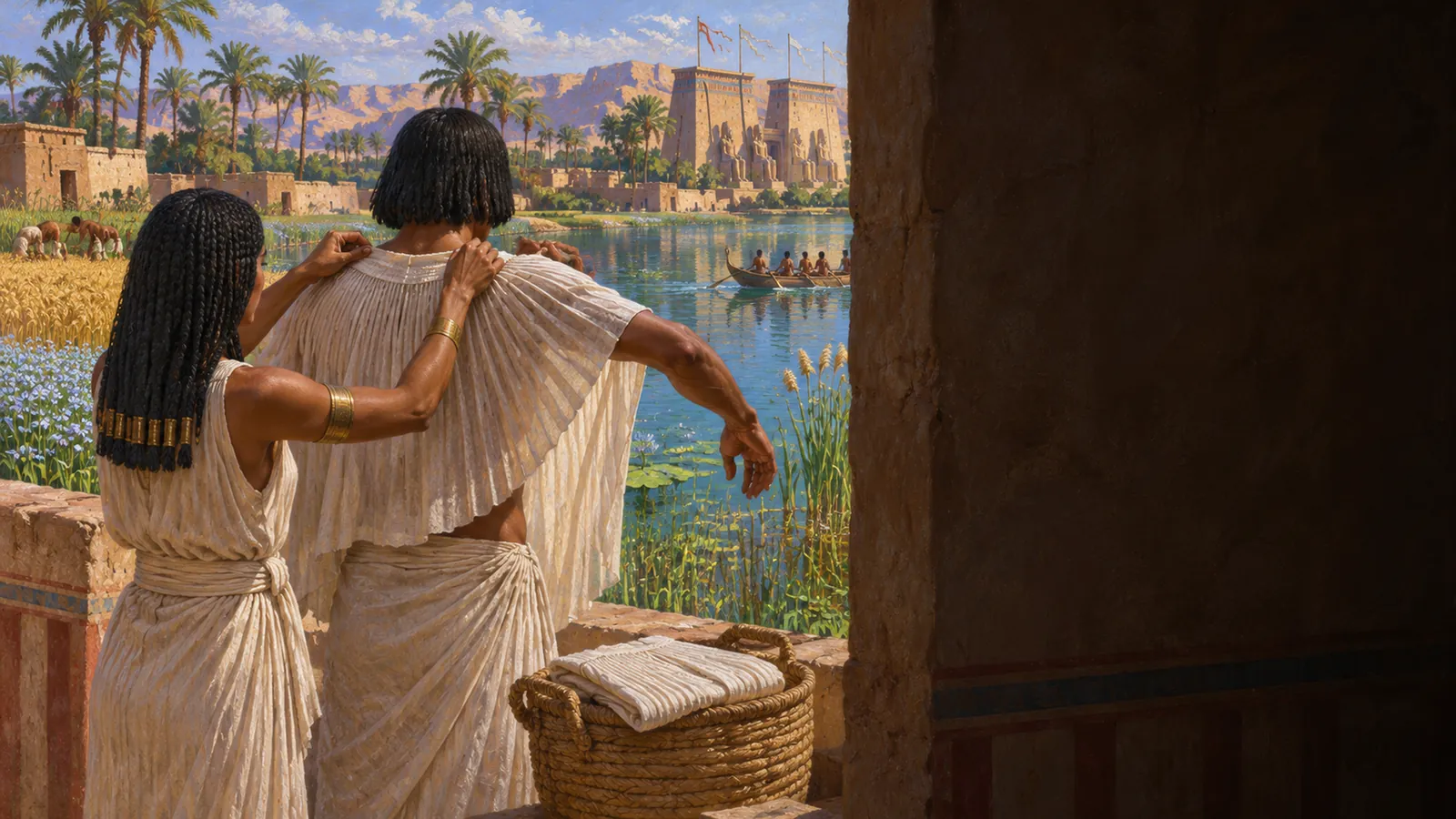
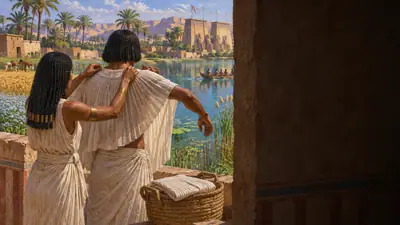
يقول المتكلّم إنّه دخل توهِفِت ولبس ثيابه. ويقول إنّه احتمى بثوب سا الخاصّ برع.
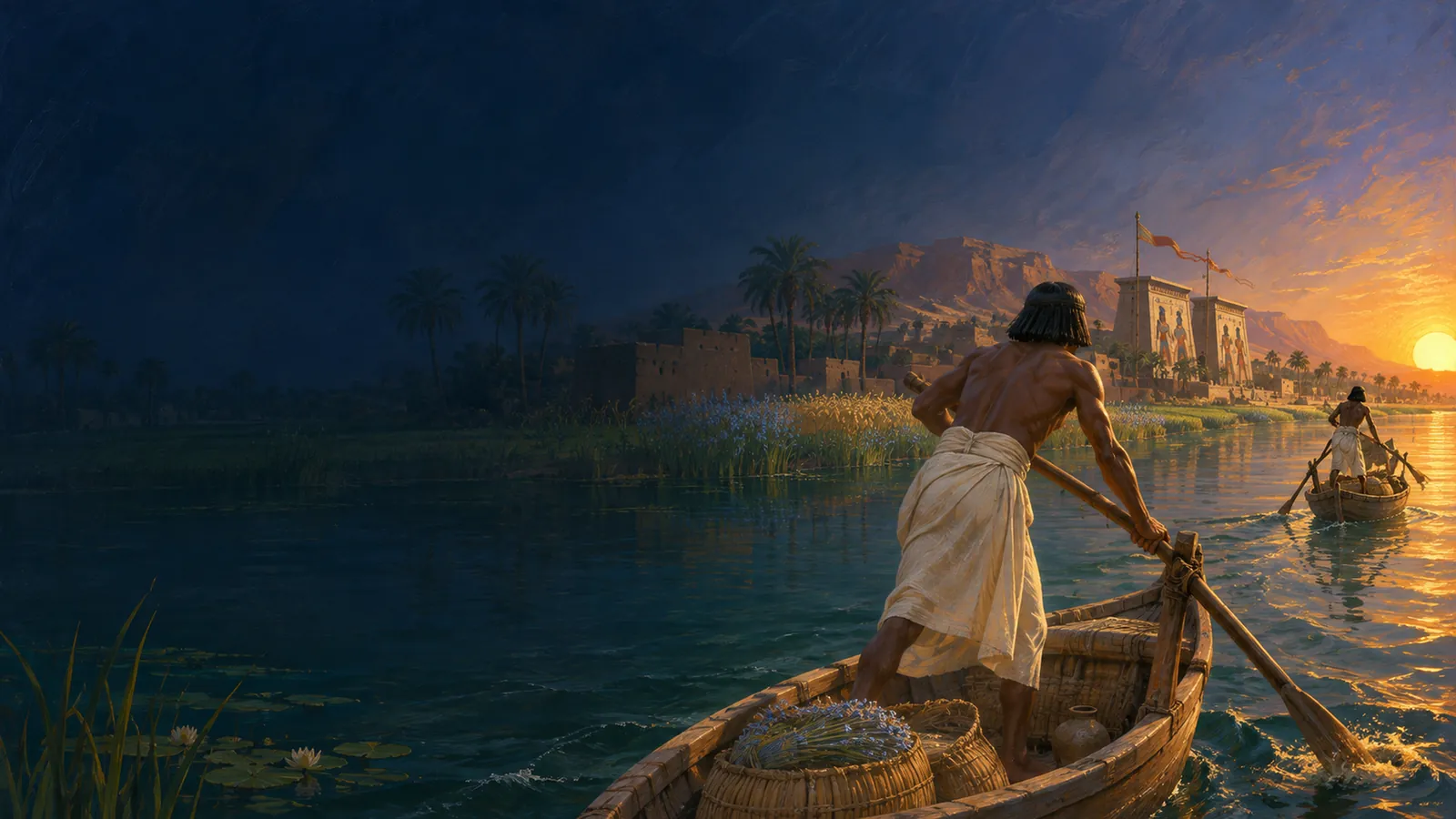
يقول المتكلّم إنّ رع في السماء وإنّ مَن يسكنونها يتبعونه. ويقول إنّه يتبع رع فيها هو أيضًا.
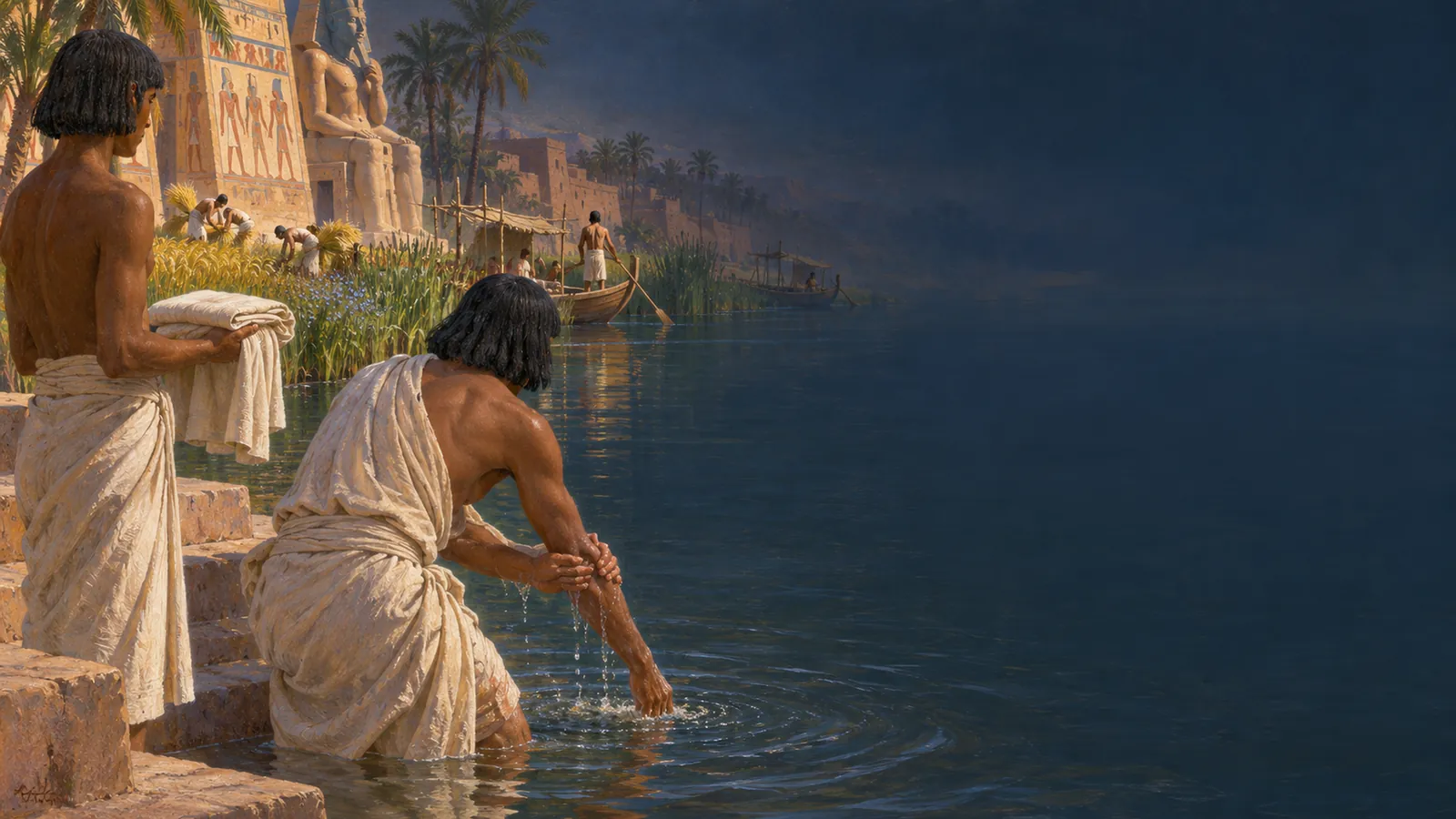
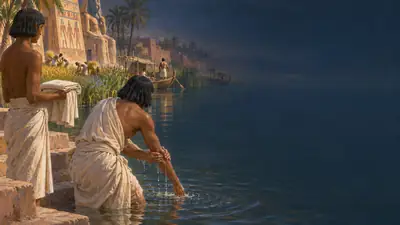
يخاطب أونِن-إم-حِتِب بوصفه ربّ الأرضين ويقول إنّه دخله. ويقول إنّه غطس في بحيرات توهِسِرت ففارقه كلّ دنس.
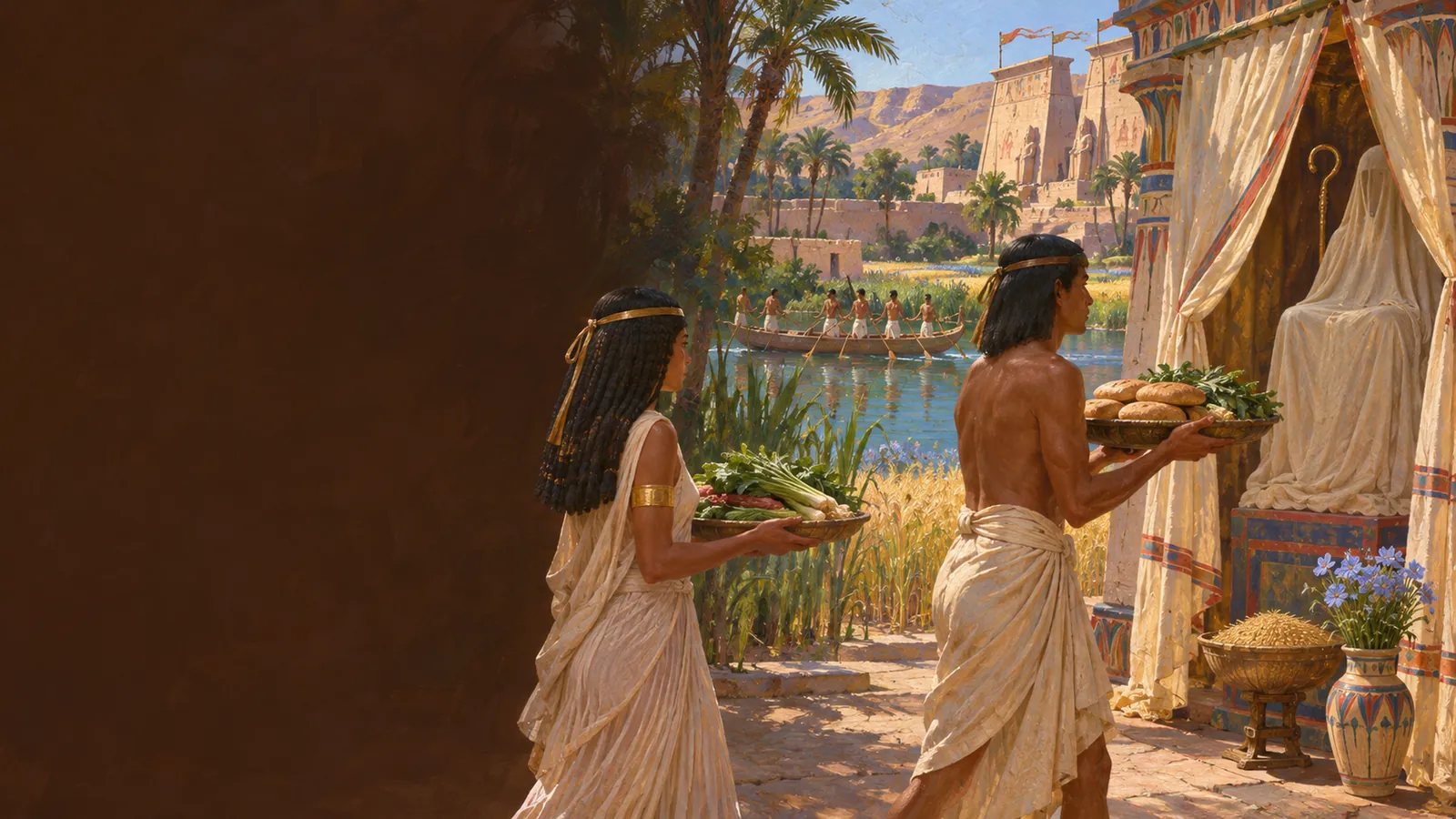
يقول المتكلّم إنّ الإله العظيم ينمو هناك. ويقول أيضًا إنّه وجد شيئًا، ويضيف بدج بين قوسين معقوفين أنّه وجد طعامًا هناك.
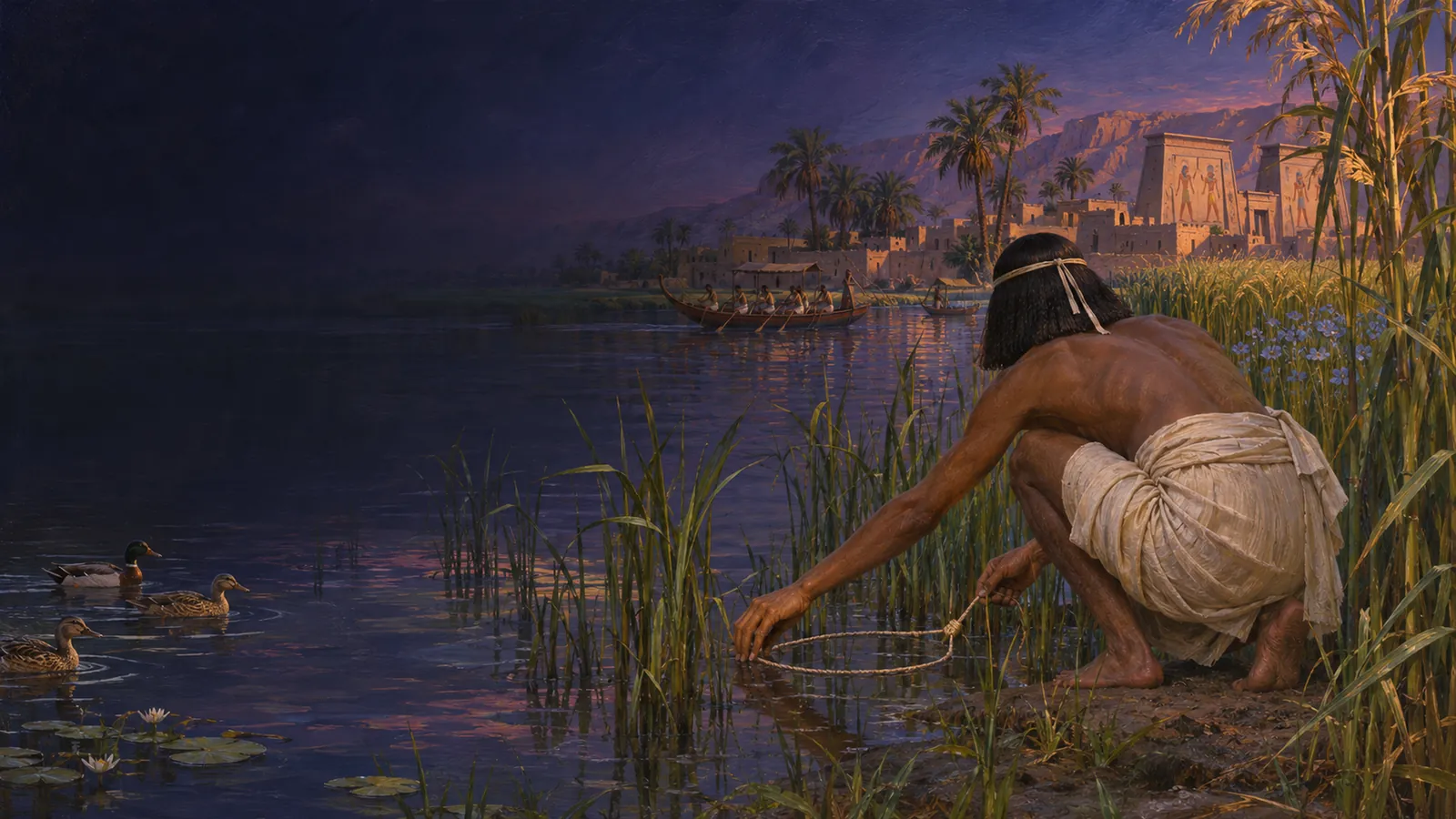
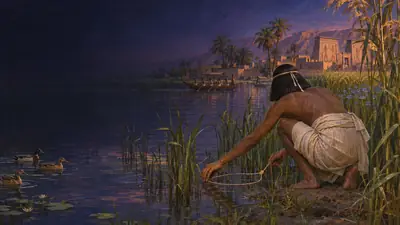
يقول المتكلّم إنّه اصطاد الطيور بفخّ وأكل من أجودها.
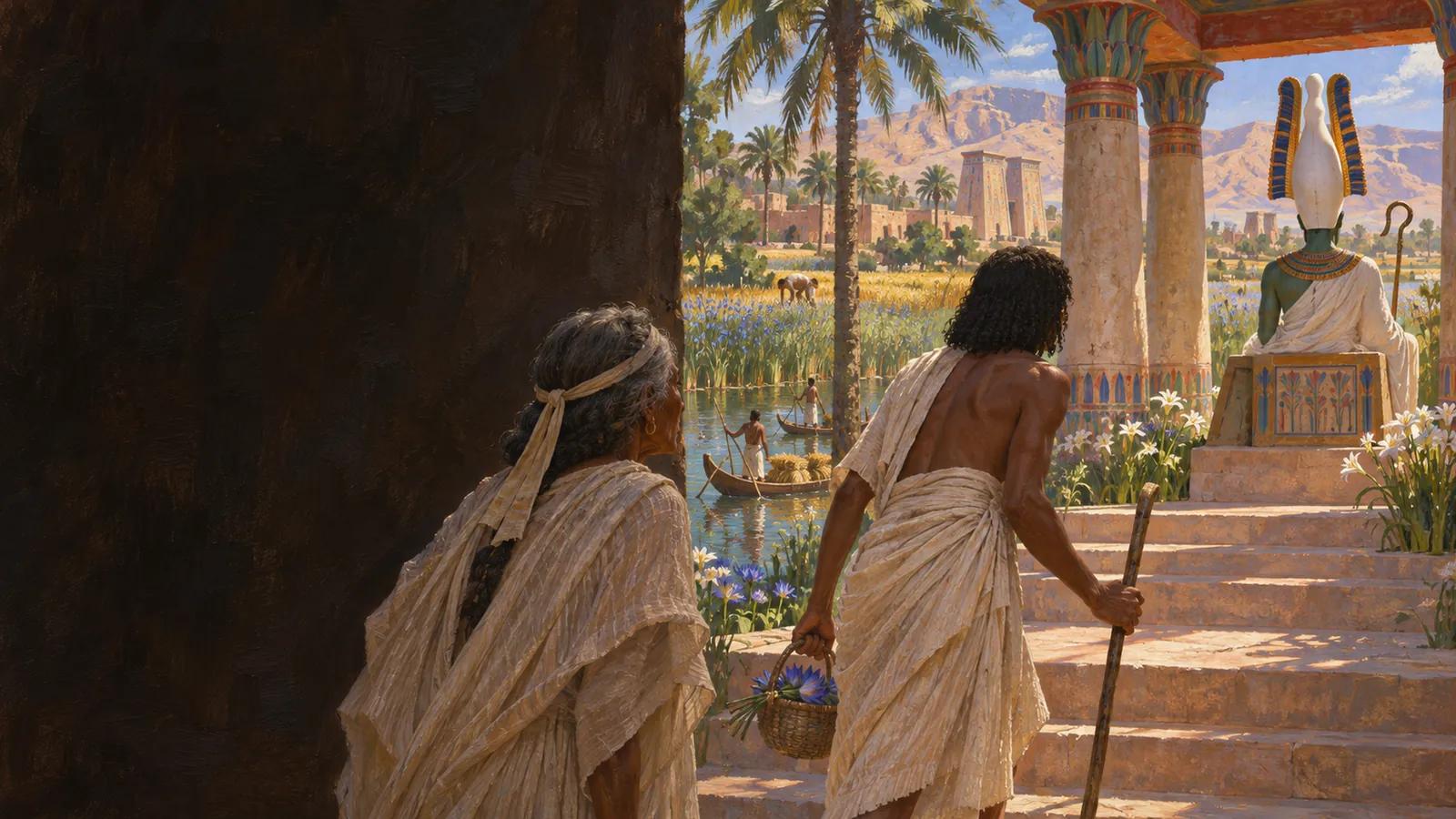
يقول المتكلّم إنّه دخل قِنقِنتِت ورأى أوزيريس، الذي يسمّيه بدج أباه بين قوسين معقوفين. ويقول إنّه نظر إلى أمّه. ويقول أيضًا إنّه مارس الجنس.
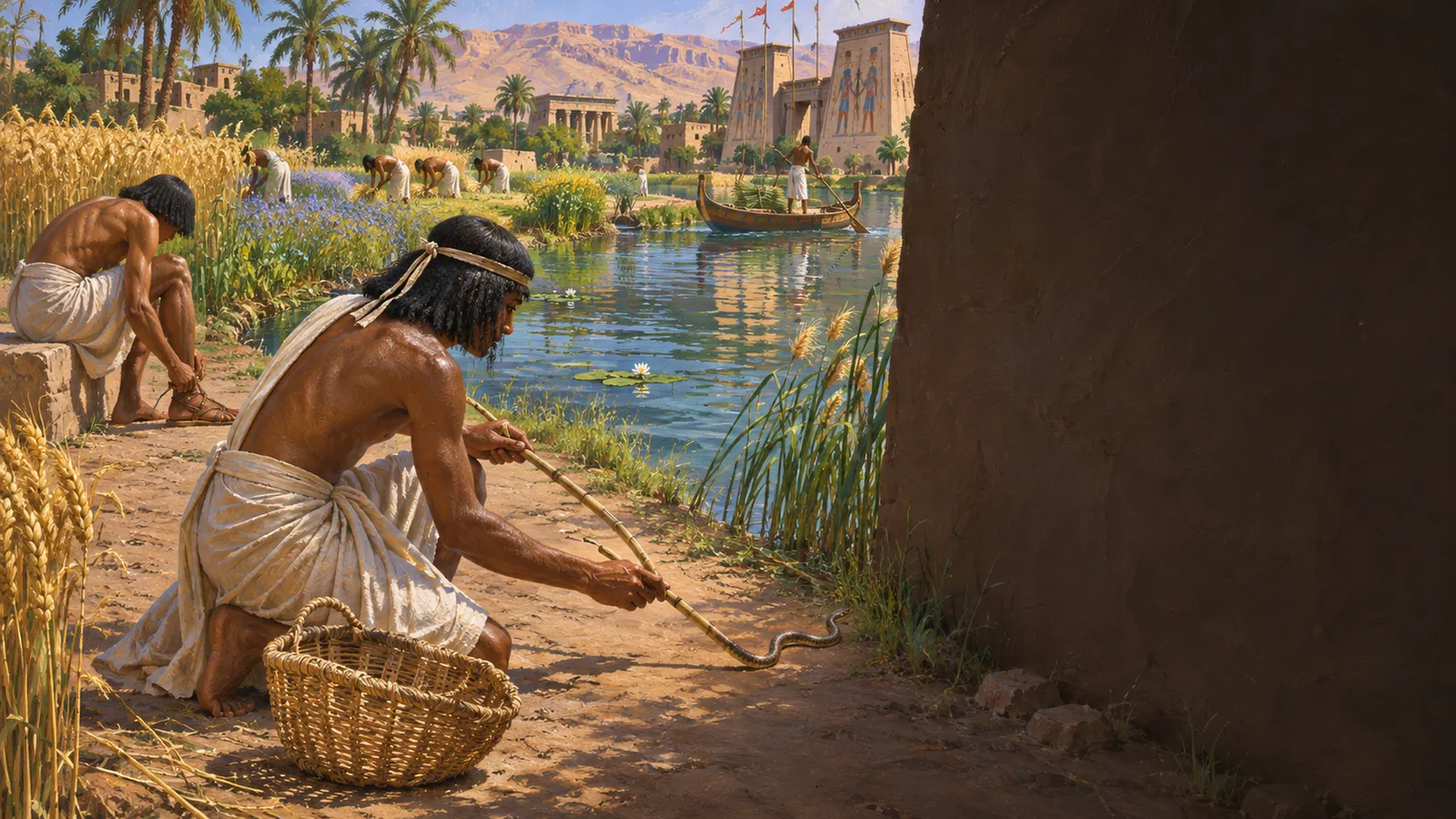
يقول المتكلّم إنه يأسر الديدان والثعابين في المكان الذي دخله. ويقول إنه يخلّص نفسه.
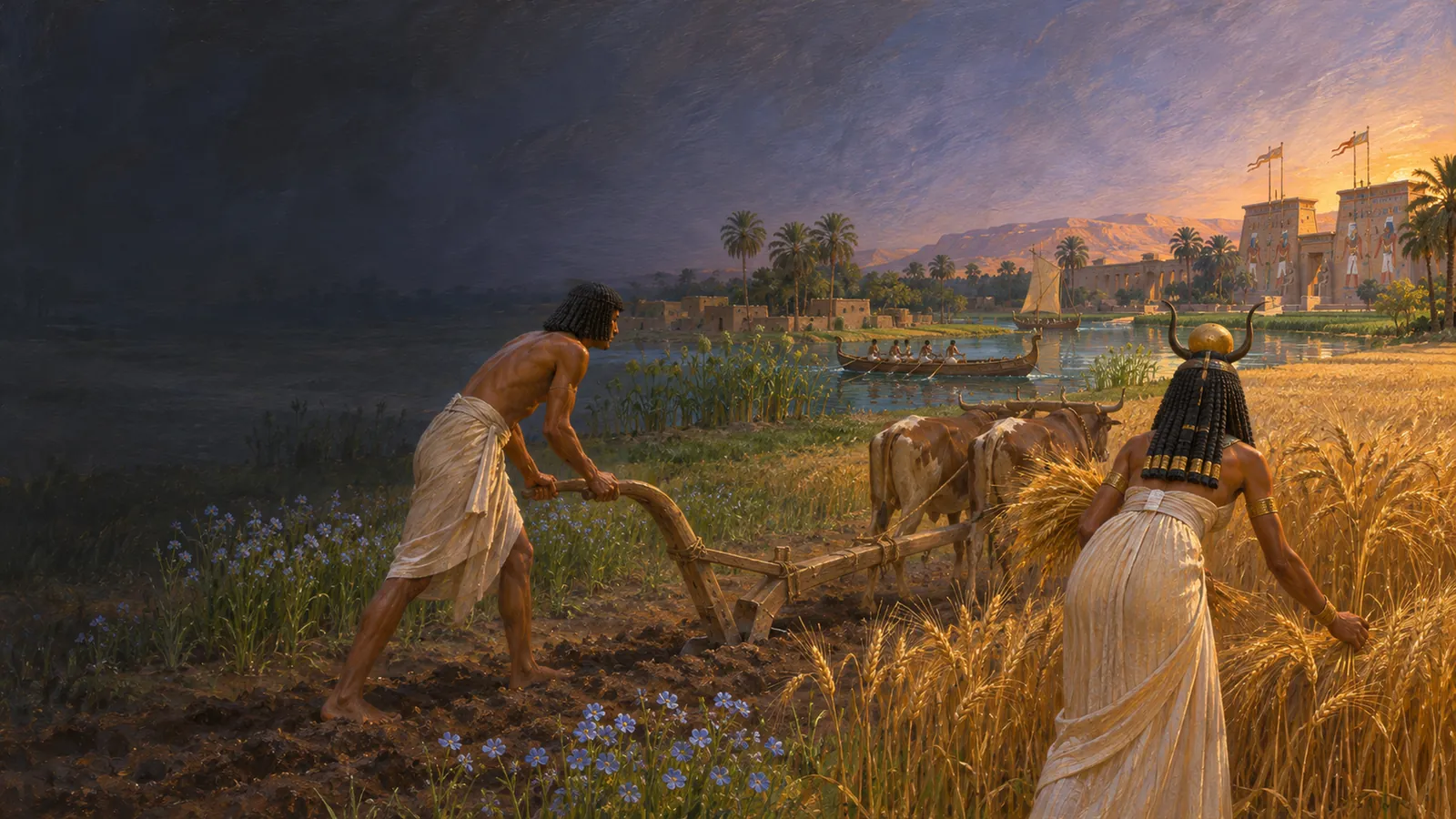
يقول إنه يعرف اسم الإله المقابل لتوحِسِرت، وهو مستقيم الشعر وله قرون. وذلك الإله يحصد، أما المتكلّم فيحرث ويحصد.
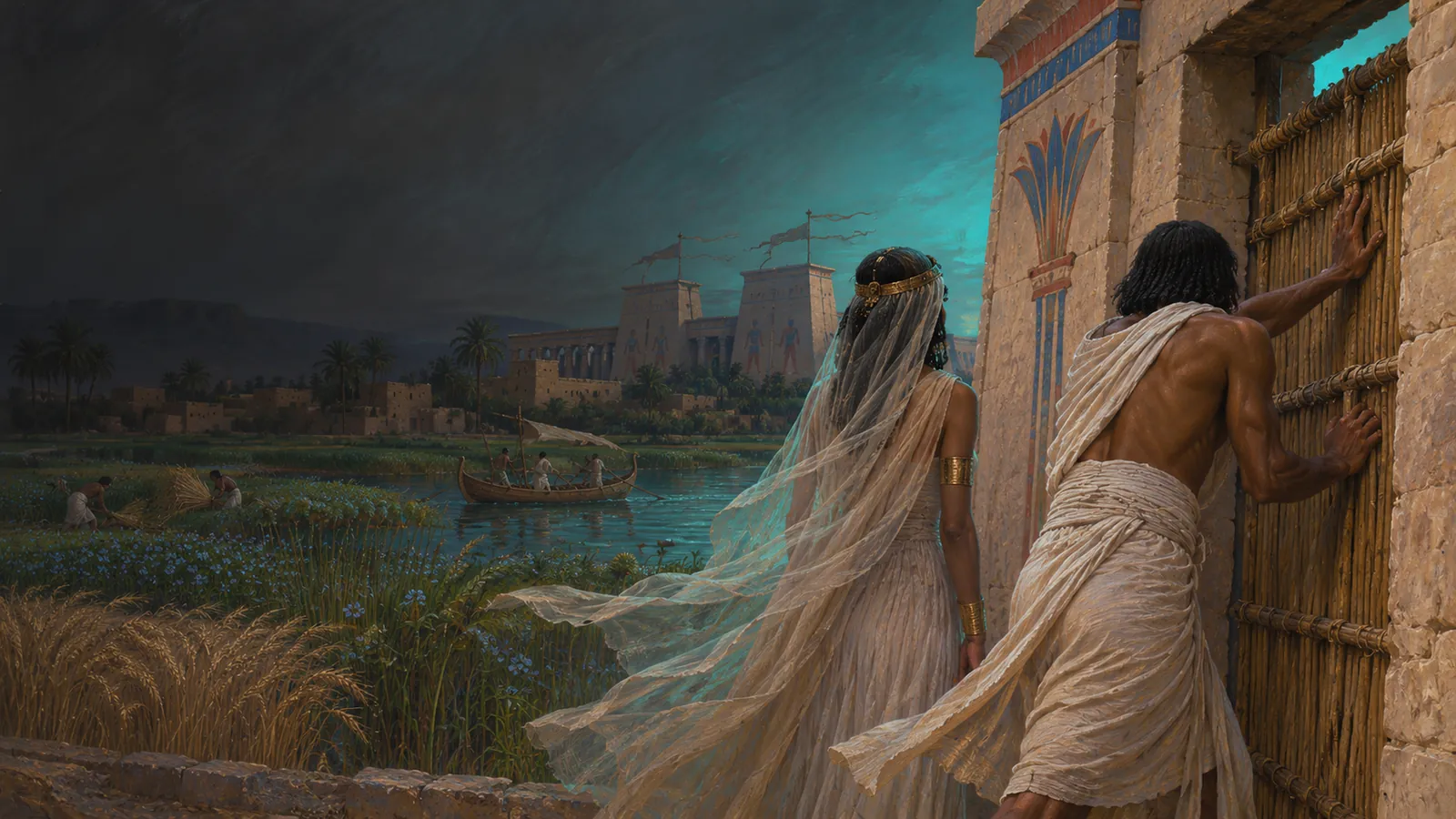
السماء الفيروزية
يخاطب حاست ويقول إنه يدخلها ويردّ من أرادوا بلوغ السماء الفيروزية. ثم يقول إنه اتّبع رياح جماعة الآلهة.
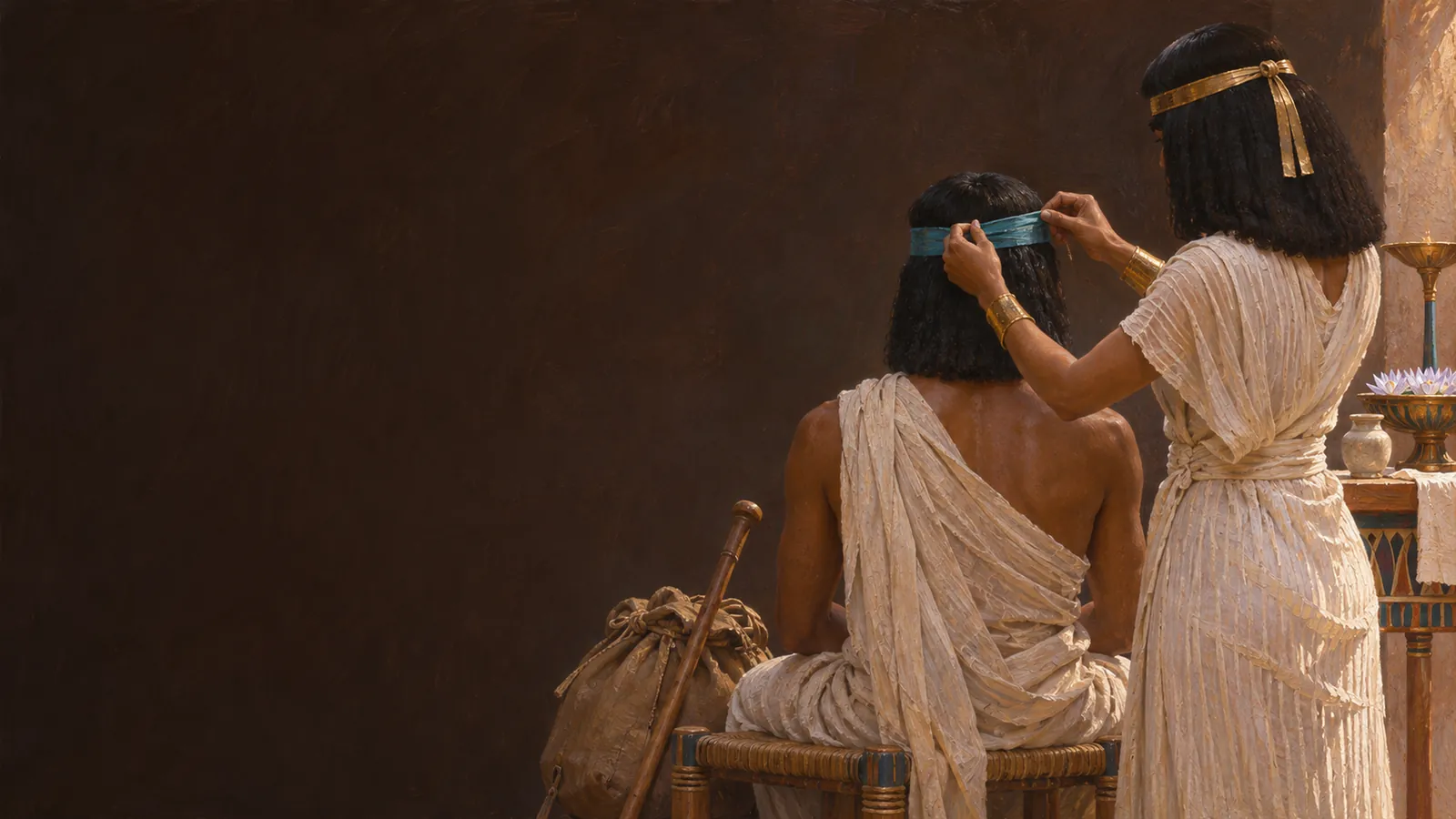
يقول إن الإله العظيم يعطيه رأسه. ويثبّته عليه القدير ذو العينين الفيروزيتين. وهو آري إن آب إف.
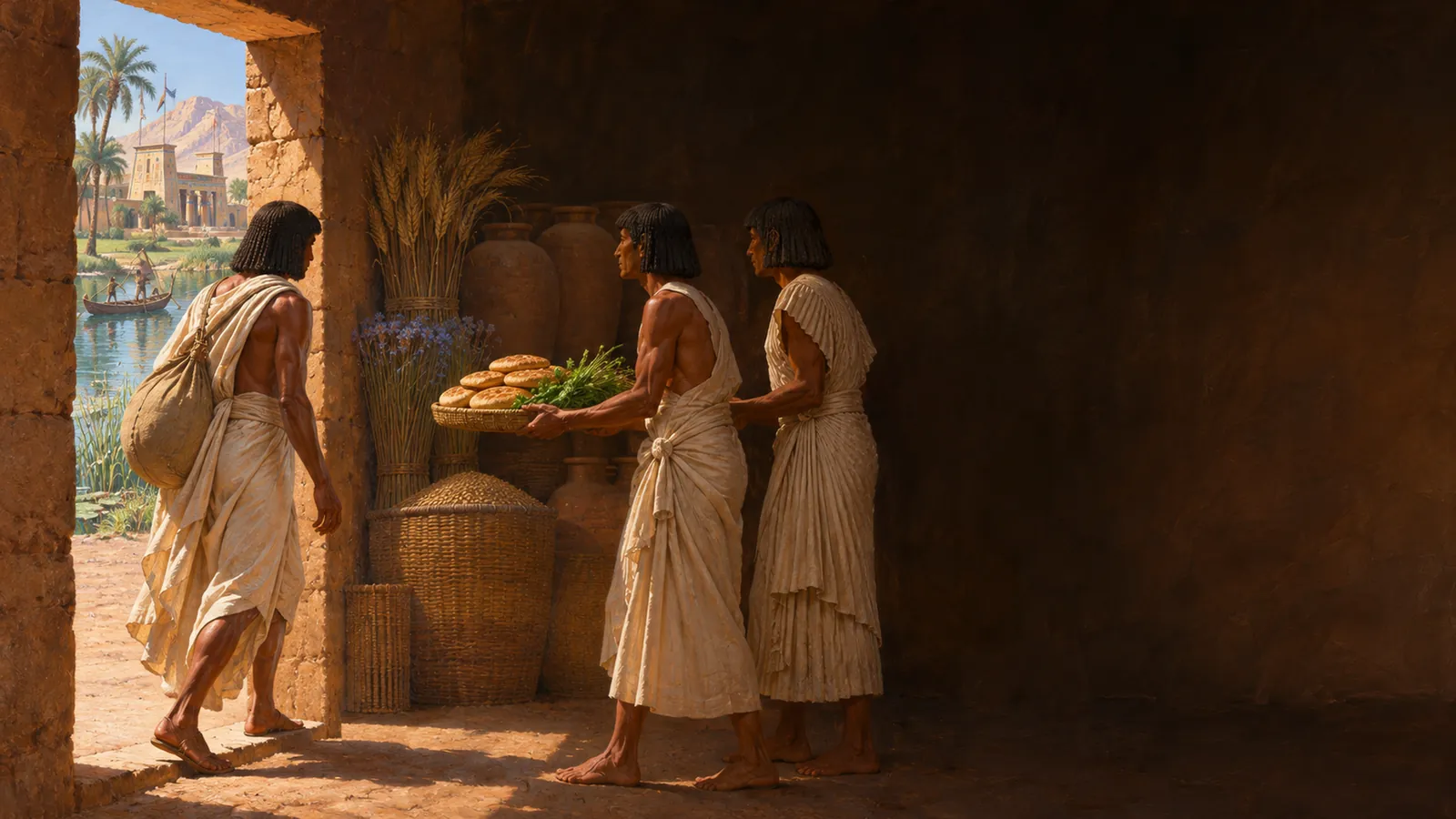
يخاطب المتكلّم أوسِرت ويقول إنه بلغ البيت الذي يُجلب إليه فيه الطعام الإلهي.
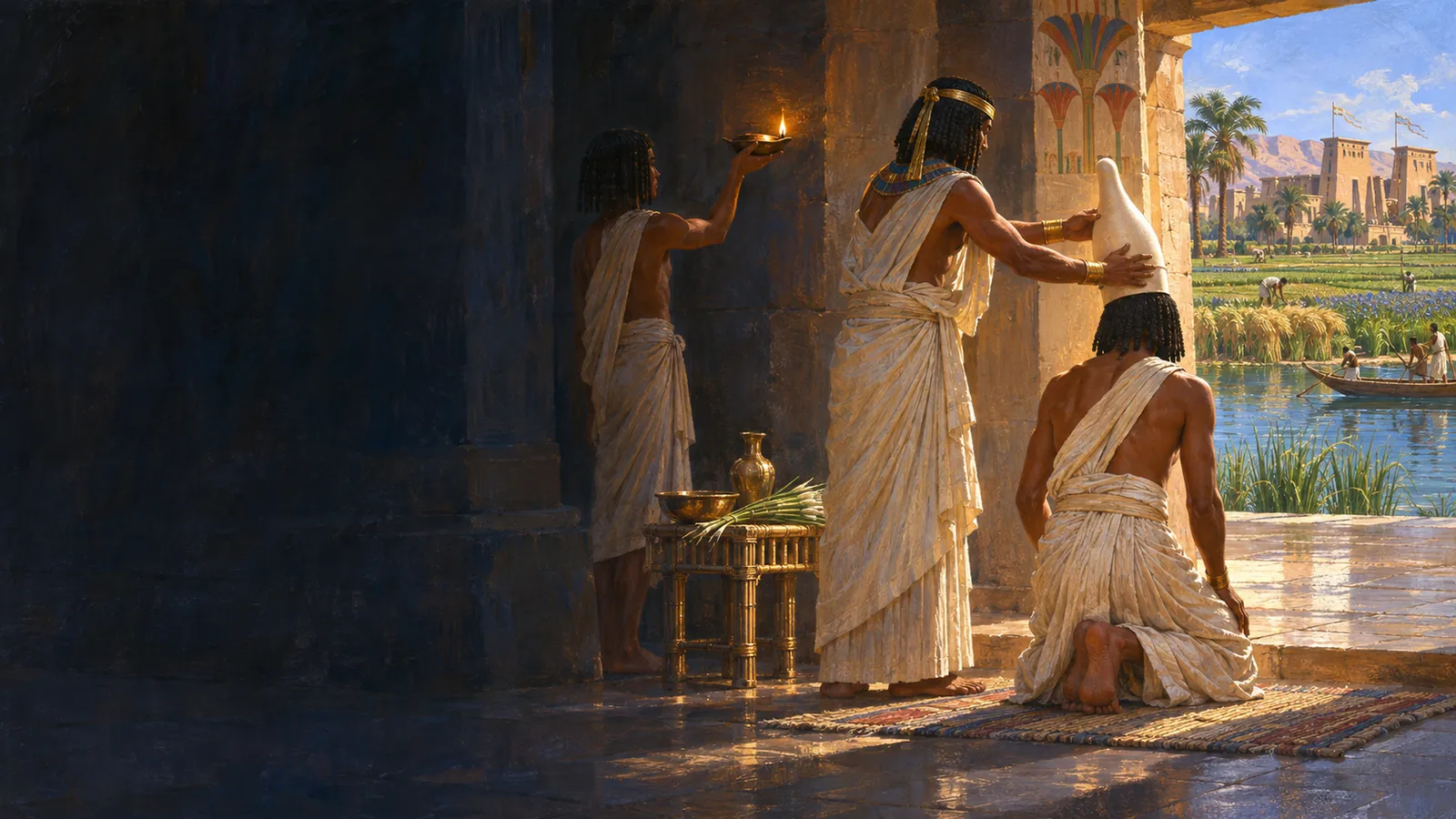
يعلن أنه بلغ سِمام. ويقول إن قلبه يظلّ متيقّظًا وإنه يُعطى التاج الأبيض.
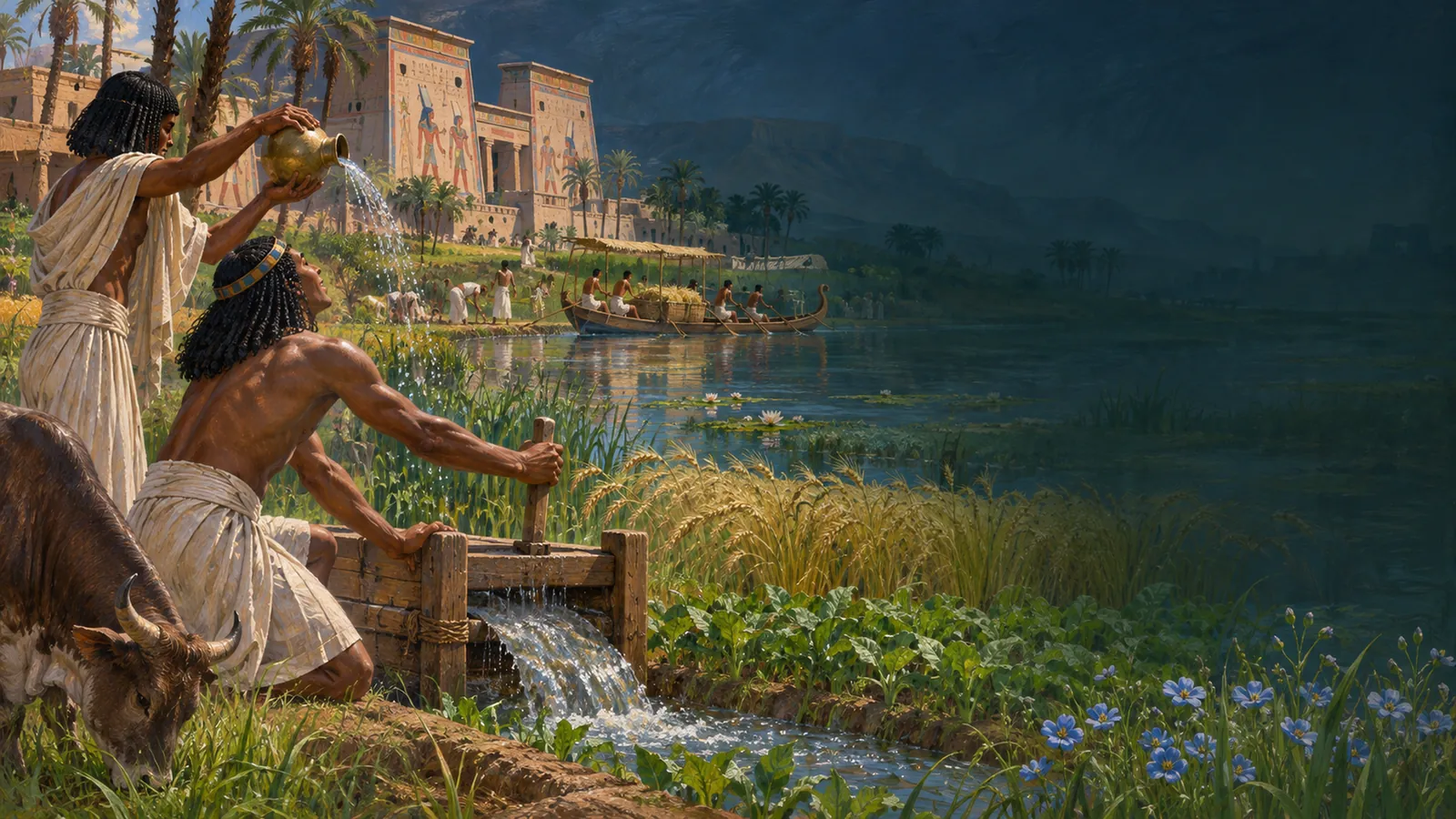
يقول إنه يُقاد إلى الأقاليم السماوية ويجعل ما في الأرض يزدهر. ويذكر فرح الثور والكائنات السماوية وجماعة الآلهة.
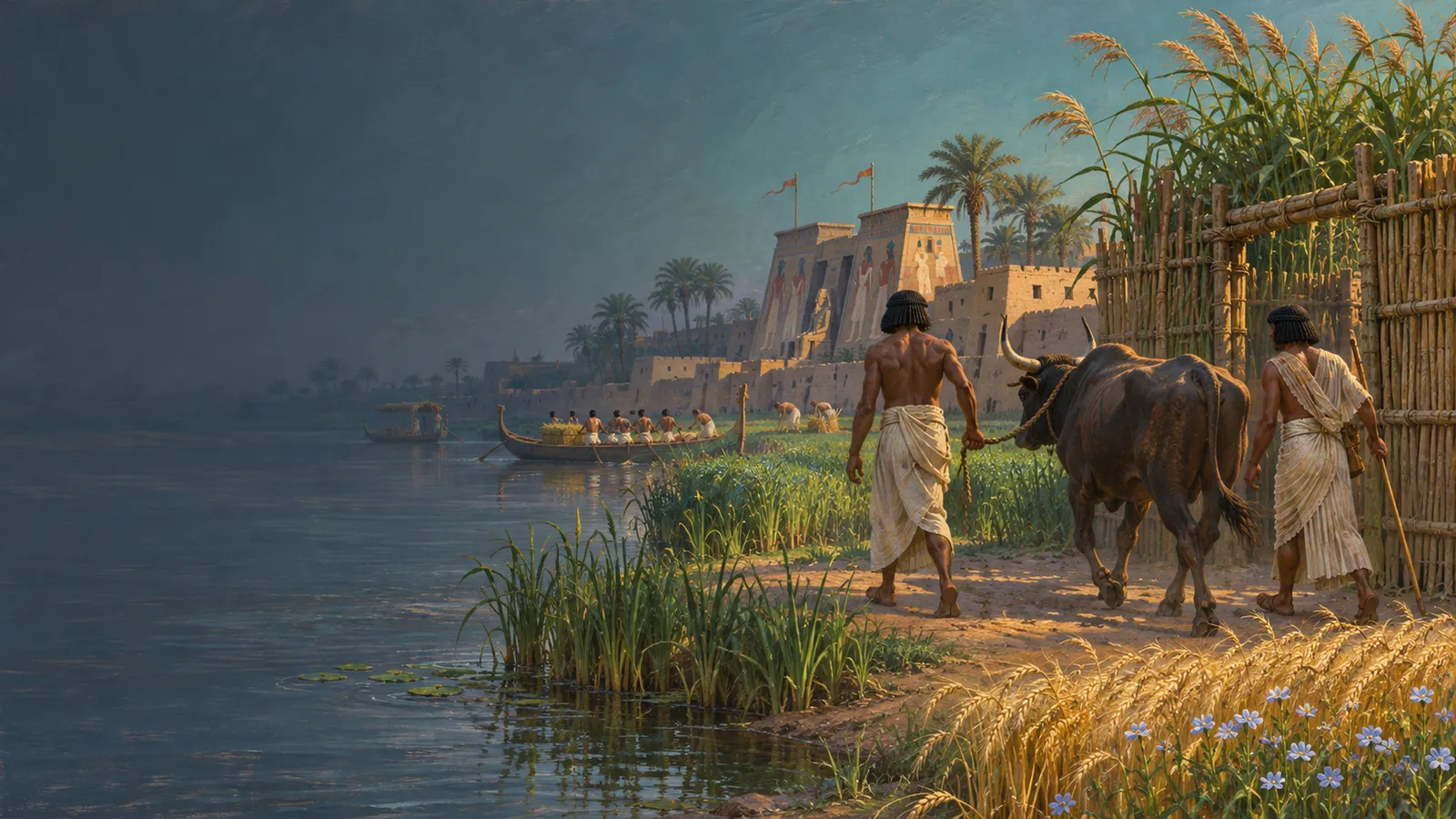
يسمّي نفسه الإله الذي هو الثور. ويصف نفسه بأنه ربّ الآلهة حين يخرج من السماء الفيروزية.
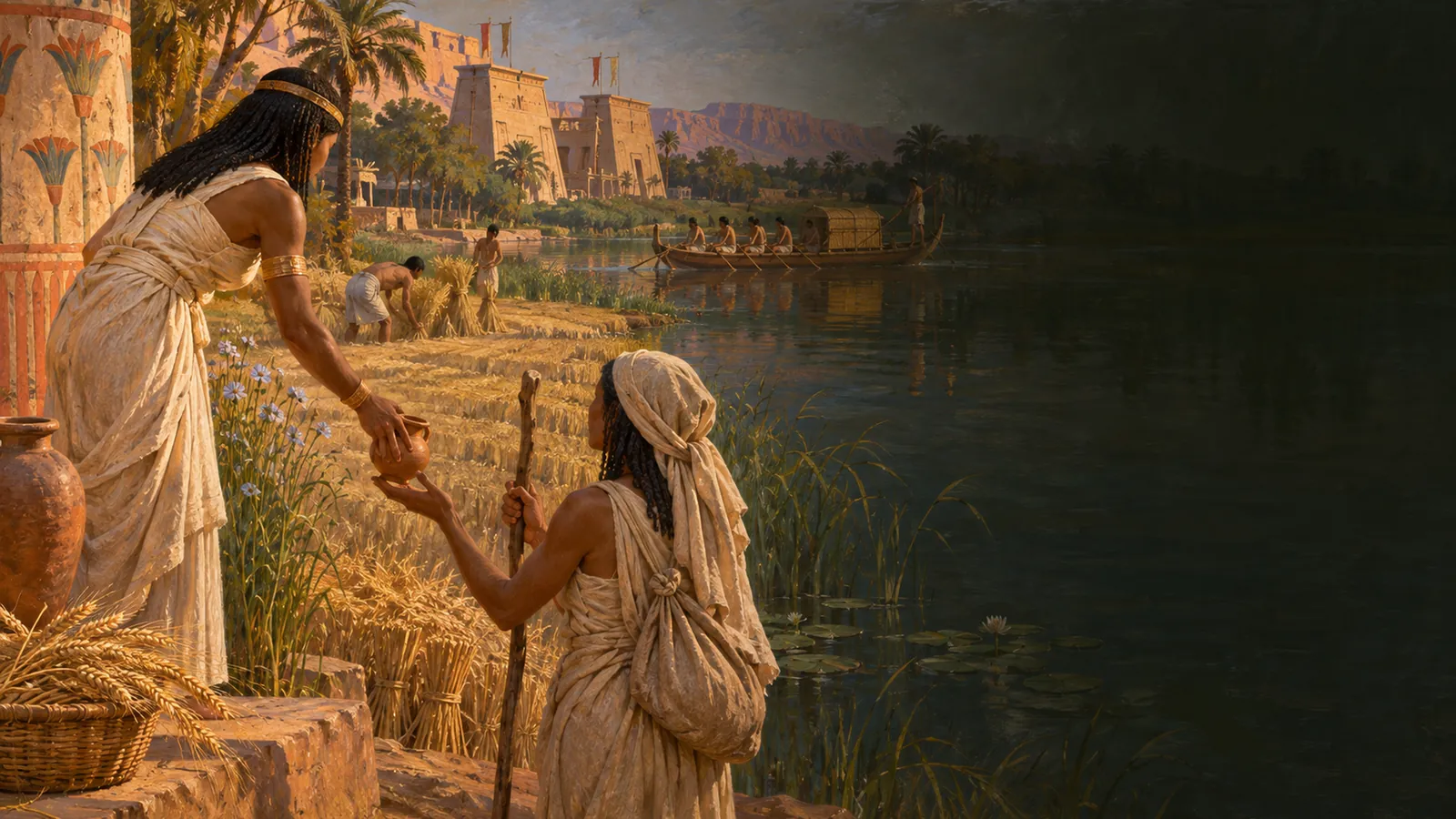
يخاطب الإقليم الإلهي للقمح والشعير ويقول إنه تقدّم إليه. ويأخذ ما يتبعه، وهو خيرة القرابين السائلة لجماعة الآلهة.
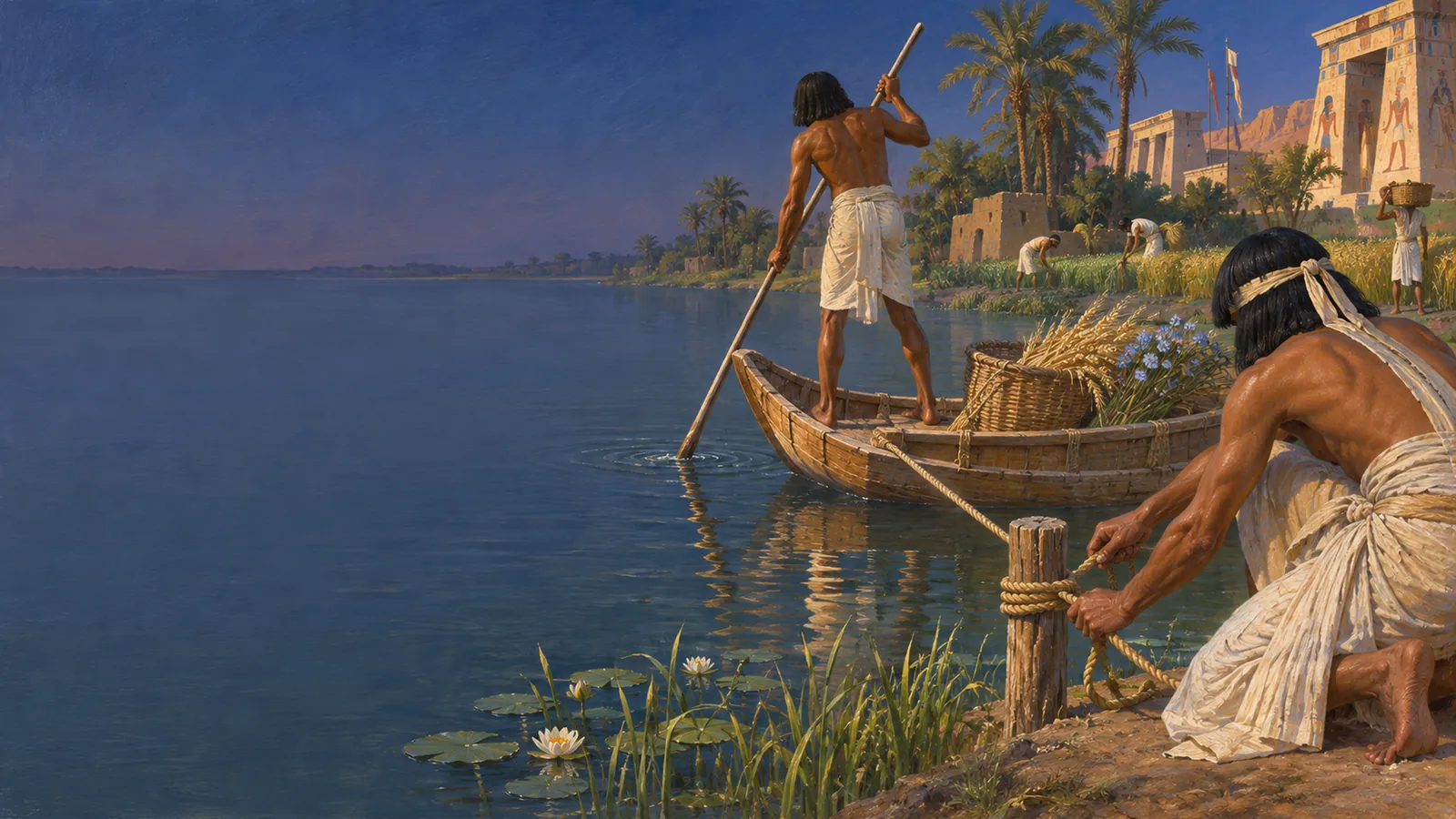
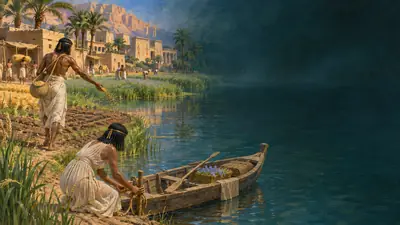
يقول المتكلّم إنه ربط مركبه في البحيرات السماوية. ثم يقول إنه رفع عمود الإرساء.
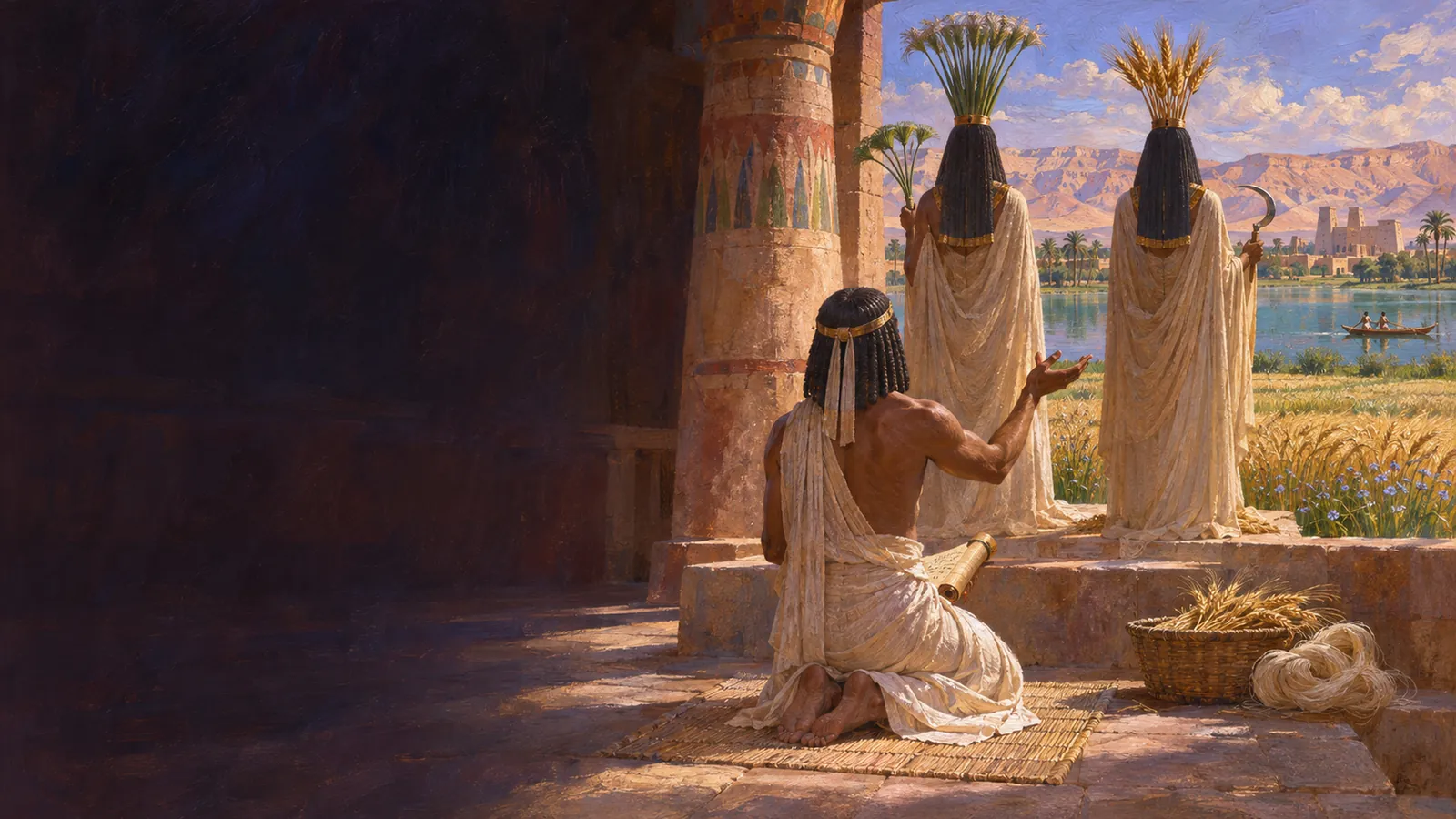
المديح في سِخِت-حِتِب
يقول إنه تلا الكلمات المقرّرة بصوته. ويختم بمديح الآلهة التي تسكن سِخِت-حِتِب.
نهاية الفصل الثاني
كل الصفحات


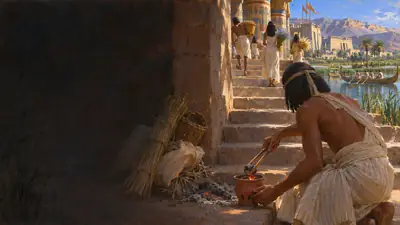
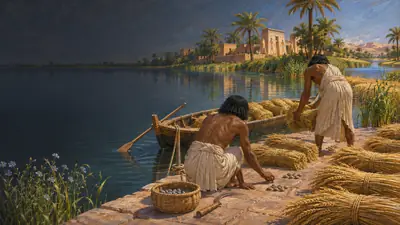
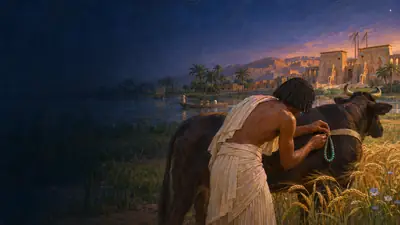
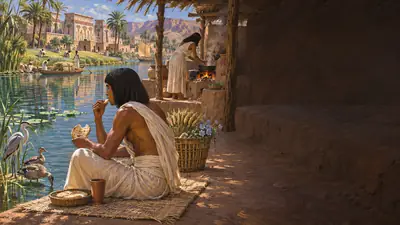


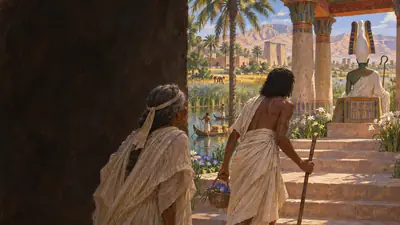
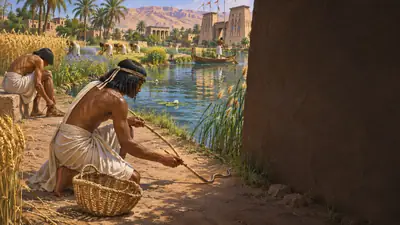
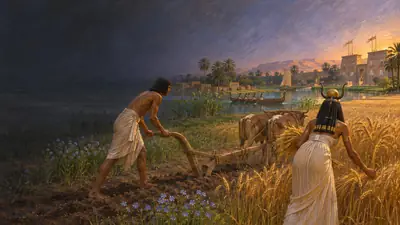
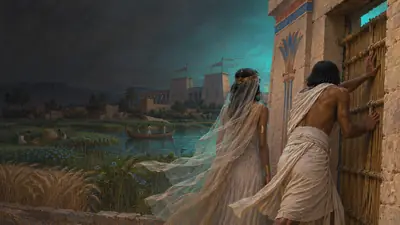
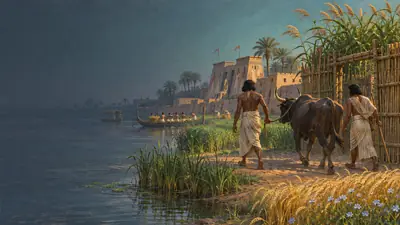
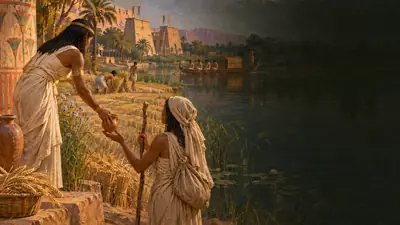
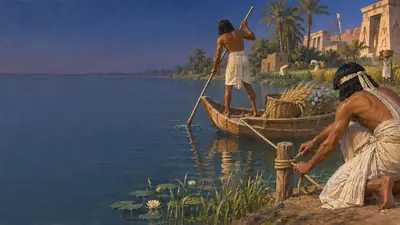
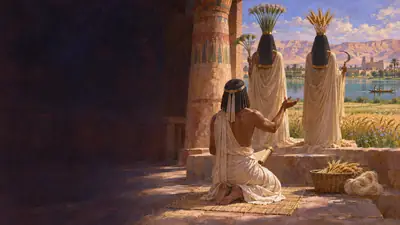
المصادر
المصادر والملاحظات مكتوبة بالإنجليزية كما وردت في المراجع.
A. Wallis Budge’s Egyptian Ideas of the Future Life, third edition, 1908. It ends with the praises at the end of the printed Chapter CX translation, before the author’s next paragraph. He gives no manuscript name for this translation.
الطبعات المعتمدة
- Egyptian Ideas of the Future Life, publication record
- Budge 1908, Chapter V, The Resurrection and Immortality
- Budge’s note 138
- Budge’s note 139
- Budge’s note 140
- Budge’s note 141
- Budge’s note 142
- Budge’s note 143
- Budge’s note 144
- Budge’s note 145
- Budge’s note 146
- Budge’s note 147
ملاحظات على هذه الرواية
The speaker asks to live with Hetep, be clothed and remain safe from plunder by the lords of the north. He then asks the lord of divine things for food. The two addresses keep their distinct wording.
He asks to go forward and come out, have his power brought to him and receive it, and get his equipment from Hetep. The next request is mastery of the great word within his body. Through it, he says, he will remember and forget.
He asks to go forward on his way and plough. He then declares peace with the city god and knowledge of the waters, cities, nomes and lakes of Sekhet-Hetep. The text’s word “nomes” refers to districts. The transition to these declarations follows the request to plough.
The speaker declares that he exists in the fields, is strong there and has become a spirit. Budge prints KHU beside his translation “spirit.” The next four declarations are eating, sowing, reaping and ploughing, in that order.
The speaker says he makes love in the fields and is at peace with Hetep. The speech gives no partner.
The speaker addresses divine Hetep and declares that he scatters seed, sails among the lakes and advances to their cities.
Budge brackets “teeth which are like.” “Horns” follows outside the brackets. The speaker asks for plentiful food of the kind that sustains the “Doubles” and “Spirits,” Budge’s KAU and KHU respectively.
After the provisions for Doubles and Spirits, the speaker declares that he has passed the judgment Shu passes upon the person who knows him. The claim belongs to the speaker’s recitation.
The speaker links that claim to his wish to go out to the cities, sail among their lakes and walk in Sekhet-Hetep. Budge adds “[Hetep]” to the designation of the cities. The next statement places Rā in heaven and calls the god Hetep the “twofold offering thereof.” The relation remains open as printed.
Budge supplies “[of Hetep]” after “the land.” The speaker says he has reached the land, girded his loins and come forth so that the expected gifts can be given to him. He says that he is glad and has taken hold of the strength that the god Hetep has greatly increased for him.
A new quoted address begins on the same printed line as the end of the preceding speech. The speaker says he has entered Unen-em-hetep, his soul follows him and his divine food is upon his hands. Budge’s note 138 describes Unen-em-hetep as the first large section of Sekhet-Aaru. The address then calls on the Lady of the Two Lands, who establishes the word by which he remembers and forgets. Note 139 identifies this Lady here as a lake in the second section of Sekhet-Aaru.,
Budge supplies “[being done]” in the second phrase. The twice-spoken appeal to grant him joy of heart is grouped with the wish for peace. The next request names the binding of his sinews and muscles and asks the Lady to make him receive air.
A new paragraph calls Unen-em-hetep Lady of the Winds. Budge’s note 140 gives “opened” as the literal reading behind “shewn.” Rā sleeps, the speaker says he is awake, and Hast is named as the goddess at the gate of heaven by night. The next sentence begins on line 4593 with the obstacles that belong to page 23.
The speaker says obstacles were set before him, that he gathered what Rā had emitted and that he is in his city. The text leaves the obstacles and the city unnamed in these lines.
The speaker enters Nut-urt, reckons his harvest and goes forward to Uakh. Budge identifies Nut-urt as a lake in the first section of Sekhet-Aaru, and Uakh as a lake in the second. ·
The speaker calls himself the Bull enfolded in turquoise, lord of the Field of the Bull and lord of Septet’s divine speech at her hours. Budge prints the identification of Septet as Sothis in parentheses. On entering Uakh the speaker eats his bread, gains control of choice meat from cattle and fowl, and is given the birds of Shu. The last statement is that he follows the gods and divine Doubles, Budge’s KAU.
The speaker enters Tohefet and clothes and protects himself with Rā’s Sa garment. Budge identifies Tohefet as a district in the third section of Sekhet-Aaru. The text then places Rā in heaven, followed by its inhabitants and by the speaker.
The address calls Unen-em-hetep lord of the two lands. The speaker says he enters, plunges into the lakes of Tohesert and is free of all uncleanness. Tohefet and Tohesert are the two spellings used in the printed text. The Great God grows there. The words “I have found” precede Budge’s bracketed “food therein” at line 4614.
The speaker says he snares fowl and eats the finest of them.
Budge identifies Qenqentet as a lake in the first section of Sekhet-Aaru. The speaker enters it and says he sees Osiris. Budge supplies “my father” in brackets at line 4620. The speaker next says he has looked upon his mother, then says separately that he has made love. The passage gives no partner.
Page 34, Budge 1908, Book of the Dead CX, transcription lines 4622–4624. The text has the speaker capture both worms and serpents and deliver himself. Budge supplies the words which are there in brackets to place them where the speaker is.
Page 35, Budge 1908, Book of the Dead CX, transcription lines 4624–4626. The speaker says he knows the name of the god opposite the goddess Tohesert. He describes the god’s straight hair and horns. The god reaps. The speaker ploughs and reaps.
Page 36, Budge 1908, Book of the Dead CX, transcription lines 4628–4632 and n. 145. Note 145 identifies Hast as a lake in the third section. Budge supplies sky in brackets after turquoise.
Page 37, Budge 1908, Book of the Dead CX, transcription lines 4632–4635. The text gives the head from the Great God and its binding from the Mighty One with turquoise eyes. Budge translates the name Ari-en-ab-f parenthetically as he who does as he pleases.
Page 38, Budge 1908, Book of the Dead CX, transcription lines 4637–4639 and n. 146. Note 146 identifies Usert as a lake in the third section. The speaker addresses the lake and says he is at the house where the divine food is brought to him.
Page 39, Budge 1908, Book of the Dead CX, transcription lines 4641–4643 and n. 147. Note 147 identifies Smam as a lake in the third section. The speaker mentions his watchful heart and receiving the white crown.
Page 40, Budge 1908, Book of the Dead CX, transcription lines 4643–4645. The clauses concern the speaker’s being led to the celestial regions and making earthly things flourish. Joy is separately named for the Bull, celestial beings and the company of gods.
Page 41, Budge 1908, Book of the Dead CX, transcription lines 4645–4648. The speaker identifies himself as the god who is the Bull and as lord of the gods. Budge prints sky in brackets again after turquoise.
Page 42, Budge 1908, Book of the Dead CX, transcription lines 4650–4652. The divine nome, or district, is identified with wheat and barley. The speaker says he has come forward and taken up what follows him, the finest libations of the company of the gods.
Page 43, Budge 1908, Book of the Dead CX, transcription lines 4652–4654. The boat is tied in the celestial lakes. The speaker then says that he lifts up the post at which to anchor. The text makes these two separate references without explaining the latter action.
Page 44, Budge 1908, Book of the Dead CX, transcription lines 4654–4655. The speaker says he has recited the prescribed words aloud and praised the gods in Sekhet-hetep. The translation ends here. The following paragraph in Budge’s book is separate.
الأسطر القديمة وراء كل صفحة
- Page 1: Budge 1908, Egyptian Ideas of the Future Life, ch. V, Book of the Dead Chapter CX, deceased’s recitation (local)
- Page 2: Budge 1908, Egyptian Ideas of the Future Life, ch. V, Book of the Dead Chapter CX, deceased’s recitation (local)
- Page 3: Budge 1908, Egyptian Ideas of the Future Life, ch. V, Book of the Dead Chapter CX, deceased’s recitation (local)
- Page 4: Budge 1908, Egyptian Ideas of the Future Life, ch. V, Book of the Dead Chapter CX, deceased’s recitation (local)
- Page 5: Budge 1908, Egyptian Ideas of the Future Life, ch. V, Book of the Dead Chapter CX, deceased’s recitation (local)
- Page 6: Budge 1908, Egyptian Ideas of the Future Life, ch. V, Book of the Dead Chapter CX, deceased’s recitation (local)
- Page 7: Budge 1908, Egyptian Ideas of the Future Life, ch. V, Book of the Dead Chapter CX, deceased’s recitation (local)
- Page 8: Budge 1908, Egyptian Ideas of the Future Life, ch. V, Book of the Dead Chapter CX, deceased’s recitation (local)
- Page 9: Budge 1908, Egyptian Ideas of the Future Life, ch. V, Book of the Dead Chapter CX, deceased’s recitation (local)
- Page 10: Budge 1908, Egyptian Ideas of the Future Life, ch. V, Book of the Dead Chapter CX, deceased’s recitation (local)
- Page 11: Budge 1908, Egyptian Ideas of the Future Life, ch. V, Book of the Dead Chapter CX, deceased’s recitation (local)
- Page 12: Budge 1908, Egyptian Ideas of the Future Life, ch. V, Book of the Dead Chapter CX, deceased’s recitation (local)
- Page 13: Budge 1908, Egyptian Ideas of the Future Life, ch. V, Book of the Dead Chapter CX, deceased’s recitation (local)
- Page 14: Budge 1908, Egyptian Ideas of the Future Life, ch. V, Book of the Dead Chapter CX, deceased’s recitation (local)
- Page 15: Budge 1908, Egyptian Ideas of the Future Life, ch. V, Book of the Dead Chapter CX, deceased’s recitation (local)
- Page 16: Budge 1908, Egyptian Ideas of the Future Life, ch. V, Book of the Dead Chapter CX, deceased’s recitation (local)
- Page 17: Budge 1908, Egyptian Ideas of the Future Life, ch. V, Book of the Dead Chapter CX, deceased’s recitation (local)
- Page 18: Budge 1908, Egyptian Ideas of the Future Life, ch. V, Book of the Dead Chapter CX, deceased’s recitation (local)
- Page 19: Budge 1908, Egyptian Ideas of the Future Life, ch. V, Book of the Dead Chapter CX, deceased’s recitation (local)
- Page 20: Budge 1908, Egyptian Ideas of the Future Life, ch. V, Book of the Dead Chapter CX, deceased’s recitation (local)
- Page 21: Budge 1908, Egyptian Ideas of the Future Life, ch. V, Book of the Dead Chapter CX, deceased’s recitation (local)
- Page 22: Budge 1908, Egyptian Ideas of the Future Life, ch. V, Book of the Dead Chapter CX, deceased’s recitation (local)
- Page 23: Budge 1908, Egyptian Ideas of the Future Life, ch. V, Book of the Dead Chapter CX, deceased’s recitation (local)
- Page 24: Budge 1908, Egyptian Ideas of the Future Life, ch. V, Book of the Dead Chapter CX, deceased’s recitation (local)
- Page 25: Budge 1908, Egyptian Ideas of the Future Life, ch. V, Book of the Dead Chapter CX, deceased’s recitation (local)
- Page 26: Budge 1908, Egyptian Ideas of the Future Life, ch. V, Book of the Dead Chapter CX, deceased’s recitation (local)
- Page 27: Budge 1908, Egyptian Ideas of the Future Life, ch. V, Book of the Dead Chapter CX, deceased’s recitation (local)
- Page 28: Budge 1908, Egyptian Ideas of the Future Life, ch. V, Book of the Dead Chapter CX, deceased’s recitation (local)
- Page 29: Budge 1908, Egyptian Ideas of the Future Life, ch. V, Book of the Dead Chapter CX, deceased’s recitation (local)
- Page 30: Budge 1908, Egyptian Ideas of the Future Life, ch. V, Book of the Dead Chapter CX, deceased’s recitation (local)
- Page 31: Budge 1908, Egyptian Ideas of the Future Life, ch. V, Book of the Dead Chapter CX, deceased’s recitation (local)
- Page 32: Budge 1908, Egyptian Ideas of the Future Life, ch. V, Book of the Dead Chapter CX, deceased’s recitation (local)
- Page 33: Budge 1908, Egyptian Ideas of the Future Life, ch. V, Book of the Dead Chapter CX, deceased’s recitation (local)
- Page 34: Budge 1908, Egyptian Ideas of the Future Life, ch. V, Book of the Dead CX (local)
- Page 35: Budge 1908, Egyptian Ideas of the Future Life, ch. V, Book of the Dead CX (local)
- Page 36: Budge 1908, Egyptian Ideas of the Future Life, ch. V, Book of the Dead CX (local)
- Page 37: Budge 1908, Egyptian Ideas of the Future Life, ch. V, Book of the Dead CX (local)
- Page 38: Budge 1908, Egyptian Ideas of the Future Life, ch. V, Book of the Dead CX (local)
- Page 39: Budge 1908, Egyptian Ideas of the Future Life, ch. V, Book of the Dead CX (local)
- Page 40: Budge 1908, Egyptian Ideas of the Future Life, ch. V, Book of the Dead CX (local)
- Page 41: Budge 1908, Egyptian Ideas of the Future Life, ch. V, Book of the Dead CX (local)
- Page 42: Budge 1908, Egyptian Ideas of the Future Life, ch. V, Book of the Dead CX (local)
- Page 43: Budge 1908, Egyptian Ideas of the Future Life, ch. V, Book of the Dead CX (local)
- Page 44: Budge 1908, Egyptian Ideas of the Future Life, ch. V, Book of the Dead CX (local)
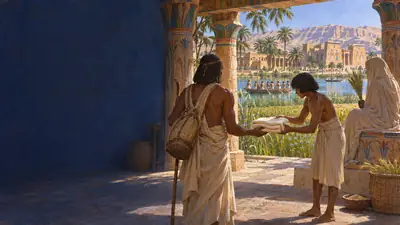
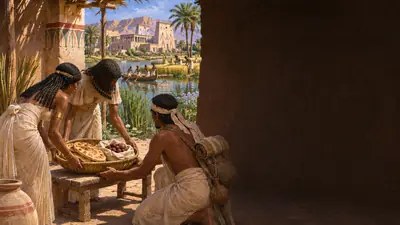
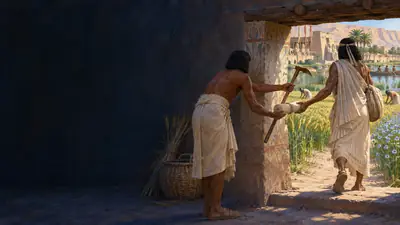
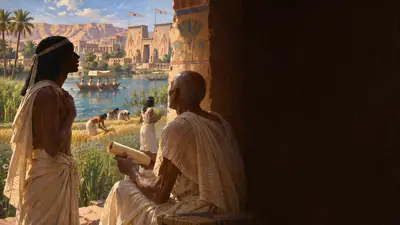
الرسوم من صنع أرشيف إيل بأدوات الذكاء الاصطناعي؛ والنص مبني على المصادر القديمة (انظر المصادر في آخر كل فصل).