عبر حقول حتب الفصل الأول
بحيرة حتب
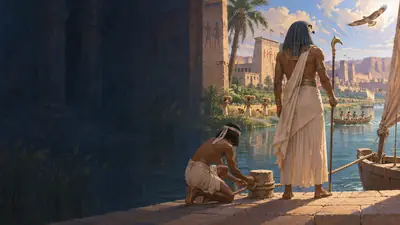
يأخذ المتكلّم مركبًا من قصر شو ليعبر بحيرة حتب، ويطلب أن يعمل في الحقول. وتنتقل التلاوة إلى حورس وحتب، فتشبّه أفعالهما بما يُفعل في بحيرة النار المزدوجة.
المصادرقلّب الصفحات بالأزرار أو بمفاتيح الأسهم أو بسحب الإصبع.
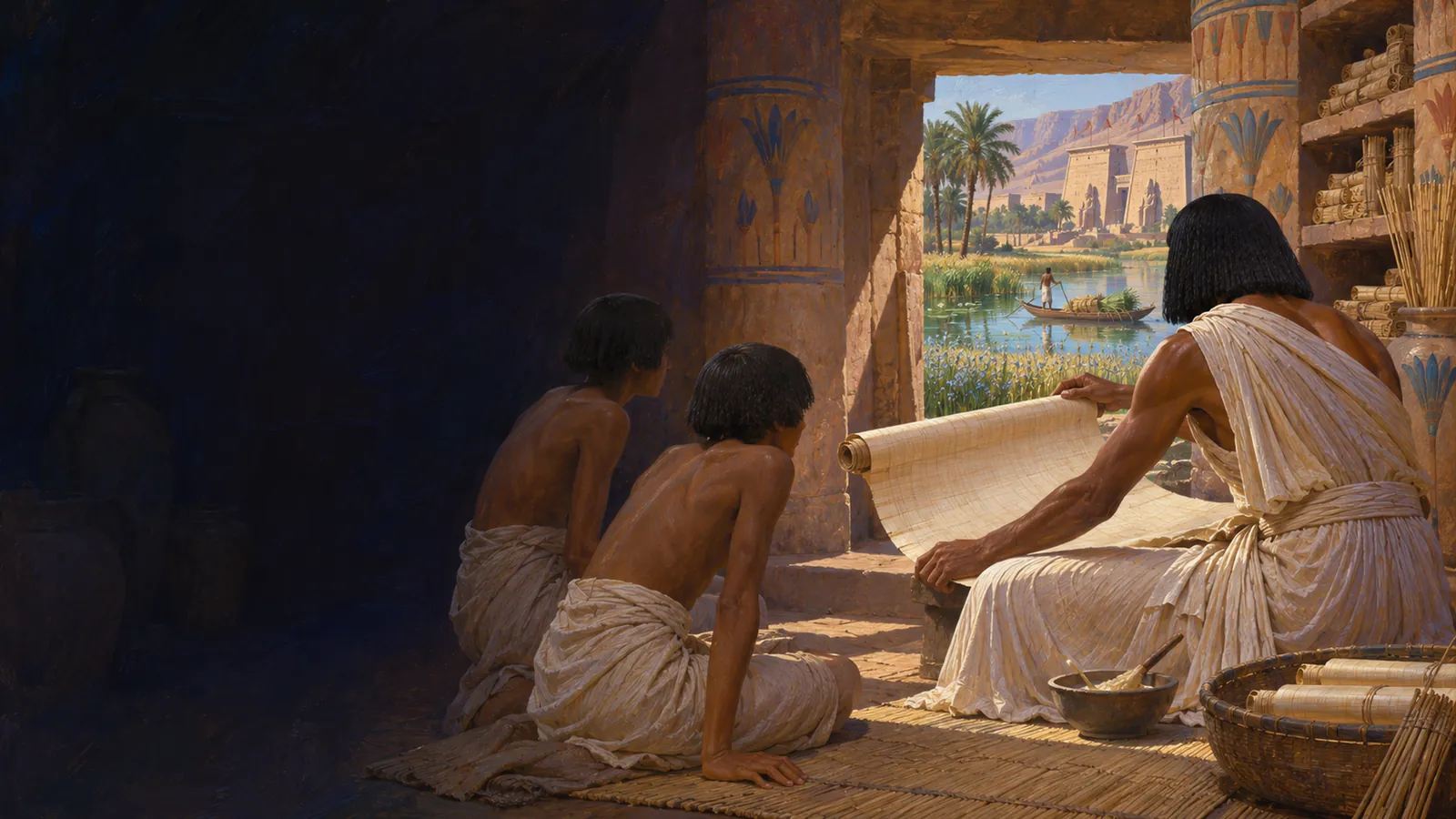
بحيرة حِتِب
تتبع هذه القراءة مختارات بدج المطبوعة عام 1908 من الفصل 110 من كتاب الموتى المصري. ويجمع عنوانها بين فصول سِخِت-حِتِبِت وفصول الخروج في النهار.
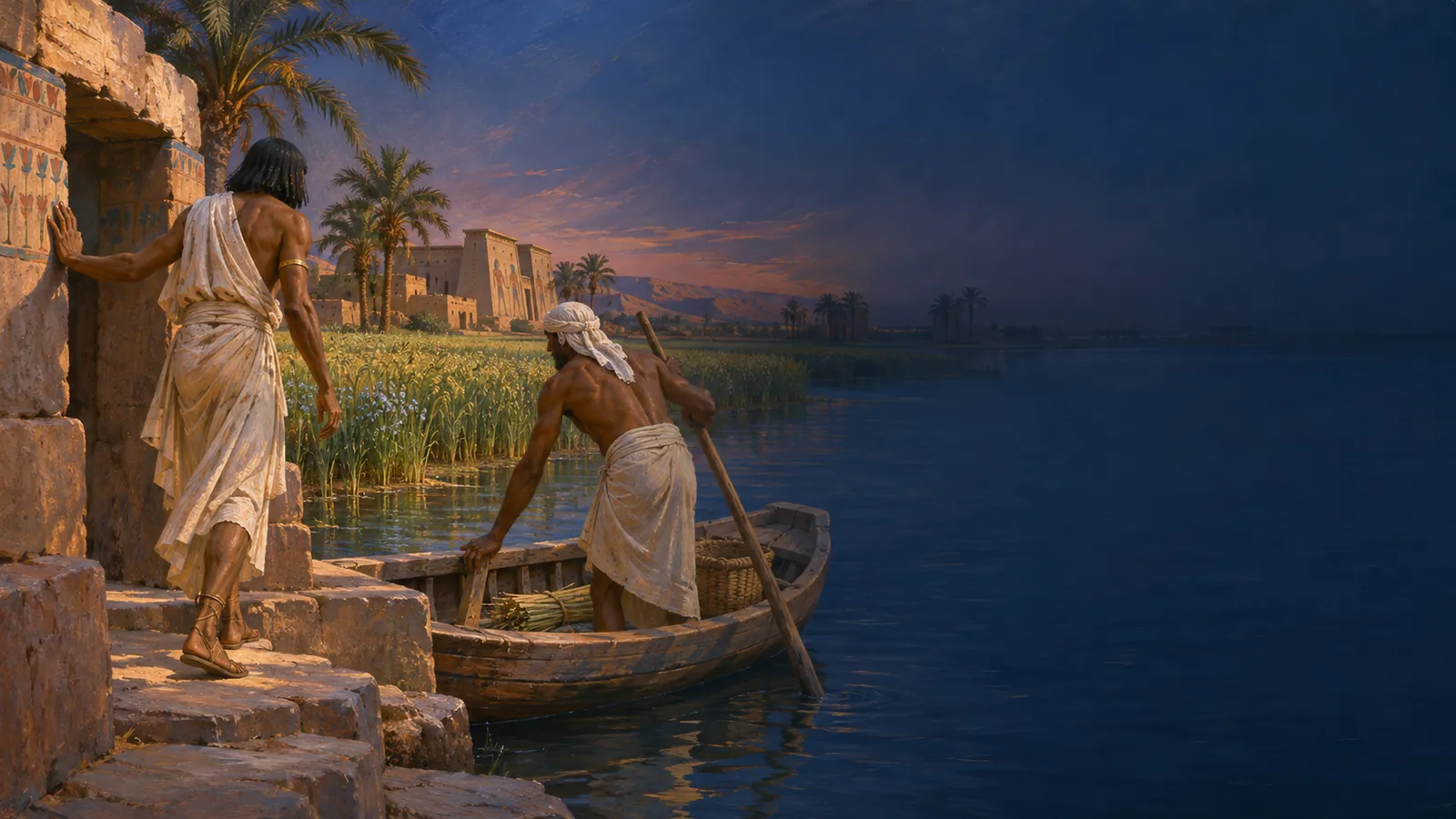
يذكر العنوان الدخول إلى العالم السفلي والخروج منه. ويذكر أيضًا بلوغ سِخِت-آرو.
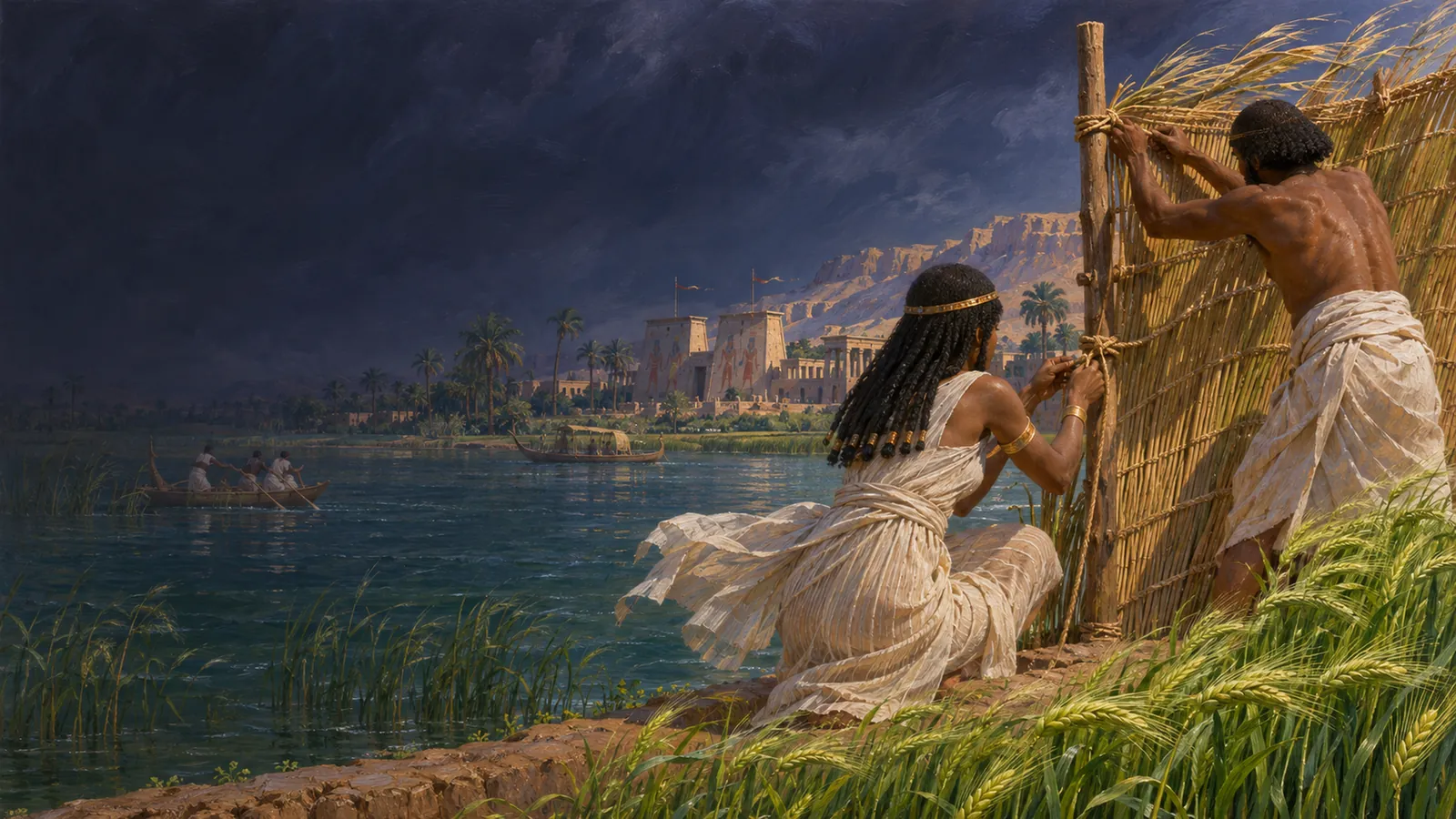
يسمّي العنوان سِخِت-حِتِبِت الأرض القويّة وسيّدة الرياح. ويذكر نيل السلطة فيها والتحوّل فيها إلى روح.
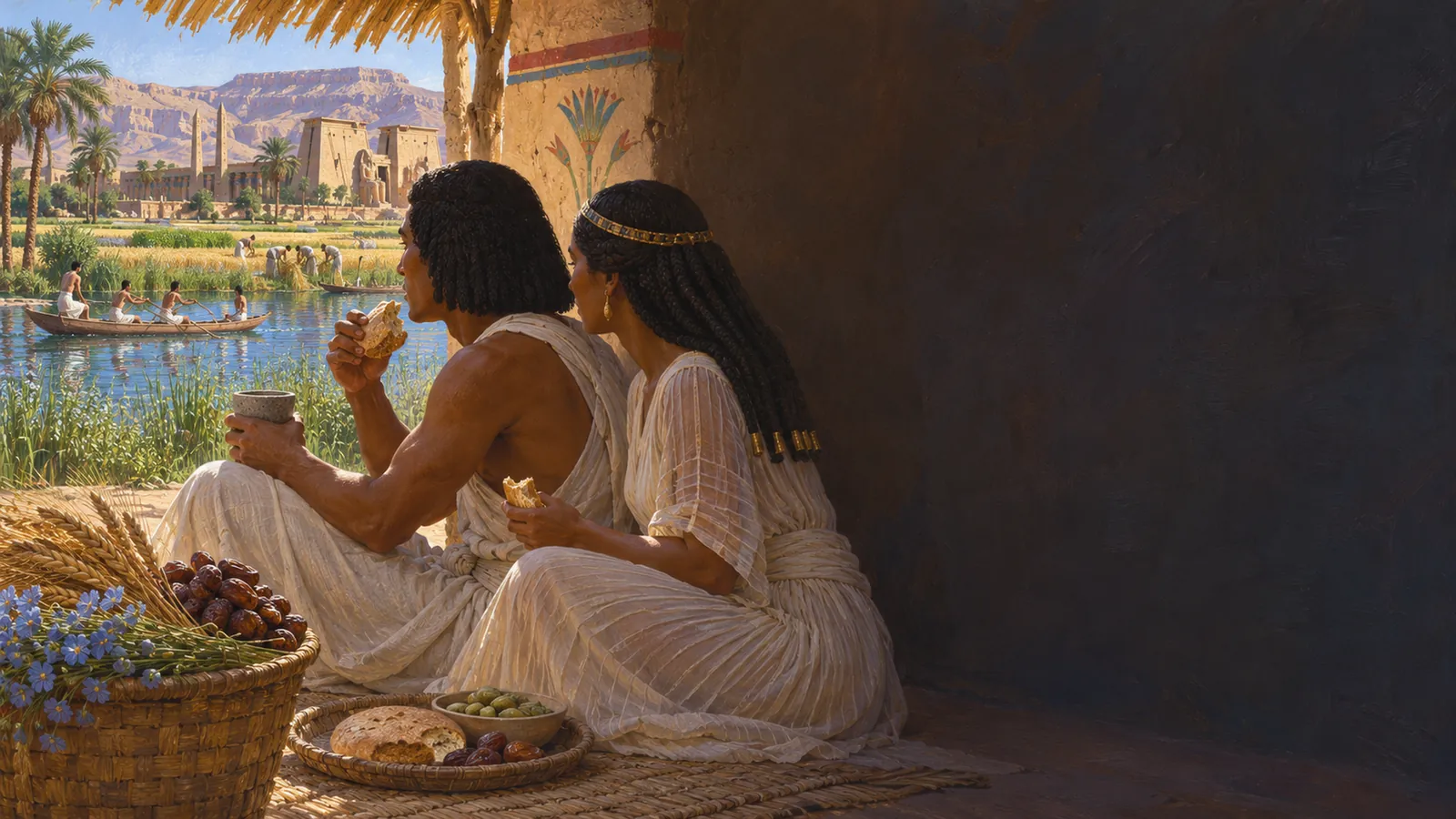
يذكر العنوان الحصاد والأكل والشرب وممارسة الجنس في الحقول. ويصف فعل ما يفعله الإنسان على الأرض في ذلك المكان.
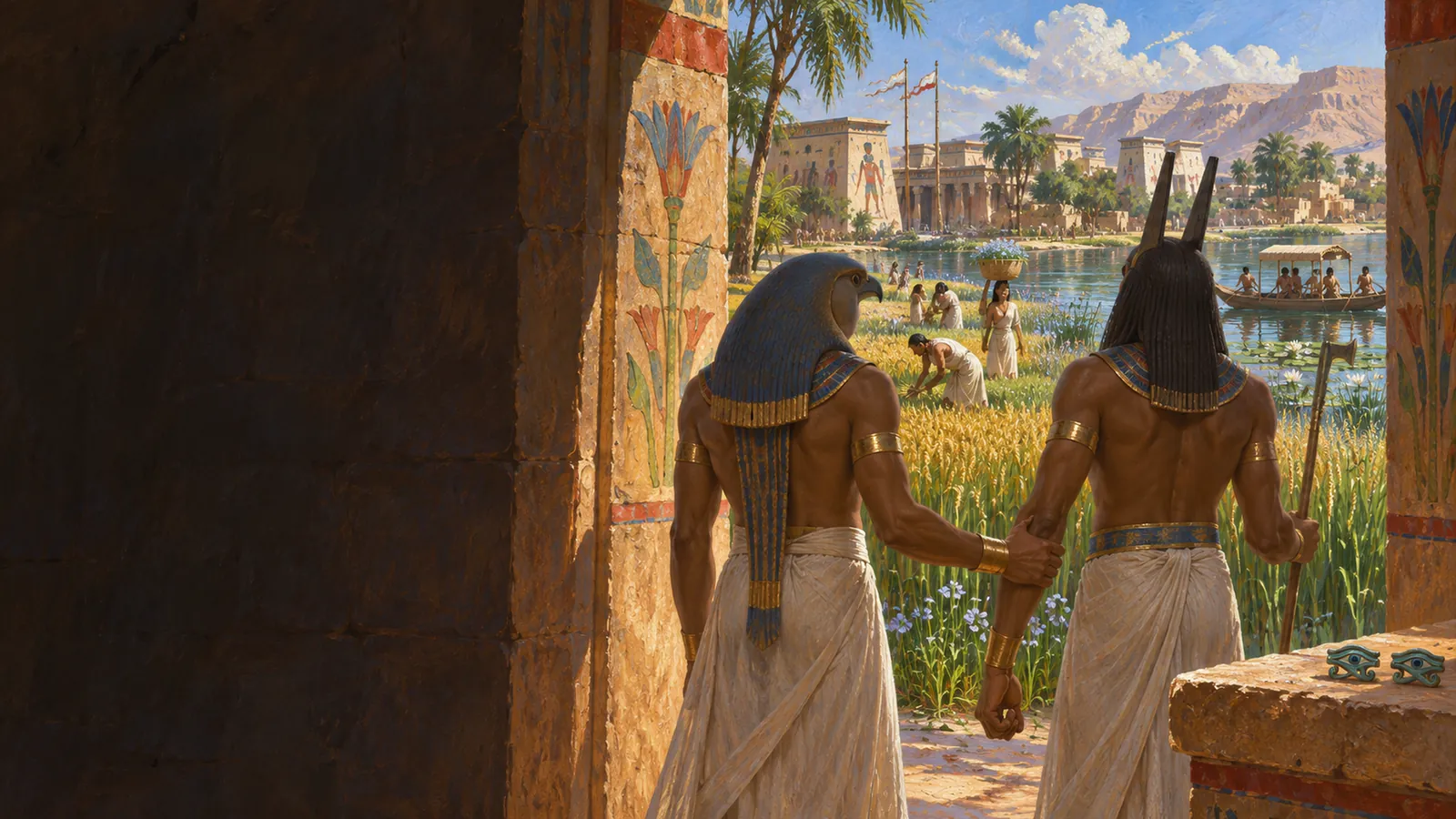
يقول المتكلّم إنّ ستًّا أمسك بحورس وهو ينظر بالعينين إلى ما يقرأه بدج، على سبيل الترجيح، على أنّه بناء يحيط بسِخِت-حِتِب. ويحدّد بدج العينين بأنّهما عين رع وعين حورس.
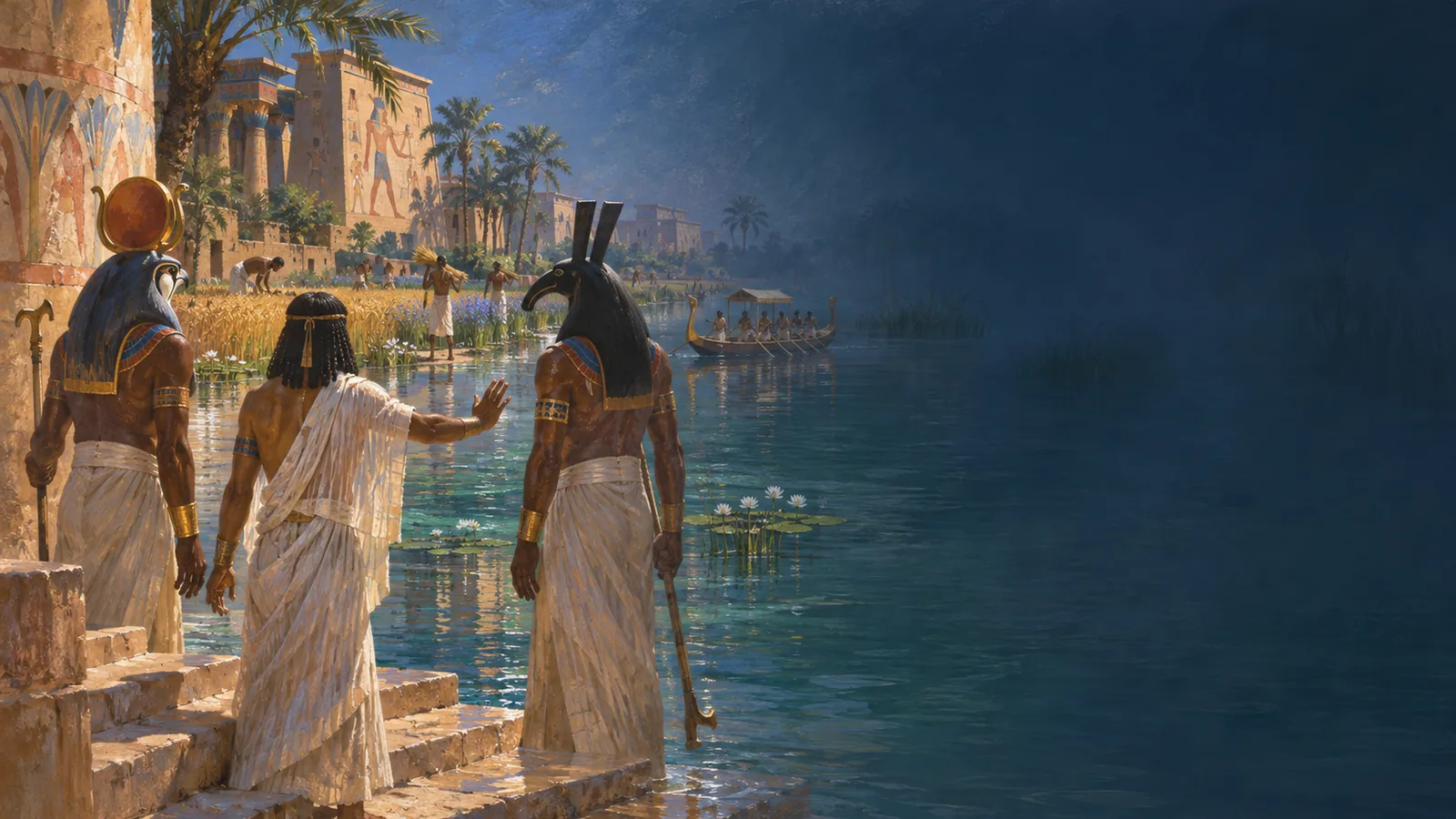
يقول المتكلّم إنّه أطلق حورس. ويضيف بدج بين قوسين معقوفين الكلمات التي تفيد أنّ المتكلّم أخذه من ستّ.
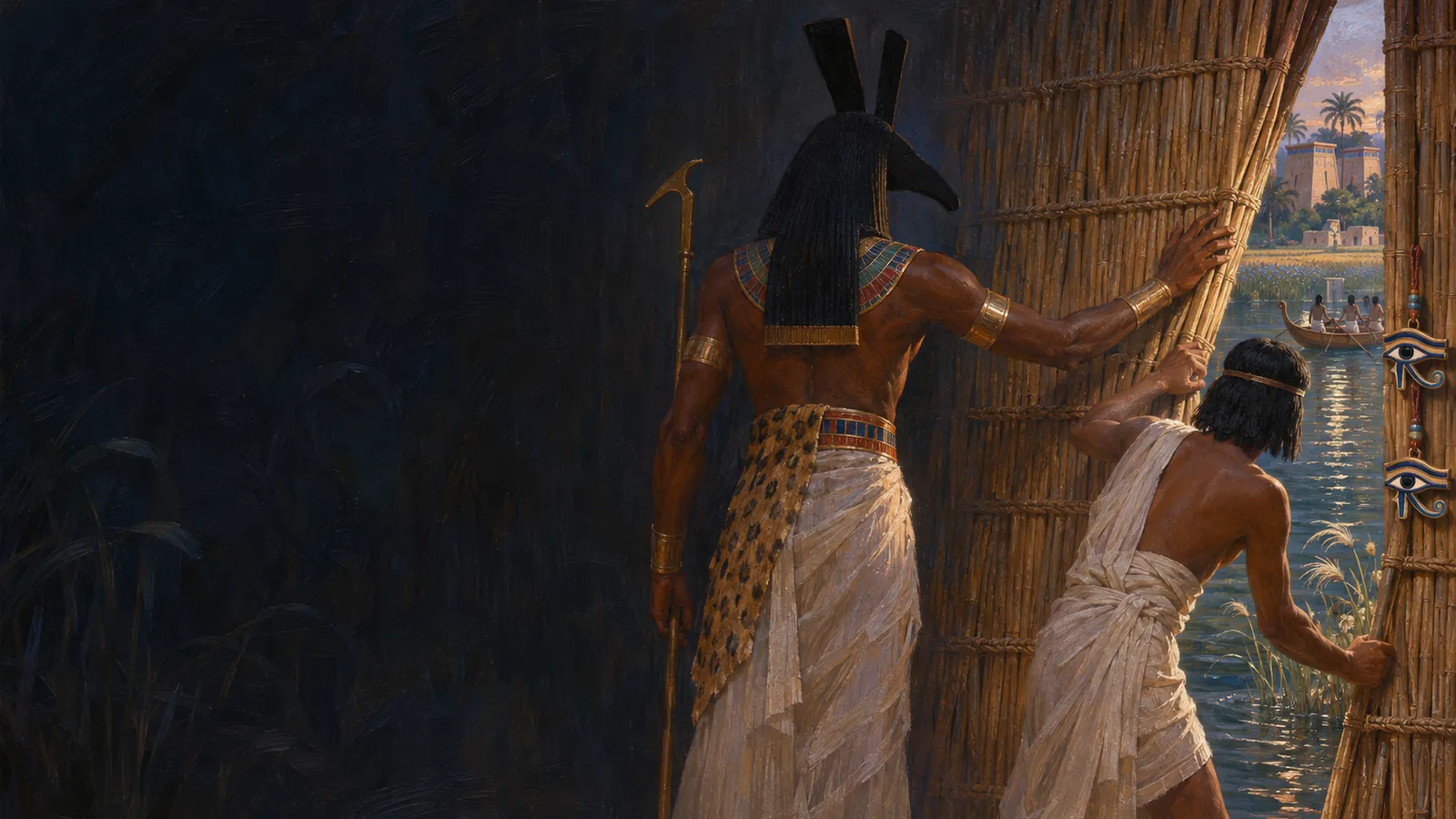
يقول النصّ إنّ ستًّا يفتح طريق العينين. ويضيف بدج الكلمات التي تصل العينين بموضعهما في السماء.
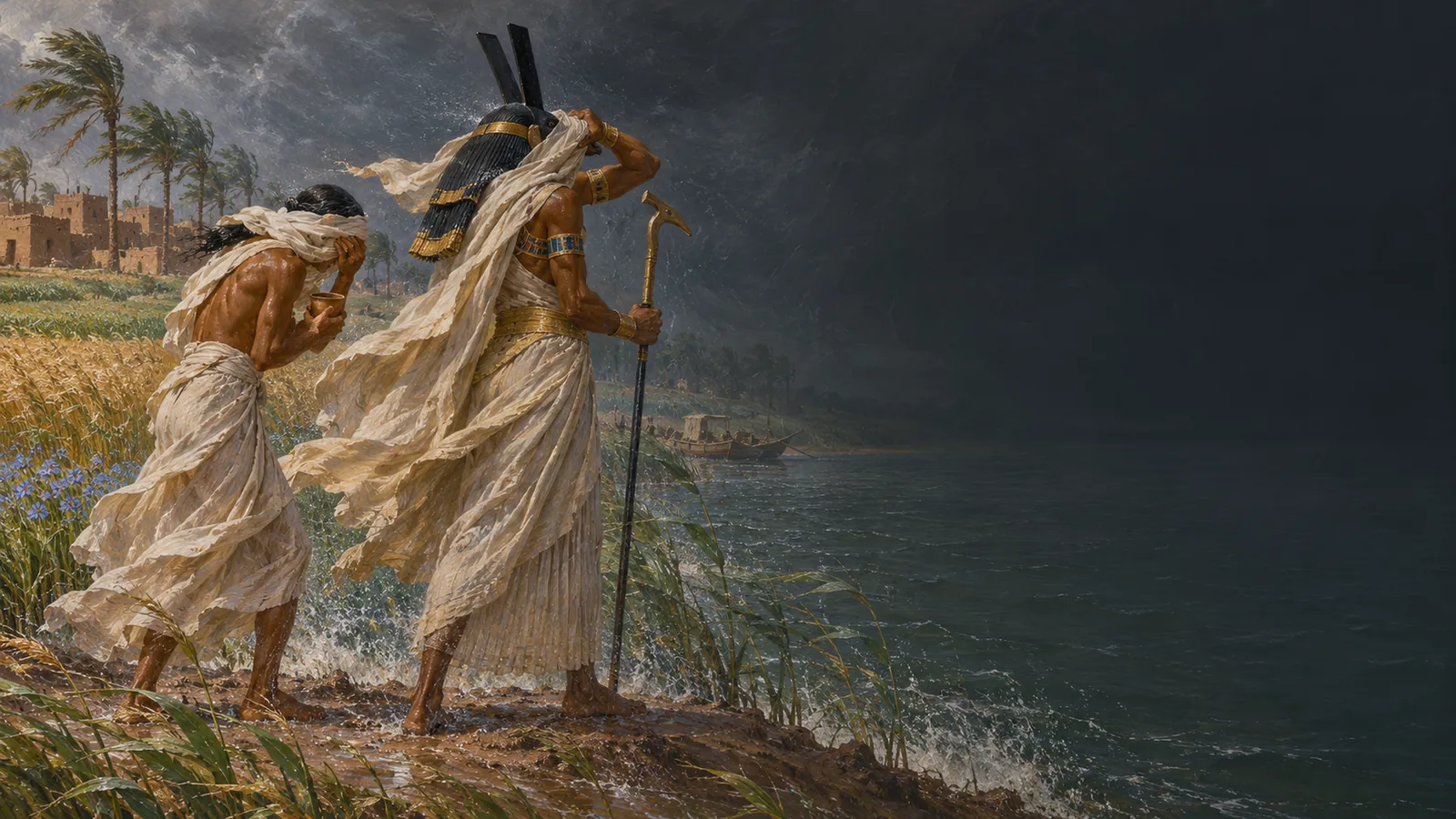
يقرأ بدج على سبيل الترجيح أنّ ستًّا ألقى رطوبته إلى الرياح على الروح التي لها يومها وتسكن مدينة مِرت.
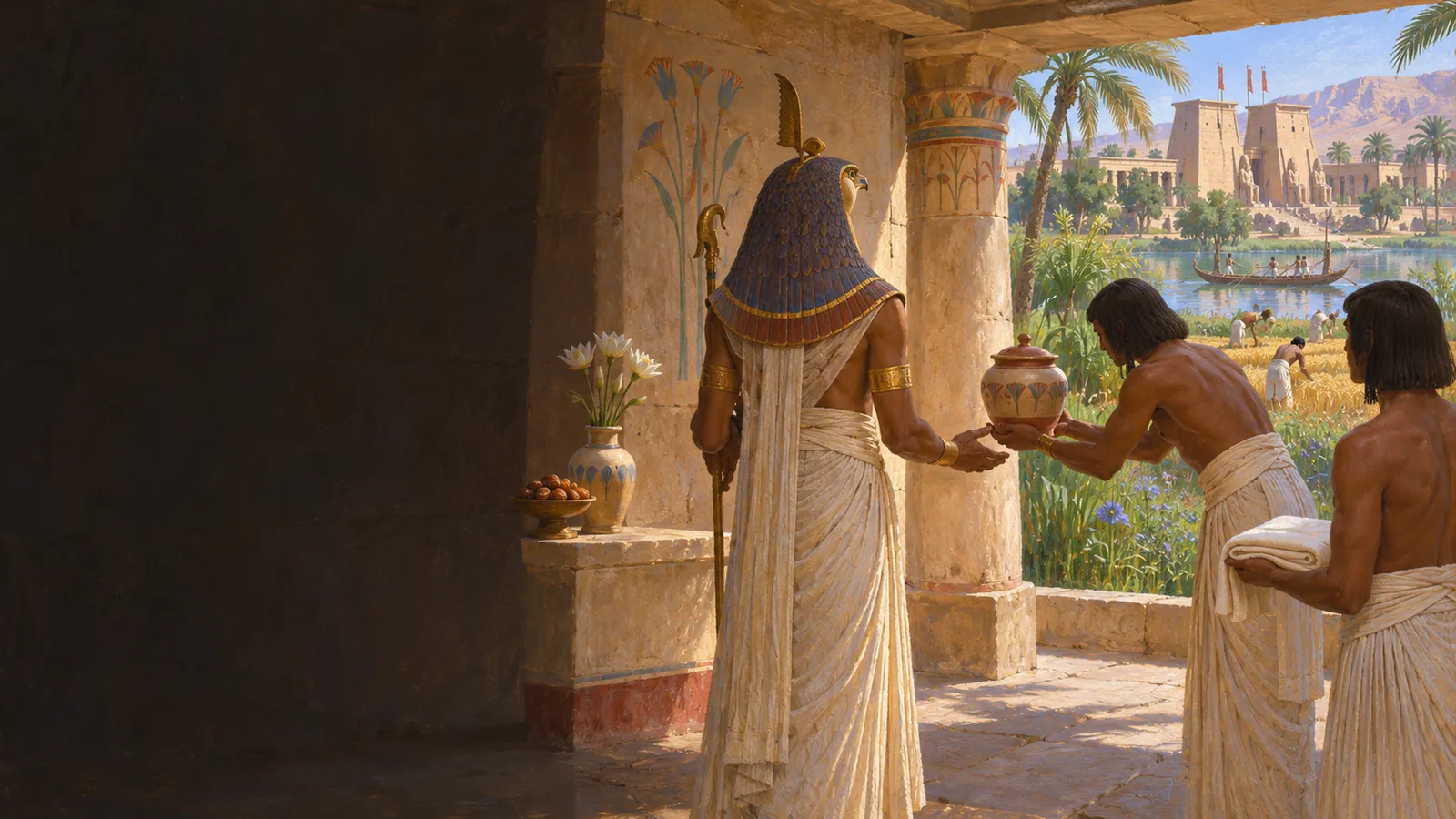
تقول التلاوة إنّ ستًّا خلّص باطن جسد حورس من آلهة آكِرت.
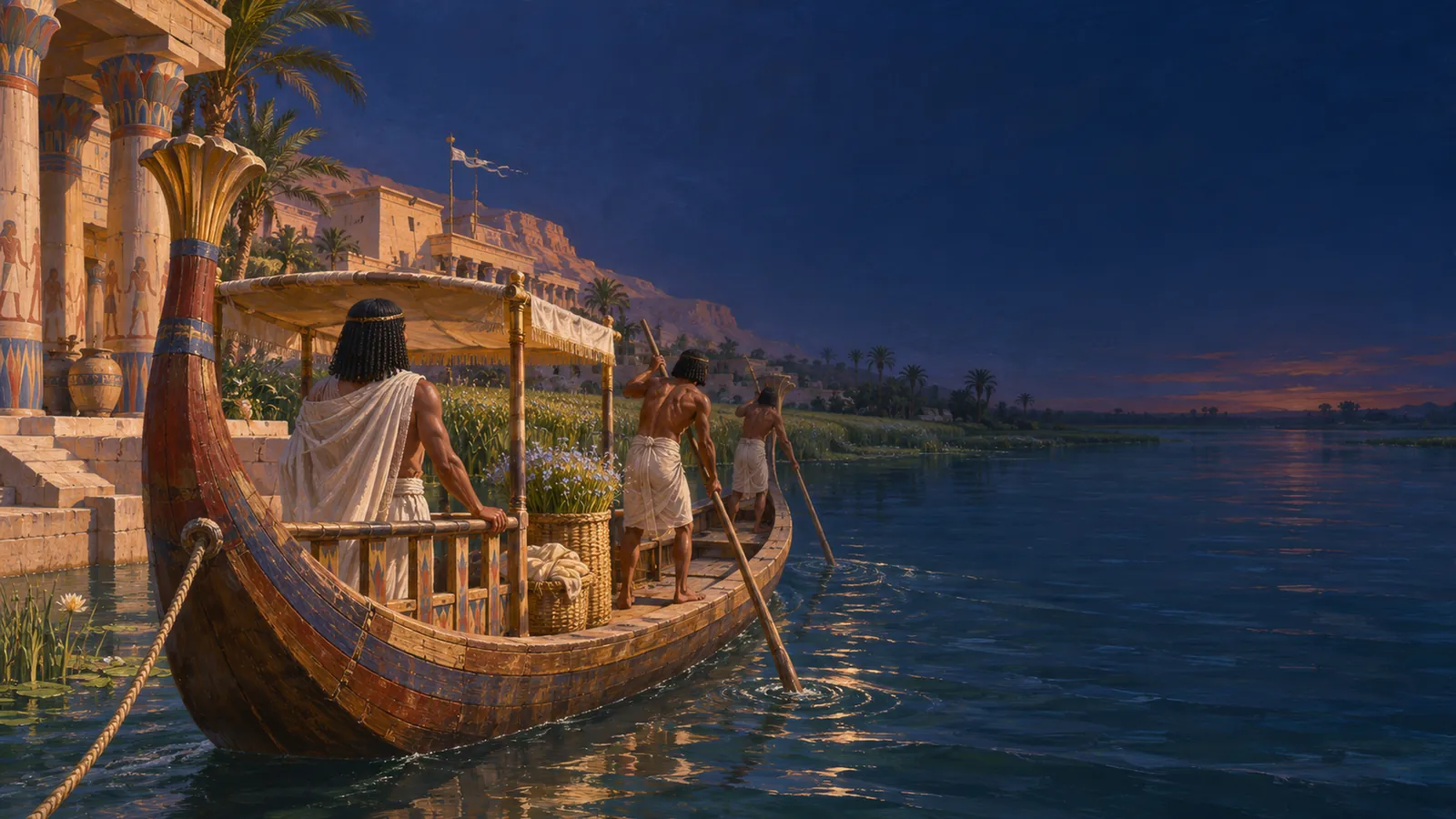
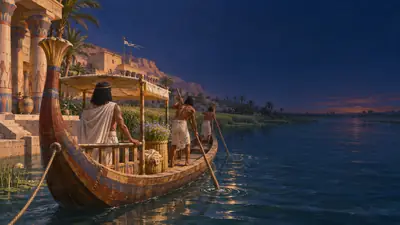
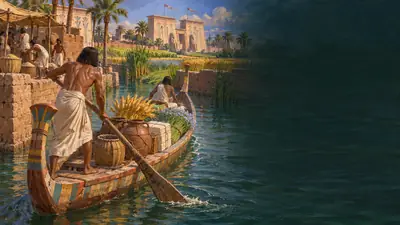
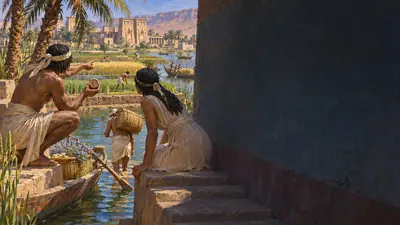
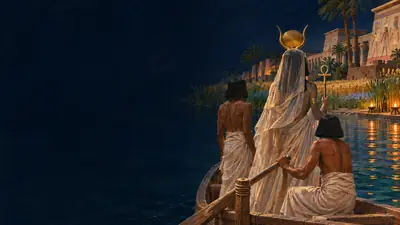
يقول المتكلّم إنّه يسيّر القارب العظيم فوق بحيرة حِتِب. ويقول إنّه أخرجه بالقوّة من قصر شو.
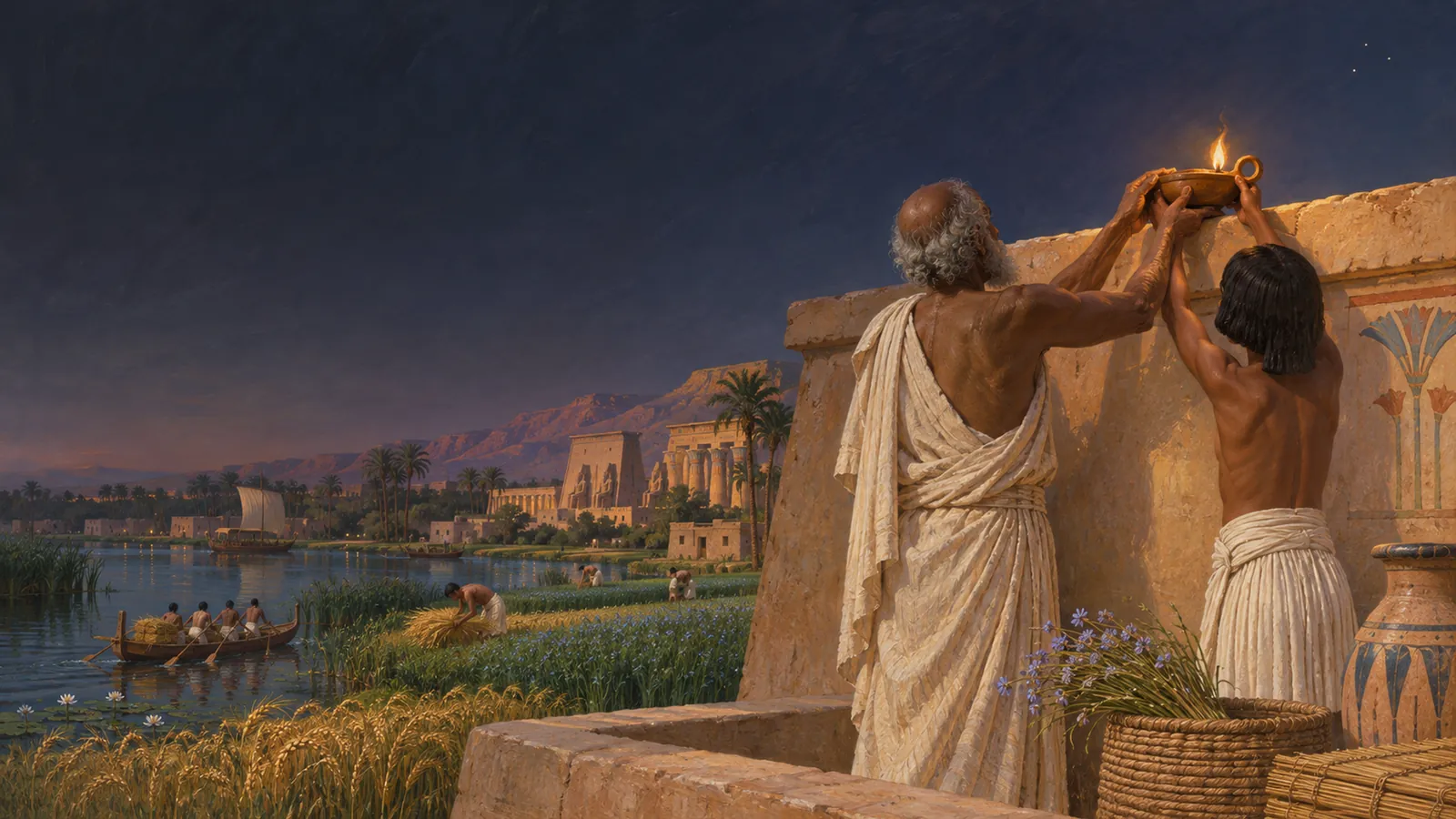
يقول النصّ إنّ مملكة نجوم شو تستعيد شبابها. وتجدّد القوّة التي كانت لها قديمًا.
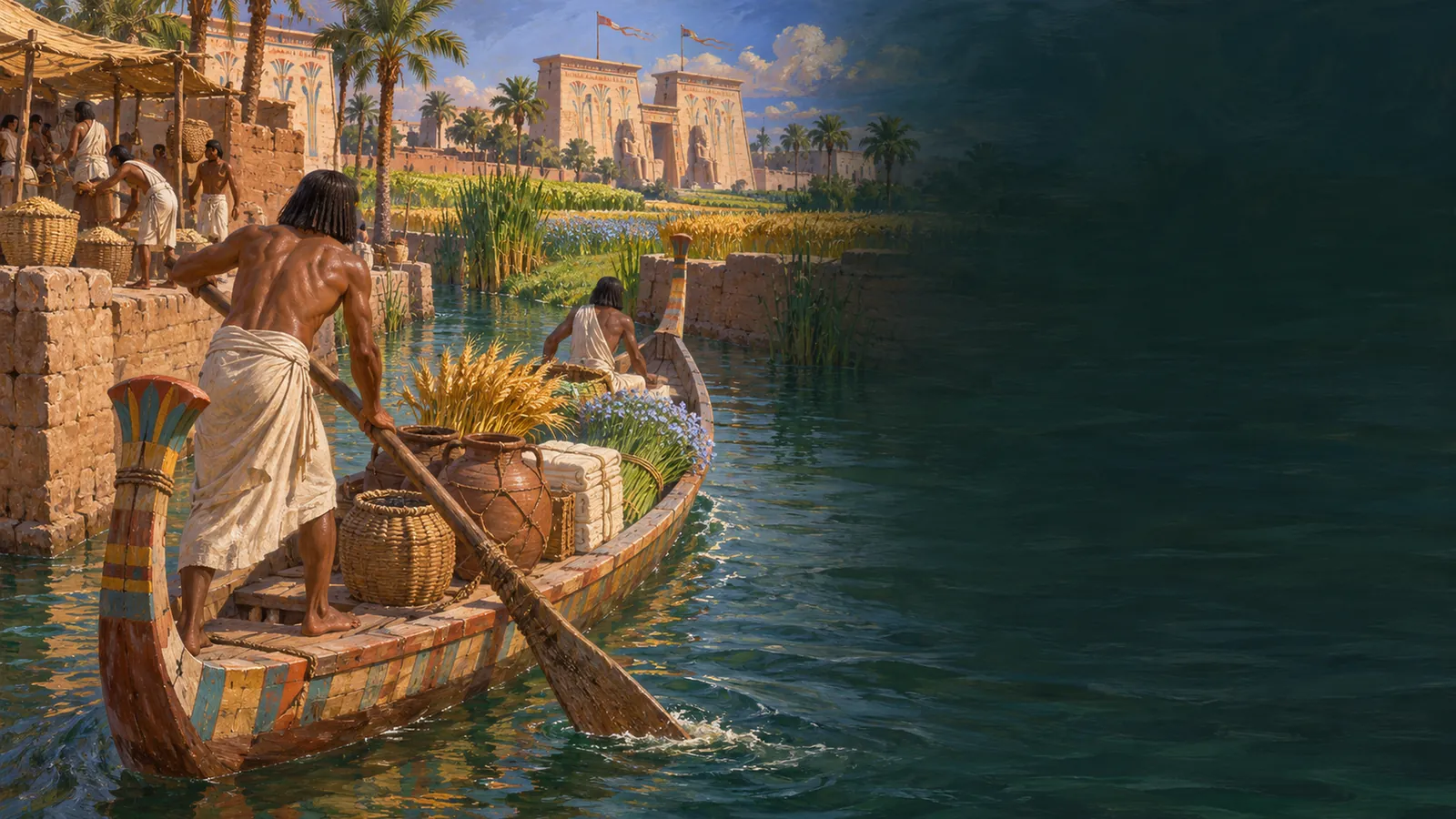
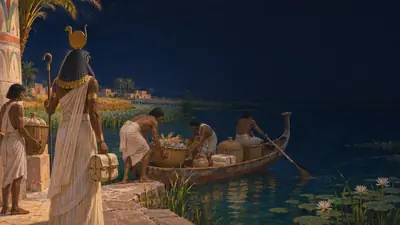
يُدخل المتكلّم المركب إلى البحيرات ليصل إلى مدنها. ويقول إنّه أبحر إلى مدينتها الإلهيّة حِتِب.
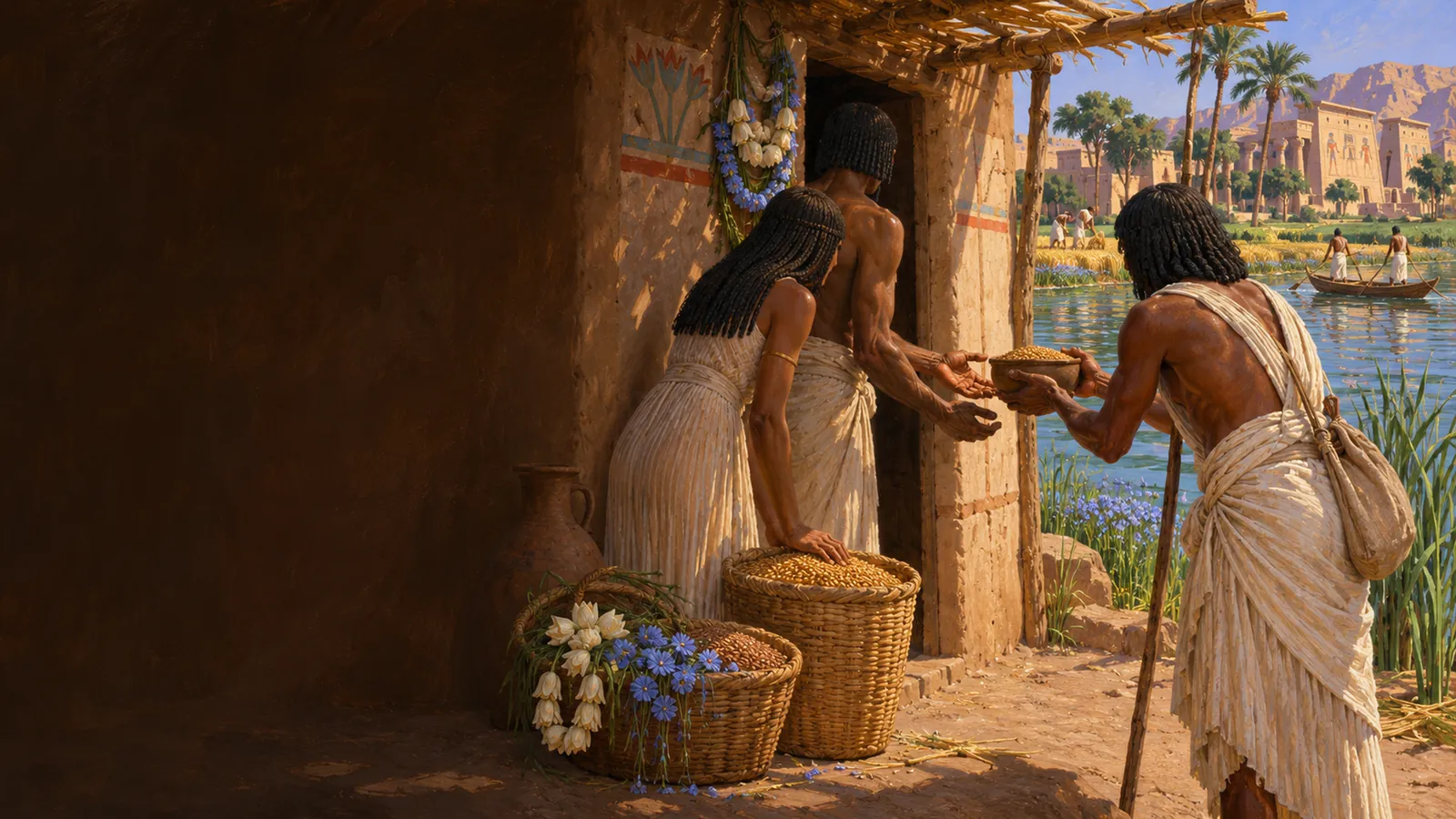
يقول المتكلّم «أنا في سلام مع مواسمه ووجهته وإقليمه، ومع جماعة الآلهة الذين هم أبناؤه البكر».
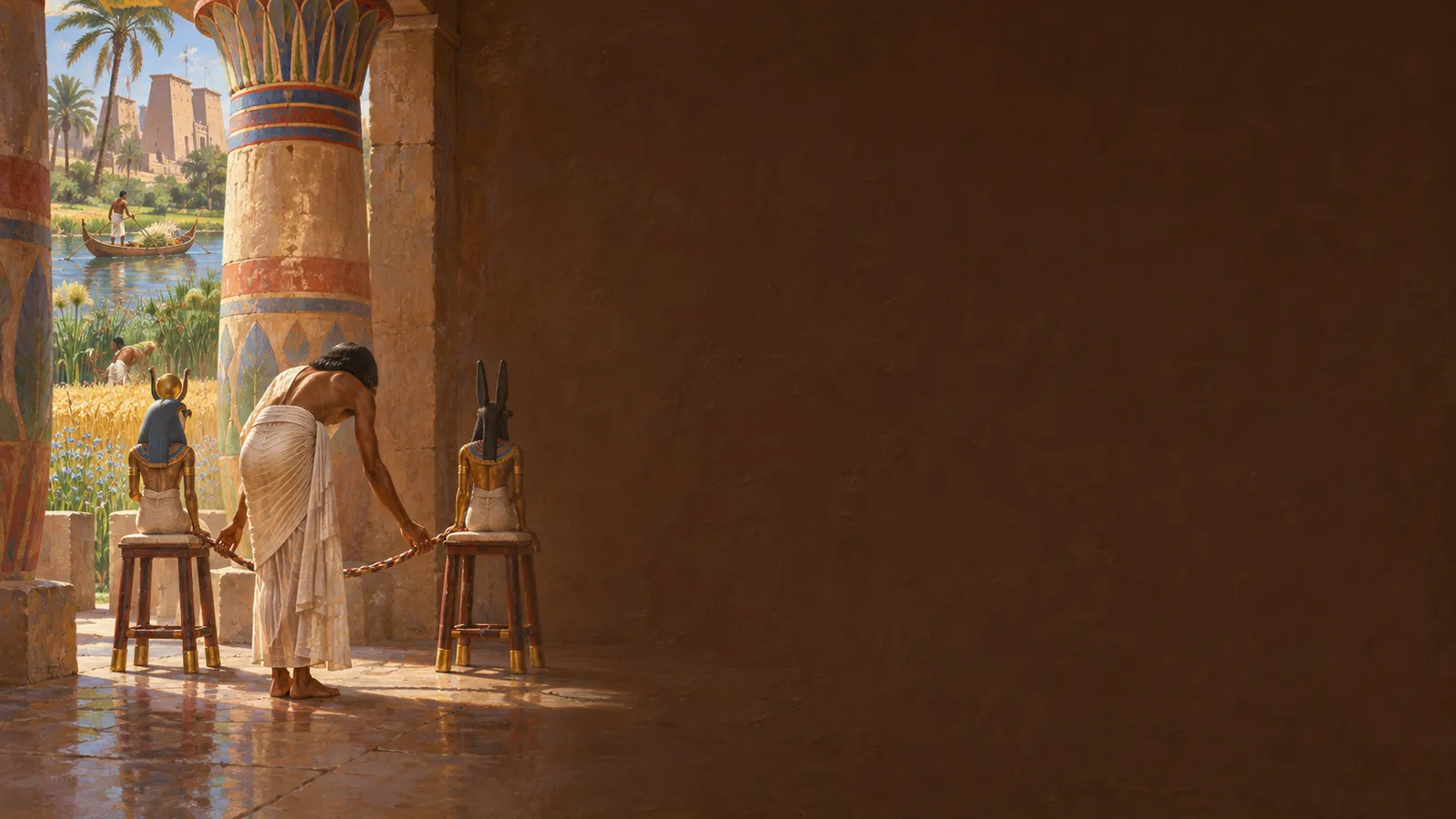
تقول التلاوة إنّه يصنع السلام بين حورس وستّ وبين من يرعون الأحياء الذين خلقهم في صورة حسنة. وتكرّر السلام بين حورس وستّ وبين من يرعونهما.
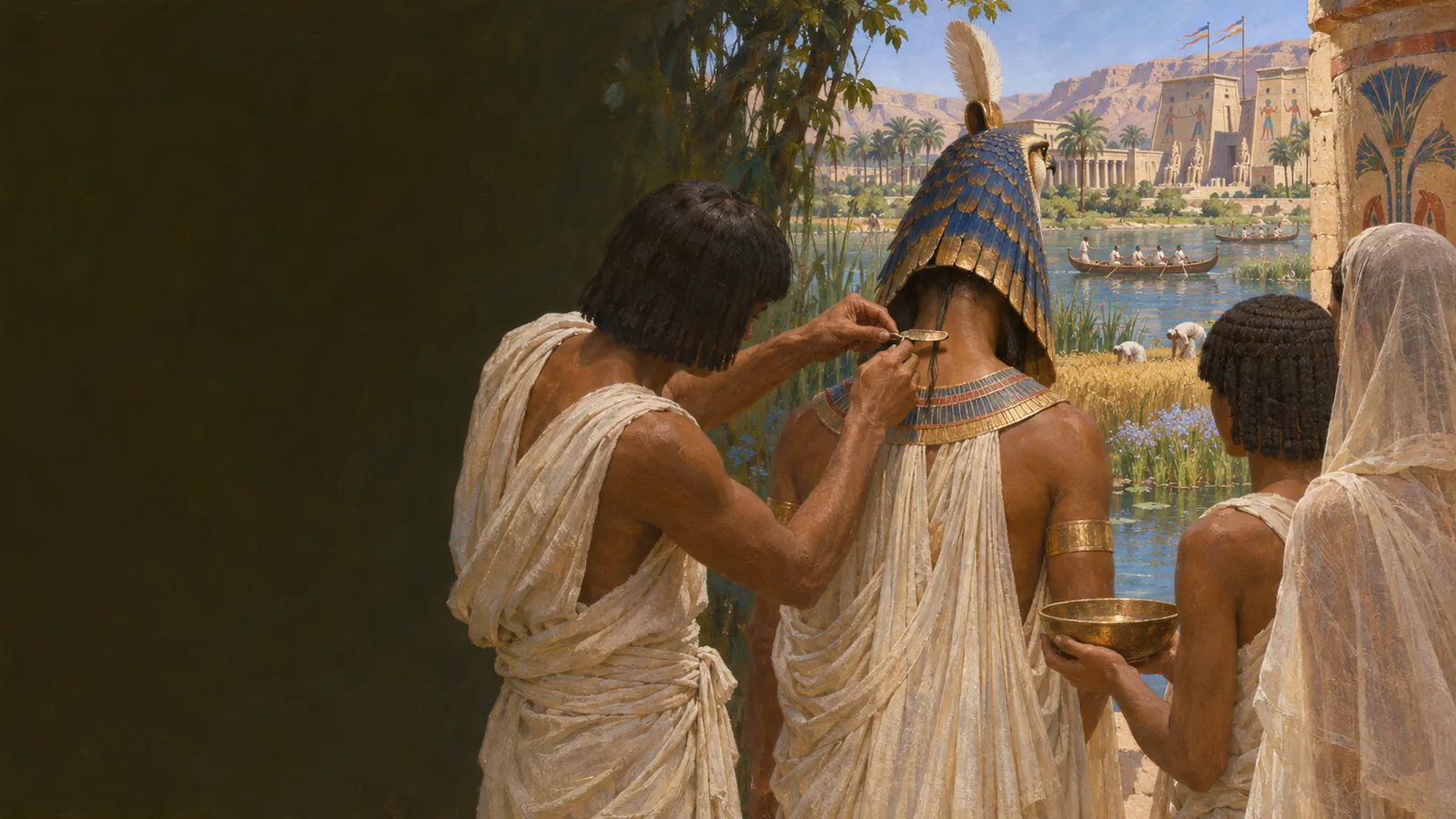
وتقول التلاوة في العبارة التالية إنّه يقصّ شعر حورس وستّ كليهما.
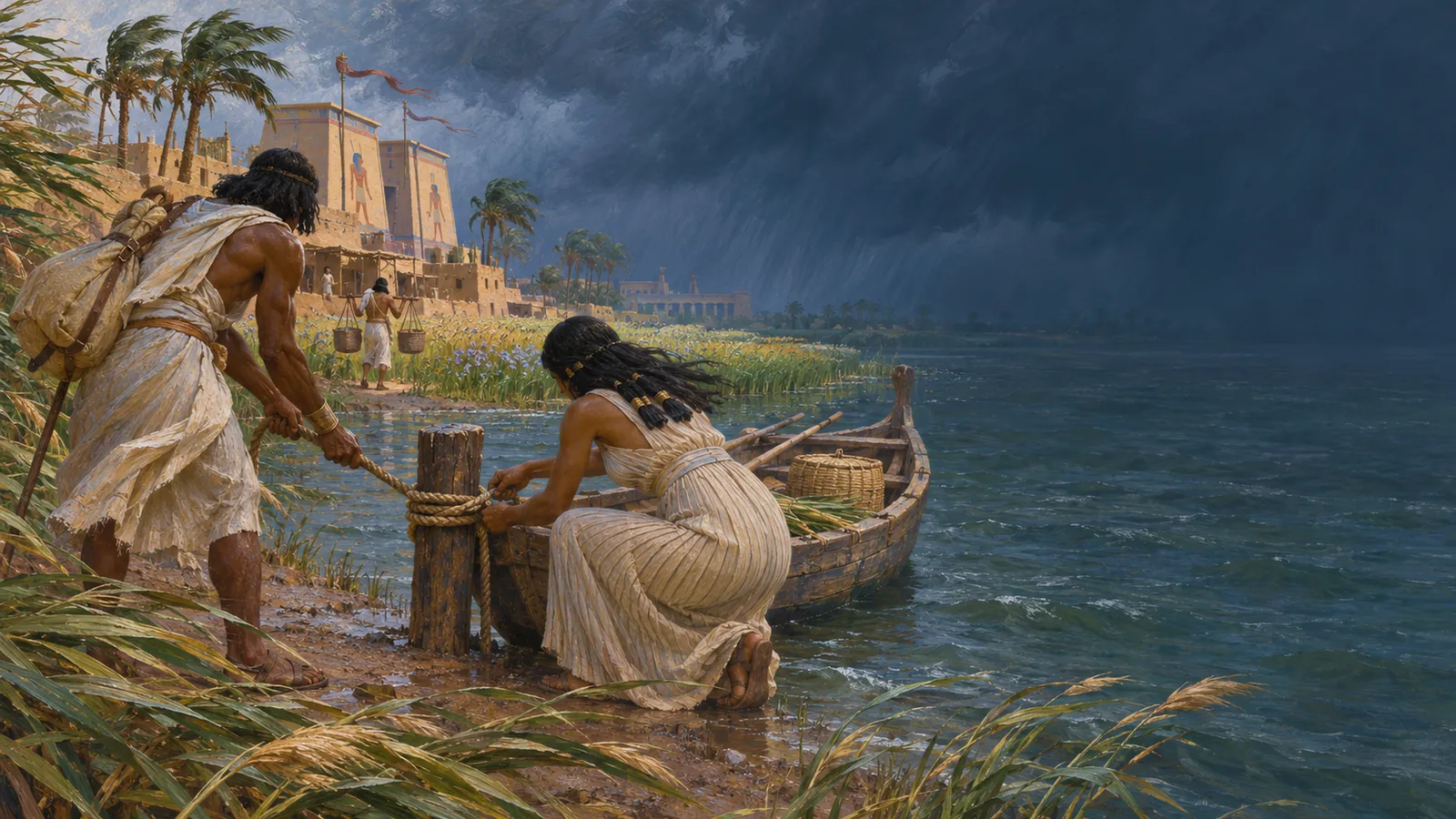
تقول التلاوة إنّه يُبعد العاصفة عن العاجزين. وتضيف أنّه يدفع الأذى عن الأرواح التي يسمّيها بدج «خو».
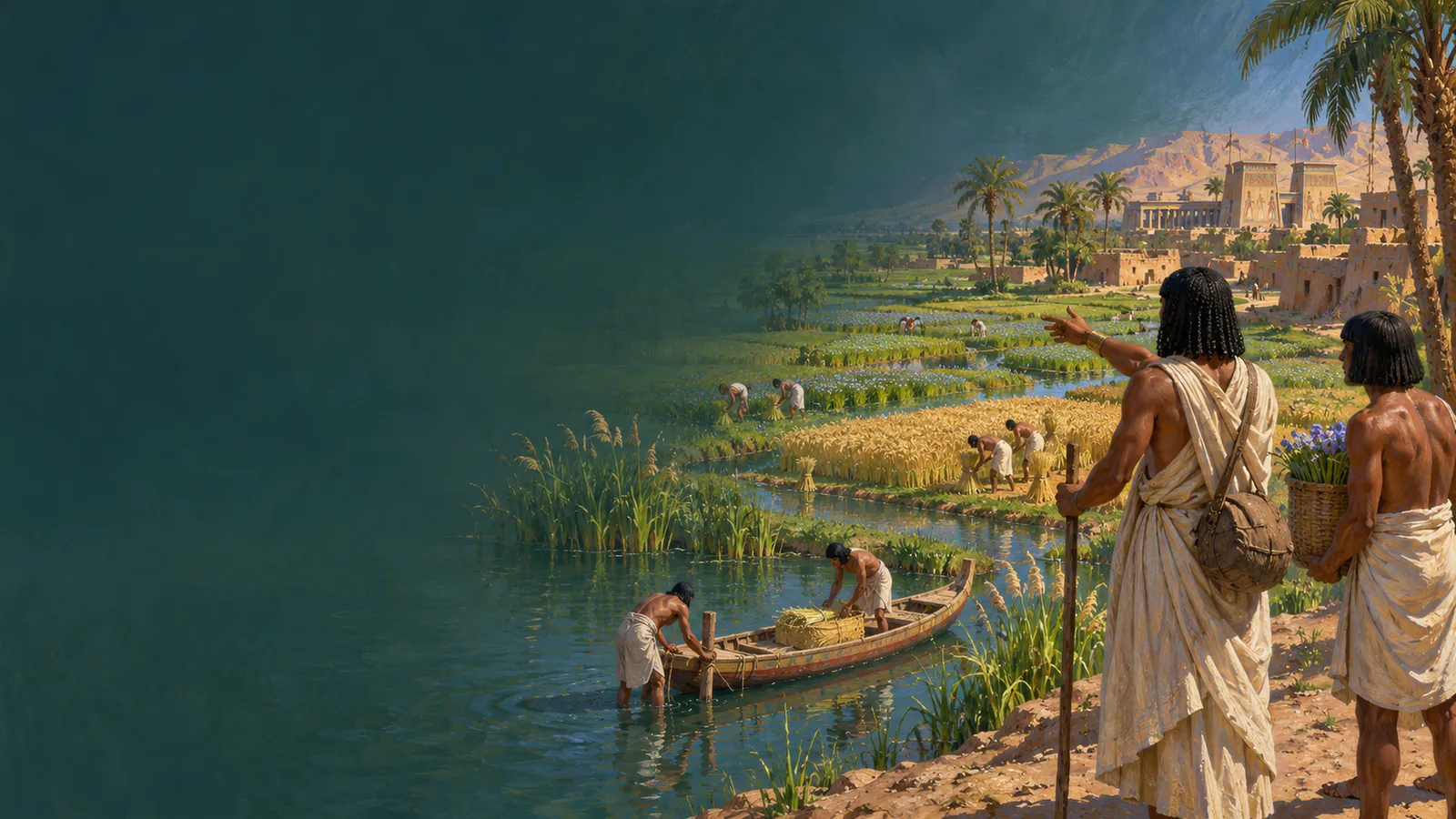
الحقول
يطلب المتكلّم السلطان في الحقل لأنّه يعرفه، وقد أبحر بين بحيراته ليصل إلى مدنه.
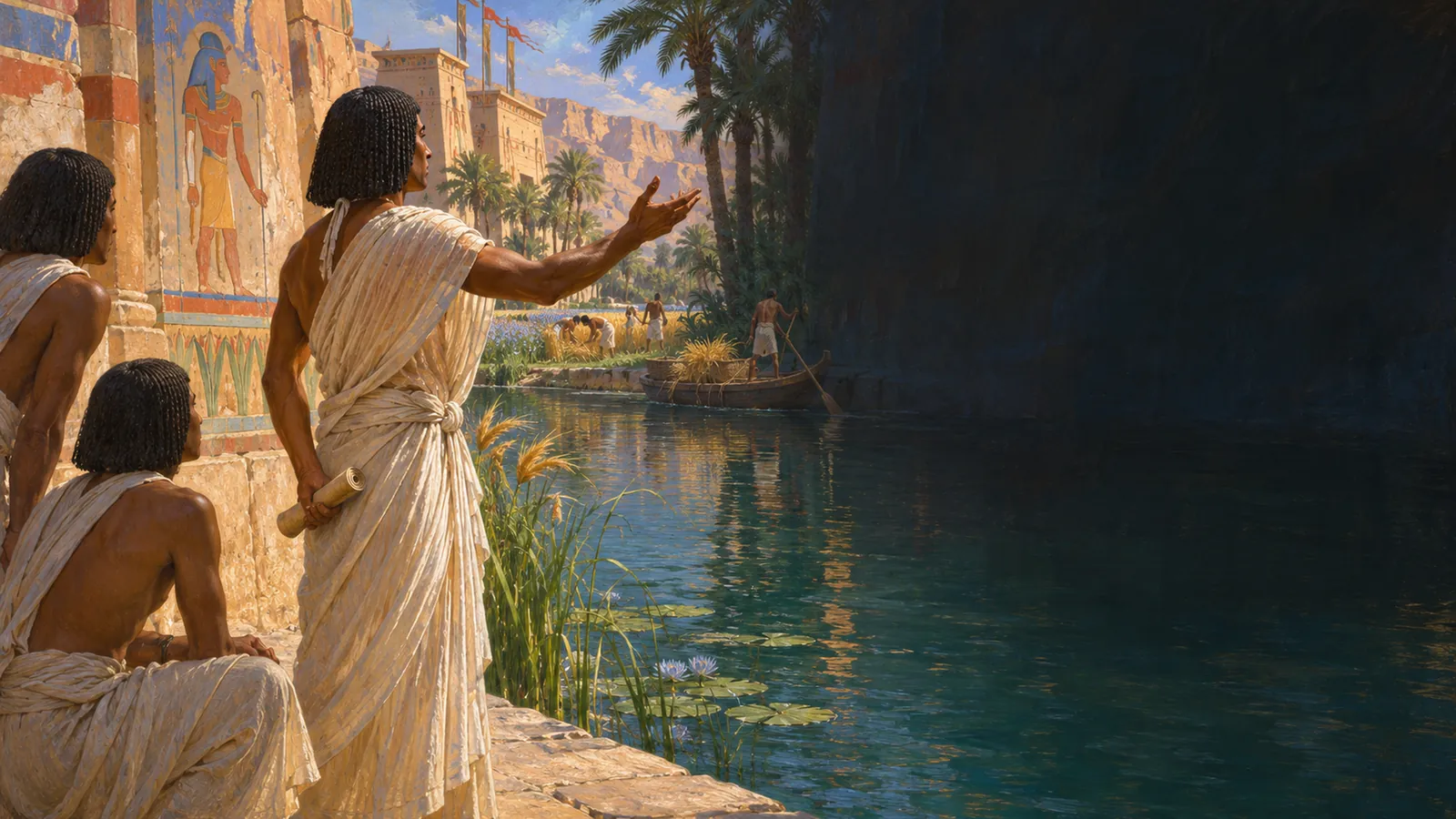
يقول المتكلّم إنّ فمه ثابت، ويفسّر بدج ذلك بأنّه ينطق بكلمات القوّة بشدّة. وهو مهيّأ لمقاومة الأرواح ويقول إنّها لن تتسلّط عليه.
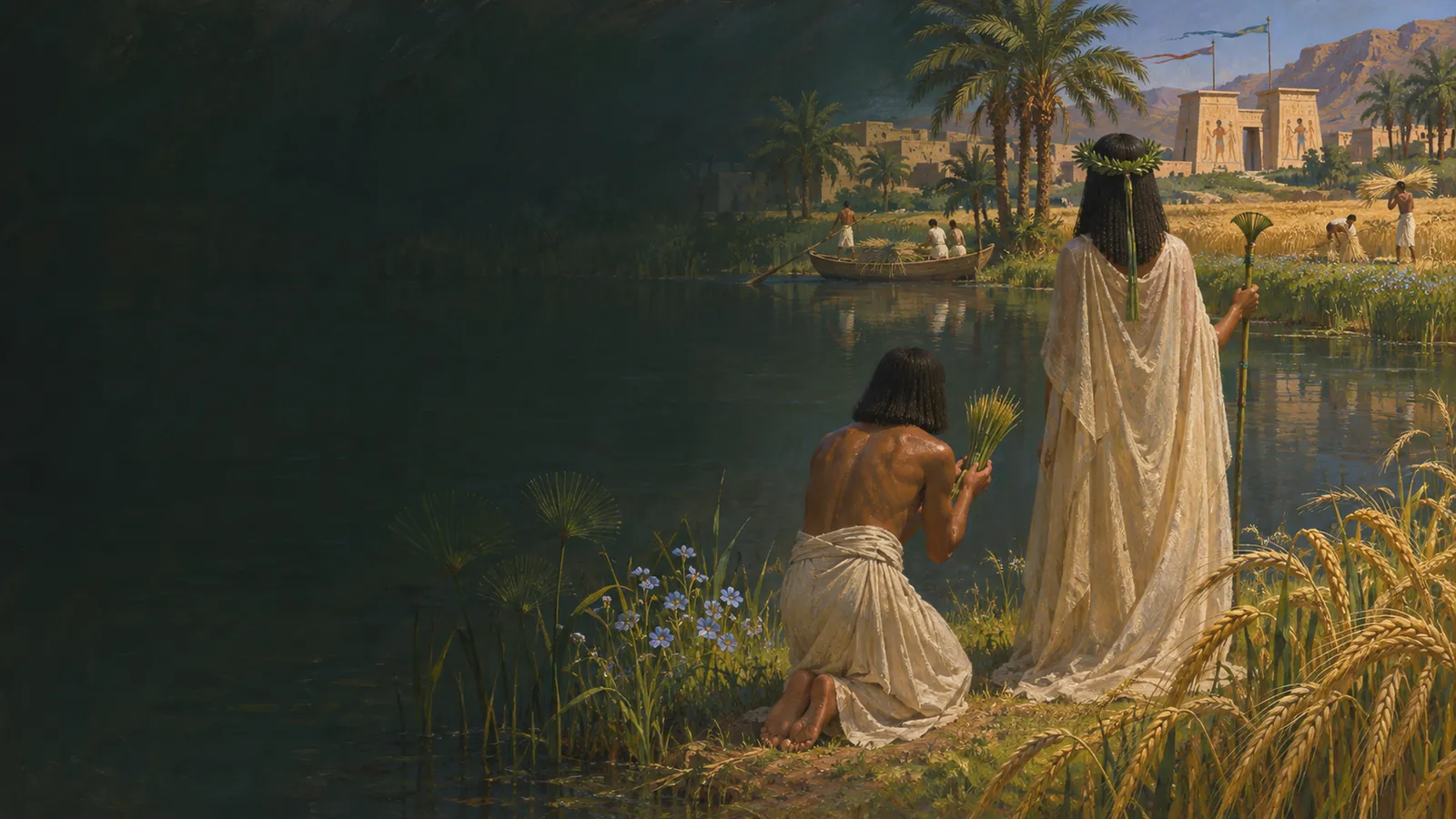
يطلب المتكلّم من الإله حِتِب أن يمنحه الحقول جزاءً. ويطلب من سيّد الرياح أن يفعل ما يشاء.
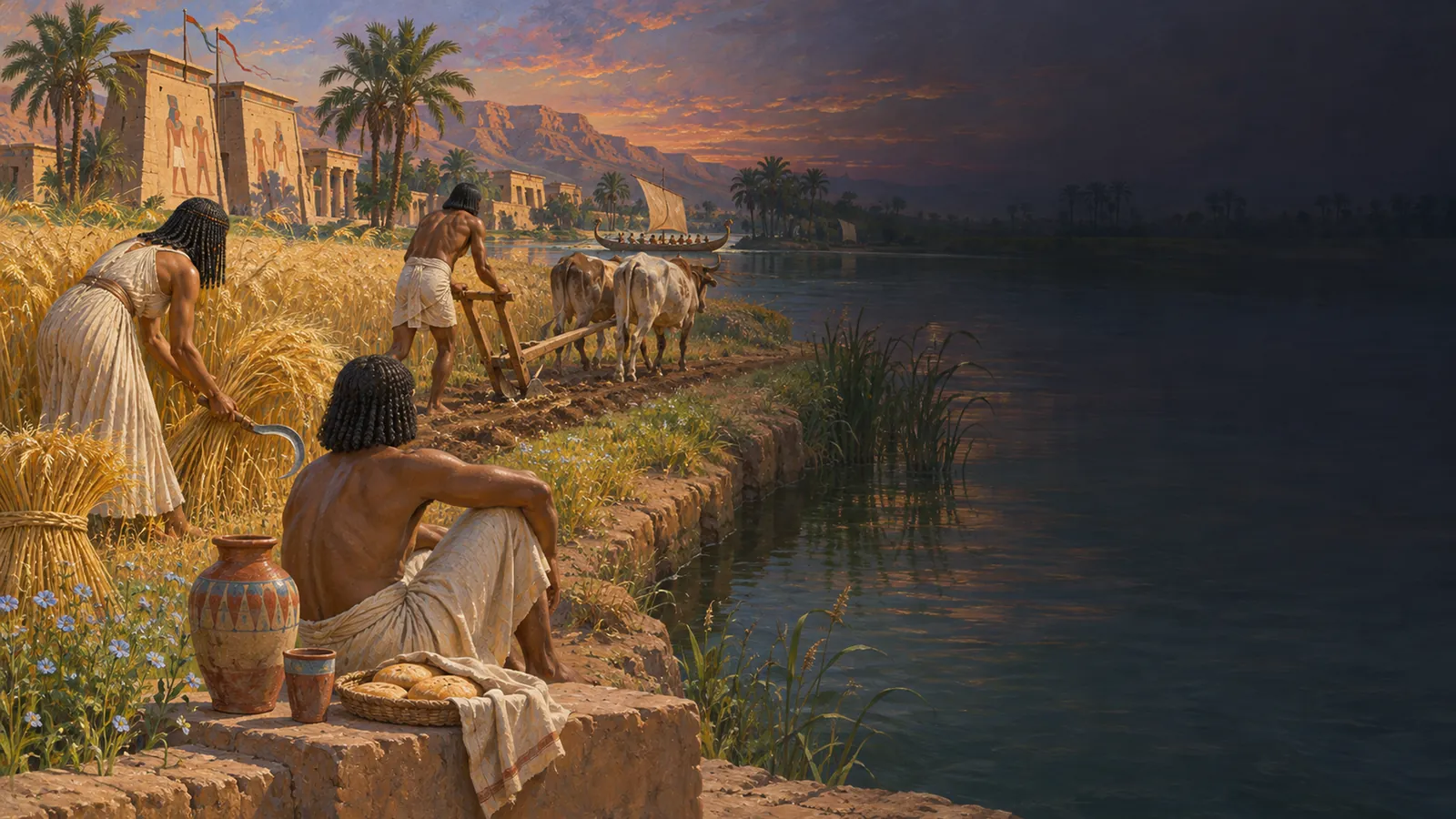
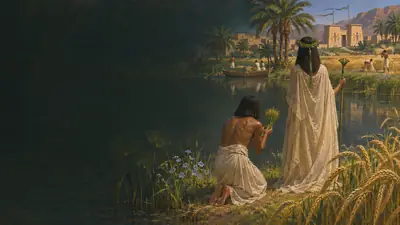
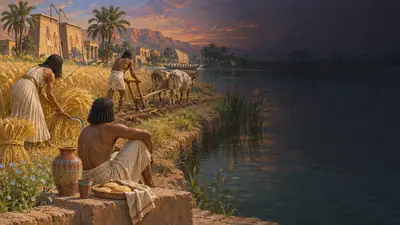
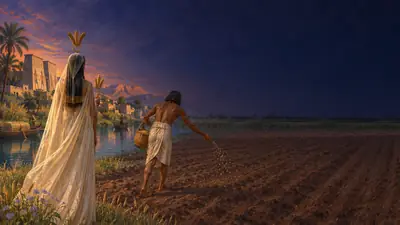
يتمنّى المتكلّم أن يصير روحًا في حقول حِتِب، وأن يأكل ويشرب ويحرث ويحصد فيها.
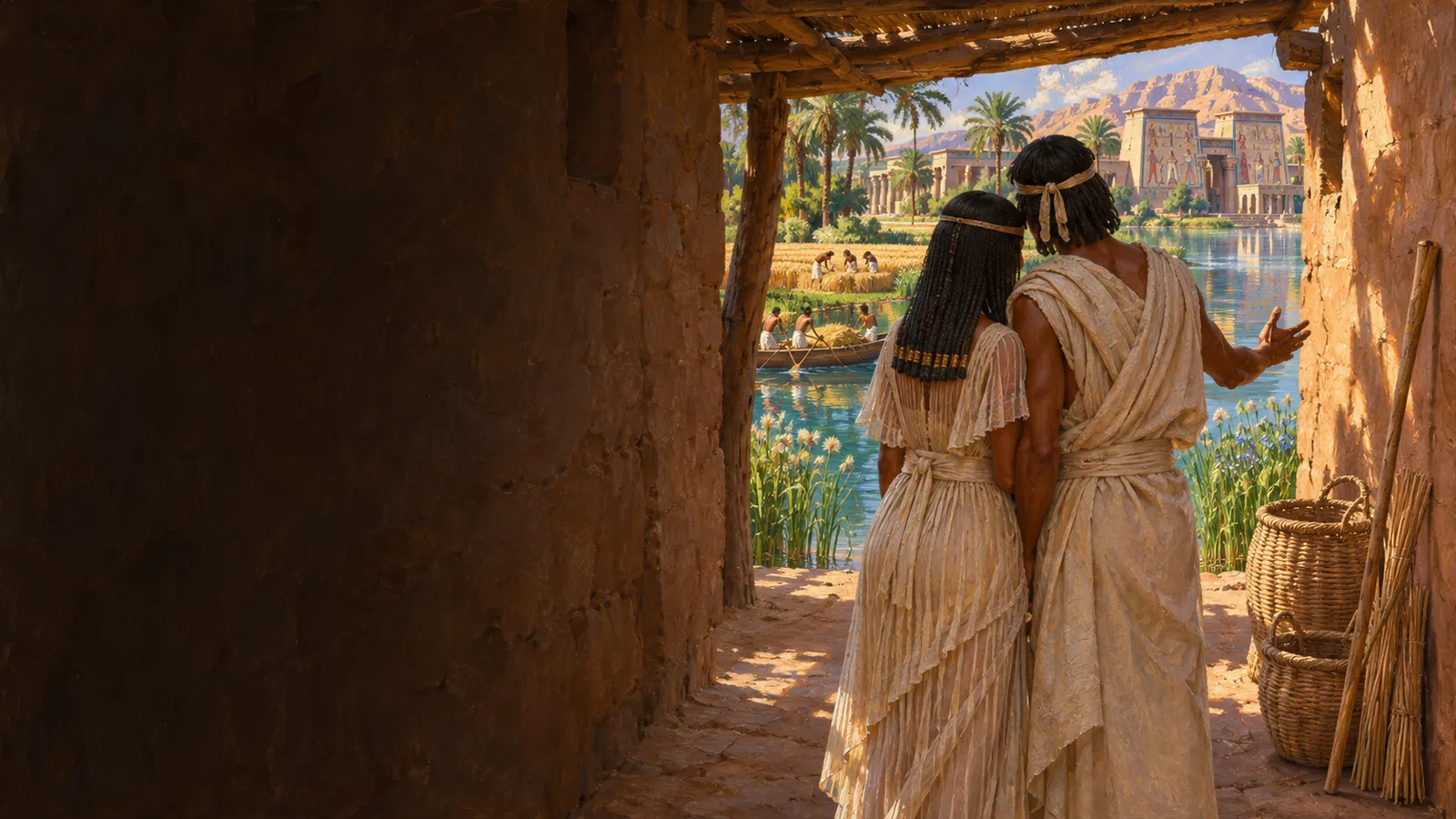
وفي التلاوة نفسها يطلب المتكلّم أن يقاتل ويجامع في الحقول، وأن تكون لكلماته قوّة فيها.
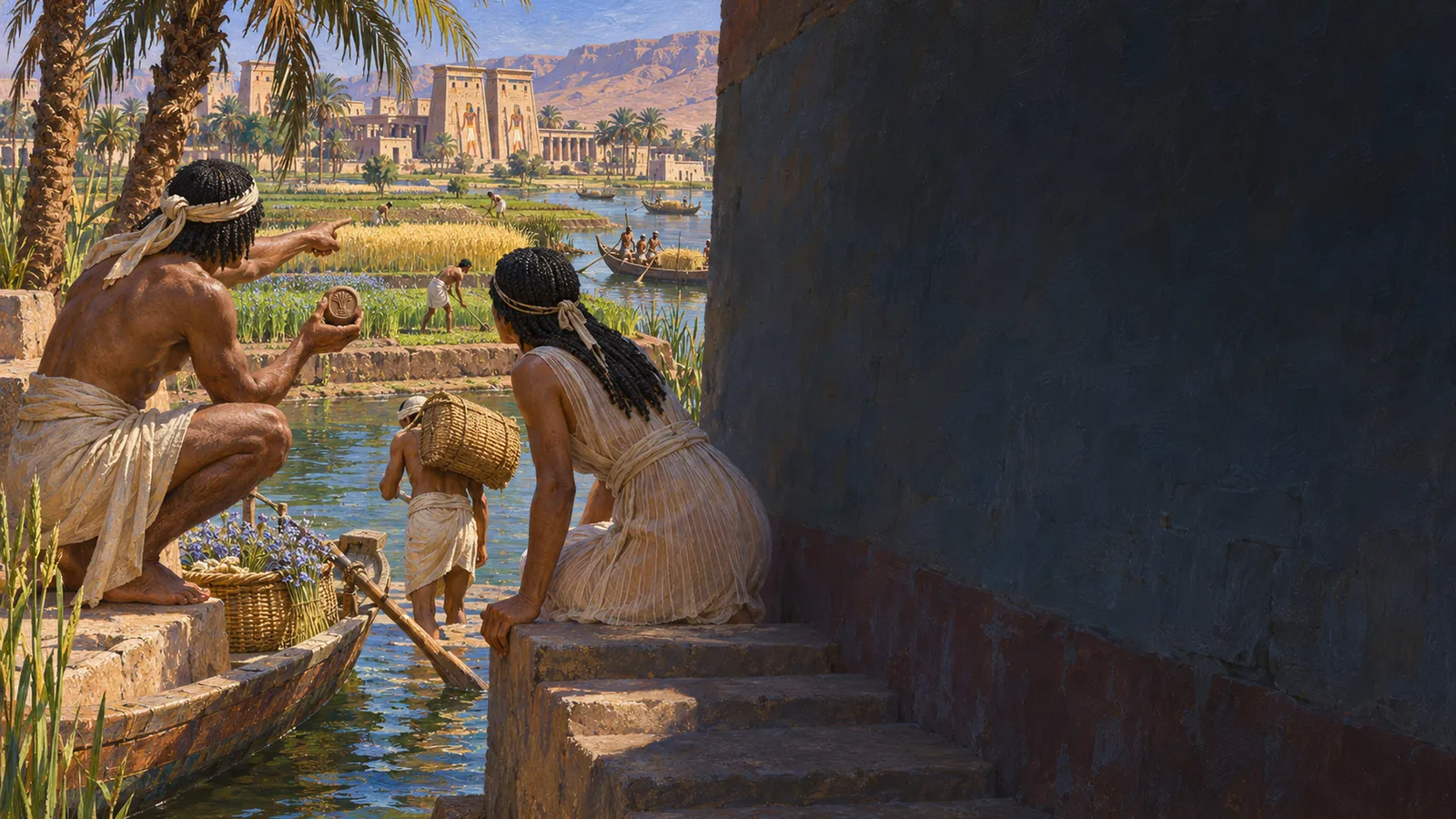
يطلب المتكلّم ألّا يكون أبدًا في حال عبوديّة في الحقول. ويطلب أن يكون صاحب سلطة فيها.
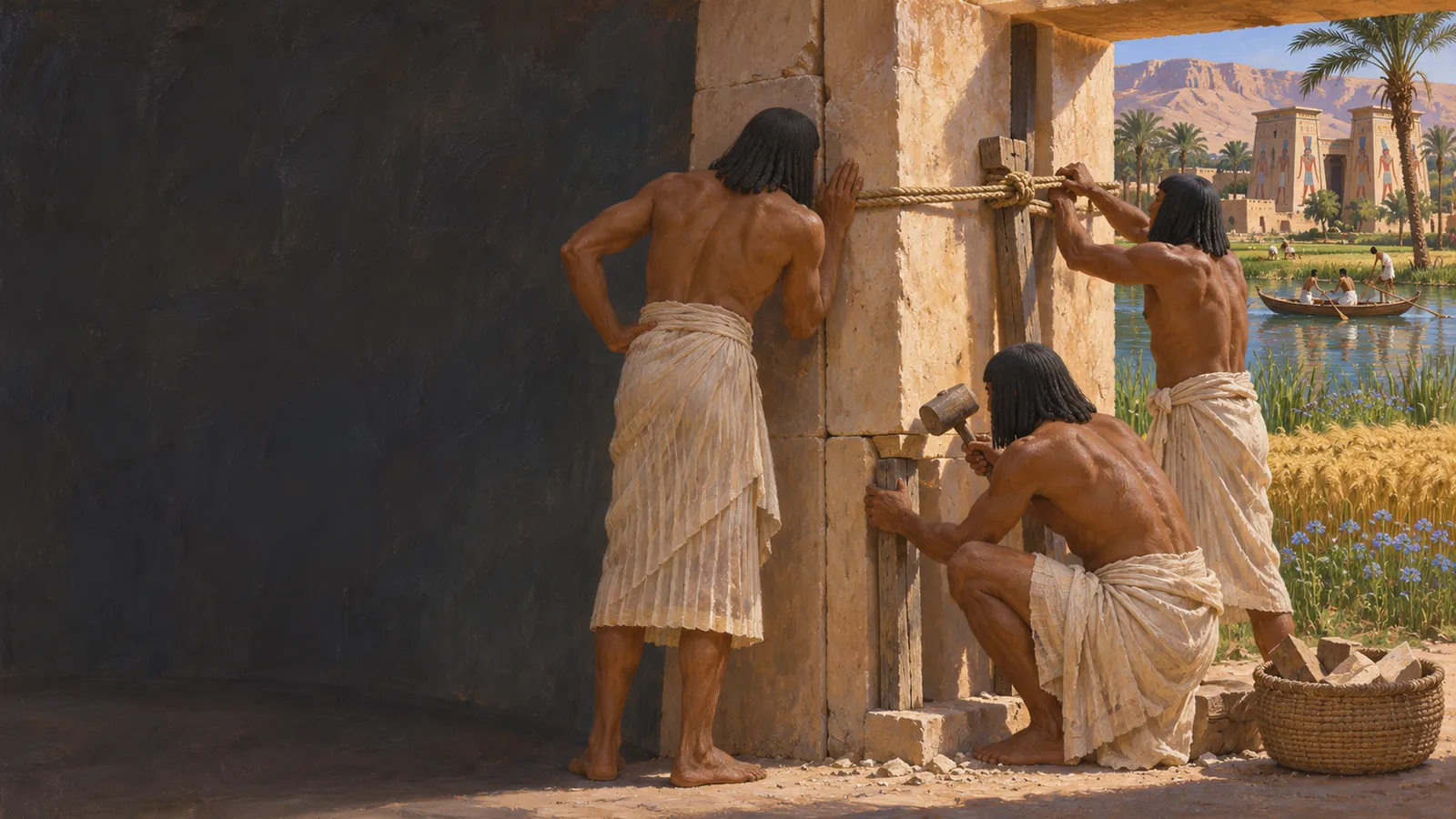
يقول النص إن فم حِتِب أو بابه وما قرأه بدج على أنه حلقه قد شُدّدت. والاسم المذكور هو قِتِت بو.
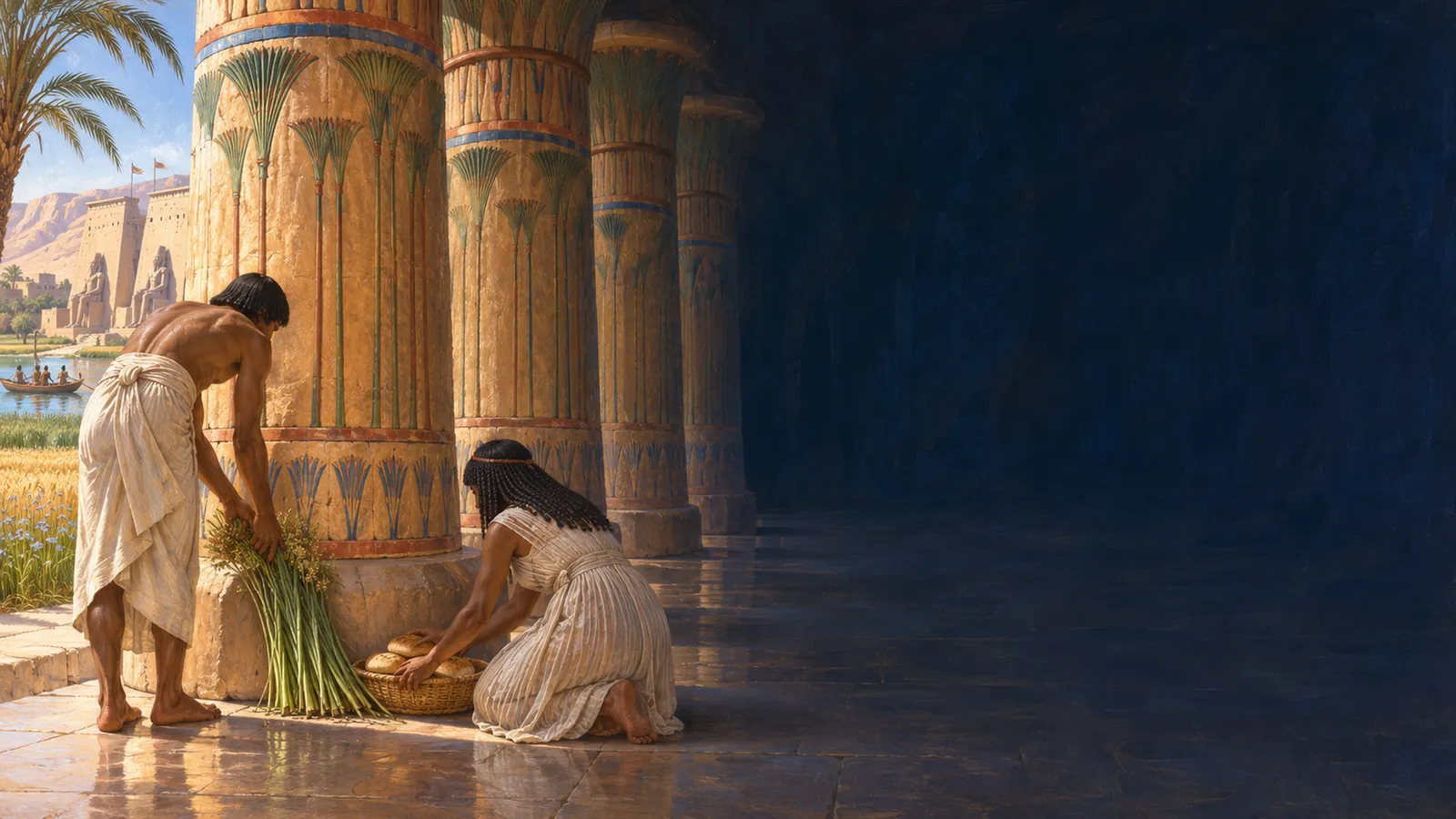
يقول النص إنه قائم على أعمدة شو. ويربطه بطيّبات رع.
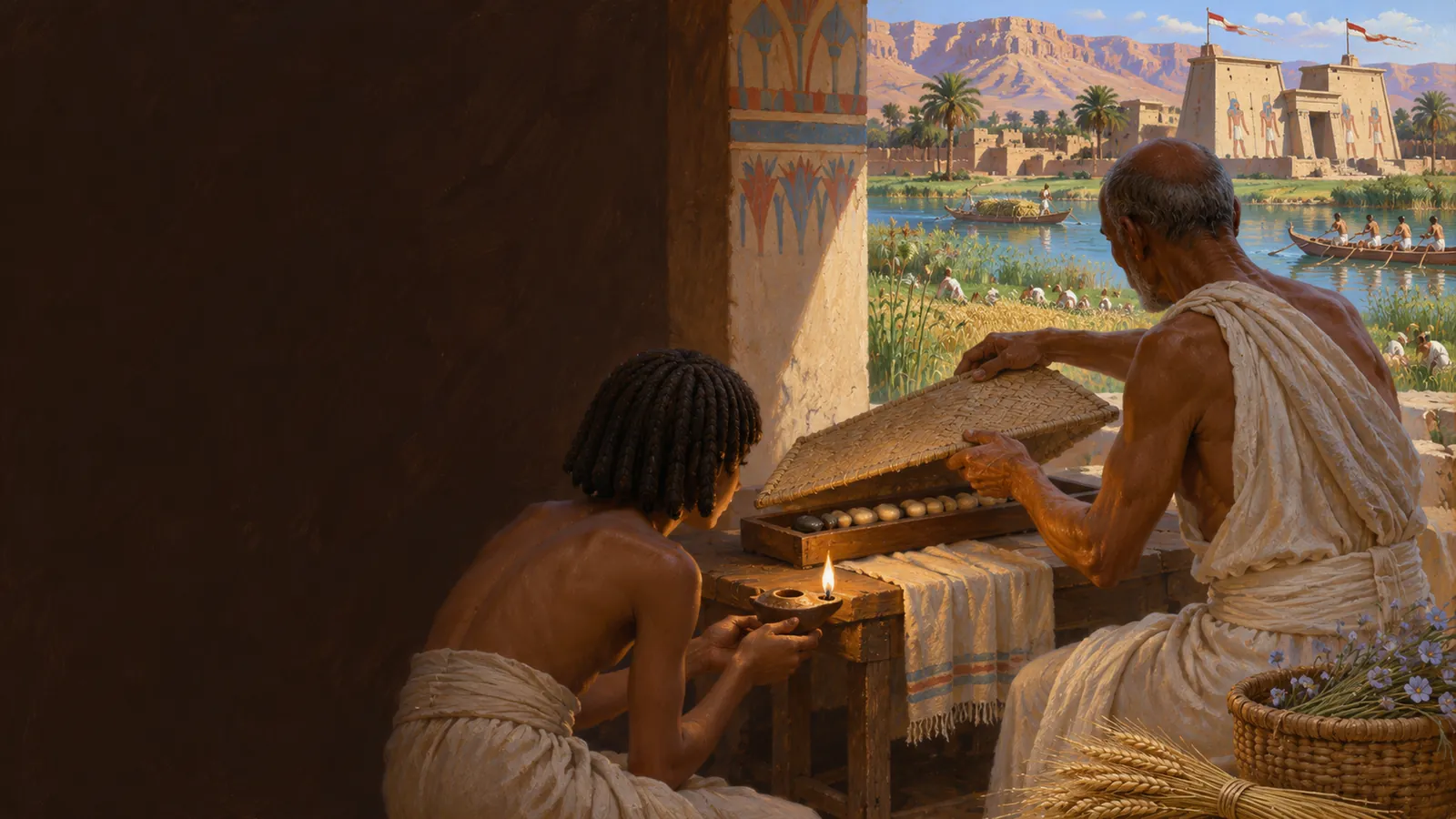
يقسم السنين. وفمه خفيّ وصامت، وما ينطق به سرّ.
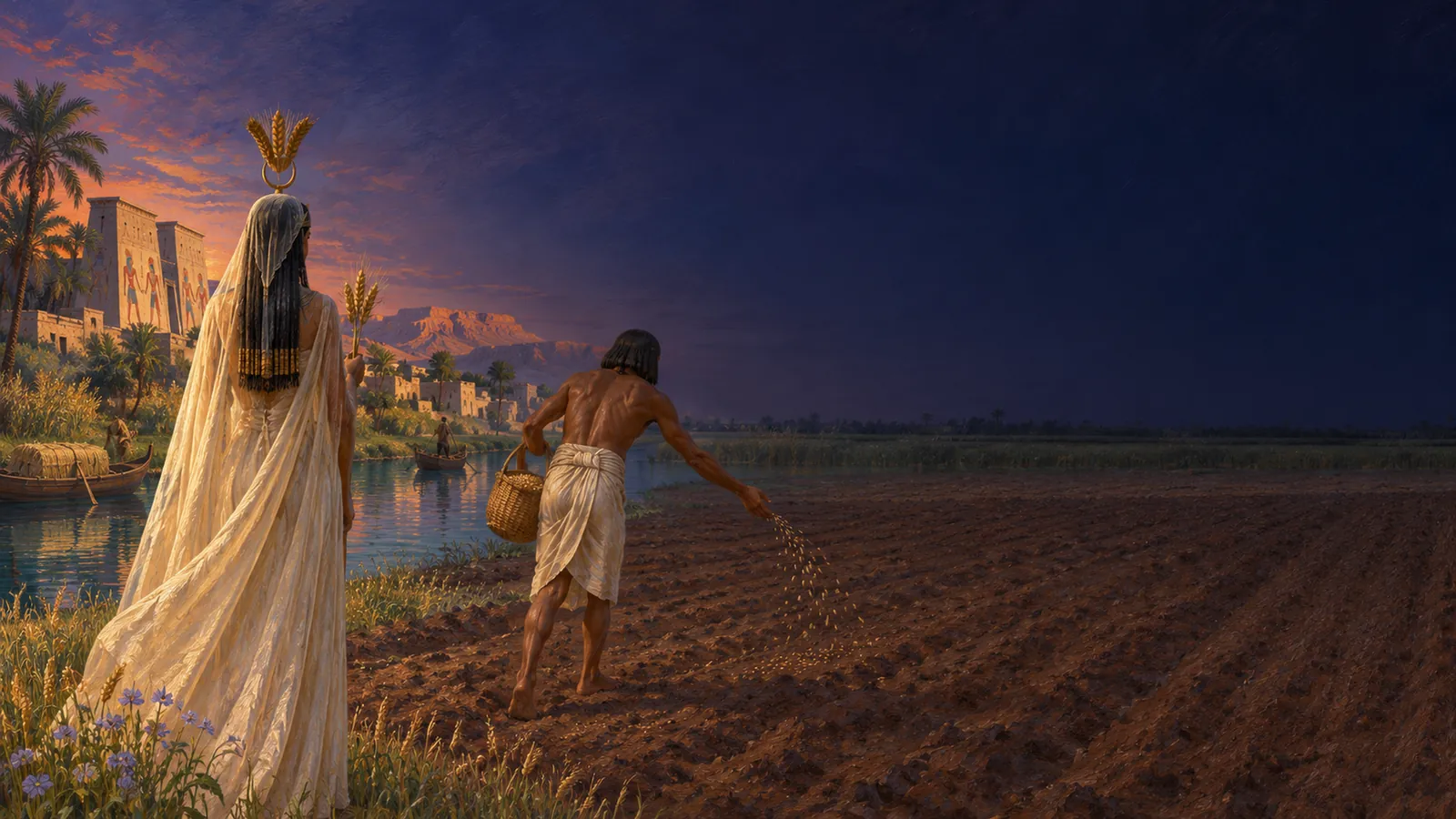
يقول النص إنه يُتمّ الأبدية ويملك وجودًا لا ينقطع. ويسمّيه حِتِب، الرب حِتِب.
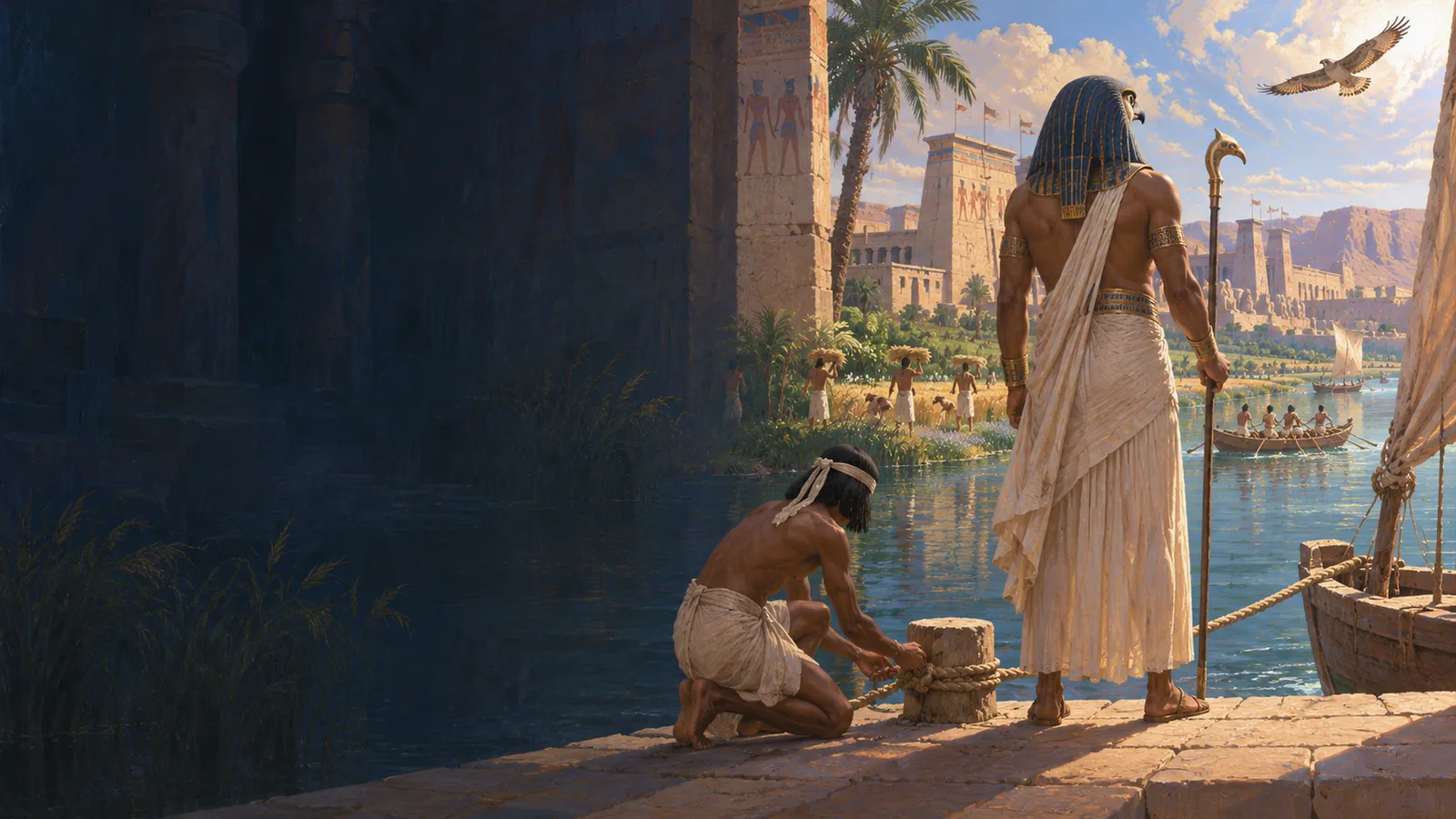
يقول النص إن حورس يتقوّى مثل صقر طوله ألف ذراع. ويبلغ عرضه ألفي ذراع في قراءة بدج.
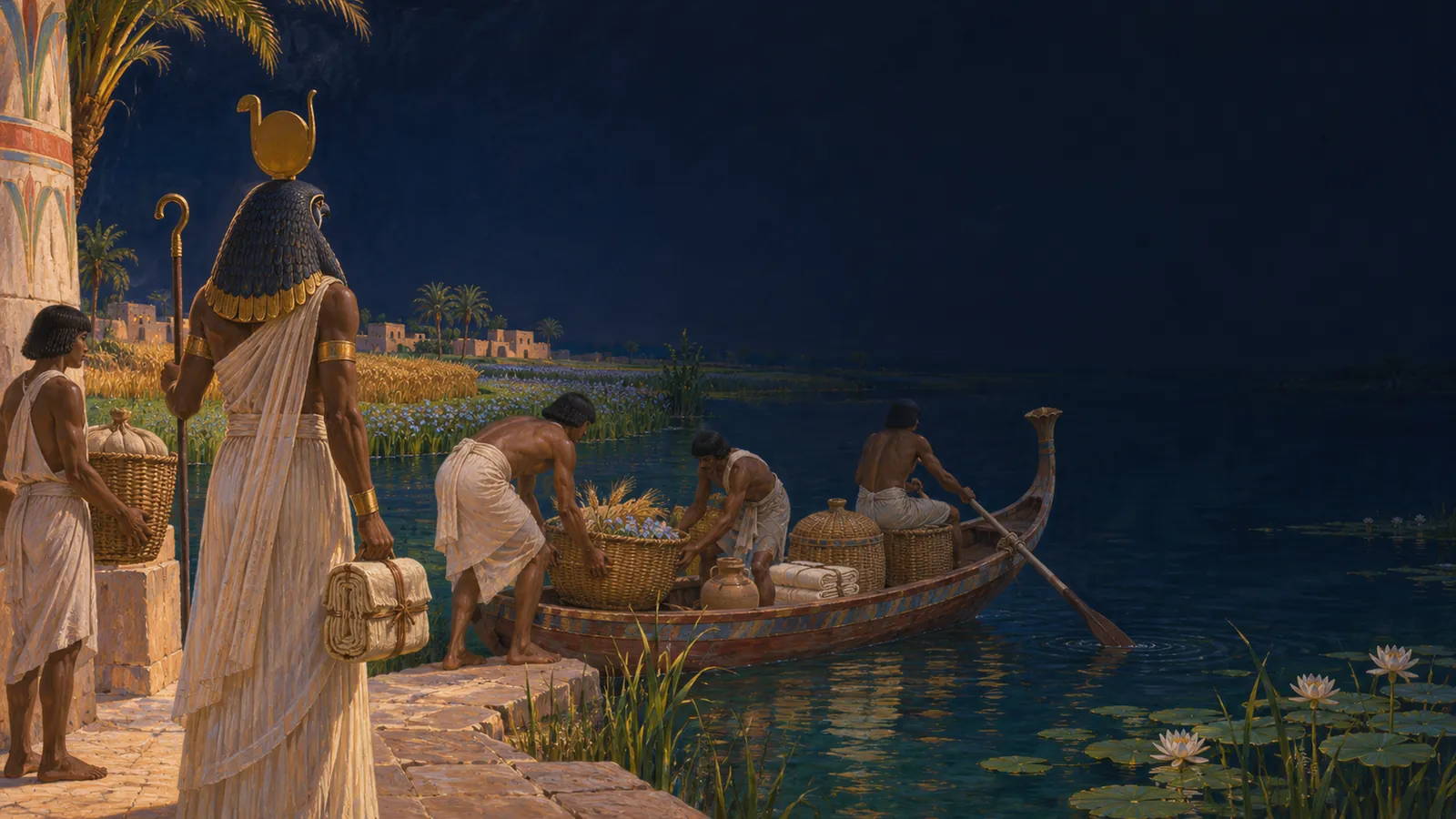
يحمل حورس عدّته في الرحلة. ويبلغ حيث يريد عرش قلبه أن يكون، في البرك والمدن التابعة لها.
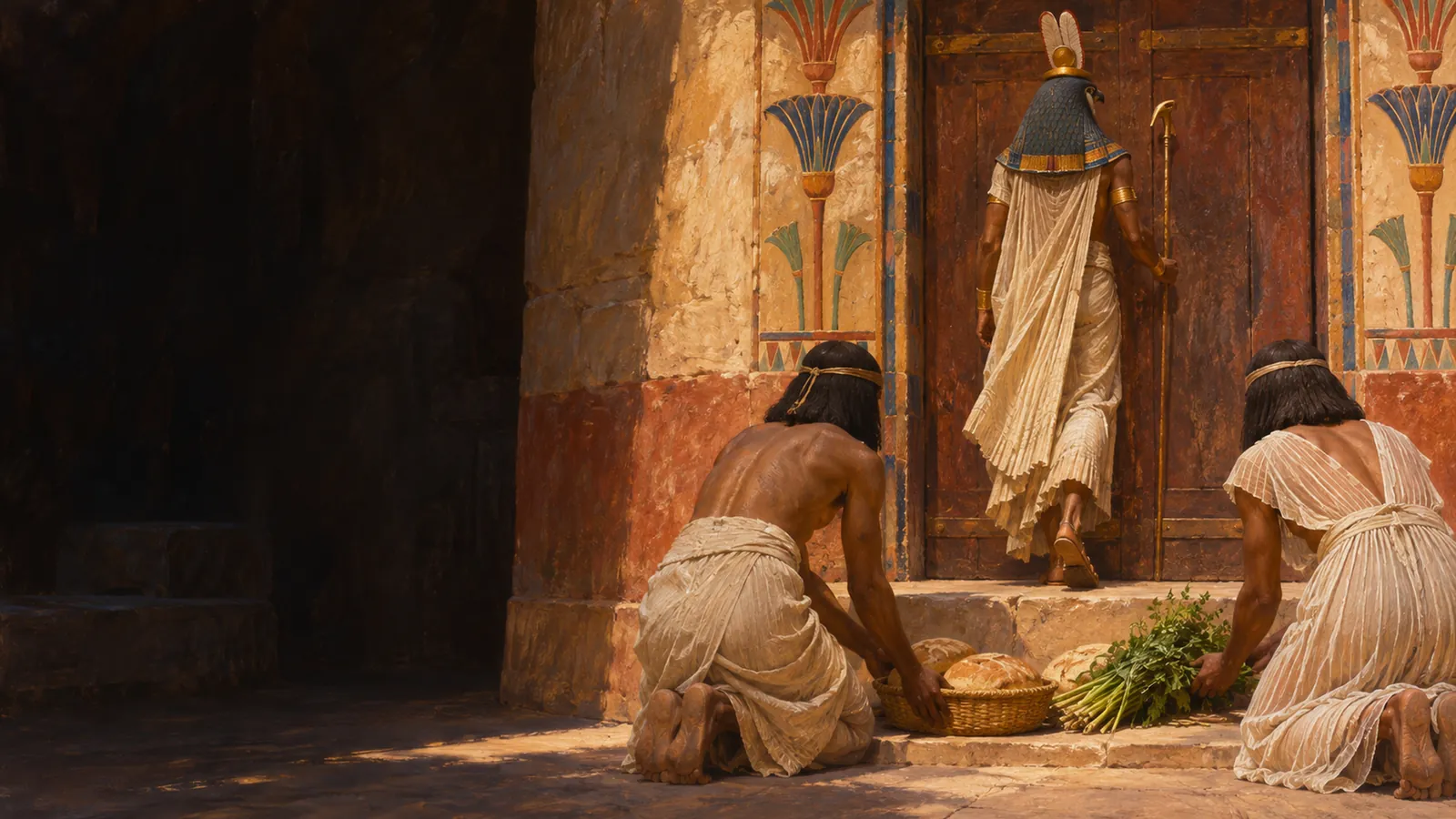
يقول النص إن حورس يُولد في حجرة ميلاد إله المدينة. وهناك تُقدّم إليه قرابين ذلك الإله.
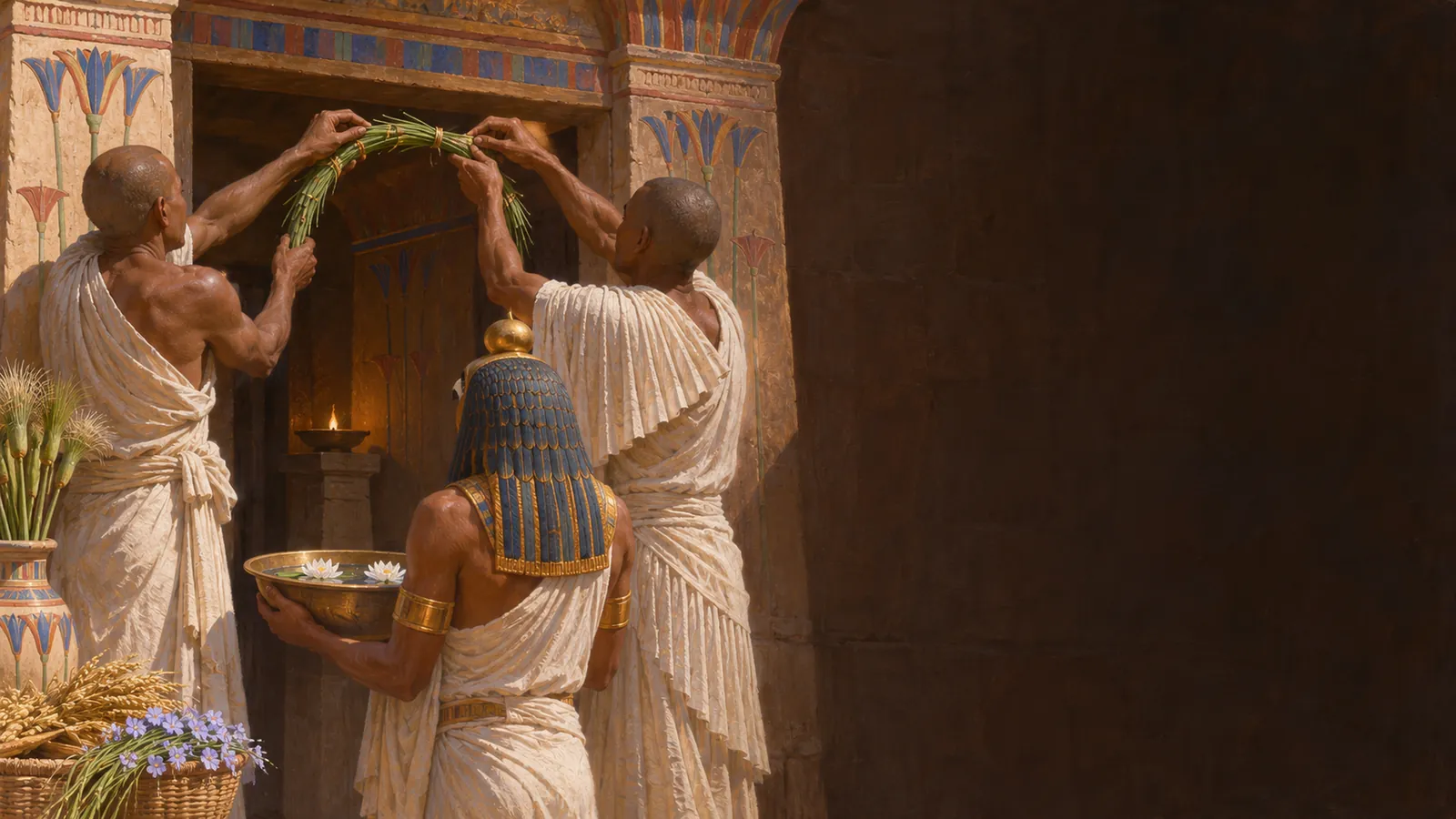
هناك يفعل ما يليق ويُحدث الاتّحاد. ويقوم بكل ما يخصّ حجرة الميلاد في المدينة الإلهية.
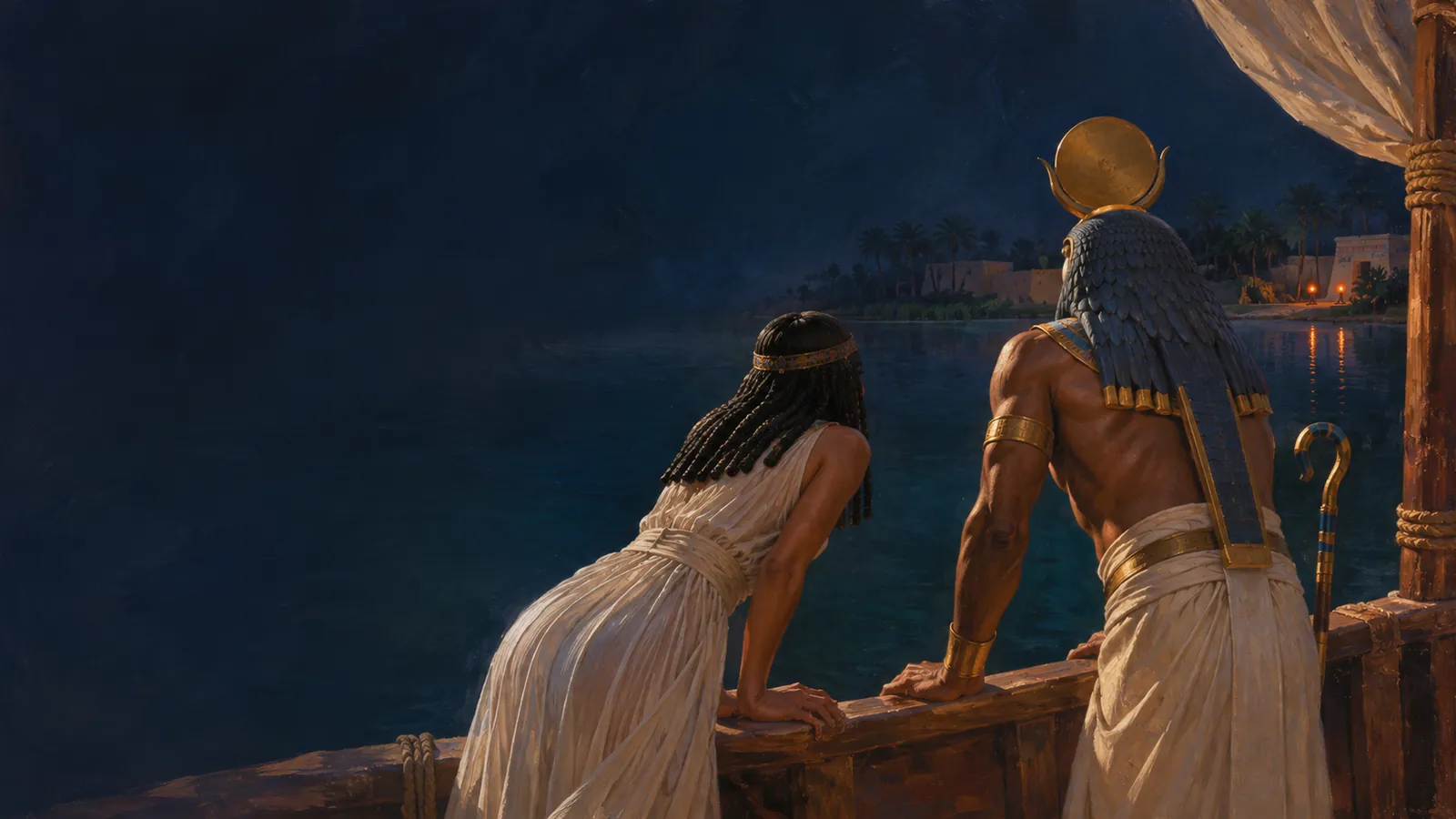
يقوم حورس بكل شيء هناك حين يأفل في الحياة مثل البلّور. ويشبّه النص أفعاله بما يجري في بحيرة النار المزدوجة حيث لا يفرح أحد وتوجد صنوف الشرّ.
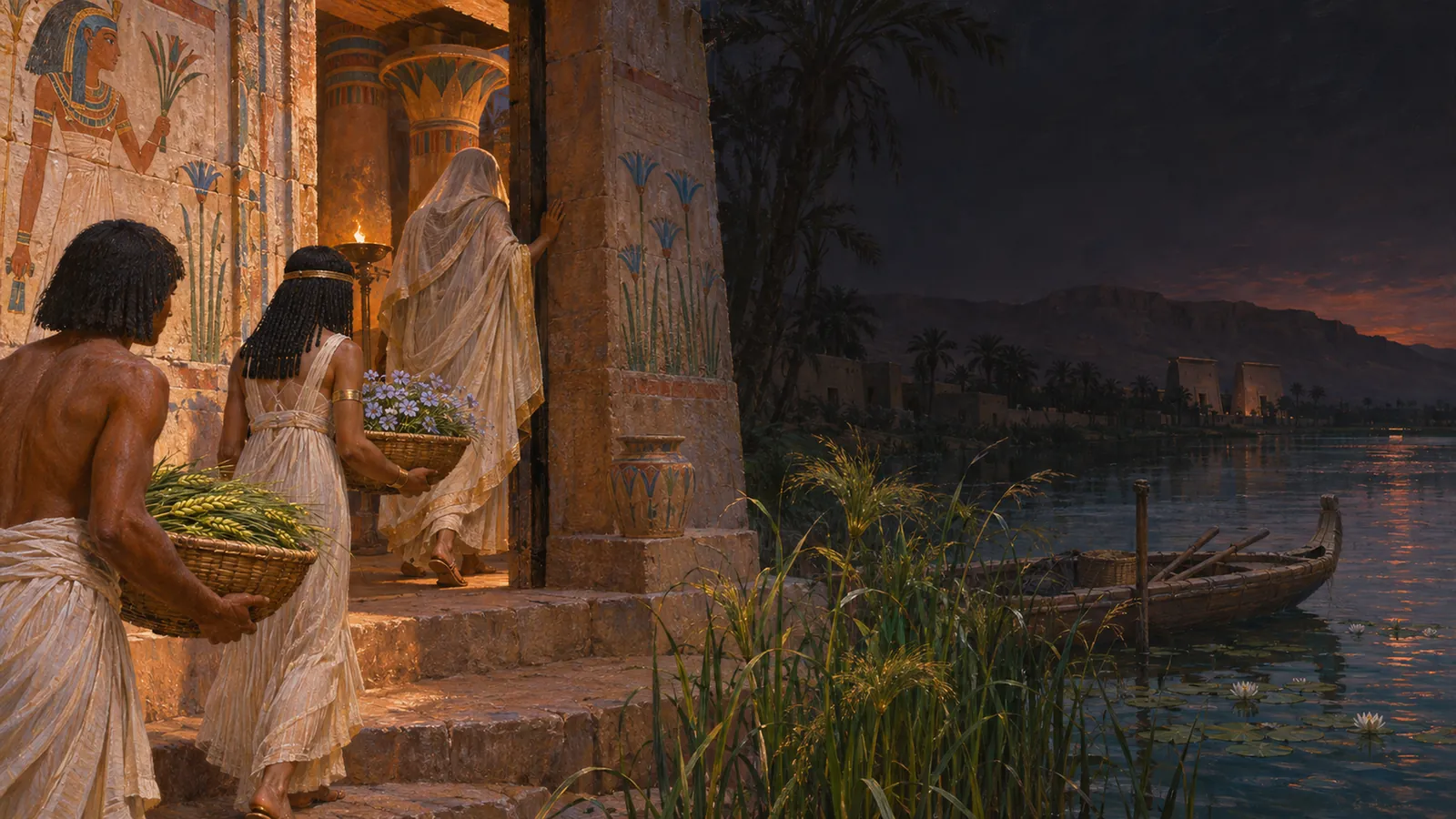
يدخل حِتِب ويخرج ويرجع. ويجمع الحقل أشياء من كل صنف لحجرة ميلاد إله المدينة.
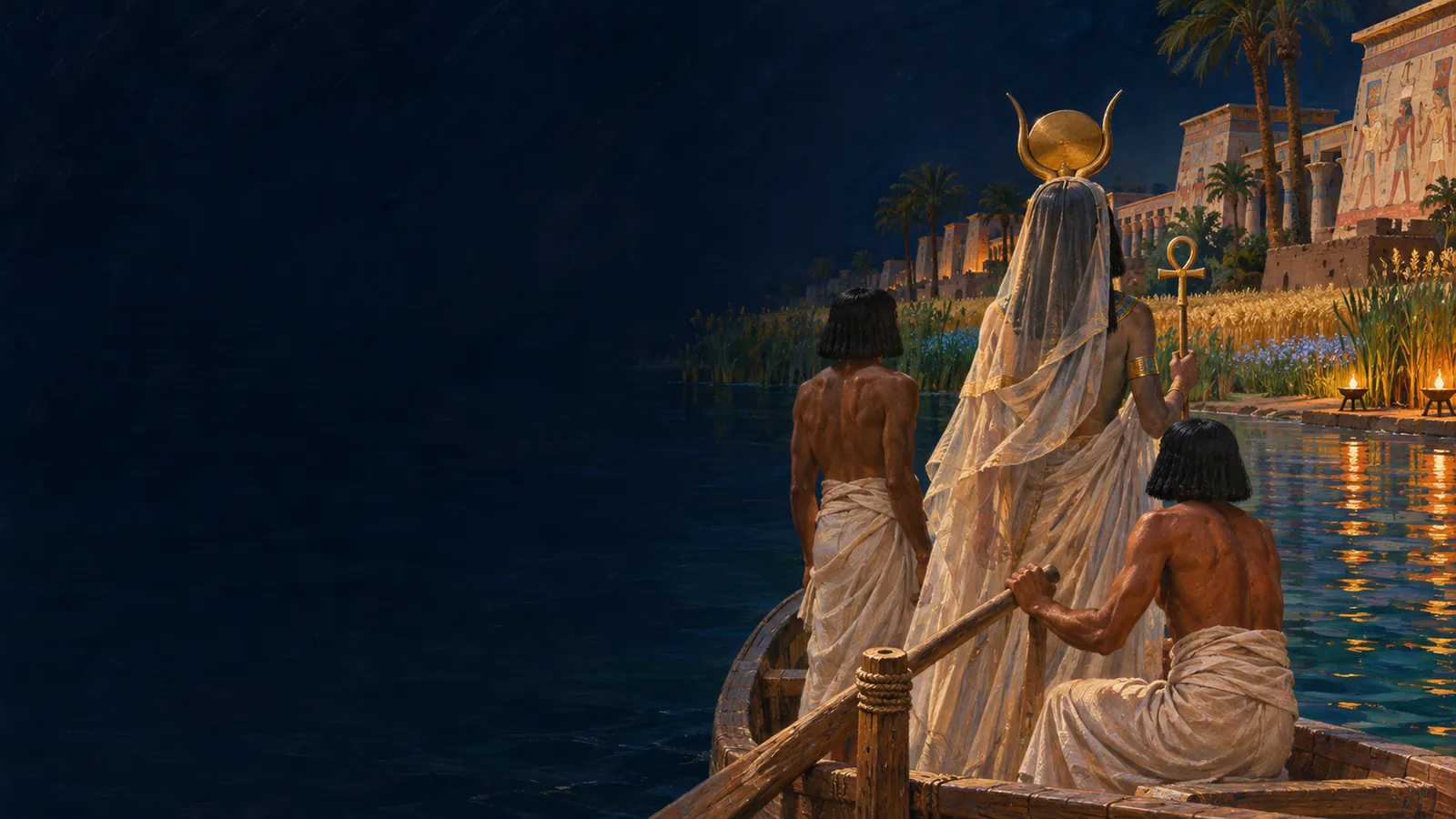
بحيرة النار المزدوجة
يعيد النص التشبيه مع حِتِب حين يأفل في الحياة مثل البلّور. ويفعل في ذلك الموضع ما يشبه ما يجري في بحيرة النار المزدوجة، حيث لا يفرح أحد وتوجد شرور من كل صنف.
نهاية الفصل الأول
كل الصفحات
المصادر
المصادر والملاحظات مكتوبة بالإنجليزية كما وردت في المراجع.
A. Wallis Budge’s Egyptian Ideas of the Future Life, third edition, 1908. He gives no manuscript name for this translation.
الطبعات المعتمدة
- Egyptian Ideas of the Future Life, publication record
- Budge 1908, Chapter V, The Resurrection and Immortality
- Budge’s note 135
- Budge’s note 136
- Budge’s note 137
ملاحظات على هذه الرواية
The title joins the Chapters of Sekhet-Hetepet and the Chapters of Coming Forth by Day. It names entering and leaving the underworld and arriving at Sekhet-Aaru.
Sekhet-Hetepet is called the mighty land and lady of winds. The title names having power there, becoming a spirit (Budge’s KHU), reaping, eating, drinking and making love. It ends by saying that one may do there what a person does on earth.
The deceased says that Set seized Horus as Horus looked with the two eyes. Budge puts a question mark after his reading of the building around Sekhet-hetep. In note 135 he identifies the eyes as the Eye of Rā and the Eye of Horus.
The speaker says that he freed Horus. Budge brackets the words “and taken him from” before the name Set. Budge brackets “which are” to connect the eyes to their position in heaven. Heaven is outside the brackets.
Budge puts a question mark after “cast,” his reading for what Set does with moisture and the winds. The soul is said to have its day and dwell in Mert. The following clause says that Set delivers the interior of Horus’s body from the gods of Akert.
The speaker says he makes the mighty boat travel over the Lake of Hetep and brought it away with might from Shu’s palace. The domain of Shu’s stars grows young and regains the strength it had before.
The speaker brings the boat into the lakes to reach their cities and says he has entered the divine city Hetep by boat. In the peace clause he says “his” before seasons, direction, territory and firstborn.
Peace is first made for Horus and Set with those who watch over the living beings created in fair form. The text then says the unnamed subject brings peace and repeats the peace with those who watch over Horus and Set. The next clauses give the cutting of their hair, the driving away of storm from the helpless and the keeping of harm away from the spirits. Budge labels the spirits KHU. The sequence does not name the subject of these clauses.
The speaker asks for dominion in the field, which he knows and whose lakes he has sailed to reach its cities. The firm mouth marks the claim about his own speech. Budge’s note 136 explains it through the speaker’s knowledge of how to utter words of power with vigour. The next clause says that he is equipped to resist the spirits and that they shall have no dominion over him.
The speaker asks the god Hetep for the fields as a reward and addresses the lord of the winds about doing what he wishes. The wishes that follow begin with becoming a spirit there, eating, drinking, ploughing and reaping.
The speaker also asks to fight and make love there and to have mighty words there. He ends this group of wishes by asking to stay free of servitude and exercise authority. They remain requests in his address.
Page 23, Budge 1908, Book of the Dead CX, transcription lines 4517–4519. Budge prints mouth with the alternative or door, and throat with a question mark. His sentence gives the name Qetet-bu without resolving the referent for the reader.
Page 24, Budge 1908, Book of the Dead CX, transcription lines 4519–4521 and n. 137. The pillars are Shu’s. Note 137 identifies the four supports at the cardinal points. The speech links the unnamed he in this line to the pleasant things of Rā.
Page 25, Budge 1908, Book of the Dead CX, transcription lines 4521–4522. The printed description joins the dividing of years, the hidden and silent mouth and secret utterance. The selection offers no explanatory mechanism.
Page 26, Budge 1908, Book of the Dead CX, transcription lines 4522–4524. The sentence completes the passage on eternity and everlasting existence under the name Hetep, the lord Hetep.
Page 27, Budge 1908, Book of the Dead CX, transcription lines 4526–4529. The sentence compares Horus to the Hawk. The numbers are one thousand and two thousand. Budge places the measurement words cubits in width in brackets. The unclear phrase in life follows the dimensions.
Page 28, Budge 1908, Book of the Dead CX, transcription lines 4529–4532. The text retains the expression his heart’s throne. Budge supplies of Hetep in brackets after the Pools. The text mentions their cities as well as the Pools.
Page 29, Budge 1908, Book of the Dead CX, transcription lines 4532–4534. Budge’s translation says begotten in the birth-chamber of the god of the city. It attributes the offerings to the same city god.
Page 30, Budge 1908, Book of the Dead CX, transcription lines 4534–4536. The text records the bringing about of a union. It supplies no particulars about the union here. It concludes this sentence with the birth-chamber of the divine city.
Page 31, Budge 1908, Book of the Dead CX, transcription lines 4536–4540. The comparison mentions setting in life like crystal, then the Lake of Twofold Fire, without joy and full of evil things. The speaker’s next sentences shift from Horus to Hetep.
Page 32, Budge 1908, Book of the Dead CX, transcription lines 4540–4543. The three directions are entering, coming out and going backwards. Budge supplies in in brackets before that Field. The Field gathers things for the city god’s birth-chamber.
Page 33, Budge 1908, Book of the Dead CX, transcription lines 4543–4547. Budge prints the parallels to crystal and the Lake of Twofold Fire again, with Hetep now the subject. The complete paragraph ends at line 4547. A new paragraph starts at line 4549 with a renewed plea to live with Hetep.
الأسطر القديمة وراء كل صفحة
- Page 1: Budge 1908, Egyptian Ideas of the Future Life, ch. V, Book of the Dead Chapter CX, translated title (local)
- Page 2: Budge 1908, Egyptian Ideas of the Future Life, ch. V, Book of the Dead Chapter CX, translated title (local)
- Page 3: Budge 1908, Egyptian Ideas of the Future Life, ch. V, Book of the Dead Chapter CX, translated title (local)
- Page 4: Budge 1908, Egyptian Ideas of the Future Life, ch. V, Book of the Dead Chapter CX, translated title (local)
- Page 5: Budge 1908, Egyptian Ideas of the Future Life, ch. V, Book of the Dead Chapter CX, deceased’s recitation (local)
- Page 6: Budge 1908, Egyptian Ideas of the Future Life, ch. V, Book of the Dead Chapter CX, deceased’s recitation (local)
- Page 7: Budge 1908, Egyptian Ideas of the Future Life, ch. V, Book of the Dead Chapter CX, deceased’s recitation (local)
- Page 8: Budge 1908, Egyptian Ideas of the Future Life, ch. V, Book of the Dead Chapter CX, deceased’s recitation (local)
- Page 9: Budge 1908, Egyptian Ideas of the Future Life, ch. V, Book of the Dead Chapter CX, deceased’s recitation (local)
- Page 10: Budge 1908, Egyptian Ideas of the Future Life, ch. V, Book of the Dead Chapter CX, deceased’s recitation (local)
- Page 11: Budge 1908, Egyptian Ideas of the Future Life, ch. V, Book of the Dead Chapter CX, deceased’s recitation (local)
- Page 12: Budge 1908, Egyptian Ideas of the Future Life, ch. V, Book of the Dead Chapter CX, deceased’s recitation (local)
- Page 13: Budge 1908, Egyptian Ideas of the Future Life, ch. V, Book of the Dead Chapter CX, deceased’s recitation (local)
- Page 14: Budge 1908, Egyptian Ideas of the Future Life, ch. V, Book of the Dead Chapter CX, deceased’s recitation (local)
- Page 15: Budge 1908, Egyptian Ideas of the Future Life, ch. V, Book of the Dead Chapter CX, deceased’s recitation (local)
- Page 16: Budge 1908, Egyptian Ideas of the Future Life, ch. V, Book of the Dead Chapter CX, deceased’s recitation (local)
- Page 17: Budge 1908, Egyptian Ideas of the Future Life, ch. V, Book of the Dead Chapter CX, deceased’s recitation (local)
- Page 18: Budge 1908, Egyptian Ideas of the Future Life, ch. V, Book of the Dead Chapter CX, deceased’s recitation (local)
- Page 19: Budge 1908, Egyptian Ideas of the Future Life, ch. V, Book of the Dead Chapter CX, deceased’s recitation (local)
- Page 20: Budge 1908, Egyptian Ideas of the Future Life, ch. V, Book of the Dead Chapter CX, deceased’s recitation (local)
- Page 21: Budge 1908, Egyptian Ideas of the Future Life, ch. V, Book of the Dead Chapter CX, deceased’s recitation (local)
- Page 22: Budge 1908, Egyptian Ideas of the Future Life, ch. V, Book of the Dead Chapter CX, deceased’s recitation (local)
- Page 23: Budge 1908, Egyptian Ideas of the Future Life, ch. V, Book of the Dead CX (local)
- Page 24: Budge 1908, Egyptian Ideas of the Future Life, ch. V, Book of the Dead CX (local)
- Page 25: Budge 1908, Egyptian Ideas of the Future Life, ch. V, Book of the Dead CX (local)
- Page 26: Budge 1908, Egyptian Ideas of the Future Life, ch. V, Book of the Dead CX (local)
- Page 27: Budge 1908, Egyptian Ideas of the Future Life, ch. V, Book of the Dead CX (local)
- Page 28: Budge 1908, Egyptian Ideas of the Future Life, ch. V, Book of the Dead CX (local)
- Page 29: Budge 1908, Egyptian Ideas of the Future Life, ch. V, Book of the Dead CX (local)
- Page 30: Budge 1908, Egyptian Ideas of the Future Life, ch. V, Book of the Dead CX (local)
- Page 31: Budge 1908, Egyptian Ideas of the Future Life, ch. V, Book of the Dead CX (local)
- Page 32: Budge 1908, Egyptian Ideas of the Future Life, ch. V, Book of the Dead CX (local)
- Page 33: Budge 1908, Egyptian Ideas of the Future Life, ch. V, Book of the Dead CX (local)
الرسوم من صنع أرشيف إيل بأدوات الذكاء الاصطناعي؛ والنص مبني على المصادر القديمة (انظر المصادر في آخر كل فصل).