سرجون والنهر الفصل الثاني
الملك وخليفته
تعرض ترجمة تاريخيّة رواية سرجون لأصوله وحظوته لدى عشتار وأقواله الملكيّة. وبعد مواضع عدم اليقين والفجوات، يتوجّه الصوت إلى ملكٍ آتٍ وينتهي بوصيّته بالصعود إلى دور إيلو.
المصادرقلّب الصفحات بالأزرار أو بمفاتيح الأسهم أو بسحب الإصبع.
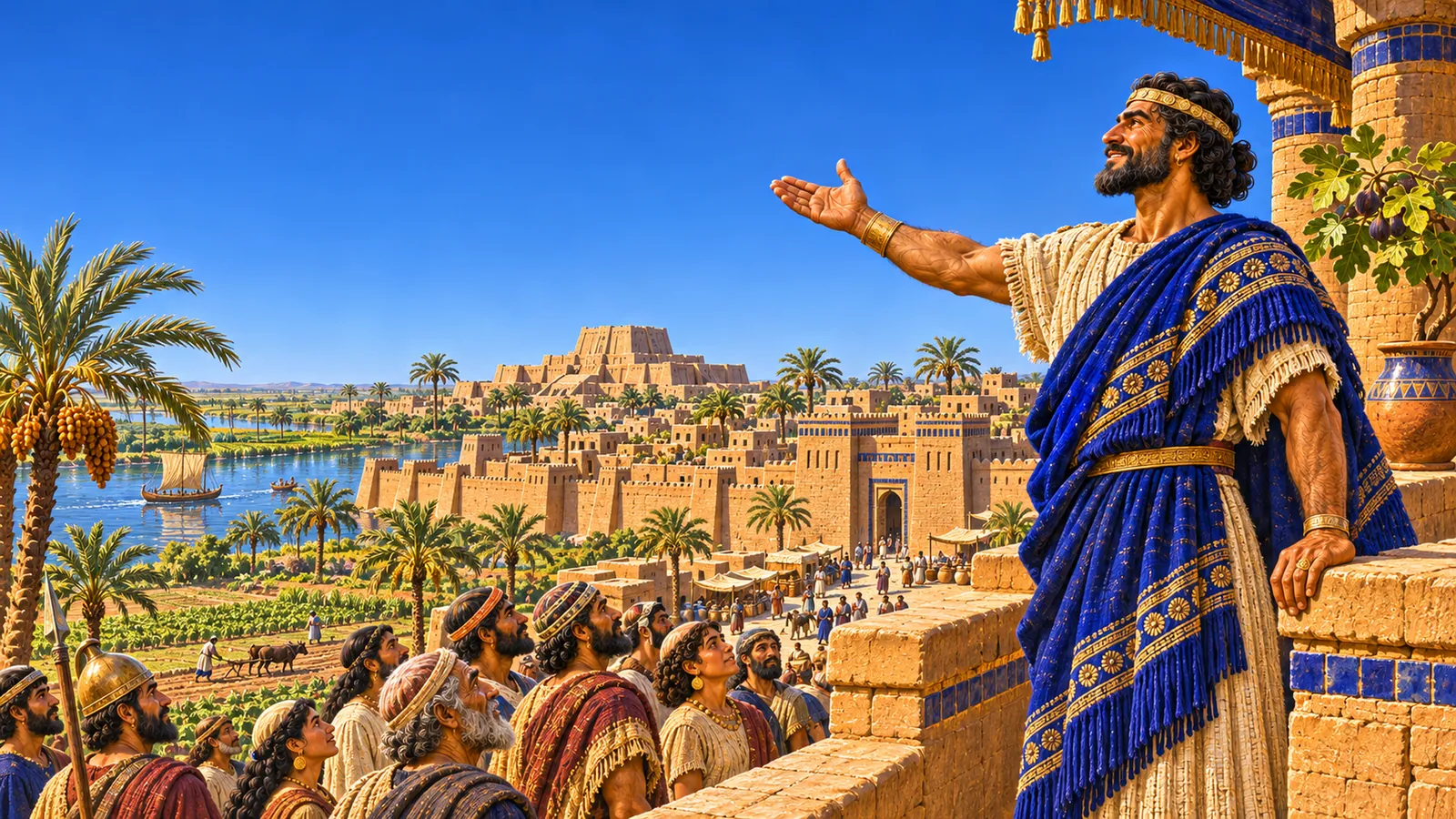
الملك
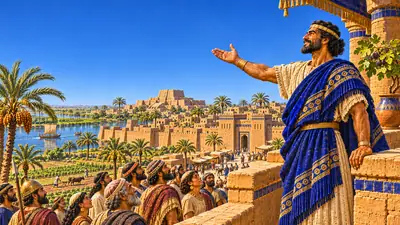
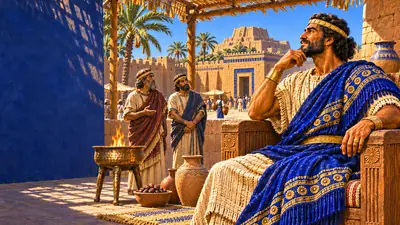
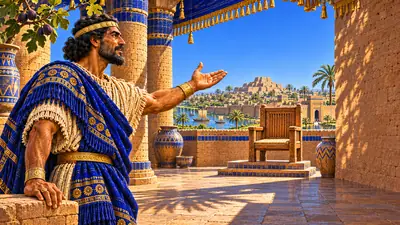
في ترجمة بارتون الصادرة عام ١٩٢٠، كما حدّثتها صفحة فوردهام، يسمّي المتكلّم نفسه سرجون، ويقول إنّه ملكٌ مقتدر، ملك أكد.
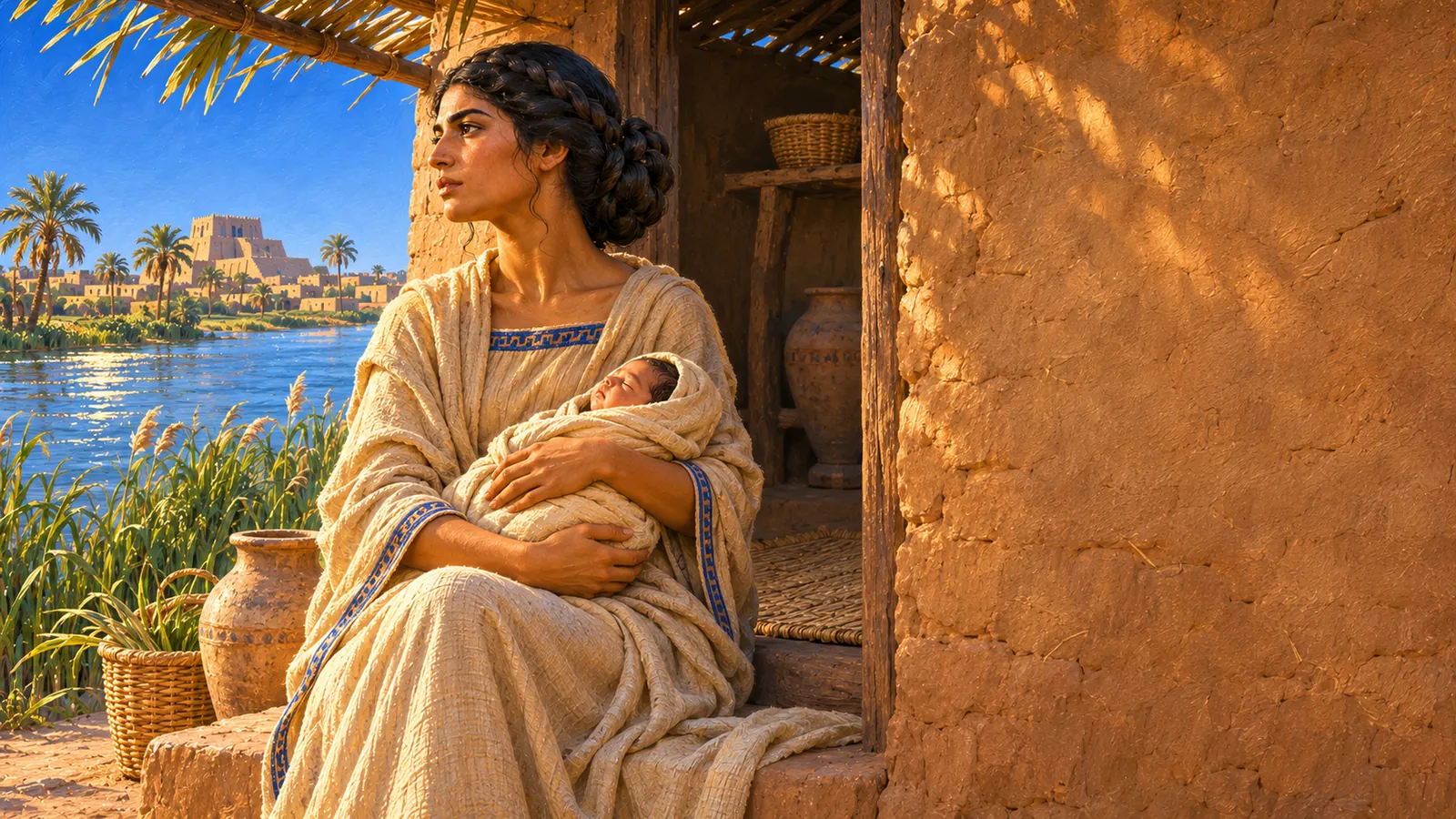
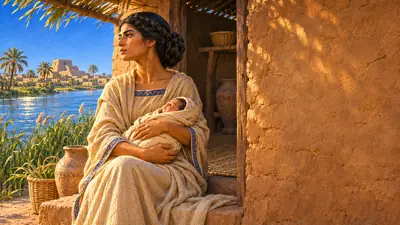
تصف قراءة بارتون القديمة أمَّ المتكلّم بوضاعة المنزلة. وفي السطر نفسه، يقول سرجون إنّه لم يعرف أباه.
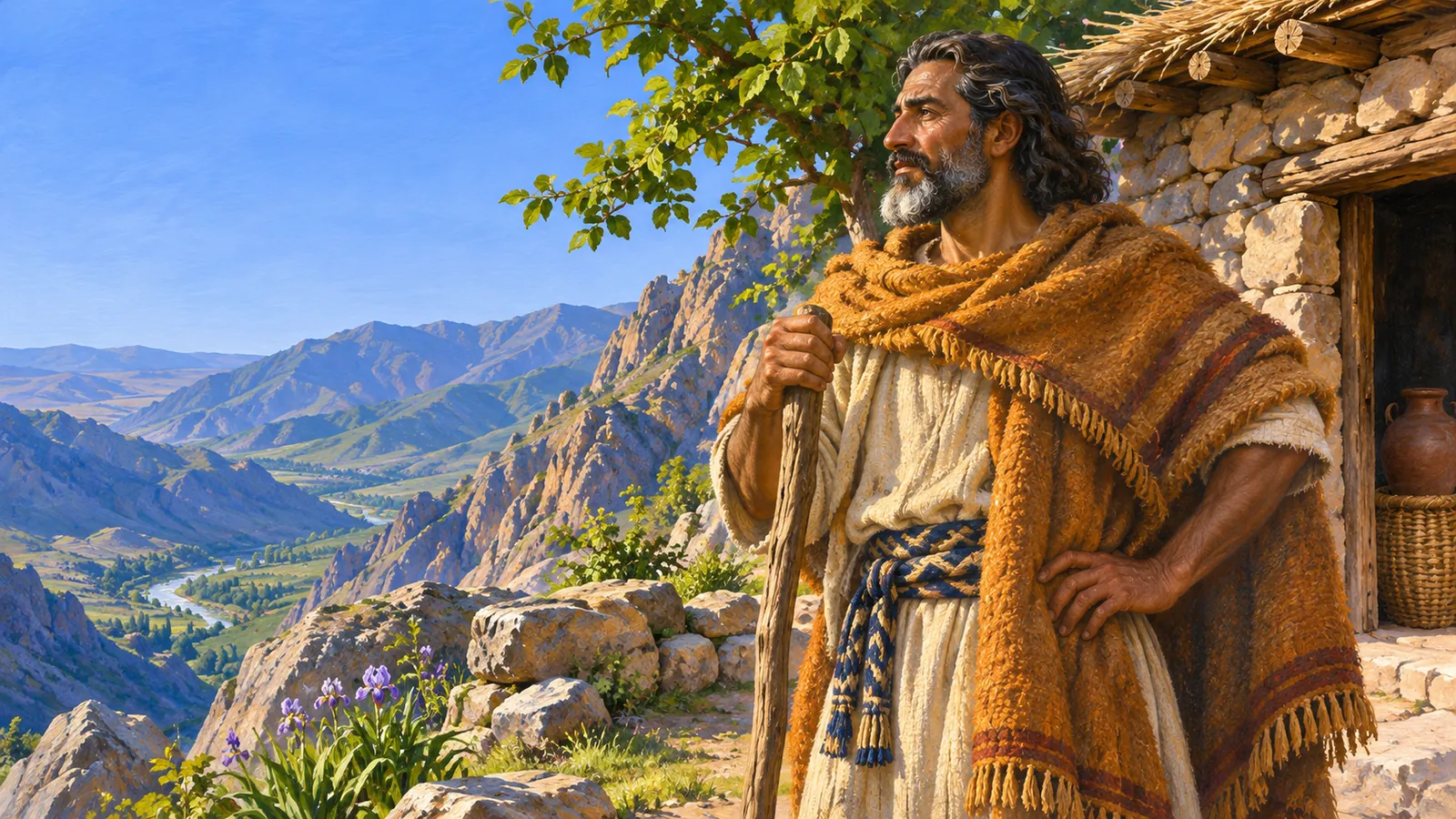
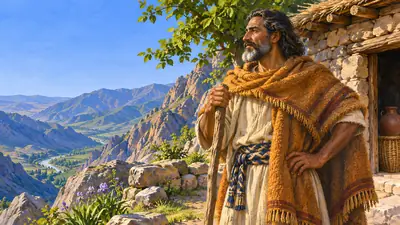
في السطر التالي من قراءة بارتون القديمة، يقول المتكلّم إنّ أخا أبيه كان يسكن في الجبل.
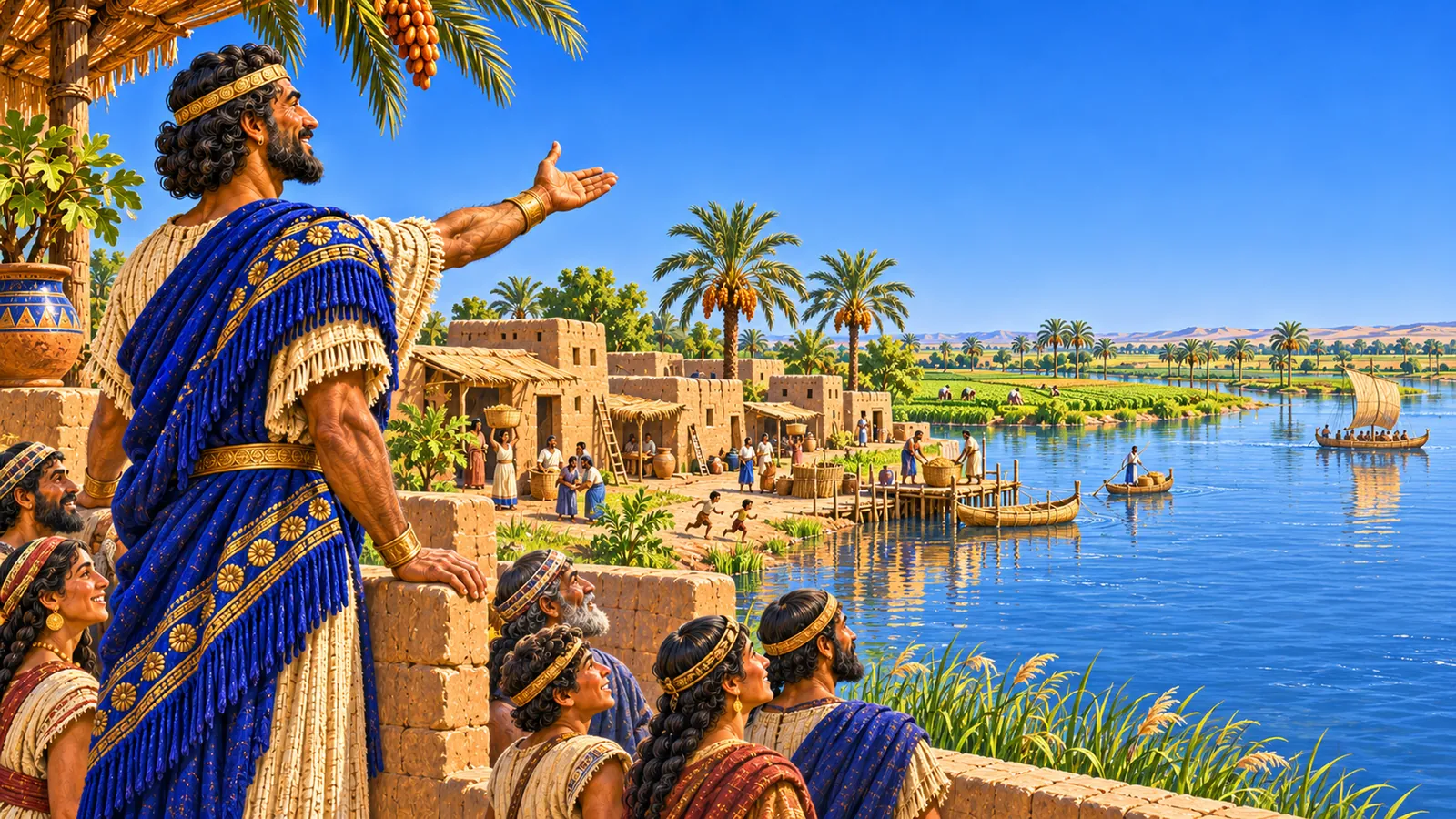
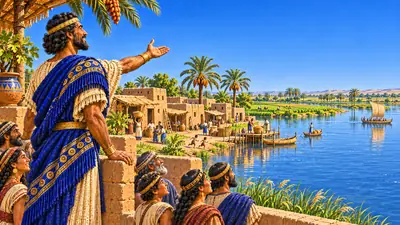
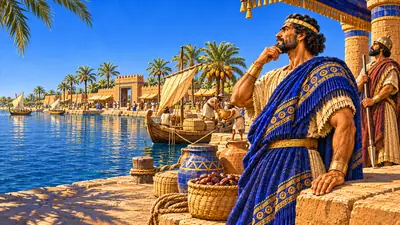
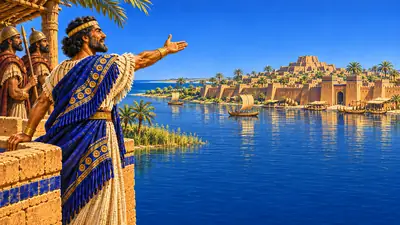
يسمّي المتكلّم أزوبيرانو مدينته، ويضعها على ضفّة الفرات. وهذا هو الموقع الذي تذكره قراءة بارتون القديمة.
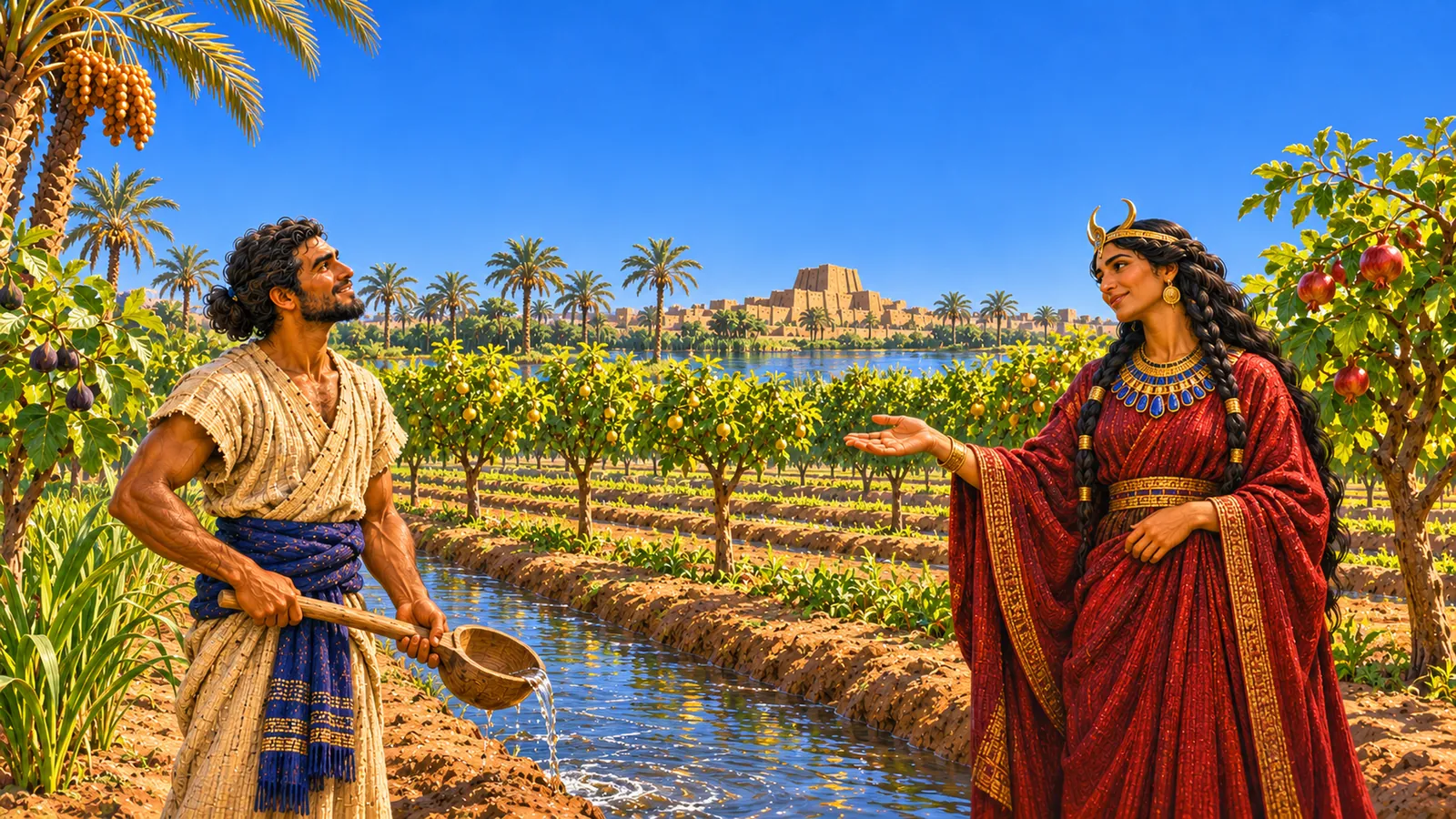
عشتار
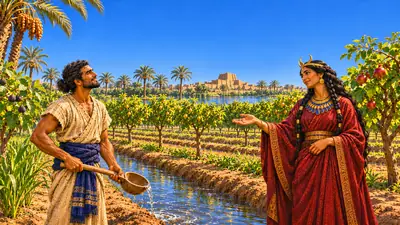
يعود السطر المختار التالي من ترجمة بارتون القديمة إلى سرجون البستانيّ. ويقول المتكلّم إنّ الإلهة عشتار أحبّته آنذاك.
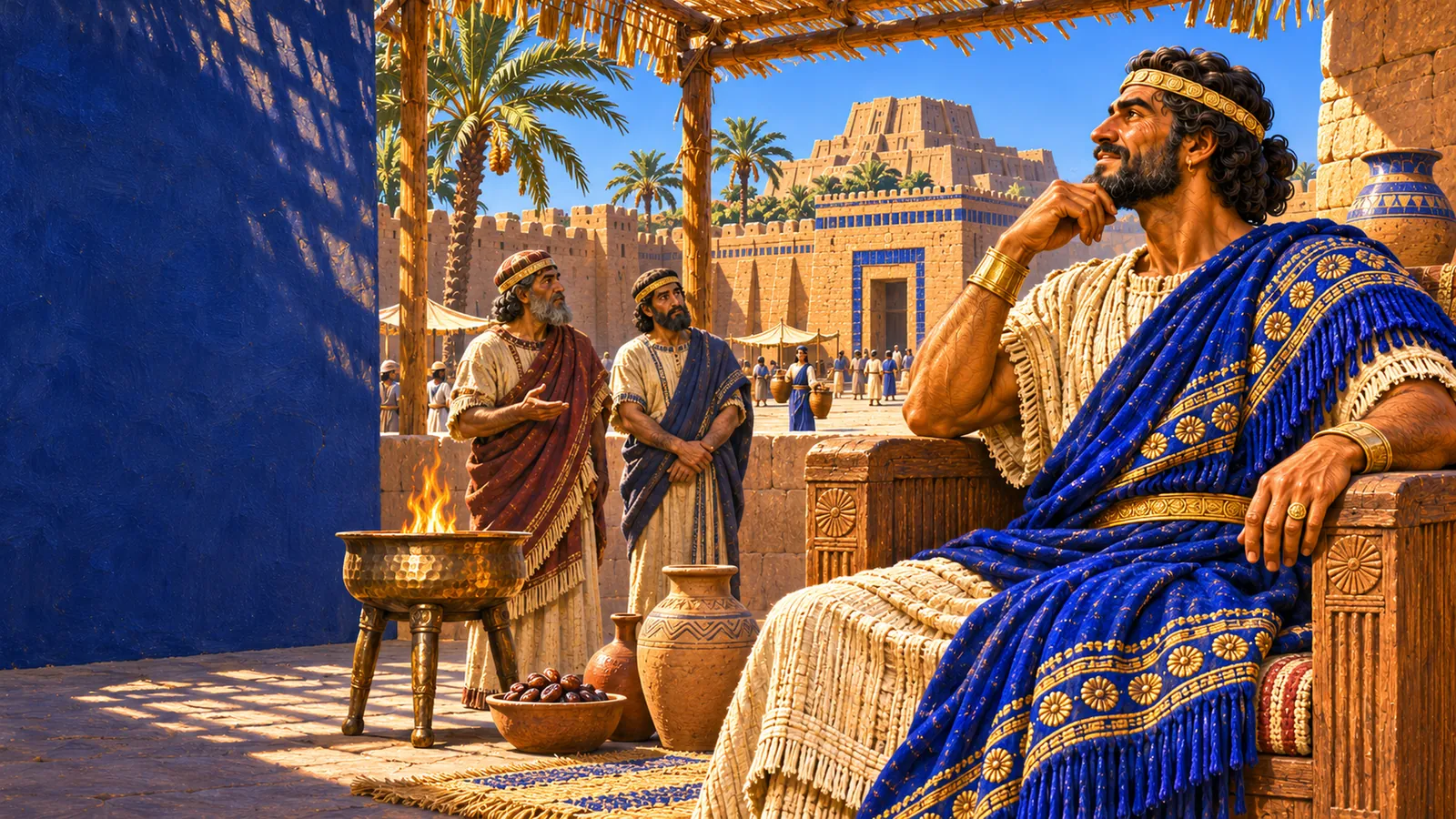
في ترجمة بارتون القديمة الصادرة عام ١٩٢٠، يقول المتكلّم إنّه حكم المملكة أربع سنوات.
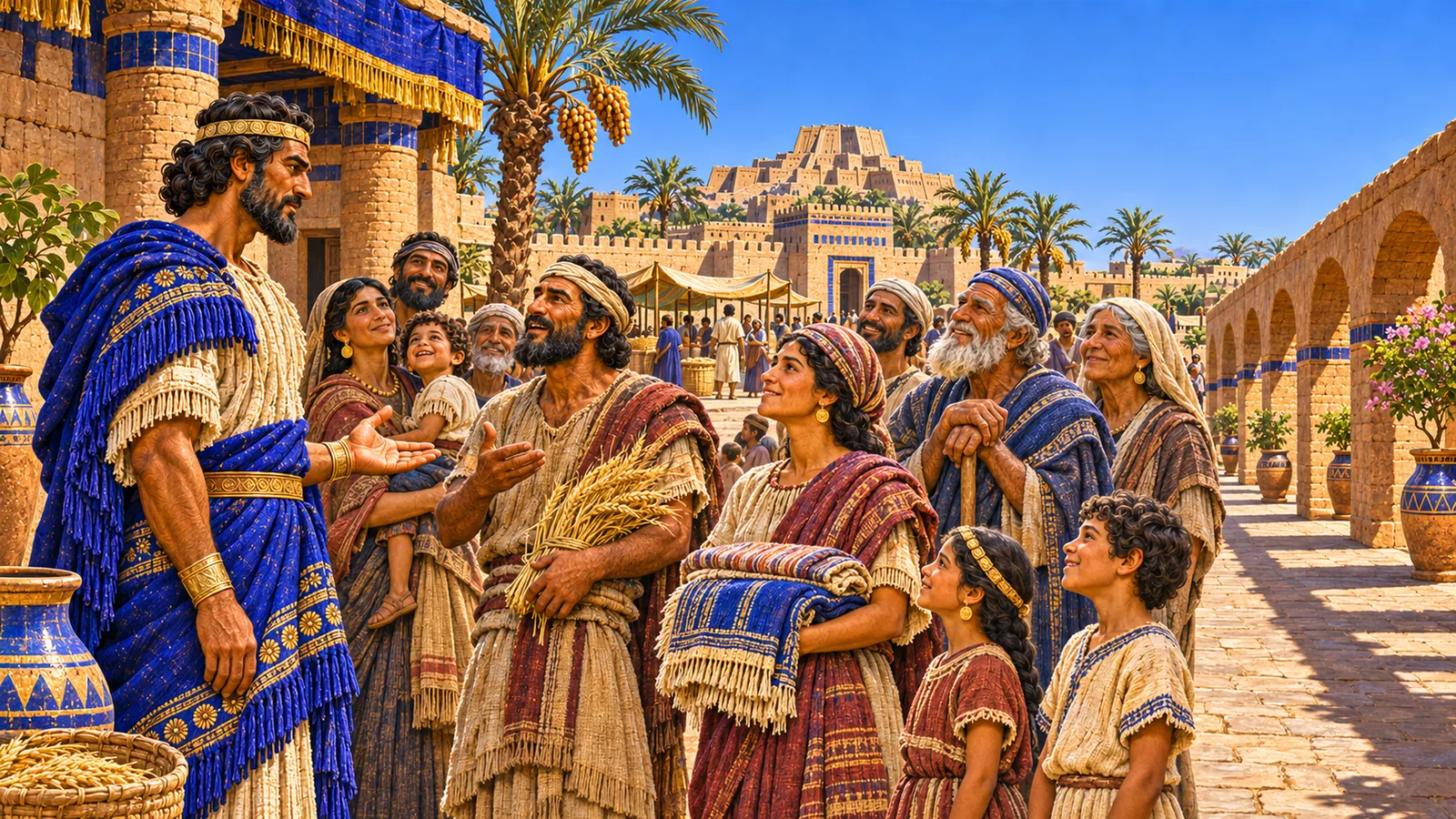
تستخدم ترجمة بارتون القديمة عبارة ذوي الرؤوس السود للدلالة على الشعوب التي يقول المتكلّم إنّه حكمها وأدار شؤونها.
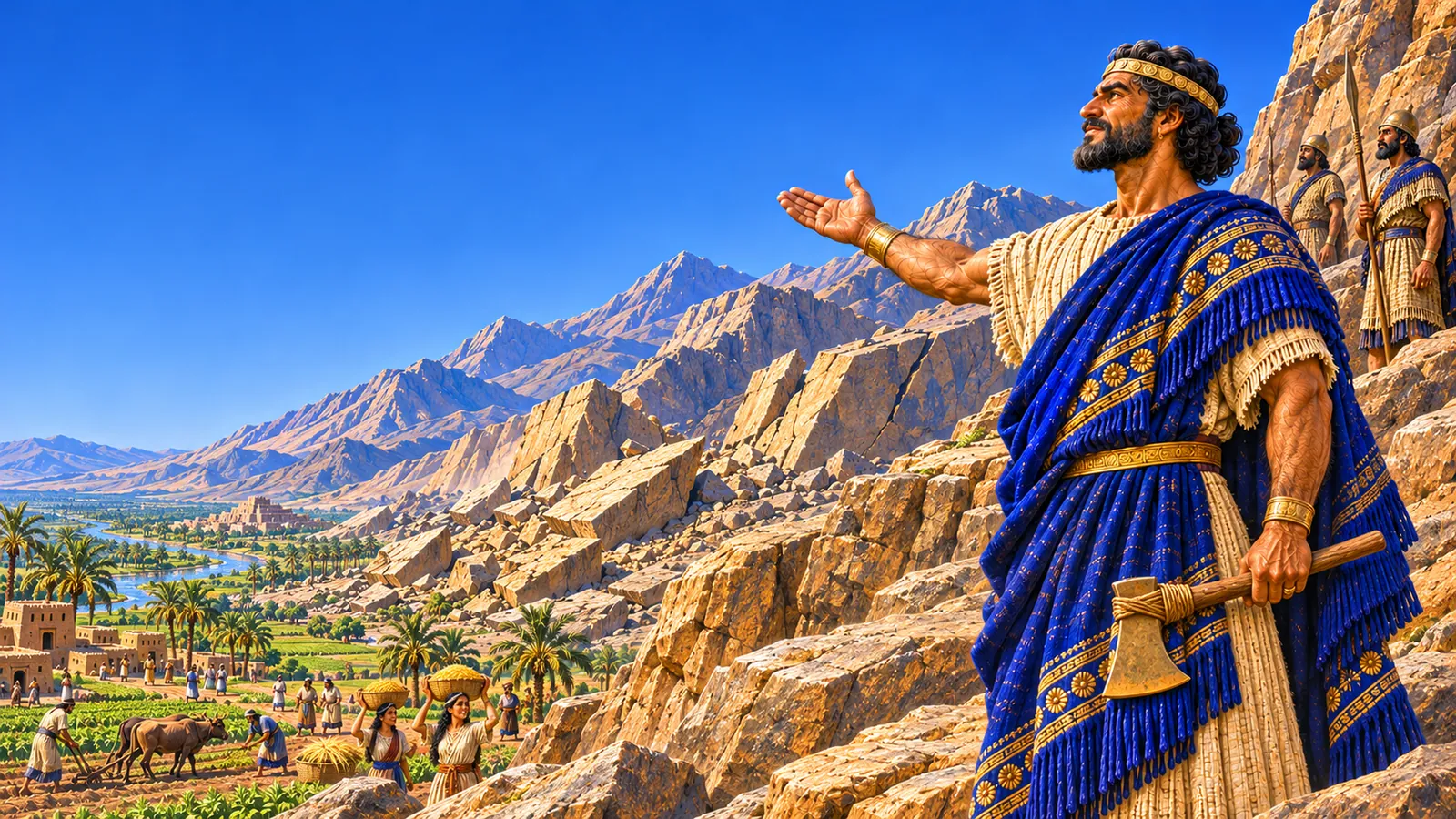
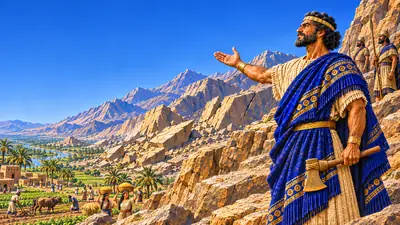
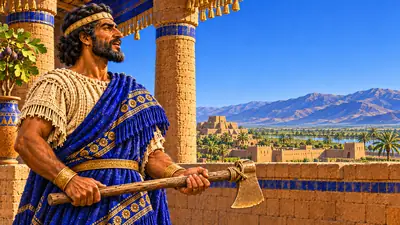
يقول المتكلّم إنّه دمّر جبالًا عظيمة بفؤوس برونزيّة. وتضع ترجمة بارتون القديمة علامة استفهام بعد هذا القول، بما يدلّ على عدم اليقين في القراءة.
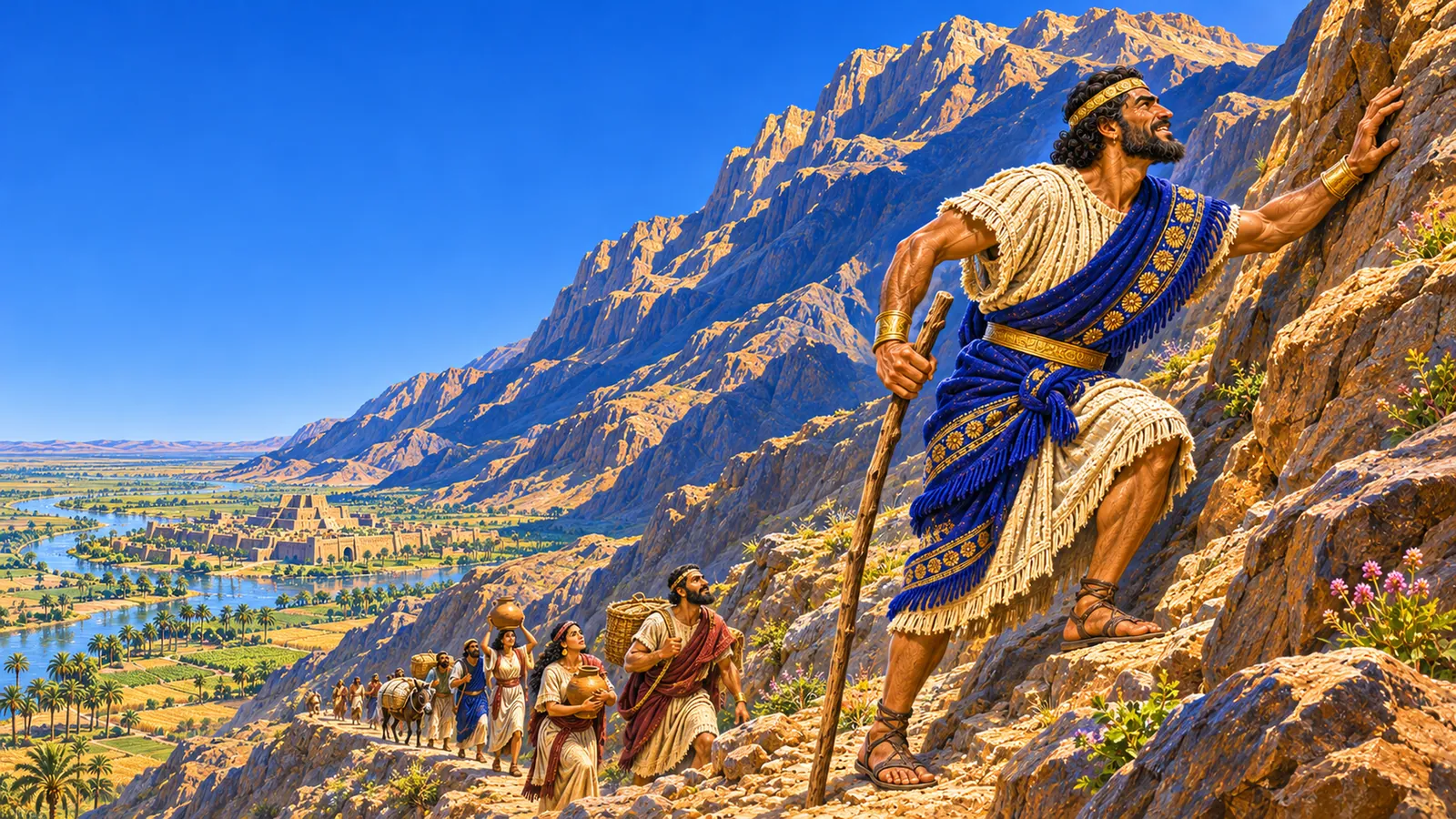
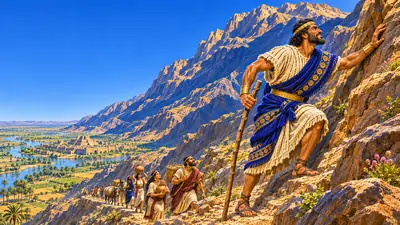
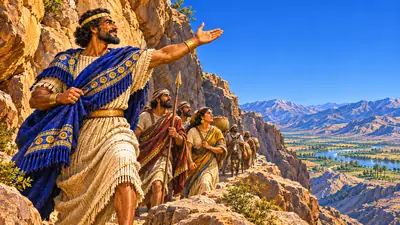
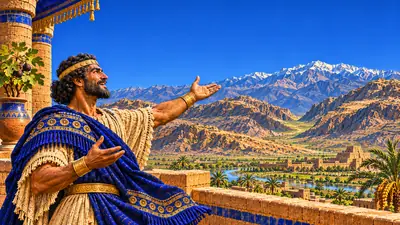
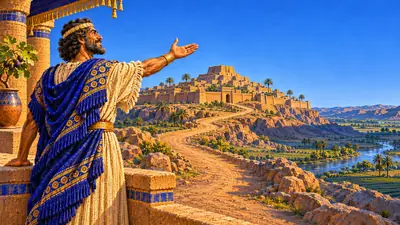
في السطر التالي من ترجمة بارتون القديمة، يقول المتكلّم إنّه صعد الجبال العليا.
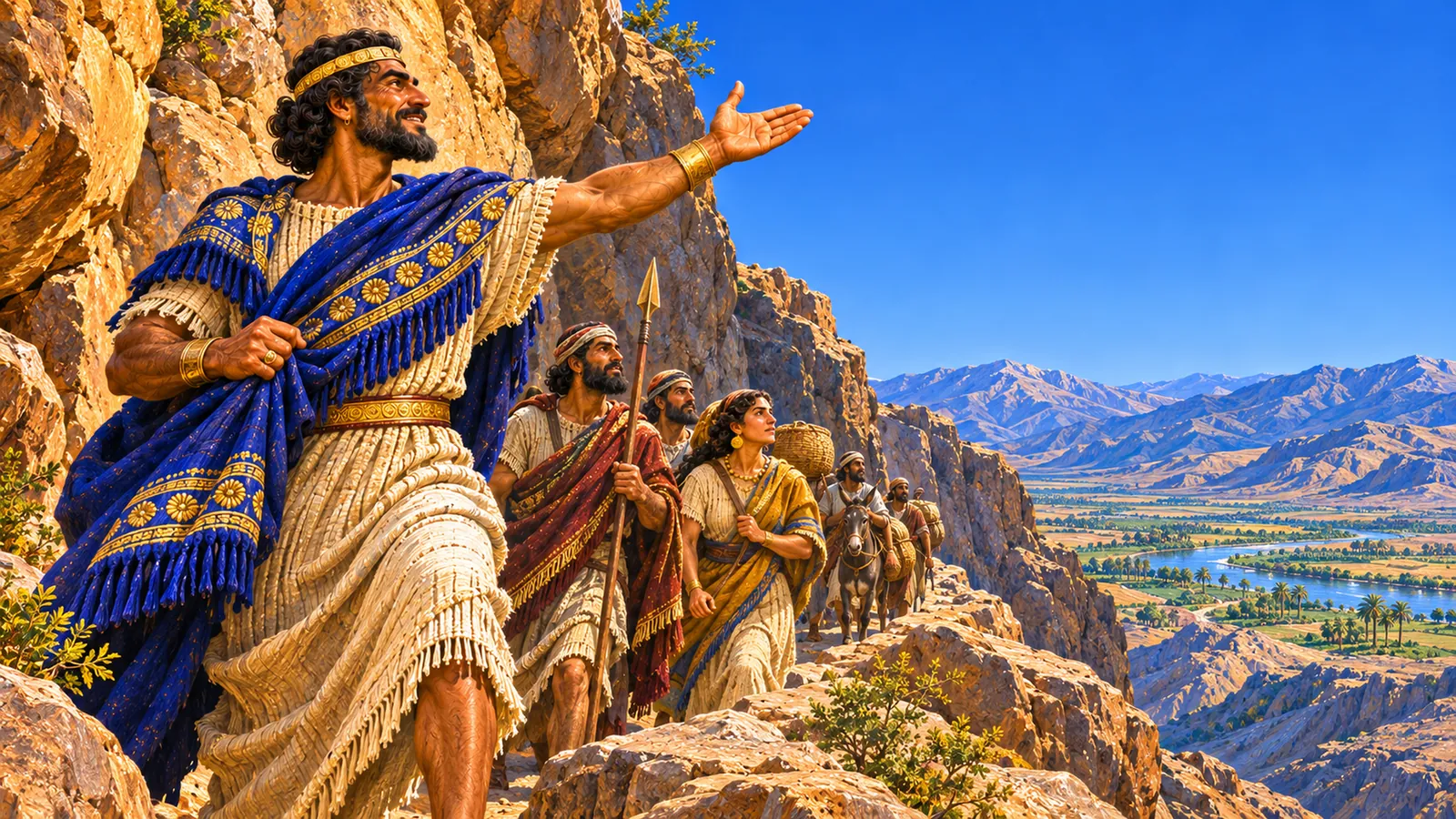
ثمّ يقول المتكلّم إنّه شقّ طريقه عبر الجبال السفلى. ويأتي هذا القول بعد الصعود في ترجمة بارتون القديمة.
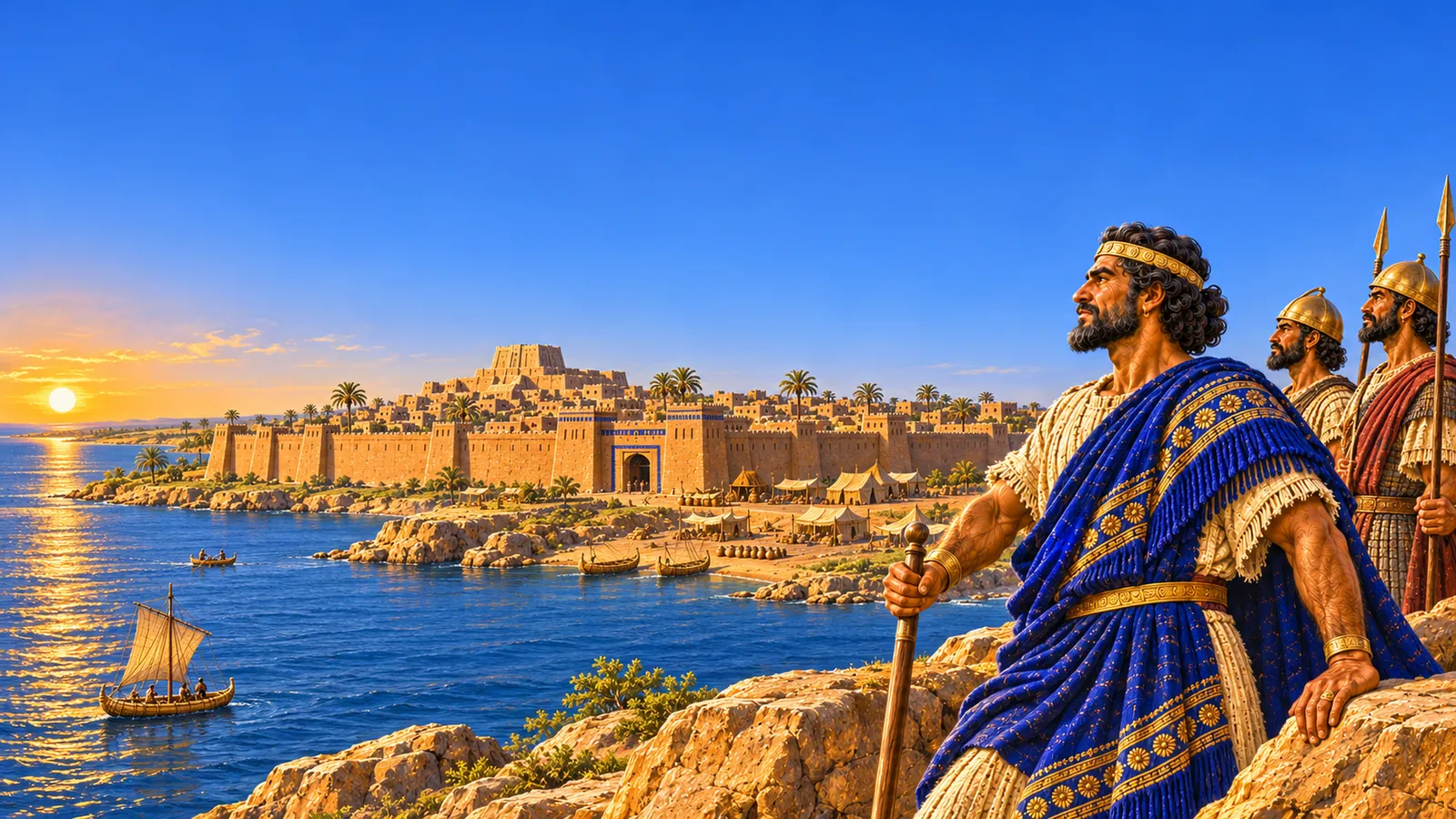
في هذه الترجمة القديمة، يزعم سرجون أنّه حاصر بلاد البحر ثلاث مرّات. ولا يقدّم هنا روايةً لتلك الحصارات.
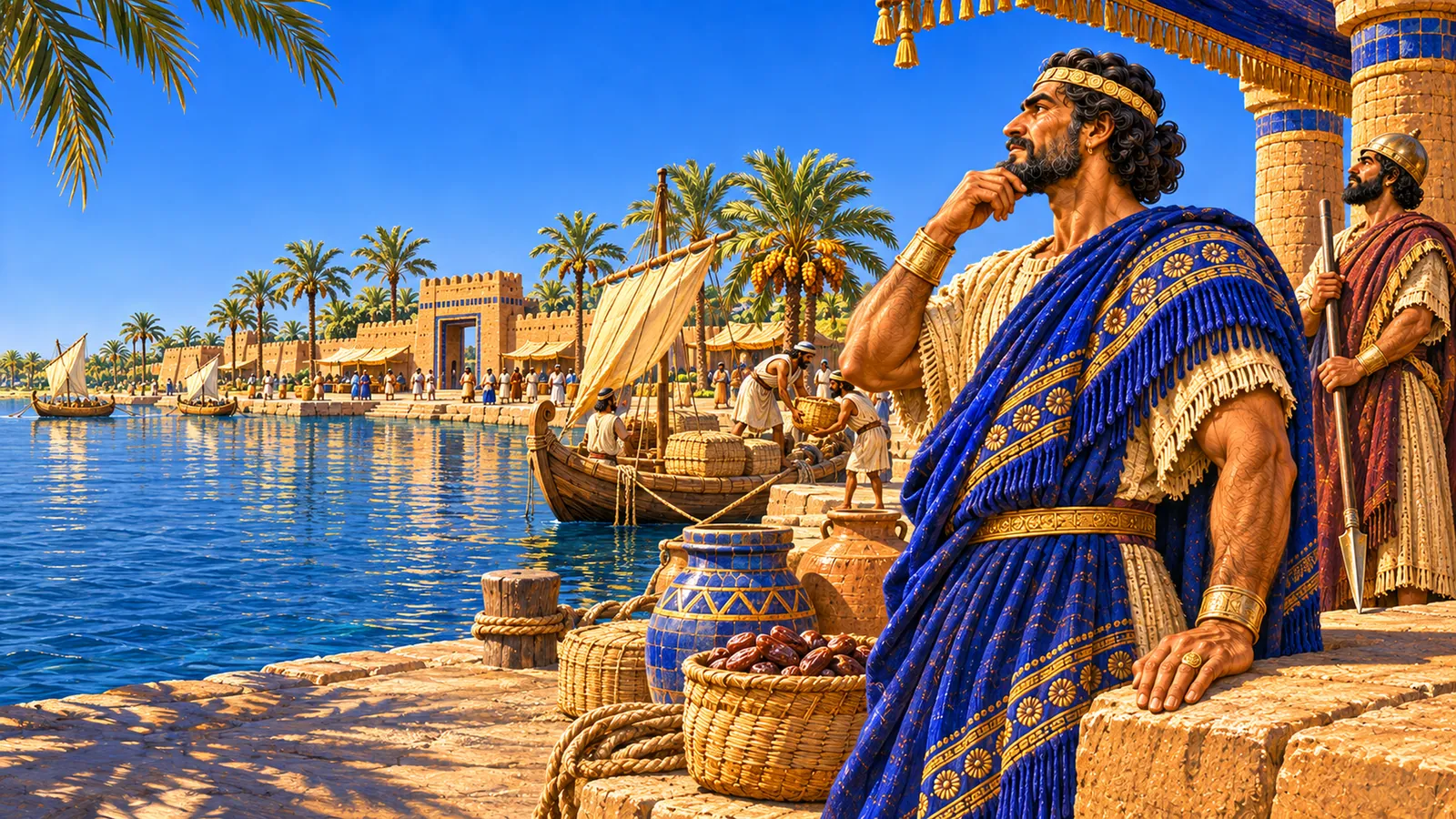
تُورِد الترجمة القديمة قول سرجون التالي على أنّه الاستيلاء على دلمون (؟). وتدلّ علامة الاستفهام على عدم اليقين في هذه القراءة.
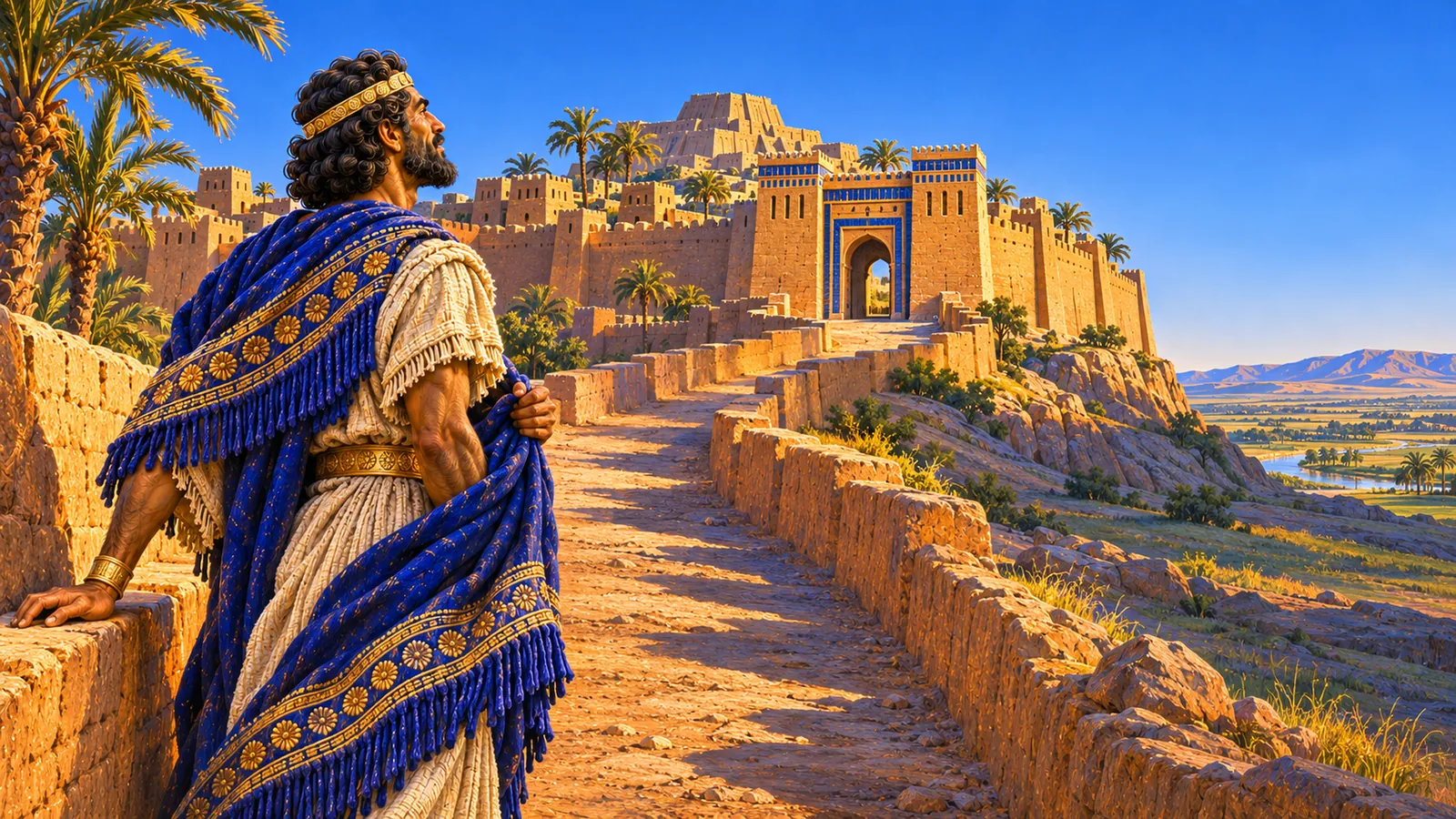
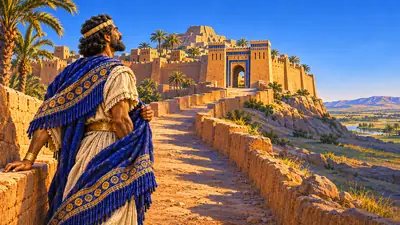
يقول سرجون إنّه صعد إلى دور إيلو العظيمة، لكنّ السطر ينقطع. ويحفظ السطر التالي كلمةً مترجمةً بمعنى «غيّرت»، تحيط بها أجزاء مفقودة.
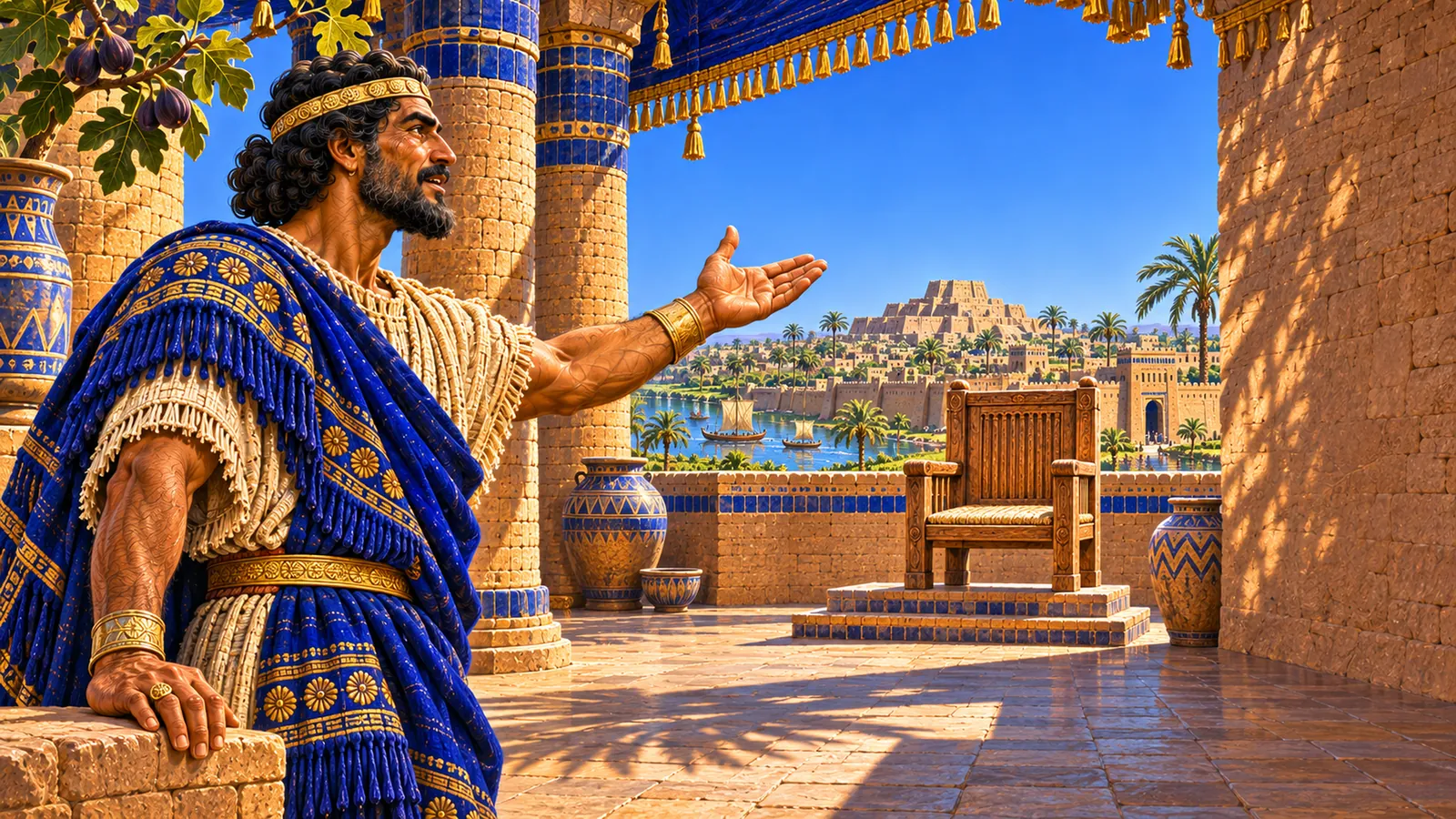
الخليفة
يتوجّه سرجون إلى أيّ ملك سيُرفَع شأنه من بعده. ويقطع سطرٌ مفقود هذا الخطاب قبل بدء الوصايا الموجّهة إلى ذلك الملك الآتي.
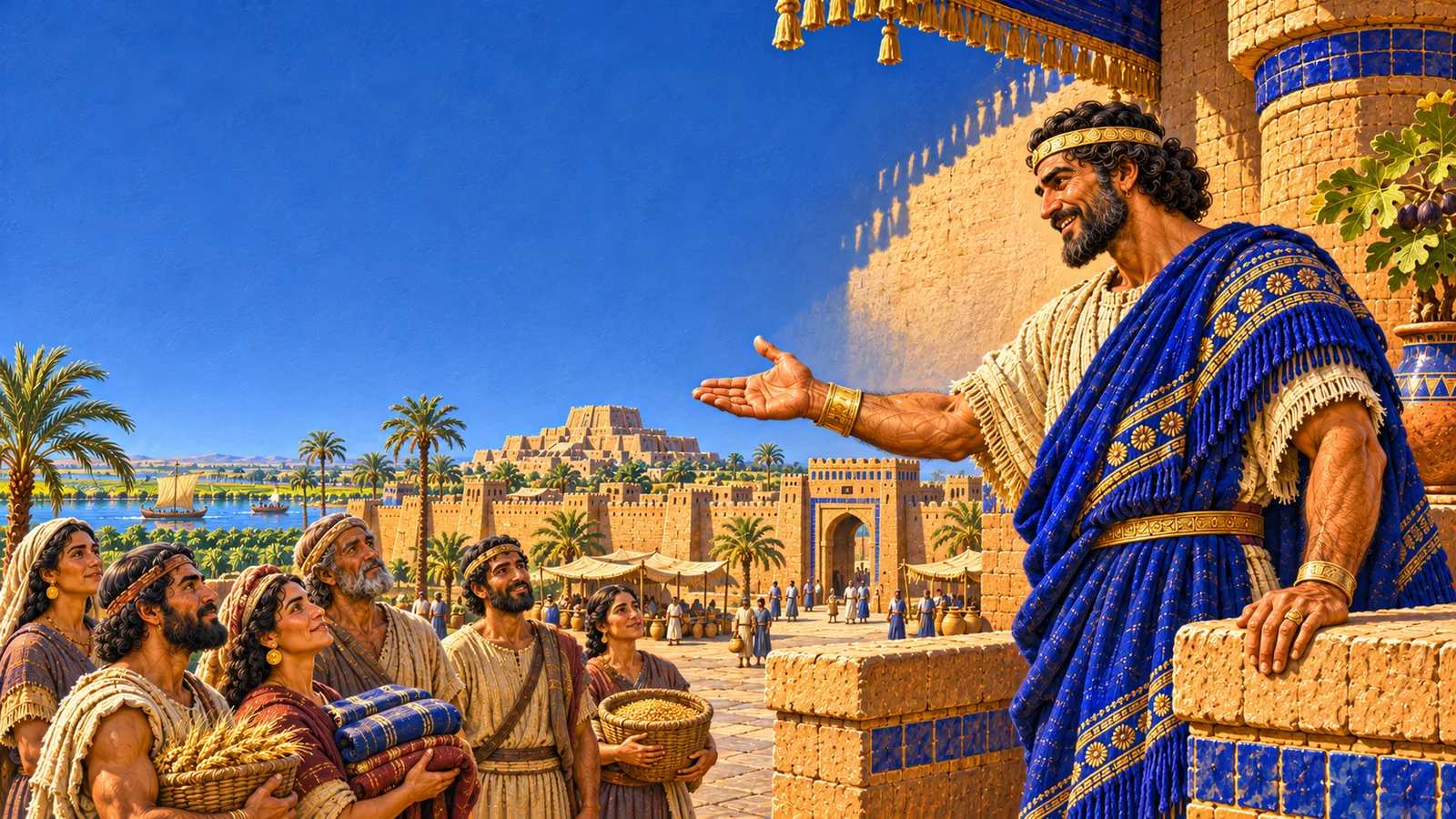
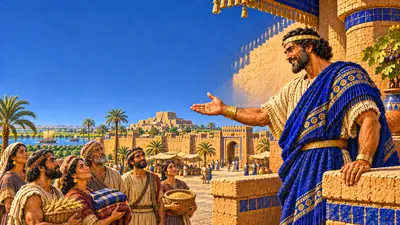
يدعو الصوت الملكيّ الملك الآتي إلى أن يحكم الناس ويدبّر شؤونهم. وتصف هذه الترجمة القديمة أولئك الناس بأنّهم ذوو الرؤوس السوداء.
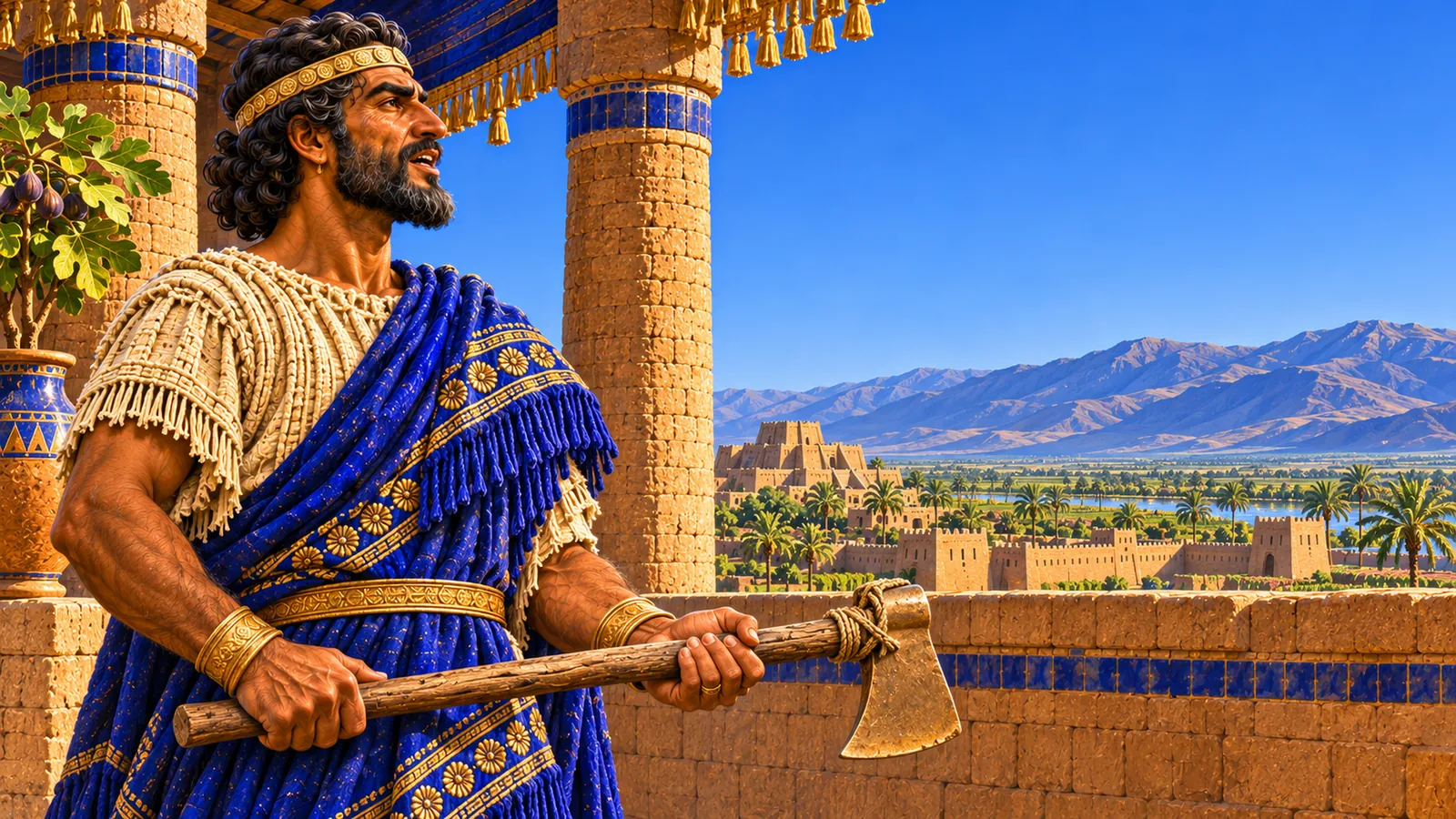
يدعو سرجون الملك الآتي إلى أن يدمّر الجبال العظيمة بفؤوس من البرونز. وتُورِد الترجمة القديمة ذلك في صيغة وصيّة إلى خليفته.
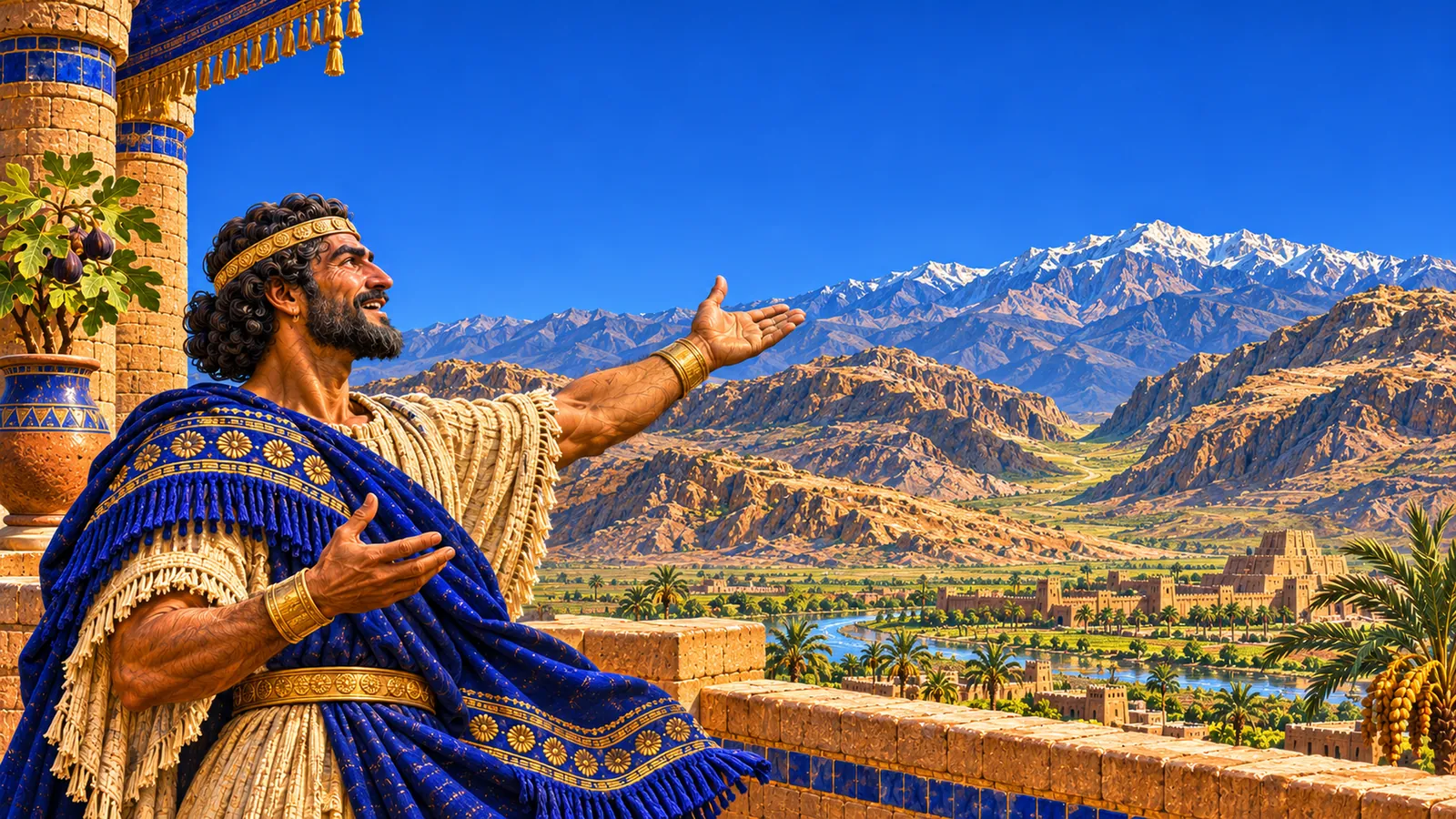
ويحثّ ذلك الملك على أن يصعد إلى الجبال العليا ويخترق الجبال السفلى. وهذه أوامر ترد في الخطاب الموجّه إلى خليفته.
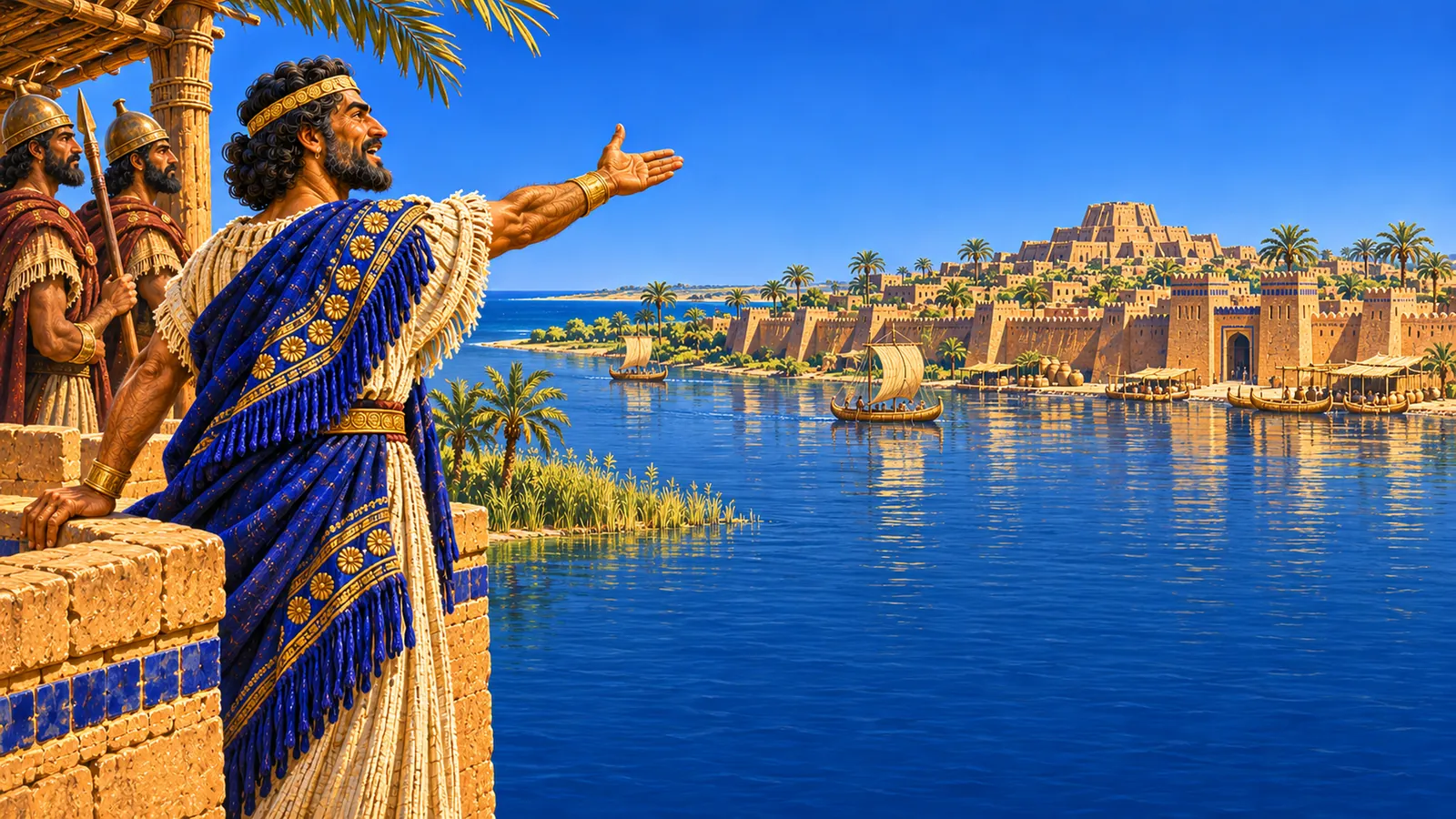
ثمّ يدعو سرجون الملك الآتي إلى أن يحاصر بلاد البحر ثلاث مرّات، مكرّرًا العدد الذي ذكره في قوله السابق.
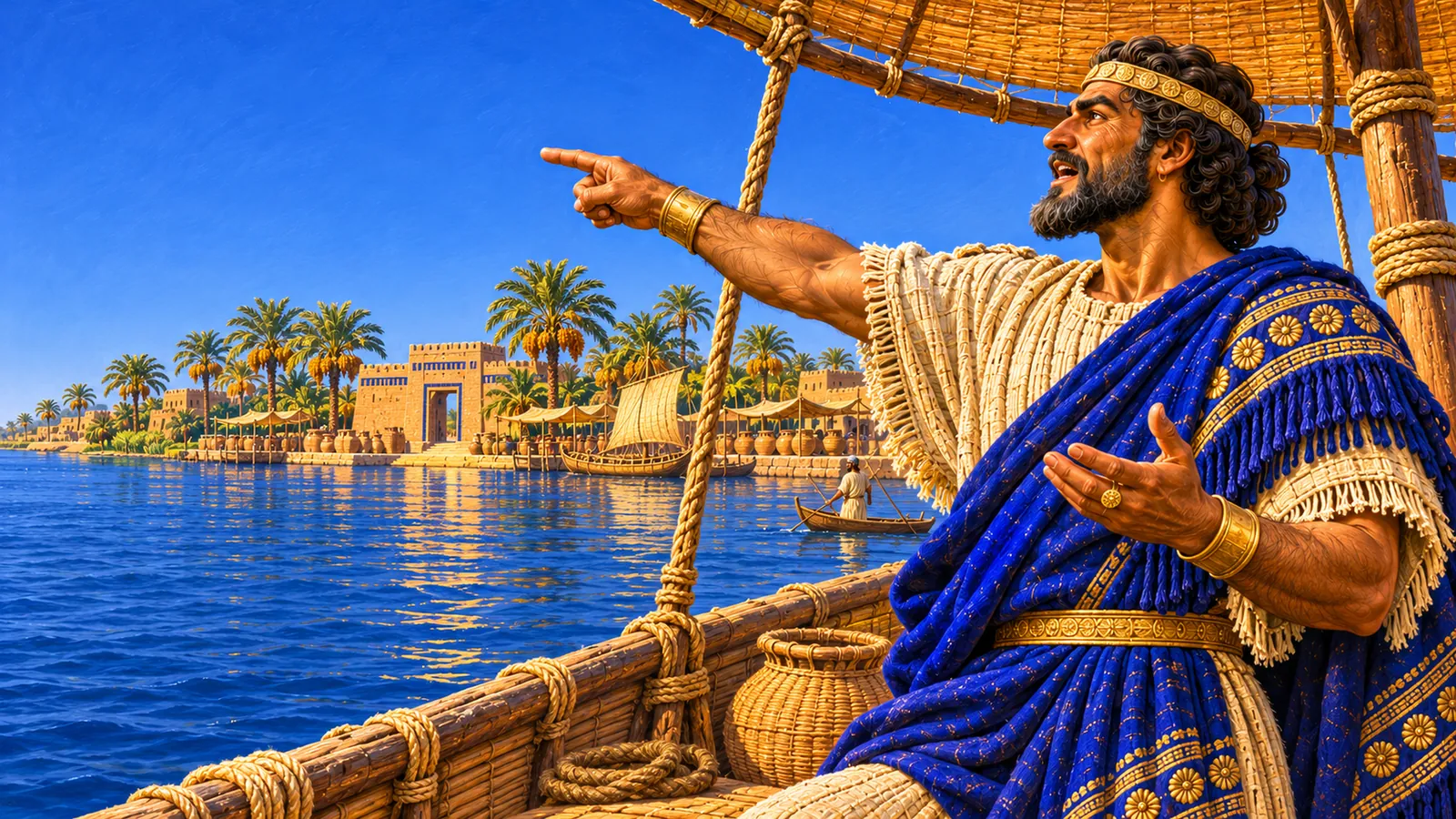
ويقول الصوت الملكيّ بعد ذلك إنّ على الخليفة أن يستولي على دلمون. وهذه وصيّة للملك الآتي ترد بعد القول السابق غير المؤكّد.
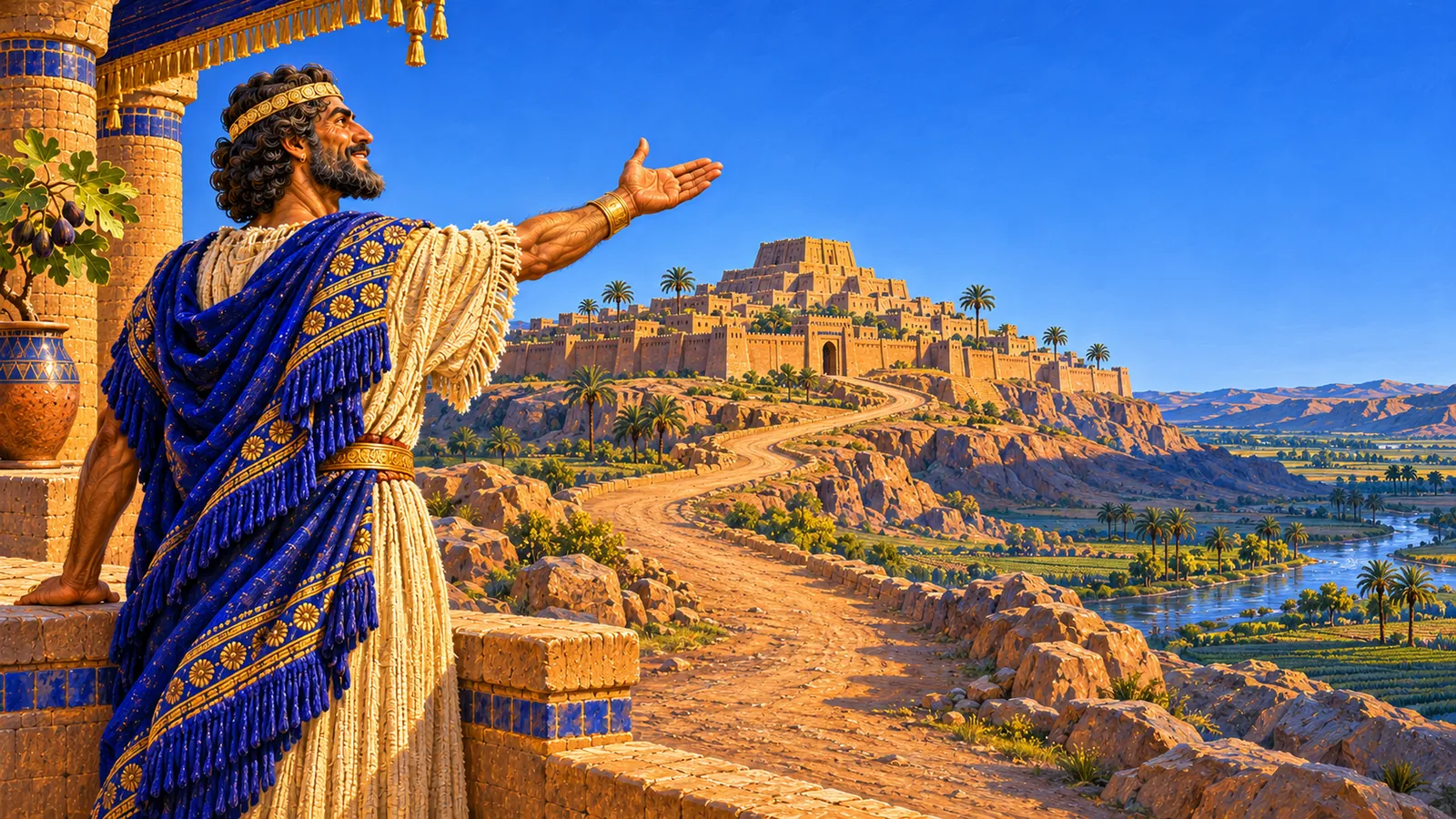
دور إيلو
يختتم الخطاب بوصيّة الملك الآتي أن يصعد إلى دور إيلو العظيمة. ولا يروي المقطع أنّ الخليفة نفّذ هذا الأمر.
نهاية الفصل الثاني
كل الصفحات

المصادر
المصادر والملاحظات مكتوبة بالإنجليزية كما وردت في المراجع.
Fordham credits George A. Barton, Archaeology and the Bible, third edition, 1920, p. 310, with modernization by J. S. Arkenberg. This is a reading of that historical translation. Its wording, numbers, question marks and gaps remain attributed to that edition. The date in Fordham’s heading describes the royal setting. Empty landscapes and ordinary materials accompany the words.
الطبعات المعتمدة
- Fordham University, the Sargon legend in Barton’s 1920 translation, modernized by J. S. Arkenberg
- Jonathan Valk 2016, institutional copy for the different modern excerpt used in episode 1
- CDLI manuscript record P365306
ملاحظات على هذه الرواية
Page 1, Fordham numbered entry 1. The speaker identifies himself as Sargon and king of Akkad. Fordham credits George A. Barton, *Archaeology and the Bible*, third edition (Philadelphia, American Sunday-School Union, 1920), p. 310, and states that J. S. Arkenberg scanned and modernized the text. The page’s title gives an approximate date for the king, which this reading does not assign to the manuscript.
Page 2, numbered entry 2. The older rendering describes the speaker’s mother as lowly and says that he did not know his father. The mother’s description is specific to the historical rendering on Fordham’s page. The two readings have their own attribution, without combining their wording.
Page 3, numbered entry 3. The speaker says that his father’s brother lived in the mountain. This sentence supplies no personal name or identified mountain.
Page 4, numbered entry 4. The speaker gives Azupiranu as his city and places it by the Purattu. Fordham puts the equivalent “Euphrates” in square brackets. The site’s location is reported as the speaker’s claim in this reading.
Page 5, numbered entry 12. In this historical rendering the speaker says that Ishtar loved him while he was a gardener.
Page 6, numbered entry 13. Barton’s old rendering gives four years of rule. It supplies no historical chronology of the king’s reign.
Page 7, numbered entry 14. The phrase about the black-headed peoples is the old English rendering’s collective idiom.
Page 8, numbered entry 15. The speaker claims to have destroyed mighty mountains with bronze axes. The Fordham rendering adds a question mark after the claim. All six narrations retain the uncertainty. An ordinary unused early bronze axe head accompanies the words as a symbolic object.
Pages 9–10, numbered entries 16–17. The two claims give an ascent of the upper mountains followed by breaking through the lower mountains. The reading preserves their order and assigns no separate names or route to the mountains.
The city and street are symbolic settings, and the axe head lies unused. Terrain, objects and buildings carry the words through varied still views.
Page 11 · line 18.
Page 12 · line 19. The old translation prints a question mark after the claim that Sargon captured Dilmun. The place name alone is used without a modern geographical identification.
Page 13 · lines 20–21. Line 20 says Sargon went up to great Dur-ilu and then breaks off. Line 21 preserves an isolated verb rendered “altered,” with dots on either side.
Page 14 · lines 22–23. Sargon addresses whatever king will be exalted after him. The next numbered line consists entirely of dots. The instructions resume at line 24.
Page 15 · line 24.
Page 16 · line 25. The future king is told to destroy mighty mountains with bronze axes.
Page 17 · lines 26–27. The future king is told to ascend the upper mountains and break through the lower mountains. These are imperatives, continuing the address.
Page 18 · line 28. He is told to besiege the country of the sea three times. This deliberately repeats the number in the royal claim at line 18.
Page 19 · line 29. He is told to capture Dilmun. This instruction has no question mark in the old translation. The earlier royal claim in line 19 remains marked as uncertain.
Page 20 · line 30. The final line instructs the future king to go up to great Dur-ilu. The selected passage ends with that instruction.
الأسطر القديمة وراء كل صفحة
- Page 1: Fordham, numbered entry 1; George A. Barton, Archaeology and the Bible, 3rd ed. (1920), p. 310, modernized by J. S. Arkenberg
- Page 2: Fordham, numbered entry 2; George A. Barton, Archaeology and the Bible, 3rd ed. (1920), p. 310, modernized by J. S. Arkenberg
- Page 3: Fordham, numbered entry 3; George A. Barton, Archaeology and the Bible, 3rd ed. (1920), p. 310, modernized by J. S. Arkenberg
- Page 4: Fordham, numbered entry 4; George A. Barton, Archaeology and the Bible, 3rd ed. (1920), p. 310, modernized by J. S. Arkenberg
- Page 5: Fordham, numbered entry 12; George A. Barton, Archaeology and the Bible, 3rd ed. (1920), p. 310, modernized by J. S. Arkenberg
- Page 6: Fordham, numbered entry 13; George A. Barton, Archaeology and the Bible, 3rd ed. (1920), p. 310, modernized by J. S. Arkenberg
- Page 7: Fordham, numbered entry 14; George A. Barton, Archaeology and the Bible, 3rd ed. (1920), p. 310, modernized by J. S. Arkenberg
- Page 8: Fordham, numbered entry 15, printed question mark; George A. Barton, Archaeology and the Bible, 3rd ed. (1920), p. 310, modernized by J. S. Arkenberg
Left is continuous cool dark naturally shaded fine stone without a line, object, highlight, joint or gleam. The unused object is a symbolic accompaniment to the old translation’s uncertain claim. - Page 9: Fordham, numbered entry 16; George A. Barton, Archaeology and the Bible, 3rd ed. (1920), p. 310, modernized by J. S. Arkenberg
- Page 10: Fordham, numbered entry 17; George A. Barton, Archaeology and the Bible, 3rd ed. (1920), p. 310, modernized by J. S. Arkenberg
- Page 11: Barton 1920, Archaeology and the Bible, 3rd ed., p. 310; Fordham/Arkenberg modernization, Sargon legend, line 18
- Page 12: Barton 1920, Archaeology and the Bible, 3rd ed., p. 310; Fordham/Arkenberg modernization, Sargon legend, line 19
- Page 13: Barton 1920, Archaeology and the Bible, 3rd ed., p. 310; Fordham/Arkenberg modernization, Sargon legend, lines 20–21
- Page 14: Barton 1920, Archaeology and the Bible, 3rd ed., p. 310; Fordham/Arkenberg modernization, Sargon legend, lines 22–23
- Page 15: Barton 1920, Archaeology and the Bible, 3rd ed., p. 310; Fordham/Arkenberg modernization, Sargon legend, line 24
The natural left reading area must be clear ground, never fog or blur. - Page 16: Barton 1920, Archaeology and the Bible, 3rd ed., p. 310; Fordham/Arkenberg modernization, Sargon legend, line 25
- Page 17: Barton 1920, Archaeology and the Bible, 3rd ed., p. 310; Fordham/Arkenberg modernization, Sargon legend, lines 26–27
- Page 18: Barton 1920, Archaeology and the Bible, 3rd ed., p. 310; Fordham/Arkenberg modernization, Sargon legend, line 28
- Page 19: Barton 1920, Archaeology and the Bible, 3rd ed., p. 310; Fordham/Arkenberg modernization, Sargon legend, line 29
- Page 20: Barton 1920, Archaeology and the Bible, 3rd ed., p. 310; Fordham/Arkenberg modernization, Sargon legend, line 30
الرسوم من صنع أرشيف إيل بأدوات الذكاء الاصطناعي؛ والنص مبني على المصادر القديمة (انظر المصادر في آخر كل فصل).